❌

Vue normale

Reçu — 12 octobre 2026 ⏭ Windows Central - News, Forums, Reviews, Help for Windows 10 and all things Microsoft.

Global PC shipments fell by about 20% in Q3 2026

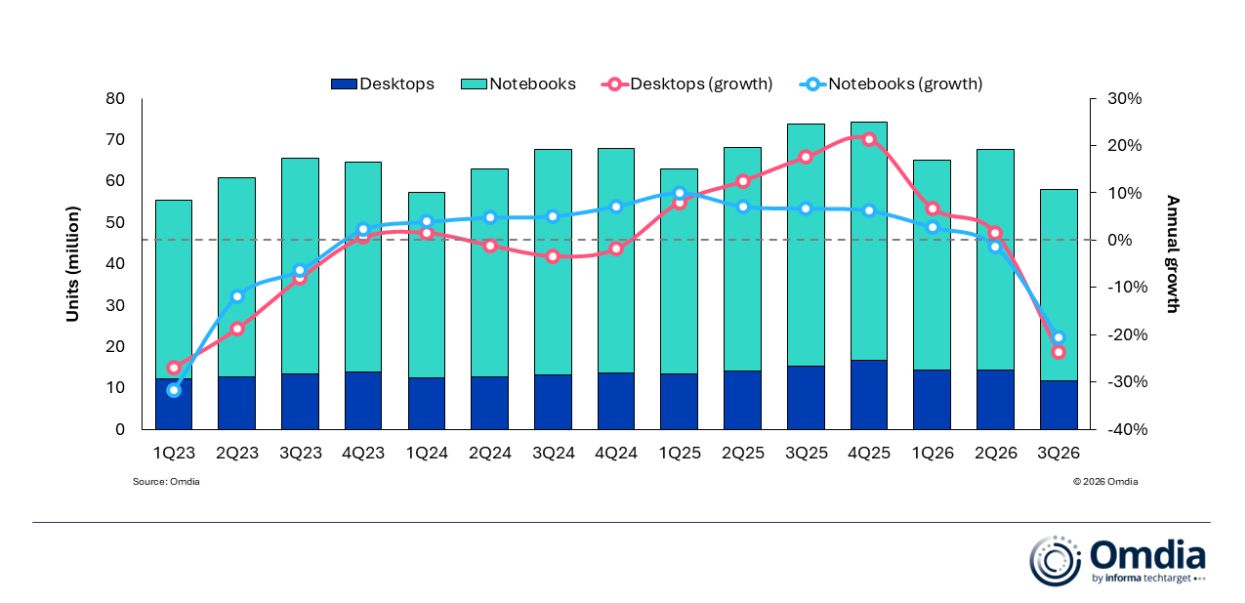
IDC and Omdia, two major analyst firms, recently released independent reports showing massive year-over-year drops in global PC shipments in Q3 2026. IDC shows a slightly rosier 20.1% decline compared to Q3 2025, whereas Omdia reports a 21.2% decline.

Breaking that down, Omdia notes that desktop shipments dropped 23.5% and laptops 20.6% to arrive at the average.

This decline is not normal. As IDC notes, Q3 almost always beats Q2, but this year, it's dropped by 9.1% sequentially.

Is there a need to panic? Probably not, at least not more than the new normal, as RAM and storage shortages have pushed prices beyond what many users are willing to pay. Let me explain.

Why did global PC shipments fall off a cliff in Q3 2026?

Omdia chart compares desktop and notebook shipments with annual growth by quarter from 1Q23 to 3Q26; notebook bars dominate, while growth lines peak in 4Q25 then fall.

Omdia's chart shows a more detailed breakdown of the year-over-year PC shipment decline in Q3 2026. (Image credit: Omdia)

Both analysts agree that the sharp drop in global PC shipments is due to vendors and supply channels buying up stock earlier in the year. IDC's Jitesh Ubrani says it's the result of "strong first half pull-in" which has "thrown off the usual seasonality".

Despite the RAM and storage crisis already digging its claws into the market in Q1 2026, global PC shipments actually rose by 3.2% on the back of panic buyers, Windows 10 upgraders, and advance vendor stockpiling.

It wasn't until Q2 2026 that global shipments finally dropped year-over-year, this time by 4%. Again, much of the PC market was kept afloat by vendors and supply channels padding out their inventories before prices went any higher.

That momentum has finally tailed off in a major way. Ubrani remarks:

Channels are now worried about carrying too much inventory into a market where high prices are suppressing demand. That could translate into promotions and some short-term relief for consumers, but we don’t expect pricing anywhere near what it was a year ago.

Jitesh Ubrani for IDC

Omdia's Research Director Ishan Dutt agrees, noting that "pull-forward activity buoyed the PC market in the first half of the year" and that the sharp drop in Q3 2026 "comes as no surprise."

Which PC brand got hit the hardest in Q3 2026?

Lenovo Legion 5i 15

Lenovo is one of the PC brands that got hit hardest in Q3 2026. (Image credit: Windows Central)

Omdia and IDC both provide detailed numbers as to how many shipments each major PC brand was able to send out in Q3 2026.

According to IDC, HP saw the biggest year-over-year decline at 30.9%, with Lenovo coming in second at a 22.6% decline. Omdia's numbers put HP at -31% and Lenovo at -22.9%, so not much difference.

Moving down IDC's list, Dell was hit by a 25% decline, ASUS by 8.6%, and other brands together by 14%. Despite Apple growing strongly in Q2 2026 thanks to the launch of its MacBook Neo, it also dropped off by 11.3% in Q3.

What does the drop in global PC shipments mean for regular buyers?

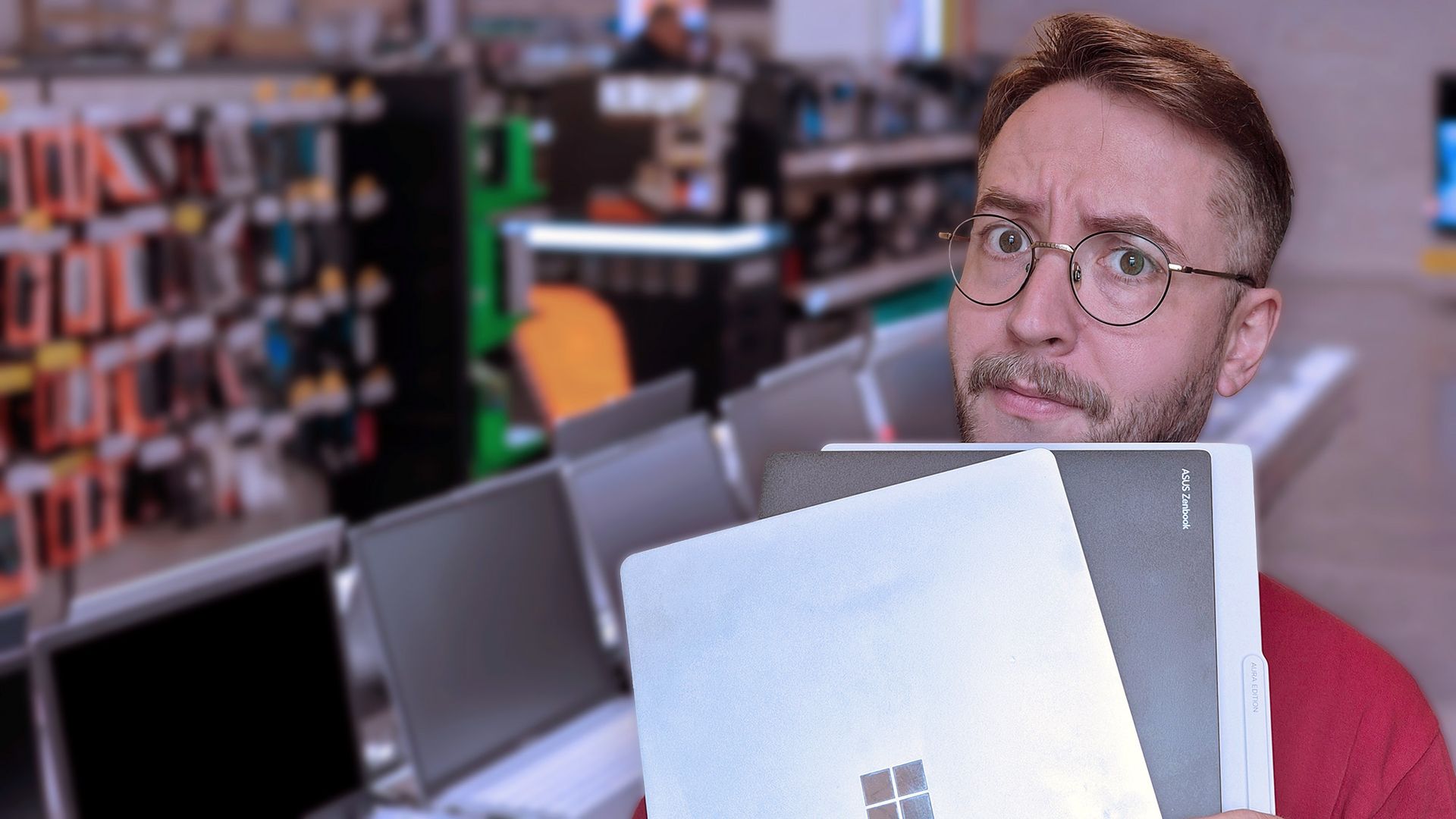
Windows Central Senior Editor Ben Wilson holding two laptops in an electronics store, looking puzzled.

It's not easy shopping for a new laptop in 2026. (Image credit: Getty / Ben Wilson | Windows Central)

Basically, this sharp drop in shipments doesn't mean that you should suddenly see a return to more regular prices.

Vendors and suppliers had to buy their PCs in the first half of 2026 at a much higher price than usual, and they're not likely keen on losing money as they get rid of stock in Q4.

RAM and storage costs have not improved, and IDC's Ubrani notes that "with macro conditions worsening, the risk is that the outlook for the next few quarters gets worse before it gets better."

Offering buying advice here sort of feels futile. On one hand, yes, some vendors might realize they need to offload stock and will offer some tasty discounts that bring prices back into the realm of reality. Unfortunately, I can't guarantee that will happen any time in the near future.

On the other hand, laptops might be at their most affordable right now, and waiting for a great deal will only end up making you pay more later this year or next year. It's a frustrating predicament, to be sure.

It will be interesting to see what Q4 2026 has in store for the global PC market.

Click to join us on r/WindowsCentral

Join us on Reddit at r/WindowsCentral to share your insights and discuss our latest news, reviews, and more.
AMD says it's bringing FSR 4 to gaming handhelds before 2027

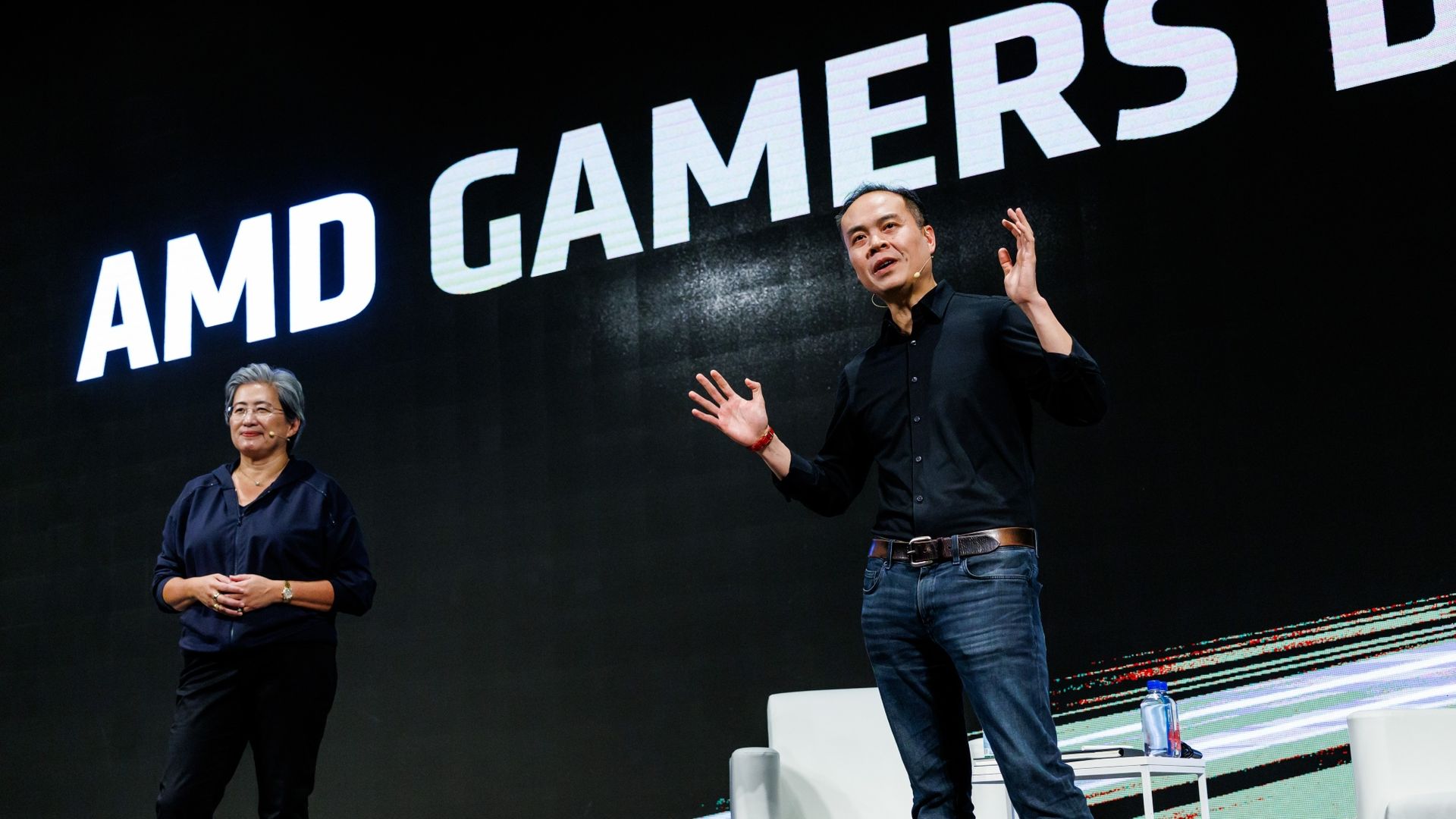
AMD's Senior VP and GM of Computing and Graphics, Jack Huynh, recently revealed to Korean tech outlet TheElec that the company intends to launch FidelityFX Super Resolution 4 (aka FSR 4) on more than just its Radeon RX 9000 and RX 7000 discrete graphics cards before 2027.

Huynh notes that the FSR 4 saturation will not only cover new APU hardware, but also existing APUs, gaming handhelds, and gaming laptops.

We will expand the machine learning and AI-based FSR 4 technology, which was preemptively introduced in existing external graphics cards, to the entire product lineup by the end of this year, including APUs, gaming laptops, and handheld devices. We plan to respond in two directions: existing APUs and launching new product lines."

Jack Huynh, AMD Senior VP and GM of Computing and Graphics (Translated from TheElec)

For us here at Windows Central, this is big news. Many of our favorite gaming handhelds, including the ROG Xbox Ally X and Legion Go, use an AMD Ryzen APU, which, to this point (and until AMD flips the switch), has only had official access to FSR 3.

I say official, because savvy enthusiasts have actually been able to get a leaked version of FSR 4 running on hardware suitable only for FSR 3 and 3.5, like the APUs used in gaming handhelds.

This hack delivered the change from FSR 3's manually tuned upscaling to FSR 4's machine learning approach, but it didn't come without some performance drawbacks.

According to Huynh, the secret to bringing FSR 4 to such a wide range of AMD GPUs is a new custom model.

We have newly developed a dedicated model of FSR 4 that is lightweight and tailored for APU environments. We are focusing on delivering excellent game graphics and low latency.

Jack Huynh, AMD Senior VP and GM of Computing and Graphics (Translated from TheElec)

AMD teased this advancement earlier this year when it unveiled FSR 4.1 for its Radeon RX 7000 GPUs, saying it needed more time to develop the lightweight alternative. About four months later, we now have confirmation that it's arriving before 2026 is through.

Is this what AMD needs to compete with Intel?

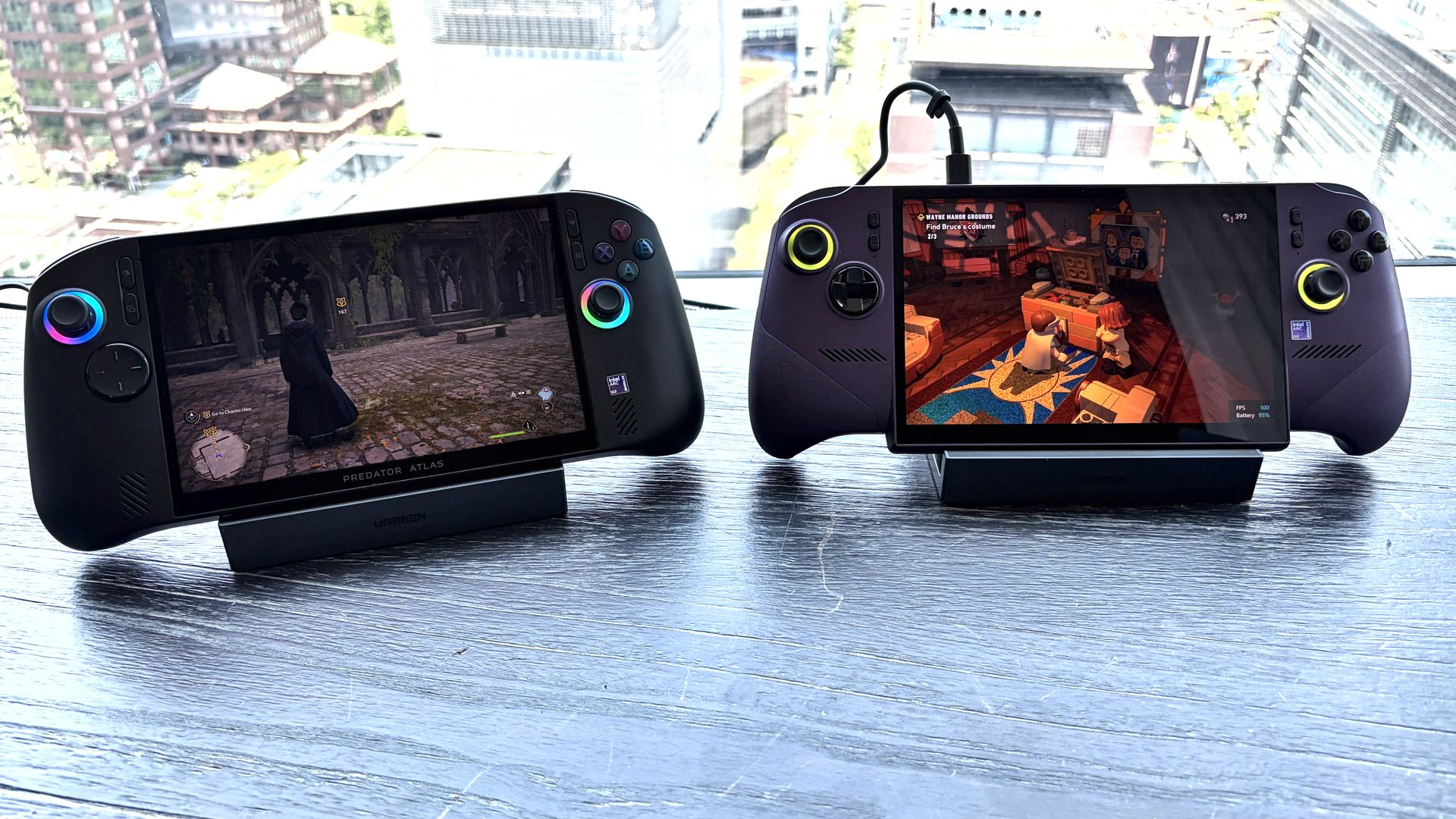
Two handheld gaming devices (Acer Predator Atlas 8 and MSI Claw 8 EX AI+) on a table, showing different video games with a cityscape in the background.

The Acer Predator Atlas 8 and MSI Claw 8 EX AI+ at Computex 2026. (Image credit: Future)

When I attended Computex this year, I had a chance to test out new gaming handhelds featuring Intel G3 and G3 Extreme chipsets.

The MSI Claw 8 EX AI+, the Acer Predator Atlas 8, and the OneXPlayer 3 were all available, and I was blown away by their performance and efficiency.

👉 "The upgrade I've been waiting for": Intel's new Arc G-Series gaming handheld chips are taking the fight straight to AMD Ryzen

My first thought, as I was enjoying some smooth gameplay on MSI's handheld, was that AMD had better cook something up quickly to compete with Intel.

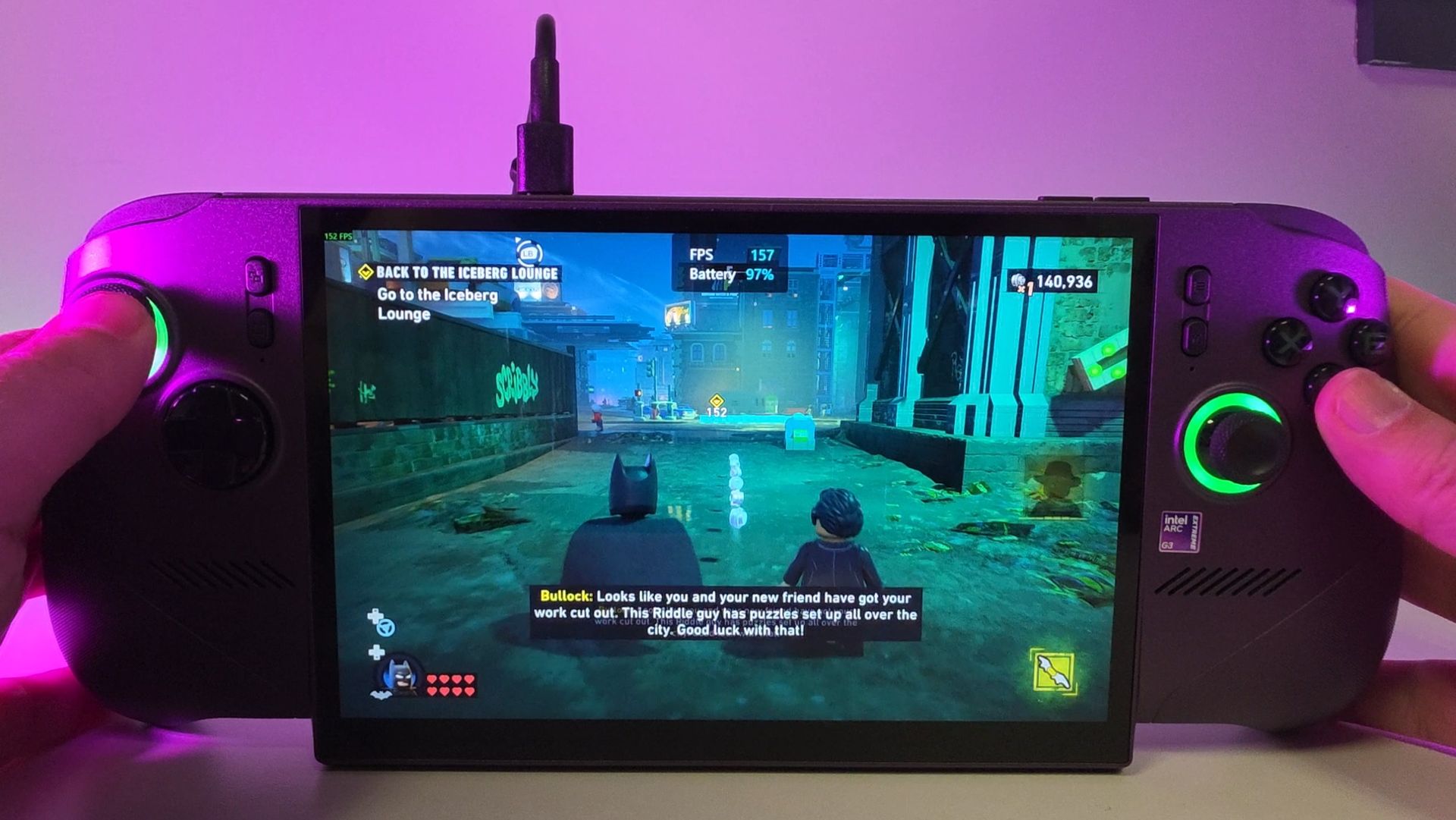
LEGO Batman running on the MSI Claw 8 EX AI+ with Intel XeSS enabled, resulting in 157 FPS thanks to frame-gen.

My Steam Deck can barely run LEGO Batman, but it's no trouble hitting 155+ FPS with the Intel-powered MSI Claw 8 EX AI+. (Image credit: Daniel Rubino)

Intel's package is all about superb performance with XeSS 3 multi-frame generation and low latency, with Team Blue claiming roughly 42% better performance than AMD's Ryzen Z2 Extreme at 35W.

If you've also had a chance to try out this latest wave of Intel handhelds, you know exactly what I'm getting at.

Part of the problem with AMD's existing handhelds is that they don't have access to machine learning upscaling, and the gap between FSR 3's hand-tuned abilities and FSR 4's AI-based approach is noticeable.

That will change whenever AMD actually drops FSR 4 down to its existing APUs. The real upshot here is that countless handheld gamers are going to suddenly get a boost without paying anything extra.

With Intel's G3/G3 Extreme handhelds generally costing significantly more than AMD alternatives, this should also help keep Ryzen-powered devices in the mix.

The bottom line here is that it's great to see AMD catching up to its competition, no matter how late it arrives. And I'll be keeping my eye on whatever next-gen APUs AMD is working on next.

Click to join us on r/WindowsCentral

Join us on Reddit at r/WindowsCentral to share your insights and discuss our latest news, reviews, and more.
❌