❌

Vue normale

Microsoft is streamlining Windows 11's sign-in experience, here's how

Microsoft is working on a small yet meaningful change to the lock screen and sign-in experience on Windows 11 that will streamline the authentication process that users must go through to log into their desktop.

The current Windows sign-in flow requires the user to manually select the method of authentication they wish to use to login. If you've set up a PIN, face unlock, and fingerprint unlock, the only method of authentication that is active is the one you manually click on to use on the lock screen.

This is a huge gripe of mine, and it's super frustrating when you want to login using your face, but Windows has selected PIN or fingerprint. It means your webcam isn't looking for you in that moment, and you have to manually switch to face unlock to force Windows into checking for your face and logging in.

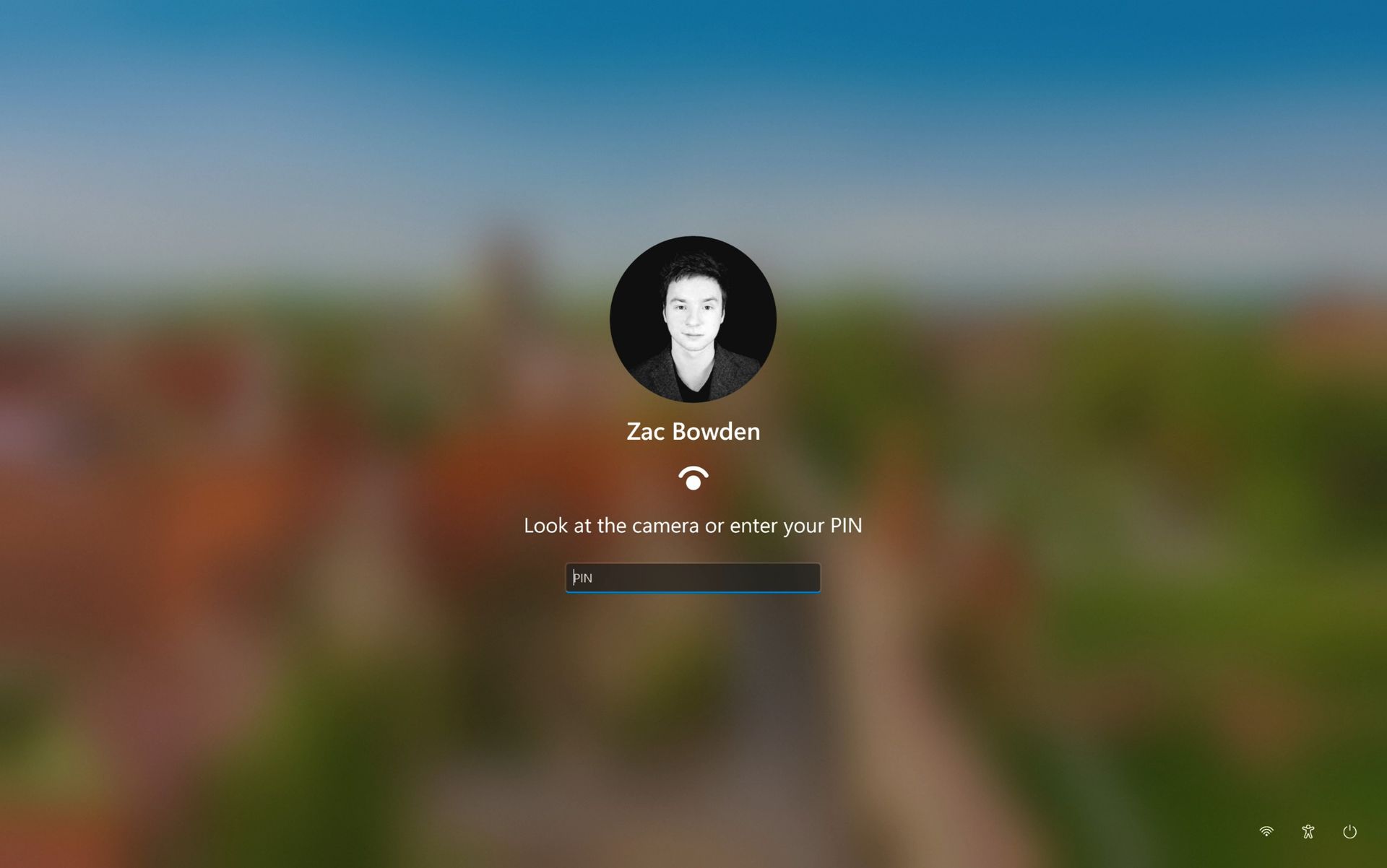
Well, it looks like this is finally changing. In the latest Windows 11 preview builds, a hidden feature ID enables a new experience that automates this. Now, by default, the PIN box is always on show, but face unlock and fingerprint unlock are also active and ready to authenticate at the same time.

The new sign-in flow on Windows 11

No longer does the user need to manually choose their login method. (Image credit: Zac Bowden / Windows Central)

This means users no longer need to manually select the login method of their choice. Windows will automatically capture whichever biometric authentication method is set up, even when the PIN box is on screen. This also means the lock screen looks cleaner as a result, as the options to choose which authentication method you want to use is no longer displays as it's not necessary. It's also faster for those with biometric authentication enabled.

I really like this change, as it encourages Windows to keep trying my face unlock even if it fails the first time. Of course, there's an eventual timeout if it fails too many times, but I find it is able to log me in before it ever reaches that point. Also, being able to just type my PIN without having to manually select the PIN option first is also great.

Microsoft is yet to announce this new sign-in flow, but I suspect it won't be long until it's officially put into testing as it's already very polished and has been in the works for a number of months now. What do you think? Is this a good change for the Windows lock screen? Let us know in the comments.

Click to join us on r/WindowsCentral

Join us on Reddit at r/WindowsCentral to share your insights and discuss our latest news, reviews, and more.

Xbox and Windows at odds over OS for next-gen Xbox Helix console, now scheduled for 2028

Microsoft's next-gen Xbox hardware lineup is beginning to come into focus. According to a new report from Fortune, the company is gearing up to ship new hardware in the form of a handheld in 2027, followed by a full-blown console in 2028.

It's unclear if the handheld project is a first party Xbox device, or a third-party device designed and manufactured by an OEM partner like ASUS and the ROG Ally X. The console is expected to be first-party, and is likely to run a specialized version of Windows.

The report claims that Xbox and Windows have been at odds about how the OS should run on Project Helix. Windows leaders wanted the consoles to run a modified version of Windows desktop, but Xbox leaders wanted a more boutique OS experience designed for gaming.

"Tensions ran high enough that a senior Xbox executive threatened to scrap the handheld project rather than adopt the Windows build ... Xbox is now largely controlling the direction of the operating system for the project" Fortune claims.

Microsoft's Xbox CTO, Scott Van Vliet has taken to X to refute Fortune's claims, stating that the report "misrepresents both the technical work and the relationship between the teams." But Windows and Xbox have a long history of clashing, and is the least surprising part of this report.

My own sources tell me that both Windows and Xbox teams have disagreed over the direction of the platform for certain gaming-specific experiences, but that doesn't mean the teams aren't still working together.

Windows already powers the current Xbox Series consoles, as well as Xbox One. It's a modified version of the OS that the Xbox team has customized, built on top of the Windows OS core that is developed by the Windows team.

It sounds like the Xbox team has decided to maintain this approach with Project Helix consoles, expanding and building upon it with new features and capabilities such as running PC games.

This is why you've seen an uptick in Xbox OS features for existing Xbox consoles over the last handful of months, as the Xbox org has started reinvesting in the OS experience they already control. This work will naturally also benefit the next-gen consoles.

Alarmingly, Fortune claims that Microsoft is currently expecting the next-gen Xbox console to cost somewhere between $1,200 and $1,800, making it the most expensive gaming console ever. It's possible that Microsoft may choose to subsidize the cost, which would bring it closer to $1,000, but nothing is confirmed.

Of course, these rumors are unconfirmed. Plans could change and schedules could slip, so nothing is set in stone until Microsoft is ready to formalize its plans officially. For now, we know that Project Helix is still in development, with first devkits expected to debut in early 2027.

Let us know in the comments what you think about Project Helix so far.

Click to join us on r/WindowsCentral

Join us on Reddit at r/WindowsCentral to share your insights and discuss our latest news, reviews, and more.
❌