Connexion

Windows Central CES 2027 Awards: How to enter your product
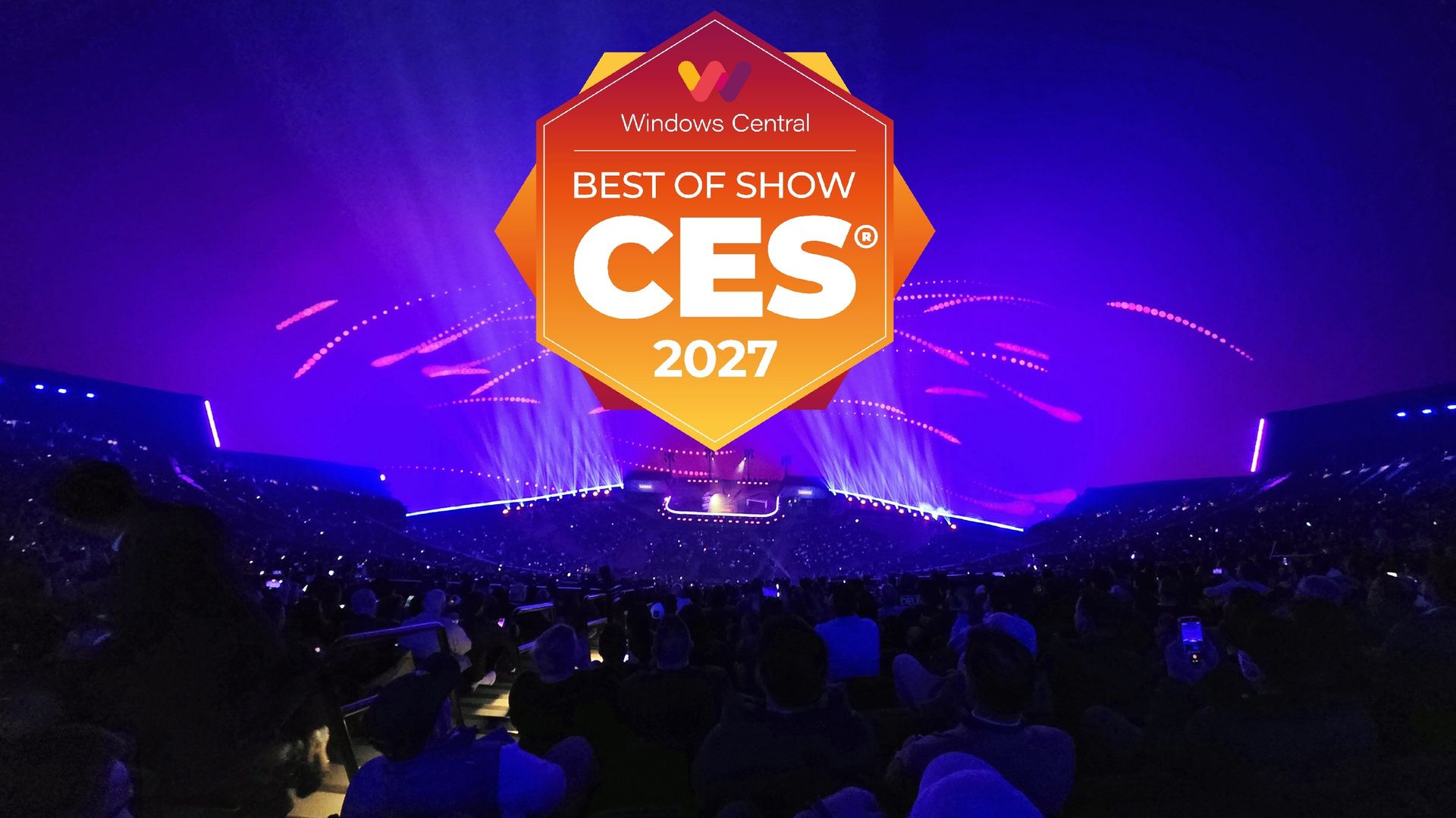
CES 2027 is almost here, and Windows Central is officially joining the Best of Show Awards at CES 2027 to recognize the most exciting PCs, gaming hardware, components, accessories, and innovations heading to Las Vegas.
If your company is bringing something new to CES 2027 that deserves the attention of the Windows Central editorial team, we want to see it.
The Windows Central Best of Show CES 2027 Awards will recognize the products and technologies that rise above a huge field of new hardware. That could mean an exceptional laptop, a groundbreaking gaming device, next-generation PC silicon, a clever accessory, or an ambitious new idea that pushes its category forward.
Here's how to make sure your product is in the running.
How to enter the Windows Central CES 2027 Awards
Products entered for consideration must be new or materially updated since CES 2026 and have a presence at CES 2027.
Entries close December 10, 2026, so manufacturers and PR representatives should submit eligible products as soon as possible.
Each entry costs $300 and requires information about the exhibiting company and nominated product, including a product image, URL, and a description of up to 750 words detailing the product and its innovation.
Companies can submit more than one product, with no limit on the number of eligible entries.
CES 2027 Awards entries at a glance
- Entries close: December 10, 2026
- Entry fee: $300 per entry
- Eligibility: Products must be new or materially updated since CES 2026 and have a presence at CES 2027
- Winners announced: January 6, 2027
- Multiple products: Companies may submit multiple eligible products
What products is Windows Central looking for?
Windows Central covers the technology at the heart of the modern PC ecosystem, with a particular focus on Windows PCs, laptops, PC gaming, processors, graphics, displays, accessories, and the innovations pushing these categories forward.
We're looking beyond specifications and marketing claims for products that distinguish themselves through design, performance, functionality, value, innovation, or a genuinely new approach to an existing category.
Areas we're particularly interested in for CES 2027 include:
- Best Innovation — A product, technology, or concept that meaningfully pushes its category forward.
- Best Laptop — An outstanding new portable PC with the design, performance, features, or overall experience to stand apart.
- Best Gaming Laptop — The gaming laptop that impresses us most through performance, design, display technology, features, or a combination of them all.
- Best Business Laptop — A standout PC designed for professionals and the modern workplace.
- Best Desktop PC — From gaming towers to innovative all-in-one systems, the desktop that catches our editors' attention.
- Best Mini PC — Small PCs that deliver an exceptional combination of performance, design, connectivity, or versatility.
- Best Gaming Handheld — The most impressive new portable gaming device or major advancement in handheld PC gaming.
- Best CPU — The processor technology that stands out most among the new silicon shown at CES.
- Best GPU — New graphics hardware that pushes PC gaming, computing, or creative performance forward.
- Best PC Component — Motherboards, memory, storage, cooling, power supplies, and other hardware worthy of recognition.
- Best Display — Exceptional monitors and display technologies for productivity, creativity, or gaming.
- Best Gaming Accessory — Controllers, keyboards, mice, headsets, and other hardware that makes playing on PC or Xbox better.
- Best PC Accessory — Docks, webcams, peripherals, and other gear that meaningfully improves the PC experience.
- Best AI Innovation — Hardware or software that demonstrates a genuinely useful or innovative application of AI.
- Best Concept — The experimental hardware, prototype, or forward-looking idea that gives us the most compelling glimpse of what could come next.
These categories aren't exhaustive. Windows Central's editors may add, combine, or adjust awards based on the products and technologies we encounter at CES 2027. CES has a habit of producing devices nobody saw coming, and we want room to recognize them.
What makes a Windows Central CES award winner?
We're looking for products that give us a reason to stop, take notice, and want to know more.
Sometimes that's a major technological breakthrough. Sometimes it's exceptional execution: a laptop with a fantastic design, a gaming device that meaningfully improves the experience, impressive new silicon, a clever accessory that solves a real problem, or a new form factor that suddenly makes an unusual idea seem obvious.
Not every great product needs to reinvent its category. Execution matters just as much as ambition.
CES is also one of the year's great showcases for experimental technology. That's why we're interested in concepts and prototypes alongside products headed to store shelves. Today's strange CES experiment can sometimes offer an early glimpse at the PCs and gaming hardware we'll be using years from now.
Why enter the Windows Central CES 2027 Awards?

Every eligible entry gives the Windows Central editorial team an opportunity to see what your company is bringing to CES before the show begins.
Our editors may contact entrants ahead of or during CES to arrange an in-person demonstration, giving us the opportunity to experience nominated products for ourselves.
Winners will receive an official Best of Show at CES 2027 trophy and will have the opportunity to license the official digital award winner's badge for use in brand marketing.
Most importantly, entering puts your product in front of the Windows Central team as we search CES for the hardware and innovations that deserve recognition.
Ready to enter?
👉To submit a product for consideration, please fill out the Windows Central CES Awards submission form.
The deadline for CES 2027 Best of Show entries is December 10, 2026.
Don't wait until we're walking the show floor in Las Vegas. If you've built one of the year's most interesting new PCs, components, gaming devices, accessories, or technologies, we want to see it.
Enter your product for the Windows Central Best of Show CES 2027 Awards