Connexion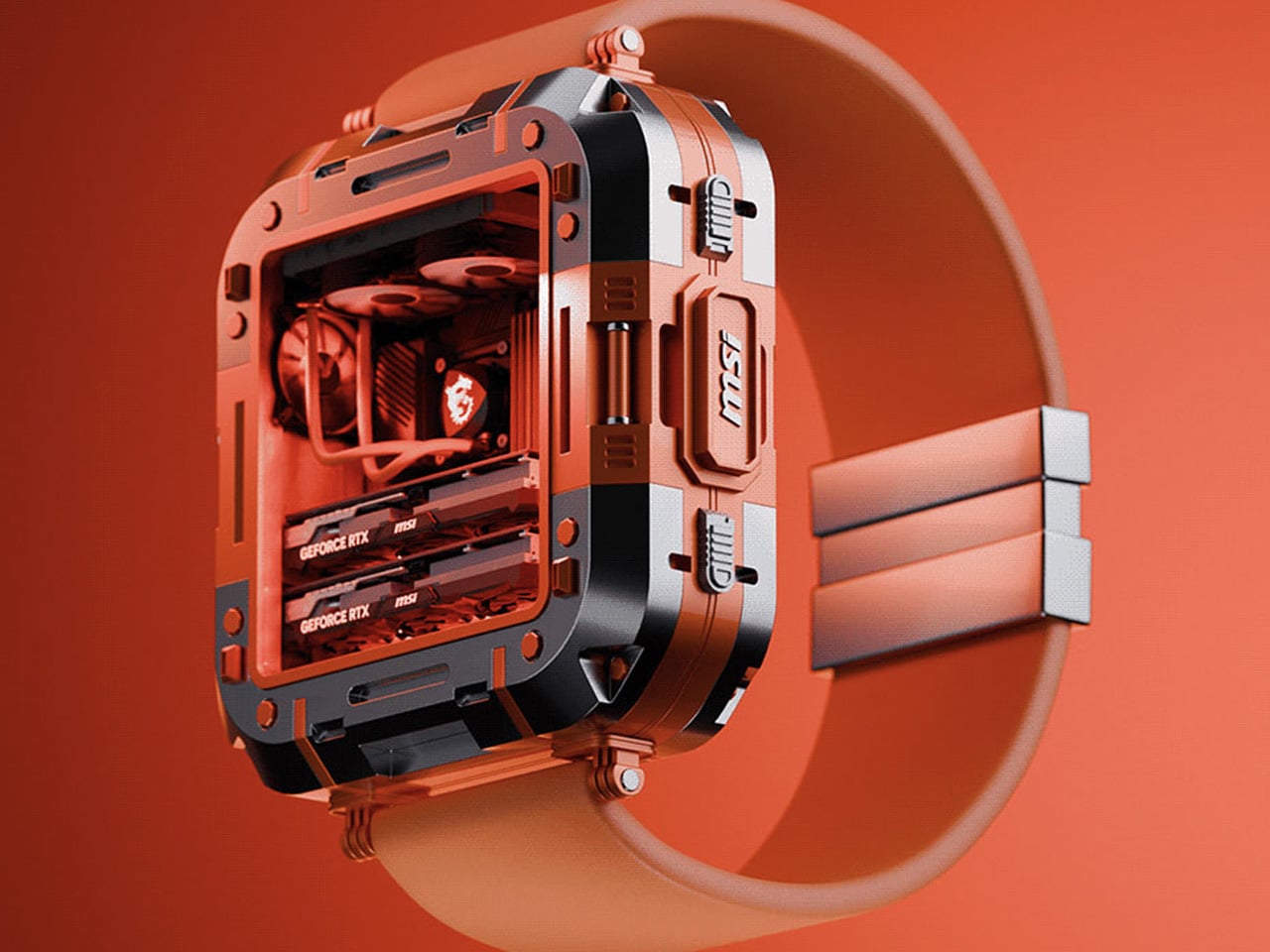

10 Best Smartwatches To Consider In October 2025: Find The Perfect Wearable For You

Smartwatches aren’t just wrist accessories anymore; they’re powerful, purpose-driven extensions of your lifestyle. Whether you’re an athlete, a gamer, a style enthusiast, or simply someone who wants to stay connected, the right wearable can elevate your daily routines. As October 2025 brings fresh innovation and daring new designs, the world of smartwatches is more diverse and exciting than ever.
From minimalist e-paper displays to rugged adventure companions and even a gaming PC for your wrist, this year’s lineup is packed with options that speak to every need and personality. Our list explores the best smartwatches available now, highlighting their unique strengths, standout features, and potential drawbacks. Dive in to find the perfect wearable for your wrist and your world.
1. MSI Gaming PC Watch: A Gaming Rig For Your Wrist
The MSI Gaming PC Watch is a spectacle for anyone who lives and breathes gaming. With its MSI dragon-red theme, transparent façade, and visible hardware, it’s an unmistakable tribute to high-performance rigs. This wearable doesn’t just tell time—it showcases your passion, sparking conversations and envy alike. While it might look like a traditional watch at first glance, its true identity is a full-fledged mini PC strapped to your wrist.
Analog watch hands are visible but understated, hinting at its timekeeping function. Four side pushers let you toggle features, and the construction feels robust with a metal alloy case. Not everyone will need or want a wearable computer on their wrist, but for those who do, nothing else comes close to this level of commitment and flair.
What we like
- Visually striking design that turns your wrist into a gaming showcase.
- Unique concept that marries PC hardware and wearable tech in an unprecedented way.
What we dislike
- Timekeeping is a secondary feature, not the main focus.
- Likely to be bulkier and less comfortable for daily wear.
2. Apple Watch Ultra 3: The Pinnacle Of Display Technology
Apple’s Ultra 3 brings a new dimension to smartwatch displays, boasting the largest and most advanced screen ever fitted to an Apple Watch. With wide-angle OLEDs and LTPO3 technology, it’s readable at any angle—even in direct sunlight or underwater. Apple’s design team has maximized the display space by shrinking the borders, so you get a bigger, better canvas without a larger watch.
Always-on features are smarter and more efficient, staying visible without draining the battery. Real-time seconds and instant stats make it a must for athletes and adventure seekers. If clarity, screen quality, and high-tech durability are priorities, the Ultra 3 is at the head of the pack.
What we like
- Expansive display with best-in-class readability in all conditions.
- Always-on screen with high refresh and low power use.
What we dislike
- Premium price puts it out of reach for some buyers.
- Large size may not suit those with slimmer wrists.
3. Pebble Time 2: E-Paper Simplicity, Modern Craft
Pebble’s comeback is all about maturity and minimalism. The Time 2 features a stainless steel case and integrated lugs that create a seamless, intentional flow from the case to the strap. The nearly edge-to-edge 1.7-inch color e-paper display sits flush with the glass, inviting you to run your finger along its perfectly smooth edges. This is a smartwatch for those who crave simplicity and customization without sacrificing style.
Available in Silver, Black, and Champagne Gold, the Time 2 lets you swap out standard 22mm bands, making it adaptable for any look. It’s a refined, user-first foundation that feels both nostalgic and modern. The e-paper display also means longer battery life and easy outdoor readability.
What we like
- Minimalist, sophisticated design with customizable bands.
- E-paper display is gentle on the eyes and extends battery life.
What we dislike
- Lacks the premium sensors and apps found on flagship smartwatches.
- Refresh rate is slower than traditional OLED or LCD screens.
4. WearPods Hybrid Smartwatch: Earbuds On Your Wrist
WearPods is a clever hybrid, hiding a pair of true-wireless earbuds within the body of a smartwatch. It’s designed for the forgetful and the futuristic, merging two essential devices into one. The 1.93-inch display and smart features are impressive, but the real magic happens when you pop out the earbuds with a satisfying click, ready for calls or your favorite playlist.
This all-in-one approach does come with some trade-offs. Packing both a smartwatch and earbuds into such a compact form means battery life isn’t stellar, and the ergonomics for both components might not suit everyone. Still, for tech lovers who want to reduce pocket clutter, it’s a novel solution.
What we like
- Ingenious all-in-one design keeps your earbuds always accessible.
- Appeals to gadget lovers and those prone to losing accessories.
What we dislike
- Reduced battery life compared to single-function wearables.
- Fit and comfort may not match dedicated smartwatches or earbuds.
5. Ollee Watch: A Classic Casio, Supercharged
The Ollee Watch turns the classic Casio F-91W into a customizable smartwatch through a mainboard swap. You keep the retro resin case, LCD, and water resistance, while gaining step tracking, notifications, and Bluetooth. It’s a clever, open-source upgrade that bridges nostalgia and modern convenience.
DIY fans will appreciate the upgrade process, which doesn’t require advanced skills. The result is a connected, functional timepiece that feels both familiar and fresh—ideal for those who want to retain the original’s charm while adding new tech.
What we like
- Maintains the beloved Casio design with modern smart features.
- Open-source and DIY-friendly for personal customization.
What we dislike
- Installation requires some technical ability and patience.
- Not as feature-rich as premium smartwatches.
6. Garmin Instinct 3: AMOLED Or Solar For Every Adventure
Garmin’s Instinct 3 offers versatility with AMOLED and solar-powered variants, each available in two sizes. The AMOLED model delivers vivid visuals for gym goers, while the solar model boasts unlimited battery life in sunlight—ideal for outdoor enthusiasts. Up to 24 days on a single charge sets a new standard for smartwatch endurance.
The Instinct 3 is built tough, with extensive fitness tracking and navigation features. While its rugged look won’t win fashion awards, its performance and battery options make it a reliable companion for any adventure.
What we like
- Choice between super-bright AMOLED and solar-powered battery.
- Outstanding battery life and rugged durability.
What we dislike
- Solar models require regular sunlight for the best results.
- Functional, utilitarian design isn’t for style seekers.
7. TAG Heuer Connected Calibre E4 45MM x Oracle Red Bull Racing
TAG Heuer’s collaboration with Oracle Red Bull Racing produces a standout luxury smartwatch. The 45mm DLC titanium case, bold racing-themed strap, and dial make it a collector’s item. It’s packed with features for health, fitness, and lifestyle, all wrapped in the prestige of Swiss watchmaking.
This is a watch for motorsport fans and those who appreciate both tradition and cutting-edge tech. While its price and look may not be for everyone, it’s a striking fusion of speed and sophistication.
What we like
- Luxurious materials and exclusive Red Bull Racing design.
- Offers comprehensive smart features with top-tier build quality.
What we dislike
- High price limits its accessibility.
- Bold styling may not suit everyday wear or all tastes.
8. Apple Watch Series 11: The Ultimate Health Monitoring Device
Apple’s Series 11 sets a new bar for health-focused smartwatches. With advanced sensors, silent killer detection, and always-on ECG, it’s the most feature-packed Apple Watch yet. Hardware upgrades ensure it’s more durable and connected than ever, while seamless integration into the Apple ecosystem makes it a natural choice for iPhone users.
It’s designed for those who want a blend of style, utility, and medical-grade monitoring on their wrist. The only major downside is its battery life, which still requires daily charging.
What we like
- State-of-the-art health monitoring and medical features.
- Refined design and perfect compatibility with iPhone.
What we dislike
- Battery life is only average, requiring daily top-ups.
- Works best only within the Apple ecosystem.
9. Huawei Watch GT 6 Pro: Built For Endurance
The Huawei Watch GT 6 Pro is built for athletes who need their gear to last. Its sapphire crystal display and titanium case shrug off scratches and impacts, while the 21-day battery life is a game-changer for training camps and expeditions. Peak brightness makes it easy to read outdoors, and pro-grade GPS and tracking features cater to serious runners and cyclists.
While its focus is on endurance and performance, it may not have the app ecosystem or lifestyle features of more mainstream smartwatches.
What we like
- Ultra-durable with sapphire crystal and titanium construction.
- Long-lasting battery ideal for extended use and adventures.
What we dislike
- Limited app selection compared to Apple and Wear OS.
- More fitness-focused, less suited for general lifestyle use.
10. Ksana Hybrid E-Ink Smartwatch: Essential Information, Always
Ksana’s hybrid smartwatch puts a small E Ink display at the center, overlaying an analog dial with glowing hands. This battery-saving approach means you get only the essential info, without distractions or frequent charging. The analog movement adds classic charm, while the display excels in any lighting.
It’s ideal for anyone who values simplicity and mindfulness over a barrage of notifications. The pared-back approach means you’ll miss out on richer app experiences, but for many, that’s a feature, not a bug.
What we like
- E Ink display provides superb battery life and readability.
- Analog-mechanical movement adds timeless appeal and night usability.
What we dislike
- Limited information display and few smart features.
- Not for those who want colorful screens or app-rich experiences.
Final Thoughts: Which Smartwatch Fits Your Life?
Choosing the right smartwatch in October 2025 is all about matching your personal style, needs, and habits. This year’s lineup is more diverse than ever, from the boldest gaming wrist rigs to the most subtle hybrid analogs. Whether you crave battery life, health tracking, luxury, or sheer uniqueness, there’s a wearable that aligns with your priorities.
The best smartwatch is the one that disappears into your day and amplifies what you value most, whether that’s adventure, connectivity, or simplicity. As innovation continues to redefine what’s possible on your wrist, you have more freedom than ever to choose a device that feels tailored just for you.
The post 10 Best Smartwatches To Consider In October 2025: Find The Perfect Wearable For You first appeared on Yanko Design.