Modern living demands furniture that adapts, evolves, and serves multiple purposes within our increasingly flexible spaces. The traditional single-function chair no longer meets the needs of contemporary homes where rooms serve multiple roles throughout the day. Today’s most innovative seating solutions transcend basic functionality, offering dynamic designs that transform alongside our lifestyles.
These seven exceptional pieces represent the cutting edge of versatile seating design, each bringing unique solutions to modern living challenges. From reimagined classics to experimental concepts, these chairs prove that versatility and beauty can coexist in remarkable ways.
1. IKEA POÄNG Redesigned Chair: Social Connection Redefined
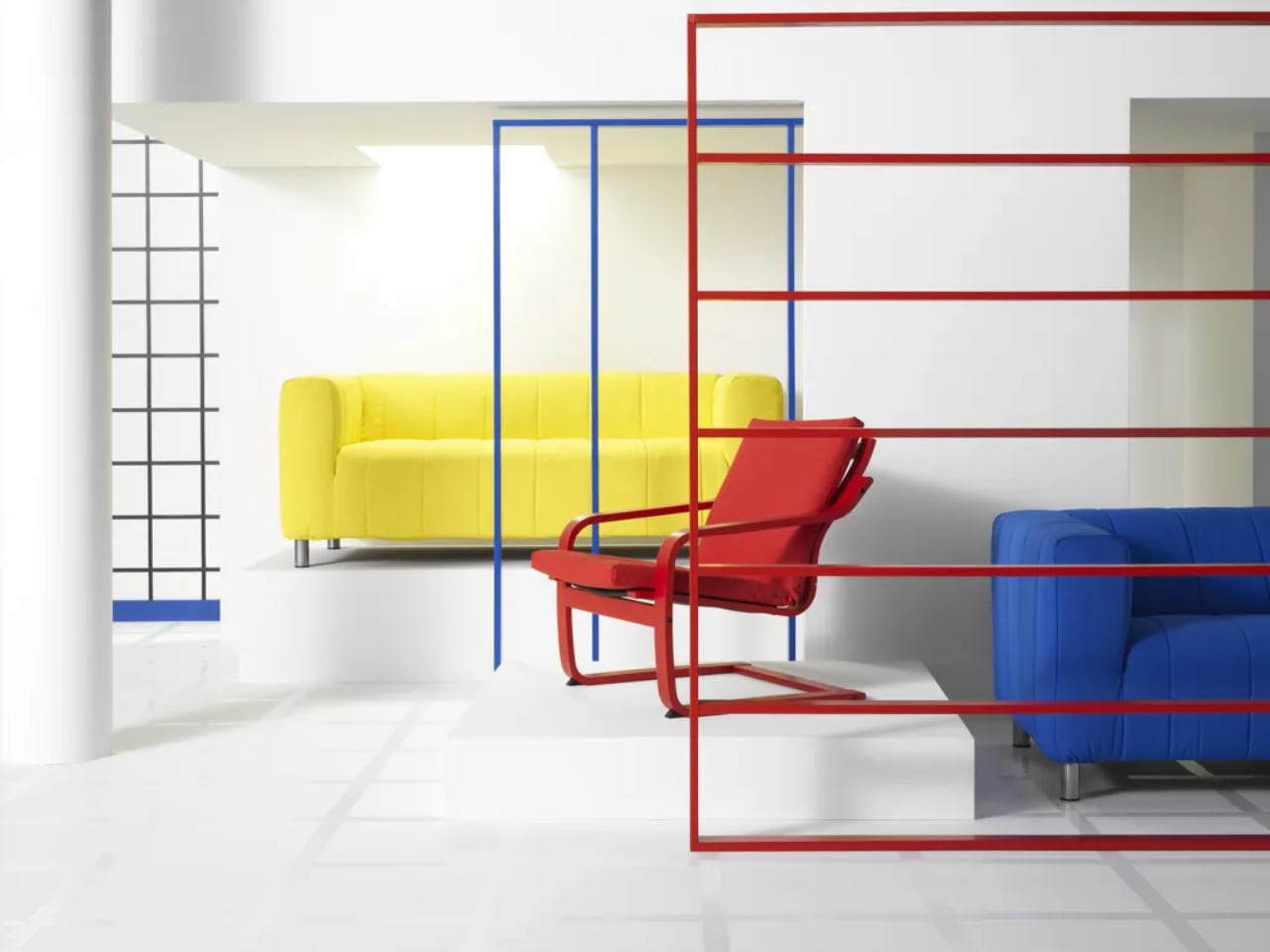
IKEA has fundamentally reimagined its most enduring furniture icon through a transformative redesign that prioritizes social interaction over solitary comfort. The POÄNG armchair received its most significant design evolution in nearly five decades when late designer Noboru Nakamura emerged from retirement to personally oversee this dramatic transformation. His final creative act involved removing the signature headrest entirely, creating a low-back version that encourages conversation rather than retreat.
The elimination of the headrest serves multiple purposes beyond pure aesthetics, fundamentally changing how people interact with both the chair and their surroundings. By lowering the overall profile and opening the back design, Nakamura created seating that transforms a personal sanctuary into an invitation for interaction. This modification reflects contemporary living patterns where multipurpose spaces demand furniture that adapts to various social contexts and encourages meaningful human connection.
What we like
• Promotes social interaction and conversation through open-back design.
• Maintains iconic comfort while adapting to modern living needs.
What we dislike
• Less head and neck support for extended relaxation sessions.
• May not suit those preferring private, enclosed seating experiences.
2. Color Roller Transparent Rolling Chairs: Dynamic Chromatic Design
Like De Stijl once deconstructed form and space into elemental purity, Color Roller reimagines that legacy through motion and transparency using primary colors red, yellow, and blue. This experimental furniture collection plays with relationships between geometry, light, and interaction, creating transparent forms that transcend boundaries and merge into endless new shades. The result transforms furniture into evolving chromatic sculpture that invites users to participate in environmental reconstruction.
Color Roller explores how color and form coexist as active agents in spatial design through three components, including a hexagonal chair, a rectangular table, and a triangular floor lamp. Made entirely from transparent acrylic panels intersecting in pairs, these forms create vivid and flexible compositions of color. Depending on light direction and intensity, the furniture transforms and casts overlapping shadows and gradients that turn interiors into interactive canvases.
What we like
• Creates dynamic color interactions that change throughout the day.
• Lightweight rolling design allows easy reconfiguration of spaces.
What we dislike
• Transparent acrylic may show fingerprints and require frequent cleaning.
• Limited cushioning options may affect long-term seating comfort.
3. Himalaya Pelvis Chair: Biomimicry Meets Elegant Function
Furniture often aspires to fit the body, but the Himalaya Pelvis Chair goes further by finding its silhouette directly in pelvic bone structure. This direct translation from biology to design yields a chair that feels organic, functional, and distinctly new, where comfort and concept are literally intertwined. Designers Mingyu Seo and Eojin Jeon created this rare piece that genuinely makes you reconsider relationships between our bodies and daily objects.
The chair’s entire premise builds on the pelvic bone’s natural ability to cradle and support, translating anatomical engineering directly into refined seating design. This approach sidesteps abstract biomimicry by presenting clear, almost educational links between form and inspiration through unapologetically direct reference. The execution transcends its medical source material through such refined craftsmanship that it becomes genuinely elegant rather than clinical.
What we like
• Anatomically-inspired design provides natural ergonomic support.
• Unique sculptural form serves as a conversation piece and functional seating.
What we dislike
• Bold design may not integrate easily with traditional decor styles.
• Limited availability as a concept piece may affect accessibility.
4. Frank Lloyd Wright Reconstructed Chairs: Architectural Seating Heritage
The reconstructed chairs illuminate Wright’s approach to furniture as architectural elements rather than standalone pieces, demonstrating his belief that furniture should emerge organically from the building’s overall design concept. Wright called this philosophy “integral ornamentation” and applied it consistently throughout his career, spanning five distinct periods from 1911 to 1959. The exhibition traces a dramatic evolution from Prairie School geometric vocabulary to later organic forms with flowing curves.
Highlights include first-ever fabrications of designs never built during Wright’s lifetime, such as cafe chairs originally envisioned for the Solomon R. Guggenheim Museum. These cafe chairs represent some of the exhibition’s most significant reconstructions, now realized through collaboration with Milwaukee metal-spinning firm. Early Prairie School pieces display right angles and linear elements complementing the horizontal prairie house emphasis, while later work reveals shifts toward organic forms.
What we like
• Historic design pedigree brings timeless architectural principles to modern spaces.
• Integral ornamentation philosophy ensures harmony with surrounding architecture.
What we dislike
• Limited production availability may result in higher costs.
• Period-specific styling may not suit all contemporary interior approaches.
5. LOOP Chair: Sculptural Minimalism in Motion
The LOOP Chair concept impresses with a bold, angular frame that feels both dynamic and airy while creating a continuous, flowing form that almost “loops” around the sitter. This unique vision transforms the chair from a functional object into a sculptural experience that serves as both structural support and artistic centerpiece. The proposed walnut wood veneer frame offers options for ash, oak, or black-stained finishes to complement various interior styles.
The chair’s geometry results from careful sketching and creative exploration, balancing soft curves for optimal comfort with sharp angles for modern, architectural aesthetic appeal. The flowing design creates visual lightness while maintaining structural integrity, making it suitable for both residential and commercial applications. This sculptural approach elevates everyday seating into an artistic statement that enhances rather than merely occupies space.
What we like
• Sculptural design serves a dual purpose as furniture and artistic centerpiece.
• Multiple wood finish options allow customization for different interior styles.
What we dislike
• Concept status may limit immediate availability for purchase.
• Angular design elements might not suit all body types comfortably.
6. Same Same Twin Chairs: Playful Minimalist Interaction
The Same Same twin chairs by A204 challenge traditional furniture limitations by functioning beautifully as standalone seating with built-in storage while unlocking playful possibilities when paired together. These minimalist wooden chairs transform from simple furniture into a creative toolkit that allows interaction, configuration, and use possibilities that adapt to changing needs. The design language speaks to Scandinavian minimalism with pale plywood construction and clean, geometric lines.
Each chair features a subtle sage green accent on the seat and storage surfaces, adding warmth without overwhelming natural wood grain characteristics. The under-seat storage space accommodates magazines, small objects, or standard Euro containers for organized solutions, making each chair genuinely useful beyond basic seating function. When paired together, the chairs create new possibilities for social interaction and spatial configuration.
What we like
• Built-in storage maximizes functionality in compact living spaces.
• Pairing capability creates flexible seating arrangements for various occasions.
What we dislike
• The twin chair concept requires purchasing multiple pieces for full functionality.
• Minimalist design may lack cushioning for extended sitting comfort.
7. Permanent Souls Chair Collection: Memory Made Tangible
The visual impact is immediate and haunting as light passes through netting in patterns that shift as you move around each piece. These chairs appear solid from a distance but reveal their permeable nature up close, allowing you to see through them, around them, and into spaces they create. They exist in strange territory between presence and absence, like memories made tangible that question the very nature of traditional furniture function.
This collection explores what happens when objects lose their original purpose but somehow endure, transforming nets that once held things together into something that questions functional boundaries. The chairs challenge conventional seating expectations by creating pieces that exist both physically and conceptually, offering a unique perspective on how furniture can embody abstract concepts while remaining functionally relevant.
What we like
• Unique conceptual approach creates a truly distinctive seating experience.
• Permeable design allows light to create dynamic shadow patterns in spaces.
What we dislike
• Unconventional materials may not provide traditional seating comfort expectations.
• Artistic concept may prioritize form over practical everyday functionality.
The Future of Adaptive Seating
These seven innovative seating solutions demonstrate how contemporary designers are reimagining the fundamental relationship between furniture and daily life. Each piece offers a unique approach to versatility, whether through social interaction, dynamic color, anatomical inspiration, architectural heritage, sculptural beauty, playful modularity, or conceptual exploration.
The best versatile seating solutions for modern living transcend traditional boundaries, offering functionality that adapts to our changing needs while adding aesthetic and emotional value to our spaces. These designs prove that chairs can be simultaneously practical tools, artistic statements, and catalysts for human connection, making them essential components of thoughtfully designed modern homes.
The post 7 Best Versatile Seating Solutions That Transform How We Live & Sit first appeared on Yanko Design.

 Connexion