Vue normale

Il y a de nouveaux articles disponibles, cliquez pour rafraîchir la page.
À partir d’avant-hierFlux principal

Rimowa Just Made the Classiest Excuse to Never Unpack

Par : Ida Torres
17 avril 2026 à 10:07

Most people treat their Rimowa suitcase like a very expensive houseguest: it arrives looking spectacular, gets shoved in a closet, and stays there until the next trip. Rimowa, apparently, has thoughts about this. And so does Lehni.

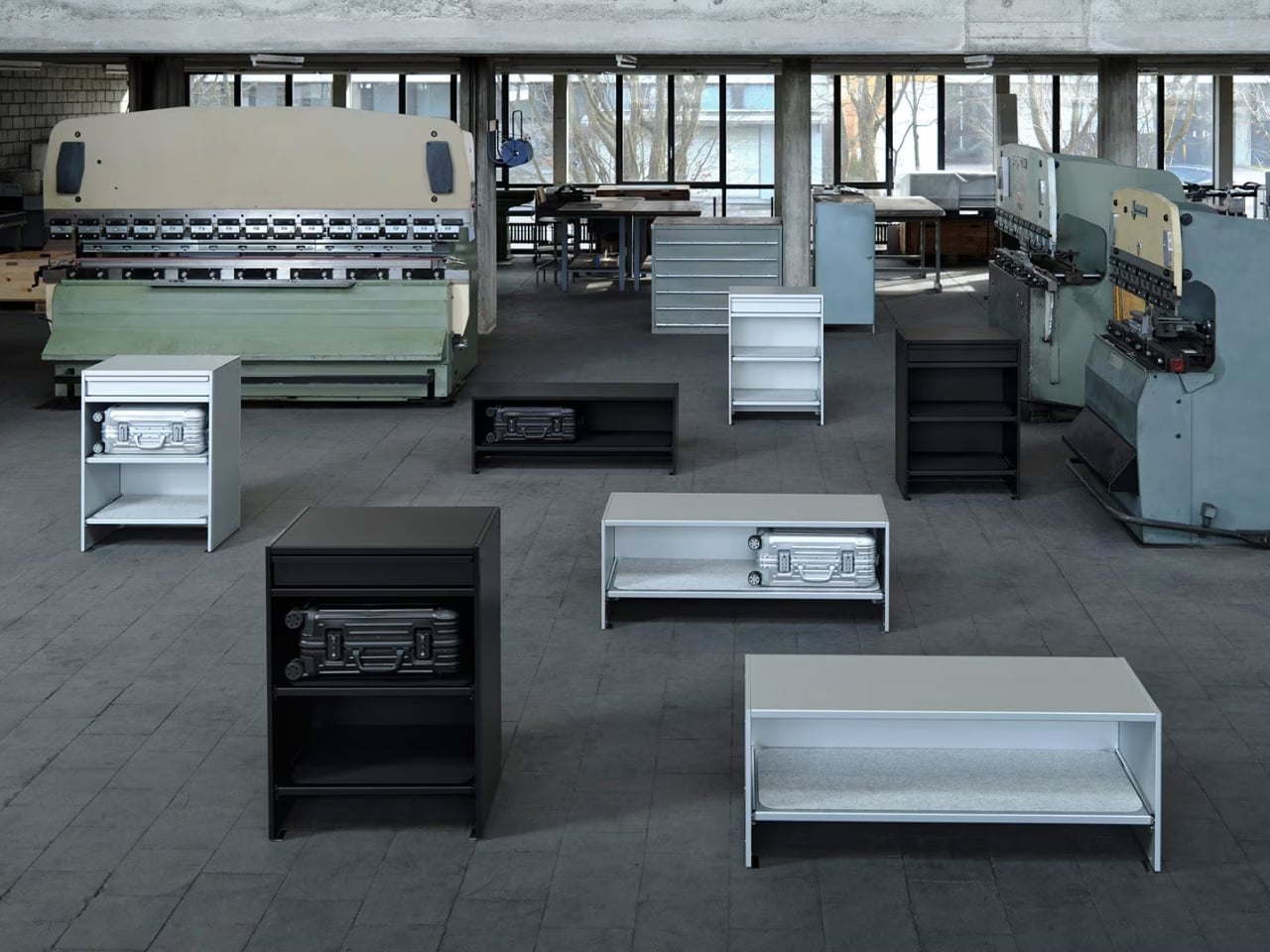
The two brands have just unveiled a limited-edition furniture collaboration at Salone del Mobile 2026 in Milan, and it might be the most quietly audacious thing either brand has done in recent memory. The collection consists of two pieces: a Bench and a Drawer, both crafted in anodized aluminum, both designed to hold cabin-sized Rimowa suitcases inside your home. Not in a storage room. Not under your bed. On display, like they were always meant to be there. Which, if you’ve ever owned a Rimowa, you’d know they kind of were.

Designers: Rimowa x Lehni

The Bench is an open-shelving unit that holds two cabin-sized suitcases side by side. It is clean, low-slung, and just architectural enough to look at home next to a mid-century credenza or a spare Scandinavian sofa. The Drawer offers a different kind of storage: a sculptural, closed-frame unit with a built-in drawer for smaller items. Both pieces come in silver and black anodized aluminum, and both carry the embossed Grid pattern that echoes the grooved exterior of a classic Rimowa Original. That detail is not accidental. It’s the kind of material continuity that makes a collection feel cohesive rather than like a brand licensing deal gone slightly off the rails.

The craft side of this is worth paying attention to. Lehni has been working with aluminum since 1922, when Rudolf Lehni opened a sheet metal workshop in Zürich that quickly became a gathering place for artists and architects. That legacy still shows. Today, the company is run by the fourth generation of the Lehni family out of Dübendorf, and every piece is handmade in their Zurich factory. Each shelf on the Bench, for instance, is lined with a specially developed scratch-resistant felt mat to protect the cases stored on it. You notice that kind of thinking. These are small decisions that add up to something much larger than the sum of their parts.

Rimowa, for its part, has been on a quiet but consistent streak of repositioning itself as something more than a travel brand. The aluminum suitcase has already crossed over into fashion and streetwear culture through collaborations with names like Dior, Supreme, and Porsche. Moving into furniture feels like the next logical step, and frankly, it makes more sense than most luxury crossovers I’ve seen. The material language stays the same. The level of craft stays the same. The only thing that changes is the context, which is exactly what makes this feel like a genuine design idea rather than a marketing exercise.

That said, let’s be real: this is not furniture for everyone. The Bench is priced at $4,275, the collection is limited-edition, and in the US it’s only available in the continental states by contacting Rimowa’s client services directly. There’s no add-to-cart button. That purchasing friction is intentional, and it’s the kind of intentional that has a very specific audience in mind: the person who already owns the suitcase, already loves it, and wants their home to reflect the same aesthetic sensibility. I don’t think that’s a bad audience to build for. Niche, yes. But well-defined.

My honest take is that the Rimowa Lehni collection succeeds because it doesn’t try to explain itself too hard. It doesn’t need to. Two brands that both work in aluminum, both care about precision, and both have long histories with good design sat down and made something that looks exactly like what you’d expect from that pairing. The result is a bench and a drawer that feel less like a product launch and more like an obvious conclusion. Sometimes the best collaborations aren’t the surprising ones. They’re the ones that make you wonder why it took this long.

The post Rimowa Just Made the Classiest Excuse to Never Unpack first appeared on Yanko Design.
Rimowa Classic Aluminium Grid Revives a Forgotten 1969 Design

Par : Ida Torres
25 mars 2026 à 17:20

Most luggage brands don’t have a 127-year-old story to draw from. Rimowa does, and it seems to know exactly when it’s worth pulling from that history and when to let the present speak for itself. With the Classic Aluminium Grid, they’ve clearly decided the archive deserves a second act.

The Classic Aluminium Grid is the German brand’s latest limited-edition release, and it’s generating the kind of quiet excitement that reserved design circles usually save for restored mid-century furniture or a first-edition book that resurfaces at auction. The reason is simple: Rimowa didn’t just design something new. They reached back to 1969, pulled out a hand-carry case design that had been sitting in their archives, and asked what it would look like today if it were treated with the same reverence they give to the grooves.

Designer: Rimowa

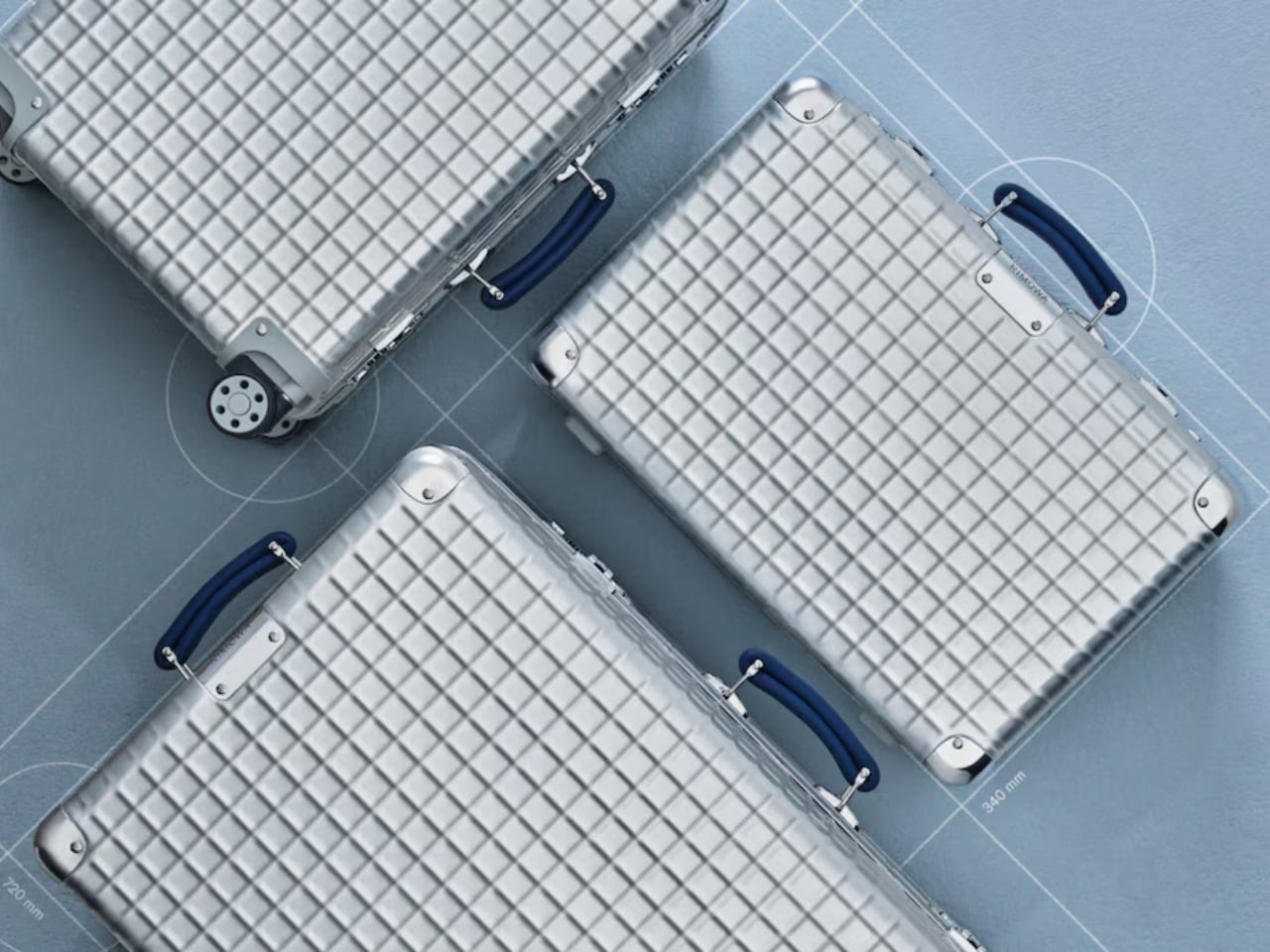
That grooved shell, by the way, is practically synonymous with the brand itself. You know a Rimowa from across an airport terminal. Those parallel ridges running down the aluminium surface are one of the most recognizable design signatures in travel goods, and they’ve been that way for decades. So when the brand quietly steps away from them and replaces the lines with a grid, a structured, geometric, embossed pattern pressed right into the aluminium shell, it feels like a real statement. It’s not a gimmick. It’s a choice that speaks to a different kind of confidence.

The grid comes from a real place. In 1969, Rimowa was producing hand-carry cases featuring this geometric pattern: practical, modular, and rooted in the kind of technical precision that defined that era’s design thinking. There’s a reason so much design from that decade still holds up. It wasn’t chasing aesthetics for their own sake. Form followed function, and it did so elegantly. Reviving that spirit in 2026 doesn’t read as nostalgia pandering. It reads as a brand that knows exactly where its DNA lives and isn’t afraid to dig for it.

The collection comes in three sizes: the Classic Hand-Carry Case, the Classic Cabin, and the Classic Trunk. All three are made in Cologne, Germany, which matters more than it might seem. Manufacturing location is one of those details that’s easy to gloss over until you’re actually holding the product, and with Rimowa, the German-made quality is part of the whole point. The embossed grid pattern, the blue leather handles, the individually numbered serial number patch on each case: these aren’t details you’d notice in a thumbnail. They’re details you notice after living with the piece and realising it only gets better over time.

And yes, price matters here. The Classic Aluminium Grid sits in the $2,725 to $3,225 range, which puts it firmly in the territory of deliberate, considered purchasing. That’s not casual spending, and it shouldn’t be. This is the kind of purchase that functions as an heirloom more than a travel accessory, something you keep, care for, and eventually pass along. The lifetime guarantee Rimowa extends to all its suitcases reinforces that framing. They’re not selling you a bag built for a few trips. They’re selling you something built to outlast most things currently in your home.

What makes this collection feel genuinely compelling rather than just another limited drop is the restraint behind it. Rimowa didn’t add bright colour for the sake of attention. They didn’t partner with a streetwear brand or commission someone’s artwork across the shell. They went to their own archive, found something worth preserving, and let the design carry the weight. The grid is subtle enough that it won’t read as flashy at baggage claim, but anyone paying close attention will recognise it as something different. Something that doesn’t quite look like everything else on the carousel.

That’s a hard balance to strike in design. Loud enough to be interesting, quiet enough to be enduring. The Classic Aluminium Grid lands squarely in that space, and for a brand with over a century of aluminium behind it, that feels less like luck and more like a brand that knows exactly what it’s doing.

The post Rimowa Classic Aluminium Grid Revives a Forgotten 1969 Design first appeared on Yanko Design.

Rimowa’s Original Backpack is an ultra-resistant anodized luxury bag for everyday use

Par : Ida Torres
20 septembre 2025 à 13:20

Whenever I see those distinctive Rimowa suitcases being lugged around airports, I picture how they would look as an everyday‑carry bag. I would love to brag that I own a Rimowa (which I don’t), but it would be silly to walk around the mall pulling that luggage. My dream was partially answered with their hand‑carry case, yet it remains too big and bulky for daily use. Now, another wish has been fulfilled.

If you’re a backpack‑type person, you’d probably be queuing for the new Original Backpack—if you had around $2,400 to spare. You can now carry that iconic grooved silver shell, crafted from ultra‑resistant anodized aluminum, which gives you a minimalist, stylish bag that protects everything you store inside.

Designer Name: Rimowa

Rimowa’s Original Backpack in sleek silver marries the brand’s legendary durability with a contemporary, urban aesthetic. The shell is made from anodized aluminum that has been heat‑treated and brushed to a fine, matte finish. This not only creates the signature grooved pattern Rimowa is known for, but also adds corrosion resistance, making the bag suitable for rain, snow, or the occasional splash in a subway tunnel. The hard‑sided construction feels solid in the hand, yet the weight is surprisingly manageable for a piece of luggage this robust. Clean lines and a minimalist silhouette echo Rimowa’s iconic suitcase design, turning the backpack into a timeless accessory for commuters who value both style and substance.

Inside, the backpack adapts to the fast‑paced life of today’s traveler. A flexible layout includes a removable divider with dedicated pockets for a 16‑inch laptop and accessories, plus a hidden quick‑access pocket for valuables such as a passport or phone. The divider can be taken out entirely, opening the main compartment for larger items like a change of clothes or a compact camera kit. A breathable padded back panel with mesh ventilation helps keep the wearer cool during long rides, while adjustable shoulder straps padded with high‑density foam distribute weight evenly and reduce fatigue. Practical extras include a secure closing system, which includes dual YKK zippers with a lockable pull tab, ensuring contents stay safe even when the bag is jostled in a crowded train. A suitcase‑attachment sleeve slides over the handle of a rolling suitcase, allowing seamless transition from backpack to carry‑on, and a removable pouch can be tucked inside to maximize space or used as a standalone organizer for chargers, pens, and business cards.

The backpack is inevitably heavier than a typical soft‑sided bag because of its hard shell and premium materials. At roughly 3.2 kg (7 lb) empty, it adds a noticeable load, but the weight feels justified when you consider the protection it offers. The aluminum shell shields delicate electronics from bumps and drops, while the internal padding cushions against shoulder pressure. The breathable back panel prevents sweat buildup during longer rides, and the adjustable straps can be fine‑tuned for a custom fit.

Overall, Rimowa’s Original Backpack is a statement piece that blends luxury luggage heritage with functional everyday carry. It suits urban commuters, frequent flyers, and style‑conscious professionals who want a bag that looks as good as it protects. While the price and weight may deter budget‑focused or ultra‑active users, anyone willing to invest in a durable, aesthetically striking backpack will find that the Original Backpack lives up to the brand’s reputation for quality and design excellence. At the very least, you can say you have a Rimowa on your back.

The post Rimowa’s Original Backpack is an ultra-resistant anodized luxury bag for everyday use first appeared on Yanko Design.

❌
❌