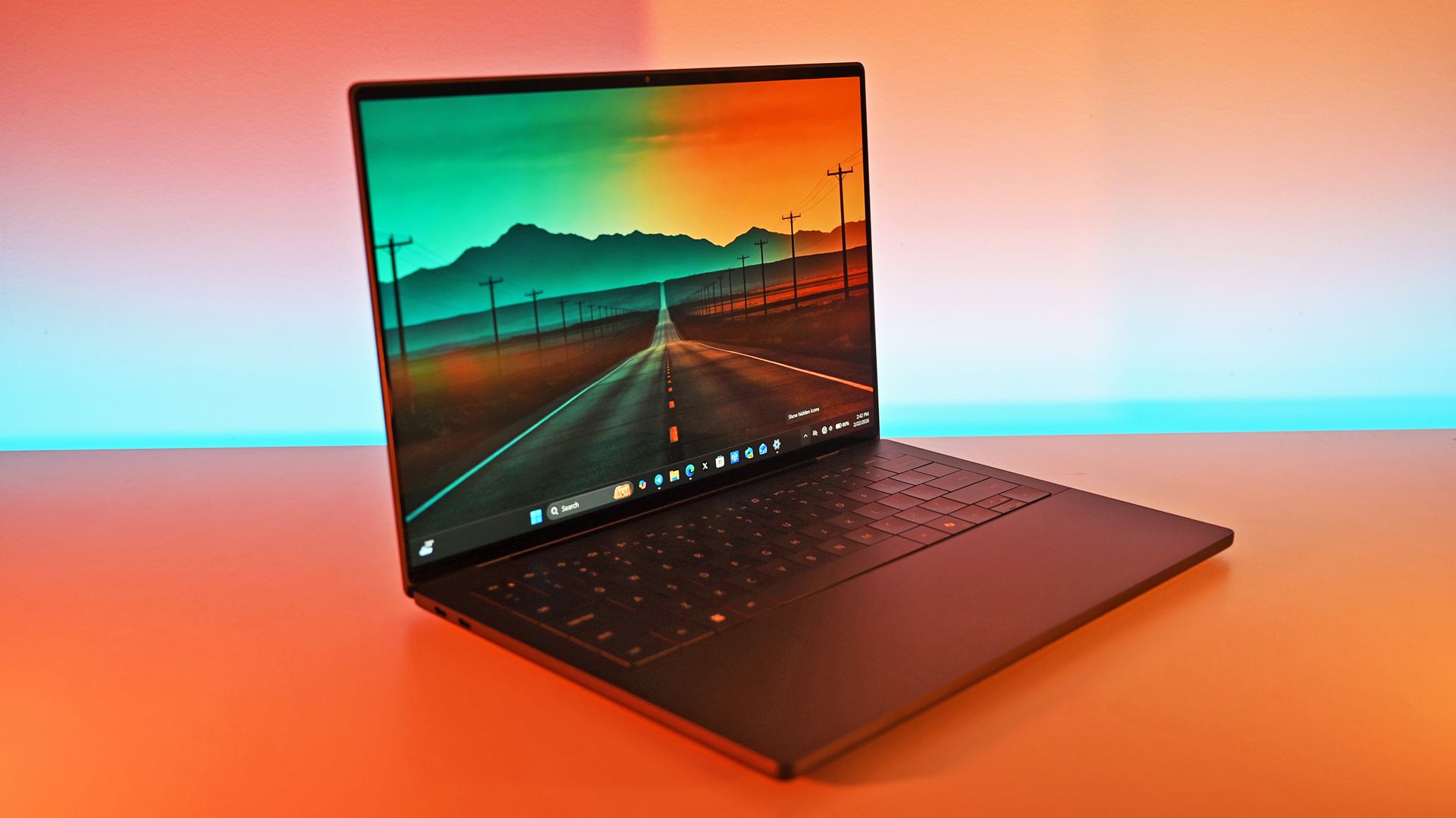
An engineer is working on a way to get macOS to run on computers powered by a Snapdragon X2 Elite chip. The "Snapintosh" project resurrects the concept of a Hackintosh but works with one of the latest chips from Qualcomm.X user Miguel C shared his progress on the project recently. The video shows macOS 27 running on an ASUS Zenbook A16.Snapintosh is still in its early days. The Zenbook A16 can boot the macOS desktop with GPU acceleration and render what's suppos
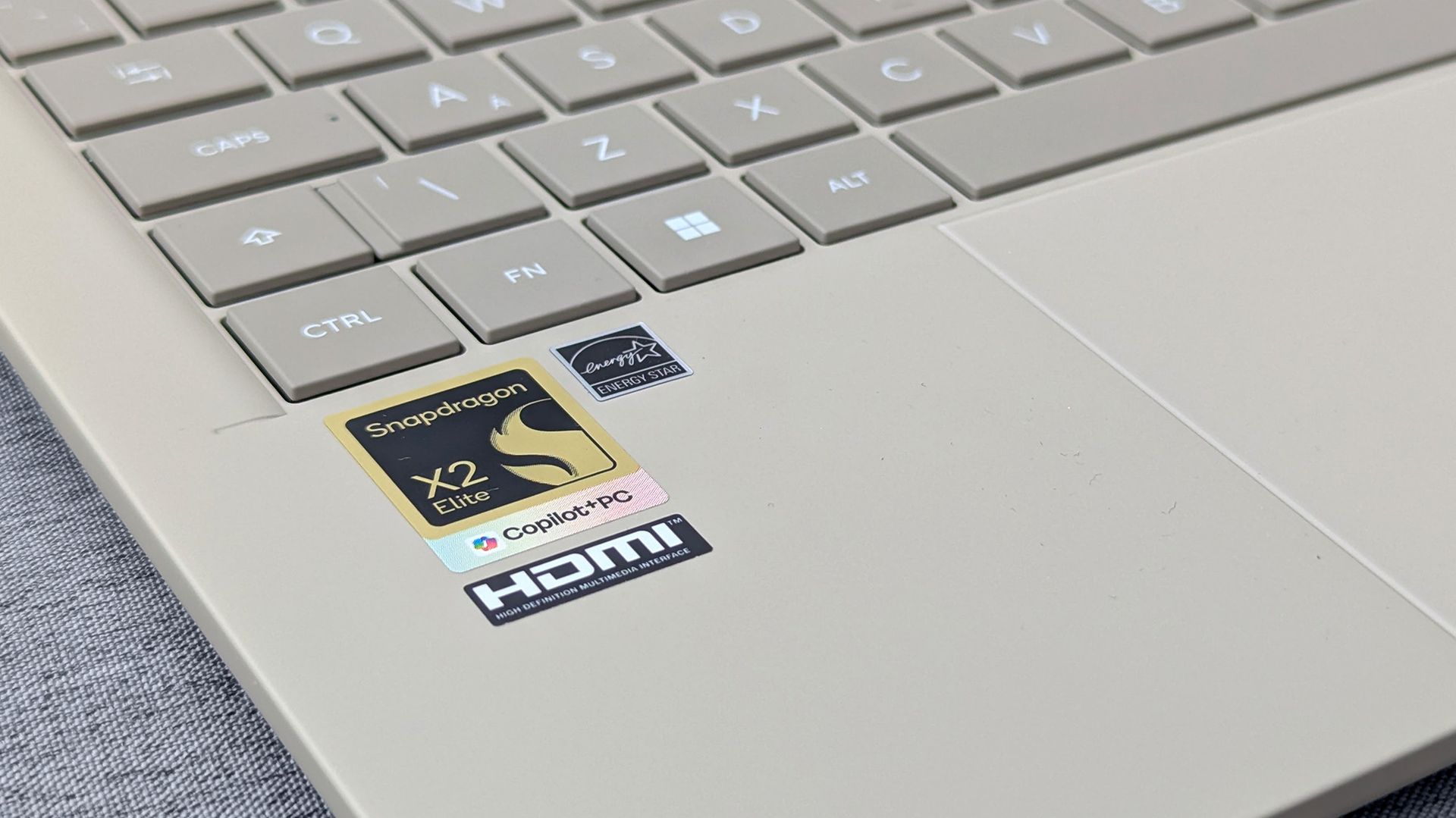
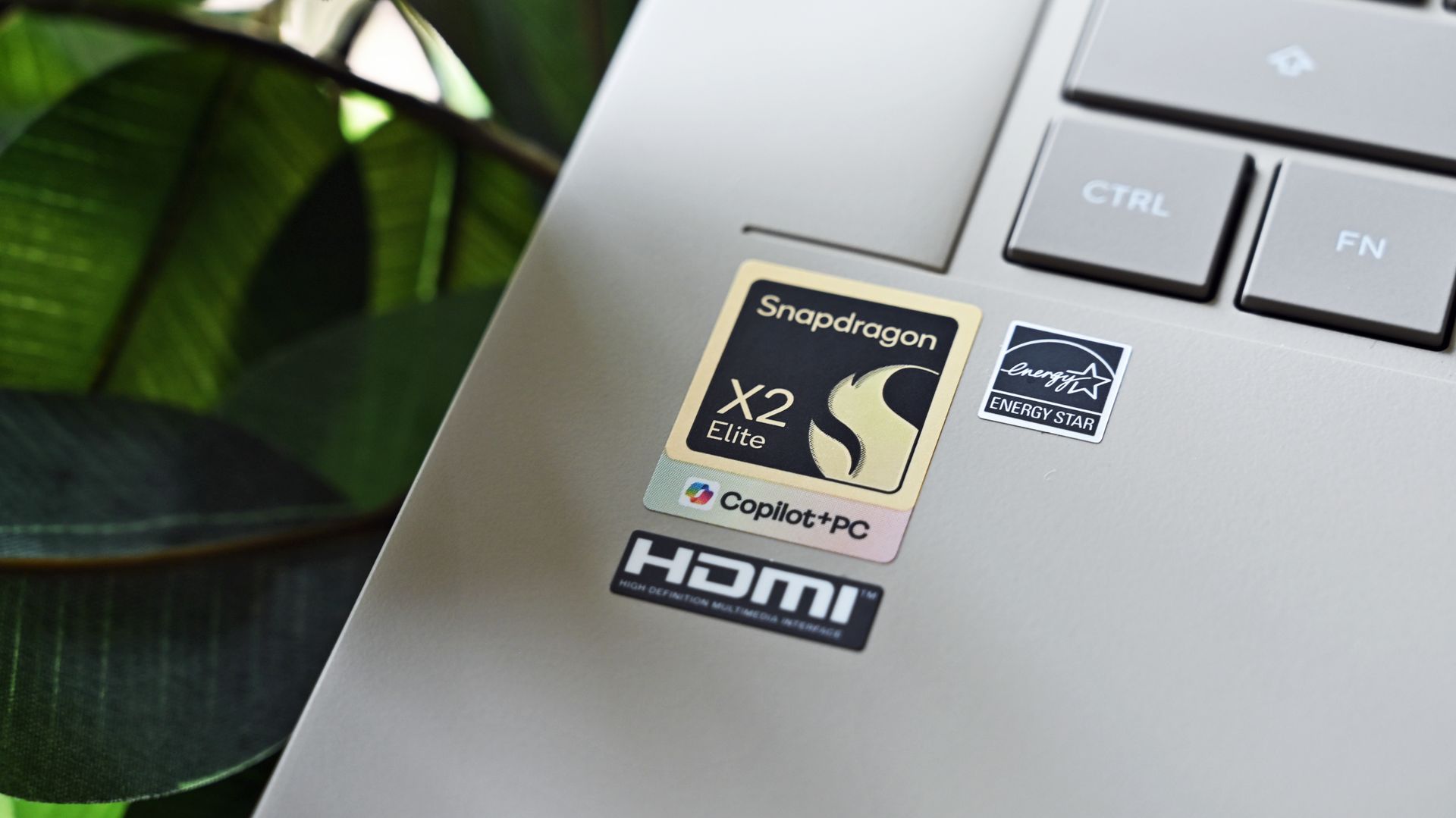
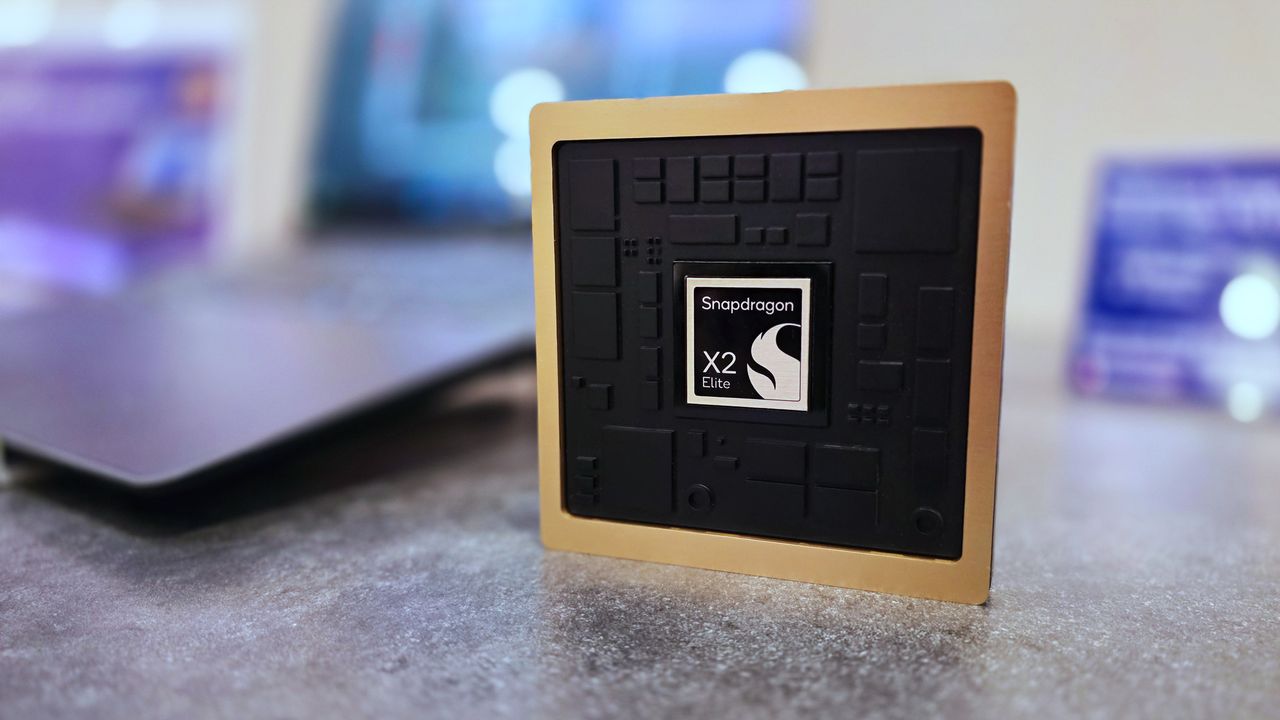
An engineer is working on a way to get macOS to run on computers powered by a Snapdragon X2 Elite chip. The "Snapintosh" project resurrects the concept of a Hackintosh but works with one of the latest chips from Qualcomm.
X user Miguel C shared his progress on the project recently. The video shows macOS 27 running on an ASUS Zenbook A16.
Snapintosh is still in its early days. The Zenbook A16 can boot the macOS desktop with GPU acceleration and render what's supposed to appear, but interaction with the interface is "usable but not yet smooth," according to Miguel C.
The term Hackintosh refers to a non-Apple PC modified to run macOS (hack + Macintosh). It was popular for years and not just among enthusiasts or niche creators.
It was popular because it allowed people to run macOS on less expensive or more customizable hardware than Apple's own computers.
New Hackintosh builds became increasingly uncommon after Apple switched to Apple silicon. Apple designs macOS around its own chips and hardware, making it increasingly difficult to run the operating system on unsupported devices.
Until recently, I would have said the days of the Hackintosh were over. But Miguel C's Snapintosh project suggests there may still be a way to run modern versions of macOS on non-Apple hardware.
"Hackintosh Lives," exclaimed Miguel C on X. He noted that people should expect the experience to be "very rough" and that he's "working on de-slopifying the codebase."
If Miguel C is able to refine the experience, it would be interesting to try macOS on a Snapdragon X2 chip. The general consensus is that Apple makes the best ARM processors right now, so even a perfectly optimized Snapintosh would not beat an M-Series MacBook.
But some people prefer hardware made by companies apart from Apple. There are also more affordable Snapdragon X2 chips on the market, so you could potentially get better value on a Snapintosh using certain chips. Right now, the project is limited to the Snapdragon X2 Elite.
Even if a Snapintosh fails to ever compete with a Mac, the project is an intriguing engineering feat and a reminder of the fun days of Hackintosh computers.
Join us on Reddit at r/WindowsCentral to share your insights and discuss our latest news, reviews, and more.
Linux support is progressing for Snapdragon X2 laptops, but missing drivers and hardware limitations mean buyers should check exact models before switching.
The post Snapdragon X2 Linux Laptop Support: What Works, What Doesn’t appeared first on TechRepublic.
Linux support is progressing for Snapdragon X2 laptops, but missing drivers and hardware limitations mean buyers should check exact models before switching.
iQOO reveals Neo12 specs, including a 185Hz display, 9,000 mAh battery and cooling fan. Here’s what buyers should weigh before its expected China launch.
The post iQOO Neo12 Pairs 185Hz Display With 9,000 mAh Battery appeared first on TechRepublic.
iQOO reveals Neo12 specs, including a 185Hz display, 9,000 mAh battery and cooling fan. Here’s what buyers should weigh before its expected China launch.
Last month, Windows Central exclusively covered a Signal65 report that showed Qualcomm's flagship Snapdragon X2 Elite Extreme outperforming Intel and AMD in a premium laptop showdown. Now, a new follow-up study by Signal65 just published suggests the more important story may involve the version most people are likely to buy (Qualcomm’s Extreme chip is basically in one laptop, albeit an awesome one). The independent testing firm's latest research examined the stan
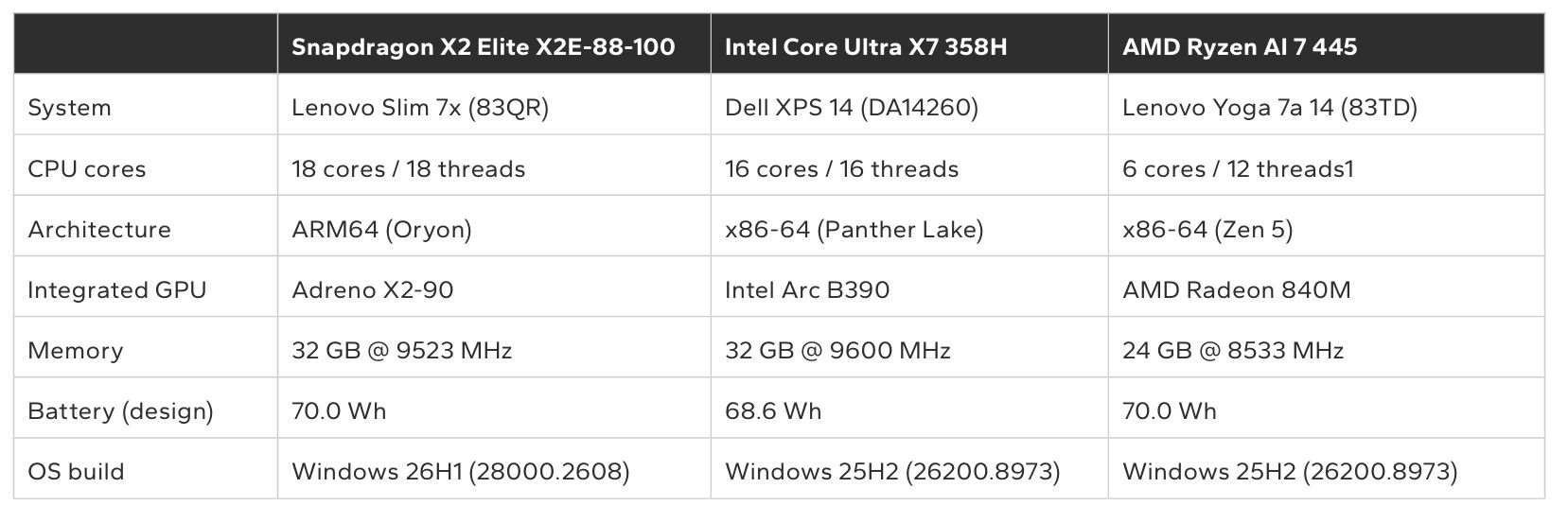
The independent testing firm's latest research examined the standard 18-core Snapdragon X2 Elite X2E-88-100 in Lenovo's Slim 7x, comparing it against Intel's Core Ultra X7 358H inside Dell's banger XPS 14 and AMD's Ryzen AI 7 445 in Lenovo's Yoga 7a 14.
This time, the focus shifted from large 16-inch flagship laptops to the increasingly important premium 14-inch category, where thermal constraints, battery life, and efficiency matter just as much as peak performance.
The most consistent finding in the data is that the Snapdragon system does not need to be set to a higher power profile to reach its top-tier performance, while the x86 systems do.
Signal65 Report
Luckily for Qualcomm, which commissioned the study, the results largely mirror the earlier Extreme-chip study. Qualcomm's platform led in CPU performance, AI workloads, productivity, and most battery-focused tests while also coming in significantly below the price of the Intel system evaluated.
Comparing specifications of Lenovo Slim 7x, Dell XPS 14, and Lenovo Yoga 7a 14 laptops powered by Snapdragon, Intel Core Ultra, and AMD Ryzen processors. (Image credit: Signal65)
However, that does not mean Qualcomm won everything. Intel continues to hold meaningful advantages in graphics performance (exemplified to perfection in MSI’s latest handheld gaming PC), and the XPS 14 remains one of the most premium Windows laptops available today. Still, the latest findings strengthen the argument that Snapdragon's lead is no longer limited to a halo product, nor a quirk of its Extreme chip.
Let's dive into the numbers, and then break down what it really means, as there is some nuance here.
Strong CPU results, even without the flagship chip
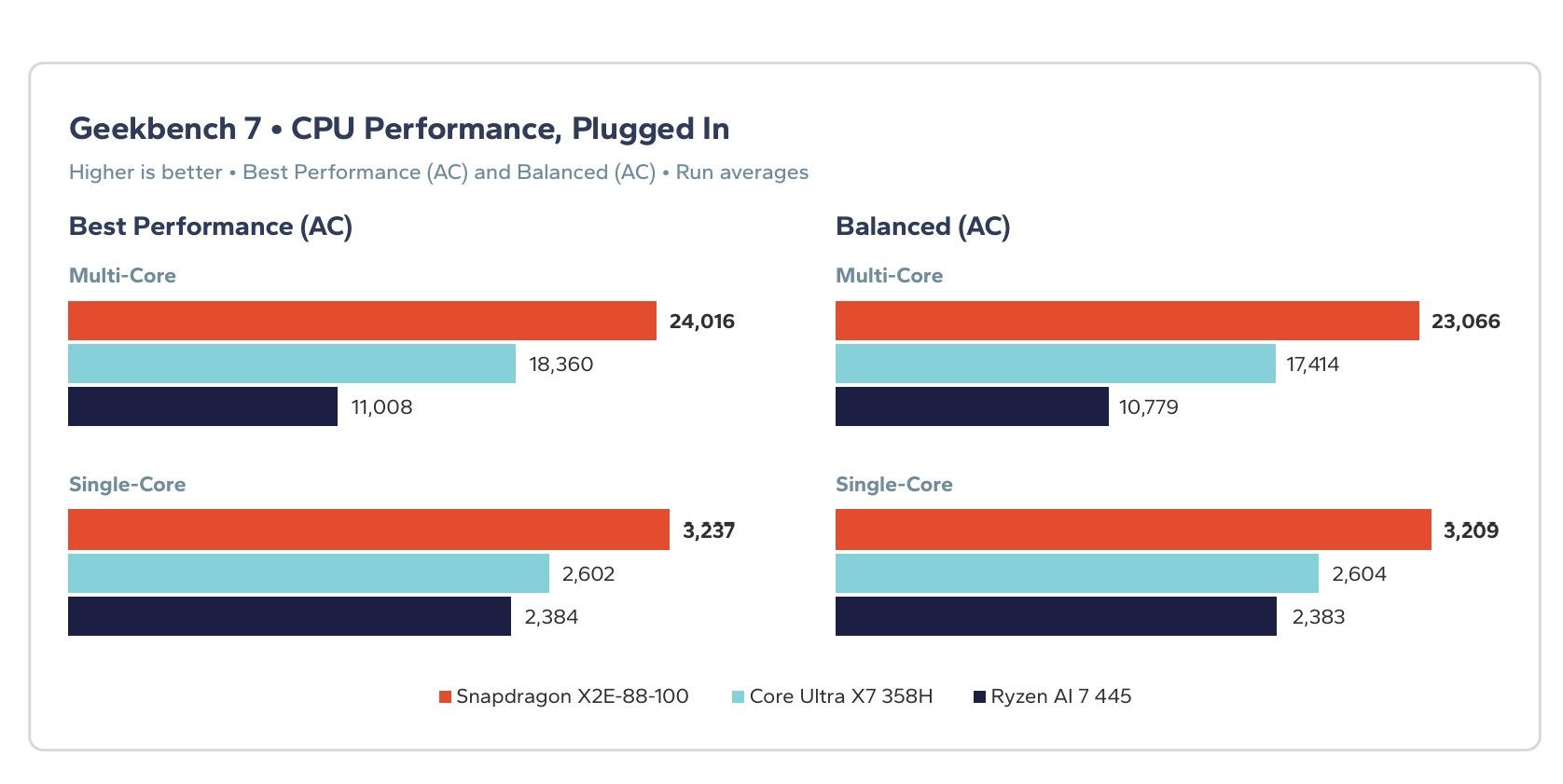
Bar chart comparing plugged-in Geekbench 7 single-core and multi-core CPU scores for Snapdragon X2E-88-100, Core Ultra X7 358H, and Ryzen AI 7 445. (Image credit: Signal65)
In Geekbench 7, the Snapdragon-powered Lenovo Slim 7x posted a multi-core score of 24,016, compared to 18,360 for the Intel-powered XPS 14. Single-core performance also favored Qualcomm, with a score of 3,237 against Intel's 2,602.
According to Signal65, that translates into leads of 31% and 24%, respectively, favoring Qualcomm.
Those numbers are especially notable because they are not solely the result of having more CPU cores. While Qualcomm's 18-core design certainly helps in heavily threaded workloads, the single-core advantage points to meaningful architectural gains from the second-generation Oryon design as well.
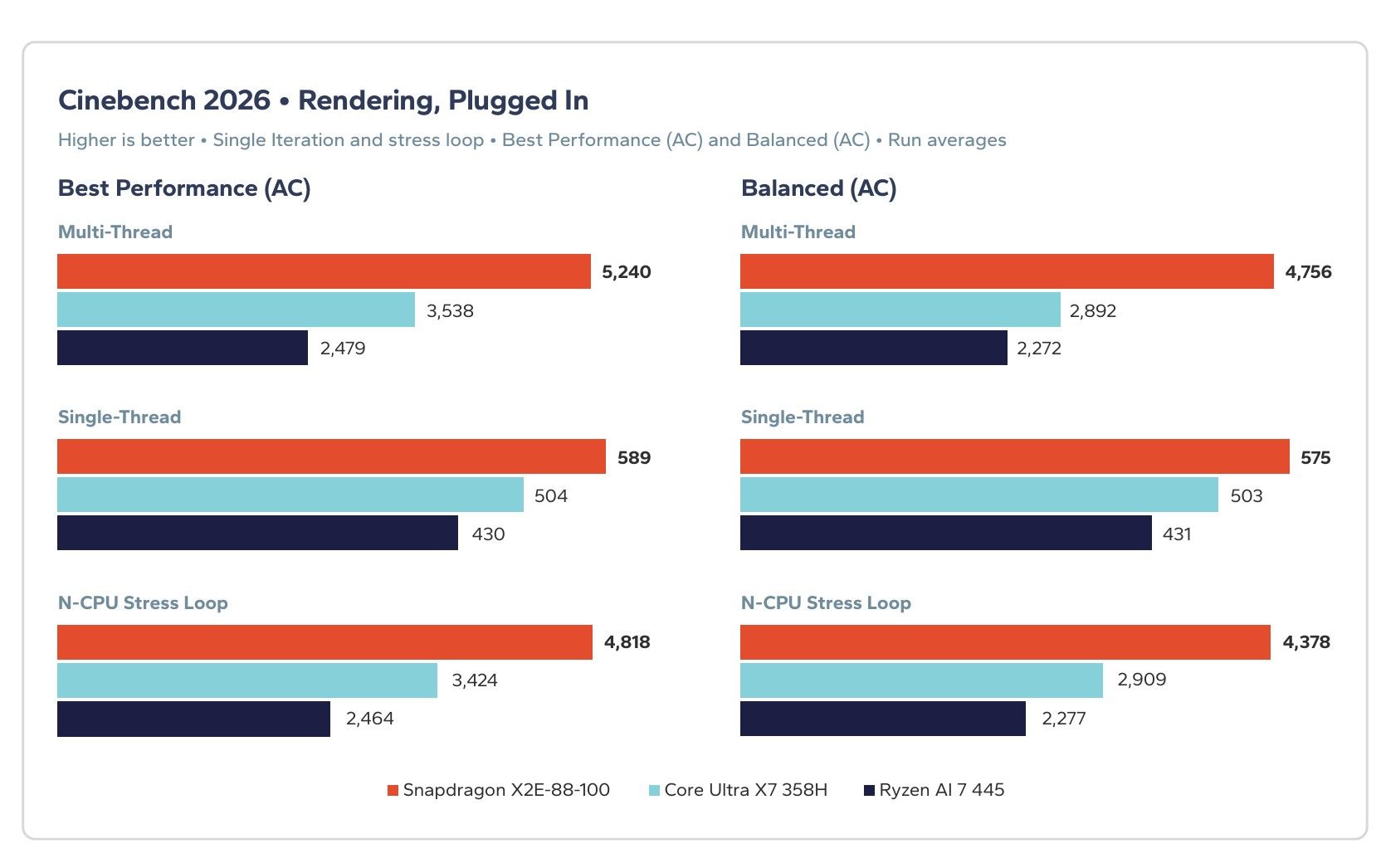
Cinebench 2026 rendering scores for Snapdragon X2E-88-100, Core Ultra X7 358H, and Ryzen AI 7 445 across multi and single-thread tests. (Image credit: Signal65)
The company also maintained substantial leads in Cinebench 2026 rendering tests and across Microsoft's Office applications as measured by UL Procyon. In the productivity benchmark, Snapdragon led Intel by 10% in Best Performance mode and retained a smaller advantage in the default Balanced profile.
For buyers who spend most of their day in Word, Outlook, PowerPoint, Edge, and Teams, those productivity-oriented results may matter more than synthetic benchmark scores.
Qualcomm's AI advantage continues
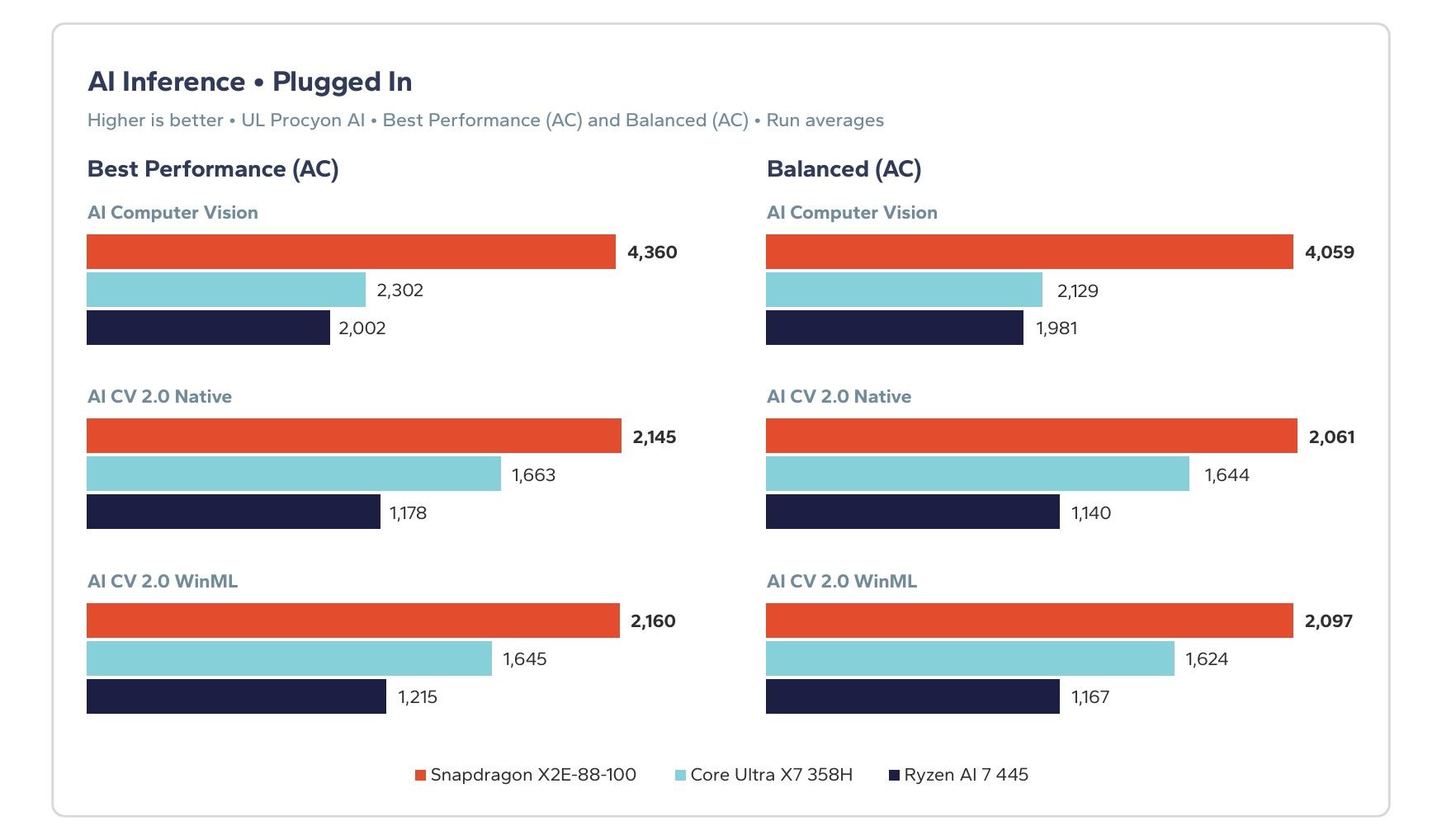
Comparing plugged-in AI inference scores for Snapdragon X2E-88-100, Core Ultra X7 358H, and Ryzen AI 7 445 under Best Performance and Balanced modes. (Image credit: Signal65)
AI remains one of Qualcomm's strongest categories.
In UL Procyon AI Computer Vision, the Snapdragon system scored 4,360 compared to Intel's 2,302. Even in the newer AI CV 2.0 WinML benchmark, which routes through Microsoft's Windows ML framework rather than a vendor-specific path, Qualcomm maintained a lead of roughly 31% over Intel.
That distinction is important because it better reflects the way many Windows AI experiences are expected to work going forward. Basically, a benchmark that favors proprietary software optimizations is useful, but a benchmark that preserves the advantage through a common Windows layer is arguably more relevant.
Battery performance remains a major story
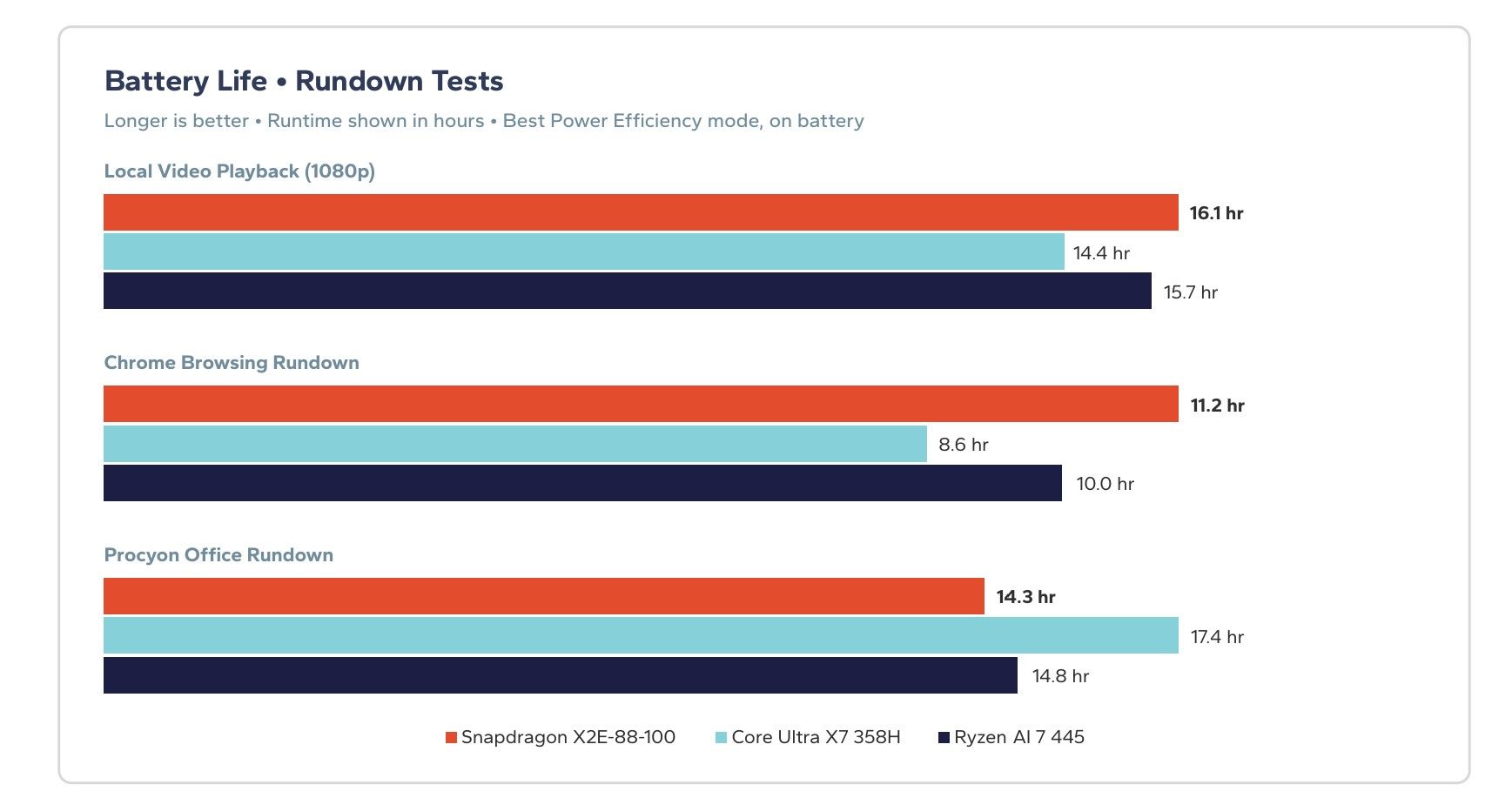
Battery runtime in hours for Snapdragon X2E-88-100, Core Ultra X7 358H, and Ryzen AI 7 445 in video playback, web browsing, and office tasks. (Image credit: Signal65)
One of the headline findings from the earlier Snapdragon X2 Elite Extreme study was that Qualcomm gave up remarkably little performance when running unplugged. Qualcomm has been touting this advantage since the first gen of Snapdragon X.
The trend continues here.
Across six benchmarks, the Snapdragon system retained an average of97% of its plugged-in Balanced-mode performance. Intel retained 95%, while the AMD system retained 74%. According to Signal65, the Snapdragon-powered laptop led every CPU, productivity, and AI benchmark tested on battery.
Critically, we must remember that OEMs, especially on Intel and AMD systems, have leverage on AC/DC performance choices, meaning a company like Lenovo could have its AMD system perform worse on battery ... in order to get better battery life. Companies do this to find what they think is a balance for their intended customer, even if the explanation is opaque.
I wrote about this AMD-throttling issue back in 2021, because I found it frustrating, deceptive, and disappointing. Not much has changed in 2026, apparently.
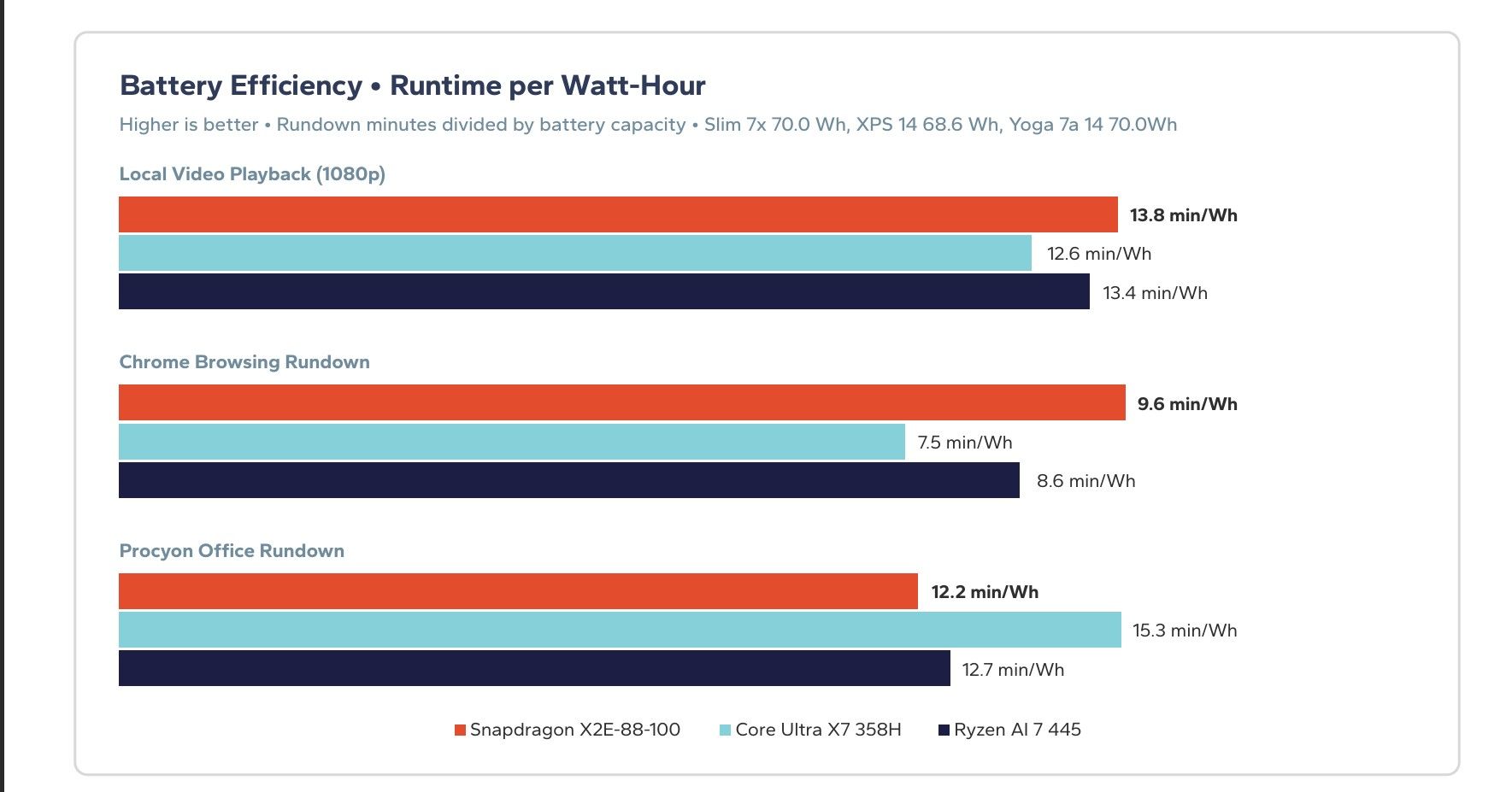
Battery efficiency in min/Wh for Snapdragon X2E-88-100, Core Ultra X7 358H, and Ryzen AI 7 445 across video, Chrome, and Office tests. (Image credit: Signal65)
The battery life data was also favorable for Qualcomm, particularly because the three laptops used nearly identical battery capacities.
The Slim 7x (Qualcomm) lasted 16.1 hours in local video playback compared to 14.4 hours for the XPS 14 (Intel). In a Chrome browsing rundown, the Snapdragon laptop reached 11.2 hours versus 8.6 hours for Intel's machine.
There was one significant exception. Intel won the sustained Procyon Office battery test, posting 17.4 hours compared to Qualcomm's 14.3 hours. Signal65 argues that Snapdragon completed more work during that test, making the outcome more nuanced than a simple battery-life loss, but the result remains one of Intel's clearest victories in the report.
This is where I think the conversation becomes more interesting than benchmark charts.
The Snapdragon machine tested was a $1,999 Lenovo Slim 7x. The Intel competitor was a $2,749 Dell XPS 14. That $750 difference looms over nearly every chart in the report.
At the same time, it is difficult to discuss the XPS 14 purely as a processor comparison.
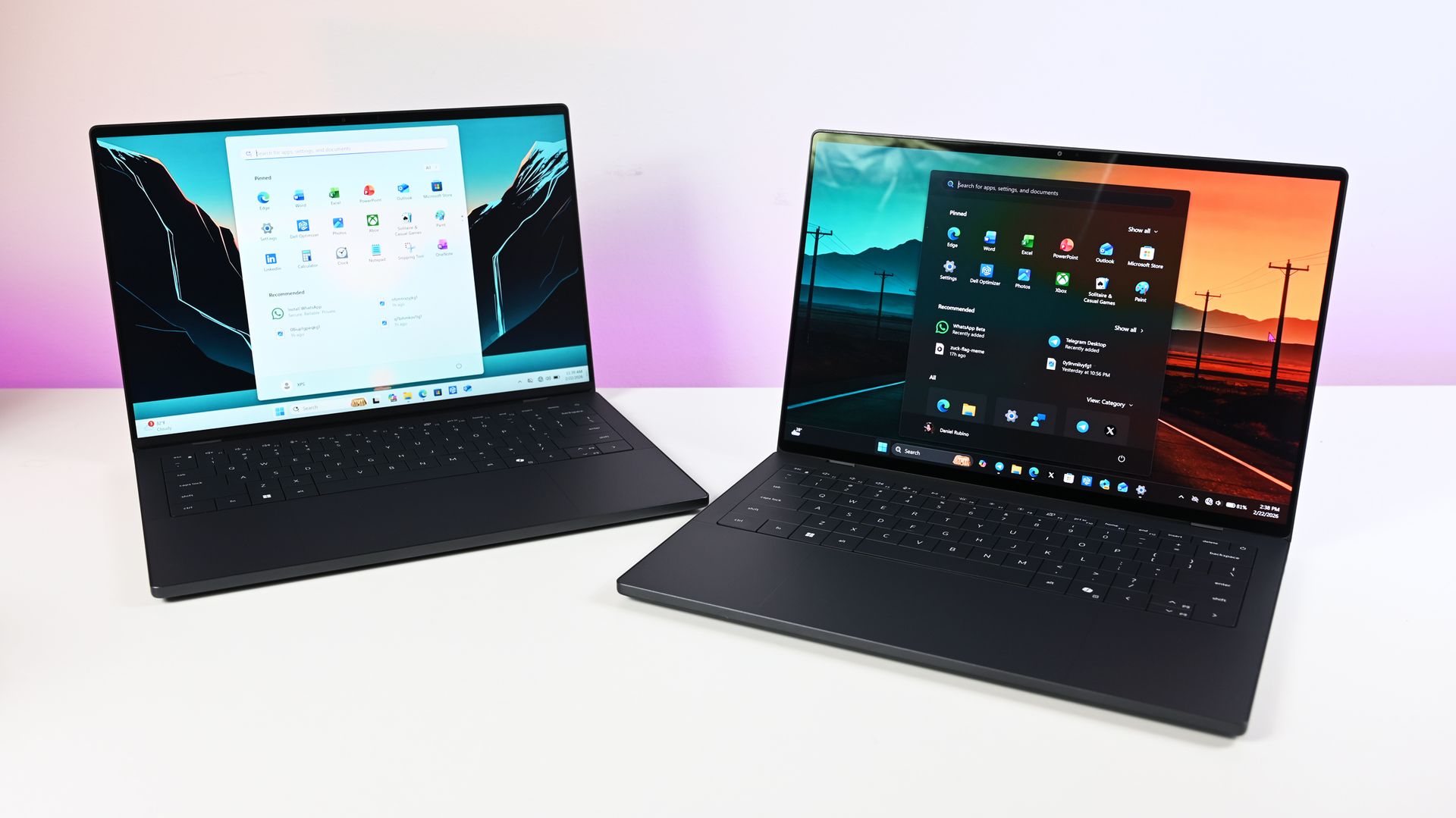
Dell's laptop is widely regarded as one of the most premium Windows notebooks on the market, with exceptional build quality, materials, industrial design, and one of the best displays available in the category. The Signal65 report acknowledges that these are comparisons of complete retail systems rather than isolated silicon measurements.
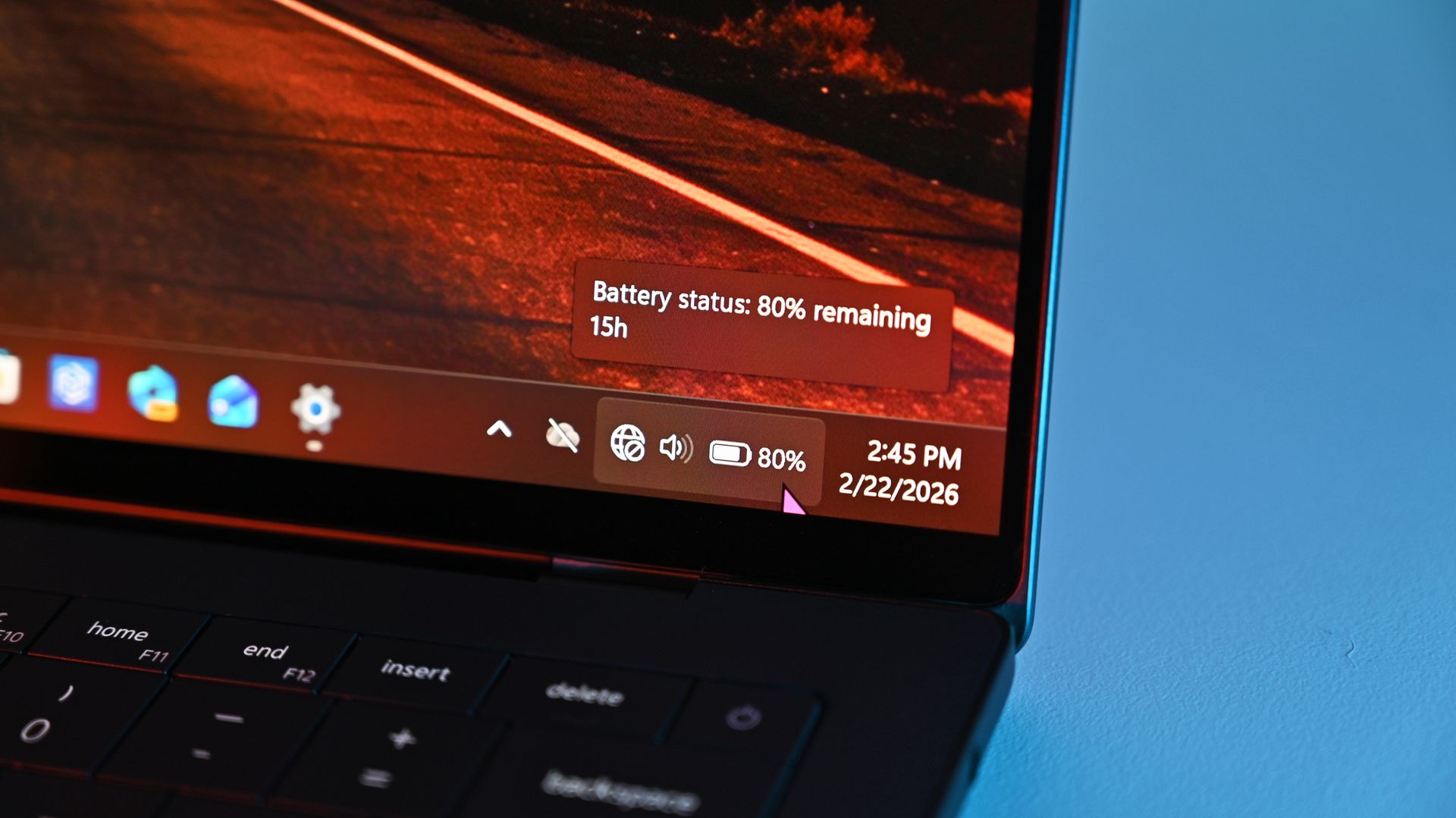
Dell XPS 14 screen displaying a battery status pop-up showing 80% remaining with an estimated 15 hours of battery life. (Image credit: Daniel Rubino)
That matters because buyers are not choosing between just processors. They are choosing between laptops, aka the full package.
The display difference is particularly worth mentioning. Signal65 did not evaluate screen quality, but Dell's OLED-equipped XPS 14 has generally been considered one of the standout displays in the Windows ecosystem. Some buyers may reasonably decide that premium construction, display quality, and graphics performance justify paying more.
It's also worth pointing out that Dell's display is a VRR 120Hz at 2880 x 1800, while the Slim 7x is just 1920 x 1200 at 60Hz (both are OLED). Anyone worth their salt in comparing laptops and battery life knows the display is, by far, the number one draw on power, so while I do believe Qualcomm's chip here is better, a pinch of salt is needed for battery life results.
Intel still has a meaningful win: GPU
Dell's XPS 14 with Intel has a powerful Arc B390. (Image credit: Daniel Rubino)
The strongest argument for Intel remains graphics, something the company has been working very hard at in recent years.
In 3DMark Steel Nomad Light, Intel's Arc B390 outperformed Qualcomm's Adreno X2-90 GPU by roughly 23% in both DirectX 12 and Vulkan testing. That's the same GPU powering the beastly MSI Claw 8 EX AI+ gaming handheld, which crushes AMD in the same space.
The practical consequence is that the Intel system's wins require the user to be plugged in and to have selected the right mode, while the Snapdragon system's wins do not.
Signal65 Report
For users who prioritize integrated graphics performance, gaming, or creative workloads that benefit from stronger GPU hardware, Intel still has a compelling case.
That advantage becomes harder to defend when price enters the discussion, which is why Signal65 ultimately concludes that Snapdragon delivers better performance per dollar across the tested systems. According to the study, Qualcomm's laptop delivered roughly 2.15 times Intel's value when normalized across selected CPU, rendering, and AI benchmarks.
Final thoughts
Lenovo Yoga Slim 7x (Gen 9) with Qualcomm Snapdragon X2 Elite processor. (Image credit: Windows Central | Zachary Boddy)
As with the previous report, this study was commissioned by Qualcomm, a fact readers should keep in mind. Signal65 remains an independent testing organization, but commissioned research naturally benefits from additional scrutiny.
Even with that caveat, the broader pattern is becoming difficult to ignore. I also trust the results.
The earlier Snapdragon X2 Elite Extreme report established that Qualcomm's flagship laptop chip could outperform competing Intel and AMD systems. This latest study suggests those advantages extend well beyond the top, hard-to-find SKU.
That may be the more consequential finding.
Flagship products are important for headlines, but the laptops that shape a market tend to be the mainstream premium systems people actually purchase. If Qualcomm can deliver strong CPU performance, class-leading AI results, competitive battery life, and lower pricing with a standard 18-core Snapdragon X2 Elite, the company has moved beyond proving a point and started building a sustainable competitive position in the Windows laptop market.
From my experience with both systems, I prefer Qualcomm since they usually run cooler and quieter, and my overall Windows 11 experience feels faster and smoother. That said, I have to admit Intel’s Core Ultra 3 series has really closed the gap — they’re genuinely impressive chips.
If anything, the bigger subtext with this story is just how far AMD has fallen out of this space. We recently covered how no modern Surface PCs opt for AMD, and it's not because of "not enough product" as Microsoft claims. It's because Microsoft knows they're not as good as what Intel and Qualcomm offer, full stop.
The bigger takeaway from these results is not that Qualcomm won another benchmark comparison. It's that Qualcomm appears to have successfully scaled its advantages beyond a halo product. Intel now faces a more difficult reality: competing not only against Snapdragon's fastest chip, but against the one that is likely to ship in far more laptops.
Join us on Reddit at r/WindowsCentral to share your insights and discuss our latest news, reviews, and more.
OnePlus 16 camera leaks point to a 200MP main sensor, larger 50MP 3x telephoto and new ultrawide, but global availability remains unclear.
The post OnePlus 16 Camera Leak Reveals 200MP Main Sensor and New 3x Telephoto appeared first on TechRepublic.
Qualcomm's upcoming Snapdragon C chips are now surrounded by more question marks. Despite Qualcomm releasing benchmark comparisons last week, there are new unknowns about the processors.Last week, Qualcomm shared details about its Snapdragon C chips online and highlighted the updated information to media outlets. I covered the news, as did several other outlets. Tom's Hardware discussed the specs and benchmarks, but it has since had Qualcomm reach out with an upd
Qualcomm's upcoming Snapdragon C chips are now surrounded by more question marks. Despite Qualcomm releasing benchmark comparisons last week, there are new unknowns about the processors.
Last week, Qualcomm shared details about its Snapdragon C chips online and highlighted the updated information to media outlets. I covered the news, as did several other outlets. Tom's Hardware discussed the specs and benchmarks, but it has since had Qualcomm reach out with an update.
A Qualcomm representative asked Tom's Hardware to replace slides originally shared by Qualcomm with updated versions. Unlike the slides first sent out, the new slide does not show benchmark information for how Snapdragon C chips perform when powering idle apps or when web browsing.
The remaining benchmarks are still impressive, such as Snapdragon C delivering up to two times better power efficiency than Intel N250 when running Netflix or Edge. But considering some claims have been removed, I think many people will want to see Snapdragon C in the wild before making any decisions.
Snapdragon C is a new chip from Qualcomm designed for low-cost devices that start at around $300. The chips promise power efficiency and responsive performance for budget-friendly systems.
Until recently, we knew little about the chip in terms of hard specs. But we now have core counts, benchmark comparisons, and other details.
One of the few remaining areas where Windows 11 on ARM struggles is gaming, but since budget laptops starting at $300 are unlikely to be gaming PCs, that shouldn't be much of a concern for Snapdragon C.
Questions about Snapdragon C
When I covered the Snapdragon C benchmarks last week, I noted that the only information we had came from Qualcomm and that we'd need to see verified results from independent tests. I also highlighted that Qualcomm did not share how the chips performed when plugged in, instead leaning on unplugged performance that often favors Snapdragon processors when compared to Intel.
I did not expect the benchmarks shared by Qualcomm to become unknowns. We now have no information about the performance of those chips when powering idle apps or during web browsing.
Qualcomm did not share many details with our colleagues at Tom's Hardware about why the old slide had been changed. The company simply said the change was made to "improve clarity and relevance."
The fact that Qualcomm let the presumably incorrect or out-of-date slide go unchecked for almost a week is also worrying.
Web browsing is a key part of the budget laptop experience, so accurate benchmarks in that category will be pivotal for anyone shopping for a PC.
Join us on Reddit at r/WindowsCentral to share your insights and discuss our latest news, reviews, and more.
Snapdragon C logo in a white transparent environment resembling a motherboard.
Snapdragon C logo in a white transparent environment resembling a motherboard.
I was absolutely blown away earlier this year by Qualcomm's Snapdragon X2 platform after spending a month with Lenovo's Slim 7x (Gen 11). The System-on-Chip (SoC) was fast and efficient on or off the charger, and it came in a sleek 14-inch package.A new commissioned study from the independent testing group Signal65 has basically confirmed my arguments, this time after testing the flagship X2 Elite Extreme (X2E-96-100) variant in retail systems you or I can buy.He
A new commissioned study from the independent testing group Signal65 has basically confirmed my arguments, this time after testing the flagship X2 Elite Extreme (X2E-96-100) variant in retail systems you or I can buy.
The Snapdragon X2 Elite Extreme delivers the highest CPU and AI performance we have measured in a premium thin and light Windows laptop, holds that lead in the out-of-box Balanced mode and on battery, and does it at a lower retail price than its closest Intel competitor.
Signal65
This sentence alone might not be telling you anything new, especially if you've experienced the X2 Elite Extreme firsthand. But let me break down the findings to explain a bit better what Signal65 dug up.
Qualcomm's Snapdragon X2 Elite Extreme goes up against Intel and AMD
Signal65 pitted the Snapdragon X2 Elite Extreme against modern Intel and AMD chips. (Image credit: Future | Daniel Rubino)
Signal65 tested the Snapdragon X2 Elite Extreme against the Intel Core Ultra X9 388H and AMD Ryzen AI 9 465 laptop CPUs. These are two of the latest chips from each company, found today in thin and light Windows laptops.
Testing the chips in Geekbench 7, Signal65 found the X2 Elite Extreme to be "up to 53% faster" than Intel's chip and "up to 83% faster" than AMD's chip.
In Cinebench 2026, which is used to test multi-thread rendering performance, the X2 Elite Extreme was "up to 87% faster" than the Intel and AMD chips.
What's even more impressive is that Signal65 separately tested the X2 Elite Extreme on battery power with the Balanced Windows power profile. With the Intel and AMD systems plugged in and set to Best Performance, the X2 Elite Extreme still outperformed the competing chips in all AI and CPU benchmarks.
The Snapdragon Summit 2025 had X2 Elite Extreme chips to test out.
Besides raw CPU power, the Snapdragon X2 Elite Extreme also outperformed its rivals in the Neural Processing Unit (NPU) arena. Qualcomm's specialized chip that runs AI locally almost hit 2x the AI performance compared to Intel, climbing to about 2.4x the performance of AMD's NPU in the Procyon AI Computer Vision test.
It's well worth noting that the X2 Elite Extreme's Hexagon NPU hits 80 TOPS, compared to 50 TOPS in the Intel and AMD chips. This might explain some performance discrepancy, but not to this extent.
Rumors of the X2 Elite Extreme's power were not exaggerated
A shot from the Snapdragon Summit 2025 where the X2 platform was unveiled. (Image credit: Future | Daniel Rubino)
In March 2026, we got an early look at what Qualcomm had cooked up with its X2 Elite Extreme. Leaked Geekbench 6 performance results showed that the Snapdragon chip could trounce the Core Ultra X9 388H, boding well for its competition against Intel's Panther Lake generation.
To say I had high hopes for Snapdragon X2 is fair, and I'm glad to see that performance in actual laptops you or I can buy hasn't dropped off compared to early reference systems.
A few things to consider when poring over Signal65's data
Snapdragon X2 Elite Extreme SoC is available now in Windows laptops. (Image credit: Qualcomm)
This report from Signal65 was commissioned by Qualcomm, but there's no reason for me to think that any of the numbers were fudged. Signal65 is independent and generally credible.
There's also the fact that these chips were tested in three different laptops from three different manufacturers.
For the test, Signal65 used an ASUS Zenbook A16 (X2 Elite Extreme), an MSI Prestige 16 (Intel Core Ultra), and an HP OmniBook X 16 (AMD Ryzen. Three 16-inch laptops ranging between $1,649 and $2,299.
Because of OEM-level decisions for cooling and power, the different laptops could affect the results. However, I don't think it would affect them enough to sway the paper's overall thesis.
It's also worth pointing out that Intel still leads the way with its integrated Arc B390 graphics, at least in Signal65's tests. It also bested Snapdragon in one Office battery rundown test.
As for value, the $1,699 Zenbook A16 with X2 Elite Extreme is only bested by the $1,649 OmniBook X 16 with AMD Ryzen. Intel might beat Qualcomm in graphics and in one battery rundown test, but the MSI Prestige 16 in which it was tested costs $2,299.
Qualcomm is not only delivering superior performance and battery life, but it's also delivering laptops at a better price than its competition.
Windows Central's take
Qualcomm's first-gen Snapdragon X chips are really what changed the Windows on ARM conversation after so many years. They weren't good enough to get everyone to drop Intel and AMD, but they were a solid foundation.
And now, with Snapdragon X2, Qualcomm has evidently stepped things up in a major way. If you've used a laptop with an X2 chip, you probably already know exactly what I'm talking about.
Have you had a different experience with your Snapdragon X2 PC? What's your main gripe? On the other hand, what do you love most about your X2 PC? Let me know in the comments section below!
Join us on Reddit at r/WindowsCentral to share your insights and discuss our latest news, reviews, and more.
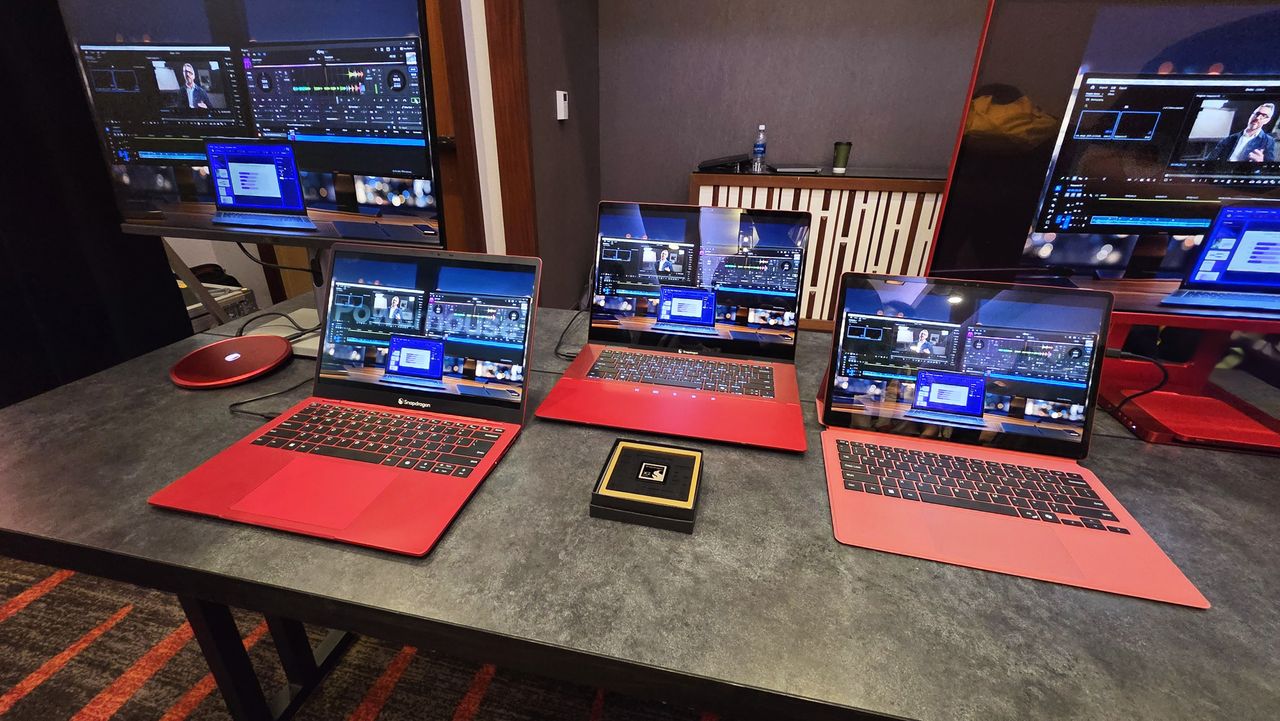
Images of Qualcomm's new Snapdragon X2 Elite Extreme processor, benchmarks from reference design laptops, and pictures from the announcement at the Snapdragon Summit (2025).
Images of Qualcomm's new Snapdragon X2 Elite Extreme processor, benchmarks from reference design laptops, and pictures from the announcement at the Snapdragon Summit (2025).
OnePlus 16 leaks point to a 9,000mAh battery, 200MP camera, 185Hz display, and new Snapdragon chip, though most specs remain unconfirmed.
The post OnePlus 16 Details Leak: 9,000mAh Battery Could Be Its Biggest Upgrade appeared first on TechRepublic.
The Lenovo Yoga Slim 7x (Gen 11) is one of the best laptops we've reviewed all year. Our Cale Hunt called the PC a "top choice for students, small business pros, and even casual Windows users who want a premium laptop." Now, thanks to a YouTuber, the laptop can also claim the title of a streaming battlestation.YouTuber "DevonDoesTech" used the Yoga Slim 7x to power his streaming and content creation setup for a 17-hour stream marathon. DevonDoesTech was sent the
The Lenovo Yoga Slim 7x (Gen 11) is one of the best laptops we've reviewed all year. Our Cale Hunt called the PC a "top choice for students, small business pros, and even casual Windows users who want a premium laptop." Now, thanks to a YouTuber, the laptop can also claim the title of a streaming battlestation.
YouTuber "DevonDoesTech" used the Yoga Slim 7x to power his streaming and content creation setup for a 17-hour stream marathon. DevonDoesTech was sent the laptop by Qualcomm and tested the PC by using it as the heart of his stream.
The latest Yoga Slim 7x runs on a Snapdragon X2 processor. The one DevonDoesTech used has the Snapdragon X2 Elite inside. The idea behind the stream was to see how the chip handled real-world usage.
It's a clever way to showcase the new chip from Qualcomm. Snapdragon X processors have had respectable specs for a while, but posts about the chips on social media often include people asking about app compatibility.
But boasting about how many apps are natively compiled is not the same as showing ARM-based PCs can actually be used to get work done. The DevonDoesTech stream required OBS Studio, Meld Studio, DaVinci Resolve, Discord, and other apps.
DevonDoesTech streamed for over 1,000 minutes during his stream. The setup had both a horizontal stream on YouTube and a vertical stream on Twitch that ran simultaneously.
"I didn't notice a difference. Never once during the 17-hour stream, never once during my testing, never once during my road trip did I say 'Dang, I really wish that I had the power of my desktop computer.'"
He added that the Yoga Slim 7x is "kind of blowing [his] mind."
While ARM-based computing has come a long way, there are still games that do not work with Snapdragon X chips. Kernel-level anti-cheat is required for some games and is still an awkward spot. But even in that area there's promise for improvement.
This laptop has a sleek design and enough power to handle everything from daily productivity to creative work. This model has 32GB of RAM and 1TB of storage.View Deal
If you love the look and design of the Lenovo Yoga Slim 7x but don't need the power and specs shown off in DevonDoesTech's video, this model is for you. It runs on a Snapdragon X2 Plus processor and is part of a massive doorbuster deal.View Deal
It's not just DevonDoesTech
Our expert was also impressed with the Snapdragon X2 Elite and the Lenovo Yoga Slim 7x during his testing.
DevonDoesTech's praise is quite effusive, but it aligns with our own experience. The Yoga Slim 7x earned a 4.5 out of 5 in our review and Hunt said the Snapdragon X2 Elite chip and the laptop are a "blast" to use.
After using a PC with a Snapdragon X2 for one month, Hunt was "totally sold on Snapdragon X2." He also spoke on app compatibility:
"For a fairly casual Windows user like me, ARM64 app compatibility is a complete non-issue. You can see for yourself if the apps you use are native or emulated on the extremely useful WorksOnWOA website."
There was a time when ARM-based laptops were lackluster compared to their x86 counterparts. I'm happy to see those days are behind us.
Join us on Reddit at r/WindowsCentral to share your insights and discuss our latest news, reviews, and more.
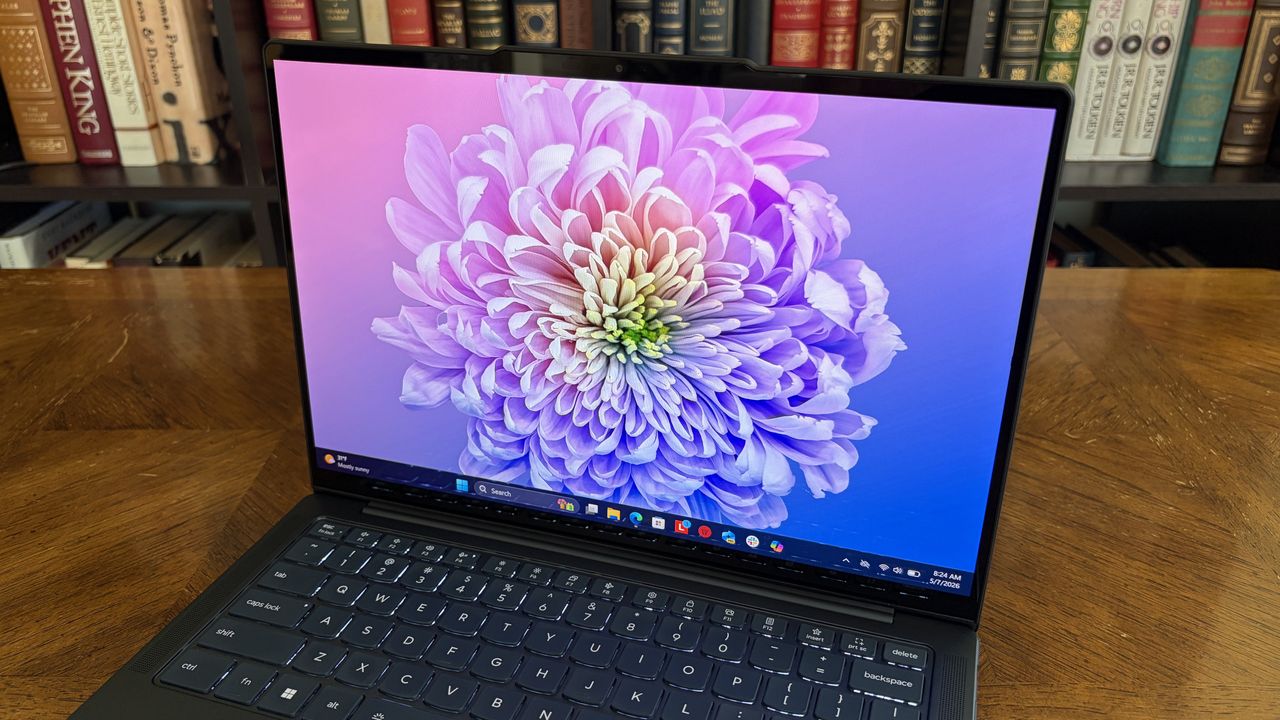
A laptop on a wooden table displays a vibrant, colorful chrysanthemum on its screen. Background: a bookshelf lined with assorted books. Cozy ambiance.
A laptop on a wooden table displays a vibrant, colorful chrysanthemum on its screen. Background: a bookshelf lined with assorted books. Cozy ambiance.
We now have more details about Qualcomm's Snapdragon C chips. The processors were officially announced in May, but we did not have full specs or details at the time.Snapdragon C chips are designed to power budget laptops that start around $300. Qualcomm has updated its product pages for the processors, including full specs.The specs are promising and stack up well against offerings from competitors, such as the Intel N250. Qualcomm shared some favorable compariso
Snapdragon C chips are designed to power budget laptops that start around $300. Qualcomm has updated its product pages for the processors, including full specs.
The specs are promising and stack up well against offerings from competitors, such as the Intel N250. Qualcomm shared some favorable comparisons between Snapdragon C and Intel N250 that suggest Qualcomm's new chip could compete very well in the budget laptop space.
Snapdragon C specs and details
Snapdragon C chips will power budget-friendly laptops starting at around $300. (Image credit: Qualcomm)
Snapdragon C promises up to 67% faster performance than Intel N250 according to Qualcomm. The biggest difference between the chips appeared in Cinebench MT testing, but Snapdragon C defeated Intel across a range of Qualcomm's tests.
Those performance tests are when both chips are running on battery power, which leans in Qualcomm's favor. Snapdragon processors often thrive in unplugged testing.
Qualcomm claims Snapdragon C delivers 106% better power efficiency during Netflix playback. Microsoft Teams (99% better) and YouTube (86% better) are both wins for Snapdragon C as well.
Power usage by idle apps is 39% better in power efficiency, according to Qualcomm.
Snapdragon C specs
CPU
Qualcomm Kryo CPU (6nm)
CPU cores
8
CPU max clock speed
3.0 GHz
GPU
Qualcomm Adreno
NPU
Qualcomm Hexagon
Memory
LPDDR5x
Maximum memory
16GB
Wi-Fi
Wi-Fi 6E, Wi-Fi 6
Bluetooth
Bluetooth 6.0
Snapdragon C has a dedicated NPU, which helps with AI tasks. I doubt AI usage will be heavy among budget laptop users, so CPU performance and other specs will likely be bigger factors for those shopping for affordable PCs.
There are some legacy and enterprise apps that are not compatible with Snapdragon C and other ARM-based processors, but the list of the best native Windows on ARM apps continues to grow and includes big-name and niche apps.
The official specs of Snapdragon C are promising, as are the figures shared by Qualcomm. But there are still several key facts we do not know, some of which won't be confirmed until laptops with the new chips launch.
We also need to know how the chips perform when laptops are plugged in and how that performance compares to that of Intel chips.
All of the claims about performance and efficiency come straight from Qualcomm, so we'll need to see them verified independently.
Qualcomm has a good track record with claims like this. Benchmarks and comparisons shared with the press about previous chips proved accurate in real-world testing.
I'm confident that Snapdragon C chips will perform well and compete with similar chips from Intel, but we need concrete figures from the wild and hands-on experiences to know exactly how the new chips stack up.
Join us on Reddit at r/WindowsCentral to share your insights and discuss our latest news, reviews, and more.
Snapdragon C logo on a colorized transparent motherboard component.
Snapdragon C logo on a colorized transparent motherboard component.
Je m'intéresse à la sécurité mobile depuis un paquet d'années, et cette attaque-là, je ne l'avais jamais vue. Le point de départ n'est ni le réseau, ni un SMS piégé, ni une appli vérolée. C'est la carte SIM elle-même ! En effet, des
chercheurs
de l'université de Birmingham et de Fuzzware lui ont fait donner des ordres au modem qui l'héberge.
Le mécanisme s'appelle RUN AT et c'est une commande proactive puisque la carte ne se contente pas de répondre à l'appareil, mais elle lui de
Je m'intéresse à la sécurité mobile depuis un paquet d'années, et cette attaque-là, je ne l'avais jamais vue. Le point de départ n'est ni le réseau, ni un SMS piégé, ni une appli vérolée. C'est la carte SIM elle-même ! En effet, des
chercheurs
de l'université de Birmingham et de Fuzzware lui ont fait donner des ordres au modem qui l'héberge.
Le mécanisme s'appelle RUN AT et c'est une commande proactive puisque la carte ne se contente pas de répondre à l'appareil, mais elle lui demande aussi d'exécuter une commande AT. C'est
ce même langage
qui pilote les modems depuis le Hayes Smartmodem de 1981 donc autant dire qu'on a là, une vraie console générique dispo sur un bout de plastique.
Et sur une borne de recharge Autel, ça donne tout simplement une exécution de code. Le module Quectel qui l'équipe, fait passer le texte reçu dans un appel shell, avec une liste noire de caractères censée bloquer les échappements. Mais un simple retour à la ligne passe au travers... Et voilà comment 2 étapes plus loin, les chercheurs sont parvenus à faire tourner leur propre code, piloté depuis la SIM. Décidément, les
bornes de recharge collectionnent les mauvaises surprises
.
Autre exemple sur un smartphone OPPO Reno 14 F 5G, où une seule commande coince le téléphone en 2G... Son propriétaire ne peut alors plus revenir en arrière : ni le mode avion, ni la sélection manuelle du réseau, ni la désactivation de la SIM dans les réglages ne permet de restaurer de la 5G ou de la 4G. Or la 2G n'a pas d'authentification mutuelle, donc une
fausse antenne
redevient un facteur de risque sur ce genre de matos récent. Deux autres commandes éteignent même le téléphone ou tuent son modem.
Reste la condition d'entrée, et elle est lourde : la carte doit déjà être hostile. Cela passe au choix par un échange physique, un interposeur glissé sous la puce, un opérateur compromis, ou du sabotage en usine... Mais surtout, rien là-dedans n'exploite de bug exotique. En fait, cette capacité est écrite dans les spécifications cellulaires, ce qui fait dire au chercheur Marius Muench que ces attaques sont conformes au standard.
Maintenant sur votre téléphone perso, le scénario d'une telle attaque reste assez serré. Mais sur un boîtier 4G oublié dans un local technique, beaucoup moins. Sur 26 appareils testés, 9 exposent l'interface, dont 6 modems IoT sur 8, contre 3 téléphones sur 18. Par contre, ni iPhone ni Pixel ne sont faillibles et Qualcomm a préparé une configuration durcie qui la coupe par défaut. De son côté, Quectel travaille encore dessus...
Bref, si vous exploitez des équipements cellulaires sur le terrain, une seule question au fournisseur du module suffit : RUN AT est-il activé, et peut-on le couper ? Notez qu'aucune attaque de ce type n'a été signalée pour le moment.
Higher Qualcomm chip prices could push Android manufacturers to reuse older processors, trim specifications, or sell different hardware configurations across regions.
The post Qualcomm Price Hike Could Deepen Android Hardware Fragmentation appeared first on TechRepublic.
Higher Qualcomm chip prices could push Android manufacturers to reuse older processors, trim specifications, or sell different hardware configurations across regions.
The ASUS Zenbook A16 is not a gaming laptop, but what if it were a gaming desktop? One YouTuber sought to find out what happens when you connect an eGPU to the Zenbook A16. The results are surprising and show a promising potential future for gaming on Arm processors.Connecting the Zenbook A16 is not something for the faint of heart. Until recently, it was not possible to connect any GPU to a Snapdragon X-powered laptop, even if you were willing to use unofficial
The ASUS Zenbook A16 is not a gaming laptop, but what if it were a gaming desktop? One YouTuber sought to find out what happens when you connect an eGPU to the Zenbook A16. The results are surprising and show a promising potential future for gaming on Arm processors.
Connecting the Zenbook A16 is not something for the faint of heart. Until recently, it was not possible to connect any GPU to a Snapdragon X-powered laptop, even if you were willing to use unofficial methods.
ETA Prime connected an RTX 4060 to a Zenbook A16 using the developer driver for RTX Spark. That GPU is also from NVIDIA, and its driver can be installed on a PC like the Zenbook A16 to connect an RTX 4060.
Obviously the setup is not official or optimized, but it does work to an extent. Some other NVIDIA GPUs were also successfully connected, but ETA Prime saw the best performance with the RTX 4060.
The Zenbook A16 was able to hit impressive framerates and settings when connected to the RTX 4060.
In ETA Prime's video, you'll see Forza Horizon 6, Cyberpunk 2077, Project Cars 2, and DOOM: The Dark Ages at very respectable framerates and settings.
Hitting those framerates often required frame generation, but gameplay looks smooth. In Cyberpunk 2077, ETA Prime was able to hit the low 40s at high settings without frame generation and the low 70s with frame generation.
Experimentation by ETA Prime and Ghobso Gaming (who tested Halo: Campaign Evolved) shows that Snapdragon X2 chips are capable of playing games. But those processors lack support and optimization.
If drivers ship and game developers embrace Snapdragon X-powered PCs, we could see a significant jump in gaming on Windows 11 on Arm.
Join us on Reddit at r/WindowsCentral to share your insights and discuss our latest news, reviews, and more.
Studio photos of the 2026 ASUS Zenbook A16 laptop featuring the new Qualcomm Snapdragon X2 Elite Extreme processor.
Studio photos of the 2026 ASUS Zenbook A16 laptop featuring the new Qualcomm Snapdragon X2 Elite Extreme processor.
Qualcomm will raise processor prices for products shipped after September 1, adding new cost pressure for Android phone makers and future devices.
The post Qualcomm Confirms Snapdragon Price Hike, Android Phones May Cost More appeared first on TechRepublic.
I got my first extended taste of a Snapdragon X2 Elite chip, and I can't believe how well it went. Here are a few things you should know if you're considering a new laptop with Qualcomm's silicon.An animated character with a large nose looks out of a window at a microchip labeled "Snapdragon X2." Blue stripes and a warm color palette set a humorous tone.An animated character with a large nose looks out of a window at a microchip labeled "Snapdragon X2." Blue s
I got my first extended taste of a Snapdragon X2 Elite chip, and I can't believe how well it went. Here are a few things you should know if you're considering a new laptop with Qualcomm's silicon.
An animated character with a large nose looks out of a window at a microchip labeled "Snapdragon X2." Blue stripes and a warm color palette set a humorous tone.
An animated character with a large nose looks out of a window at a microchip labeled "Snapdragon X2." Blue stripes and a warm color palette set a humorous tone.
Early Geekbench benchmarks suggest Qualcomm’s Snapdragon X2 Elite Extreme could outperform Intel’s Core Ultra X9 388H from the Panther Lake lineup. The results highlight ARM’s growing role in Windows laptops.Images of Qualcomm's new Snapdragon X2 Elite Extreme processor, benchmarks from reference design laptops, and pictures from the announcement at the Snapdragon Summit (2025).Images of Qualcomm's new Snapdragon X2 Elite Extreme processor, benchmarks from reference design lapt
Early Geekbench benchmarks suggest Qualcomm’s Snapdragon X2 Elite Extreme could outperform Intel’s Core Ultra X9 388H from the Panther Lake lineup. The results highlight ARM’s growing role in Windows laptops.
Images of Qualcomm's new Snapdragon X2 Elite Extreme processor, benchmarks from reference design laptops, and pictures from the announcement at the Snapdragon Summit (2025).
Images of Qualcomm's new Snapdragon X2 Elite Extreme processor, benchmarks from reference design laptops, and pictures from the announcement at the Snapdragon Summit (2025).
Qualcomm recently announced its next-gen flagship Snapdragon X2 Elite Extreme SoC, and you might be wondering how it compares to the Apple M4 series. Here's what we know so far.Snapdragon X2 Elite Extreme vs. Apple M4
Qualcomm recently announced its next-gen flagship Snapdragon X2 Elite Extreme SoC, and you might be wondering how it compares to the Apple M4 series. Here's what we know so far.

 Connexion