Connexion

HP OmniBook Ultra 16 RTX Spark review: This excellent AI laptop has one problem I can't ignore
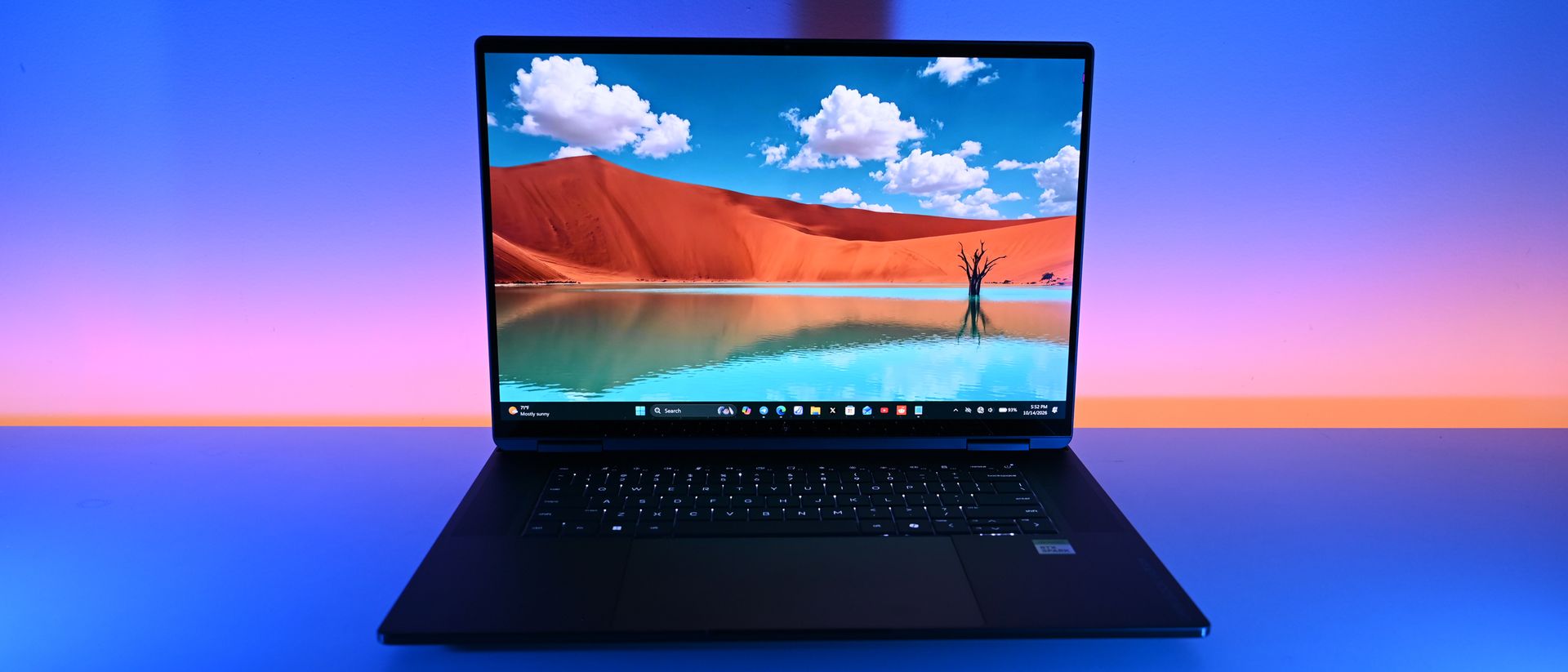
The weird thing about reviewing the HP OmniBook Ultra 16 is that I really like this laptop. After three weeks with it, I have very few complaints about actually using it.
HP's build quality is fantastic. The 3K OLED display is one of my favorites on any laptop I've used this year. Its new keyboard is excellent, the haptic touchpad is huge, battery life is surprisingly good, and NVIDIA's RTX Spark delivers exactly the kind of performance I expected.
Then I pick it up.
At 4.9 pounds, the OmniBook Ultra 16 weighs a full pound more than the ASUS ProArt P16 I recently reviewed, despite delivering largely the same RTX Spark performance. ASUS's laptop is thinner and lighter, has similarly excellent thermals and an OLED display, and includes a few premium features HP inexplicably left out.
That's a problem because after testing several RTX Spark laptops, raw performance is becoming one of the least interesting ways to distinguish between them.
So, as much as I like HP's OmniBook Ultra 16, the question after three weeks isn't whether it's good. It's whether HP has given me enough reasons to carry around that extra pound.
HP and NVIDIA had no input, nor did it see the contents of this review, prior to publication.
Price and specs: The 32GB model makes a lot of sense
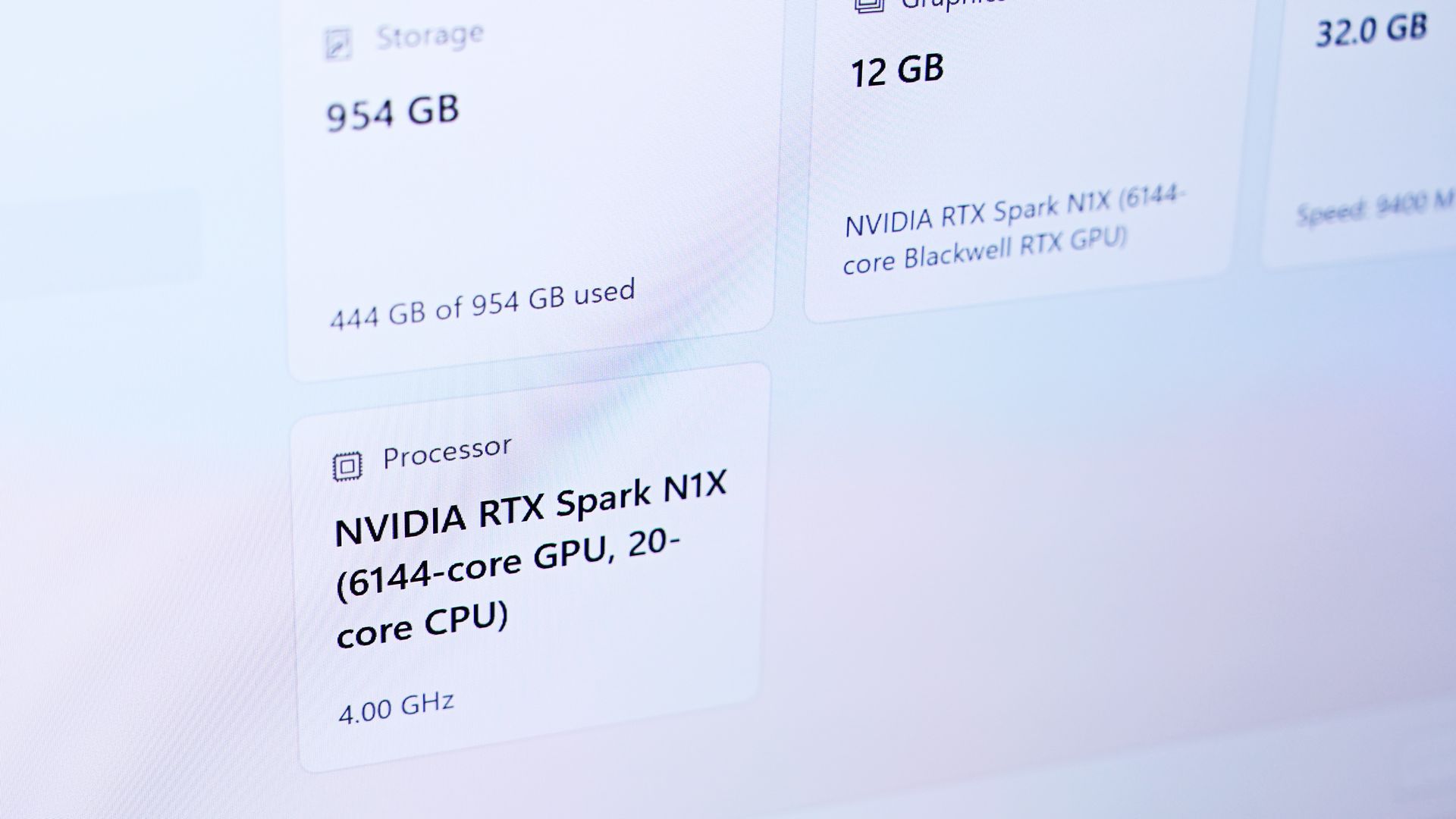
I tested the OmniBook Ultra 16 with NVIDIA's 20-core RTX Spark N1X, 32GB of unified memory, a 1TB SSD, and a 16-inch 2880 x 1800 OLED touchscreen.
It normally costs $3,199.99, but Best Buy currently has it discounted by $400 to $2,799.99, which changes the value equation considerably.
In fact, this might be the RTX Spark configuration I'd recommend to more people. If you're doing video and photo editing, light CAD or 3D work, or beginning to experiment seriously with local AI models, 32GB gives you access to NVIDIA's new platform without spending workstation money on memory you might never use.
For people who will use it, however, HP scales RTX Spark considerably higher, including configurations with up to 128GB of unified memory. That's where this architecture gets especially interesting for running larger local models and working with bigger datasets. HP also sells a 64GB/2TB configuration with LPDDR5X-9400 memory and a PCIe Gen5 SSD.
Design: HP might actually beat ASUS, until you pick it up
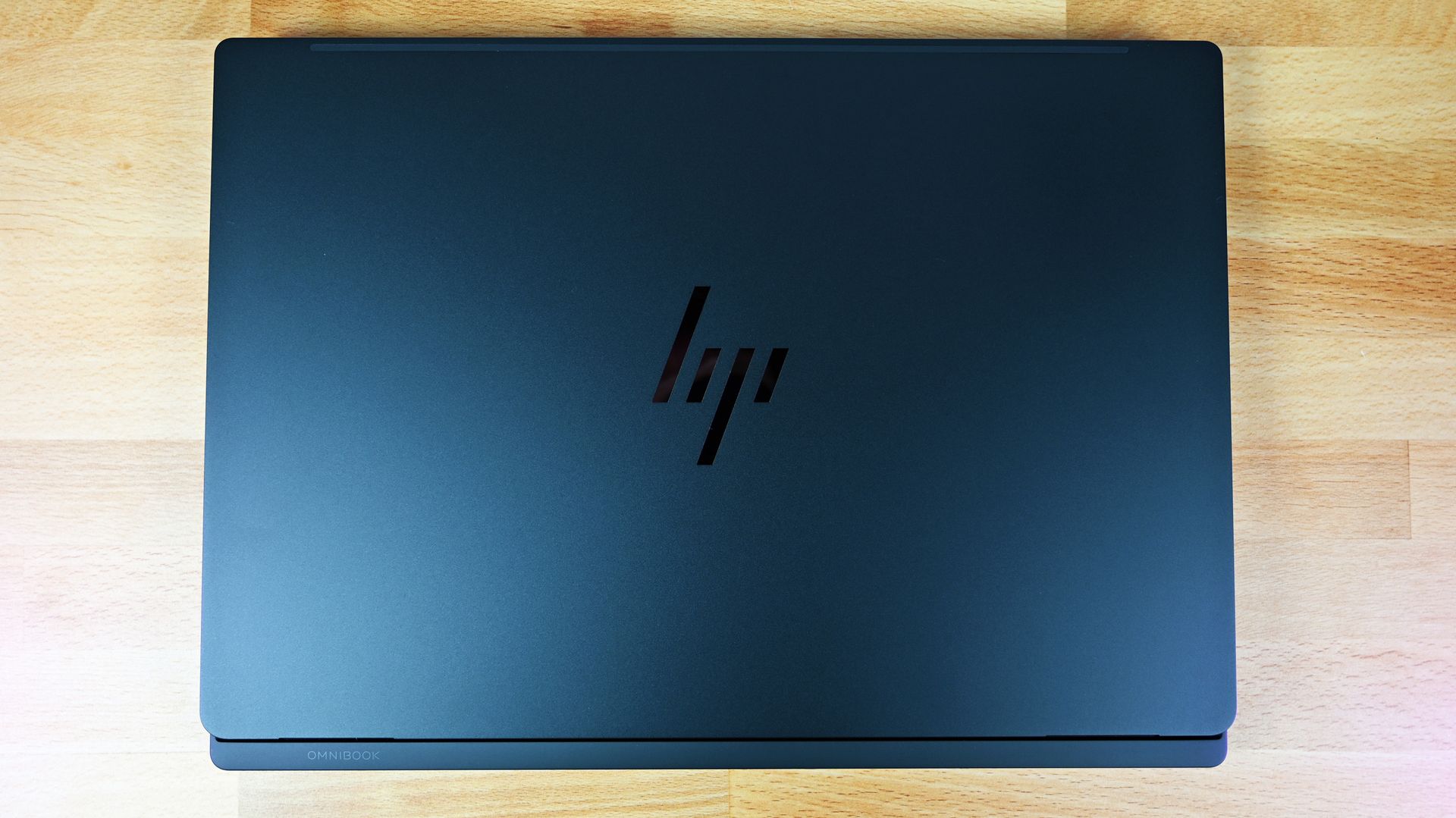
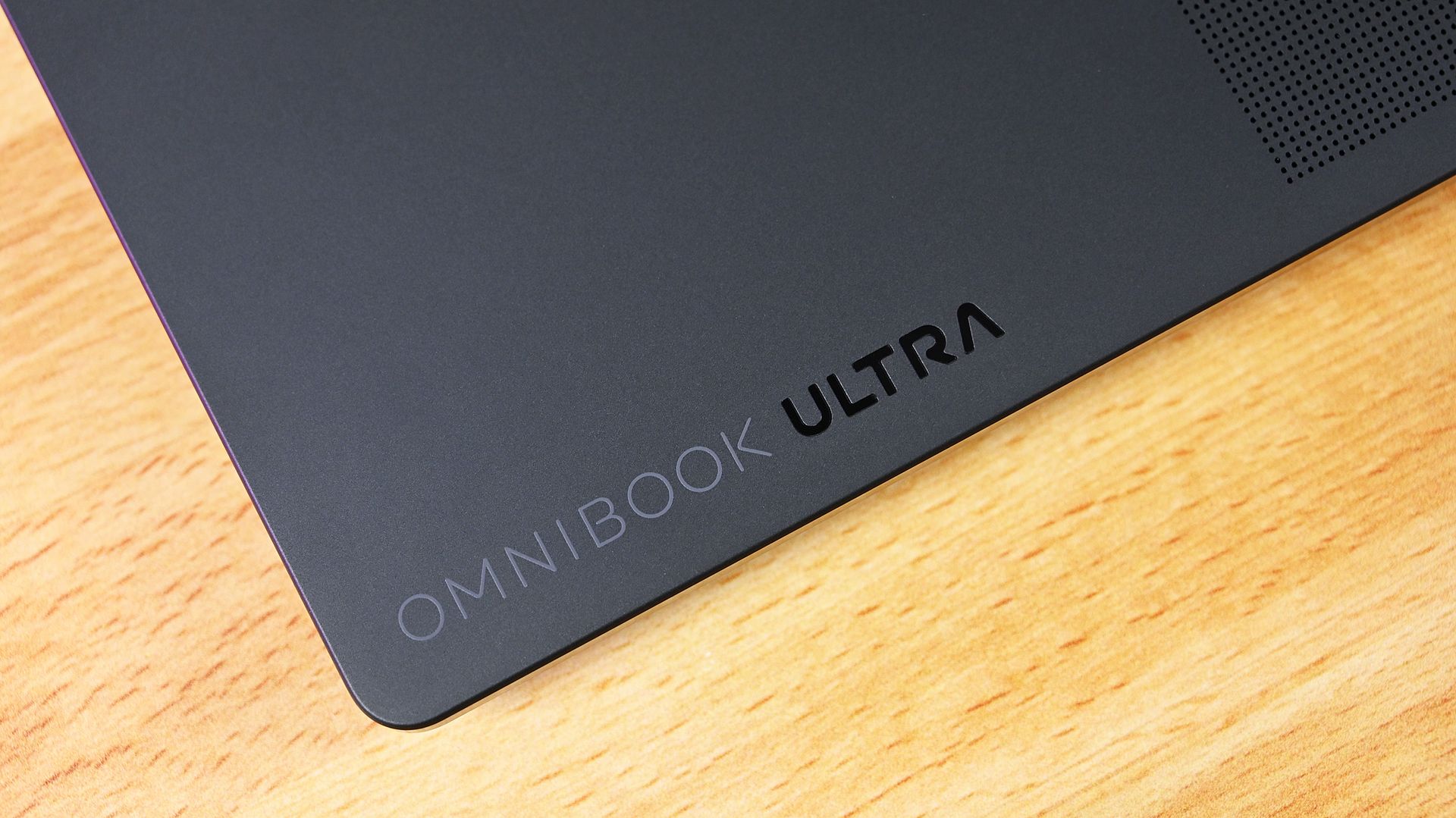
HP knows how to make premium hardware, and I think the OmniBook Ultra 16's overall build quality is a smidge better than the ASUS ProArt P16.
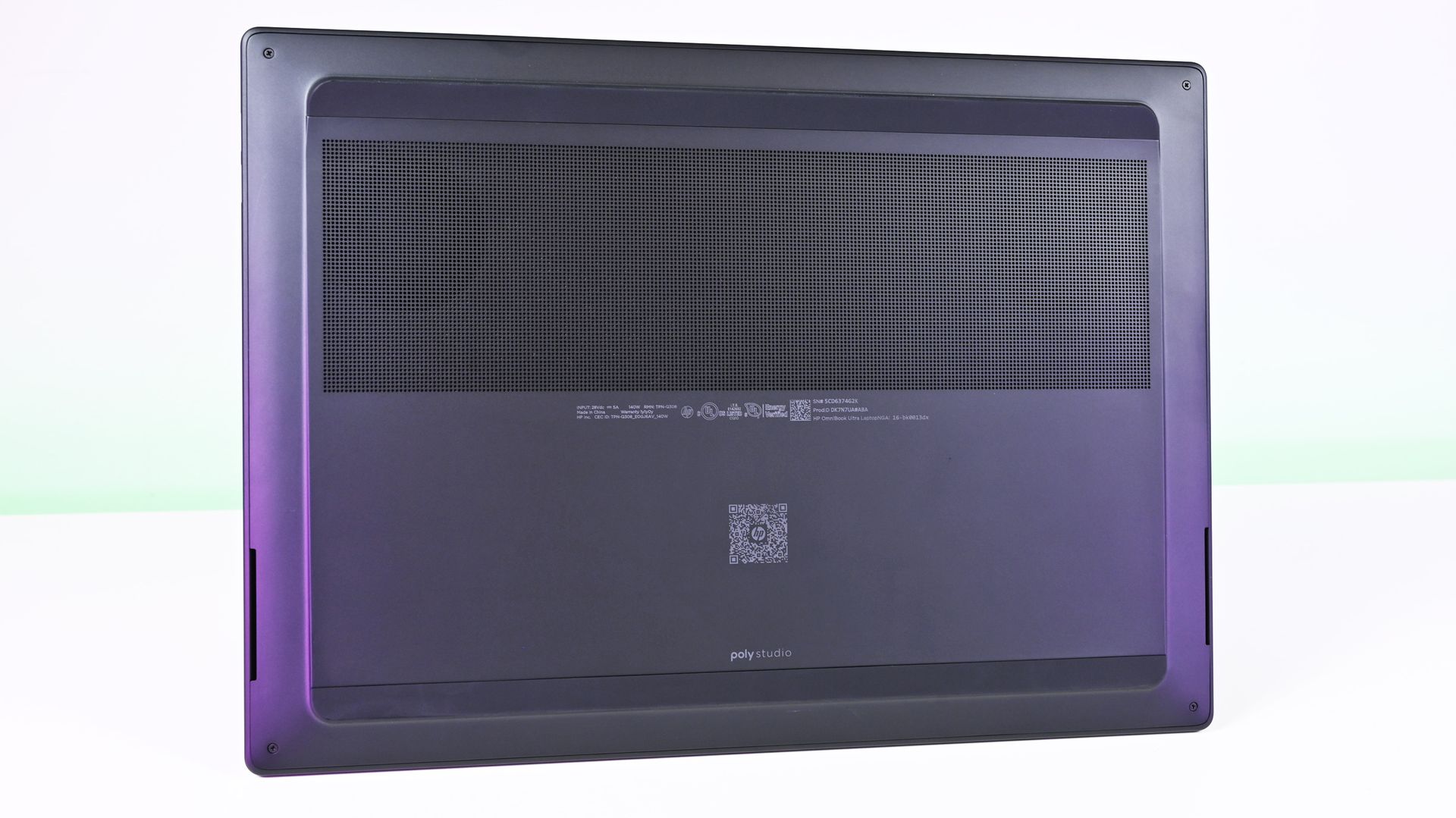
The three-piece CNC-machined aluminum chassis feels exceptionally solid. Eclipse Gray looks fantastic and has a lovely texture that also does an unusually good job resisting fingerprints.
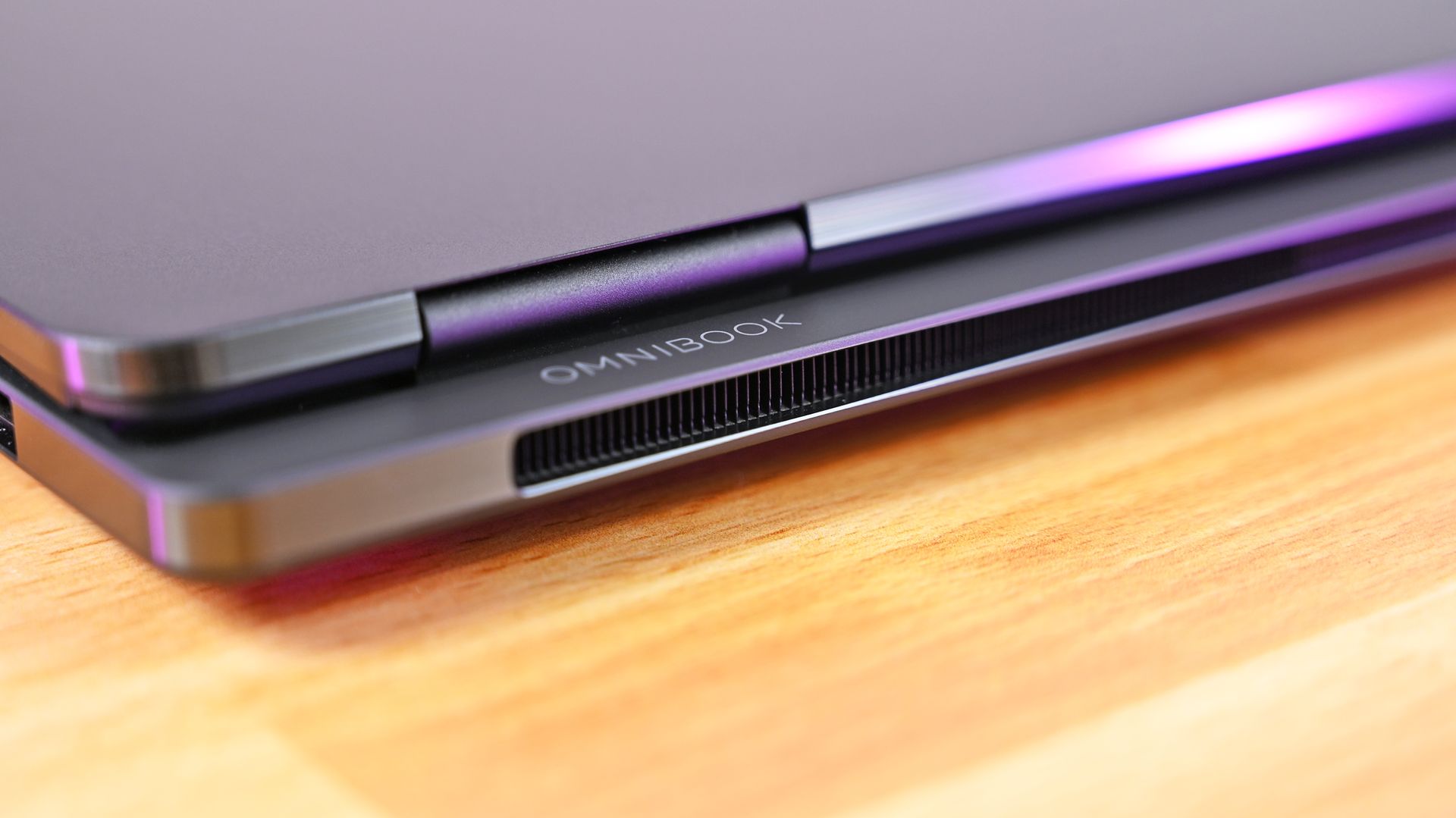
Then there's HP's tower hinge and trunk architecture. Beyond looking cool, the design creates additional room behind the hinge for airflow and rear exhaust. HP combines that with two 79-blade fans, three heat pipes, and internal temperature monitoring, with the system designed to sustain up to 70W.
The results are good, although not dramatically better than ASUS.
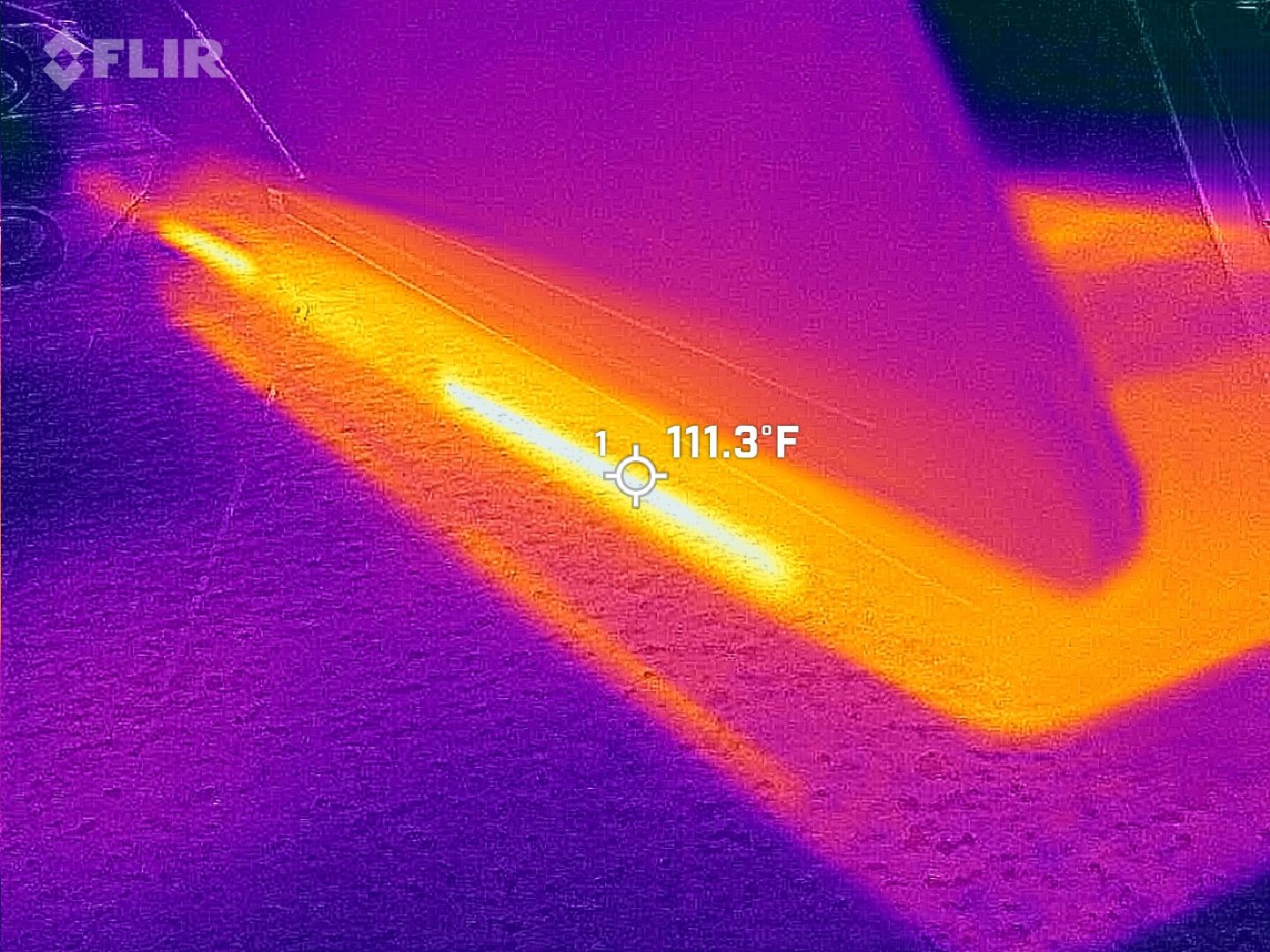
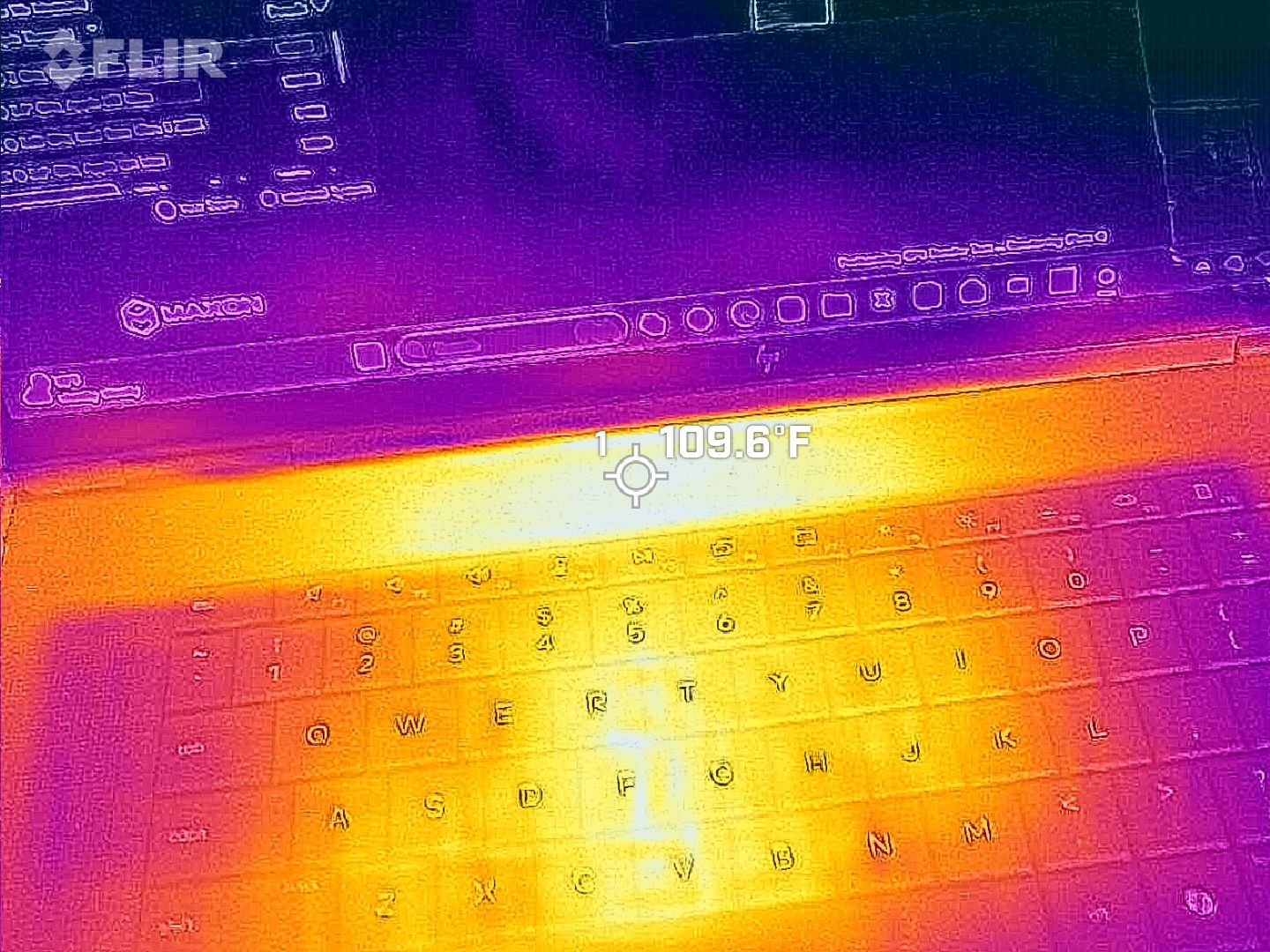
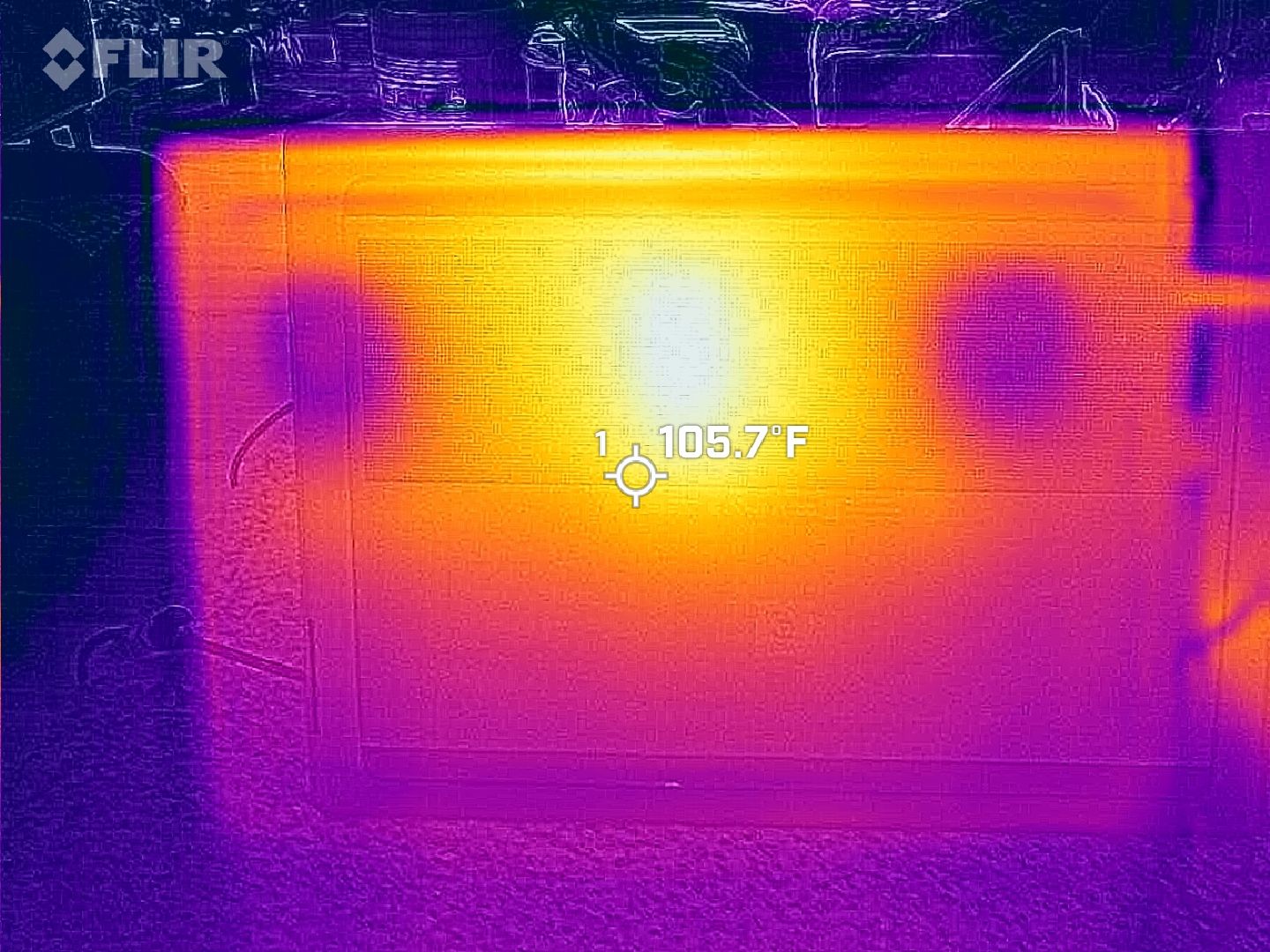
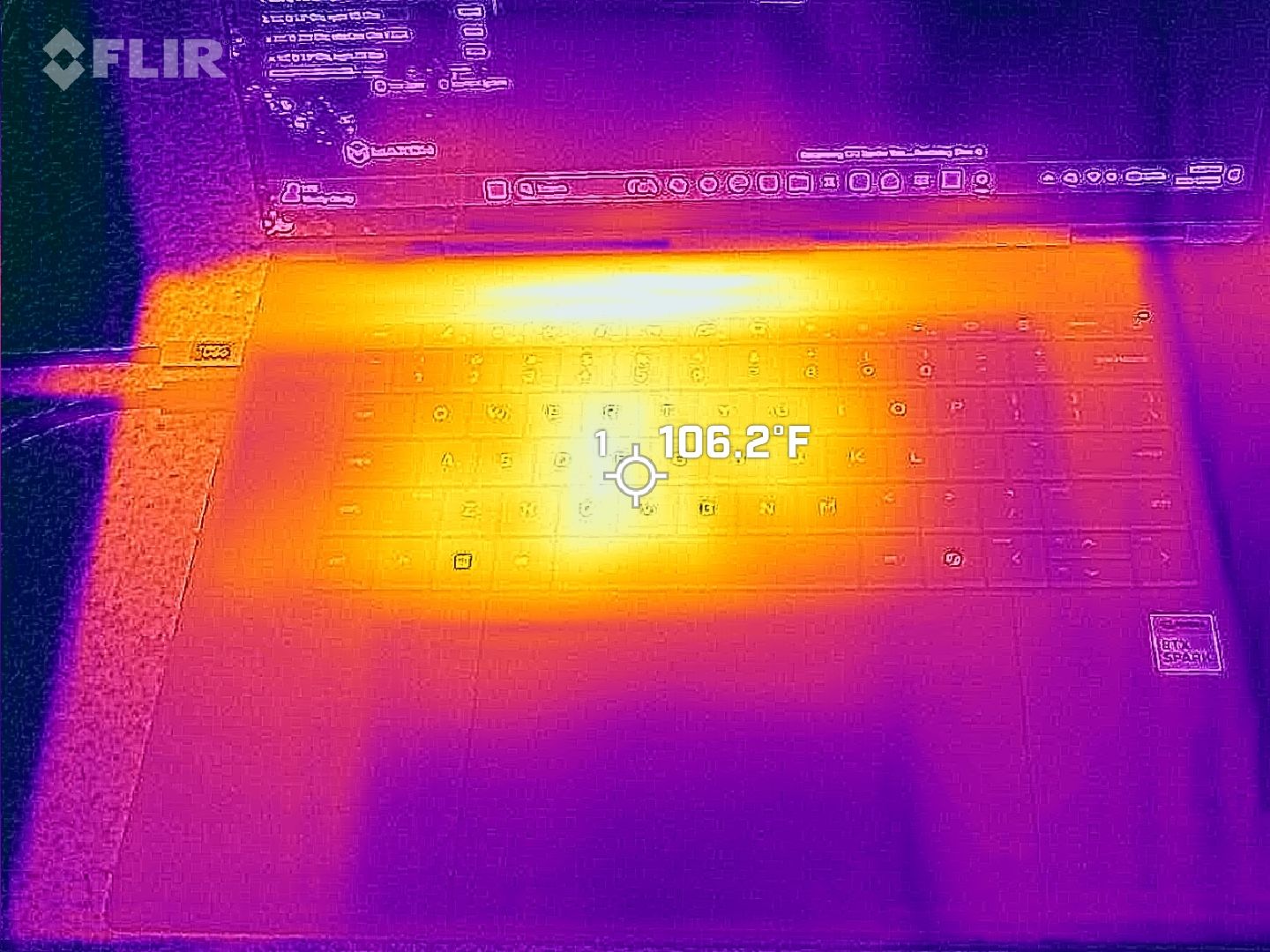
My OmniBook reached around 113 degrees Fahrenheit (45 degrees Celsius) at its hottest point under a sustained load and generally ran slightly warmer than my ProArt P16. That's nothing I'd consider concerning or even notice during regular use. The fans are also excellent and broadly comparable to ASUS, generally remaining below 50dB.
I just don't see a huge thermal payoff for the added bulk.
Because, yes, this thing weighs 4.9 pounds.
That's an entire pound heavier than the 3.9-pound ProArt P16. Even Microsoft's Surface Laptop Ultra comes in around 4.5 pounds.
Leave the HP on a desk and none of this matters. Carry it around every day, and ASUS suddenly becomes much more appealing.
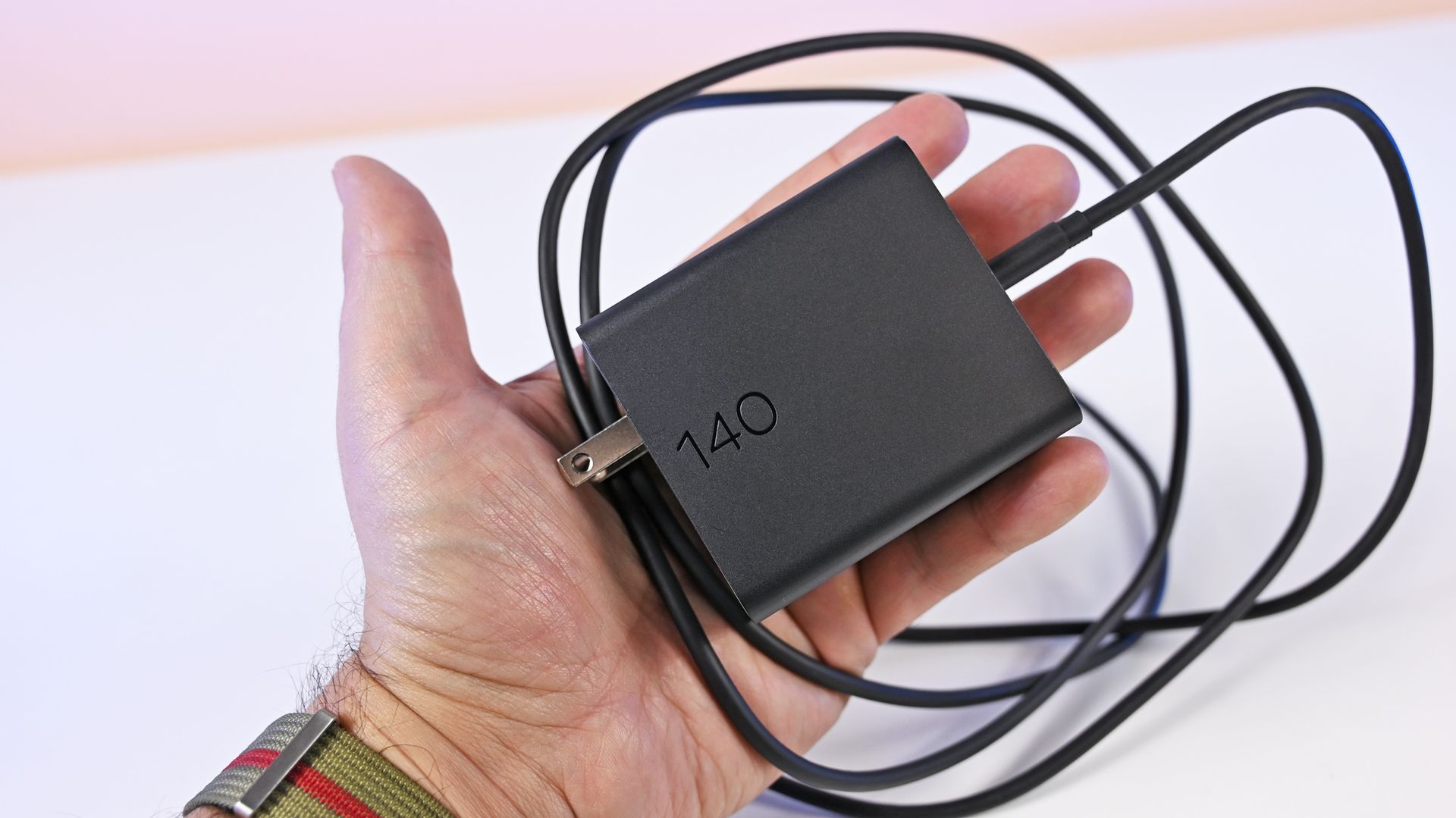
Ironically, HP makes up some of that difference with the best charger I've seen on an RTX Spark PC. The included 140W GaN charger is remarkably small, uses a detachable Type-C cable, and has folding prongs. HP says it's 43% smaller and 28% lighter than its previous adapter.
Display, keyboard, and touchpad: Some of HP's best work
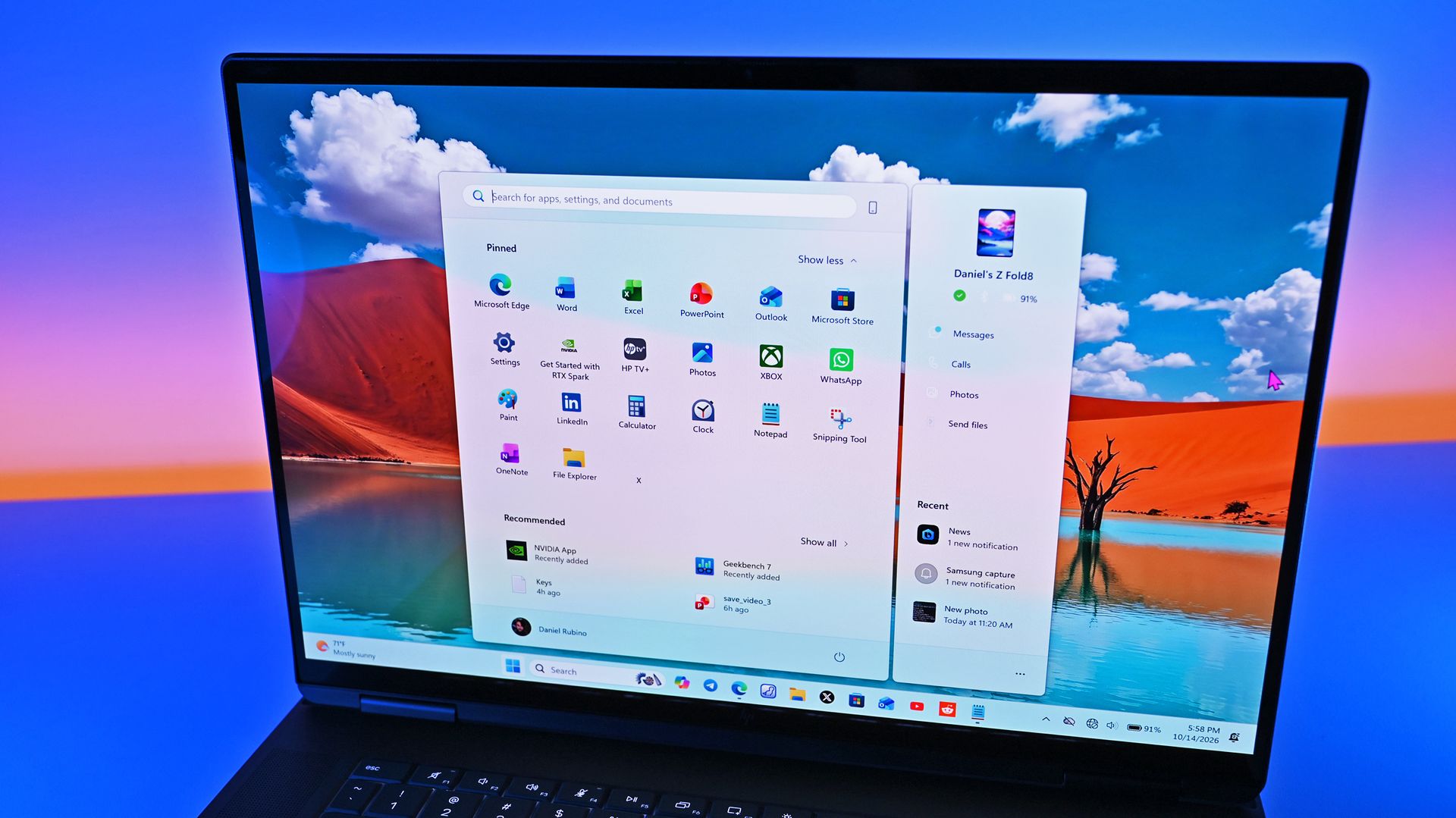
The 3K OLED touchscreen might be my favorite thing about this laptop.
ASUS also has a fantastic OLED panel, but HP's looks slightly more natural to me. Colors appear clean and balanced without becoming excessively saturated.
HP rates it at 2880 x 1800 resolution, up to 120Hz (VRR), 500 nits SDR, 1,100 nits HDR, and 100% DCI-P3.
It's glossy, although surprisingly tolerable for someone like me who complains about glossy laptop displays all the time. Reflections bother me considerably less here than on Surface Laptop Ultra.
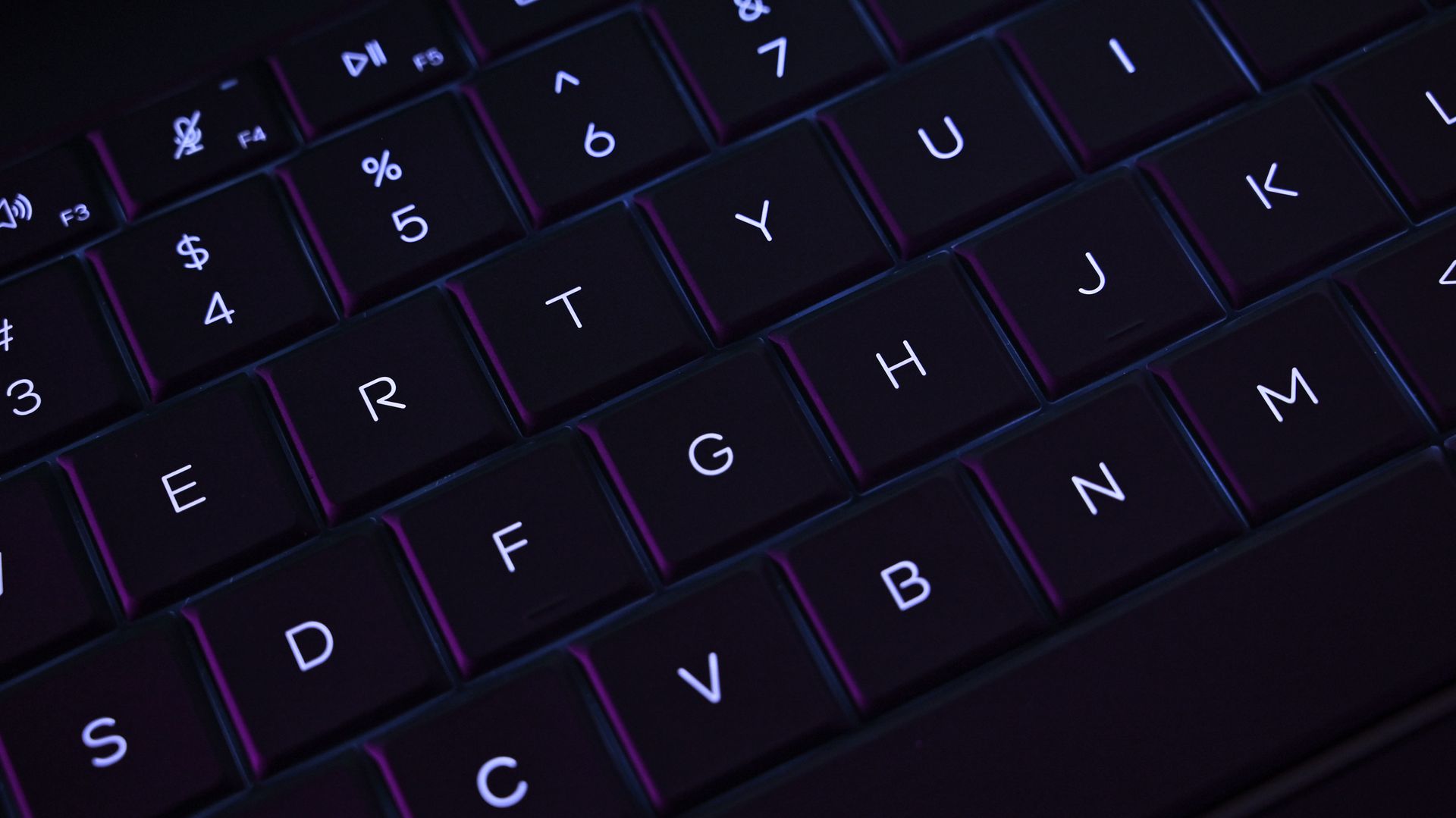
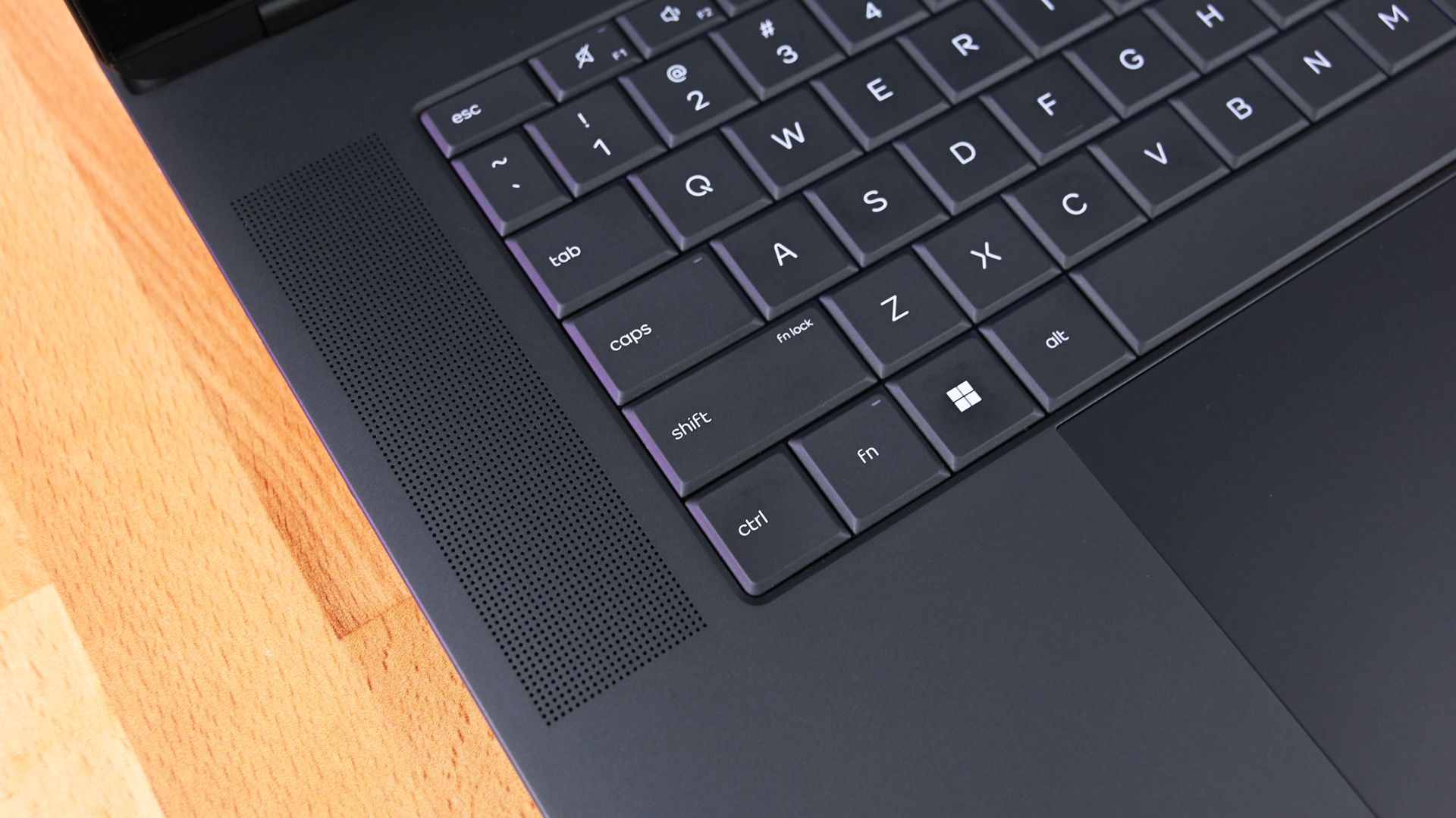
The second-generation latticeless keyboard is another winner. HP says it increased the spacing between keys and deepened the key dishes based on feedback from its first attempt, and whatever it did worked.
It looks great, feels precise, and is genuinely fun to type on.
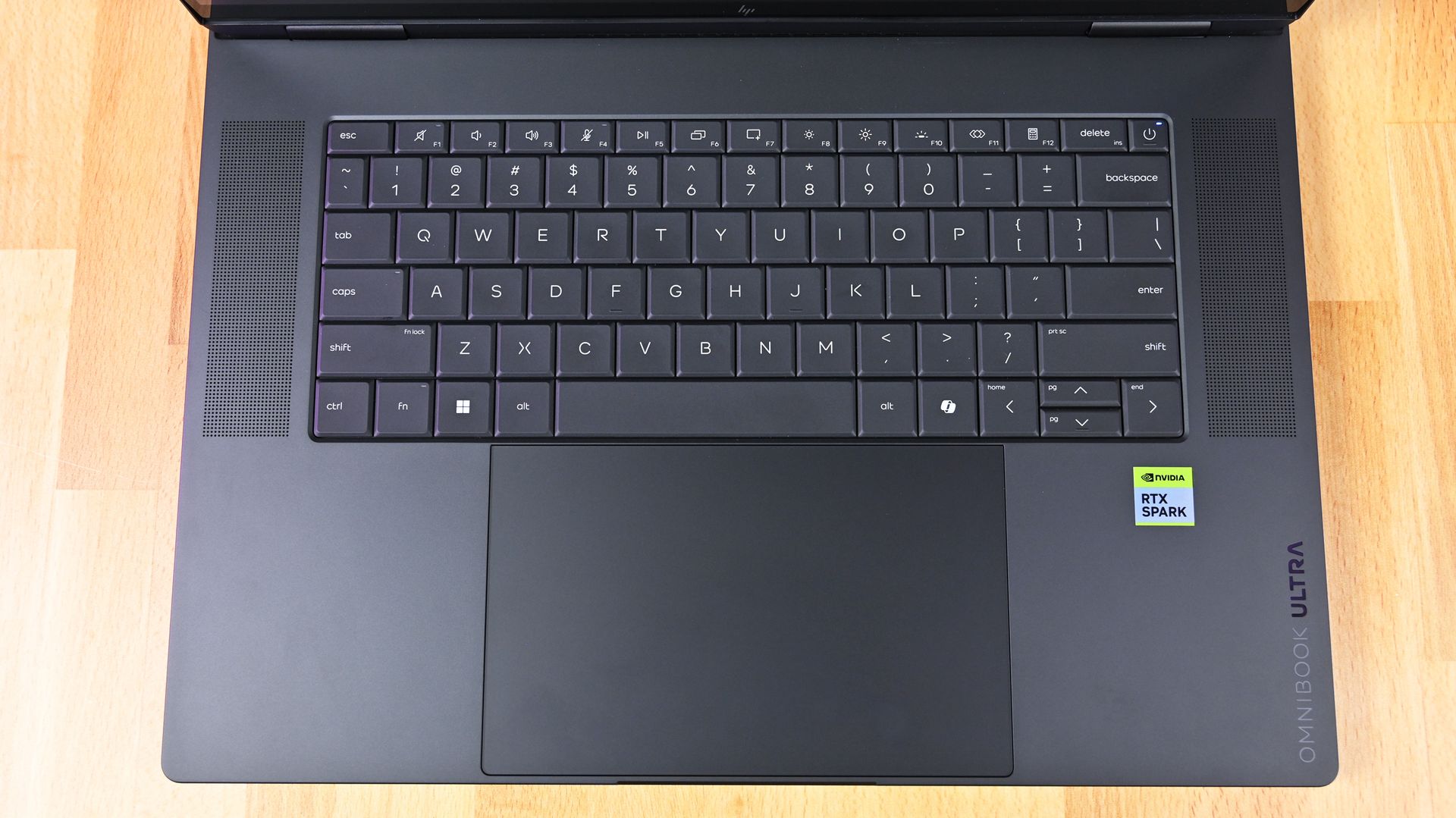
My complaint is the backlighting. You get only two brightness levels versus three on ASUS, and there's no ambient light sensor, so you're manually switching it on and off.
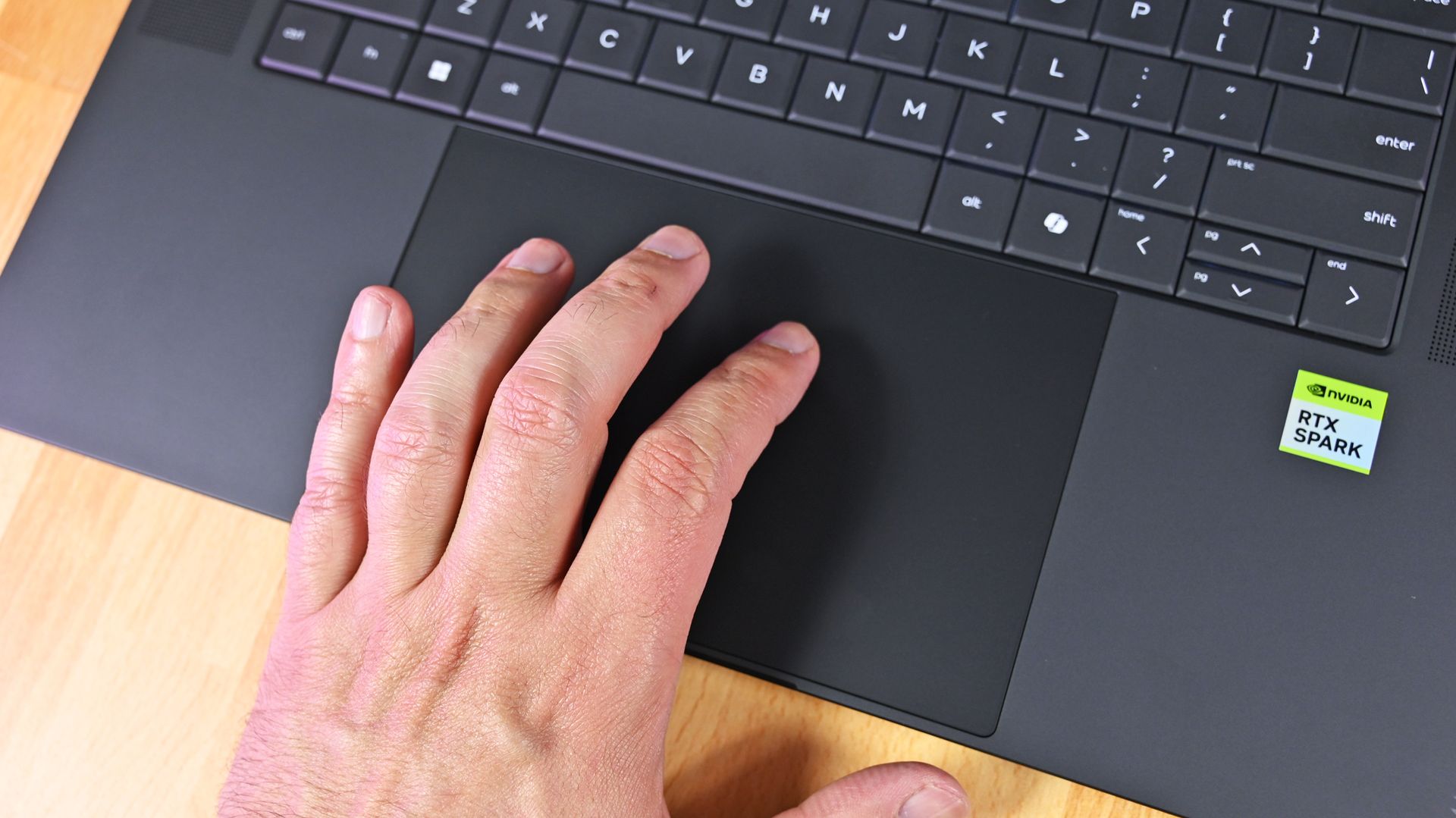
The enormous haptic touchpad is also excellent, with crisp, consistent feedback across its entire surface. Yet bizarrely, it doesn't support Windows 11 Haptic Signals like ASUS and Surface do (which means it chose an older haptic design).
HP also skips ASUS's adaptive color and ambient light sensors, although it does provide human presence detection. Kind of weird to be missing those first two sensors on such a premium Windows laptop, not gonna lie.
Audio is excellent and roughly comparable to ASUS, while the 5MP webcam is simply okay. It's somewhat soft but perfectly usable. For that audio, you get a quad-speaker system that combines two speakers and a tweeter with DTS X Ultra and spatial audio. I generally prefer Dolby Atmos (which is what ASUS and Surface use), but DTS X Ultra is fine here.
Ports: Plenty of them, but why are both USB-C ports over here?
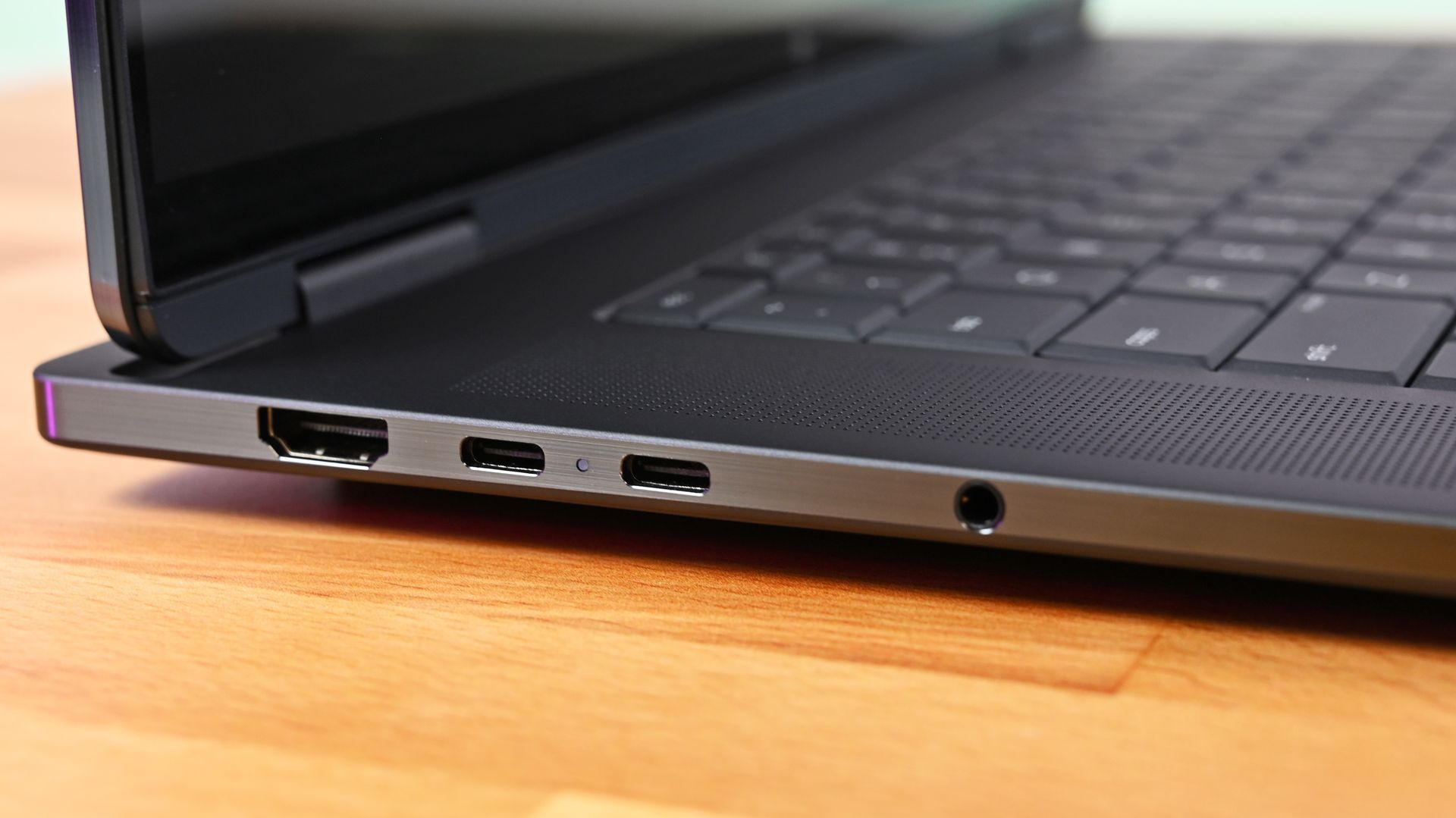
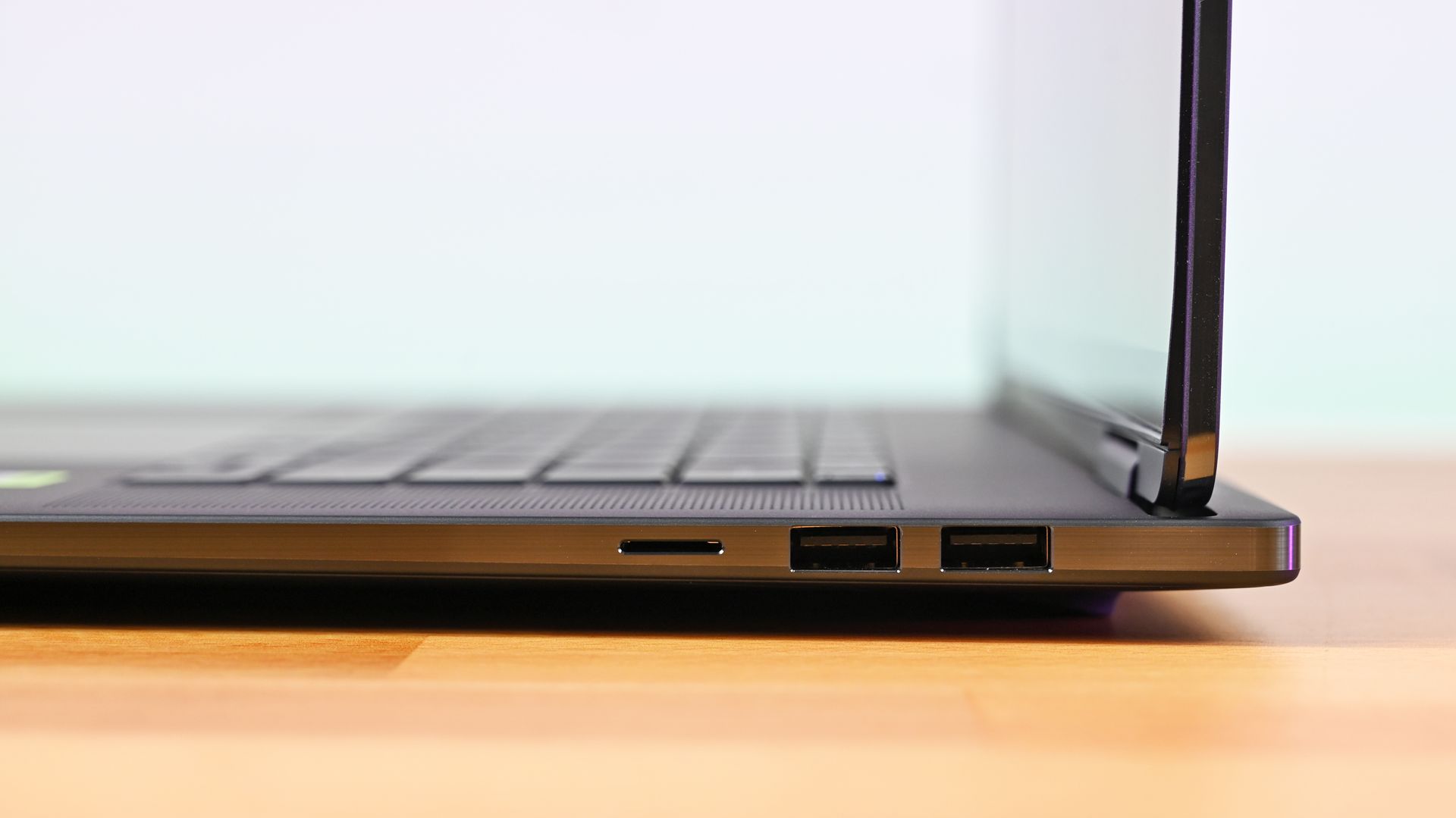
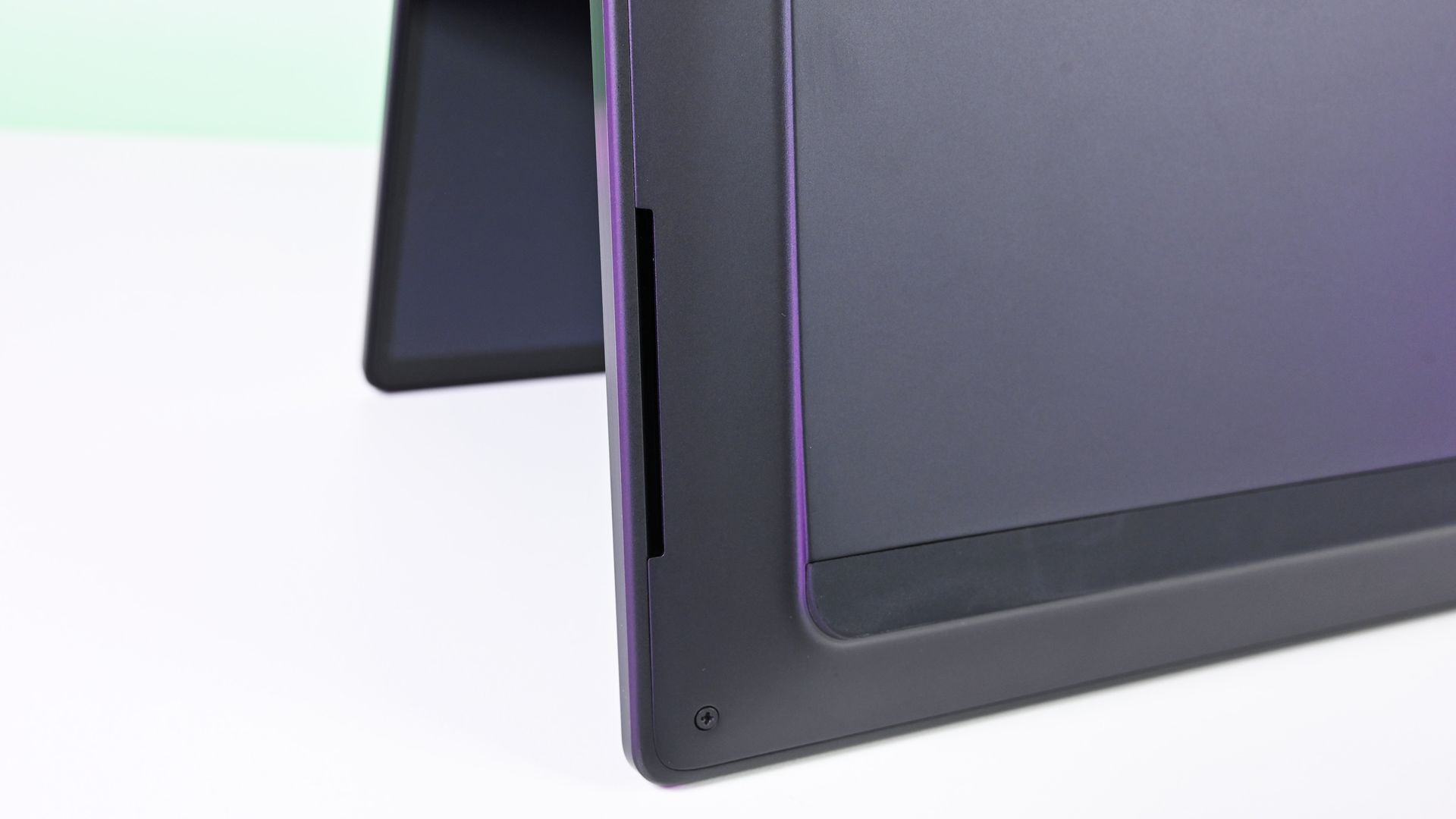
HP gives you HDMI 2.1, two USB-C ports, two USB-A ports, MicroSD, and a headphone jack.
That's a great selection, particularly those two legacy Type-A ports.
Unfortunately, both USB-C connections are on the left side, and since that's also how you charge the laptop, cable placement is less flexible than ASUS (personally, I feel one Type-C on either side is a better design decision).
The second-generation latticeless keyboard is another winner… It looks great, feels precise, and is genuinely fun to type on
The software loadout is peculiar, too. My system came with McAfee, which I immediately removed, yet several HP utilities I'd expect on one of the company's flagship laptops, including HP Support, weren't installed, so you get fewer bonus device configuration options, unlike the MyASUS app, which is ideal.
None of these are serious problems. They're just odd omissions at this price.
RTX Spark performance: Stop worrying about tiny differences
After testing multiple RTX Spark PCs, I've reached a straightforward conclusion: don't buy one based on tiny benchmark victories.
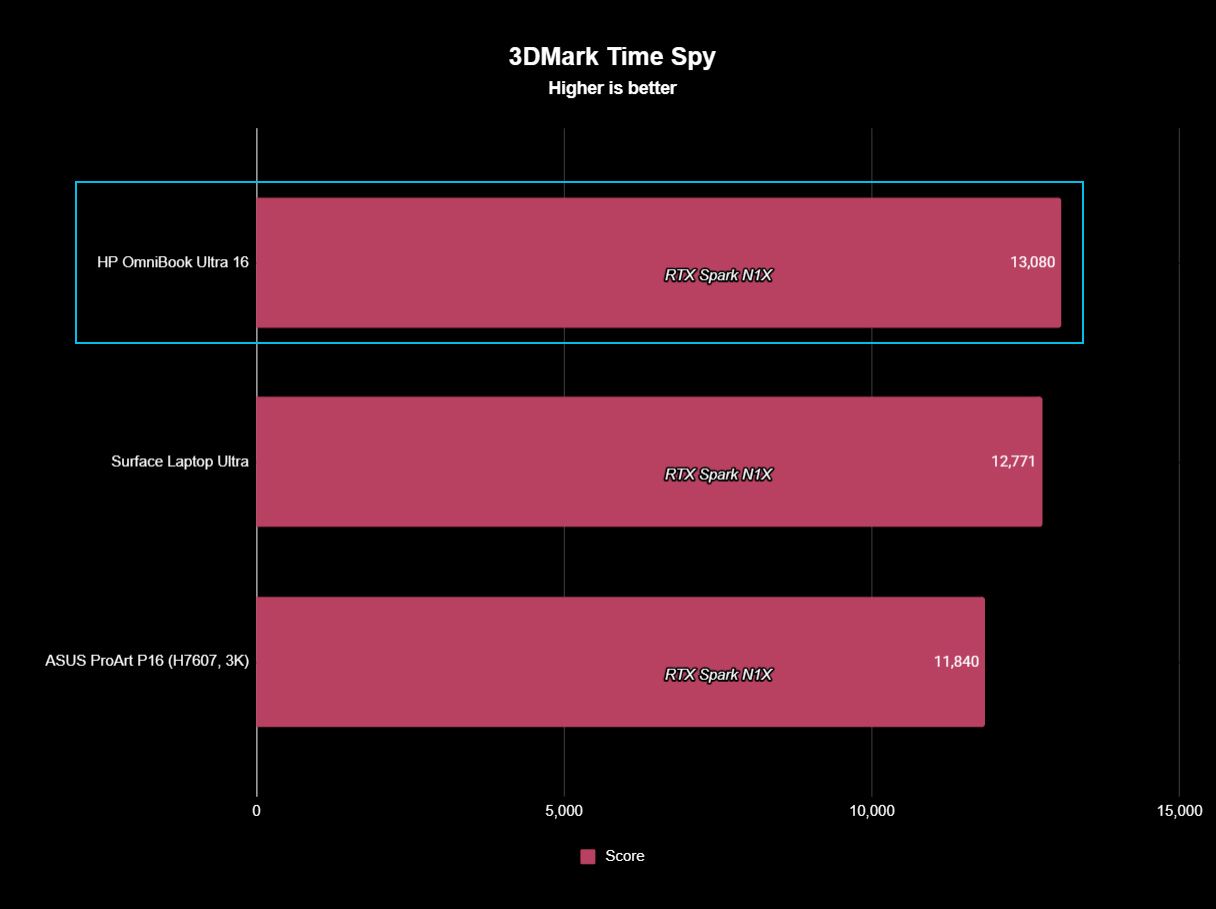
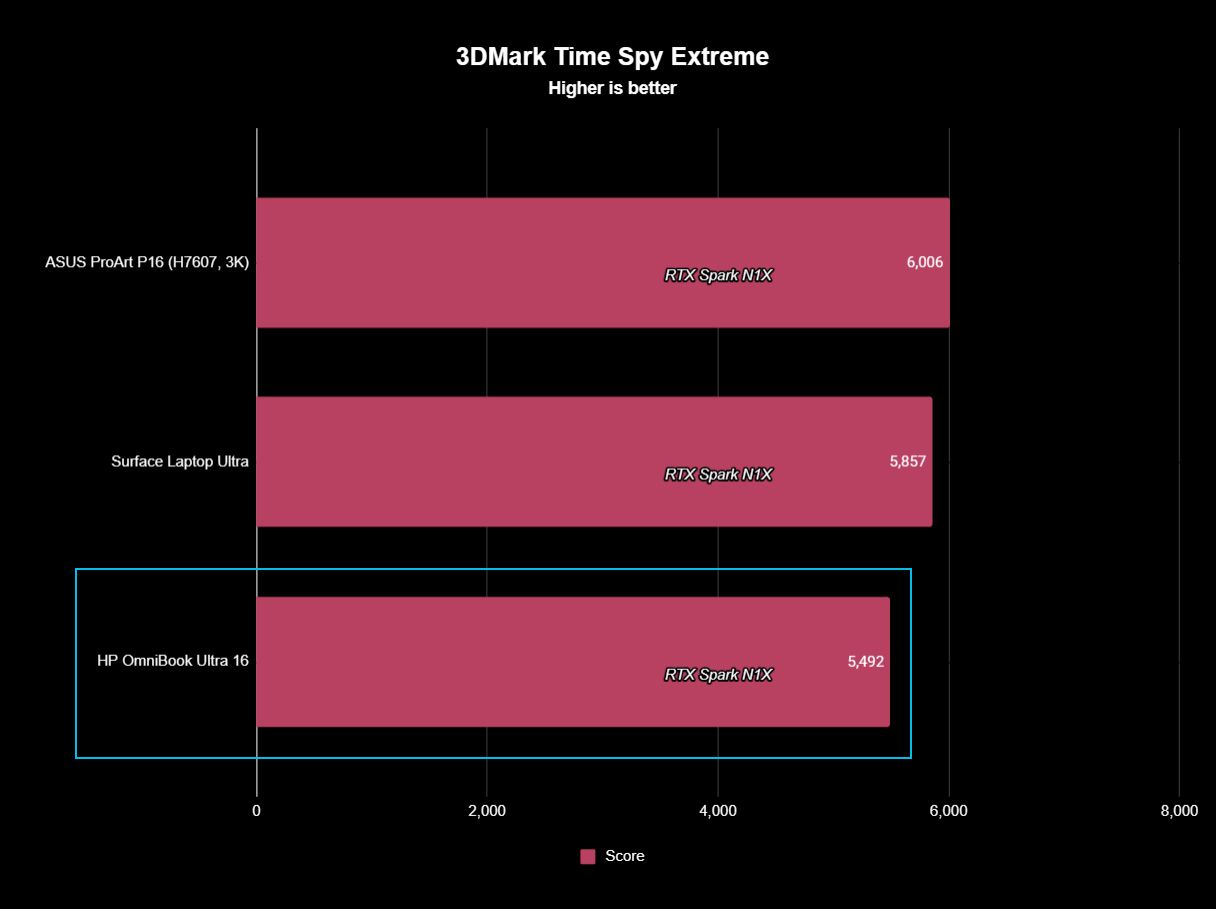
My OmniBook scored 13,080 in 3DMark Time Spy, ahead of Surface's 12,771 and ASUS's 11,840. Time Spy Extreme reversed things, with ASUS hitting 6,006 versus 5,857 for Surface and 5,492 for HP.
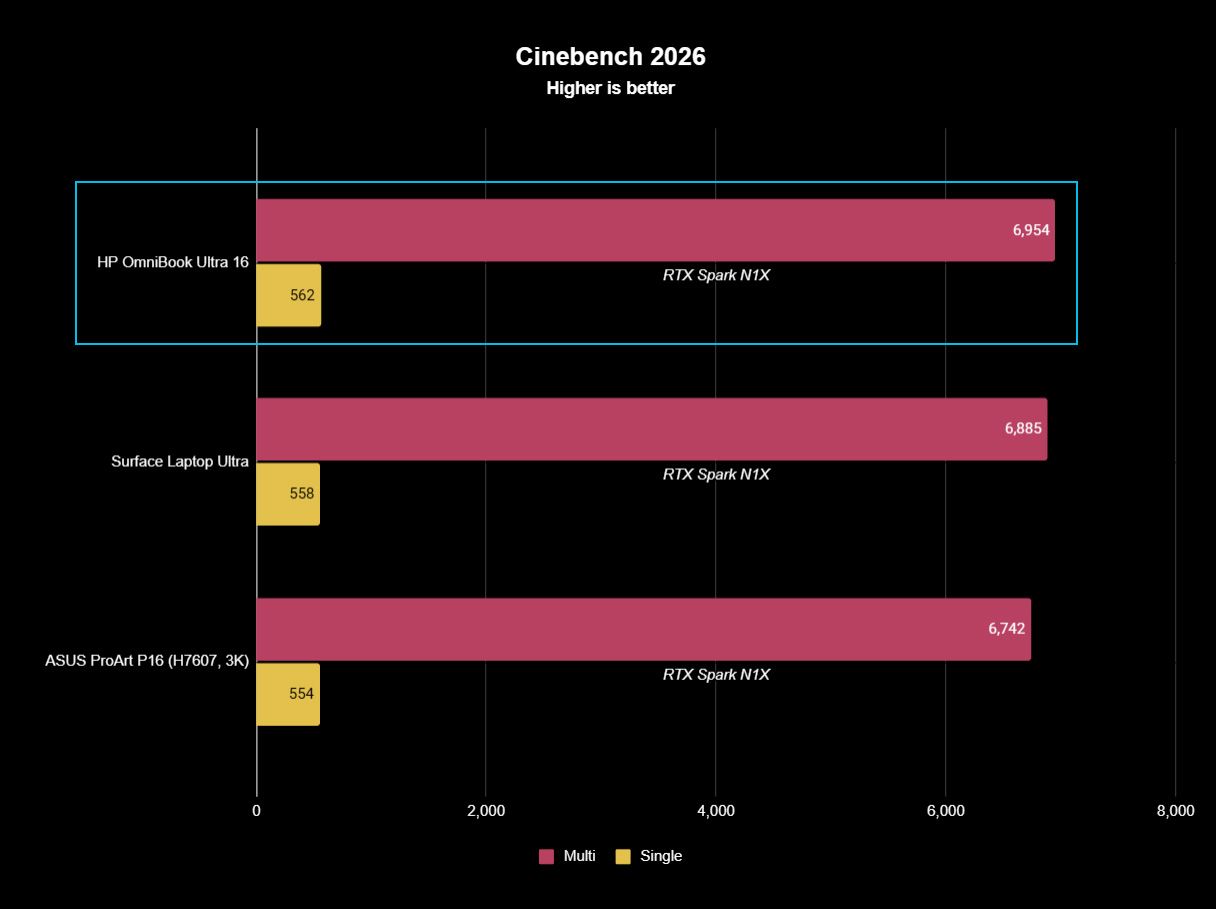
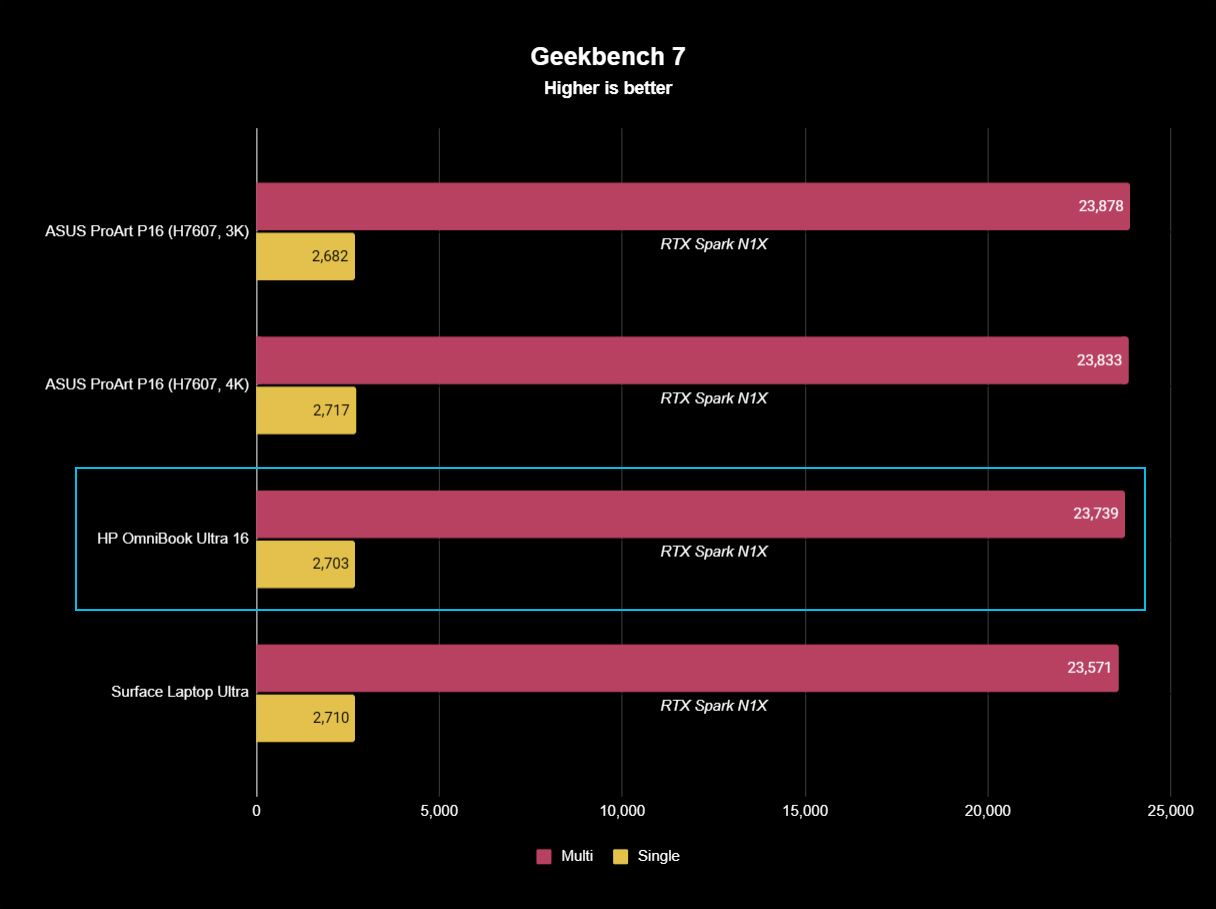
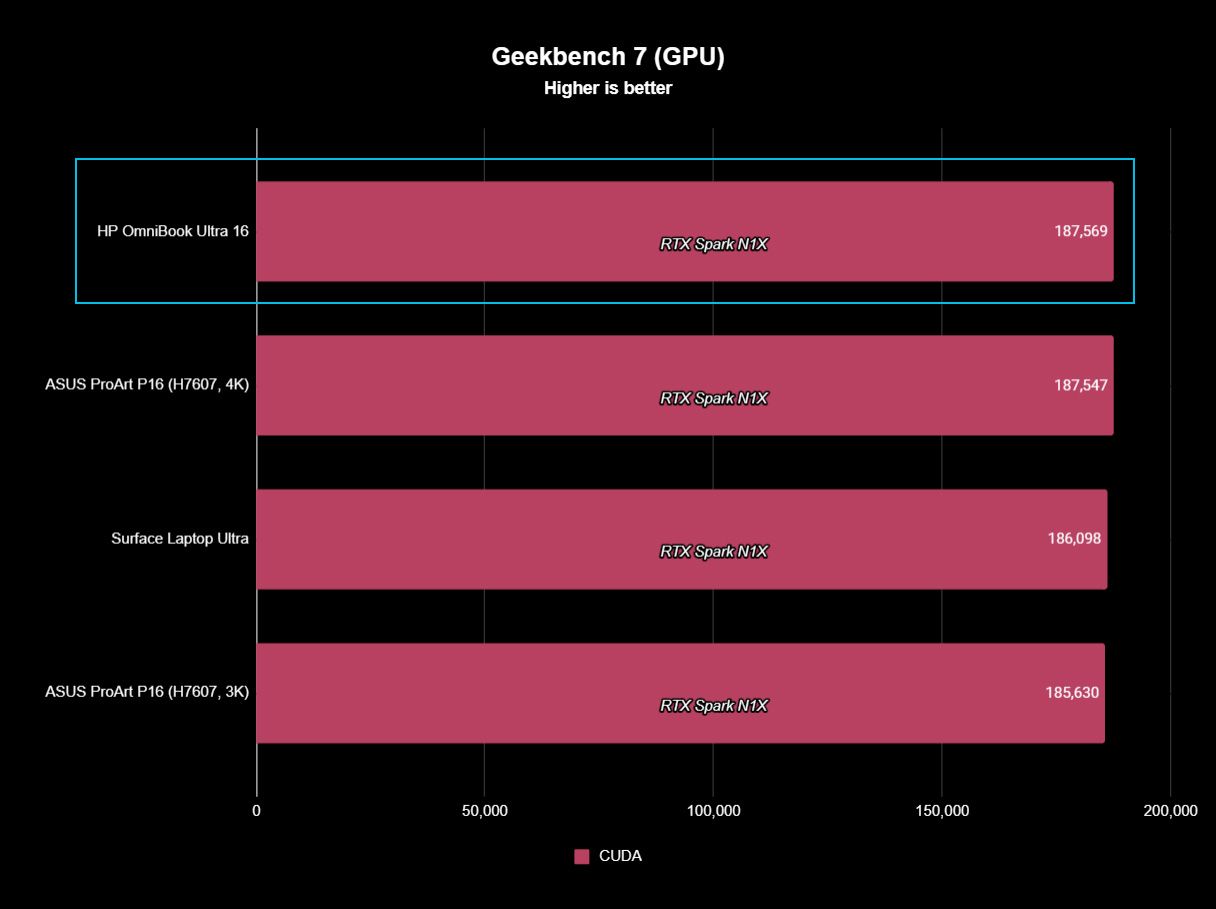
Cinebench 2026 tells a similar story. HP scored 6,954 multi-core and 562 single-core, while Geekbench 7 results among these machines are effectively interchangeable.
Even GPU compute is remarkably close. HP reached 187,569 in Geekbench 7 CUDA, compared to 187,547 for my 4K ASUS configuration.
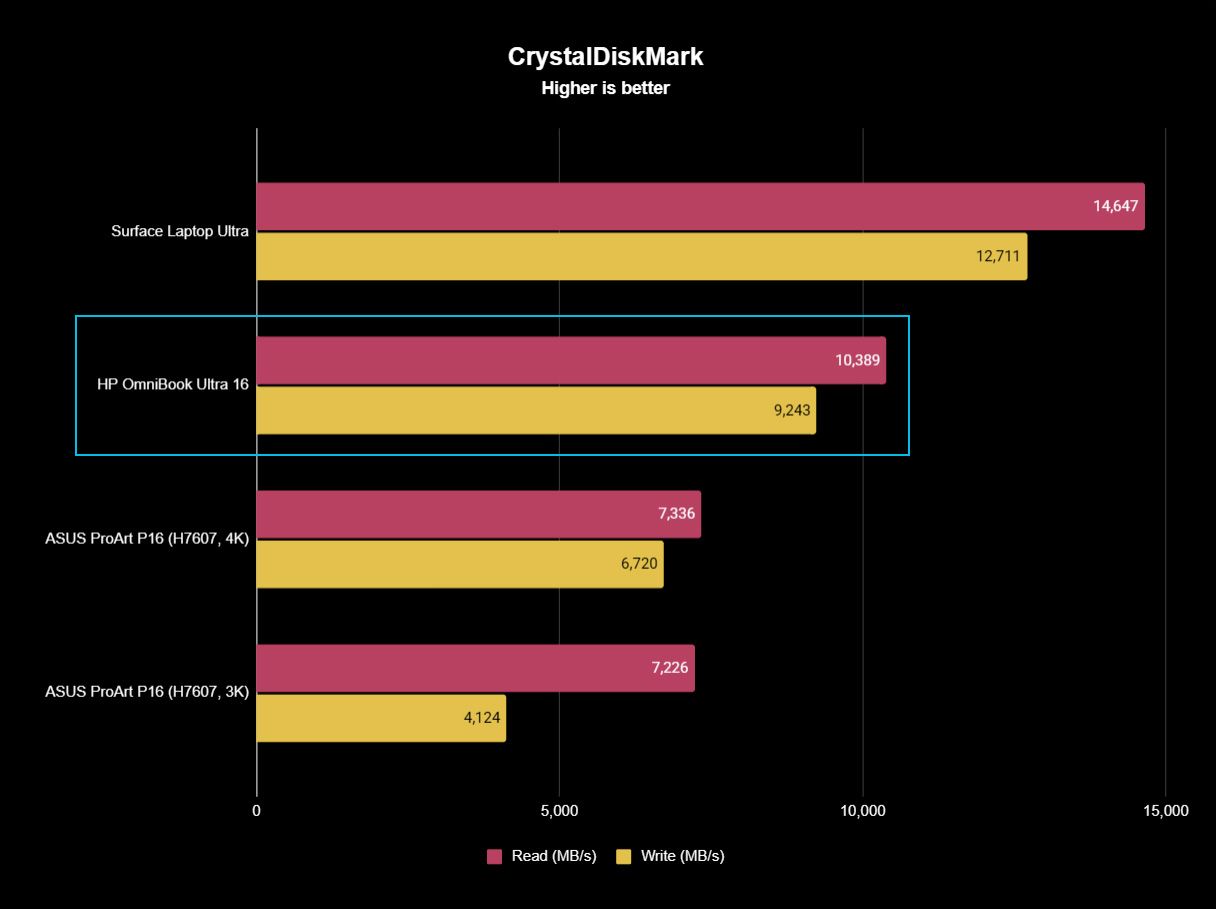
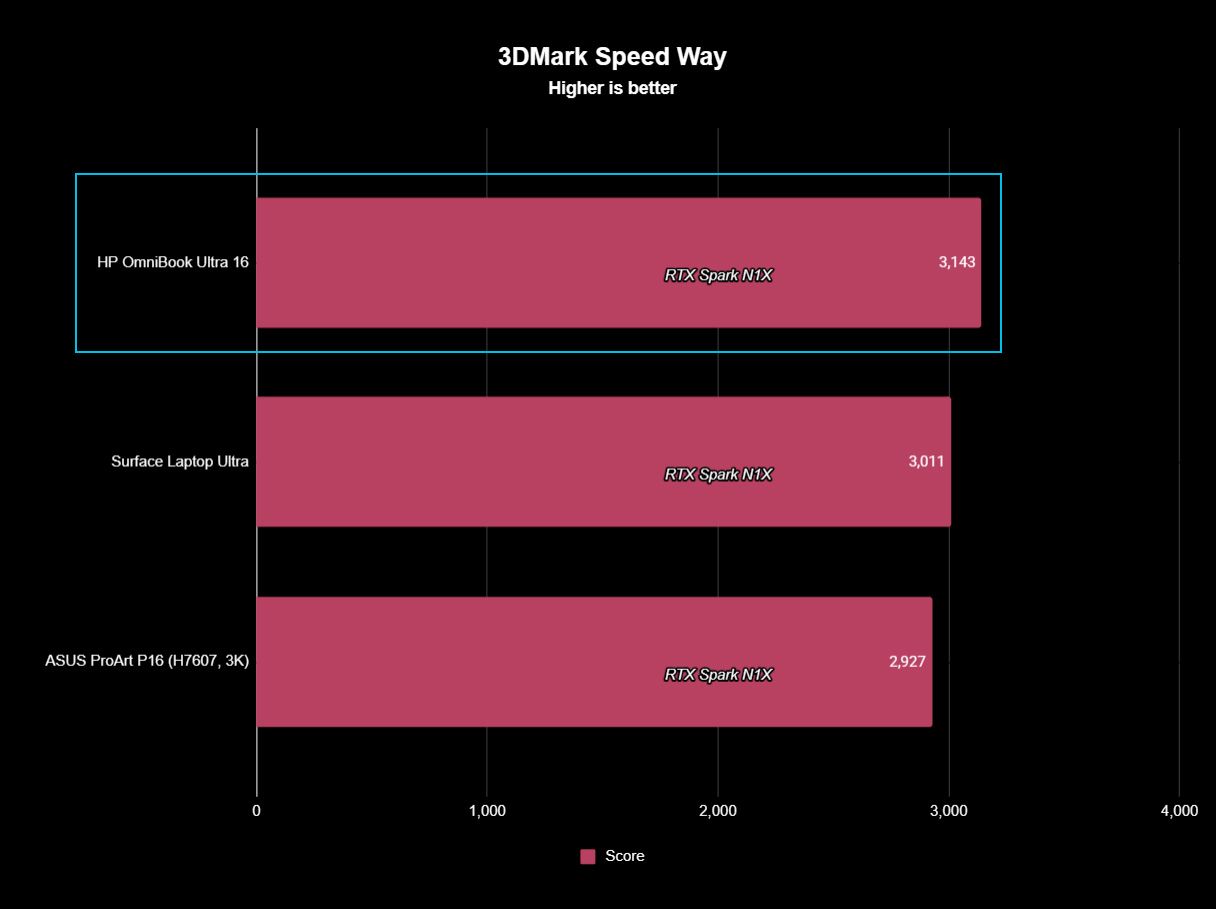
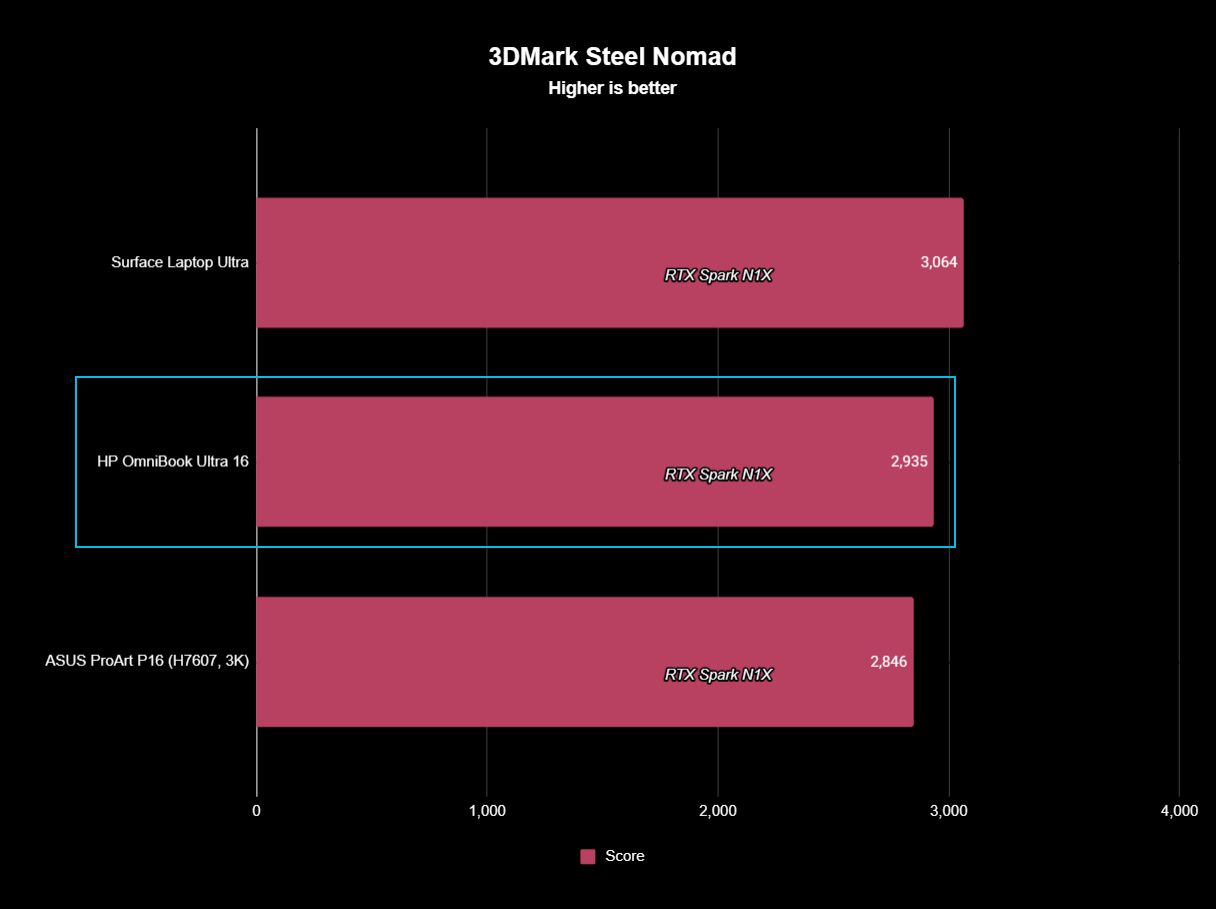
The exception is storage. HP's SSD reached an excellent 10,389MB/s read and 9,243MB/s write, substantially ahead of my ASUS configurations, although Surface was faster still.
Gaming performance was similarly close to ASUS in my testing. RTX Spark isn't a dedicated gaming platform, but gaming performance is very good, especially paired with that 120Hz OLED.
The takeaway is increasingly obvious: choose your RTX Spark laptop based on the laptop, not a few percentage points in a synthetic benchmark.
Battery life: Better than I expected
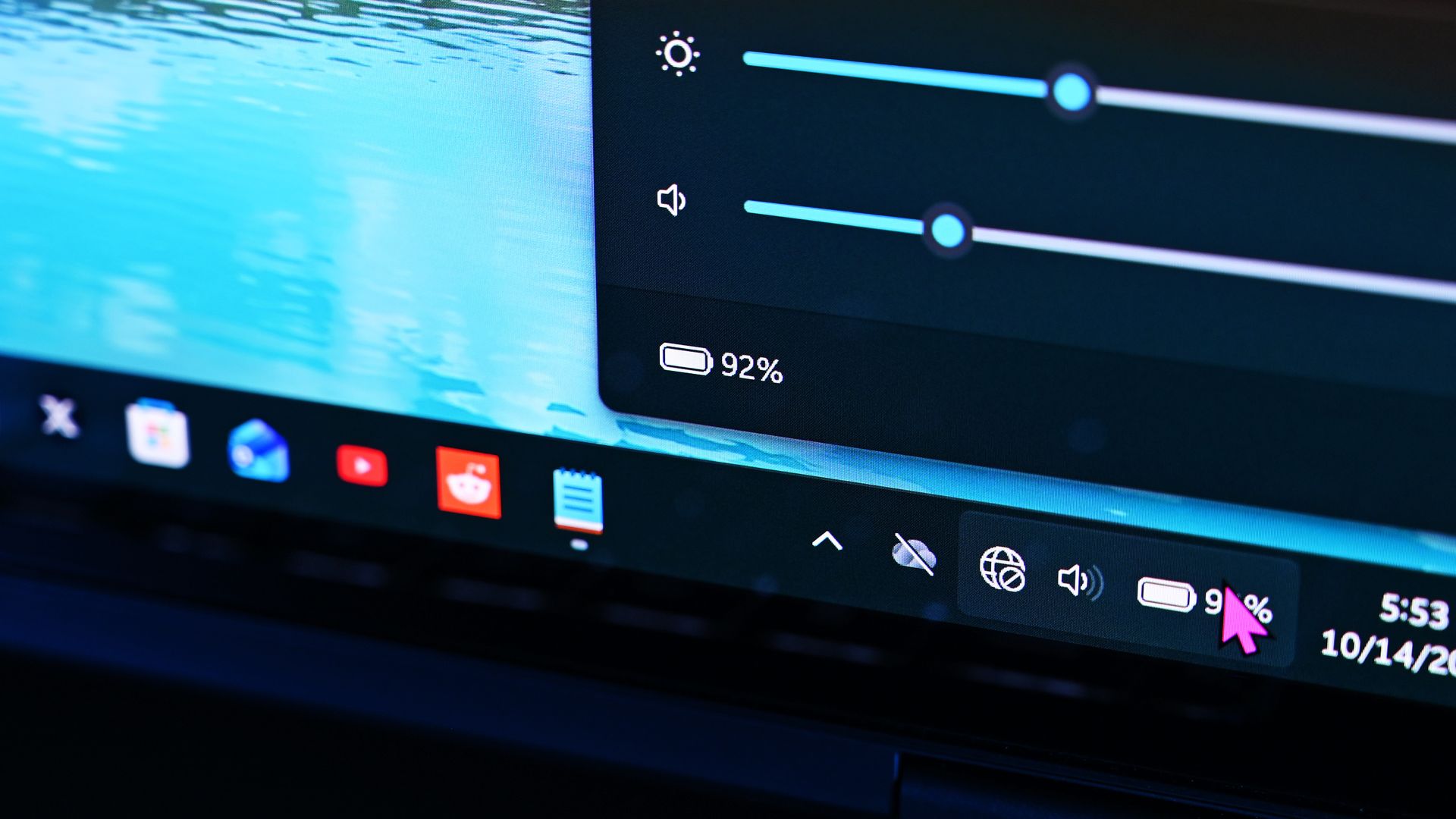
Using Windows Battery Report to track my real-world light-to-medium everyday usage, the OmniBook Ultra 16 peaked at 11 hours and 18 minutes.
That's broadly comparable to ASUS, although in practice the HP feels like it can stretch slightly longer.
ASUS fights back with phenomenal standby behavior. My ProArt P16 resumes almost instantly and loses very little battery while sleeping. HP can take noticeably longer coming back from hibernation.
It's a small distinction, but one I've noticed after living with both.
Obviously, once you go heavy workloads and hammer that GPU for intense local AI sessions, gaming, or video editing, you're going to cut that usage time in half.
Should you buy the HP OmniBook Ultra 16?
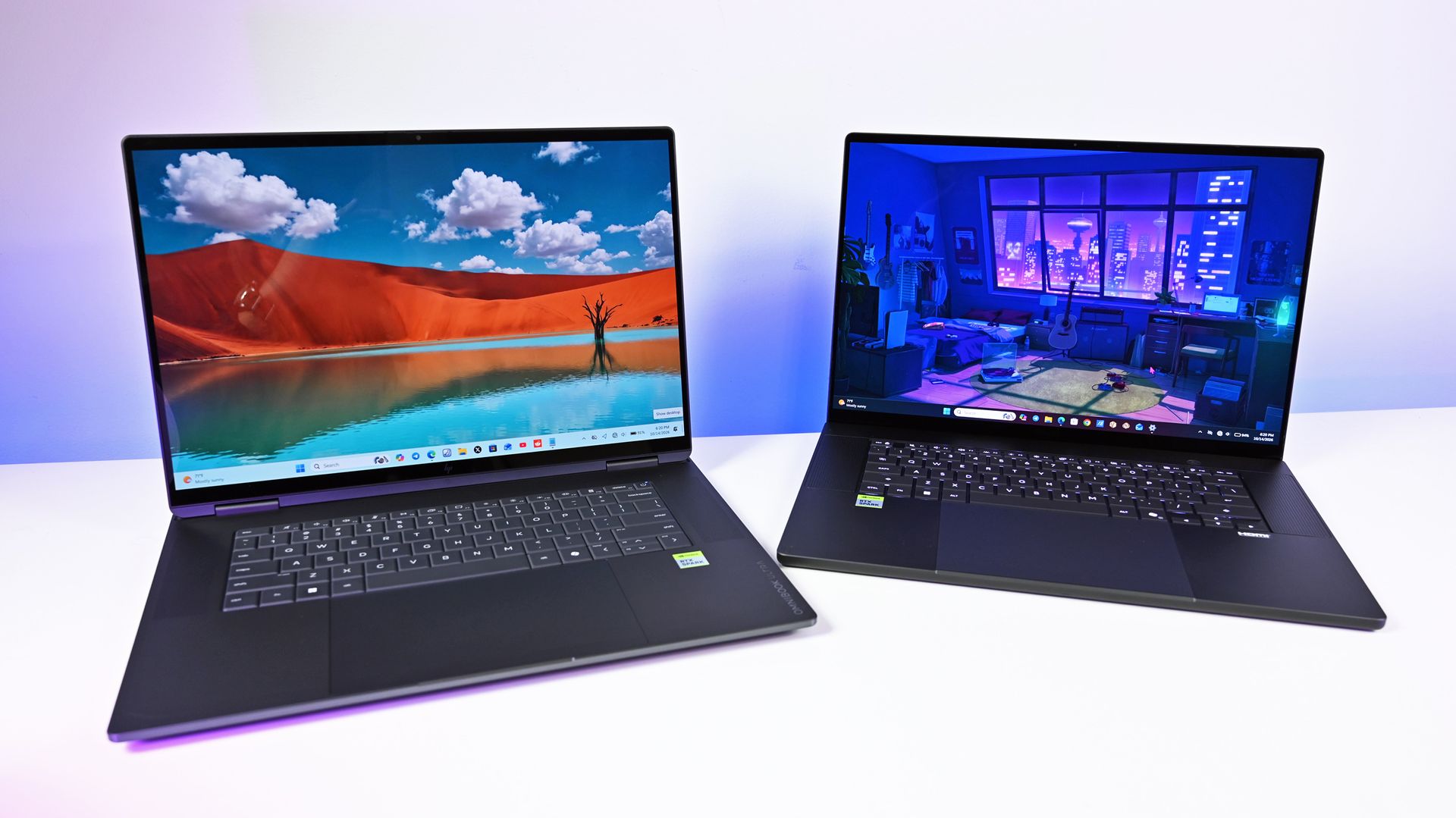
You should buy this if ...
✅You want a premium RTX Spark laptop without jumping to 64GB or 128GB
✅You care about build quality, display quality, and the everyday laptop experience
✅You find it significantly cheaper than the ASUS ProArt P16
You should not buy this if ...
❌You want the lightest RTX Spark laptop you can get
❌You want a convertible RTX Spark PC with pen support
❌You expect every premium convenience at this price
If the OmniBook Ultra 16 existed in a vacuum, I'd probably score it higher than 4 out of 5.
I've genuinely enjoyed using it for the last three weeks. HP's build quality is exceptional, the OLED display is fantastic, the keyboard and touchpad are among the company's best, audio is great, battery life is good, and performance has been consistently excellent.
At Best Buy's current $2,799.99, the 32GB configuration is also one of the more compelling ways to get into RTX Spark without spending thousands more on memory you may never need.
Unfortunately for HP, ASUS exists.
The ProArt P16 delivers essentially the same performance with excellent thermals, an equally premium experience, and more of the little features I'd expect at this price, all while weighing a full pound less.
There’s also Lenovo, which gives RTX Spark shoppers another compelling alternative. Our Lenovo Pro 9n review found an excellent 15.3-inch clamshell with a 2.5K OLED display, strong performance, and a particularly interesting pen-enabled haptic touchpad. It’s also substantially lighter than the HP, which makes the OmniBook Ultra 16’s 4.9-pound weight even harder to ignore. Lenovo separately offers a larger Yoga 9n 2-in-1 for buyers who want the added versatility of a convertible design.
That leaves HP in a slightly awkward middle ground. Lenovo has its convertible versatility, ASUS has portability and an exceptional overall feature set, and Surface Laptop Ultra offers Microsoft’s distinctive premium hardware.
HP’s build quality is fantastic. The 3K OLED display is one of my favorites on any laptop I’ve used this year.
The OmniBook Ultra 16 competes extremely well on build quality, display, performance, and everyday usability, but it doesn't have one defining advantage beyond potentially being the better value when discounted.
At $2,799, however, that last point shouldn't be underestimated. If the HP is several hundred dollars cheaper than its closest competitors when you're shopping, I'd happily buy it.
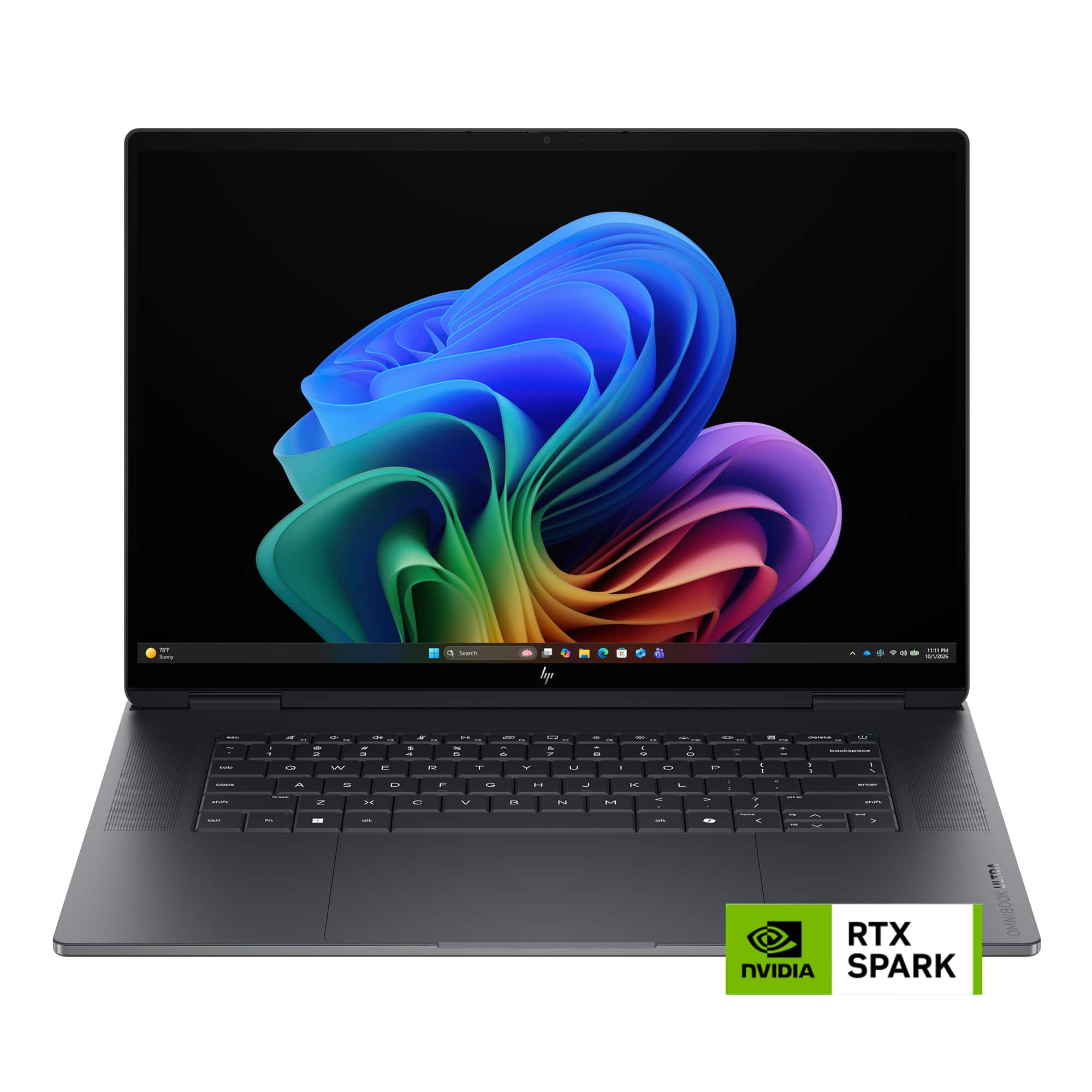

HP OmniBook Ultra 16 pairs NVIDIA RTX Spark performance with a premium, remarkably thin design aimed at creators, developers, and enthusiasts. It’s built for demanding creative work and local AI, with enough versatility to serve as an everyday high-end laptop.

Join us on Reddit at r/WindowsCentral to share your insights and discuss our latest news, reviews, and more.