
Vue lecture

Il y a de nouveaux articles disponibles, cliquez pour rafraîchir la page.

This One-Wheel robot could patrol your property while you stay away

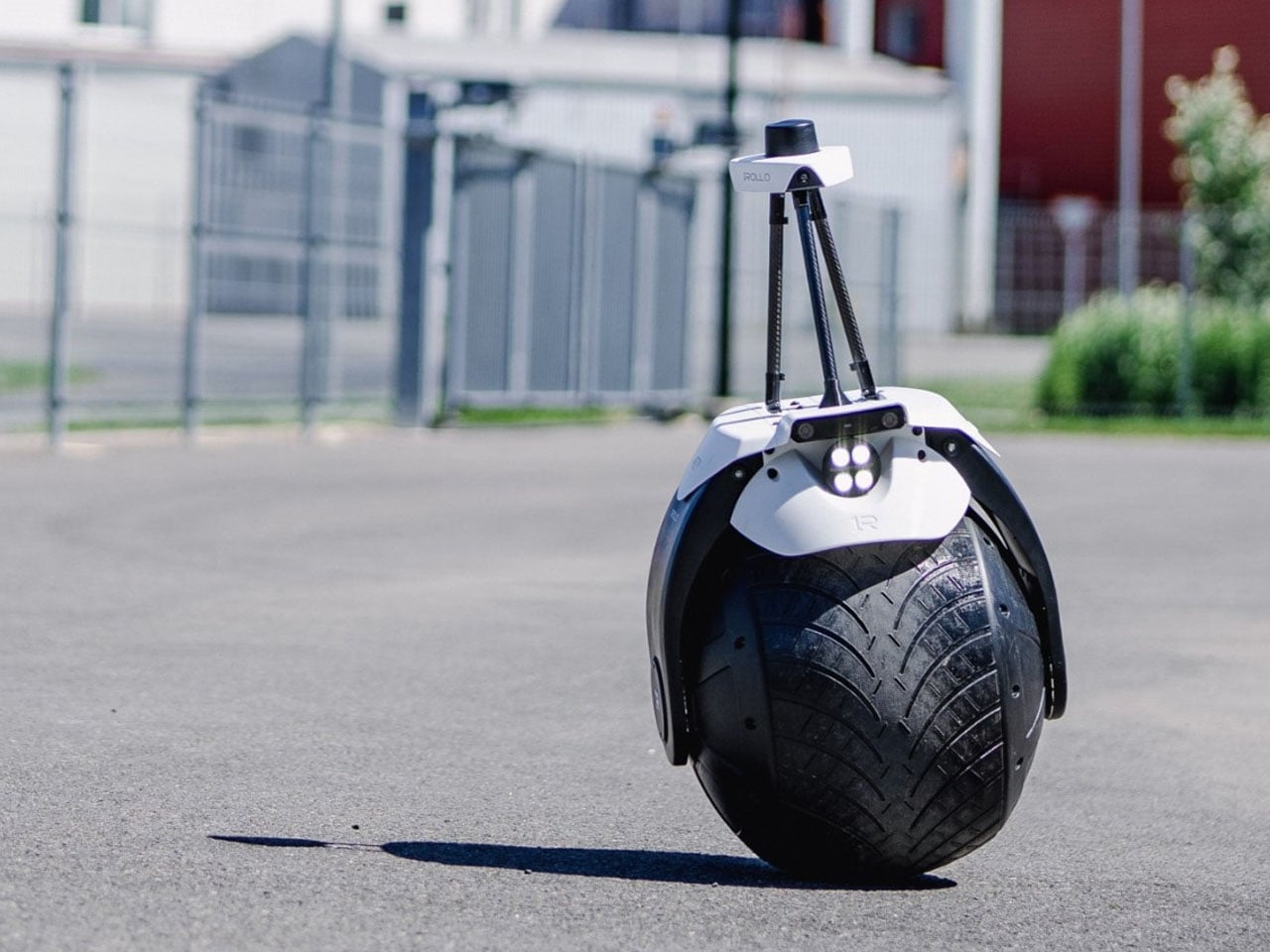
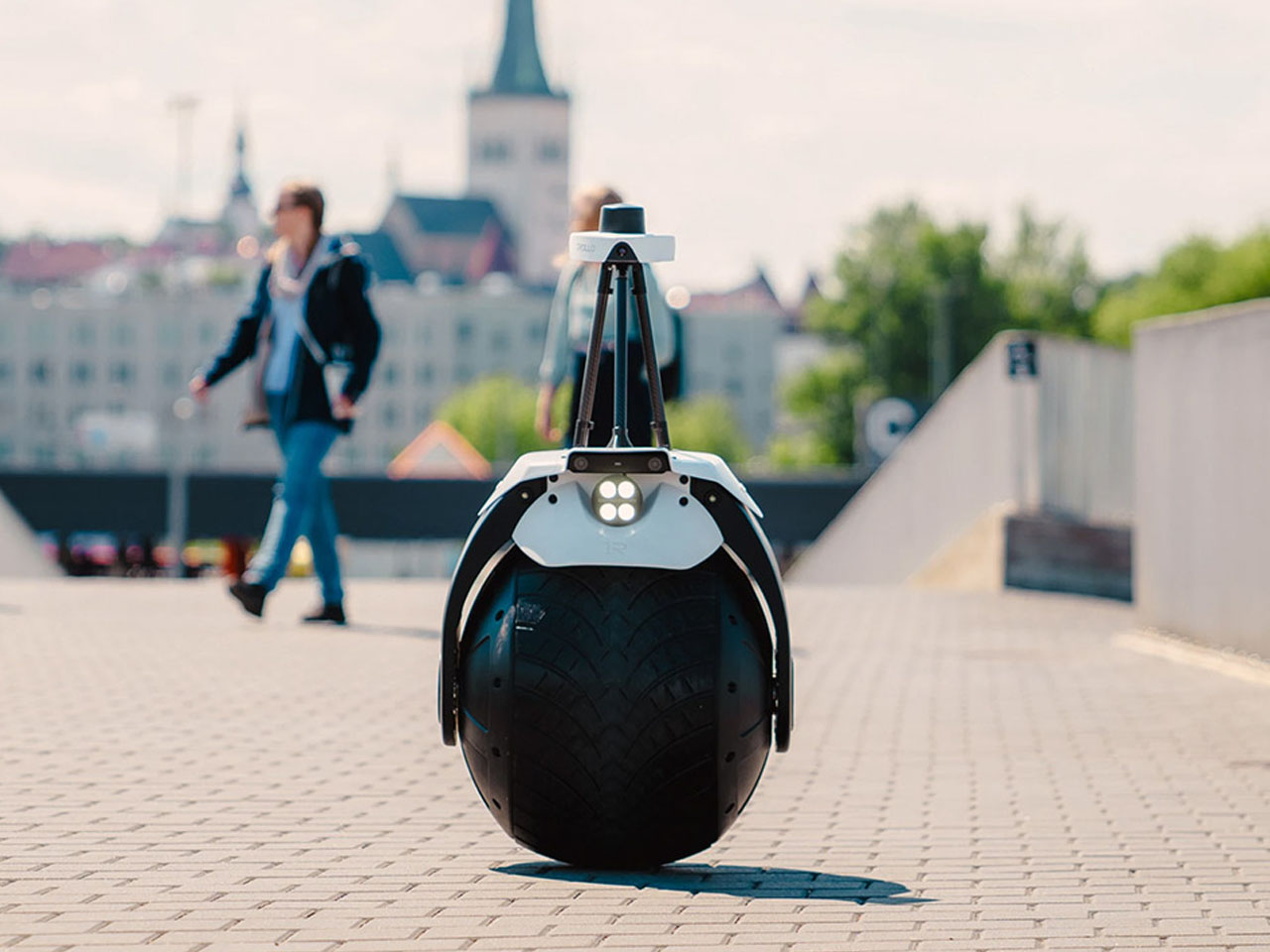
Most security robots are designed like small autonomous cars, with a bulky body and enough room for all the fancy tech. 1ROLLO, however, adapts a radically different approach. Developed by Estonian startup Rollo Robotics, this autonomous security robot balances on a single large wheel, turning an unusual piece of robotics into a practical patrol machine for large properties.

The 1ROLLO is built around a vertically oriented spinning flywheel housed inside its main wheel. Gyroscopic forces help the bot remain upright while moving, while the internal mechanism allows it to lean and change direction. The result is a remarkably narrow robot that can move independently through spaces that might be less accessible to larger wheeled security platforms.

Designer: Rollo Robotics
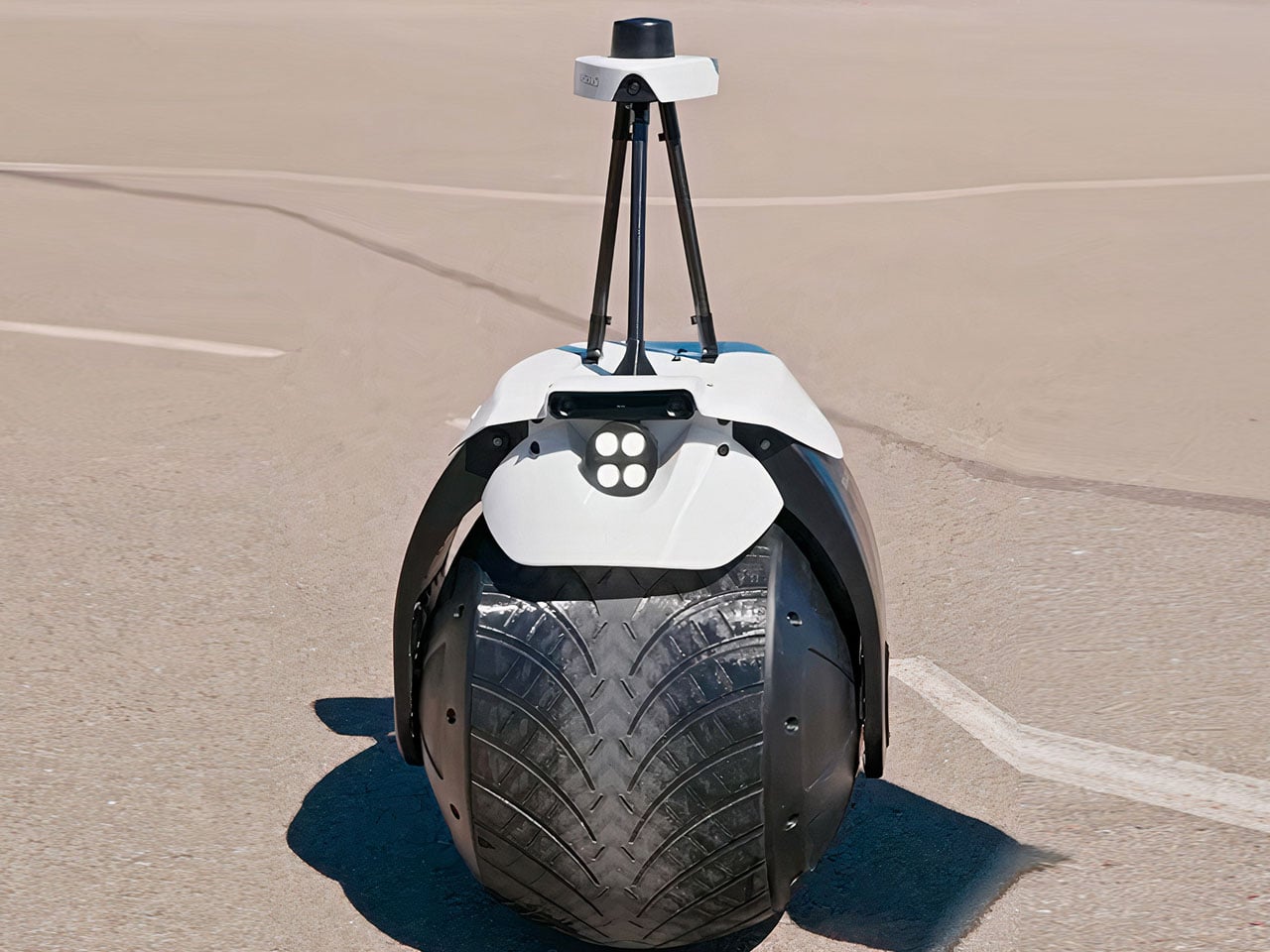
Despite its unconventional appearance, the 1ROLLO surveillance robot is designed for serious security work. Its autonomous navigation system combines 360-degree computer vision with RTK GNSS positioning, allowing the robot to follow mapped patrol routes while navigating around obstacles. It can detect movement and objects, record video, recognize license plates, and monitor for potentially dangerous gases, including carbon monoxide. The idea is to shift routine security patrols from people to machines without completely removing human oversight. This is estimated to save up to 80 percent of the cost that would otherwise be incurred using manual methods.
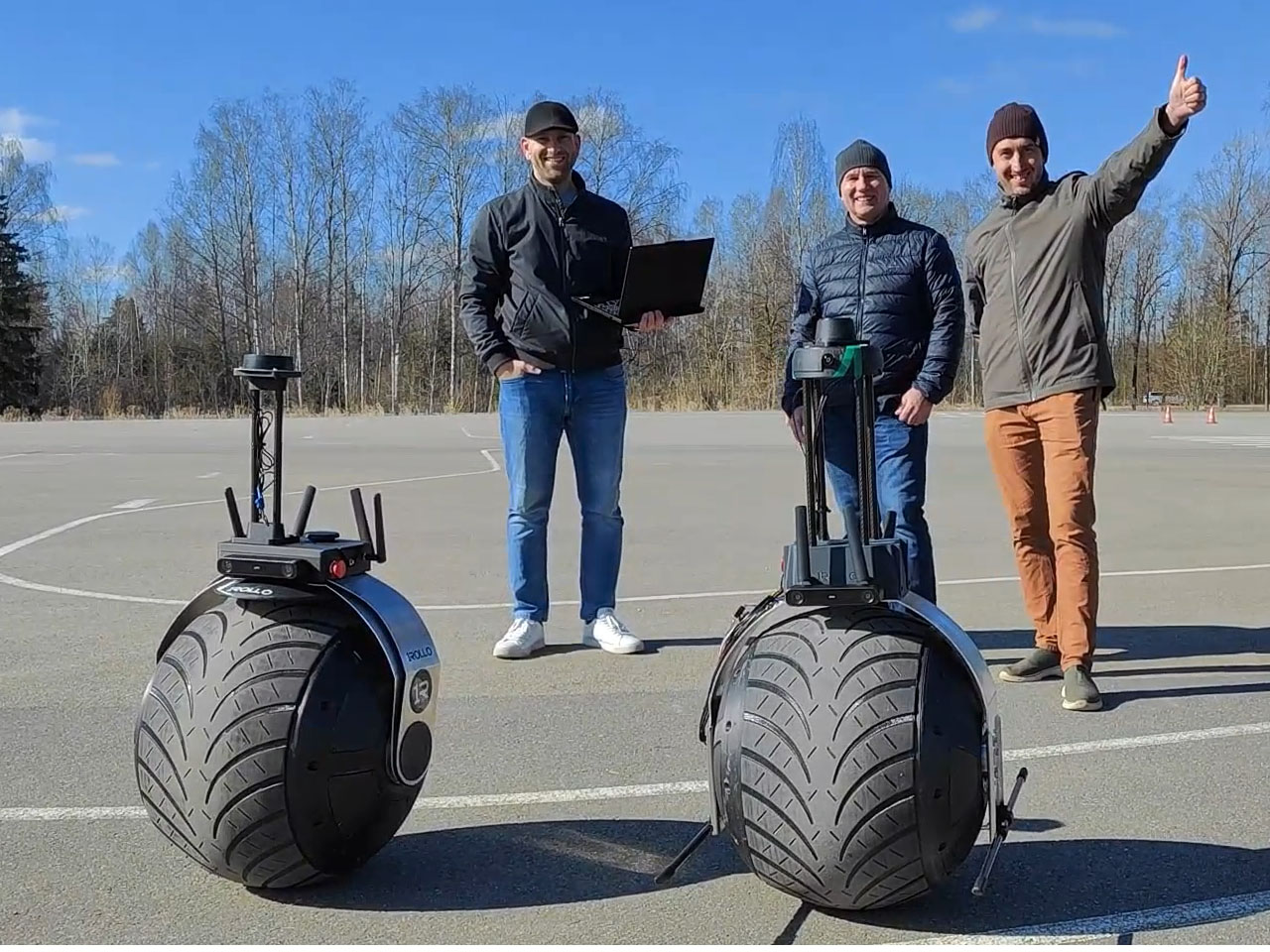
When the robot detects something unusual, it can alert a remote operator over 4G, 5G, or Wi-Fi. The operator can then access a live video feed, speak to people near the robot using its microphone and speaker, or dispatch a human guard if the situation requires intervention. A cloud-based management platform is intended to make the system scalable, allowing one operator to monitor multiple robots simultaneously. That could make the 1ROLLO particularly useful for expansive sites where continuously patrolling every corner would require significant manpower.
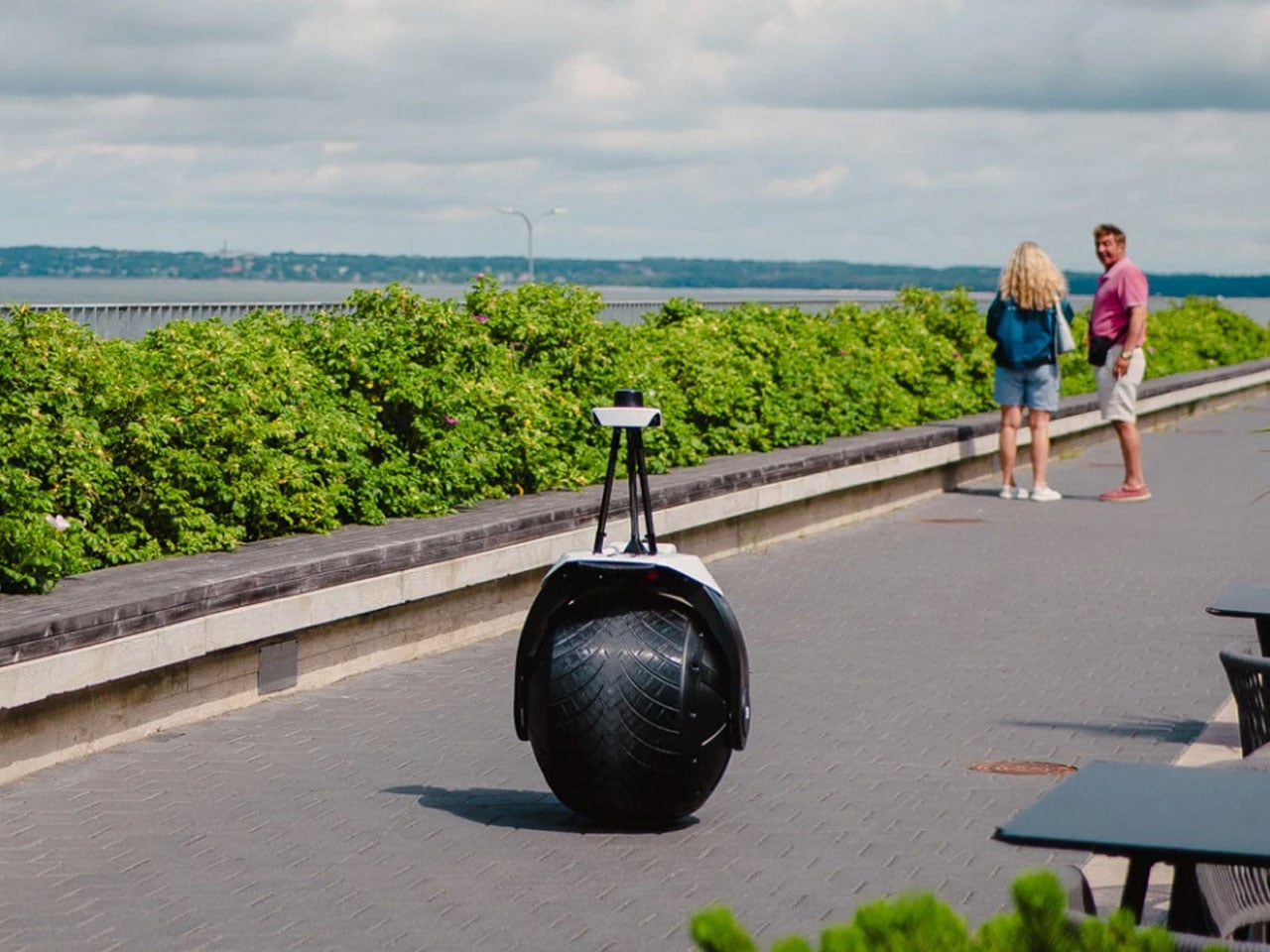
The robot measures approximately 60 x 60 x 140 centimeters and weighs around 35 kilograms according to the company’s specifications, while more recent reporting has described a 45-kilogram version with a higher top speed of up to 30 km/h. The company has also stated a battery runtime of up to eight hours, after which the robot can autonomously return to a charging station. Its IP65-rated enclosure protects against dust and water jets, supporting outdoor operation.
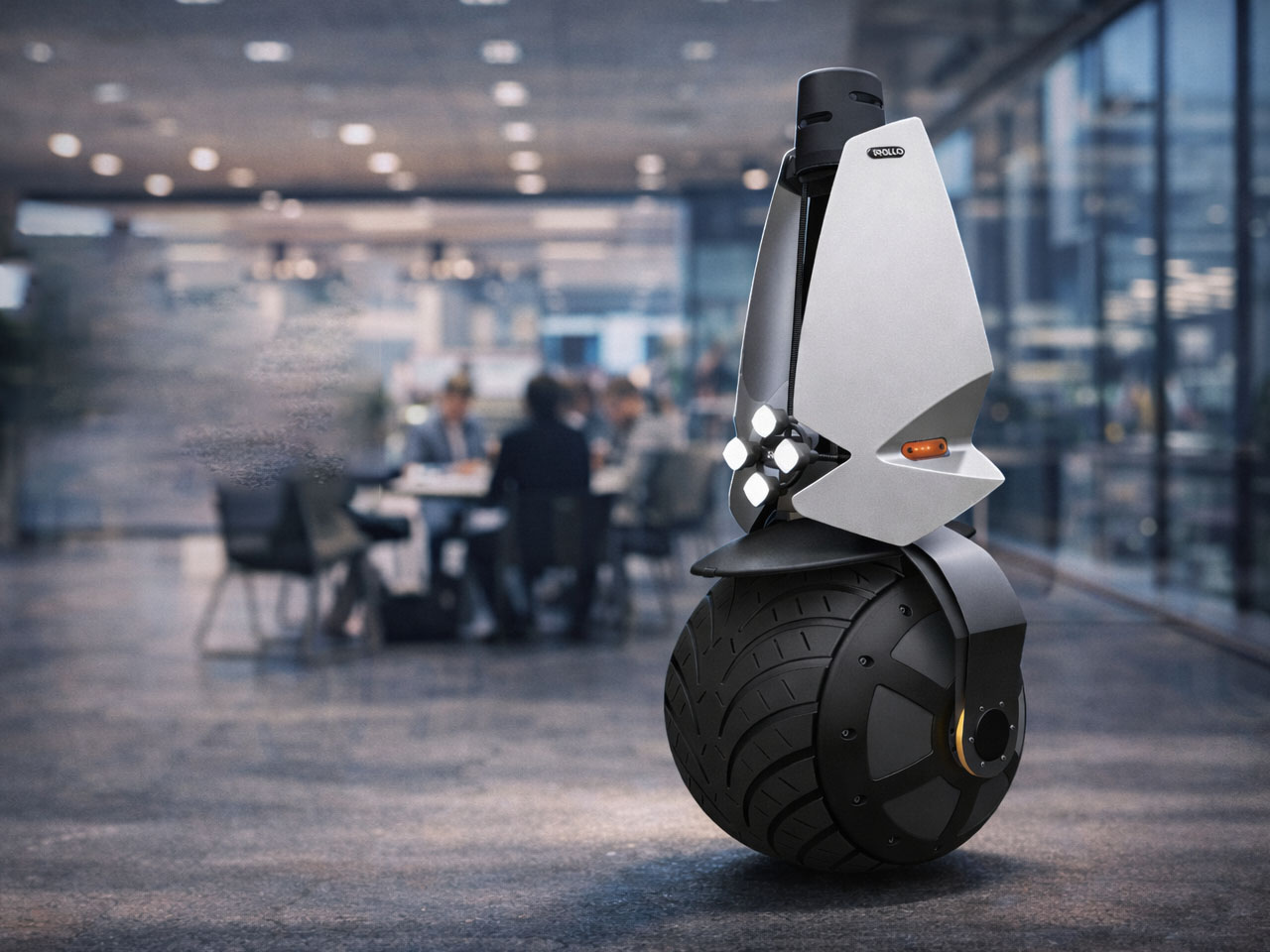
Rollo Robotics sees potential applications across airports, data centers, industrial facilities, corporate campuses, manufacturing sites, hospitals, hotels, and critical infrastructure. The robot could also find a role in environments such as mining operations, construction sites, oil and gas facilities, and gated communities, where autonomous monitoring could complement existing security teams.
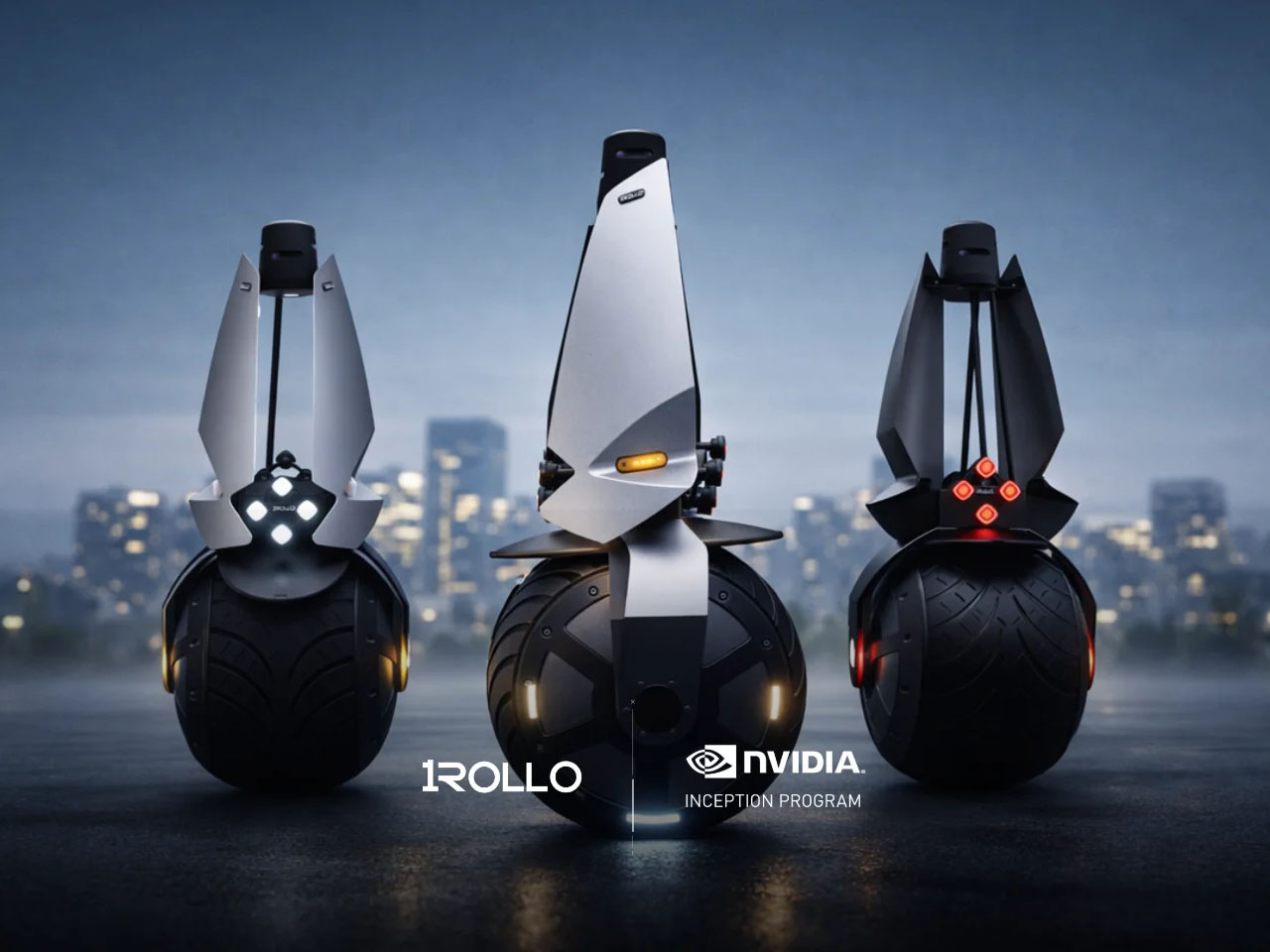
Rollo Robotics plans to offer the surveillance robot through a Robotics-as-a-Service model. Customers would pay for access to the system while receiving maintenance, software updates, support, and future hardware upgrades as part of the service. The 1ROLLO is still evolving, with the company working to improve its performance in challenging weather and busy environments. Commercial availability is expected in 2027, but its single-wheel architecture already makes it an intriguing alternative to the increasingly familiar fleet of four-wheeled security robots.
 

The post This One-Wheel robot could patrol your property while you stay away first appeared on Yanko Design.
VitaLink Just Put a 13-Inch Screen and Keyboard Into One Foldable Slab

Working on the go rarely looks as tidy as productivity-tool adverts suggest. Most people who travel with serious work needs end up carrying at least two or three things that don’t quite fit together: a tablet or laptop, a compact keyboard if the touchscreen isn’t enough, maybe a portable monitor, and a cable situation that somehow multiplies every time you pack.

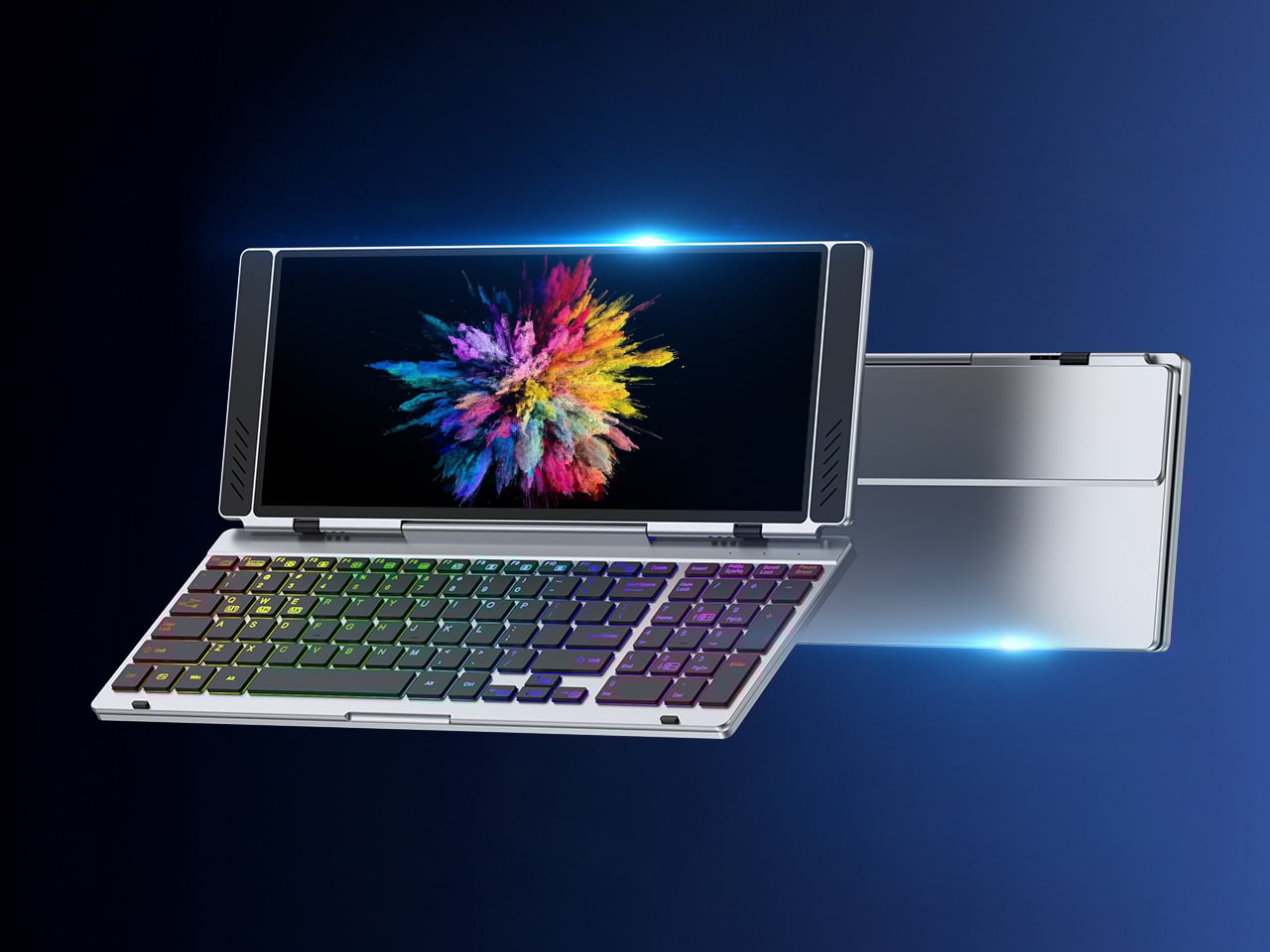
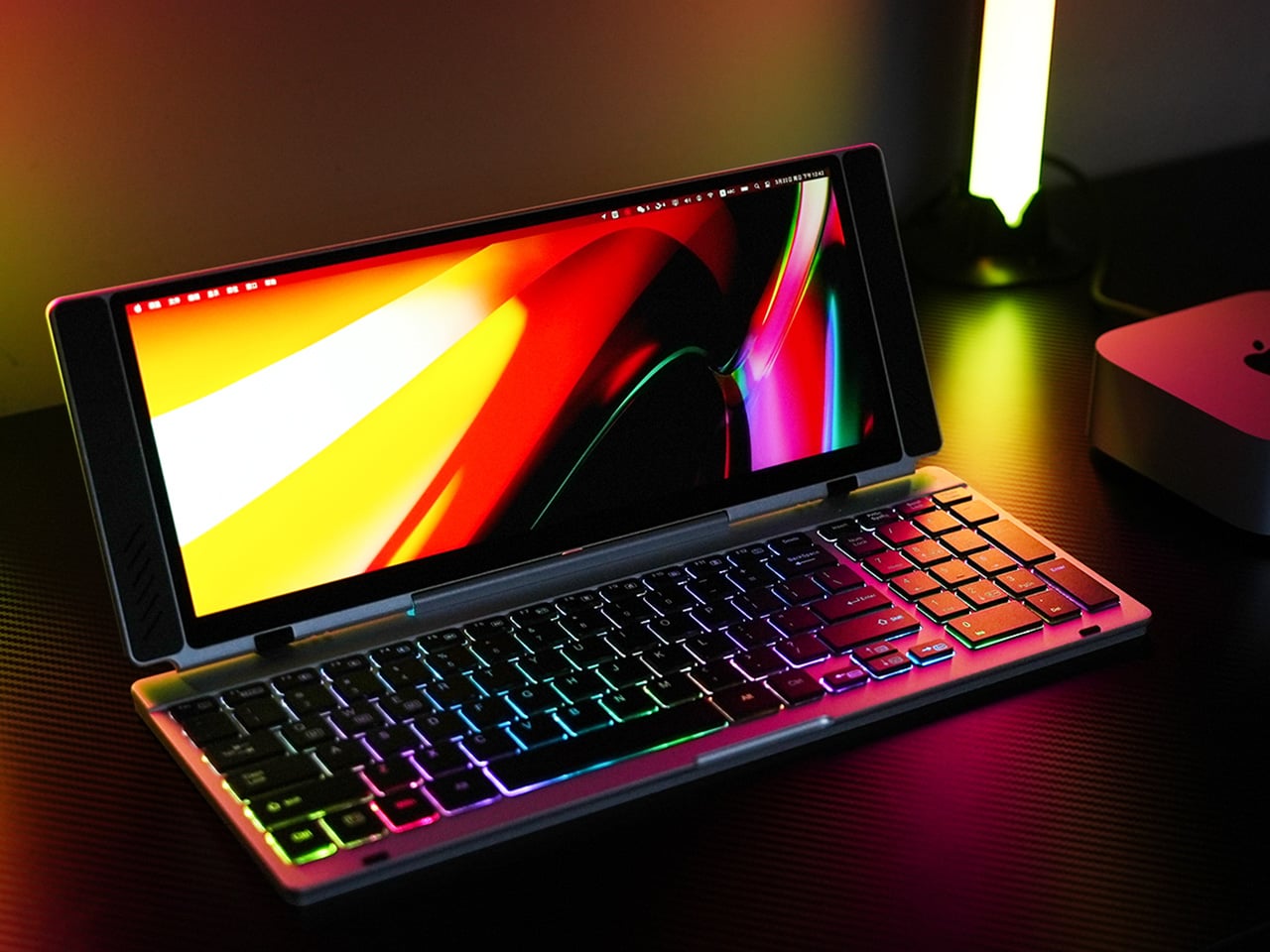
VitaLink is trying to simplify that. The concept combines a full-size keyboard and a large touch display into one foldable object in a CNC aluminum shell. Connect it to any USB-C device and your workspace expands immediately, without a separate stand, a monitor arm, or a bag pocket devoted to adapters. It folds down to 20mm and opens into something that feels genuinely designed.

Designer: VitaLink

Click Here to Buy Now: $279 $658 (58% off). Hurry, only 491/600 left! Raised over $37,000.

The integrated 13-inch display sits directly above the keyboard in what amounts to a compact laptop form factor. The screen runs at a 3840×1600 pixel resolution, a 2.4:1 ultra-wide format rather than a standard 16:9 panel, giving it an unusual amount of horizontal room. There’s enough space to keep two apps open side by side without either feeling squeezed into a corner.

The 180-degree hinge is what makes the compact form actually practical. When you’re done, everything closes into a flat 20mm slab that slips into a laptop sleeve without awkward bulk. The open footprint sits at around 34 × 15 cm, compact enough for a plane tray table, a crowded café counter, or a hotel desk that never seems to fit anything comfortably.

The panel supports 10-point touch, runs at 60 Hz, and delivers 298 PPI pixel density with 100% sRGB color coverage. Touching a screen this size changes how you interact with content. You can swipe, drag, and tap directly on the display while still using the keyboard below, which means managing layers in an editor, scrubbing a timeline, or pulling up references doesn’t require switching between input modes.

The keyboard uses scissor-switch mechanisms with 0.8mm of key travel and wider-than-typical spacing. That added spacing sounds like a minor detail until you’ve spent an hour trying to type accurately on a portable board that prioritizes size above everything else. Three RGB backlight modes let you set the visual tone, and the keys are designed to stay quiet enough for cafés and shared offices.

Two USB-C ports handle video, data, and power delivery through a single cable, and the plug-and-play setup works across Windows, macOS, Linux, iOS, and Android without requiring additional drivers. That compatibility extends to mini PCs, tablets, and handheld gaming consoles, so VitaLink isn’t tied to one kind of device. You’re not locked into a single workflow or a single ecosystem, which is most of the appeal.

Think about what that actually means. You’re in a hotel room with just your iPad and need a proper keyboard and enough screen space to write, edit, and reference something at once. Or you’re at a café with a mini PC and want a setup that doesn’t take over the whole table. Those are the moments where having the keyboard and the display in one object makes a real difference.

The aluminum body does more than keep things thin. CNC-machined aluminum with a frosted anodized finish gives it a rigidity that plastic travel accessories rarely have, protecting the display in transit and keeping the keyboard deck from flexing during typing sessions. It carries more like a slim hardcover notebook than a peripheral, which is a meaningful difference for anyone who’s dealt with a flimsy portable monitor in a crowded bag.

There’s something worth noting in the fact that portable work setups have gotten faster without necessarily getting more cohesive. The bag is still a loose collection of things that don’t quite belong together. VitaLink is at least making a case that the keyboard and the display belong in a single intentional object, built from the start for people whose work doesn’t stay in one place.

Click Here to Buy Now: $279 $658 (58% off). Hurry, only 491/600 left! Raised over $37,000.

The post VitaLink Just Put a 13-Inch Screen and Keyboard Into One Foldable Slab first appeared on Yanko Design.
❌