Vue lecture

Il y a de nouveaux articles disponibles, cliquez pour rafraîchir la page.

OpenAI's Sam Altman just admitted he was "wrong" about AI — laments that he made the tech seem "scary"

The big AI era isn't going as some might've hoped.

OpenAI and other big companies are losing billions chasing artificial intelligence technology, and it's only clever accounting and circular investments keeping the entire industry afloat. OpenAI specifically is in hot water, with spending commitments through to 2030 coming scarily close to $1 trillion dollars, and is operating purely on the basis of handouts from the likes of SoftBank, NVIDIA, Oracle, and Microsoft. OpenAI is looking to spend $50 billion in compute alone in 2026 on roughly $25~ billion in revenue, revenue which is also made up at least in part with IOUs.

DEAL: Get Surfshark VPN 86% OFF with Windows Central 🦈

Despite the scary numbers, OpenAI is trucking along on faith and fumes alone, as companies' belief in the tech keeps the firm alive, for now.

Yet, even Sam Altman is having doubts about the impact of large language models. In a new podcast, Altman lamented "economic inertia" for the lack of adoption, and also called out the AI industry for making the tech seem "scary."

"A lot of the people building AI have been off saying there's a 25% chance we're going to destroy the world ..."

Altman effectively blamed those pesky humans for not adopting ChatGPT and other AI products, lamenting that "people keep using their tools in the same way" they had previously been using them.

"I thought when we got to [ChatGPT]-4, which was back in 2023, I thought very quickly after that there'd be much more disruption, with the software business up for grabs right away. I was wrong about a few things, one of them, in terms of the speed ... the economy just has so much inertia. People keep doing the same things they're doing, they keep buying from the same company, they keep wanting to use their tools in the same way ..."

Altman implied that the "slow" pace of change would make the "transition" to AI "smoother." Elsewhere in the podcast, Sam Altman remarked that AI leaders had "not done a very good job" explaining AI tech, referring to the broad backlash to the technology.

"I also think a lot of the people building AI have been off saying there's a 25% chance we're going to destroy the world ... and yeah, we're going to race ahead and do it because otherwise those bad guys will do it first. Or it's like, 'man, this thing is going to be really terrible, and 50% of the jobs are going to go away in the next year, and we hope you are all okay,' but it seems really scary.

We have not, as a field, done a very good job of explaining to people what the benefits are and how the downsides can be mitigated. We certainly have not done a good job ... even if people have had answers like, 'well, there's going to be universal basic income, or work will be optional', or whatever. There's been very little discussion from people about how and why it's important that people have more power and freedom in the world, not less."

My take: Altman just doesn't get it
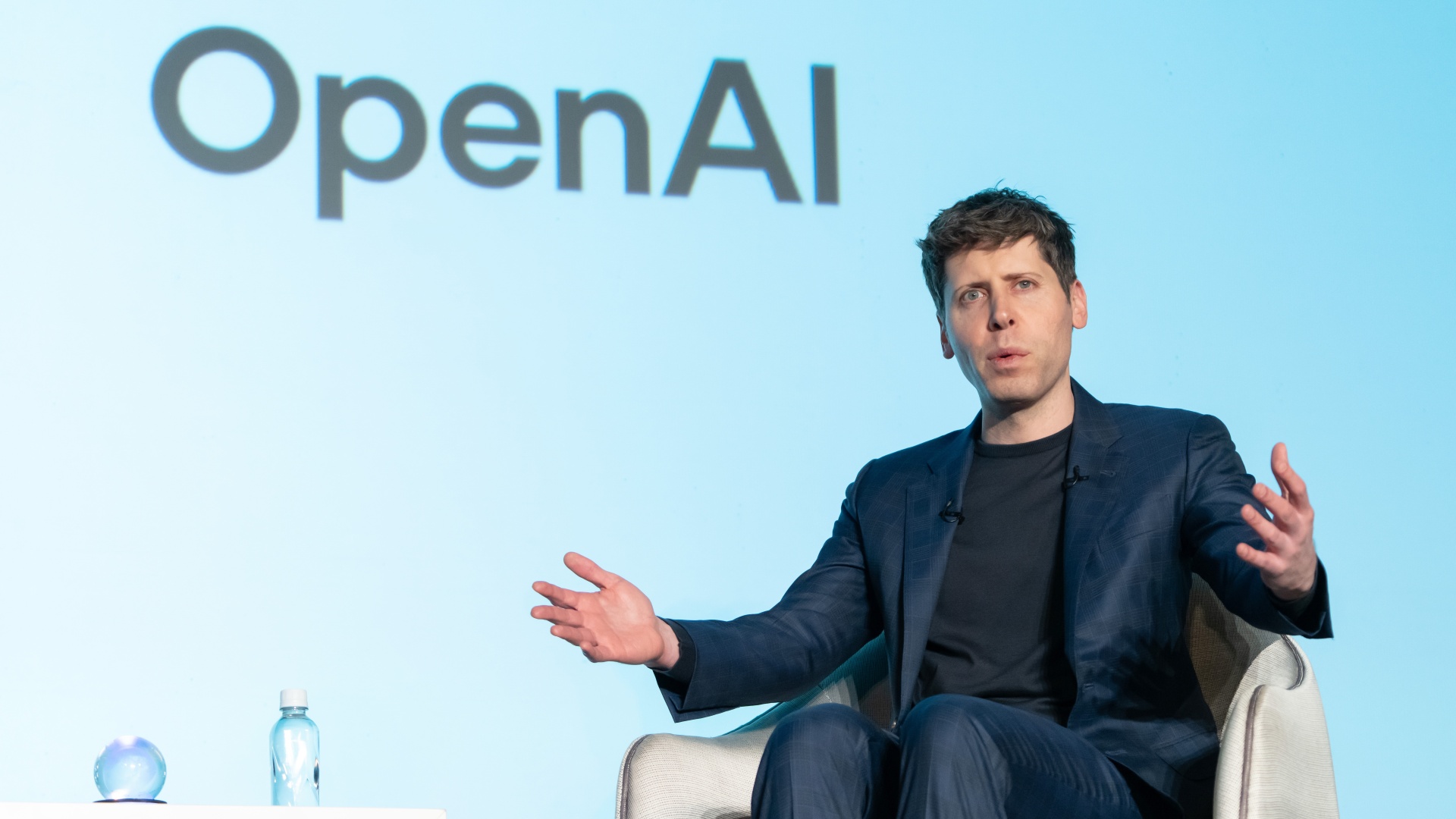
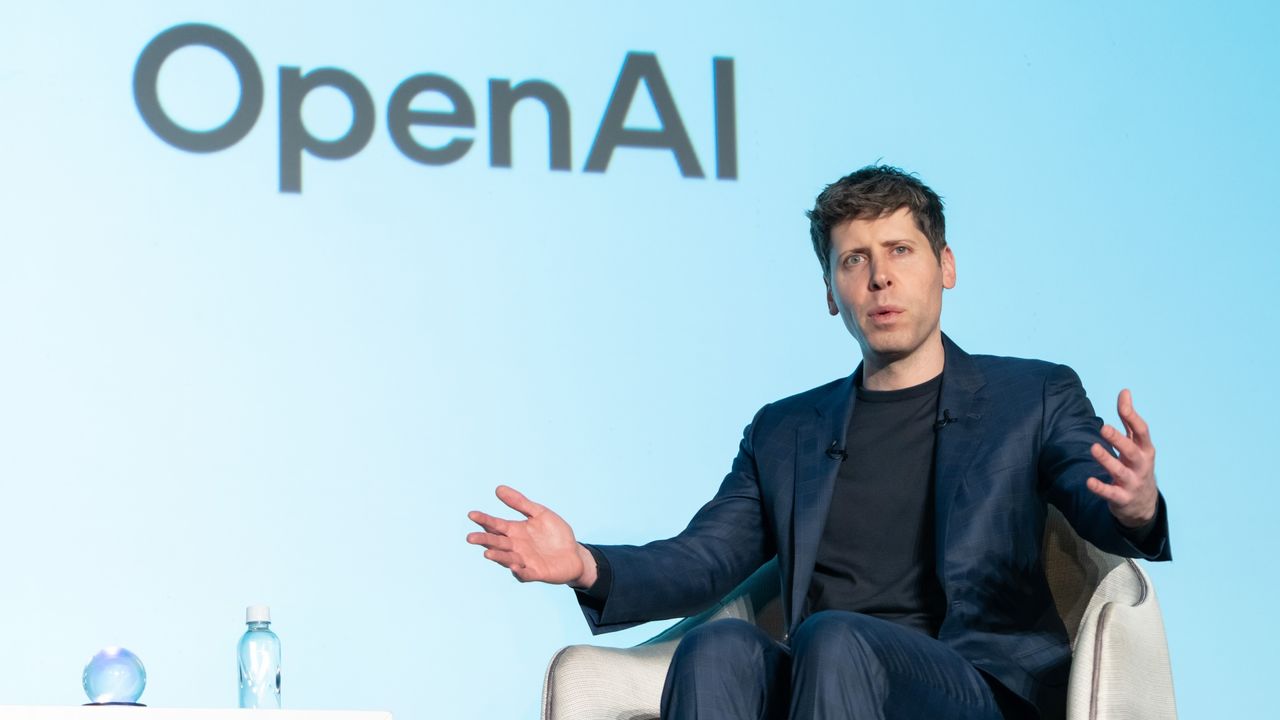
Open AI CEO Sam Altman speaks during a talk session with SoftBank Group.

(Image credit: Getty Images | Tomohiro Ohsumi, Stringer)

I think the key issue with this AI tech is that most people just don't find it very useful. I work in an industry that, at least on paper, should benefit from some kind of automagical writing tool. The problem is that it loses so much nuance and accuracy that, even if I wanted to use it for work, I literally can't.

I think a lot of these very technical, mathematically-inclined dudebros pushing this format have little knowledge or understanding about how and where this technology should be applied. Spotify, YouTube, Instagram, gaming platforms, and other services are actively trying to filter out AI content, as it is repeatedly proven to decrease engagement — users actively hate it. Companies that are using tokens to try to boost productivity are finding that they're actually just boosting costs, and that they're simply finding a new bottleneck in the finite amount of addressable customers.

LLMs undoubtedly have uses, but when 90% of the compute is being spent on utterly unproductive use cases, the economics simply seem primed to implode. If you're spending tokens for the sake of spending tokens, and it doesn't lead to any discernible increase in sales — what is the point? You could use AI to make hundreds of slop video games, but people already have more than enough to play built by an ironically more affordable human workforce.

RELATED: Ed Zitron talks to us about Microsoft, OpenAI, and the future

In the future, I think we'll find AI probably ends up as a tool of governments in things like law enforcement and medical fields. Specific industries will benefit from tools that can parse and summarize large, complex data sets, albeit with the unfortunate knowledge of LLMs' penchant for hallucinations and outright lies. Just yesterday I asked Copilot to find some links to some old Windows Central articles I did. It just straight up lied and gave me some completely made-up links instead. Extrapolate these simple mistakes to medical fields or military applications, where lives are literally at stake ... is it worth the risk?

Perhaps the issue is that AI's inaccuracy renders it only viable in low-stakes businesses ... and those low-stakes businesses simply won't see a real return over doing things the "old way," which Altman describes as economic "inertia."

Perhaps it's not inertia. Perhaps the AI business model is just not the disruptor it was cracked up to be.

Click to join us on r/WindowsCentral

Join us on Reddit at r/WindowsCentral to share your insights and discuss our latest news, reviews, and more.

Sam Altman on David Senra's podcast
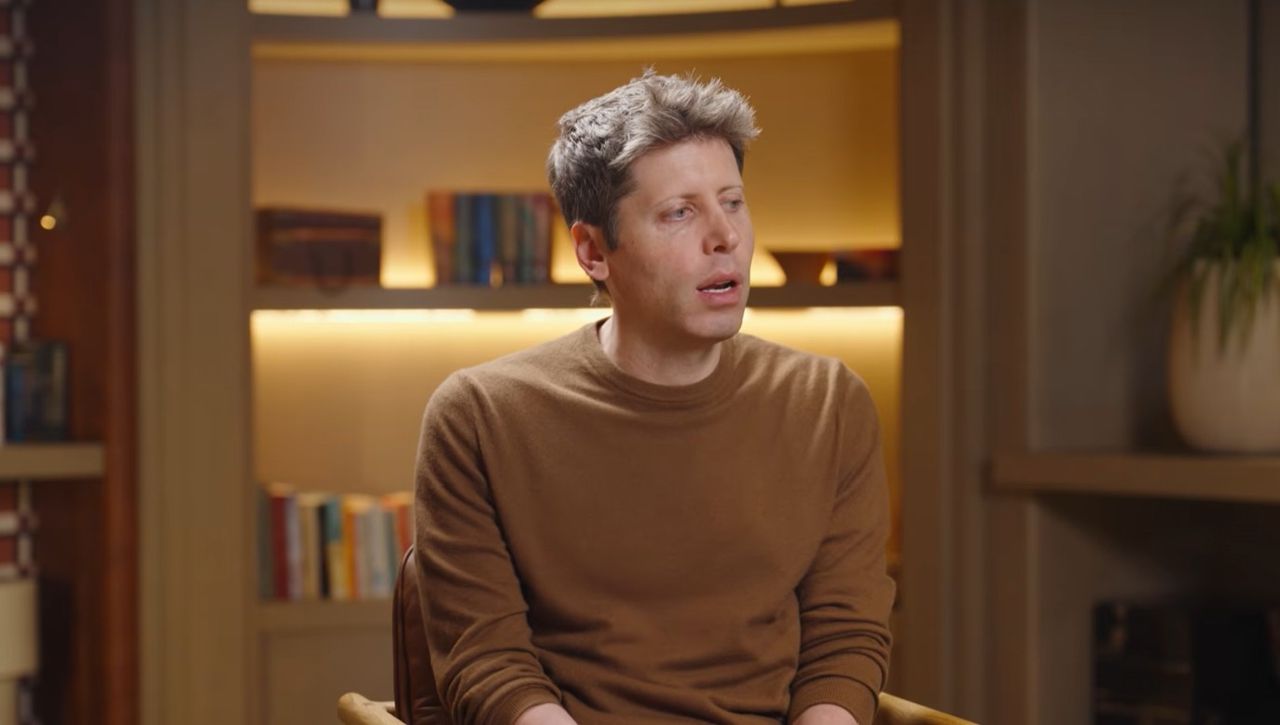
Altman laments.
ChatGPT adds Windows 11's most hated feature to Mac — Will the backlash be the same this time around, or has OpenAI taken the right approach?

I have several PCs in my office that are capable of running Copilot+ tools in Windows 11, but there's one feature I've stayed away from: Windows Recall.

Why? I don't particularly like the idea of AI snapshotting what I do on my PC and making it searchable, even if it promises to never let the data leave my local system. I'm sure it's handy for some users, but I've yet to come across a scenario where I wish I had it enabled.

If you're of the opposite opinion and happen to use macOS, I have good news. OpenAI today announced "ChatGPT Computer History" for its macOS app.

What is ChatGPT Computer History?

Today we're releasing Computer History in ChatGPT.It lets ChatGPT learn from everything you do on your computer, so it can better understand how you work, finish tasks that you're in the middle of, and suggest skills and automations based on how you use your computer. pic.twitter.com/xnTq7hWH8OAugust 13, 2026

It's tough not to immediately begin comparing Computer History to Windows 11's Copilot+ Recall feature.

Here's a blurb from the ChatGPT press release about how it works:

Computer History turns your activity across apps and websites into memories and a timeline that ChatGPT and Codex can reference. You can ask natural questions about recent work, pick up where you left off, understand patterns in how you work, and turn repeated workflows into skills or automations.

OpenAI

Yeah, that sounds like the same thing. But let me explain ChatGPT's version a bit more.

Computer History, according to ChatGPT's website, is completely optional and turned off by default for Pro, Business, and Enterprise subscribers.

Rather than collecting screenshots every so often to keep track of your doings, Computer History "records interaction events and does not capture your screen or audio." It's basically its own little keylogger, keeping tabs on clicks, typing, app switching, shortcuts, and more.

The data it records is searchable, and you can interact with Computer History the same way you interact with any AI, asking it regular language questions.

The data that Computer History gathers is saved locally on your Mac, but it does get sent to OpenAI's cloud servers in order to turn it into memories. These memories are then sent back to your Mac for local storage.

OpenAI says it does not keep this data on its servers unless required by law, and it does not use the data for training.

Is Computer History different enough from Recall to avoid similar backlash?

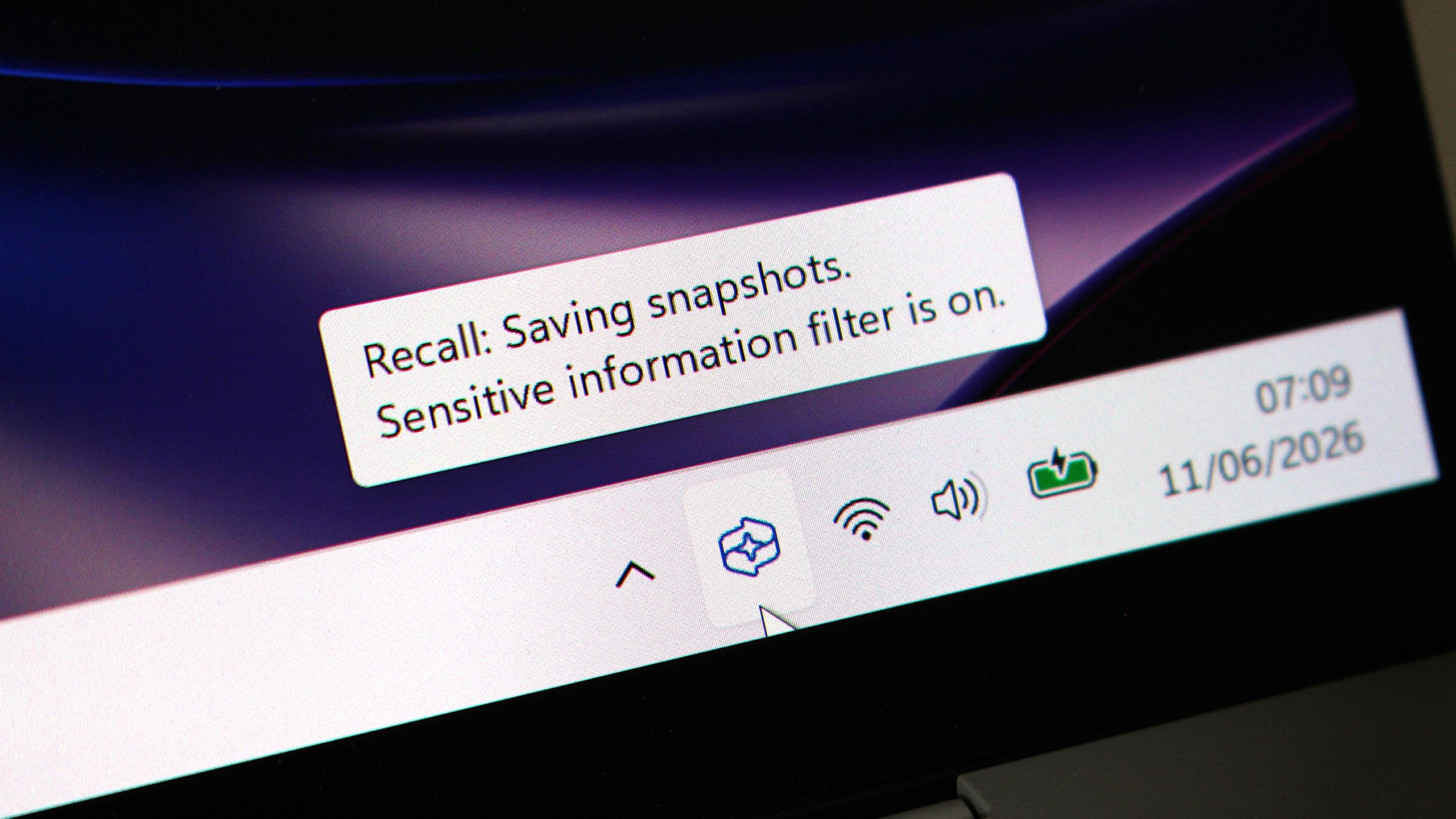
Windows Recall

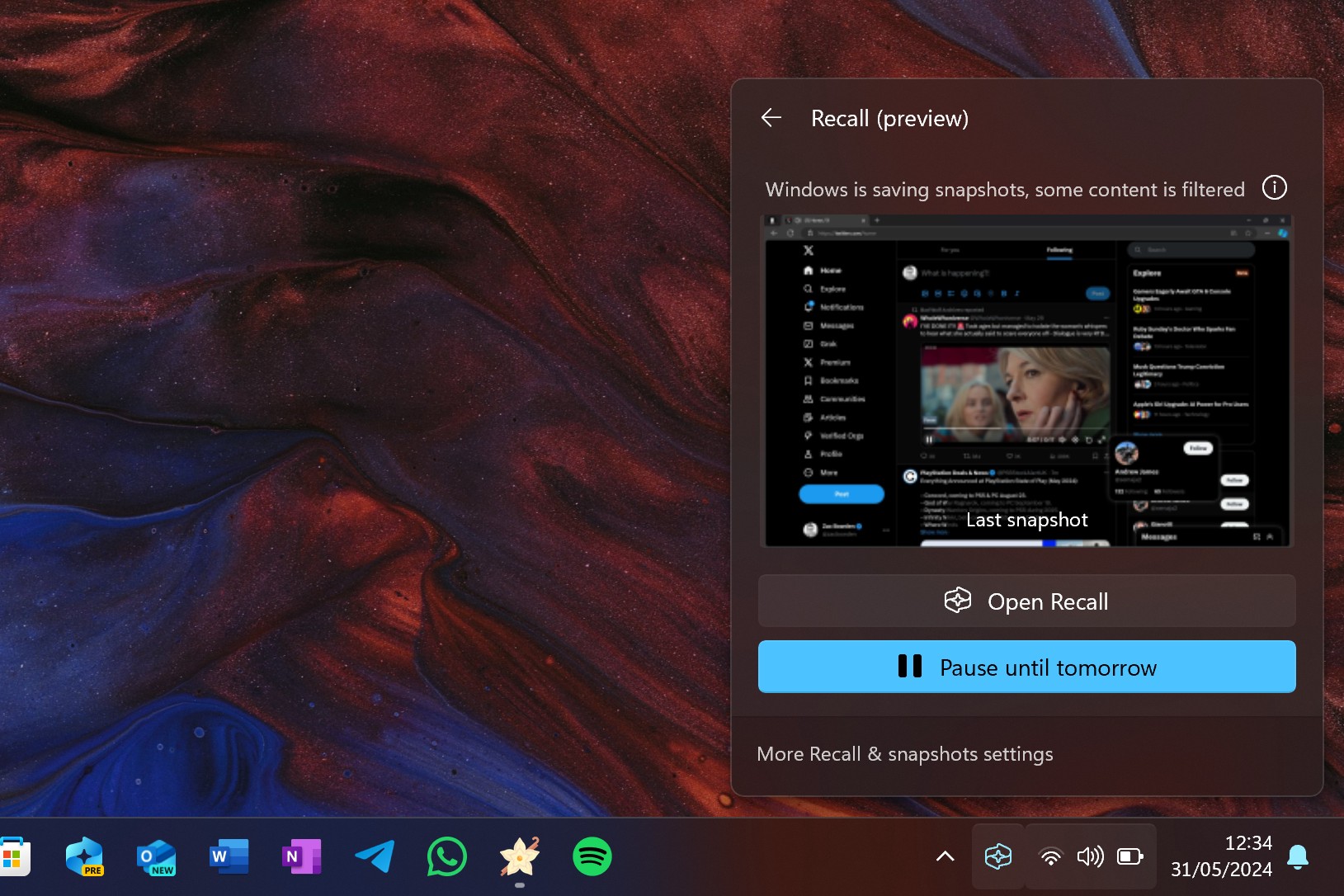
A look at the Recall feature's pause option in the Windows 11 taskbar. (Image credit: Windows Central)

The reaction to ChatGPT's Computer History announcement is surely mixed. It seems like there are just as many people worrying about massive privacy and surveillance issues as there are people wondering if they should go out and buy a Mac.

Windows Recall faced the same adversity when it was announced as a default feature, with no opt-in available. The pushback was so bad that Microsoft delayed its launch by almost a year in order to address security issues. It officially released in April 2025 as an opt-in feature, but I know that many Windows users are still wary of its abilities.

The fact that ChatGPT is making its Computer History opt-in from the start tells me it learned from Microsoft's mistakes. There's also the fact that it doesn't take screenshots, making it feel less like routine spying.

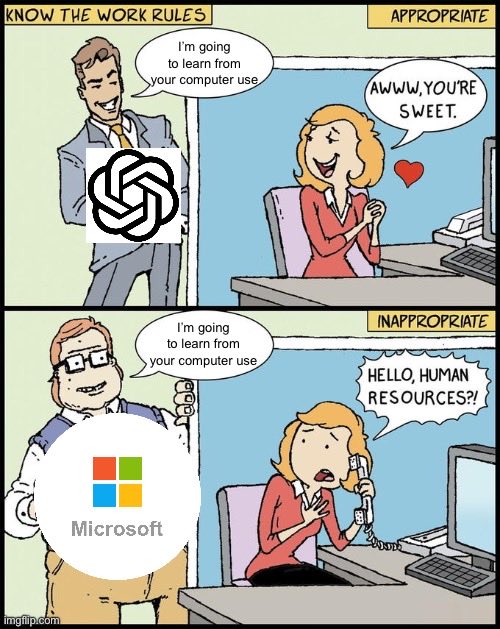
Meme work rules comic showing ChatGPT being treated nicely for the same thing that Microsoft is treated harshly.

The memes coming out of the ChatGPT Computer History announcement are gold. (Image credit: @trashpandaemoji (X.com))

That doesn't mean there aren't inherent risks to using something like Recall on Windows or Computer History on macOS.

It's clearly noted in OpenAI's Computer History documentation that the feature does not encrypt your information, and that it can be accessible to other apps running on macOS.

Like Recall, there are also serious prompt injection risks. Because these AI-powered features can essentially see what you're doing, they can be tricked with text. You might visit a seemingly innocuous website, only to realize later that it contained hidden instructions aimed at AI that made it do something unsavory.

Windows Central's take

Recall symbol highlighted on Taskbar with prompt confirming Recall is activated

Some of us here at Windows Central use Windows Recall on our PCs, but I stay away from it. (Image credit: Zac Bowden / Windows Central)

Some of us here at Windows Central use Windows 11's Recall feature. Others don't. I'm in the latter camp, but one day that might change.

Why? It feels like there's a definite push going on with AI assistants that can remember everything you do, and it's not just ChatGPT and Microsoft. I've spent time with Lenovo's Qira cross-device ambient assistant, and I've written about HP IQ.

Although I shudder at the privacy implications of these tools gone wrong, they definitely seem like one strong fork in the future of computing. It will be interesting to see how this all plays out, and ultimately to see how macOS users react to something that made Windows users go ballistic.

What do you think about ChatGPT's Computer History? Is it Recall with a different name? Is ChatGPT approaching the tool properly with opt-in-only settings and no screenshotting? Is it something you'd use on Windows 11? Let me know in the comments section below!

Click to join us on r/WindowsCentral

Join us on Reddit at r/WindowsCentral to share your insights and discuss our latest news, reviews, and more.

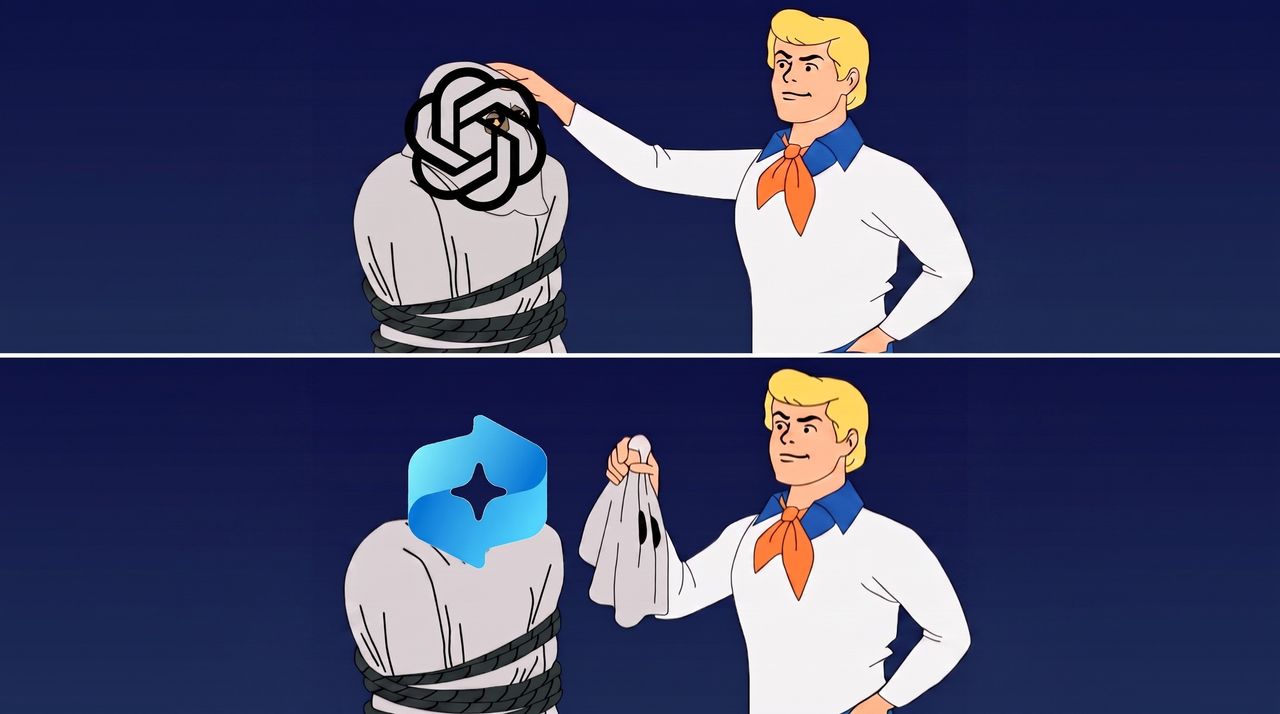
Scooby Doo meme of Fred pulling the mask off of ChatGPT only to reveal Windows Recall beneath.

Scooby Doo meme of Fred pulling the mask off of ChatGPT only to reveal Windows Recall beneath.

"It was sort of amateur city": Microsoft CEO Satya Nadella believes Sam Altman was fired out of jealousy, not for being consistently candid in his communications

Microsoft CEO Satya Nadella testified in the ongoing Musk v. Altman trial, indicating that the billionaire didn't raise any issues about the partnership and investments despite having his phone number.

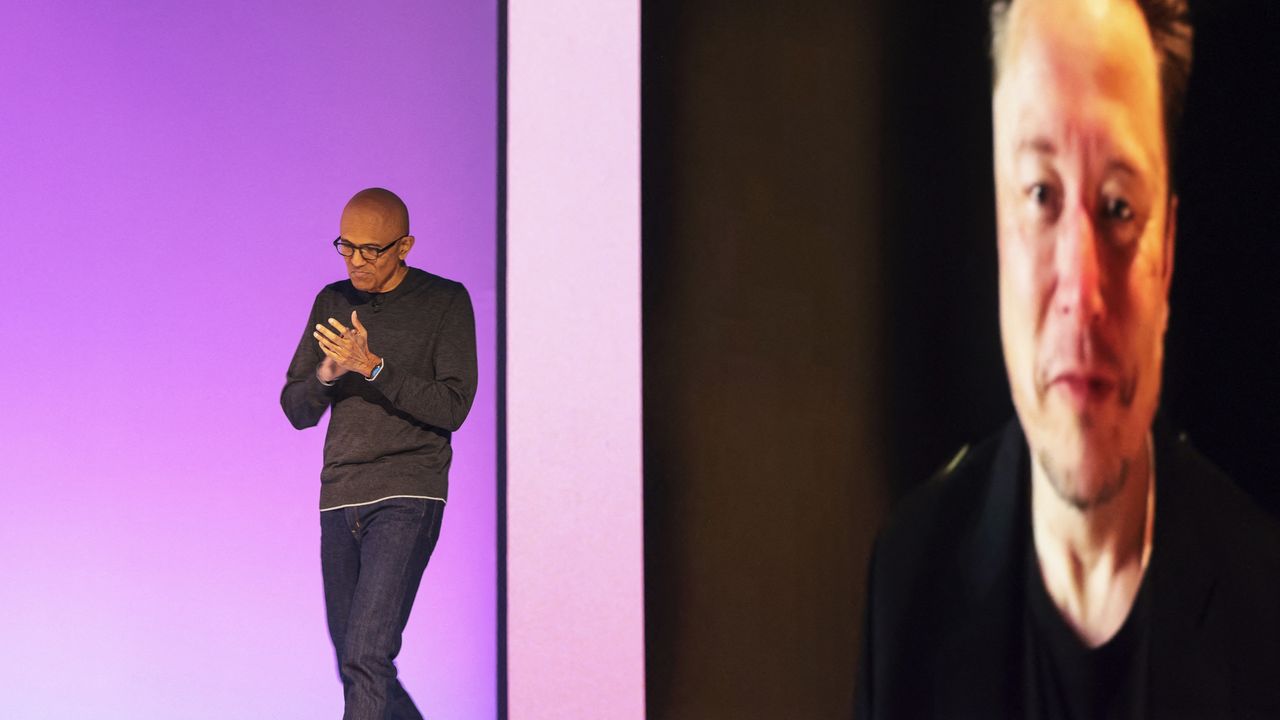
Microsoft Chairman and Chief Executive Officer Satya Nadella (L) returns to the stage after a pre-recorded interview with Elon Musk was played following the announcement that Grok AI, by Musk's artificial intelligence start up xAI, will be available on Microsoft's Foundry Models, during the Microsoft Build conference opening keynote in Seattle, Washington on May 19, 2025. (Photo by Jason Redmond / AFP) (Photo by JASON REDMOND/AFP via Getty Images)

Microsoft CEO Satya Nadella testified in the ongoing Musk v. Altman trial.

The Microsoft/OpenAI breakup: What does it actually mean for Copilot and other AI apps on your Windows 11 PC?

Microsoft's partnership with OpenAI just became non-exclusive, meaning rival companies like Google can access OpenAI's models, making Copilot AI in Windows 11 less exclusive, consequently costing it its bargaining chip and competitive edge.

Broken stained glass resembles a shattered Microsoft logo alongside an OpenAI logo on a rough concrete floor.

Microsoft's partnership with OpenAI just became non-exclusive.

ChatGPT’s refusal to admit mistakes is getting out of hand, and this exchange proves it

OpenAI CEO Sam Altman recently admitted that ChatGPT doesn't have the capability to keep track of time, but the chatbot insists it does.

In this photo illustration OpenAI ChatGPT icon is displayed on a mobile phone screen in Ankara, Turkiye on August 13, 2024.

In this photo illustration OpenAI ChatGPT icon is displayed on a mobile phone screen in Ankara, Turkiye on August 13, 2024.

OpenAI must match Microsoft’s size in 4 years to hit a $1 trillion IPO valuation — but it's still losing ChatGPT users to "QuitGPT"

OpenAI’s trillion‑dollar dream is under pressure as Pentagon deals spark backlash and QuitGPT drains millions of users from ChatGPT.

The ChatGPT app by OpenAI is shown on a cell phone

OpenAI’s trillion‑dollar dream is under pressure as Pentagon deals spark backlash.

GitHub Copilot unlocks OpenAI's GPT-5.4 in VS Code and other coding platforms — Adding even more vibe coding options

GitHub Copilot has added support for OpenAI’s GPT-5.4 coding model, bringing improved reasoning and support for multi-step tasks. The model is available across several development environments.

In this photo illustration, the GitHub Copilot logo is seen displayed on a smartphone screen.

GitHub Copilot has added support for OpenAI’s GPT-5.4 coding model.

Microsoft's early bet on OpenAI is weighing heavily on Azure, causing 45% of its backlog — but it's finally starting to pay off

Microsoft's financial earnings report reveals that OpenAI accounts for 45% of its Azure cloud computing backlog, yet Microsoft's net income jumped by $7.6 billion, primarily due to its investment in OpenAI.

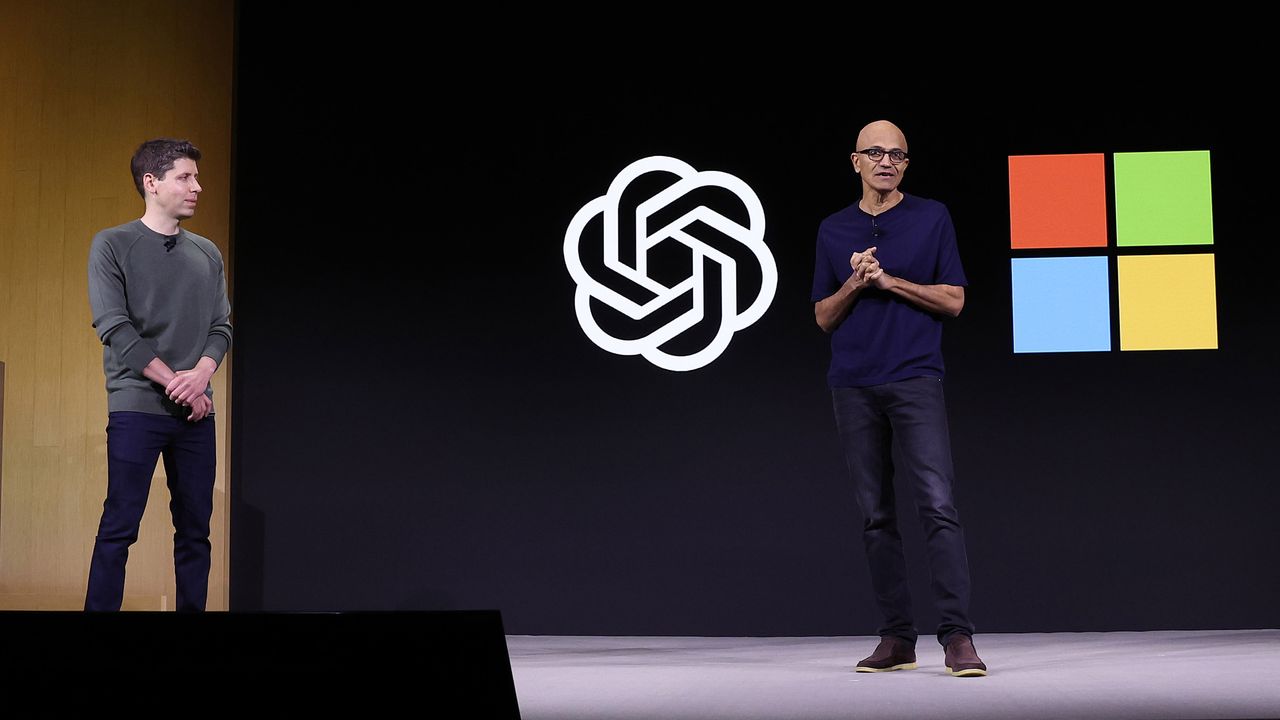
Sam Altman and Satya Nadella on stage

Sam Altman is 0% excited about being CEO of a public company — but "OpenAI needs lots of capital and is going to cross all of the shareholder limits"

OpenAI CEO Sam Altman recently indicated that he isn't excited about becoming CEO of a public company amid reports suggesting that the company.

OpenAI CEO Sam Altman speaks at OpenAI DevDay, the company's annual conference for developers, in San Francisco, California, on October 6, 2025.

Sam Altman admits OpenAI has declared 'code red' multiple times this year to combat rising competitive threats from Google — "It's good to be paranoid."

OpenAI CEO Sam Altman recently revealed that the company has declared "code red" multiple times as a response to competitive threats in the ever-evolving AI industry.

Open AI CEO Sam Altman speaks during a talk session with SoftBank Group.

ChatGPT parent company OpenAI is in talks for a $100 billion funding round — setting the stage for a $1 trillion IPO filing in 2026

OpenAI is reportedly in initial talks with investors to raise funds, which could push its market valuation to approximately $750 billion.

ANKARA, TURKIYE - AUGUST 13: In this photo illustration, the logo of OpenAI logo is being displayed on a mobile phone screen in front of another screen displaying a robotic hand, in Ankara, Turkiye on August 13, 2025. (Photo by Ismail Aslandag/Anadolu via Getty Images)

OpenAI just made ChatGPT images 4x faster and easier on the eyes — now CEO Sam Altman faces the GPU crunch

OpenAI has unveiled ChatGPT Images with new capabilities, which Sam Altman described as “something fun.” The update promises greater precision, enhanced creativity, and is said to be four times faster.

OpenAI logo with ChatGPT images promotional video screencap

Gemini 3 launch had less of an impact on ChatGPT than CEO Sam Altman feared — OpenAI eyes January exit from "code red"

OpenAI finally launched its GPT-5.2 model after CEO Sam Altman declared code red following Google's successful Gemini 3 launch. The model ships with advanced capabilities across coding, text, image, and video.

Sam Altman, CEO of Open AI, is pictured on September 25, 2025 in Berlin, Germany.

OpenAI's staggering mental health crisis revealed — Millions use ChatGPT like a therapist, but that's about to change

OpenAI has provided some internal numbers related to users who seek help from GPT-5, and they're a lot bigger than I was expecting. The AI firm has laid out details as to how it's combating the issue.

BEIJING, CHINA - AUGUST 08: In this photo illustration, the logo of Open AI is displayed on a smartphone screen with a GPT-5 logo in the background on August 8, 2025 in Beijing, China. OpenAI on August 7 announced GPT-5, its latest and most advanced AI model. (Photo by VCG/VCG via Getty Images)

"Peak AI slop achieved!" — OpenAI’s Sora 2 redefines deepfakes, launches a TikTok clone, and blows minds

OpenAI recently launched an upgraded AI video generator called Sora 2 alongside a new TikTok-style social app where content can be shared. I'm not entirely sure how I feel about it.

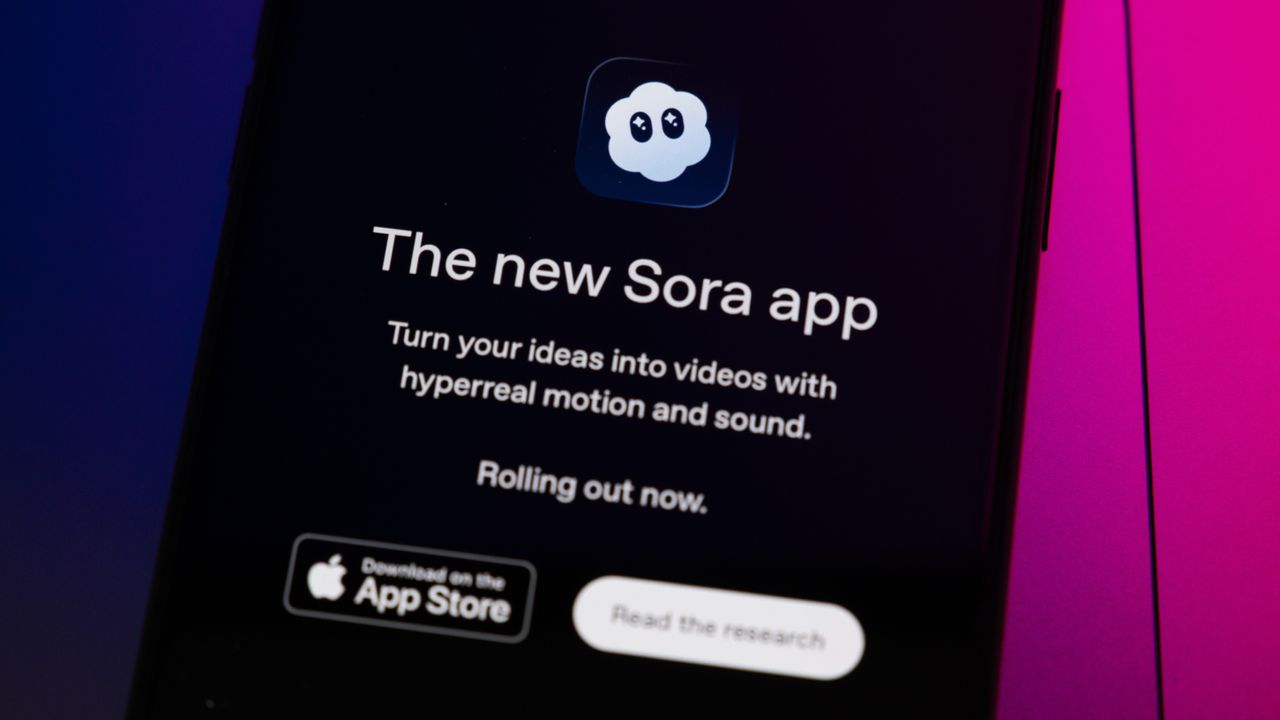
The Sora App home page displays on a smartphone screen placed on a computer keyboard illuminated by blue and purple light.

Sam Altman hasn’t had "a good night of sleep" since OpenAI launched ChatGPT

CEO Sam Altman recently admitted he struggles to sleep at night, overwhelmed by the thought of hundreds of millions of people interacting with ChatGPT daily.

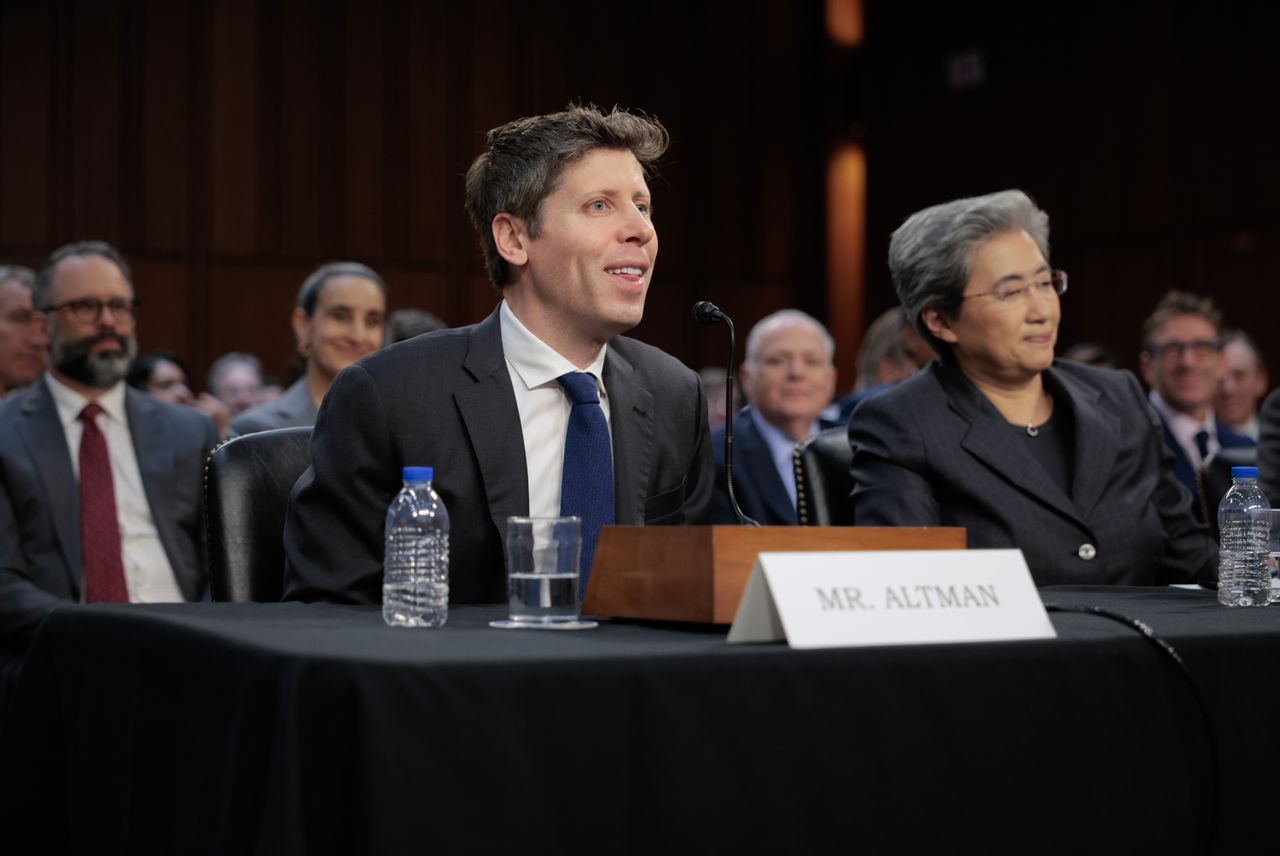
Sam Altman, chief executive officer of OpenAI Inc., during a Senate Commerce, Science, and Transportation Committee hearing in Washington, DC, US, on Thursday, May 8, 2025.

❌