 Connexion
Nike Just Made a Puffer Jacket You Can Inflate in 15 Seconds
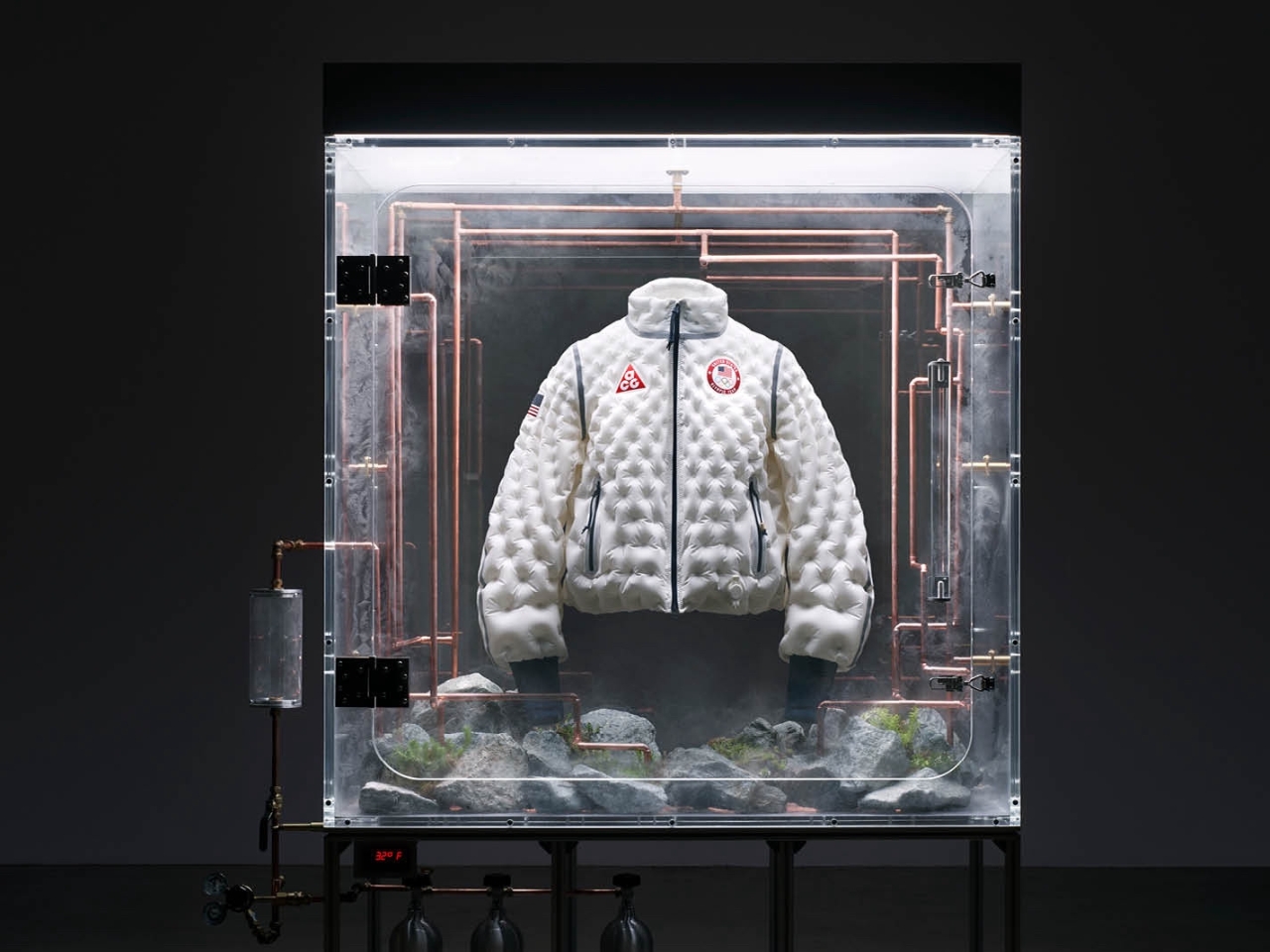
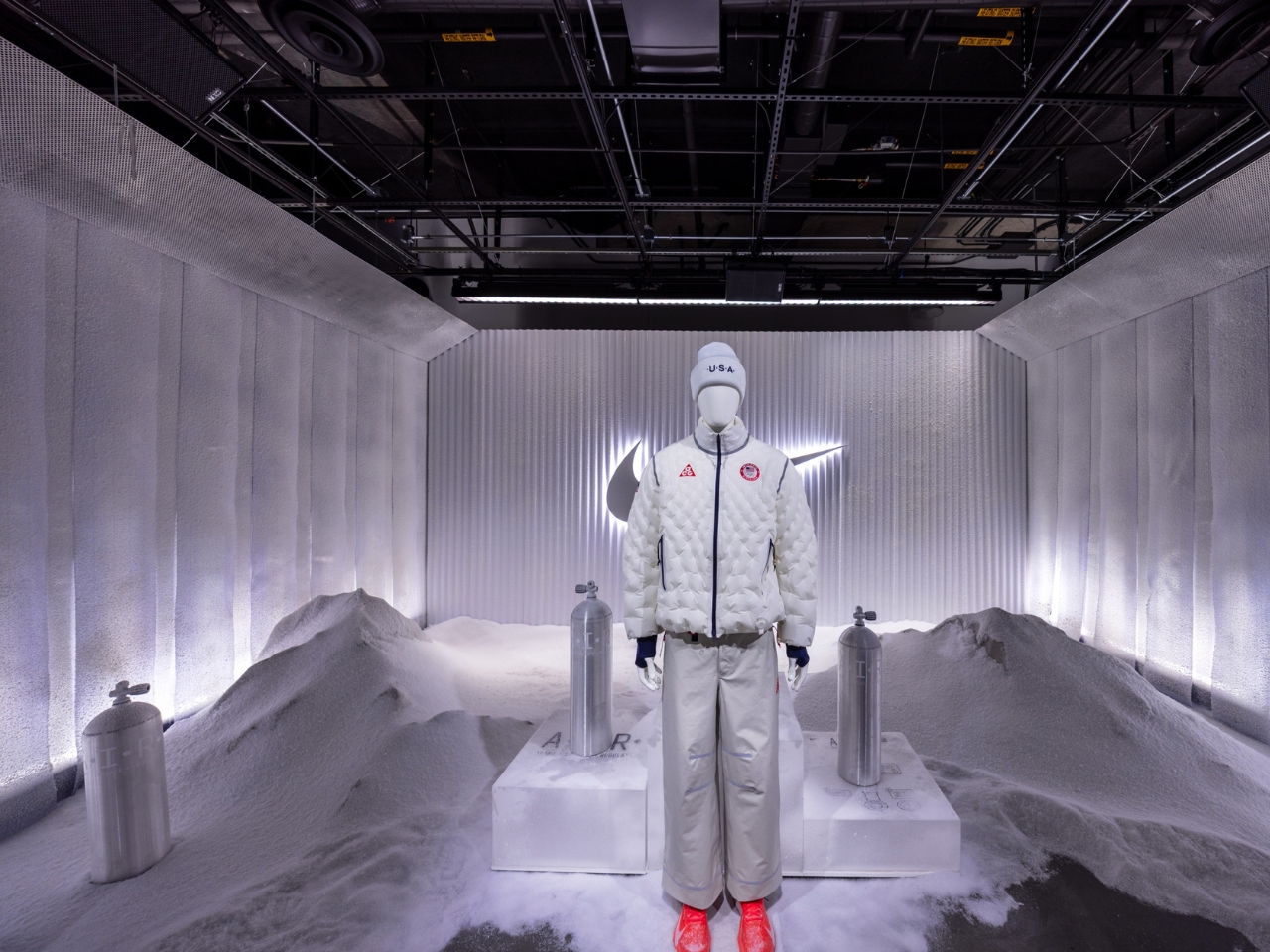
Remember when Nike put air bubbles in sneakers and everyone thought it was the coolest thing ever? Well, the Swoosh just did it again, but this time with a jacket that you can literally pump up or deflate like an air mattress. Meet the Therma-Fit Air Milano Jacket, and yes, it’s as wild as it sounds.
The jacket, which Nike is calling its most technically engineered garment ever, features what the brand has dubbed A.I.R. Technology (that stands for Adapt. Inflate. Regulate., not artificial intelligence). At first glance, it looks like any other sleek Nike puffer. But here’s the clever part: you can adjust how puffy it actually is depending on how cold you are. No more sweating through your coat after walking up a flight of stairs or shivering because you dressed for the wrong temperature.
Designer: Nike
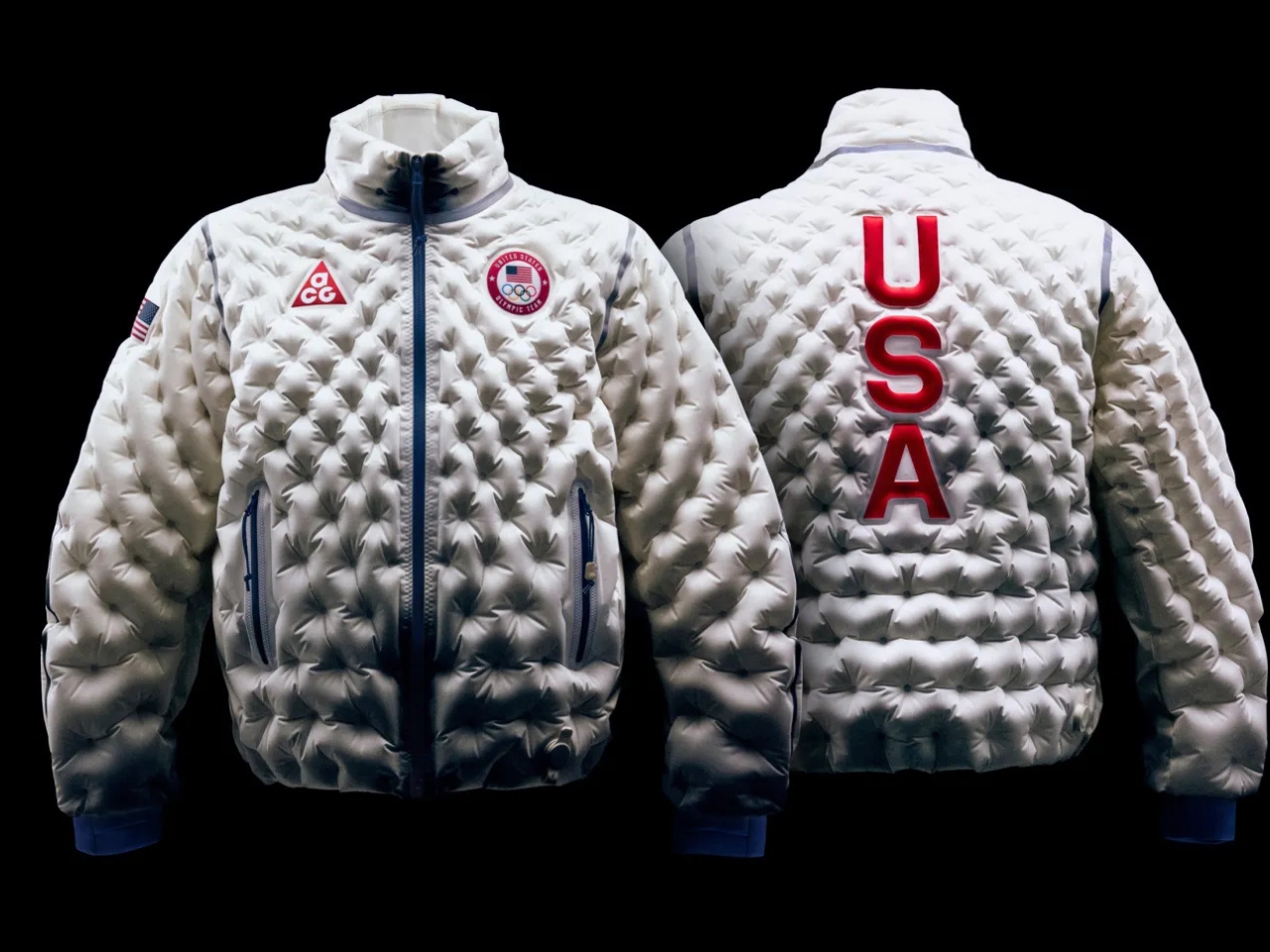
The concept is brilliantly simple. Instead of stuffing the jacket with down feathers or synthetic insulation like traditional puffers, Nike filled the baffles with air. Using a small pump (think inflatable pool toy, but make it fashion), you can inflate the jacket in about 15 seconds. Deflate it, and it compresses down to something closer to a lightweight windbreaker. Nike is marketing it as “four jackets in one,” which honestly isn’t far off.
This isn’t Nike’s first rodeo with inflatable outerwear. The brand experimented with air bladders in jackets for about two decades, most notably with the 2008 ACG Airvantage jacket that’s now a grailed collector’s item. But the Air Milano takes those early experiments and refines them with nearly five decades of Nike Air innovation (the same tech that revolutionized sneakers in 1978).
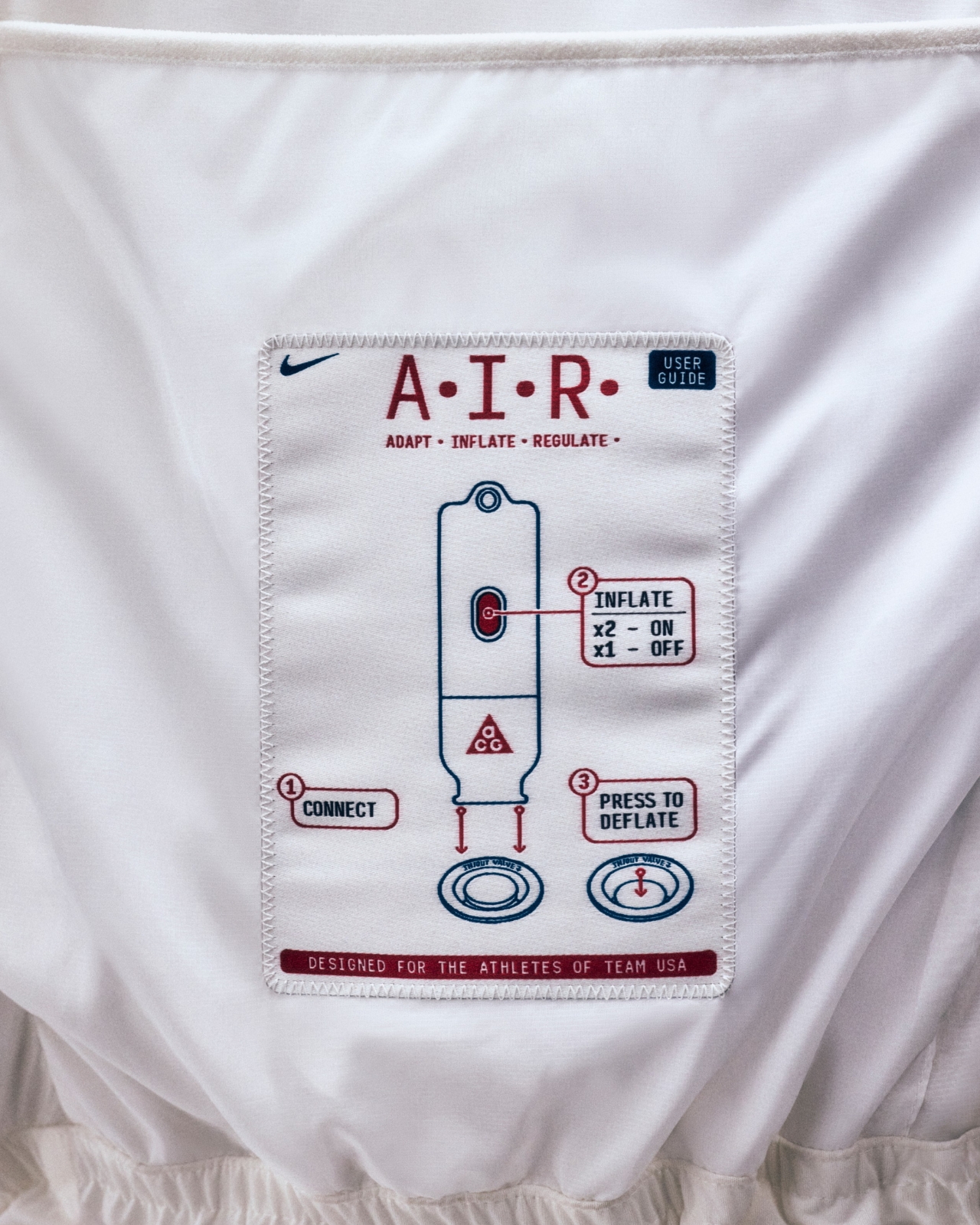
What makes this jacket particularly interesting from a design perspective is how it breaks free from traditional puffer construction. Most down jackets are limited by horizontal quilting patterns because you need those channels to keep the insulation evenly distributed. With air as the insulator, Nike’s designers could create body-mapped volumes and customize the jacket’s shape without those constraints. The result is a two-layer composite laminate material that can transition from slim to puffy in seconds while maintaining its structure.
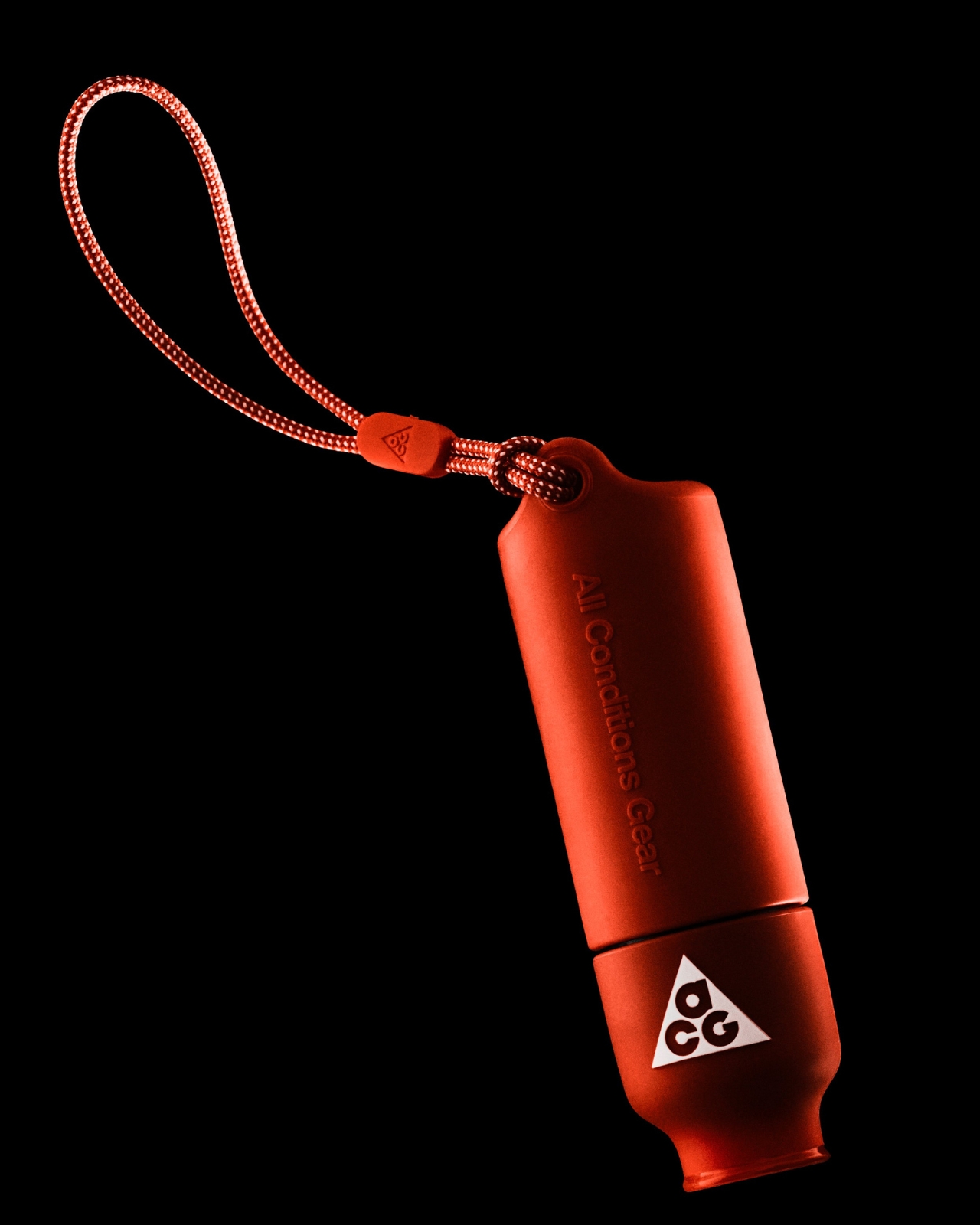
Team USA athletes will debut the Air Milano at the 2026 Winter Olympics in Milan as part of their official medal ceremony look, which feels fitting given the jacket’s name. It’s a smart showcase for technology that sits at the intersection of performance, design, and just plain cool factor. After all, watching someone pump up their jacket courtside or in the stands is going to turn heads.
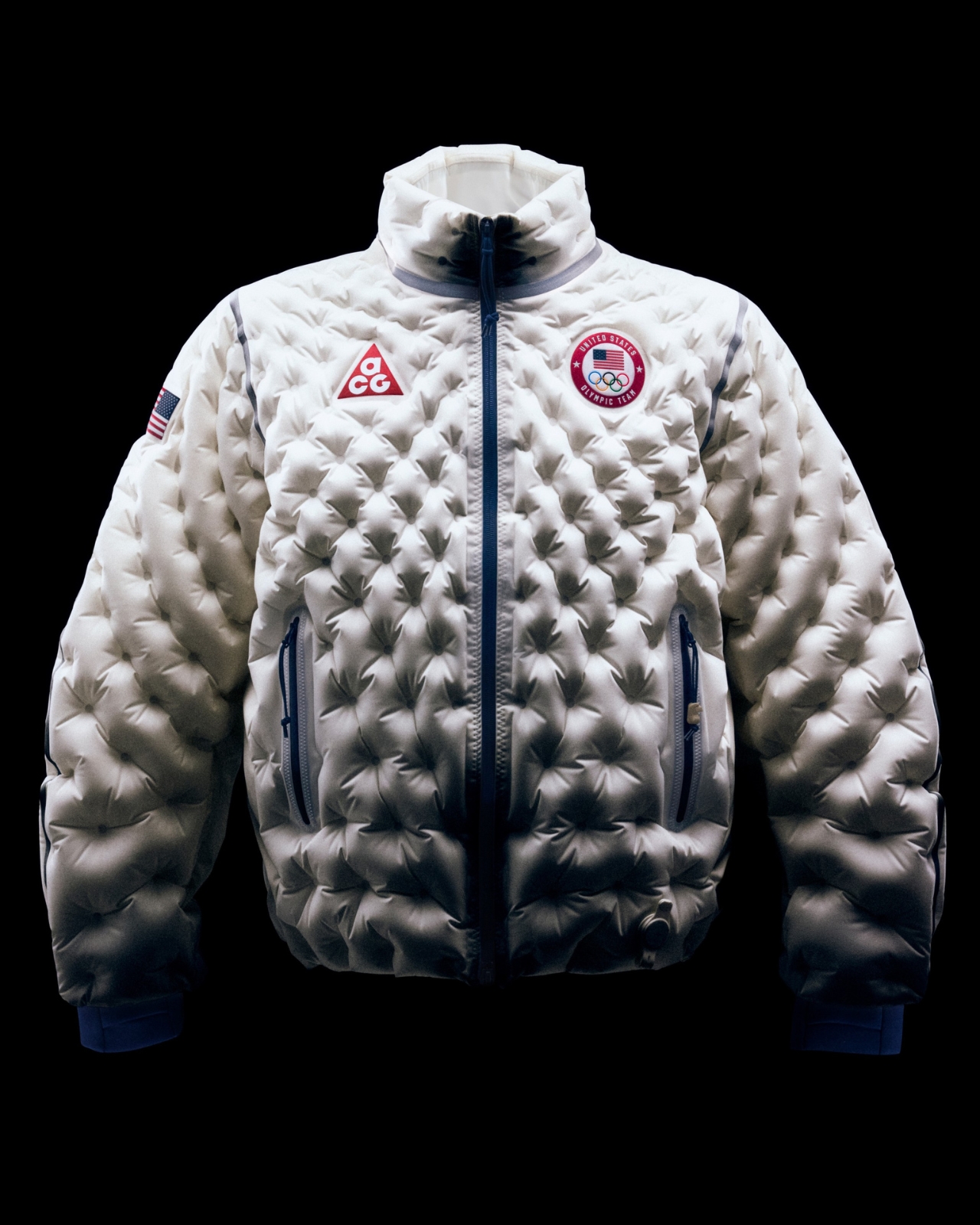
The jacket integrates with Nike’s broader FIT system, working alongside familiar technologies like Dri-Fit moisture-wicking and Storm-Fit weather protection. This positions the Air Milano not as some gimmicky one-off, but as part of Nike’s ongoing commitment to performance innovation that actually solves real problems. And the problem here is universal: temperature regulation during activity is annoying. You’re either too hot or too cold, constantly adding or removing layers like some sort of fashion onion. According to Danielle Kayembe, Expert in Apparel Product Innovation Management at Nike, the jacket represents a blend of athlete science and data-driven design to create responsive, engineered garments. The brand studied years of data illustrating the challenges of competing in cold weather before landing on this solution.
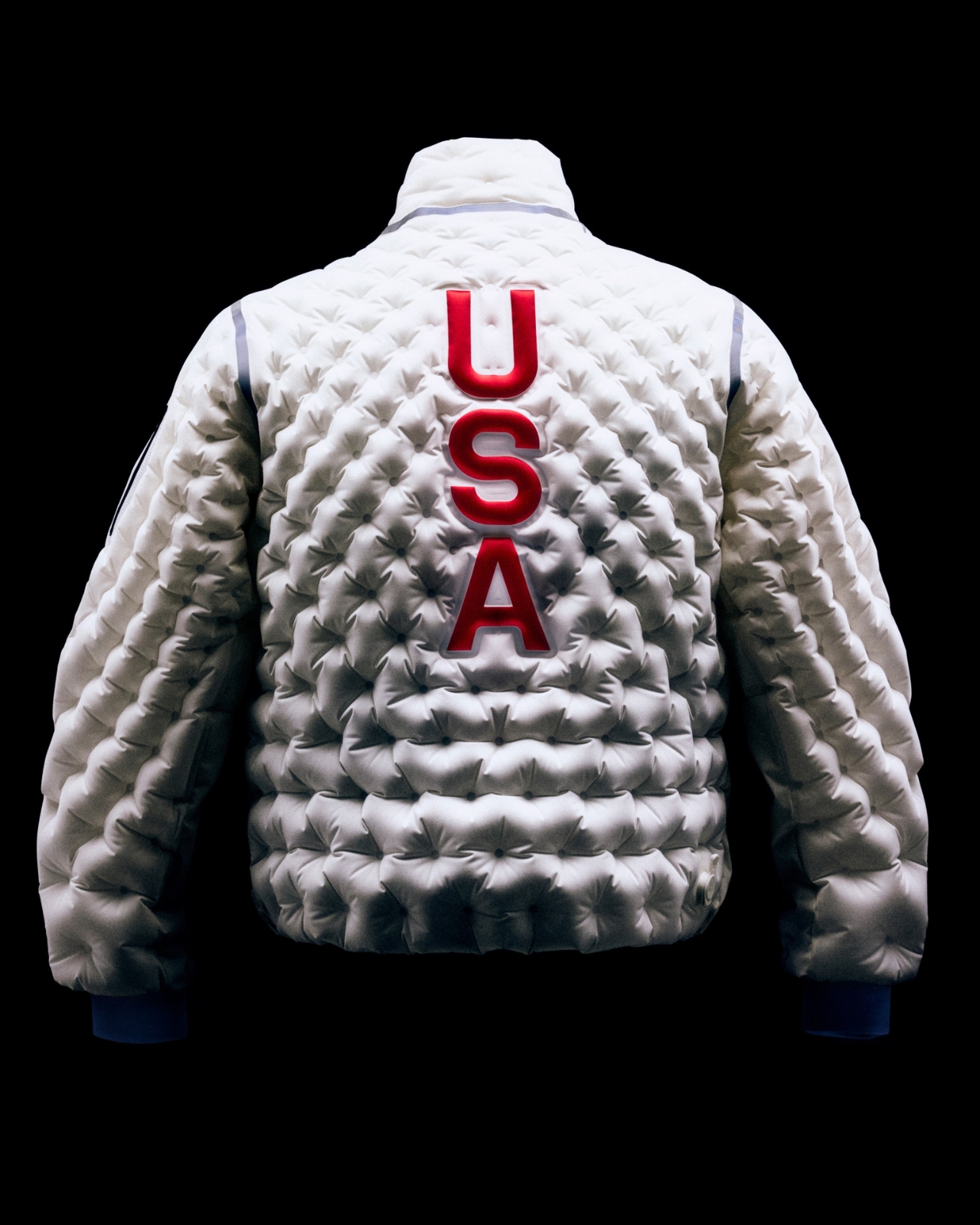
The big question, of course, is whether this will hit the consumer market, and if so, when. Nike hasn’t announced a release date yet, though they’ve confirmed it won’t be cheap when (or if) it does launch. For now, it remains a Team USA exclusive. Beyond the practical applications, the Air Milano is just fun. In an era where so much tech feels either invisible or overly complicated, there’s something refreshingly tactile about pumping up your jacket. It’s the kind of design that makes people ask, “Wait, what is that?” And in a market saturated with similar-looking puffers, that’s no small feat.
Whether the Air Milano becomes as iconic as the Air Max or remains a fascinating footnote in Nike’s innovation archives remains to be seen. But one thing’s certain: Nike just reminded us that sometimes the best innovations come from asking a simple question. If we can put air in shoes, why not jackets?
The post Nike Just Made a Puffer Jacket You Can Inflate in 15 Seconds first appeared on Yanko Design.