Vue lecture

Il y a de nouveaux articles disponibles, cliquez pour rafraîchir la page.

This E Ink 4G Smartphone Runs for Days and Won’t Hurt Your Eyes

Most smartphones are designed for speed, color, and endless scrolling, but that comes at the cost of tired eyes and constant battery anxiety throughout the day. For readers, students, and professionals who want a calmer, more focused mobile experience without the glare and endless distractions of conventional screens, the usual smartphone just isn’t built for the job or designed with their specific needs in mind at all.

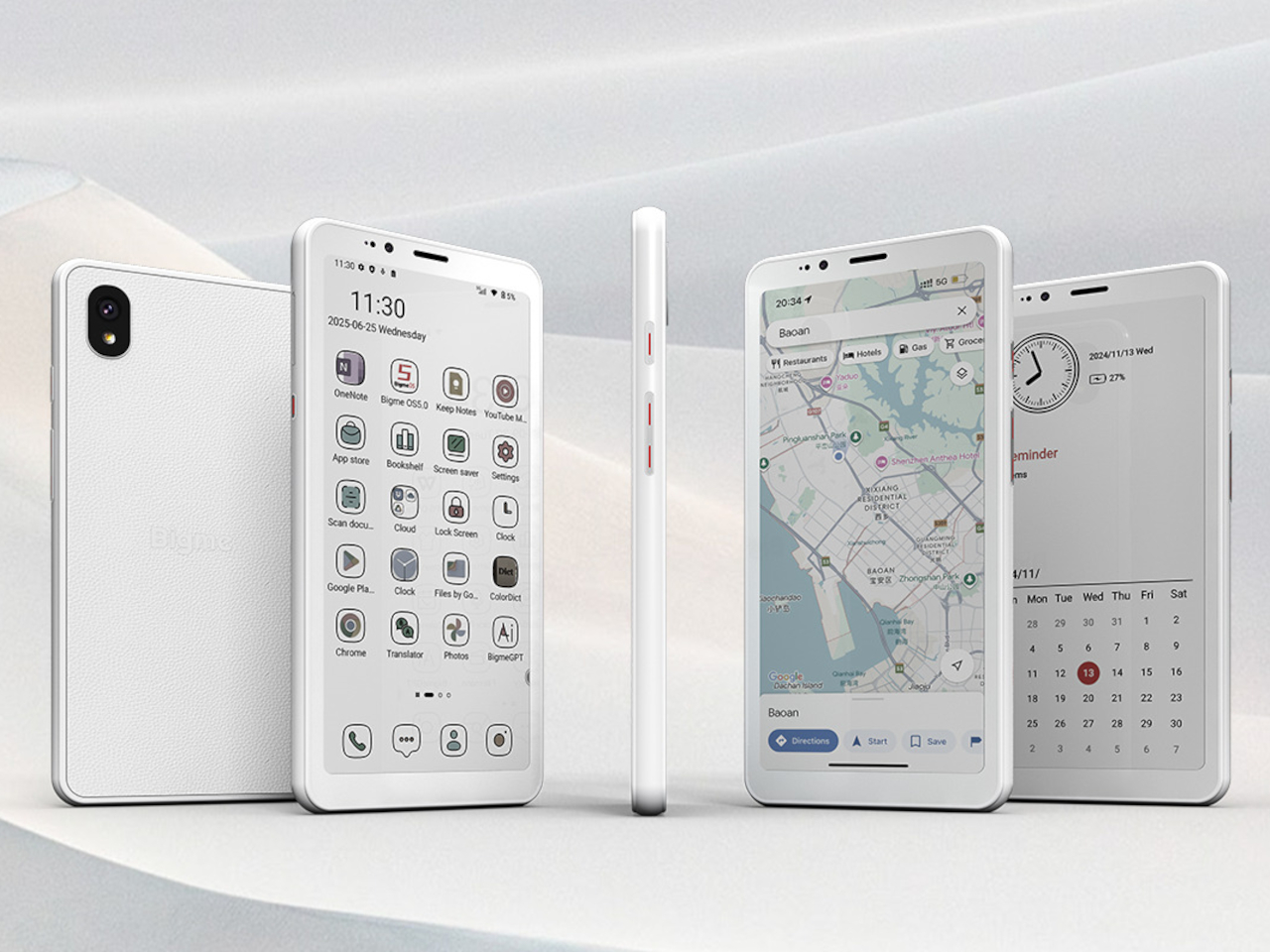
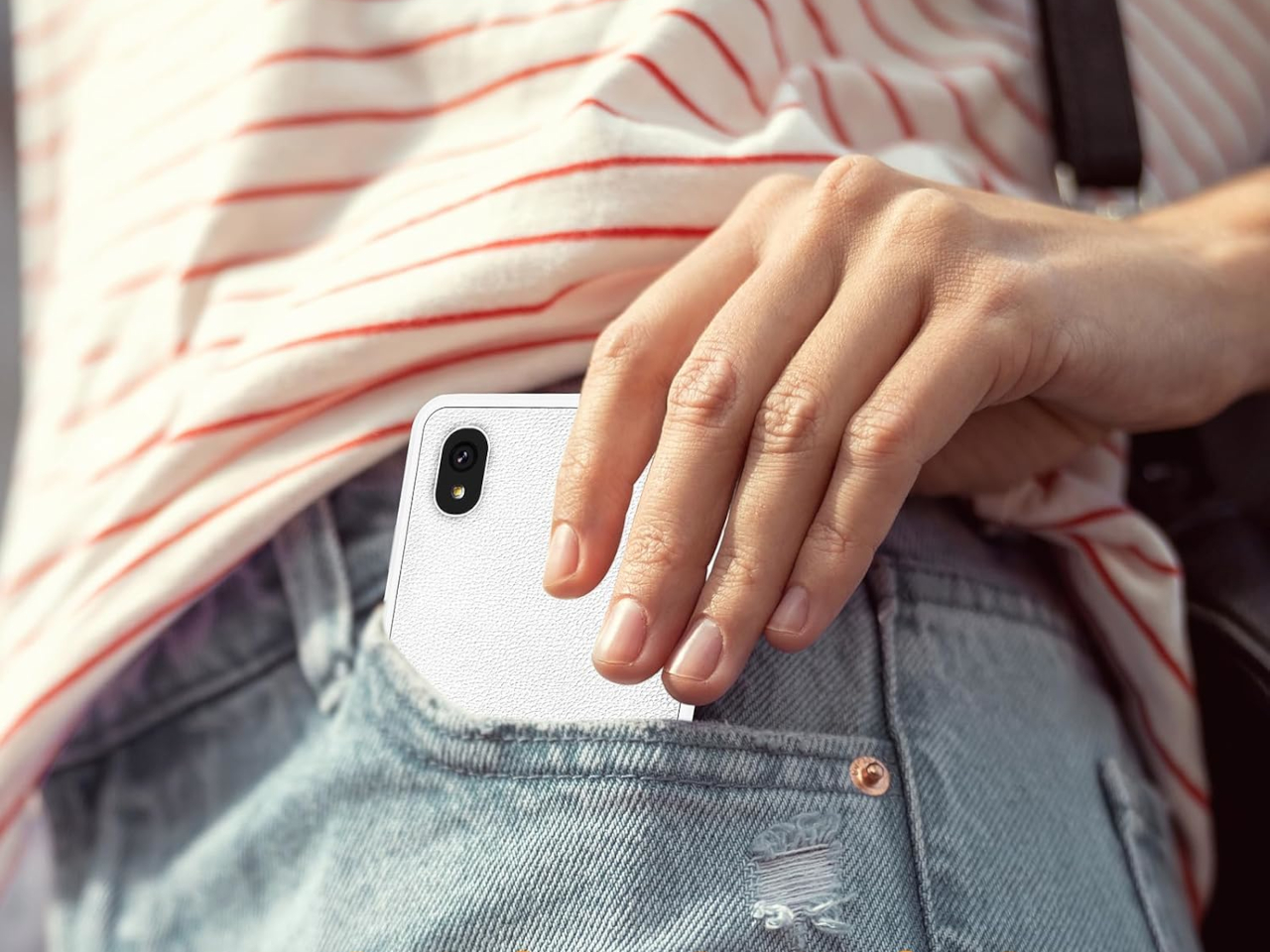
The Bigme HiBreak S offers a different approach, swapping out the harsh glare of LCD screens for a 5.84-inch E Ink display and pairing it with a premium leather-textured back cover for a comfortable grip during extended use. It’s a phone that prioritizes eye comfort and clarity over flashy features and multimedia capabilities, built specifically for long reading sessions, document work, and extended days without needing a charger nearby.

Designer: Bigme
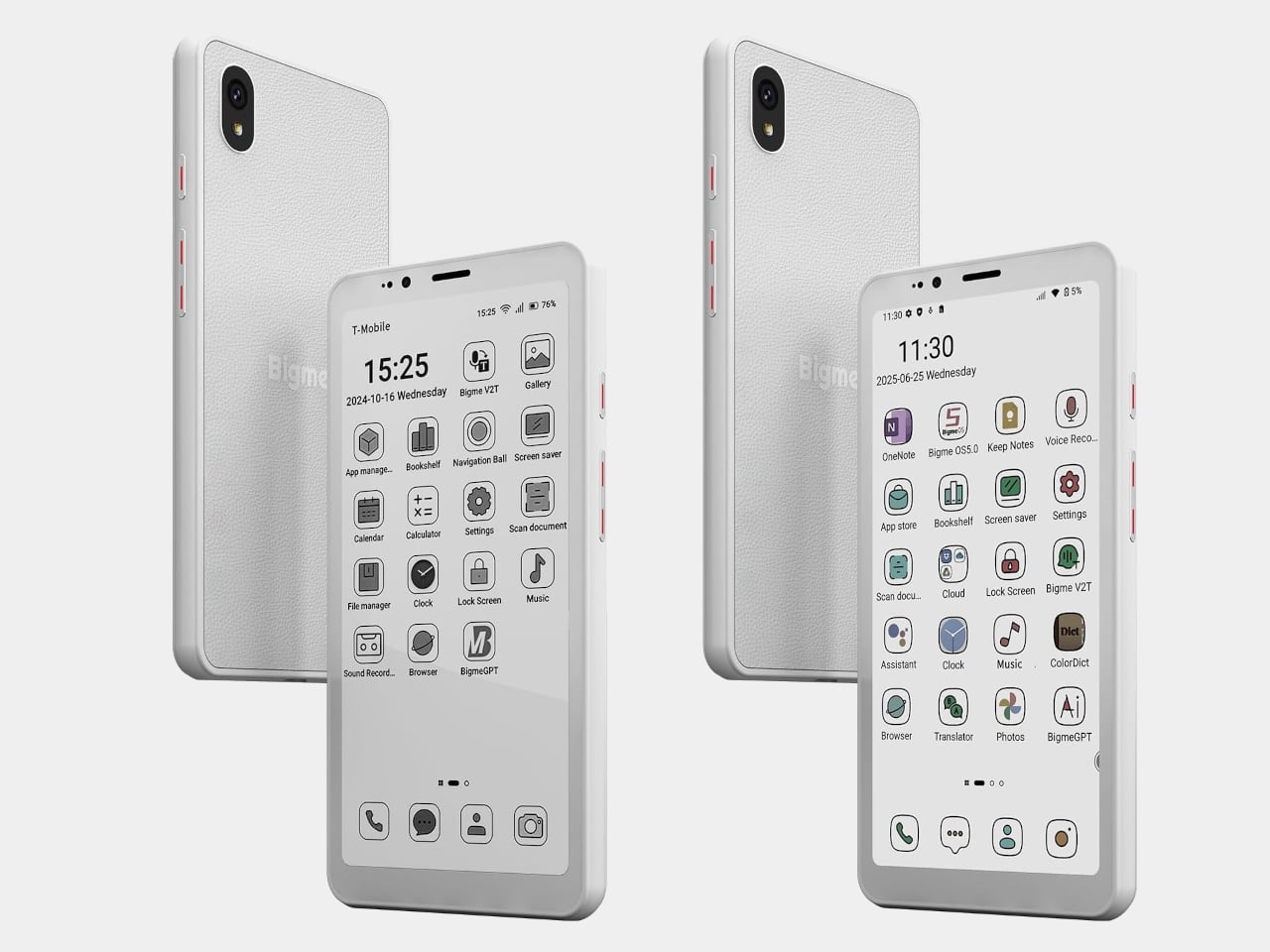
The HiBreak S stands out with its understated, leather-textured back cover and slim 8.6-millimeter profile that slips easily into pockets and bags. The E Ink screen, available in both black-and-white at 276 PPI and color at 92 PPI, delivers a paper-like reading experience with 36-level adjustable front lighting for comfortable use in any environment, from bright sunlight to dark rooms.
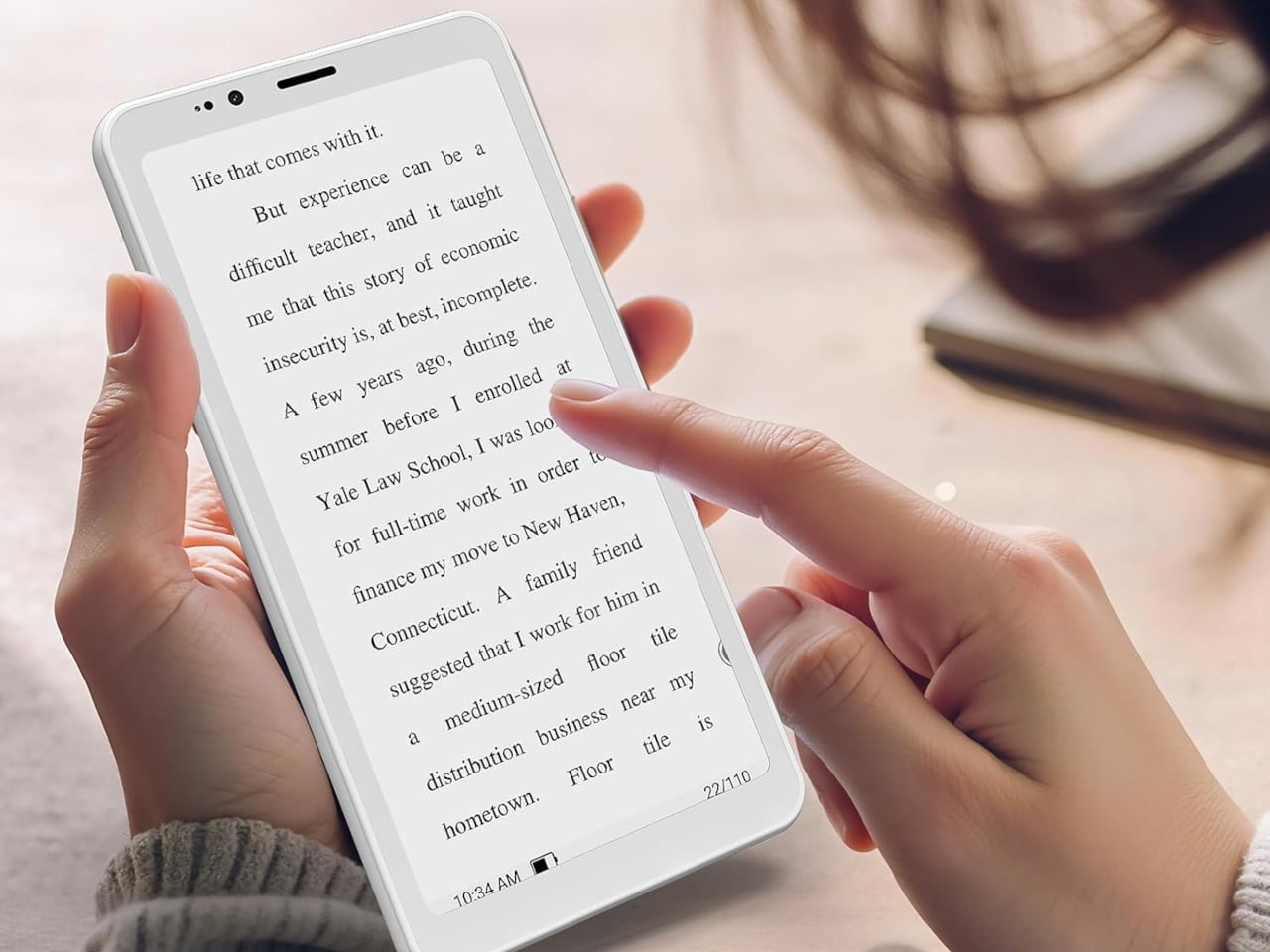
Whether you’re reading ebooks during commutes, reviewing documents for work, or checking messages throughout the day, the display reduces eye strain significantly compared to traditional screens. The E Ink technology sips power rather than gulping it, making the HiBreak S ideal for marathon study sessions, workdays, or travel where charging opportunities are limited and every percentage point of battery matters.

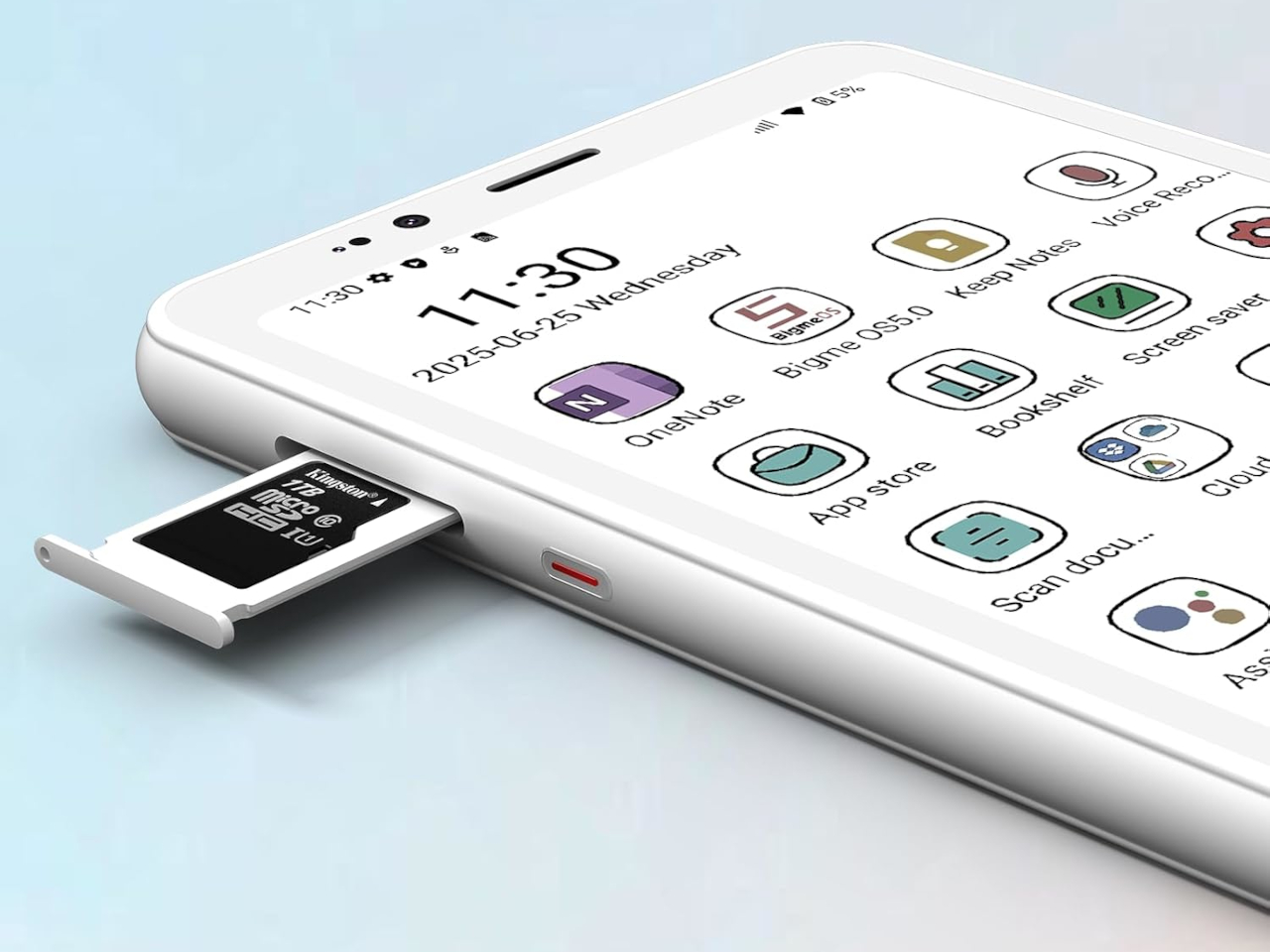
Under the hood, the HiBreak S runs Android 14 on an octa-core processor, with 6GB RAM and 128GB storage expandable up to 1TB via microSD card for extensive libraries. The 3300mAh battery and ultra-low-power E Ink screen mean you can go days between charges, even with heavy reading, scanning, or moderate calling throughout your normal routine.
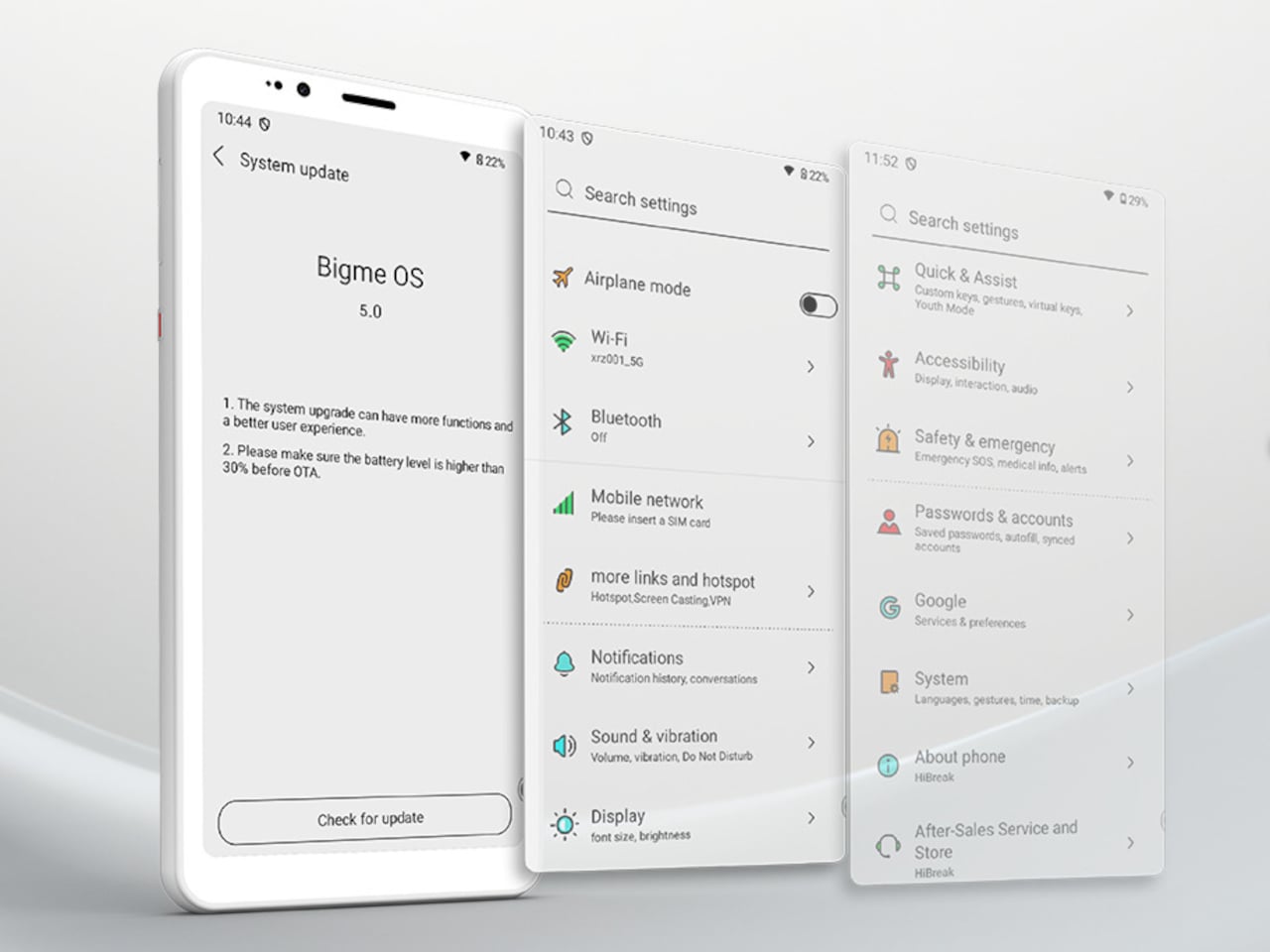
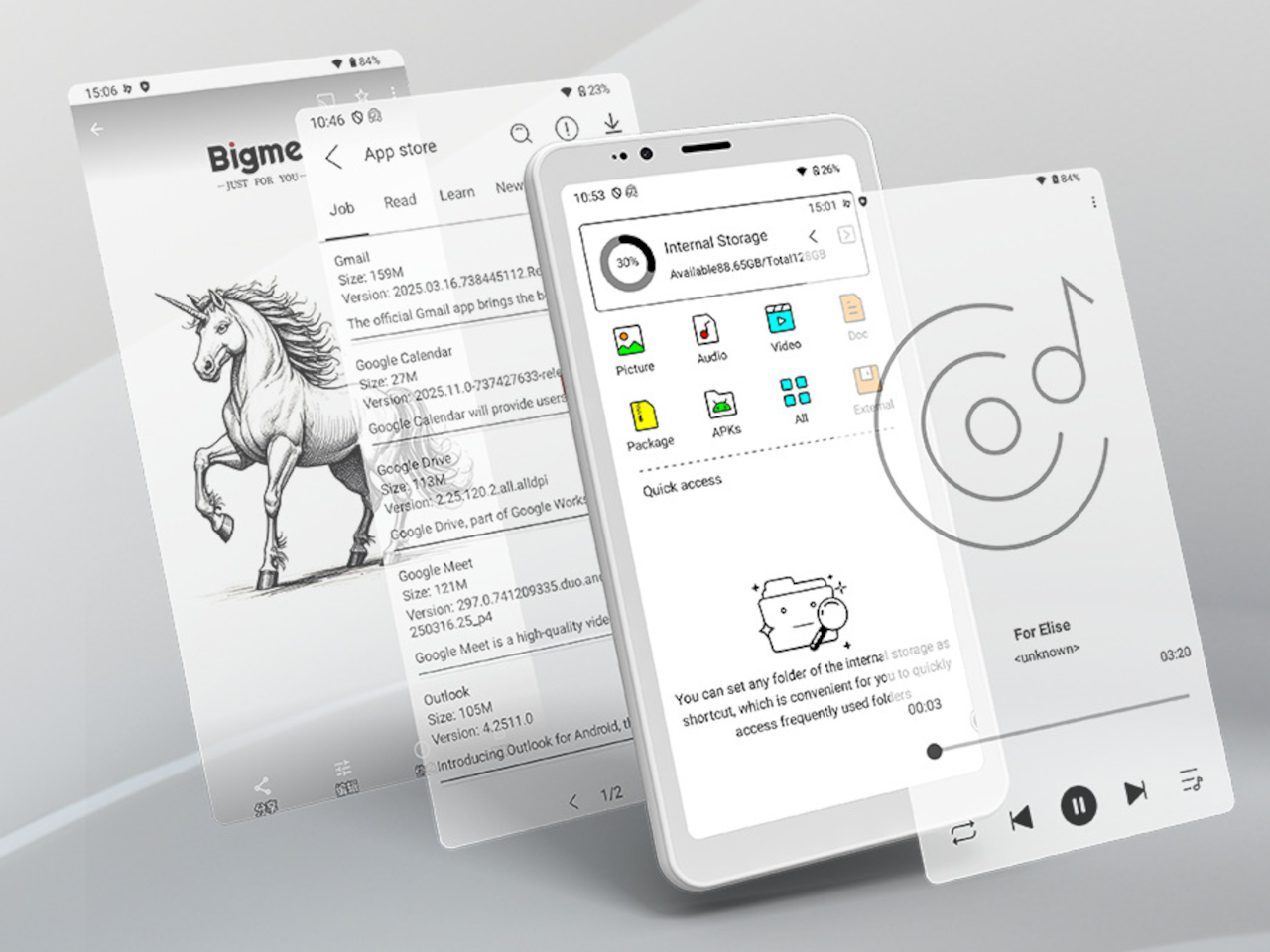
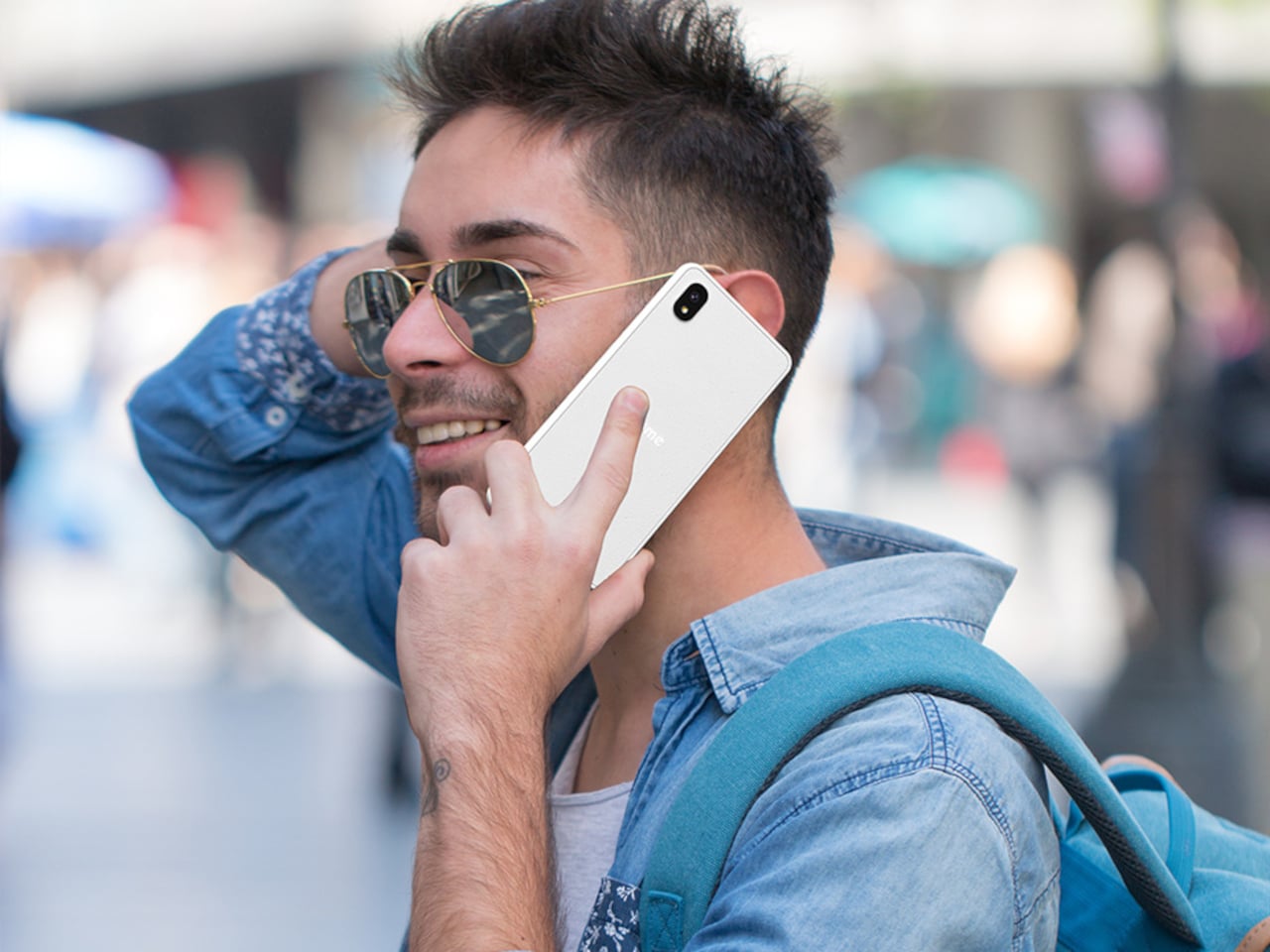
Full 4G LTE support ensures reliable calls and data connectivity worldwide across a wide range of frequency bands, while dual-band Wi-Fi and Bluetooth 5.0 keep you connected to headphones, speakers, and other devices. The phone handles essential communication and productivity tasks smoothly, though it’s not designed for intensive gaming or video streaming like conventional smartphones with backlit displays.
The HiBreak S goes beyond reading with its dual cameras optimized for real-world productivity and everyday document management. The 13MP rear and 5MP front cameras excel at document scanning, with built-in OCR technology converting paper notes, contracts, and handouts into searchable digital files in seconds. For students, researchers, and anyone juggling paperwork daily, this feature streamlines organization dramatically and reduces tedious manual typing.
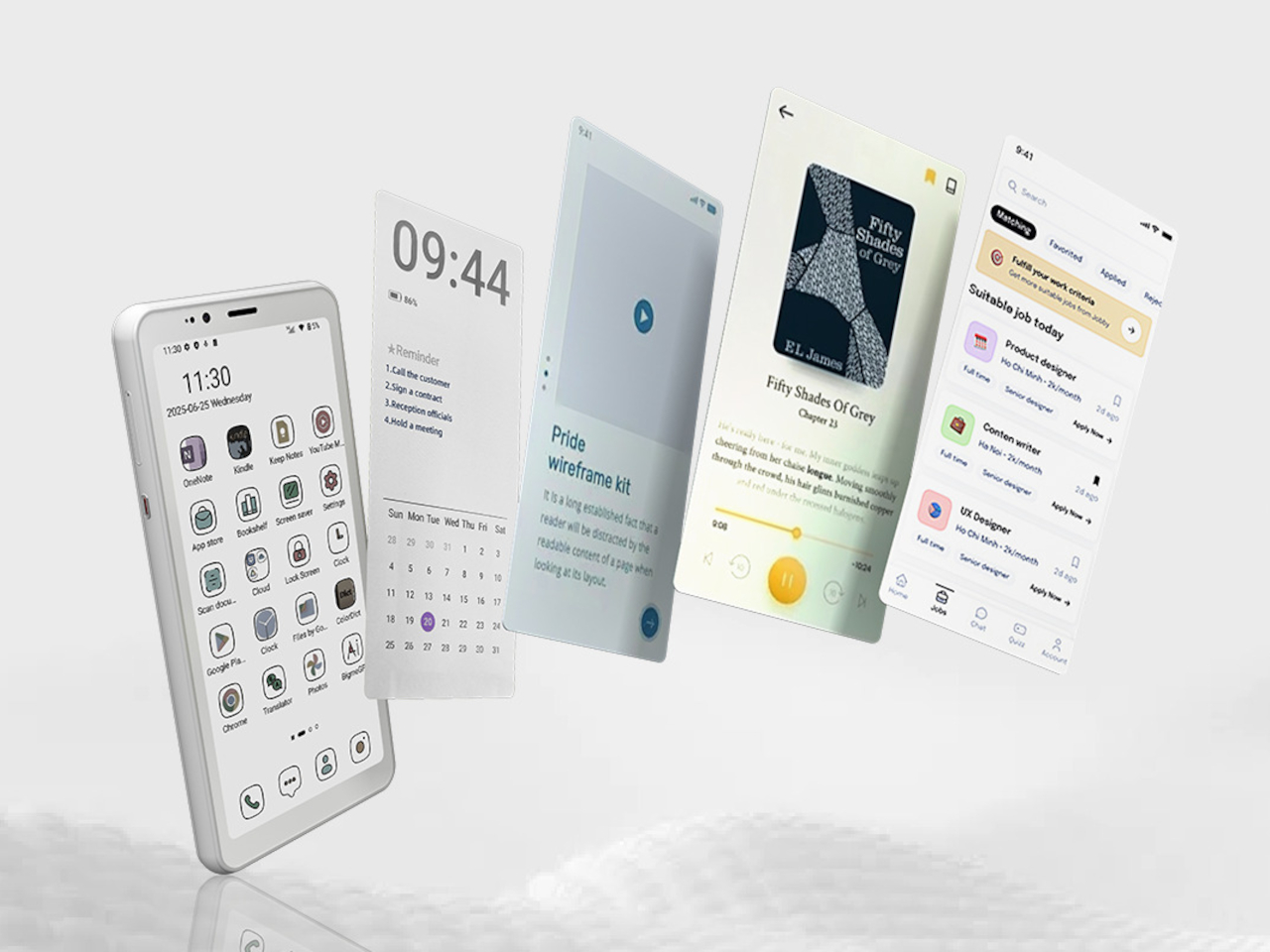
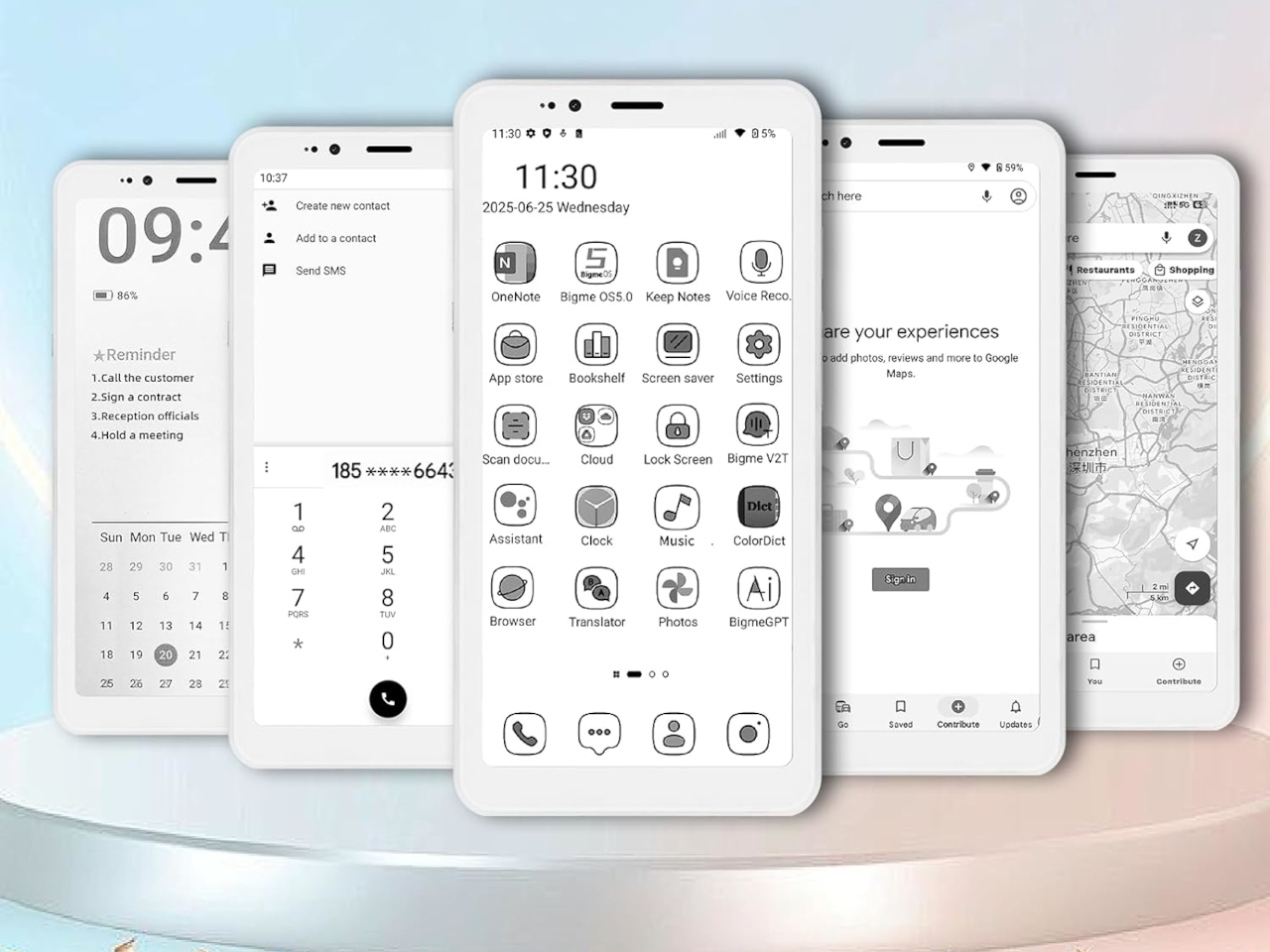
Bigme’s xRapid refresh technology and xClear ghosting elimination make the E Ink display surprisingly responsive for an e-paper screen, supporting up to 24 frames per second for scrolling and page turning without significant lag. Multiple preset modes let you tune the experience for reading, browsing, or watching clips, making the HiBreak S more versatile than traditional E Ink devices that feel sluggish and unresponsive.
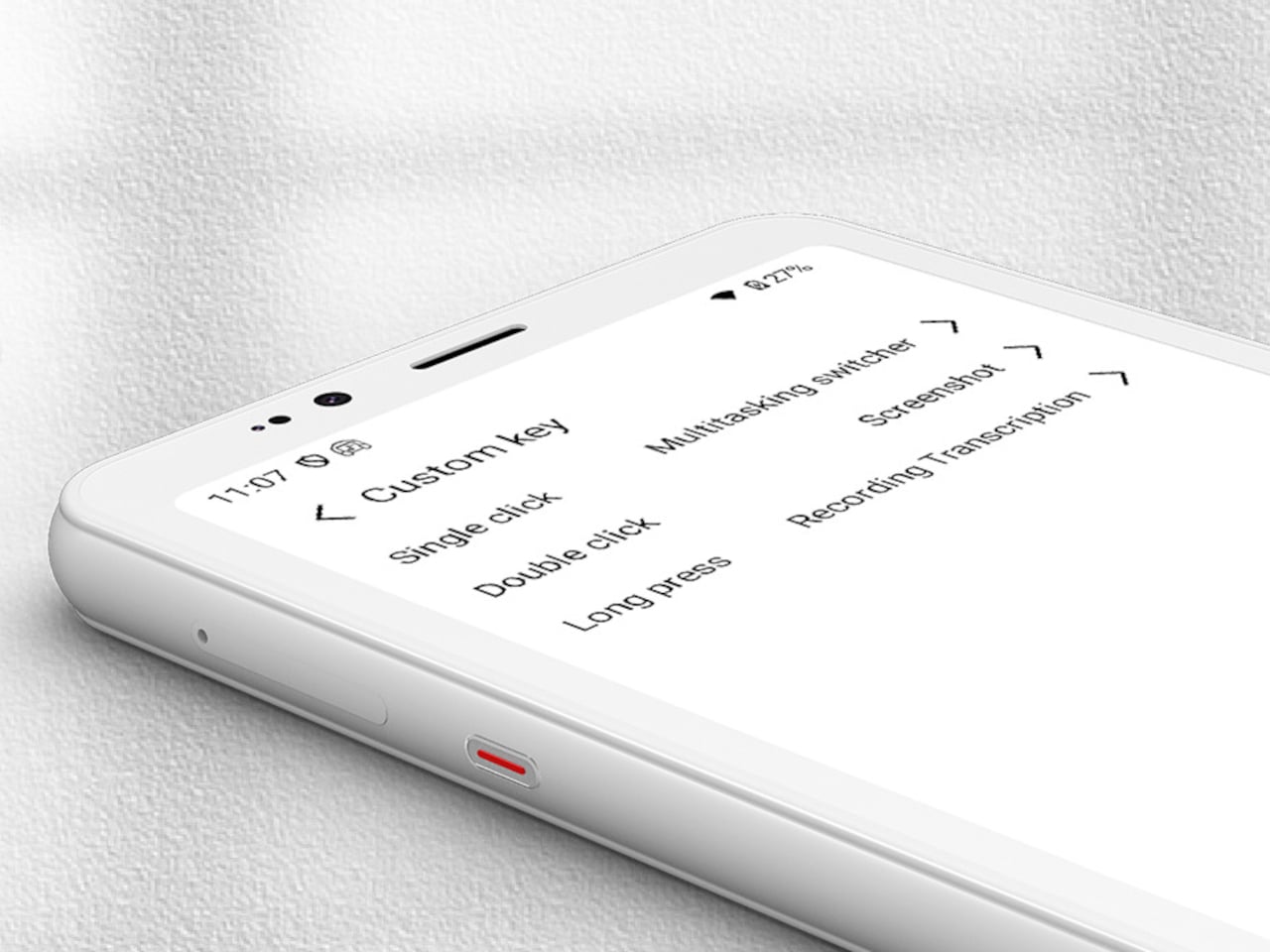
The Bigme HiBreak S delivers eye comfort, exceptional battery life, and practical simplicity for anyone tired of eye strain and battery drain from conventional smartphones with backlit displays. For those who value reading, document scanning, and distraction-free communication over gaming and multimedia consumption, it offers a refreshing alternative that prioritizes visual comfort and productivity without sacrificing the essential features you need from a modern smartphone.
The post This E Ink 4G Smartphone Runs for Days and Won’t Hurt Your Eyes first appeared on Yanko Design.

The one ‘Non-Apple product’ that Apple announced on September 9th

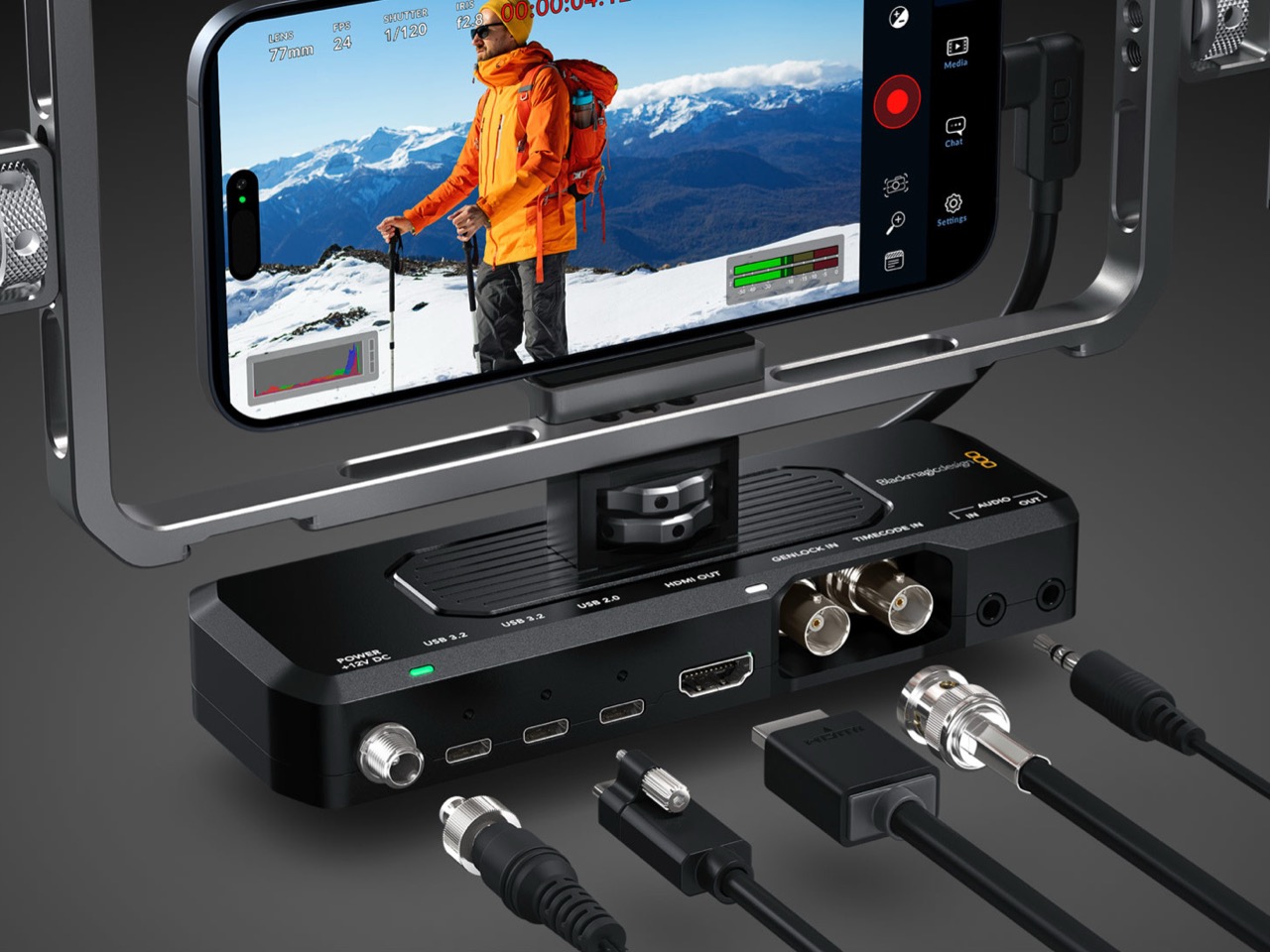
Apple’s September keynote events are a familiar ritual, a carefully choreographed presentation of their latest and greatest hardware. This year, we got everything we expected: the regular iPhone 17, the powerful new iPhone 17 Pro and Pro Max, details on the A19 Pro chip, and a surprise with the ridiculously slim iPhone Air. Amidst the sea of polished metal and Ceramic Shield panels, however, something unusual happened. Apple gave the spotlight to a product that wasn’t their own. For a few crucial moments, the focus shifted to a small, unassuming black box from Blackmagic Design, a company beloved by video professionals. This device, the Camera ProDock, was the only non-Apple product to get a showcase at the keynote, and its presence spoke volumes about where Apple sees the future of filmmaking heading.

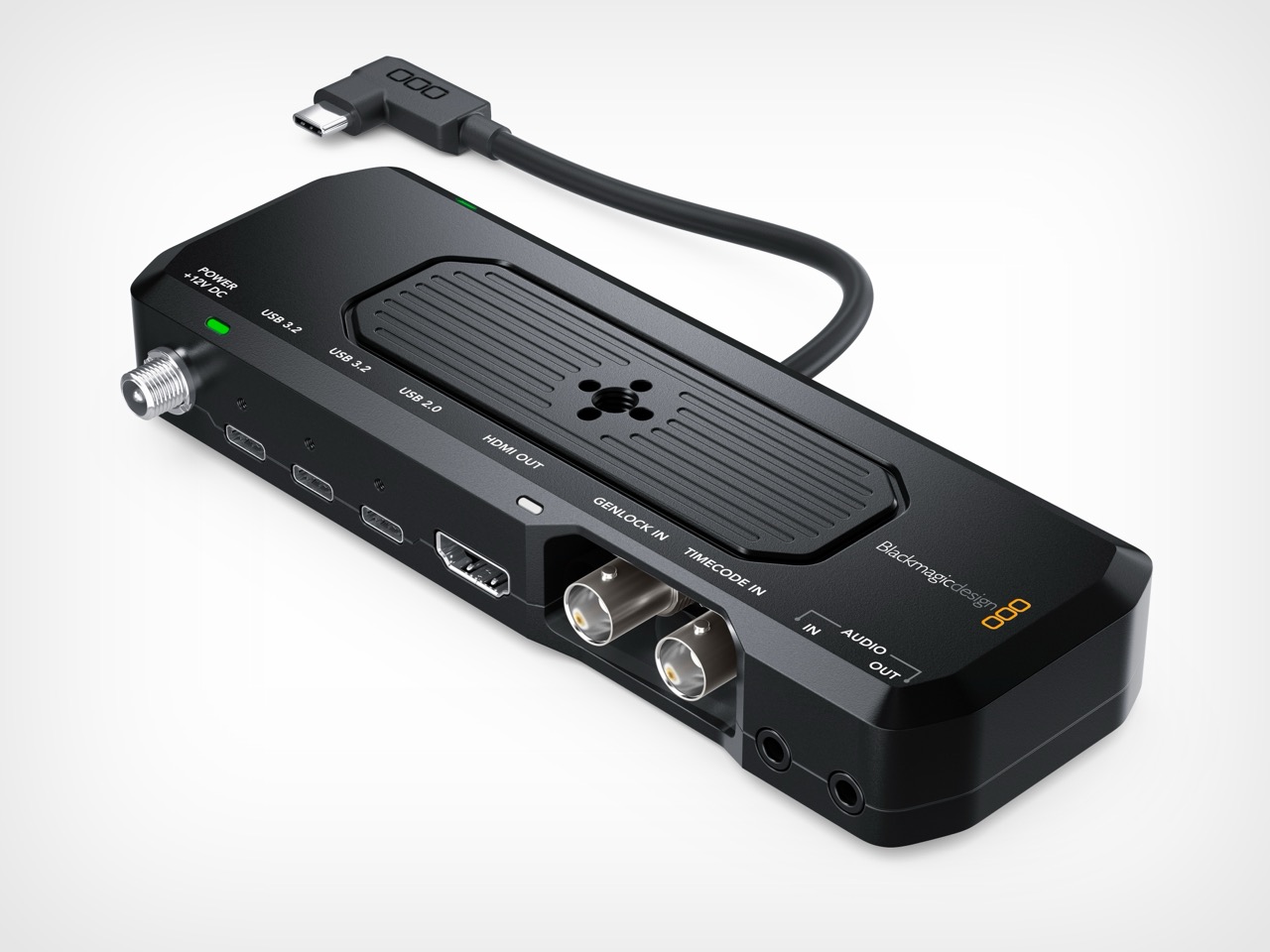
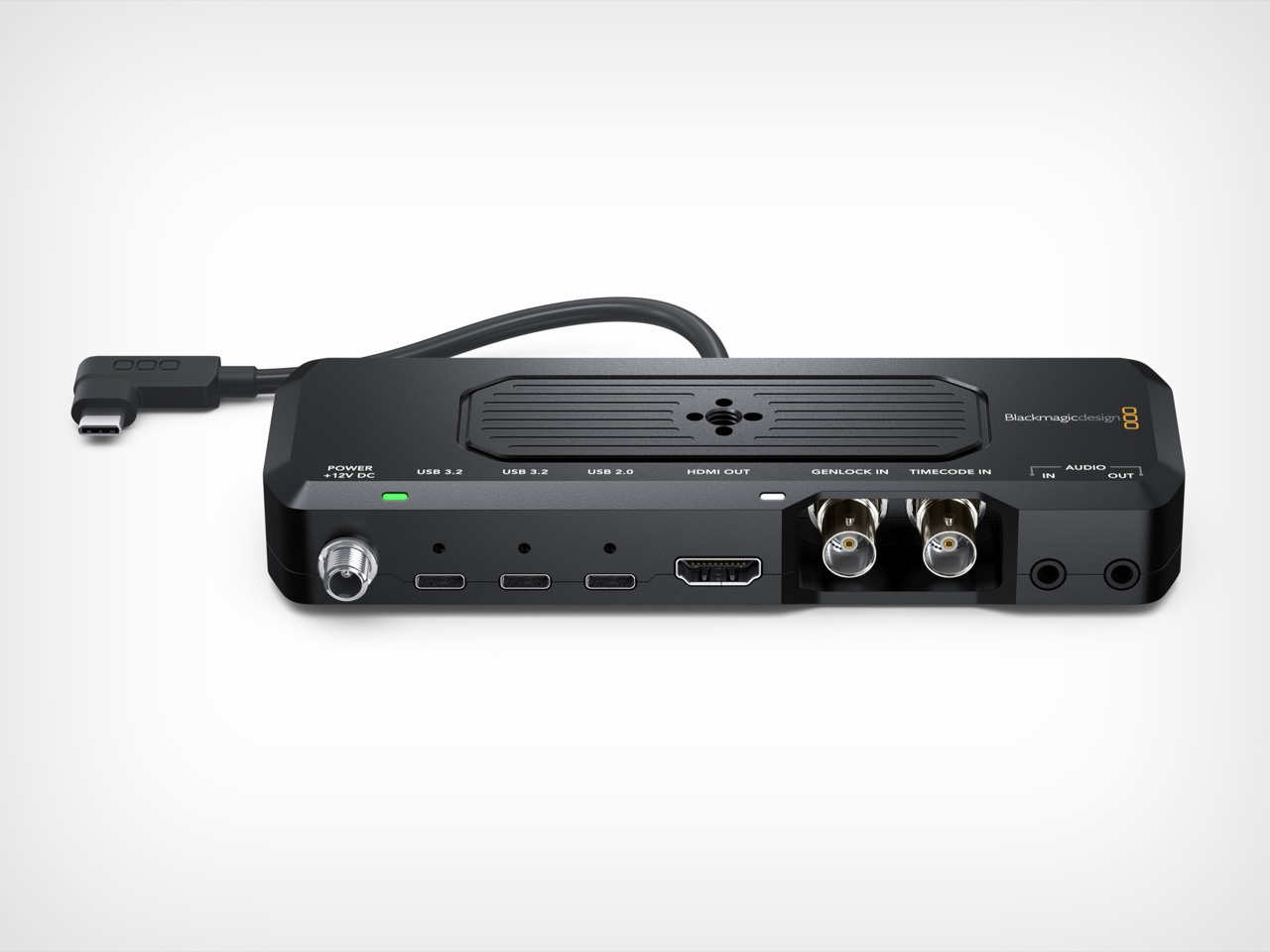
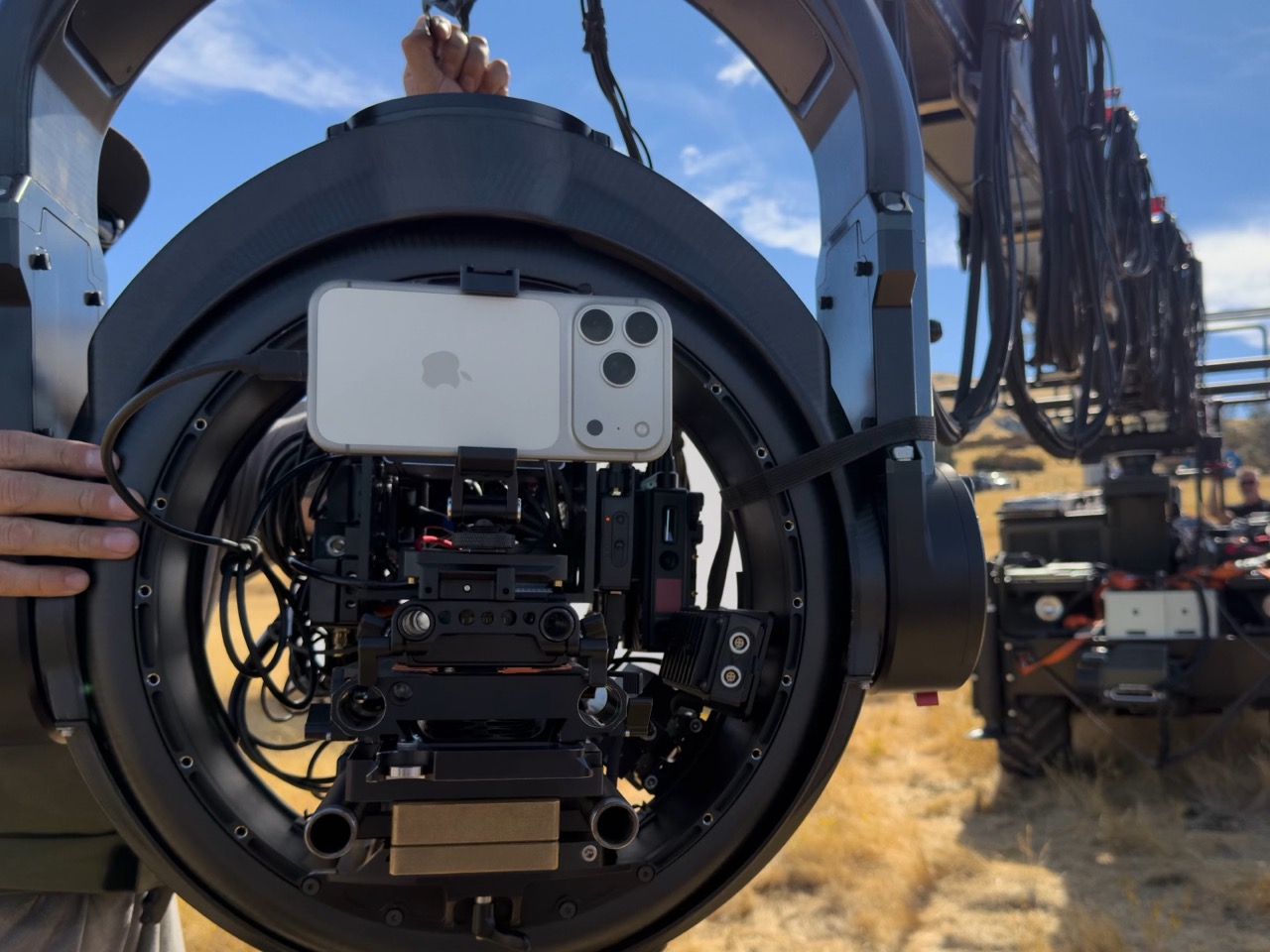
The Blackmagic Camera ProDock is, at its core, the ultimate professional dongle for the iPhone 17 Pro. It’s a purpose-built hub designed to solve every major problem that has kept the iPhone from being a primary camera on a serious film set. For years, filmmakers have used iPhones for B-roll or in tight spots where a larger camera wouldn’t fit, but integrating them into a professional workflow has always been a collection of compromises and clunky workarounds. The ProDock aims to eliminate those compromises entirely by giving the iPhone the physical inputs and outputs that are standard on any high-end cinema camera. It’s a rugged, mountable accessory that provides connections for power, external microphones, headphones, on-set monitors, and solid-state drives for recording, all while fitting seamlessly into a professional camera rig.

Designer: Blackmagic

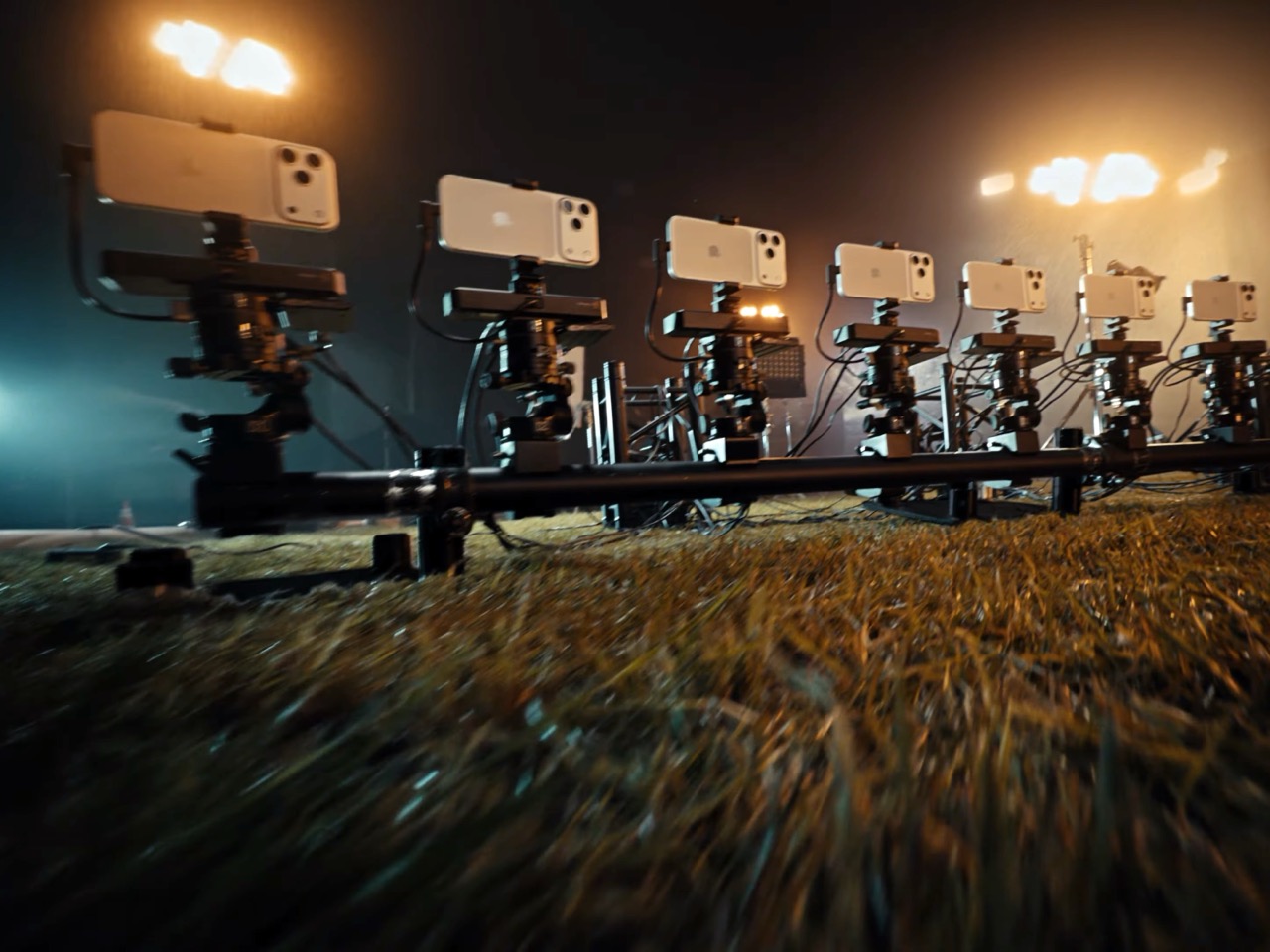
Two big features that made the cut this year on the Pro iPhones (which can be taken advantage of by the Camera ProDock) are genlock and external timecode. For anyone outside the film industry, these terms probably sound like technical jargon, but they are the bedrock of multi-camera productions. Think of genlock as the master conductor for an orchestra of cameras; it sends out a sync pulse that ensures every single camera on set captures a frame at the exact same microsecond. Timecode, then, is the sheet music, giving every one of those frames a unique, identical timestamp across all cameras and audio recorders. This synchronization is absolutely critical. It means an editor can drop footage from an iPhone 17 Pro, a high-end ARRI cinema camera, and a separate audio recorder onto a timeline, and everything will line up perfectly, down to the frame. This single feature, enabled by the ProDock’s BNC connectors, transforms the iPhone from a capable solo camera into a reliable team player in a professional ecosystem.

Beyond the crucial sync capabilities, the ProDock addresses the practical needs of a working set. Its full-size HDMI port allows for direct connection to a proper director’s monitor, so the creative team can see exactly what the camera is capturing on a large, color-accurate display. The three USB-C ports are a godsend for data management and power. A filmmaker can now record hours of footage in the highest quality ProRes RAW format directly to an external SSD, bypassing the iPhone’s internal storage limitations completely. At the same time, those ports can keep the phone and other accessories powered, ensuring a long shooting day isn’t cut short by a dead battery. The addition of professional 3.5mm jacks for both a microphone and headphones finally solves the audio problem, providing for high-quality sound capture and zero-latency monitoring, something impossible to achieve with wireless solutions.

This hardware is perfectly complemented by a robust software ecosystem. The dock works hand-in-hand with the free Blackmagic Camera app and Apple’s updated Final Cut Camera 2.0. These apps are the control center that unlock the ProDock’s full potential, allowing users to manage recordings, monitor audio levels, and take advantage of the iPhone 17 Pro’s new Apple Log 2 color profile for maximum flexibility in post-production. The combination of hardware and software creates a seamless, end-to-end workflow from capture to edit, which is precisely what professionals demand. Apple’s decision to feature the ProDock wasn’t just a friendly nod to a partner; it was a clear signal. It was an acknowledgment that while their own hardware and software are incredibly powerful, the final step into the professional world requires a bridge, a physical link to the established standards of an industry. The Blackmagic Camera ProDock is that bridge, and its quiet debut on Apple’s stage might just have been one of the most significant announcements for filmmakers this year.

The post The one ‘Non-Apple product’ that Apple announced on September 9th first appeared on Yanko Design.

Windows 11 dévoile son Handoff pour une continuité parfaite entre PC et smartphone

Hey, bonne nouvelle, Microsoft s’apprête à ajouter sa propre version du “Handoff” d’Apple à Windows 11, et je suis sûr que vous allez adorer, surtout si vous êtes du genre à jongler entre plusieurs appareils, genre un PC et un smartphone.

En effet, lors du récent Microsoft Build 2025 qu’Akash Varshney, Senior Product Manager de l’équipe Windows Cross-Devices and Experiences, a dévoilé ces nouvelles fonctionnalités qui vont enfin connecter nos appareils de façon intelligente. Et contrairement à ce qu’on pourrait croire, Microsoft ne se contente pas de copier Apple puisqu’ils poussent le concept encore plus loin.

❌