Vue lecture

Il y a de nouveaux articles disponibles, cliquez pour rafraîchir la page.

3D-Printed Tiny Home Cuts Build Time in Half and Challenges Luxembourg’s Housing Crisis
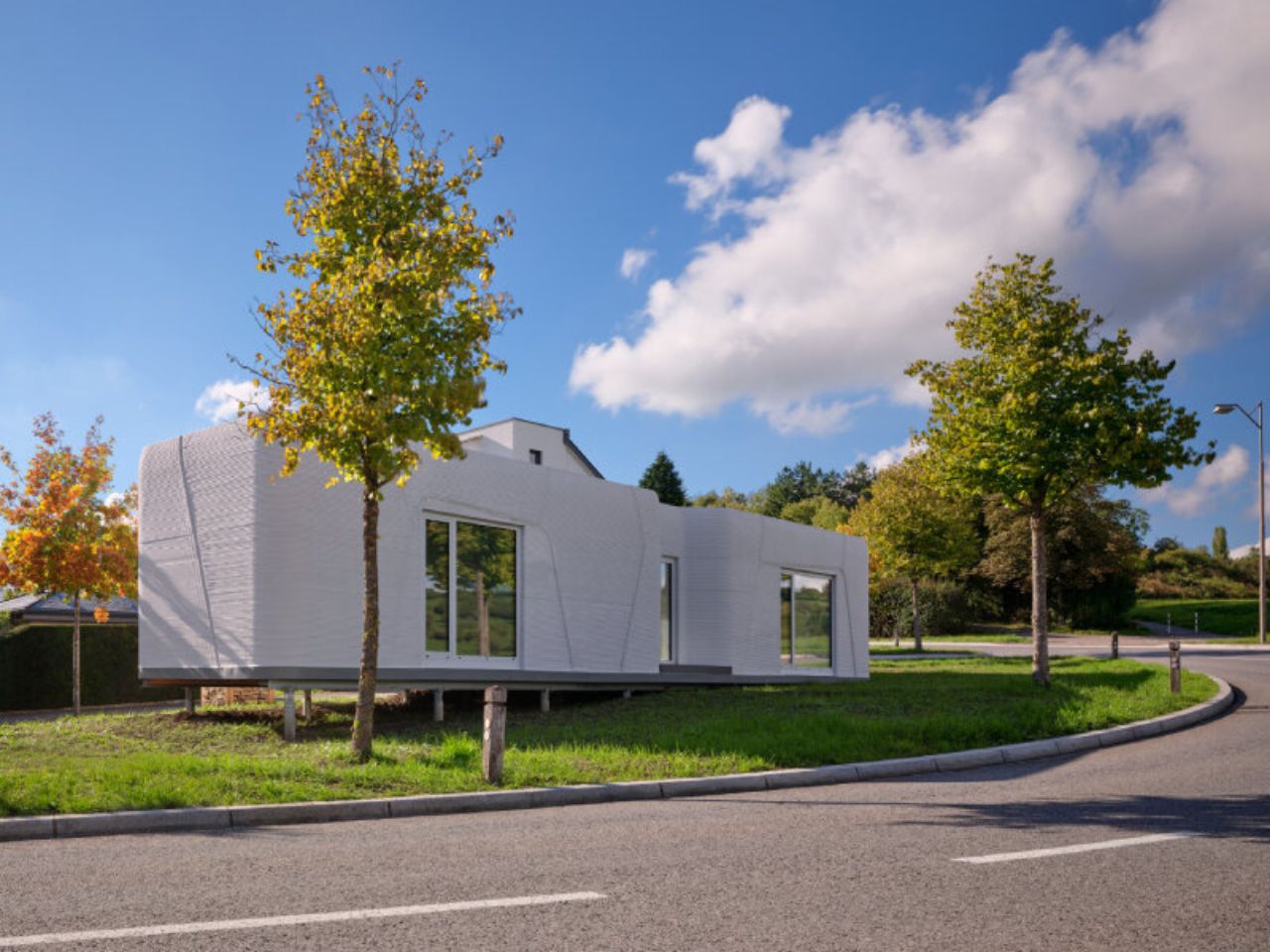
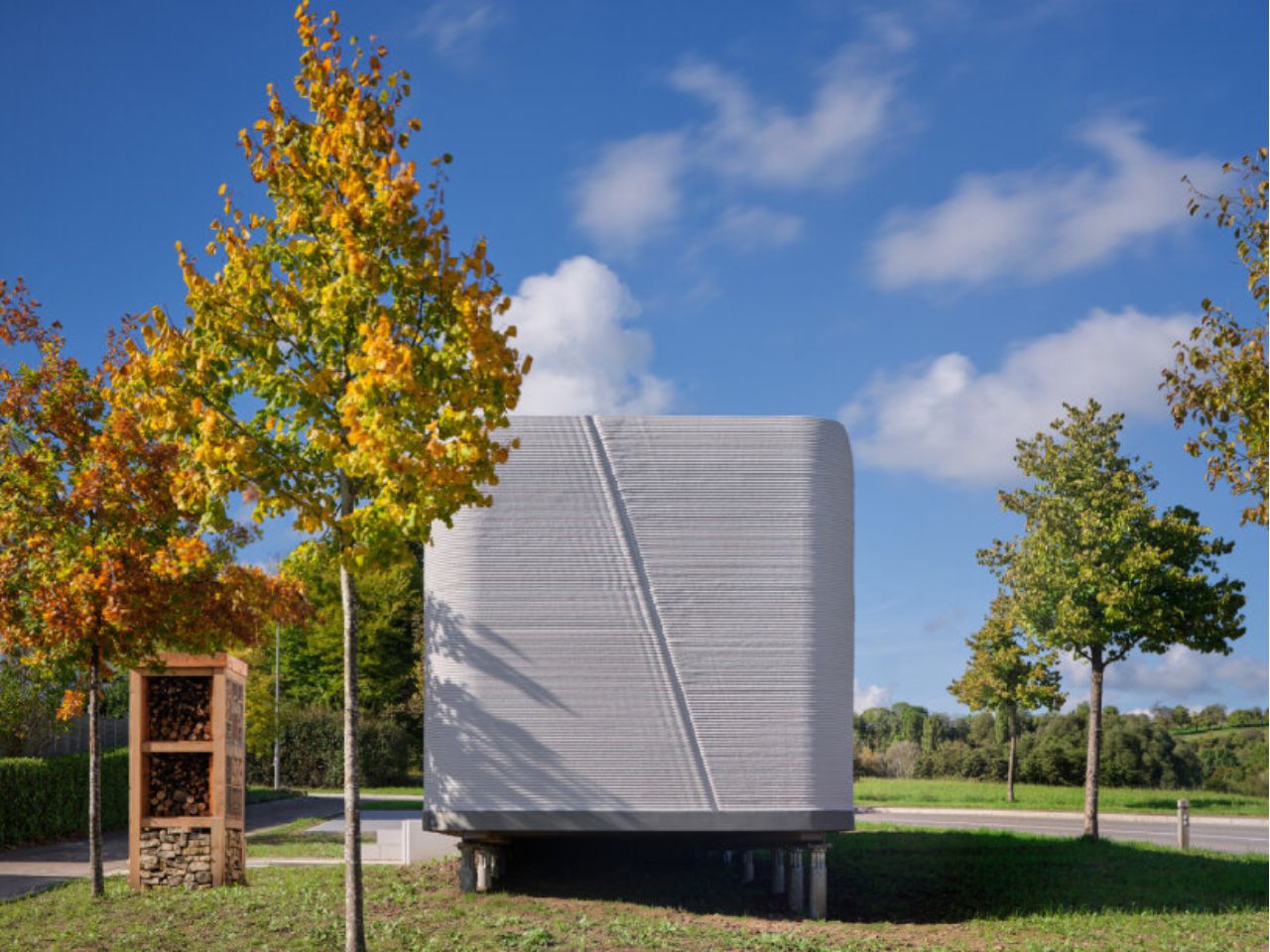
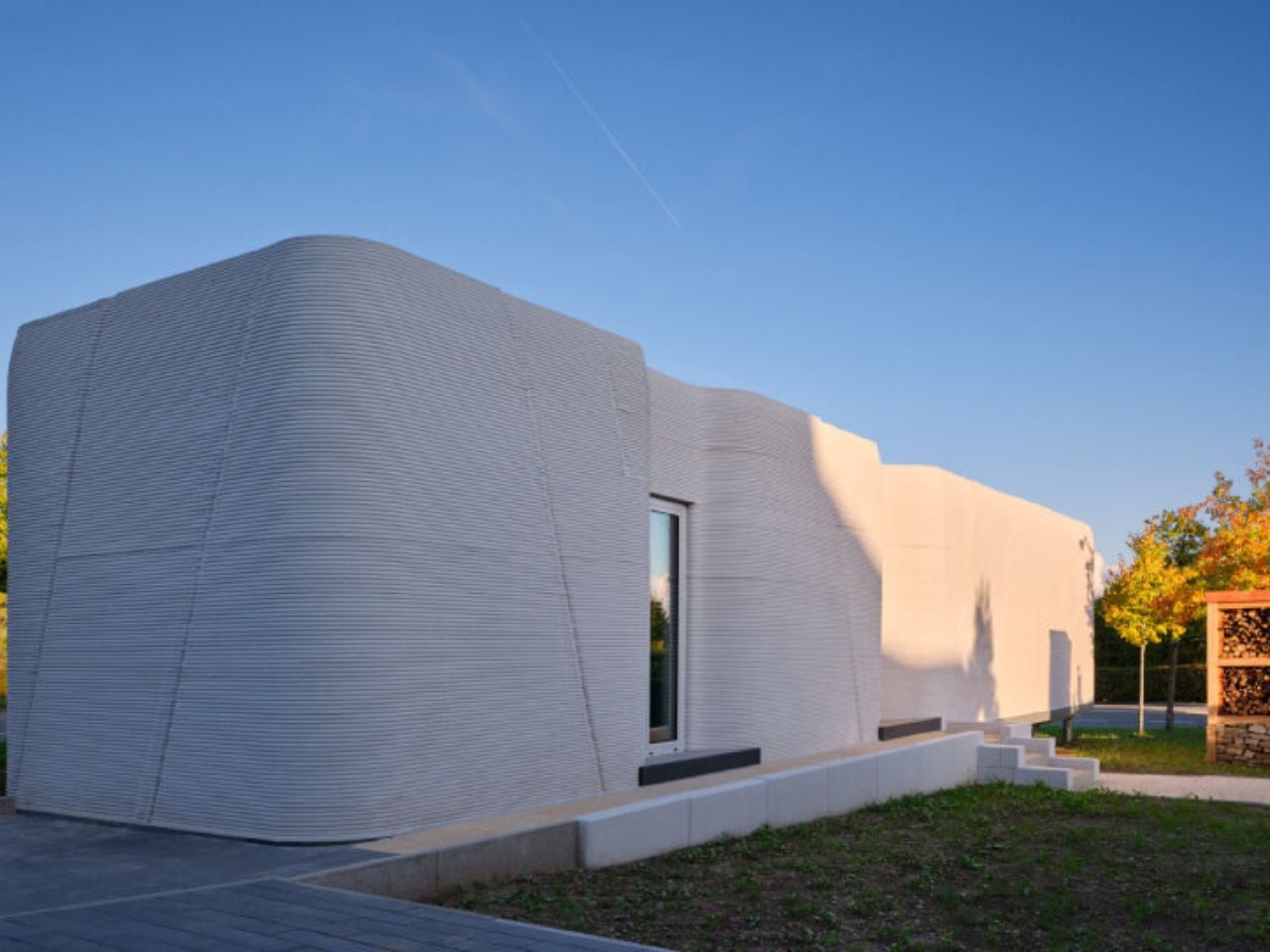
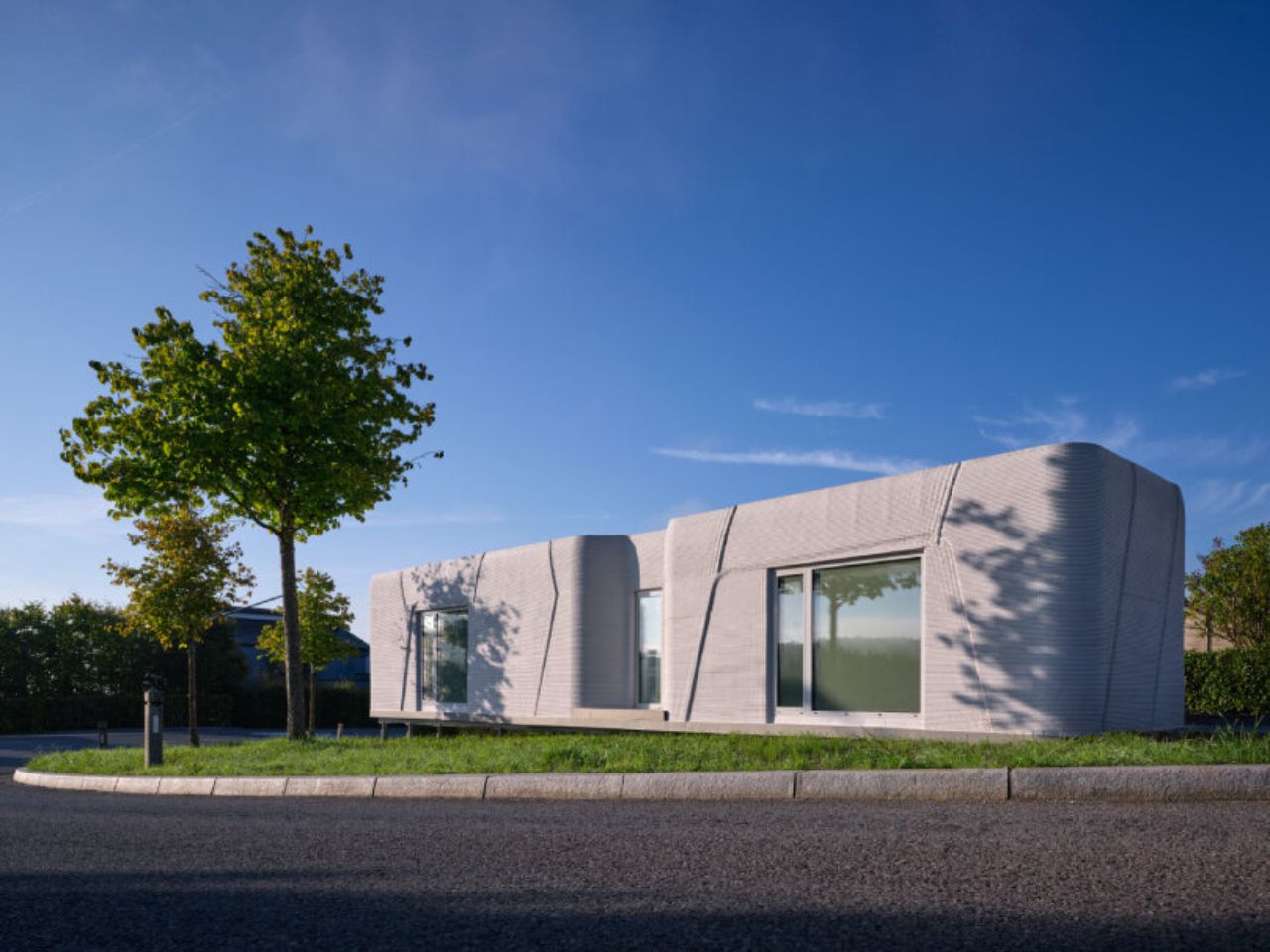
In Niederanven, a quiet commune east of Luxembourg City, a small concrete dwelling is rewriting expectations for housing innovation. Designed by ODA Architects in collaboration with Coral Construction Technologies, Tiny House LUX is the nation’s first fully 3D-printed residence, a test case in using robotic fabrication to deliver faster, cheaper, and more energy-efficient homes. At just 47 square meters of usable space, the structure is modest, but the architectural ambitions behind it are anything but small.

Created to address Luxembourg’s ongoing housing shortage, the home was printed in less than 28 hours per phase, an extraordinary reduction in build time compared to conventional masonry or timber construction. The speed is significant in a country where demand vastly outpaces supply: Luxembourg needs approximately 7,000 new apartments each year, yet only under 4,000 are completed. This imbalance fuels some of the highest housing costs in Europe. A 47 m² apartment in the capital can exceed €560,000, while the estimated price of the 3D-printed prototype is roughly one-third less, a difference that begins to make entry-level housing more attainable.

Designer: ODA Architects
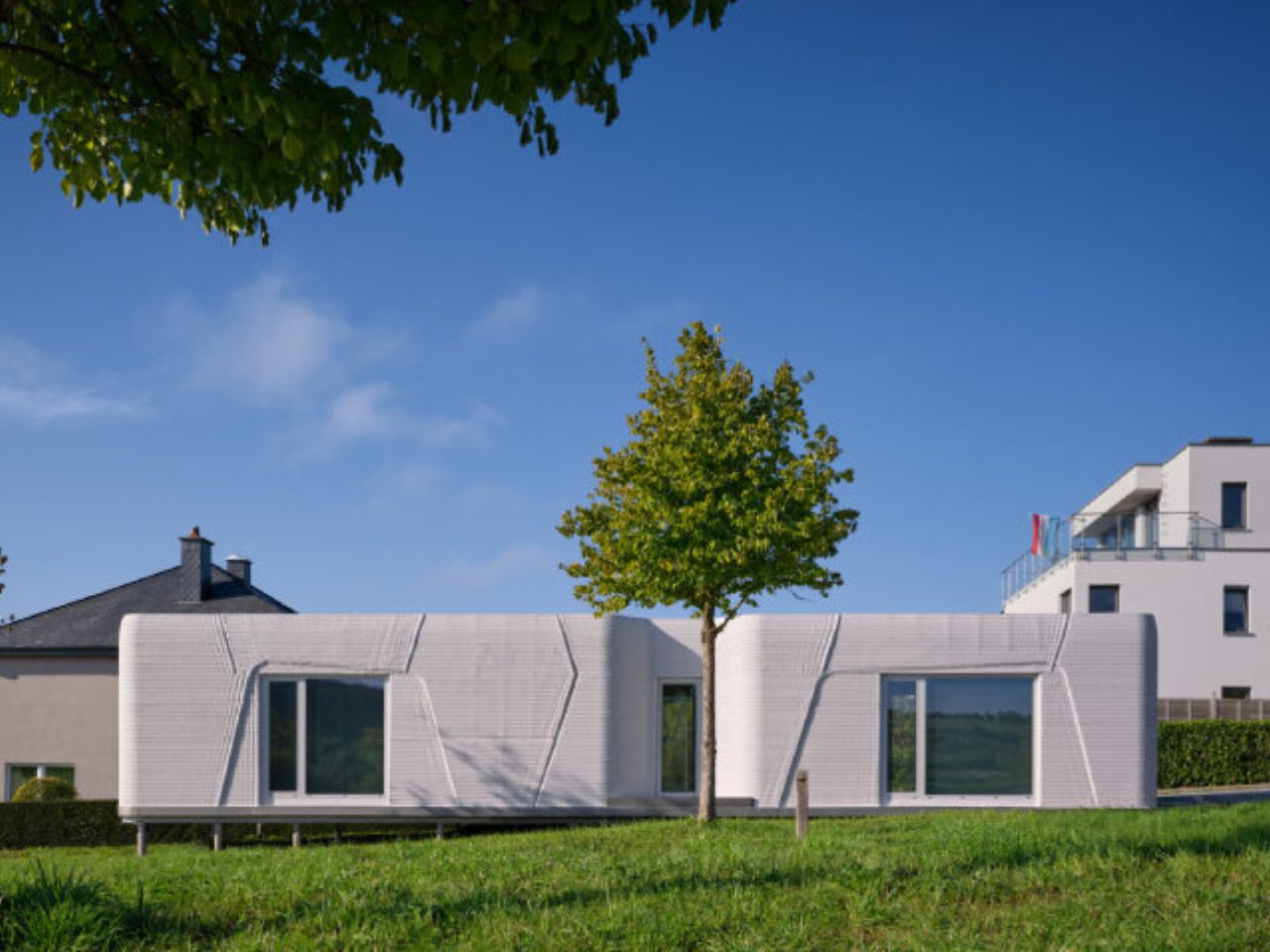
Energy performance is central to the project’s value. Solar panels on the roof generate enough electricity to power daily usage, while a film-based underfloor heating system removes the need for water pipes, radiators, or boilers. After printing, the walls are packed with insulation made from low-impact materials to minimize long-term energy consumption. The architects emphasize simplicity: systems that are easy to run, maintain, and repair over the life of the home rather than engineering complexity that becomes costly later.
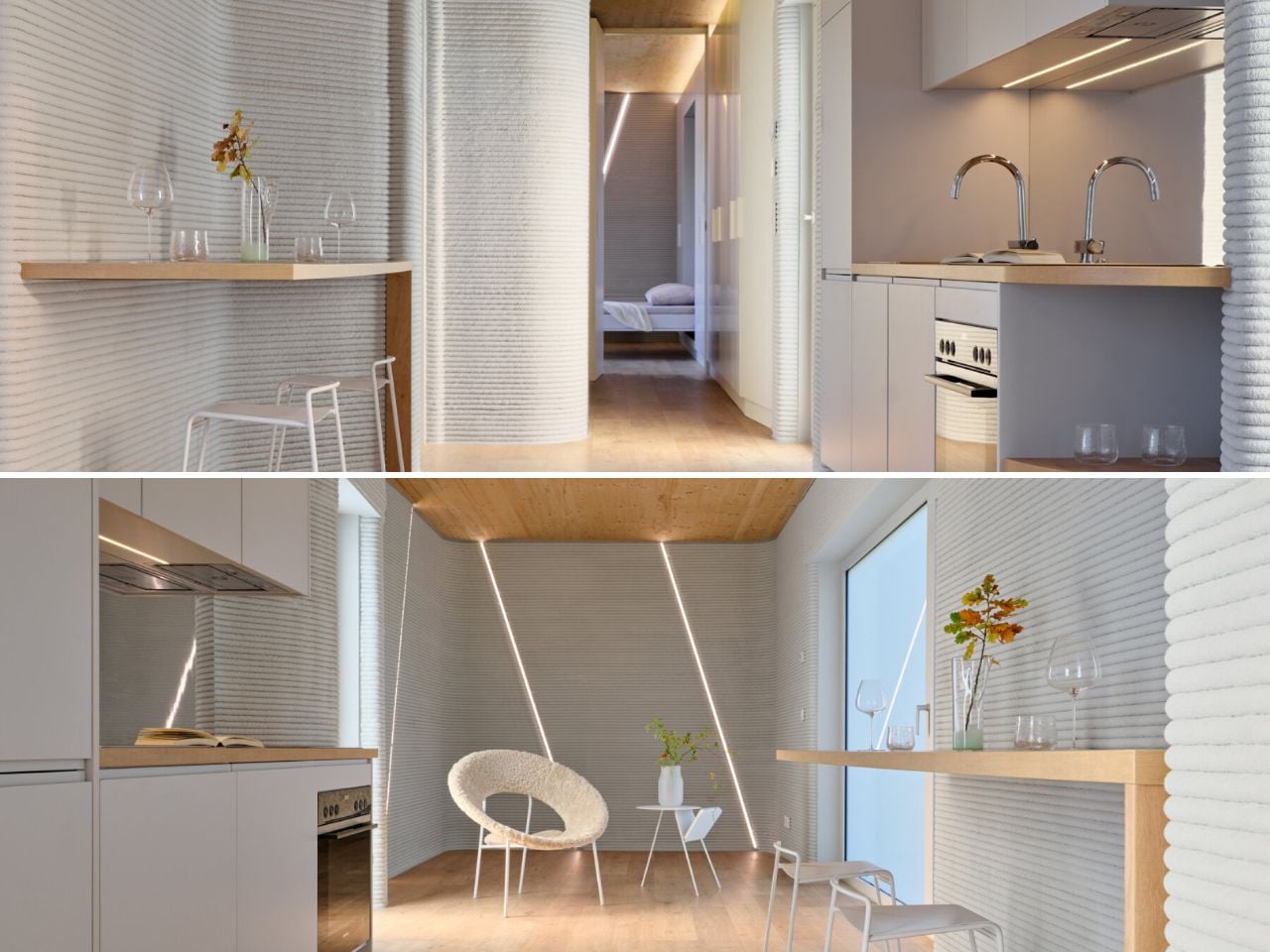
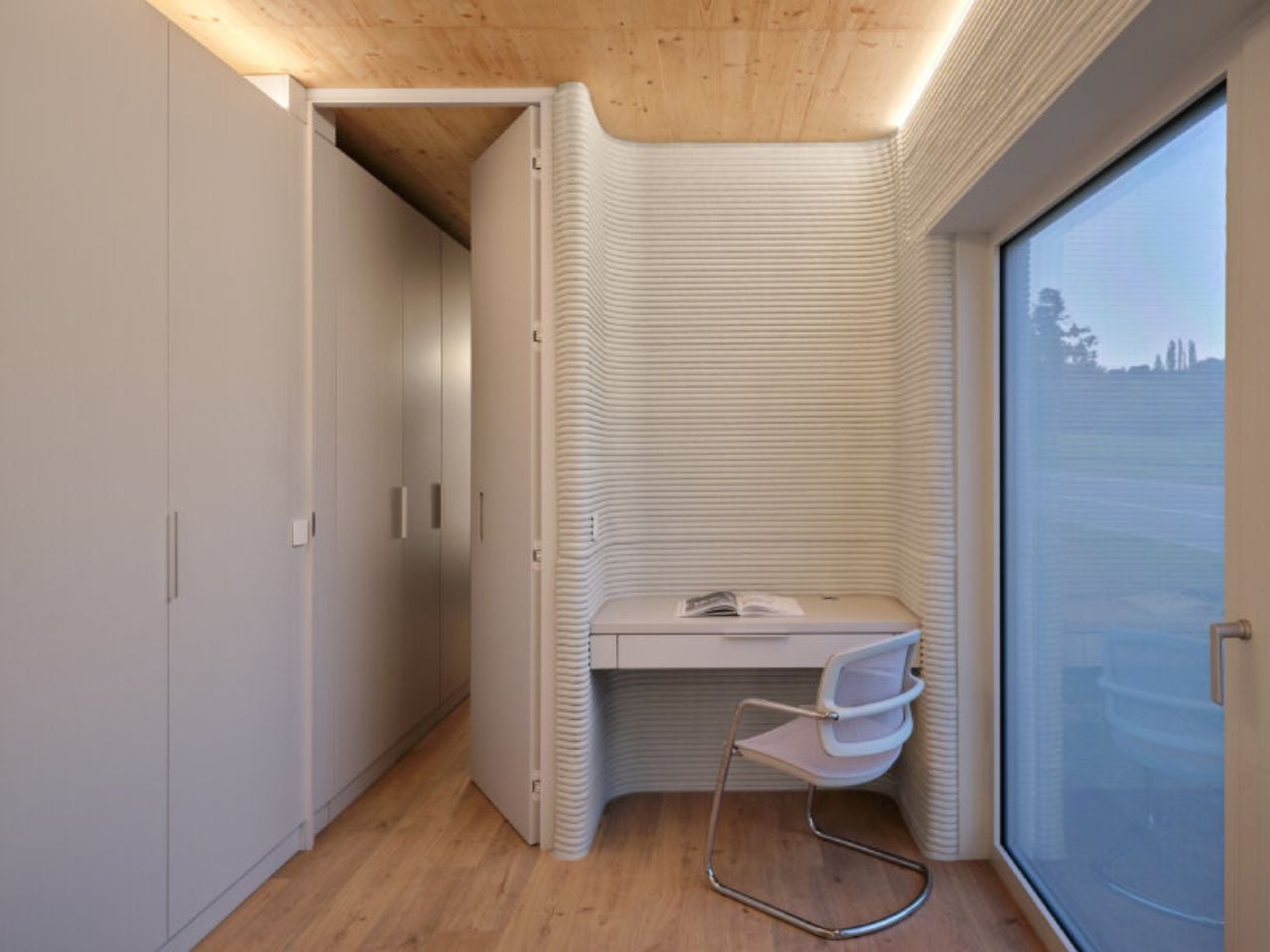
Inside, the layout is intentionally straightforward for efficient living. A small south-facing entrance leads into a corridor that connects every major room, from a technical area and bathroom to a bedroom at the end of the plan. To the left of the entrance, an open living, dining, and kitchen zone forms a single continuous space. A door opens to a terrace on the south side, linking the interior to outdoor space and the surrounding garden. Openings facing north and northeast bring light into the home, reinforcing the idea that a compact footprint can still be bright, breathable, and connected to nature.
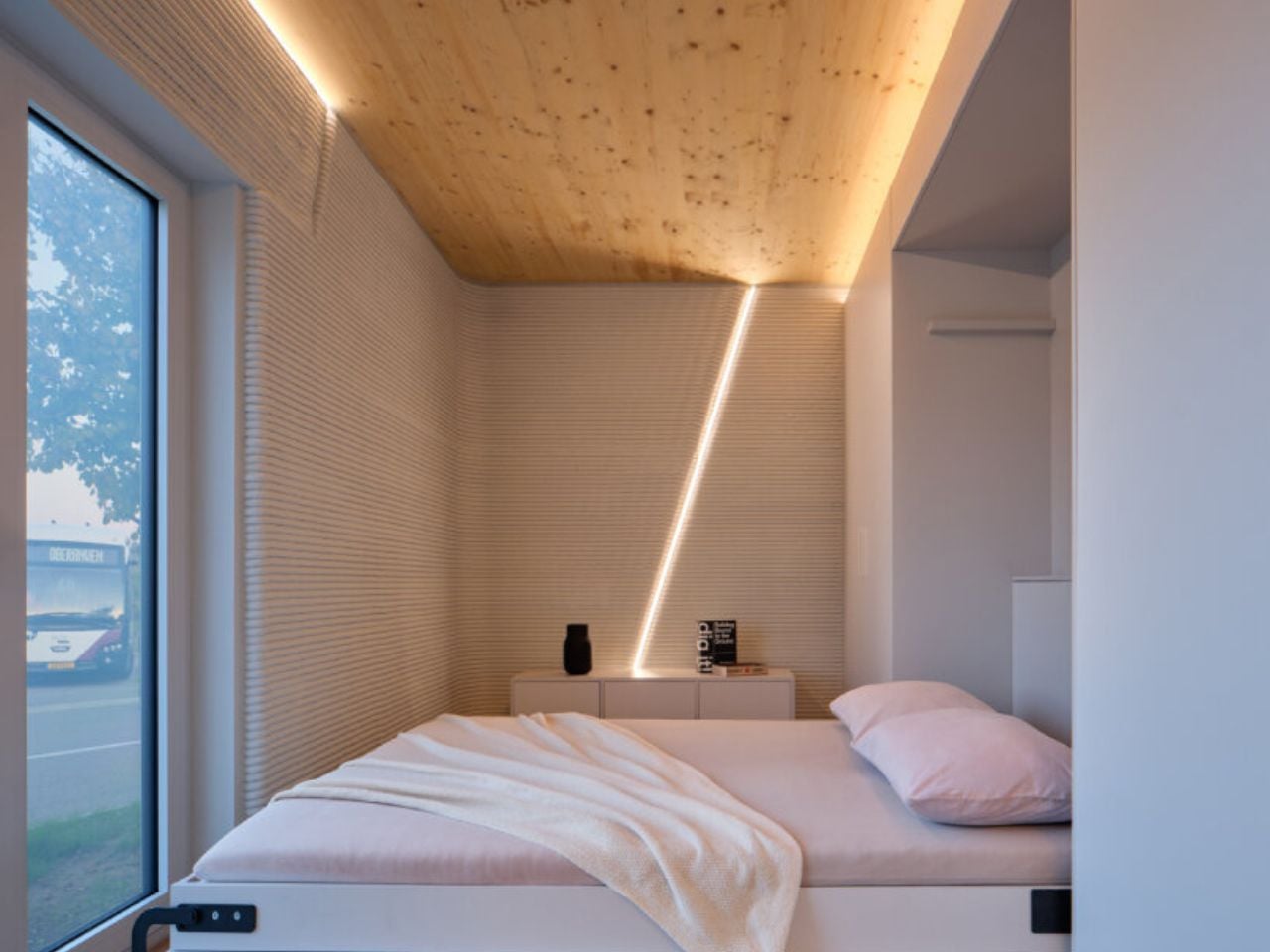
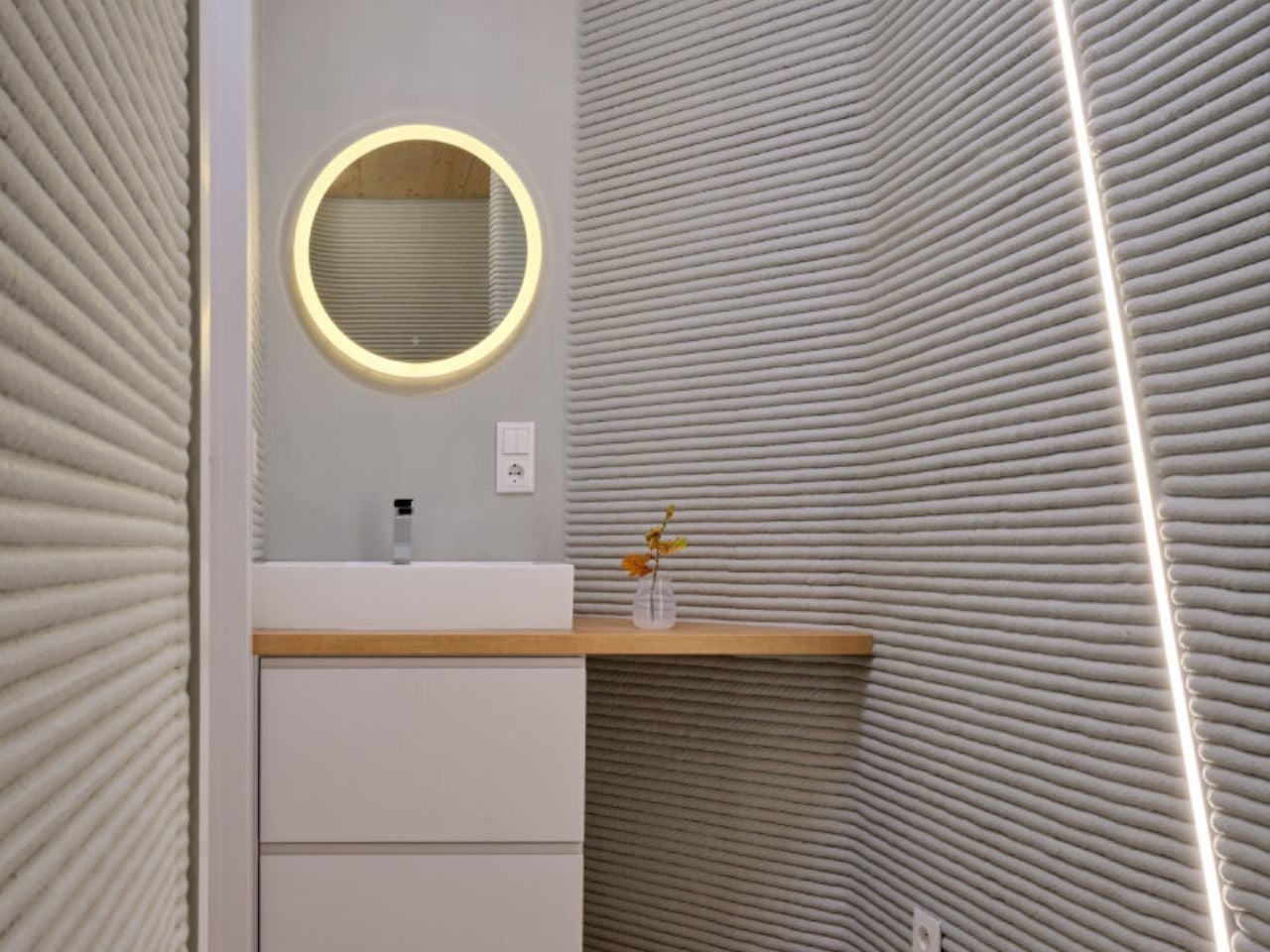
Beyond design considerations, 3D printing reduces construction waste, limits the use of heavy machinery, and lowers labor needs by following precise digital instructions. The municipality of Niederanven is leasing the home to a young resident for ten years under its Hei wunne bleiwen initiative, which supports community engagement and starter housing. To offset construction emissions, the project also includes a commitment to plant 21 trees.

For now, Tiny House LUX remains a prototype. But its promise is clear: a new building method that pairs architectural intelligence with urgency, offering a practical, scalable model for affordable, low-energy housing in Luxembourg, and possibly beyond.
The post 3D-Printed Tiny Home Cuts Build Time in Half and Challenges Luxembourg’s Housing Crisis first appeared on Yanko Design.
Handcrafted Porcelain Dinnerware Redefines Everyday Dining Through Craft, Light, and Ritual

Porcelain dinnerware has long been shaped by the logic of industrial production. Uniform forms, limited color palettes, and standardized finishes dominate the contemporary table, reducing porcelain to a neutral backdrop rather than an active part of the dining experience. This porcelain dinner set positions itself in deliberate contrast to that reality. It proposes a quieter, more thoughtful vision in which craft, material honesty, and visual sensitivity redefine how everyday meals are experienced.

At the core of the design lies a simple but powerful idea: food presentation should be as engaging as flavor. Dining is not only an act of nourishment, but also one of attention, rhythm, and atmosphere. By merging handcrafted processes with functional versatility, the set bridges modern living and nostalgic familiarity. It feels contemporary in its restraint, yet warm in its tactile and visual language.

Designer: Monte Porcelain

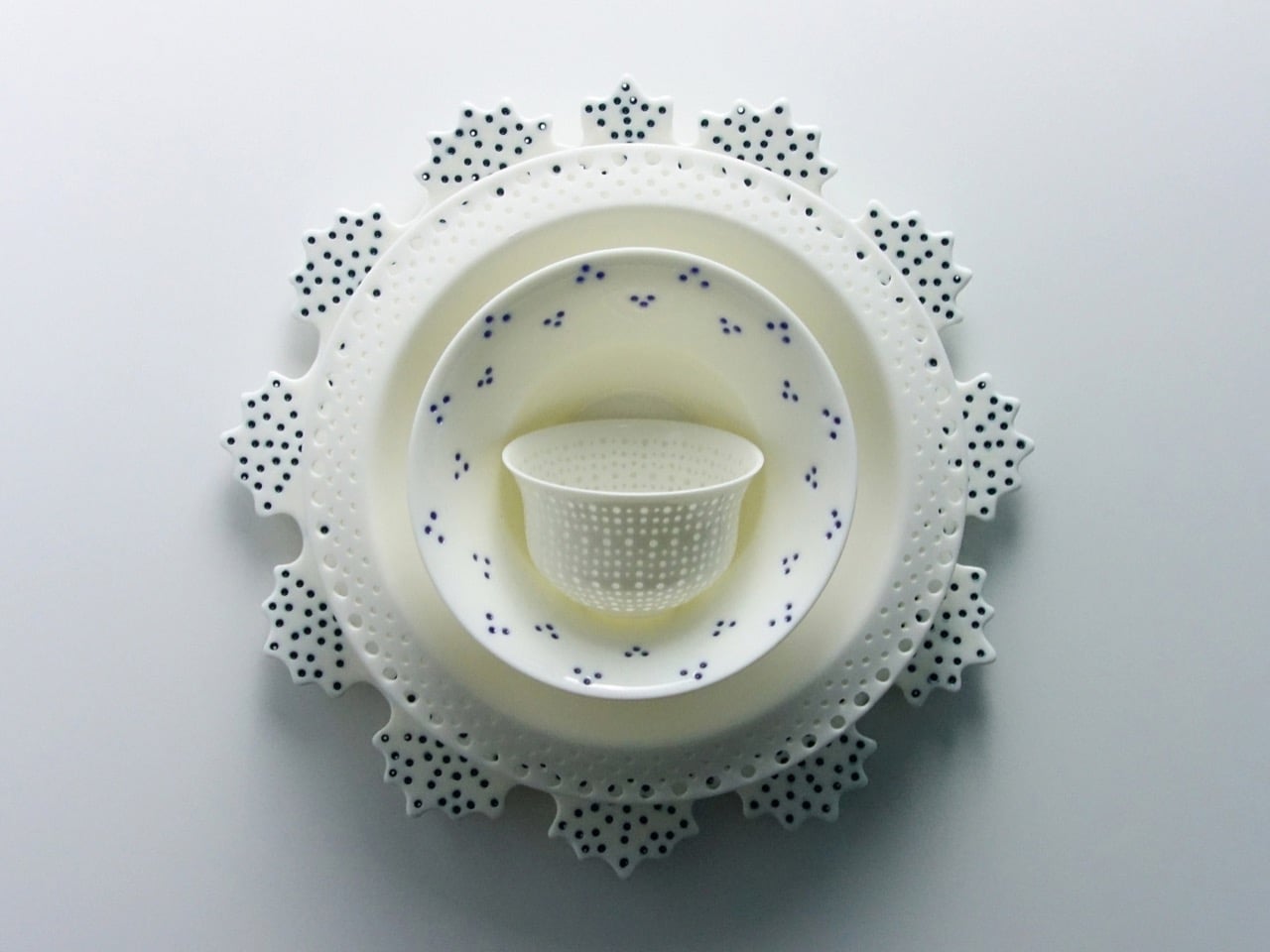
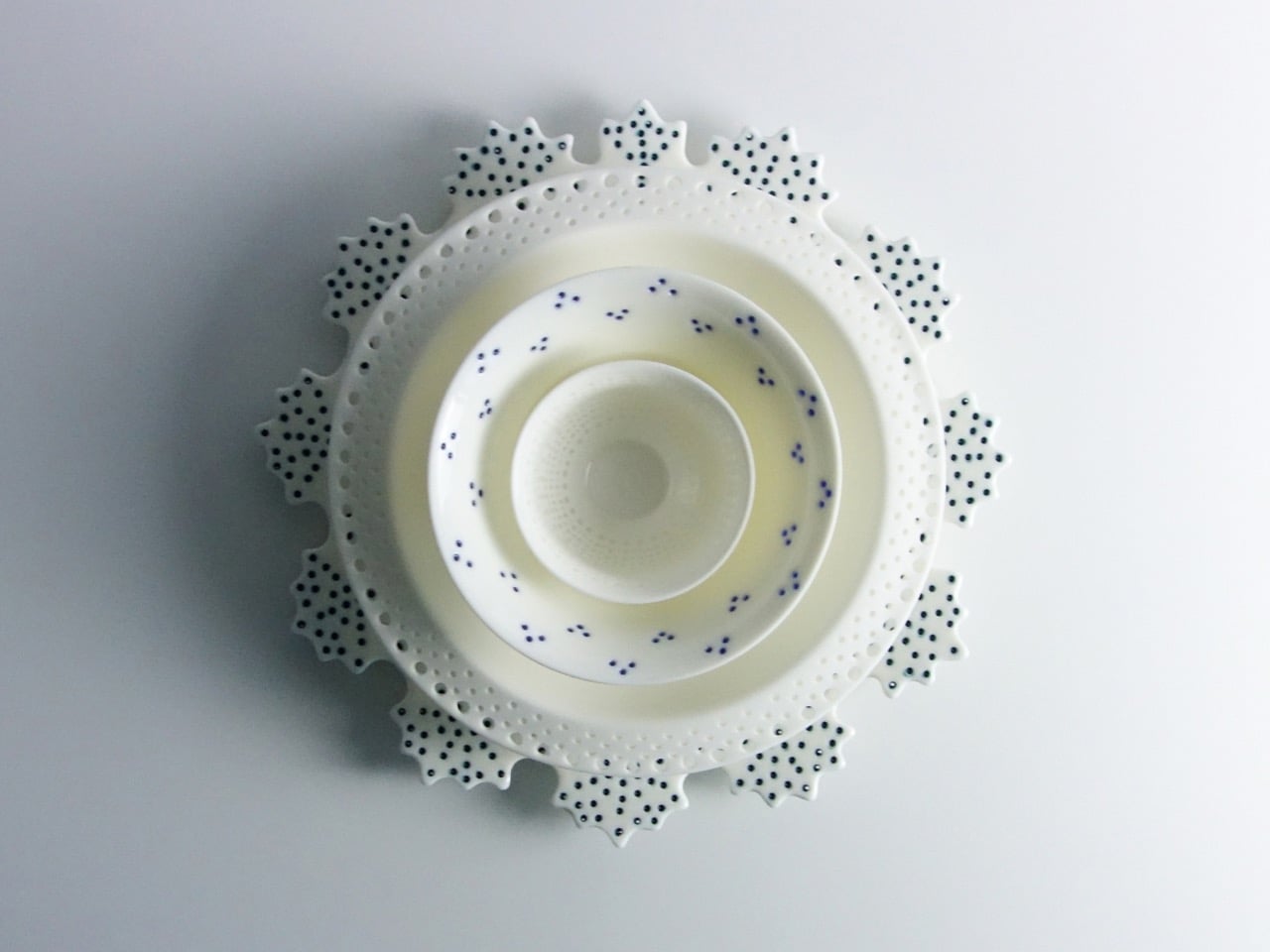
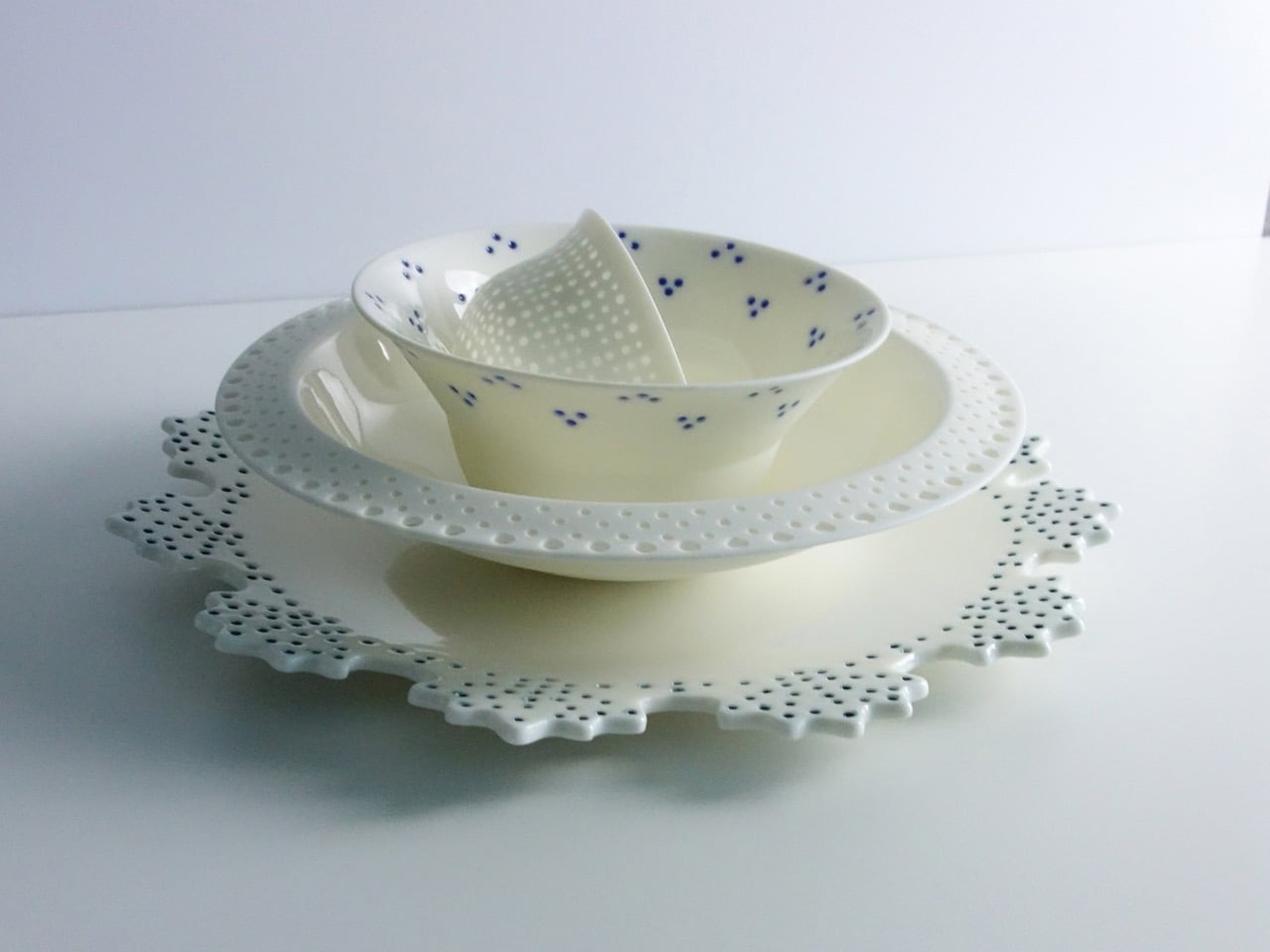
The collection consists of four pieces designed as a cohesive system: a glass, a bowl, a deep plate known as the Saturn plate, and a service or supla plate. Rather than assigning each object a single rigid purpose, the designer embraced multi-use functionality. This approach reflects evolving dining habits, where objects are expected to adapt fluidly across meals, occasions, and spaces.

The glass is conceived as more than a vessel for drinks. Its form allows it to function equally well as a dessert or snack bowl, encouraging informal and flexible use. The bowl supports a wide range of meals, from soup and salad to breakfast cereal and hot appetizers. Along its upper edge, engraved firefly patterns introduce a subtle decorative layer. These motifs are filled with glaze, ensuring a smooth, sealed surface that interacts gently with light, adding depth without distracting from the food itself.

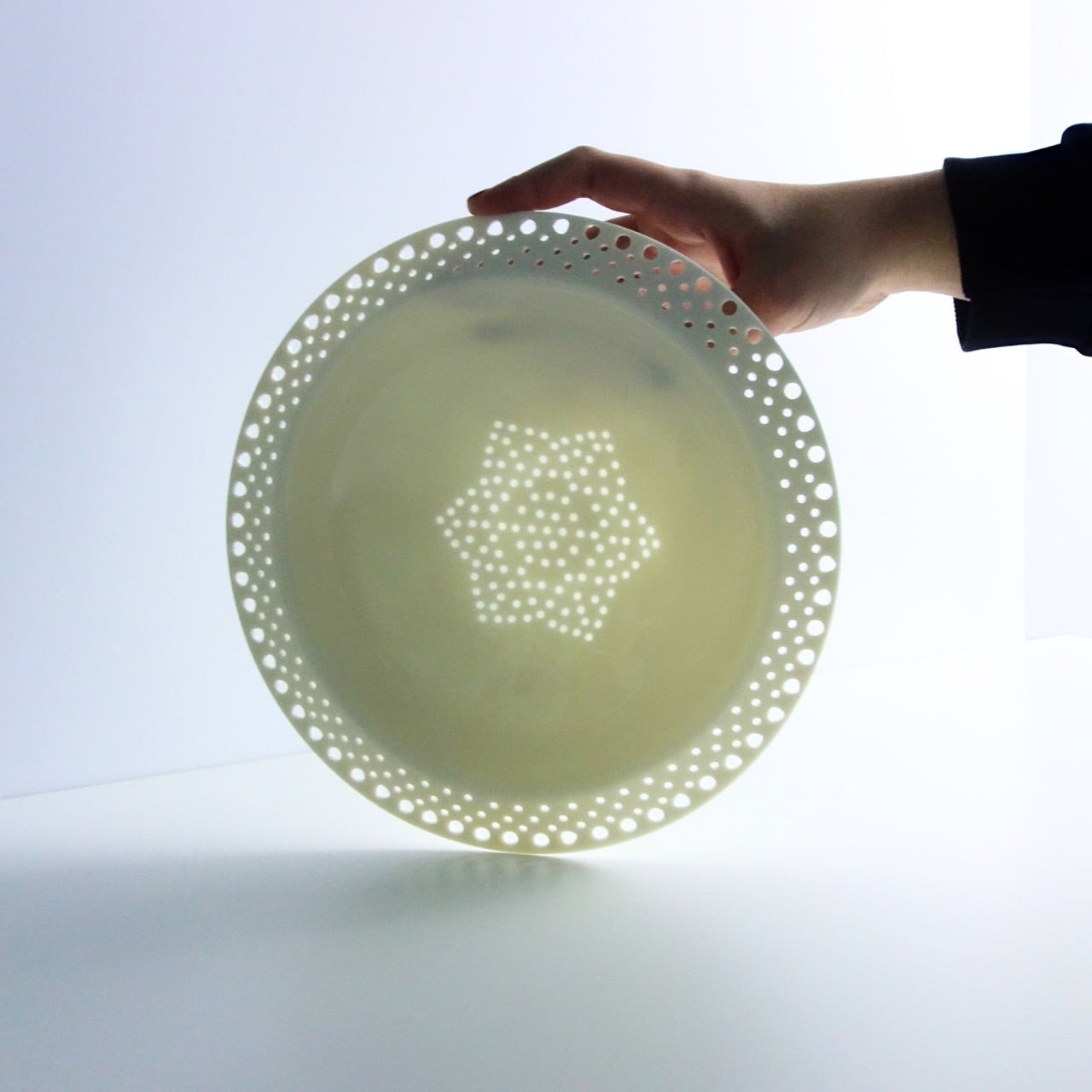
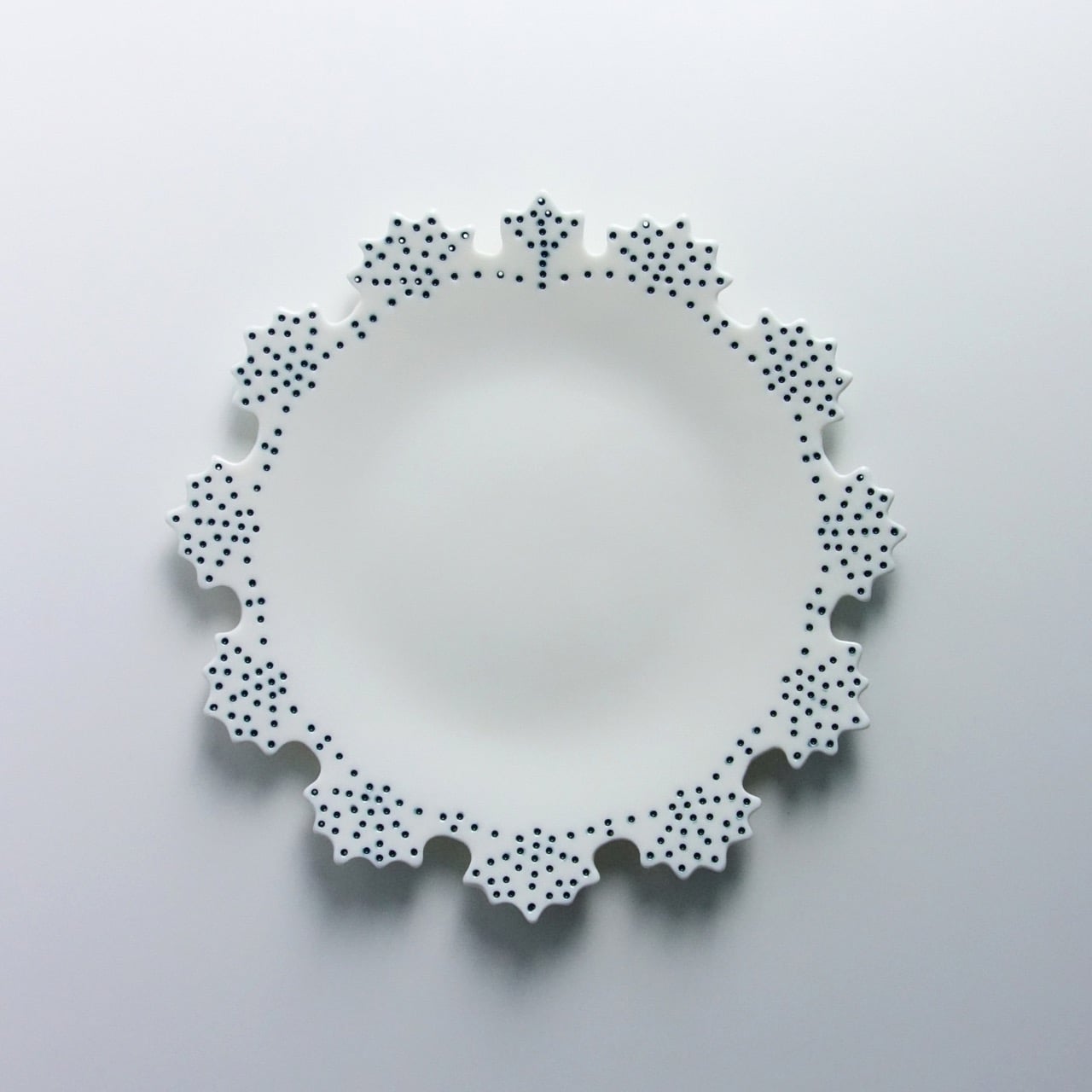
The Saturn plate is designed for both sauced and non-sauced dishes, such as pasta and main courses. Its flat-edged form frames the food cleanly, while the patterned base enriches the visual composition of the plate. The service plate anchors the set, offering generous proportions suitable for main course presentations or layered pasta services. Together, the four pieces create a table setting that is expressive yet balanced.

Material integrity and production ethics play a central role in the project. White porcelain, often referred to as bone porcelain, was selected for its suitability for food contact, durability, and timeless visual quality. Each piece was cast using high-quality porcelain clay in plaster molds, then fired at 1230 degrees with transparent glaze. The firefly patterns were engraved using a special technique and selectively colored or left transparent, allowing light to pass through while remaining fully sealed and hygienic.

The project was developed over an eight-month period, beginning in June 2024 and completed in February 2025 at the Monte Porcelain Ayvalık Workshop. Every stage of production was carried out by hand, including molding, casting, glazing, and painting. Throughout the process, a fair production approach was maintained, with careful consideration for environmental responsibility and respect for nature. No living creatures were harmed at any stage.

Dishwasher safe, food safe, and designed for long-term daily use, the set demonstrates that handcrafted objects can be both poetic and practical. Recognized within international design contexts such as the A’ Design Award & Competition, this dinnerware collection repositions porcelain as an active participant in the dining ritual. It invites users to slow down, notice light and texture, and rediscover the quiet pleasure of thoughtfully designed everyday objects.

The post Handcrafted Porcelain Dinnerware Redefines Everyday Dining Through Craft, Light, and Ritual first appeared on Yanko Design.
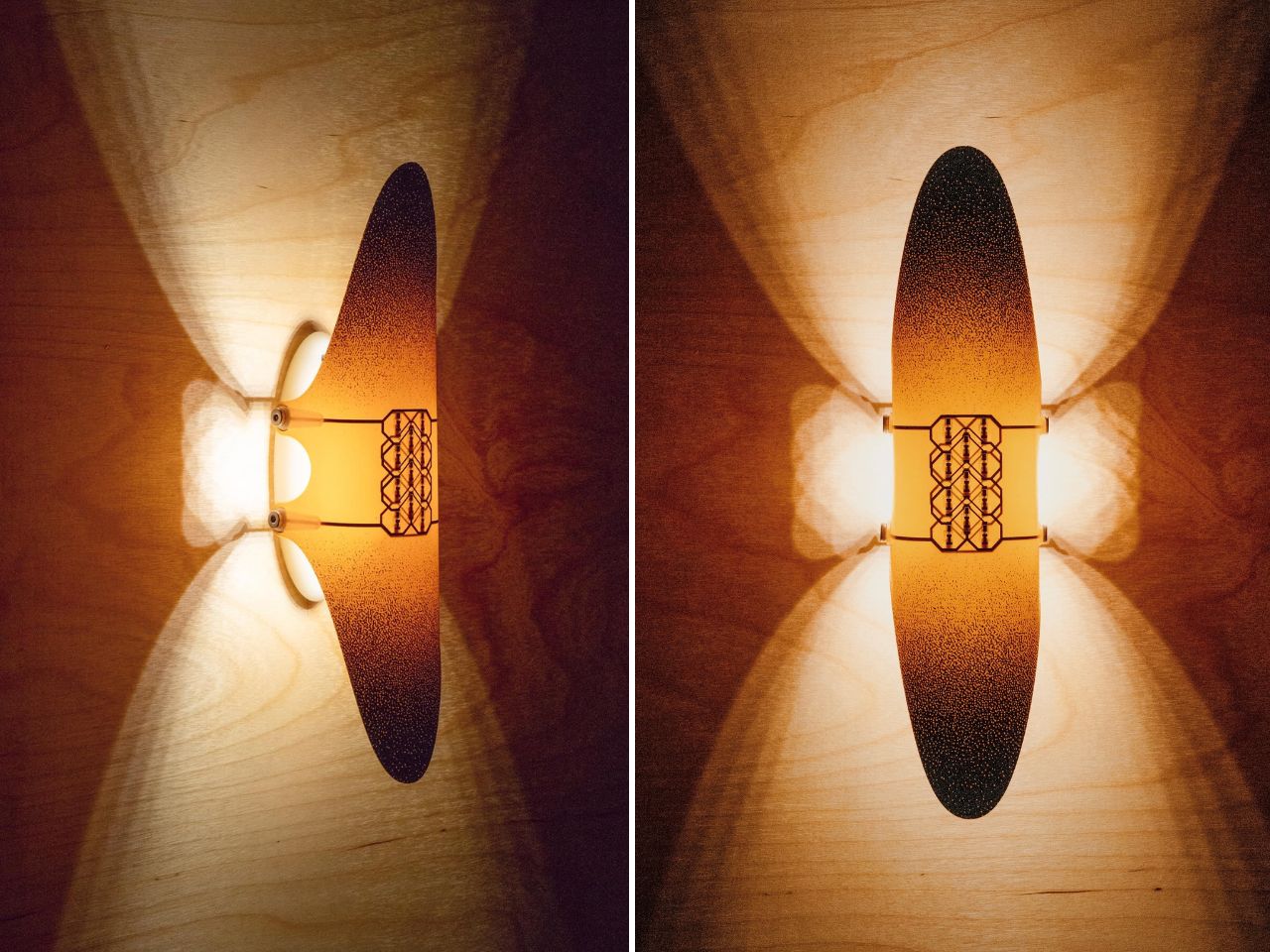
This Printed-Circuit Sconce Turns Exposed Electronics Into Functional Sculpture

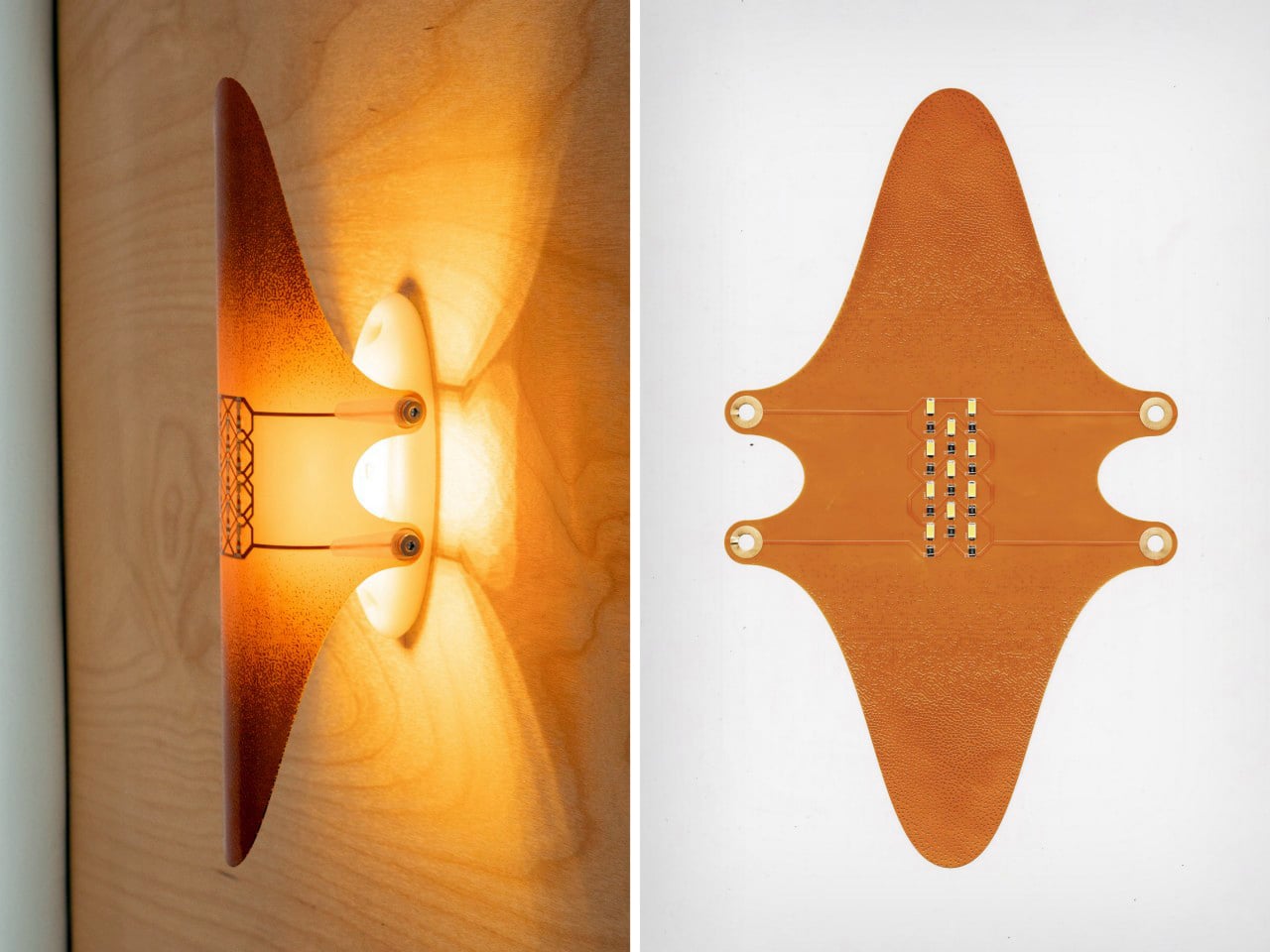
In contemporary lighting, technology is often concealed, hidden behind frosted diffusers, buried in housings, or tucked into recesses where its presence is merely utilitarian. The Printed Circuit sconce by American designer August Ostrow turns this convention inside-out. Instead of disguising the mechanics of illumination, the sconce makes electronics themselves the aesthetic centerpiece, revealing the beauty of a material more frequently associated with industrial devices than interior design.

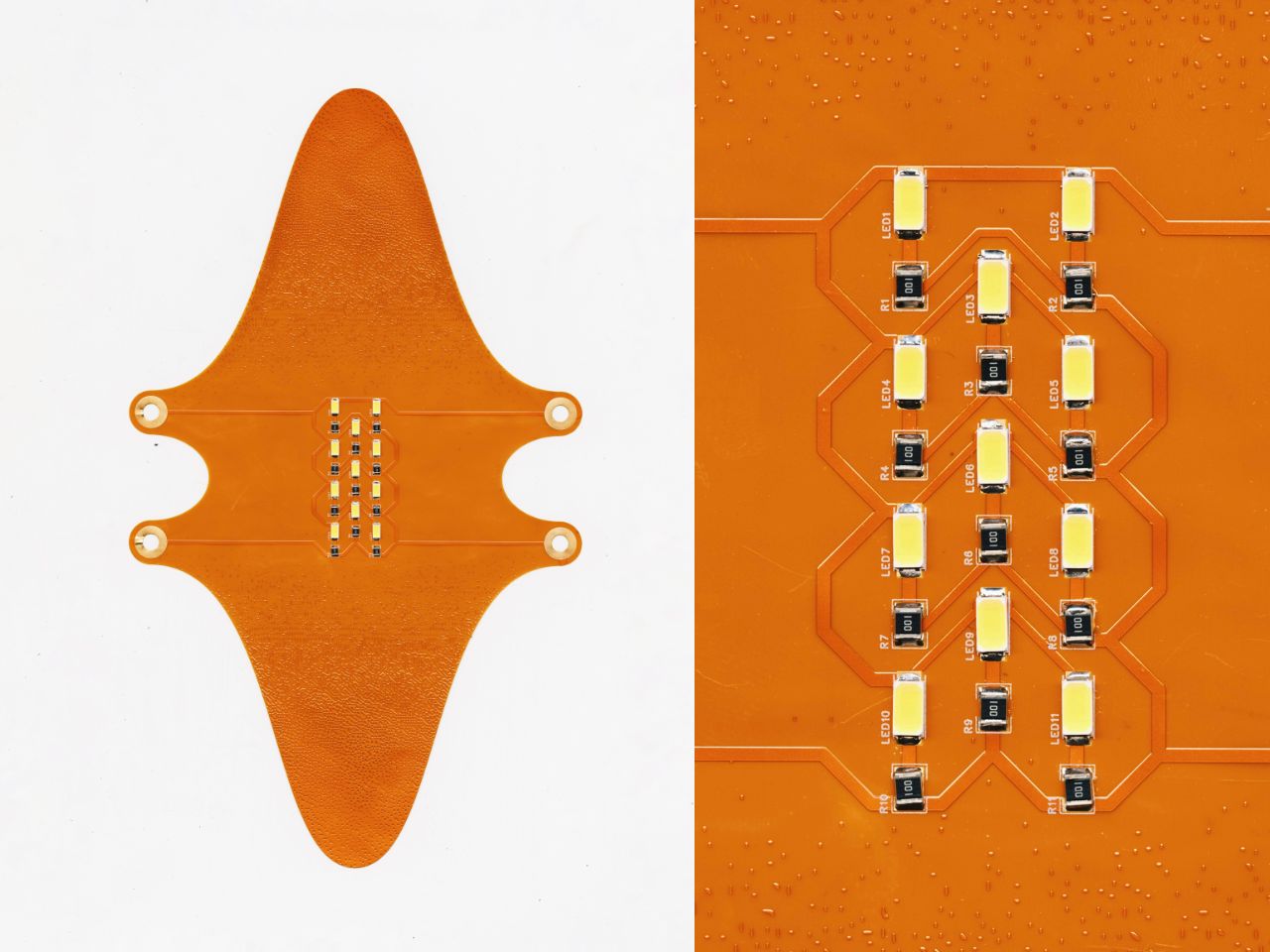
At the core of the sconce is a flexible polyimide printed circuit board, a material prized in the electronics industry for its thermal stability, durability, and ability to bend without losing structural integrity. Commonly found within consumer devices, aerospace components, and advanced industrial systems, polyimide typically remains unseen, functioning behind the scenes as a backbone for electrical pathways. Ostrow repositions this substrate as both shade and light source, allowing the circuitry to take on a sculptural presence within the room.

Designer: August Ostrow

The traces, copper routes, and tactile surface details that usually operate invisibly now become the primary graphic language of the design. When illuminated, these pathways glow softly, revealing an intricate network that is part engineering diagram, part textile-like pattern. The sconce becomes a luminous map of its own function, offering viewers a rare opportunity to see the inner logic of circuitry elevated to decorative status.

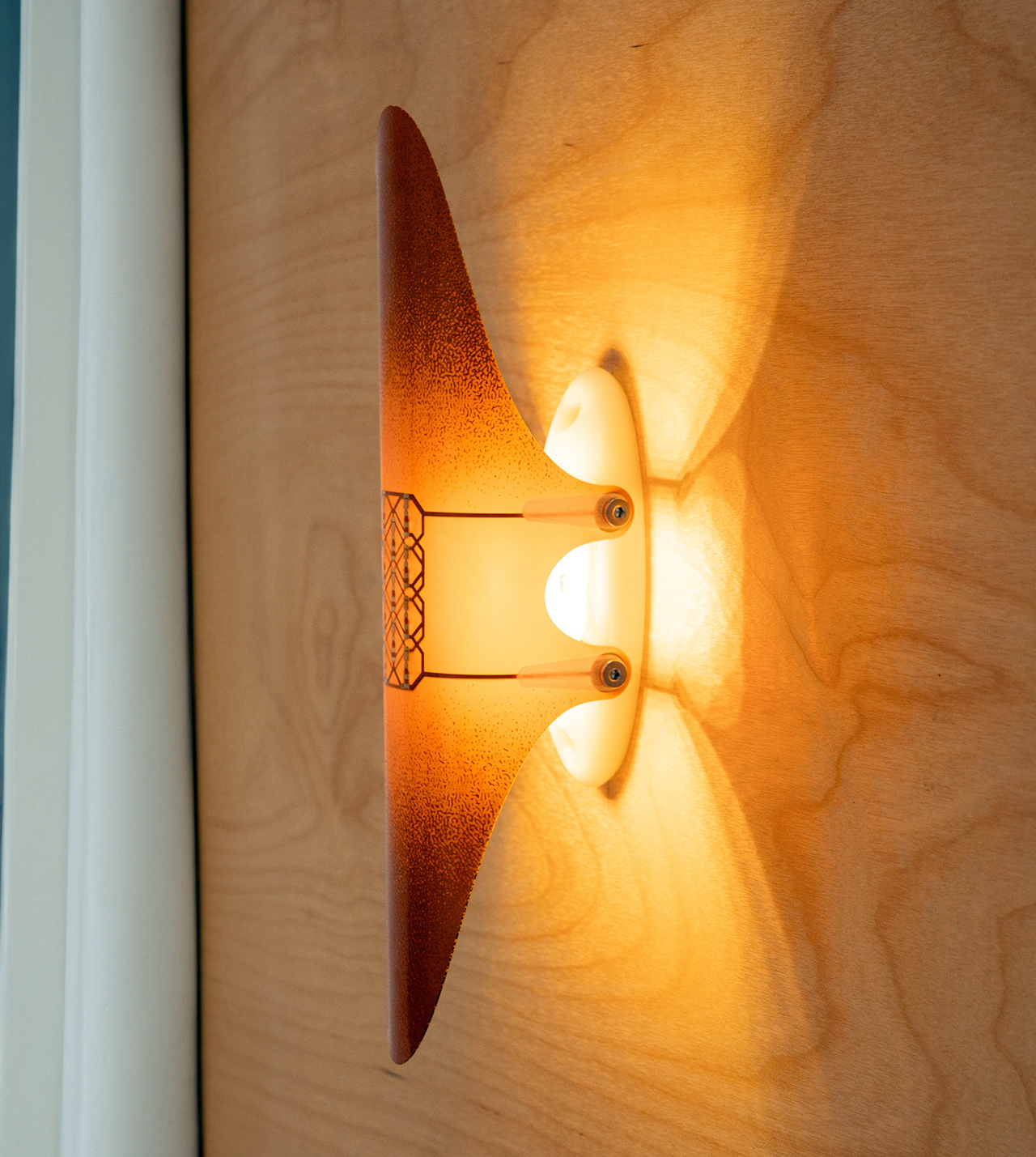
This approach aligns with Ostrow’s broader practice of material exploration, challenging expectations of what electronic components can be when removed from their typical contexts. By bending the polyimide board into a gentle arc, the designer leverages its natural flexibility, allowing it to act simultaneously as a structural element, a diffuser, and a carrier for the embedded LEDs. The armature that supports the sconce performs dual duty as well: it physically holds the piece in place while also serving as the conduit for its DC power connection. The result is a clean, integrated assembly where function and form are inseparable.

The Printed Circuit sconce also speaks to a growing movement in industrial and lighting design where designers intentionally expose mechanisms, celebrate raw materials, and reveal inner workings rather than hiding them. The aesthetic of the PCB, once considered too technical or visually chaotic for interior surfaces, is reinterpreted here as refined, graphic, and unexpectedly elegant. The glow of the light accentuates the fine geometries etched into the board, producing an effect that is both futuristic and tactile.

Beyond its visual appeal, the sconce raises interesting questions about the relationship between technology and ornamentation. What does it mean when circuitry, traditionally understood as purely functional infrastructure, becomes decorative? How do our perceptions shift when we encounter electronic materials not as hidden hardware but as expressive, crafted surfaces? The Printed Circuit sconce offers a compelling answer: electronics, when thoughtfully framed, possess a structural and aesthetic richness worthy of display. In celebrating the circuitry rather than concealing it, the design offers a refreshing perspective, one that suggests beauty does not need to be added to technology; sometimes it only needs to be revealed.

The post This Printed-Circuit Sconce Turns Exposed Electronics Into Functional Sculpture first appeared on Yanko Design.
The Construction Zone Transforms A Horse Barn Into A Guest House In Phoenix, Arizona

In the arid heart of Phoenix, Arizona, a once hardworking horse barn has been quietly reborn, a poetic fusion of history and modern design. Reimagined by The Construction Zone, this 750-square-foot guest house is an ode to restraint, light, and material honesty. What was once utilitarian now breathes as a serene desert retreat, proof that thoughtful design can honor the past while creating something entirely new.

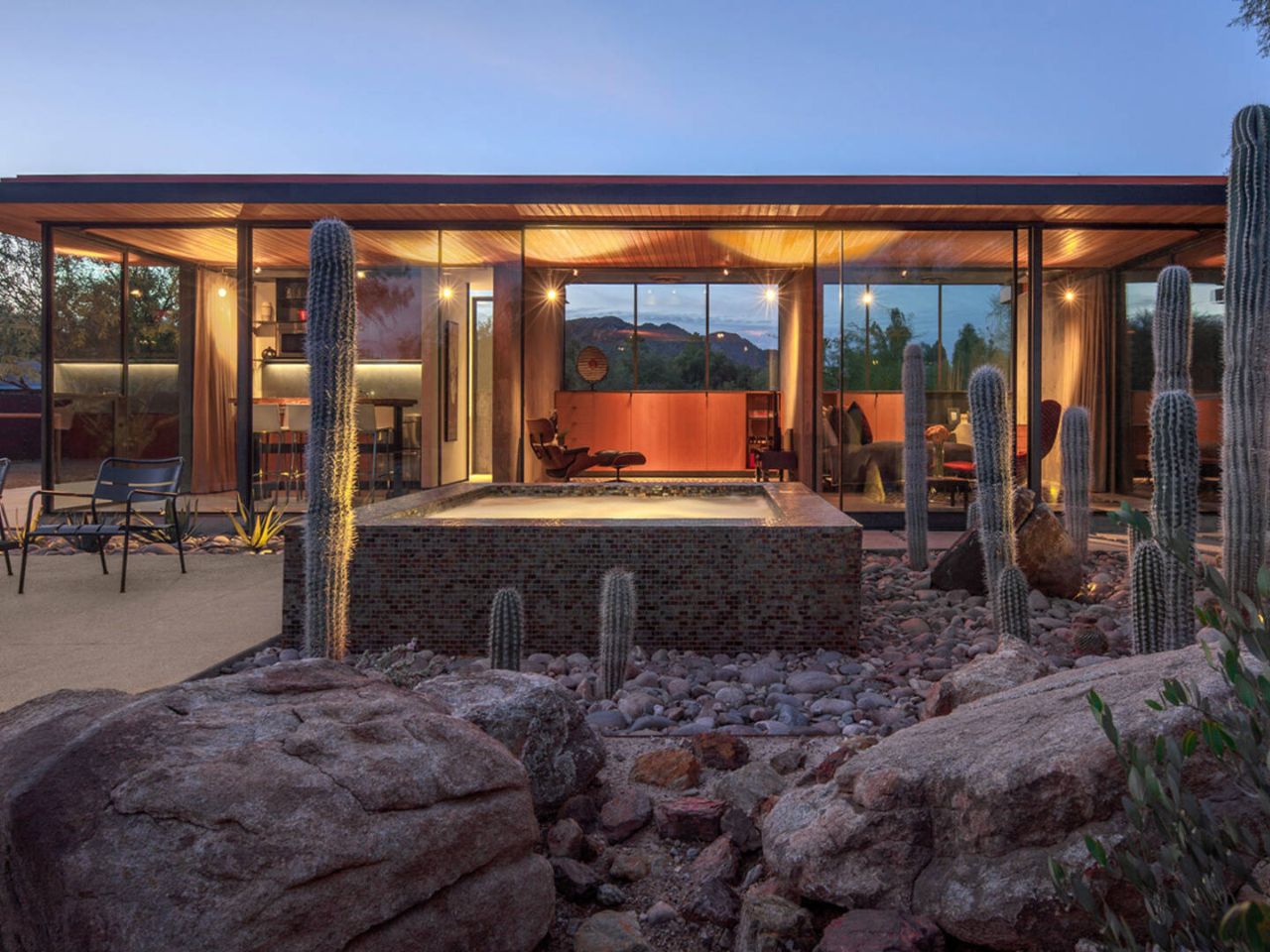
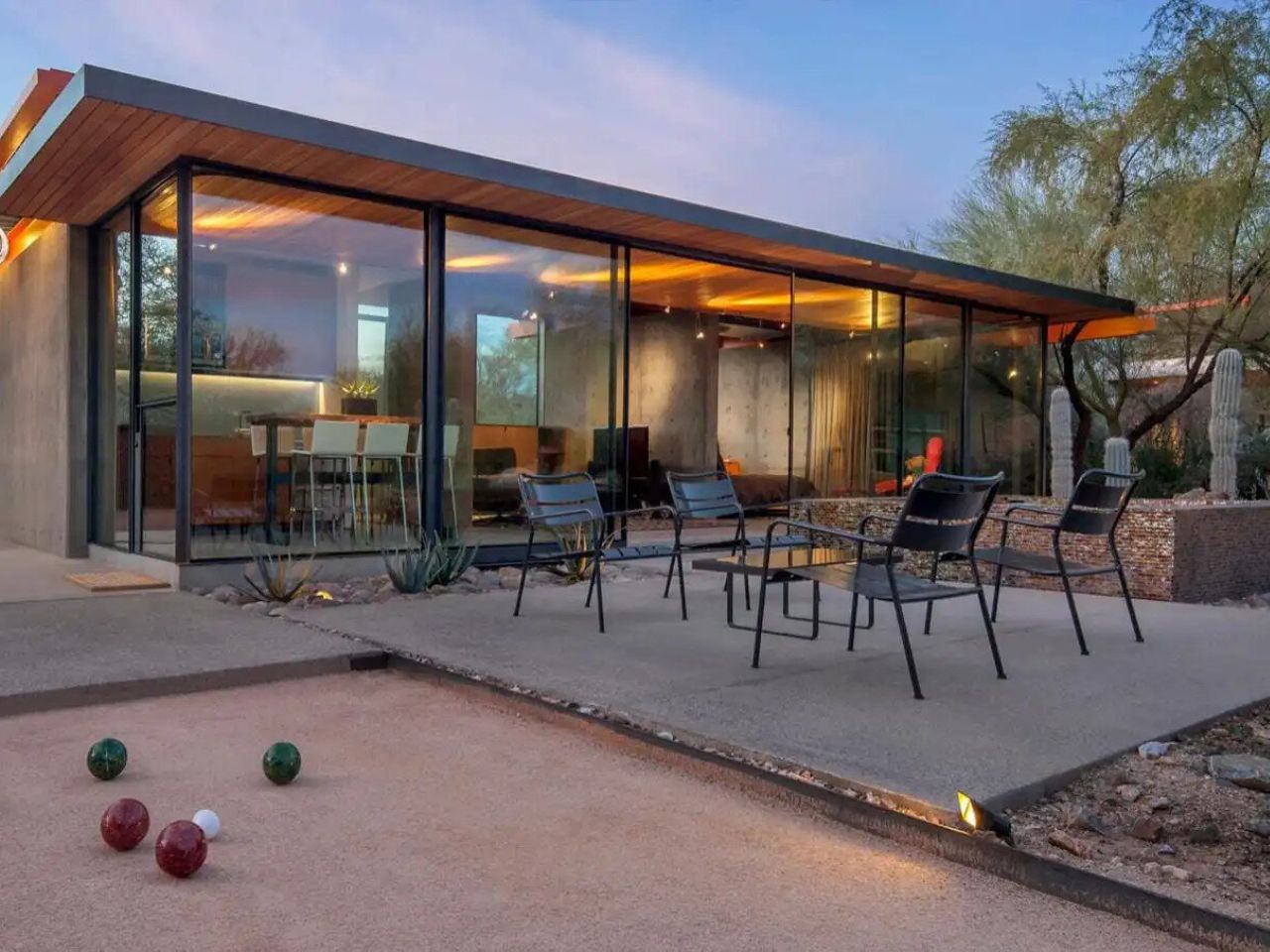
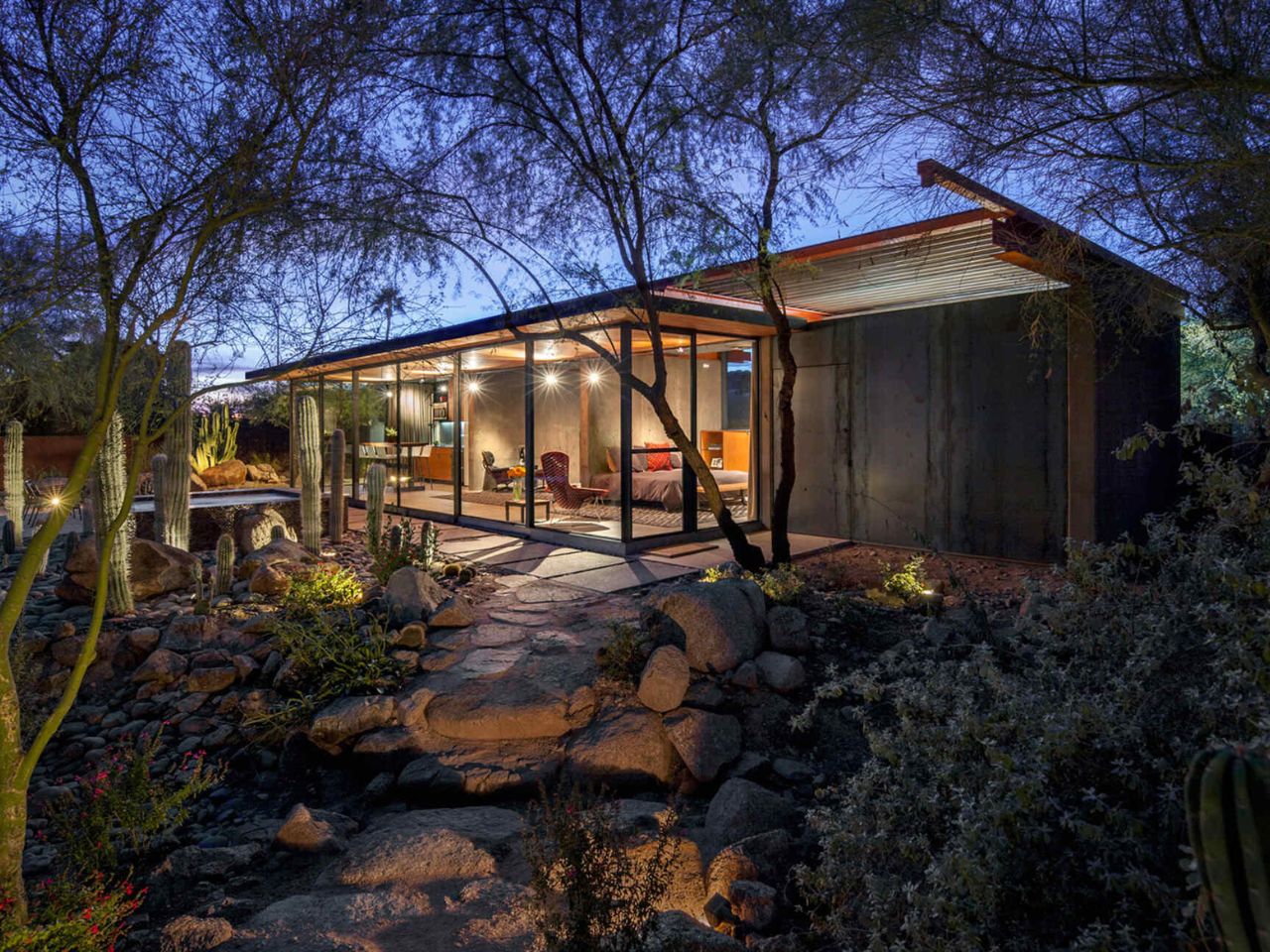
Approached through a winding path from the main residence, the guest house emerges as a sculptural volume nestled within the landscape. The journey itself is part of the experience, a slow reveal that ends in an outdoor gathering space defined by a bocce court, a jacuzzi, and native desert flora. The scene feels effortless, yet deeply intentional: a study in proportion, texture, and place.

Designer: The Construction Zone

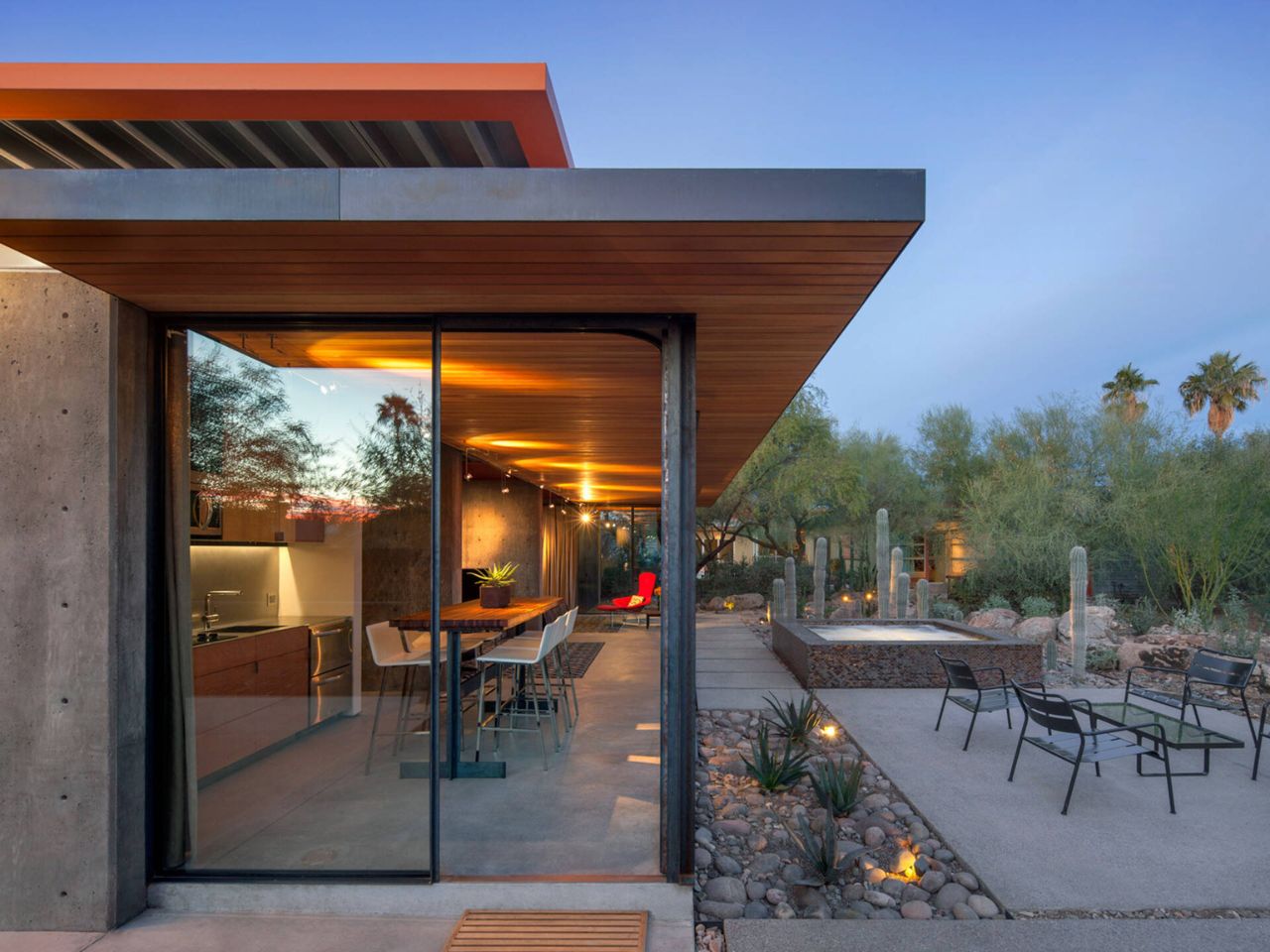
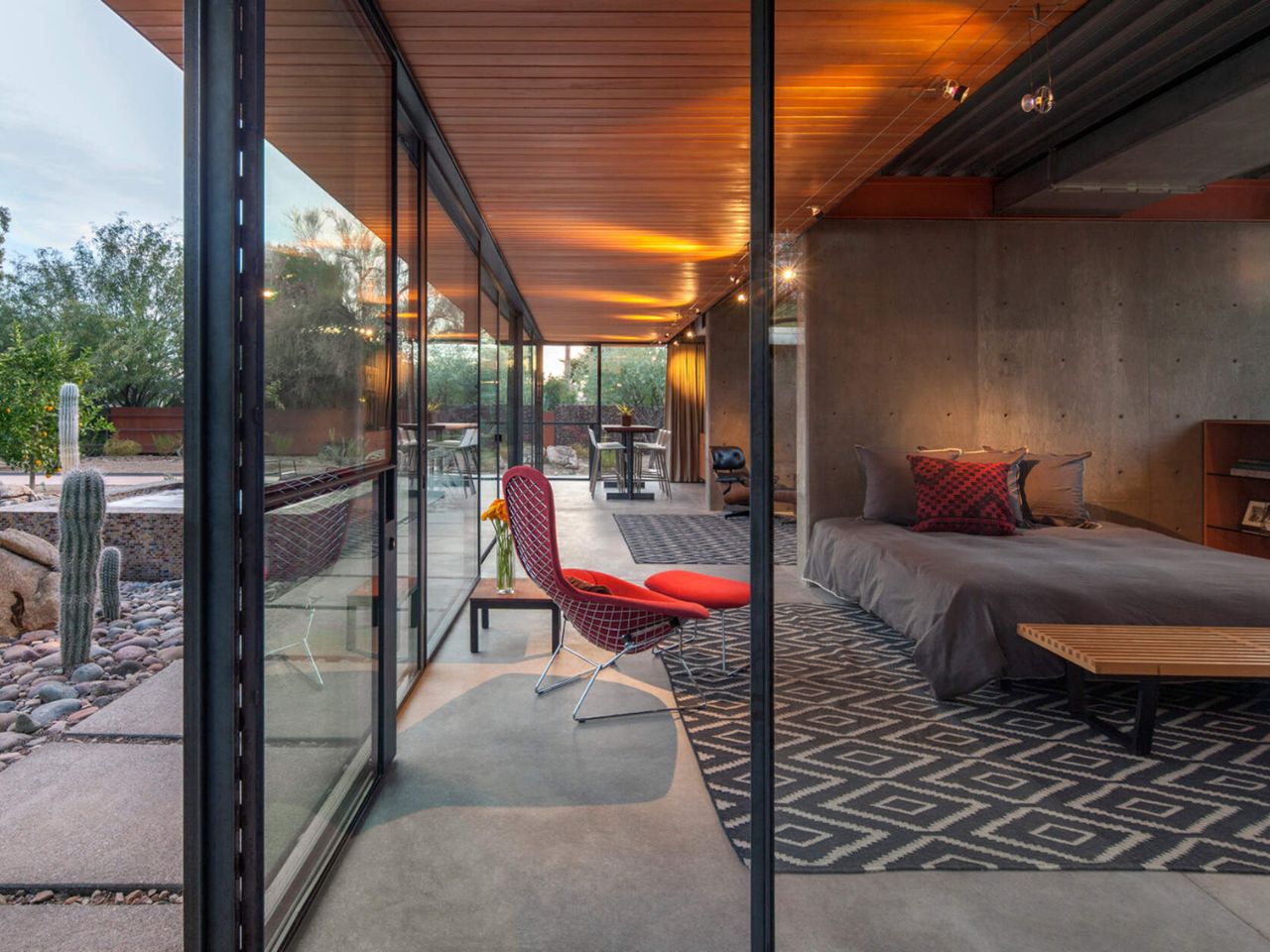
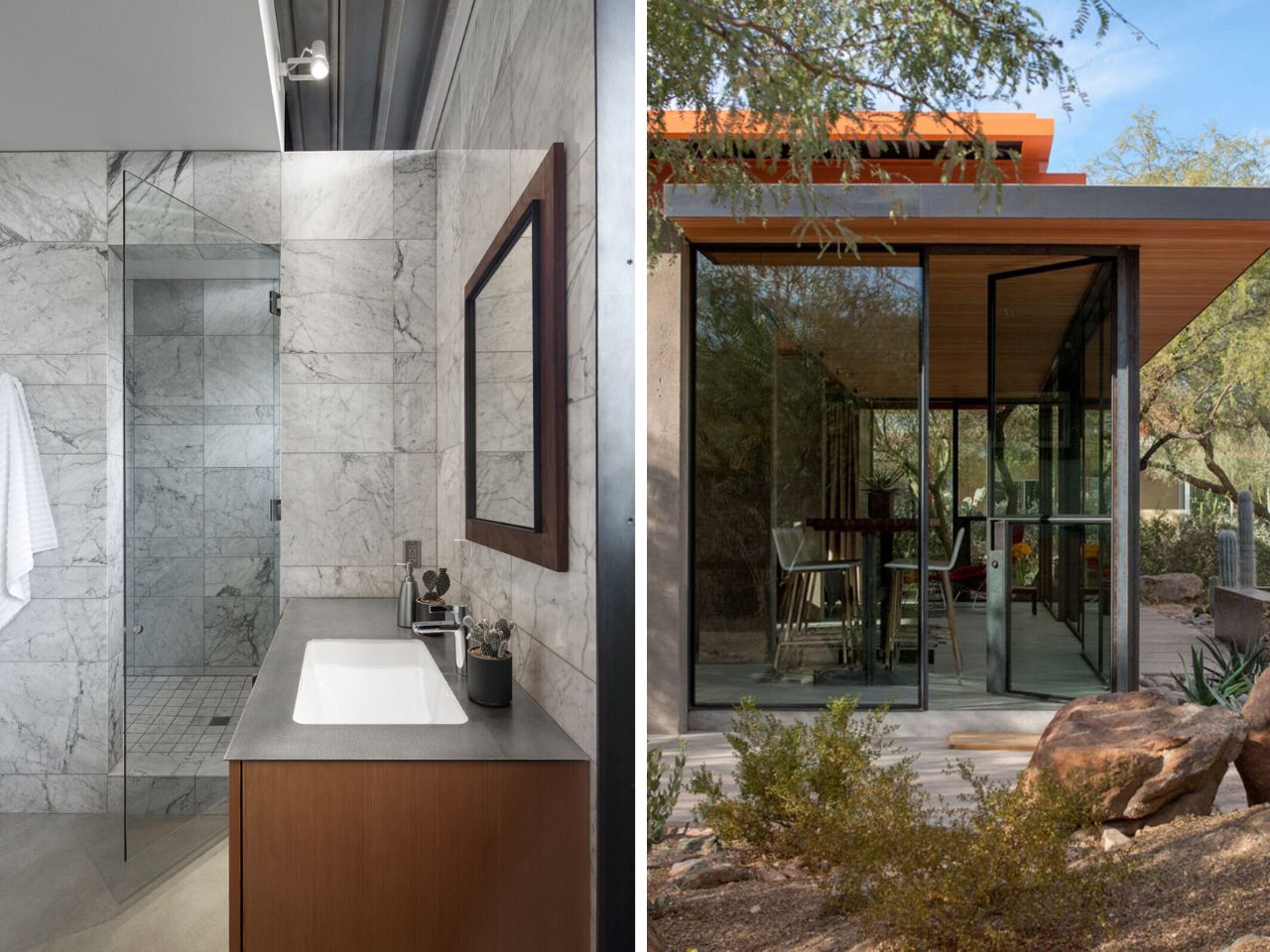
The architectural language is quiet but confident. A flat roof stretches outward, forming generous overhangs that temper the desert sun while framing long horizontal lines against the open sky. Beneath it, warm Douglas fir eaves run continuously from exterior to interior, creating a seamless ribbon of wood that guides the eye and softens the transition between architecture and nature. It’s this gesture, simple, fluid, and tactile, that anchors the design.

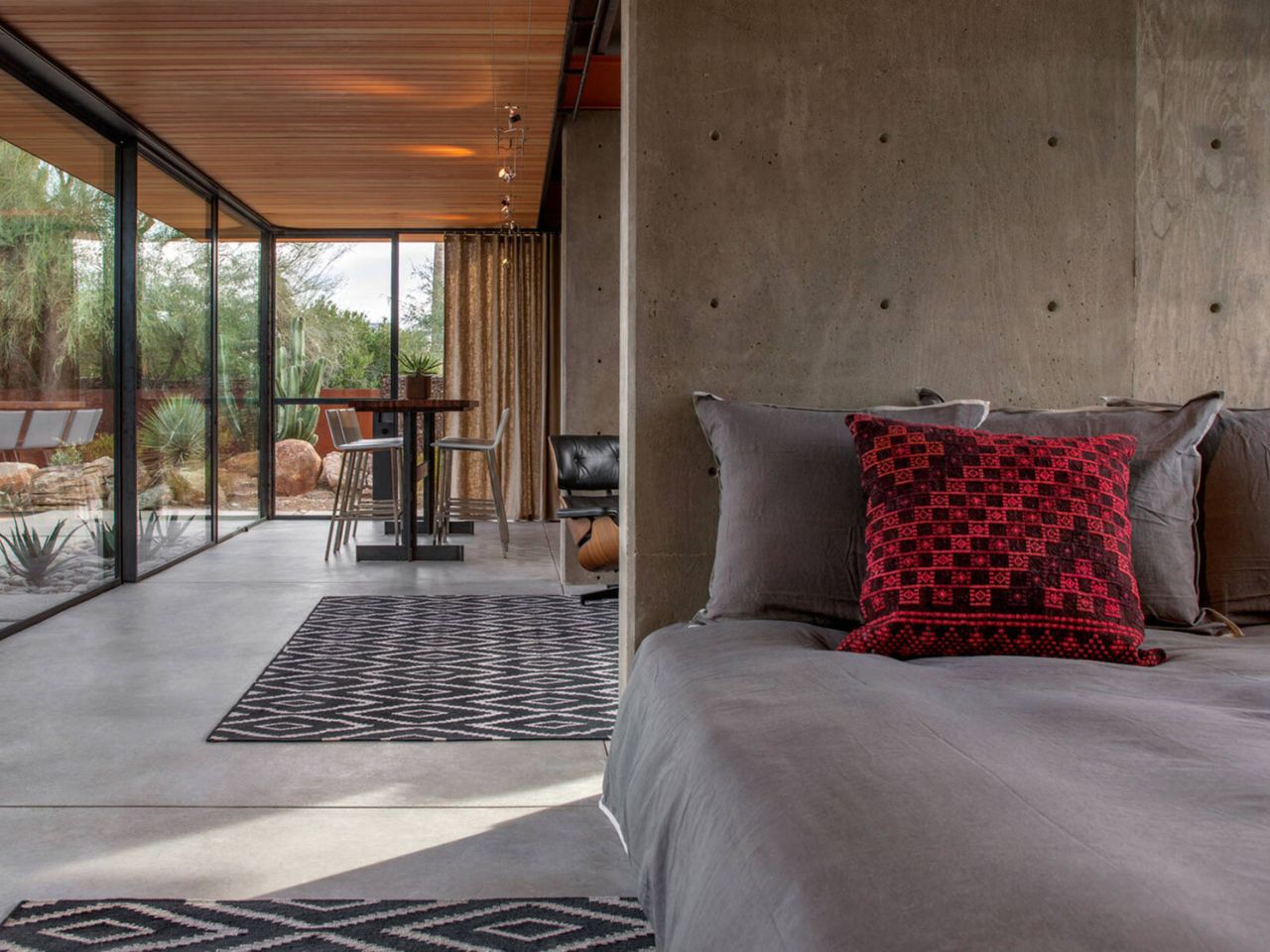
Inside, restraint becomes luxury. The layout is compact, yet feels expansive thanks to full-height, north-facing glass that floods the space with soft desert light. The open plan connects a pared-down kitchen, living area, bedroom, and bath, each space flowing into the next with a quiet rhythm. The material palette is kept minimal: concrete, timber, steel, and glass. Every surface feels deliberate, every junction crisp.

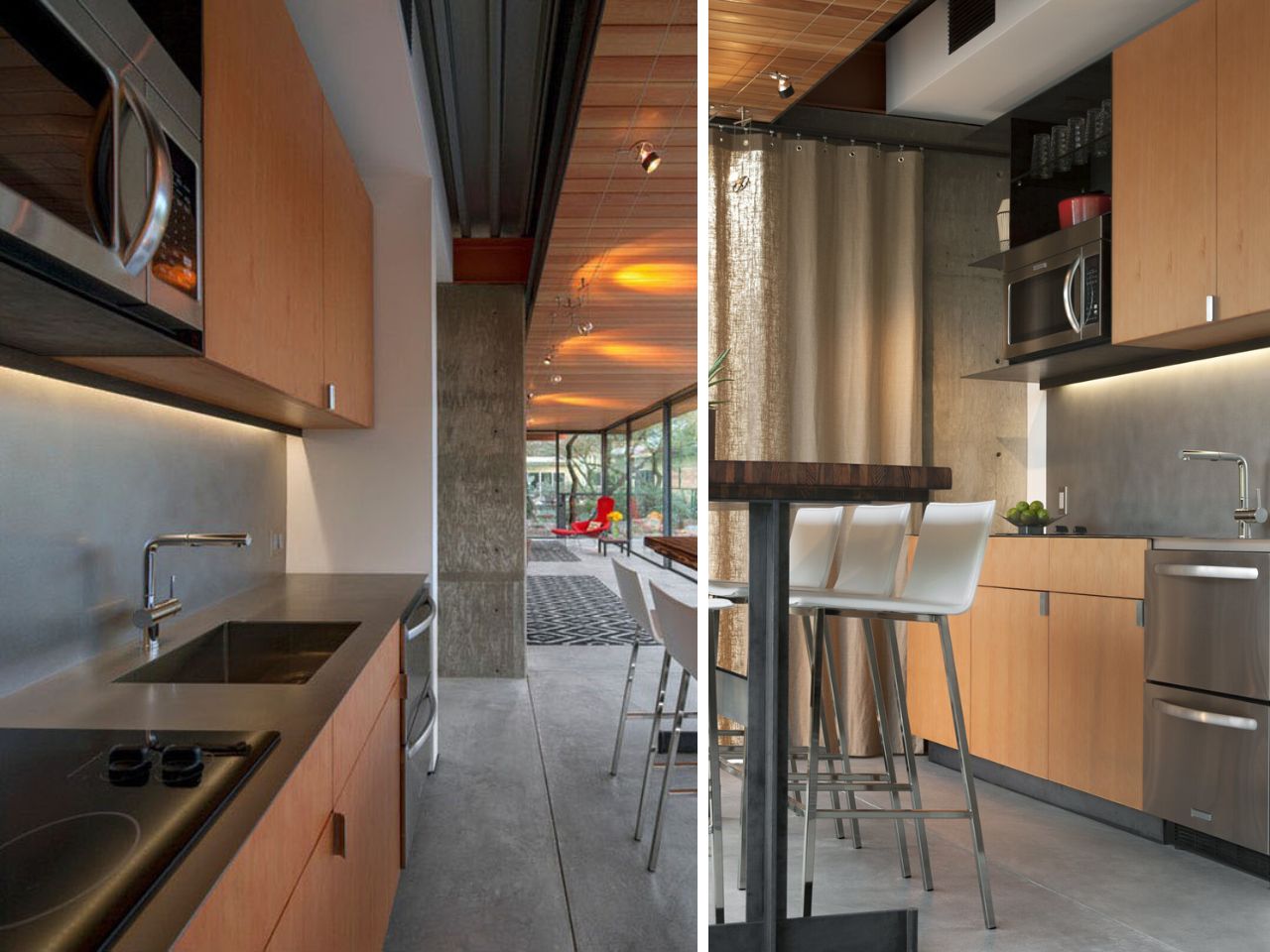
The kitchen exemplifies functional minimalism, sleek cabinetry, essential appliances, and a slender bar table that serves as both dining spot and workspace. Just beyond, the lounge invites stillness: low seating, framed views, and the golden tones of late afternoon light bouncing off concrete and wood.

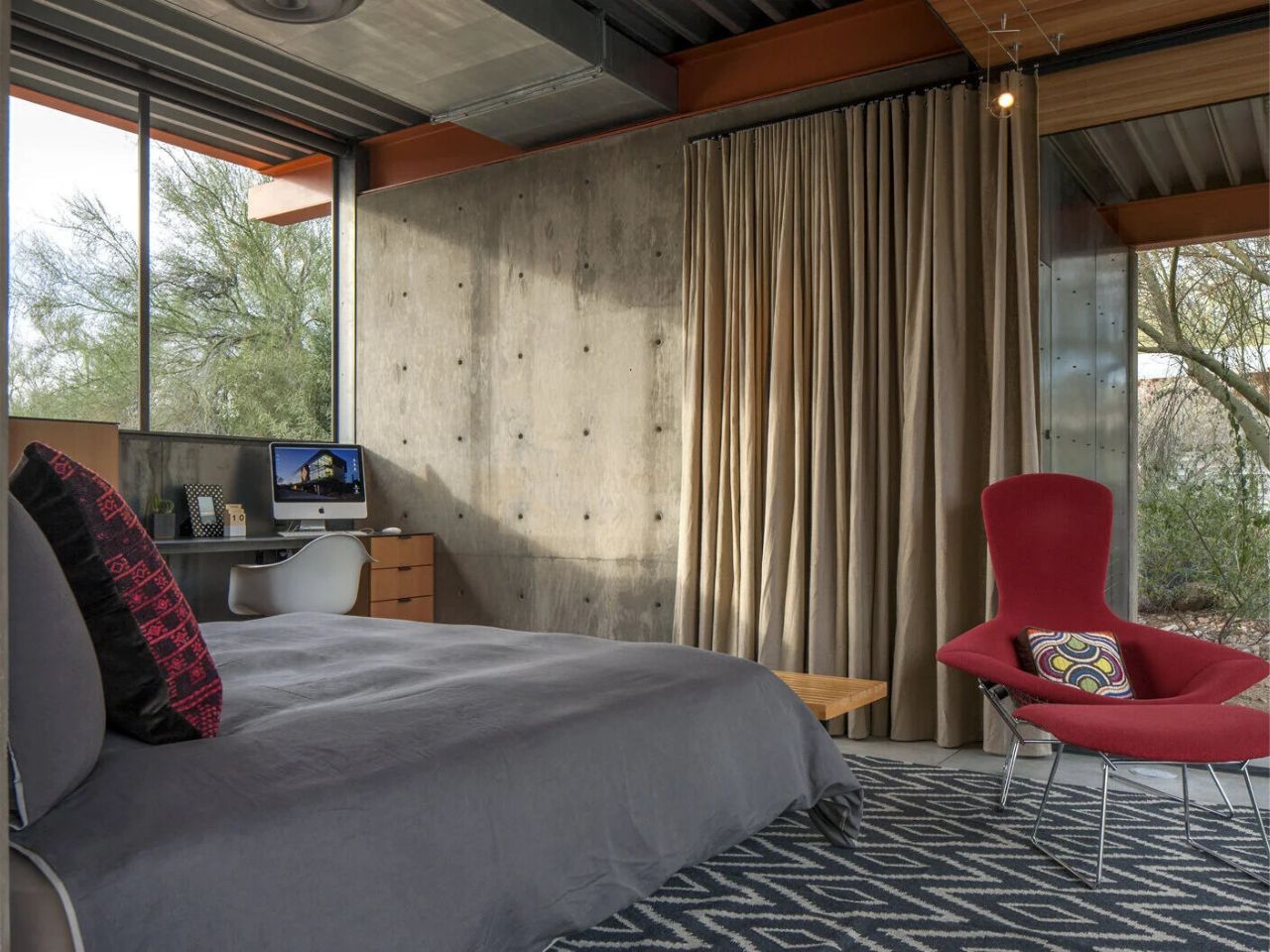
In the bedroom, a poured concrete wall doubles as the headboard, introducing a sculptural gravitas that contrasts beautifully with the surrounding warmth of timber. The tonal palette, gray, muted red, and honey wood, evokes the desert’s chromatic subtleties, balancing cool industrial precision with natural intimacy.

The bathroom continues this narrative of quiet refinement. Matte gray tiles, a matching concrete vanity, and precise wood detailing keep the mood grounded yet elevated, minimalist, not sterile.

Outside, the transformation feels almost cinematic. The barnyard’s past life lingers only in memory; its present is one of calm sophistication. The bocce court stretches into the horizon, the jacuzzi glimmers under a desert sky, and a curated garden of cacti and succulents completes the sense of place.

This is not just a renovation, it’s an act of design empathy. The Construction Zone has created a dialogue between heritage and modernity, between shelter and openness. By retaining the barn’s essence and reinterpreting its form through contemporary sensibilities, the architects have crafted a living sculpture, one that celebrates the desert not as backdrop, but as collaborator.

What began as a working horse barn now stands as a refined retreat, an architectural meditation on light, texture, and history. By preserving the structure’s spirit and introducing a language of calm modernity, The Construction Zone has definitely created a guest house, but also a living dialogue between past and present, between the rugged desert and the comforts of modern design.

The post The Construction Zone Transforms A Horse Barn Into A Guest House In Phoenix, Arizona first appeared on Yanko Design.
❌