Vue lecture

Il y a de nouveaux articles disponibles, cliquez pour rafraîchir la page.

RemoveWindowsAI - Le script qui débranche l'IA de Windows 11

Bon, déjà si vous êtes sous Windows, je sais c'est dur la vie ^^. Mais si en plus vous êtes anti-IA, votre quotidien doit être encore plus difficile depuis que Microsoft a décidé de coller de l'intelligence artificielle partout dans son OS. Copilot par-ci, Recall par-là, des features IA dans Paint, dans le Bloc-notes, dans les paramètres... Bref, c'est l'invasion et y'a malheureusment pas vraiment de bouton "OFF" officiel pour tout virer d'un coup.

Hé bien figurez-vous qu'un développeur du nom de zoicware a créé un script PowerShell qui fait exactement ça. Ça s'appelle RemoveWindowsAI et ça permet de dégager TOUTES les fonctionnalités IA de Windows 11 en quelques secondes. Aux chiottes Copilot, Recall, les suggestions de frappe, l'IA dans Paint, dans Edge, les effets vocaux... Tout y passe et c'est cool !

Et ce script ne se contente pas de désactiver des options dans les paramètres comme un vulgaire amateur puisqu'il modifie les clés de registre, supprime les packages Appx (même ceux marqués "non supprimables" par Microsoft), nettoie les fichiers cachés dans le Component-Based Servicing, et surtout il installe un bloqueur pour empêcher Windows Update de vous remettre tout ce bazar à la prochaine mise à jour. Parce que oui, Microsoft adore réinstaller ses trucs en douce...

Pour l'utiliser, c'est assez simple. Vous lancez PowerShell en admin (attention, pas PowerShell 7 mais bien le bon vieux Windows PowerShell 5.1) et vous tapez une seule commande qui télécharge et exécute le script. Y'a même une interface graphique interactive pour ceux qui préfèrent cocher des cases plutôt que de taper des lignes de commande (Allez quand même lire le code avant sur le Github pour vous assurer que c'est OK, c'est une bonne habitude à prendre).

& ([scriptblock]::Create((irm "https://raw.githubusercontent.com/zoicware/RemoveWindowsAI/main/RemoveWindowsAi.ps1")))

Maintenant, quelques précautions à savoir quand même. Certains antivirus merdiques vont hurler au loup en voyant ce script. Rassurez-vous, c'est un faux positif classique avec ce genre d'outils qui touchent au système en profondeur. Faudra soit désactiver temporairement votre antivirus, soit ajouter une exception et surtout, le développeur recommande fortement de tester ça dans une machine virtuelle avant de l'appliquer sur votre PC principal. Avec VirtualBox ou Hyper-V, vous pouvez créer un Windows 11 de test en quelques clics et voir si tout se passe bien.

Et si jamais vous changez d'avis et que vous voulez récupérer vos features IA adorées, pas de panique ! Y'a un mode "Revert" qui permet de tout restaurer. Vous n'êtes donc pas coincé pour toujours si vous décidez finalement de revenir vers le côté obscur de la Force.

Bref, si vous faites partie de ceux qui pensent que l'IA dans Windows c'est plus une nuisance qu'autre chose (et que ça pompe des ressources pour des fonctionnalités dont vous n'avez pas besoin), ce petit script vous sera utile.

C'est par ici : RemoveWindowsAI sur GitHub

Record setting Pocket Lab shrinks a full AI supercomputer into the size of a power bank

We have come a long way from the computers the size of entire rooms to the sleek personal computers that sit comfortably on our desks. The evolution of computing has consistently pushed toward smaller form factors and greater efficiency. The Mac mini, for example, illustrates how compact modern PCs have become. Yet the question persists: how miniature can a powerful computing device truly be? A recent Guinness World Records certification offers a striking answer.

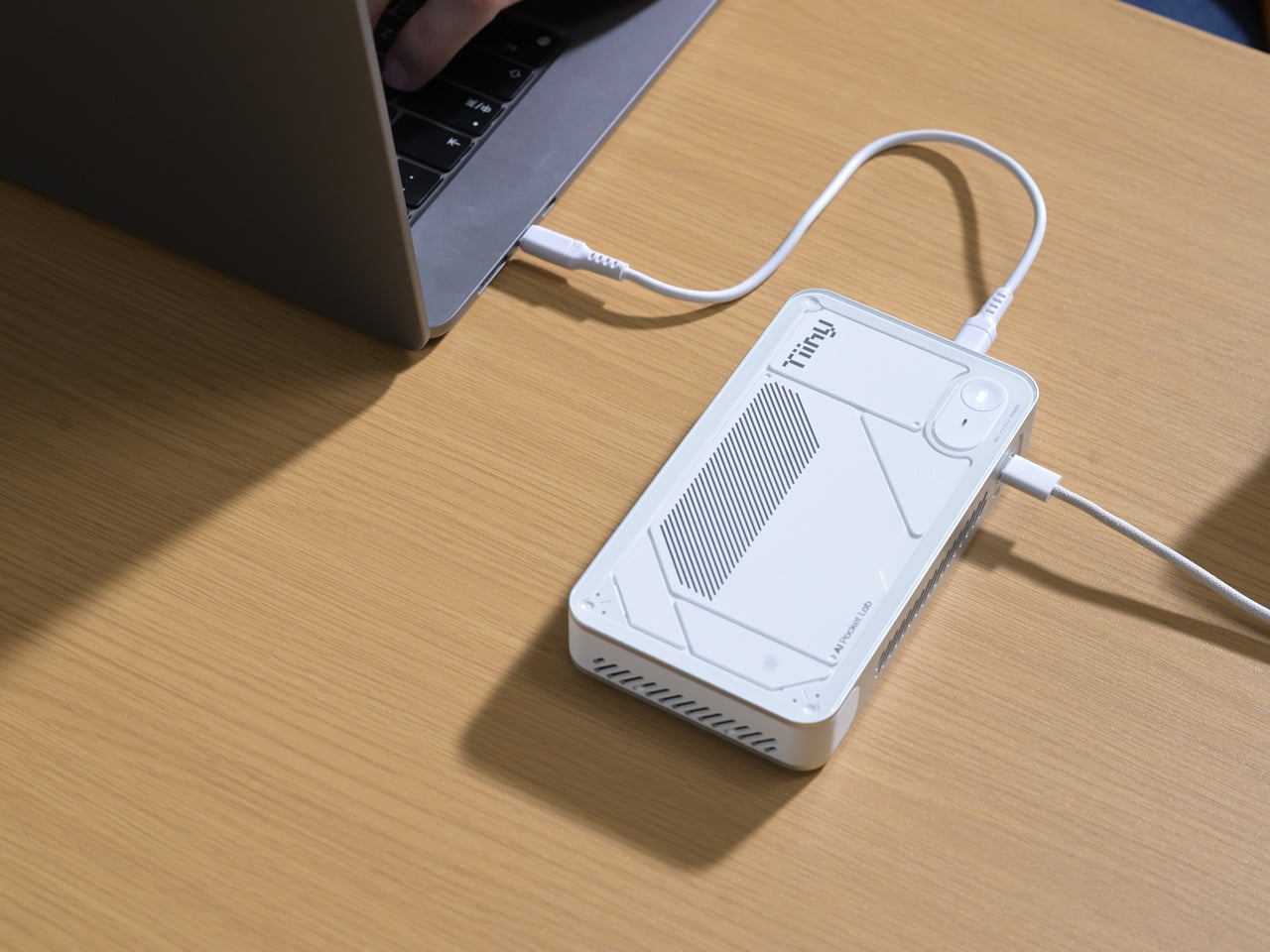
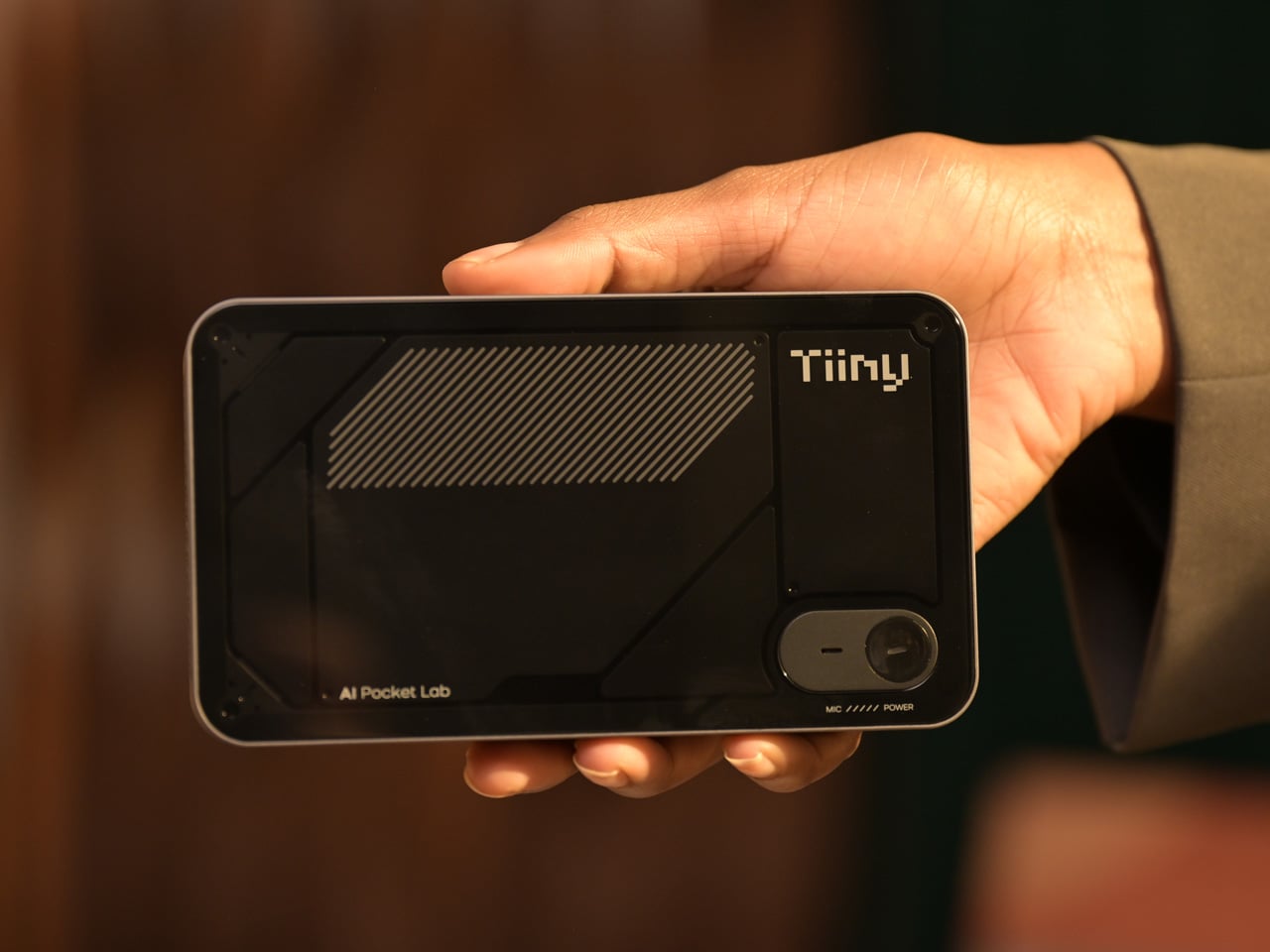
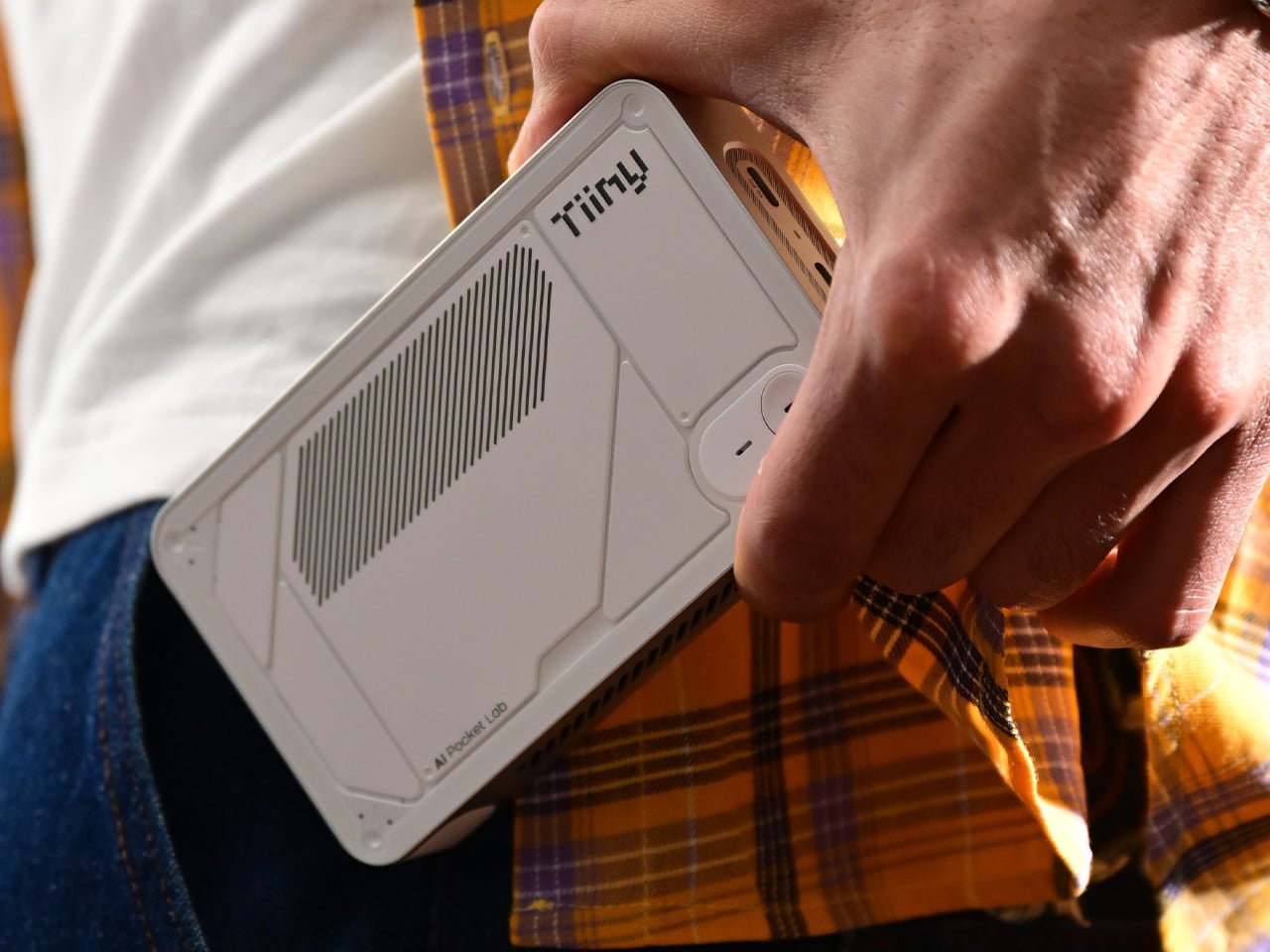
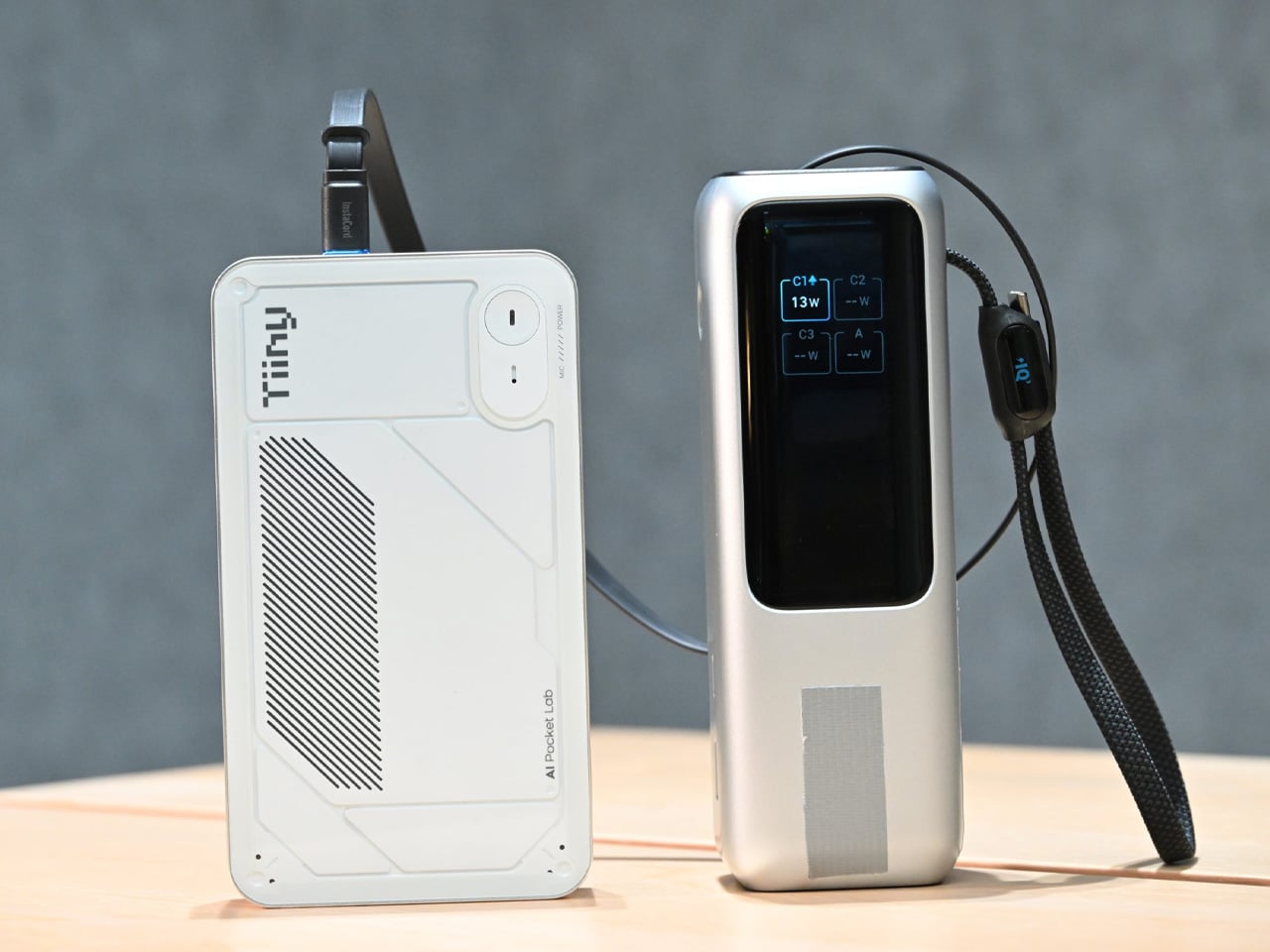
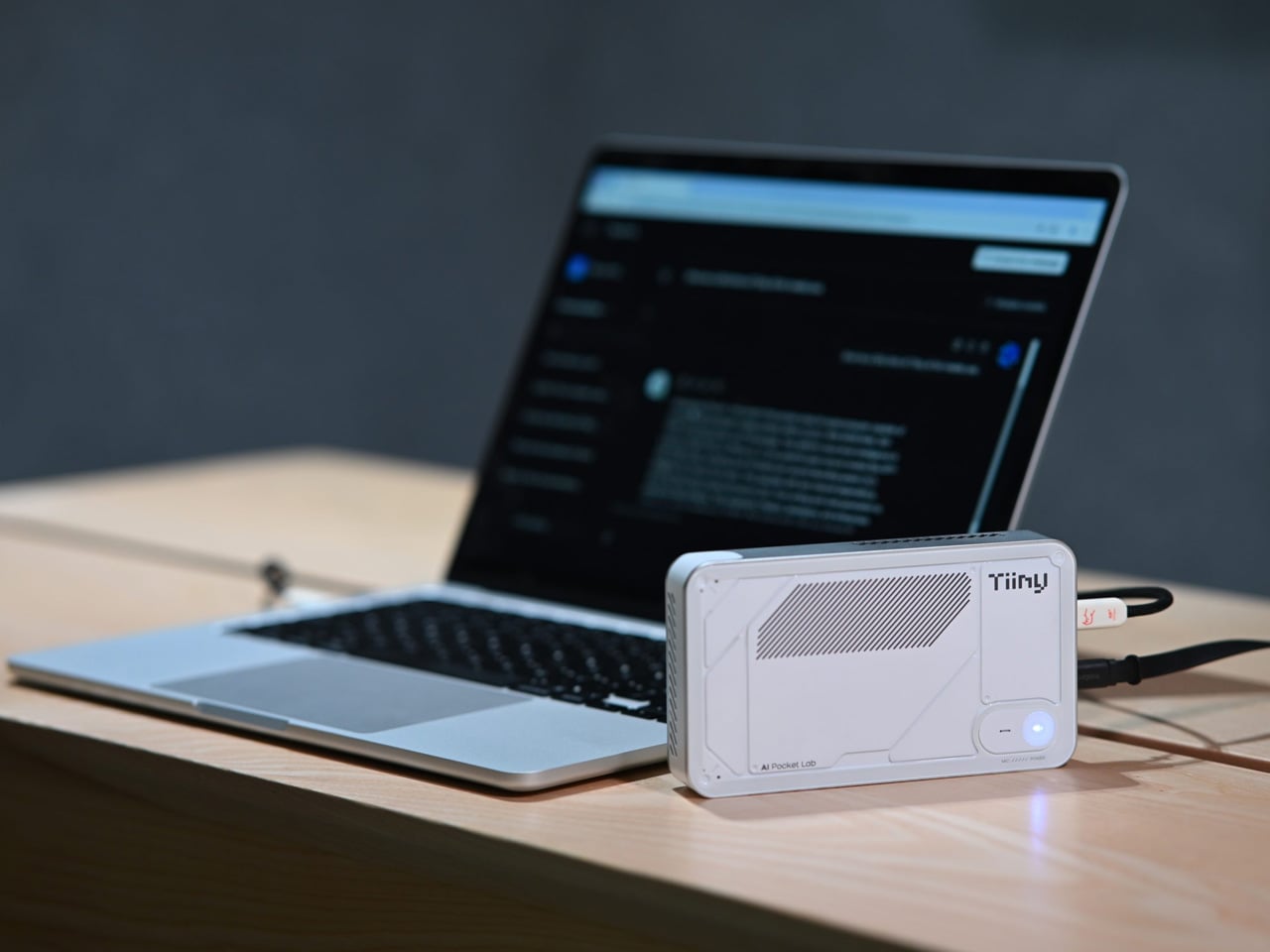
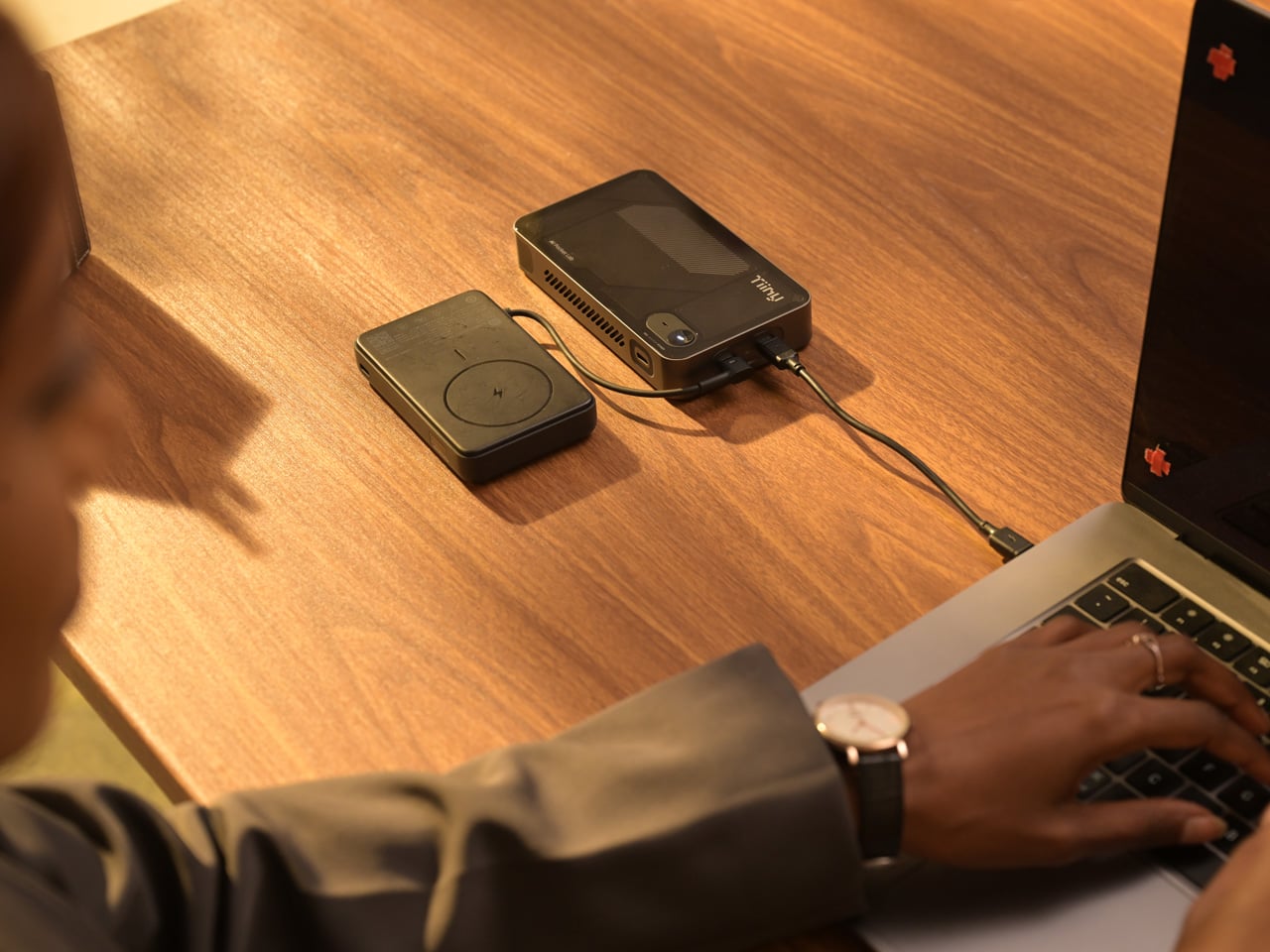
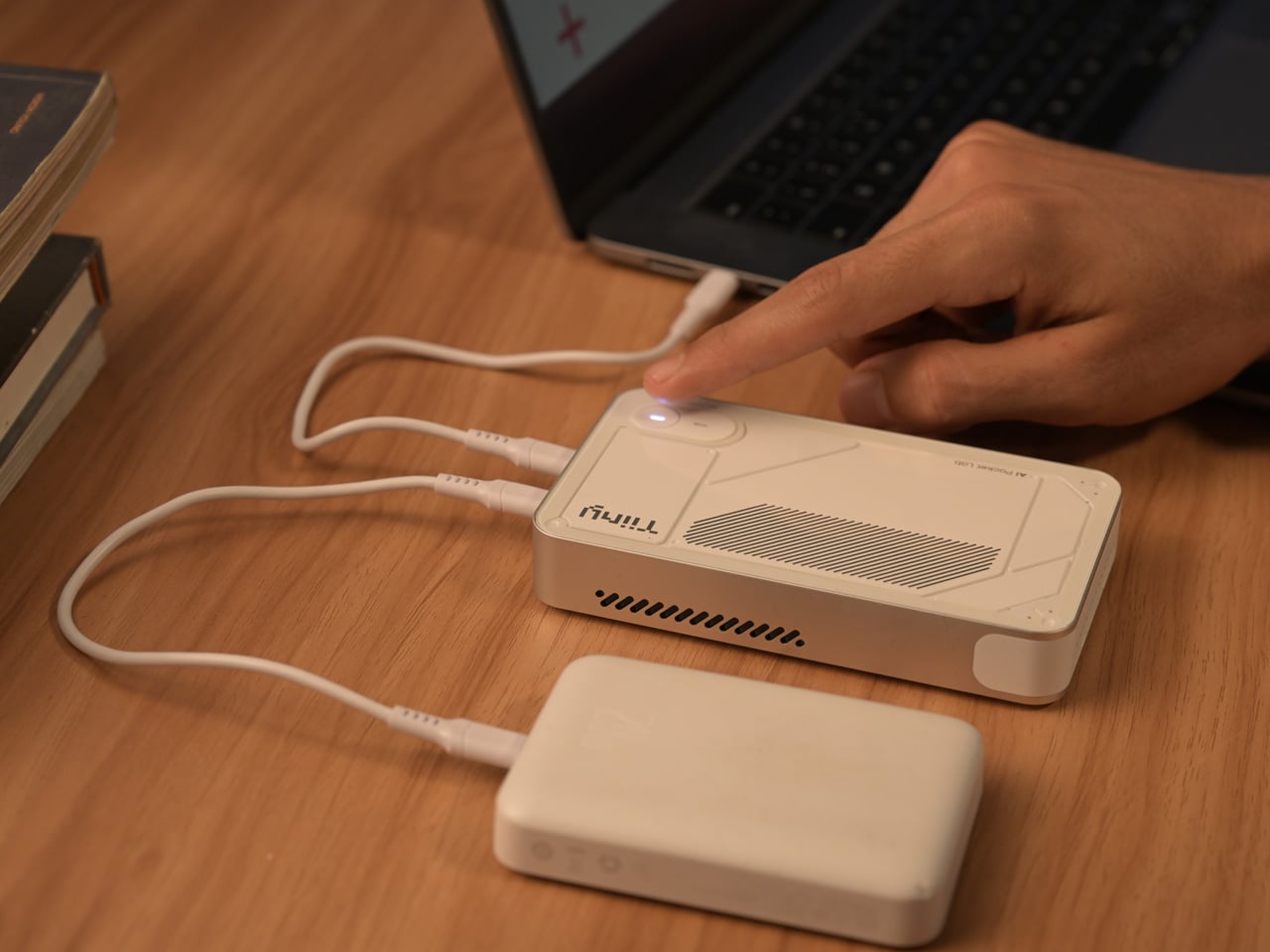
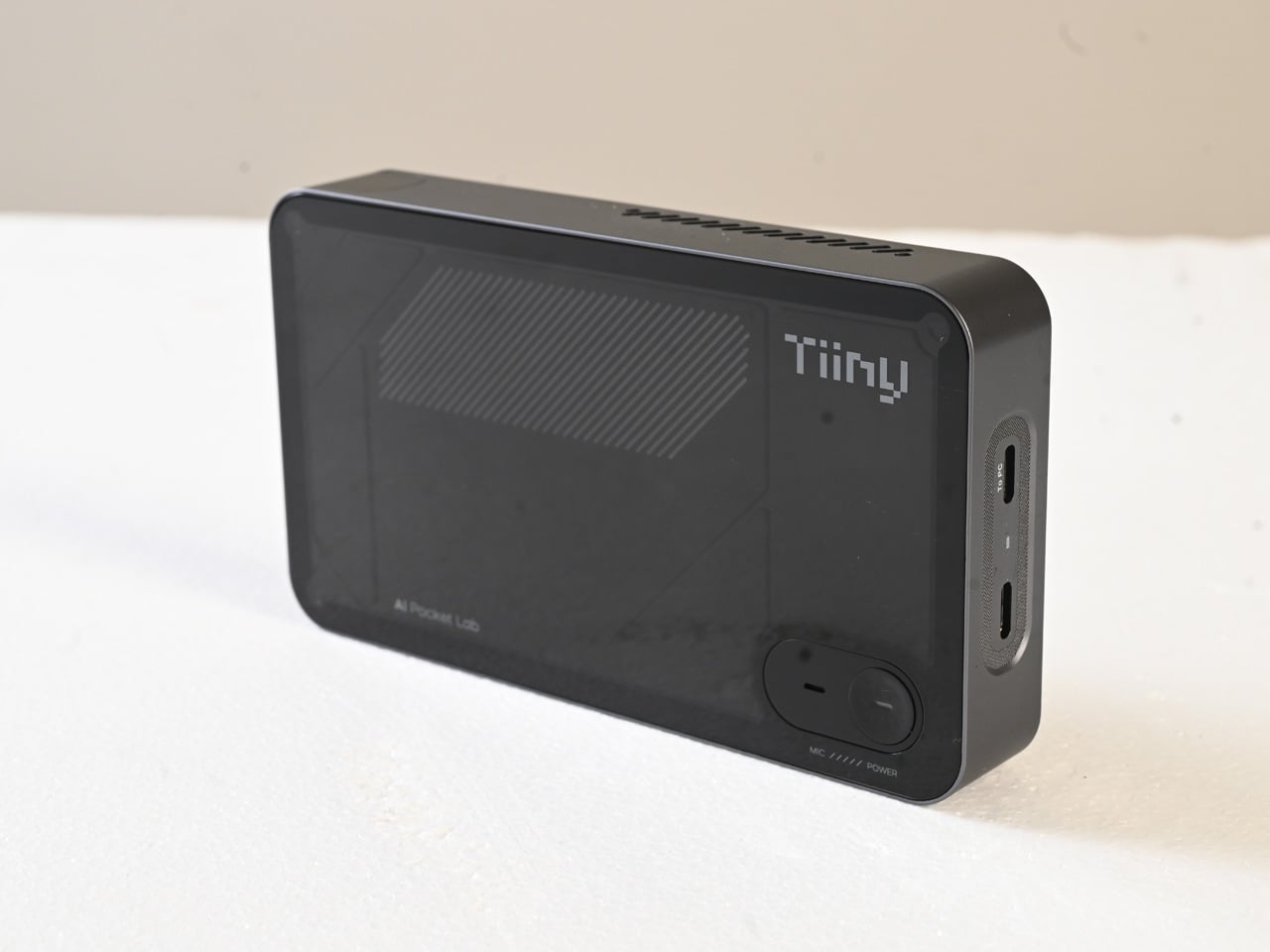
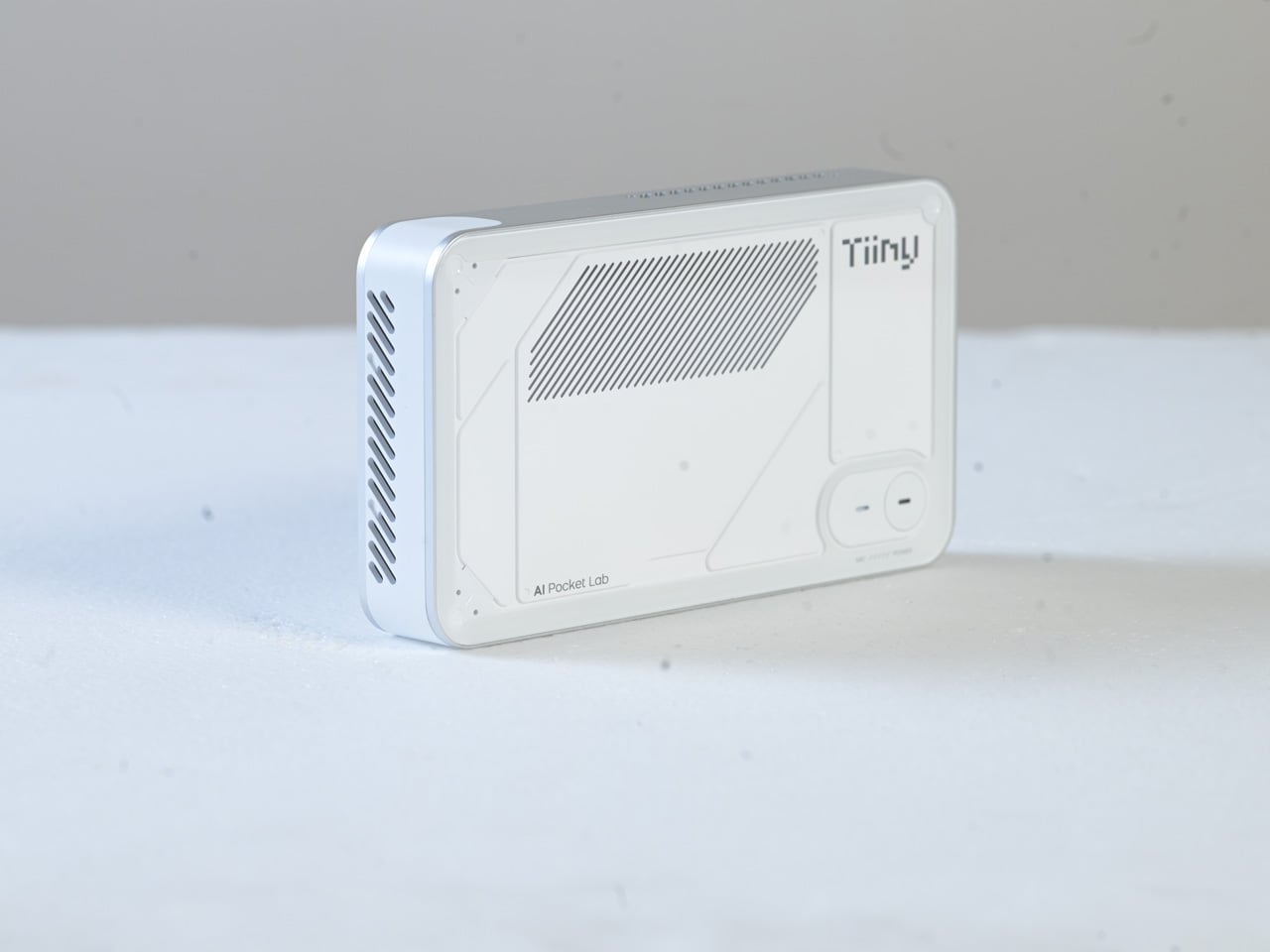
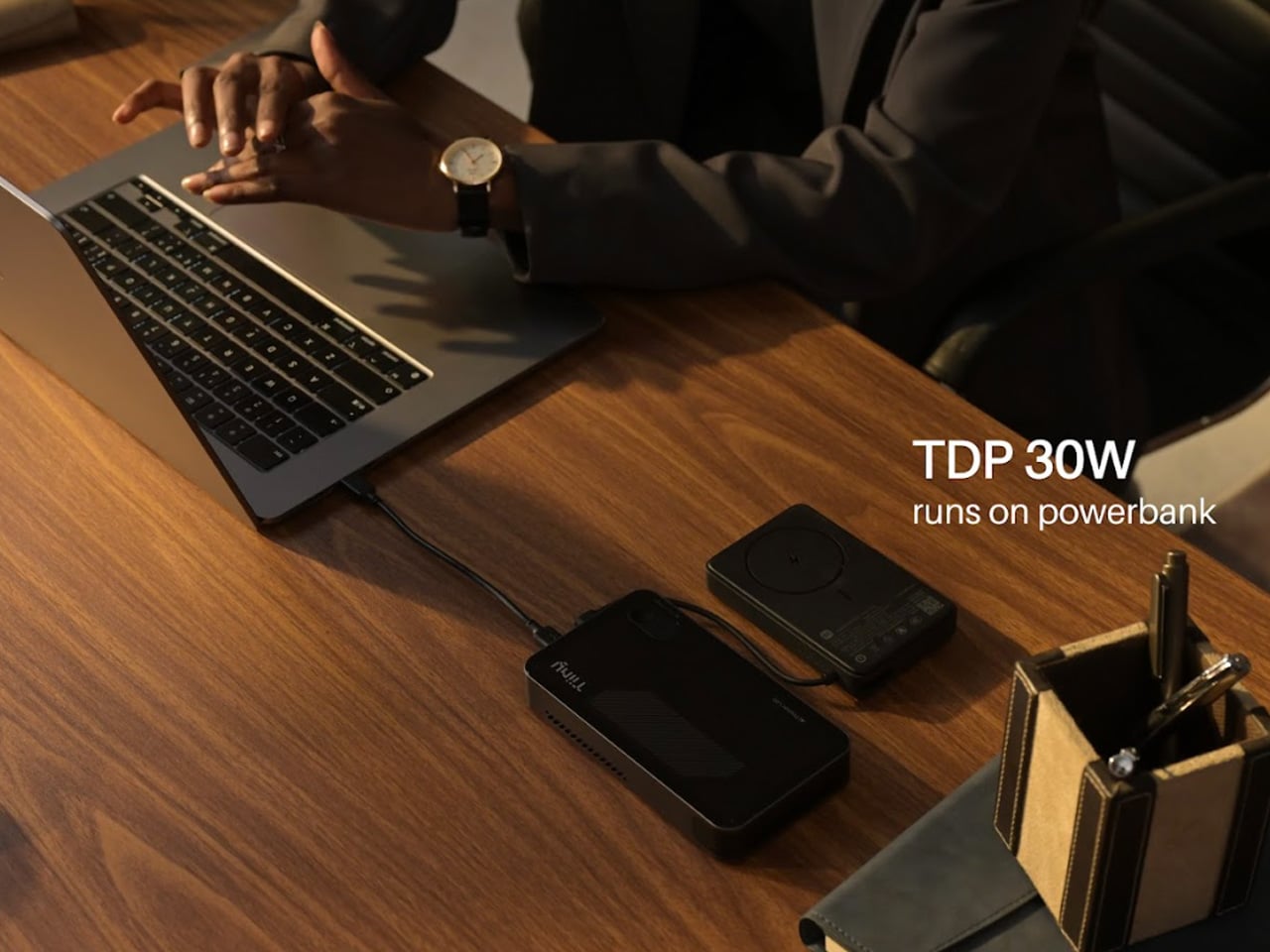
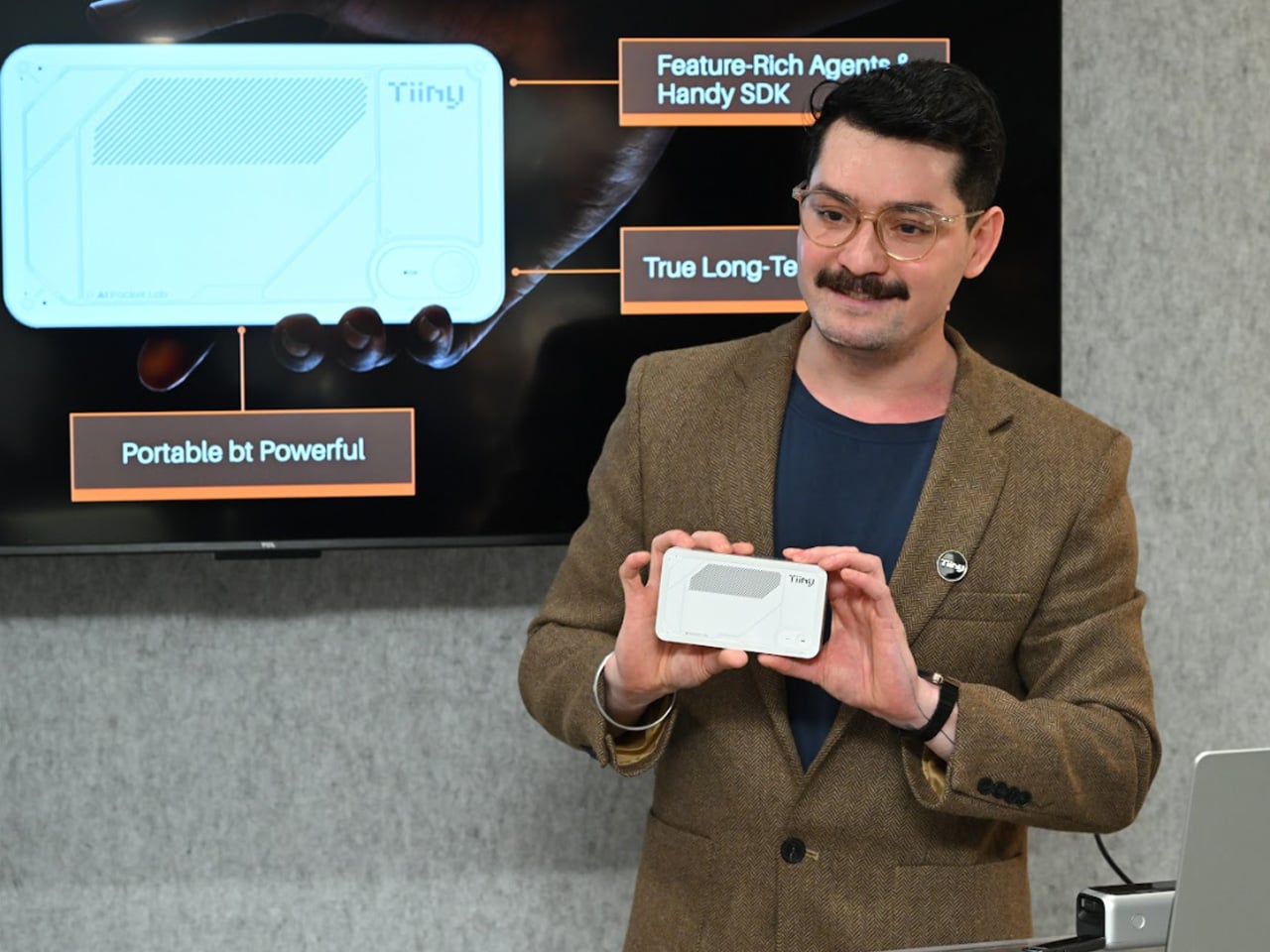
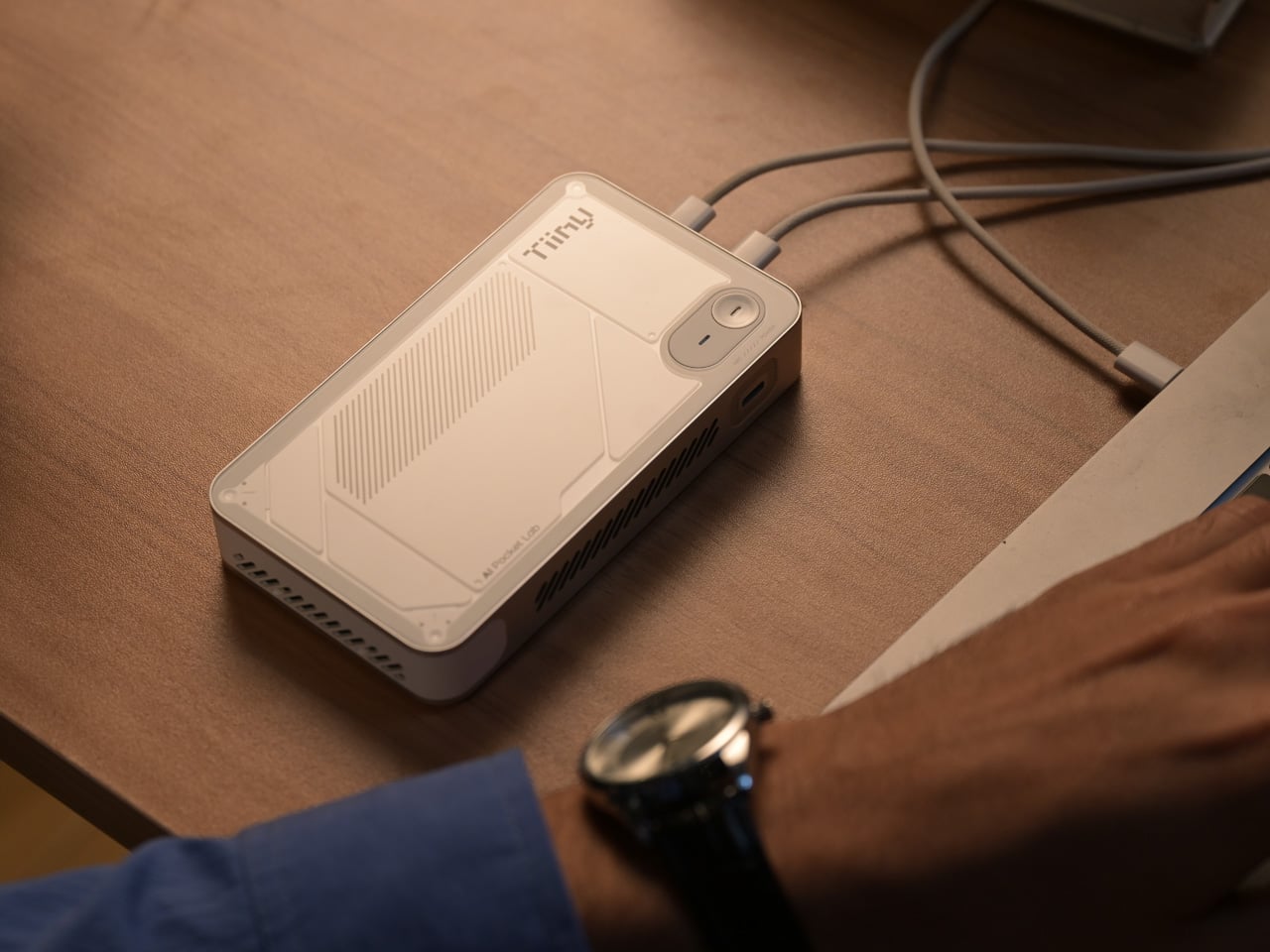
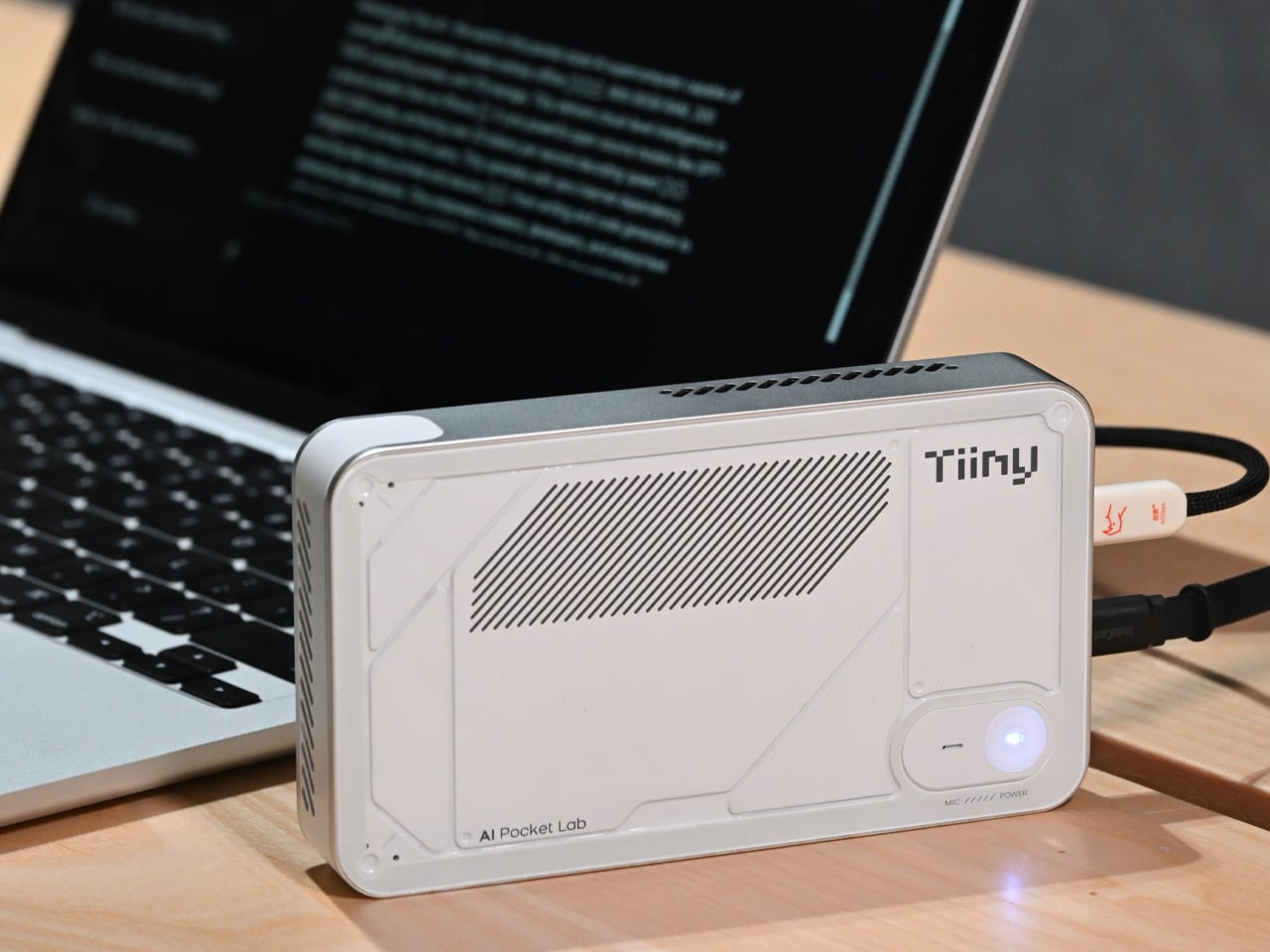
Tiiny AI, a US-based deep-tech startup, has unveiled the Pocket Lab, officially verified as the “world’s smallest personal AI supercomputer.” This palm-sized device, no larger than a typical power bank, is capable of running large language models (LLMs) with up to 120 billion parameters entirely on-device, without relying on cloud servers or external GPUs.

Designer: Tiiny AI

At its core, the Pocket Lab aims to make advanced artificial intelligence both personal and private. Traditional AI systems often depend on cloud infrastructure, which can raise concerns around data privacy, latency, and carbon emissions associated with large server farms. The Pocket Lab addresses these issues by enabling fully offline AI computation. All processing, data storage, and inference happen locally on the device, reducing dependence on internet connectivity or cloud resources.

Despite its compact size, measuring 14.2 × 8 × 2.53 centimeters and weighing roughly 300 grams, this mini supercomputer delivers noteworthy computing power. The system operates within a typical 65-watt energy envelope, comparable to a conventional desktop PC, yet manages to support extensive AI workloads. The hardware architecture combines a 12-core ARMv9.2 CPU with a custom heterogeneous module that includes a dedicated Neural Processing Unit (NPU), together achieving approximately 190 TOPS (tera-operations per second) of AI compute performance. This configuration is backed by 80 GB of LPDDR5X memory and a 1 TB solid-state drive, allowing large AI models to run efficiently without external accelerators.

Two key technologies underpin the Pocket Lab’s ability to run large models so efficiently in such a small package. TurboSparse improves inference efficiency through neuron-level sparse activation, reducing computational overhead while preserving model intelligence. PowerInfer, an open-source heterogeneous inference engine with a significant developer following, dynamically distributes workloads across the CPU and NPU, delivering server-grade performance at far lower power and cost than traditional GPU-based solutions.

In practical terms, the Pocket Lab supports a wide ecosystem of open-source AI models and tools. Users can deploy popular LLMs such as GPT-OSS, Llama, Qwen, DeepSeek, Mistral, and Phi, alongside agent frameworks and automation tools, all with one-click installation. This broad software compatibility extends the device’s usefulness beyond enthusiasts and hobbyists to developers, researchers, professionals, and students.

By storing all user data and interactions locally with bank-level encryption, the Pocket Lab also emphasizes privacy and long-term personal memory. This feature contrasts with many cloud-based AI services that retain data on remote servers. Tiiny AI plans to showcase the Pocket Lab at CES 2026, but has not yet disclosed full details on pricing or release dates.

The post Record setting Pocket Lab shrinks a full AI supercomputer into the size of a power bank first appeared on Yanko Design.

This solar powered motorcycle never needs charging for true energy independence

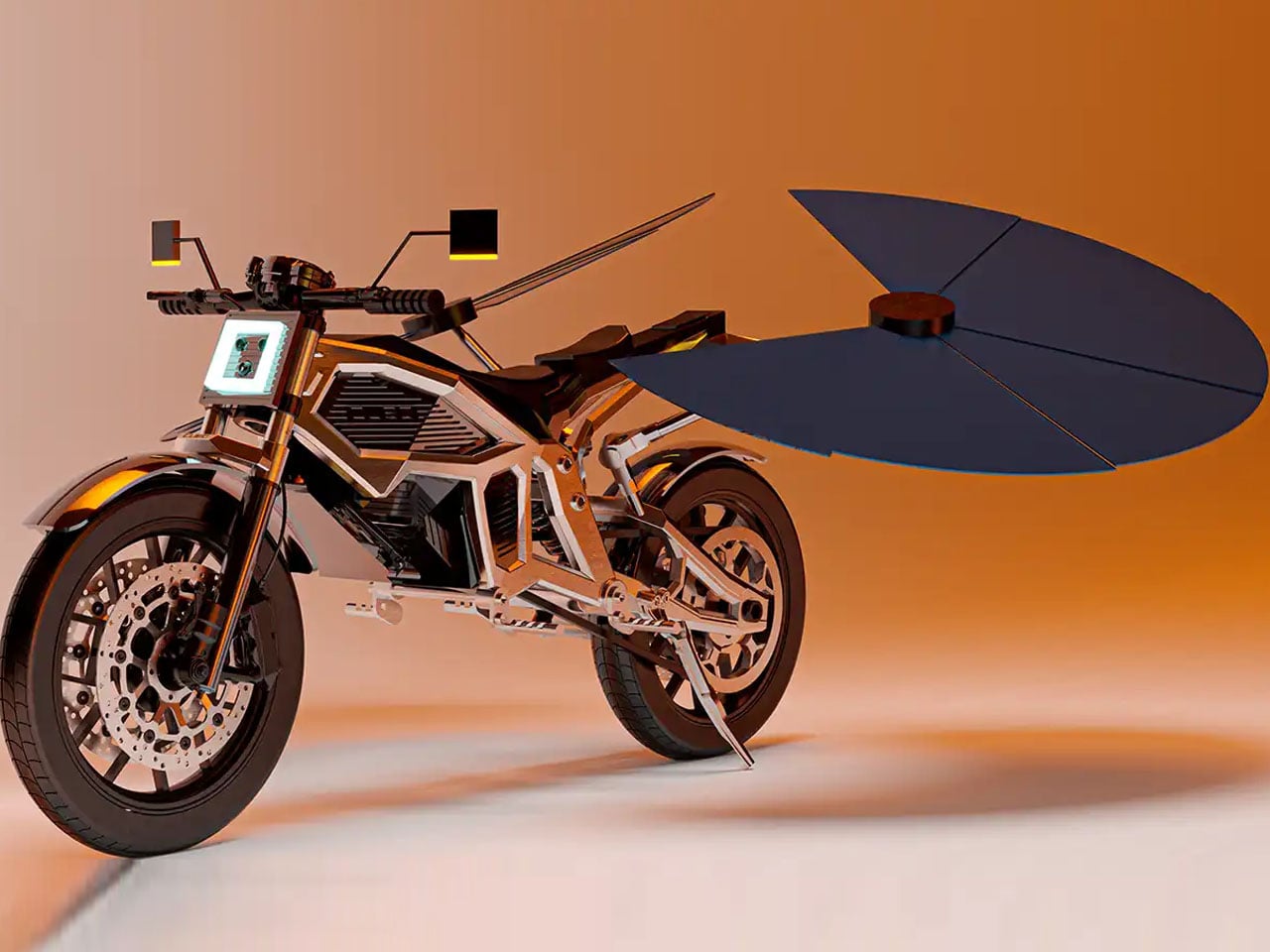
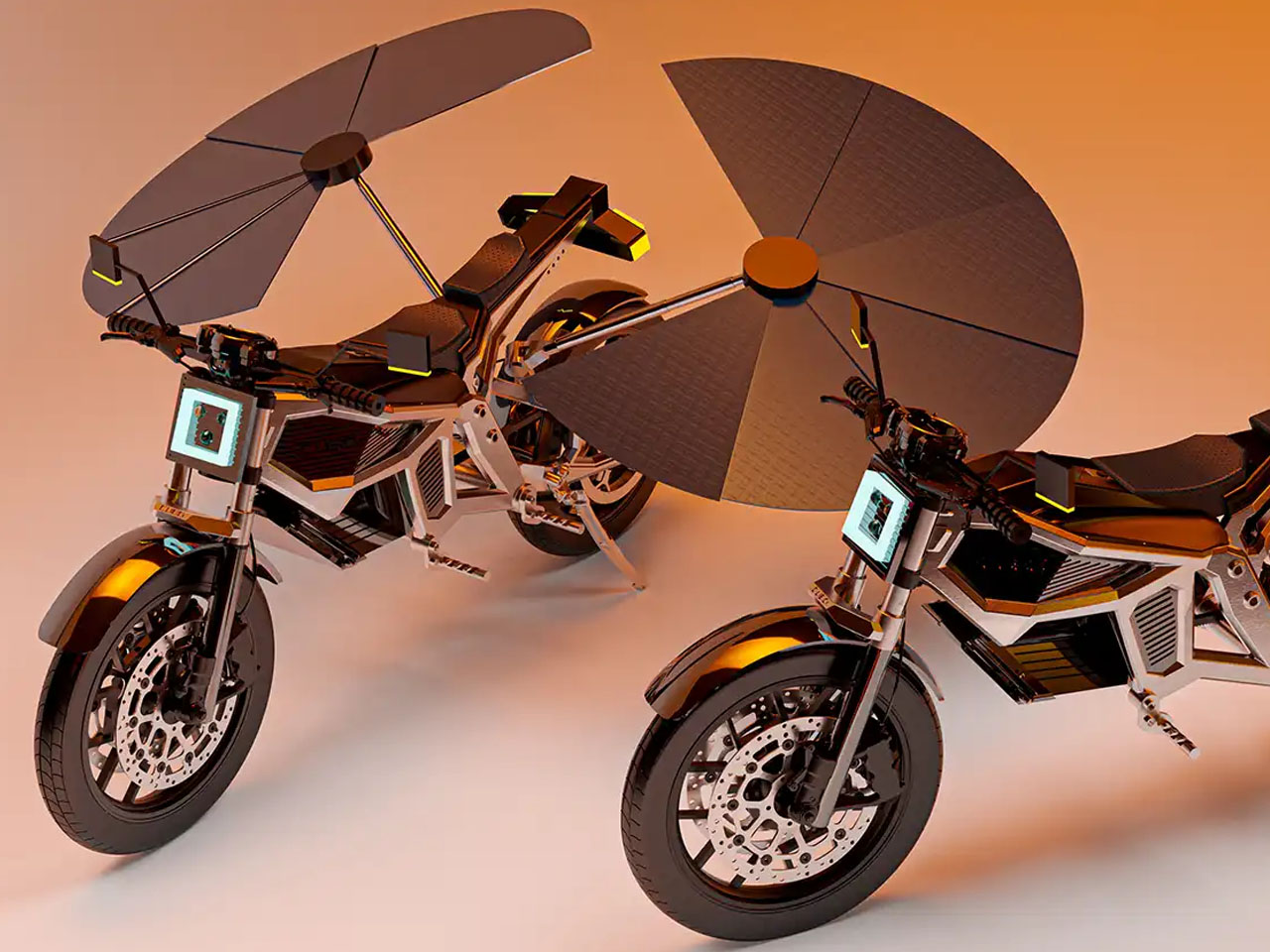
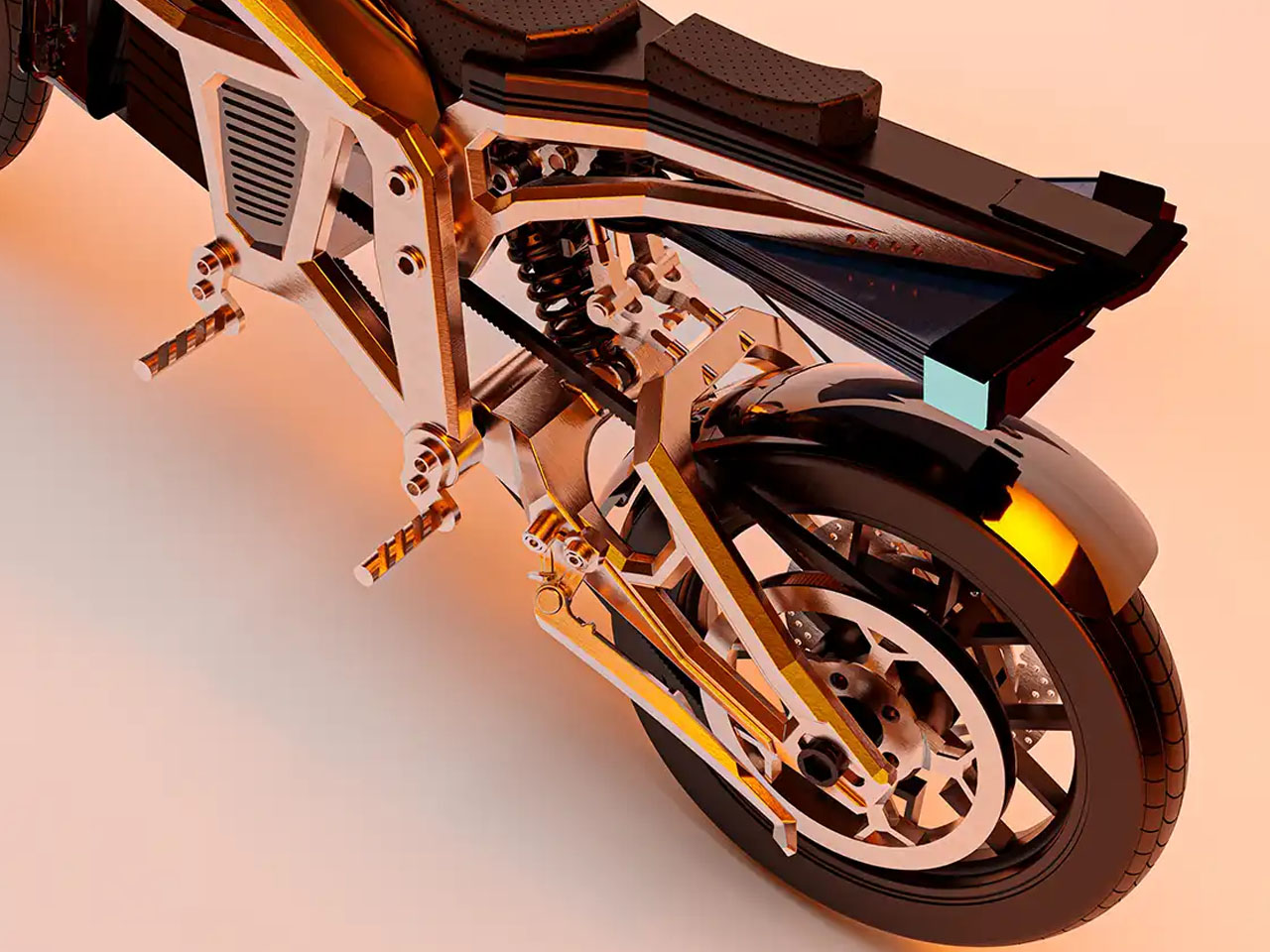
For years, electric mobility has been shaped by predictable patterns: bigger batteries, denser charging networks, and efficiency improvements that feel more evolutionary than revolutionary. Yet the dependency remains the same: riders still need plugs, stations, and the infrastructure that powers their daily movement. In the middle of this familiar landscape arrives a concept that doesn’t try to optimize the system but instead questions why the system needs to exist at all. The SOLARIS Self-Charging Solar Motorcycle by MASK Architects challenges the core assumptions of electric mobility with a vehicle that produces its own energy and redefines the relationship between rider, machine, and environment.

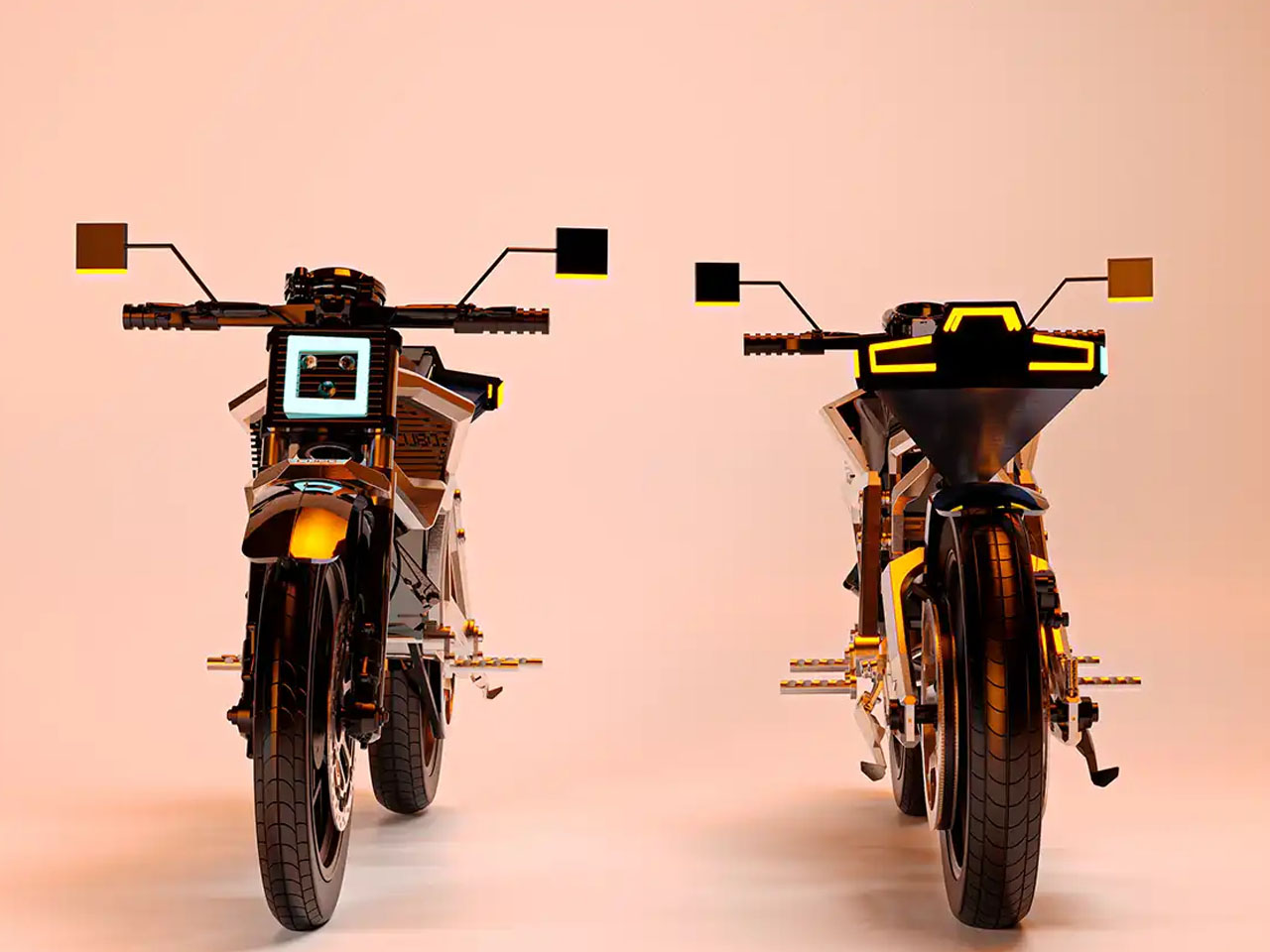
Developed by Öznur Pınar Cer and Danilo Petta, the SOLARIS approaches mobility as something closer to a self-sustaining organism than a machine waiting to be recharged. It operates entirely on power it generates itself, eliminating reliance on fuel stations, external charging points, or electrical grids. This shift reframes freedom for riders, offering movement that isn’t conditioned by access to infrastructure or energy markets. It introduces a future where independence is built into the vehicle, pushing the concept of autonomy far beyond driving modes or connected features.

Designer: MASK Architects

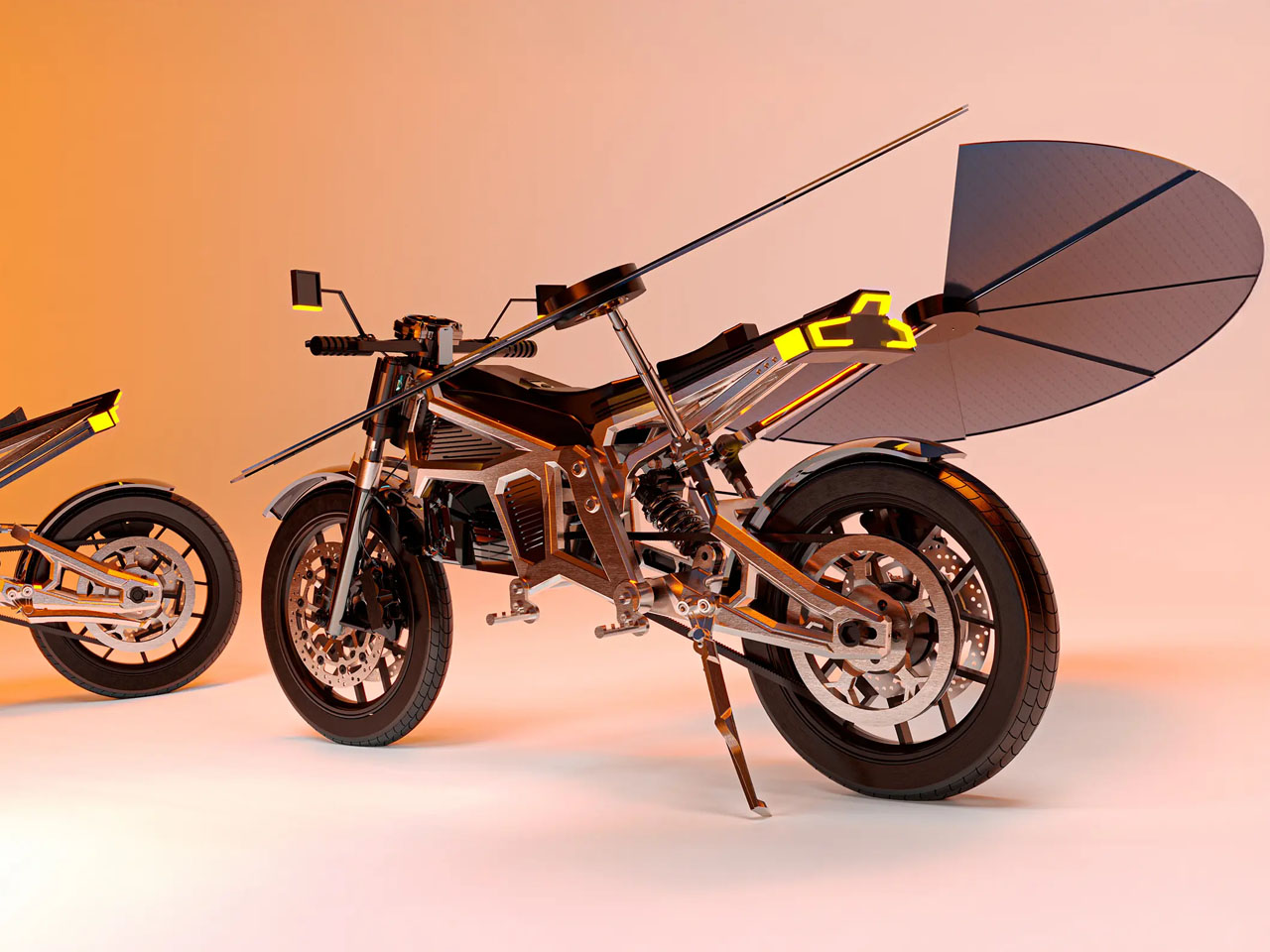
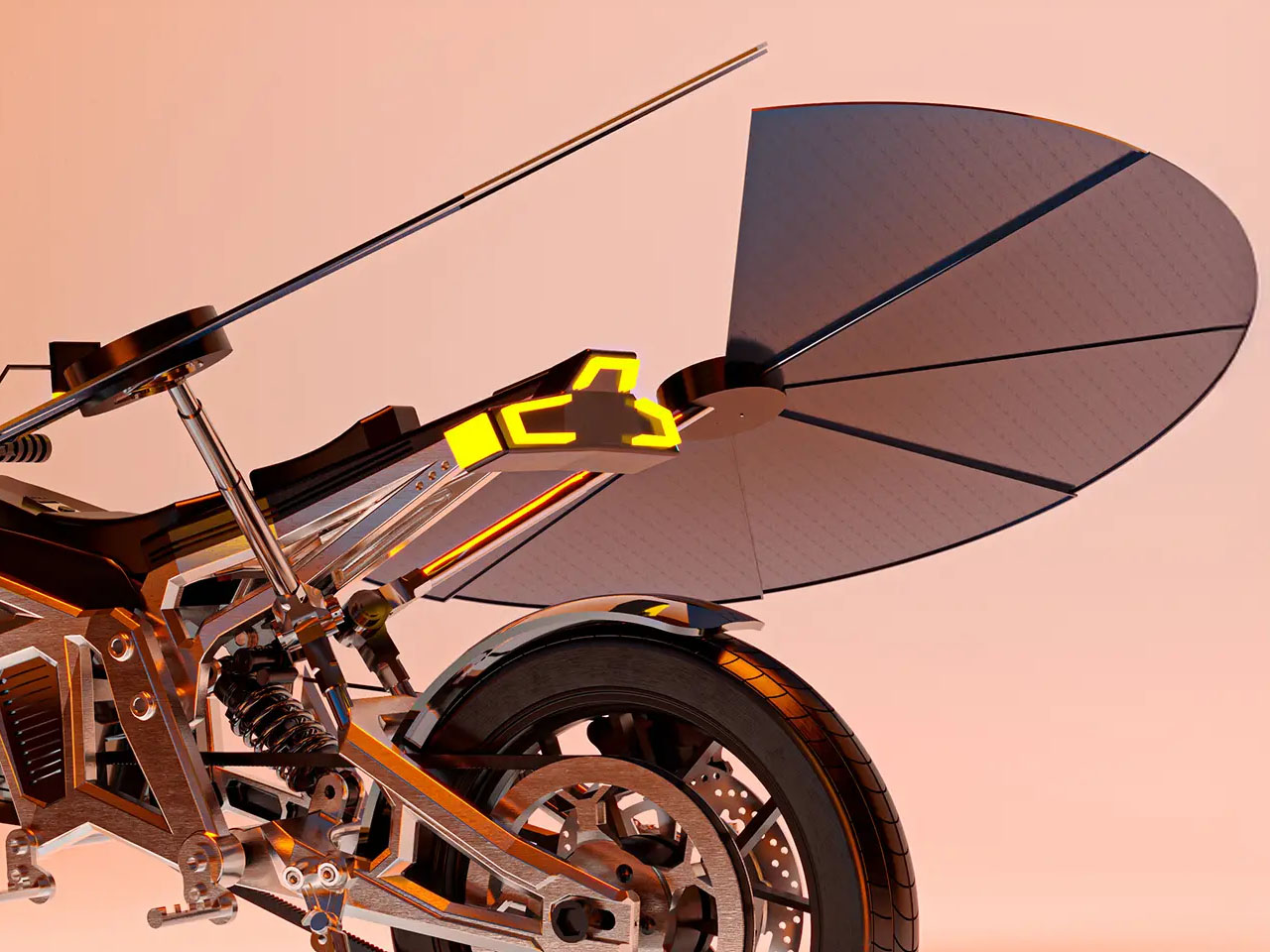
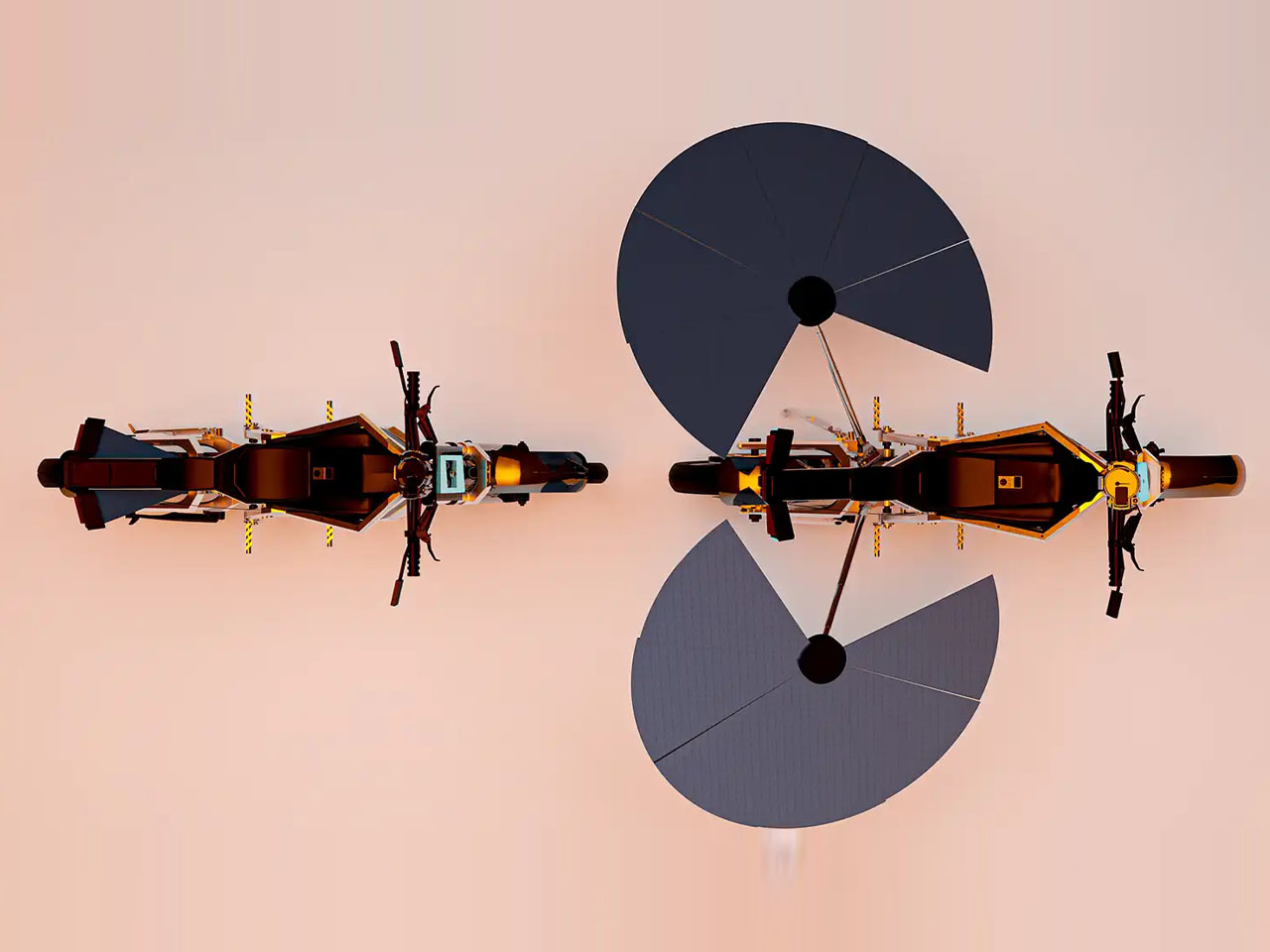
The technology that enables this transformation begins with next-generation photovoltaic cells integrated into the motorcycle’s structure. These high-efficiency solar elements convert light into energy throughout the day, ensuring the system remains active under varying conditions. A defining feature of the SOLARIS is its deployable charging mechanism, which expands into a protective wing when the motorcycle is parked. This design increases the solar capture area by up to 150 percent, allowing the battery to be replenished whether the vehicle is in motion or stationary. The result is a power source that continuously supports itself, removing the downtime associated with conventional charging and allowing the vehicle to remain ready for use without external input.

Visual identity plays an equally important role in its appeal. The deployable wing draws inspiration from the structure of a dragonfly’s wing, merging natural efficiency with a mechanical aesthetic. This biomimetic approach gives the motorcycle a distinctive presence while reinforcing its connection to the environment it relies on for power. The blend of organic influence and engineered precision creates a form that communicates both purpose and innovation, capturing the attention of users who value sustainability and future-focused design.

The potential impact of a self-charging motorcycle extends beyond individual riders. Without dependence on fuel or electricity networks, the concept becomes a practical solution for remote regions, developing communities, and delicate natural environments where infrastructure is limited or intentionally preserved. For logistics operators, tour providers, and municipal programs, the removal of energy costs and reduced mechanical complexity offers clear economic advantages and faster returns compared to traditional electric models.

The post This solar powered motorcycle never needs charging for true energy independence first appeared on Yanko Design.

This Power Station Has Mood Lighting (And 8 Charging Ports)

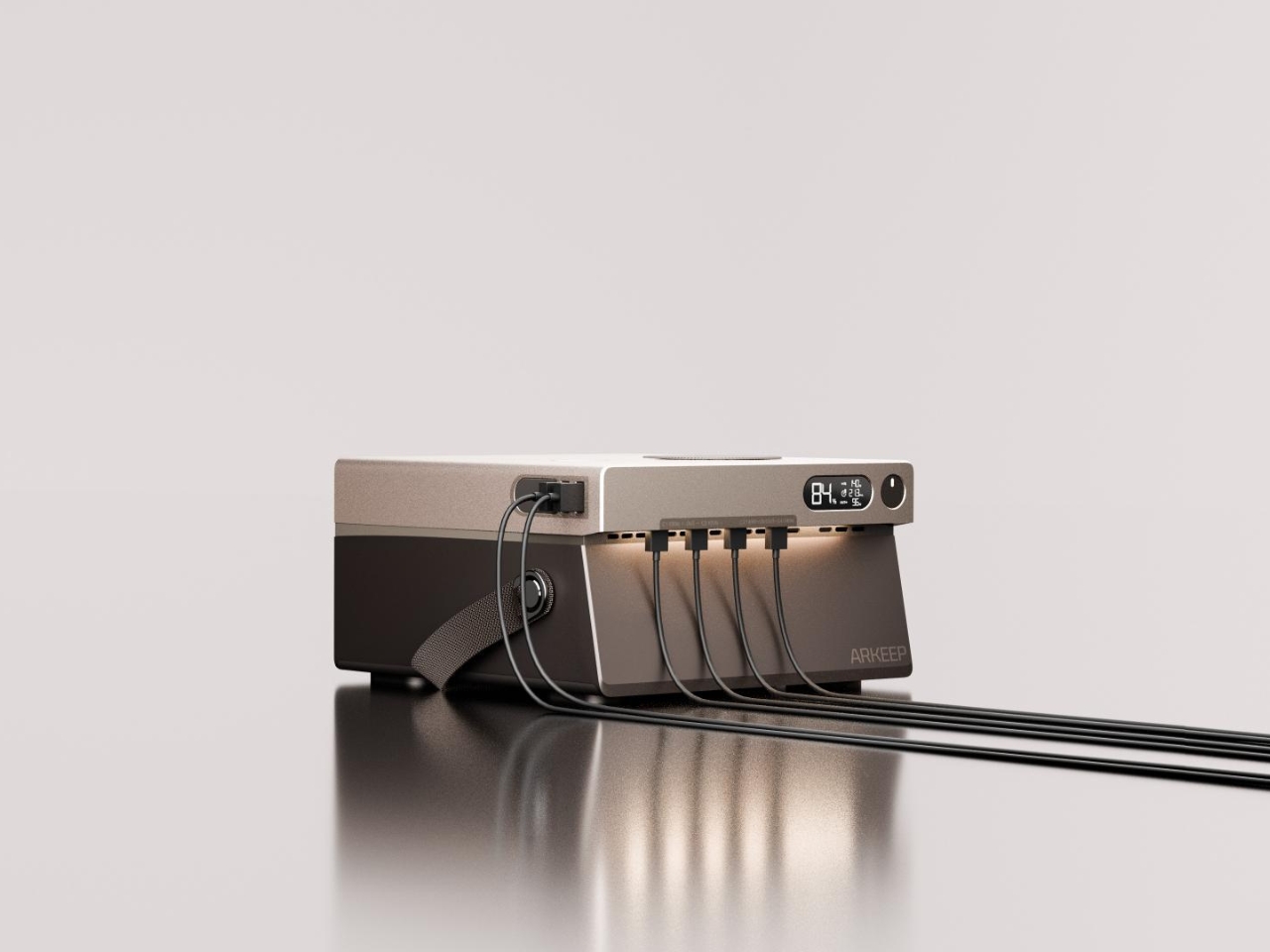
Let’s be honest. Most portable power stations look like someone’s idea of what a camping generator should be: utilitarian, bulky, and about as stylish as a cinderblock. They’re the kind of gadgets you’d happily hide in a closet when company comes over. But what if your power station could actually enhance your space instead of cluttering it? Enter the ARKEEP Halo Portable Power Station, and trust me when I say this isn’t your typical backup battery.

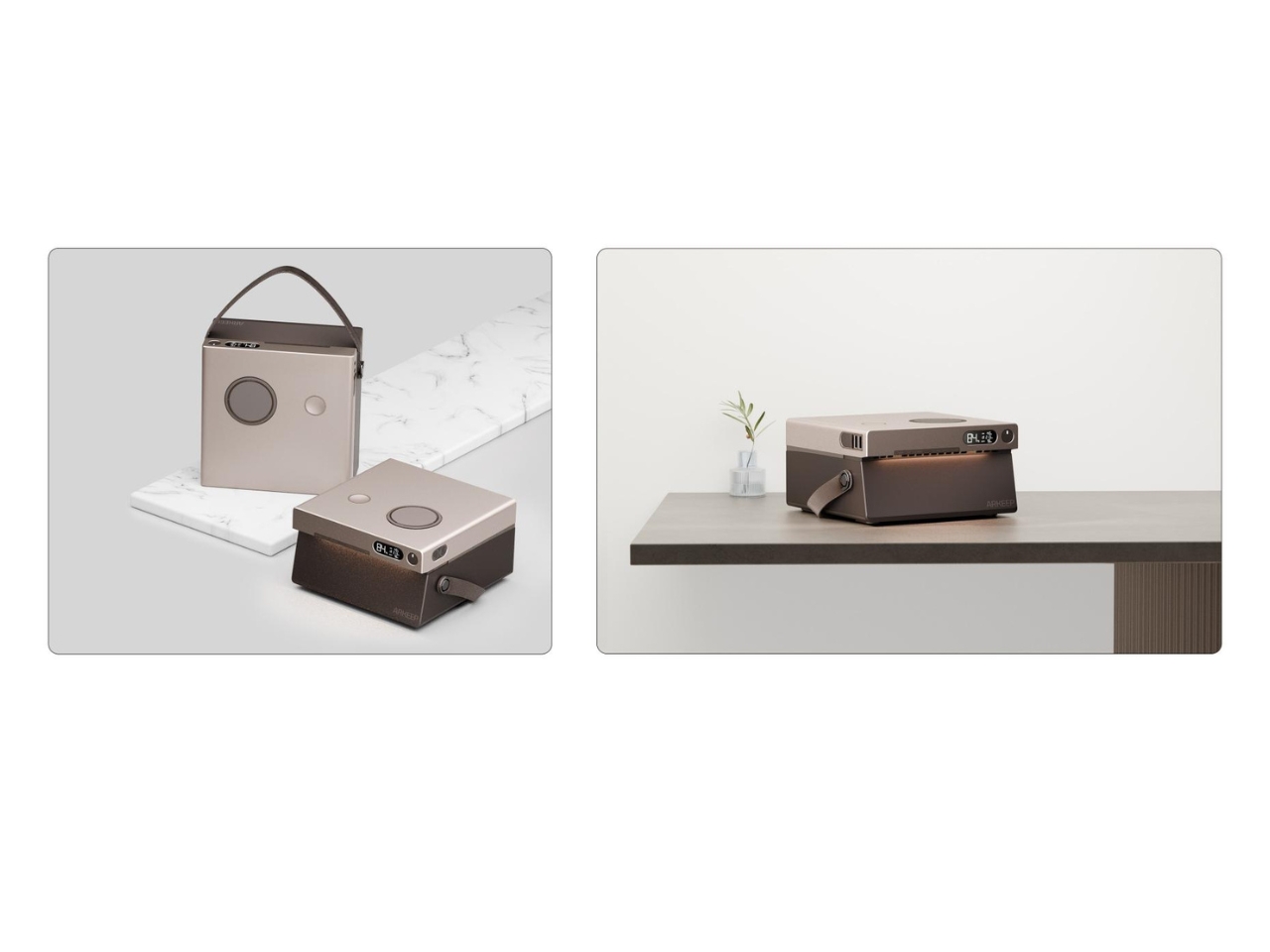
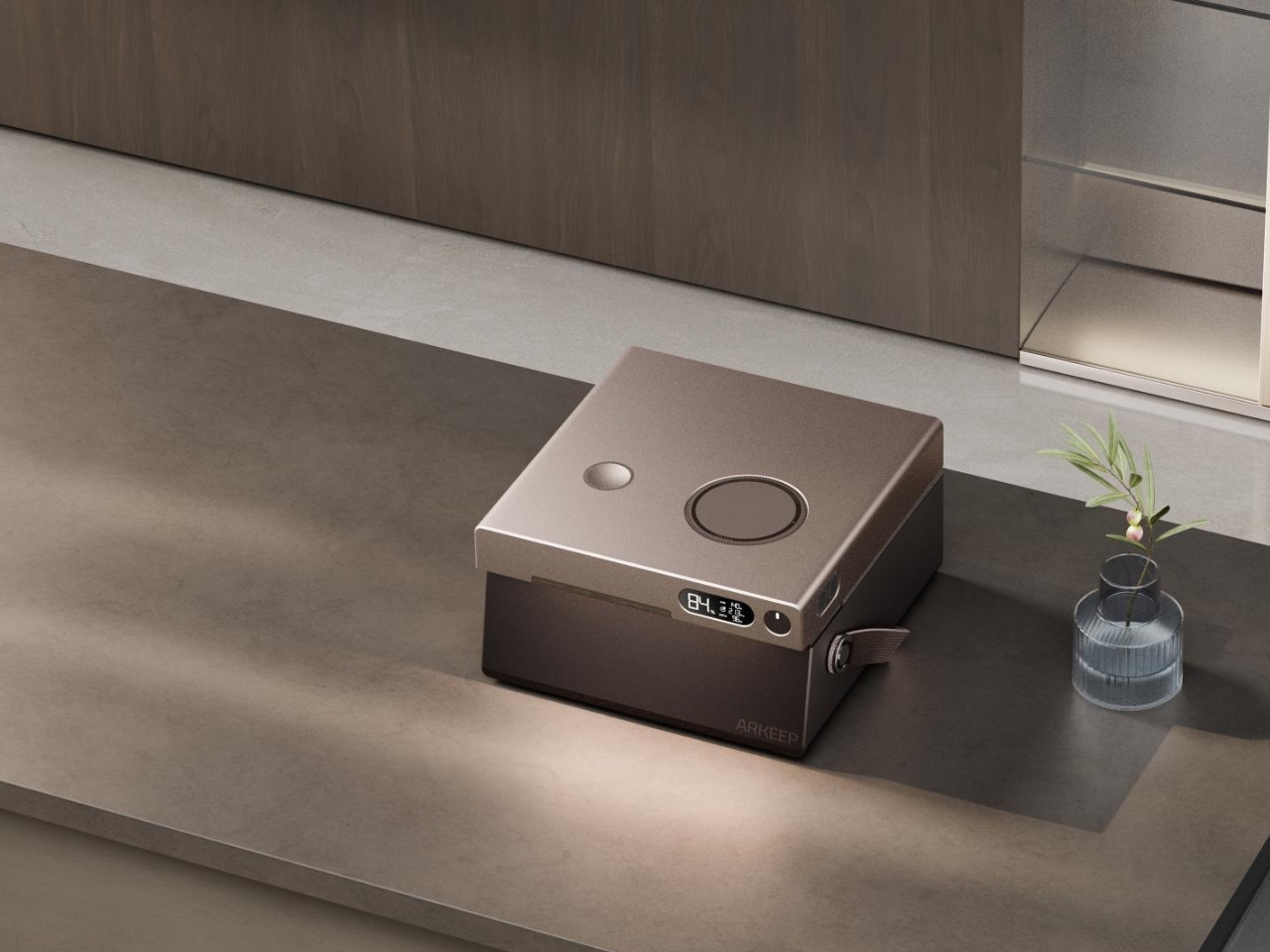
Designed by Union Suppo Battery, the ARKEEP Halo is what happens when someone finally asks the question: why can’t emergency power be beautiful? The result is a device that takes its design cues from high-end electronics rather than construction equipment, creating something that looks equally at home on your desk, in your living room, or tucked into your camping gear.

Designer: Union Suppo Battery

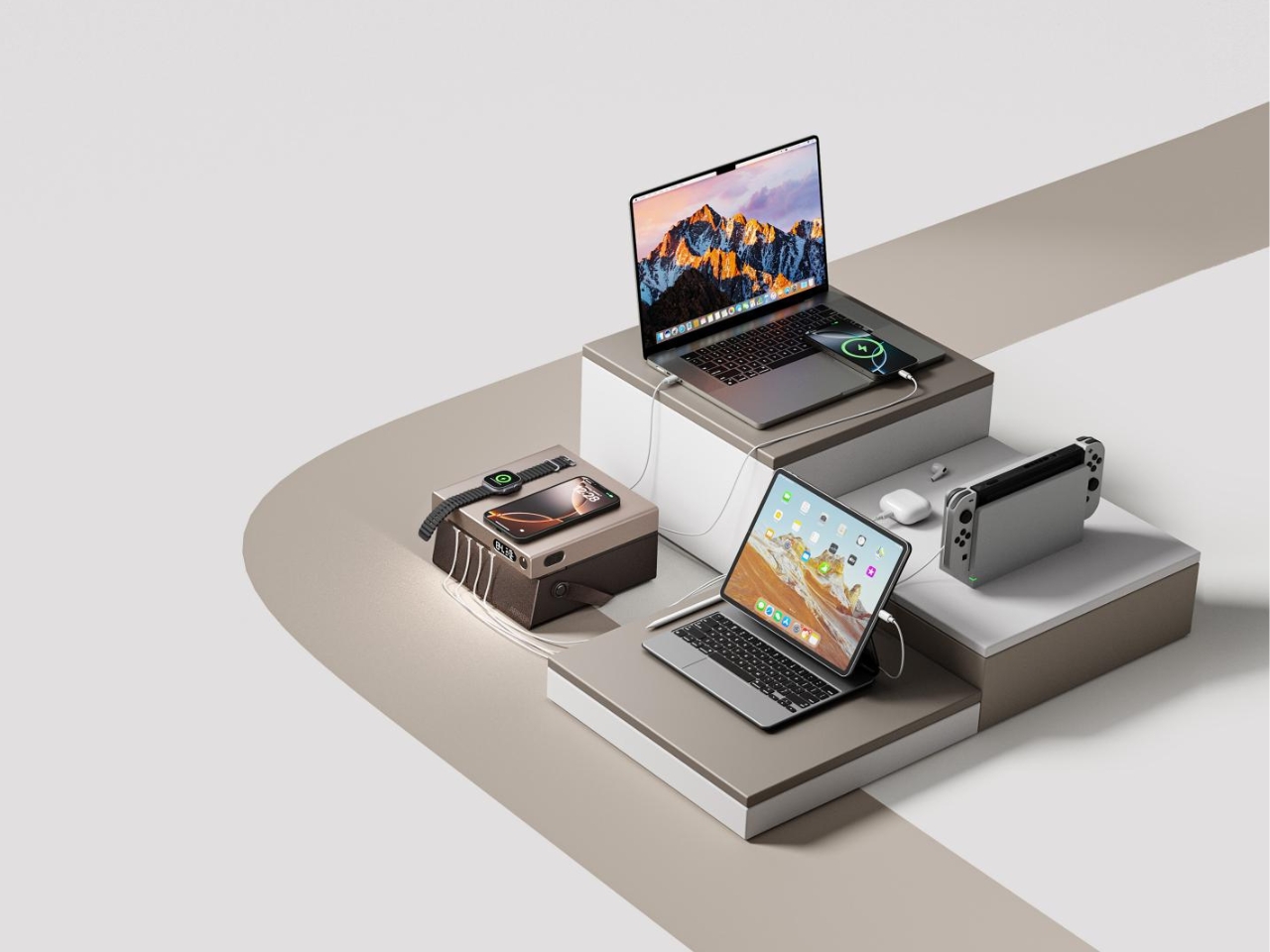
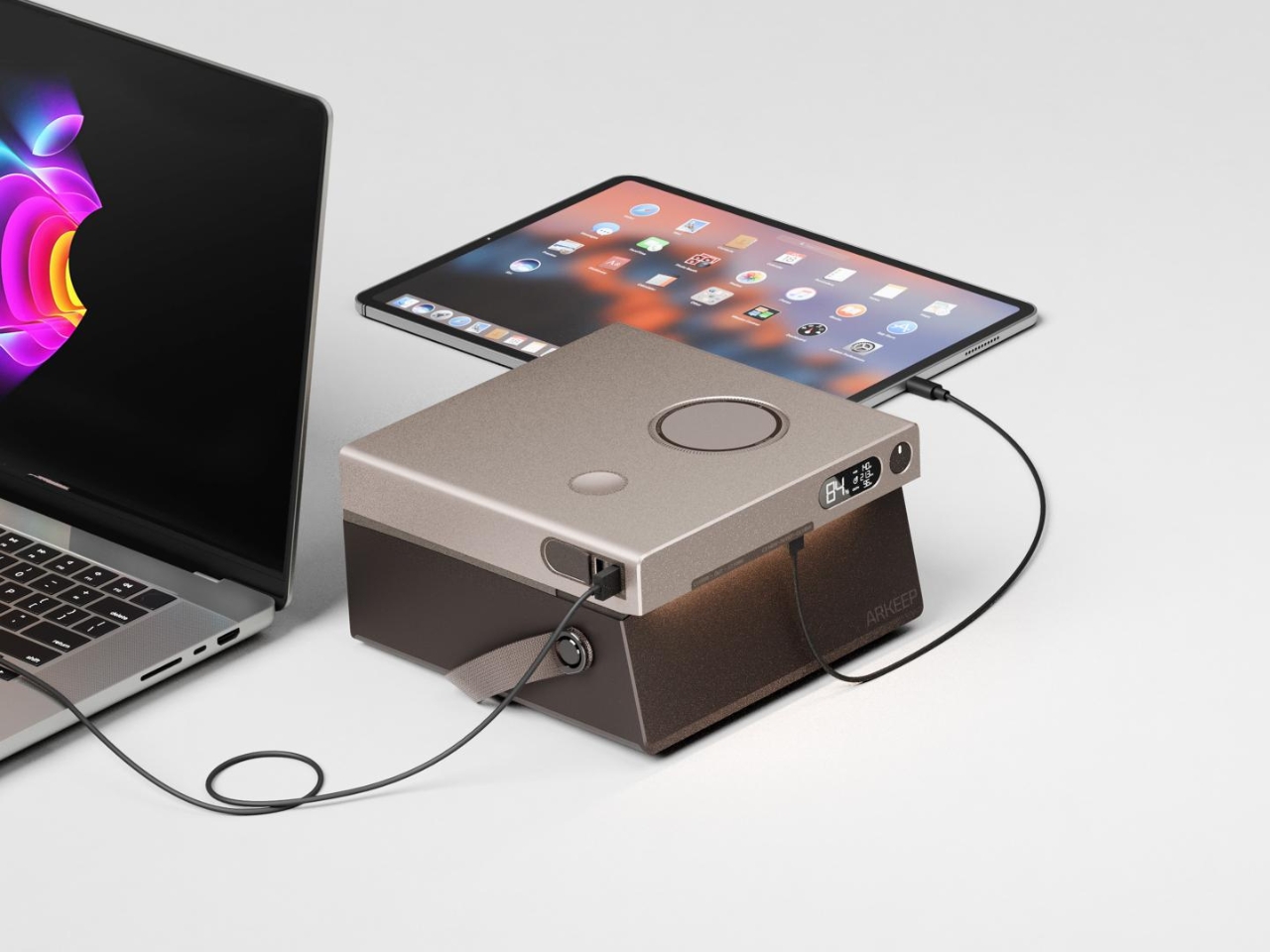
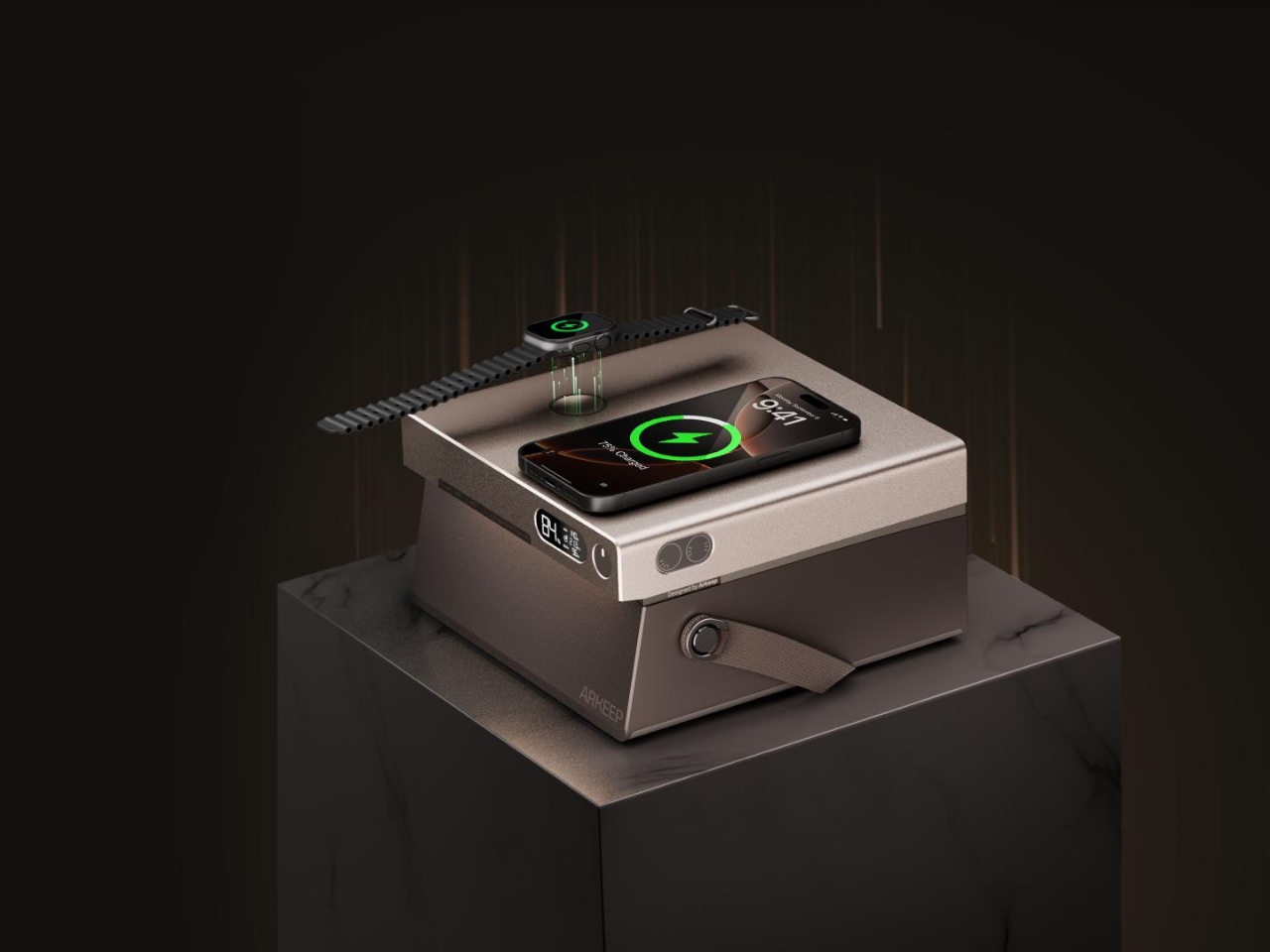
What makes this little powerhouse so compelling is how it refuses to be just one thing. It’s an 8-port charging hub that includes dual 140W PD3.1 ports and dual 100W USB-C ports, two 22.5W USB-A ports, and here’s where it gets interesting: dual wireless charging pads at 15W and 5W. This means you can charge your laptop, your phone, your tablet, and your partner’s phone all at the same time without needing to carry around a tangled mess of charging bricks. It’s the kind of thoughtful design that makes you wonder why every power station doesn’t work this way.

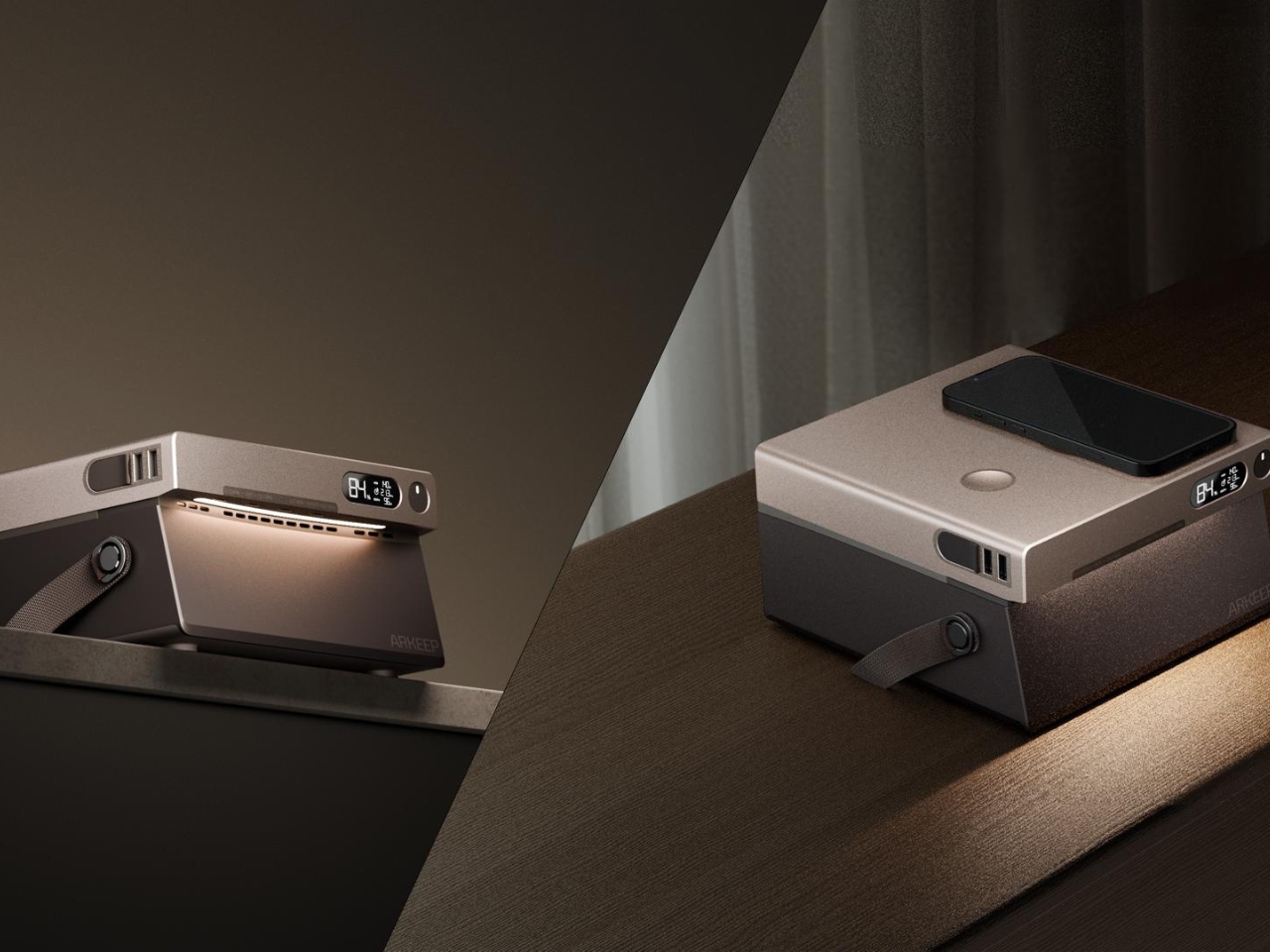
But the real genius of the ARKEEP Halo lies in a feature you wouldn’t necessarily expect from a battery pack: integrated lighting. This isn’t just a simple flashlight stuck on the side. The designers created a 270-degree ambient glow system with adjustable color temperature and brightness that can simulate natural light rhythms. During the day, it provides functional illumination. At night, it shifts to warmer tones with lower blue light output, creating an atmosphere that actually helps reduce anxiety and promotes relaxation. It’s like having a mood lamp, a charging station, and an emergency power supply all rolled into one sleek package.

The design philosophy here is refreshingly different. Instead of treating portable power as purely functional, ARKEEP has reimagined it as an everyday essential that seamlessly integrates into modern life. The aesthetic strikes that tricky balance between looking sophisticated enough for your home office while being rugged enough to handle outdoor adventures. It’s the Swiss Army knife approach to power stations, where versatility doesn’t come at the cost of elegance.

This matters more than you might think. We live in an age where our devices are extensions of ourselves. Our phones, laptops, and tablets aren’t just tools anymore but lifelines to work, relationships, and entertainment. The anxiety of running out of battery has become a legitimate modern stressor. Having a power solution that’s not only reliable but actually pleasant to look at and use changes the entire relationship we have with backup power.

What’s particularly smart about the ARKEEP Halo is how it acknowledges that portable power stations have evolved beyond their original purpose. Sure, they’re still great for camping trips and power outages, but increasingly, they’re becoming part of our everyday tech ecosystem. Remote workers need them for flexibility. Content creators use them for on-location shoots. Digital nomads rely on them for constant connectivity. The ARKEEP Halo was designed with all these use cases in mind, not as an afterthought but as core considerations.

The ambient lighting feature deserves special attention because it reveals a deeper understanding of how people actually use these devices. During power outages, harsh white light can feel jarring and cold. The ability to create a softer, warmer glow transforms a stressful situation into something more manageable. It’s a small detail that makes a significant emotional difference, the kind of thoughtful touch that separates good design from great design.

In a market flooded with black boxes covered in neon highlights and aggressive industrial styling, the ARKEEP Halo stands out by simply being more human. It recognizes that technology should adapt to our lives, not the other way around. Whether you’re powering through a blackout, working from a coffee shop, or setting up camp under the stars, this is a device that actually understands what you need. And that’s worth celebrating.

The post This Power Station Has Mood Lighting (And 8 Charging Ports) first appeared on Yanko Design.

Test de la multiprise UGREEN : bien plus sympa que vos multiprises moches

– Article invité, rédigé par Vincent Lautier, contient des liens affiliés Amazon –

J’ai déménagé récemment, et je me suis très vite rendu compte que je manquais de multiprise, rapport que je suis un Geek avec un bureau franchement très encombré de produits tech divers et variés qui ont besoin d’énergie. L’ami Korben a eu la gentillesse de me dépanner d’une multiprise, mais franchement, elle fait un peu peur, dans son jus bien vintage. Du coup je suis parti à la recherche de multiprises un peu sympa, et comme souvent, je me suis arrêté sur une proposions de la marque UGREEN

Donc UGREEN, j’en parle souvent, vous connaissez sûrement pour leurs câbles et leurs chargeurs GaN de qualité, a sorti une multiprise 10-en-1 . Et franchement, après quelques jours de test, j’en suis bien content.

Le concept n’a rien d’original, un seul bloc qui offre dix sorties. D’abord, vous avez six prises AC (les bonnes vieilles prises 220V). Le point crucial ? Le bloc encaisse une puissance totale de 3680W. En gros, vous pouvez y brancher votre PC gaming avec son alim de 1000W, votre écran 4K, votre imprimante 3D et même la bouilloire pour le café sans foutre le feu à votre baraque.

Mais le vrai plus, ce qui fait la différence avec la rallonge moche que Korben m’a filé (punaise mais je suis d’une ingratitude moi…), c’est la partie chargeur intégrée. On se retrouve avec trois ports USB-A pour les accessoires, et surtout, un port USB-C. Et là, UGREEN n’a pas fait les choses à moitié. Ce port USB-C n’est pas un gadget anémique ; il envoie 20W en Power Delivery. Traduction : il recharge votre iPhone (compatible 17, 16, 15…) ou votre Galaxy (S25, S24…) franchement rapidement, et c’est très bien.

Alors vous allez me dire que des multiprises avec des ports USB et même USB-C ça existe déjà, mais en général ils sont franchement lents. Alors que là, non. Le bloc est équipé d’une puce GaN. Le Nitrure de Gallium, pour les intimes. C’est plus petit, ça chauffe beaucoup moins qu’un chargeur silicium classique, et c’est bien plus efficace énergétiquement. C’est ce qui permet au bloc de ne pas se transformer en radiateur d’appoint tout en délivrant sa puissance. On valide fort.

Au-delà de la puissance, c’est sobre, c’est noir, ça fait “pro” sur un bureau. Les prises sont bien espacées, on peut enfin brancher ces satanés adaptateurs secteur sans jouer à Tetris. UGREEN a même pensé à un interrupteur indépendant (avec un petit clic satisfaisant) pour tout couper d’un coup. Des petits patins en silicone sous le bloc l’empêchent de glisser sur le bureau. C’est bête, mais ça évite de tout arracher en tirant sur un câble.

Niveau sécurité, c’est du solide. Ce n’est pas une simple rallonge, c’est un bloc parafoudre et surtension. Il embarque aussi toutes les protections habituelles (surcharge, court-circuit, etc.). Vos précieux joujoux sont à l’abri. Le câble de 1,3m est bien épais, on sent que c’est fait pour durer.

Franchement, pour un setup propre, que ce soit au bureau, derrière la TV du salon ou sous la table de chevet, c’est parfait. On branche tout, on recharge tout (rapidement !), et on le fait en sécurité, et on limite un peu le “cable management” de l’enfer et la multiplication des blocs chargeurs.

Et le meilleur pour la fin : le prix. D’habitude, ce genre de bestiole bien finie avec du GaN et du Power Delivery 20W tourne autour de 40€, c’est d’ailleurs son prix habituel, mais en ce moment sur Amazon, elle est à moins de 30 euros . Je viens d’en commander deux de plus, et c’est la raison pour laquelle je pense à vous rédiger ce petit test :p

Article invité publié par Vincent Lautier . Vous pouvez aussi faire un saut sur mon blog , ma page de recommandations Amazon , ou lire tous les tests que je publie dans la catégorie “Gadgets Tech” , comme cette liseuse Android de dingue ou ces AirTags pour Android !

Boitiers CPL - C'est l'heure de tester le Kit Multiroom Devolo Magic 2 WiFi 6 Next

– Article en partenariat avec Devolo –

J’avais besoin de WiFi dans un local technique pour brancher des caméras de surveillance parce que mes routeurs sont à l’opposé de la zone à couvrir et finalement la solution la plus fiable et la moins prise de tête que j’ai trouvé, ça a été de passer par mes bons vieux câbles électriques.

Devolo m’a donc envoyé ses Magic 2 WiFi 6 Next en test (Le multiroom kit avec trois adaptateurs), et je les ai vraiment trouvé pas mal. Le kit se compose d’une prise LAN que vous branchez à votre routeur en ethernet, et de deux prises WiFi que vous placez là où vous voulez chez vous. Et le tout communique via votre réseau électrique (technologie CPL ou powerline pour les intimes), et diffuse du WiFi 6 avec mesh intégré.

L’installation prend deux minutes chrono. Vous branchez les trois prises, vpous attendez un peu que toutes les diodes passent au blanc, puis avec l’app devolo Home Network, vous configurez tout ça. Aucune bidouille, aucun paramétrage manuel puisque les trois adaptateurs sont détecté tout seuls et créent alors un réseau mesh transparent.

Attention ne branchez JAMAIS vos adaptateurs CPL sur une multiprise car ça crée des perturbations qui massacrent les perfs. Branchez-les directement sur une vraie prise murale, et ensuite vous pourrez utiliser la prise intégrée aux boitiers pour brancher votre multiprise par-dessus.

Le gros atout du CPL face au mesh WiFi classique, c’est sa stabilité. Un mesh WiFi pur va fluctuer selon les interférences, les murs, les voisins qui balancent du 2.4 GHz à fond. Alors que là, le backhaul (la connexion entre les prises) passe par les câbles électriques à 2400 Mbps max, donc zéro fluctuation. Le WiFi 6 diffusé ensuite monte jusqu’à 3000 Mbps (574 Mbps en 2,4 GHz + 2402 Mbps en 5 GHz), avec du roaming automatique entre les prises.

Par contre, je vais être clair, les performances dépendent énormément de la qualité de votre installation électrique. Si votre maison date de Mathusalem avec un câblage pourri, vous n’atteindrez jamais les débits théoriques. C’est le seul point noir du CPL… ça dépend énormément de votre install électrique.

Ensuite, j’ai mesuré les performances avecc ma configuration. Même étage que le routeur je suis environ 500 Mbps en CPL et au premier étage je suis entre 330 et 415 Mbps selon où je me trouve. Du coup, pour mes caméras de surveillance ou se faire un film en streaming 4K, c’est largement suffisant et surtout ultra-stable.

Si vous regardez bien, sous chaque prise WiFi il y a deux ports Ethernet gigabit, ce qui est parfait si vous avez des appareils filaires à brancher (NAS, switch, caméras PoE avec injecteur…etc) et tout le réseau est extensible puisque vous pouvez ajouter autant de prises Devolo que vous voulez partout chez vous pour couvrir une surface gigantesque.

Le système Devolo embarque également tout ce qu’on attend d’une solution de routeurs / répéteurs modernes : un chiffrement WPA3 pour la sécurité, du WiFi invité pour vos potes histoire de pas leur filer votre mot de passe principal, contrôle parental avec programmation horaire, et Airtime Fairness pour que vos appareils rapides ne soient pas ralentis par le vieux smartphone de belle-maman. Tout se pilote bien sûr via l’app devolo Home Network, disponible sur iOS et Android.

Pour ceux qui ont des connaissances pointues en CPL, sachez que ce système utilise la techno G.hn qui est plus rapide et plus stable que l’ancien HomePlug AV2. Donc si vous avez de vieux adaptateurs CPL qui traînent, autant les offrir à quelqu’un qui n’en a pas parce que la différence de performances est énorme. Le G.hn gère carrément mieux les perturbations et offre des débits très supérieurs.

Voilà, alors si vous êtes comme moi et que vous avec une maison ancienne avec des murs épais, plusieurs étages, ou des zones où le WiFi ne passe juste pas genre loin dans le jardin, suffit d’avoir l’électricité et vous êtes opérationnel. Par contre, si vous vivez dans un appart récent avec des murs en placo, un simple système mesh WiFi fera probablement l’affaire pour moins cher.

Maintenant le truc qui pique un peu mais quand on aime on ne compte pas, c’est le prix. Comptez environ 400-470 euros le kit Multiroom (3 adaptateurs) selon les revendeurs. C’est cher, mais quand l’alternative c’est de tirer des câbles Ethernet à travers toute la baraque ou de galérer avec un mesh WiFi capricieux dans une vieille baraque, ça se défend. Et Devolo offre une garantie de trois ans, donc vous êtes tranquille.

Notez qu’il existe aussi un Starter Kit à deux adaptateurs autour de 240-260 euros si vous avez une surface plus modeste.

Donc voilà, pour mon local technique et mes caméras WiFi, le Devolo Magic 2 WiFi 6 Next fait très bien le job. Après c’est comme tout, c’est une solution miracle mais pour des cas comme le mien où le WiFi classique ne suffit pas et que les distances sont trop grandes, ça change la vie ! Et maintenant j’ai un super wifi pour bosser dans le jardin et faire mes tests de caméras !

Meet TORRAS Flexline 67W: The Retractable Charger That Tames Cable Chaos

The modern tech user’s bag has become a graveyard of tangled cables, forgotten adapters, and bulky chargers that somehow multiply when you’re not looking. You’ve got the laptop charger, the phone charger, the USB-C cable that works with some devices but not others, and maybe a power bank thrown in for good measure. Every business trip or study session involves hunting through this electronic spaghetti to find the right combination of cables and adapters.

TORRAS apparently looked at this universal chaos and decided there had to be a better way to handle our charging needs without turning every bag into a cable management nightmare. Their Flexline 67W retractable charger and MiniMag power bank represent two different approaches to solving the portable power problem, each addressing specific pain points that anyone juggling multiple devices will immediately recognize and appreciate.

Designer: TORRAS

Click Here to Buy Now: Amazon (10% off, use coupon code “4CZXXE4T”) | Website (10% off, use coupon code “Yanko Design”). Hurry, offer ends in 48-hours!

Flexline 67W Retractable Charger: Engineering Meets Everyday Convenience

The Flexline 67W takes a radically different approach by integrating everything you need into one compact device that’s smaller than most laptop chargers alone. The built-in retractable USB-C cable extends smoothly up to 1 meter with a stepless adjustment mechanism that feels genuinely satisfying to use. Unlike those cheap retractable cables that jam or snap after a few months, this system is engineered for over 10,000 pulls and tested to the point where it can literally suspend a suitcase.

What makes the retractable mechanism particularly clever is the magnetic Type-C head locking system that ensures precise alignment every time you connect or store the cable. The magnetic snap provides tactile feedback that confirms a secure connection, while the anti-jamming design means the cable retracts smoothly without getting stuck or requiring multiple attempts. This attention to mechanical detail transforms a simple charging action into something that feels engineered rather than just functional.

The dual USB-C charging capability addresses the reality that most people carry multiple devices that need power throughout the day. You can charge a laptop at up to 45W while simultaneously powering your phone at 20W through the additional USB-C port, with smart power allocation automatically adjusting output based on what’s connected. The second USB-C port accepts any standard cable, giving you flexibility for different devices or charging scenarios without limiting you to just the built-in retractable cable.

TORRAS has integrated serious thermal management technology that goes beyond what you’d expect from a portable charger. The Tora-Iceon intelligent thermal control system uses GaN III semiconductor technology, NTC dual chips, and AI temperature monitoring that checks thermal conditions 36,000 times per hour. This isn’t just about keeping the charger cool, but actively protecting your phone’s battery health by preventing the heat damage that fast charging can cause over time.

The engineering extends to practical durability features that matter for daily use. The foldable plug prevents scratches in your bag while keeping the overall footprint minimal, and the smooth, glossy exterior resists wear from constant handling. Universal voltage support means it works anywhere in the world, while compatibility with PD3.1, QC3.0, PPS, and Apple 2.4A protocols ensures fast charging for virtually any modern device you might own.

For business travelers and students, the Flexline 67W represents a genuine upgrade in both convenience and reliability. Instead of hunting through your bag for the right cable or adapter, everything you need is integrated into one device that’s actually smaller than most traditional laptop chargers. The retractable cable means you can pull out exactly the length you need for any situation, whether you’re working at a cramped airplane tray table or a spacious conference room.

The build quality reflects TORRAS’s commitment to longevity rather than planned obsolescence. With a two-year warranty and a claimed 10-year lifespan, the Flexline 67W is designed to outlast multiple device upgrade cycles. This approach reduces electronic waste while providing genuine value for users who are tired of replacing cheap chargers every few months when they inevitably break or stop working reliably.

MiniMag Power Bank: Ultra-Slim Wireless Charging Anywhere

The MiniMag power bank takes a different approach to portable power, prioritizing wireless convenience and ultra-slim portability over maximum capacity. At just 0.3 inches thick, it’s genuinely thinner than most smartphones and slides effortlessly into a pocket, wallet, or small bag without adding noticeable bulk to your everyday carry setup.

The aluminum alloy construction serves dual purposes, providing both heat dissipation for safe charging and a premium feel that matches high-end devices. The 5,000mAh capacity might seem modest compared to brick-sized power banks, but it’s perfectly sized for emergency phone charging or extending your device’s battery life during long days away from outlets without weighing you down. There’s also a 10,000mAh variant for those who want to pack an extra punch.
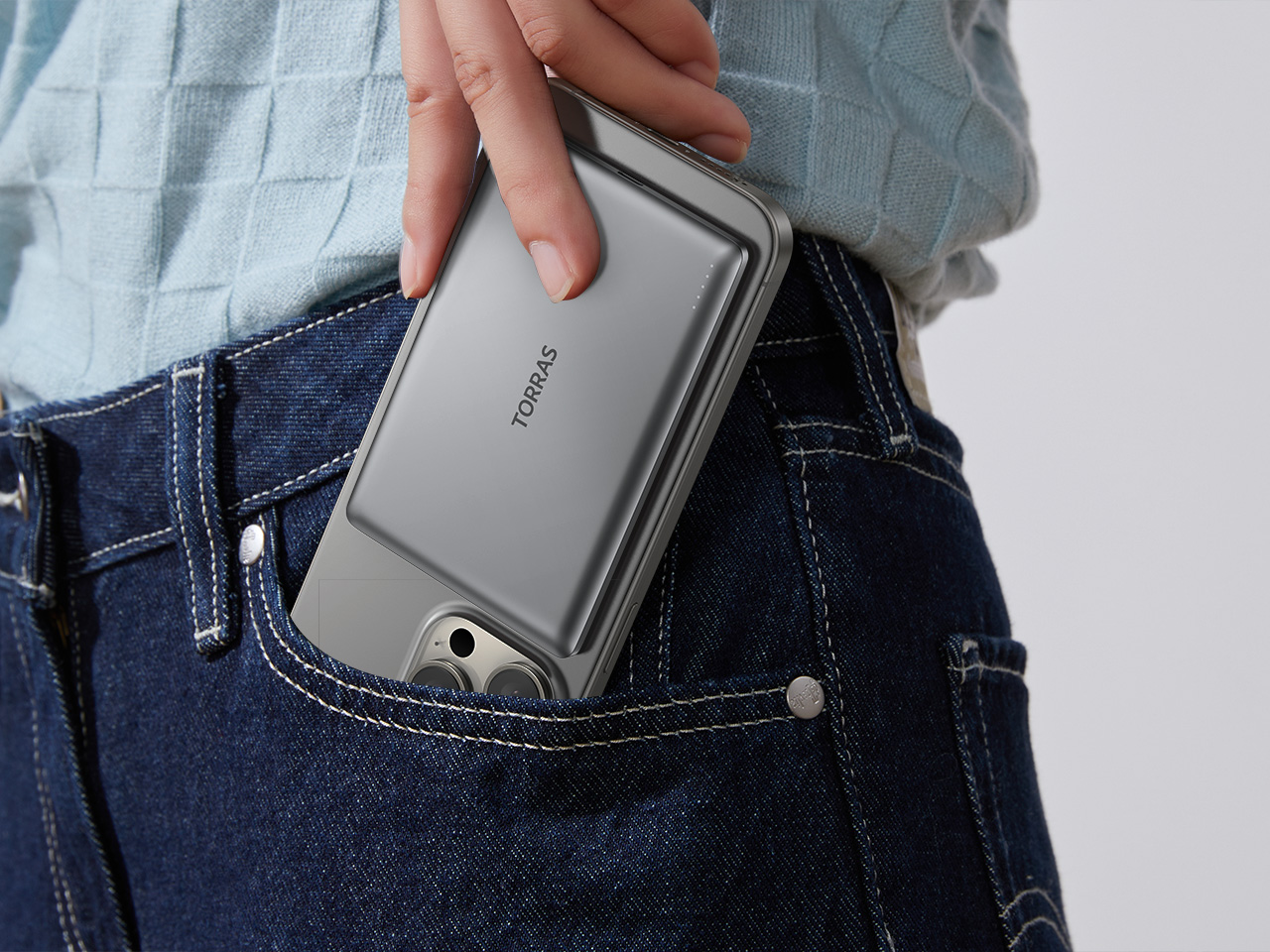
MagSafe compatibility makes the MiniMag particularly appealing for iPhone users who want truly cable-free charging. The magnetic alignment ensures a secure connection with compatible cases, while 7.5W wireless charging provides steady power without the heat buildup that can damage batteries. For faster charging or non-wireless devices, the 18W USB-C port handles wired charging efficiently, and you can charge two devices simultaneously.

The MiniMag’s real strength lies in its convenience for everyday scenarios. Whether you’re commuting, traveling, or just want backup power without the bulk, it provides reliable charging that doesn’t interfere with how you use your phone. Pass-through charging means you can charge both the power bank and your device simultaneously, while LED indicators keep you informed about remaining capacity without guesswork or surprise power outages.
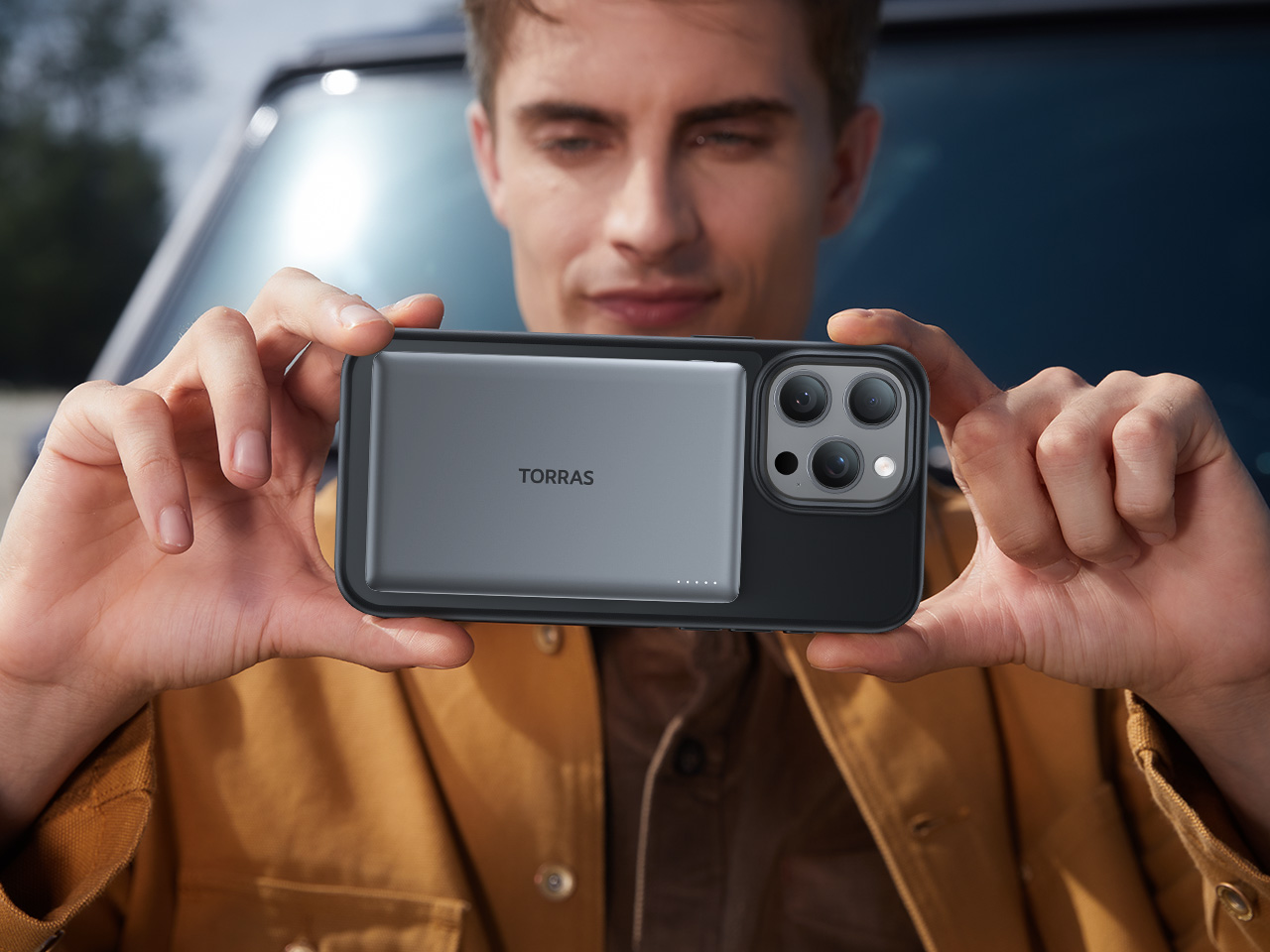
Both products demonstrate how thoughtful engineering can transform mundane accessories into tools that genuinely improve daily life. The Flexline 67W and MiniMag represent a shift toward charging solutions that prioritize user experience, durability, and real-world convenience over just delivering power as cheaply as possible.

Click Here to Buy Now: Amazon (10% off, use coupon code “4CZXXE4T”) | Website (10% off, use coupon code “Yanko Design”). Hurry, offer ends in 48-hours!

The post Meet TORRAS Flexline 67W: The Retractable Charger That Tames Cable Chaos first appeared on Yanko Design.

SpeculationControl - Un module PowerShell anti-Spectre / Meltdown

Vous vous souvenez de Spectre et de Meltdown ? Mais siiii, ces petites vulnérabilités qui ont foutu le bazar dans tous les processeurs en 2018 ?

Eh bien figurez-vous que Microsoft vient de mettre à jour son outil de vérification, histoire de nous rappeler que nos CPU sont toujours aussi troués qu’un emmental (Oui, le gruyère n’a pas de trou). Le module SpeculationControl pour PowerShell évolue donc et c’est l’occasion parfaite de faire un petit check-up sécurité de vos machines.

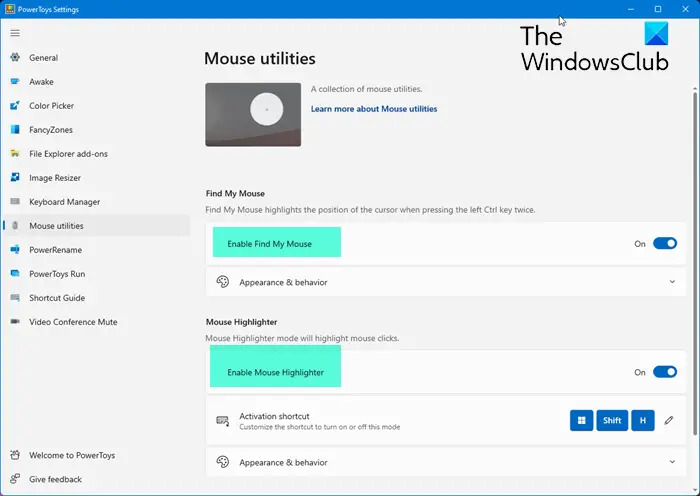
Using Find My Mouse & Mouse Highlighter feature in PowerToys

mouse powertoysThe new version of PowerToys tool, comes with something you might like. If you’re interested in enhancing how your mouse works, then we suggest taking advantage of what the Mouse Utility category has to offer. With this section, you should come across two new features, and they are Find My Mouse and Mouse Highlighter. Now, let […]
The post Using Find My Mouse & Mouse Highlighter feature in PowerToys appeared first on TheWindowsClub News.

Command Not Found utility detects command-line errors in PowerShell

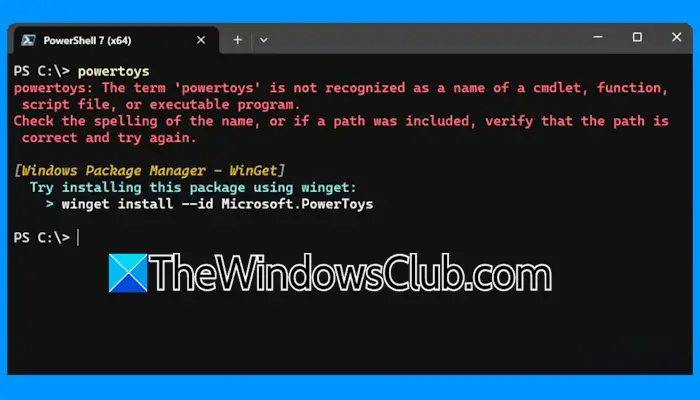
Command Not Found utilityCommand Not Found is a PowerShell 7 module that detects an error thrown by a command and suggests a relevant WinGet package to install, if available. It is a helpful tool, as it makes it easier to find and install the packages you need. Command Not Found utility detects command-line errors in PowerShell The Command […]

The post Command Not Found utility detects command-line errors in PowerShell appeared first on TheWindowsClub News.

❌