Vue lecture

Il y a de nouveaux articles disponibles, cliquez pour rafraîchir la page.

UNO x Formula 1 Card Game Features Exciting New Gameplay With All 10 Teams And 1000+ Collectible Cards
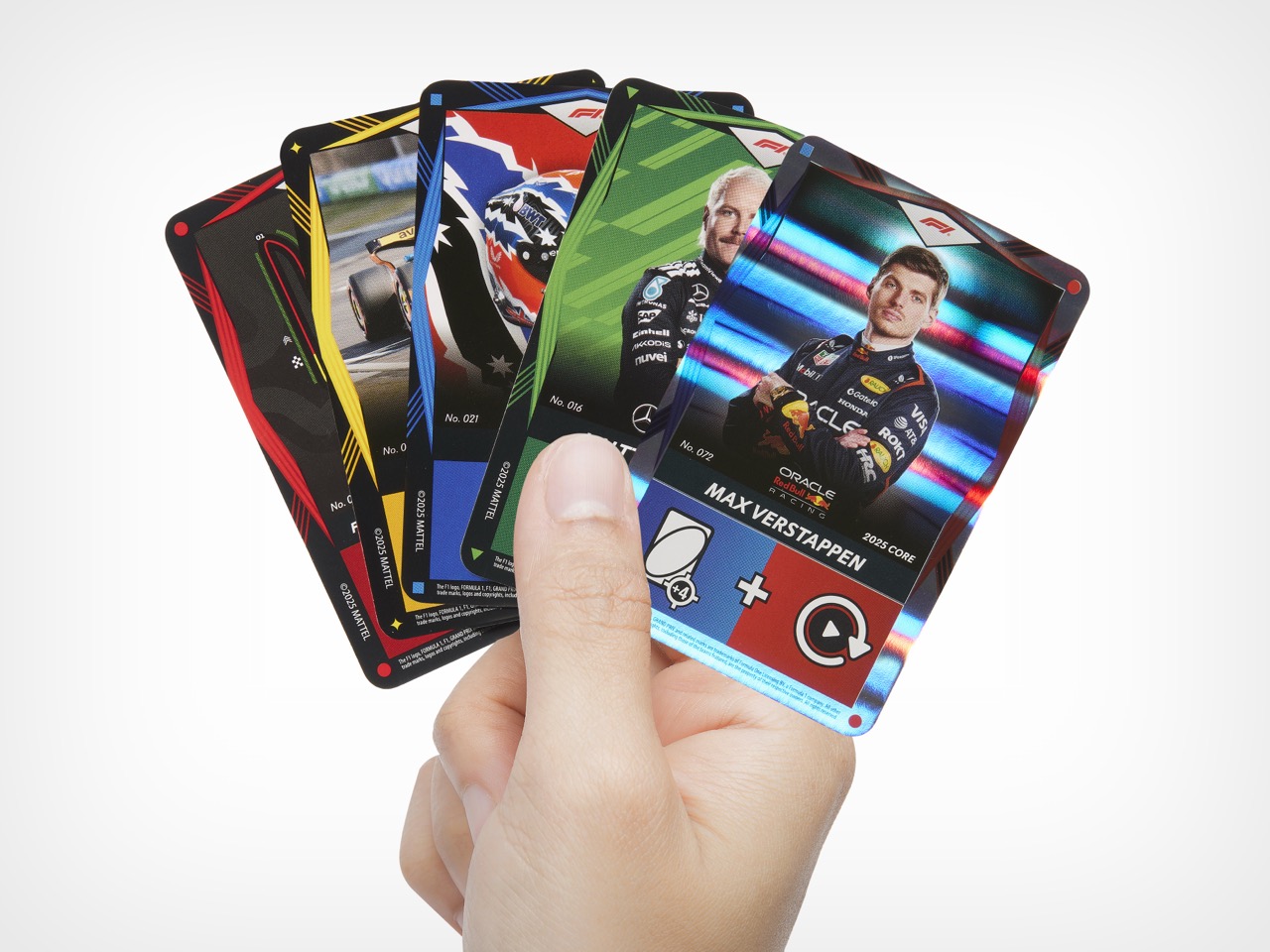
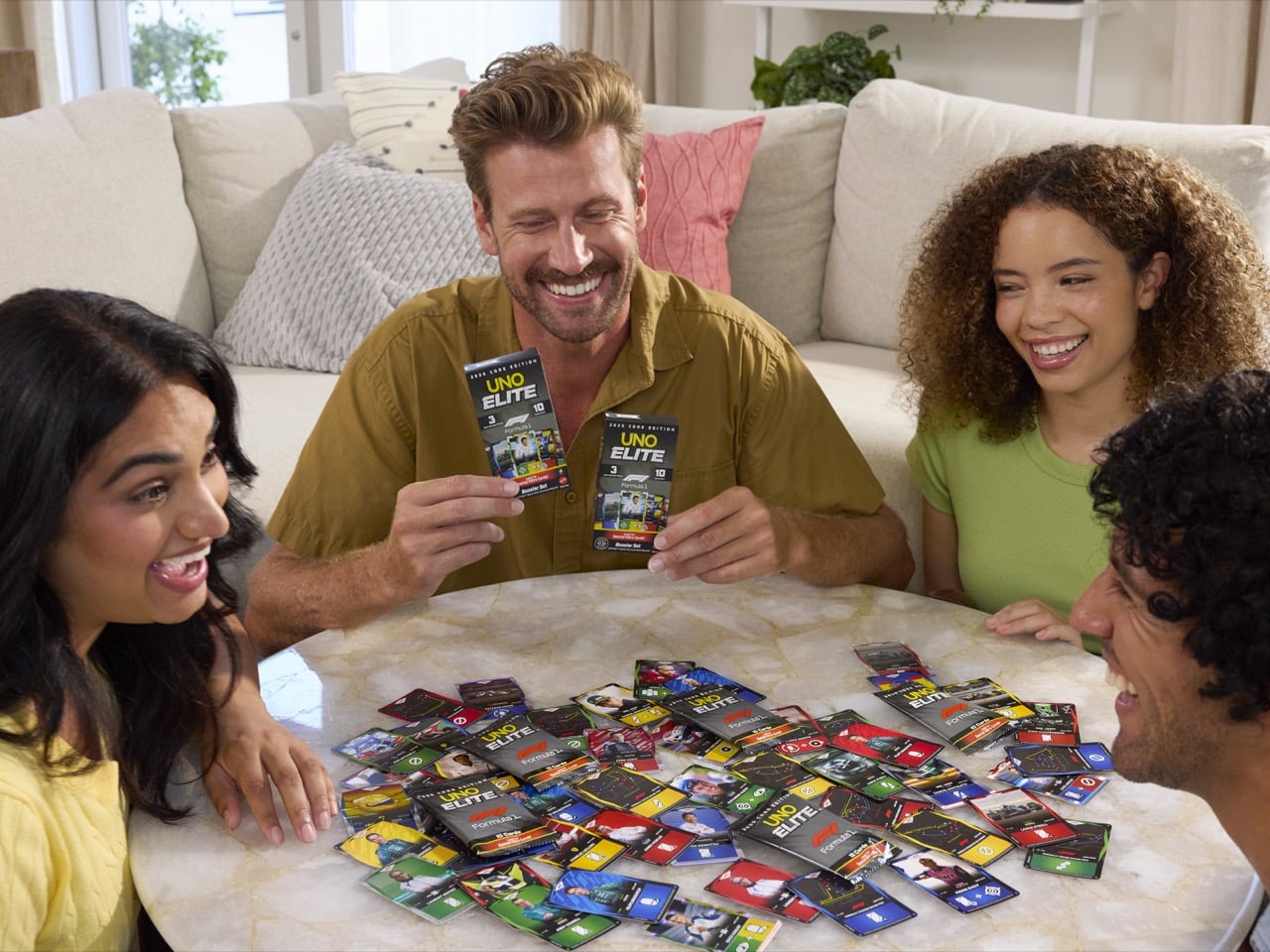
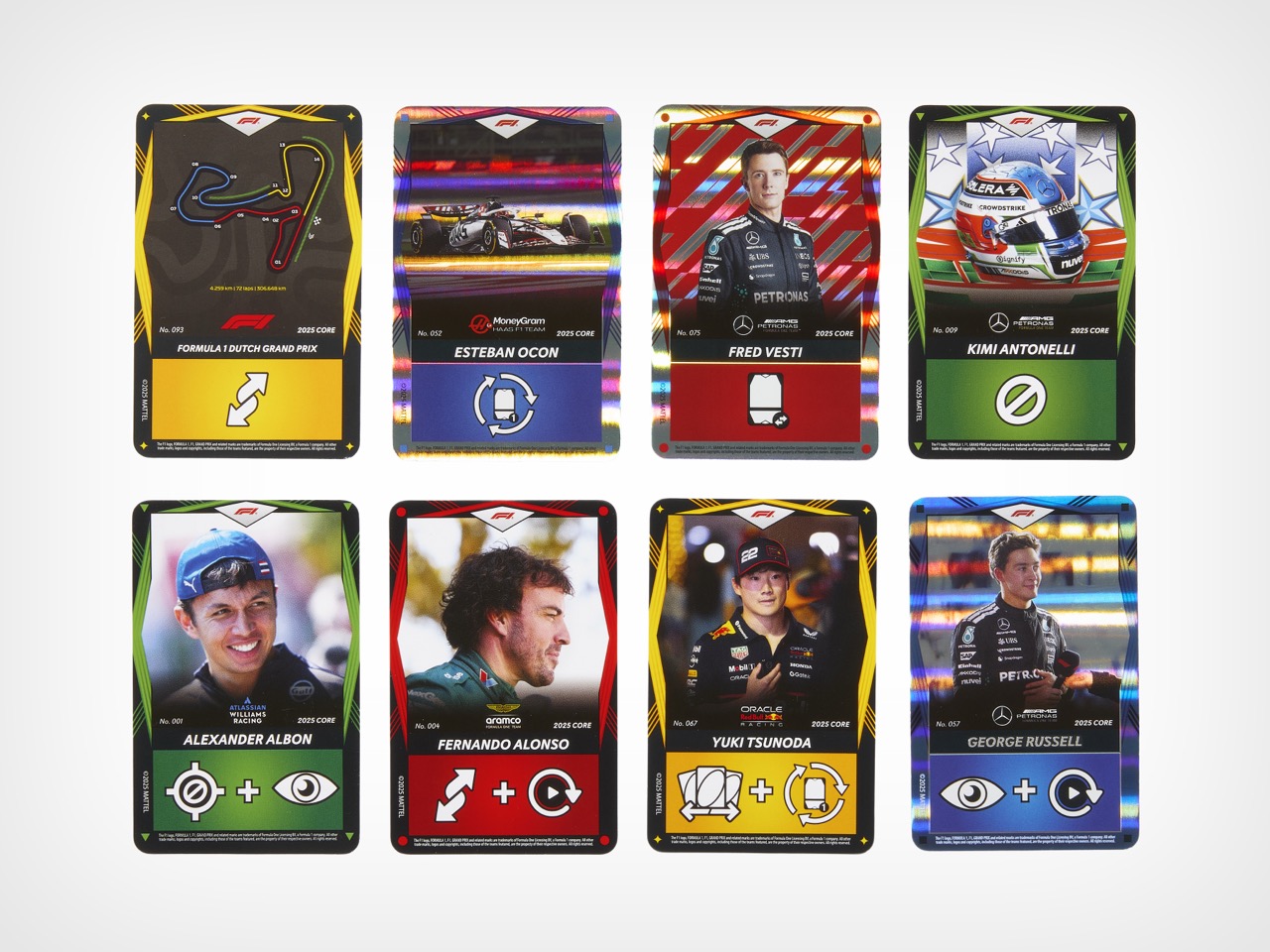
Most licensed UNO decks are basically souvenirs; you play the same game you always have, only this time with movie stills or cartoon faces staring back at you. UNO Elite Formula 1 is aiming for something more ambitious. Mattel is taking the basic UNO framework and wrapping it in a light collectible shell, with Elite Action cards that feature F1 drivers, cars, team principals, circuits, and helmets, and then selling those cards in starter packs and boosters like a stripped down trading card game.

That shift changes what an “UNO edition” even is. Instead of a one and done deck, you get a product you can tune, expand, and personalize around your favorite teams and drivers. It is still approachable enough to throw on the table at a family gathering, but there is a clear nudge toward collecting, tinkering, and even house ruling your way into race weekend formats and team championships. In other words, this is UNO stepping closer to F1’s world of strategy and fandom, without asking players to learn an entirely new game.

Designer: Mattel
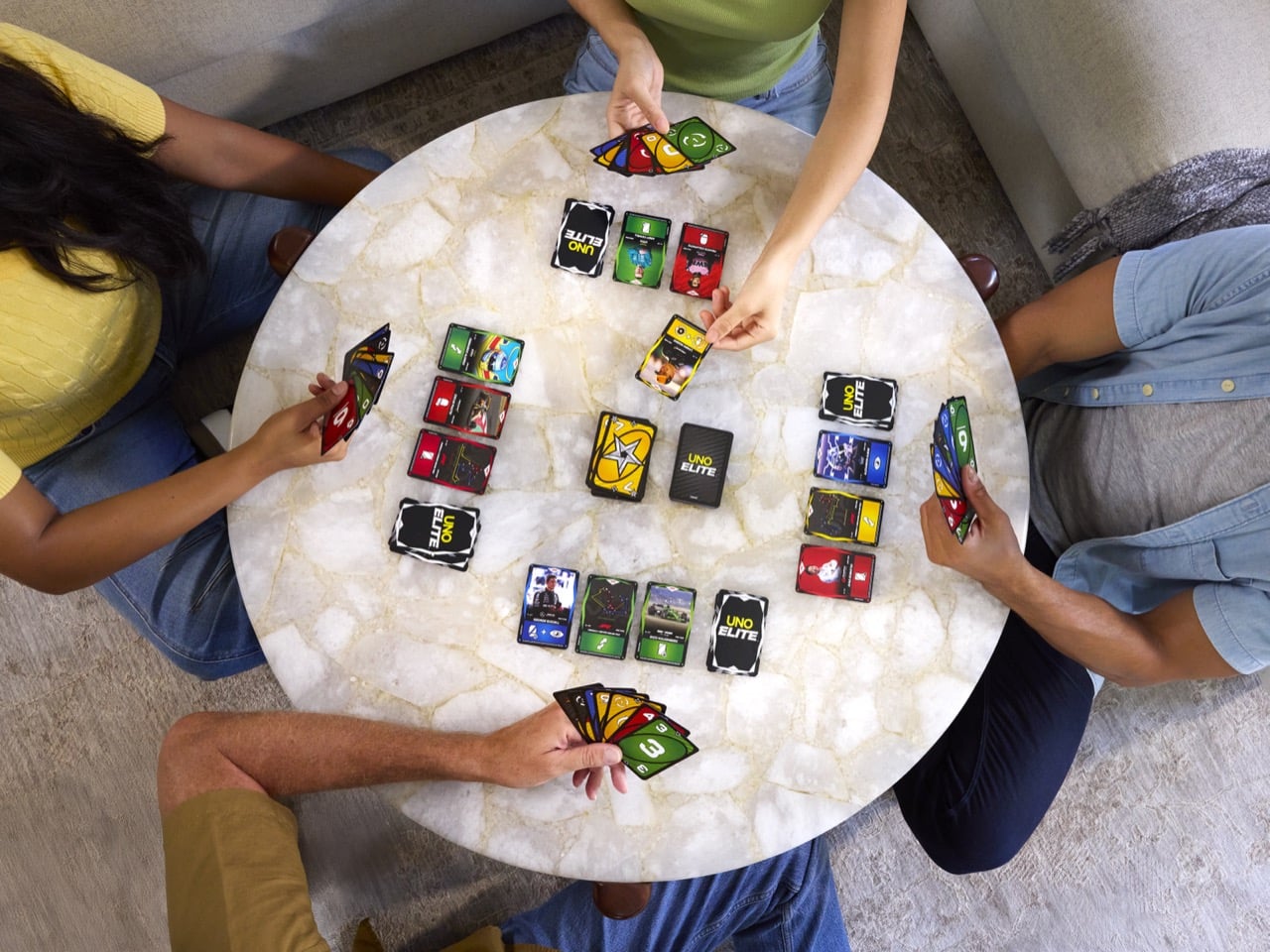
On paper, UNO and Formula 1 do not look like natural teammates. One is a simple, almost universal card game you can teach in under a minute; the other is a hyper technical, data obsessed motorsport with a rulebook thick enough to choke a diffuser. UNO Elite Formula 1 is Mattel’s attempt to bridge that gap, not by turning UNO into a simulation, but by layering F1’s personalities and drama onto a ruleset that practically everyone already knows. The result is a deck that plays like classic UNO at its core, but arrives packaged with Elite Action cards and boosters that push it into collectible territory.
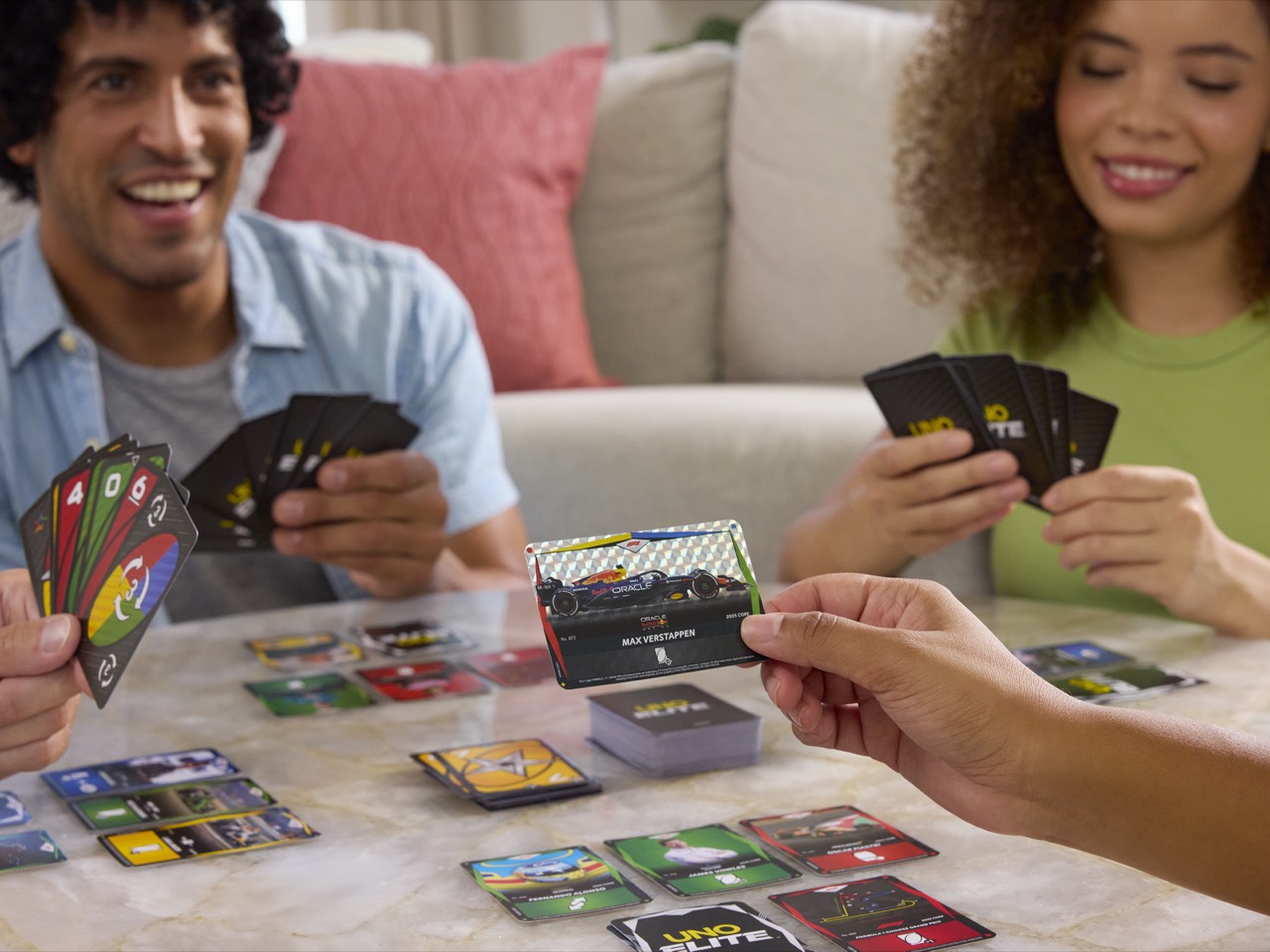
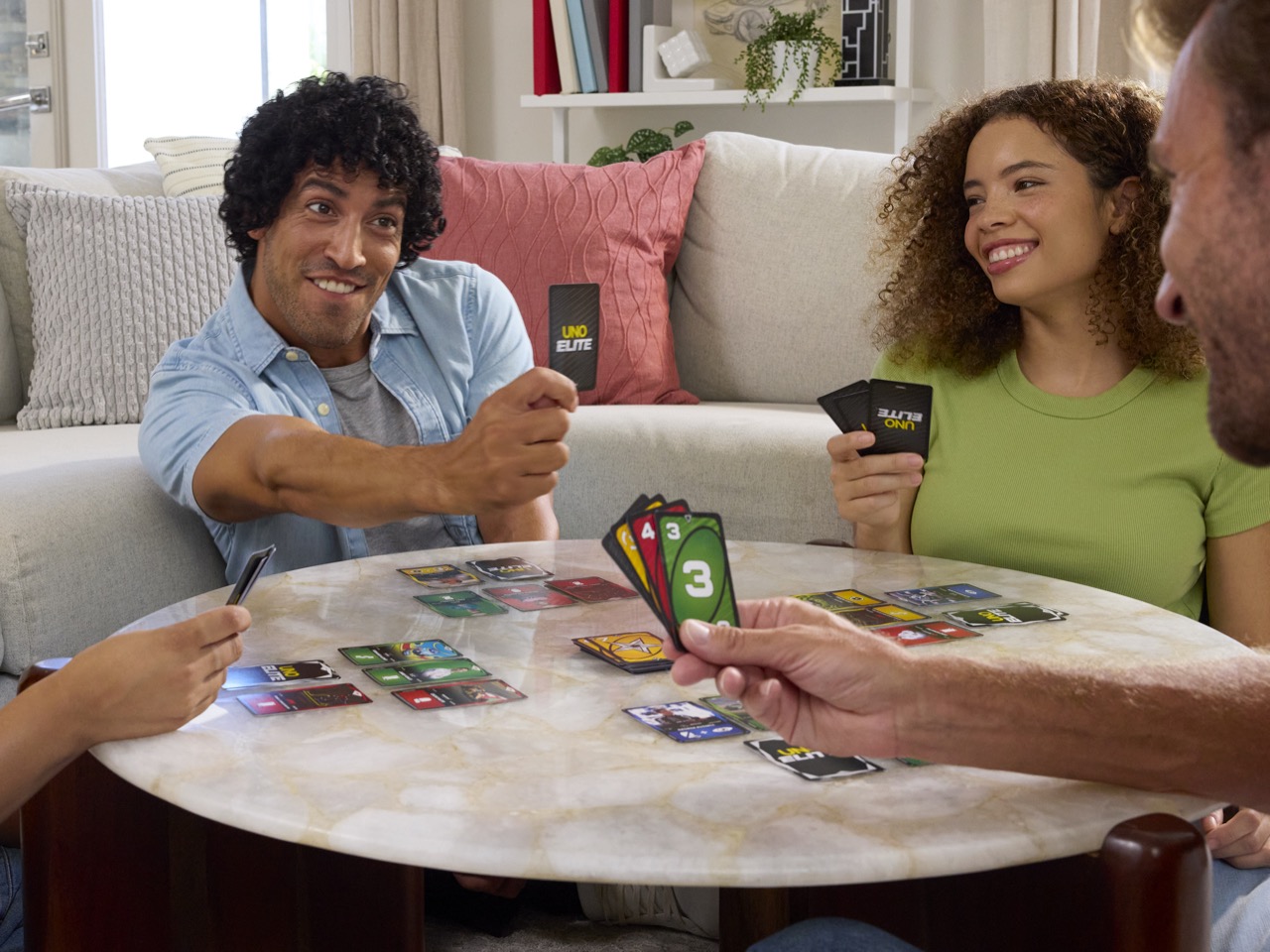
The Core Edition Starter Pack gives you a 112 card deck that functions just like the one you already own, but it also includes four booster packs to get you started. Those packs contain a random assortment of the set’s 100 plus unique Elite Action cards. From there, you can buy separate Booster Sets to keep hunting for your favorite drivers or to find rare foil variations, which bring the total number of unique cards in the line to over 1,000. It is a clever way to add the thrill of the chase from trading card games without the intimidating barrier of complex deckbuilding rules.
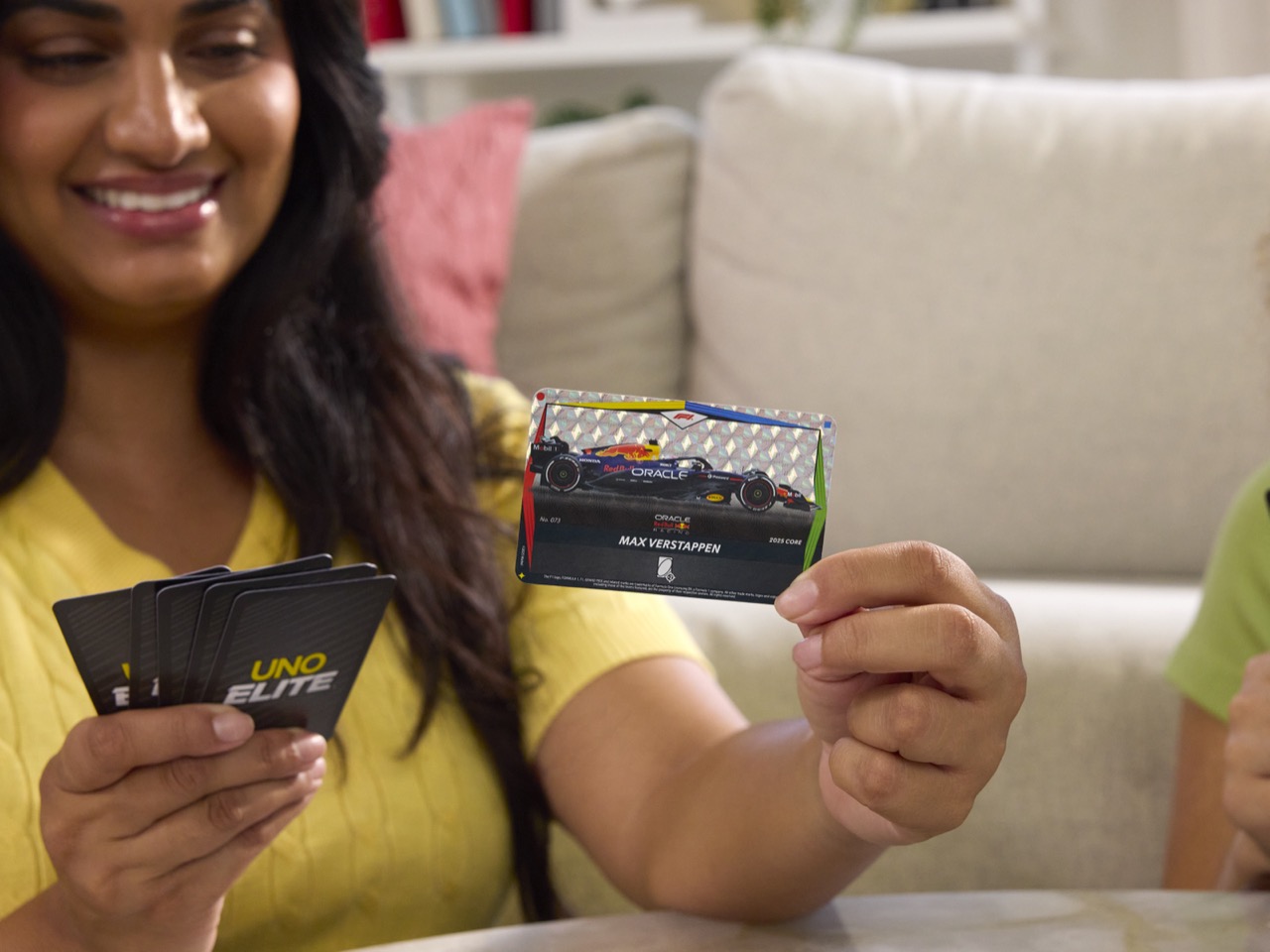
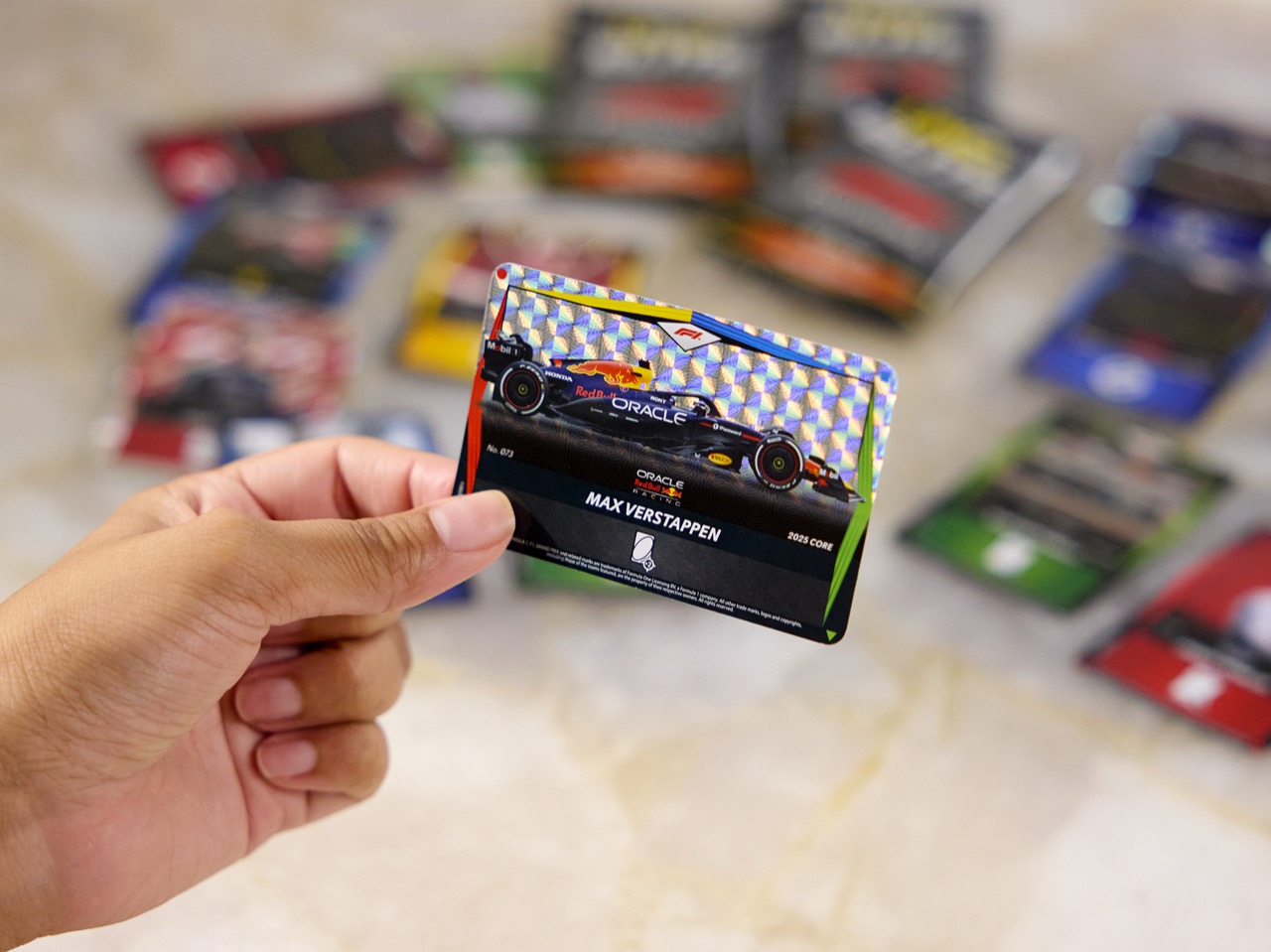
What this does at the table is make the game modular. You can keep the Elite cards out and play a pure, classic game of UNO. Or you can shuffle in a handful of them to add a little F1 flavor, introducing new actions tied to drivers, teams, or circuits. For dedicated fans, the real fun will be in curating the experience, perhaps creating a deck where only cards from rival teams are included, or running a “constructors championship” where players team up and score points over a whole evening. The game provides the pieces; the players provide the narrative.
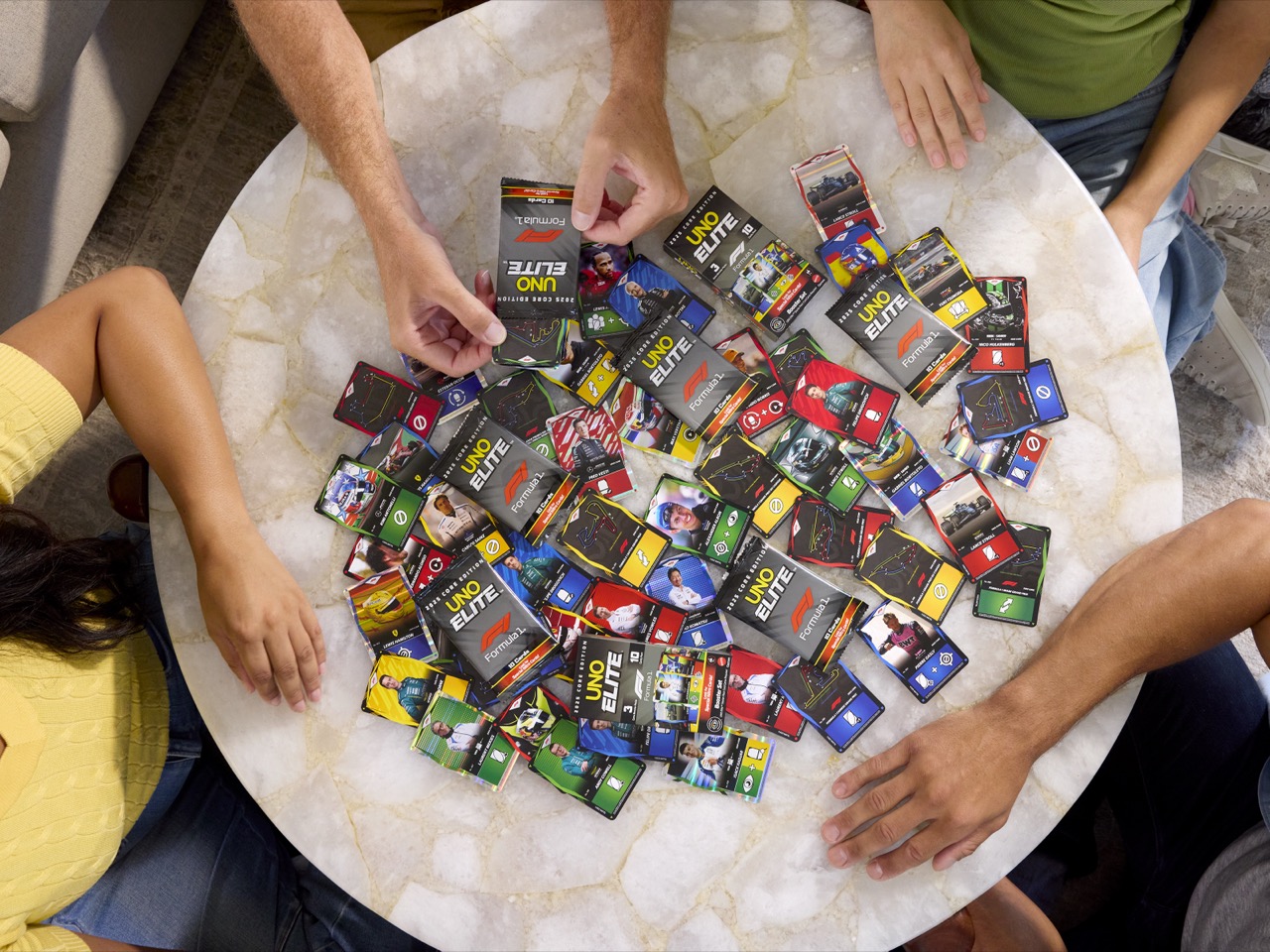
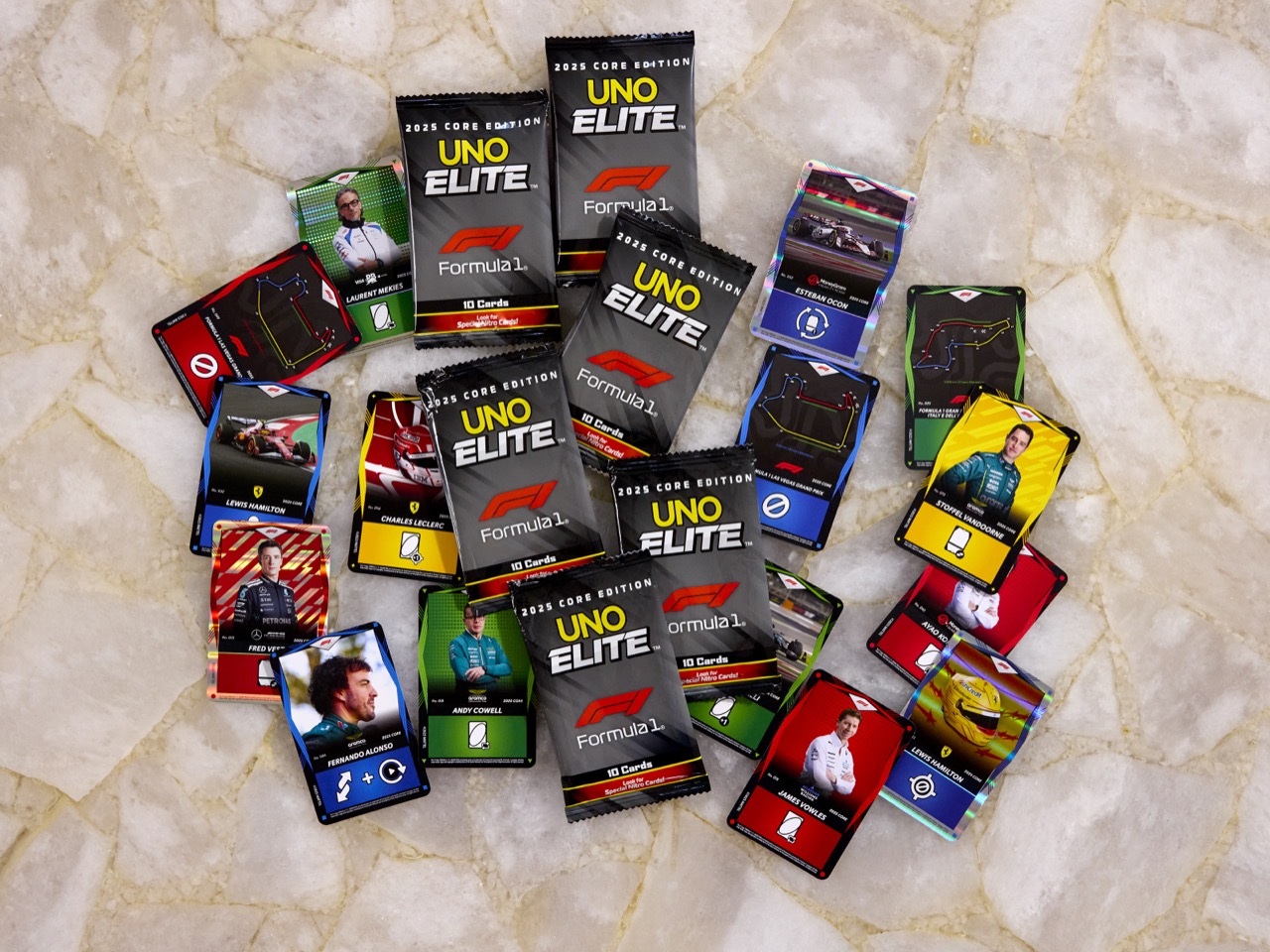
 

This is a smart play from both Mattel and Formula 1, who both acknowledge that their fanbases are passionate and ready for new ways to engage. It is a low friction entry point for F1 fans who might not touch a traditional hobby board game, and it gives UNO a much needed shot of strategic depth and collectibility that could keep it on the table for longer. The success of UNO Elite Formula 1 will ultimately depend on whether players embrace that potential. It is one thing to provide the tools for a deeper experience, but it is another for the community to pick them up and build something truly exciting with them.
The post UNO x Formula 1 Card Game Features Exciting New Gameplay With All 10 Teams And 1000+ Collectible Cards first appeared on Yanko Design.

Vaccin COVID - Une turbo bonne nouvelle pour le traitement du cancer

Vous vous souvenez des débats enflammés sur les vaccins COVID et de ces théories complotistes de “turbo cancer” qui circulaient partout sur les réseaux sociaux ? Bon c’est un peu has been maintenant mais c’était cette fausse idée que les vaccins mRNA provoqueraient des cancers fulgurants…

Et bien accrochez-vous, parce que des chercheurs très sérieux viennent de découvrir EXACTEMENT l’inverse. Vous allez voir, c’est drôle !

Des oncologues de l’Université du Texas et de l’Université de Floride ont analysé les dossiers de plus de 1000 patients atteints de cancers du poumon ou de mélanomes avancés et ils ont remarqué un truc bizarre : les patients qui avaient reçu un vaccin mRNA contre la COVID dans les 100 jours suivant le début de leur immunothérapie vivaient beaucoup plus longtemps que les autres. Genre, 2 fois plus longtemps.

Concrètement, la survie médiane passe de 20 mois sans vaccin à 37 mois avec vaccin et au bout de 3 ans, 56% des patients vaccinés sont toujours en vie, contre seulement 31% chez les non-vaccinés.

Bon alors, comment c’est possible ? Hé bien pour comprendre, faut faire un détour rapide par l’immunothérapie. En effet, depuis une dizaine d’années, on traite certains cancers avec des médicaments qui ne ciblent pas la tumeur directement mais débloquent en réalité le système immunitaire.

Le truc, c’est que les cellules cancéreuses sont malignes (sans mauvais jeu de mots..) puisqu’elles utilisent une protéine appelée PD-L1 pour littéralement désactiver les lymphocytes T, les fameux soldats de notre système immunitaire. Les inhibiteurs de checkpoint comme le pembrolizumab ou le nivolumab empêchent alors cette désactivation et le système immunitaire peut enfin faire son boulot et attaquer la tumeur.

Sauf que ça ne marche pas sur tous les cancers. Il y a ce qu’on appelle les tumeurs “chaudes” et les tumeurs “froides”. Les chaudes ont été repérées par le système immunitaire et ont été infiltrées par des cellules immunitaires. Les froides, par contre, sont invisibles. Aucune cellule immunitaire autour, aucune réaction. Et pour ces tumeurs froides, l’immunothérapie classique ne sert à rien et c’est un cauchemar à combattre.

De leur côté, les vaccins mRNA COVID agissent comme une alarme incendie pour le système immunitaire. Quand vous recevez votre dose de Pfizer ou Moderna, votre corps produit un tsunami d’interféron de type I. C’est une molécule de signal qui met tout le système immunitaire en alerte rouge : Les cellules présentatrices d’antigènes se réveillent, les lymphocytes T se multiplient, et tout le monde passe en mode combat !

Et cette activation généralisée, elle ne se limite pas au virus COVID puisque le système immunitaire en profite pour scanner TOUT ce qui traîne, y compris les cellules cancéreuses qui jusque-là passaient inaperçues. Les tumeurs froides deviennent alors chaudes et se mettent à exprimer du PD-L1 pour tenter de se protéger. Et c’est justement à ce moment-là que les inhibiteurs de checkpoint entrent en jeu et bloquent cette défense.

Les chercheurs ont donc testé ça sur des modèles animaux pour comprendre le mécanisme exact et ont confirmé que le vaccin seul ne suffit pas. Il faut la combinaison vaccin mRNA + immunothérapie pour obtenir l’effet maximal. L’un réveille le système immunitaire, l’autre maintient l’attaque active contre la tumeur.

Le plus fou dans cette histoire, c’est que personne ne cherchait cet effet. Élias Sayour, l’un des chercheurs principaux à l’origine de cette découverte, bossait déjà sur des vaccins mRNA anti-cancer personnalisés depuis 2016 et avait remarqué que les molécules d’ARN messager pouvaient entraîner le système immunitaire même sans cibler des antigènes tumoraux spécifiques. Mais de là à imaginer que les vaccins COVID développés en urgence pour une pandémie auraient ce pouvoir contre le cancer, personne ne l’avait anticipé.

D’ailleurs, il y a eu quelques cas rapportés dans la littérature médicale de patients dont les tumeurs ont spontanément régressé après une vaccination COVID et à l’époque, tout le monde trouvait ça anecdotique… peut-être des coïncidences. Mais avec cette étude portant sur plus de 1000 patients et contrôlant 39 variables différentes (stade du cancer, traitements antérieurs, comorbidités, etc.), c’est difficile de parler de hasard.

Cinq fois plus de chances d’être en vie trois ans après le diagnostic, juste en ajoutant un vaccin qu’on a déjà sous la main et qui a été administré à des milliards de personnes, c’est pas rien.

Maintenant, avant de crier au miracle, quelques précisions importantes quand même. Cette étude est observationnelle, et ce n’est pas un essai clinique randomisé. Ça veut dire que les chercheurs ont analysé des données existantes, et n’ont pas assigné aléatoirement les patients à un groupe ou l’autre. Il pourrait donc y avoir des biais cachés. Par exemple, les patients qui ont choisi de se faire vacciner pendant leur traitement cancer sont peut-être aussi ceux qui suivent mieux leurs protocoles de soin en général ?

Mais les chercheurs ont anticipé cette critique et ont utilisé des techniques statistiques avancées pour éliminer un maximum de facteurs confondants et même avec ça, le signal reste fort. Assez fort en tout cas pour justifier de passer à l’étape d’un vrai essai clinique prospectif.

L’équipe lance donc un essai à grande échelle sur des patients atteints de cancer du poumon, avec 2 groupes : un qui reçoit l’immunothérapie standard, l’autre qui reçoit immunothérapie + vaccin mRNA COVID. Si les résultats confirment ce qu’ils ont observé, on pourrait alors voir les protocoles de traitement évoluer très rapidement.

Et contrairement aux vaccins anti-cancer personnalisés qui nécessitent d’analyser la tumeur de chaque patient pour créer un vaccin sur mesure (c’est cher et complexe…), les vaccins COVID eux sont déjà produits en masse, approuvés, dispo partout, et relativement peu chers.

On savait que non seulement ces vaccins COVID ne causaient pas de cancer mais découvrir qu’en plus ils pourraient bien devenir un outil standard pour TRAITER le cancer, c’est turbo-marrant je trouve… La science nous réserve toujours des surprises, et c’est pour ça qu’elle me passionne !

Si ça vous dit, l’étude a été publiée dans Nature, et vous pouvez la lire en intégralité ici si vous voulez rentrer dans les détails statistiques et biologiques.

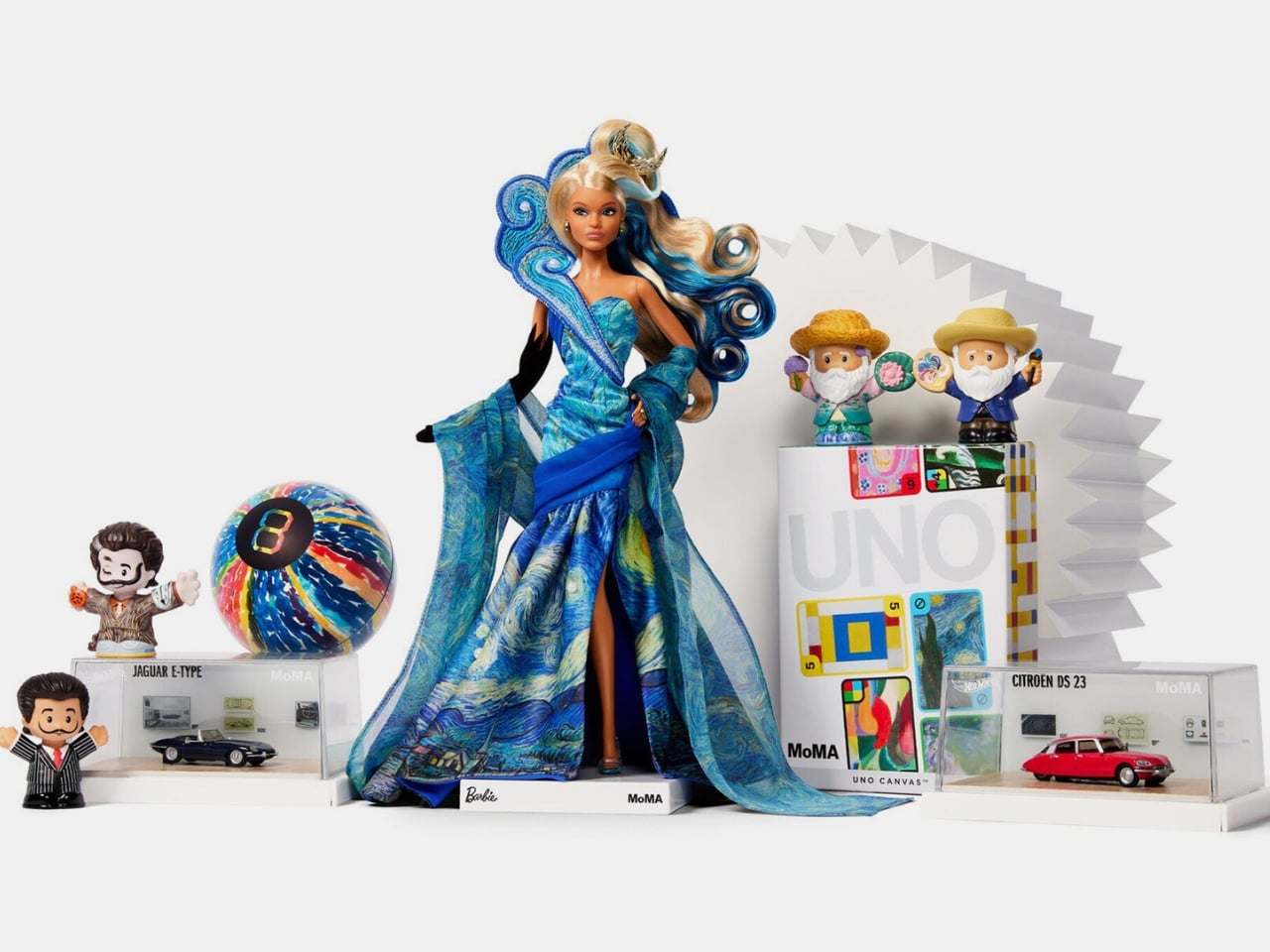
MoMA and Mattel give high art masterpieces a pop culture makeover

Whenever I visit museums, I always enjoy looking at the artworks, of course. But sometimes, I wish I could bring home a replica or even just a postcard or sticker to commemorate it and have a piece of it with me. Not all of them have something accessible like that, though. This new collaboration between the Museum of Modern Art (MoMA) and Mattel is bringing high art and popular culture together so that people can appreciate art more through playing and collecting.

This collaboration isn’t just a one-time thing, as it is a multi-year partnership between the global toy giant and one of the leading cultural institutions. The goal is not just to have something for collectors but also to bring modern and contemporary art to new audiences by creating interactive and accessible experiences. People will be able to view high art not just through the lenses of museums but actually interact with it and even take it home with them.

Designers: MoMA x Mattel Creations

The first capsule collection will be available this coming November 2025 and will feature seven iconic pieces inspired by some of the best masterworks from MoMA’s permanent collection. They will be available in MoMA Design Stores in New York and Japan, and on the MoMA and Mattel websites.

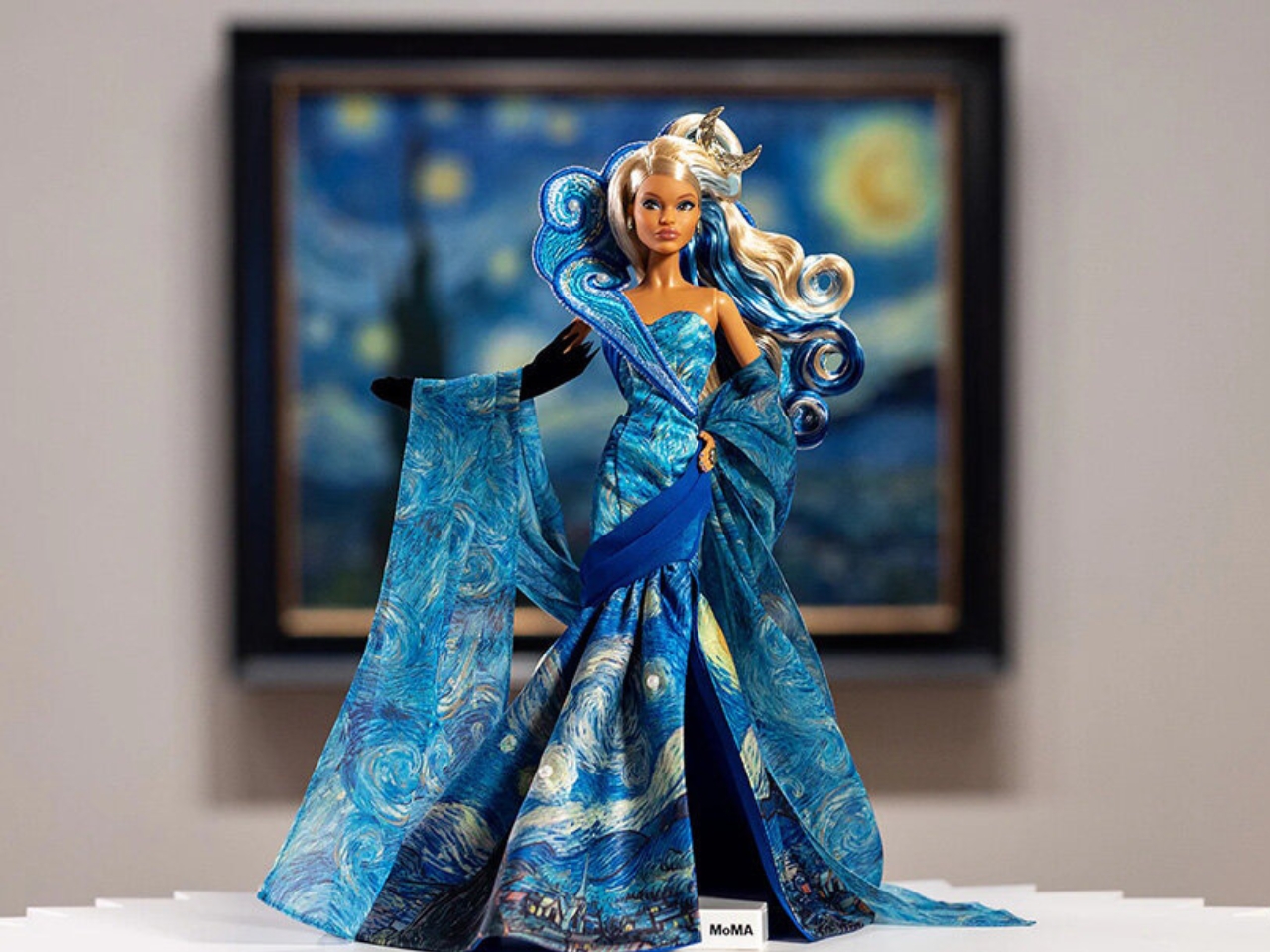
The centerpiece of this collection is a Barbie doll that’s inspired by the iconic “Starry Night” masterpiece by Vincent van Gogh. Barbie is dressed in a gown that serves as the canvas for the ethereal and dreamlike quality of the painting. You’ll see dreamy swirls, blue skies, and stars in the runway ready gown.

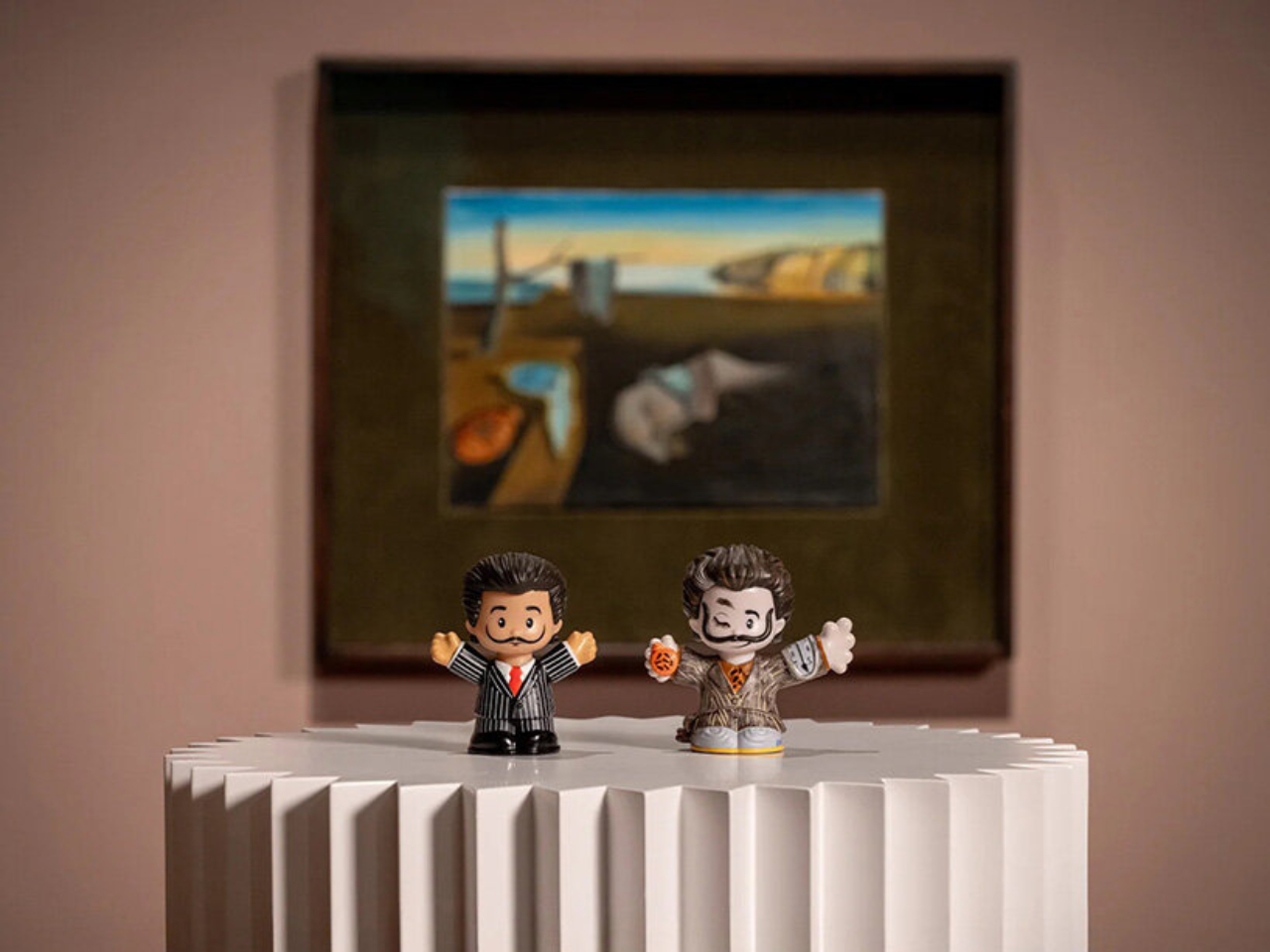
If your taste is more surrealist, then you’ll want to take home the Little People Collector featuring a Salvador Dalí duo. One is a self-portrait figure with his famous twirled mustache, while the other is still Dalí but with elements from his painting “The Persistence of Memory.”

Another Little People Collector set, this time, features impressionist master Claude Monet. One of the figures is him working in his studio, while the other is a three-dimensional self-portrait inspired by his “Water Lilies” paintings.

Part of the capsule is also a special edition of the Magic 8 Ball, but instead of the usual colors, you get a vibrant abstract tapestry on its surface by Alma Woodsey Thomas. Out of the twenty usual answers, nine have been updated with custom phrases by Thomas as well.

Car enthusiasts also have something to collect with Hot Wheels die-cast replicas of cars like the Citroën DS 23 Sedan, complete with an opening hood and custom Real Riders wheels. There is also a die-cast replica of the Jaguar E-Type Roadster, which is one of the earliest cars that MoMA exhibited in the 1950s.

Lastly, you can take home works from famed artists like Henri Matisse, Piet Mondrian, Claude Monet, and Vincent van Gogh, but this time in a UNO Canvas deck. The cards also include works by Sonia Delaunay and Liubov Popova for the Wild cards.

As we look ahead to this groundbreaking collaboration, it’s clear that the Mattel x MoMA partnership represents something much larger than a simple product launch. It’s a bold reimagining of how we can experience and connect with art in our daily lives. This five-year partnership promises to continue breaking down the barriers between high culture and everyday life, proving that great art doesn’t have to remain behind velvet ropes to maintain its power and beauty.

For those of us who have wandered through museum halls wishing we could take a piece of that inspiration home, this collection offers exactly that opportunity. Whether it’s displaying a van Gogh-inspired Barbie on your shelf, playing UNO with masterpieces in your hands, or racing Hot Wheels replicas of design icons, these pieces transform passive art appreciation into active, joyful engagement.

The post MoMA and Mattel give high art masterpieces a pop culture makeover first appeared on Yanko Design.

❌