Vue lecture

Il y a de nouveaux articles disponibles, cliquez pour rafraîchir la page.

This Hermès x Bialetti Moka Pot Concept Has No Business Looking This Good

If you follow concept design on social media, there’s a good chance you’ve already stumbled across Jane Morelli’s work. She’s the designer behind that Lacoste x Bialetti moka pot that went viral not too long ago, and now she’s back with something that somehow manages to feel even more covetable. For the Year of the Horse, she has created a concept coffee set that imagines what a Hermès x Bialetti collaboration could look like, and the result is genuinely breathtaking.

To be clear, this is not a real product. It’s a speculative design concept, an unofficial creative exploration that Morelli put together entirely on her own. Neither Hermès nor Bialetti has signed off on it, and there’s no indication it will ever hit shelves. But that hasn’t stopped the internet from losing its collective mind over it, and once you see it, you’ll understand why.

Designer: Jane Morelli

The concept draws on two things that already go together better than most people realize. Hermès has deep equestrian roots. The brand was originally founded as a harness and saddle workshop, and the horse has been central to its identity ever since. That iconic logo featuring a horse-drawn Duc carriage pays homage to the brand’s equestrian beginnings and still appears on every box and ribbon the brand produces today. So when a designer decides to celebrate the Year of the Horse, Hermès is a natural fit.

Bialetti, meanwhile, has its own kind of cult status. The Moka Express, invented by Alfonso Bialetti in 1933, completely changed how people made coffee at home. That eight-sided stovetop brewer became one of the most recognizable objects in design history, sitting comfortably in the same conversation as the Eames chair or the Anglepoise lamp. It’s Italian, it’s timeless, and it’s on millions of kitchen counters around the world.

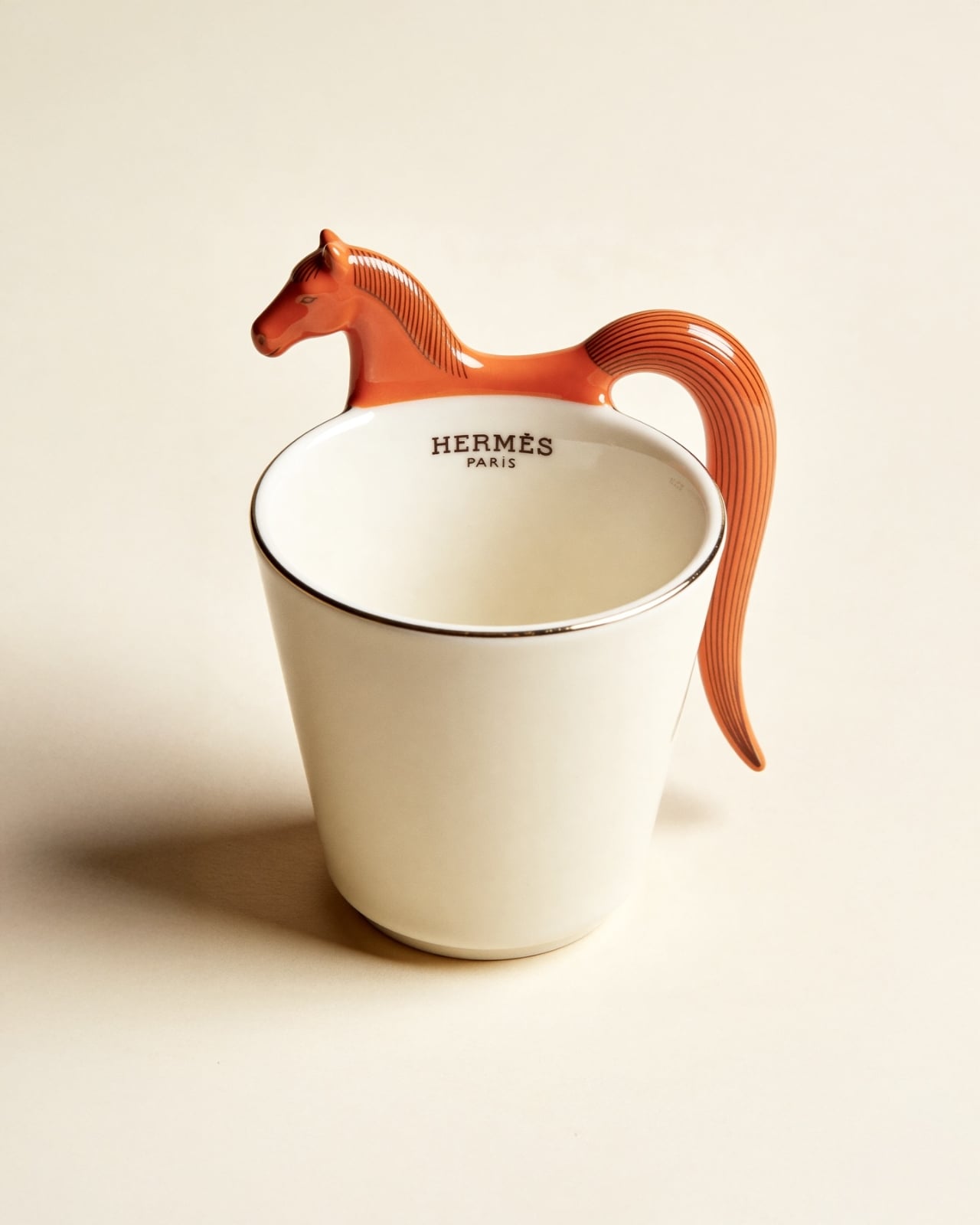
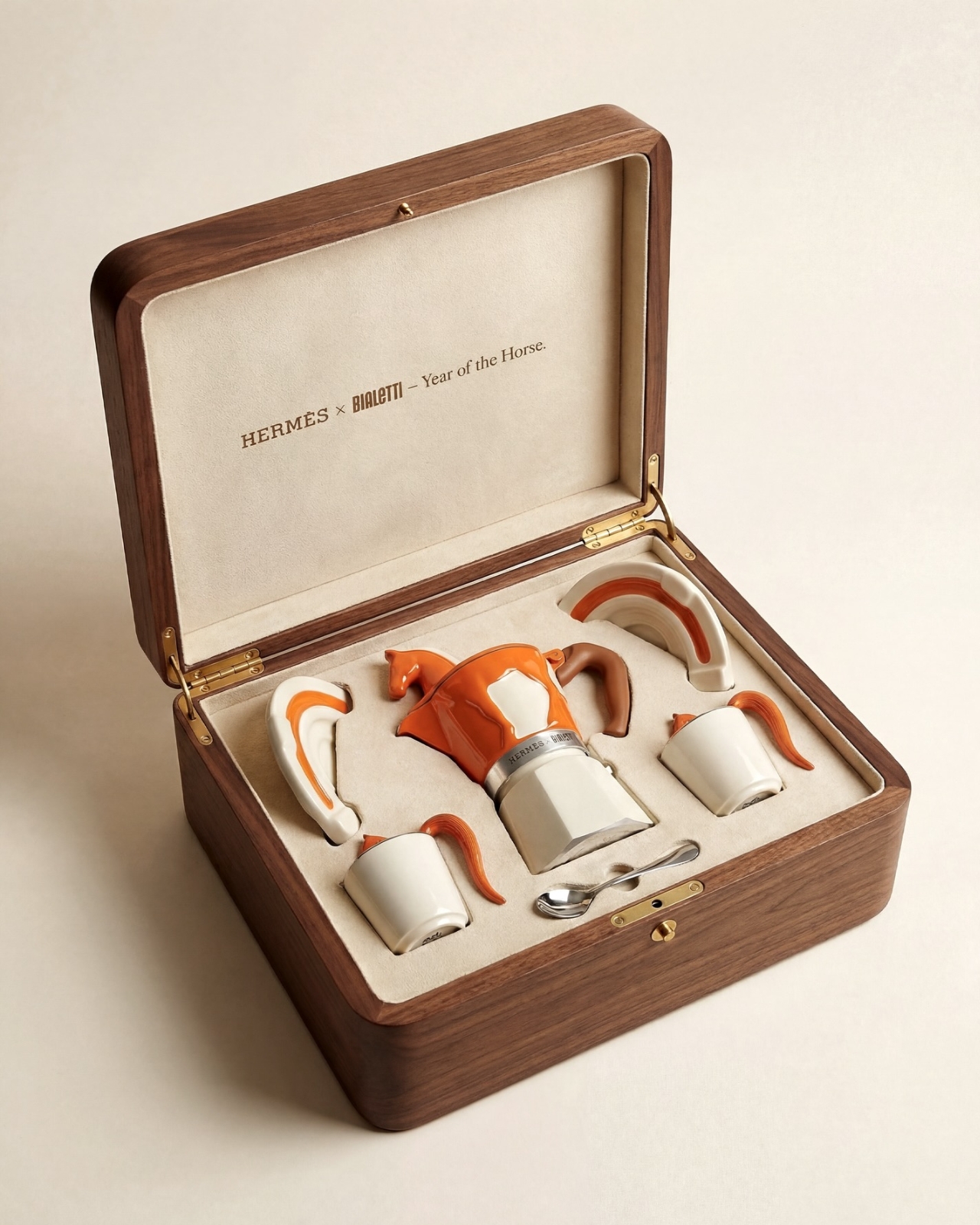
Morelli’s concept merges both worlds with a detail-oriented love for both brands that really shows. The moka pot gets the full Hermès treatment: a rich burnt orange body with a cream horse silhouette painted on its side, and a three-dimensional horse figurine standing on top of the lid in place of the usual knob. It’s playful without being loud, sculptural without being impractical. The color palette, that signature Hermès orange paired with warm cream and a cognac brown handle, feels completely at home on a stovetop.

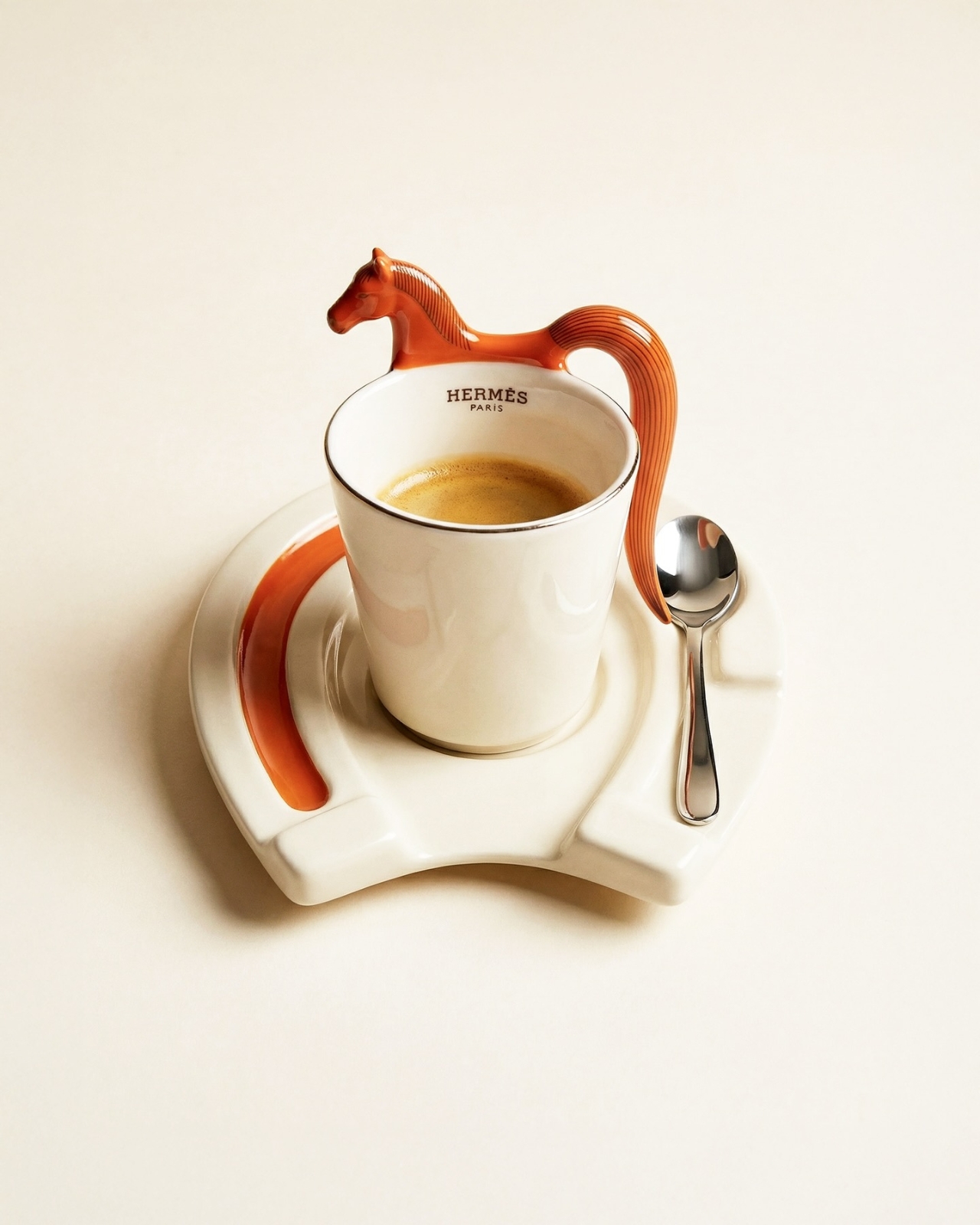
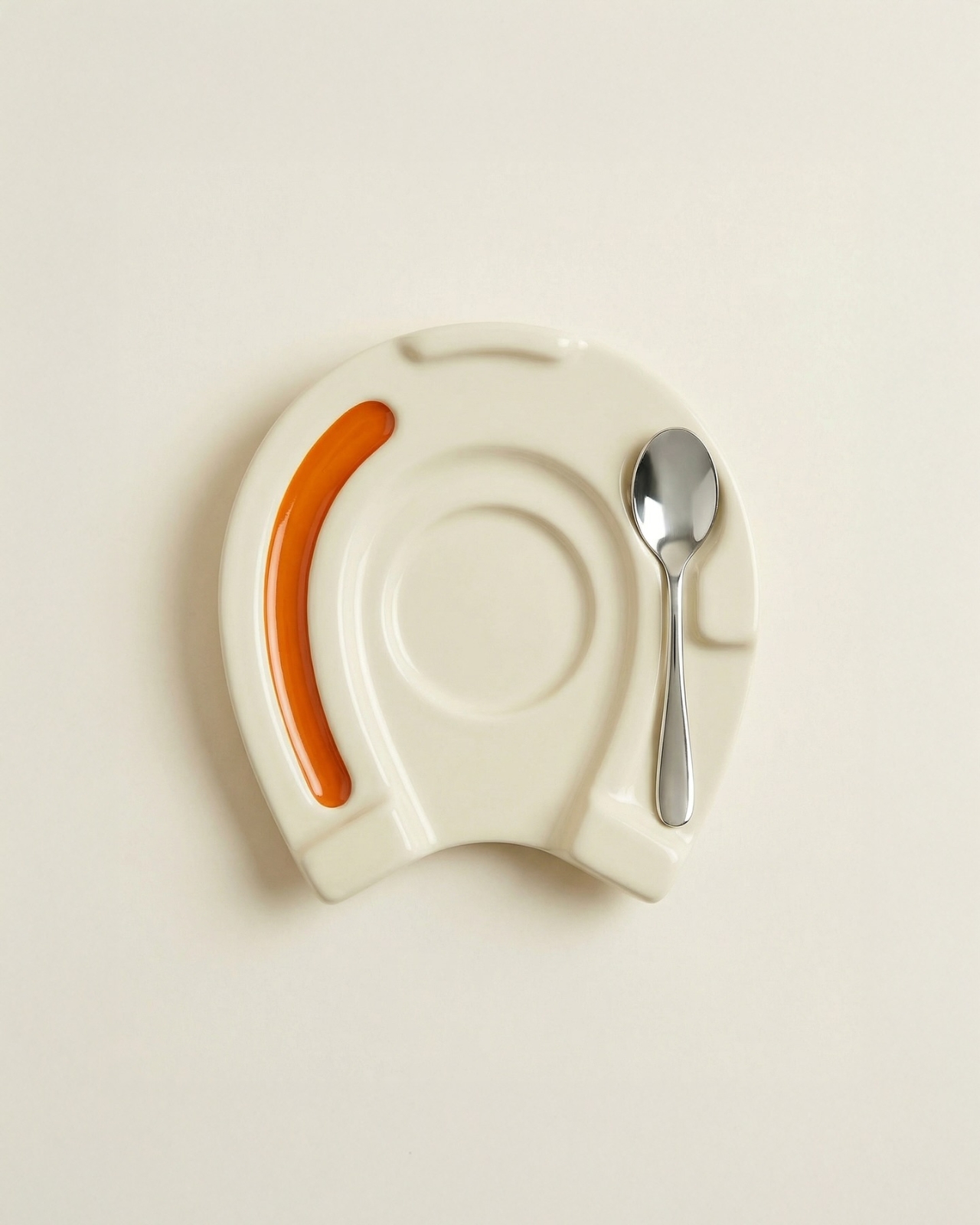
The espresso cup might be the most charming piece of the set. A sculpted horse head forms the top of the handle, with the body flowing down into a ribbed, flowing tail that curves back up to meet the cup. The saucer takes the shape of a horseshoe, with the spoon resting neatly in the groove on one side. Every element has been thought through, which is what sets a great concept apart from a quick render.

The whole set comes presented in a walnut wooden box lined with cream fabric, with “Hermès x Bialetti: Year of the Horse” inscribed on the inside of the lid. Even the packaging looks like something you’d want to display on a shelf rather than throw away. It’s the kind of unboxing experience that luxury brands have mastered, and Morelli has translated that into her concept with impressive accuracy.

What makes this design so compelling is how it sits at the intersection of craft, culture, and storytelling. The Year of the Horse in the Chinese zodiac is associated with energy, freedom, and elegance, all qualities that feel right at home in both the Hermès and Bialetti universes. Morelli didn’t just slap two logos together and call it a day. She built a visual language that feels native to both brands, which is no small feat. It’s a concept, yes. But the best concepts do exactly what this one does: they make you want something that doesn’t exist yet, and they make you wonder why nobody has done it already.

The post This Hermès x Bialetti Moka Pot Concept Has No Business Looking This Good first appeared on Yanko Design.

ESPHome - Transformez un ESP32 à 5 euros en capteur domotique sans dépendre du cloud

Aujourd'hui j'aimerais vous parler un peu de bidouille et plus particulièrement de domotique. Hé oui, si comme moi, vous en avez marre que tous vos objets connectés passent par des serveurs chinois (souvent à la sécurité douteuse) ou américains (souvent directement connecté à la NSA) pour vous dire qu'il fait 22°C dans votre salon, on va voir comment ensemble créer ses propres capteurs 100% locaux avec ESPHome .

ESPHome, c'est un framework open source qui transforme n'importe quel ESP32 ou ESP8266 en appareil connecté intelligent sans vous prendre la tête. Vous écrivez un petit fichier YAML, vous flashez la puce, et hop, vous avez un capteur qui cause directement avec Home Assistant. Comme ça y'a pas de cloud et encore moins de données qui partent on ne sait où.

Et c'est hyper accessible... Suffit de savoir remplir un fichier texte avec quelques indentations (le fameux YAML), et voilà vous savez utiliser ESPHome.

ESPHome fait partie de l'Open Home Foundation ( Source )

Ce qu'il vous faut

  • Un ESP32 (genre un Wemos D1 Mini ou un NodeMCU)
  • Un capteur DHT22 (température et humidité)
  • Quelques fils Dupont
  • Temps estimé : 30 minutes

Niveau branchement, c'est pas sorcier. Le DHT22 a 3 broches utiles : VCC sur le 3.3V de l'ESP, GND sur GND, et DATA sur un GPIO de votre choix (le GPIO4 marche nickel). Pensez aussi à ajouter une résistance de 4.7kΩ entre DATA et VCC si vous voulez des lectures béton (beaucoup de modules l'ont déjà intégrée, mais vérifiez bien).

source

Ensuite, pour installer ESPHome sur votre ordi, ça se passe avec pip :

pip install esphome

Une fois l'outil en place, vous créez votre configuration YAML. Voici un exemple tout simple pour notre capteur :

esphome:
 name: capteur_salon

esp32:
 board: esp32dev

sensor:
 - platform: dht
 pin: GPIO4
 temperature:
 name: "Température Salon"
 humidity:
 name: "Humidité Salon"
 update_interval: 60s

Hé voilà ! Ce fichier suffit à tout configurer. Ensuite, pour flasher, branchez votre ESP en USB et lancez la commande :

esphome run capteur_salon.yaml

La première fois, ça compile tout le firmware et ça flashe. Une fois que c'est fait, l'ESP apparaît automatiquement dans Home Assistant si vous avez activé l'intégration. Et le top du top, c'est que les prochaines mises à jour se feront en WiFi (OTA), ce qui est super pratique quand le truc est planqué derrière un meuble.

Et si vous voulez aller plus loin dans l'intégration domotique locale, je vous conseille aussi de voir comment utiliser le GPIO directement sur Home Assistant .

Et voilà comment, avec dix balles et un peu de curiosité, vous avez un capteur qui n'espionne plus votre vie. Youuhouuu !

OFIS Rebuilt This 122sq.m. Post-War Home Without Losing Its Soul

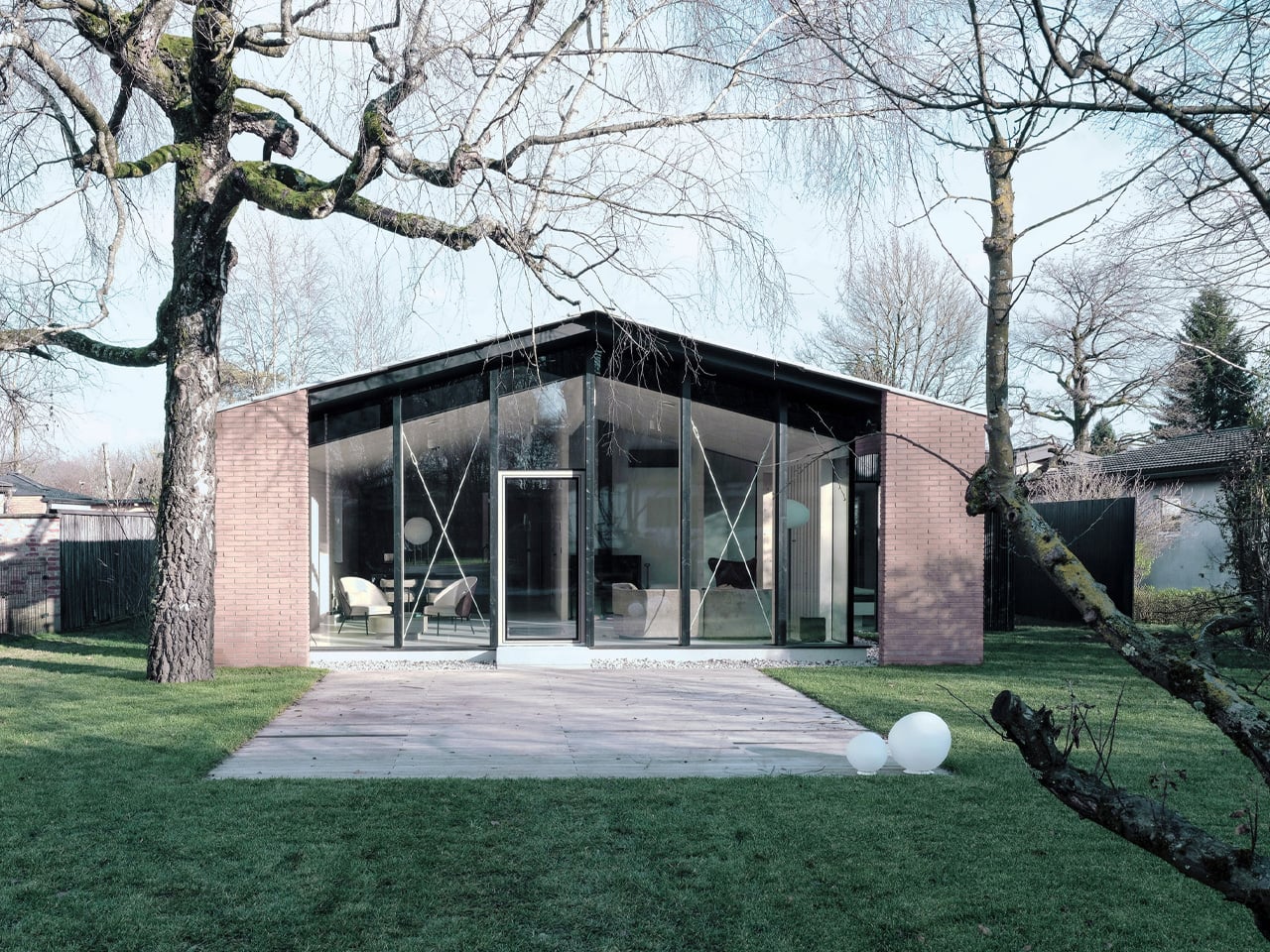
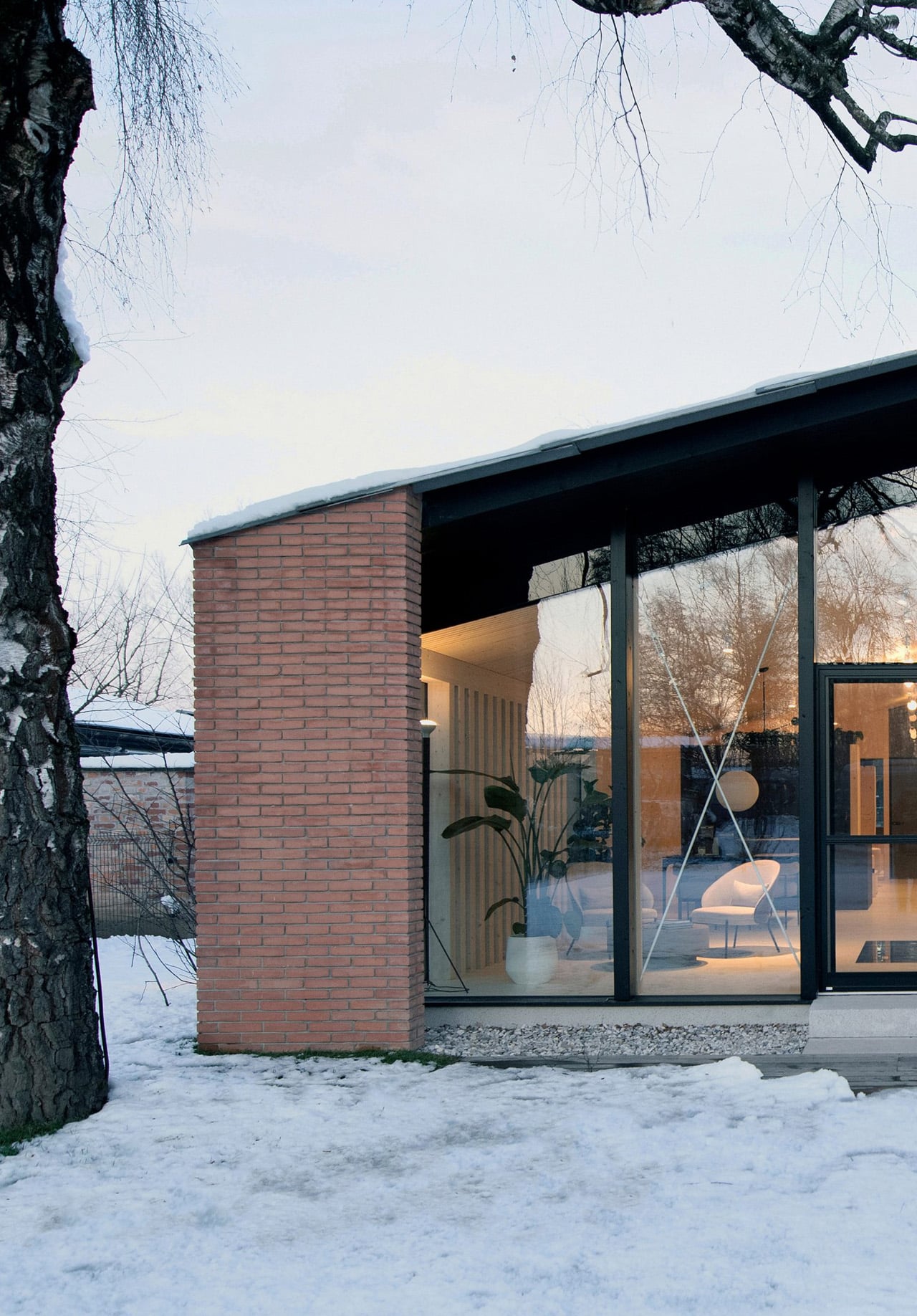
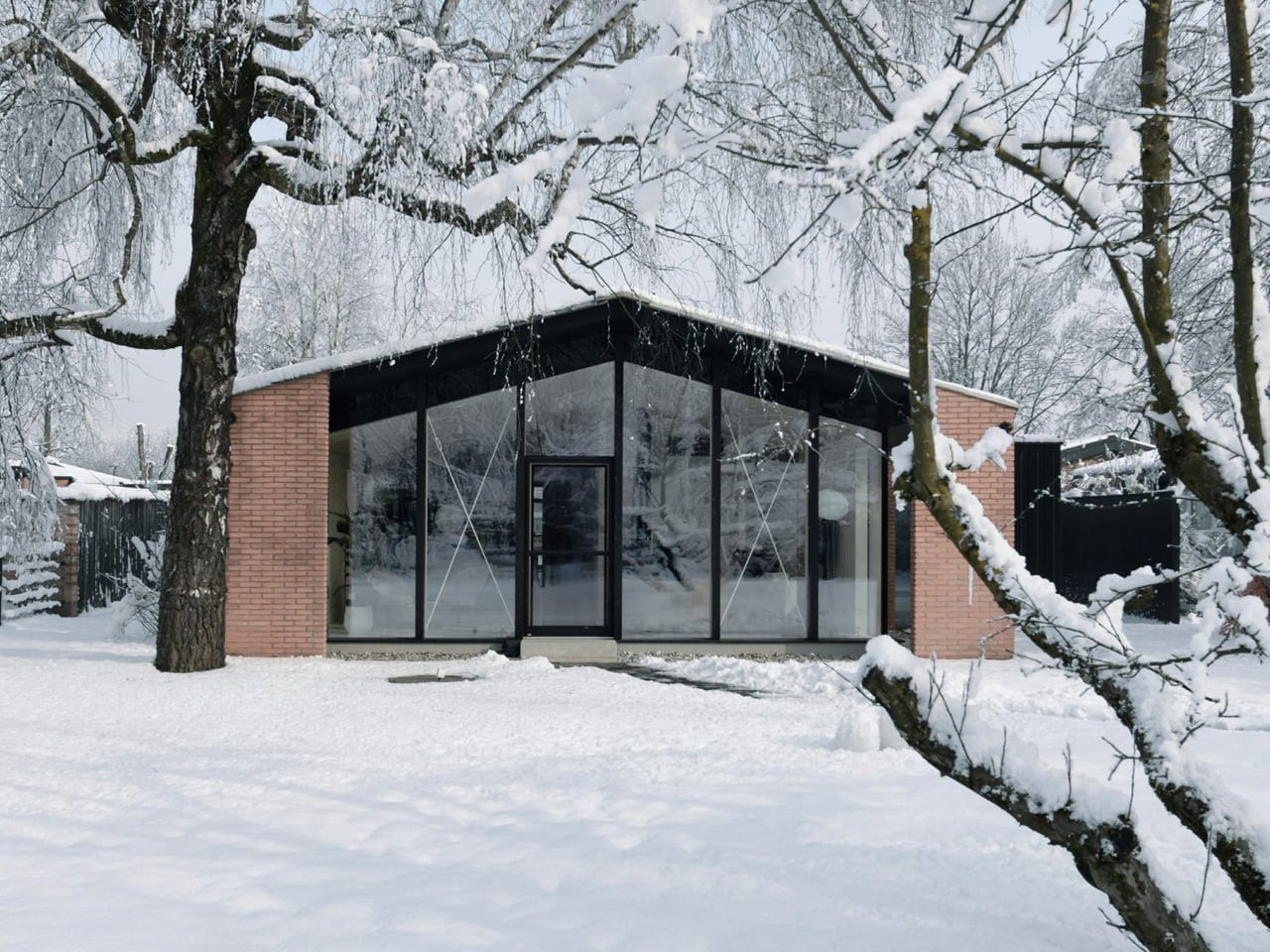
Settled quietly within Naselje Murgle, one of Ljubljana’s most thoughtfully conceived residential neighborhoods, the House Under the Poplars is a 122-square-meter reconstruction and extension that speaks softly and means it. Completed in 2025 by OFIS Arhitekti, the project reads less as a statement of ambition and more as an act of architectural respect, a house that earns its place not by standing out but by understanding exactly where it stands.

Murgle was never meant to be remarkable in a conventional sense. Designed by Slovenian architects France and Marta Ivanšek and built through self-construction phases between 1965 and 1982, the settlement became a quietly radical model of ecological, human-scaled living long before sustainability entered the architectural vocabulary. Its distinctly Scandinavian character, shaped in part by the Ivanšeks’ time in Sweden, gave the neighborhood a collective identity rooted not in signature gestures but in shared, low-tech intelligence.

Designer: OFIS Arhitekti

Led by Rok Oman and Špela Videčnik, OFIS Arhitekti approached the project with the kind of cultural sensitivity that most renovations only gesture toward. The intent was never to impose a new architectural language onto an existing one but to refine and carefully elevate what was already there. The studio leaned into Murgle’s founding principles, treating them not as limitations but as the clearest possible brief for what this house needed to become.

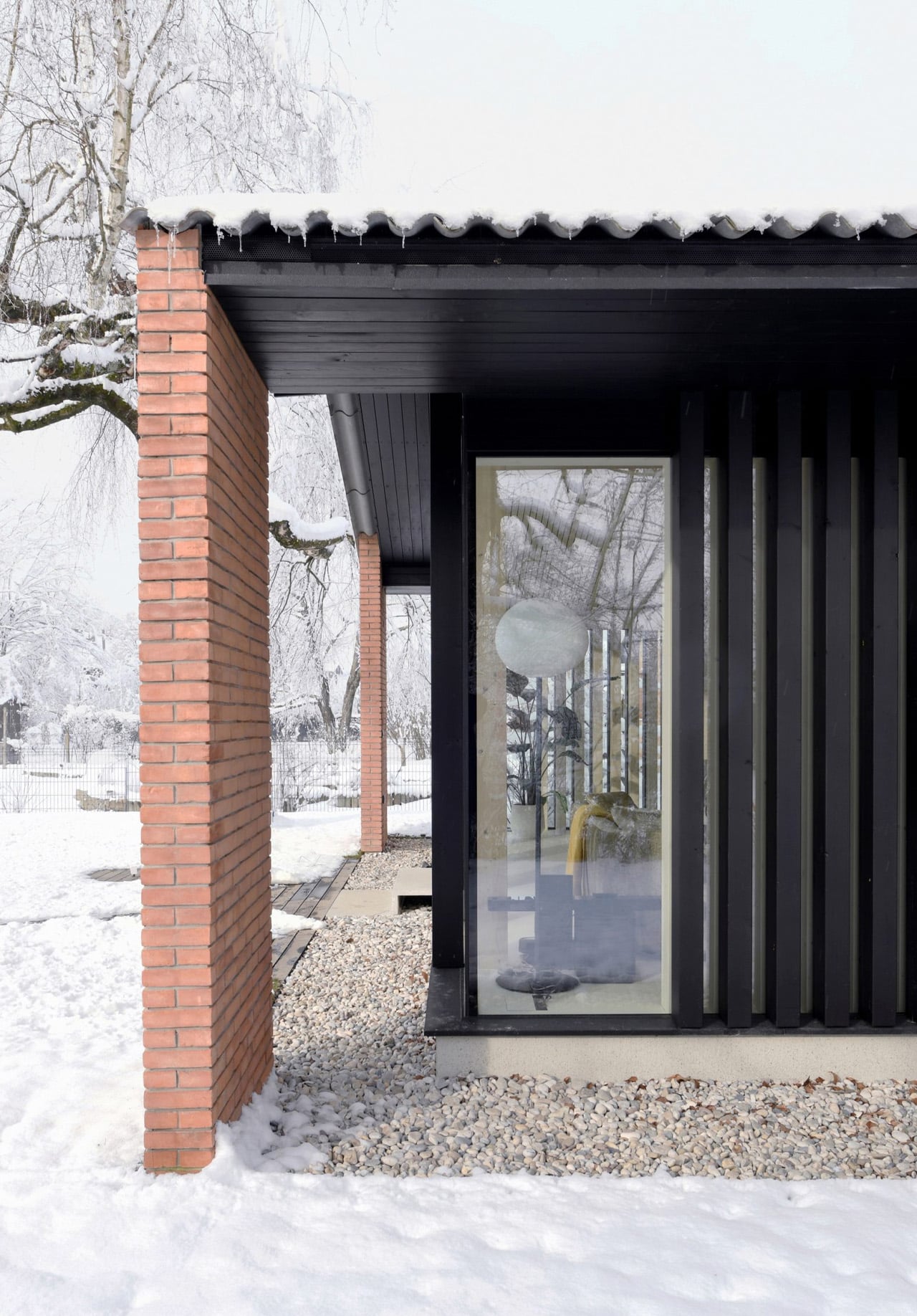
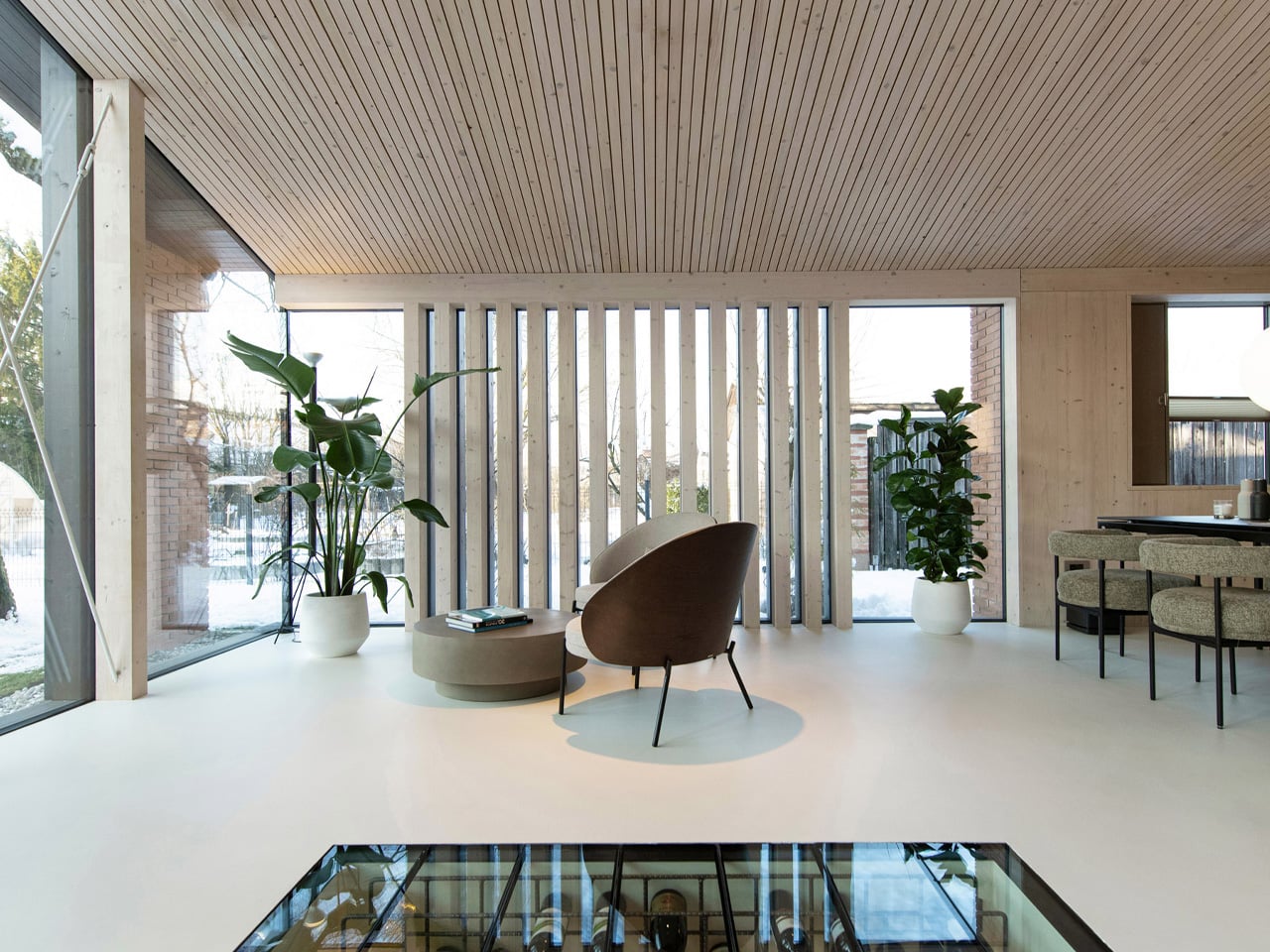
The new glazed façade opens generously toward the garden, framing a mature birch tree with an ease that feels entirely uncontrived. Vertical timber slats line the side glazing, offering privacy to the main living space without cutting it off from the broader landscape. The covered atrium connects the primary bedroom and its ensuite bathroom to the rest of the house, creating a sequence of spaces that feel considered without ever feeling overcalculated.

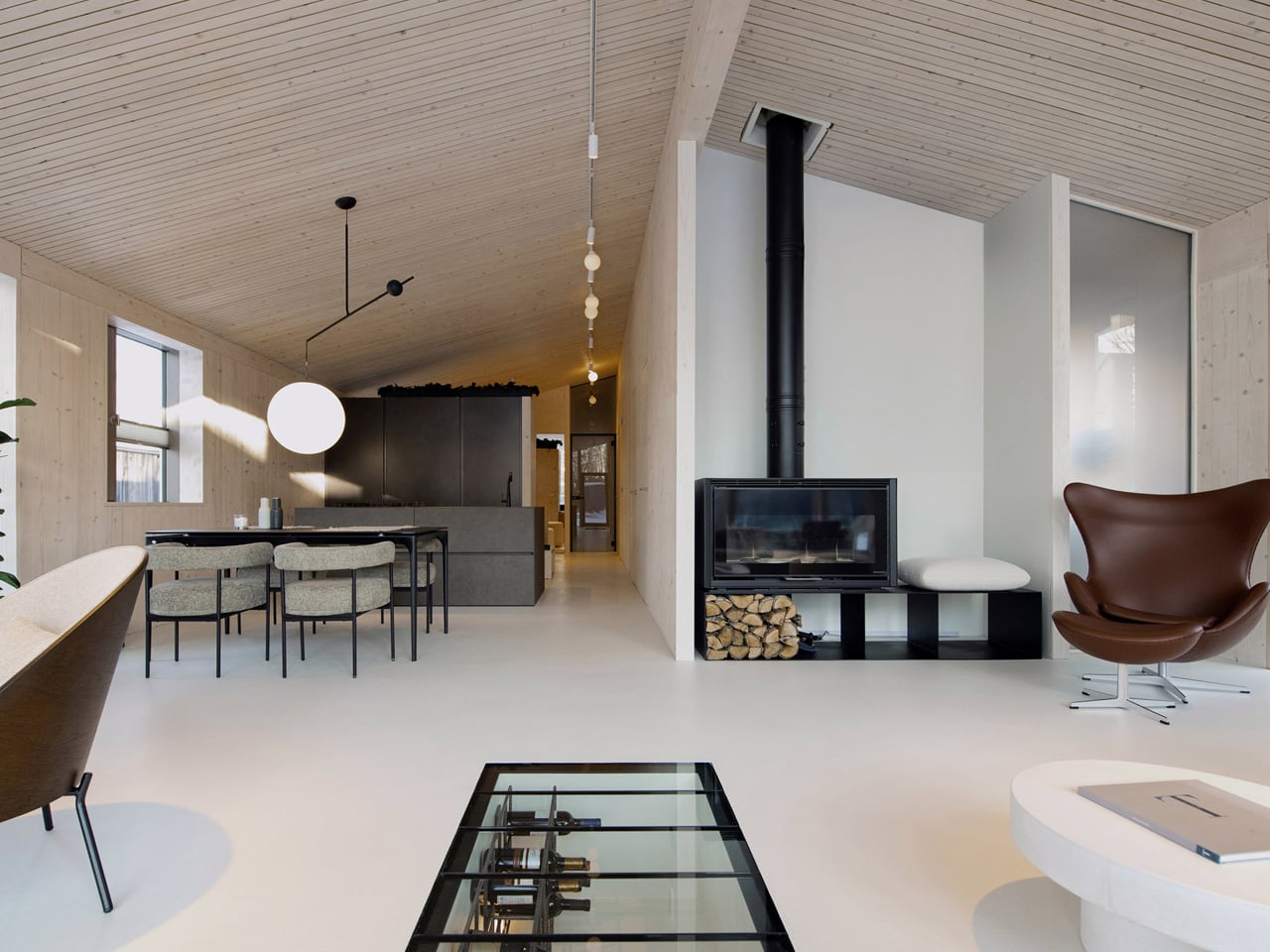
Inside, timber cladding runs across the walls and ceiling in a move that unifies the interior and gives the whole house its warmth. A wine cellar sits beneath a glass floor panel in the living room, one of the project’s more unexpected gestures, and all the better for it. The rest of the program stays deliberately modest: a single additional bedroom suite and a small study, a reminder that restraint, when properly applied, is its own kind of luxury.

The House Under the Poplars does not try to reinvent Murgle. It tries to honor it, and in doing so, quietly sets a standard for what thoughtful, sensitive reconstruction can look like in a neighborhood that has always asked its residents to think beyond themselves. As a project, it resists easy categorization. It is not a restoration, not a reimagining, but something far more useful: a considered continuation of an idea that was already worth keeping.

The post OFIS Rebuilt This 122sq.m. Post-War Home Without Losing Its Soul first appeared on Yanko Design.

5 Product Designs That Brought the Moon Indoors: They’re All Stunning

The moon in product design is no longer just a romantic reference. It has become a quiet source of structure and meaning. Designers now draw from its sense of absence, soft geometry, textured surfaces, and the gentle play of light and shadow. Rather than literal moon shapes, the influence appears through restraint, calm proportions, and tactile depth.

Using the moon as a muse helps create products that feel grounded and timeless. This approach values emotional longevity over visual noise, allowing objects to connect with users on a deeper, more intuitive level. By echoing the moon’s permanence and stillness, design gains a timeless quality in an otherwise fast-changing world, influencing everything from sculptural lighting, celestial timepieces, and orbit-inspired furniture to architectural forms, tactile décor objects, and calm, minimalist technology products.

1. Furniture: Interpreting the Moon’s Surface Through Form

Lunar-inspired furniture moves away from polished perfection toward raw, tactile expression. Surfaces echo the moon’s terrain through uneven textures, carved contours, and matte finishes that invite touch. Materials such as cast metal, stone, and concrete reflect a quiet strength, translating celestial ruggedness into functional, grounded forms.

These pieces act as visual and spatial anchors within an interior. Their weight and texture create a sense of stability, offering emotional comfort through material honesty. Beyond aesthetics, such furniture delivers long-term value—designed to endure, age gracefully, and remain relevant across generations rather than follow fleeting trends.
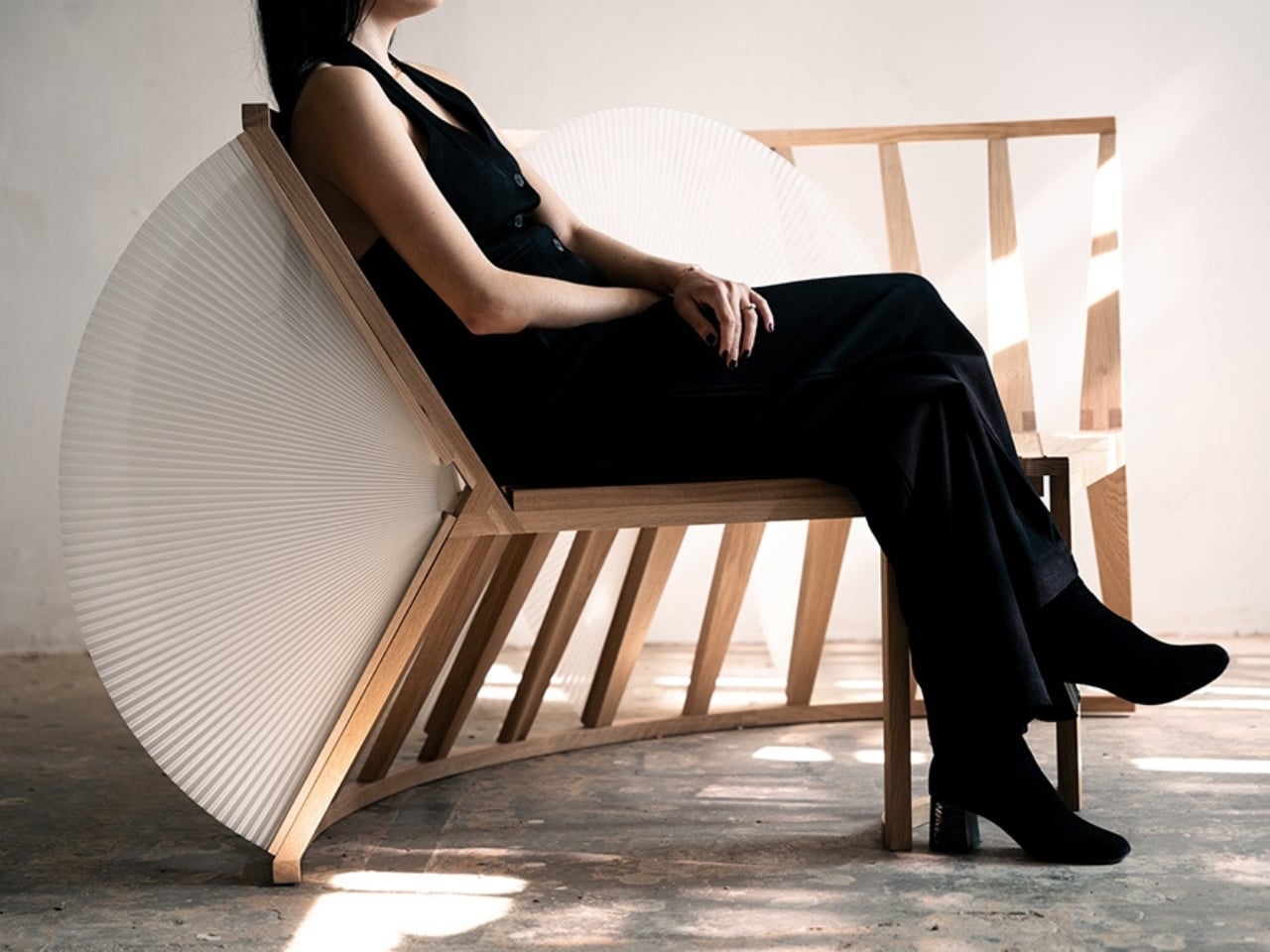
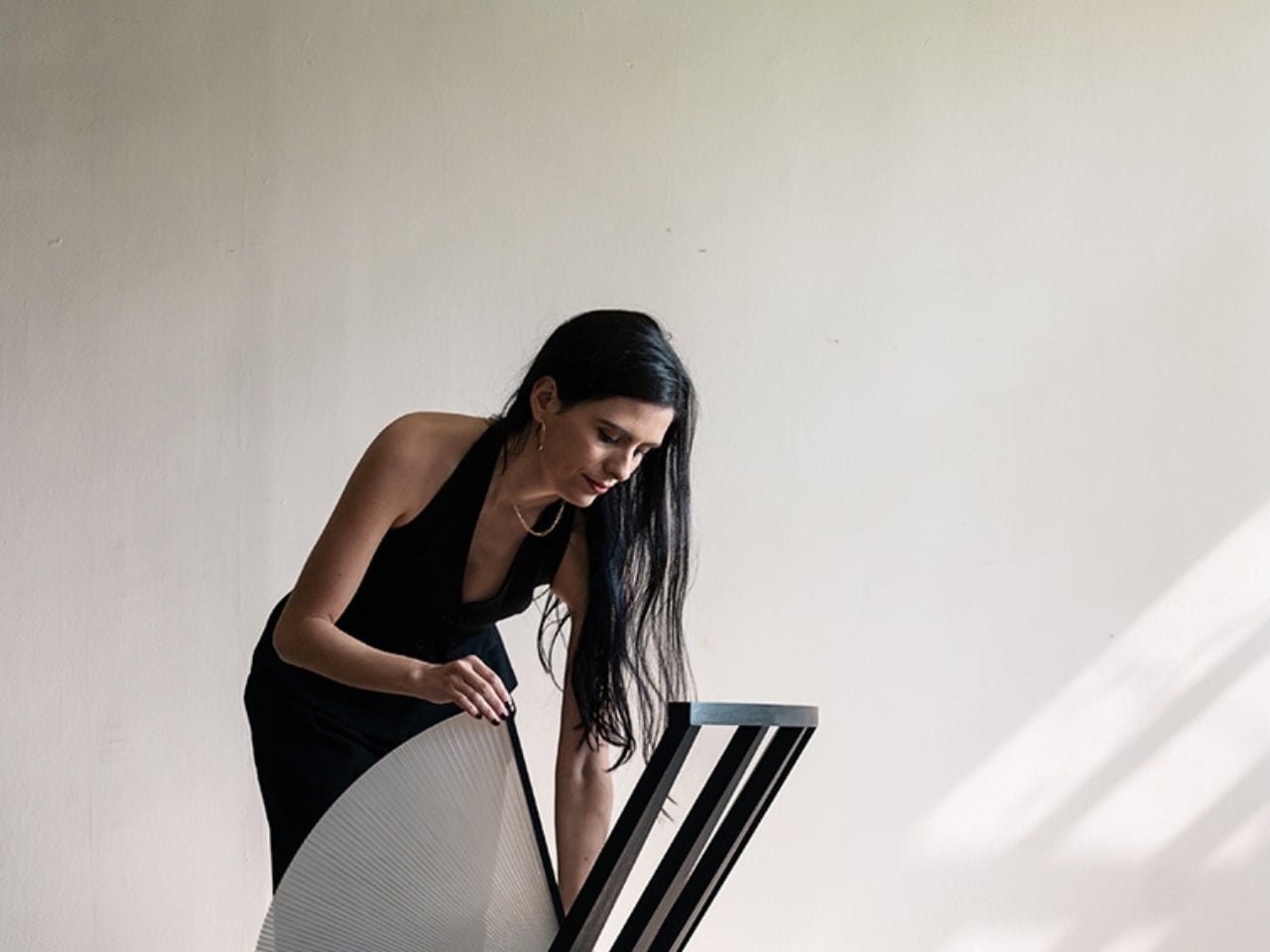
The Moon Series by Craft of Both and MADE encourages users to play, adjust, and reshape their space through a pleated, fan-like form inspired by radial geometry. Designed by Christina Standaloft and Jay Jordan, the Moon Chair and Moon Bench unfold gently, turning everyday use into a calm, tactile experience.
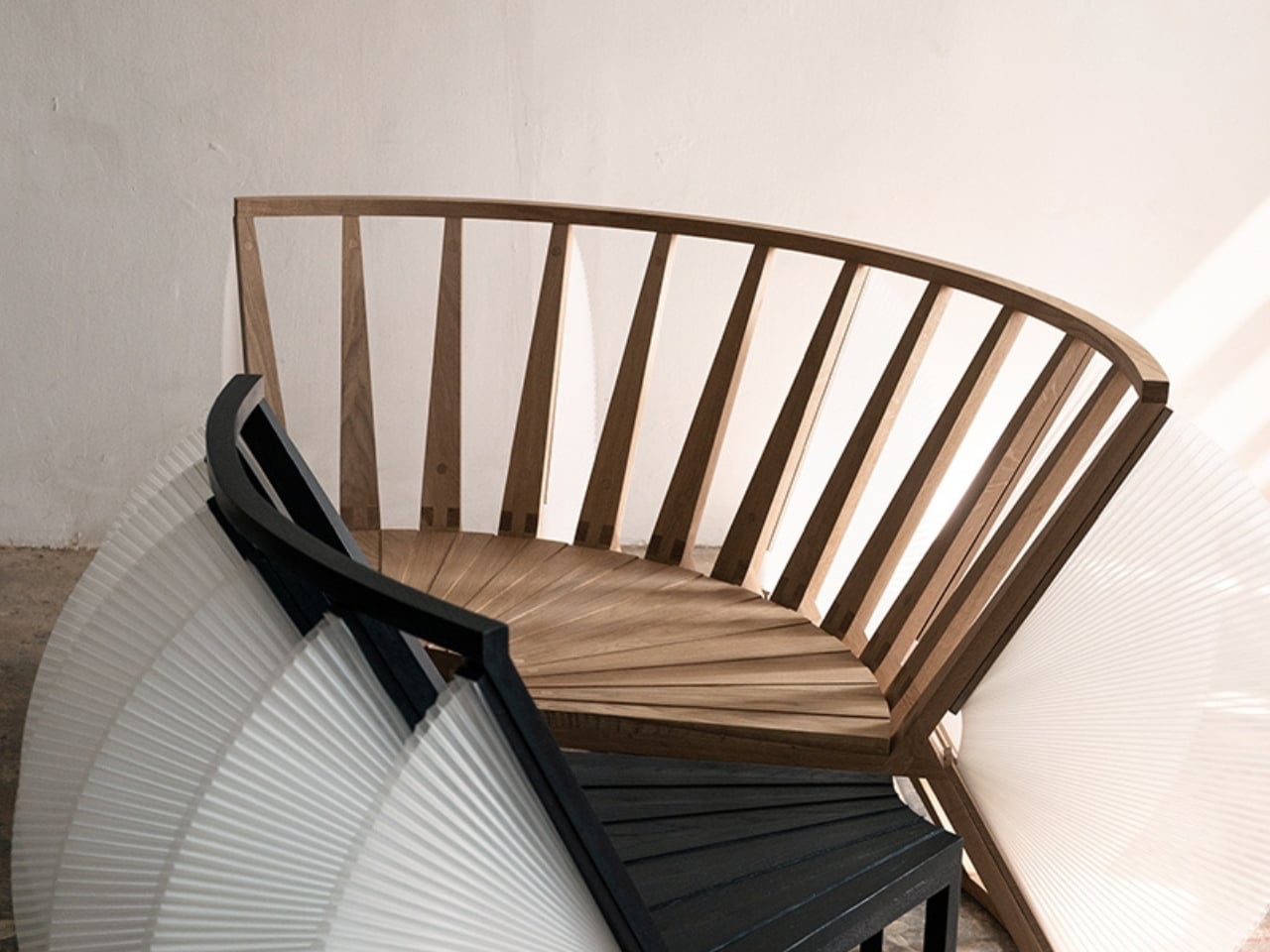
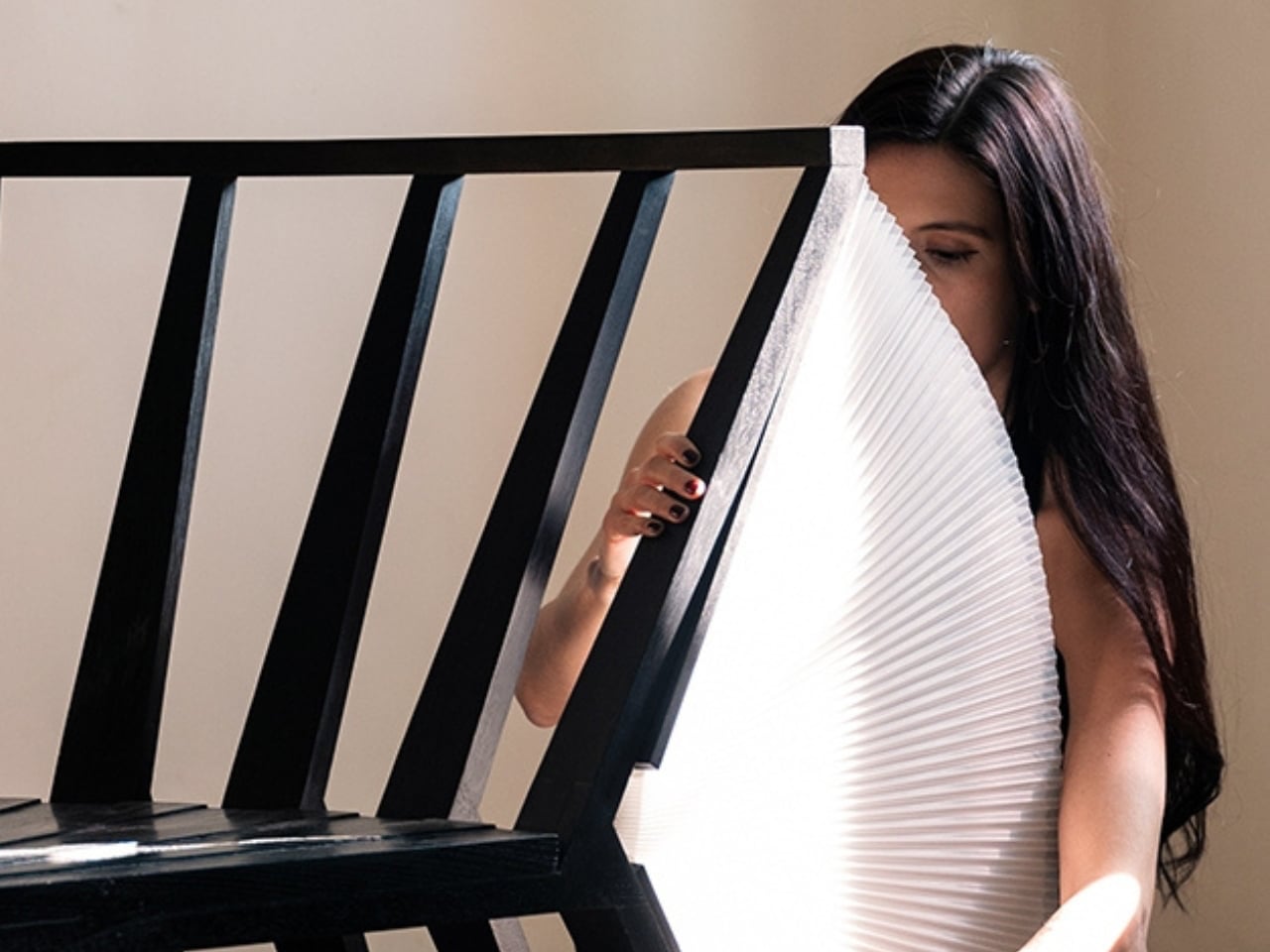
What defines the series is its modular intelligence. Elements can be added or removed to change comfort, privacy, and visual impact. When combined, the pieces form sculptural seating landscapes. Blending Eastern inspiration with contemporary design, the Moon Series balances adaptability, craftsmanship, and enduring elegance.

2. Lighting: Creating Atmospheres Through Lunar Glow

Lunar-inspired lighting focuses on softness rather than intensity. The design language shifts away from direct glare toward indirect, diffused illumination that mimics the moon’s changing phases. Gentle gradations of light create calm, responsive environments instead of static brightness.

These fixtures are designed as experiences, not just utilities. By filtering and softening light, they introduce a sense of sanctuary within modern interiors dominated by glass and steel. The result is an ambient glow that feels natural and restorative, subtly shaping mood, rhythm, and spatial comfort throughout the day.
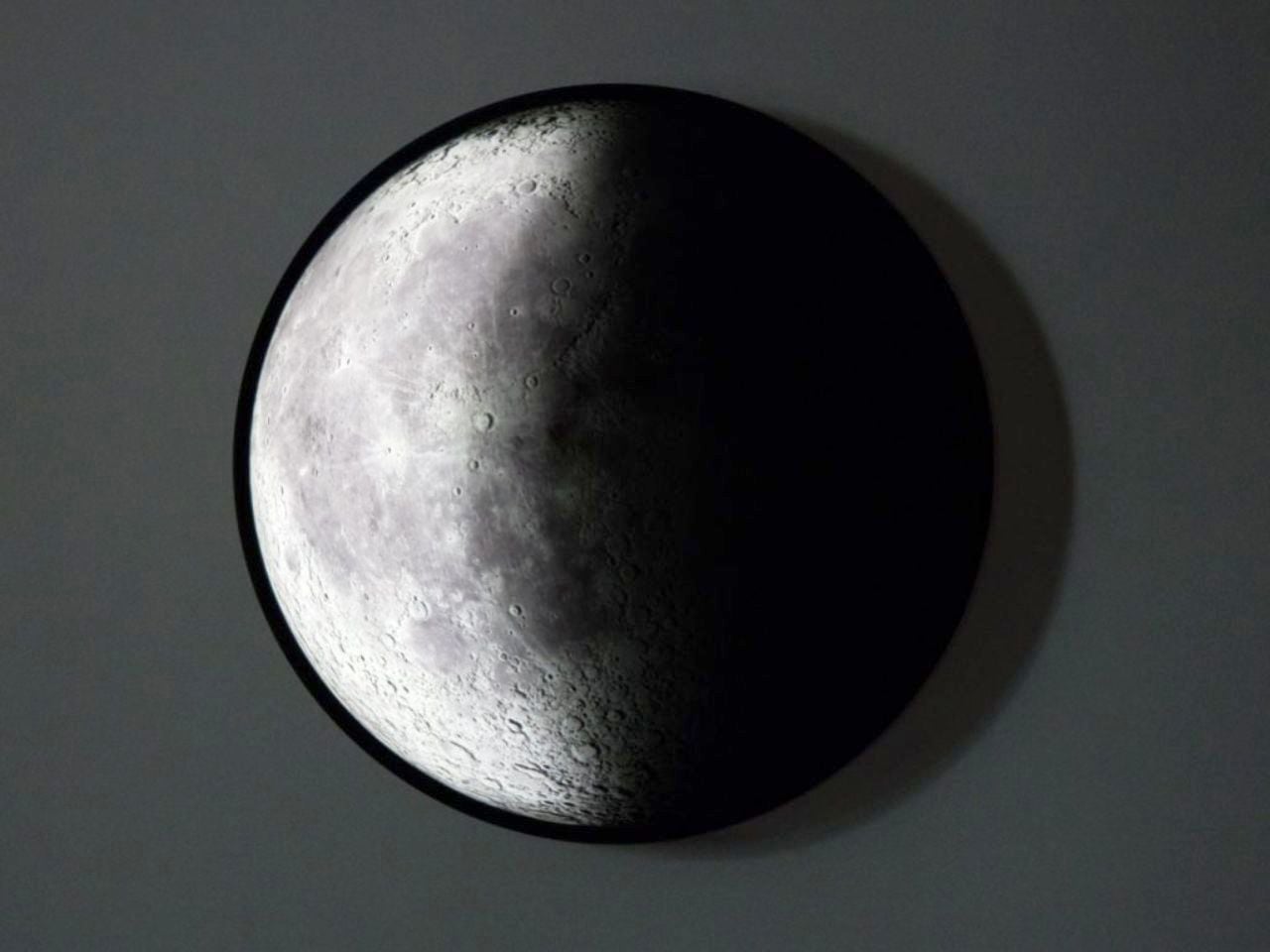
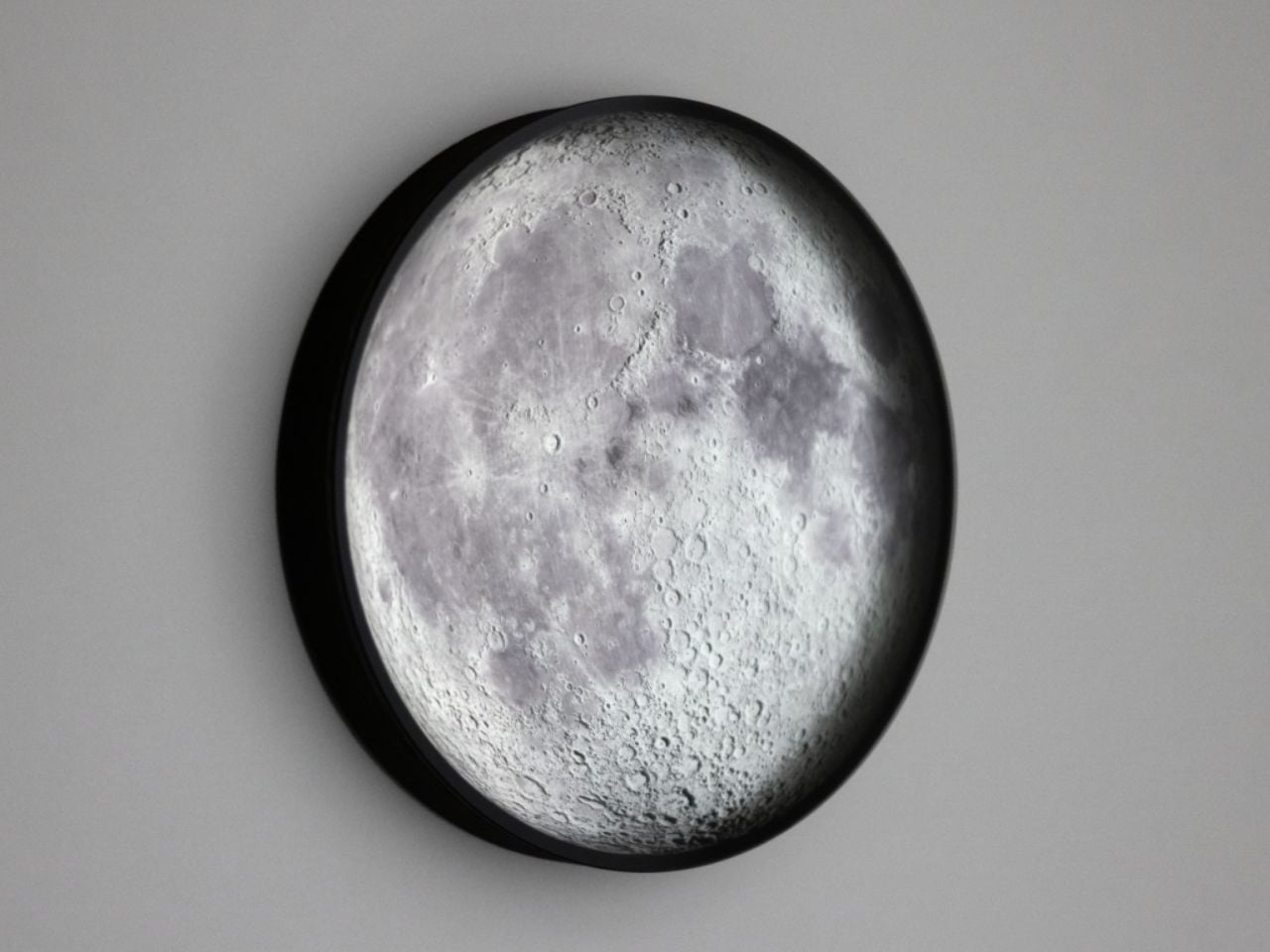
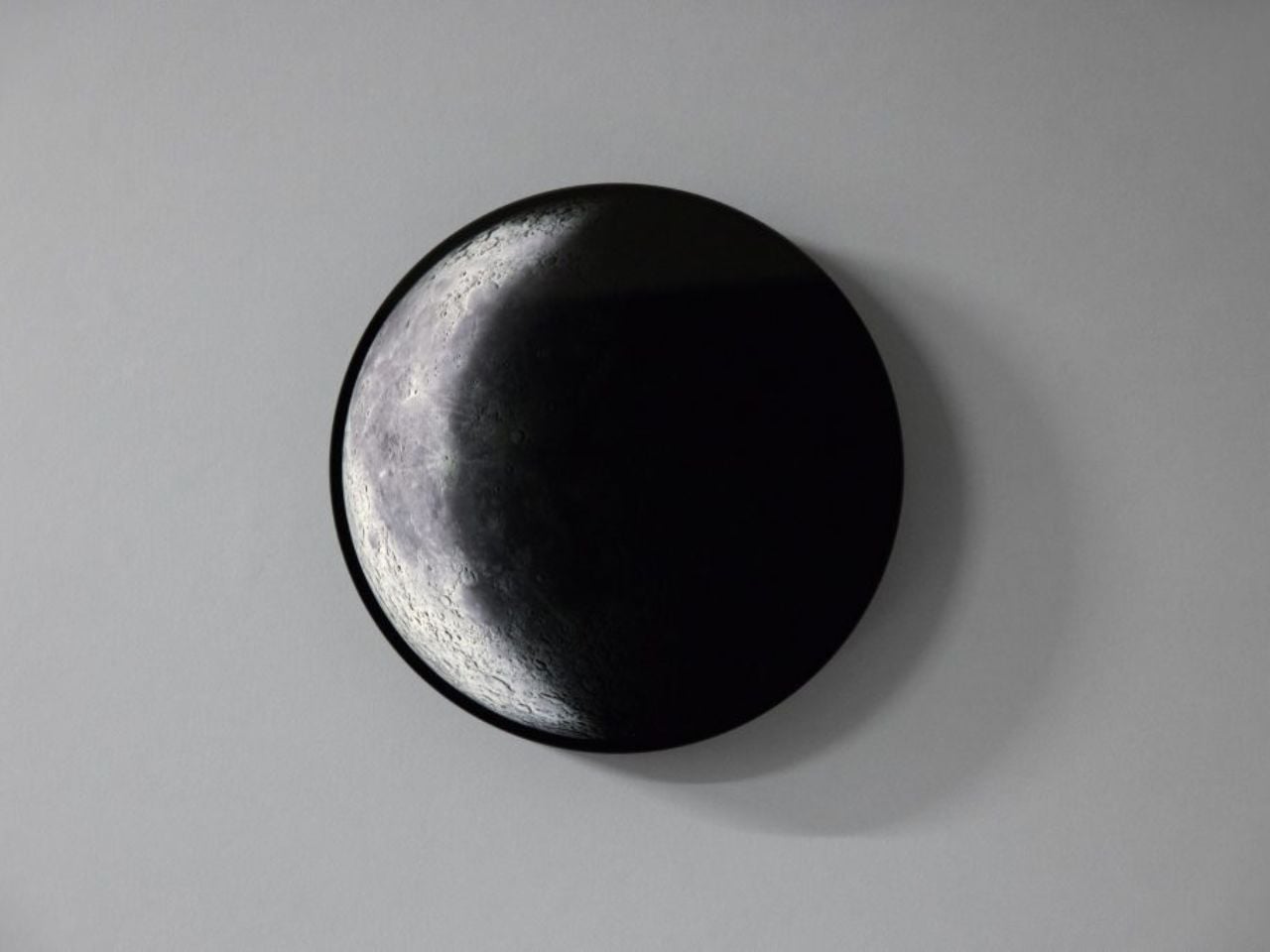
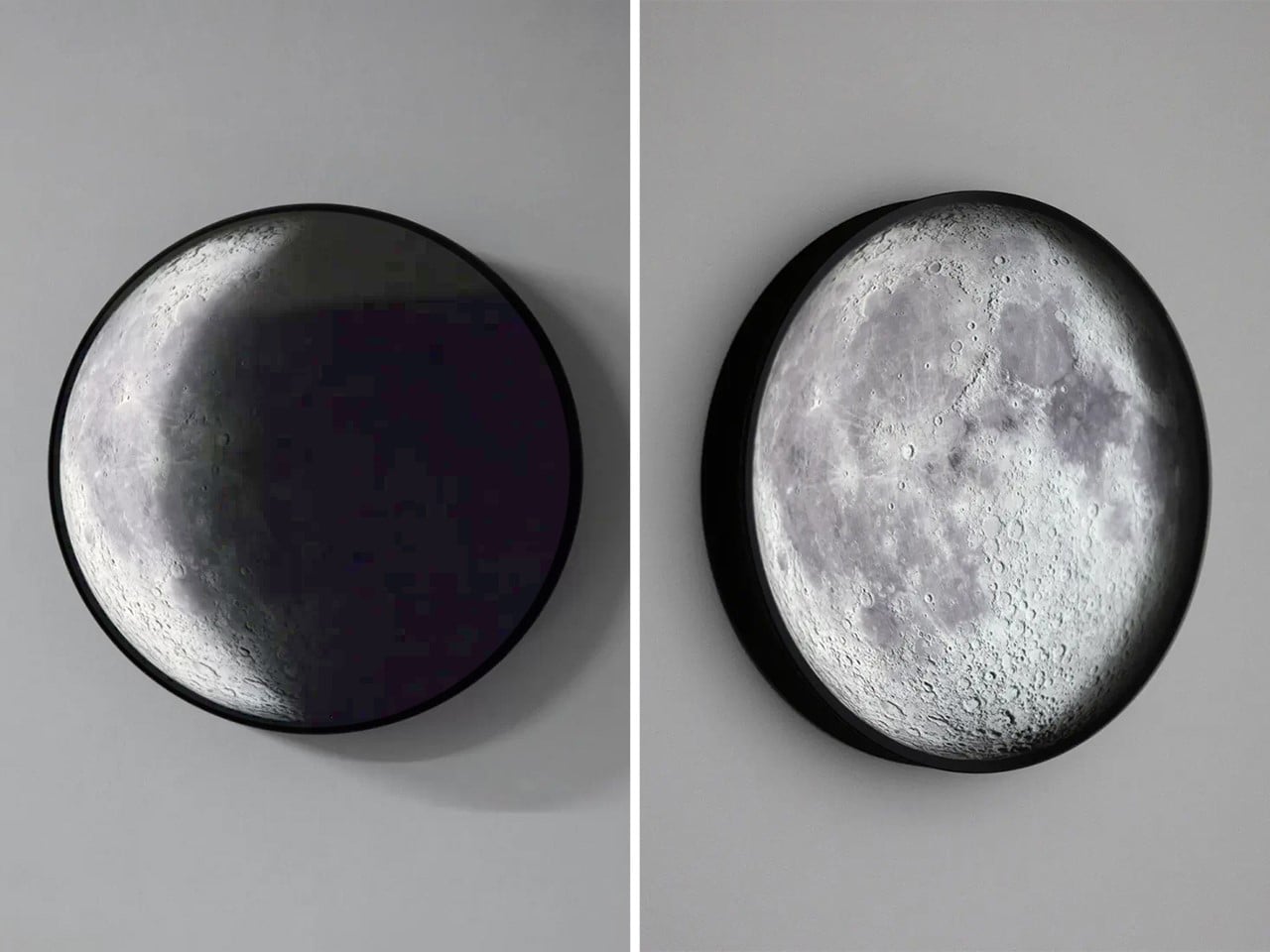
Phase is a sculptural lighting object that reimagines our relationship with time and light by replicating the moon’s real-time orbit around Earth. Developed by London-based studio Relative Distance over four years of research and engineering, the lamp transforms astronomical data into an immersive visual experience. Light passing through its smoked glass surface reveals the moon’s topography in striking detail, creating a soft, hypnotic glow that feels both intimate and expansive.
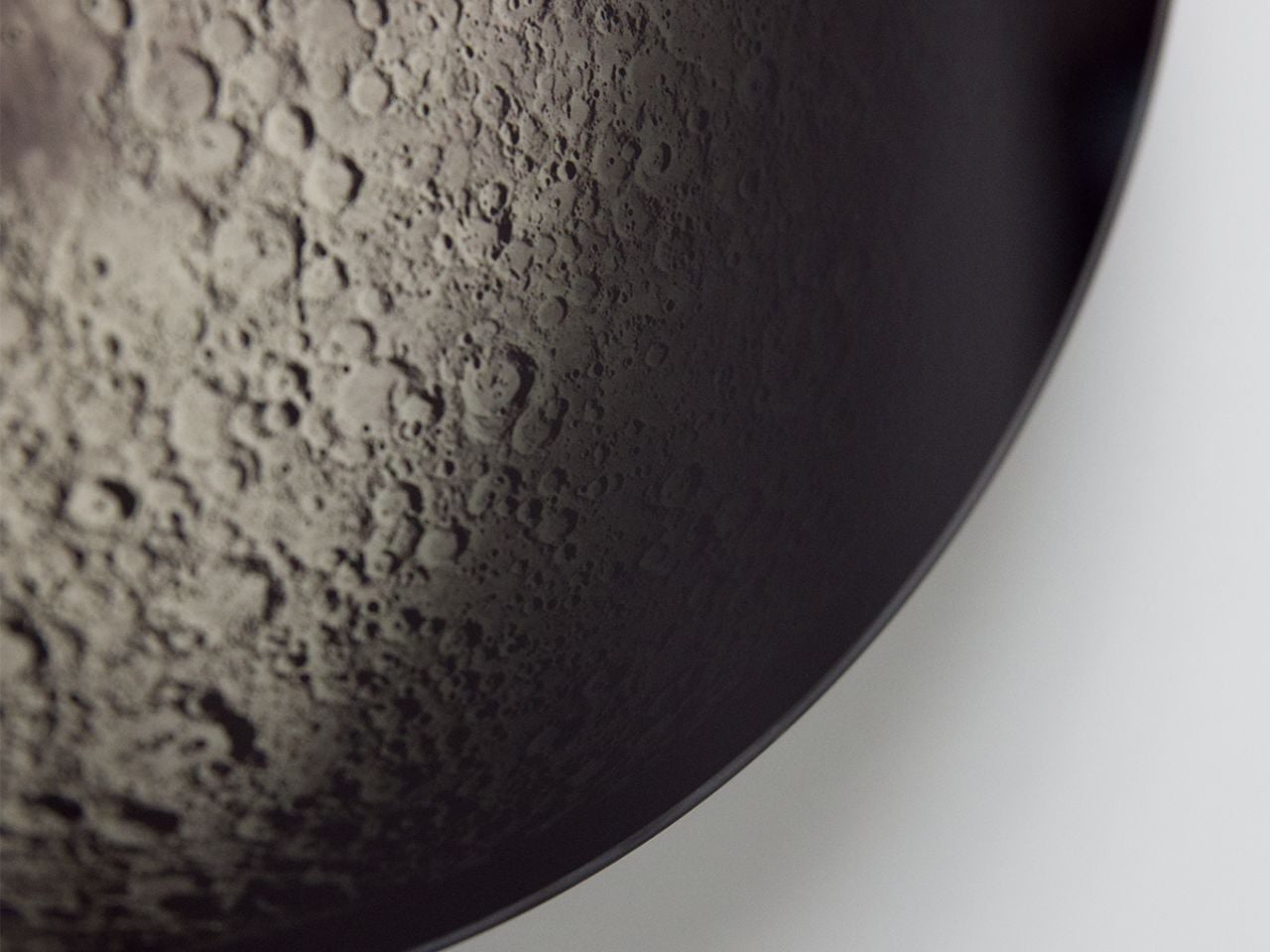
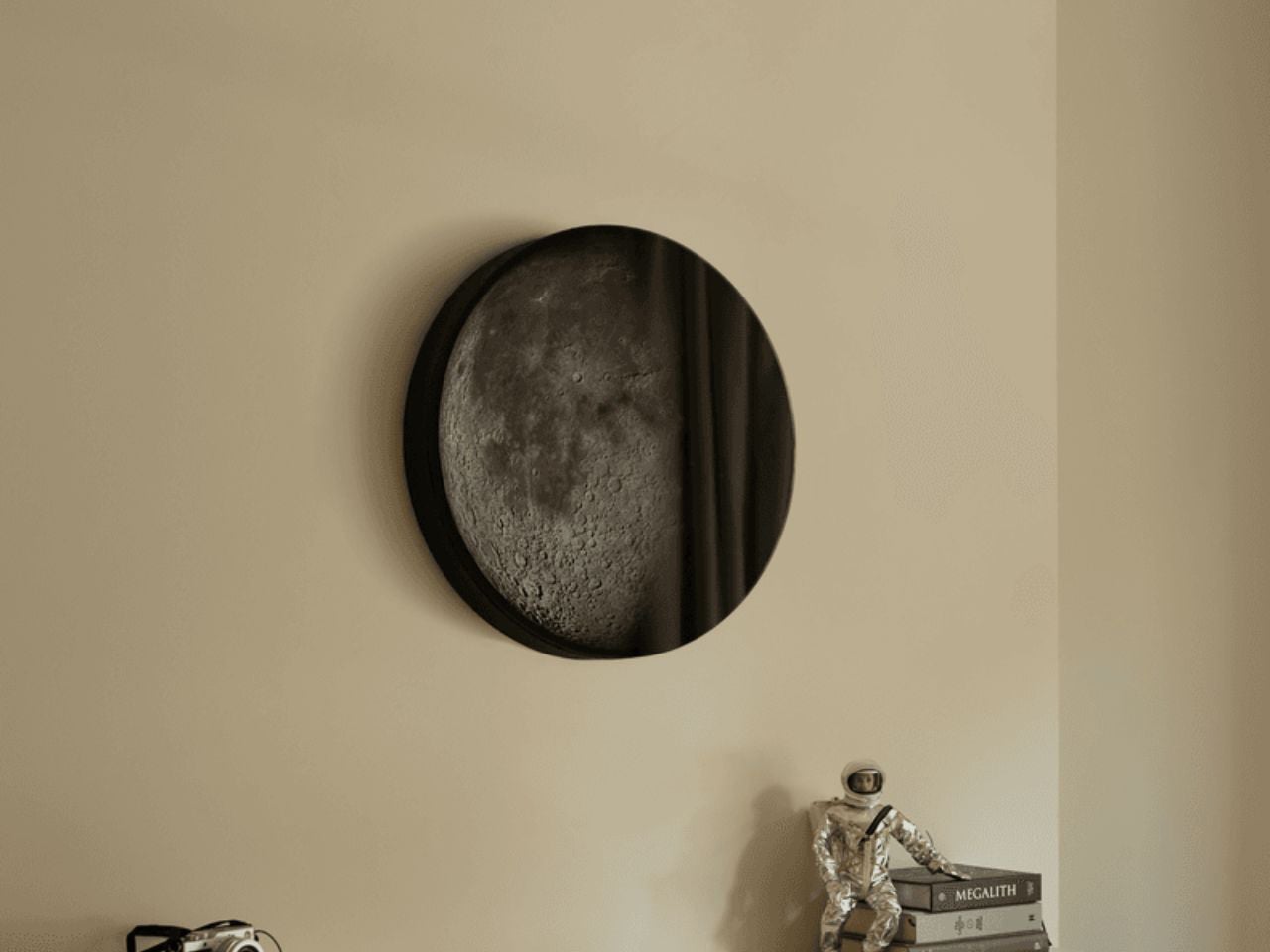
The lunar imagery is derived from a high-resolution NASA composite and applied with extreme precision, housed within a minimalist mineral-composite case inspired by extraterrestrial materials. Phase operates without apps or connectivity, relying instead on a simple three-button interface to control time, brightness, and viewing modes. With carefully tuned optics that mimic the subtle diffusion of true moonlight, the lamp offers a calm alternative to screen-based light—an object that slows perception and deepens spatial awareness.

3. Architecture: The Lunar Dome Perspective

The domical form offers a softer, more immersive interpretation of lunar architecture. Inspired by the moon’s curved horizon, dome-shaped spaces dissolve sharp edges and create a continuous spatial flow. Light moves gently along the curved surfaces, enhancing a sense of enclosure while maintaining openness to the sky.

From a performance standpoint, domical architecture is inherently efficient. The form encourages natural air circulation and evenly distributes light, reducing heat gain and energy demand. Beyond efficiency, the dome creates a primal sense of shelter—an architectural echo of the moon itself, grounding the home in cosmic reference and human comfort.

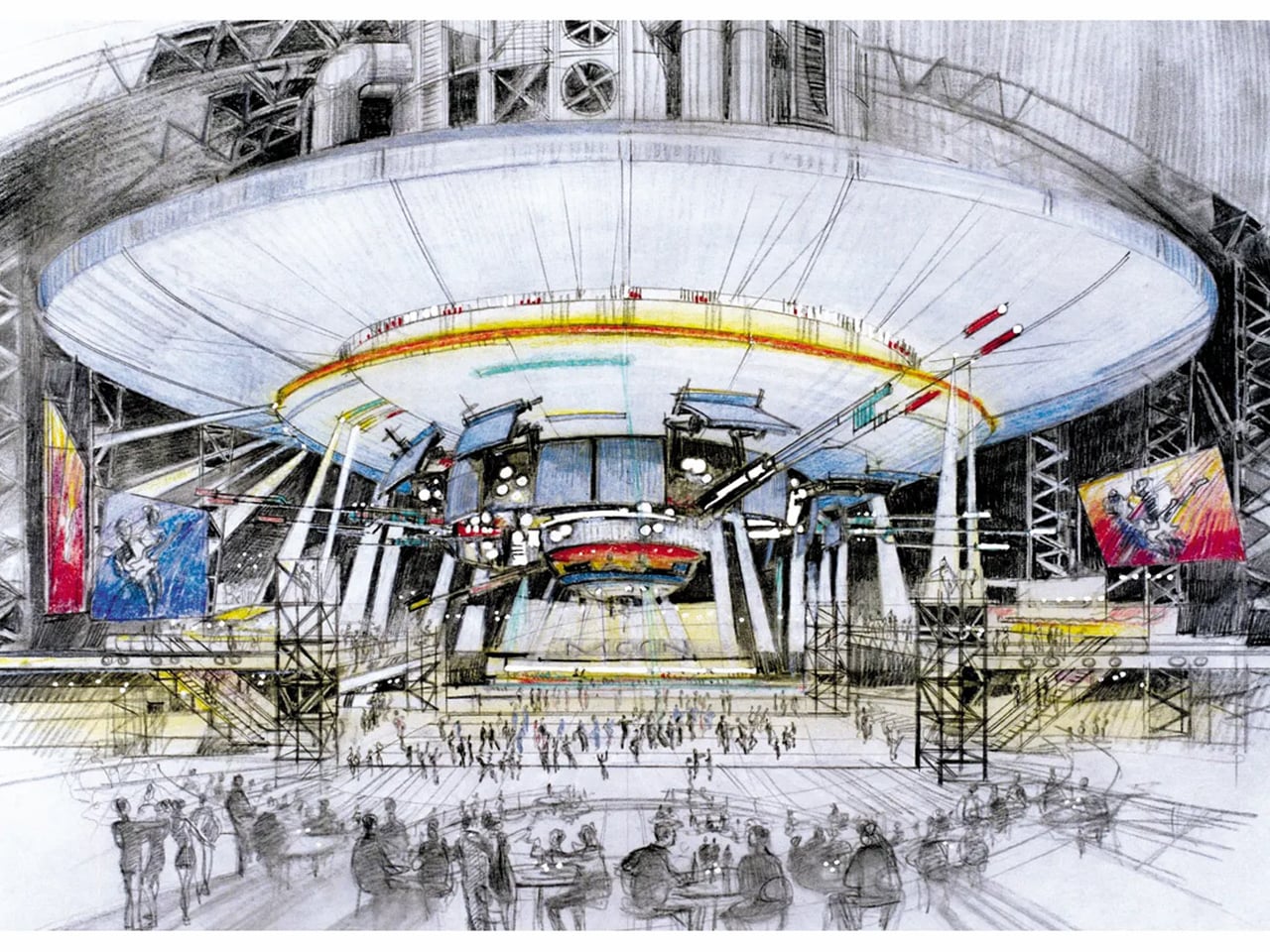
Conceived as an architectural spectacle, Moon is a 224-meter-tall spherical resort that translates lunar form into inhabitable design. Developed by Moon World Resorts Inc., the structure is envisioned as a hyper-realistic representation of Earth’s satellite, combining monumental scale with precision engineering. The project is organized around a three-storey circular base that supports a colossal orb above – designed to be the world’s largest sphere. The exterior of the orb mirrors the moon’s surface, constructed from a steel framework clad in carbon-fiber composite, with integrated solar panels enabling energy self-sufficiency.

Function and form are tightly interwoven throughout the design. The base accommodates public amenities such as the hotel lobby, spa, and convention facilities, while the spherical volume above houses approximately 4,000 suites. At its core lies an immersive lunar environment, featuring acres of undulating terrain and a detailed simulated colony. Designed to meet LEED Gold five-star standards, Moon positions architecture as experience – where structure, sustainability, and spectacle converge into a singular, otherworldly destination.

4. Clock Design: Reconnecting Time with Lunar Cycles

Clock design is shifting away from precise minute-counting toward a more intuitive understanding of time. Instead of emphasizing speed and schedules, these pieces track lunar phases and cyclical movement, reminding users that time is fluid rather than strictly linear.

Beyond function, such clocks carry a quiet educational role. They reconnect daily life with natural rhythms and inherited ways of measuring time. Crafted as sculptural objects, they balance motion, material, and meaning – serving as instruments of awareness and enduring design statements within the home.

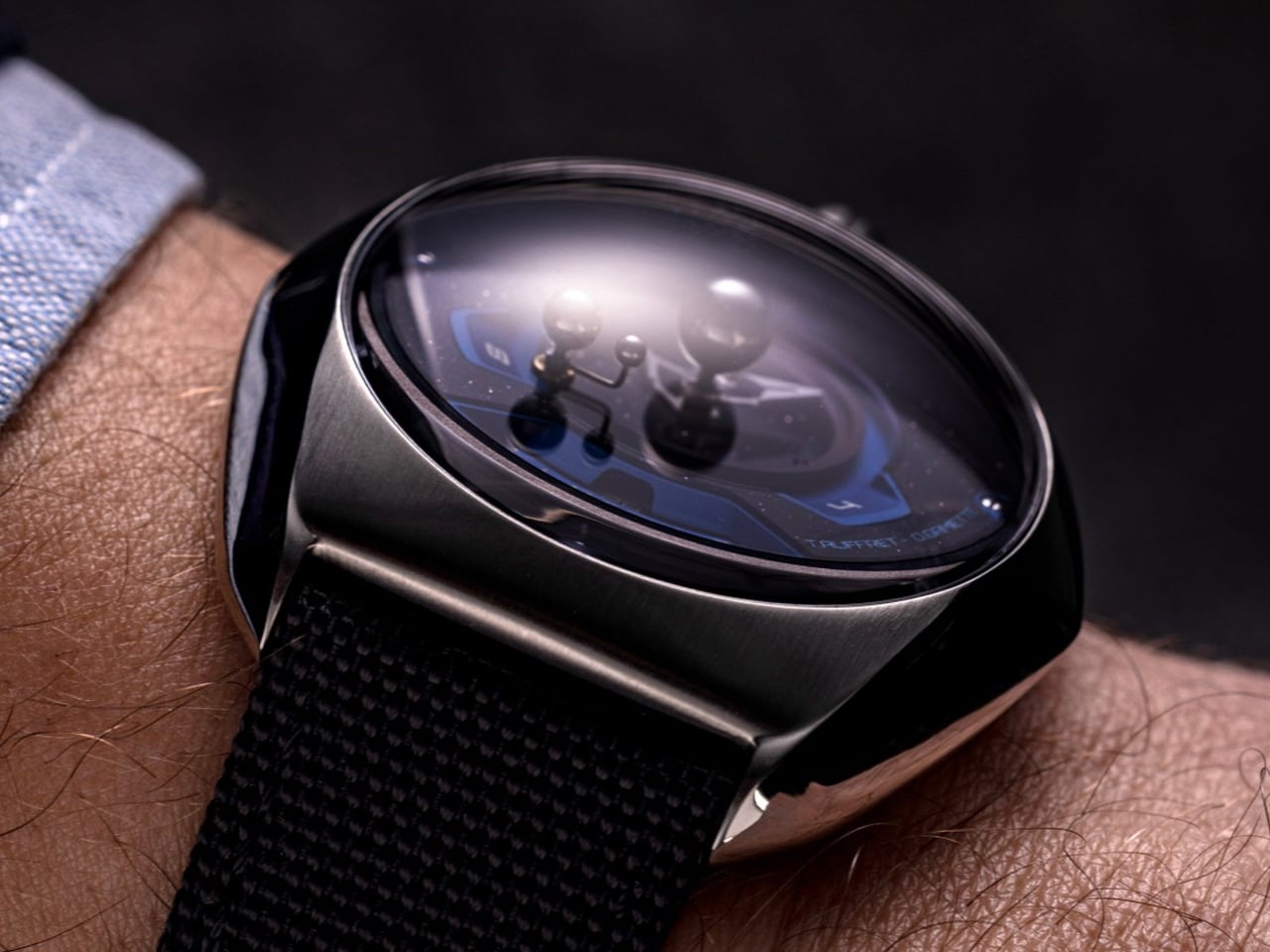
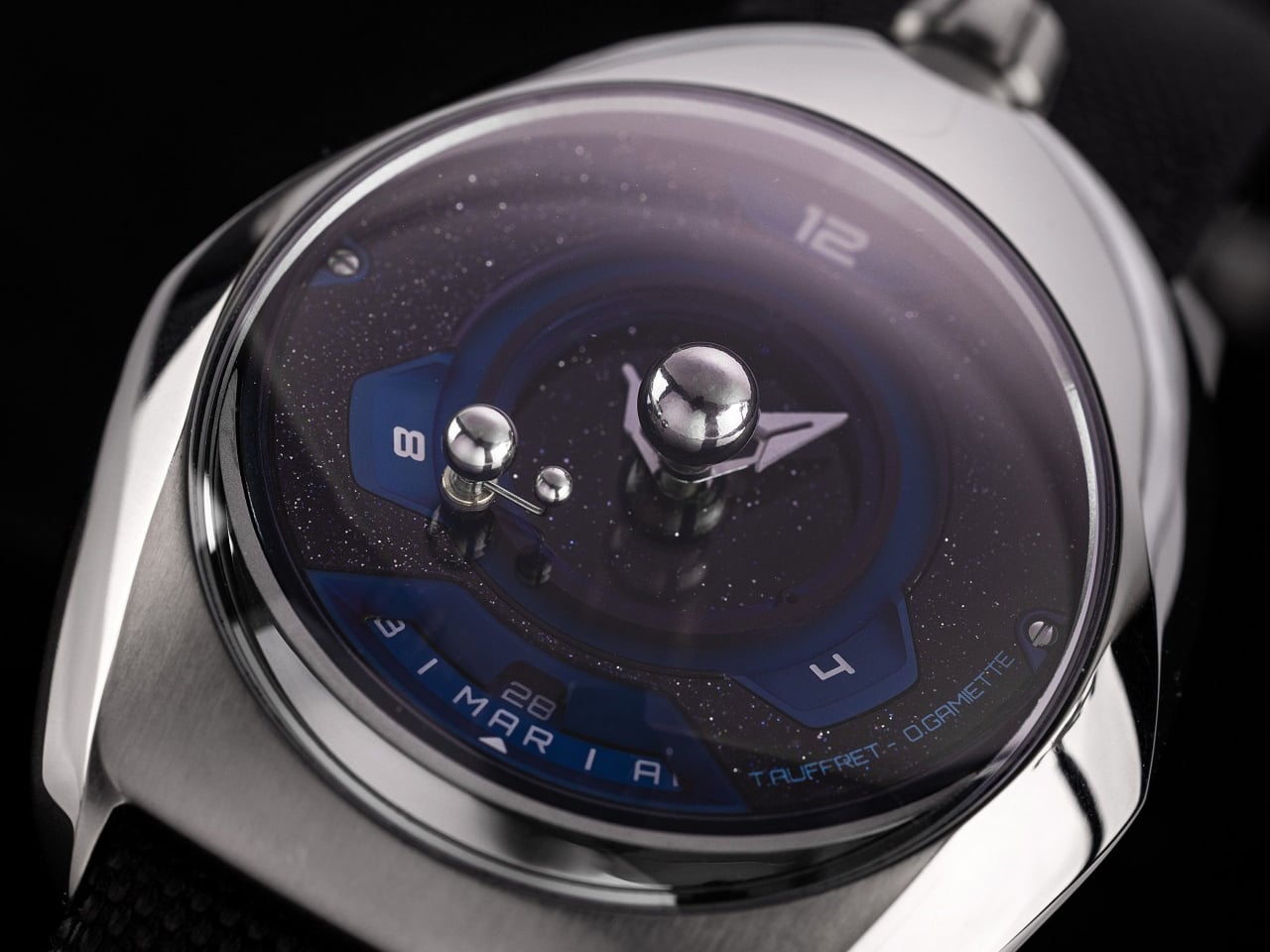
Time may be a human system of measurement, but its logic is rooted in celestial motion. The SpaceOne Tellurium translates this cosmic rhythm into an elegant mechanical object, merging daily timekeeping with the orbital dance of Earth and Moon. Beyond hours and minutes, the watch presents a miniature solar system at its center, where scaled representations of the Earth and Moon revolve around a fixed sun. These elements do not move symbolically; their motion is precisely calibrated to reflect real astronomical cycles, turning the dial into a living model of time and space.

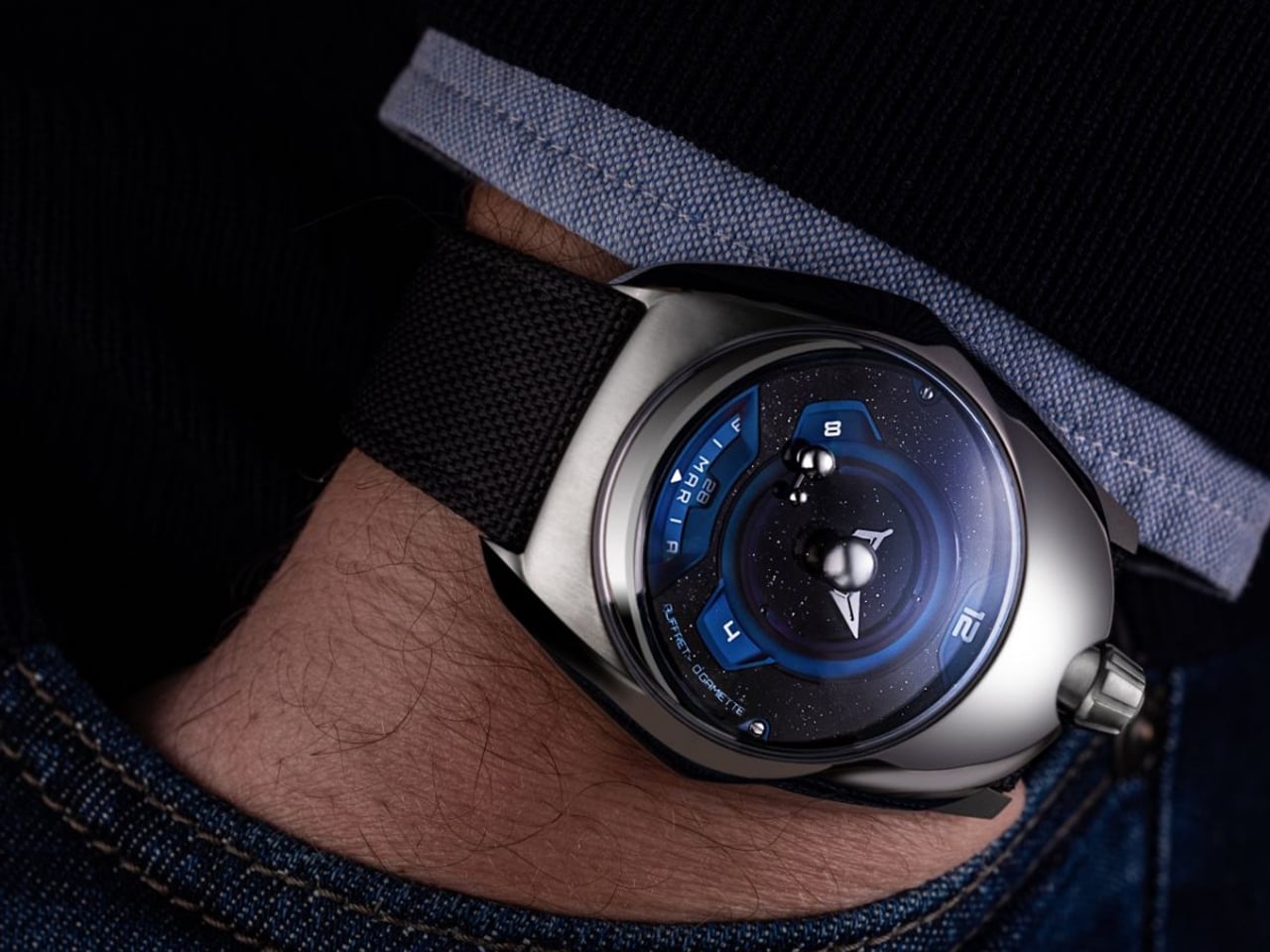
This complexity is driven by an intricate mechanical architecture built around the Soprod Caliber P024. A series of star wheels governs days, months, and orbital movement, allowing the Earth to complete one full revolution each year while guiding the Moon’s phases with remarkable accuracy. Housed in a lightweight Grade 5 titanium case, the design departs from traditional dial layouts, using a triangular division that reinforces its futuristic character. A deep black-and-blue palette, scattered with star-like markers, completes the watch’s refined celestial aesthetic.

5. Sculptural Art: Experiencing the Lunar Sublime

Lunar-inspired art shifts toward scale, silence, and depth. Large monolithic works use light-absorbing surfaces to create moments of visual disappearance, where form feels both present and absent. These pieces are less about image and more about sensation, drawing the viewer into stillness.

This approach treats art as a spatial experience rather than an ornament. Confronting the idea of the void, it challenges perception and spatial awareness. Positioned deliberately often at the end of a passage, such works create a journey through architecture, culminating in a quiet moment of reflection and cosmic pause.
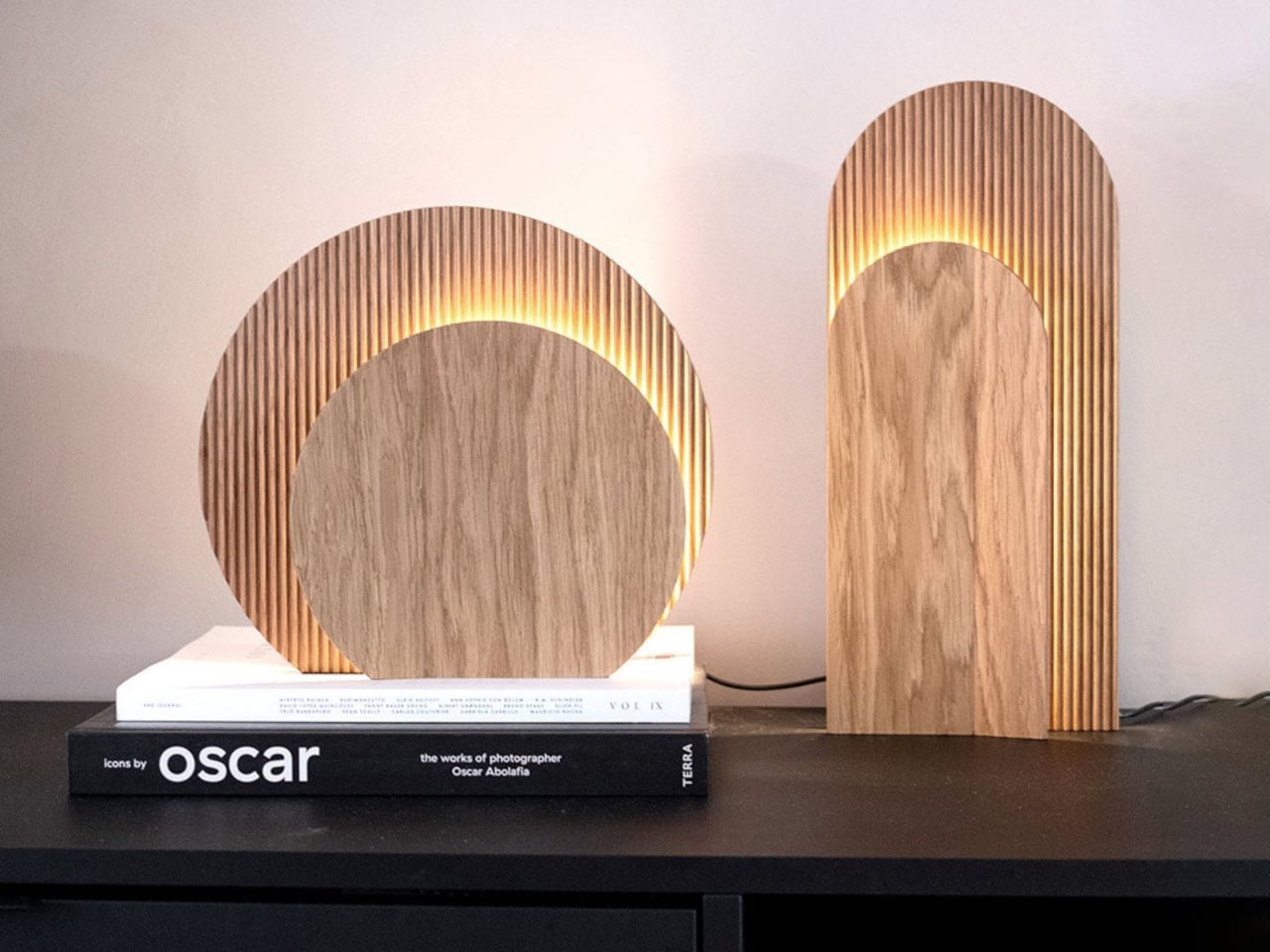
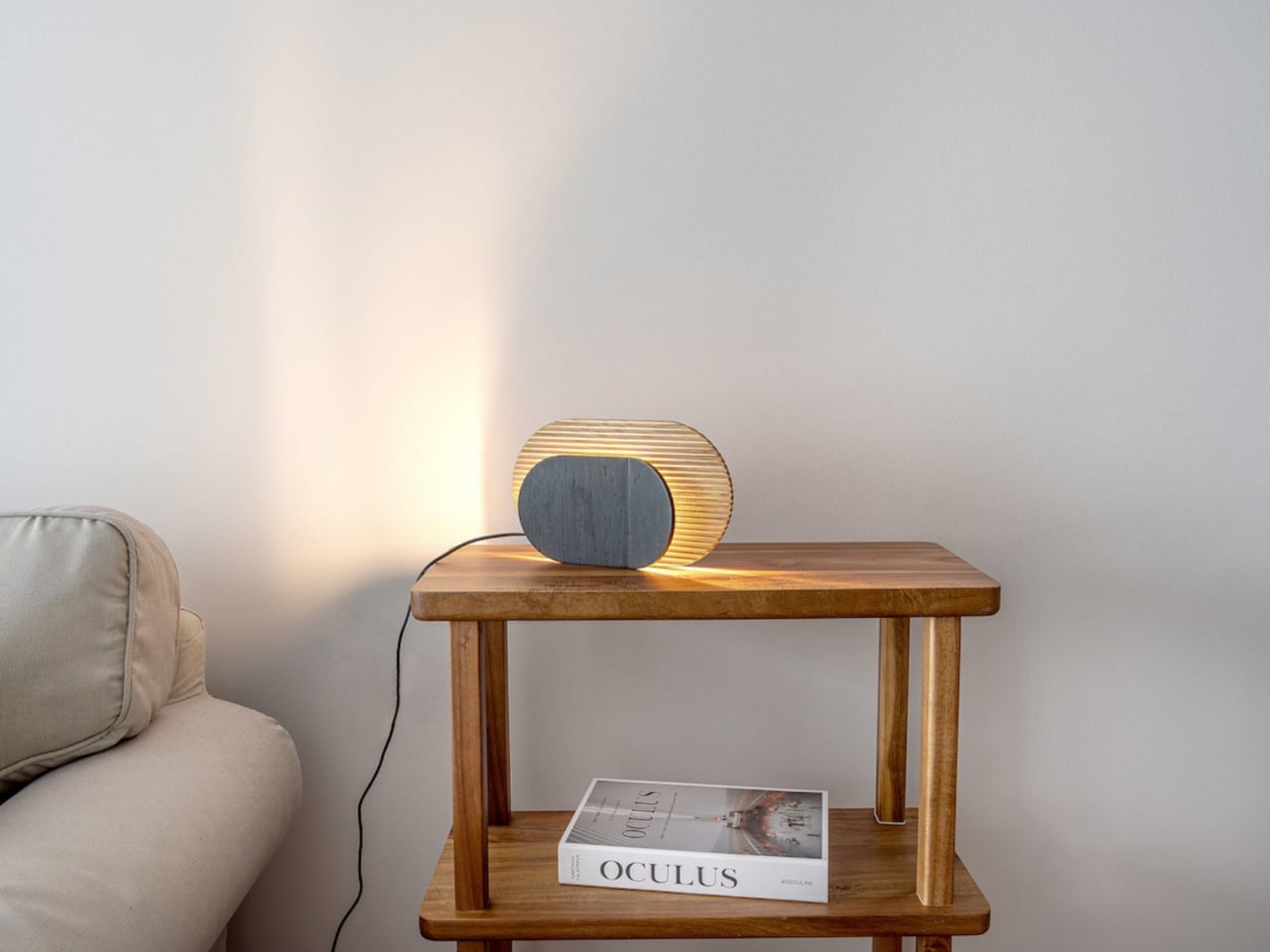
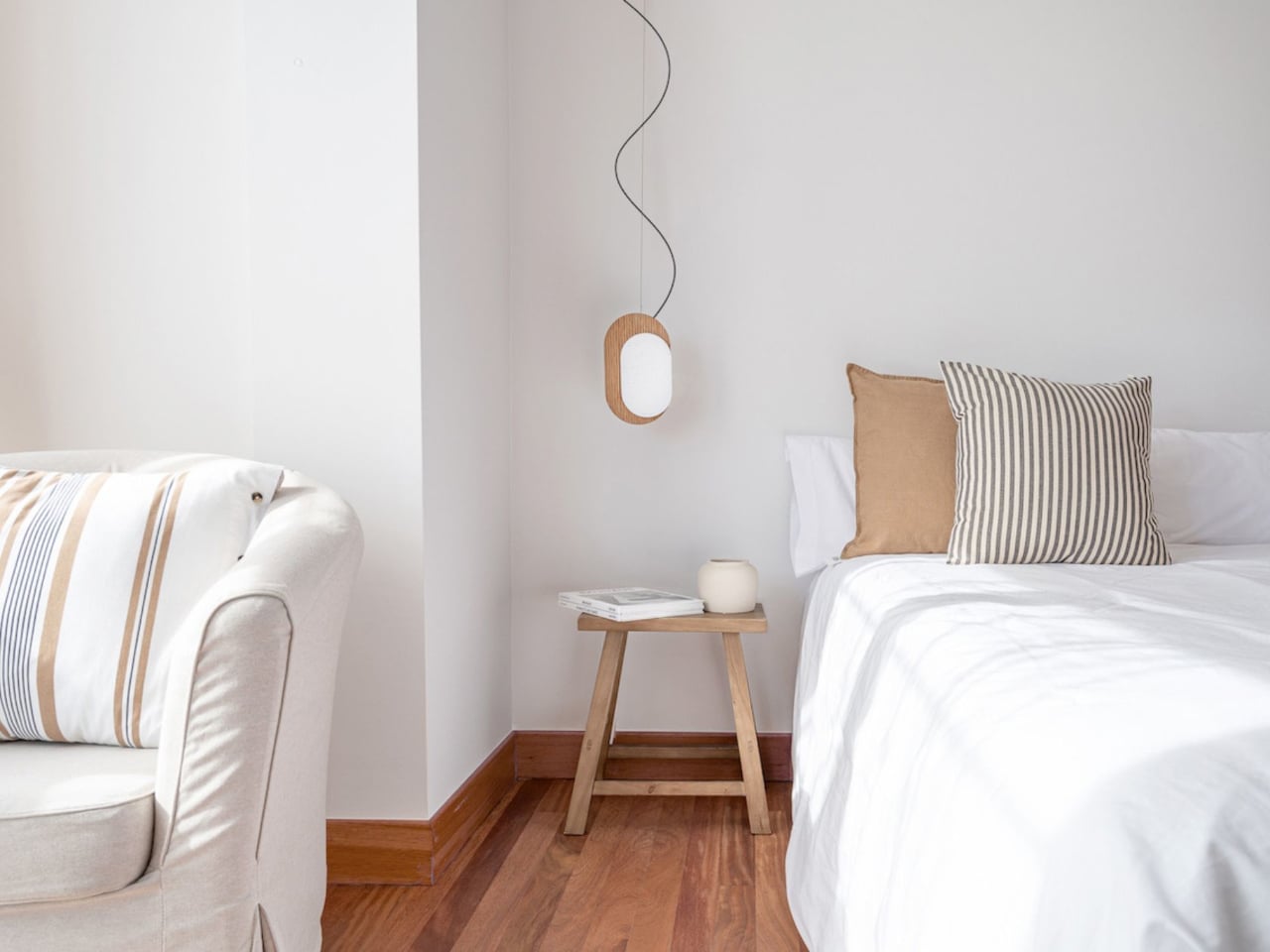
LUA is conceived as a sculptural lighting object that blurs the line between functional design and contemporary art. Created by Madrid-based brand Woodendot, the piece draws directly from the quiet poetry of the moon, translating celestial calm into a tactile, three-dimensional form. Its softly contoured geometry and layered construction allow light to emerge gently, creating an ethereal presence rather than a conventional source of illumination. As an object, LUA feels composed and intentional—designed to be viewed as much as it is to be used.
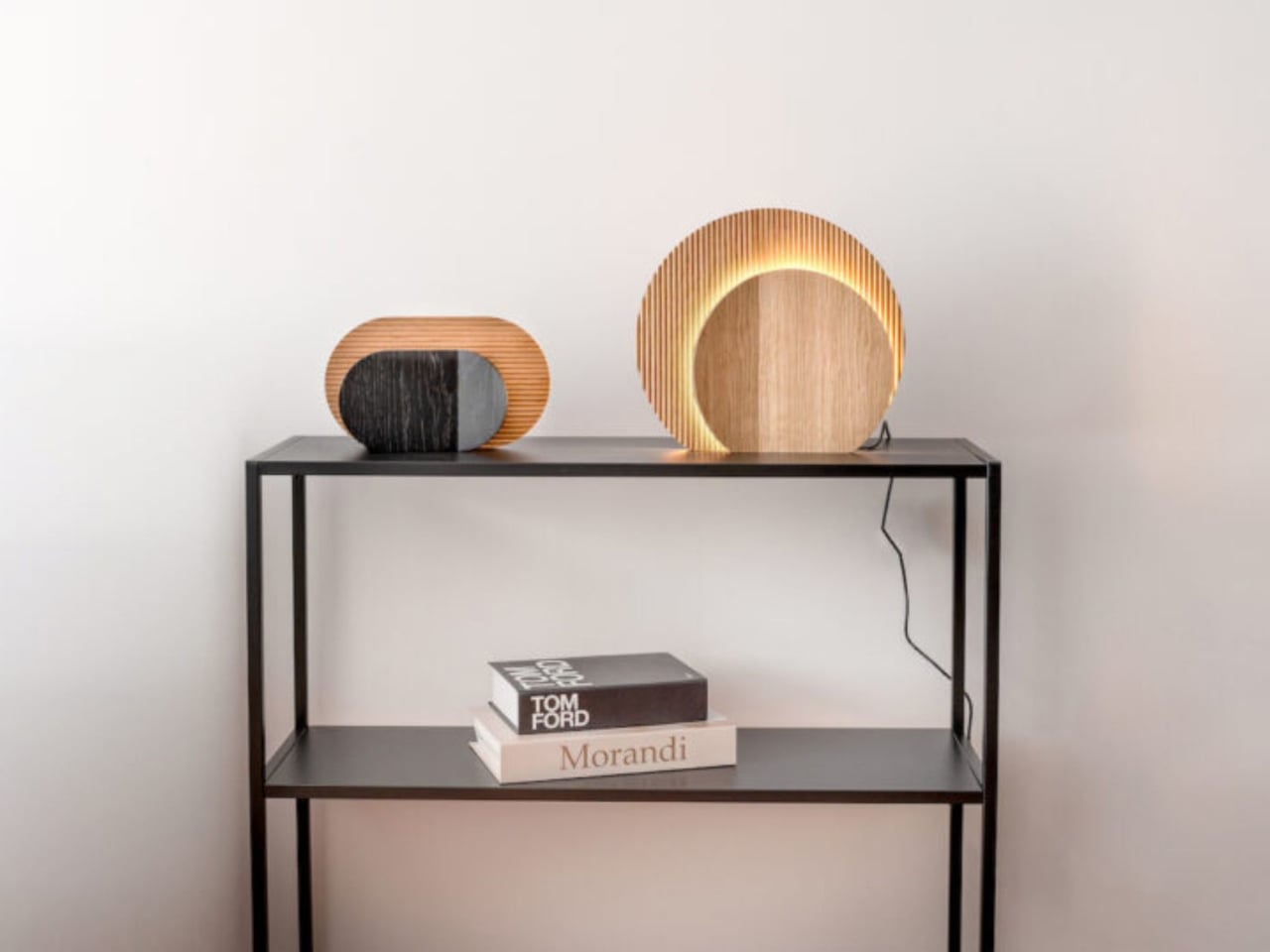
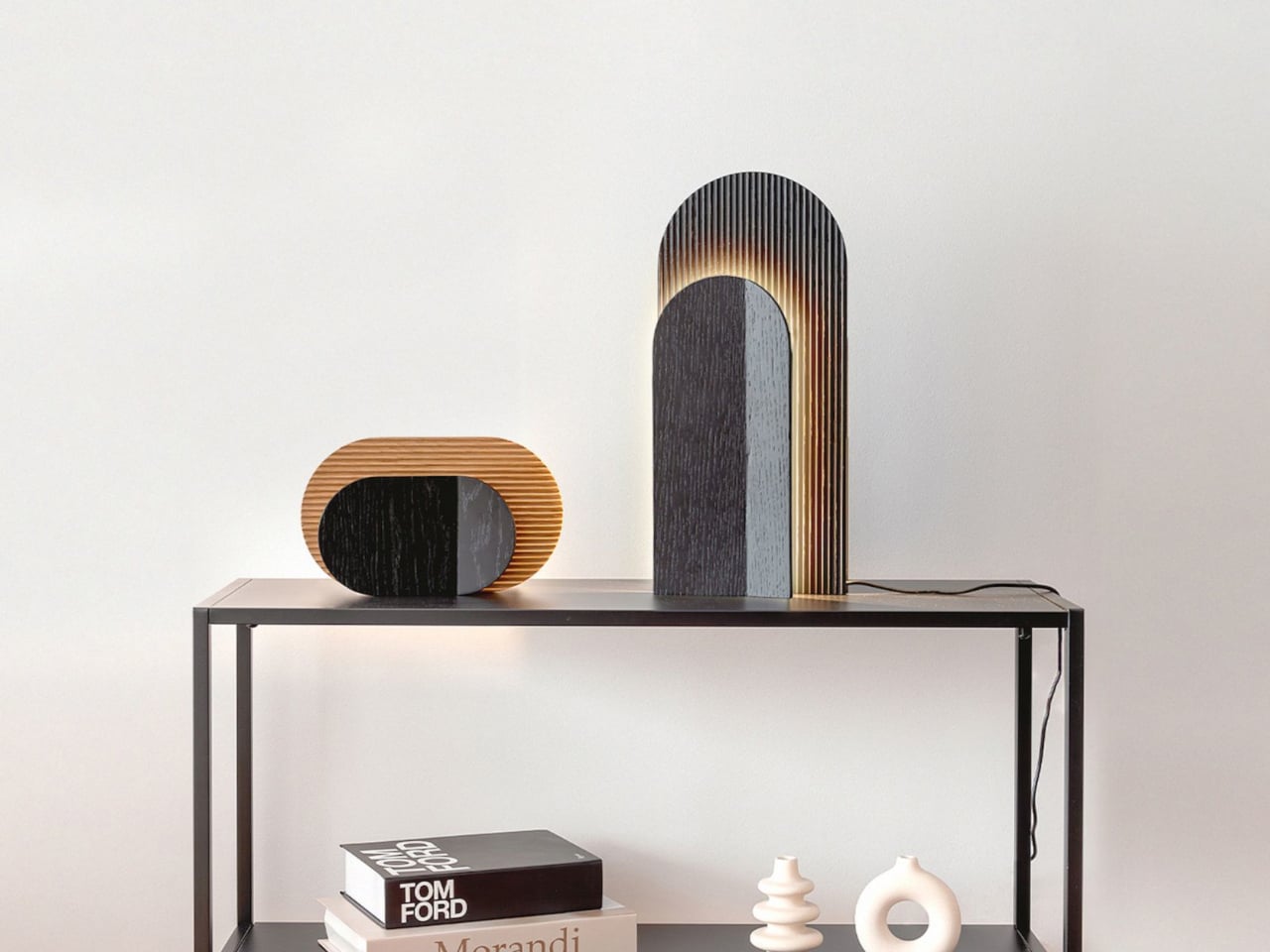
The sculptural quality of LUA lies in its interplay of planes, textures, and shadow. Two wooden panels form the core composition: a corrugated back panel that adds depth and material richness, and a smaller folded front panel that partially obscures the light, producing an eclipse-like halo. This subtle manipulation of form and light creates a dynamic visual effect that changes with perspective. Available in multiple shapes, sizes, and finishes, LUA functions as a quiet centerpiece—an artful intervention that enhances spatial mood through restraint, balance, and material expression.

“Moon as Muse” is not a passing trend but a deeper shift toward thoughtful and lasting design. It encourages designers to slow down and find balance between technology and emotion, structure and softness. By looking to the moon, design becomes more reflective and intentional.

This approach defines a quieter kind of luxury. It is not about excess, but about clarity—honest materials, restrained forms, and the careful use of light. In this stillness, spaces feel timeless, meaningful, and deeply connected to the way we experience our homes and the natural world.

The post 5 Product Designs That Brought the Moon Indoors: They’re All Stunning first appeared on Yanko Design.

This Practically Bulletproof Titanium Travel-Case Makes Your ‘Fragile’ Luxury Luggage Look Cheap

Aluminum dents. That is the trade you accept with most “premium” luggage. The grooves look great in the lounge, then a few trips later you are quietly cataloguing every new crease and corner hit. You can baby it, you can wince every time it goes into an overhead bin, but eventually the shell starts to look tired. Premium luggage, economy behavior.

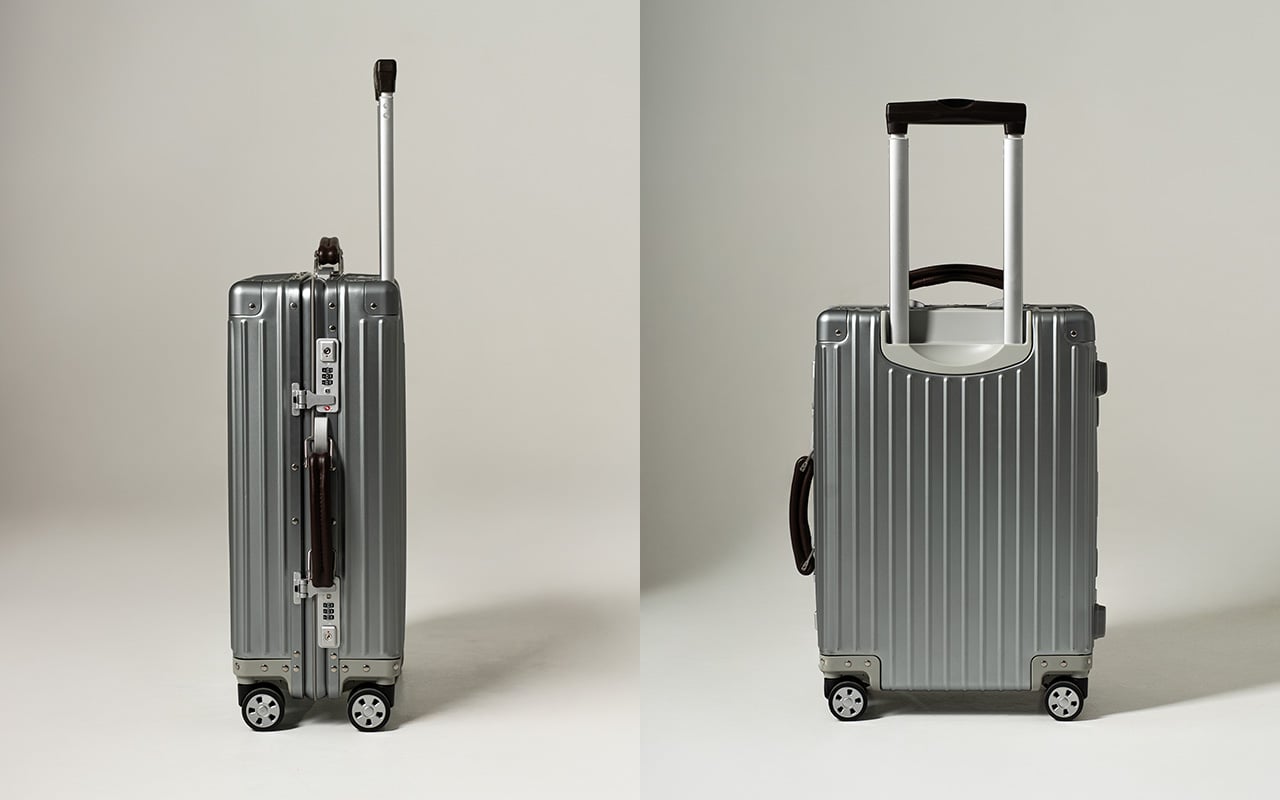
Titanium changes the terms of that deal. AERIONN Forma treats aluminum the way iPhone Pro treats the regular iPhone: same category, different league. Apple moves the Pro models to titanium because it signals intent and performance in one move. Forma does the same. It uses certified Grade 1 titanium for the shell, formed as a single continuous body, so the case flexes under impact and returns to shape instead of locking in dents. It is the “Pro” material choice for people who live in airports and prefer their luggage to age, not degrade.

Designer: AERIONN

Click Here to Buy Now: $499 $1799 (72%). Hurry, only 3/688 left! Raised over $654,000.

There’s a specific moment frequent travelers recognize. You’ve got lounge access, priority boarding, a seat that actually reclines, and you’re pulling luggage designed to be replaced in a few years. First class isn’t just a ticket, it’s a standard. AERIONN Forma was designed for travelers who understand that distinction. The Milanese design shows restraint where most luggage shows decoration. Clean architectural lines, a matte brushed titanium surface that resists fingerprints and develops subtle patina over time. The kind of wear that looks earned rather than abused. Leather-wrapped handles add warmth without competing for attention. This case looks like it belongs in the first-class cabin, carried by someone who travels often enough to know visible damage shouldn’t be part of the premium experience.

Apple uses aluminum for the standard iPhone. The Pro models get titanium. Same exact decision tree applies here. Titanium signals intent. It’s a more precious material than aluminum, harder to source, more expensive to work with, and significantly more durable under real-world stress. Grade 1 commercially pure titanium meets ASTM B265-15 certification standards, with tensile strength in the 290 to 310 MPa range, significantly higher than aluminum alloys used in luxury luggage. The shell has undergone thousands of repeated drop tests, bending tests, ultrasonic inspection, and dimensional verification. The testing isn’t about proving indestructibility, it’s about ensuring resilience under conditions where aluminum would show permanent damage. Titanium flexes to absorb impact, and only shows signs of wear and tear with rough use. Aluminum dents easy… and it stays dented.
The single continuous shell construction eliminates seams and structural weak points. Despite using industrial-grade material, the case weighs 4kg with weight distributed evenly across the entire structure. Lift it into an overhead bin and the weight doesn’t fight you. Roll it through a terminal and it tracks cleanly without pull or wobble. That movement comes from the AIRMOVE dual spinner wheels, engineered for low drag and quiet operation. No rattle, no vibration, just smooth motion that keeps pace instead of slowing you down. The multi-stage telescopic handle extends smoothly and locks firmly, with leather-wrapped touchpoints that feel substantial. Good luggage disappears during travel, requiring no conscious effort to manage.
Security is handled without zippers, which remain the most common failure point in luggage. A precision TSA latch system sits flush with the titanium shell, allowing inspections without damage while removing fabric, teeth, and stress points entirely. It’s invisible when closed, dependable when needed. Metal latches integrated into aerospace-grade titanium don’t have the failure modes that plague zipper-based systems. The TSA-approved combination lock integrates directly into the shell. No exposed mechanisms, no added bulk, no interruption to the clean form. This approach to security makes the case look refined while actually being more secure than conventional designs.
The matte brushed titanium surface does something interesting over time. It develops a natural patina that reflects use without looking damaged. Fingerprints don’t show. Minor contact marks blend into the finish rather than standing out. After years of travel, the surface tells a story without looking beaten up. This separates objects you keep from objects you replace. Titanium naturally resists corrosion, so the shell maintains structural integrity without protective coatings or finishes that eventually wear through. Temperature extremes don’t compromise strength. A precision-fit silicone seal keeps water out, protecting belongings from rain and splashes during transit. The case is designed to be used repeatedly and to look better for it.

The interior uses a dual-compartment layout that keeps packing organized from departure to arrival. Compression straps on one side secure clothing and minimize wrinkles. A full divider panel on the other side contains shoes, toiletries, and essentials. Integrated pockets hold smaller items so you’re not digging through layers to find what you need. The durable nylon lining wipes clean easily and holds shape after repeated use. Nothing flashy, nothing wasted. Dimensions are 55 x 36 x 23 cm, fitting standard airline carry-on requirements while offering 38L capacity. The layout supports efficient packing and easy access, which matters when you’re moving through multiple cities in compressed timeframes.

For EDC enthusiasts and design-focused travelers, durability is status. Knowing your carry-on can handle abuse that would destroy conventional luggage is the quiet flex. Soft-shell Samsonite is lighter, cheaper, and never dents because it’s designed for economy class standards. It won’t be noticed from ten feet away and it won’t give you the VIP feeling that comes with carrying something genuinely exceptional. Titanium luggage exists in a different category entirely. It’s luggage meant to last decades, not seasons. The buy-once philosophy changes the economics. A $1,500 aluminum case that needs replacement after five years costs more over time than a $1,799 titanium case that lasts twenty years. Longevity becomes luxury when the alternative is planned obsolescence.

AERIONN Forma is currently available with Super Early Bird pricing at $499, Early Bird at $699, and a two-pack bundle at $975. Standard retail pricing is $1,799. Shipping begins July 2026, with fulfillment handled globally. Aluminum carry-ons from established luxury brands typically range from $1,200 to $1,700 depending on size and features. Titanium luggage rarely appears in this segment, and when it does, pricing usually exceeds $2,000. Early pricing positions aerospace-grade materials as accessible for travelers who recognize that upfront cost matters less than total cost of ownership. This case represents a shift in how premium luggage gets engineered and priced.

Click Here to Buy Now: $499 $1799 (72%). Hurry, only 3/688 left! Raised over $654,000.

The post This Practically Bulletproof Titanium Travel-Case Makes Your ‘Fragile’ Luxury Luggage Look Cheap first appeared on Yanko Design.

Why This Air Conditioner Filter Took Design Cues from Your Toolbox

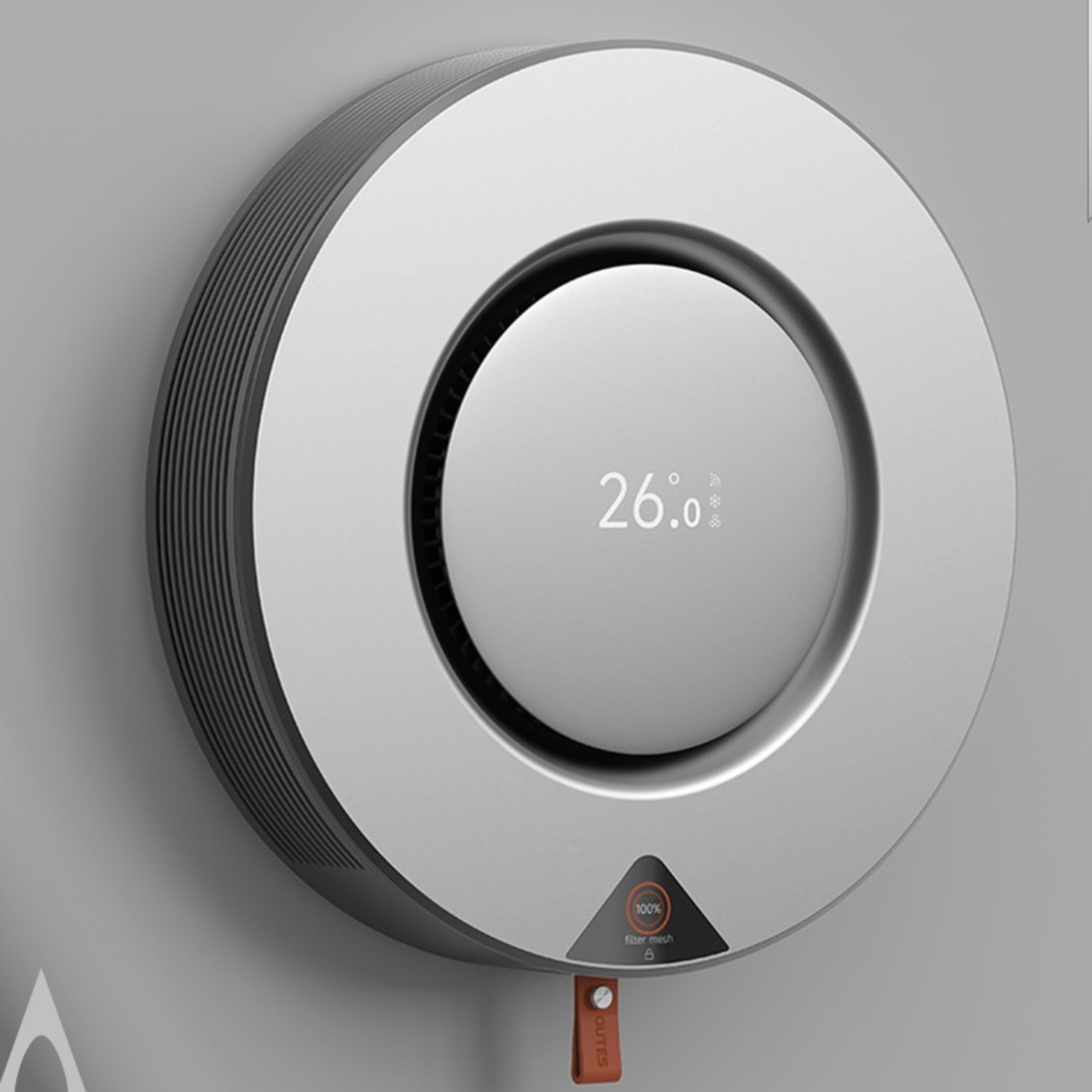
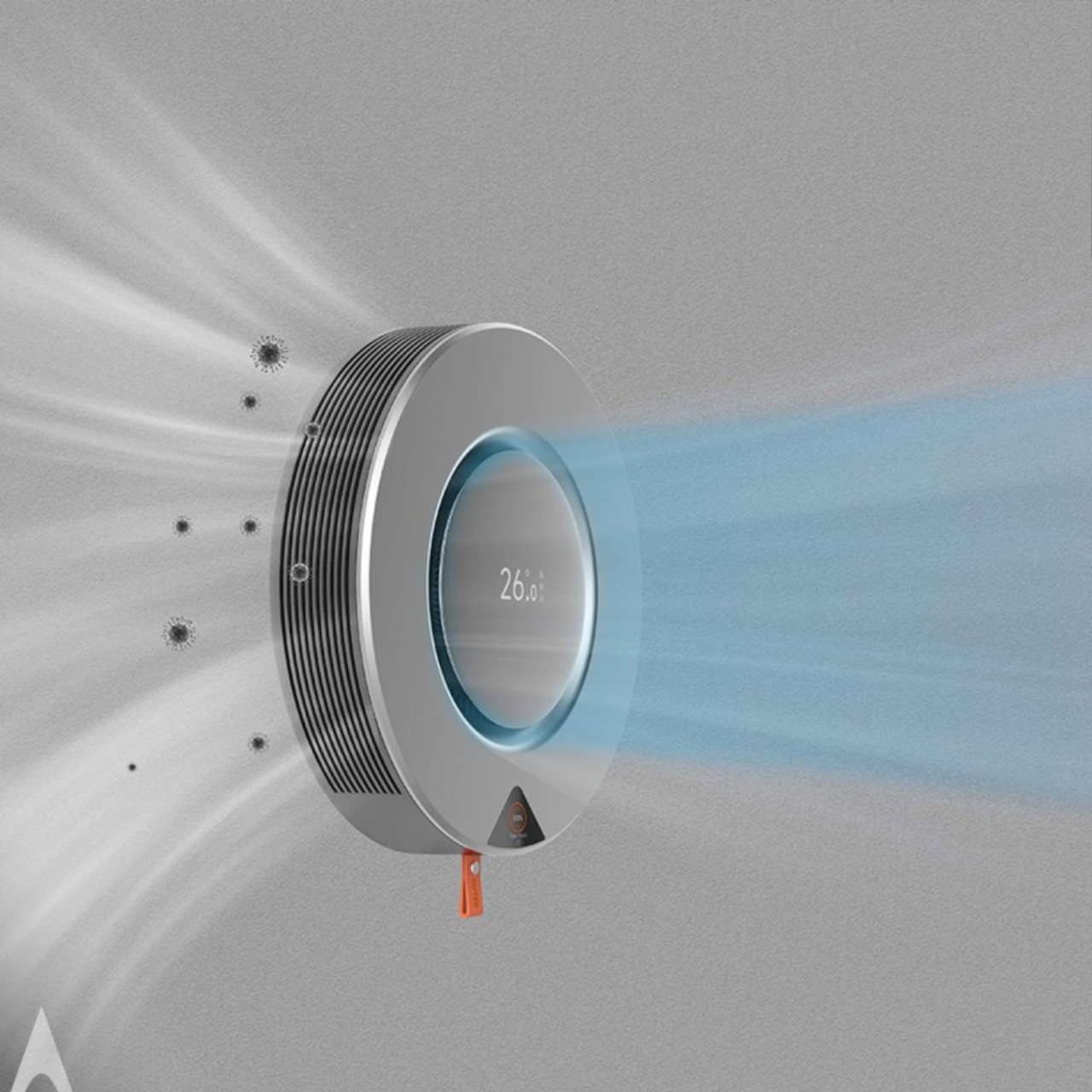
Let me tell you about something that caught my eye recently. When was the last time you actually looked forward to cleaning your air conditioner filter? Yeah, I thought so. But the folks at ZHEJIANG ZHONGGUANG ELECTRICAL CO.,LTD have done something pretty clever that might change how we think about one of home maintenance’s most tedious tasks. Their Snapcool air conditioner just won a Golden A’ Design Award, and here’s why it deserves your attention.

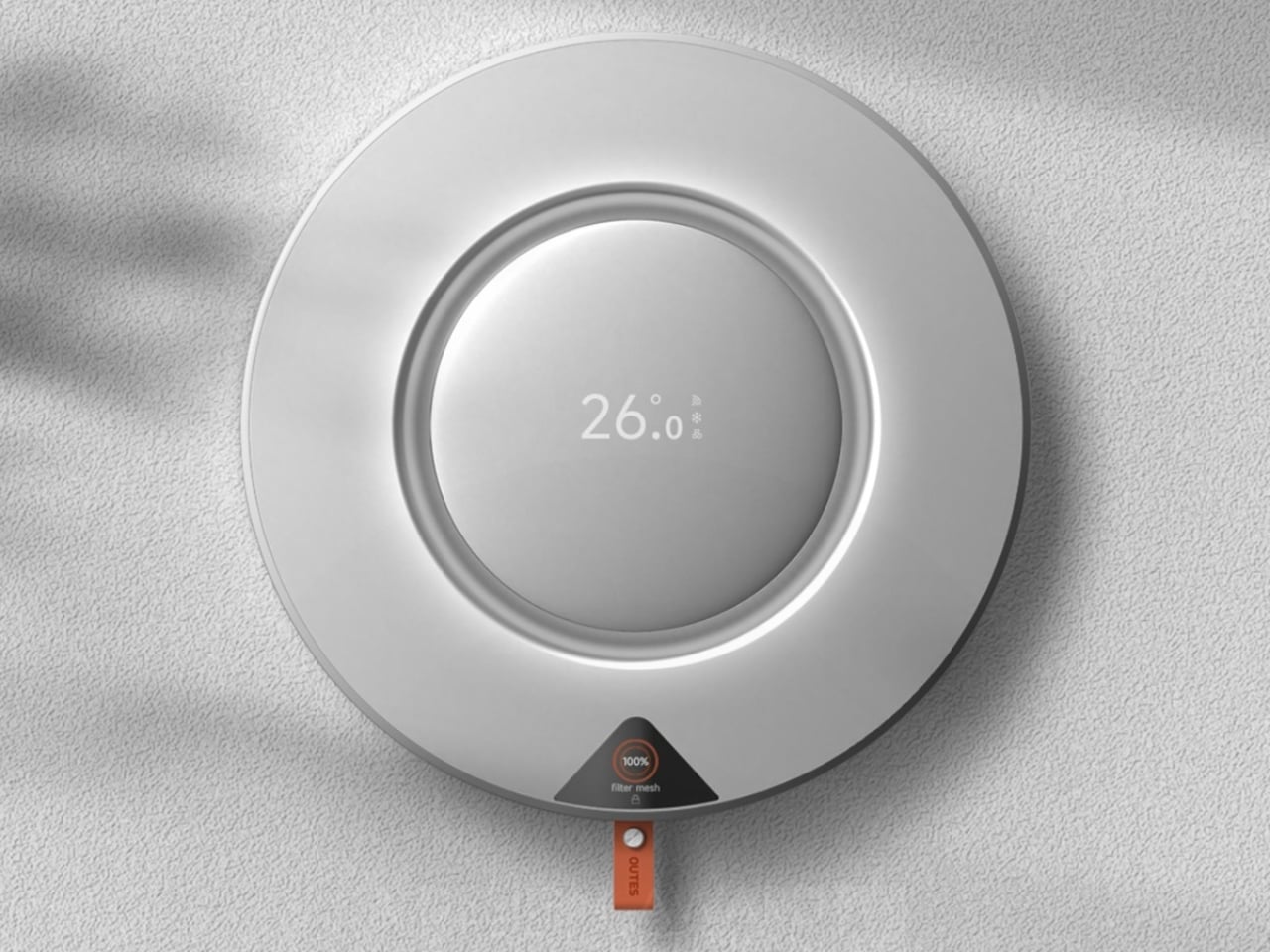
Picture a tape measure. You know that satisfying feeling when you pull out the metal strip and it snaps back into place with a smooth click? Now imagine that same mechanism applied to your AC’s filter system. That’s exactly what the design team behind Snapcool did, and the result is both practical and surprisingly delightful.

Designer: ZHEJIANG ZHONGGUANG ELECTRICAL CO.,LTD

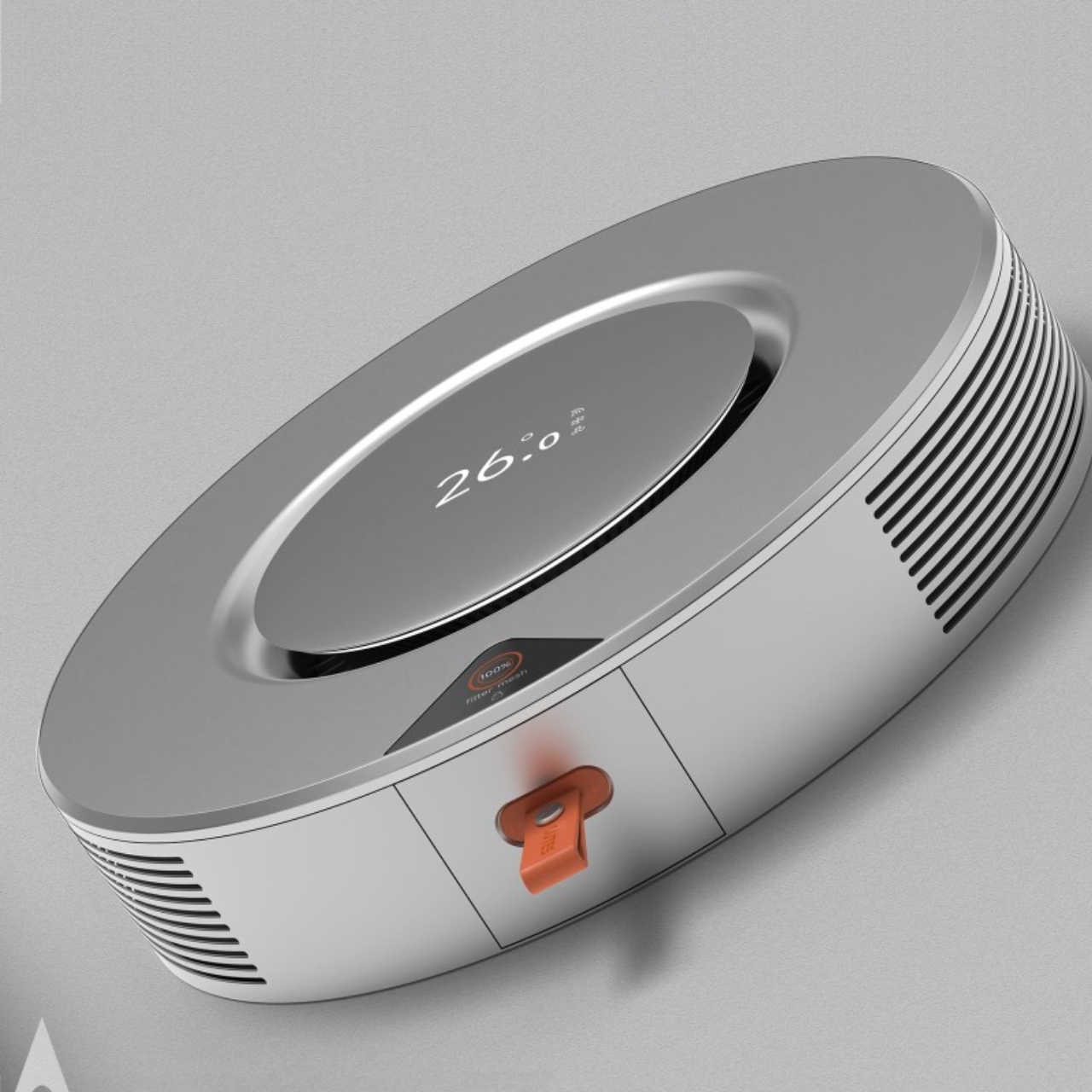
The whole concept flips conventional air conditioner design on its head. Most AC units hide their filters behind awkward panels that require tools, patience, and sometimes a bit of cursing to remove. Snapcool mounts its filter system on the side, where it slides in and out with the ease of extending a measuring tape. This isn’t just about making maintenance easier (though it definitely does that). It’s about turning a chore into something almost fun.

What really makes this design sing is the eye-catching orange filter compartment. It’s not just there to look cool, though it certainly does that. The bold color serves as a constant visual reminder to check your filter status, which means you’re more likely to keep up with maintenance and enjoy better air quality. It’s the kind of thoughtful detail that shows someone actually considered how people interact with these machines in real life, not just in a sterile testing environment.

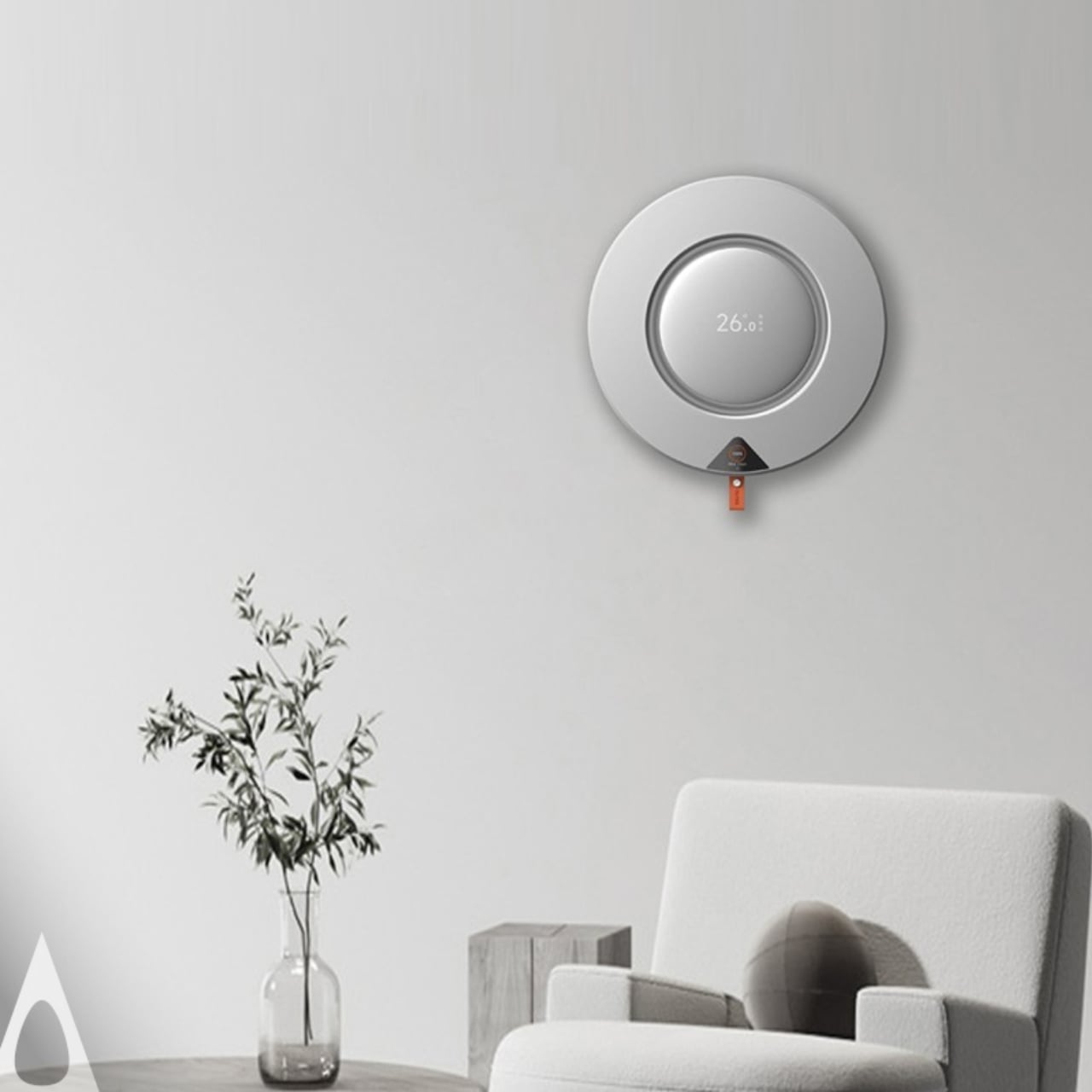
The aesthetics matter here too. Traditional air conditioners tend to be those white boxes we tolerate but don’t exactly love. Snapcool breaks that mold with its sleek, modern shape that actually looks like it belongs in a contemporary home. There’s something inherently futuristic about its design language. It feels less like an appliance and more like a piece of tech you’d actually want to show off. This project came to life through collaboration between six team members: Jinghong Zhang, Yuxin He, Menglin Xie, Yuhui Xu, Haiping Hou, and Xiaojun Yuan. Their collective vision demonstrates what happens when designers stop treating home appliances as purely functional objects and start seeing them as opportunities for innovation and delight.

The recognition from the A’ Design Award isn’t just a trophy for the mantle. It’s validation of a broader shift happening in product design right now. We’re moving away from the idea that utilitarian objects should be invisible or purely functional. Instead, designers are asking why everyday items can’t be both beautiful and practical, why they can’t spark a little joy even as they perform mundane tasks.

ZHEJIANG ZHONGGUANG ELECTRICAL CO.,LTD, operating under their OUTES brand, has been building a reputation for integrated climate control solutions across hotels, universities, factories, and residential buildings. This isn’t their first rodeo with design excellence either. They’ve racked up six A’ Design Awards, proving that Snapcool isn’t a fluke but part of a consistent commitment to pushing boundaries in HVAC design.

What strikes me most about Snapcool is how it challenges our assumptions. We’ve collectively decided that air conditioners should be forgettable white boxes tucked into corners. But why? There’s no rule that says climate control can’t have personality. There’s no law stating that filter maintenance must be annoying. The tape measure inspiration is genius because it’s so obvious in hindsight. We’ve had this perfectly functional, satisfying mechanism sitting in our tool drawers for decades, and it took creative thinking to realize it could solve a problem in a completely different context.

Snapcool represents a future where even the most utilitarian objects can bring a smile to our faces. Where maintenance becomes less of a burden and more of an experience. Where our living spaces are populated by thoughtfully designed products that respect both our intelligence and our desire for beauty. Sometimes the best innovations aren’t about inventing something entirely new. They’re about looking at old problems through fresh eyes and borrowing brilliance from unexpected places.

The post Why This Air Conditioner Filter Took Design Cues from Your Toolbox first appeared on Yanko Design.

Stash - Synchroniser vos notes Apple Notes avec Markdown

Si vous êtes comme moi et que vous vivez dans Apple Notes parce que c'est fluide, synchronisé partout, et que ça marche sans qu'on ait à se poser de questions, cet outil va vous plaire.

Parce que oui, voilà, le jour où vous voulez bidouiller vos notes en ligne de commande, les exporter en Markdown, ou simplement éviter de vous retrouver coincé dans votre prison dorée Apple... Et bien c'est la galère. J'ai longtemps cherché une solution propre. Je me suis même dit à un moment que j'allais coder un script Python foireux pour scrapper la base SQLite locale, mais j'ai vite abandonné l'idée.

Pourquoi ? Parce que j'ai découvert Stash , un petit outil en ligne de commande qui fait le pont entre vos notes Apple et des fichiers Markdown.

Et le truc cool, c'est que ça marche dans les deux sens. Vous pouvez exporter vos notes Apple en Markdown (comme ici : Exporter pour vos backups ), mais aussi éditer vos fichiers Markdown et renvoyer les changements directement dans Apple Notes. C'est une vrai synchro bidirectionnelle qui vous rend vraiment maître de vos données.

J'ai testé ça sur macOS Tahoe avec un dossier de notes en vrac. J'ai lancé le bousin, et ça m'a fait plaisir de voir mes fichiers .md popper proprement dans le terminal, prêts à être commités ensuite sur un GitHub ou édités dans VS Code.

L'installation est toute bête, via Homebrew :

brew tap shakedlokits/stash https://github.com/shakedlokits/stash
brew install shakedlokits/stash/stash

Et ensuite, c'est juste 2 commandes. Pour exporter une note Apple vers Markdown, c'est

stash pull "Ma Super Note"

Stash va chercher la note dans Apple Notes, la convertit en Markdown propre via Pandoc, et vous la balance dans un fichier local Ma Super Note.md.

Et la seconde commande c'est pour faire l'inverse (éditer votre Markdown et pousser les changements vers Apple Notes). Là faut faire

stash push "Ma Super Note.md"

Et là, magie !! Vos modifs se retrouvent dans l'app Notes, synchronisées sur tous vos appareils Apple (iPhone, iPad, Mac). C'est dommage que ça soit pas natif ce truc.

Stash c'est chouette (Oula pas facile à prononcer vite celle là) parce qu'il utilise du YAML front-matter pour lier chaque fichier Markdown à une note Apple spécifique (via un ID unique). Quand vous faites stash push, le contenu du fichier écrase la note. Quand vous faites stash pull, la note écrase le fichier.

Attention toutefois car c'est là que ça se corse... Stash écrase sans pitié !! Si vous modifiez votre note sur l'iPhone ET votre fichier Markdown en même temps, c'est le dernier qui parle qui a raison. Y'a pas de fusion intelligente à la Git, donc gaffe aux conflits. C'est un peu brut de décoffrage, mais au moins c'est clair et prévisible.

Bref, pour ceux qui veulent scripter leurs notes, automatiser des backups, ou simplement bosser en Markdown avec leur éditeur préféré, c'est le chaînon manquant. J'avais testé Obsidian et Joplin par le passé, mais la synchro iCloud ou WebDAV m'avait saoulé. Là, c'est le bon compromis avec l'interface Apple pour la saisie, le Markdown pour le stockage long terme.

5 Smart Lighting Trends That Just Made Traditional Fixtures Look Outdated

Lighting Design in 2026 has shifted from a background utility to an emotional design language, influencing how spaces are experienced while shaping atmosphere, flow, and everyday comfort. Today, light works quietly in the background, adapting to your routines, responding to natural rhythms, and enhancing your experience of home.

Rather than acting as a static fixture, lighting now plays an active role in creating atmosphere. Soft transitions, layered illumination, and nature-inspired tones help interiors feel calmer, warmer, and more connected to the outside world. Whether you are unwinding after a long day or starting your morning, let’s decode how 2026’s lighting trends support the emotional flow of your space, making the home feel less like a structure and more like a living, responsive environment.

1. Invisible Smart Lighting

In 2026, the most advanced lighting systems are designed to blend effortlessly into your space. Powered by Ambient Intelligence, they use sensors and AI to adjust brightness and tone based on occupancy, daylight levels, and your daily routines. Instead of relying on switches, light flows naturally from one area to another, subtly guiding movement and defining zones without drawing attention to the technology behind it.

This approach focuses on supporting your body’s natural rhythms. Predictive dimming and gentle colour shifts mirror the changing quality of daylight, helping you feel more alert during the day and relaxed in the evening. By working in sync with your internal clock, lighting becomes an invisible wellness tool that improves comfort, focus, and overall quality of living.

This AI-assisted ceiling light illuminates the lives of the elderly while monitoring their safety

AI-enabled lighting systems for elderly care combine illumination with continuous health and safety monitoring. Integrated sensors and computer vision allow the lamp to detect falls, unusual movement patterns, and prolonged inactivity, while also tracking indicators such as respiration and coughing. Advanced algorithms analyse behaviour over time to predict potential risks before accidents occur. When an incident is detected, the system automatically alerts designated caregivers or emergency contacts, enabling faster response and reducing the severity of injury through timely intervention.

Designed to function as a standard household lamp, this technology integrates seamlessly into residential interiors without appearing medical or intrusive. The familiar form factor encourages acceptance while delivering round-the-clock support through a single device. With low heat emission, energy-efficient LEDs, and autonomous operation, AI lighting solutions provide a scalable approach to assisted living. By combining safety, monitoring, and illumination in one product, these systems offer a practical way to support independent ageing while maintaining comfort, privacy, and dignity.

2. Sculptural Light Forms

Lighting fixtures are increasingly treated as architectural features rather than background utilities. Instead of relying on scattered recessed ceiling lights, spaces now favour bold, sculptural pieces that visually anchor the room. These luminaires are appreciated for their authentic materials, including hand-blown recycled glass, alabaster, and bio-based composites, which add depth and softness while creating a gentle, diffused glow.

Beyond function, such fixtures shape how you perceive space. A large pendant naturally draws the eye, balancing volume and form while adding a sense of rhythm to the interior. Light becomes a focal point that connects design with atmosphere, creating rooms that feel considered, expressive, and emotionally engaging.

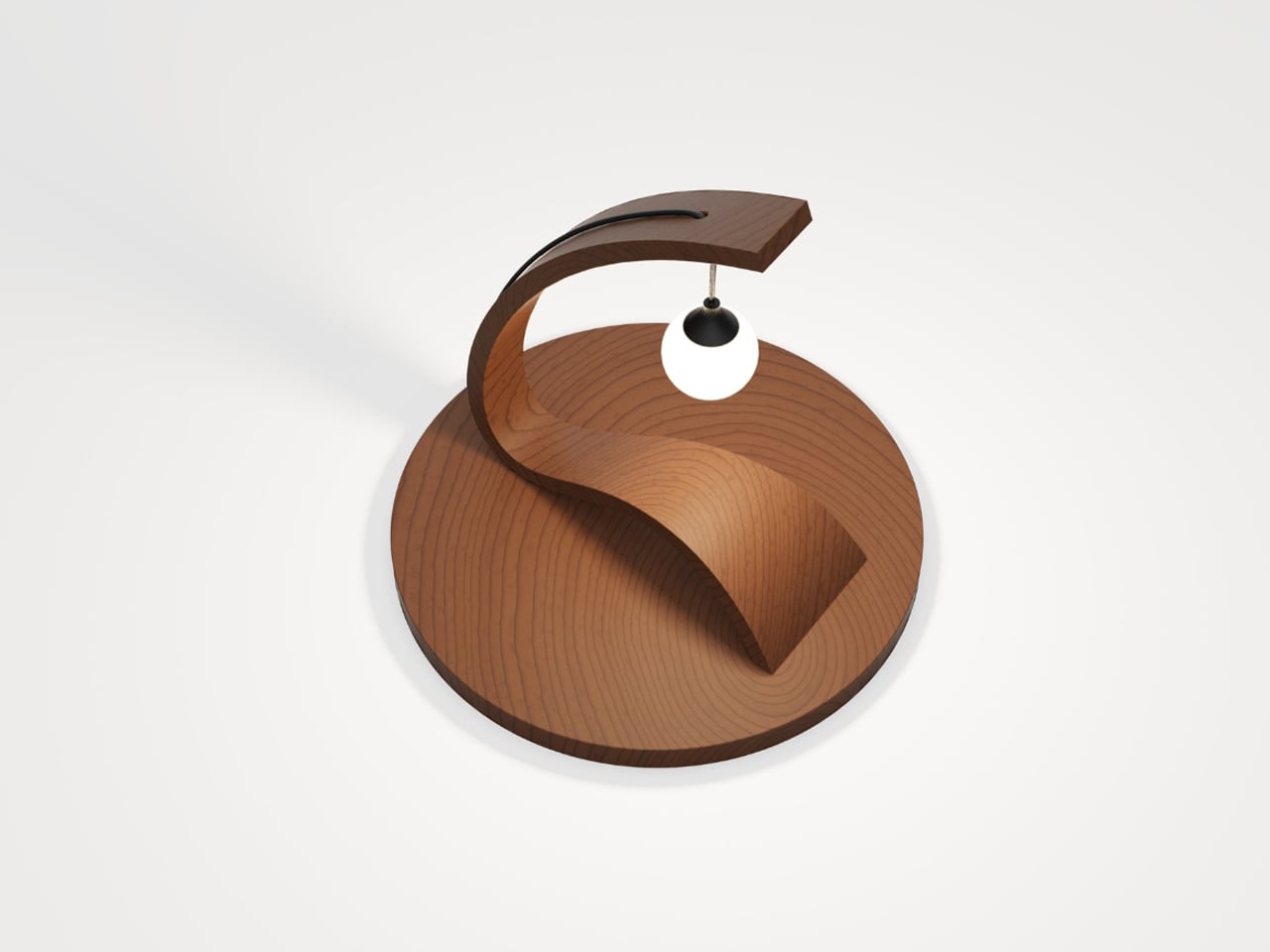
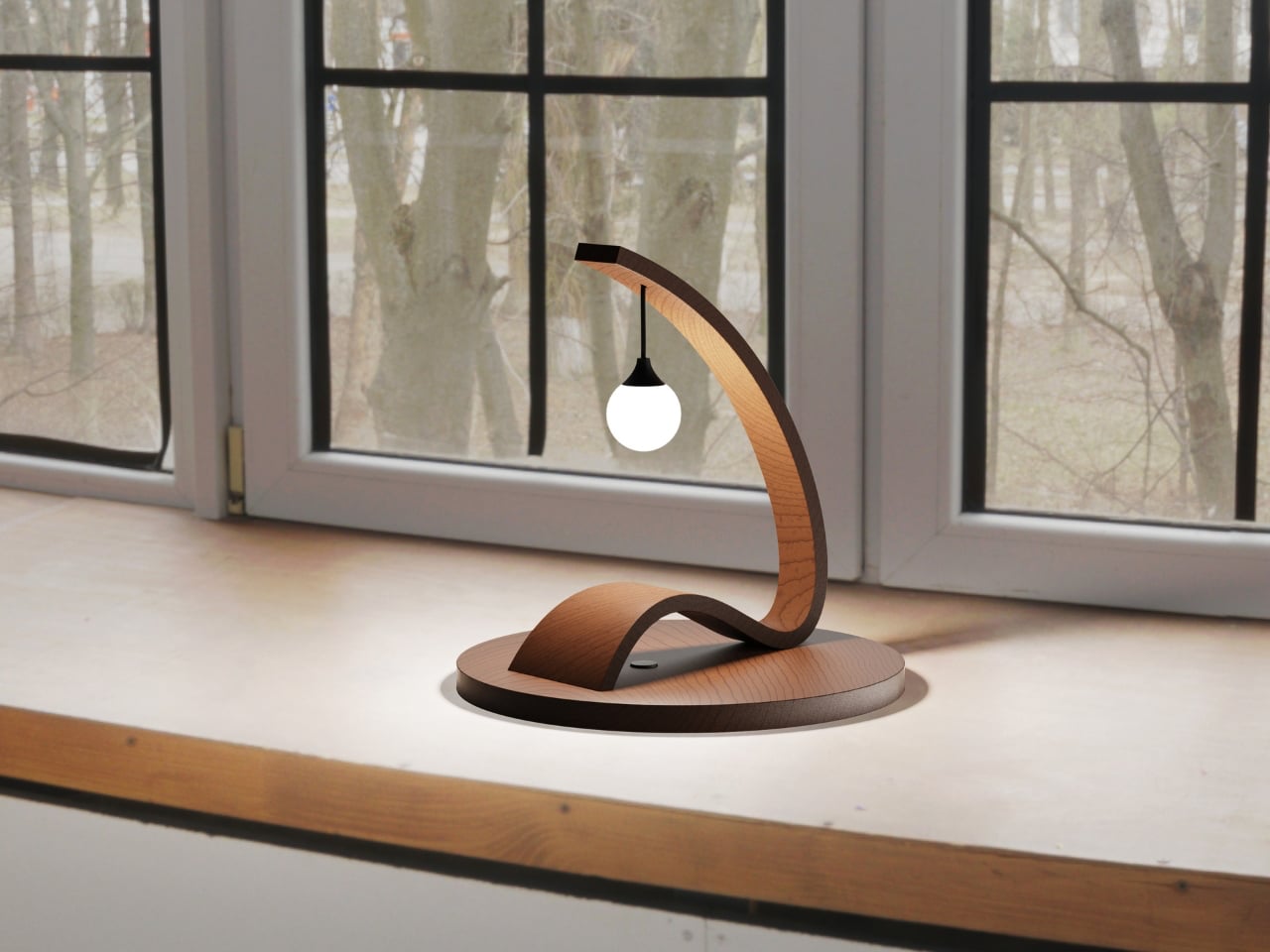
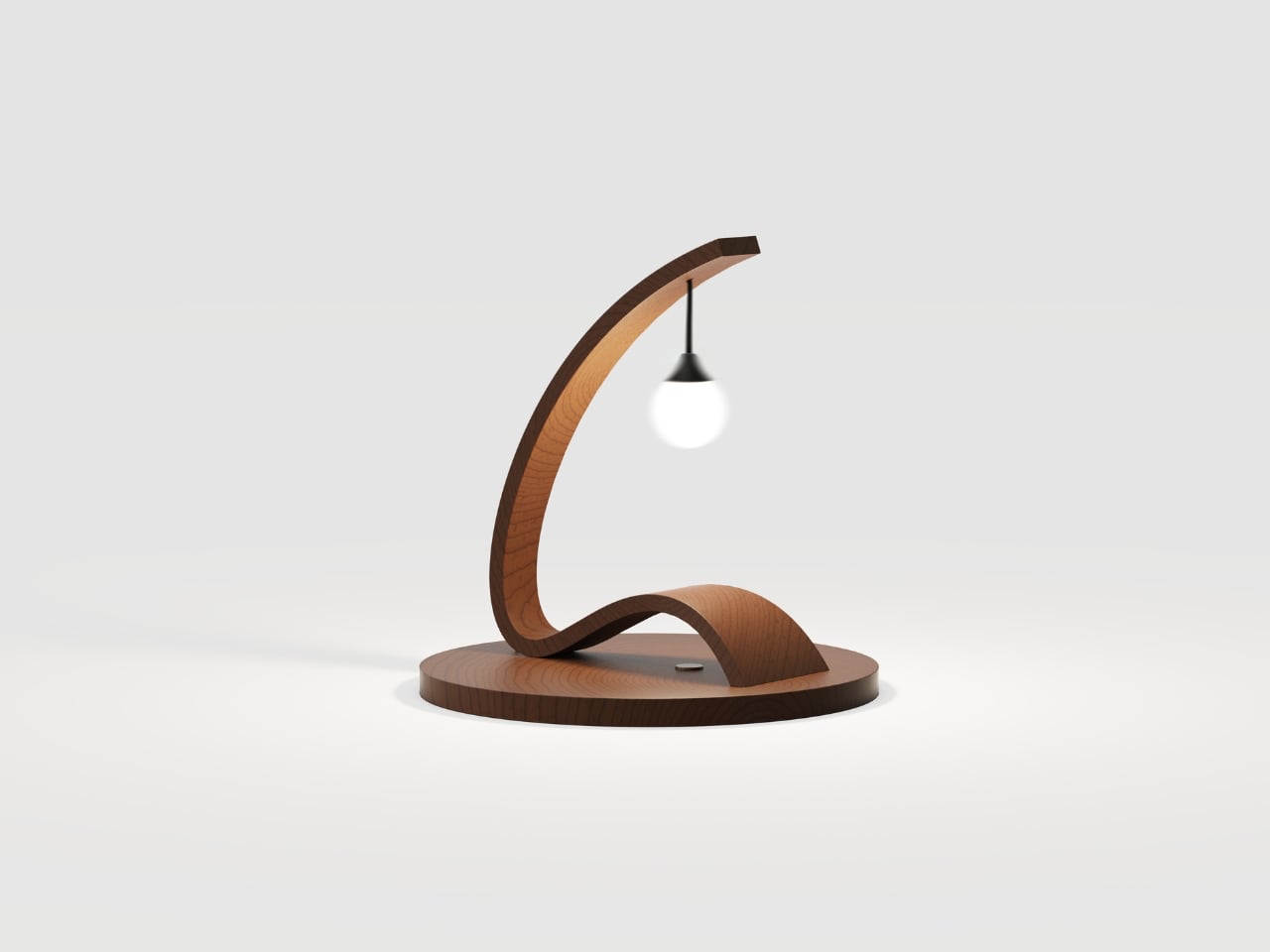
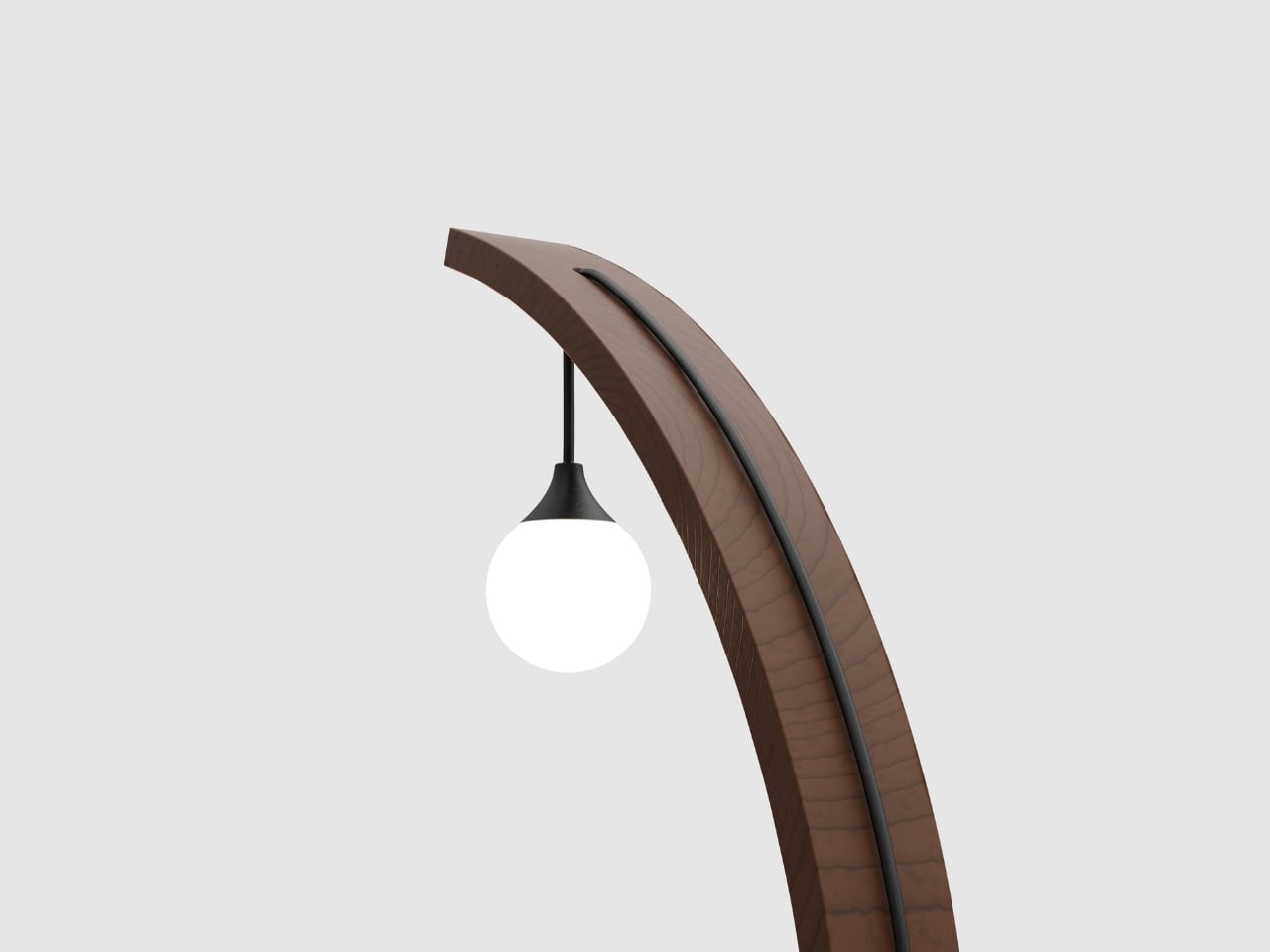
The Arc Lamp by designer Divyansh Tripathi is defined by a single bent wooden arm that curves gracefully to support a suspended light source, creating a strong sculptural identity. The continuous arc forms a balanced structure that distributes weight evenly while guiding the eye from base to bulb. This fluid geometry gives the lamp a sense of motion, turning a functional object into a visual centrepiece suitable for display as much as daily use. The suspended bulb is positioned to provide soft ambient illumination while reducing direct glare.

Material choice is central to the lamp’s character and performance. Bent timber introduces warmth, tactile depth, and visible grain patterns that make each piece visually distinct. Finished with protective natural coatings, the wood maintains its organic appearance while ensuring durability. Paired with a low-profile LED bulb, the lamp delivers even, diffused light that enhances surrounding textures without overpowering the space. Its minimal structure allows it to integrate across interior styles, functioning as a lighting solution and a collectible design object.

3. Honest Sustainable Materials

Lighting design now places strong emphasis on the full life cycle of a fixture, not just its appearance. You see a growing focus on low-impact production, modular construction, and upgradable LED components that extend usability rather than encouraging replacement. Materials such as repurposed mycelium, salt crystals, and recycled composites are no longer experimental choices but trusted options for those who value responsible design.

This shift brings both ethical and practical benefits. Durable construction and adaptable technology mean fixtures last longer and age more gracefully. When materials are chosen for integrity and longevity, lighting becomes more than décor as it becomes a lasting design investment, valued for craftsmanship and environmental responsibility rather than short-term trend appeal.

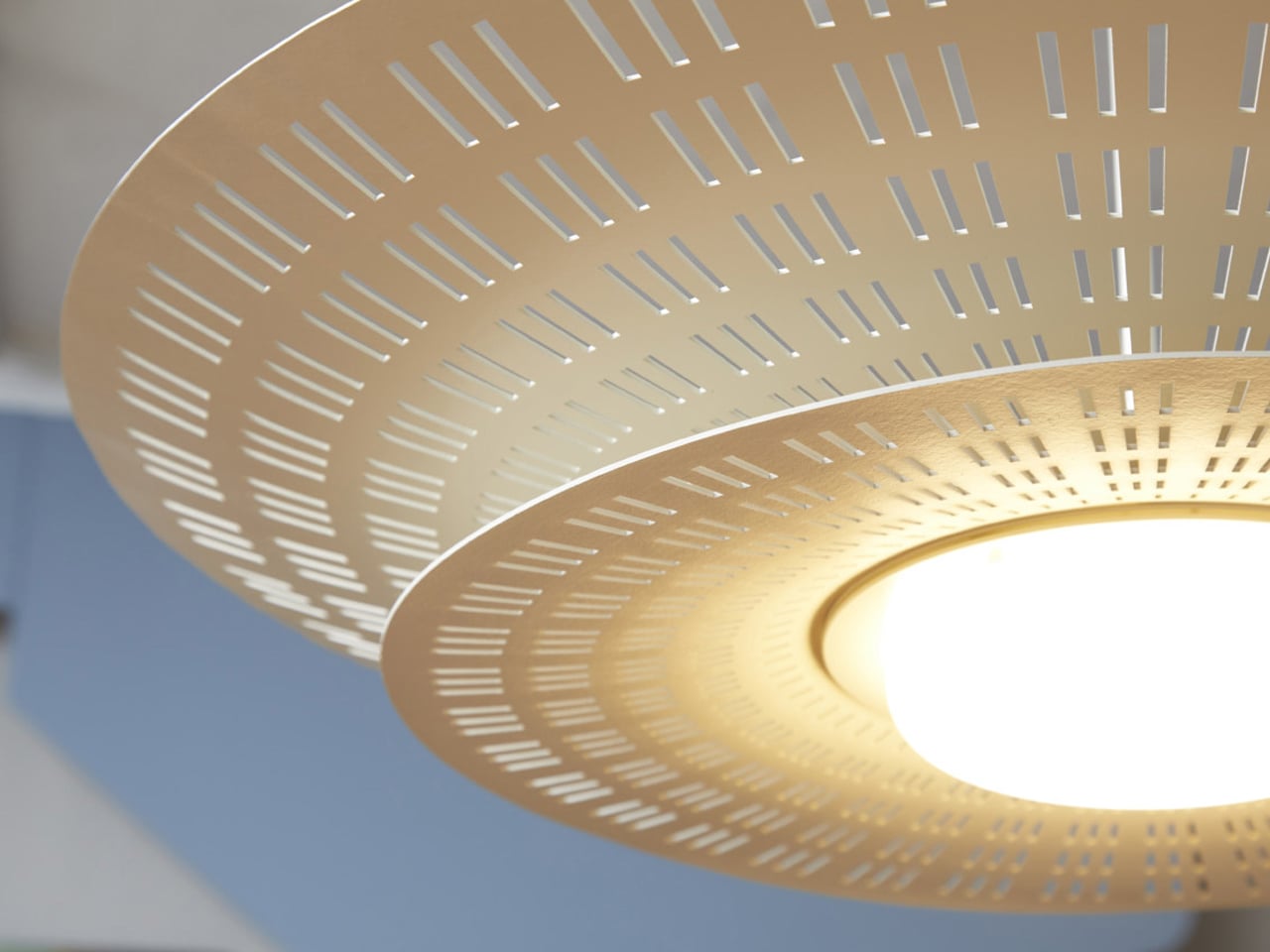
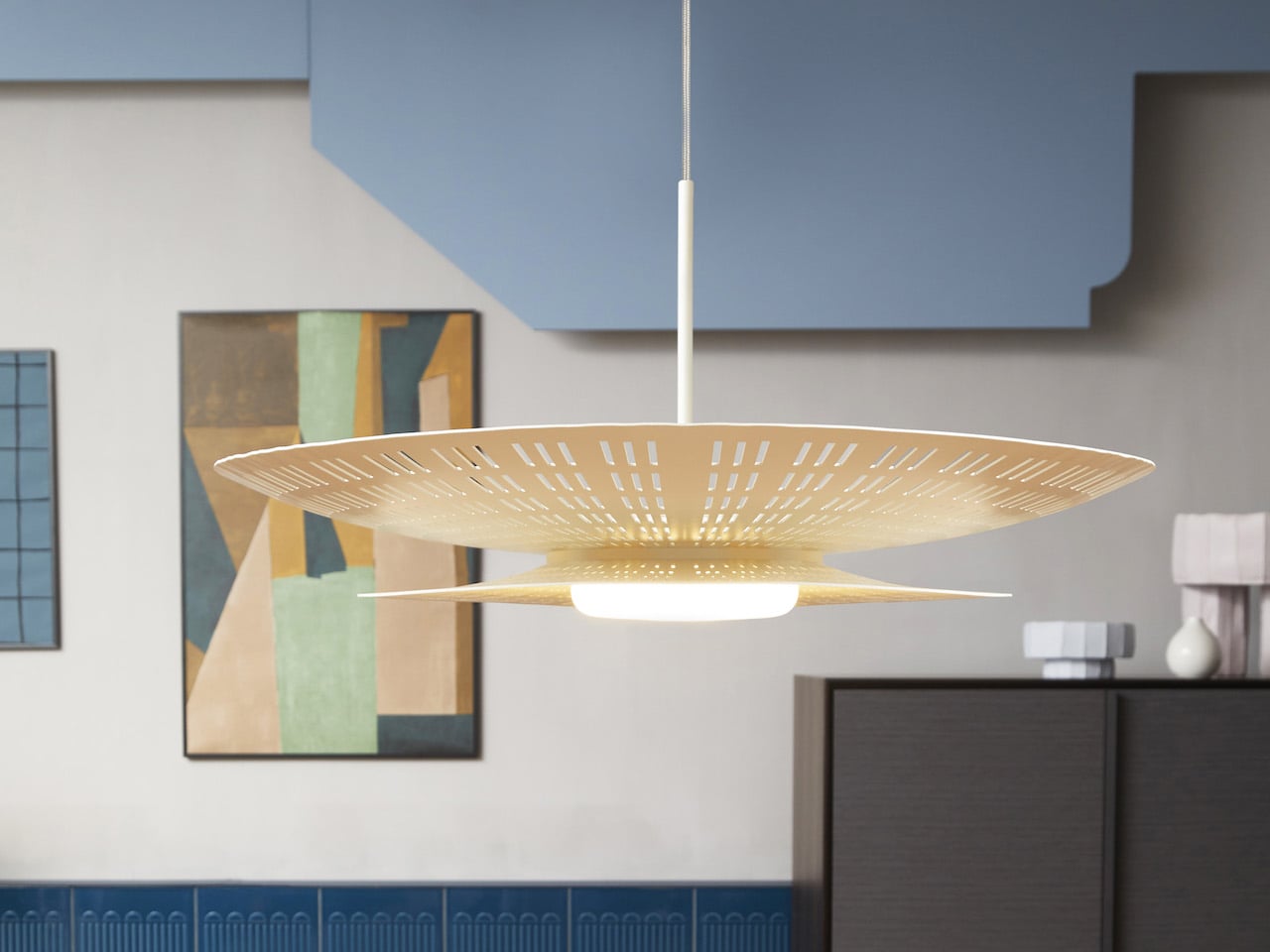
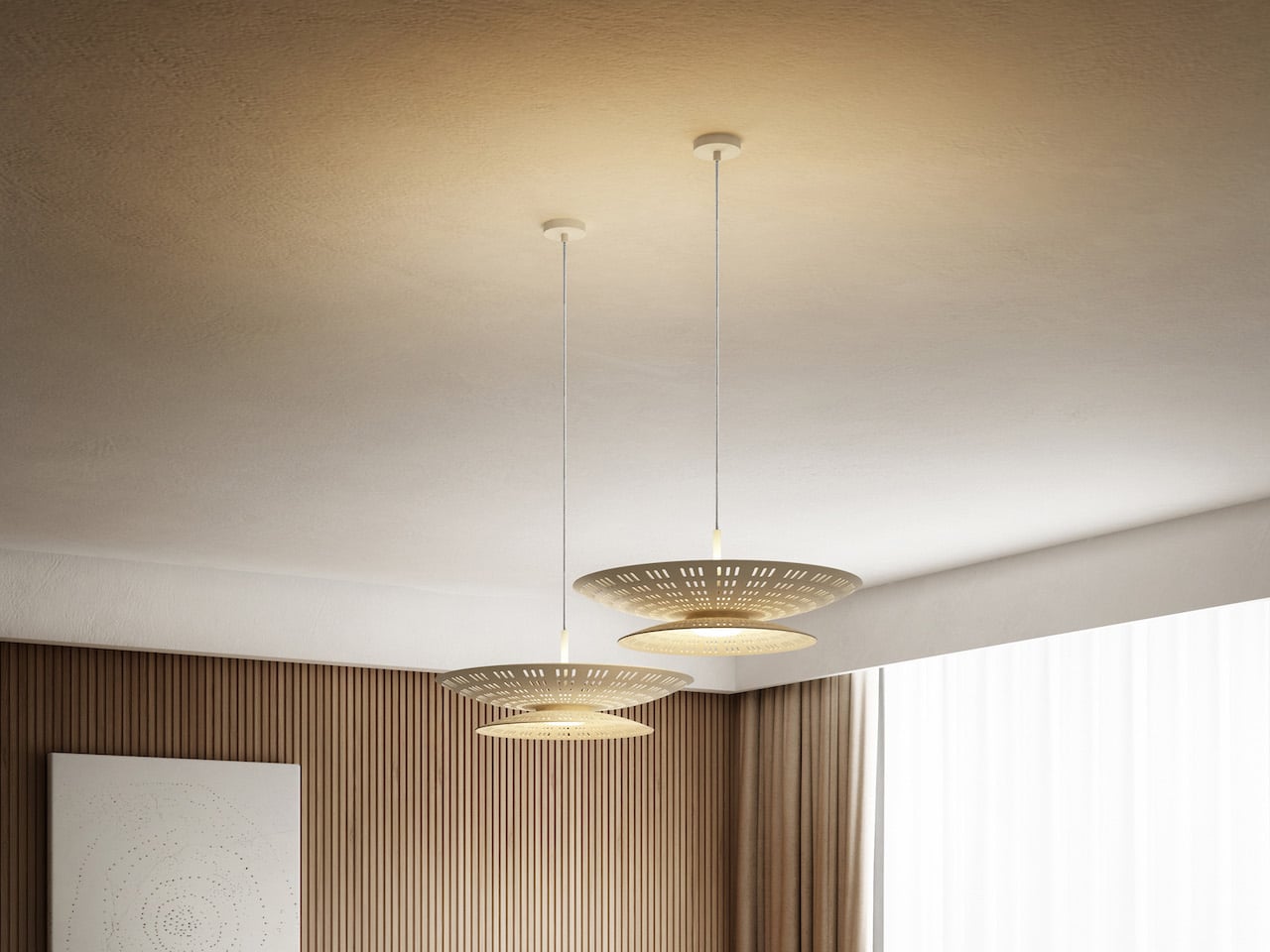
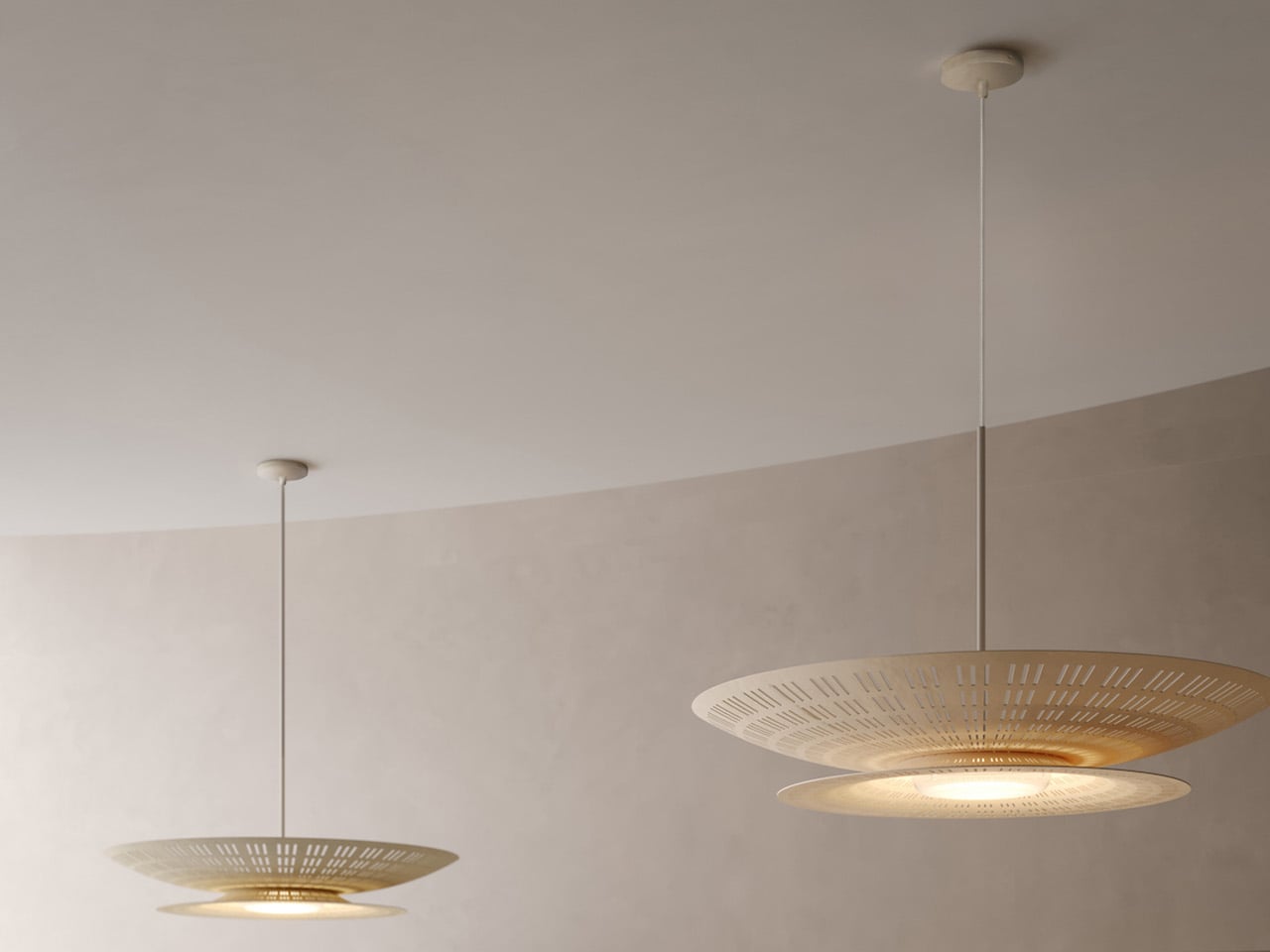
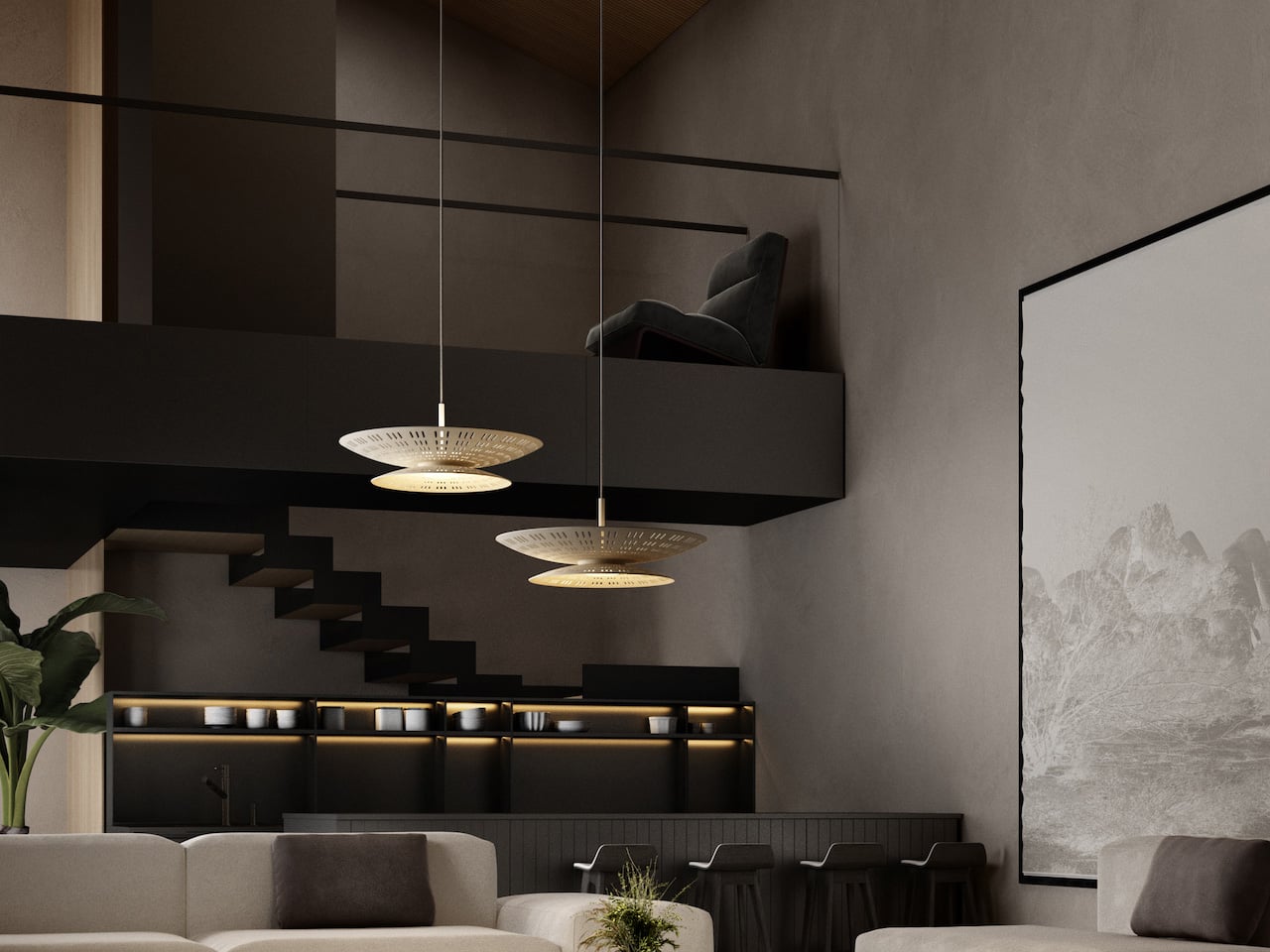
The Air suspension light by Contardi Lighting, designed in collaboration with Adam Tihany, is engineered to deliver soft, evenly distributed ambient illumination. Its dual-shade construction houses upper and lower LED light sources that spread light both upward and downward, improving overall spatial brightness while avoiding direct glare. Laser-cut detailing on the shades allows controlled light diffusion, creating subtle shadow patterns that add visual depth without reducing functional output. This configuration supports balanced lighting suitable for dining areas, lounges, and hospitality interiors.

Lighting efficiency is supported by the use of high-performance LED modules that maintain consistent colour temperature and stable light intensity over time. The shade material is designed to transmit and reflect light effectively, ensuring minimal loss while preserving a warm tonal quality. The integrated structure reduces the need for additional ambient fixtures, making the lamp suitable as a primary light source in medium-sized spaces.

4. Power of Shadow

Good lighting design recognises that darkness plays just as important a role as illumination. Instead of flooding every corner with brightness, subtractive lighting uses restraint to highlight key architectural features while allowing other areas to remain calm and visually quiet. This balance of light and shadow adds depth, especially in double-height or open-plan spaces, where contrast helps define structure and scale.

Techniques such as narrow-beam spotlights and subtle floor-level washes guide movement and create visual pauses. As you move through the home, light reveals selected moments rather than everything at once. The result feels intentional and layered, turning everyday interiors into curated, gallery-like environments instead of uniformly lit, commercial-looking spaces.

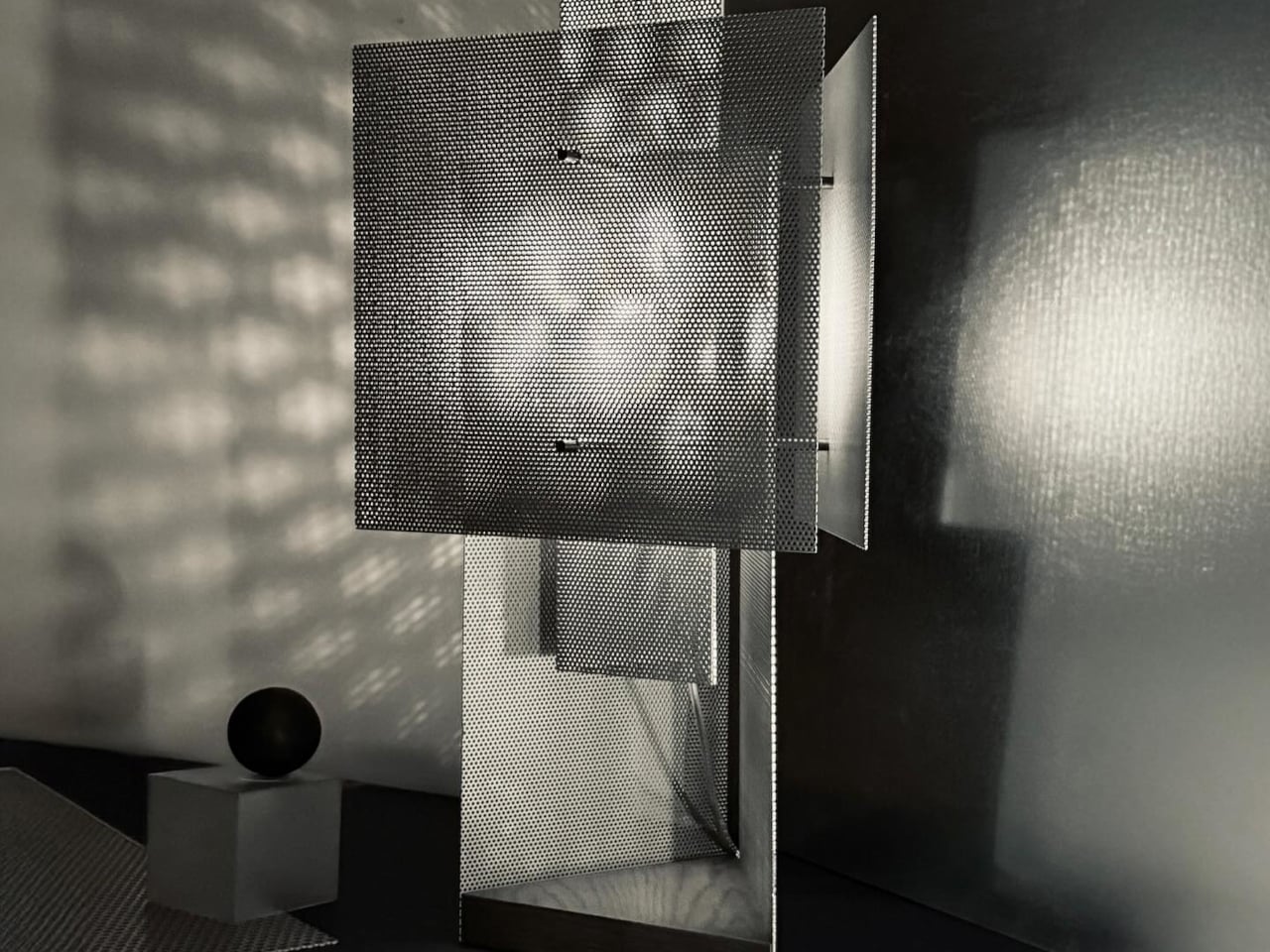
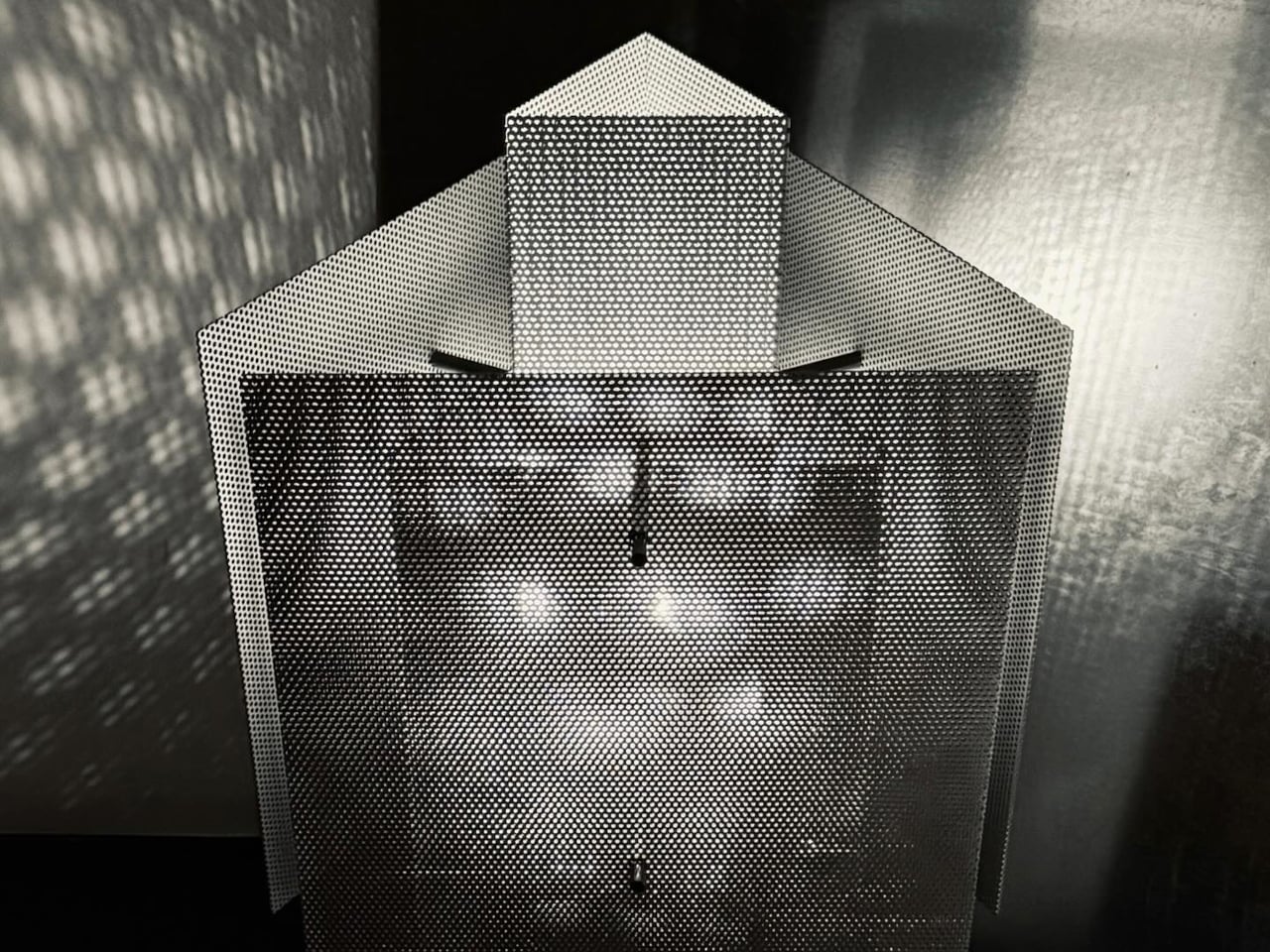
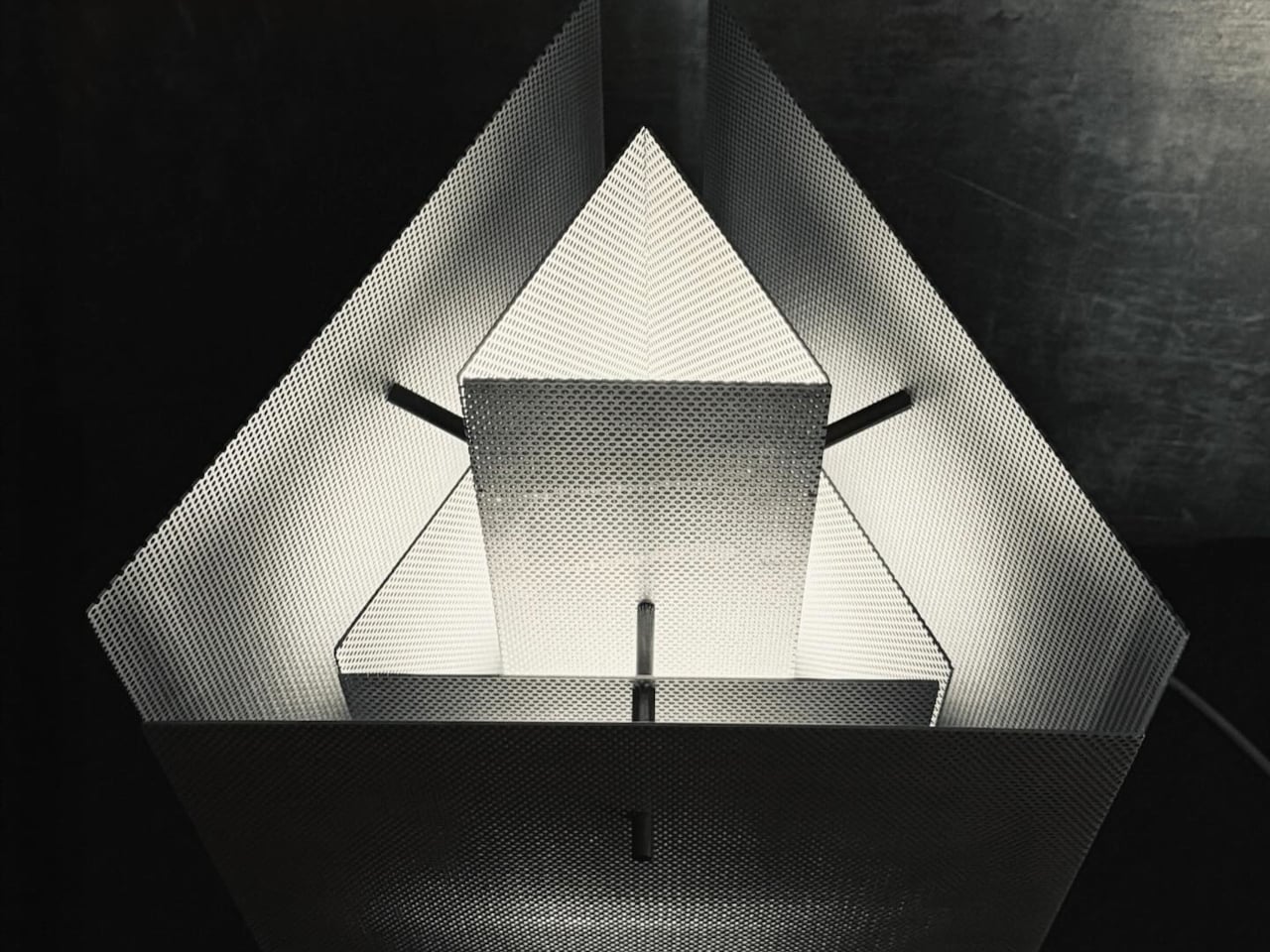
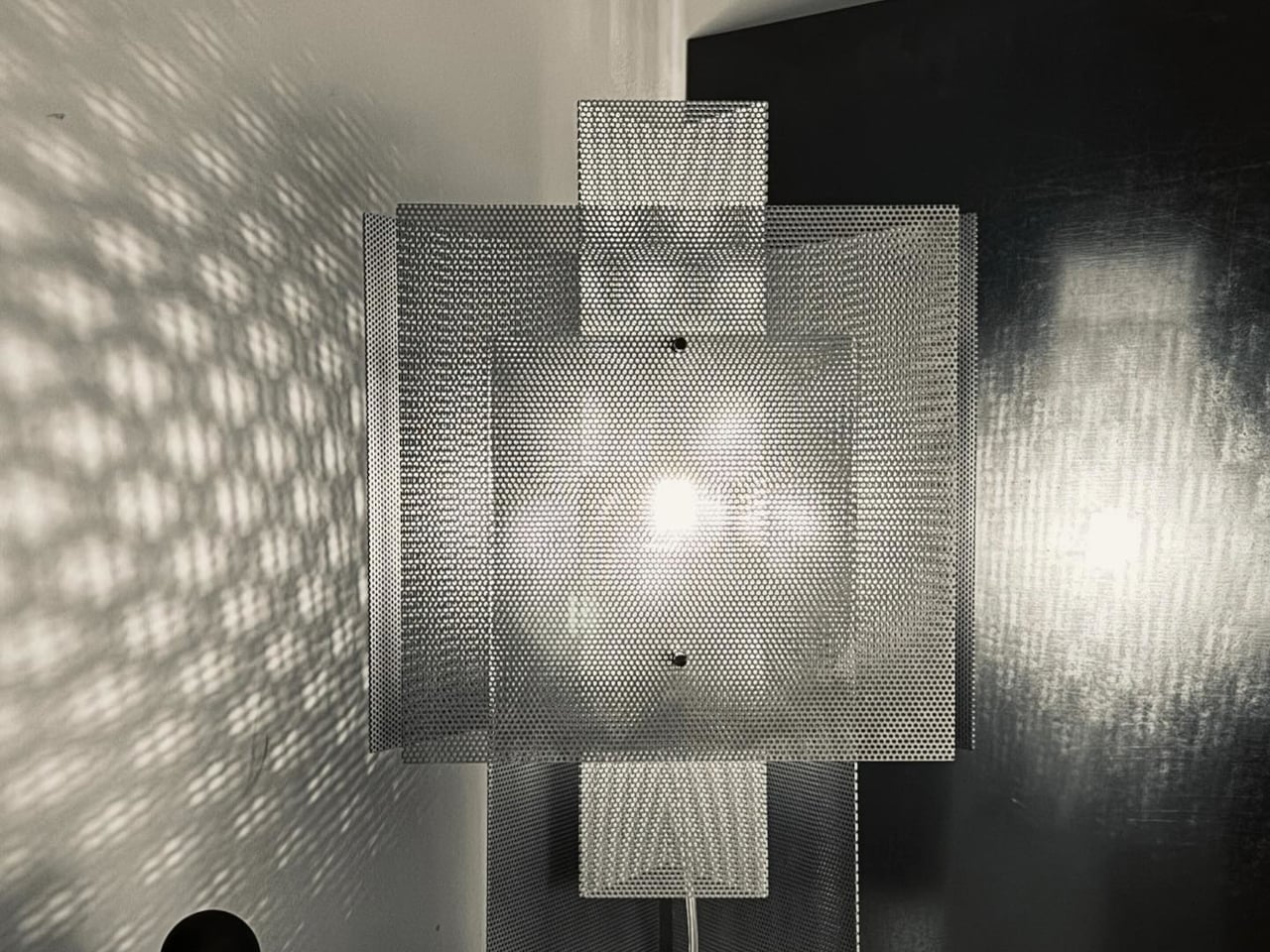
The Foreshadow Table Lamp is designed to transform direct illumination into patterned ambient light. Its perforated metal shade filters the light source into multiple fine beams, projecting structured shadows across nearby surfaces. This controlled diffusion adds visual depth while maintaining functional brightness for side tables, consoles, and accent lighting applications. The lighting effect varies depending on placement, surface finishes, and surrounding geometry, allowing the lamp to interact with its environment rather than delivering flat, uniform output.

Construction focuses on durability and tactile quality. The metal shade features precision-punched perforations that regulate light distribution while maintaining structural rigidity. The matte finish reduces surface glare and complements both contemporary and transitional interiors. When switched off, the lamp retains a clean, sculptural profile, functioning as a decorative object even without illumination. Designed to operate as a lighting fixture and an ambient feature, the Foreshadow Table Lamp provides atmospheric enhancement while remaining practical for everyday use.

5. Colour and Comfort

Modern lighting is closely linked to energy efficiency and indoor comfort. Advanced LED systems release very little heat, helping reduce strain on cooling and ventilation systems while keeping rooms comfortable throughout the day. This makes lighting an active part of managing how a space performs, not just how it looks.

At the same time, colour temperature is used to influence how warm or cool a room feels. You can shift from soft, golden tones during colder months to cooler, moonlit hues in warmer seasons, subtly shaping your emotional and physical response to the space. By adjusting light colour, interiors feel more adaptable, balanced, and supportive of everyday well-being.

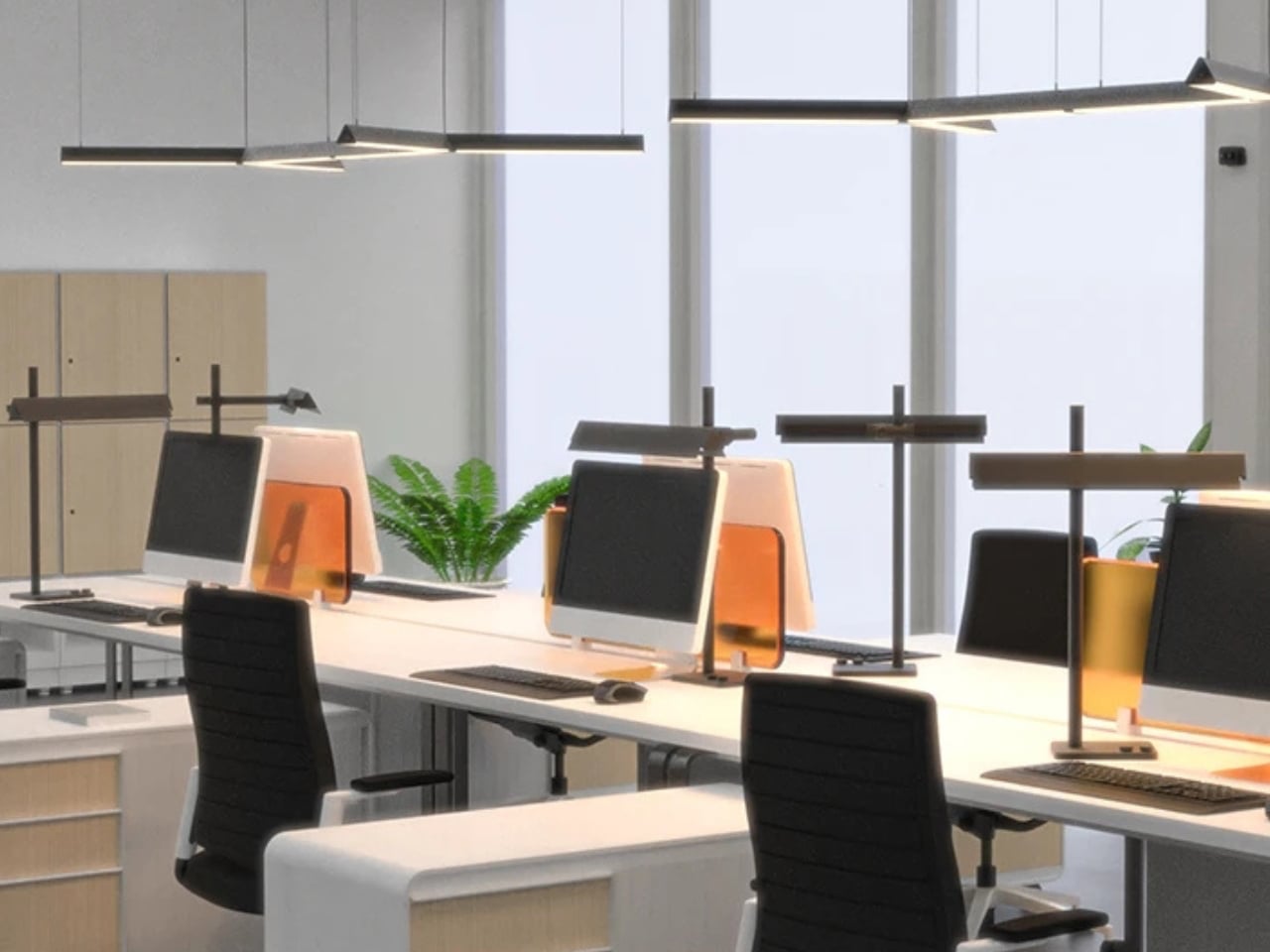
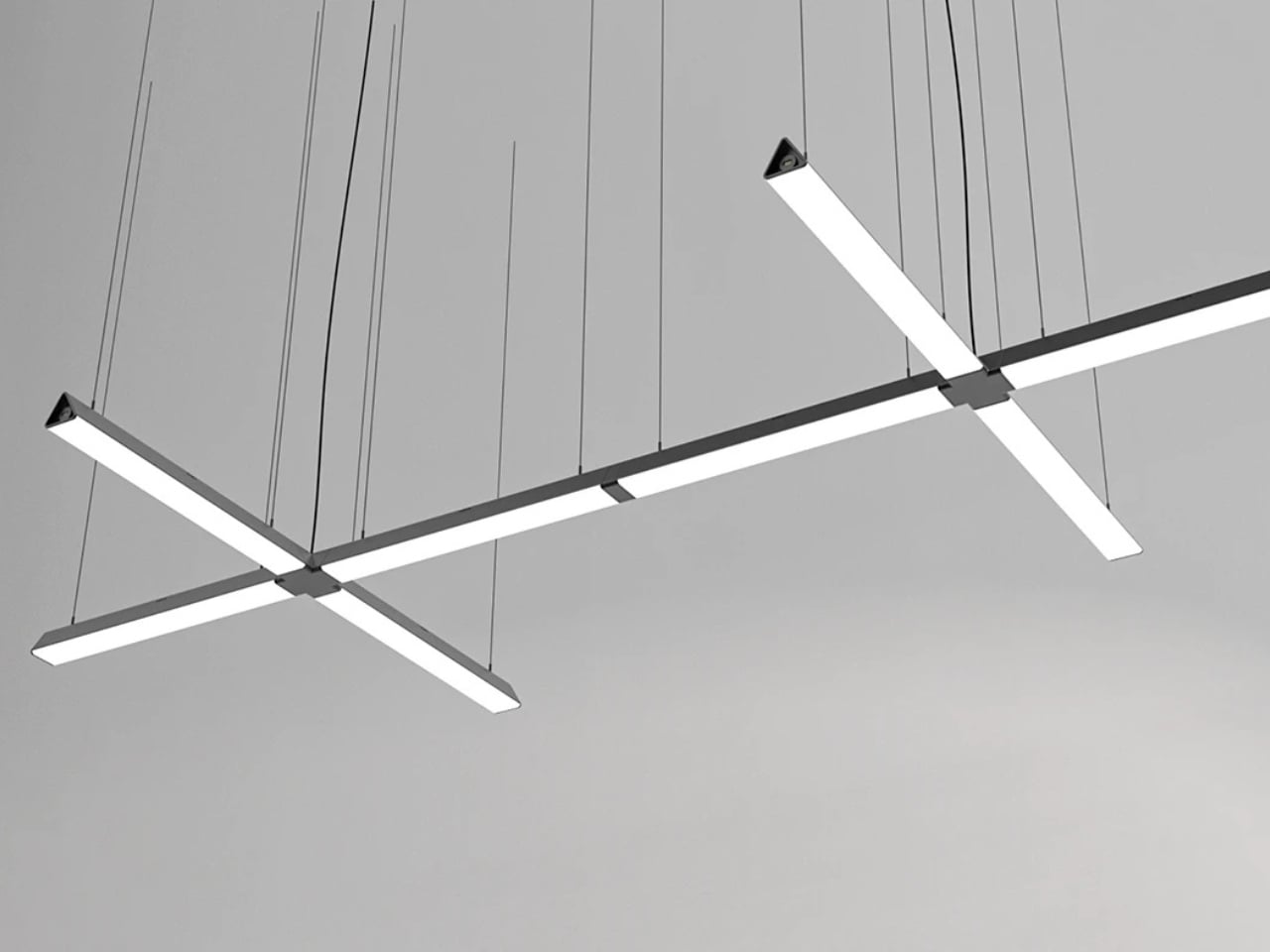
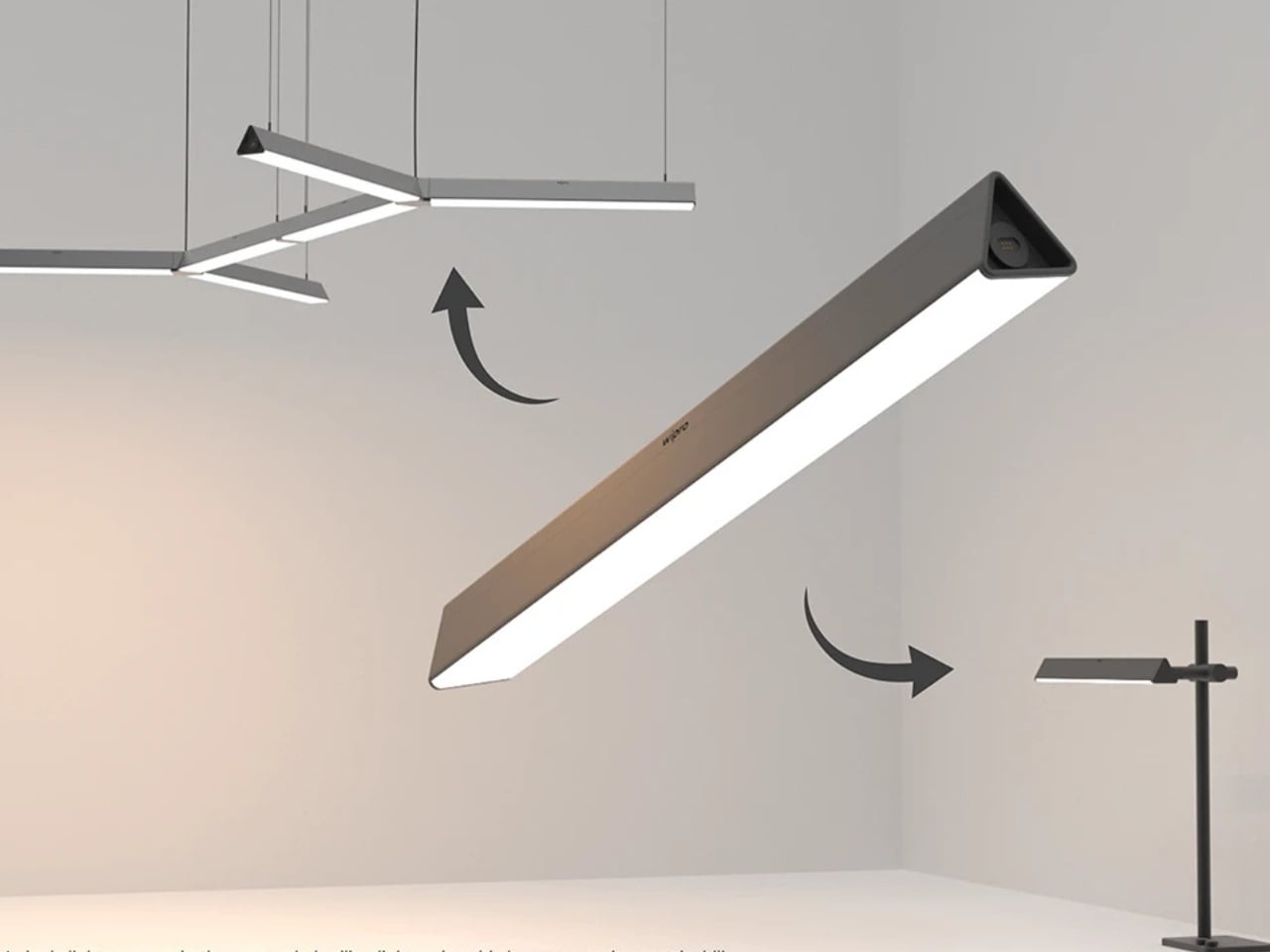
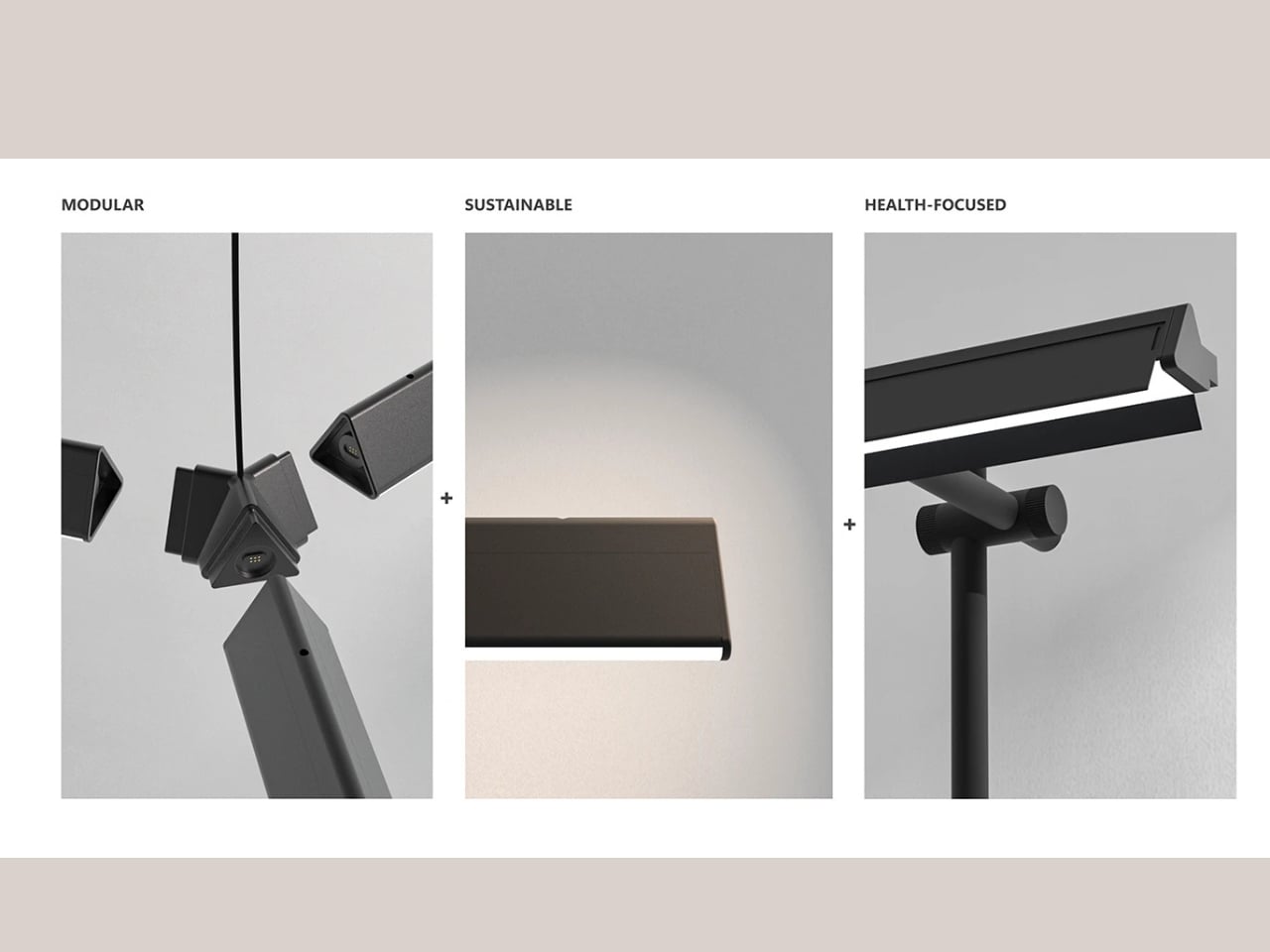
The Wipro EcoLumi Flex is a modular lighting concept designed to function as a table lamp and a suspended ceiling fixture. Its adjustable structure allows users to modify height and angle through a simple twist mechanism, ensuring precise light placement for different tasks. A slidable shade enables directional control and glare reduction, improving visual comfort during focused work. Multiple units can be connected using integrated joints and connectors, allowing customised lighting layouts for desks, workstations, or collaborative spaces.

Lighting performance is enhanced through built-in circadian modes that automatically adjust brightness and colour temperature throughout the day. Warm tones support relaxed morning and evening use, while cooler light promotes alertness and productivity during peak work hours. The modular construction supports part replacement and future upgrades, reducing material waste and extending product lifespan.

Lighting is evolving into a true architectural philosophy in 2026, where atmosphere takes precedence over mere fixtures. Intelligent systems, sculptural forms, and sustainable materials work together to create spaces that are visually compelling.

The post 5 Smart Lighting Trends That Just Made Traditional Fixtures Look Outdated first appeared on Yanko Design.

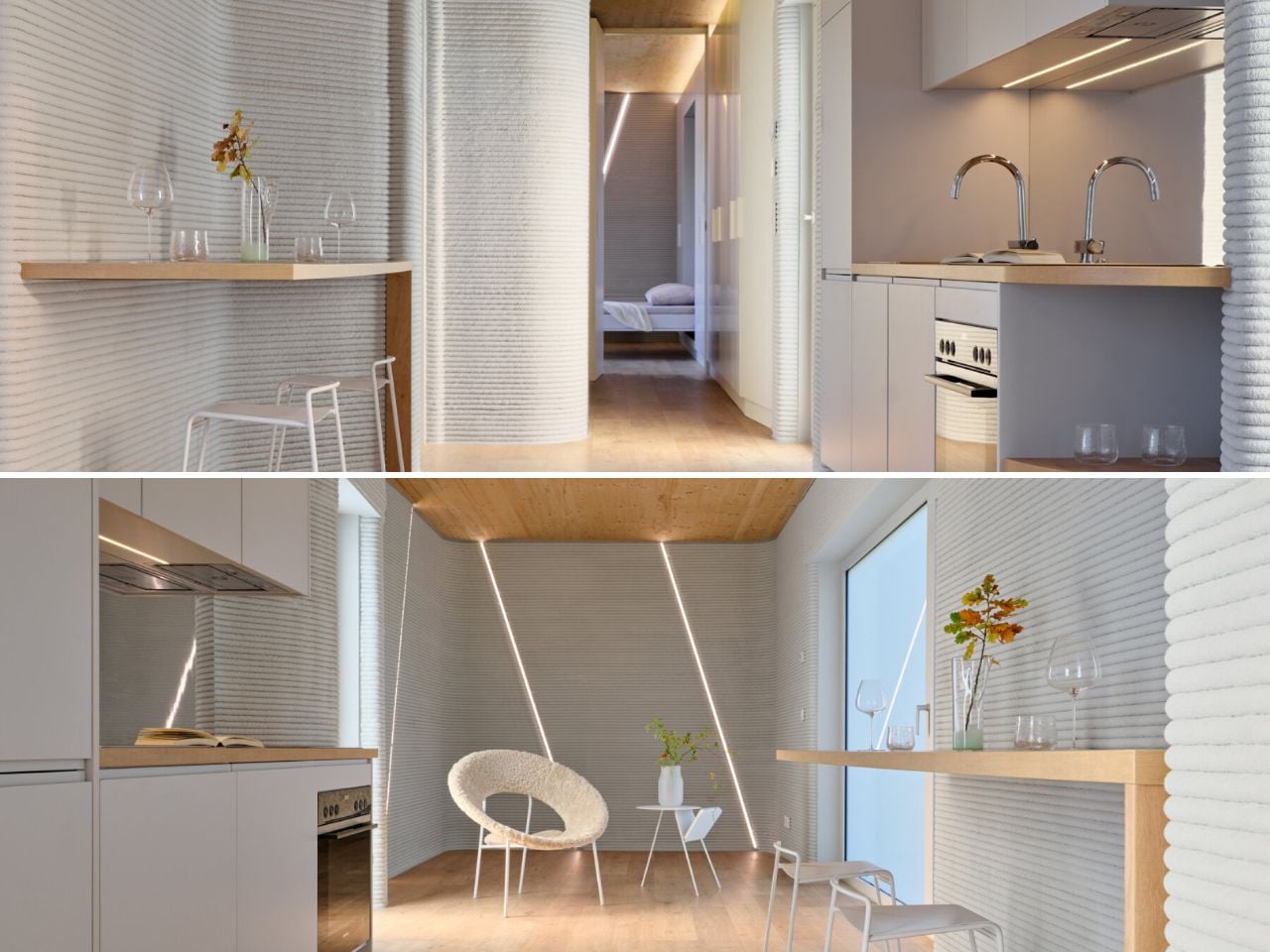
3D-Printed Tiny Home Cuts Build Time in Half and Challenges Luxembourg’s Housing Crisis

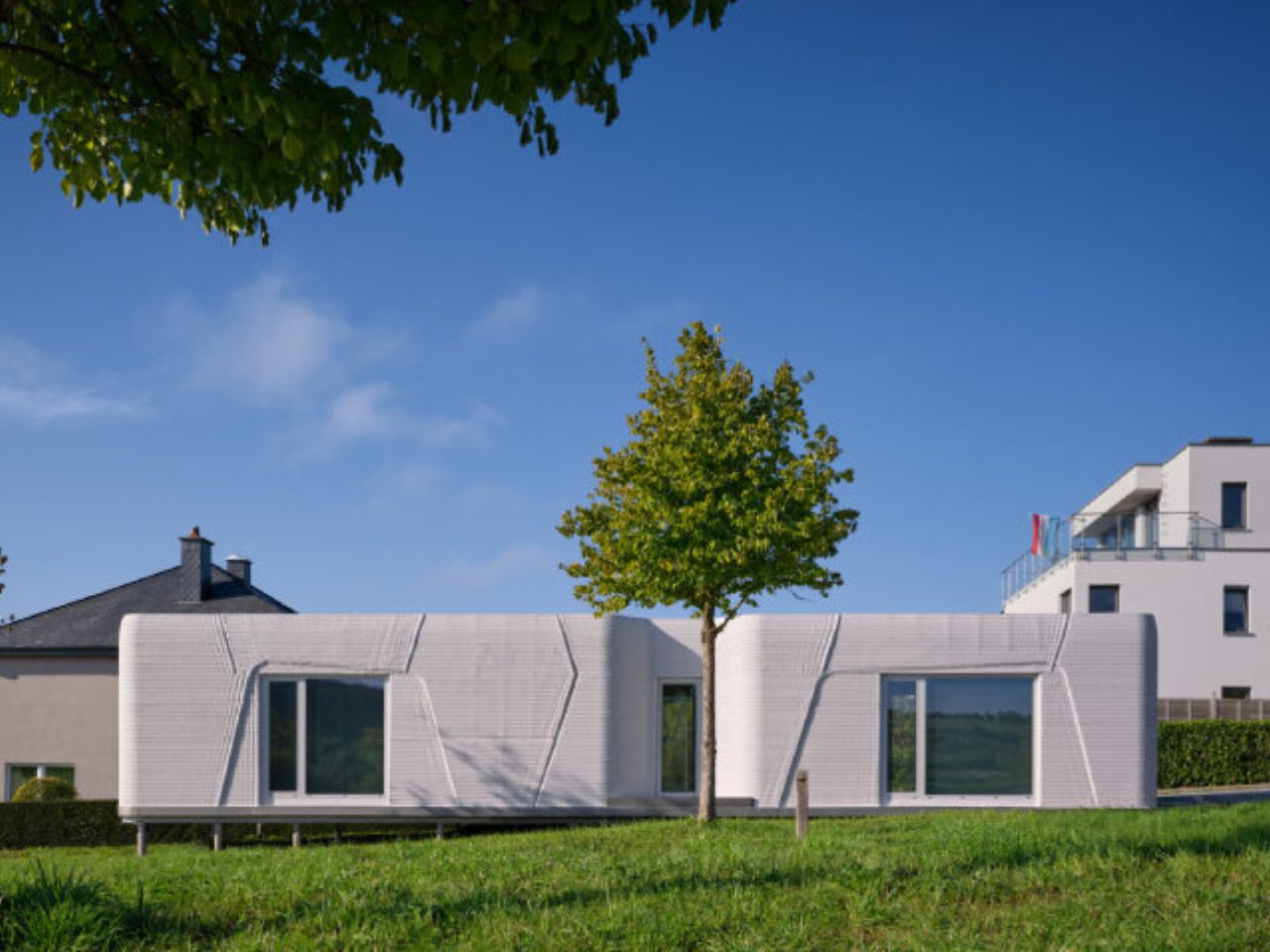
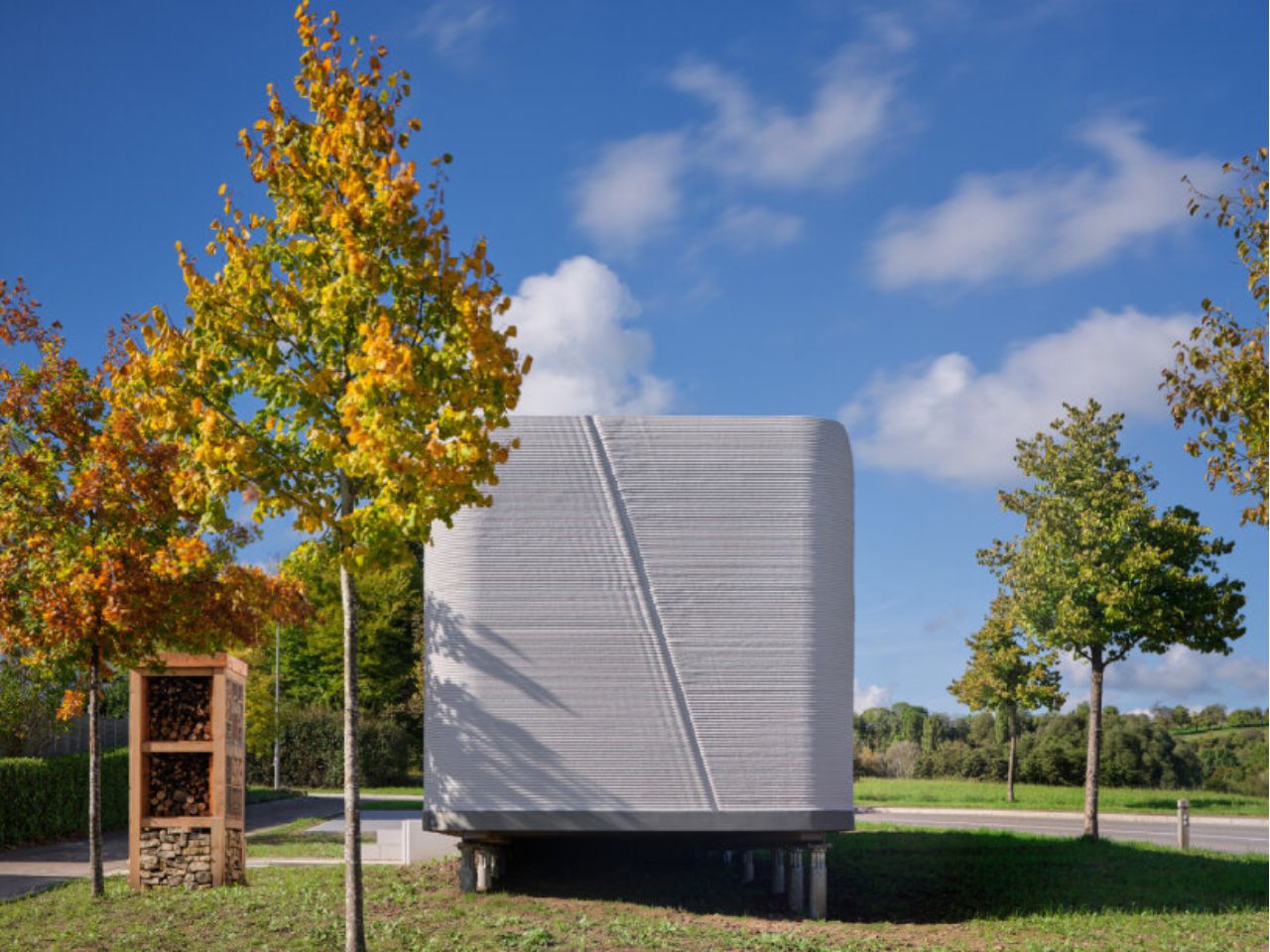
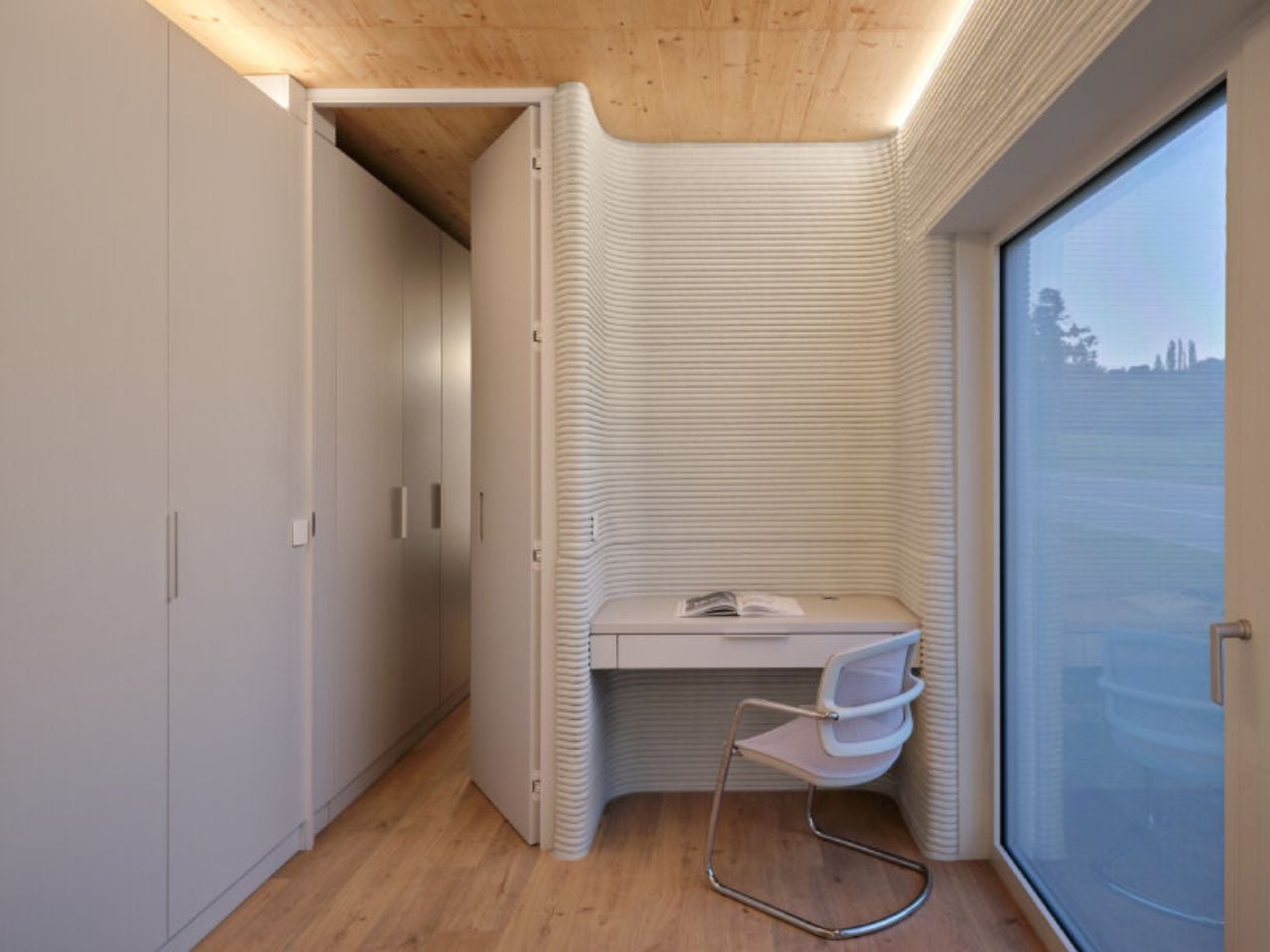
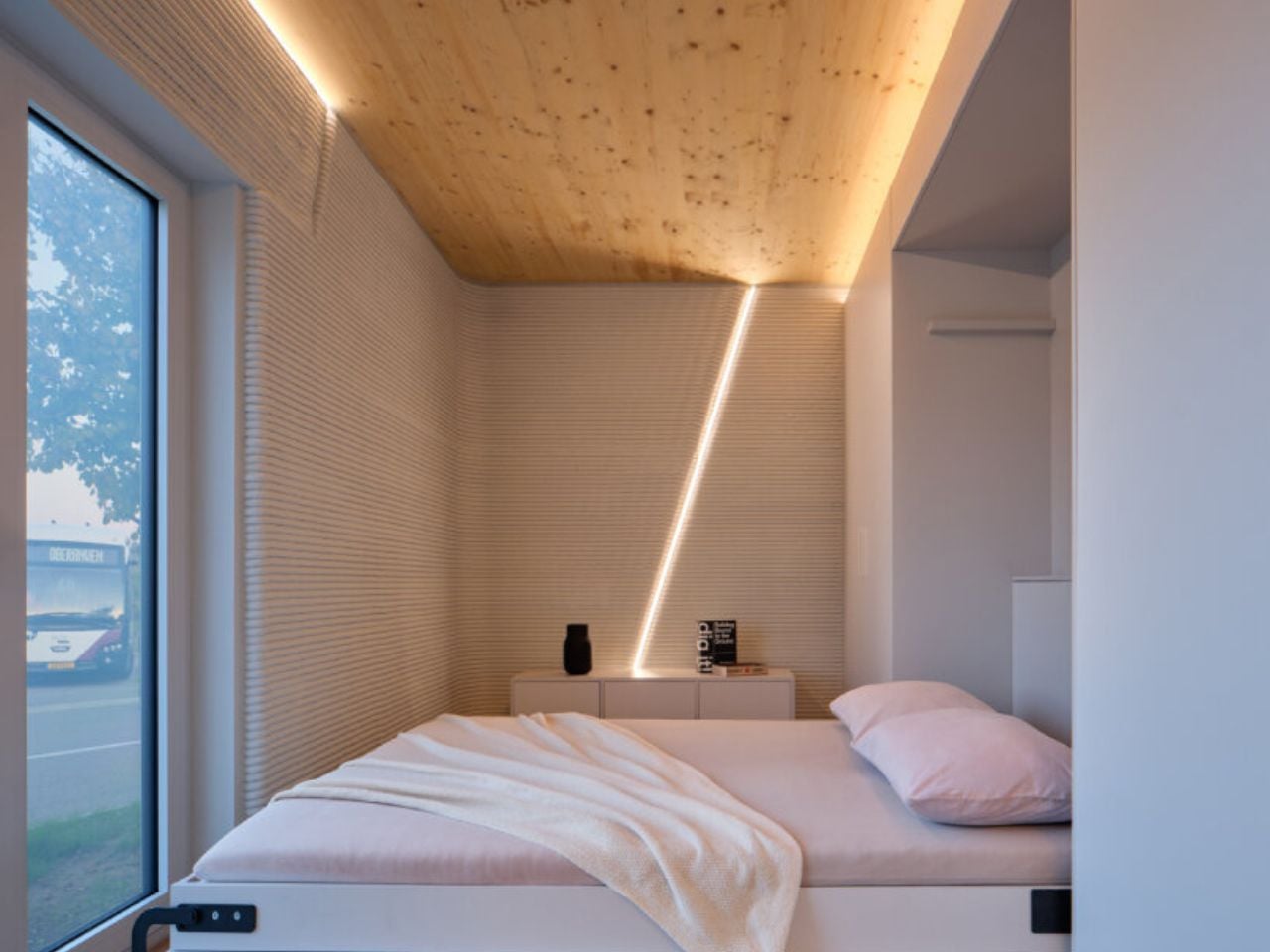
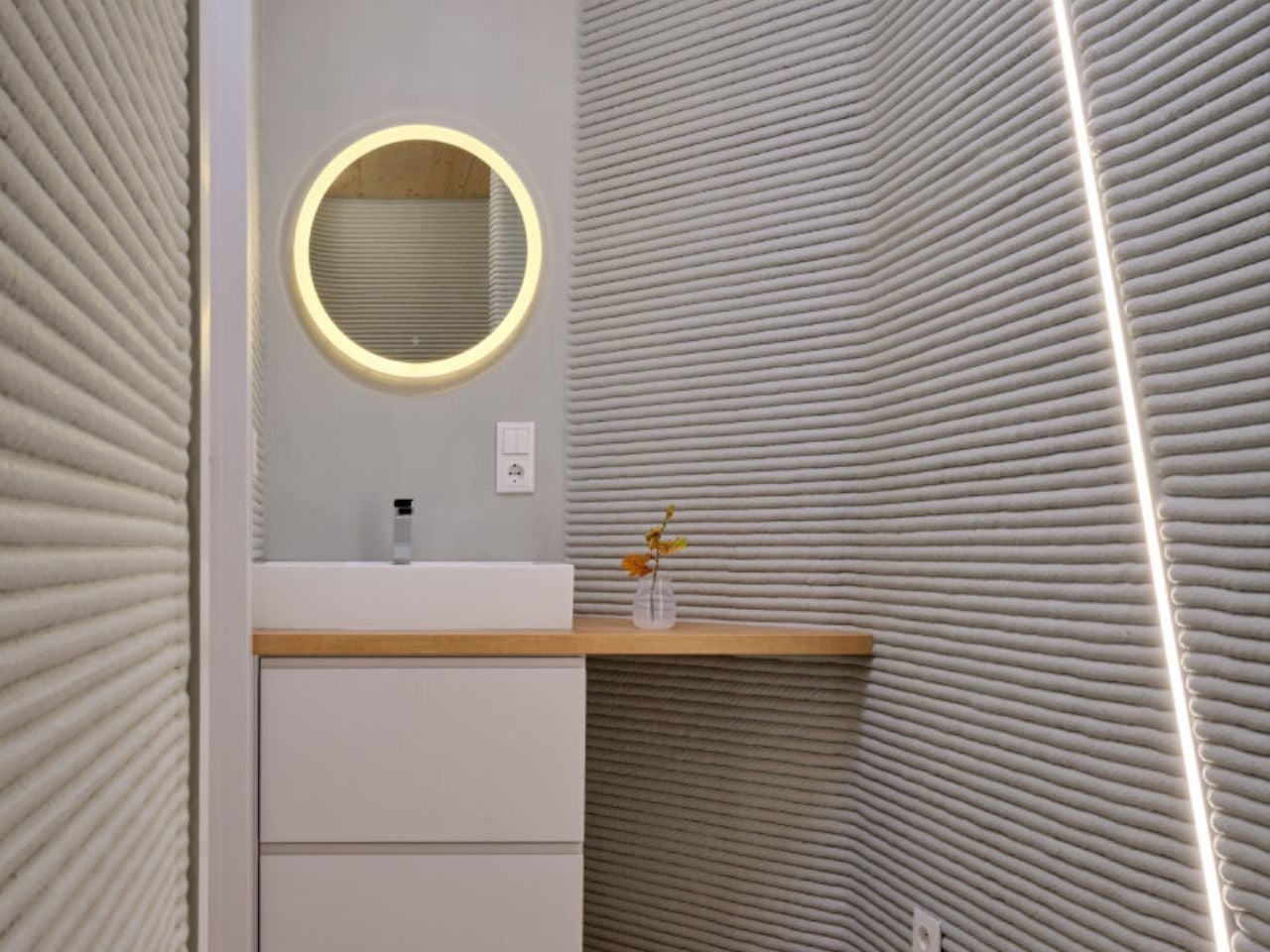
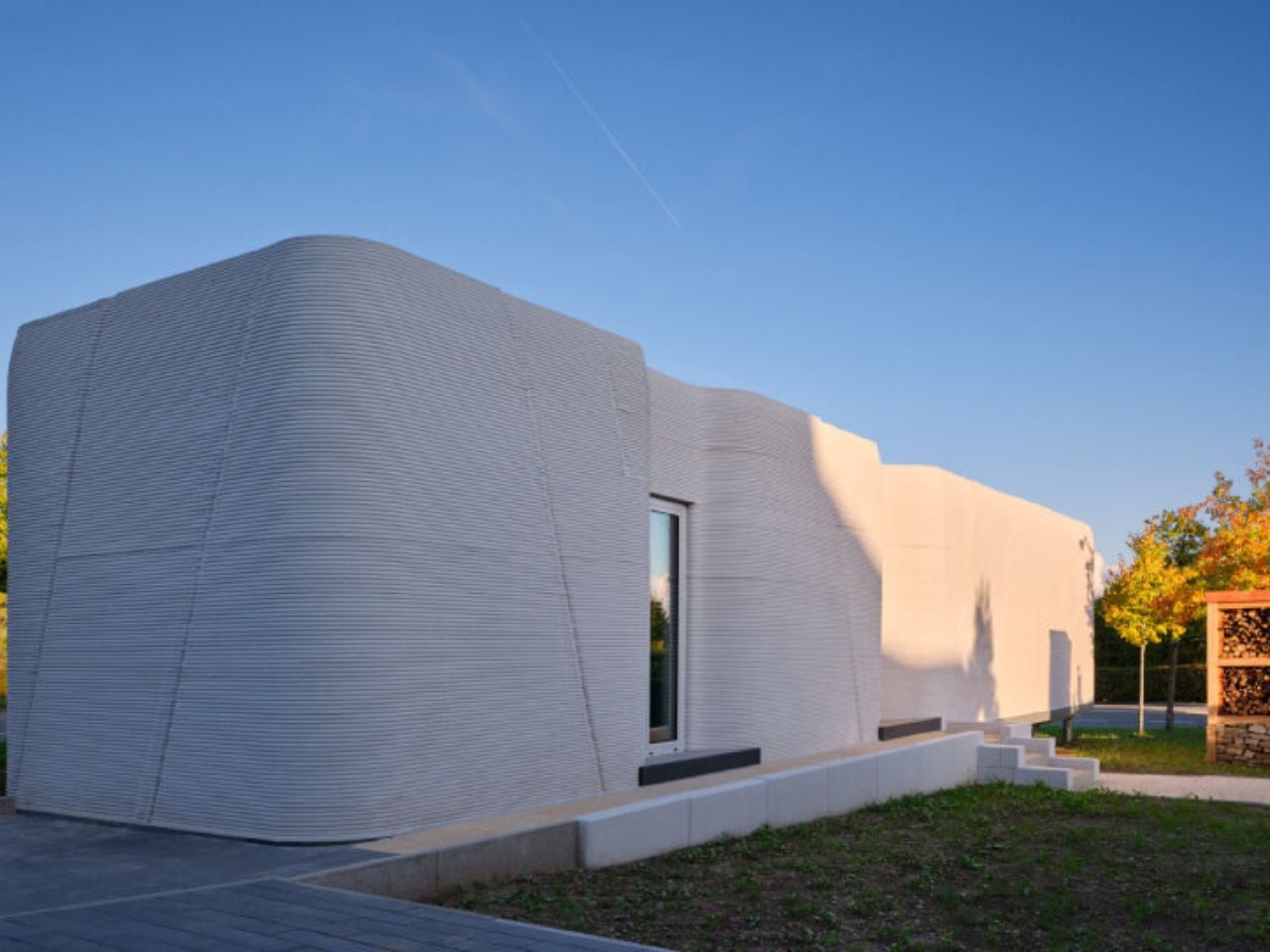
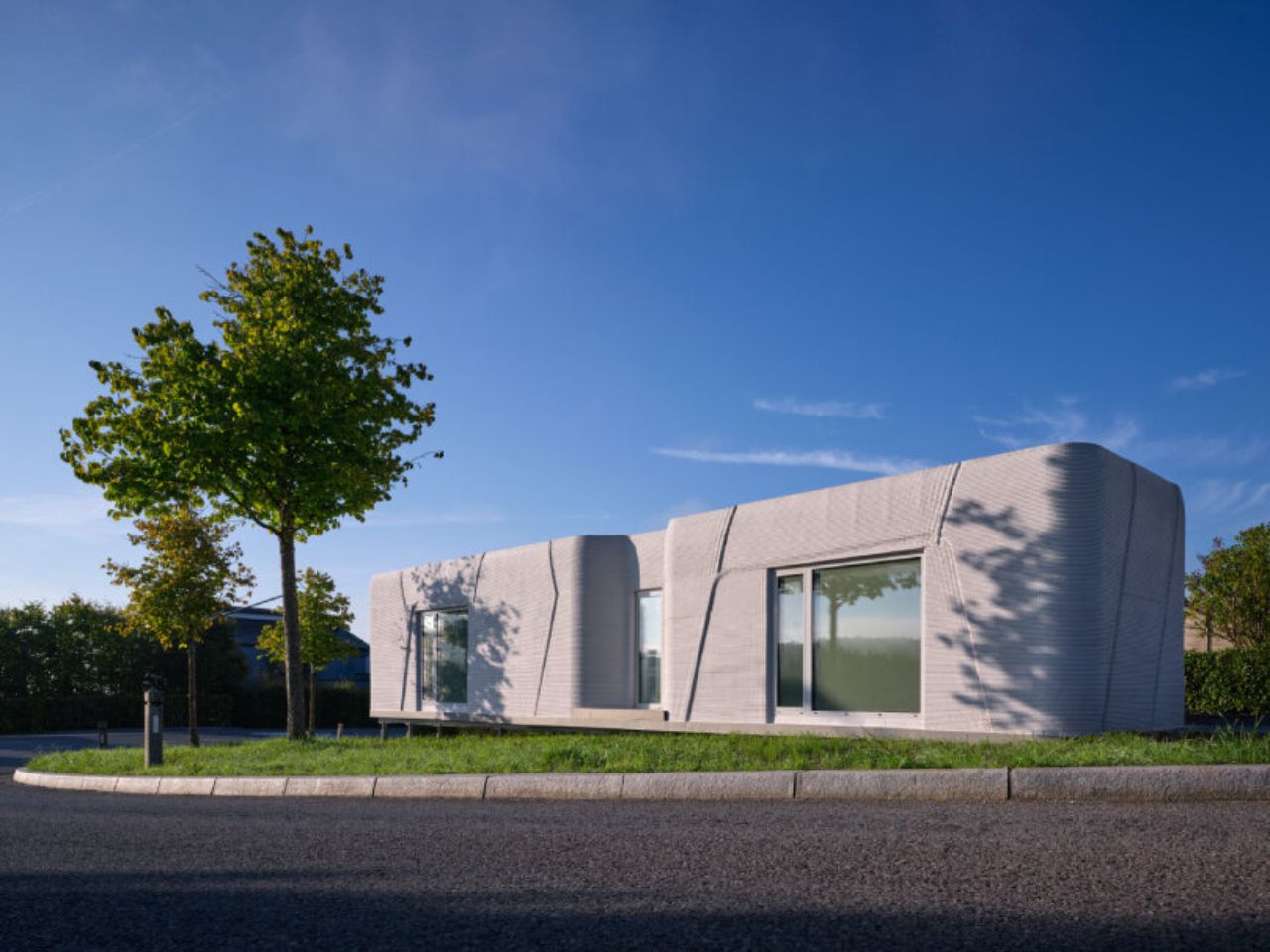
In Niederanven, a quiet commune east of Luxembourg City, a small concrete dwelling is rewriting expectations for housing innovation. Designed by ODA Architects in collaboration with Coral Construction Technologies, Tiny House LUX is the nation’s first fully 3D-printed residence, a test case in using robotic fabrication to deliver faster, cheaper, and more energy-efficient homes. At just 47 square meters of usable space, the structure is modest, but the architectural ambitions behind it are anything but small.

Created to address Luxembourg’s ongoing housing shortage, the home was printed in less than 28 hours per phase, an extraordinary reduction in build time compared to conventional masonry or timber construction. The speed is significant in a country where demand vastly outpaces supply: Luxembourg needs approximately 7,000 new apartments each year, yet only under 4,000 are completed. This imbalance fuels some of the highest housing costs in Europe. A 47 m² apartment in the capital can exceed €560,000, while the estimated price of the 3D-printed prototype is roughly one-third less, a difference that begins to make entry-level housing more attainable.

Designer: ODA Architects

Energy performance is central to the project’s value. Solar panels on the roof generate enough electricity to power daily usage, while a film-based underfloor heating system removes the need for water pipes, radiators, or boilers. After printing, the walls are packed with insulation made from low-impact materials to minimize long-term energy consumption. The architects emphasize simplicity: systems that are easy to run, maintain, and repair over the life of the home rather than engineering complexity that becomes costly later.

Inside, the layout is intentionally straightforward for efficient living. A small south-facing entrance leads into a corridor that connects every major room, from a technical area and bathroom to a bedroom at the end of the plan. To the left of the entrance, an open living, dining, and kitchen zone forms a single continuous space. A door opens to a terrace on the south side, linking the interior to outdoor space and the surrounding garden. Openings facing north and northeast bring light into the home, reinforcing the idea that a compact footprint can still be bright, breathable, and connected to nature.

Beyond design considerations, 3D printing reduces construction waste, limits the use of heavy machinery, and lowers labor needs by following precise digital instructions. The municipality of Niederanven is leasing the home to a young resident for ten years under its Hei wunne bleiwen initiative, which supports community engagement and starter housing. To offset construction emissions, the project also includes a commitment to plant 21 trees.

For now, Tiny House LUX remains a prototype. But its promise is clear: a new building method that pairs architectural intelligence with urgency, offering a practical, scalable model for affordable, low-energy housing in Luxembourg, and possibly beyond.

The post 3D-Printed Tiny Home Cuts Build Time in Half and Challenges Luxembourg’s Housing Crisis first appeared on Yanko Design.

Rotating Kitchen Cubes Make Wasting Food Actually Impossible

We’ve all been there. You buy fresh produce with the best intentions, tuck it away in the fridge or pantry, and then discover a wilted mess two weeks later. It’s frustrating, wasteful, and honestly, it happens way more often than we’d like to admit. But what if your storage system actually worked with you instead of against you?

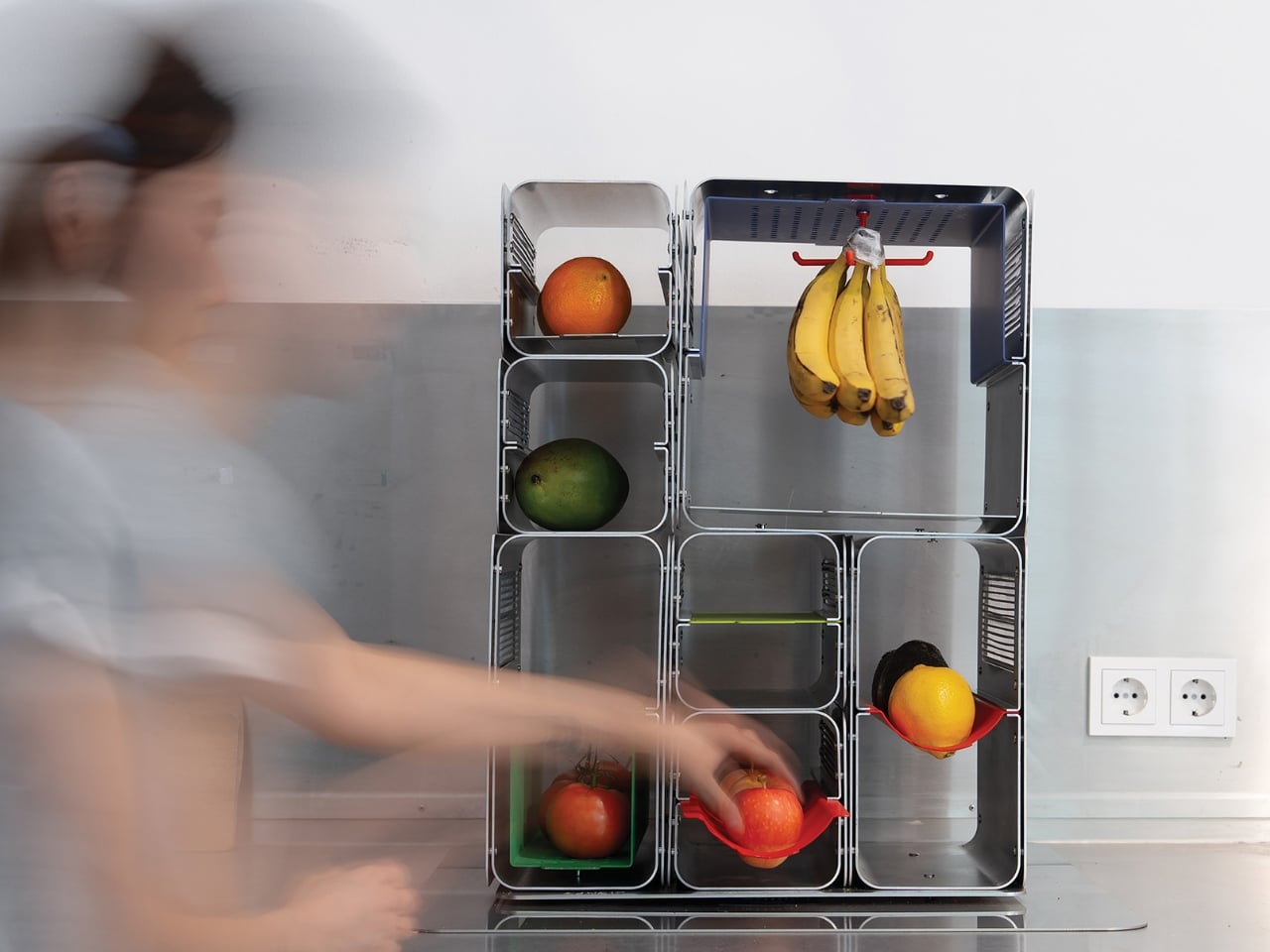
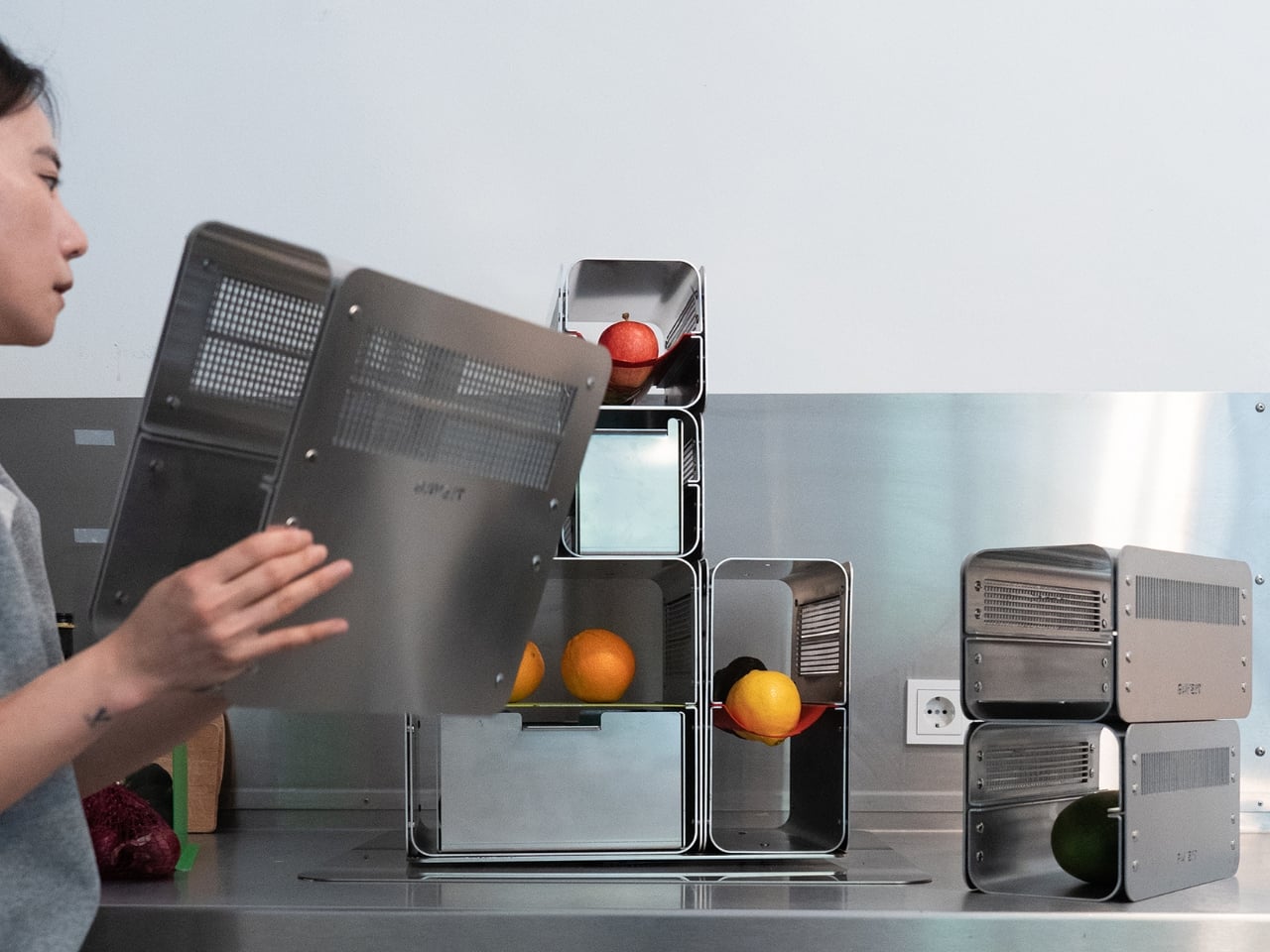
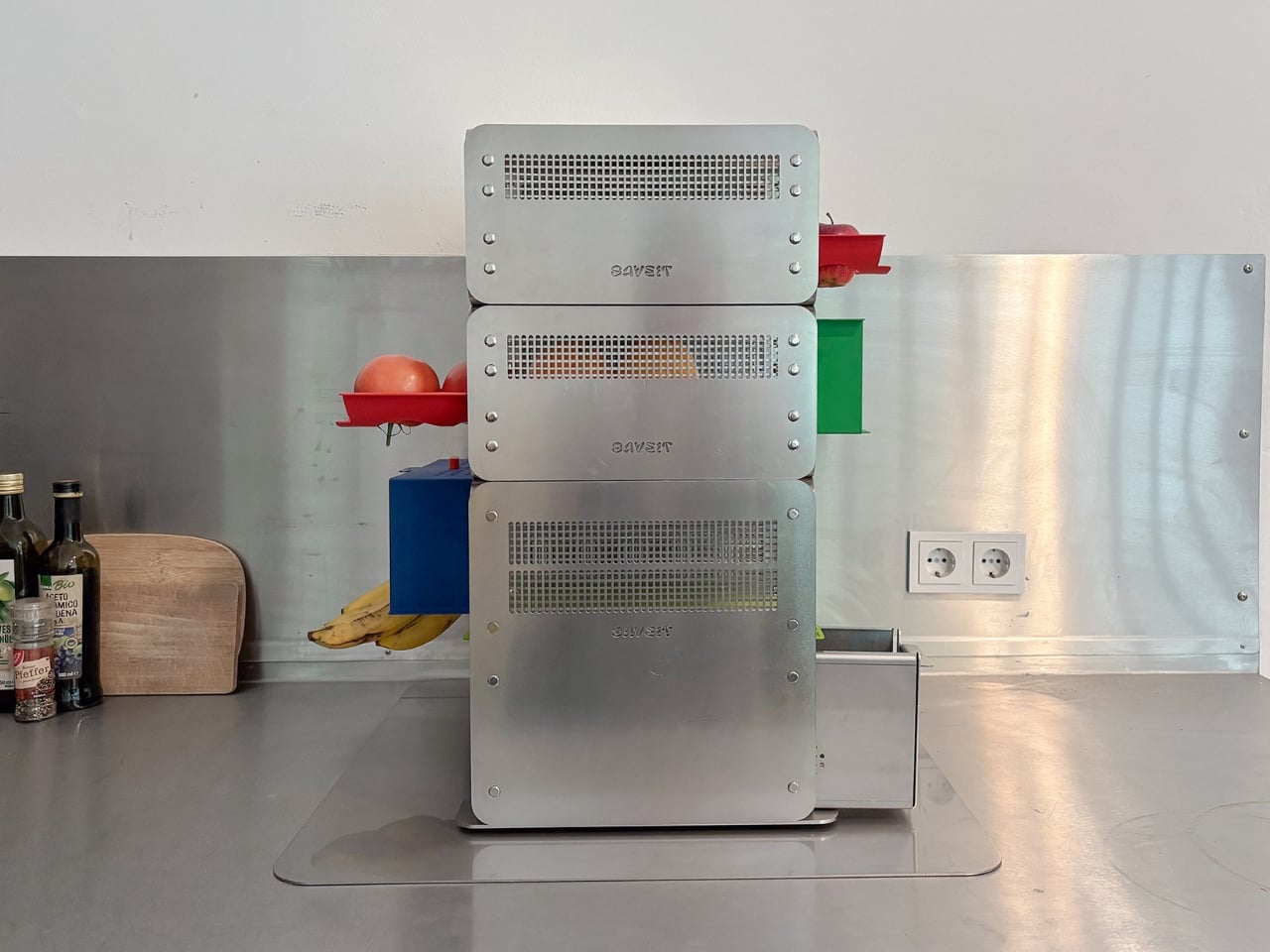
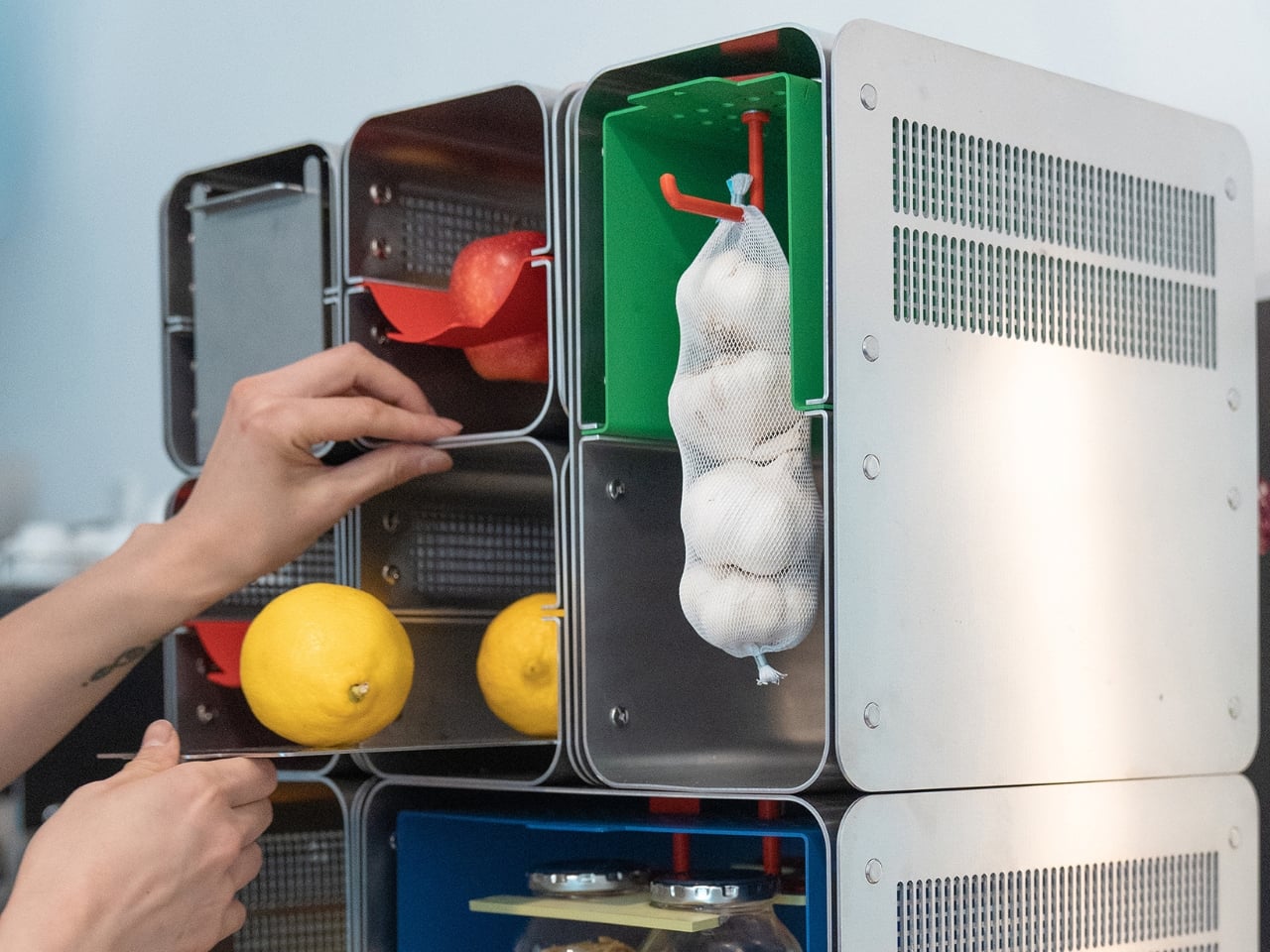
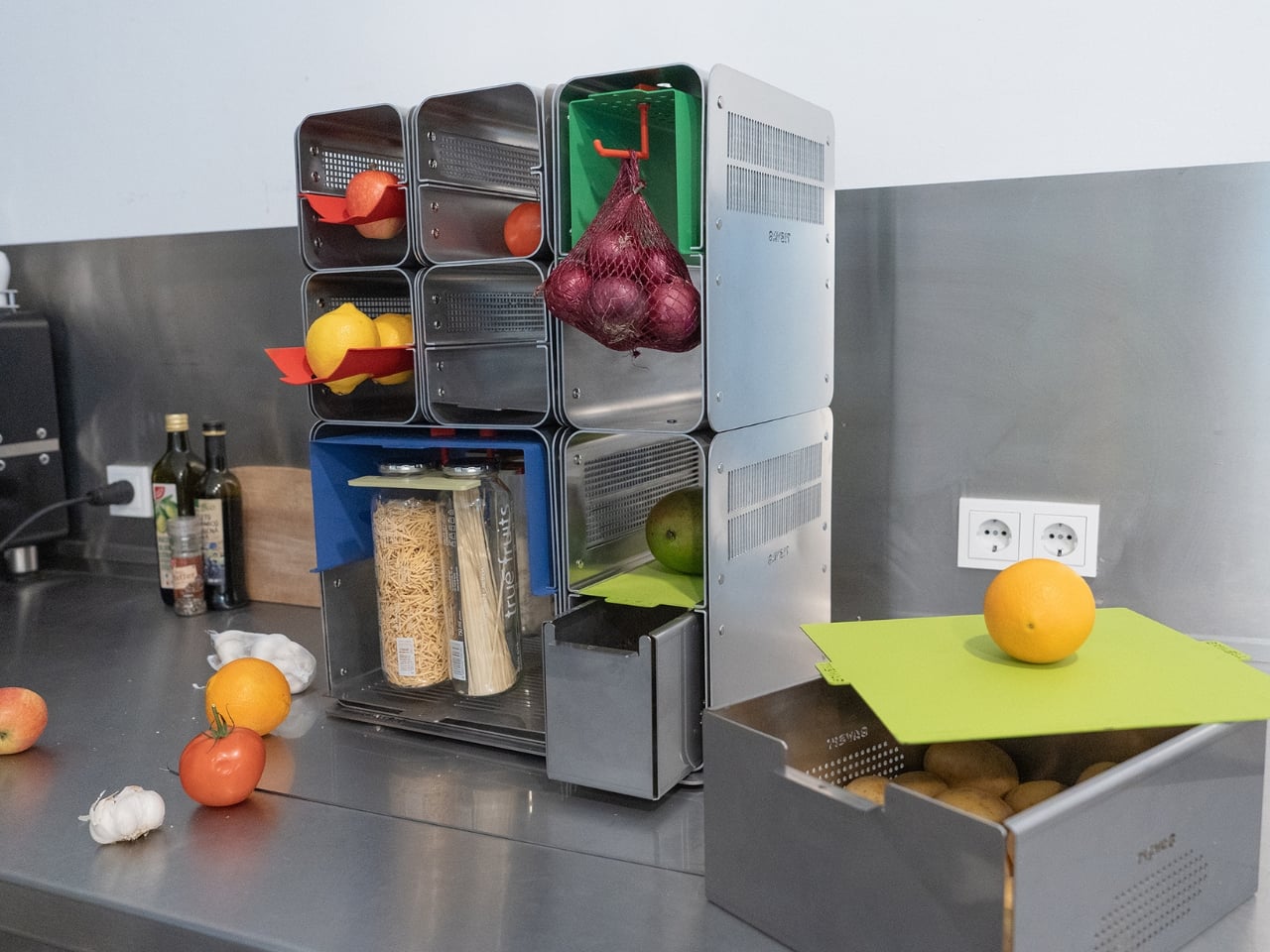
Enter Saveit, a modular food storage concept by designer Yerin Kim that’s making me rethink everything about how we organize our kitchens. At first glance, it looks like something straight out of a design museum with its sleek metal boxes, perforated panels, and pops of color. But the real magic happens when you actually use it.

Designer: Yerin Kim

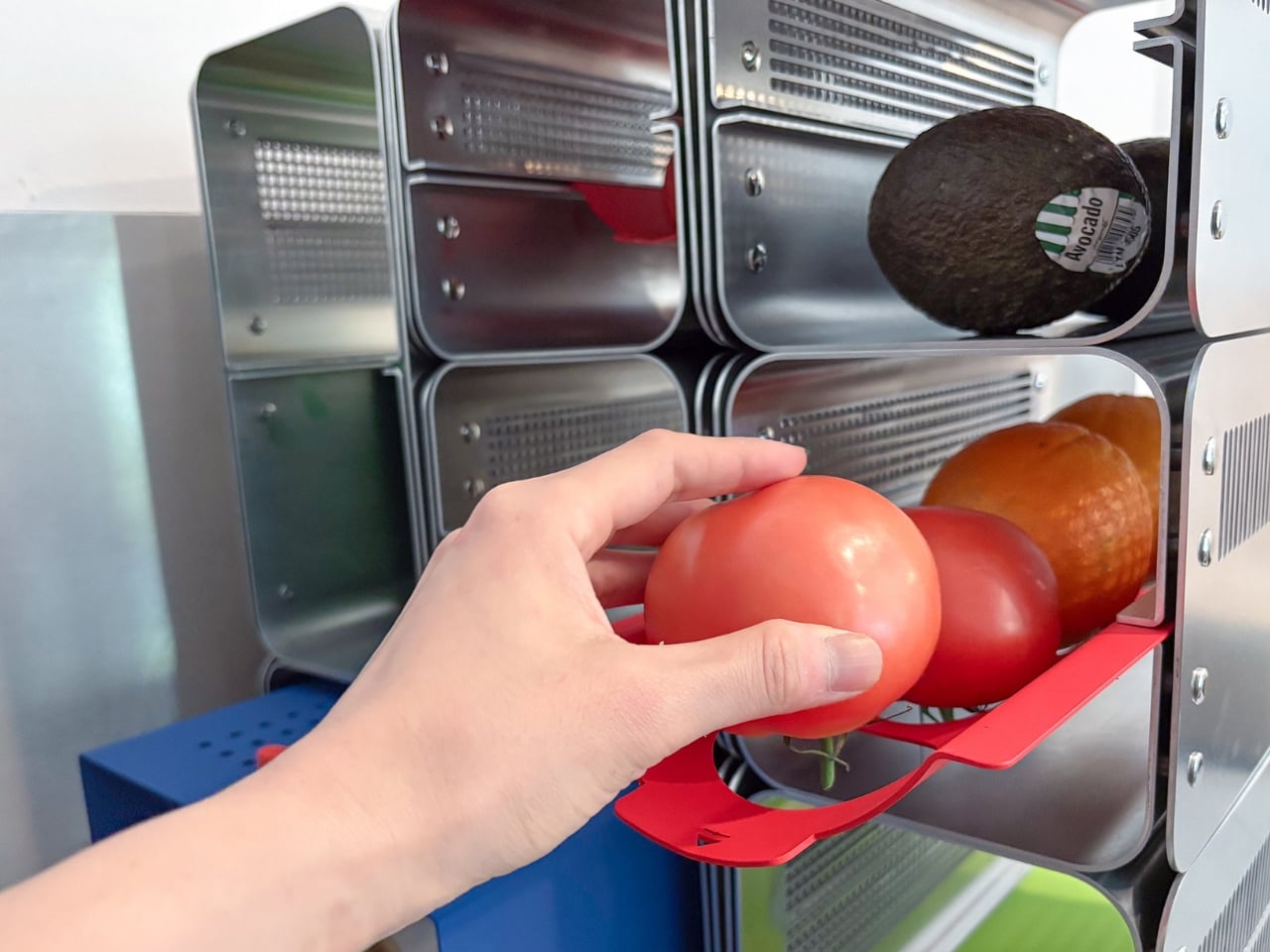
The system is built around a brilliantly simple idea: rotating storage that follows the FIFO principle (first in, first out). You know how grocery stores stock their shelves so older items move to the front? That’s exactly what Saveit does for your home. The modules feature these clever two-way rotating structures, so when you add new food from one side, the older items naturally move toward the exit point. No more mystery tomatoes rotting in the back of your produce drawer.

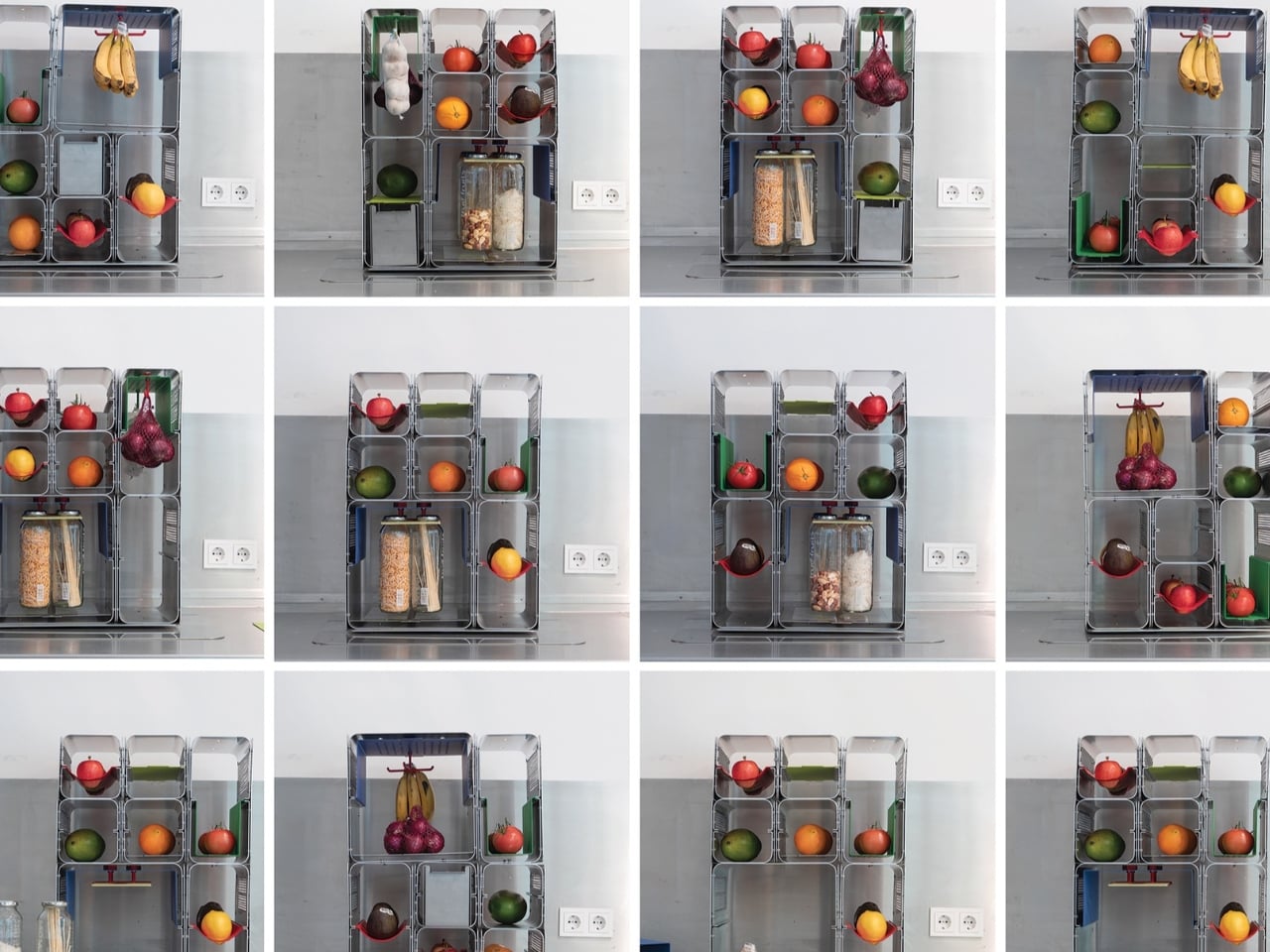
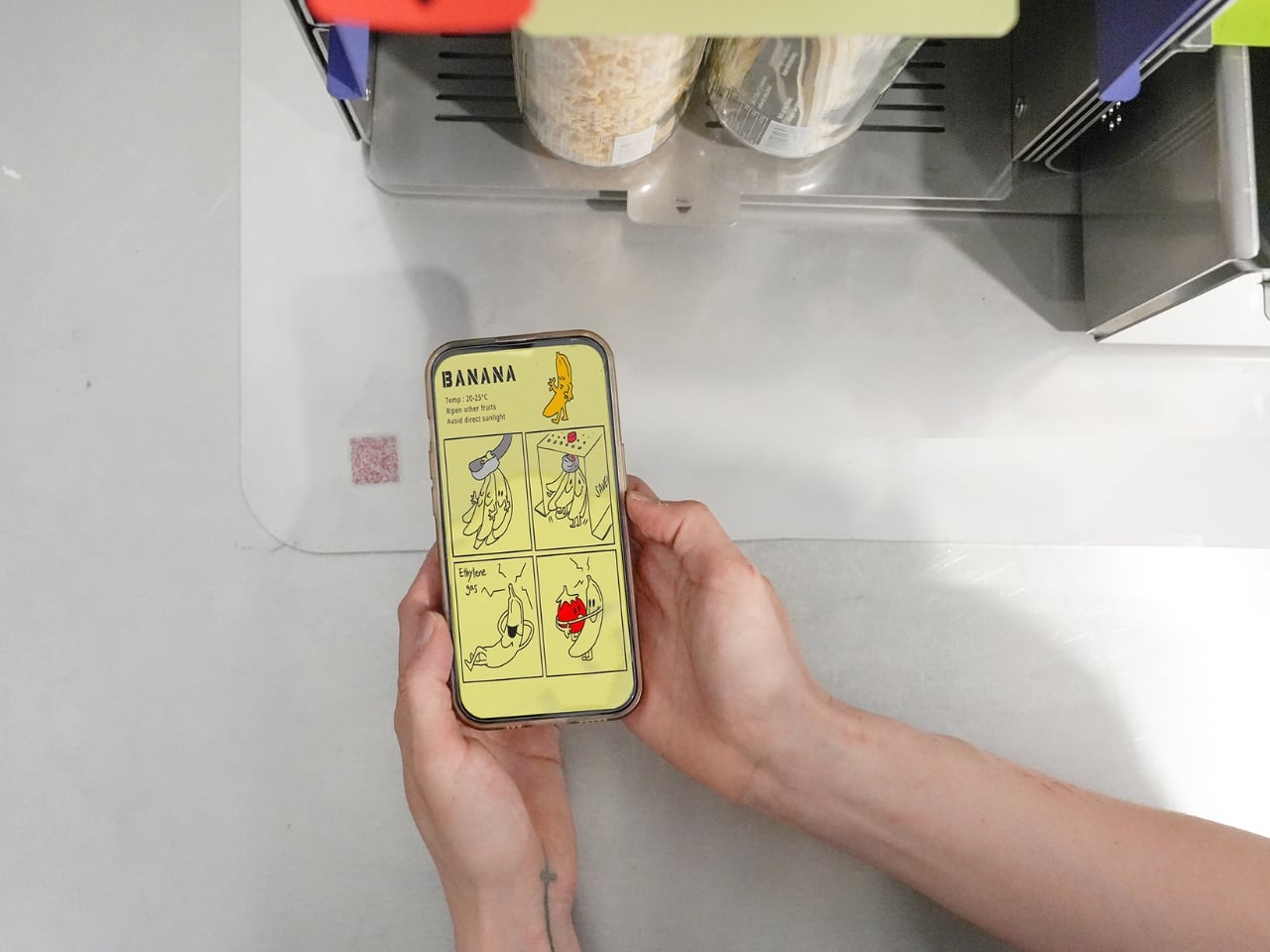
What makes this system feel genuinely different is how modular and adaptable it is. The stackable metal units can be configured in countless ways, kind of like edible Tetris. Need more space for root vegetables this week? Rearrange. Stocking up on citrus? Adjust accordingly. The colored sliding trays and hanging hooks accommodate everything from loose potatoes to bunches of bananas, and each component is designed to maximize airflow through those perforated backs, keeping produce fresher longer.

The aesthetic is industrial meets playful, with that brushed metal finish that feels both serious and approachable. Those bright red, green, blue, and yellow accents aren’t just for looks either. They help you quickly identify different food categories or rotation systems at a glance. It’s functional design that doesn’t sacrifice personality.

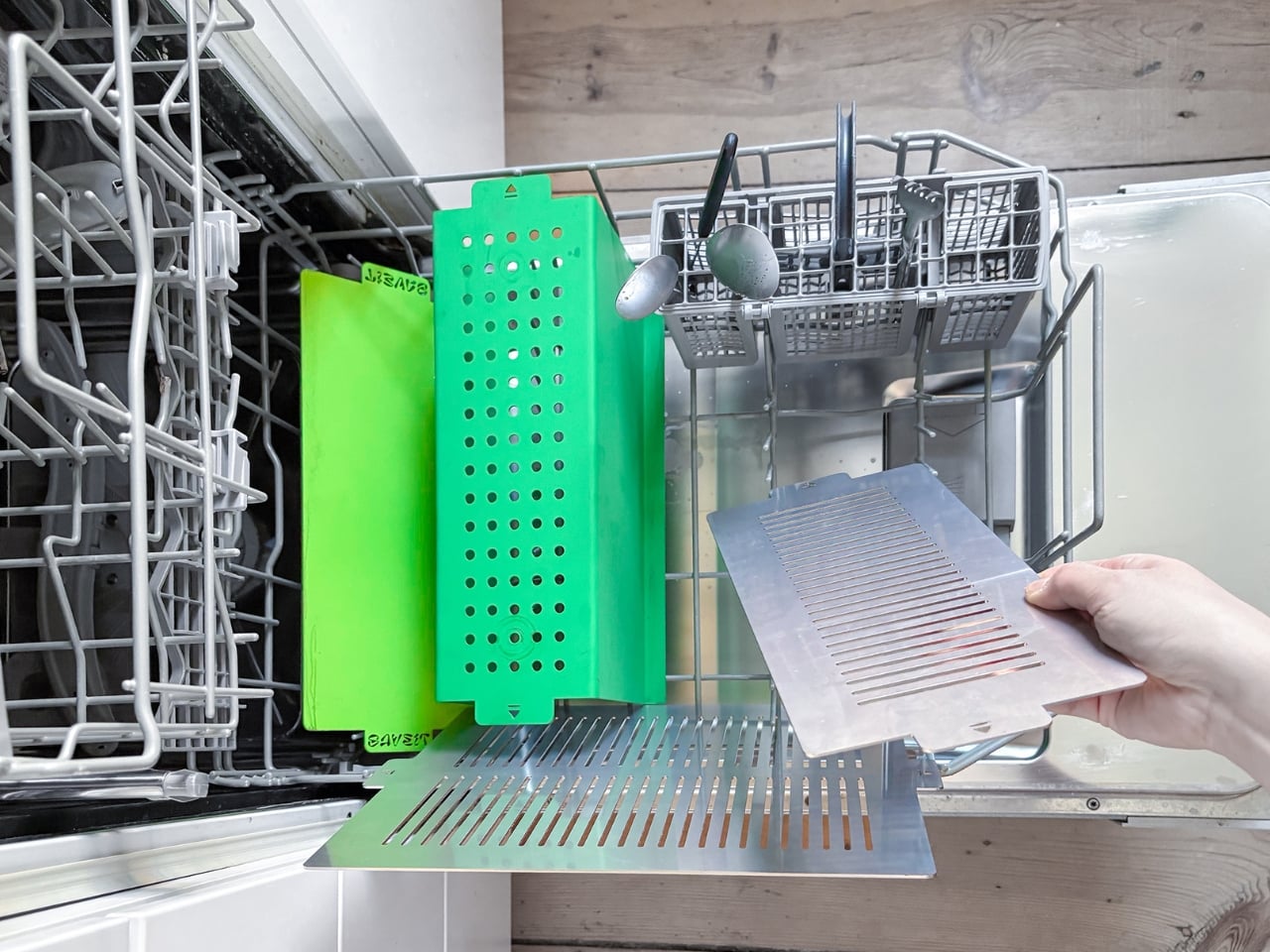
But here’s what really sold me on this concept: every single part slides out and pops into the dishwasher. Anyone who’s ever tried to clean a traditional produce basket or drawer knows that trapped dirt and sticky residue situation. Saveit eliminates that headache entirely. The removable design means you can actually keep your storage clean without contortionist-level flexibility or a dedicated scrub brush.

The environmental angle here is significant too. Food waste is a massive problem. We’re talking about roughly a third of all food produced globally ending up in the trash, which contributes to greenhouse gas emissions and represents billions of dollars thrown away annually. While Saveit won’t solve food waste entirely, it tackles one of the root causes: poor visibility and organization at home. When you can actually see what you have and the system naturally prioritizes older items, you’re far more likely to use everything before it goes bad. There’s something refreshing about design that solves real problems without overcomplicating things. Saveit doesn’t require an app, doesn’t need to be plugged in, and doesn’t come with a subscription service. It’s just smart, thoughtful design applied to an everyday challenge. The kind of thing that makes you wonder why storage hasn’t worked this way all along.

Yerin Kim’s creation sits at this interesting intersection of sustainability, functionality, and visual appeal that feels very now. It’s the type of design that tech enthusiasts appreciate for its systematic approach, that eco-conscious consumers love for its waste-reduction potential, and that design lovers simply want to display on their countertops. It transforms a mundane task (food storage) into something that actually feels considered and intentional. Whether Saveit moves from concept to production remains to be seen, but it represents a shift in how we think about kitchen organization. Storage shouldn’t be something you work around. It should work for you, making sustainable choices easier and more intuitive. And if it looks this good while doing it? Even better.

The post Rotating Kitchen Cubes Make Wasting Food Actually Impossible first appeared on Yanko Design.

A Cordless Kitchen Processor Soft Enough to Leave Out All Day

If you cook in a small kitchen, you already know the choreography. The toaster gets shoved into a cabinet so the kettle can come out. The air fryer lives on the floor of a pantry. Power cords drape across the counter like tripwires. It is domestic Tetris, and it rarely looks good.

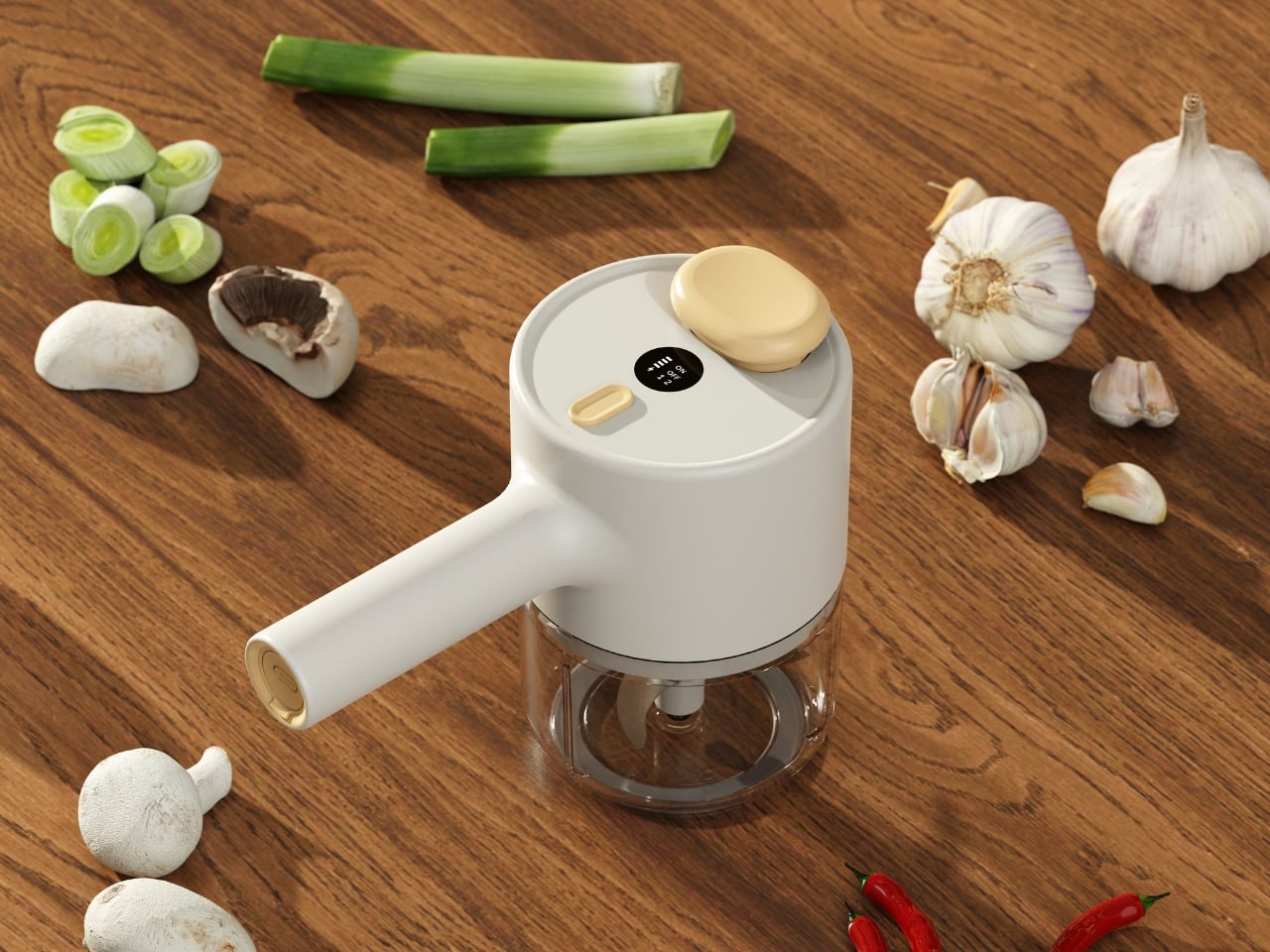
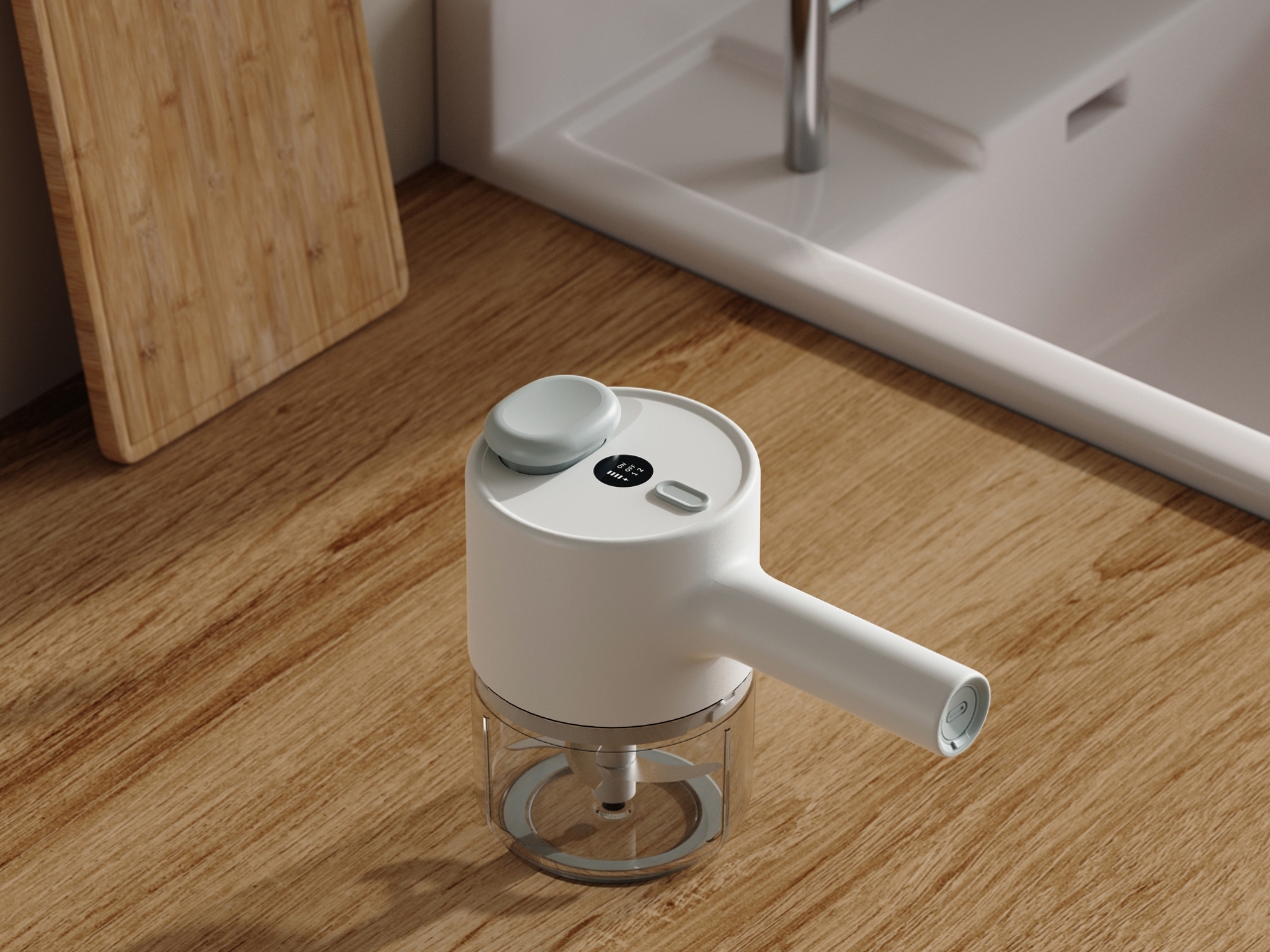
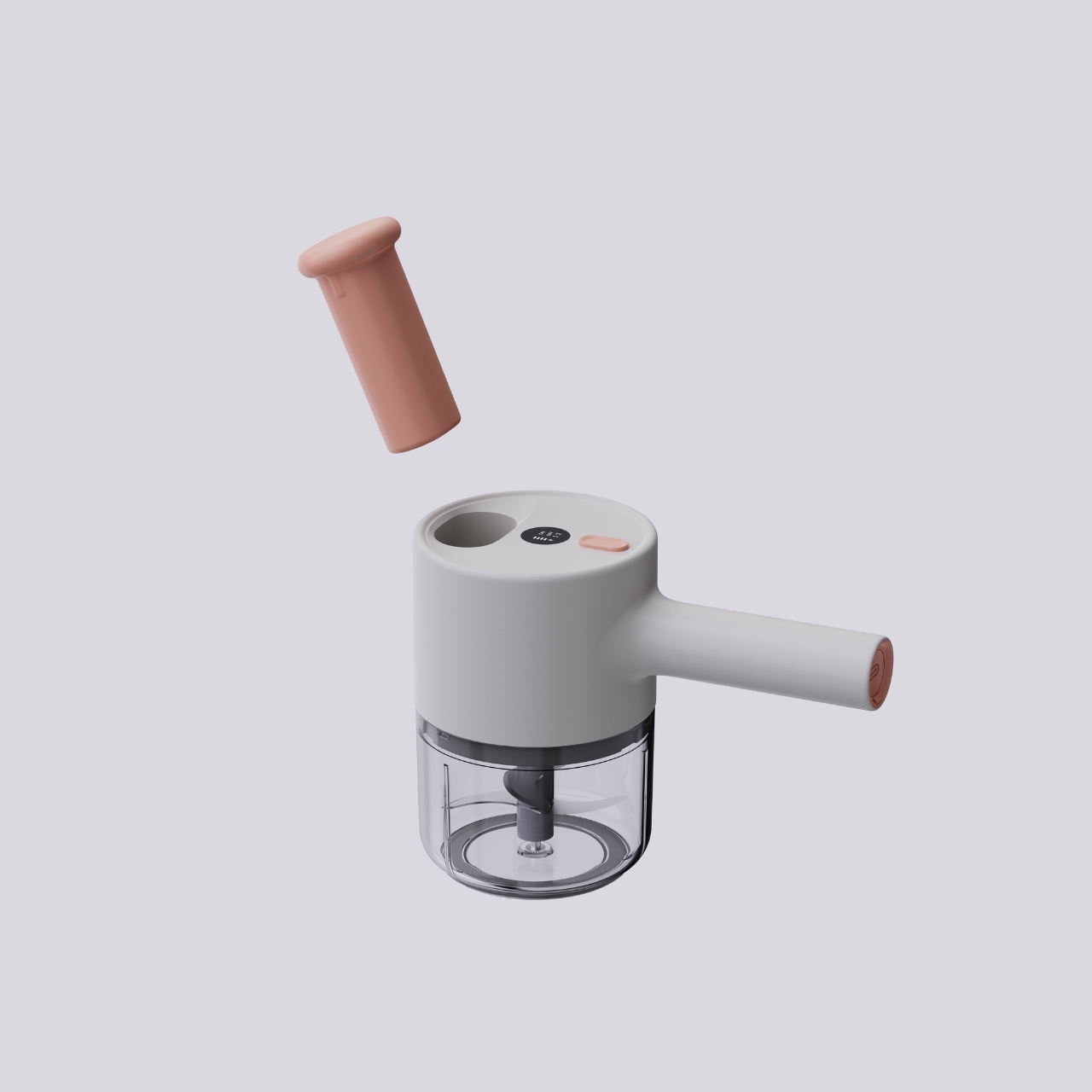
That is the quiet problem the Food Sitter Cooking Processor, designed by Qi Liu, is trying to solve. On paper it is a cordless, multifunctional food processor that chops, blends, and whisks. In reality it feels more like a friendly little gadget that wants to restore some visual calm to your kitchen.

Designer: Qi Liu

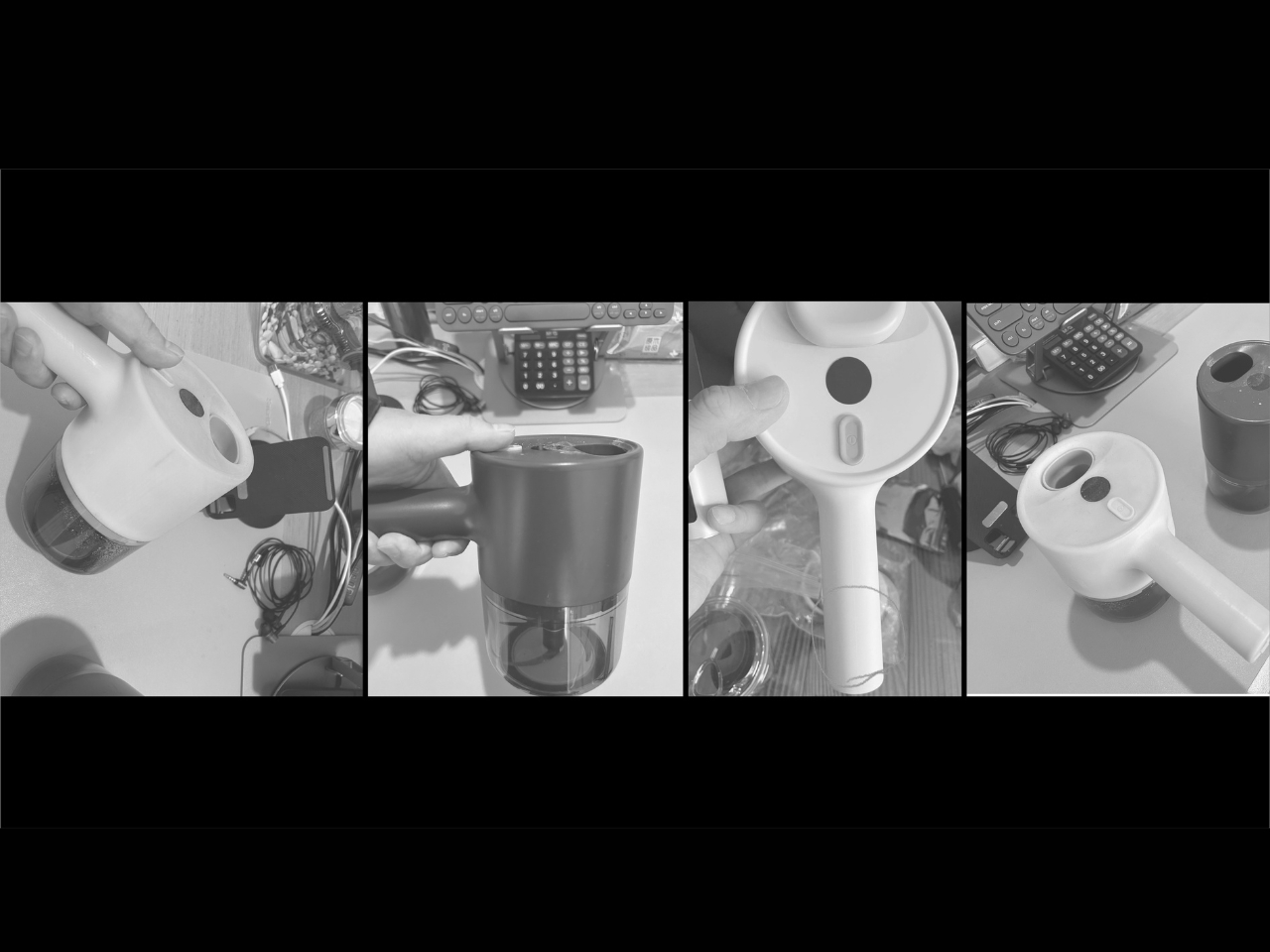
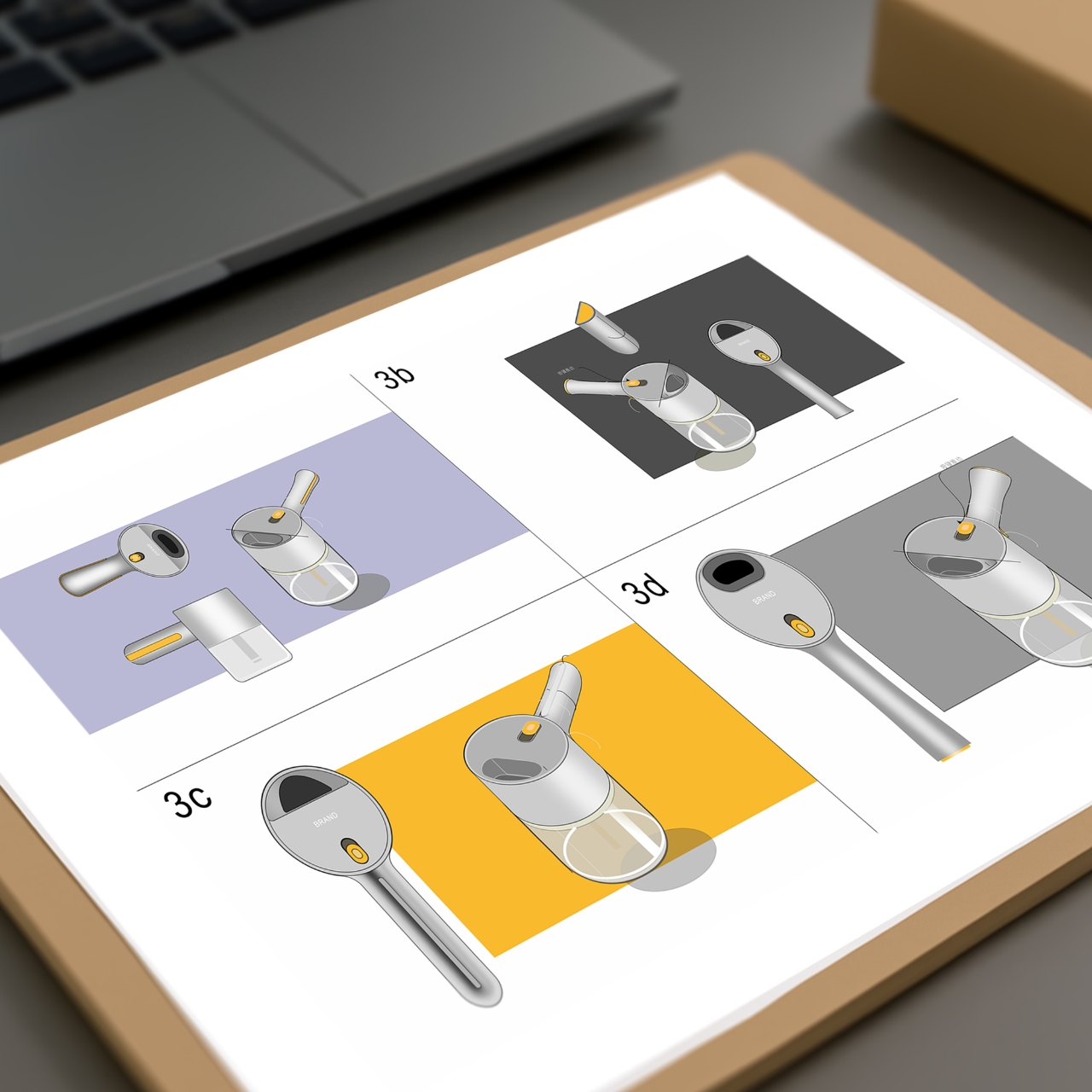
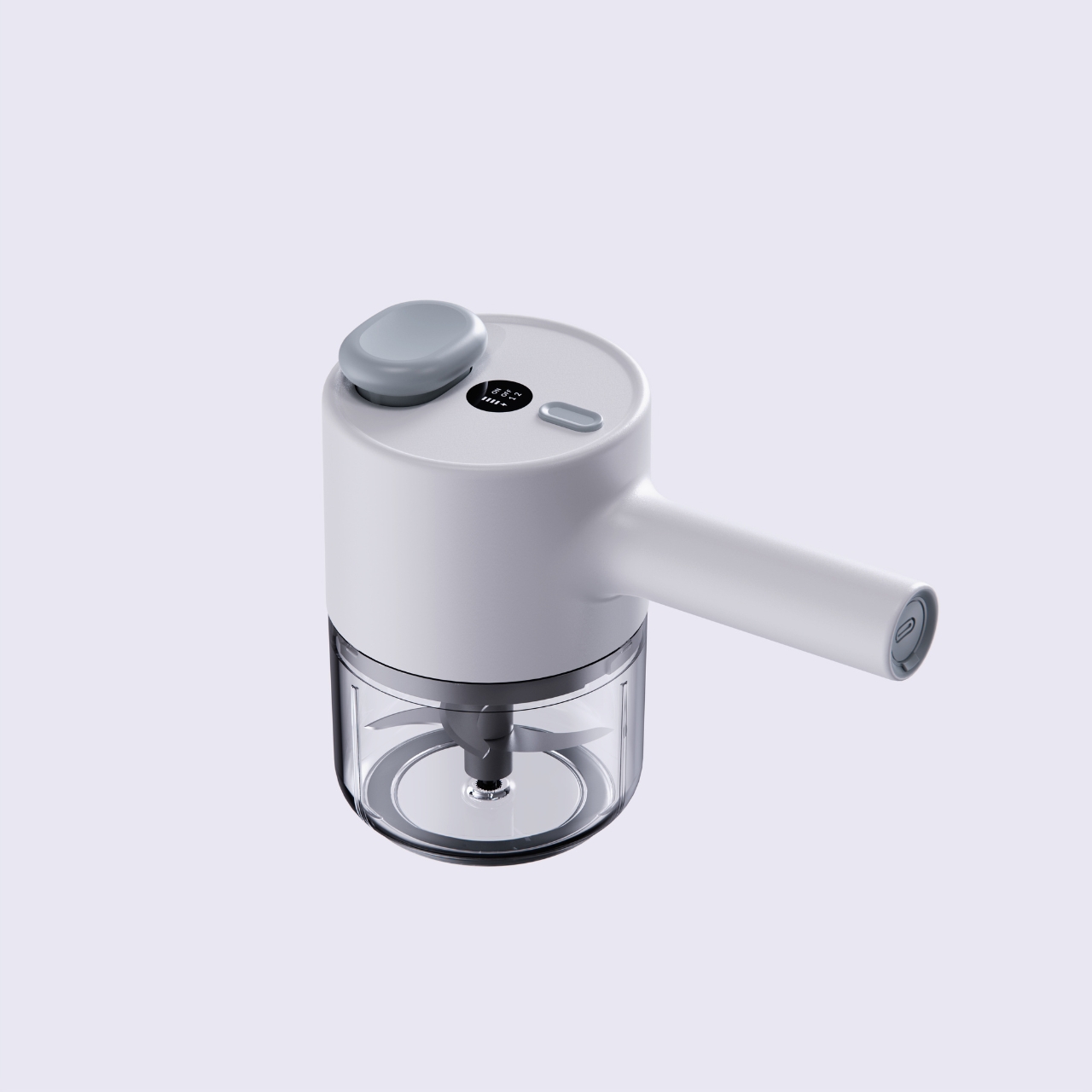
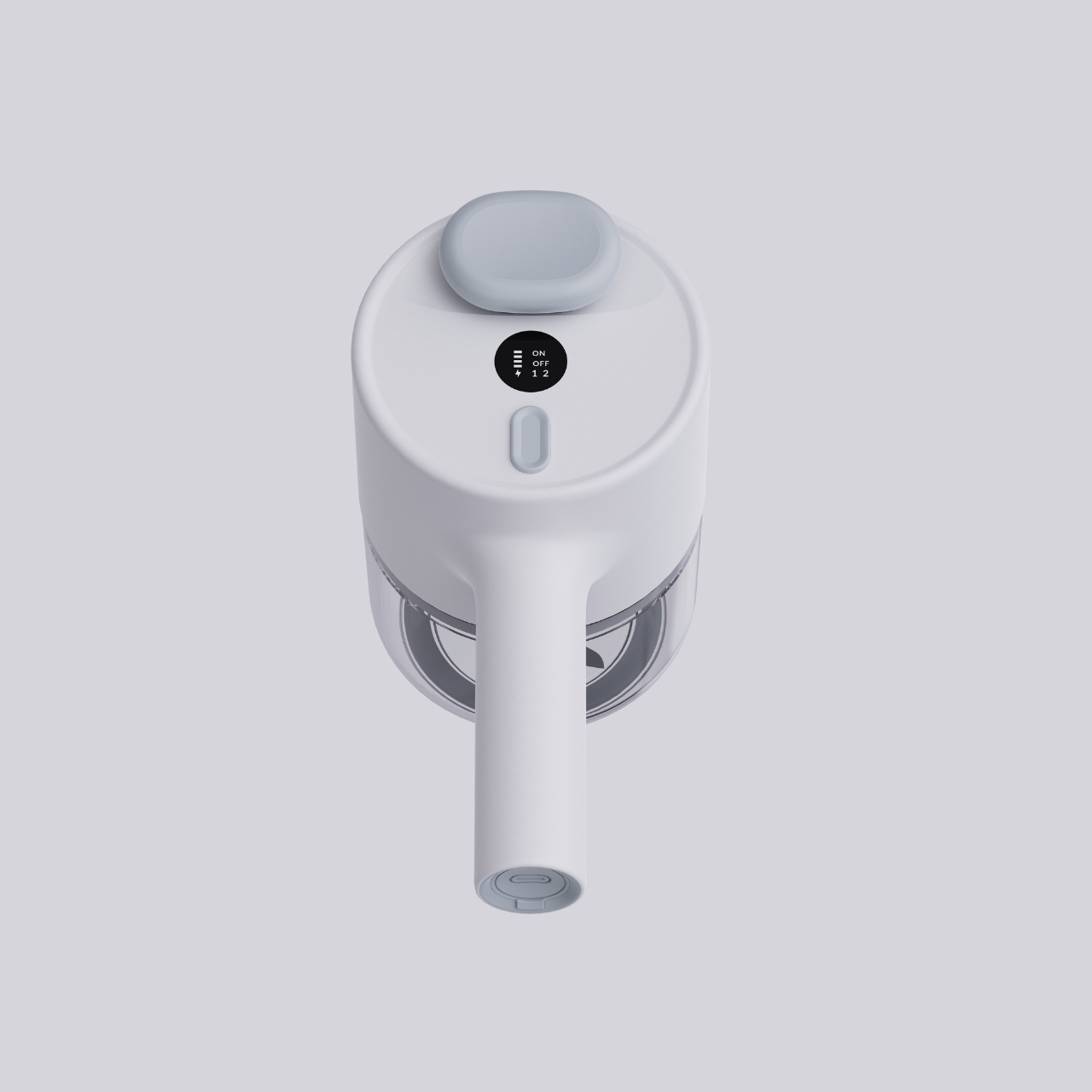
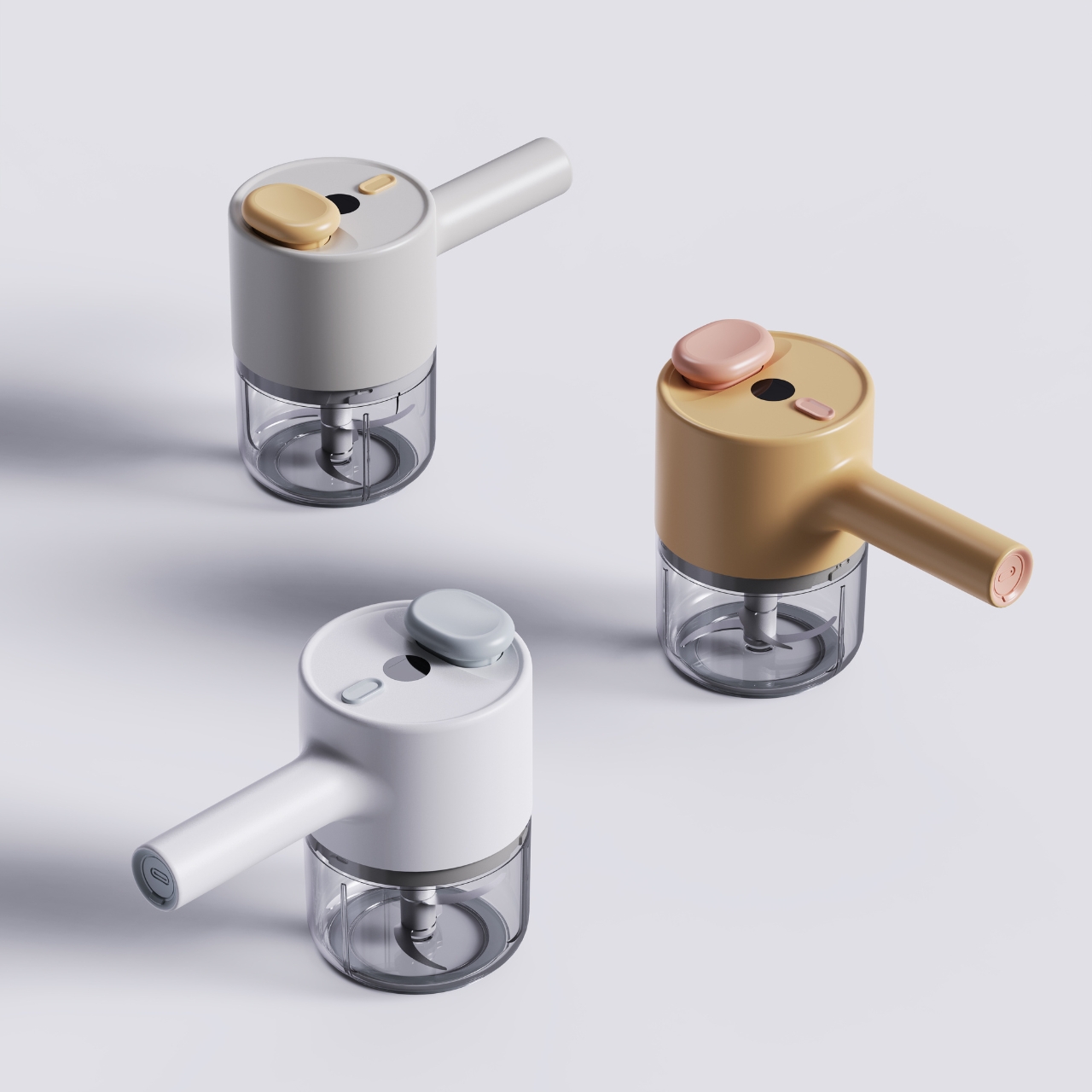
The first thing that stands out is the form. Instead of the usual squat base with a forest of buttons, this processor reads almost like a compact handheld vacuum crossed with a milk frother. A clean cylinder holds the motor and battery, with a straight handle projecting from the side and a clear jar below. The lines are smooth and rounded, and the whole object looks soft without being cute for the sake of it.

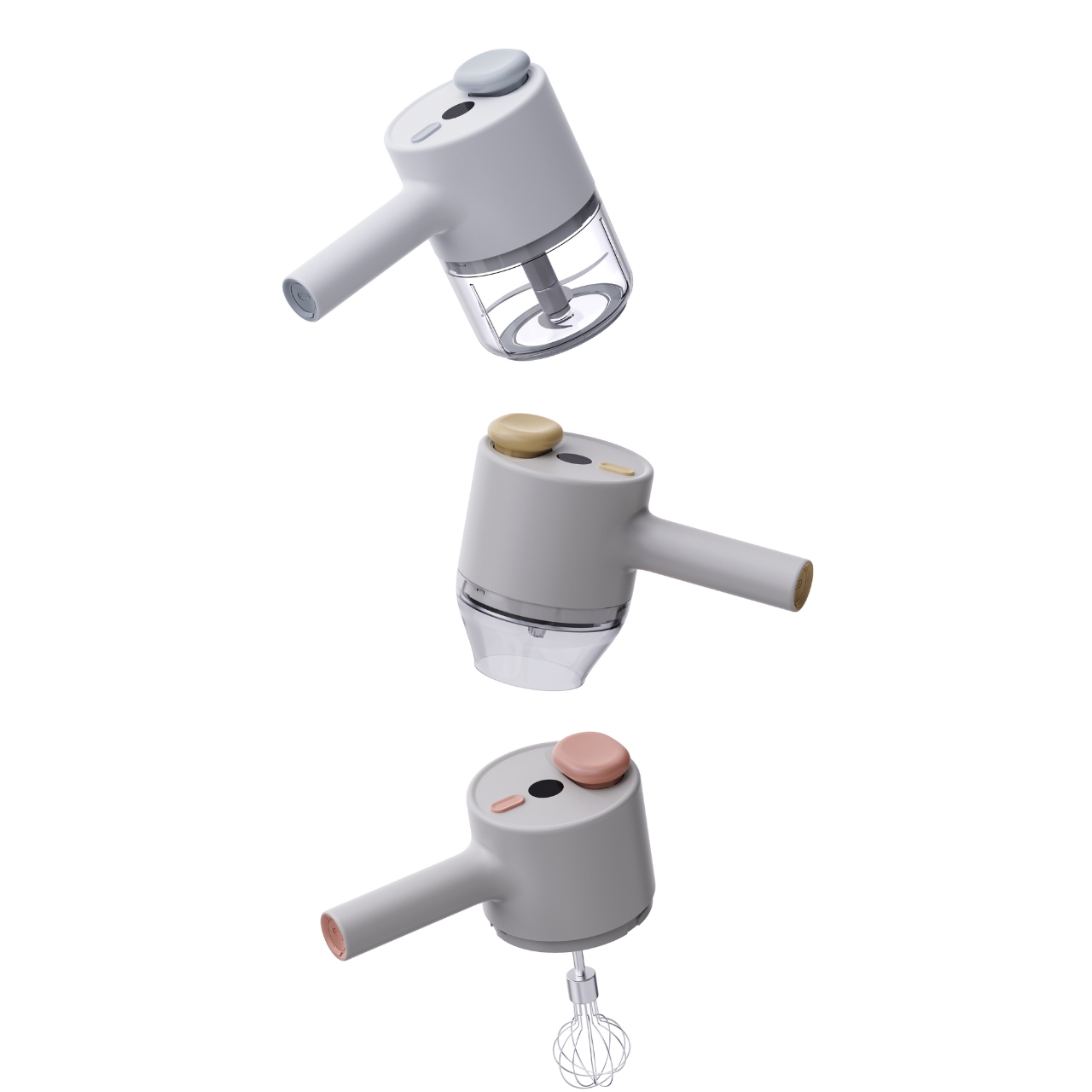
Color does a lot of the emotional work here. The palette of cream white, gentle gray, and lemon yellow is closer to lifestyle accessories than industrial appliances. These are the kinds of colors you expect from a Scandinavian lamp or a wireless speaker, not a device that pulverizes garlic. That choice is intentional. Food Sitter positions itself as a Korean kitchen lifestyle brand with the motto “Less Effort, More Joy,” and the processor fits that promise. It is designed to sit out in the open without visually shouting.

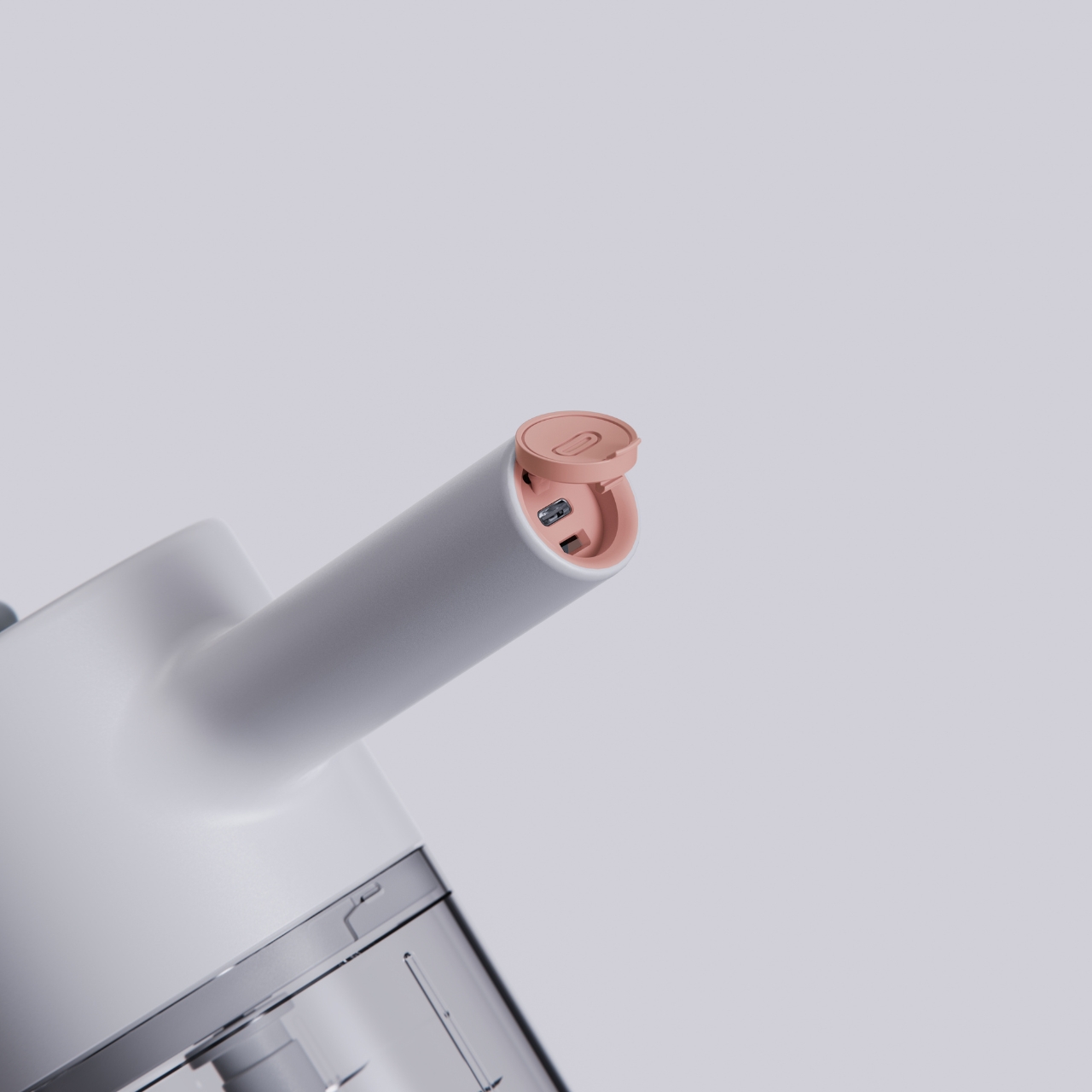
Cordless power is the other big shift. The processor has a built in battery and charges via USB, which instantly changes how and where you use it. No cord means you can move from counter to dining table to balcony without hunting for an outlet. It is easy to imagine it on a picnic table, pureeing salsa next to a portable speaker, or on a camping trip where it turns into a tiny off grid prep station. The portability feels closer to a tech gadget than a traditional kitchen tool, and that is part of the appeal.

Functionally, the product leans into modularity. Interchangeable blades and accessories cover three core jobs chopping, blending, and whisking. In design terms it is a single platform with multiple behaviors. Instead of owning a separate chopper, mini blender, and hand whisk, you swap attachments on one compact base. That reduces clutter and, importantly, visual noise. One small cylinder on your shelf looks a lot better than three unrelated appliances with three different design languages.

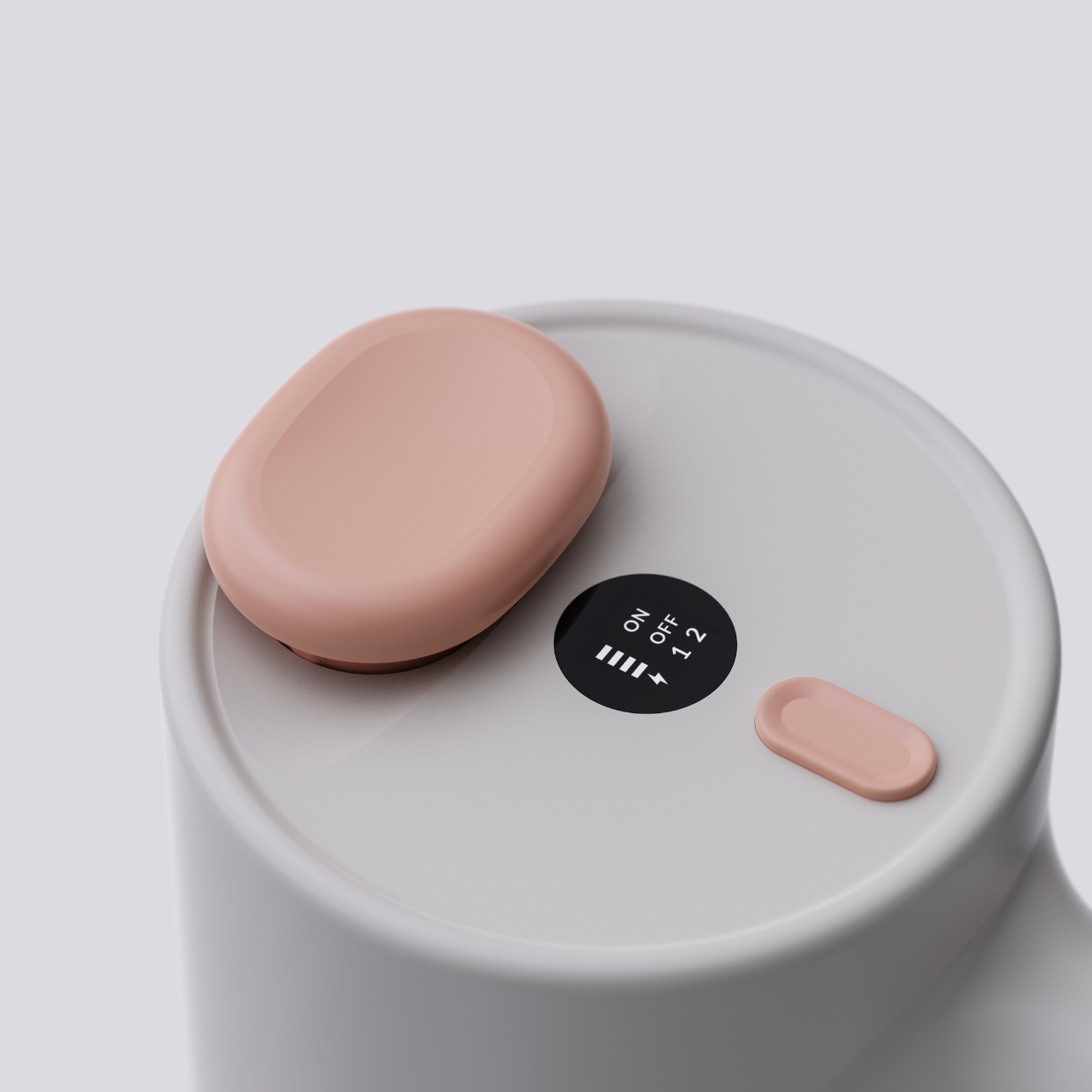
The interaction details are refreshingly straightforward. There is a clear top hole for feeding ingredients, paired with a small stick that nudges food down toward the blades. It is almost analog in spirit. You are still present in the process, but the tool does the heavy lifting. The controls are minimal, with a small display for on off and speed, and a single main button. It feels closer to using a simple audio player than programming a blender.

Cleaning, the step that often kills our enthusiasm for kitchen gadgets, is handled with the same clarity. Every food contact part is designed to come apart quickly. Blade, jar, and lid separate for a rinse under the tap, no awkward crevices or trapped onion pieces. That kind of invisible design work is what makes a product move from novelty to daily habit.

What makes this project interesting beyond the kitchen is how it merges three worlds. From a design perspective, it borrows the soft minimalism of contemporary home objects. From tech, it adopts battery power, portability, and a restrained interface. From pop culture, it taps into our current love of “tiny living” and curated domestic aesthetics. It is the kind of object you can imagine on Instagram next to a latte and a stack of cookbooks, but it also has the chops to justify its presence.

For modern homeowners especially those living in apartments or shared spaces that blend work, life, and cooking into one room this balance matters. We want tools that earn their footprint. The Food Sitter Cooking Processor feels like a response to that desire. It is compact, visually calm, and flexible enough to support both weekday meal prep and weekend kitchen experiments. In the end, this is not just another food processor. It is a small argument for a different kind of kitchen where technology is cordless and quiet, aesthetics are part of function, and the tools that help you cook are pleasant enough to leave out in plain sight.

The post A Cordless Kitchen Processor Soft Enough to Leave Out All Day first appeared on Yanko Design.

This French Tiny House Finally Makes Downsizing Realistic for Families

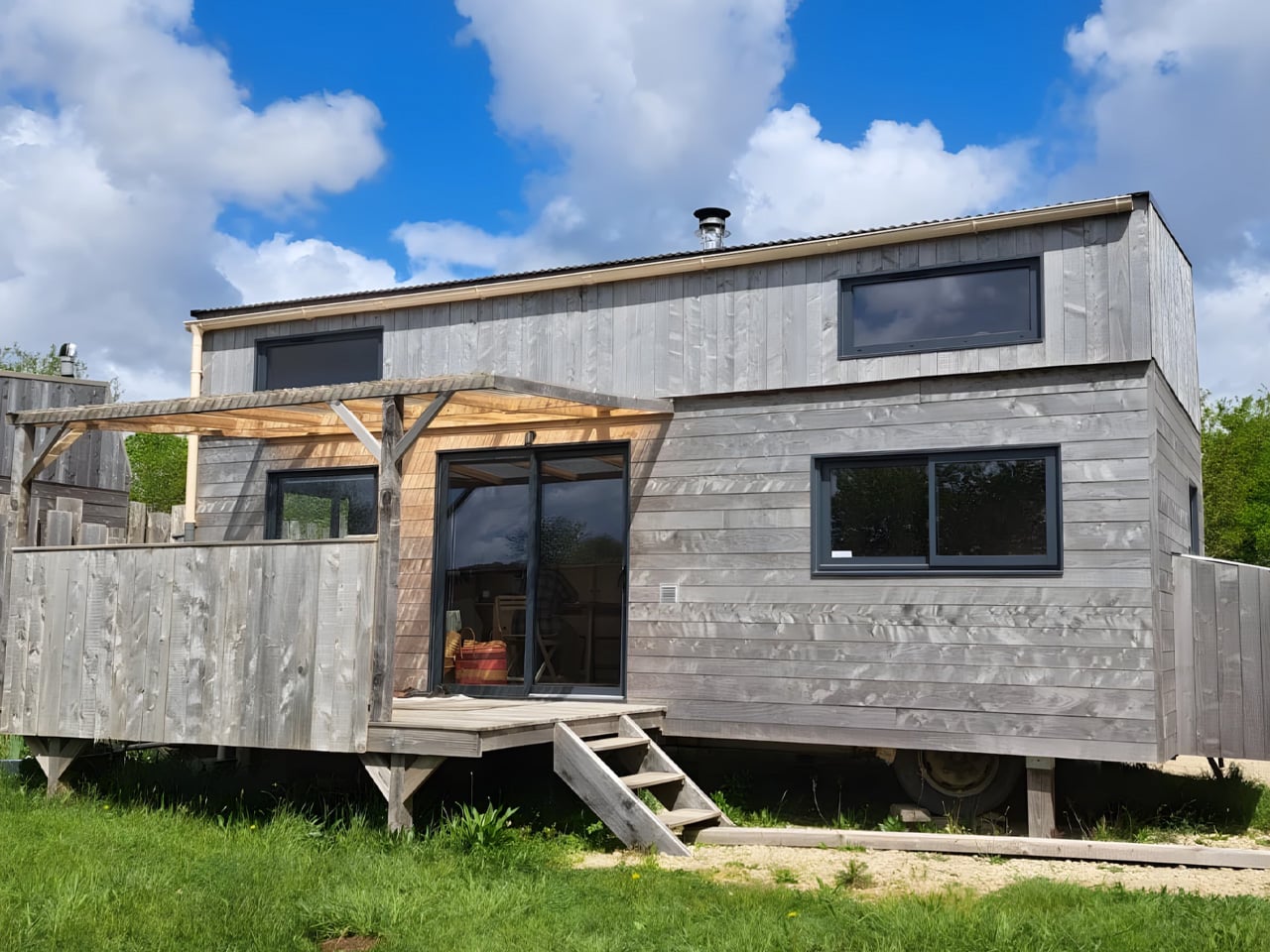
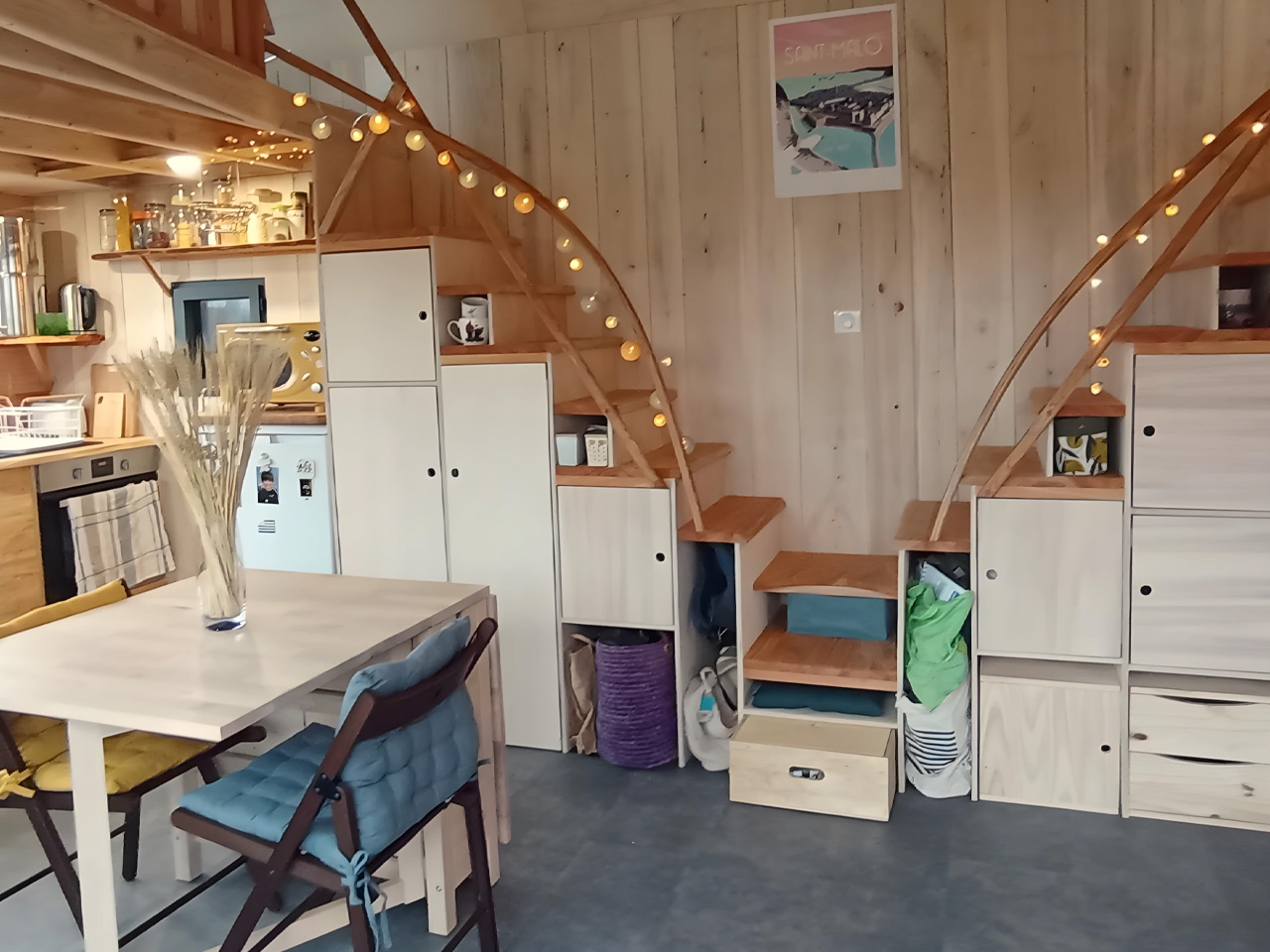
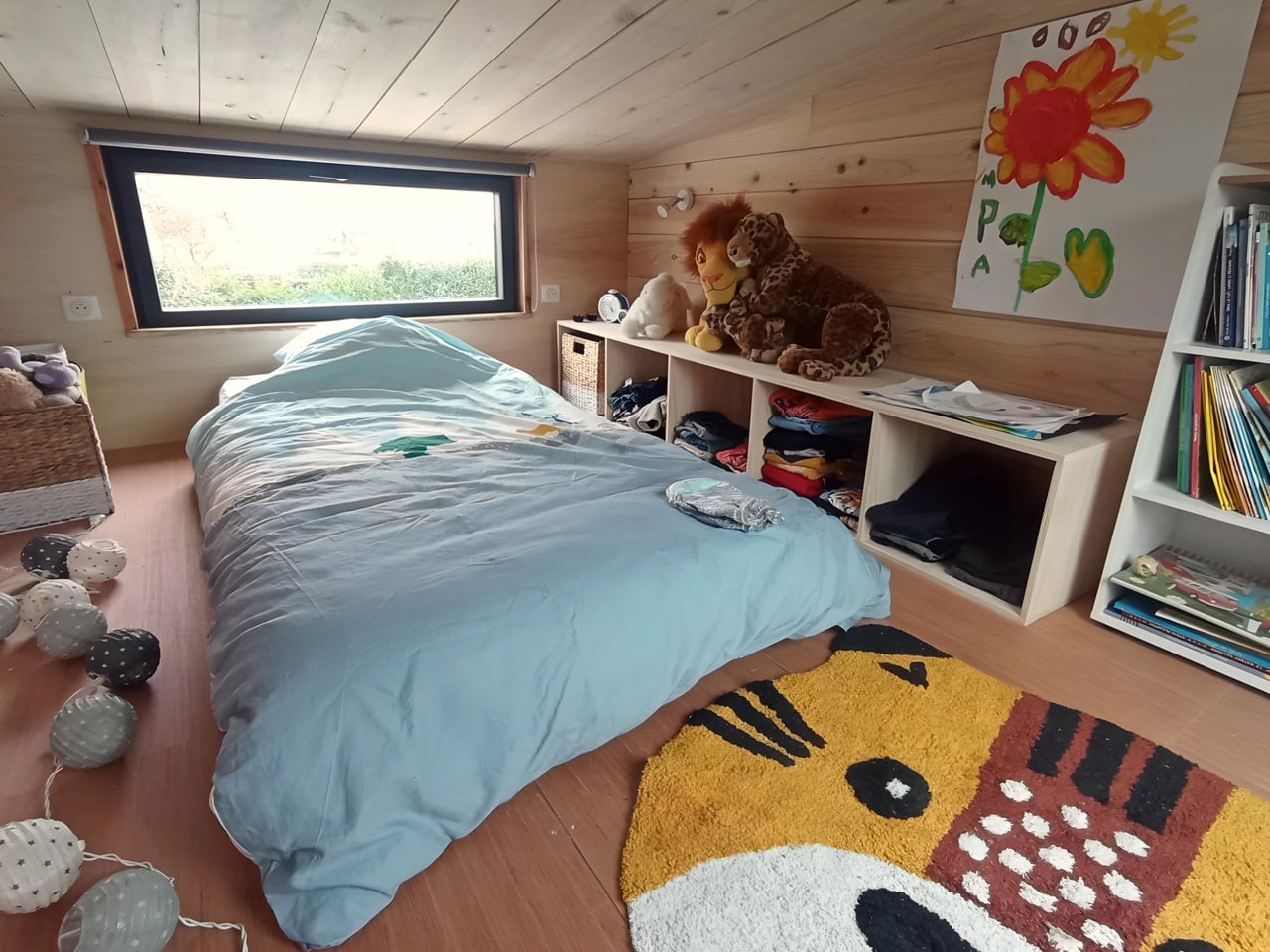
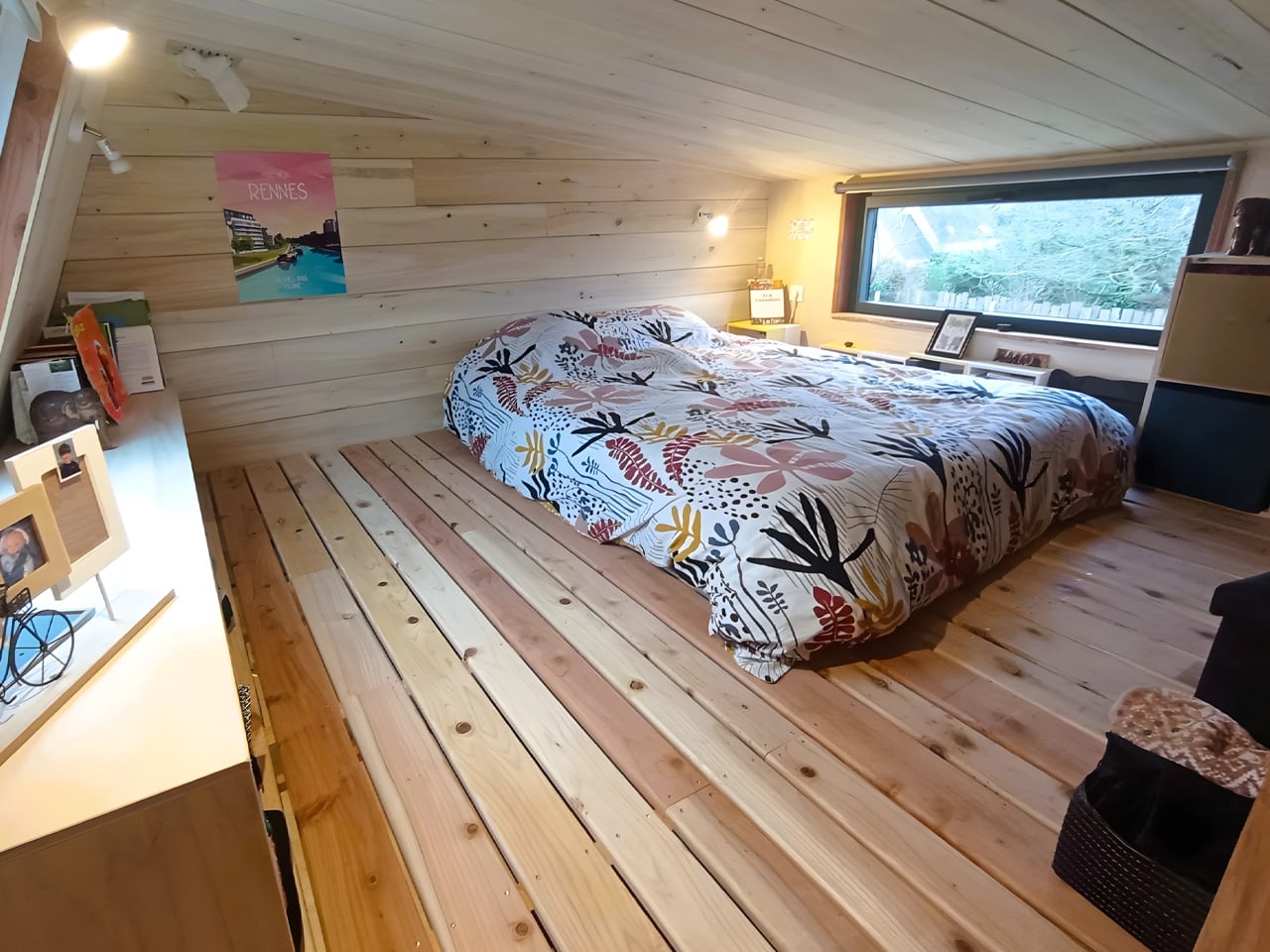
French tiny house builder Atelier Bois d’ici has unveiled its largest creation to date, and the Tiny XXL is challenging long-held assumptions about downsizing with children. Stretching 26 feet in length and 11.5 feet in width, this mobile dwelling offers 430 square feet of thoughtfully designed living space that actually feels livable for a family of four. Most French tiny homes measure just 8.2 feet wide, making them feasible for regular road travel but challenging for families seeking genuine comfort. The XXL breaks from this tradition with its extra-wide footprint, sacrificing easy mobility for the kind of space that transforms tiny living from a compromise into a legitimate lifestyle choice.

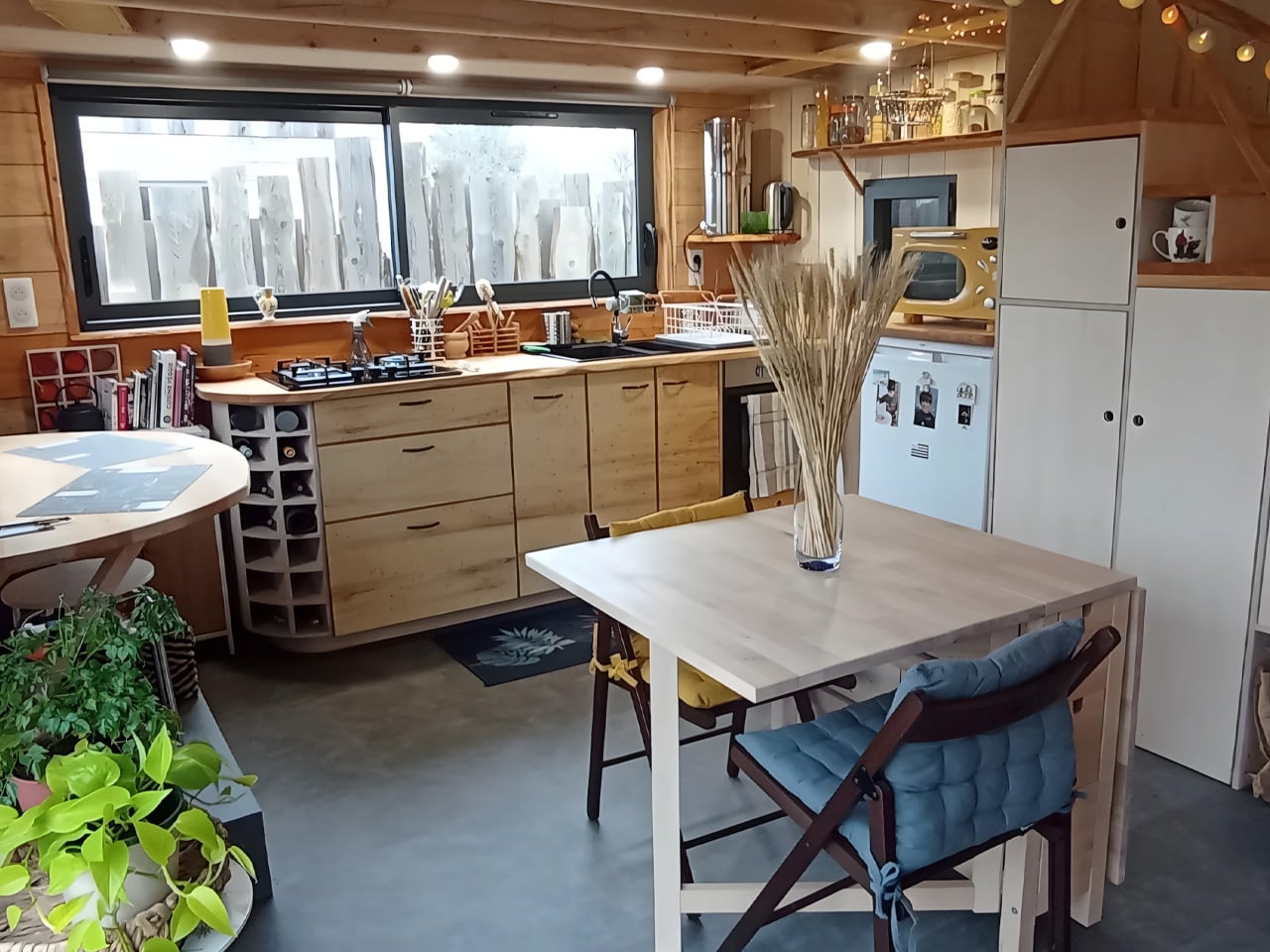
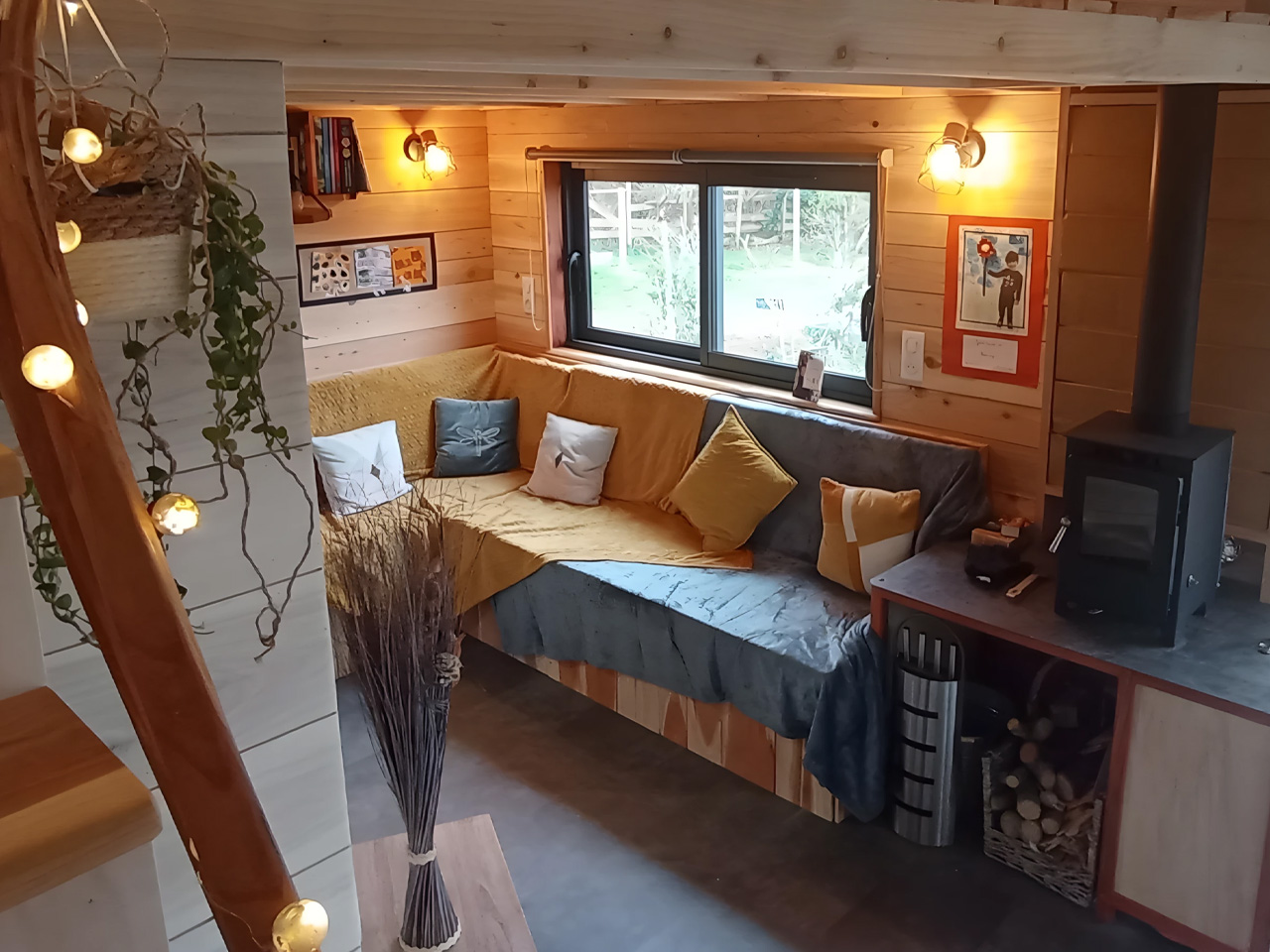
The trade-off requires a special permit for towing on public roads, which positions this home as a semi-permanent dwelling rather than a frequent traveler. That’s not necessarily a dealbreaker. If you’re planning to park it somewhere beautiful and stay put, the extra breathing room is worth far more than the freedom to move every few months. The layout addresses one of the biggest pain points in family tiny living, which is privacy. Two separate bedroom lofts sit on opposite sides of the home, giving parents and children their own retreats without the awkwardness of sharing one cramped sleeping area. The main floor dedicates generous square footage to a full kitchen and living area where the family can gather without bumping elbows at every turn.

Designer: Atelier Bois d’ici

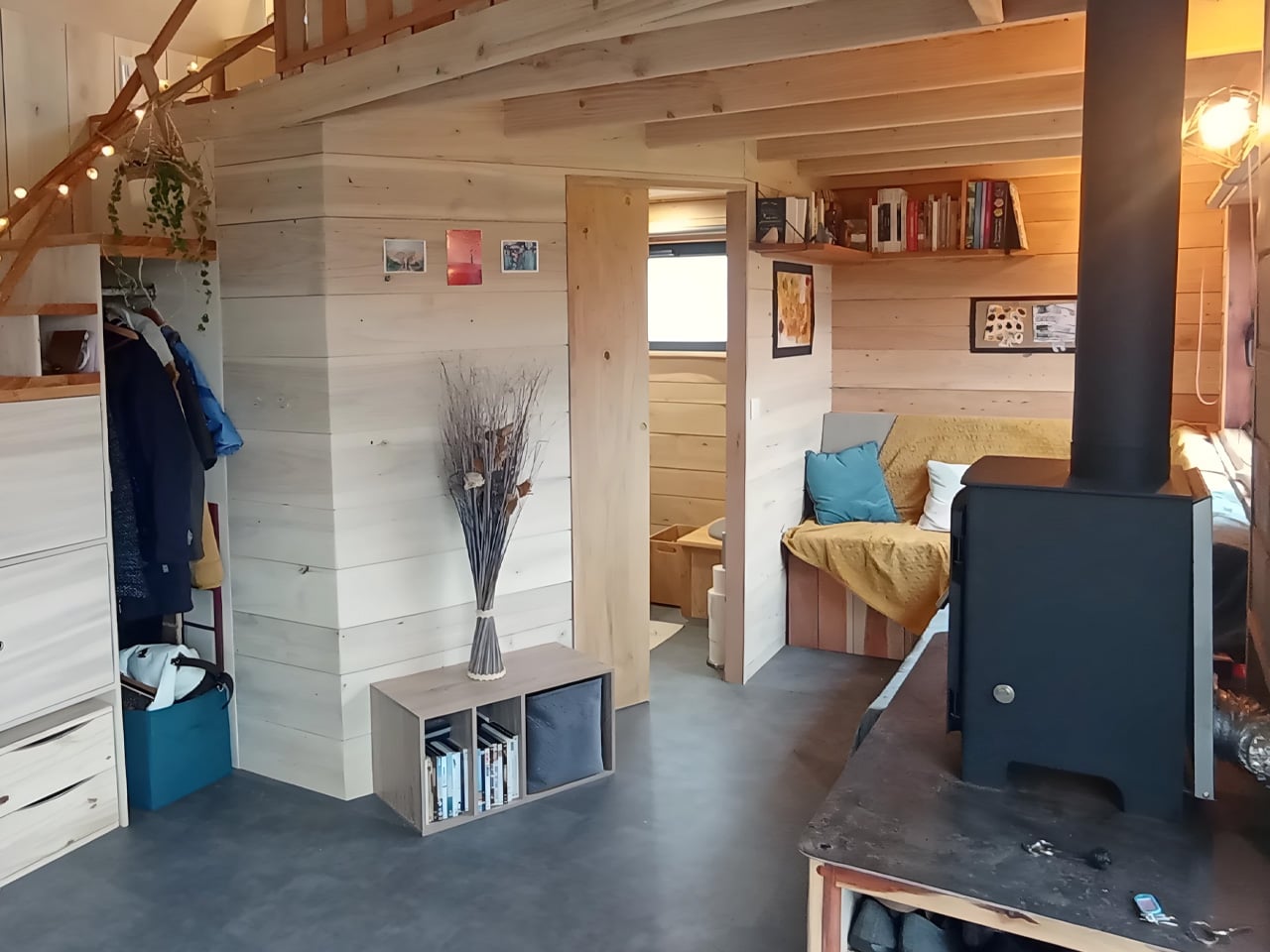
Atelier Bois d’ici brings exceptional craftsmanship to every build, operating as much more than a construction company. Manager Jean-Daniel runs a sawmill and wood storage facility on the same property as the workshop, creating an integrated approach to tiny house building that starts with raw logs rather than processed lumber. This connection to the material allows the team to incorporate up to 12 different wood species into a single home, using redwood, chestnut, walnut, and beech to create depth and character throughout the space. Natural timber cladding wraps the exterior, creating warmth that carries through to the interior spaces with an eclectic aesthetic that feels worlds away from the clinical minimalism often associated with tiny homes.

The sustainability credentials run deep. Every piece of timber comes from within 30 kilometers of the workshop, sourced through local or short-circuit supply chains that keep the environmental footprint minimal. The team avoids all toxic chemical treatments, letting the natural properties of carefully selected woods provide durability and weather resistance. This philosophy transforms each build into a showcase of regional materials and traditional woodworking techniques that have been refined over generations. It’s a thoroughly French approach to construction, where quality and provenance matter just as much as the final product.

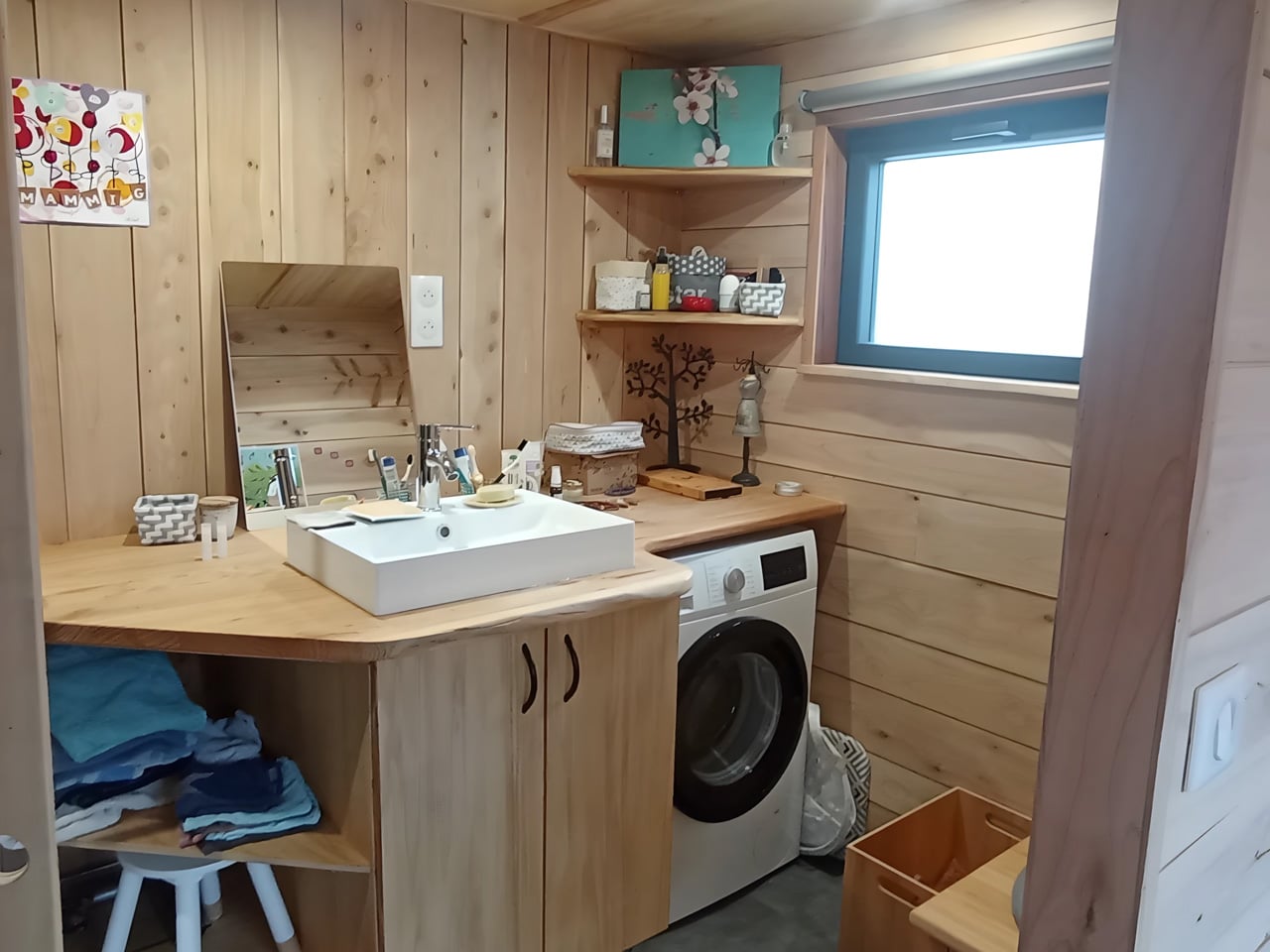
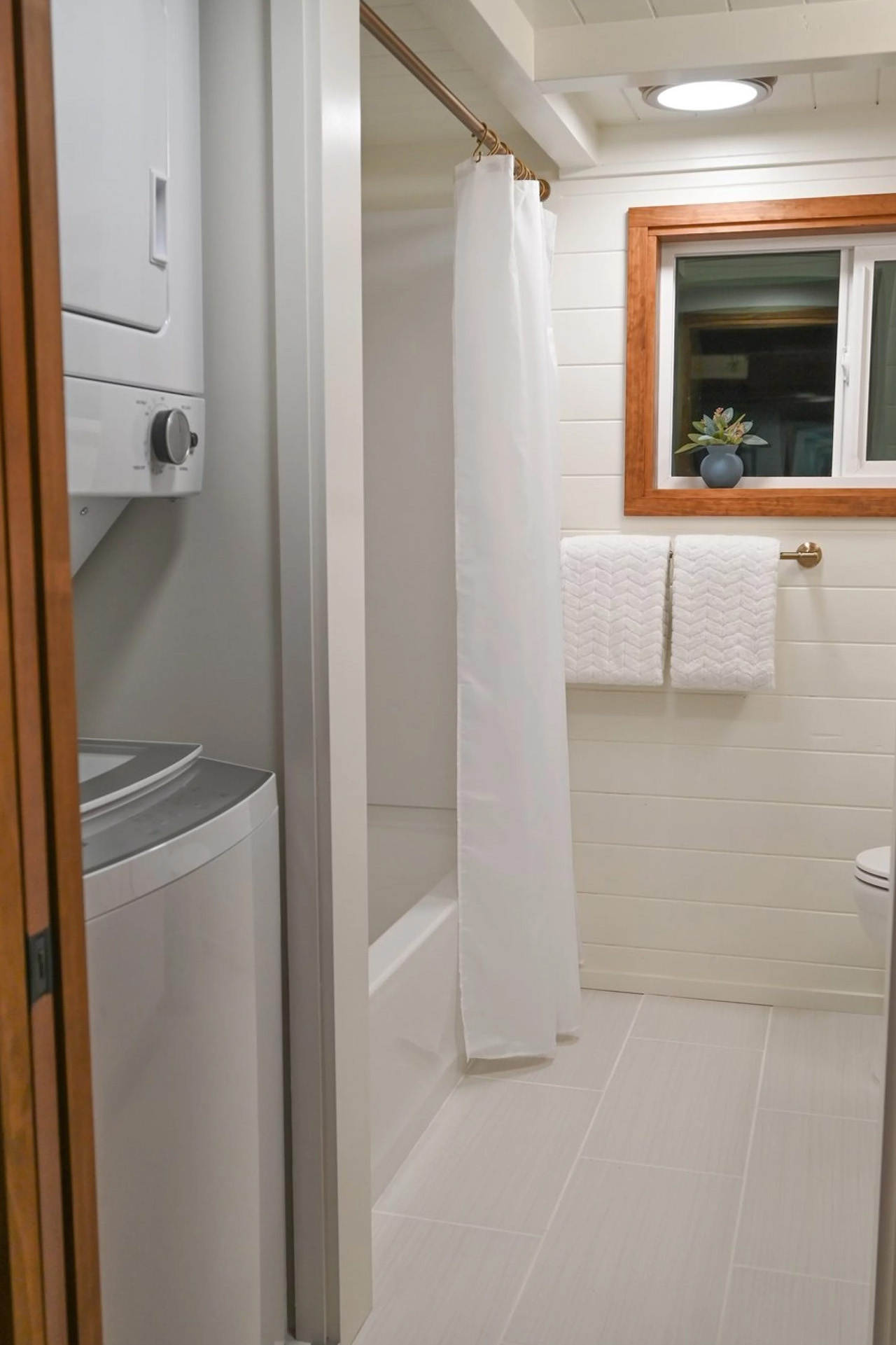
Practical amenities make daily life comfortable. A full bathroom includes a shower, sink, and composting toilet, while a washer/dryer combo machine handles laundry needs without requiring trips to a laundromat. The kitchen comes fully equipped for meal preparation, centered around a dining area that serves as the home’s social hub. A 50-liter electric water heater provides hot water throughout, and a wood-burning fireplace adds both ambiance and heating during colder months. The XXL sits on a rugged agricultural chassis built to handle the weight and stress of the larger structure, ensuring stability for decades of stationary living.

For families weighing the move to smaller living, the Tiny XXL offers proof that downsizing doesn’t require sacrificing comfort or personal space. It’s a home that takes the tiny house concept seriously while refusing to ignore the practical realities of raising kids in close quarters. The result is something that feels more like a real home than a temporary experiment in minimalism, built with old-world craftsmanship for modern sustainable living.

The post This French Tiny House Finally Makes Downsizing Realistic for Families first appeared on Yanko Design.

This Ingenious 30-Foot Tiny Home That Redefines Family Living In Compact Spaces

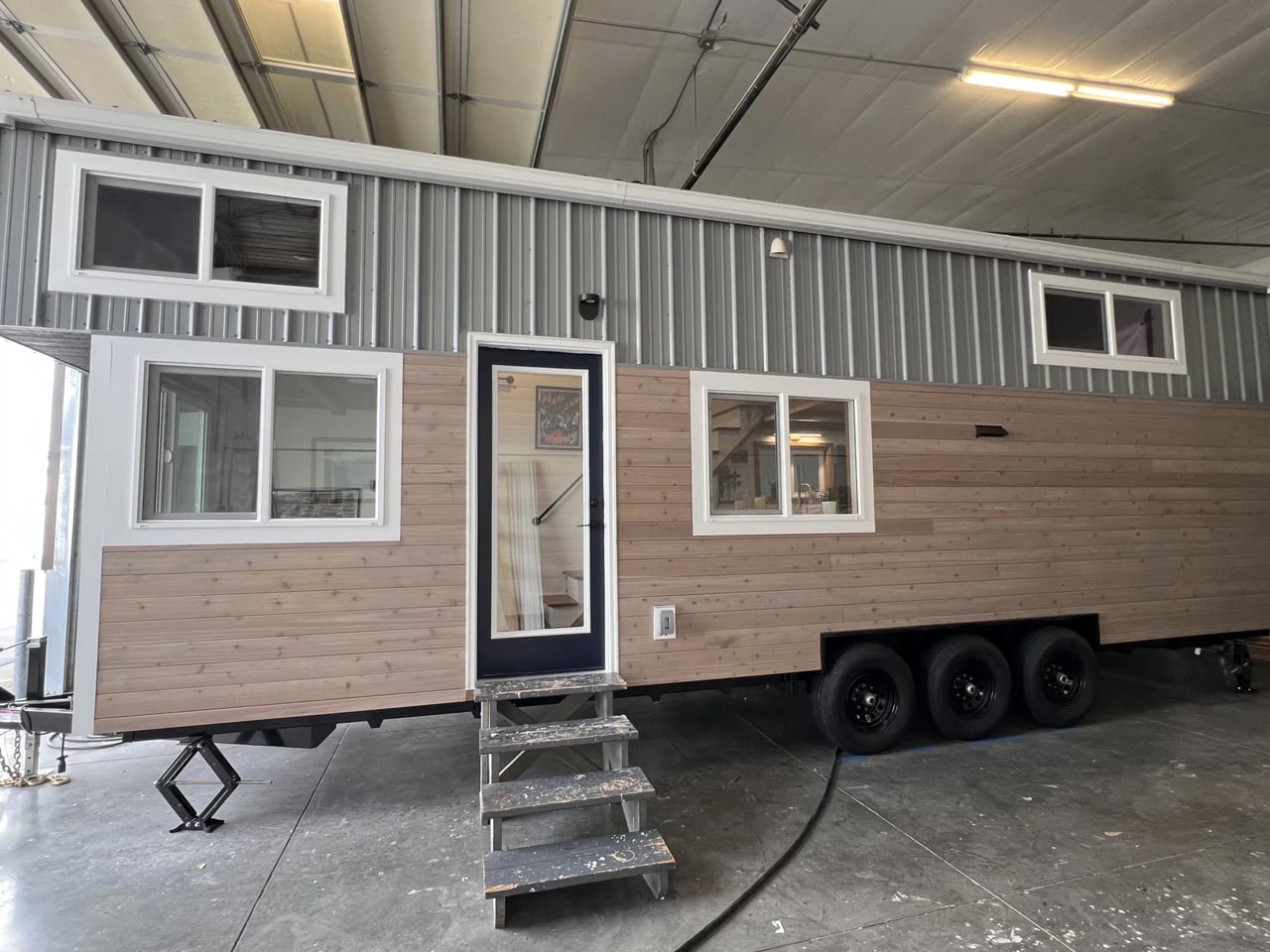
Big Freedom Tiny Homes has built a reputation for redefining what’s achievable within the compact and creative world of tiny living. Their newest model, recently completed and still unnamed, stands as a testament to the power of smart design. Measuring just 30 feet (9.14 meters) long, this tiny house manages to feel surprisingly spacious while remaining easy to tow. Built on a robust triple-axle trailer, the home is compact by North American standards yet far more generous than many European counterparts. This makes it a great fit for a small family looking for mobility and comfort without sacrificing style or functionality.

The exterior of the new tiny house is both attractive and durable. It’s finished in richly stained cedar siding, which gives a warm, rustic appearance, and is complemented by modern metal accents. The roof, also made of metal, adds to the home’s resilience against the elements while contributing to its clean, contemporary look. This careful blend of materials ensures the home is not only eye-catching but also built to last—whether parked in a forest clearing, by a lake, or in a suburban setting.

Designer: Big Freedom Tiny Homes

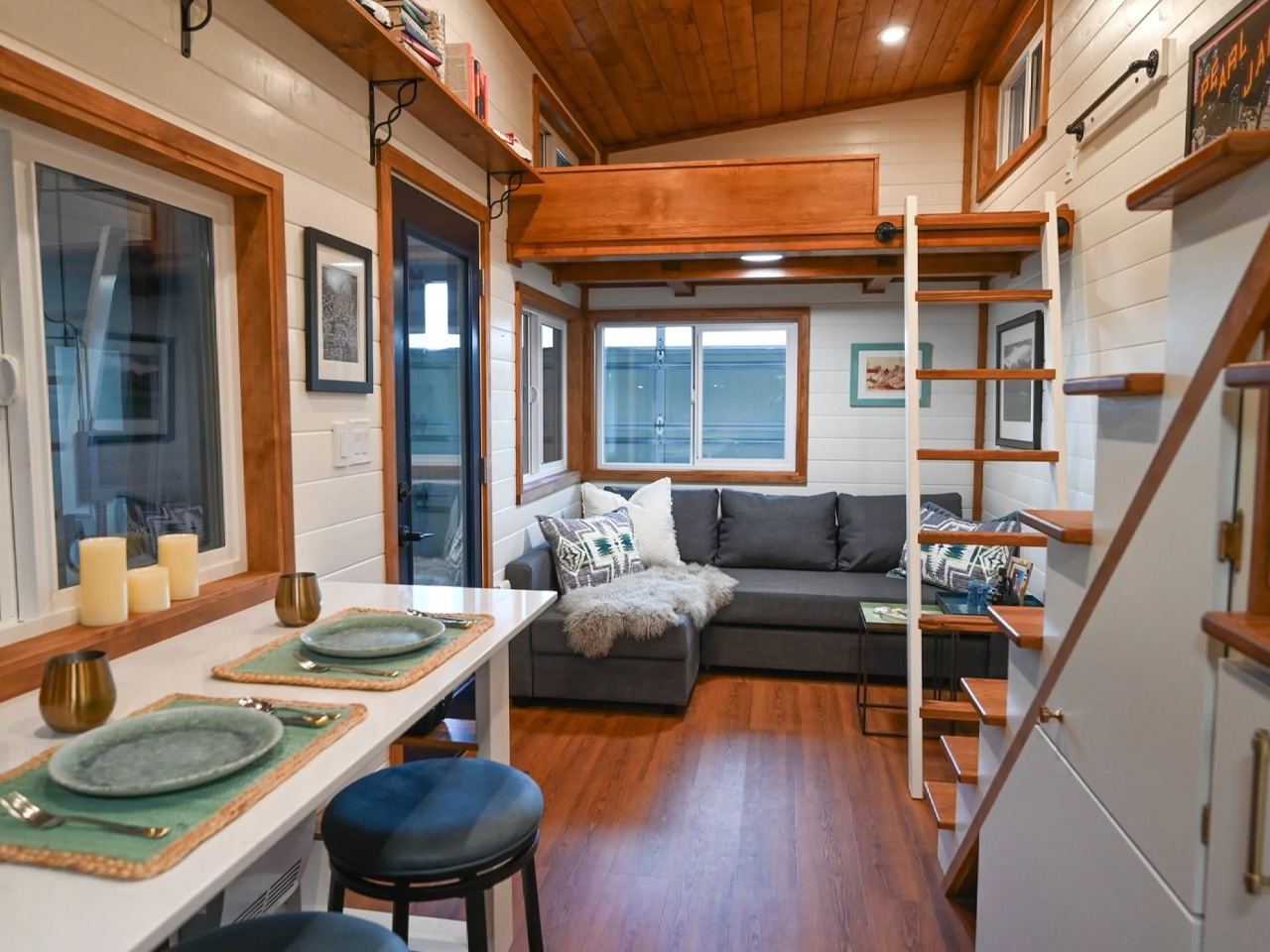
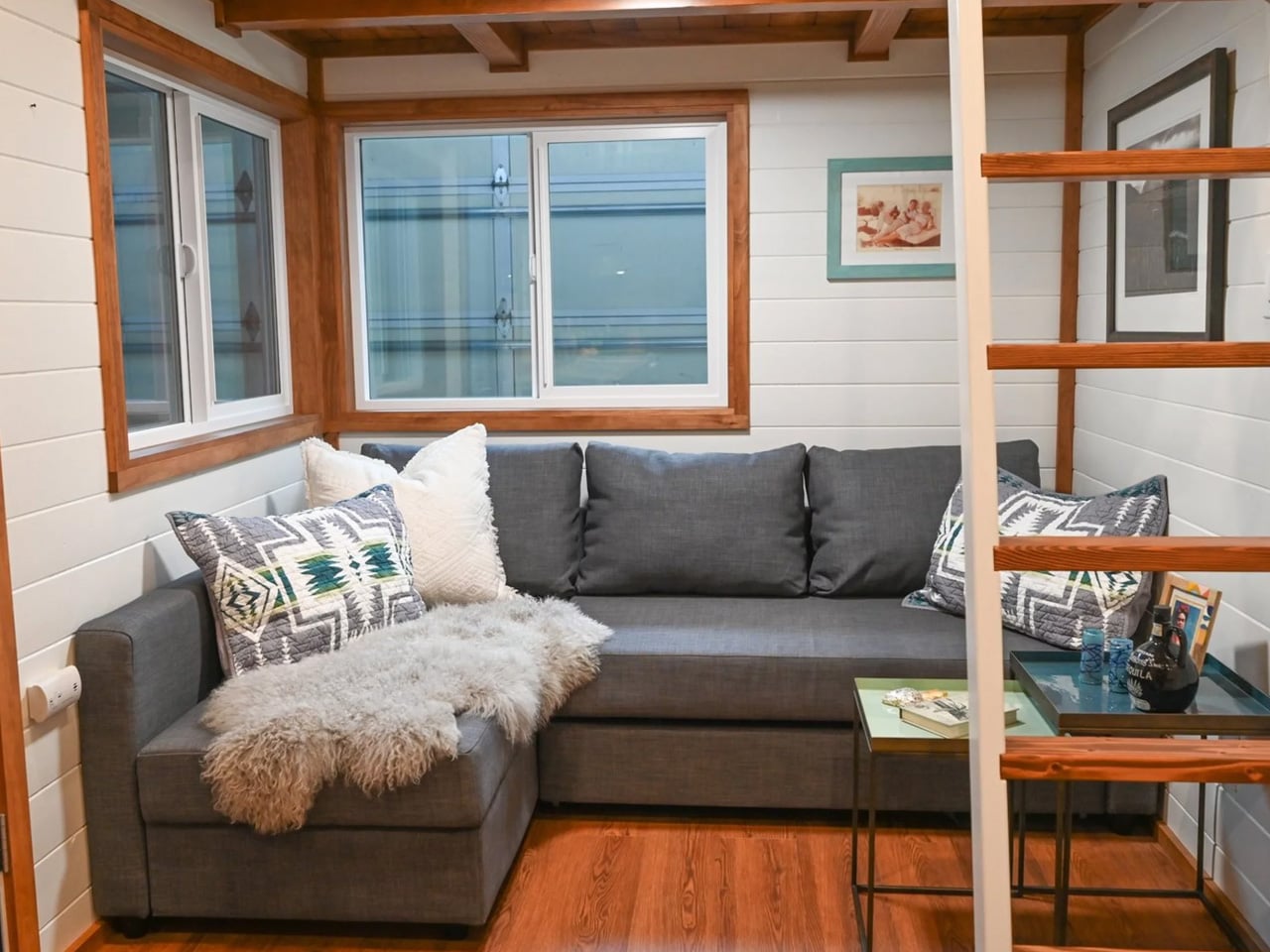
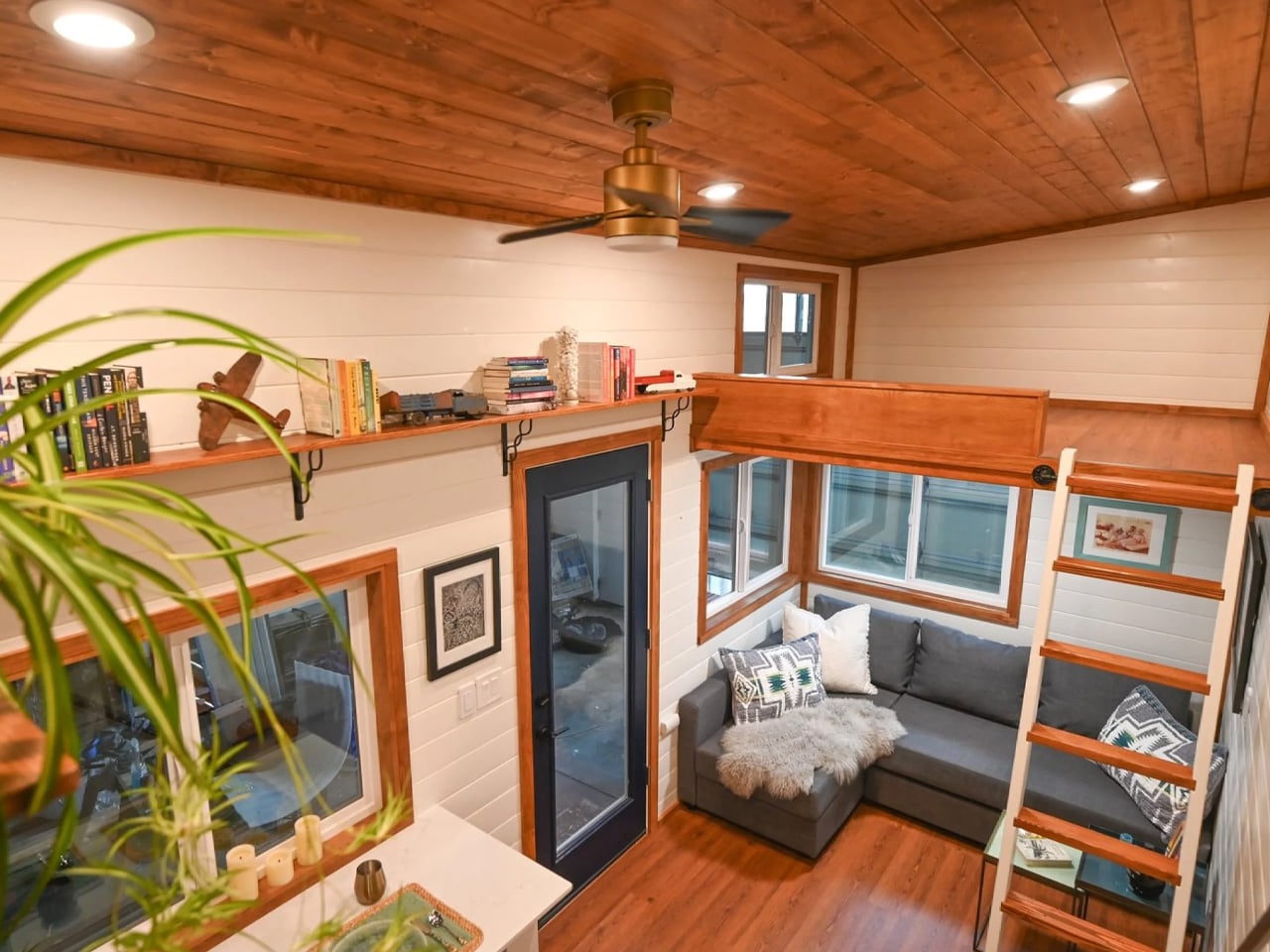
Entering through the glazed doorway, visitors step directly into the living room—a bright and welcoming space. Here, a large L-shaped sofa bed invites relaxation, providing enough seating for family movie nights or a comfortable spot for guests to sleep. A well-placed coffee table completes the setup, offering both functionality and style. The clever use of glazing and an open floor plan ensures the living area feels airy and inviting, rather than closed in, which is often a challenge with smaller homes.

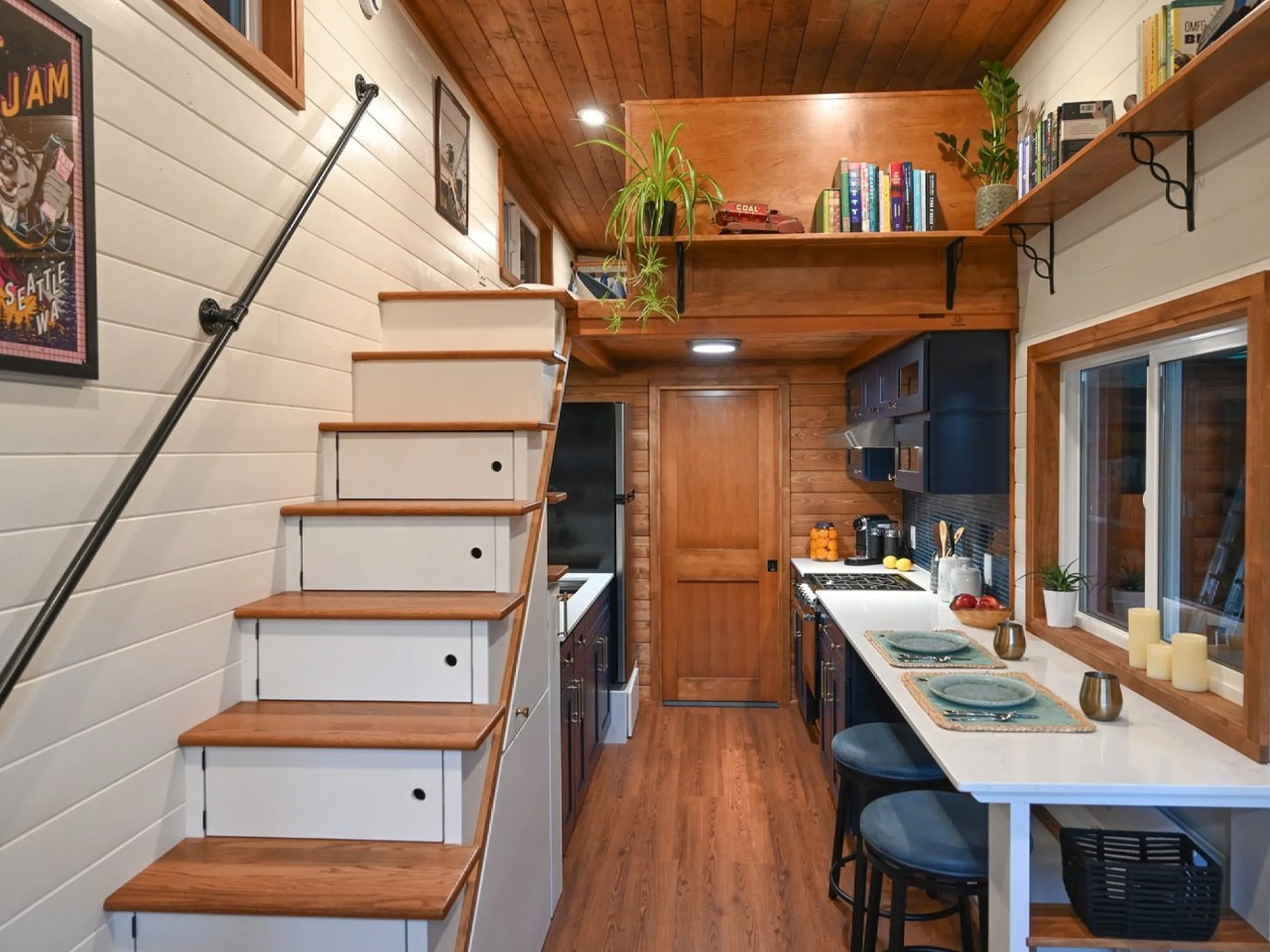
At the heart of the home, the kitchen stands out for its practical design and surprising spaciousness. Unlike many tiny homes where the kitchen is squeezed into a corner, this one boasts full-sized amenities: a four-burner propane-powered stove, a proper oven, a fridge/freezer, and a sleek sink. Quartz countertops and extensive cabinetry provide ample storage and workspace, while a two-person breakfast bar serves as a convenient dining area or a flexible workspace. While the space isn’t intended for large dinner parties, it’s certainly equipped for everyday family meals and the occasional gathering of close friends.

The bathroom is thoughtfully located at the far end of the house, away from the main living area to maximize privacy. It’s equipped with a shower, a modern sink, and a flush toilet, ensuring all the comforts of a conventional home are present. Nearby, a stacked washer and dryer make laundry easy, a rare convenience in many tiny homes. This attention to daily living needs shows a commitment to making the home as livable as possible, even within a restricted footprint.

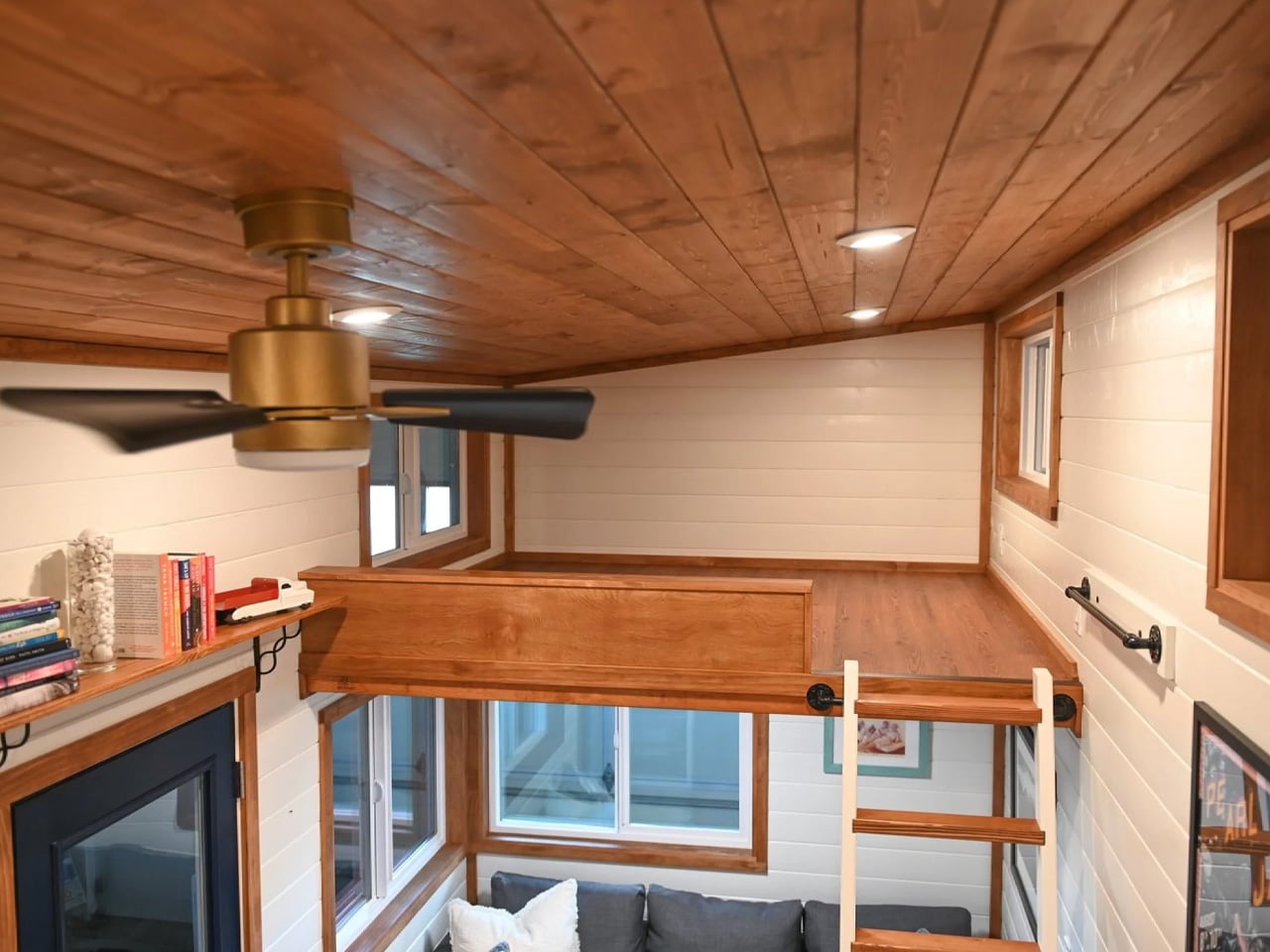
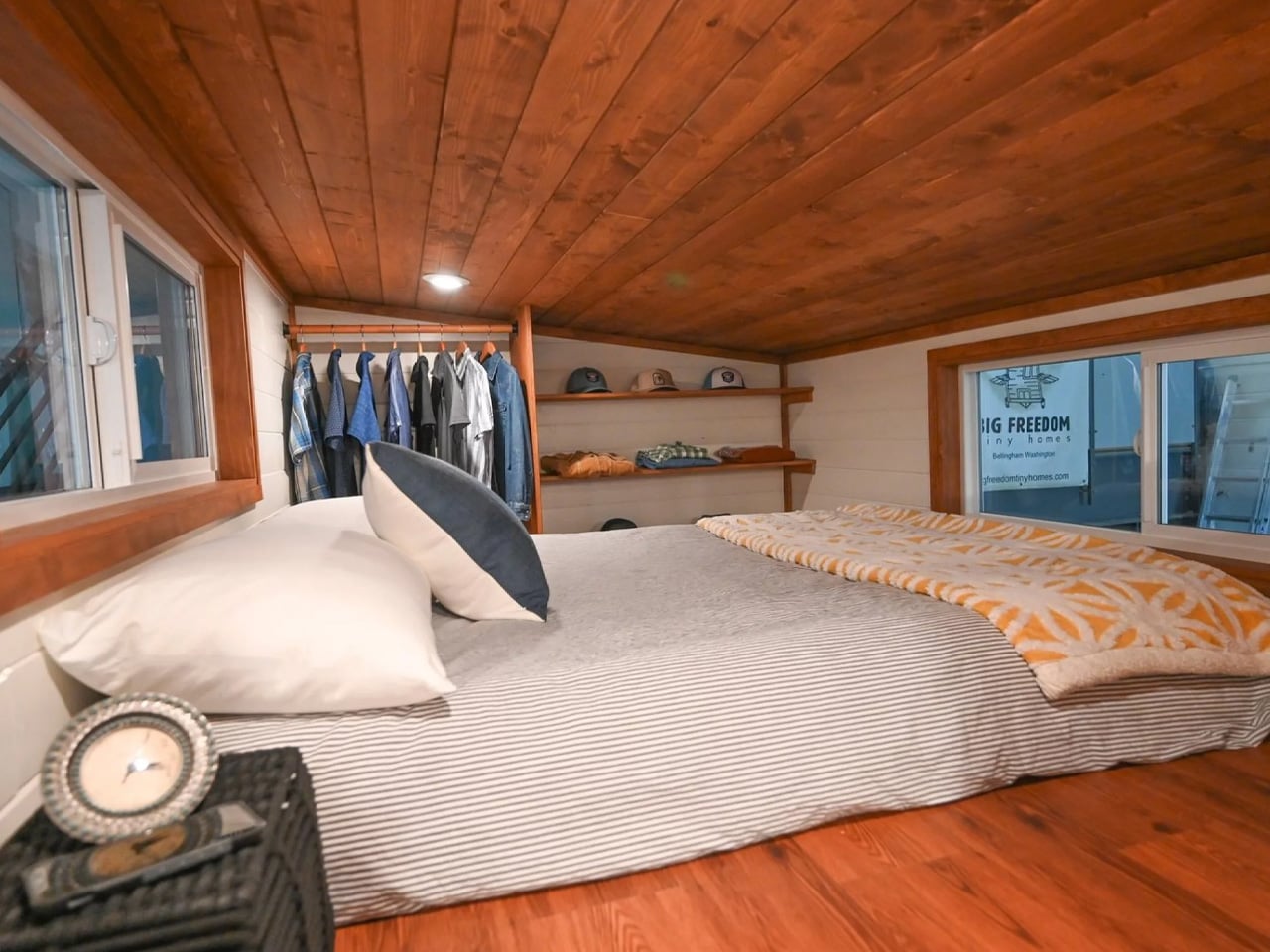
Sleeping arrangements are cleverly designed to make the most of vertical space. The secondary bedroom is a loft above the living room, accessed by a removable ladder, and is best suited for children or as extra storage. The master bedroom, larger and accessed by a staircase with built-in storage, sits above the bathroom. Both spaces have low ceilings typical of lofts, but the areas are efficiently organized. The master loft fits a double bed and offers additional storage, creating a cozy and private retreat. While the price of this specific model isn’t available, similar models from Big Freedom Tiny Homes start at $109,000. Based in Bellingham, Washington, the company continues to deliver innovative, comfortable, and stylish solutions for those seeking a smaller, more flexible lifestyle.

The post This Ingenious 30-Foot Tiny Home That Redefines Family Living In Compact Spaces first appeared on Yanko Design.

7 Best Home Upgrades For Millennials Who Finally Have Disposable Income

Millennials have reached their financial stride, and their homes are becoming canvases for expressing refined taste and technological sophistication. Gone are the days of hand-me-down furniture and makeshift solutions. Today’s design-conscious millennials seek products that blend cutting-edge functionality with museum-worthy aesthetics. These seven exceptional home upgrades represent the perfect intersection of form, function, and thoughtful innovation, transforming living spaces into personal sanctuaries.

The modern millennial home isn’t just about having nice things—it’s about curating experiences. Each piece serves multiple purposes: as an aesthetic statement, a conversation starter, and a genuine life enhancement. These products understand that luxury isn’t about excess but about precision, sustainability, and the kind of thoughtful design that makes everyday rituals feel extraordinary while addressing the unique challenges of contemporary living.

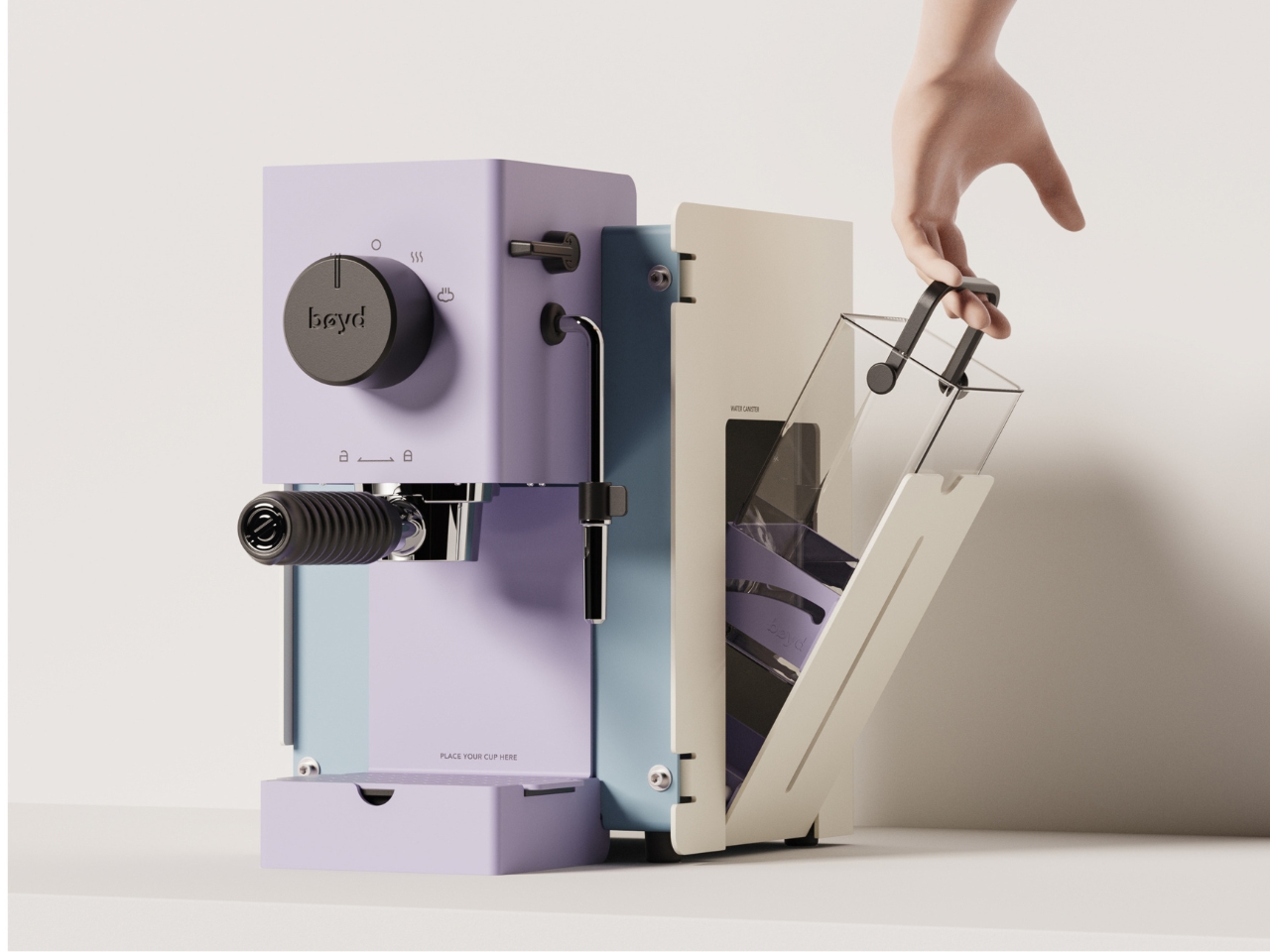
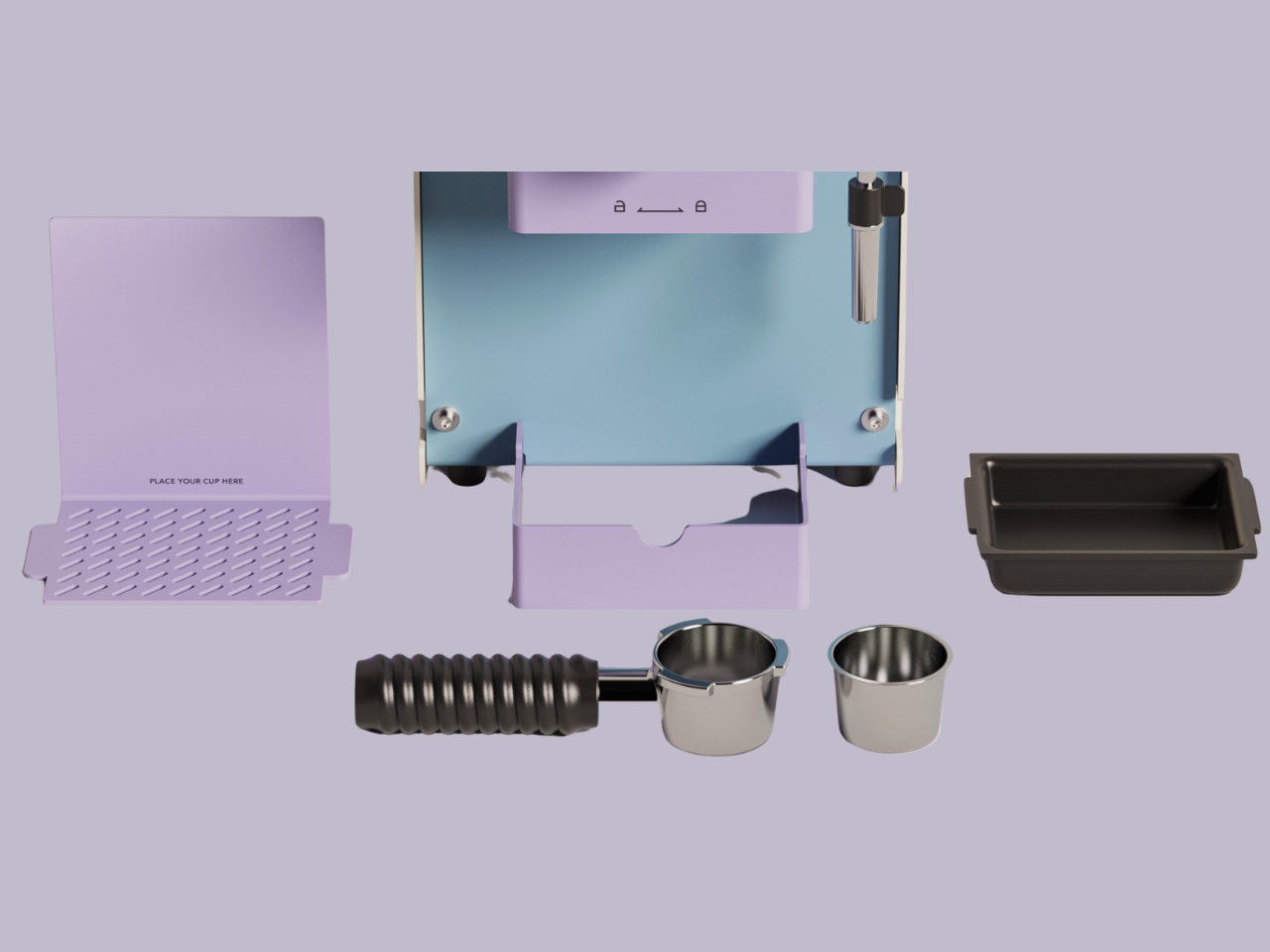
1. BØYD Espresso Machine

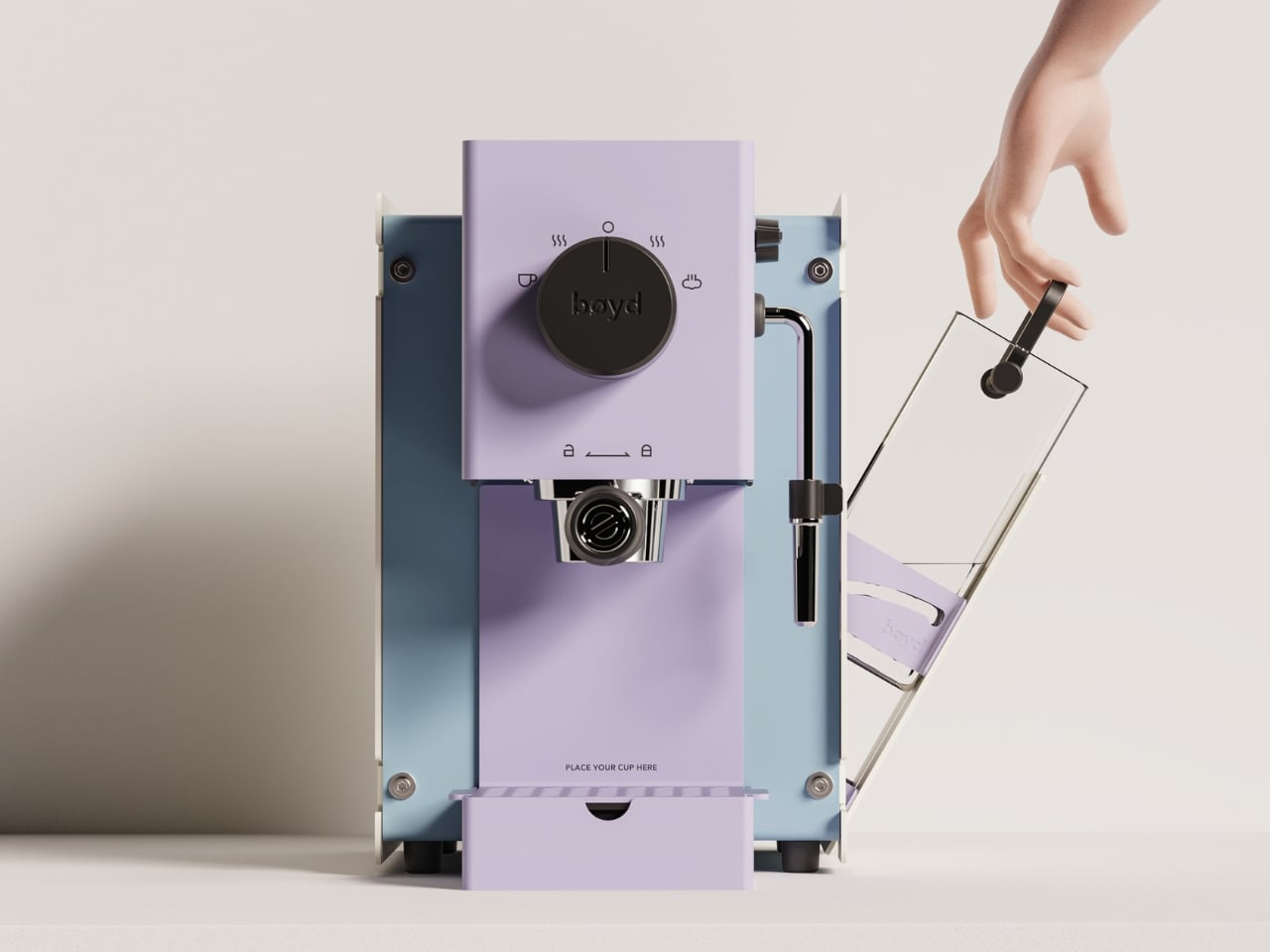
The BØYD espresso machine concept from NYZE Studio represents everything millennials crave in kitchen appliances: architectural beauty meets coffee perfection. This isn’t just another espresso maker hiding in the corner of your counter. With its bold geometric lines and sculptural presence, the BØYD commands attention while delivering the kind of café-quality coffee that transforms your morning routine into a mindful ritual. The minimalist aesthetic strips away visual noise, creating a centerpiece that enhances rather than clutters your carefully curated kitchen space.

Functionality drives every design decision, from the perfectly arched handle that fits naturally in your grip to the intuitive interface that eliminates morning fumbling. The BØYD understands that great design isn’t about showing off complexity but about making the complex feel effortless. Your guests will admire its museum-piece appearance, but you’ll appreciate how it simplifies the art of espresso making. This machine doesn’t just brew coffee; it elevates the entire experience of starting your day with intention and style.

What we like

  • Museum-quality design transforms the kitchen counter into a gallery space.
  • Intuitive interface eliminates complexity from morning coffee routine.

What we dislike

  • Concept status means availability remains uncertain for immediate purchase.
  • Minimalist design may lack traditional espresso machine features that some users expect.

2. Harmony Flame Lamp


The Harmony Flame Lamp brings the primal appeal of fire into your home with sophisticated safety and sustainability. Crafted using the same meticulous techniques employed by musical instrument makers, this brass beauty burns clean bioethanol fuel that produces no smoke, odor, or harmful emissions. The dancing flames create an ever-changing light show across the lamp’s reflective brass surface, casting warm shadows that transform any room into an intimate retreat. Whether positioned on your dining table during dinner parties or gracing your patio for evening conversations, it delivers authentic fire without installation headaches.

This handcrafted masterpiece represents the kind of artisanal quality that mass production cannot replicate. Each lamp bears the subtle variations that mark true craftsmanship, making your piece genuinely unique. The bioethanol fuel system means instant ambiance without dealing with gas lines, electrical connections, or ventilation requirements. Simply fill, light, and enjoy the mesmerizing flames that have captivated humans for millennia. The Harmony Flame Lamp proves that sustainable design doesn’t mean sacrificing the visceral pleasure of real fire.

Click Here to Buy Now: $239.00

What we like

  • Handcrafted brass construction ensures each piece is unique and durable.
  • No installation required allows flexible placement throughout the home and outdoor spaces.

What we dislike

  • Bioethanol fuel creates ongoing operational costs compared to electric alternatives.
  • Open flame requires careful attention and may not suit homes with small children or pets.

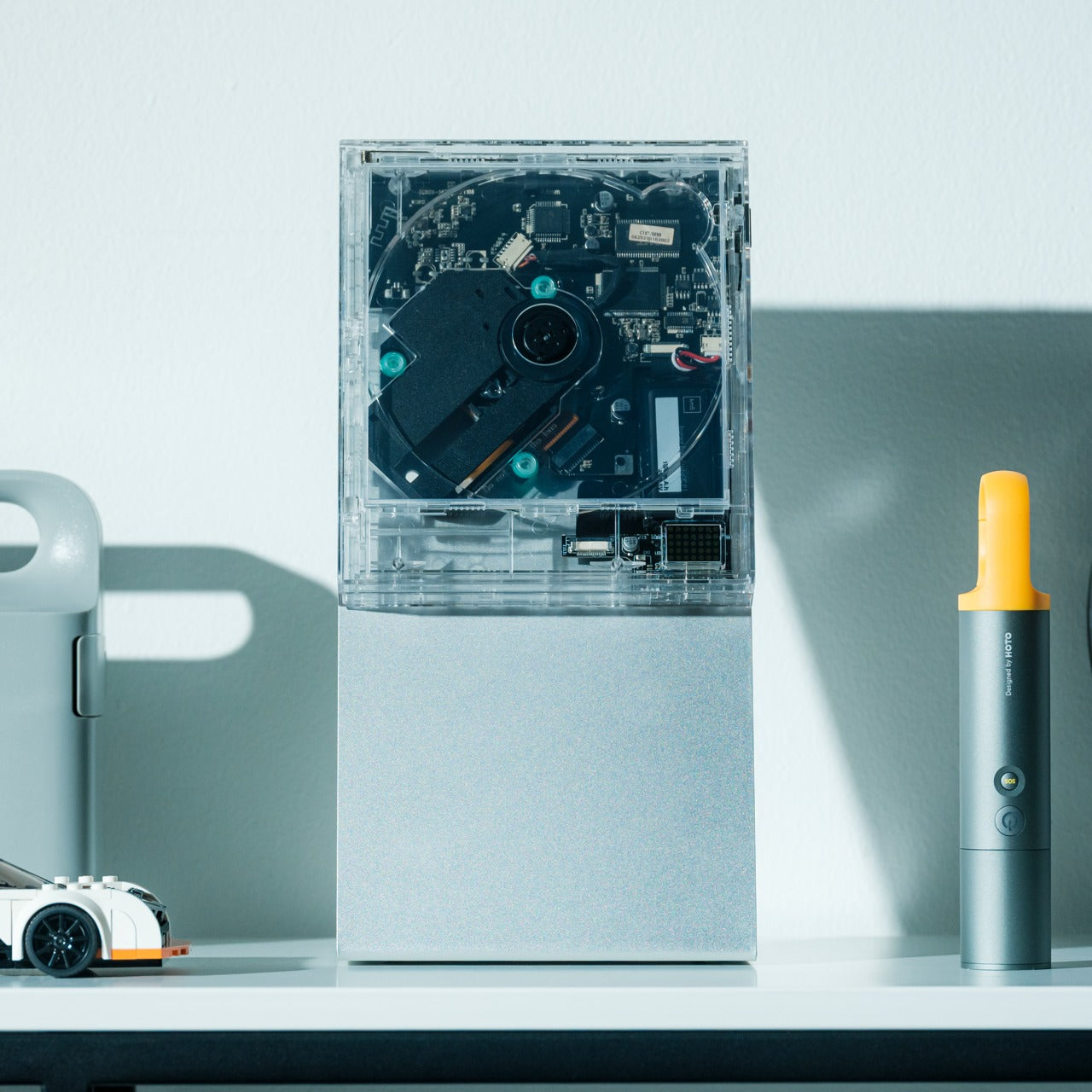
3. ClearFrame CD Player

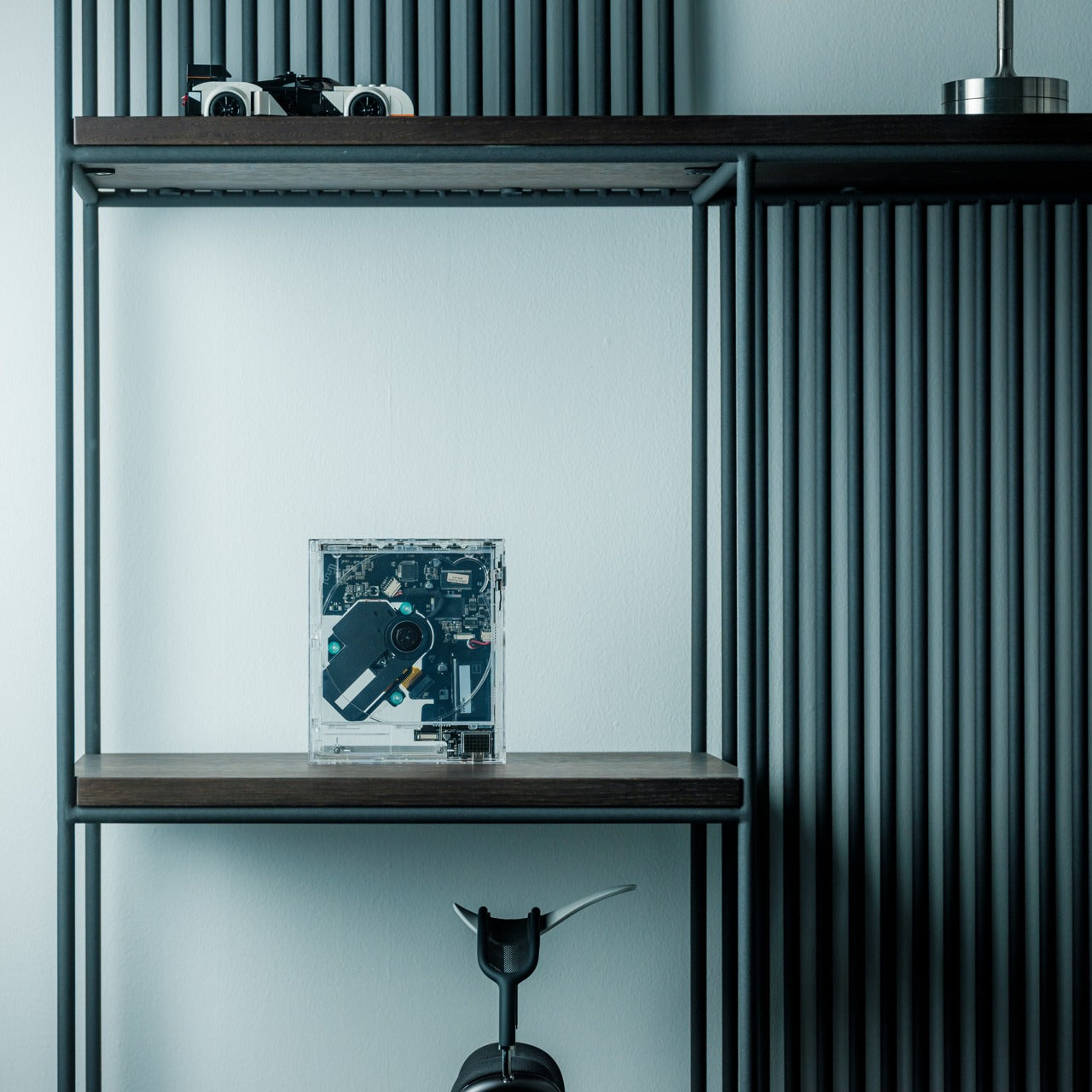
The ClearFrame CD Player resurrects physical music media with the reverence it deserves. Housed in crystal-clear polycarbonate, this transparent design transforms album covers into miniature art exhibitions while exposing the elegant circuitry within. The square silhouette frames each CD like a gallery piece, celebrating both the music and the visual artistry that makes physical albums irreplaceable. With Bluetooth 5.1 connectivity and a seven-hour rechargeable battery, it adapts to modern listening habits while honoring the ritual of choosing, handling, and experiencing complete albums as artists intended them.

This player understands that music consumption has become too disposable, too disconnected from the artistic vision behind each release. By making the CD and its cover art visible elements of the listening experience, the ClearFrame encourages deeper engagement with music. The exposed black circuitry turns technology into art, creating visual interest even when silent.

Click Here to Buy Now: $199.00

What we like

  • Transparent design displays album artwork while playing, enhancing the visual music experience.
  • Multiple mounting options allow flexible integration into any room’s aesthetic.

What we dislike

  • CD-only playback limits compatibility with other physical formats like vinyl.
  • Battery life requires regular charging for extended listening sessions.

4. Dyson V8 Cyclone Cordless Vacuum

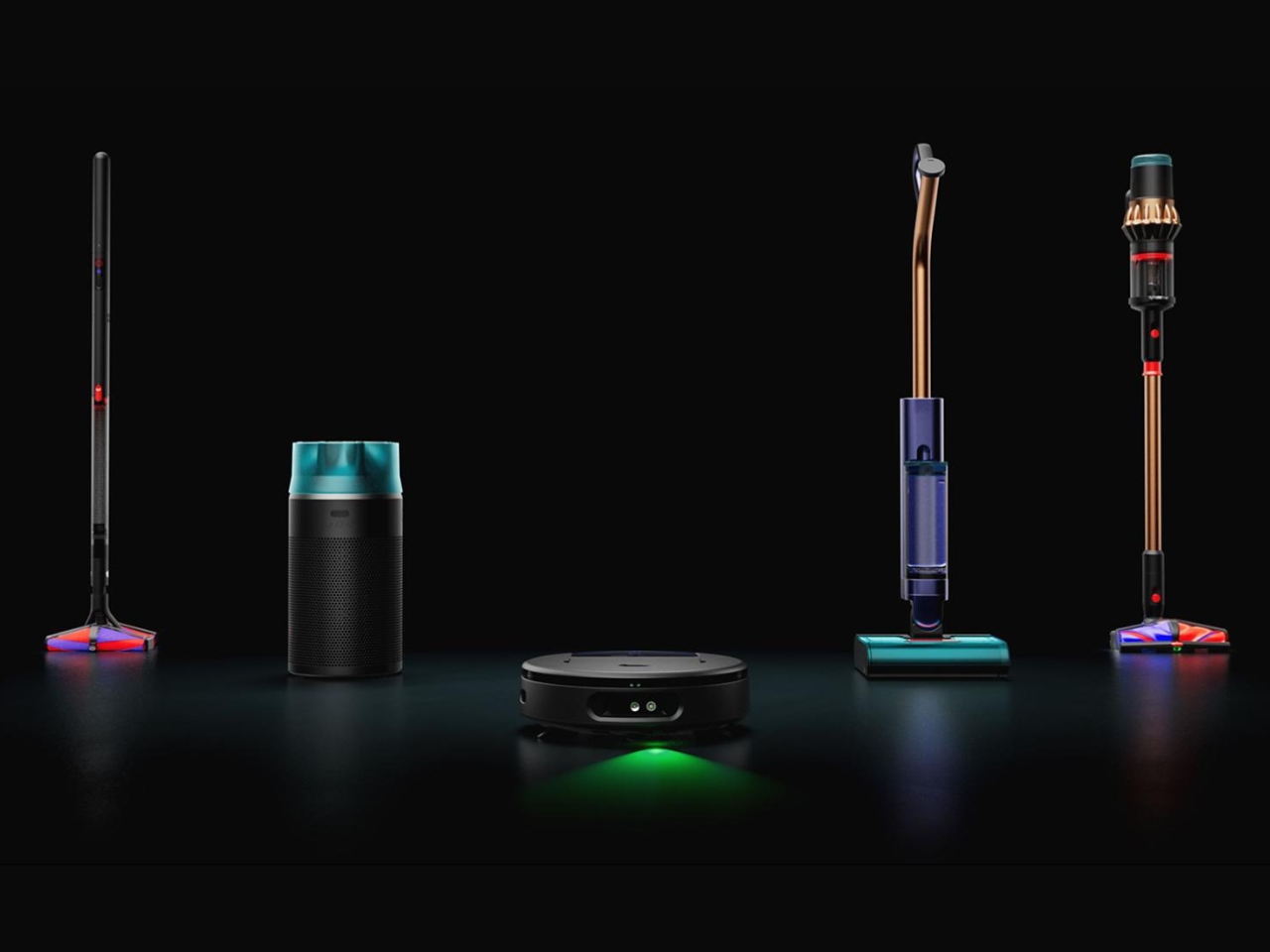
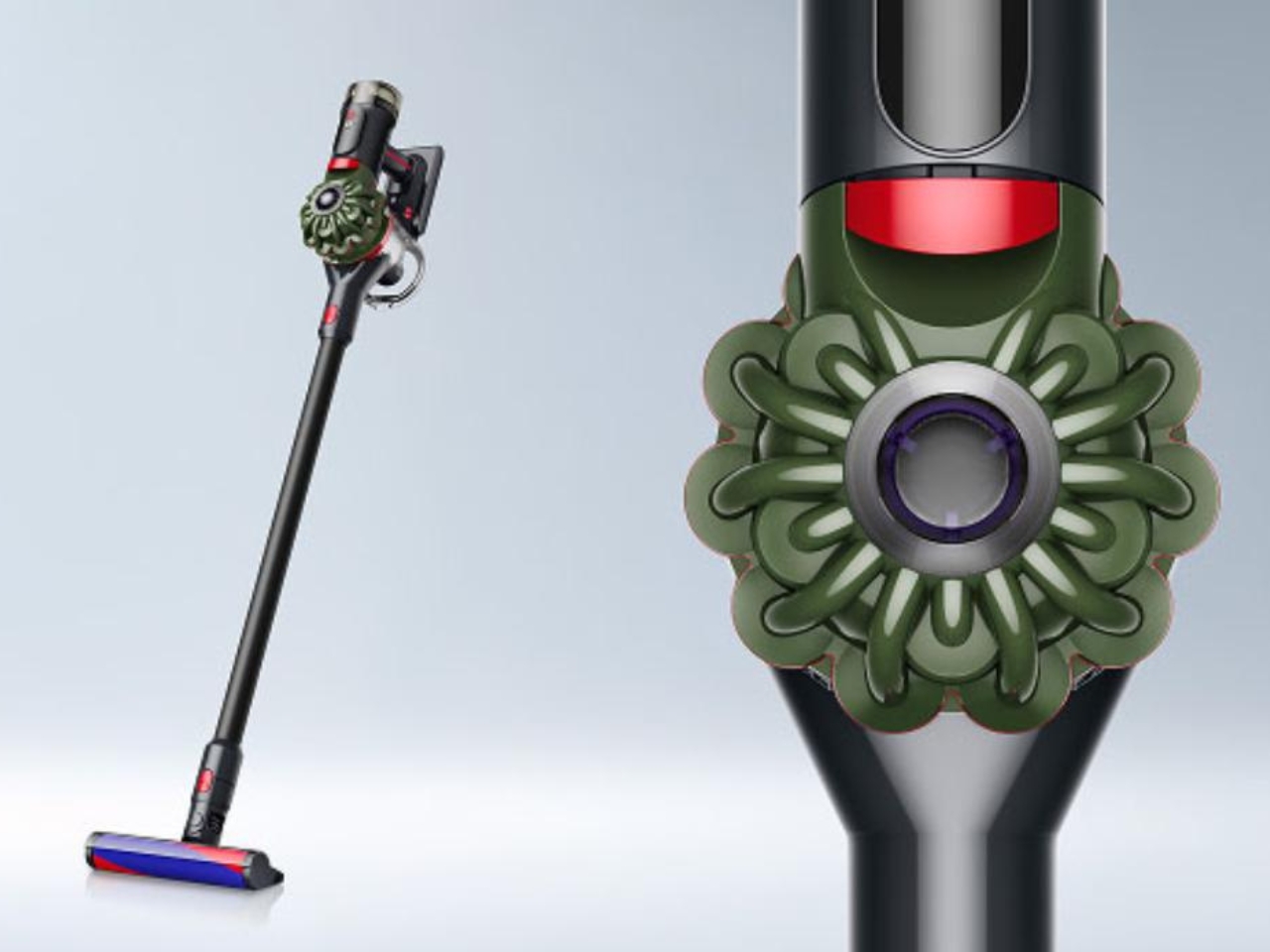
Dyson’s upgraded V8 Cyclone represents the evolution of cleaning technology that actually makes maintenance enjoyable. With thirty percent more suction power than its predecessor and up to sixty minutes of runtime, this cordless powerhouse eliminates the frustration of dragging heavy machines between rooms or hunting for outlets. The new trigger-free operation means no more hand fatigue during extended cleaning sessions, while compatibility with existing attachments protects your investment in the Dyson ecosystem. The upcoming self-emptying dock will further reduce hands-on maintenance, making this the ultimate set-and-forget cleaning solution.

Dyson’s cyclone technology maintains consistent suction throughout the battery life, ensuring the last room gets the same attention as the first. For millennials balancing demanding careers with home pride, the V8 Cyclone delivers professional-level cleaning without professional-level time investment.

What we like

  • Extended battery life and increased suction power cover larger areas more effectively.
  • Trigger-free operation eliminates hand fatigue during extended cleaning sessions.

What we dislike

  • Premium pricing positions it above many cordless vacuum alternatives.
  • Self-emptying dock availability timeline remains unclear for immediate purchase.

5. Invisible Shoehorn

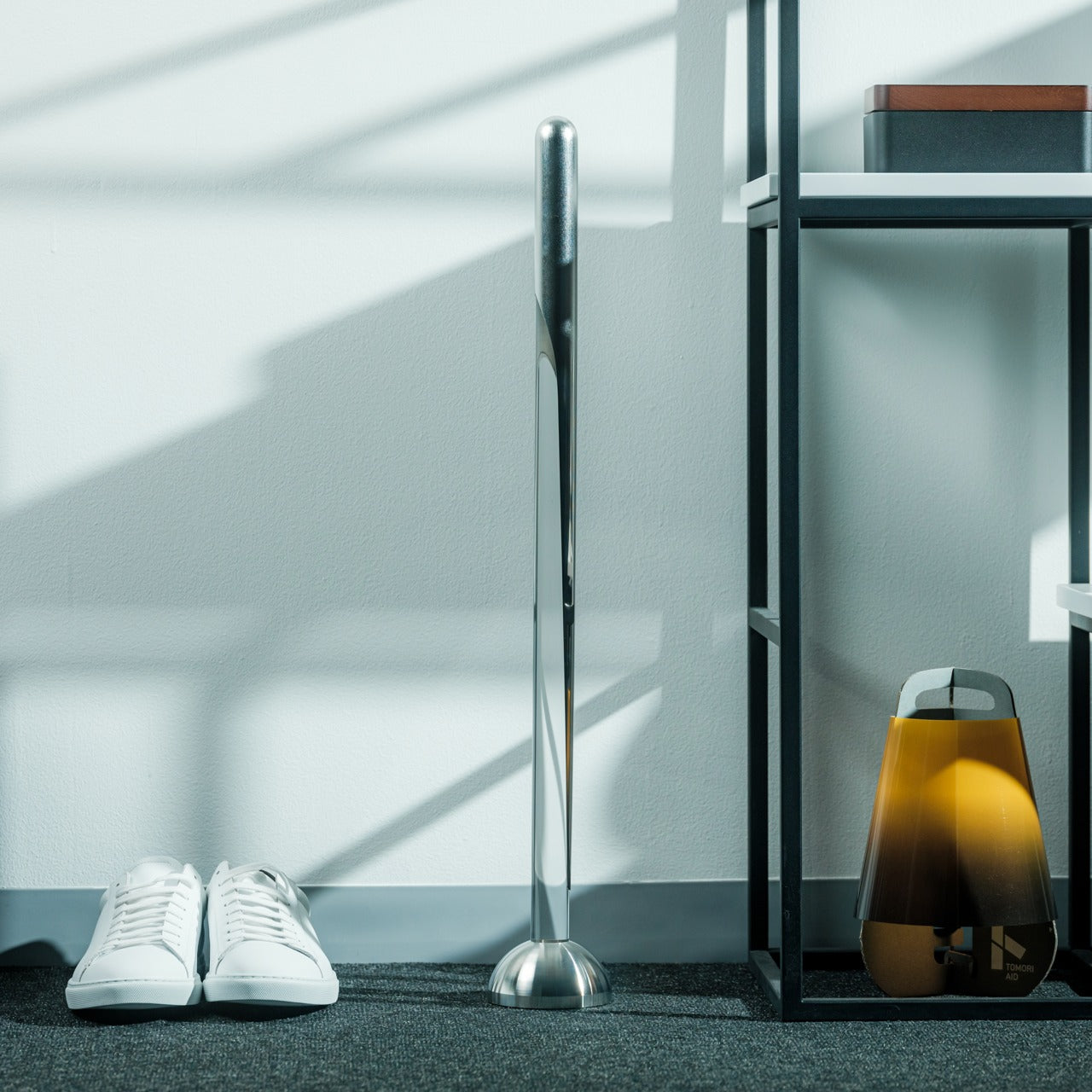
The Invisible Shoehorn proves that even the most mundane objects deserve thoughtful design consideration. This stainless steel tool addresses the daily struggle of putting on shoes without bending over, protecting both your back and your socks from tears and snags. When placed in its transparent acrylic stand, the shoehorn virtually disappears, becoming an intriguing sculptural element rather than utilitarian clutter. The long handle eliminates lower back strain while the polished surface glides smoothly against delicate fabrics, making shoe-wearing effortless and elegant.

This design speaks to millennials who appreciate when everyday objects receive the same attention as statement pieces. The transparent stand creates visual magic, making the shoehorn seem to float in space while remaining easily accessible. The stainless steel construction ensures durability that outlasts cheaper alternatives, while the smooth finish prevents the sock damage that makes rushed mornings even more stressful. By hiding in plain sight, the Invisible Shoehorn maintains your carefully curated aesthetic while solving a genuine daily frustration with sophisticated engineering.

Click Here to Buy Now: $299.00

What we like

  • Transparent stand creates a floating illusion that enhances rather than clutters decor.
  • Ergonomic length eliminates back strain and makes shoe-wearing effortless for all ages.

What we dislike

  • Stainless steel material may feel cold during the winter months without warming.
  • Transparent design requires regular cleaning to maintain an invisible aesthetic appeal.

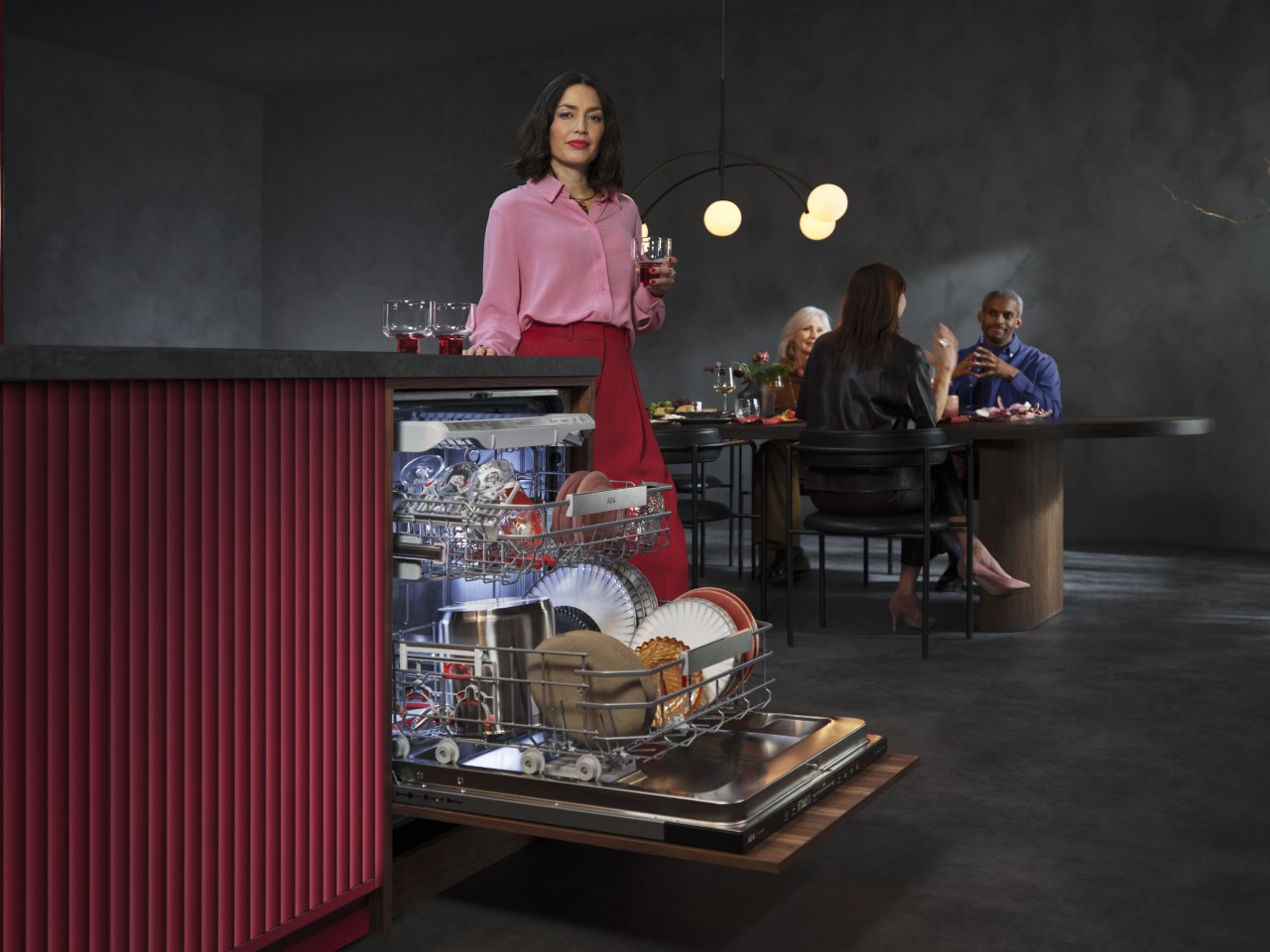
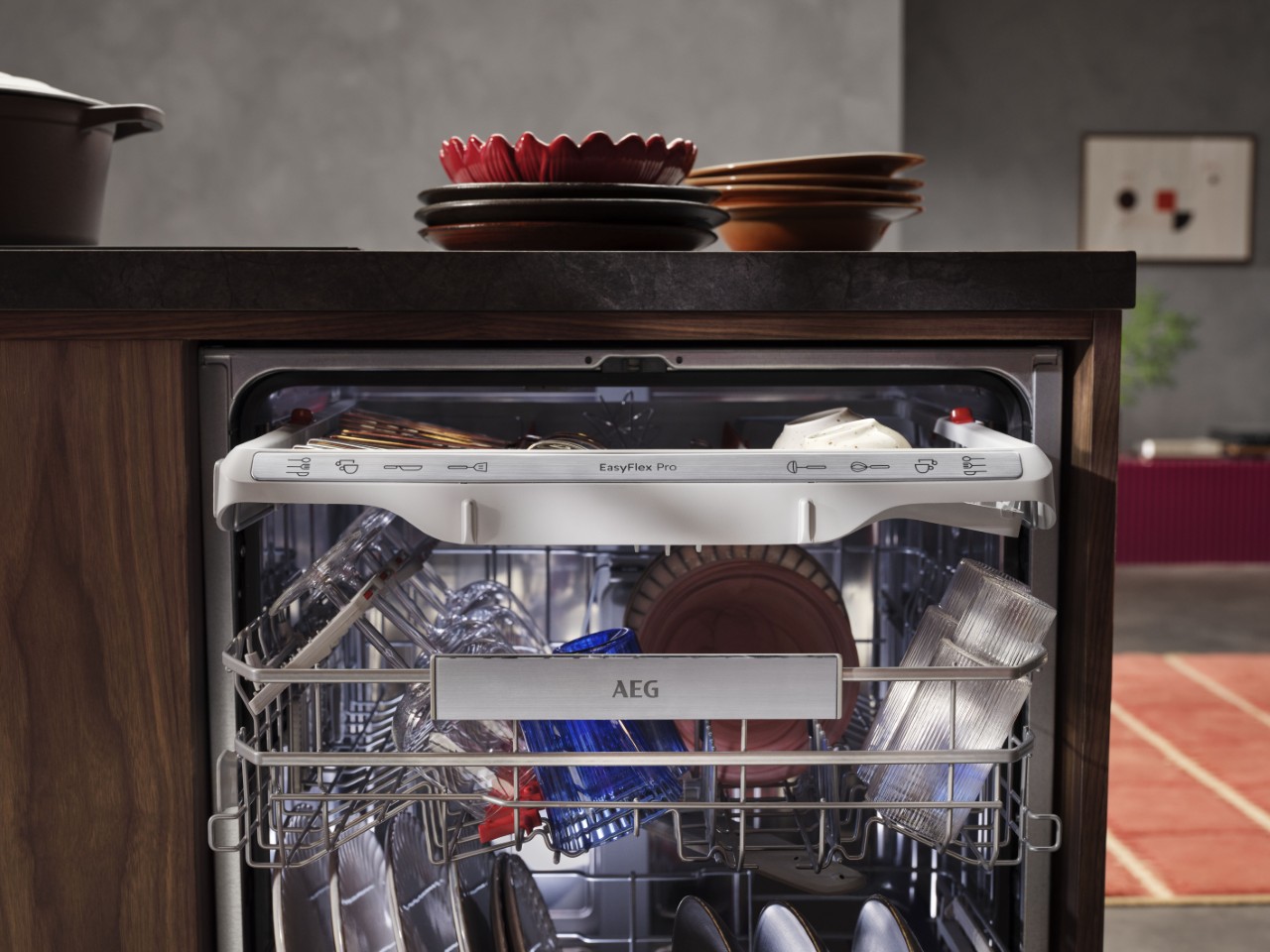
6. AEG FAVORIT Dishwasher

The AEG FAVORIT 9000 series redefines kitchen appliances by operating at whisper-quiet 35 decibels, quieter than most ambient household noise. This SuperSilent technology means running cycles during dinner parties, movie nights, or early morning routines without disrupting conversations or entertainment. The AquaSave system achieves ten percent better energy efficiency than EU A-class ratings while using as little as 8.4 liters per cycle. Smart spray arm activation distributes water only where needed, maximizing cleaning power while minimizing resource consumption, perfect for environmentally conscious millennials.

Open-plan living demands appliances that integrate seamlessly into social spaces rather than dominating them with mechanical noise. The FAVORIT’s engineered hydraulics and optimized software create an almost meditative washing experience that enhances rather than detracts from home ambiance. The targeted water distribution ensures sparkling results on full loads while the exceptional energy efficiency reduces both environmental impact and utility costs. For millennials hosting frequent gatherings or maintaining busy lifestyles, this dishwasher provides effortless cleanup without social disruption.

What we like

  • Ultra-quiet 35-decibel operation allows running cycles during social gatherings or entertainment.
  • AquaSave technology reduces water usage significantly while maintaining superior cleaning performance.

What we dislike

  • Premium engineering and quiet technology command a higher purchase price than standard models.
  • Advanced features may require a learning curve for optimal efficiency and performance.

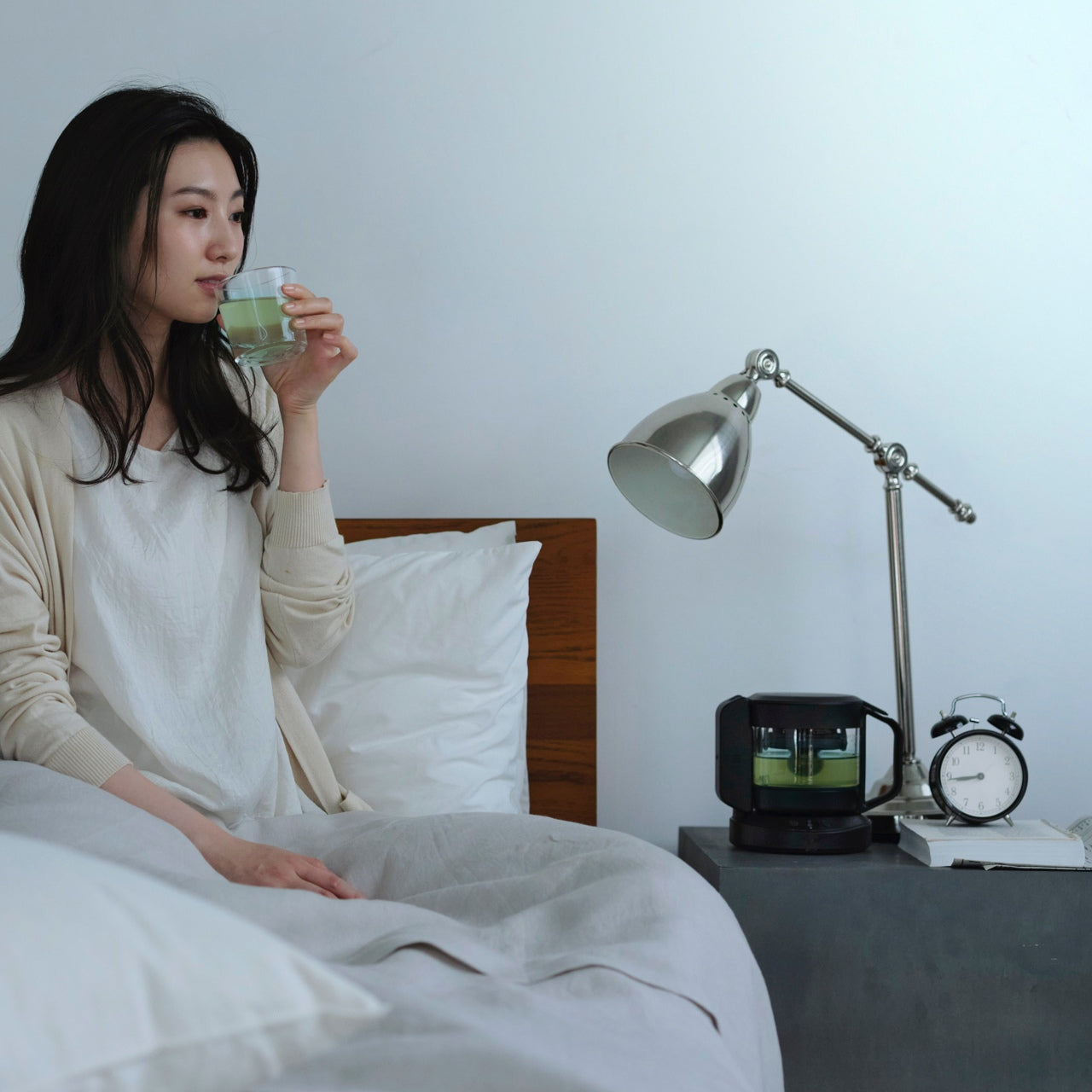
7. Smart Tea Pot

The Smart Tea Pot revolutionizes tea preparation through app-connected precision and biometric personalization. Six advanced sensors analyze your heart rate, finger temperature, and environmental conditions to customize each brew for your current mood and physical state. The comprehensive tea database contains optimal brewing parameters for countless varieties, ensuring authentic flavor profiles whether you’re exploring new blends or perfecting familiar favorites. This technology transforms tea drinking from a routine beverage consumption into a personalized wellness ritual, delivering exactly what your body needs in each moment.

This intelligent brewing system eliminates guesswork while deepening your connection to tea culture and personal well-being. The app interface makes professional-grade tea accessible to beginners while providing customization options that satisfy expert preferences. Environmental sensors adjust brewing parameters for seasonal changes, altitude differences, and humidity variations, ensuring consistent results regardless of external conditions. For wellness-focused millennials seeking mindful moments in hectic schedules, this smart teapot creates perfect brewing experiences that support both physical health and mental clarity through personalized tea therapy.

Click Here to Buy Now: $349.00

What we like

  • Biometric sensors personalize each brew based on current mood and physical state.
  • Comprehensive database ensures optimal brewing for a wide variety of tea types and preferences.

What we dislike

  • Complex sensor technology may require regular calibration and software updates for accuracy.
  • App dependency means brewing capabilities are limited during connectivity or technical issues.

Curating the Perfect Millennial Home

These seven products represent more than home upgrades—they embody a generational shift toward thoughtful consumption and experiential living. Millennials aren’t just buying appliances; they’re curating lifestyles that reflect their values: sustainability, technology integration, aesthetic sophistication, and genuine functionality improvement. Each product addresses the unique challenges of modern living while delivering the kind of design excellence that turns daily routines into meaningful rituals.

The future of home design lies in products that seamlessly blend cutting-edge technology with timeless aesthetic principles. These seven upgrades prove that having disposable income isn’t about buying more—it’s about buying better, choosing pieces that enhance rather than complicate, and creating spaces that truly reflect who you are and how you want to live. For millennials who’ve waited to achieve financial stability, these pieces represent rewards for patience and foundations for decades of enhanced living experiences.

The post 7 Best Home Upgrades For Millennials Who Finally Have Disposable Income first appeared on Yanko Design.

This 26-Foot Tiny Home Fits A Washer, Dishwasher, & 10-Foot Ceilings

The tiny home movement has found its perfect ambassador in Australia with Forest Creek Tinies’ Caladenia, a single-loft design that’s capturing international attention for proving that downsizing doesn’t mean sacrificing style or storage.

Measuring 8 meters by 2.5 meters, the Caladenia strikes an ideal balance between European compact designs and North American spaciousness. This 26-foot home accommodates up to two people while delivering an unexpectedly generous living experience through clever architectural choices.

Designer: Forest Creek Tinies

Design That Defies Expectations

The Caladenia’s standout feature is its dramatic spatial contrast. While one end houses a mezzanine bedroom accessed by storage-integrated stairs, the opposite end soars to an impressive 3.2-meter ceiling height. This creates an expansive lounge and dining area that feels anything but cramped. The kitchen deserves particular praise for its functionality. Recent builds showcase configurations with 2-seater dining nooks, long hardwood benches, and ingenious retractable pantries.

Space provisions for a washing machine and a 450mm dishwasher prove that full-sized living is possible in a compact footprint. Eight strategically positioned double-glazed windows flood the interior with natural light while ensuring proper ventilation. The bathroom, although compact, features a shower, a mirror cabinet, and space for a composting toilet, ensuring comfort without compromise.

Customization Sets It Apart

What distinguishes the Caladenia from competitors is its remarkable adaptability. Recent media coverage highlighted a custom-built build in Central Victoria featuring an unusual multi-level ground floor with a sunken kitchen. This demonstrates how Forest Creek Tinies allows clients to reimagine the base design completely.

The exterior options reflect this flexibility, offering recycled corrugated iron for rustic charm or pre-painted Colorbond steel for contemporary appeal. An optional deck area can extend living space outdoors, as featured in recent New Atlas coverage.

Environmental consciousness runs deep in the Caladenia’s design. The standard build comes off-grid ready with a 16L instant gas water heater. While solar panels aren’t included in the base price, the electrical system is designed to accommodate them seamlessly, featuring a full 240V caravan setup with a safety switchboard and LED lighting throughout.

Starting from $135,000 including GST, the Caladenia represents significant value in the Australian tiny home market. The three-month build time from Castlemaine-based Forest Creek Tinies ensures quality construction without excessive waiting. For those seeking proof that small living needn’t mean small dreams, the Caladenia stands as compelling evidence that thoughtful design can deliver luxury living in any footprint.

The post This 26-Foot Tiny Home Fits A Washer, Dishwasher, & 10-Foot Ceilings first appeared on Yanko Design.

This $78K Tiny House Has Curved Walls & Luxury Most Homes Never Get

Australia’s tiny house movement has found its perfect ambassador in the Harper, a stunning 20-square-meter dwelling that redefines what small-scale living can be. Created by Gold Coast-based Black Clay, this compact home proves that downsizing doesn’t mean downgrading when it comes to style and comfort.

The Harper stretches eight meters long and 2.5 meters wide, built on a robust triple-axle steel trailer designed for full transportability. What immediately strikes visitors is the exterior’s sophisticated blend of curved Decobatten aluminum and Colorbond steel cladding. This combination creates a timber-like aesthetic that demands attention while requiring minimal maintenance.

Designer: Black Clay

Interior Design Excellence

Step inside, and the Harper reveals its true character through carefully selected materials and thoughtful design choices. Architectural birch plywood lines the interior walls, creating warmth against the rich timber oak flooring. The kitchen serves as the home’s centerpiece, occupying 2.5 meters of prime real estate with Caesarstone benchtops and Laminex cabinetry in Porcelain Blush and Coolum Sand finishes that add subtle sophistication.

Living spaces flow naturally throughout the Harper’s interior, with the built-in lounge featuring hidden storage drawers beneath the seating. The bedroom continues the home’s commitment to both comfort and style, incorporating a queen-size bed base with additional storage underneath and subtly curved walls that create an enveloping sanctuary feel. Floor-to-ceiling windows throughout flood the interior with natural light and create seamless connections to the outdoors.

Sustainability and Investment

The bathroom showcases modern design sensibilities with full tiling and a striking concrete basin, while environmental consciousness runs throughout the Harper’s design. Earthwool insulation in walls and ceiling ensures energy efficiency, and full off-grid options cater to those seeking complete energy independence. This sustainability focus aligns with the growing desire for more intentional living that respects environmental boundaries.

Black Clay founders Justin and Rachel have positioned their company around creating “thoughtfully designed tiny homes built for people to enjoy in beautiful environments.” Priced from around US$77,500, the Harper represents a significant investment that delivers luxury finishes and thoughtful design typically associated with much larger homes. The Harper tiny house demonstrates that small-scale living can embody sophistication, comfort, and environmental responsibility, offering a compelling vision of downsized luxury for those ready to embrace intentional living.

The Future of Downsized Living

The Harper’s versatility extends beyond personal use, positioning it perfectly for the growing short-term rental market and luxury retreat sector. Property investors are increasingly recognizing the potential of high-end tiny homes as Airbnb offerings, where guests seek unique accommodations that provide both novelty and comfort.

The Harper’s sophisticated design and premium finishes make it an ideal candidate for such ventures, capable of commanding premium nightly rates while offering guests an immersive experience in minimalist luxury. Its transportable nature also allows owners to relocate their investment to capitalize on seasonal tourism patterns or changing market demands.

The post This $78K Tiny House Has Curved Walls & Luxury Most Homes Never Get first appeared on Yanko Design.

The Construction Zone Transforms A Horse Barn Into A Guest House In Phoenix, Arizona

In the arid heart of Phoenix, Arizona, a once hardworking horse barn has been quietly reborn, a poetic fusion of history and modern design. Reimagined by The Construction Zone, this 750-square-foot guest house is an ode to restraint, light, and material honesty. What was once utilitarian now breathes as a serene desert retreat, proof that thoughtful design can honor the past while creating something entirely new.

Approached through a winding path from the main residence, the guest house emerges as a sculptural volume nestled within the landscape. The journey itself is part of the experience, a slow reveal that ends in an outdoor gathering space defined by a bocce court, a jacuzzi, and native desert flora. The scene feels effortless, yet deeply intentional: a study in proportion, texture, and place.

Designer: The Construction Zone

The architectural language is quiet but confident. A flat roof stretches outward, forming generous overhangs that temper the desert sun while framing long horizontal lines against the open sky. Beneath it, warm Douglas fir eaves run continuously from exterior to interior, creating a seamless ribbon of wood that guides the eye and softens the transition between architecture and nature. It’s this gesture, simple, fluid, and tactile, that anchors the design.

Inside, restraint becomes luxury. The layout is compact, yet feels expansive thanks to full-height, north-facing glass that floods the space with soft desert light. The open plan connects a pared-down kitchen, living area, bedroom, and bath, each space flowing into the next with a quiet rhythm. The material palette is kept minimal: concrete, timber, steel, and glass. Every surface feels deliberate, every junction crisp.

The kitchen exemplifies functional minimalism, sleek cabinetry, essential appliances, and a slender bar table that serves as both dining spot and workspace. Just beyond, the lounge invites stillness: low seating, framed views, and the golden tones of late afternoon light bouncing off concrete and wood.

In the bedroom, a poured concrete wall doubles as the headboard, introducing a sculptural gravitas that contrasts beautifully with the surrounding warmth of timber. The tonal palette, gray, muted red, and honey wood, evokes the desert’s chromatic subtleties, balancing cool industrial precision with natural intimacy.

The bathroom continues this narrative of quiet refinement. Matte gray tiles, a matching concrete vanity, and precise wood detailing keep the mood grounded yet elevated, minimalist, not sterile.

Outside, the transformation feels almost cinematic. The barnyard’s past life lingers only in memory; its present is one of calm sophistication. The bocce court stretches into the horizon, the jacuzzi glimmers under a desert sky, and a curated garden of cacti and succulents completes the sense of place.

This is not just a renovation, it’s an act of design empathy. The Construction Zone has created a dialogue between heritage and modernity, between shelter and openness. By retaining the barn’s essence and reinterpreting its form through contemporary sensibilities, the architects have crafted a living sculpture, one that celebrates the desert not as backdrop, but as collaborator.

What began as a working horse barn now stands as a refined retreat, an architectural meditation on light, texture, and history. By preserving the structure’s spirit and introducing a language of calm modernity, The Construction Zone has definitely created a guest house, but also a living dialogue between past and present, between the rugged desert and the comforts of modern design.

The post The Construction Zone Transforms A Horse Barn Into A Guest House In Phoenix, Arizona first appeared on Yanko Design.

Axiom RV Vendetta is 47-foot fifth-wheeler that sleeps 12 people in a homely environment

You can be forgiven for not knowing who Axiom RV is. They’re relatively new to the towable RV industry, but their presence is already being felt. Especially with the introduction of the Vendetta, a model designed to set a new standard in fifth wheels and toy haulers through its distinctive design and conceptualization.

The toy hauler market is typically dominated by rugged rigs built for adventurous couples seeking off-the-beaten-path experiences. The Vendetta, however, targets the other end of the spectrum. It’s designed to accommodate larger groups in comfort and style. If you’re a football team planning a camping trip together, this is exactly the kind of experience Axiom RV—founded by three industry veterans—had in mind with their latest offering.

Designer: Axiom RV

What sets the Vendetta apart is not essentially its insignificant clearance from the ground to make it a toy hauler for the days on the unpaved roads, but ideally its mammoth 47-foot real estate that can accommodate up to 12 people without feeling cramped. Based on a triple-axel trailer, the fifth wheeler has a dead weight of roughly 22,000 pounds and is easily the most extravagant camping trailer you can get your eyes on.

This distinction, of course, for most other rigs would start at the exterior or the luxurious interior. For the Vendetta, if I may, it starts at the roof, which has been essentially cleared out of any vents or holes; it’s a clean, new style of roof canvas for the user to explore. The body is made from marine-grade fiberglass with gelcoat, which Axiom proudly highlights, making no use of the unattractive wood or metal. The smooth and interesting finish is also durable. If you have been reading about the trailers and RVs we feature here on the website, you wouldn’t be surprised; most of the new adventure rigs are now employing fiberglass and composite materials in their construction, as Axiom RV boasts.

Once you enter the Vendetta, things really blow up in front of your eyes. The interior is nicely spaced and laid out to feel spacious and capable. And interestingly, the space inside is highlighted by the tall ceiling, which, according to the company, measures 9’10” high. The living area (in the middle) is outfitted with a U-shaped couch with 12 recliners, while the primary bedroom sits in the front of the trailer, and the garage goes into the rear side.  The trailer has four slides to create additional space, along with the convertible living space to sleep up to 12 individuals.

While the solitary bathroom may be a letdown for such a large occupancy, the open spaces, courtesy of a patio and the additional open garage door ramp, provide ample breathing room. Most fascinating still is the Vendetta’s huge rear kitchen. It is packed with extensive storage and large countertop space for homelike cooking on the road. The heating and cooling are catered to by the Mini Split HVAC system and rear-mount generator system, which allows for true pass-through storage. Available in two models: base model V4250 and a higher model V4250SP, priced roughly around $200,000, are provided with an entertainment system with a 65-inch TV, a 170-gallon fresh water tank, a 110-gallon gray water tank, and 200 watts of solar power. There is a range of add-ons that you can look for on the official Axiom website.

The post Axiom RV Vendetta is 47-foot fifth-wheeler that sleeps 12 people in a homely environment first appeared on Yanko Design.

❌