Vue lecture

Il y a de nouveaux articles disponibles, cliquez pour rafraîchir la page.

ROG Just Built the Gaming Headset Audiophiles Always Wanted

Gaming headsets tend to lean bass-heavy and closed-back, with flashy branding and mics that sound good enough for Discord but not much else. Planar-magnetic hi-fi headphones sound incredible but usually lack microphones and look out of place next to RGB keyboards. Players who care about both soundstage and winning often juggle two pairs or compromise, because the two worlds rarely meet in one product without awkward concessions.

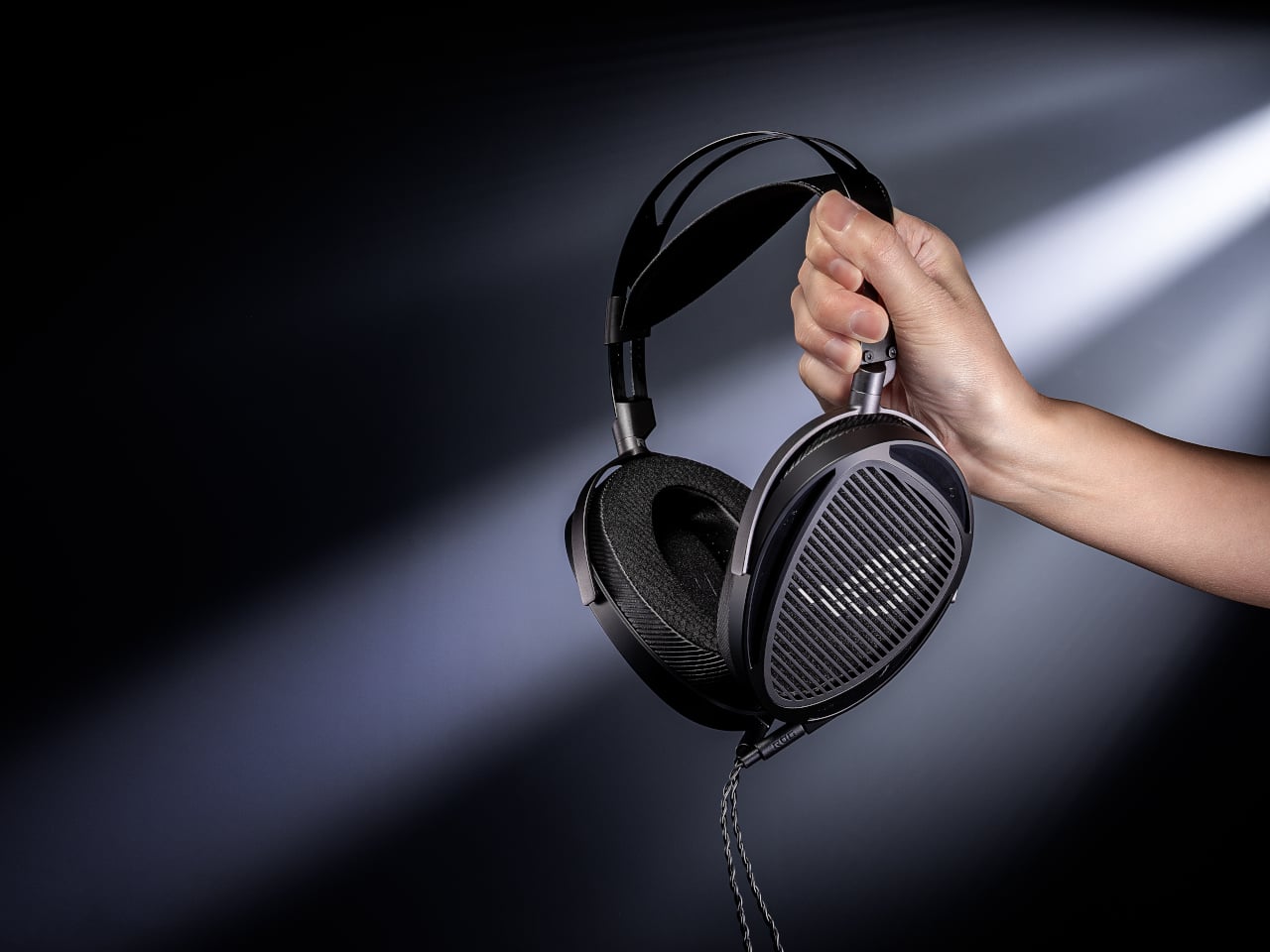
That is where ROG Kithara comes in. It is ROG’s first open-back planar-magnetic gaming headset, developed with HIFIMAN. The collaboration brings 100mm planar drivers into a headset that still has a proper boom mic, in-line controls, and all the plugs you need for PCs, consoles, DACs, and laptops. It treats games like they deserve hi-fi instead of just tolerating them as background noise.

Designer: ROG (ASUS)
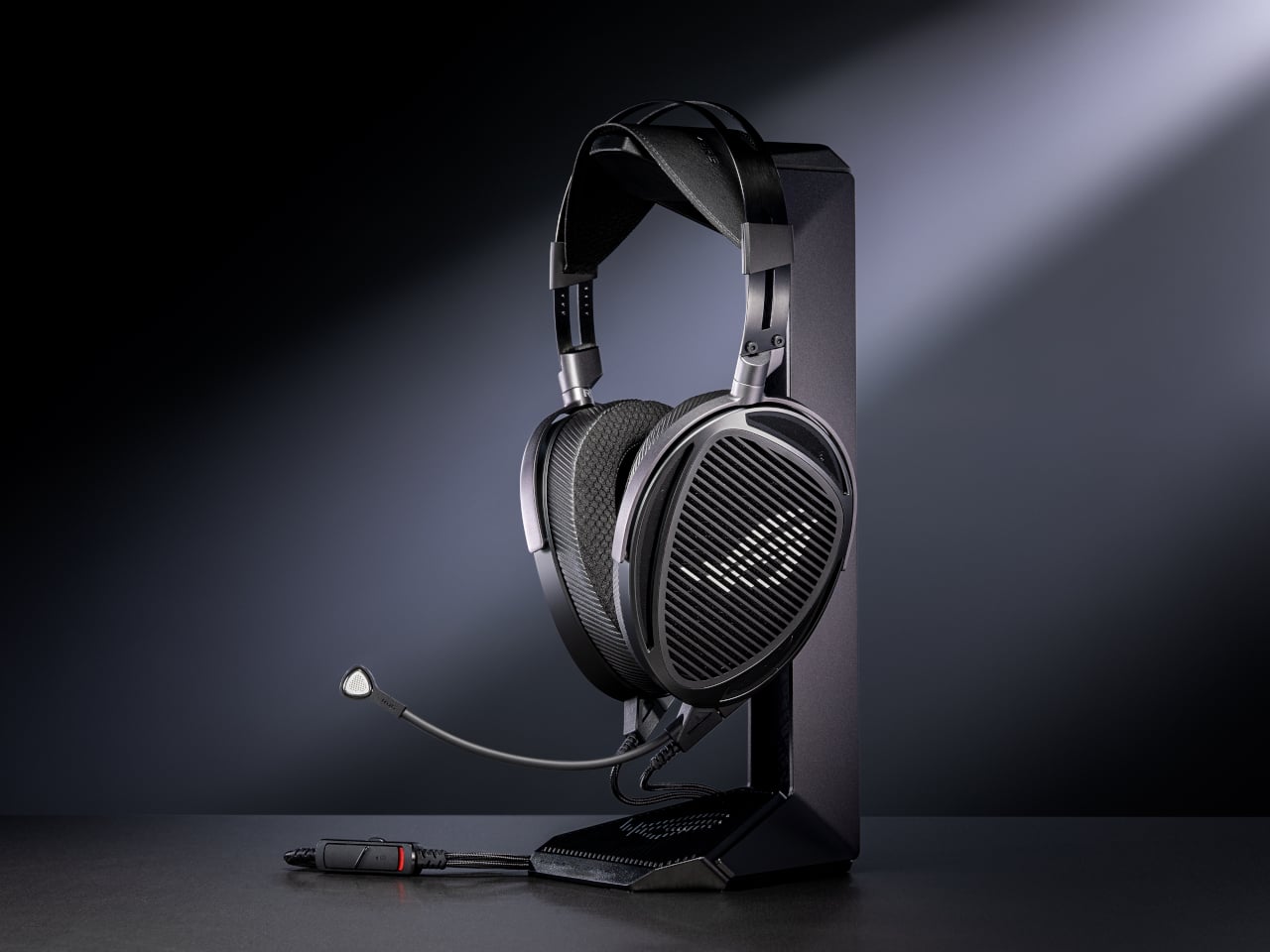
The planar drivers deliver an 8Hz to 55kHz frequency response with very low distortion, which translates into deep, controlled bass and crisp treble without smearing. The open-back design creates a wider, more natural soundstage, so footsteps, reloads, and distant movement sit in believable positions instead of clustering in your head. It helps both immersion and tactical awareness without needing surround processing that usually just muddies everything.
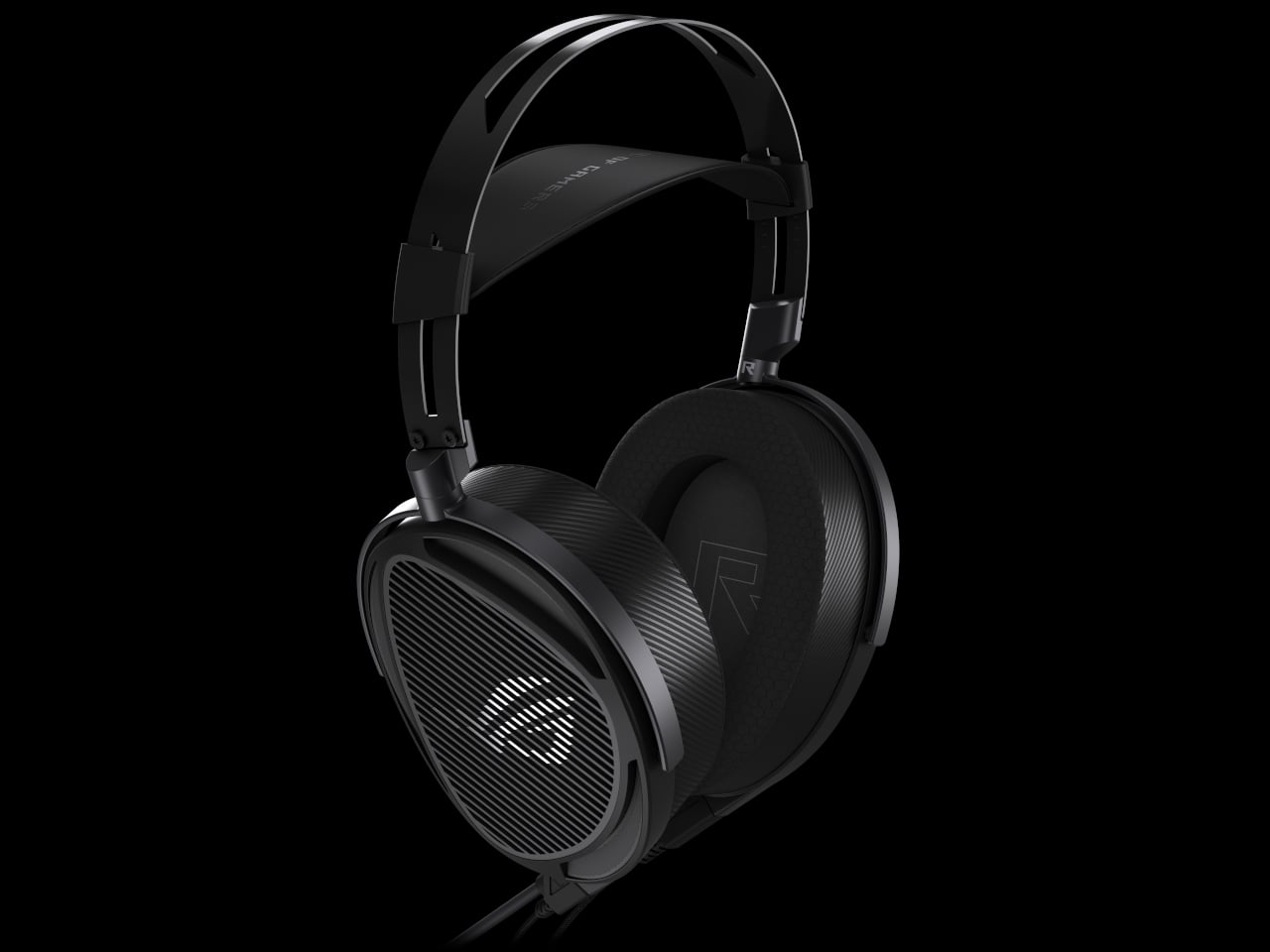
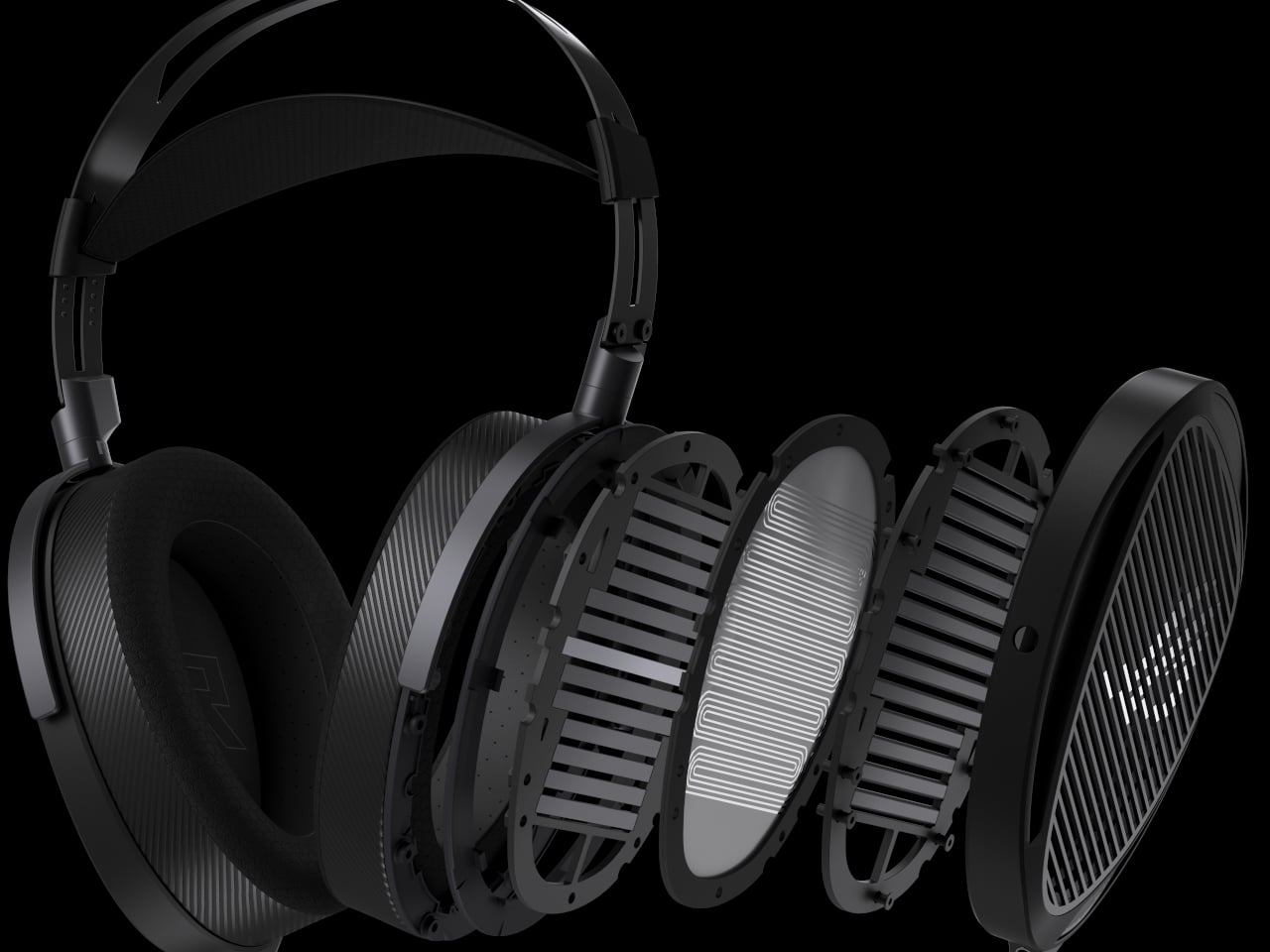
Playing a competitive shooter, you can distinguish a teammate reloading behind you from an enemy stepping on metal two floors up. The fast transient response keeps those cues sharp, and the open-back architecture stops explosions from masking subtle sounds entirely. You react faster because you are not guessing where anything came from. You are actually hearing it placed in space the way the sound designer intended it.
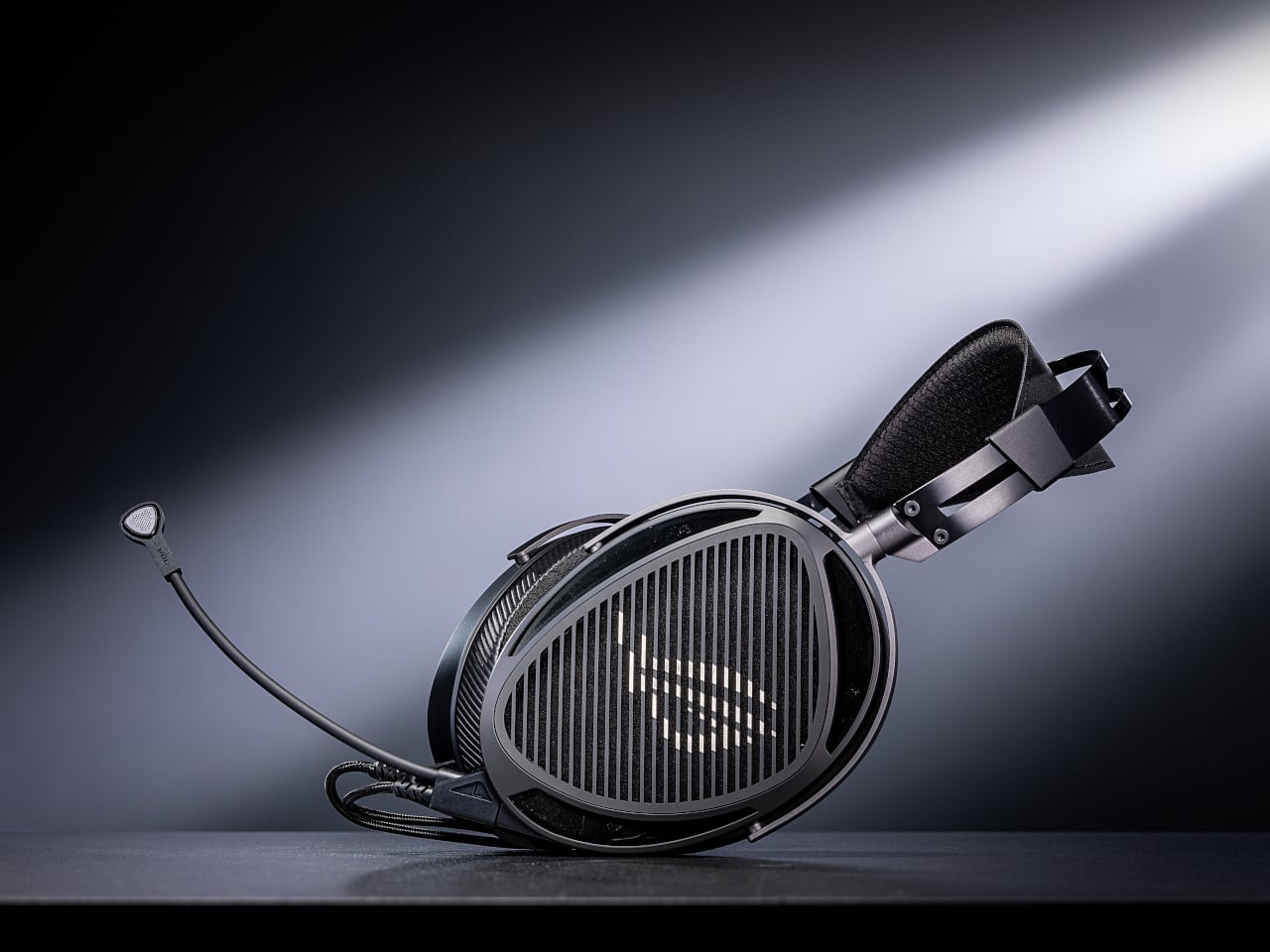
The on-cable MEMS boom microphone covers the full 20Hz to 20kHz range with a high signal-to-noise ratio, so your voice sounds more natural than typical narrow-band gaming mics. Separate signal paths for audio and mic on the dual 3.5mm cable keep game sound from bleeding into chat, which your squad will quietly appreciate even if they never ask what headset you switched to or notice until the crosstalk disappears.
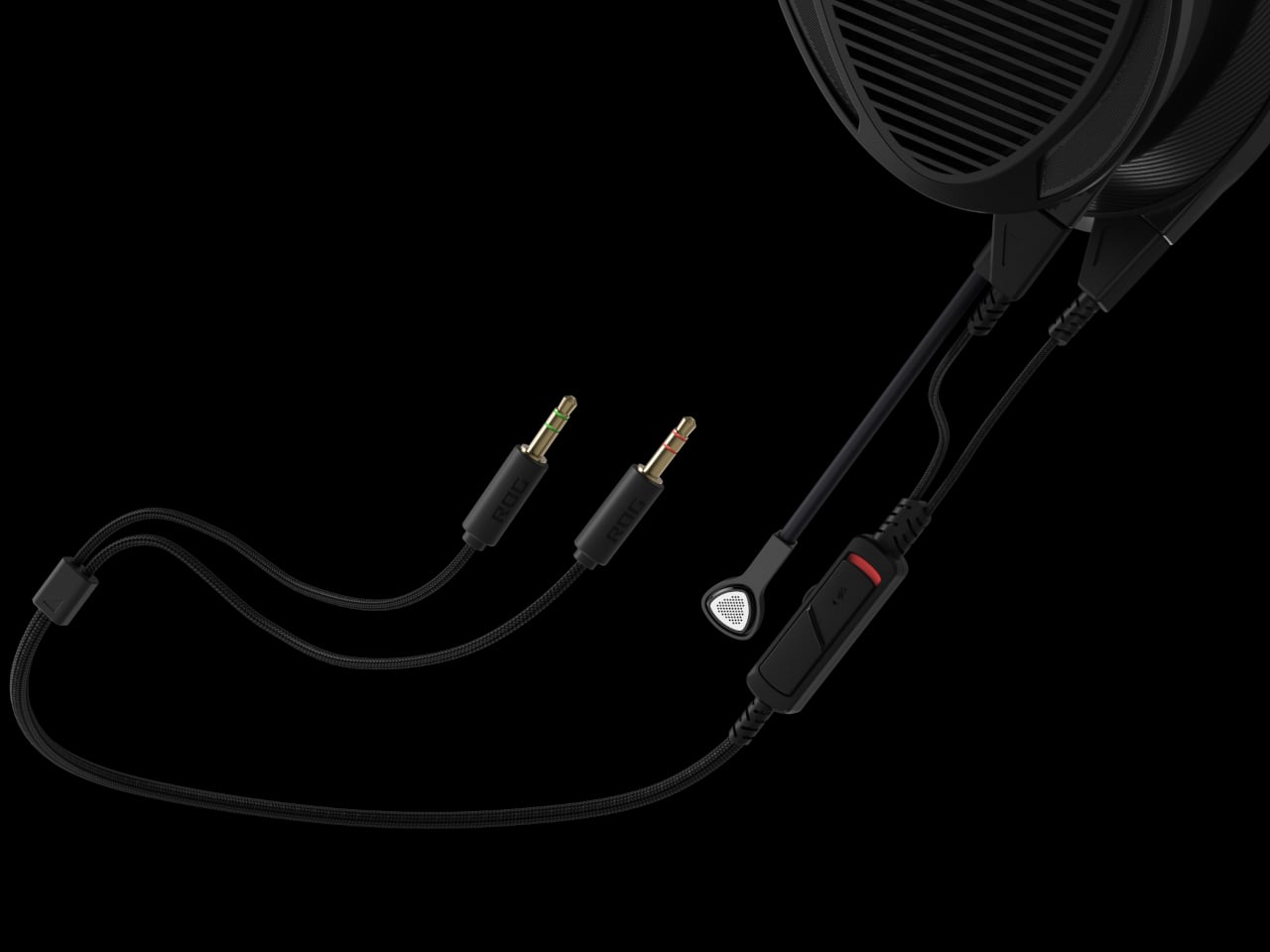
The balanced cable with swappable 4.4mm, 3.5mm, and 6.3mm plugs lets you move from a desktop DAC to a laptop or console without changing headsets. The included USB-C to dual 3.5mm adapter covers modern laptops and handhelds. With 16-ohm impedance, Kithara is easy to drive without a rack of gear just to get it loud enough for late-night sessions.
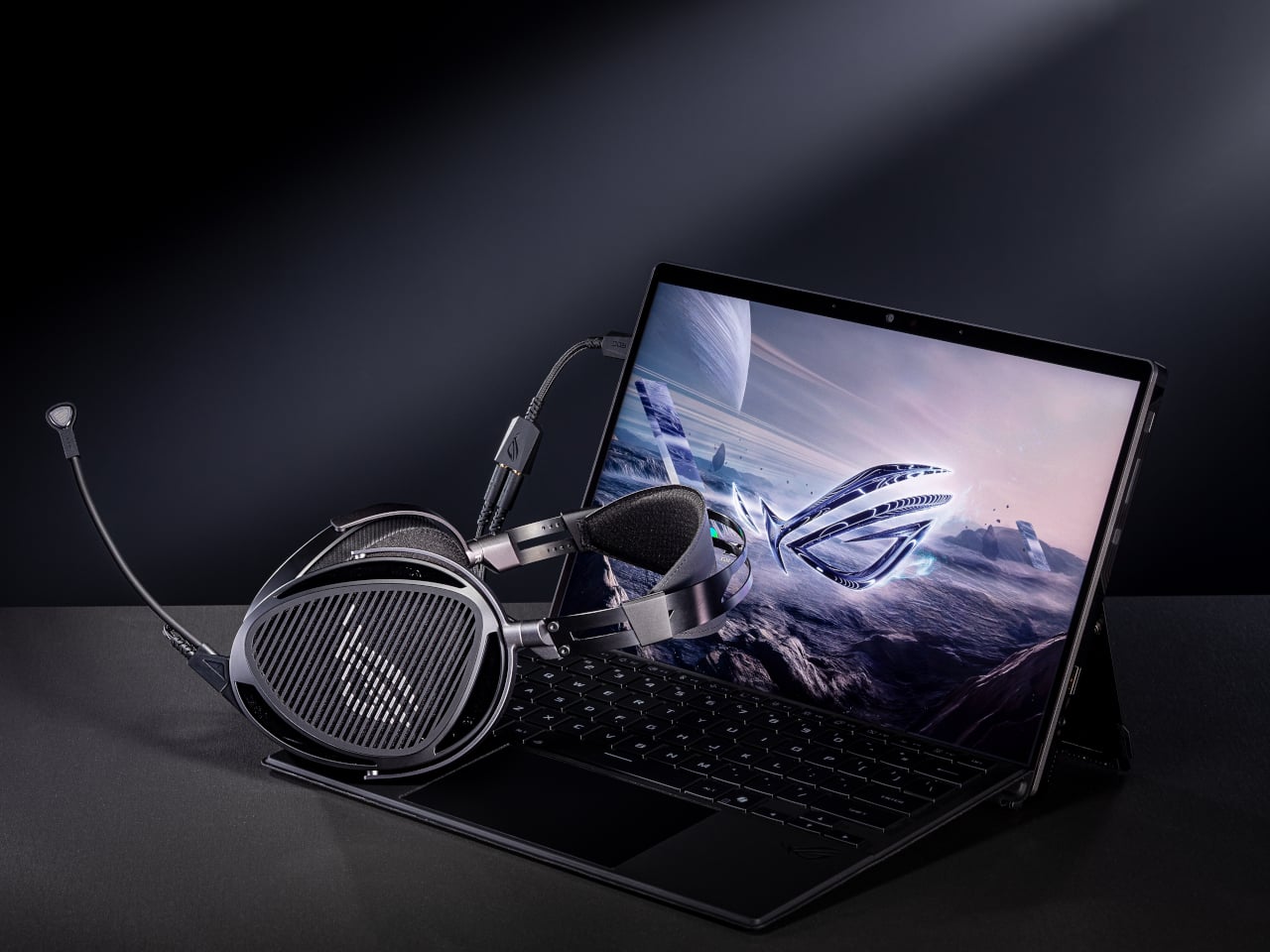
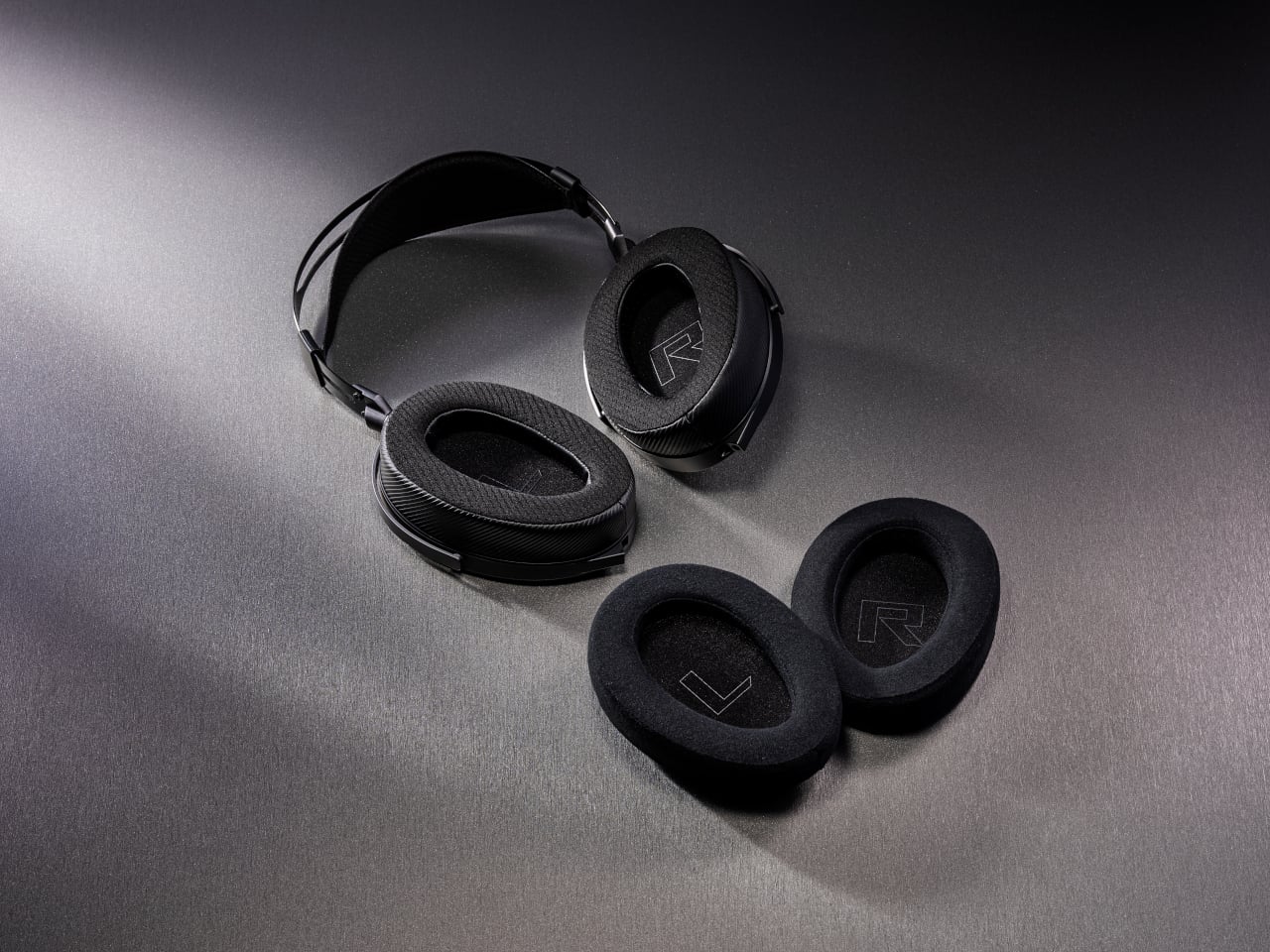
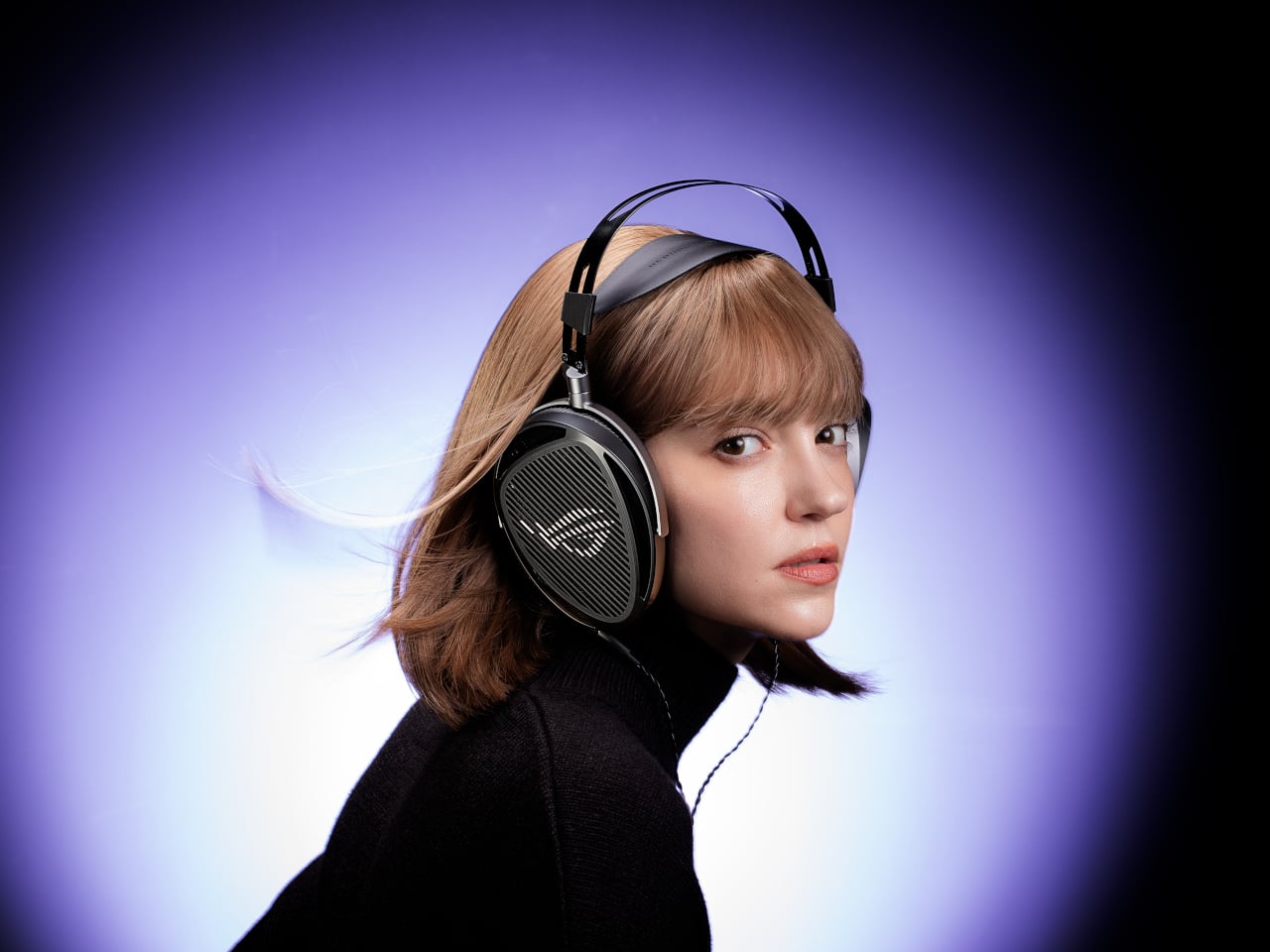
Of course, the metal frame, eight-level headband adjustment, and two sets of ear pads, leatherette with mesh for focused sound and velour for a softer feel, mean you can tune comfort and tonality. The open-back design leaks sound and is best in quiet rooms, but for players who want one headset that handles ranked matches, long story games, and critical music listening, Kithara feels like a rare crossover that actually respects both sides.
The post ROG Just Built the Gaming Headset Audiophiles Always Wanted first appeared on Yanko Design.
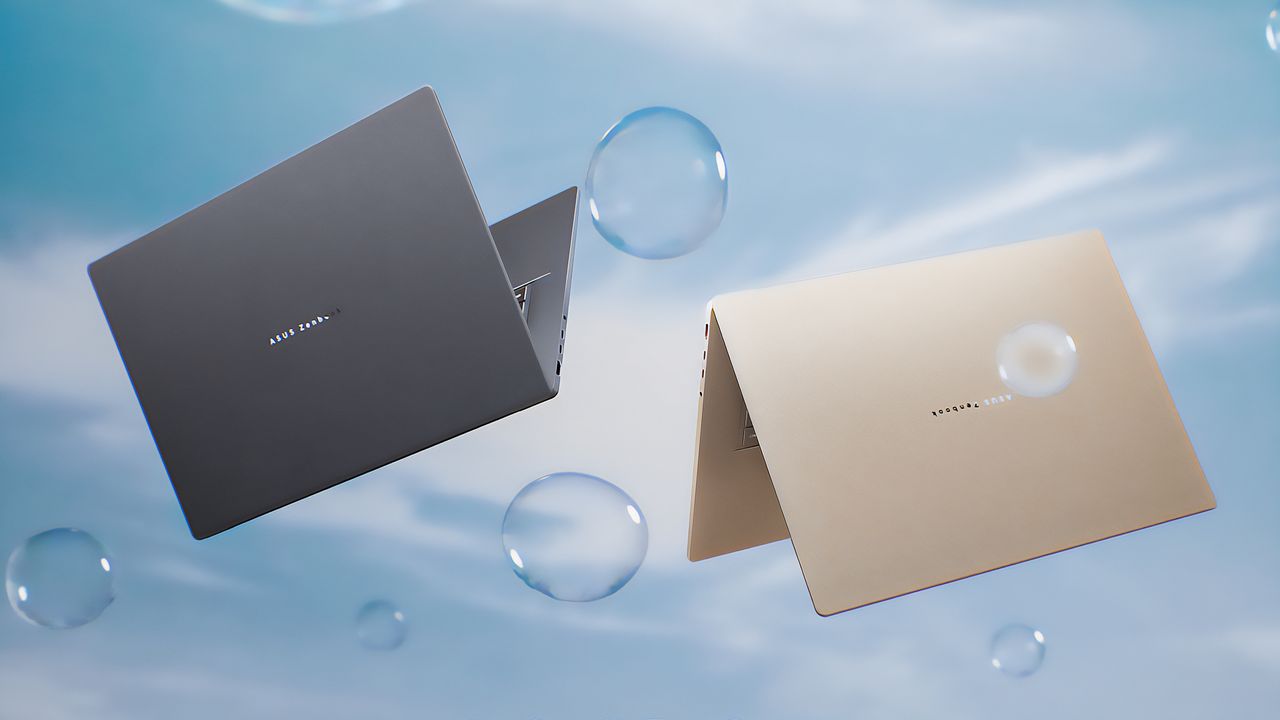
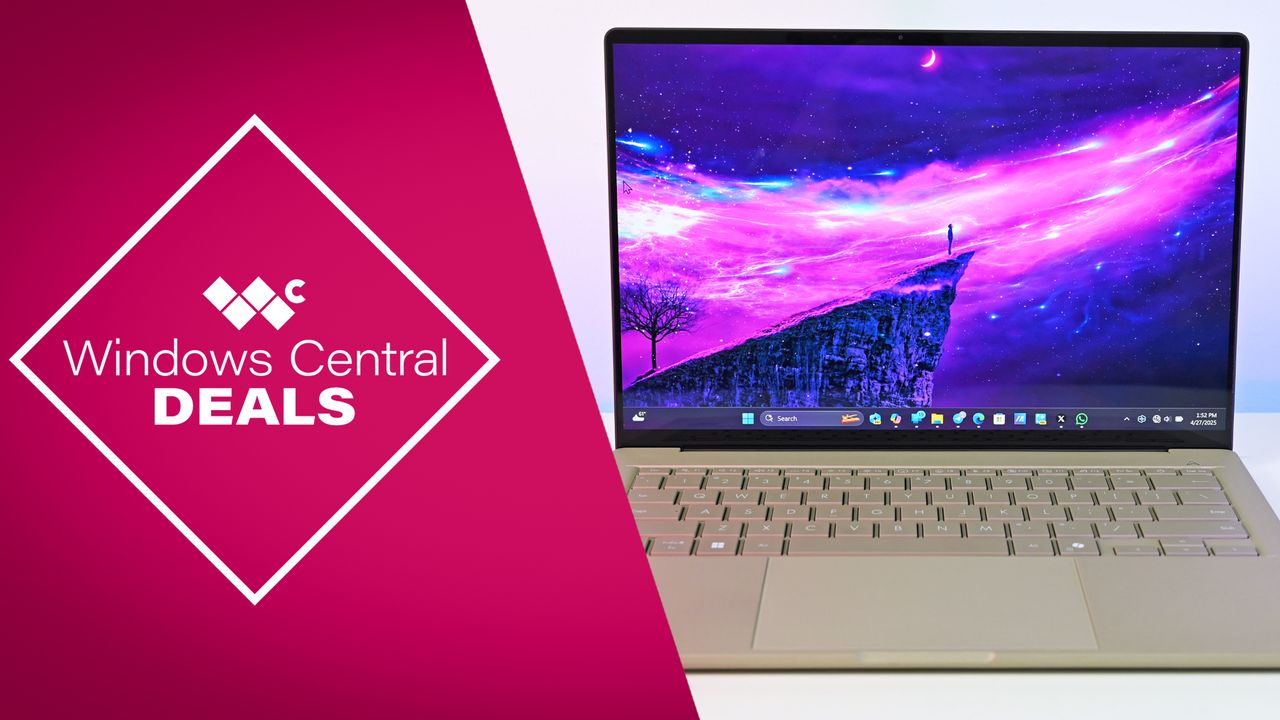
A14 gets smarter, A16 gets stronger, but they're still both lightweight — ASUS expands Zenbook lineup with faster Snapdragon power and bigger OLED options

At CES 2026, ASUS refreshed the awesome Zenbook A14 — and announced a new, ultra-light 16-inch version powered by Qualcomm's most powerful laptop chips yet.

The Iceland Gray and the Zabriskie Beige ASUS Zenbook A16 laptops floating in the air near bubbles.

Faille UEFI critique - Votre carte mère ASUS, Gigabyte, MSI ou ASRock est peut-être vulnérable

Vous pensiez que votre PC était blindé avec toutes vos protections activées ? Et bien ça c'était avant que des chercheurs de Riot Games (oui, les mêmes mecs derrière League of Legends et Valorant) ne découvrent une bonne grosse faille UEFI qui touche les cartes mères des quatre plus gros fabricants du marché, à savoir ASUS, Gigabyte, MSI et ASRock.

La faille se décline en plusieurs CVE selon les constructeurs (CVE-2025-11901 pour ASUS, CVE-2025-14302 pour Gigabyte, CVE-2025-14303 pour MSI, CVE-2025-14304 pour ASRock) et concerne les protections DMA au démarrage. En gros, le firmware UEFI prétend activer l' IOMMU (un mécanisme matériel d'isolation mémoire destiné à bloquer les attaques DMA), sauf que dans les faits, il ne le configure pas correctement. Votre système pense être protégé alors qu'il ne l'est pas du tout... Bref ça craint !

Du coup, un attaquant qui branche un périphérique PCIe malveillant sur votre machine (notamment via Thunderbolt ou USB4, qui exposent du PCIe) peut lire ou modifier la mémoire système avant même que Windows ou Linux ne démarre. Donc bien avant que vos protections système n'aient eu le temps de se mettre en place quoi... Et comme l'attaque se déroule avant le chargement de l'OS, les antivirus et outils de sécurité logiciels classiques n'ont pas encore démarré et ne peuvent donc pas intervenir. Seule une mise à jour du firmware UEFI peut corriger le problème.

Côté chipsets touchés, accrochez-vous parce que la liste est longue. Chez Gigabyte, les bulletins de sécurité mentionnent notamment des cartes basées sur les séries Intel Z890, W880, Q870, B860, H810, Z790, B760, Z690, Q670, B660, H610, W790, et côté AMD des X870E, X870, B850, B840, X670, B650, A620, A620A et TRX50.

Chez ASUS, les chipsets concernés incluent les séries B460, B560, B660, B760, H410, H510, H610, H470, Z590, Z690, Z790, W480 et W680.

Et de son côté, ASRock indique que ses cartes mères Intel des séries 500, 600, 700 et 800 sont également affectées. Bref, si vous avez une carte mère relativement récente, il y a de bonnes chances qu'elle soit dans le lot, même si cela dépend du modèle précis et de la version de firmware installée.

Bien sûr, comme souvent avec ce type de faille, son exploitation nécessite un accès physique à la machine, puisqu'il faut connecter un périphérique PCIe capable de mener une attaque DMA (par exemple un dongle Thunderbolt ou une carte PCIe spécialement conçue).

Ce n'est donc pas le genre d'attaque qui se propage via Internet, mais c'est quand même problématique, notamment dans les entreprises qui ont des postes de travail accessibles au public, dans les bibliothèques, ou tout autre environnement partagé. Sans parler de quelqu'un qui aurait un accès temporaire à votre machine genre un réparateur, un collègue malveillant, votre ex un peu trop curieux(se)… Ou encore le marché de l'occasion, où personne ne sait vraiment ce qui a pu être branché sur la carte mère avant.

Petite anecdote au passage, les chercheurs de Riot Games sont tombés sur cette faille parce que Valorant refusait de se lancer sur certains systèmes. Leur anti-cheat Vanguard vérifie que les protections DMA sont bien actives au démarrage, et il a détecté que sur certaines machines, ce n'était pas le cas. De fil en aiguille, ils ont creusé et fini par identifier ce problème côté firmware UEFI.

Bref, les quatre constructeurs ont publié (ou sont en train de publier) des mises à jour de firmware pour corriger le problème. Attention toutefois, chez Gigabyte, le correctif pour TRX50 est prévu pour le premier trimestre 2026, et chez ASRock, les BIOS pour les séries 600/700/800 sont disponibles mais ceux de la série 500 sont encore en cours de développement.

Donc allez faire un tour sur le site support de votre fabricant, vérifiez si votre modèle est concerné, et installez le patch si c'est le cas.

Source

SUSA is a visionary AI-powered companion device concept for ASUS

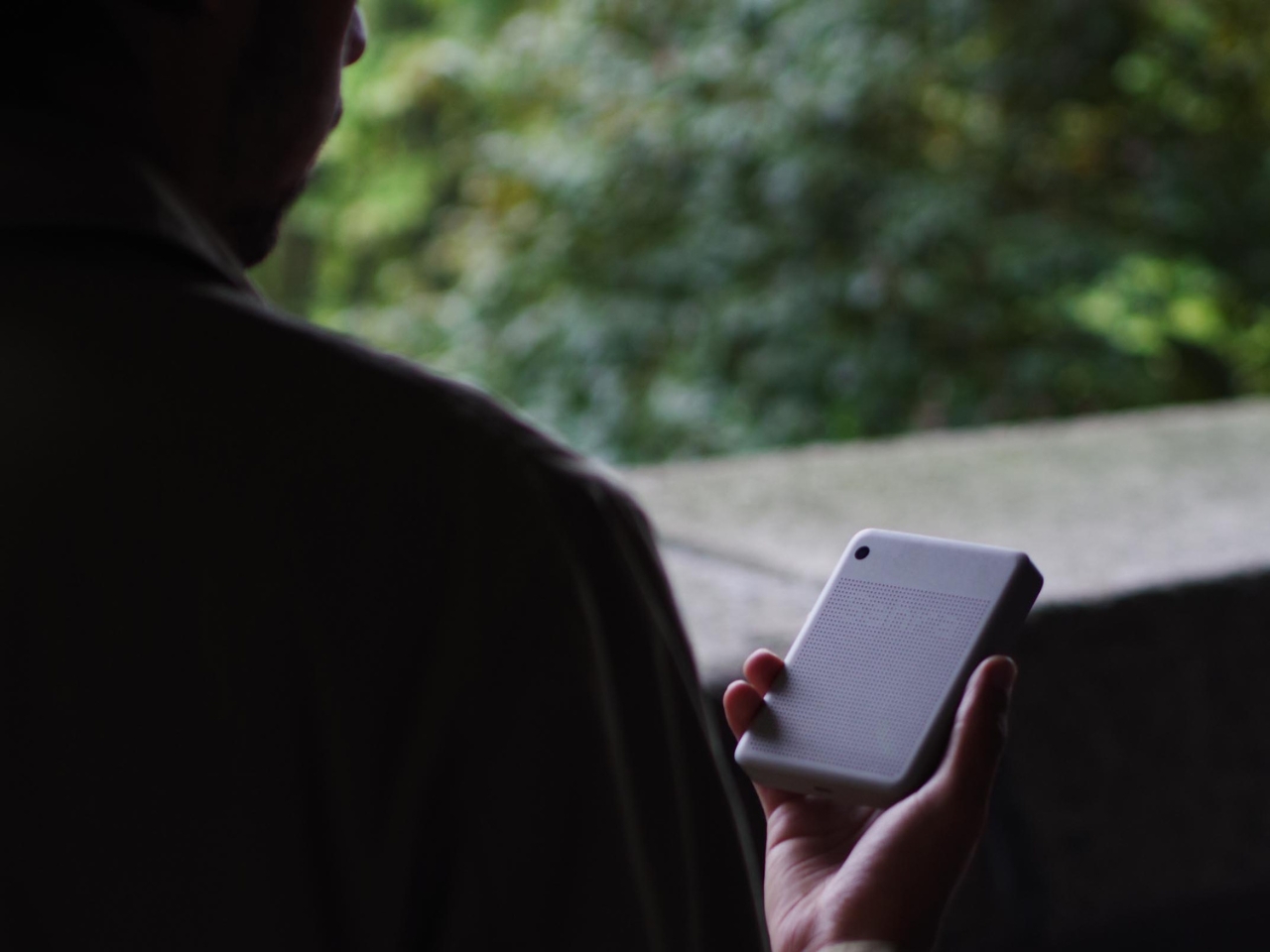
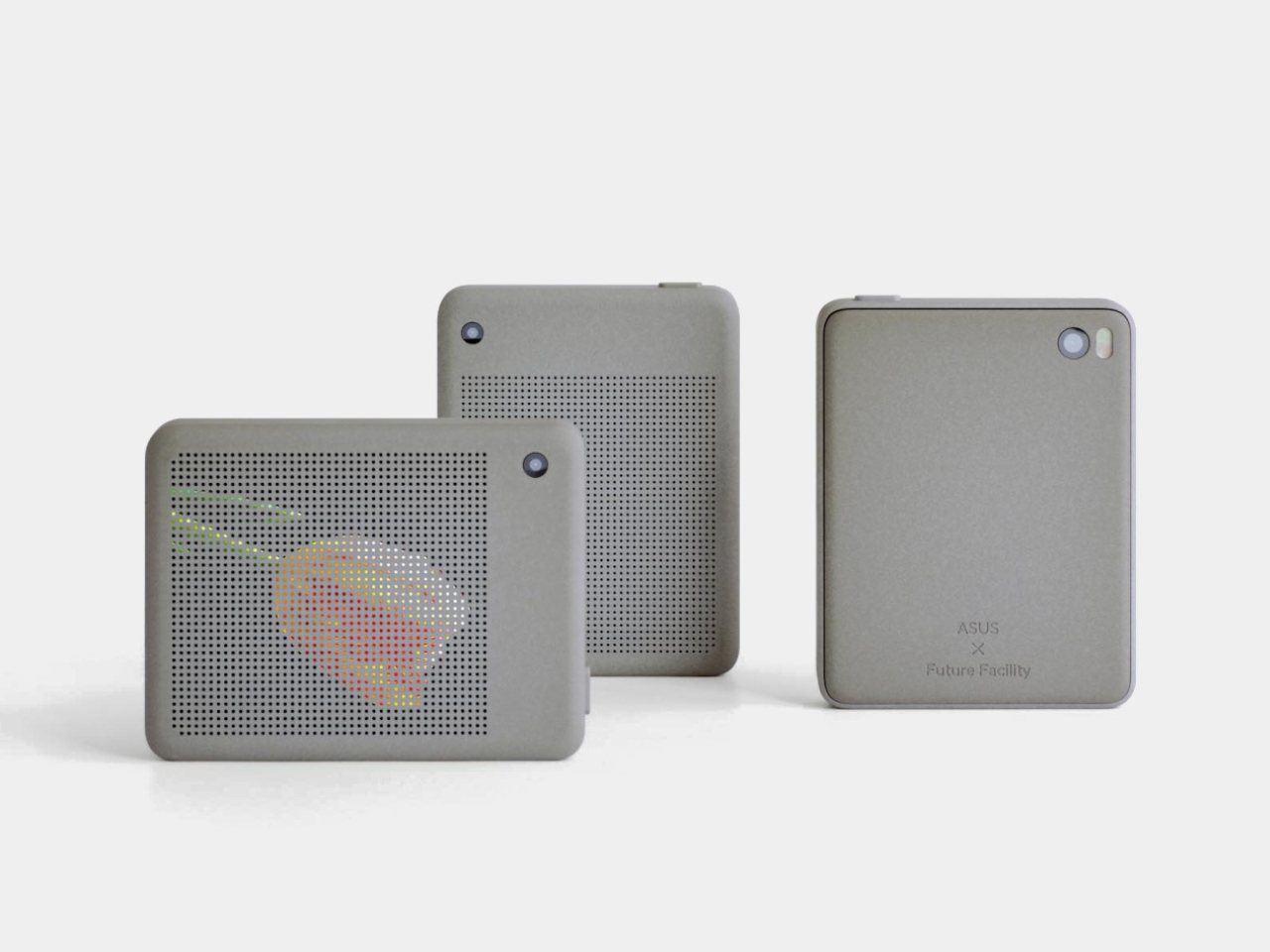
SUSA is a bold new concept in AI-powered companion devices, designed by Future Facility as a visionary project for ASUS. In a world where artificial intelligence is becoming an integral part of our daily routines, SUSA emerges as a thoughtful reimagining of what it means to live with technology that truly understands and supports its users.

Unlike typical smart speakers or digital assistants, SUSA is designed to serve as an intelligent and emotionally responsive companion. Developed as a conceptual project for ASUS, the device leverages advanced AI to learn routines, preferences, and contexts, adapting its responses to suit the individual. With SUSA, the focus isn’t just on automating tasks or providing answers but on creating a meaningful and intuitive relationship between user and device.

Designer Name: Future Facility

One of SUSA’s most innovative features is its emphasis on emotional intelligence. The device is engineered to recognize subtle cues in voice and behavior, allowing it to respond empathetically. Whether it’s offering calming support during stressful moments or celebrating your achievements, SUSA’s goal is to provide a sense of understanding and companionship that goes beyond typical digital interactions.

The physical design of SUSA reflects the same commitment to user experience. Future Facility has crafted a device that blends seamlessly into any living space, with a minimalist and inviting aesthetic. The interface relies on voice, soft lighting cues, and gentle movements, making interactions feel natural and unobtrusive. This approach ensures that SUSA is not only easy to use but also enhances the atmosphere of the home rather than detracting from it.

SUSA’s conceptual platform is also designed for openness and adaptability. It can connect with a wide range of services, manage schedules, control smart home devices, and deliver reminders, all while learning and evolving to fit a user’s unique lifestyle. Accessibility is at the forefront, with features that ensure people with different needs can benefit from SUSA’s capabilities, making technology more inclusive for everyone.

Privacy and security are fundamental to SUSA’s design. The device incorporates strong data protection measures and gives users control over their information. With capabilities for local processing, sensitive conversations and interactions can remain private, building trust between the user and their AI companion. SUSA represents a new direction for ASUS and Future Facility, showing how AI can move beyond functionality to foster genuine emotional connections. It highlights a future where technology doesn’t just work for us. It works with us, enriching our well-being and supporting us both practically and emotionally.

The post SUSA is a visionary AI-powered companion device concept for ASUS first appeared on Yanko Design.

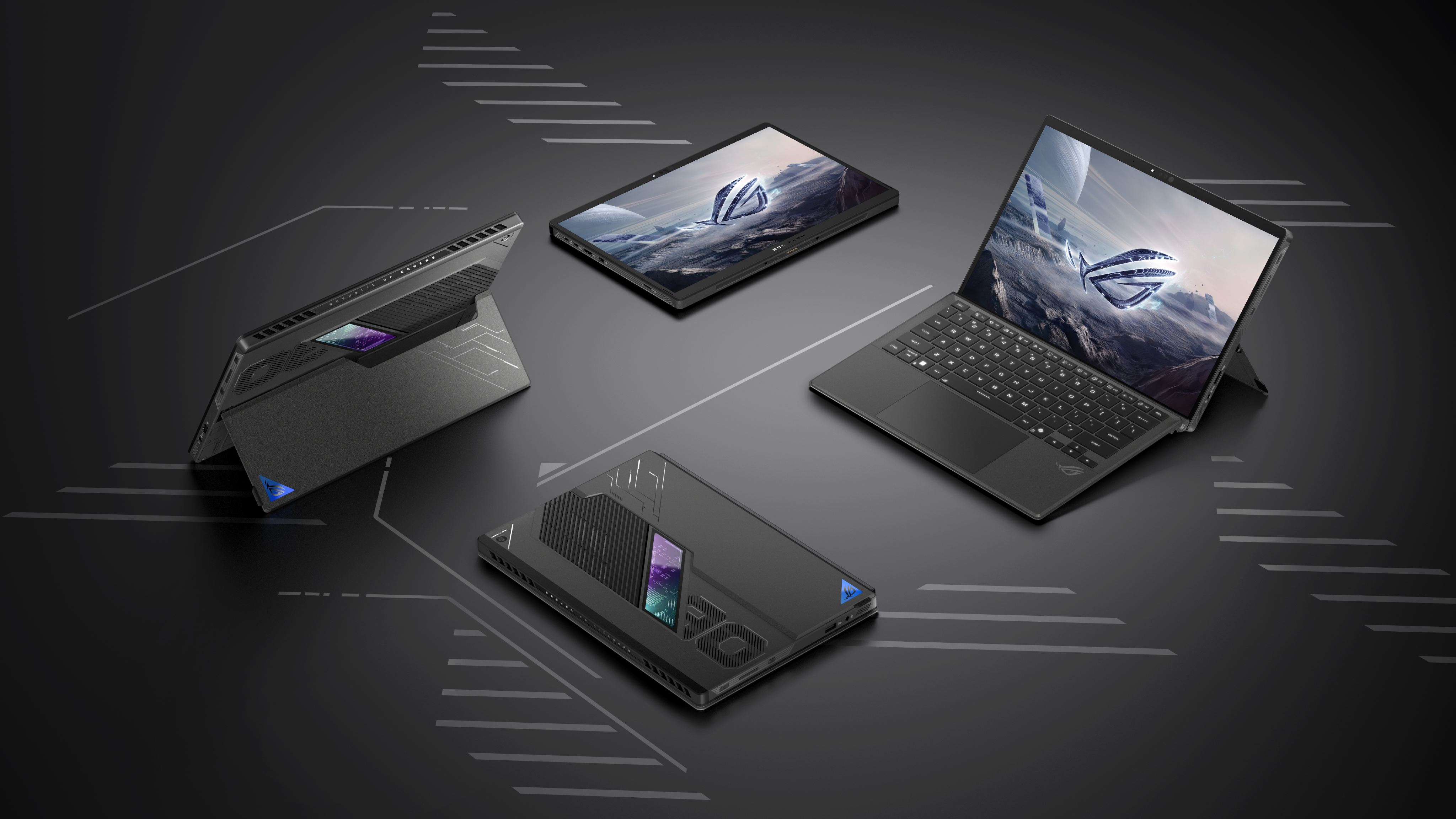
You can now preorder ASUS' ridiculously powerful 2-in-1 detachable gaming laptop

You can now preorder the ASUS ROG Flow Z13, which pairs a versatile 2-in-1 design with AMD's most powerful mobile hardware ever. It could be the best gaming tablet.

The ASUS ROG Flow Z13 (2025) in four positions, including upright with its keyboard attached, upright with its keyboard detached, laying down with its screen up, and laying down with its back up.

❌