Vue lecture

Il y a de nouveaux articles disponibles, cliquez pour rafraîchir la page.

A $35,000 Swedish Pyramid That Goes Anywhere, Needs Nothing
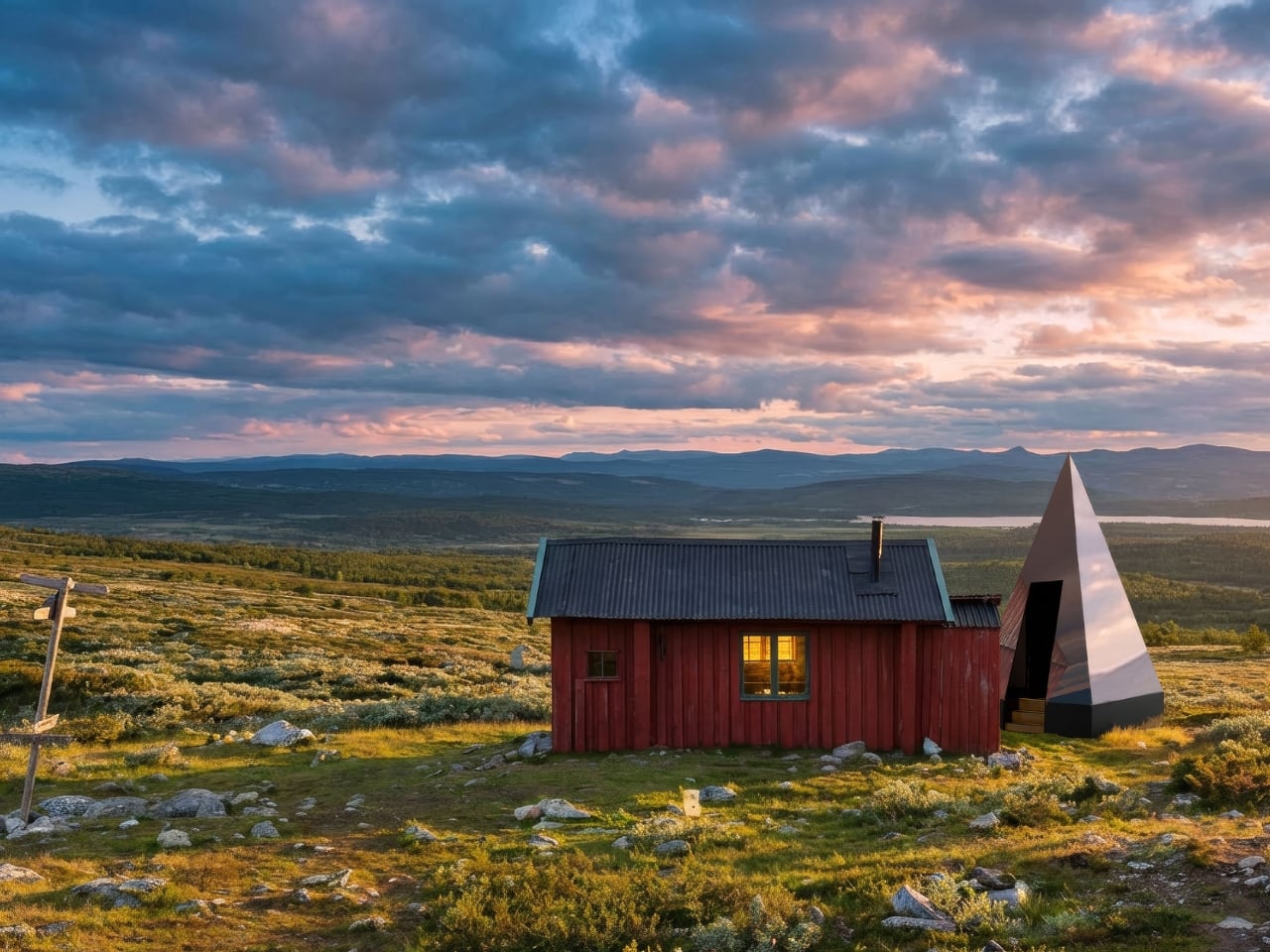
The first time I saw a photo of Klumpen, I thought someone had dropped a monolith into the Arctic tundra. A matte black pyramid, impossibly sharp against the snow, with a sliver of warm amber light cutting through its entrance. It looks like a prop from a science fiction film. But it is very much real, very much functional, and it is arriving very soon.

Klumpen is the work of Himmelsfahrtskommando, a Swedish architectural duo that includes designer Hannah Mazetti, with a studio name that roughly translates to “suicide mission” in German. Whether that is a philosophical statement or a dark joke about building in the Nordic winter, I am genuinely not sure. What I do know is that the thing they have built is one of the more quietly radical design objects I have come across in years. It asks a deceptively simple question: what if you did not need permission to be somewhere?

Designer: Himmelsfahrtskommando
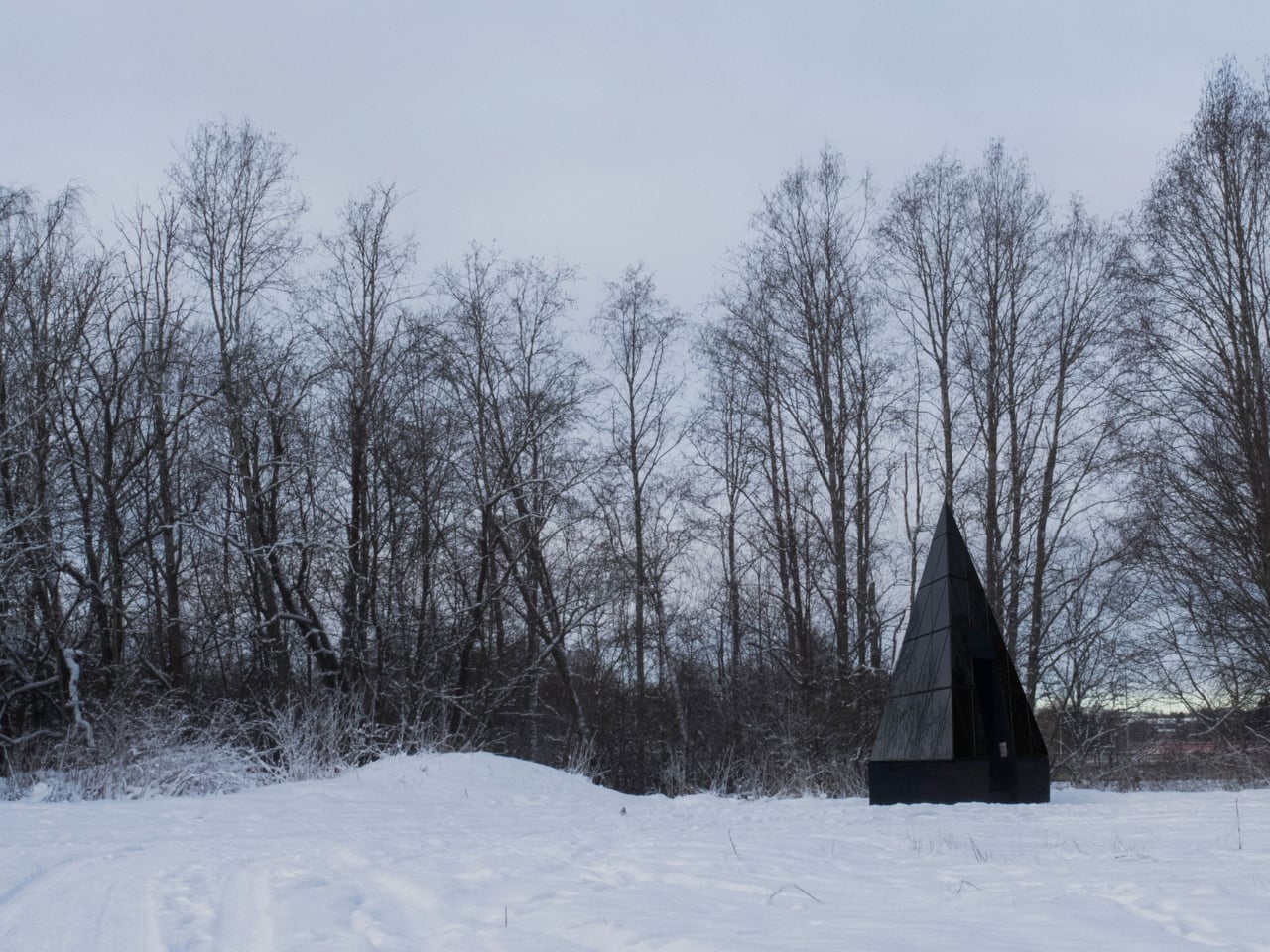
At just 7 square metres, Klumpen is technically a utility structure. But calling it that feels like calling the iPhone a phone. Inside this factory-built pyramid is a complete off-grid living infrastructure: a photovoltaic solar array running at 450 to 600 volts DC, a 7.5 kWh battery for storage, an air-to-water heat pump, a closed-loop greywater recycling system, satellite broadband, a shower, a lavatory, and a kitchen with two stoves, a sink, and a microwave. The pyramid shape, for the record, is not an aesthetic choice. The designers say it is simply the most efficient envelope for the specific stack of systems inside. Form follows function, very literally.
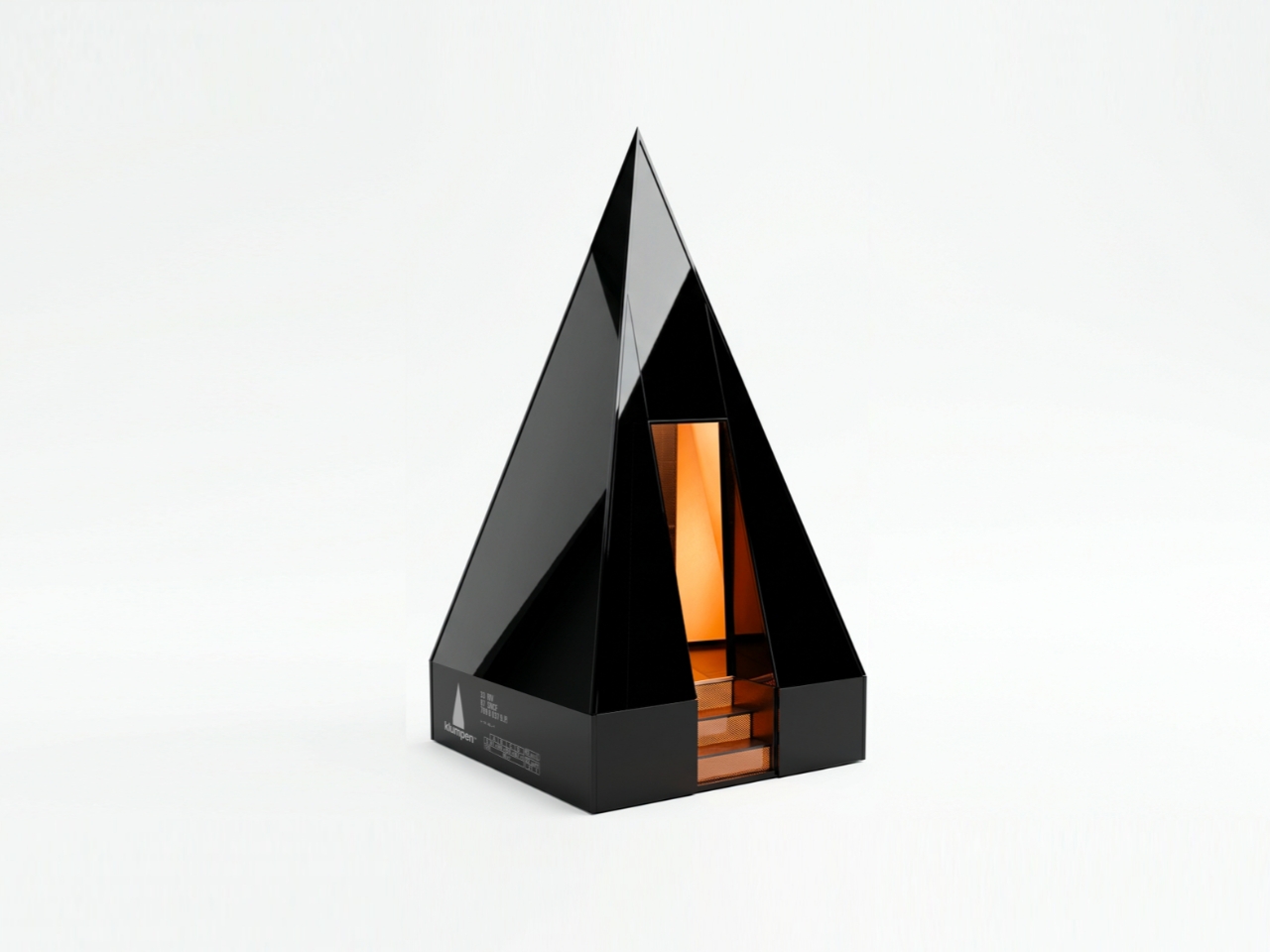
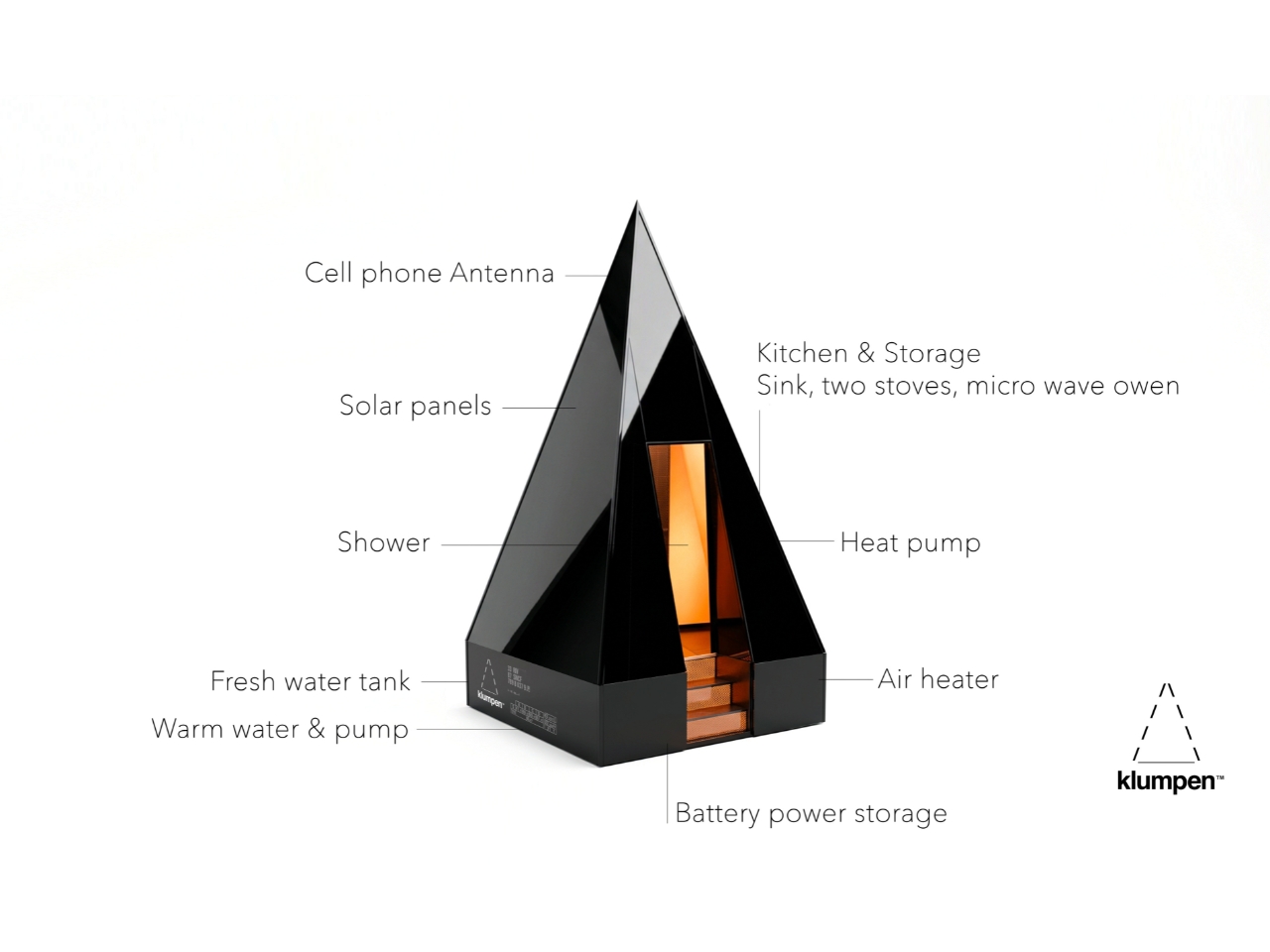
The prototype has already been tested through a real Arctic winter in northern Sweden, which tells you something important about how seriously they are taking this. It is one thing to announce a sleek off-grid concept on a design blog. It is another to actually freeze-test it in the dark of a Scandinavian January. The first production batch ships in September 2026, with a target retail price of $35,000.

That price will draw raised eyebrows, and fair enough. $35,000 is not nothing. But compare it to the cost of running utility lines to a remote plot of land, the legal labyrinth of planning permissions, the months of plumber schedules and contractor delays, and suddenly a plug-and-play pyramid starts to look like a reasonable proposition. You set it down on flat ground. You press ON. No permits. No plumbers. No waiting at the utility company. That is genuinely the promise.
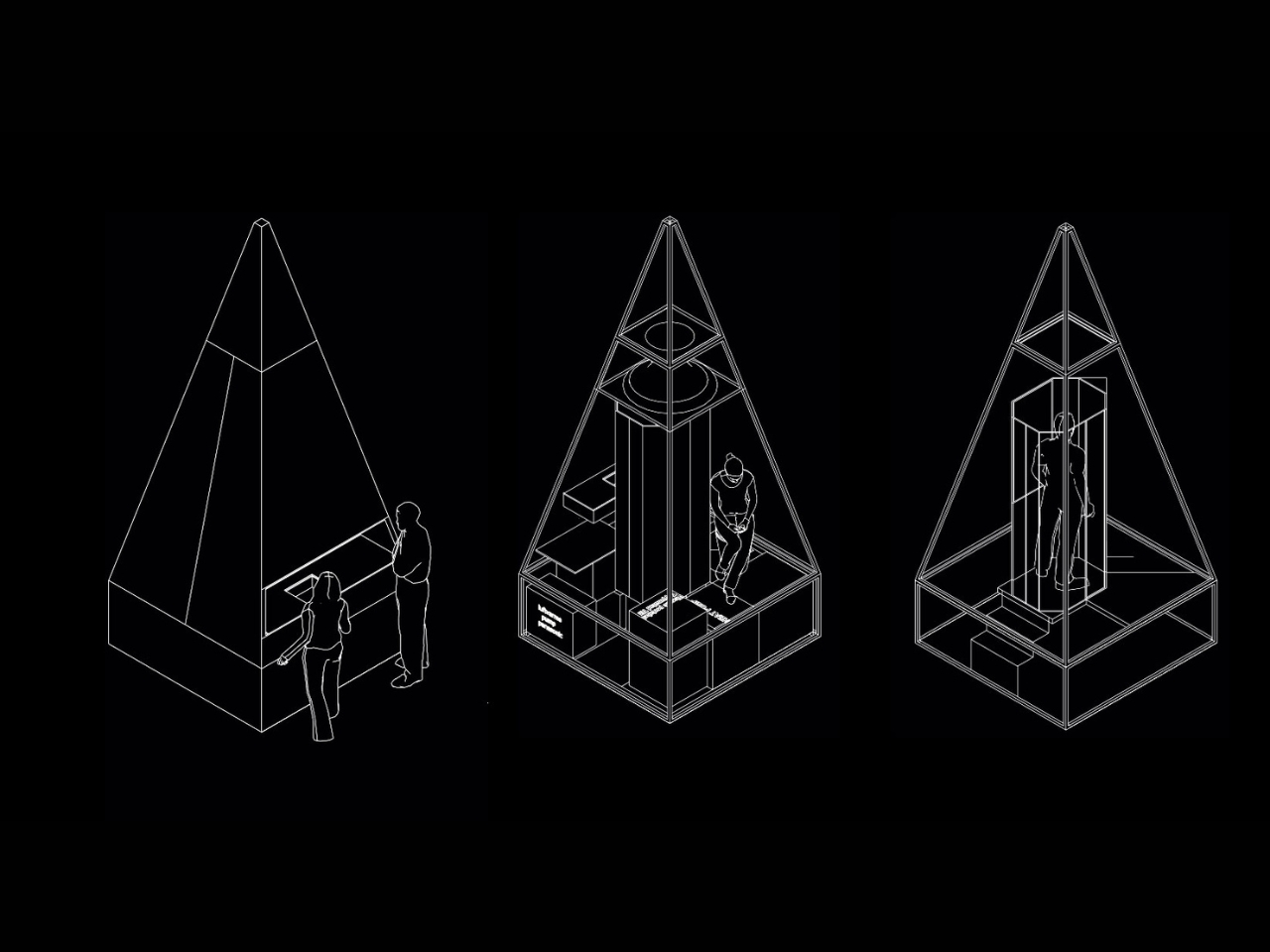
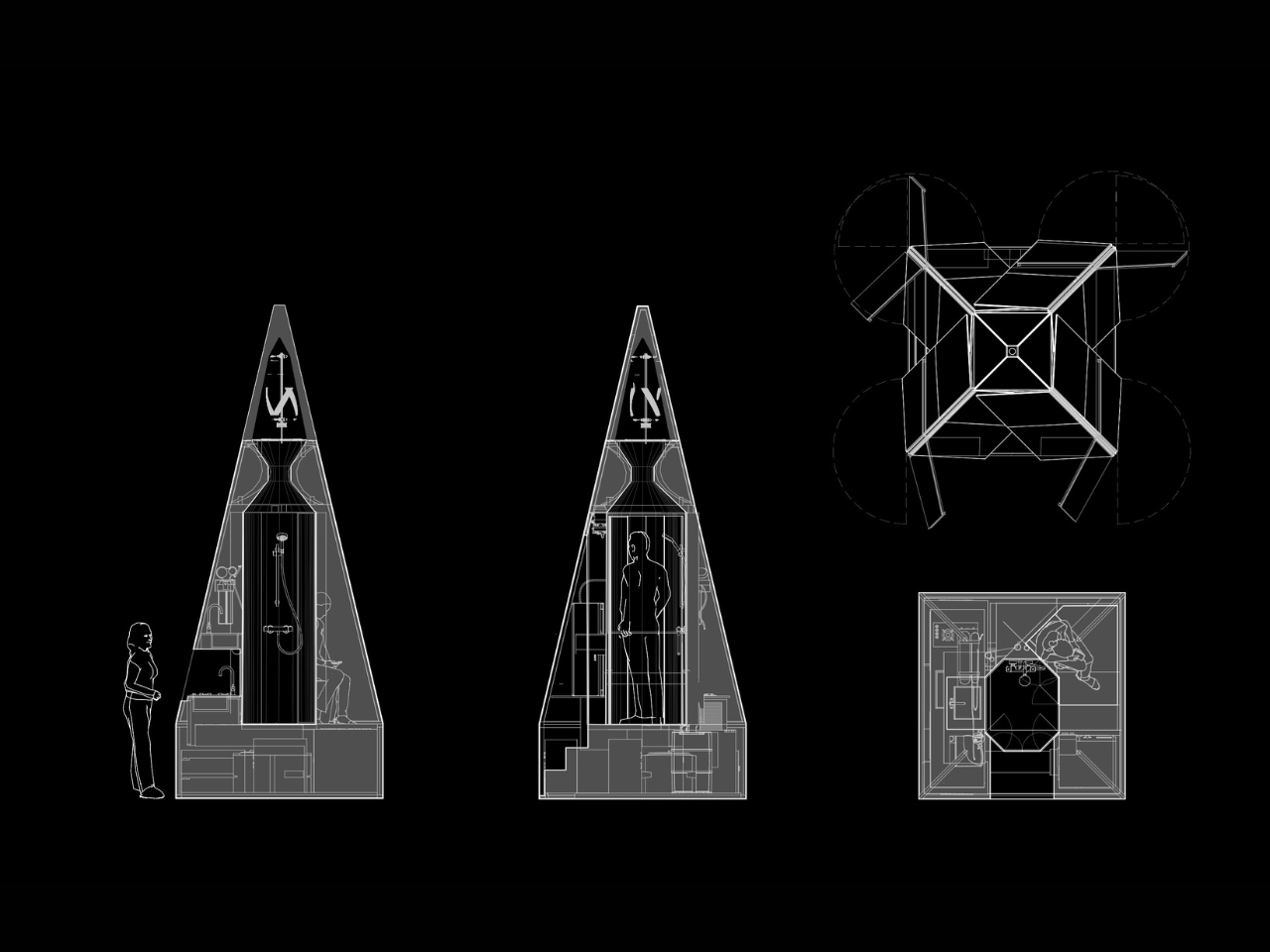
I keep thinking about what that actually means for people. We have become so accustomed to depending on invisible infrastructures that we rarely stop to notice the stranglehold they have on where and how we can live. Want to build a simple structure on a piece of land you own? Prepare for months of negotiations with people who have never seen the land. Klumpen is not a protest against that system, exactly. It is something quieter. An elegant sidestep.
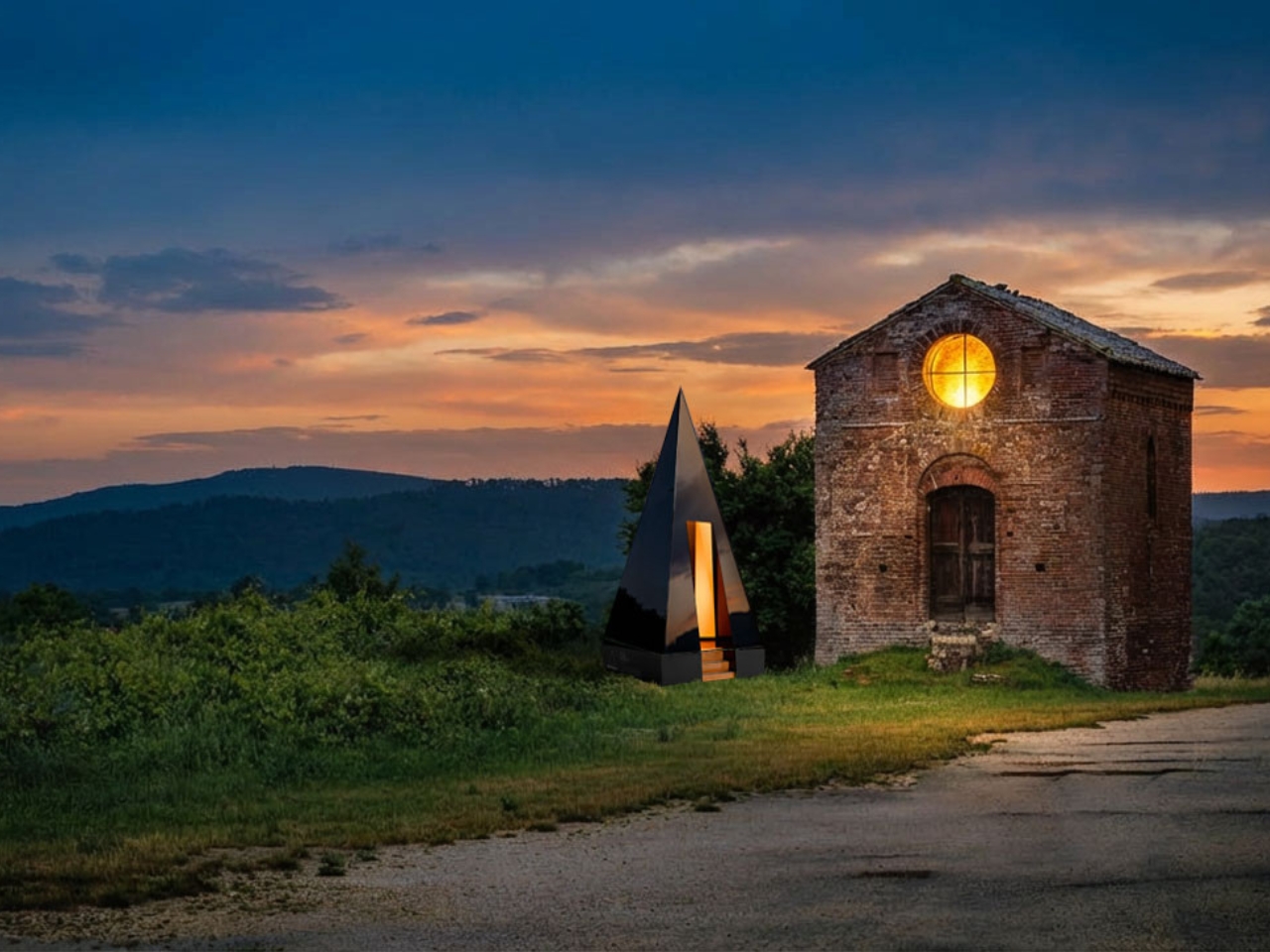
The designers frame this in terms of ownership and autonomy, drawing a line from ancient democracies, where property meant political voice, to a present where most people in the industrialised world either rent or carry mortgages on homes they will spend decades paying off. The argument is a little romantic, but it does not feel wrong. The degree to which we have outsourced control of our most basic needs, from electricity and water to warmth and connectivity, to external systems we cannot touch or meaningfully influence is worth taking seriously.
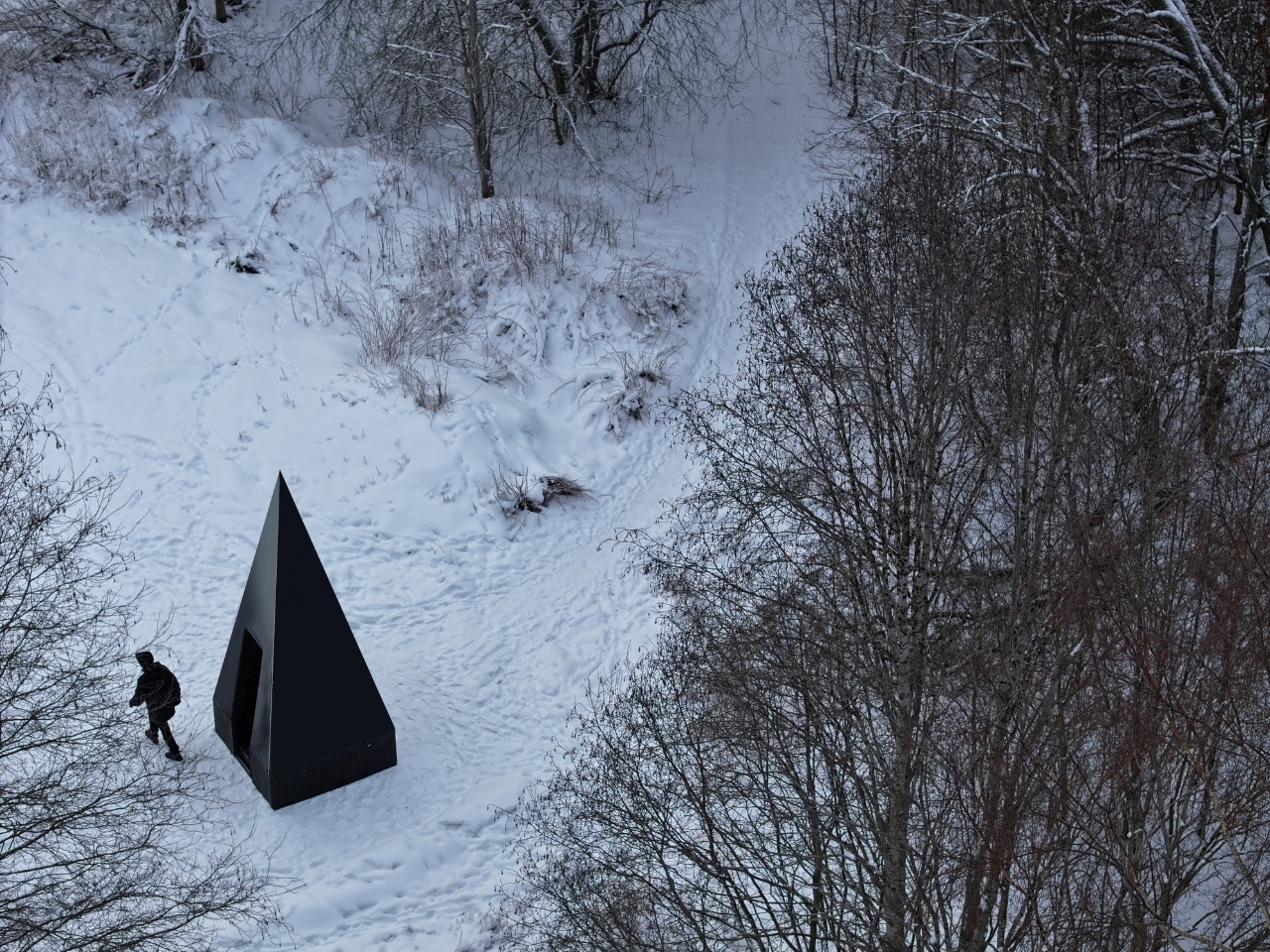
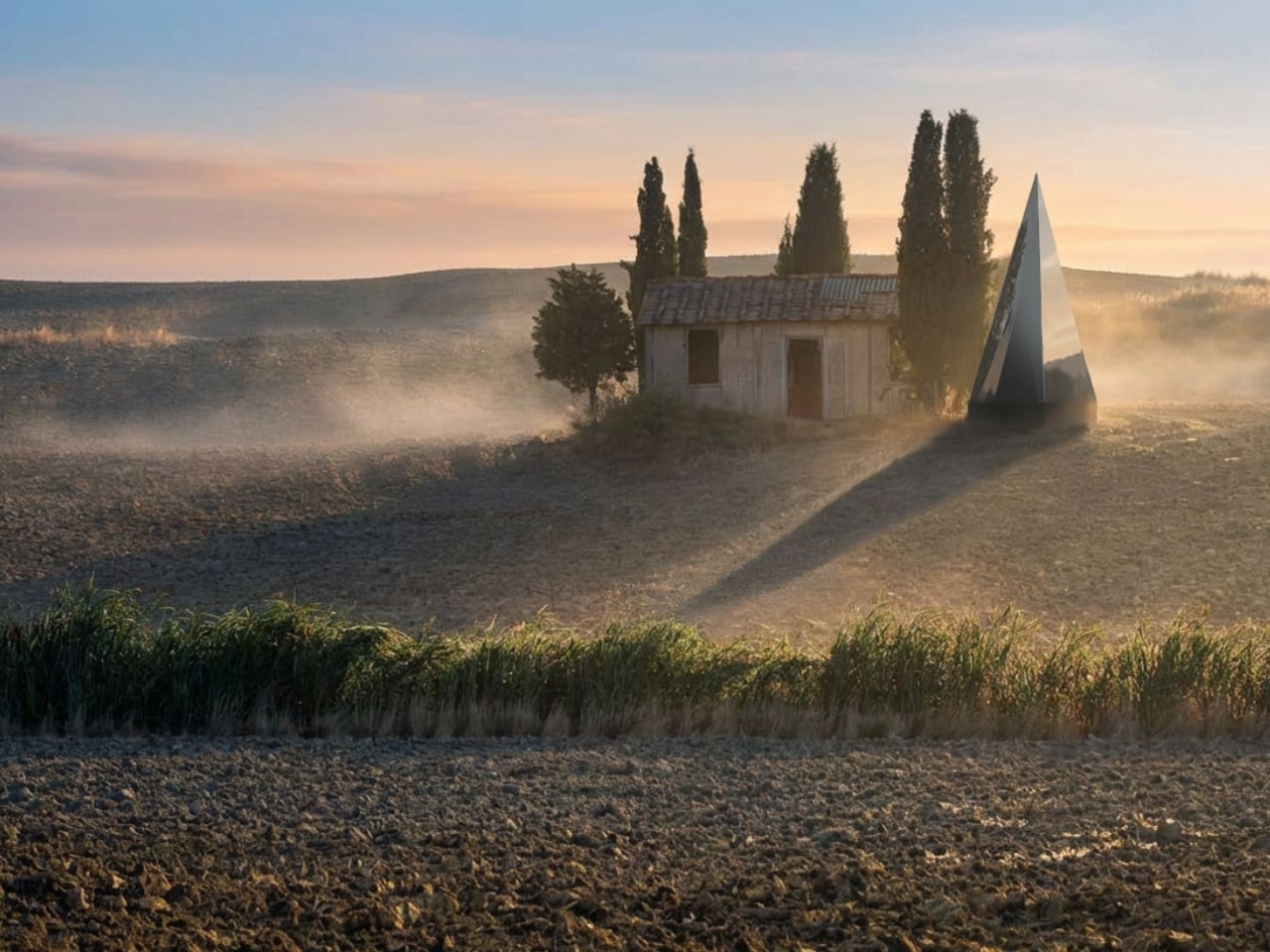
Is Klumpen going to solve the housing crisis? No. But the most interesting design objects rarely solve the biggest problems outright. What they do is shift the way people think about what is possible. A 7-square-metre pyramid that makes you genuinely independent of the grid, dropped in a meadow or on a hillside or beside a frozen lake in northern Sweden, does exactly that. It reframes a shed as a statement. The first batch launches in September. I would not be surprised if the waitlist fills fast.
The post A $35,000 Swedish Pyramid That Goes Anywhere, Needs Nothing first appeared on Yanko Design.
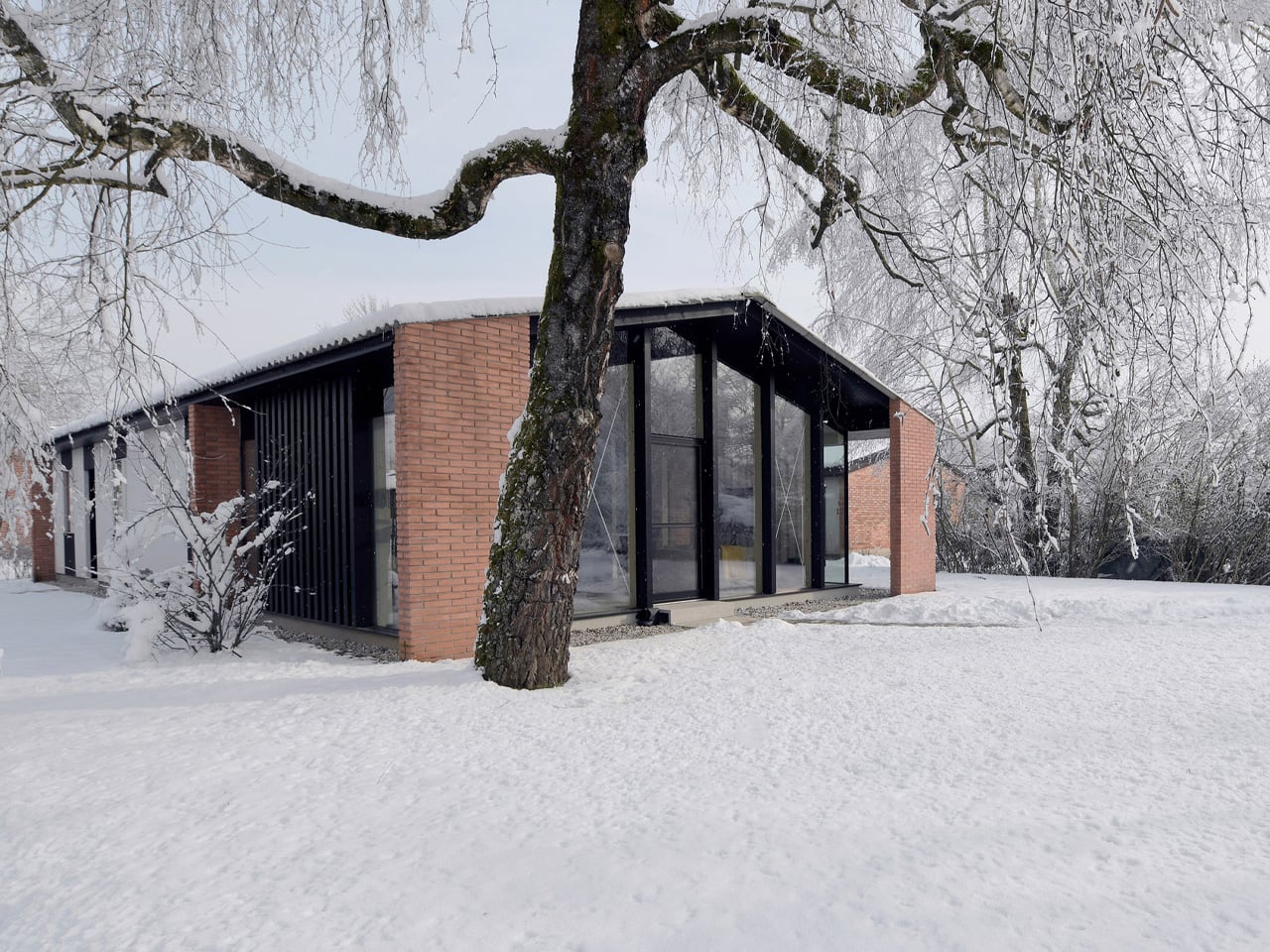
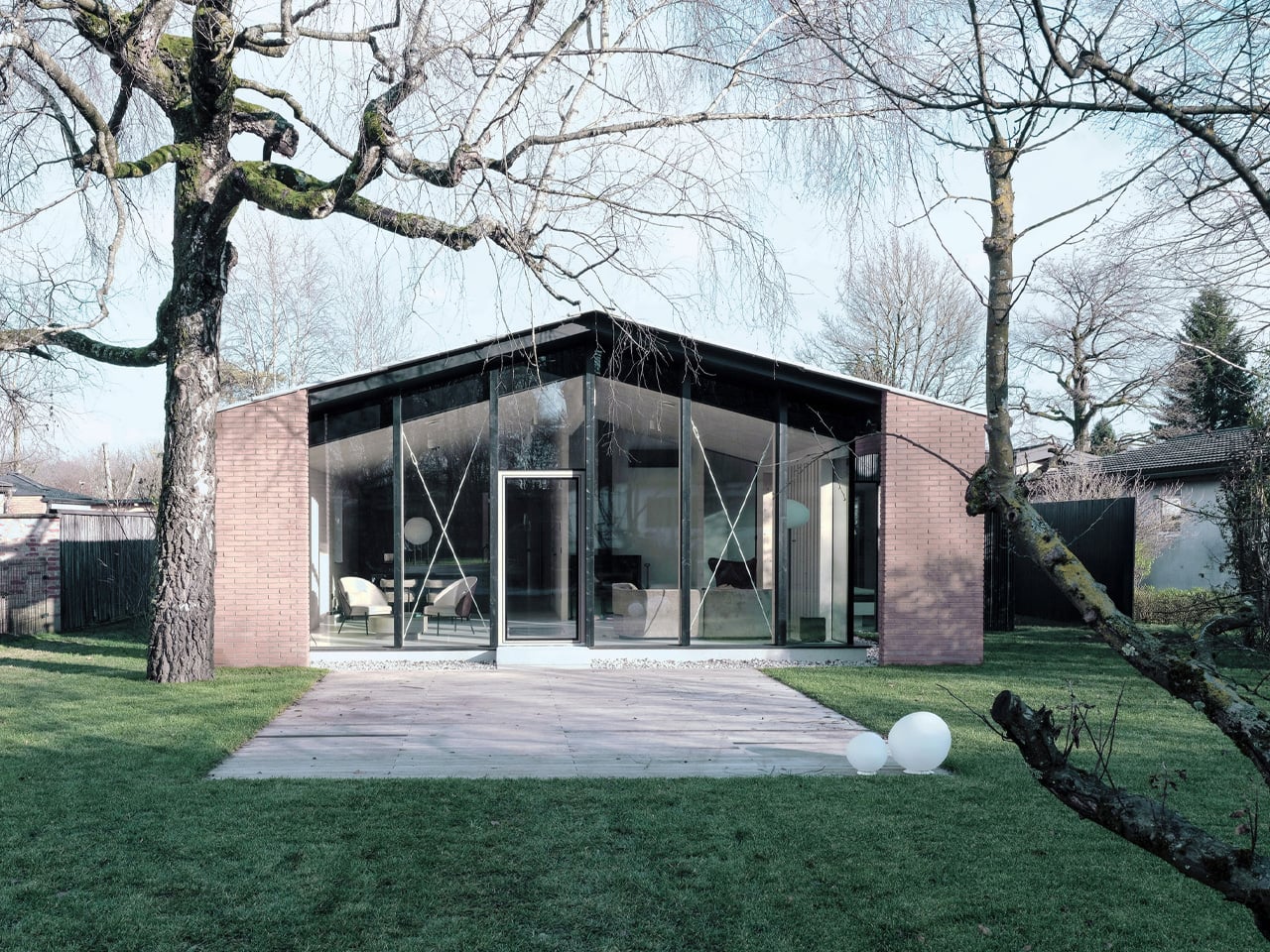
OFIS Rebuilt This 122sq.m. Post-War Home Without Losing Its Soul

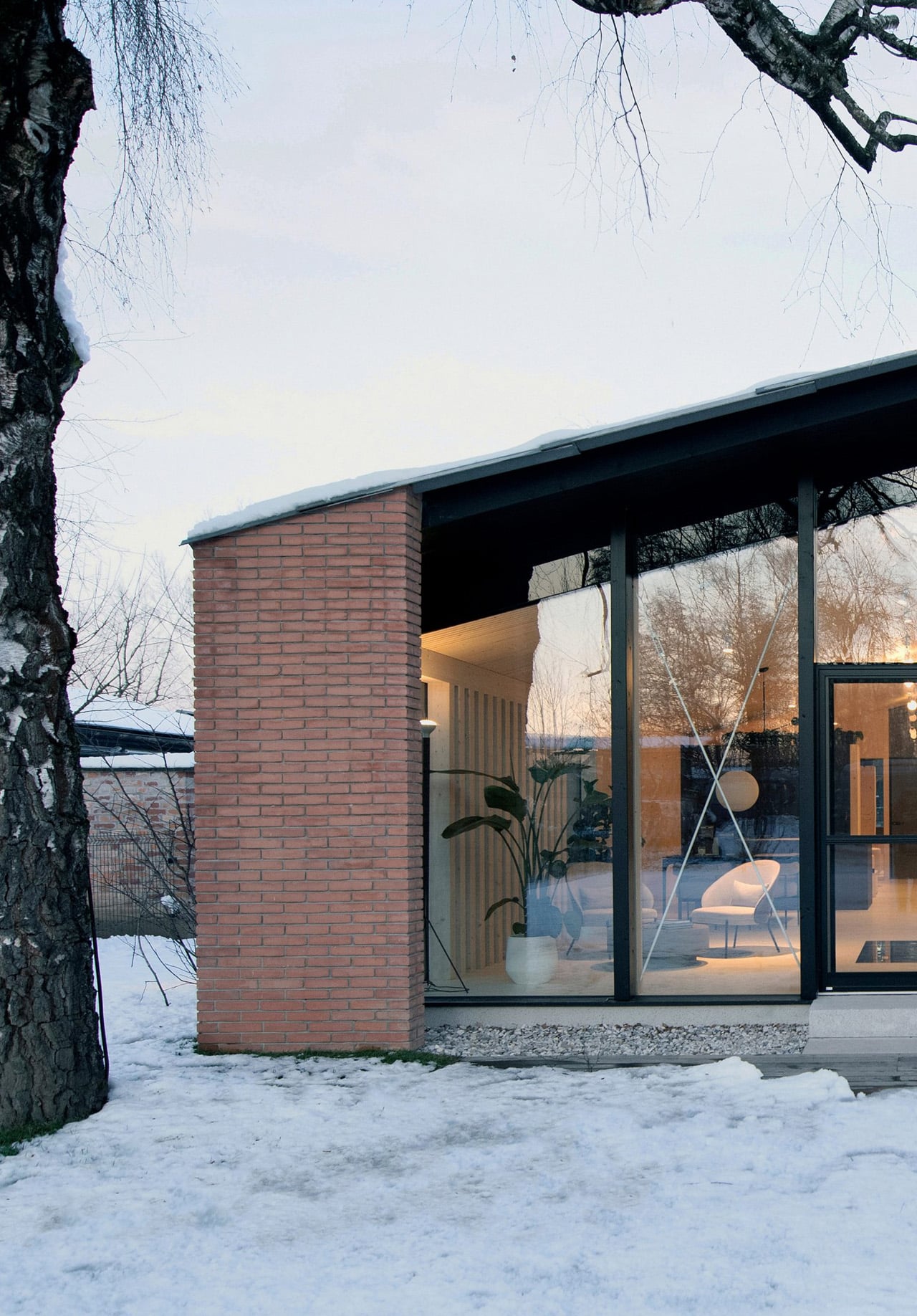
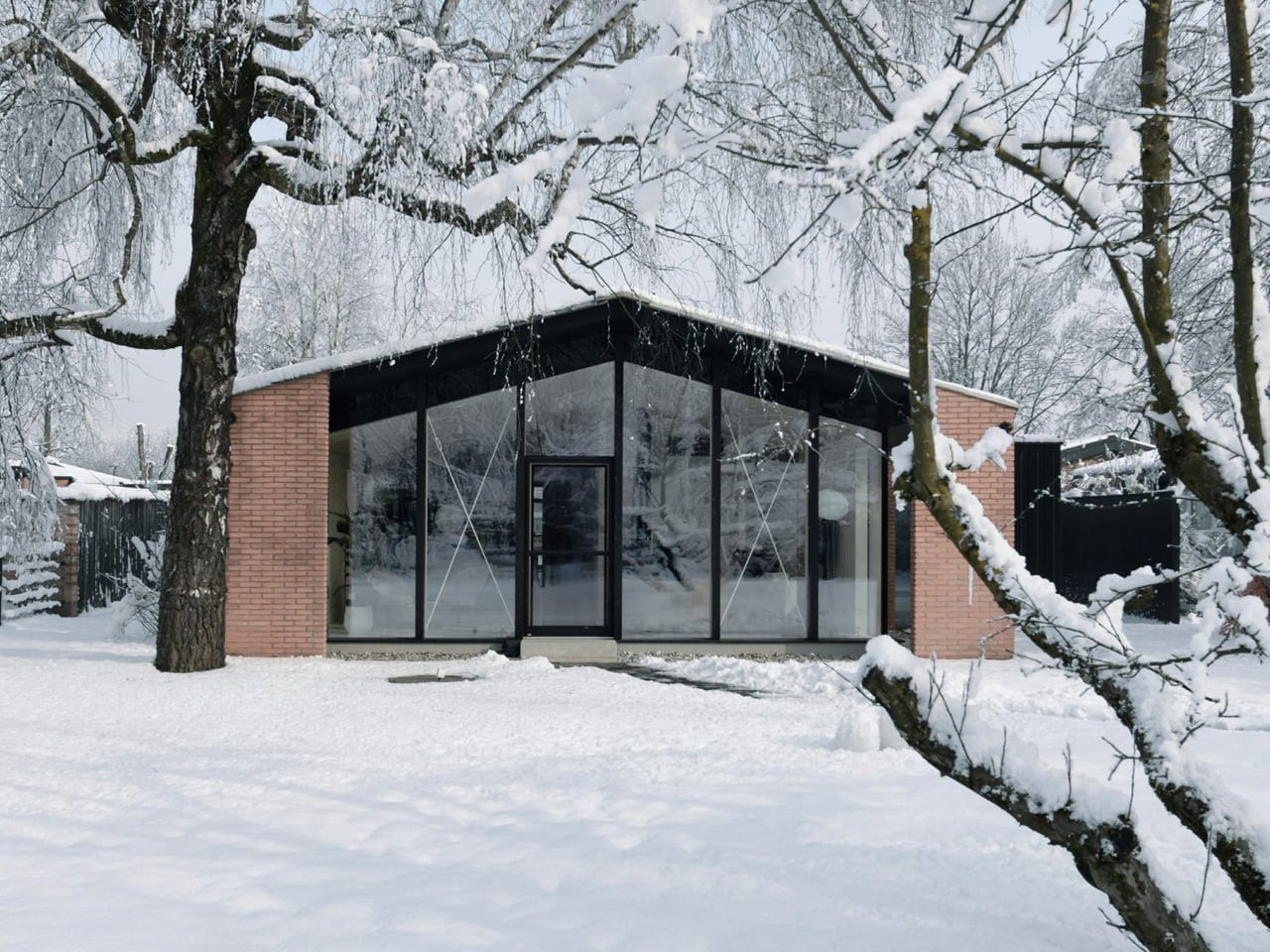
Settled quietly within Naselje Murgle, one of Ljubljana’s most thoughtfully conceived residential neighborhoods, the House Under the Poplars is a 122-square-meter reconstruction and extension that speaks softly and means it. Completed in 2025 by OFIS Arhitekti, the project reads less as a statement of ambition and more as an act of architectural respect, a house that earns its place not by standing out but by understanding exactly where it stands.

Murgle was never meant to be remarkable in a conventional sense. Designed by Slovenian architects France and Marta Ivanšek and built through self-construction phases between 1965 and 1982, the settlement became a quietly radical model of ecological, human-scaled living long before sustainability entered the architectural vocabulary. Its distinctly Scandinavian character, shaped in part by the Ivanšeks’ time in Sweden, gave the neighborhood a collective identity rooted not in signature gestures but in shared, low-tech intelligence.

Designer: OFIS Arhitekti

Led by Rok Oman and Špela Videčnik, OFIS Arhitekti approached the project with the kind of cultural sensitivity that most renovations only gesture toward. The intent was never to impose a new architectural language onto an existing one but to refine and carefully elevate what was already there. The studio leaned into Murgle’s founding principles, treating them not as limitations but as the clearest possible brief for what this house needed to become.

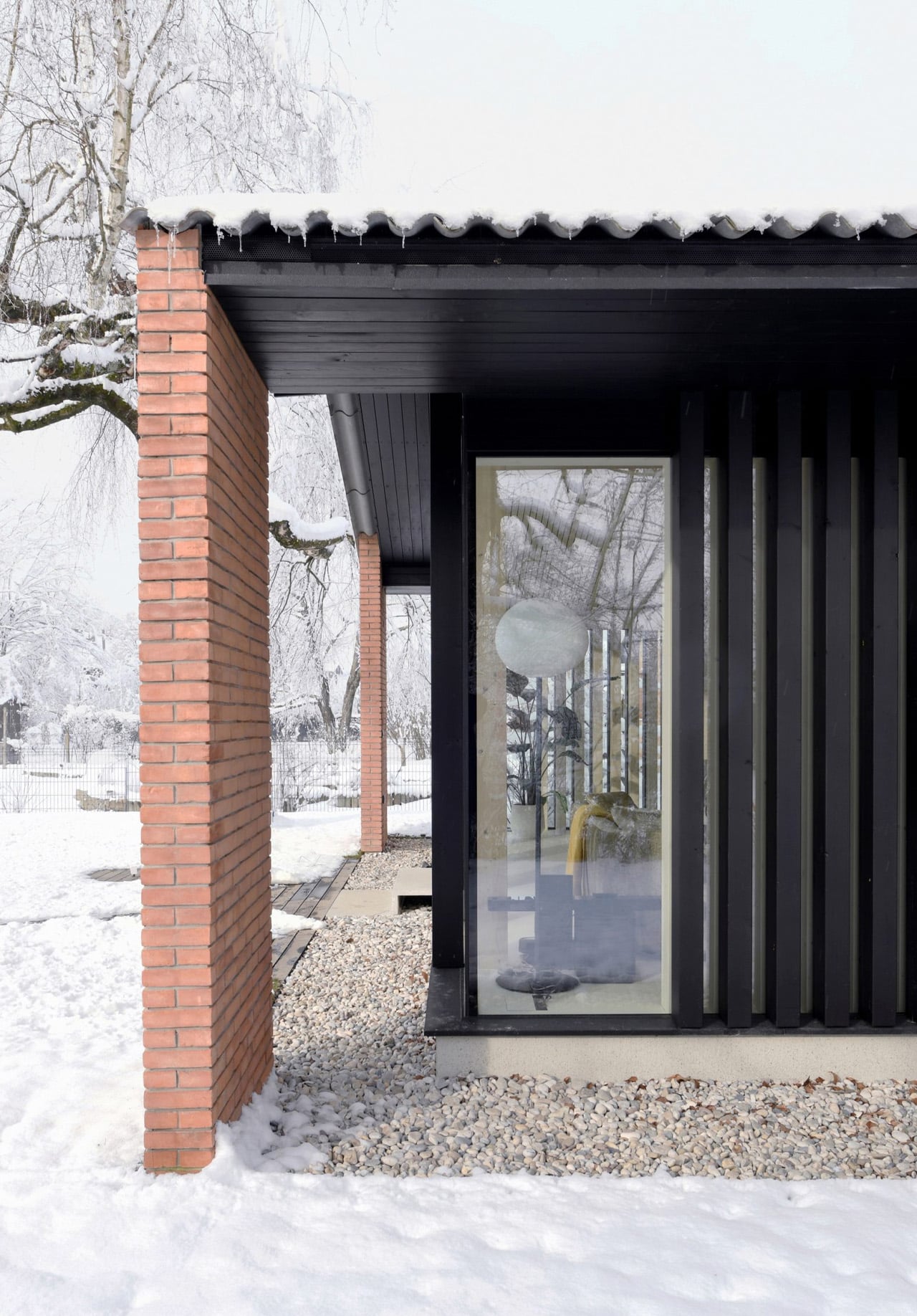
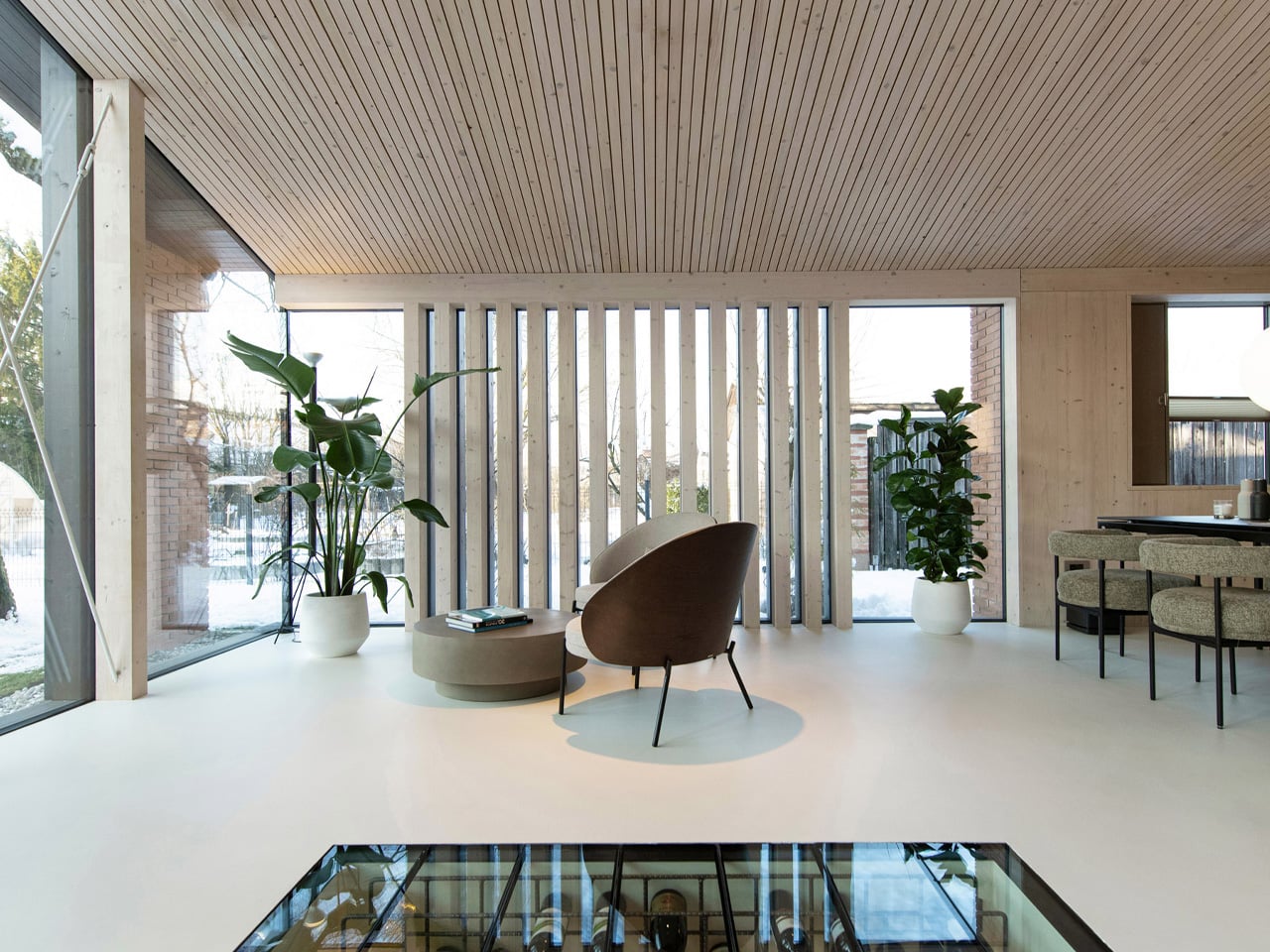
The new glazed façade opens generously toward the garden, framing a mature birch tree with an ease that feels entirely uncontrived. Vertical timber slats line the side glazing, offering privacy to the main living space without cutting it off from the broader landscape. The covered atrium connects the primary bedroom and its ensuite bathroom to the rest of the house, creating a sequence of spaces that feel considered without ever feeling overcalculated.

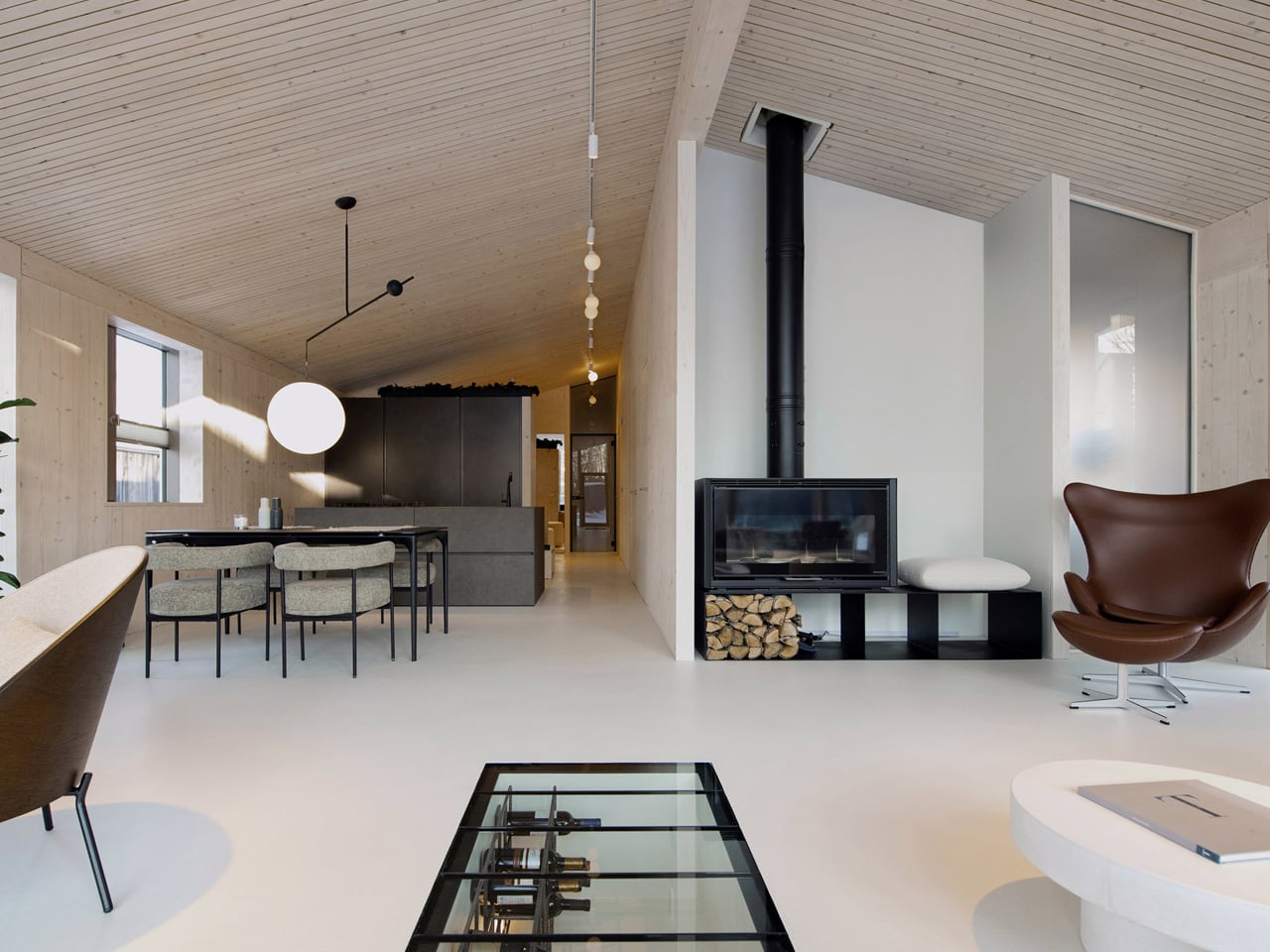
Inside, timber cladding runs across the walls and ceiling in a move that unifies the interior and gives the whole house its warmth. A wine cellar sits beneath a glass floor panel in the living room, one of the project’s more unexpected gestures, and all the better for it. The rest of the program stays deliberately modest: a single additional bedroom suite and a small study, a reminder that restraint, when properly applied, is its own kind of luxury.

The House Under the Poplars does not try to reinvent Murgle. It tries to honor it, and in doing so, quietly sets a standard for what thoughtful, sensitive reconstruction can look like in a neighborhood that has always asked its residents to think beyond themselves. As a project, it resists easy categorization. It is not a restoration, not a reimagining, but something far more useful: a considered continuation of an idea that was already worth keeping.

The post OFIS Rebuilt This 122sq.m. Post-War Home Without Losing Its Soul first appeared on Yanko Design.

The Modular Cat Habitat That Turns Playful Curiosity Into Living Architecture

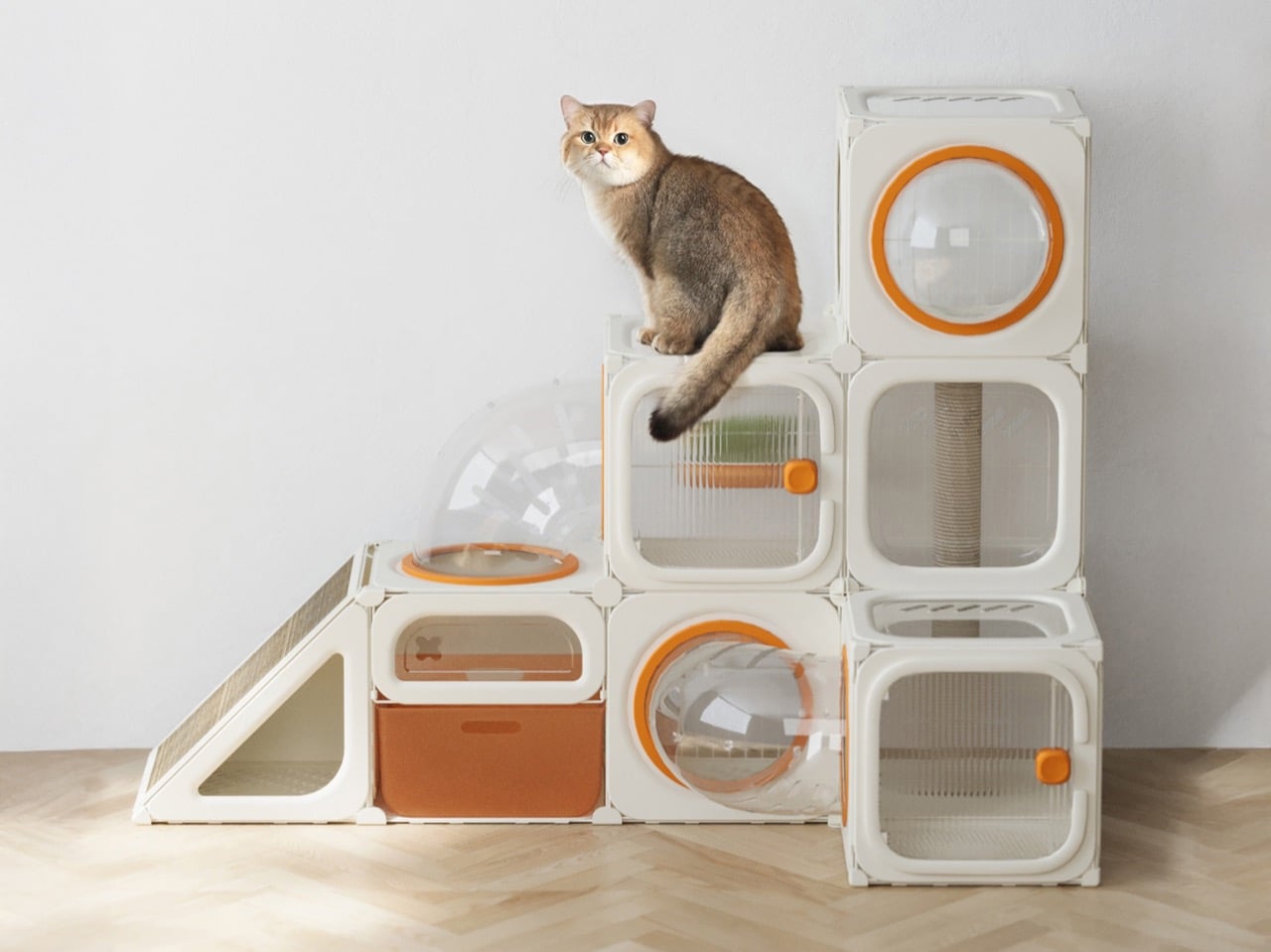
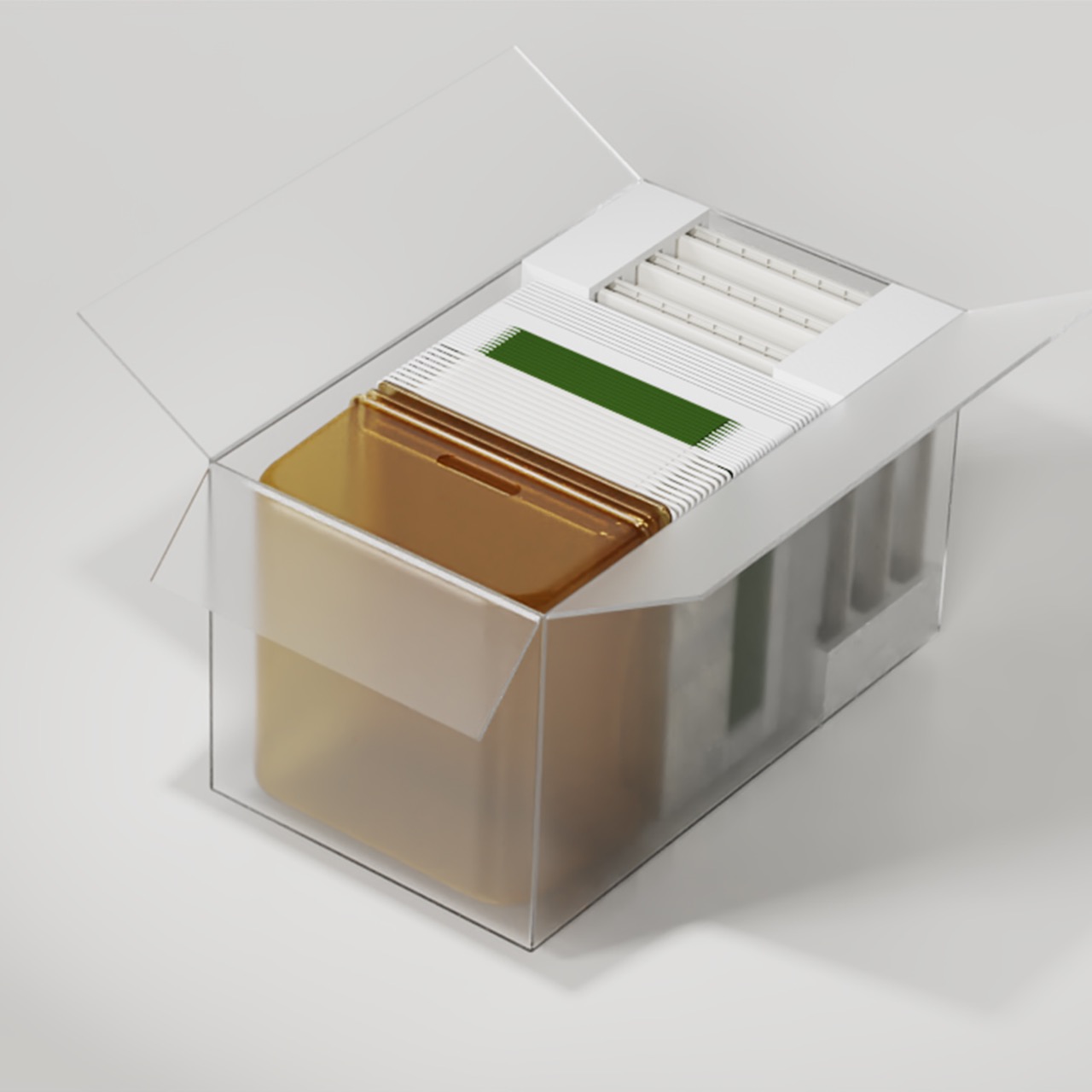
What if we designed homes the way cats would design them? Not human homes with a token scratching post in the corner but true spatial systems built around curiosity, vertical exploration, territorial comfort, and play. The N Plus Magic House begins precisely at that question, reframing pet furniture not as an accessory but as architecture scaled for feline psychology. Instead of treating a cat house as a static object, this project treats it as a living spatial framework, one that evolves alongside its inhabitant.

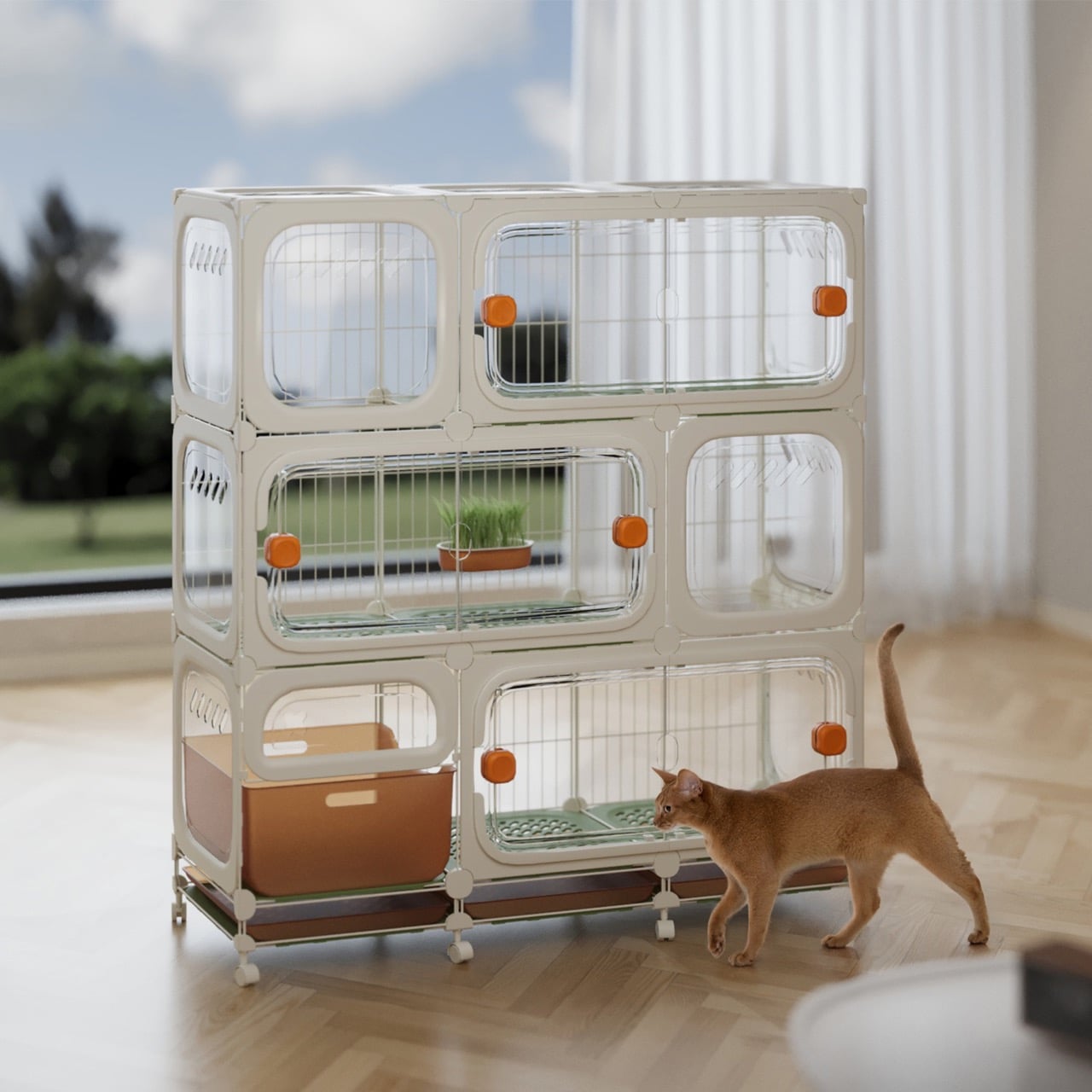
Today’s pet owners increasingly see their cats as emotional companions rather than animals that merely coexist in domestic space. That shift has quietly created a design problem. Traditional cat houses, even elaborate ones, tend to be fixed structures. They may be visually impressive, but they impose constraints on placement, adaptability, and long-term usability. The N Plus Magic House flips that paradigm by introducing modularity as its core philosophy. Rather than selling a finished form, it offers a system of standardized units that can be assembled, rearranged, expanded, or reduced as needed. The result is less like furniture and more like a customizable habitat kit.

Designer: Taizhou Hake Technology Co., Ltd

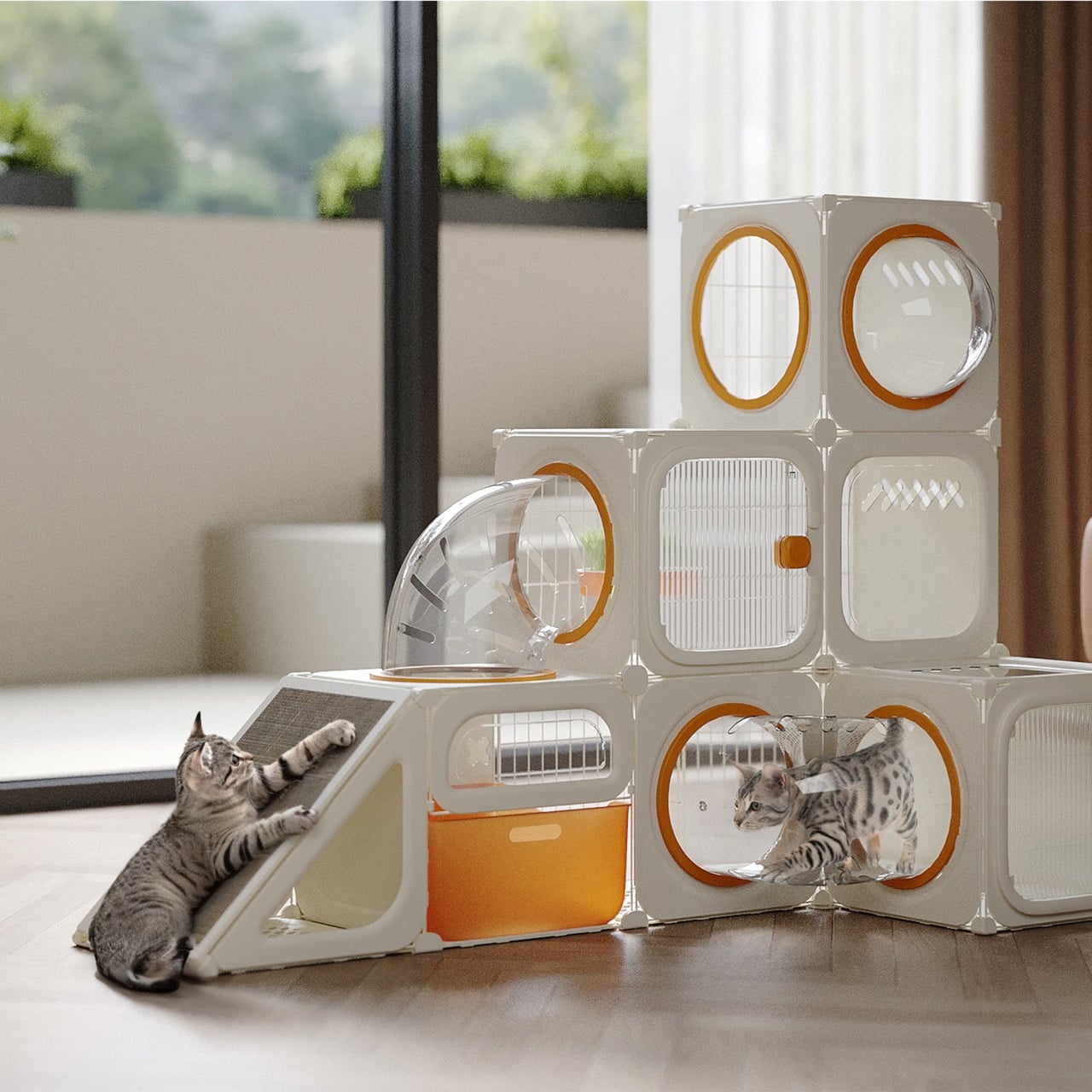
The genius of the design lies in its simplicity. Each module functions independently yet connects securely through precision-engineered connectors. Owners assemble structures by inserting panels into slots and stacking them like building blocks. No technical expertise, tools, or installation manuals are required. This intuitive construction method does something subtle but powerful. It turns pet care into participation. Instead of buying a finished object, users become co-designers of their cat’s environment. That interaction strengthens the emotional bond among the owner, the pet, and the space.

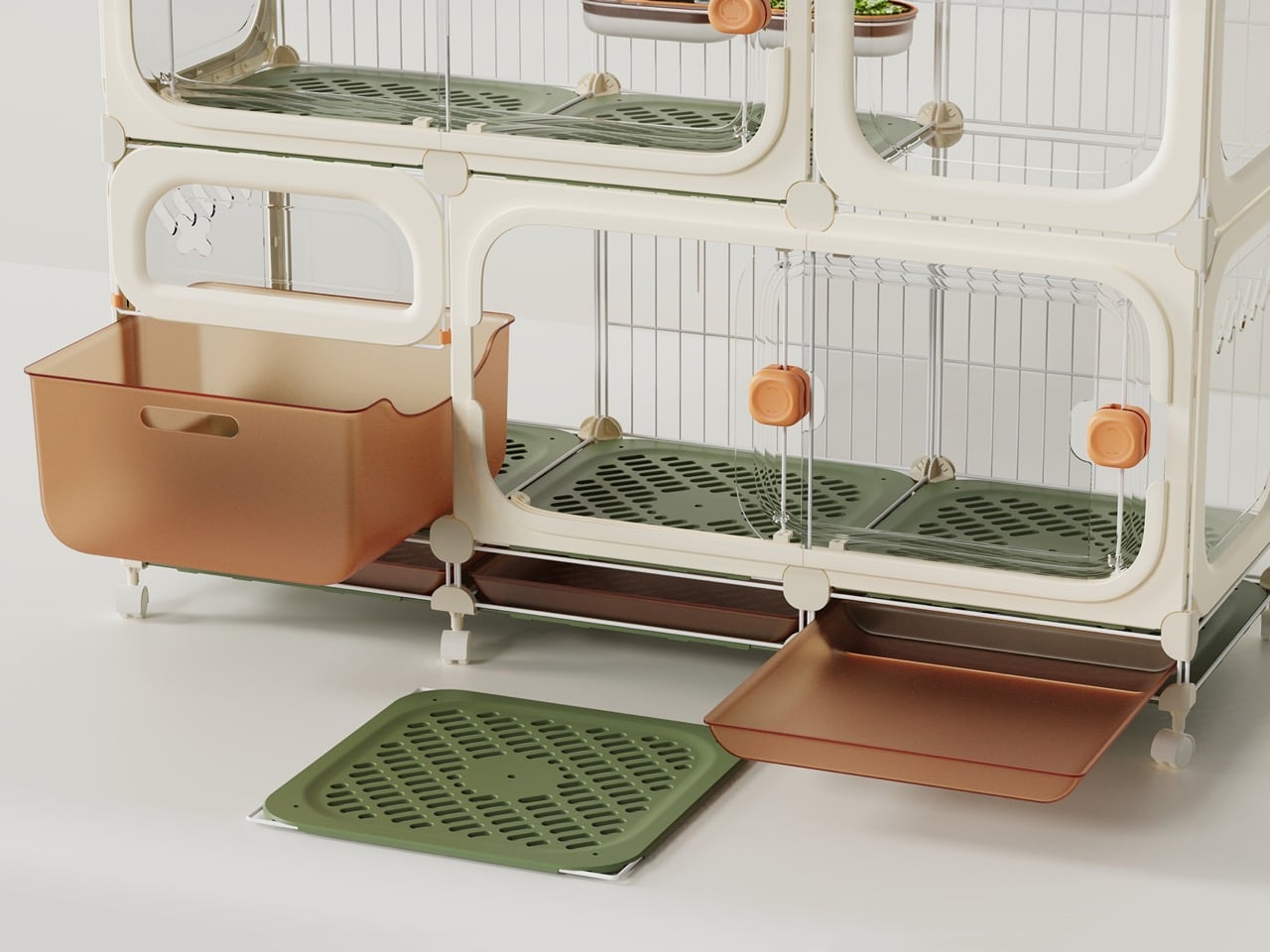
Material choices reinforce the system’s practicality. The structure combines impact-resistant PP resin, transparent PET panels for visibility, and carbon steel mesh for structural integrity. These materials balance durability with safety while allowing owners to monitor their pets without disturbing them. The manufacturing processes, such as injection molding and automatic wire welding, ensure consistency, precision, and reliability across units. Every element reflects careful alignment with feline behavior and safety requirements.

Behind the scenes, the development team approached the project with a research-driven mindset. They studied cats’ behavioral patterns, analyzed existing products on the market, and mapped owner expectations. One of the biggest technical challenges was maintaining structural stability while preserving modular flexibility. The solution was a custom connector engineered to withstand pressure and weight while preventing slippage. Its textured surface increases friction, ensuring modules remain firmly locked during use. This small component is arguably the system’s unsung hero. It transforms a playful concept into a reliable architectural structure.

Developed in Taizhou, Zhejiang Province, between July 2023 and November 2024 and later exhibited internationally, the N Plus Magic House represents a broader shift in product design thinking. It signals a move away from static ownership toward adaptive systems, objects that respond to changing needs over time. In a world where personalization defines modern consumer expectations, this approach feels less like a novelty and more like a glimpse into the future of domestic product design.

The post The Modular Cat Habitat That Turns Playful Curiosity Into Living Architecture first appeared on Yanko Design.

One House, Two Faces: How This Mountain Cottage Nails Traditional & Modern

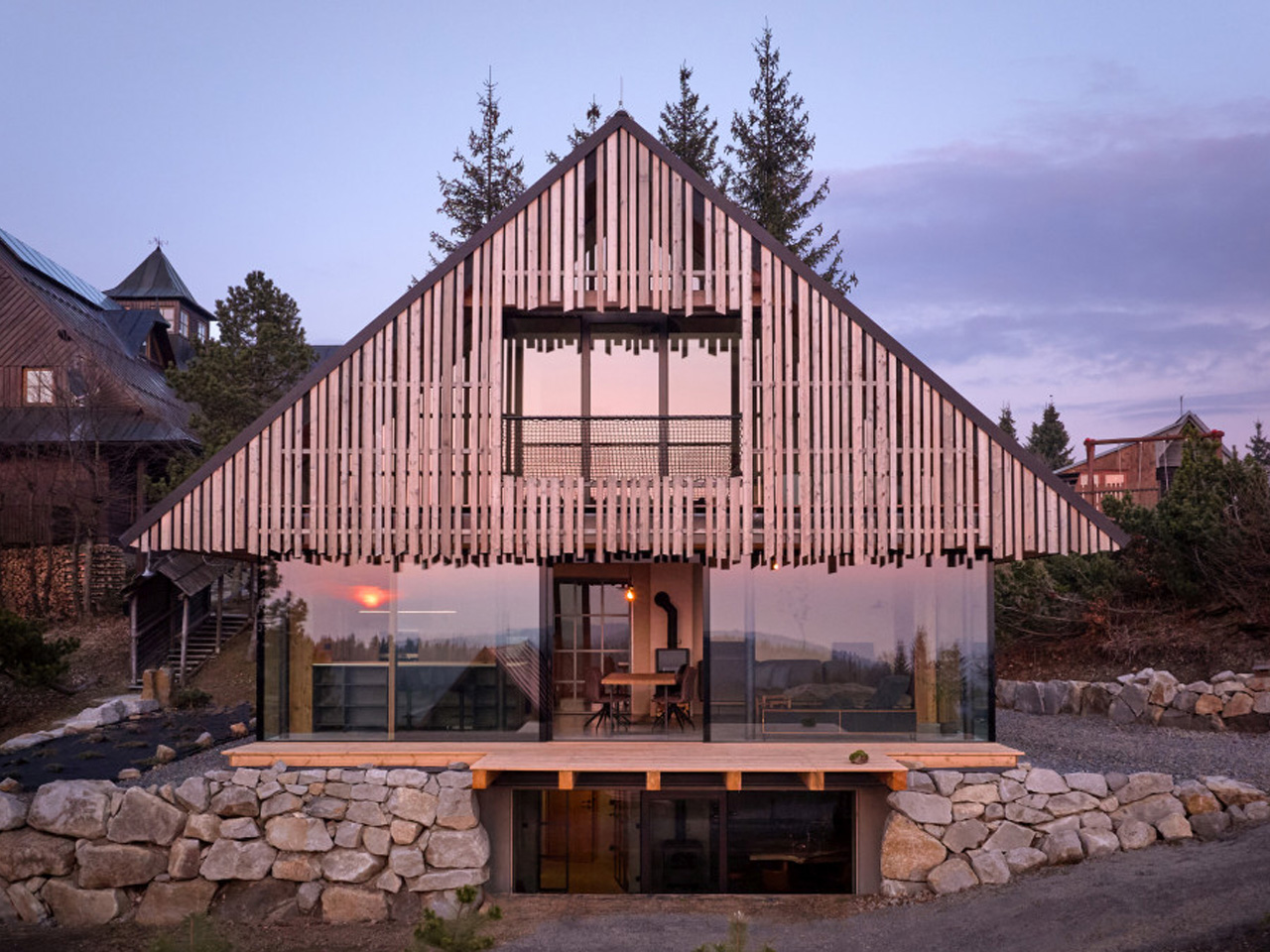
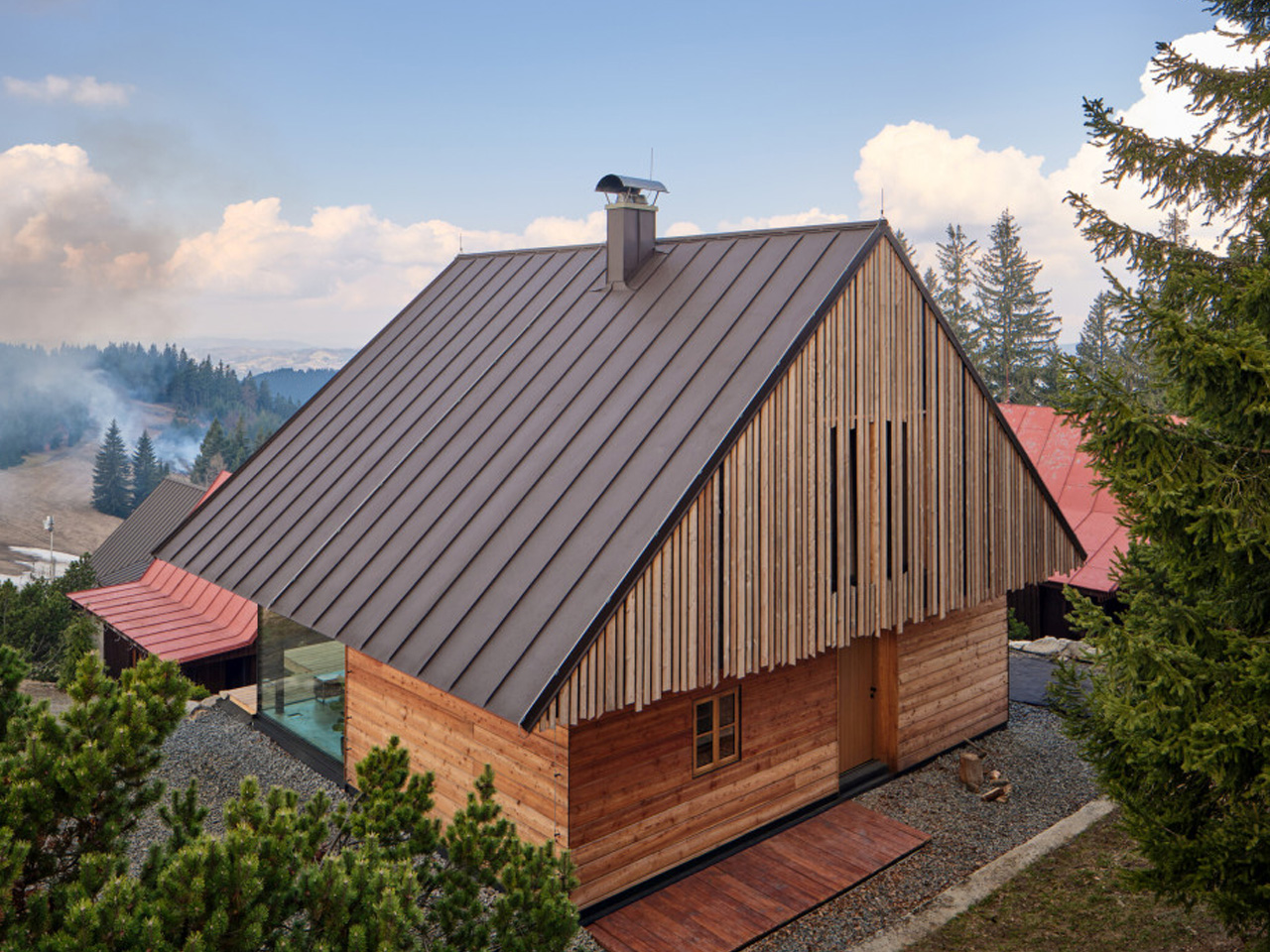
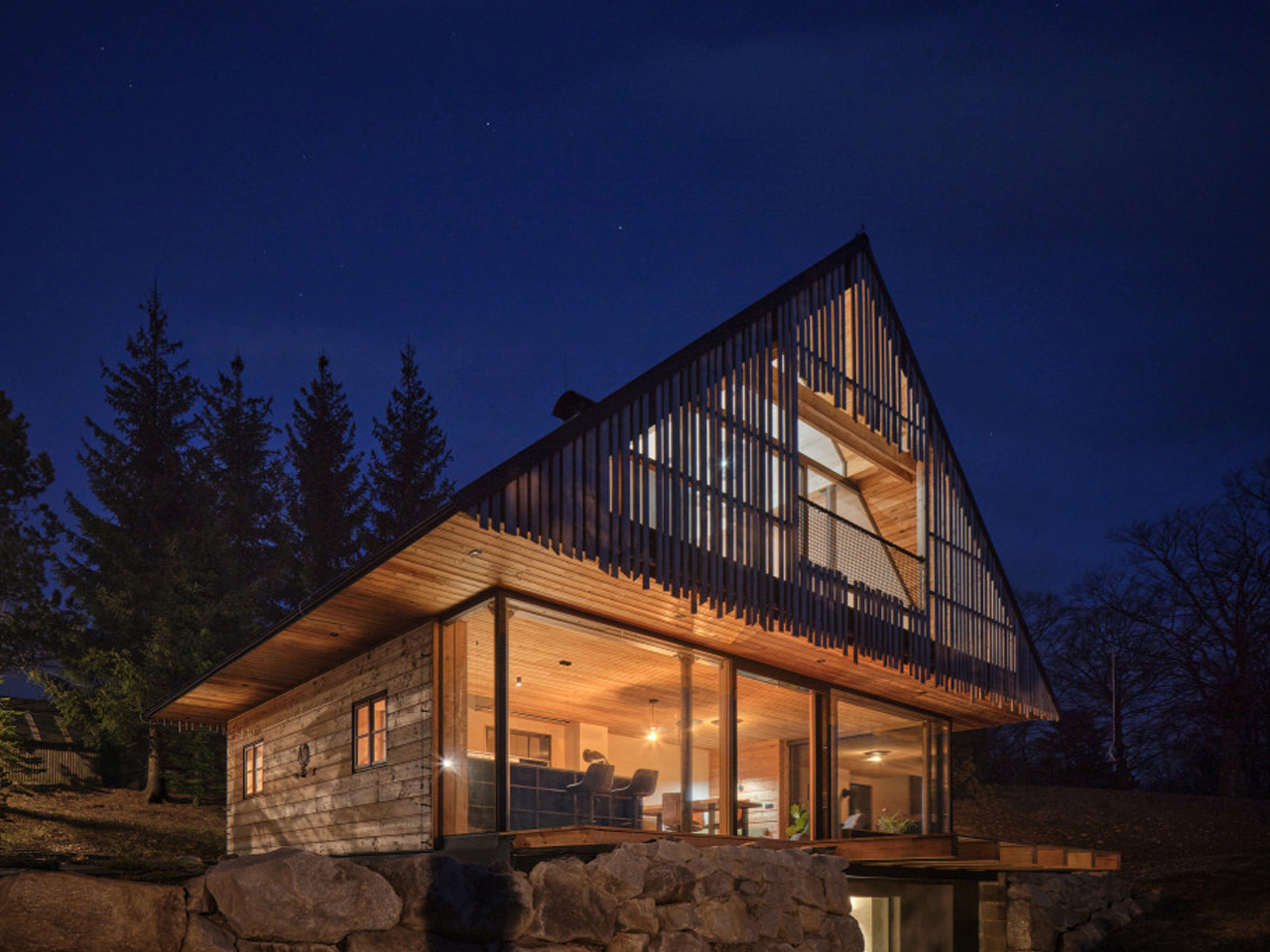
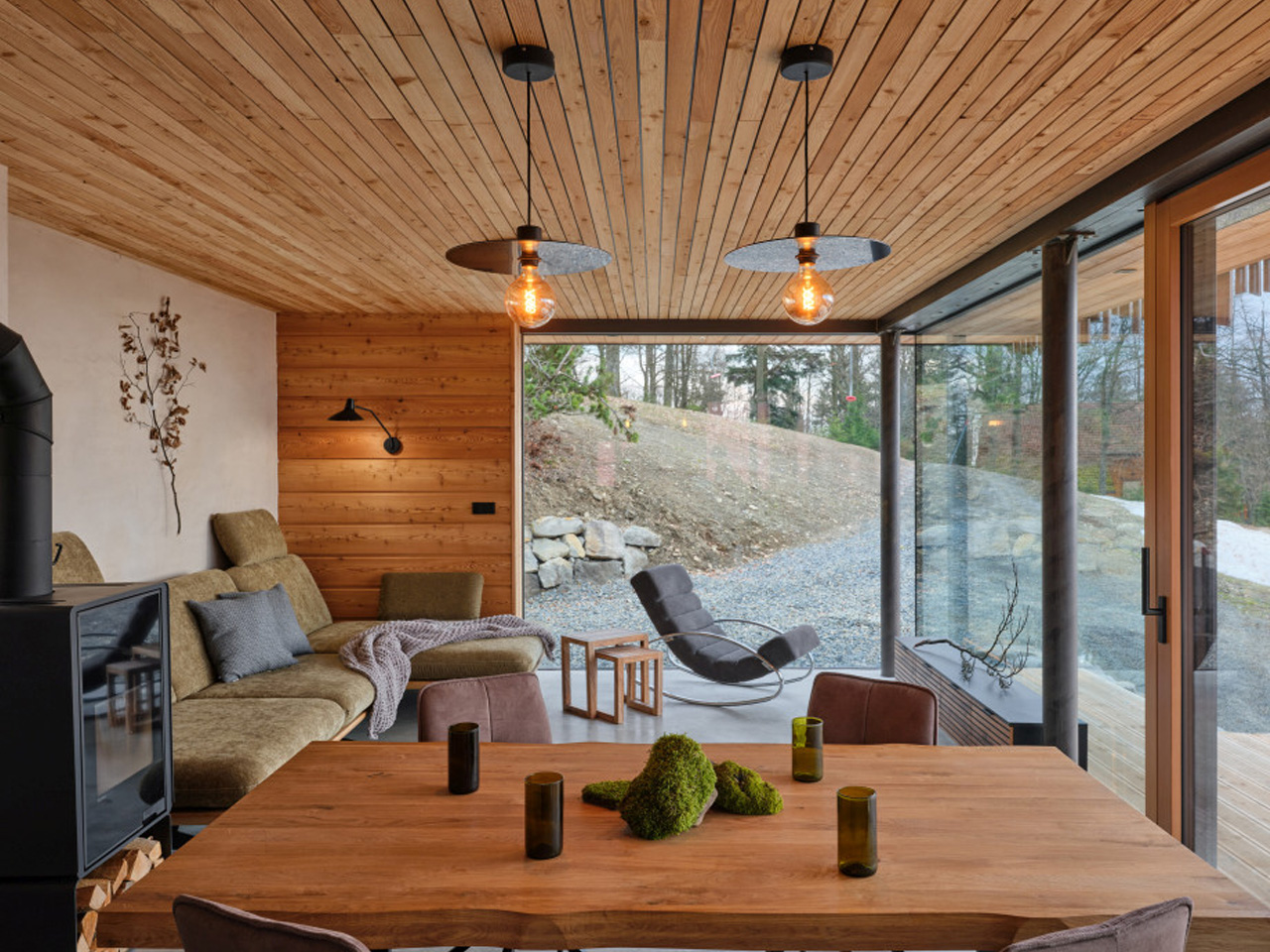
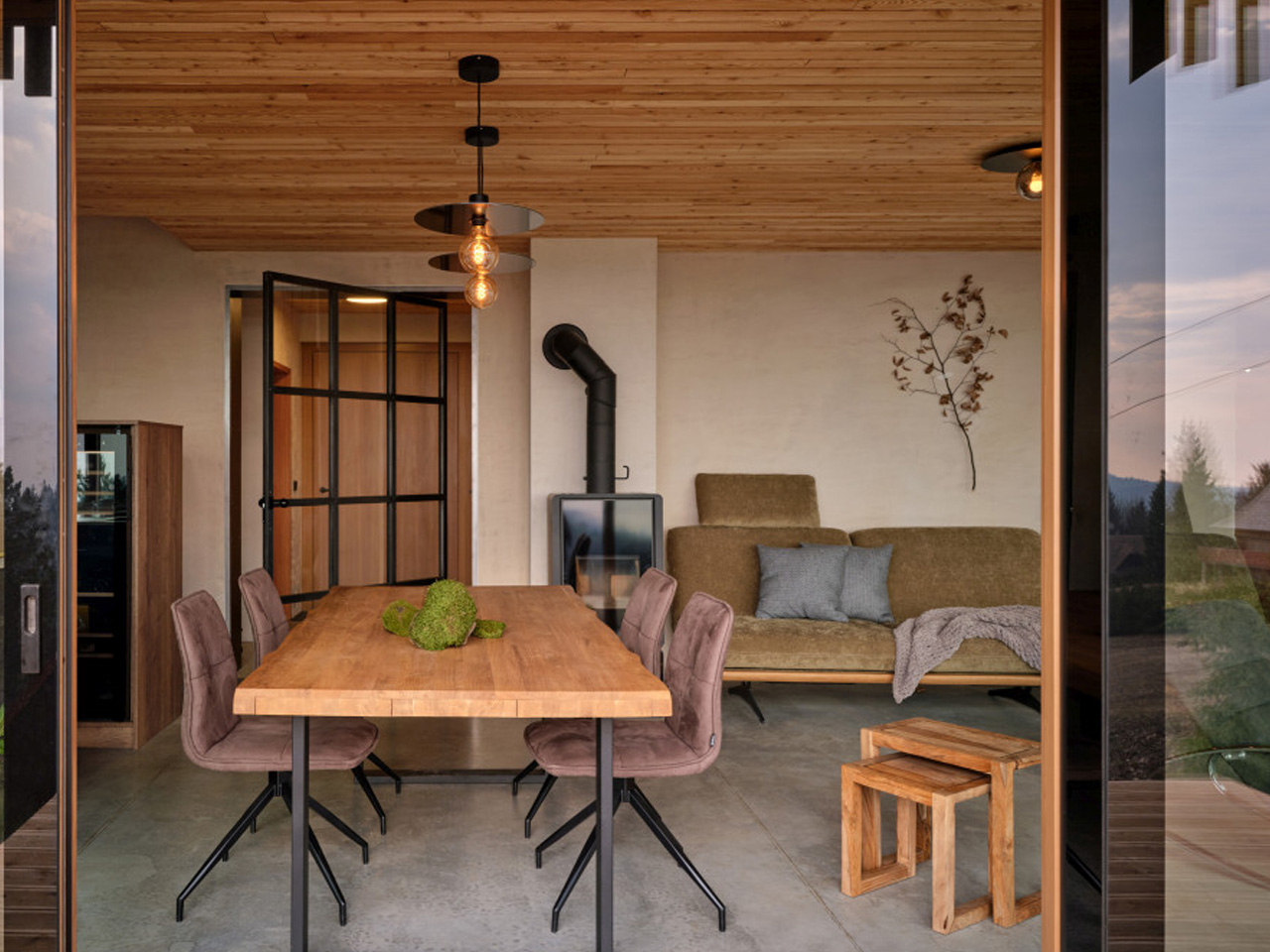
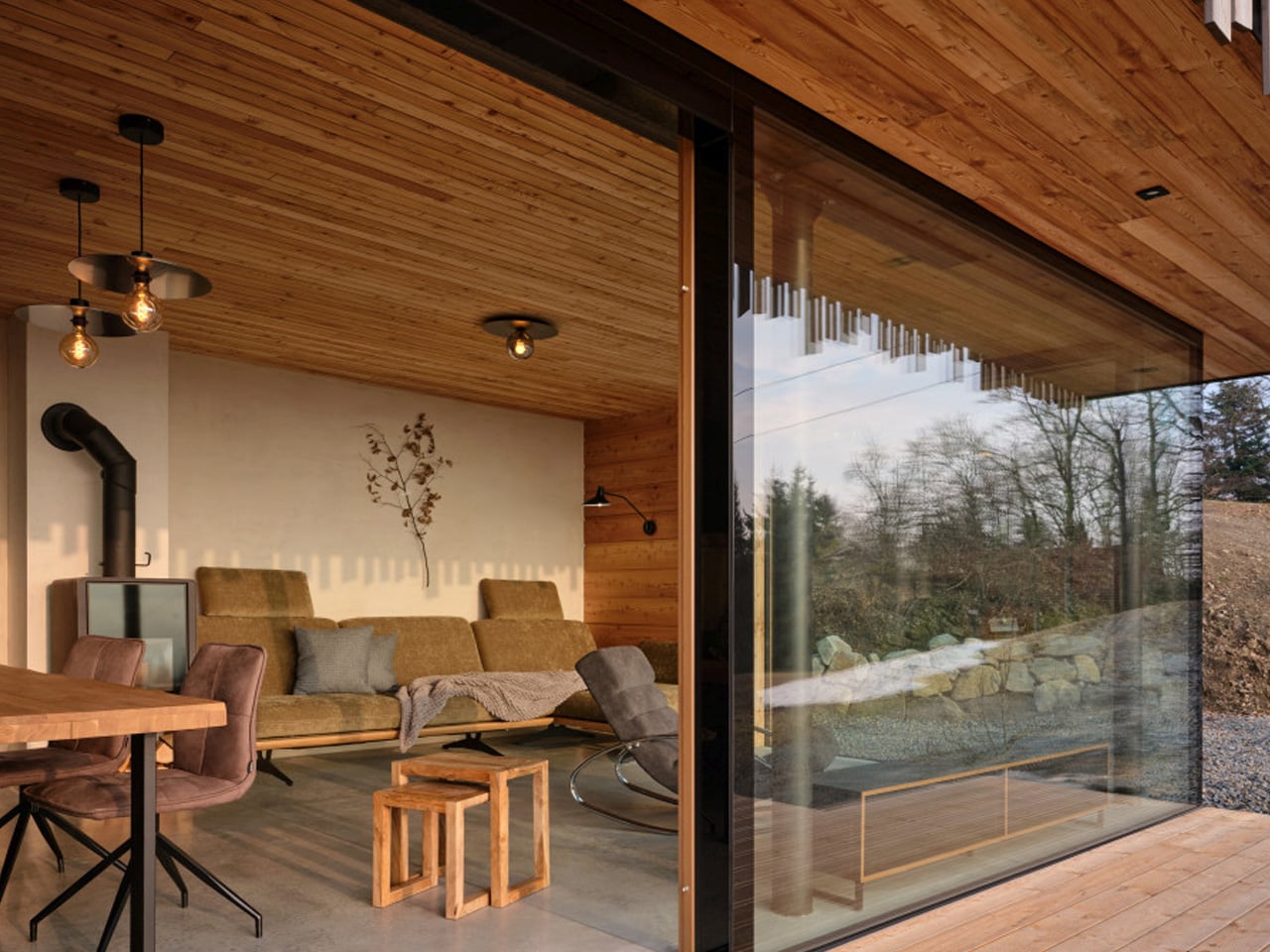
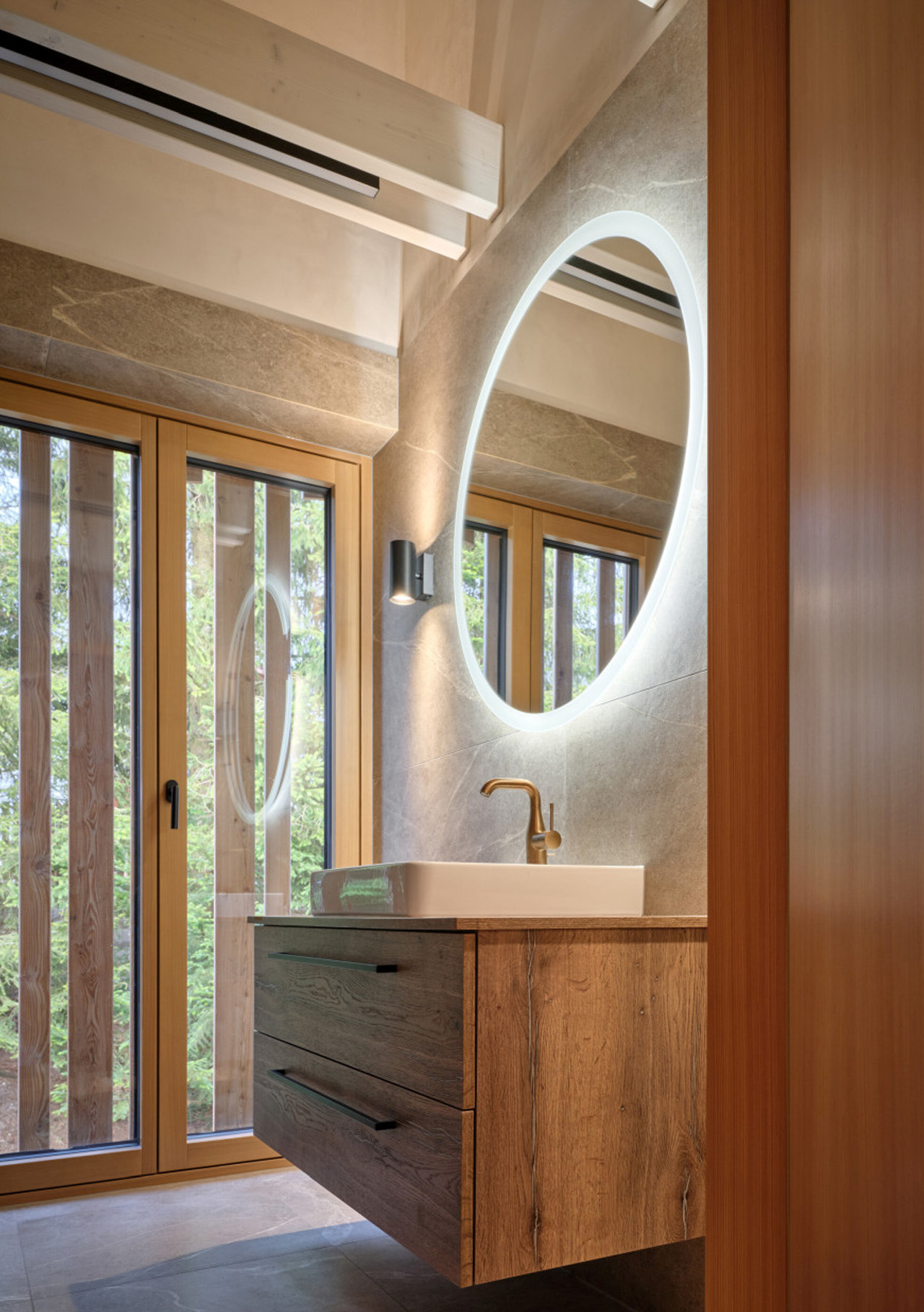
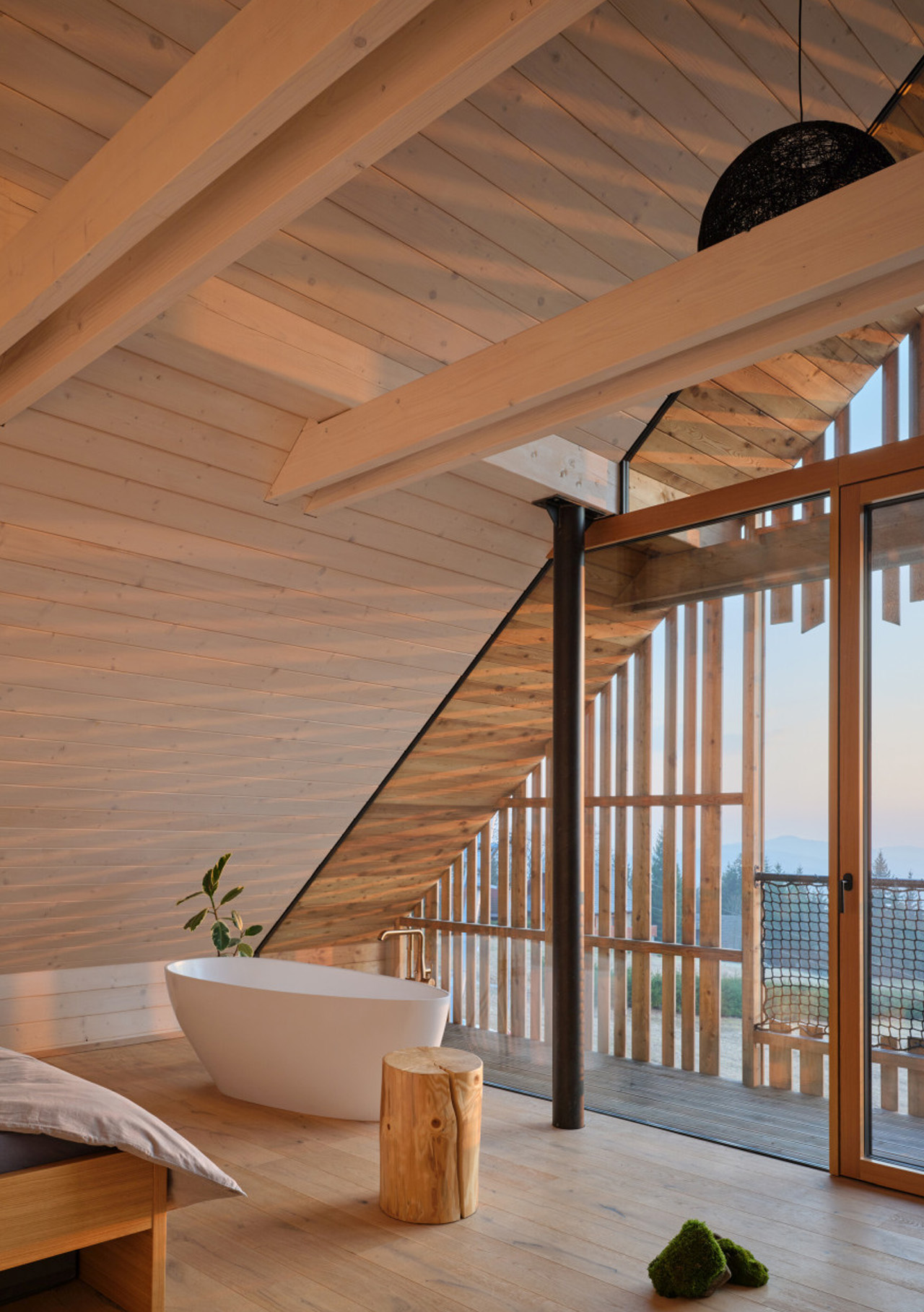
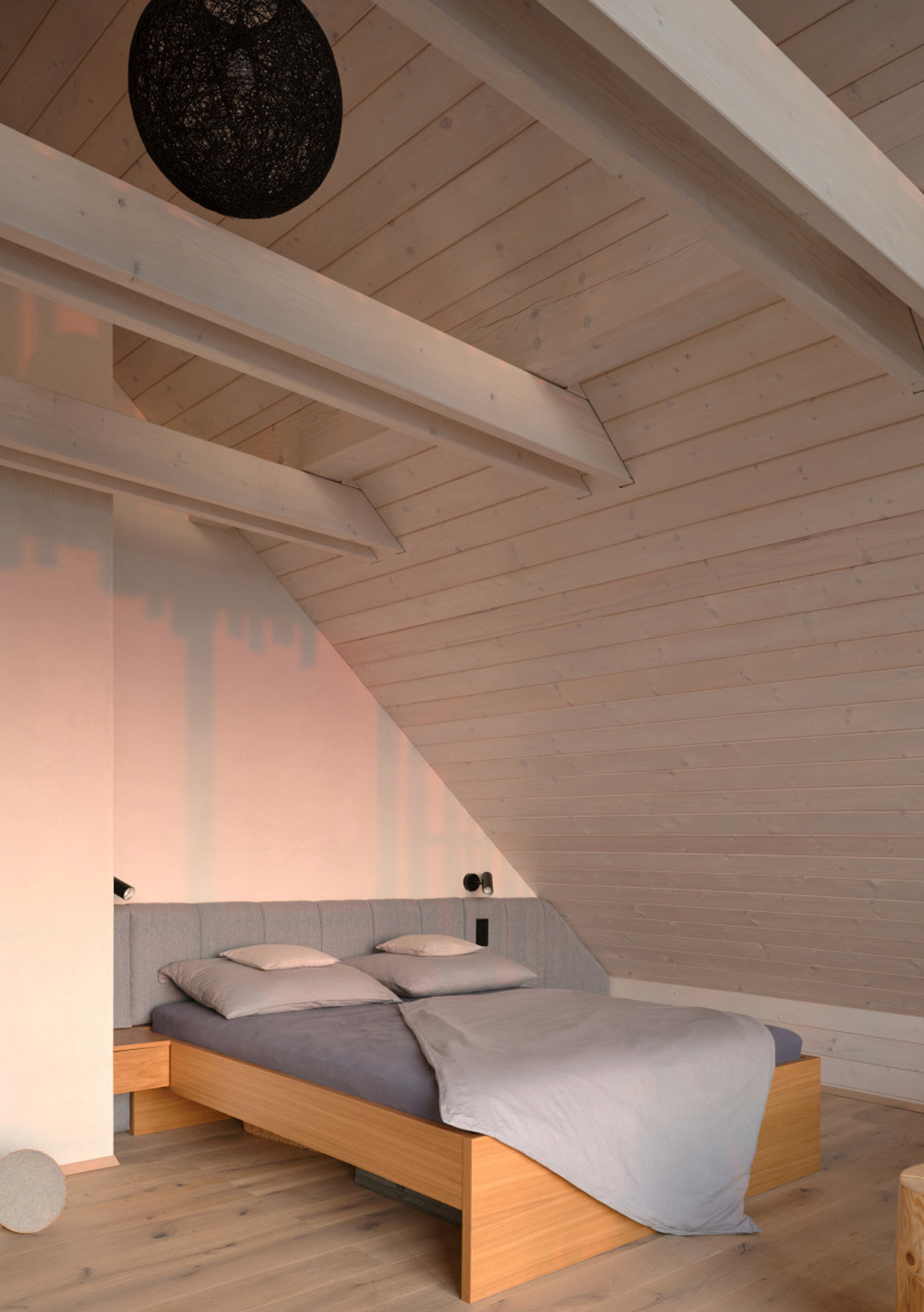
The Kohútka Cottage, designed by SENAA architekti, sits perfectly in the Javorníky range as if it always belonged there. But this isn’t just another mountain retreat trying too hard to look rustic. Architects Jan Sedláček and Václav Navrátil faced an interesting challenge. The owner of a local mountain complex wanted something that felt authentically Wallachian but worked for modern living. Instead of choosing one or the other, they created a house with two faces that each tell a different story.

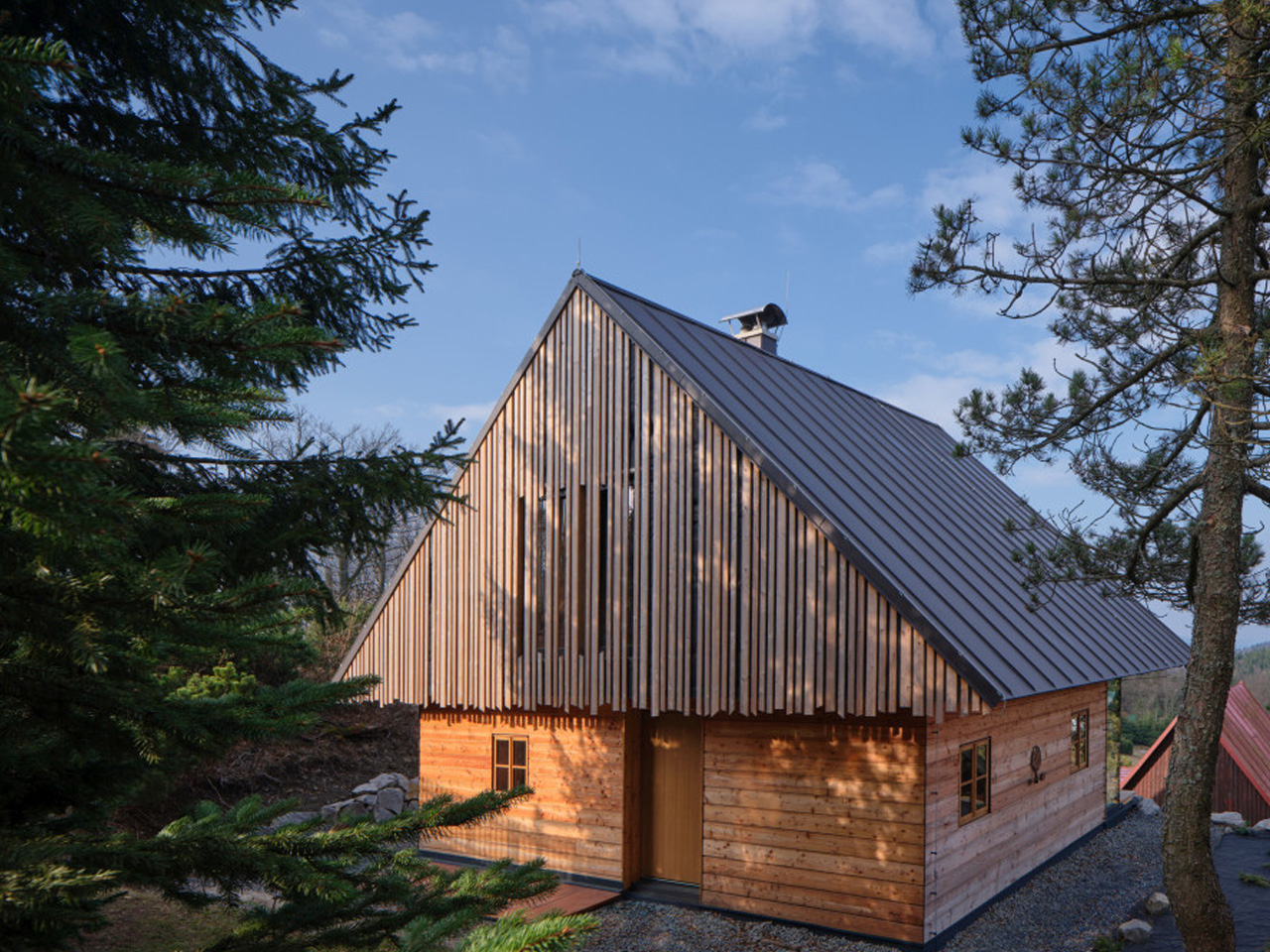
Walk up from the east and you’ll see exactly what you’d expect from this region. Small windows, deep roof overhangs, and that classic log cabin silhouette that’s been keeping mountain families warm for centuries. It’s the kind of building your grandmother would recognize, built using forms that actually make sense in this climate.

Designer: SENAA architekti

But circle around to the west side and everything opens up. Huge windows frame views across multiple valleys, turning the interior into a viewing gallery for some of the most beautiful scenery in the Czech Republic. It’s a smart move that lets the house honor its roots while making the most of its incredible location.

What’s really impressive is how they built this thing. The entire structure uses prefabricated timber panels that were made down in the valley, then trucked up and assembled in just one day. That’s not just efficient – it meant minimal disruption to the mountainside. The house meets strict low-energy standards, too, proving you don’t have to choose between being environmentally responsible and building something beautiful.

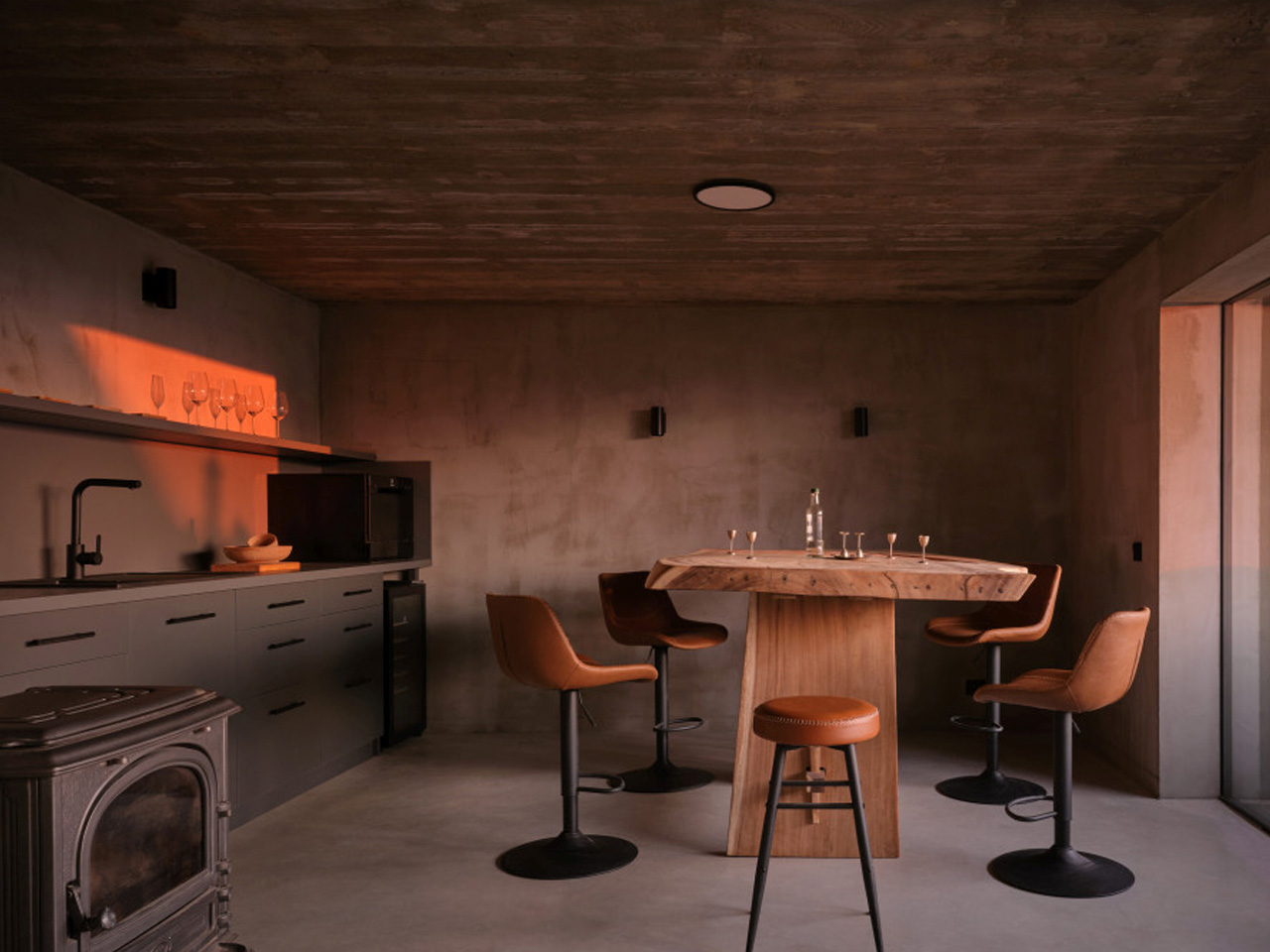
The interior layout makes clever use of the sloping site. There’s a wellness area tucked under the main level with a sauna and relaxation spaces that get natural light filtering down from above. All the boring mechanical stuff gets hidden away at this lower level, keeping the main living spaces focused on those mountain views.

SENAA architekti clearly know what they’re doing. The studio has worked everywhere from Brno to Los Angeles, and that experience shows in how they approached this project. They didn’t try to reinvent mountain architecture – they just did it really well.

You won’t find trendy dormers or unnecessary skylights here. Instead, the design relies on basics that have worked in these mountains for generations. The steep roof handles snow loads and weather. The window placement gives you light without losing heat. Simple decisions that add up to something that just works.

The Kohútka Cottage proves something important about mountain architecture. You can respect local building traditions while meeting today’s standards for comfort and sustainability. The result feels both timeless and completely contemporary – exactly what good architecture should do.

The post One House, Two Faces: How This Mountain Cottage Nails Traditional & Modern first appeared on Yanko Design.

India’s First Mass Timber Home In Goa Raises The Bar For Sustainable Living

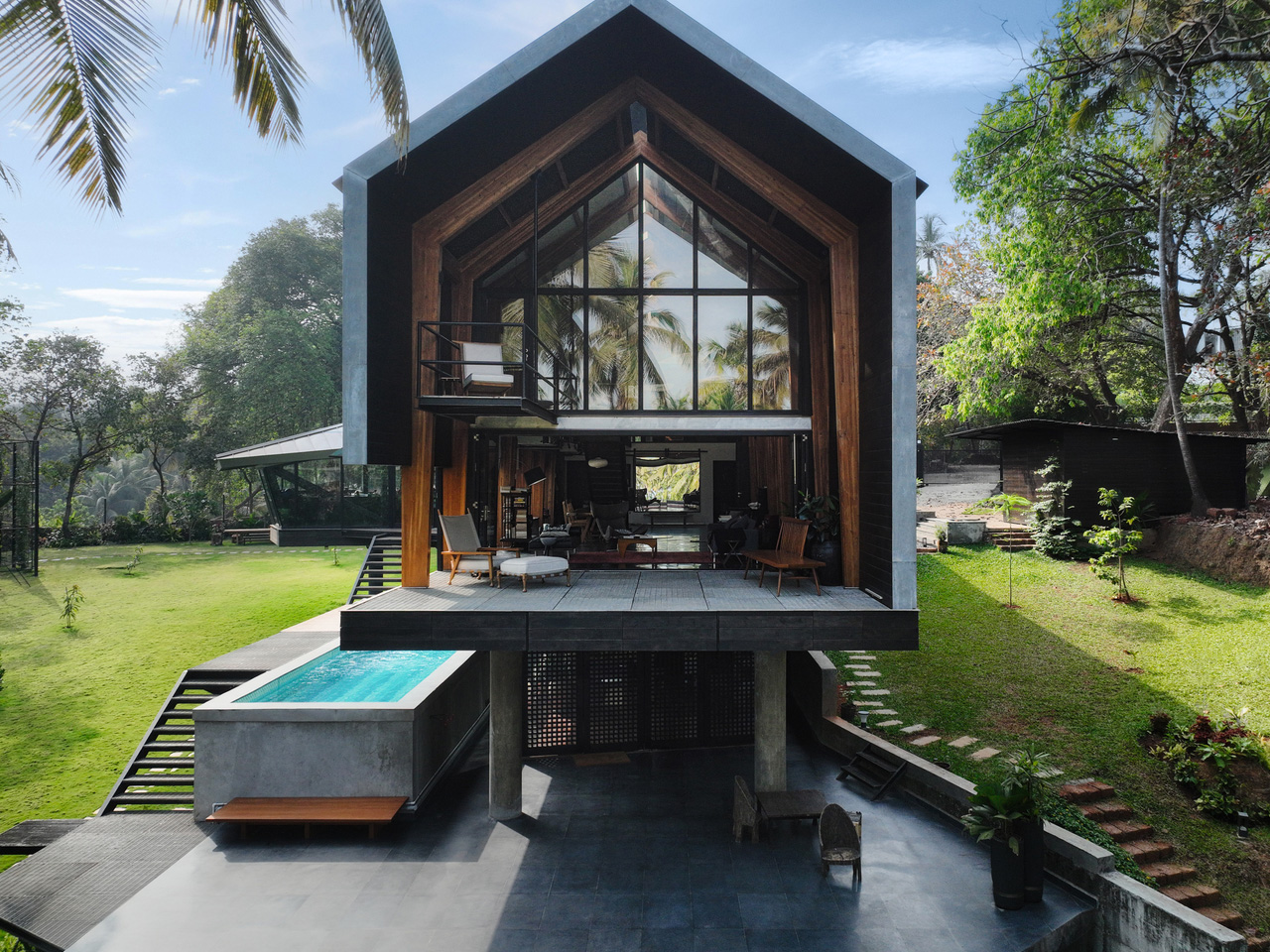
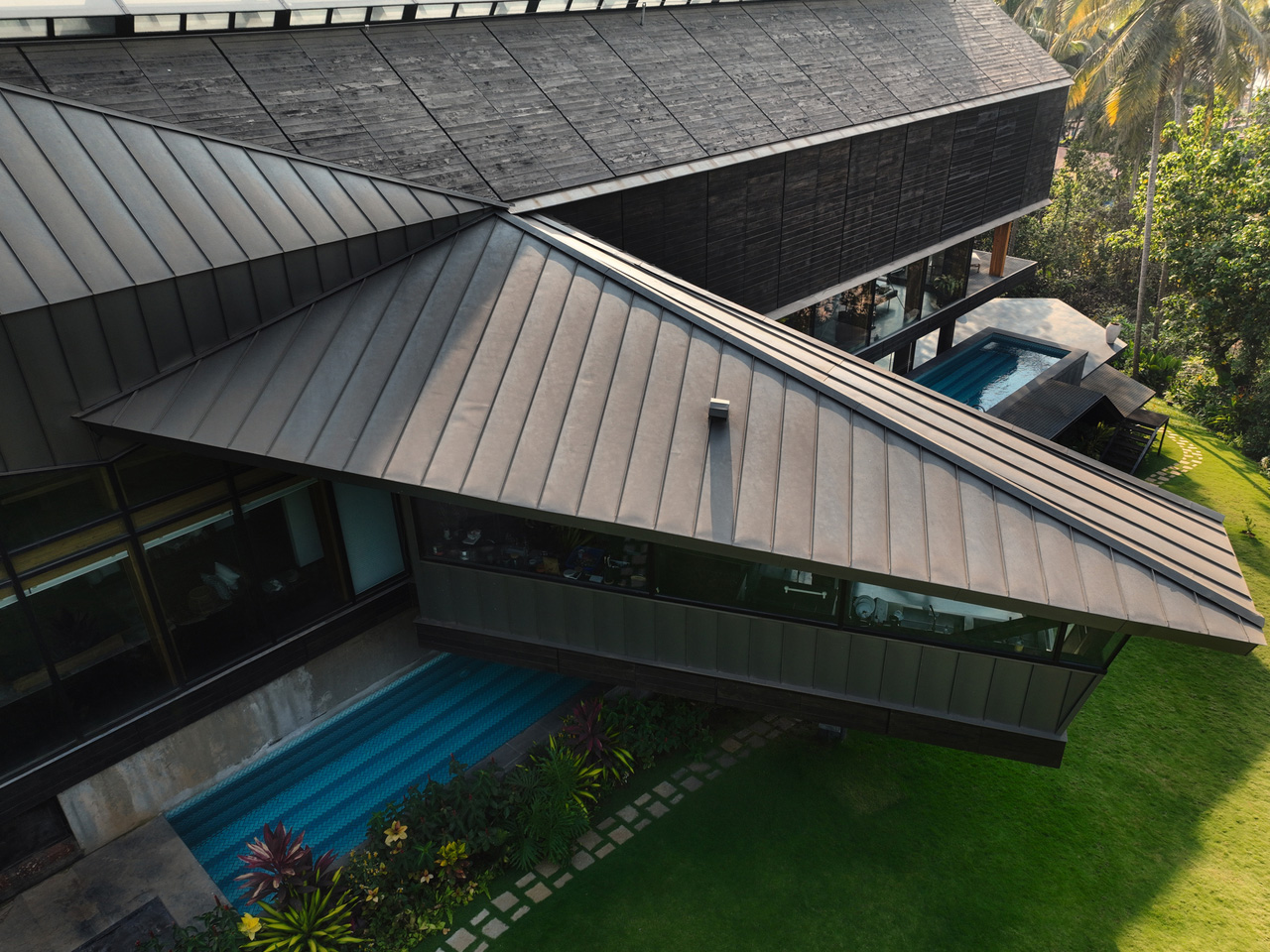
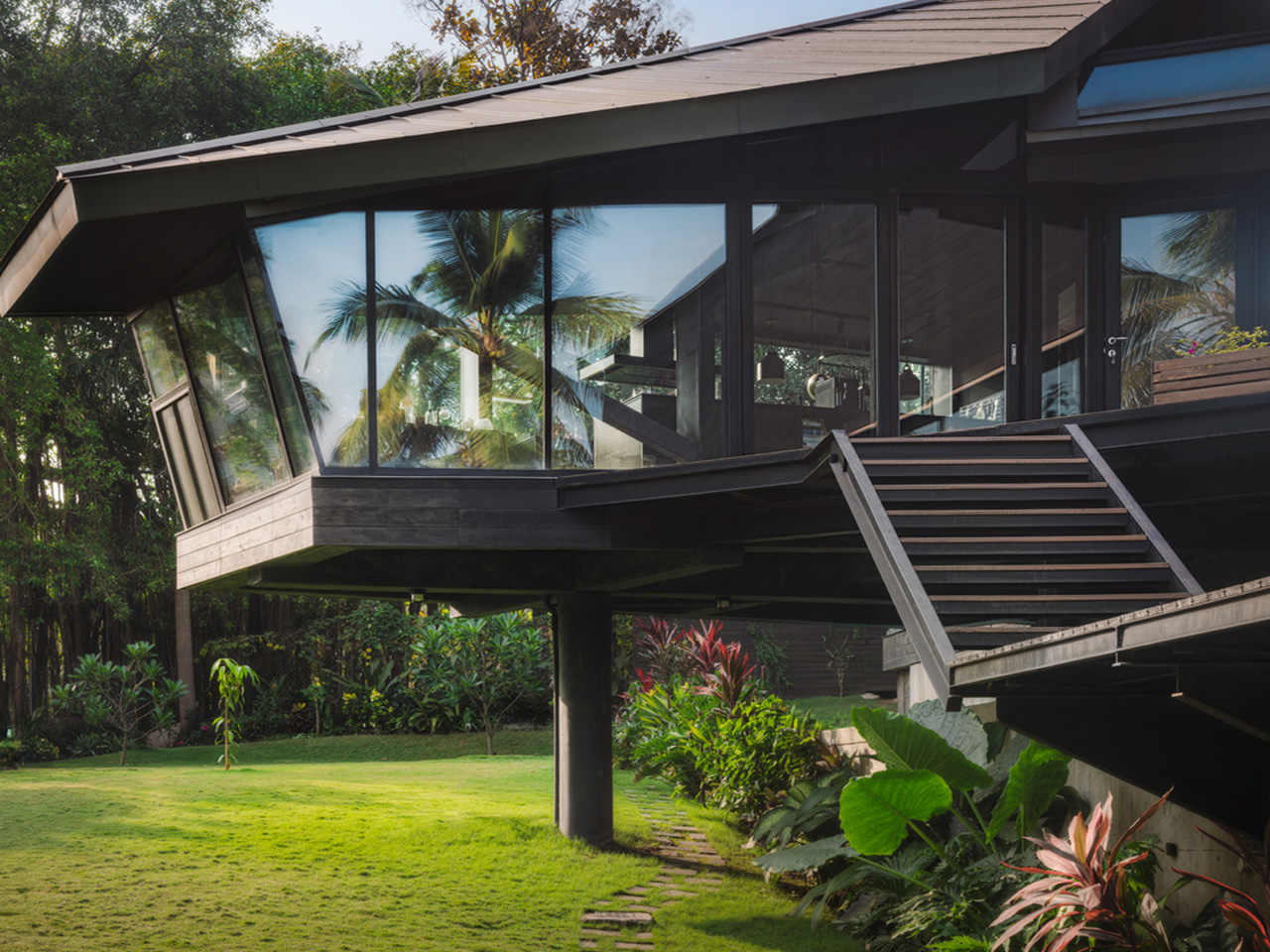
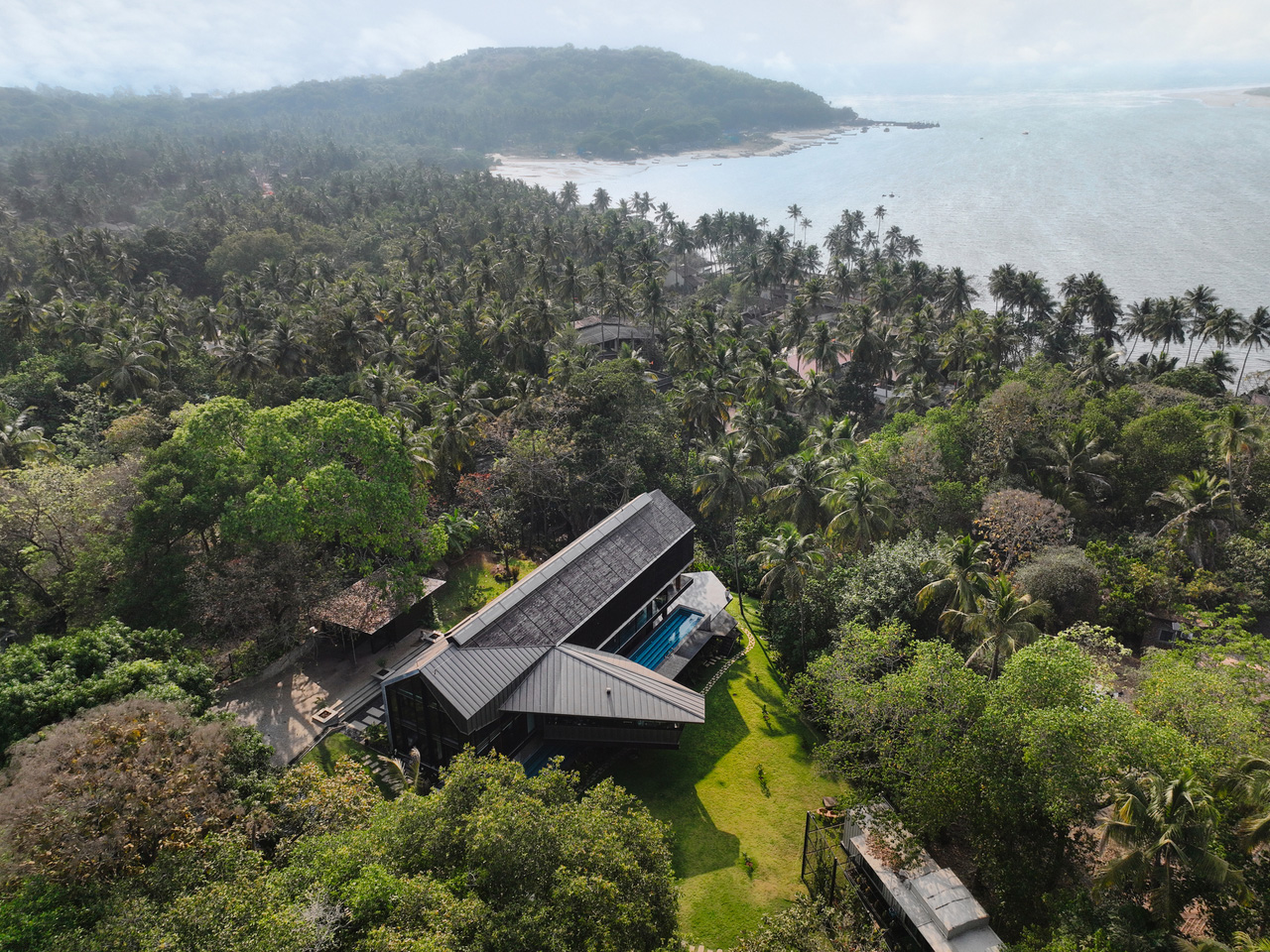
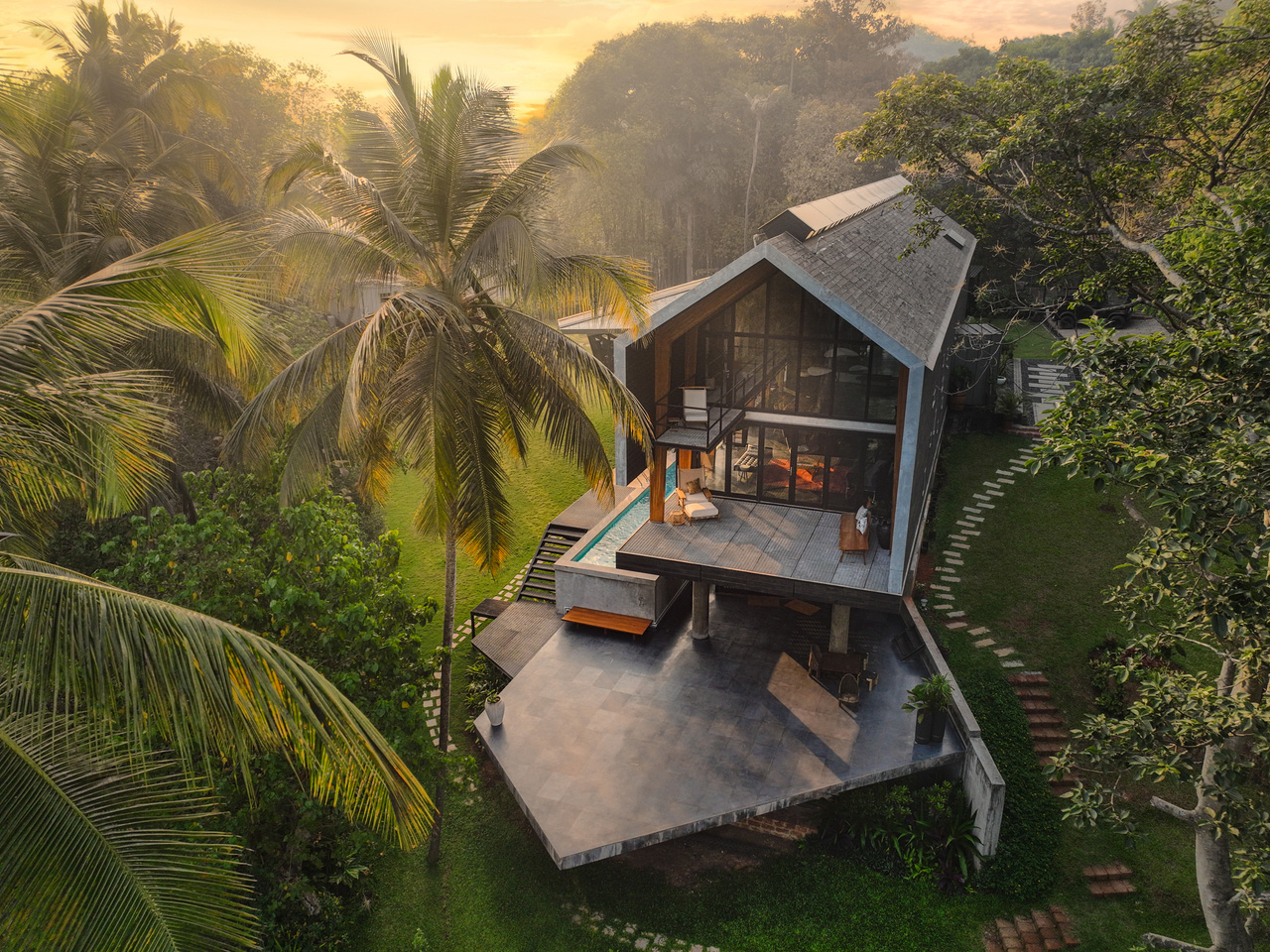
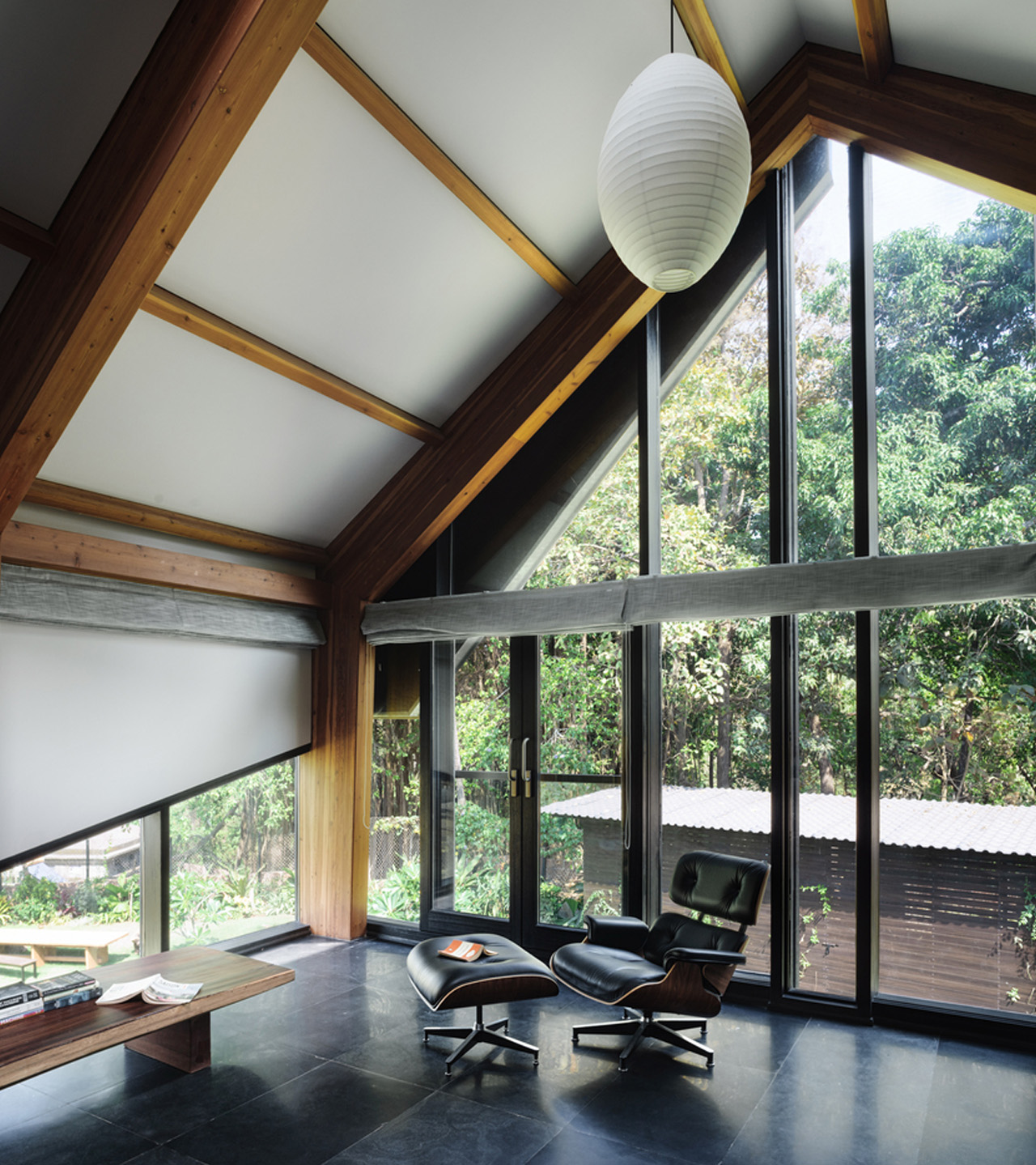
Overlooking the lovely coastline of Vagator, Goa, sits something India has never seen before. Architecture Discipline’s Timber Residence breaks new ground as the country’s first mass timber home, proving that environmental responsibility and stunning design can work hand in hand. Architect Akshat Bhatt wanted to create more than just another luxury residence. The 8,650 square foot structure challenges everything we think we know about Indian construction.

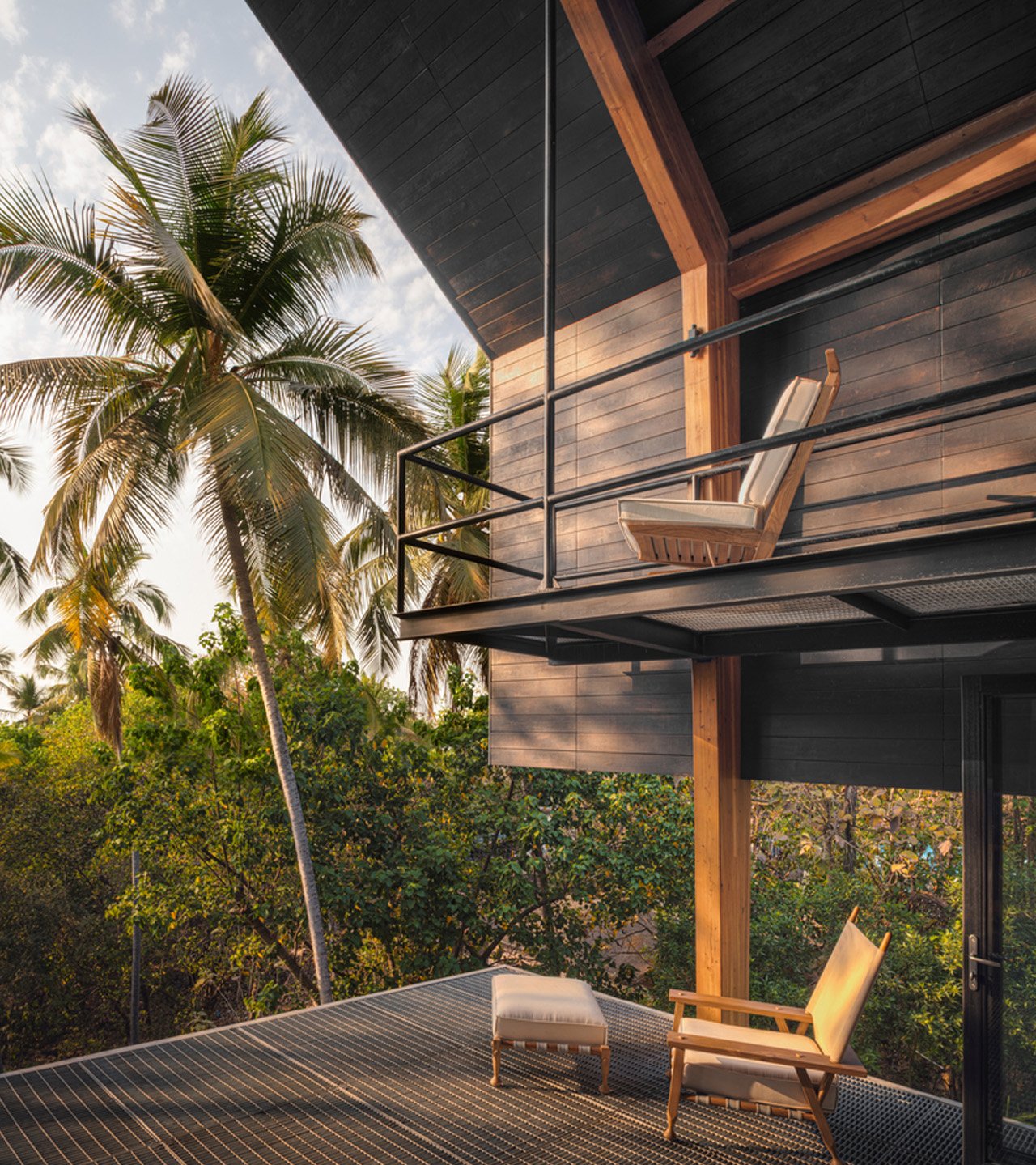
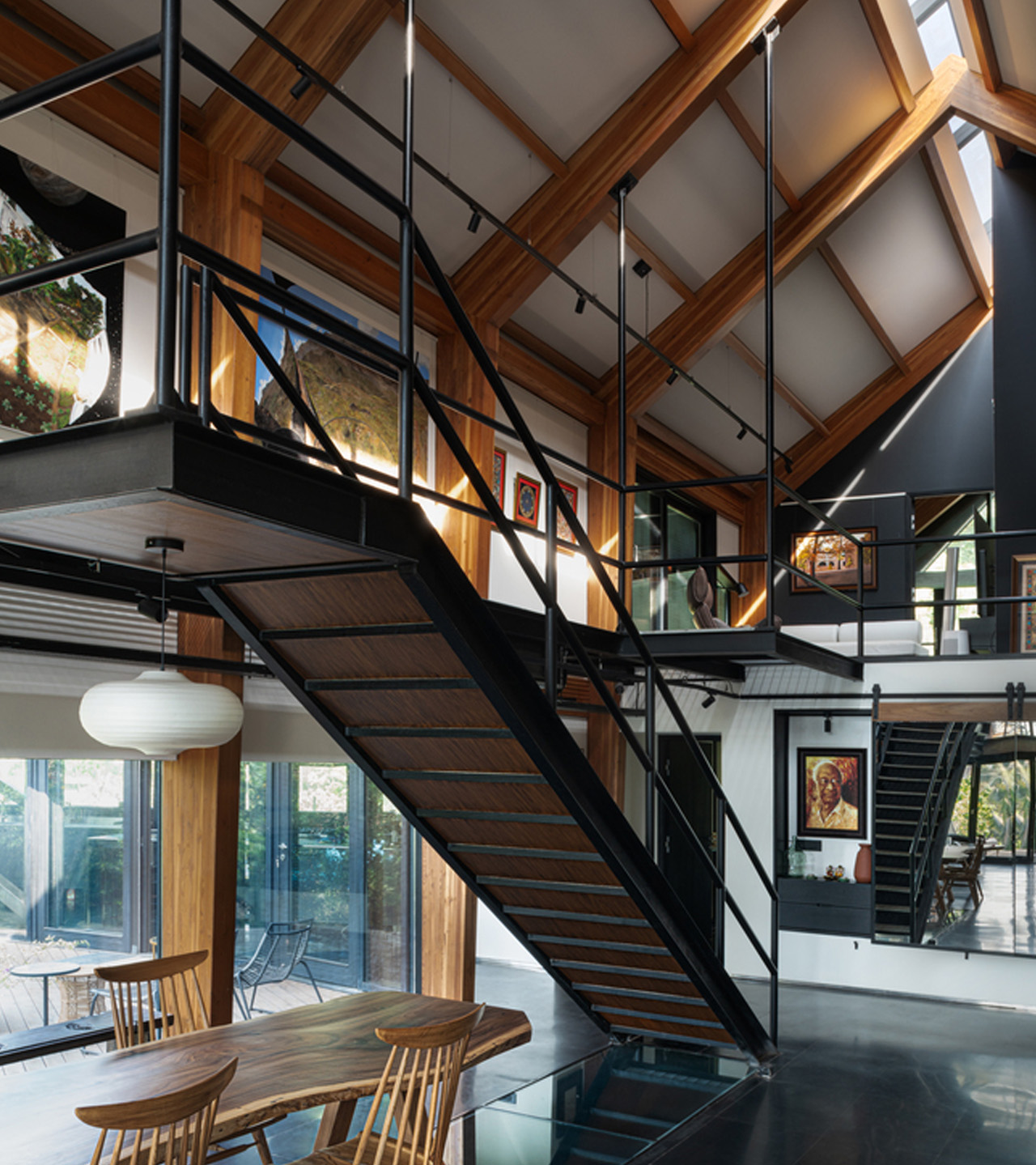
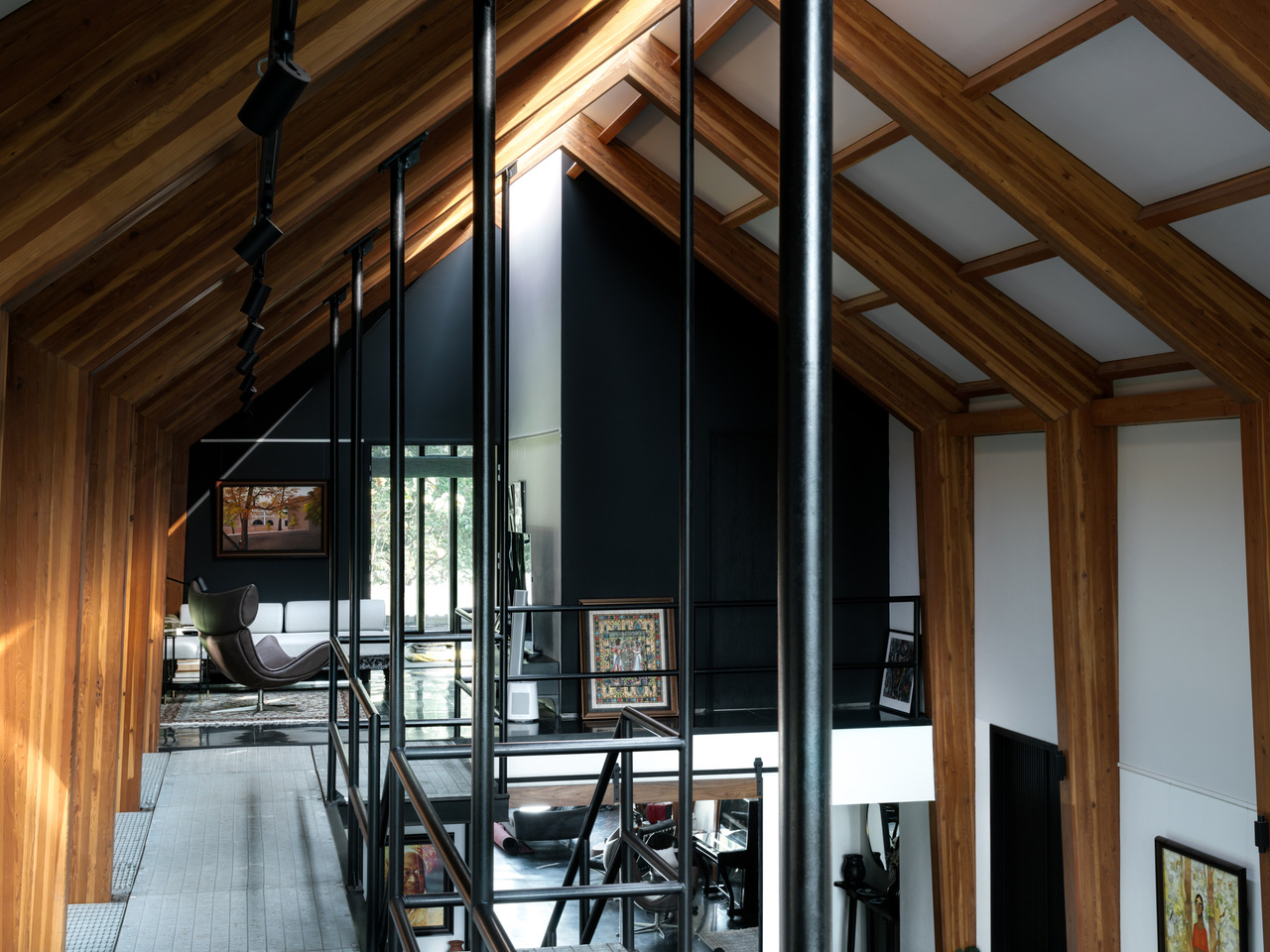
The secret lies in eleven glulam portal frames, each one carefully crafted in New Delhi before making the journey to Goa. These aren’t your typical building materials. Glued laminated timber represents a completely different construction approach, where pieces get stronger when combined rather than weakened. The entire house operates like sophisticated building blocks that can actually be taken apart and moved elsewhere decades from now.

Designer: Architecture Discipline

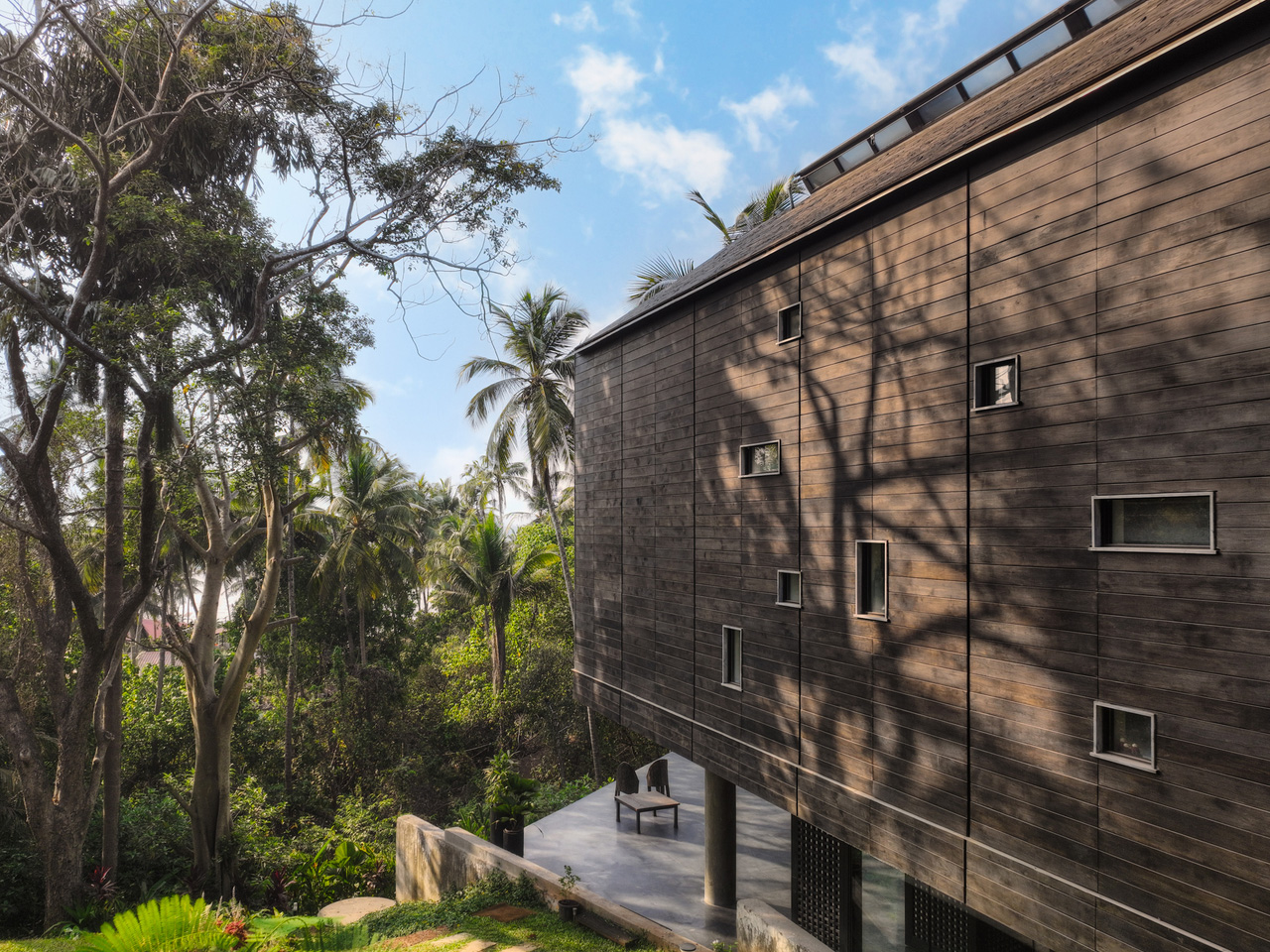
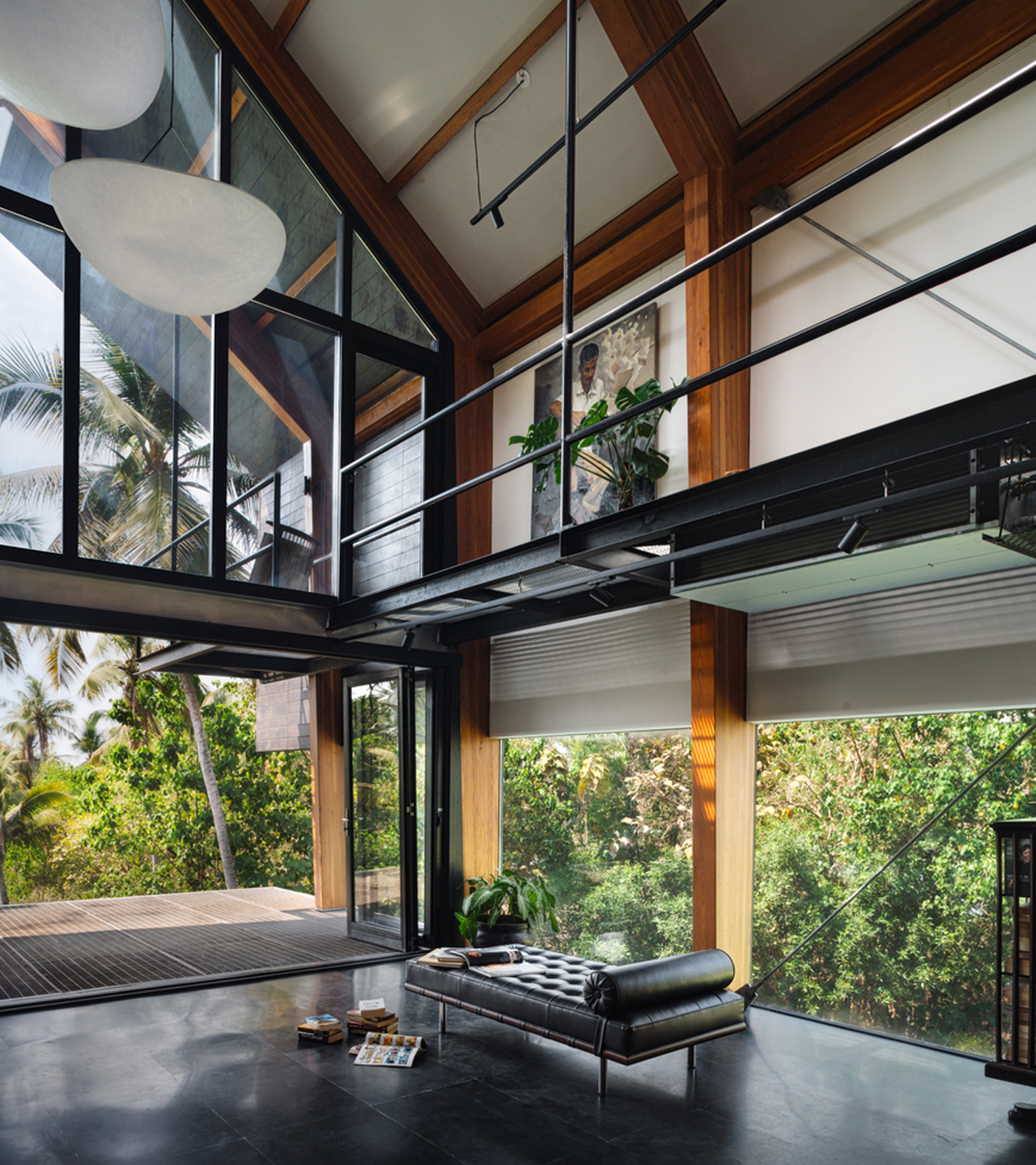
From the outside, charred-wood cladding gives the home its stunning weathered appearance while protecting it from monsoon rains and coastal salt air. The linear design captures sweeping views of both the Arabian Sea and Chapora River, turning the house into a front-row seat for nature’s daily show. Inside, exposed timber beams steal the spotlight, their raw authenticity warming rooms finished with black granite floors and deliberately bare white walls.

The lower level houses something special: a glass-enclosed wood workshop bathed in natural light from clerestory windows above. This creative space opens onto a timber deck that feels more like an outdoor room than a traditional balcony. Instead of walls or railings, planters define the deck’s edges, keeping the connection to the surrounding landscape completely uninterrupted. The workshop becomes a bridge between indoor creativity and outdoor inspiration.

Building on a cliff in Goa means preparing for nature’s worst moods. Bhatt worked with engineers to ensure the structure could handle fifty years of typhoons and torrential rains without flinching. The glulam construction method does something remarkable: it removes carbon from the atmosphere during production. While concrete construction takes from the environment, this timber approach gives back, making each beam part of the solution rather than the problem.

International architecture publications have taken notice, recognizing this project as a catalyst for change across India’s building industry. The residence is proof that sustainable construction doesn’t mean compromising on quality or beauty. With India’s population demanding smarter housing solutions, this Goa home shows a path forward where environmental consciousness and architectural excellence aren’t just compatible but essential partners in creating the future of responsible design.

FAQs

1. What makes the Timber Residence unique in India?

This home is a real first for India, it’s the country’s debut mass timber house, built using glulam frames instead of the usual concrete or steel. What sets it apart is how it was designed: almost like a giant set of building blocks that can be taken apart and moved if needed. The focus on sustainability, adaptability, and a much lighter environmental footprint makes it a standout in Indian residential architecture.

2. Why use glulam (glued laminated timber) instead of concrete or steel?

Glulam is a bit of a game-changer. It’s incredibly strong, but much lighter than concrete or steel, and it can be prefabricated, which means less mess and faster building on site. The real bonus is that timber stores carbon, so using glulam helps the environment rather than hurting it. You get all the strength you need for a modern home, but with a much smaller carbon footprint.

3. How does the Timber Residence handle Goa’s harsh coastal weather?

Goa’s weather can be tough, think heavy rains, salty air, and the occasional typhoon. The Timber Residence was built with all that in mind. Its charred-wood exterior helps protect it from moisture and decay, and the engineered timber frames are made to last. Every detail, from the materials to the structure itself, was chosen to make sure the house stays comfortable and resilient, no matter what the weather throws at it.

The post India’s First Mass Timber Home In Goa Raises The Bar For Sustainable Living first appeared on Yanko Design.
❌