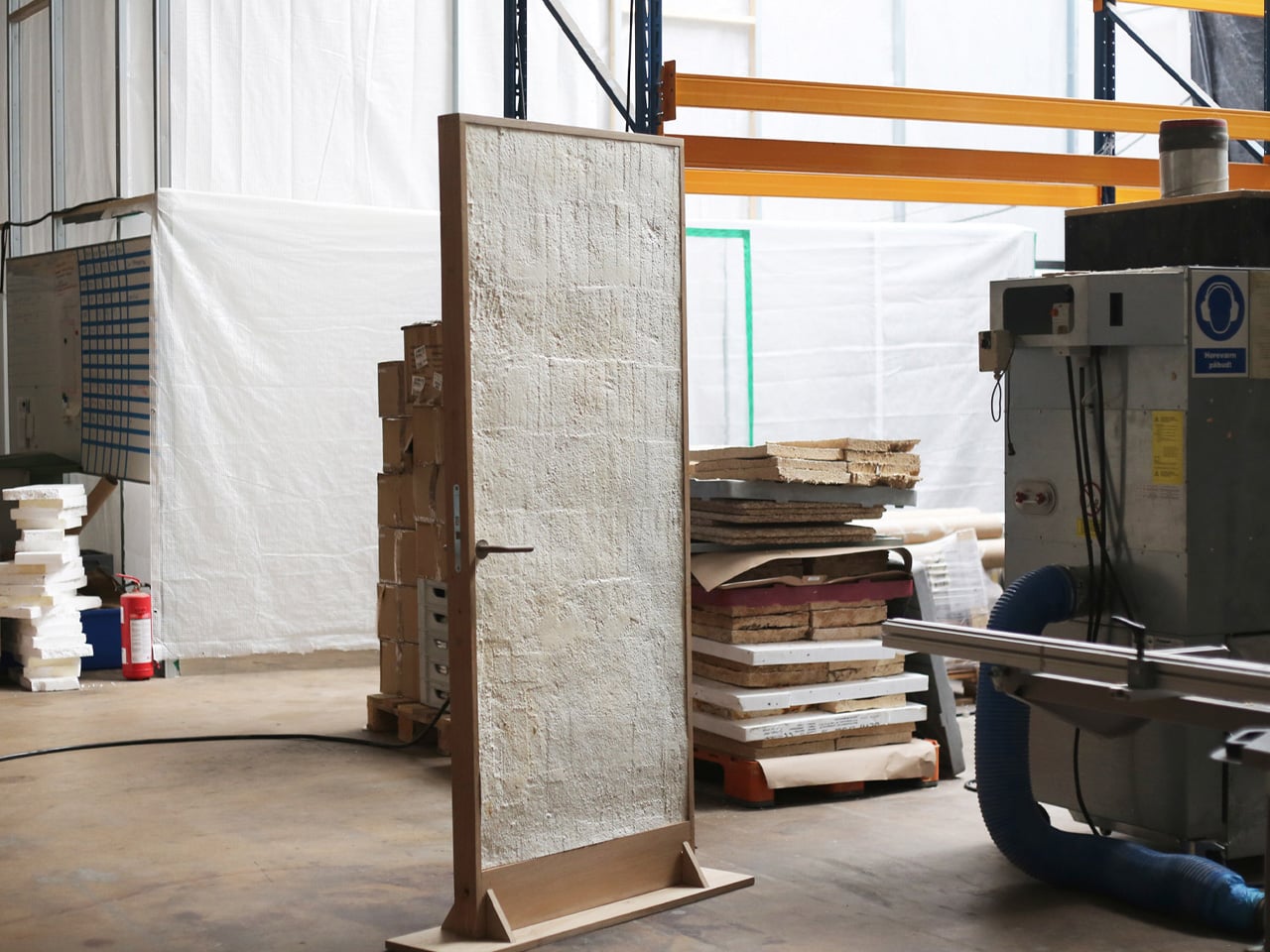
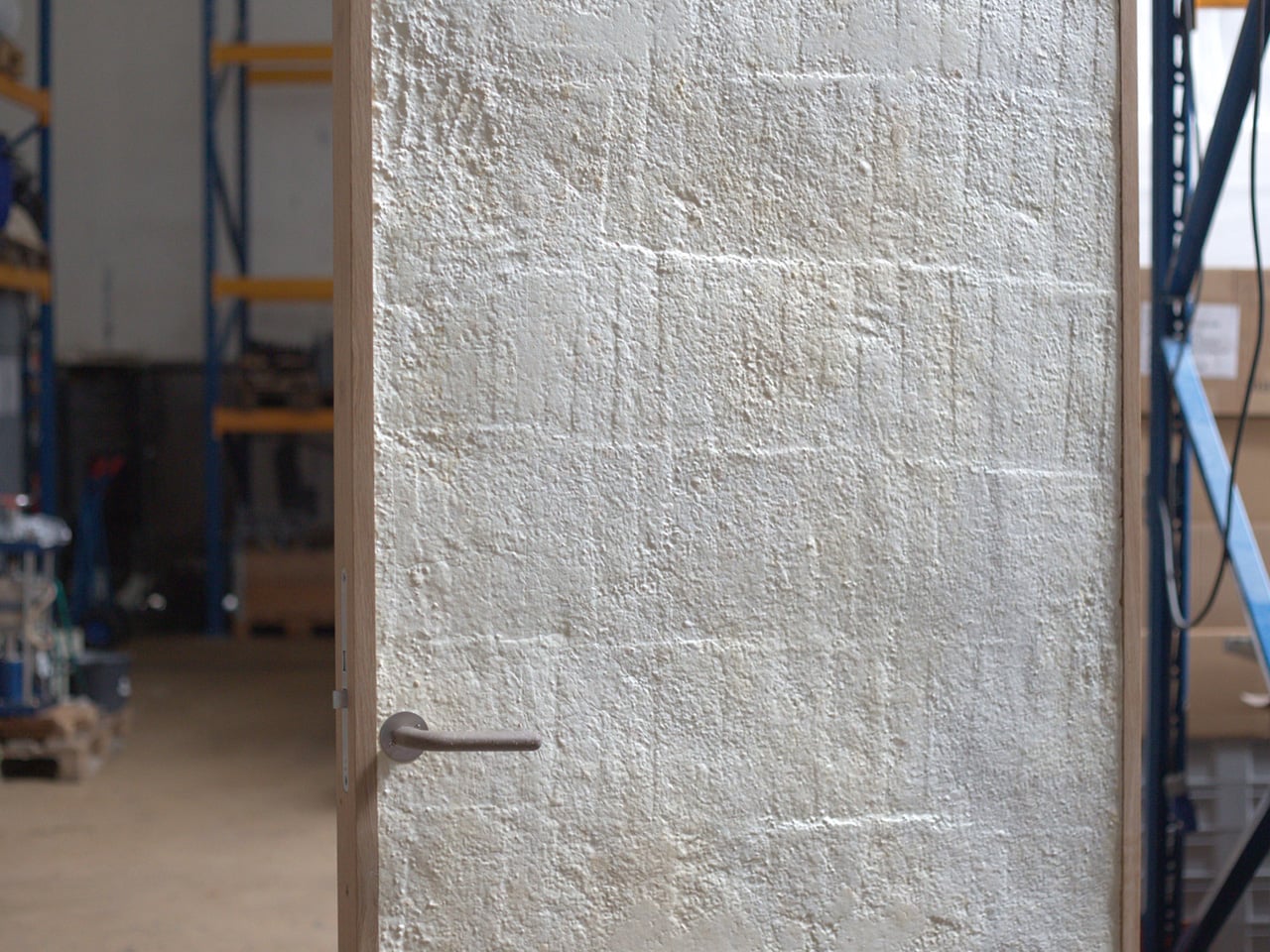
What if the door you walk through every day was grown from fungi? Danish mycelium company Rebound and architecture studio Det Levende Hus have partnered to create what they claim is the world’s first mass-produced interior door with a core cultivated from fungal mycelium. Currently in the prototype phase, the door is part of a broader collection of bio-based interior and sliding doors designed for modern living spaces, and it may quietly redefine what architectural materials can be.
The concept is straightforward but radical. Rebound cultivates the fast-growing root structure of fungi inside a mould, producing a rigid, lightweight panel with natural sound-absorbing qualities. That mycelium core is then enclosed within a timber frame built from reclaimed and surplus wood, including offcuts sourced from Danish flooring manufacturer Dinesen, meaning the door carries minimal material waste from start to finish.
Rebound co-founder Jon Strunge sees this as a direct challenge to the construction industry’s dependence on slow-growing hardwoods. “We wanted to demonstrate how regenerative, high-performance mycelium-based materials open opportunities for new, innovative, and scalable building components,” he said. The growing process takes roughly two weeks and is designed to scale industrially, making these doors a production-ready proposition rather than a one-off experiment.
What makes the design particularly noteworthy is its adaptability. Colour and surface texture can be altered during the growing process itself, removing the need for post-production finishing. The current prototype presents a smooth, silky surface, but the material can shift in tone and can also be finished with a layer of clay for a warmer, earthier aesthetic.
Structural performance was equally prioritised. A bio-based layer incorporated during the growing process stiffens the door and improves fire resistance, a bio-welding method that adds reinforcement without glue or additional manufacturing stages. The door was also designed to comply with current building standards for private homes, particularly around fire and moisture resistance, making it a credible candidate for real construction.
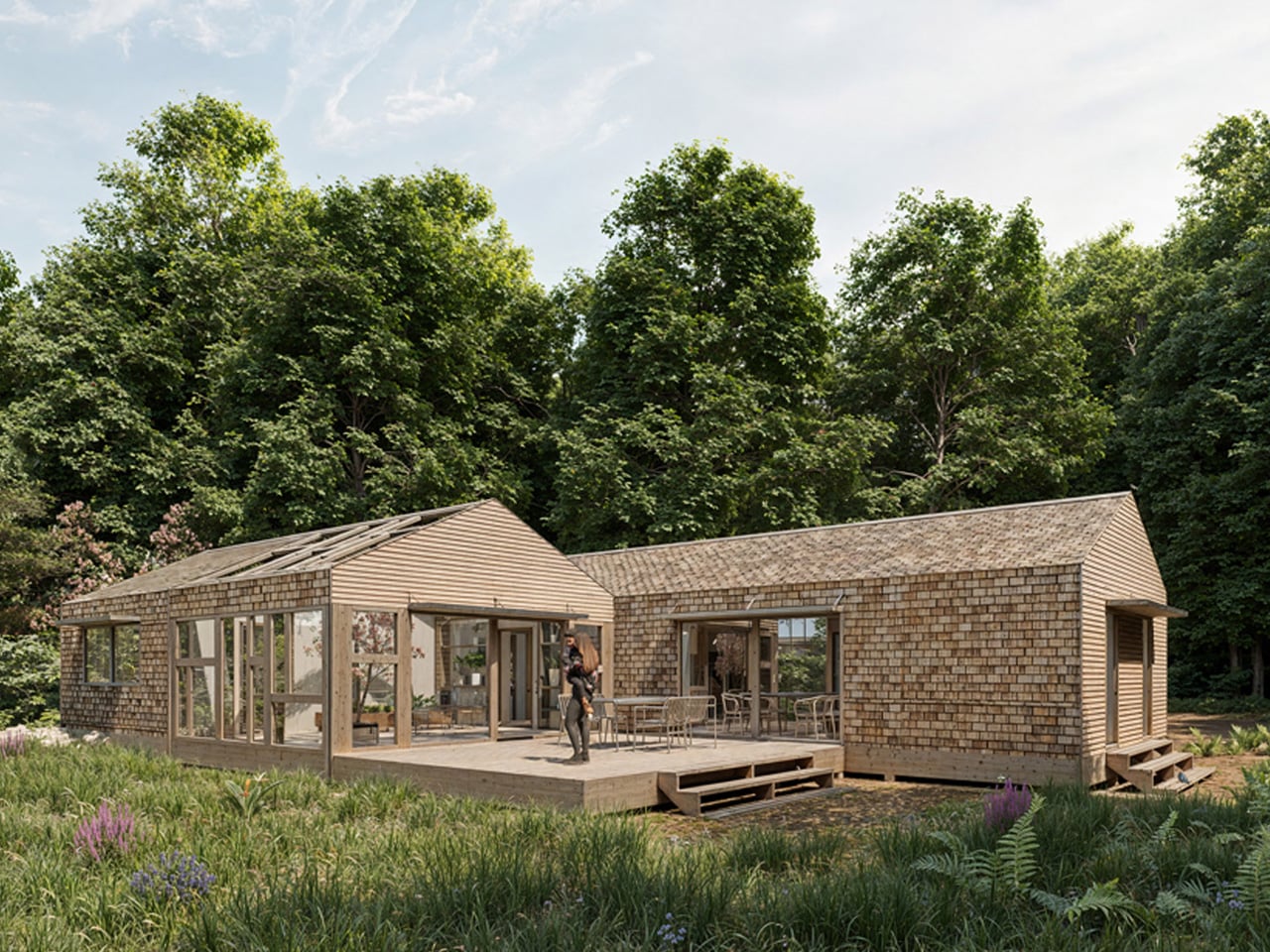
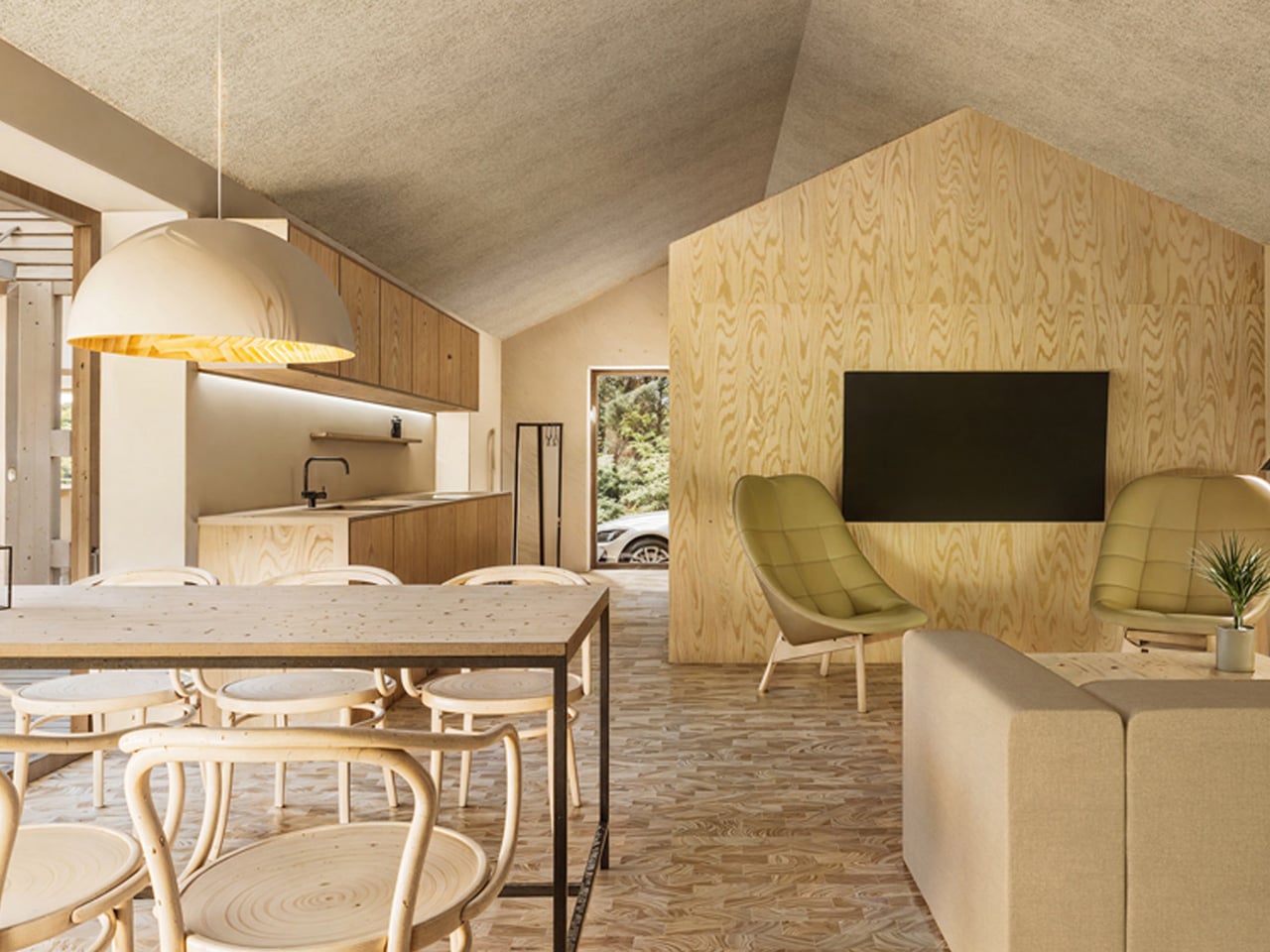
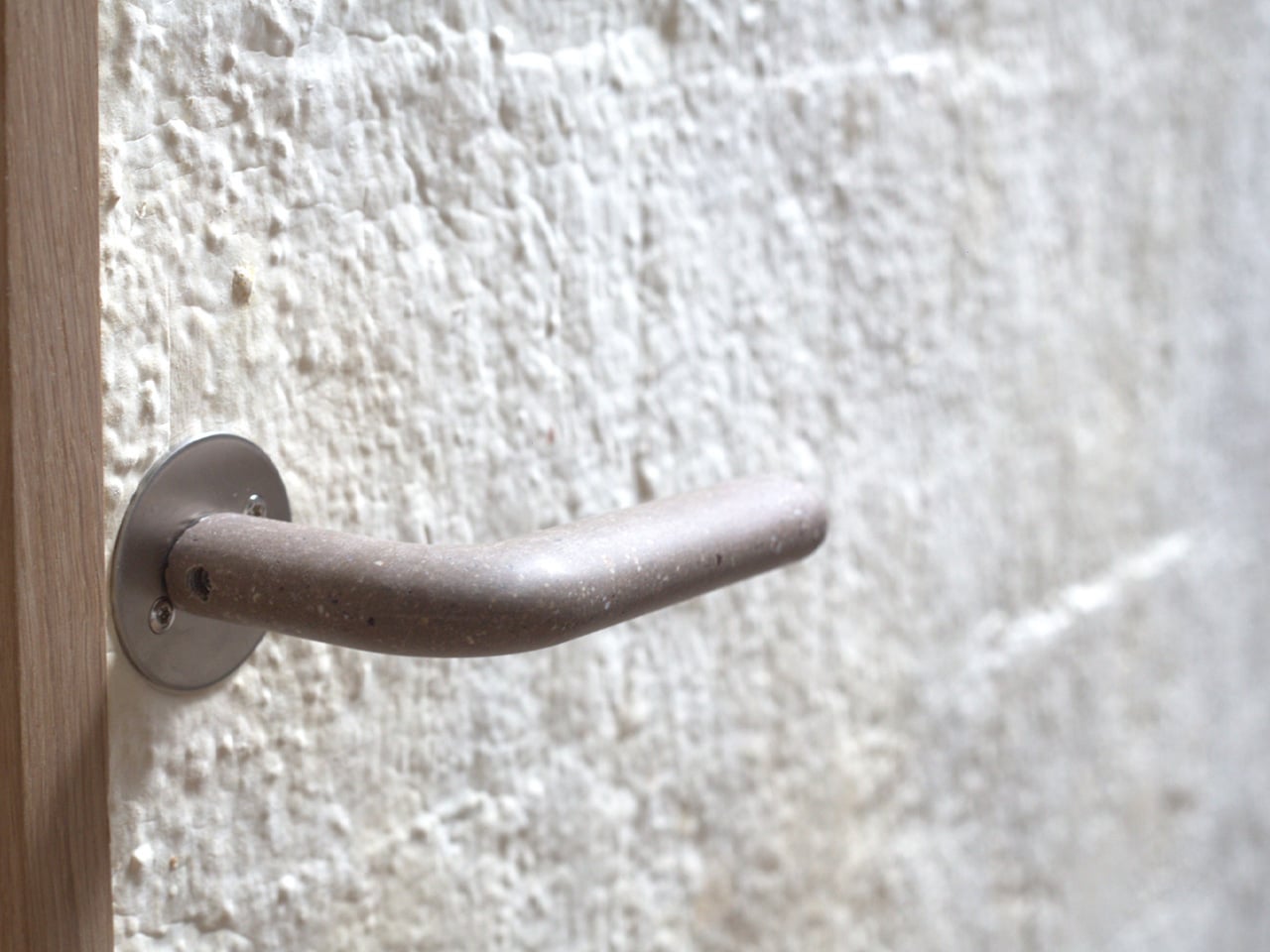
The first real-world application will be at Kaerhytten, a low-impact housing project in Ramloese, Denmark, designed by architect Jens Martin Suzuki-Højrup, scheduled for completion in 2026. The prototype also features a door handle by architect Bjarne Hammer for Danish brand Randi, the Moom handle cast from recycled seashells, adding a tactile detail that mirrors the door’s material ethos. Looking ahead, Rebound and Det Levende Hus are expanding into mycelium-based acoustic wall panels and ceilings. As Suzuki-Højrup put it, “It’s about how natural materials can transform our experience of space, visually, acoustically, even emotionally.”
The line between work and home has blurred into an architectural dialogue. Today’s hybrid living isn’t about working from the kitchen counter but about rethinking how domestic spaces support productivity and calm. Designers now aim to create environments that balance efficiency with ease, where furniture performs multiple roles without sacrificing elegance or comfort.
For high-net-worth homeowners, this shift is about investing in experiences that enhance their lifestyle and property value. Portable chairs and adaptive workstations have evolved into design essentials, dynamic and ergonomic, fluid enough to move with the rhythms of daily life, redefining how we live and work within our spaces.
1. Ergonomic Intelligence and Wellness Value
The strength of any portable workspace lies in its ergonomic foundation. Temporary, low-quality setups often lead to long-term strain and reduced focus. True wellness ROI comes from minimizing physical fatigue through design that supports the body’s rhythm, integrating temperature-responsive materials, balanced support, and kinetic flexibility rather than relying on surface aesthetics alone.
When selecting furniture, prioritize chairs with dynamic lumbar support and workstations with seamless height adjustment. The ideal setup becomes a biophilic cocoon, comforting, adaptive, and attuned to your natural movement, ensuring that even during long digital sessions, productivity and physical harmony remain perfectly aligned.
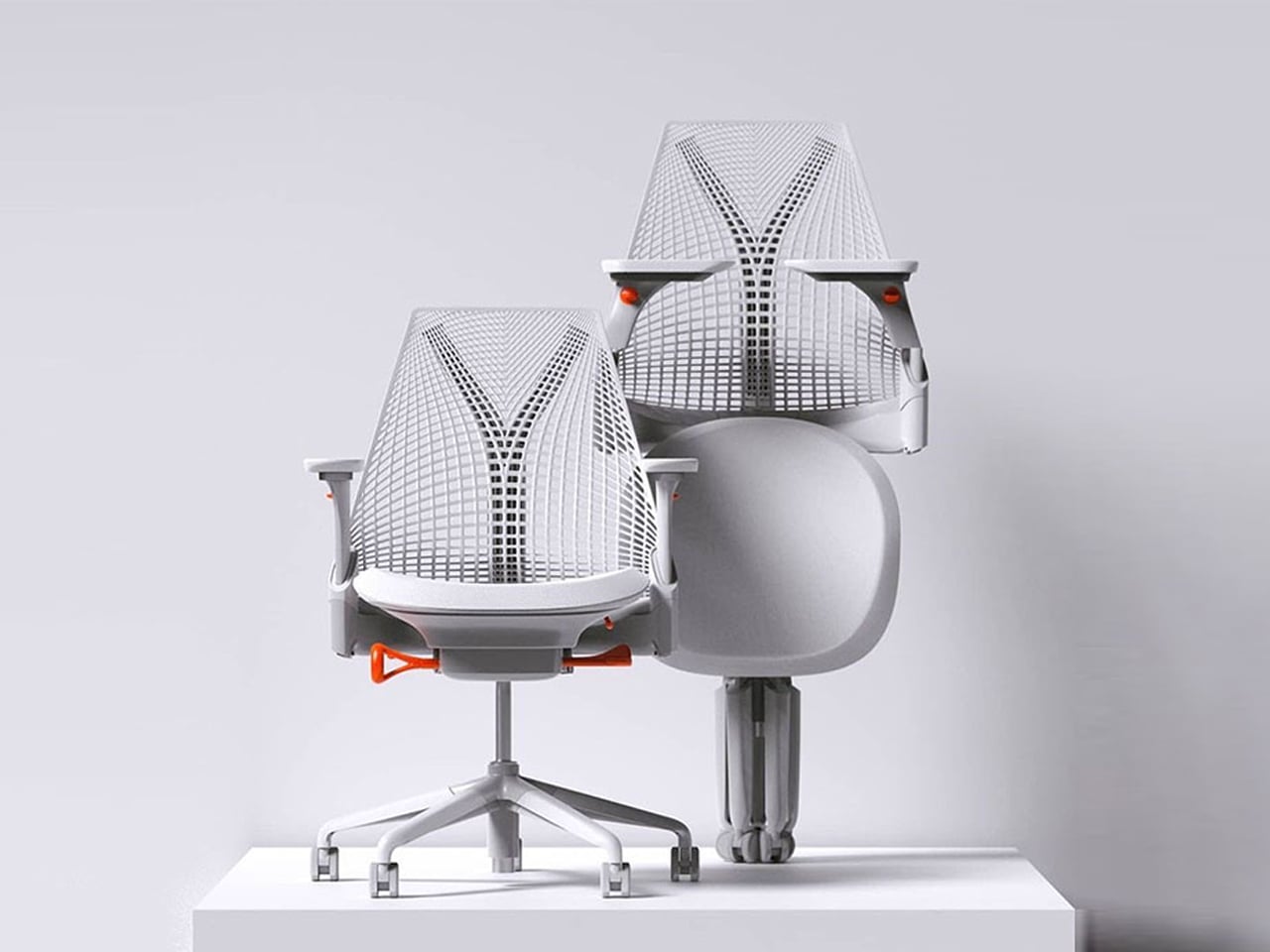
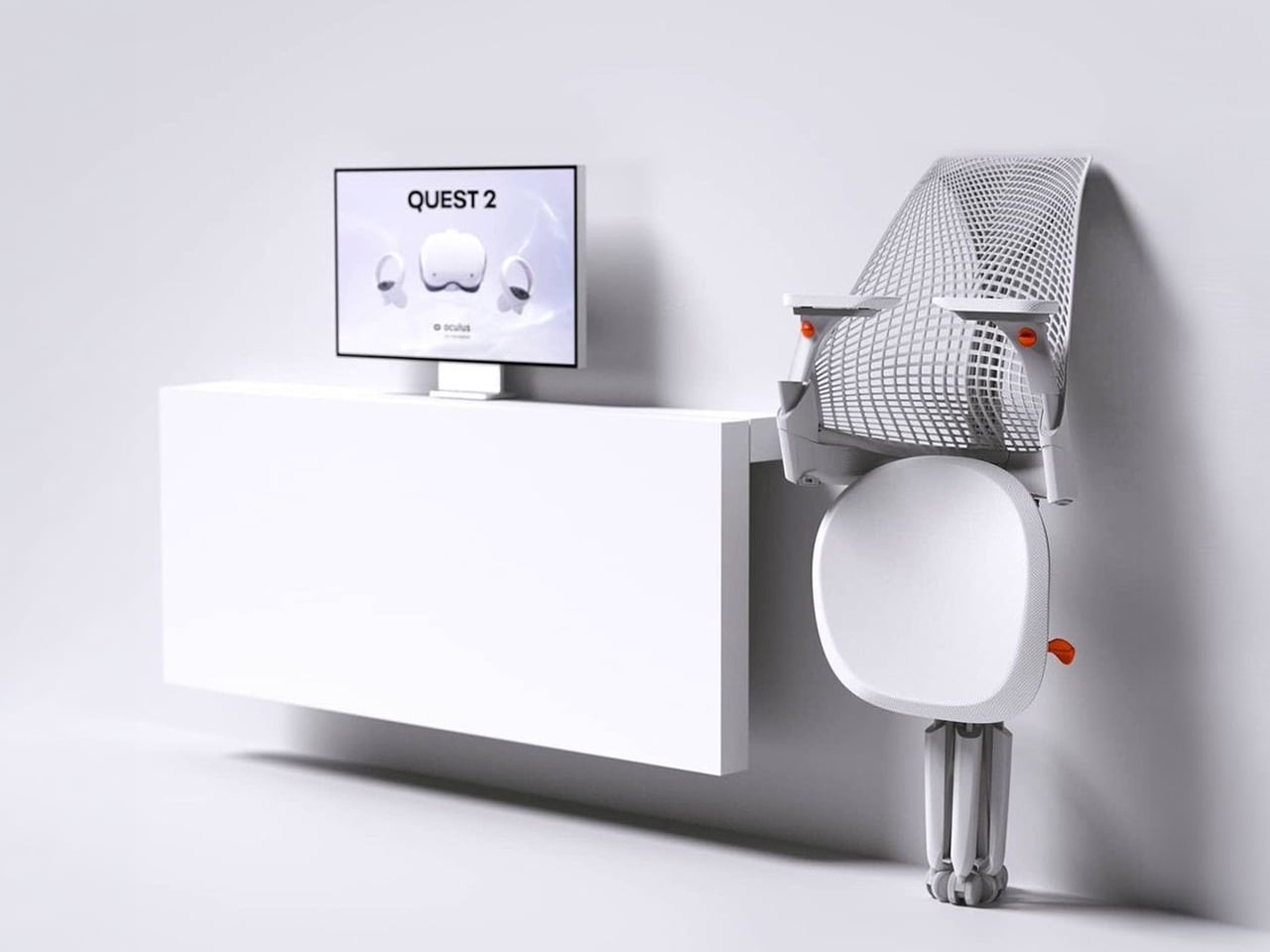
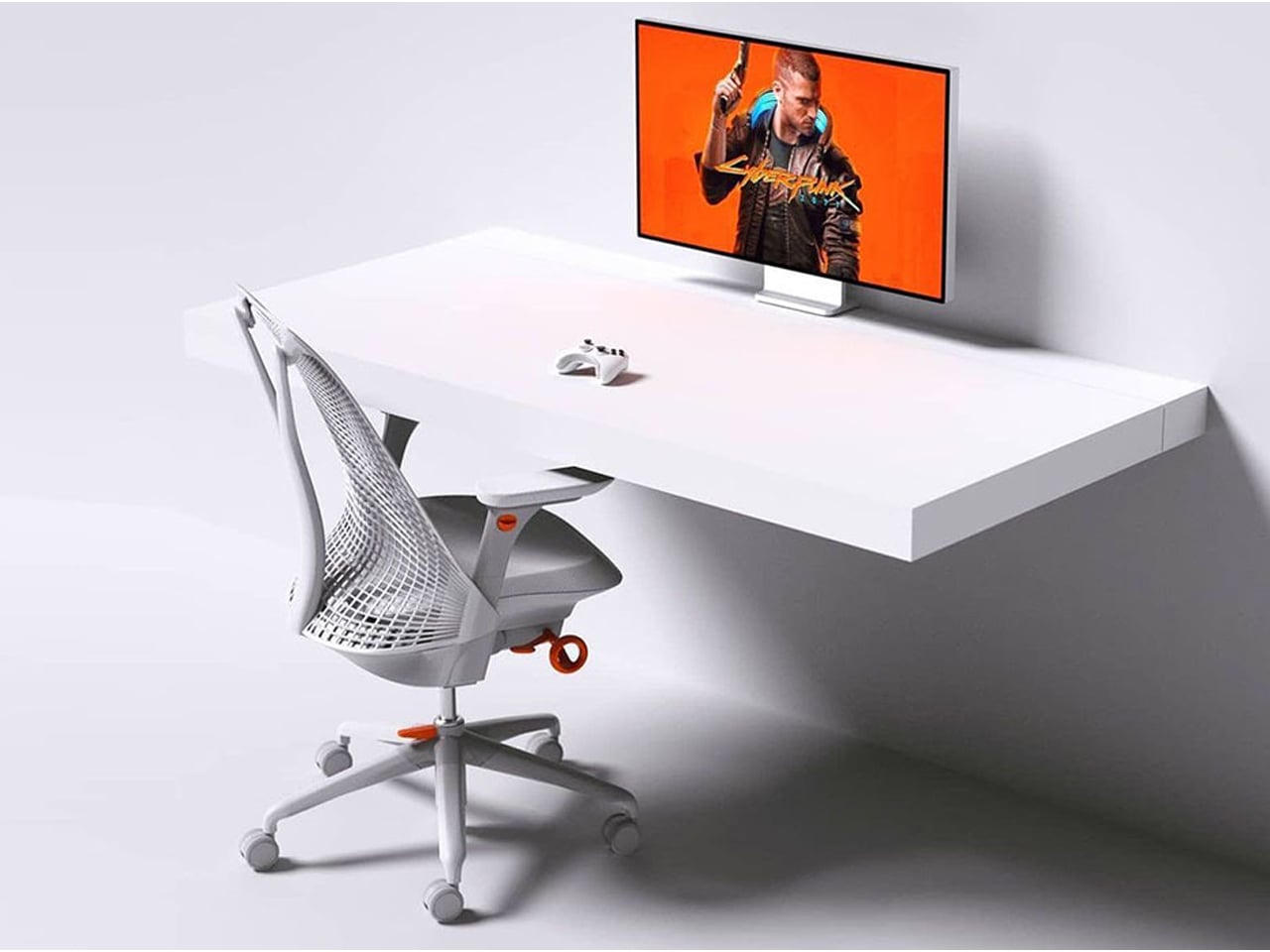
The Sayl concept chair by Charley reflects the changing ways we live, work, and play. As homes have evolved into hybrid offices, gyms, social spaces, and relaxation zones, our furniture needs have changed too. Charley even considers the hours we spend gaming or binge-watching, recognizing that chairs today must support multiple activities while remaining comfortable and functional. Designed by Herman Miller, the Sayl chair combines high-end design with practical usability, allowing users to maximize their space without sacrificing luxury or ergonomics.
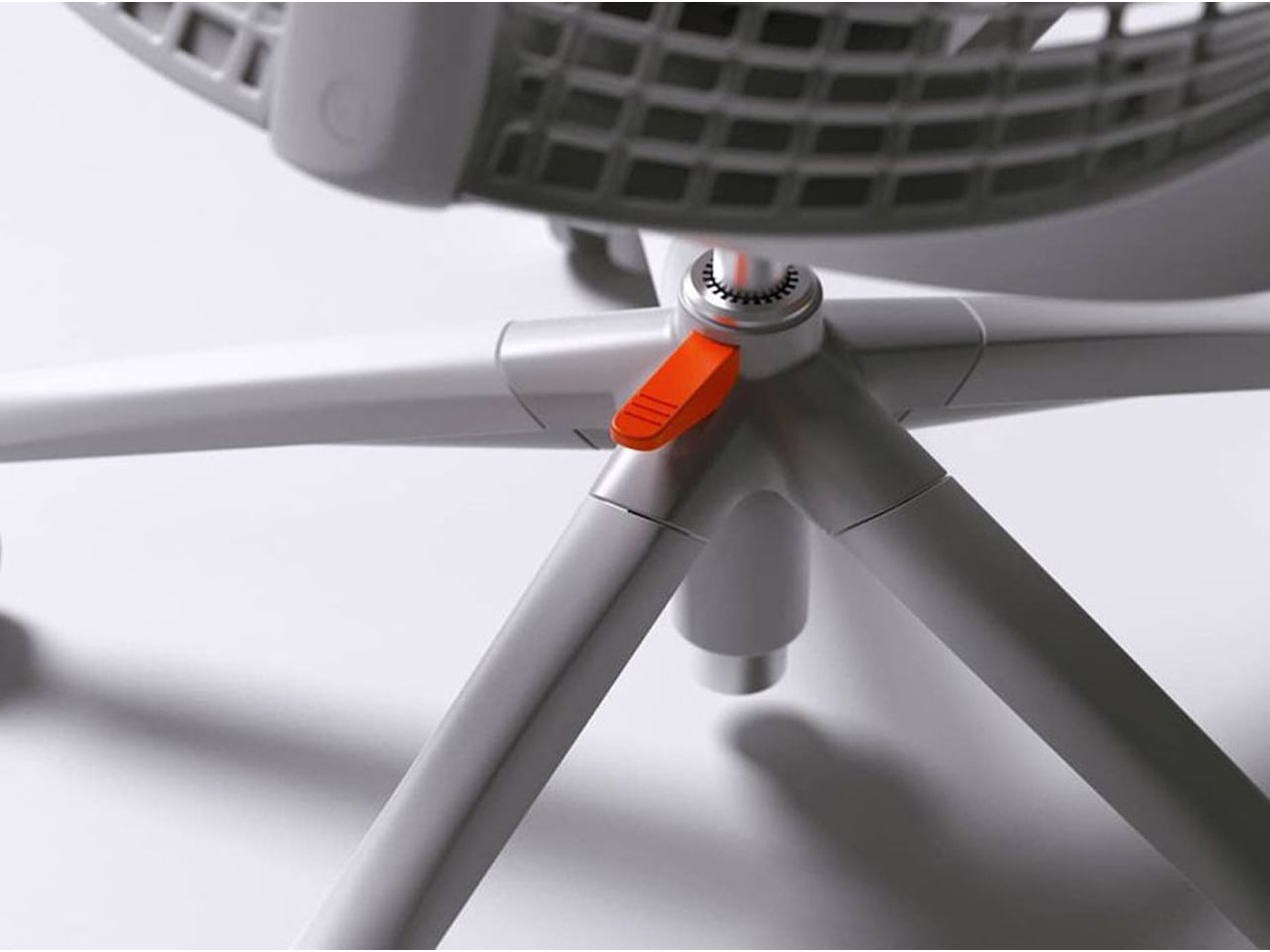
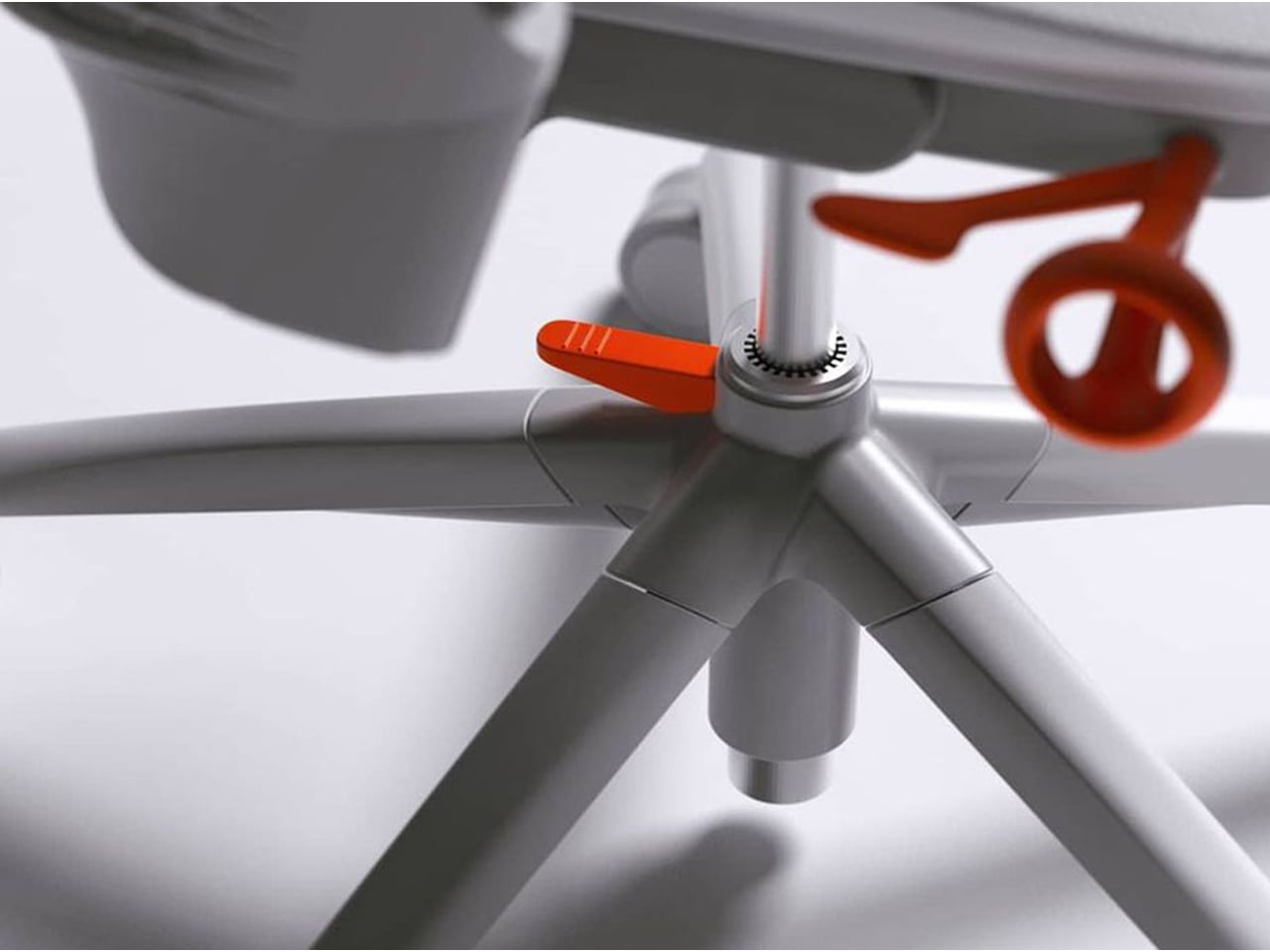
The chair’s muted grey tones ensure it blends effortlessly into any interior, while bright orange accents draw attention to pivotal touchpoints, making it intuitive to use. A foot pedal mechanism allows the chair to collapse easily, providing a convenient, space-saving solution for modern homes. In the post-pandemic era, furniture design has shifted towards modular, flexible, multifunctional, and compact solutions. The Sayl chair embodies all these qualities, offering a versatile, stylish, and practical seating option for today’s hybrid lifestyle.
2. Aesthetic Integrity and Material Authenticity
Every portable unit should carry a strong aesthetic value that complements its architectural surroundings. Materials must feel genuine and timeless, like solid wood, brushed metal, and high-performance textiles that reveal craftsmanship rather than conceal it. This honesty of composition creates visual depth and emotional connection, reinforcing the idea that beauty lies in authenticity, not imitation.
The design should remain sculptural yet understated, integrating seamlessly into curated interiors. Its finish must align with the home’s palette, allowing it to coexist gracefully within the space. When not in use, it should rest as a quiet architectural accent rather than a workplace intrusion.
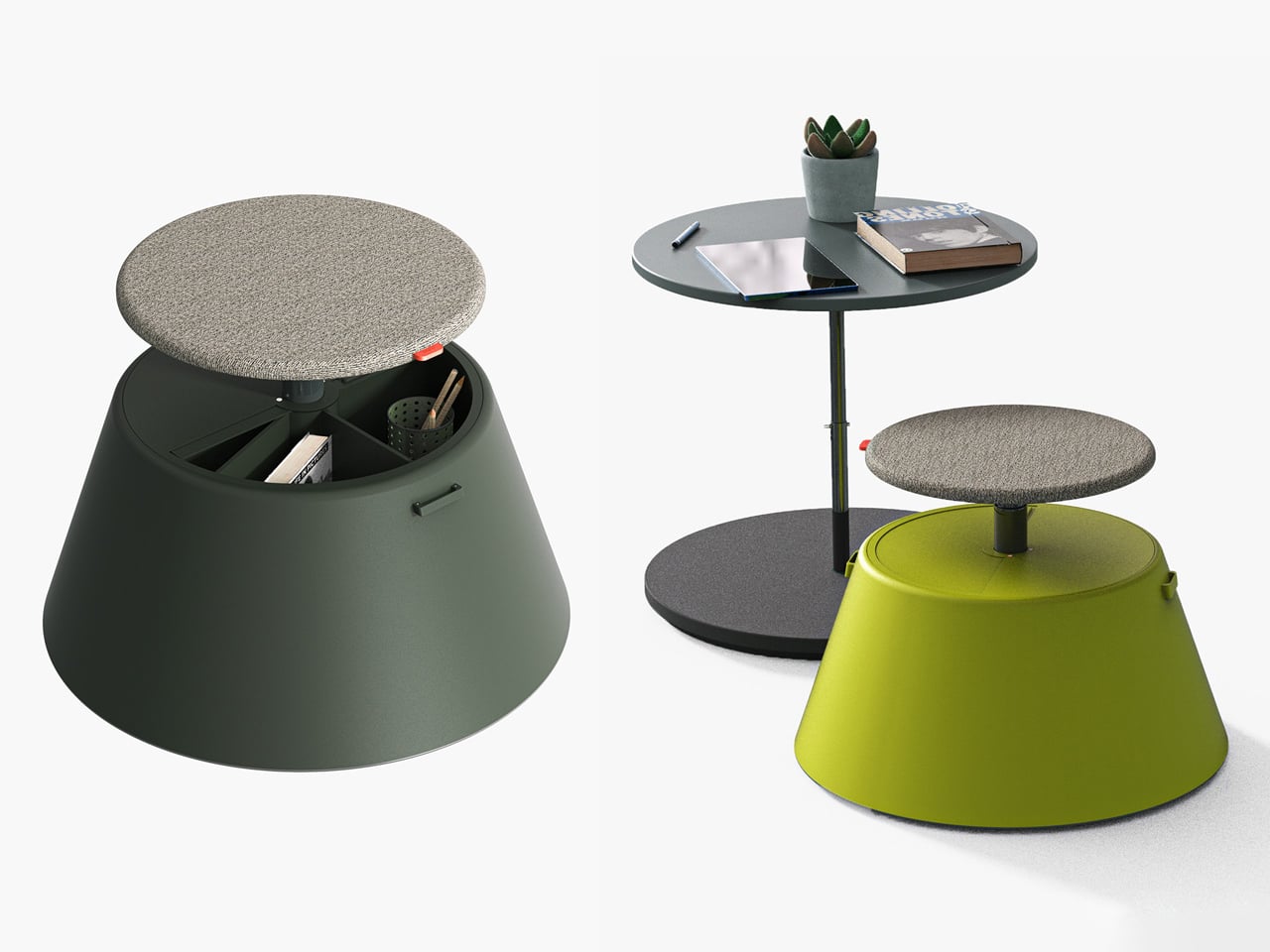
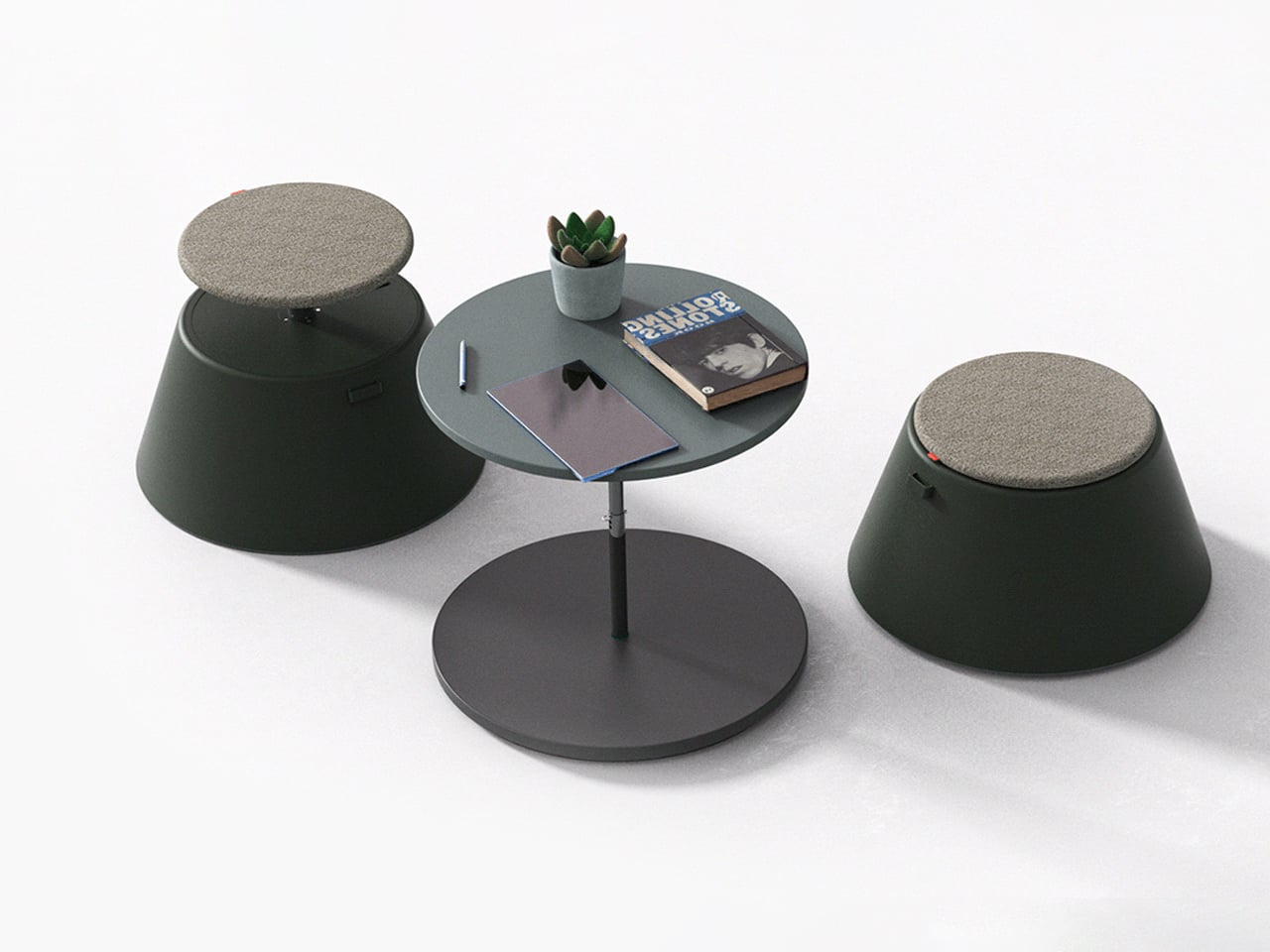
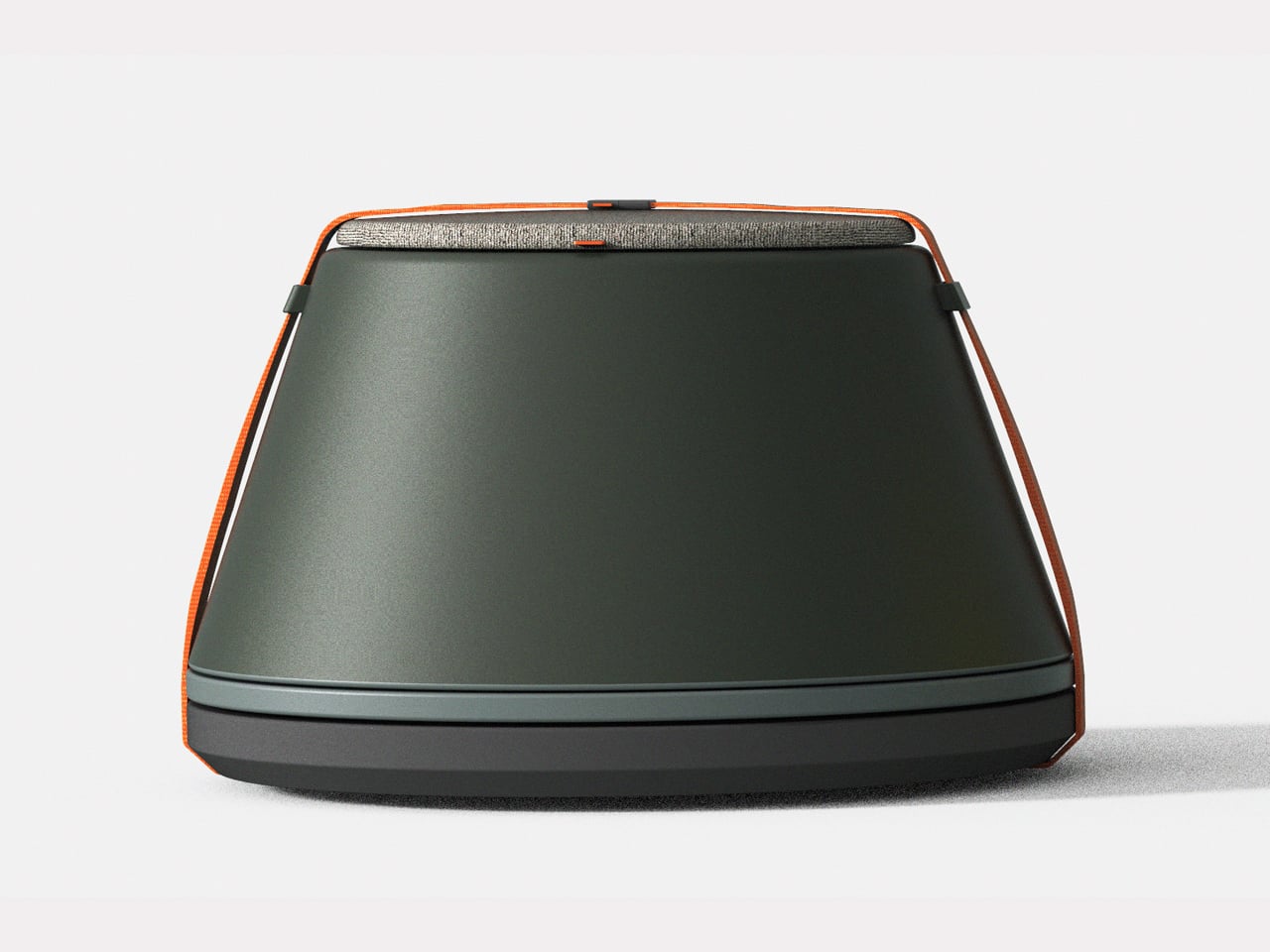
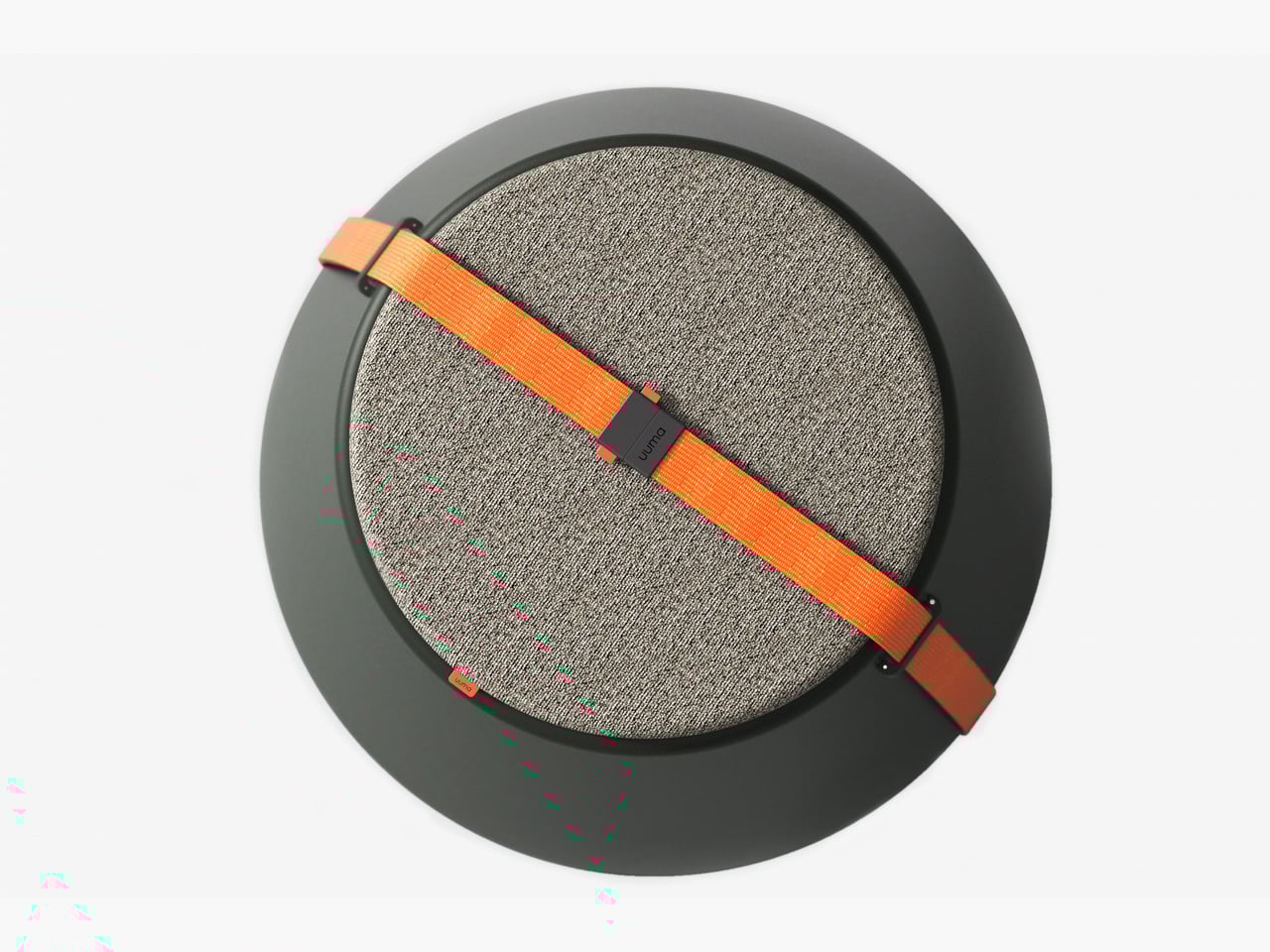
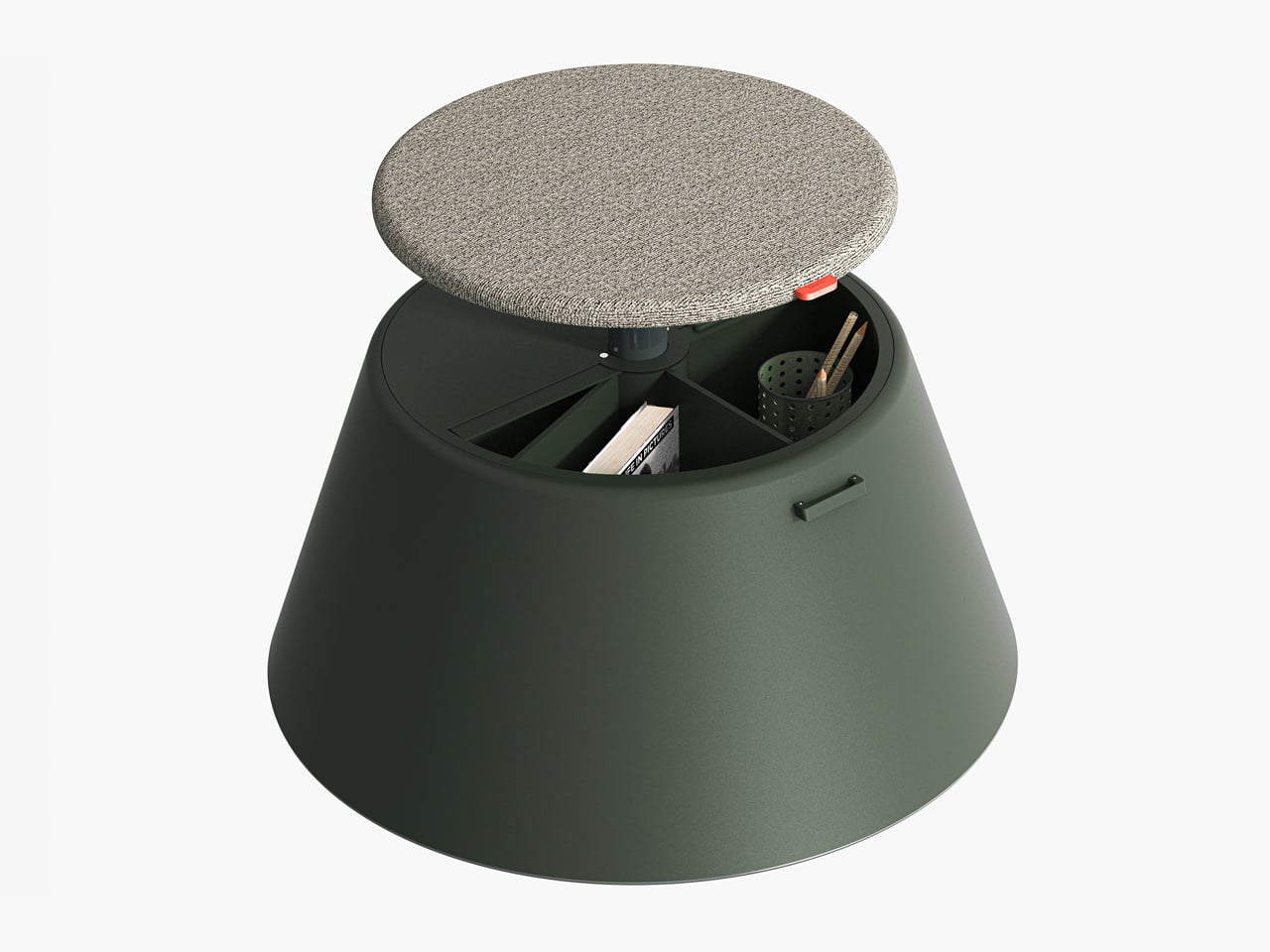
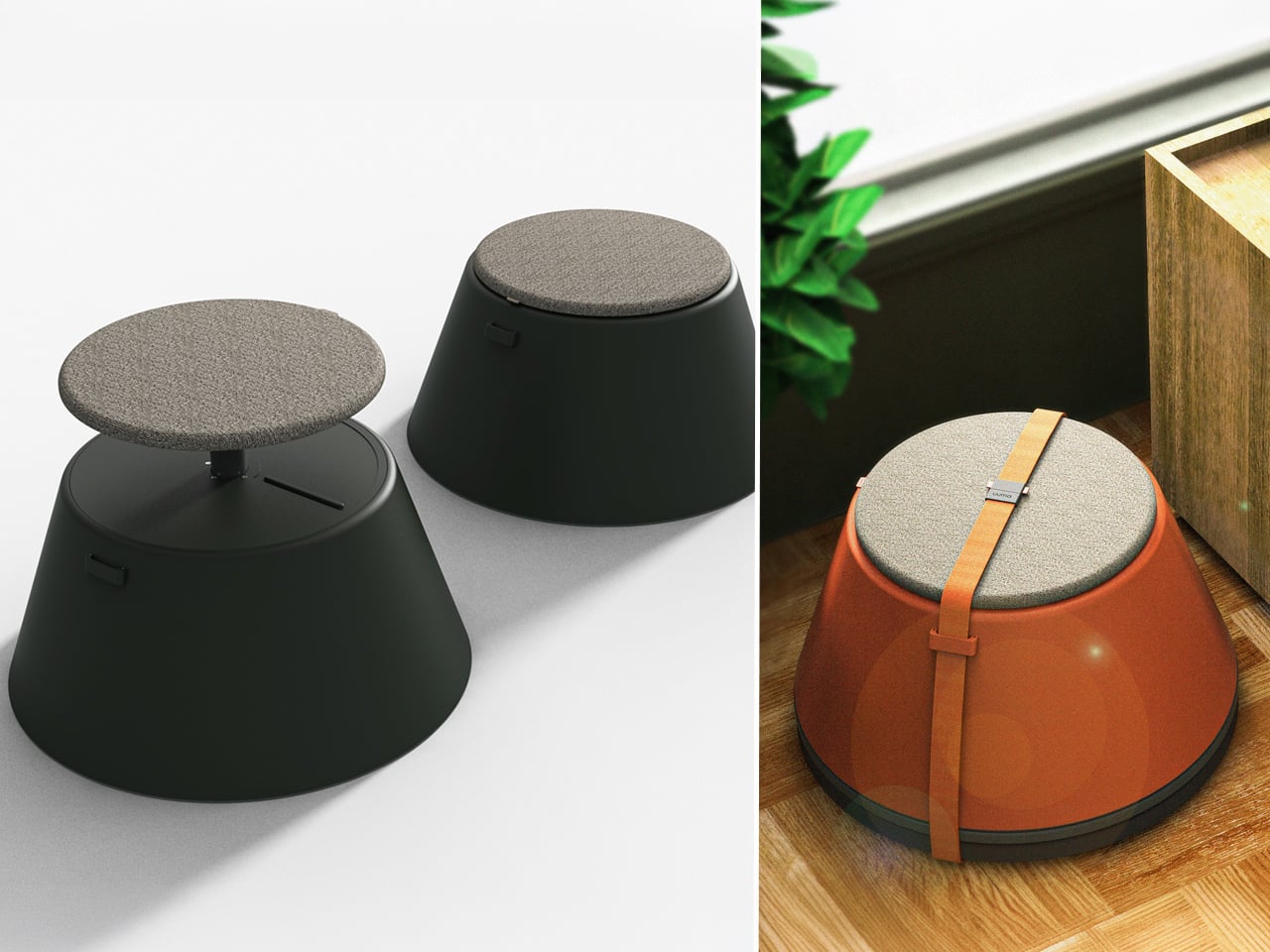
Working from home has spared many from long commutes and office distractions, yet it has also made work feel more solitary. Sitting by the same wall each day, even in a well-designed home office, can feel disconnected from the world beyond virtual meetings. While folding furniture remains popular for its space-saving benefits, stackable, all-weather alternatives are emerging as a smarter choice. Industrial designer Gökçe Nafak introduces the uuma, a portable table-and-chair combo designed as a single stackable unit that transitions effortlessly between indoor and outdoor settings.
Perfect for those who enjoy working in the garden, on the balcony, or in flexible spaces, the uuma blends convenience with creativity. Made from fibreglass, it is lightweight, durable, and sustainable. Its modular design features a height-adjustable metal frame and detachable parts that assemble easily. The chair transforms into a table within moments, offering comfort, portability, and style in three vibrant, modern colors.
3. Spatial Flow and Footprint Efficiency
The effectiveness of any modern workstation depends on how well it manages spatial flow. In compact urban homes, every inch counts, making footprint reduction a key design priority. A thoughtfully designed system should retract or fold away seamlessly, minimizing its physical presence while supporting the need for adaptable, multi-functional living spaces that evolve throughout the day.
Mobility and refinement define its usability. Tables and desks should transition effortlessly from work to leisure, enabling a quick shift from boardroom mode to family dining. Silent, non-marking wheels and intuitive movement reflect superior engineering and respect for interior balance.
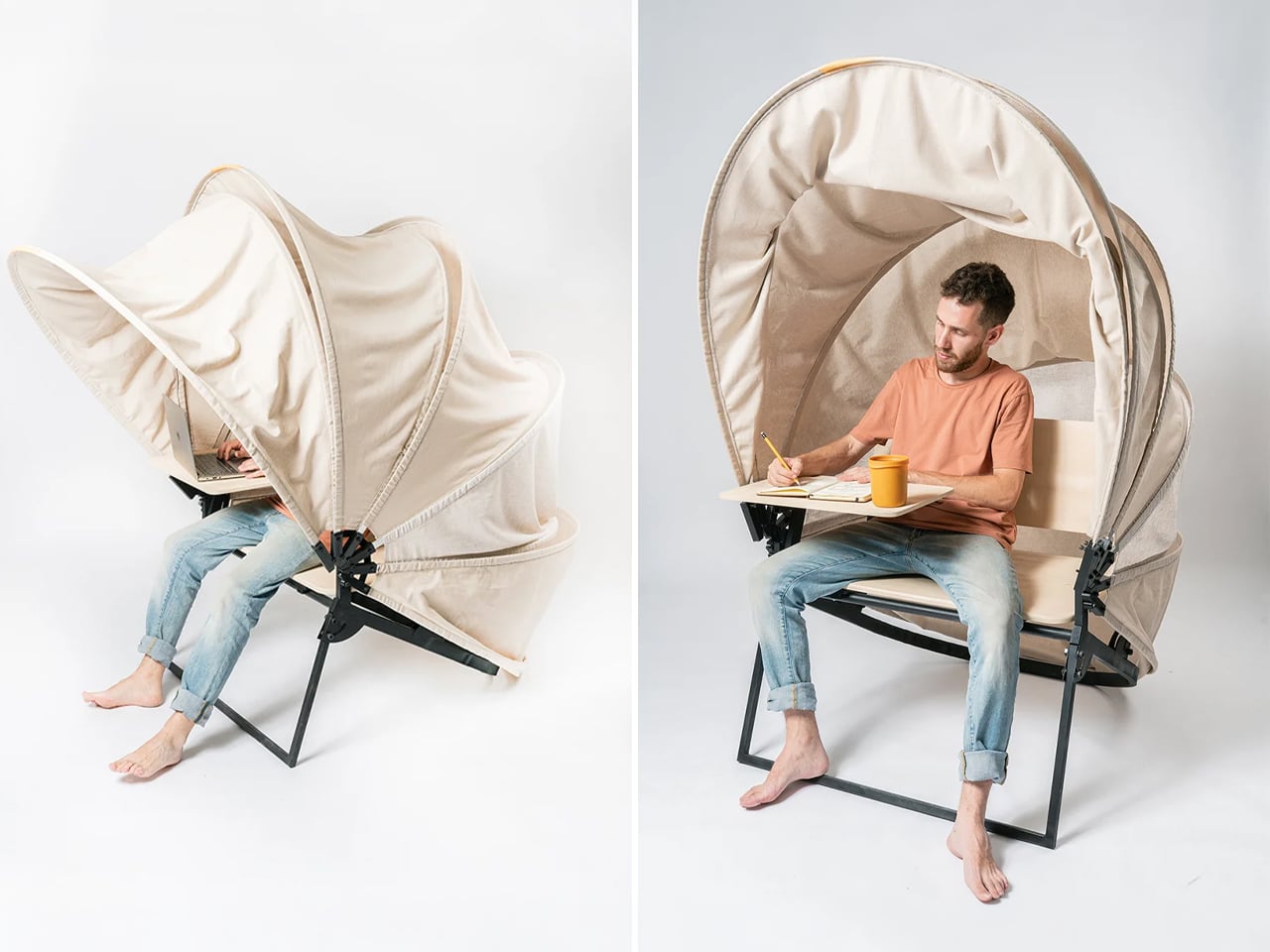
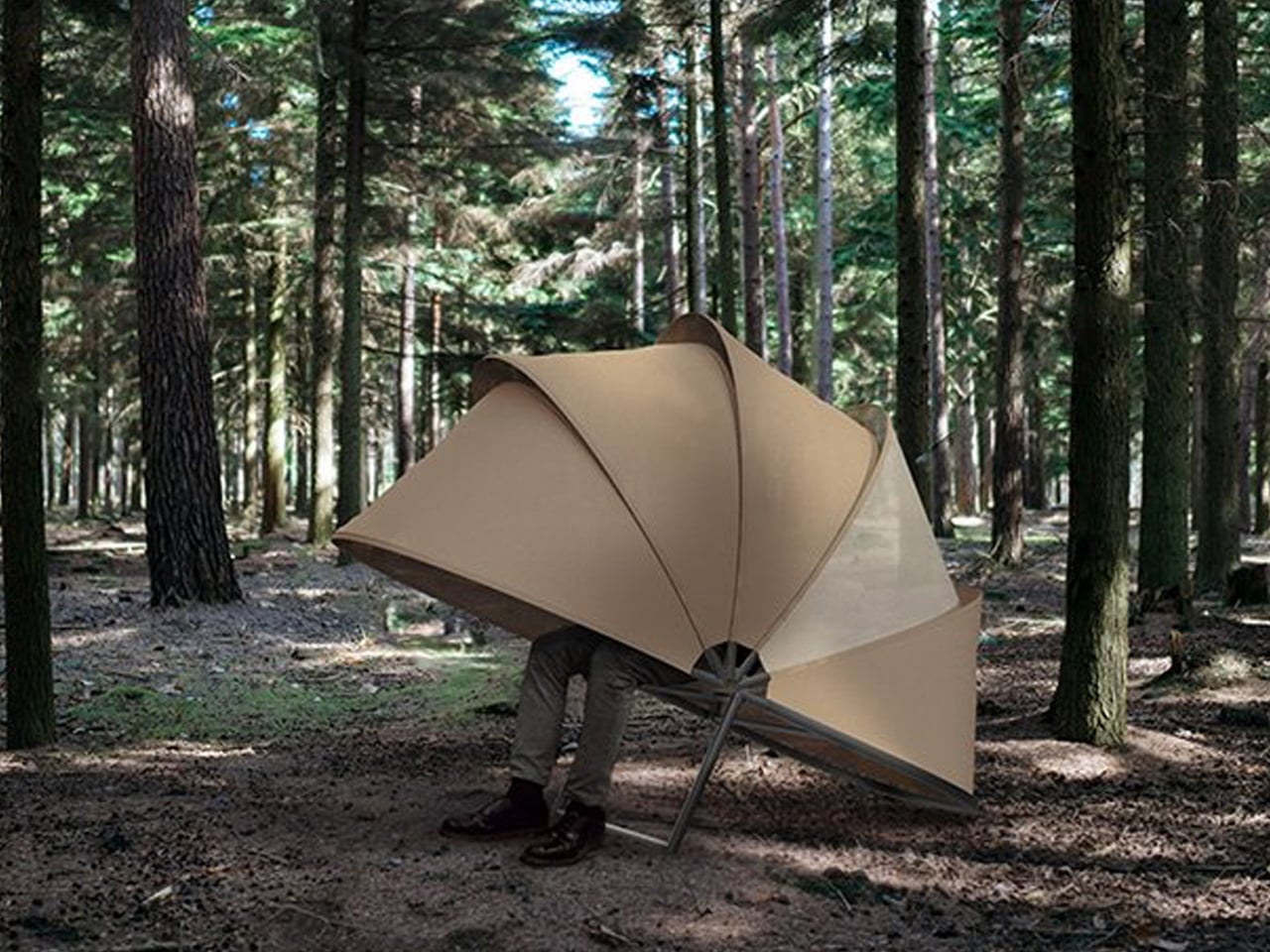
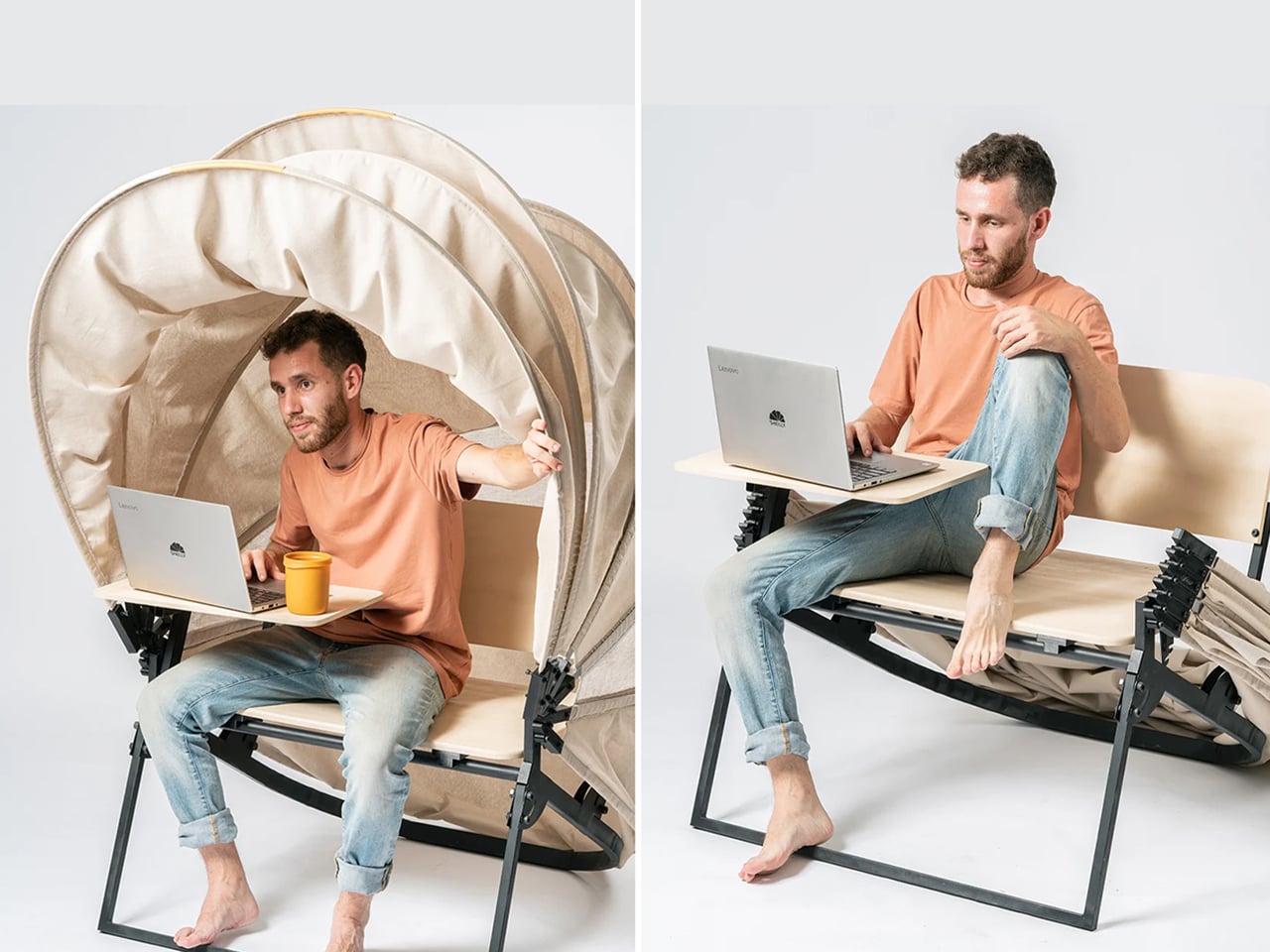
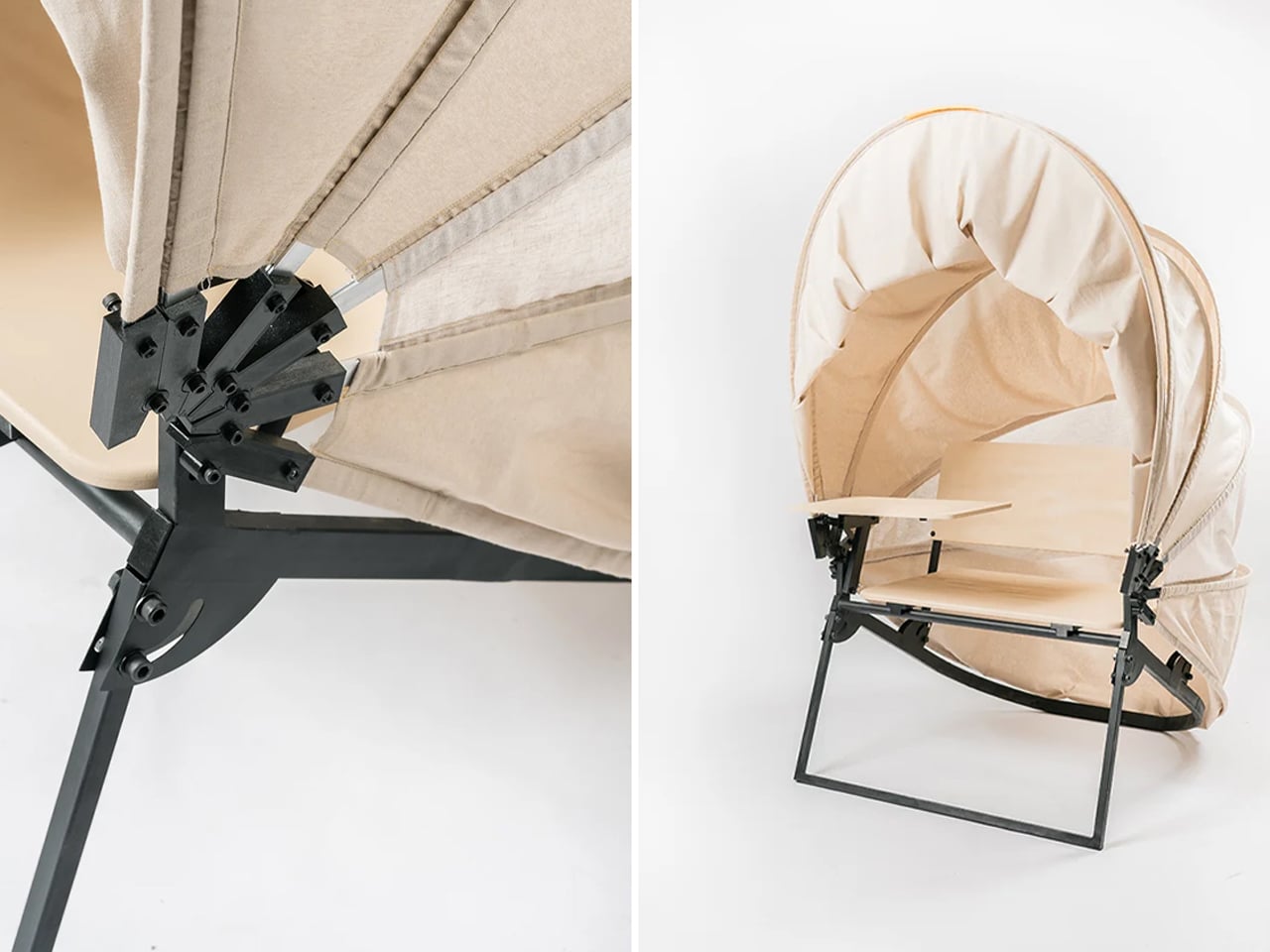
In a shared workspace like WeWork, or a peaceful spot under a tree, flexibility defines modern work culture. Industrial designer Matan Rechter responded to this shift with Shelly, a personal outdoor workspace that combines privacy, shade, and portability for those who prefer working outside. Inspired by the remote work movement, Shelly was designed to bring focus and comfort to outdoor environments like public parks.
Its name comes from its shell-like canopy that folds in and out with ease. Built from lightweight aluminium profiles and durable Cordura fabric, Shelly shields users and electronics from harsh UV rays. The canopy’s retractable design, reminiscent of an armadillo’s shell, provides instant shade and convenience. Compact and portable, Shelly transforms outdoor work into a comfortable, productive, and stylish experience anywhere, anytime.
4. Technological Integration and Power Autonomy
A modern hybrid workstation should function as a self-sufficient ecosystem, anticipating digital needs without visual clutter. True design intelligence lies in seamless connectivity, like built-in charging, concealed wiring, and intuitive access that keeps the workspace both elegant and efficient. Power autonomy ensures independence from fixed outlets, supporting the growing demand for mobility and flexibility in home environments.
Features such as integrated induction charging pads, hidden cable channels, and optional battery packs transform furniture into an adaptive tool. These enhancements merge aesthetics with performance, allowing users to remain connected, productive, and untethered within any architectural setting.
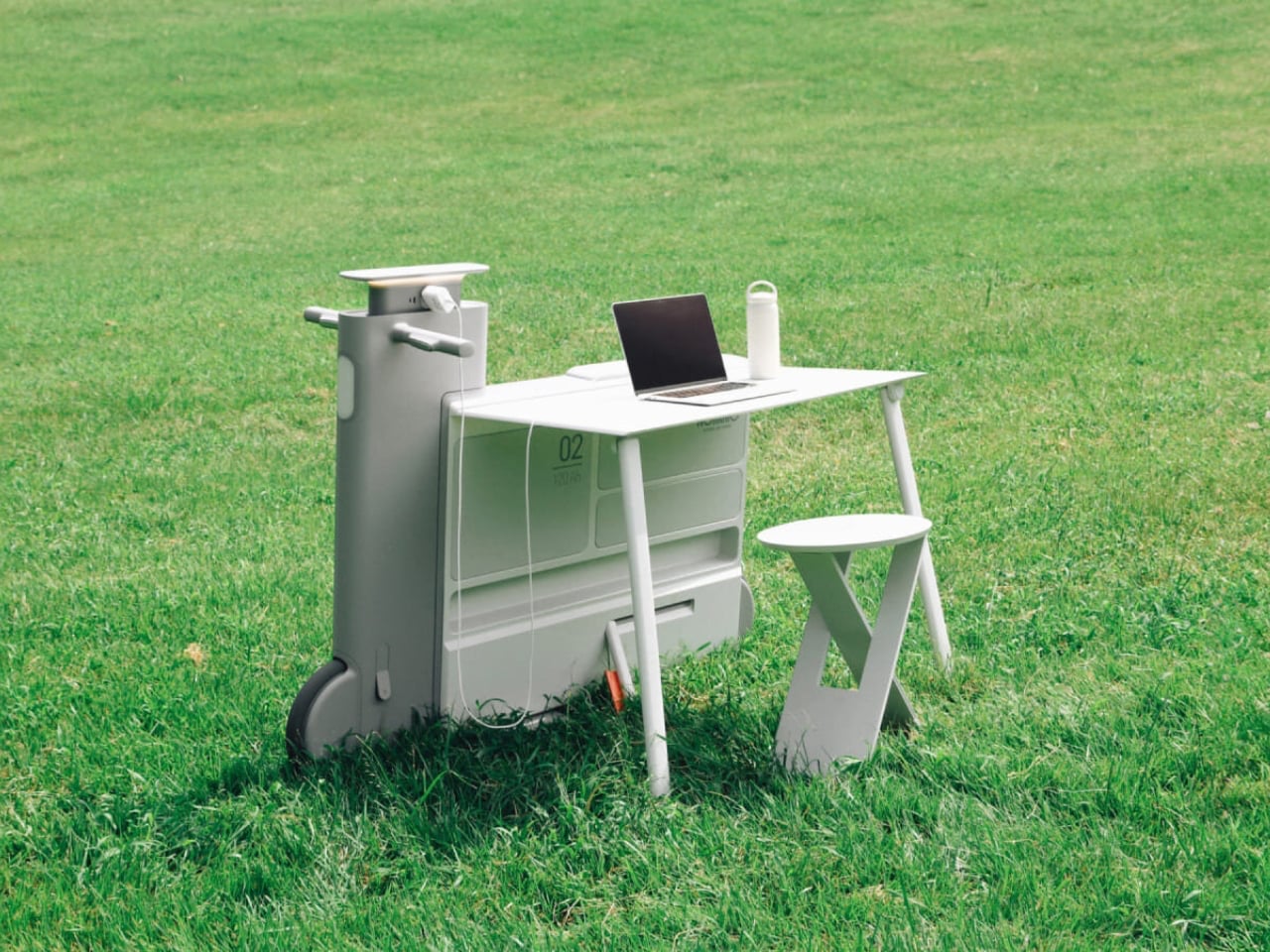
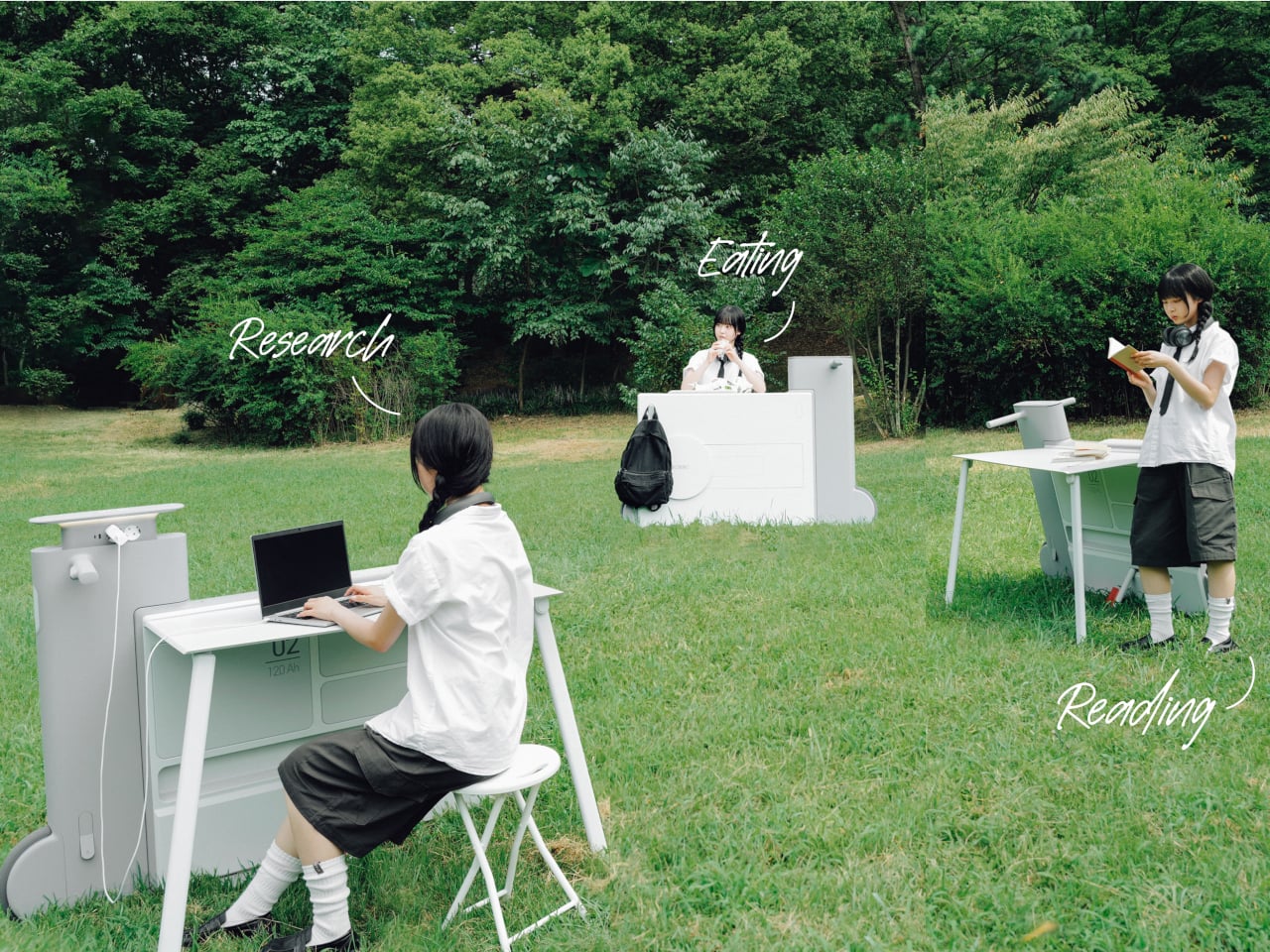
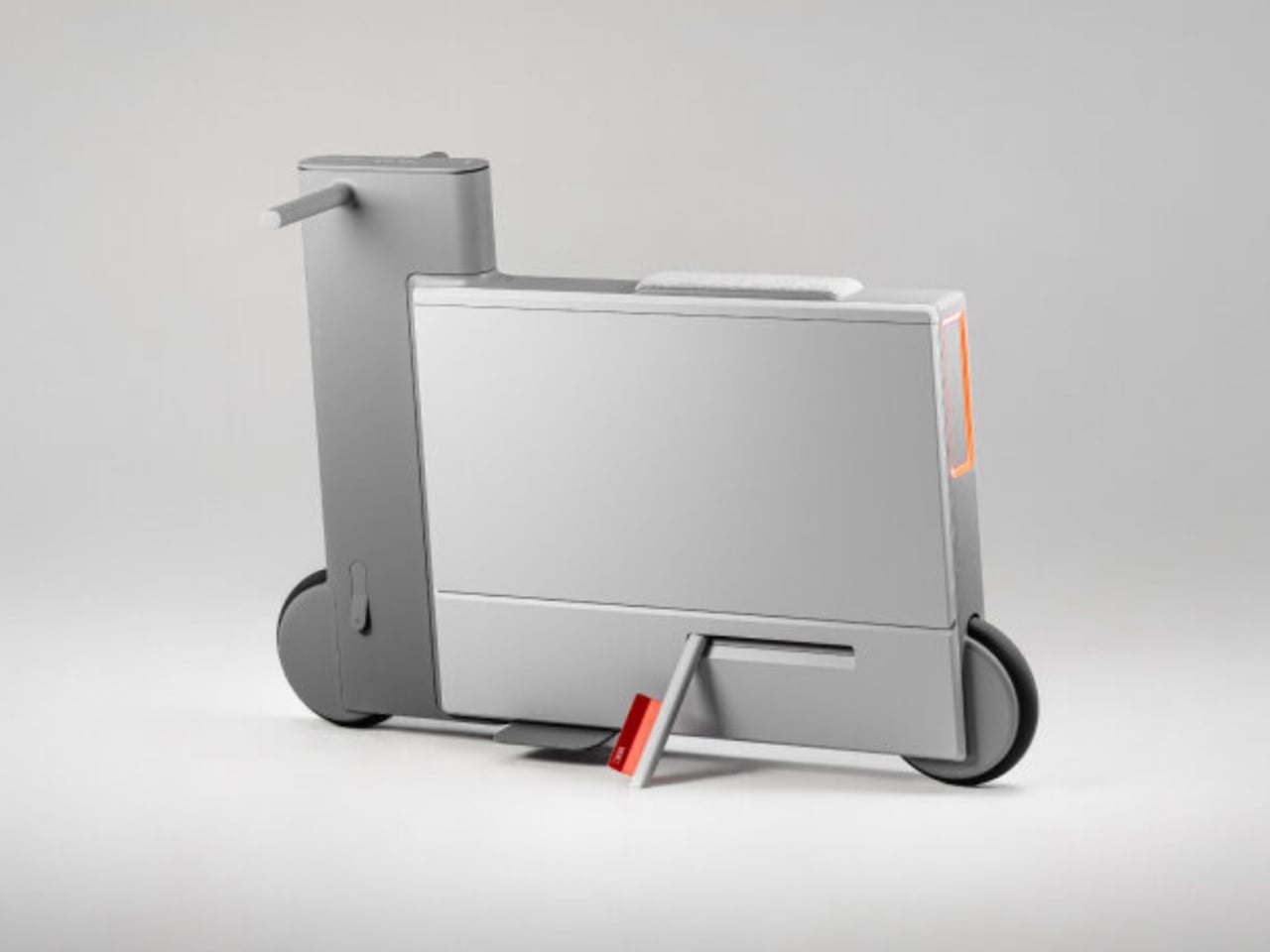
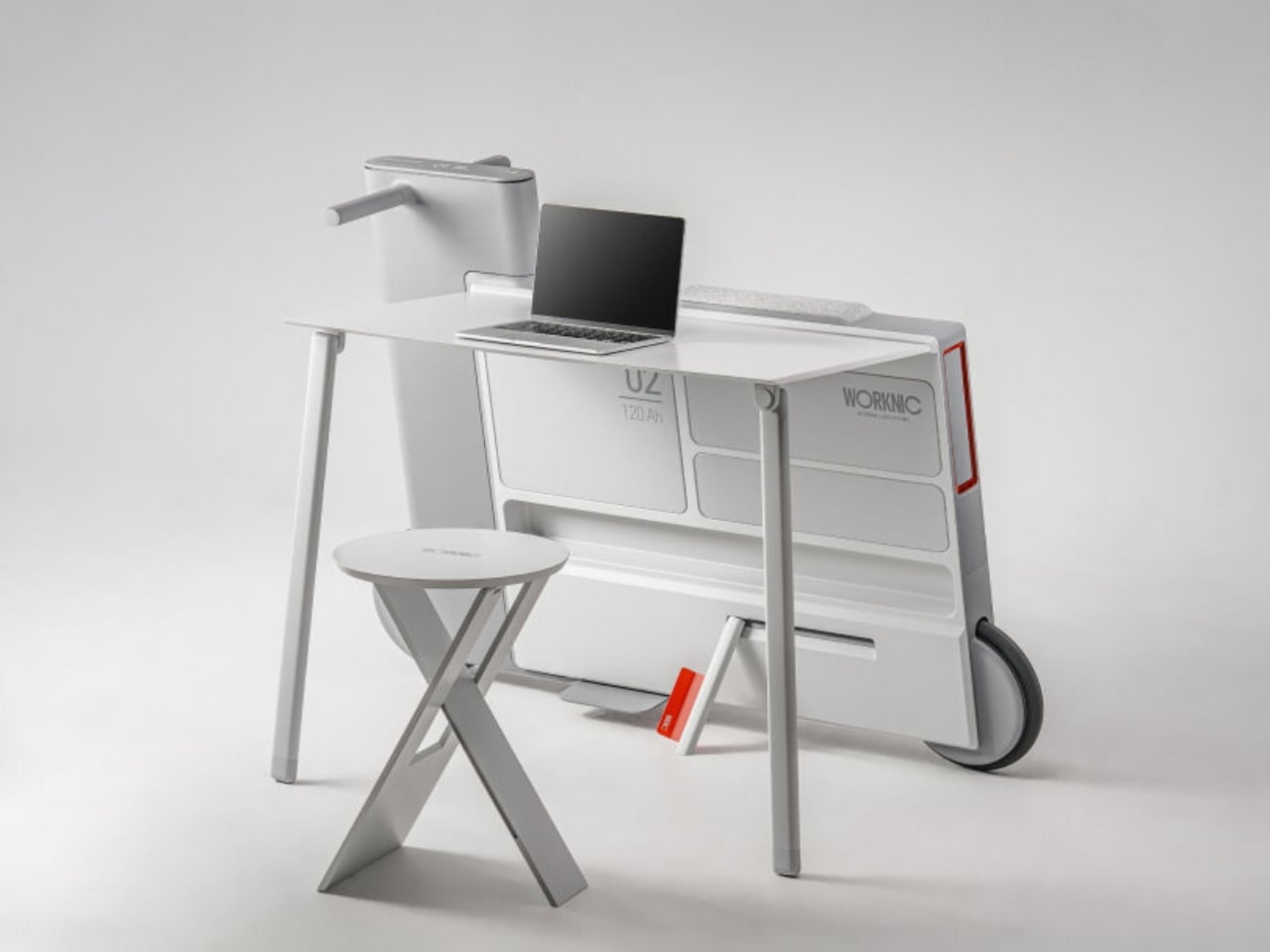
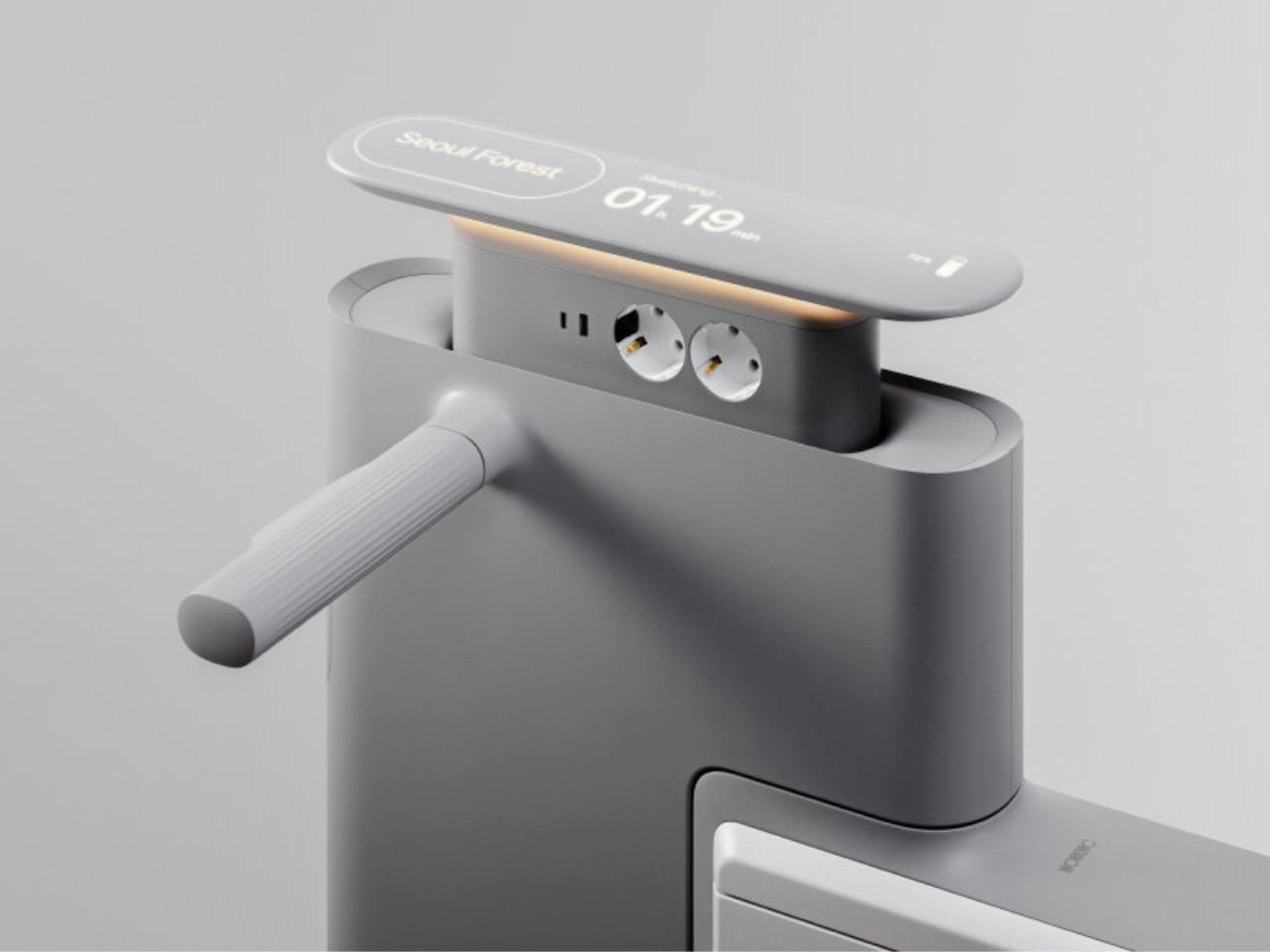
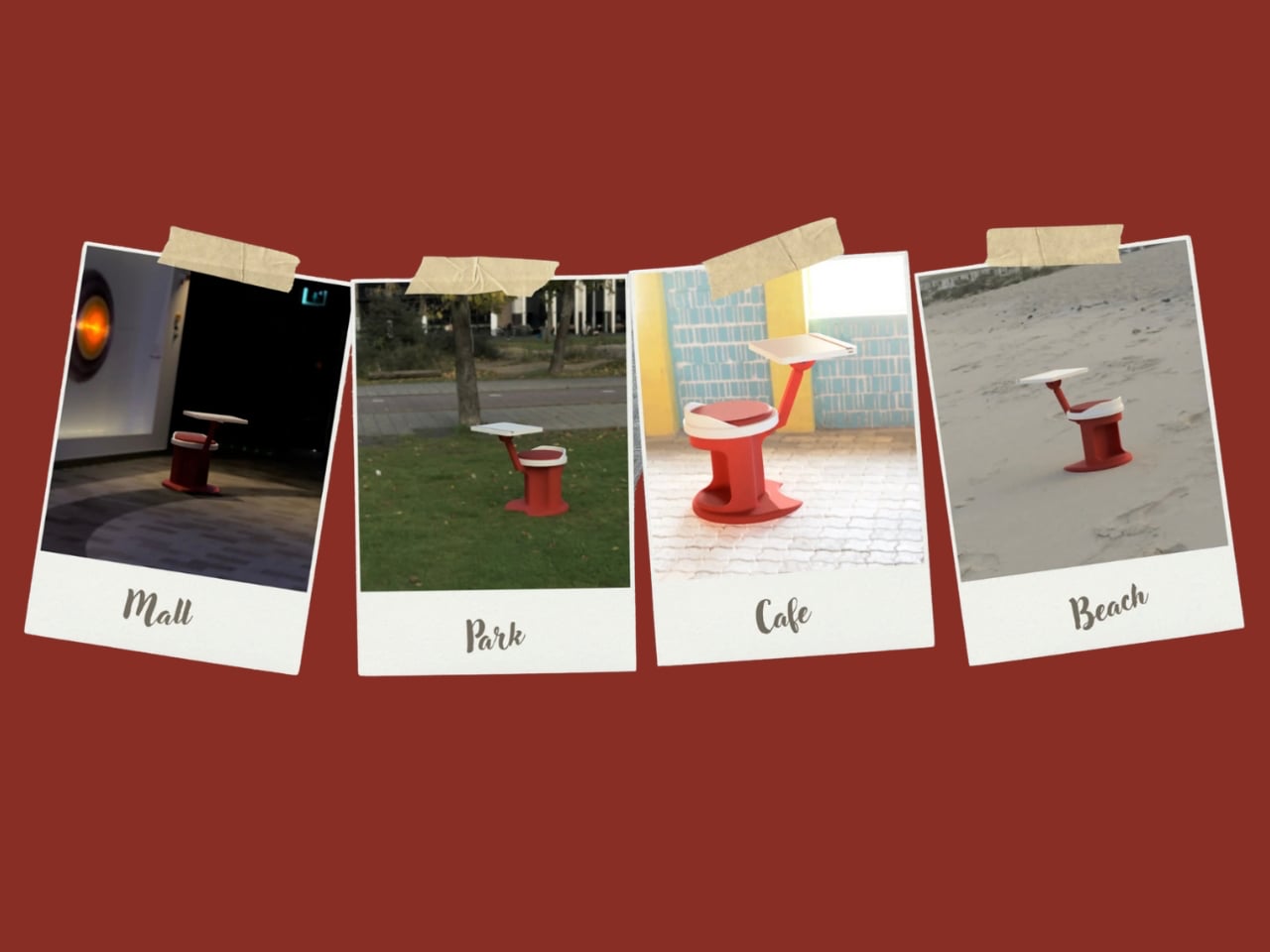
Another standout example is Worknic, a portable desk developed through the Samsung Design Membership program, sponsored by Samsung Electronics. Designed for flexibility, Worknic allows users to set up a functional workspace anywhere, whether in a home, park, or even on the beach, giving them the freedom to change their environment whenever needed.
The desk is built on wheels, making it easy to move and position in the ideal spot. Once in place, it unfolds to reveal a worktable, stands, and a built-in power source, while a pull-out stool completes the setup. Although details about battery life, weight, and additional features are limited, the concept prioritizes mobility, convenience, and adaptability. Worknic offers a creative solution for those who want a portable, fully equipped office that keeps productivity and inspiration in balance.
5. Design Resilience and Longevity Investment
For discerning homeowners, longevity defines true value. A well-crafted workstation should possess design resilience, built to endure daily use while retaining its original elegance and performance. This durability ensures a higher return on investment, setting it apart from fast furniture options that quickly lose both form and function.
Choosing established design houses and proven construction techniques guarantees structural integrity and timeless appeal. A five-to-ten-year warranty offers assurance that the piece is not just a purchase but a long-term architectural companion, blending endurance with refined craftsmanship for years of dependable, sophisticated use.
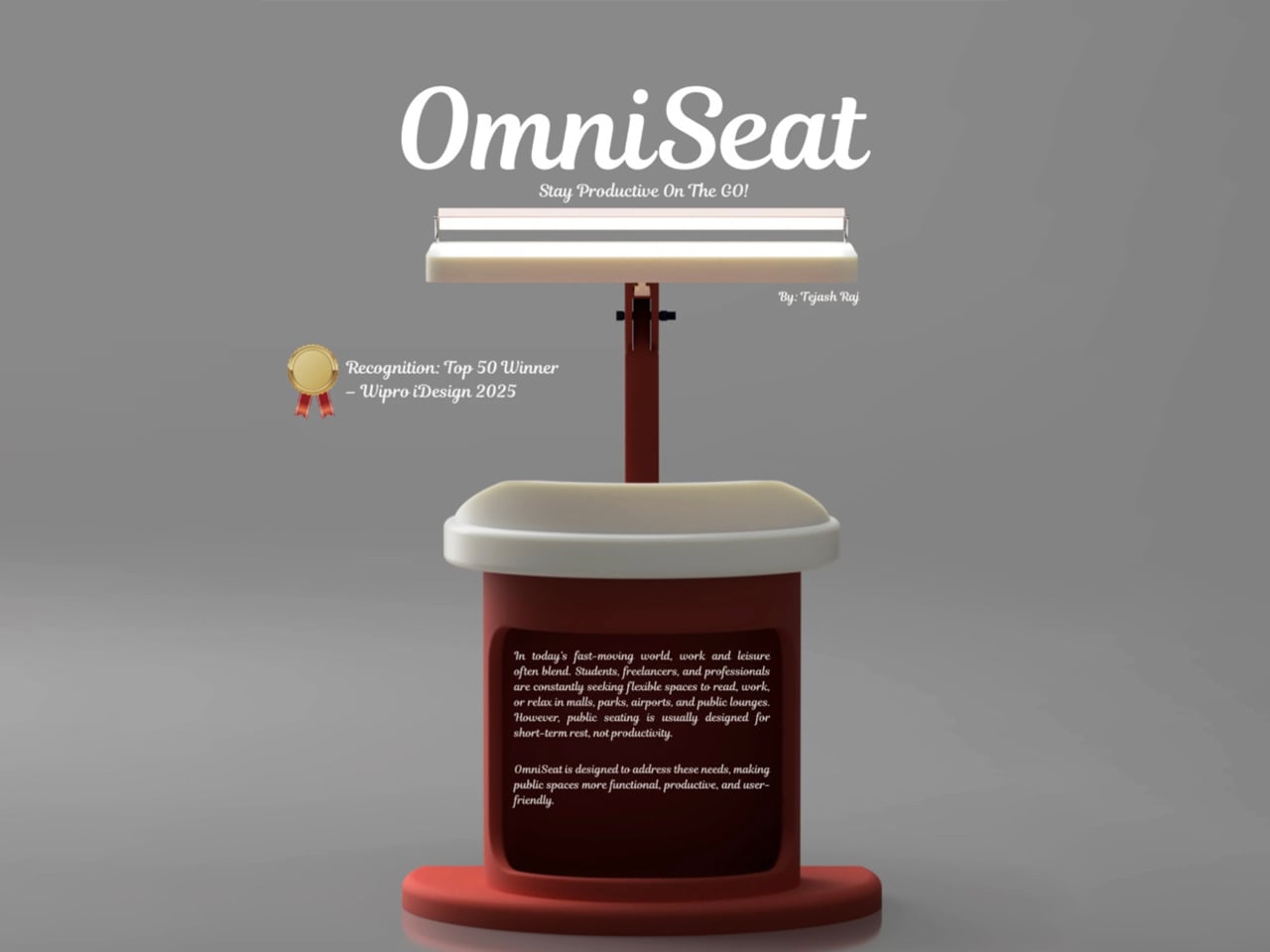
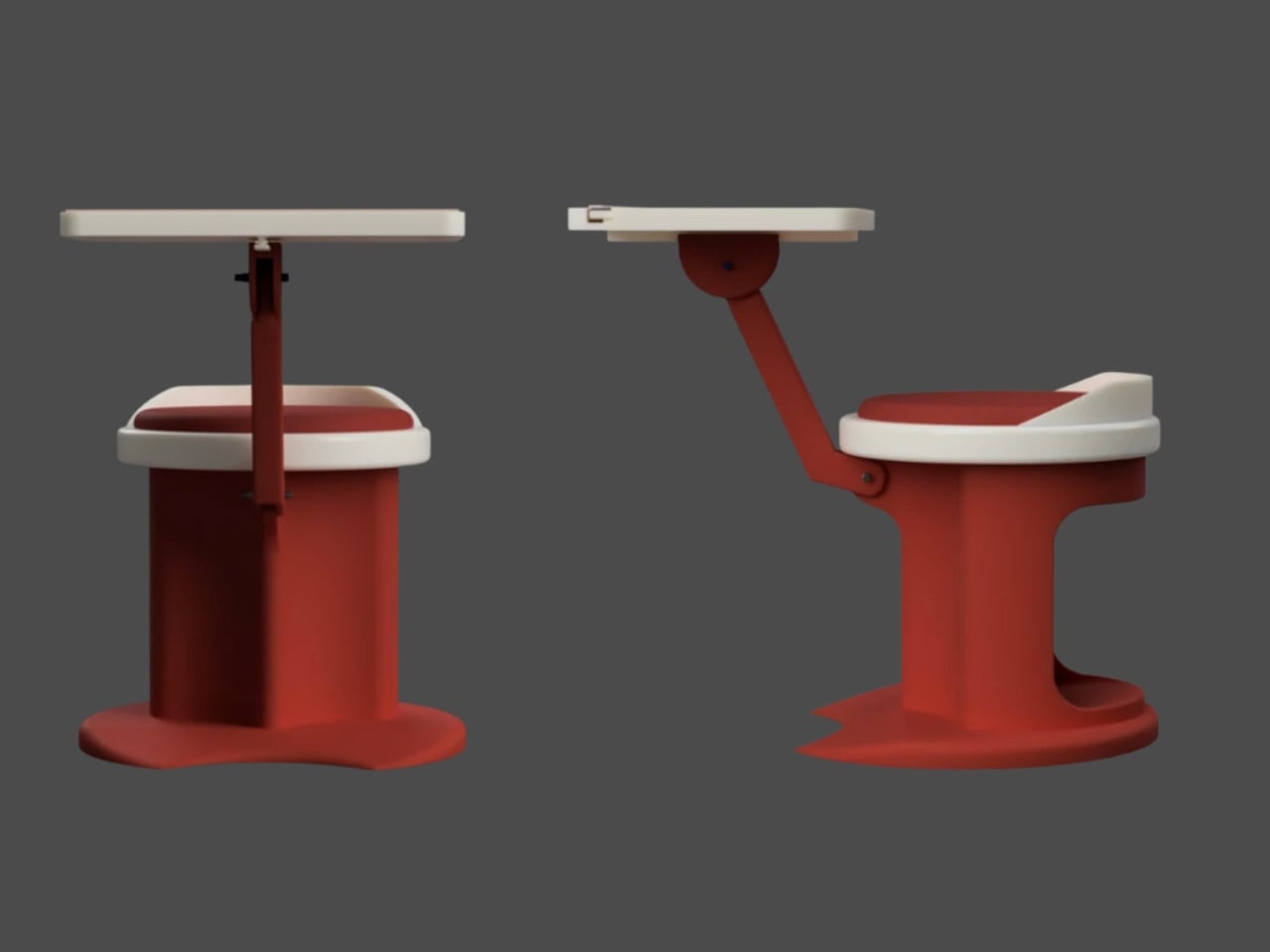
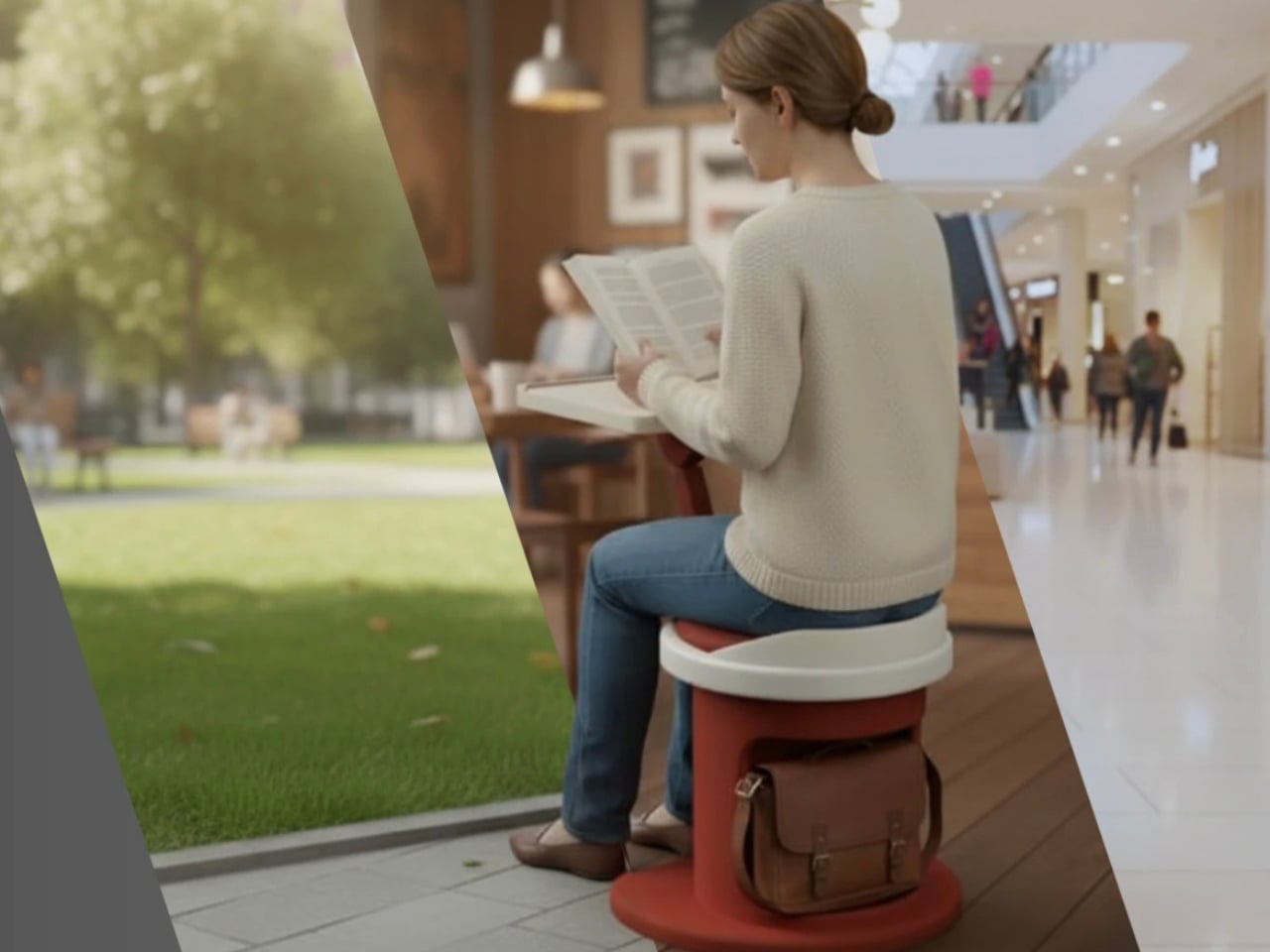
For those constantly on the move, finding a comfortable place to rest or work can be challenging. Cities often lack public resting areas beyond cafés and restaurants, making it tempting to carry a portable chair, though the idea quickly loses appeal due to its bulk and inconvenience. Recognising this need, designer Tejash Raj created the OmniSeat, a compact and ergonomic seating concept designed for people who stay productive while travelling, commuting, or working outdoors.
The OmniSeat features a lightweight frame, built-in storage, and device holders, all folding neatly into a slim form that fits in a backpack or attaches to a bike rack. A detachable tray accommodates laptops or tablets, with cable clips to keep cords tidy. Combining portability, comfort, and function, the OmniSeat offers a glimpse into the future of mobile workspaces.
The high-design portable workstation redefines the boundaries of work and home, merging productivity with tranquillity. It transforms interiors into fluid, balanced spaces where focus meets ease. Its true value lies in the freedom to work anywhere, capturing sunlight, inspiration, and connection without sacrificing comfort or creativity.
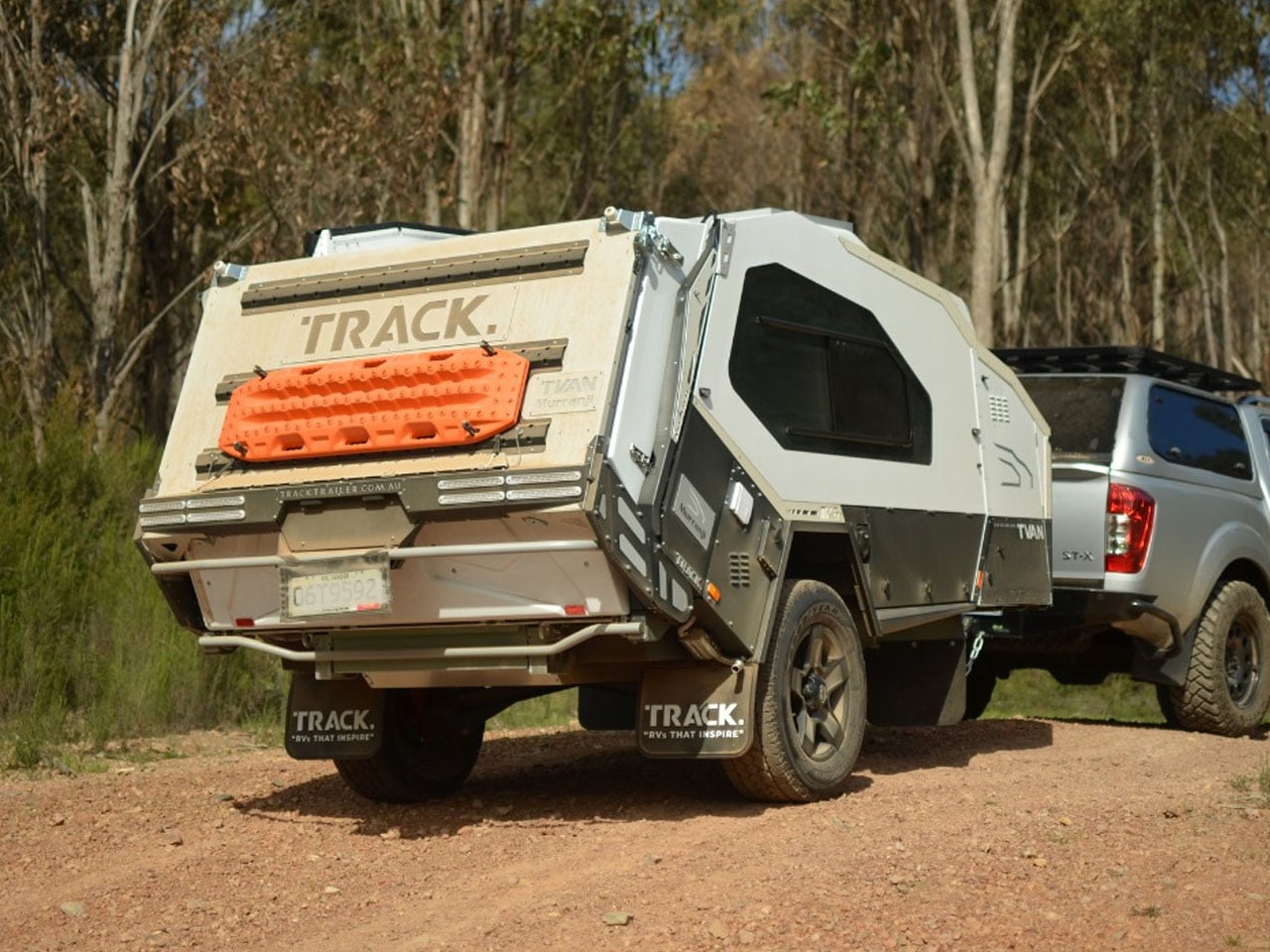
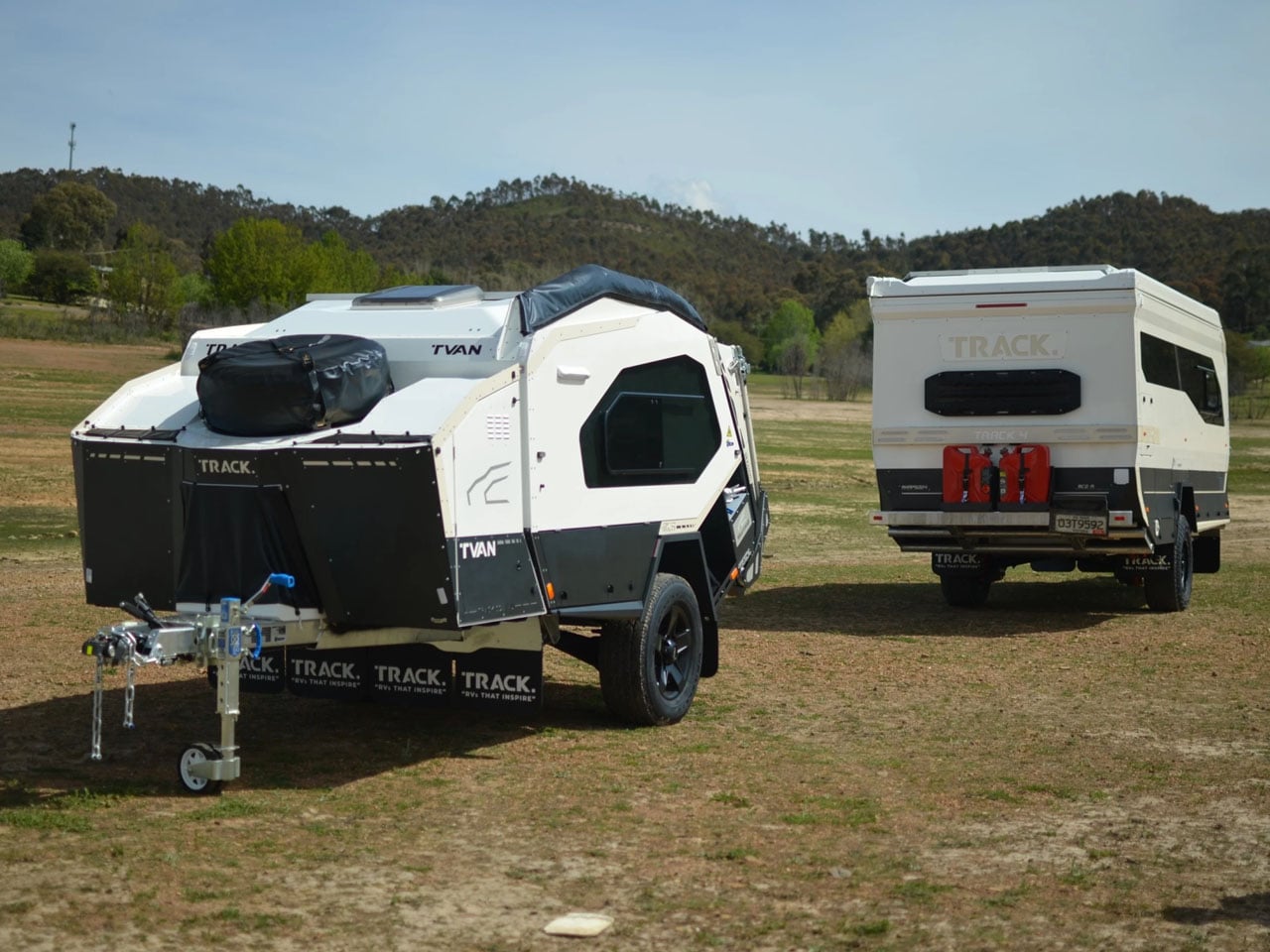
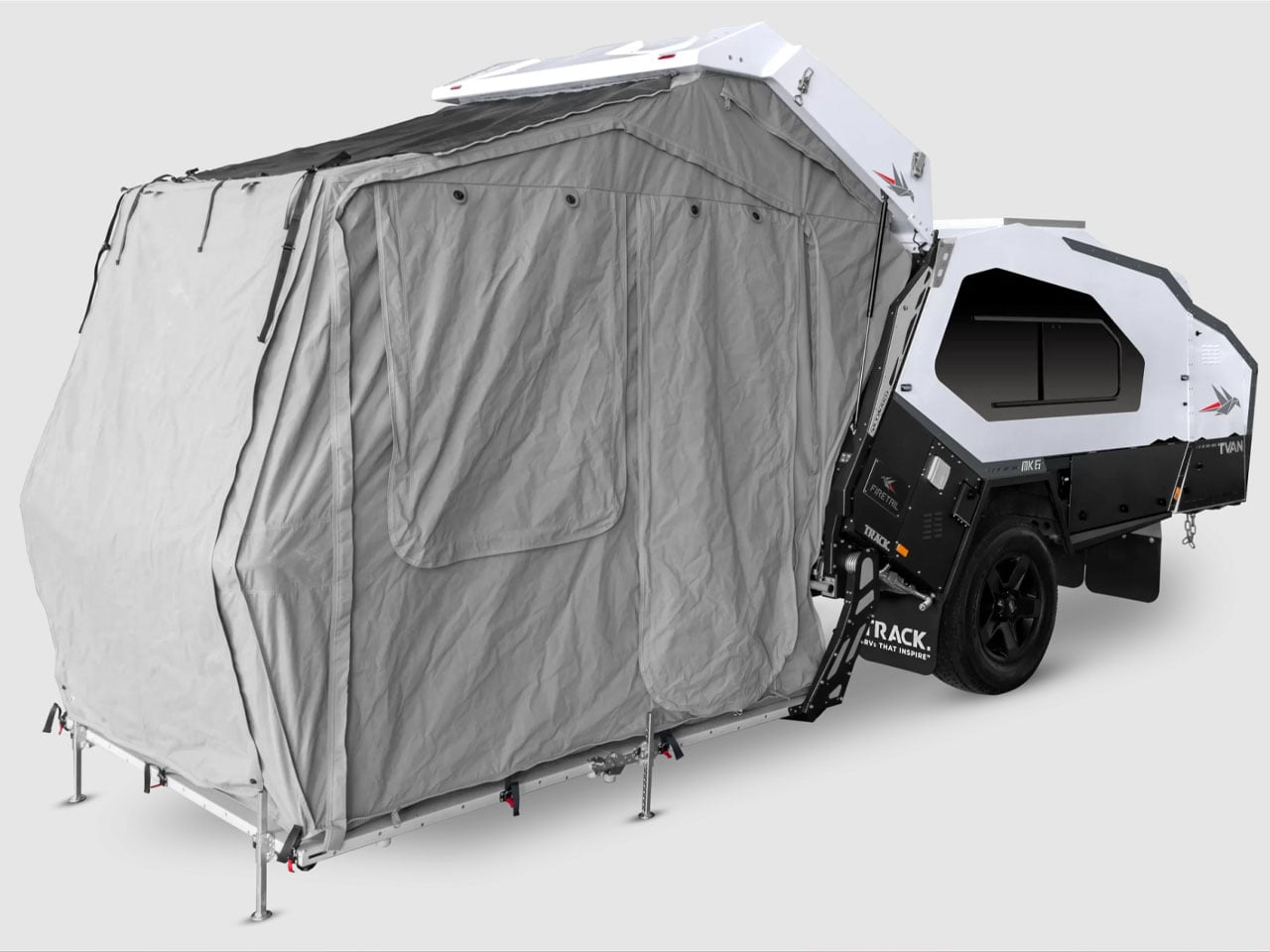
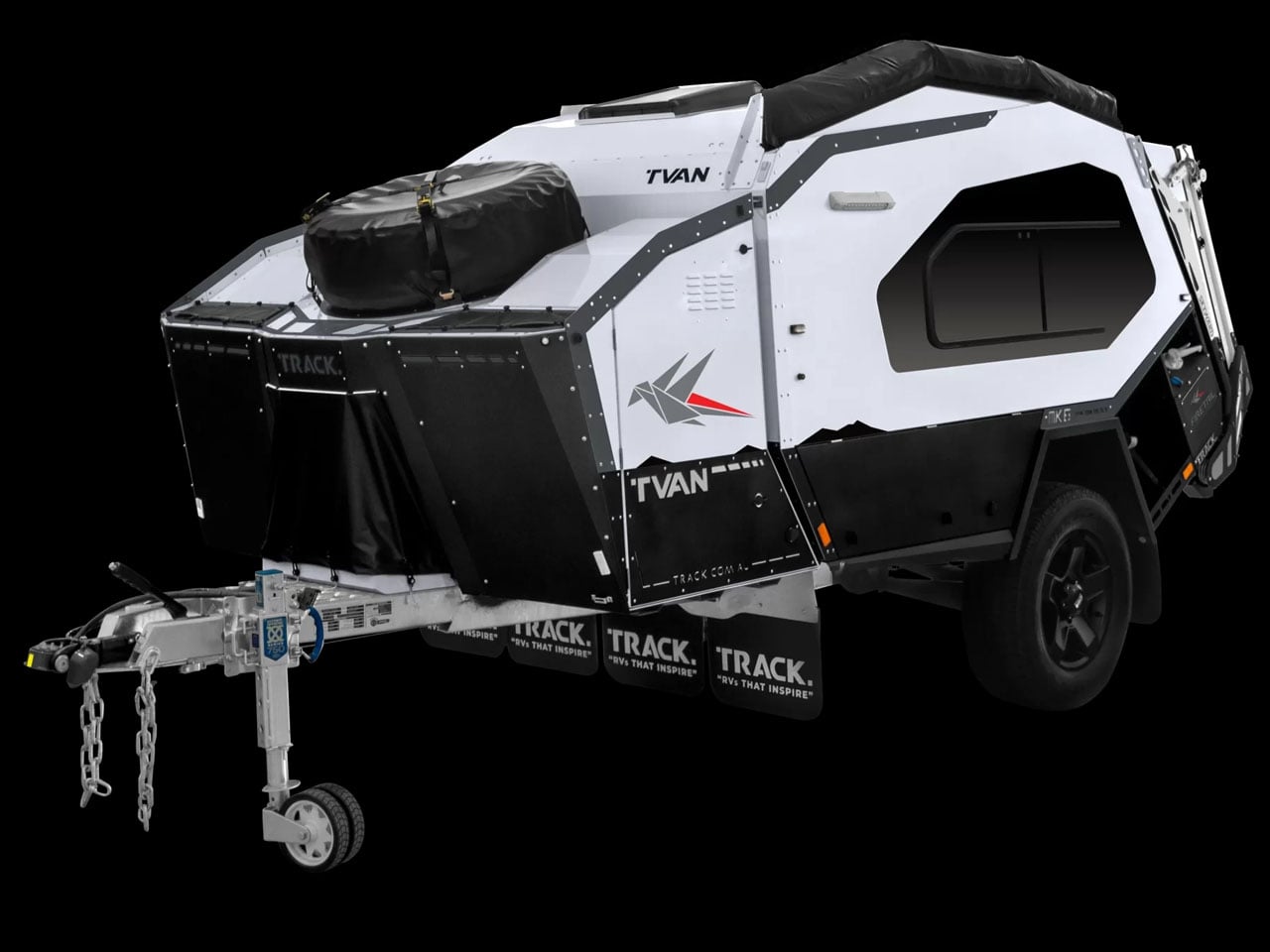
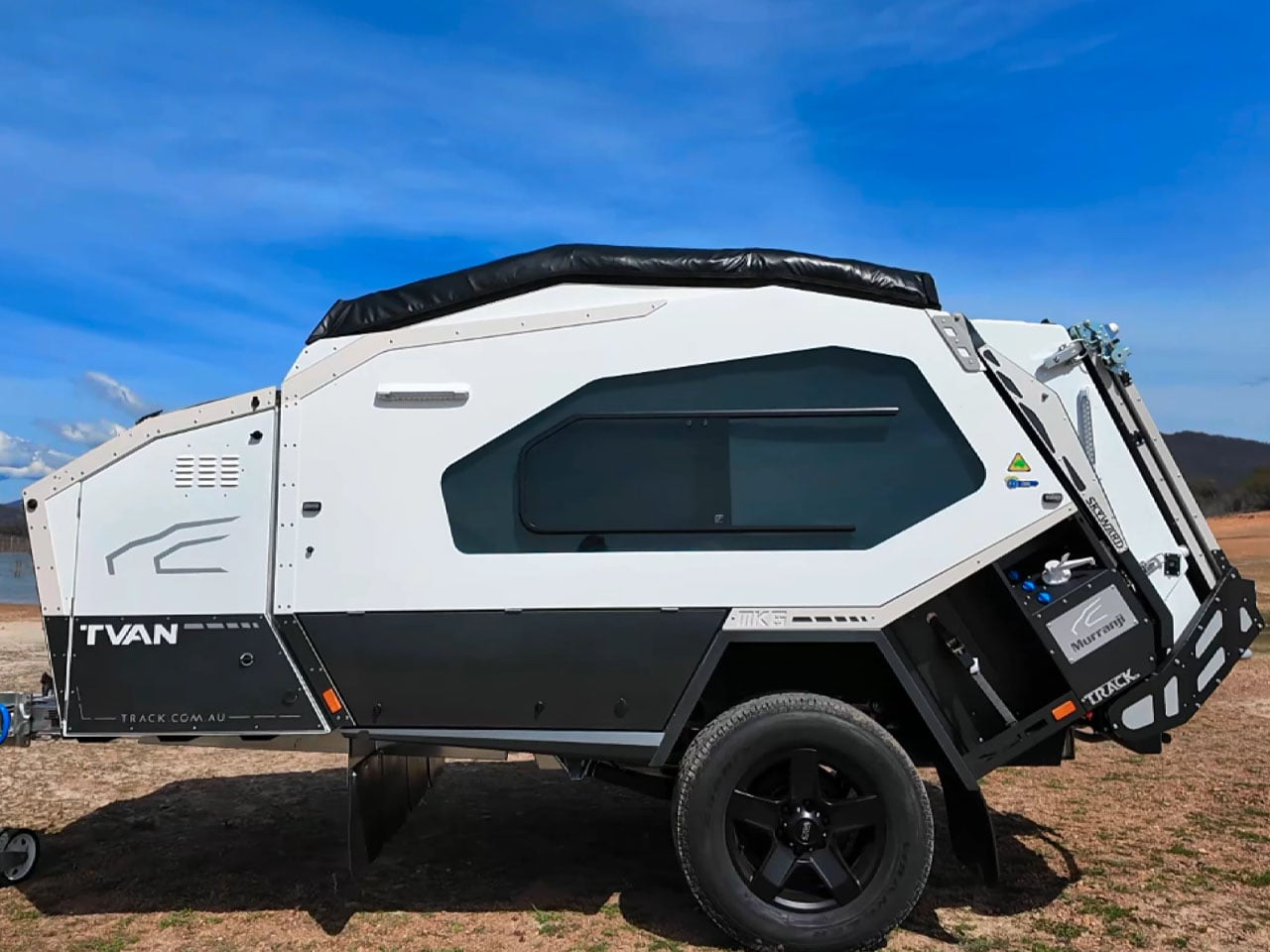
Track Trailer, the name behind the famous Tvan off-road camper trailers, needs little introduction. It has been powering the overlanding experience in Australia and worldwide for a good part of four decades now. Over the years, we have seen some interesting variants of the Tvan, which has now reached the MK6. The sixth iteration in the successful portfolio, Tvan MK6 Model, retains the same aluminum body, which runs in the bloodline, but is more spacious and even more comfortable.
As the appearance suggests, the new Tvan MK6 is available in four variants and is almost identical to its predecessors. What changes are the interior space and the headroom, which make the MK6 a different entrant in the same effective branding of the world’s toughest off-roading trailer.
Track Trailer first tried reworking the interior space with the MK5 model. It was done staying within the confines of the Tvan styling: no pop-up roof attachment, but a slight raise in roof height. With the MK6, the company has also stayed true to its design ideology. It has only increased headroom, stretched the neck forward, and pushed the sides of the trailer outward to increase the interior space by up to 20%.
The expansion to the trailer permits more natural light inside the cabin, which is constructed using an aluminum sandwich-panel construction. Moreover, the MK6 features a durable chassis based on an advanced suspension system that enables it to roll comfortably on rugged terrains and off-road destinations. With its ruggedness assured, the camping trailer is ideal for all types of adventures, which is facilitated by its quick setup and clever storage designed throughout its exterior and also on the inside.
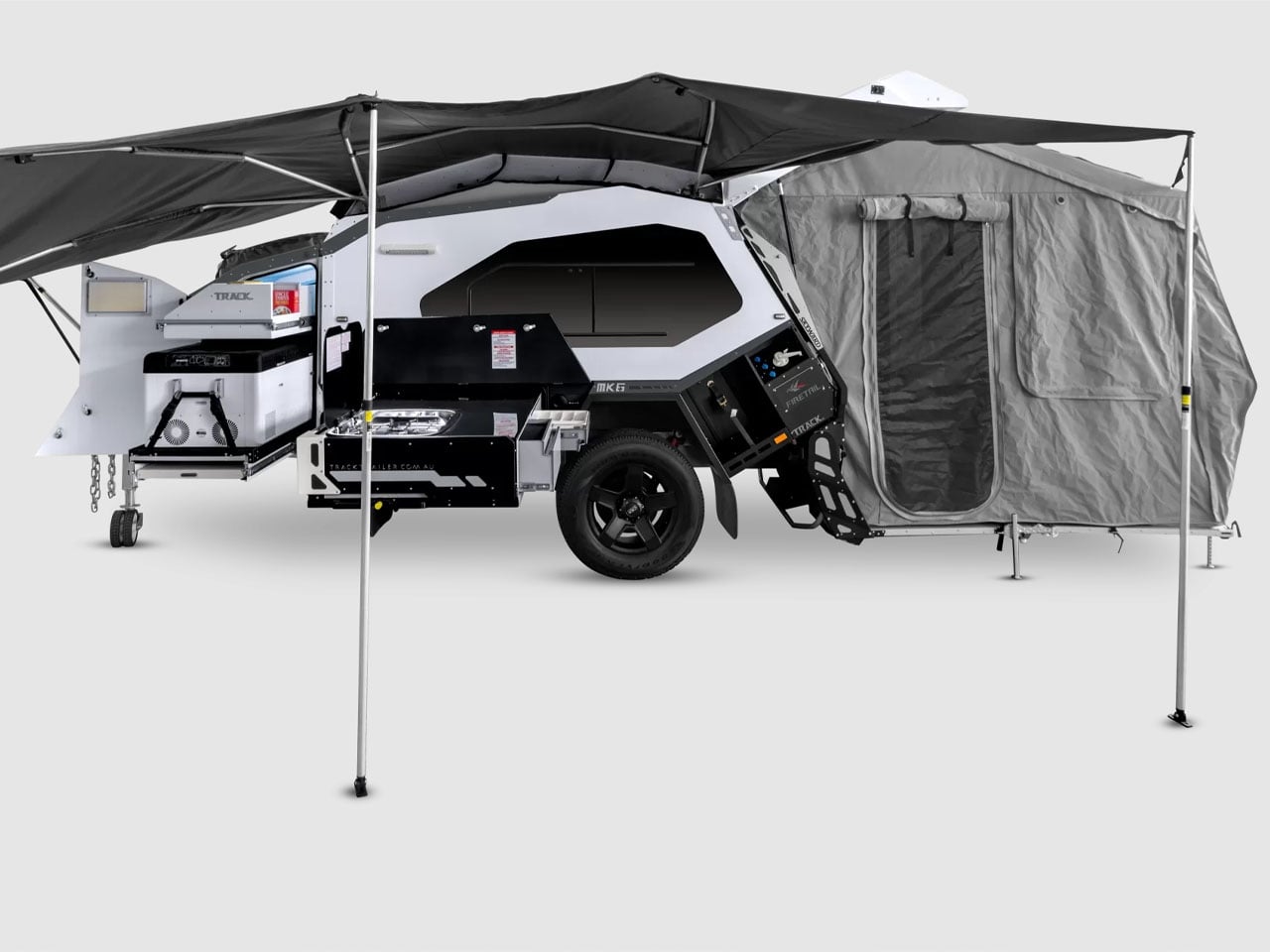
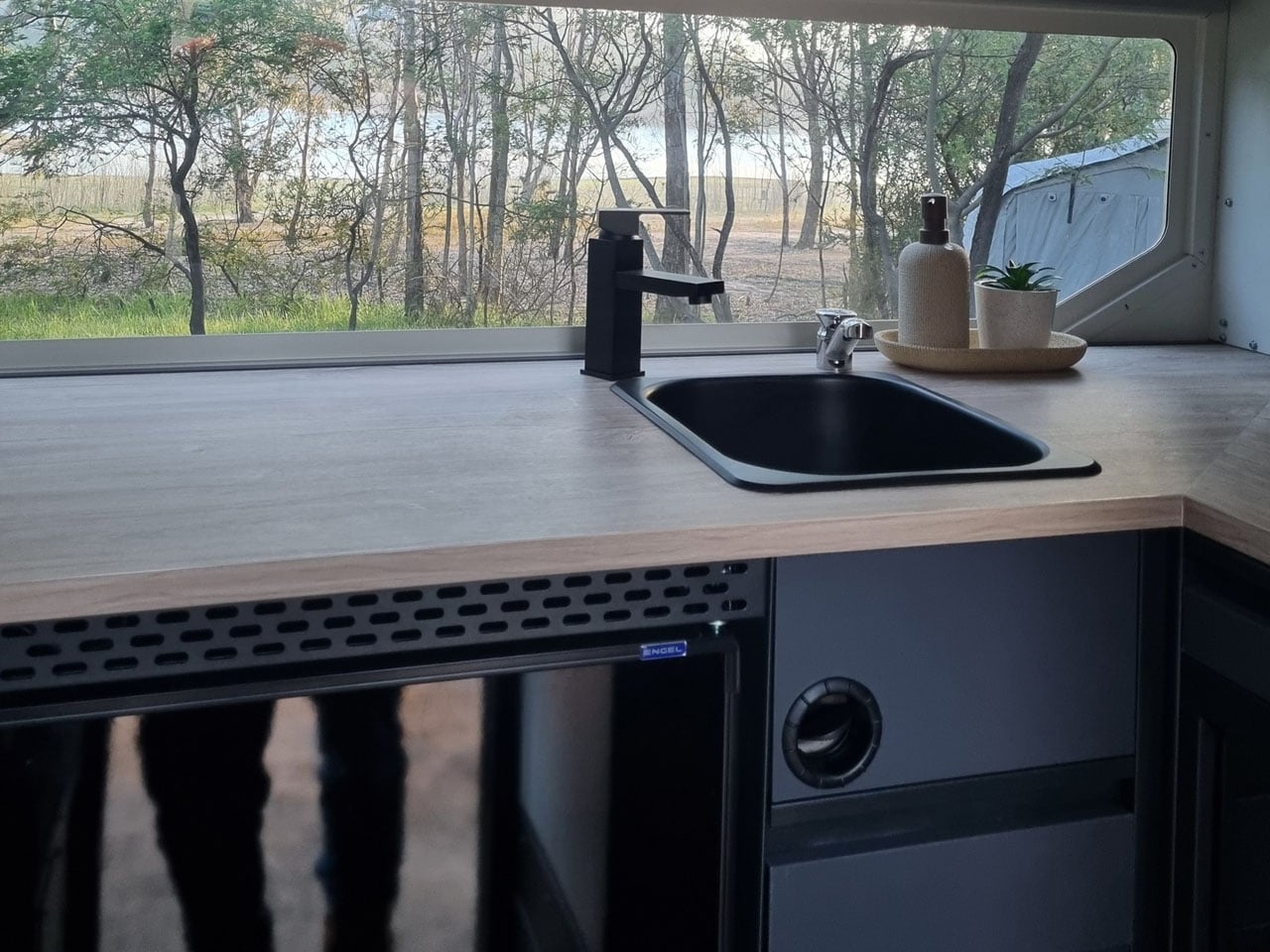
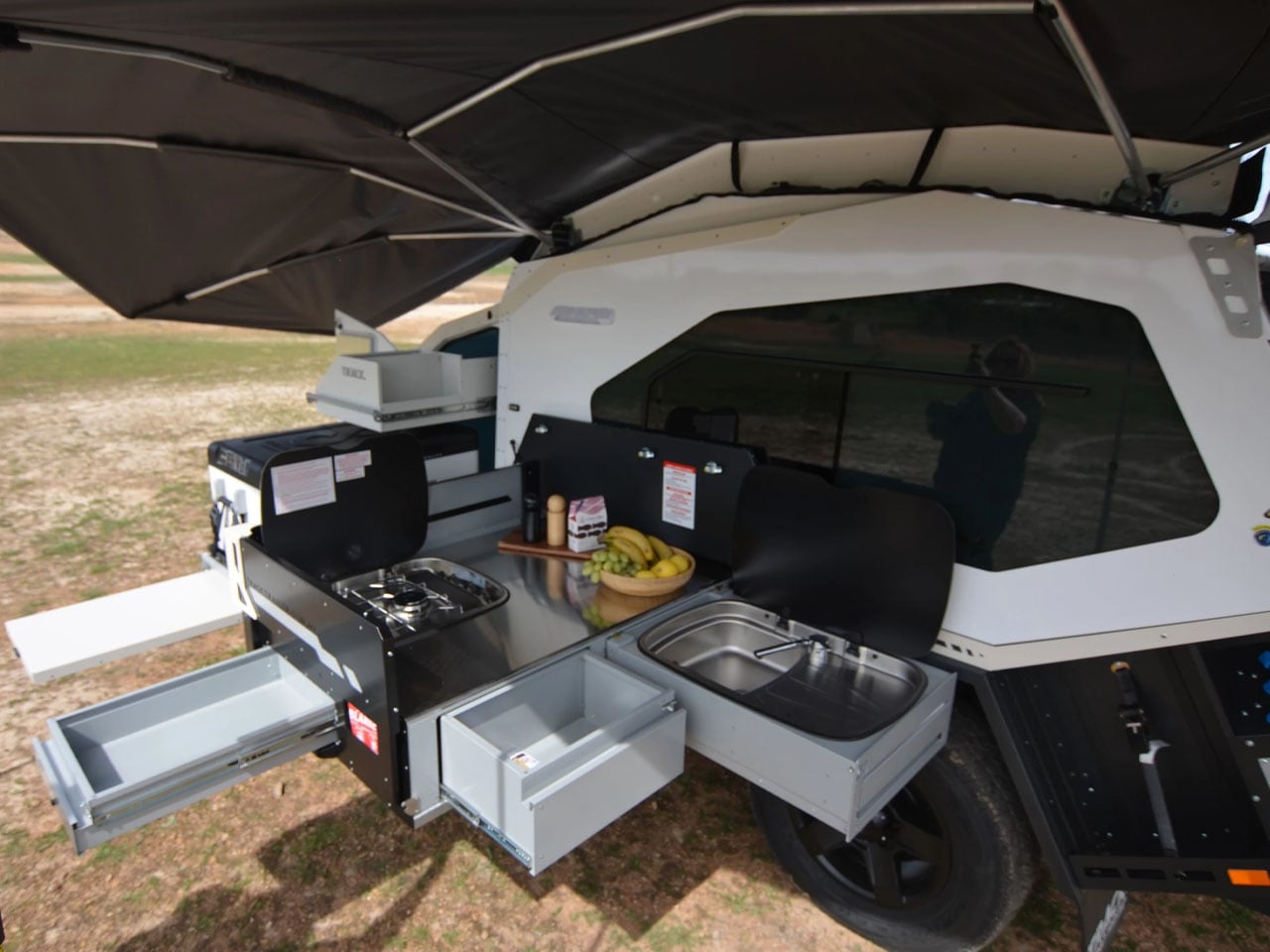
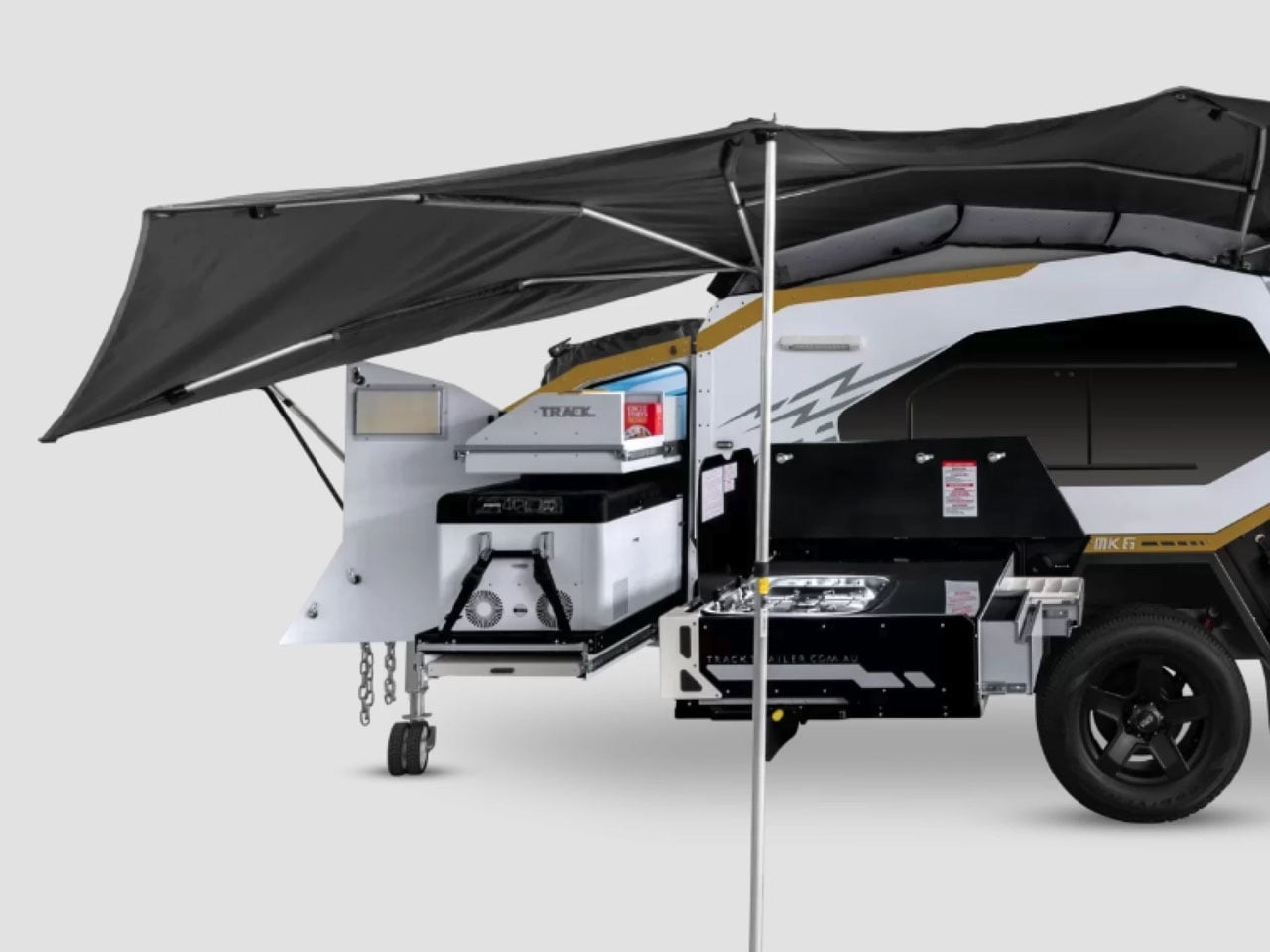
MK6 measures 16-foot-long and 6.3 feet wide, the trailer has an interesting storage cabinet in the extended nose up front, comprising a pantry and up to 95 liters fridge/freezer. Slightly further back is the slide-out kitchen with a three-burner gas stove, a full-size sink connected to a 108L fresh water tank, and a storage drawer topped with a prep area.
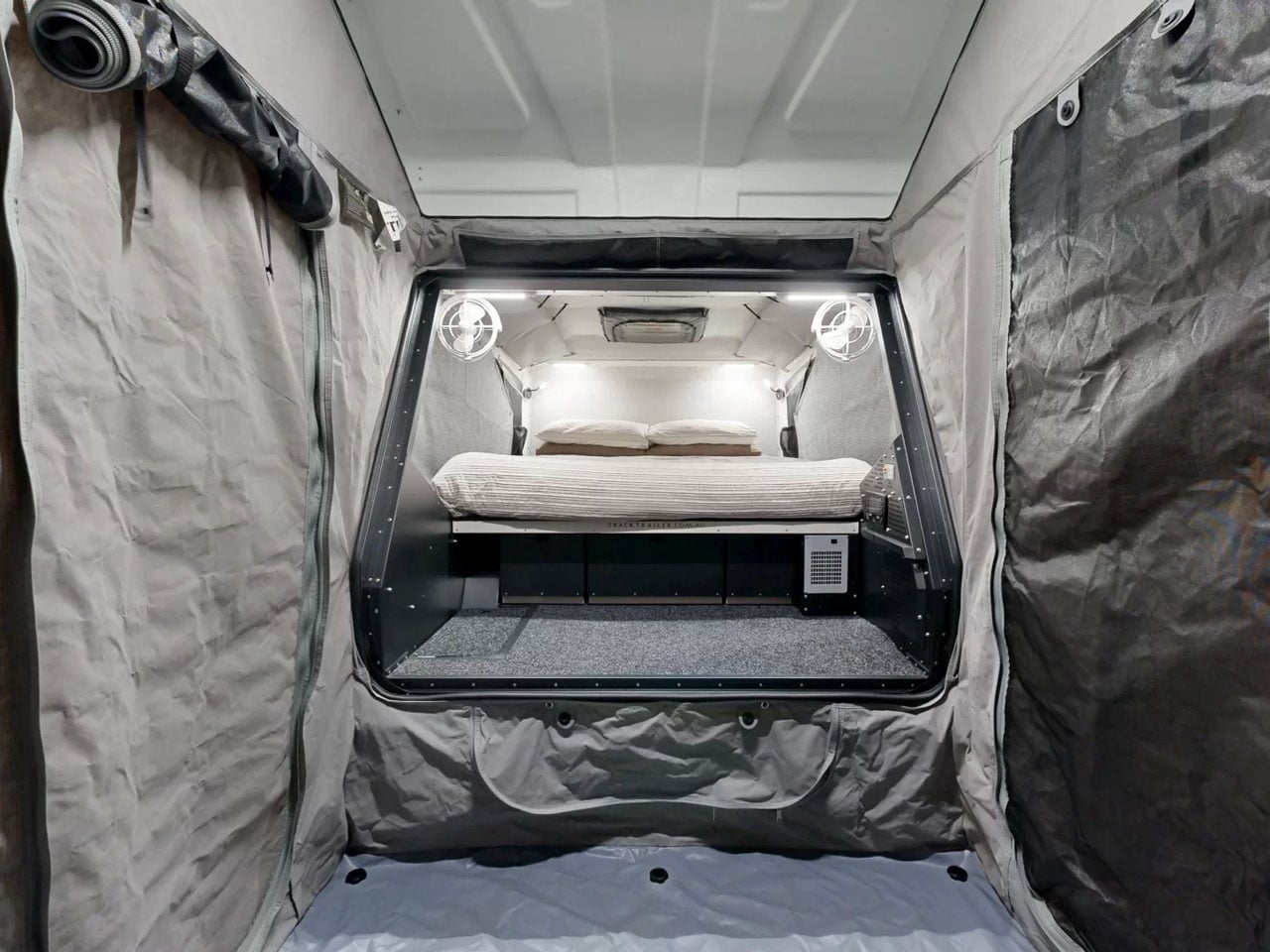
The most interesting part of the MK6 camping trailer is the rear hatch design. It features Track Trailer’s patented Skyward Lift Up Deck, which combines the hatch and the hard-floor deck. The electric lock system allows the two to lift up in unison for quick and direct access into the living space of the trailer. Just when you need it, a tent can be attached to the trailer to increase the living quarters.
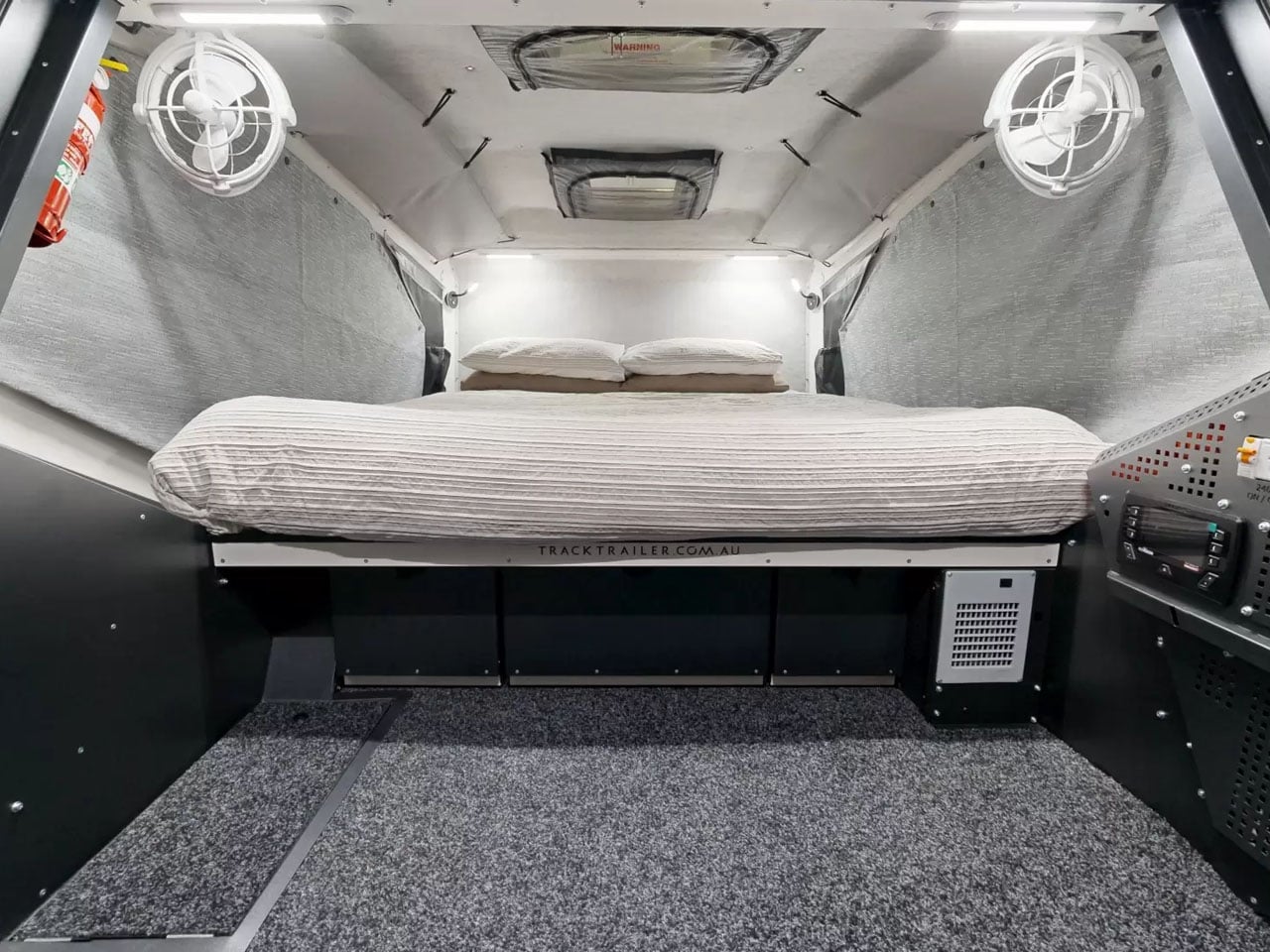
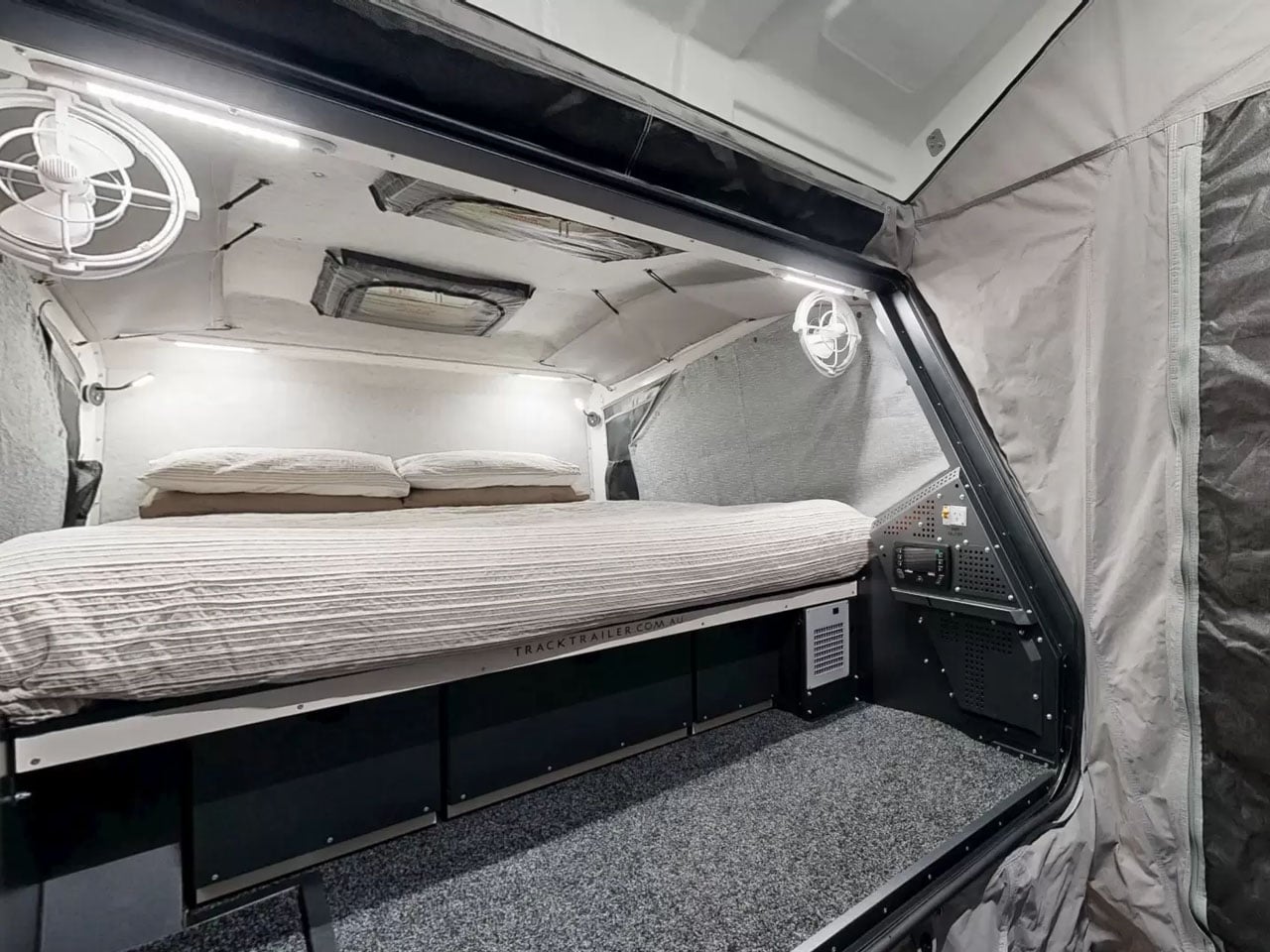
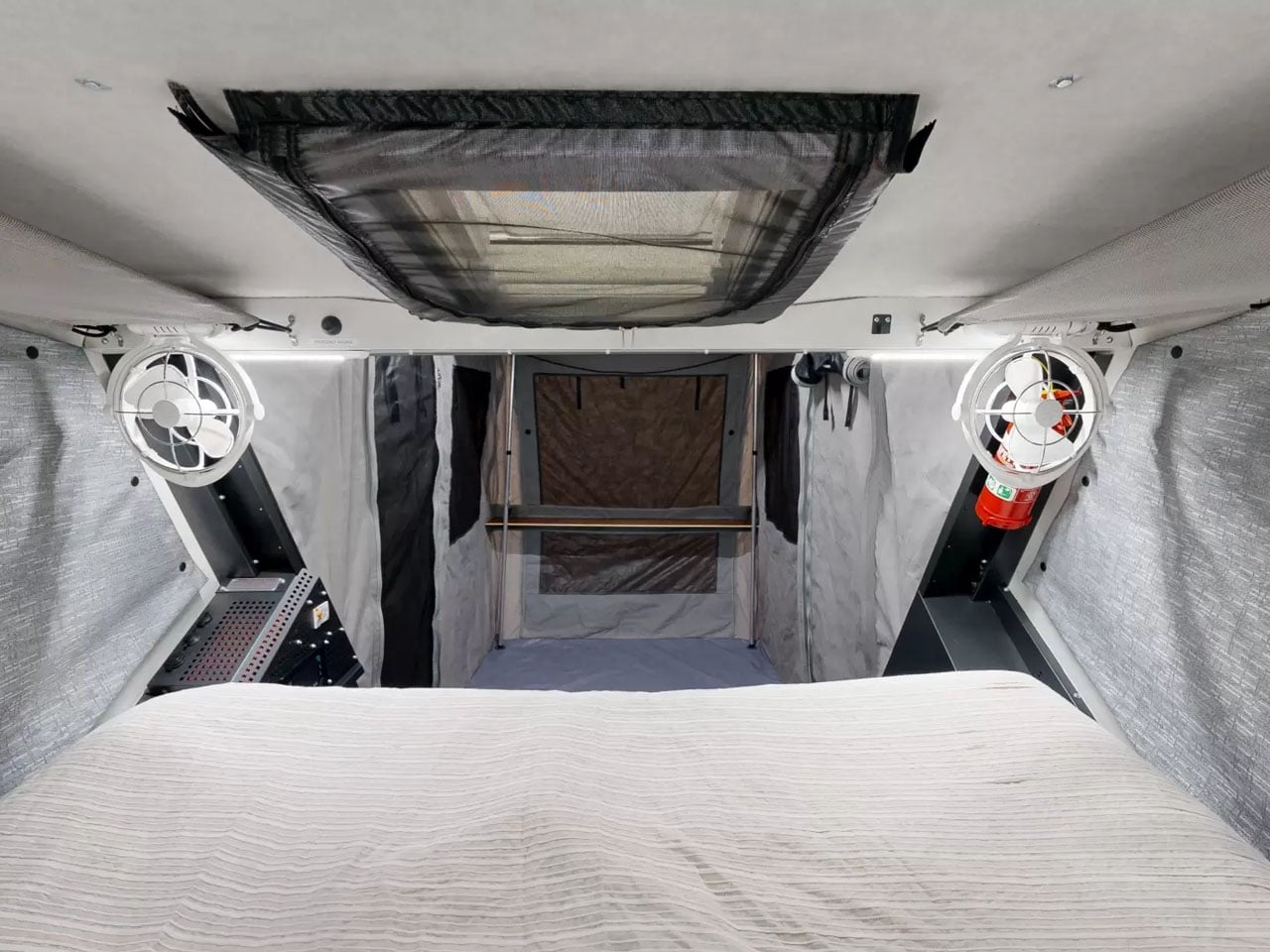
Inside is a double bed surrounded by large windows and overhead and sidewall storage. LED lighting and dual roof hatches complete the design. Since the MK6 is available in four variants, each is designed differently for off-the-grid living. The entry-level Inspire features a 125Ah lithium battery that draws energy from a 200W rooftop solar panel, while a 350W inverter takes care of the power backup. Firetail accommodates a pair of 125Ah batteries, a 2000W inverter, and some premium features in the kitchen.
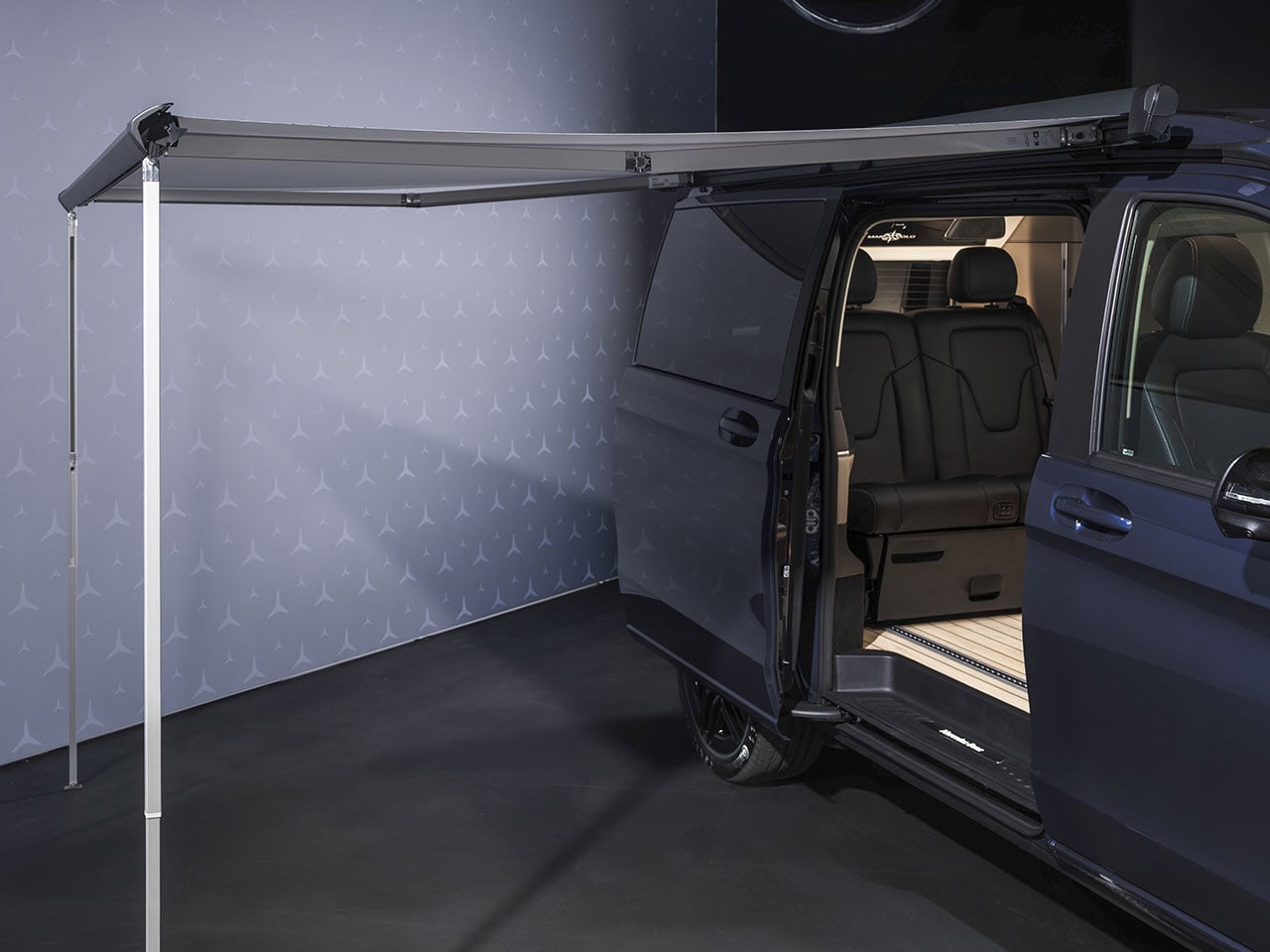
Tvan MK6 Murranji adds a 200W solar panel to the Firetail setup, but leaves out the inverter. The top-of-the-line, Lightning, on the other hand, comes with a 500Ah battery. It features a 2,000W inverter and a 360W solar panel to complete its all-electric setup. Each of these models can have further upgrades with add-ons like awnings and more. MK6 starts at AU$69,900 (approximately $50,000) with the mentioned amenities.
Coolers are great until the trip ends. Then they become a large, oddly shaped object that takes up the entire trunk on the way home, sits on the garage floor for a month, and eventually gets shoved into whatever corner will take it. For apartment dwellers especially, owning a full-sized hard cooler is less a convenience and more a spatial negotiation that rarely ends well.
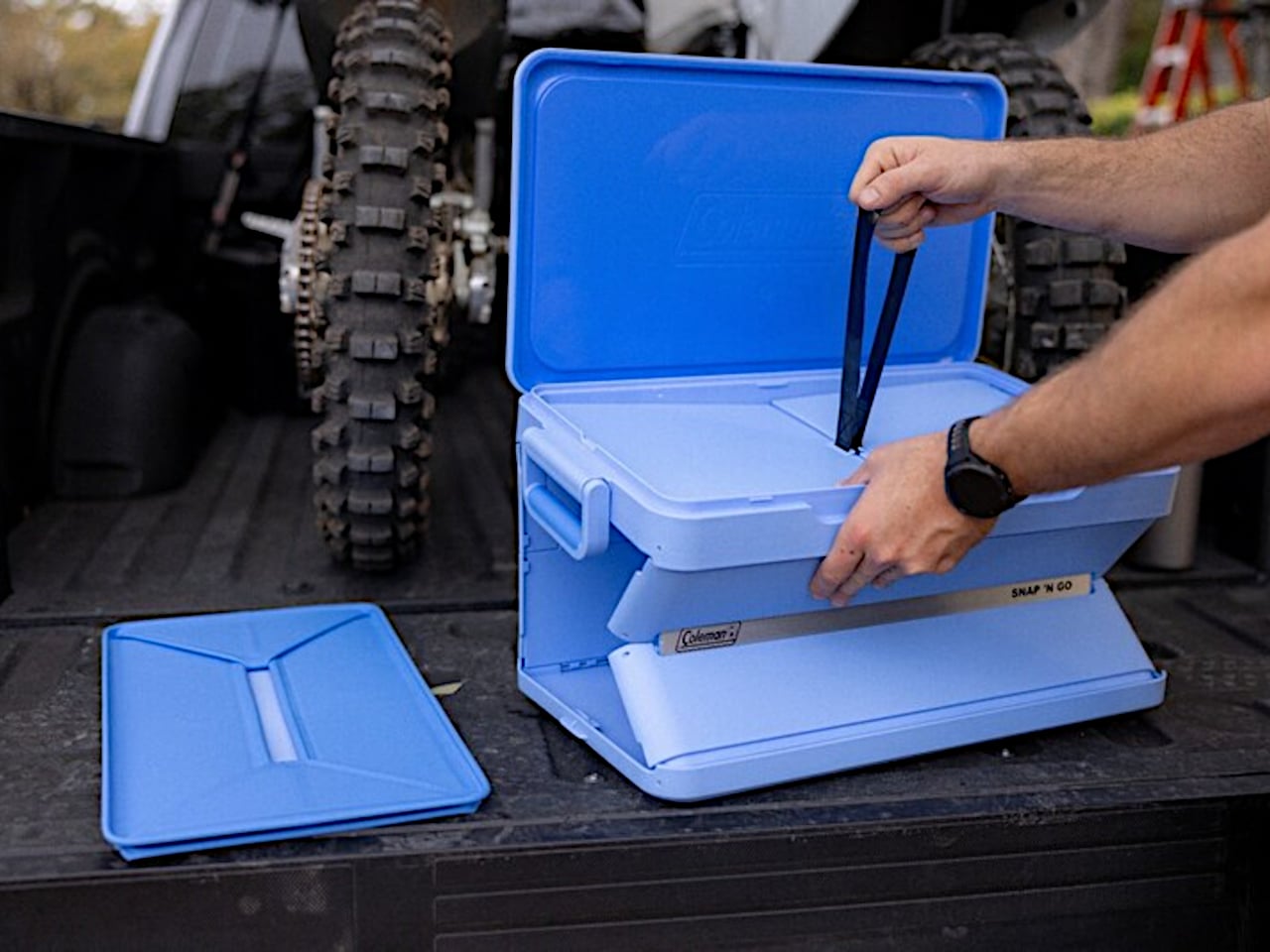
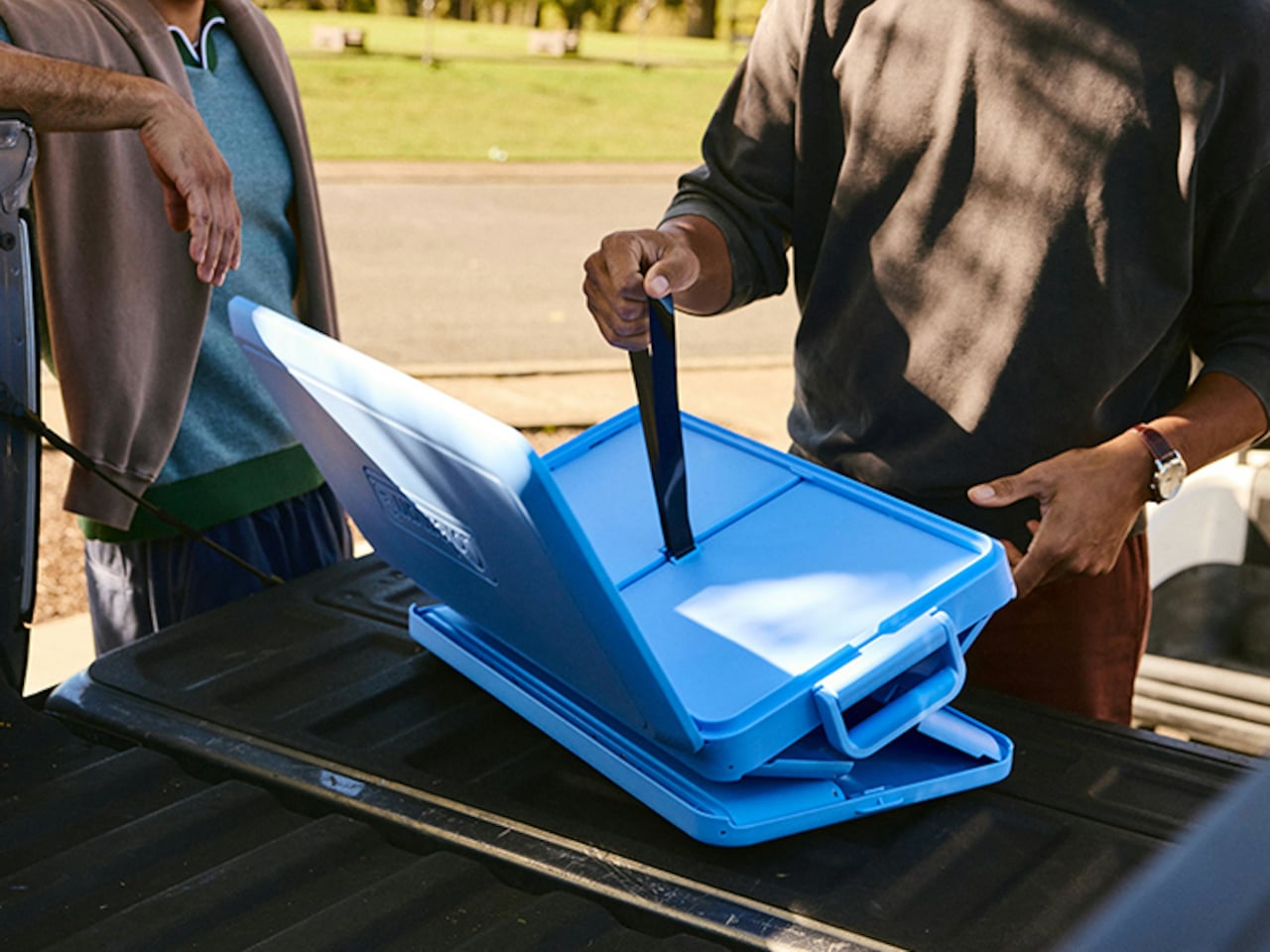
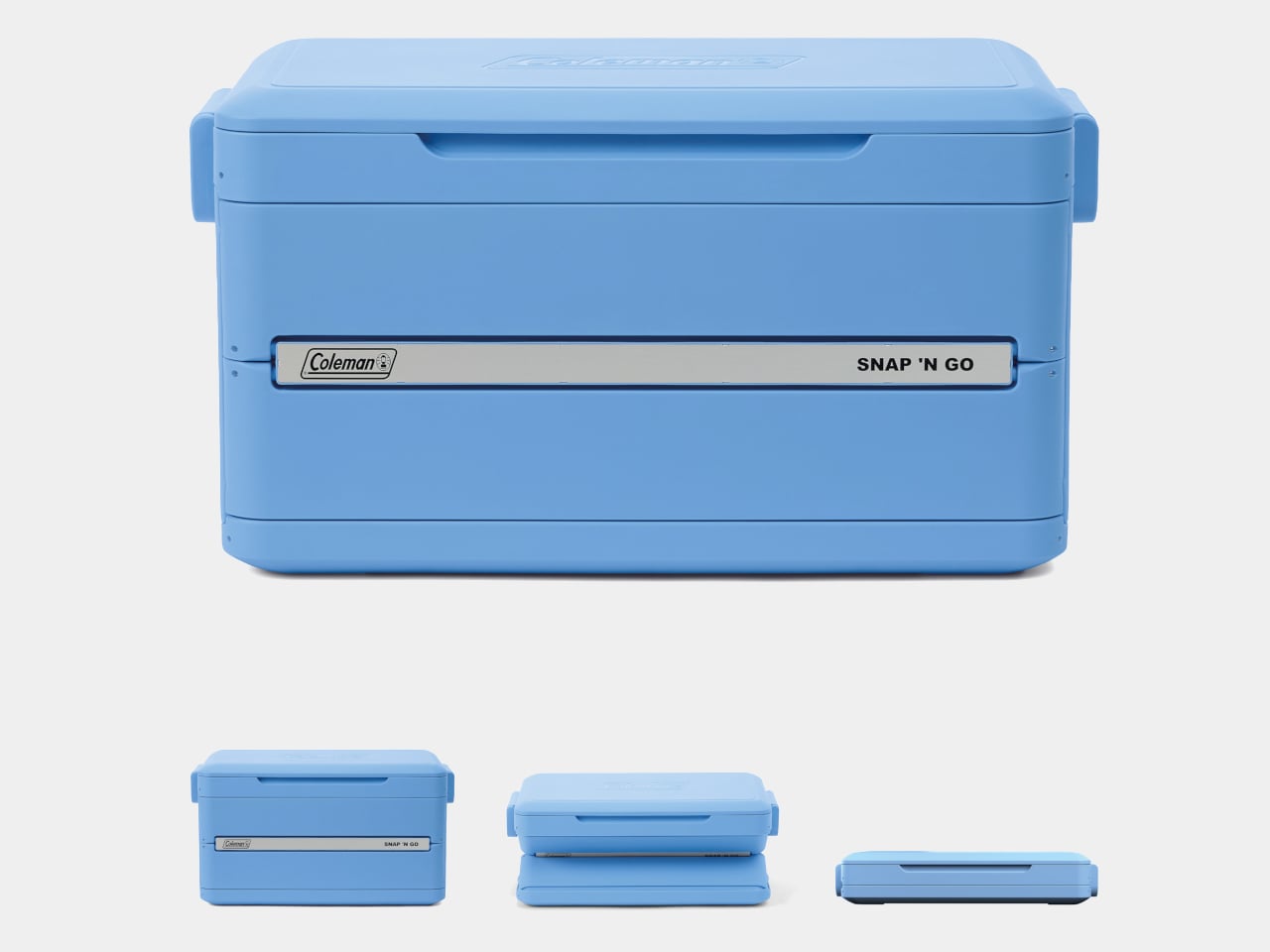
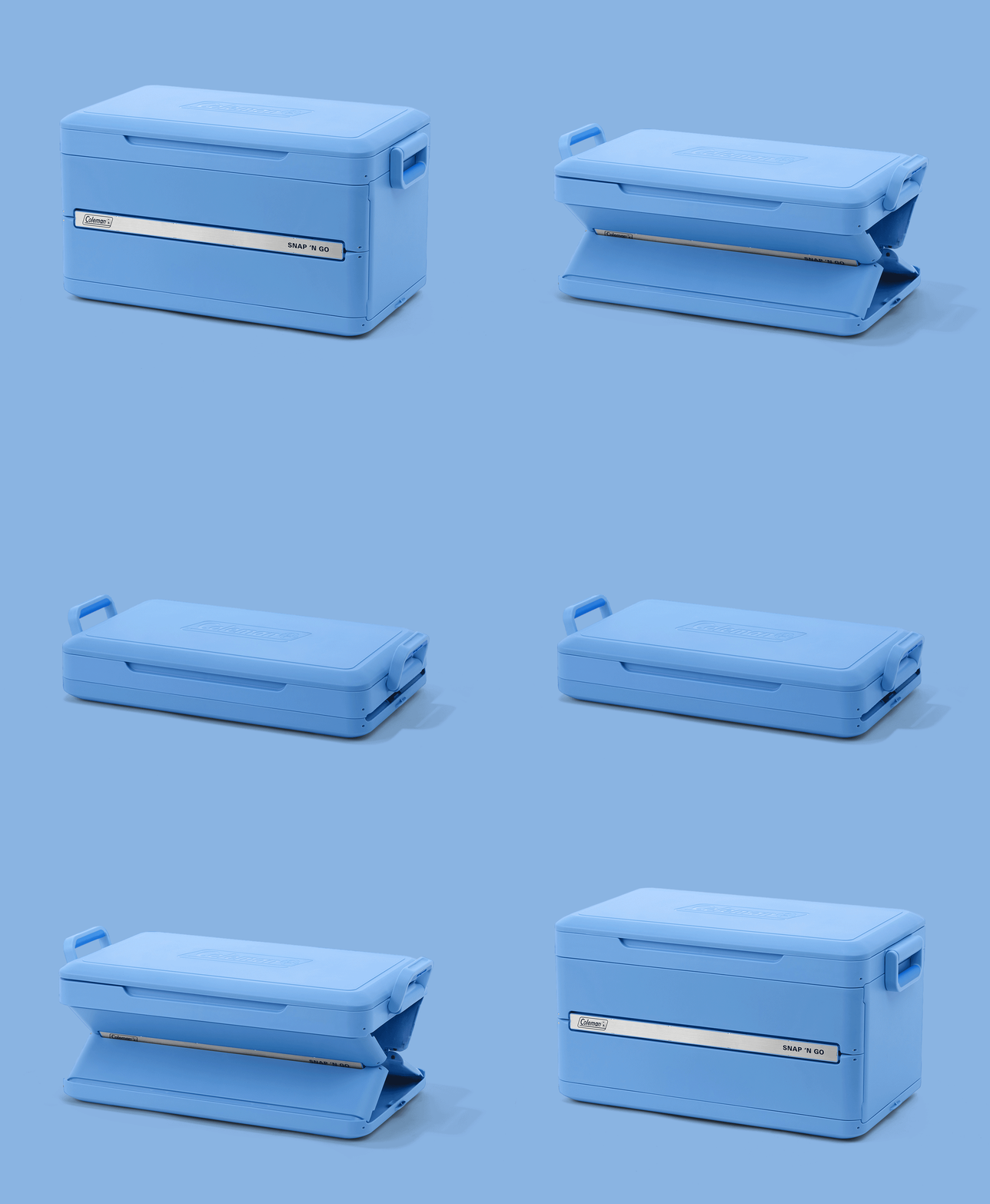
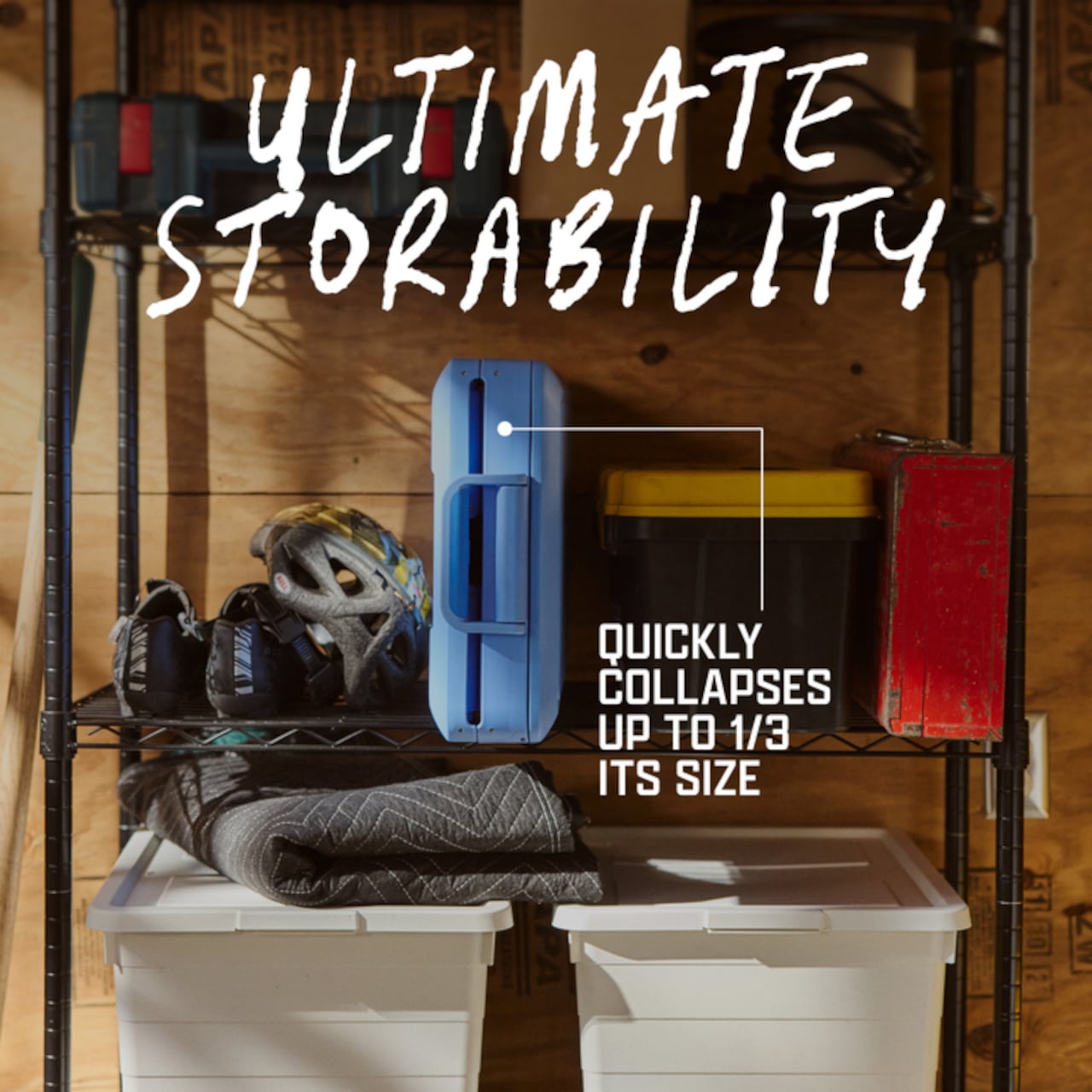
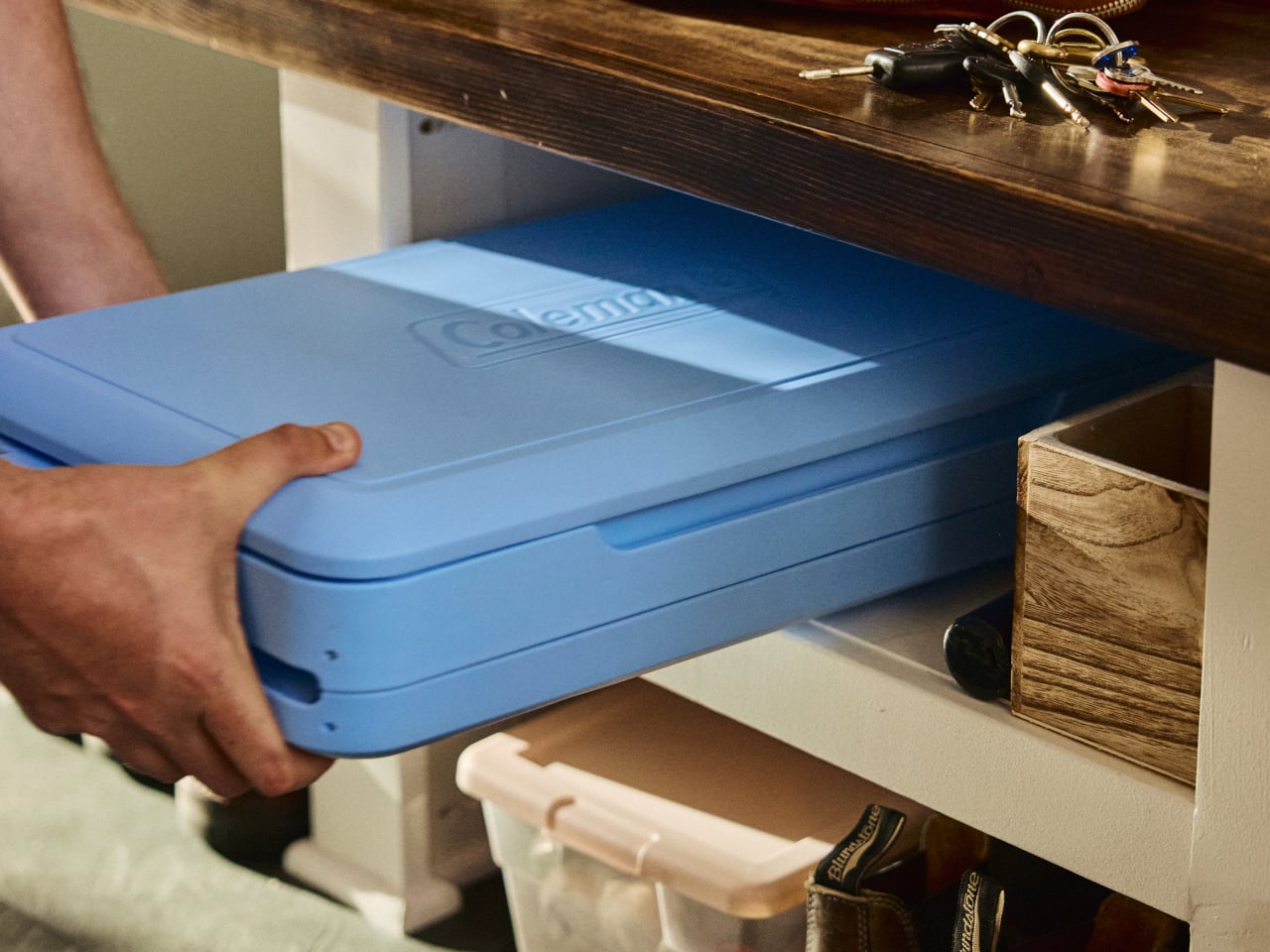
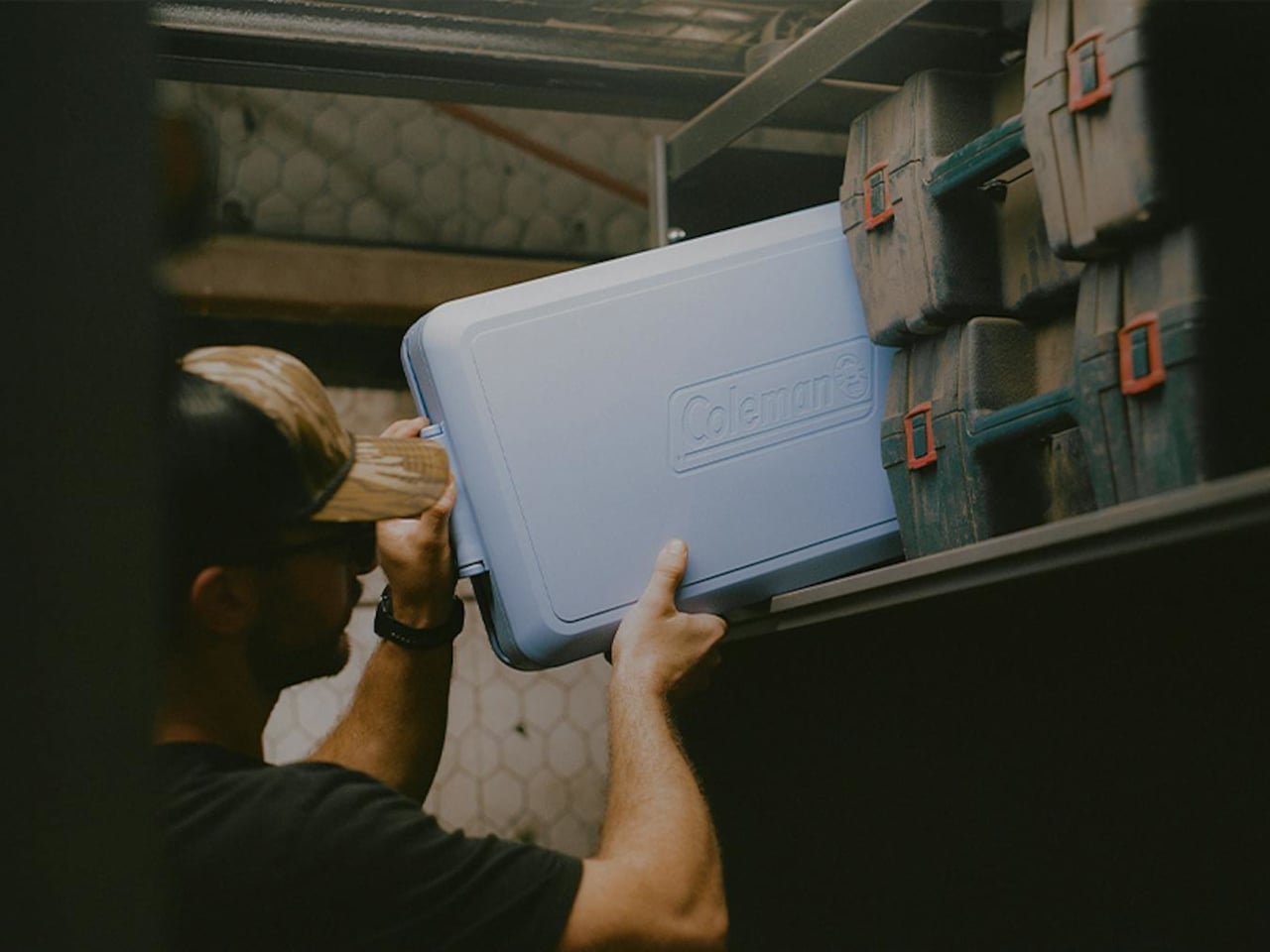
Coleman’s Snap ‘N Go is a hard-sided cooler with a patent-pending collapsible design that compresses to one-third of its open volume in under 10 seconds. The mechanism borrows logic from folding storage crates: the body panels snap down in sequence, and the removable interior liner folds flat and stows inside the lid. What was a full-sized cooler becomes a flat slab thin enough to slide under a bed or stand upright on a shelf between uses.
The construction is hard polypropylene, which matters more than it sounds. Soft collapsible coolers already exist, but they sacrifice insulation to achieve that flexibility. The Snap ‘N Go maintains a fully insulated lid and body, rated to hold ice for up to 64 hours. That’s two full days of cold retention from something that, an hour later, disappears into a closet, which is a combination the soft-sided category has never managed.
Setup works in reverse, just as quickly. From flat storage to loaded and latched takes under 10 seconds, and the removable liner handles watertight containment once the body is expanded. The liner also makes post-trip cleanup more manageable, since it pulls out separately rather than requiring the whole cooler to be rinsed out and dried upright somewhere. It’s a small detail, but one that addresses one of the more tedious parts of cooler ownership.
Three sizes cover most group sizes: 35 qt at $200, 45 qt at $220, and 55 qt at $240. The 55-qt model holds up to 93 cans without ice and supports 200 lbs. when expanded, though Coleman is careful to note it isn’t intended as a seat. Handles are designed to accommodate both carry orientations, vertical when the cooler is collapsed flat and horizontal when it’s fully open and loaded.
The one question the design raises, and doesn’t fully answer yet, is how the collapsible mechanism ages. The hinges, panel connections, and liner attachment points are all doing repetitive work that a standard molded cooler body never has to perform. Coleman backs it with a three-year limited warranty, which covers the expected lifespan question in practical terms but doesn’t tell you much about what happens in year four after a few dozen collapse cycles on a tailgate.
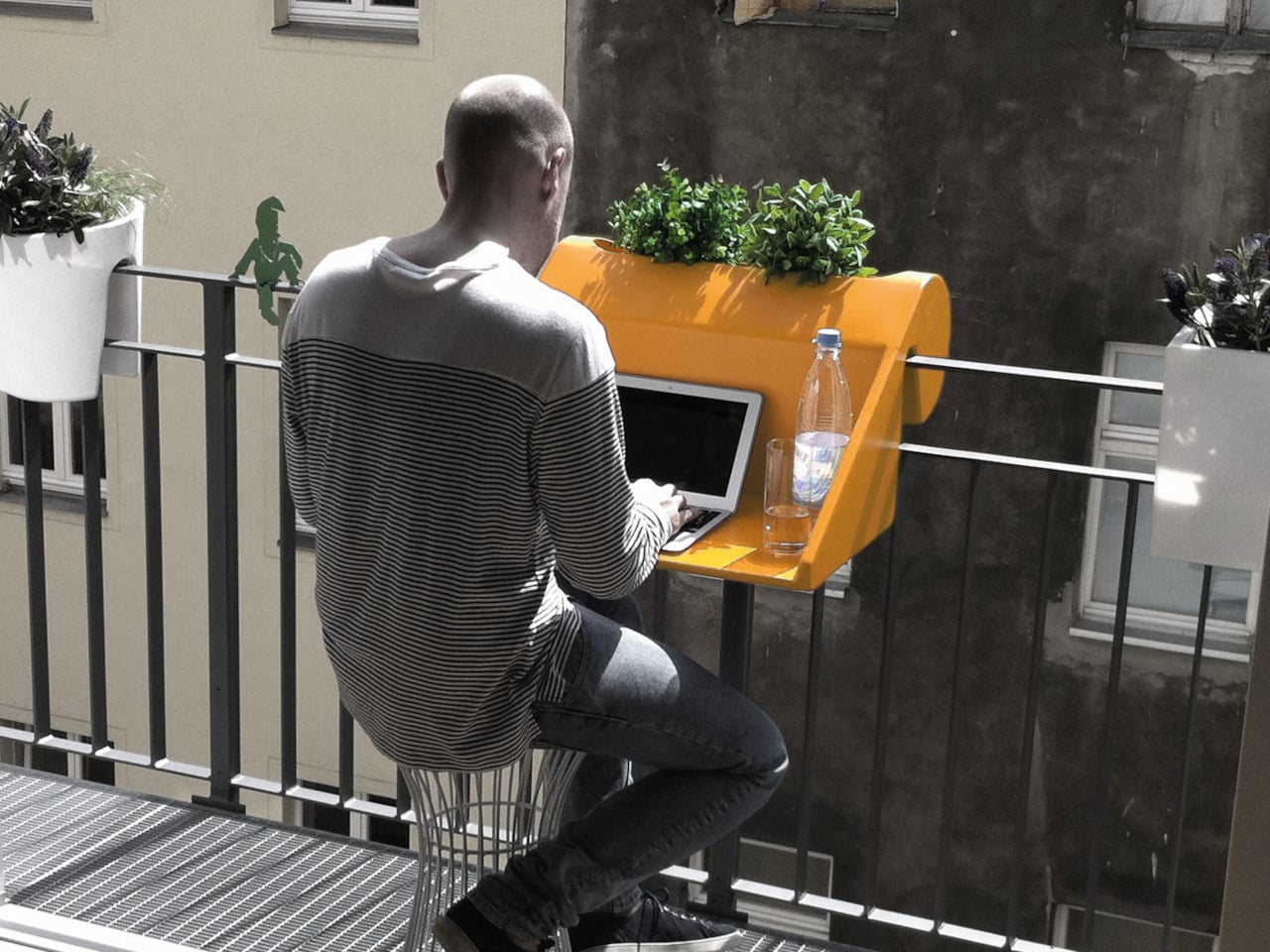
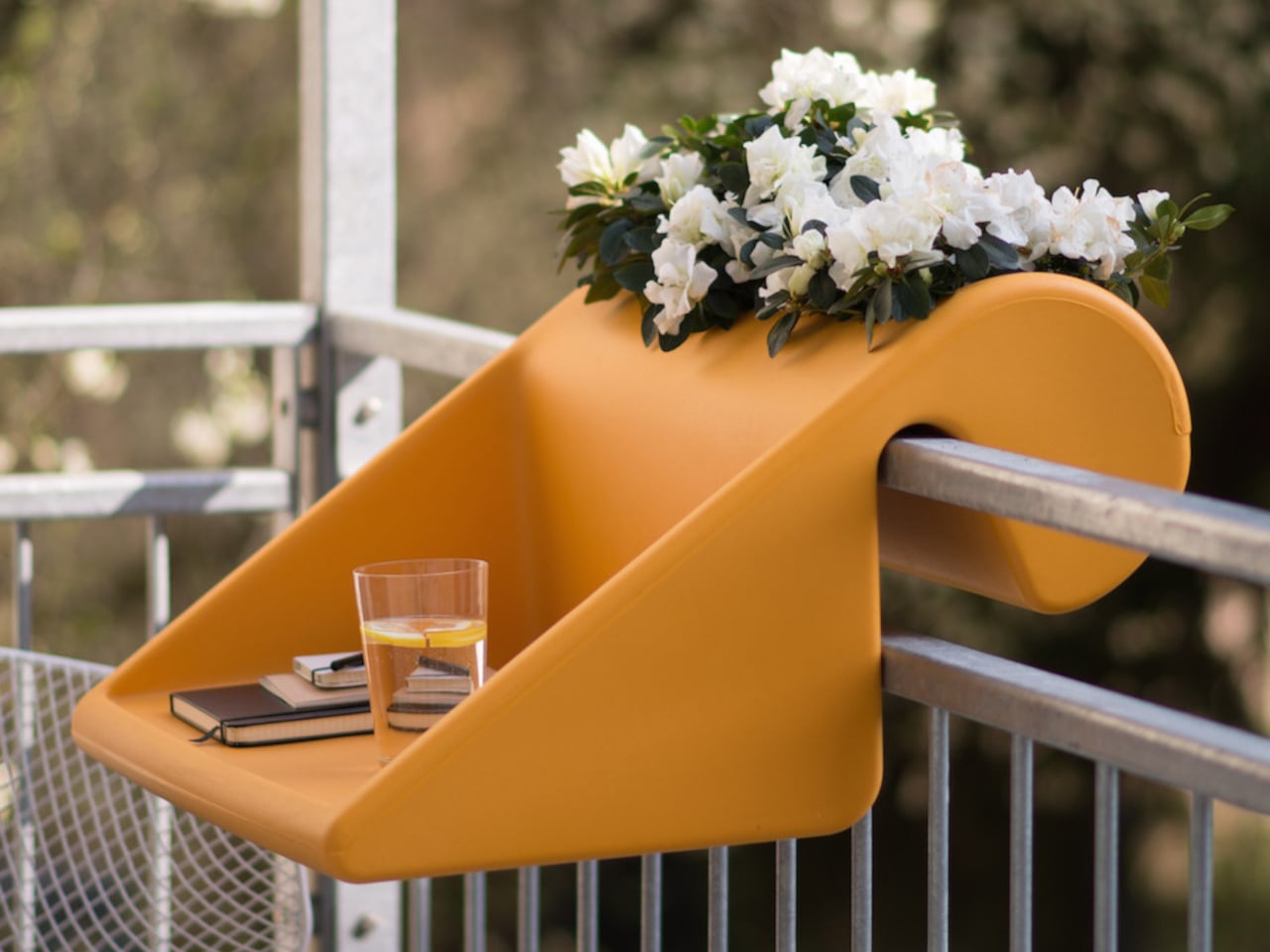
A small city balcony has a way of making every square meter feel personal, just barely. There’s room for a folding chair, maybe a potted plant, and the occasional optimistic thought about al fresco breakfast. What there usually isn’t, though, is any real surface. Designer Michael Hilgers noticed this particular gap, and the balKonzept is his answer: a railing-mounted table that hooks onto the balcony railing with no tools, no hardware, and no permanent commitment.
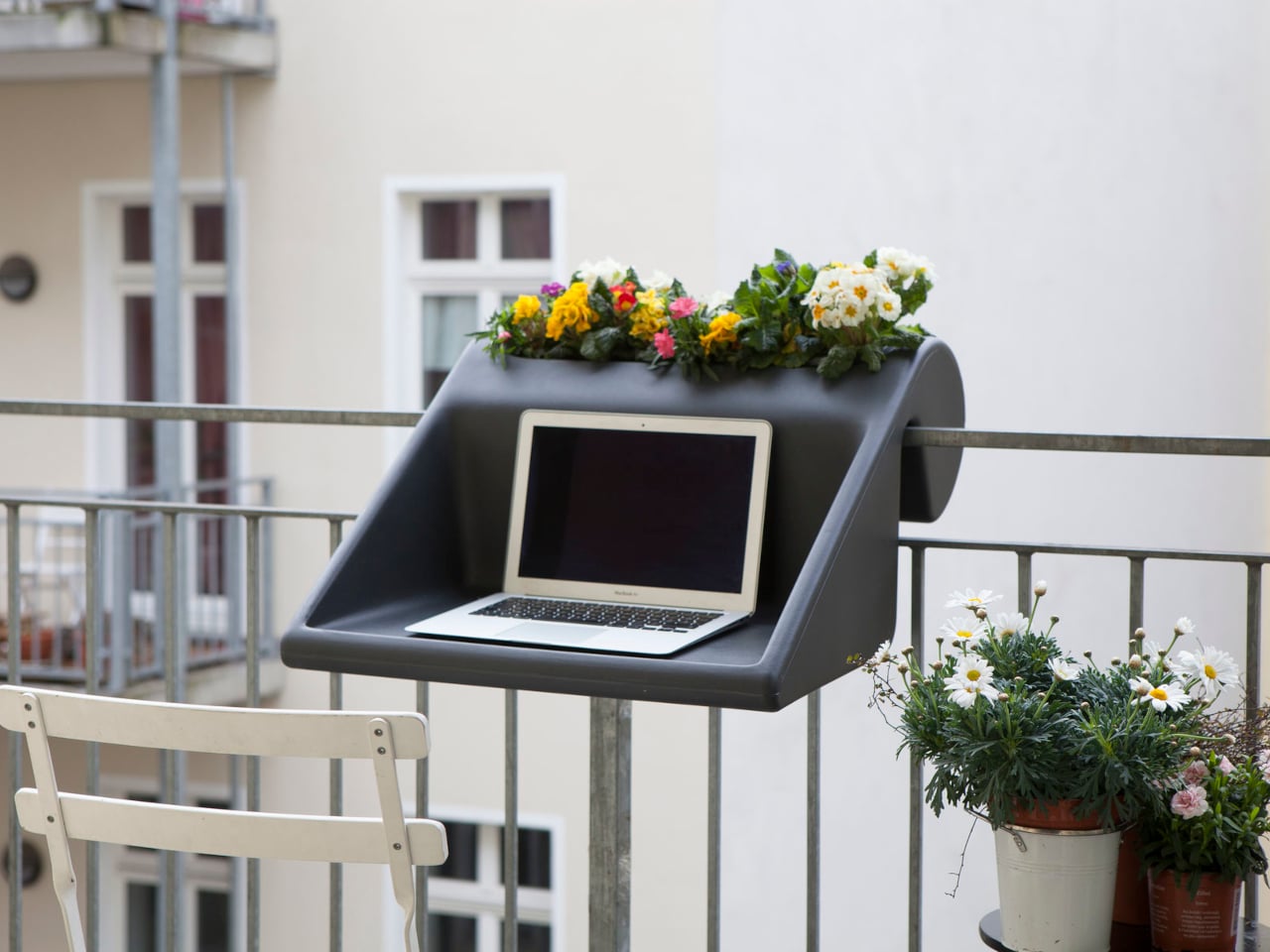
The form is immediately legible. A wedge-shaped body in recyclable polyethylene curves at the rear into a smooth hook, looping over the railing and gripping it via an adjusting screw underneath. That single mechanical gesture is the entire installation. The raised trough at the back sits above the railing line and acts as a windbreak for objects resting on the work surface below. The unit comes in at 60 cm wide and roughly 40 cm deep on the interior side.
The material choice is worth pausing on. Polyethylene, produced in a Brandenburg plastics factory through rotational molding, is not a glamorous option. It won’t feel precious the way powder-coated steel does. What it does do is survive outdoor life without complaint: frost-resistant, UV-stable, and recyclable at its end of life. Rotational molding also produces hollow, seamless shells with consistent wall thickness, which matters for something exposed to seasonal temperature extremes.
The table height is a fixed function of whatever railing it’s hanging on; subtract 21 cm from the railing height, and that’s the surface level. That means the balKonzept works very differently on a low French-style balcony versus a taller contemporary glass railing, with no way to adjust it beyond moving the piece. For anyone wanting to sit and work at a comfortable height, the railing geometry will decide the experience before any other consideration does.
Where the design earns its keep is in the planter box. Filling it with soil and roots is one option, but the trough is deep enough to function as an improvised cooler, and Rephorm’s own description cheekily acknowledges this, noting it works just as well with ice cubes and sparkling wine as it does with geraniums. That kind of built-in flexibility is the whole point; the balKonzept doesn’t commit to being one thing, which is probably what a small balcony needs most.
Mercedes-Benz and Volkswagen have produced some of the best camper vans on the market, and they’ve long shared a common collaborator. Now, with Mercedes-Benz taking the complete production of its Marco Polo under its wings, Volkswagen and other competitors can expect some serious competition. The newly updated 2026 Marco Polo is the first new addition to Mercedes in-house van life portfolio and flaunts an interesting pop-up roof, which is its main talking point.
According to Mercedes-Benz press information, the body of the V-Class Marco Polo is built at the company’s Vans plant in Vitoria, Spain. The vehicle is then converted into a pop-up camper van at the Ludwigsfelde plant in Germany. The overall in-house production of the Marco Polo means it’s of the “highest quality standard” and that the company has complete control over every detail and pace at which it is produced.
Substantiating the fact, Sagree Sardien, head of sales & marketing Mercedes-Benz Vans said, it is a “Mercedes-Benz through and through,” which is designed to offer buyers a more sophisticated home on wheels. “A home that effortlessly combines travel and everyday life – while making a stylish statement,” he said.
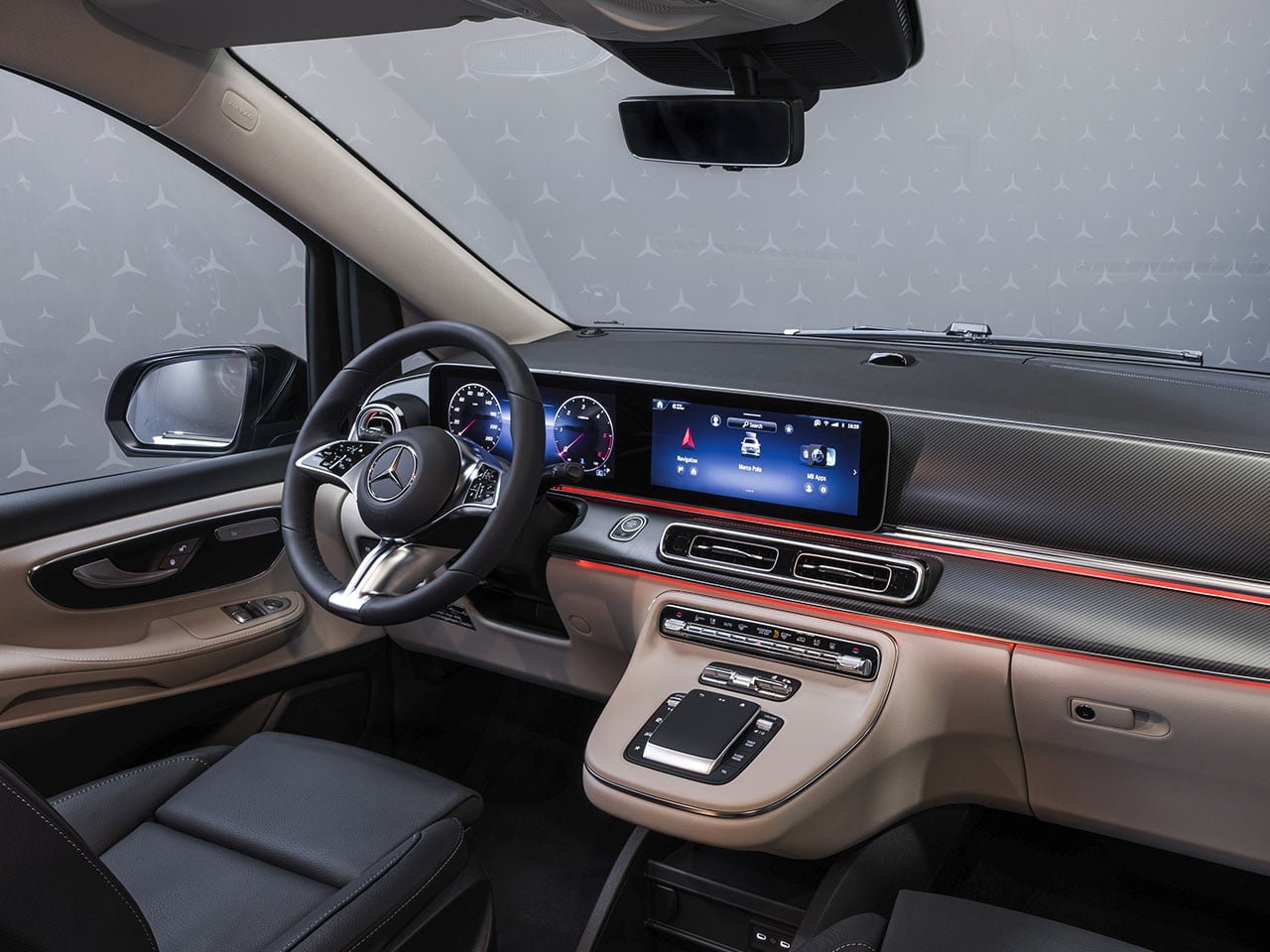
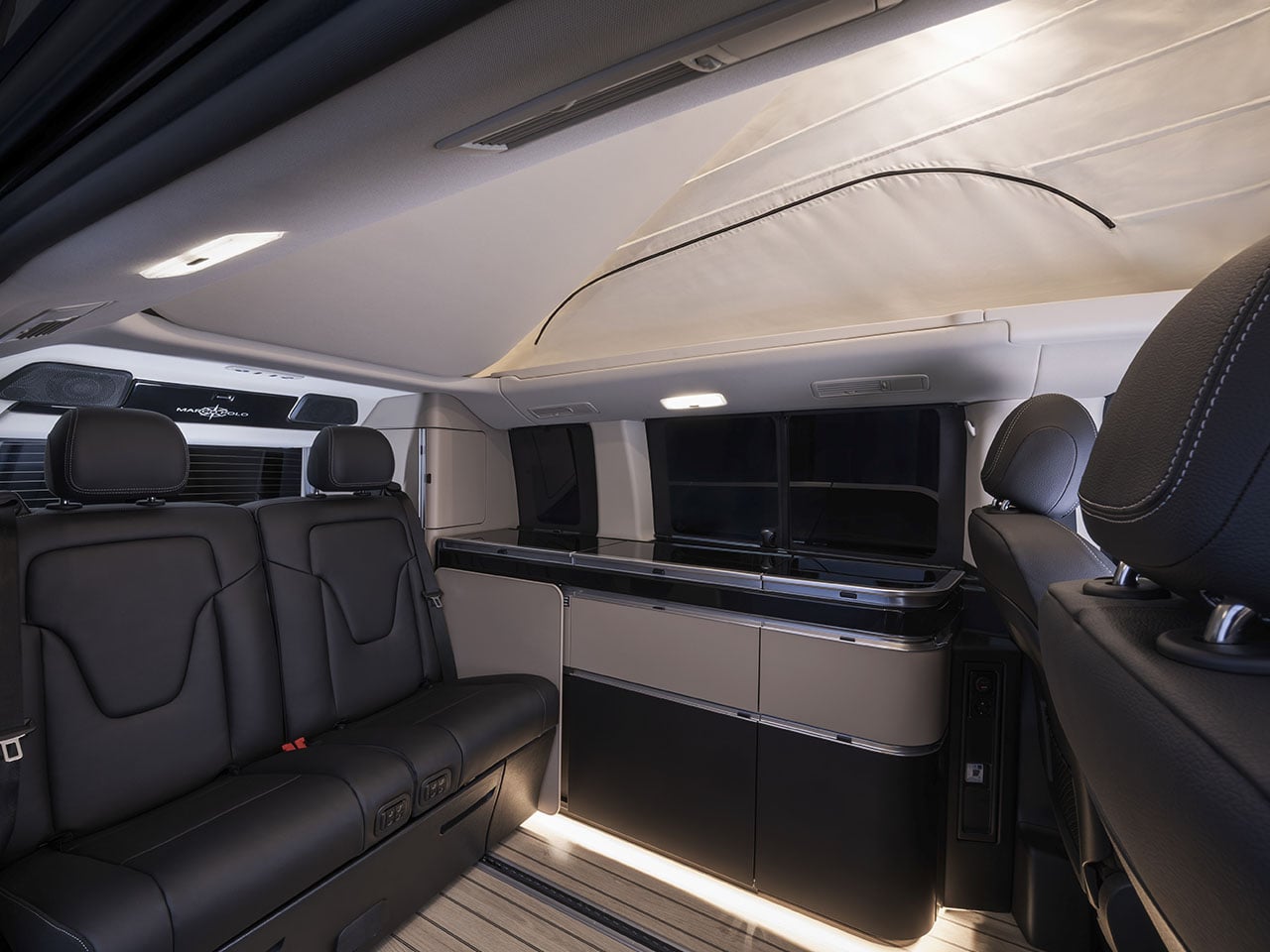
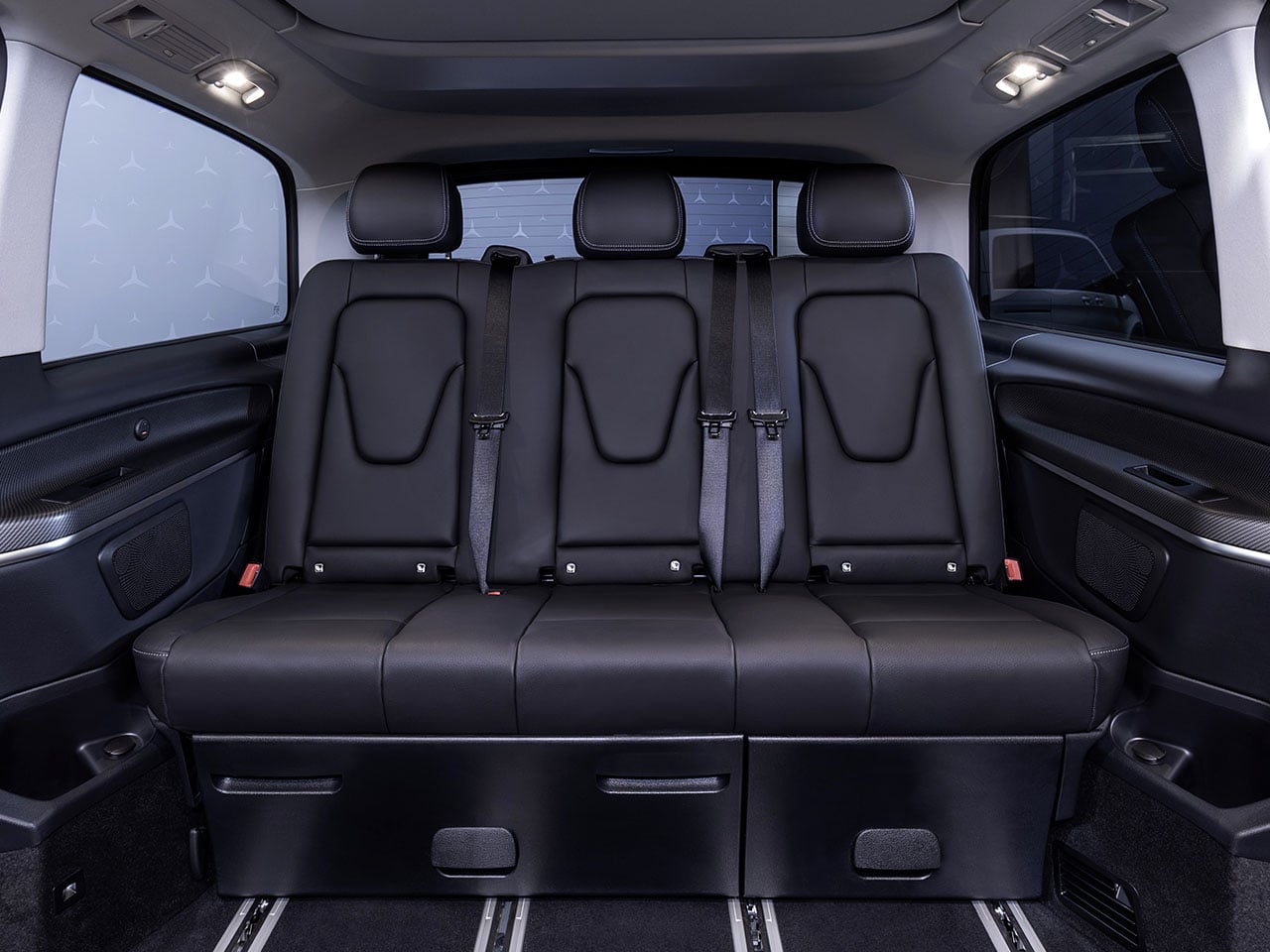
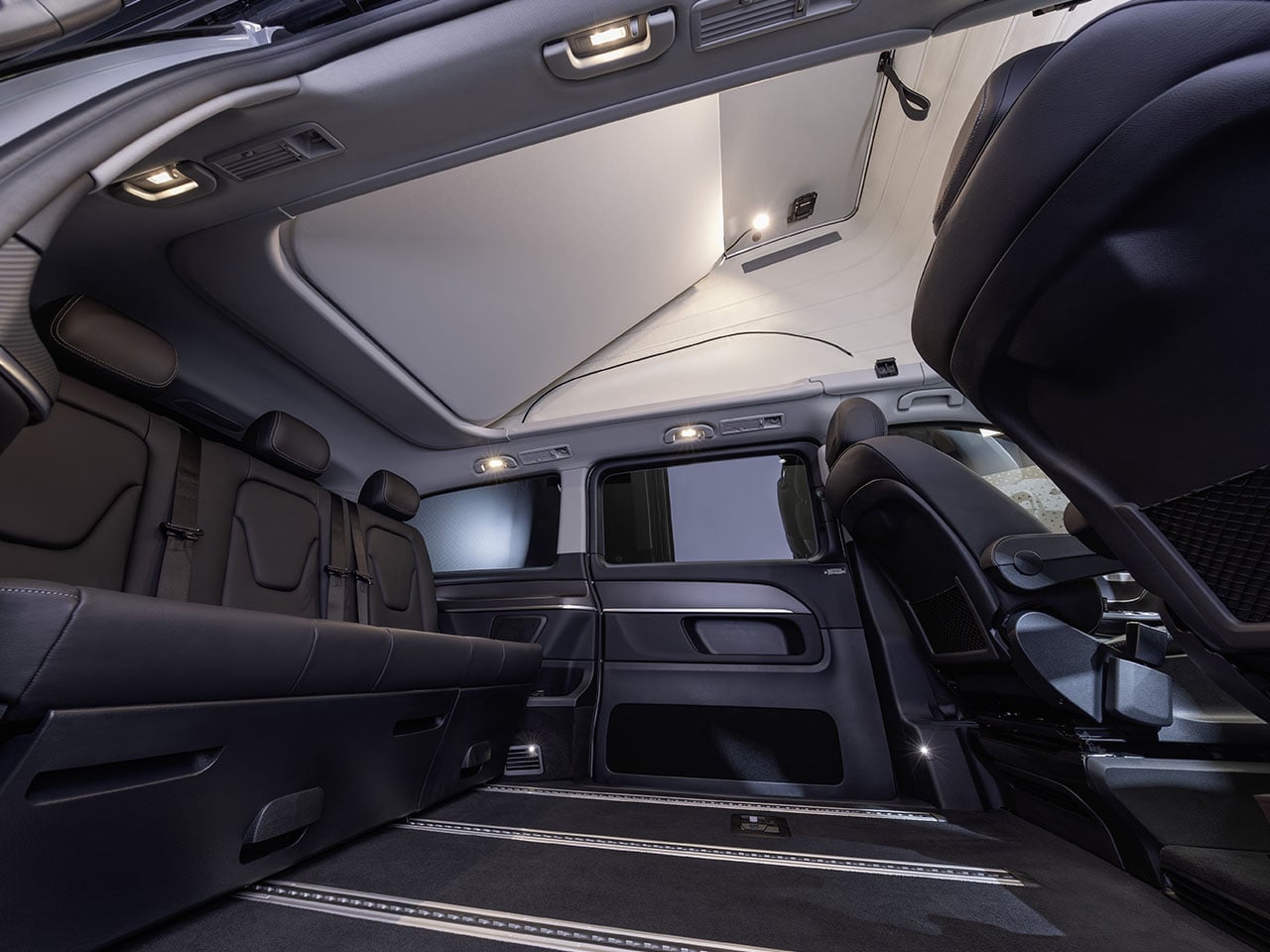
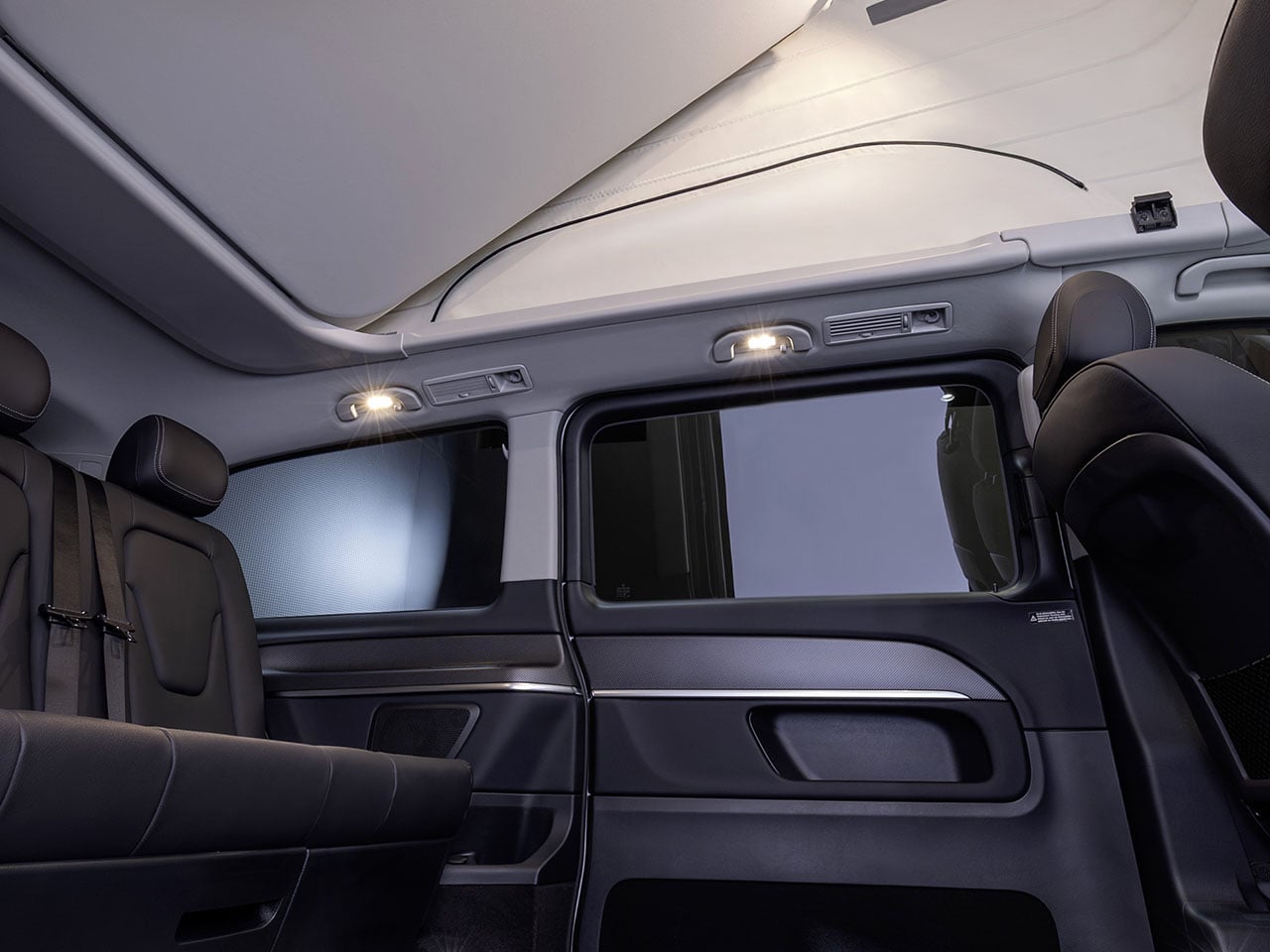
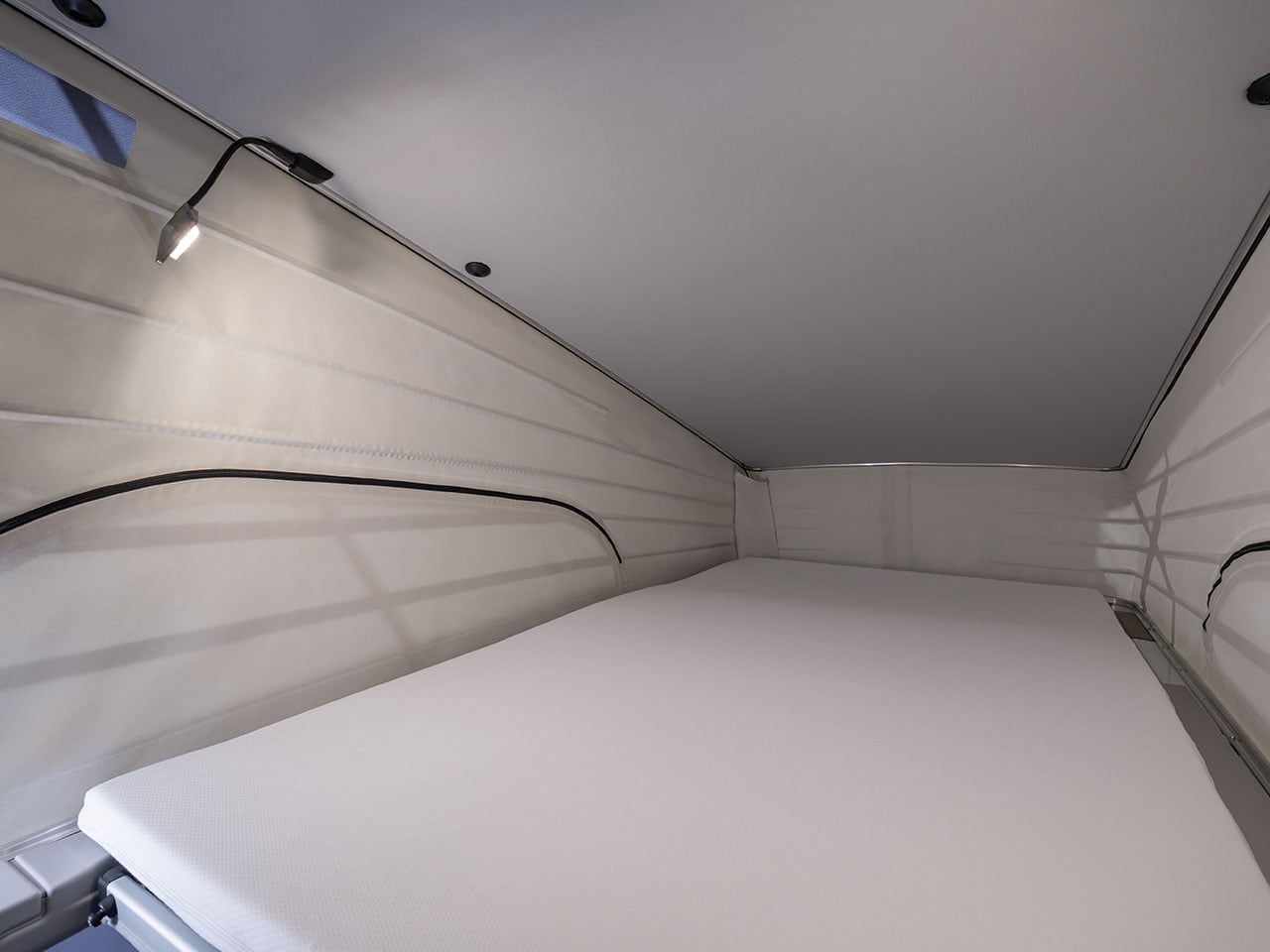
To that accord, the Mercedes-Benz 2026 Marco Polo is a compact, luxury camper van featuring a pop-up roof, convertible downstairs seating, kitchen, and ambient lighting to uplift the mood when you’re inside the van. The major update from the 2024 model of the van is focused around the improvement to the lifting roof space. The double-skinned aluminum pop-top makes for an additional 4 inches of headroom and is provided with an ambient LED system that allows the space to feel lively and inviting.
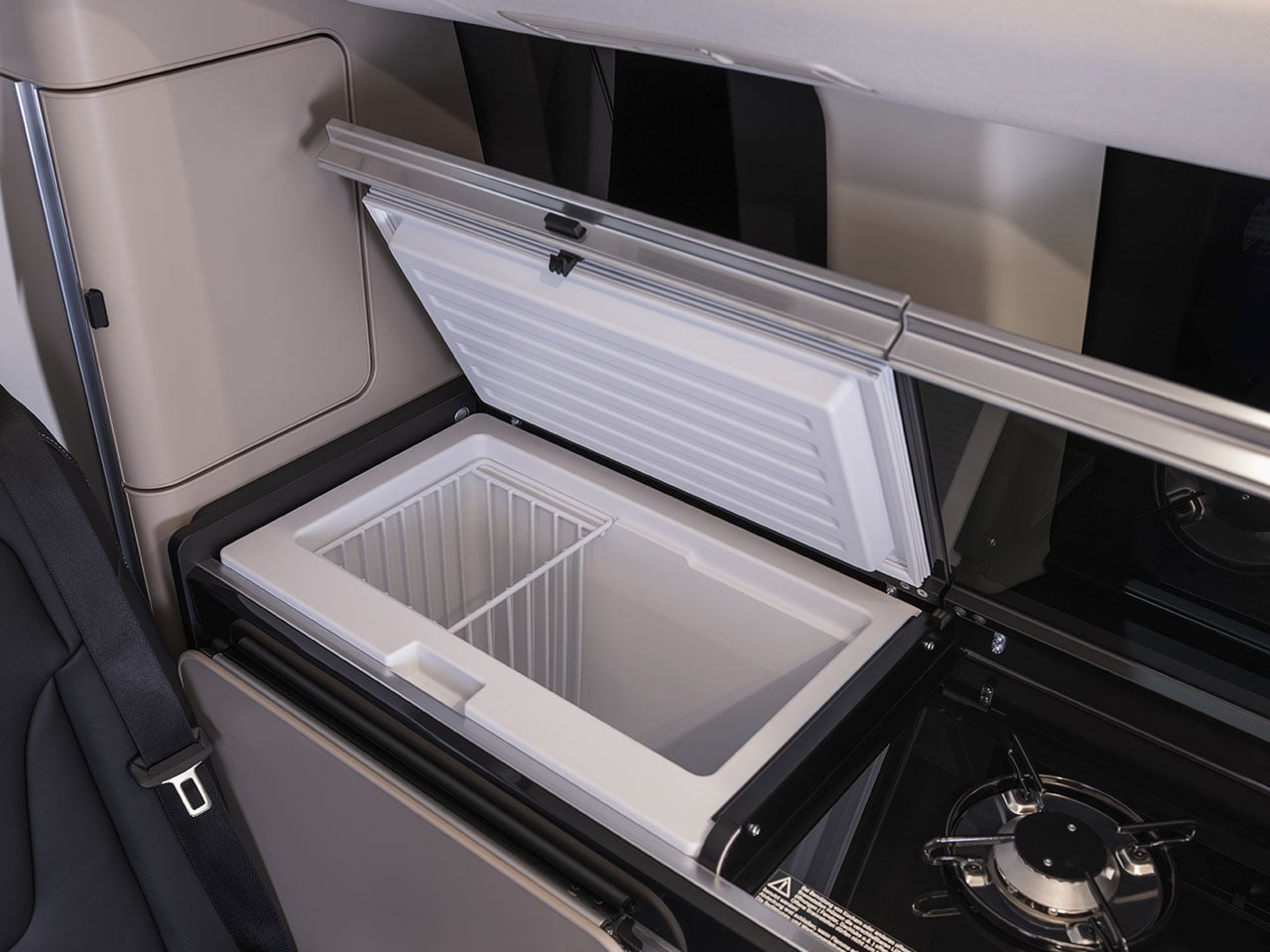
Downstairs, the Marco Polo doesn’t make many changes. It comes equipped with a kitchen featuring double burner gas stove, a sink, mini fridge, and a swiveling bench that can easily facilitate dining and sleeping. During mealtime, you have a folding table that reaches out of the kitchen block, and during the night it folds up to make room for the convertible sofa to create a double bed.
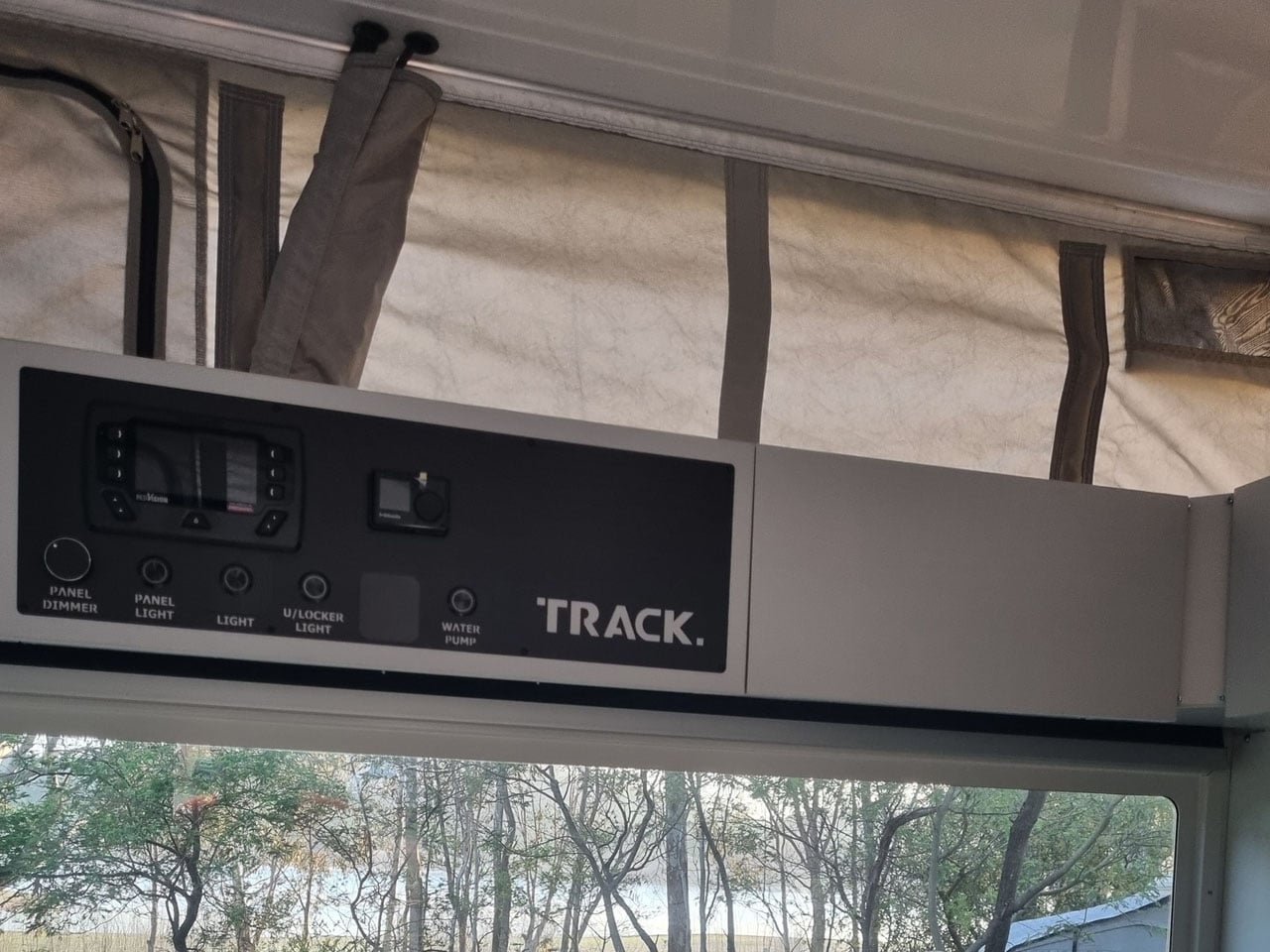
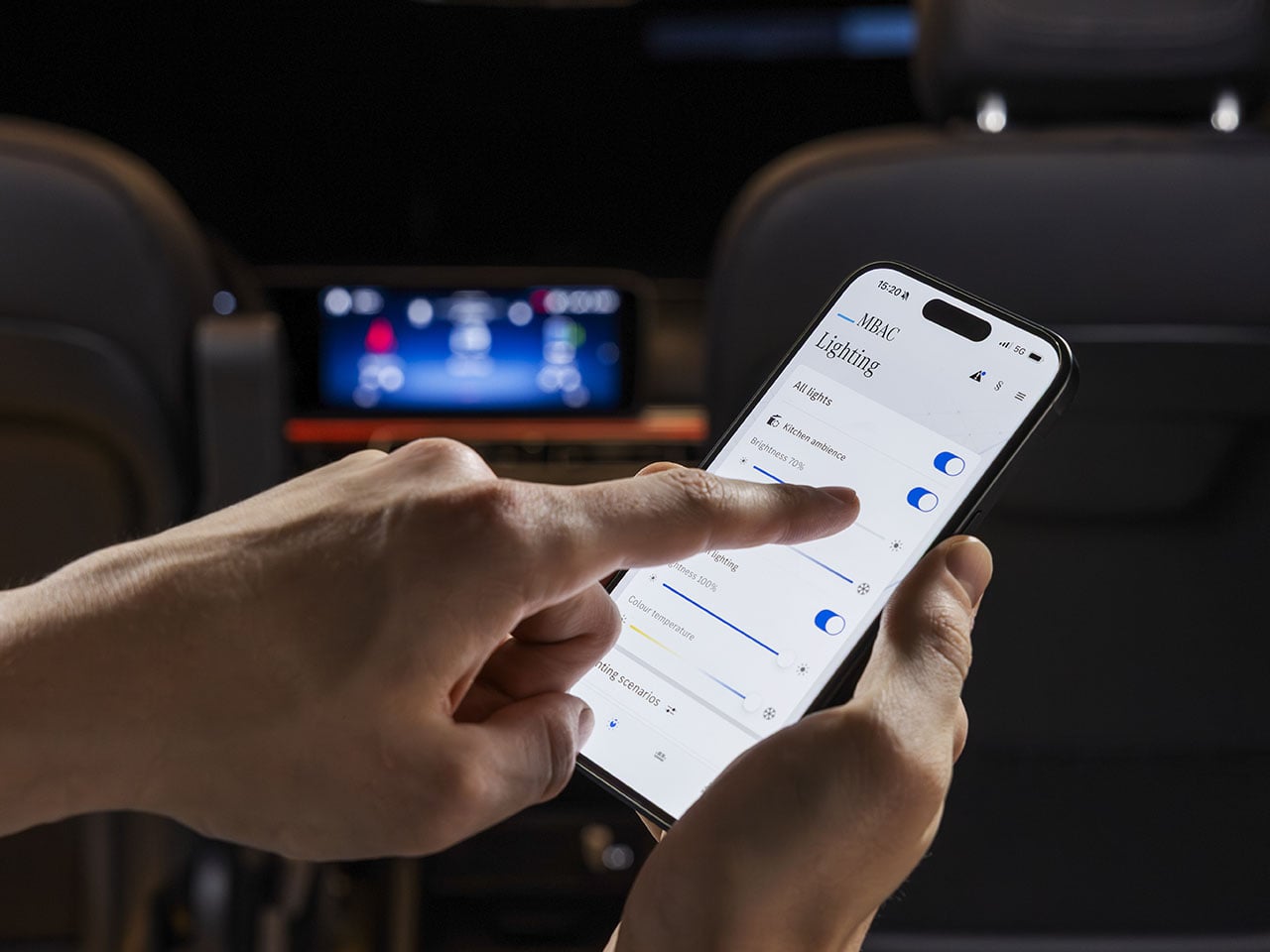
MBAC infotainment suite is another interesting facet of the new Mercedes camper van. Sitting in the cockpit, the smart touchscreen can control the interior components like the vehicle’s upgraded eight-speaker audio system and pop-up roof lighting. The infotainment system also has instant control to pop-up roof. You can deploy or retract the lifting roof remotely, while also maintaining the temperature of the van home.
The new Marco Polo will be available to order soon, Mercedes notes. It also mentions in the press release that the launch of Marco Polo Horizon is also on the cards. This model shares similar features except for the built-in kitchen unit, making it suitable for weekend outings or short holidays only.
There’s a particular kind of panic that sets in about thirty minutes before you need to leave for the airport. You’ve thrown clothes into a suitcase, triple-checked your passport, and convinced yourself that you’ve packed everything important. Then you arrive at your destination and realize you’ve brought three chargers for devices you don’t own but somehow forgot the one thing that would’ve made your entire trip better. Last-minute travel has a way of exposing what truly matters versus what we think we need.
The beauty of spontaneous trips lies in their unpolished edges, but that doesn’t mean you should suffer through bad coffee, tangled headphone cords, or eating with your hands because the airline meal came with a flimsy plastic fork that snapped on contact. The difference between a trip you remember fondly and one you spent complaining about comes down to a handful of well-chosen essentials that solve real problems. These five designs represent the kind of thoughtful gear that takes up minimal space but delivers maximum impact when you need it most.
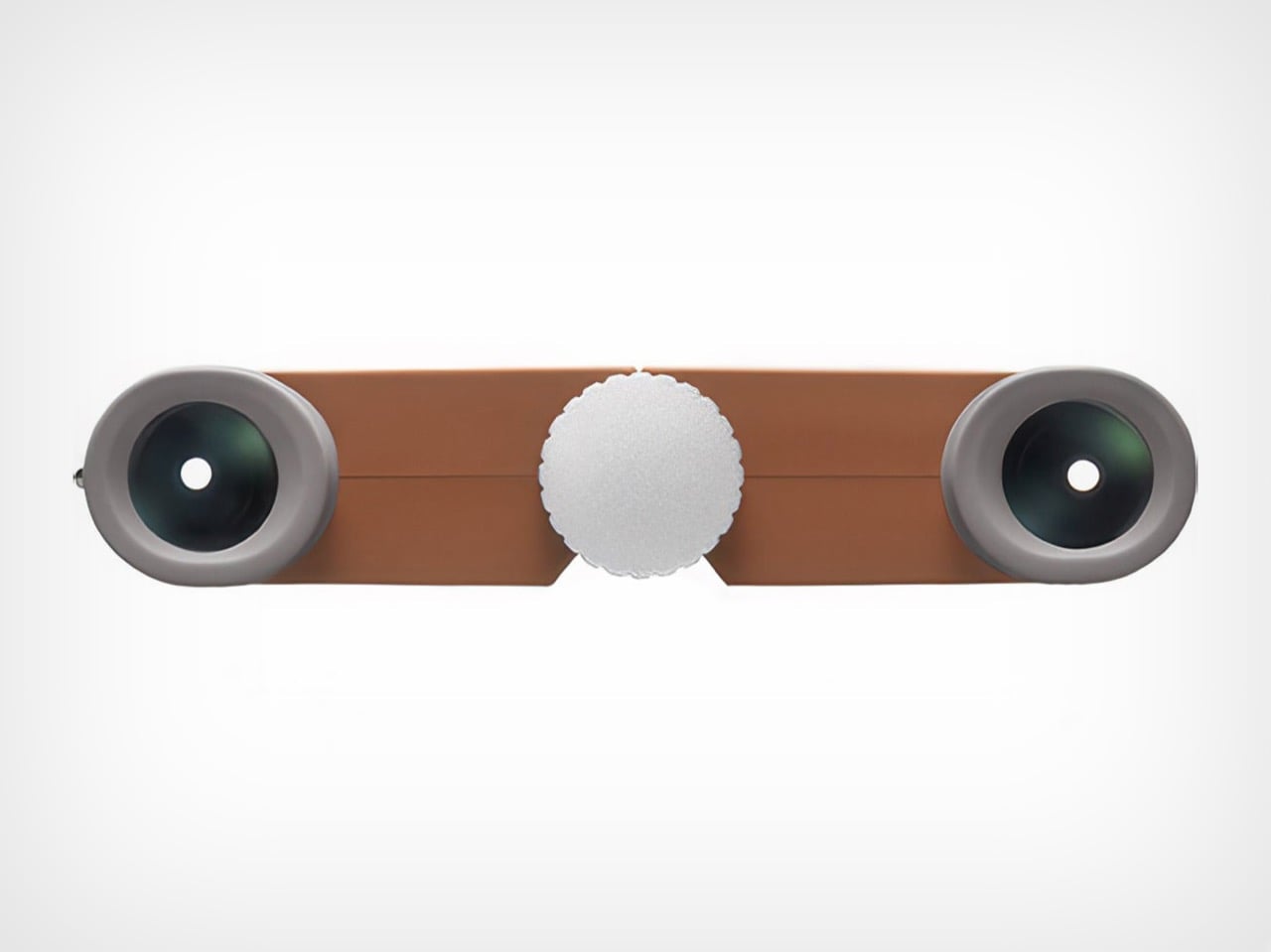
1. Nikon 4x10D CF Pocket Binoculars
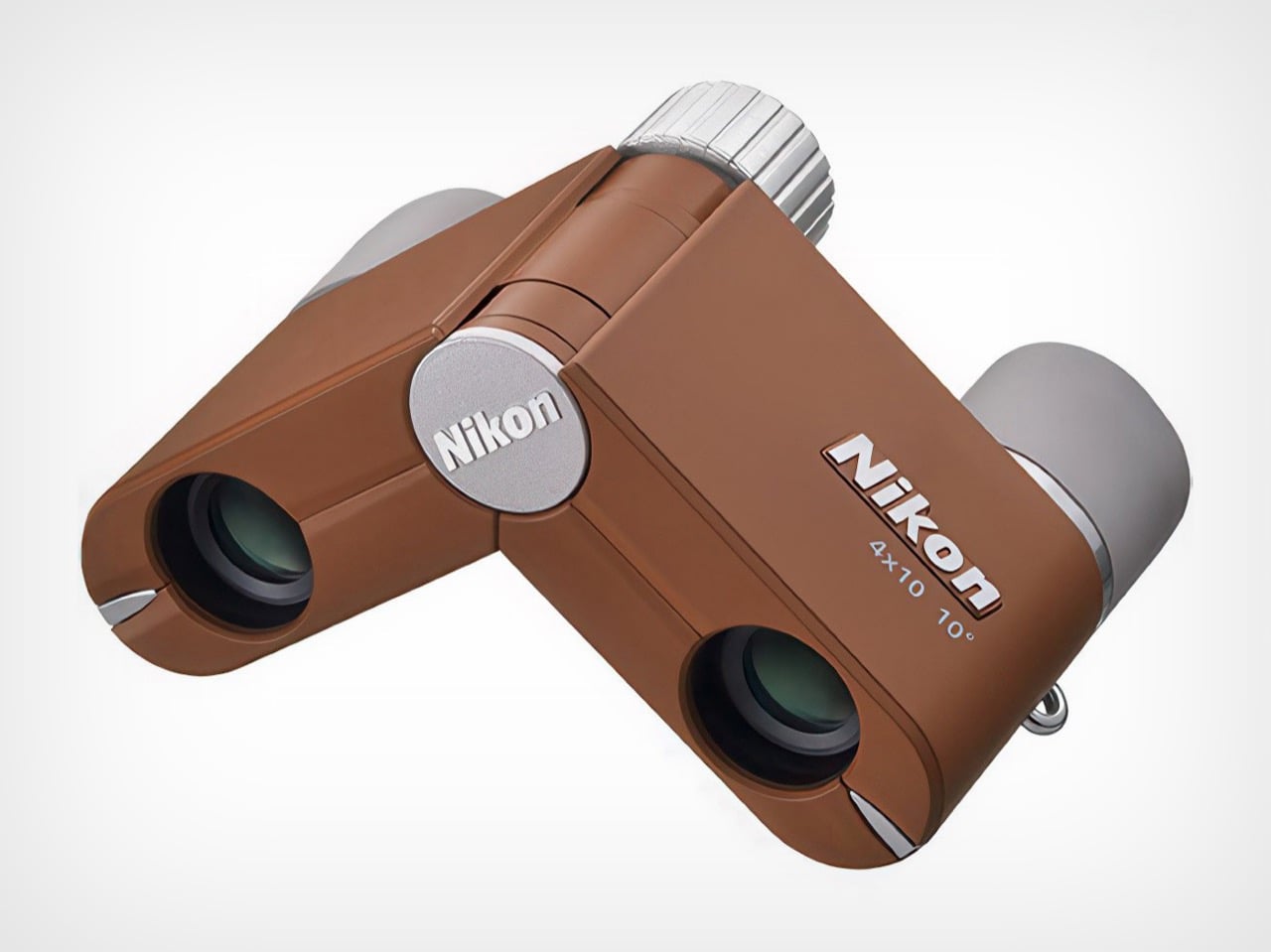
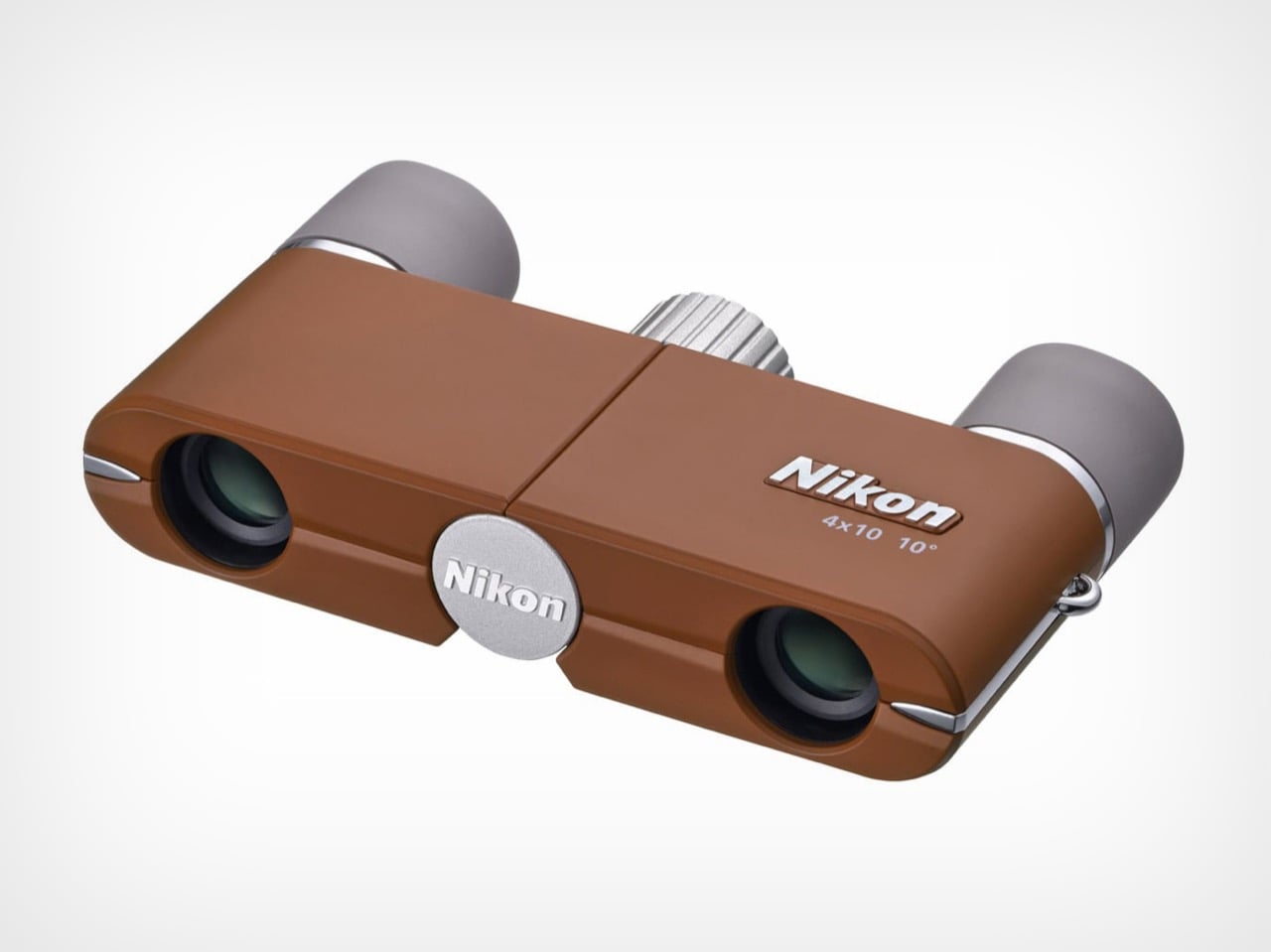
Binoculars feel like relics from another era, the kind of thing your grandfather kept in a leather case that smelled faintly of pipe tobacco. Nikon’s 4x10D CF pocket binoculars challenge that entire perception by shrinking the form factor down to something that actually fits in your pocket without creating an awkward bulge. These aren’t meant to compete with your smartphone’s digital zoom or replace professional birding equipment. They exist in a different category entirely, prioritizing the experience of optical viewing over pixel counts and processing power.
The genius lies in recognizing that people don’t carry traditional binoculars because they’re too bulky and conspicuous. Nikon solved that problem by creating something so discreet it almost disappears. The optical quality remains surprisingly sharp for such a compact device, delivering a viewing experience that feels immediate and artifact-free. Whether you’re trying to read a distant street sign in an unfamiliar city or want a closer look at architectural details without looking like a tourist with professional gear, these slip into your travel kit without demanding dedicated space or special protection.
What we like
• The form factor makes them genuinely pocketable, solving the primary reason people don’t carry binoculars.
• Optical viewing delivers a tactile, immediate experience that digital zoom can’t replicate.
• The updated colorways transform them from technical equipment into an accessory you want to carry.
• Multiple uses, from reading transit signs to appreciating distant landscapes without looking conspicuous.
What we dislike
• The 4x magnification is modest compared to traditional binoculars, limiting long-distance viewing.
• The compact size means smaller objective lenses, reducing light-gathering capability in low-light conditions.
2. StillFrame Headphones
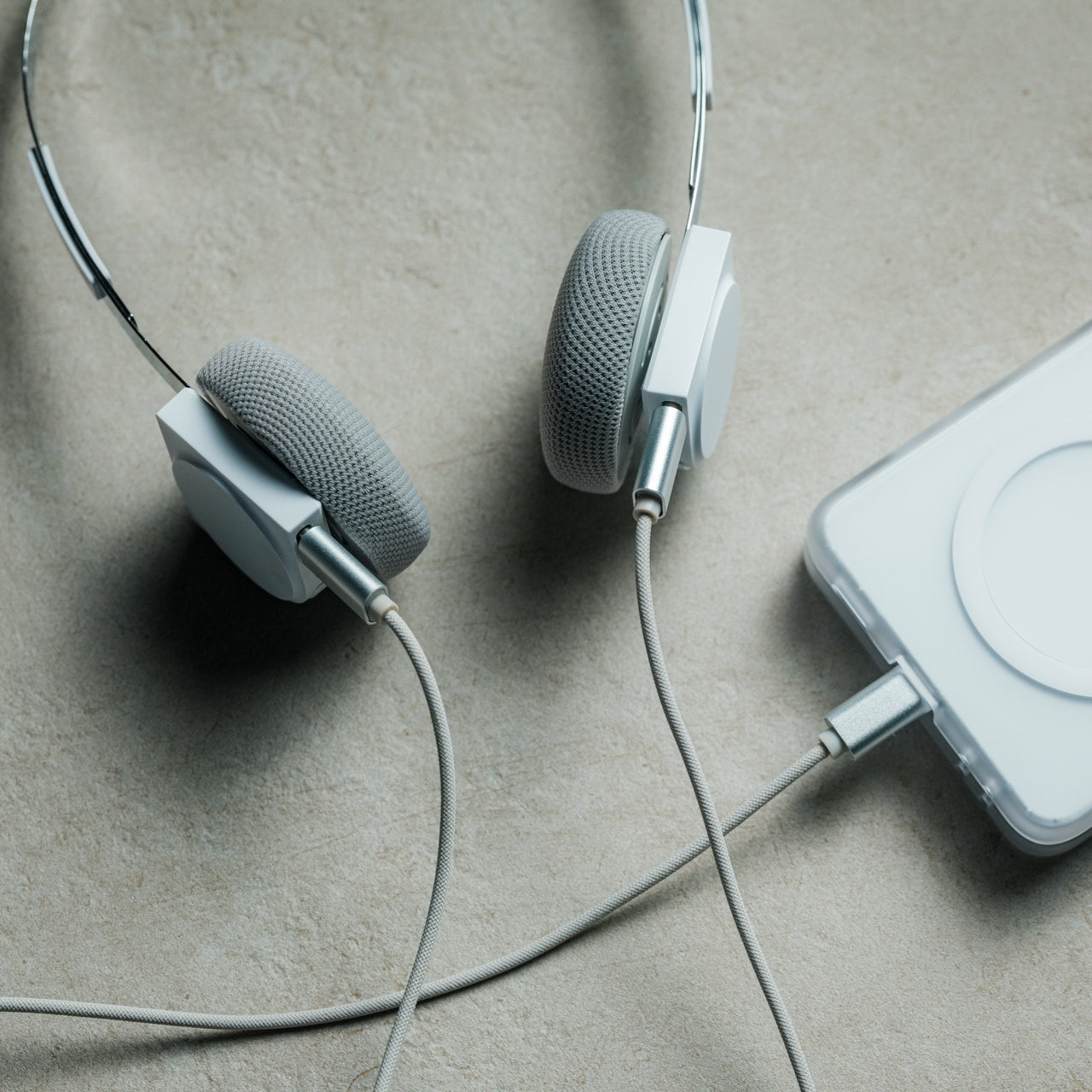
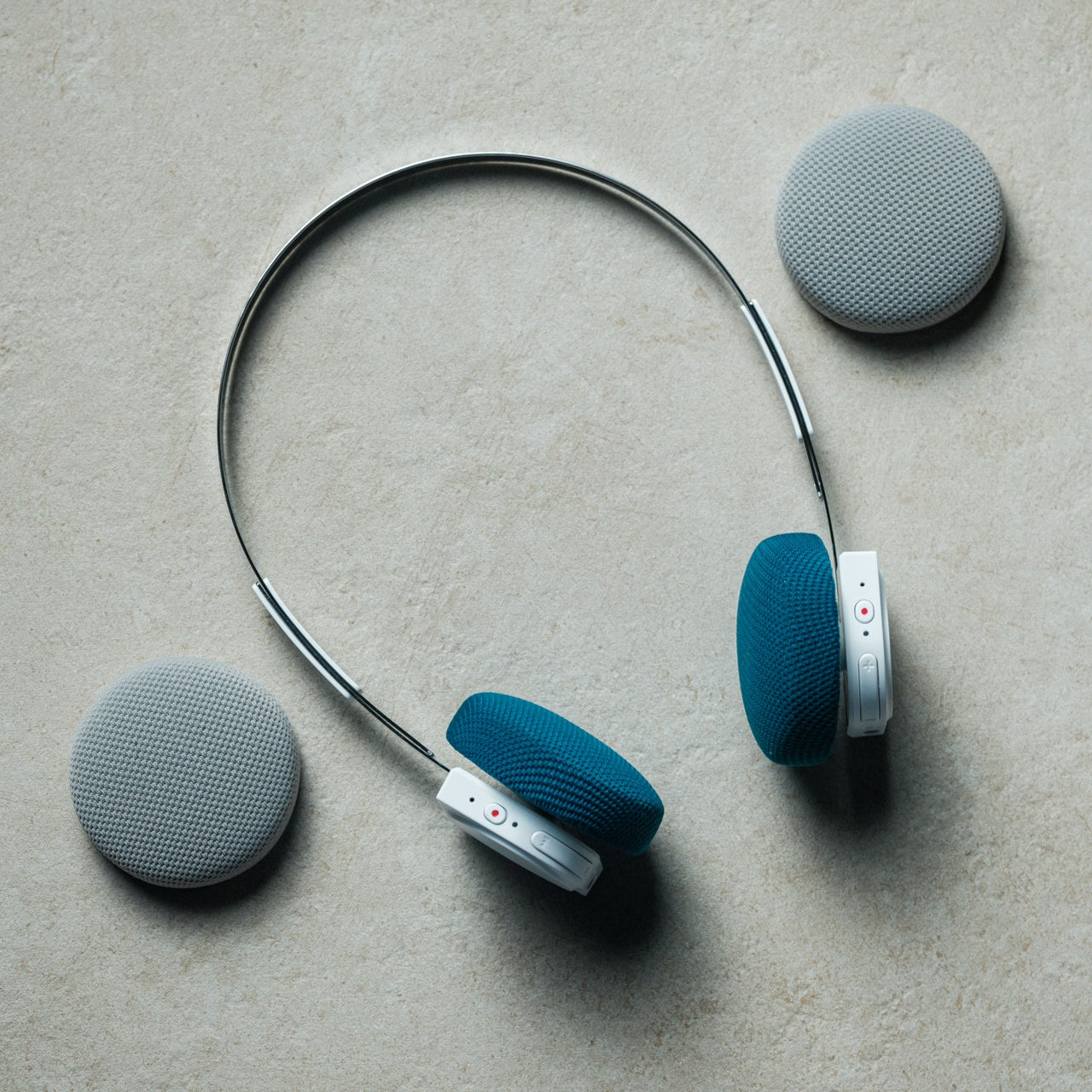
Air travel has become an endurance test for your ears. Between engine noise, crying babies, and the passenger next to you who insists on watching action movies without headphones until a flight attendant intervenes, you need something that creates a barrier between you and chaos. StillFrame wireless headphones approach this problem with a design philosophy borrowed from a time when music felt like a deliberate choice rather than background noise. The aesthetic draws from compact disc geometry, creating a visual language that feels refreshingly analog in an aggressively digital world.
Weighing just 103 grams, these headphones occupy a middle ground between intrusive over-ear designs and in-ear buds that always seem to fall out at the worst possible moment. The 40mm drivers create a soundstage that gives music room to breathe, which matters when you’re spending hours in compressed airplane cabins where everything feels claustrophobic. The combination of active noise cancelling and transparency mode means you can shift between complete isolation and situational awareness without removing them. That flexibility proves essential when navigating unfamiliar airports or wanting to hear boarding announcements without sacrificing your peace during the actual flight.
• The 24-hour battery life eliminates anxiety about running out of power mid-journey.
• Magnetic fabric ear cushions swap easily, giving you color options that match different moods.
• Dual connectivity through Bluetooth 5.4 and USB-C cable offers wireless freedom or wired stability.
• The exposed circuit board aesthetic celebrates the technology rather than hiding it behind plastic shells.
What we dislike
• The on-ear design may cause discomfort during extremely long flights compared to over-ear alternatives.
• The fashion-forward aesthetic might not appeal to travelers who prefer more conventional headphone designs.
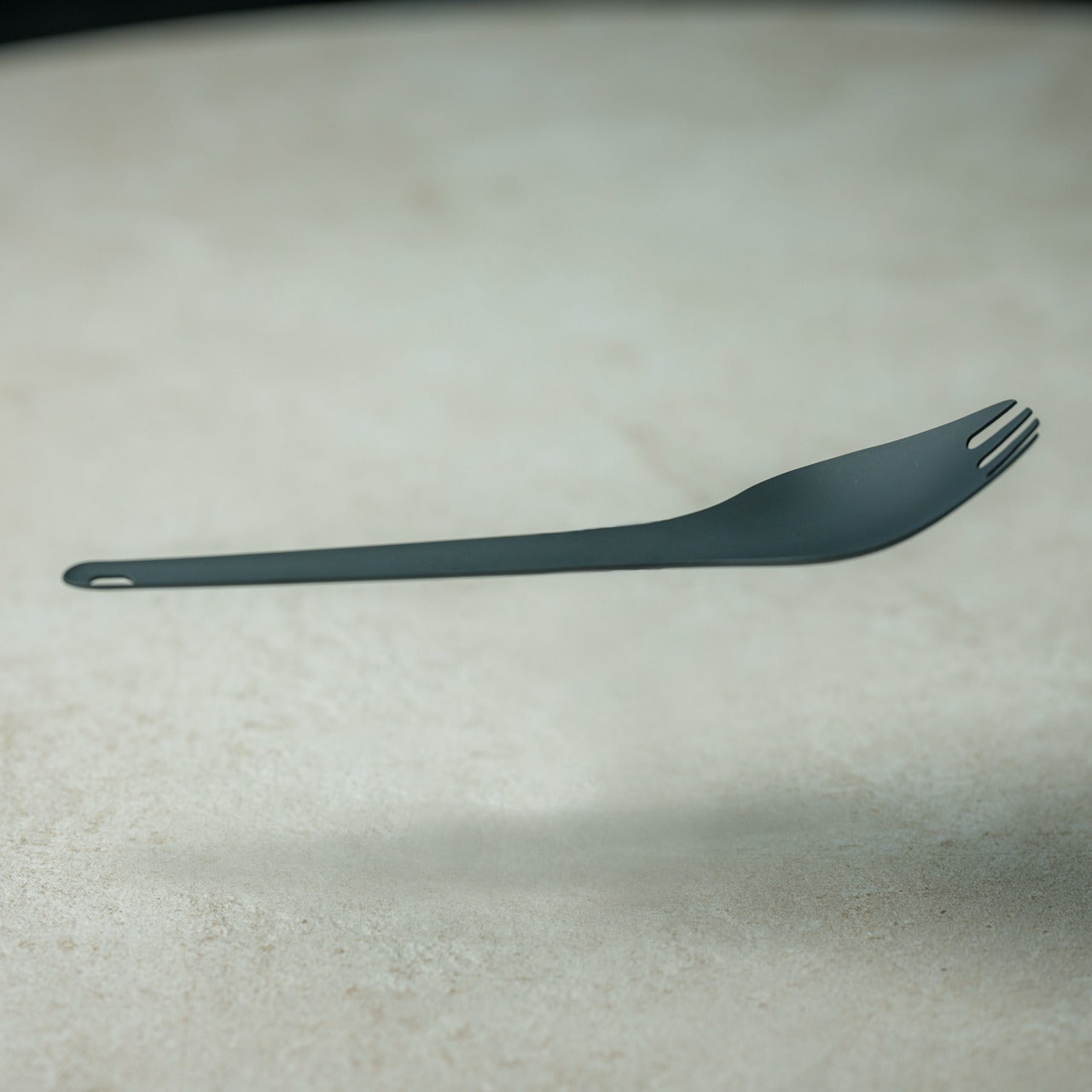
3. 0.25 oz Aero Spork
There’s something deeply frustrating about packing perfectly good food for a trip only to realize you have nothing reasonable to eat it with. Plastic cutlery snaps under minimal pressure, full-sized metal utensils add unnecessary weight, and trying to eat noodles with a standard spoon requires patience most travelers don’t have after a long day. The Aero Spork weighs less than a quarter of an ounce but manages to feel substantial enough to handle actual meals. That combination of minimal weight and genuine utility makes it the kind of item that earns permanent residence in your travel kit.
The ergonomic curve gives you a secure grip even when your hands are cold or wet, while the tapered design specifically addresses the noodle-eating problem that plagues travelers across Asia and increasingly everywhere else. The stackable design means you can carry multiple sporks without them taking up more space than a single standard utensil. This becomes relevant when you’re traveling with others or want a backup. The durability factor matters more than you’d expect; these survive being tossed into bags, stepped on accidentally, and subjected to the kind of casual abuse that destroys lesser travel utensils within weeks.
• The 7-gram weight makes it lighter than most travel accessories you’ll forget you’re carrying.
• Stackable design solves the multi-person dining situation without requiring a full cutlery set.
• The tapered shape genuinely improves noodle-eating, addressing a specific and common travel challenge.
• Metal construction means it lasts indefinitely, unlike disposable or plastic alternatives.
What we dislike
• The hybrid spoon-fork design means neither side works quite as well as a dedicated utensil.
• Cleaning can be tricky in the field without proper access to soap and water.
4. MokaMax Portable Coffee Maker
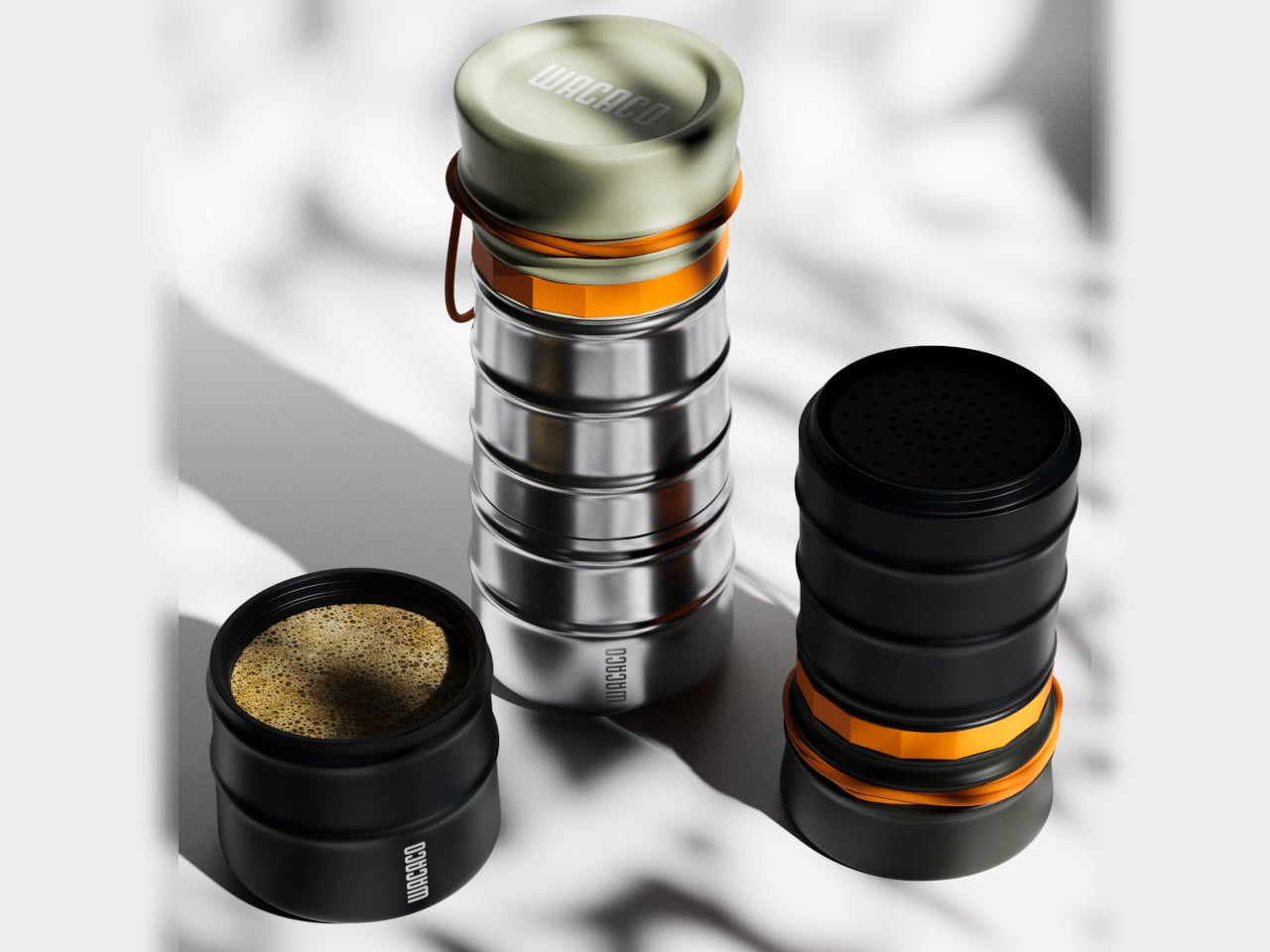
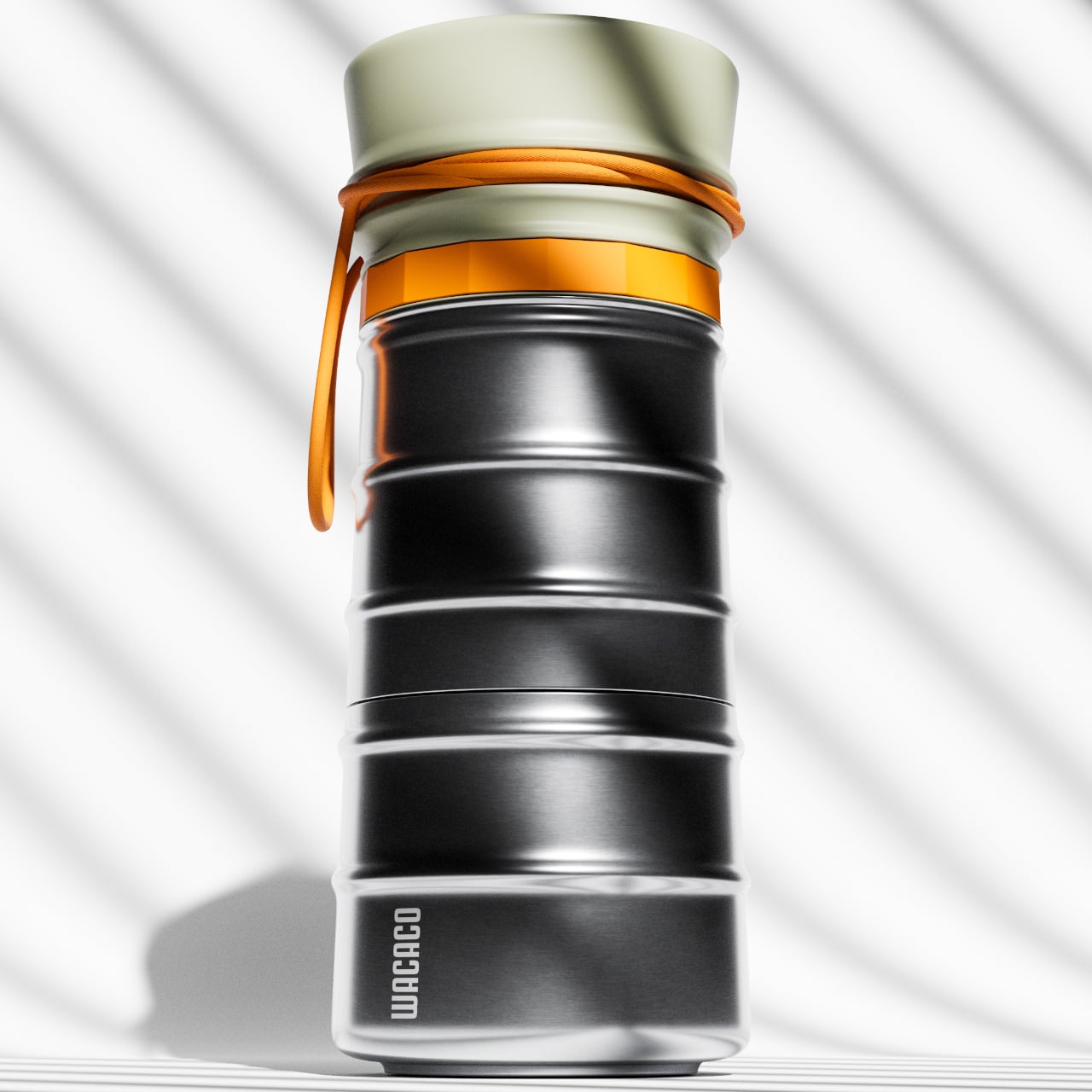
Hotel coffee represents a special category of disappointment. It tastes like regret mixed with lukewarm water, extracted from pods that somehow cost three dollars each. Even when you find a decent café, you’re either waiting in line behind seventeen people who each ordered customized drinks with five modifications, or you’re drinking something that went cold during your walk back to your hotel. MokaMax addresses this problem by building a legitimate pressure-brewing system into a form factor that looks like a standard travel mug. The ridged stainless steel body provides a secure grip while reinforcing the rugged, outdoor-ready aesthetic.
The design spent considerable effort getting those ridges right, balancing functional grip with comfortable handling and visual interest. The flexible rope attachment transforms it from just another mug into something that clips onto backpacks or hangs from hooks, integrating into your mobile gear rather than requiring dedicated carrying. The key advantage over simply buying coffee everywhere you go is consistency and timing. You control the strength, temperature, and exact moment you brew. That autonomy matters when you’re dealing with jet lag and need coffee at 4 AM when nothing is open, or when you’re hiking and want something better than instant crystals dissolved in lukewarm water.
What we like
• The pressure-brewing system delivers espresso-style coffee without electricity or complex equipment.
• Single-vessel design eliminates the need to carry separate brewing and drinking containers.
• Ridged stainless steel construction provides grip and durability for genuine outdoor use.
• The rope attachment integrates it into your travel gear ecosystem rather than requiring dedicated space.
What we dislike
• The brewing process takes longer than simply buying coffee if you’re in an area with good options.
• Cleaning requires more attention than a standard travel mug, especially after brewing dark roasts.
5. Craftmaster EDC Utility Knife
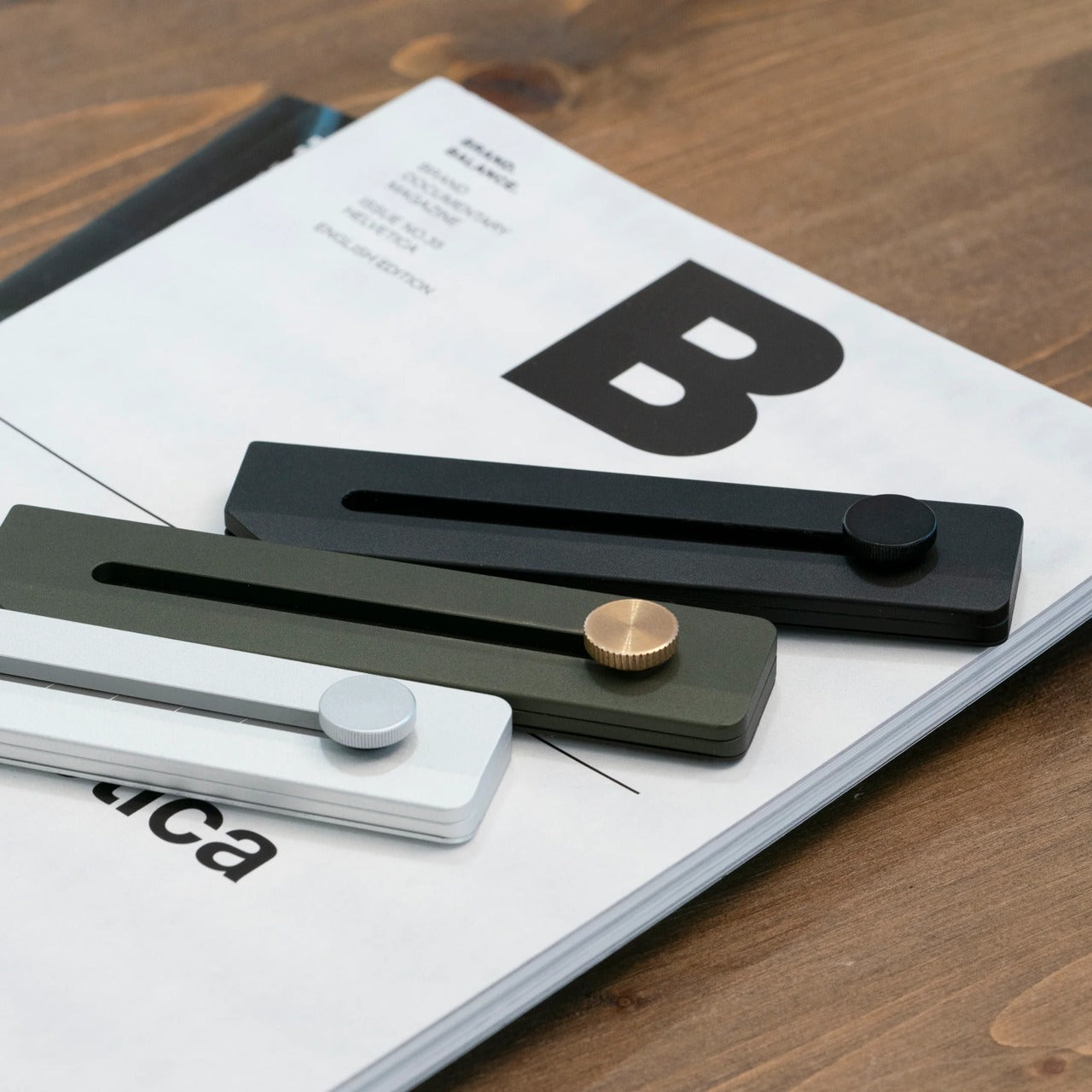
Most travelers don’t think they need a utility knife until they’re standing in a hotel room trying to open packaging with their keys, teeth, or increasingly desperate improvisation. The Craftmaster EDC utility knife occupies just 8mm of thickness and 12cm of length, making it slim enough to slip into pockets, bags, or organizer pouches without creating bulk. The metallic construction gives it heft that feels reassuring rather than burdensome, while the rotating knob deployment mechanism adds a tactile satisfaction that pure functionality doesn’t require but somehow makes the tool more enjoyable to use.
The magnetic back serves double duty by letting you dock the knife on any metal surface and providing a home for the companion metal scale. That scale includes both metric and imperial measurements, a raised edge for easy pickup, and a blade-breaker for maintaining the OLFA blade’s sharpness. The 15-degree curvature protects your fingers during cutting tasks, while the 45-degree inclination helps with opening boxes without damaging contents. These details transform a basic utility knife into something that solves multiple problems, from precise measuring for emergency clothing repairs to clean package opening without destroying whatever’s inside.
• The 8mm thickness makes it genuinely pocketable without the bulk of traditional utility knives.
• Magnetic docking turns any metal surface into convenient storage, preventing loss in hotel rooms.
• The included ruler with blade-breaker combines multiple functions without requiring separate tools.
• OLFA blades are replaceable and widely available, extending the knife’s useful life indefinitely.
What we dislike
• The minimalist metal design lacks texture that could improve grip in wet conditions.
• Airport security restrictions mean it needs to go in checked luggage, limiting accessibility during travel days.
Why These Five Items Matter for Last-Minute Travel
The connecting thread between these designs is that they solve specific problems while occupying minimal space and requiring almost no learning curve. You don’t need an instruction manual, a YouTube tutorial, or previous experience. They work immediately and continue working reliably. That reliability becomes essential when you’re already dealing with the stress of spontaneous travel, unfamiliar locations, and the general chaos that comes from not having time to plan properly.
The other advantage is that none of these items are single-use solutions. Pocket binoculars serve navigation, sightseeing, and practical reading purposes. Headphones deliver both entertainment and environmental control. A quality spork handles any meal situation. The portable coffee maker works everywhere from mountain peaks to hotel rooms. The utility knife solves dozens of cutting, measuring, and opening challenges. That versatility means carrying five items gives you solutions to dozens of potential problems, which is exactly the kind of efficiency last-minute travelers need most.
TwoFace
est un outil développé par
Synacktiv
qui permet de créer des binaires Linux ayant 2 comportements bien distincts. Un comportement parfaitement inoffensif qui s’active dans 99% des cas et un comportement malveillant qui ne se déclenche que sur une machine ciblée spécifiquement pour l’occasion.
Comme ça, votre sandbox verra toujours la version “propre” parce qu’elle n’aura pas le bon UUID de partition.
D’après la doc de Synacktiv,
voici comment ça fonctionne
: Vous avez deux binaires en fait… Y’en a un qui est inoffensif et un autre malveillant. TwoFace les fusionne alors en un seul exécutable. Ainsi, au moment du build, le binaire malveillant est chiffré avec une clé dérivée depuis l’UUID des partitions disque de la machine cible. Cet UUID est unique, difficile à deviner, et stable dans le temps ce qui est parfait pour identifier une machine spécifique.
Ensuite au lancement, quand le binaire s’exécute, il extrait l’UUID du disque de la machine. Pour ce faire, il utilise HKDF (Hash-based Key Derivation Function) pour générer une clé de déchiffrement depuis cet UUID et tente de déchiffrer le binaire malveillant caché. Si le déchiffrement réussit (parce que l’UUID match), il exécute le binaire malveillant. Par contre, si ça échoue (parce que l’UUID ne correspond pas), il exécute le binaire inoffensif.
Le projet est écrit en Rust et c’est open source ! Et c’est une belle démo (PoC) d’un problème que tous ceux qui font de l’analyse de binaires ont. En effet, d’ordinaire, pour révéler le vrai comportement d’un malware on l’exécute dans une sandbox et on peut ainsi observer en toute sécurité ce qu’il fait, les fichiers qu’il crées, les connexions réseau qu’il établit etc…
Mais avec TwoFace ça casse cette façon de faire. Et c’est pareil pour les antivirus qui verront toujours la version inoffensive tant que l’UUID ne correspond pas.
Techniquement, TwoFace utilise memfd_create() pour exécuter le binaire déchiffré en mémoire, sans toucher au disque, ce qui veut dire zéro trace sur le système de fichiers. Le binaire malveillant apparaît directement en RAM, s’exécute, puis disparaît. Et si vous utilisez io_uring pour l’écriture mémoire, il n’y a même pas de trace syscall visible via strace.
Et ça, c’est la version basique car le document de Synacktiv mentionne également d’autres techniques avancées possibles comme du déchiffrement dynamique page par page du binaire ELF, des mécanismes anti-debugging, des chained loaders multi-niveaux…etc…
Le parallèle avec la
backdoor XZ Utils
backdoor est très instructif car celle-ci a failli compromettre des millions de serveurs Linux parce qu’un seul mainteneur a poussé du code malveillant dans une lib compressée. Elle a alors été découverte parce qu’un dev a remarqué un ralentissement SSH bizarre et a creusé… Et TwoFace montre qu’on peut faire encore pire sans toucher à la supply chain.
Pas besoin de corrompre un mainteneur de projet, de pousser un commit suspect chez Github. Là suffit d’écrire du code parfaitement propre, de le compilez avec TwoFace pour une machine spécifique, et de le déployez. Le code source sera alors auditable ainsi que le binaire mais l’audit ne révèlera rien parce qu’il se fera dans un environnement qui n’aura pas le bon UUID.
Après, techniquement, une défense existe. Vous pouvez par exemple détecter les appels à memfd_create(), monitorer les exécutions en mémoire, tracer les déchiffrements crypto à la volée…etc., mais ça demande du monitoring profond, avec un coût performance non-négligeable. Et ça suppose aussi que vous savez ce que vous cherchez…
Bref, si ça vous intéresse, c’est dispo sur
GitHub
!
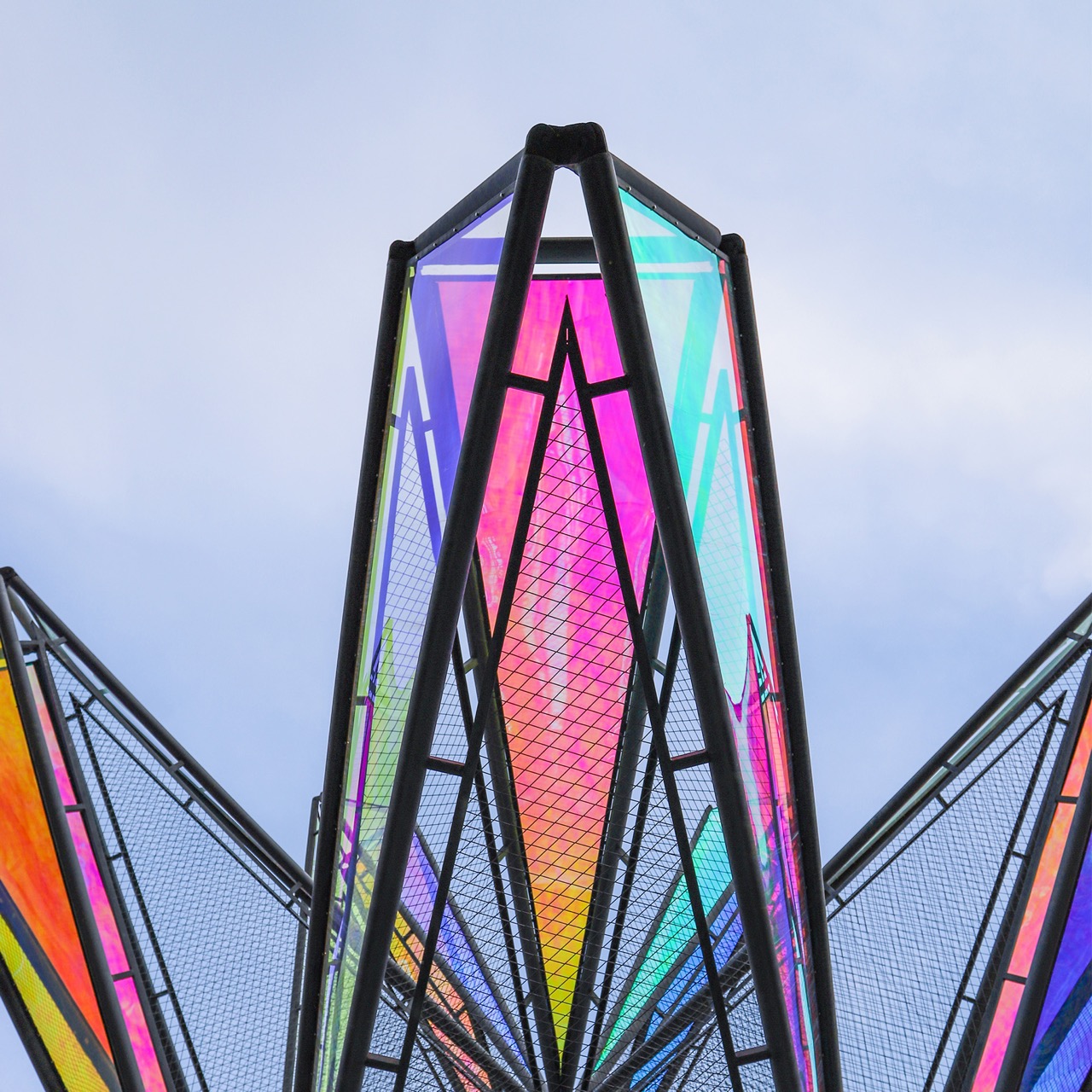
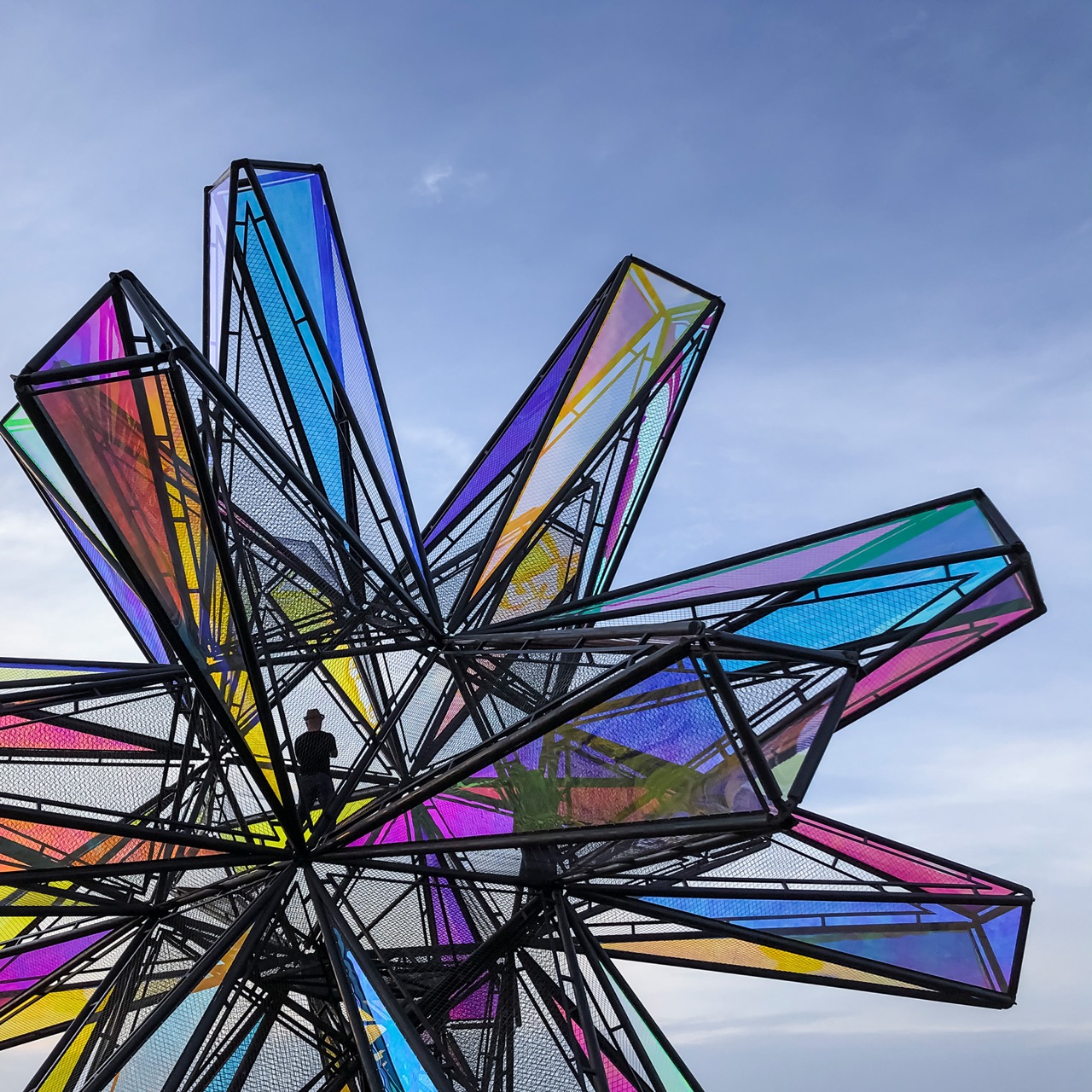
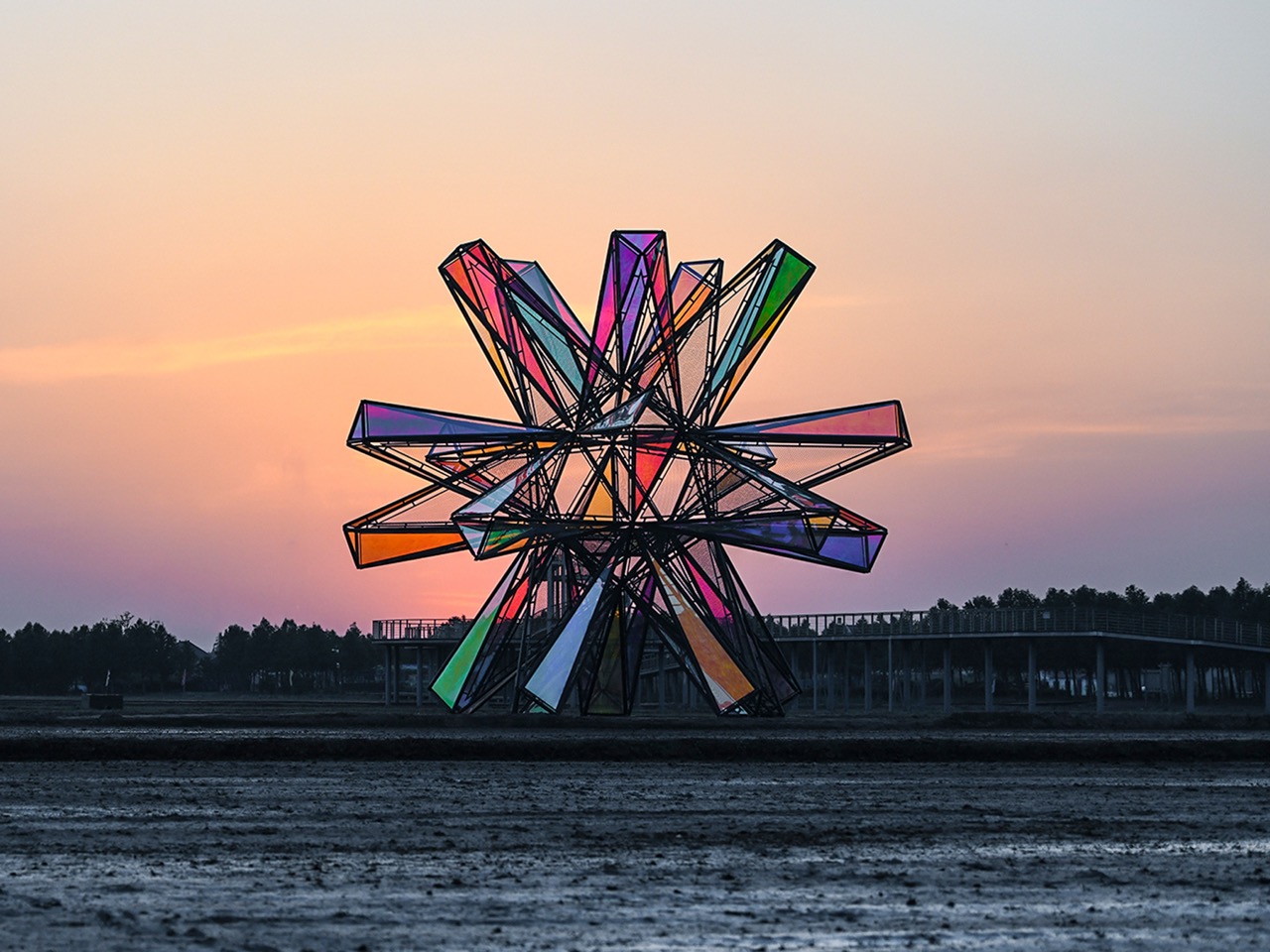
When Li Hao’s Pop Star View Platform first appeared in the landscape, it probably broke a few people’s brains. This isn’t your typical public art installation that politely sits in a corner being contemplative. Instead, it’s a massive crystalline beast that looks like it crash-landed from Krypton, all faceted surfaces and impossible geometry that shifts from alien fortress to disco ball depending on the light. The structure is based on an icosahedron, but Li Hao has exploded and reconstructed it into something that feels both mathematically precise and completely otherworldly. You’re looking at what happens when someone takes sacred geometry and runs it through a kaleidoscope filter.
The visual impact is absolutely bonkers in the best possible way. Those iridescent panels catch and fracture sunlight into a spectrum that would make a prism jealous, creating this constantly shifting light show that transforms throughout the day. At sunset, the thing becomes a beacon of pure color that radiates across the landscape like some kind of interdimensional lighthouse. The dichroic glass or film coating on each facet creates that oil-slick rainbow effect, where purples bleed into teals, oranges melt into magentas, and the whole structure seems to pulse with its own internal energy.
Designer: Li Hao
What’s brilliant about Pop Star is how it plays with scale and perception. From a distance, it reads as this monolithic alien artifact, but as you get closer, the complexity of the internal structure reveals itself. Those black steel frames create a secondary geometric pattern within each colored panel, adding depth and visual texture that keeps your eye engaged. The mesh or perforated elements in some sections let you see through the structure, creating layers of transparency that make the whole thing feel less solid and more like a hologram materializing in space.
Creating a structure this large with so many angled surfaces while maintaining structural integrity requires serious computational design work. Each joint has to handle complex load distributions, and the panel mounting system needs to accommodate thermal expansion while keeping those pristine edges aligned. The fact that it doubles as a viewing platform means the internal framework has to support human traffic, adding another layer of complexity to what could have been just a sculptural statement.
Pop Star View Platform earned its Golden A’ Design Award by doing something most public art fails at: it creates genuine wonder without being pretentious about it. Whether you’re a design nerd who appreciates the mathematical elegance or just someone walking by who stops dead because holy shit, what is that thing, the installation delivers. It’s Instagram-ready spectacle with serious conceptual depth, proving that sometimes the most effective way to make people think about space, light, and perception is to build something so visually arresting they can’t look away.
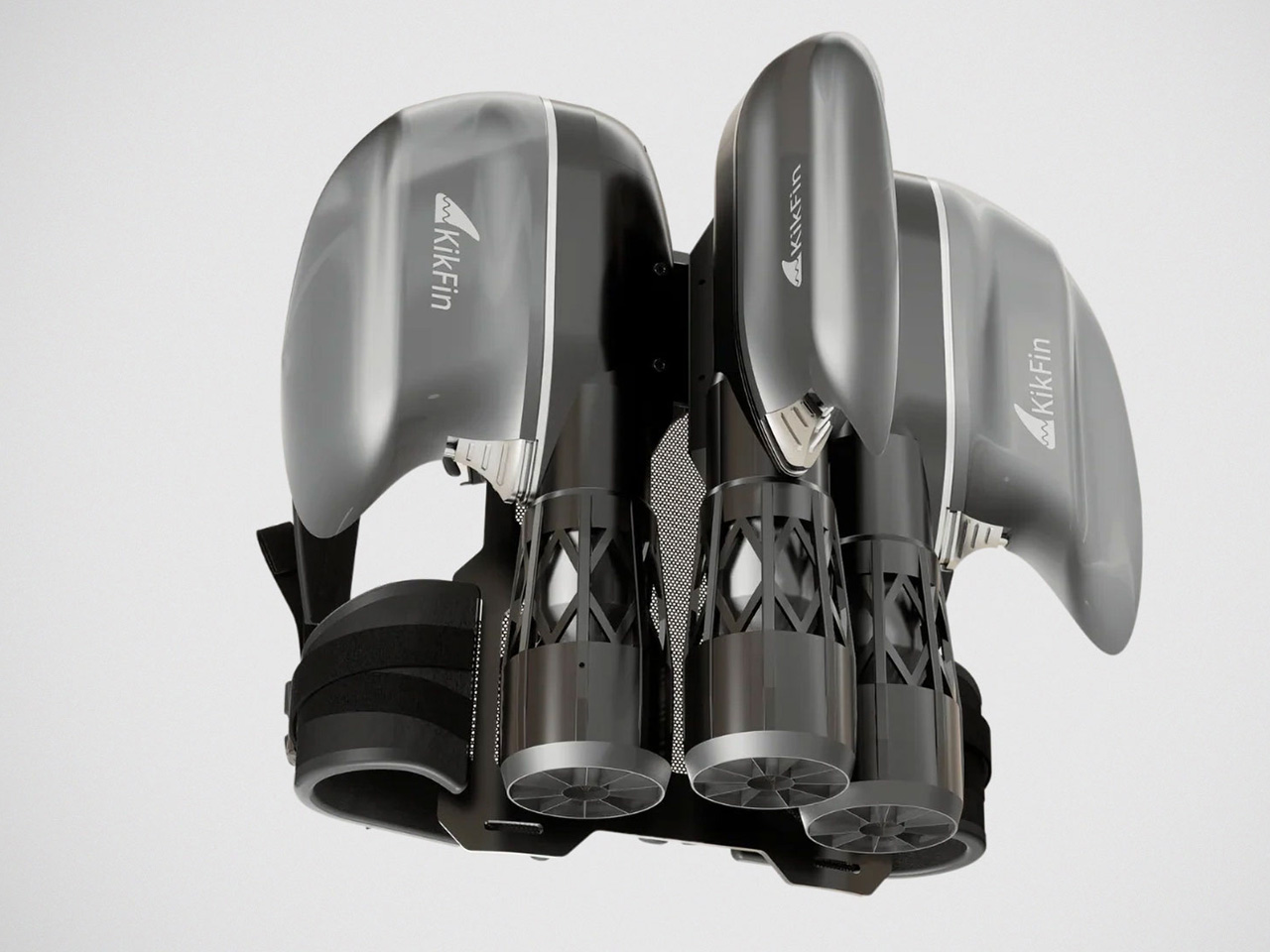
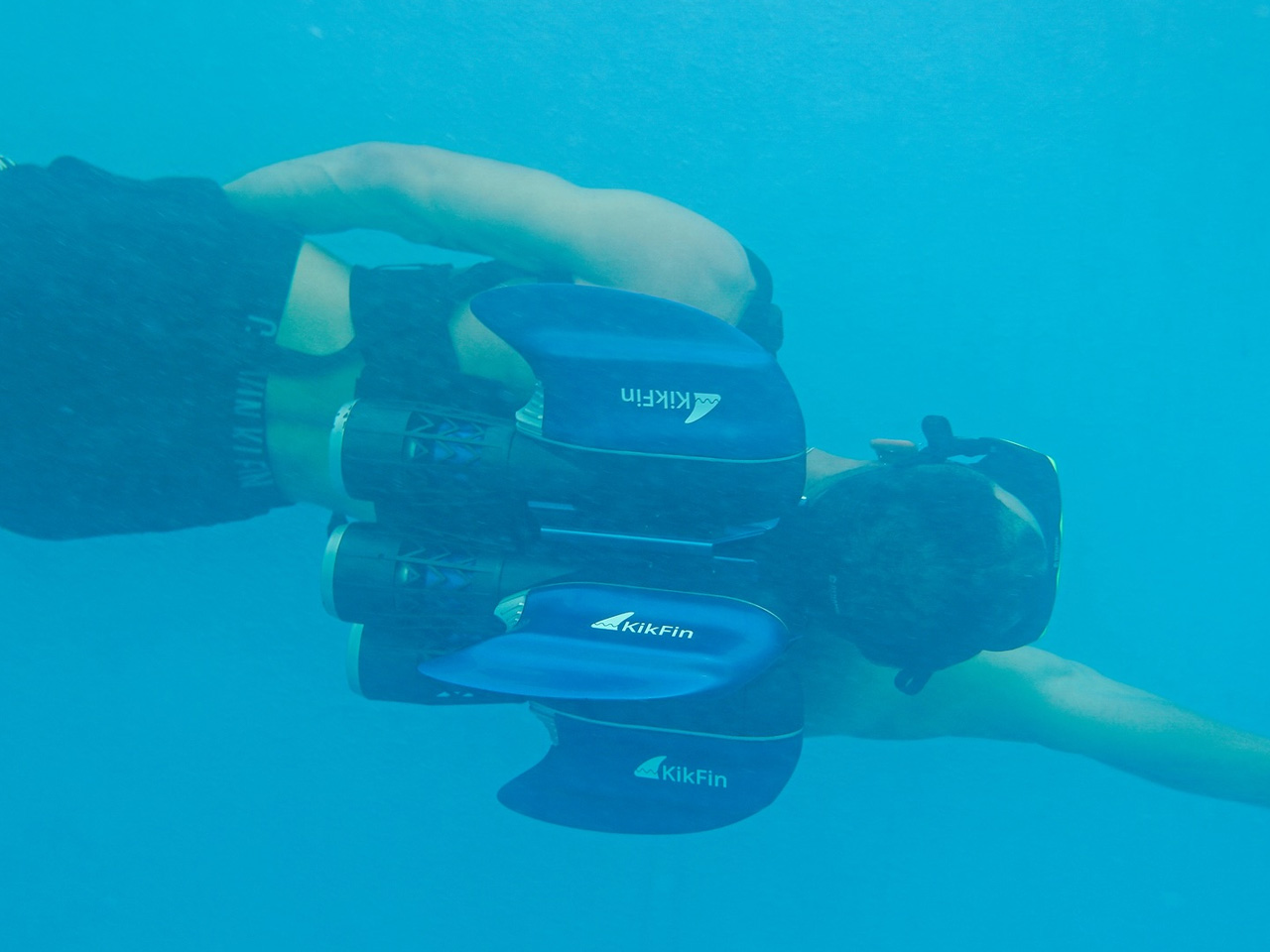
Jetpacks have long been a dream for humanity, but we’re still far from seeing people regularly strapped into them, flying from home to work. However, an Israeli startup believes it’s much simpler to provide a harnessed jetpack that lets people fly underwater, rather than through the air, at speeds of up to 5.8 mph. It’s called the Shark Jet Pack and is designed to use water jets attached to the back, enabling wearers to dive deep into the sea and swim alongside sharks and other marine life.
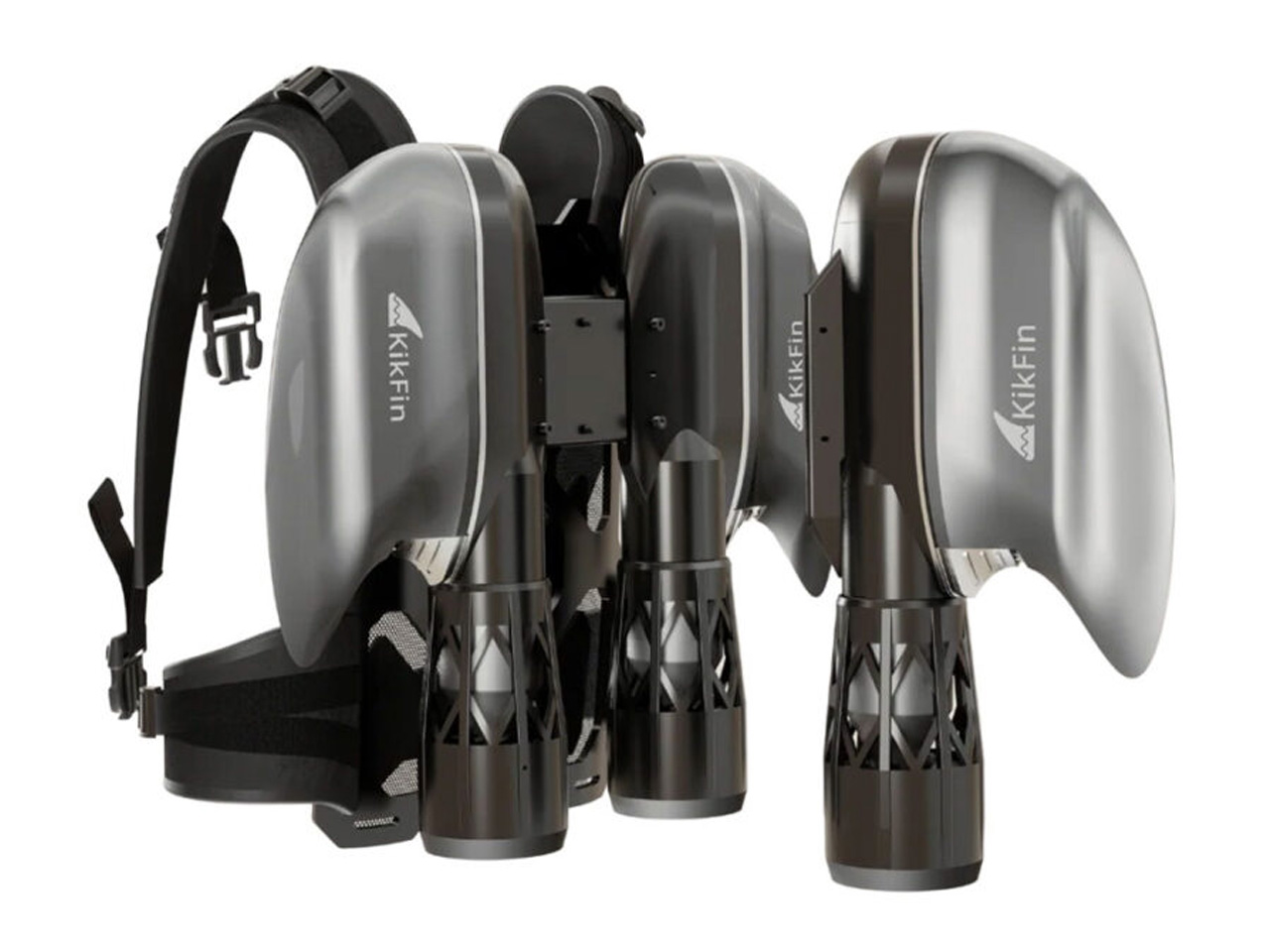
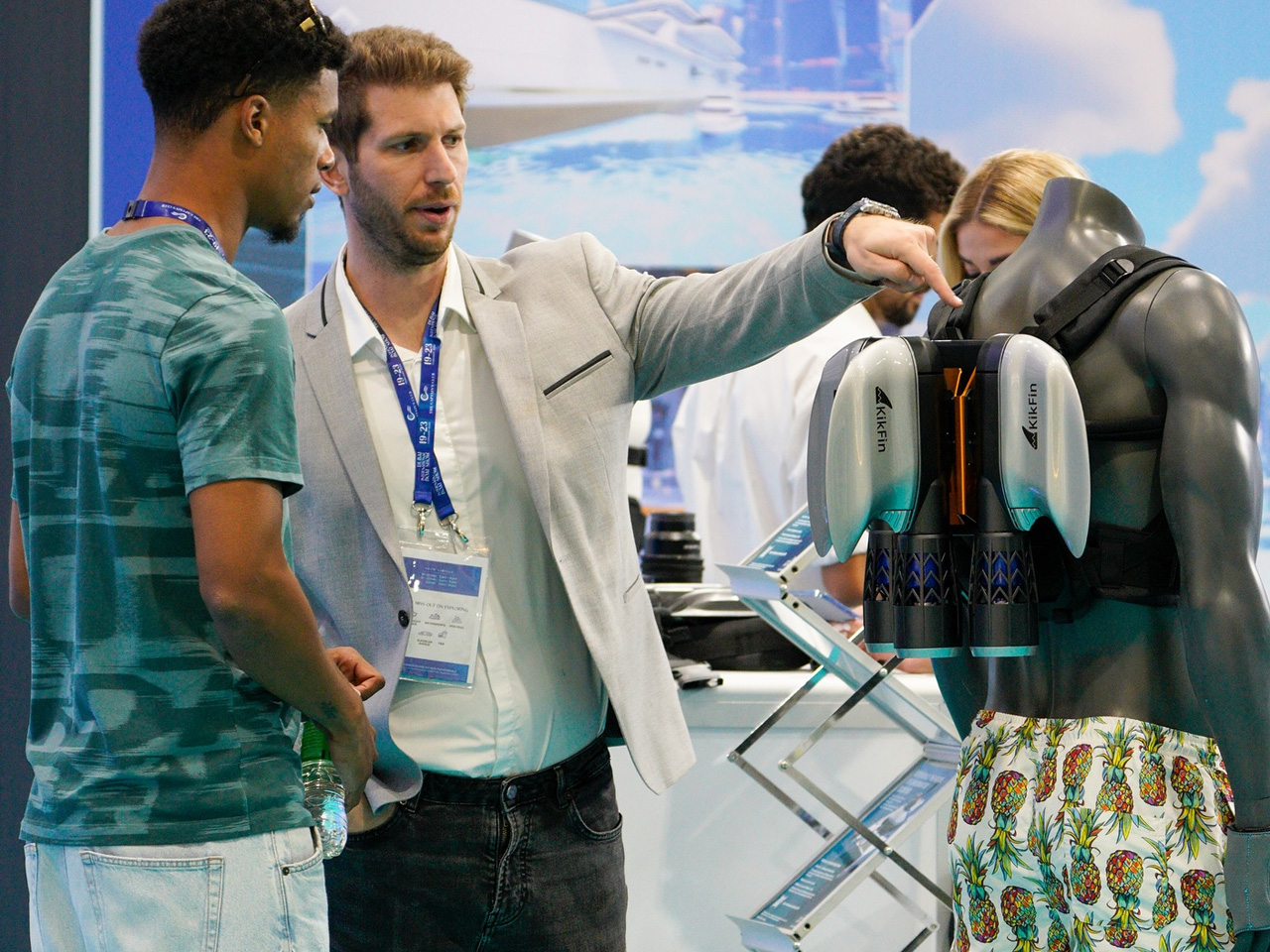
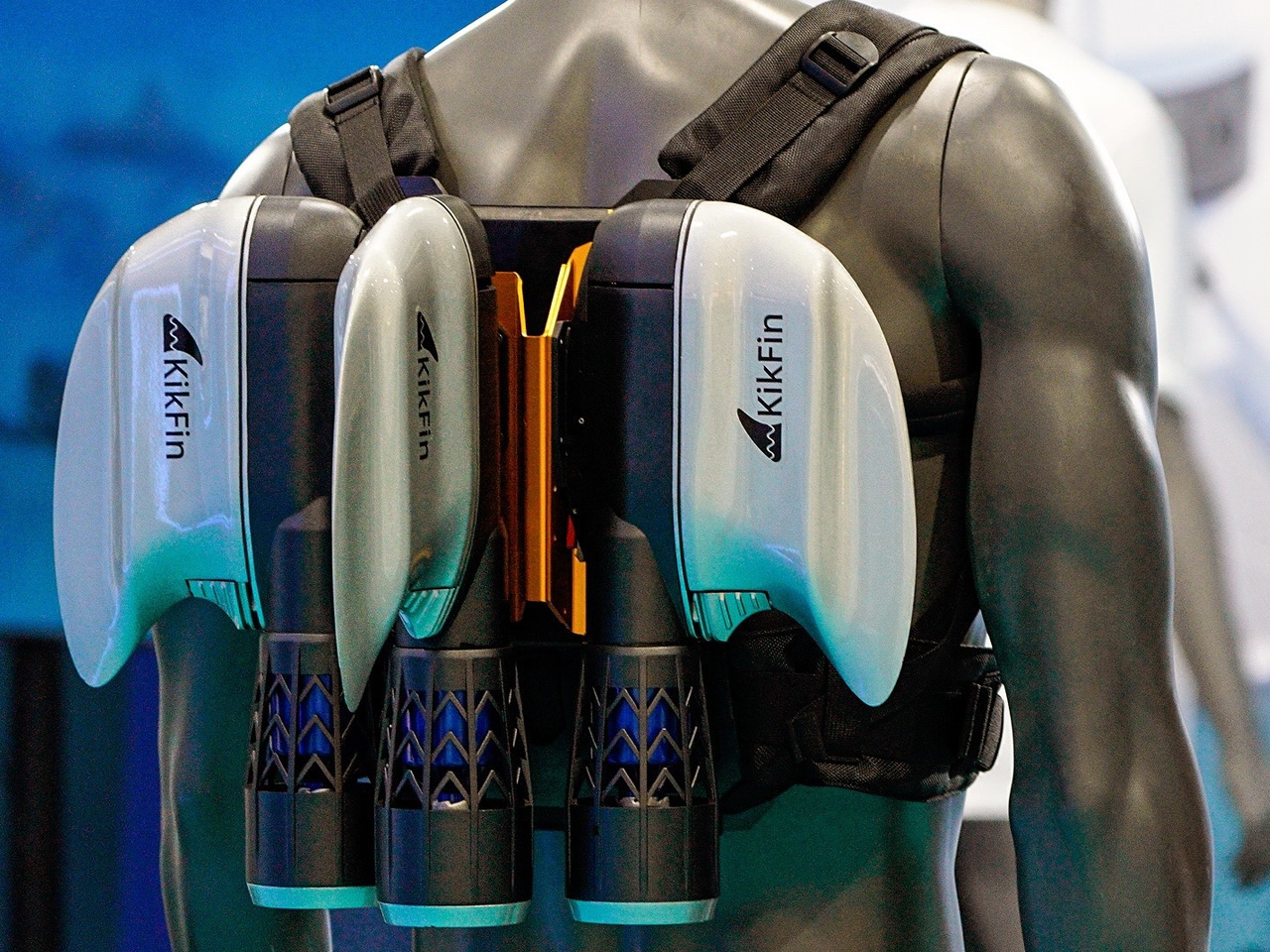
The KikFin Shark Jetpack features two pectoral-inspired fins, which help the device mimic the movements of fast sea creatures like sharks, thus the name. Worn on the back, it gives the wearer hands-free freedom to move freely through the water as though they were part of the ocean’s natural ecosystem.
The KiKFin Shark is harnessed around the shoulder and meant to rest on your back like a jetpack designed for flying. It is lightweight, so you won’t feel its bulk on the shoulder and back. It tips the scale at 13 pounds (slightly over 6 kgs) with the battery onboard, and can thrust you through the water at blistering speeds that you can control from the glove in the hand.
The top speed we are talking about is 5.8 mph, which is made possible by two cylindrical thrusters on the back. Each of them contains a propeller to provide the propulsion. The cylinders are connected to the pectoral fins for stability. The jetpack can allow you to dive down to depths of 131 feet (40 m), so it’s not just for shallow swimming in any way.
The glove works as a speed controller, letting you select between three speed modes depending on what creature you are following, or what predator is chasing you. While speeds are fascinating, it’s how you maneuver the jetpack that will win you over. The wearer is required to simply tilt the head in the direction they’d like to go. The sensors on the Shark will pick that up and adjust the body position and the thrusters accordingly.
The entire rig is powered by batteries. These are embedded within the fins to remain cool during operation. Designed to last between 45 and 85 minutes, depending upon how it is being used. These are swappable, so you can instantly stack in a new one without having to leave the water. The KiKFin Shark jetpack was briefly available on the company website for pre-order at $500, we learn. Currently, the website resides behind a password wall and we cannot confirm if KiKFin is still taking preorders, what the retail price is going to be, or when we can expect to fly underwater with the Shark.
Si vous faites partie des 97% de dev à grosses lunettes qui utilisent des assistants IA comme GitHub Copilot, Windsurf ou Cursor, ce que vous allez lire va probablement flinguer votre journée…
Et oui parce que si vous pensiez que votre assistant IA préféré était votre meilleur atout pour coder, sachez que des chercheurs en sécurité viennent de découvrir qu’en réalité, tous ces outils pourraient se comporter en cheval de Troie placé directement dans votre IDE. Et le plus flippant c’est que vous ne verriez absolument rien venir, même en scrutant le code ligne par ligne.

 Connexion