Vue lecture

Il y a de nouveaux articles disponibles, cliquez pour rafraîchir la page.

A NAS is the best way to avoid a data catastrophe — Our Editor's Choice just hit the lowest price of the year, and hard drives to fill it with are also on sale

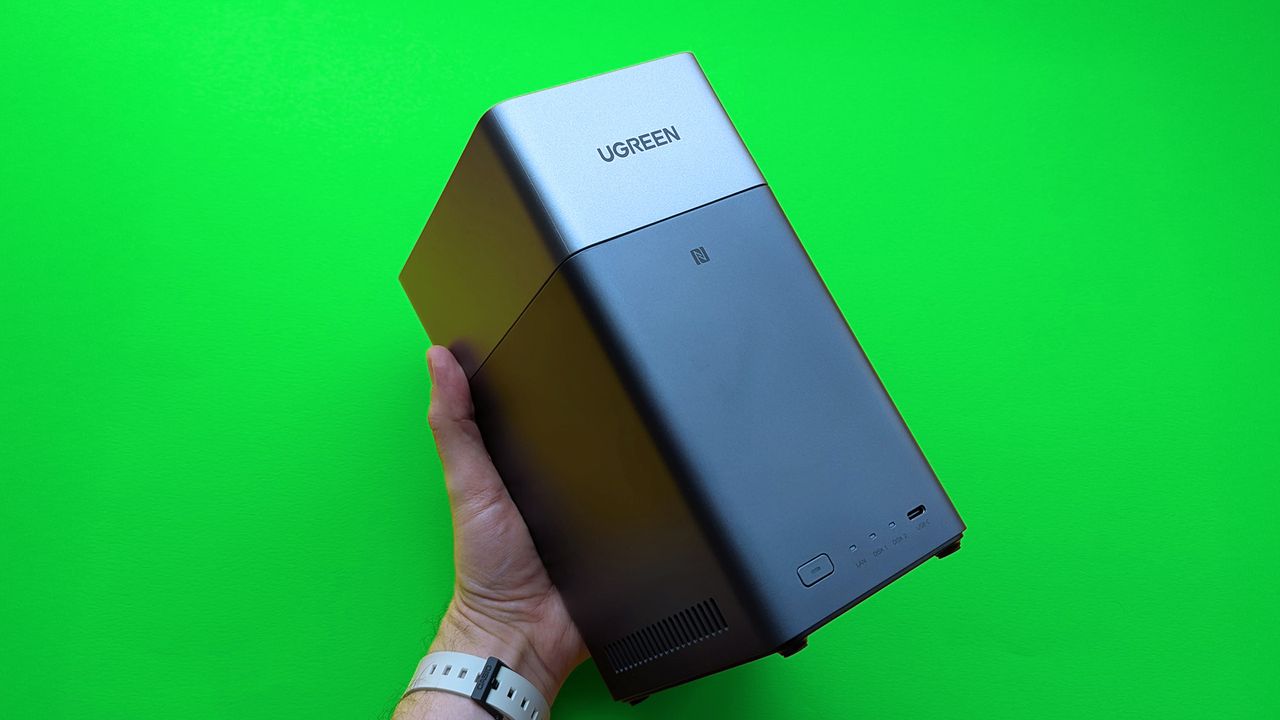
World Backup Day is just around the corner, making it a great time to invest in a NAS for extra data protection. This one's perfect for beginners, and it's down to the lowest price of the year at Amazon's Big Spring Sale.

UGREEN NASync DH2300 on a green card paper background

UGREEN's NASync DH2300 is a perfect option for NAS novices, and it's down to its lowest price of the year at Amazon's Big Spring Sale.

This SSD with 4TB and 7,300 MB/s read speeds will solve my gaming PC's storage woes — and it's got an exquisite $550 discount you won't find on Amazon

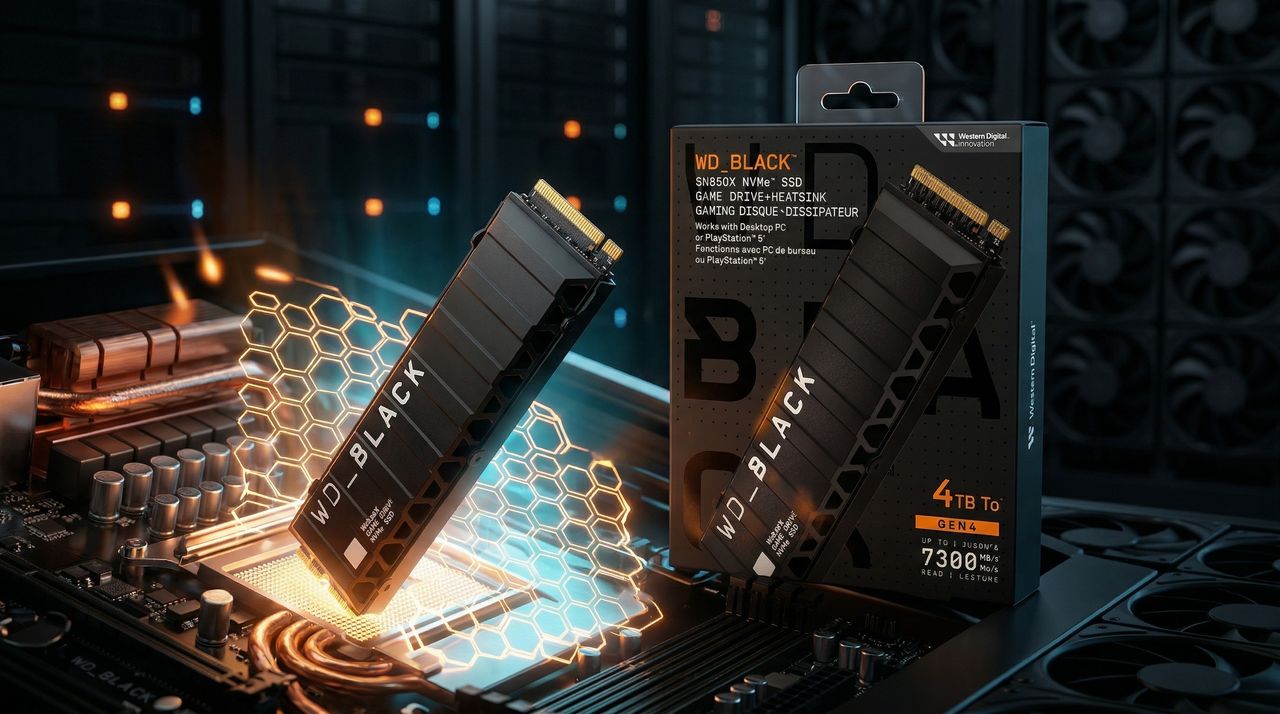
Newegg has procured an exclusive 44% discount for the 4TB variant of the WD_BLACK (SN850X) internal SSD with heatsink, giving PC gamers a rare opportunity to upgrade their rig's storage space without cripplling their budget.

AI-Generated image of the WD_Black 4TB Internal SSD (SN850X) visualized

AI-Generated image of the WD_Black 4TB Internal SSD (SN850X).

Razer's new Blade 16 drops AMD Ryzen for Intel Panther Lake — Brighter OLED display, faster RAM, and Thunderbolt 5 make it better than ever for mixed use

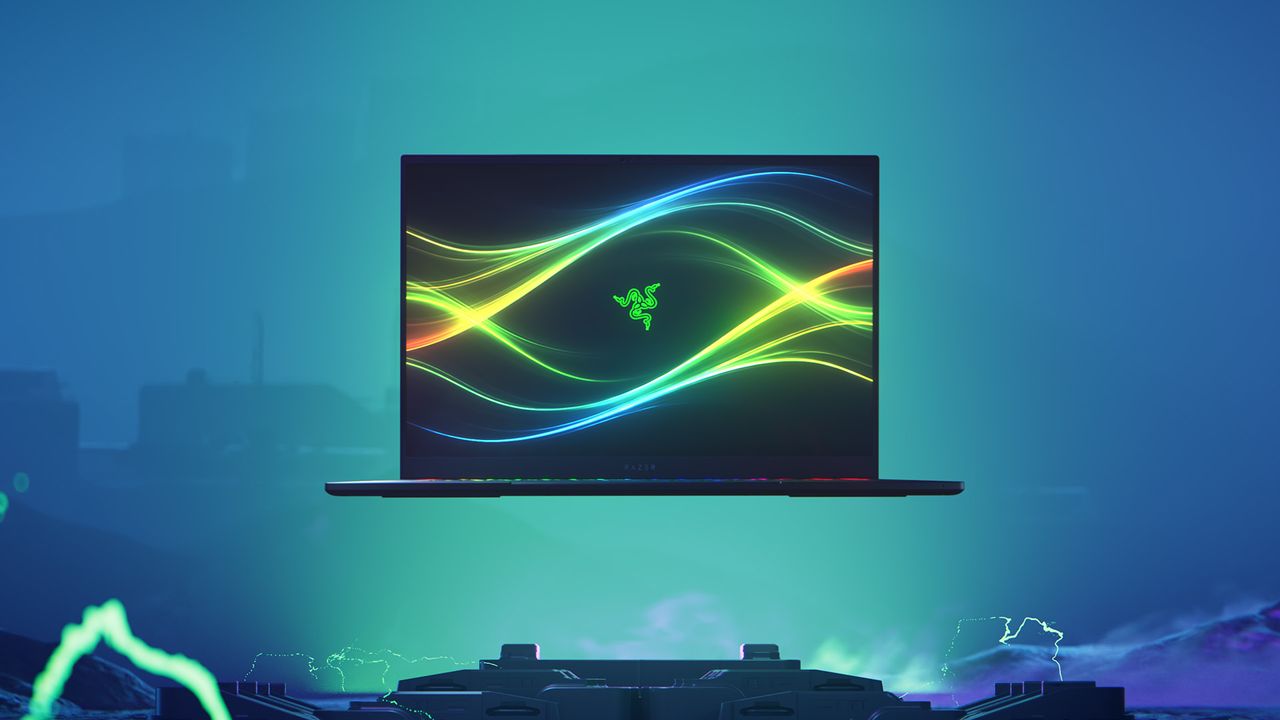
Razer has taken the wraps off its Blade 16 for 2026, and it's a significant refresh that now builds on Intel's Core Ultra Series 3 "Panther Lake" chips. Here's what you need to know (and where you can buy it today).

Razer Blade 16 (2026)

A look at the refreshed Razer Blade 16 for 2026, complete with Intel CPUs and NVIDIA GPUs.

I want to see Dell's new feature on PCs everywhere — its first Copilot+ mini PC supports five external monitors thanks to customizable ports

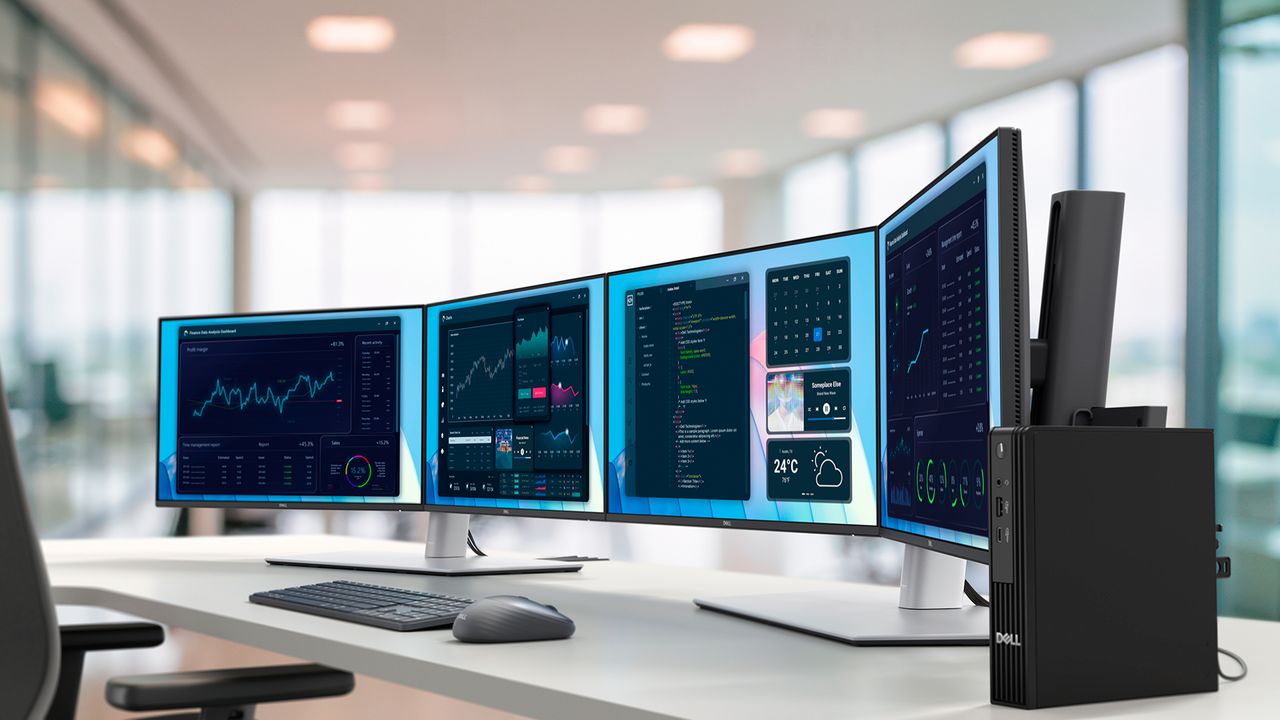
Dell just announced its first Copilot+ mini PC running on Intel's Core Ultra Series 3 chips, and I'm in love with its customizable port selection that unlocks up to five external displays with a mix of 4K and 5K resolutions.

Dell Pro 5 Micro

A look at Dell's new Pro 5 Micro mini PC powering four external displays.

This trusted Geekom mini PC is 15% off — and it avoids a common "no-name" disaster.

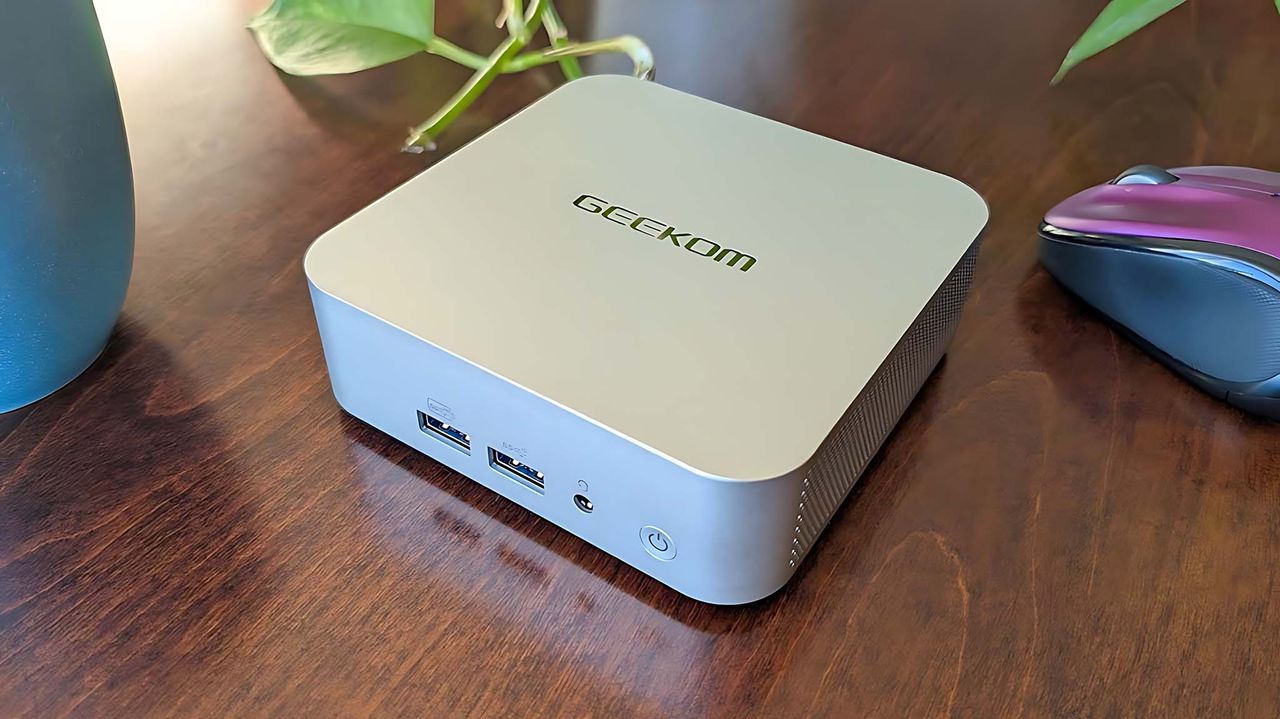
Avoid the 2026 mini PC minefield with this 15% discount on the Geekom A6, a reliable office workhorse now down to $551.

Top-down view of the Geekom A6 on a table while it's next to a blue mug and a purple computer mouse.

At just 4.4 inches wide, the Geekom A6 is a prime candidate for a clutter-free desk or a VESA mount setup.

Lenovo's ultimate All-in-One PC for work and content creation is now 41% off — and it comes with a bonus 3 months of PC Game Pass

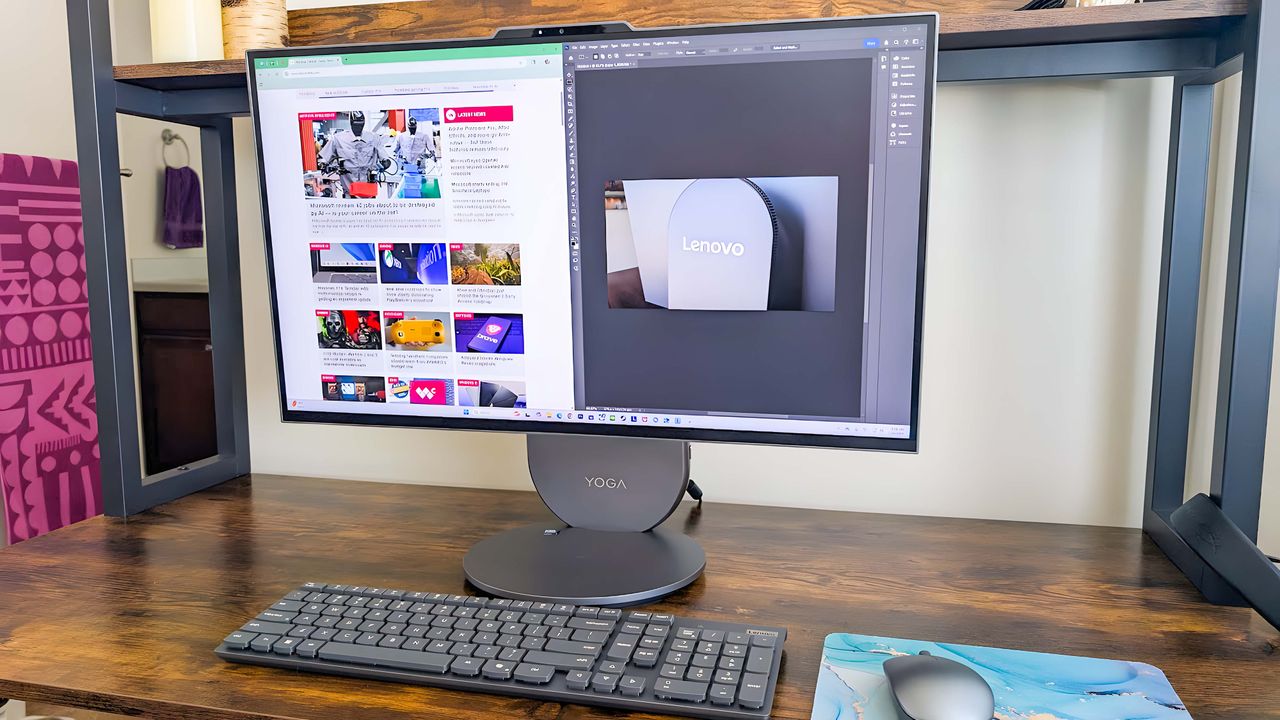
Lenovo's hosting an exclusive 41% discount deal on its vaunted Yoga All-in-One PC, so the general public can get a hold of its solid performance, gorgeous QHD display that can rotate, and more for less.

Lenovo Yoga AIO 27" sitting on a desk with the display split between displaying the Windows Central home page on the left and Adobe Photoshop on the right.

The Lenovo Yoga AIO 27" in action.

Our favorite Windows desktop PC crushes your daily productivity, and can easily be upgraded for gaming — now under $1,000

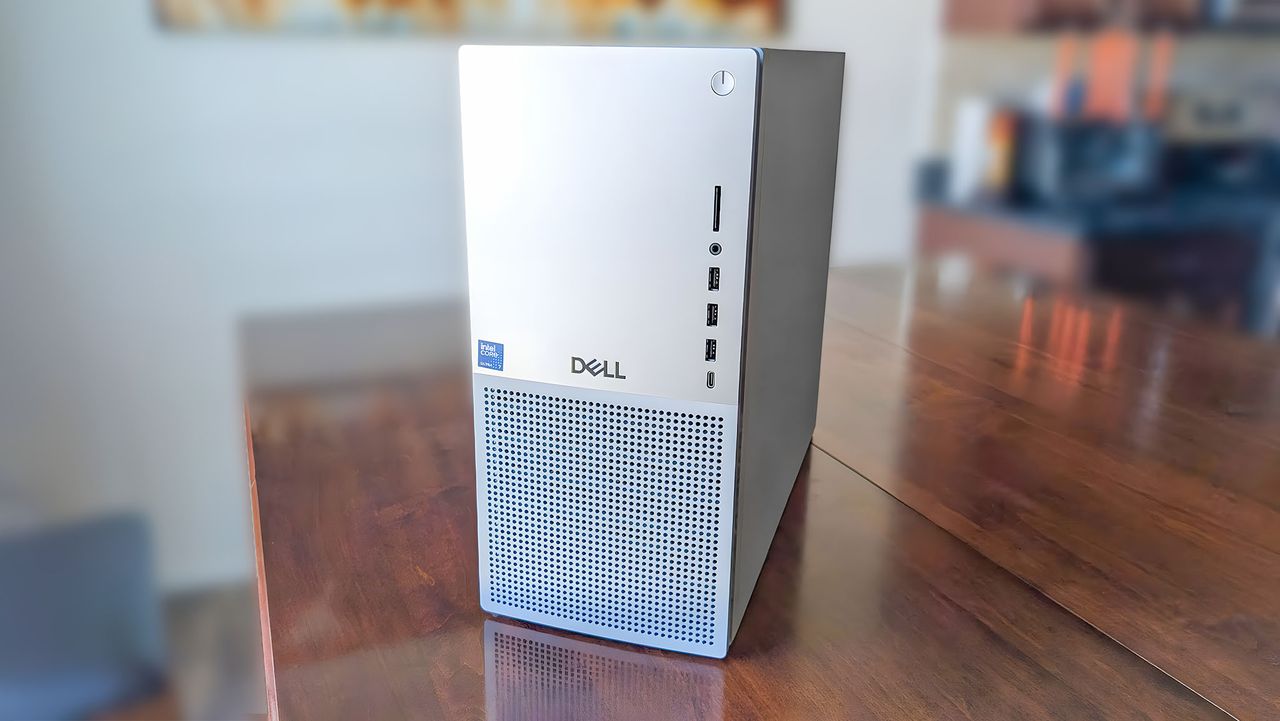
Dell is offering a special 29% discount on the Dell Tower Plus desktop PC, a deceptively simple yet highly powerful rig suited to a wide range of productivity tasks and easily upgradeable for AAA gaming.

The front of the Dell Tower Plus EBT2250 as it sits on a table.

Whether it's homework or office jobs, this desktop PC can get the job done and more quickly.

The best gaming CPU that "slam dunks on Intel" hits its lowest-ever price — there's no AAA PC title that the 9800X3D won't handle

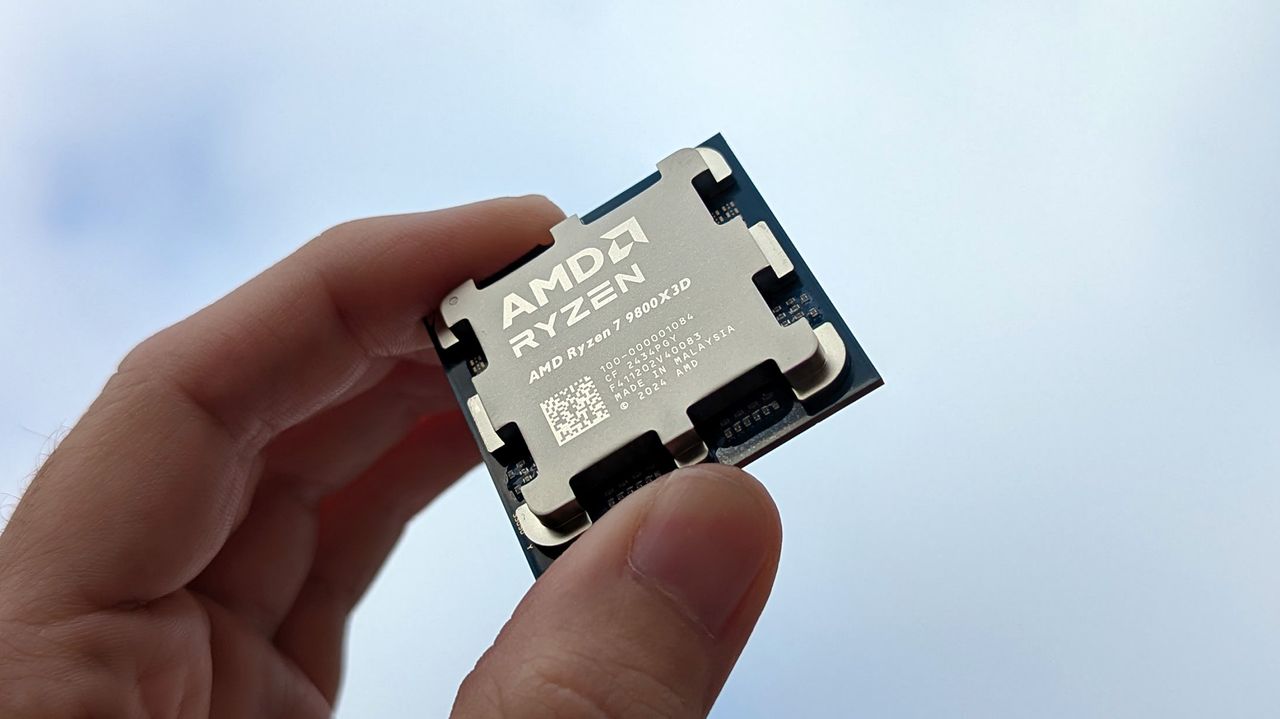
The AMD Ryzen 7 9800X3D is one of the best gaming processors you can currently upgrade your rig with to optimize your favorite game's performance, and it's enjoying its lowest discount yet for a limited time.

AMD Ryzen 7 9800X3D processor held in front of a blue cloudy sky

The AMD Ryzen 7 9800X3D processor in hand.

I'm seriously impressed with Intel's new Core Ultra 200S Plus desktop CPUs — content creators could be swept up by the 250K and 270K at these genuinely affordable prices

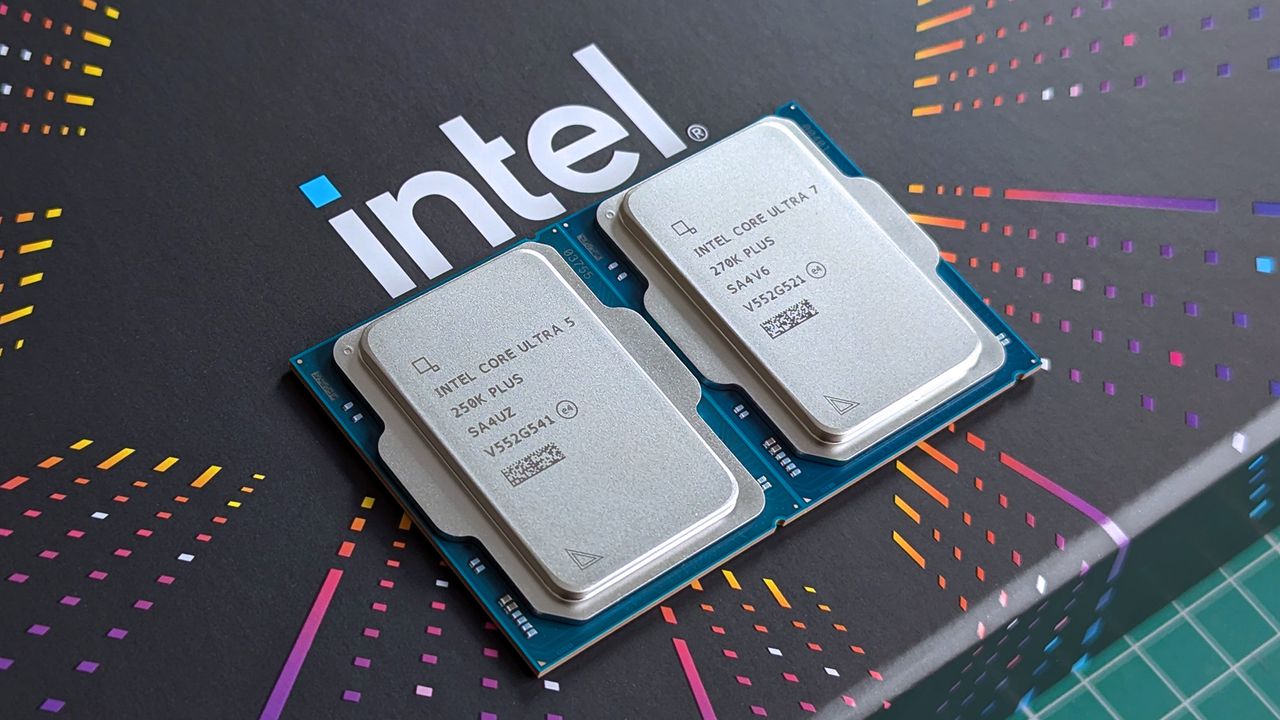
Intel's Core Ultra 200S series CPUs come as a duo of Arrow Lake Refresh processors, and they're refreshingly cheap for creators, with gaming benefits to boot.

Intel Core Ultra 5 250K Plus and 270K Plus desktop processors on Intel box

Intel's Core Ultra 200S series CPUs come as a duo of Arrow Lake Refresh processors.

LG’s World-First 1Hz Panel Gives the Dell XPS 48% More Battery

Battery life has been one of the laptop industry’s most persistent design headaches, especially among Windows notebooks. Despite significant gains in chip efficiency, the display consistently ranks among the biggest power consumers in any portable computer. Most laptop screens refresh at a fixed rate regardless of what’s actually on them, which means the panel keeps drawing full power even when you’re sitting completely still, reading a document with nothing on screen changing at all.

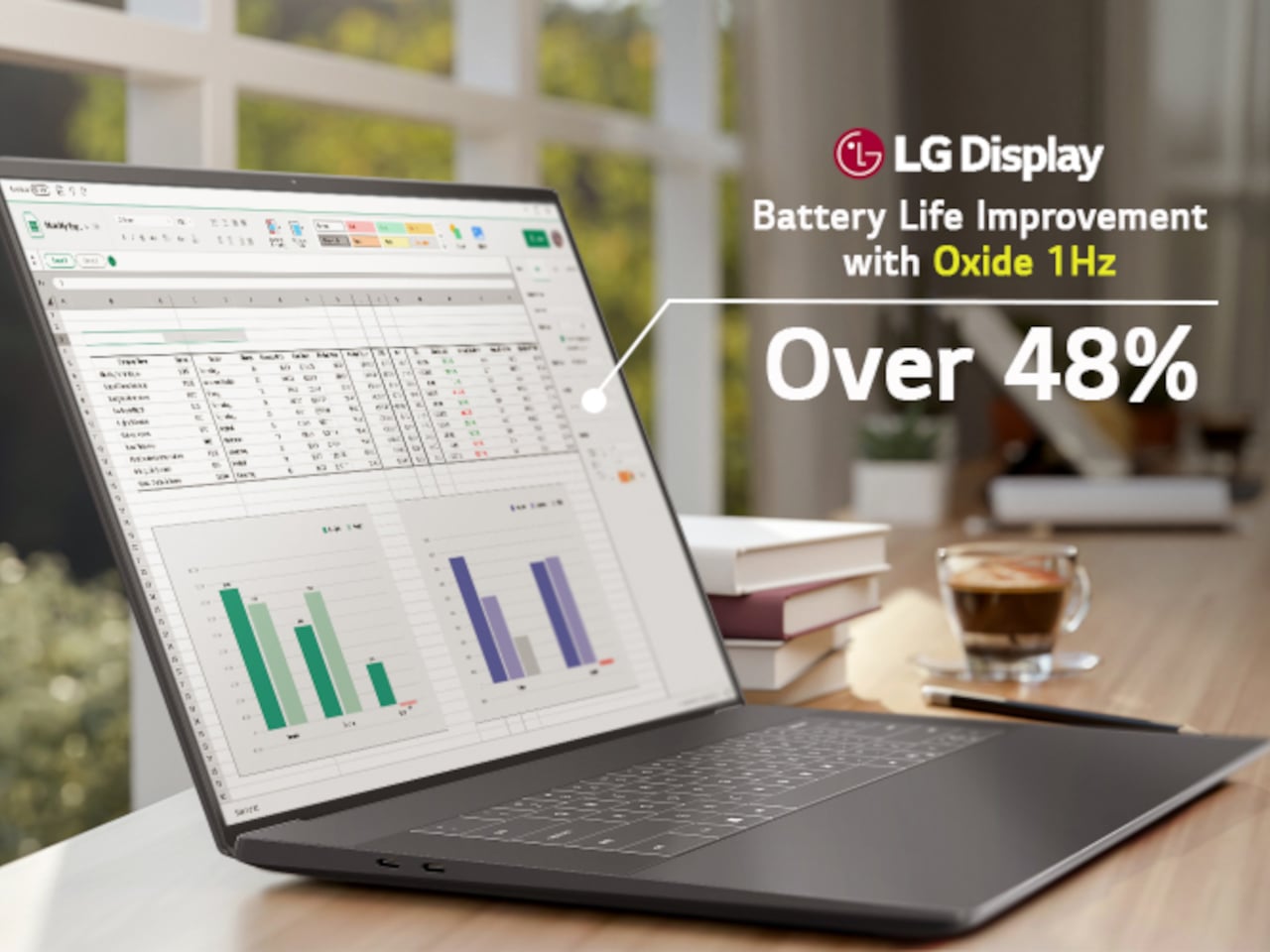
LG Display’s new Oxide 1Hz panel is the first mass-produced LCD laptop screen that doesn’t work that way. Rather than holding a fixed rate, it reads what’s on screen and drops to 1 Hz when the content is static, then scales back up to 120 Hz for video or gaming. LG began mass production on March 22, 2026, claiming the first-ever achievement of this at scale.

Designer: LG, Dell

The technology relies on custom circuit algorithms and a new oxide material applied to the panel’s thin-film transistor. That oxide holds an electric charge longer than conventional LCD materials, letting the screen maintain a still image without continuously refreshing it. LG claims the result is up to 48% more use on a single charge versus existing solutions, which is a significant number if it holds up in everyday use.

In practice, this matters most during the parts of a workday you spend the bulk of your time in. Checking emails, reading through documents, and sitting on a static slide during a meeting are all moments where a 60 Hz or 120 Hz screen burns power for no real benefit. The Oxide 1Hz panel handles those scenarios at a fraction of the usual draw without any visible difference.

When you do pull up a video or launch something that demands smooth motion, the panel doesn’t hesitate. It detects the change and jumps back up to 120 Hz automatically. There’s no mode to switch into, no setting to toggle, and no trade-off to manage. It just adjusts based on what’s happening on screen, which is how this kind of feature should work in the first place.

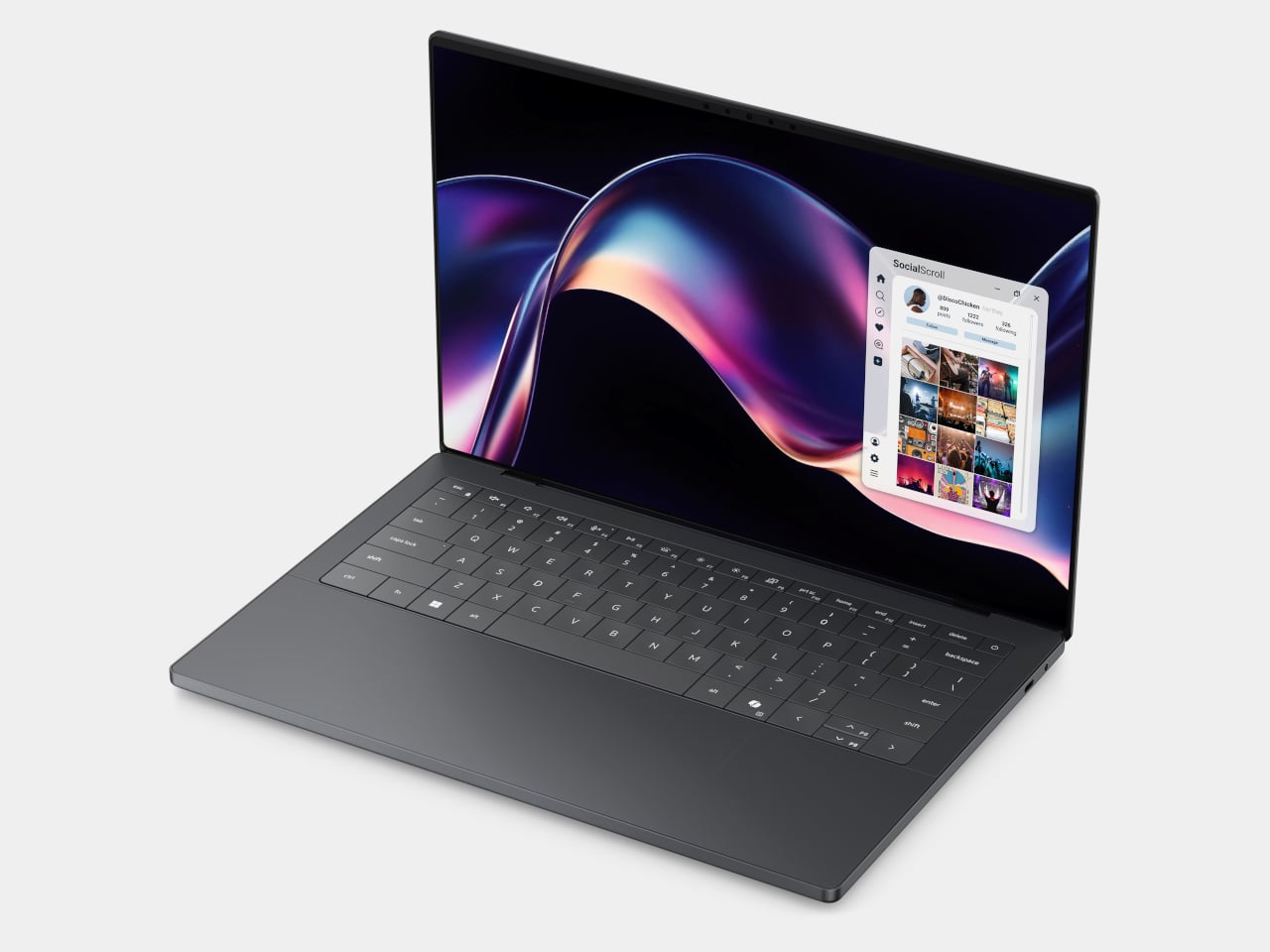
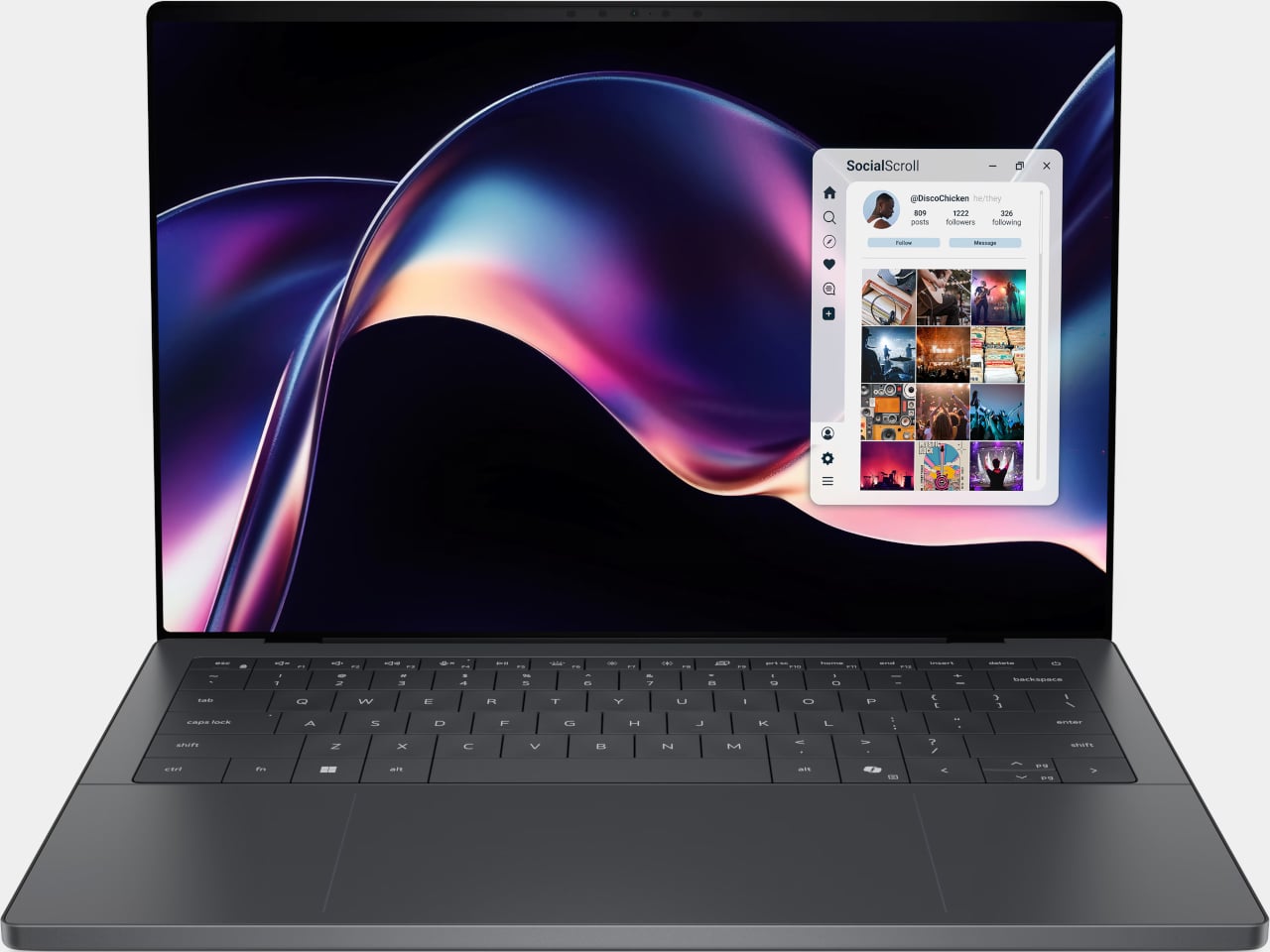
The first laptops to ship with this panel are the Dell XPS 14 and Dell XPS 16 for 2026, both unveiled at CES 2026 in January. The LCD option on both models runs at 1920 x 1200 pixels and 500 nits of brightness. Dell’s OLED option only drops as low as 20 Hz, which means the more affordable LCD configuration actually wins on low-power behavior.

Here’s where it gets interesting from a design standpoint. The display is one of the biggest power consumers in any laptop, so a screen drawing significantly less power during typical use creates real headroom for designers. They can use that headroom to maintain battery size and gain extra runtime, or to trim the battery slightly for a lighter, thinner chassis without giving up the battery life buyers already expect.

Of course, LG is already planning a 1 Hz OLED version of this technology for 2027, which is when things could get more interesting. OLED handles contrast and color in ways LCD can’t match, and pairing that quality with proper low-refresh-rate behavior could push portable laptop design further than it’s been able to go. For now, the Oxide 1Hz LCD is in something you can actually go out and buy.

The post LG’s World-First 1Hz Panel Gives the Dell XPS 48% More Battery first appeared on Yanko Design.

Xiaomi Returns to Laptops After Four Years with a MacBook Air Rival That Outclasses It on Paper for $1,275

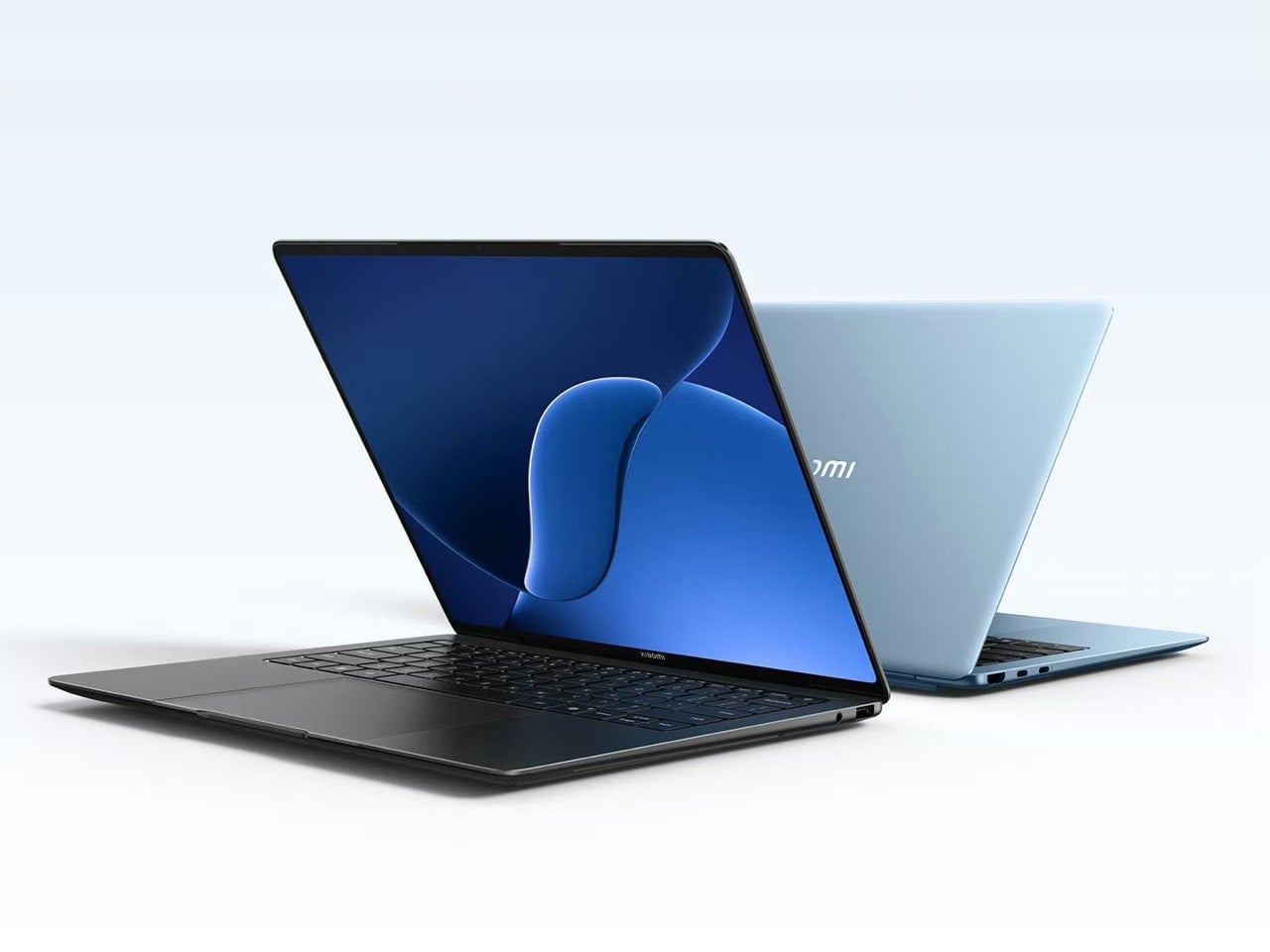
The laptop market has a predictable rhythm. Apple sets the benchmark, everyone else reacts. Since the M1 MacBook Air landed in late 2020 and redrew the definition of thin-and-light computing, the entire Windows ultrabook category has essentially been running in response to that one product. Some challengers land close, most fall short on one or two crucial dimensions, and the cycle repeats. What makes Xiaomi’s return to the laptop space interesting is that the company has been watching all of this from the sidelines for four years, and the Book Pro 14 it just launched in China reads less like a desperate catch-up attempt and more like a deliberate, calculated swing at a very specific gap in the Air’s armor.

Xiaomi has just made a discreet release in the laptop segment after a four-year break, returning with the Book Pro 14, a capable thin-and-light that positions itself as a direct answer to the MacBook Air. The headline spec is the display: a 14.6-inch OLED panel with touchscreen support, 3.1K resolution, a 120Hz refresh rate, and a peak brightness of 1,600 nits. Under the hood, Xiaomi equips the notebook with Intel’s Panther Lake platform, up to an Intel Core Ultra 7 358H, with 24GB RAM on the base configuration and 1TB of SSD storage. Pricing, when converted from Chinese yuan, puts the laptop at approximately $1,275, just over $100 more than a base M5 MacBook Air, and for that small premium you get a higher-resolution 120Hz OLED panel, more RAM, and a more robust port selection.

Designer: Xiaomi
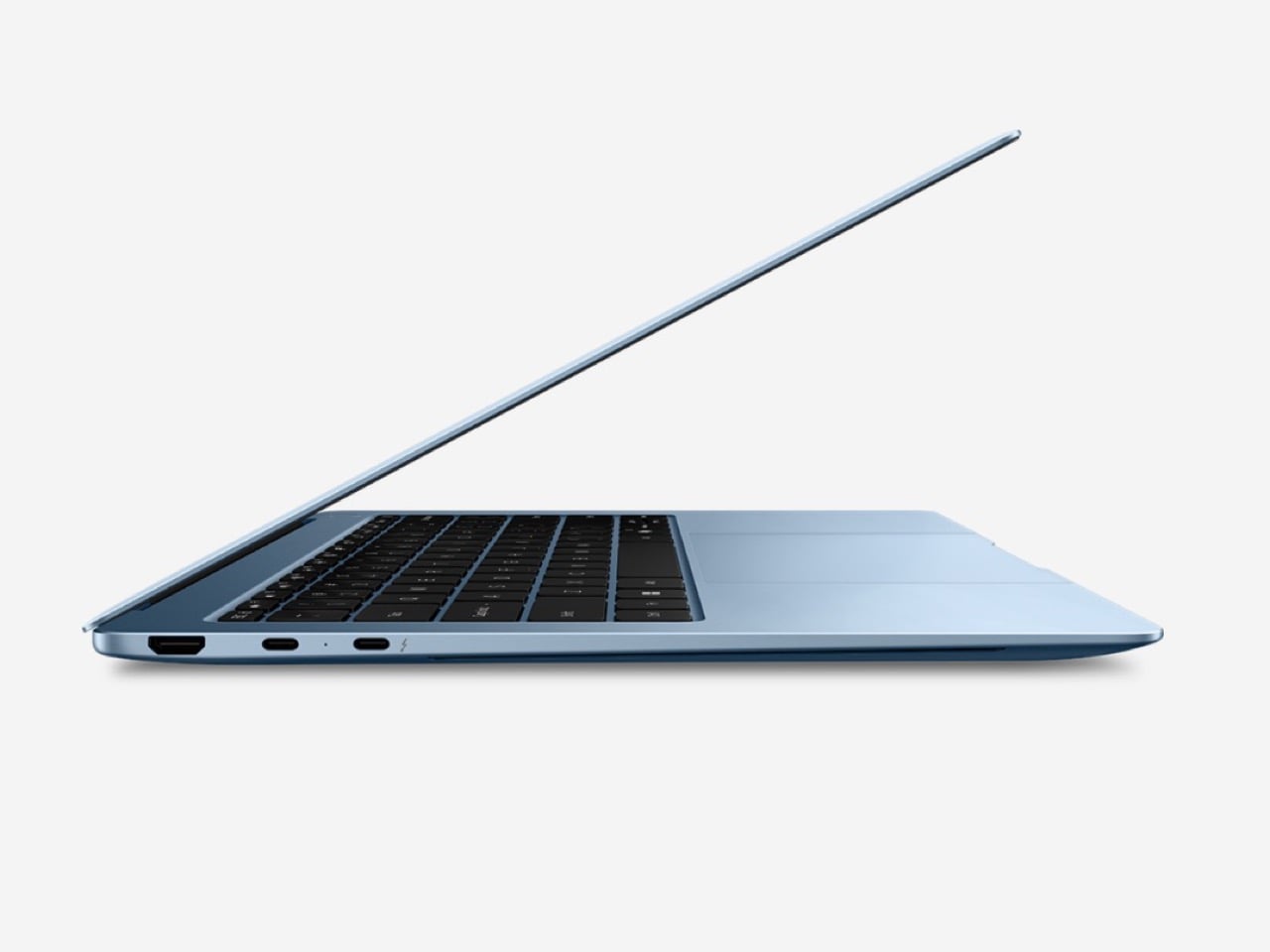
You’re probably itching to ask about ports, because the MacBook Air famously doesn’t pack enough of them. The Book Pro 14 includes Thunderbolt 4, USB-C, USB-A, HDMI 2.1, and a 3.5mm audio jack, compared to the MacBook Air’s two Thunderbolt 4 ports and a headphone jack. That is a meaningful difference for anyone who has ever reached for a dongle mid-presentation or had to choose between charging and connecting to a display. Xiaomi’s decision to include a full-size HDMI port and a USB-A jack signals an awareness that real-world desk setups are messier than Apple’s minimalist port philosophy acknowledges. Whether that matters to you depends entirely on your workflow, but it is a deliberate product decision and one that reads as a direct response to a documented frustration with the Air.
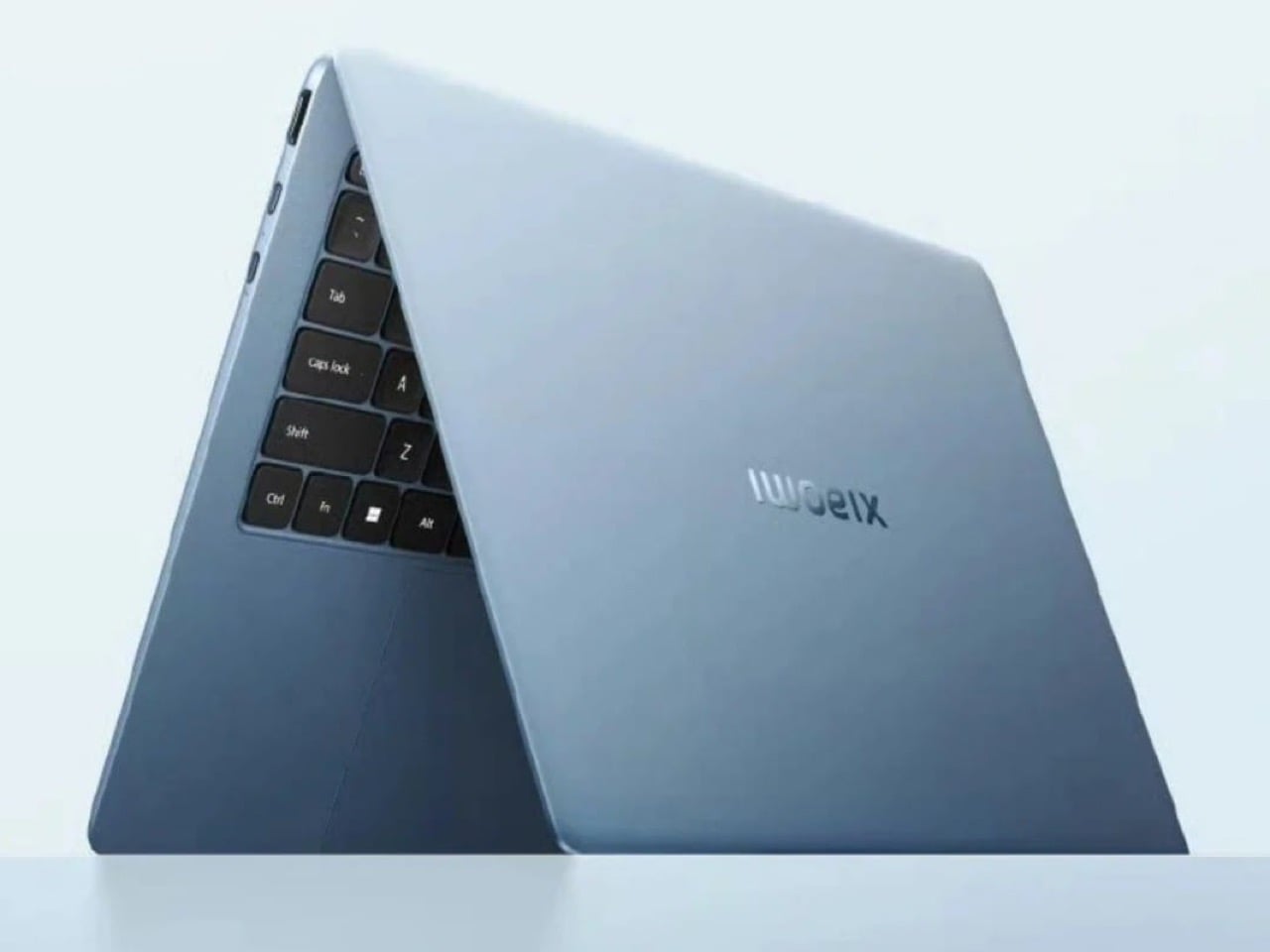
The Book Pro 14 achieves a weight of 1.08 kg and a thickness of 14.95 mm through a chassis built from magnesium alloy with a carbon fiber lid. That actually makes it lighter than the M5 MacBook Air, which tips the scales around 1.24 kg, and the thickness is comparable. Keeping the specs cool is a three-channel cooling system incorporating a high-performance fan, a 10,000mm² vapor chamber, and graphene cooling components capable of sustaining 50W of continuous performance. That last figure matters more than it might initially seem. Apple’s fanless MacBook Air is a thermally constrained machine, and sustained workloads do cause it to throttle, a tradeoff that has been well-documented since the M1 era, and a system that can sustain 50W continuously without a corresponding weight penalty represents a genuine engineering achievement.
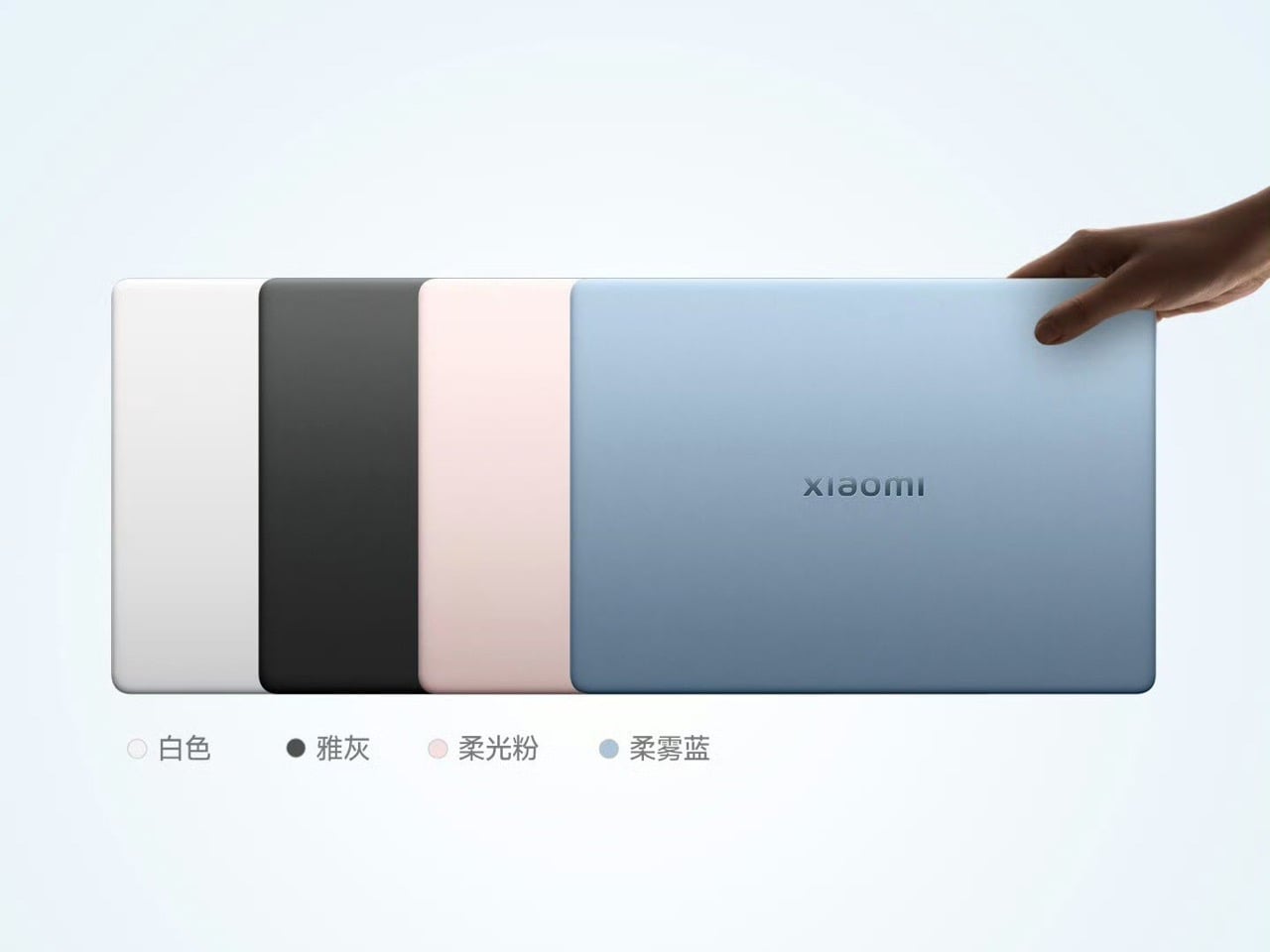
Xiaomi makes bold claims on the Book Pro 14’s battery life, overshooting even the latest M5 MacBook Air by nearly two hours. The 72Wh battery is rated for up to 19.8 hours of continuous use, with the 100W fast charging system capable of restoring 50% in approximately 26 minutes. The MacBook Air M5 posts similarly impressive endurance numbers in real-world use, so this will be a tightly contested dimension. The Intel Panther Lake architecture powering the Book Pro 14 is also the first Intel mobile platform in recent memory that genuinely changes the conversation around Windows laptop efficiency, borrowing a page from Apple’s playbook by targeting the sub-10W idle efficiency range that made the M-series Macs so compelling. Independent testing will be the real arbiter here, but the stated numbers are ambitious enough to take seriously.
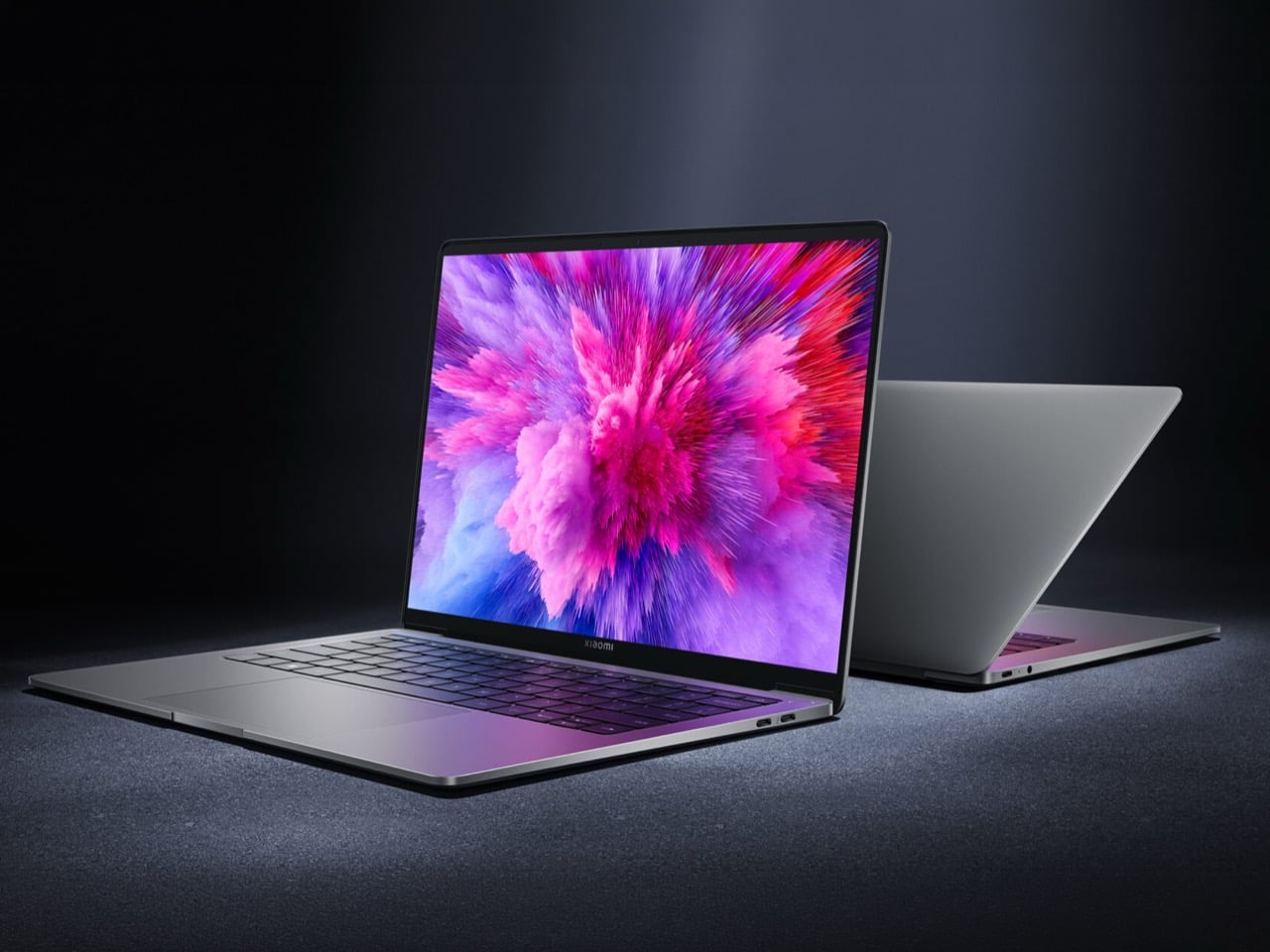
The Book Pro 14 is currently only available in China, with no clear indication of a global release date, which severely limits its immediate relevance for the overwhelming majority of potential buyers. Xiaomi has a track record of launching products domestically and gradually expanding to other markets, and given the attention this machine has received in the first 24 hours of coverage, the commercial logic for a global rollout is hard to argue against. The question is timing. If Xiaomi moves quickly, the Book Pro 14 could arrive in Western markets before the M5 MacBook Air has fully consolidated its footprint. If the rollout stalls or gets diluted through regional variants with compromised specs, the window closes. The hardware is genuinely compelling, and the only outstanding question that actually matters is whether Xiaomi’s global distribution ambitions match what the engineering team has clearly delivered.

The post Xiaomi Returns to Laptops After Four Years with a MacBook Air Rival That Outclasses It on Paper for $1,275 first appeared on Yanko Design.

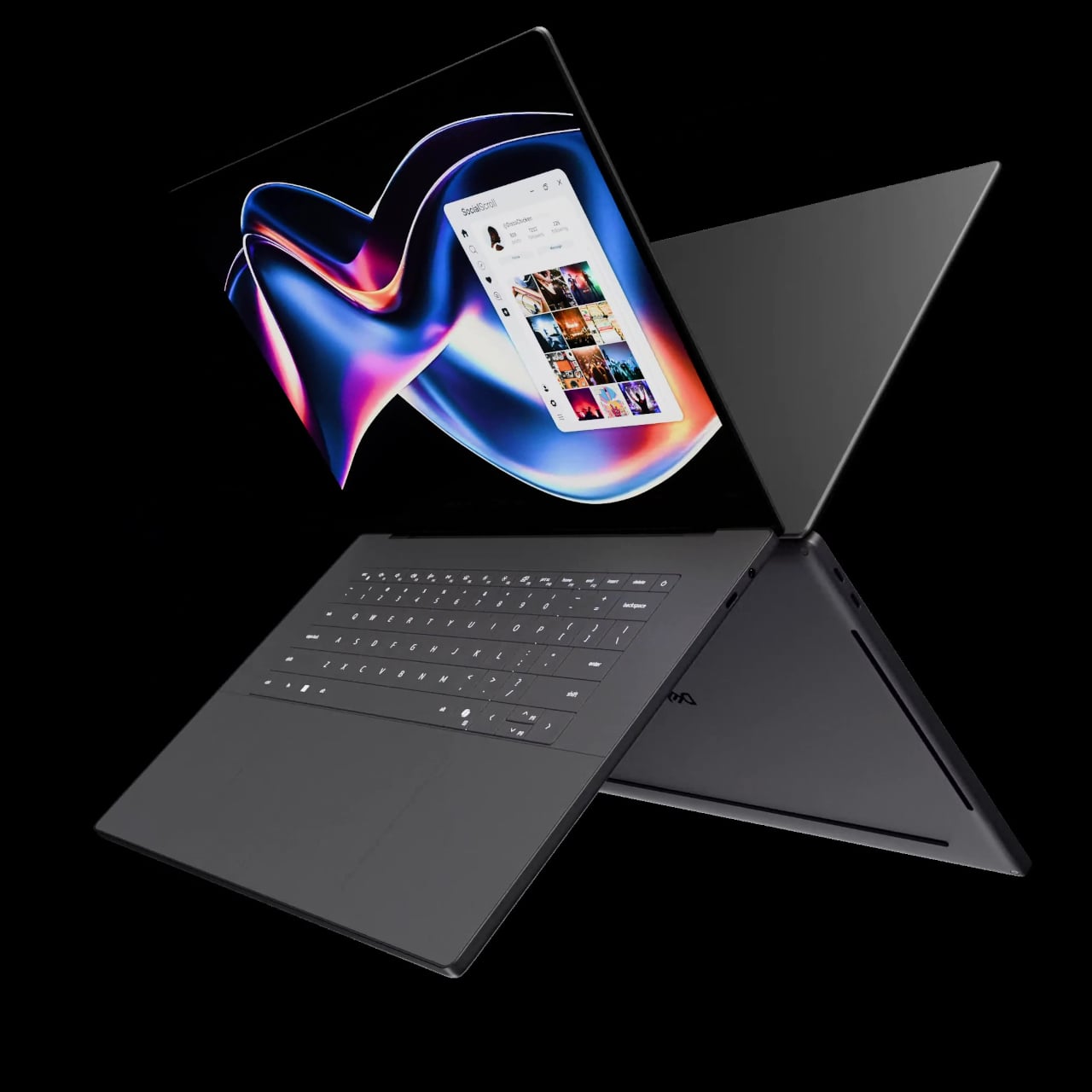
XbooK’s $1,999 Triple-Screen Laptop Is One Bag Instead of Three Monitors

Anyone who has worked remotely long enough knows the moment a single laptop screen stops being enough. It’s usually the day you’re cross-referencing three documents at once, or the morning you realize your financial model needs a live chart in one window while you edit formulas in another. The standard fix is an external monitor or a portable screen extender, which works fine until you’re hauling a bag that feels like it’s punishing you for being productive.

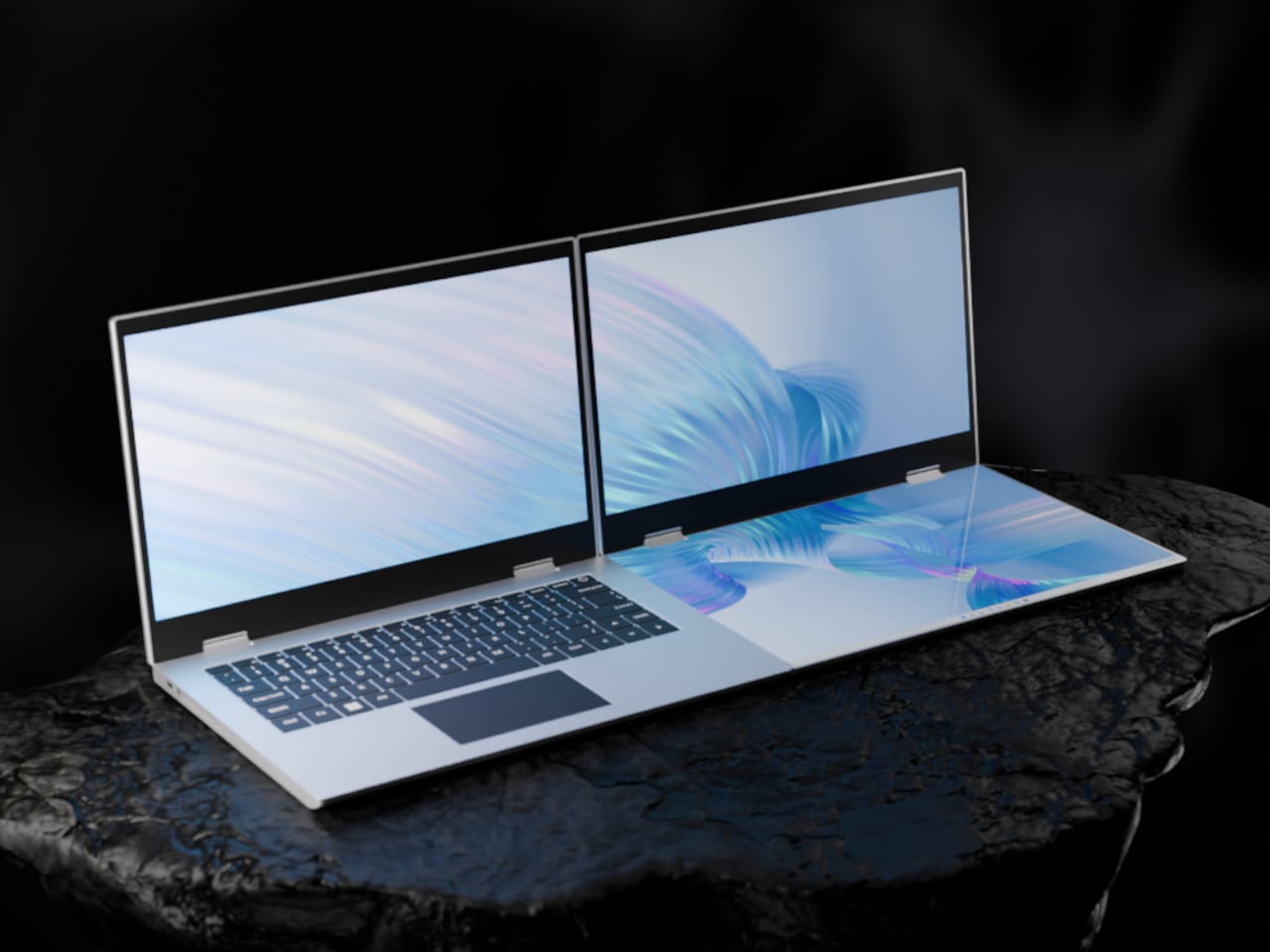
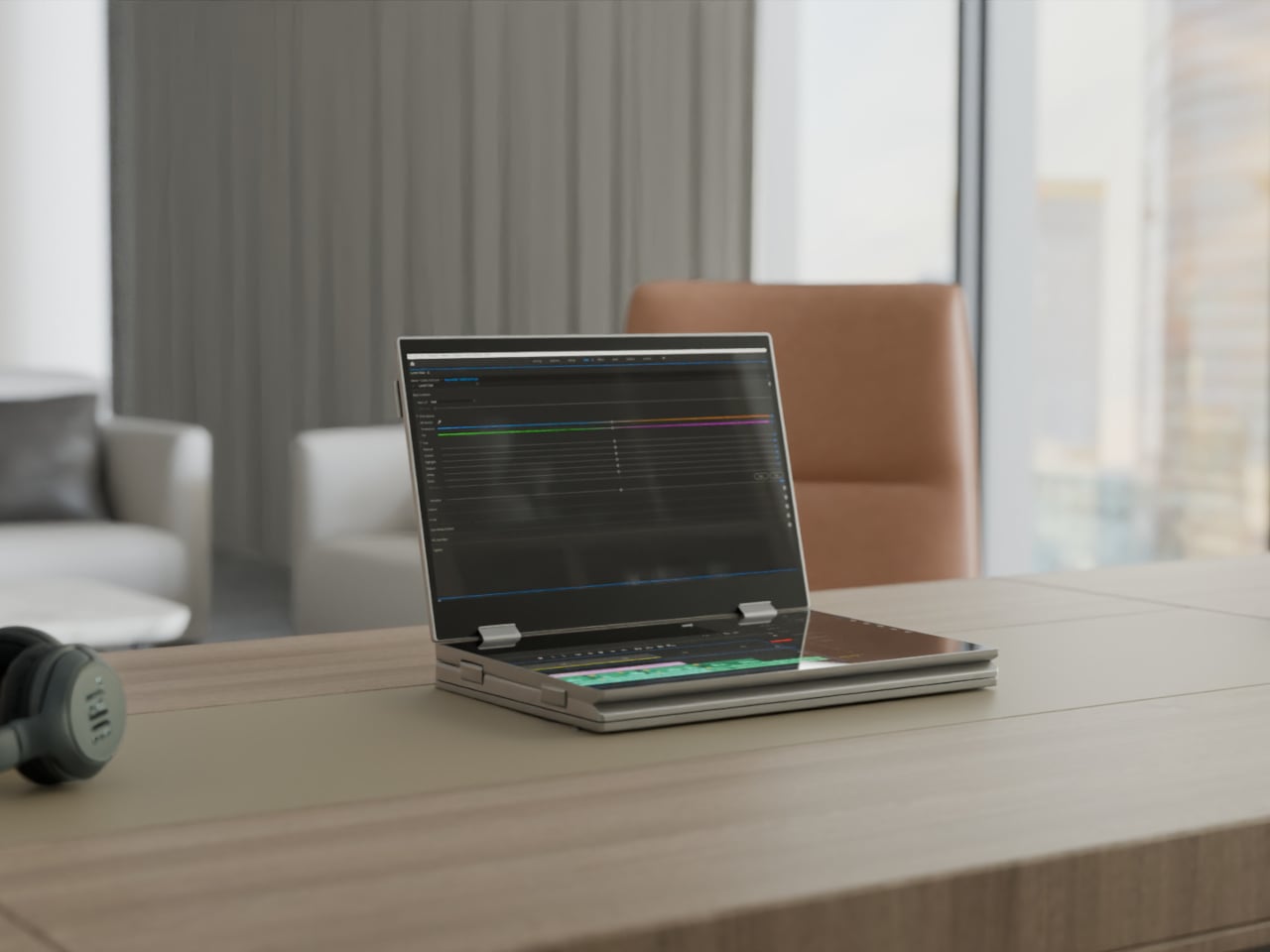
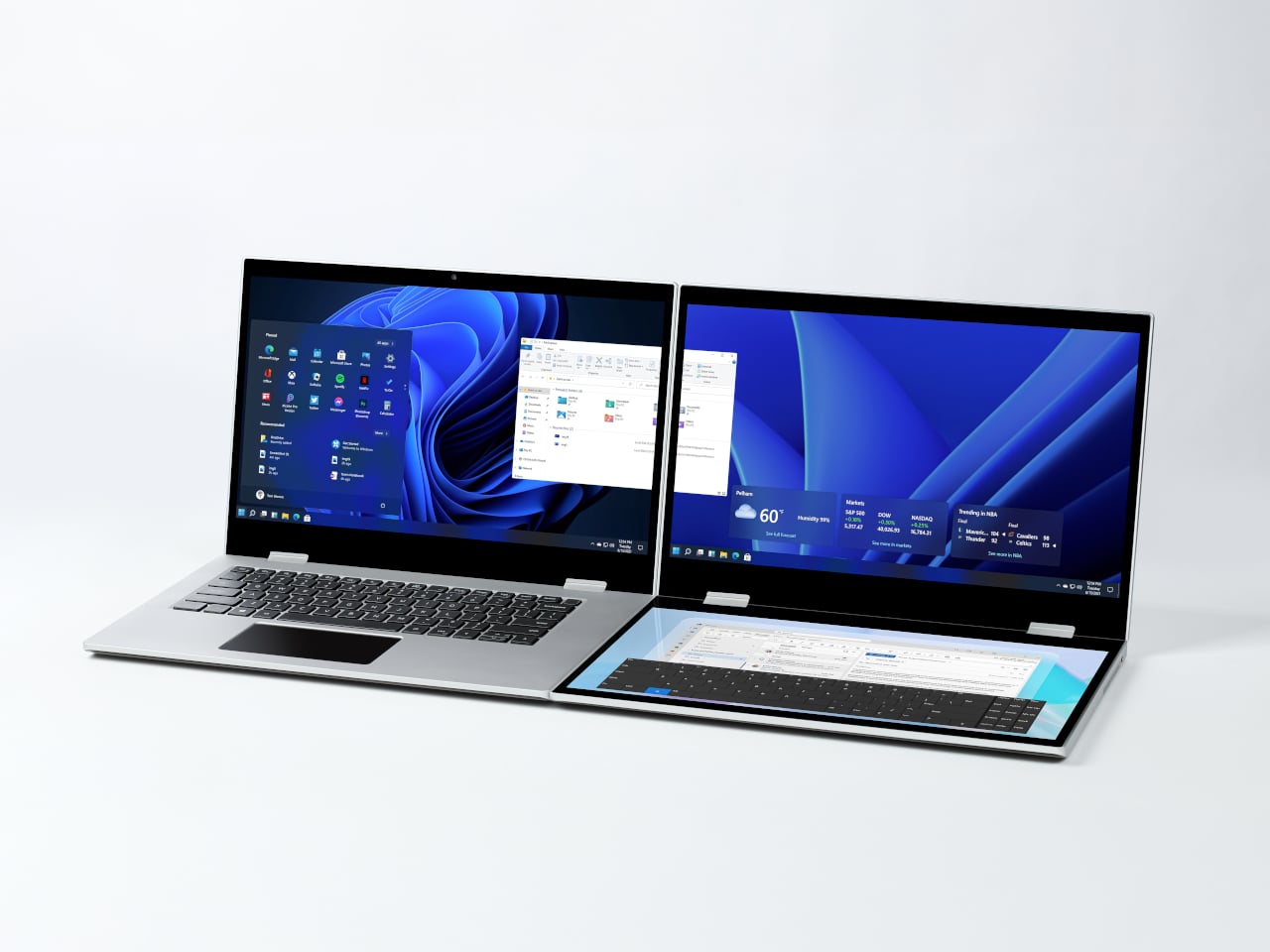
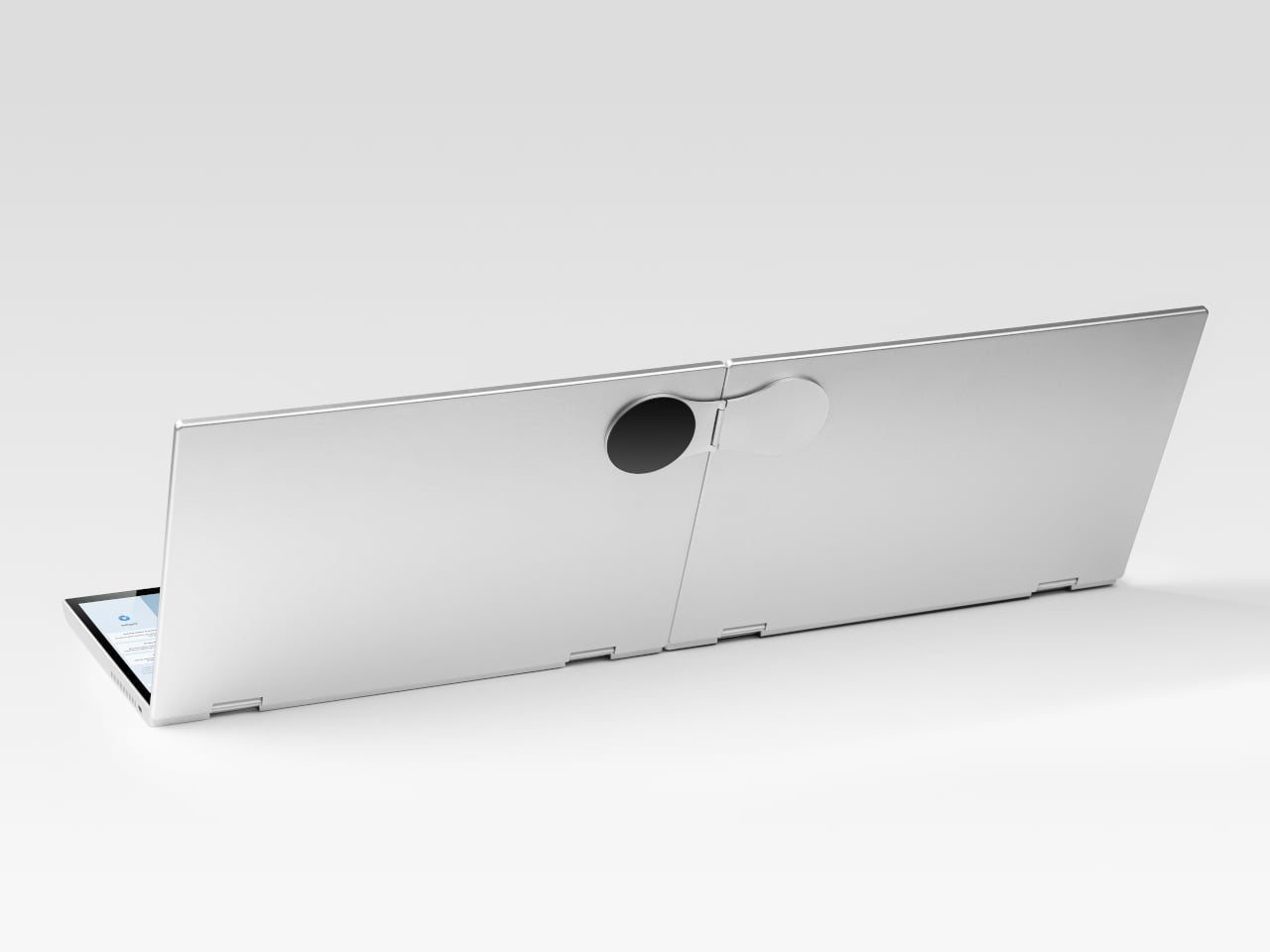
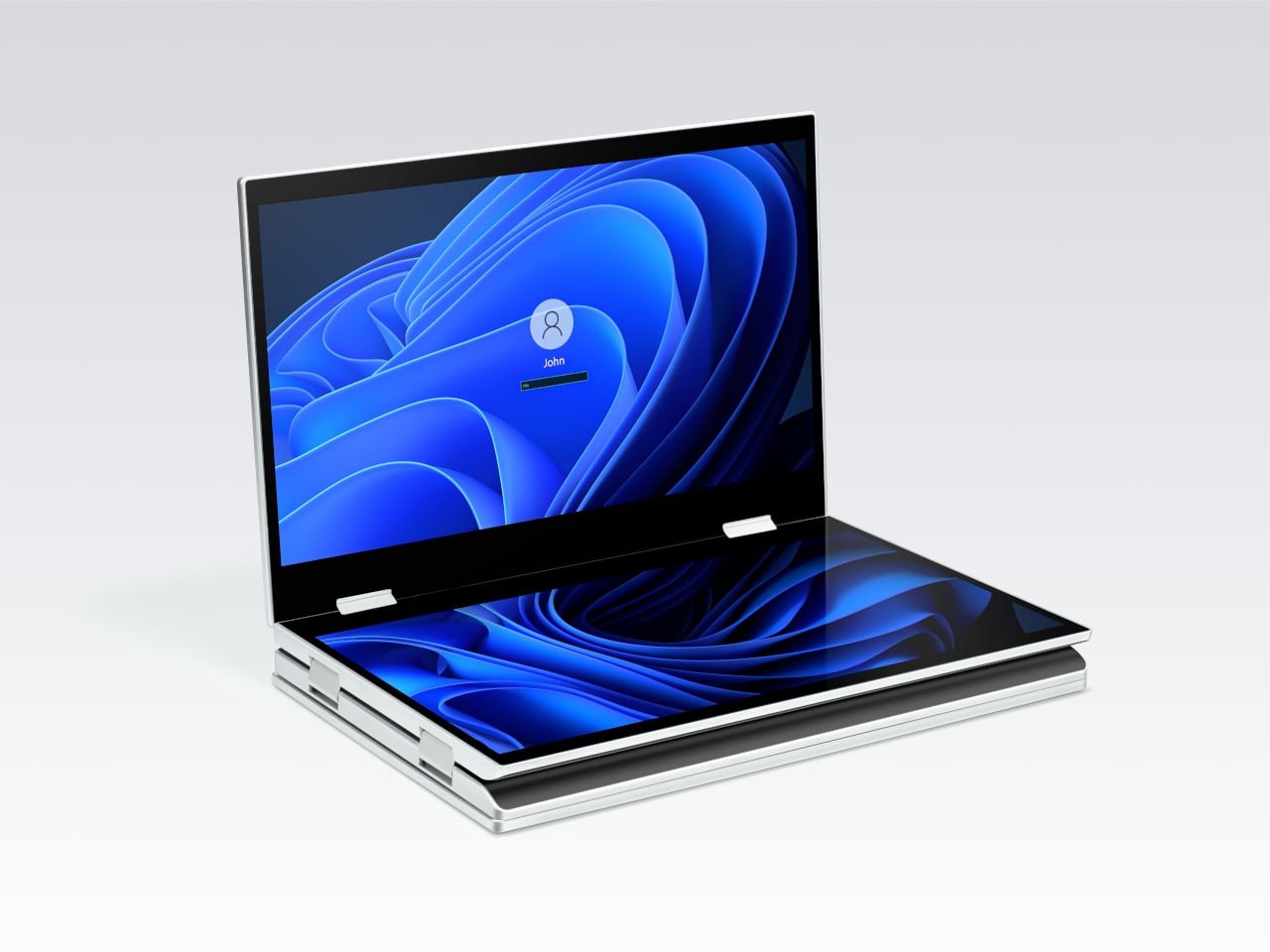
The XbooK takes a different approach by folding three full 14-inch touchscreens into a single aluminum laptop body that closes to just 1.5 inches thick. At 7.5 lbs, it’s heavier than a typical ultrabook. The tradeoff, though, is straightforward: you’re not carrying a laptop plus accessories. You’re carrying the whole setup in one piece.

Designer: XbooK

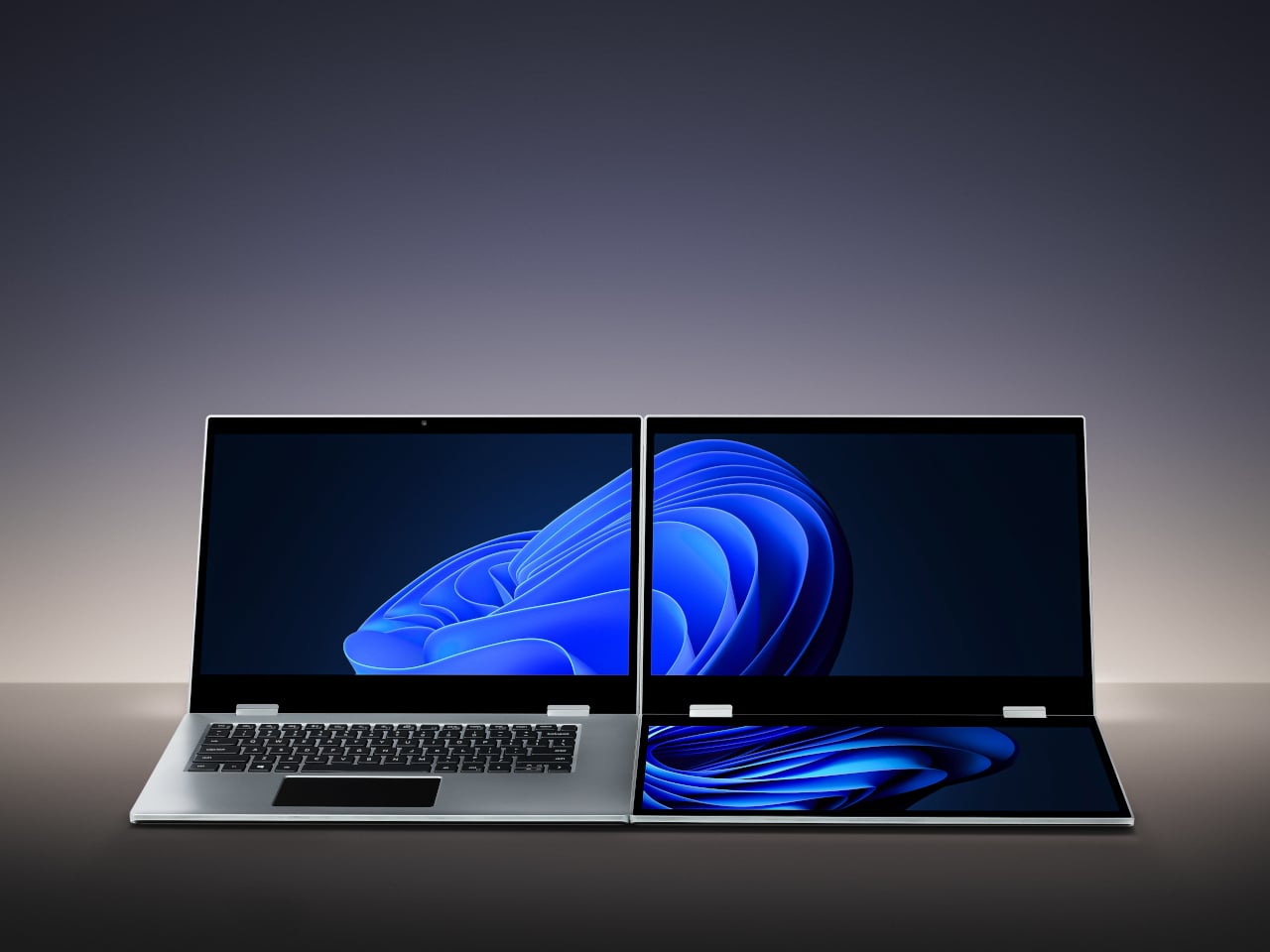
All three screens run at 1920×1080 with 400 nits of brightness each. The machine is powered by an Intel Core Ultra 7 with 32GB of DDR5 RAM and a 1TB SSD, with Wi-Fi 7 and Bluetooth 5.0 onboard. That’s capable hardware, though nothing unusual for a mid-to-high-range laptop in 2025. What makes those specs interesting here is what they’re pushing: 42 inches of combined touchscreen that unfolds in seconds without a single cable involved.

In full Workstation Mode, all three screens run simultaneously alongside an embedded mechanical keyboard and a 10-point touchpad. Connectivity covers Thunderbolt 4, two USB-C ports, and an AUX jack, with a 1,600×1,200 front camera that’s sharper than most built-in laptop cameras. The 70Wh battery has to power all of that, and battery life under a three-screen load is something any serious buyer should push the company on before committing.

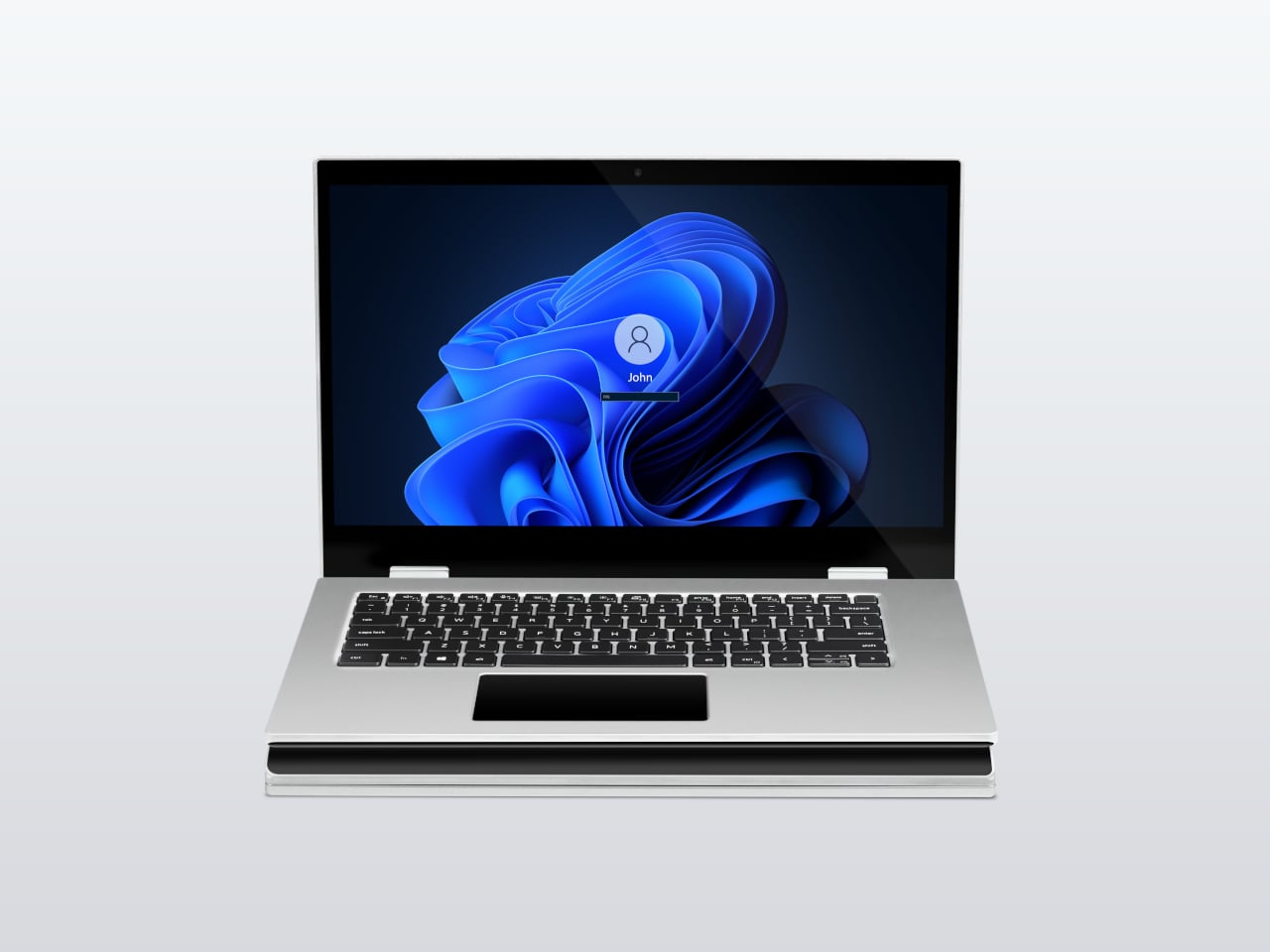
For days when the full spread is overkill, the XbooK also works in a two-screen mode or as a conventional single-screen laptop. The latter folds everything up and makes the device look surprisingly ordinary from the outside, except for the two thick slabs sitting underneath the keyboard. That adaptability is one of the more genuinely practical aspects of the design: you’re not locked into the workstation configuration every time you open the lid.

At $1,999 (down from a listed $2,999), it’s priced for professionals who already spend that much on monitors and docking stations. XbooK ships from the US with orders promised to be processed within 3 to 5 business days. The refund-before-shipping policy and fulfillment language have the texture of a startup still scaling up. Spending that much on a device from a company with no established hardware track record is a different kind of commitment than buying from a brand with a decade of products behind it.

Screen real estate is one of the last things portable computing has consistently failed to solve, and most multi-screen laptop concepts have been either too fragile or too awkward for daily travel. The XbooK has a cleaner physical premise than anything built around magnets or external rails. How the hinges and chassis hold up after a year on the road, though, is still an open question that no amount of spec-sheet confidence can close.

The post XbooK’s $1,999 Triple-Screen Laptop Is One Bag Instead of Three Monitors first appeared on Yanko Design.

The RTX 5060 Ti has been driven to overpriced obscurity — but Best Buy Tech Fest's final days come in hot with a great discount

PC building is in a bad place right now with extortionate price increases and all-around shortages, so when a deal like this pops up on an RTX 5060 Ti it is not to be missed.

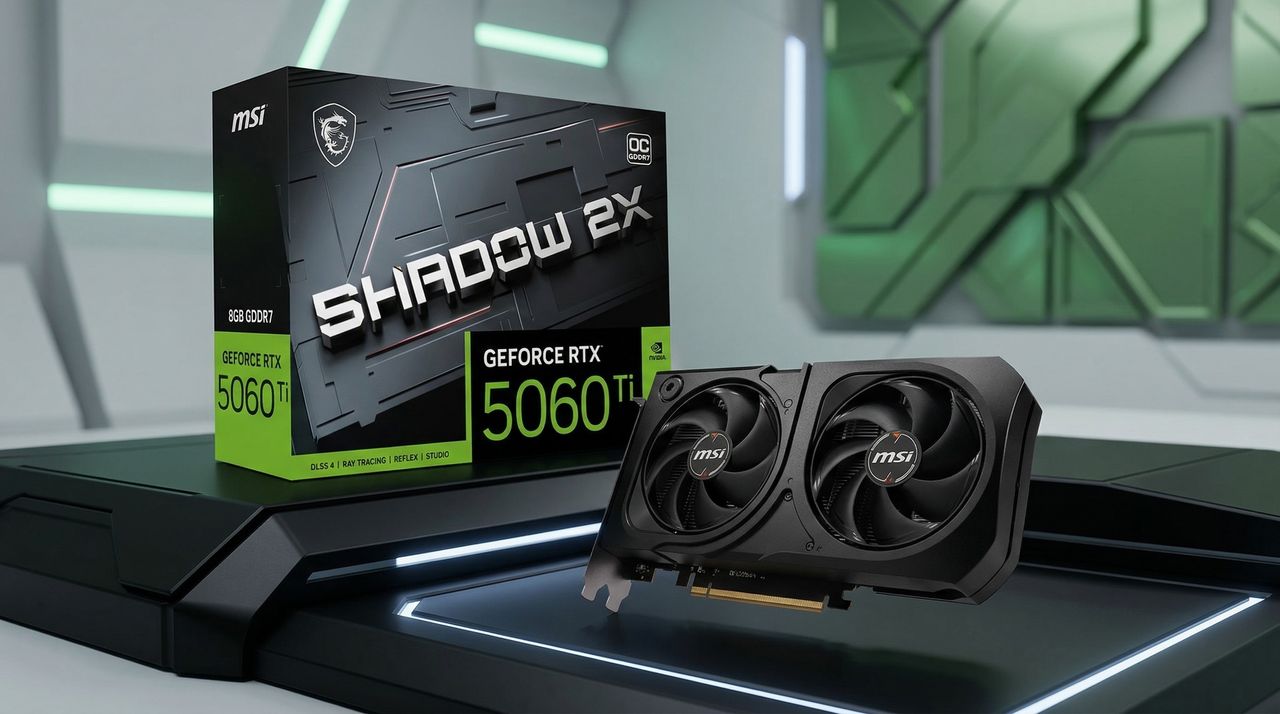
AI-Generated image of the NVIDIA GeForce RTX 60 Ti visuallized

The RTX 5060 Ti is hard to find without paying a premium, so this isn't a deal to miss.

Why buy the MacBook Neo when this Lenovo laptop has mostly the same specs for half the price?

Best Buy Tech Fest has a 43% discount on the Lenovo IdeaPad 1, an AMD-empowered laptop with performance rates equal to that of the popular MacBook Neo, while costing half as much.

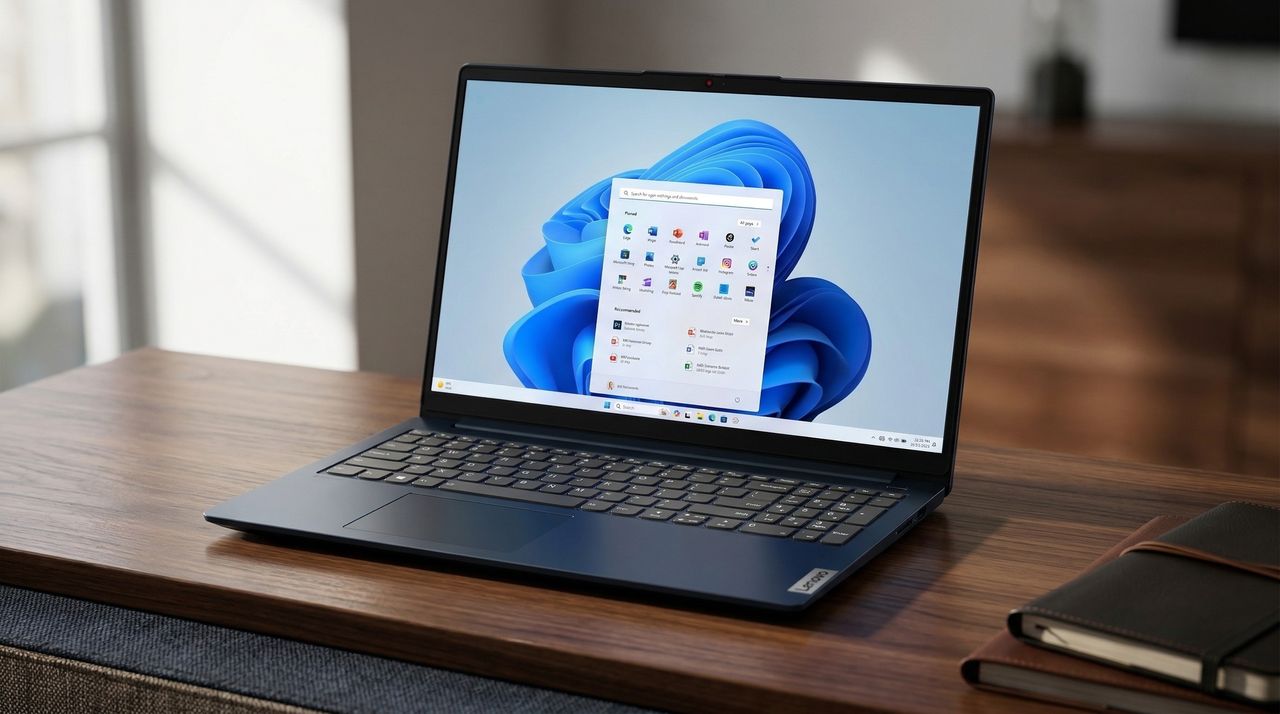
AI-Generated image of the Lenovo IdeaPad 1 visualized

The Lenovo IdeaPad 1 is a true budget gem with this massive discount.

Of all the laptops on sale competing with MacBook Neo, thank goodness we found one that's over $550 off — with 32GB RAM and a 1TB SSD

The MacBook Neo continues to encourage more laptops to go on sale as the Nimo 15.6" FHD Business Laptop with 32GB RAM and a 1TB SSD receives a gigantic 46% discount on its normally steep MSRP.

Windows Central Deals header for the the Nimo 15.6" FHD Business Laptop

A new contender challenges MacBook Neo's value for money and specs.

Your desk setup is a literal pain in the arm — I've used the Logitech MX Vertical for years and it’s finally $40 off

Stop settling for wrist strain. The Logitech MX Vertical is $40 off, offering a 57-degree "handshake" grip that remains the gold standard for comfort.

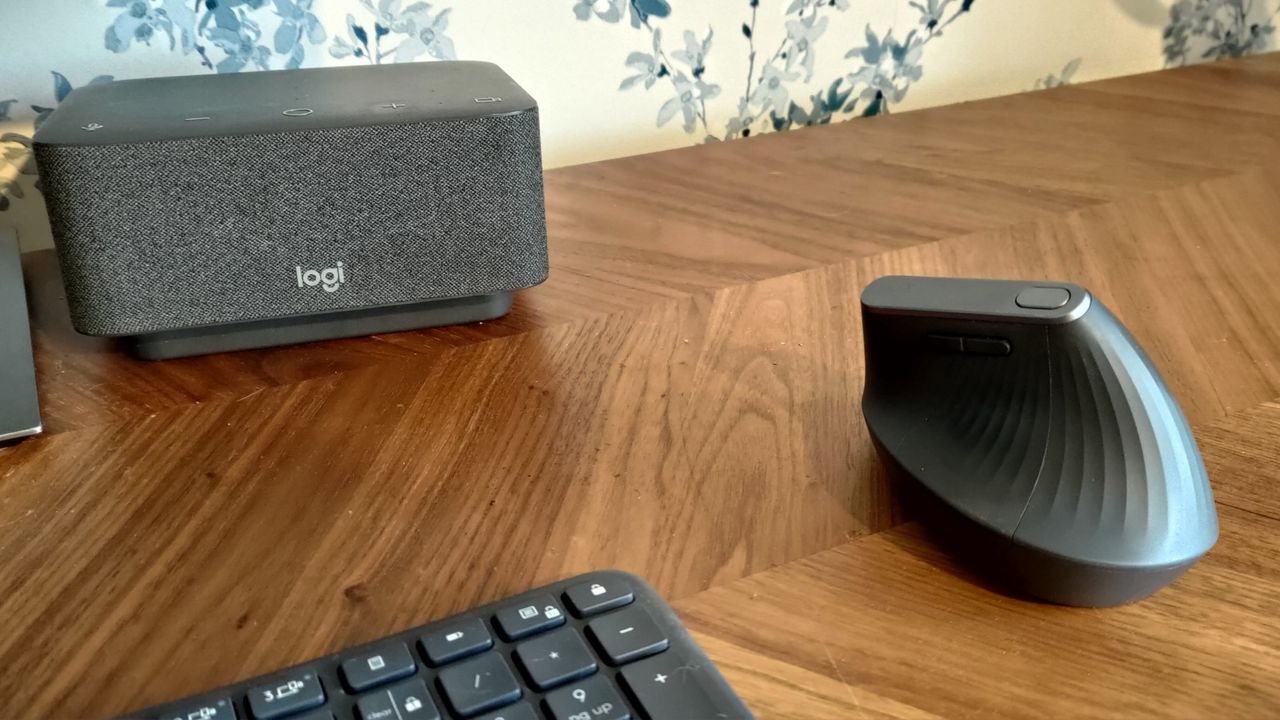
Logitech MX Vertical and Logi Dock

My Logitech MX Vertical mouse has sat on my desk for years, and it has aged incredibly well.

Even the studios highlighted in NVIDIA's DLSS 5 reveal were shocked by the generative AI showcase — game developers "found out at the same time as the public"

Developers at Ubisoft and Capcom reportedly learned about Nvidia’s DLSS 5 at the same time as the public, raising questions about developer control and AI use.

Resident Evil Requiem protagonist enhanced with NVIDIA DLSS 5 in front of Ubisoft and Capcom logos

Developers at Ubisoft and Capcom reportedly learned about Nvidia’s DLSS 5 at the same time as the public.

“They’re completely wrong.” NVIDIA’s CEO defends DLSS 5 while gamers point to real problems. So who is right?

Nvidia CEO Jensen Huang responds to backlash surrounding DLSS 5, dismissing criticism while defending the company’s use of AI-driven neural rendering and developer control over visuals.

Jensen Huang of NVIDIA with AI imposed in the background

Jensen Huang, CEO of NVIDIA, during his visit to The Cambridge Union to receive the Professor Stephen Hawking Fellowship 2025 on November 04, 2025 in Cambridge, Cambridgeshire.

The world’s first 16TB SSD costs.. HOW MUCH? — This must be the astronomical price of never deleting your files ever again

The Exascend PE4 16TB SSD, the world's largest internal solid state drive and first to reach 16TB of storage, is now available for purchase at Amazon for a military-grade price of $16,000, and stock is running out fast.

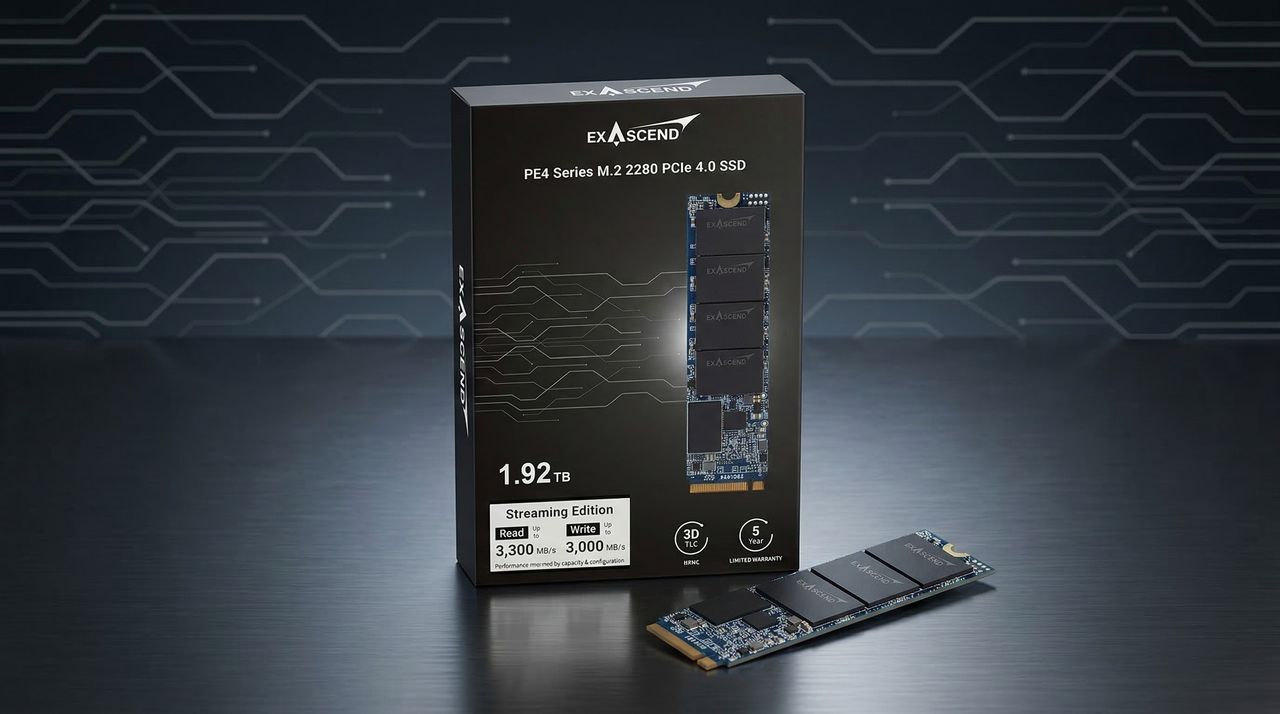
AI-Generated image of the Exascend PE4 Series 16GB SDD visualized.

Exascend 's PE4 16TB SSD is now available for purchase for a military-grade price.

❌