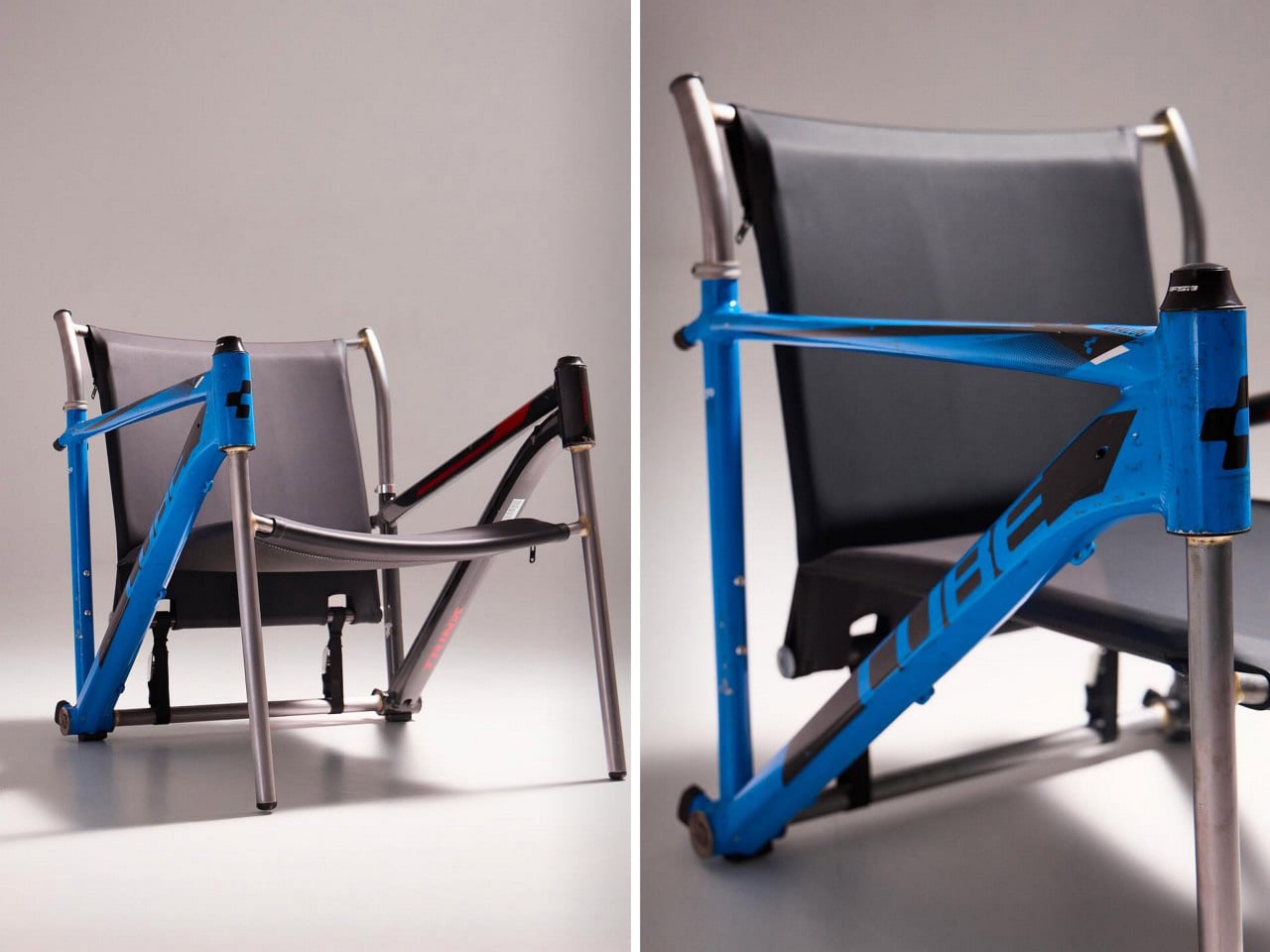
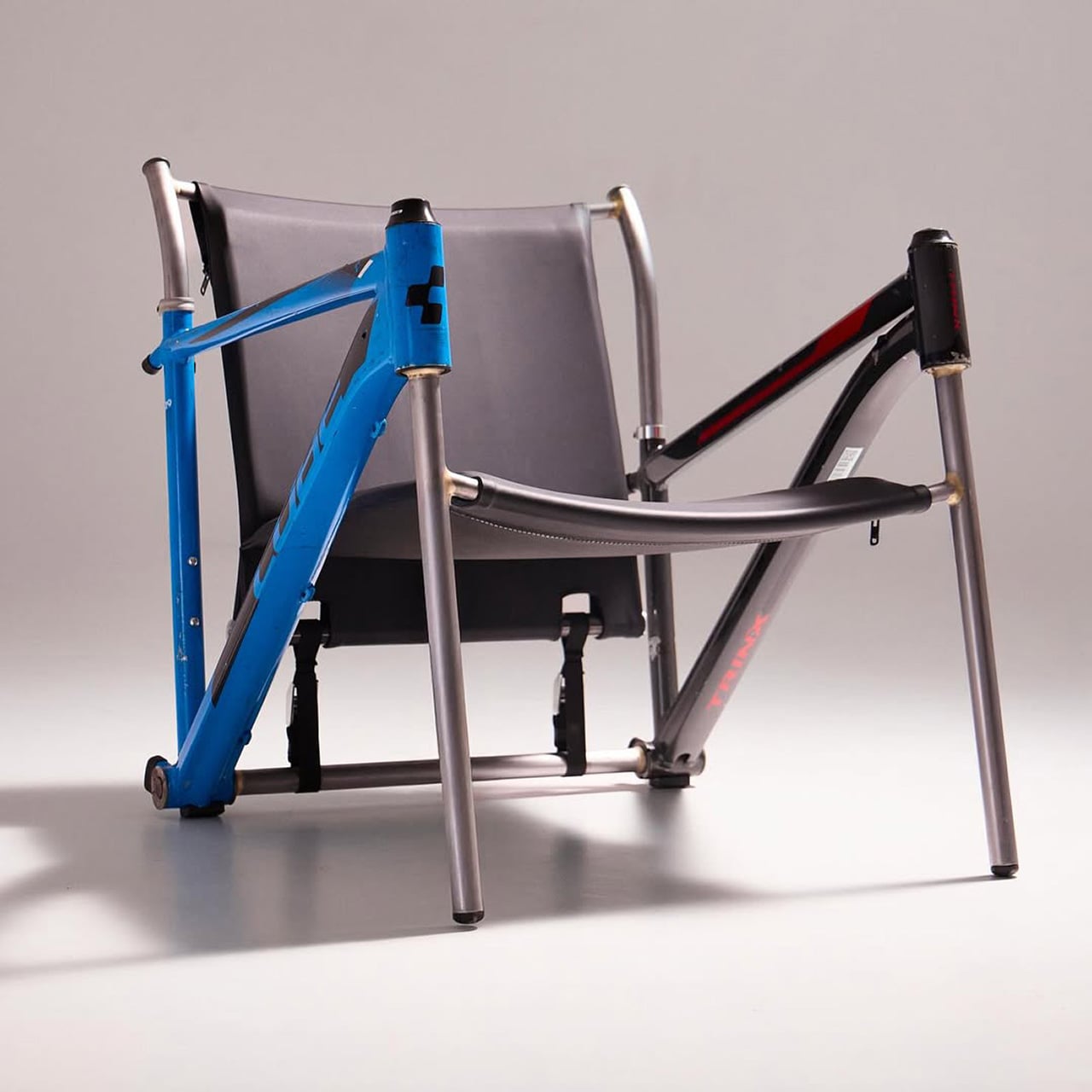
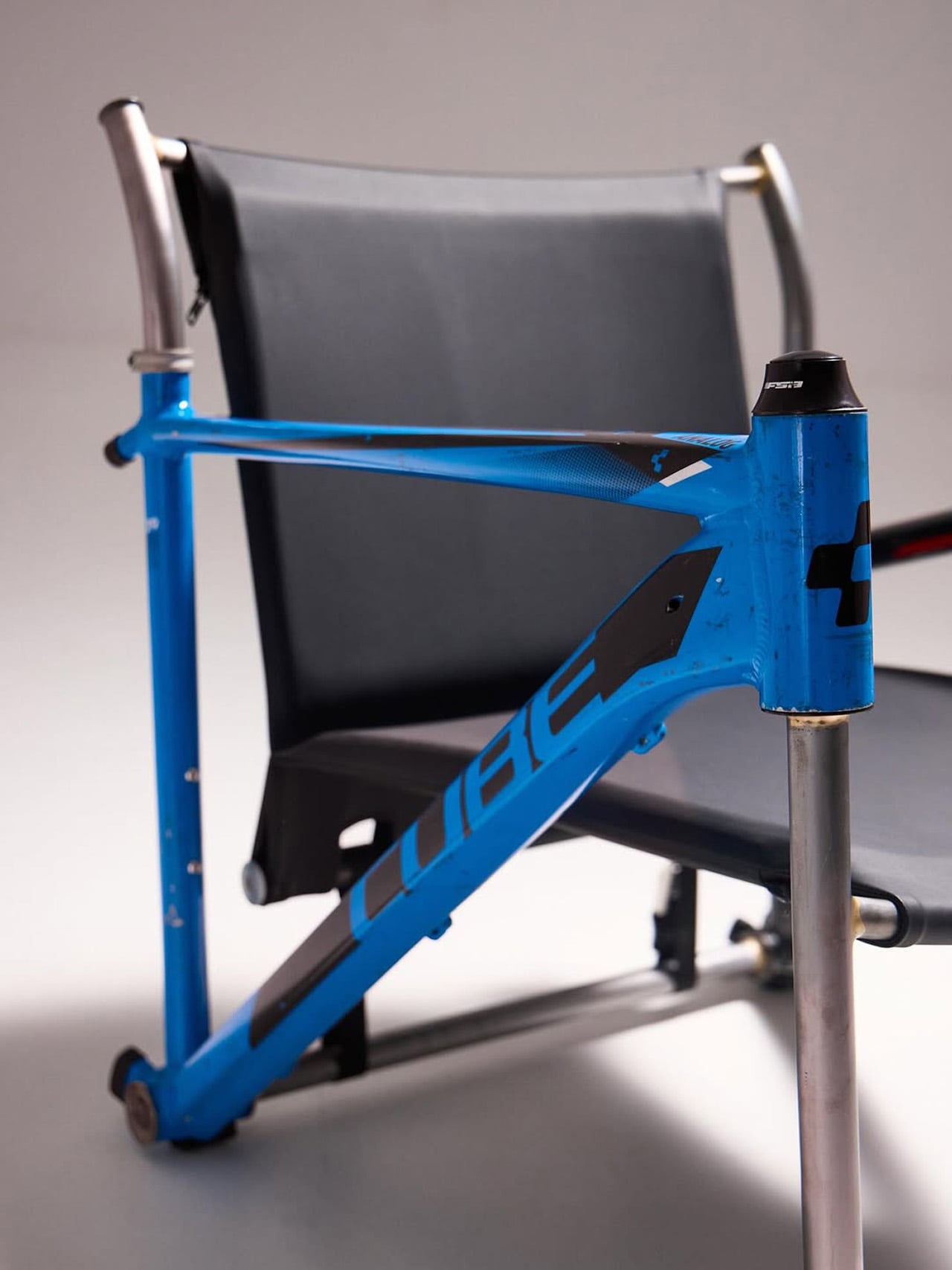
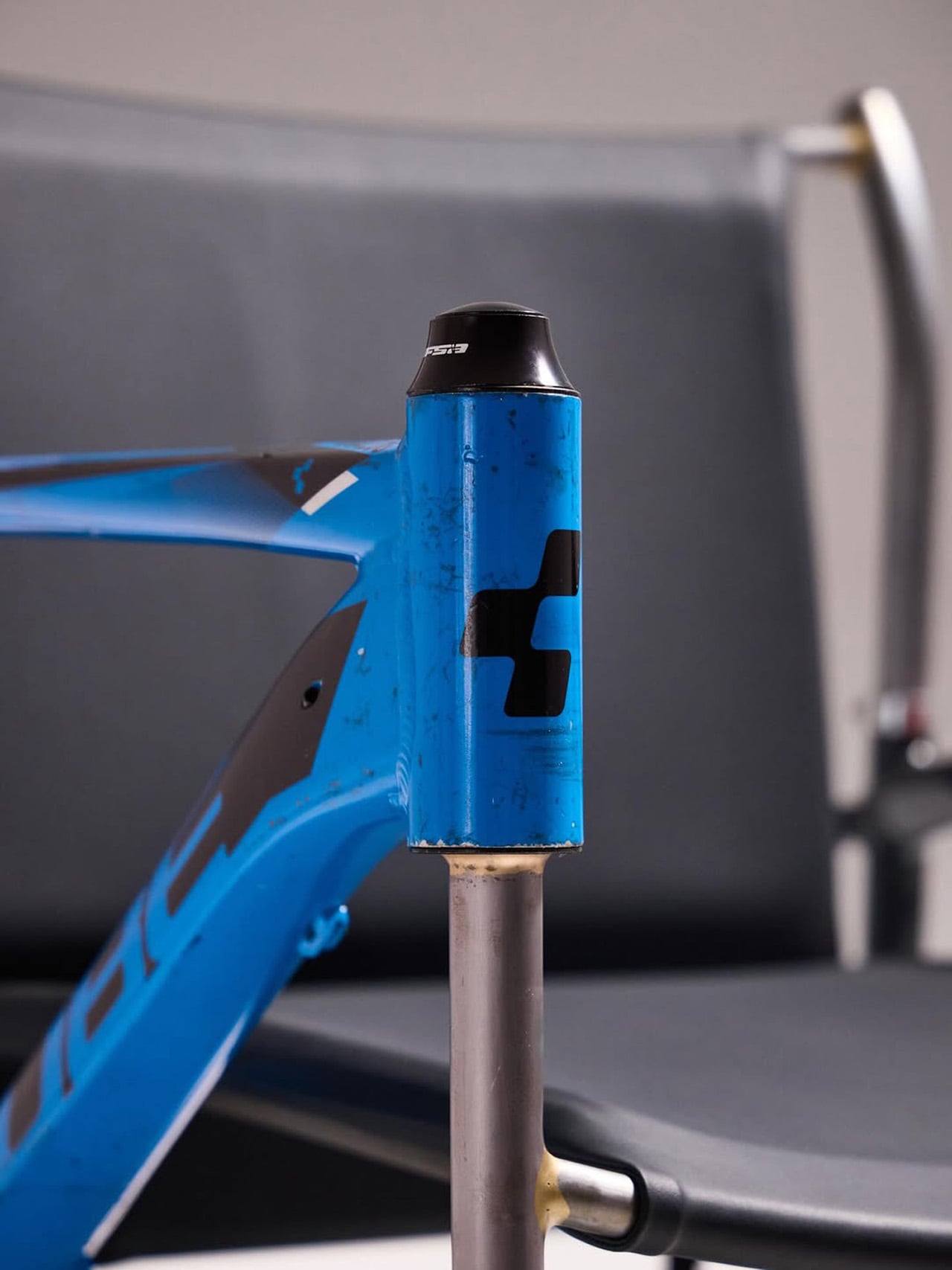
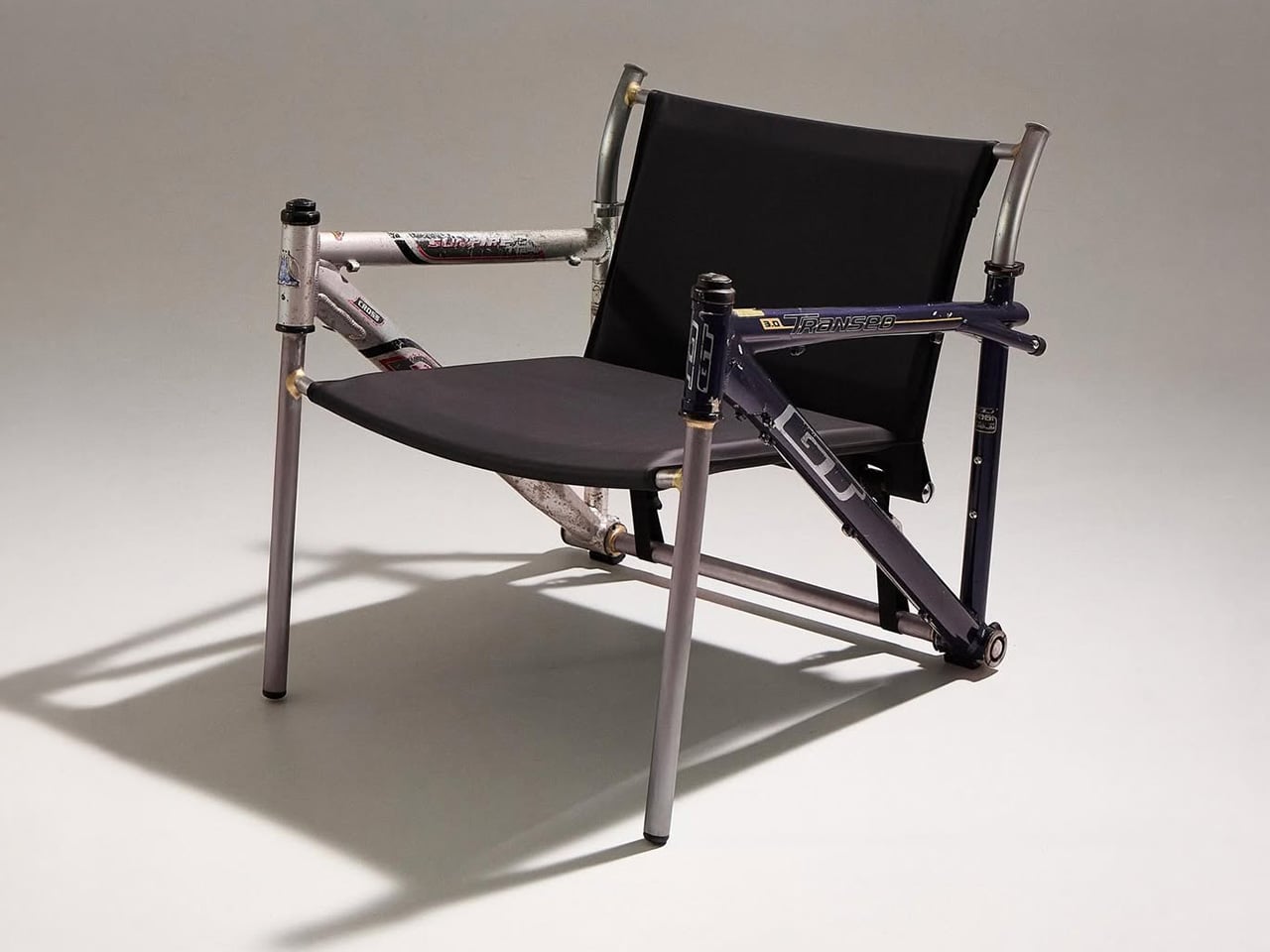
Most upcycling projects ask you to forget what something used to be. Omri Piko Kahan’s bike frame chairs ask the opposite. The geometry is still unmistakably a bicycle frame, the head tube, the top tube, the triangulated rear triangle, all of it present and accounted for, just oriented sideways and asked to hold a person instead of propel one. Kahan, an industrial designer based in Israel, builds lounge chairs from pairs of retired frames, and the whole point is that the donor material remains fully readable, repurposed without being disguised.
Structurally, the approach is clean and considered. Each frame pair is positioned symmetrically, fork and chainstay ends touching the floor as legs, the top tube running horizontally as an armrest. A slung seat and backrest in leather or canvas complete the form. The result has the relaxed posture of a Barcelona chair and the material honesty of something that was clearly built, not styled.
Designer: Omri Piko Kahan
Bicycle frames are absurdly overbuilt for what Kahan is asking them to do. A modern aluminum road frame is engineered to survive repeated impact loads from a rider pushing 300 watts through rough tarmac, and it does that while weighing somewhere between 1,000 and 1,400 grams. The structural surplus in that kind of engineering is enormous, which is why two of them positioned as a chair frame and asked to support a seated adult is, from a load-bearing standpoint, almost comically within spec. The geometry does the rest. Bicycle frames already resolve forces through triangulated sections, and a lounge chair asks for exactly that kind of lateral and compressive stability.
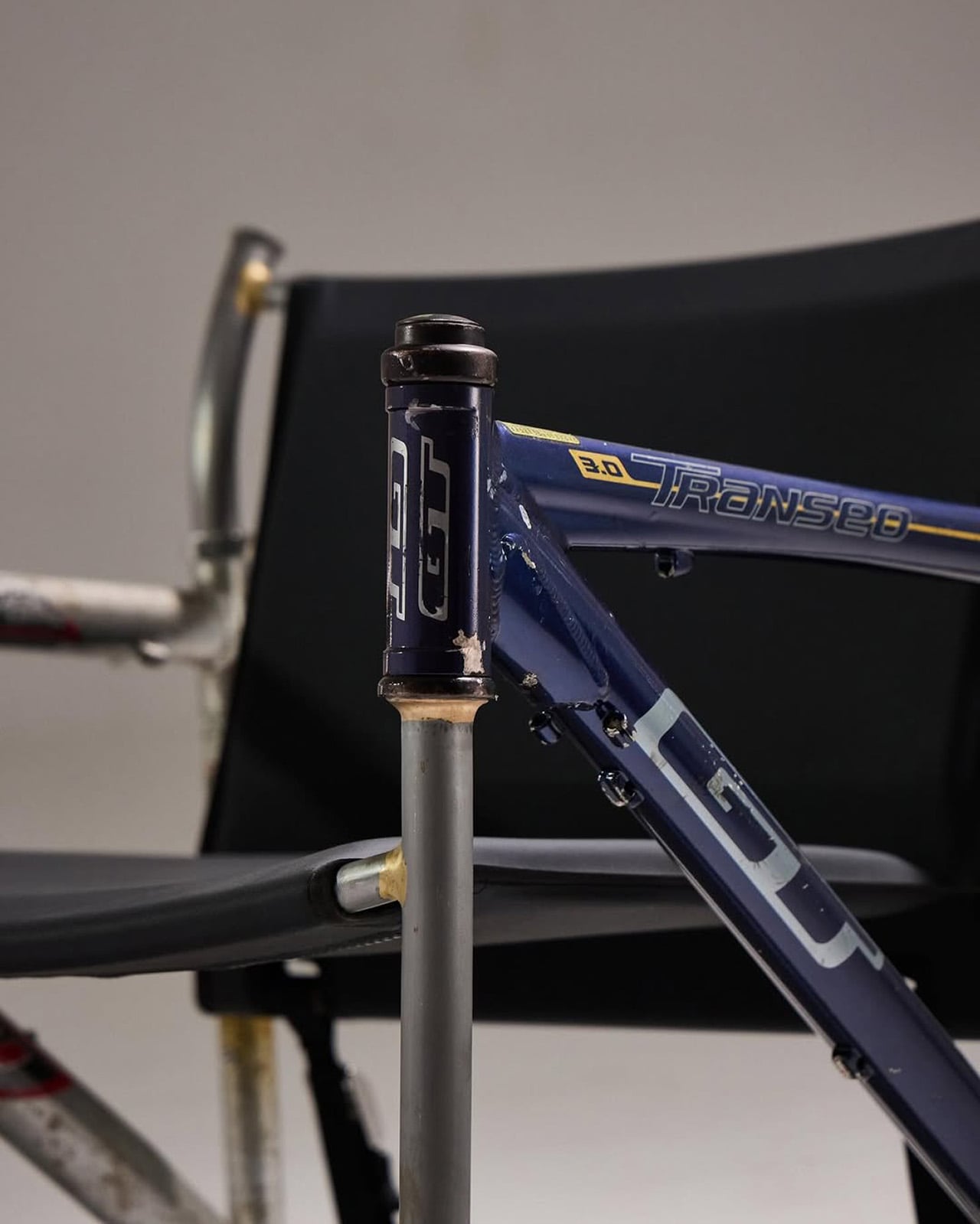
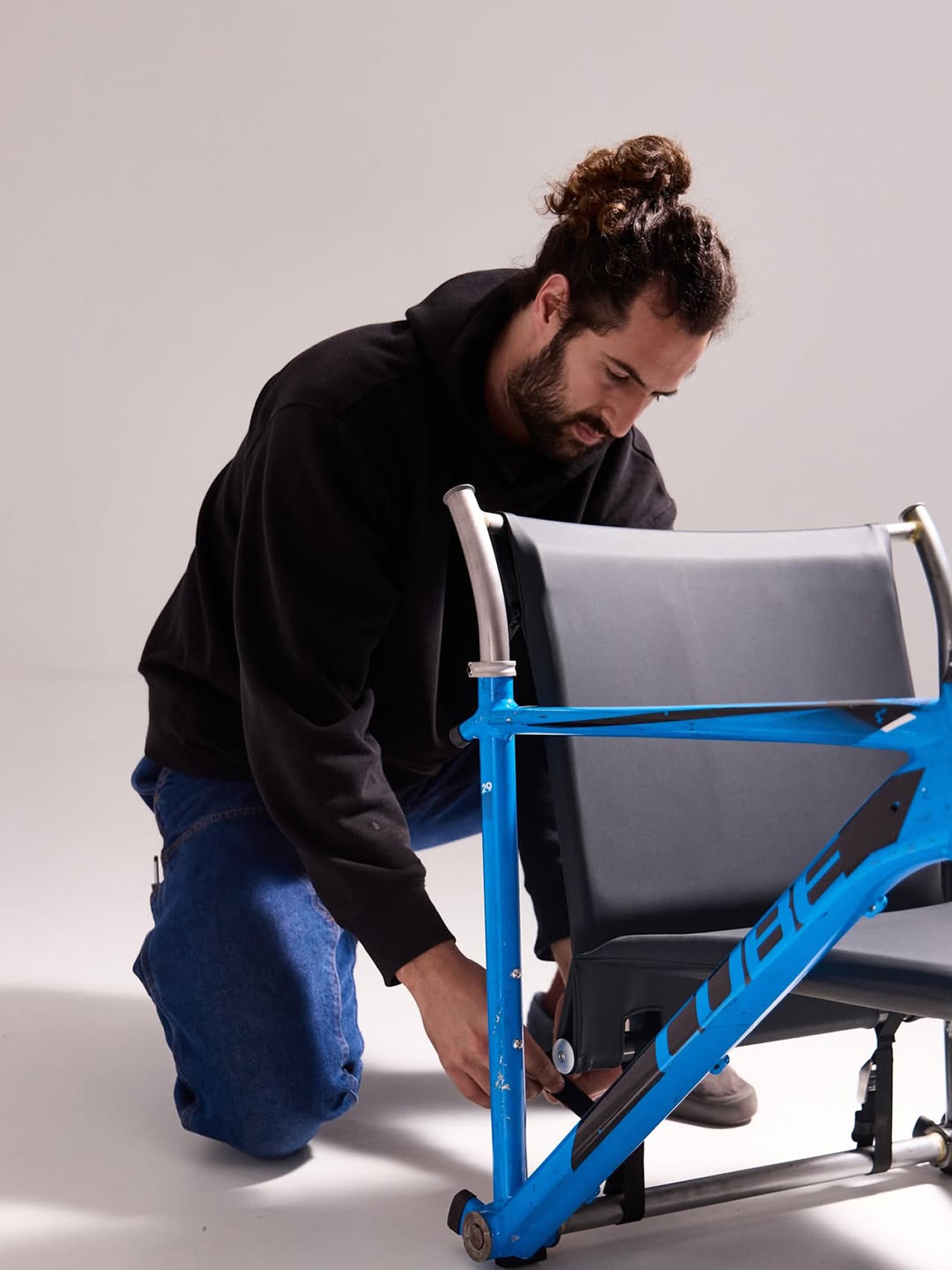
What Kahan has figured out is the orientation problem. Flip a frame on its side and the existing tube angles don’t automatically produce a useful chair geometry. The fork legs and chainstay ends need to hit the floor at the right height relative to each other, the top tube needs to land at armrest height, and the whole thing needs to produce a seat rake that doesn’t pitch you forward or swallow you whole. The matched top tube angles across both frames in the Cube and Trek build suggest this took real iteration, because they align with a precision that reads as deliberate rather than lucky. Filed fillets at the junctions and a custom setback upper support holding the sling confirm someone was paying close attention to finish quality.
The two builds photographed so far, one pairing a blue Cube road frame with a Trek, another combining a GT Transeo 3.0 with what appears to be a Supreme-branded MTB frame, show how much the donor bikes drive the final character of each piece. The GT build in particular has a longer wheelbase geometry that gives the chair a wider, more reclined stance than the Cube version. Kahan is taking custom orders, with pricing worked out per commission, which makes sense given that no two donor frame combinations will produce the same structural or ergonomic outcome.
At a time when living spaces are shrinking while expectations from them continue to expand, this design presents a thoughtful response that is both rooted in tradition and aligned with contemporary needs.
Emerging from the context of rising housing pressures in Taiwan, where compact homes are increasingly becoming the norm, the project addresses a fundamental question: how can furniture adapt to limited space without compromising comfort or experience? Rather than treating furniture as static, single-purpose objects, the designer reimagines them as dynamic systems capable of transformation.
Designer: Che-Chia Hsu
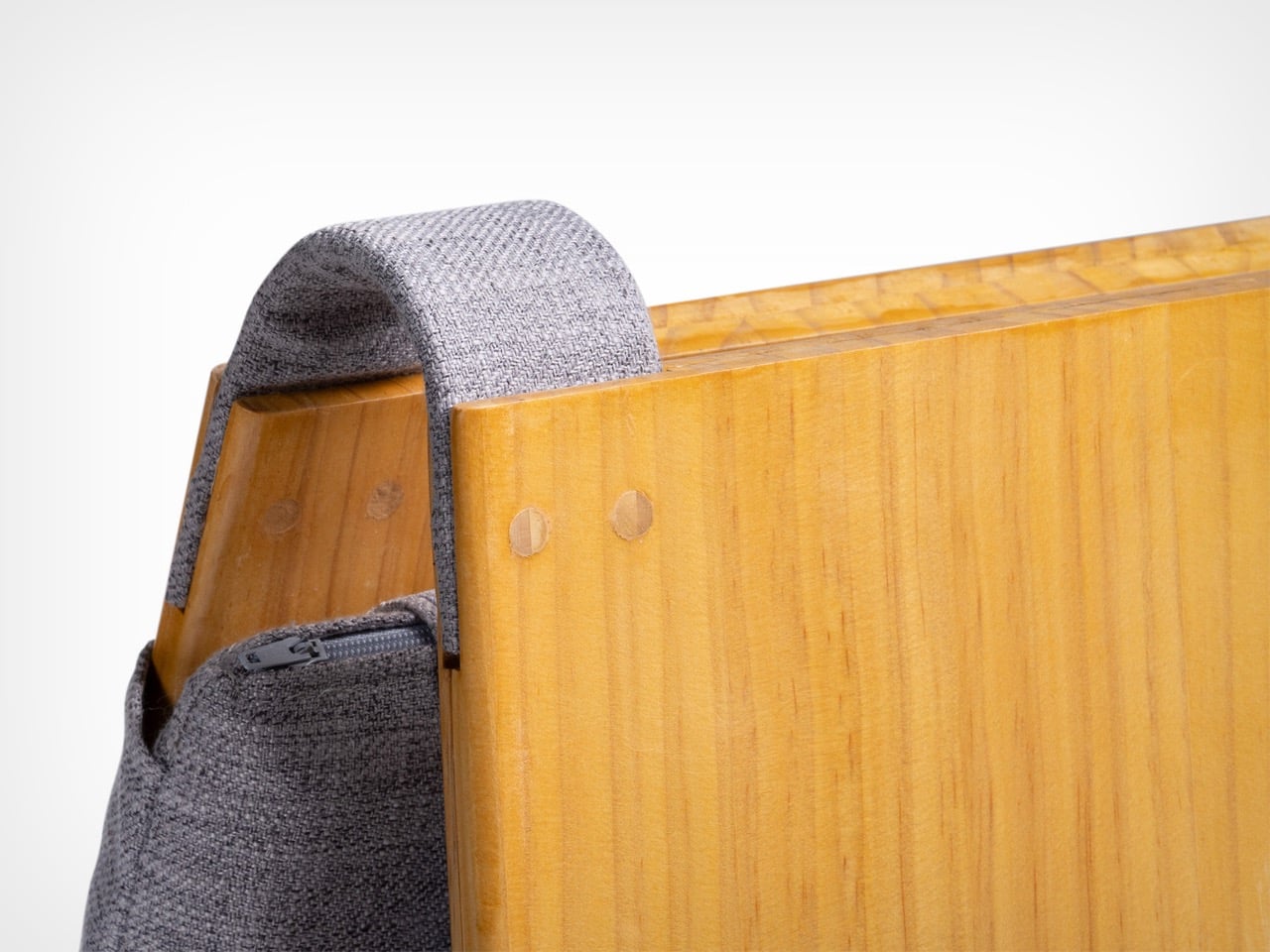
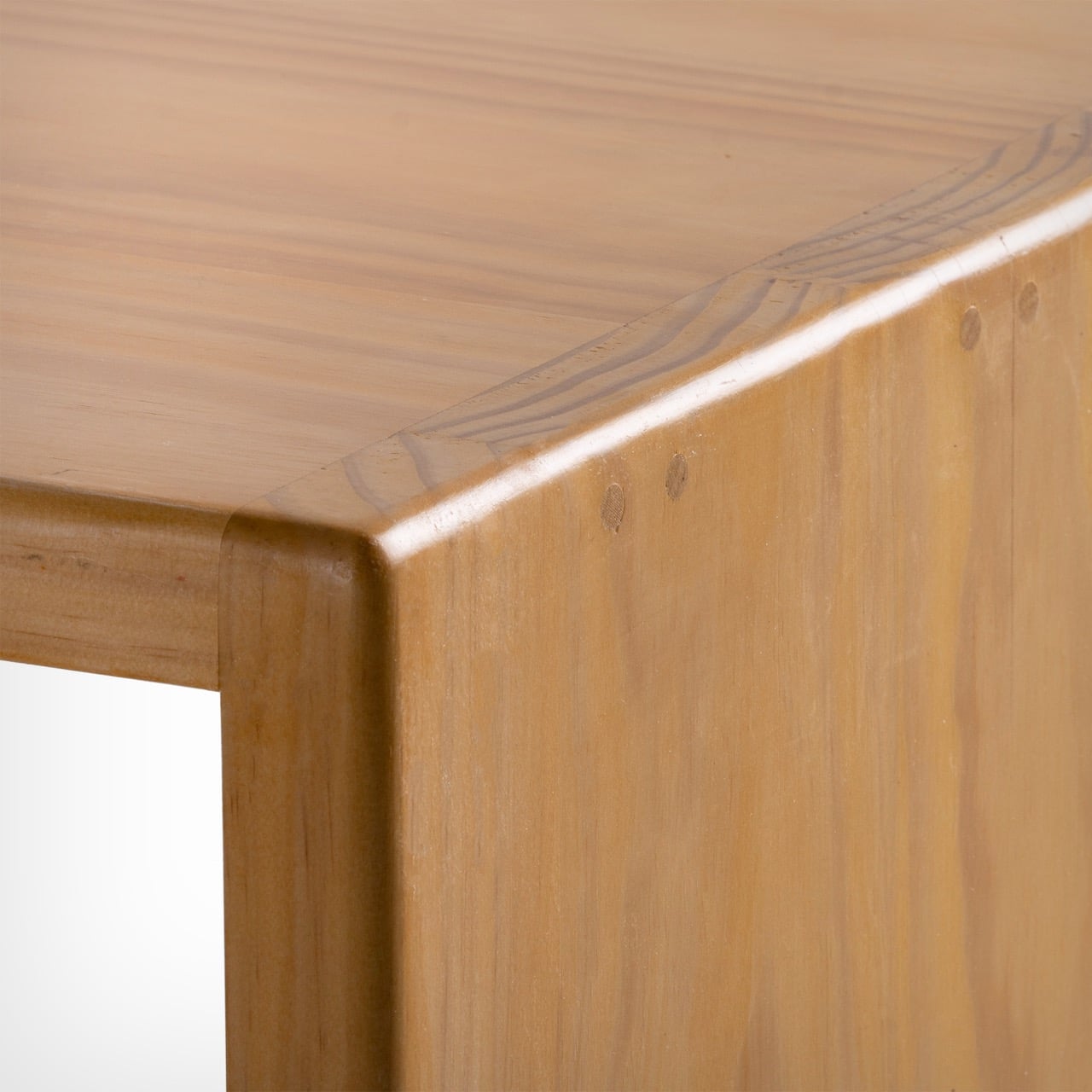
At the heart of this piece lies a deep engagement with traditional Chinese woodworking techniques, particularly the precision of tenon joints. These joints move beyond being structural solutions and become expressions of calculated craftsmanship, where geometry, material behavior, and human interaction converge. The result is a construction that feels both minimal and robust, relying on accuracy instead of excess.
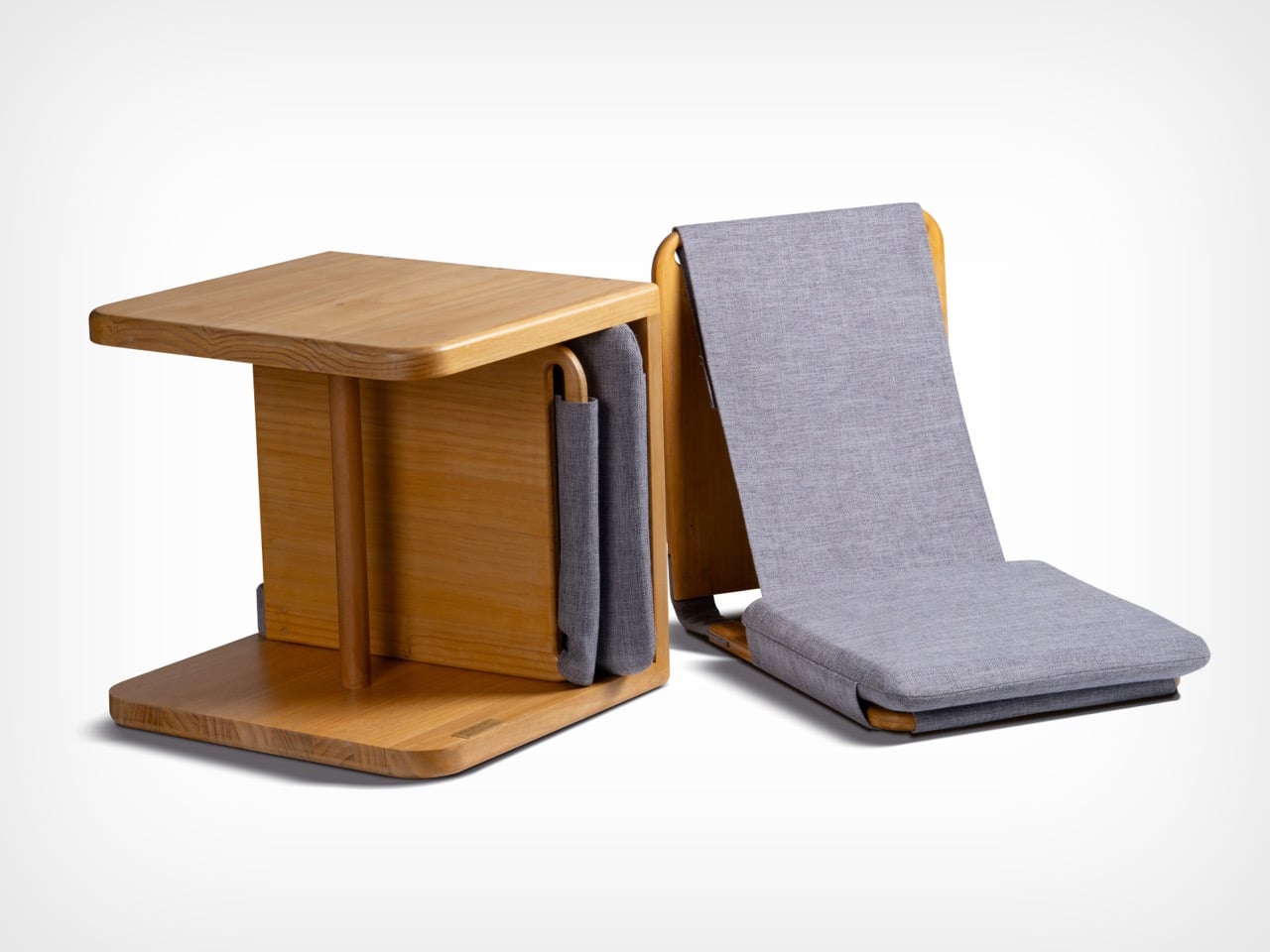
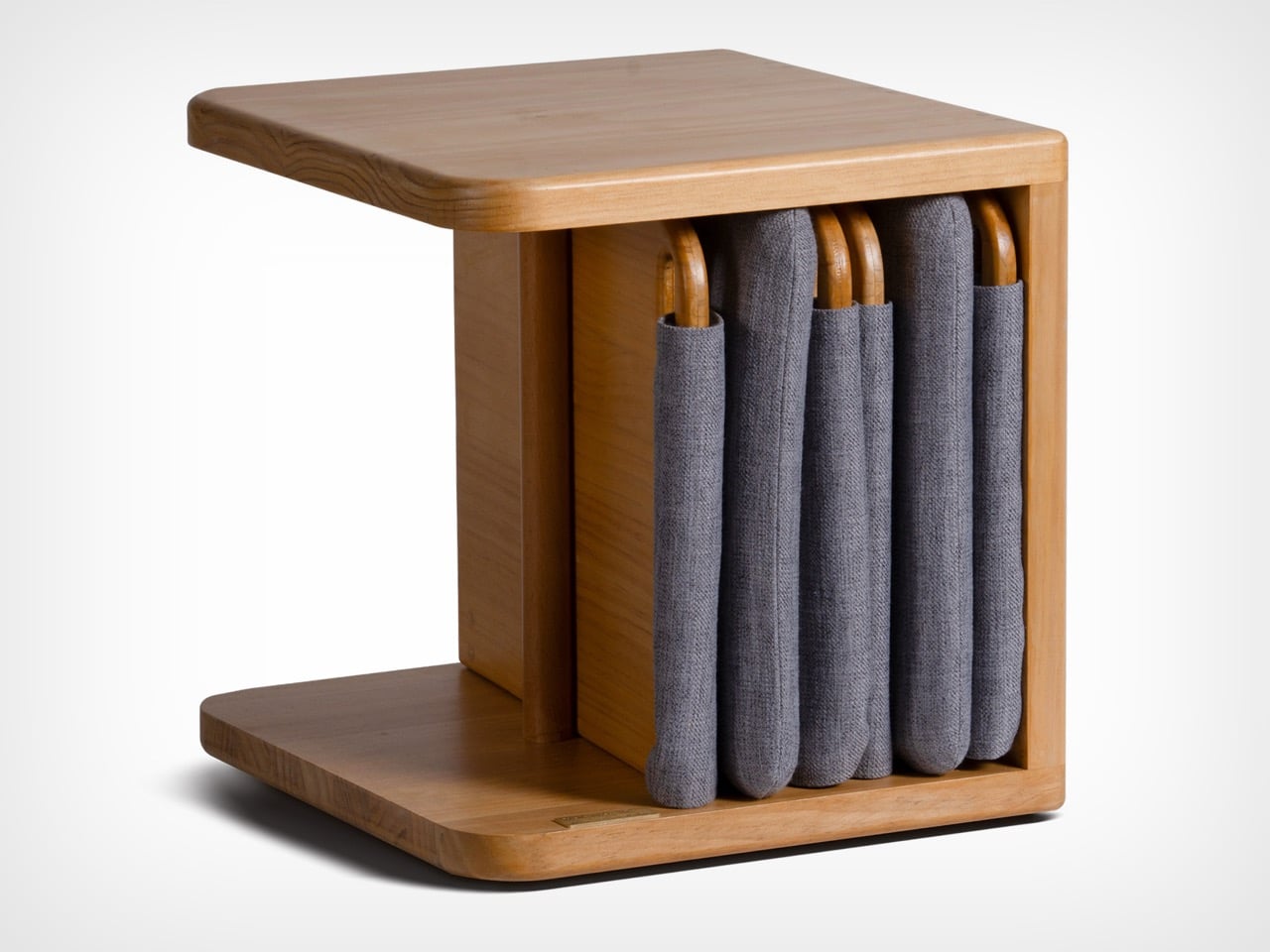
The furniture set is designed to integrate storage and seating within a compact footprint. A chair is concealed within the table and can be pulled out, unfolded, and expanded into a functional seat. The process is intuitive: the chair is extracted, the seat and backrest are opened, and the backrest angle is adjusted using velcro. The transformation is smooth and unobtrusive, allowing the object to shift roles effortlessly.
What distinguishes this design is its reliance on the user’s own body as part of the structural system. Instead of depending entirely on rigid supports, the chair uses the tension generated by the sitter to stabilize the backrest. This introduces a subtle interaction between user and object, where the act of sitting becomes integral to how the design performs. The experience feels efficient, responsive, and quietly intelligent.
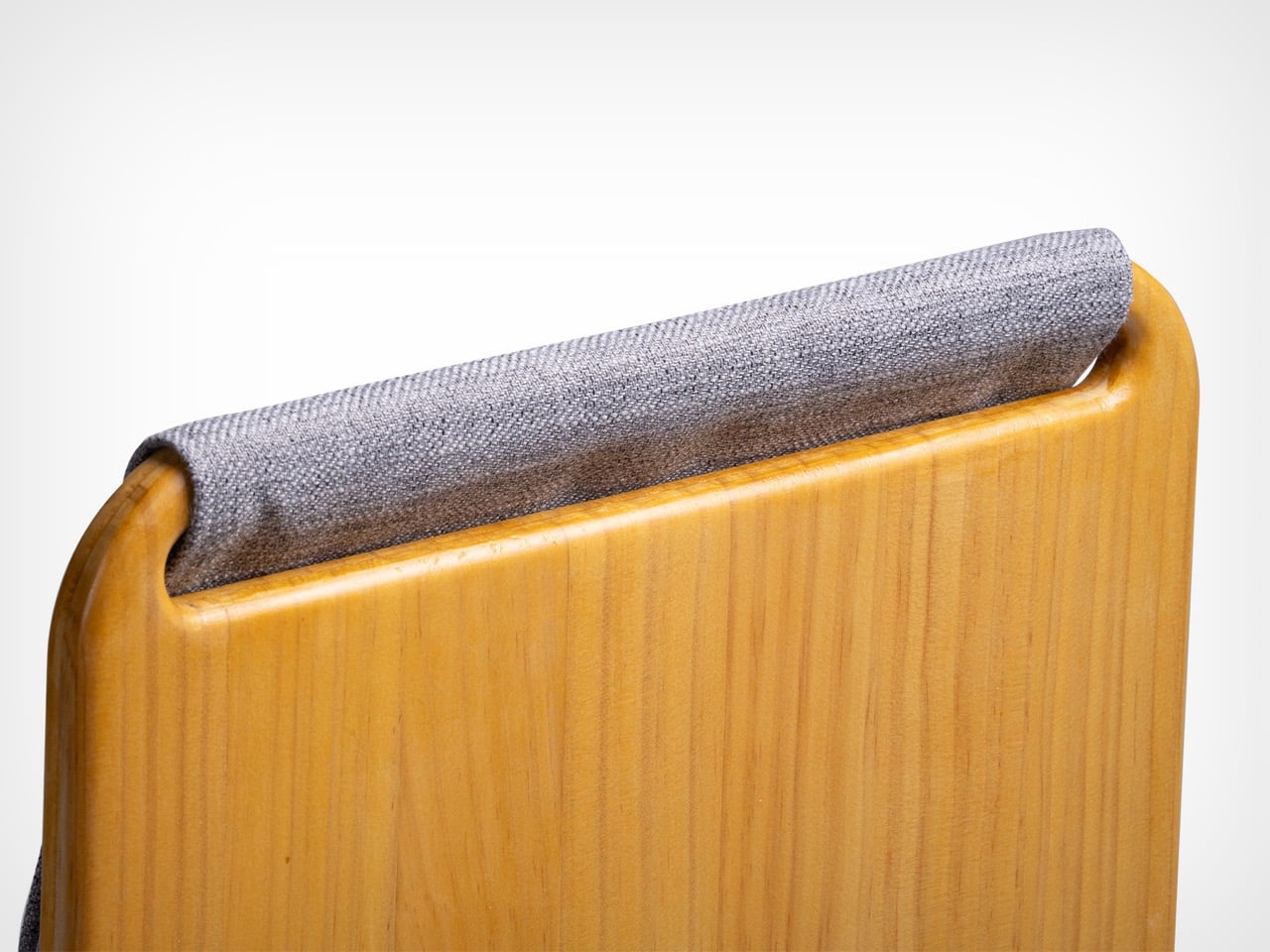
Material choices reinforce this balance between function and experience. Lightweight pine wood panels provide durability while ensuring ease of movement. Paired with gray cotton linen fabric, the design introduces a tactile softness that enhances comfort. The fabric is breathable and visually understated, complementing the natural warmth of the wood. Together, these materials create a calm, cohesive aesthetic suited to contemporary interiors.
The development of the project reflects a layered and rigorous process. The designer began by studying traditional joinery techniques through literature, followed by hands-on training under a woodcraft master. This immersion enabled a deeper understanding of the craft beyond theory. Building on this foundation, the designer explored ways to translate these techniques into a modern, functional context through research and experimentation.
What emerges is a design that treats constraint as a starting point rather than a limitation. The piece brings together traditional knowledge and contemporary living patterns, shaping an object that adapts, responds, and participates in everyday use. It reflects a way of designing where space, material, and human interaction are considered together, resulting in furniture that feels considered, purposeful, and in tune with the realities of modern living.
Most public art earns its place on a pedestal and stays there. It asks you to look, maybe photograph it, and walk away. The relationship between viewer and work rarely extends beyond that brief transaction. That’s been the convention for a long time, but there’s a growing push for installations that don’t just occupy public space but actually do something within it.
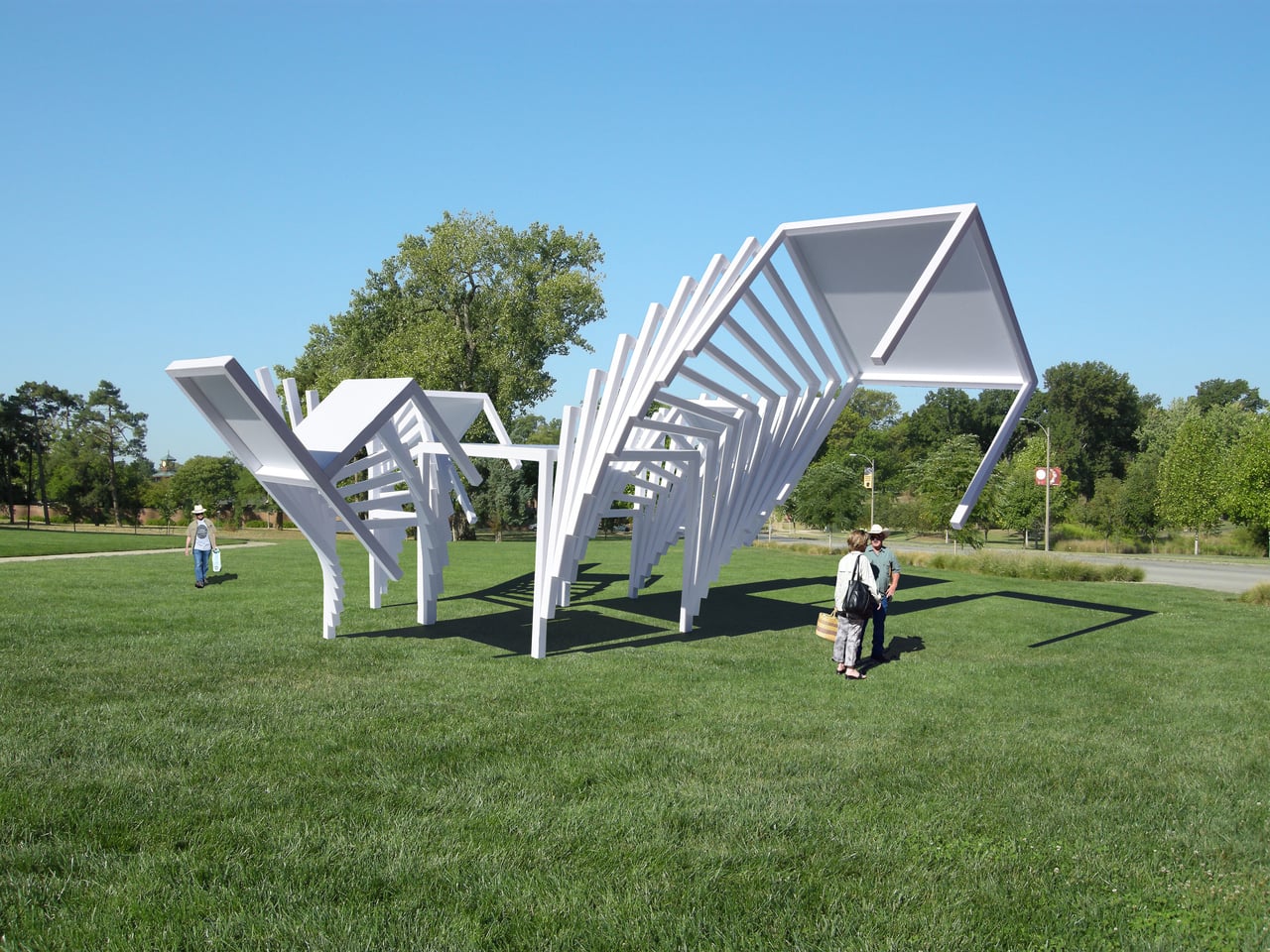
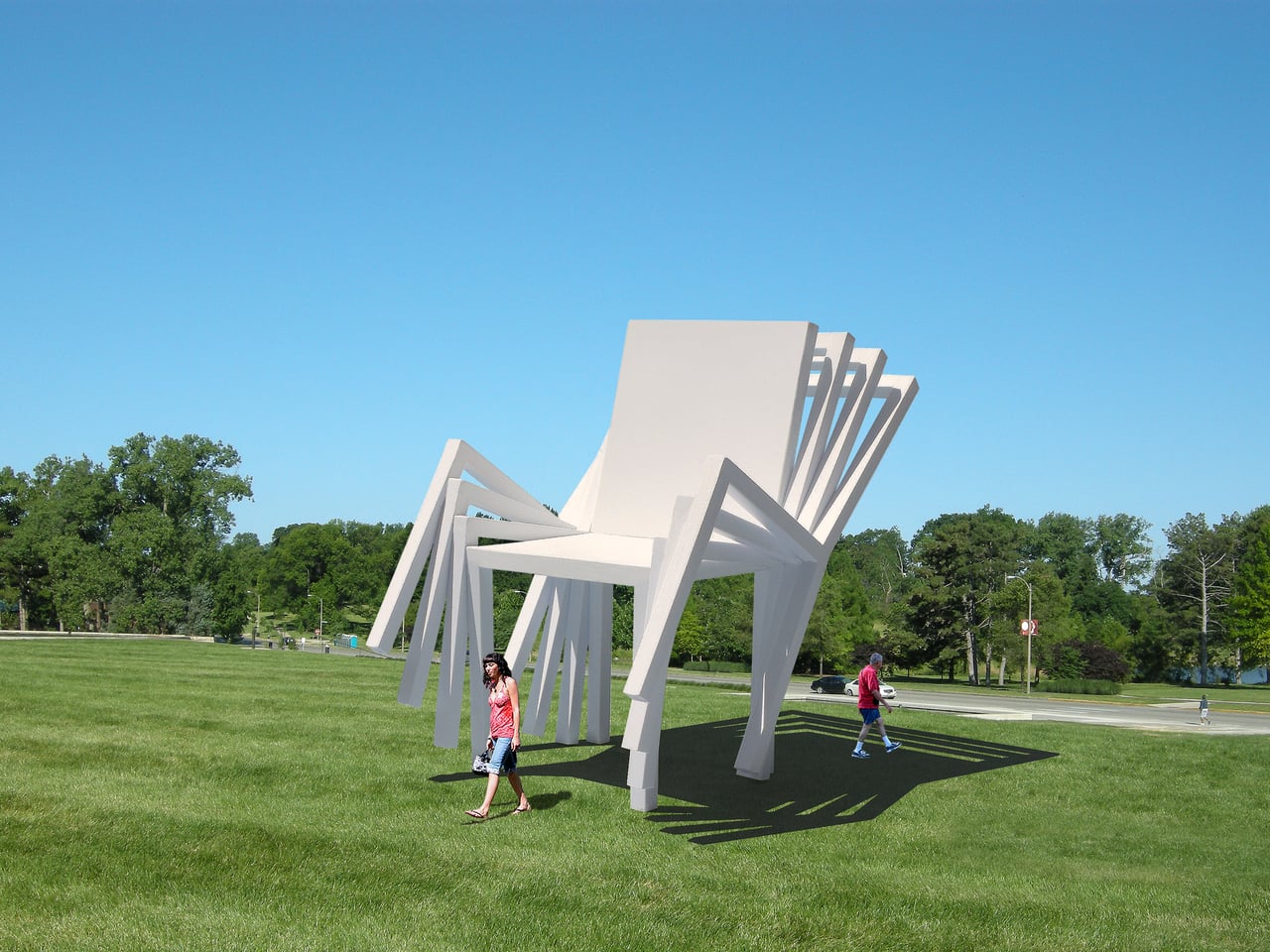
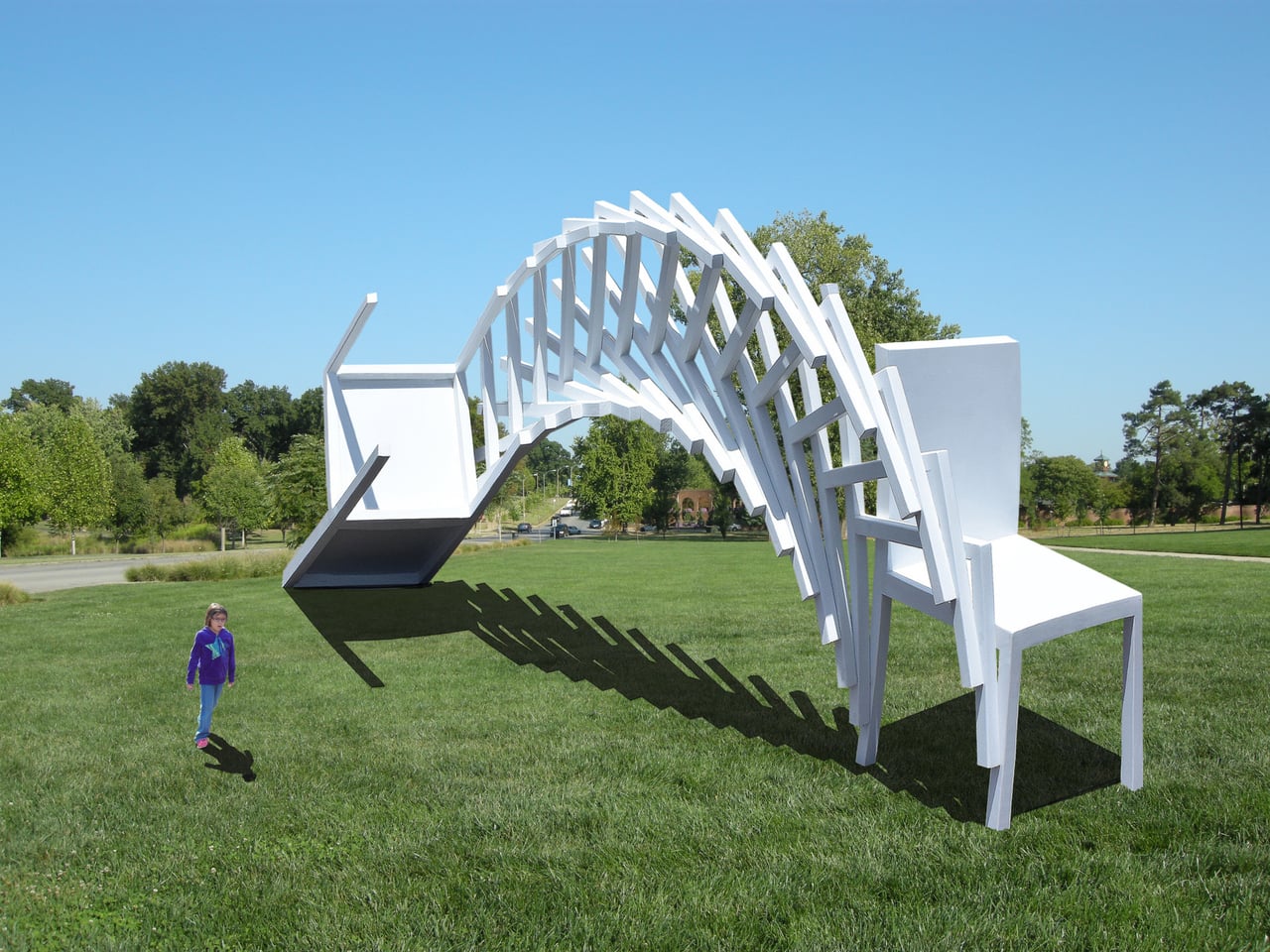
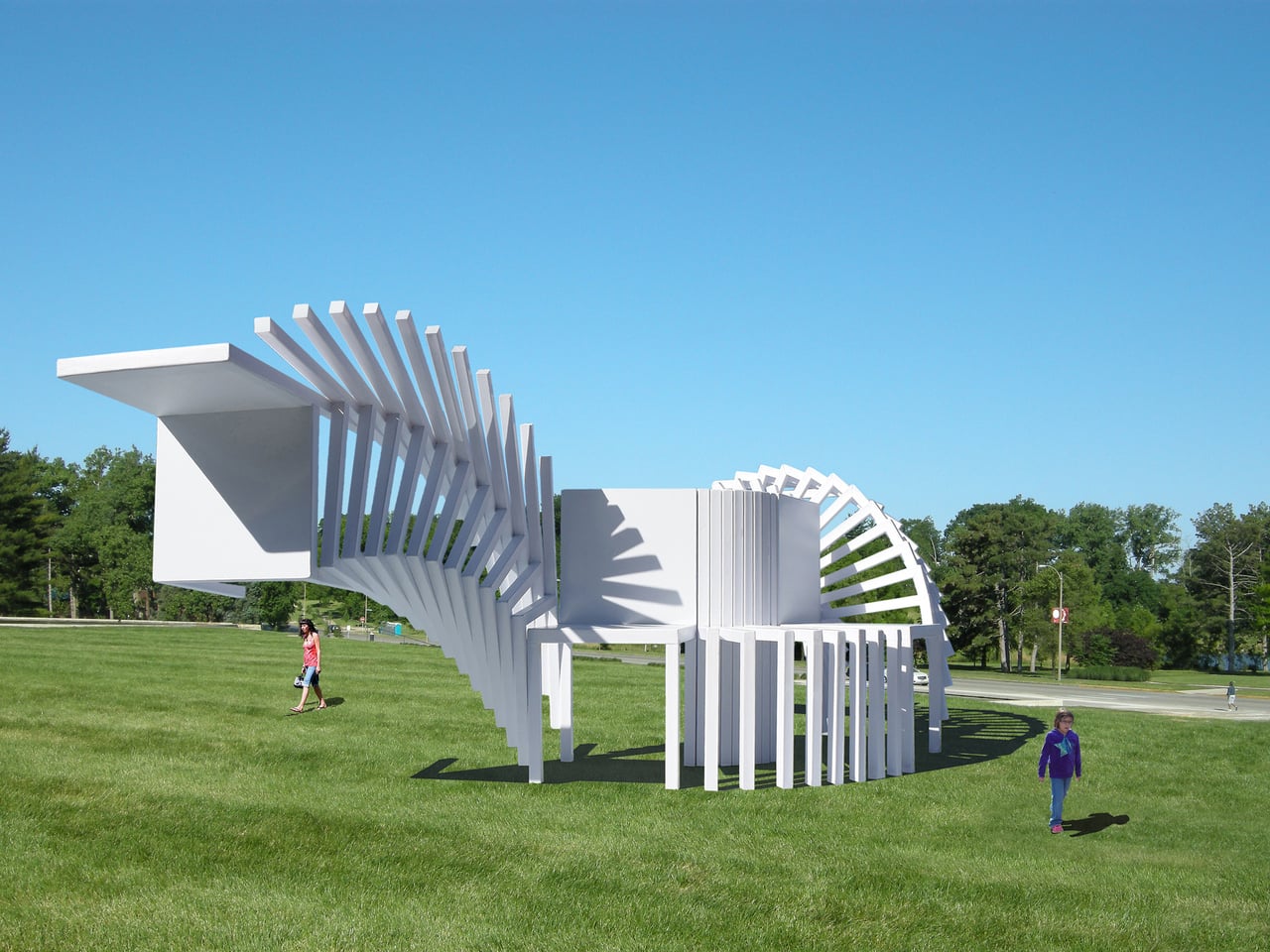
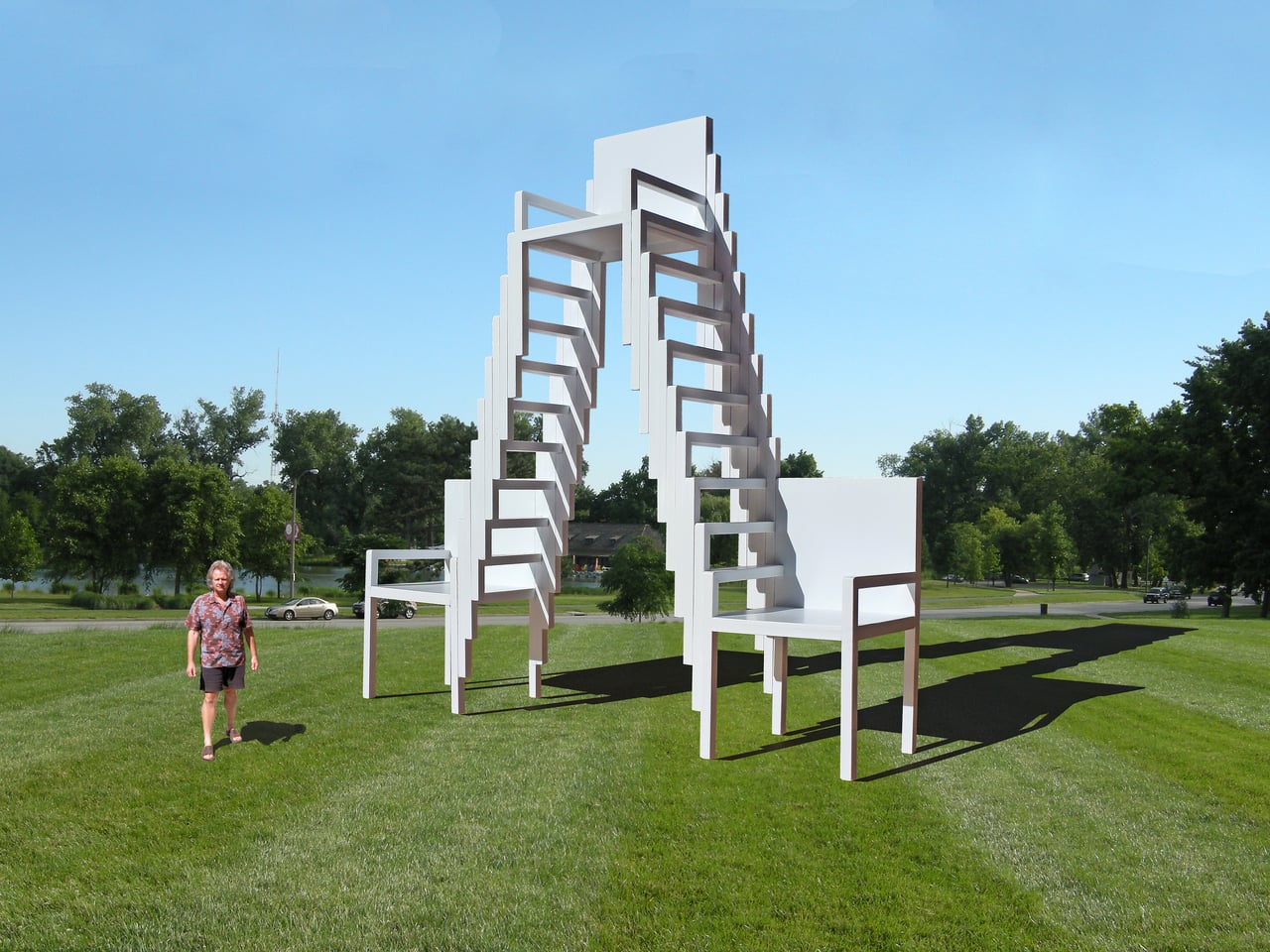
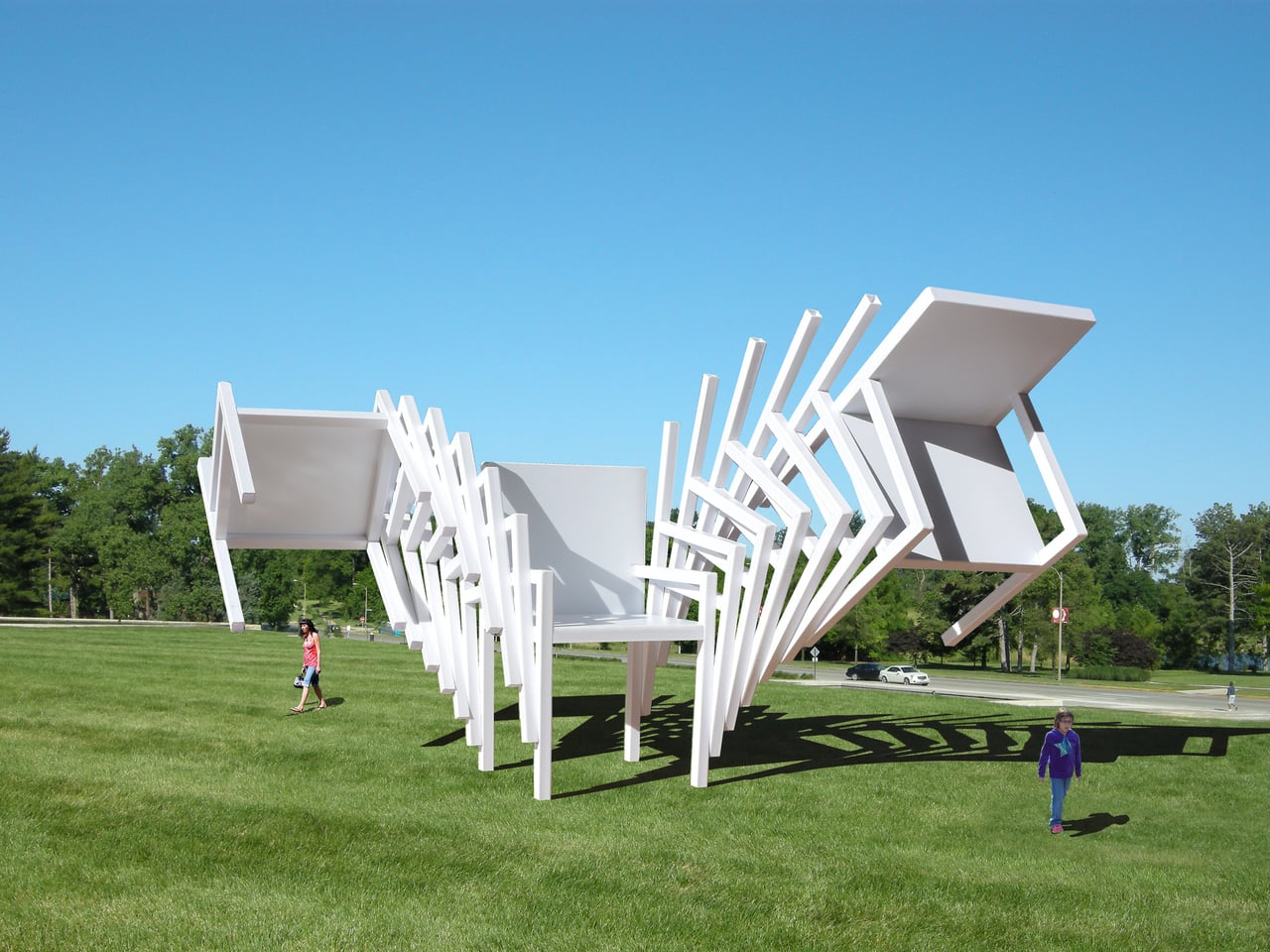
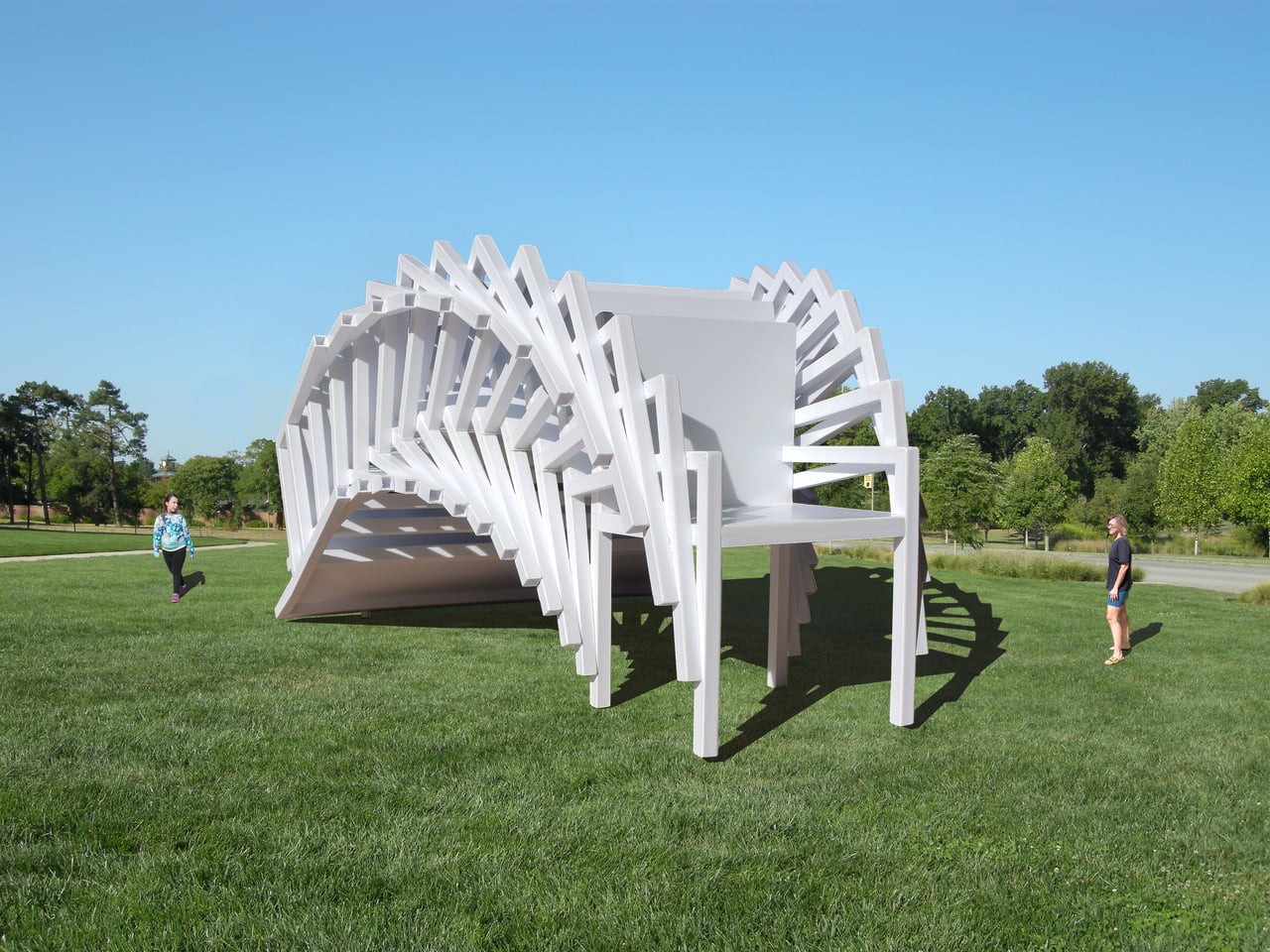
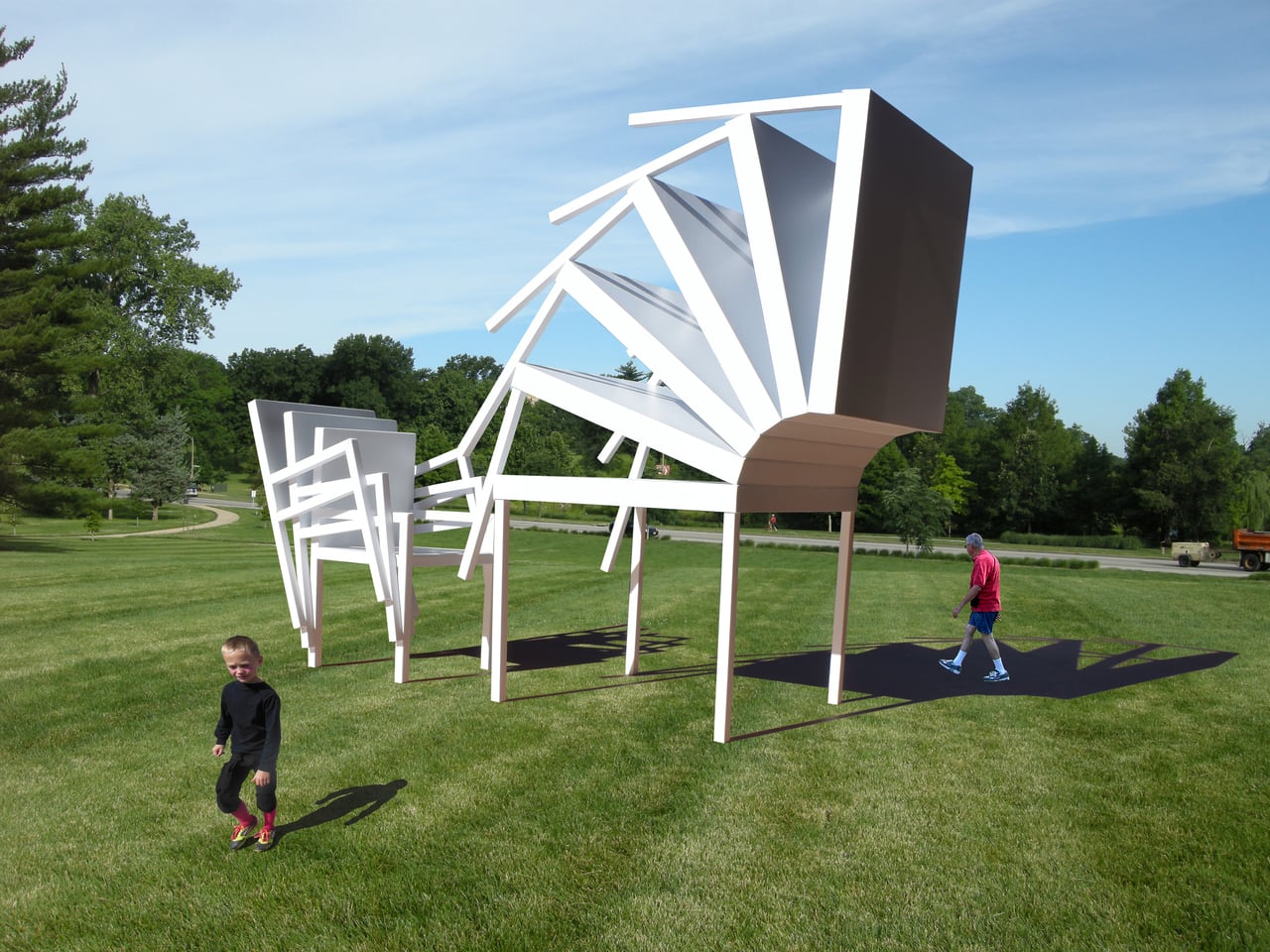
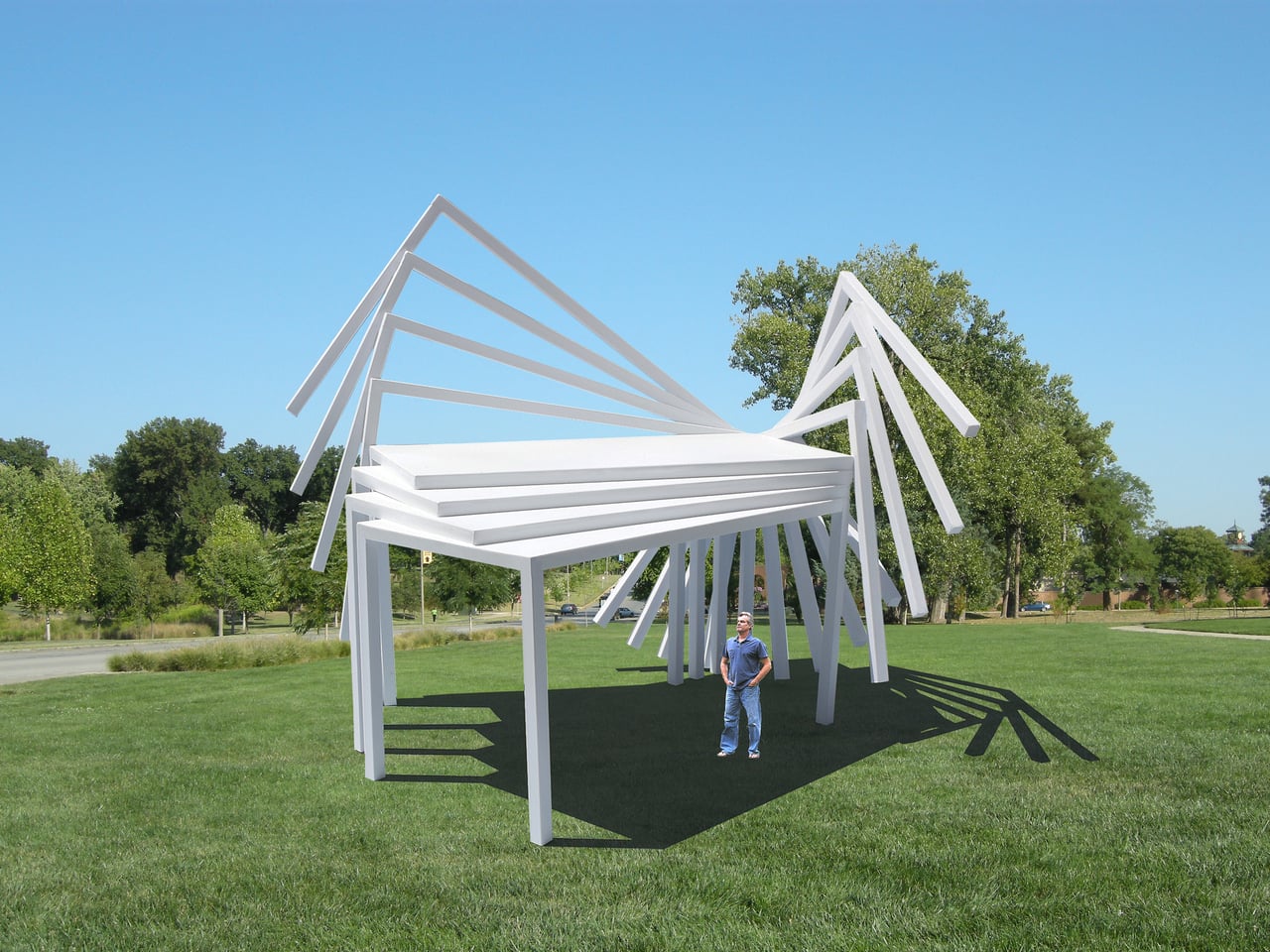
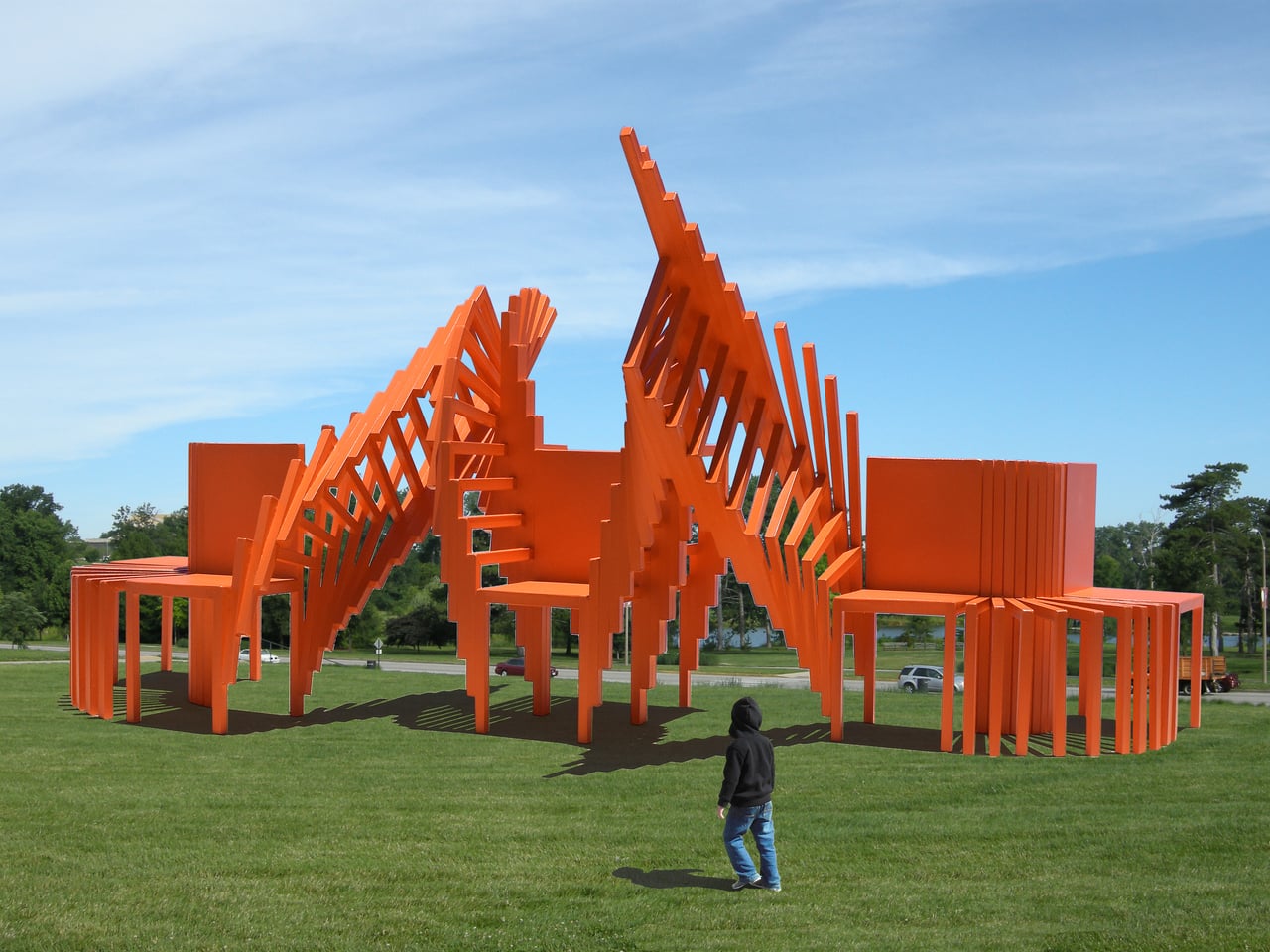
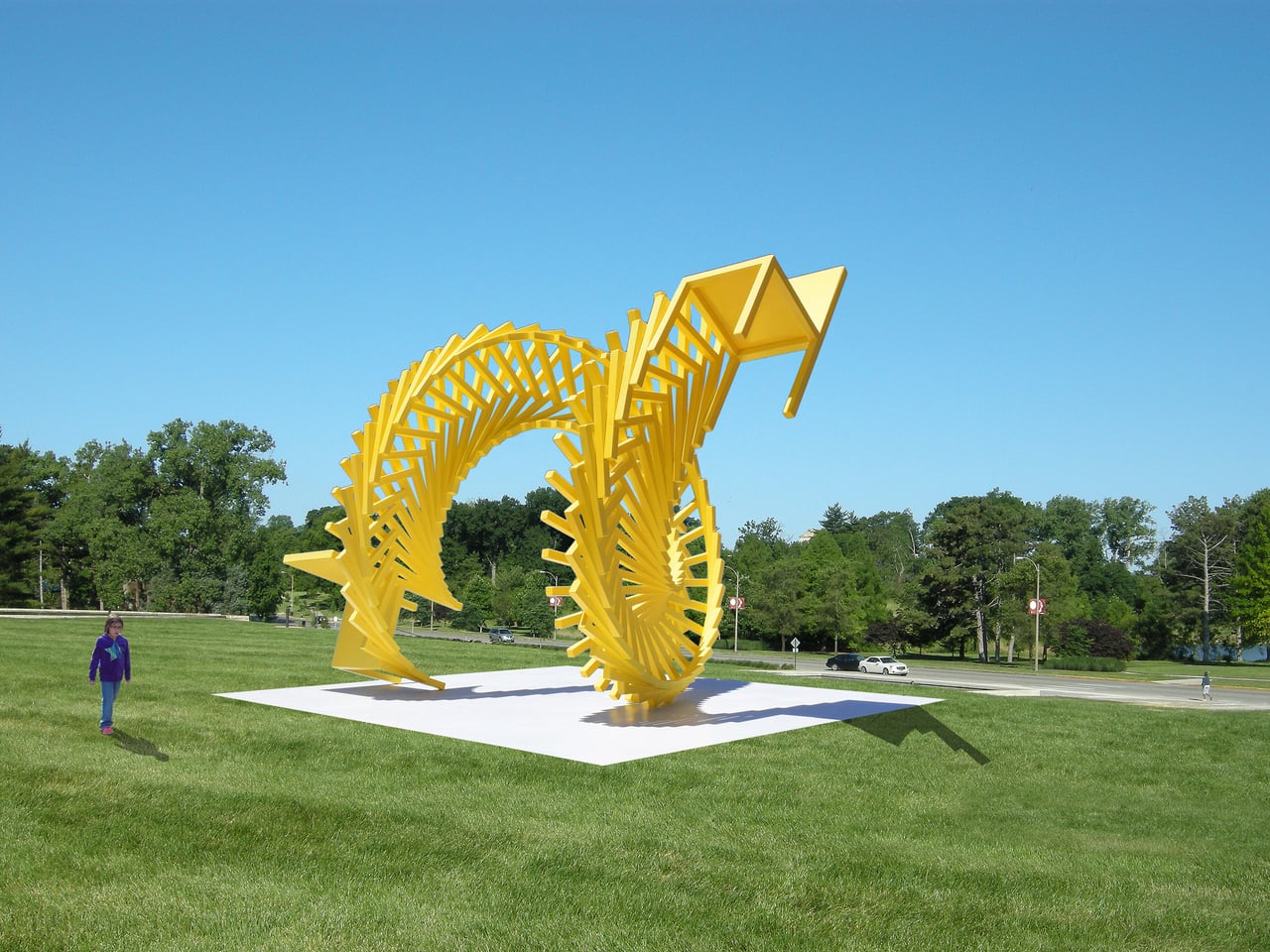
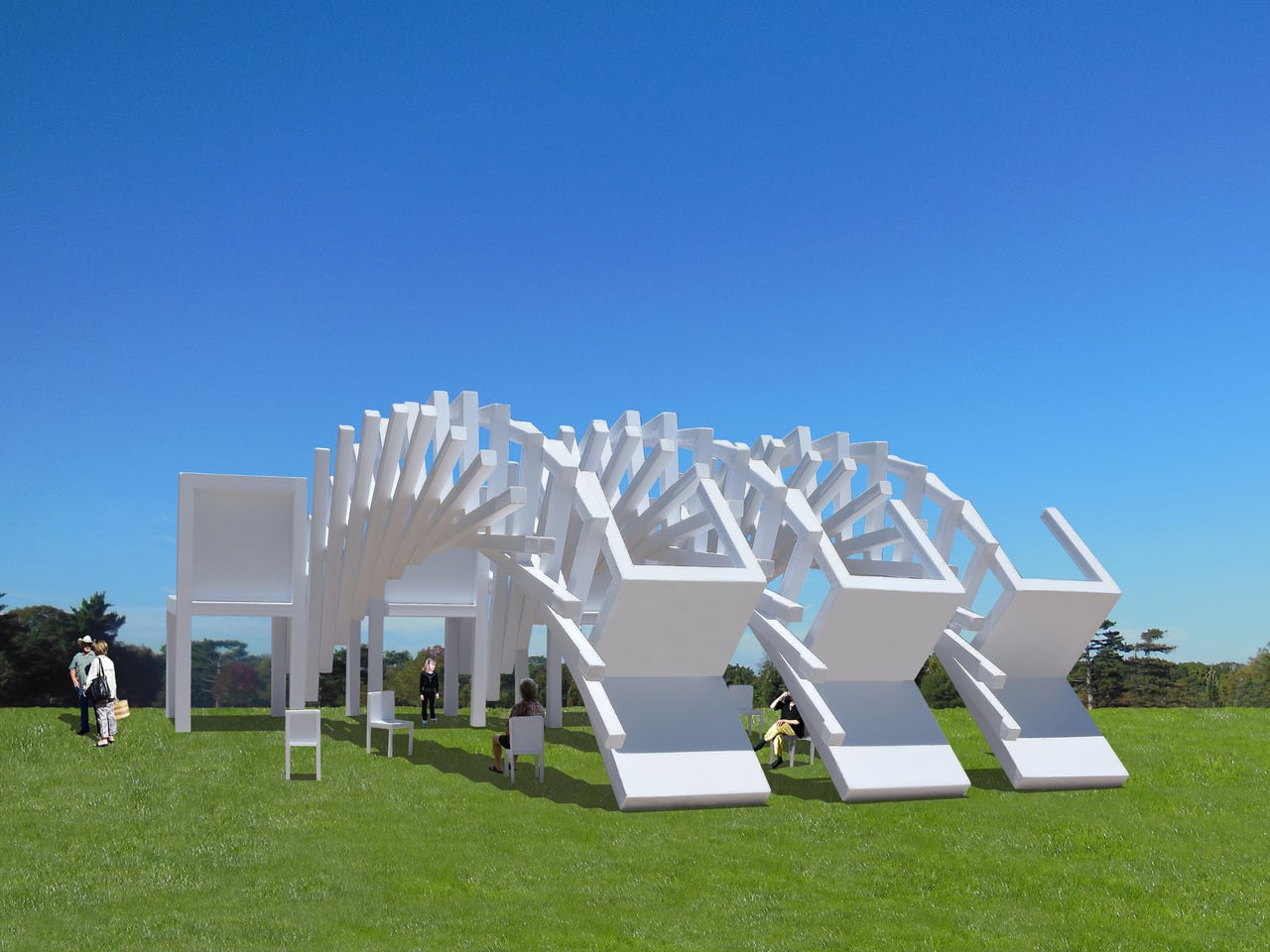
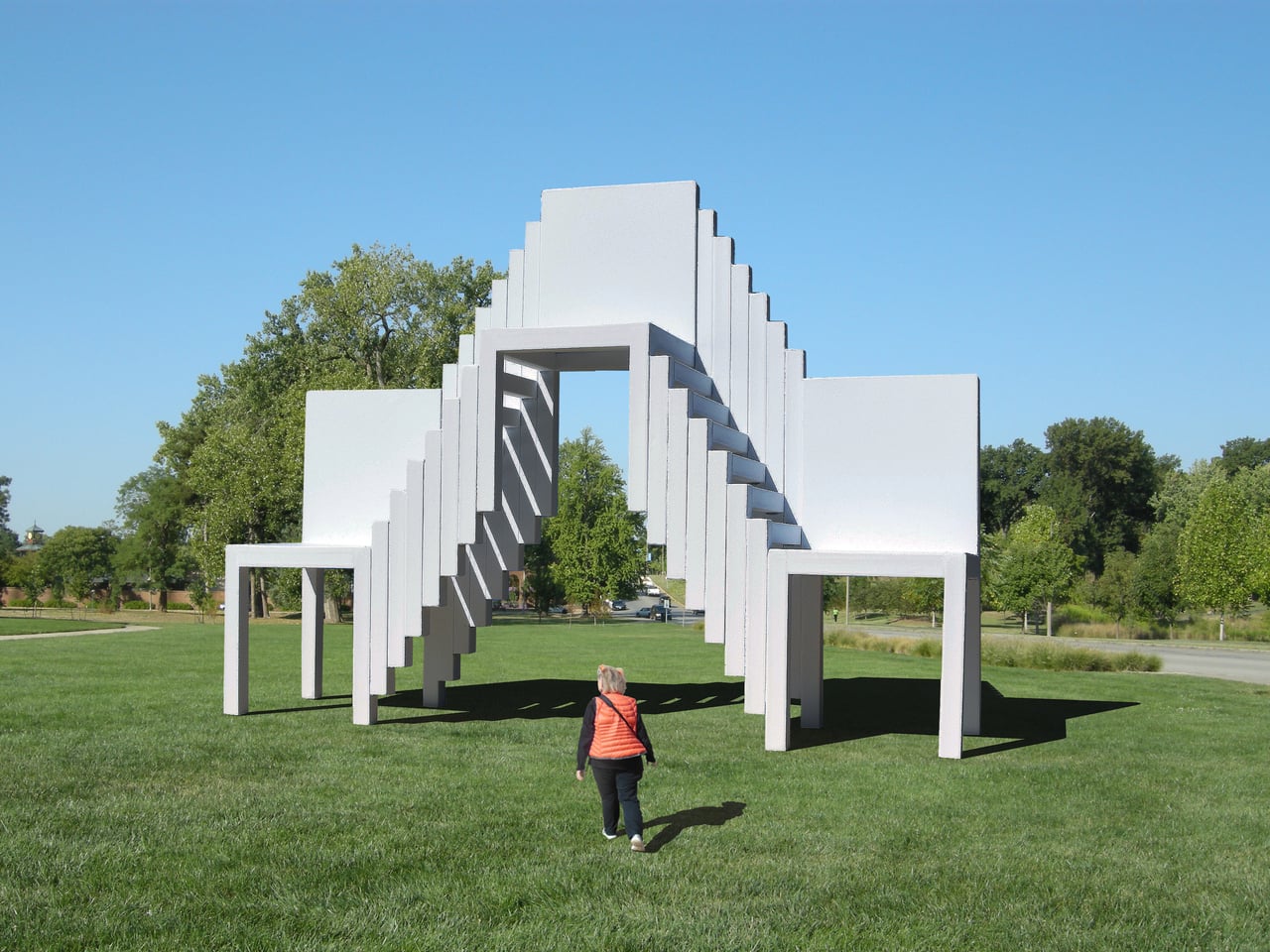
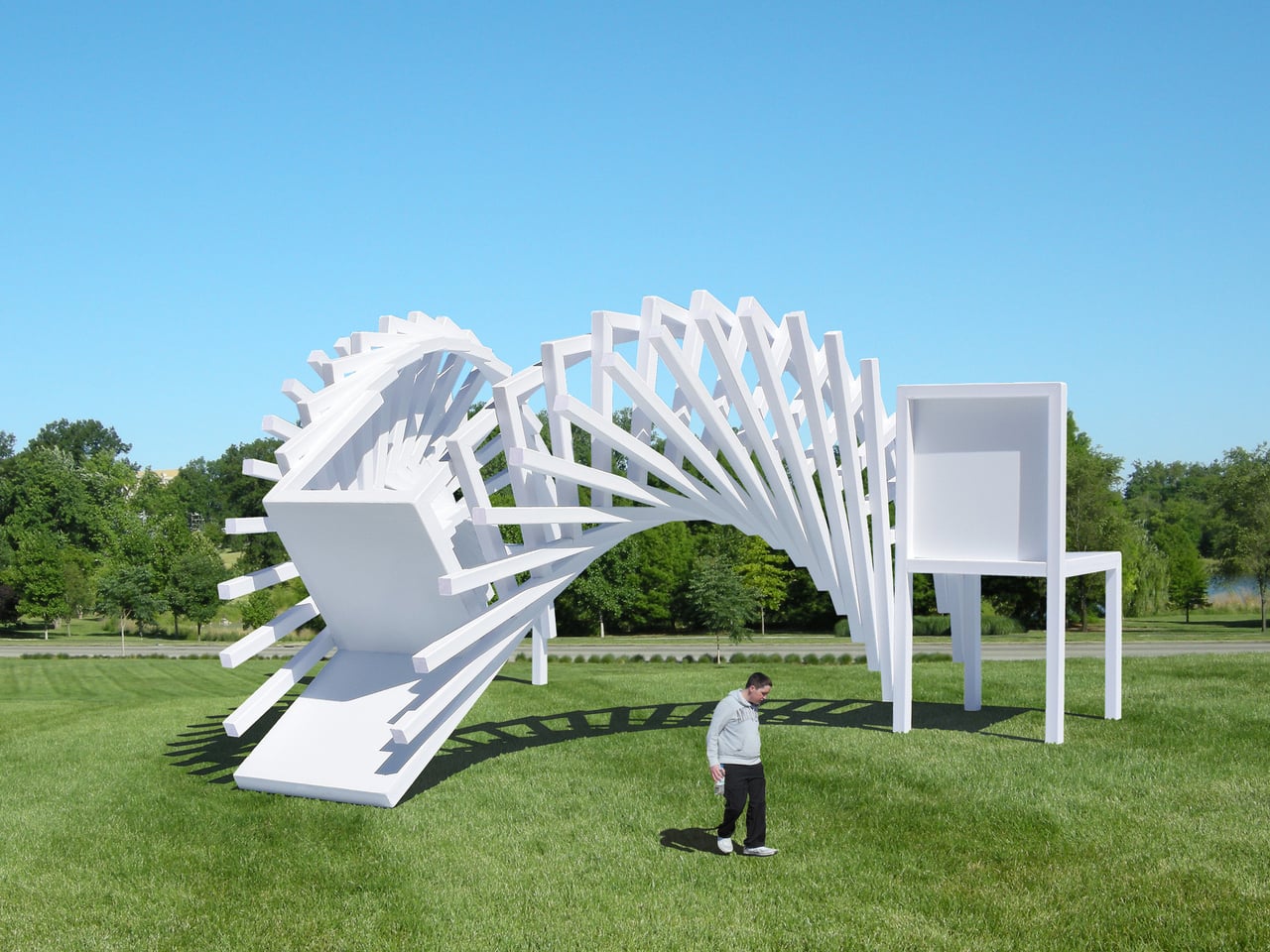
Michael Jantzen has been exploring that tension for years. His Moving Furniture series applies a simple idea to ordinary chairs and tables: take each object’s form and repeat it in progressive intervals as if capturing it mid-movement, then connect those moments into a single piece. The result is something you can still sit in or set a drink on, even if it no longer looks quite built for that.
Monumental Moving Furniture takes that same concept into architectural territory. Built from painted steel, the series consists of abstracted chair and table forms, each generated by moving the original object through space and time and locking its path into a chain of connected segments. At this scale, what started as a reference to everyday objects feels closer to a building than a piece of furniture.
The method behind each piece is consistent. A chair or table is set in motion through space and time, with each interval frozen and joined to the next. Some pieces move only part of the original form; others shift the whole thing. The result is a structure that stops belonging to any single discipline and starts reading as furniture, sculpture, and architecture at once.
Despite being too large to sit in, these sculptures aren’t purely decorative. Each is large enough to walk under and through, giving it a practical function as a pavilion and shelter. That’s not something most public art can claim. Instead of asking people to observe from a polite distance, these structures pull you in, turning a passive encounter into something more physical and immediate.
The series covers both chair forms and table forms, each treated with the same sequential abstraction. Individual pieces have also been grouped into configurations that suggest more complex structures, as if each were a building block for something larger. Painted in vivid, solid colors like white, orange, and yellow, each structure commands attention from a distance and rewards a closer look once you’re standing beneath it.
Public spaces deserve more than objects to look at. They deserve things to experience. Monumental Moving Furniture earns its place on both counts, offering structures large enough to shelter visitors while giving them something genuinely puzzling to engage with. These forms don’t demand reverence. They invite curiosity, exploration, and the kind of slow, circling attention that good public space has always been designed to encourage.
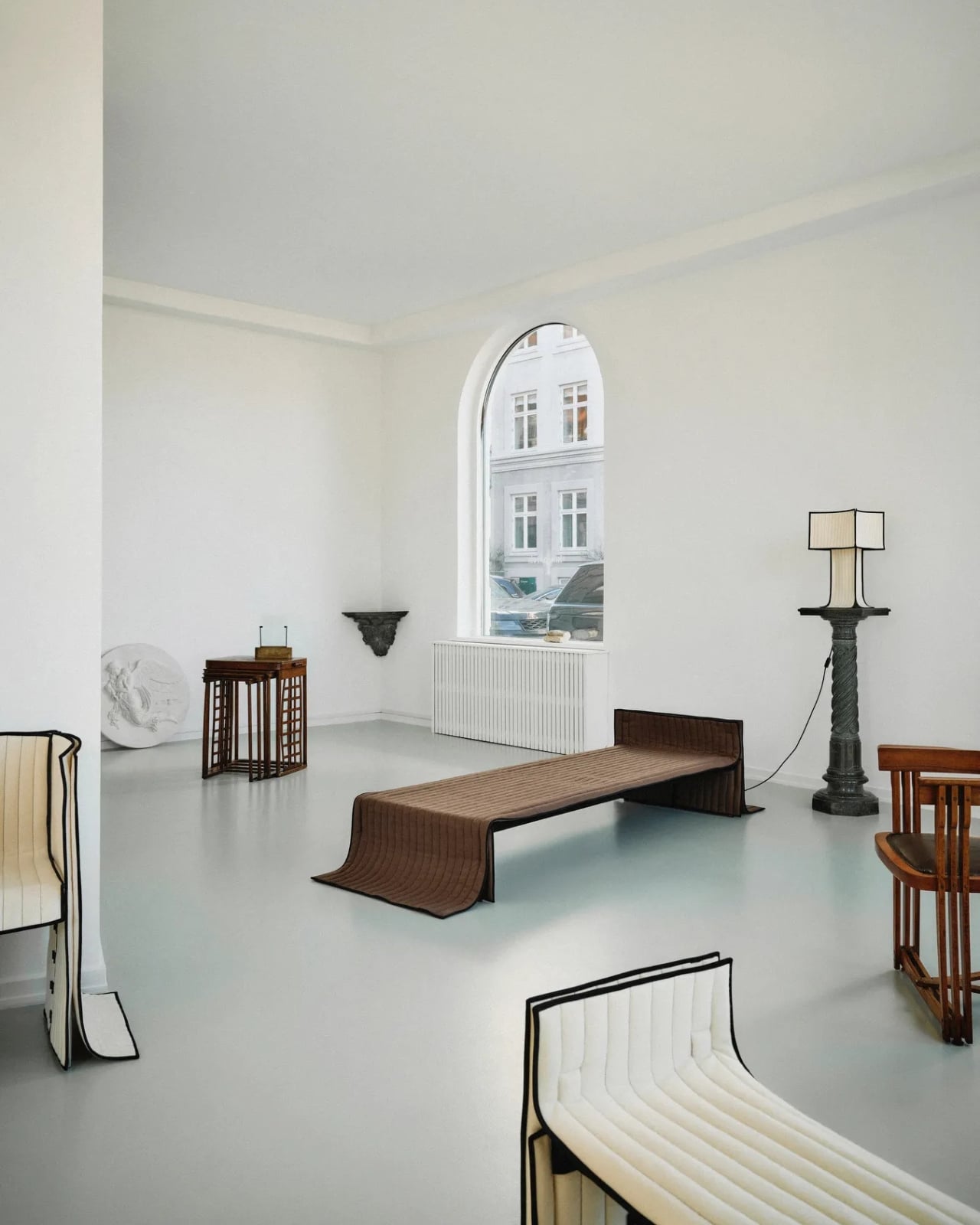
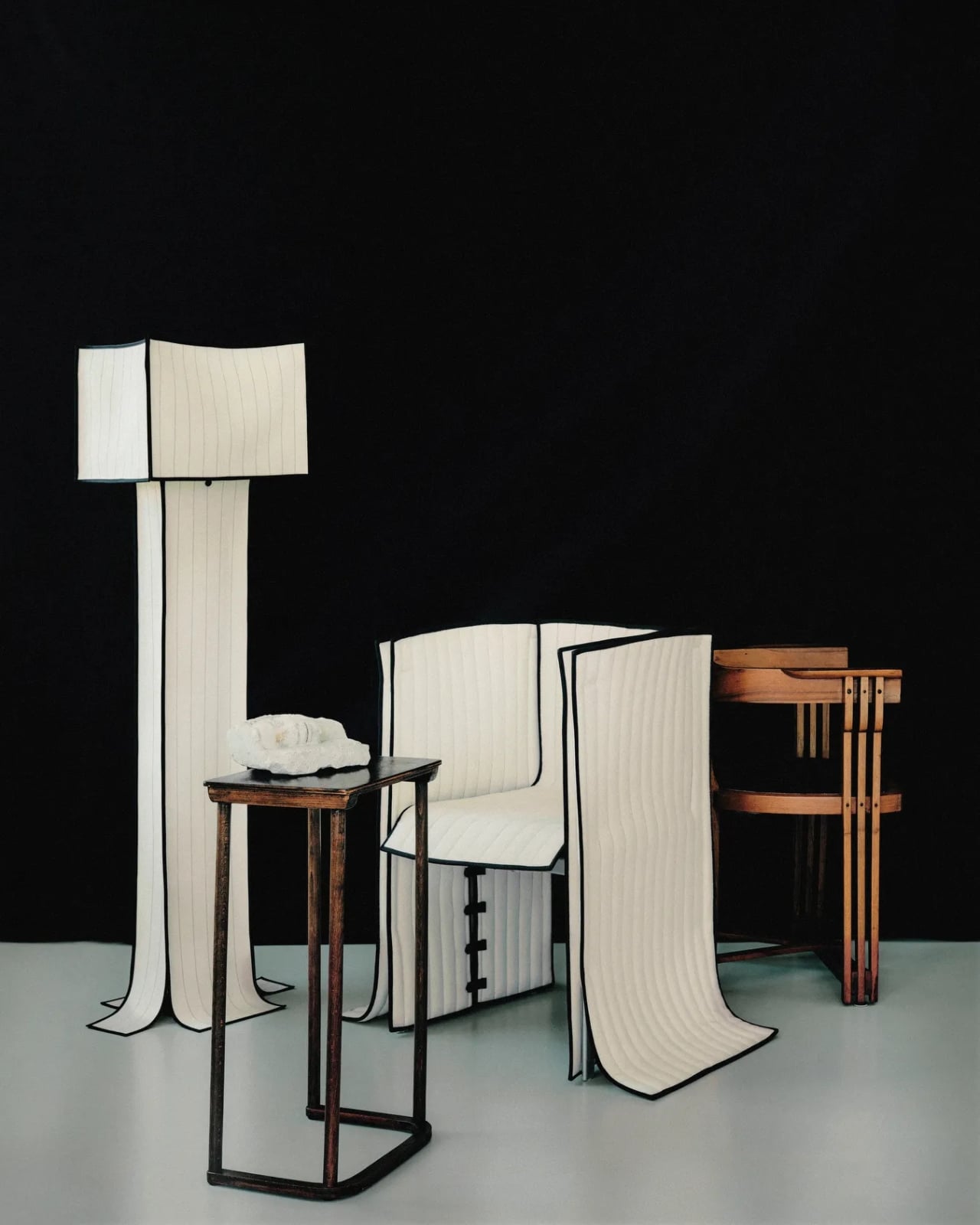
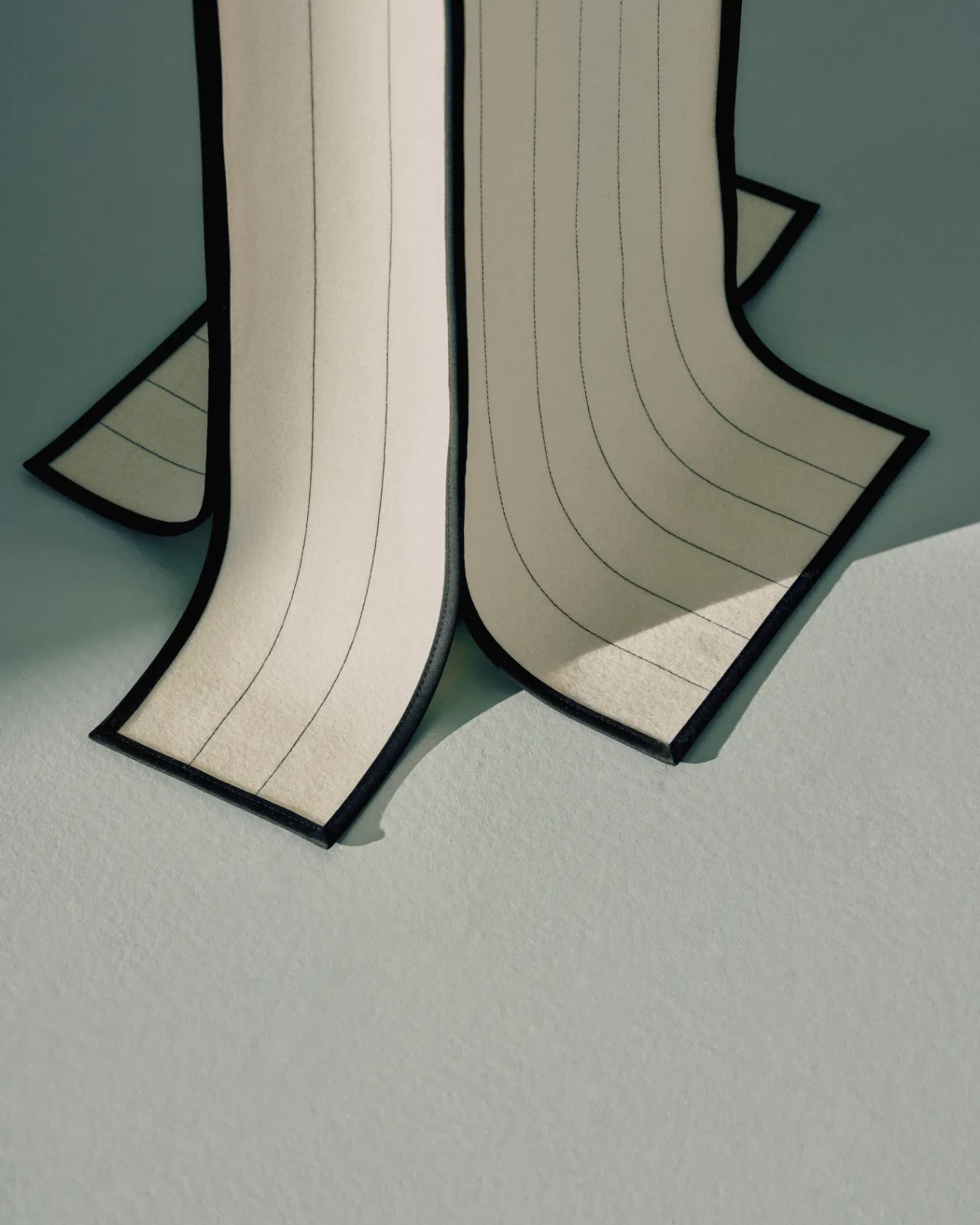
Most upholstered furniture is essentially furniture under stress. Fabric gets stretched, stapled, pulled taut, and forced into submission over rigid frames. It is, fundamentally, a question of control. Danish designer Lærke Ryom looked at that process and decided to do the opposite. Her debut solo exhibition, Raiments, now open at Innenkreis gallery in central Copenhagen, is built entirely around that single act of refusal.
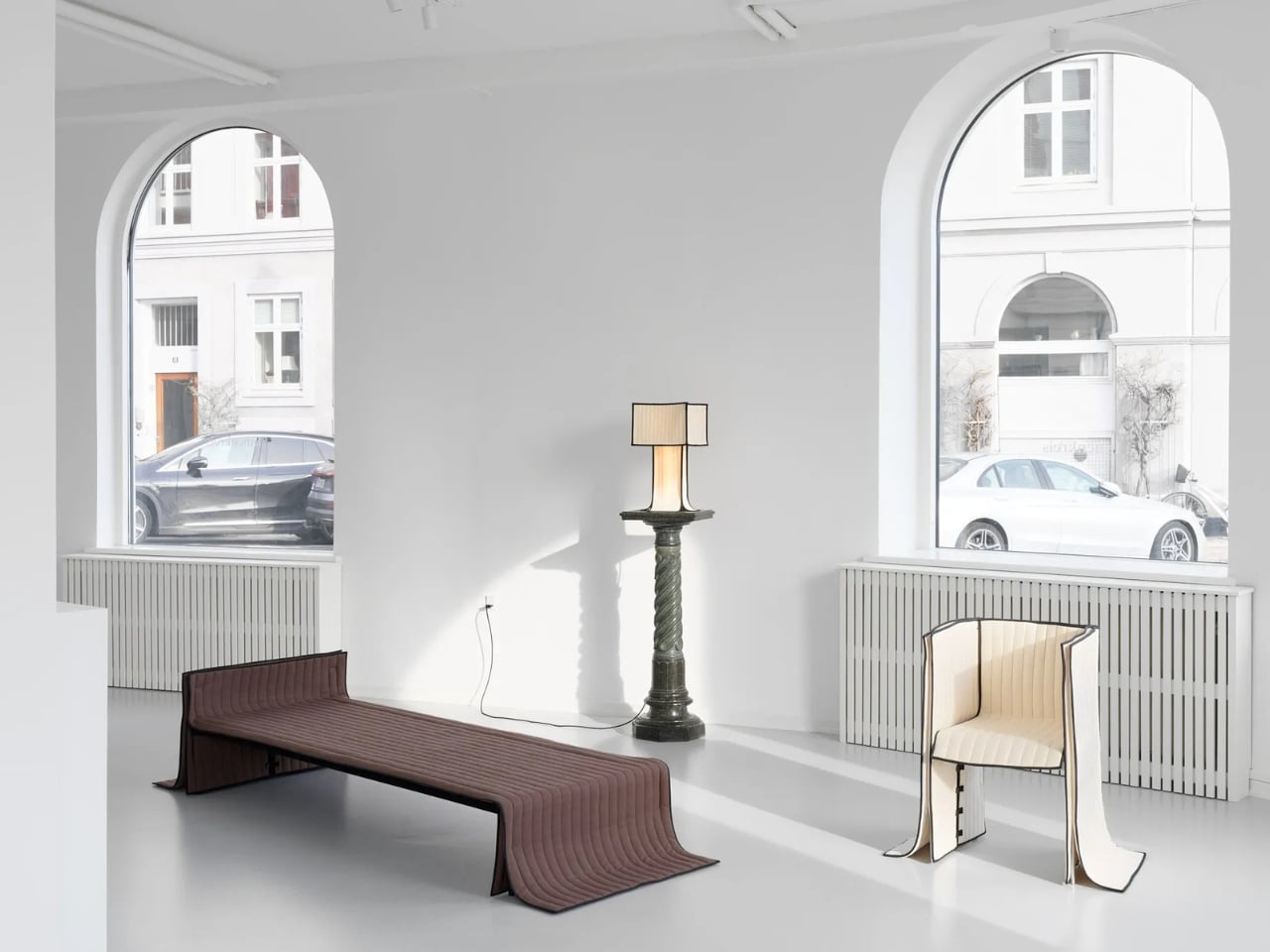
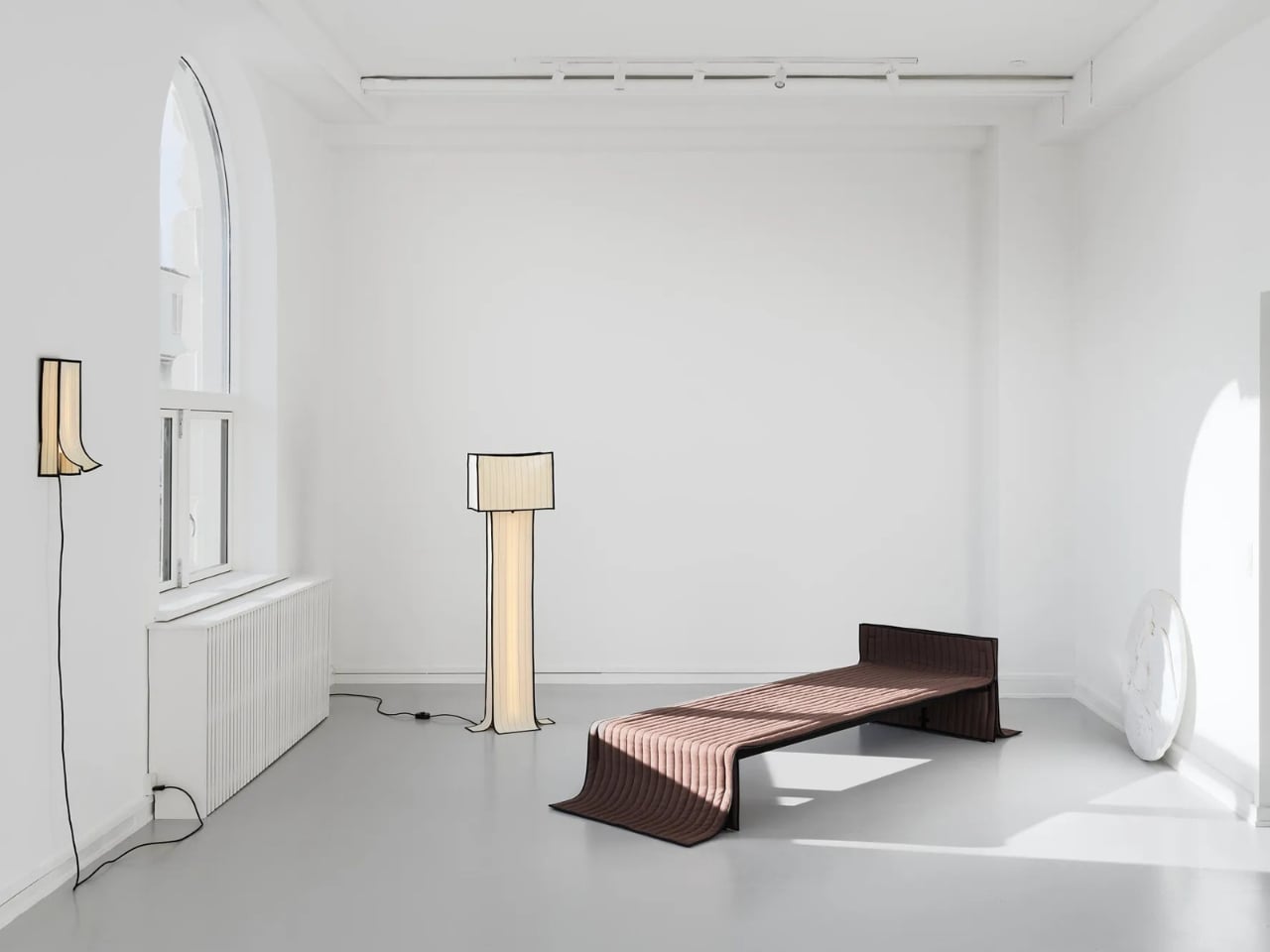
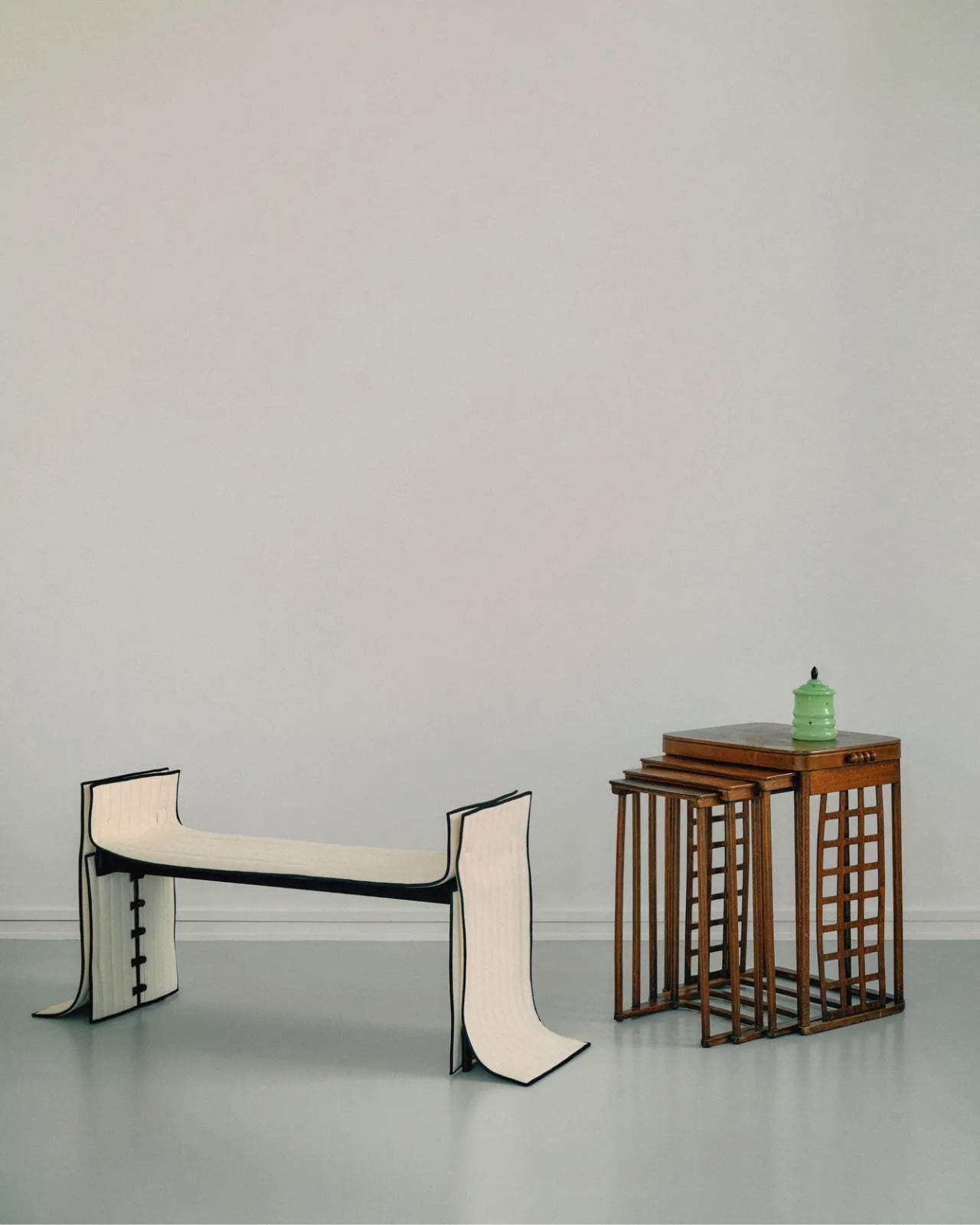
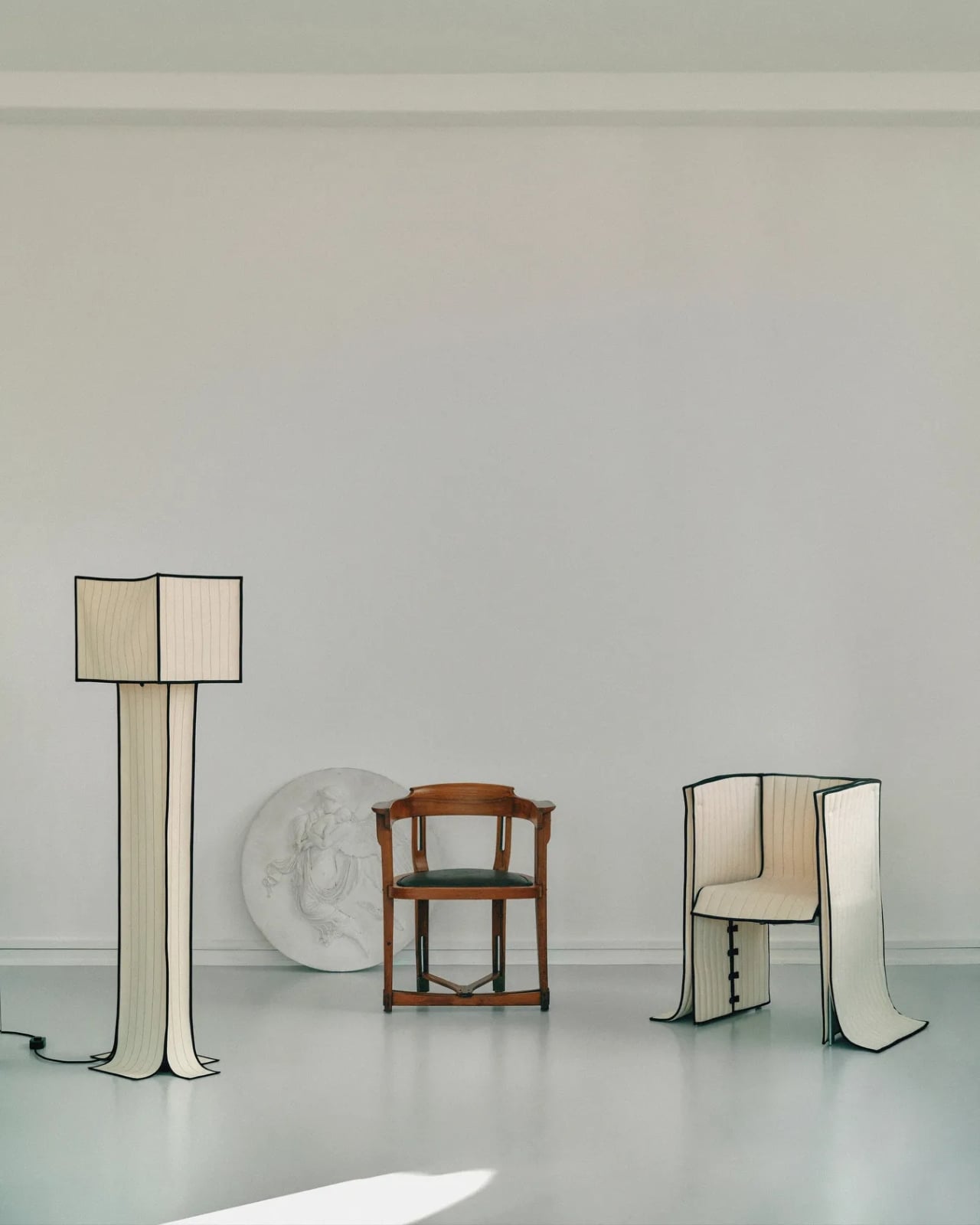
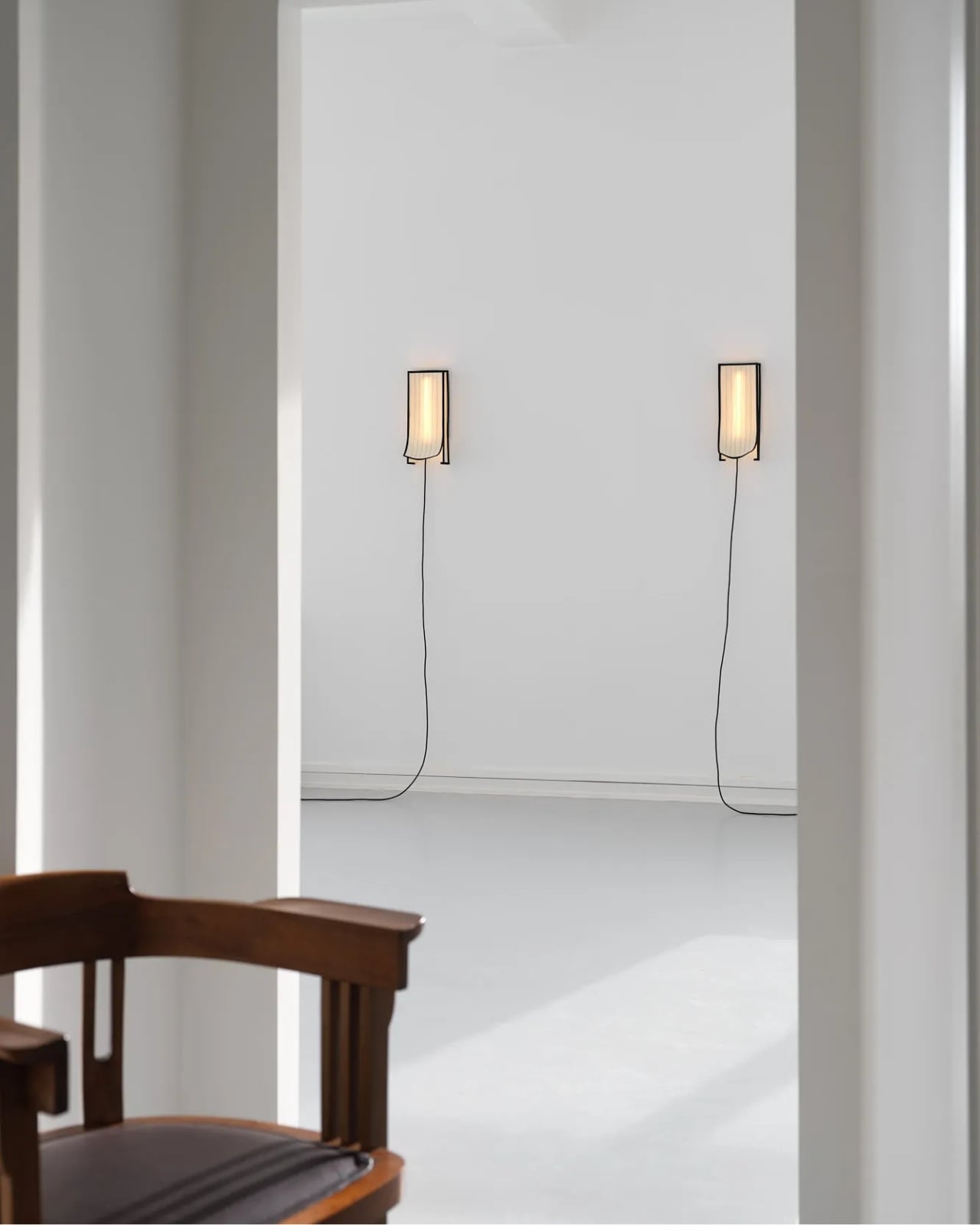
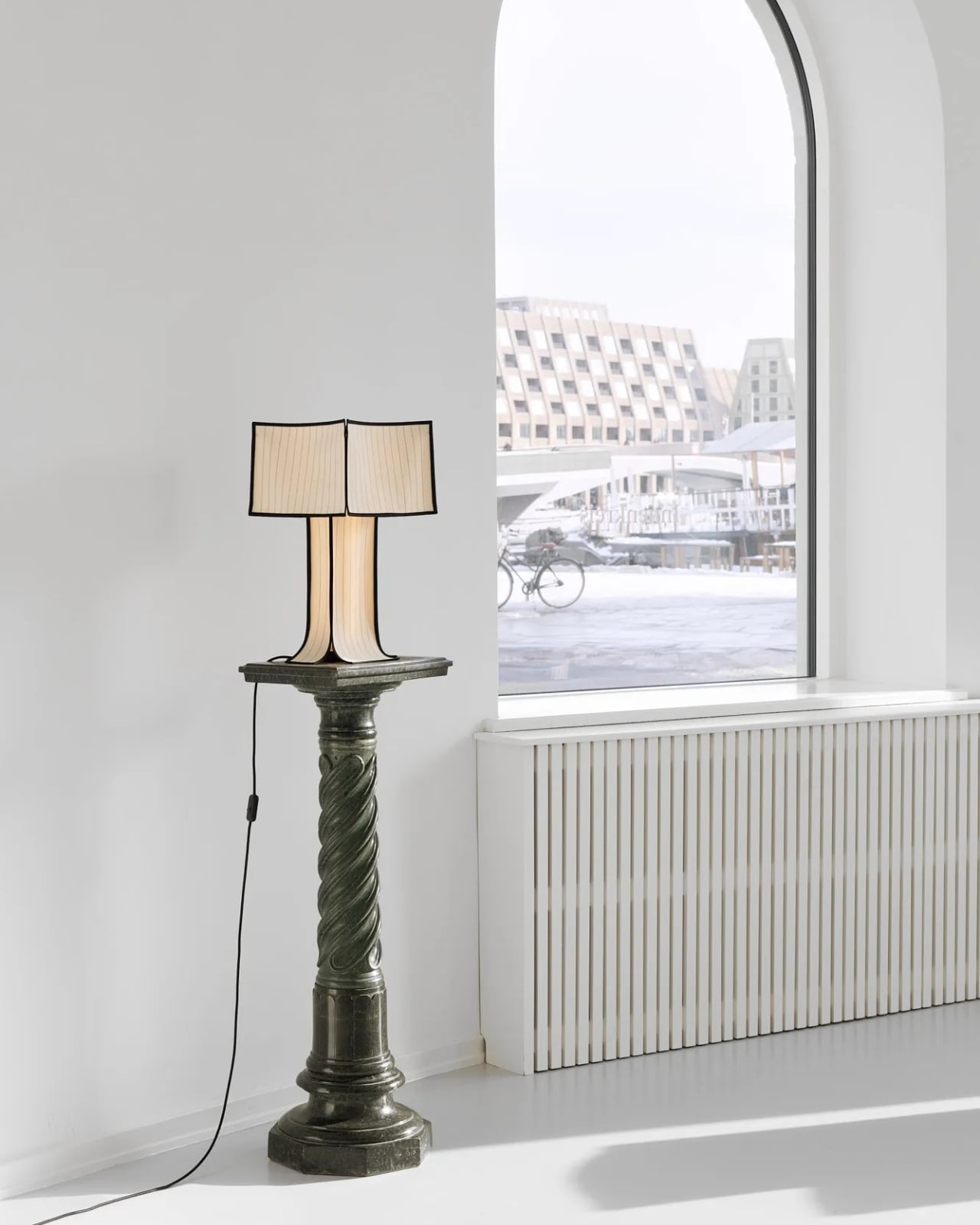
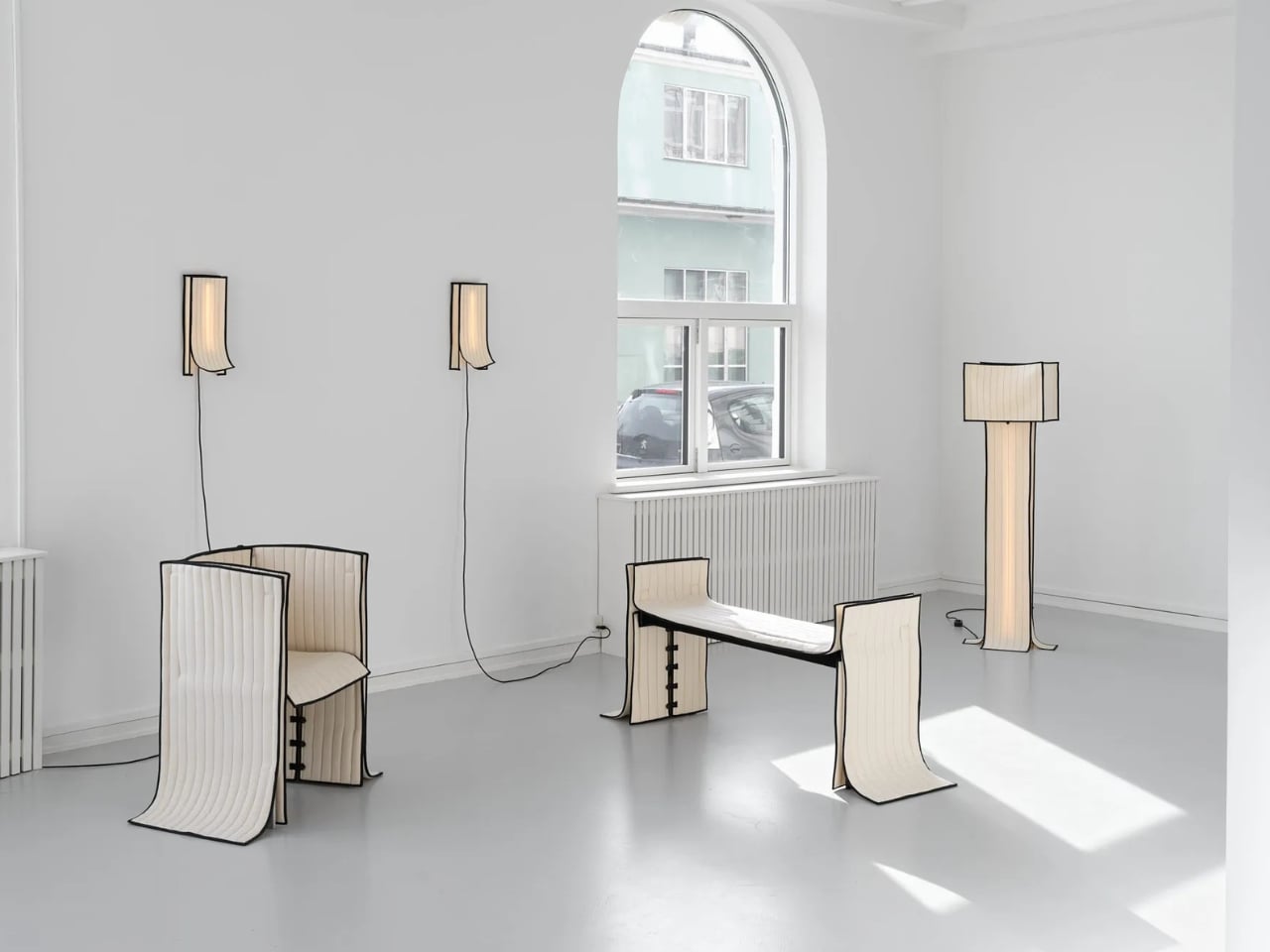
The collection includes a daybed, a chair, a bench, table lamps, a floor lamp, and wall lamps, all presented in soothing cream and chocolate-brown hues. The palette is calm and considered, which makes sense. These are pieces that ask you to slow down and look closely, because the detail is where the story actually lives.
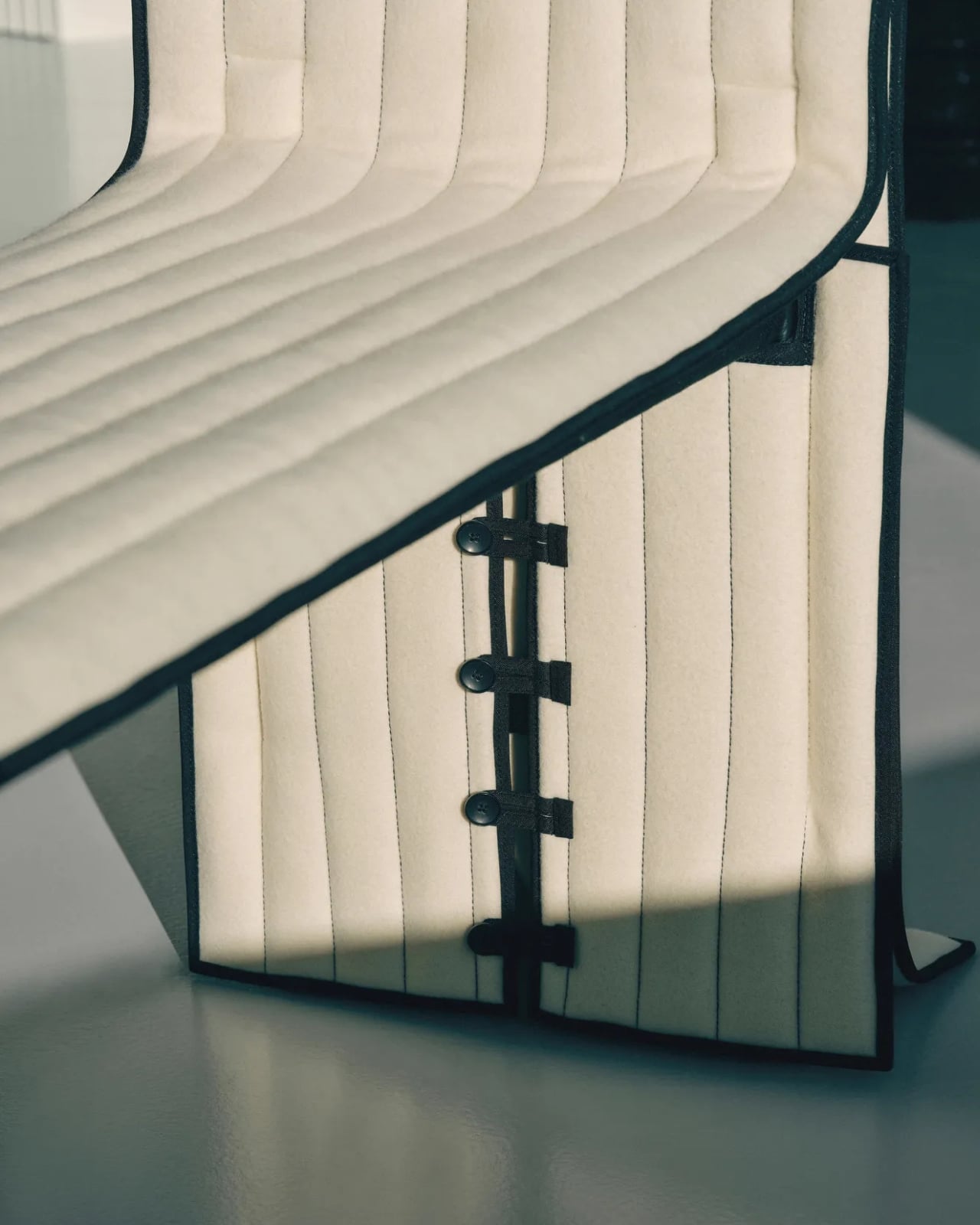
The daybed is probably the clearest expression of the concept. Long, low, and dressed in Kvadrat wool with visible quilting stitches running across its surface, it reads more like a made bed than a piece of showroom furniture. The fabric is not pulled over the form but rather allowed to settle onto it, the way a well-cut linen drapes over a body. The powder-coated steel frame beneath does its structural job quietly, without announcing itself.
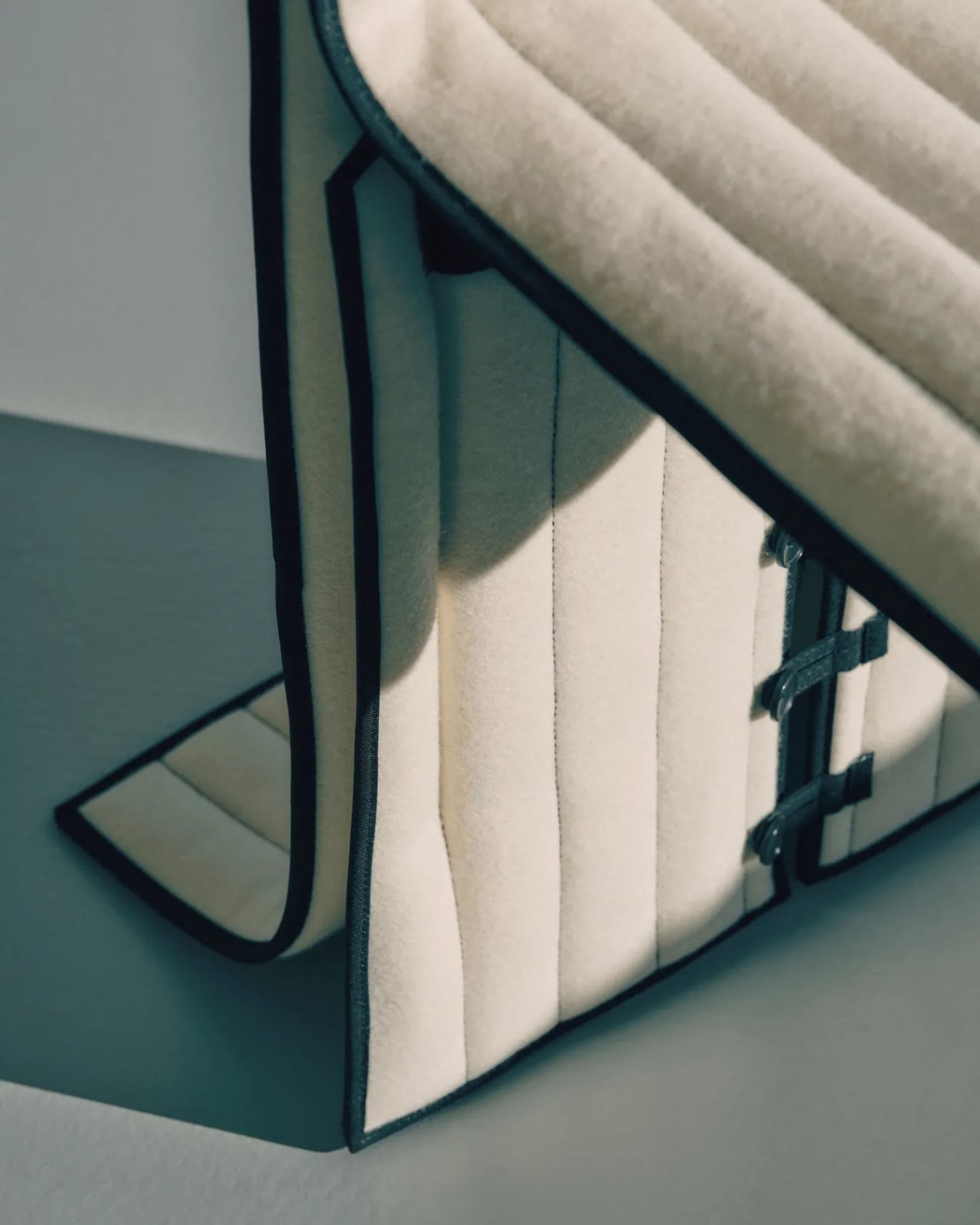
The bench follows a similar logic. Compact and precise, it carries the same quilted wool surface and the same twill weave edge banding that appears across the collection. That edge band is a detail worth pausing on. Ryom chose it specifically because twill weave is a technique rooted in clothing and home textiles rather than furniture. “It places the upholstery pieces somewhere in between,” she has said, “adding to the feeling of a tailored piece rather than upholstery.” It is a small choice with a large effect on how the finished object feels.
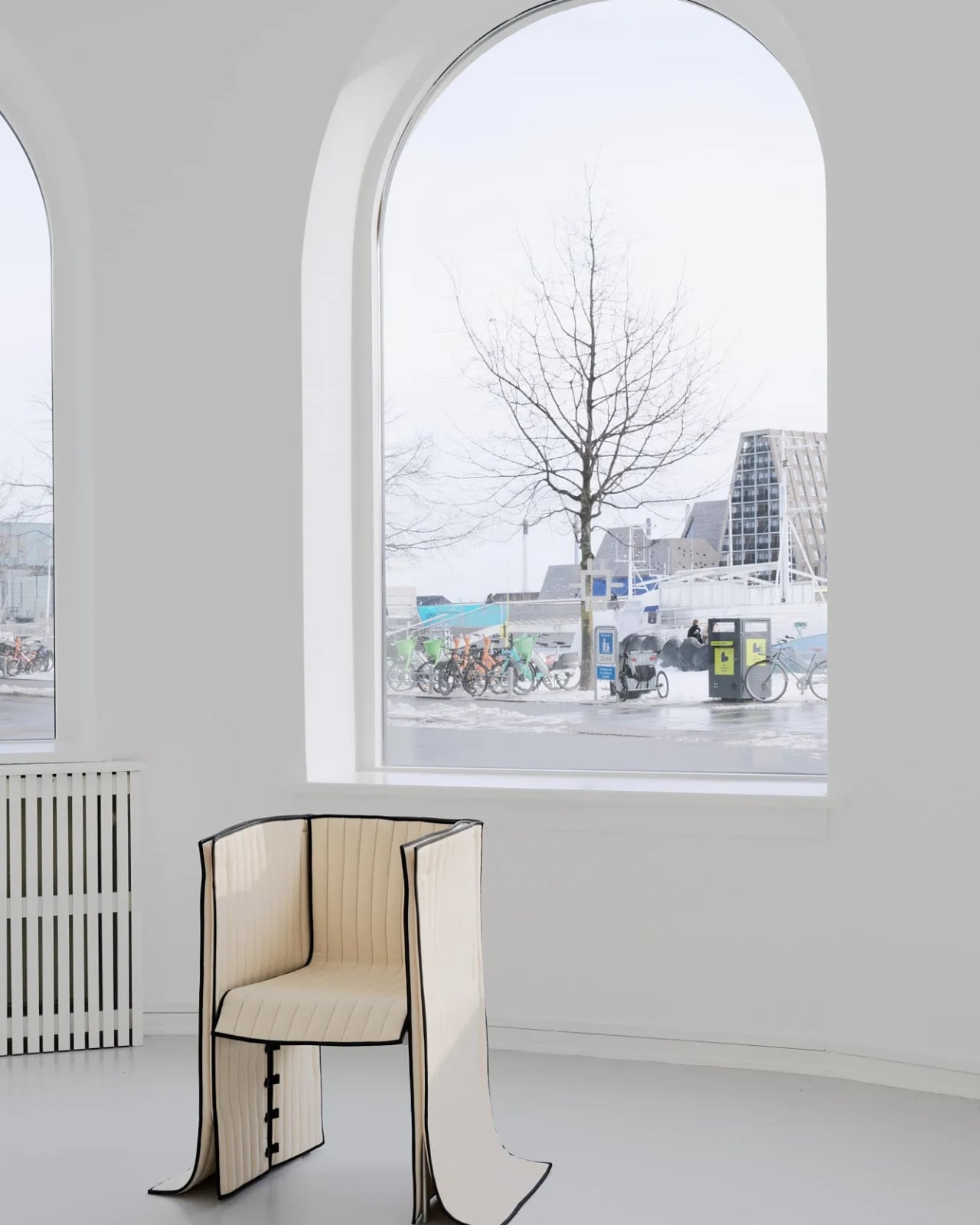
The chair, built on an aluminium frame rather than steel, is the lightest piece structurally, and it shows. It sits with a kind of ease that heavier upholstered chairs rarely manage. The wool covers it without gripping it, and the stitching adds just enough surface interest to reward a second look without demanding one.
The lighting pieces are where the tailoring metaphor gets genuinely interesting. The floor lamp and table lamps, both on powder-coated steel bases, incorporate fabric shades that are constructed the same way as the seating pieces, draped and stitched rather than stretched and glued. The wall lamps, built on stainless steel bases, carry the same approach. Seeing the textile treatment applied to lighting as well as furniture makes the collection feel like a genuine system of thinking rather than a one-off experiment. Ryom is not just applying a technique to a single object type. She is testing a philosophy across an entire interior.
Underlying all of it is a material choice that matters. The Kvadrat wool she selected deliberately lacks visible weaving, which gives the stitching room to become the primary surface detail. The quilting is not decorative in a fussy sense. It is structural and honest, doing exactly what it appears to do, which is hold the fabric in place without adhesives or staples. The result is upholstery that can be disassembled, repaired, and eventually recycled. The clothes metaphor is not just aesthetic. It is practical in the most direct way possible.
Ryom, born in 1995 and working out of The Factory for Art and Design in Copenhagen’s Amager district, has been exploring alternative upholstery techniques for several years. Raiments feels like the point where that exploration becomes a fully formed position. The pieces are not minimal for the sake of it. They are restrained because restraint is what the concept requires. Every choice, from the aluminium chair frame to the stainless steel wall lamp bases to the twill edge banding, is in service of the same idea: that furniture should be dressed, not wrestled.
Whether or not that idea changes how people think about upholstery at large is probably too early to say. But Ryom has made a collection that is hard to look at and then go back to thinking about furniture the old way. That, for a debut solo show, is more than enough. Raiments is on show at Innenkreis, Herluf Trolles Gade 28, Copenhagen, through 23 May.
Spring cleaning has a branding problem. Every year, the ritual circles back to the same tired playbook: declutter the shelves, reorganize the desk, maybe splurge on a new monitor arm. What never makes the list is the thing your body has been arguing with for eight hours a day, five days a week. The chair. It sits there, static and indifferent, while you shift and squirm through another afternoon of accumulated spinal resentment. LiberNovo’s Spring Refresh campaign, running now through April 15 across North America, is built on a premise the rest of the furniture industry still hasn’t internalized: the most important thing in your workspace is the one holding your skeleton together.
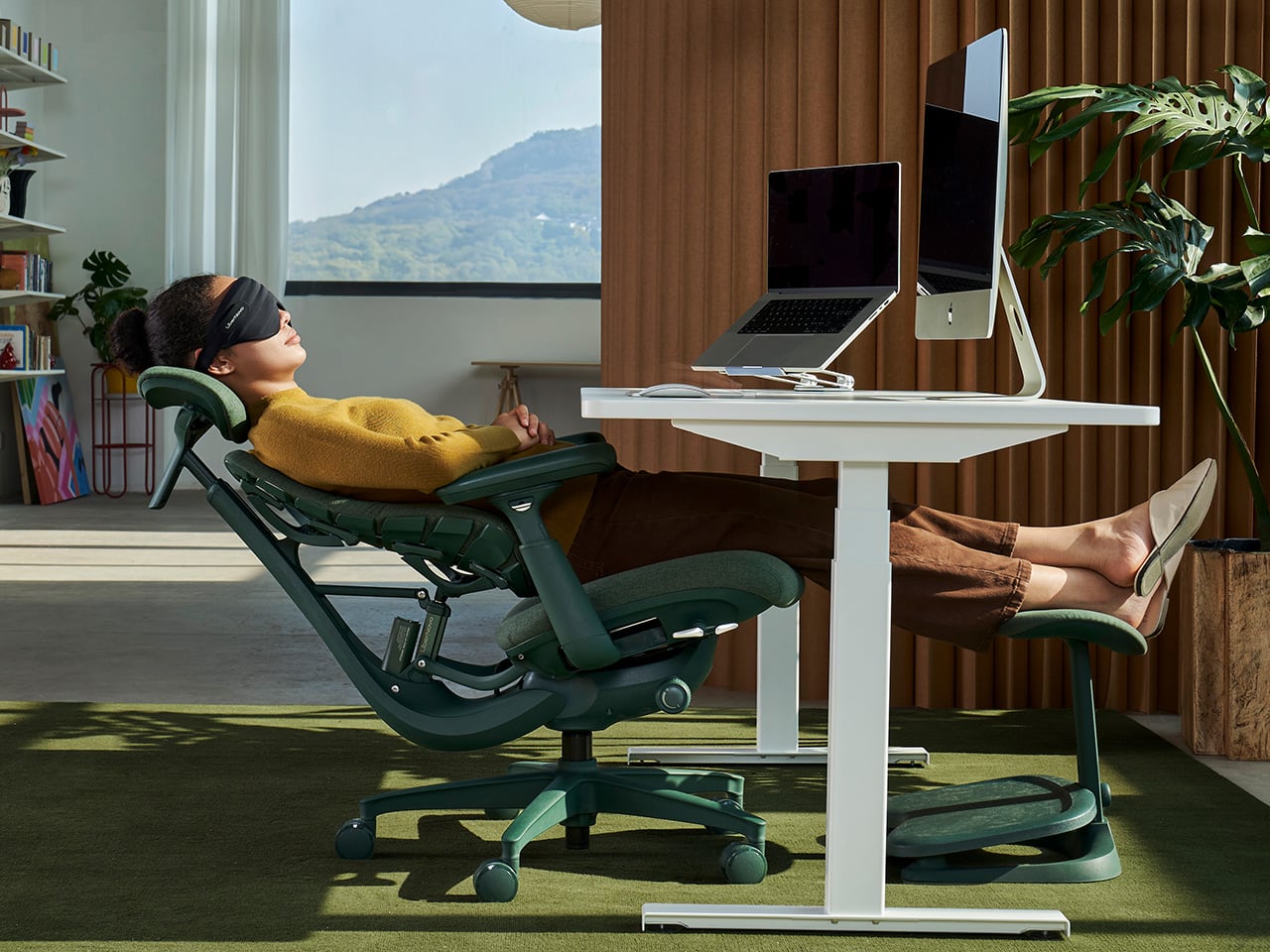
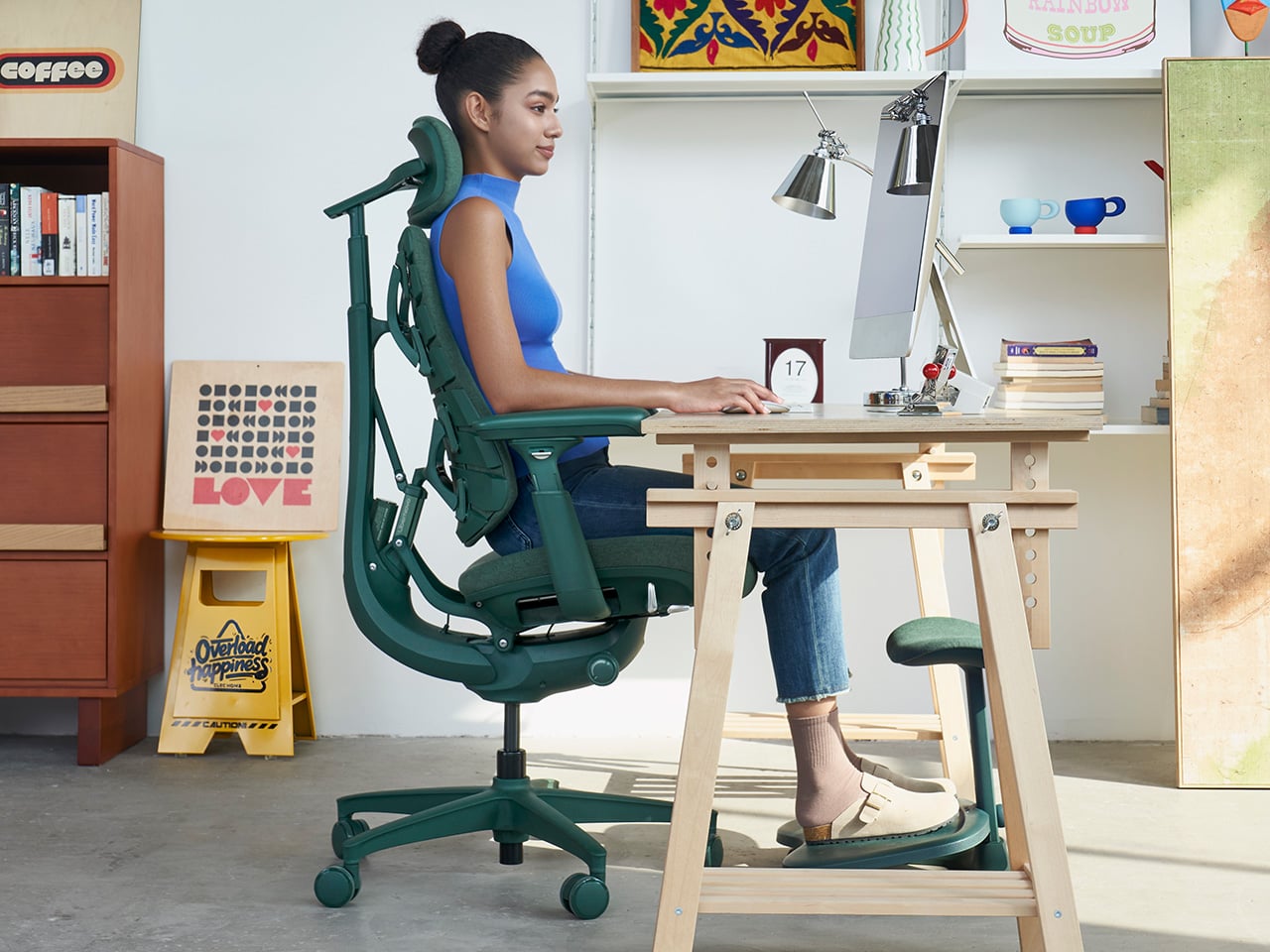
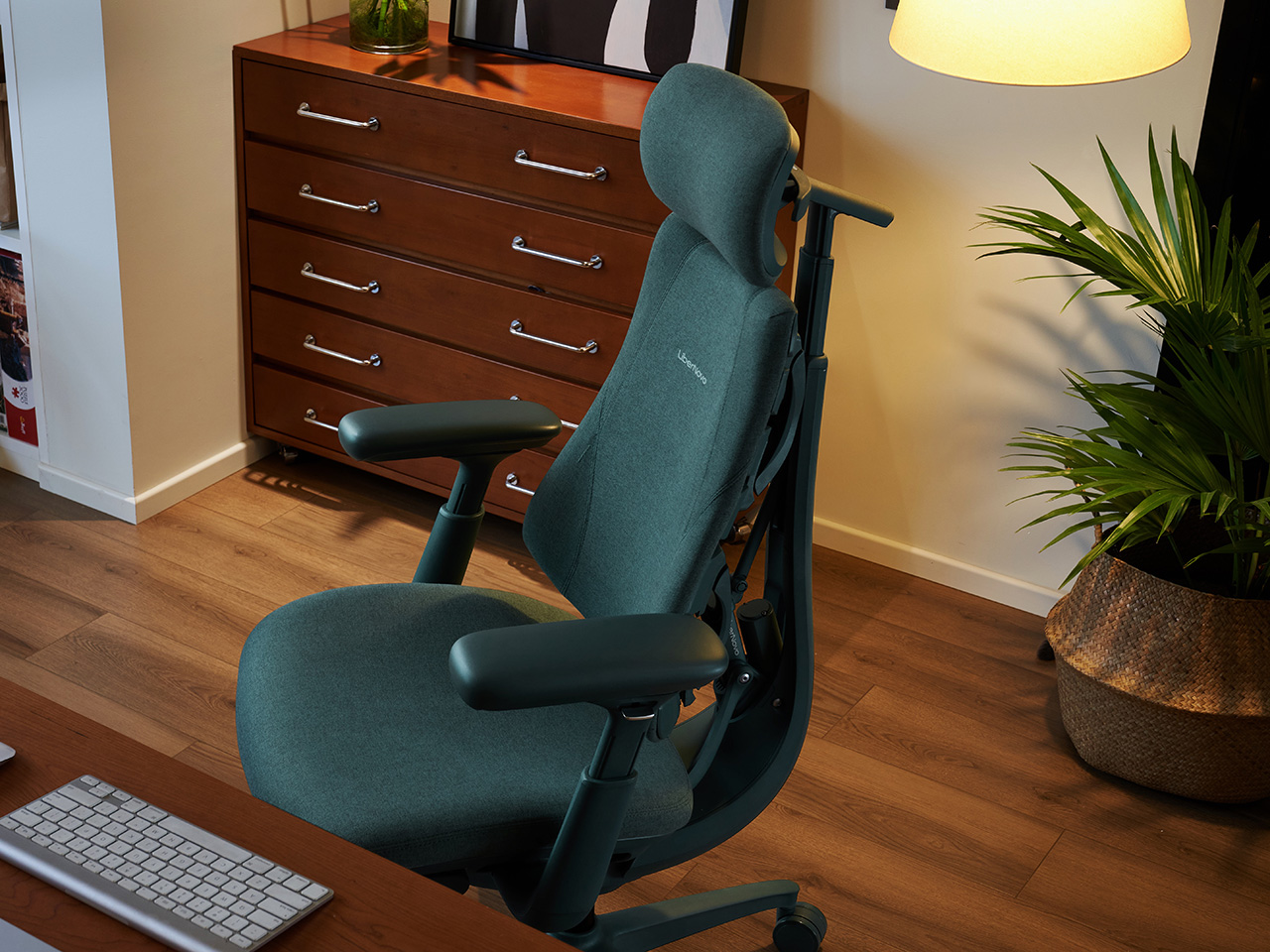
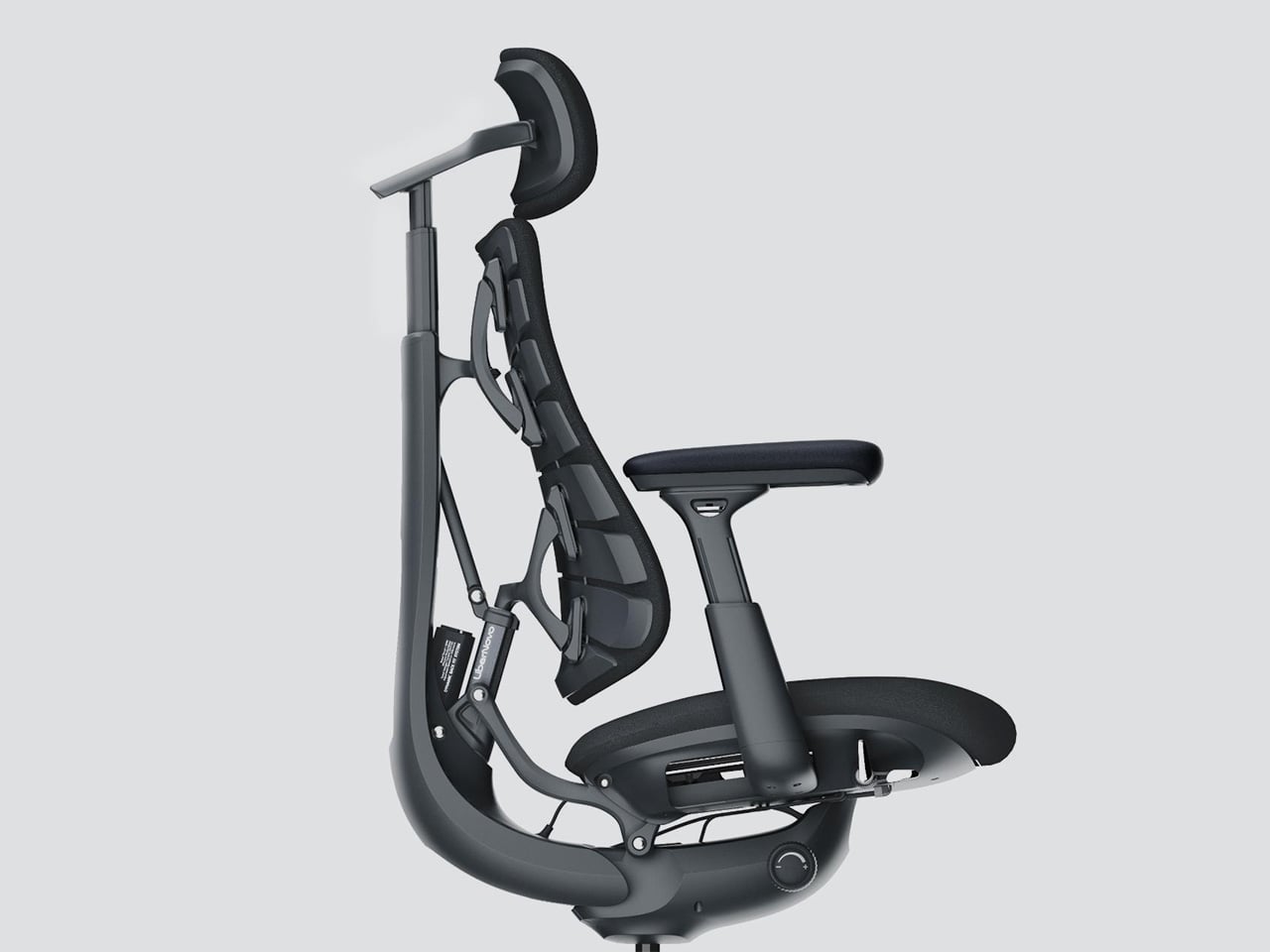
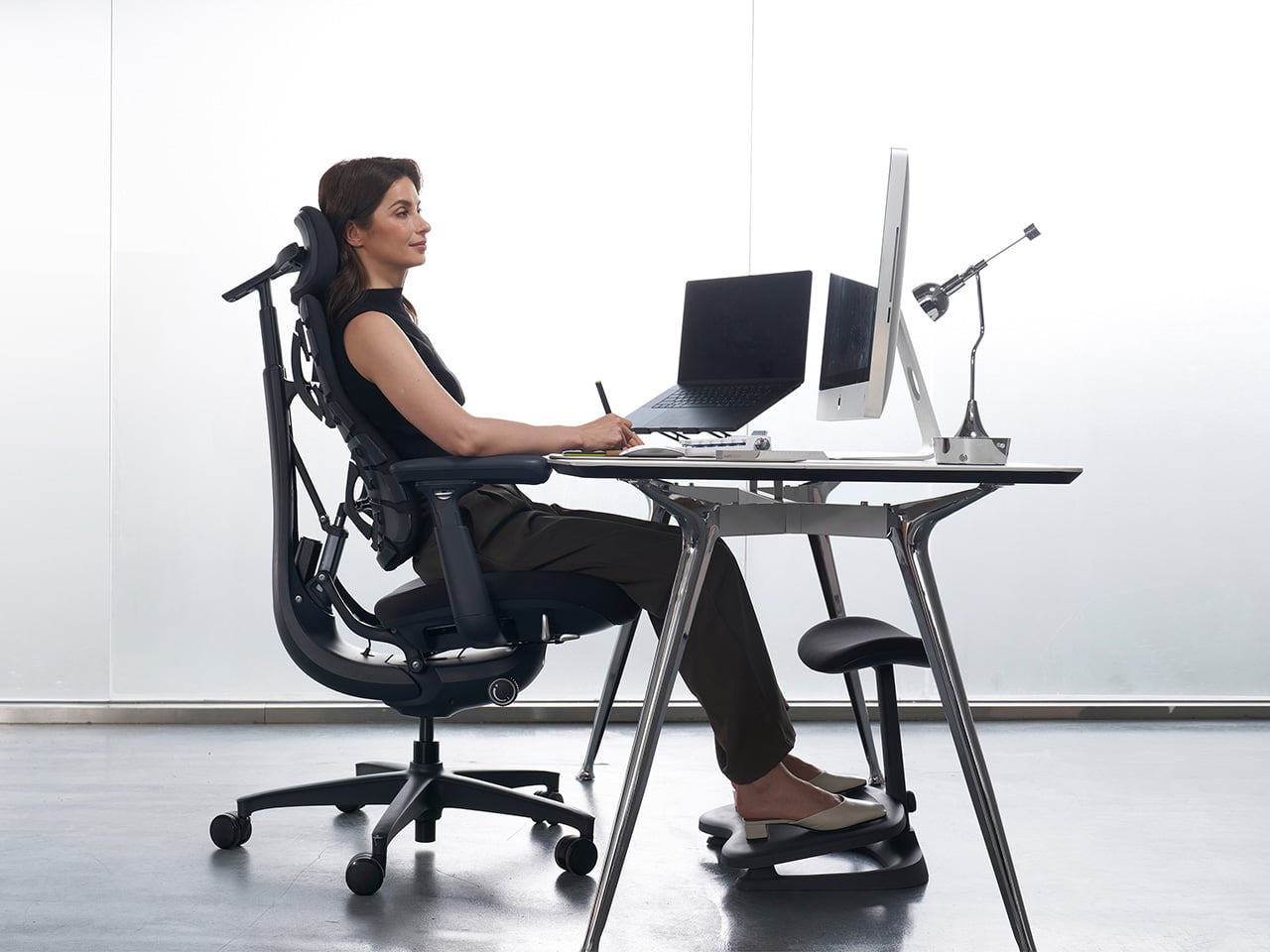
We’ve been fans of the LiberNovo Omni pretty much since day one (and the chair even secured an iF Design Award this year) because it rejected the foundational assumption behind almost every ergonomic seat on the market. Traditional chairs treat sitting as a problem to be solved with the right fixed position. The Omni treats it as a continuous, dynamic event. Its Bionic FlexFit backrest uses 16 spherical joints and eight elastic panels to create a responsive S-curve that maintains full spinal contact as you move, lean, and fidget through your day. Rather than locking you into an ideal posture and hoping for the best, it follows you. LiberNovo calls this “Support by Motion,” and after three rounds of coverage, it remains the most honest description of what the chair actually does.
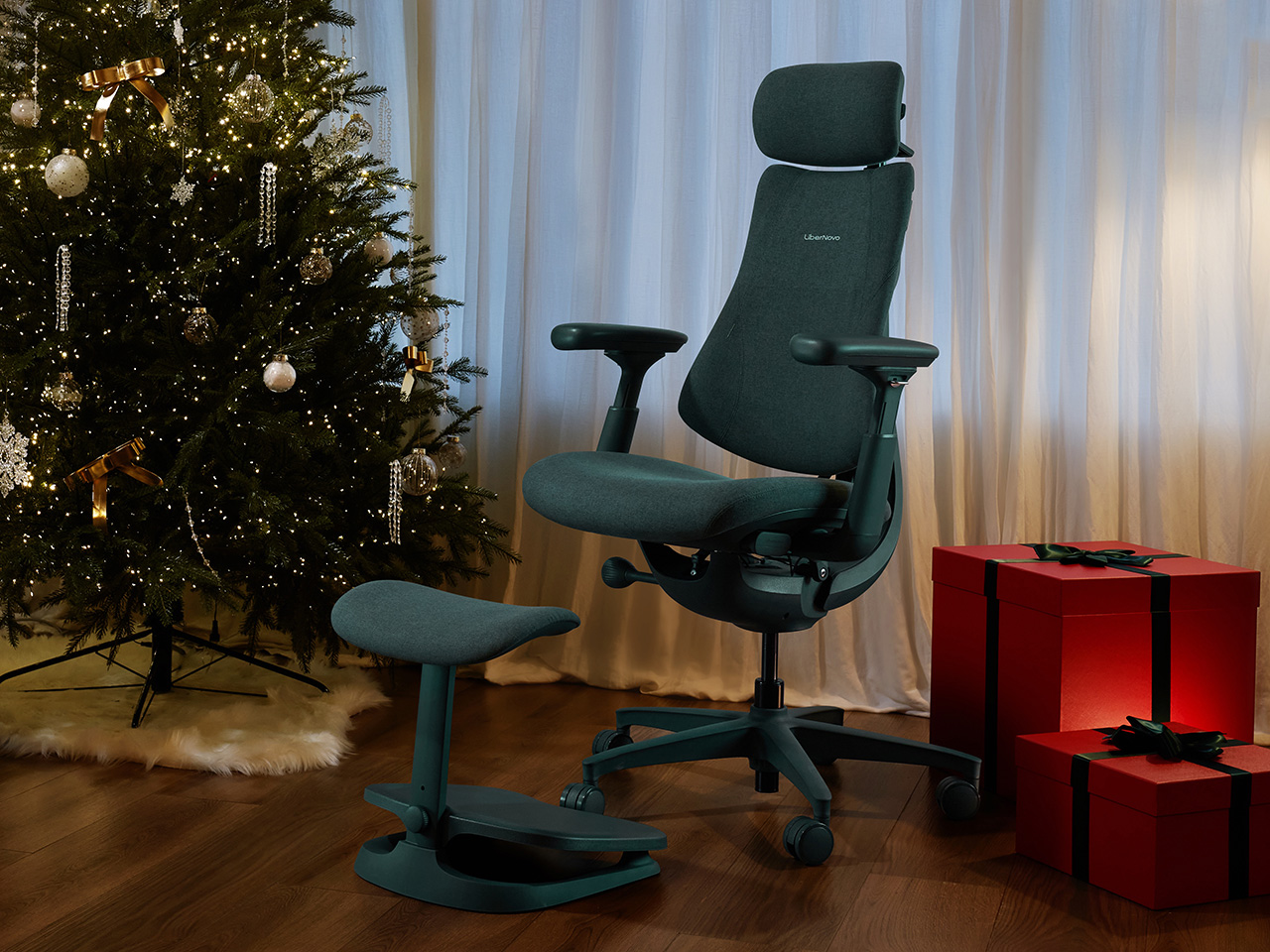
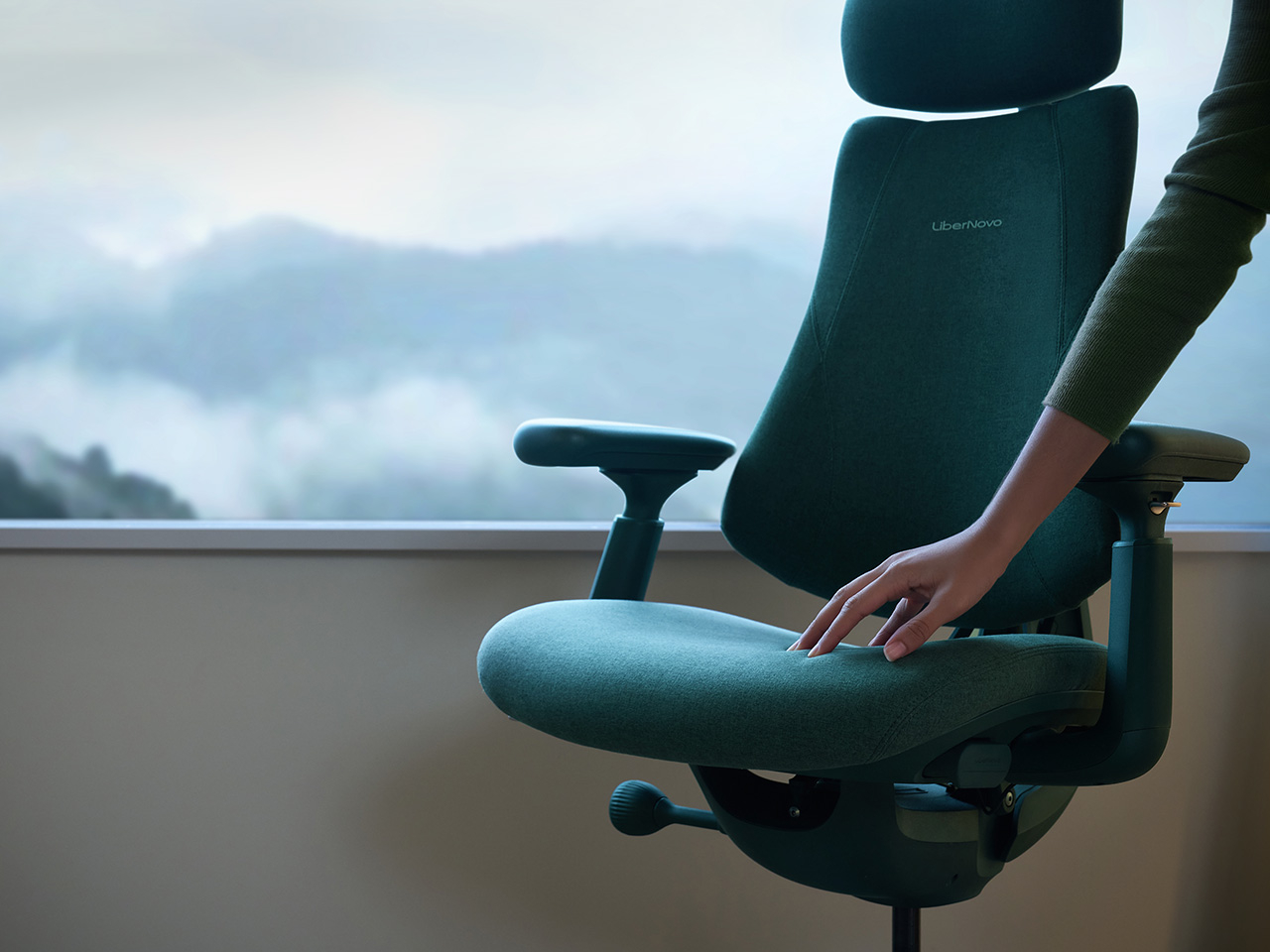
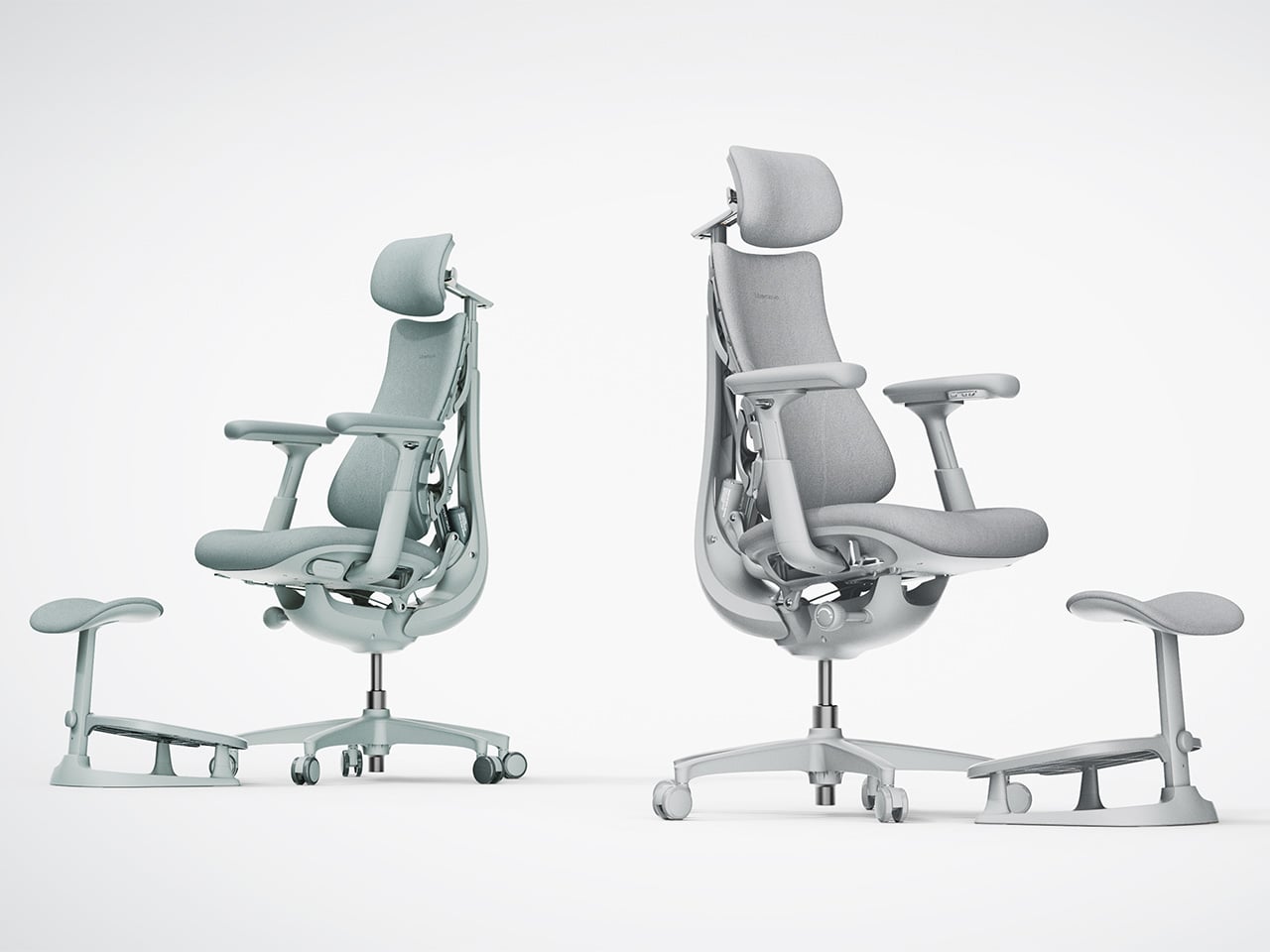
What the Spring Refresh edition brings into focus is the Moss Green colorway, and the design rationale runs deeper than seasonal window dressing. Office furniture has defaulted to clinical grays and matte blacks for decades because they read as serious and professional, but that palette does nothing for the visual fatigue that compounds over a long work session. The Moss Green option is a low-saturation, earth-toned hue informed by biophilic design principles, which connect sustained exposure to natural tones with measurable psychological restoration. The short-pile velvet surface introduced with this variant reinforces that effect tactilely, rated to withstand over 50,000 wear cycles while remaining breathable against skin. It is a quieter, more grounded presence than the existing Midnight Black and Space Grey options, and it suits the growing cohort of professionals who want their workspace to feel less like a server room.
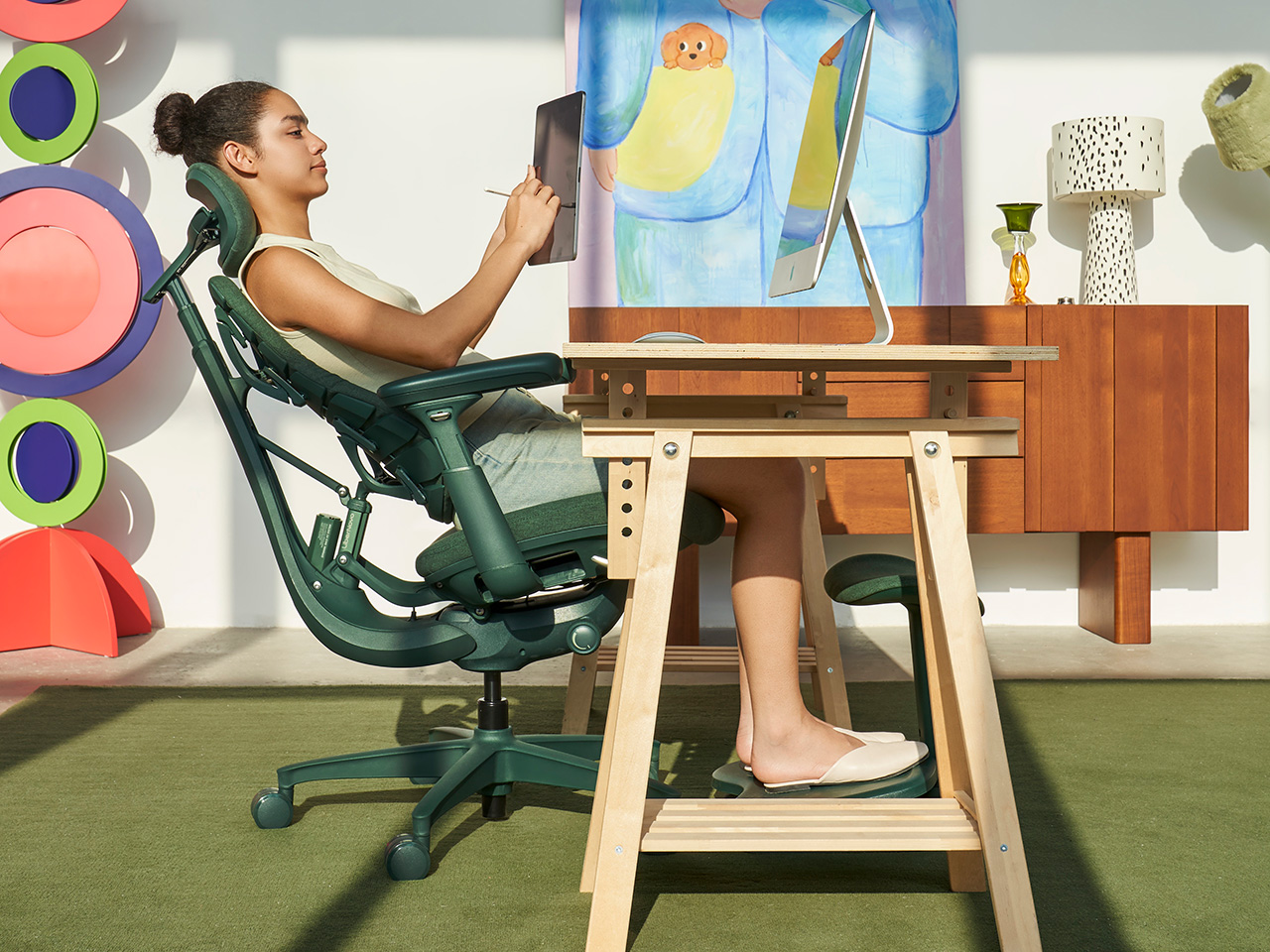
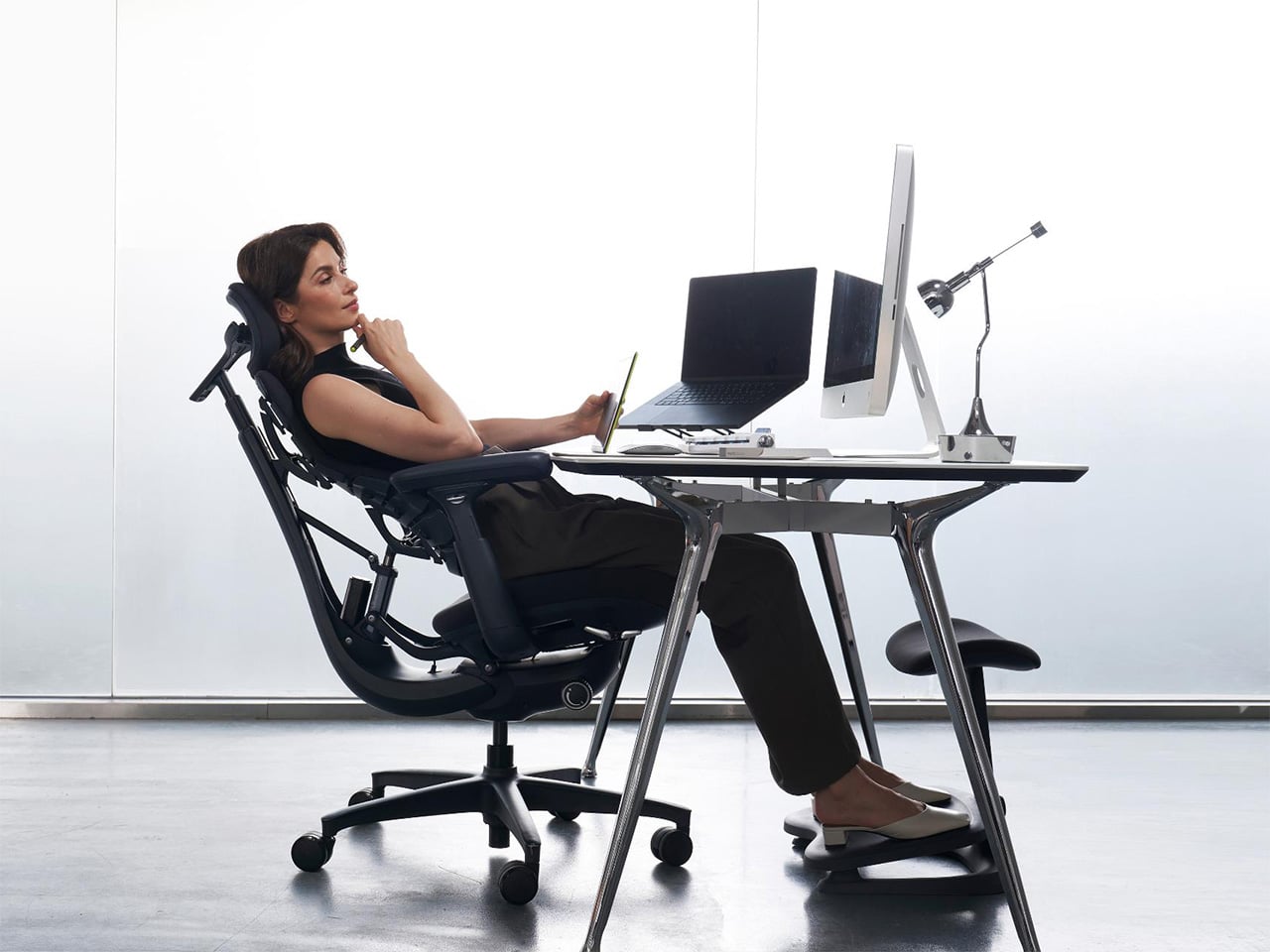
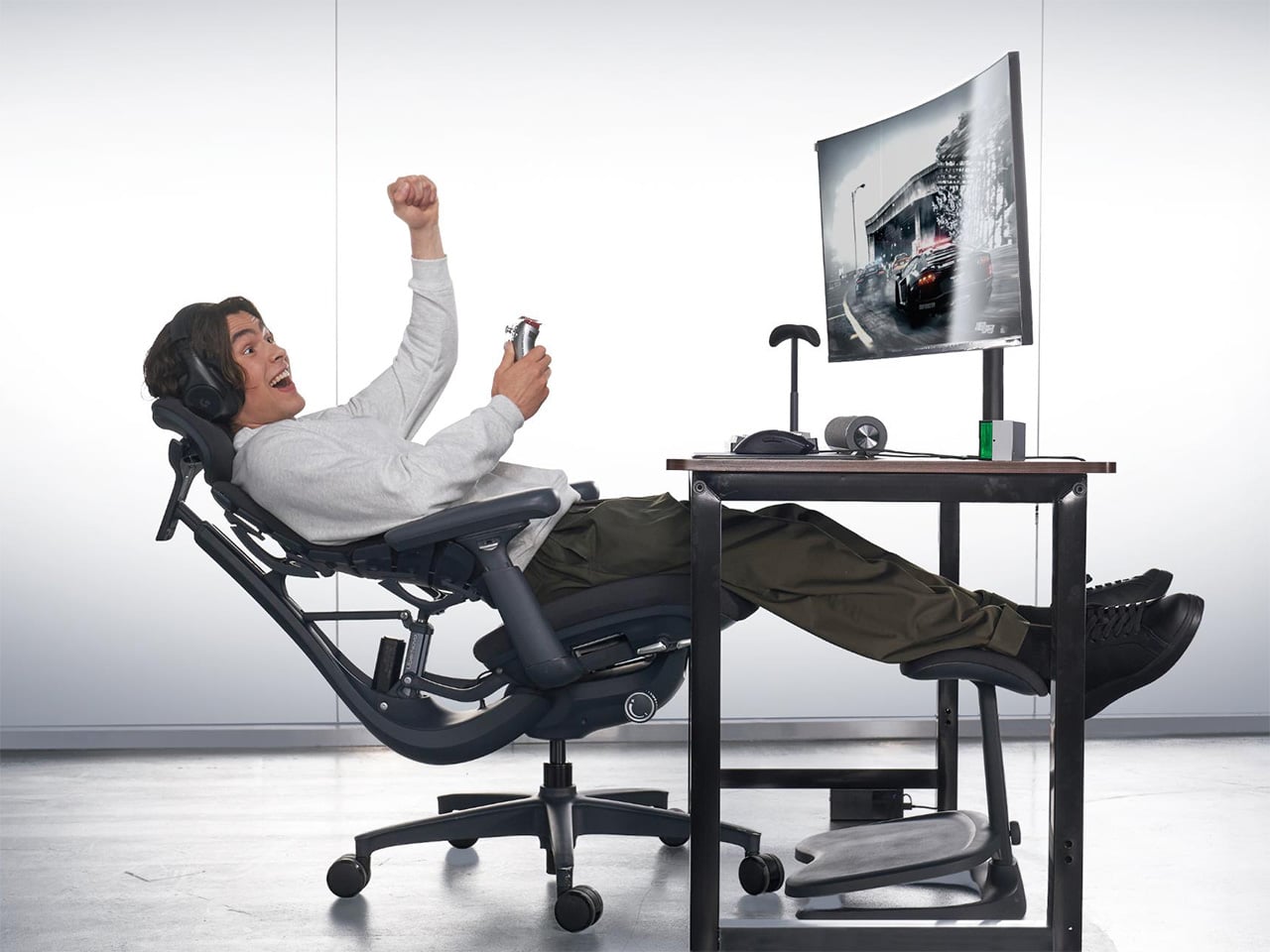
The four recline modes map to distinct cognitive and physiological states that anyone logging long creative or technical sessions will recognize. The 105° Deep Focus position keeps the body alert and slightly forward, suited for concentrated output where posture and attention run in parallel. The 120° Solo Work setting is where most of a professional day actually happens, steady and supported without any sense of being locked in place. At 135°, the chair shifts into active recovery territory, appropriate for long calls or the kind of diffuse thinking that does not look like work but frequently is. The 160° Spine Flow position, combined with the OmniStretch motorized stretch function, delivers a five-minute spinal decompression cycle that reframes the mid-afternoon energy crash as something addressable rather than just inevitable.
The Spring Refresh pricing is tiered across both US and Canadian markets for the duration of the campaign. In the US, the Omni starts at $848, with Spring Refresh bundles discounted up to 30% off. Orders over $800 receive a $15 instant checkout discount, orders above $900 include the Eco Comfort Set comprising a silk eye mask, eco tote bag, and StepSync mat, and orders over $1,000 unlock the Ultimate Perks Pack with a branded cap, sticker set, tote bag, and limited-edition fridge magnet. Canadian pricing starts at CA$1,292, with bundles up to 34% off and parallel tier thresholds at CA$1,200, CA$1,400, and CA$1,500 respectively. The promotion runs through April 15 in both regions.
The broader argument LiberNovo is making this season is worth sitting with. Most workspace upgrades stop at the surface: a new desk pad, better cable management, the kind of organization that photographs well but does not change how your body feels at 4pm. The Omni, particularly in the Moss Green edition, pushes toward a different category of improvement, one that treats the workspace as health infrastructure rather than aesthetic backdrop. That is a less immediately gratifying pitch than a fresh coat of paint on the home office, but for anyone who has spent enough time in a bad chair to understand what a good one actually costs, it is the more compelling one.
Most office chairs operate on a quiet assumption that sitting is something your body should adapt to, not the other way around. You adjust the height, nudge the lumbar support into roughly the right position, and then spend the rest of the day subtly fighting the chair anyway. The ache between your shoulders, the stiffness in your lower back by mid-afternoon, that’s just part of the deal, apparently, and most of us have accepted it without much argument.
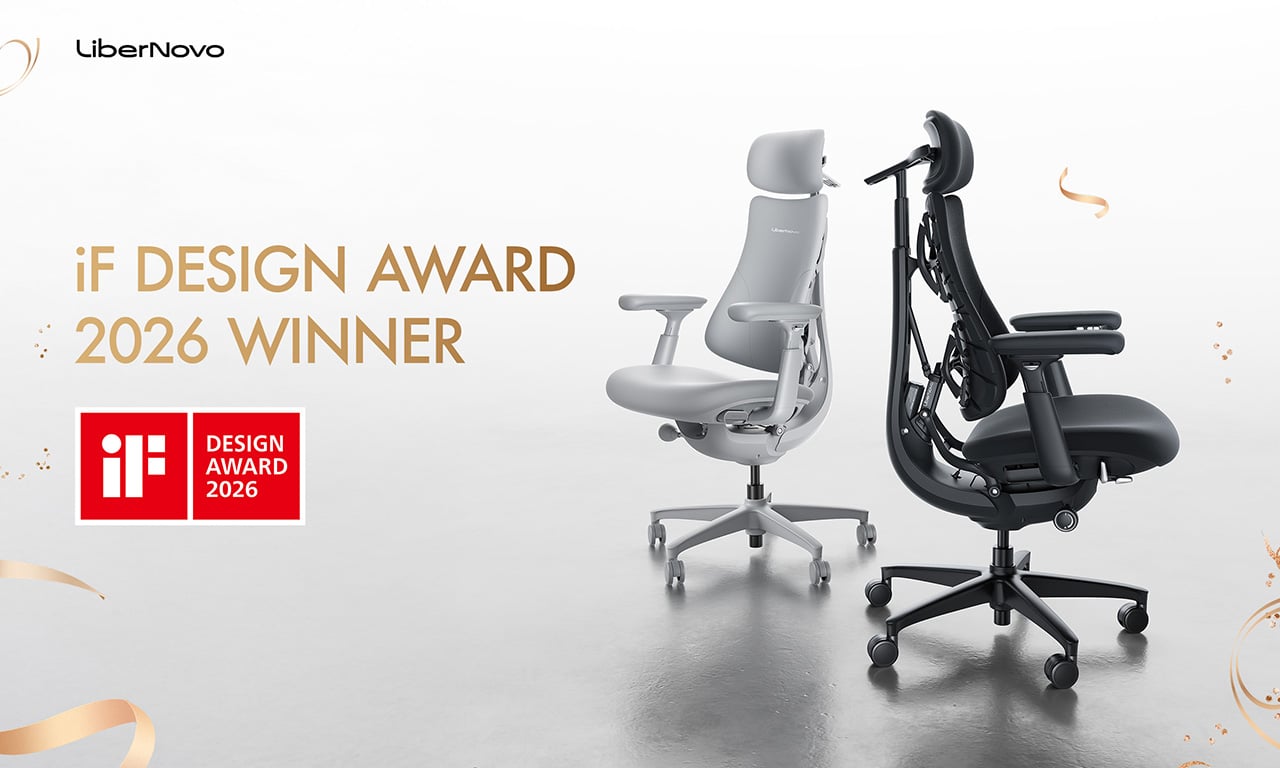
LiberNovo decided not to accept it. The result is the Omni, a chair the company calls a Dynamic Ergonomic Chair, and it just picked up the iF DESIGN AWARD 2026 in the Product Design – Beauty/Wellness category. The iF Design Award has been one of the most internationally respected design recognitions since 1954, with this year’s cycle drawing more than 10,000 entries from over 60 countries. That’s a serious field to stand out in
The core idea behind the Omni is that your posture doesn’t stay fixed throughout a workday, so your chair probably shouldn’t either. The Bionic FlexFit Backrest is built around that logic, using 16 spherical pivot points, 8 adaptive flexible panels, and 14 dual-connection points to follow the natural curve of your spine as it shifts. It covers you from the hips up through the shoulders, spreading pressure across the whole back rather than piling it onto one fixed lumbar point.
What makes this work in practice is the Dynamic Support system, which adjusts automatically to changes in your posture without you having to reach for anything. Lean forward during a focused stretch of work, sit back when you’re thinking something through, the chair tracks those shifts, and responds in real time. It’s the kind of feature that sounds modest until you realize how much of your day you’ve spent adjusting a chair that couldn’t do this.
Then there’s OmniStretch, which is where the Omni starts to feel like something genuinely different. Sitting for long hours compresses the lower spine gradually, and most chairs just let that happen. OmniStretch is a guided decompression feature that gently stretches the lower spine during the workday, designed to actively relieve pressure rather than simply tolerate it. It’s probably why the iF jury placed the Omni in the Beauty/Wellness category: this chair isn’t just holding you up, it’s doing a bit of recovery work along the way.
The Omni also offers four recline positions running from 105 to 160 degrees. The shallower end is built for focused, upright work, while the deep 160-degree Spine Flow position is designed for full spinal decompression between sessions. The two intermediate angles cover the range in between, which gives the chair a kind of daily rhythm that matches how most people actually move through their hours rather than sitting rigidly in one position all day.
The chair was developed by LiberNovo’s team in Shenzhen alongside industrial design firm Kairos Innovation, also based there. Winning an iF award is meaningful external confirmation that the design thinking behind the Omni translates beyond the product brief. For a chair that started from the premise that desk work doesn’t have to hurt, that’s a pretty good place to land.
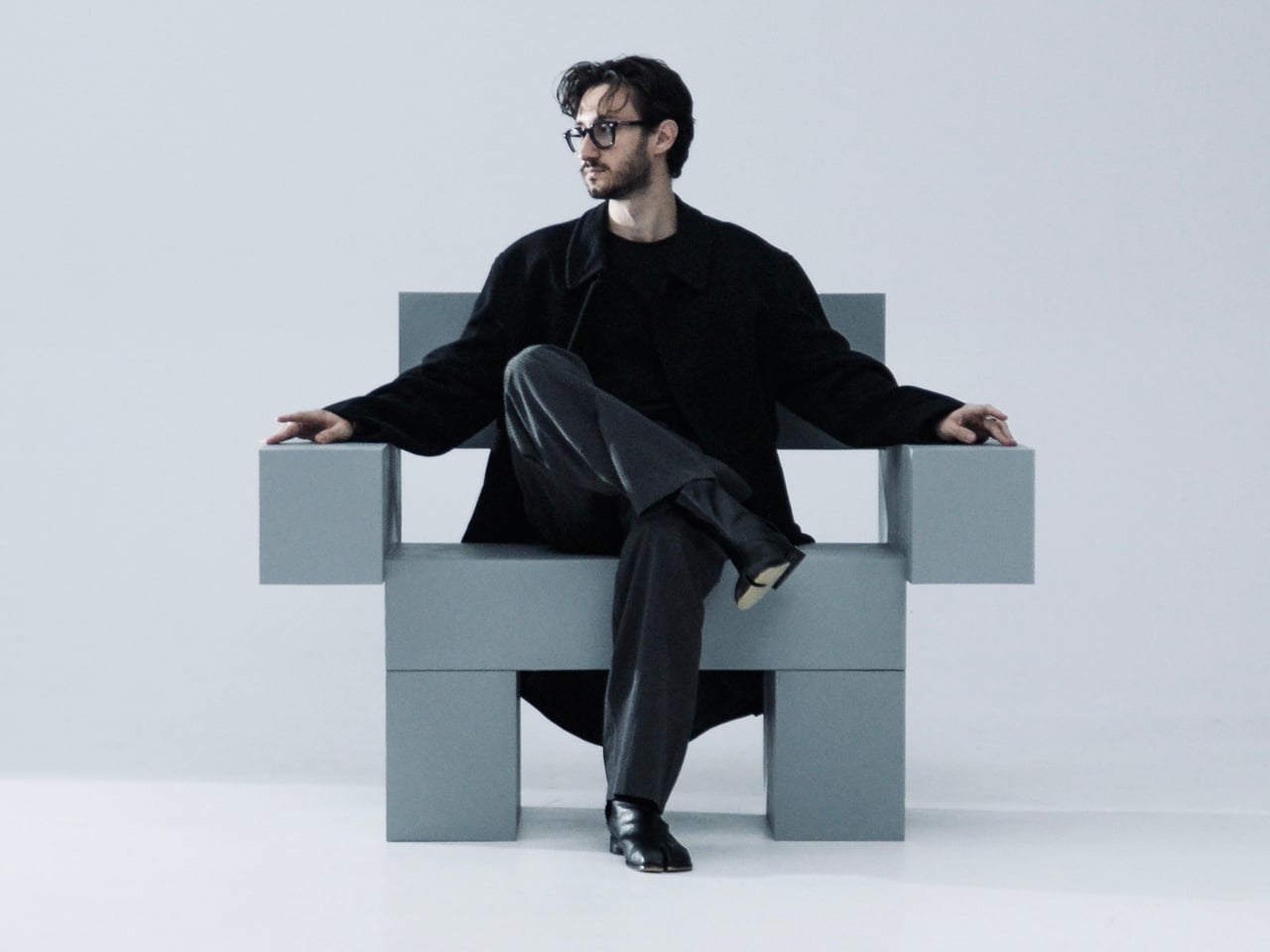
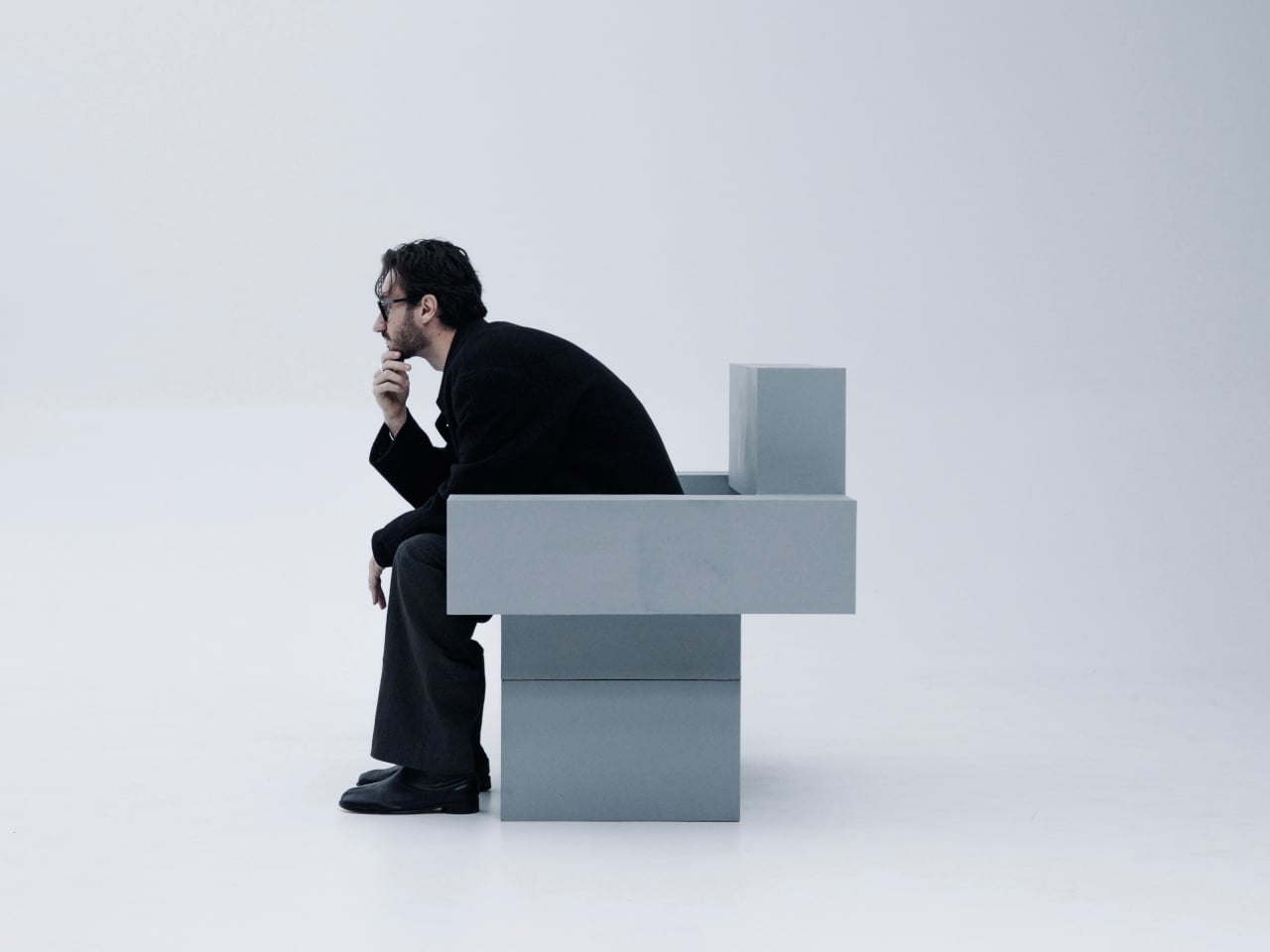
Most furniture sits in a room without saying much. It fills a corner, does its job, and disappears into the background. Nako Baev’s THE OBJECT 01 is not that kind of furniture. The Amsterdam-based designer set out to build a chair that carries the weight of a spatial statement, something that holds its ground without decoration or apology, and in that specific ambition, the object largely delivers.
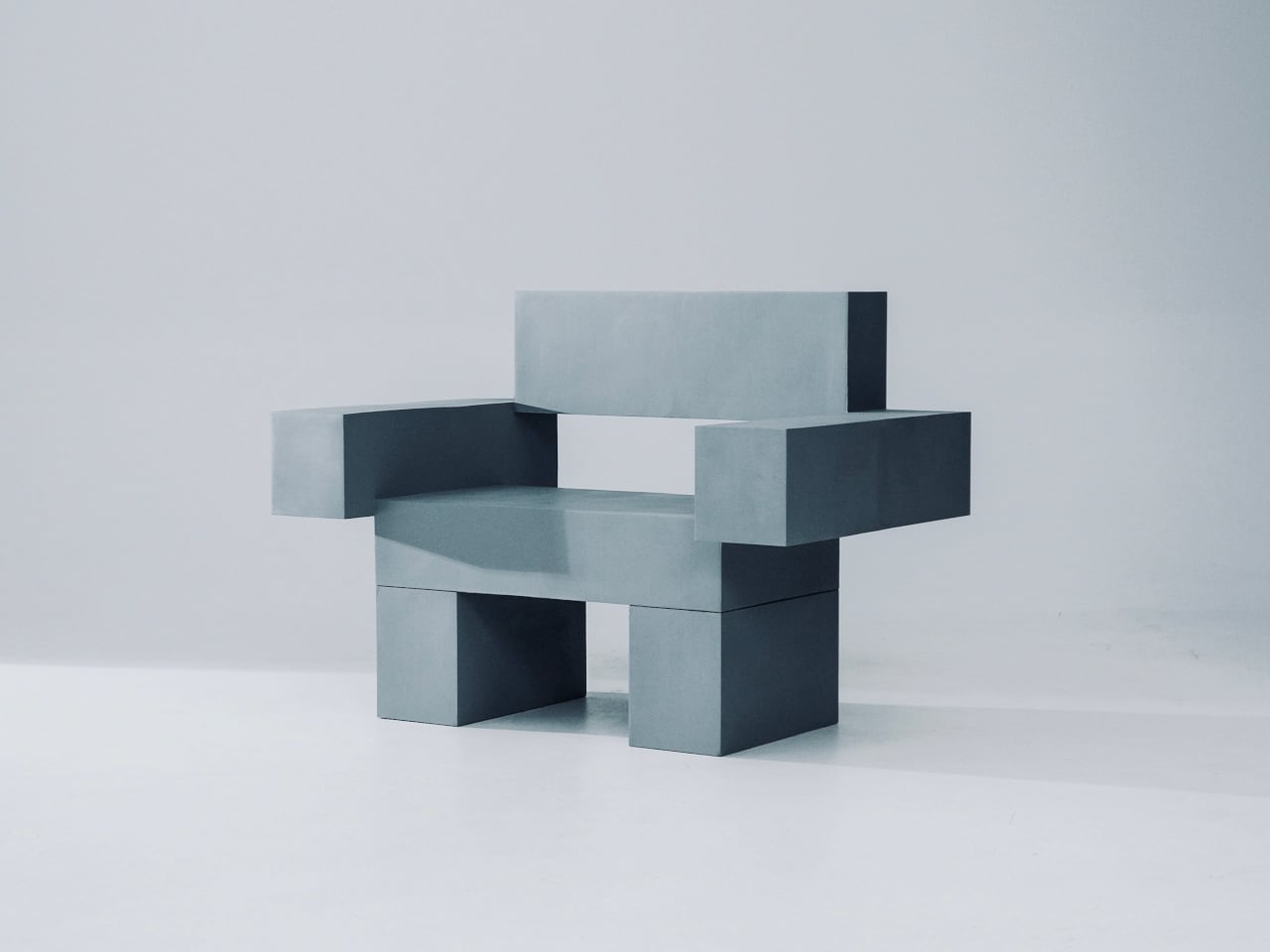
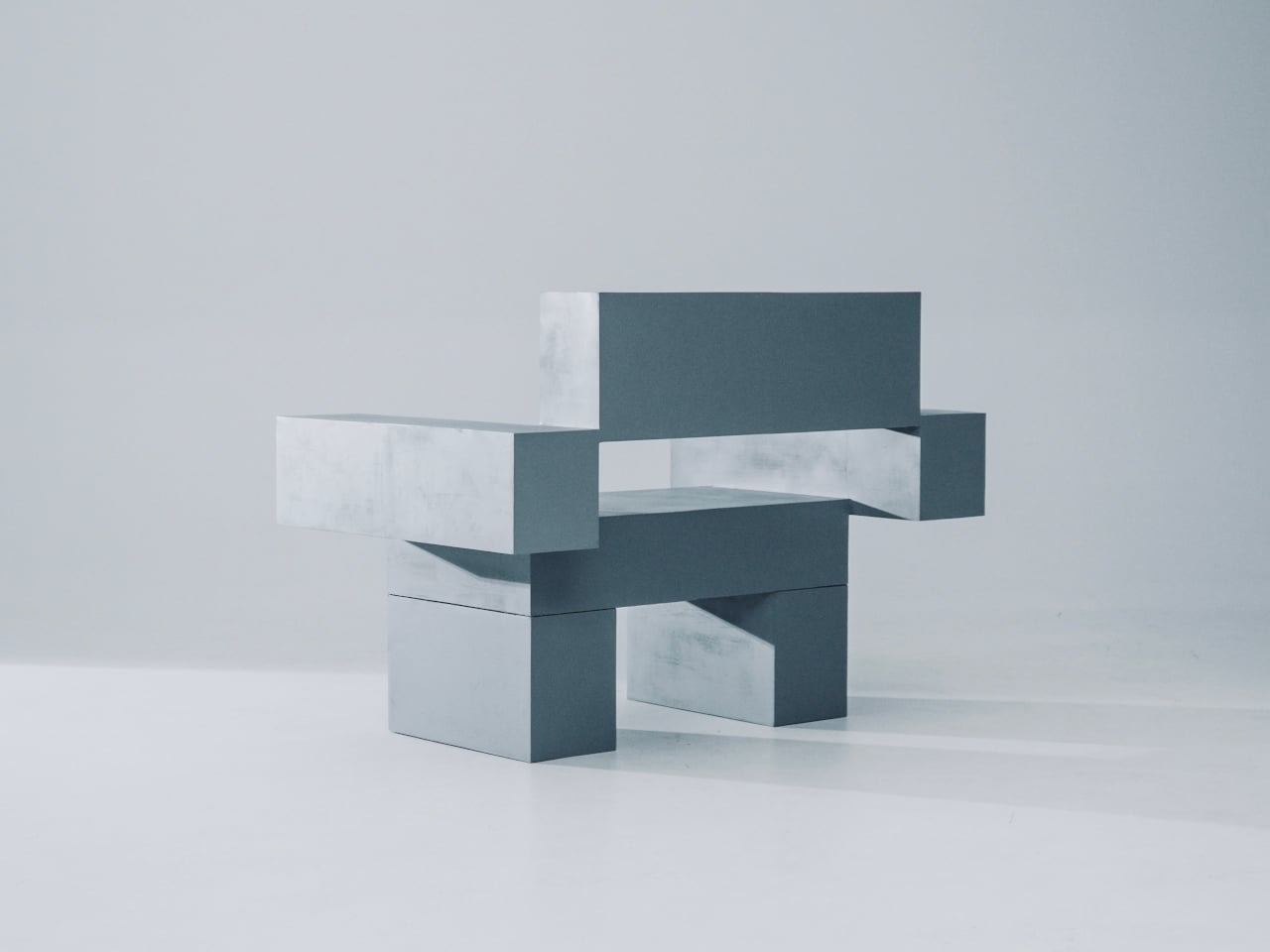
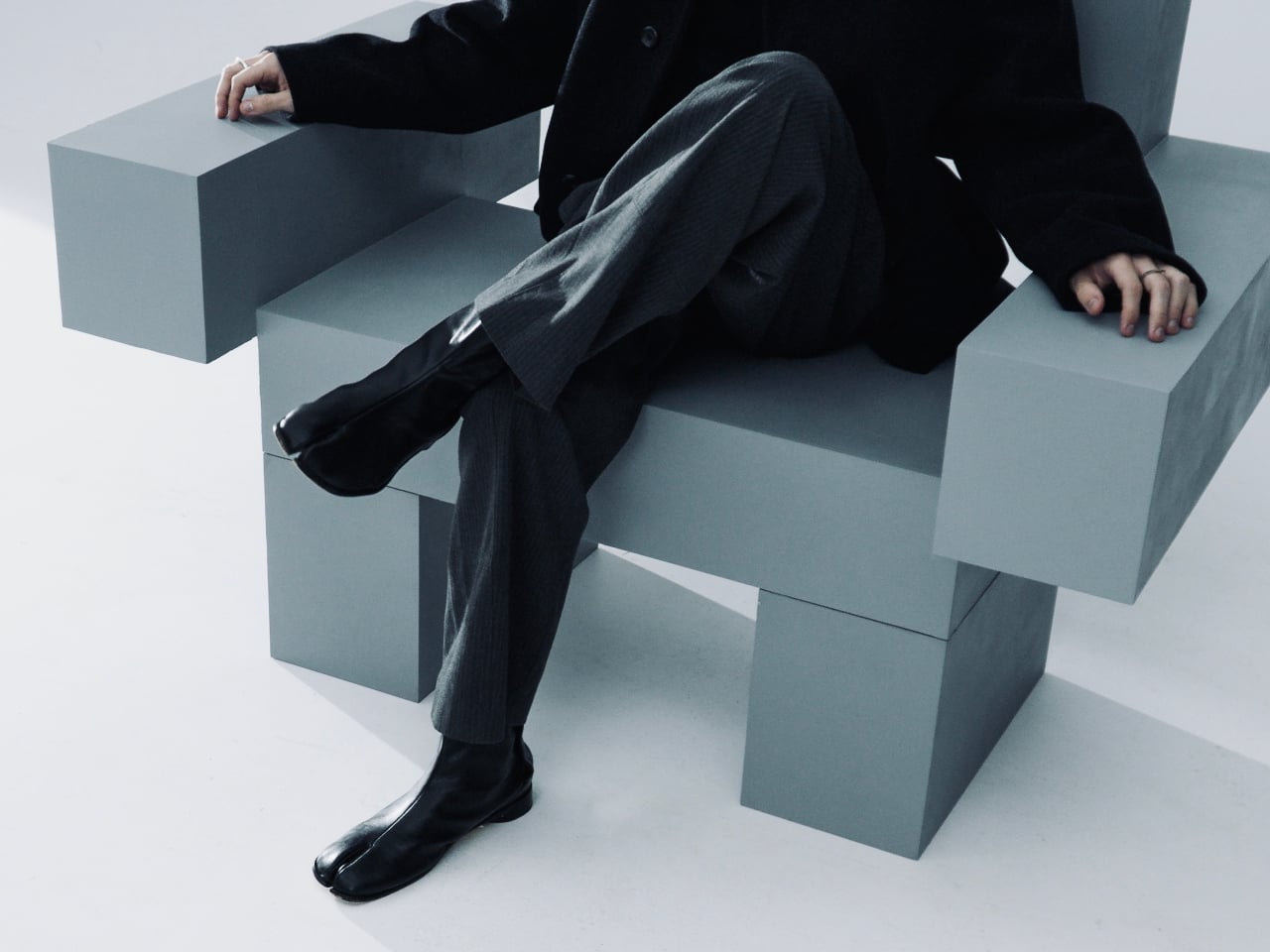
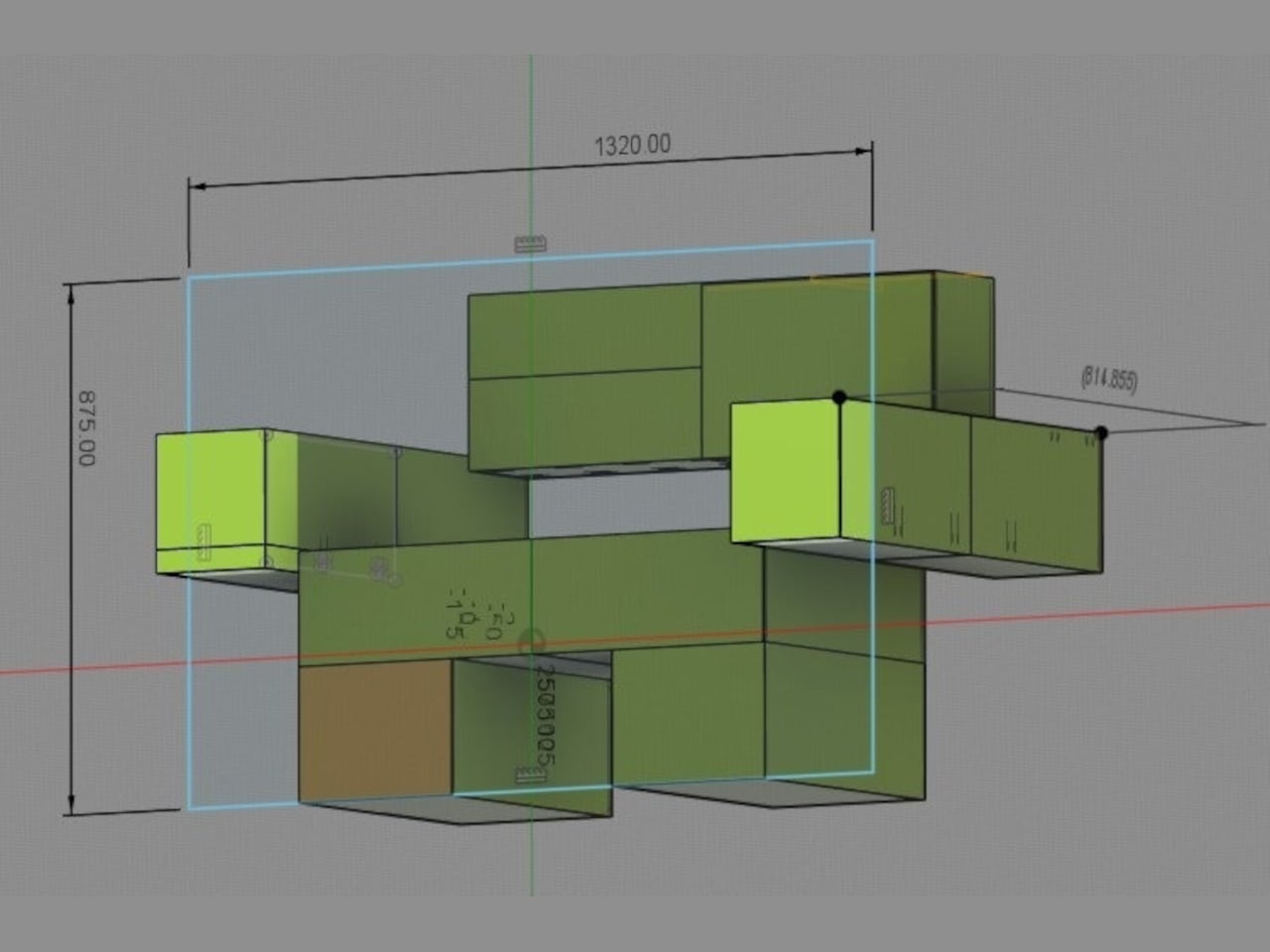
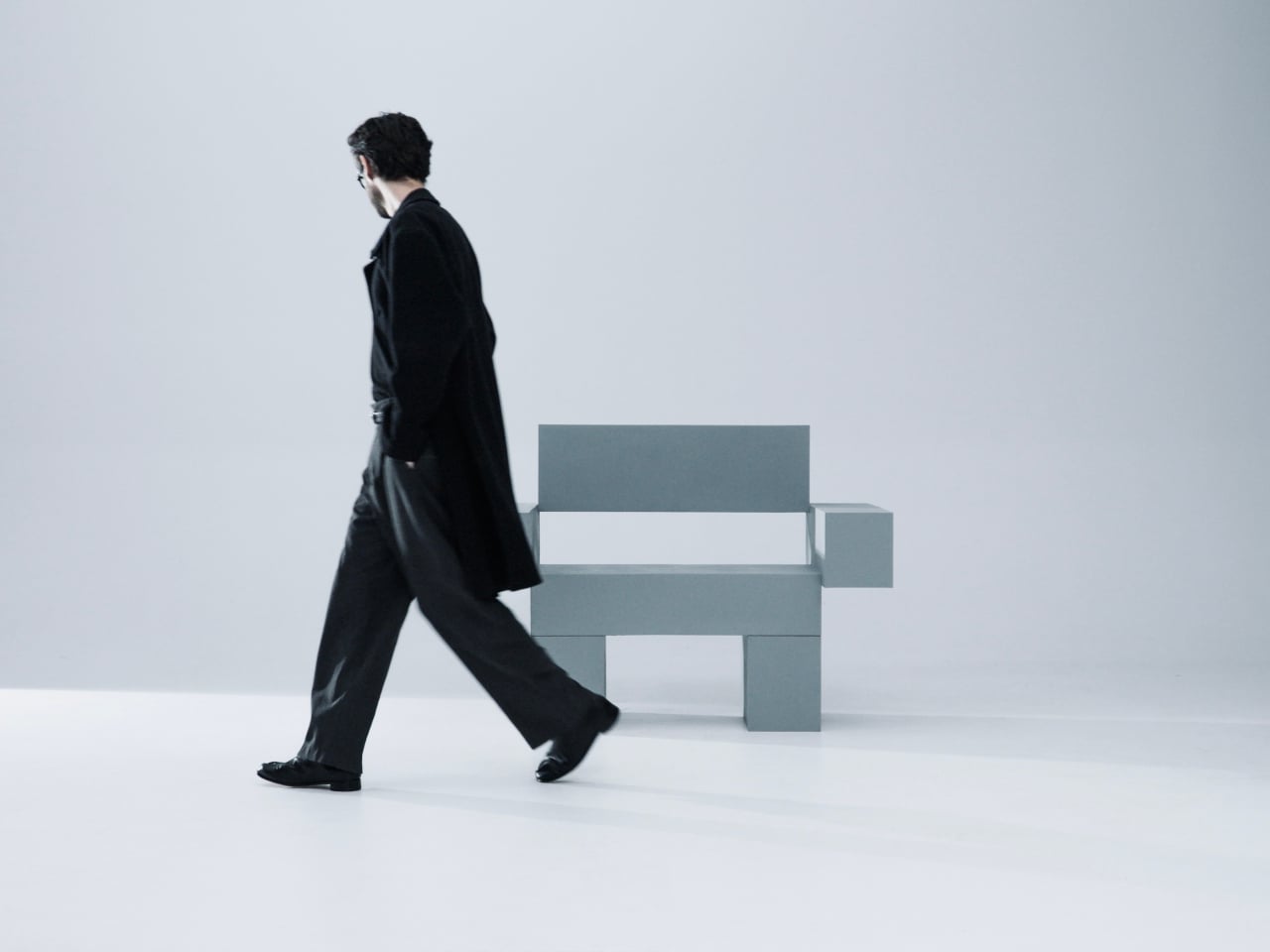
THE OBJECT 01 is a 3D-printed lounge chair built from recycled PETG, a plastic more commonly found in water bottles than in furniture workshops. At 20kg, it is lighter than its blocky, slab-heavy proportions suggest, though not exactly something you would reposition on a whim. Its dimensions push it closer in scale to a small architectural fragment than to a typical chair, which is likely the whole point.
The construction follows a modular panel system, where each 3D-printed block fits into a sequence designed to cut material waste and keep the overall mass structurally lean. Finished in a cold grey Baev calls “Kyoto Fog,” the chair reads somewhere between concrete and matte stone. In a sparse studio or raw loft, it anchors the space with quiet authority. In a more conventional living room, it would likely dominate in ways not every household would welcome.
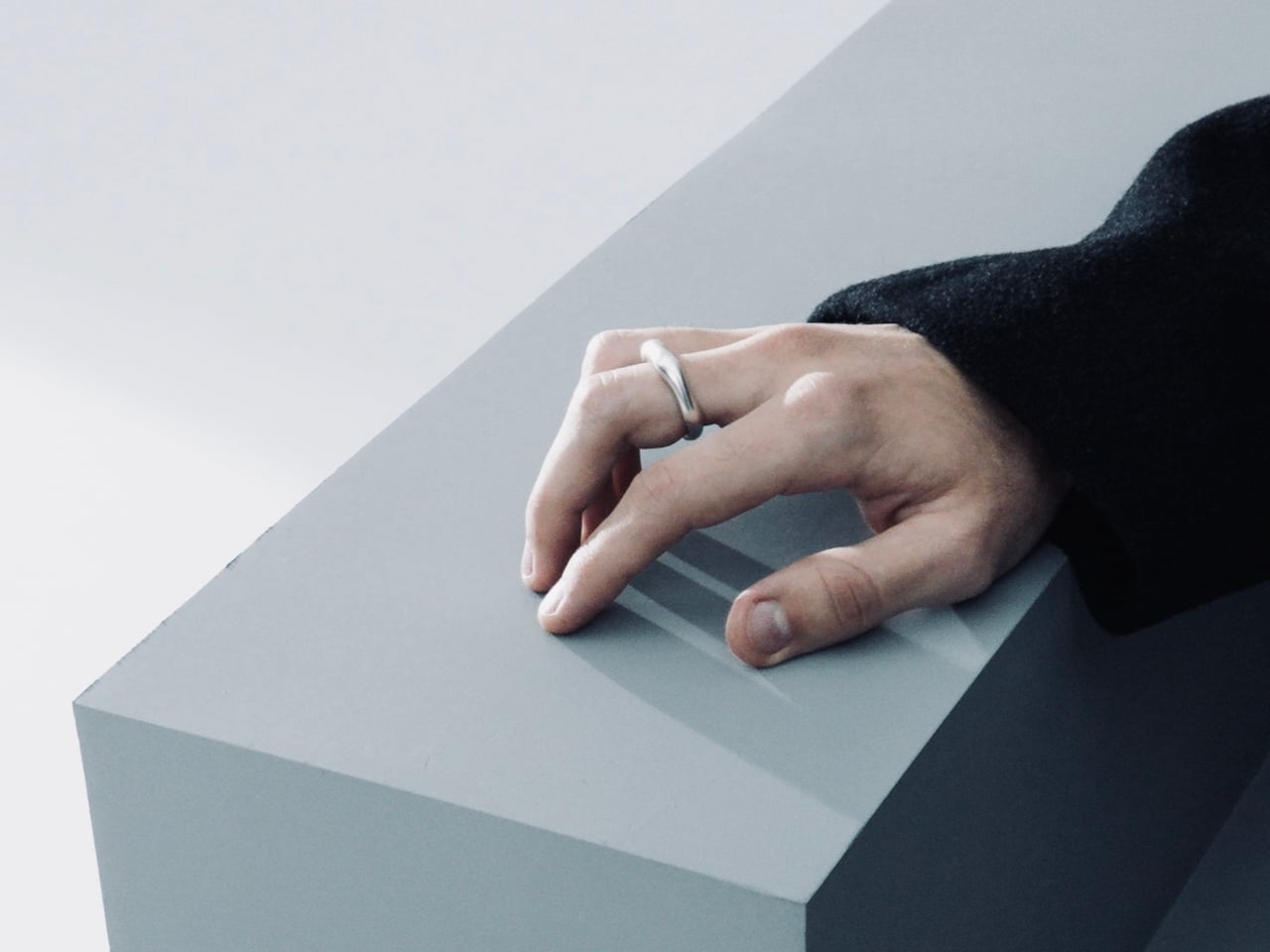
What makes THE OBJECT 01 genuinely worth attention is how honestly it exposes its own making. The layer-by-layer texture from the printing process is not hidden or smoothed away; it stays visible across the surface, turning the manufacturing method into part of the visual language. That kind of material honesty is far more common in ceramics or cast concrete than in plastic furniture, and it gives the piece a tactile quality that polished renders simply do not convey.
Baev describes the design as sitting between furniture and sculpture, drawing on minimalist brutalism and a quieter Japanese restraint in equal measure. The emotional reference points are more unusual: the designer cites the atmosphere of Silent Hill and Half-Life, those game environments built from silence and abandoned space, as part of what shaped the object’s mood.
The workflow involved AI assistance across early form studies, structural testing, and design refinement, reducing development time considerably. That footnote is becoming standard across the industry, and it doesn’t add or subtract much here. This process might even become the key to sustainable furniture design, as it can help optimize 3D printing, increase efficiency, and reduce waste in the long run.
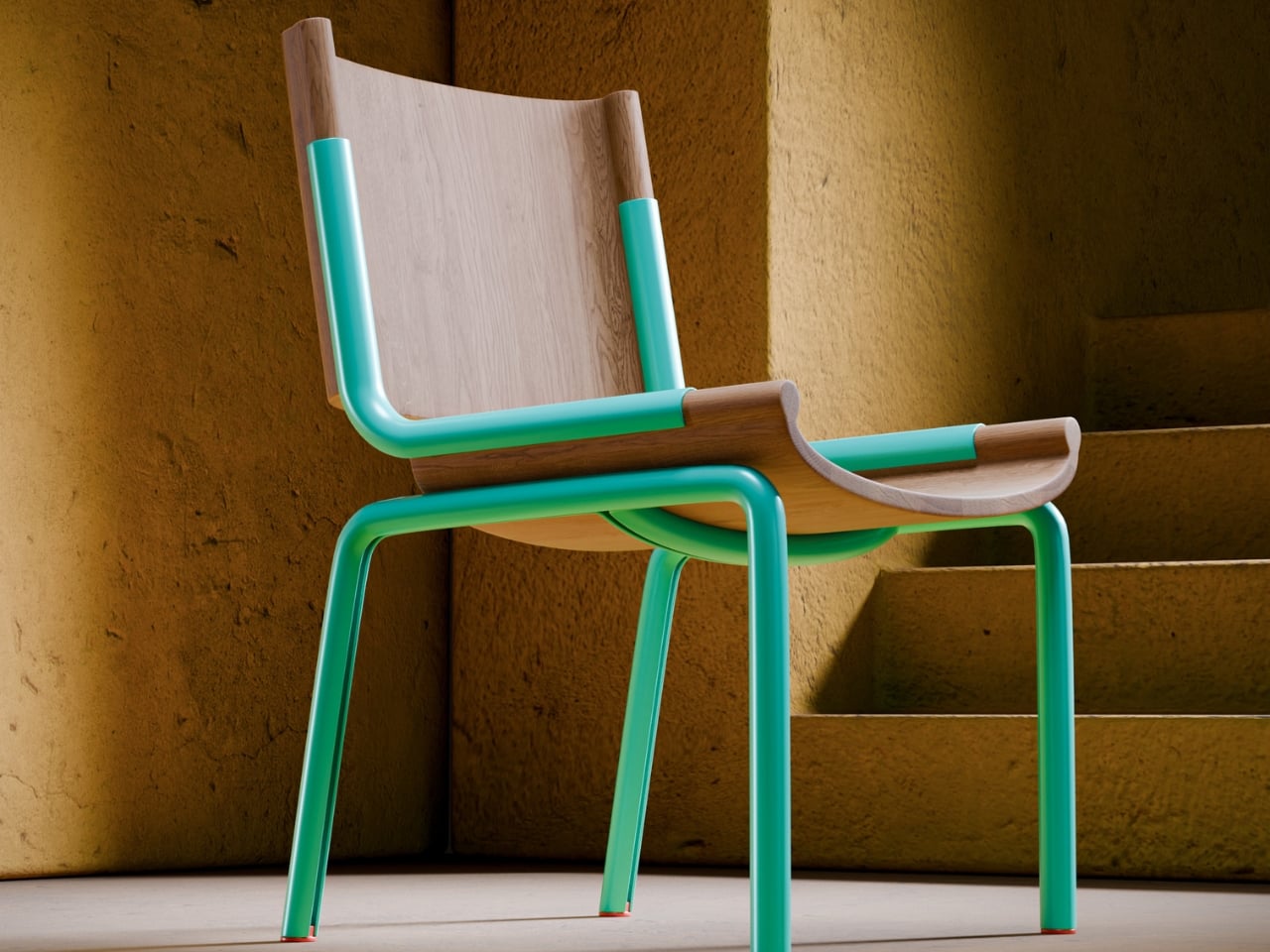
There’s something satisfying about watching minimalism meet function in furniture design, and Denis Zarembo’s Insero Chair does exactly that with an unexpected twist. Based in Moscow, Zarembo has created a piece that challenges how we think about sitting, proving that sometimes the most interesting designs come from playing with basic shapes in not-so-basic ways.
The Insero Chair isn’t trying to reinvent the wheel. Instead, it’s reimagining the seat, backrest, and frame through a lens of geometric precision that feels both contemporary and surprisingly timeless. What makes this design stand out on Behance, where it’s already racked up dozens of appreciations and hundreds of views, is how it balances visual lightness with structural integrity.
At first glance, the chair appears almost skeletal. Clean lines intersect at deliberate angles, creating a framework that looks like it could have been sketched in a single, confident stroke. But look closer and you’ll notice the thoughtfulness behind each junction point, each curve, each decision about where material exists and where it’s been carved away. This isn’t minimalism for minimalism’s sake. It’s reduction with purpose.
The name “Insero” comes from Latin, meaning “to insert” or “to place within,” which gives us a clue about Zarembo’s design philosophy. The chair seems to explore the relationship between positive and negative space, between what’s there and what’s deliberately absent. The seat appears to nestle within the frame rather than simply sit on top of it, creating an integrated whole that feels more like sculpture than traditional furniture.
What’s particularly clever is how the design manages to look both delicate and sturdy. The slender proportions suggest lightness and mobility, which is increasingly important in our flexible living spaces where furniture needs to work harder and move more freely. Yet the geometric construction hints at strength, with forces distributed through the frame in ways that are as much about engineering as aesthetics.
The chair exists at that sweet spot where industrial design meets art object. You could absolutely see it in a modern apartment or a minimalist office, but you could just as easily imagine it cordoned off in a design museum, being studied for its formal qualities. That dual nature is what makes pieces like this so compelling. They don’t just serve a function; they start conversations.
Zarembo’s work fits into a larger tradition of designers who understand that chairs are never just chairs. They’re statements about how we live, how we work, how we relax. From Charles and Ray Eames to contemporary makers pushing digital fabrication techniques, chair design has always been a proving ground for new ideas. The Insero Chair continues that lineage while speaking in a distinctly current visual language.
The rendering quality also deserves mention. The way Zarembo has presented the chair on Behance shows it from multiple angles, letting viewers appreciate how the geometry shifts depending on perspective. Sometimes it looks almost two-dimensional, like a line drawing come to life. From other angles, the complexity reveals itself, showing depth and dimension you might not initially expect. This careful presentation isn’t just about showing off. It’s essential for understanding how the piece actually works in three-dimensional space.
There’s no information yet about whether the Insero Chair will move into production, but that’s almost beside the point. Concept furniture serves an important role in pushing the conversation forward, in asking “what if?” even when “when?” remains unanswered. These designs influence other makers, spark ideas, and gradually shift our collective sense of what’s possible.
For anyone interested in where contemporary furniture design is heading, pieces like the Insero Chair offer valuable clues. We’re seeing a move away from bulky, overwrought designs toward cleaner silhouettes that don’t sacrifice comfort or functionality. We’re seeing digital tools enable precision that would have been difficult or impossible with traditional methods. And we’re seeing designers like Zarembo who understand that good design doesn’t shout. It speaks clearly, confidently, and leaves room for you to fill in the meaning yourself.
Whether the Insero Chair ends up in living rooms or remains in the realm of conceptual exploration, it’s already doing what good design should: making us look twice, think differently, and reconsider something as everyday as where we choose to sit.
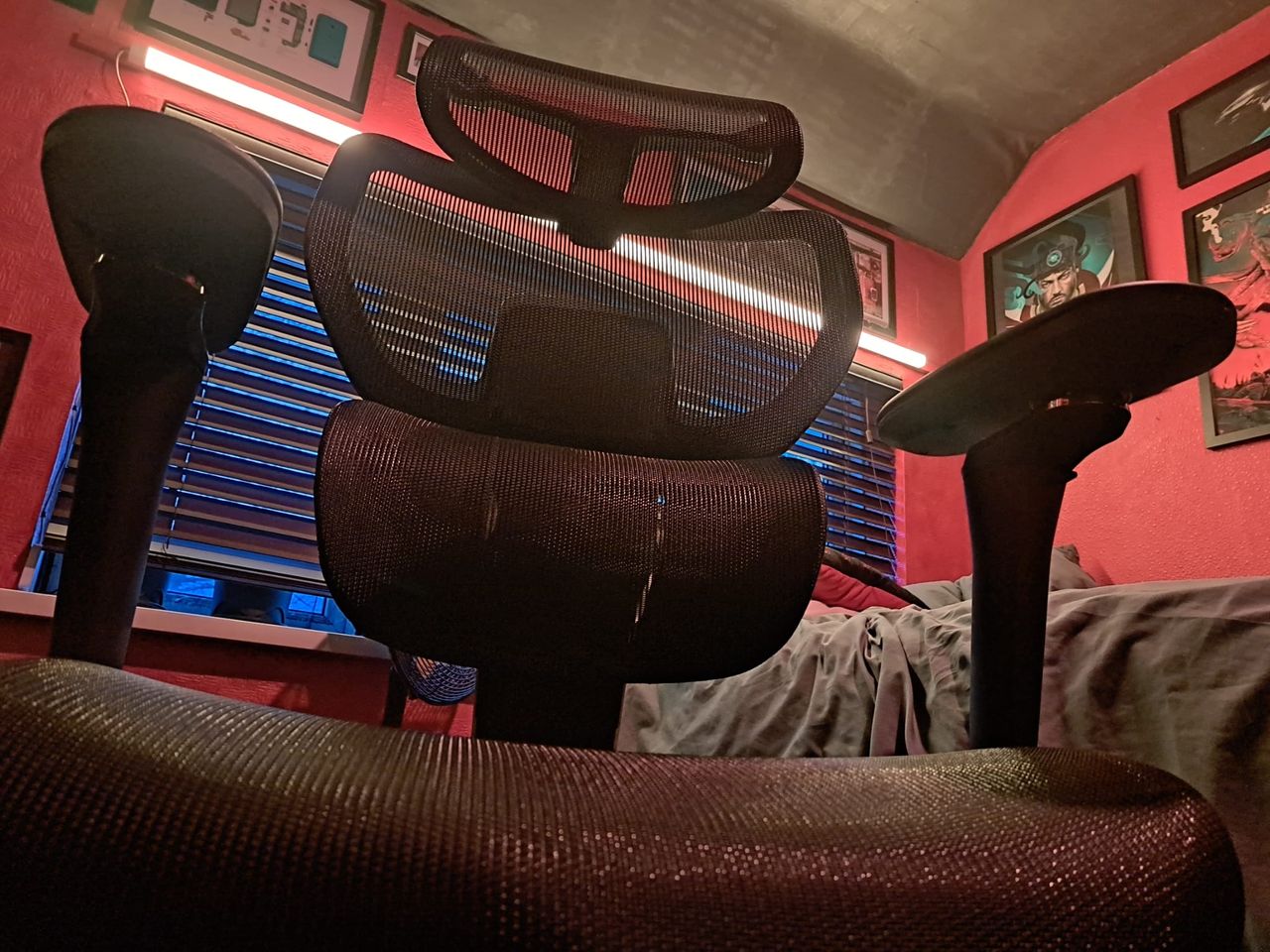
Flexispot's C7 Morpher is a premium office chair with advanced adjustments, an ergonomic design, and comfortable materials to get you cozy for work or gaming.
Personally taken screenshot of the FlexiSpot C7 Morpher chair
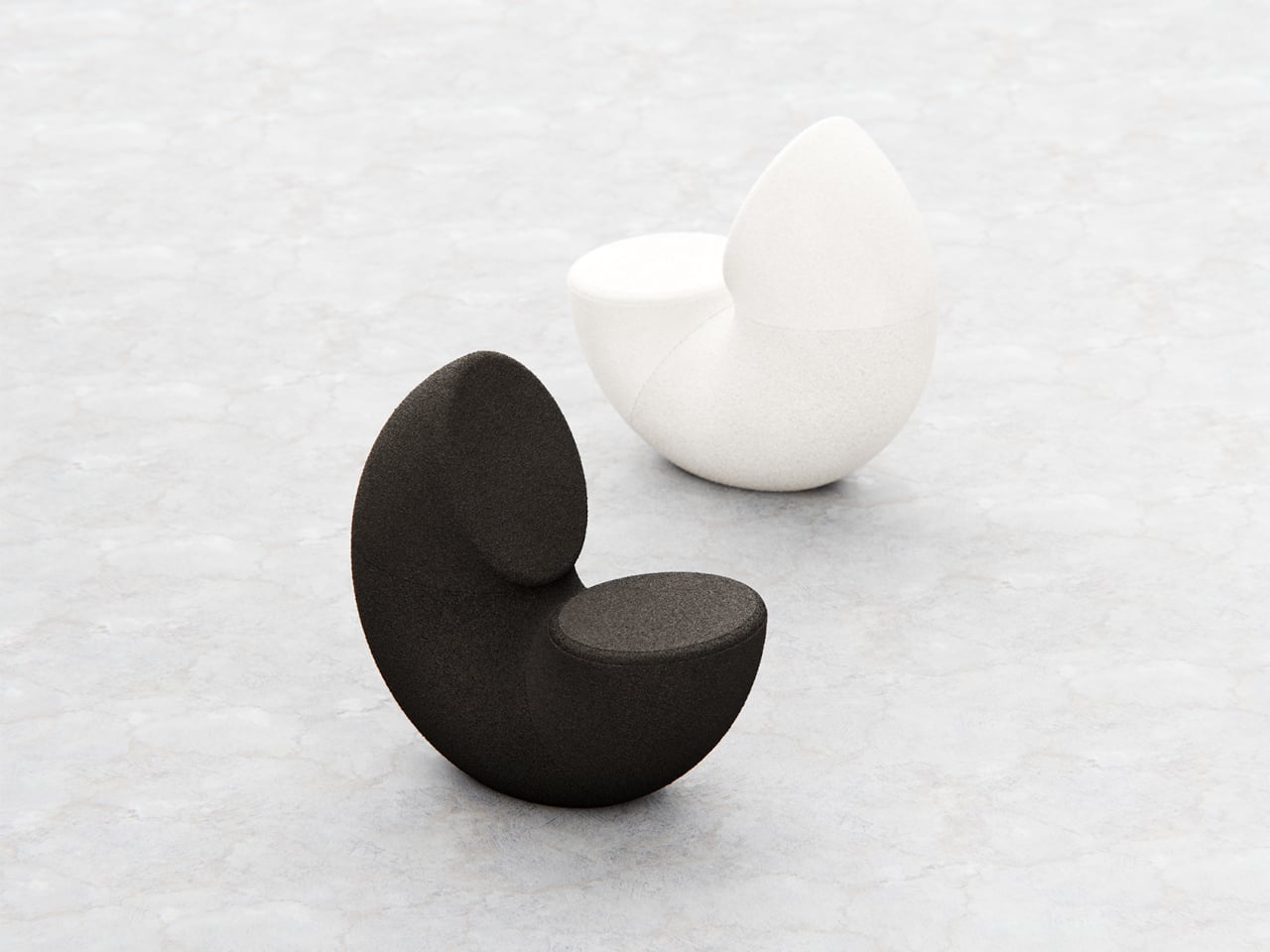
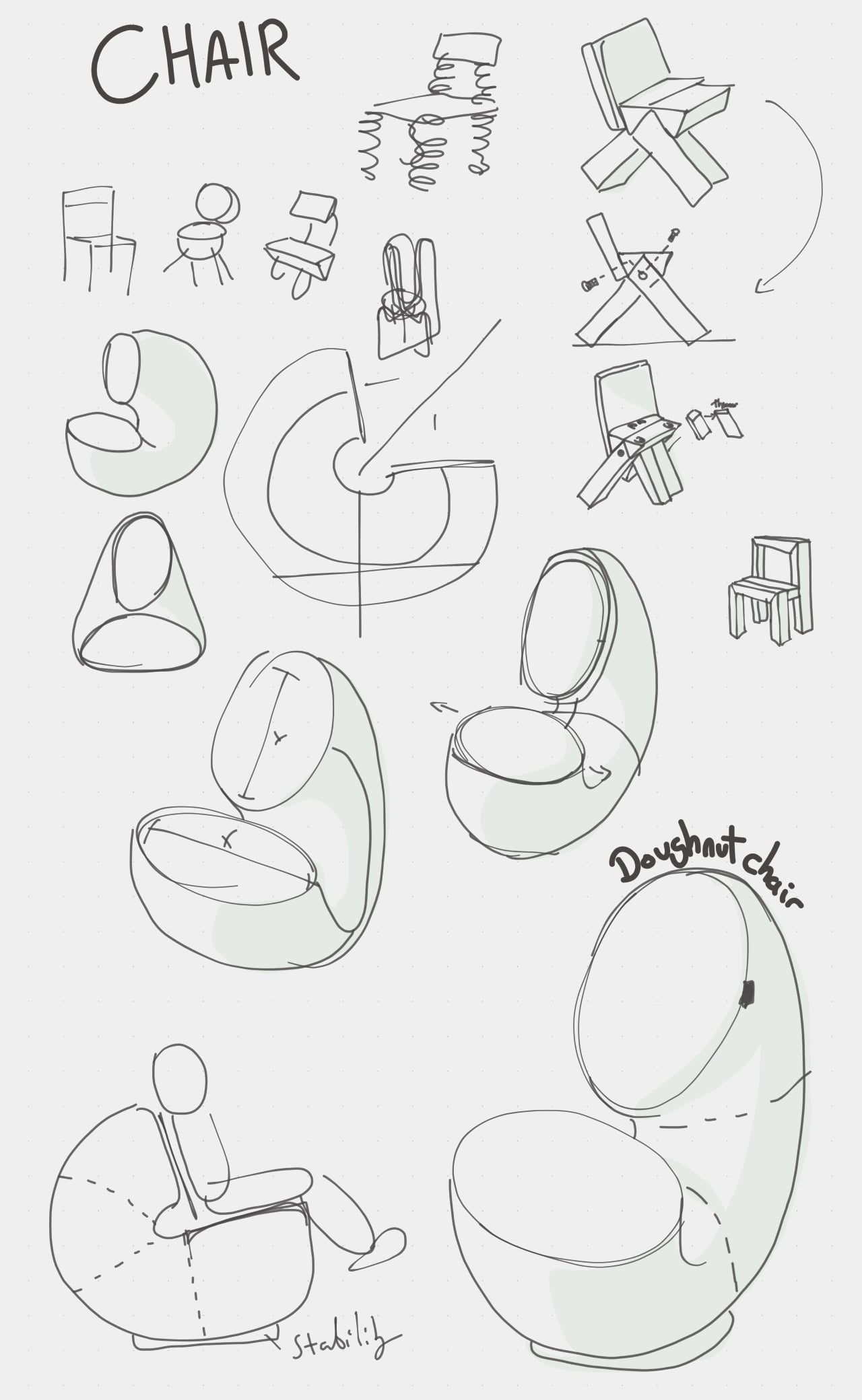
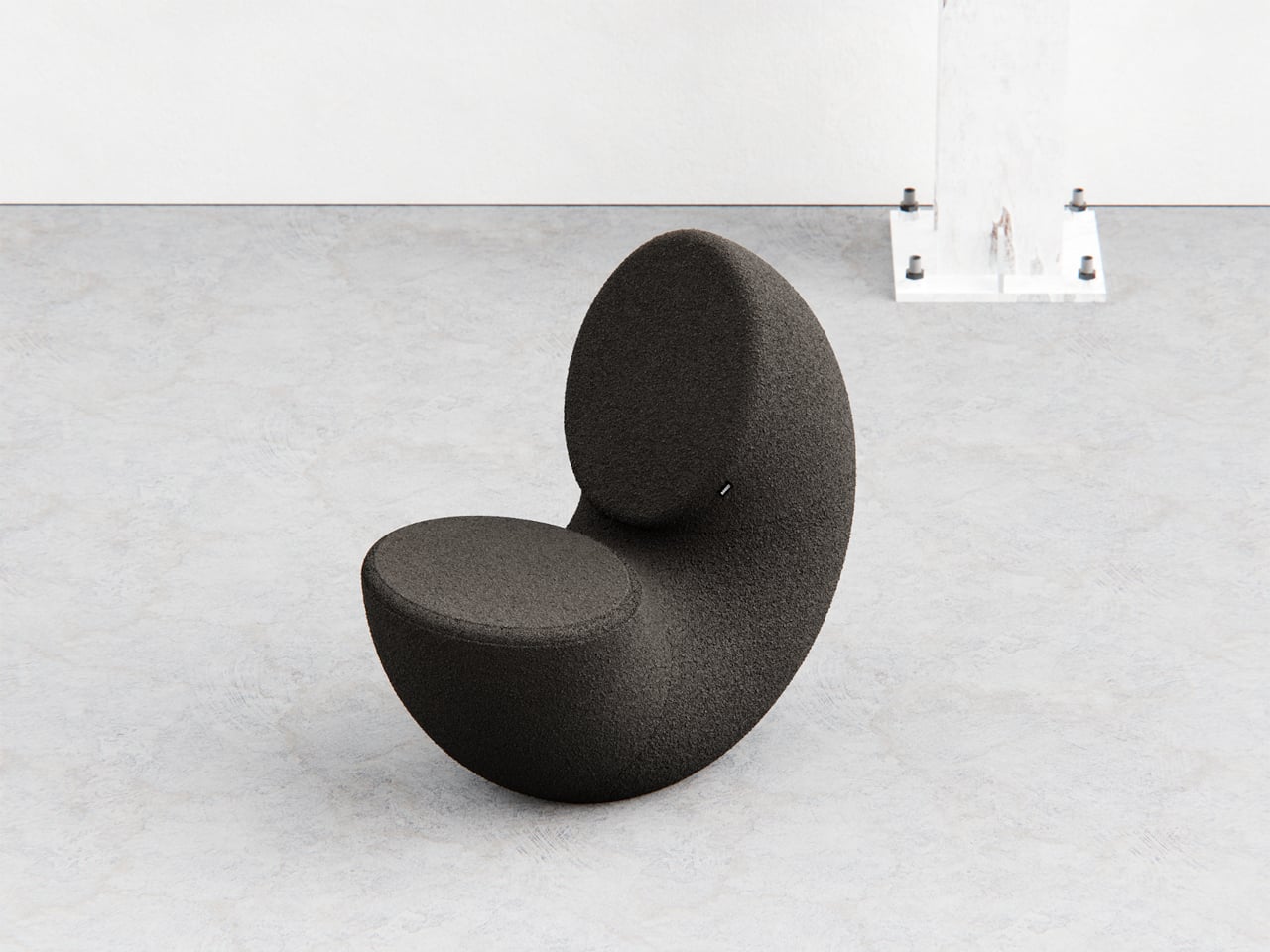
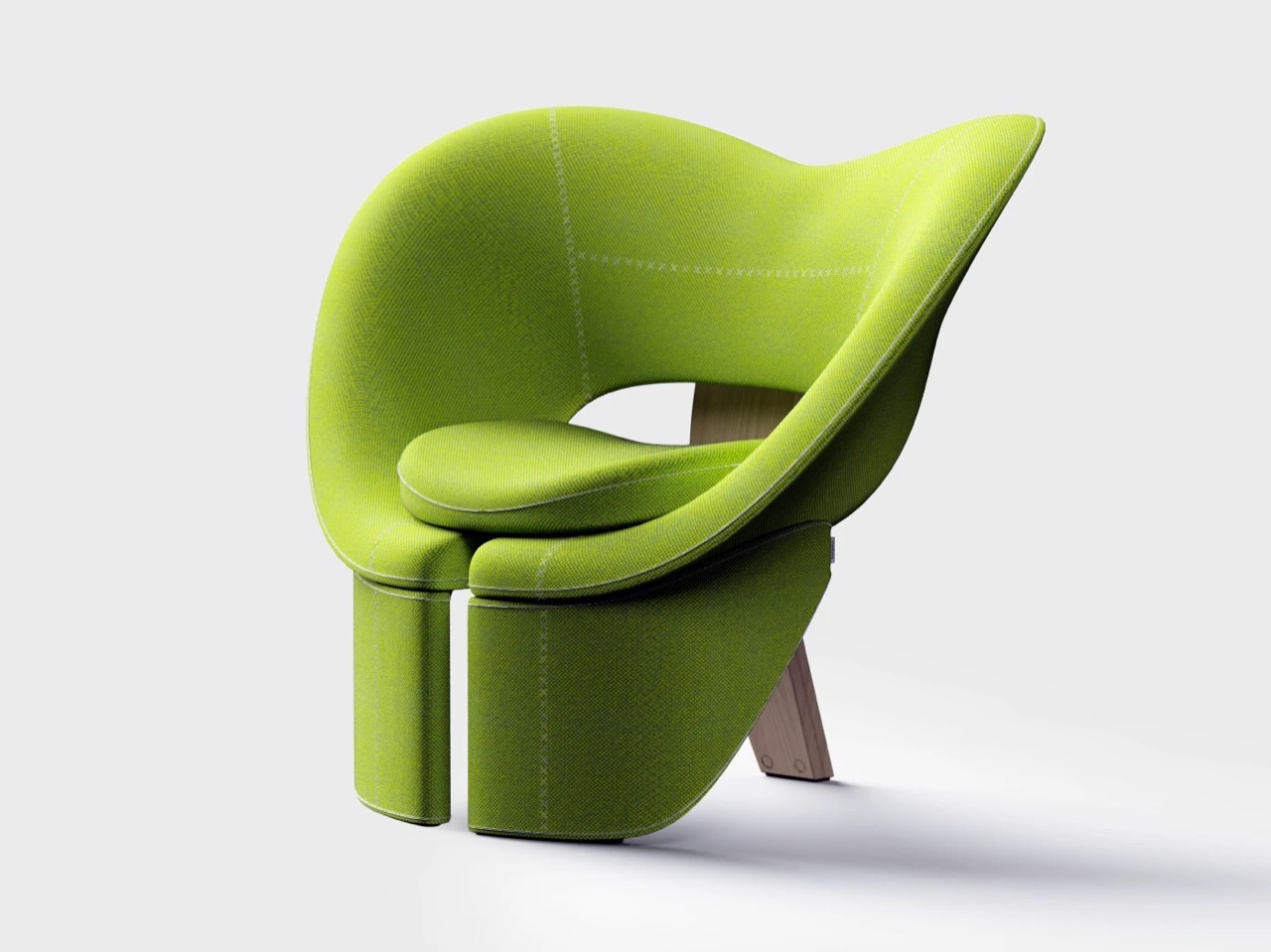
Most chairs are clearly assembled objects, with legs, a seat, and a backrest, all stacked and joined together. Sculptural lounge pieces sometimes flip that script and feel more like a single volume that has been carved or sliced. Chunk is a concept that leans into that second approach, imagining seating as a doughnut with a bite taken out rather than a frame with cushions bolted on, treating furniture as something you edit rather than assemble.
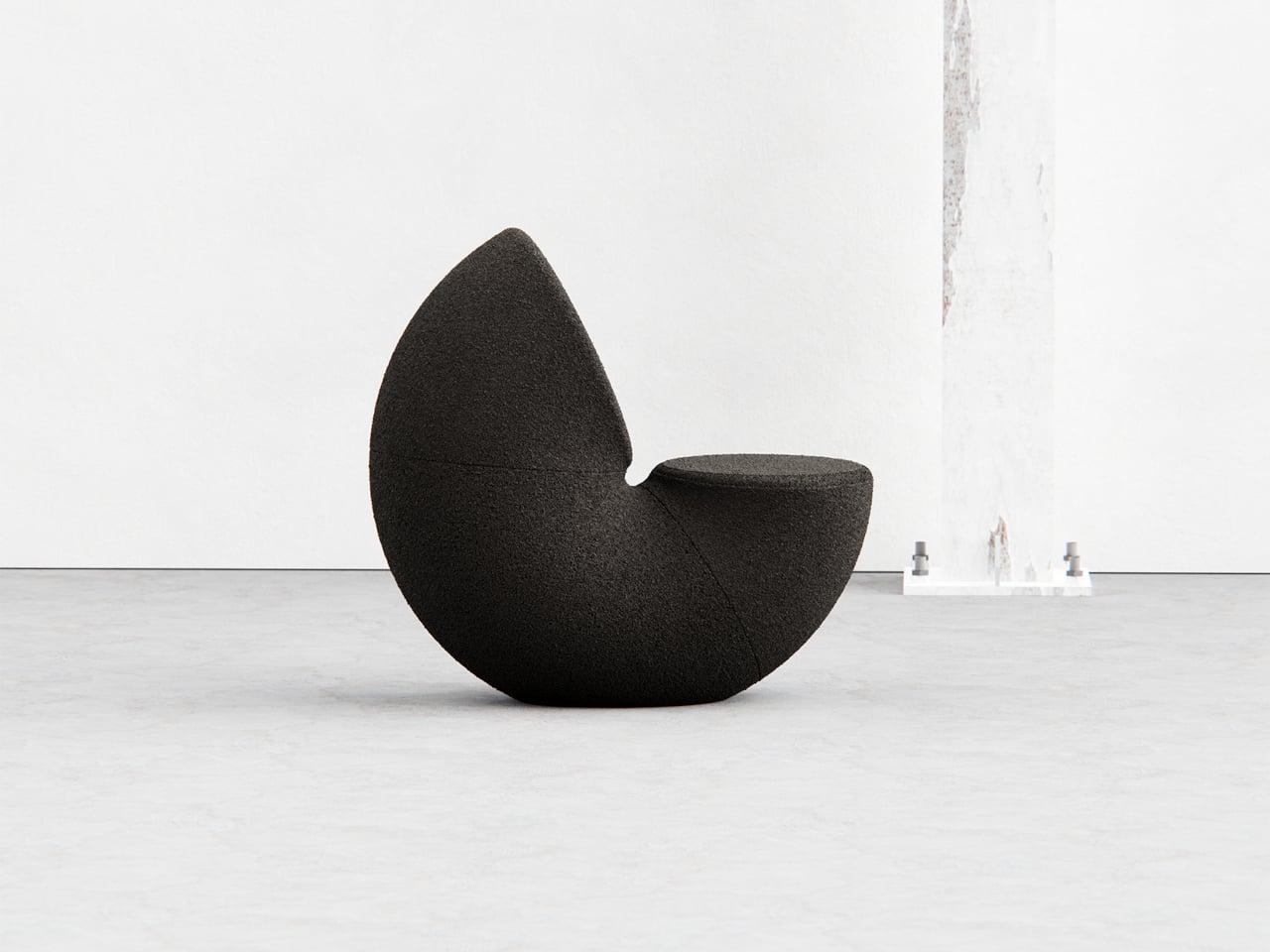
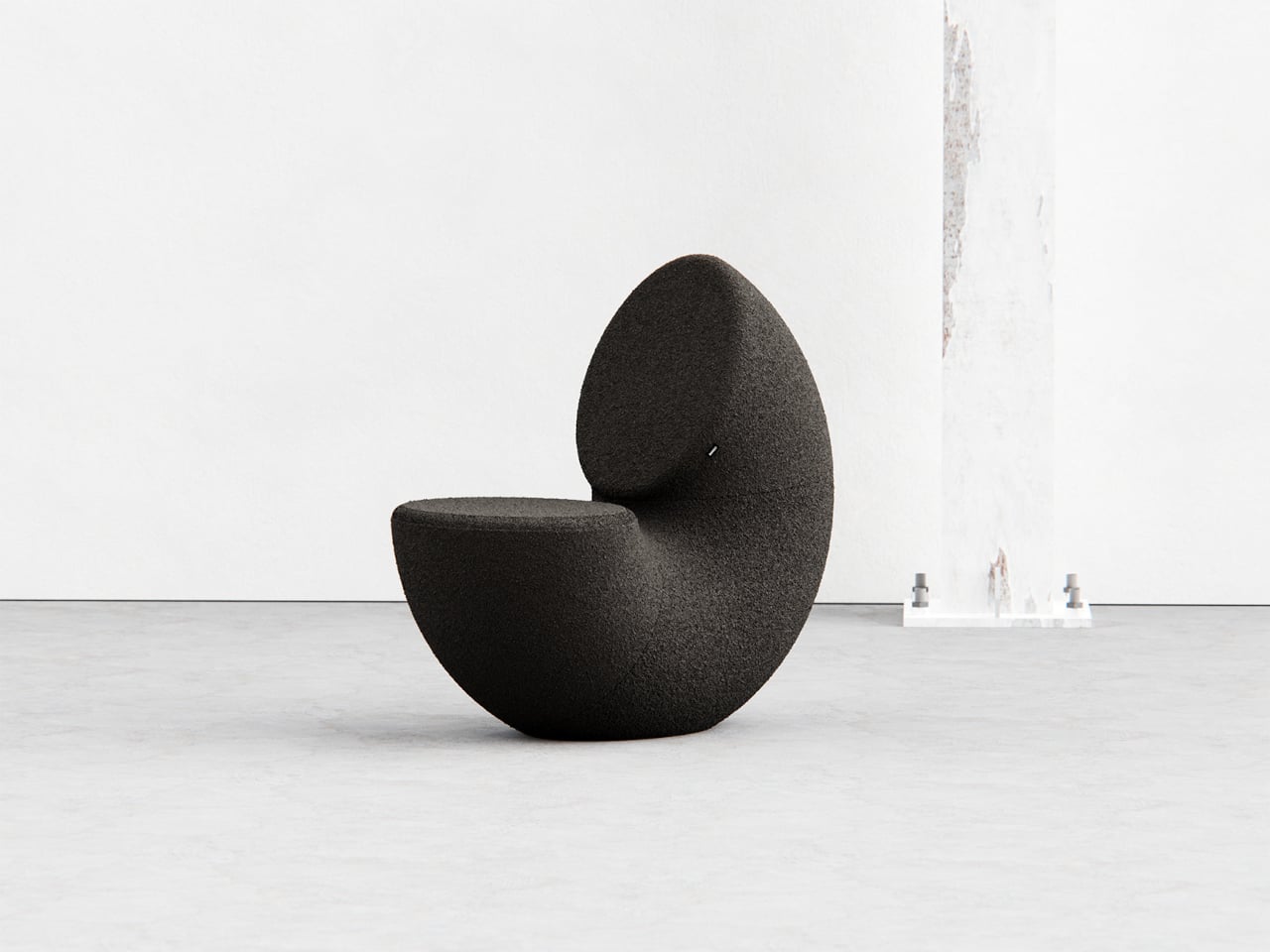
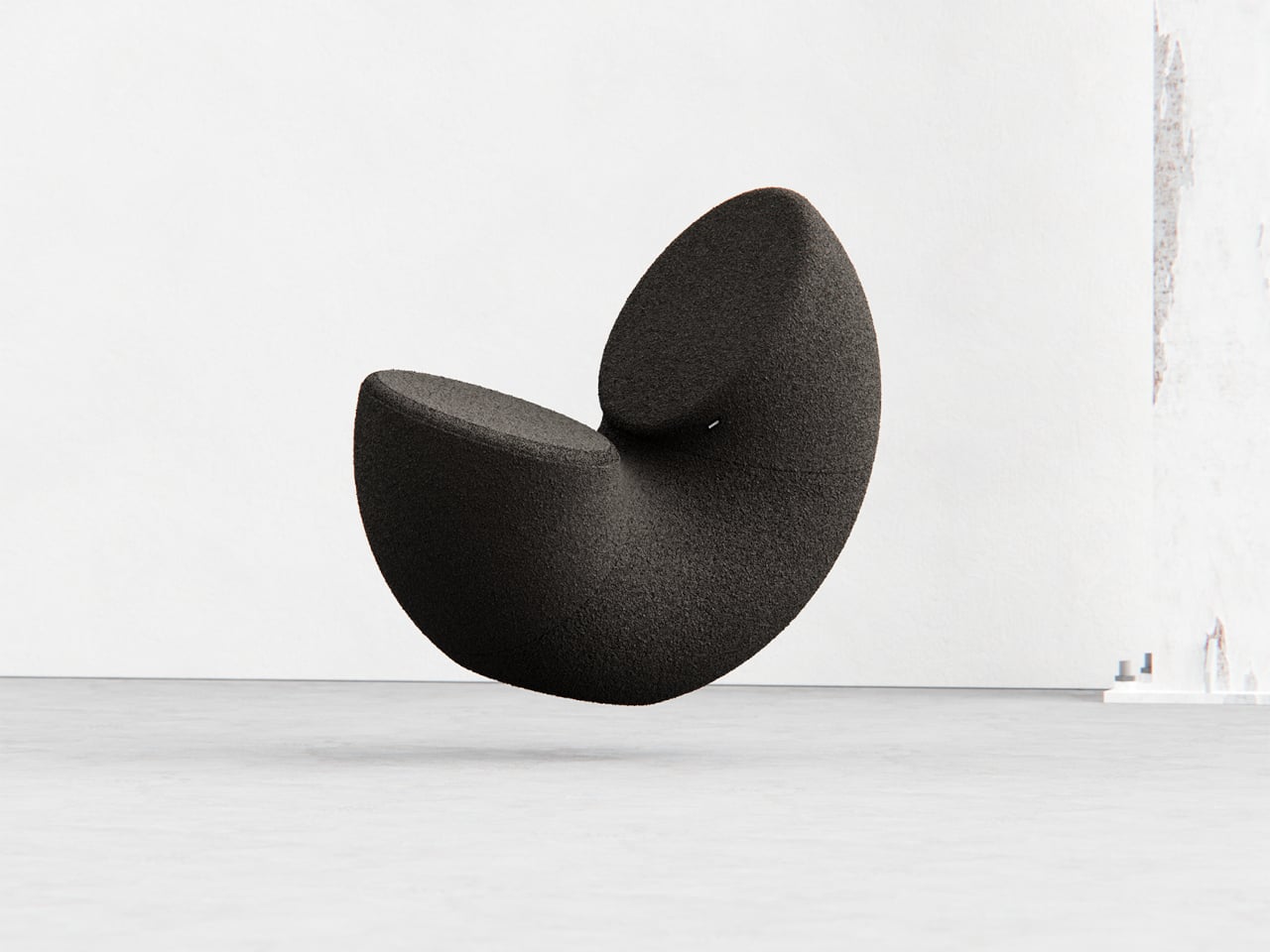
The designer imagined a chair that looks like a doughnut with a chunk removed. The missing piece becomes the seat and the opening for the backrest, while the rest of the ring wraps around in a continuous loop. The concept is less about novelty and more about seeing how far a single looping form can be pushed into something you can actually sit in, where the absence of material defines the place for the body.
Both the seat and backrest share the same oval cross-section, but as the base curves up to become the backrest, that oval quietly swaps its length and width. It is wide and low where you sit, then gradually becomes tall and narrow as it rises behind you. The section never breaks; it just morphs along the path, which gives the chair a sense of motion even when it is still and empty.
The “bite” creates a bowl-like seat that cradles the hips and thighs, while the rising loop offers a relaxed backrest rather than a rigid upright. The proportions suggest a low, lounge-style posture, closer to a reading chair or a corner piece in a living room than a dining chair. The continuous curve encourages you to lean back and sink in, not perch on the edge ready to stand again.
A near-cylindrical form can look like it might roll away, but the geometry and internal structure are tuned to keep the center of gravity low and slightly behind the seat. The base is subtly flattened, and a denser core at the bottom would keep it from tipping forward when someone leans back. The result is a chair that looks precarious from some angles but behaves like a grounded lounge piece once you sit.
The monolithic upholstery, a textured fabric that wraps the entire volume without obvious breaks, reinforces the idea of a single chunk of material. The form reads differently as you move around it, sometimes like a shell, sometimes like a curled leaf, sometimes like a coiled creature. It is the kind of chair that anchors a corner or gallery-like space, inviting you to walk around it before you decide to sit down and settle in.
Chunk uses subtraction as its main design move, starting from a complete ring and then removing just enough to create a place for the body. For a category that often defaults to adding parts, there is something satisfying about a chair that feels like it has been edited down to a single, looping gesture, with one decisive bite turning an abstract volume into a place to rest, read, or just sink into for a while.
Modern living demands furniture that adapts, evolves, and serves multiple purposes within our increasingly flexible spaces. The traditional single-function chair no longer meets the needs of contemporary homes where rooms serve multiple roles throughout the day. Today’s most innovative seating solutions transcend basic functionality, offering dynamic designs that transform alongside our lifestyles.
These seven exceptional pieces represent the cutting edge of versatile seating design, each bringing unique solutions to modern living challenges. From reimagined classics to experimental concepts, these chairs prove that versatility and beauty can coexist in remarkable ways.
1. IKEA POÄNG Redesigned Chair: Social Connection Redefined
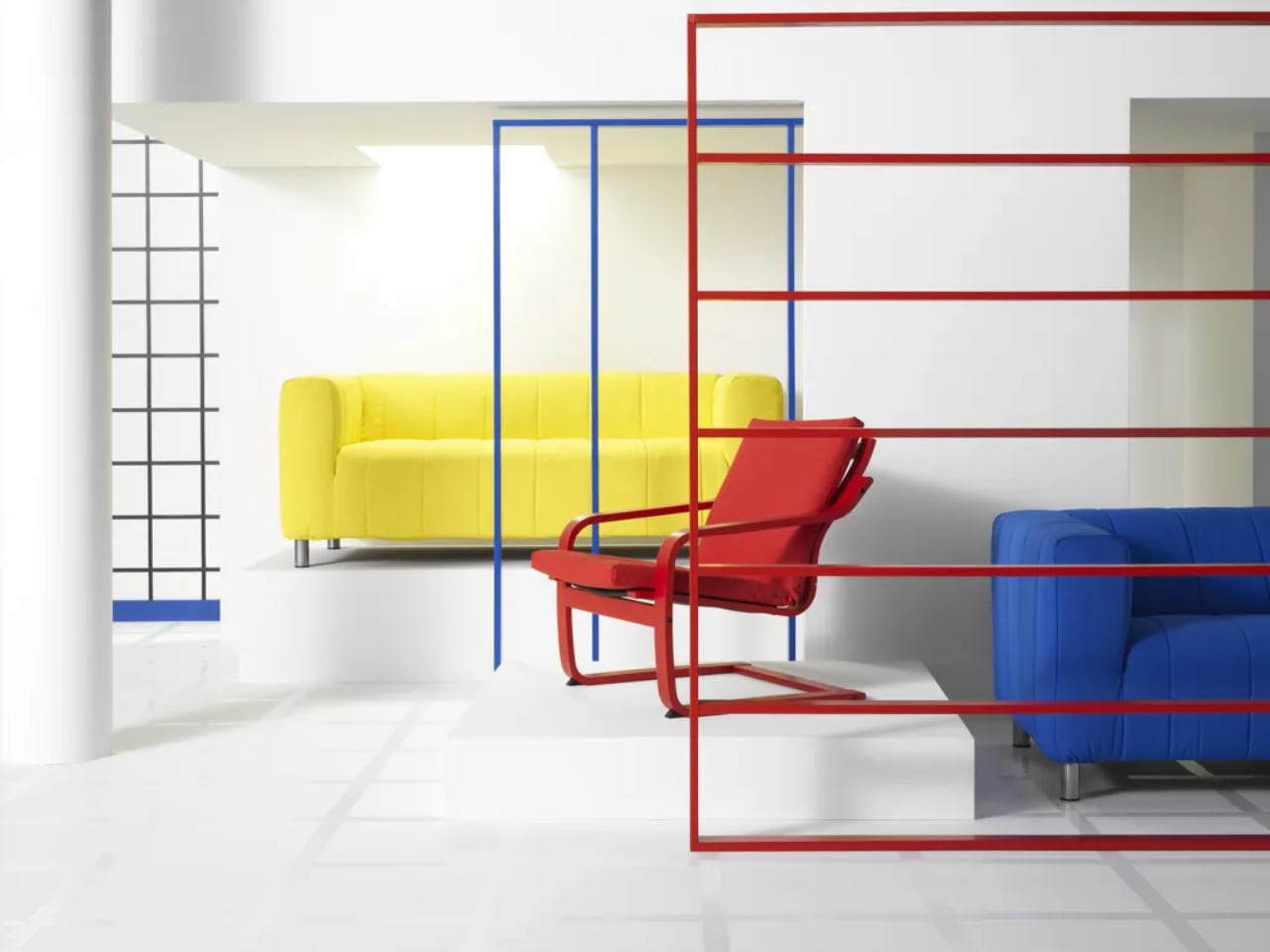
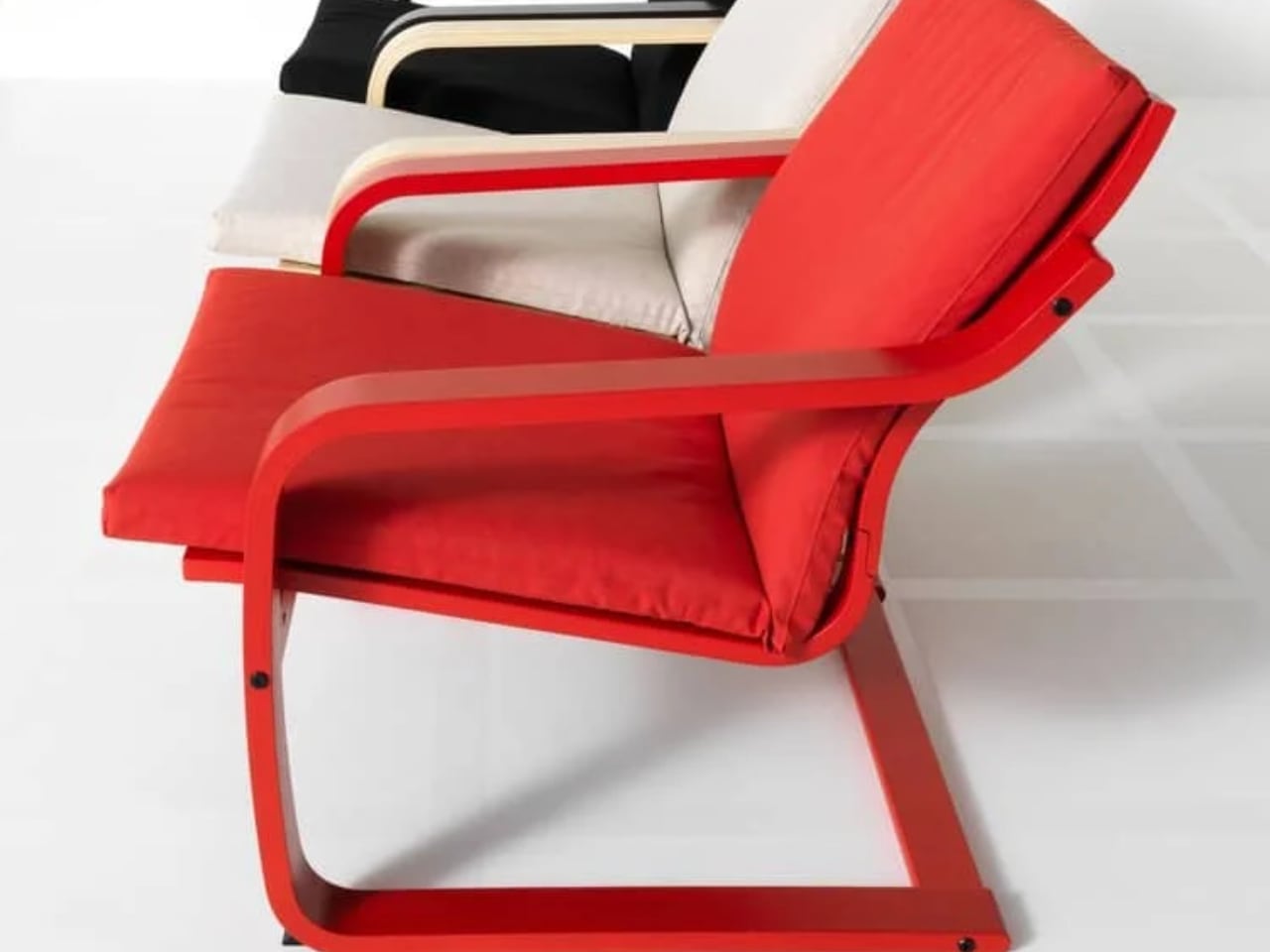
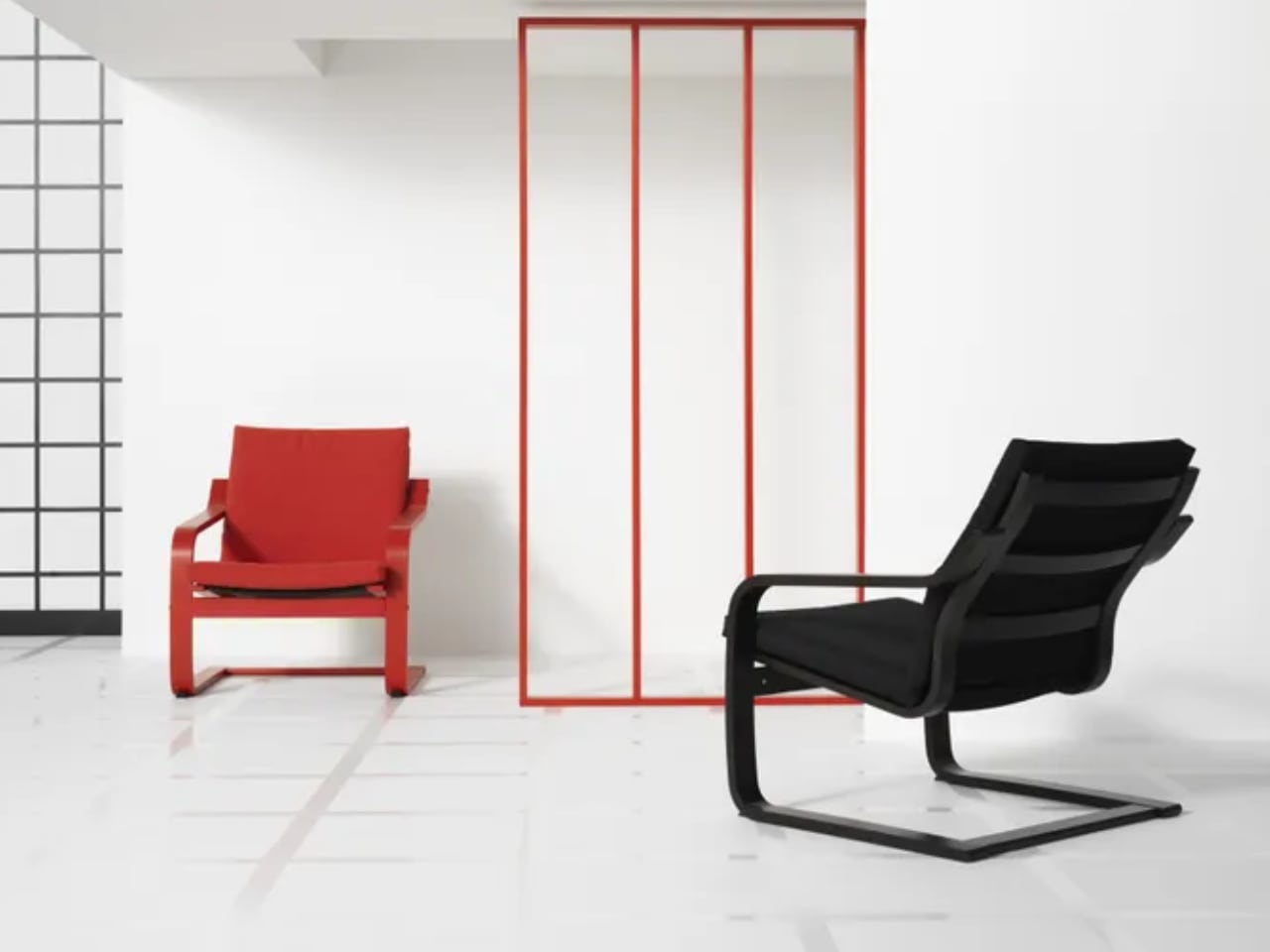
IKEA has fundamentally reimagined its most enduring furniture icon through a transformative redesign that prioritizes social interaction over solitary comfort. The POÄNG armchair received its most significant design evolution in nearly five decades when late designer Noboru Nakamura emerged from retirement to personally oversee this dramatic transformation. His final creative act involved removing the signature headrest entirely, creating a low-back version that encourages conversation rather than retreat.
The elimination of the headrest serves multiple purposes beyond pure aesthetics, fundamentally changing how people interact with both the chair and their surroundings. By lowering the overall profile and opening the back design, Nakamura created seating that transforms a personal sanctuary into an invitation for interaction. This modification reflects contemporary living patterns where multipurpose spaces demand furniture that adapts to various social contexts and encourages meaningful human connection.
What we like
• Promotes social interaction and conversation through open-back design.
• Maintains iconic comfort while adapting to modern living needs.
What we dislike
• Less head and neck support for extended relaxation sessions.
• May not suit those preferring private, enclosed seating experiences.
2. Color Roller Transparent Rolling Chairs: Dynamic Chromatic Design
Like De Stijl once deconstructed form and space into elemental purity, Color Roller reimagines that legacy through motion and transparency using primary colors red, yellow, and blue. This experimental furniture collection plays with relationships between geometry, light, and interaction, creating transparent forms that transcend boundaries and merge into endless new shades. The result transforms furniture into evolving chromatic sculpture that invites users to participate in environmental reconstruction.
Color Roller explores how color and form coexist as active agents in spatial design through three components, including a hexagonal chair, a rectangular table, and a triangular floor lamp. Made entirely from transparent acrylic panels intersecting in pairs, these forms create vivid and flexible compositions of color. Depending on light direction and intensity, the furniture transforms and casts overlapping shadows and gradients that turn interiors into interactive canvases.
What we like
• Creates dynamic color interactions that change throughout the day.
• Lightweight rolling design allows easy reconfiguration of spaces.
What we dislike
• Transparent acrylic may show fingerprints and require frequent cleaning.
• Limited cushioning options may affect long-term seating comfort.
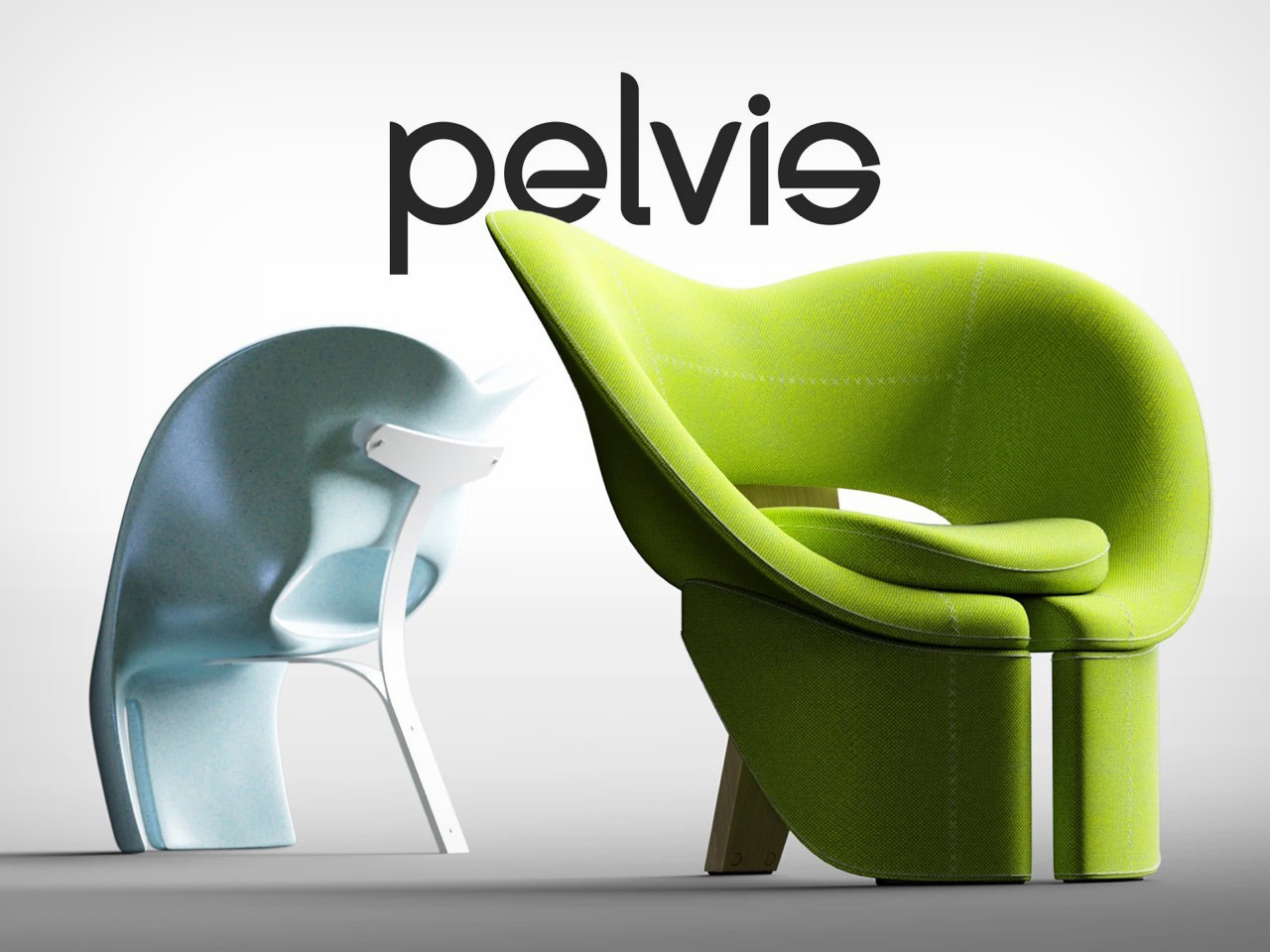
3. Himalaya Pelvis Chair: Biomimicry Meets Elegant Function
Furniture often aspires to fit the body, but the Himalaya Pelvis Chair goes further by finding its silhouette directly in pelvic bone structure. This direct translation from biology to design yields a chair that feels organic, functional, and distinctly new, where comfort and concept are literally intertwined. Designers Mingyu Seo and Eojin Jeon created this rare piece that genuinely makes you reconsider relationships between our bodies and daily objects.
The chair’s entire premise builds on the pelvic bone’s natural ability to cradle and support, translating anatomical engineering directly into refined seating design. This approach sidesteps abstract biomimicry by presenting clear, almost educational links between form and inspiration through unapologetically direct reference. The execution transcends its medical source material through such refined craftsmanship that it becomes genuinely elegant rather than clinical.
• Unique sculptural form serves as a conversation piece and functional seating.
What we dislike
• Bold design may not integrate easily with traditional decor styles.
• Limited availability as a concept piece may affect accessibility.
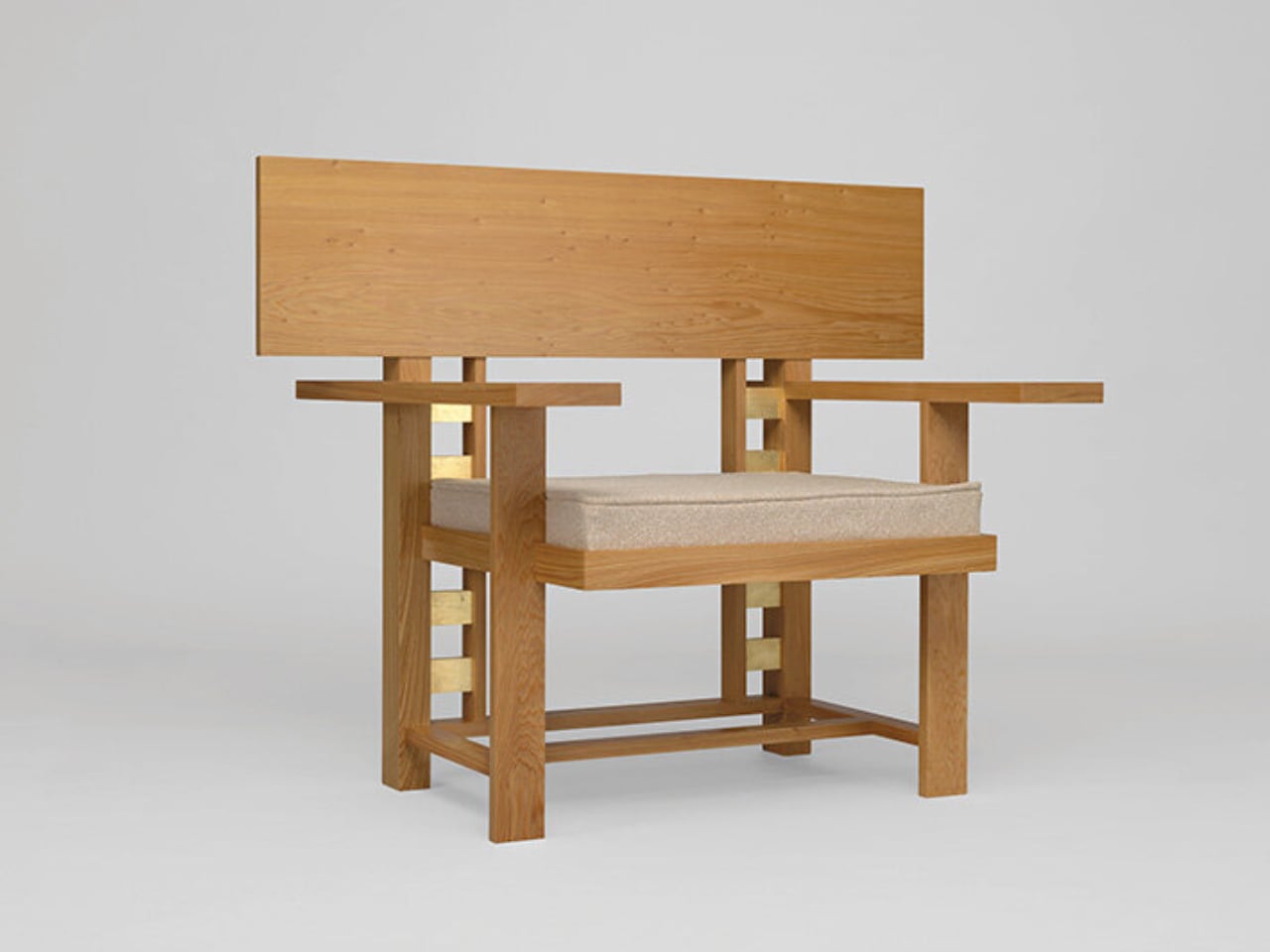
4. Frank Lloyd Wright Reconstructed Chairs: Architectural Seating Heritage
The reconstructed chairs illuminate Wright’s approach to furniture as architectural elements rather than standalone pieces, demonstrating his belief that furniture should emerge organically from the building’s overall design concept. Wright called this philosophy “integral ornamentation” and applied it consistently throughout his career, spanning five distinct periods from 1911 to 1959. The exhibition traces a dramatic evolution from Prairie School geometric vocabulary to later organic forms with flowing curves.
Highlights include first-ever fabrications of designs never built during Wright’s lifetime, such as cafe chairs originally envisioned for the Solomon R. Guggenheim Museum. These cafe chairs represent some of the exhibition’s most significant reconstructions, now realized through collaboration with Milwaukee metal-spinning firm. Early Prairie School pieces display right angles and linear elements complementing the horizontal prairie house emphasis, while later work reveals shifts toward organic forms.
What we like
• Historic design pedigree brings timeless architectural principles to modern spaces.
• Integral ornamentation philosophy ensures harmony with surrounding architecture.
What we dislike
• Limited production availability may result in higher costs.
• Period-specific styling may not suit all contemporary interior approaches.
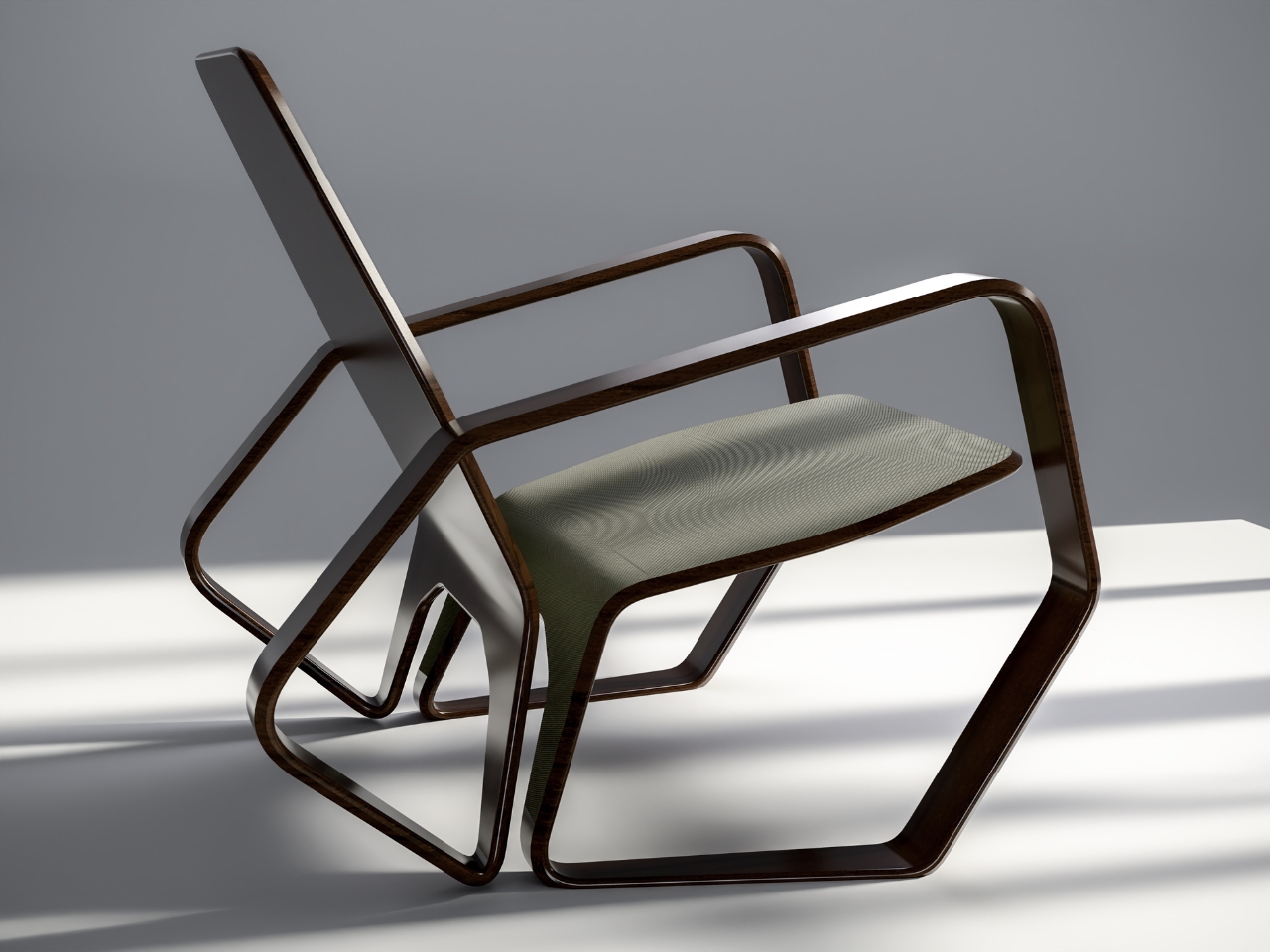
5. LOOP Chair: Sculptural Minimalism in Motion
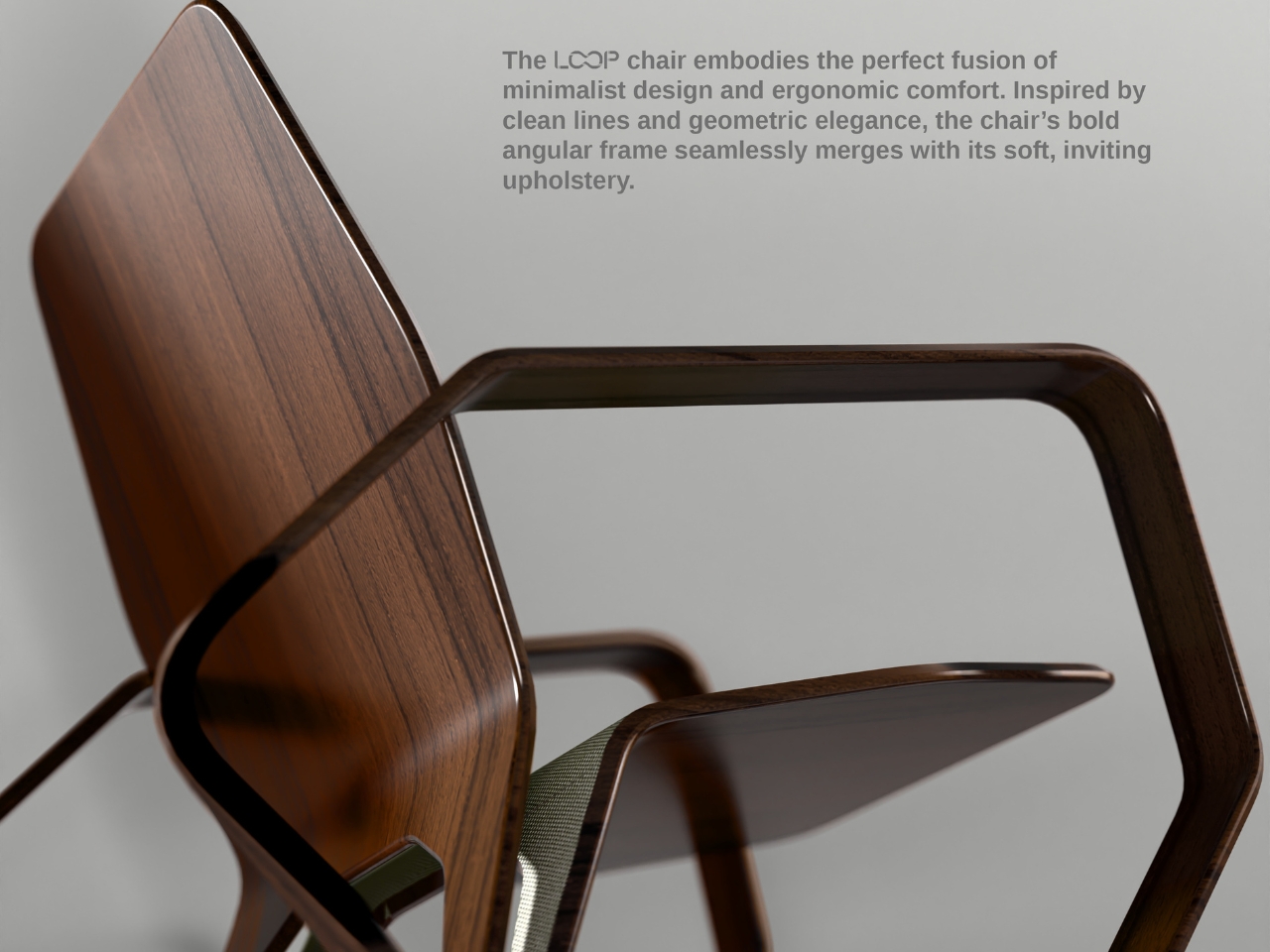
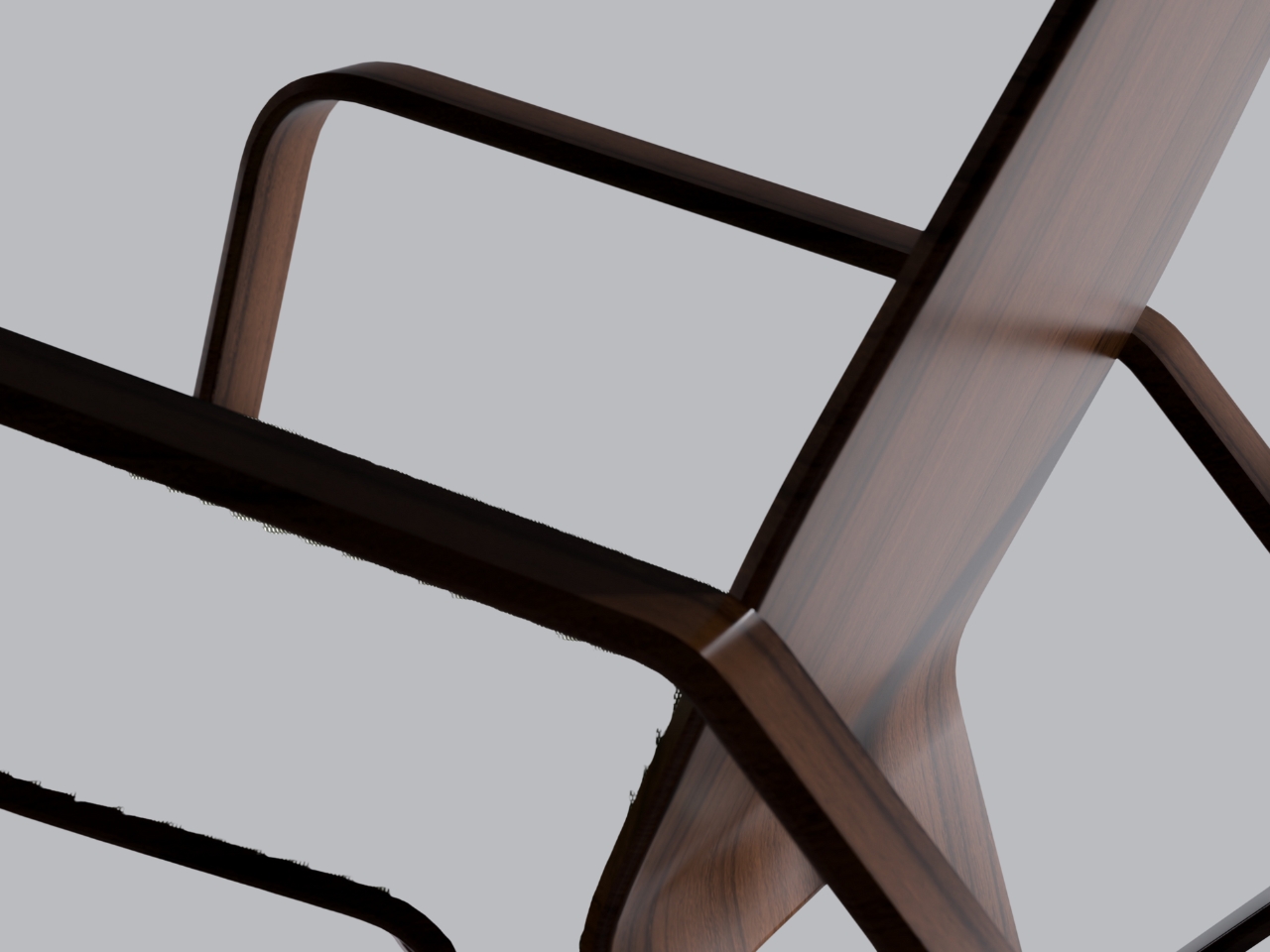
The LOOP Chair concept impresses with a bold, angular frame that feels both dynamic and airy while creating a continuous, flowing form that almost “loops” around the sitter. This unique vision transforms the chair from a functional object into a sculptural experience that serves as both structural support and artistic centerpiece. The proposed walnut wood veneer frame offers options for ash, oak, or black-stained finishes to complement various interior styles.
The chair’s geometry results from careful sketching and creative exploration, balancing soft curves for optimal comfort with sharp angles for modern, architectural aesthetic appeal. The flowing design creates visual lightness while maintaining structural integrity, making it suitable for both residential and commercial applications. This sculptural approach elevates everyday seating into an artistic statement that enhances rather than merely occupies space.
What we like
• Sculptural design serves a dual purpose as furniture and artistic centerpiece.
• Multiple wood finish options allow customization for different interior styles.
What we dislike
• Concept status may limit immediate availability for purchase.
• Angular design elements might not suit all body types comfortably.
6. Same Same Twin Chairs: Playful Minimalist Interaction
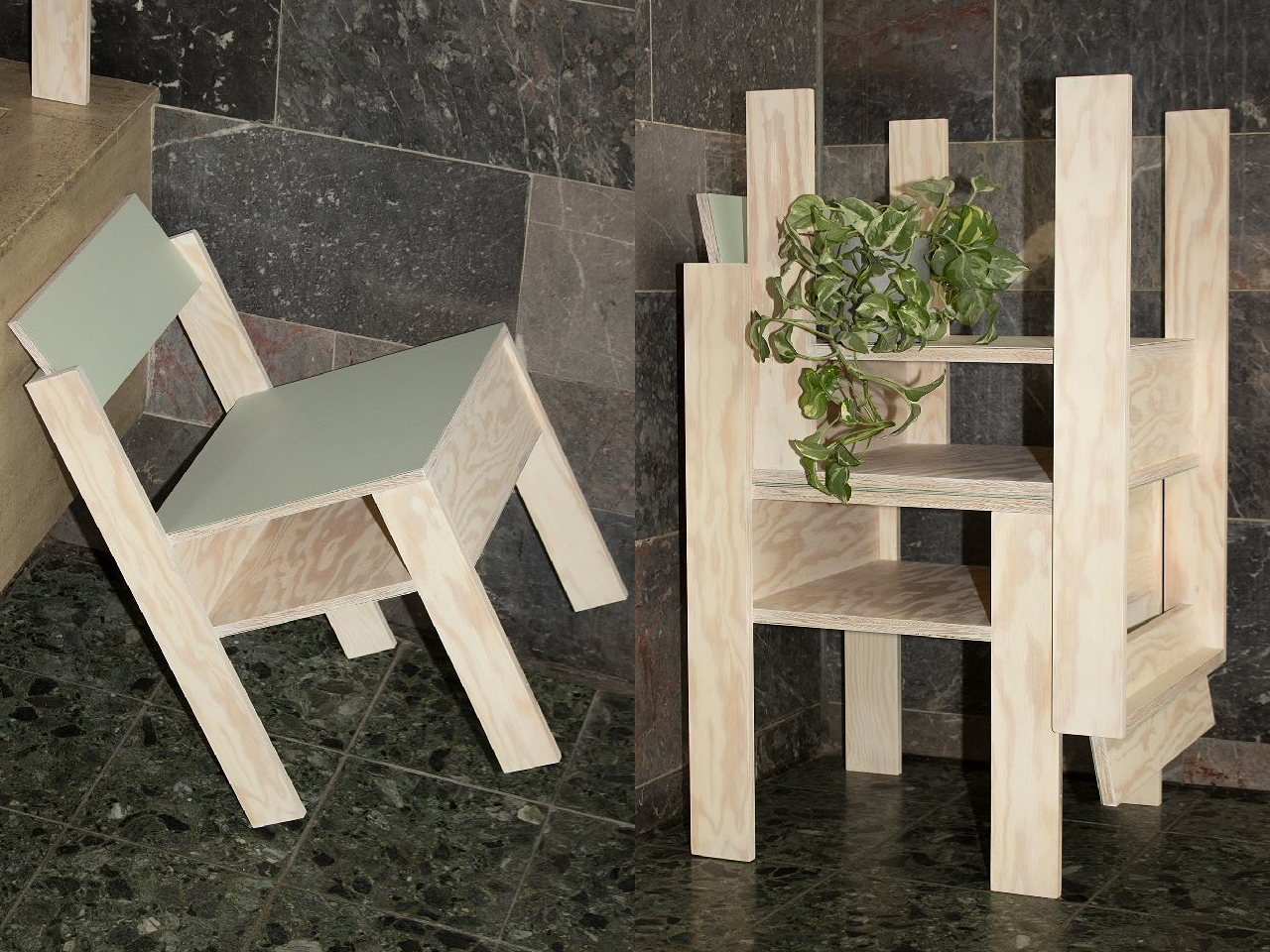
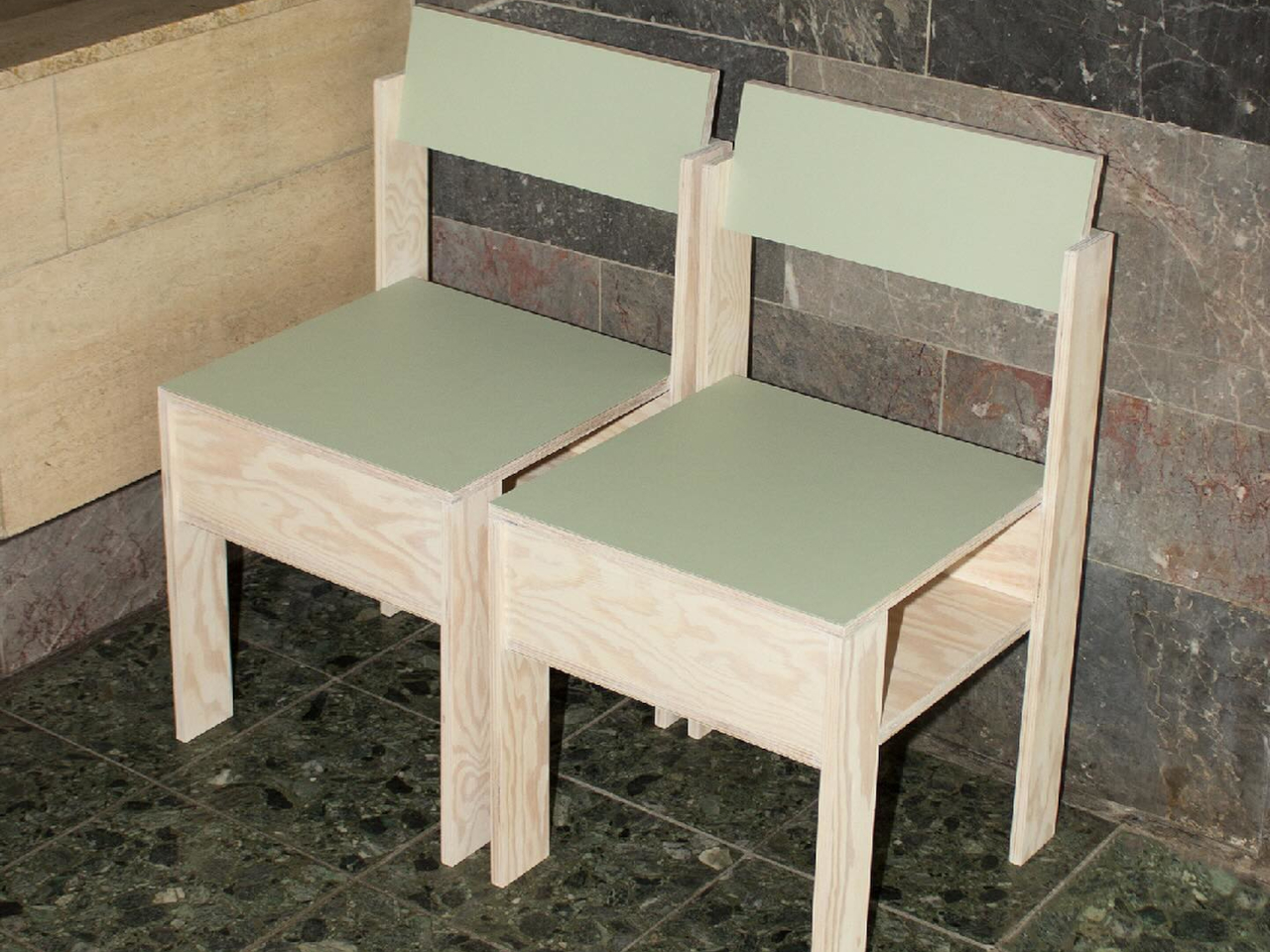
The Same Same twin chairs by A204 challenge traditional furniture limitations by functioning beautifully as standalone seating with built-in storage while unlocking playful possibilities when paired together. These minimalist wooden chairs transform from simple furniture into a creative toolkit that allows interaction, configuration, and use possibilities that adapt to changing needs. The design language speaks to Scandinavian minimalism with pale plywood construction and clean, geometric lines.
Each chair features a subtle sage green accent on the seat and storage surfaces, adding warmth without overwhelming natural wood grain characteristics. The under-seat storage space accommodates magazines, small objects, or standard Euro containers for organized solutions, making each chair genuinely useful beyond basic seating function. When paired together, the chairs create new possibilities for social interaction and spatial configuration.
What we like
• Built-in storage maximizes functionality in compact living spaces.
• Pairing capability creates flexible seating arrangements for various occasions.
What we dislike
• The twin chair concept requires purchasing multiple pieces for full functionality.
• Minimalist design may lack cushioning for extended sitting comfort.
7. Permanent Souls Chair Collection: Memory Made Tangible
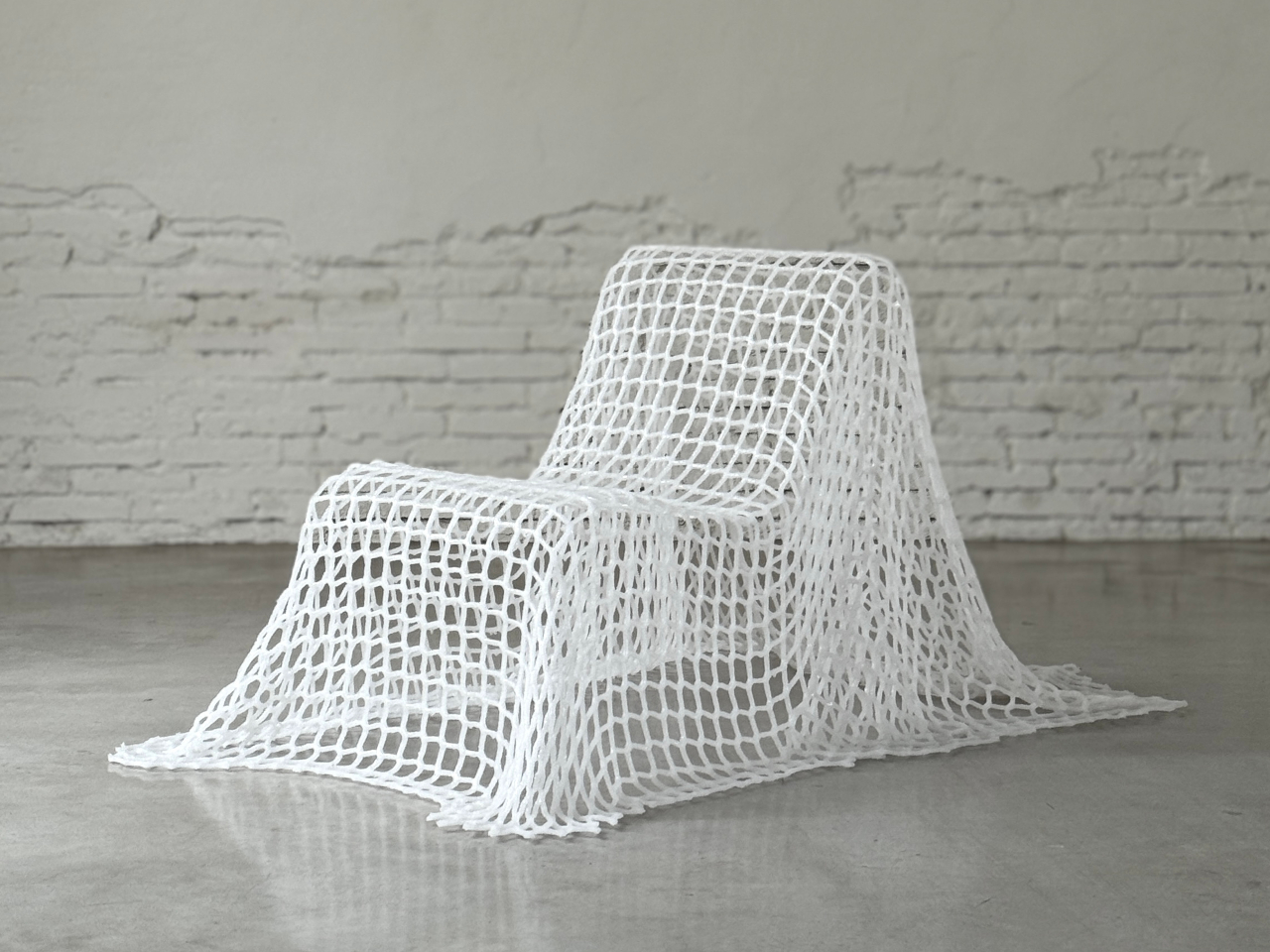
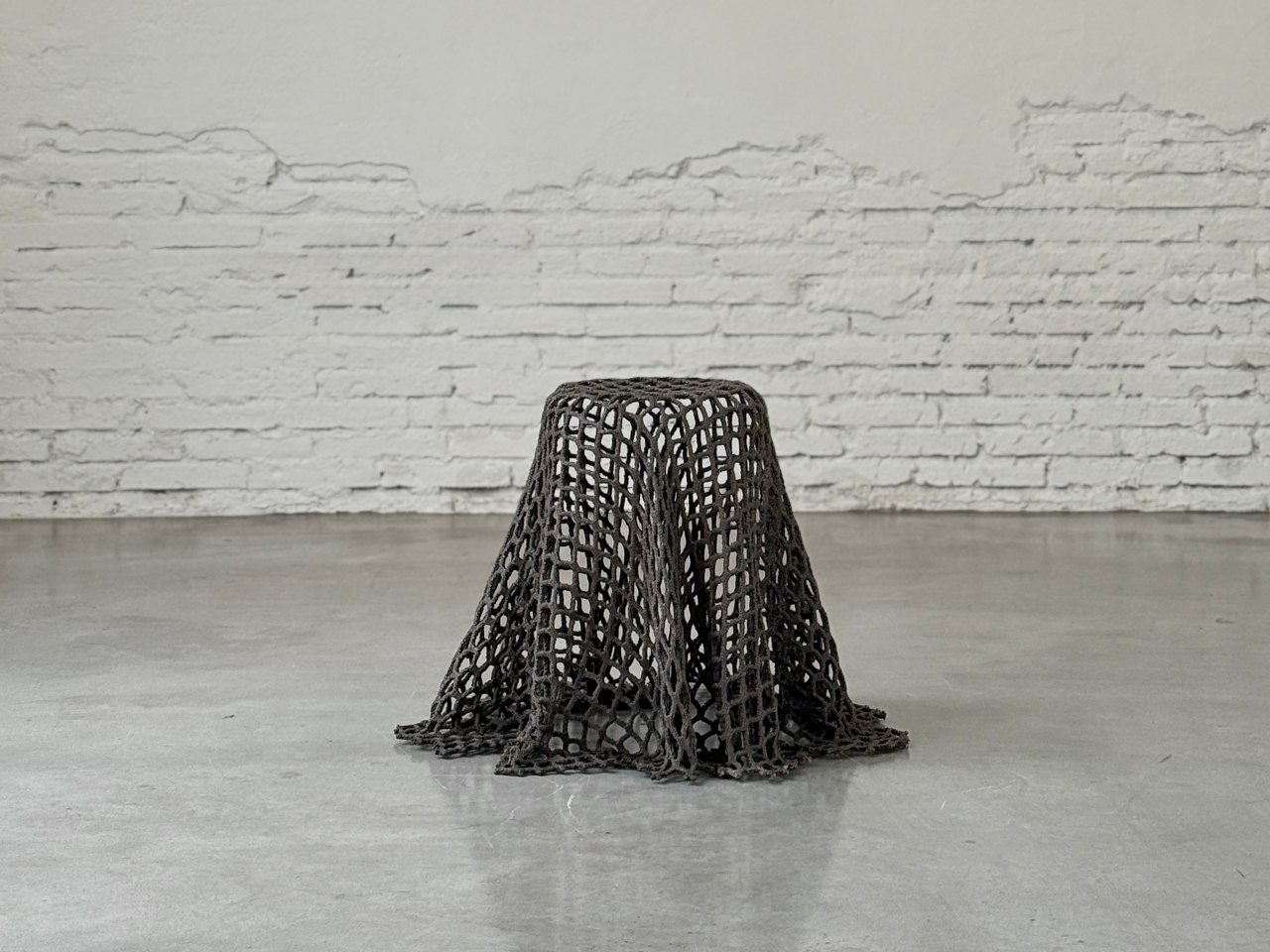
The visual impact is immediate and haunting as light passes through netting in patterns that shift as you move around each piece. These chairs appear solid from a distance but reveal their permeable nature up close, allowing you to see through them, around them, and into spaces they create. They exist in strange territory between presence and absence, like memories made tangible that question the very nature of traditional furniture function.
This collection explores what happens when objects lose their original purpose but somehow endure, transforming nets that once held things together into something that questions functional boundaries. The chairs challenge conventional seating expectations by creating pieces that exist both physically and conceptually, offering a unique perspective on how furniture can embody abstract concepts while remaining functionally relevant.
What we like
• Unique conceptual approach creates a truly distinctive seating experience.
• Permeable design allows light to create dynamic shadow patterns in spaces.
What we dislike
• Unconventional materials may not provide traditional seating comfort expectations.
• Artistic concept may prioritize form over practical everyday functionality.
The Future of Adaptive Seating
These seven innovative seating solutions demonstrate how contemporary designers are reimagining the fundamental relationship between furniture and daily life. Each piece offers a unique approach to versatility, whether through social interaction, dynamic color, anatomical inspiration, architectural heritage, sculptural beauty, playful modularity, or conceptual exploration.
The best versatile seating solutions for modern living transcend traditional boundaries, offering functionality that adapts to our changing needs while adding aesthetic and emotional value to our spaces. These designs prove that chairs can be simultaneously practical tools, artistic statements, and catalysts for human connection, making them essential components of thoughtfully designed modern homes.
When designing a home that genuinely reflects your personality, it is natural to focus on color schemes, furniture layouts, and curated decor. These elements shape the foundation of a space, but there is one often-overlooked design element that can completely transform how your home feels, and that is playful furniture design.
This does not mean that you need to fill your space with childish or overly quirky pieces. Instead, it is about choosing furniture with unexpected shapes, bold colors, or whimsical details that spark joy. These thoughtful and personality-driven touches add charm, create visual interest, and infuse your interiors with warmth and wonder.
Let’s understand how playful furniture design can turn ordinary spaces into lively, emotionally uplifting designs.
1. The Psychology of Playful Design
Design goes beyond aesthetics as it influences how people feel and interact with their surroundings. Playful furniture, with its bold colors and unexpected shapes, can spark curiosity and joy, challenging the idea that furnishings must be strictly functional.
By incorporating unconventional pieces, such as a sculptural chair or a whimsical bookshelf, interiors become more engaging and less monotonous. Studies suggest that novel environments can enhance creativity and reduce stress. In this way, playful furniture is not just decorative, but it supports emotional well-being and helps create a home that feels vibrant, inspiring, and deeply personal.
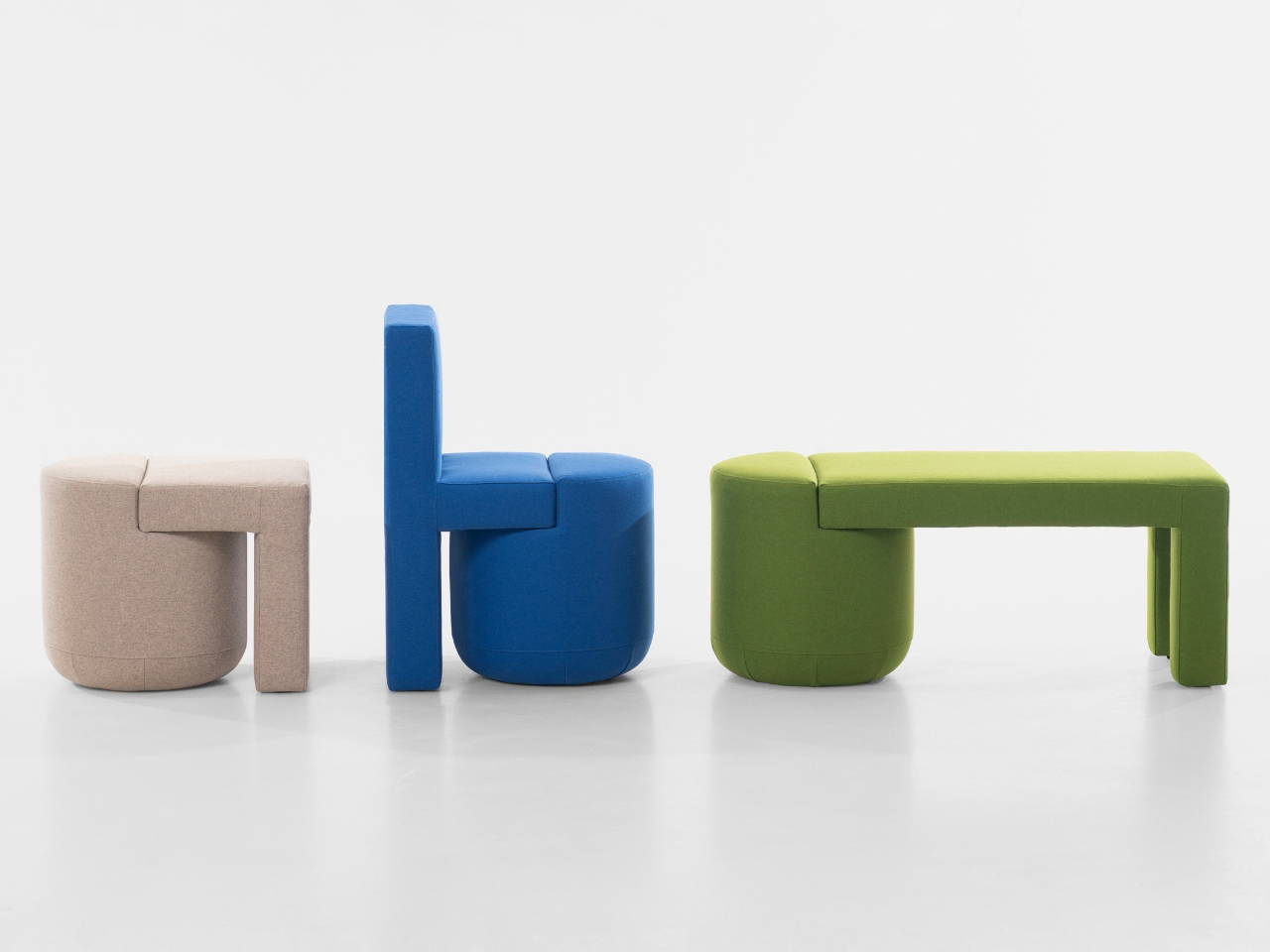
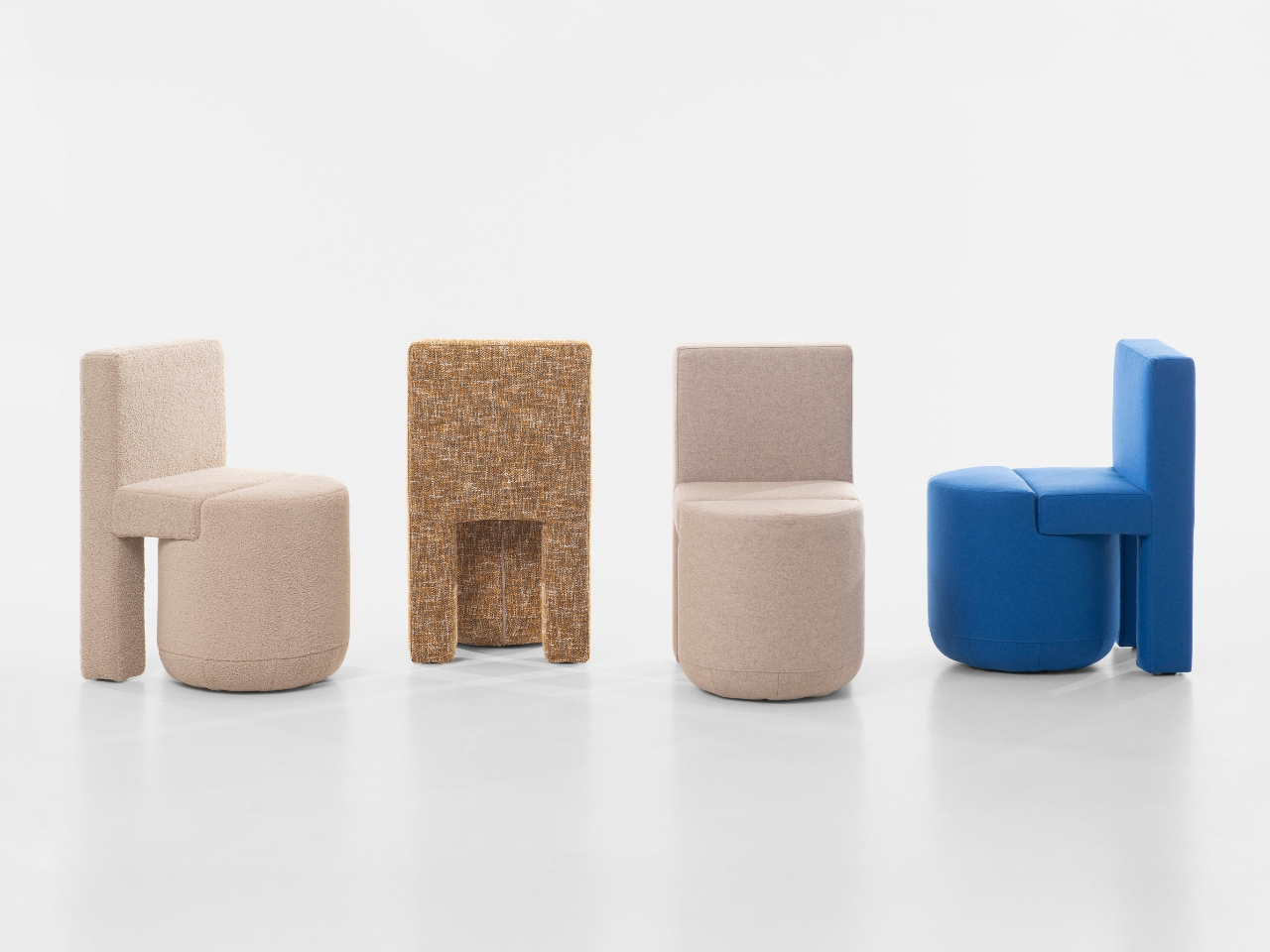
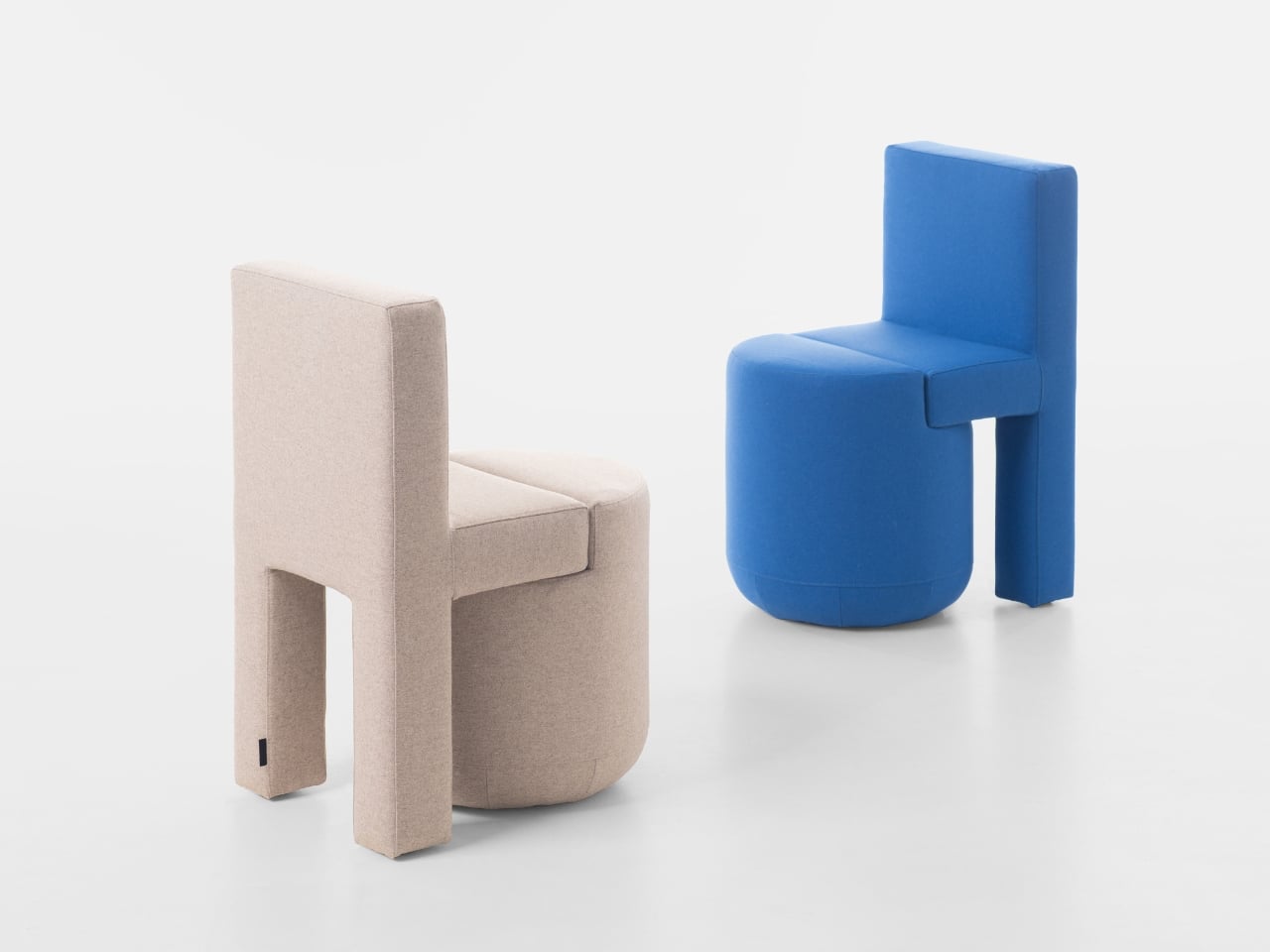
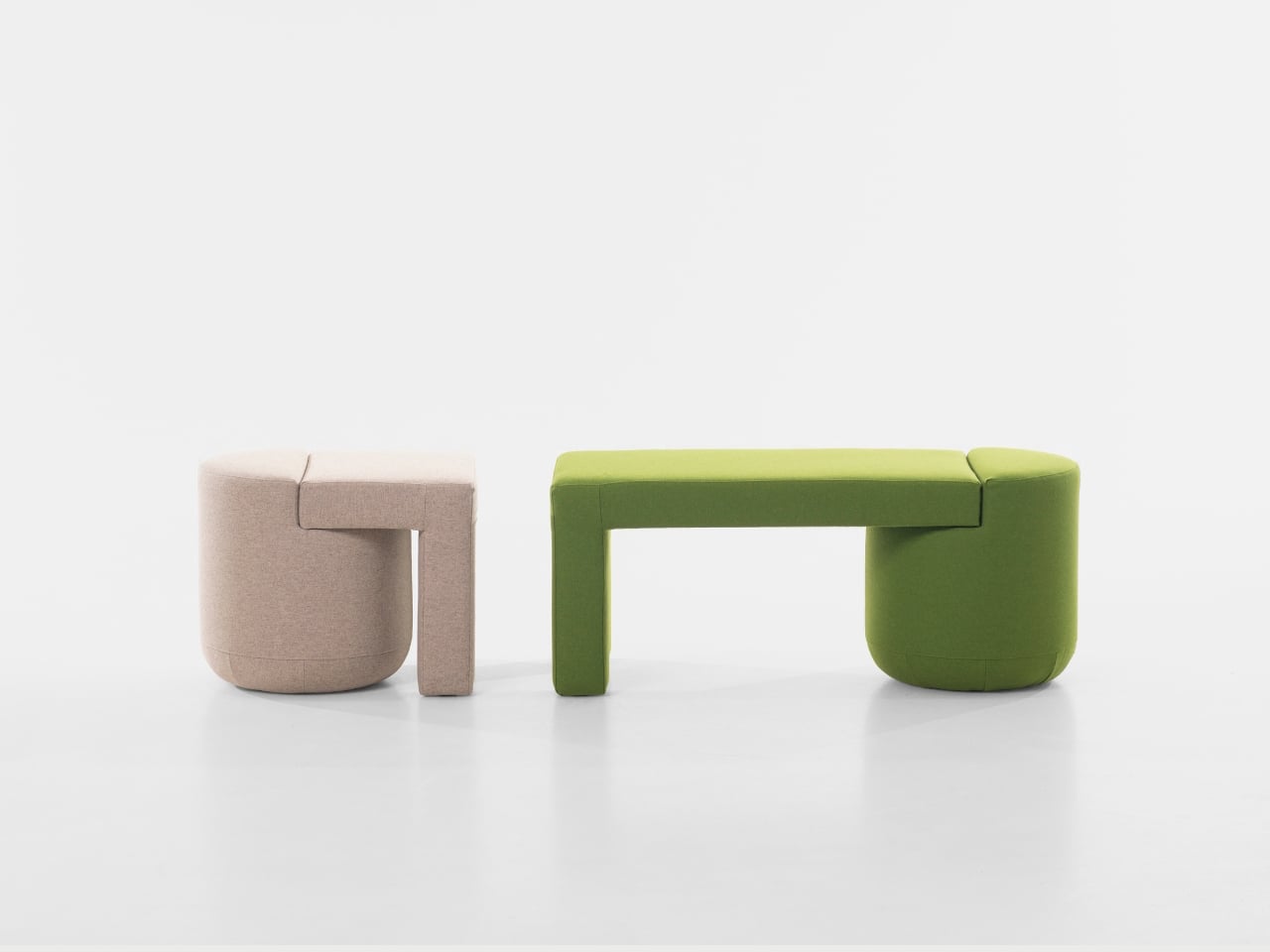
The Fossil Furniture Collection, a collaboration between Ukrainian designer Dmitry Kozinenko and oitoproducts, reinterprets classic furniture forms through the use of sculptural monolithic shapes and bold geometric compositions. Each piece merges simple volumes, both square and round, into a cohesive design language that feels familiar and fresh. The Fossil chair combines two straight, supportive back legs with a rounded front base, creating a dynamic form that serves as a comfortable stool and a visually engaging footrest.
Echoing the chair’s silhouette, the Fossil pouf retains the distinctive base and seat module while omitting the backrest, offering a more casual and adaptable seating option. The bench expands the pouf’s form, featuring an elongated rectangular seat to accommodate two or three individuals, making it suitable for dining areas, entryways, or shared spaces. Together, the collection blends functionality with playful design, demonstrating how geometric reinterpretation can elevate everyday furniture into sculptural statement pieces.
2. Clever Ways to Add Whimsy
Adding playful furniture to a space does not mean giving up comfort or sophistication. It is about selecting pieces with personality, like a bold pouf, a sculptural table, or a quirky-backed chair that injects charm without overwhelming the room. These accents can become focal points and spark conversation.
To make smart selections, one can think about function, proportion, and how each item complements your existing decor. It is important to prioritize quality craftsmanship and sustainable materials, so your fun finds also stand the test of time and infuse a touch of joy.
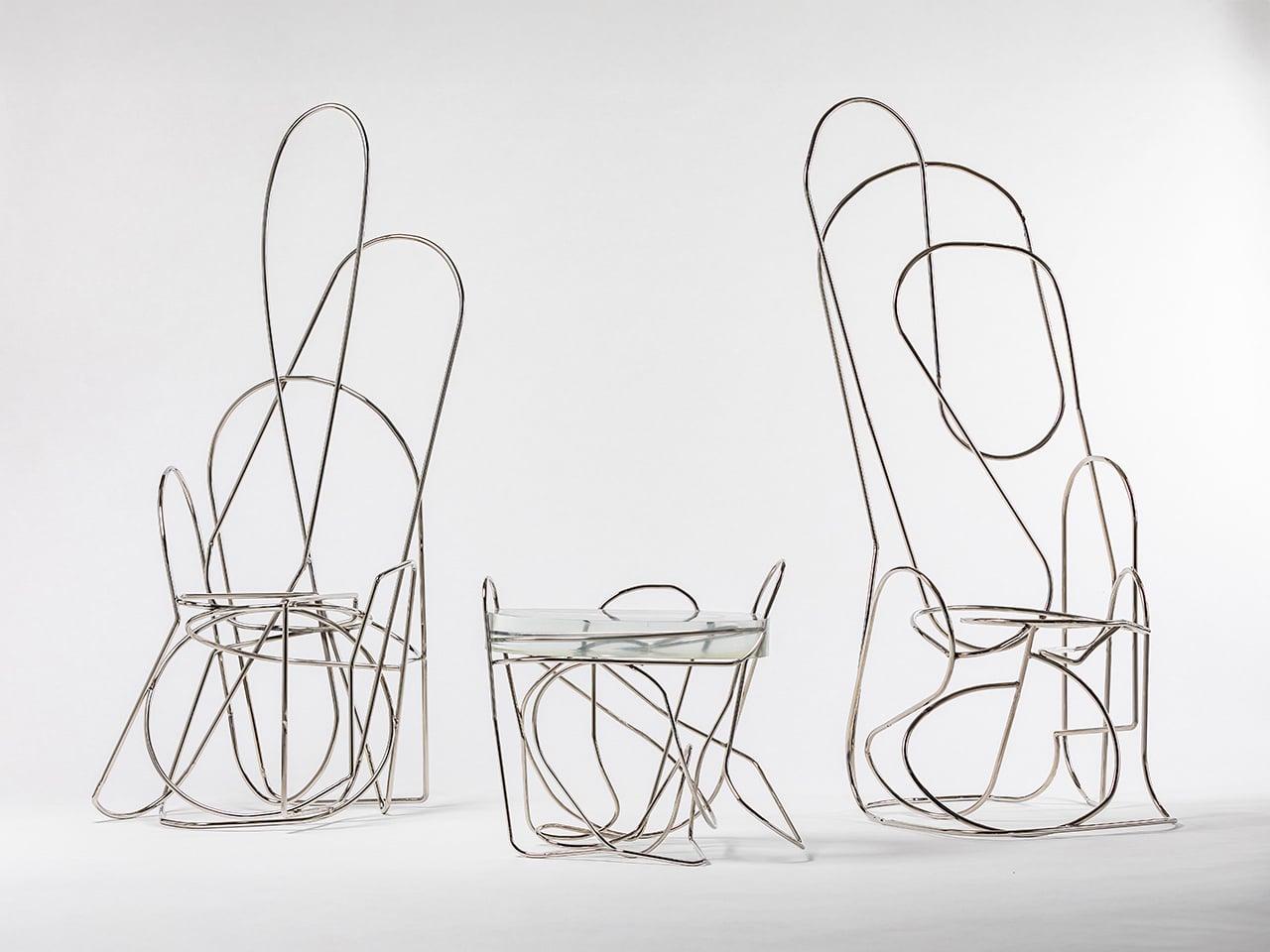
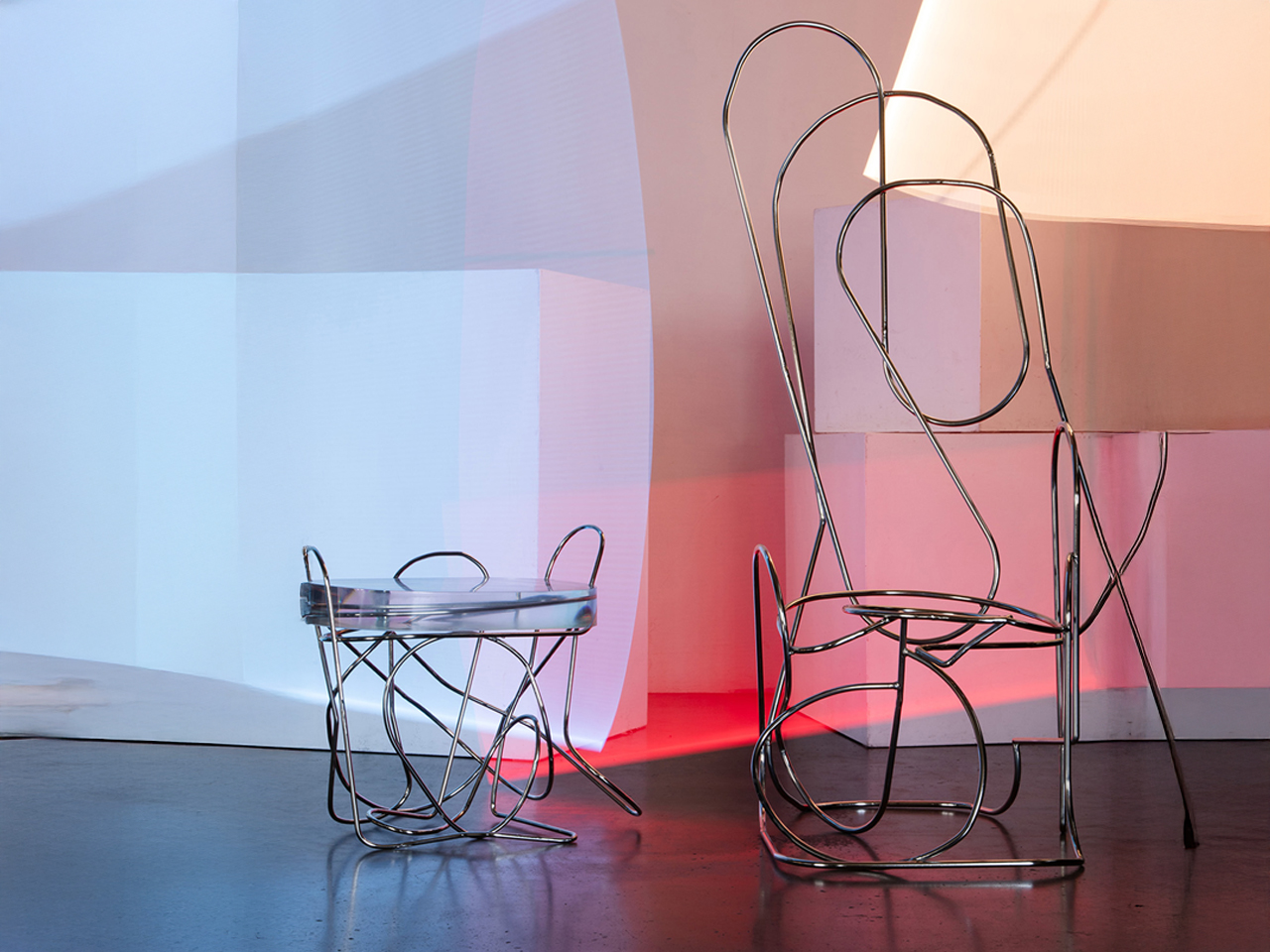
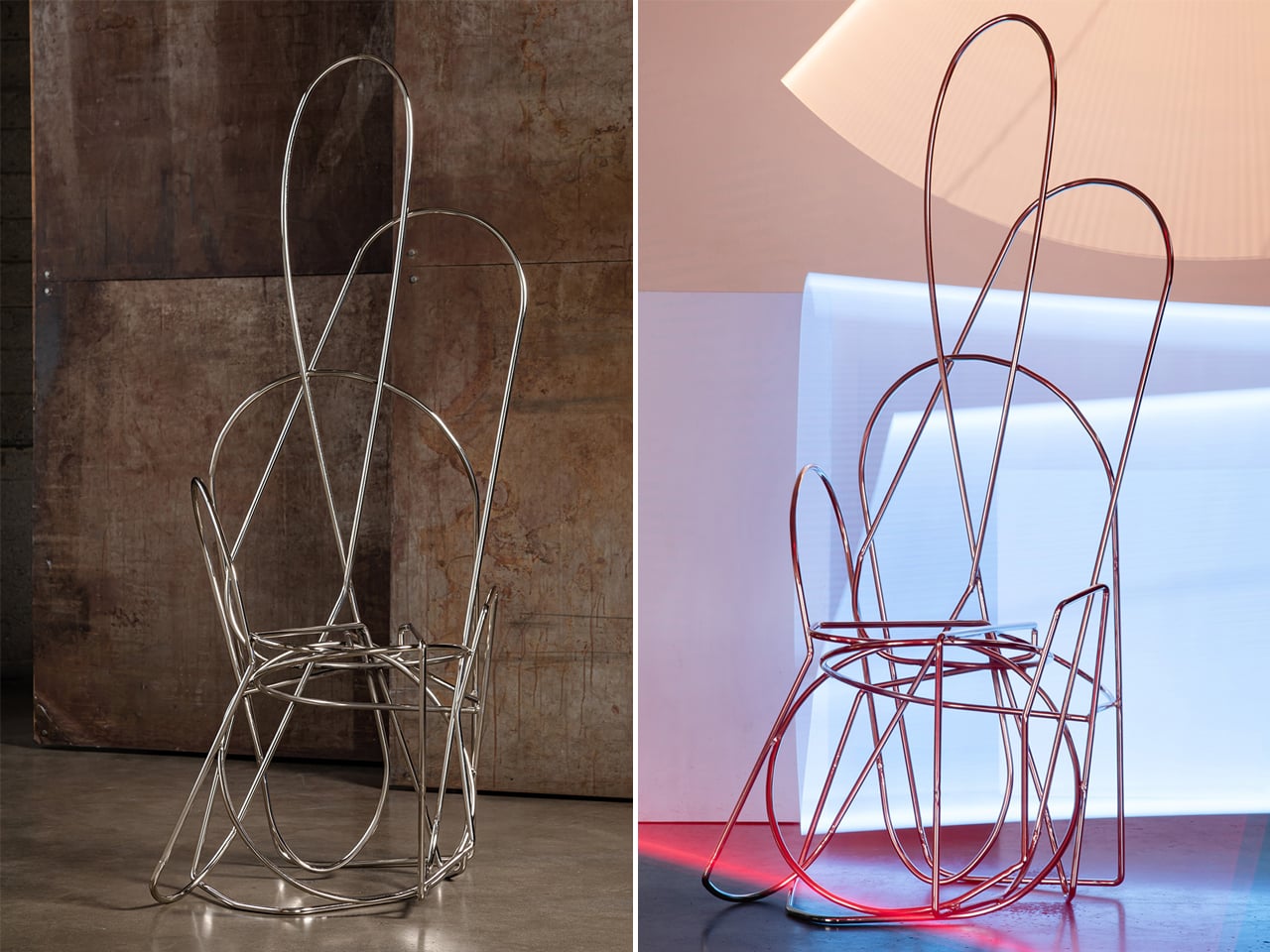
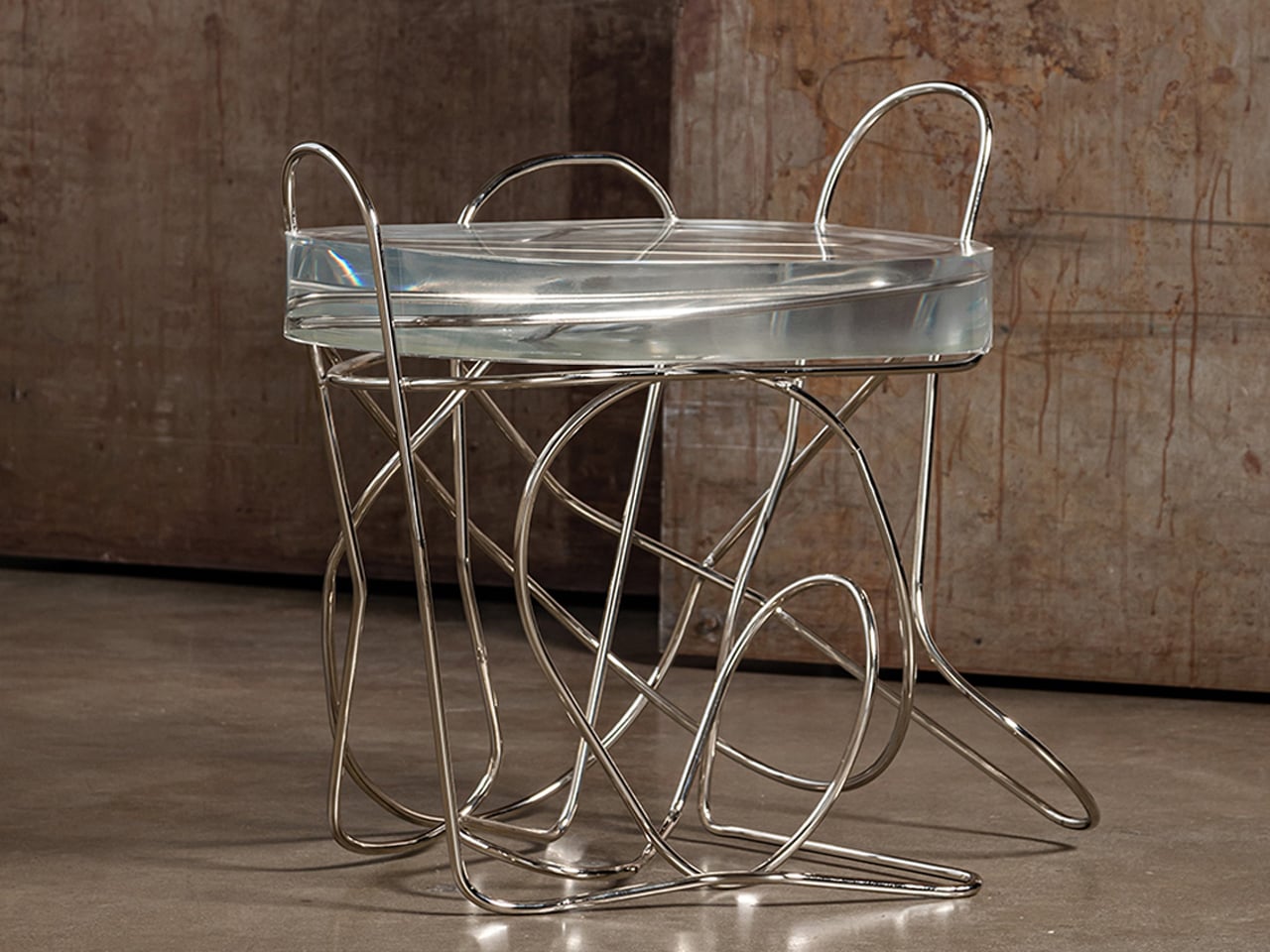
The Doodle Collection by Ring presents furniture pieces that evoke the whimsical appearance of twisted paper clips, transformed into bold, sculptural forms. Inspired by blind contour drawings brought into three dimensions, each piece is crafted from nickel-plated steel arches, meticulously hand-bent and welded around a cast resin core. The collection includes an abstract table and a pair of chairs that appear impossibly delicate yet remain structurally stable. The table’s cast resin surface, seemingly suspended against gravity, enhances the sense of playful defiance that defines the series.
Ring describes the design approach as “free and exploratory,” resulting in creations that blur the line between functional objects and artistic statements. With their unconventional forms and dynamic silhouettes, these pieces feel more at home in an art gallery than in a traditional showroom. Designed for bold, adventurous collectors, the Doodle Collection serves as a statement against predictable design, offering a lively and imaginative addition to contemporary interiors.
3. Using Playful Materials and Textures
The tactile quality of furniture is just as important as its visual appeal. Designers often use varied materials and textures to make interiors feel more inviting and engaging. Unexpected choices like recycled plastics, woven rattan, or soft felt not only add visual interest but also a sensory layer that enhances the user experience.
Combining textures, such as pairing a smooth metal frame with a plush velvet seat, introduces depth and sophistication. These contrasts keep the eye moving and the space feeling curated. Also, mixing elements like wood, leather, fabric, or metal creates a multi-sensory environment that feels intentional, comfortable, and uniquely welcoming to everyone who enters.
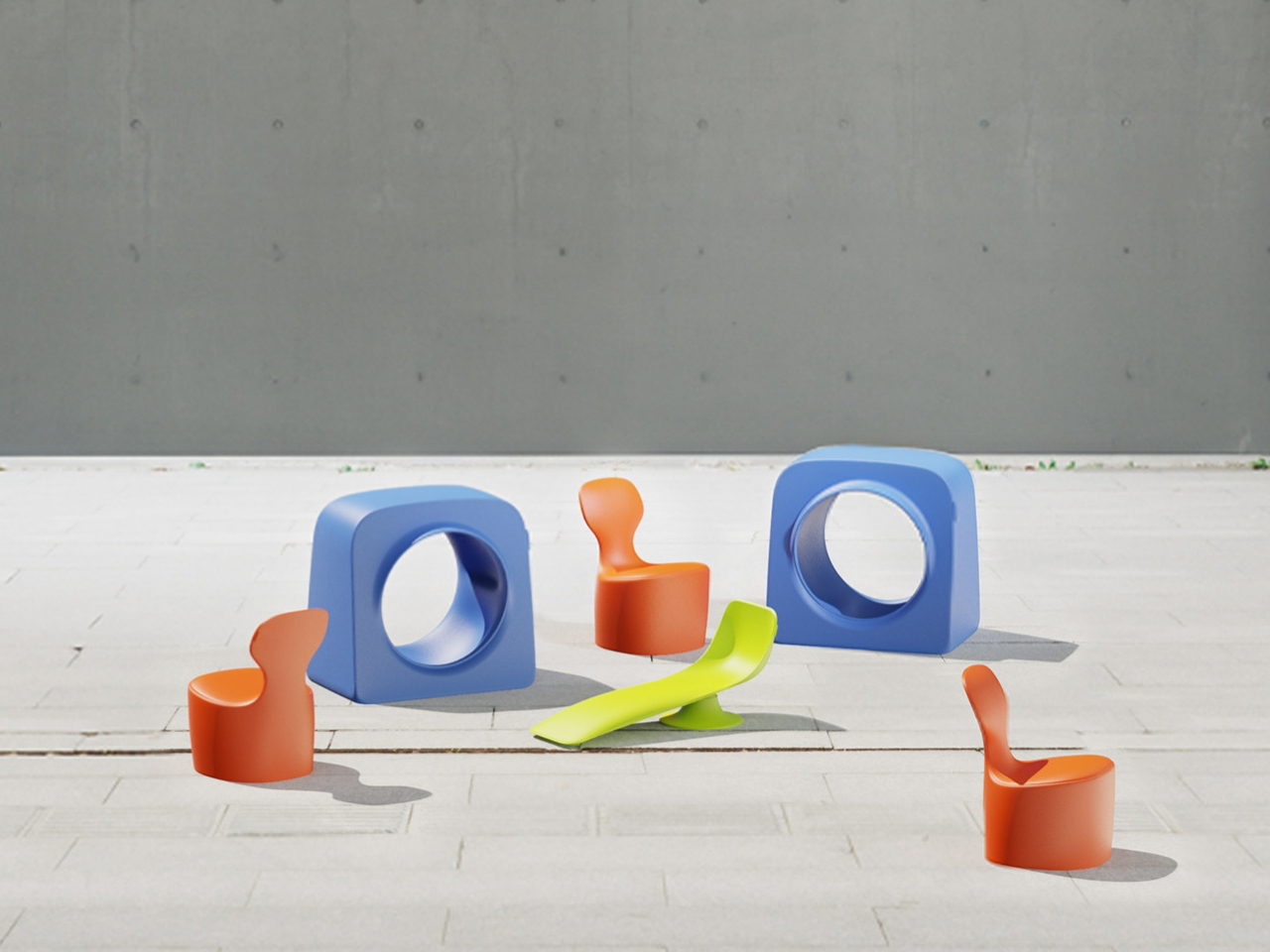
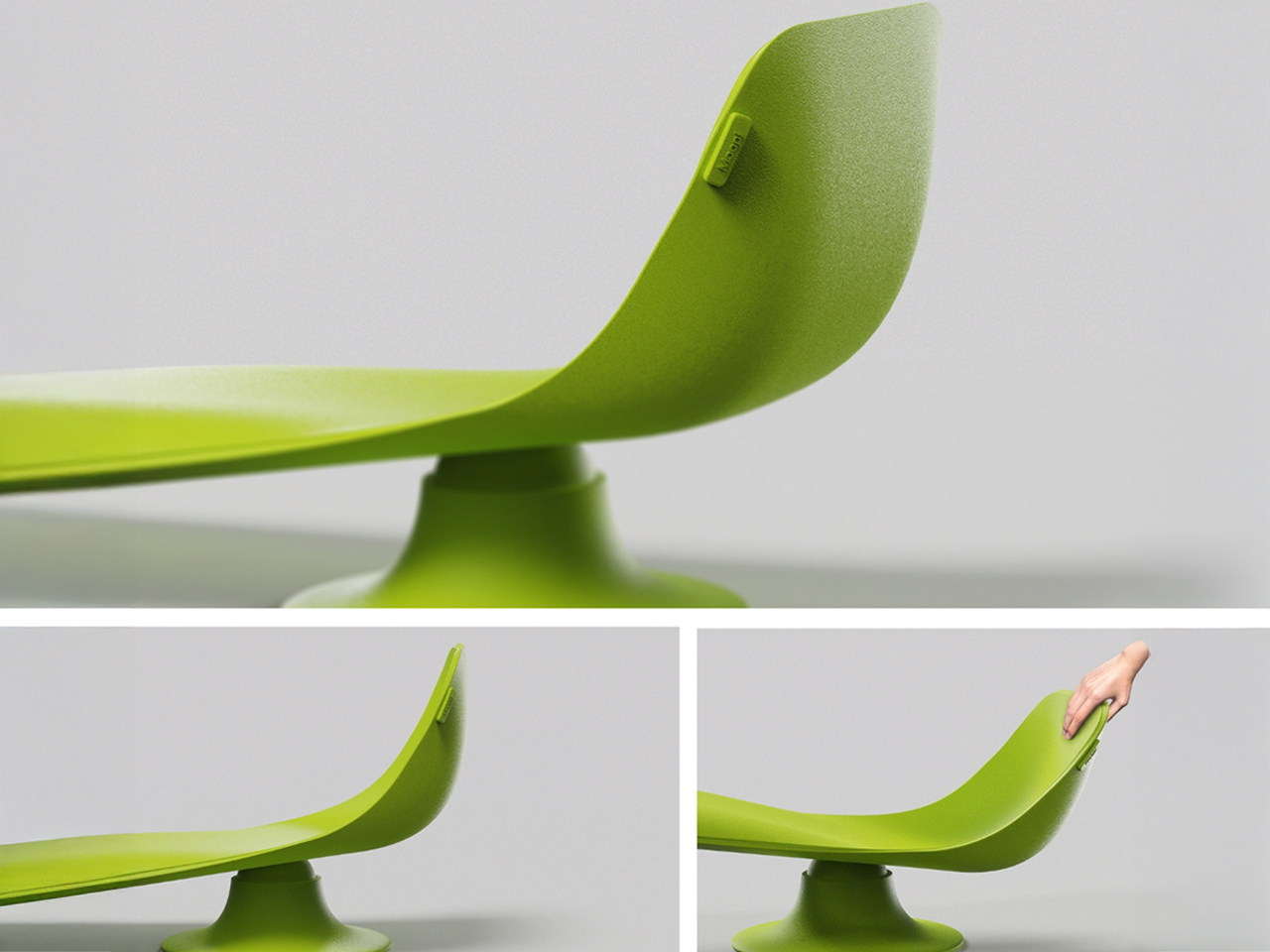
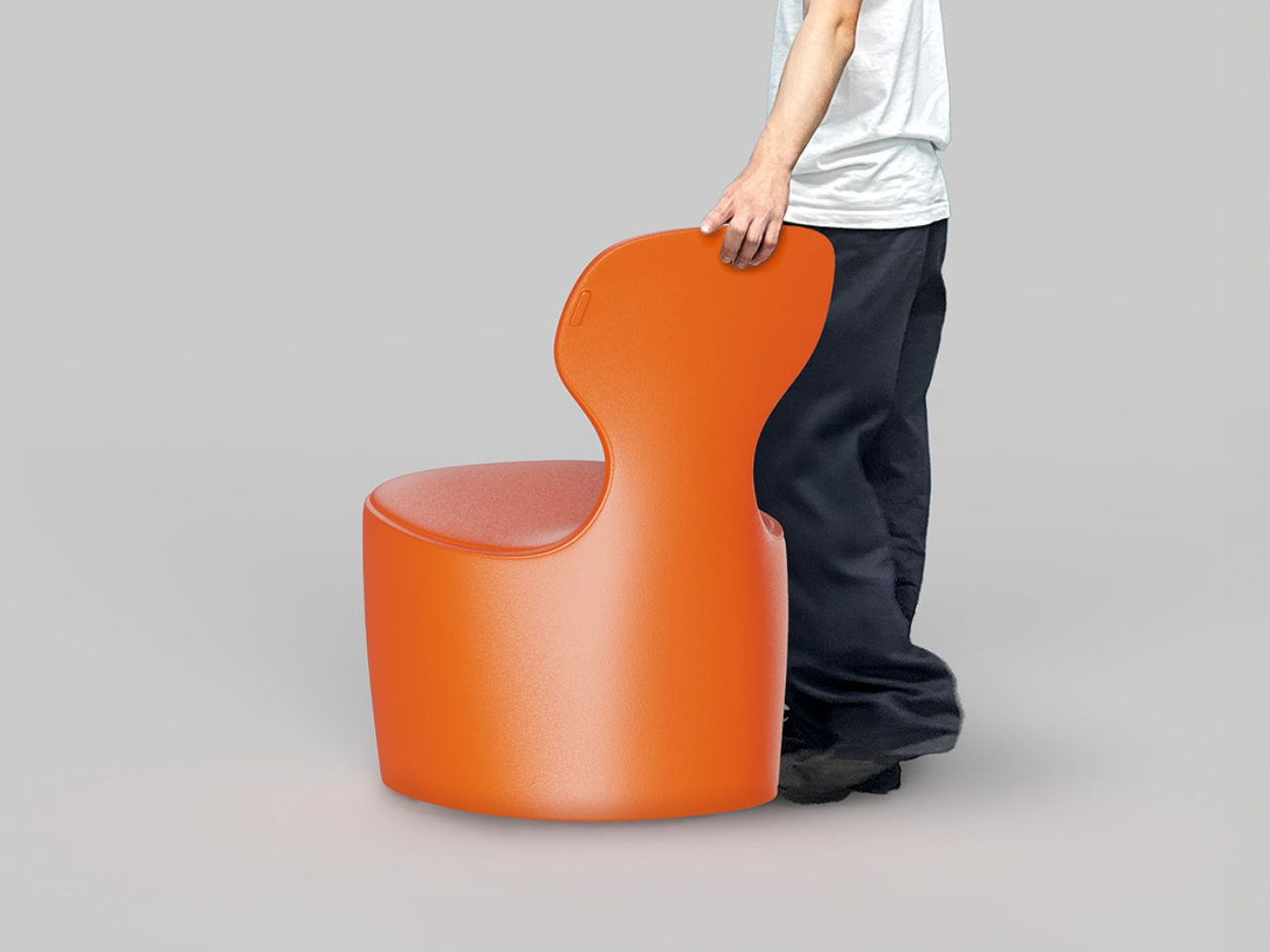
The Moopi chair collection reinterprets the playful spirit of childhood playgrounds into sculptural, ergonomic seating for modern interiors. Inspired by slides, tunnels, and rocking horses, each design captures the posture and sensation of these familiar forms. MOOPI 01 (Blue) evokes the cozy enclosure of a playground tunnel with its circular opening, inviting users to curl up or lounge. MOOPI 02 (Green) features a gentle slope reminiscent of a slide, ideal for relaxed seating or casual conversations. MOOPI 03 (Orange) recalls the backward seating position often found on rocking horses or slide edges, offering both comfort and a whimsical silhouette.
Crafted with smooth contours and vibrant finishes, the collection is designed to be visually striking while remaining functional for all ages. The bold colors reference classic plastic playsets, instantly adding energy to any space. More than just seating, Moopi pieces serve as statement designs that blend nostalgia, creativity, and comfort, making them ideal for living rooms, studios, or curated interiors.
4. Designing for All Ages
Playful furniture offers a smart way to design spaces that are stylish for adults and welcoming for children. Instead of filling rooms with separate items, families can opt for multi-functional pieces that serve everyone. A low, rounded table, for instance, works as a coffee spot and a child’s play surface.
Soft edges enhance safety while maintaining a clean, modern aesthetic. Versatile pieces like storage ottomans or modular seating adapt easily as family needs change. This thoughtful approach proves that a home can be beautiful and practical.
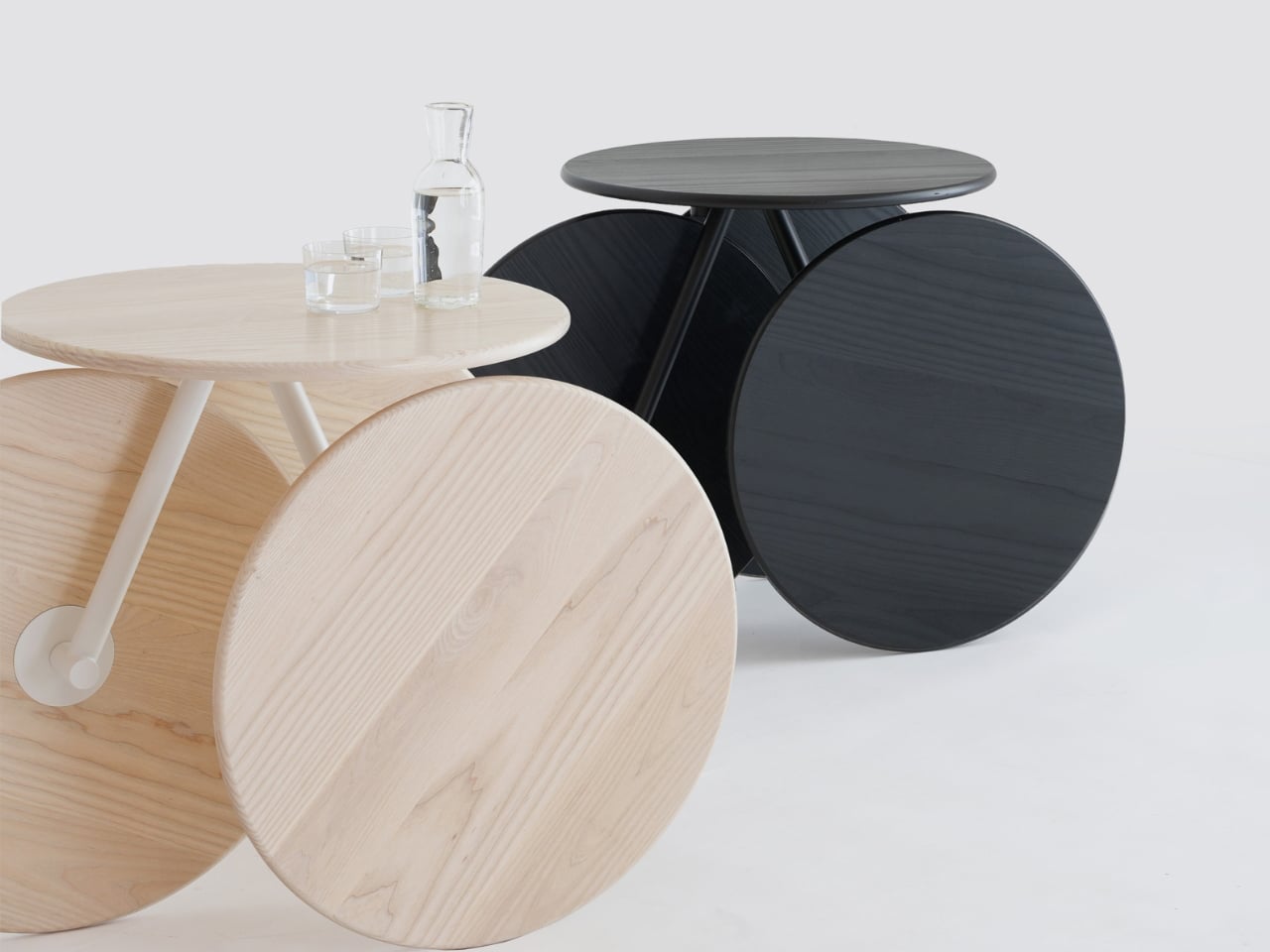
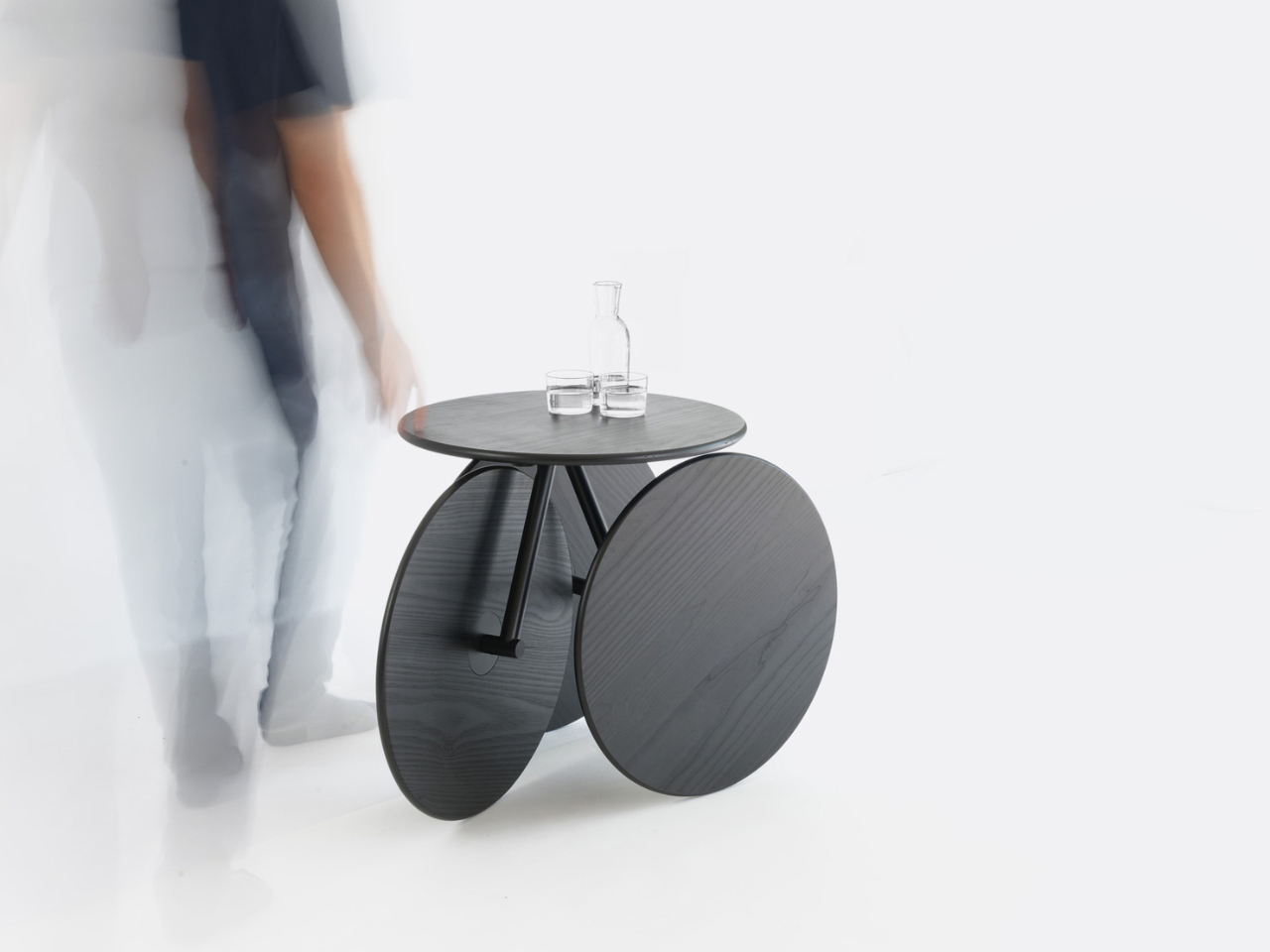
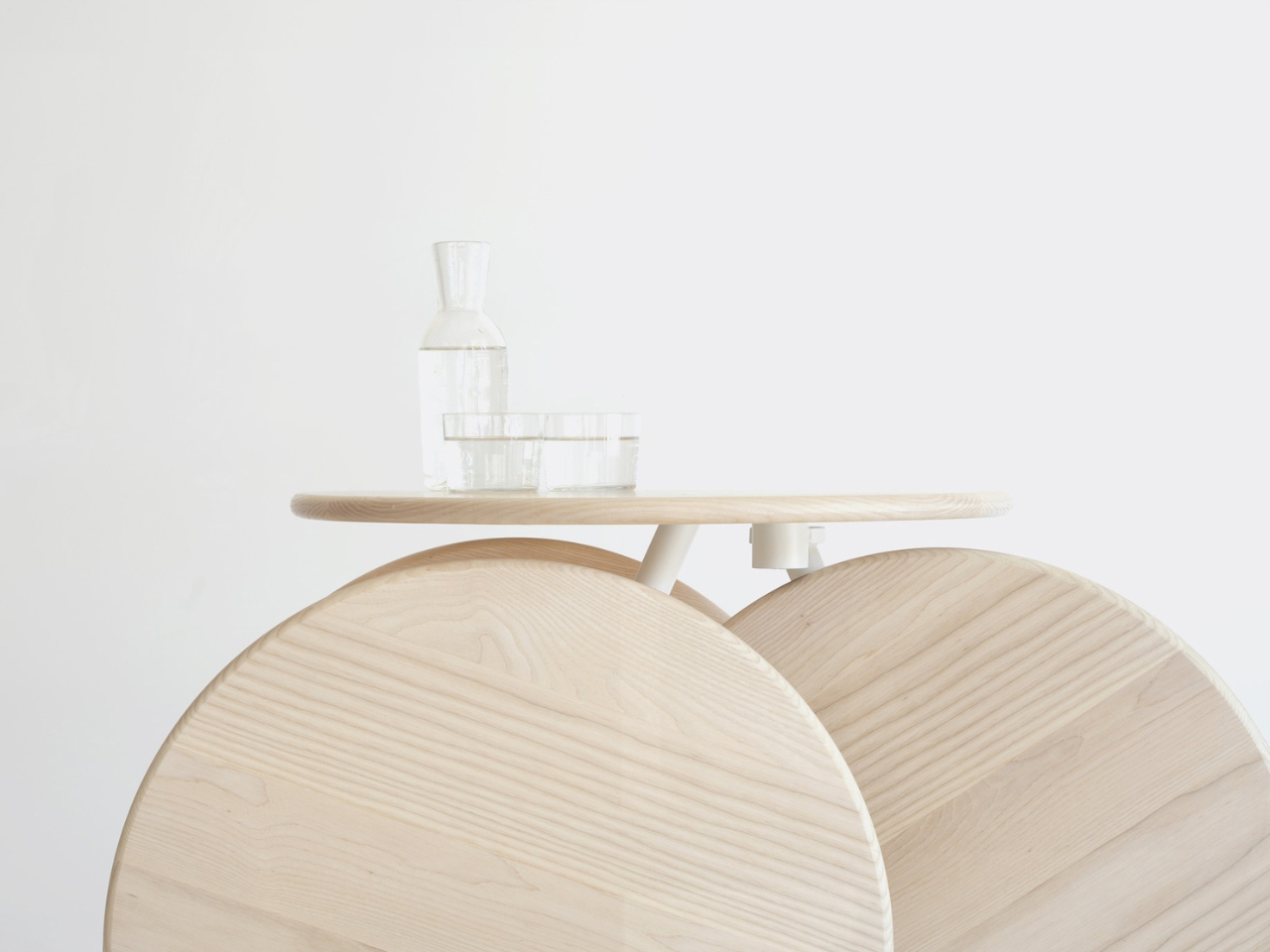
The Rolly table by Mike & Maaike blends functionality with playful design, featuring four identical circles that serve as wheels and visual anchors. Crafted from solid wood or multi-ply, these circles highlight natural grain or bold colors while forming the table’s structural base and mobility. Supported by a minimal steel frame and a clever swivel mechanism, Rolly moves effortlessly across floors. Its swiveling rear wheel offers smooth control, allowing it to function as a stationary side table, portable serving cart, or stylish display stand.
Available in finishes ranging from light Scandinavian-inspired woods to rich stains, vibrant colors, and striking black-and-white stripes, the Rolly table adapts to a variety of interiors. Clean lines, seamless joinery, and a spacious tabletop reflect meticulous craftsmanship. Designed for design lovers and collectors, it turns simple tasks like serving drinks or rearranging a room into enjoyable experiences, making it a standout piece that merges versatility, movement, and modern style.
5. Upcycle for a Personal Touch
Upcycling old furniture or using upcycled materials offers a budget-friendly, eco-conscious way to add personality to any space. A bold coat of paint on a vintage chair or reupholstering with fun fabric can transform overlooked items into standout features.
DIY projects allow for creativity and customization, whether it is painting patterns on drawers, adding colorful legs to a plain table, or making cushions from vibrant textiles. These efforts result in distinctive pieces and a sense of accomplishment. Playful design celebrates imagination and resourcefulness, showing that style can be sustainable and uniquely personal.
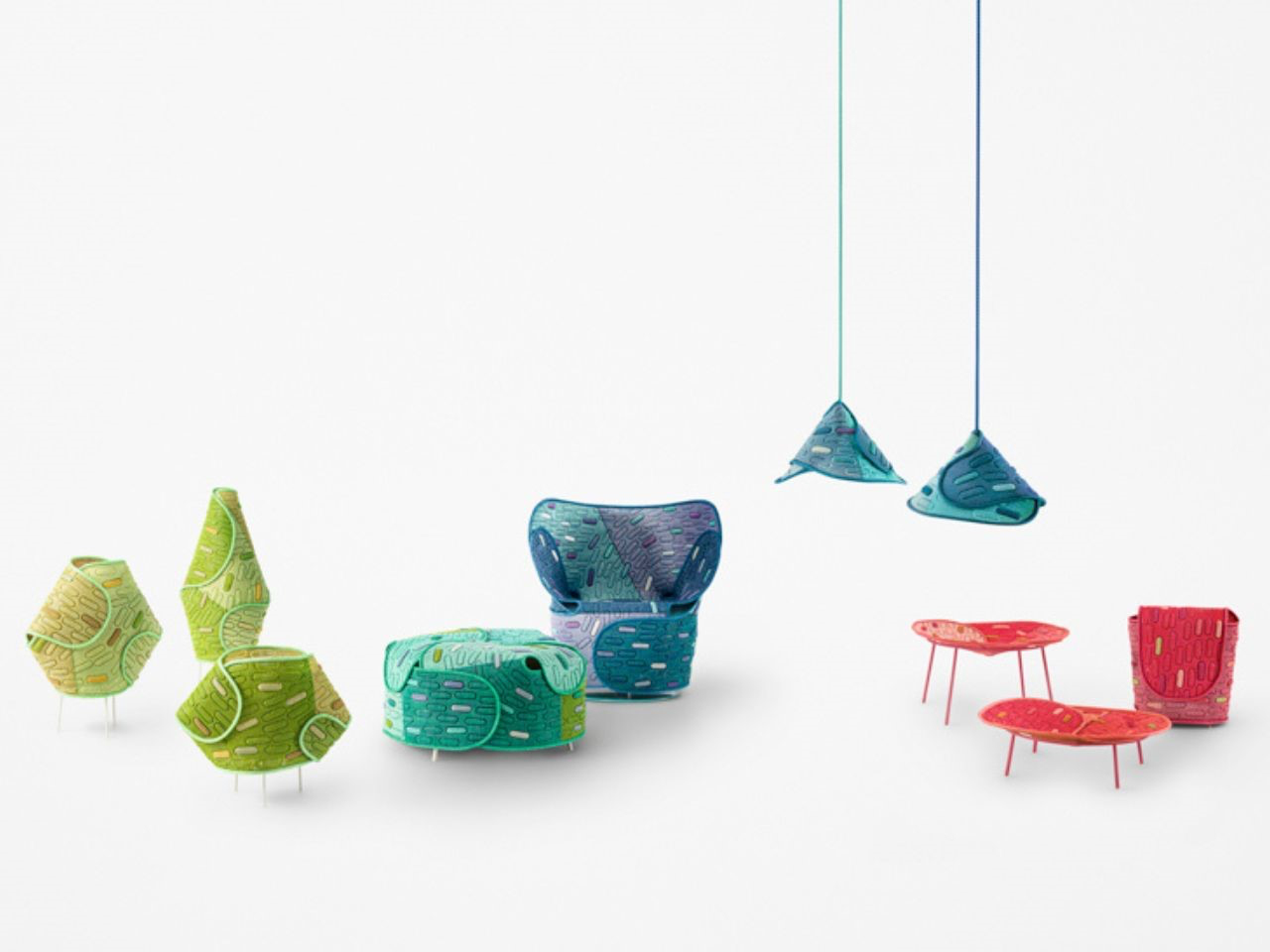
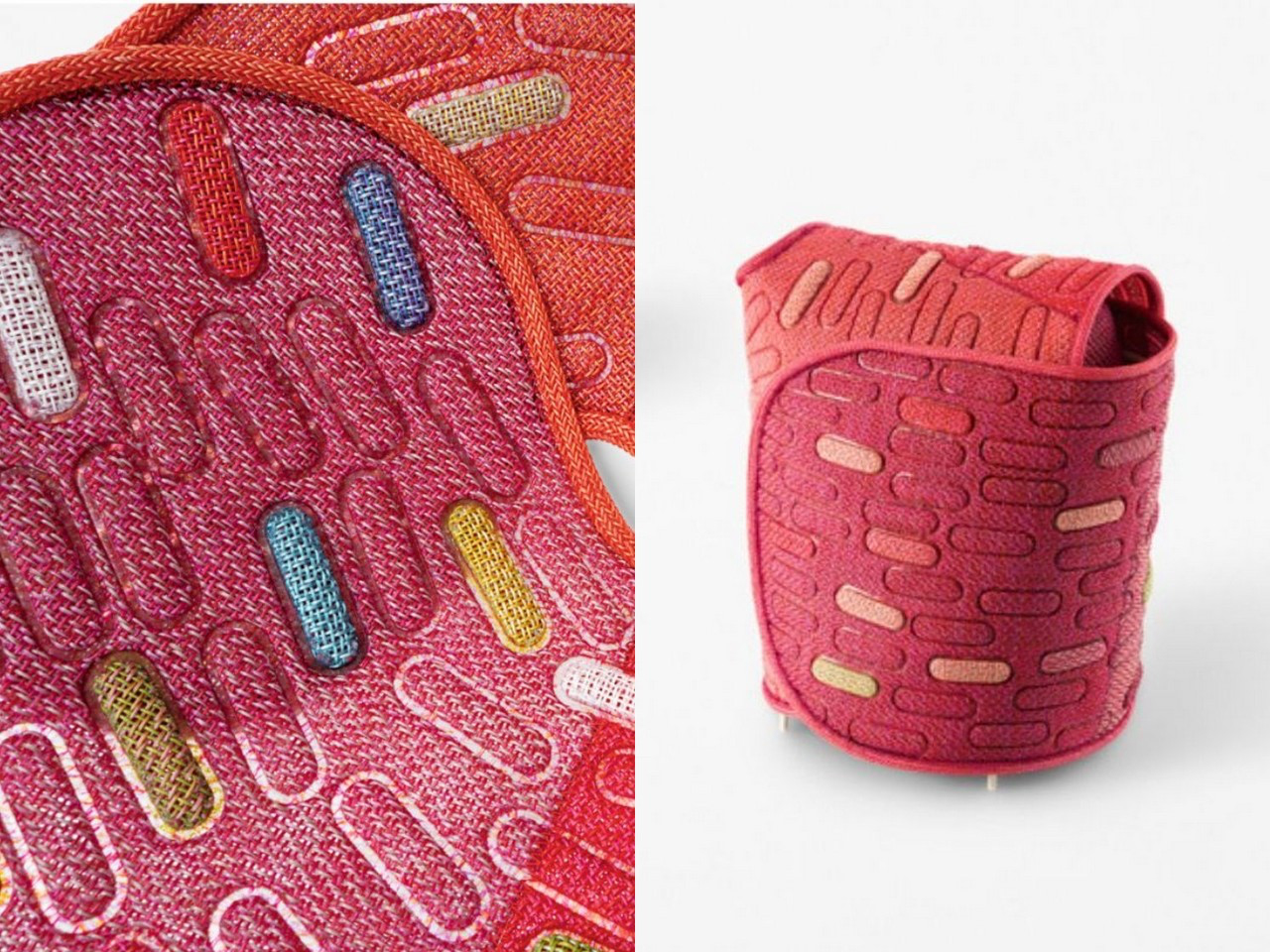
The Hana-Arashi (Flower Storm) collection by Paola Lenti showcases a refined approach to sustainable outdoor furniture design, transforming surplus 100% polypropylene mesh fabric into sculptural, functional pieces. This recyclable mono-material, celebrated for its durability, water resistance, and extensive range of approximately 180 colors, is reimagined through a high-frequency thermocompression technique. Leveraging polypropylene’s low melting point, multiple fabric layers are fused without adhesives or threads, selectively hardening certain areas for strength while retaining translucent sections that allow light to pass through, creating a luminous, ethereal effect.
The production process begins with assembling large fabric offcuts into a base, then welding smaller, precisely cut remnants to enhance texture and depth. Rolled and fused into fluid, three-dimensional forms, the resulting pieces evoke the organic beauty of swirling petals. Lightweight yet robust, Hana-Arashi is well-suited for public spaces, parks, and community areas, merging structural integrity with artistic elegance while advancing Paola Lenti’s commitment to eco-conscious innovation.
By selecting pieces that prioritize happiness, you can transform your space into a reflection of your personality and a haven of well-being. It’s about moving beyond the conventional and creating an environment that encourages laughter, creativity, and a little bit of fun.
If you’re searching for a concept that blends artful design with functional vision, the LOOP Chair by Dntigrco Graphics is sure to catch your eye. Presented as a design concept on Behance, this striking chair explores the possibilities of seating for the modern home or office, combining minimalist style with ergonomic thinking.
The LOOP Chair concept impresses with its bold, angular frame that feels both dynamic and airy. The designer set out to create a continuous, flowing form, imagining a seat that almost “loops” around the sitter. This unique vision means the chair isn’t just a functional object, but a sculptural experience. The proposed frame, envisioned in walnut wood veneer with options for ash, oak, or black-stained finishes, serves as both a structural support and an artistic centerpiece. Its geometry is the result of careful sketching and creative exploration, balancing soft curves for comfort with sharp angles for a modern, architectural feel.
The LOOP Chair concept stands out for its ability to suggest motion even while stationary. Its sculptural frame creates an intriguing play of light and shadow, making it a visual highlight in any room. Whether imagined in a contemporary office, a stylish lounge, or a refined living space, the chair’s form is designed to spark conversation and admiration.
Comfort is central to the chair’s conceptual design. The seat and backrest are imagined with high-density foam, wrapped in either premium fabric or leather upholstery available in a range of colors. This approach ensures that the concept delivers not only visual appeal but also a vision for supportive comfort from every angle. The upholstery options allow for further customization, so the chair could be tailored to complement a variety of interior styles.
Every aspect of the LOOP Chair has been thoughtfully detailed in its concept stage. The base is pictured as CNC-milled wood with a matte finish for durability and elegance, while anti-slip rubber pads are integrated into the feet for floor protection and stability. These features ensure that, if realized, the LOOP Chair would be as practical as it is beautiful.
Ultimately, the LOOP Chair is more than just an idea for furniture. It’s a harmonious exploration of minimalist design, ergonomic comfort, and customizable elegance. For design enthusiasts, collectors, or anyone interested in the future of interior design, it offers a fresh perspective on what seating can be.

 Connexion