Vue lecture

Il y a de nouveaux articles disponibles, cliquez pour rafraîchir la page.

Futurewave Just Built a Smartwatch That Works Off the Grid

Most smartwatches are sold on the premise of convenience. They track your steps, ping you when you get a text, tell you to breathe, and remind you to stand up every hour like a politely nagging coworker strapped to your wrist. I don’t say that as a knock on the category. Convenience is genuinely valuable. But somewhere along the way, the smartwatch conversation became entirely about optimization and lifestyle metrics, and we kind of forgot that the wrist is also a really good place to put something that could keep you alive.

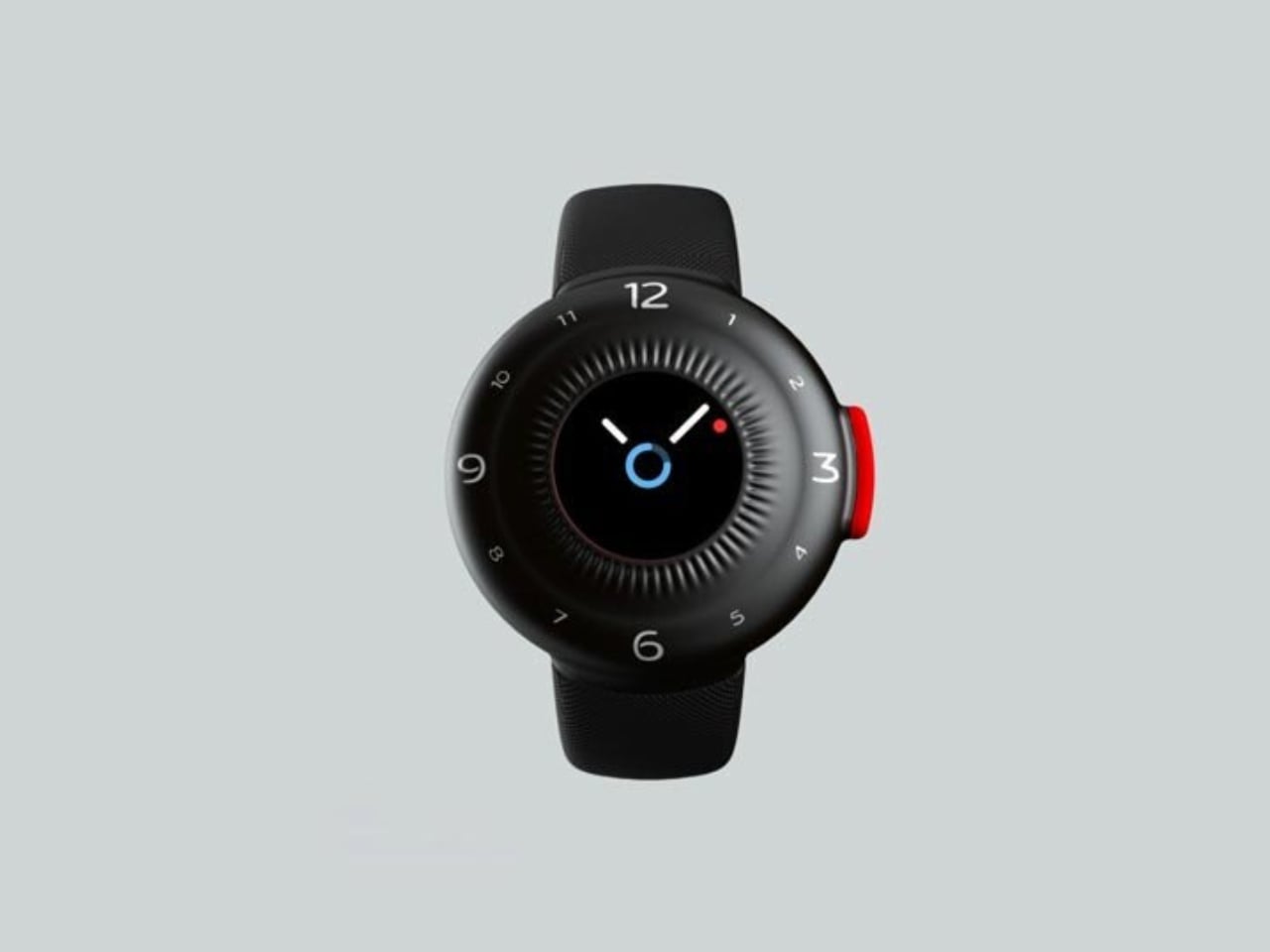
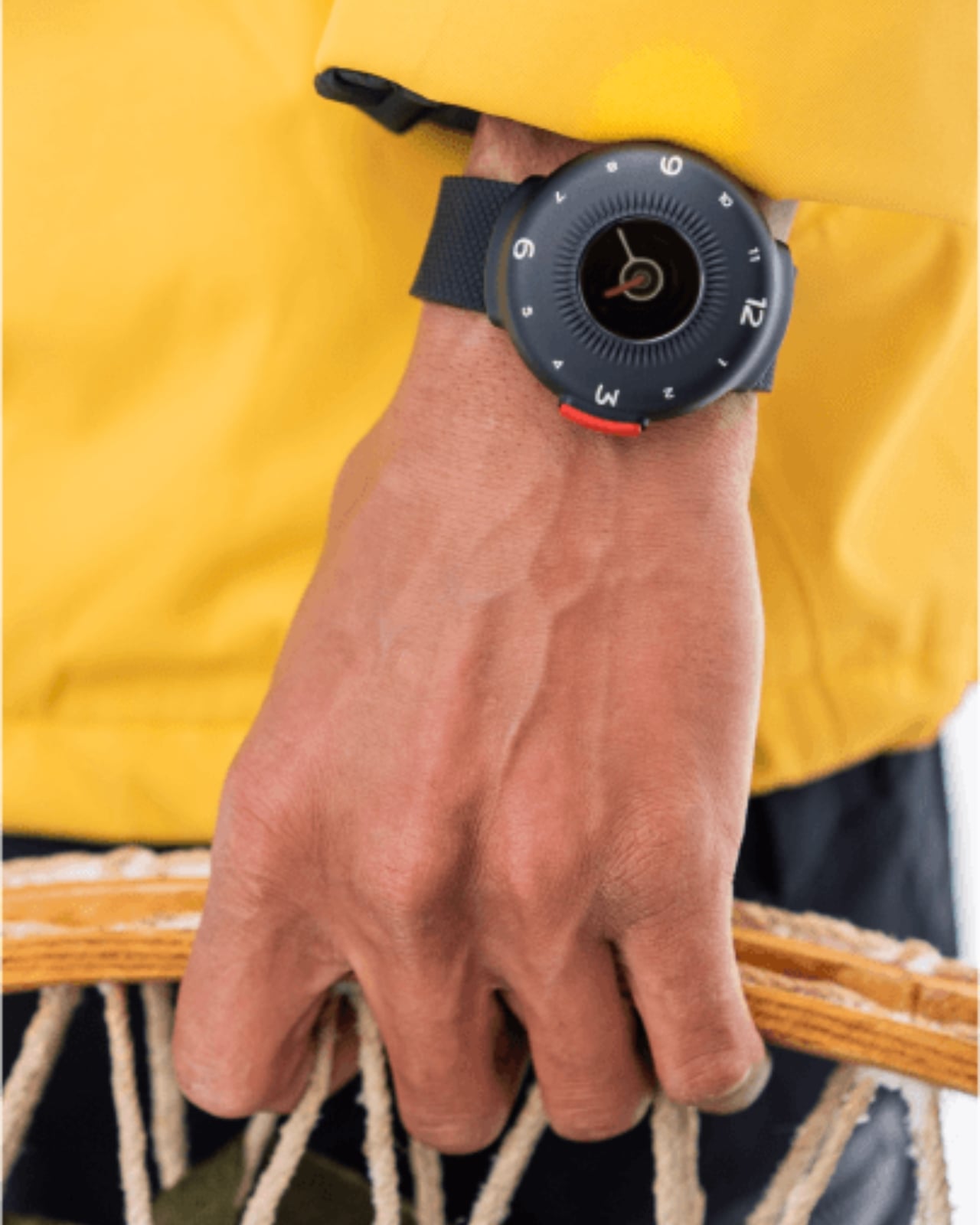
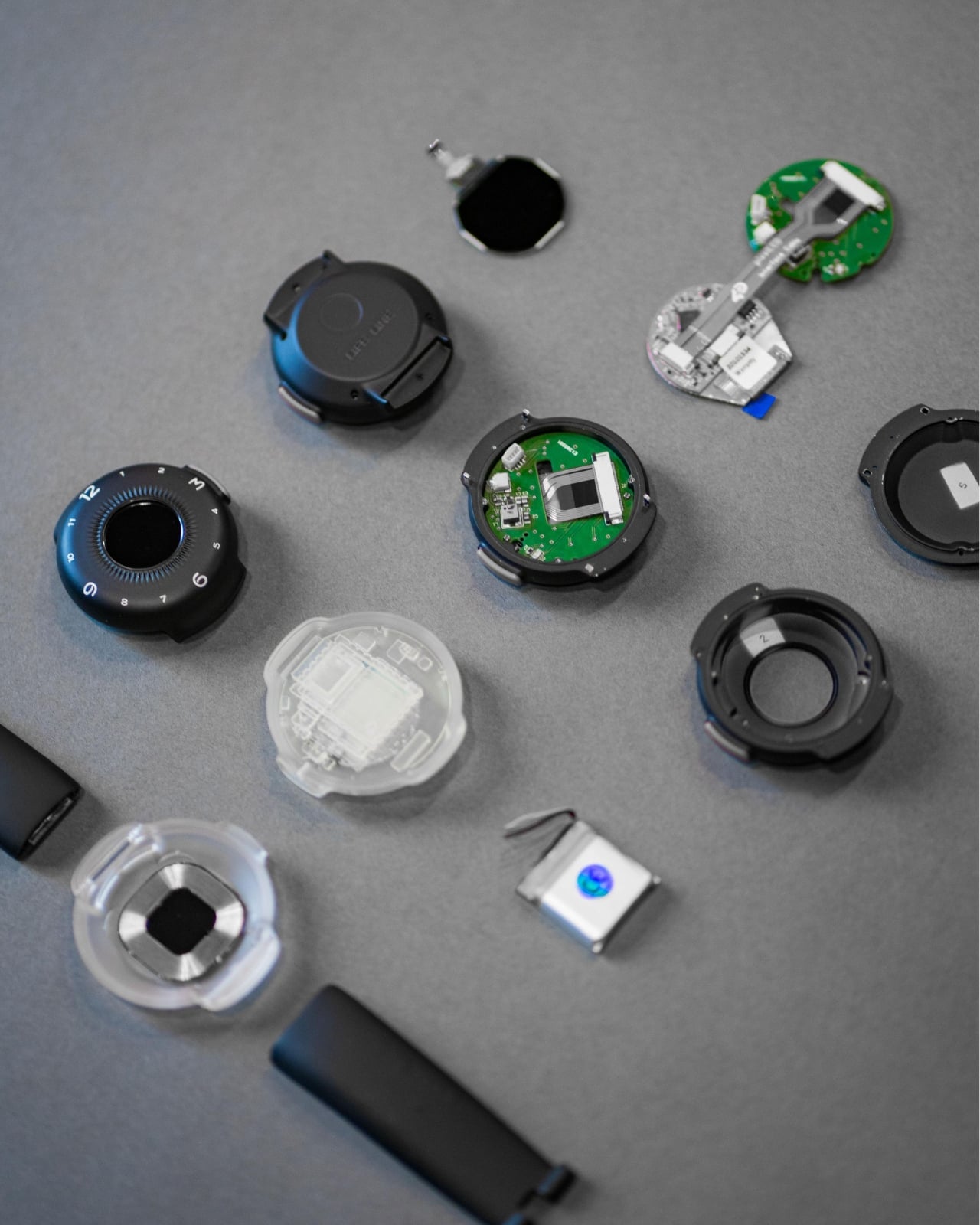
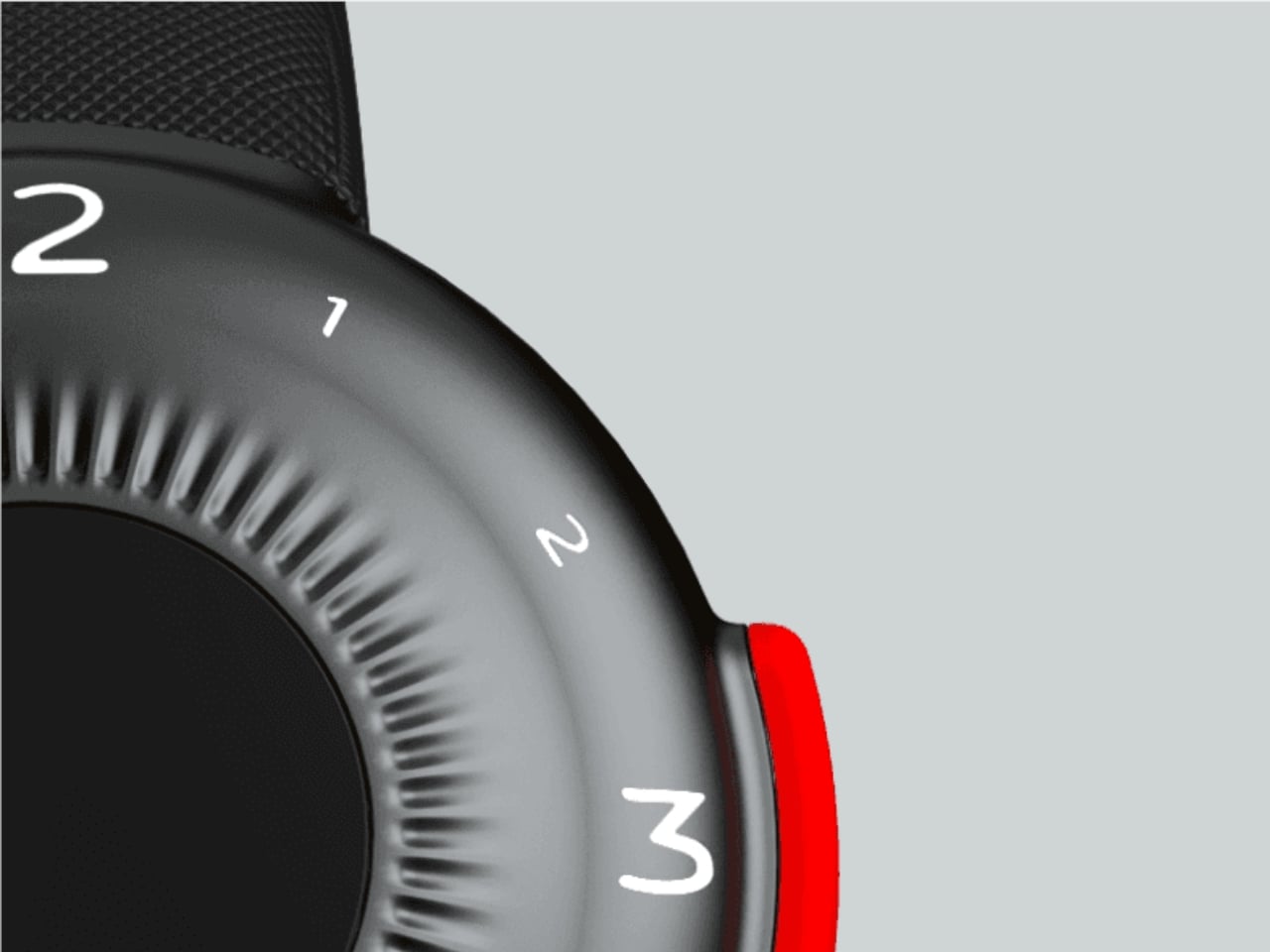
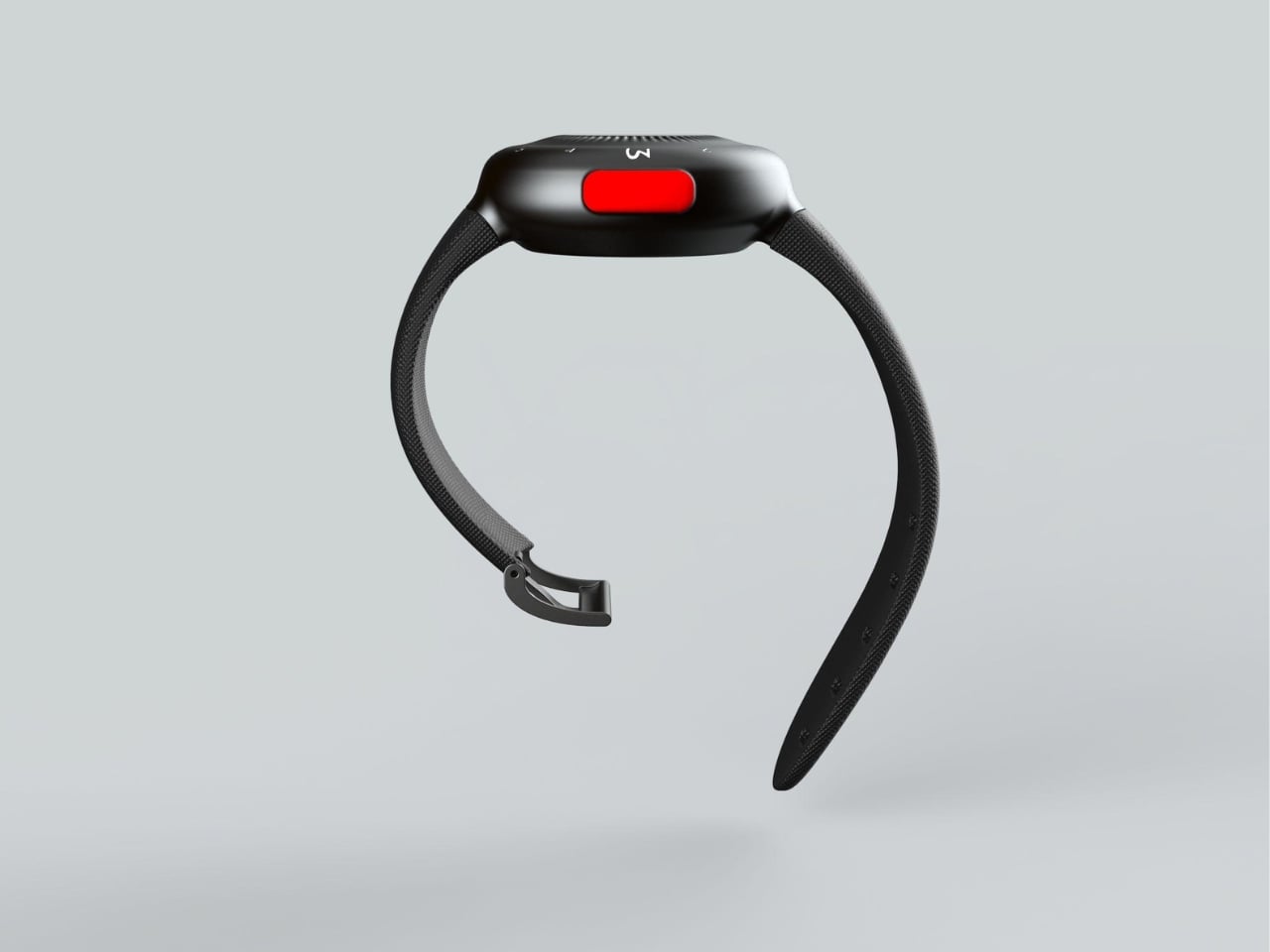
That’s where O-Boy comes in. Developed by Brussels-based design studio Futurewave, O-Boy is a satellite-connected smartwatch built specifically for emergencies in places where mobile networks simply don’t exist. No bars. No Wi-Fi. No backup signal. We’re talking mountains, open ocean, remote job sites, the kind of geography that doesn’t care about your carrier plan. In those environments, O-Boy functions as a direct link to satellite communication, allowing the wearer to transmit an emergency alert regardless of terrestrial infrastructure.

Designer: Futurewave

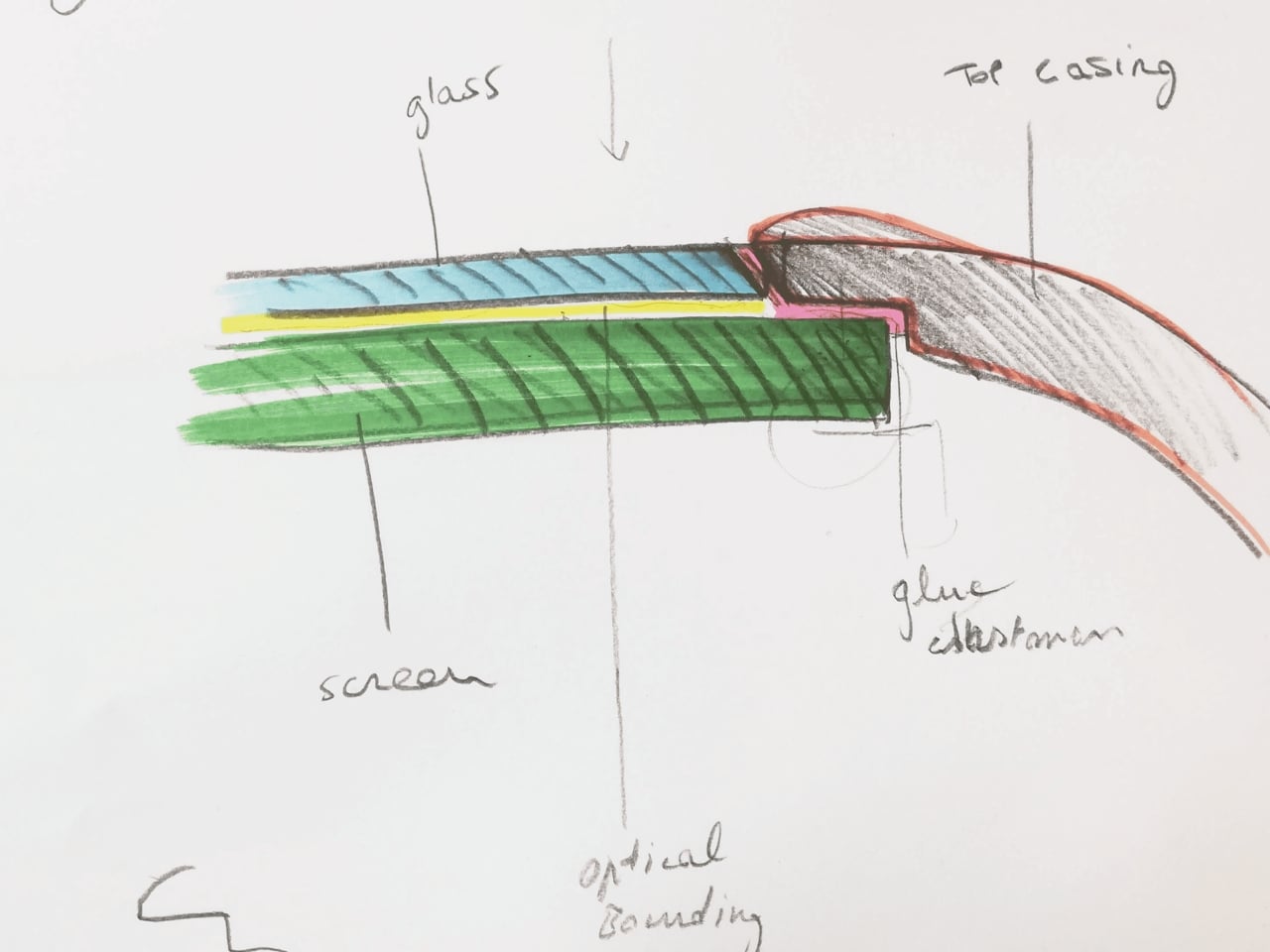
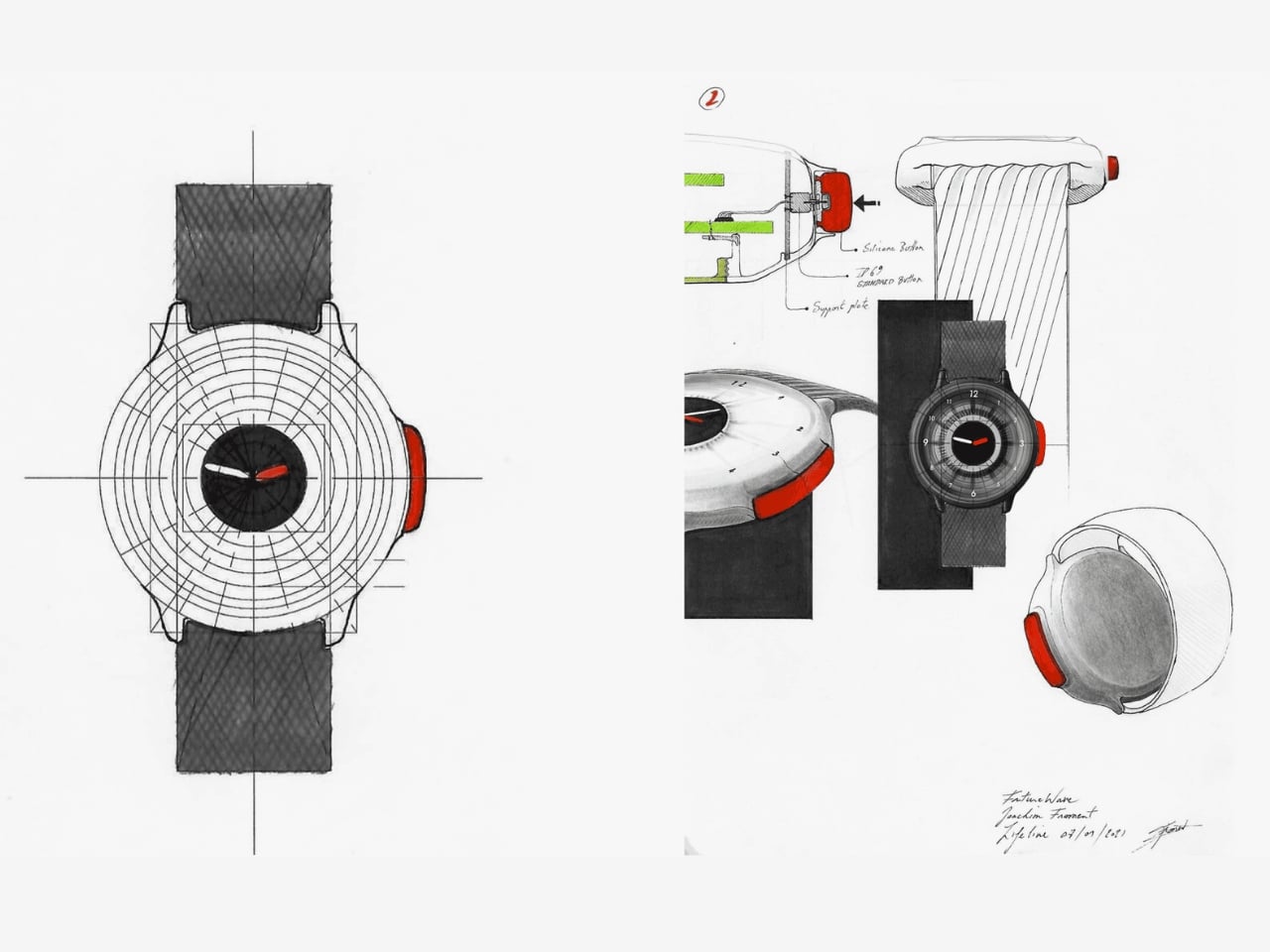
The premise sounds straightforward enough, but the execution is what makes this project interesting. Getting satellite communication hardware into a compact, wearable form factor is not a small feat. Futurewave brought together product designers, electronics engineers, and antenna specialists to make it work, and rethought the assembly system entirely from how conventional wearables are manufactured. That kind of cross-disciplinary collaboration tends to produce things that actually push the category forward rather than just iterating on what’s already there.

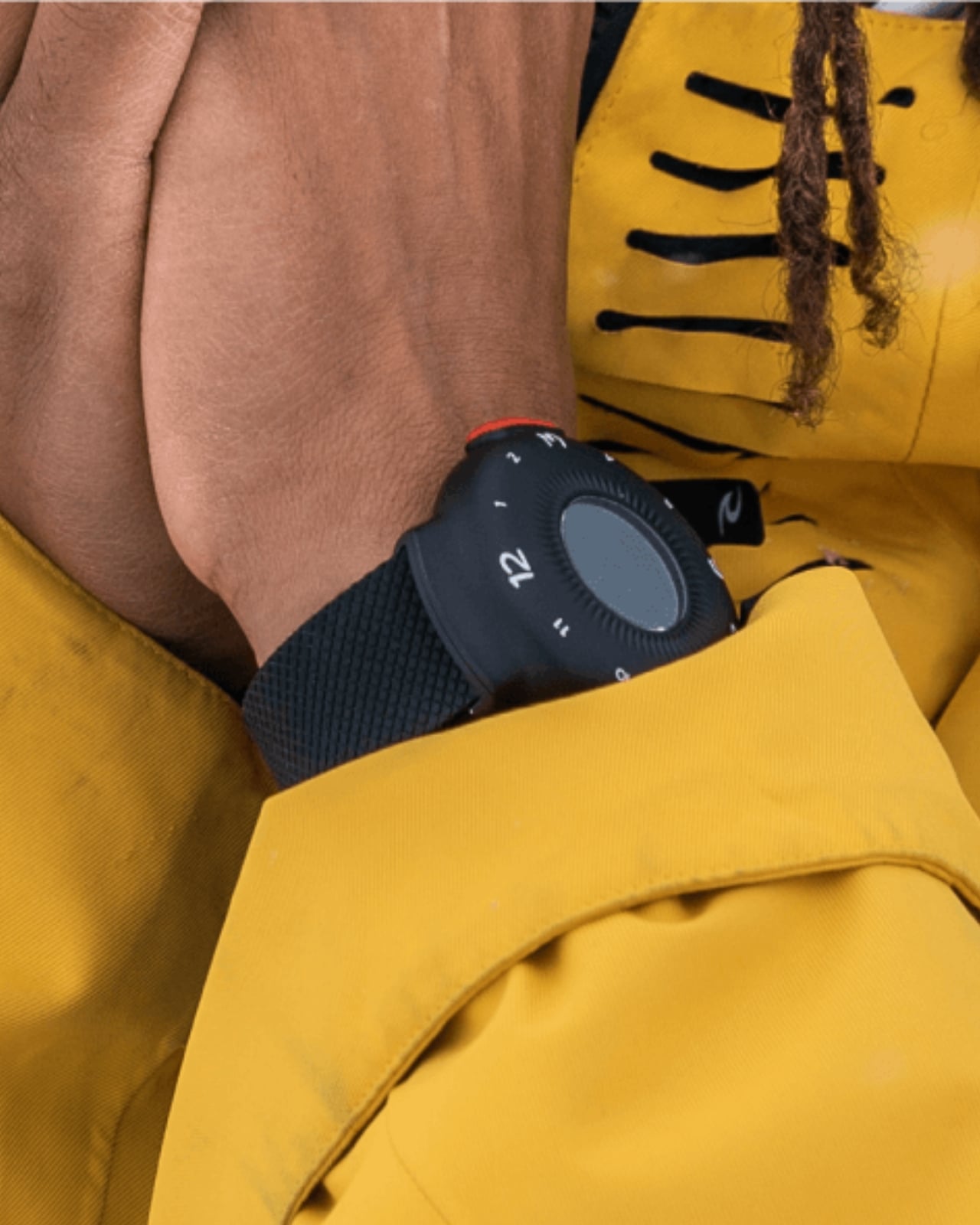
Visually, O-Boy reads as deliberate and utilitarian without being overtly tactical or rugged-for-rugged’s-sake. It doesn’t look like a watch that belongs exclusively to climbers or military personnel, which I think is actually the right call. The moment you design something to look extreme, you narrow your audience to people who already identify with that world. O-Boy appears to be reaching for a broader user: anyone who spends time in remote environments, whether for work or adventure, and wants a layer of safety that their phone simply cannot provide.

I’ll be honest about something. I’ve never been fully convinced that the average smartwatch user needs another notification device. The market is crowded, the differentiation is thin, and most new entries end up competing on specs that only matter to enthusiasts. O-Boy sidesteps that conversation almost entirely. It’s not trying to be the smartest watch. It’s trying to be the one you’d actually want on your wrist when a situation becomes life-or-death. That’s a completely different design brief, and it produces a completely different kind of product.

What I appreciate most is that the project seems to understand its context. Conventional mobile networks cover only a fraction of the Earth’s surface. Vast swaths of ocean, mountain ranges, deserts, and rural work sites exist in a communication dead zone that we collectively don’t think about until something goes wrong. The Apple Watch’s satellite SOS feature hinted at this need, but that capability is baked into a device designed primarily for a very different kind of user, sold at a premium price point and wrapped in a broader ecosystem. O-Boy is positioning itself as something more focused, more purpose-built, and arguably more honest about what it’s actually for.

Does it solve every problem in the wearable safety space? Almost certainly not. Satellite communication latency, subscription models for satellite access, and battery constraints are all real questions that any device in this category has to reckon with. Futurewave hasn’t published exhaustive technical specs publicly, so some of those answers remain open. But as a design concept and a signal of where wearables could be heading, it’s genuinely compelling.

The best design doesn’t ask you to change your habits. It meets you exactly where you are, anticipates the moment things go wrong, and gives you a way through. O-Boy feels like it was built with that thinking at its core. Whether it reaches mass production or stays within niche markets, the conversation it’s starting is one worth having.

The post Futurewave Just Built a Smartwatch That Works Off the Grid first appeared on Yanko Design.

This Concept Smartwatch Detaches Into an AR Monocular, and It Solves a Problem Meta Can’t

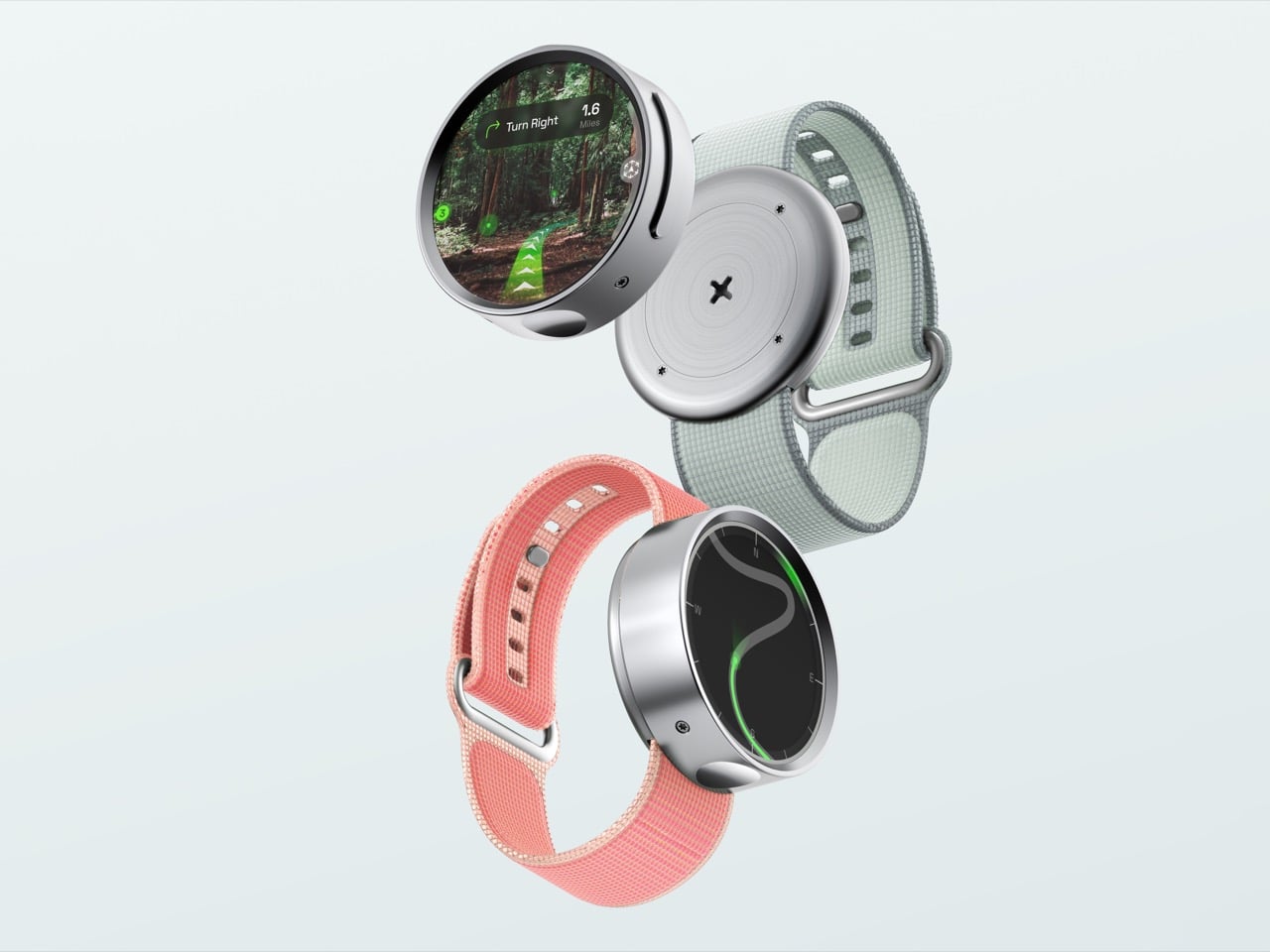
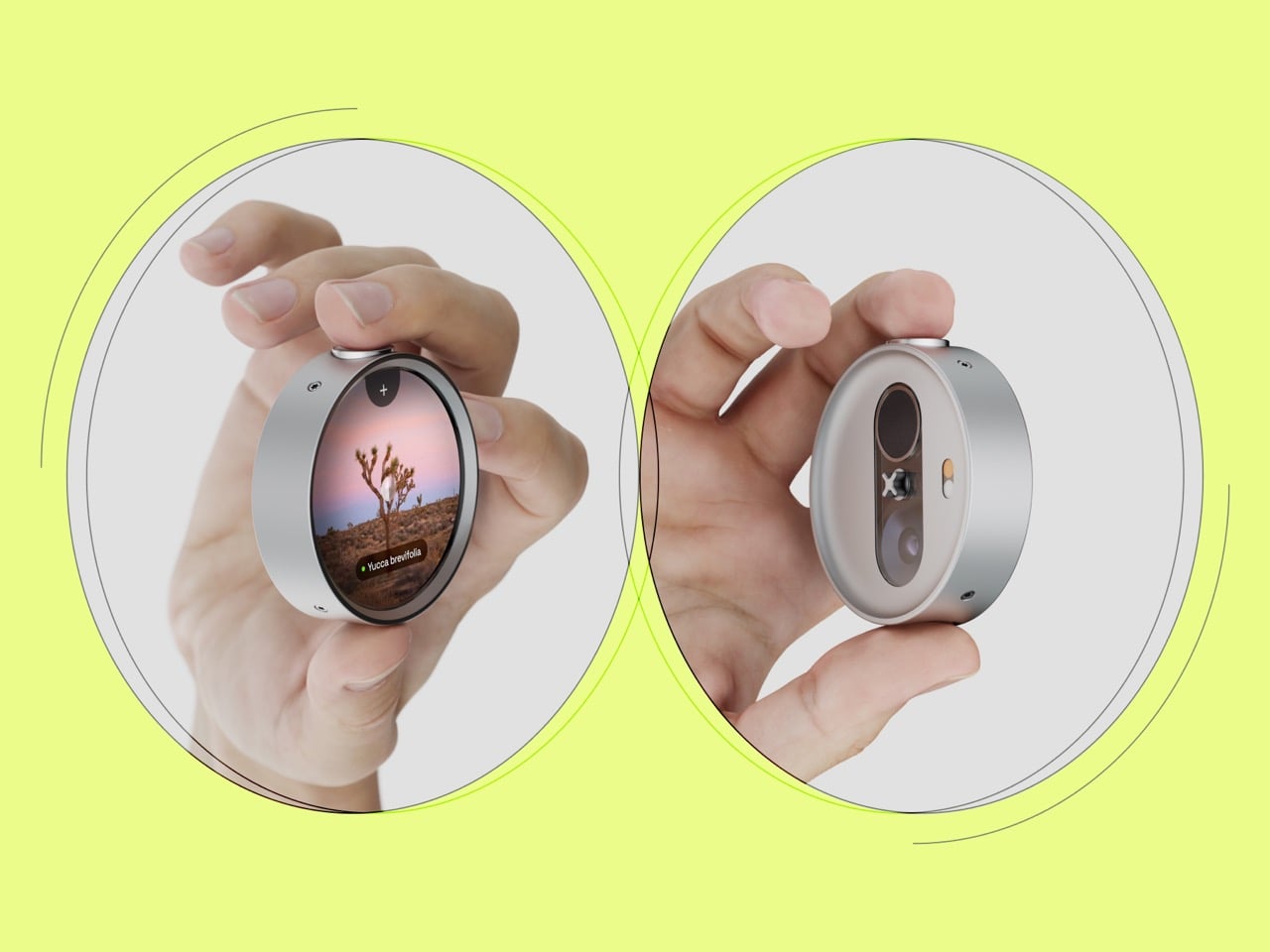
Sailors used to carry pocket telescopes. Birdwatchers still carry monoculars. Geologists carry hand lenses. What these instruments share, beyond the obvious optical function, is a deliberate relationship to information: you raise the tool when you choose to engage with it, and the world stays unmediated the rest of the time. That’s actually a pretty sophisticated UX philosophy, and it’s one the entire wearable tech industry has quietly abandoned in favor of always-on overlays, persistent notifications, and the assumption that more access to information is axiomatically better. Yuxuan Hua’s Lens concept is a Silver A’ Design Award winner that makes the counterargument in hardware form.

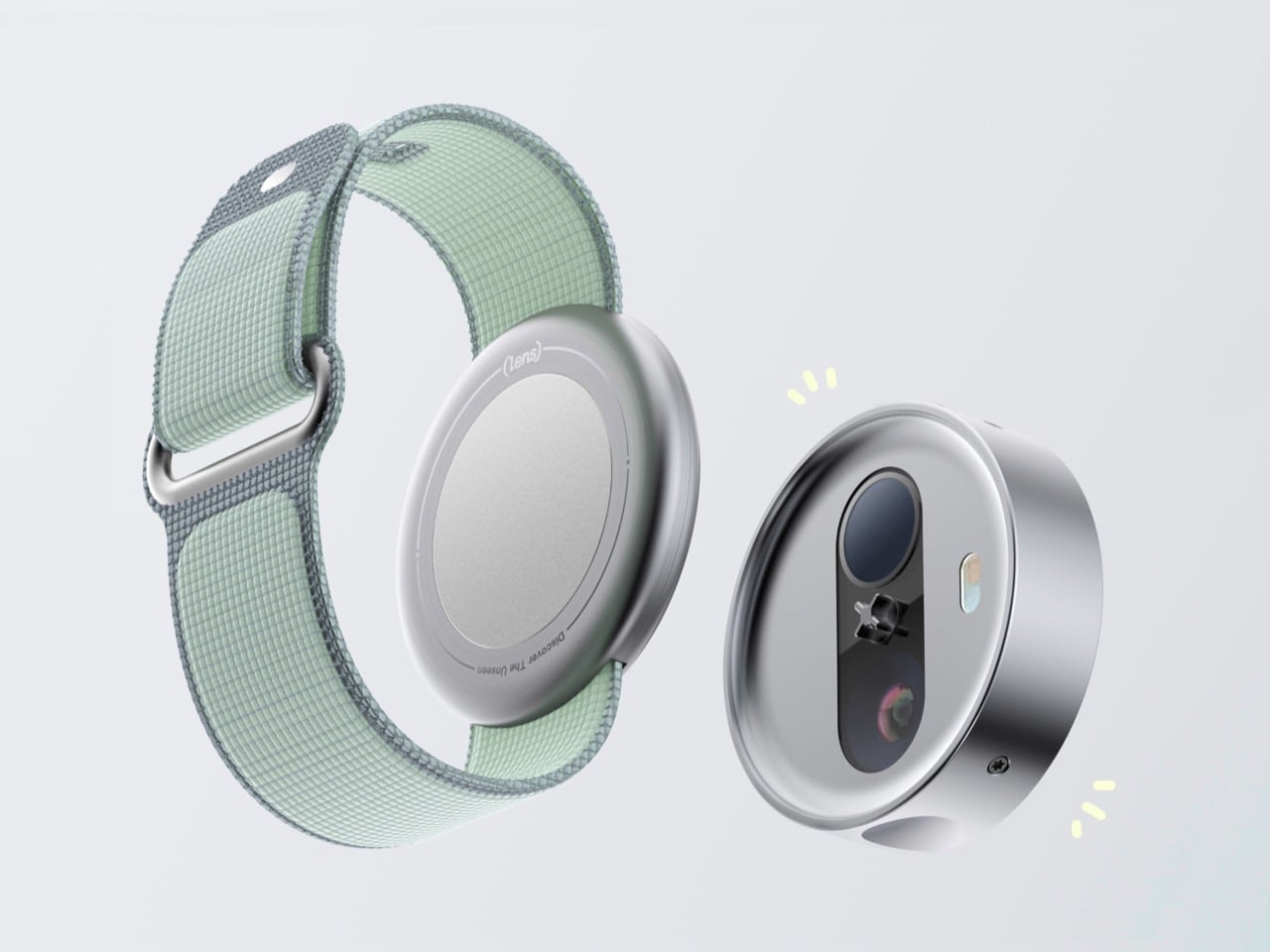
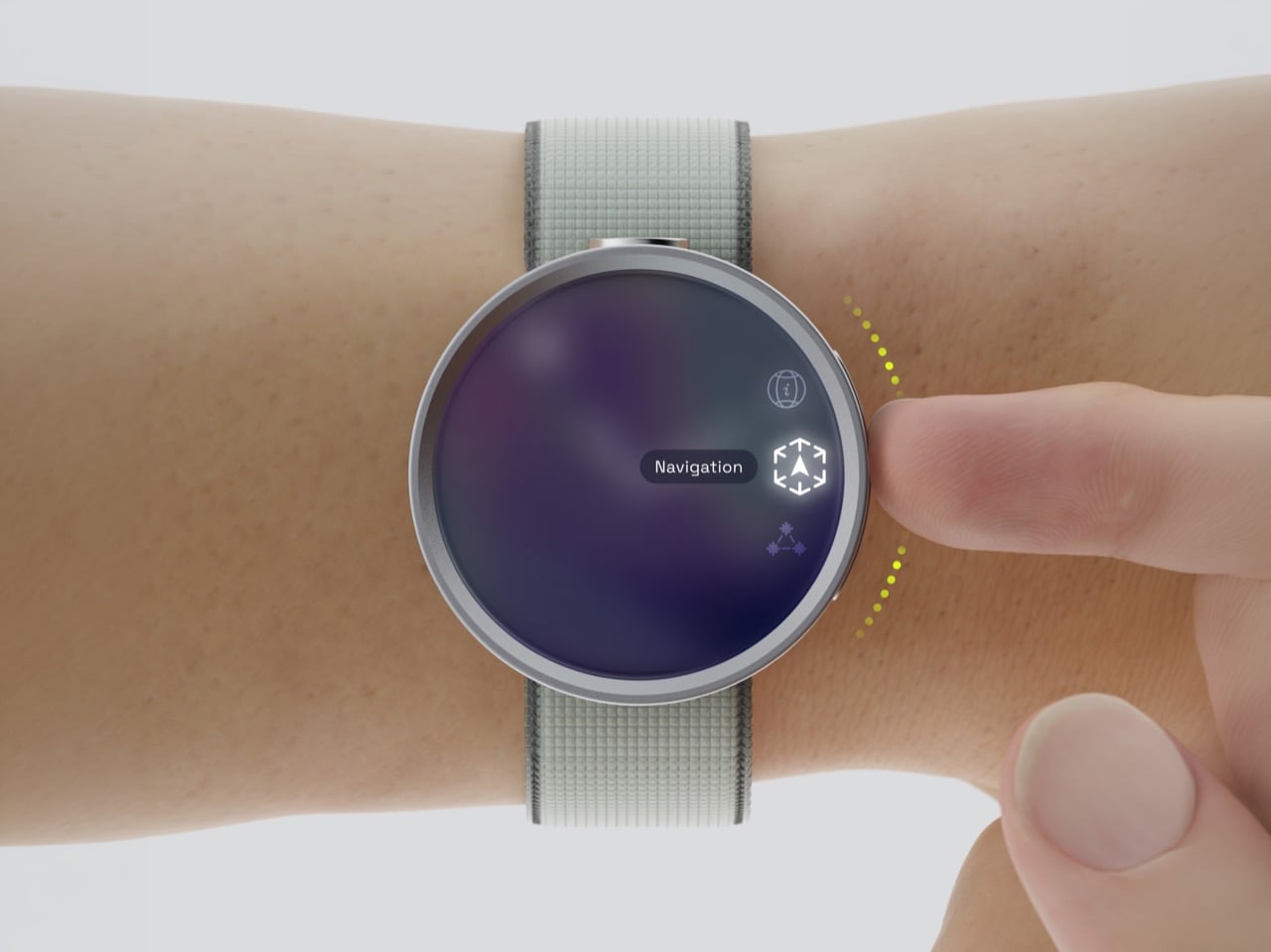
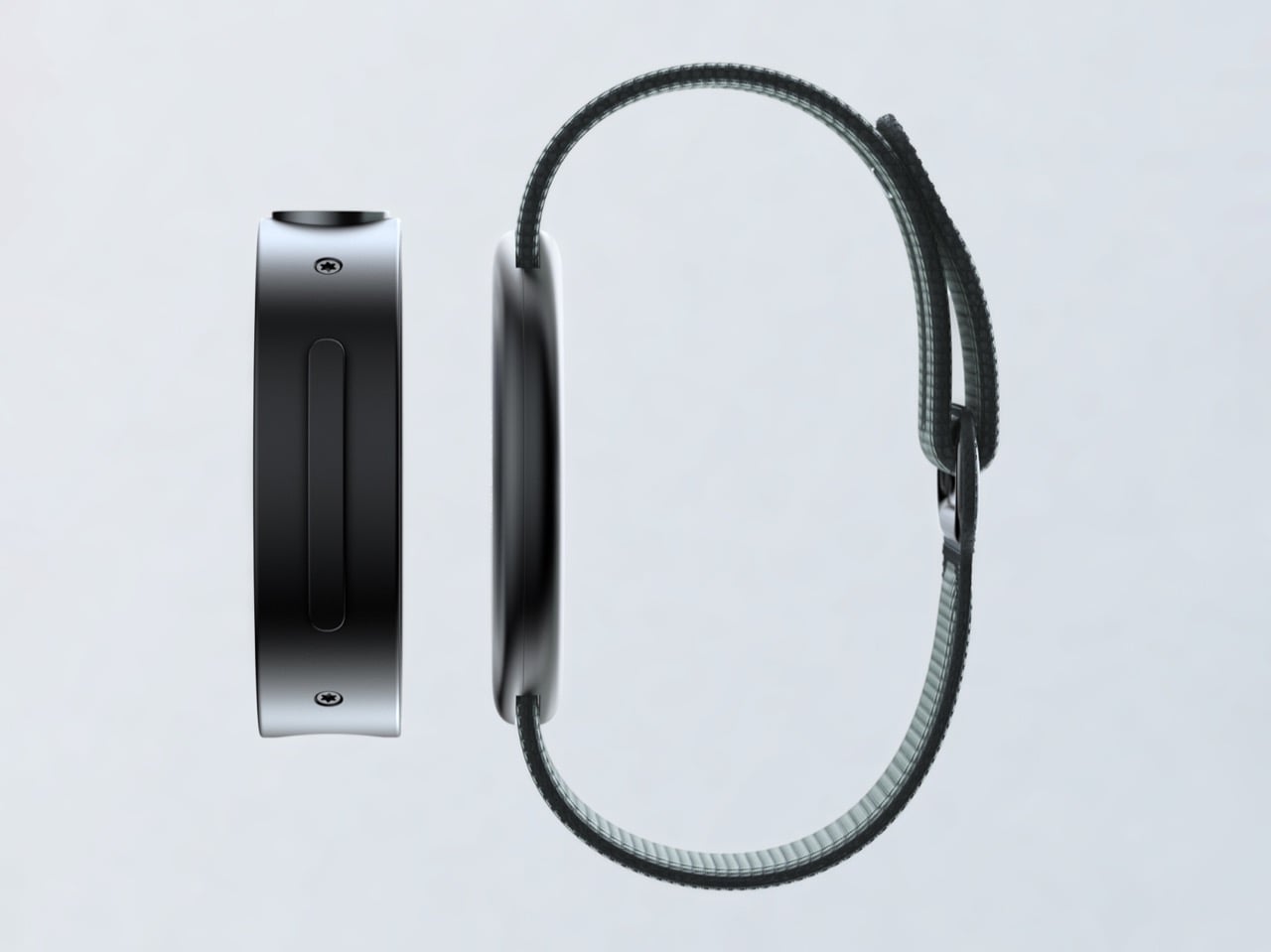
The concept is a detachable AR smartwatch that splits into two objects: a wrist-worn puck for everyday use and a handheld monocular for AR-enhanced outdoor exploration. The back face of the module houses a dual-lens optical array, a wide camera and LiDAR sensor tucked into a vertical pill recess, while the face doubles as a circular display that overlays navigation prompts, species identification, and star charts over a live feed when held up like a field scope. The band itself is Alpine-loop textile, the lug system simple enough to suggest the module can swap across band styles, and the whole thing comes in at 48mm wide and 68g. The rendering detail is strong: the detached module has the cold, machined look of a quality compass or a classic light meter, the kind of object that rewards handling.

Designer: Yuxuan Hua

Hua interviewed hikers, foragers, and stargazers and found three consistent frustrations: devices were too bulky and fragile for rugged environments, and frequent screen interactions broke the rhythm of being outside. The phone-as-field-guide pattern, pull it out, unlock, navigate to the app, wait for it to load, try to hold it steady while pointing at something, is a sequence of six interruptions where you actually wanted zero. Smart glasses solve the unlock problem but introduce the far more annoying problem of a permanent digital scrim between you and whatever you came outdoors to look at. The monocular is the thing you raise when you want to know something and lower when you don’t, which is precisely how attention works when you’re actually engaged with a landscape.

Most AR concept hardware reaches for science fiction: translucent surfaces, glowing elements, the visual grammar of a prop department. Lens reaches instead for the instrument drawer: the detached module has the proportions and material honesty of a quality compass housing or a Leica light meter, machined aluminum with visible fasteners and a lens array that looks like it belongs in an optician’s toolkit. It doesn’t look like the future. It looks like a very well-made tool, which is a significantly harder design target to hit.

Hua began developing Lens in 2021, during the pandemic, which is useful context. Lockdown-era design projects often reveal what designers actually miss about the physical world when it’s taken away, and what Lens mourns, obliquely, is uninterrupted attention. The whole concept is an argument that the best AR device for outdoor use is one that disappears when you’re not using it, one that earns its presence by staying out of the way until the moment it’s needed, then delivers exactly what the moment requires. Whether the engineering can catch up to that vision, packing AR projection, LiDAR, and a wide-FOV camera into a 68g coin of aluminum, is another question entirely. As a design proposition, it’s already done its job.

The post This Concept Smartwatch Detaches Into an AR Monocular, and It Solves a Problem Meta Can’t first appeared on Yanko Design.

AI Earbuds Designed Like Fine Jewelry, Not Consumer Electronics

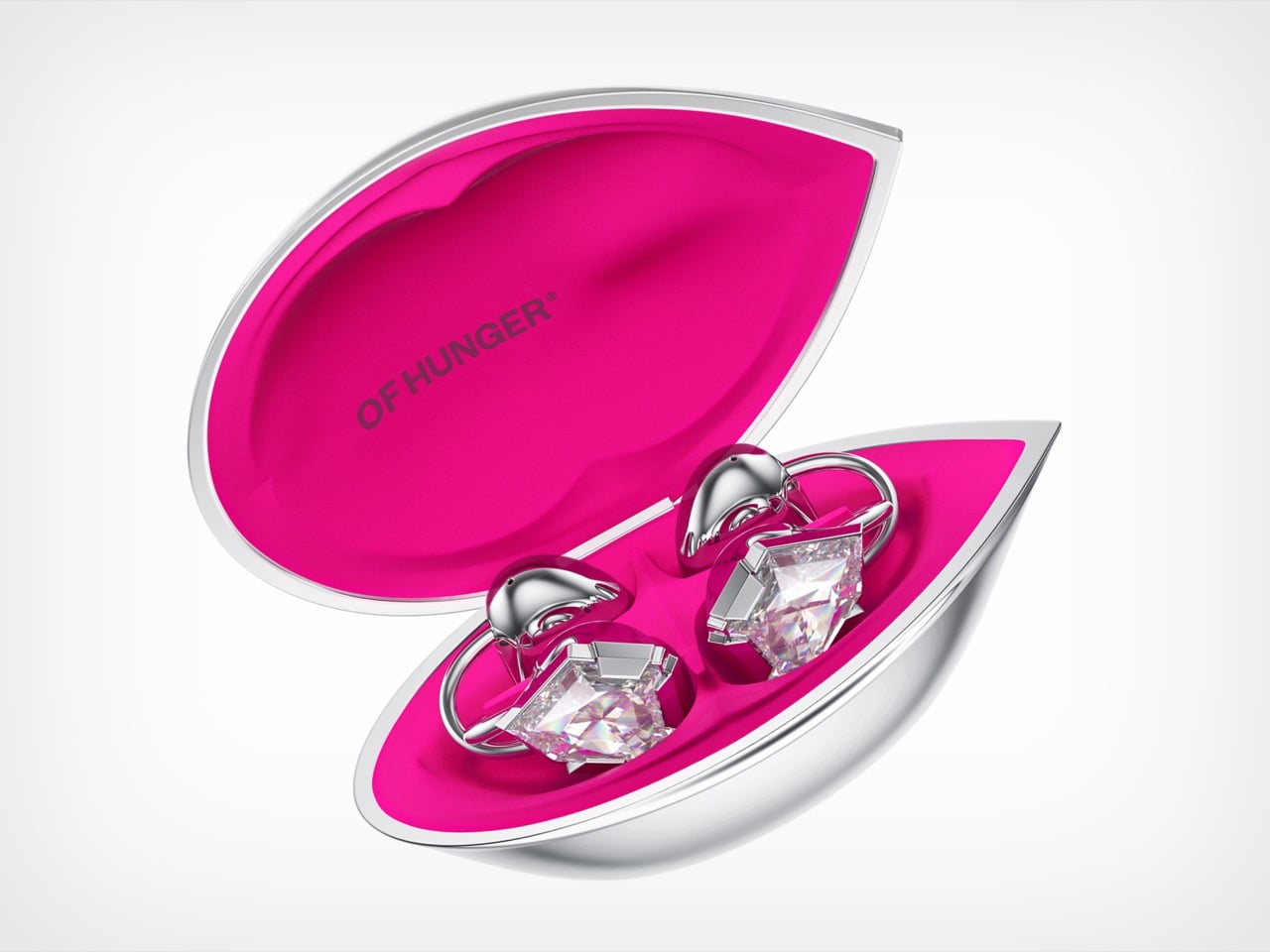
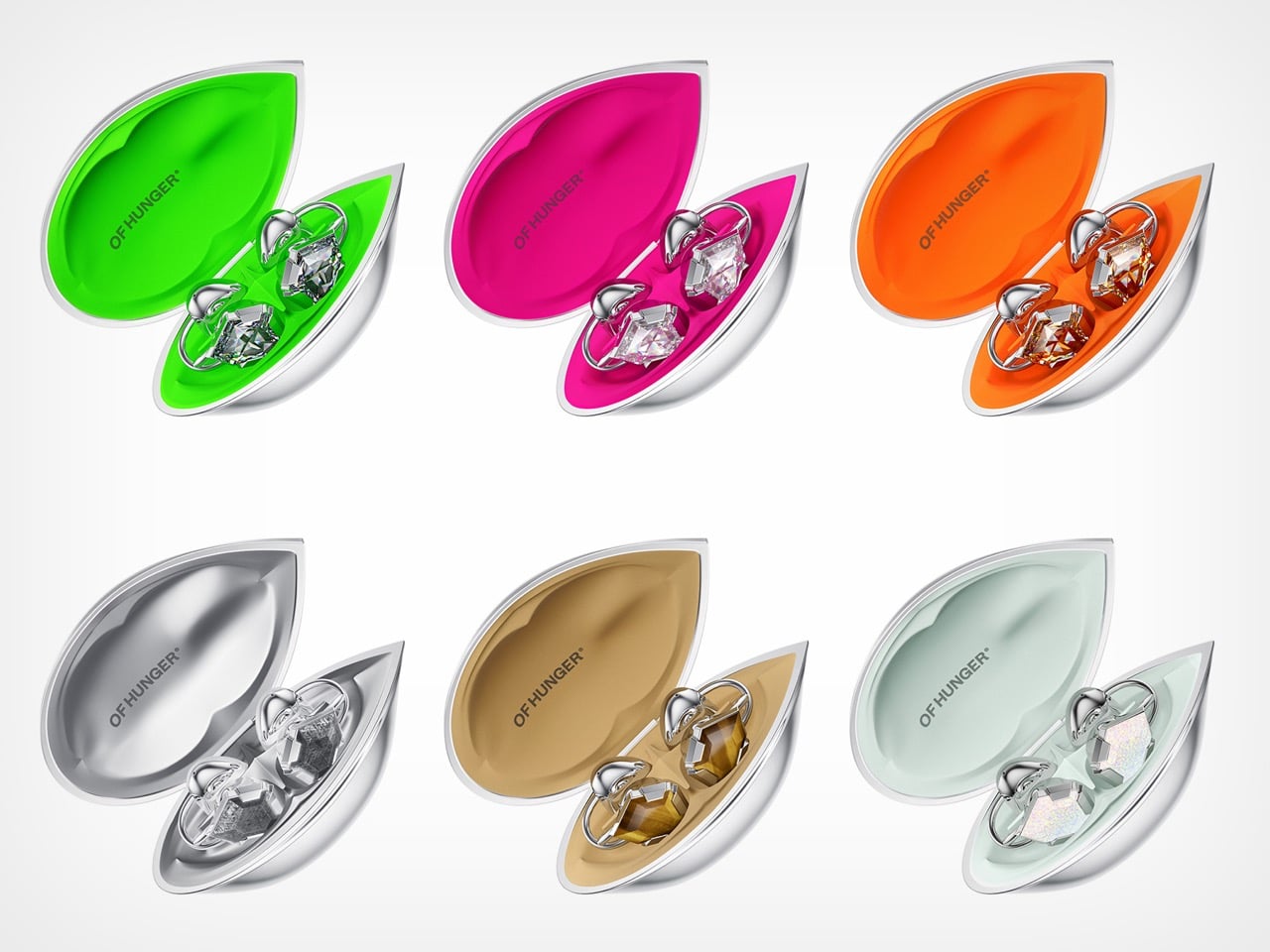
In most cases, wearable technology still announces itself as technology. Plastic shells, visible sensors, and utilitarian forms often make devices feel separate from the way people dress or present themselves. The AI Smart Gemstone Earpiece takes a different path. Instead of asking users to accommodate technology, it integrates technology into the language of personal adornment. Designed specifically with female users in mind, the earpiece approaches wireless audio as something that can live comfortably within fashion, jewelry, and everyday styling.

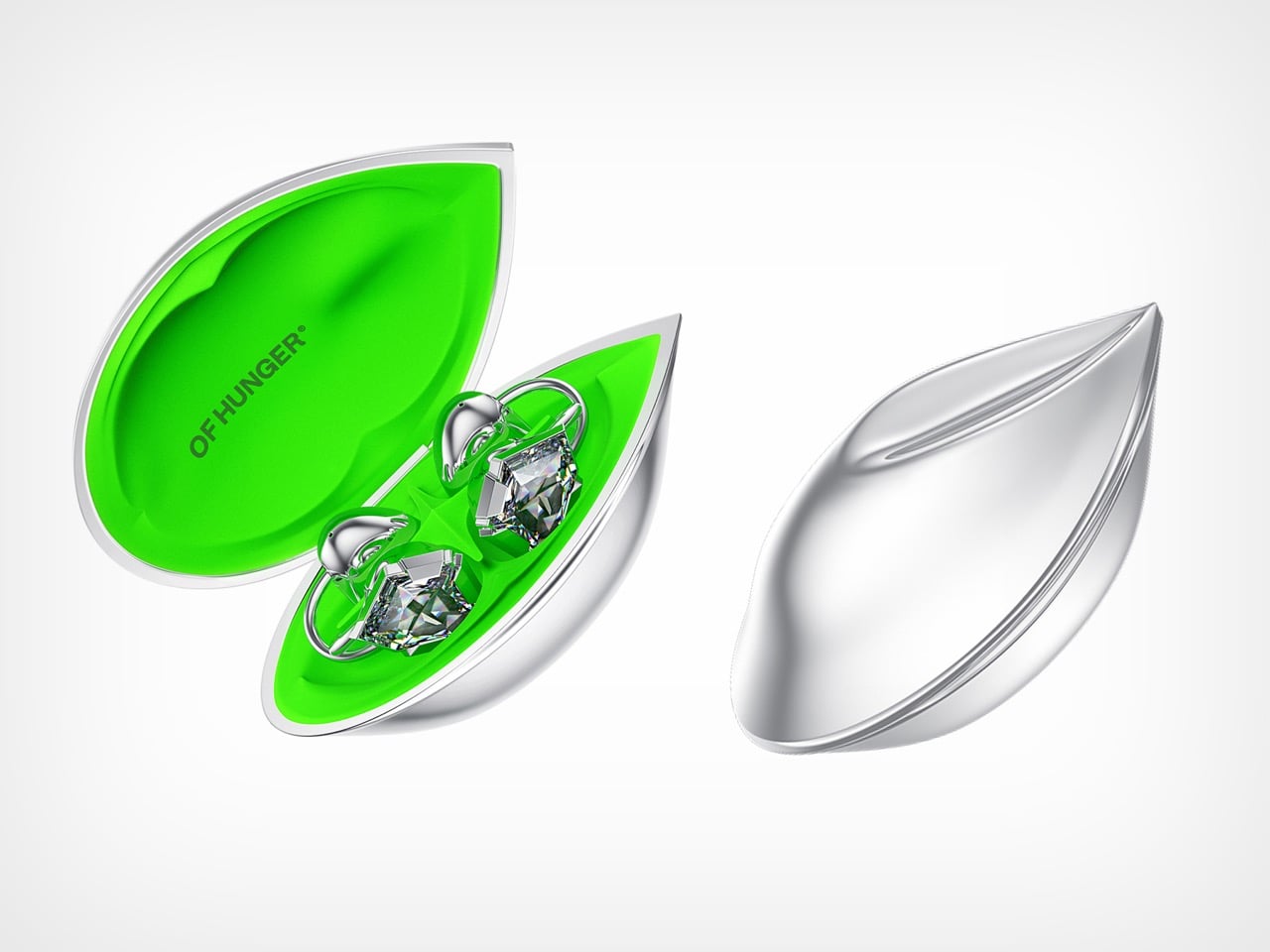
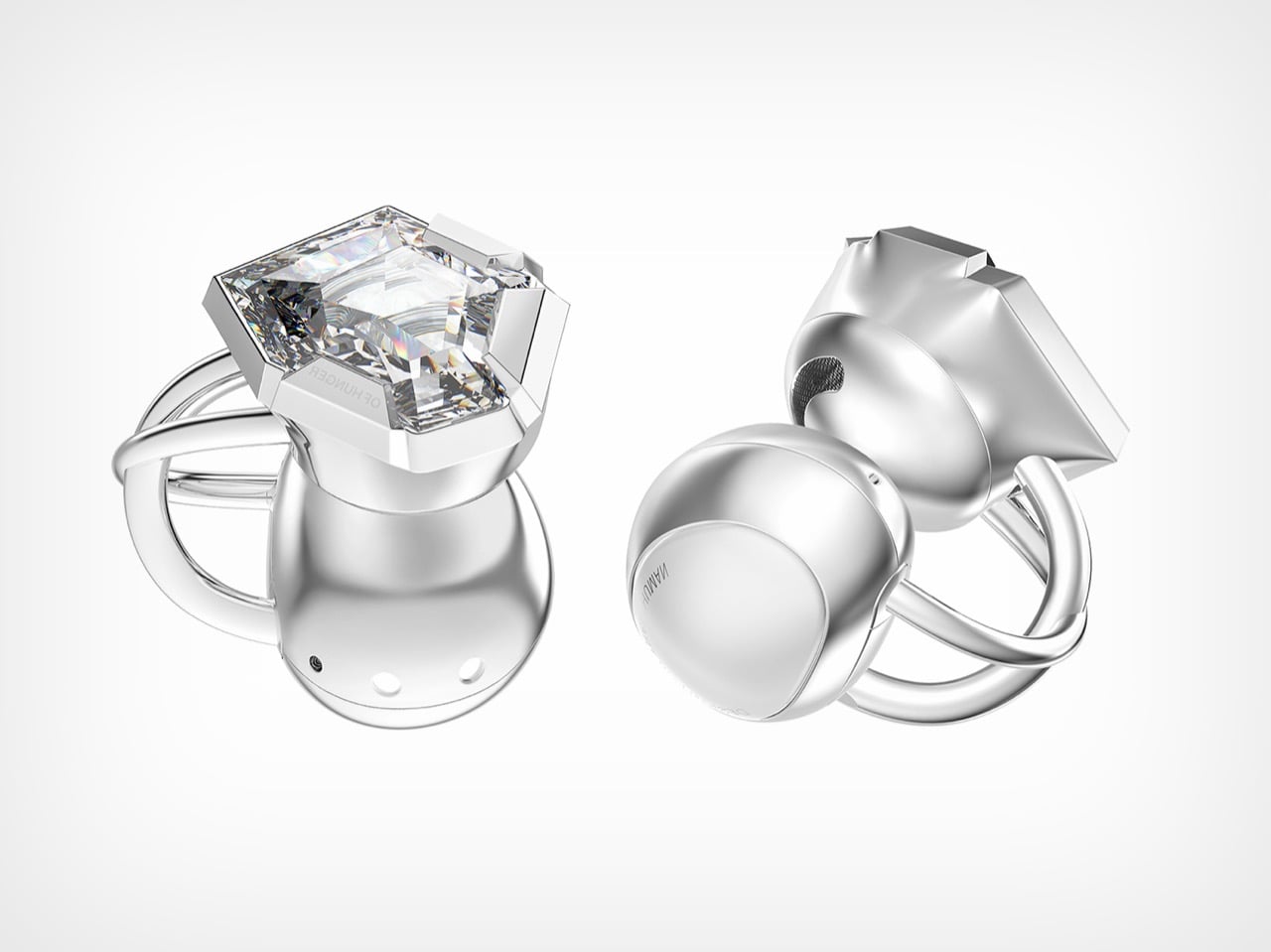
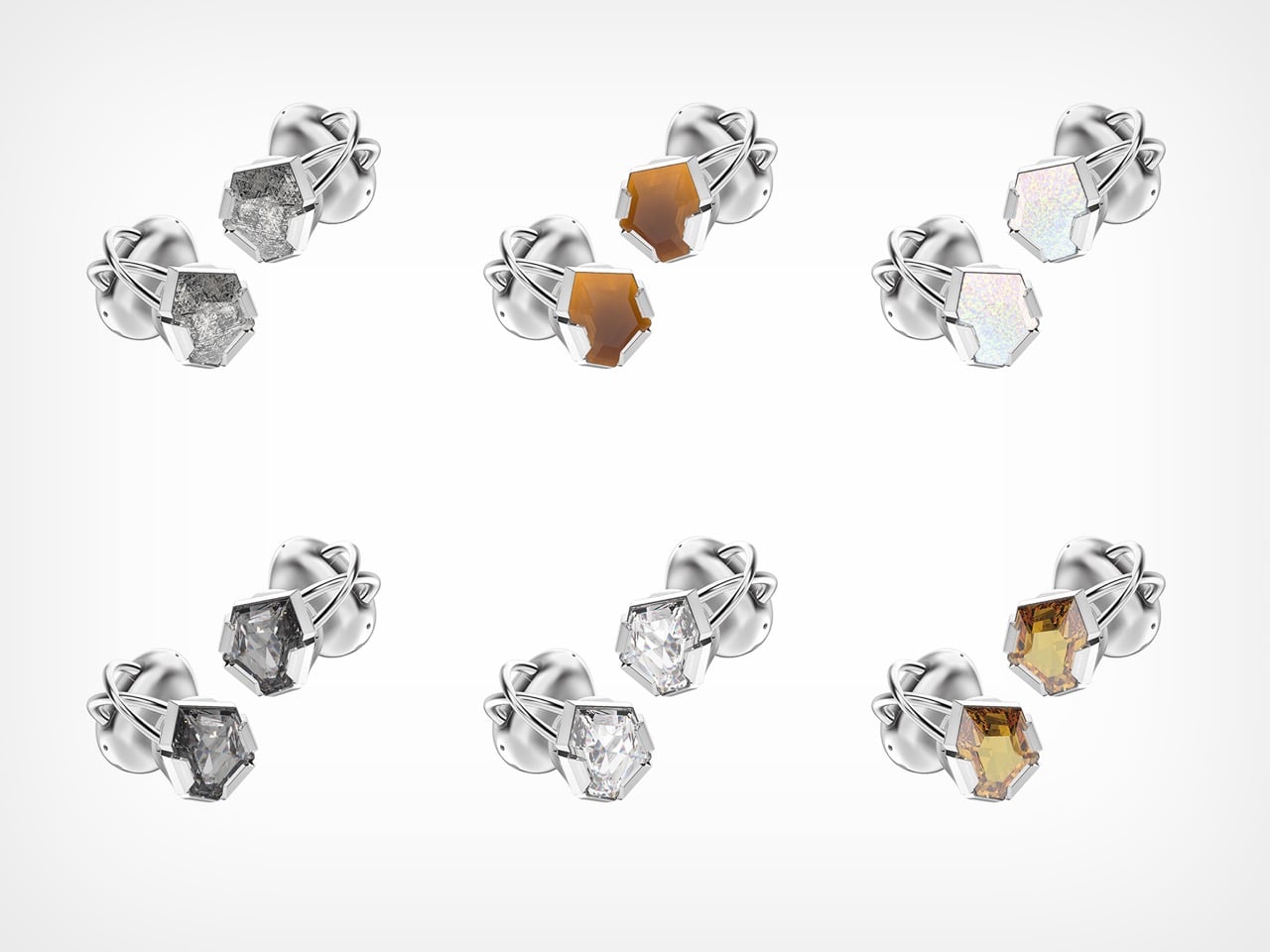
At first glance, the device does not read as a pair of earbuds at all. It looks remarkably similar to earrings. The form, scale, and surface detailing borrow directly from fine jewelry traditions rather than consumer electronics. Each earpiece is constructed from a copper acoustic chamber plated with eighteen karat white gold and inlaid with rare celestial gemstones, including meteorite fragments, tiger’s eye, opal, zircon, and obsidian. These materials introduce depth, color, and subtle light reflections that shift as the wearer moves. The result is a small object that sits on the ear like an accessory rather than a gadget.

Designer: Of Hunger

This shift in visual language matters. For many users, particularly women, accessories are an intentional part of how an outfit comes together. Traditional earbuds often interrupt that balance. They can feel out of place with formal clothing, evening wear, or carefully styled looks. The gemstone earpiece approaches the problem from the opposite direction. Instead of trying to hide technology, it celebrates it through jewelry craftsmanship. The gemstones and polished metal surfaces allow the device to complement clothing choices, hairstyles, and other jewelry pieces. Worn on the ear, it reads as something chosen for style as much as for function.

The experience begins even before the earbuds are worn. The charging case is designed to resemble a jewelry box rather than an electronics case. Opening it feels less like accessing a gadget and more like opening a pair of earrings. The earbuds rest neatly inside the case, echoing the presentation of high jewelry. This small gesture transforms a technical action such as charging into a familiar ritual. It reinforces the idea that the device belongs in the same category as personal accessories, objects that people care for and keep close.

Behind this jewelry-like presence lies a sophisticated technological system. The device operates on Qualcomm Snapdragon Sound architecture and uses thirteen millimeter dual magnet dynamic drivers paired with a HiFi grade composite diaphragm. This combination produces clear, balanced audio with a sense of spatial depth. The system also uses Open Wearable Stereo technology and air conduction sound transmission, allowing users to remain aware of their surroundings while listening. A three-dimensional sound field tuned by a professional acoustic laboratory with more than twenty-five years of experience ensures that the listening experience feels expansive and natural.

Interaction with the device remains simple and discreet. A touch-sensitive back panel on each earbud allows users to control playback or activate artificial intelligence features. The earbuds connect instantly through Bluetooth five point three when removed from the charging case. A spring-loaded mechanical structure allows the device to be worn with a single smooth motion, balancing comfort with stability. Each earbud weighs between twelve and fifteen grams, making it light enough for extended wear.

Artificial intelligence is deeply embedded in the experience. The system integrates ChatGPT and DeepSeek as its neural core, enabling functions that go far beyond music. Through the companion application, users can access real-time translation, intelligent conversation assistance, and meeting transcription. The application also allows users to customize acoustic equalization and connect to larger AI computing systems that power these features.

Battery performance supports everyday use without demanding constant attention. The earbuds offer approximately six to eight hours of listening time, while the charging case extends the total usage to around twenty hours. A ten-minute quick charge provides about one hour of playback, making the device practical for fast-paced daily routines.

The product itself emerged through a foresight-driven design process that explored how women might interact with wearable technology in an increasingly AI-supported world. The development team combined expertise in materials science, industrial design, acoustic engineering, and artificial intelligence. Several technical challenges had to be solved along the way, including integrating precious metals and gemstones with miniature electronics, creating an ergonomic wearing structure, and embedding acoustic modules alongside AI chips within a compact form.

Seen through a design lens, the AI Smart Gemstone Earpiece represents a subtle but meaningful shift in wearable technology. It treats personal devices not simply as tools but as objects that participate in how people dress, move, and present themselves. In doing so, it blurs the boundary between jewelry and electronics, suggesting a future where technology becomes something we wear with the same care and intention as the rest of our style.

The post AI Earbuds Designed Like Fine Jewelry, Not Consumer Electronics first appeared on Yanko Design.

Rokid’s Smart Glasses Let You Pick Your AI: Gemini or ChatGPT

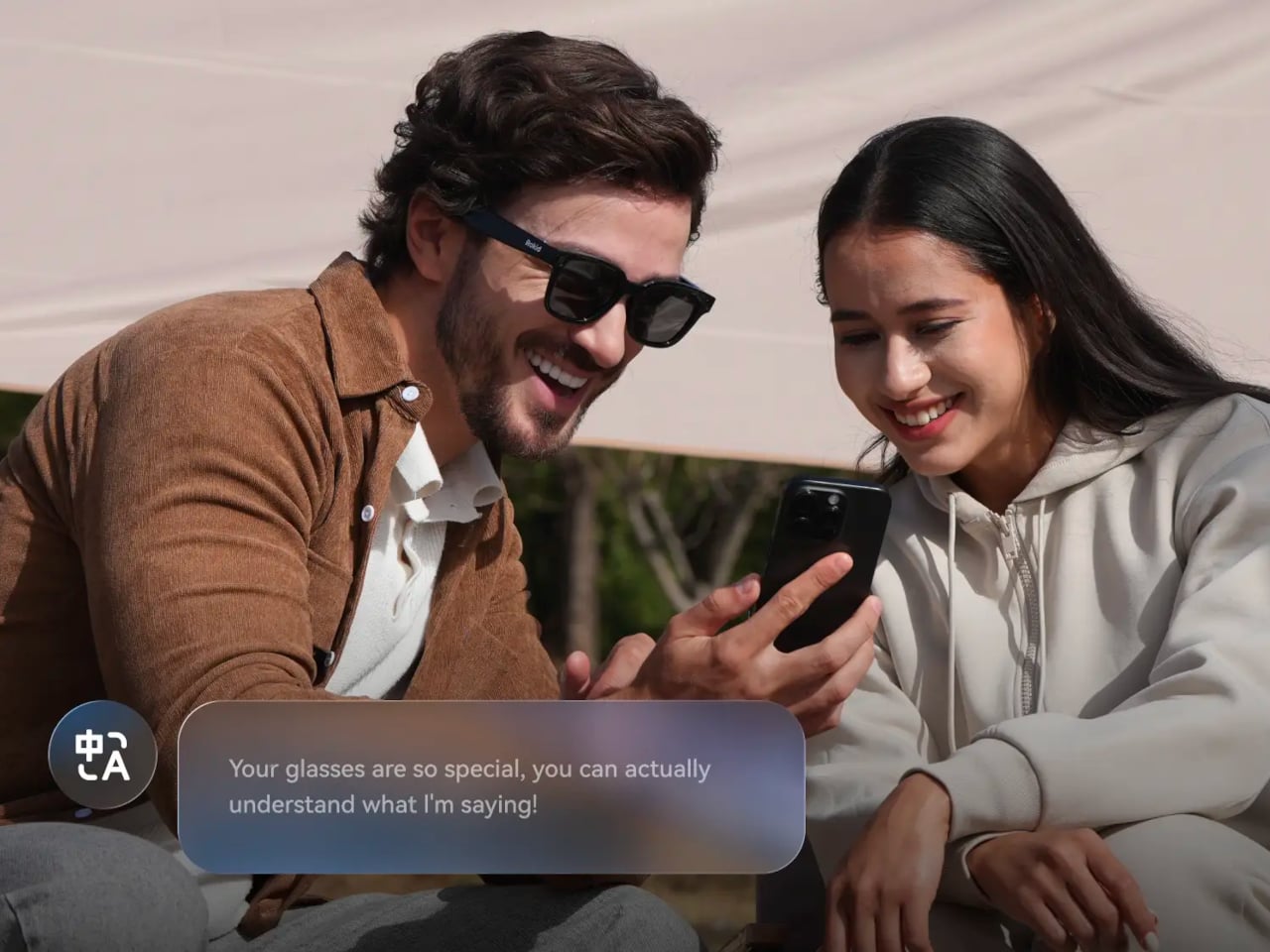
Most wearable tech that puts an AI assistant in your ear assumes you want only theirs. The earpiece, the speaker, the entire software stack, all funneled through one model chosen for you before you even open the box. Rokid’s latest update to the AI Glasses Style takes a different position entirely, turning the glasses into what is effectively an open platform where you pick the brain behind the voice.

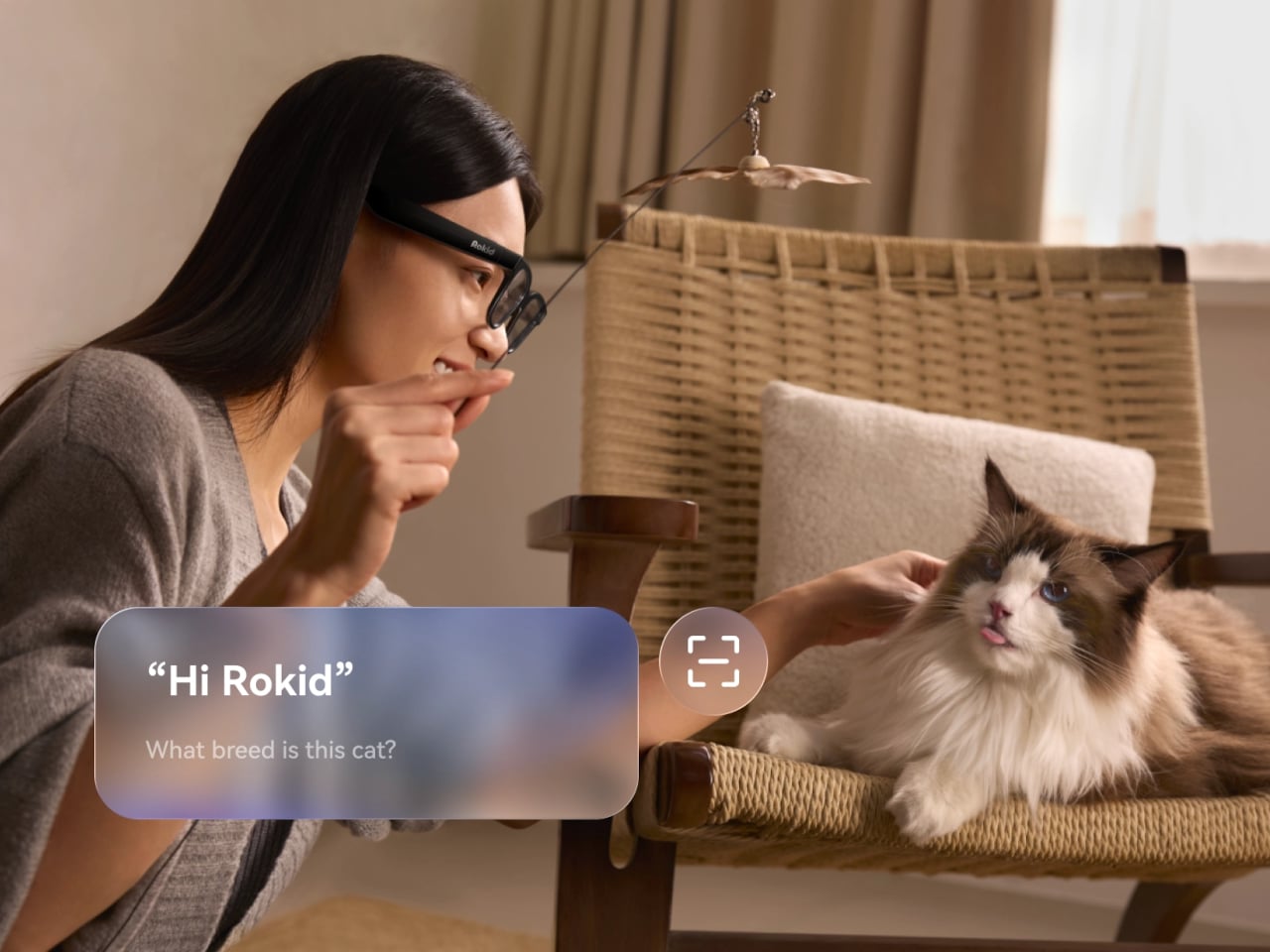
The update makes the Style the first smart glasses to natively support Google’s Gemini, sitting alongside OpenAI’s ChatGPT, DeepSeek, and Alibaba’s Qwen in a unified interface. Users toggle between them freely, which means reaching for Gemini for a quick Google Maps query and switching to ChatGPT for something else entirely is up to you.

Designer: Rokid

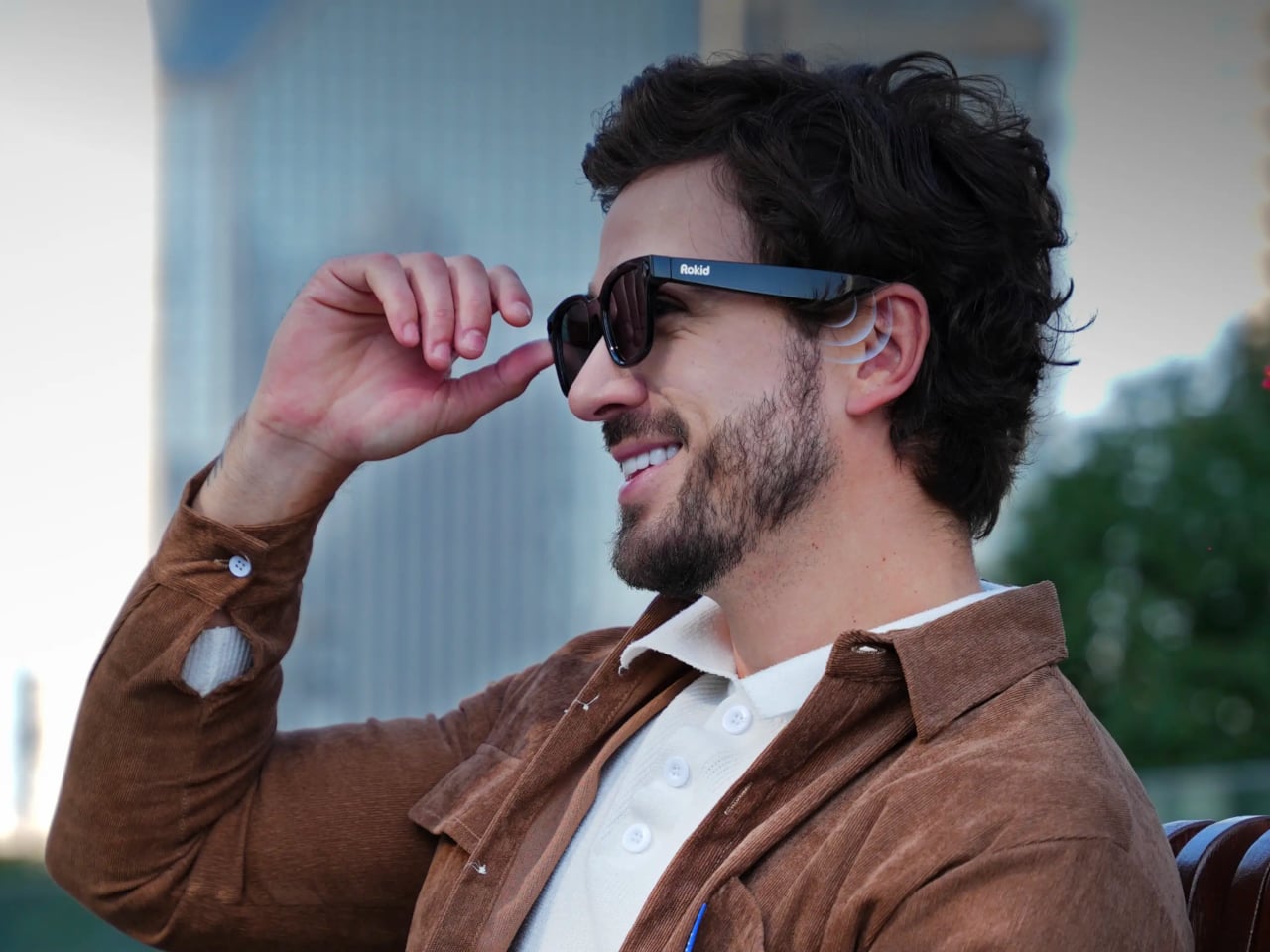
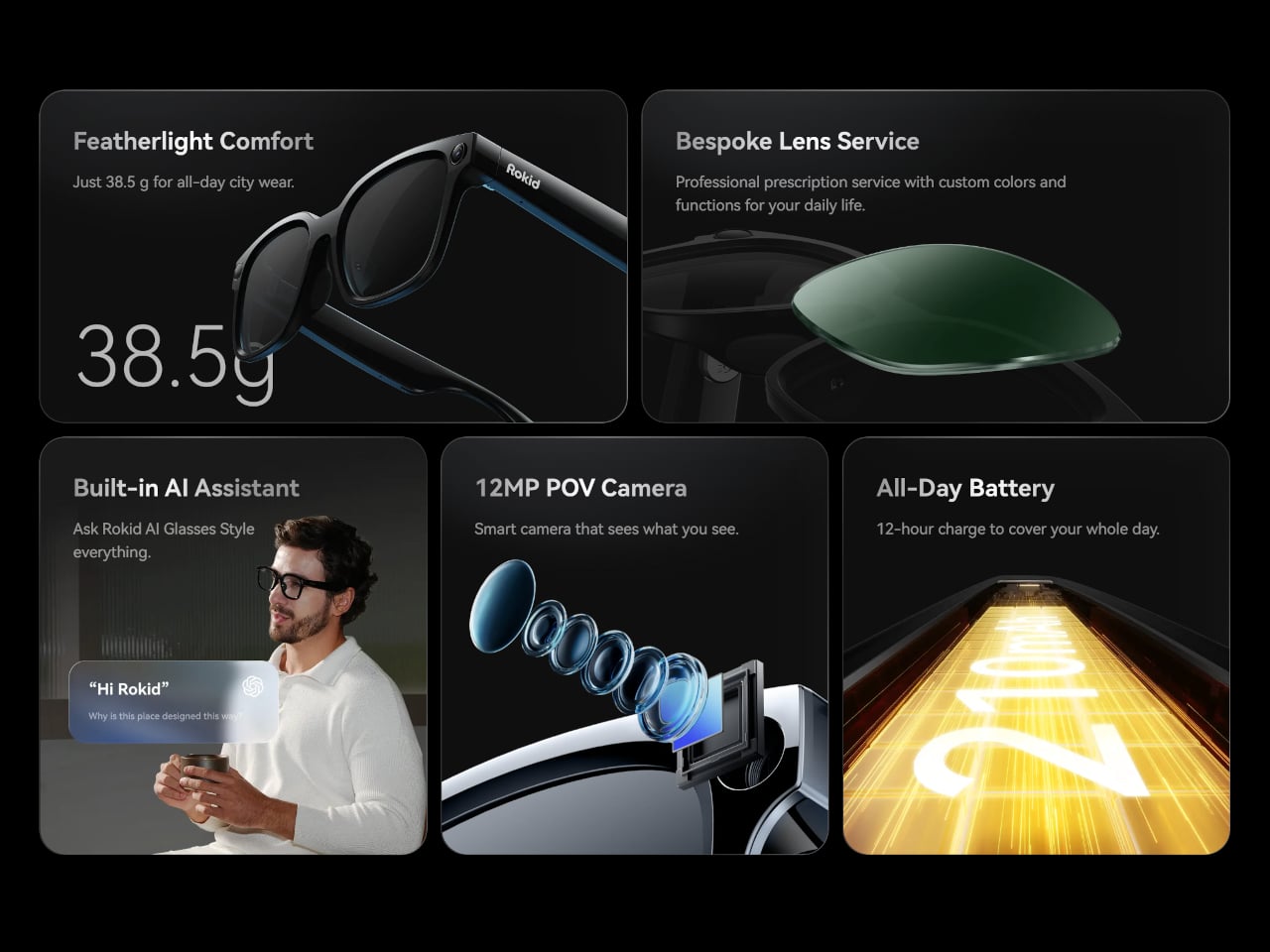
The glasses themselves debuted at CES 2026 in January, and the hardware makes a reasonable case for the category. At 38.5 grams, with a TR90 frame and titanium alloy hinges, they sit closer to a regular pair of prescription glasses than anything resembling a prototype. The frame takes prescription lenses directly, with a fitting service starting at $79, including photochromic options in over 200 colors that darken within 25 seconds.

Powering the AI and imaging workload is a dual-chip setup: an NXP RT600 handles always-on, low-power tasks, while a Qualcomm AR1 manages heavier processing. The same Qualcomm chip is in Meta’s Ray-Ban glasses, though the battery life here runs to 12 hours, noticeably longer than Meta’s. A 12MP Sony-sensor camera sits at the bridge, capturing 4K stills and 3K 30fps video with up to 10 minutes of continuous recording. A privacy indicator light signals to people nearby when the camera is active.

Audio comes through directional AAC speakers built into the temples, focused toward the ears with minimal bleed. The AI interaction itself works through a two-finger tap to summon any of the four models, head gestures for call management, and voice prompts in 12 supported languages. Real-time translation, navigation, photo recognition, and AI-generated meeting summaries are all part of the feature set, fed through whichever model the user has selected.

For anyone already oriented around a specific AI assistant, the practical appeal is straightforward. Someone in Google’s ecosystem gets Gemini in their glasses without compromise; someone who prefers ChatGPT for writing picks that instead. At $299 to start, with a lens fitting service folding in prescription and photochromic options, the Style has cleared 15,000 units sold ahead of its formal global rollout, which is a reasonable early signal for a category still working out what it wants to be.

The post Rokid’s Smart Glasses Let You Pick Your AI: Gemini or ChatGPT first appeared on Yanko Design.

Meta Misread the Future Twice. Now They’re Sitting on a Golden Egg, But Don’t Know It

Mark Zuckerberg changed his company’s name to Meta in October 2021 because he believed the future was virtual. Not just sort-of virtual, like Instagram filters or Zoom calls, but capital-V Virtual: immersive 3D worlds where you’d work, socialize, and live a parallel digital life through a VR headset. Four years and roughly $70 billion in cumulative Reality Labs losses later, Meta is quietly dismantling that vision. In January 2026, the company laid off around 1,500 people from its metaverse division, shut down multiple VR game studios, killed its VR meeting app Workrooms, and effectively admitted that the grand bet on virtual reality had failed. Investors barely blinked. The stock went up.

The official line now is that Meta is pivoting to AI and wearables. Zuckerberg spent much of 2025 building what he calls a “superintelligence” lab, hiring top-tier AI talent with eye-watering compensation packages that are now one of the largest drivers of Meta’s 2026 expense growth. The company released Llama models that benchmark decently against OpenAI and Google, embedded chatbots into WhatsApp and Instagram, and talks constantly about “AI agents” and “new media formats.” But from a product and profit perspective, Meta’s AI strategy looks suspiciously like its metaverse strategy: lots of spending, vague promises, and no breakout consumer experience that people actually love. Meanwhile, the thing that is quietly working, the thing people are buying and using in the real world, is a pair of $300 smart glasses that Meta barely talks about. If this sounds like a pattern, that’s because it is. Meta has now misread the future twice in a row, and both times the answer was hiding in plain sight.

The Metaverse Was a $70 Billion Fantasy

Reality Labs has been hemorrhaging money since late 2020. As of early 2026, cumulative operating losses sit somewhere between $70 and $80 billion, depending on how you slice the quarters. In the third quarter of 2025 alone, Reality Labs posted a $4.4 billion loss on $470 million in revenue. For 2025 as a whole, the division lost more than $19 billion. These are not rounding errors or R&D investments that will pay off next year. These are structural losses tied to a product category, VR headsets and metaverse platforms, that the market simply does not want at the scale Meta imagined.

The vision sounded compelling in a keynote. You would strap on a Quest headset, meet your coworkers in a virtual conference room with floating whiteboards, then hop over to Horizon Worlds to hang out with friends as legless avatars. The problem was that almost no one wanted to do any of that for more than a demo. VR remained a niche gaming platform with occasional fitness and entertainment use cases, not the next paradigm shift in human interaction. Zuckerberg kept insisting the breakthrough was just around the corner. He was wrong, and the January 2026 layoffs and studio closures were the formal acknowledgment that Reality Labs as originally conceived was dead.

The irony is that Meta actually had a potential killer app inside Reality Labs, and it murdered it. Supernatural, a VR fitness game that Meta acquired for $400 million in 2023, was one of the few pieces of Quest software that generated genuine user loyalty and recurring revenue. People who used Supernatural regularly described it as the most effective home workout they had ever done, combining rhythm-based gameplay with full-body movement in a way that treadmills and Peloton bikes could not replicate. It had a subscription model, a dedicated community, and real retention. In January 2026, Meta moved Supernatural into “maintenance mode,” which is corporate speak for “we fired almost everyone and it will get no new content.” If you are trying to prove that VR has mainstream utility beyond gaming, fitness is one of the most obvious wedges. Meta had that wedge, and it chose to kill it in the same round of cuts that shuttered studios working on Batman VR games and other prestige titles. The message was clear: Zuckerberg had lost interest in Quest, even the parts that worked.

The AI Bet That Looks Like the ‘Metaverse Bust’ 2.0

After spending years insisting the future was virtual worlds, Meta pivoted hard to AI in 2023 and 2024. Zuckerberg now talks about AI the way he used to talk about the metaverse: with sweeping language about paradigm shifts and transformative platforms. The company stood up an AI division focused on building what it calls “superintelligence,” hired aggressively from OpenAI and Anthropic, and made technical talent compensation the second-largest contributor to Meta’s 2026 expense growth behind infrastructure. This is not a side project. Meta is spending billions on AI research, training, and deployment, and Zuckerberg expects losses to remain near 2025 levels in 2026 before they start to taper.

From a technical standpoint, Meta’s AI work is solid. The Llama family of models is legitimately competitive with GPT-4 class systems and has found real adoption among developers who want open-source alternatives to OpenAI and Google. Meta’s internal AI is also driving real business value in ad targeting, content ranking, and moderation. Those systems work, and they contribute directly to Meta’s core revenue. But from a consumer product perspective, Meta’s AI feels scattered and often unnecessary. The company has embedded “Meta AI” chatbots into WhatsApp, Instagram, Messenger, and Facebook, none of which feel like natural places for a chatbot. Instagram’s feed is increasingly stuffed with AI-generated images and engagement bait that users actively complain about. Meta has launched character-based AI bots tied to influencers and celebrities, and approximately no one uses them. The gap between “we have impressive models” and “we have a product people love” is enormous, and it is the exact same gap that sank the metaverse.

What Meta is missing, again, is product intuition. OpenAI built ChatGPT and made it feel like the future because the interface was simple, the use cases were obvious, and it delivered consistent value. Google integrated Gemini into Search and productivity tools where users were already working. Meta, by contrast, seems to be throwing AI at every surface it controls and hoping something sticks. Zuckerberg talks about “an explosion of new media formats” and “more interactive feeds,” which in practice means more algorithmic slop and fewer posts from people you actually know. Analysts are starting to notice. One Bernstein note from early 2026 argued that the “winner” criteria in AI is shifting from model quality to product usage, which is a polite way of saying that having a great model does not matter if your product is annoying. Meta has a great model. Its products are annoying.

The financial picture is also murkier than Meta would like to admit. Reality Labs is still losing close to $20 billion a year, and while AI is not a separate reporting segment, the talent and infrastructure costs are clearly rising. Meta’s overall revenue growth is strong, driven by advertising, but the company is not yet showing a clear path to AI profitability outside of ‘ad optimization’. That puts Meta in the awkward position of having pivoted from one unprofitable moonshot (metaverse) to another potentially unprofitable moonshot (consumer AI products) while the actual profitable parts of the business, social ads and engagement, keep the lights on. This is a pattern, and it is not a good one.

The Smart Glasses Lead That Meta Is Poised to Lose

Meta talks about the Ray-Ban smart glasses constantly. Zuckerberg calls them the “ultimate incarnation” of the company’s AI vision, and the pitch is relentless: sales more than tripled in 2025, the glasses represent the future of ambient computing, this is the post-smartphone platform. The problem is not that Meta is ignoring the glasses. The problem is that Meta is about to squander a massive early lead, and the competition is closing in fast. 2026 is shaping up to be a blockbuster year for smart glasses. Samsung confirmed its AR glasses are launching this year. Google is releasing its first pair of smart glasses since 2013, an audio-only pair similar to the Ray-Ban Meta glasses. Apple is reportedly pursuing its own smart glasses and shelved plans for a cheaper Vision Pro to prioritize the project. Meta dominated VR because it was early, cheap, and had no real competition. In smart glasses, that window is closing fast, and the field is getting crowded with all kinds of names, from smaller players like Looktech and Xgimi’s Memomind to mid-sized brands like Xreal, to even larger ones like Google, TCL, and Xiaomi.

The Ray-Ban Meta glasses work because they are simple and focused. They take photos and videos, play music, make calls, and provide real-time answers through an AI assistant. Parents use them to record their kids hands-free. Travelers use them for translation. The form factor, actual Ray-Ban Wayfarers that cost around $300, means they do not scream “I am wearing a computer on my face.” This is the rare Meta hardware product that feels intuitive rather than forced, and it is selling because it solves boring, everyday problems without requiring users to change their behavior.

Then Meta made a critical mistake. To use the glasses, you have to route everything through the Meta AI app, which means you cannot just power-use the hardware without engaging with Meta’s AI-slop ecosystem. Want to access your photos? Meta AI. Want to tweak settings? Meta AI. The app is the mandatory gateway, and it is stuffed with the same kind of algorithmic recommendations and AI-generated suggestions that clutter Instagram and Facebook. Instead of letting the glasses be a clean, utilitarian tool, Meta is using them as another vector to push its AI products. Google and Samsung are not going to make that mistake. Their glasses will integrate with Android XR and existing ecosystems without forcing users into a single AI app. Apple, if and when it launches, will almost certainly take a similar approach: clean hardware, seamless OS integration, optional AI features. Meta had a head start, Ray-Ban branding, and a product people actually liked. It is on track to waste all of that by prioritizing AI evangelism over product discipline, and the competition is going to eat its lunch.

What Happens When You Chase Narratives Instead of Products

The pattern across metaverse and AI is that Meta keeps betting on big, abstract visions rather than iterating on the things that work. Zuckerberg is a narrative-driven founder. He wants to define the future, not respond to it. That impulse gave us Facebook in 2004, when no one else saw the potential of real-identity social networks, but it has led Meta astray repeatedly in the 2020s. The metaverse was a narrative, not a product. The idea that billions of people would strap on headsets to work and socialize in 3D was always more science fiction than product roadmap, but Zuckerberg committed so hard to it that he renamed the company.

AI feels like the same mistake. The narrative is that foundation models and “agents” will transform every part of computing, and Meta wants to be seen as a leader in that transformation. The actual products, chatbots in WhatsApp and AI-generated feed content, do not meaningfully improve the user experience and in many cases make it worse. Meanwhile, the thing that is working, smart glasses, does not fit cleanly into the AI or metaverse narrative, so it gets less attention and investment than it deserves. Meta’s 2026 strategy, “shifting investment from metaverse to wearables,” is a tacit admission of this, but it is couched in language that still emphasizes AI rather than the hardware itself.

The other pattern is that Meta is willing to kill its own successes if they do not fit the broader narrative. The hit VR fitness game on Meta’s Horizon, Supernatural, was working. It had subscribers, retention, and cultural momentum within the VR fitness community. It was also a relatively small, specific product rather than a platform play, and that made it expendable when Meta decided to scale back Reality Labs. The same logic applies to Quest more broadly. The headset had carved out a niche in gaming and fitness, and with sustained investment in content and ecosystem development, it could have grown into a meaningful adjacent business. Instead, Meta is deprioritizing it because Zuckerberg has decided the future is AI and lightweight wearables. That might turn out to be correct, but the way Meta is executing the pivot, by shuttering studios and putting products in maintenance mode rather than spinning them out or finding partners, suggests a lack of product discipline.

Why Smart Glasses Might Actually Be the Next Facebook
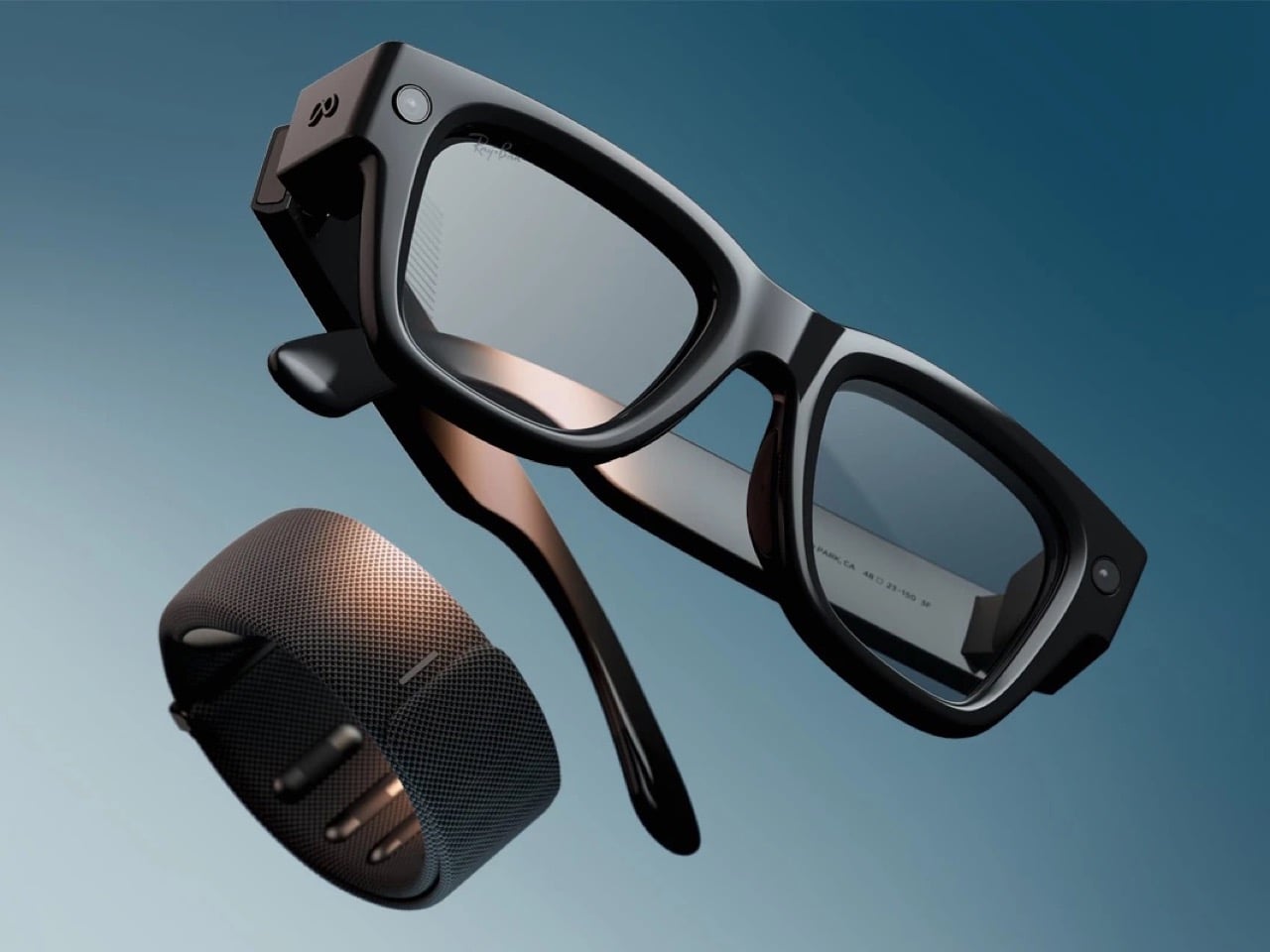
If you step back and ask what Meta is actually good at, the answer is not virtual reality or language models. Meta is good at building social products with massive scale, capturing and distributing content, and monetizing attention through ads. The Ray-Ban Meta glasses fit all of those strengths. They make it easier to capture photos and video, which feeds into Instagram and Facebook. They use AI to provide contextual information, which ties into Meta’s model development. And they are a physical product that people wear in public, which is a form of distribution and branding that Meta has never had before.

The bigger story is that smart glasses as a category are exploding, and Meta happened to be early. It is not just Samsung, Google, and Apple entering the space. Meta itself is expanding the Ray-Ban line with Displays (which adds a heads-up display) and partnering with Oakley on HSTN, a sportier model aimed at action sports. Google is teaming up with Warby Parker for its glasses, which gives it instant credibility in eyewear design. And then there are the startups: Even Realities, Xiaomi, Looktech, MemoMind, and dozens more, all slated for 2026 releases. This feels exactly like the moment AirPods sparked the true wireless earbud movement. Apple defined the format, then everyone from Samsung to Sony to no-name brands flooded the market, and now you can buy HMD ANC earbuds for 28 dollars. Smart glasses are following the same trajectory, which means the form factor itself is validated, and Meta’s early lead matters less than whether it can keep iterating faster than everyone else.

The other underrated piece is that having an instant camera on your face is genuinely useful in ways that VR headsets never were. People are using Ray-Ban Meta glasses as GoPro alternatives while skateboarding, cycling, and doing action sports, because POV capture without holding a phone or mounting a camera is frictionless. Content creators are using them to shoot hands-free B-roll at events like CES. Parents are using them to record their kids playing without the weird “I am holding my phone up at the playground” vibe. Pet owners are capturing spontaneous moments with dogs and cats that would be impossible to get with a phone. These are not sci-fi use cases or metaverse fantasies. They are boring, real-world problems that the glasses solve immediately, and that is why they are selling. Meta has spent a decade chasing grand visions of the future, and it accidentally built a product that people want right now. The challenge is whether it can resist the urge to over-complicate it before Google, Samsung, and Apple catch up.

The Real Lesson Is About Focus

Meta has spent the last five years oscillating between grand visions, metaverse and AI, and neglecting the products that actually work. The Ray-Ban Meta glasses are proof that when Meta focuses on solving real problems with tangible products, it can still build things people want. The metaverse failed because it was a solution in search of a problem, and the AI push is struggling because Meta is shipping features rather than products. Smart glasses, by contrast, are succeeding because they make everyday tasks easier without requiring users to change their behavior or buy into a futuristic narrative.

If Zuckerberg can internalize that lesson, Meta might actually have a shot at owning the next platform. But that requires a level of product discipline and restraint that Meta has not shown in years. It means resisting the urge to turn every product into a platform, admitting when a bet has failed rather than pouring another $10 billion into it, and focusing on iteration over narration. The irony is that Meta already has the right product. It just needs to stop looking past it.

The post Meta Misread the Future Twice. Now They’re Sitting on a Golden Egg, But Don’t Know It first appeared on Yanko Design.

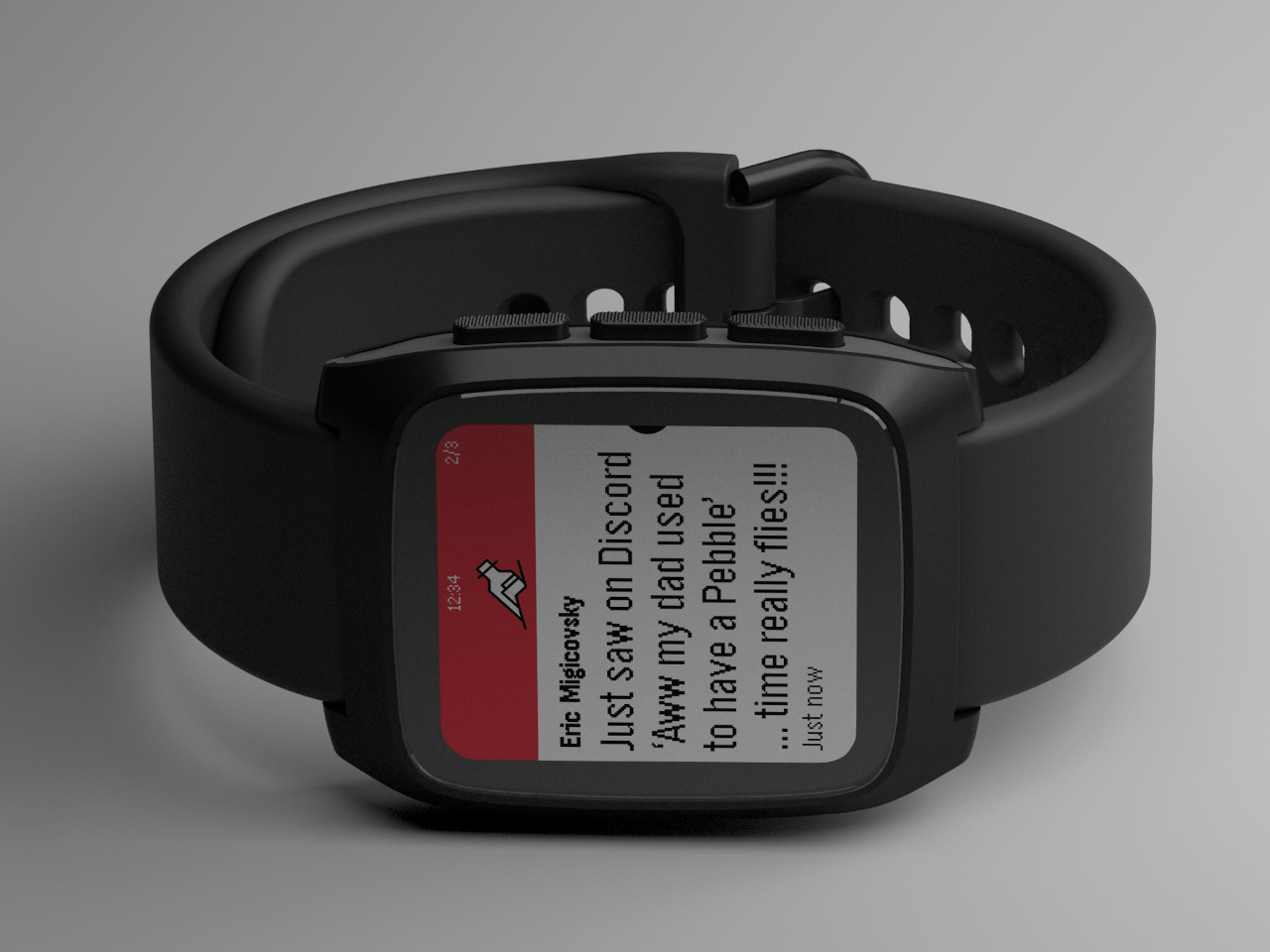
La montre Pebble est de retour - Mais ça part en vrille

Je ne suis pas très montre. Je n’en porte pas, je n’en possède pas… Ce temps qui passe c’est l’angoisse mais je me souviens très bien des montres Pebble qui avec leur écran e-ink tenaient des semaines sur une charge et qui ont carrément démocratisé le concept de smartwatch grand public dès 2012.

Hé bien good news, le fondateur Eric Migicovsky a décidé de les ressusciter sauf que c’est en train de tourner au vinaigre avec les bénévoles qui ont maintenu l’écosystème durant 9 ans.

Pour ceux qui ont raté tout le feuilleton, après la faillite de Pebble en 2016 et le rachat par Fitbit (puis Google), une communauté de passionnés appelée Rebble s’est formée pour sauver les meubles. Ils ont récupéré les données de l’App Store, monté une infrastructure de serveurs, financé des développements… Bref, ils ont maintenu en vie un écosystème que tout le monde avait abandonné.

Puis en janvier 2025, Google a ouvert le code source de PebbleOS et Migicovsky a sauté sur l’occasion et a lancé sa boîte Core Devices en mars pour vendre de nouvelles montres Pebble : La Pebble 2 Duo à 149$ et la Pebble Time 2 à 225$. D’ailleurs, 70% des premières unités ont déjà été livrées. Bref, jusque là, tout va bien.
Sauf que Rebble accuse maintenant Core Devices de piller leur travail sans compensation. Selon ce qu’ils racontent leur blog , Migicovsky aurait “scrapé leurs serveurs” le jour même où il devait les rencontrer pour discuter partenariat. Rebble affirme avoir investi des centaines de milliers de dollars pour maintenir l’App Store et les services backend… et Core voudrait un accès illimité à tout ça pour potentiellement créer un App Store concurrent propriétaire.
La bibliothèque mobile libpebble3 utilisée par l’app Core Devices s’appuie notamment sur du code que Rebble a financé via son programme de subventions. Et c’est pareil pour le portage Bluetooth open source vers PebbleOS puisque c’est Rebble qui a payé les devs. Et bien sûr quand ils demandent un engagement écrit que Core ne créera pas un store concurrent… C’est silence radio.

Migicovsky a ensuite répondu sur son blog perso histoire de se justifier. Il nie tout vol et affirme que 90% du code de libpebble3 a été écrit par Core Devices, et pas par la communauté. Et pour le scraping, il explique qu’il construisait juste une petite webapp pour afficher ses watchfaces préférées et que ça n’a rien téléchargé de substantiel.

Et il contre-attaque en accusant Rebble de vouloir créer un pré-carré bien verrouillé emprisonnant les 13 000 et quelques applications que des développeurs indépendants ont créées. Rebble revendiquerait 100% des données de l’App Store alors qu’ils ne sont que l’hébergeur…

Alors qui croire ? Difficile à dire mais la bonne nouvelle c’est que Core Devices a ouvert les schémas électriques et mécaniques de la Pebble 2 Duo sur GitHub et bientôt, l’installation d’apps se fera via un système de feeds multiples, un peu comme les gestionnaires de paquets open source. Chacun pourra alors choisir son store.

Reste à savoir si les deux camps arriveront à s’entendre puisque Rebble a apparemment fait marche arrière sur certaines revendications, notamment sur la propriété du contenu hébergé. Mais le climat de confiance est sérieusement entamé et pour la communauté qui a bossé durement et gratos pendant 9 ans pour sauver tout écosystème… c’est sûr que ça fait mal de voir le fondateur original débarquer et se servir OKLM.

Après pour ceux d’entre vous qui ont une Pebble ou qui lorgnent sur les nouvelles, surveillez le subreddit r/pebble et le Discord Rebble car c’est là que tout ça se passe.

Source

10 Best Smartwatches To Consider In October 2025: Find The Perfect Wearable For You

Smartwatches aren’t just wrist accessories anymore; they’re powerful, purpose-driven extensions of your lifestyle. Whether you’re an athlete, a gamer, a style enthusiast, or simply someone who wants to stay connected, the right wearable can elevate your daily routines. As October 2025 brings fresh innovation and daring new designs, the world of smartwatches is more diverse and exciting than ever.

From minimalist e-paper displays to rugged adventure companions and even a gaming PC for your wrist, this year’s lineup is packed with options that speak to every need and personality. Our list explores the best smartwatches available now, highlighting their unique strengths, standout features, and potential drawbacks. Dive in to find the perfect wearable for your wrist and your world.

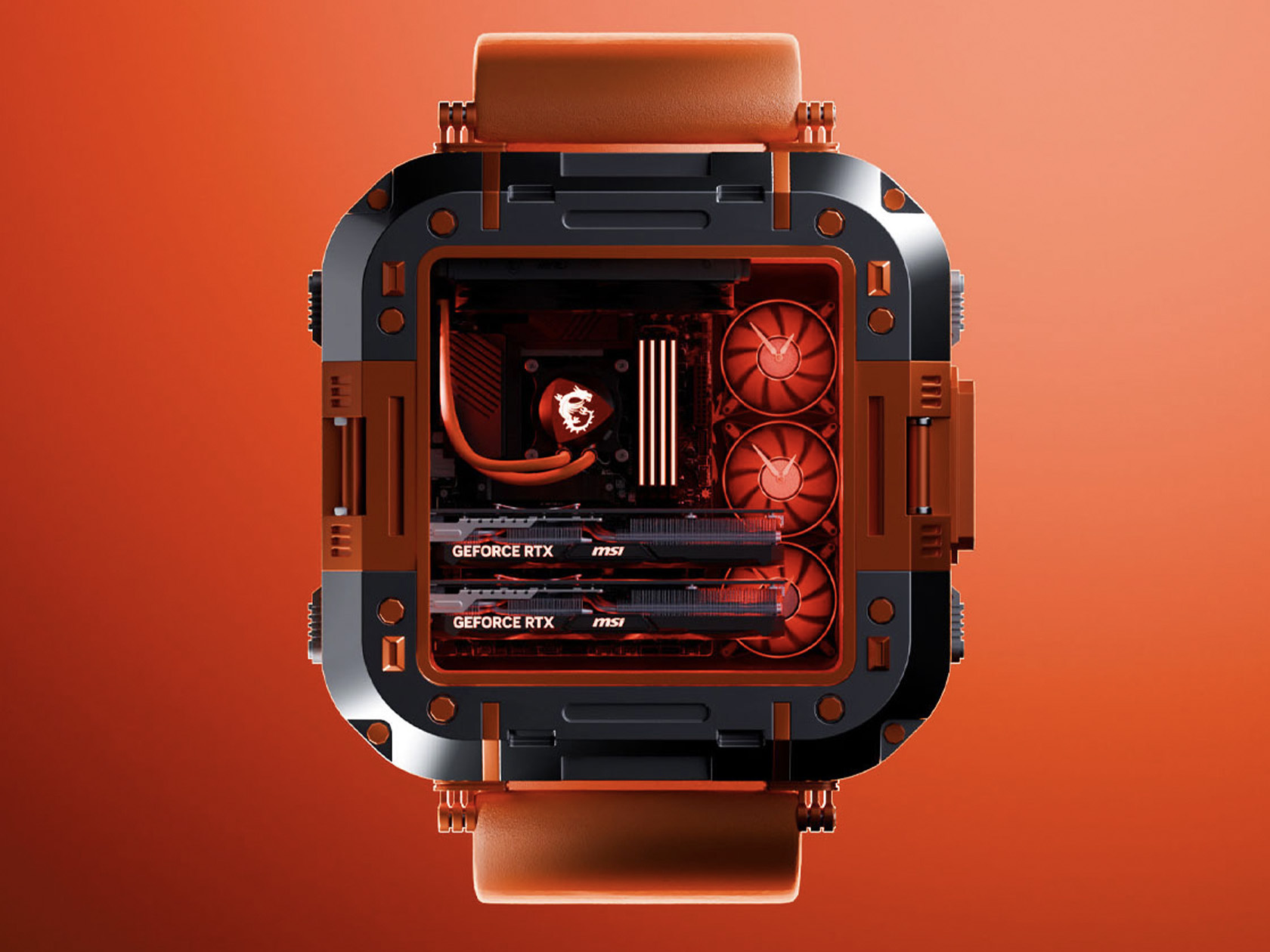
1. MSI Gaming PC Watch: A Gaming Rig For Your Wrist

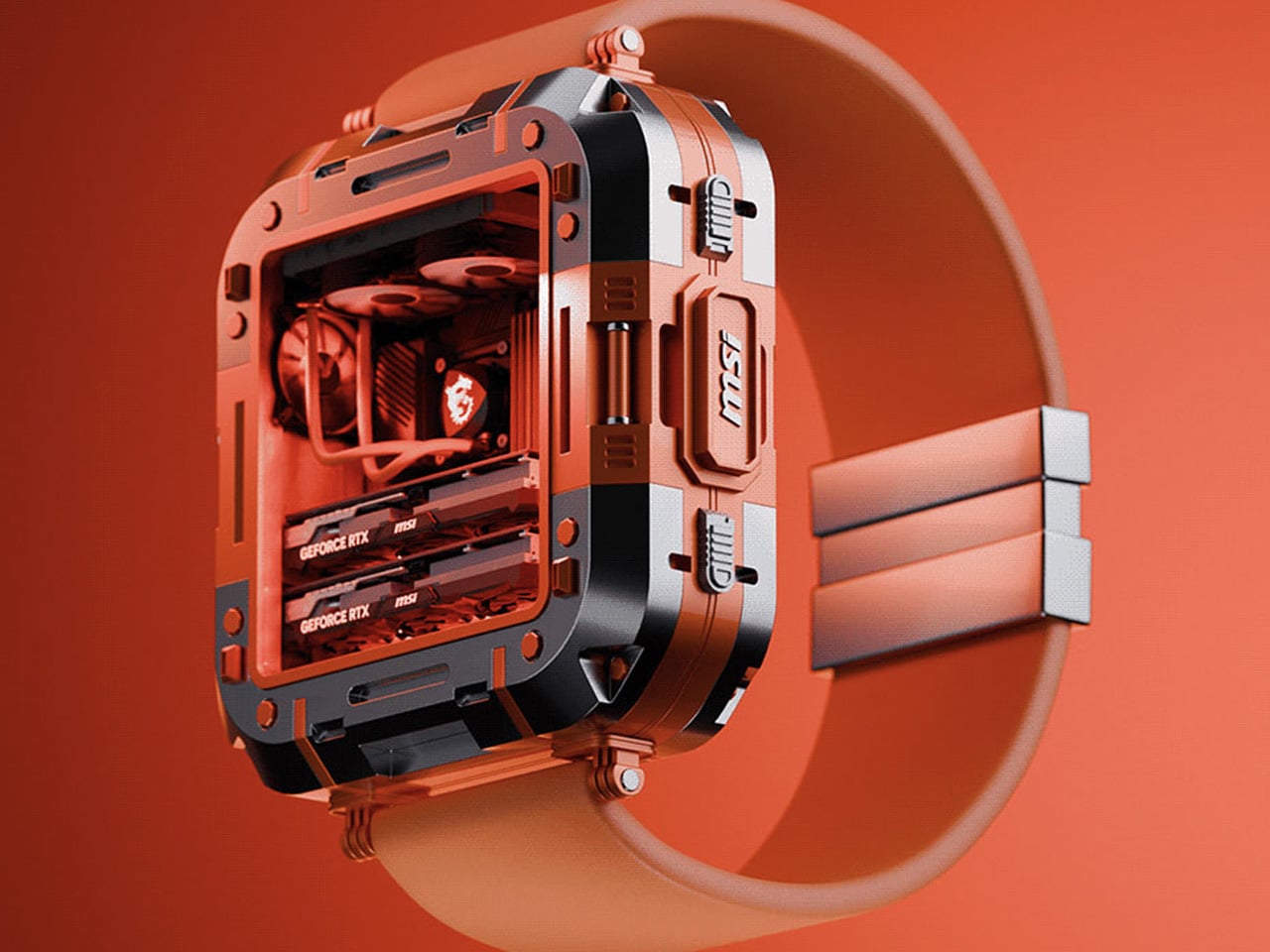
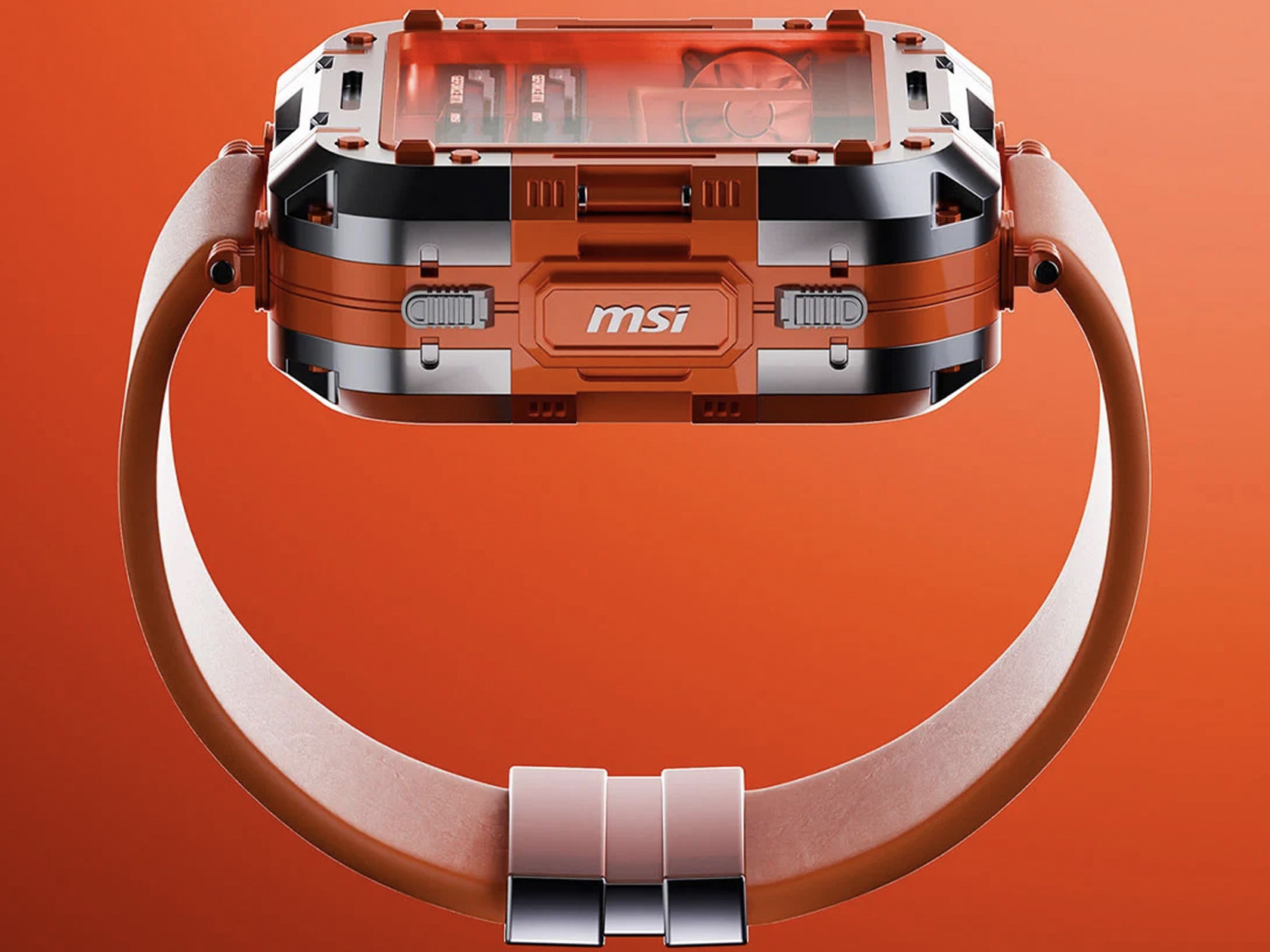
The MSI Gaming PC Watch is a spectacle for anyone who lives and breathes gaming. With its MSI dragon-red theme, transparent façade, and visible hardware, it’s an unmistakable tribute to high-performance rigs. This wearable doesn’t just tell time—it showcases your passion, sparking conversations and envy alike. While it might look like a traditional watch at first glance, its true identity is a full-fledged mini PC strapped to your wrist.

Analog watch hands are visible but understated, hinting at its timekeeping function. Four side pushers let you toggle features, and the construction feels robust with a metal alloy case. Not everyone will need or want a wearable computer on their wrist, but for those who do, nothing else comes close to this level of commitment and flair.

What we like

  • Visually striking design that turns your wrist into a gaming showcase.
  • Unique concept that marries PC hardware and wearable tech in an unprecedented way.

What we dislike

  • Timekeeping is a secondary feature, not the main focus.
  • Likely to be bulkier and less comfortable for daily wear.

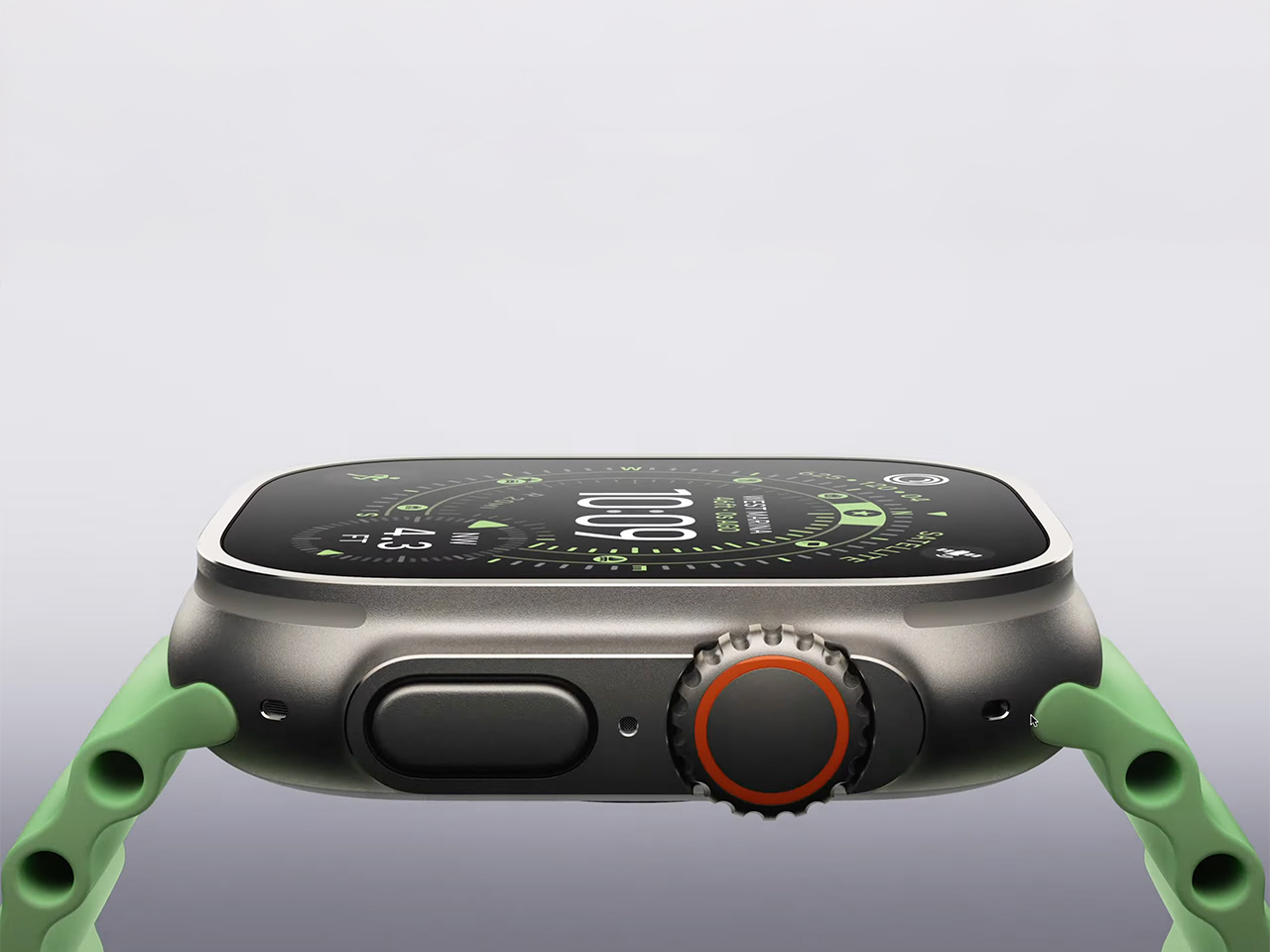
2. Apple Watch Ultra 3: The Pinnacle Of Display Technology

Apple’s Ultra 3 brings a new dimension to smartwatch displays, boasting the largest and most advanced screen ever fitted to an Apple Watch. With wide-angle OLEDs and LTPO3 technology, it’s readable at any angle—even in direct sunlight or underwater. Apple’s design team has maximized the display space by shrinking the borders, so you get a bigger, better canvas without a larger watch.

Always-on features are smarter and more efficient, staying visible without draining the battery. Real-time seconds and instant stats make it a must for athletes and adventure seekers. If clarity, screen quality, and high-tech durability are priorities, the Ultra 3 is at the head of the pack.

What we like

  • Expansive display with best-in-class readability in all conditions.
  • Always-on screen with high refresh and low power use.

What we dislike

  • Premium price puts it out of reach for some buyers.
  • Large size may not suit those with slimmer wrists.

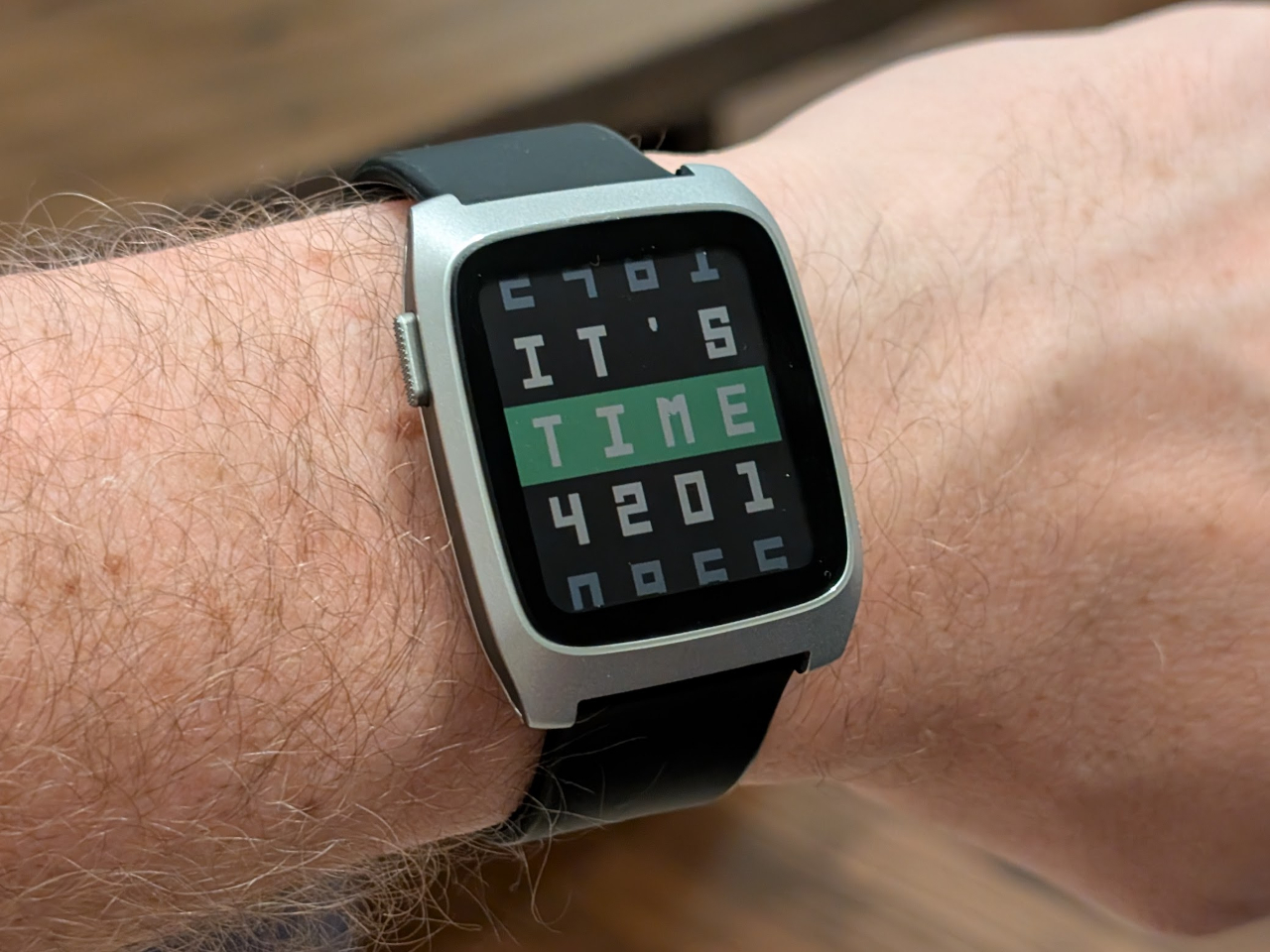
3. Pebble Time 2: E-Paper Simplicity, Modern Craft

Pebble’s comeback is all about maturity and minimalism. The Time 2 features a stainless steel case and integrated lugs that create a seamless, intentional flow from the case to the strap. The nearly edge-to-edge 1.7-inch color e-paper display sits flush with the glass, inviting you to run your finger along its perfectly smooth edges. This is a smartwatch for those who crave simplicity and customization without sacrificing style.

Available in Silver, Black, and Champagne Gold, the Time 2 lets you swap out standard 22mm bands, making it adaptable for any look. It’s a refined, user-first foundation that feels both nostalgic and modern. The e-paper display also means longer battery life and easy outdoor readability.

What we like

  • Minimalist, sophisticated design with customizable bands.
  • E-paper display is gentle on the eyes and extends battery life.

What we dislike

  • Lacks the premium sensors and apps found on flagship smartwatches.
  • Refresh rate is slower than traditional OLED or LCD screens.

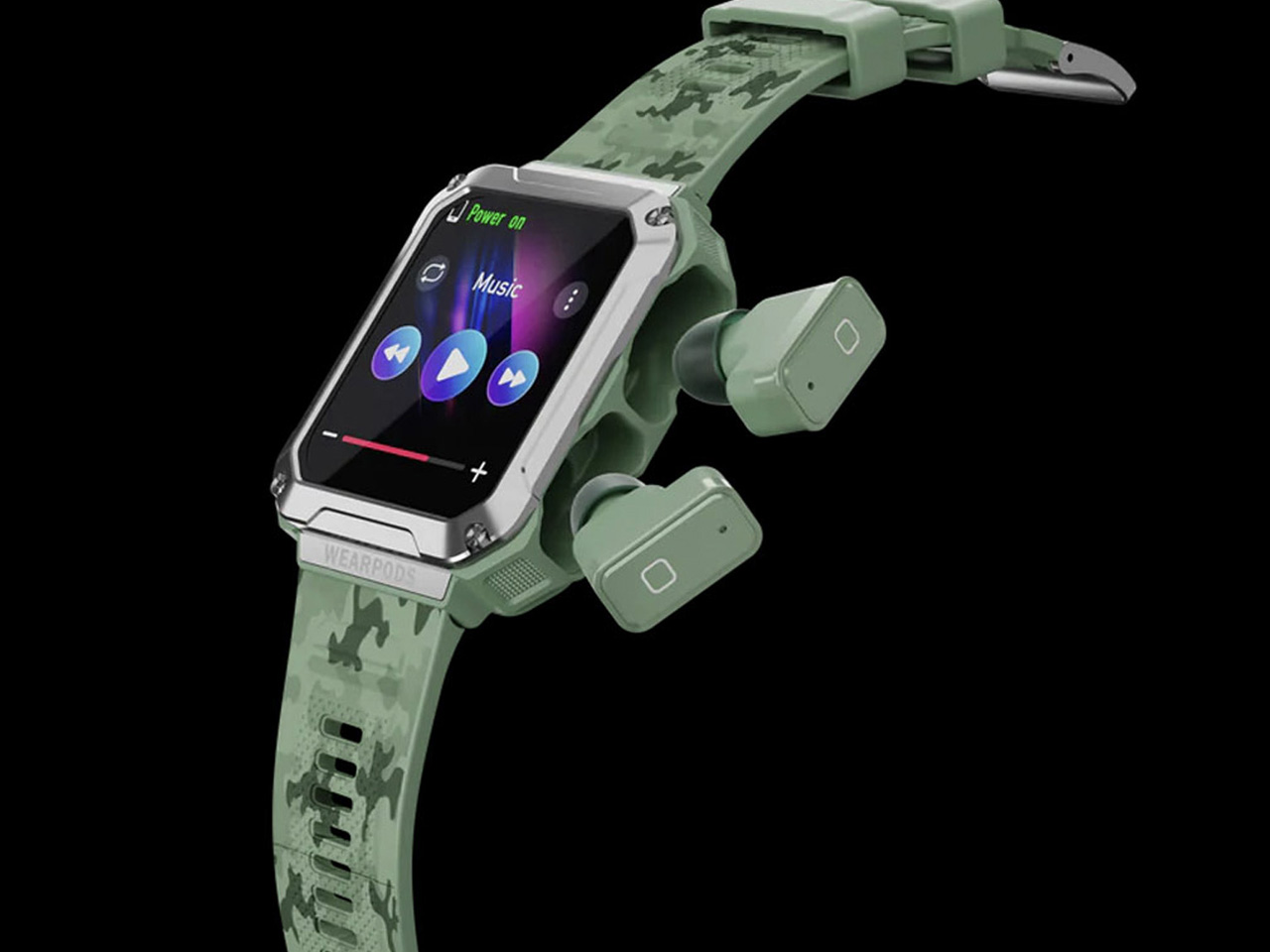
4. WearPods Hybrid Smartwatch: Earbuds On Your Wrist

WearPods is a clever hybrid, hiding a pair of true-wireless earbuds within the body of a smartwatch. It’s designed for the forgetful and the futuristic, merging two essential devices into one. The 1.93-inch display and smart features are impressive, but the real magic happens when you pop out the earbuds with a satisfying click, ready for calls or your favorite playlist.

This all-in-one approach does come with some trade-offs. Packing both a smartwatch and earbuds into such a compact form means battery life isn’t stellar, and the ergonomics for both components might not suit everyone. Still, for tech lovers who want to reduce pocket clutter, it’s a novel solution.

What we like

  • Ingenious all-in-one design keeps your earbuds always accessible.
  • Appeals to gadget lovers and those prone to losing accessories.

What we dislike

  • Reduced battery life compared to single-function wearables.
  • Fit and comfort may not match dedicated smartwatches or earbuds.

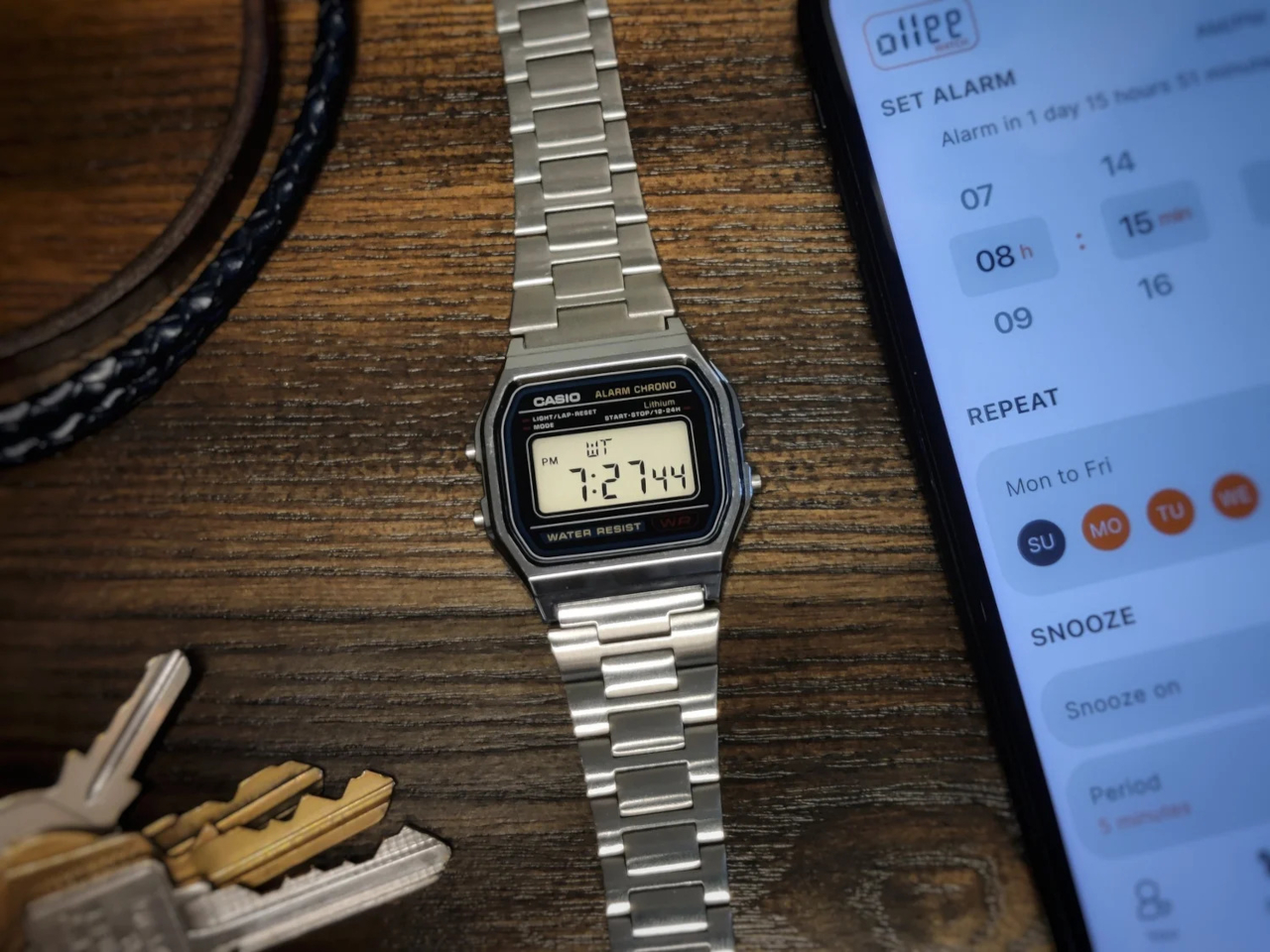
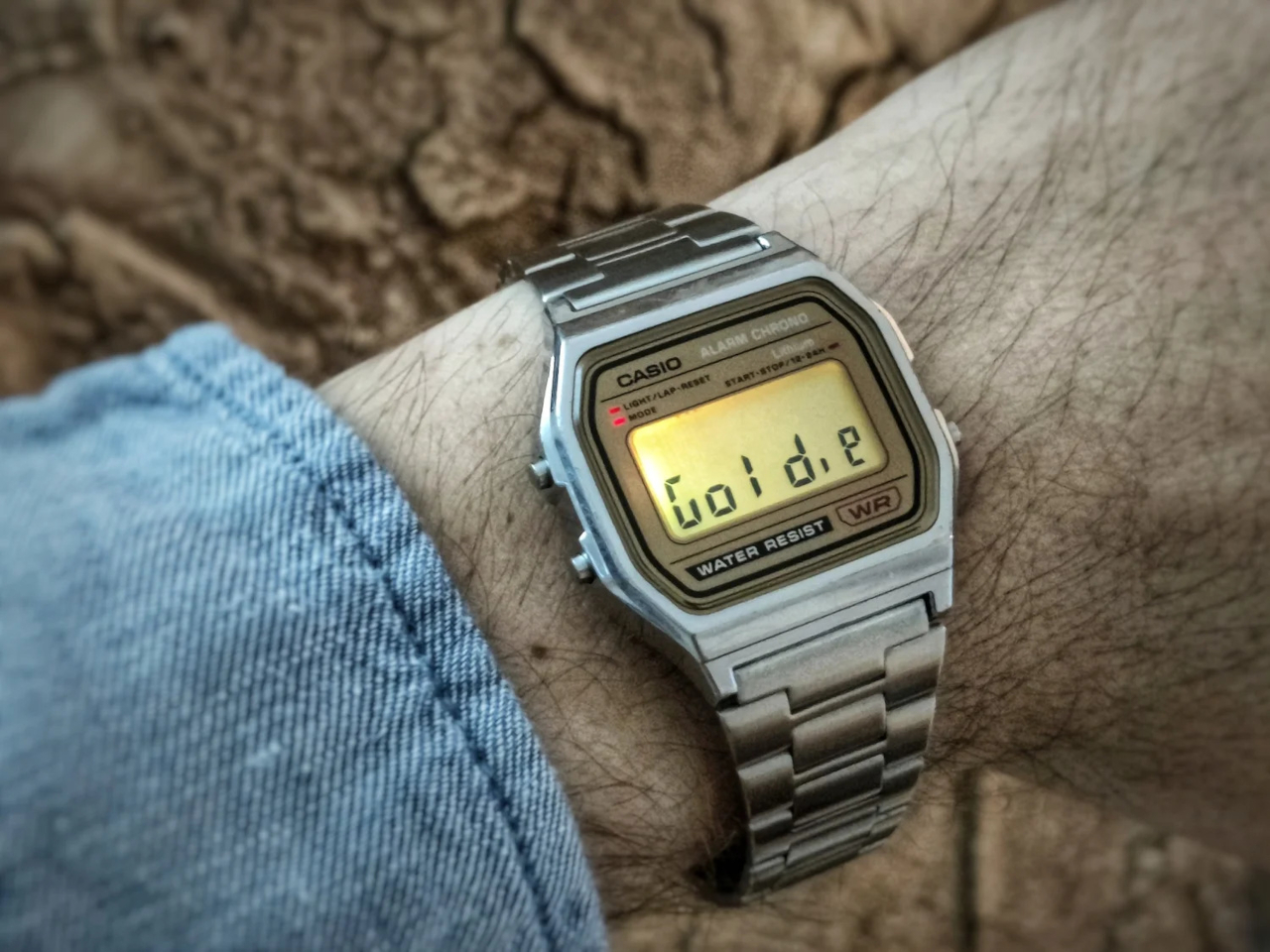
5. Ollee Watch: A Classic Casio, Supercharged

The Ollee Watch turns the classic Casio F-91W into a customizable smartwatch through a mainboard swap. You keep the retro resin case, LCD, and water resistance, while gaining step tracking, notifications, and Bluetooth. It’s a clever, open-source upgrade that bridges nostalgia and modern convenience.

DIY fans will appreciate the upgrade process, which doesn’t require advanced skills. The result is a connected, functional timepiece that feels both familiar and fresh—ideal for those who want to retain the original’s charm while adding new tech.

What we like

  • Maintains the beloved Casio design with modern smart features.
  • Open-source and DIY-friendly for personal customization.

What we dislike

  • Installation requires some technical ability and patience.
  • Not as feature-rich as premium smartwatches.

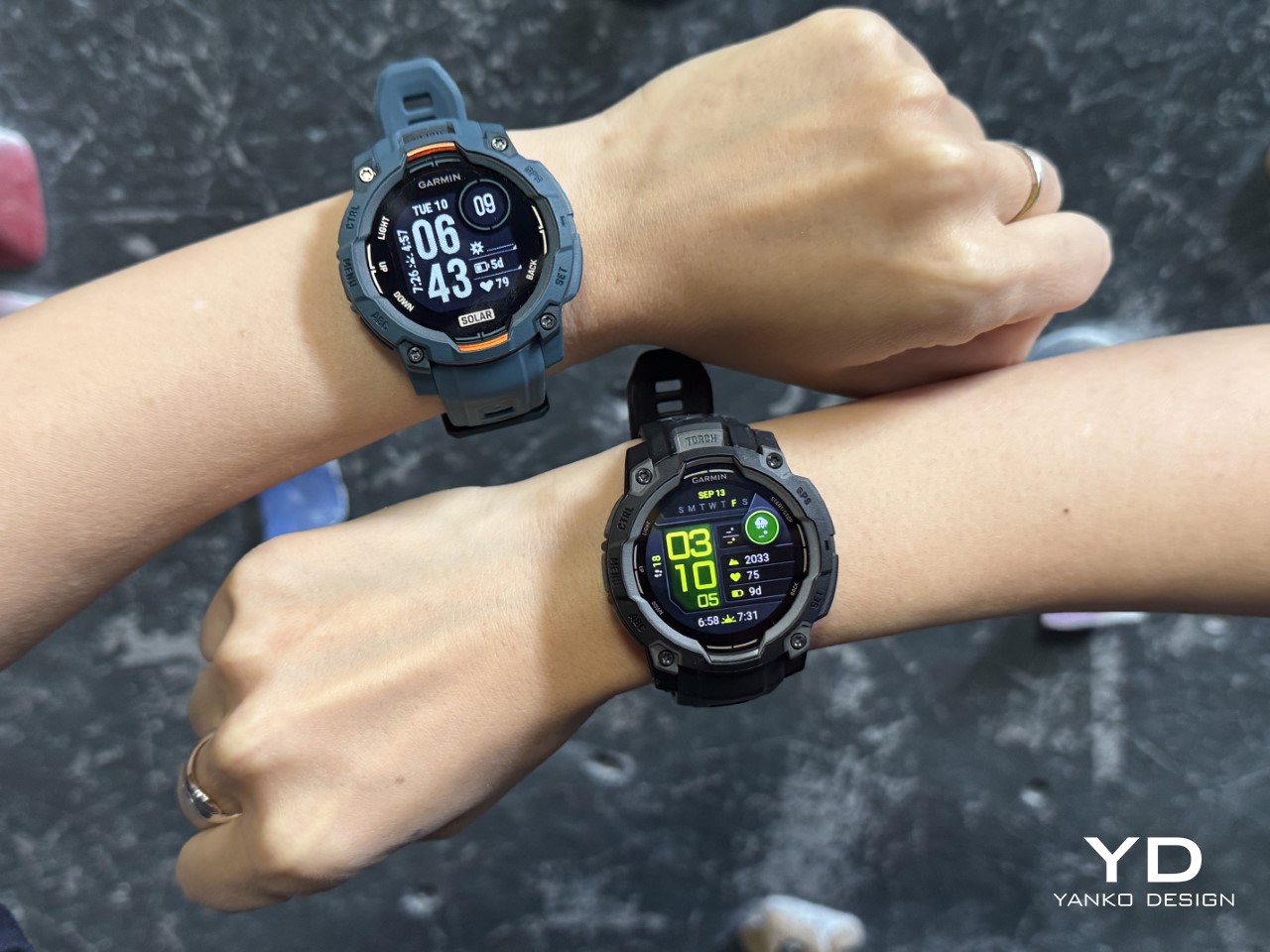
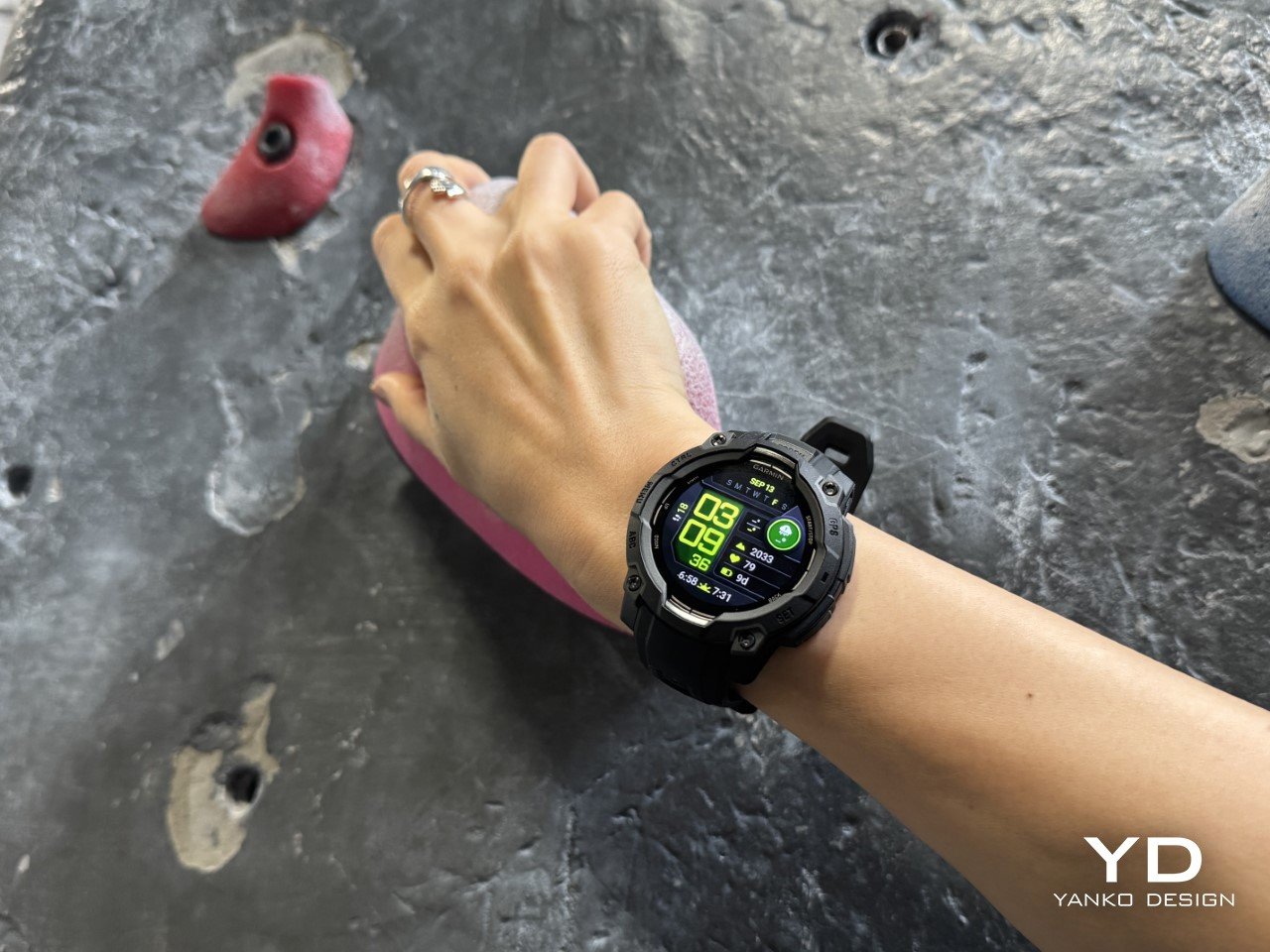
6. Garmin Instinct 3: AMOLED Or Solar For Every Adventure

Garmin’s Instinct 3 offers versatility with AMOLED and solar-powered variants, each available in two sizes. The AMOLED model delivers vivid visuals for gym goers, while the solar model boasts unlimited battery life in sunlight—ideal for outdoor enthusiasts. Up to 24 days on a single charge sets a new standard for smartwatch endurance.

The Instinct 3 is built tough, with extensive fitness tracking and navigation features. While its rugged look won’t win fashion awards, its performance and battery options make it a reliable companion for any adventure.

What we like

  • Choice between super-bright AMOLED and solar-powered battery.
  • Outstanding battery life and rugged durability.

What we dislike

  • Solar models require regular sunlight for the best results.
  • Functional, utilitarian design isn’t for style seekers.

7. TAG Heuer Connected Calibre E4 45MM x Oracle Red Bull Racing

TAG Heuer’s collaboration with Oracle Red Bull Racing produces a standout luxury smartwatch. The 45mm DLC titanium case, bold racing-themed strap, and dial make it a collector’s item. It’s packed with features for health, fitness, and lifestyle, all wrapped in the prestige of Swiss watchmaking.

This is a watch for motorsport fans and those who appreciate both tradition and cutting-edge tech. While its price and look may not be for everyone, it’s a striking fusion of speed and sophistication.

What we like

  • Luxurious materials and exclusive Red Bull Racing design.
  • Offers comprehensive smart features with top-tier build quality.

What we dislike

  • High price limits its accessibility.
  • Bold styling may not suit everyday wear or all tastes.

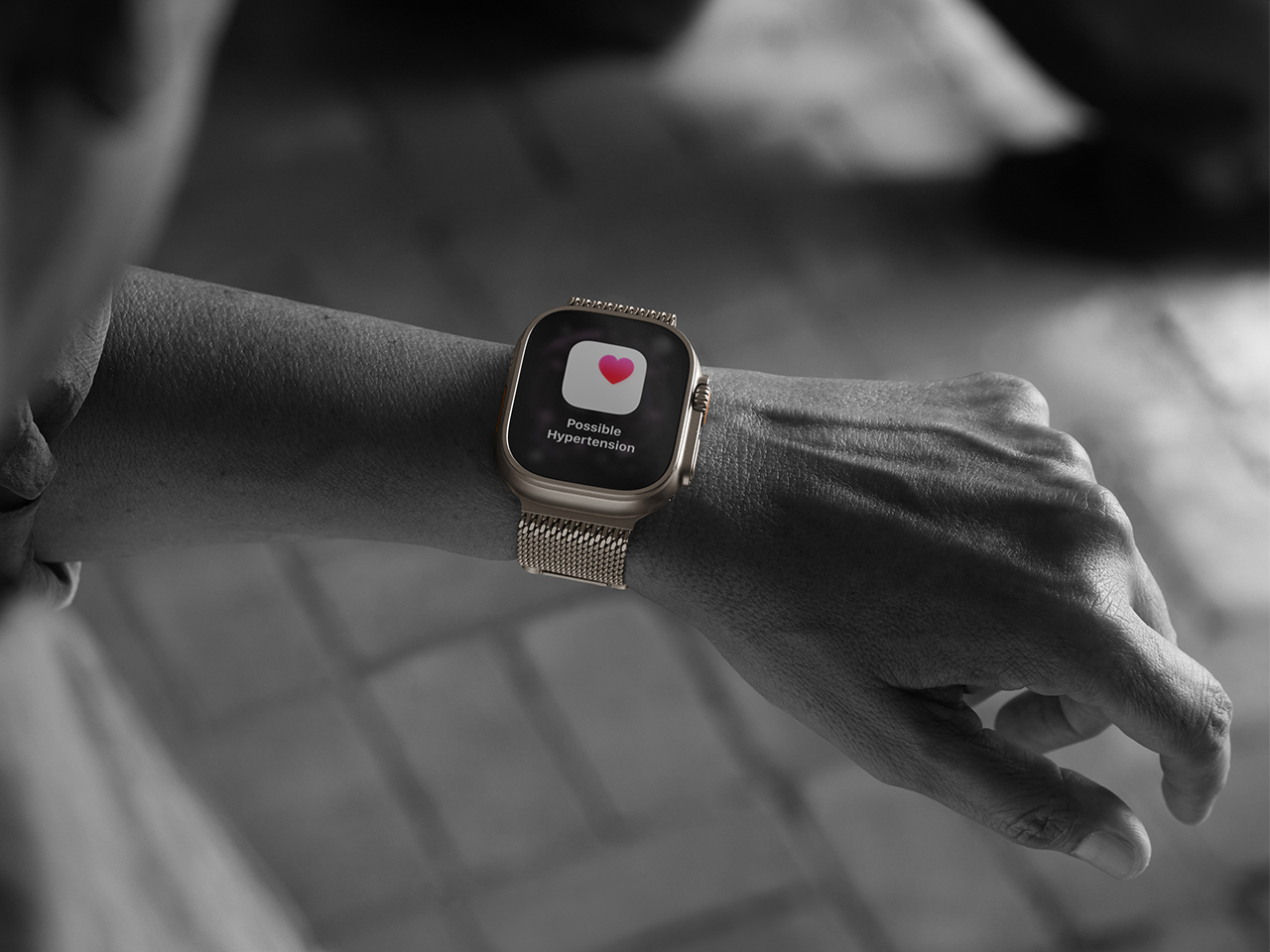
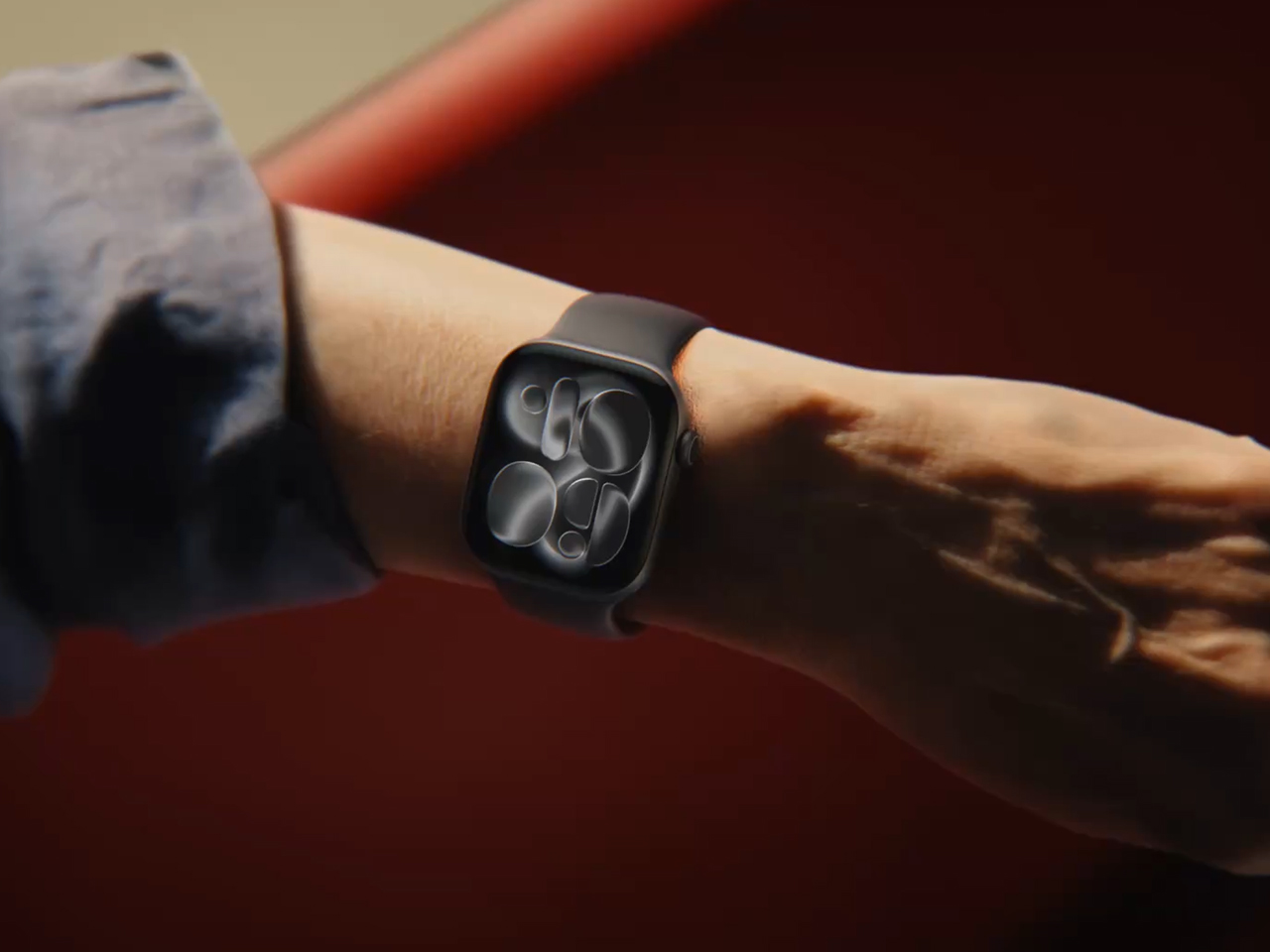
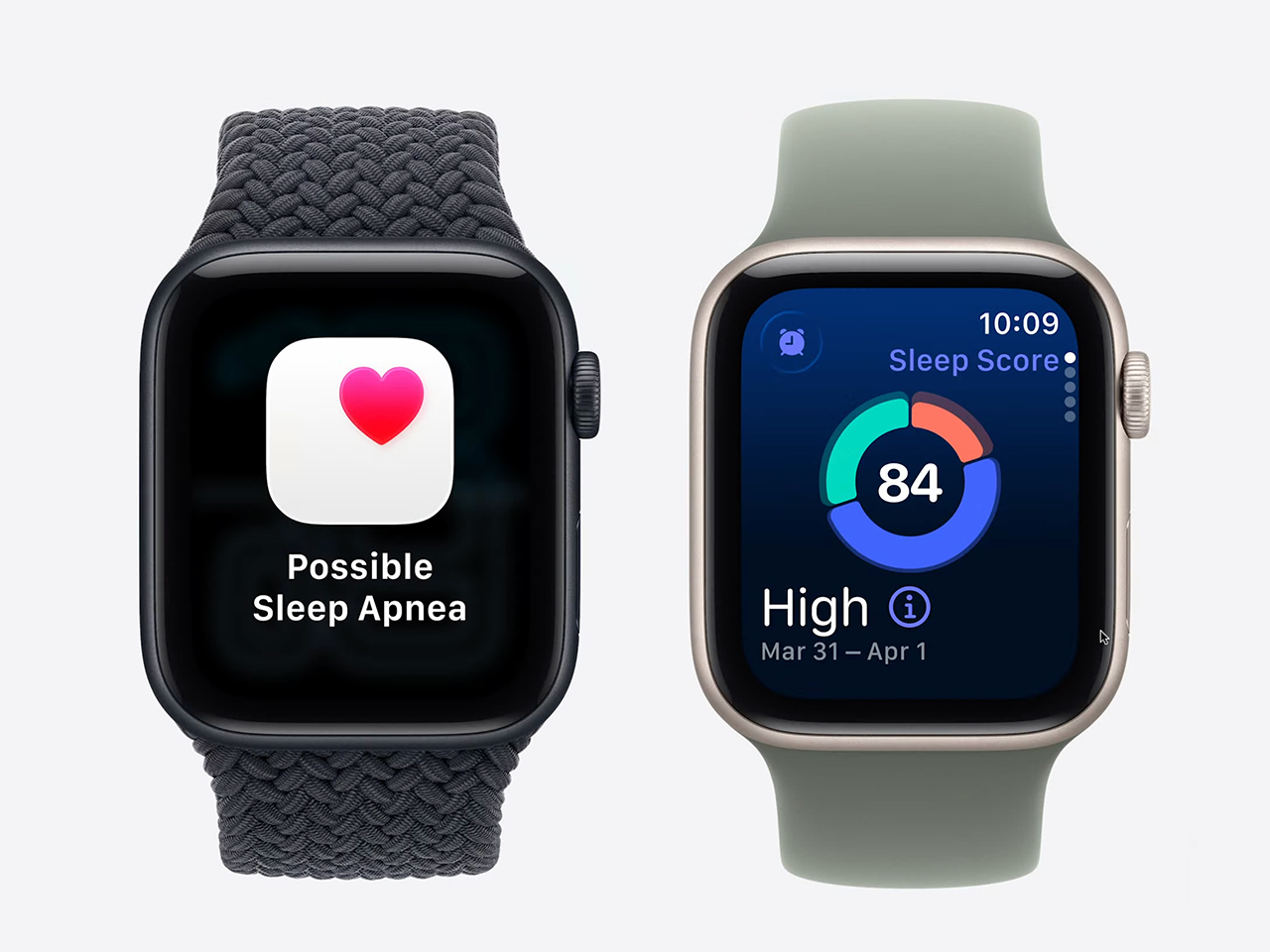
8. Apple Watch Series 11: The Ultimate Health Monitoring Device

Apple’s Series 11 sets a new bar for health-focused smartwatches. With advanced sensors, silent killer detection, and always-on ECG, it’s the most feature-packed Apple Watch yet. Hardware upgrades ensure it’s more durable and connected than ever, while seamless integration into the Apple ecosystem makes it a natural choice for iPhone users.

It’s designed for those who want a blend of style, utility, and medical-grade monitoring on their wrist. The only major downside is its battery life, which still requires daily charging.

What we like

  • State-of-the-art health monitoring and medical features.
  • Refined design and perfect compatibility with iPhone.

What we dislike

  • Battery life is only average, requiring daily top-ups.
  • Works best only within the Apple ecosystem.

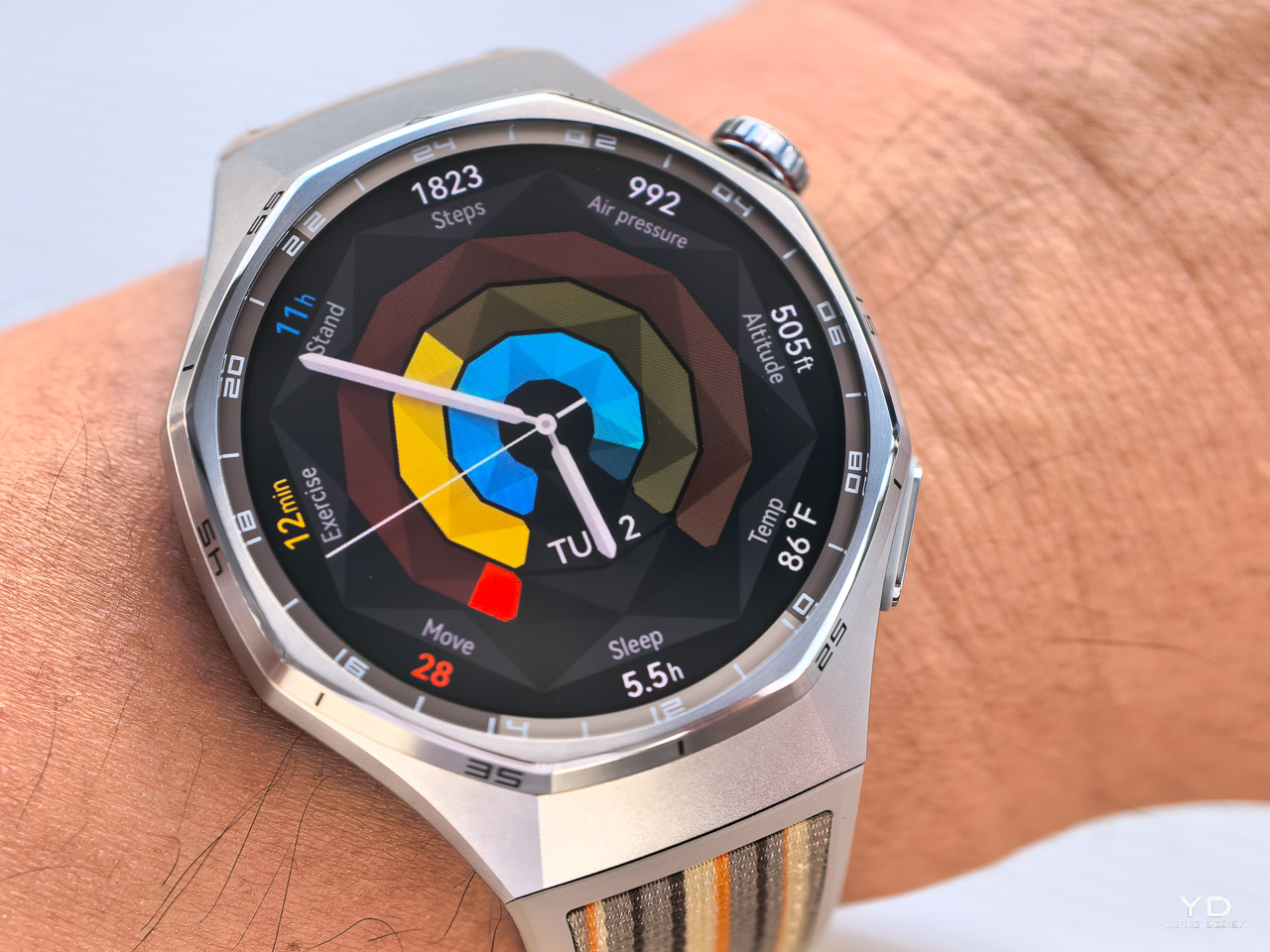
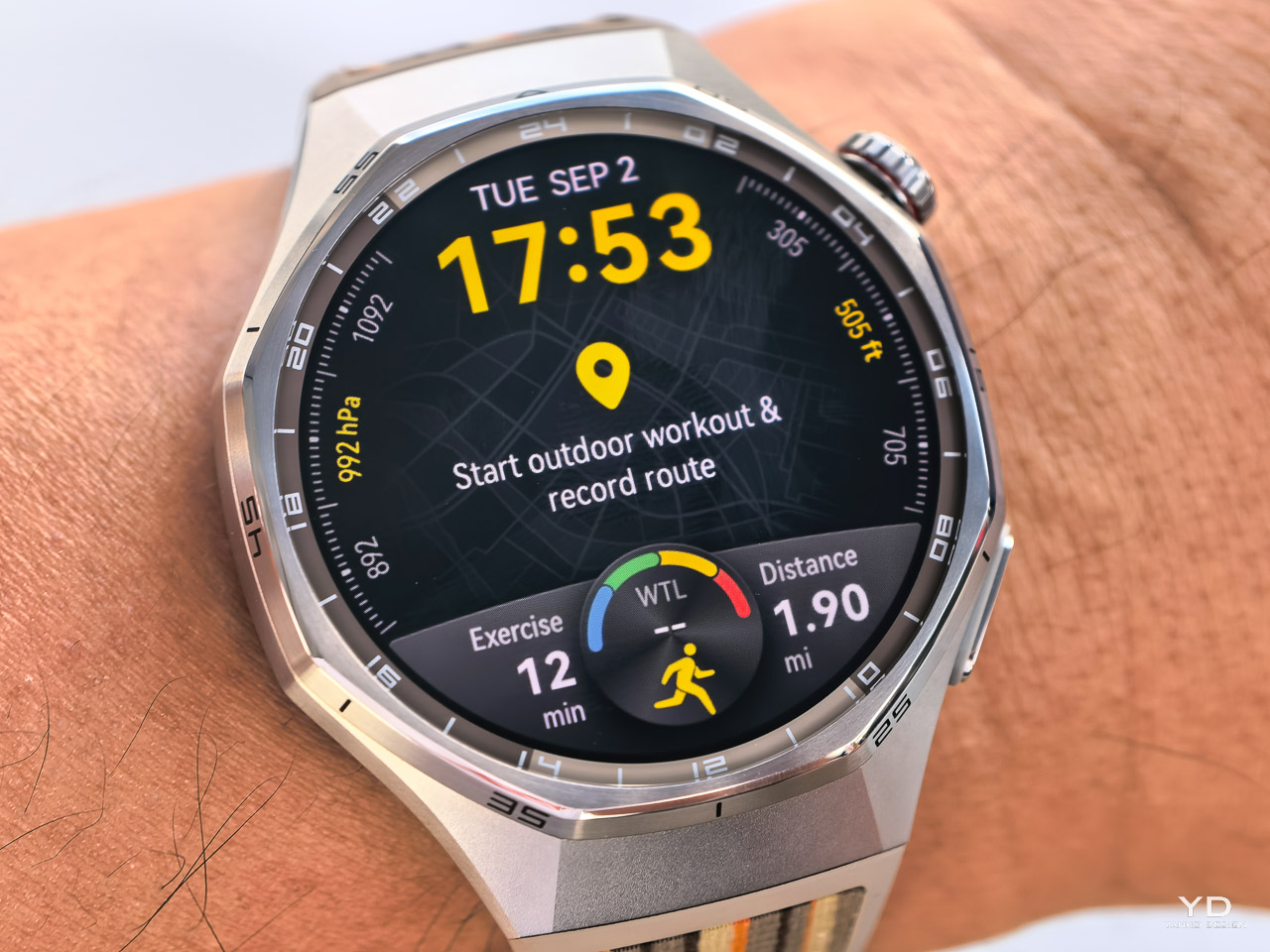
9. Huawei Watch GT 6 Pro: Built For Endurance

The Huawei Watch GT 6 Pro is built for athletes who need their gear to last. Its sapphire crystal display and titanium case shrug off scratches and impacts, while the 21-day battery life is a game-changer for training camps and expeditions. Peak brightness makes it easy to read outdoors, and pro-grade GPS and tracking features cater to serious runners and cyclists.

While its focus is on endurance and performance, it may not have the app ecosystem or lifestyle features of more mainstream smartwatches.

What we like

  • Ultra-durable with sapphire crystal and titanium construction.
  • Long-lasting battery ideal for extended use and adventures.

What we dislike

  • Limited app selection compared to Apple and Wear OS.
  • More fitness-focused, less suited for general lifestyle use.

10. Ksana Hybrid E-Ink Smartwatch: Essential Information, Always

Ksana’s hybrid smartwatch puts a small E Ink display at the center, overlaying an analog dial with glowing hands. This battery-saving approach means you get only the essential info, without distractions or frequent charging. The analog movement adds classic charm, while the display excels in any lighting.

It’s ideal for anyone who values simplicity and mindfulness over a barrage of notifications. The pared-back approach means you’ll miss out on richer app experiences, but for many, that’s a feature, not a bug.

What we like

  • E Ink display provides superb battery life and readability.
  • Analog-mechanical movement adds timeless appeal and night usability.

What we dislike

  • Limited information display and few smart features.
  • Not for those who want colorful screens or app-rich experiences.

Final Thoughts: Which Smartwatch Fits Your Life?

Choosing the right smartwatch in October 2025 is all about matching your personal style, needs, and habits. This year’s lineup is more diverse than ever, from the boldest gaming wrist rigs to the most subtle hybrid analogs. Whether you crave battery life, health tracking, luxury, or sheer uniqueness, there’s a wearable that aligns with your priorities.

The best smartwatch is the one that disappears into your day and amplifies what you value most, whether that’s adventure, connectivity, or simplicity. As innovation continues to redefine what’s possible on your wrist, you have more freedom than ever to choose a device that feels tailored just for you.

The post 10 Best Smartwatches To Consider In October 2025: Find The Perfect Wearable For You first appeared on Yanko Design.

❌