Vue lecture

Il y a de nouveaux articles disponibles, cliquez pour rafraîchir la page.

Your Phone Has 12 Calendar Apps. None of Them Look Like This
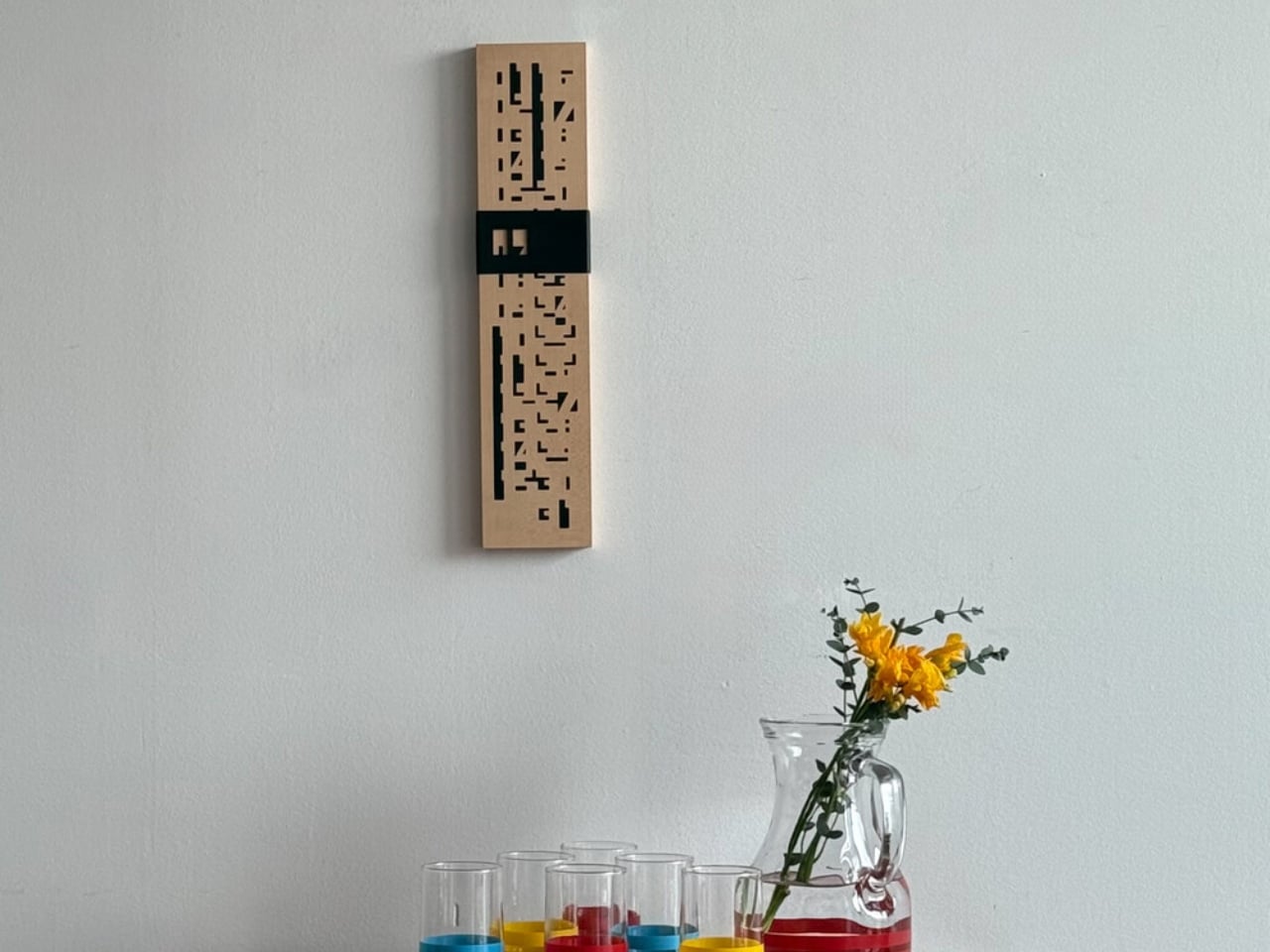
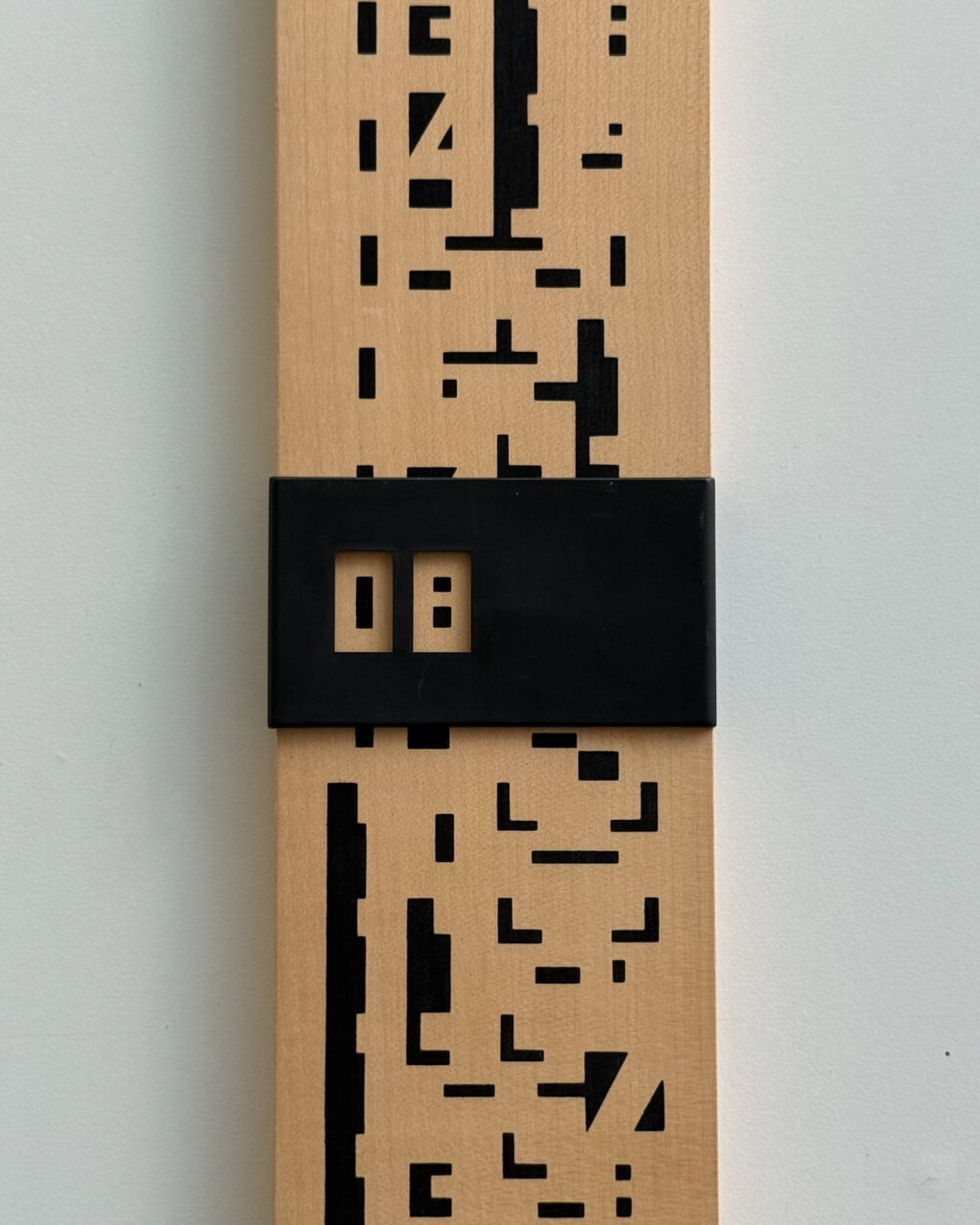
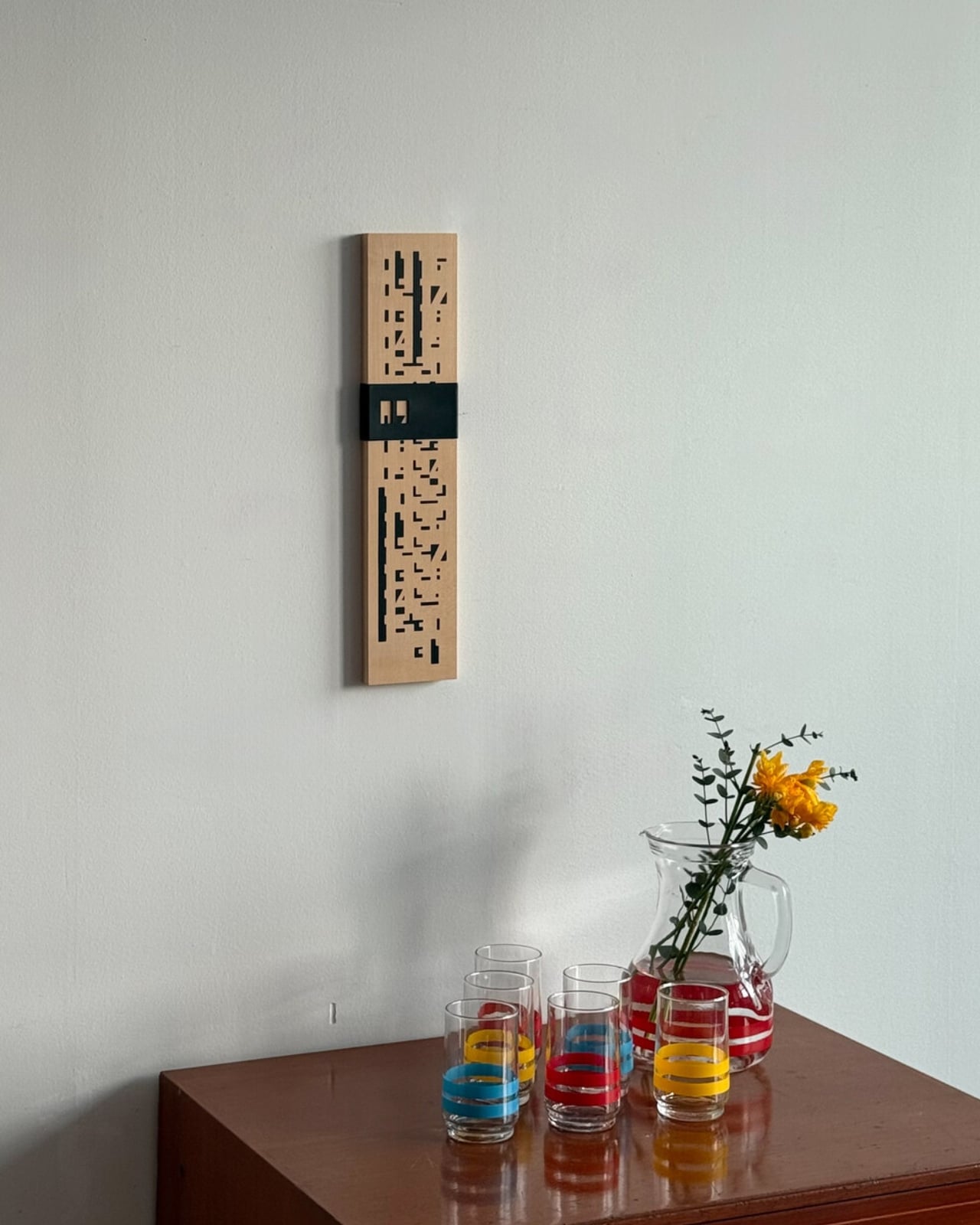
We are living through a slow, quiet rebellion against digital everything. Vinyl record sales have been climbing for years. Film cameras are back on shelves. People are buying paper planners again. And now, a wooden perpetual wall calendar made in France in the 1970s is having a moment through a Korean design shop called Wertwerk, and I am completely on board.

The piece is exactly what it sounds like: a wall-mounted calendar built from a warm wood base, with a row of plastic sliders numbered 1 through 31 that you manually shift to mark the date. No batteries. No notifications. No algorithm nudging you toward anything. Just wood, a little plastic, and the deliberate act of moving a slider every morning. That’s the whole thing. And yet, it manages to do something almost no digital tool can: make you stop and actually notice what day it is.

Designer Name: Wertwerk
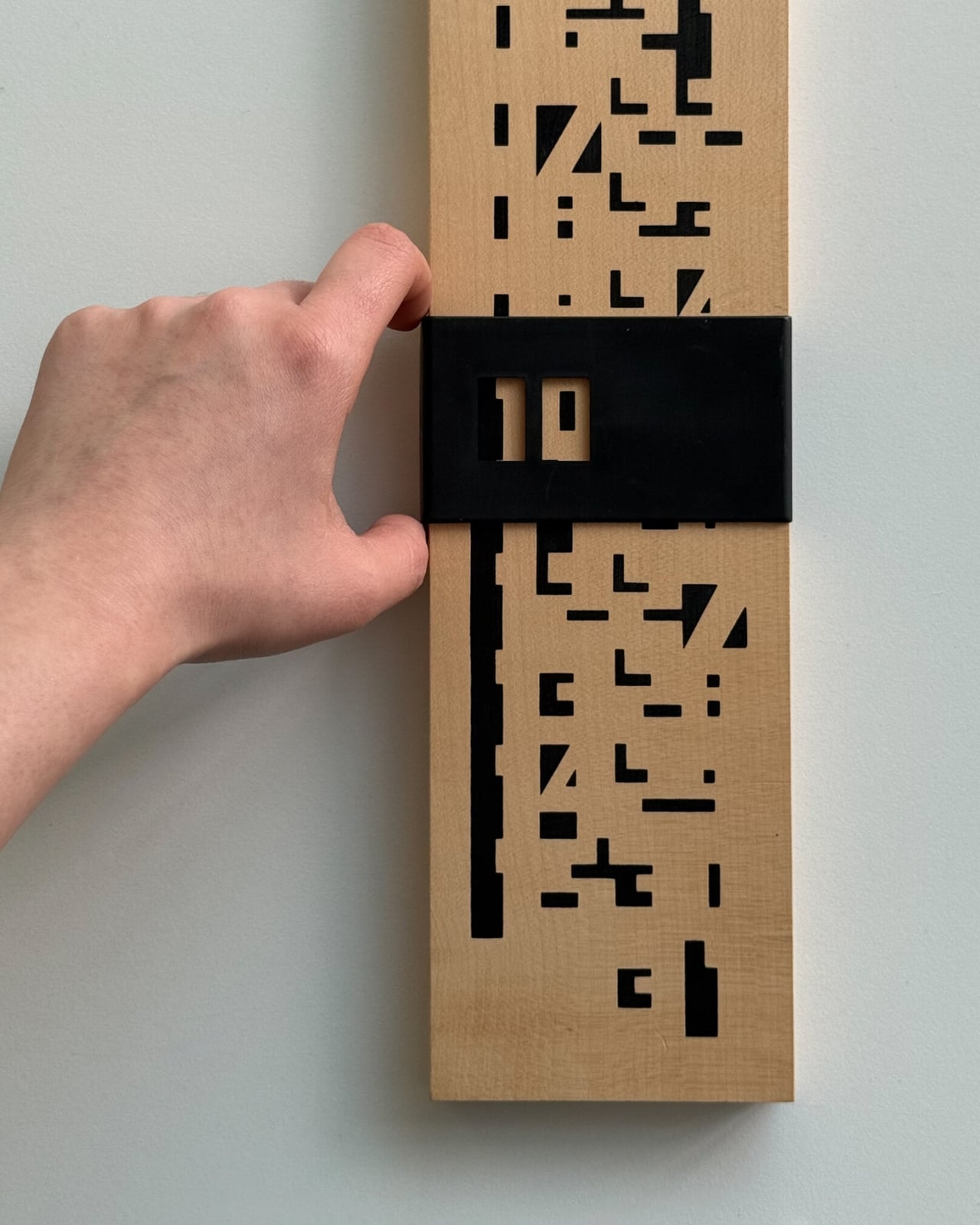
What makes this particular object so interesting is the decade it comes from. The 1970s were a sweet spot in product design, especially in France, where makers were beginning to marry natural materials like wood with the new optimism of plastic. The result was objects that felt warm and industrial at the same time, organic and modern, useful and beautiful. A wooden calendar with plastic sliders is a textbook example of that tension. It doesn’t feel like a throwback. It feels like a design decision that simply worked the first time and never needed revisiting.
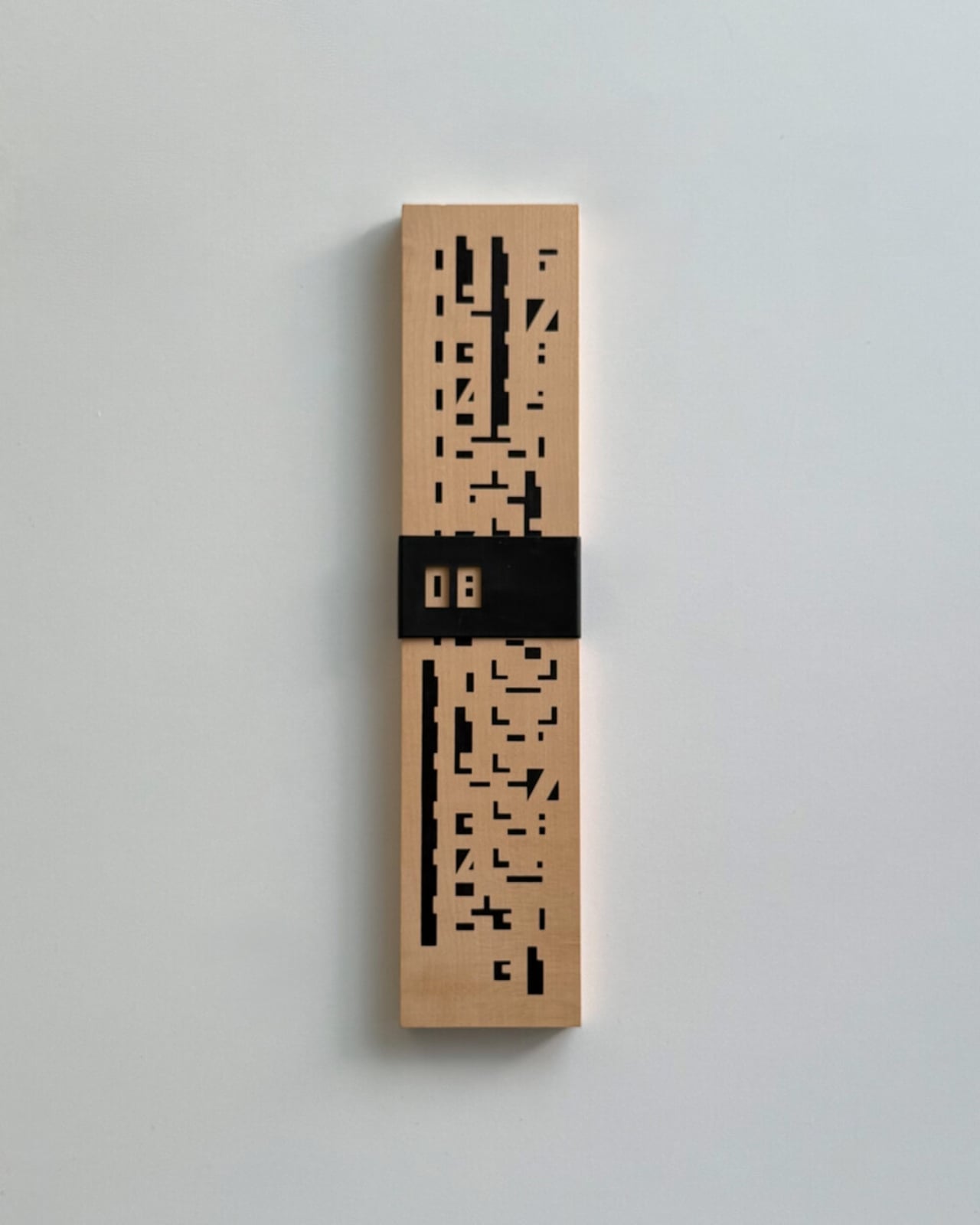
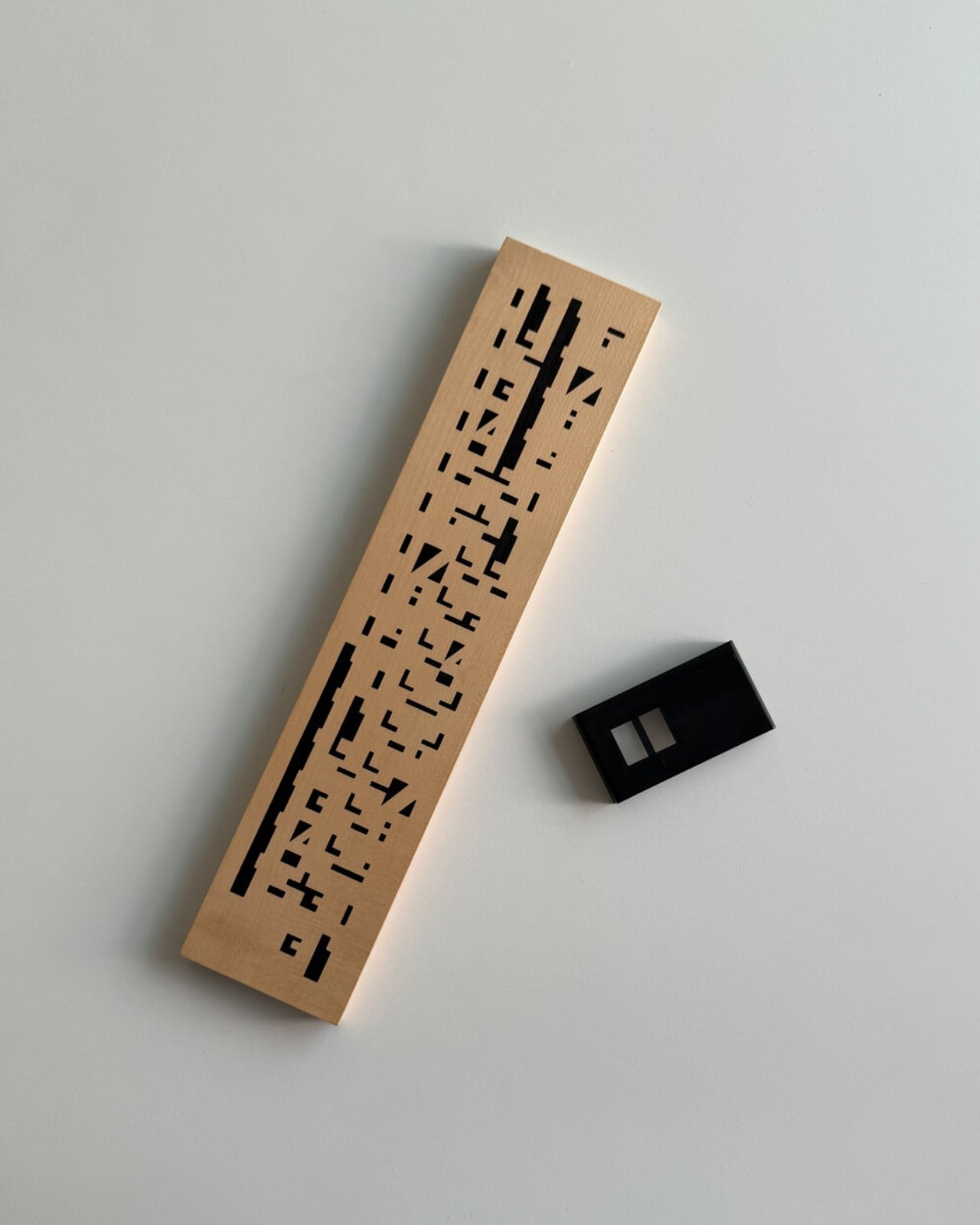
The word “perpetual” is doing a lot of heavy lifting here, and it deserves a moment. A perpetual calendar doesn’t expire. It doesn’t have a year printed on it. It covers every day and every month indefinitely, because those numbers don’t change; only the arrangement does. You can hang this on your wall and it will be just as functional in 2045 as it was in 1975. Compare that to your phone’s calendar app, which will feel dated in five years and be incompatible with something in ten. The perpetual calendar was designed with an understanding that good things don’t need to be replaced, just updated slightly, by hand, once a day.
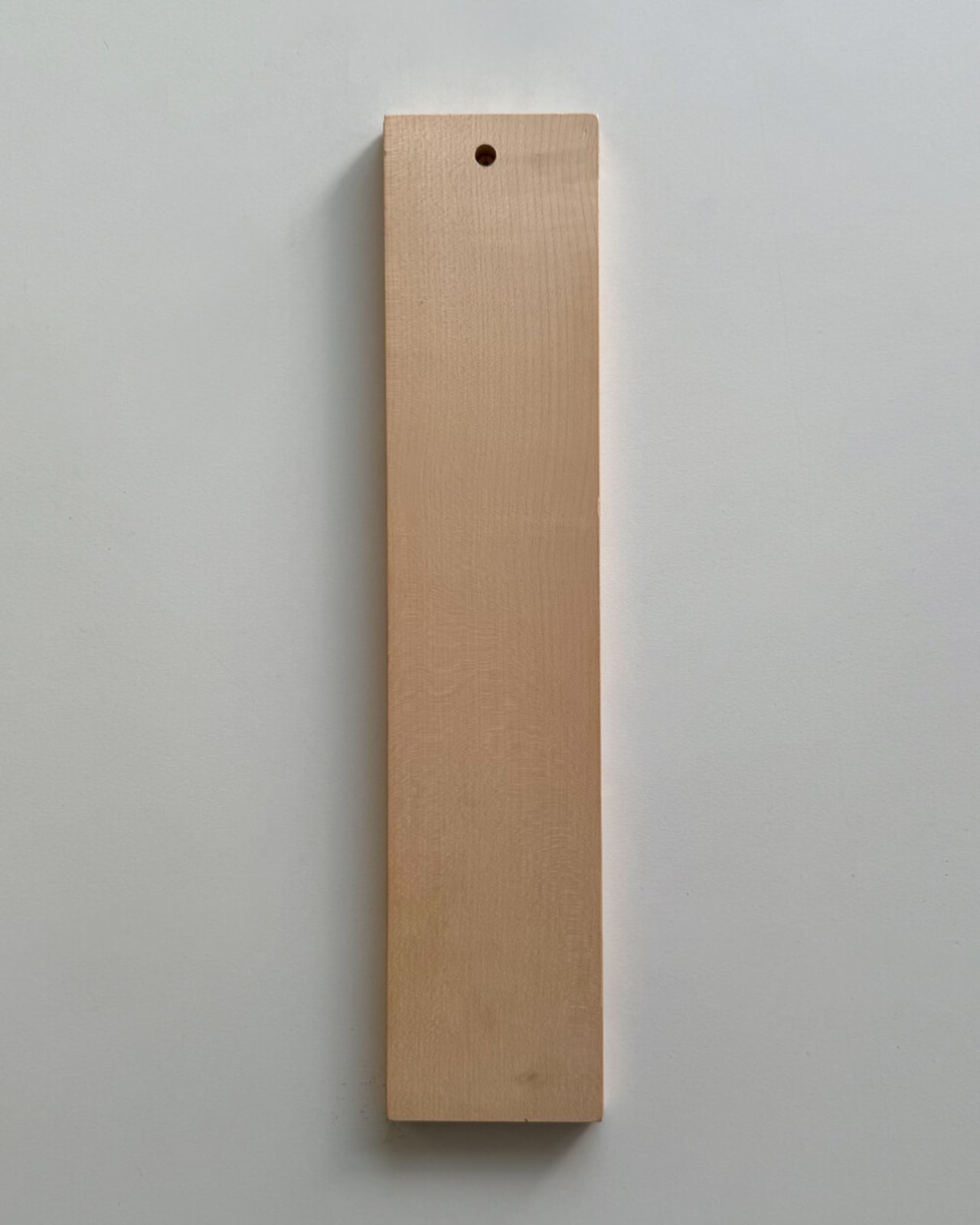
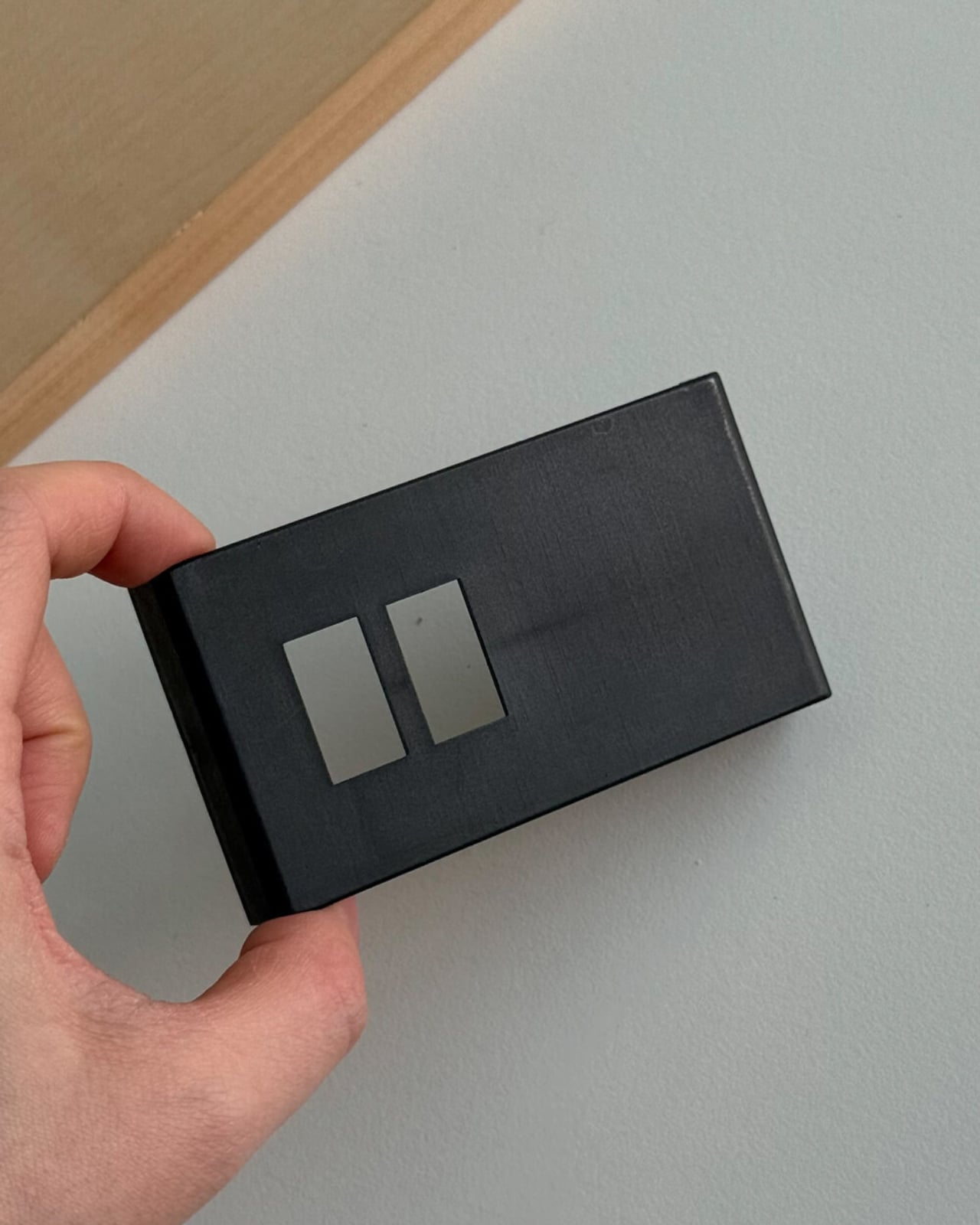
Wertwerk is the Seoul-based shop behind this particular find, and they deserve full credit for the eye. Their name pulls from the German words for “worth” and “work,” and that philosophy runs through everything they source. They’ve built a devoted following by seeking out vintage objects that carry actual value beyond nostalgia. Their pieces sell out fast, sometimes within hours. They’re not selling aesthetics for aesthetics’ sake. They’re making a case that a well-made object from fifty years ago can do something a new one cannot: carry the evidence of its own history.
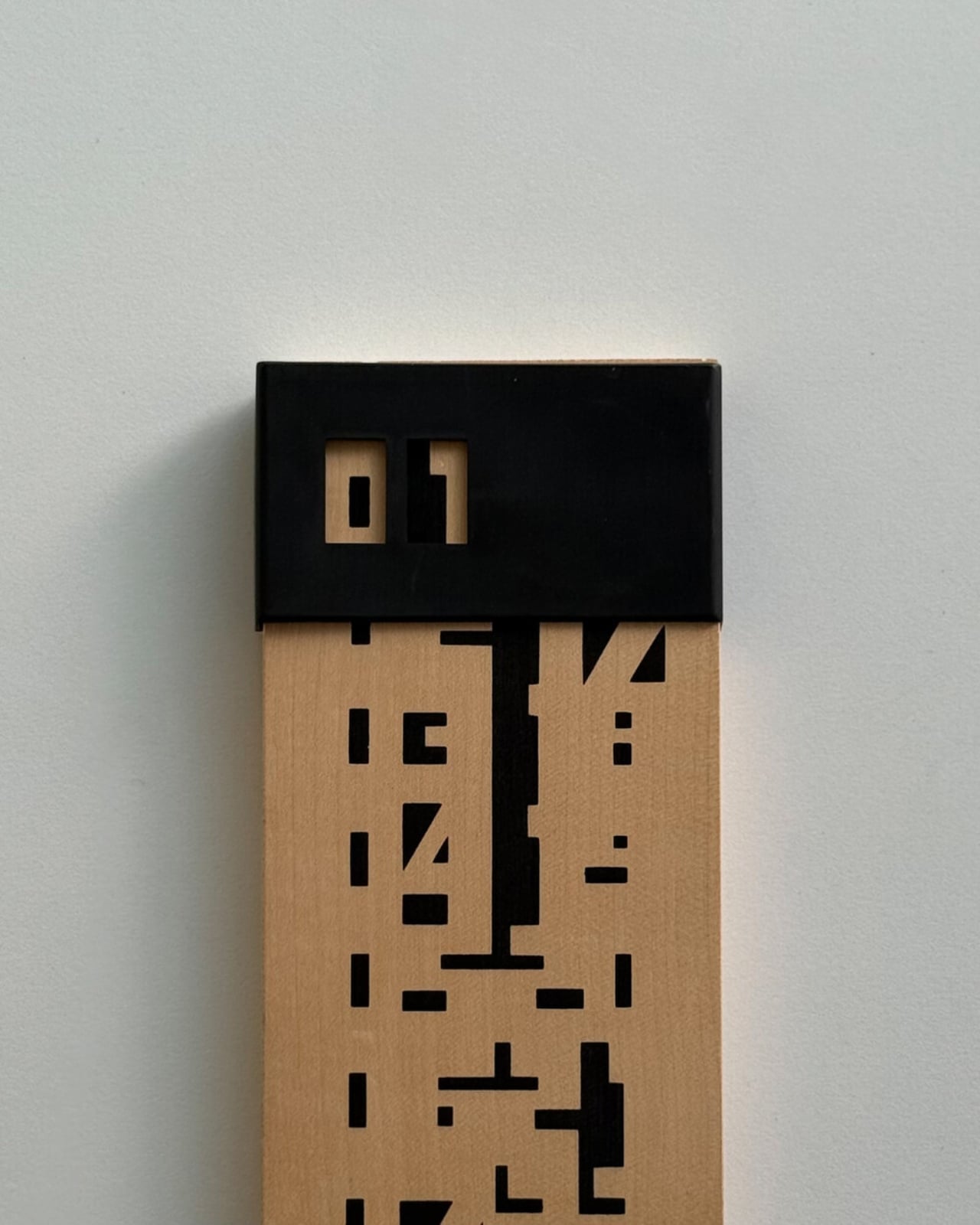
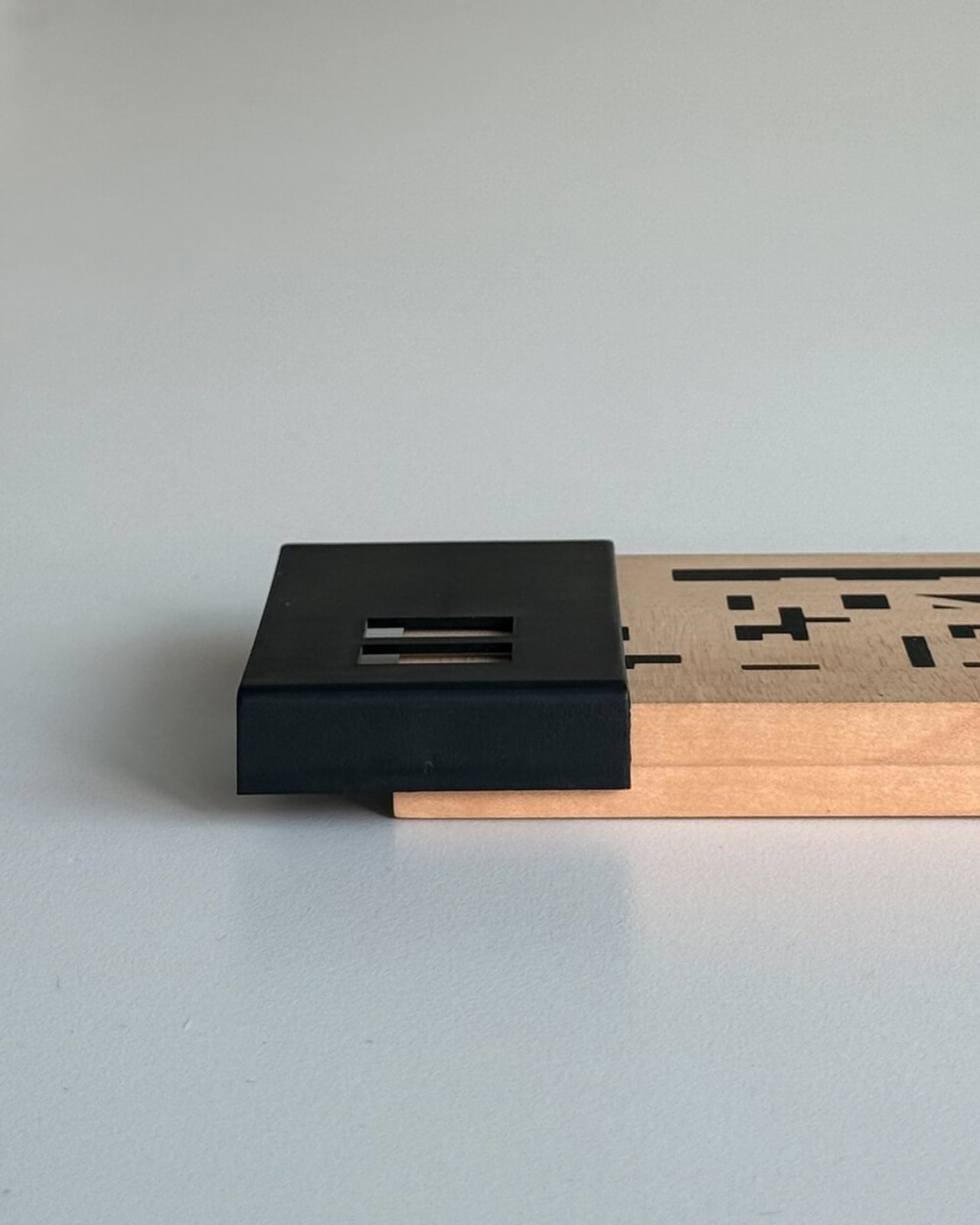
I’ll admit I’m biased toward objects that reward you for paying attention to them. The wooden perpetual calendar does exactly that. Each time you slide the date, you’re reminded that time is something you track, not something that tracks you. It’s a small distinction, but it adds up over days and months. Moving a physical date marker is categorically different from glancing at a lock screen, and not in a pretentious way. It’s just more deliberate.
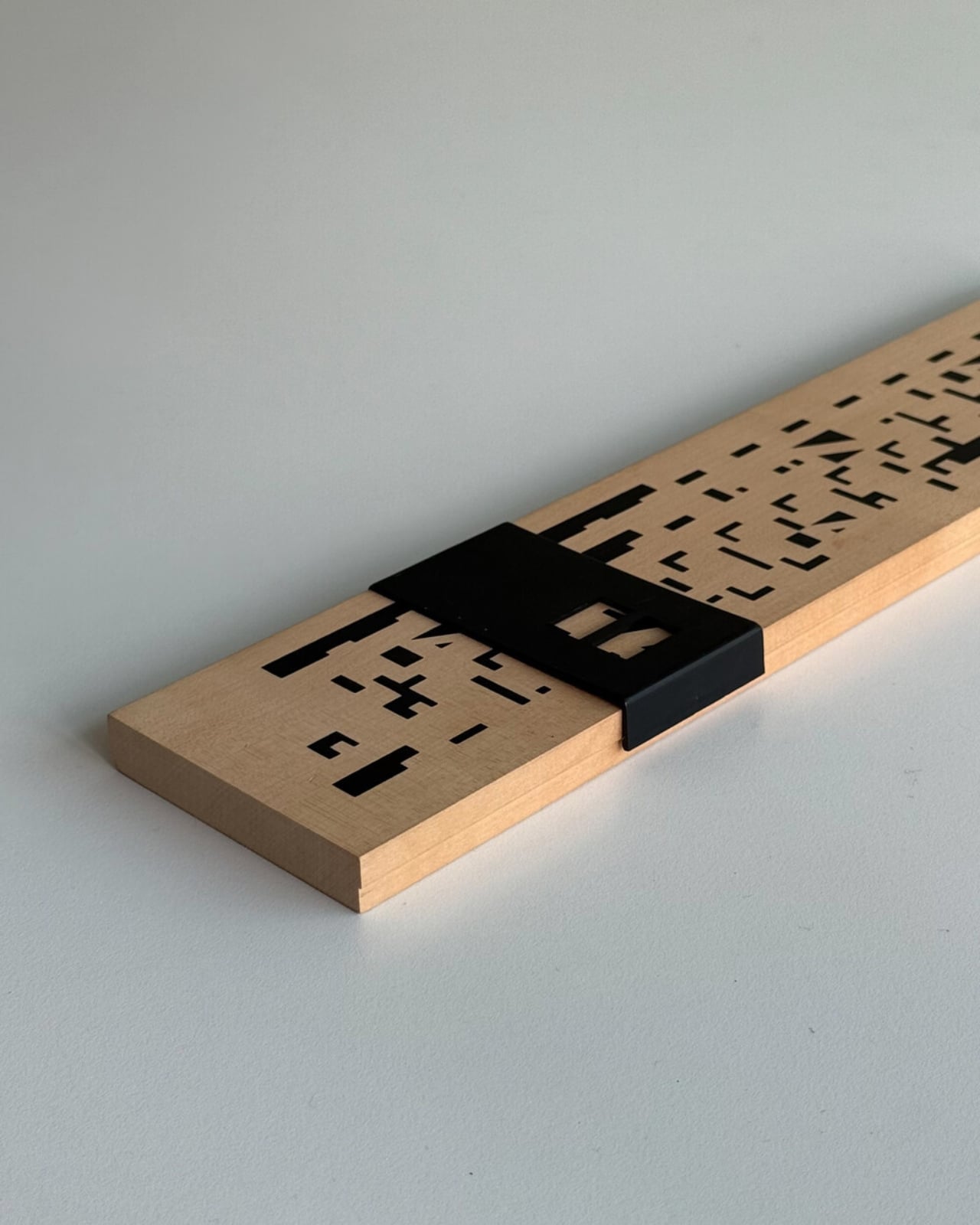
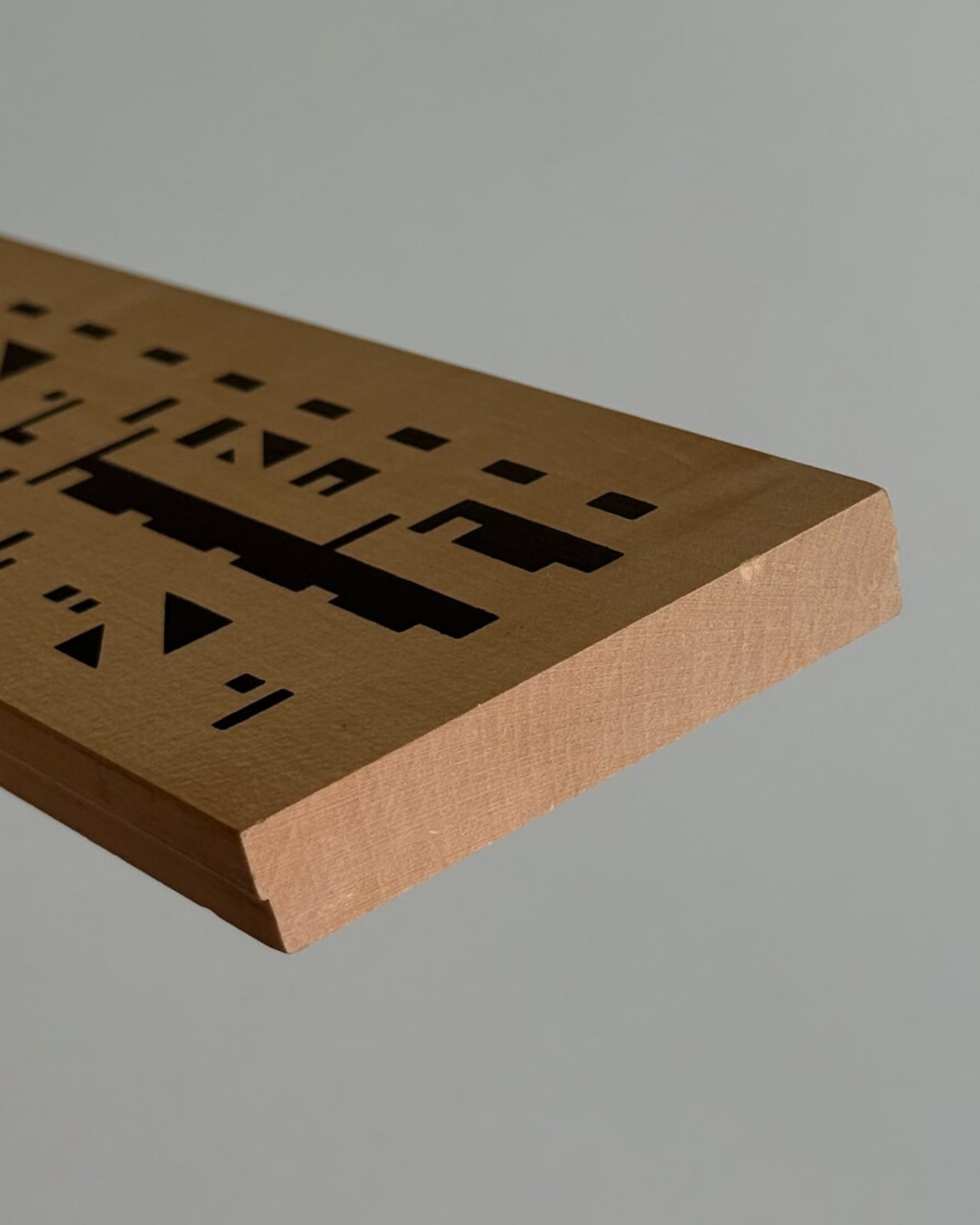
The design also photographs beautifully, which is partly why it’s gaining traction in design communities. The wood grain set against the geometric order of numbered sliders reads as both nostalgic and contemporary. It’s the kind of object that looks intentional in a space, not decorative for decoration’s sake, but genuinely considered.
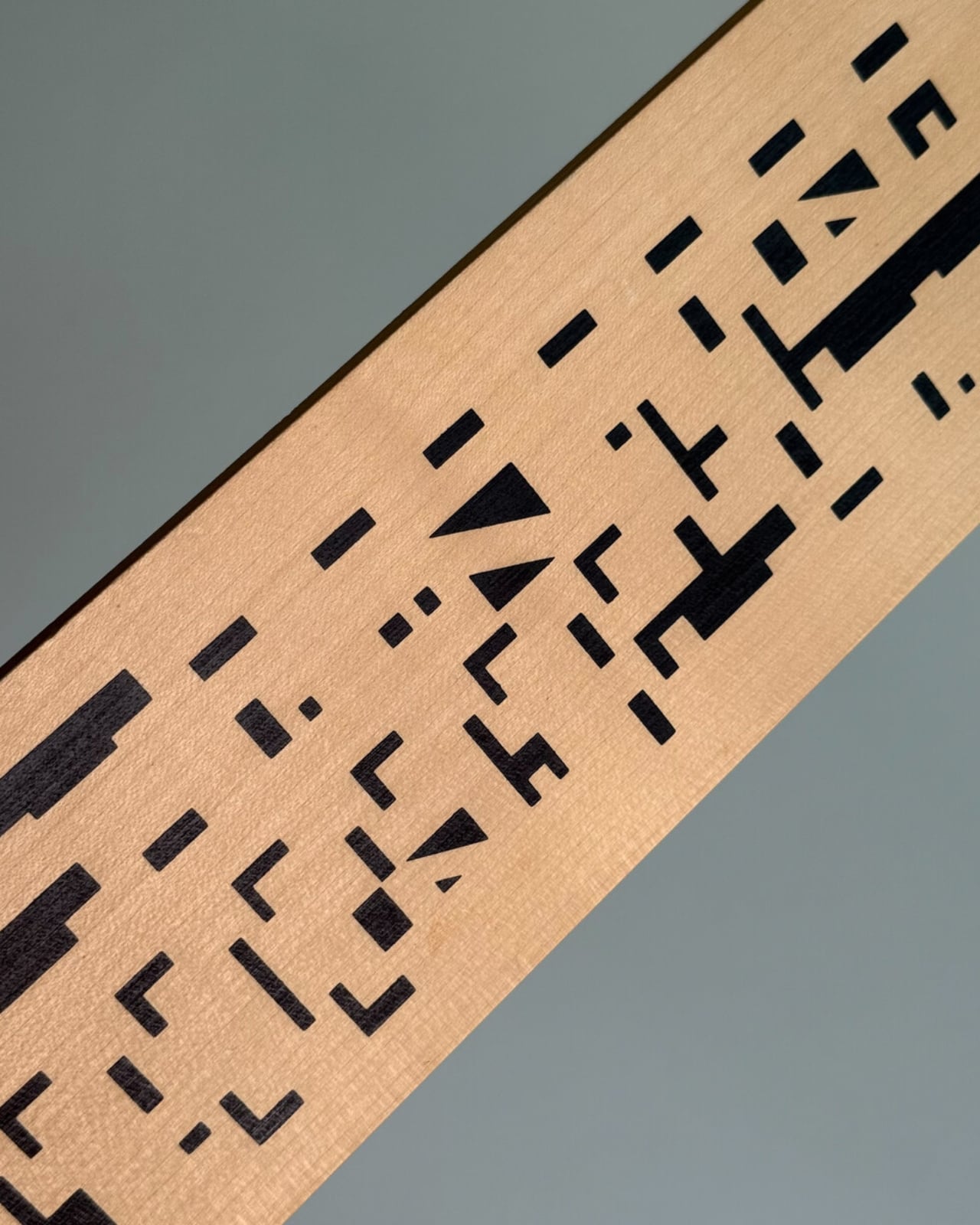
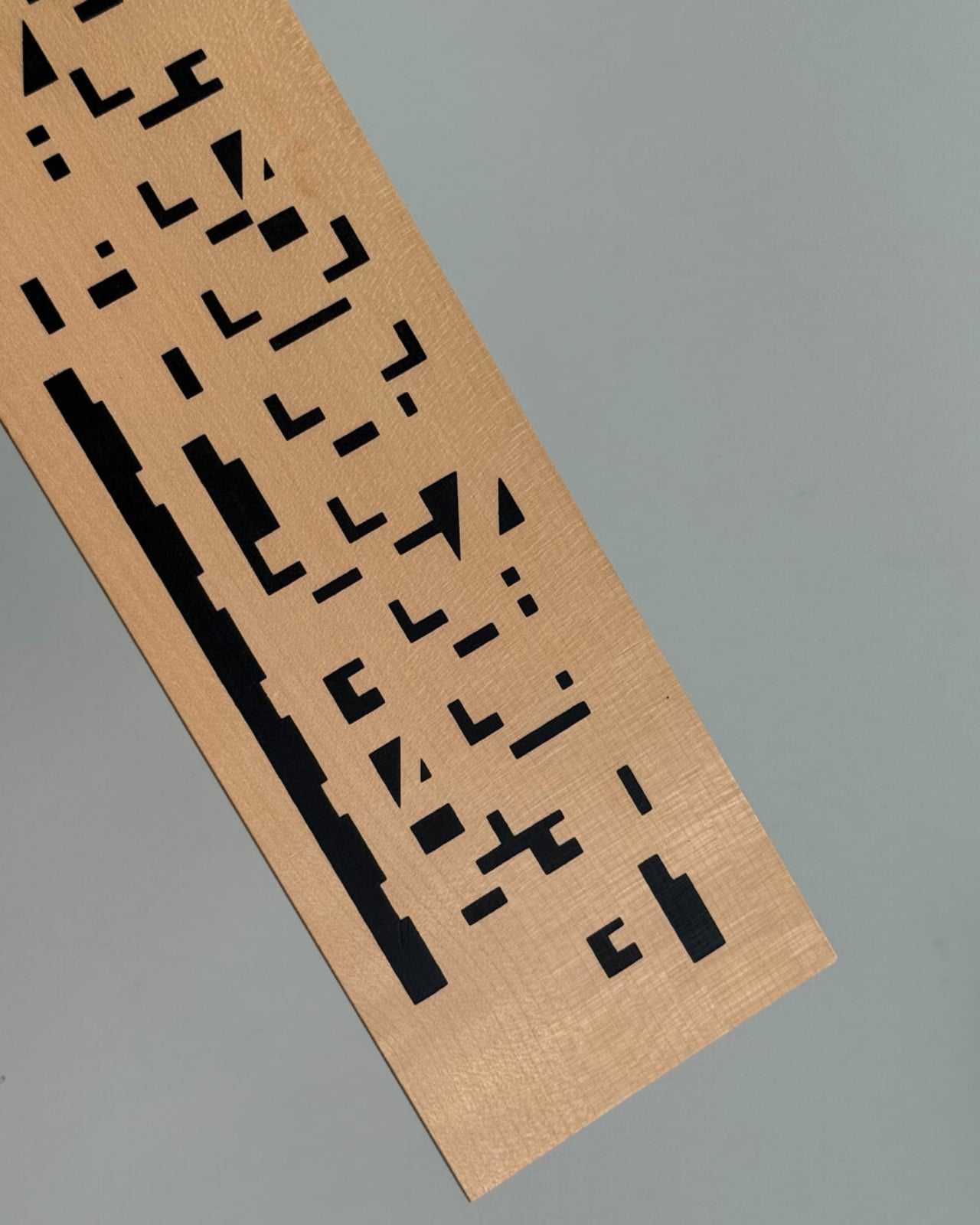
If you’ve ever bought something because it made you feel a certain way before you even used it, this is that kind of object. It quietly tells anyone who notices it that you care about how things are made and how long they last. Not everyone reads a wall calendar that way. But for those who do, this one from Wertwerk is worth finding before it disappears, and based on how fast their inventory moves, that won’t take long.
The post Your Phone Has 12 Calendar Apps. None of Them Look Like This first appeared on Yanko Design.
This Wooden Basket Becomes a Low Table When You Flip It Upside Down

There’s a familiar moment that happens when you carry food, cups, and random essentials to a park, balcony, or floor seating setup and then realize you still need a stable surface to put any of it on. Most people improvise with a bag or a corner of a blanket. Small-space living and casual gatherings reward objects that can do two jobs without taking up twice the storage, but most furniture is still designed around one fixed purpose.

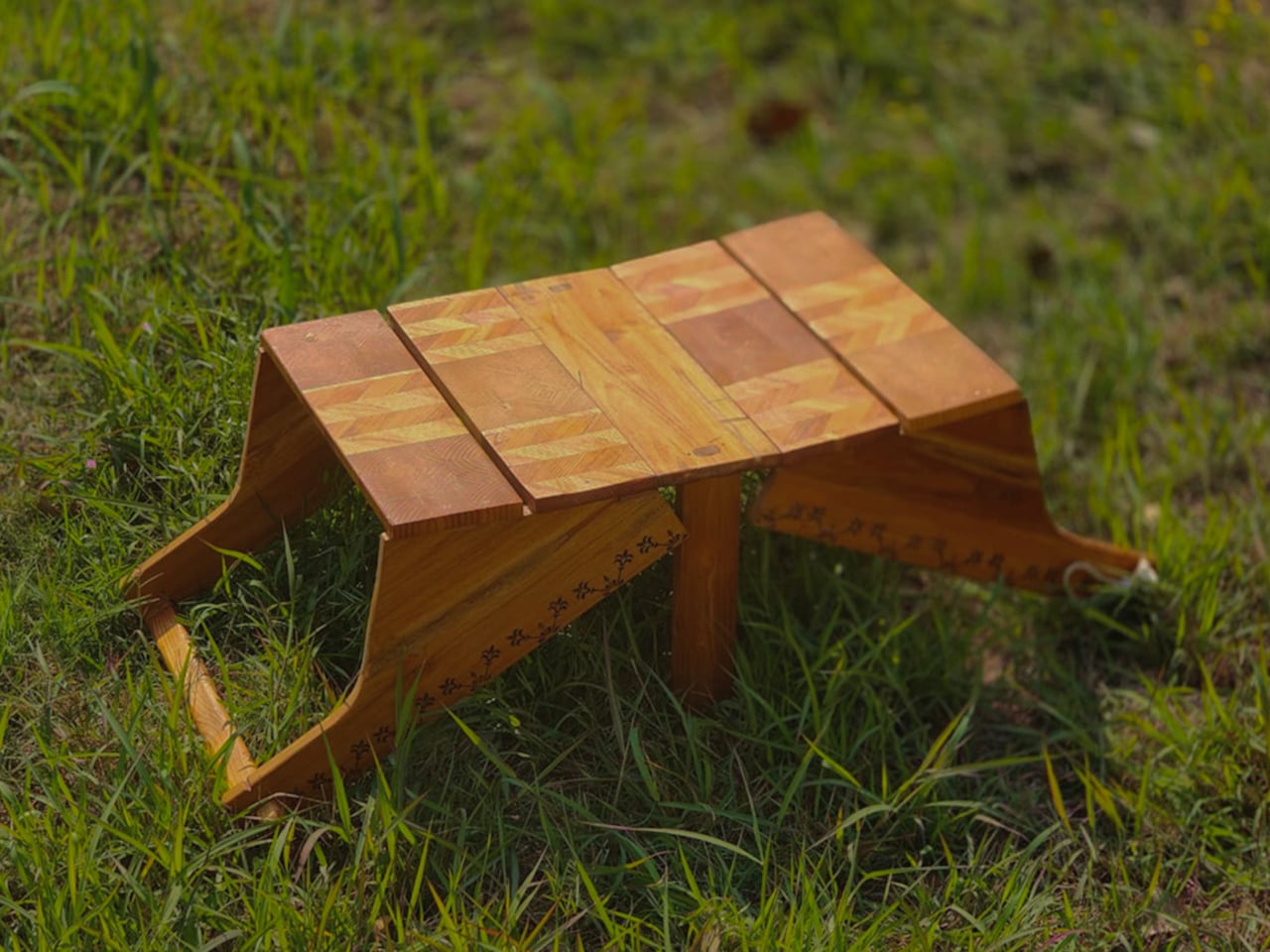
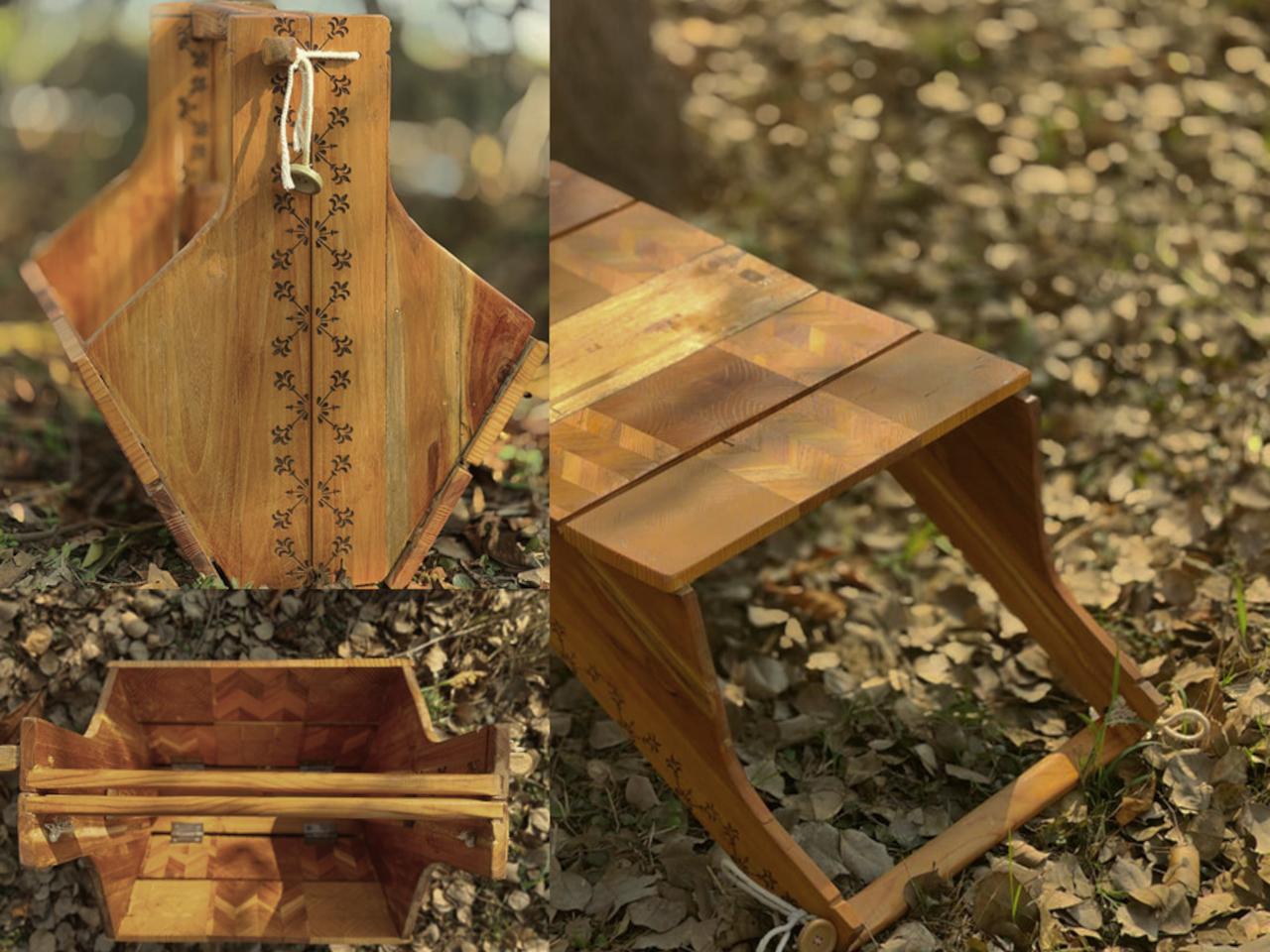
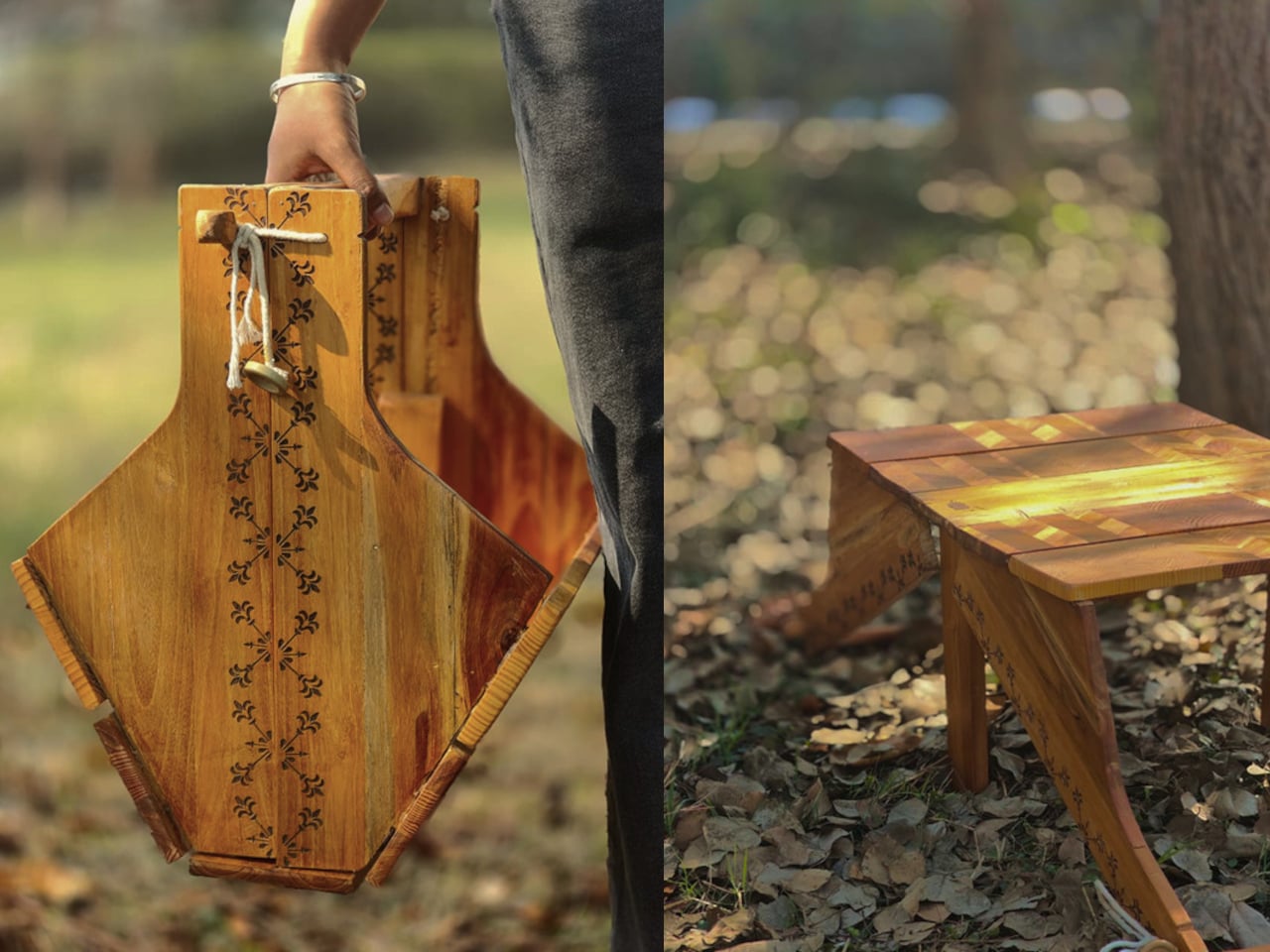
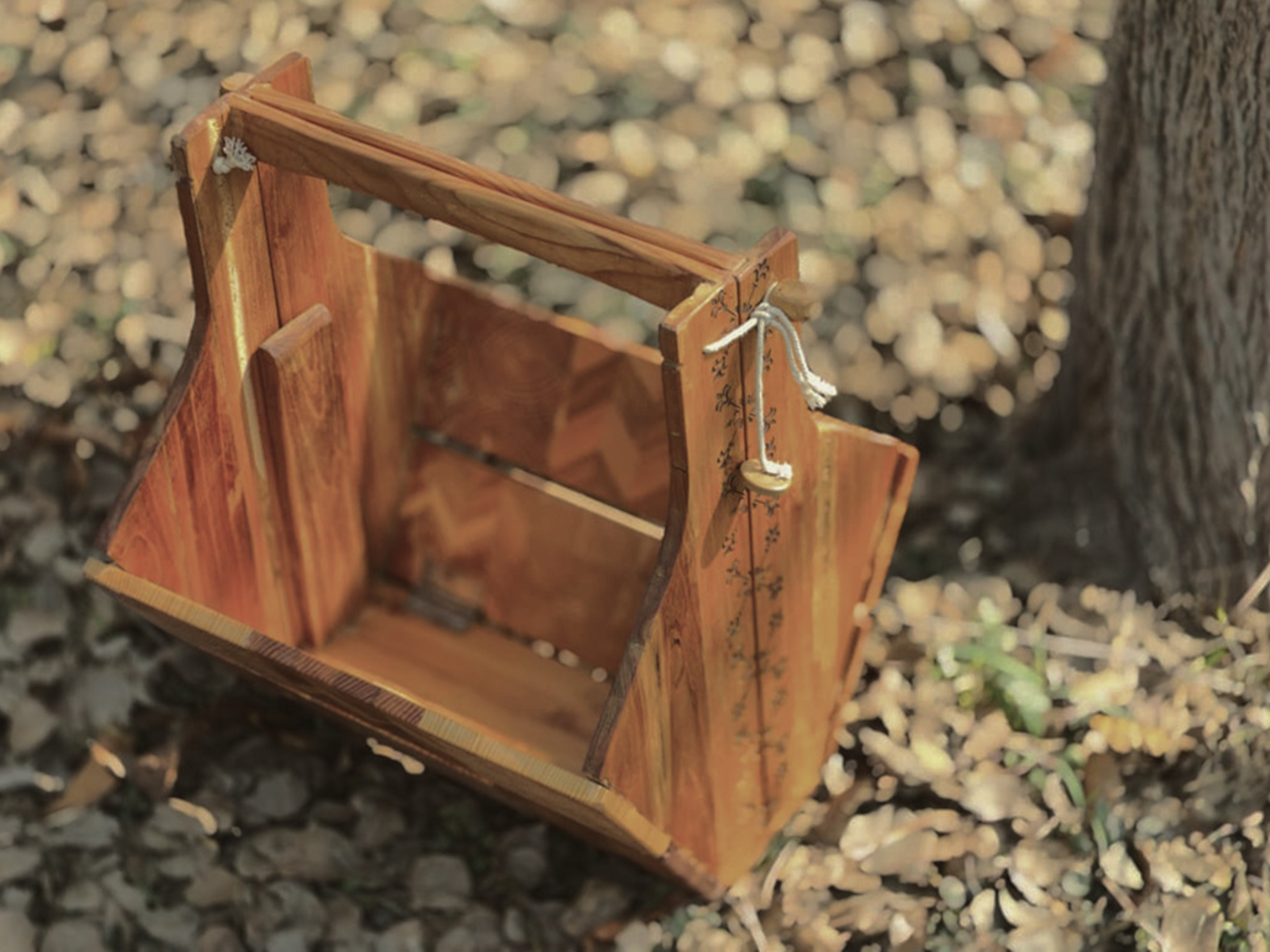
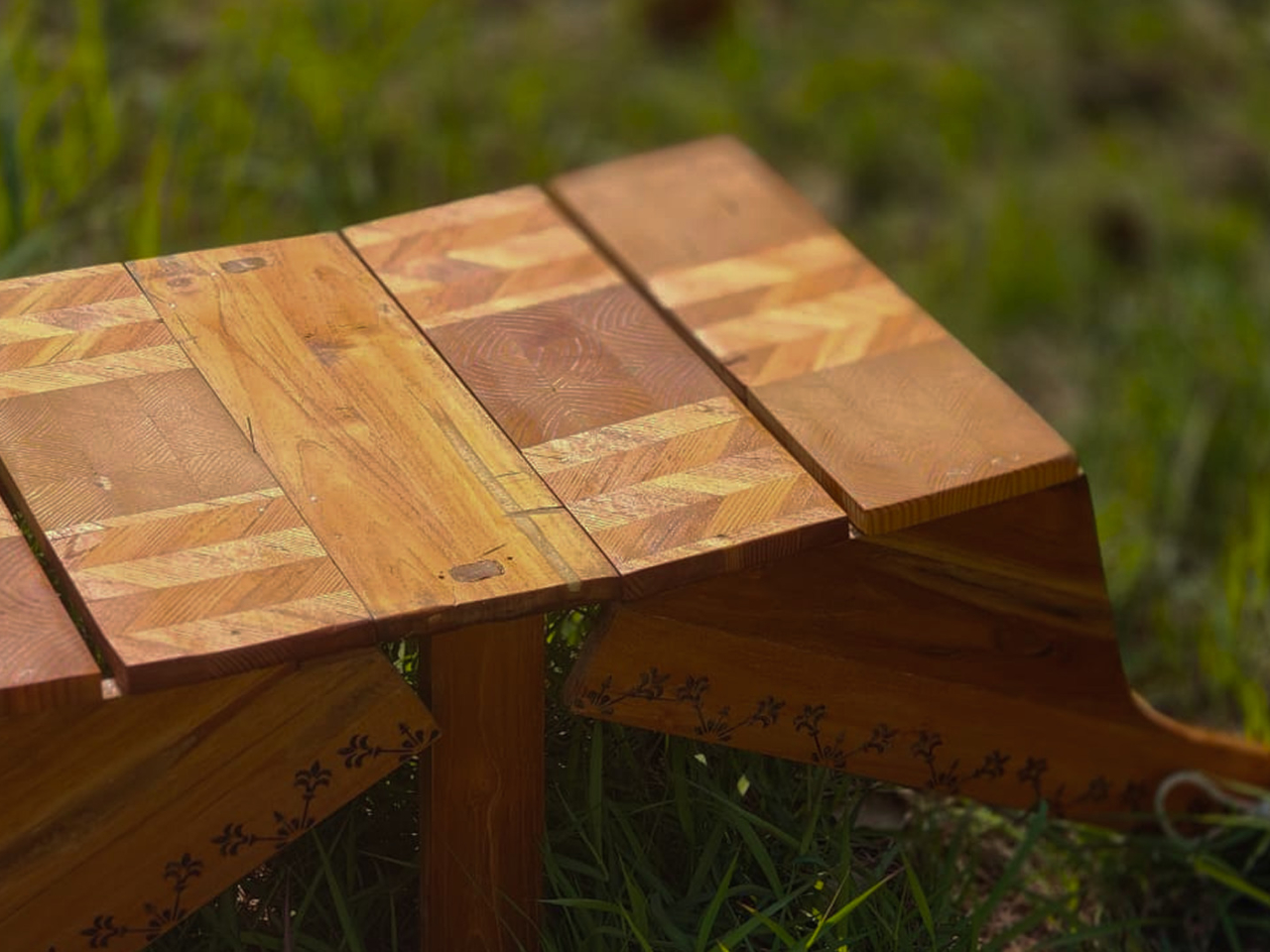
This Convertible Basket Table concept works as both a carry basket and a low table in one form. By simply inverting it, the basket becomes a stable table surface suitable for picnics or casual indoor use. The design combines storage, portability, and easy transformation, making it ideal for relaxed gatherings and compact living spaces.

Designer: Siya Garg

In basket mode, the structured wooden body has a built-in handle and a container that can hold the messy mix of picnic items, fruit, napkins, a book, or a small speaker. The form feels sturdy rather than floppy, carrying like a proper object with a clear handle instead of a tote that collapses when you set it down. That sturdiness is what makes the flip transformation credible. It’s definitely not a soft bag pretending to be furniture.

Once inverted and unfolded, it becomes a low table that works with floor cushions, outdoor blankets, or a casual living room setup. Low tables are the unsung heroes of flexible spaces. They work as coffee tables, game surfaces, or quick work perches, but they’re rarely portable. This one travels in your hand and arrives as a surface, which is a surprisingly underexplored idea.

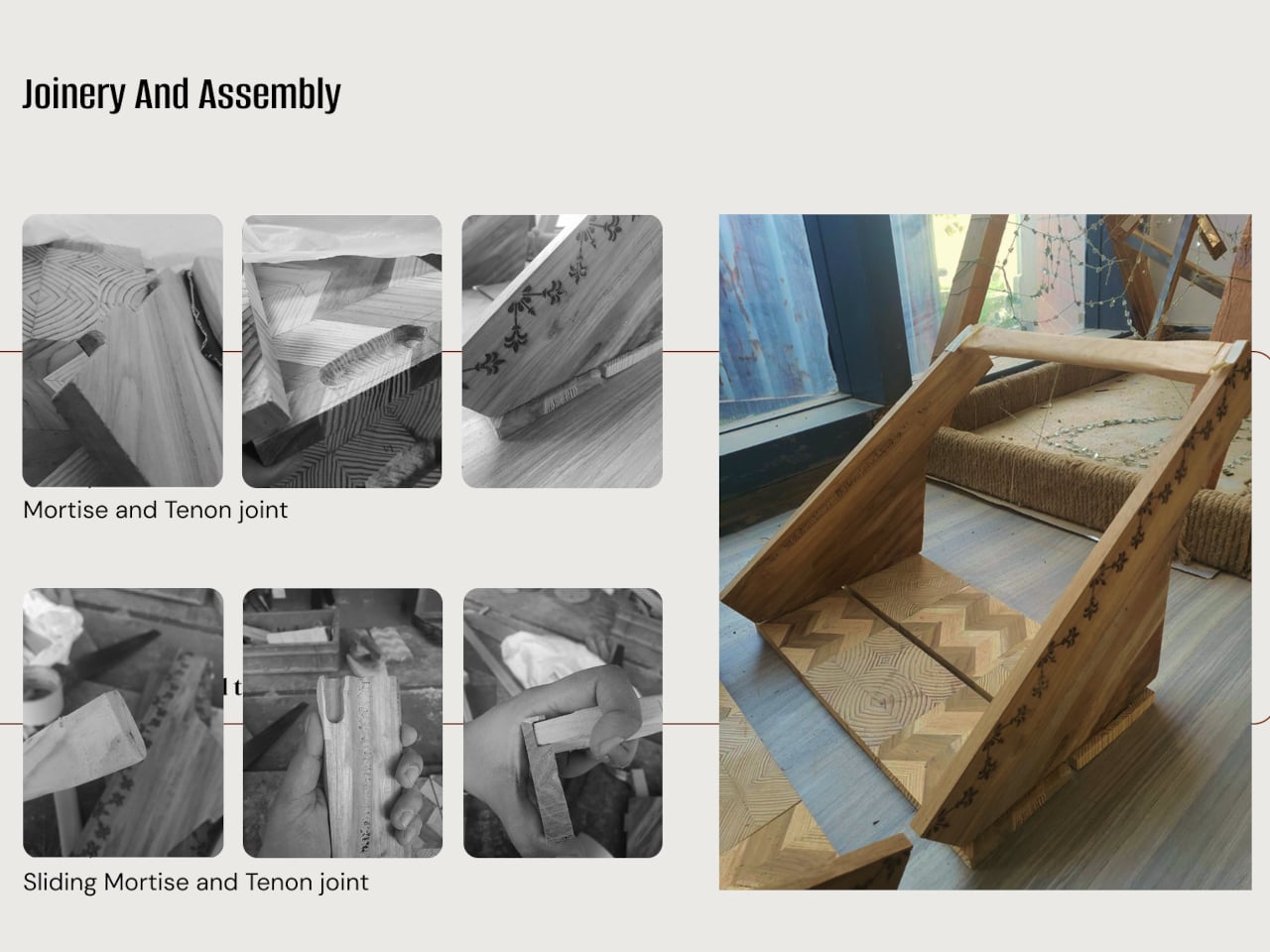
A square knot side lock keeps the form secure when needed. It’s a rope-based closure that tightens the sides without complicated latches, click mechanisms, or hardware that will eventually strip or break. The whole thing is quiet, tool-free, and easy to replace if the rope wears out, which fits the picnic vibe better than snapping plastic clips would.

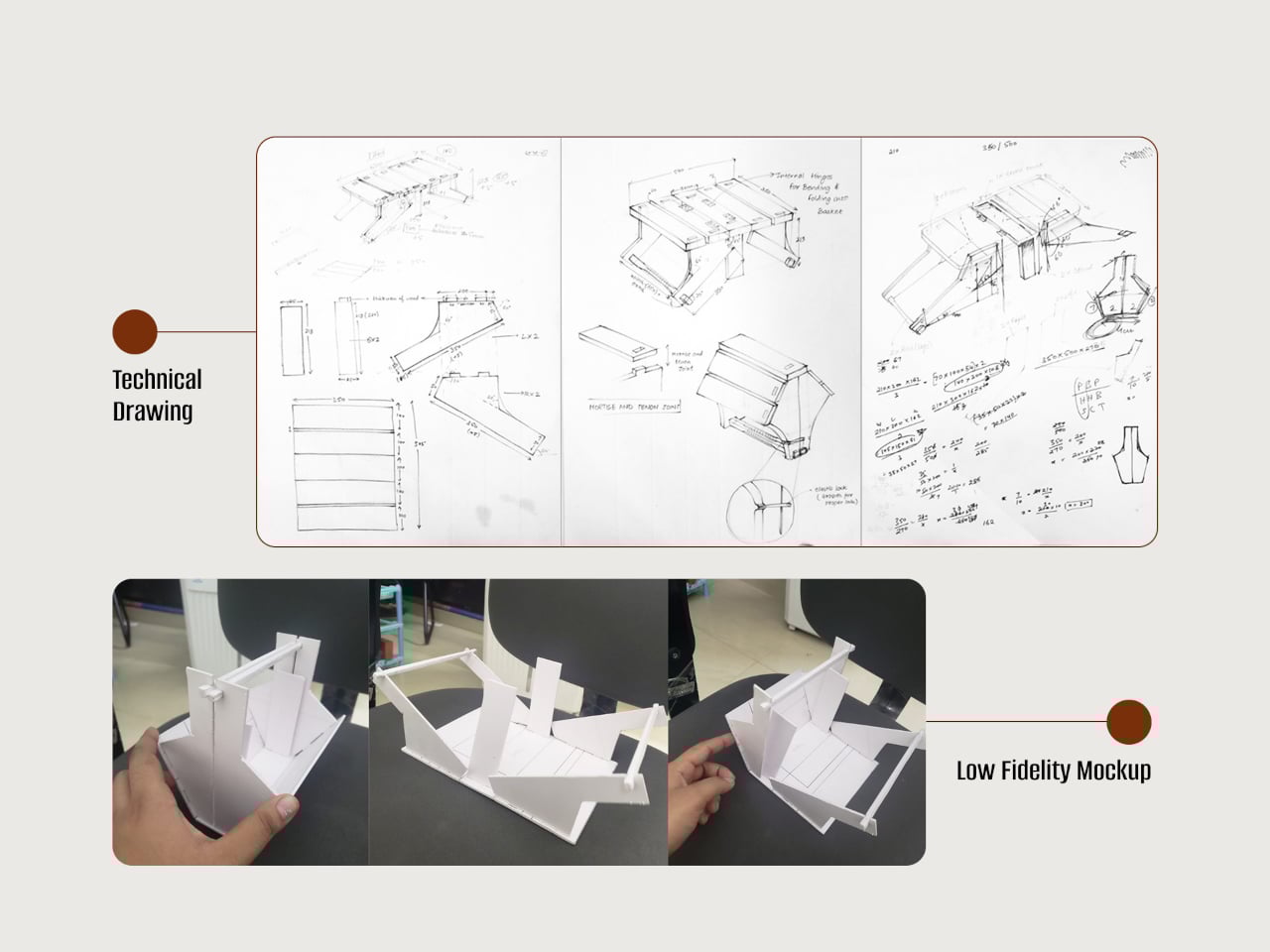
The build draws on traditional woodworking throughout. Pattern making involved pine wood in alternating grain directions and a chevron pattern using alternating teak and pine strips. Assembly relies on mortise and tenon joints and sliding mortise and tenon joints to hold the structure together without screws, so the connections are strong enough to handle the repeated flipping and carrying that the concept demands.

The design doesn’t ask you to change how you live, it just quietly accommodates the way you already move through the day. A basket when you’re going somewhere, a table when you arrive, and a warm wooden object that looks like someone actually made it rather than assembled it from a flat pack.

The post This Wooden Basket Becomes a Low Table When You Flip It Upside Down first appeared on Yanko Design.

Bene Just Built Office Furniture You Can Reconfigure Without Any Tools

Offices keep buying furniture that looks permanent, which works fine until someone needs the room to do something different. A workshop space becomes a presentation area, a meeting room needs to turn into individual work zones, and nobody wants to wait three days for facilities to show up with screwdrivers. The furniture just sits there looking expensive and immovable while everyone works around it instead of with it.

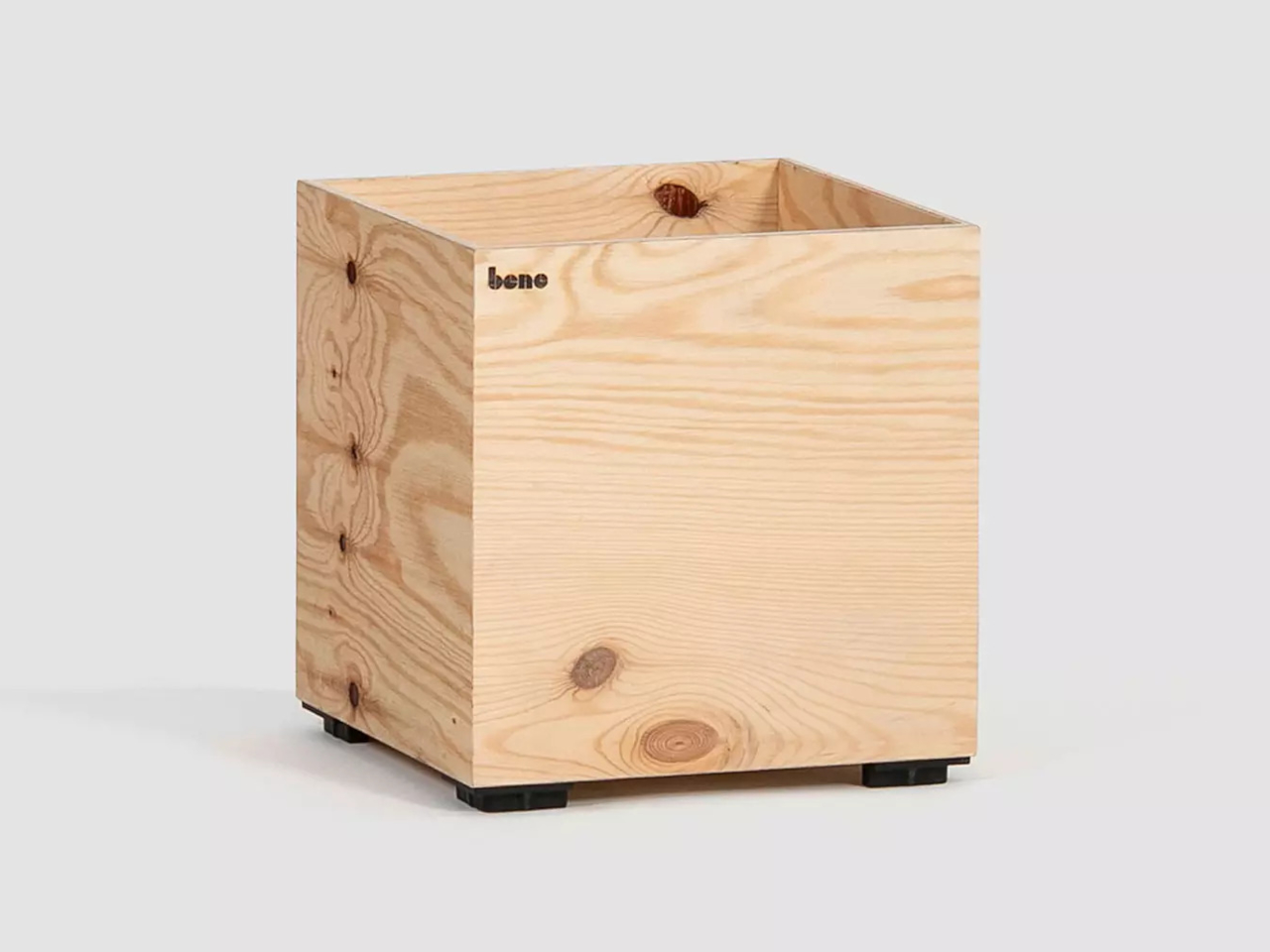
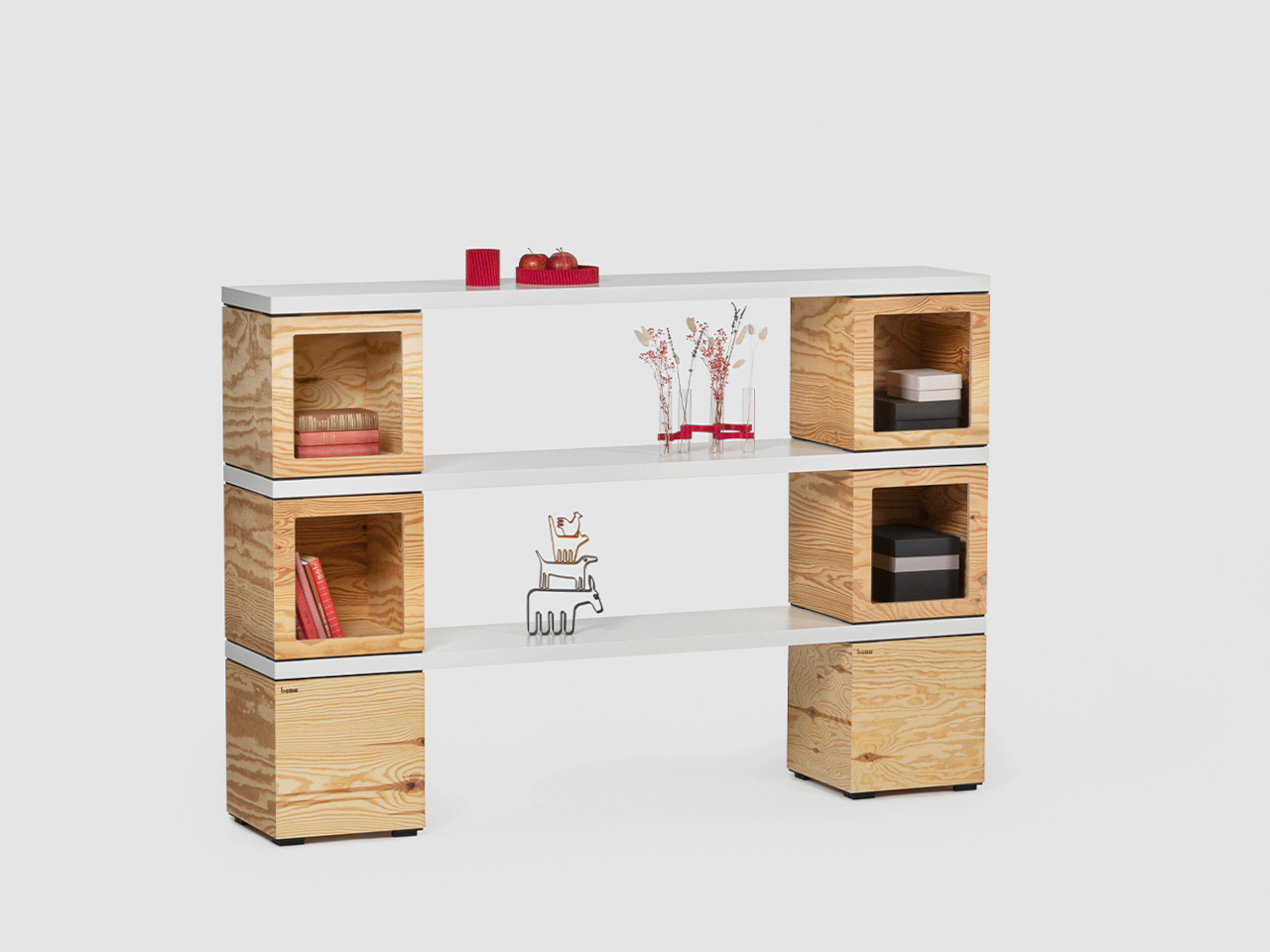
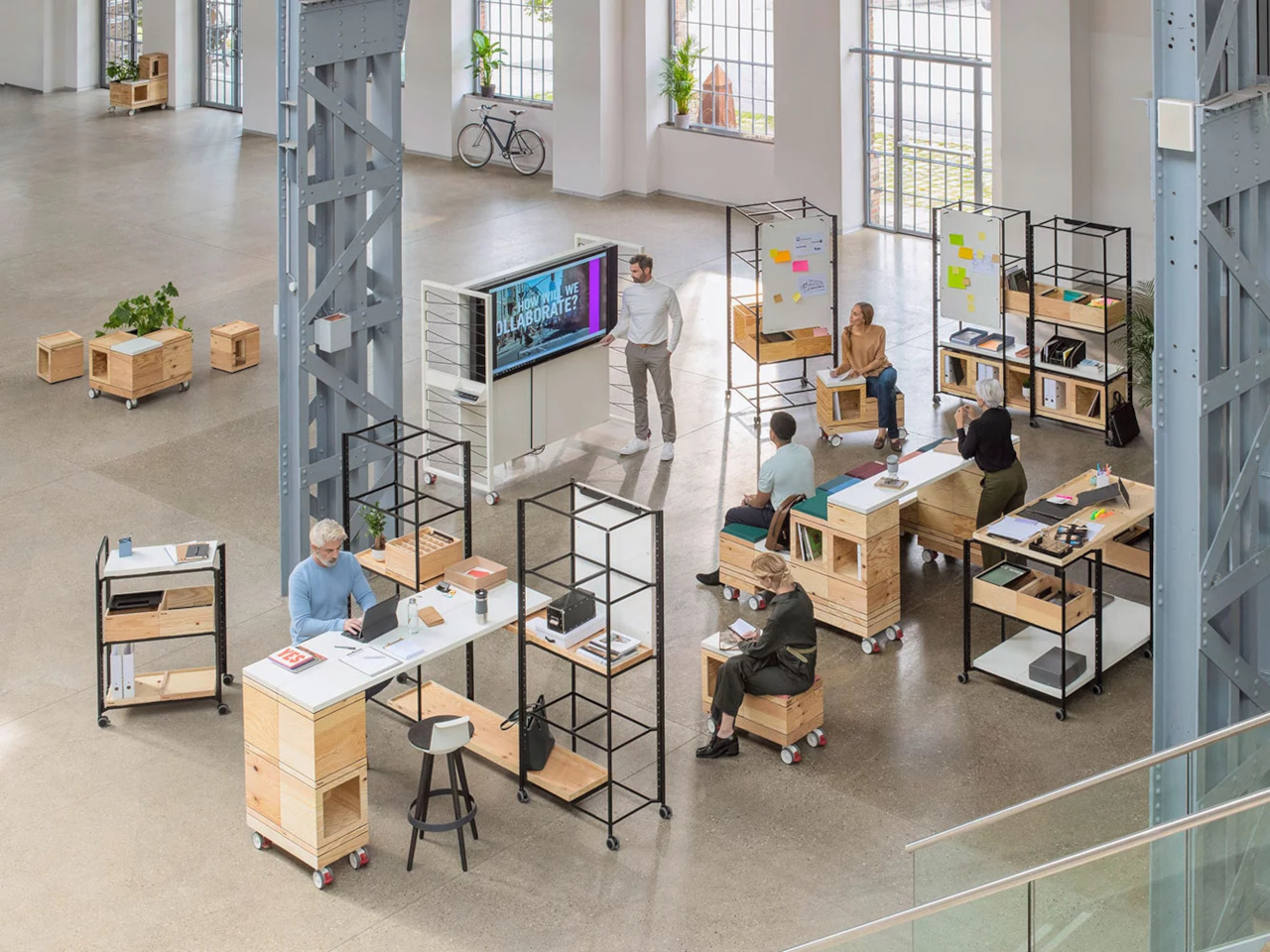
PIXEL by Bene is designer Didi Lenz’s answer, and it looks almost suspiciously simple. Each piece is a 36 x 36 cm cube made from raw pine plywood with visible grain and knots all over the surface. Lenz says it isn’t really furniture, which makes sense when you see people stacking them into benches, flipping them into tables, or just using one as a side storage box with a handle cut into the side.

Designer: Didi Lenze (Bene)

The wood is completely untreated, so every cube looks slightly different depending on which part of the tree it came from. Some have dark knots near the corners, others show lighter grain patterns, and the plywood edges are exposed instead of hidden under veneer. It definitely reads as workshop material rather than corporate office product, which seems to be the whole point. You can see the screws holding the corners together.

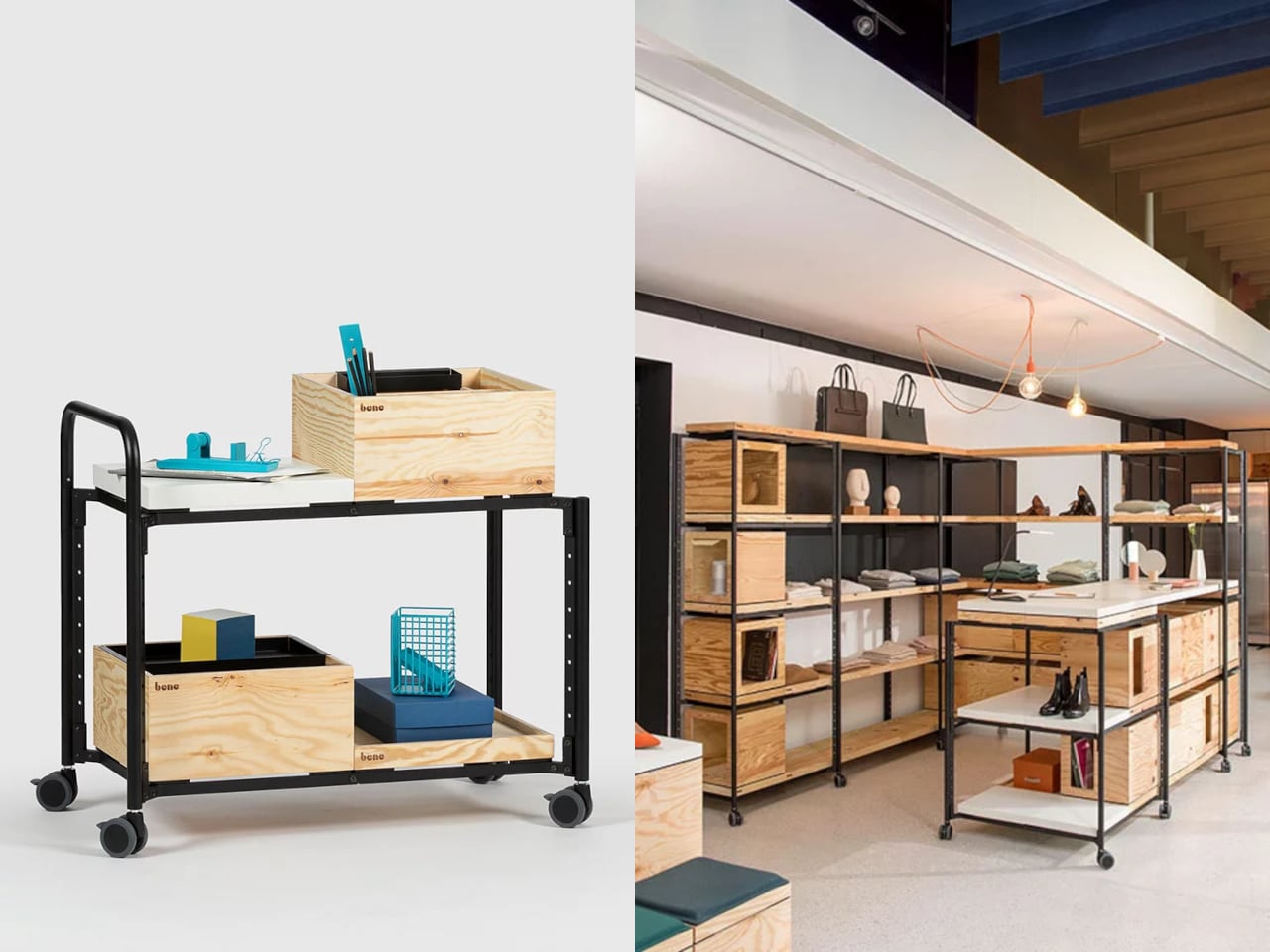
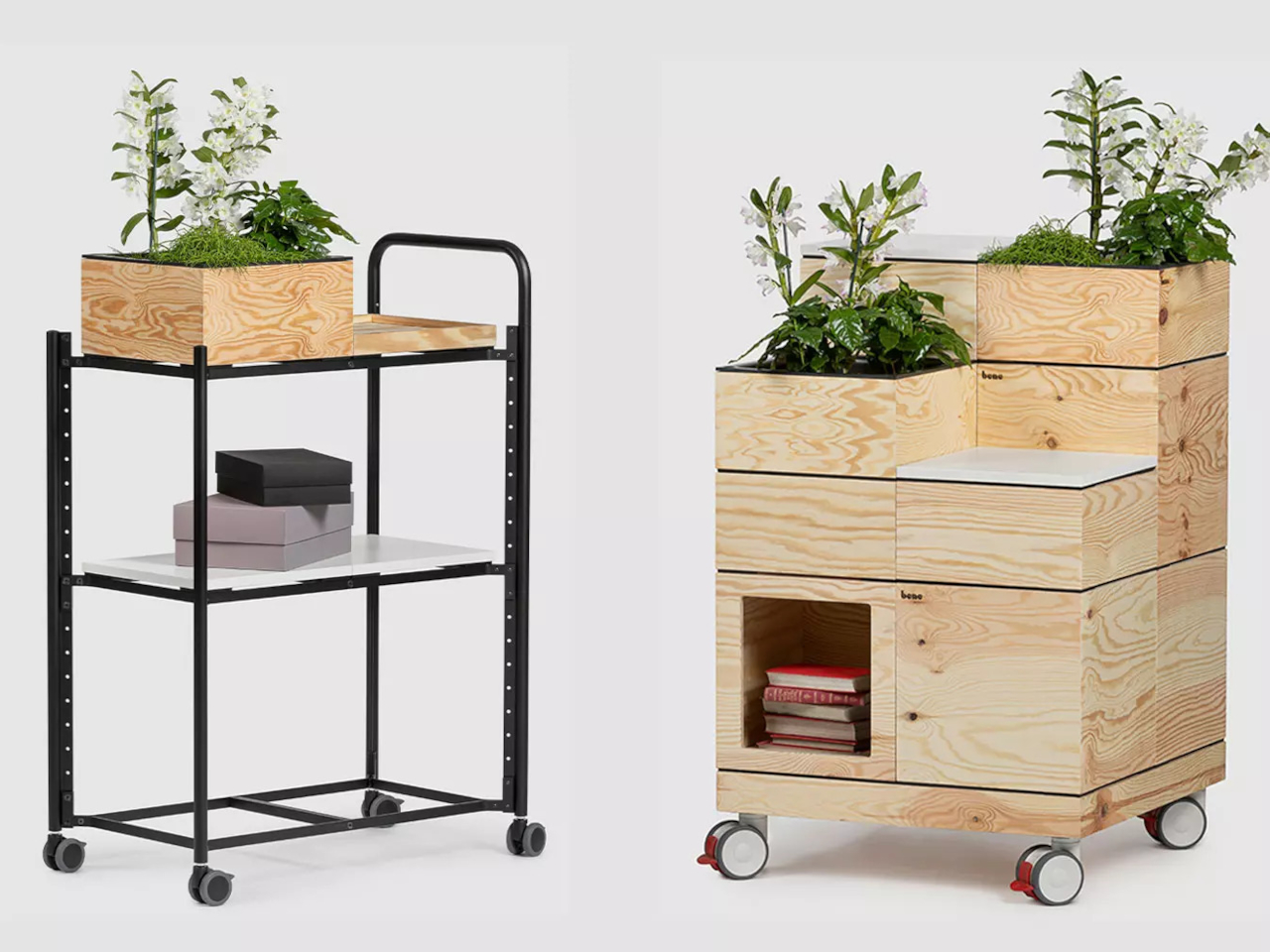
The cubes stack easily because they’re all the same size, and the cutout handles on two sides let you carry them around or fold them over to connect boxes side by side. Add a white laminate top and a stack becomes a work table. Add casters to the bottom, and it rolls wherever you need it. PIXEL Rack adds metal frames that turn stacks into proper shelving or room dividers with slots for whiteboards and plants.

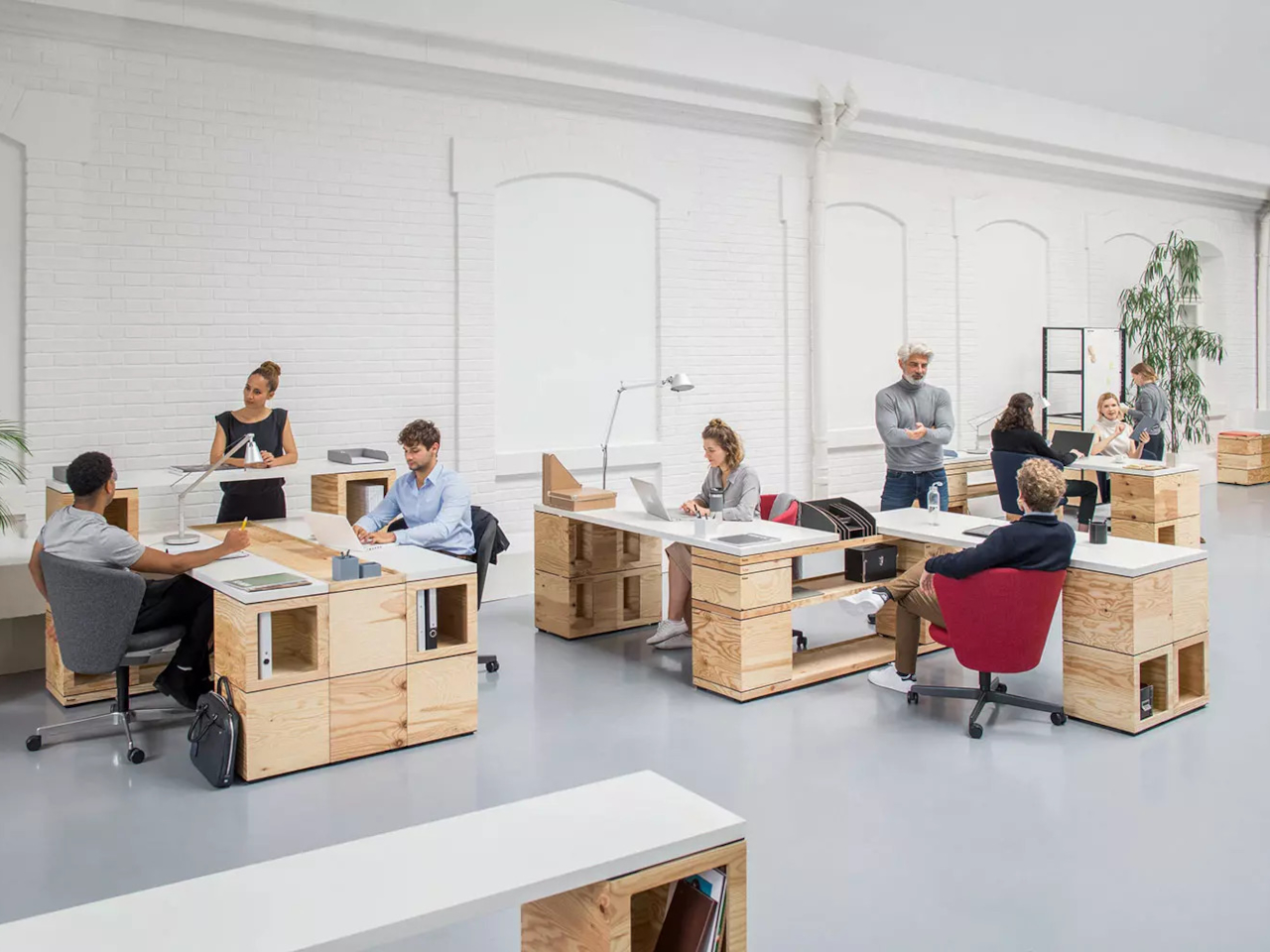
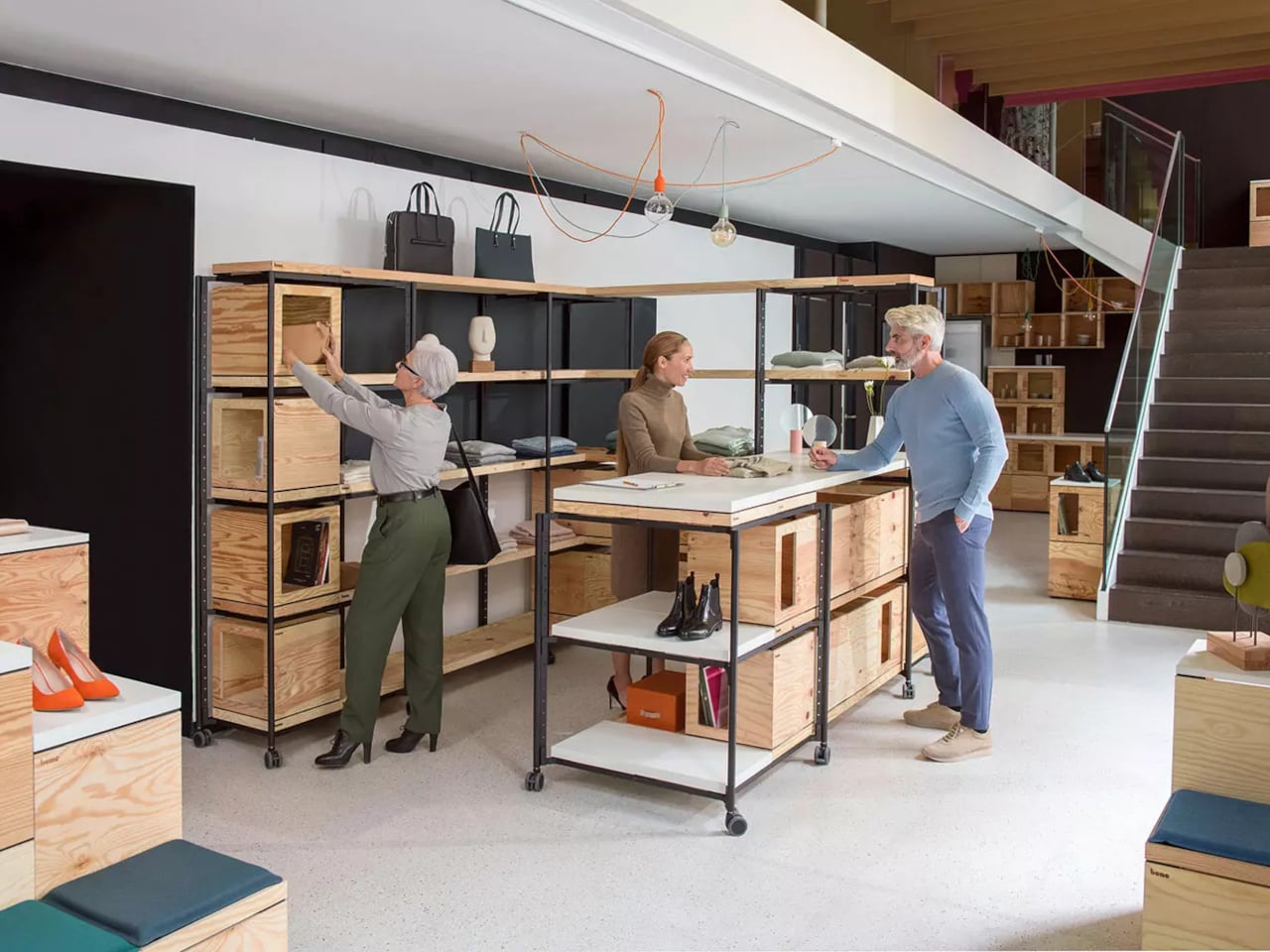
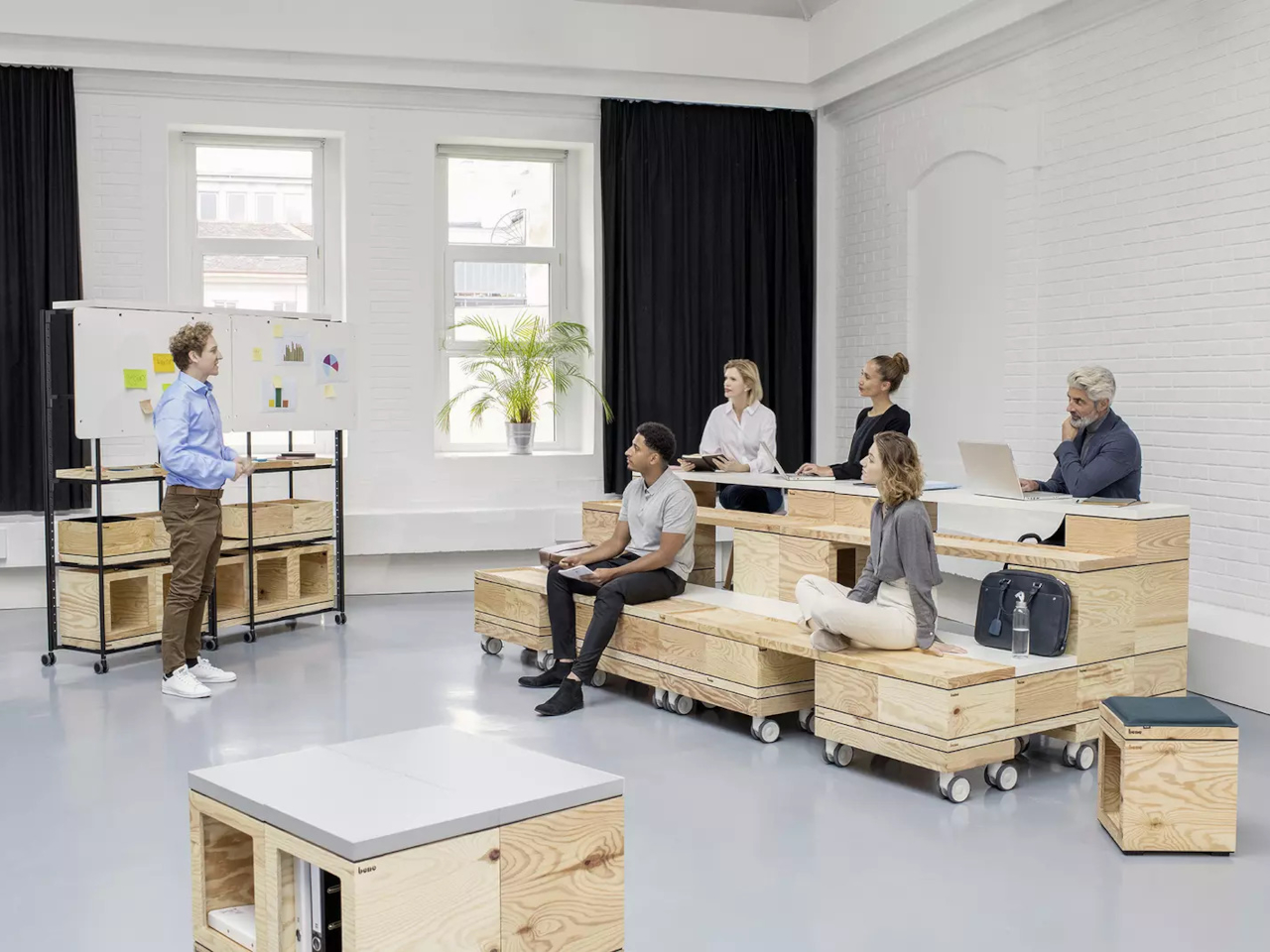
Bene shows photos of teams building entire project rooms by hand. Boxes stacked three high become benches for workshops, racks filled with boxes create semi-transparent walls between work zones, and tops laid across stacks turn into standing height tables. The setups look intentionally unfinished, like someone is still building them, which is probably the aesthetic Lenz wanted. Nothing looks bolted down or precious.

The system works because it assumes people will move things around themselves without asking permission. You need more seating for a presentation, so you grab some boxes from the storage wall and stack them into rows. The presentation ends, and those same boxes become side tables or go back to holding supplies. Heck, they can turn into a bar for an event if you add the right tops.

Raw plywood has obvious trade-offs. It’ll get dinged and stained over time, the surface isn’t smooth enough for detailed work, and the workshop look won’t suit every office brand. The fixed 36 cm dimension means everything is the same height whether you’re sitting, standing, or storing things, which can feel awkward. Some people will look at PIXEL and just see fancy storage crates, which isn’t entirely wrong.

But the system makes sense for spaces that need to change shape constantly. Co-working areas, design studios, classrooms, and pop-up shops can rebuild their layout between sessions without calling anyone. The wood looks honest and approachable instead of intimidating, and you don’t need instructions to figure out that boxes stack. PIXEL by Bene basically gives you building blocks that happen to be office furniture, or maybe it’s the other way around.

The post Bene Just Built Office Furniture You Can Reconfigure Without Any Tools first appeared on Yanko Design.
Arca Modular Furniture System Adapts Effortlessly to Any Space

Finding furniture that actually keeps up with your changing life feels impossible these days. You move apartments, your needs shift, or you just want to rearrange things, and suddenly that expensive bookshelf becomes dead weight.

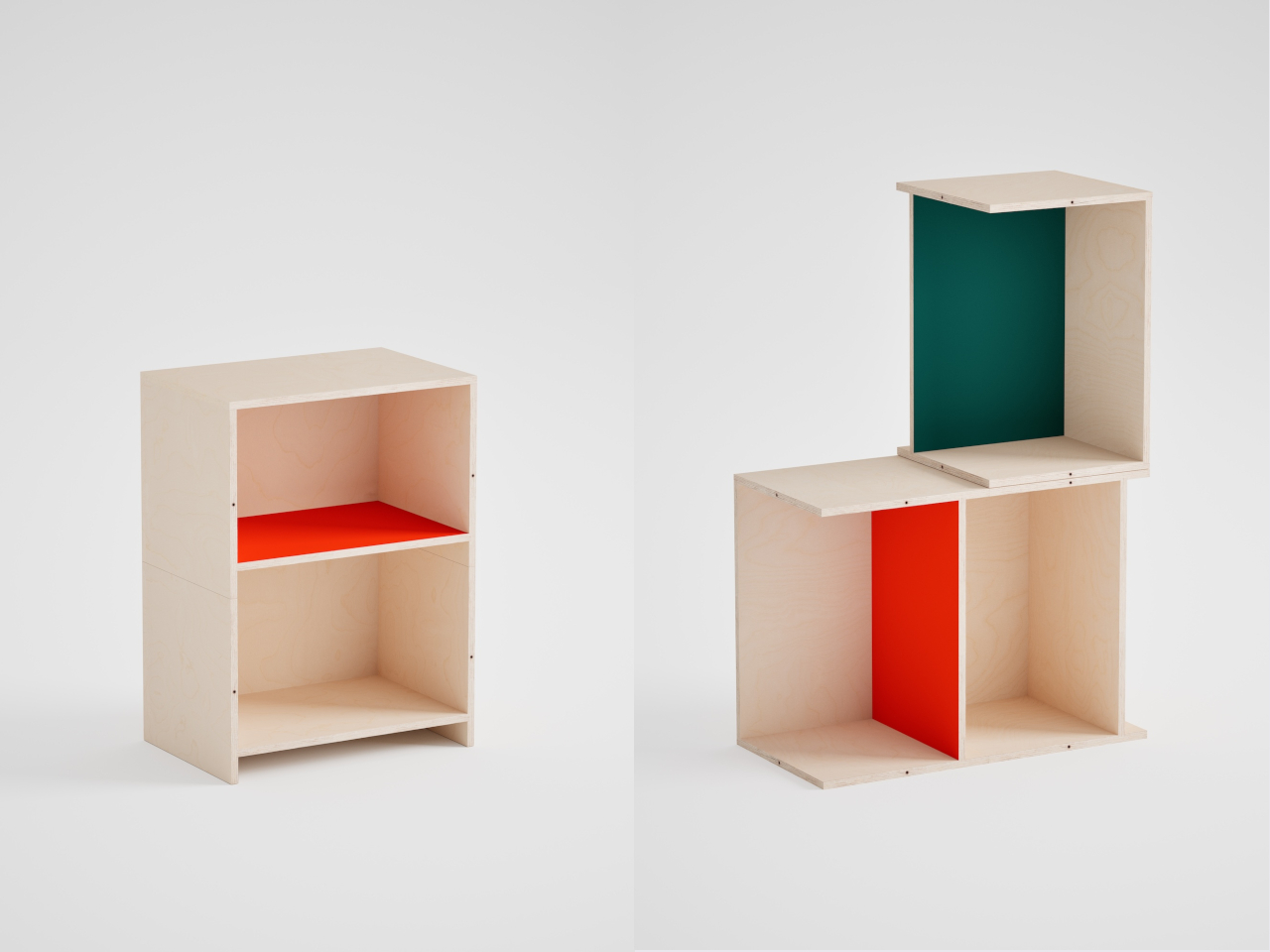
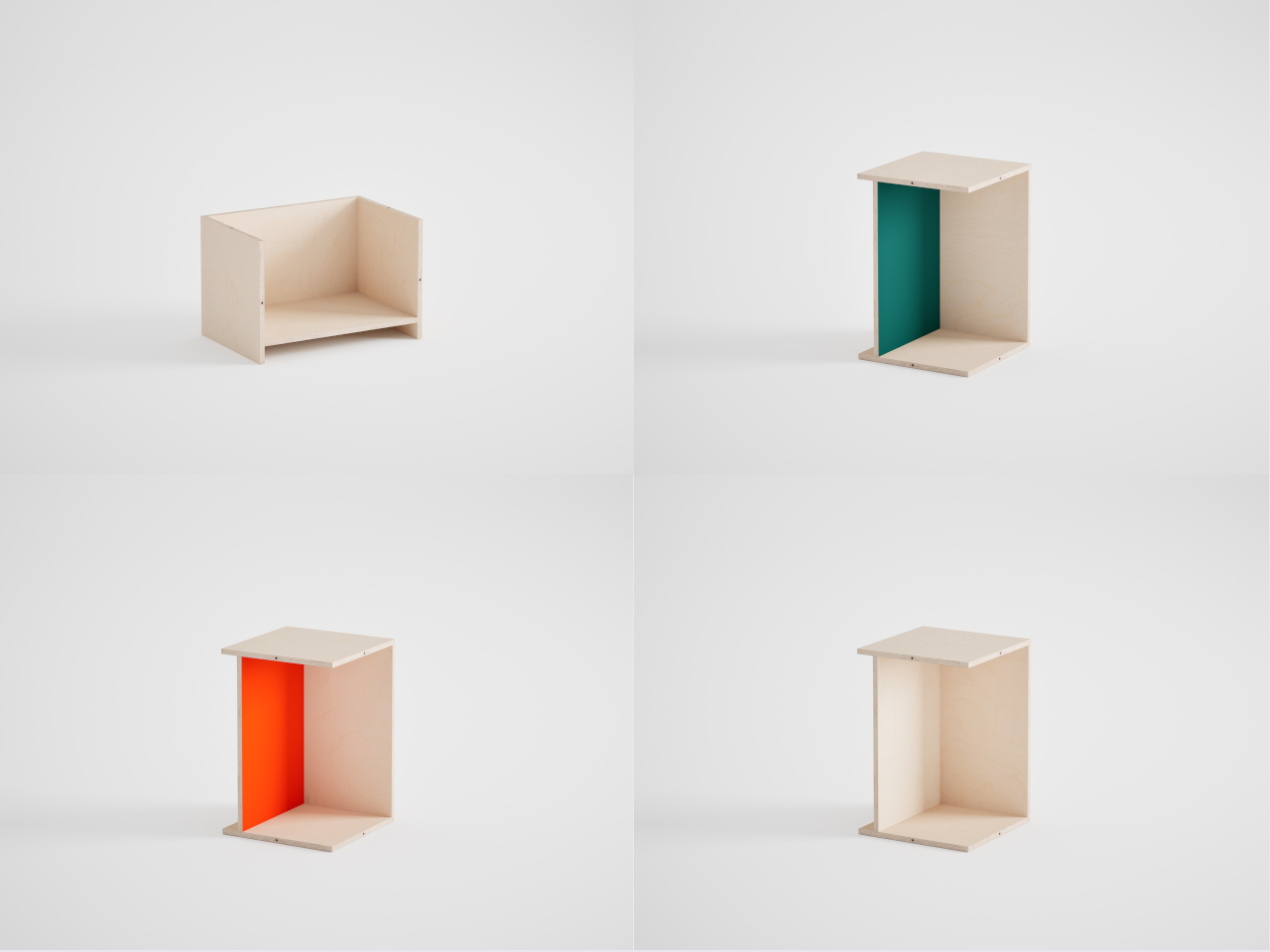
Elements Studio looked at this problem and created something genuinely clever with their Arca modular system. Each piece is made from premium Baltic birch, which brings that beautiful fine grain and rock-solid stability you can actually feel when you touch it.

Designer: Ishac Bertran and Jon Wohl (Elements Studio)

The natural knots and imperfections aren’t hidden away either; they’re celebrated as proof this stuff came from actual trees. Elements Studio crafts these pieces in small batches with regional artisans, which means every unit gets proper attention instead of rolling off some anonymous assembly line.

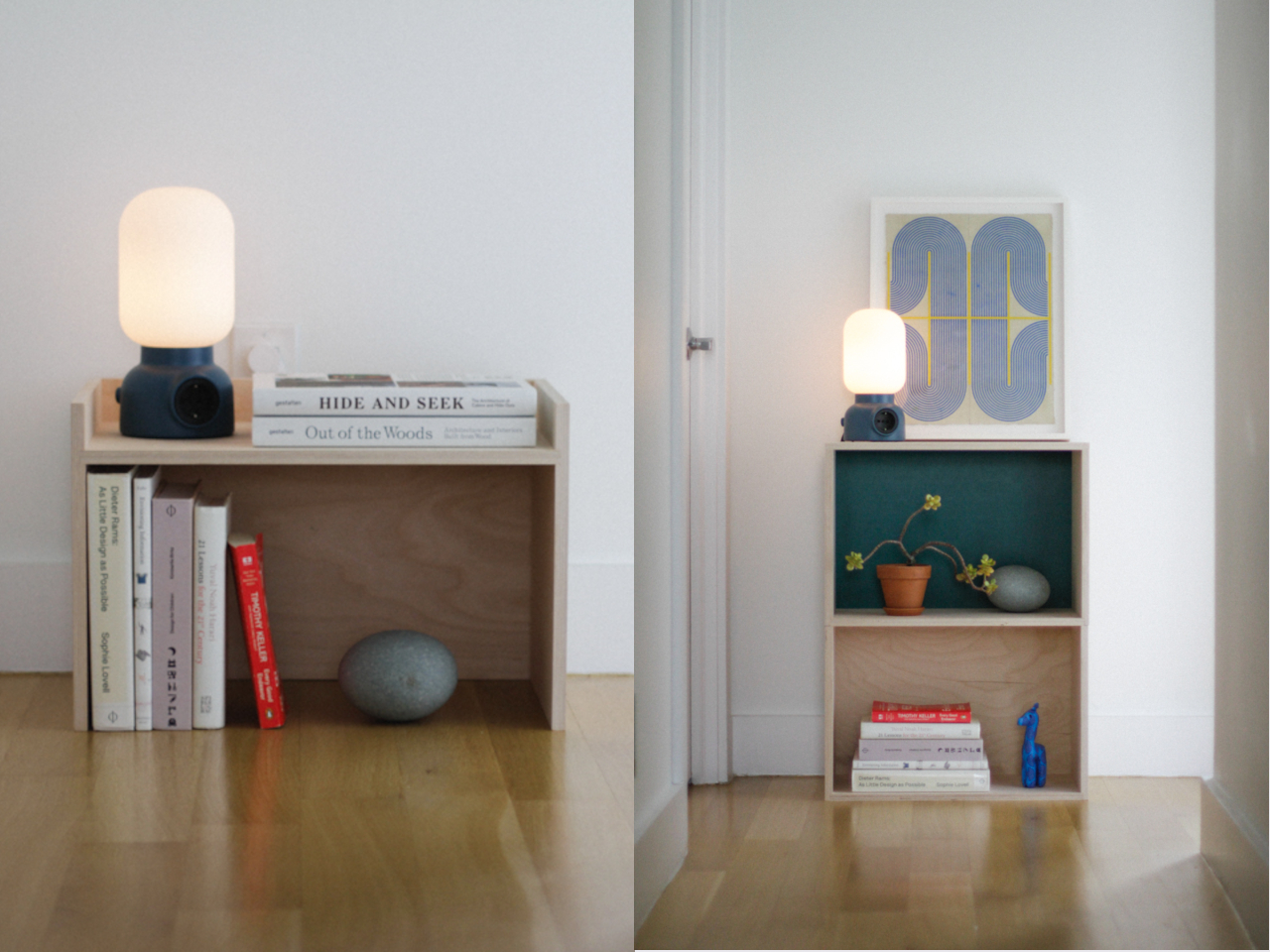
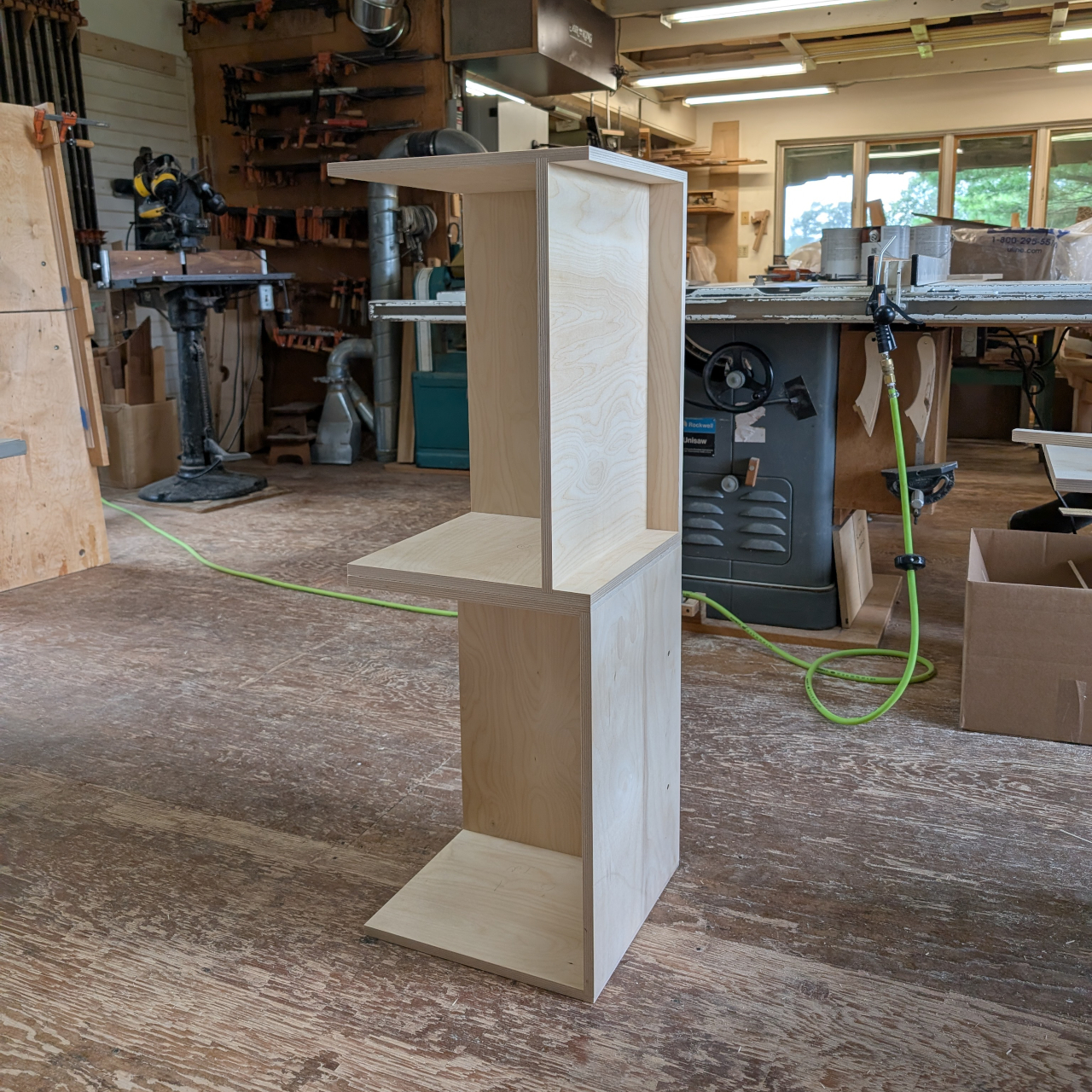
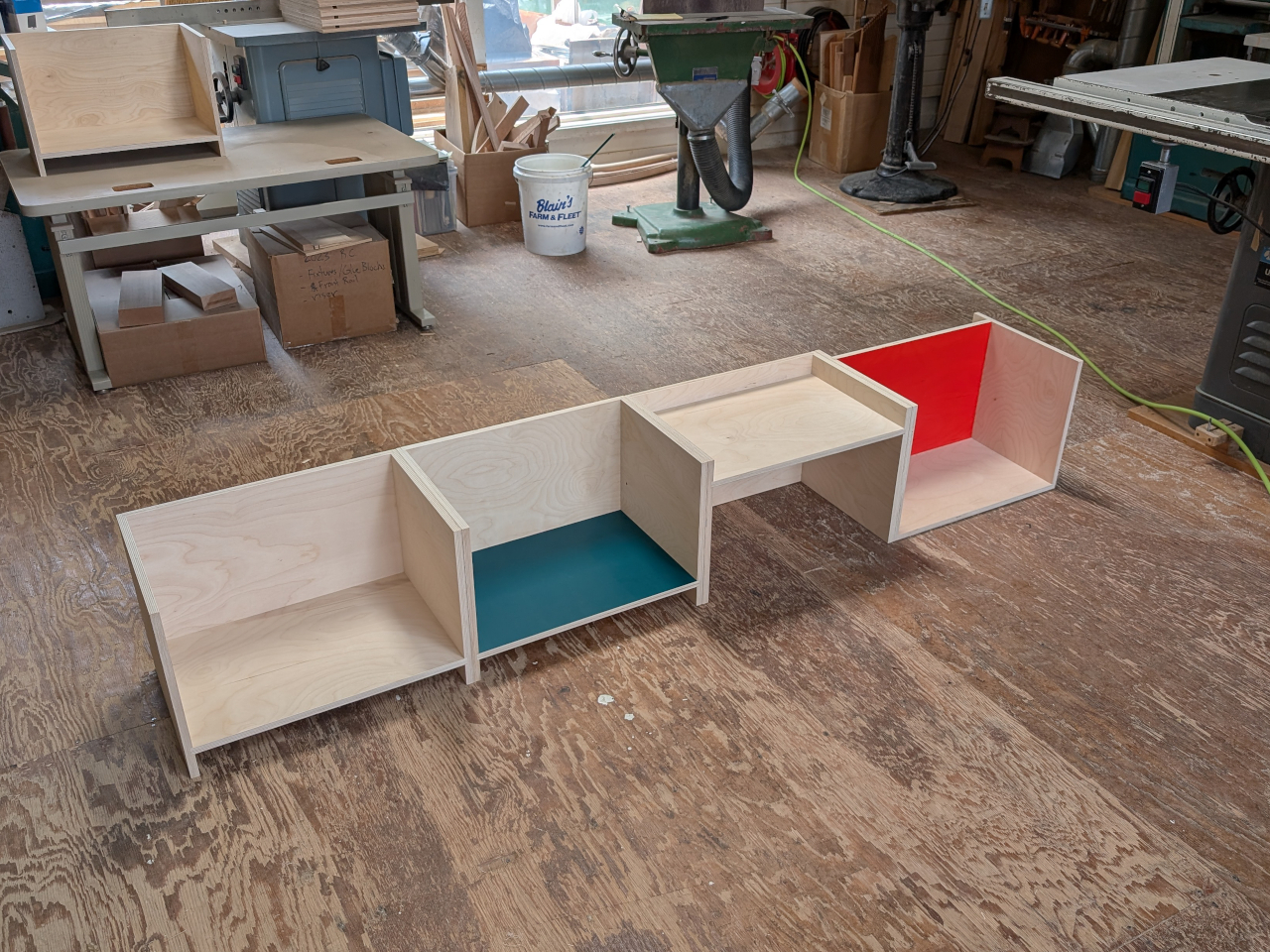
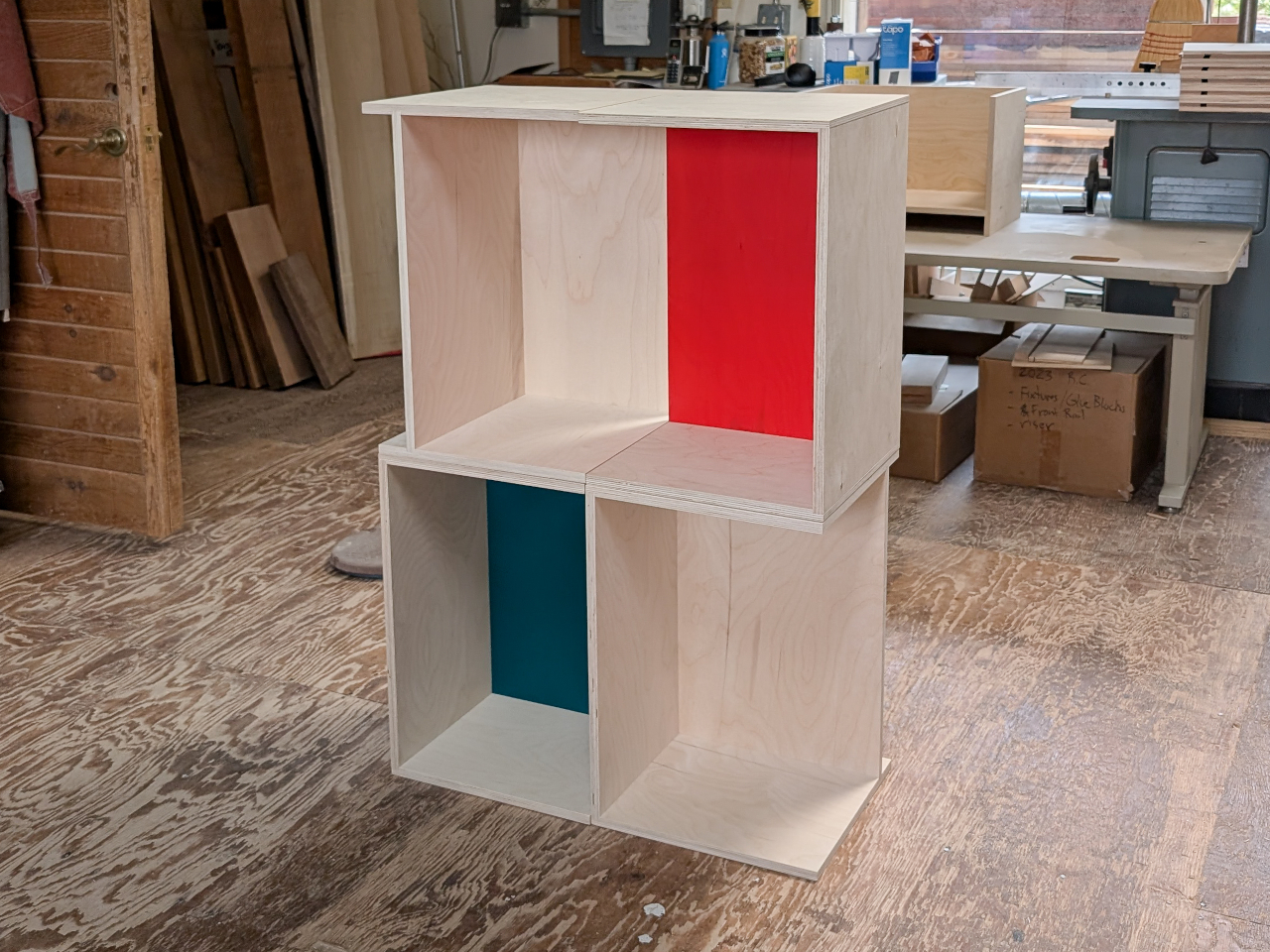
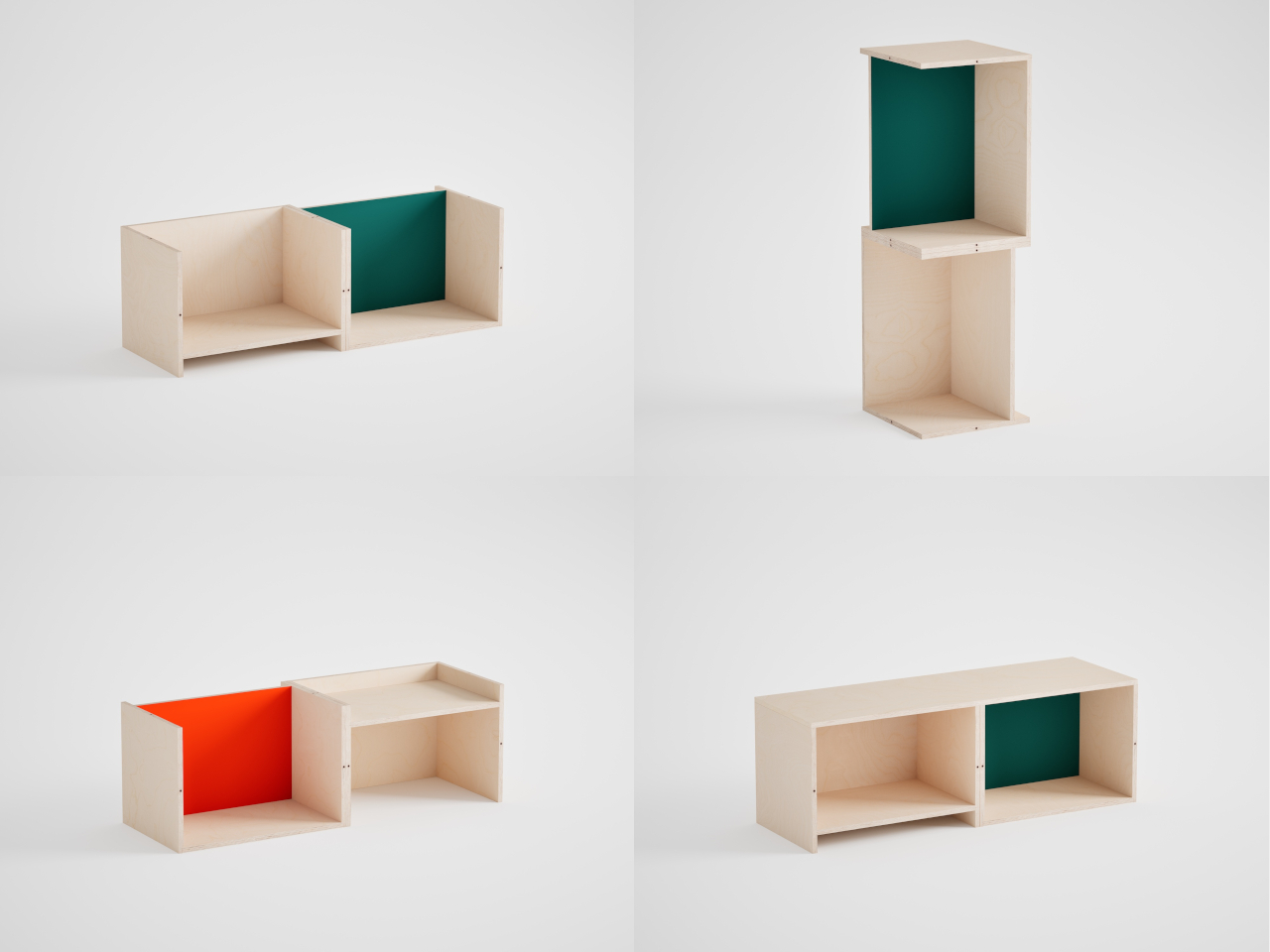
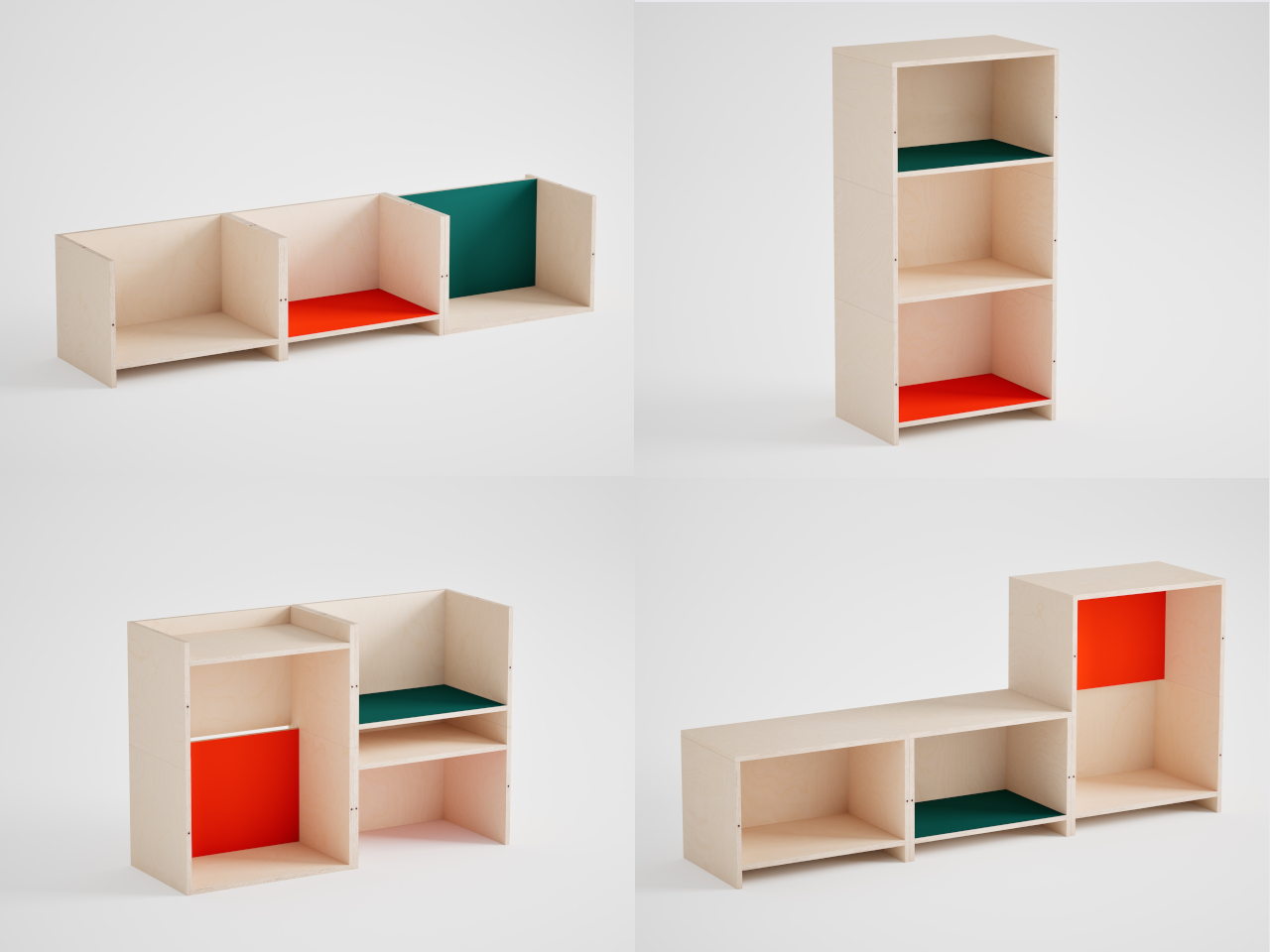
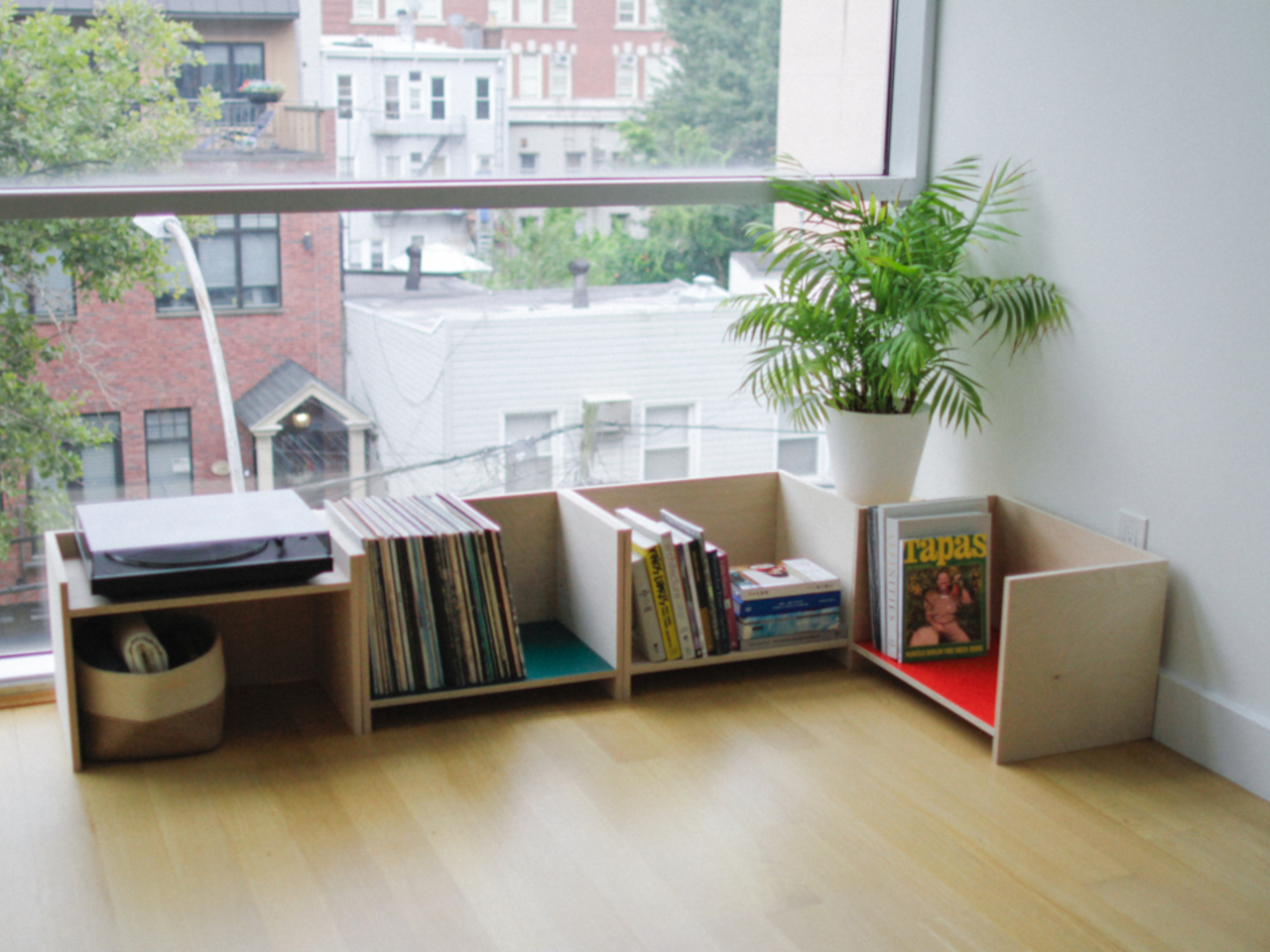
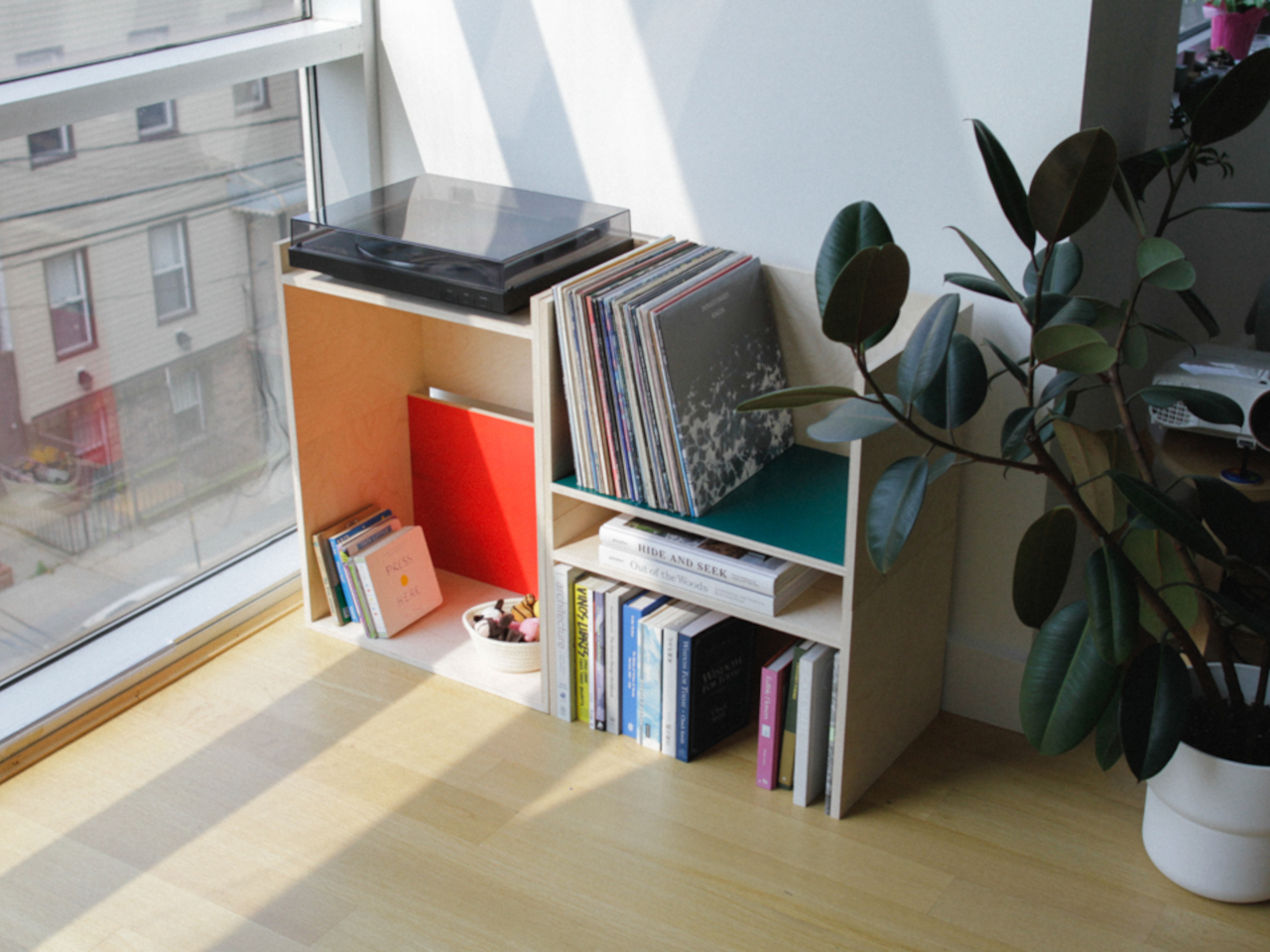
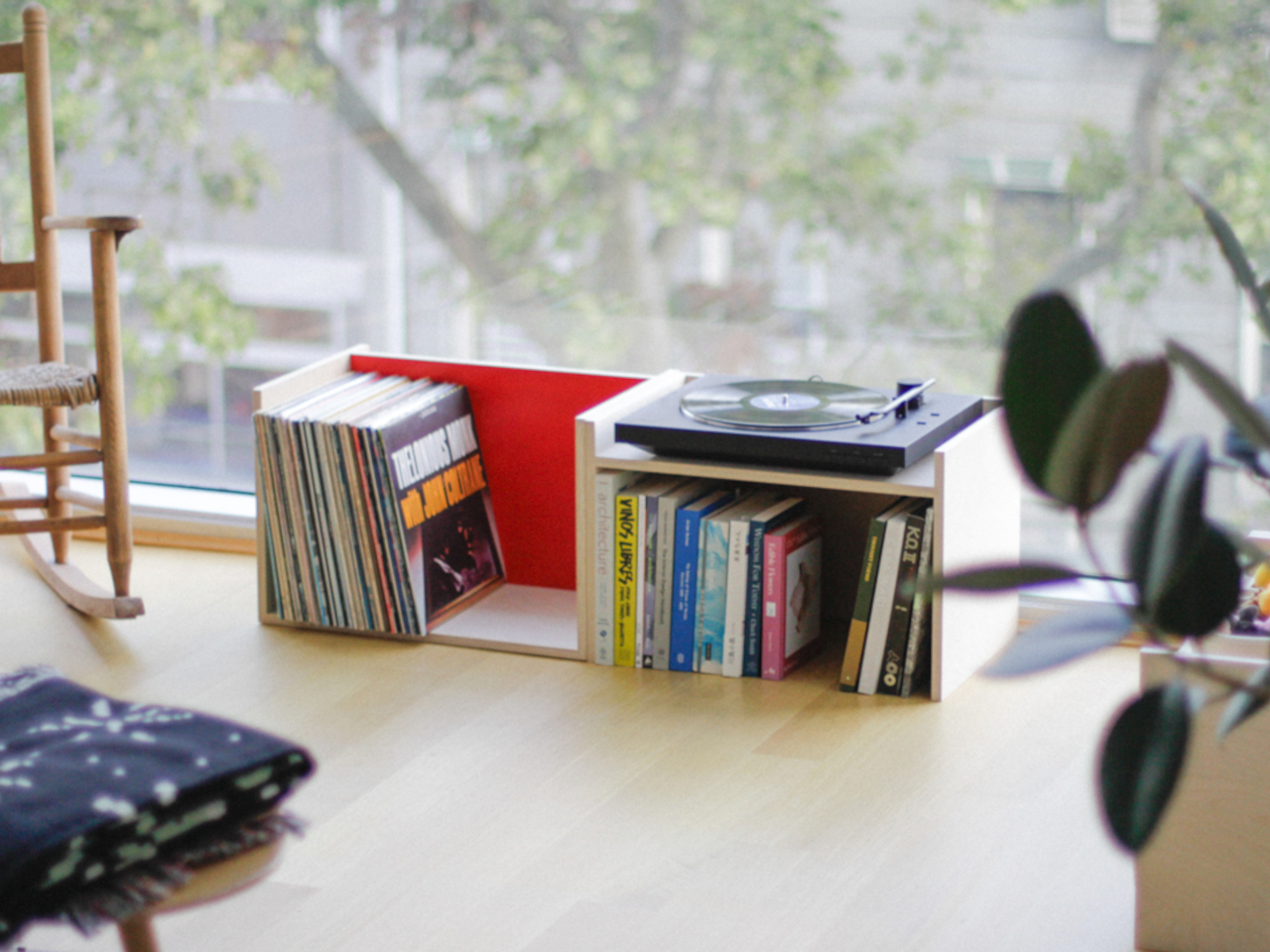
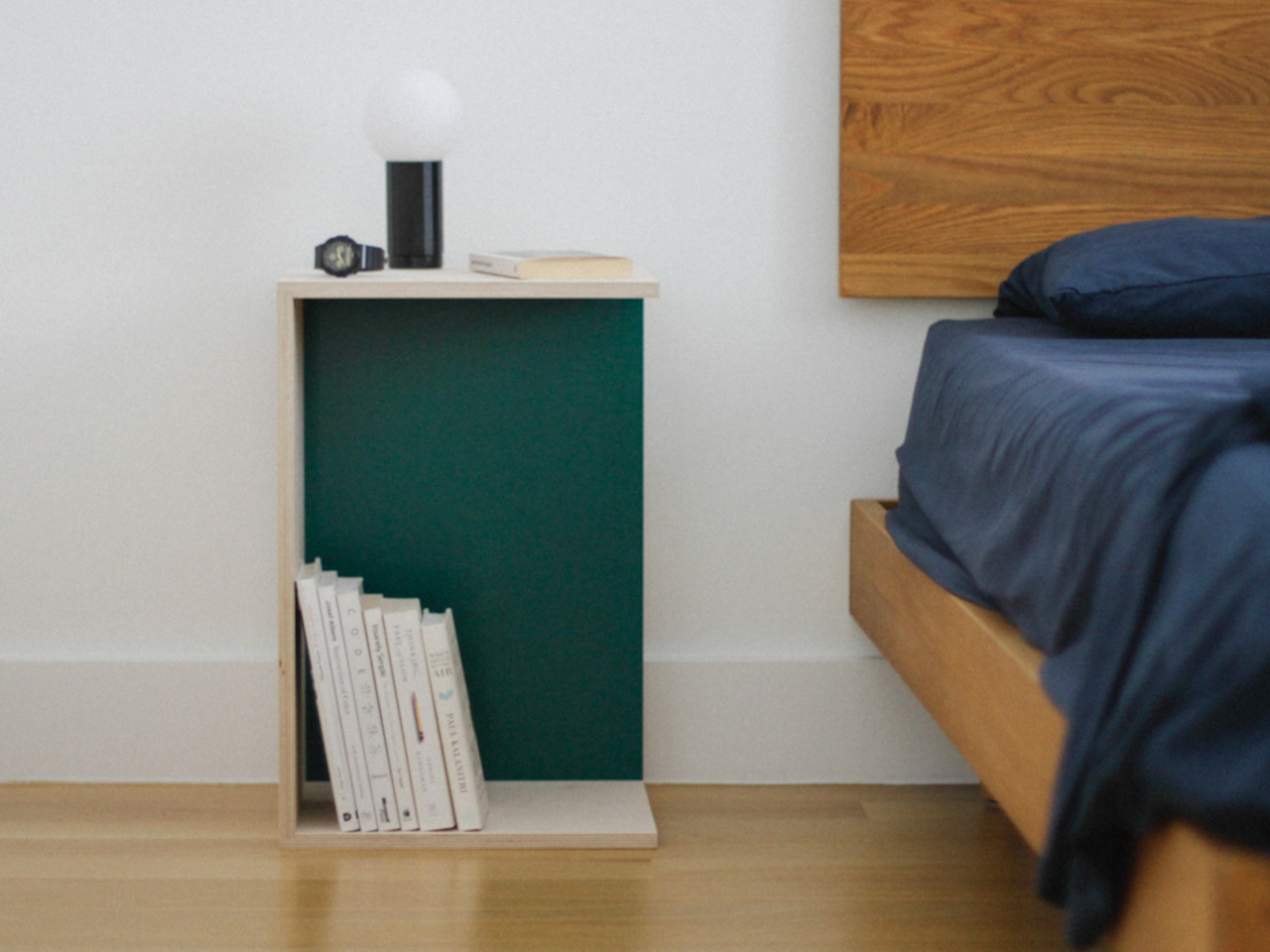
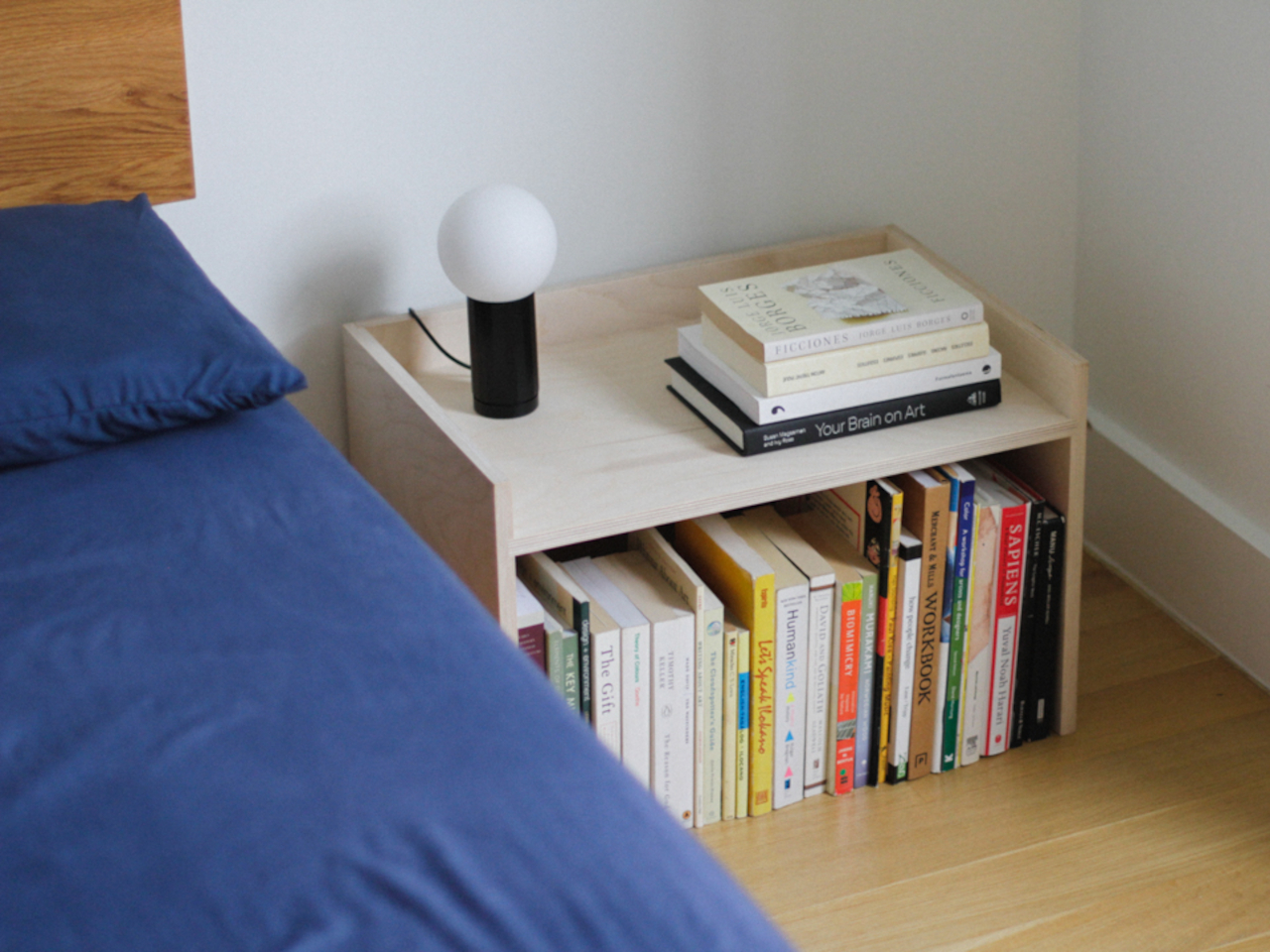
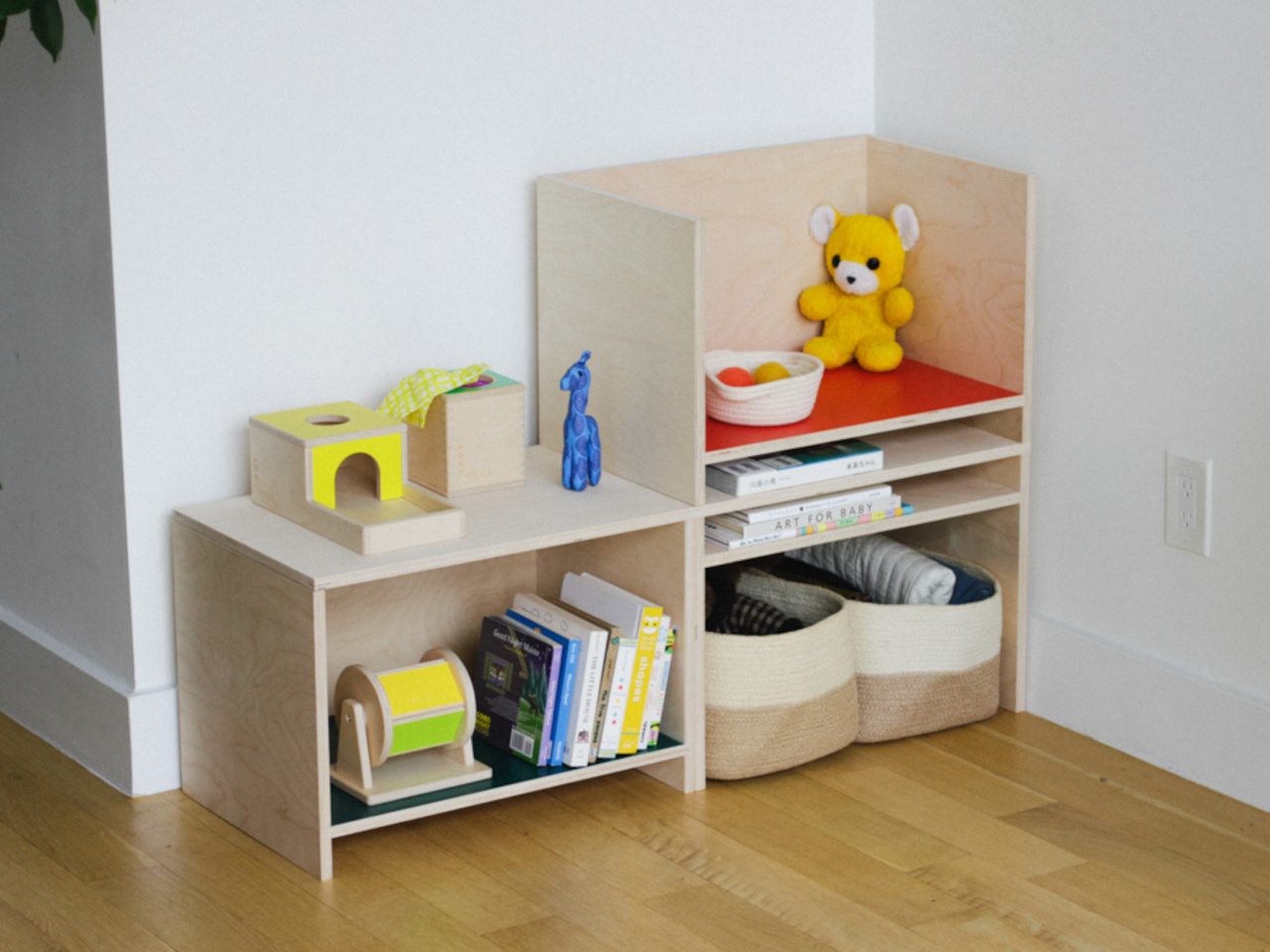
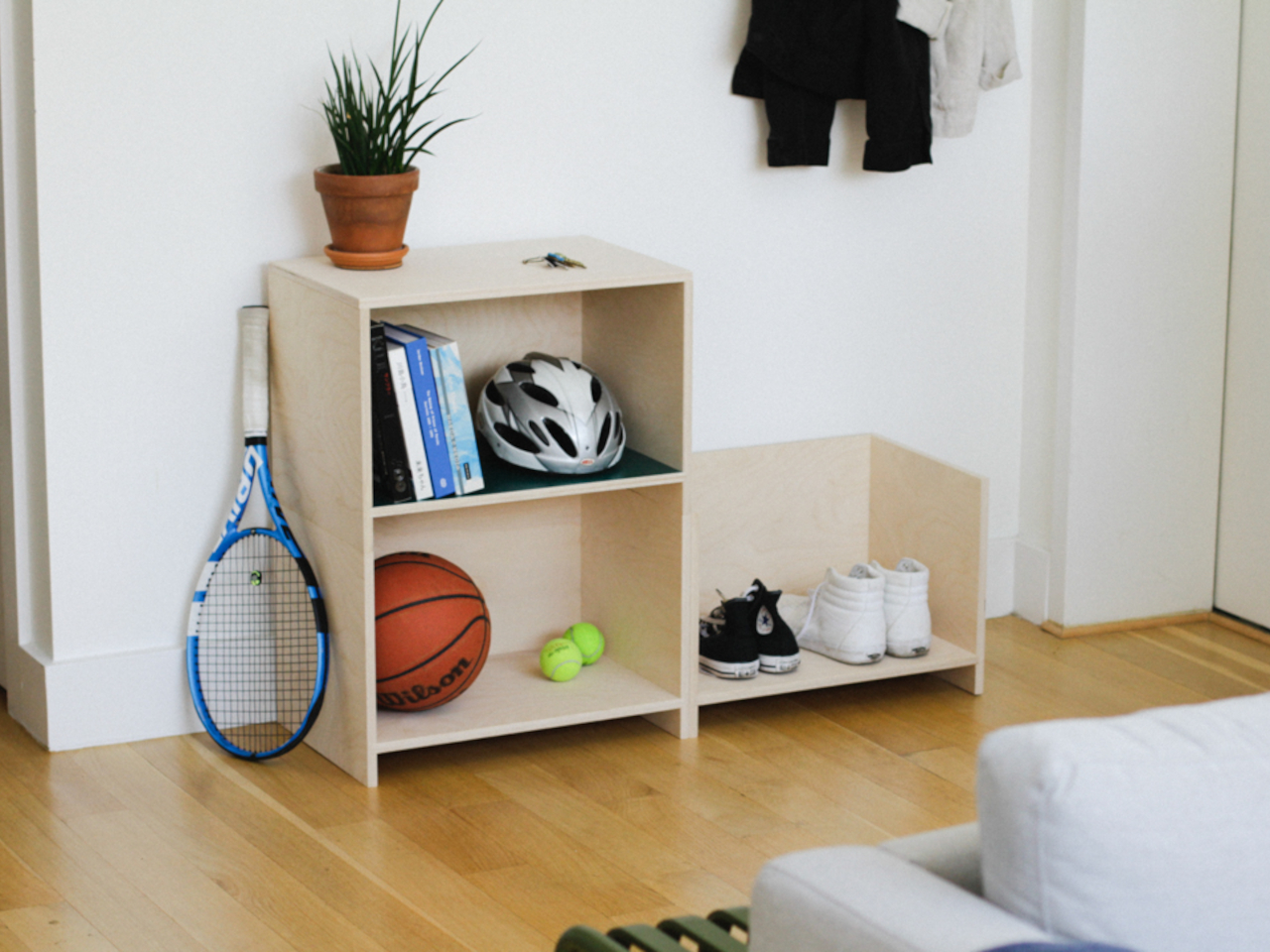
The real genius lies in how ridiculously versatile each unit becomes. One piece works as a nightstand, bench, bookshelf, or storage depending on what you need that day. Stack them vertically for a tower of shelves or line them up horizontally for a media console.

Those included stacking pins keep everything secure when you build upward, so you’re not worried about your tower toppling over. The whole system ships flat and assembles without any tools, which means no hunting for screwdrivers or deciphering confusing diagrams.

This approach makes so much sense for how people actually live now. Your studio apartment setup becomes completely different when you move into a house. That bench by your entryway transforms into bedroom storage when life changes.

Instead of buying new furniture every time, you just reconfigure what you already own. The flat-pack shipping keeps costs reasonable and reduces environmental impact compared to shipping fully assembled pieces. Assembly takes minutes rather than hours.

What makes Arca genuinely exciting is how it invites you to participate in designing your own space. Most furniture forces you to work around its limitations, but Arca adapts to whatever weird corner or awkward wall you’re dealing with.

Start with one unit and expand as your collection or space grows. The sustainability angle feels authentic rather than forced. By designing pieces that evolve with users instead of becoming obsolete, Elements Studio tackles the throwaway furniture problem from a practical angle.

Local production supports regional economies while reducing shipping emissions, too. Arca represents a smarter approach to furnishing modern homes. Instead of buying static pieces that might work for your current situation, you invest in a system that grows alongside your life.

For anyone tired of furniture that holds them hostage to one configuration, Arca offers genuine freedom to experiment and evolve. It’s modular furniture done right, without the compromises or cheap materials that usually come with the territory.

The post Arca Modular Furniture System Adapts Effortlessly to Any Space first appeared on Yanko Design.
Sony Pictures Hack - L'histoire du jour où Hollywood a tremblé

Cet article fait partie de ma série de l’été spécial hackers. Bonne lecture !

Si vous êtes du genre à penser que derrière les cyberattaques, c’est juste des Tanguy qui volent des mots de passe, j’ai une histoire qui va vous retourner le cerveau.

Le 24 novembre 2014, Sony Pictures s’est fait défoncer la tronche comme jamais à cause d’une comédie pourrave avec Seth Rogen qui voulait buter Kim Jong-un. Et je vous explique aujourd’hui pourquoi c’est l’un des hacks les plus dingues de l’histoire.

❌