Vue lecture

Il y a de nouveaux articles disponibles, cliquez pour rafraîchir la page.

BEYOND Expo 2026: Asia’s Biggest Tech Event Just Told the World That AI Software Was Only the Warm-Up

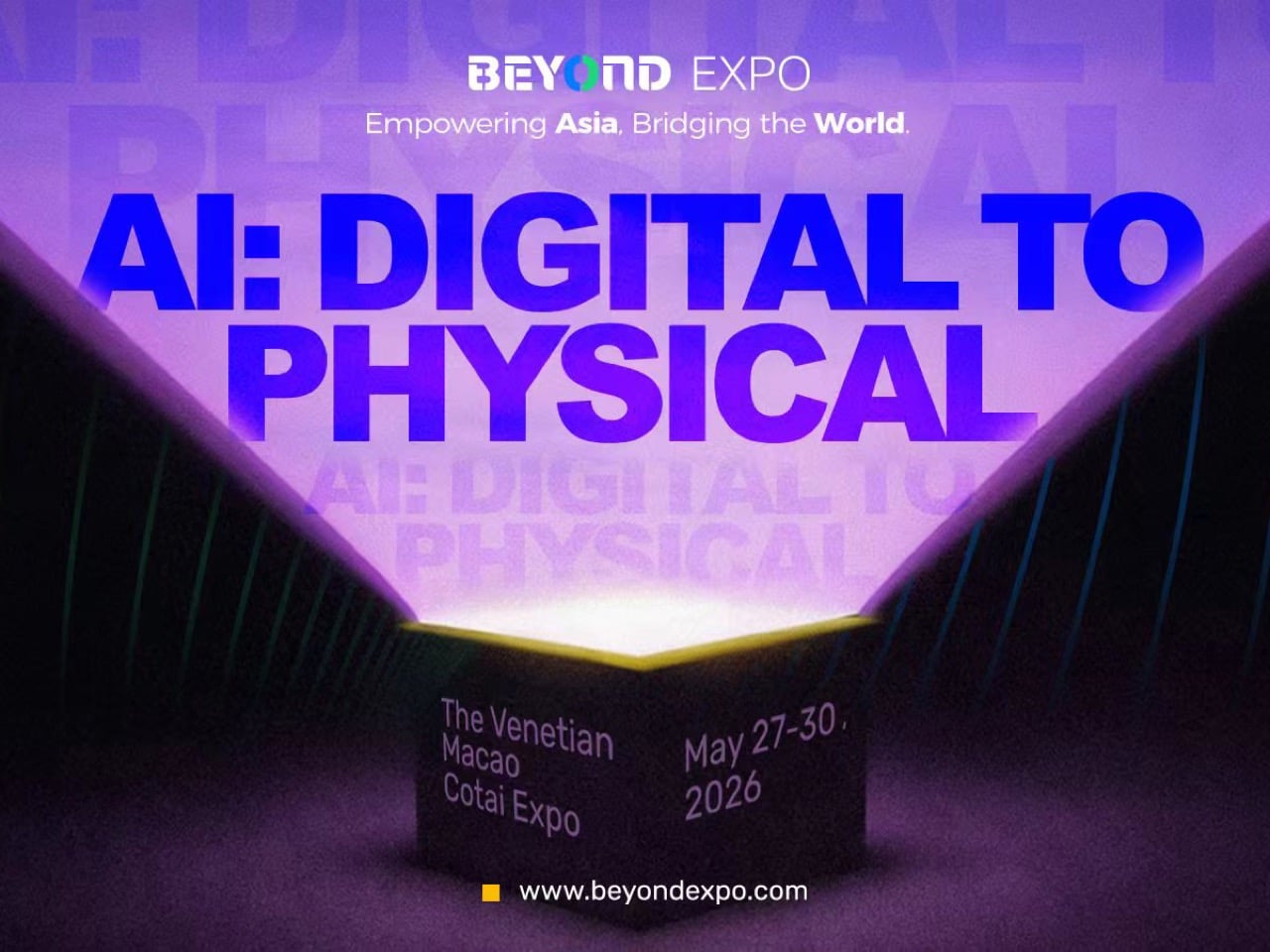
Every major tech conference eventually finds its thesis statement. CES landed on “everything is connected.” SXSW staked out culture-meets-technology. BEYOND Expo‘s thesis for 2026 is more specific, and honestly more timely: AI has spent years proving itself in software, and the interesting question now is what happens when it leaves the screen. The official theme, “AI: Digital to Physical,” takes over from last year’s theme of Transforming Uncertainty into a Trigger for Innovation. Timed perfectly around the global speculation that AI’s a bubble, it’s a genuine reflection of where the most consequential AI work is actually happening right now, in robotics labs, automotive platforms, wearables, and manufacturing floors across the Greater Bay Area.

BEYOND has been building toward this moment since Dr. Lu Gang launched it during a global lockdown in 2021, a decision he’s called delusional in hindsight during an interview with Yanko Design, but with the kind of grin that says he’d do it again. The original problem he was solving was simpler than people realize: Asia’s most interesting founders kept showing up at CES and Web Summit as attendees rather than headliners. A hardware startup out of Shenzhen with genuinely world-class AI chops would get a 3×3 booth on a back wall while the stage went to the usual suspects. BEYOND was built to fix that imbalance, and five years in, it’s working.

Click Here to know more about the BEYOND Expo 2026
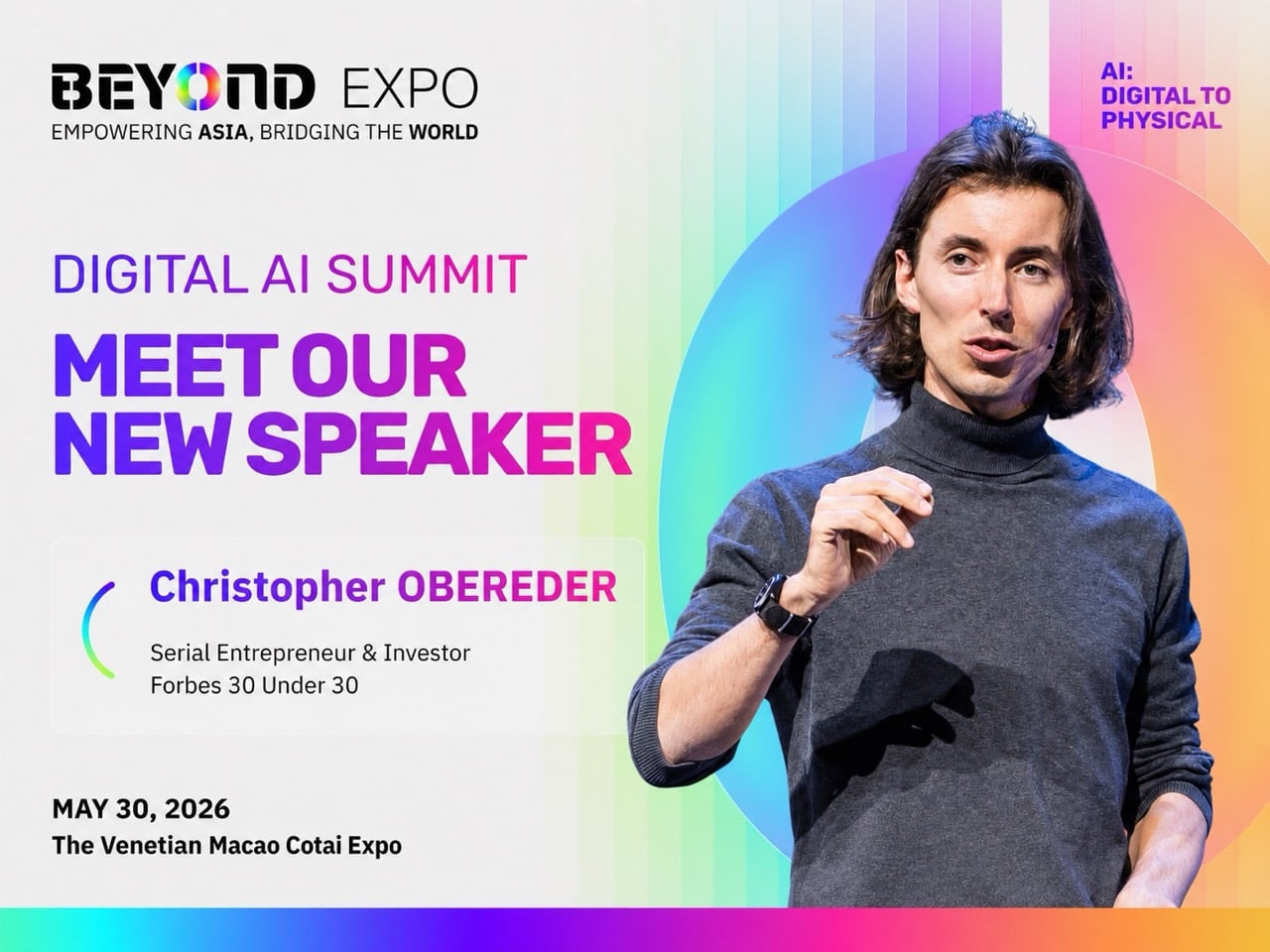
The 2026 edition is aiming for 30,000 attendees, a significant jump from 2024’s 20,000, and the programming reflects a maturing event that knows its own strengths. The summit lineup spans Humanoid Robotics and Embodied AI, Enterprise Agentic Workflows, Autonomous Driving, AI-Integrated Wearables, and a PayFi and Decentralized AI track that will either feel prescient or premature depending on your priors. What ties all of it together is the through-line of AI becoming something you interact with physically, not just through a chat interface. That’s a meaningful editorial choice, and one that puts BEYOND in a different conversation than conferences still treating large language models as the whole story.
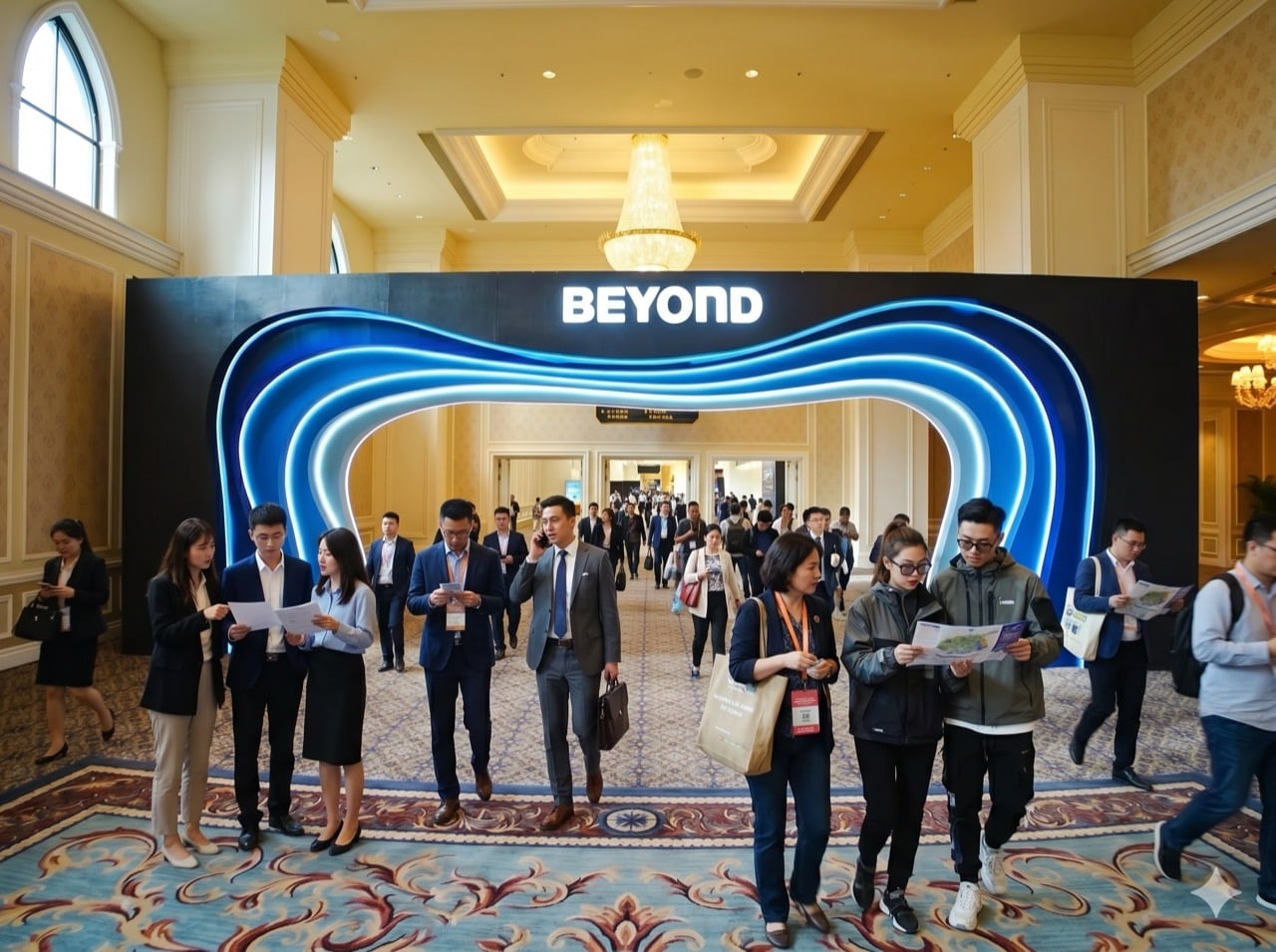
The most interesting addition this year is the GBA Innovation Tour, which gives international attendees direct access to Greater Bay Area manufacturing infrastructure. This matters more than it might sound. Lu Gang has argued for years that what makes Asia’s tech ecosystem genuinely different isn’t just the innovation pipeline, it’s the compression of the distance between idea and physical product. Watching an AI concept move from prototype to production in a Shenzhen facility in weeks rather than months is something you can describe in a keynote, but apparently you need to see it to really understand the scale and speed involved. The tour is BEYOND’s way of making that argument visceral rather than theoretical.
Last year’s theme, “Unveiling Possibilities,” was about reframing uncertainty as creative fuel, which was the right message for a chaotic moment. “AI: Digital to Physical” is more declarative, more confident. It names a specific transition that the industry is mid-stride through, and plants BEYOND squarely in the middle of it. Registration and exhibition details are live at beyondexpo.com.

Click Here to know more about the BEYOND Expo 2026

The post BEYOND Expo 2026: Asia’s Biggest Tech Event Just Told the World That AI Software Was Only the Warm-Up first appeared on Yanko Design.
Janny Baek’s Ceramics Look Like They’re Still Evolving

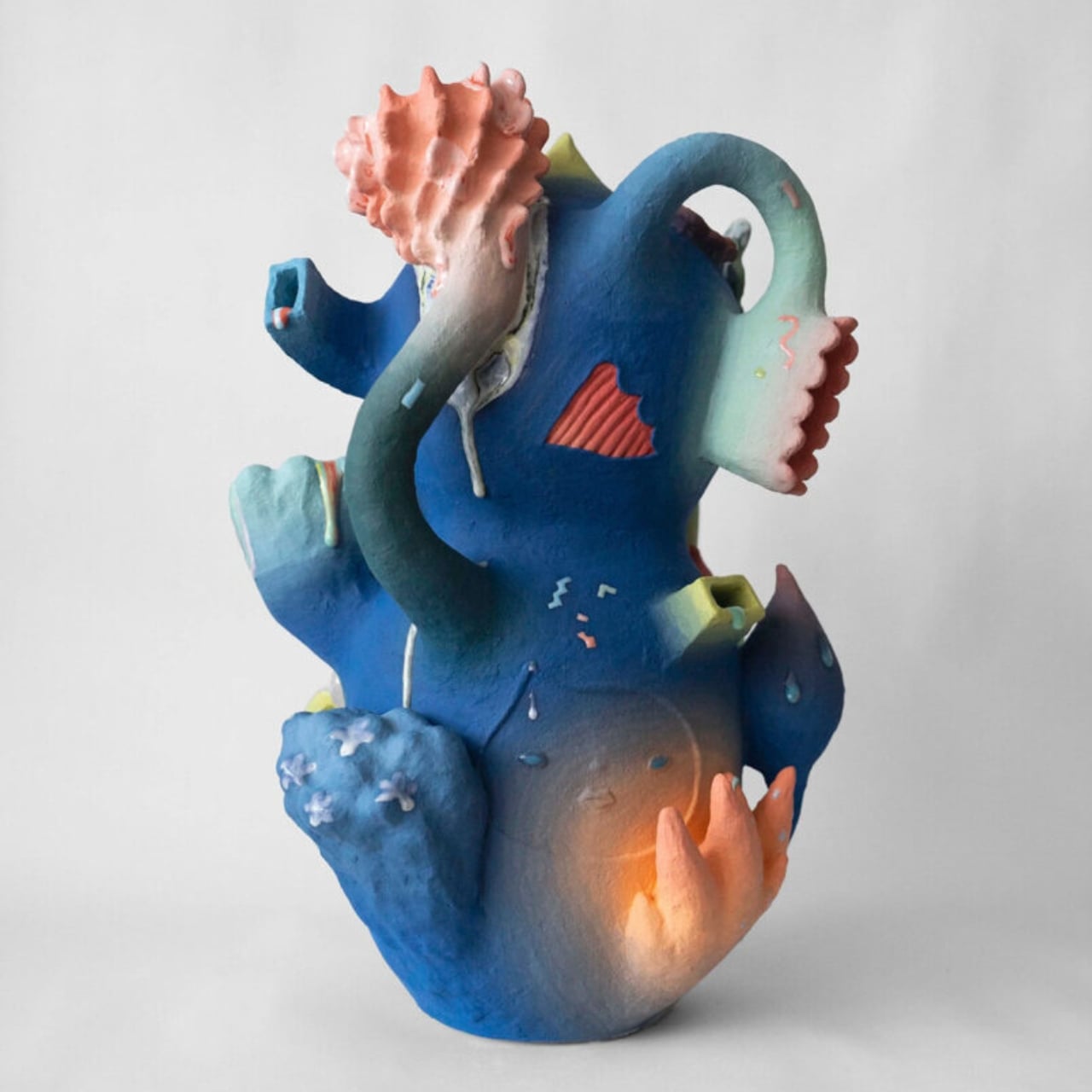
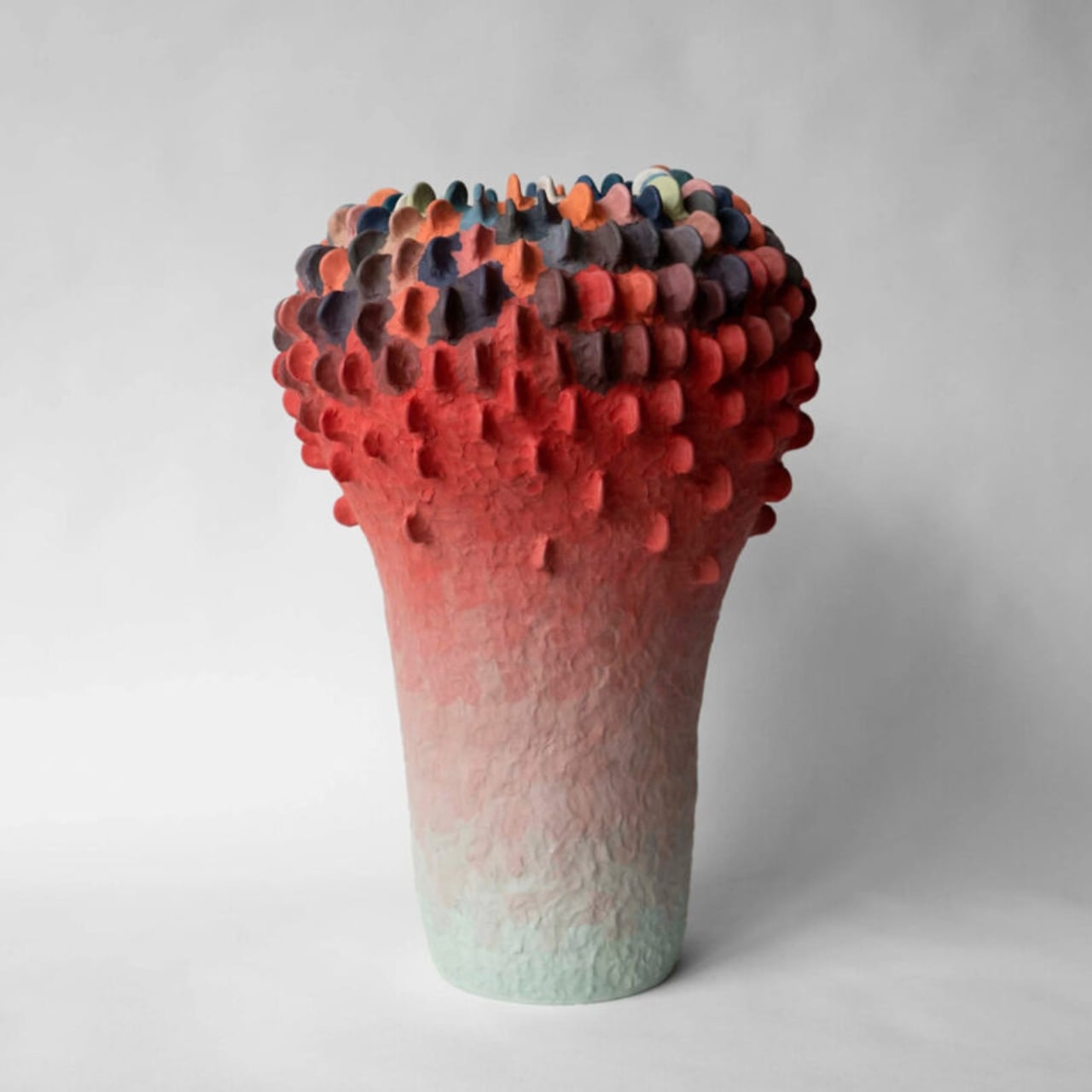
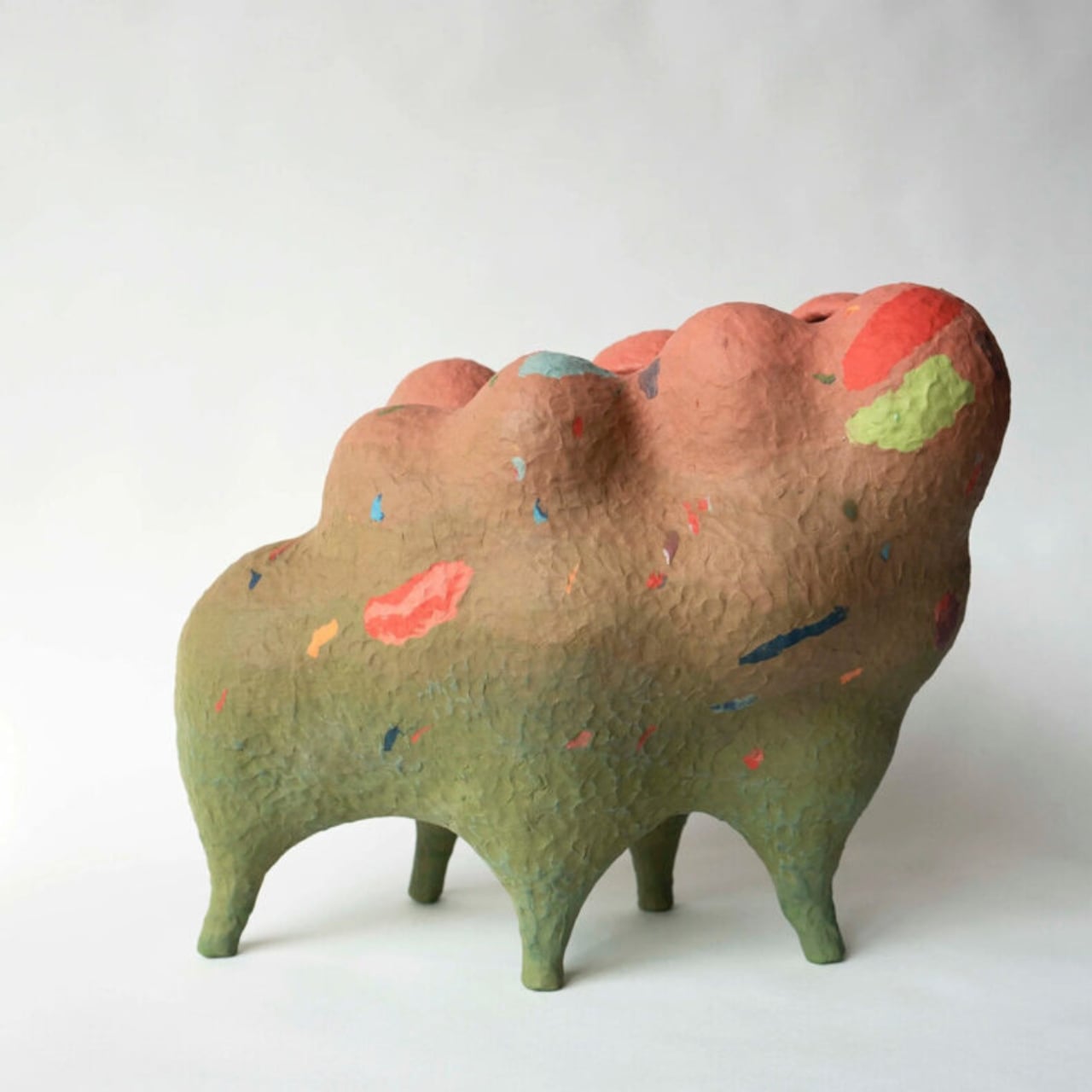
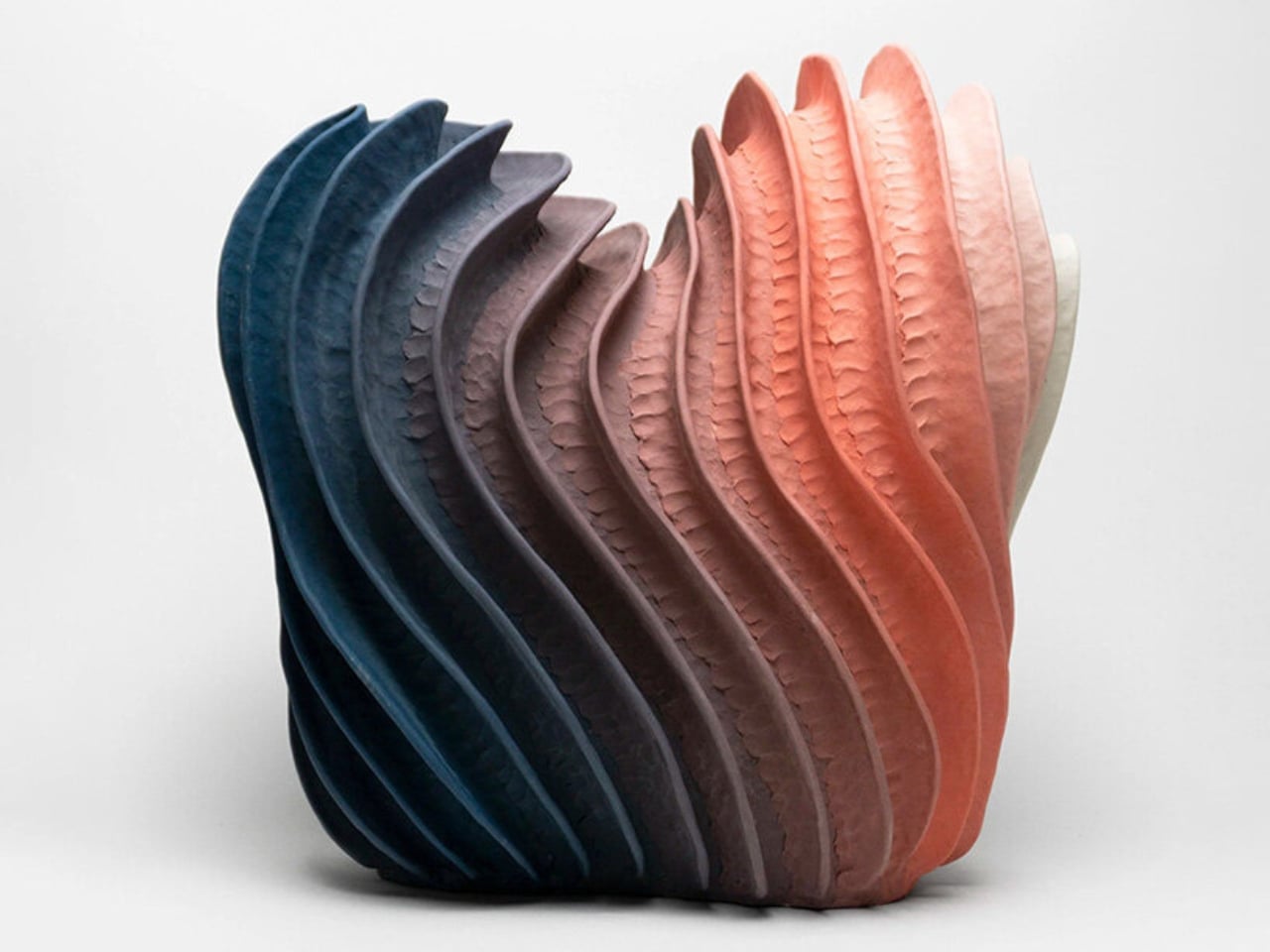
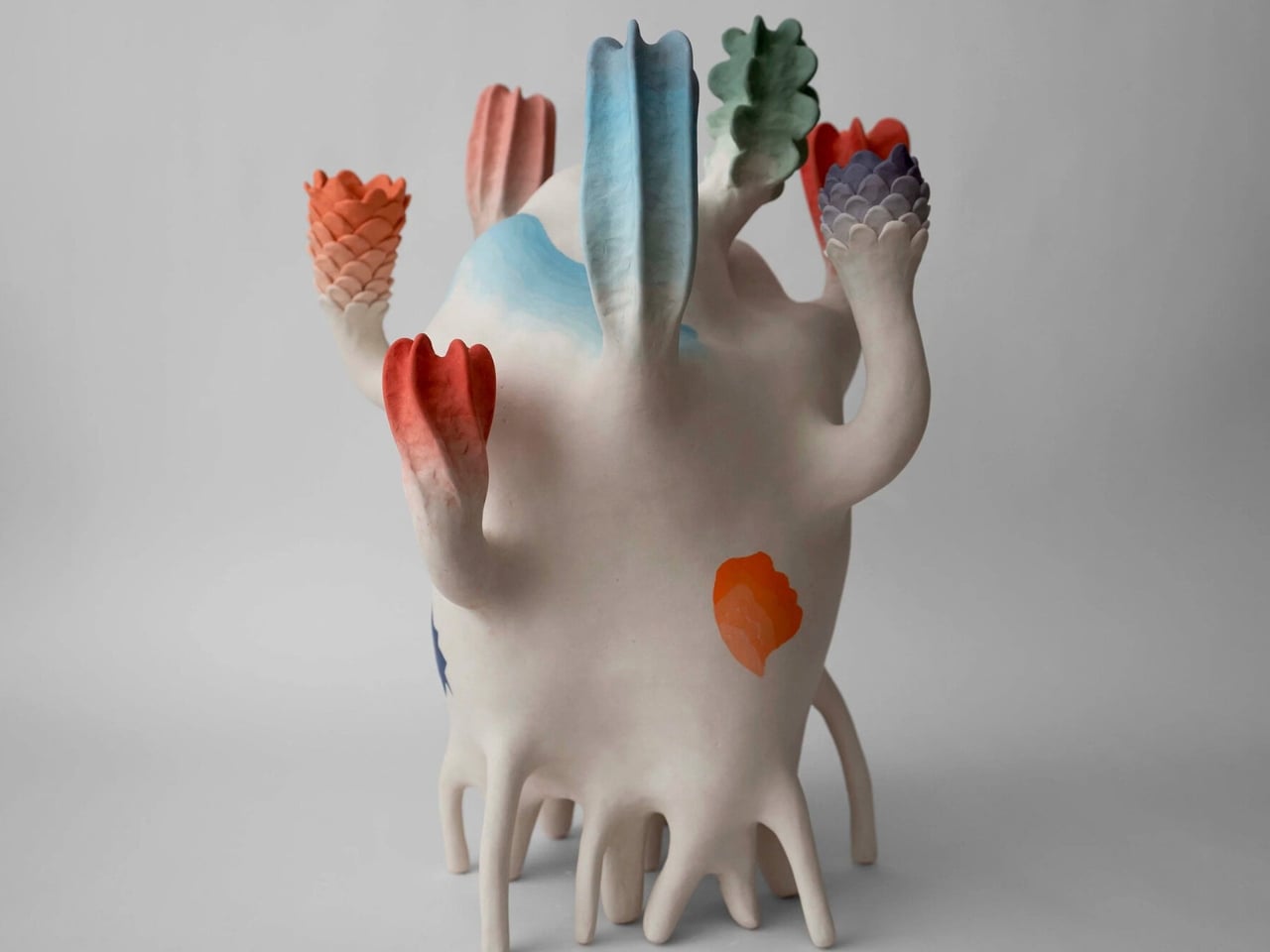
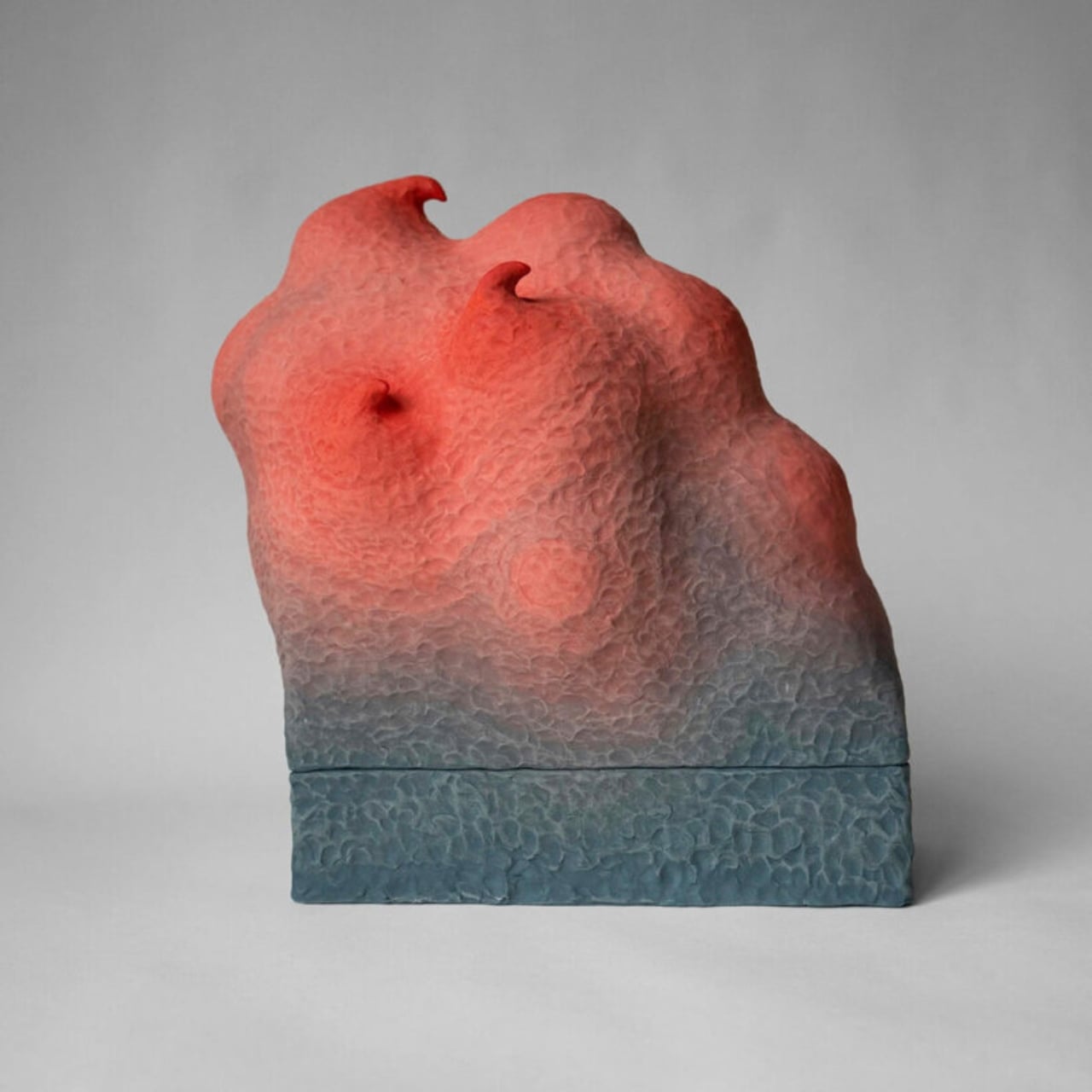
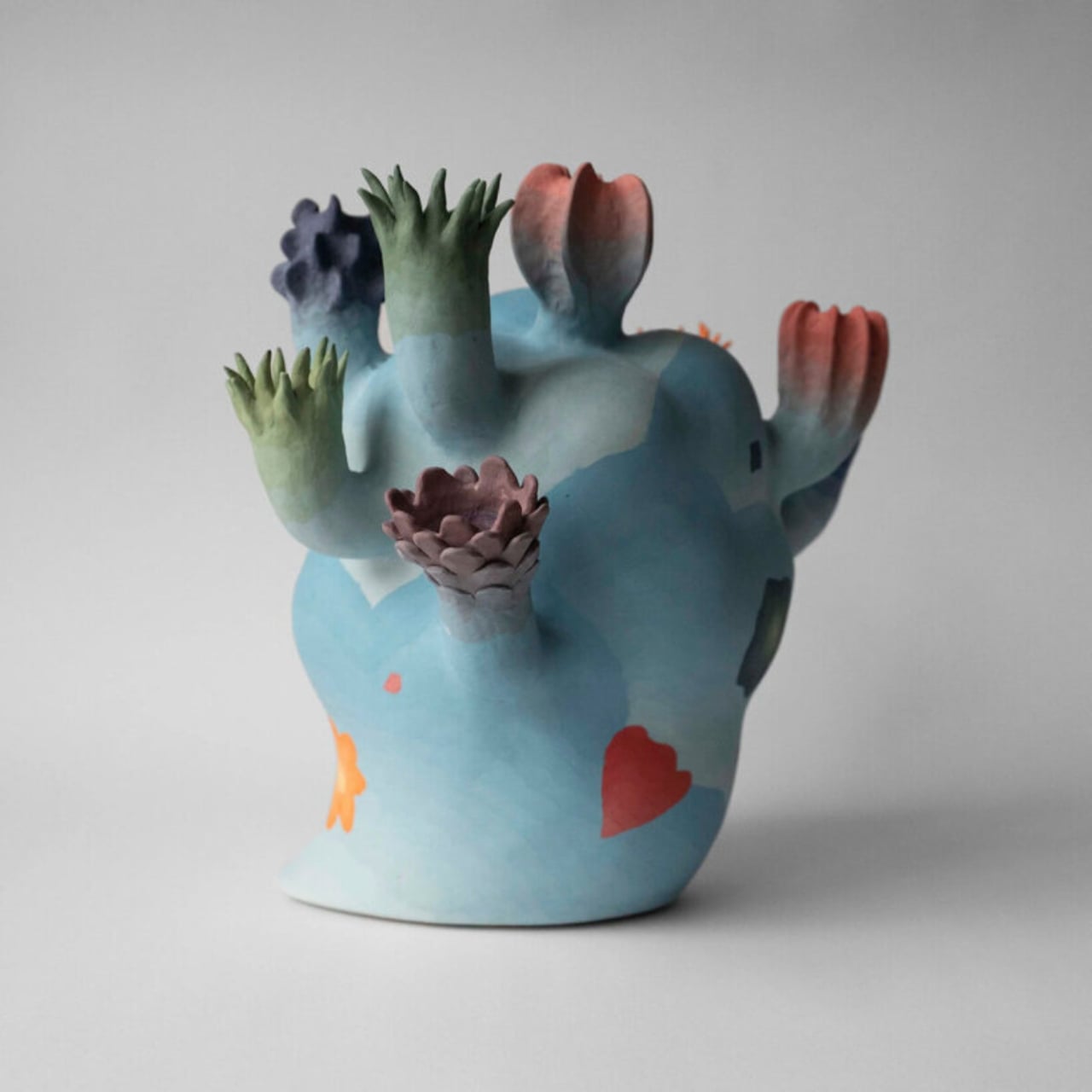
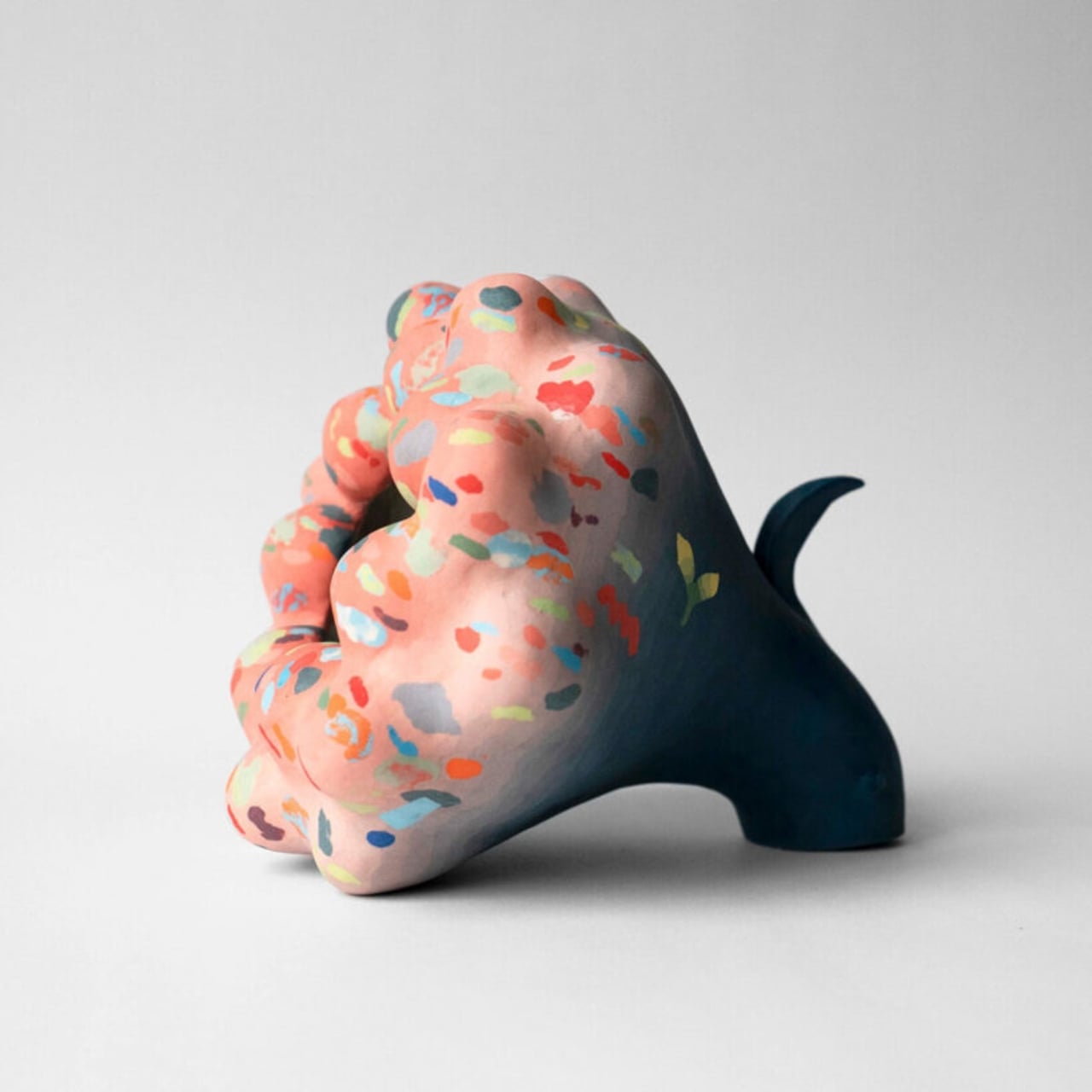
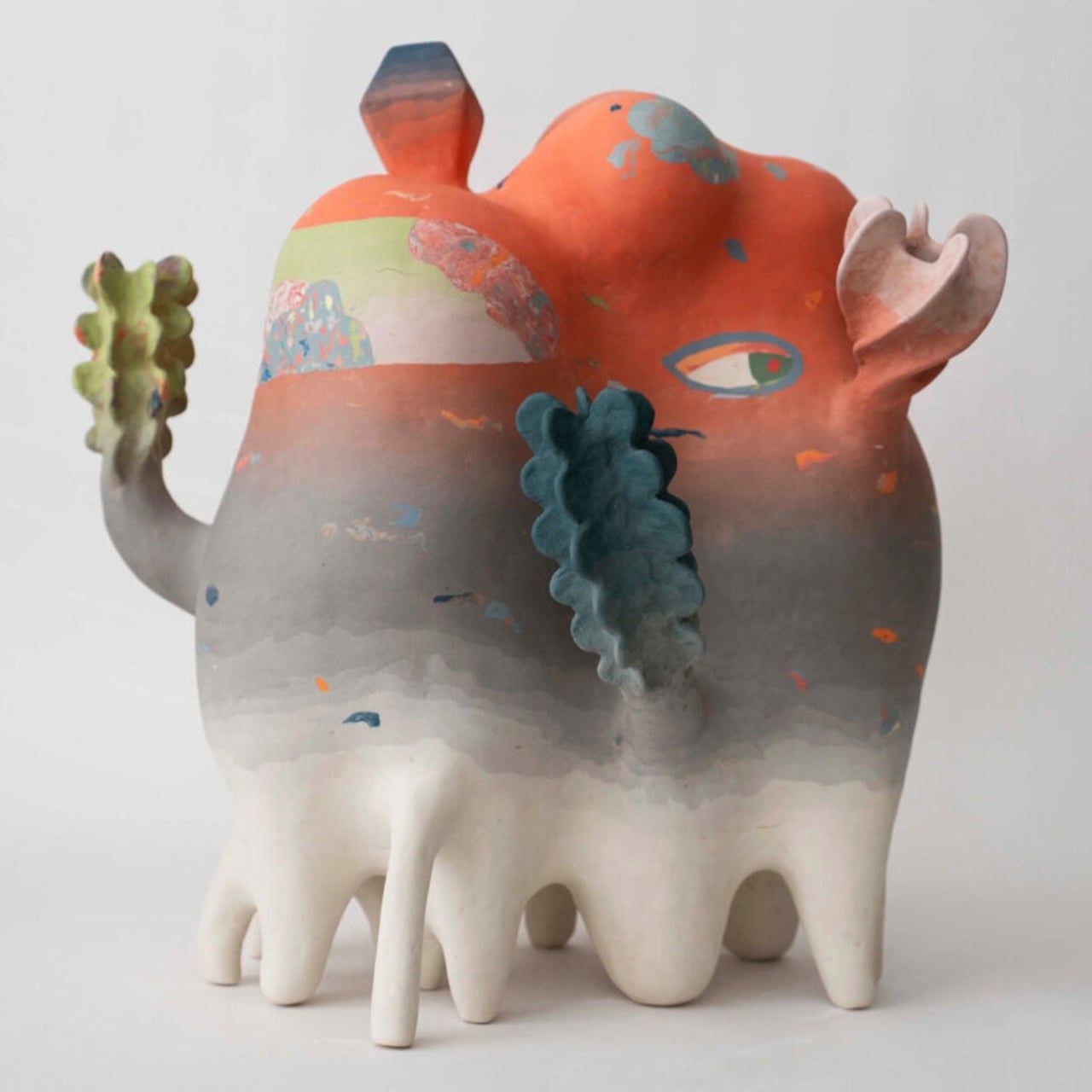
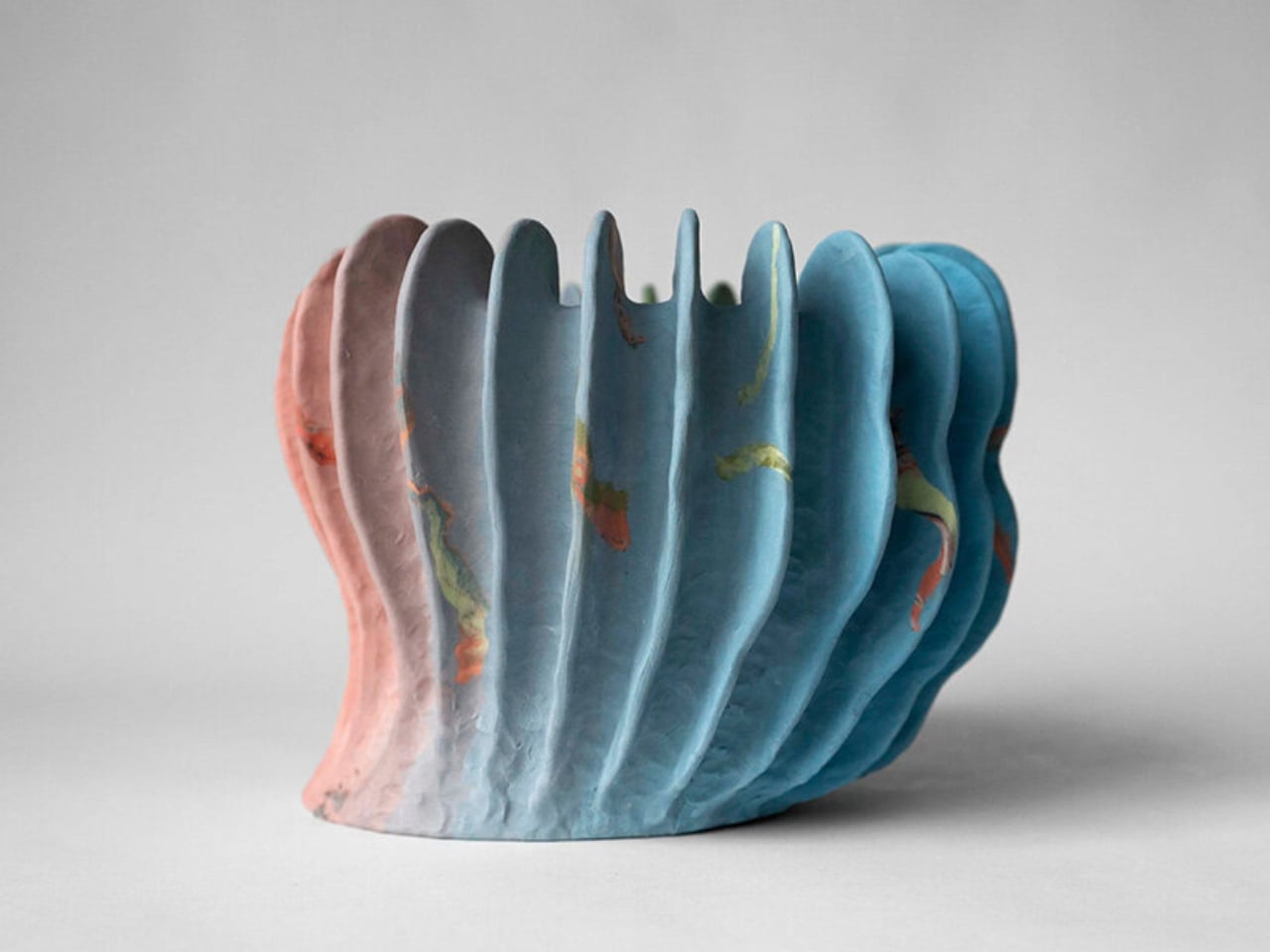
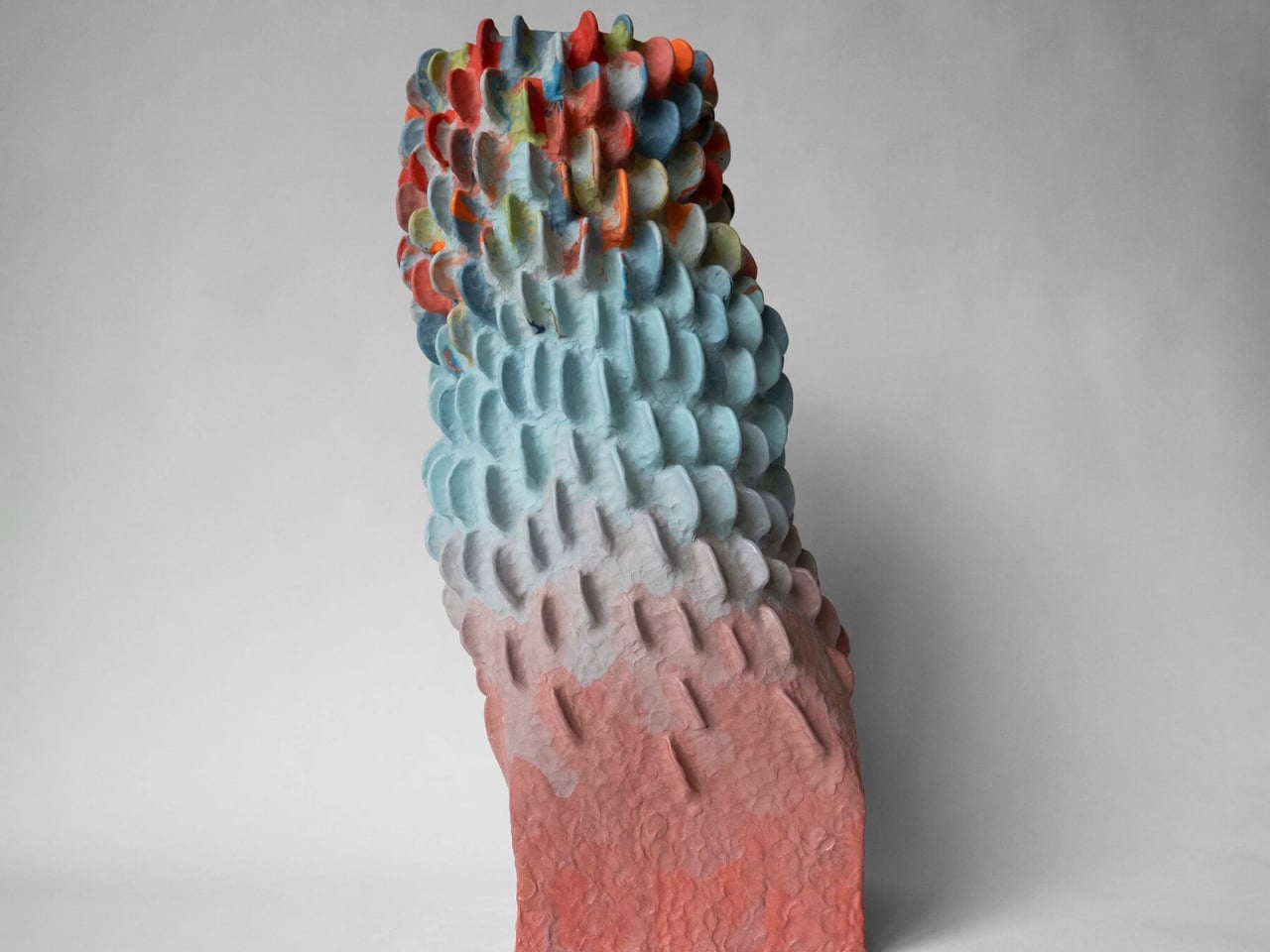
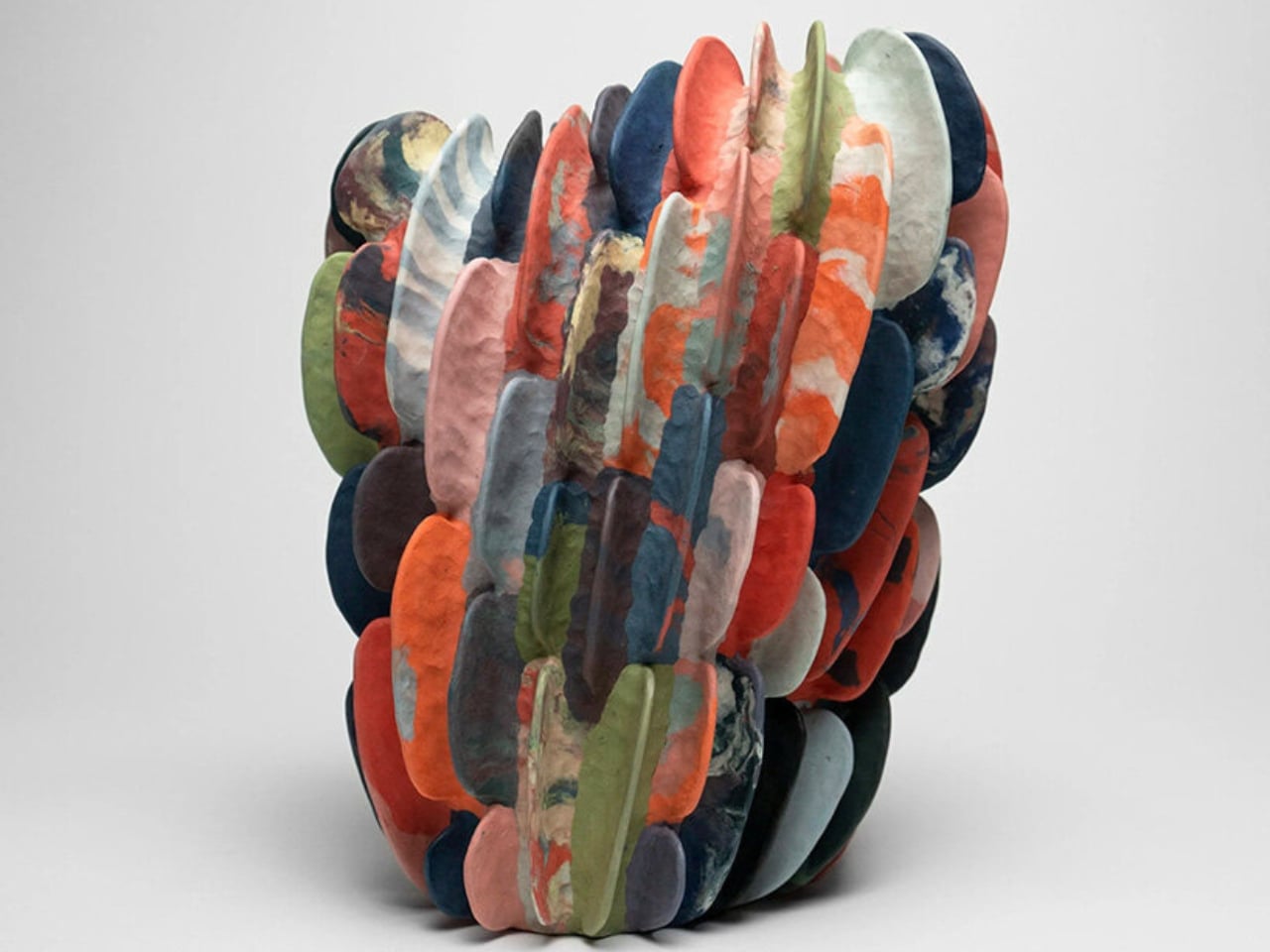
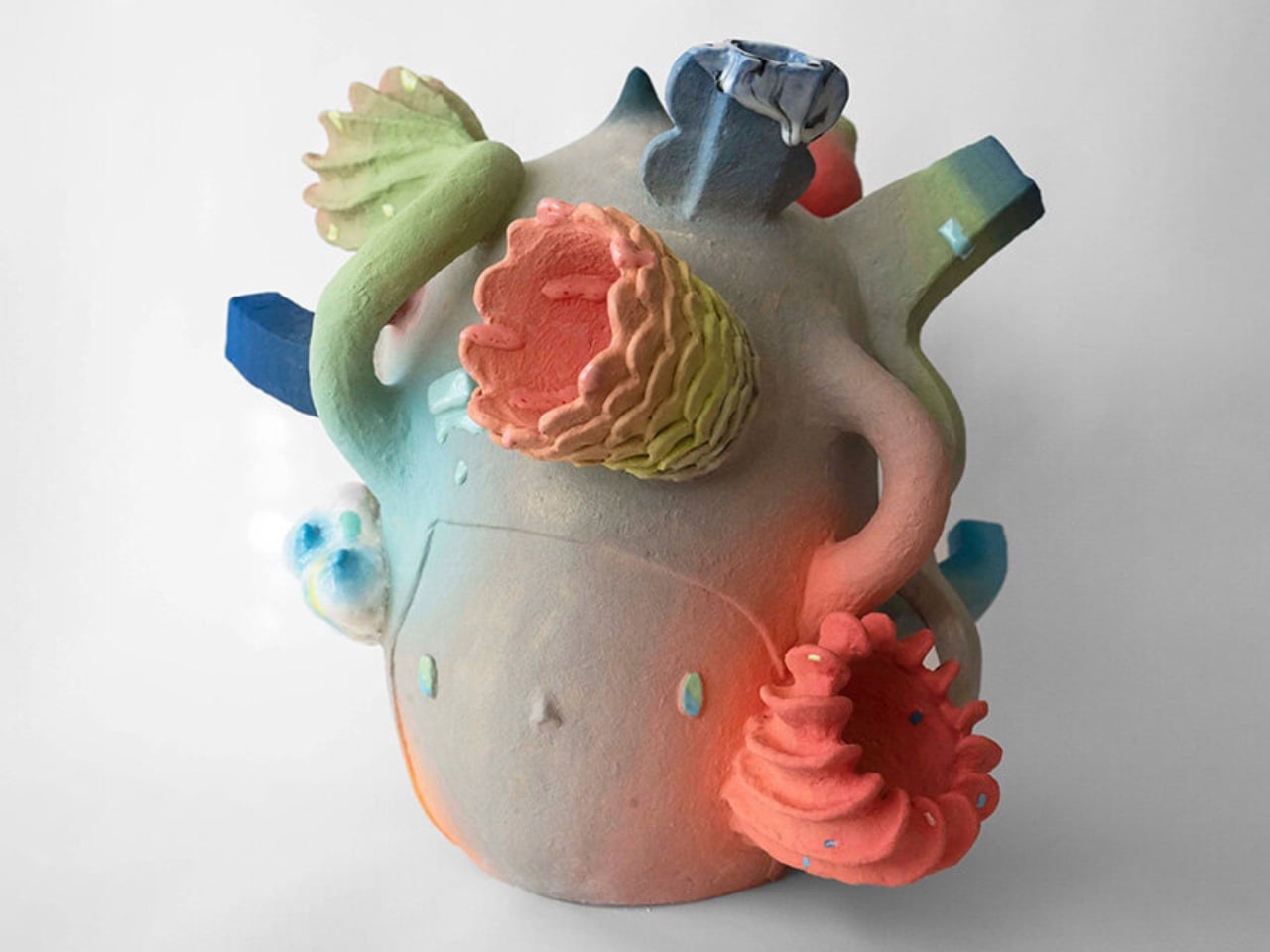
Most ceramic art asks you to admire it from a distance. Janny Baek’s work makes you want to lean in closer and check if it’s breathing. Her upcoming solo exhibition, Life Forms, opens at Joy Machine gallery in Chicago on March 20, running through May 9, 2026, and from everything I’ve seen of it, it might be one of the more visually arresting shows to land this spring. The pieces gather across the gallery space like inhabitants of an ecosystem you’ve never visited but somehow recognize. Some forms open outward like blossoms. Others stretch upward with limbs that suggest wings, or stems, or shells. None of them fully commit to being any one thing, and that’s exactly the point.

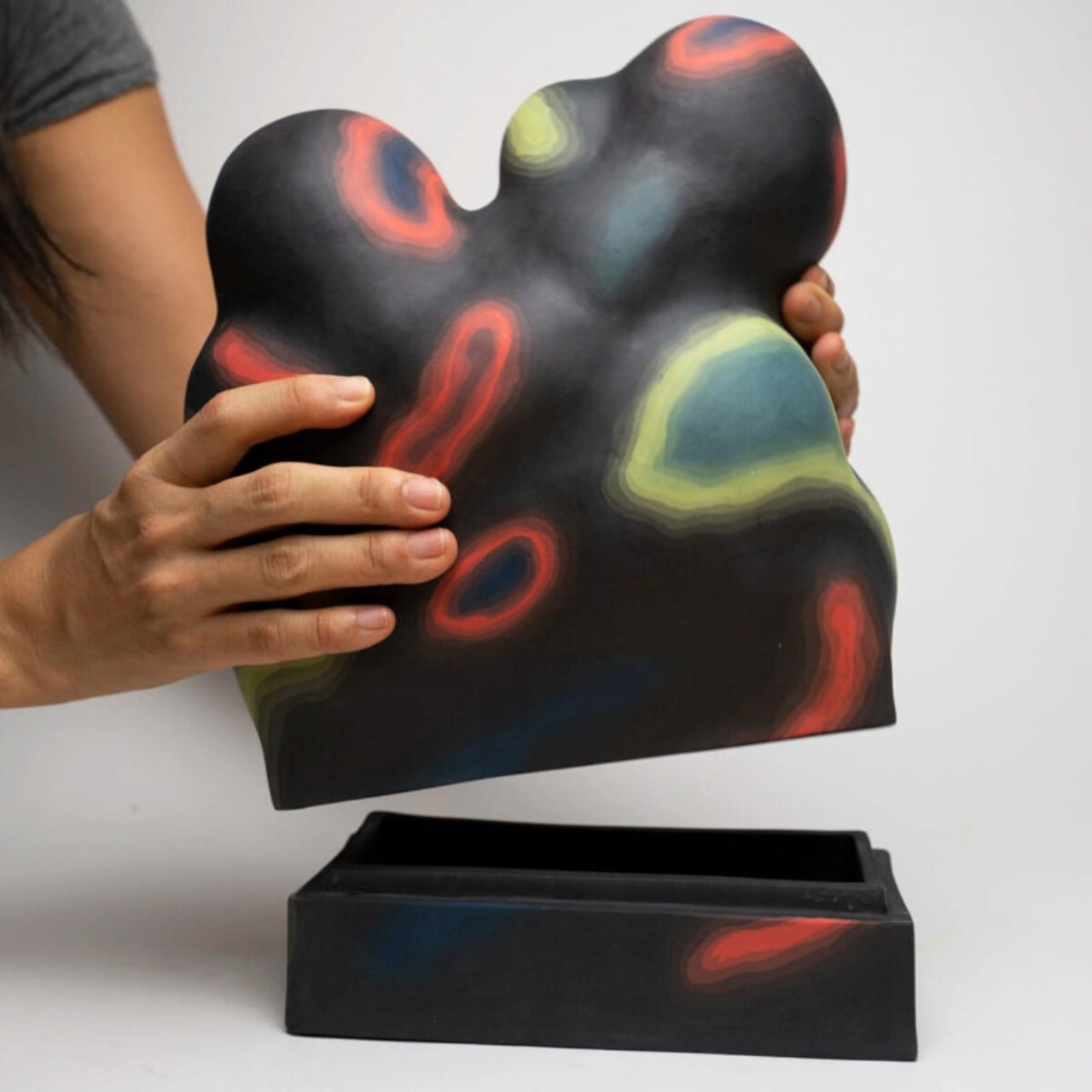
What makes Baek’s ceramics so compelling is the feeling that the firing process didn’t quite finish the job. The sculptures look caught mid-transformation, as though another hour in the kiln might have resolved them into something more familiar. Instead, they hold their ambiguity like a posture. That deliberate incompleteness is one of the most interesting creative choices an artist can make, and Baek has built an entire body of work around it.

Designer: Janny Baek

Her path to ceramics is almost as unusual as the work itself. Born in Seoul and raised in Queens, she studied ceramics at the Rhode Island School of Design before taking a turn into animation and toy design as a sculptor. Then she earned a graduate degree in architecture from Harvard, co-founded an architecture practice in Manhattan, and spent years designing high-end residential spaces. When the pandemic hit, she returned to clay, setting up a studio in the back of her Flatiron District architecture office. The ceramics world should be grateful for the timing.

That architectural background isn’t incidental. You can see it in the structural logic of the pieces, which begin with coiled bases and build upward through successive additions of clay, each element branching from the last. The result is less like sculpting and more like construction, or perhaps like watching something grow. Her larger work, Plant Life (2025), stoneware with colored sections rising from white shoots, reads almost like a site plan for a garden on a planet where the plants decided to do their own thing.

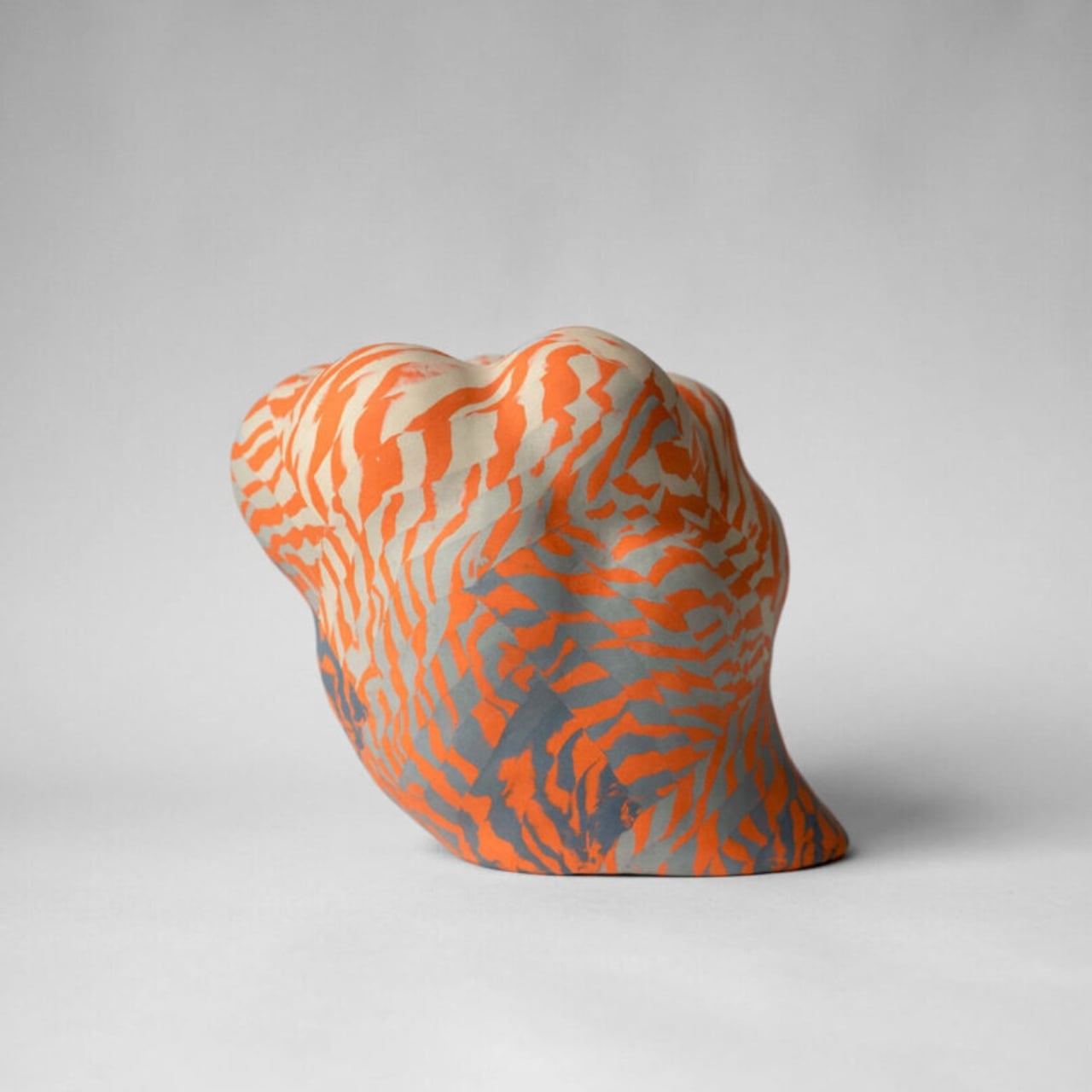
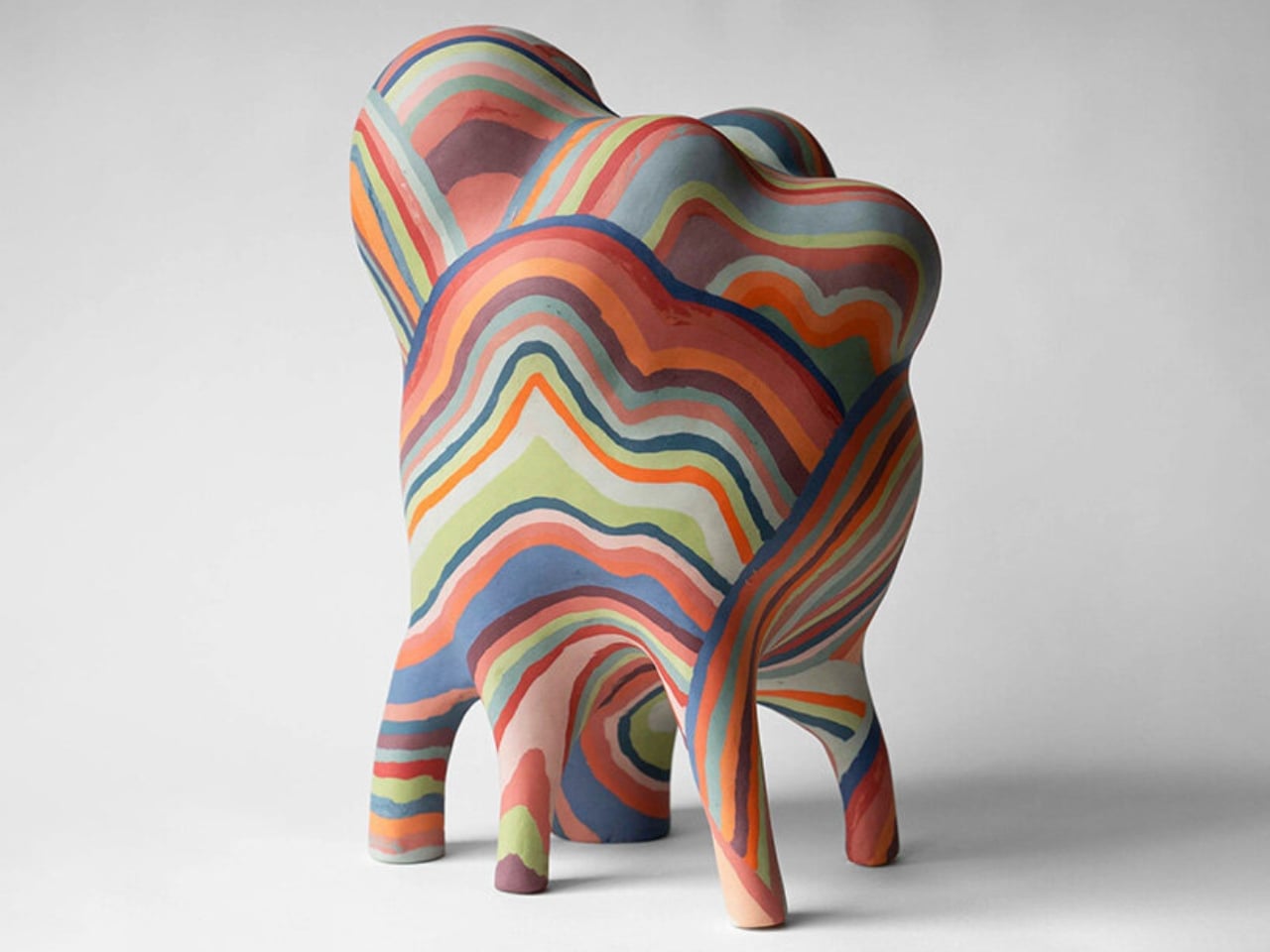
The technique she relies on is nerikomi, a traditional Japanese method that involves stacking clay of different colors and slicing through it to reveal the pattern within. But Baek’s application of it feels more contemporary than the technique’s origins might suggest. Color, in her hands, is structural rather than decorative. It moves through the clay like a current, not like paint on a surface. She has described color gradients as “the continuous nature of change,” and a multitude of colors as “potential, abundance, and vitality.” That framing matters. It tells you the work isn’t just pretty, it’s philosophic.

The piece titles reinforce this. Micro-organisms, Glow Sticks, and Outer Galaxies. Prismatic Walking Cloud. 5 Eyes (Dream State Series). Cloudbloom. They read like entries in a field guide to a world that hasn’t been discovered yet, which is probably the most accurate way to describe what Baek is building. Her ceramics operate on what one description of the work calls “dream logic, one that accepts incongruity and dissonance as necessary to play and experimentation.” That’s a generous creative framework, and it shows. The work never feels confused or unresolved. It feels deliberate in its strangeness.

What I find most refreshing about Life Forms is that it doesn’t ask you to bring any specific context to it. You don’t need to know the theory behind nerikomi or have an opinion about contemporary ceramics to stand in front of one of these pieces and feel something. They work on a more basic level, the level of looking at something unfamiliar and recognizing it anyway. Like you’ve seen its kind before, somewhere between a dream and a nature documentary.

The post Janny Baek’s Ceramics Look Like They’re Still Evolving first appeared on Yanko Design.
❌