Vue lecture

Il y a de nouveaux articles disponibles, cliquez pour rafraîchir la page.

Google neutralise la première cyber-attaque massive générée par une IA

Google a balancé l'info via son équipe cyberdéfense, le GTIG (Google Threat Intelligence Group). Des cybercriminels ont utilisé une IA générative pour dénicher et écrire un code d'attaque exploitant une faille inconnue (ce qu'on appelle un zero-day, une vulnérabilité que l'éditeur du logiciel n'a pas encore corrigée).

Et ils s'apprêtaient à lancer une vague d'attaques massives. C'est, d'après Google, la première fois qu'on observe ça dans la vraie vie, pas en labo.

La faille concernait un outil d'administration de serveur open-source très utilisé, dont Google ne donne pas le nom (le temps que tout le monde installe le correctif).

Le bug permettait de contourner la double authentification, le fameux code à 6 chiffres ou la notification sur le téléphone qui sécurise vos comptes. En pratique, il fallait quand même un identifiant et un mot de passe valides au départ, donc ce n'est pas une attaque magique en un clic. Mais une fois ce sas franchi, la 2FA tombait toute seule.

Ce qui a mis la puce à l'oreille des chercheurs, c'est l'allure du script Python utilisé pour exploiter la faille. Trop bien écrit, trop documenté, trop scolaire en fait.

Il était bourré de commentaires pédagogiques (le genre qu'on retrouve dans un tuto pour débutant), il affichait un menu d'aide impeccable, et surtout un score de dangerosité CVSS complètement inventé. Cette dernière trouvaille, c'est l'indice qui ne trompe pas, seul un modèle de langage peut halluciner un chiffre officiel avec autant d'aplomb.

John Hultquist, le chef analyste du GTIG, explique que les IA génératives sont vraiment douées pour repérer ce genre de faille logique de haut niveau, là où les outils d'audit classique (les "fuzzers" qui bombardent un logiciel de données aléatoires pour le faire planter) passent à côté.

Google précise au passage que ce n'est pas Gemini, son propre modèle d'IA, qui a été utilisé. Lequel alors ? Mystère, l'équipe de Mountain View ne le dit pas. On imagine que les criminels n'ont pas demandé poliment l'autorisation à un éditeur d'IA. Affaire à suivre.

Le rapport donne d'autres pépites. Le groupe nord-coréen APT45 utiliserait l'IA pour tester des milliers d'exploits en masse. Des opérateurs chinois liés à l'État expérimenteraient l'IA pour chasser les vulnérabilités.

Des backdoors (des portes dérobées cachées) sur Android interrogent directement Gemini pour piloter les téléphones infectés. Et côté désinformation, des opérations russes intègrent du faux audio généré par IA dans de vraies images d'actualités. Bref, ça bouge de partout.

Bonne nouvelle quand même, la campagne d'attaque massive a été désamorcée. Google a coordonné un correctif discret avec l'éditeur avant que les criminels puissent appuyer sur le bouton. Cette fois.

Bref, l'IA fabrique maintenant des armes prêtes à l'emploi pour les criminels, et personne ne sait quel modèle a fait le boulot. Rien de rassurant donc.

Source : The Hacker News

Taggez vos photos avec de l'IA en local

Tagger des milliers de photos à la main, c'est le genre de corvée qu'on remet tous à plus tard depuis des années. Mais c'était sans compter sur photo-folder-tagger de Laurent Voillot qui règle ça grâce à 6 modes IA spécialisés, le tout en local, sans envoyer une seule image dans le cloud.

Vous faites pointer l'outil sur un dossier, vous choisissez le mode IA correspondant à vos photos, et hop, des fichiers XMP annexes sont générés à côté de chaque cliché. Ces fichiers contiennent les tags et sont directement lisibles par Lightroom Classic, Capture One, Bridge, Darktable et DigiKam, ce qui évite d'avoir à ré-importer ou à modifier les originaux !

Les 6 modes couvrent des usages bien distincts. Le mode Balade utilise CLIP SigLIP2 pour la classification générale (~50 ms par photo). Le mode Animaux combine BioCLIP v1 + CLIP (~40 ms). Pour les oiseaux et les insectes, c'est BioCLIP 2, entraîné sur 214 millions d'images de biodiversité (TreeOfLife-200M), à ~55 ms par image. Le mode Vacances sort la grosse artillerie avec Ollama et qwen2.5vl pour générer des descriptions en langage naturel (~1.8 s par photo).

Et le mode qui mérite une mention spéciale c'est Astro capable d'identifier automatiquement les objets célestes : Galaxies, nébuleuses, amas d'étoiles... les tags XMP pointent alors vers les références Messier, NGC ou IC correspondantes. C'est assez dingue comme feature.

En tout cas, c'est plus précis d'avoir tous ces petits modèles spécialisés plutôt que d'avoir un seul modèle qui fait tout. BioCLIP 2 sur la faune donne par exemple des résultats qu'un modèle généraliste n'atteindra pas.

L'installation se fait après récupération des sources via pip install -r requirements.txt. Tout est configurable dans config.yaml, les modèles IA utilisés, la langue des tags, les seuils de confiance...etc puis ça se lance avec python photo_folder_tagger.py. Au passage, n'oubliez pas que si vos photos sont un peu floues avant de lancer le tagger, SuperImage peut les upscaler en amont.

Bref, si vous avez des disques entiers de photos nature, astro ou de rando qui traînent sans tags depuis des années, c'est l'outil qu'il vous faut.

Merci à Laurent Voillot.

Spotify génère maintenant vos podcasts tout seul

Spotify vient d'annoncer un truc intéressant je trouve, qui s'appelle les Personal Podcasts. Le principe c'est de demander absolument tout ce que vous voulez, par exemple un podcast sur un cours que vous venez de suivre, sur un bouquin, sur un article de Korben.info voire sur votre planning de la semaine, vos objectifs...etc etc... Peu importe... Spotify prend tout ça, et génère un épisode audio personnalisé raconté par une voix IA plus ou moins moche.

Et l'épisode apparaît alors directement dans votre bibliothèque, comme si quelqu'un avait fait un résumé audio de votre semaine.

Et pour faire ça, ils ont mis en ligne un repo GitHub save-to-spotify qui est un outil en ligne de commande permettant à des agents IA de créer ce podcast personnalisé tout ça accessible en ligne de commande ou via des agents comme Claude Code, OpenClaw ou Codex.

Que ce soit sous macOS ou Linux, ça s'installe en une ligne (allez lire le install.sh par sécurité quand même avant de l'exécuter) :

curl -fsSL https://saveto.spotify.com/install.sh | bash

Et si vous êtes sous Claude Code, c'est encore plus immédiat :

/plugin marketplace add spotify/save-to-spotify

Le skill se retrouve dans ~/.claude/skills/save-to-spotify/ et votre agent peut demander à Spotify de générer un podcast à la demande pour ensuite le pousser sur Spotify.

Rien de compliqué en fait !

Par contre, le podcast créé est 100% privé, donc vous ne pourrez pas le partager avec vos amis. Mais c'est pas bloquant non plus puisqu'il est toujours possible d'aller récupérer dans les dossiers temporaires de génération de l'émission les MP3 que ça vous crache pour ensuite les mettre ailleurs, soit sur votre site, soit les diffuser sur votre vrai podcast Spotify accessible à tous.

Maintenant, est-ce que je vais faire mon podcast pour raconter les actus que je mets sur ce site ?

Alors j'ai pas le temps mais je le ferai peut-être un jour si la qualité audio de l'IA est suffisante pour que ça ait l'air vraiment produit par un humain et pas par une machine. Pour vous donner une idée, voici ce que ça donne :

Donc c'est pas encore qualitatif... À voir en passant par des moteurs TTS comme ceux d'ElevenLabs... mais pour l'instant, c'est pas d'actualité pour moi. On verra bien... Je me suis quand même amusé à mettre les fichiers texte et JSON produits dans Notebook LM pour faire un autre type de podcast qui cette fois est un peu plus long et plus quali... Je vous mets ici.

Après, peu importe que vous le génériez via l'outil de Spotify ou autrement en passant par un autre outil, le CLI Save To Spotify, vous permettra ensuite de le mettre sur votre compte Spotify pour l'écouter par exemple dans la voiture ou dans les transports.

Bref, c'est disponible et si vous avez Claude Code sous la main, ça prend une ligne à installer. L'annonce complète est par ici .

Kenya's President warns Microsoft’s $1 billion AI data center will "switch off half the country" — but my government insists it hasn't failed or withdrawn from the project

Microsoft’s $1 billion Kenyan AI data center stalls as the power grid struggles to meet demand, sparking fears of blackouts and resource strain.

Kenya's President William Ruto delivers a speech at a podium with the Kenyan emblem. Behind him are the Kenyan flag and the Microsoft logo.

President William Ruto says the data center would <em>"switch off half the country"</em> to keep itself running.

"It was sort of amateur city": Microsoft CEO Satya Nadella believes Sam Altman was fired out of jealousy, not for being consistently candid in his communications

Microsoft CEO Satya Nadella testified in the ongoing Musk v. Altman trial, indicating that the billionaire didn't raise any issues about the partnership and investments despite having his phone number.

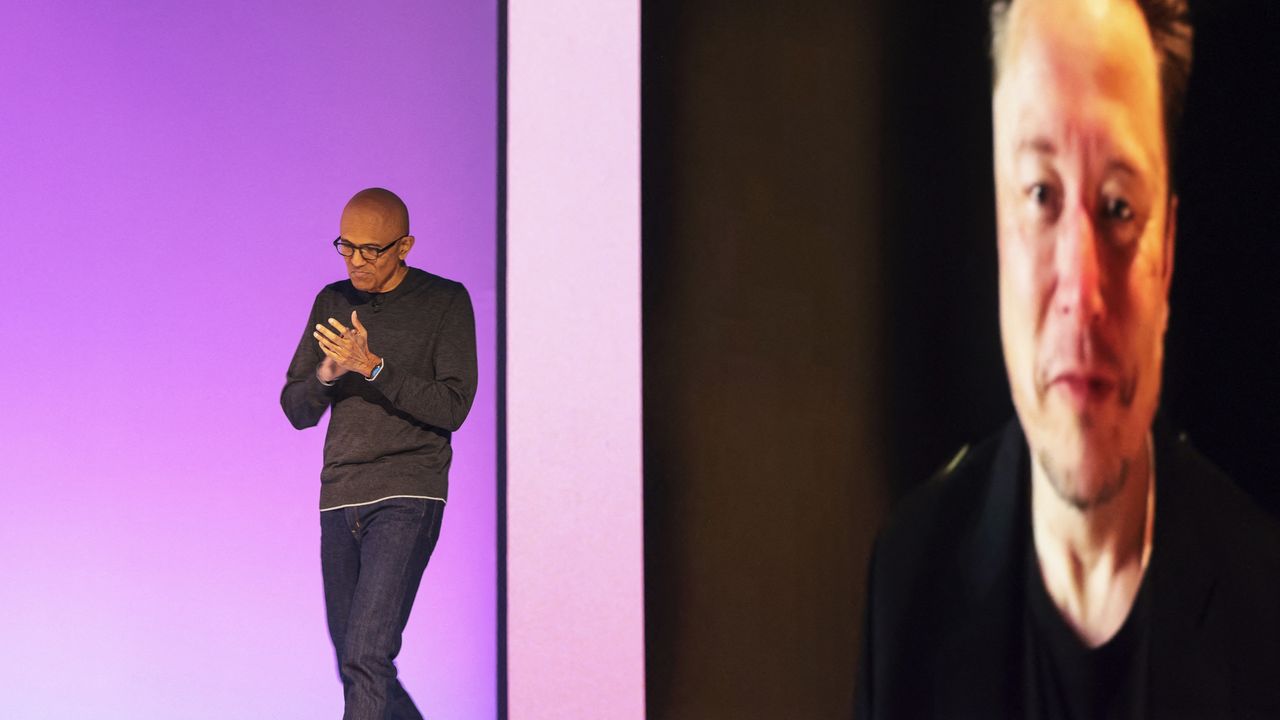
Microsoft Chairman and Chief Executive Officer Satya Nadella (L) returns to the stage after a pre-recorded interview with Elon Musk was played following the announcement that Grok AI, by Musk's artificial intelligence start up xAI, will be available on Microsoft's Foundry Models, during the Microsoft Build conference opening keynote in Seattle, Washington on May 19, 2025. (Photo by Jason Redmond / AFP) (Photo by JASON REDMOND/AFP via Getty Images)

Microsoft CEO Satya Nadella testified in the ongoing Musk v. Altman trial.

SS&C Intralinks FundCentre AI vs. Juniper Square: Which platform better supports modern private markets fund managers?

As private markets firms expand beyond single-asset strategies, platform limitations become more visible. FundCentre AI and Juniper Square take different approaches to scale, reporting, and operational efficiency.

The post SS&C Intralinks FundCentre AI vs. Juniper Square: Which platform better supports modern private markets fund managers? appeared first on TechRepublic.

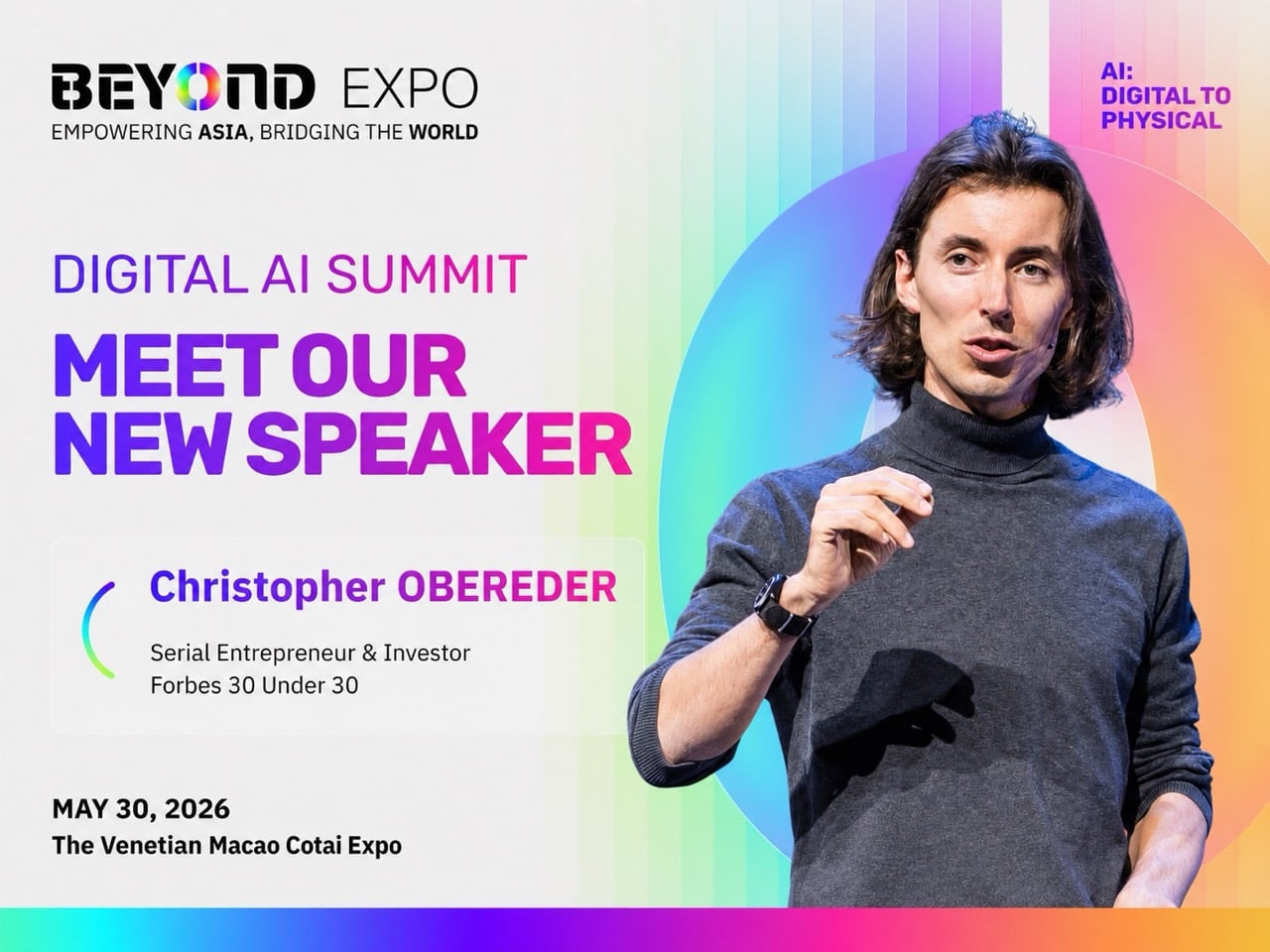
BEYOND Expo 2026: Asia’s Biggest Tech Event Just Told the World That AI Software Was Only the Warm-Up

Every major tech conference eventually finds its thesis statement. CES landed on “everything is connected.” SXSW staked out culture-meets-technology. BEYOND Expo‘s thesis for 2026 is more specific, and honestly more timely: AI has spent years proving itself in software, and the interesting question now is what happens when it leaves the screen. The official theme, “AI: Digital to Physical,” takes over from last year’s theme of Transforming Uncertainty into a Trigger for Innovation. Timed perfectly around the global speculation that AI’s a bubble, it’s a genuine reflection of where the most consequential AI work is actually happening right now, in robotics labs, automotive platforms, wearables, and manufacturing floors across the Greater Bay Area.

BEYOND has been building toward this moment since Dr. Lu Gang launched it during a global lockdown in 2021, a decision he’s called delusional in hindsight during an interview with Yanko Design, but with the kind of grin that says he’d do it again. The original problem he was solving was simpler than people realize: Asia’s most interesting founders kept showing up at CES and Web Summit as attendees rather than headliners. A hardware startup out of Shenzhen with genuinely world-class AI chops would get a 3×3 booth on a back wall while the stage went to the usual suspects. BEYOND was built to fix that imbalance, and five years in, it’s working.

Click Here to know more about the BEYOND Expo 2026

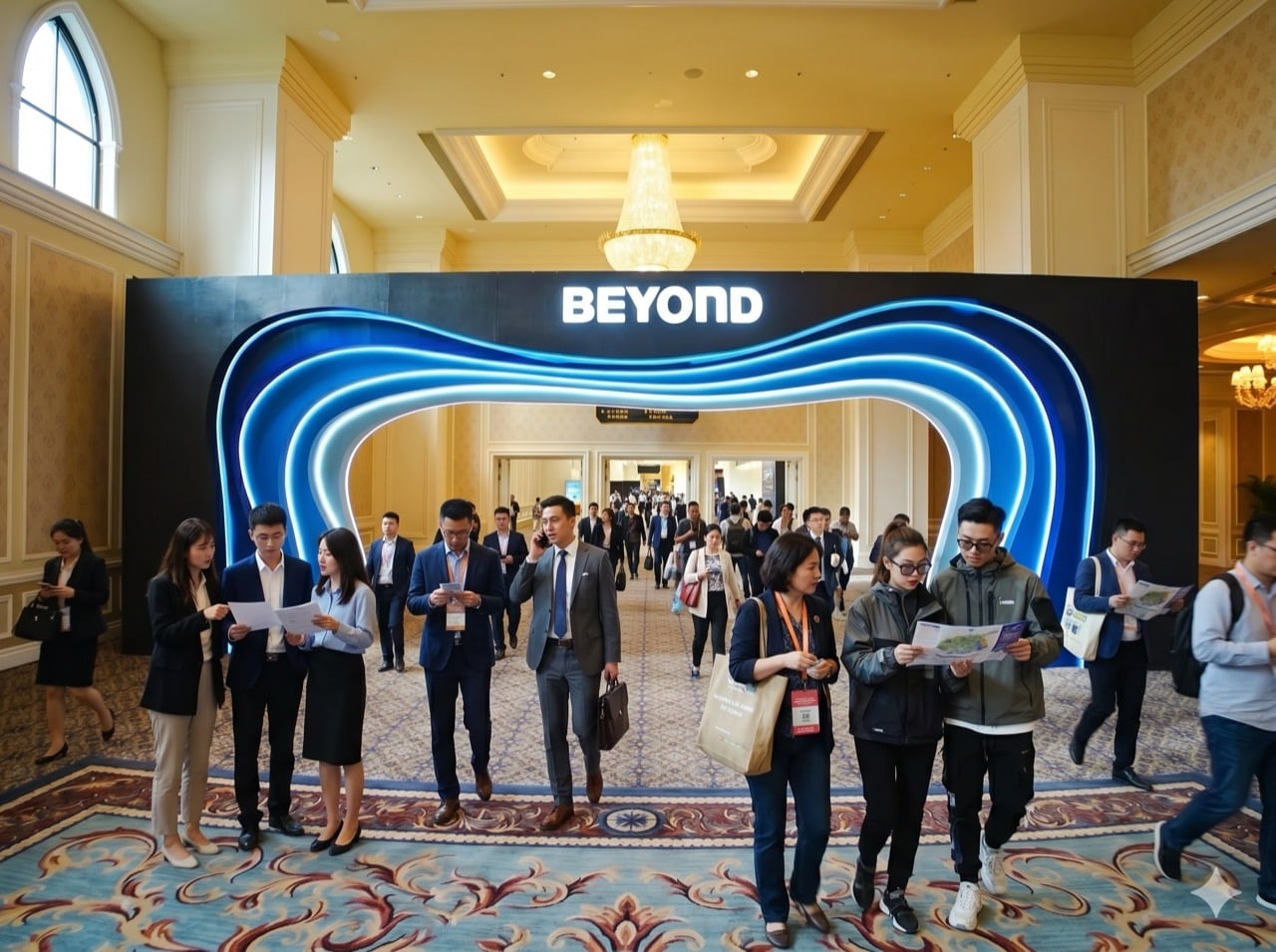
The 2026 edition is aiming for 30,000 attendees, a significant jump from 2024’s 20,000, and the programming reflects a maturing event that knows its own strengths. The summit lineup spans Humanoid Robotics and Embodied AI, Enterprise Agentic Workflows, Autonomous Driving, AI-Integrated Wearables, and a PayFi and Decentralized AI track that will either feel prescient or premature depending on your priors. What ties all of it together is the through-line of AI becoming something you interact with physically, not just through a chat interface. That’s a meaningful editorial choice, and one that puts BEYOND in a different conversation than conferences still treating large language models as the whole story.

The most interesting addition this year is the GBA Innovation Tour, which gives international attendees direct access to Greater Bay Area manufacturing infrastructure. This matters more than it might sound. Lu Gang has argued for years that what makes Asia’s tech ecosystem genuinely different isn’t just the innovation pipeline, it’s the compression of the distance between idea and physical product. Watching an AI concept move from prototype to production in a Shenzhen facility in weeks rather than months is something you can describe in a keynote, but apparently you need to see it to really understand the scale and speed involved. The tour is BEYOND’s way of making that argument visceral rather than theoretical.

Last year’s theme, “Unveiling Possibilities,” was about reframing uncertainty as creative fuel, which was the right message for a chaotic moment. “AI: Digital to Physical” is more declarative, more confident. It names a specific transition that the industry is mid-stride through, and plants BEYOND squarely in the middle of it. Registration and exhibition details are live at beyondexpo.com.

Click Here to know more about the BEYOND Expo 2026

The post BEYOND Expo 2026: Asia’s Biggest Tech Event Just Told the World That AI Software Was Only the Warm-Up first appeared on Yanko Design.

The Roomba Guy Just Built a Robot Pet You Might Actually Love

If you’ve ever watched your Roomba bump helplessly into a chair leg for the third time and thought, “I deserve better from my robots,” you’re not alone. And apparently, neither did Colin Angle. The co-founder of iRobot, the man who essentially put a hockey puck-shaped vacuum in millions of homes, left the company in 2024 with a new question rattling around in his head: what if a robot could actually feel like it cares about you? The answer is the Familiar, the first prototype from his new startup, Familiar Machines & Magic. And it is not your average robot.

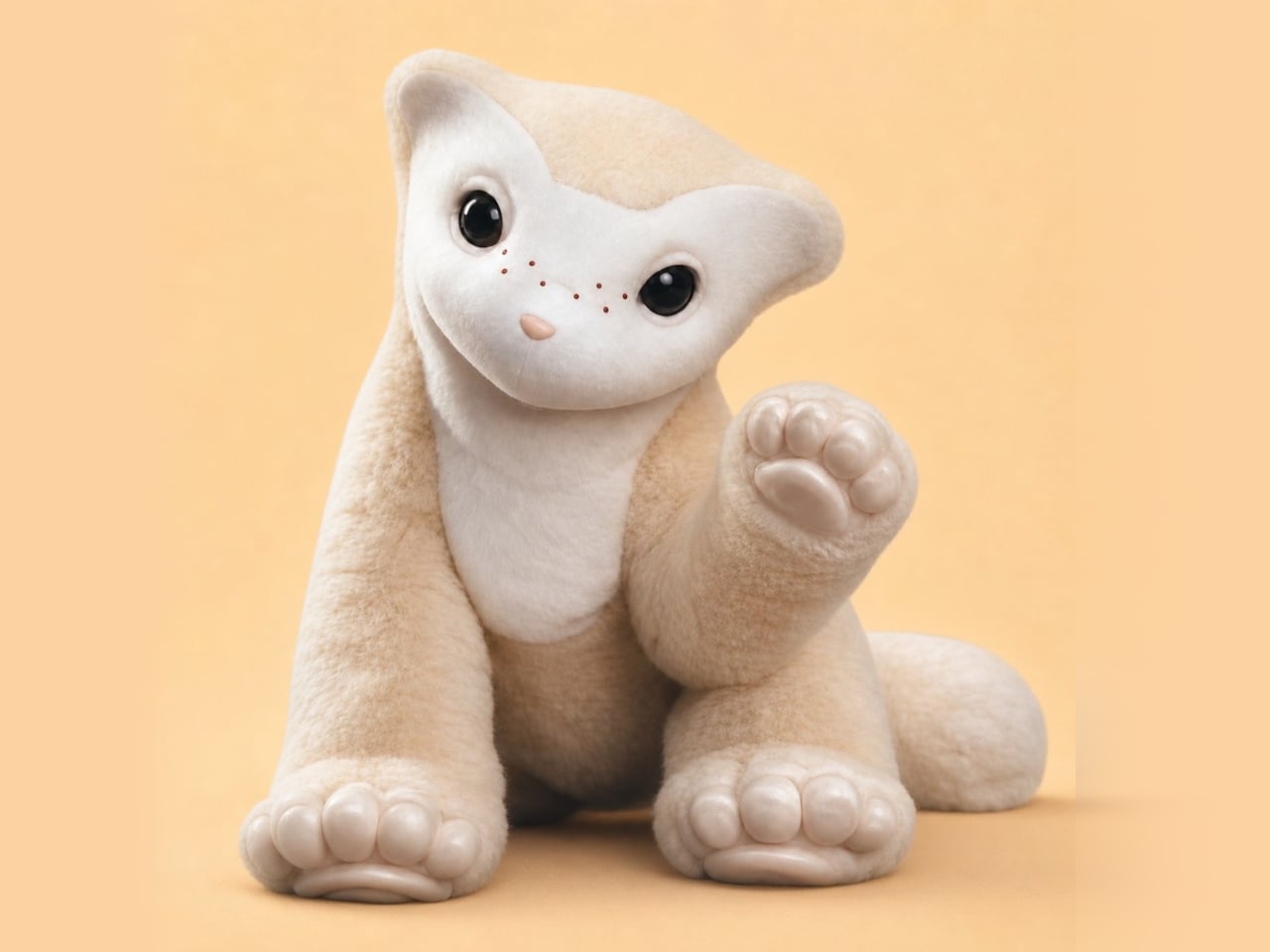
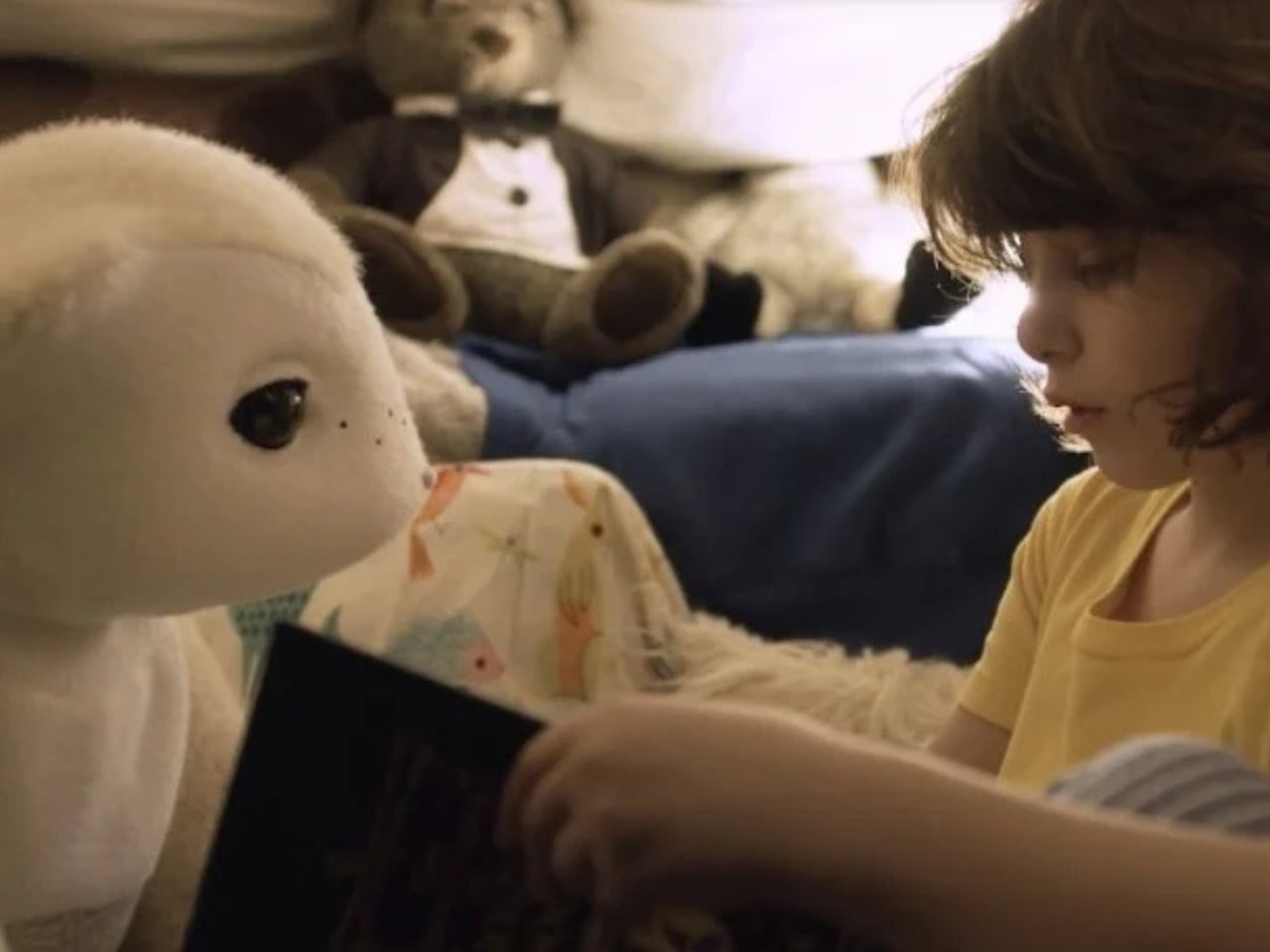
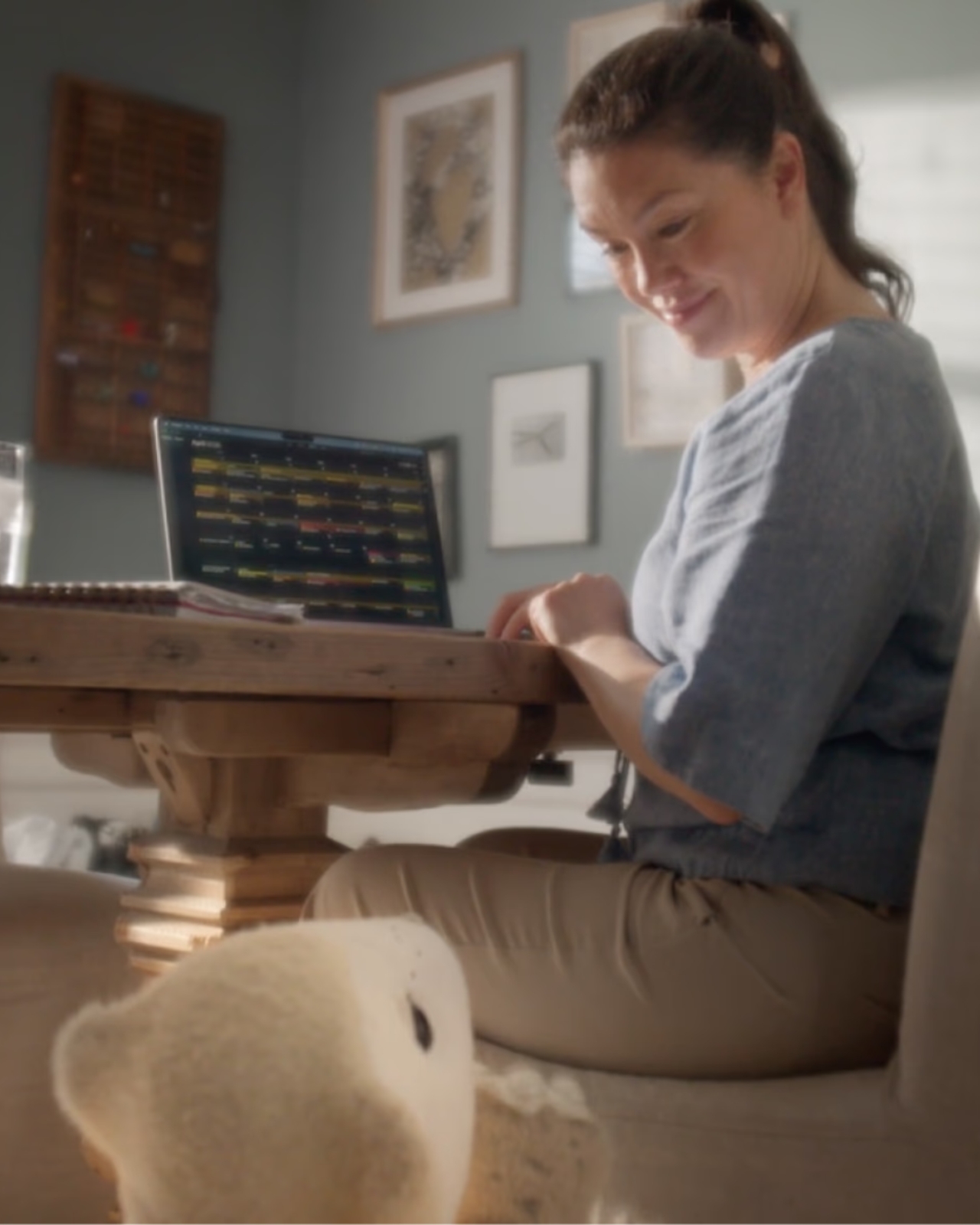
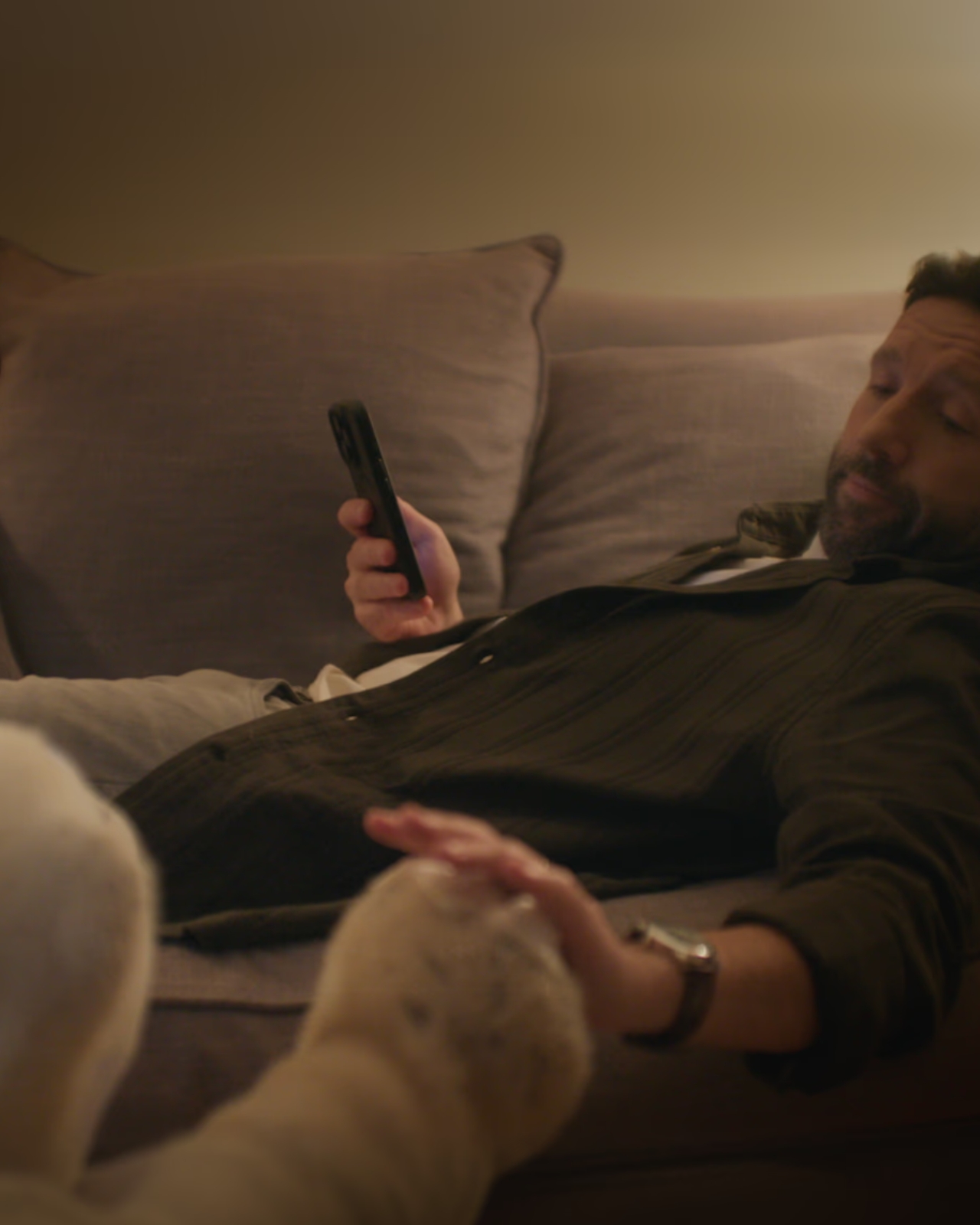
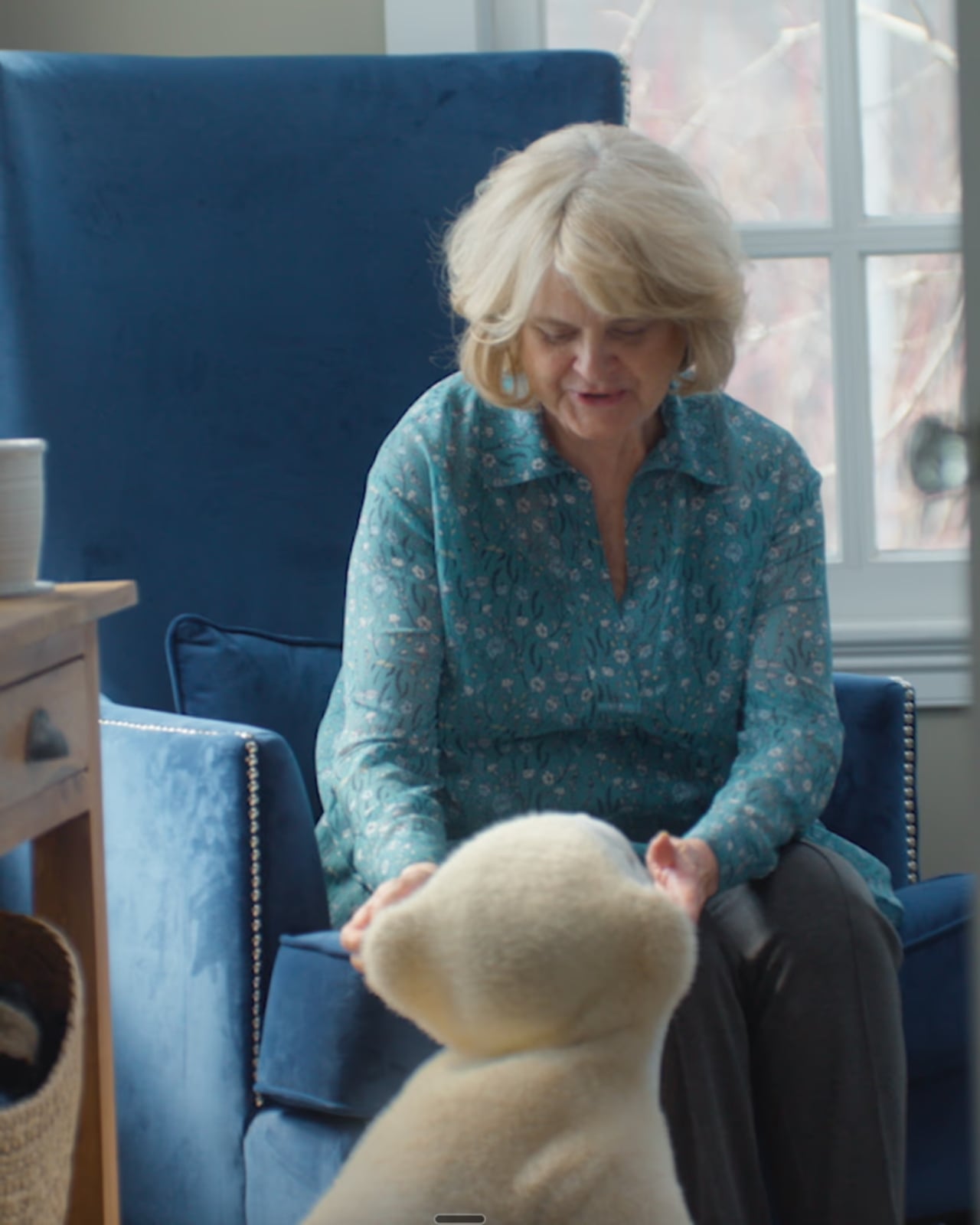
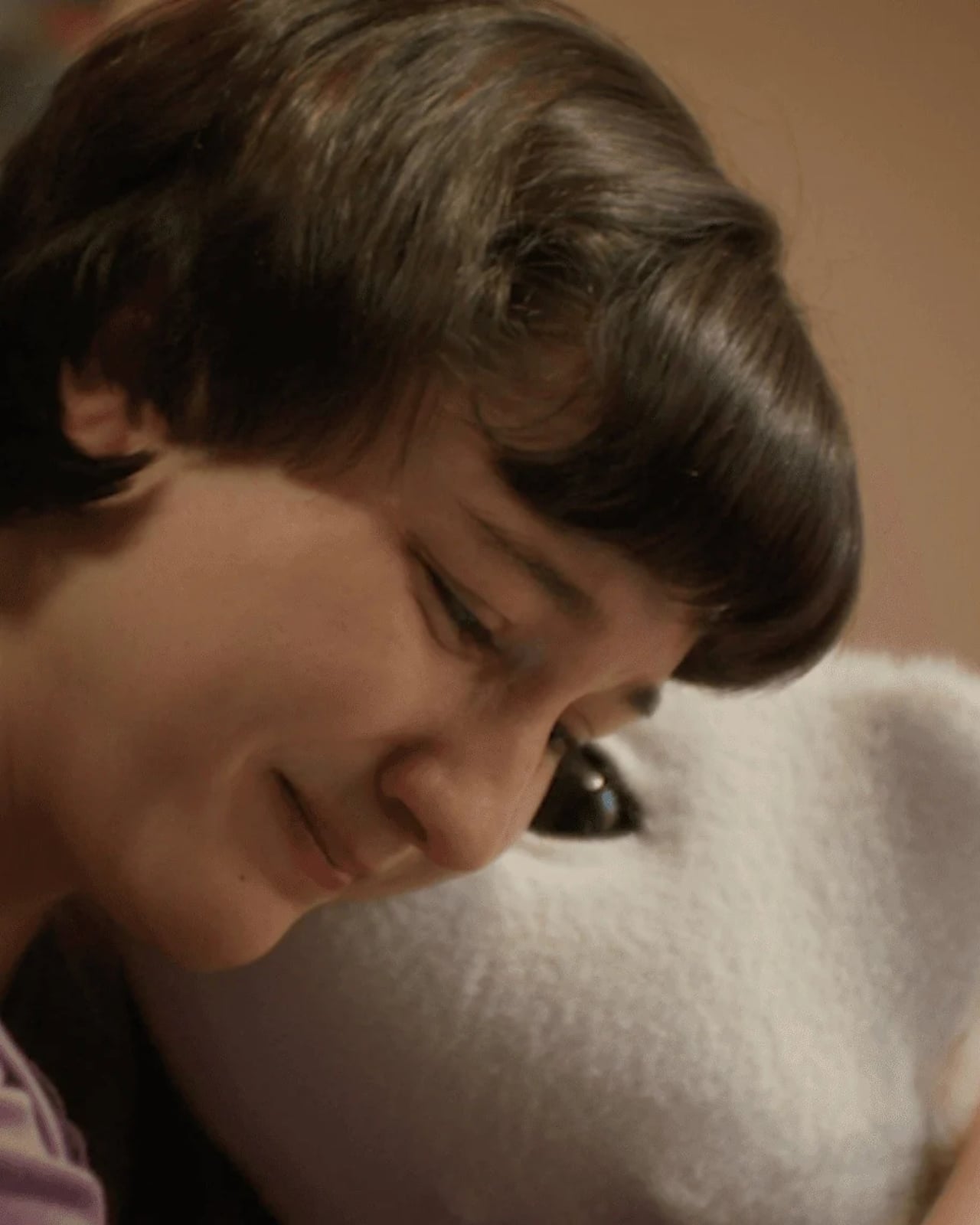
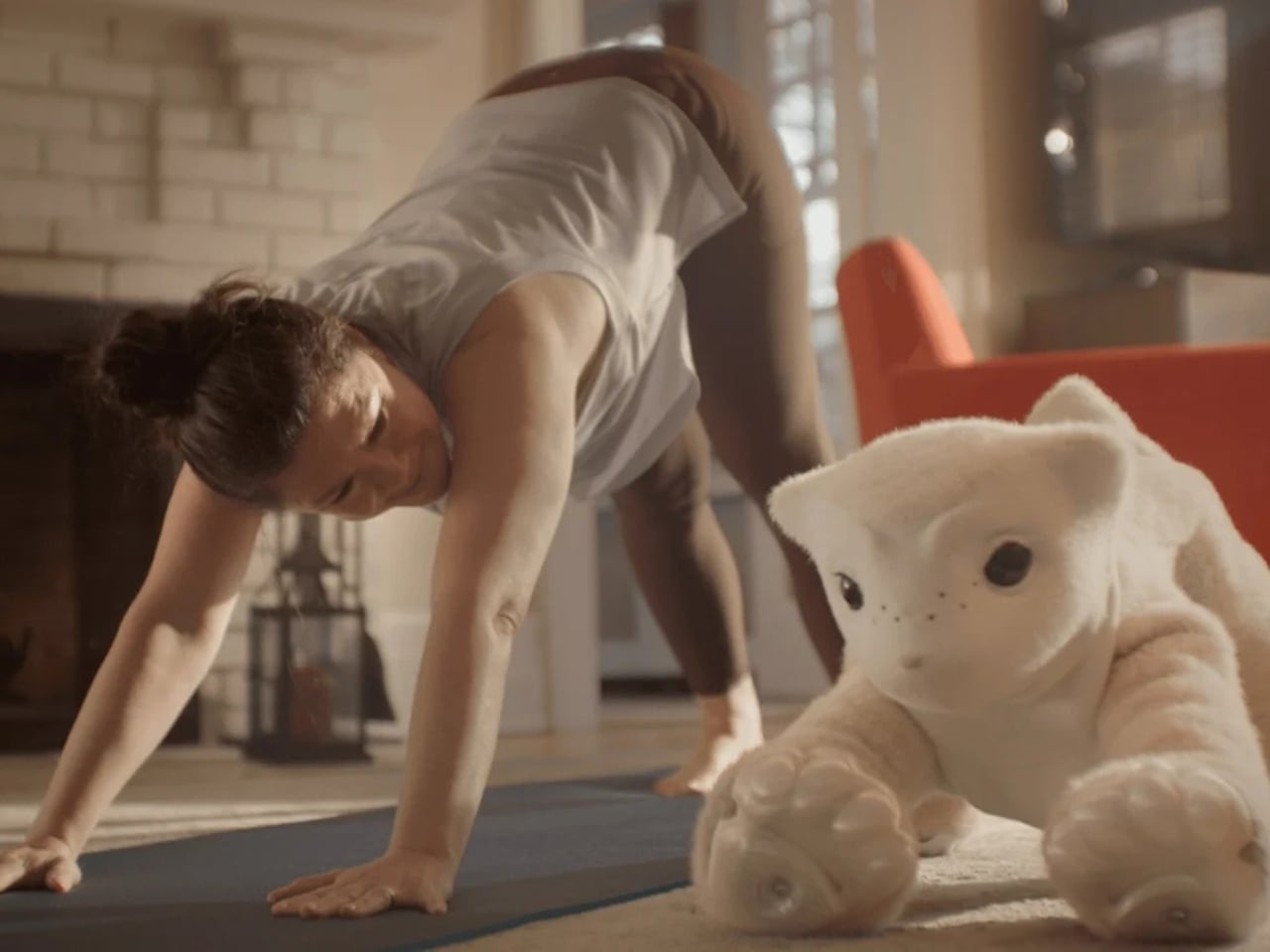
Picture a creature somewhere between a soft-eared dog and a round, slightly abstract bear. It has four legs, huge paws, and doe eyes that make it immediately charming in a way that no Roomba ever attempted to be. It’s furry, expressive, and was designed with the help of former Disney Imagineers, which explains why it looks like it belongs in an animated feature rather than a tech showcase. The Familiar has 23 degrees of freedom, meaning it can wiggle its ears, tilt its head, and wag a small nub of a tail with the kind of fluidity that feels less mechanical and more… alive. Its coat is touch-sensitive, built specifically to encourage physical interaction between you and it.

Designer: Familiar Machines & Magic

It also doesn’t talk. That detail feels deliberate and, to me, very smart. Voice assistants have trained us to think of robots as tools we command. The Familiar is going for something completely different. It’s designed to read your tone of voice, your body language, your overall energy, and respond accordingly. Angle calls it “Consumer Physical AI,” and while the label sounds like something off a product white paper, the idea behind it is genuinely compelling.

The name itself is worth noting. A “familiar” in folklore refers to the supernatural animal companion of a witch or magical figure, a creature bonded to a person not through ownership but through genuine connection. Angle’s team chose that name deliberately, and I think it sets the tone for what they’re trying to build. The goal isn’t to sell you a novelty gadget. It’s to create a new kind of relationship between humans and machines, one built on trust, attentiveness, and something approaching care.

Now, I’ll be upfront: I have feelings about this. Part of me finds it genuinely beautiful as a design concept. The Familiar was clearly approached the way good industrial design should be, with deep thought about how an object makes you feel, not just what it does. The choice to make it animal-like rather than humanoid is interesting, too. There’s far less of the uncanny valley unease that tends to follow humanoid robots around, and more of the universal warmth that most people already extend toward animals.

But another part of me wonders about the emotional stakes here. We’re already watching people form attachments to AI chatbots. A touch-sensitive, furry, expressive robot that mirrors your emotional state is a much more potent version of that. Angle has said he wants it to feel like the machine actually cares about him. That’s a lovely vision. It’s also a design brief that puts enormous responsibility on the creators to get it right, because the flip side of emotional bonding is emotional dependence.

Still, I’d be lying if I said the Familiar didn’t make me curious in the best possible way. The prototype images are almost disarmingly sweet. It looks like something you’d want sitting on the couch next to you while you read, or settled quietly in the corner while you work. If any robot was ever designed to move through your life rather than just function within it, this might be it.

The Familiar is still in the prototype stage, with no confirmed price or release date. But as debut concepts go, it’s a strong one. Whether or not it ever makes it into our homes, it raises questions about what we actually want from the machines we live with. And those questions feel well overdue.

The post The Roomba Guy Just Built a Robot Pet You Might Actually Love first appeared on Yanko Design.

❌