Xero offers a cheaper starting price, but QuickBooks provides more features across all its plans. On the other hand, QuickBooks has user limits for each plan while Xero does not.
A building material designed to break down in water sounds like a homeowner’s nightmare. In Neri Oxman’s research, controlled decomposition can be a design goal. Her work on biopolymer structures addresses a problem that survives an object’s useful life: the material left behind. I like the ambition of designing an exit strategy into an object, even if I wouldn’t want an experimental wall anywhere near my plumbing.
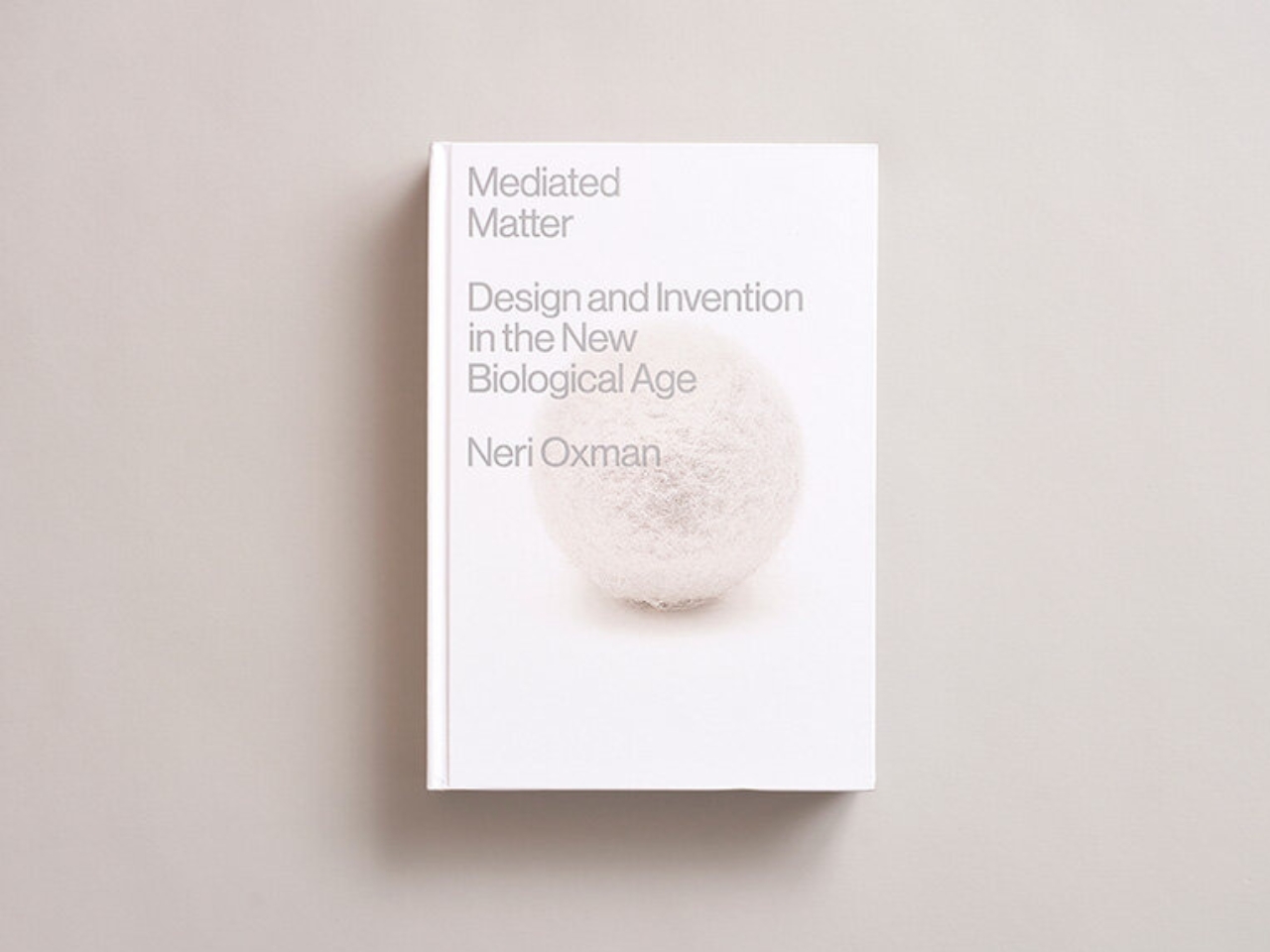
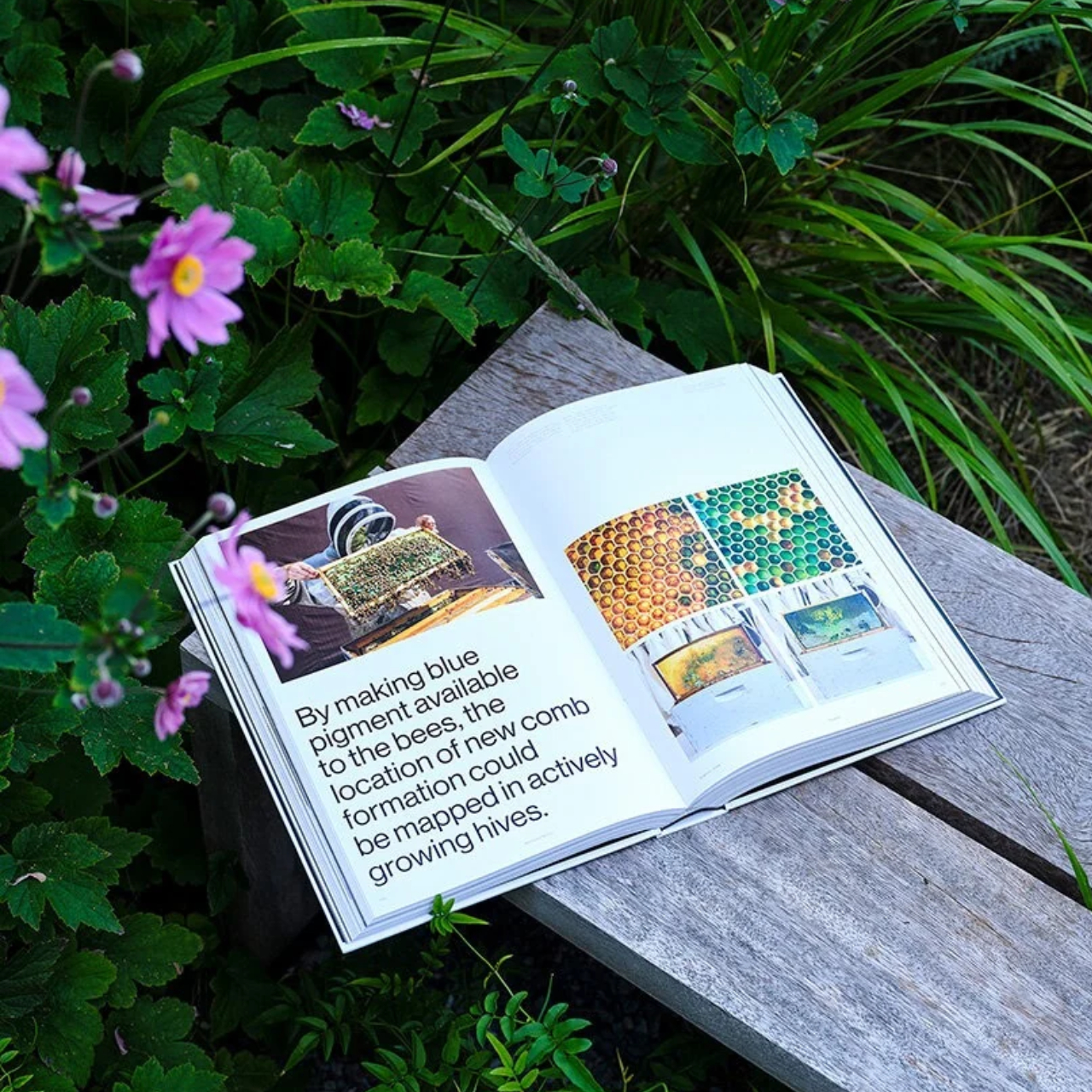
Her book, Mediated Matter: Design and Invention in the New Biological Age, gathers the thinking and research behind that ambition. This 612-page hardcover surveys more than two decades of work spanning biology, computation, and fabrication. This is a record of experiments and possibilities, rather than a catalog of construction products ready for your next renovation.
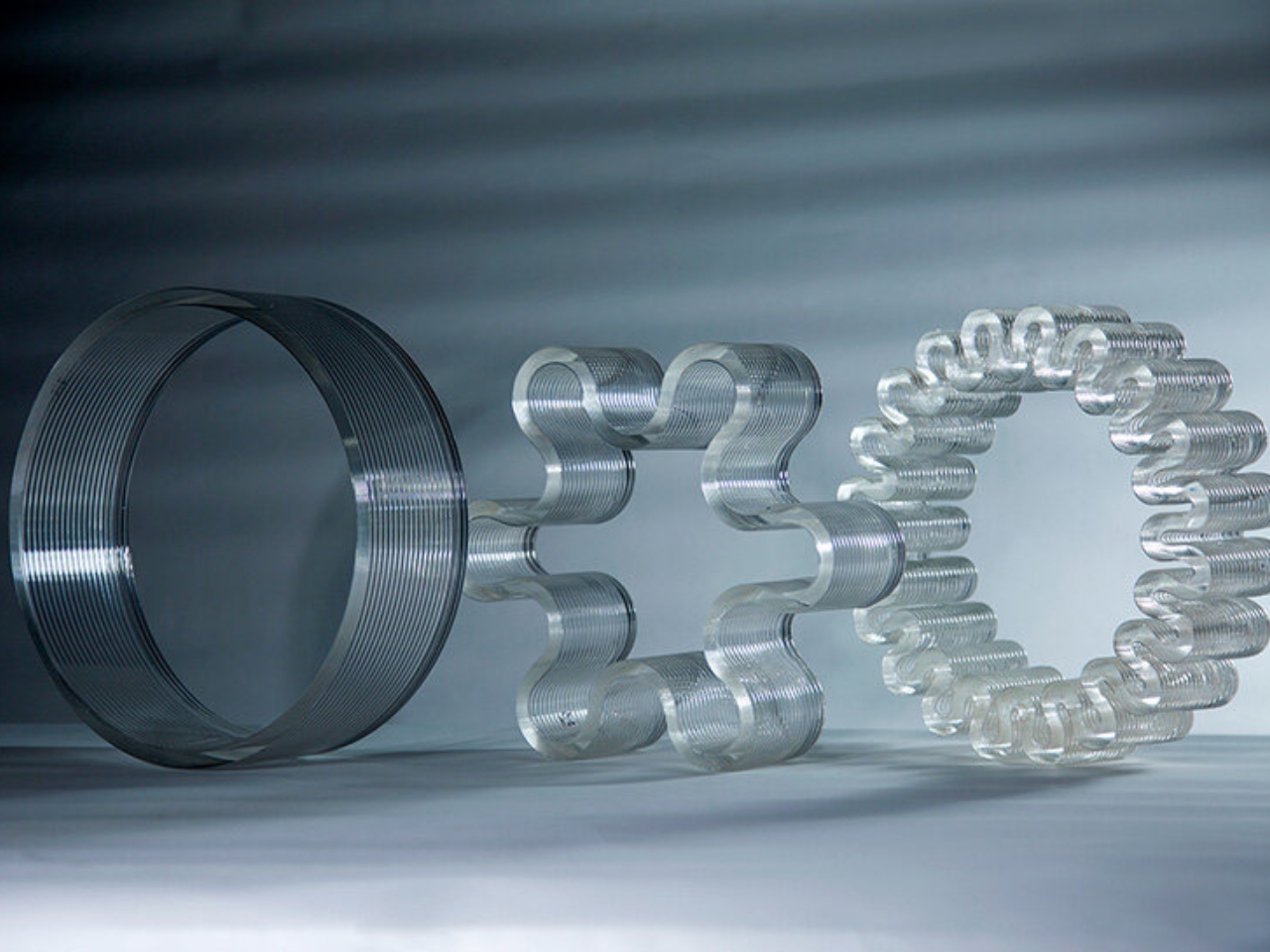
Oxman calls her approach Material Ecology. Developed through her work with the Mediated Matter Group at MIT, it considers how materials, fabrication methods, and environmental conditions can shape one another. The appeal, for me, is that it moves the conversation past appearances. A building can borrow the silhouette of a leaf; the more demanding proposition is to learn from how living systems make and organize material.
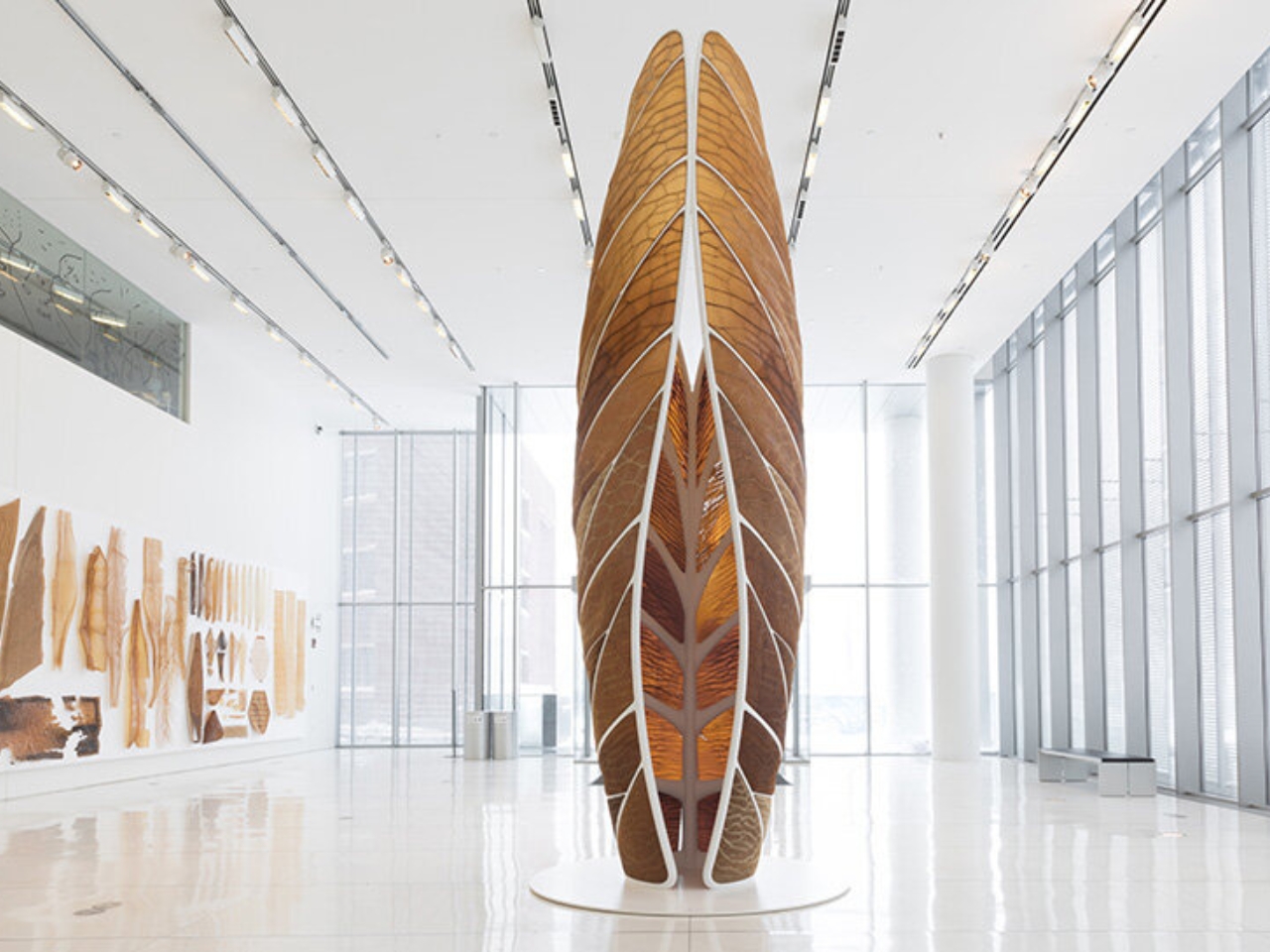
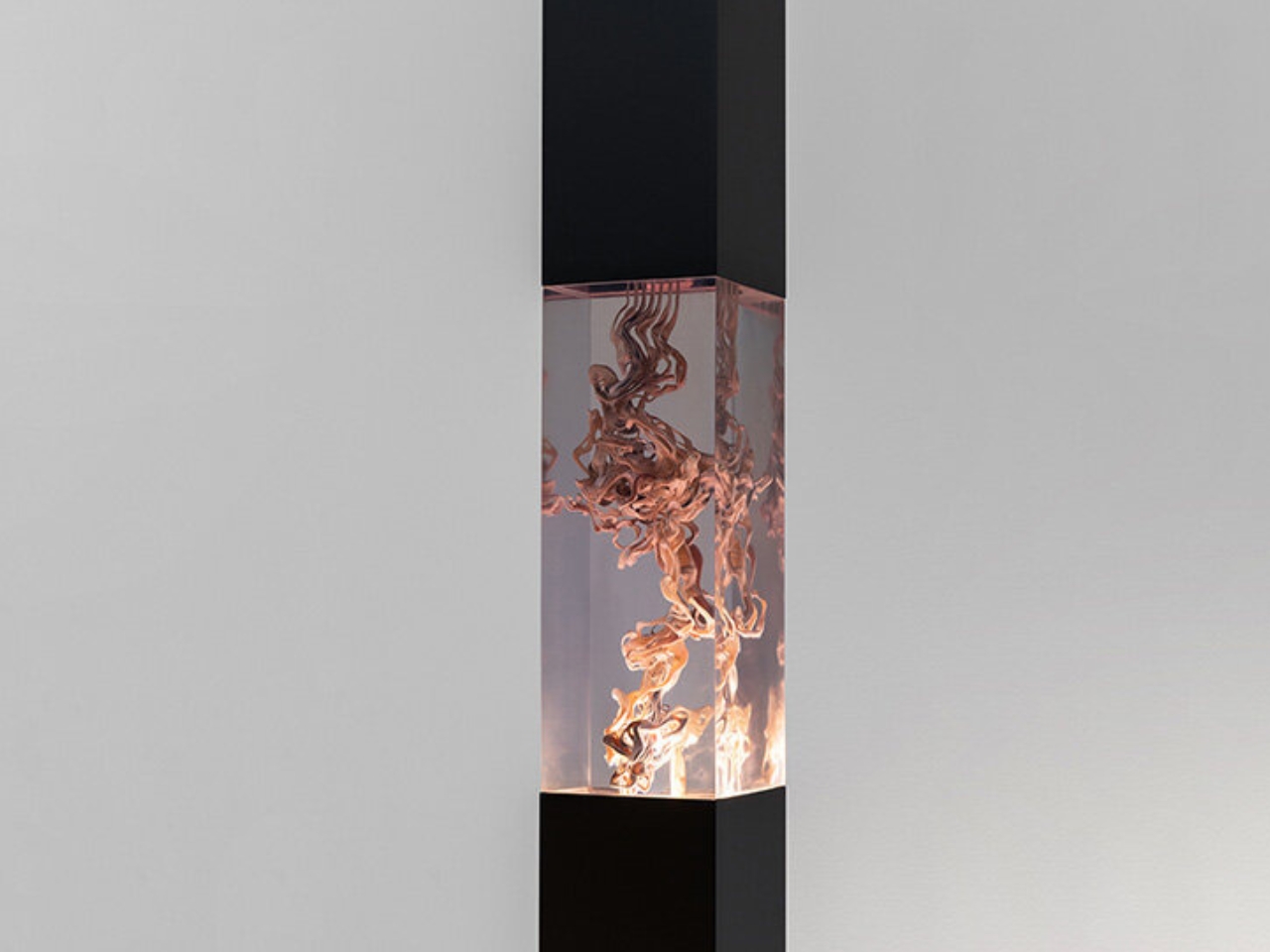
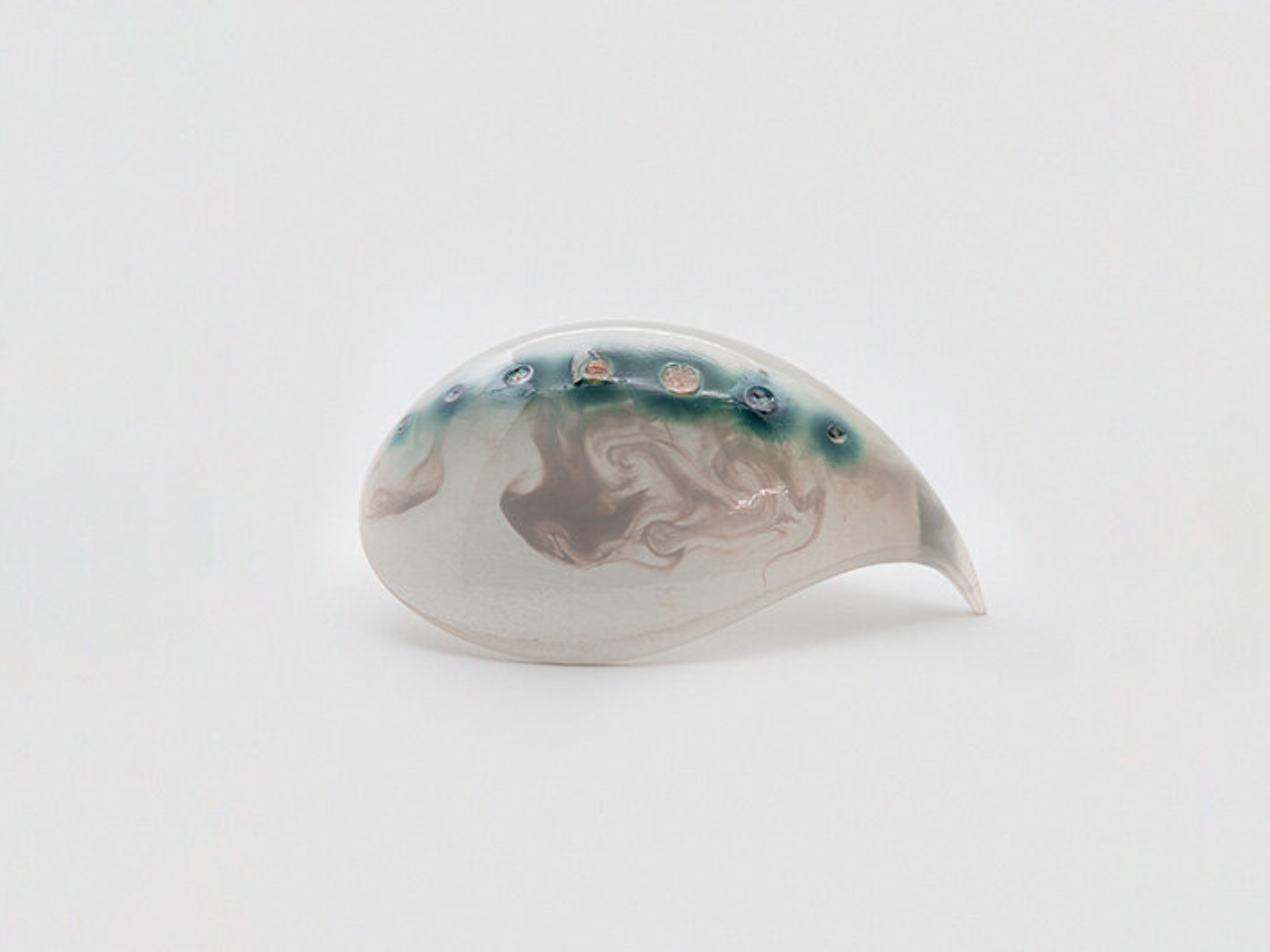
Aguahoja gives that proposition a physical form. Oxman and her team developed a robotic, water-based fabrication process using ingredients including cellulose, chitosan, and pectin. These are biological polymers associated with plant matter, crustacean shells, and fruit. Instead of merely choosing a material from a supplier’s sample book, the researchers vary its composition and distribution during printing to control properties such as stiffness and opacity.
The project’s most provocative decision concerns its ending. According to the team’s documentation, Aguahoja’s biopolymer skins are designed to break down in water, with different components degrading in a controlled sequence. That doesn’t make a rain-sensitive material suitable for every application. It does make disposal part of the original design brief. I’d like that question asked of more objects long before anyone settles on their packaging.
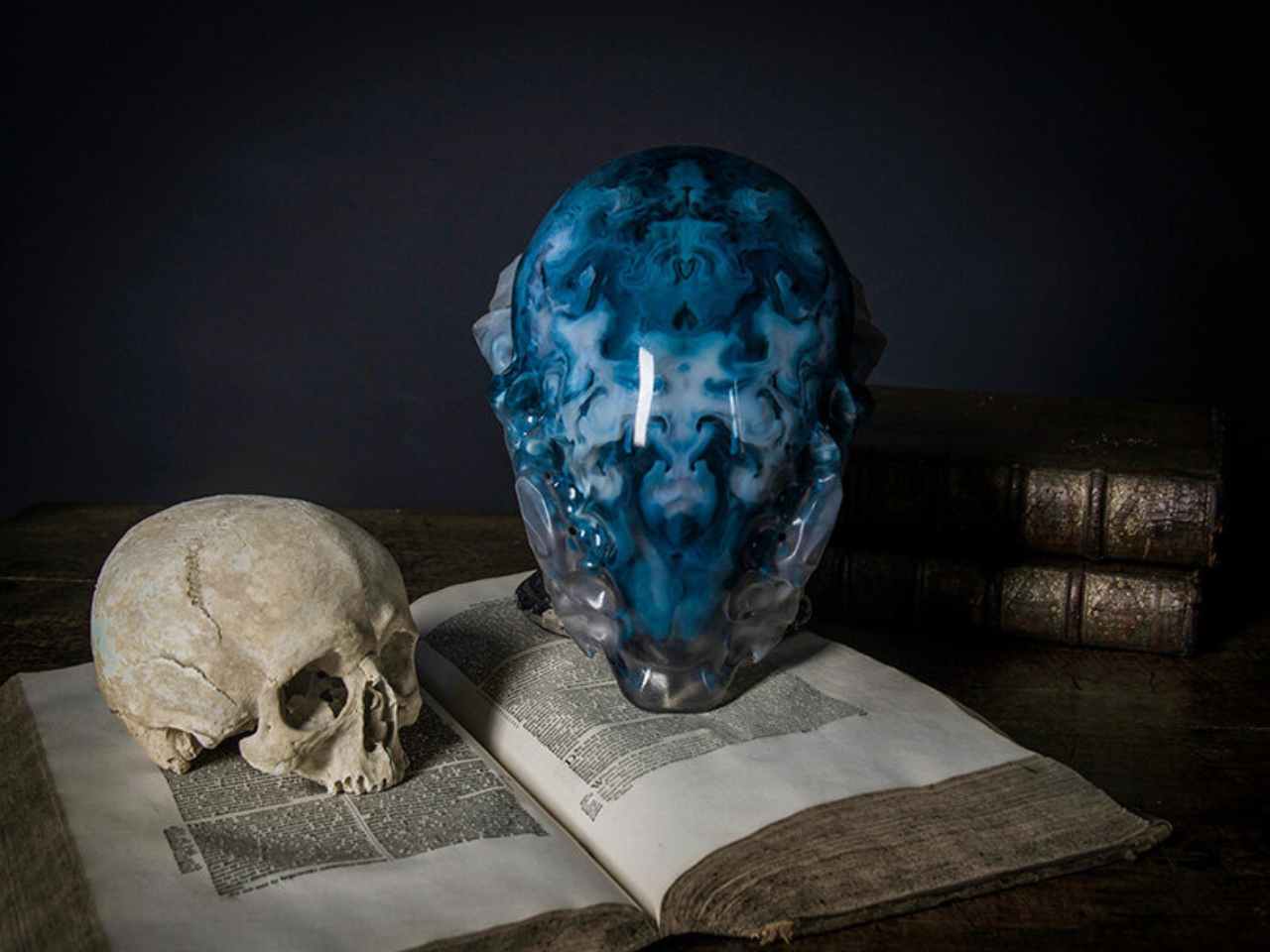
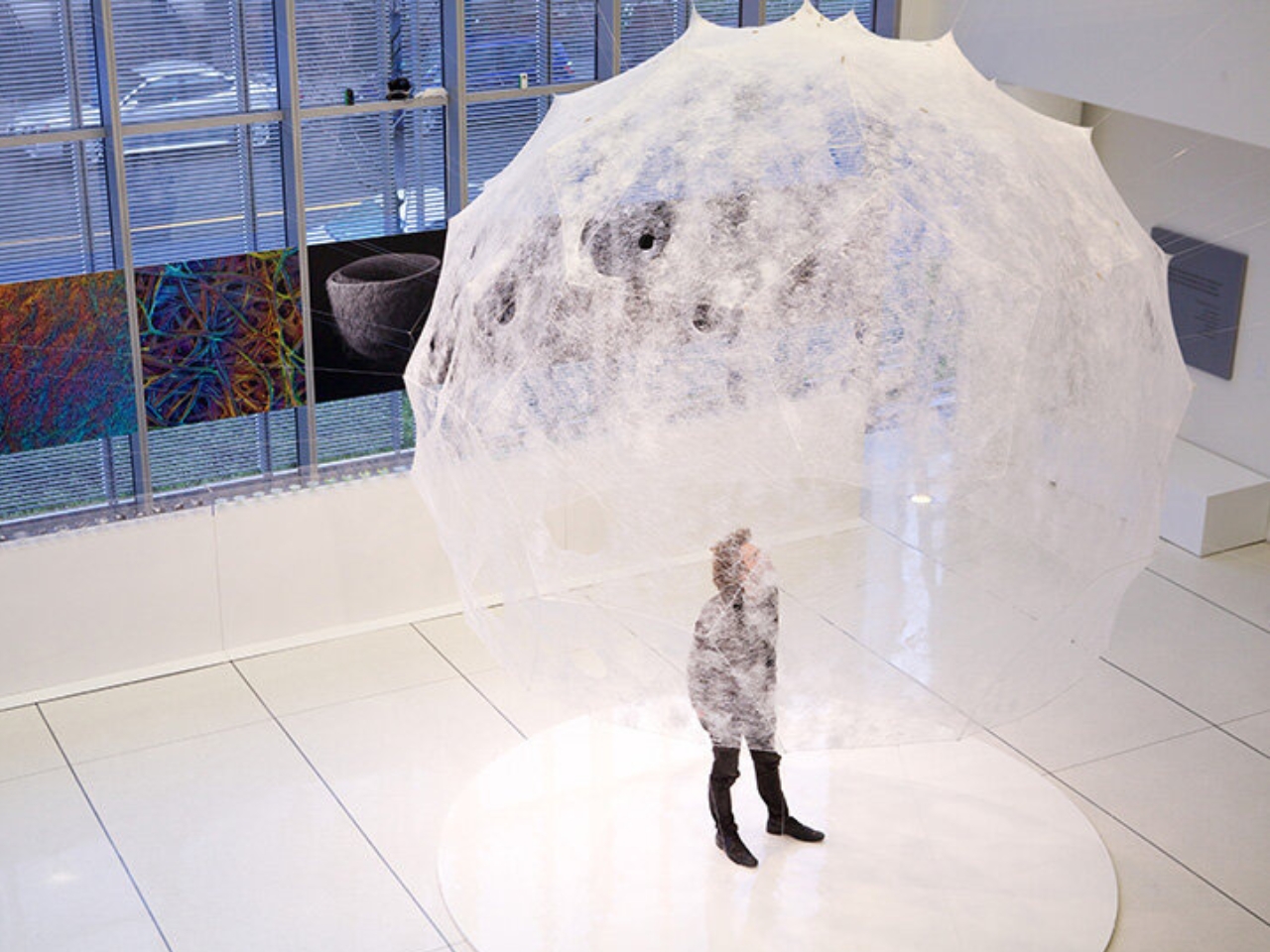
Growth becomes more literal in Silk Pavilion I. A computer-controlled fabrication process established the dome’s underlying structure, while 6,500 silkworms contributed biological fabrication. MoMA’s account explains that the team studied the animals’ responses to spatial and environmental conditions, influencing them to spin sheets rather than cocoons. The designer’s role becomes surprisingly specific: create conditions that guide another species’ behavior, rather than dictate every strand’s final position.
I find that shift more compelling than the easy science-fiction reading of a house that grows itself. It gives design a different kind of job, one involving observation and accommodation as much as control. There’s also a useful humility in accepting that a living collaborator won’t behave like an interchangeable factory component.
Of course, a pavilion isn’t a subdivision. For me, the unresolved questions are practical: how would these approaches handle years of use, repairs, weather, and the budgets of ordinary buildings? A material’s ability to decompose needs careful timing, especially when people depend on it for shelter. Treating these research projects as proof of affordable, durable housing would ask the evidence to carry far too much.
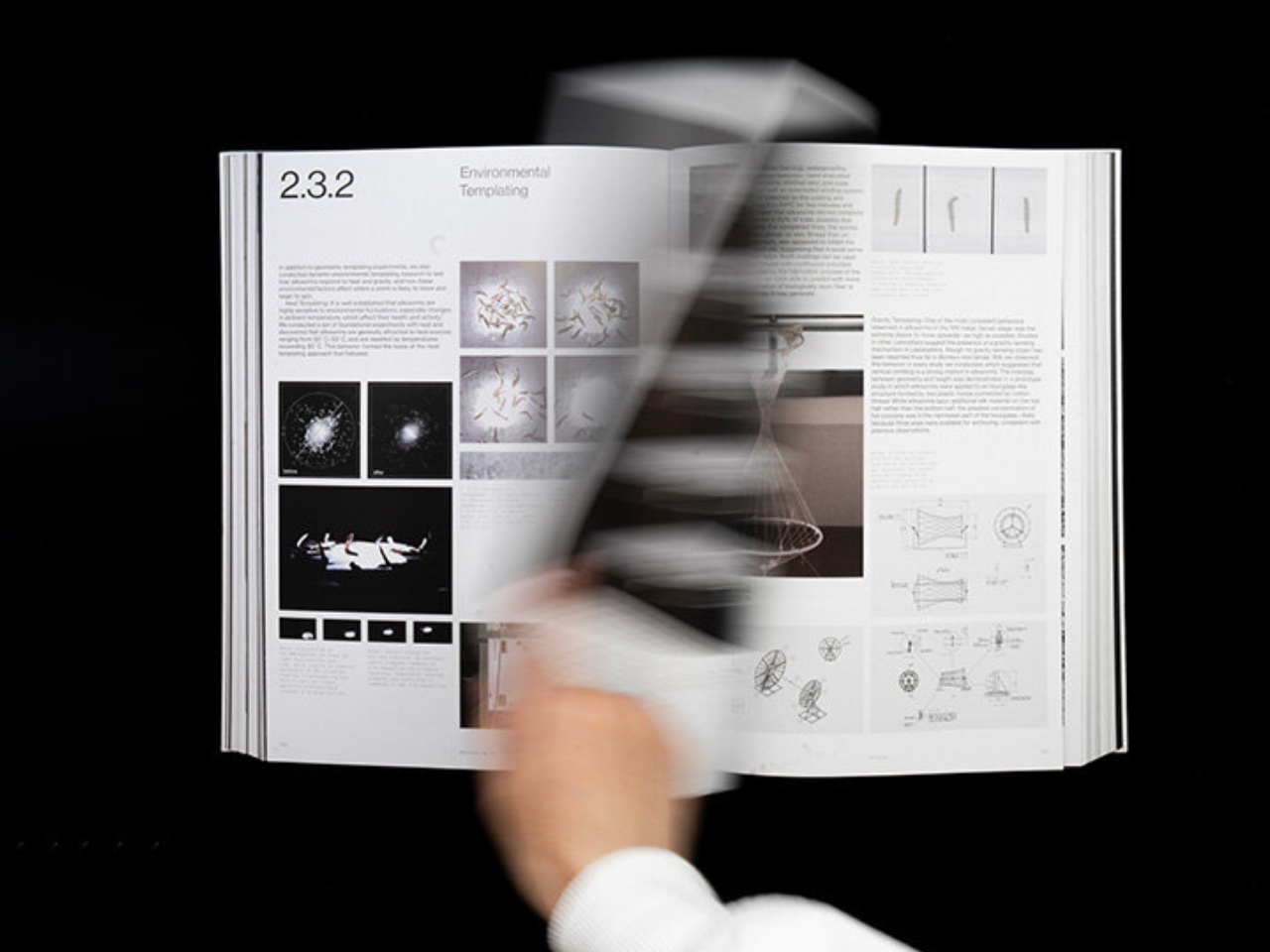
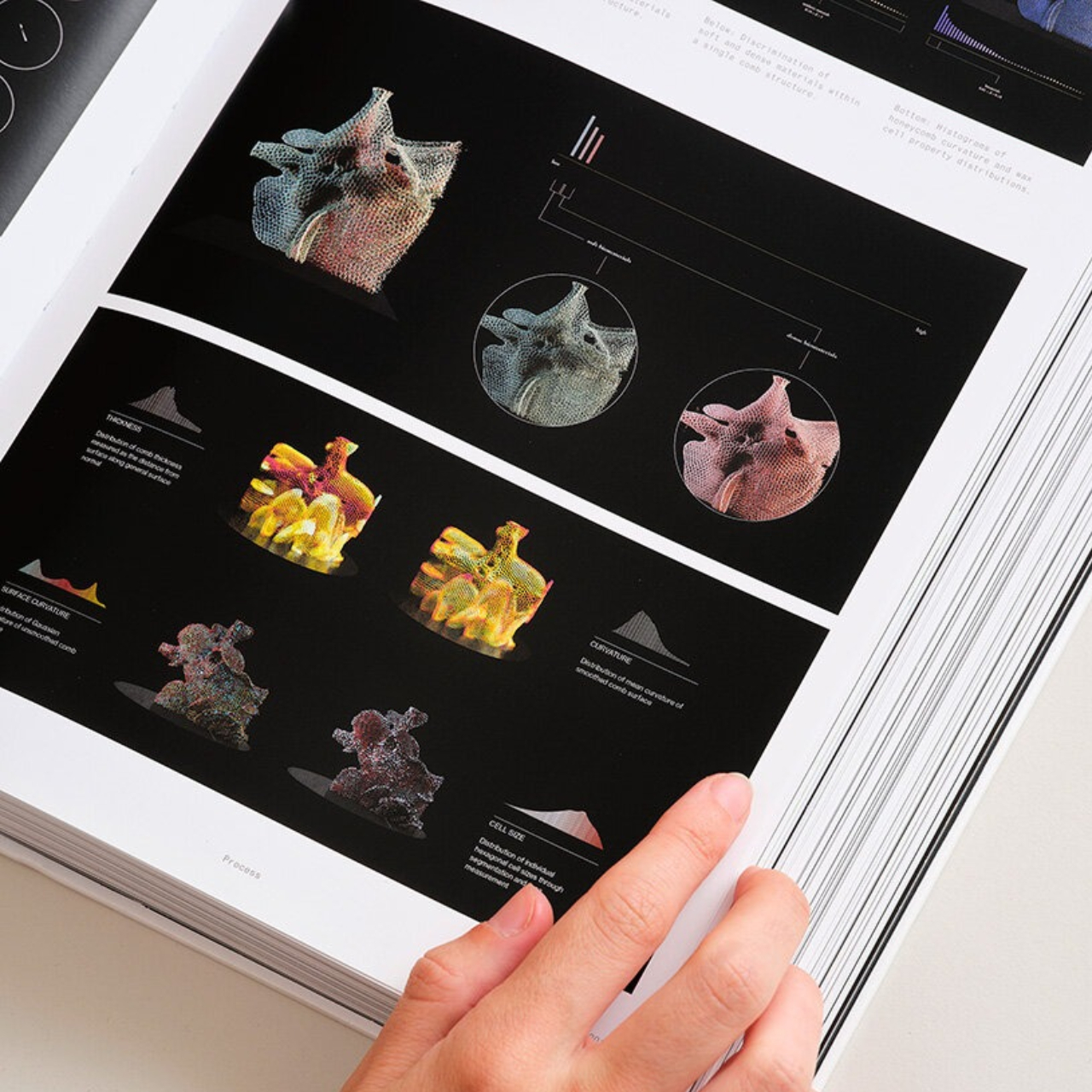
As a book, Mediated Matter offers a more accessible encounter with that research. MIT Press lists 630 color illustrations, alongside diagrams, explanatory texts, and process documents, at a $90 hardcover price. That’s a substantial coffee-table commitment. The process material is the draw for me: it promises a way into how these objects were developed, beyond the photographs that tend to circulate on their own.
I don’t need the next house on my block to behave like an organism to see value in this thinking. I’d settle for more designers considering where a material comes from, how it changes in use, and where it goes afterward. Oxman’s proposition makes that last stage feel worth designing with the same care as the first. A convincing future for an object should include what happens when nobody needs it anymore.
When you need to step away from the book you’re currently reading, you need a bookmark to keep your place (unless you have a very keen memory and know where you left off). Sometimes, though, you still need to keep the book open while freeing both hands, and a bookmark cannot do that job. You could always find something heavy nearby to serve as a paperweight of sorts, but that may not be its primary purpose. Depending on what you use, it could even damage your book or it may not really serve its purpose to keep the book open.
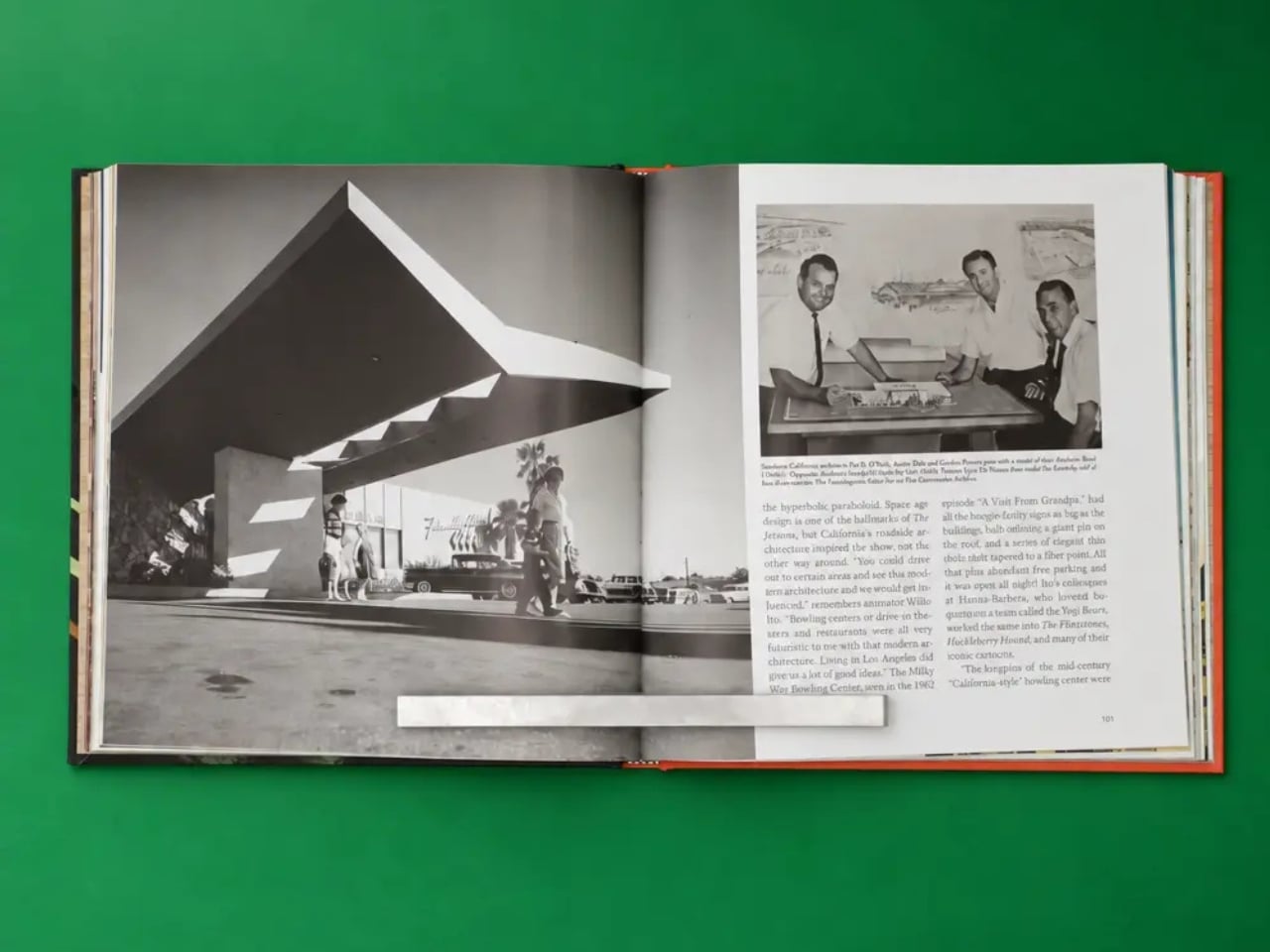
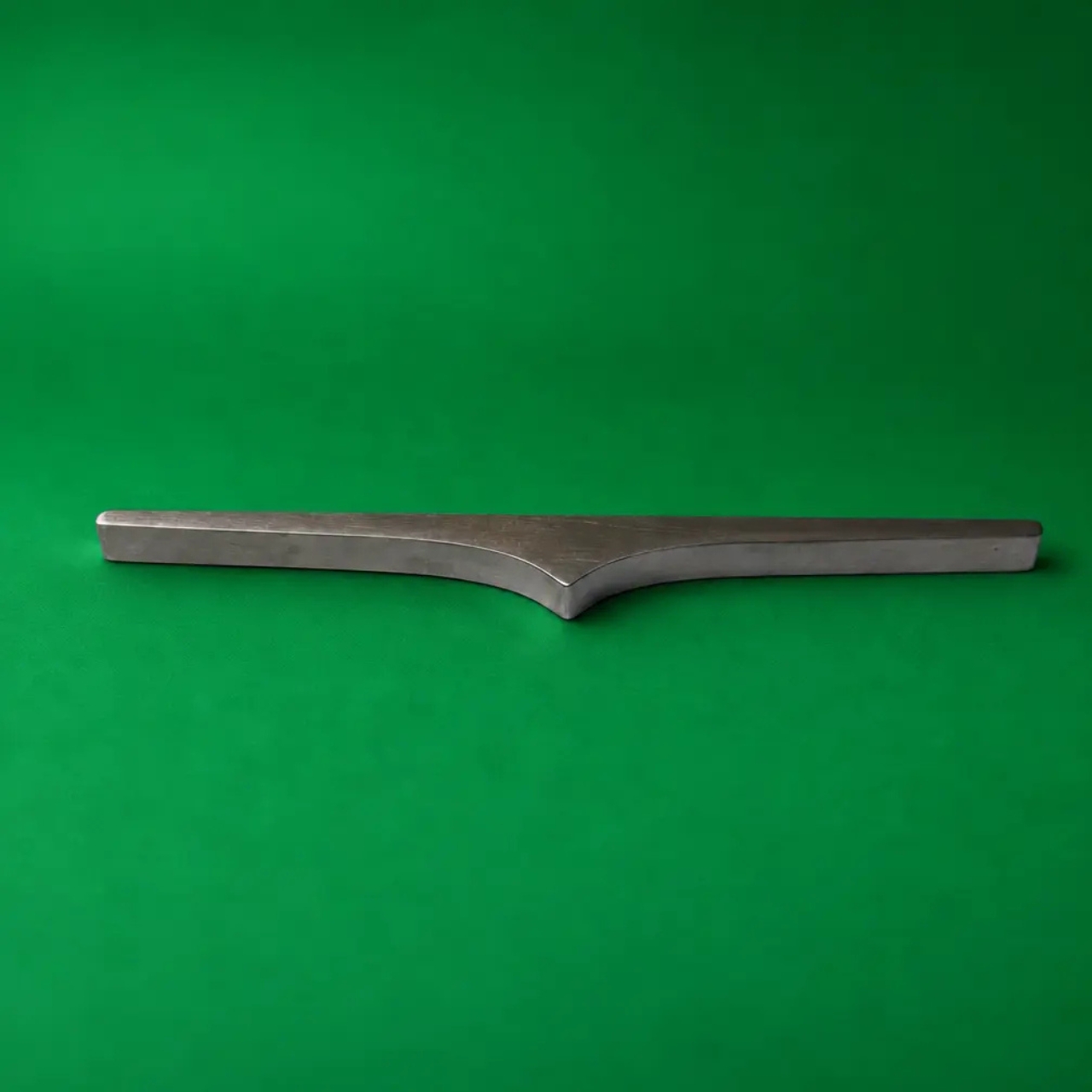
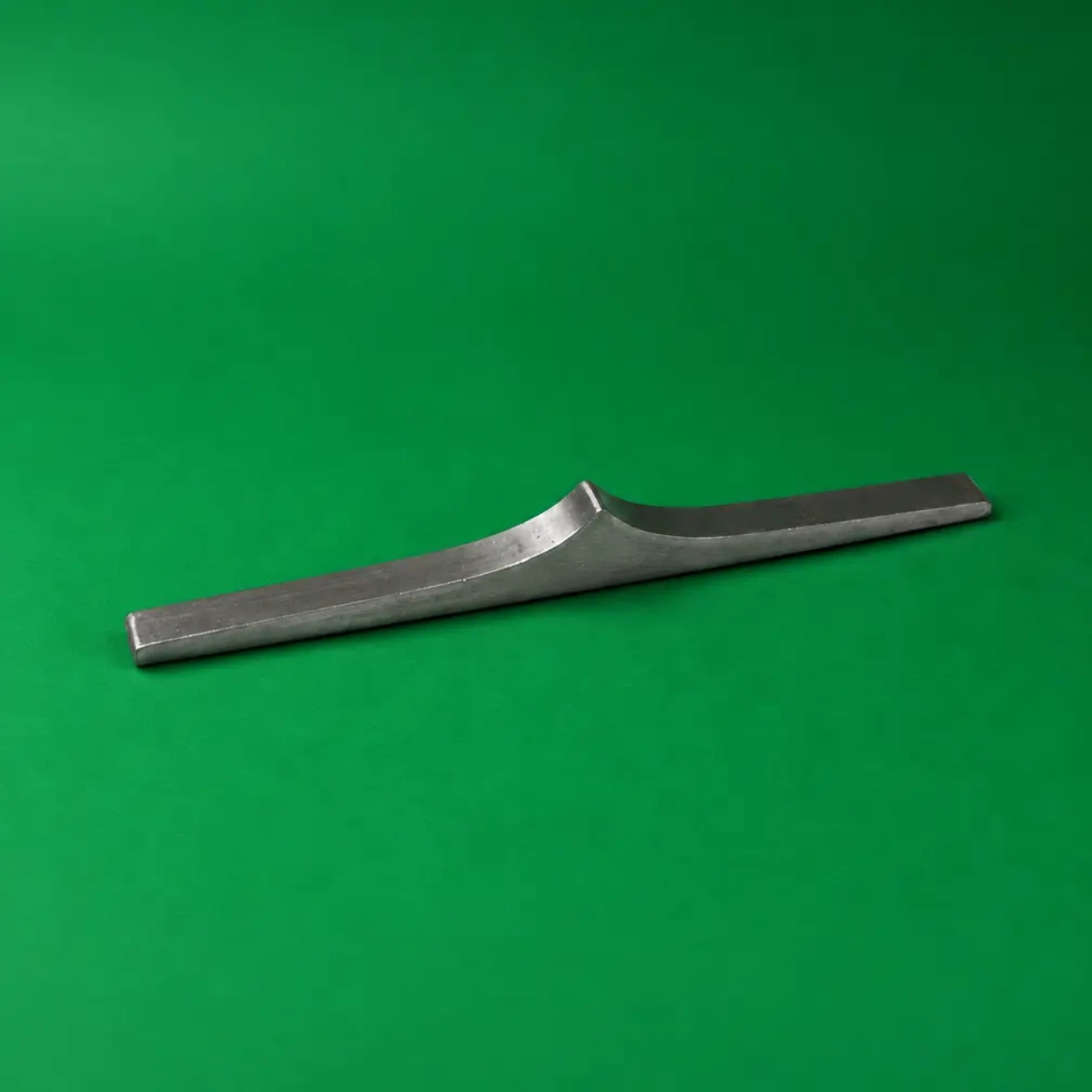
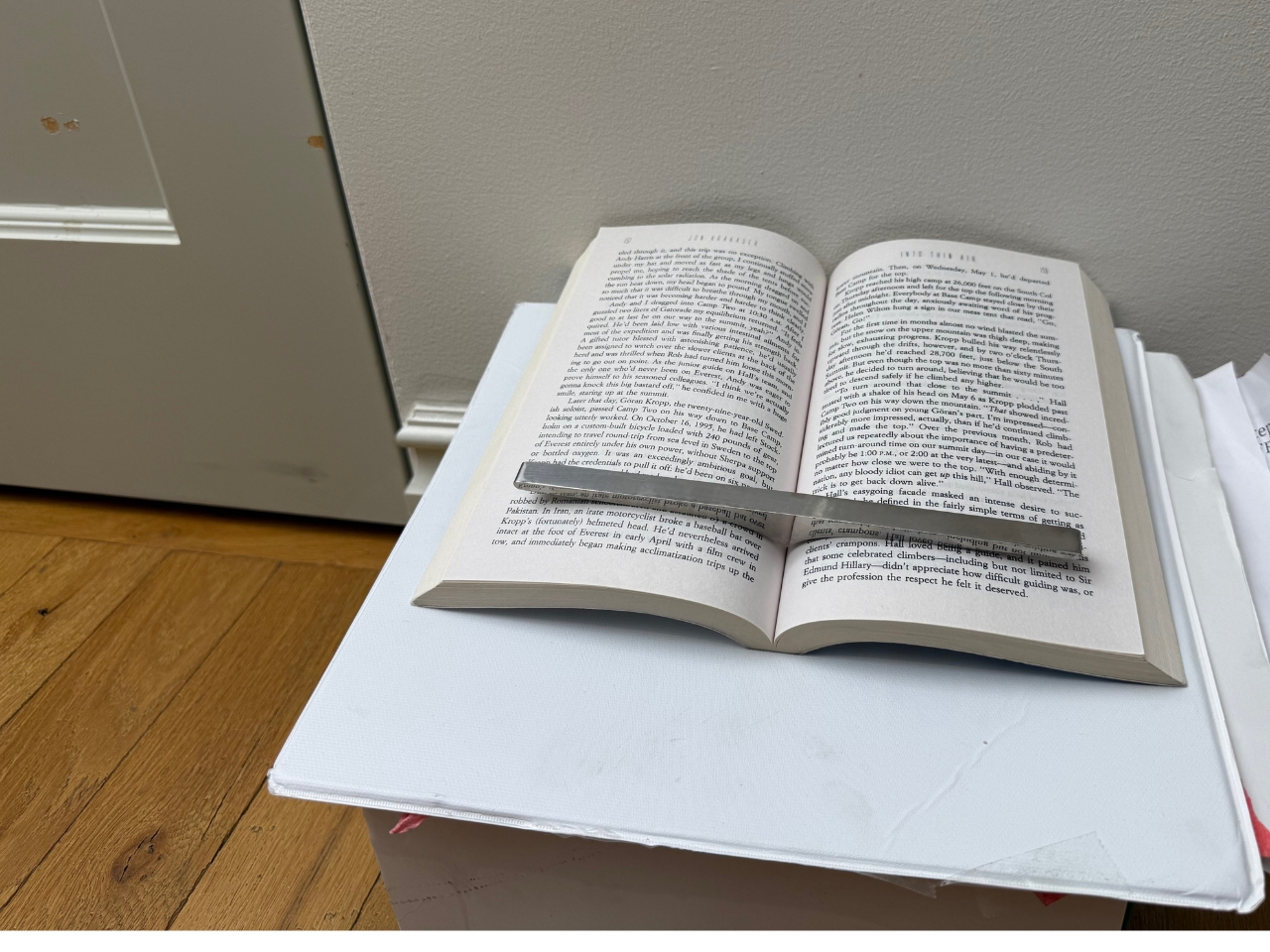
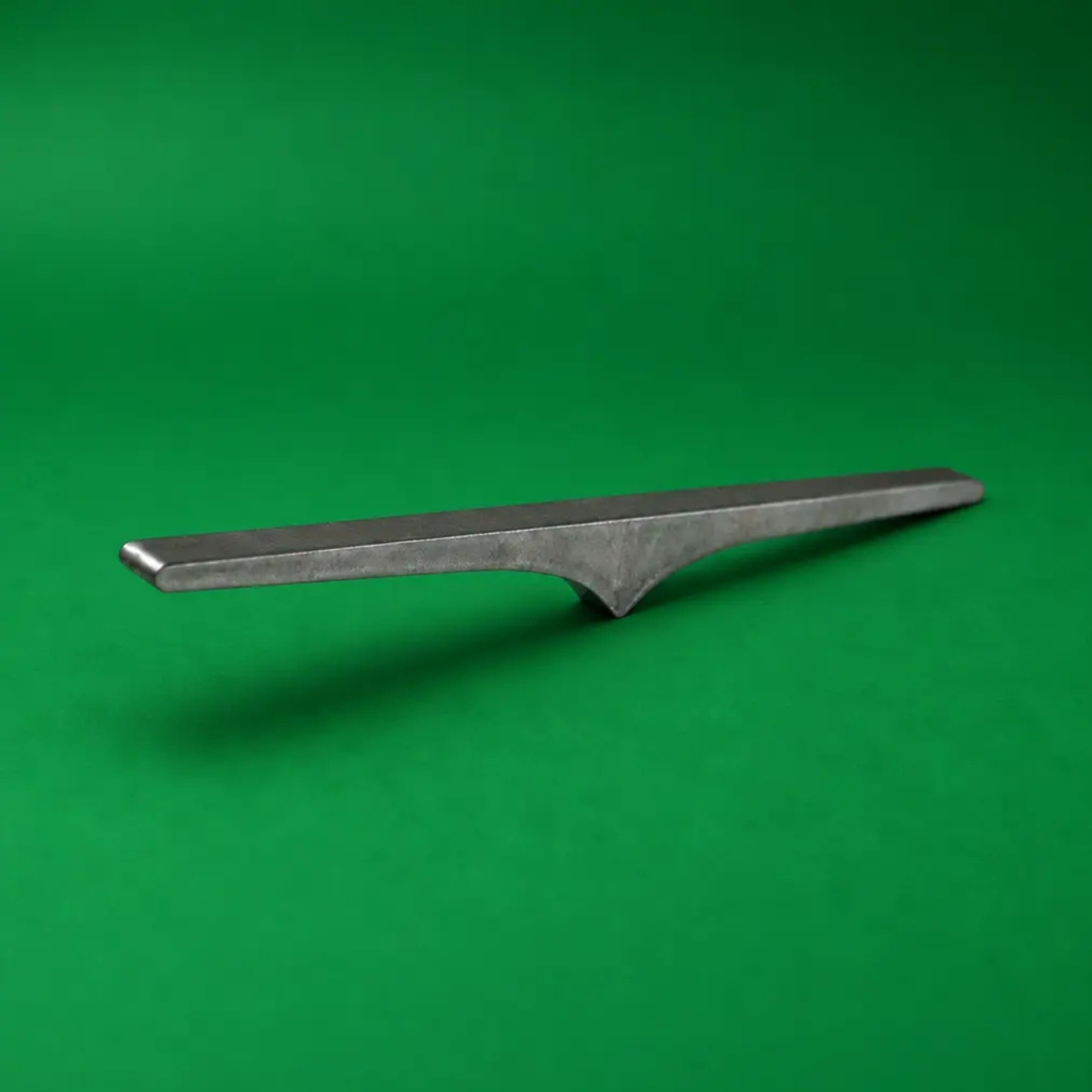
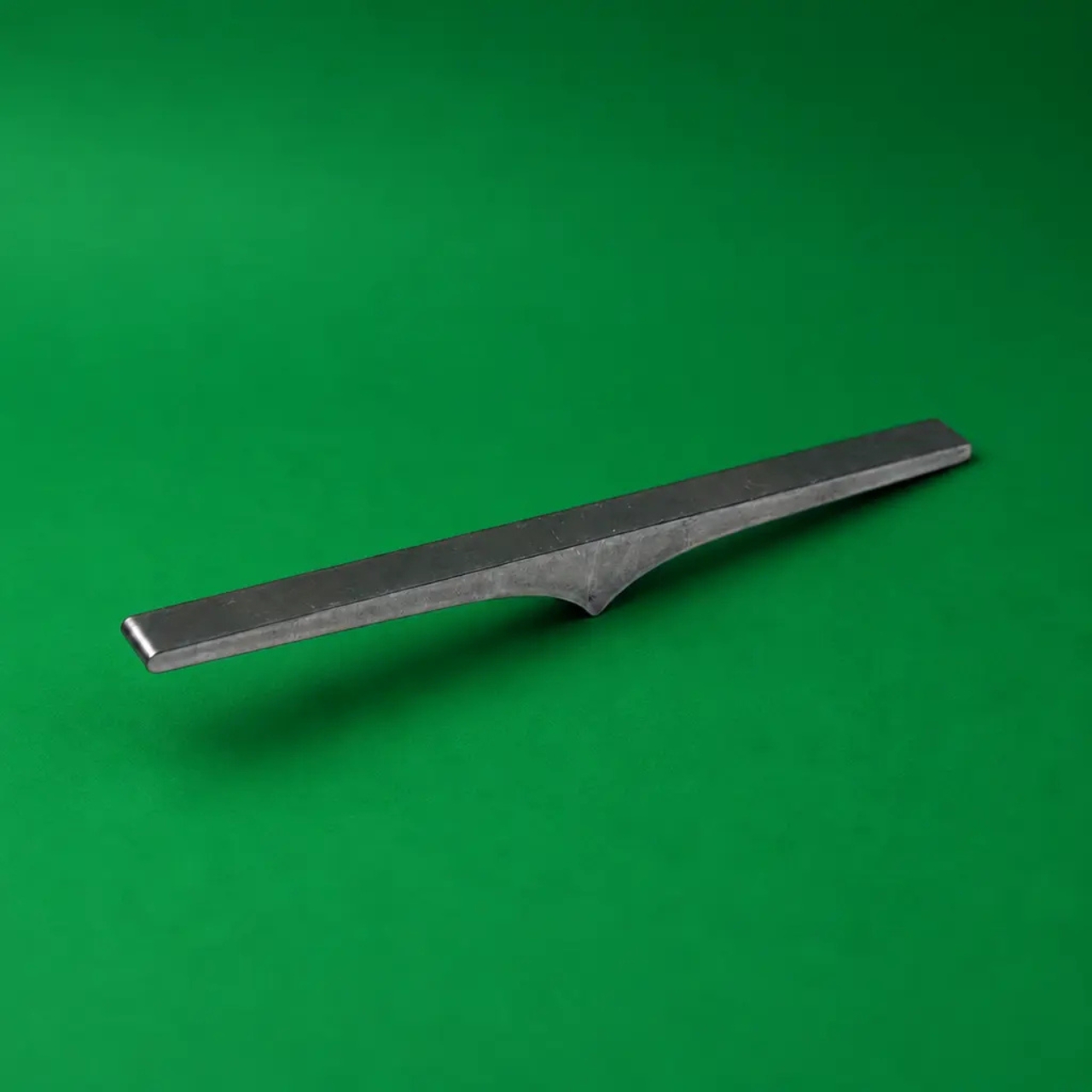
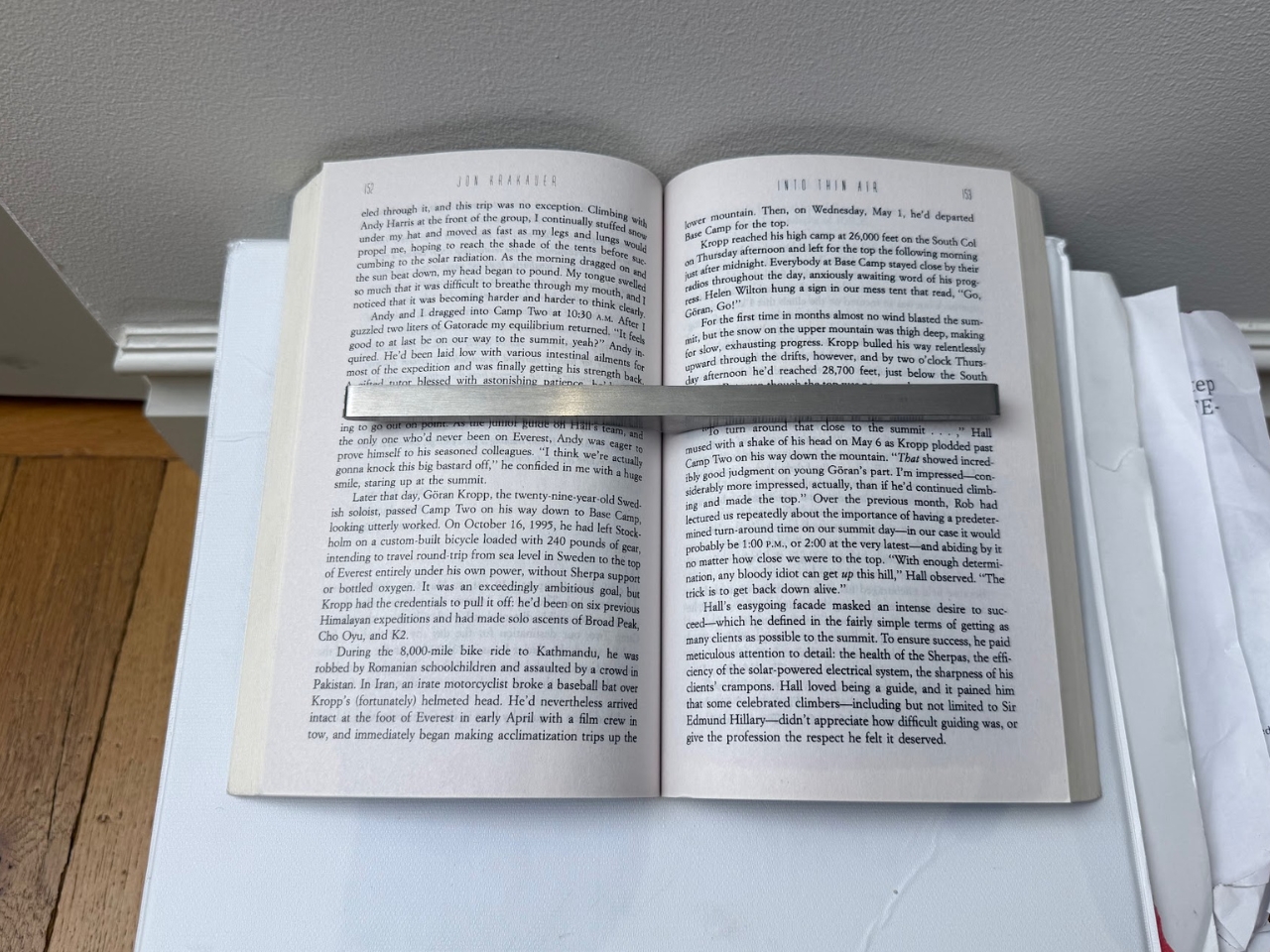
Enter the Page Keeper, a metal page weight designed to help keep your book open, whether you’re using it or just want to display a specific spread. This could be a stocking stuffer or gift for your bookworm friend (or yourself!) this holiday season who sometimes needs to free up both hands and can’t hold a book down. It’s meant for those moments when keeping a book open becomes a task of its own.
This page holder is made from a single laser-cut piece of metal, so there’s no need for clamps, springs, or adjustable arms. There’s also no complicated setup or need for an instruction manual. You place it on the book spread you need to keep open, then do your thing or leave it on display. The simplicity is part of the appeal. Instead of fastening something to the book, you’re placing a separate object on its pages when you need both of your hands for something else.
This is a useful tool for times when you’re taking notes from your textbook, using a book as a drawing reference, or following a craft guide for your art project or journaling spread. There may also be times when you don’t want or need a bookmark when stepping away and would rather leave the entire spread open. Sometimes pages can close on their own, especially near the beginning or end of a book. That’s particularly frustrating when you’re switching between a reference and whatever you’re working on, or getting up to grab something from across the room. This was one of the inspirations why Bezdek designed this.
It can also be used to keep artwork or photographs visible as part of your room’s aesthetic. That’s where the idea goes beyond simply freeing your hands. A favorite book doesn’t have to be closed and returned to the shelf as soon as you’re done with it. You could leave a selected spread open on a desk or another suitable surface. But don’t mistake this as something that can support a book in an upright position. The Page Keeper is meant to hold the pages down when a book is placed on a flat surface.
But of course if you’re actually reading the book, you would have to lift up the keeper every time you will turn the page. And since it’s a bit heavier than a paper bookmark, then it can be a bit inconvenient. Some parts of the page will also be covered so you’ll have to move it around if you’re actually reading it. It makes more sense for a spread you’ll spend some time looking at than for constant page-turning. Its effectiveness with different book sizes and bindings still needs testing.
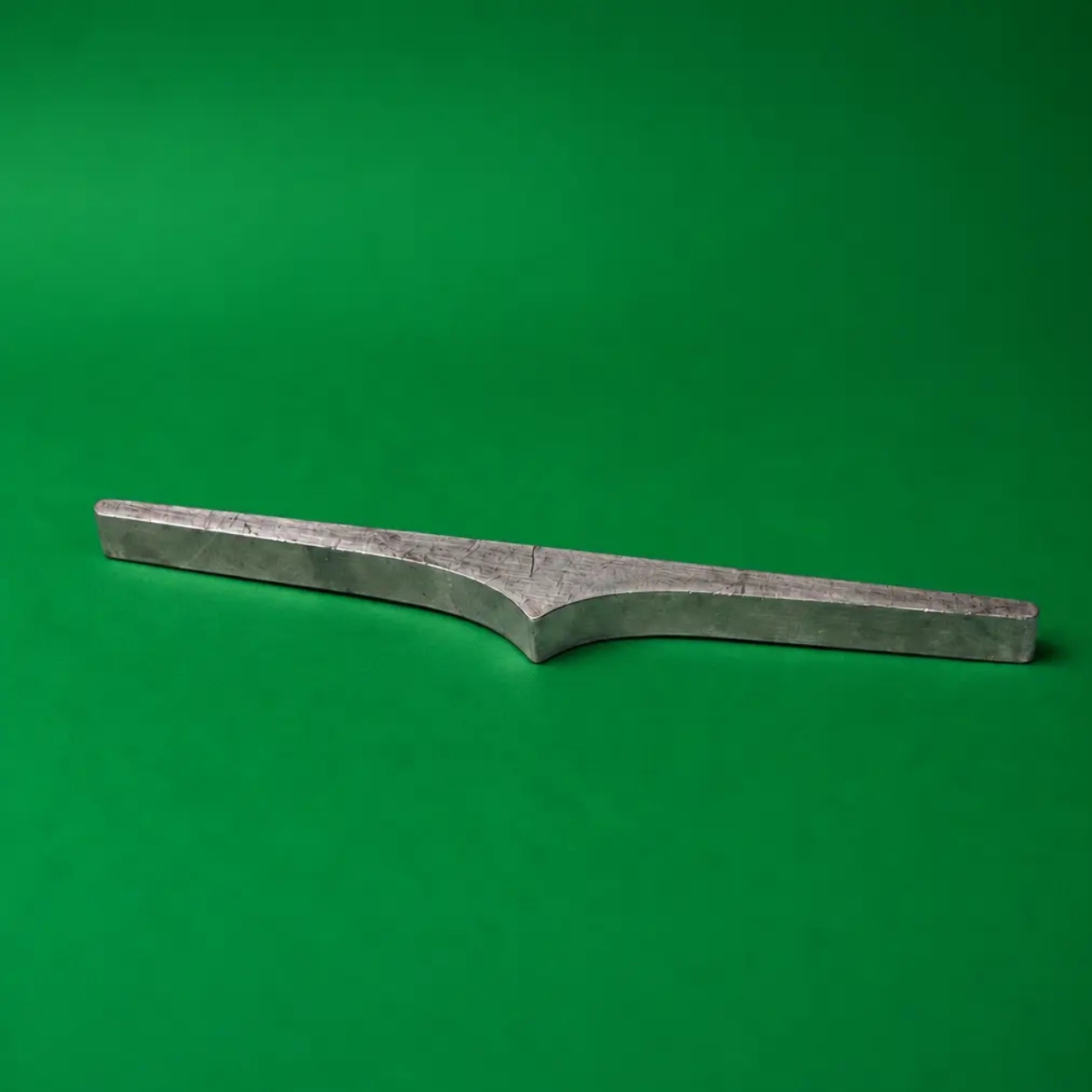
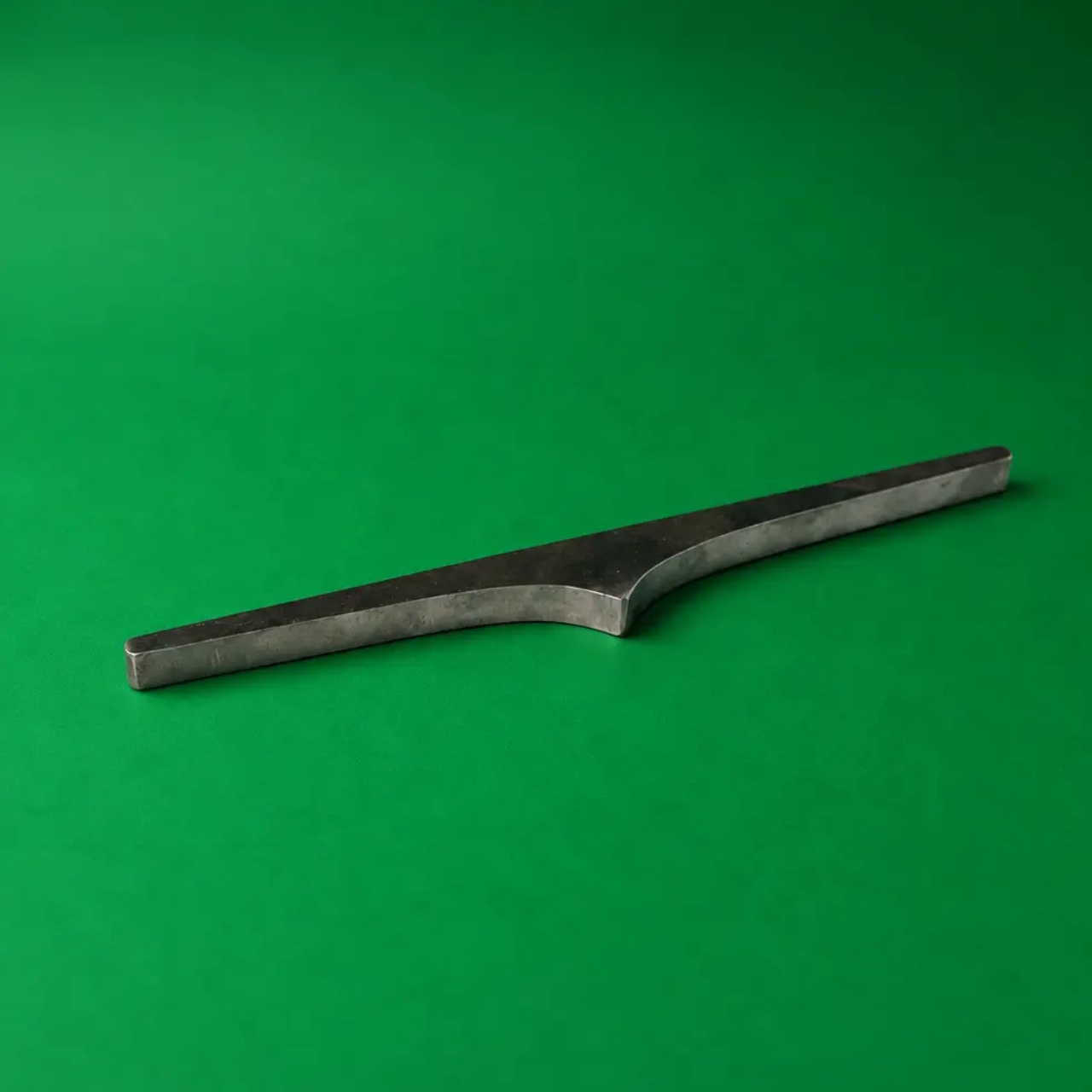
The material options give the same outline different personalities. Bezdek says he likes how its appearance changes depending on the finish and the light. That makes the choice about more than matching your desk accessories: it’s also about how noticeable you want the object to be beside the book. The Page Keeper is listed through KAMB in brushed and polished stainless steel at $30 each, while the aluminum version is less expensive at $15. These are US dollar prices; shipping costs and delivery timing should be checked before ordering, especially if you’re considering one as a holiday gift.
A bookmark tells you where to come back to. The Page Keeper is for when you don’t want to close the book in the first place. Whether you’re copying a diagram, sketching from a reference, or leaving a favorite illustration out to enjoy, this is a tool that can come in handy. It isn’t trying to replace every reading accessory you own. It’s simply an option for keeping the book open while your hands are busy doing something else.
Calibre, le gestionnaire de bibliothèque numérique qu'on a tous installé un jour pour convertir un epub un peu récalcitrant, sort en version 9.15. Bon, d'habitude, les nouvelles versions de Calibre, je ne vous en parle pas parce que ça présente peu d'intérêt, mais là, il y a un truc intéressant dedans : Un jeu d'aventure. Hé oui, un vrai jeu, avec son univers, ses personnages et une histoire au tour par tour.
Sauf que si vous ouvrez Calibre, après la mise à jour, hé bien vous ne verrez rien du tout de tout ça
C'est voulu car pour y accéder, il faut aller dans Préférences, puis Barres d'outils & menus, choisir la barre principale et y faire glisser l'entrée "Create your own adventure". Kovid Goyal, le créateur et mainteneur de Calibre, explique dans son changelog que ce machin a commencé comme un banc d'essai pour ses backends IA avant de devenir un truc marrant à utiliser.
L'entrée du jeu, planquée dans les actions disponibles des Préférences
Une fois le bouton posé, vous cliquez dessus et vous pouvez alors décrire le monde dans lequel vous voulez jouer. Soit vous piochez dans les onze ambiances préremplies (fantasy, space opera, cyberpunk, western, horreur gothique...), soit vous écrivez la vôtre. Moi j'ai mis comme contexte un immeuble à La Défense en 2031, dont l'IA de maintenance refuse de laisser sortir les employés après 18 h parce qu'elle ne retrouve plus son contrat de service... loool.
Les onze ambiances toutes faites à gauche, ma description de monde à droite
Et magie de l'IA, 2 minutes plus tard, j'avais une quinzaine de paragraphes de décor et une mécanique de jeu que je n'avais même pas demandée avec des ascenseurs, des badges et la climatisation utilisés par la méchante IA, sans oublier le casting, avec neuf personnages dont quatre jouables, tous éditables. Ensuite, bah ça se joue comme un livre dont vous êtes le héros, sauf que rien ne vous est imposé : vous tapez ce que vous voulez faire, l'IA raconte la suite, et vous recommencez...
Et niveau écriture, ça donne quoi ? Voilà comment démarre le chapitre 1 de ma partie, en anglais dans le texte :
"You stand in the gloom of Sub-level 4, the legacy server vault where your consciousness coalesced from fractured shards. The air here is cold enough to bite, carrying the metallic tang of ozone and the faint, sour scent of overheating capacitors leaking into the floor grates. […]"
Le chapitre 1, et en bas le champ où l'on tape son action
Par contre, Calibre ne fournit aucune IA, il faudra donc en brancher une dessus. Le menu vous en propose neuf : Anthropic, Google, Grok ou OpenRouter, qui réclament tous une clé d'API, mais aussi Ollama et LM Studio, qui font tourner le modèle sur votre propre machine. C'est donc à vous de les installer et de récupérer le modèle.
Les neuf fournisseurs d'IA, avec Ollama et LM Studio pour rester chez soi
J'ai testé avec Ollama et un modèle Qwen (23 Go sur le disque), sur mon Mac M4. Résultat, ça a pris à peu près une minute par tour pour 450 mots de prose. C'est donc jouable, mais sur une machine plus modeste avec un petit modèle, vous aurez soit beaucoup plus d'attente, soit un maître de jeu qui perd le fil au bout de trois chapitres.
Et hop, j'ai configuré une IA locale avec Ollama.
Autre souci que j'ai remarqué, c'est que j'ai décrit mon univers en français et l'IA m'a répondu en anglais. C'est parce que les consignes envoyées au modèle ne sont délibérément pas traduites, donc soit vous jouez en anglais, soit vous demandez explicitement à ce que l'aventure soit en français lors de la phase de description de l'univers de votre histoire.
Ah et aussi, il y a ce bouton "Lire", en haut de la fenêtre qui vous permet à n'importe quel moment, d'exporter votre histoire en ePub avec sa couverture, son étiquette et ses chapitres, prêt à partir sur votre liseuse ou celle de vos amis.
Le livre issu de la partie, rangé dans la bibliothèque
Reste que l'IA dans Calibre, c'est un sujet qui fâche... Évidemment, on s'en doute un peu parce que cette technologie trigger encore pas mal de monde. Quand la fonction "Discuss with AI" est arrivée en décembre 2025, des utilisateurs de MobileRead ont immédiatement demandé son retrait et
Goyal a répondu sèchement
qu'il ne l'enlèverait pas. Il a quand même fini par accepter un réglage qui masque les entrées de menu IA.
Bref, si ça vous tente de tester, c'est sur calibre-ebook.com, pour Windows, macOS et Linux. Et sous Linux, ne comptez pas sur les dépôts de votre distrib, qui comme d'hab traînent plusieurs versions derrière. Mettez plutôt les dépôts officiels :

 Connexion