Vue lecture

Il y a de nouveaux articles disponibles, cliquez pour rafraîchir la page.

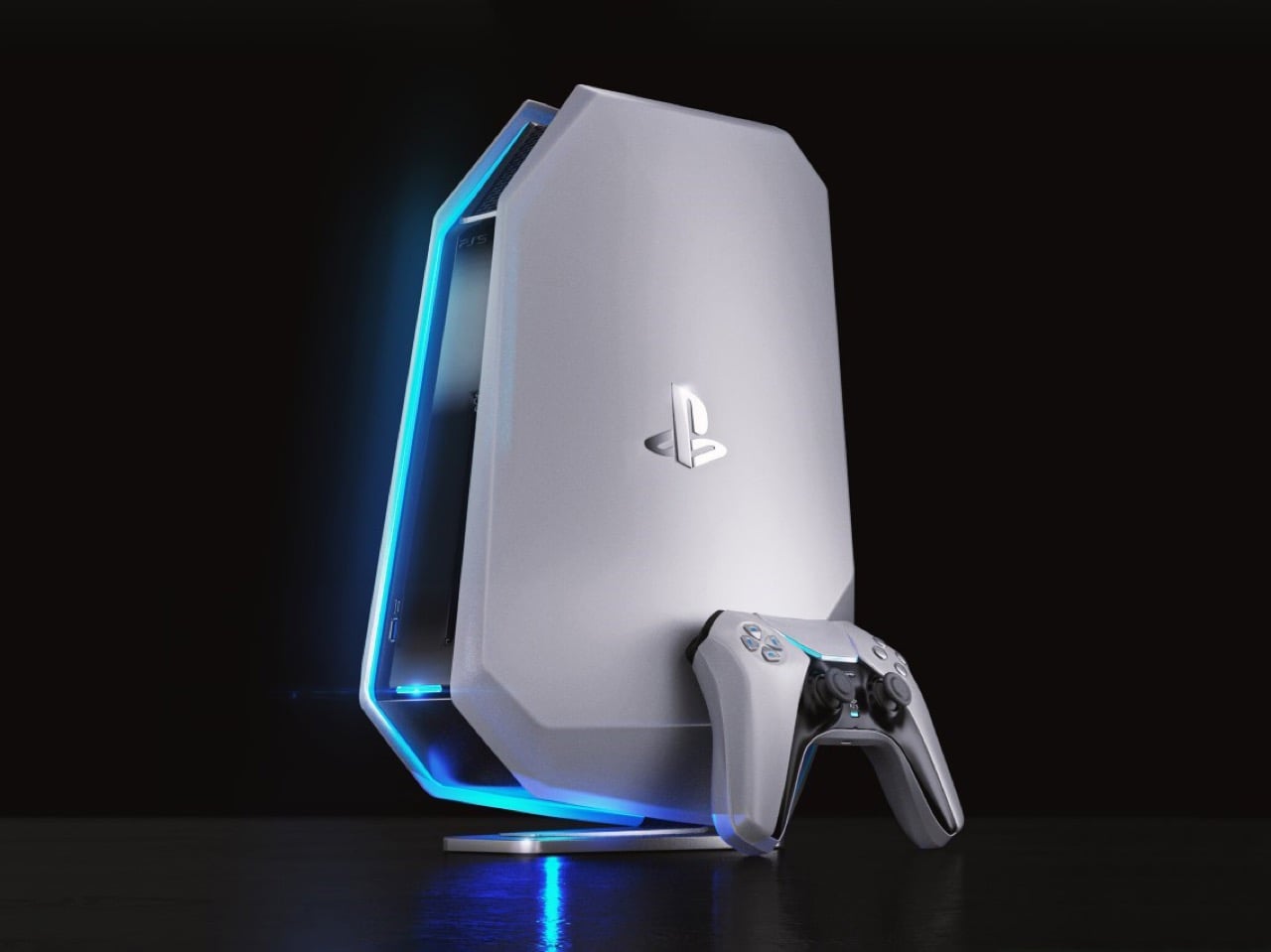
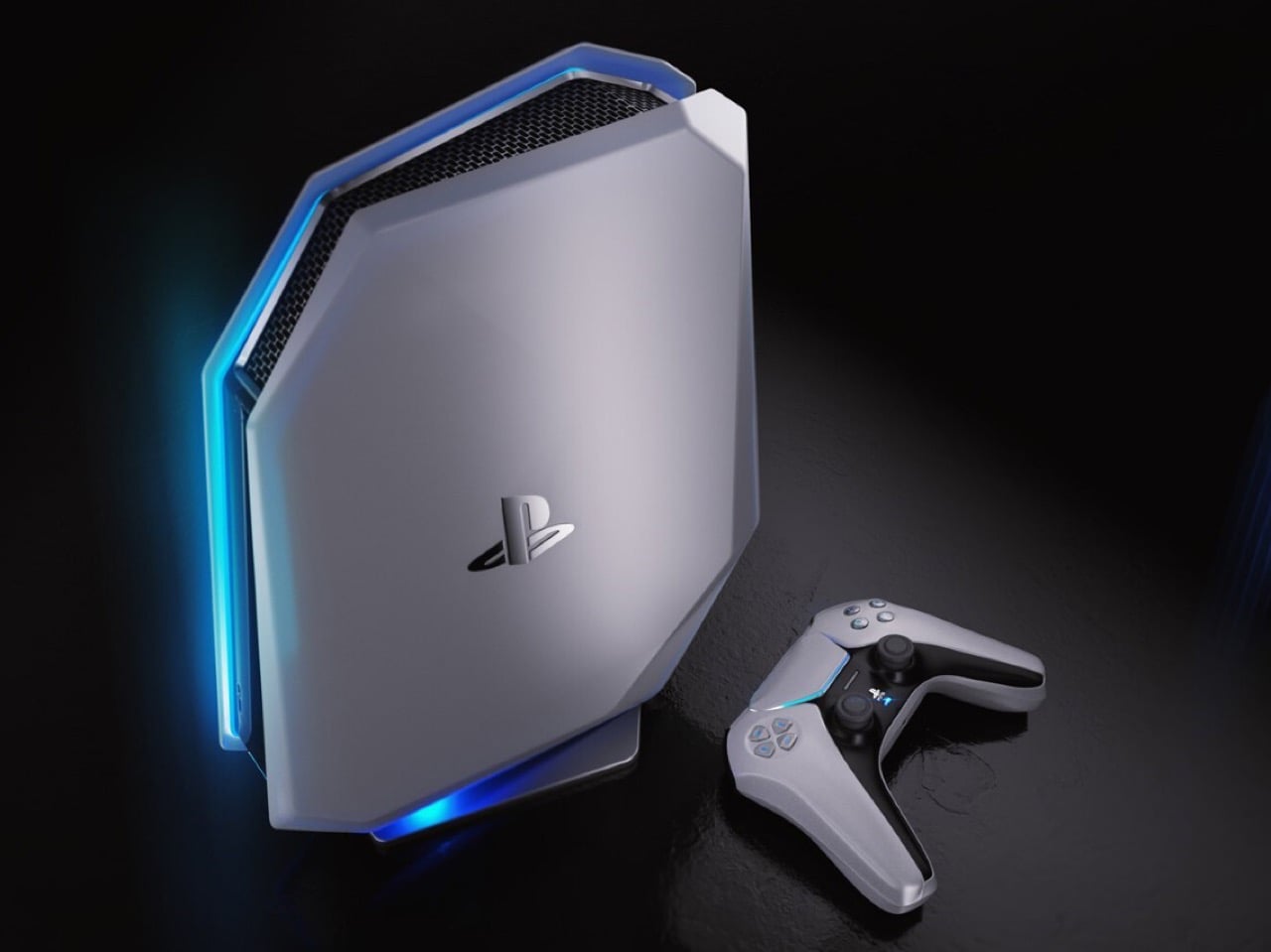
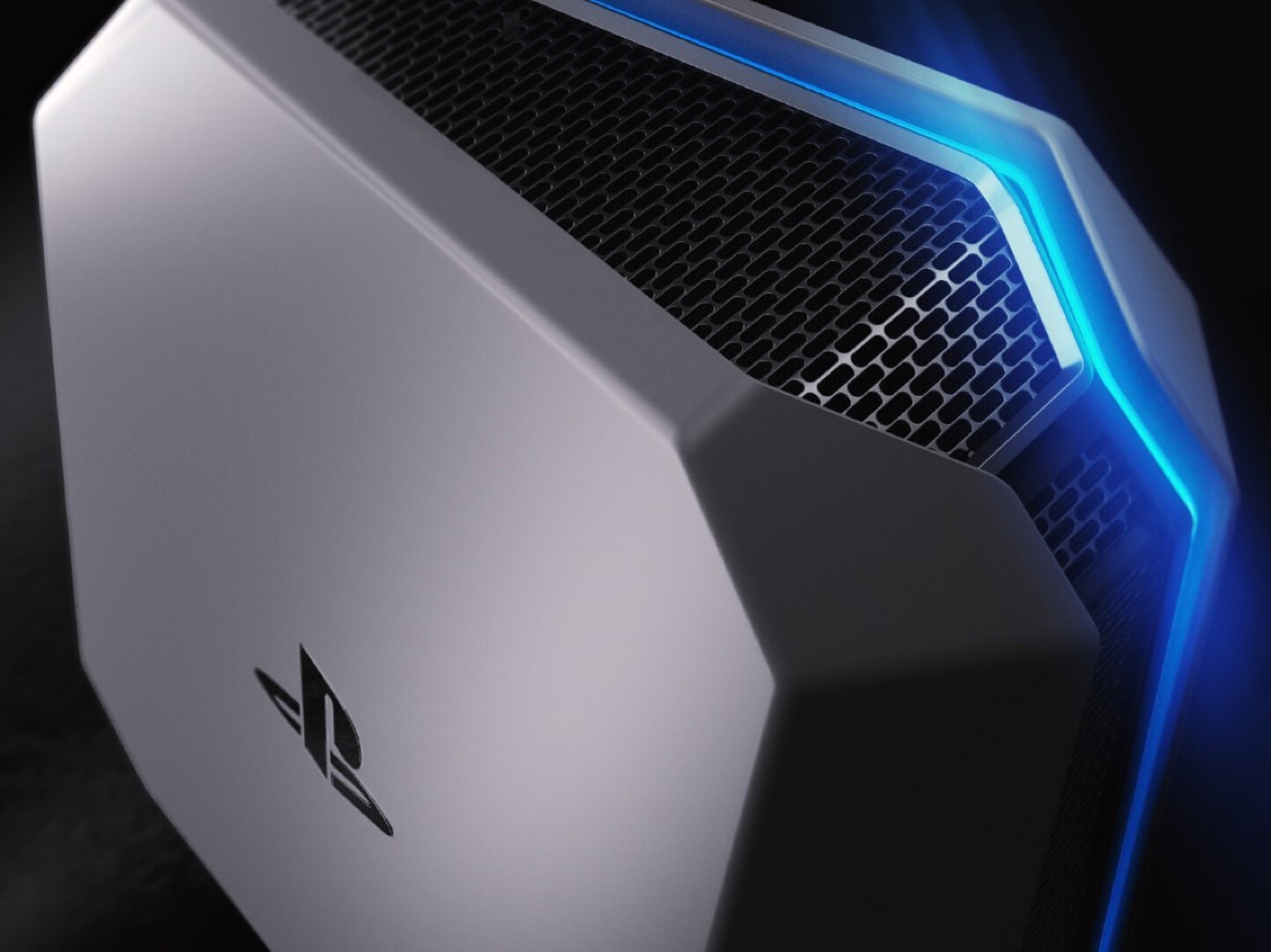
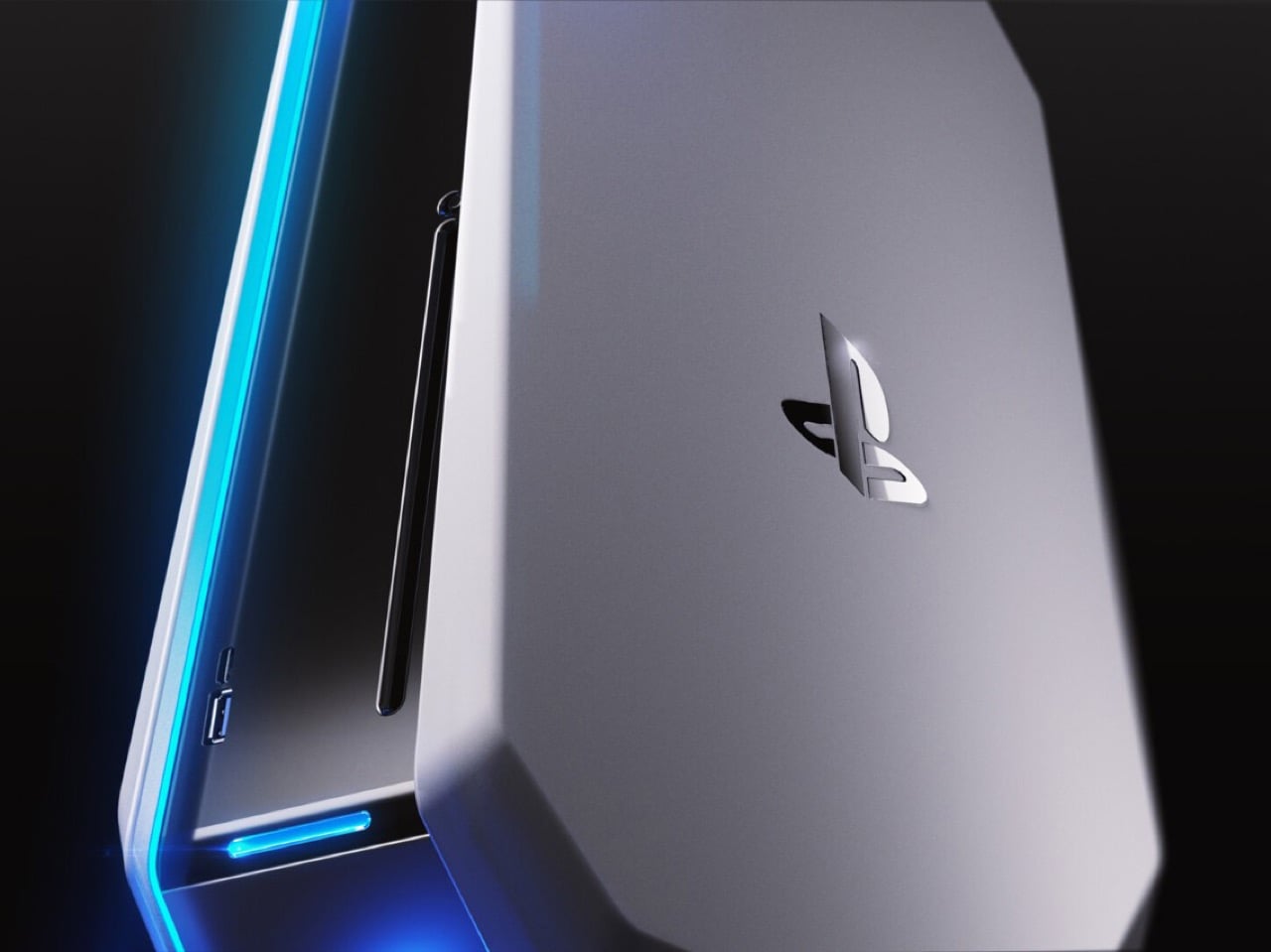
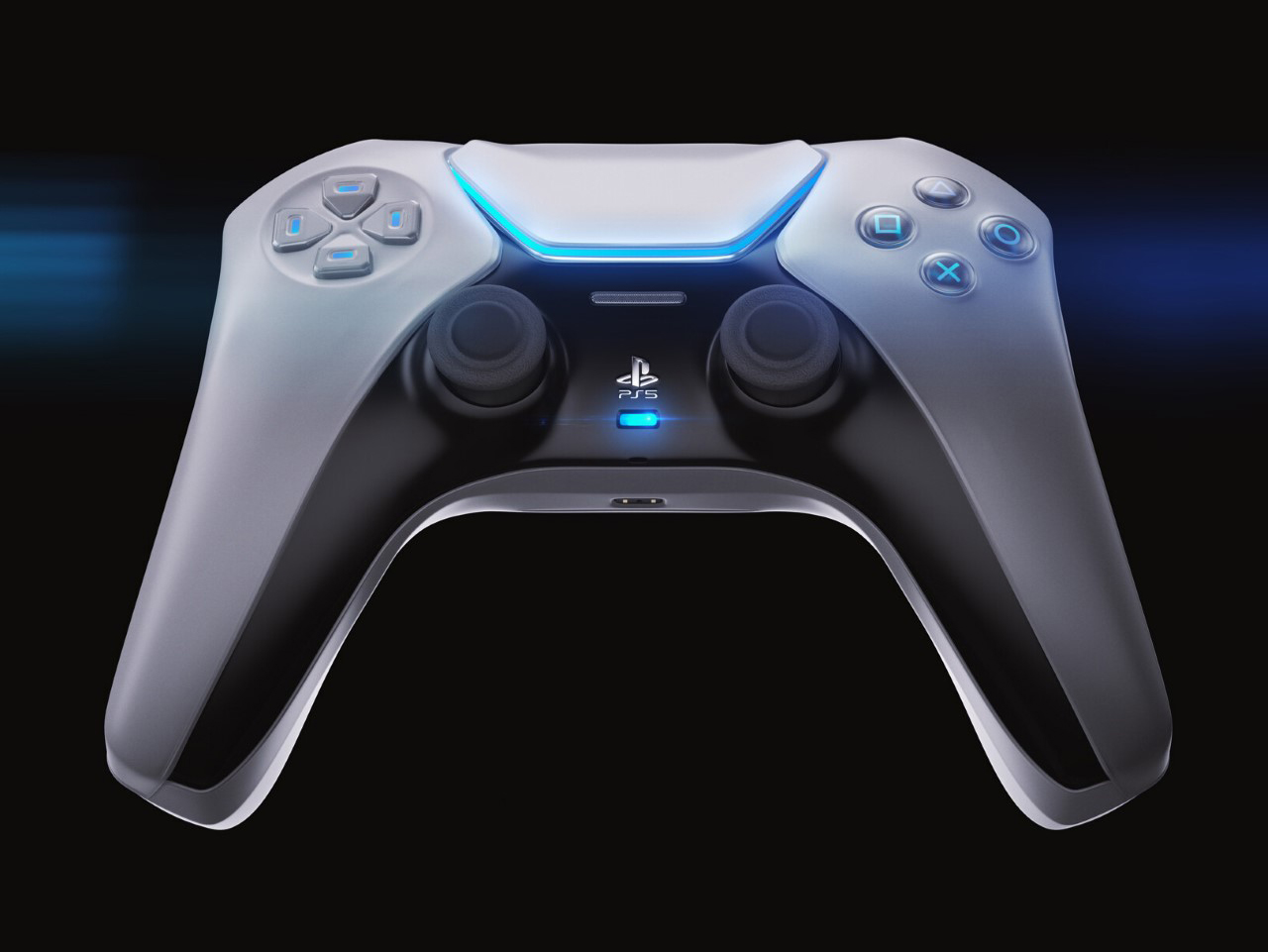
Sony’s PS6 Could Triple the PS5’s Power. It Could Also Cost $800 and Land in 2029

Seven years is a strange unit of time. Long enough to finish a PhD, short enough to remember an event vividly, and apparently, exactly long enough for Sony to build, test, manufacture, and ship a new generation of PlayStation hardware. PS3 to PS4, PS4 to PS5: seven years, twice, with the precision of a Swiss movement. The console industry built its entire release calendar ecosystem around that cadence. Publishers scheduled their biggest titles around it. Retailers planned inventory cycles for it. Analysts forecast revenue curves based on it. So the news that Sony has not yet decided when the PS6 will launch, with Bloomberg and MST International both pointing toward 2028 at the earliest (if not 2029), carries weight well beyond a single product launch.

The culprit is DDR7 memory, or more precisely, the catastrophic shortage of it, as AI data centers absorb the global supply of high-bandwidth RAM faster than Samsung, SK Hynix, and Micron can produce it. One year of delay sounds manageable until you zoom out. GTA6, announced in December 2023 for a 2025 launch, has been publicly delayed three separate times and is currently targeting November 2026, with bettors still skeptical. Beyond the Spider-Verse slipped from March 2024 to June 2027, a three-year crater in the release calendar of one of the most acclaimed animated franchises in history. Apple is formally retiring the single annual iPhone event in favor of a split premium-then-standard cadence. The PS6 delay is a symptom of something structural, and the structure is bending.

Image Credits: Latif Ghouali

The memory crisis at the root of Sony’s problem is unlike previous supply chain disruptions in one important way: it is being driven by a competitor class that simply outclasses consumer electronics on every financial dimension. Samsung, SK Hynix, and Micron have made a calculated pivot toward high-bandwidth memory for AI accelerators, with demand expected to grow 70 percent year-over-year in 2026 alone. Meanwhile, Alphabet and Amazon have announced capital expenditure plans of roughly $185 billion and $200 billion respectively this year, among the largest in corporate history, further intensifying competition for advanced memory. Sony is not losing a bidding war. It is sitting in a market that has structurally reorganized around different priorities, and the PS6 is waiting at the back of a very long, very expensive queue.

Sony President and CEO Hiroki Totoki addressed the uncertainty directly at the FY2025 earnings briefing, saying through a translator: “We have not yet decided on at what timing we will launch the new console, or at what prices. So we would like to really observe and follow the situation.” That is an extraordinary statement from the head of one of the most strategically disciplined hardware companies on the planet. Sony does not typically observe and follow. It plans, announces, and executes. The fact that Totoki’s language sounds more like a macroeconomist reading a volatile market than a product chief managing a launch calendar tells you everything about how abnormal this moment is.

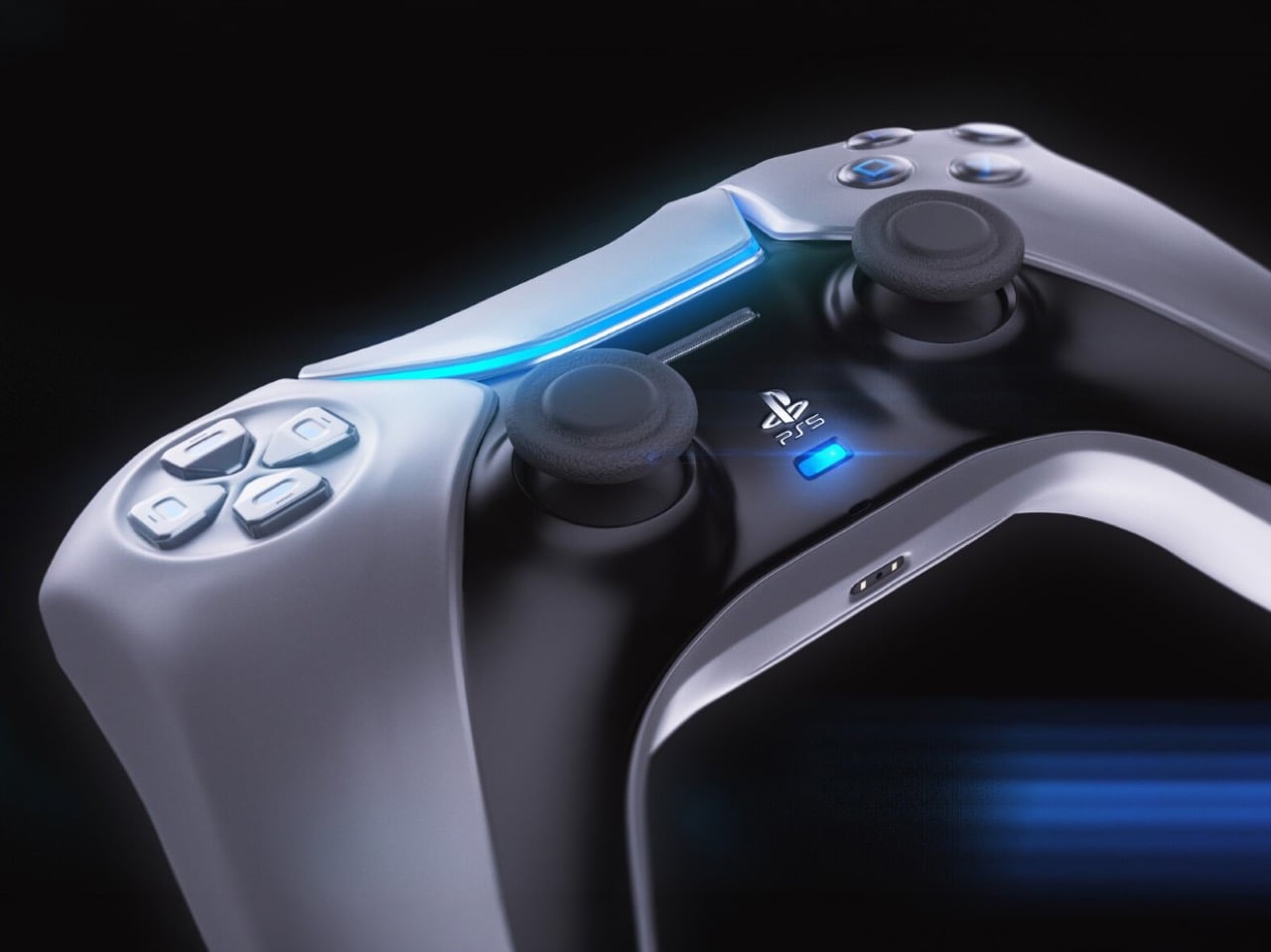
The hardware itself, when it arrives, looks genuinely transformative. Leakers and supply chain sources indicate Sony awarded the PS6 chip contract to AMD back in 2022, with the console expected to feature a custom Zen 6 CPU and RDNA 5 GPU architecture, targeting roughly triple the PS5’s rasterization performance with 4K gaming at 120 frames per second and advanced ray tracing. A companion handheld codenamed Project Canis is reportedly riding alongside the main console as part of a unified two-device platform strategy, which would represent the most significant structural shift in PlayStation’s hardware philosophy since the PS3’s disastrous Cell processor gamble. The specs, in other words, are not the problem. The atoms are.

The delay also arrives at a peculiar competitive moment. If supply chains stabilize by 2027, Sony could target a late 2028 launch with multiple SKUs and the handheld companion. If shortages persist, the PS6 could slip to 2029 or beyond, risking market momentum loss to rivals. Microsoft has been conspicuously quiet about its own next-generation plans, and a scenario where Xbox gets to market first, even with a smaller install base, would hand the competition a narrative advantage that Sony has not faced since the PS3 era. As of early April 2026, prediction markets showed only about 25 percent probability that Sony would announce the PS6 before 2027. The crowd is not optimistic.

What the PS6 situation actually exposes is the fragility of product cycles that have been treated as laws of nature rather than engineered outcomes. GTA6 has been delayed not once or twice but three times since its December 2023 reveal, bouncing from a 2025 window to May 2026, then to its current November 19, 2026 target, with Take-Two CEO Strauss Zelnick deploying identical “we feel really good about it” language each time a new date was announced. Beyond the Spider-Verse, a sequel to a film that grossed $690 million and earned a near-universal critical consensus as a generational achievement in animation, has been pushed from March 2024 to June 2027, a three-year gap that would have been unthinkable for a franchise at that level of commercial and artistic momentum. And Apple, the company that arguably invented the modern product launch as cultural event, is now formally splitting its iPhone releases across a fall premium window and a spring standard window, with Mark Gurman reporting the expectation that this pattern continues for years to come. Clockwork, everywhere, is slipping.

Sony will ship the PS6. The hardware is real, the AMD partnership is locked, and the performance targets are serious enough to make the wait feel justified when the box finally lands on a shelf. But the seven-year cycle, that beautiful, reliable, industry-organizing drumbeat, is not coming back on its original terms. The PS6 will arrive when the memory market allows it, which is to say when AI infrastructure spending pauses long enough for consumer electronics to get a turn. That is a sentence that would have read like science fiction in 2020, when the PS5 launched on schedule into a pandemic and sold out globally within minutes. The world has reorganized itself around different priorities. The PlayStation, for the first time in a long time, has to wait in line like everyone else.

The post Sony’s PS6 Could Triple the PS5’s Power. It Could Also Cost $800 and Land in 2029 first appeared on Yanko Design.
This Fan Made the Sony-Nintendo Handheld the Companies Never Would

The retro handheld market has a strange problem. The hardware keeps getting better, the screens get sharper, the processors get faster, and yet most of these devices land looking like prototypes someone forgot to finish. Generic shells, forgettable proportions, and LED lighting as a substitute for actual design thinking. For a category built entirely on nostalgia, very few of these devices actually look like they belong to any era at all.

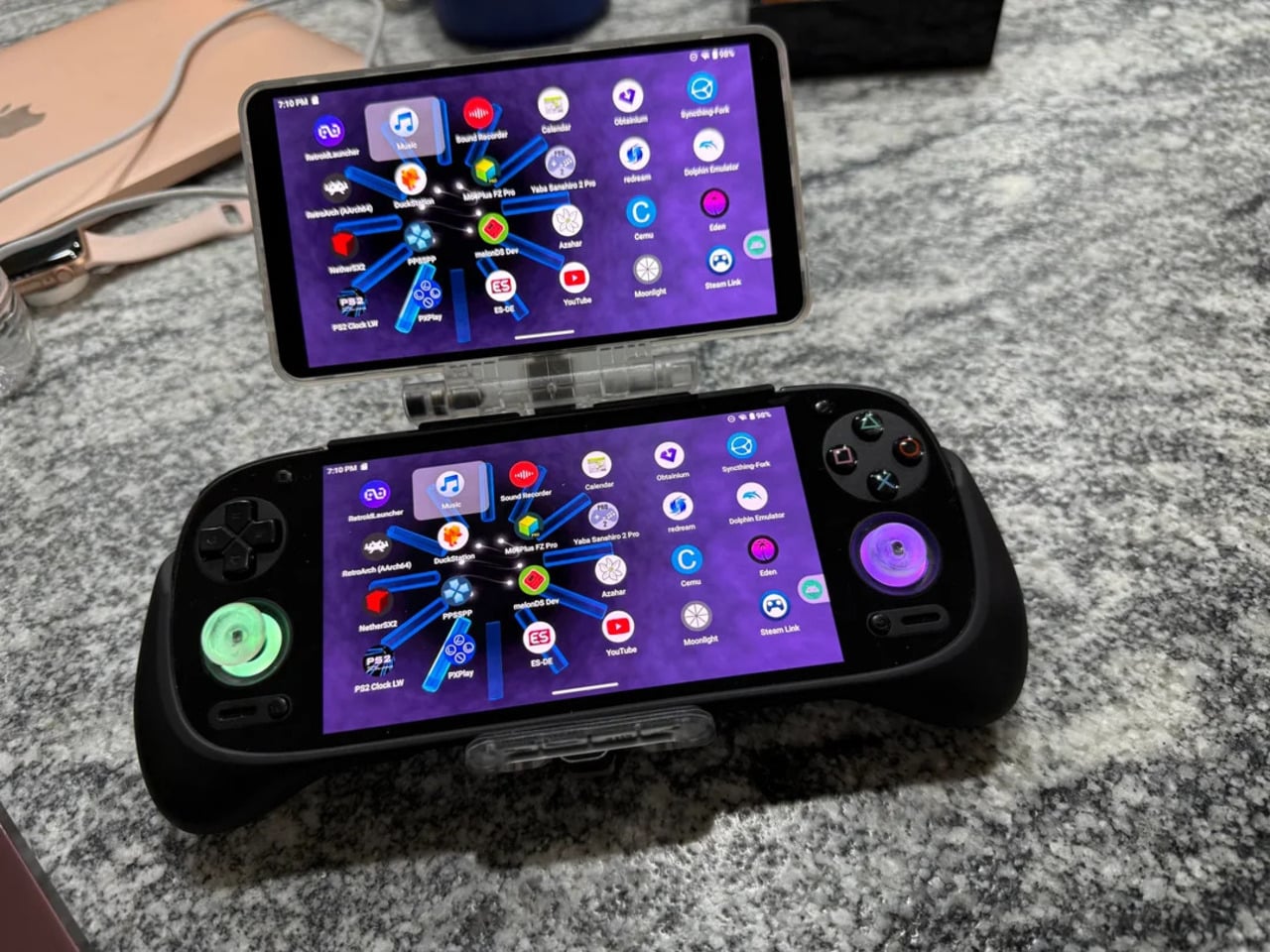
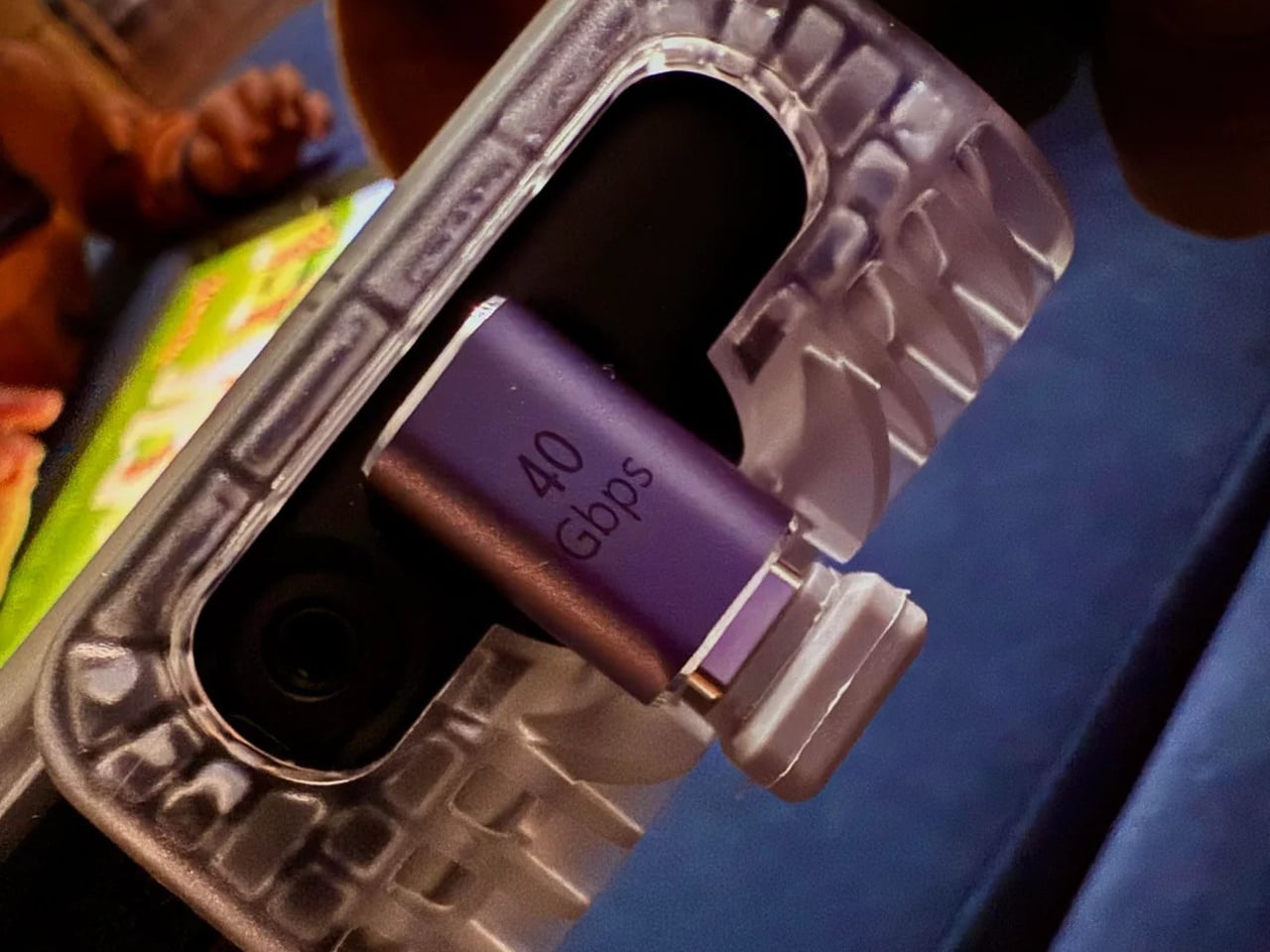
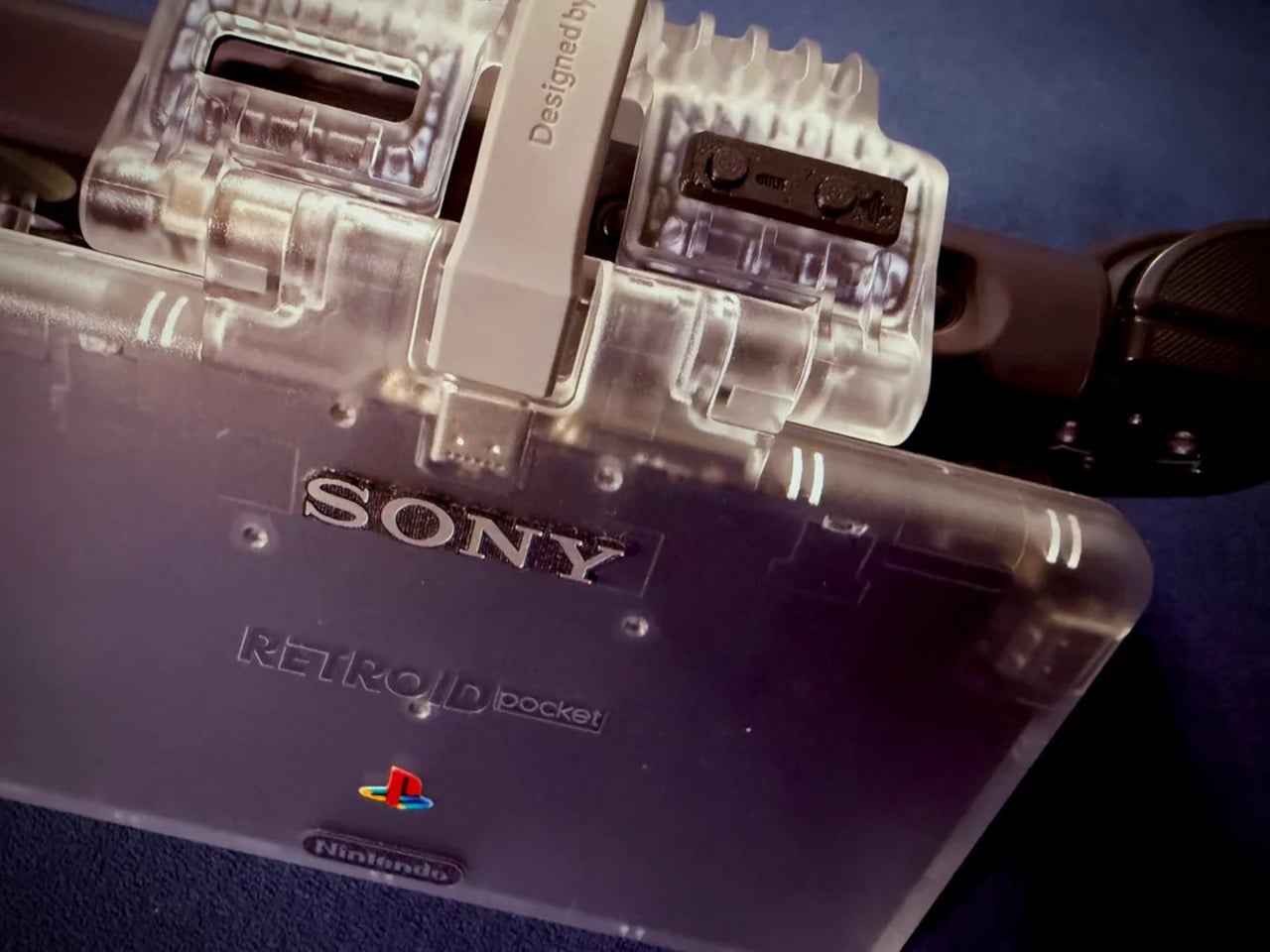
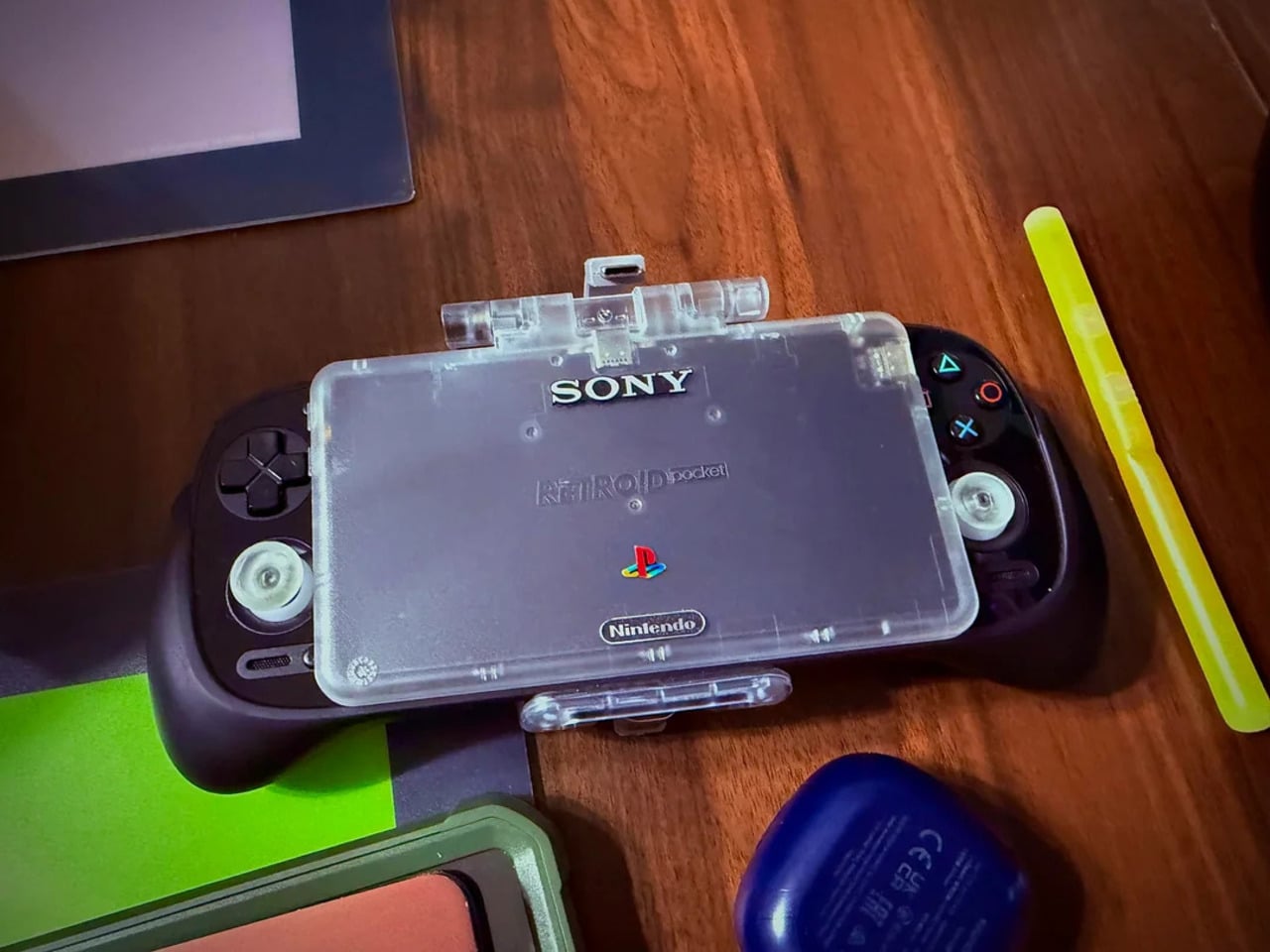
That tension is what one Reddit user decided to address. Starting with a Retroid Pocket 5, a $199 Android handheld running a Snapdragon 865 and a 5.5-inch AMOLED display, the mod layers Sony and Nintendo branding onto the same shell. Vinyl decals, translucent polycarbonate, a 3D-printed volume rocker from Etsy, and a cable replaced in PS2 color. The result looks less like a sticker job and more like a concept render from an alternate 1999.

Designer: Mitchieyan

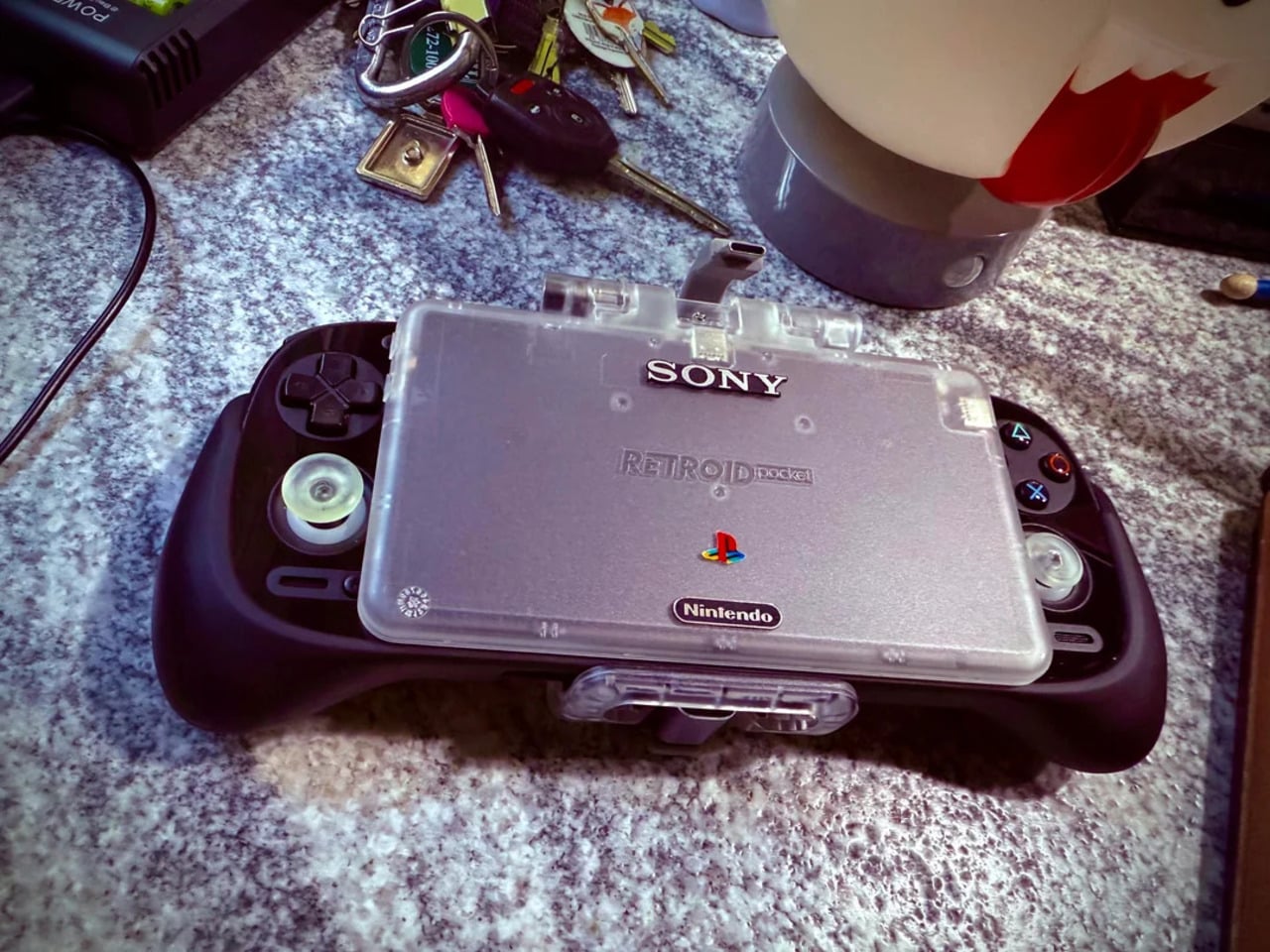
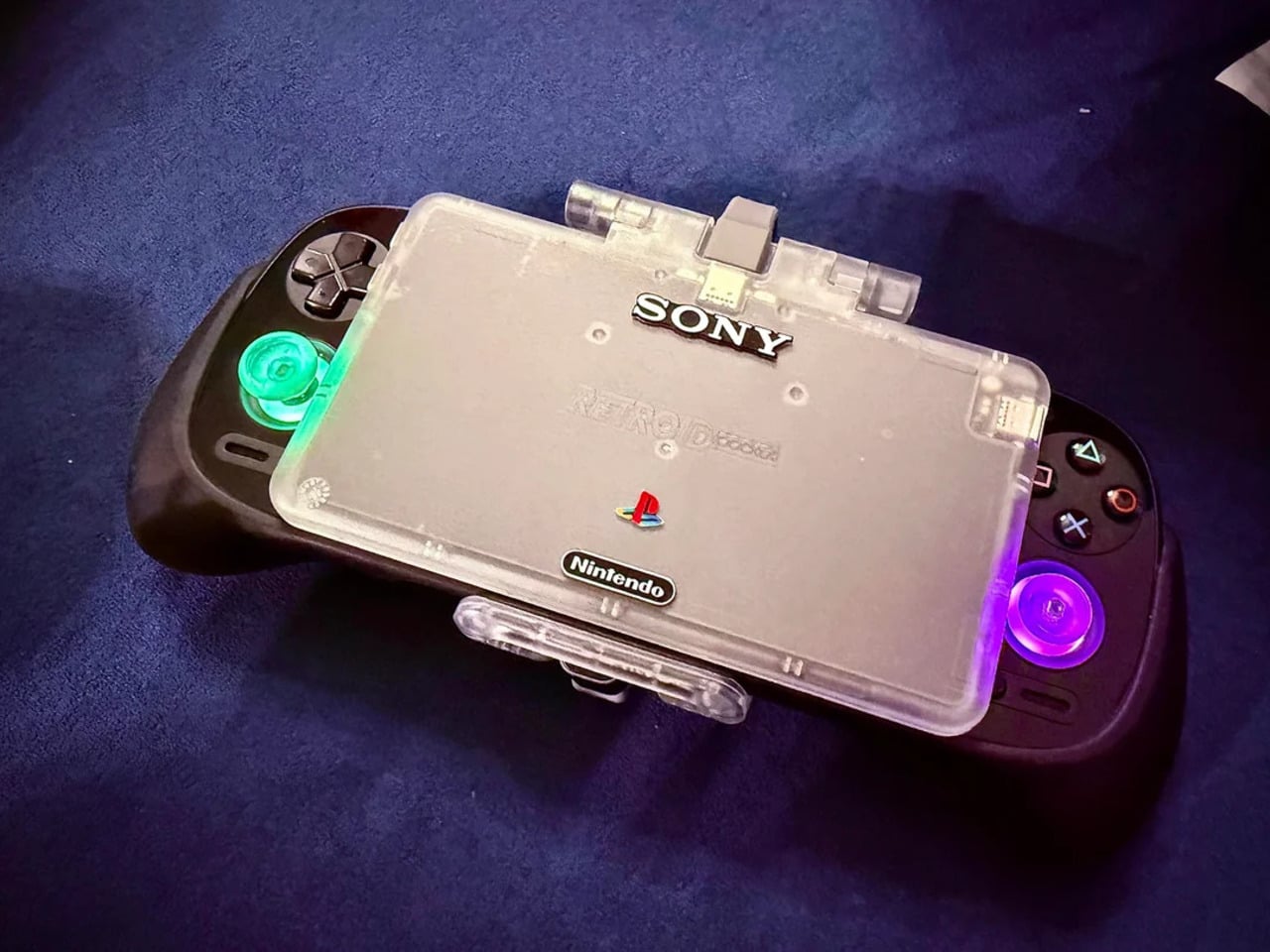
The translucent shell is doing most of the work. It pulls from the visual language of the N64’s Funtastic series, those clear and atomic-purple controllers Nintendo released in the late 1990s, where showing the circuitry was the design choice rather than concealing it. Over a piano-black grip body with PlayStation-colored face buttons, the frosted polycarbonate shifts from grey to near-white depending on the light. It shouldn’t feel considered. It does.

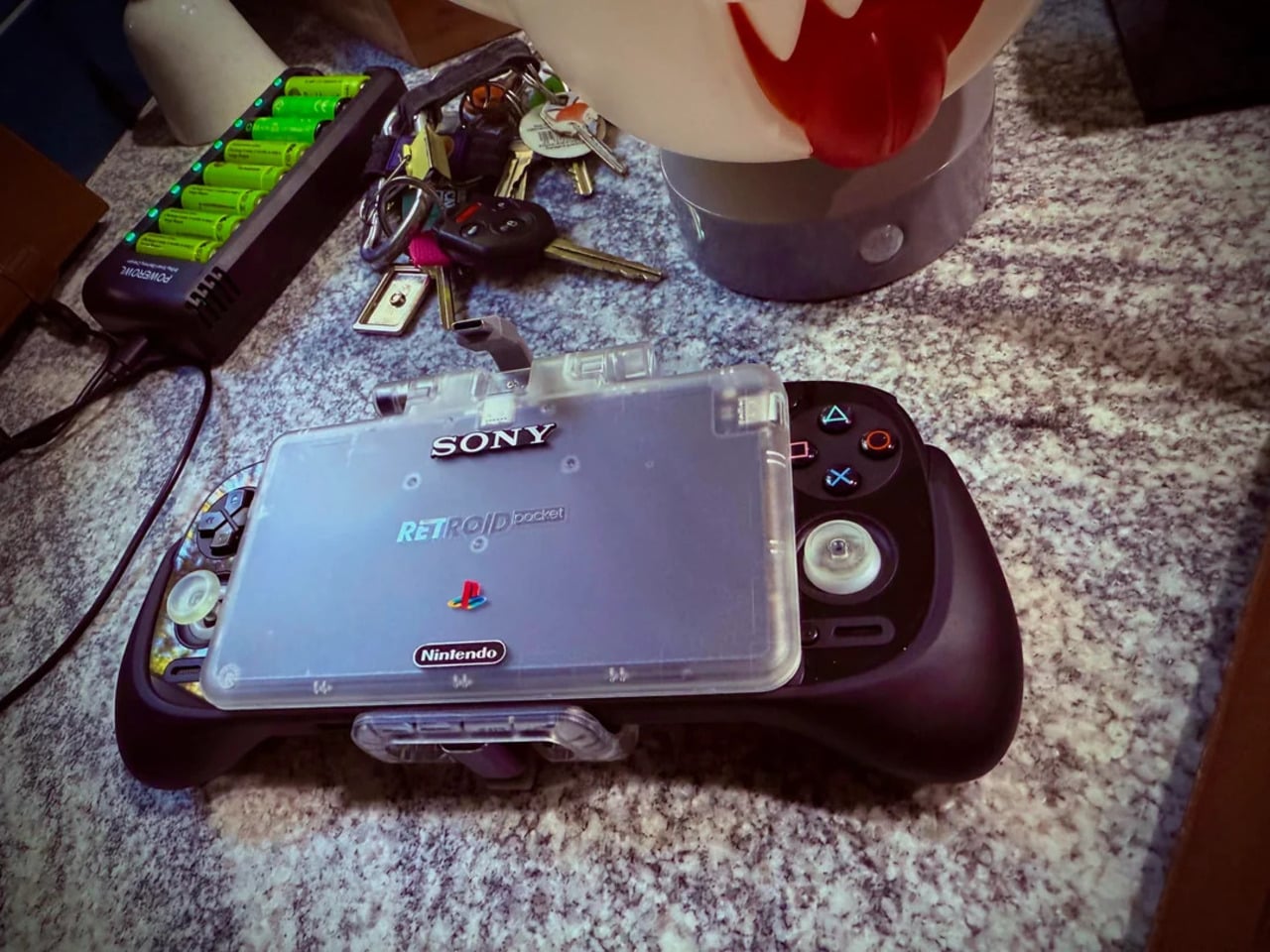
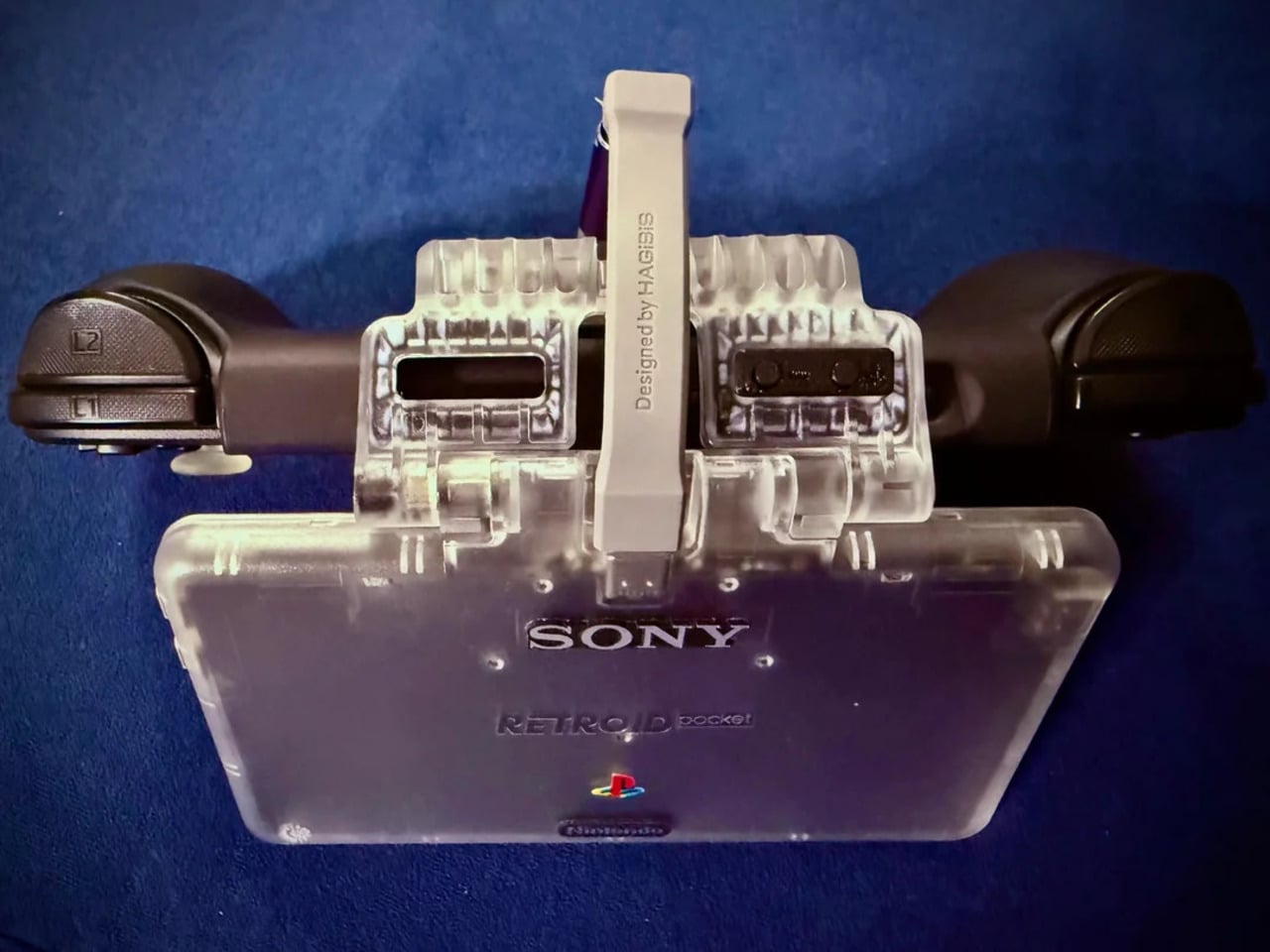
The branding placement is where intent becomes clear. The Sony wordmark sits centered on the upper face, exactly where it appeared on a PSOne. Below it, the PlayStation four-color logo. At the bottom bezel, the Nintendo badge mirrors its position on a Game Boy Advance SP. None of it is licensed, of course. These are adhesive vinyls placed by someone who grew up with both systems and wanted their coexistence on one device to feel inevitable rather than absurd.

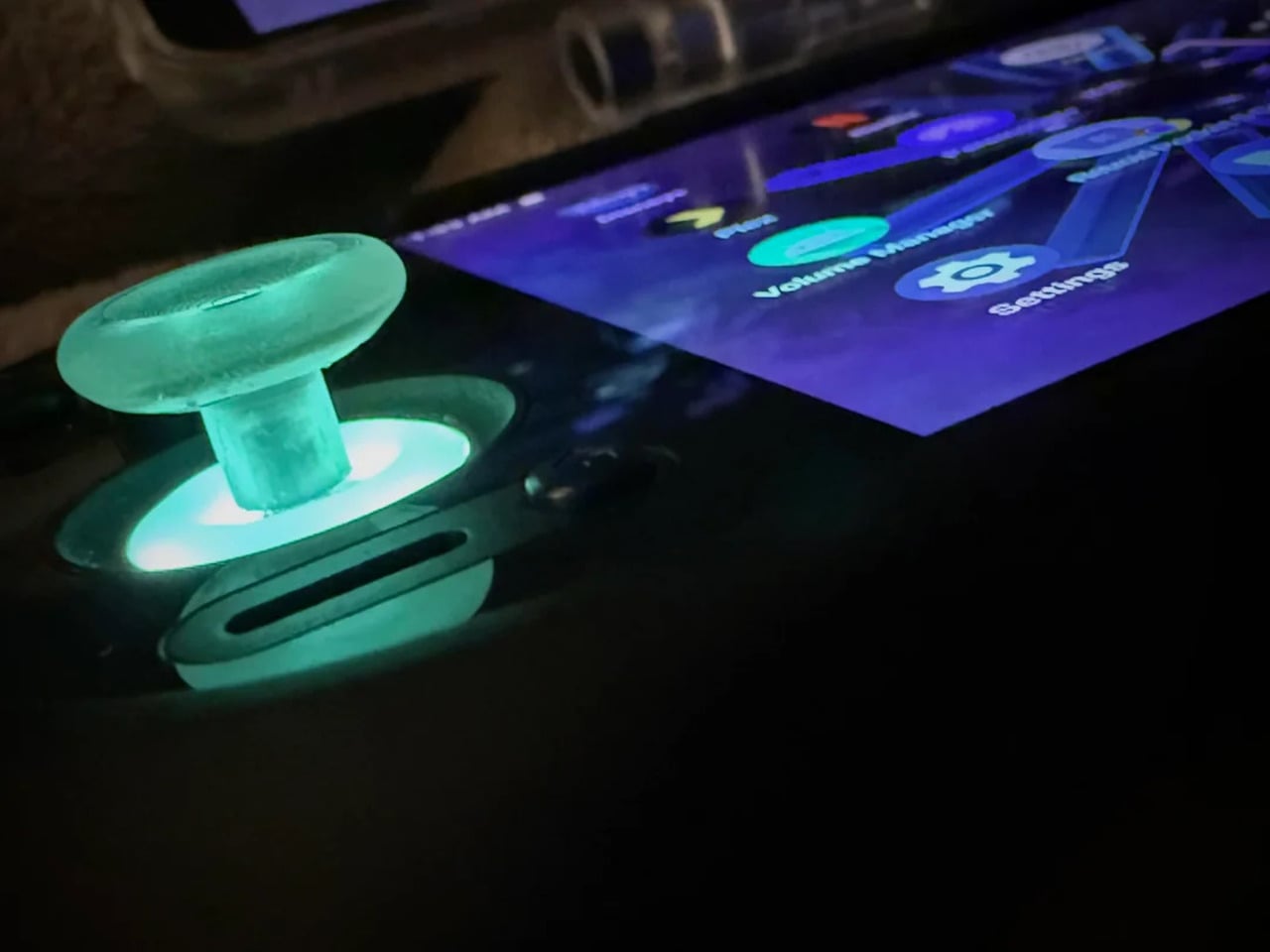
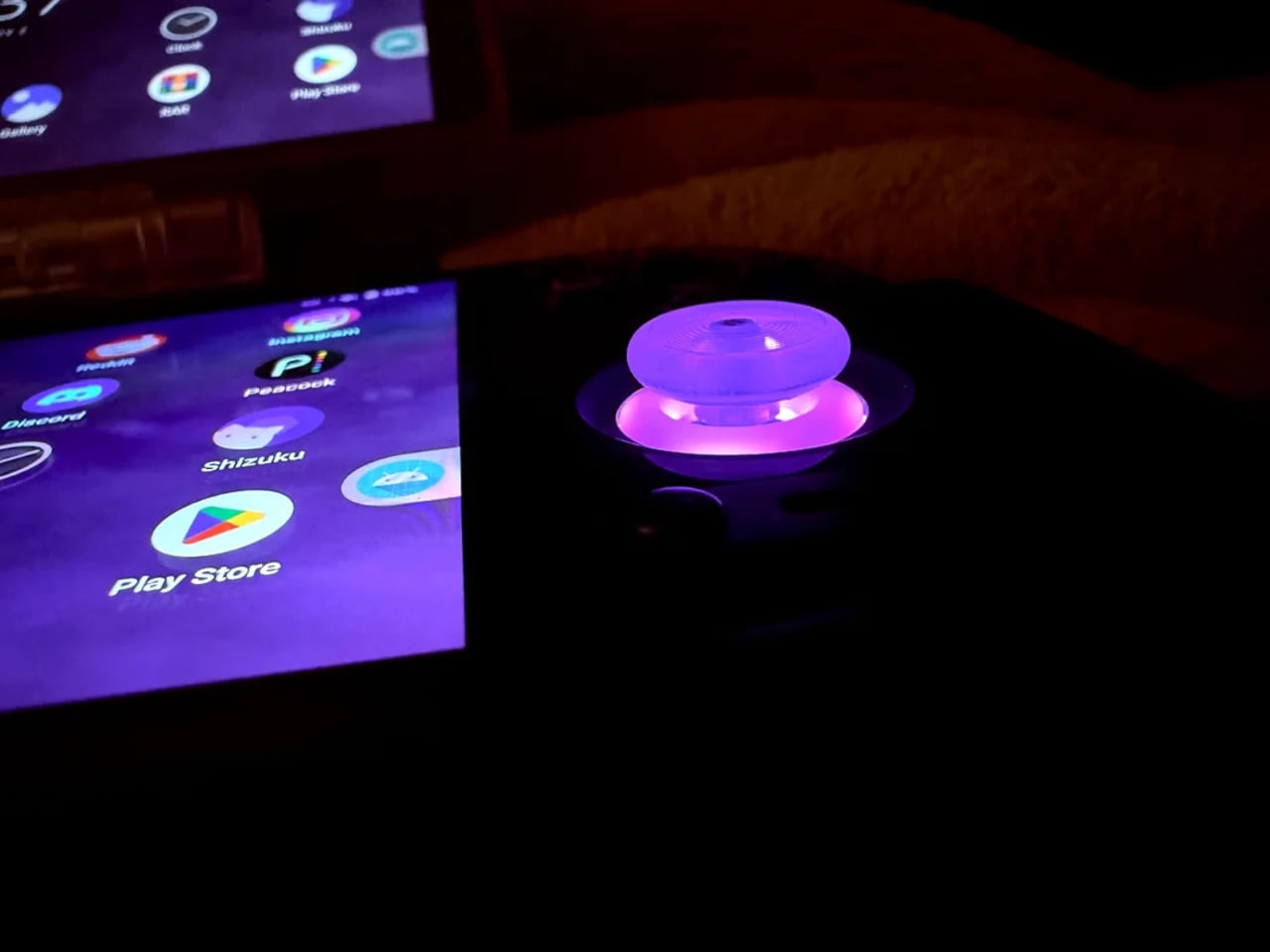
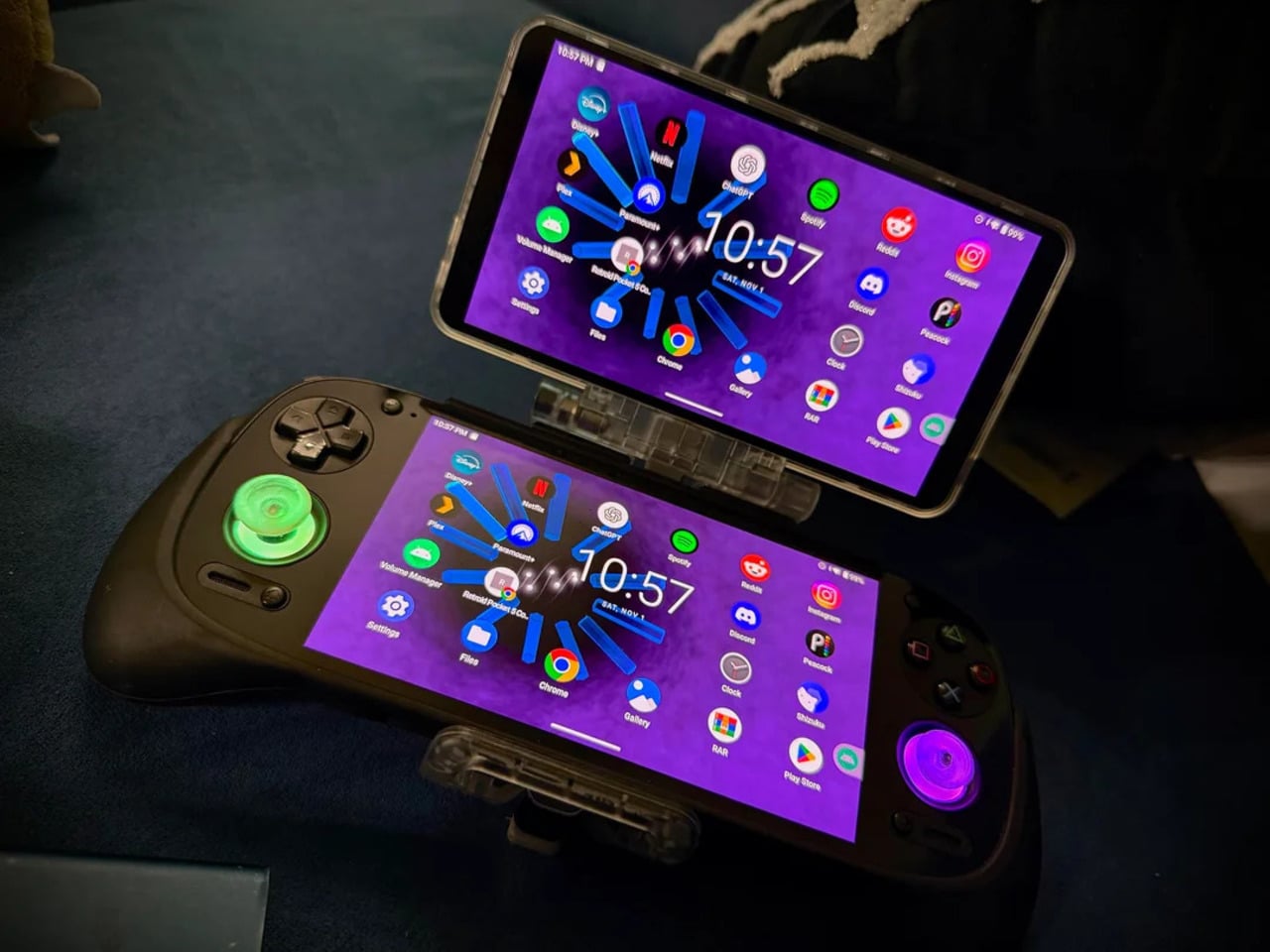
Not everything here reaches backward. The analog sticks are translucent caps over hall-effect sensors, lit teal on the left and purple on the right, owing nothing to 1999. That generation didn’t have RGB anything. The lighting reads as a concession to the present; the one feature announcing this is still an Android device in 2025, not a prototype from some alternate Sony-Nintendo licensing meeting. Whether it sits comfortably alongside the retro shell is a fair question.

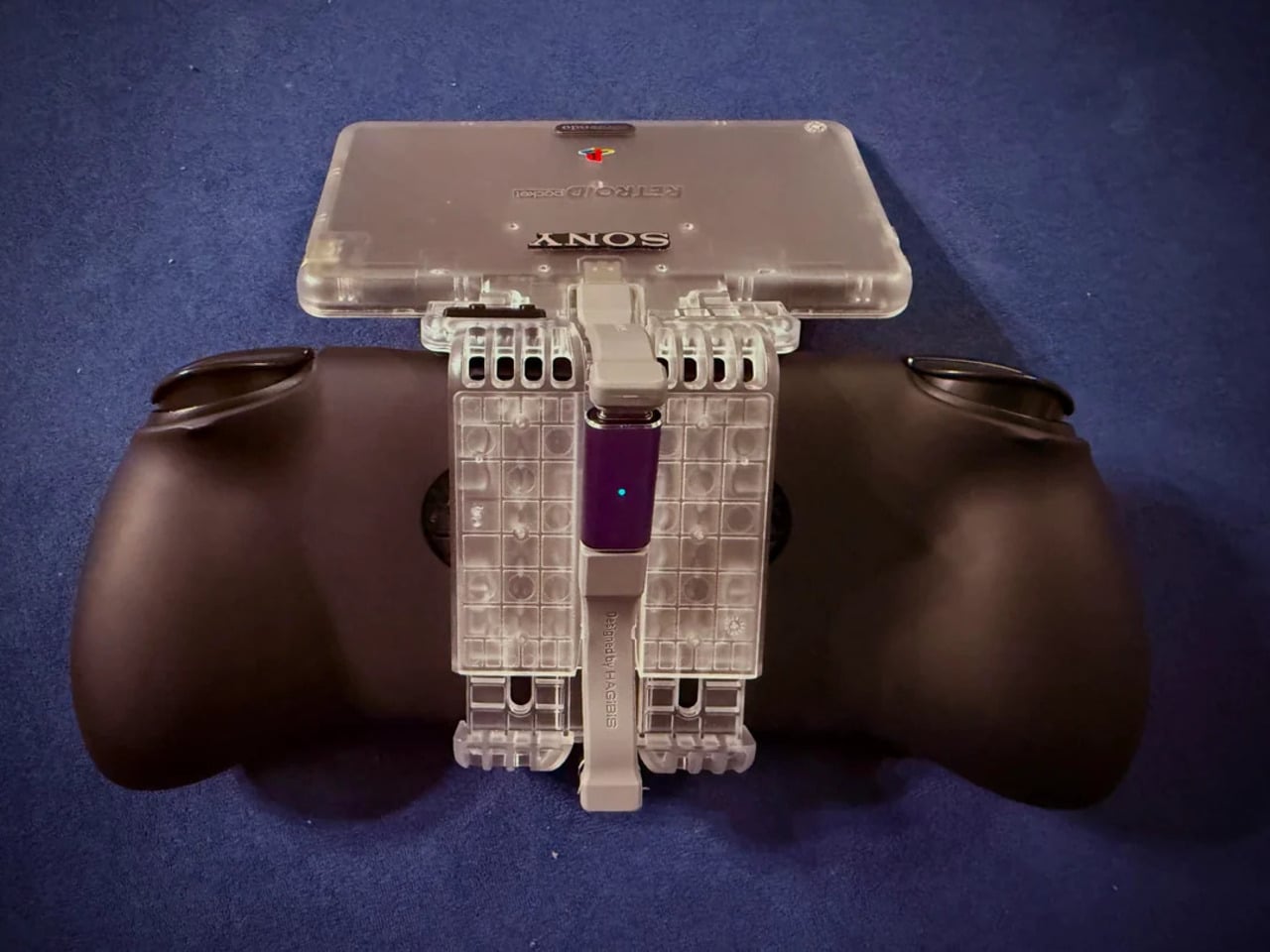
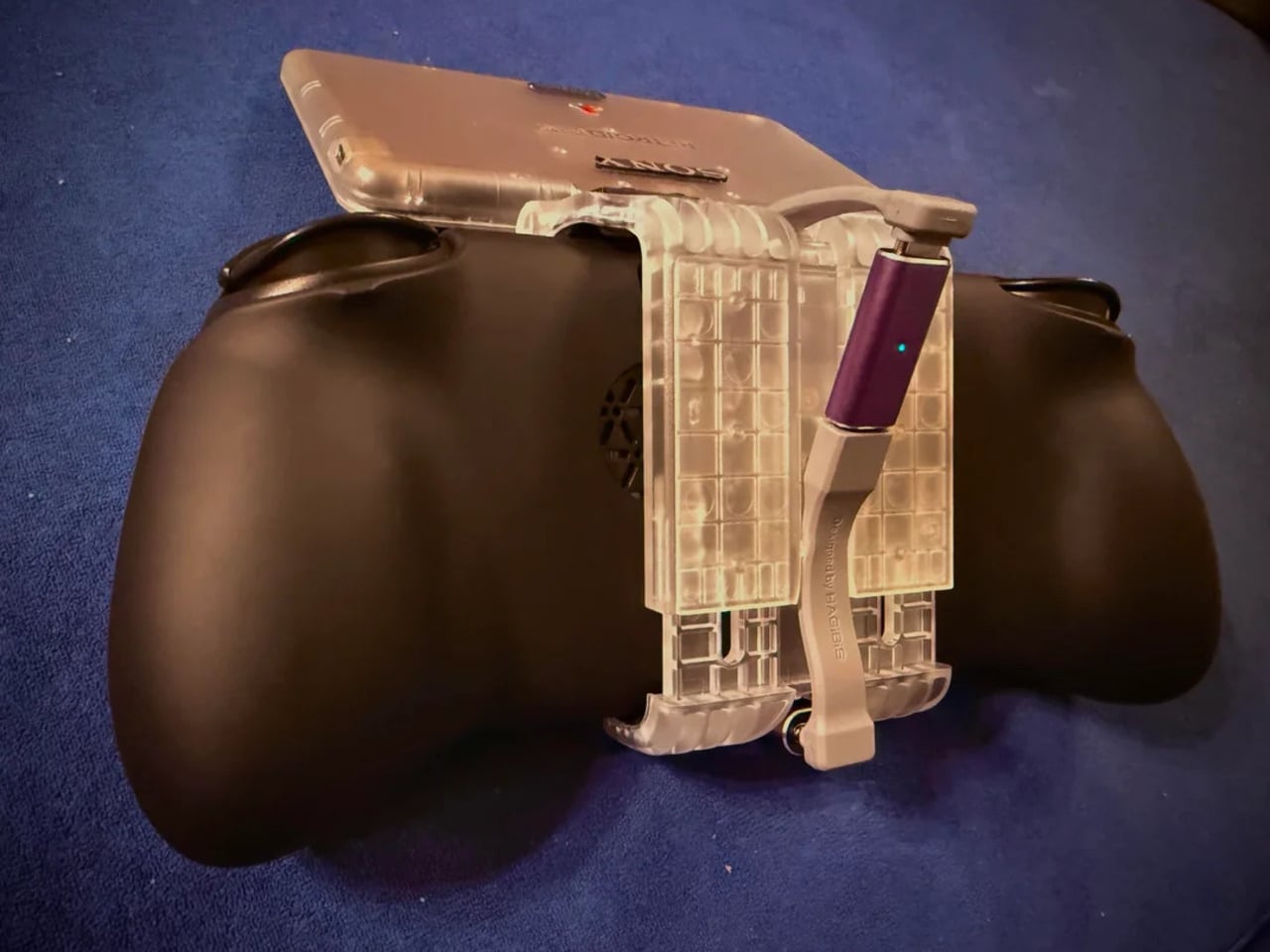
The rear view shifts the frame again. A large dual-grip body in smooth black rubber dominates the back, a clear plastic hinge connecting the screen to grip in full view, structural and unapologetic. The 3D-printed volume rocker at the top edge puts a physical control where fingers naturally land. The back half feels closer to a DualShock than a Game Boy, which is either the point or the problem, depending on what you wanted this thing to be.

Flip to the front screen, and the emulator grid makes the whole thing literal. DuckStation for PS1, Dolphin for GameCube, PPSSPP for PSP, melonDS for Nintendo DS, and a live PS2 wallpaper cycling behind all of it. This device runs both companies’ libraries simultaneously without asking permission from either. The branding on the shell, in that context, stops being a novelty and starts reading as a plain statement of what the hardware already does.

The retro handheld category is large enough now that sameness has become its default. The Retroid Pocket 6, the current flagship from the same manufacturer, drew community criticism for being indistinguishable from competitors: glass front, LED sticks, rounded edges, and no particular character. A fan mod building identity out of borrowed logos is one response to a problem the manufacturers haven’t solved. It’s also just someone enjoying a hobby and being honest about what they want.

The hardware to play PS1, PS2, GameCube, and Game Boy Advance all on one screen already exists and costs under $200. What the market hasn’t resolved is what that device should actually look like, or whose name should go on it. This mod doesn’t answer either question. It just makes the gap between what’s technically possible and what anyone has bothered to design feel a little harder to dismiss.

The post This Fan Made the Sony-Nintendo Handheld the Companies Never Would first appeared on Yanko Design.
Vous n'arrivez pas à finir un jeu ? Microsoft va le finir pour vous

Microsoft vient de publier un brevet qui décrit un système capable d'envoyer une IA ou un autre joueur prendre le contrôle de votre partie quand vous êtes bloqué. Sony travaille sur une idée similaire de son côté. Visiblement les deux géants du jeu vidéo veulent que vous ne restiez plus jamais coincé sur un boss, même si ça veut dire que quelqu'un d'autre joue à votre place.

Un assistant qui prend la manette

On est donc là devant un brevet plutôt intéressant qui porte le doux nom de "Video Game Help Sessions", il a été déposé en février 2024, et vient à peine d'être publié. Le principe est assez simple : quand le système détecte que vous galérez un peu trop sur un passage, un gros bouton HELP apparaît à l'écran.

Si vous êtes ok sur le principe, la partie est automatiquement sauvegardée, et une aide prend le contrôle de votre personnage, histoire de vous débloquer la partie. Cette aide peut être une IA ou un humain.

Sony a la même idée

Microsoft n'est pas le seul à avoir eu cette idée. Sony a déposé un brevet du même genre en septembre 2024, mis à jour début 2026, pour un système baptisé Ghost Player. Côté PlayStation, c'est exclusivement de l'IA, avec deux modes : un Mode Guide où le fantôme vous montre la marche à suivre, et un Mode Complet où l'IA prend la main et finit le passage pour vous.

La principale différence avec le brevet Xbox, c'est que Microsoft mise aussi sur l'aide humaine et que le système détecte lui-même quand vous avez besoin d'un coup de main, au lieu d'attendre que vous le demandiez.

Juste un brevet pour le moment

Rappelons quand même qu'un brevet n'est pas une annonce produit. Microsoft et Sony déposent des dizaines de brevets chaque année, et la plupart ne voient jamais le jour.

Rien ne garantit que ce système arrivera un jour sur Xbox ou PlayStation. La nouvelle patronne de Microsoft Gaming, Asha Sharma, a tenu à préciser que l'entreprise ne produirait pas de "soulless AI slop", autrement dit pas de bouillie générée par l'IA sans âme. Ce qui donne une idée de la prudence affichée en interne.

Franchement, l'idée est intéressante sur le papier. Je suis tellement du genre à quitter définitivement un jeu dès que je bloque sur un boss ou un niveau, que ce genre de truc pourrait me plaire. Mais il y a quand même un truc philosophique là-dedans : si l'IA ou un inconnu finit le jeu à votre place, c'est encore votre partie ? Le brevet pose aussi la question de l'attribution des succès et des achievements.

Source : Dexerto

Nintendo et Sony réunis pour le film Zelda - La réconciliation du siècle

Accrochez-vous à vos paravoiles mes petits potes, parce que Nintendo vient de balancer les premières images officielles de son film The Legend of Zelda et c’est pas le cosplay de Link qui me plait le plus, non, non… C’est le nom juste à côté du générique : Sony Pictures.

Car laissez-moi vous expliquer pourquoi cette collab est probablement l’événement le plus dingue de l’histoire du jeu vidéo.

Mais bon, d’abord les faits !

Nintendo vient d’annoncer que le tournage avait démarré en Nouvelle-Zélande avec Benjamin Evan Ainsworth dans le rôle de Link et Bo Bragason dans celui de Zelda. Le film sortira le 7 mai 2027, soit quelques semaines avant que Macron ne modifie la constitution rester président à vie (j’rigole !!).

Miyamoto a donc posté un message tout gentil avec le compte de Nintendo sur Twitter (oui, ça énerve Musk qu’on continue à dire Twitter, donc vous pouvez compter sur moi) afin de dire que le tournage progresse bien et qu’on doit patienter encore un peu.

Mais revenons à ce qui m’intéresse vraiment : Nintendo + Sony ! Pour vous, ça sonne peut-être comme un partenariat banal, car après tout, Sony Pictures c’est juste la branche ciné de Sony, et pas la division PlayStation. Normal… Sauf que voilà, faut que je vous raconte une histoire.

On est en 1988 et Nintendo domine le marché du jeu vidéo avec sa NES et cherche un partenaire pour développer un lecteur CD pour sa future console. Sony se propose alors et pendant trois ans, les deux boîtes bossent ensemble sur un prototype baptisé PlayStation (oui, déjà ce nom-là). Tout roule jusqu’au jour où Nintendo plante Sony en public lors du Consumer Electronics Show de 1991 pour s’allier avec Philips à la place.

Idée de merde et surtout une humiliation totale pour Sony.

La réaction de ces derniers est alors historique !

Ah ouais ? Bah si c’est comme ça, je vais faire ma propre console alors.

Et c’est exactement ce qu’ils ont fait puisque la PlayStation sort en 1994, et devient la console la plus vendue de sa génération. Éclate alors une gueguerre qui durera 30 ans. Donc quand je vois “Produced by Nintendo and Sony Pictures” sur le film Zelda, je me dis que ces deux-là ont passé trois décennies à se tirer dessus à coups de consoles, de jeux exclusifs et de pubs agressives et maintenant, ils s’associent pour produire ce qui sera probablement le plus gros film de jeu vidéo de 2027 ! Et je trouve ça magique !

Comme des images du tournage ont leaké quelques jours avant l’annonce officielle, Nintendo a décidé de réagir rapidement en publiant les images officielles, histoire de reprendre le contrôle de sa com’. Voici donc les vraies images :

Le film est réalisé par Wes Ball, le gars derrière Maze Runner et Kingdom of the Planet of the Apes. C’est pas le choix le plus évident pour un Zelda, mais c’est pas idiot non plus quand on y réfléchit car il sait gérer l’action, l’émotion et les gros budgets. Et surtout, il tourne en Nouvelle-Zélande, le pays qui a transformé Le Seigneur des Anneaux en trilogie culte.

Les paysages d’Hyrule vont être magnifiques, ça c’est sûr ! (Bon, moins que s’il avait tourné en Auvergne mais quand même…)

Sony Pictures a l’expertise d’Hollywood, Nintendo a l’univers, les personnages, la vision créative, et surtout, ils ont compris après le succès incroyable du film Super Mario Bros qu’il y avait un paquet de fric à se faire dans l’adaptation de leurs licences au cinoche.

Je me suis amusé à faire ce petit fan-art à base d’IA.

Et ce choix de Benjamin Evan Ainsworth pour jouer Link est aussi intéressant… Il a 17 ans et vous l’avez peut-être vu dans The Haunting of Bly Manor (sur Netflix) . On va donc avoir droit à un Link très jeune, dans l’esprit d’Ocarina of Time ou Breath of the Wild, et en regardant les photos, je trouve aussi que les costumes ont l’air super fidèles aux jeux. Zelda porte sa robe bleue royale inspirée de BotW, et Link a sa tunique verte iconique. Bref, ils ont bien respecté le truc.

A voir maintenant ce que ça donnera mais pour cela, faudra attendre 2027.

Sony Pictures Hack - L'histoire du jour où Hollywood a tremblé

Cet article fait partie de ma série de l’été spécial hackers. Bonne lecture !

Si vous êtes du genre à penser que derrière les cyberattaques, c’est juste des Tanguy qui volent des mots de passe, j’ai une histoire qui va vous retourner le cerveau.

Le 24 novembre 2014, Sony Pictures s’est fait défoncer la tronche comme jamais à cause d’une comédie pourrave avec Seth Rogen qui voulait buter Kim Jong-un. Et je vous explique aujourd’hui pourquoi c’est l’un des hacks les plus dingues de l’histoire.

❌