❌

Vue lecture

The $50 Titanium Cup That Refuses to Ruin Your Whiskey

I’ve broken more shot glasses than I care to admit, and I’ve also poured a good shot of whisky into a glass that smelled faintly of dish soap because nobody thought to hand-dry it properly. That’s the quiet failure of most drinkware. It’s not that it looks bad. It’s that it gets in the way of the thing you’re actually drinking, whether through fragility, absorption, or just feeling like an afterthought grabbed from a gift-shop shelf.

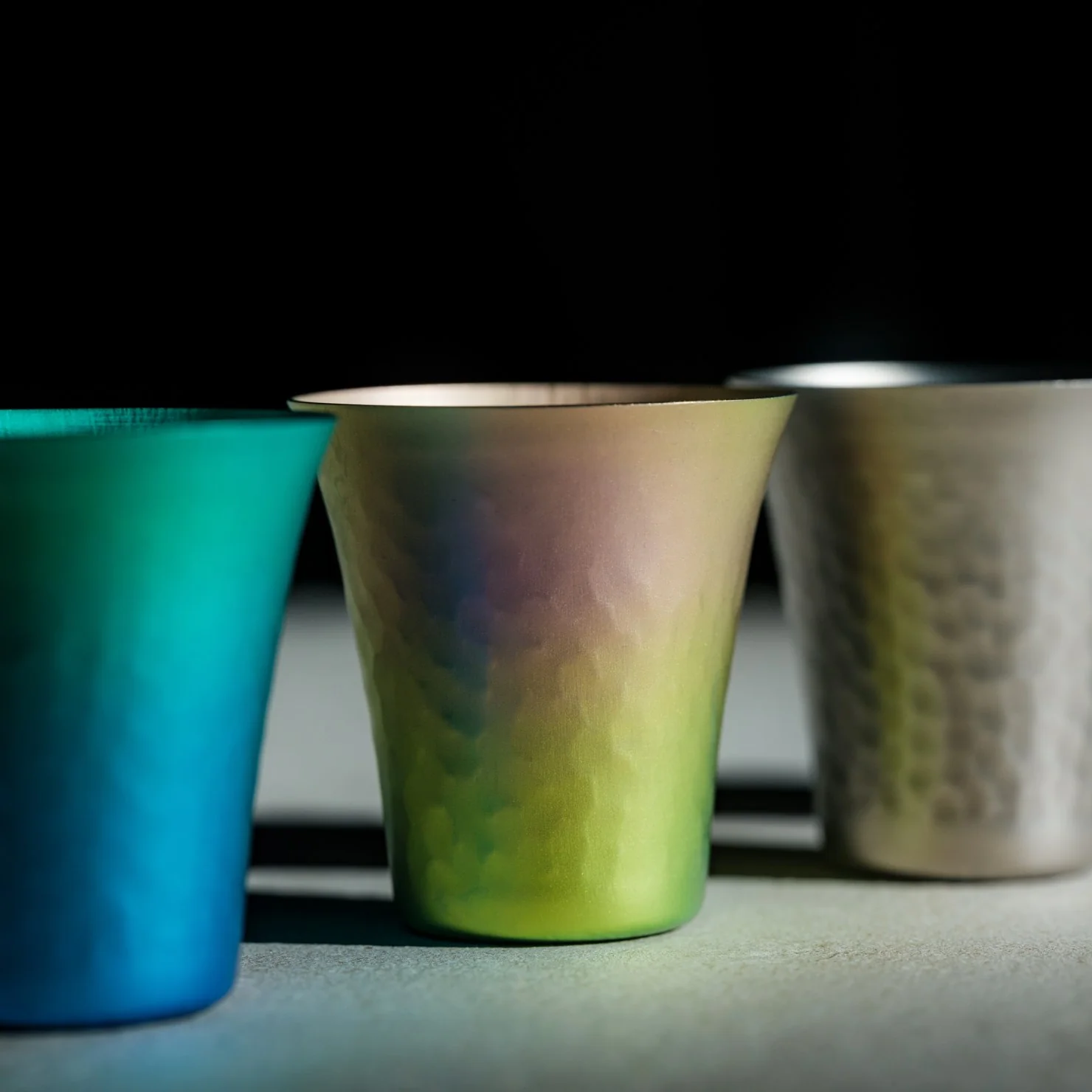
The Titanium Artisan Spirits Cup solves a problem I didn’t realize I’d been quietly annoyed by for years: the vessel changing the experience instead of getting out of its way. Made in Japan from solid titanium, this tiny cup, just 70ml, about the size of a proper sake or spirits pour, is built from a material that’s completely non-reactive. No metallic aftertaste, no lingering smell from last week’s whiskey, no worry about it cracking if you set it down a little too hard after a long day. It just holds the drink and lets the drink be the drink.

Click Here to Buy Now: Starting at $50

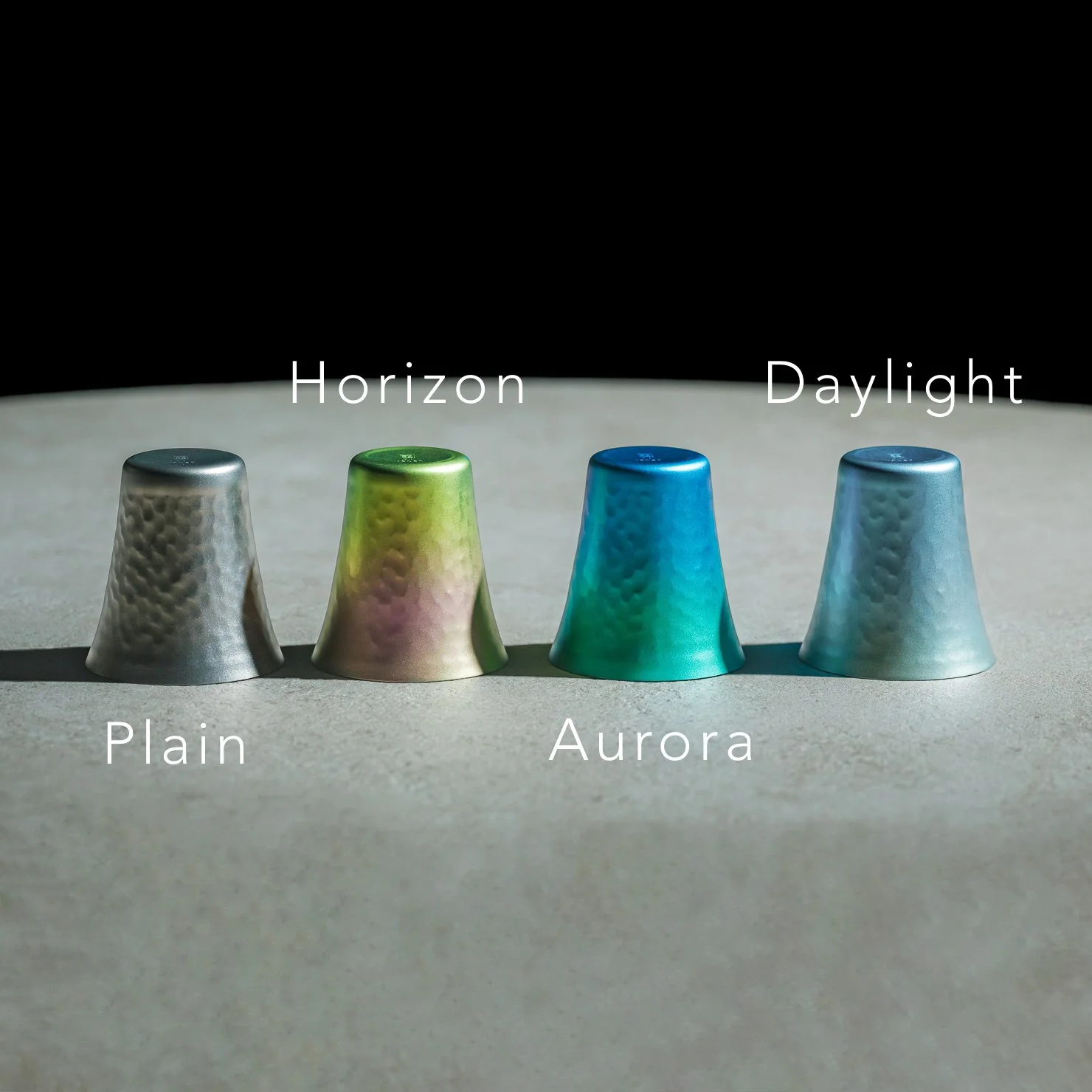
I’ll admit I was skeptical the first time I read “titanium cup” and pictured something that belonged on a camping trip, not a bar cart. But this isn’t the same brushed, utilitarian titanium you’d find in a hiking mug. The anodized finishes here, Horizon’s pink-to-green gradient, Aurora’s iridescent blue-green, Daylight’s pale blue shimmer, are created through an electrochemical process, not paint, which means the color actually lives inside the metal’s oxide layer. Practically speaking, that means no two colored cups come out quite the same. You’re not buying a product off an assembly line so much as picking one version of a process that never repeats itself exactly. For $50 to $60 depending on finish, that’s a small price for owning something genuinely singular.
It’s worth comparing this to how a brand like Yeti has trained American drinkers to think about premium drinkware over the last decade. Yeti built an empire on durability and temperature retention, on the promise that your drink stays cold or hot for hours in something that survives getting thrown in the truck bed. That’s a real, useful problem solved well. But Yeti’s whole design language is about insulation and toughness for casual, high-volume drinking. This titanium cup is solving something almost opposite: it’s not trying to keep your drink at a certain temperature or survive a drop from a tailgate. It’s built for the smaller, slower moment, the two-ounce pour you’re meant to sit with, not gulp. One is engineered for durability at scale. The other is engineered for intimacy in a single sip.
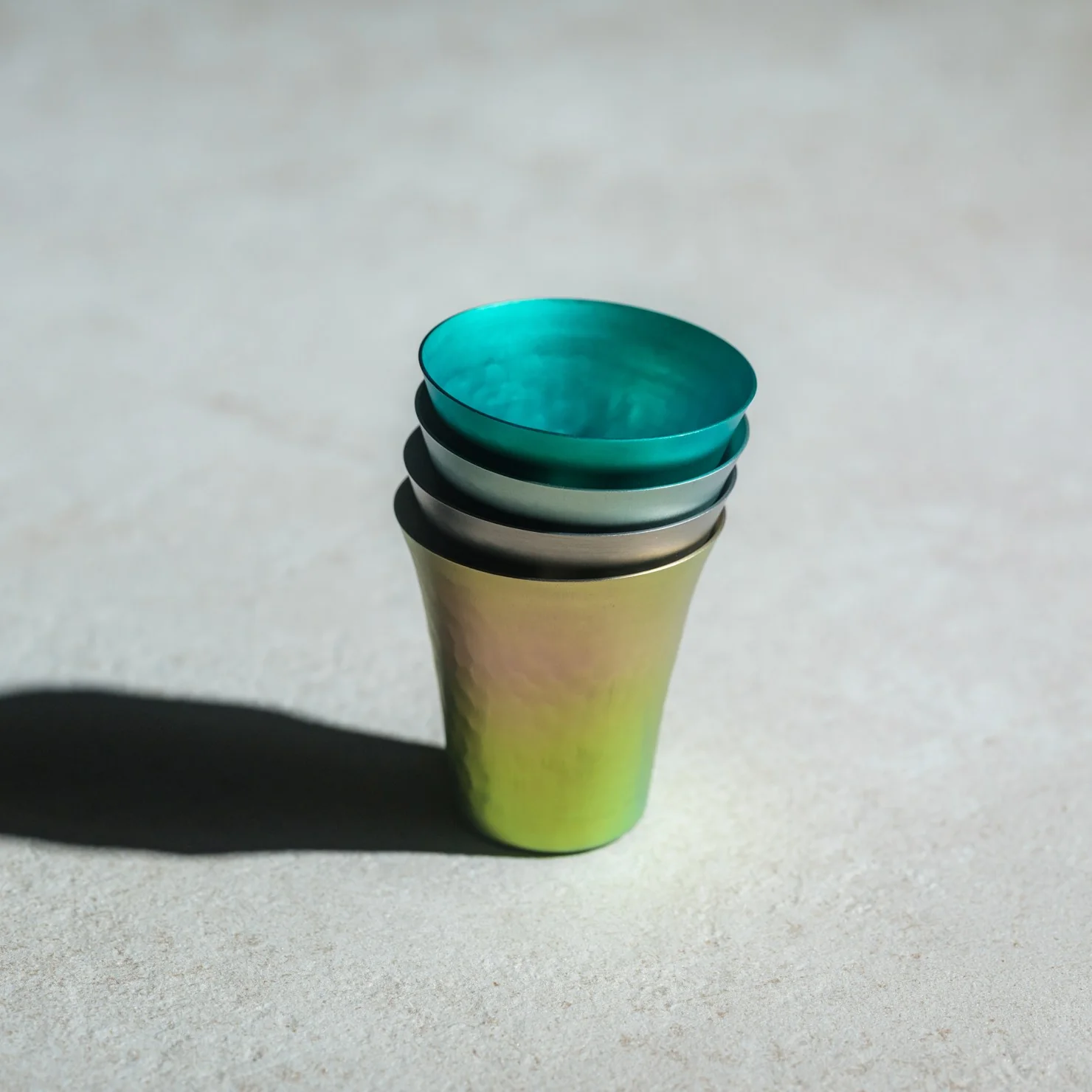

What actually sold me on this piece isn’t the finish or the aerospace-grade pedigree of the material, though both are legitimate. It’s the size. Seventy milliliters forces a kind of restraint. You can’t casually refill it five times without noticing you’re doing it. It nudges you toward treating a pour of whiskey or sake as an event rather than background noise while you scroll through your phone. That’s a small, almost accidental piece of good design, the kind that changes behavior without lecturing you about it.

I also don’t think the Titanium Artisans Spirit Cup is for everyone, and that’s fine. If you want something that holds sixteen ounces of iced tea and survives a dishwasher cycle, this isn’t your object. But if you’ve ever wanted a single, honest vessel for the good stuff, the bottle you save for a specific mood or a specific person, this earns its place on a shelf. With only a handful available at a time, it’s also not pretending to be mass-market, which somehow makes it feel more genuine rather than more precious. Good drinkware should disappear the moment the drink hits your lips. This one actually manages that, and it does it while looking like something you’d want to hold onto forever.
The post The $50 Titanium Cup That Refuses to Ruin Your Whiskey first appeared on Yanko Design.
  •  

A Coin-Sized Disc Just Reinvented the Multi-Tool Nobody Could Fix

The multi-tool has been around long enough that most people have developed a frustrated relationship with it. You carry one because having a blade, a screwdriver, and a bottle opener in one place sounds practical, and then you grumble when you actually need something. Getting to the right tool means prying at a tightly packed frame with both hands, and that dynamic hasn’t changed much in decades.

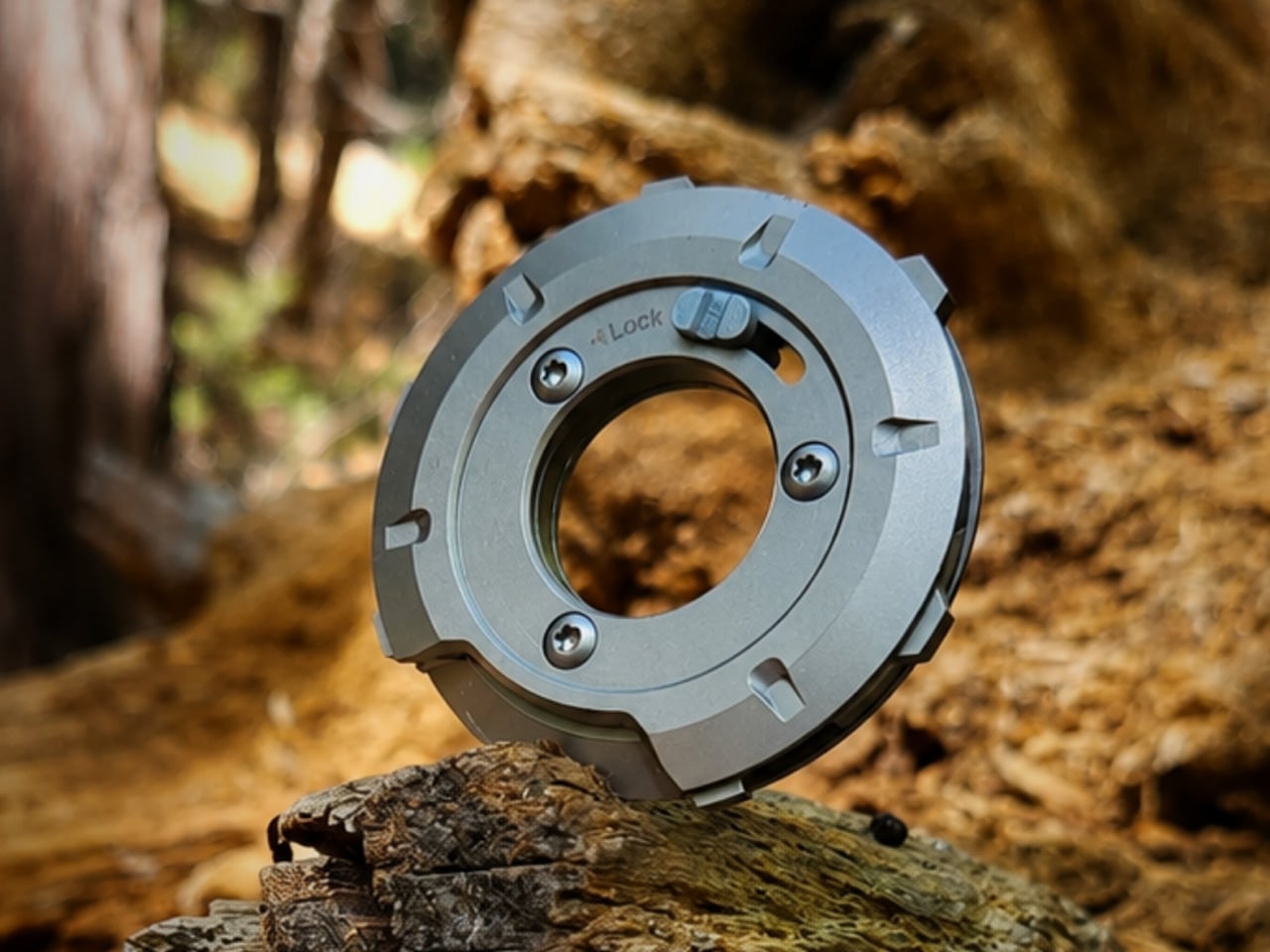
GEO, designed by Invento Design, takes issue with that familiar frustration. Rather than folding tools out from a layered frame, it uses a patent-pending rotating disc mechanism that cycles through five tools, exposing each one through a single opening. It’s a deceptively simple reframing of an old idea, and one that makes you wonder why nobody had taken this approach before.

Designer: Francisco Molina (Founder of Invento Design)

Click Here to Buy Now: $45 $70 (36% off). Hurry, only a few left!

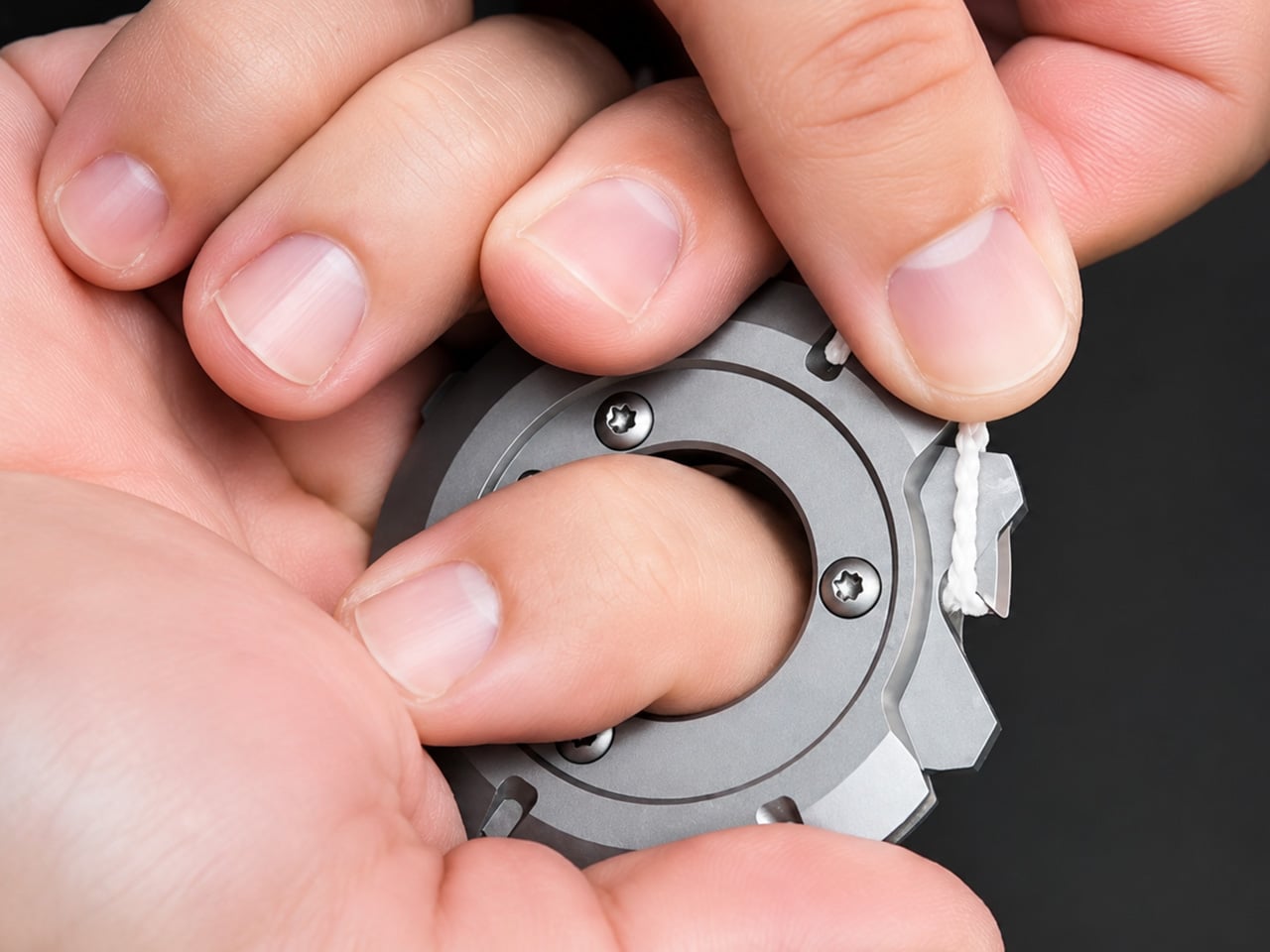
The way it works is fairly intuitive. Outer index levers let you rotate the internal mechanism until the tool you want lines up with the access window. A sliding lock then holds the selected tool in position before you start. The whole operation happens in one hand, without setting anything down first or needing a second hand to hold the frame steady.

The five tools cover a surprisingly practical range of everyday needs. You’d reach for the blade and scraper when a label refuses to peel cleanly, the box opener when a taped-up package isn’t cooperating, the bottle opener at the end of a long day, the flathead driver for a loose screw or a stubborn paint can lid, and the string cutter when scissors aren’t anywhere nearby.

Carrying something with a blade in your pocket raises the obvious question of what happens when it isn’t in use. GEO handles this with a dedicated safety mode, a neutral rotational position where no edges are exposed. The sliding lock serves a separate purpose, preventing the mechanism from turning mid-task. Together, they make it safe enough to pocket, clip to a belt, or drop into a bag.

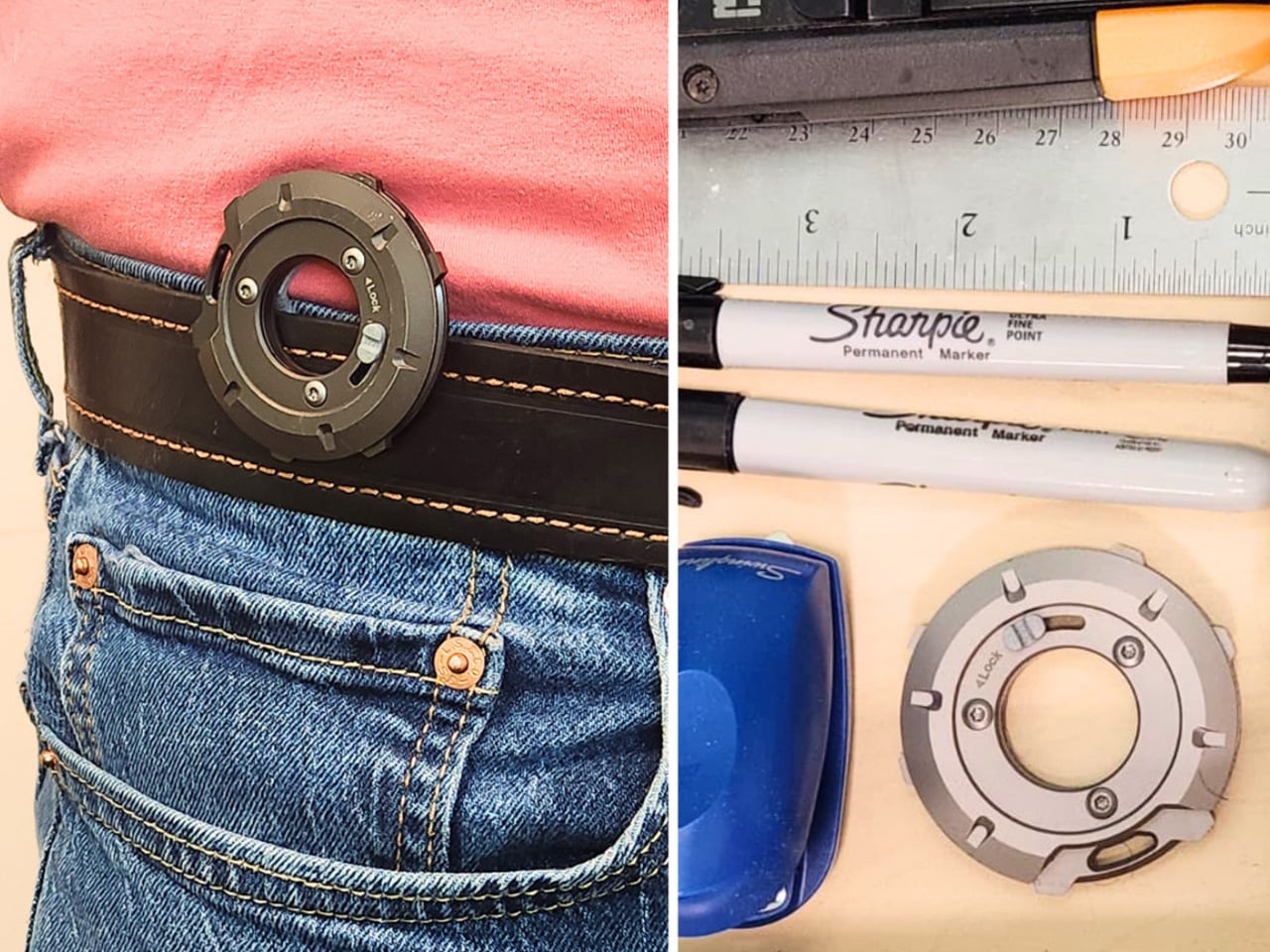
The form factor makes carrying it a fairly easy decision. At 53.5mm in diameter and only 8.7mm deep, GEO lands somewhere between a large coin and a watch face. The integrated belt clip adds some depth but keeps the total thickness under 15mm. It fits in a jeans pocket, clips to a gear bag, or disappears into a drawer without demanding much space.

There’s something worth noting about how it actually feels to use, too. The rotation isn’t purely functional but also incredibly satisfying. Each position clicks into place with enough tactile feedback that you know exactly where you’ve landed, and the smooth lever action makes it oddly enjoyable to cycle through even when nothing needs doing. It tends to stay in your hand a bit longer than the task requires.

The construction does a good job of reinforcing the premise. GEO’s tool body is milled from 440C stainless steel hardened to 57–59 HRC, placing it in the same material territory as quality kitchen blades. Cover panels come CNC-machined from either 6061-T6 aluminum or Grade 5 titanium, with internal hardware in 304 stainless steel throughout, a quietly serious specification for something this compact.

GEO isn’t meant to replace the full-size tools sitting in workshop drawers or on a fully loaded belt. It’s better understood as something for the other moments: the stubborn tape, the loose screw, the cord that needs a clean cut. Its compact, circular form makes it easy enough to keep close that reaching for it becomes the natural first move rather than an afterthought.

Click Here to Buy Now: $45 $70 (36% off). Hurry, only a few left!

The post A Coin-Sized Disc Just Reinvented the Multi-Tool Nobody Could Fix first appeared on Yanko Design.
  •  

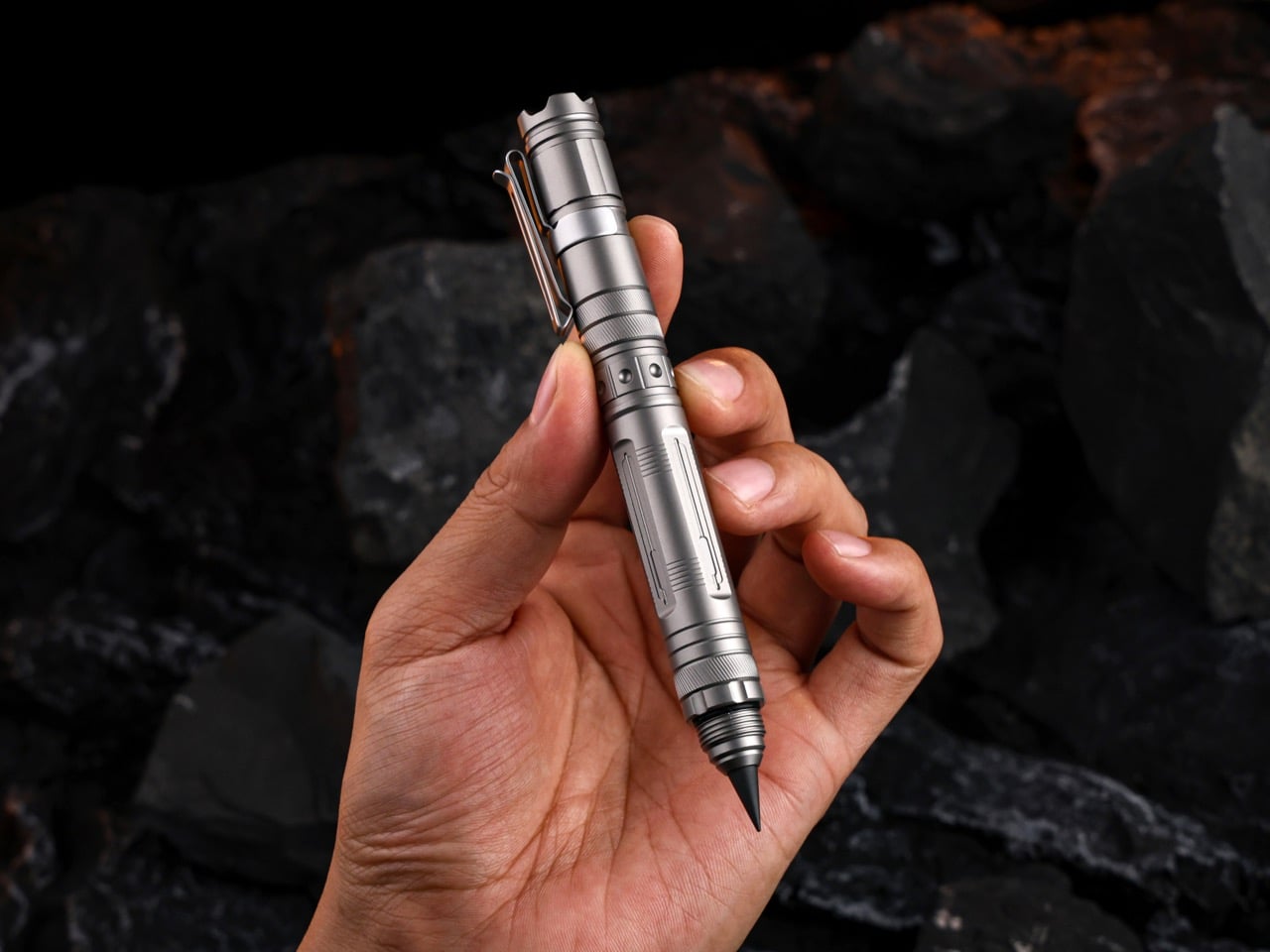
This 60g Titanium Pen Doubles as a Pocket Repair Station With a Detachable Flashlight and 3-Slot Toolbox

The humble pen is one of the most perfectly designed objects in everyday human history. It’s a simple, durable, pocket-friendly cylinder that most of us carry without a second thought, right up until the moment we actually need it. Its form is so familiar that we rarely stop to question its potential as anything other than a writing instrument. But what if the pen’s silhouette was actually the perfect chassis for something far more ambitious? What if its main job wasn’t to record problems, but to solve them?

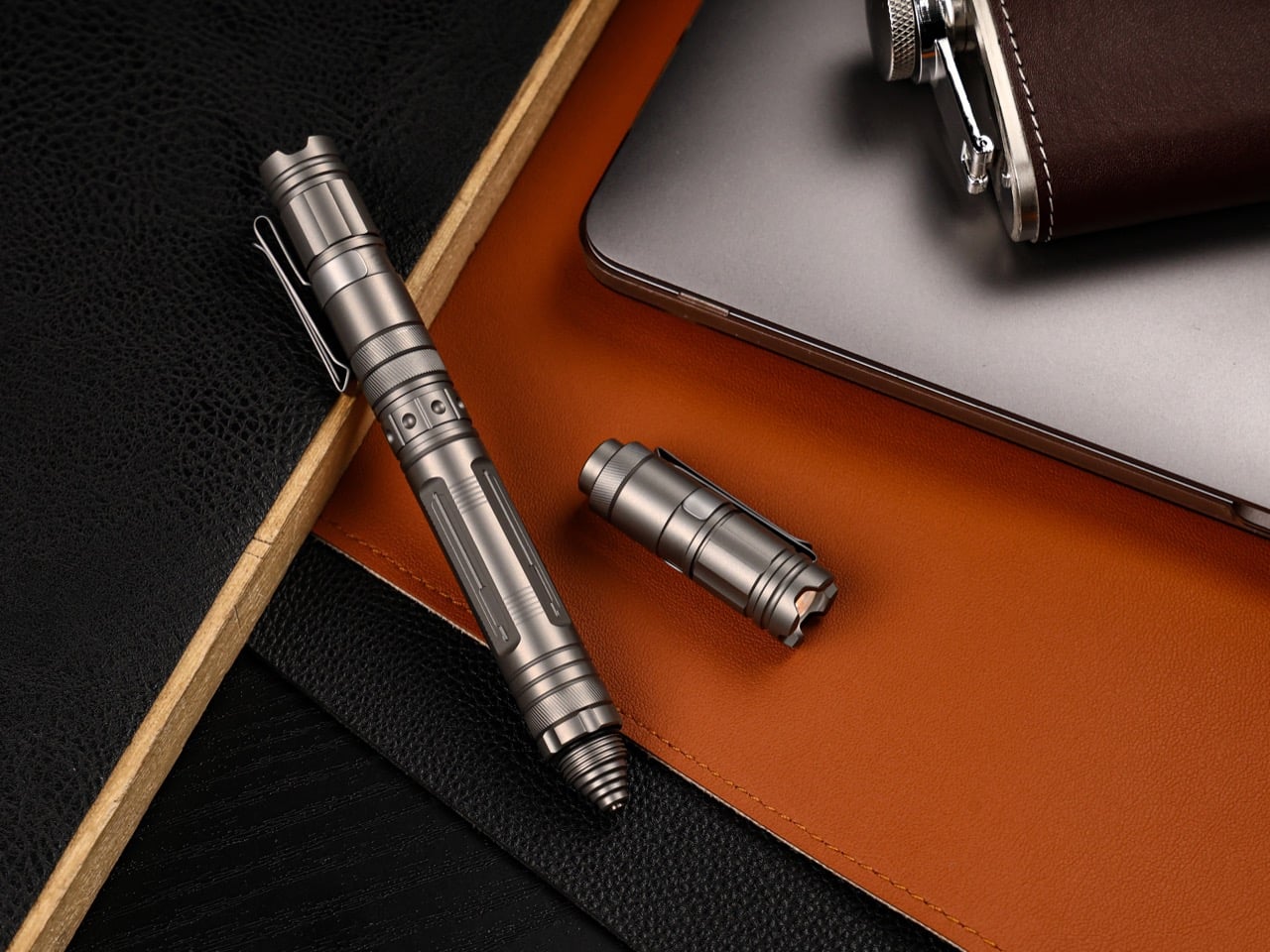
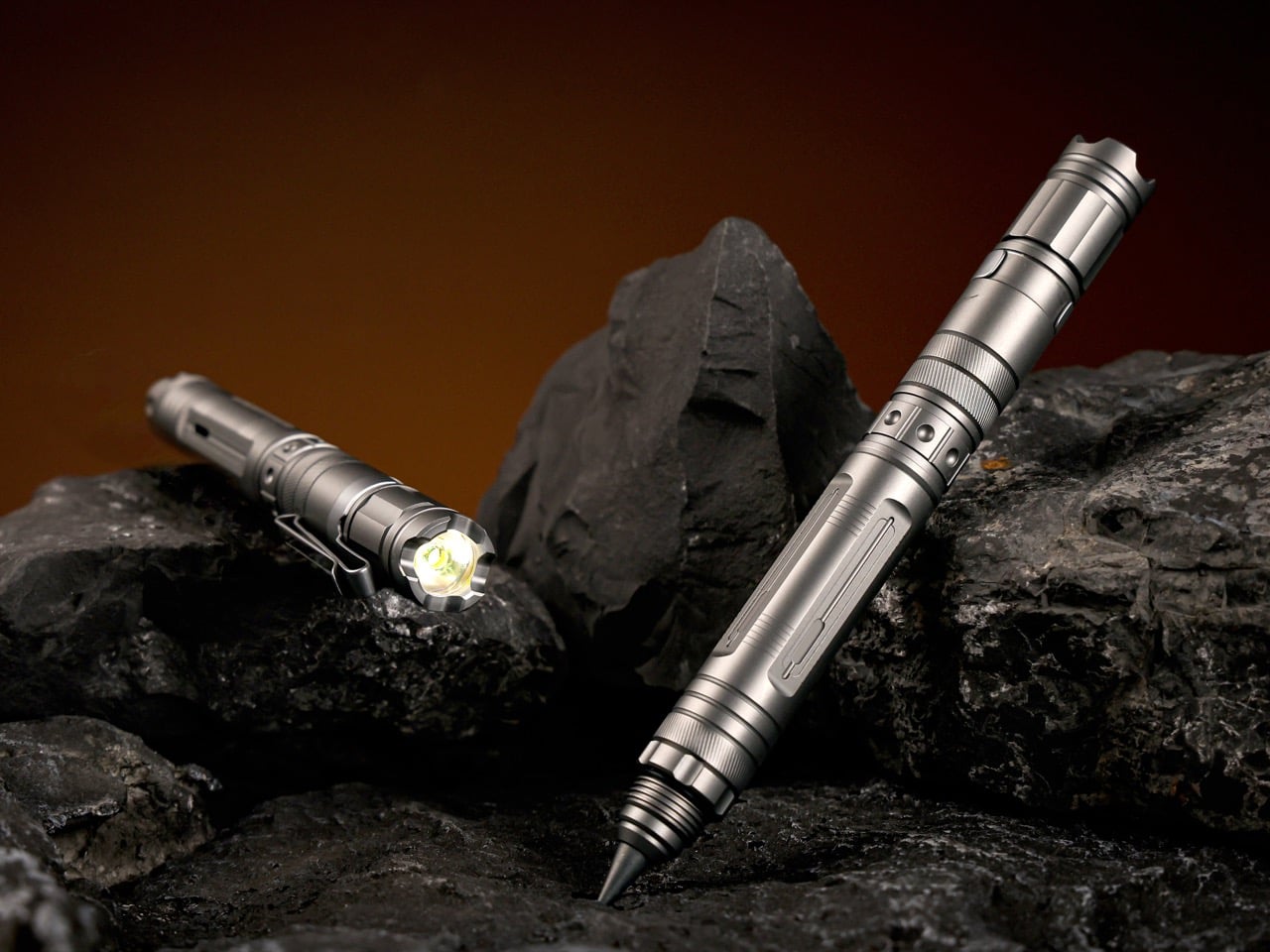
TiMate, the Redwood City-based EDC team behind the BoltLite and CoreLite, spent three design generations building toward exactly this: a Grade 5 titanium pen organized around a four-step repair workflow of illuminating, marking, cutting, and repairing. The body is CNC-machined, IPX-8 waterproof, and houses a detachable flashlight, a three-slot magnetic toolbox, a dual-tip marking system, and a utility blade, all in a 60-gram, 5.31-inch frame. The VeroLite also writes. That’s almost a punchline. But genuinely, it writes well.

Designer: TiMate

Click Here to Buy Now: $85 $119 (30% off) Hurry! Only 69 of 100 units left.

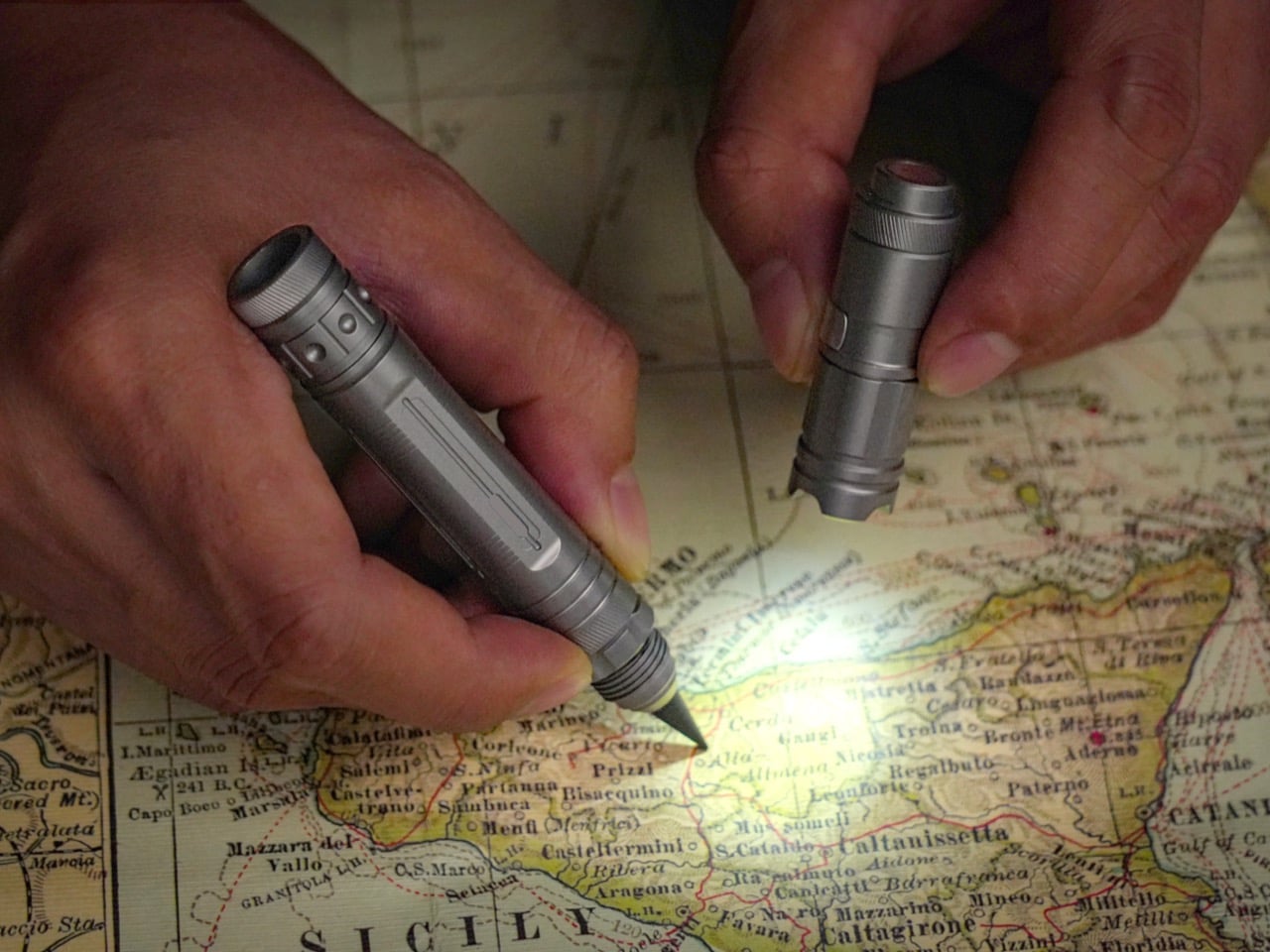
The flashlight module runs a Cree XPG4 LED at a neutral 5000K color temperature with 70+ CRI, which is the difference between reading a wire’s color accurately and just guessing. Three modes cover the range: 9 lumens for close inspection, 150 lumens for repairs and outdoor use, and a strobe for emergencies. IPX-8 waterproof, it charges over USB-C in 40 minutes, running 12 hours on low from a 100mAh lithium cell. The module detaches completely from the pen body via a magnetic joint rated at 3.8 kilograms, redesigned after users flagged the earlier version as too loose. Clip it standalone to a carabiner, rotate the dual-direction clip to aim the beam, or separate it so both hands are free for the repair.

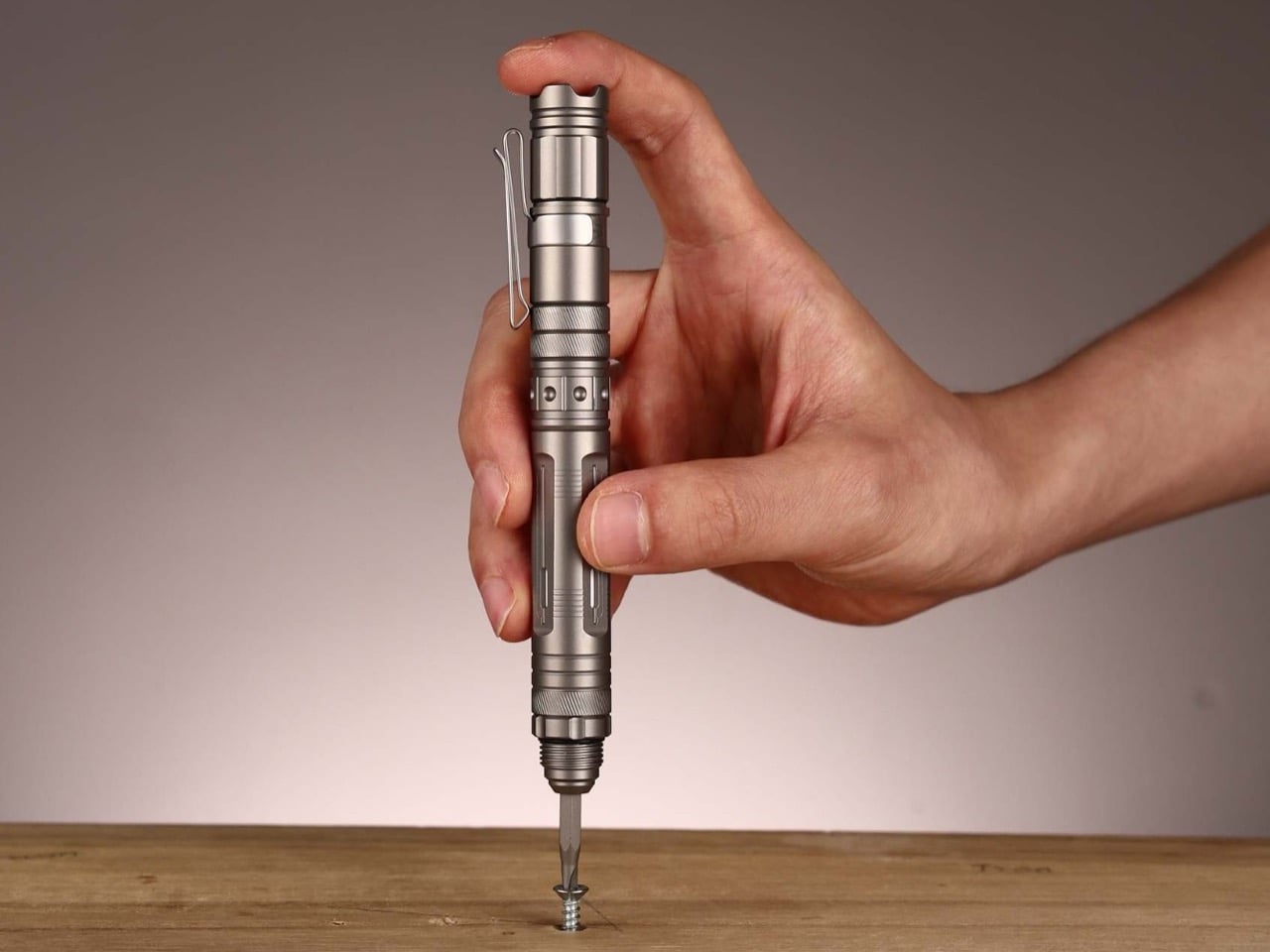
Previous TiMate pens dedicated this midsection to a fixed blade; the VeroLite converts it into a three-slot magnetic platform for standard 4mm screwdriver bits. The compartment is sealed, waterproof, and ships with a Y3, PH2, and PZ1 set. Any standard 4mm bit fits, so your existing collection is already compatible. Three working modes follow: quick-fix with a bare bit in hand, full precision with the pen body as a handle, and two-handed work with the flashlight detached and aimed. Swapping bits is fast.

A single twist of the gear-textured tip selector switches between a graphite core and a tungsten carbide scribe. The graphite is rated for 10 miles of writing, needs no ink or refills, and will outlast the pen in most people’s hands. The tungsten carbide scribe marks metal, ceramic, glass, and stone cleanly and permanently, surfaces where a marker would just skid. One twist separates a quick note from a precise cut line on tile, without looking down. The tactile texture means you can switch mid-repair without losing your grip.

The utility blade is a 1/6-inch chrome steel cutter that loads into the magnetic storage like any other bit, making blade swaps meaningfully safer than a standard box cutter. On a traditional utility knife, the swap puts your fingertips millimeters from the fresh edge; on the VeroLite, the blade handles identically to a screwdriver bit. The clip end functions as a pry tool for paint cans, stuck lids, and loose nails. The tungsten carbide tip doubles as an automotive side-window breaker, so the same tool scribing tile in the morning can shatter a car window later. TiMate calls it a pocket repair station, and the label earns itself.

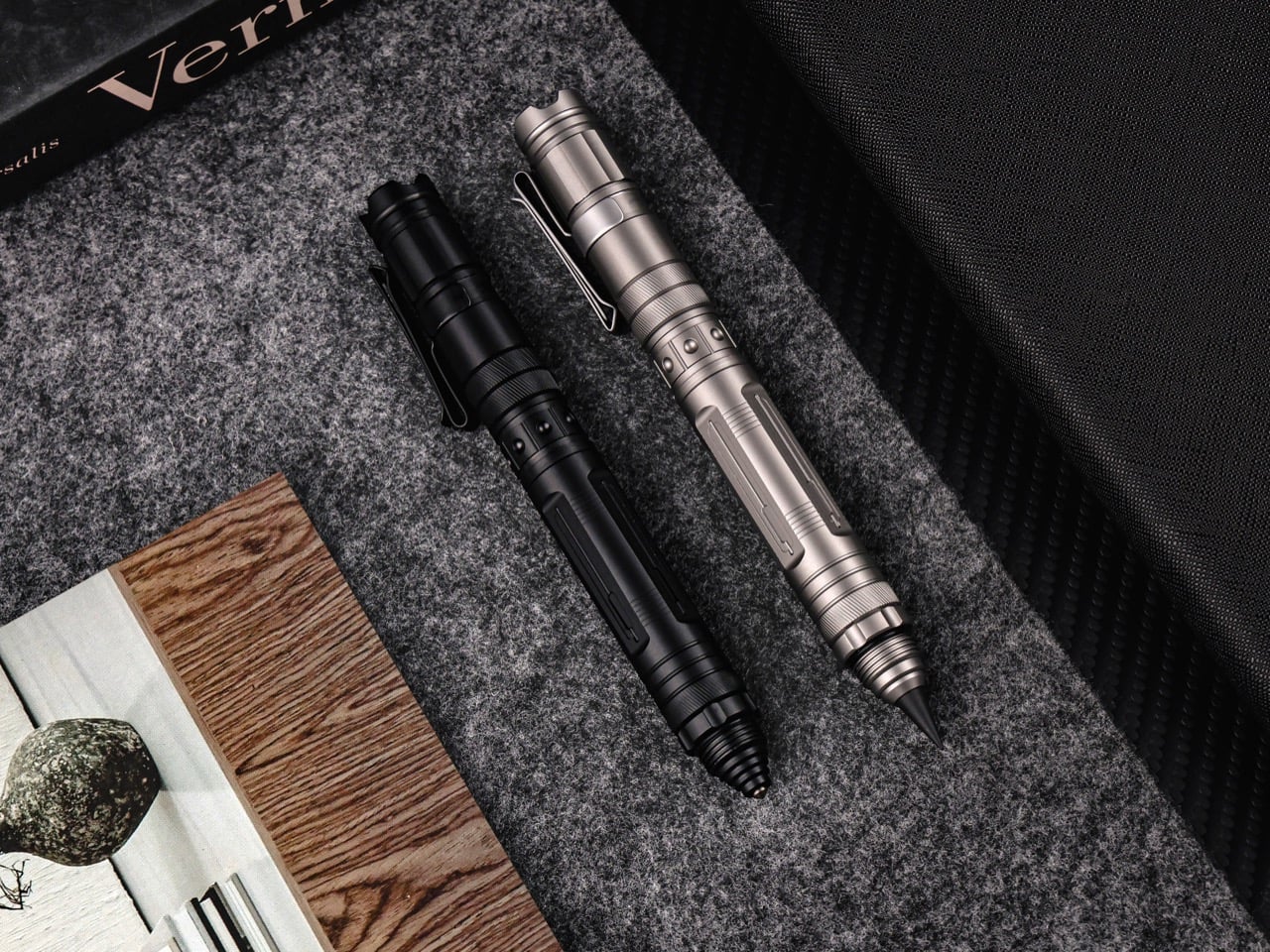
The body is CNC-machined Grade 5 titanium, 134.9mm long and 14.6mm wide, available in Titanium Gray (sandblasted matte) and Tactical Black (PVD-coated, scratch-resistant). At 60 grams, it’s 15% lighter than the CoreLite, a change driven directly by user feedback about hand fatigue. A recessed contour at the grip zone gives your fingers a natural landing spot, so it feels like a tool rather than a tube. Both finishes share the same machining process, so structural quality is identical. A leather sleeve option swaps the clip for a cleaner desk-carry profile.

The VeroLite retails at $119 and is currently available at a discounted $85 for a single unit. Add-ons include a 20-piece alloy bit set, extra graphite and tungsten tips, replacement blades, a stainless steel necklace for neck carry, and a leather pouch. A Leatherman Skeletool costs around $90 with seven tools, but lacks an integrated light, a marking system, or modular storage. TiMate’s argument is simple discipline: fewer tools, all of which you’ll actually use, organized around a clear workflow. If you’ve ever wished your pen could fix the problem you’re staring at, this one finally does.

Click Here to Buy Now: $85 $119 (30% off) Hurry! Only 69 of 100 units left.

The post This 60g Titanium Pen Doubles as a Pocket Repair Station With a Detachable Flashlight and 3-Slot Toolbox first appeared on Yanko Design.

  •  
❌