Connexion

Lift Ocean’s ONE Lifts Boats Above Water Without a New Hull
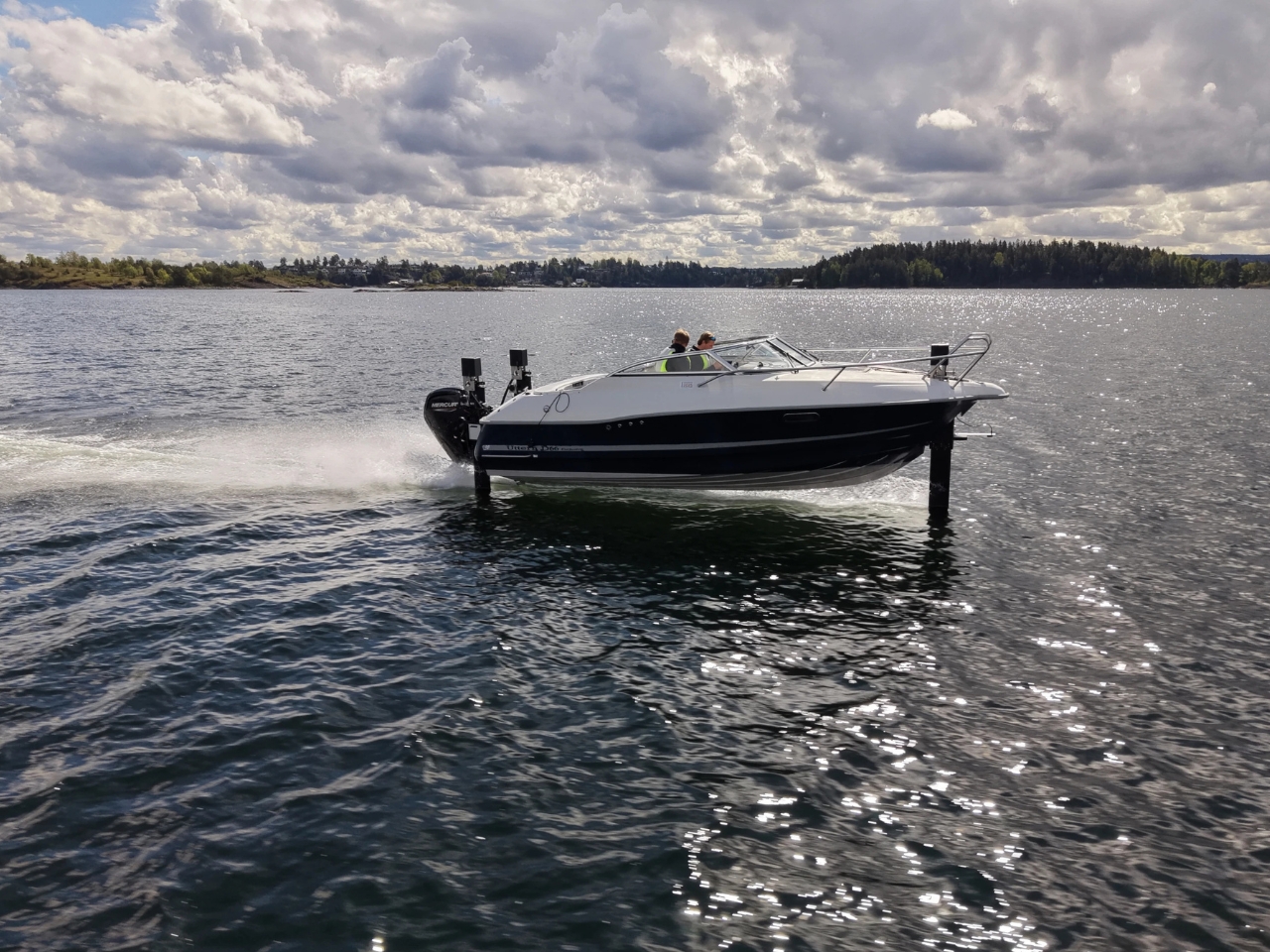
A speedboat that rises above the water is an easy visual sell. The less glamorous question is what happens to the perfectly usable boat someone already owns. Replacing an entire vessel to get a smoother, more efficient ride is a fairly extravagant upgrade path. Norwegian company Lift Ocean is working on another option: ONE, a hydrofoil system designed to fit conventional boats rather than demand a completely new hull. I like that starting point.
ONE is a tested system, but it isn’t a weekend installation project for individual owners. According to New Atlas’s November 8 report, orders are currently limited to boat manufacturers and fleet operators, with shipping expected in 2027. That makes the immediate story a supplier offering foiling technology to the industry, rather than an accessory you can order for next Saturday’s lake trip. The distinction matters before anyone starts clearing space in the garage.
Designer: Lift Ocean
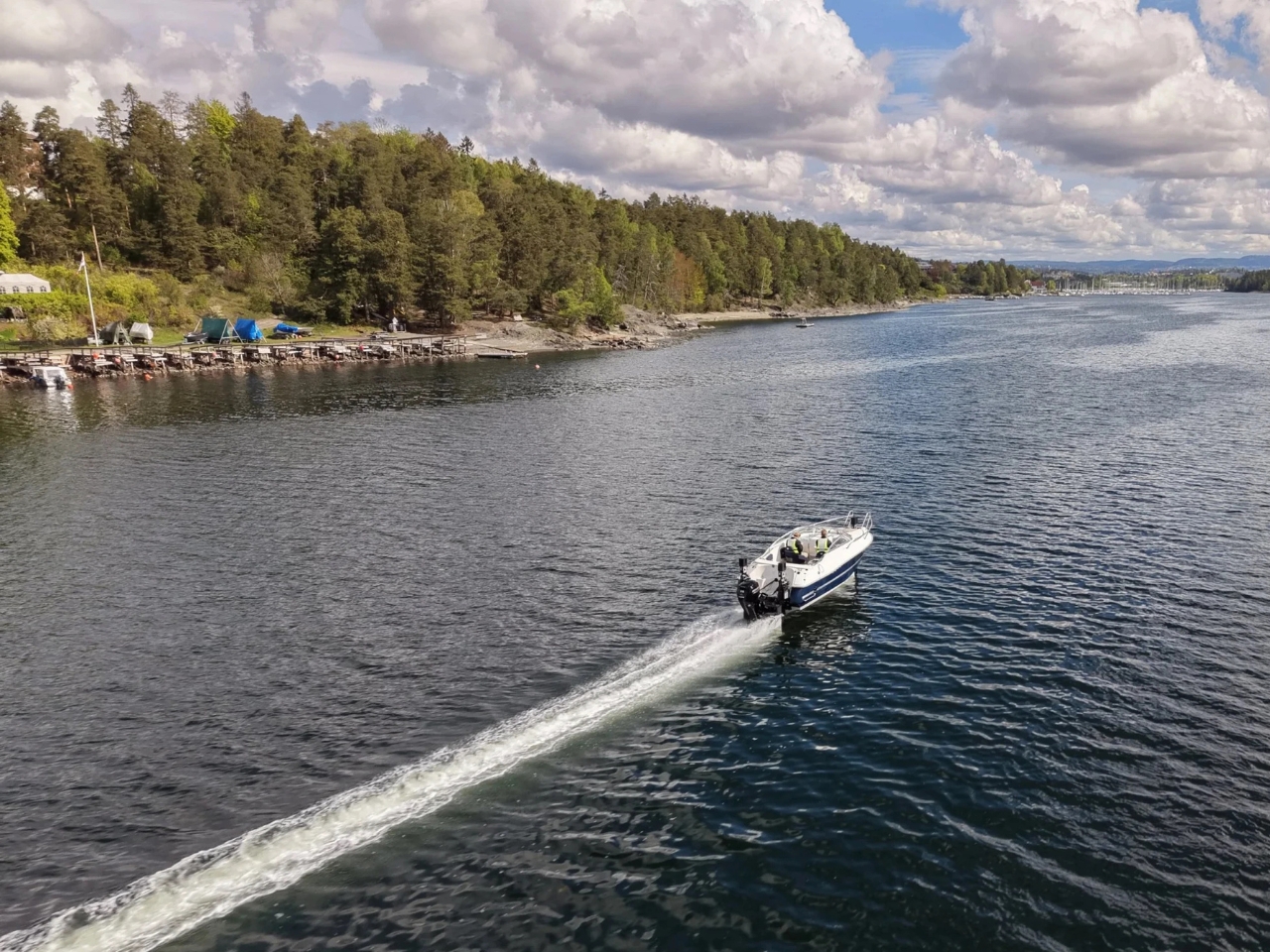
The hardware has an understandable layout: one foil assembly at the bow and two at the stern, flanking a single outboard motor. Each assembly places a movable underwater wing at the bottom of a vertical mast. As speed builds, those wings generate lift and raise the hull above the water. It’s an unusual-looking arrangement, but the logic is straightforward. Less hull moving through the water means an opportunity to reduce resistance.
Keeping that arrangement stable takes more than attaching wings. Lift Ocean’s active control system automatically adjusts their angles to maintain ride height and manage banked turns. The driver still uses steering and throttle, rather than learning to balance the boat manually. To me, that’s the right place to put the complexity: inside the controls, where it can do useful work, instead of turning a familiar activity into a new skill test.
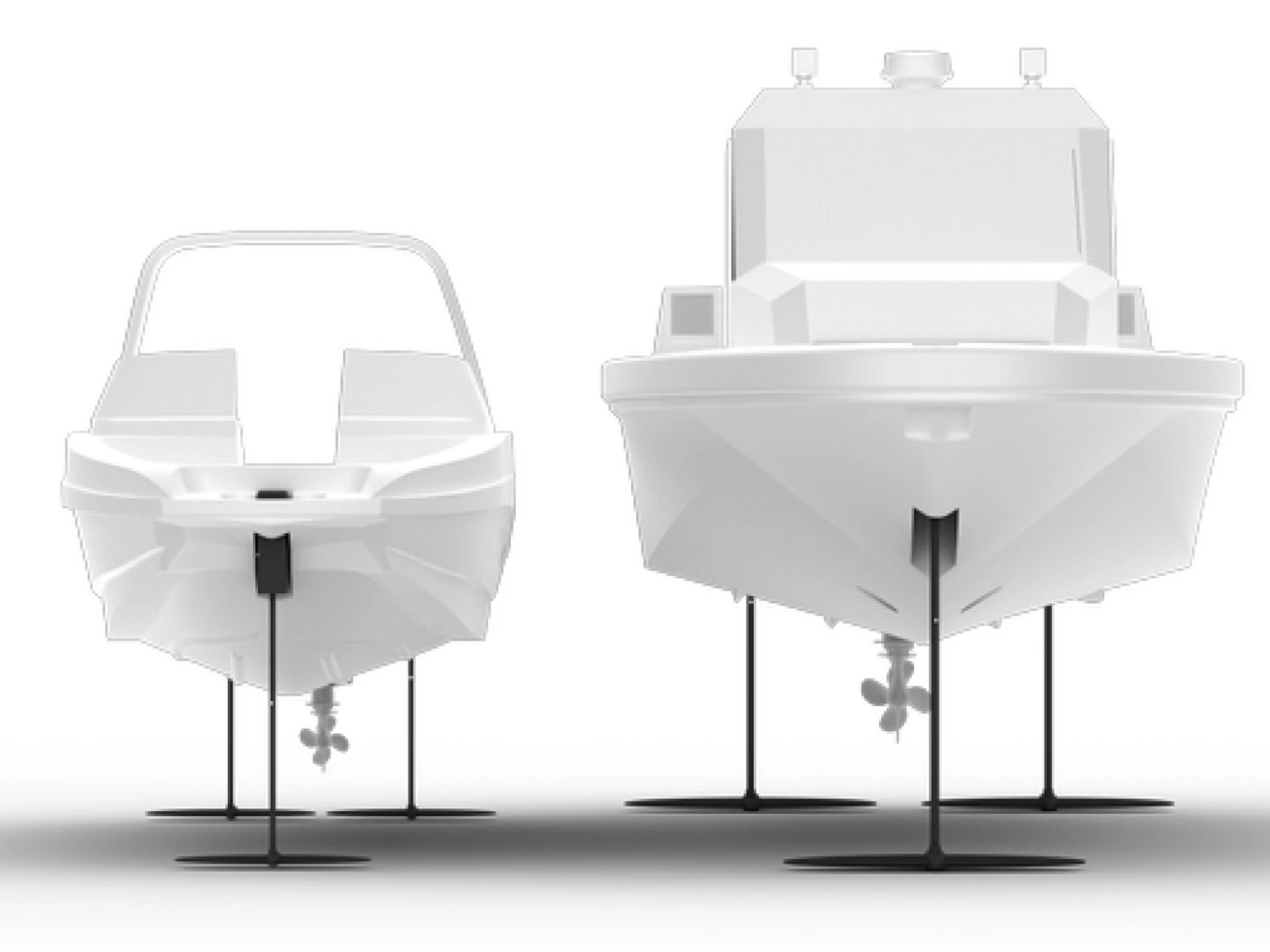
The retractable wings are equally important, although they’re less likely to get top billing than the flying-boat footage. Lift Ocean says retracting them allows conventional planing, reduces marine growth, and makes maintenance easier. Its CEO also says the arrangement accommodates a conventional trailer. Those are sensible priorities. A boat still has to come home, sit unused, and get cleaned. I’d judge the design partly by how gracefully it handles those unphotogenic hours.
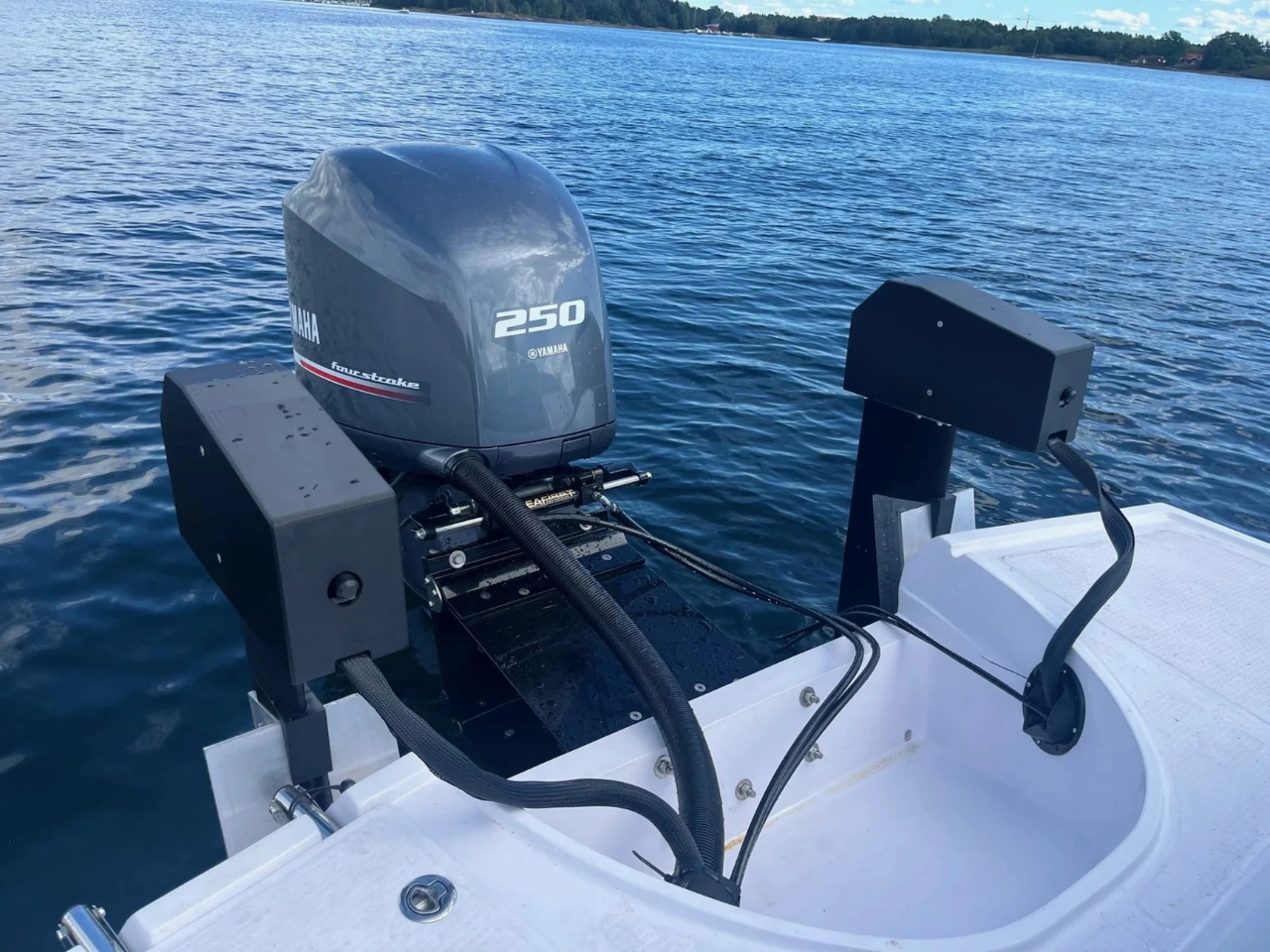
Compatibility is another appealing decision. ONE is designed to work with gasoline or electric outboards, so adopting the system doesn’t inherently require changing energy sources. An automatic engine lift bracket moves the motor vertically to keep its propeller submerged while the boat rises. That detail deserves attention: lifting the hull is only useful if propulsion continues working properly. The bracket addresses a problem created by the very feature everyone came to admire.
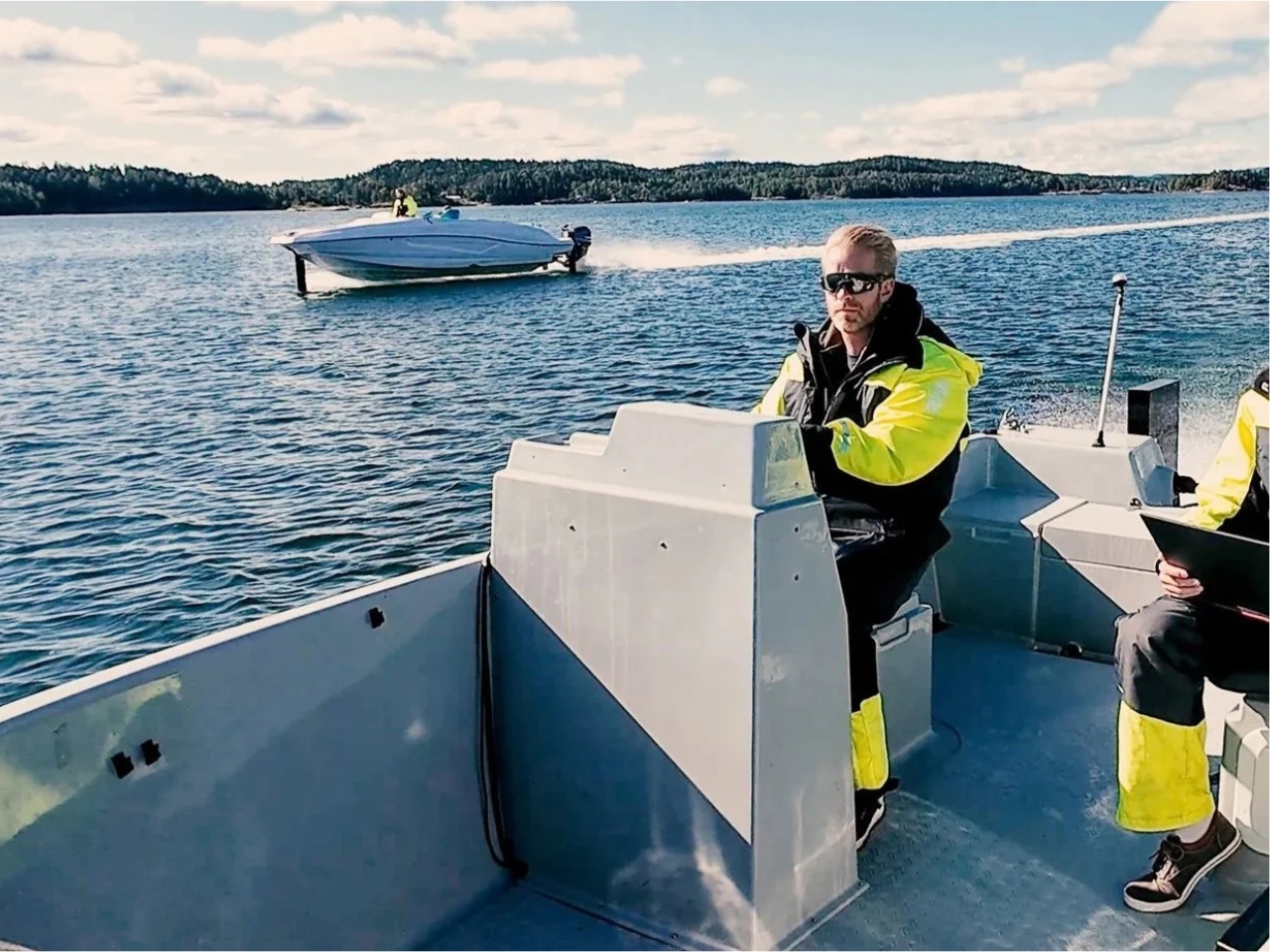
The efficiency claim is substantial. Lift Ocean told New Atlas that measurements from its test boats and client samples showed roughly a 50 percent reduction in fuel consumption, while emphasizing that results vary between boats. I’d treat that as a company-reported result, not a guaranteed discount at the fuel dock. Still, reducing the energy needed to move an existing hull is a compelling direction. It makes efficiency a question of how the boat travels, alongside what powers it.
I also appreciate that Lift Ocean acknowledges installation differences. In an interview with Marine Industry News, CEO Petter Mørland Pedersen explained that some modifications are normally required, depending on the vessel. “Bolt-on” shouldn’t be mistaken for universally effortless. Manufacturers still have integration work to do, and a standardized system doesn’t erase the individual boat’s structure or proportions. That caveat makes the proposition more credible to me, because it leaves room for the actual engineering.
Before calling ONE a practical upgrade, I’d want to see the installed price, maintenance requirements, and fuel savings on a specific boat. But as a design proposition, it has my attention. The appeal is being able to improve a familiar object without treating the entire object as obsolete. If boatbuilders can make that integration convincing, the most satisfying feature might be the hull you didn’t have to replace.
The post Lift Ocean’s ONE Lifts Boats Above Water Without a New Hull first appeared on Yanko Design.