❌

Vue lecture

Samsung Galaxy Buds On let you listen to music without blocking your ears

Clip-on earbuds have arrived in a big way, giving another versatile way to enjoy music whether you’re in the gym or making your way to the busy metro station. Rather than shoving the eartips deep down the ear canal, these buds are more comfortable and keep you aware of the environment at all times.

Huawei FreeClip 2 arrived late last year to turn up music lovers’ interest in this form factor, followed by the swanky CMF Clip Pro’s. Sennheiser jumped on the bandwagon with the Accentum Clip, and recently Bose came up with their second generation clio-ons. Predictably, Samsung has pulled the trigger with its first-ever clip-on wireless earbuds dubbed Galaxy Buds On, and they look impressive.

Designer: Samsung

So how are the Galaxy Buds On different from the other flagship clip-on buds in the tightly contested market? Do they have what it takes to bring to the active audio community what they desire out of such open-ear earbuds?

Clip-on design that takes comfort seriously
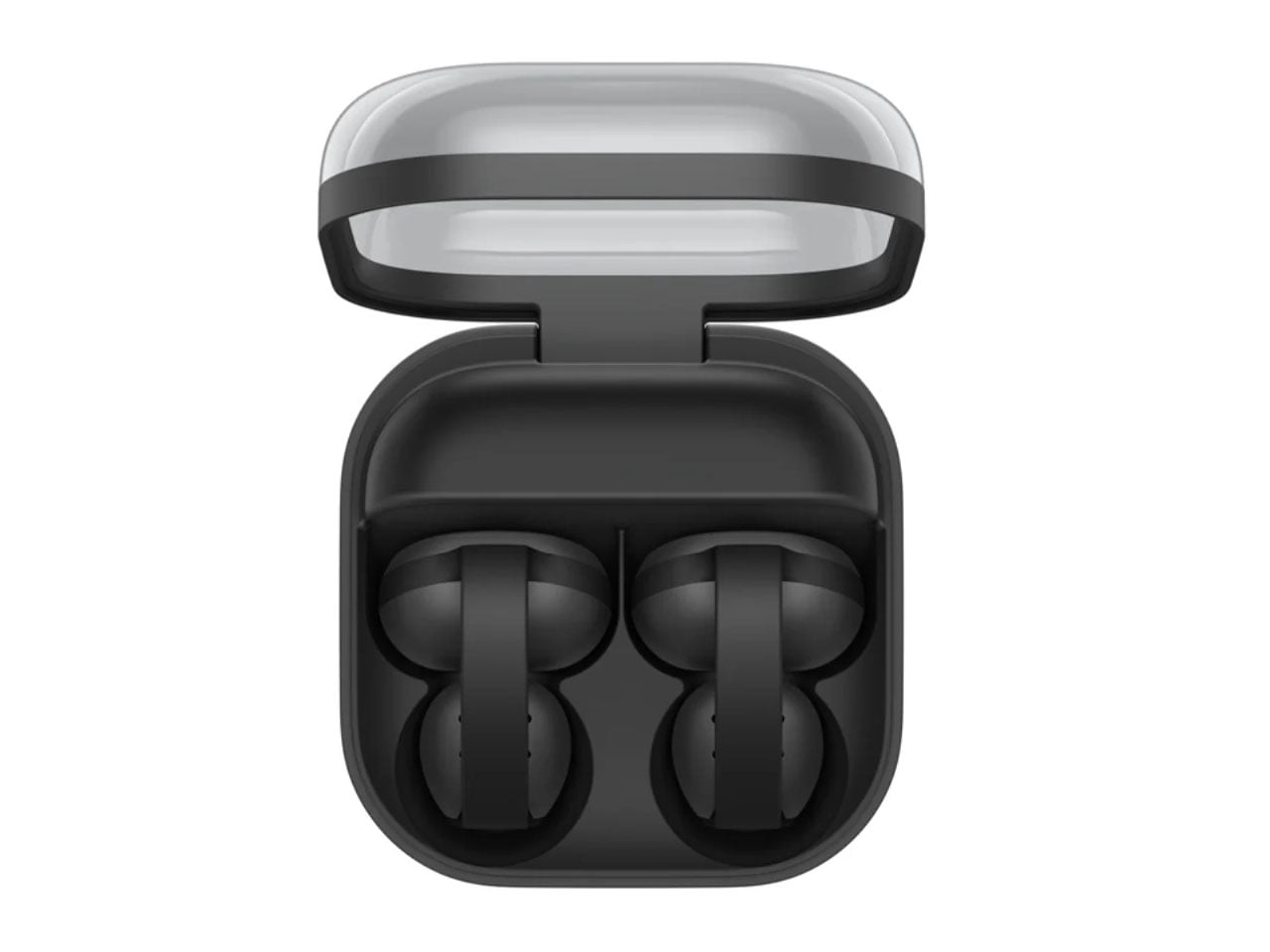
Samsung’s approach for this form factor is focused on rethinking how the bud sits on the ear. The Galaxy Buds On use an open-ear clip design that leaves the ear canal unobstructed, allowing wearers to listen to music while staying connected to conversations, traffic, or other sounds around them.

Samsung says it studied different ear shapes and ran simulations to determine the positioning of the speakers and battery. A larger contact area helps distribute pressure, while the elasticity of the connecting band is tuned to keep the buds stable during movement. That makes the design particularly relevant for walking, commuting and workouts where awareness matters as much as audio.

Bass that packs a punch
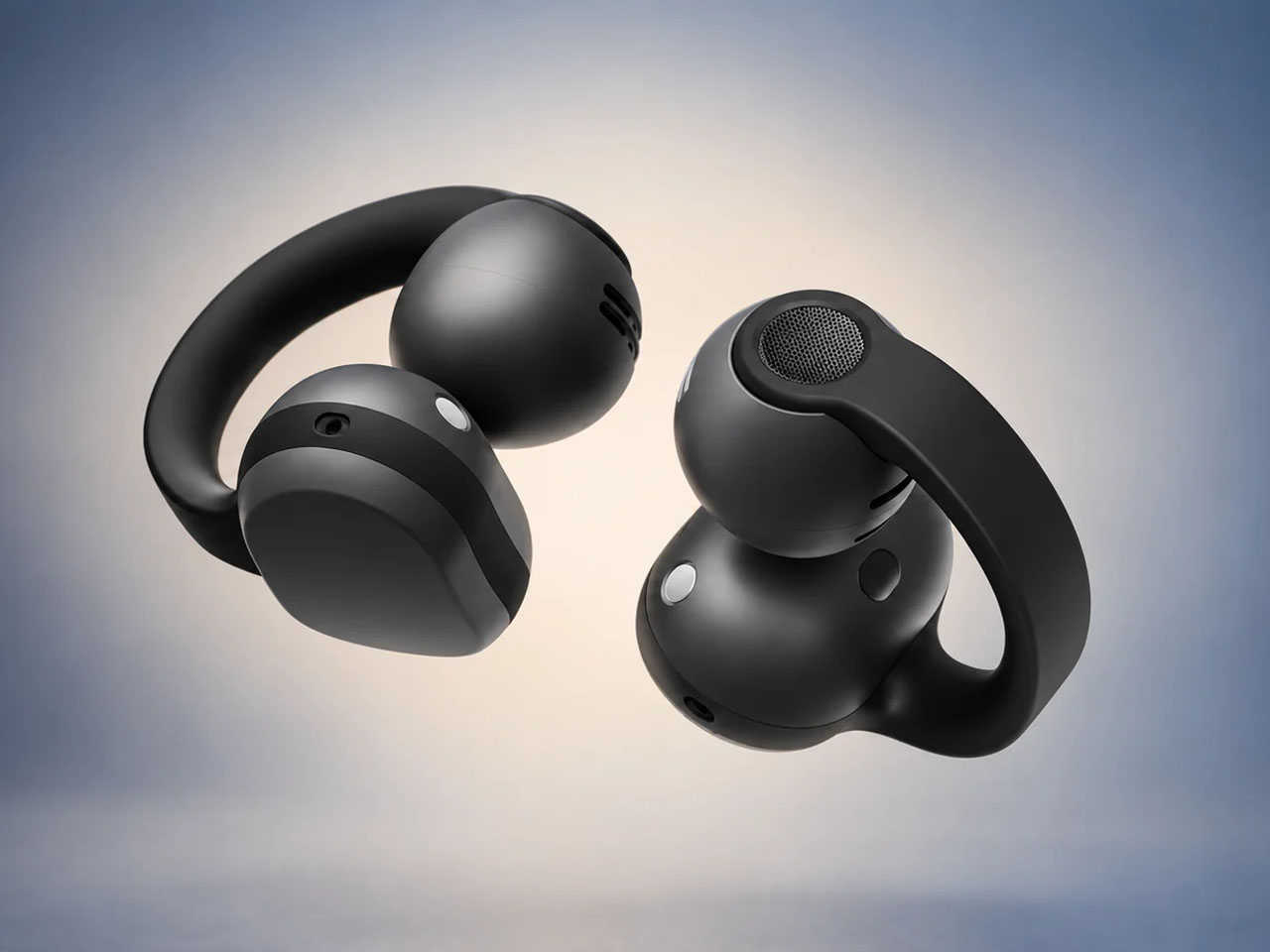
The audio hardware is also more considered than the unusual silhouette might suggest. Samsung has fitted the Buds On with TwinBoost speakers designed to emphasize lower frequencies, addressing one of the perennial challenges of open-ear audio – producing convincing bass without sealing the ear canal. An Audio Leakage Reduction system is intended to keep music from spilling excessively into the surroundings.

In conjunction, the automatic volume control adjusts playback according to the environment. Samsung claims up to 9.5 hours of continuous music playback from the earbuds, which puts the focus firmly on everyday usability rather than making the clip form factor a novelty.

Galaxy AI adapted for the open-ear formula
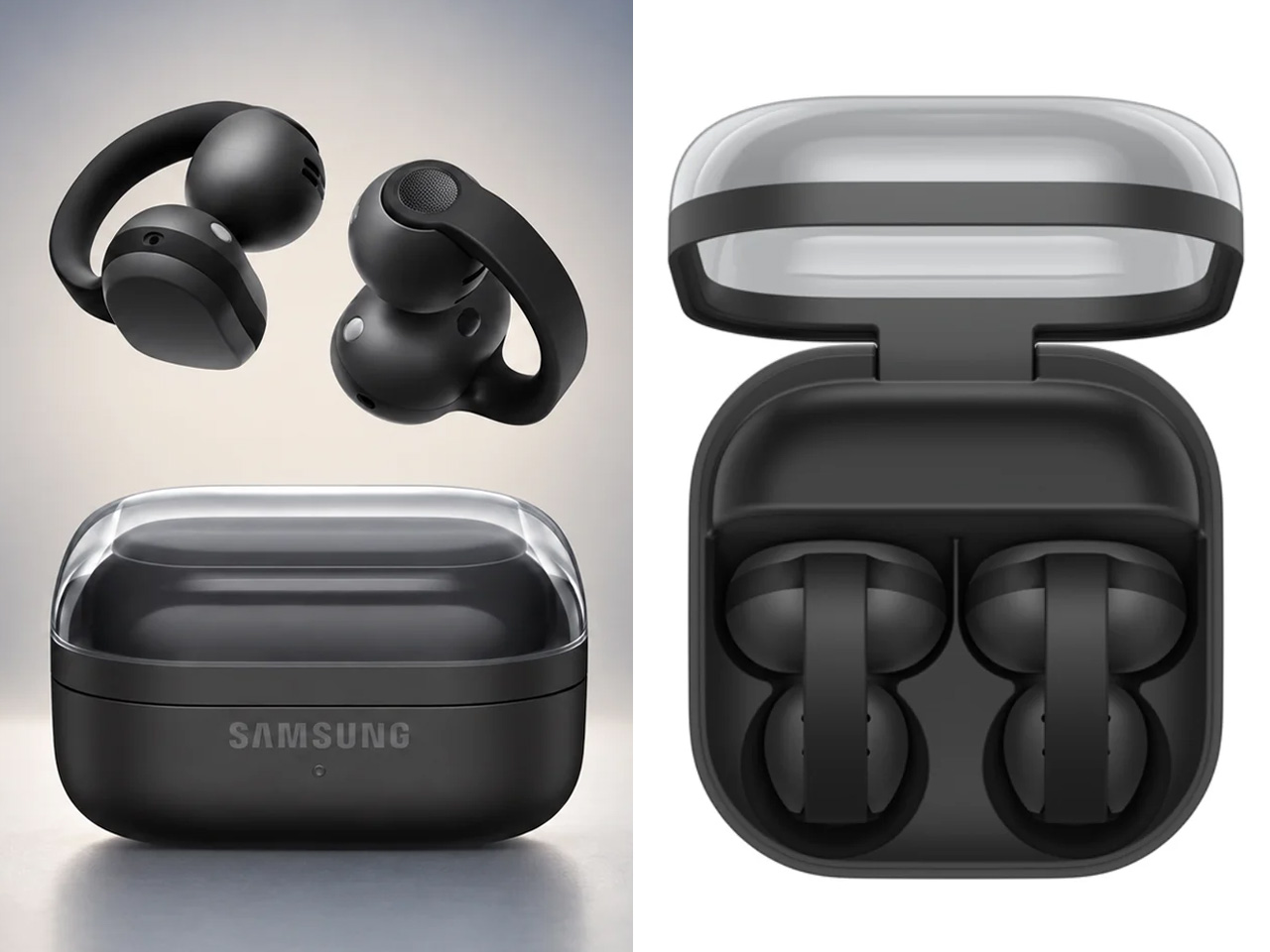
The more interesting bit happens when the Buds On are paired with a compatible Galaxy device. Samsung has integrated several Galaxy AI features, turning the earbuds into something closer to a hands-free interface. Users can launch Gemini Live through a voice command, while Quick Voice Memo allows a long press on the earbud to start recording without reaching for the phone. Those recordings can subsequently be searched through Bixby, provided the required Galaxy AI-supported device, Voice Recorder, and Bixby setup is in place.

Head Gestures take the hands-free idea further. Nodding or shaking the head can be used for actions such as answering or ending calls, dismissing alarms, or interacting with message notifications. For calls, the Buds On use three microphones alongside a bone-conduction-based Voice Pickup Unit and machine learning to isolate the wearer’s voice from surrounding noise. They are powered by Qualcomm’s Snapdragon S7 Gen 1 Sound Platform and a Class-D amplifier.

Samsung will launch the Galaxy Buds On in South Korea on October 27 in black for 299,000 won (roughly $220). A wider international rollout is planned, although regional pricing and availability have not yet been announced.


The post Samsung Galaxy Buds On let you listen to music without blocking your ears first appeared on Yanko Design.
  •  

Foam Earplugs Haven’t Changed Since the 1970s — This Spiral Design Just Made Them Obsolete

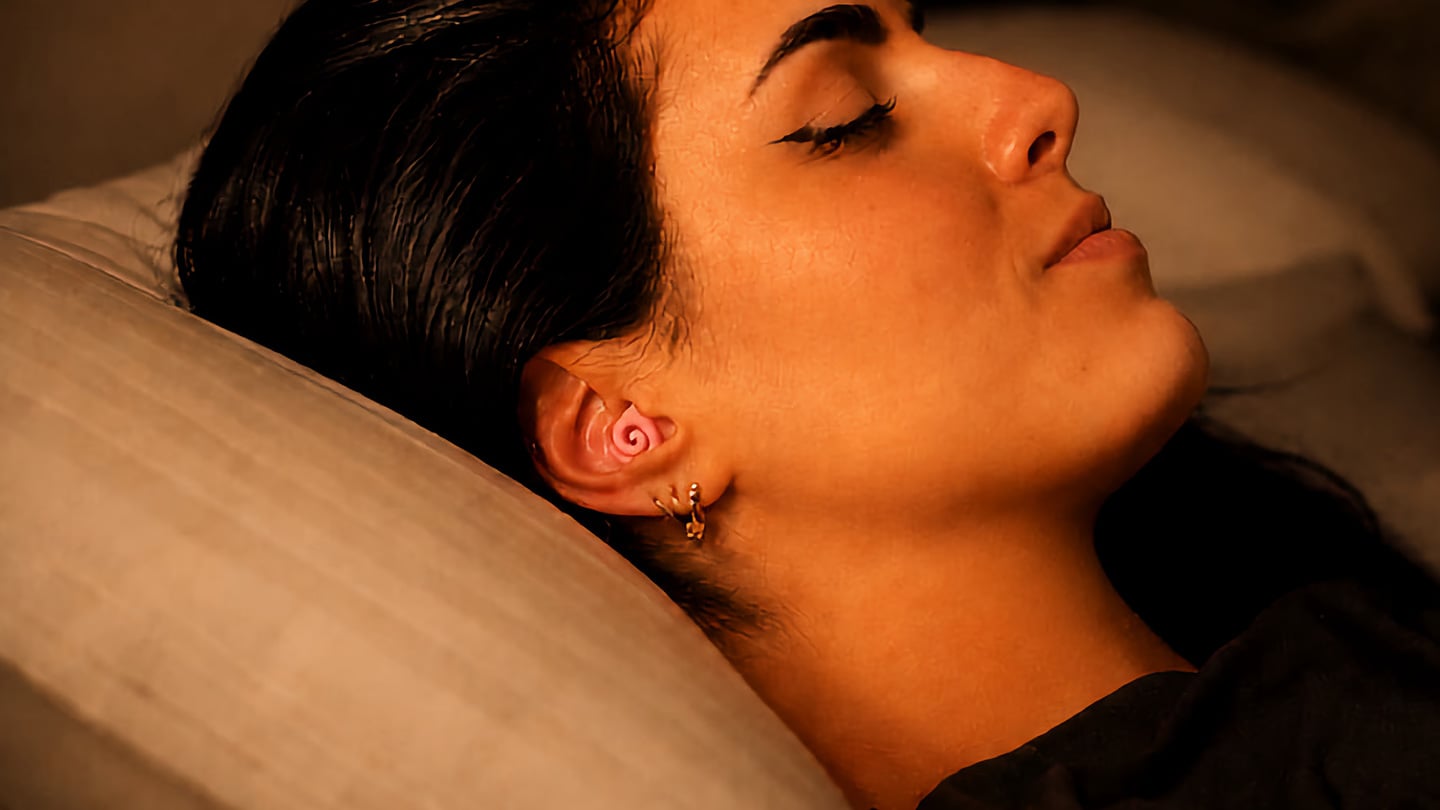
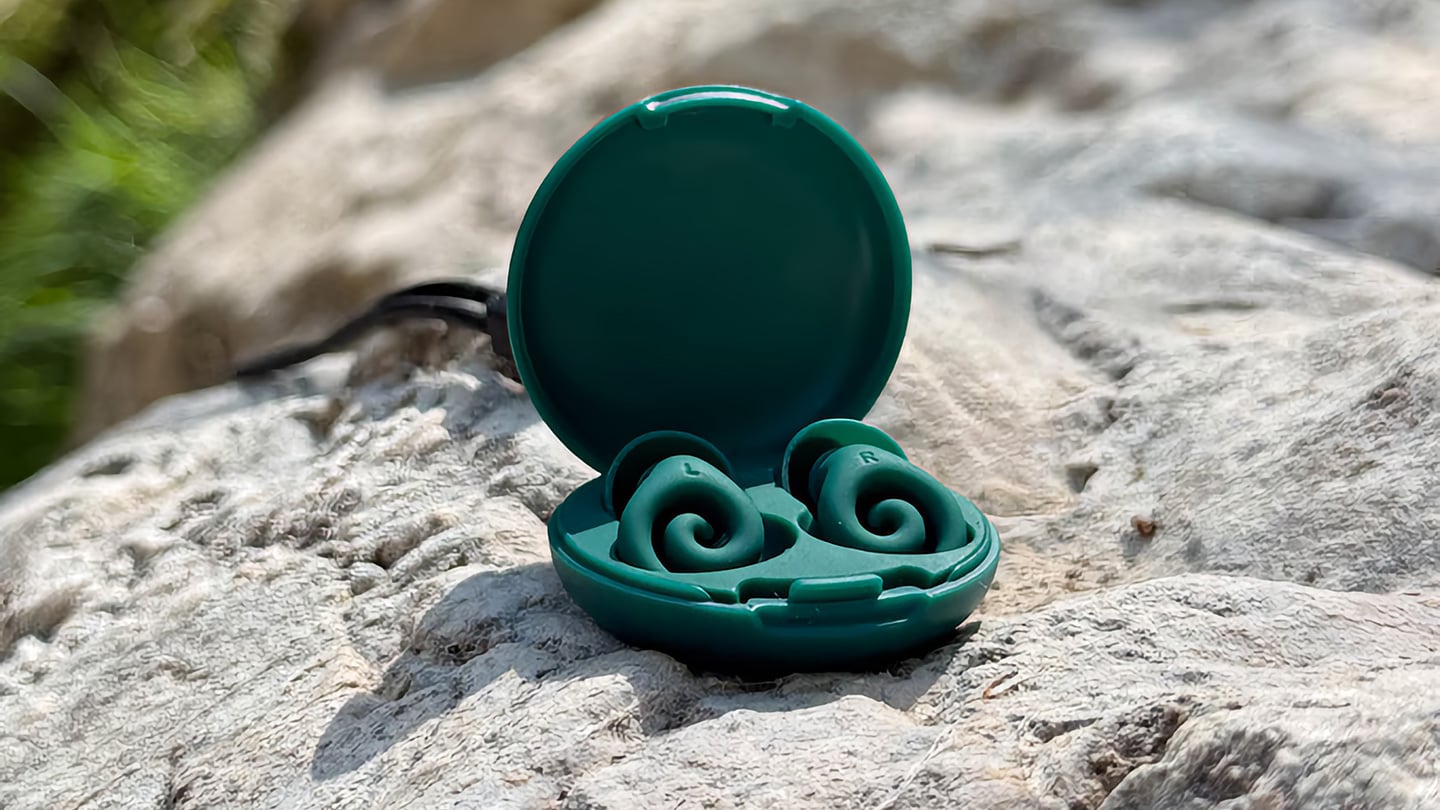
The humble foam earplug has been functionally unchanged since the 1970s: roll it down, jam it in, hope it expands to a seal, and find it somewhere in the sheets by 2 AM. It’s one of the few everyday objects that design culture has genuinely never come for, maybe because the attenuation numbers technically work, or maybe because nobody with enough resources was annoyed enough to fix it. The Ears 360 Silence, a CE-certified soft silicone earplug from Paris, is a structural redesign of that whole idea. Its retractable spiral wraps into the outer ear’s helix rather than anchoring in the canal, locking the plug flat and flush against the head with 24 dB SNR measured to EN 352-2:2020 and a peak of 29.9 dB at the frequency range where snoring and human voices live. The foam never had a chance.

Youcef Abdaoui runs a studio near Paris and started prototyping the Silence in 2024 with a bent wire and a bit of putty, just to test whether a helix-anchoring spiral could hold in an ear. It did, and the dozens of iterations that followed produced a product France voted Product of the Year 2026, consumer-elected rather than jury-awarded, which tells you something about how it performs in actual ears. Ears 360 has since shipped to more than 120,000 customers through their store, 500+ pharmacies and B2B partners before going international. The Silence is not a prototype; it is certified to EN 352-2:2020, mass-produced, and more than 14,000 units are already in stock. I got to see a pair in person, and the silicone finish reads as serious product, not a health-aisle impulse buy.

Designer: Youcef Abdaoui

Click Here to Buy Now: $21 $35 (40% off). Hurry, only 57/300 left!

The ear is already a spiral. The outer rim of the pinna is anatomically called the helix, a curved ridge that traces a partial revolution around the auricle, and deeper inside, the cochlea completes that geometry: a full spiral chamber, coiled like a snail shell, that converts sound pressure into neural signal. Nature returns to the spiral for the same reason architects do: it distributes force without concentration points, the same logic behind a nautilus shell or the tight coil of a fern fiddlehead before it unfurls. The Ears 360 Silence works with that architecture: the spiral holds, not the tip. The spiral wraps laterally into the helix and locks through geometry, bearing almost no canal pressure, which is the whole reason the plug sits flush against the head rather than protrudes from it.

Loop-style reusable earplugs have made a design virtue of their visibility, with a circular protrusion sitting outside the ear canal as a deliberate aesthetic statement. That works at a concert, but it becomes a pressure point the moment you roll onto your side in bed, which is the situation most people are buying earplugs for in the first place. The Silence’s spiral body measures 18.44 mm by 15.49 mm, slim enough that there’s nothing significant pressing against a pillow. The profile looks almost deceitfully small for what it’s actually doing inside the helix. Side sleepers have been the quiet losers in every previous generation of earplug design, and this is the first form factor that treats their use case as the primary constraint rather than an afterthought.

One spiral body, two levels of silence, switchable in seconds from 24 dB to 29 dB. The standard configuration ships with four tip sizes across diameters of 9.9, 10.9, 11.9, and 12.9 mm, covering a genuinely wide range of ear canal openings, and delivers 24 dB SNR in filter mode, enough to take a busy street down to library territory without muffling conversation entirely. The Swim & Work Kit clips on triple-flange tips that push attenuation up to 29 dB, entering genuine worksite and industrial territory. User satisfaction data from Ears 360 puts concert approval at 91% and commute approval at 97%, and the founder confirmed to me directly that concert use is a genuine design intention, not a marketing add-on. The IPX7 waterproof rating keeps the spiral pool-ready alongside the kit’s triple-flange seal.

One Silence replaces hundreds of disposable foam earplugs, full stop. The body is made to last for years, the silicone tips are replaceable instead of throwing the product away, and the packaging is compact by design so every shipment travels as a slim letter, not a parcel. There’s no offset scheme or carbon language layered on top to make it sound more considered than it is. The Silence is reusable by nature: wash it, swap the tips, keep the body. Replacement tip sets extend the product’s life instead of replacing it, and the compact packaging uses a fraction of the material of a standard box.

Pricing starts at €18 (roughly $21) for a single unit with carry case and tip set, with the Silence and Swim & Work Kit bundle at €27, a Duo Pack at €39, a Duo plus Kit at €49, and the new ALL COLORS pack at €59, which includes one pair in each of the three current colorways. Black, Pink, and Green are all available now. Every unit carries the 2-year EU legal warranty of conformity, which is meaningful for a product whose longevity pitch depends on actually outlasting the disposable foam it replaces. Delivery is November 2026, and the Ears 360 Silence is also available at ears-360.com.

Click Here to Buy Now: $21 $35 (40% off). Hurry, only 57/300 left!

The post Foam Earplugs Haven’t Changed Since the 1970s — This Spiral Design Just Made Them Obsolete first appeared on Yanko Design.

  •  
❌