❌

Vue lecture

Aston Martin’s 130-HP road-legal bike brings its luxury design language to two wheels
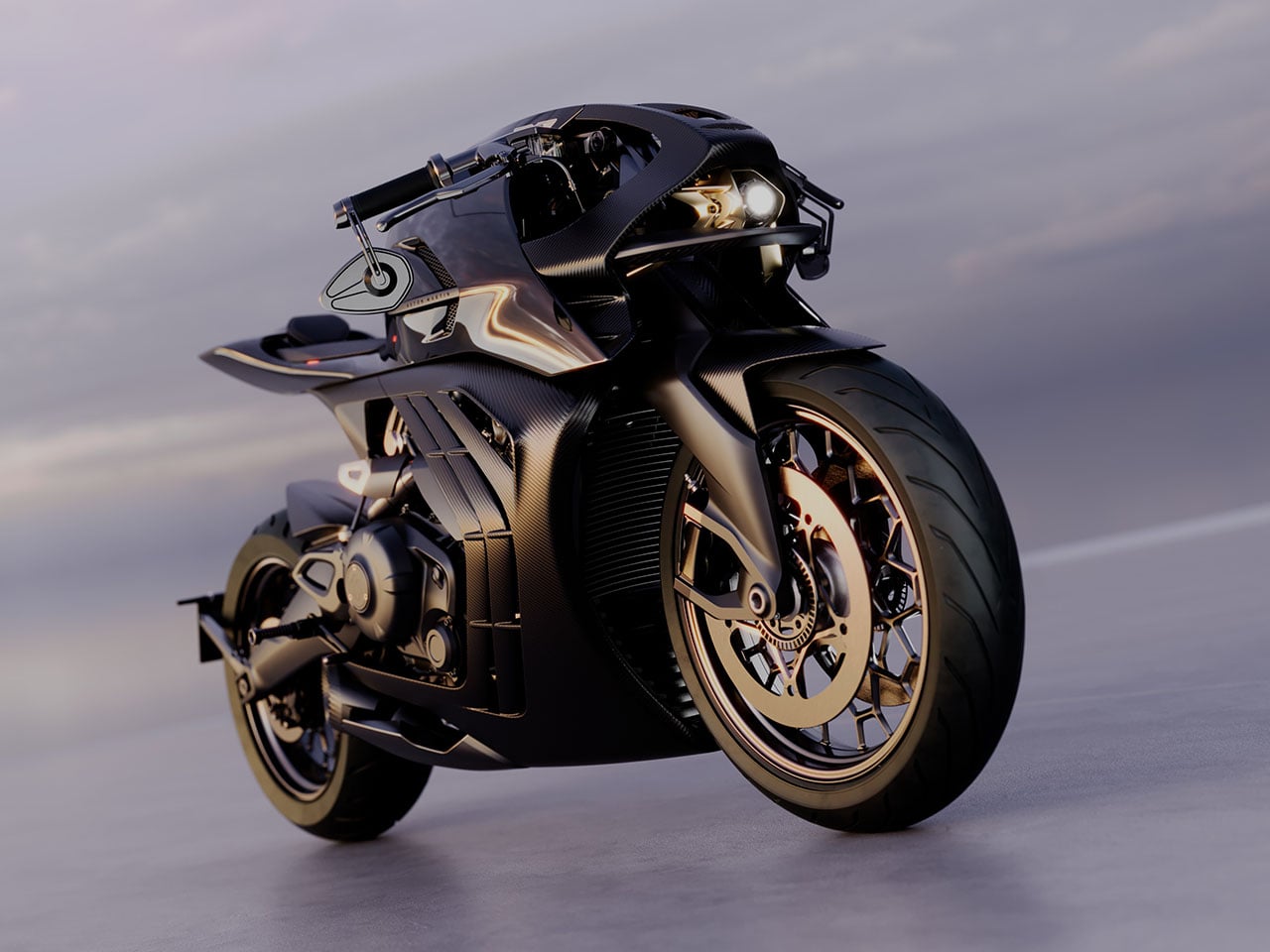
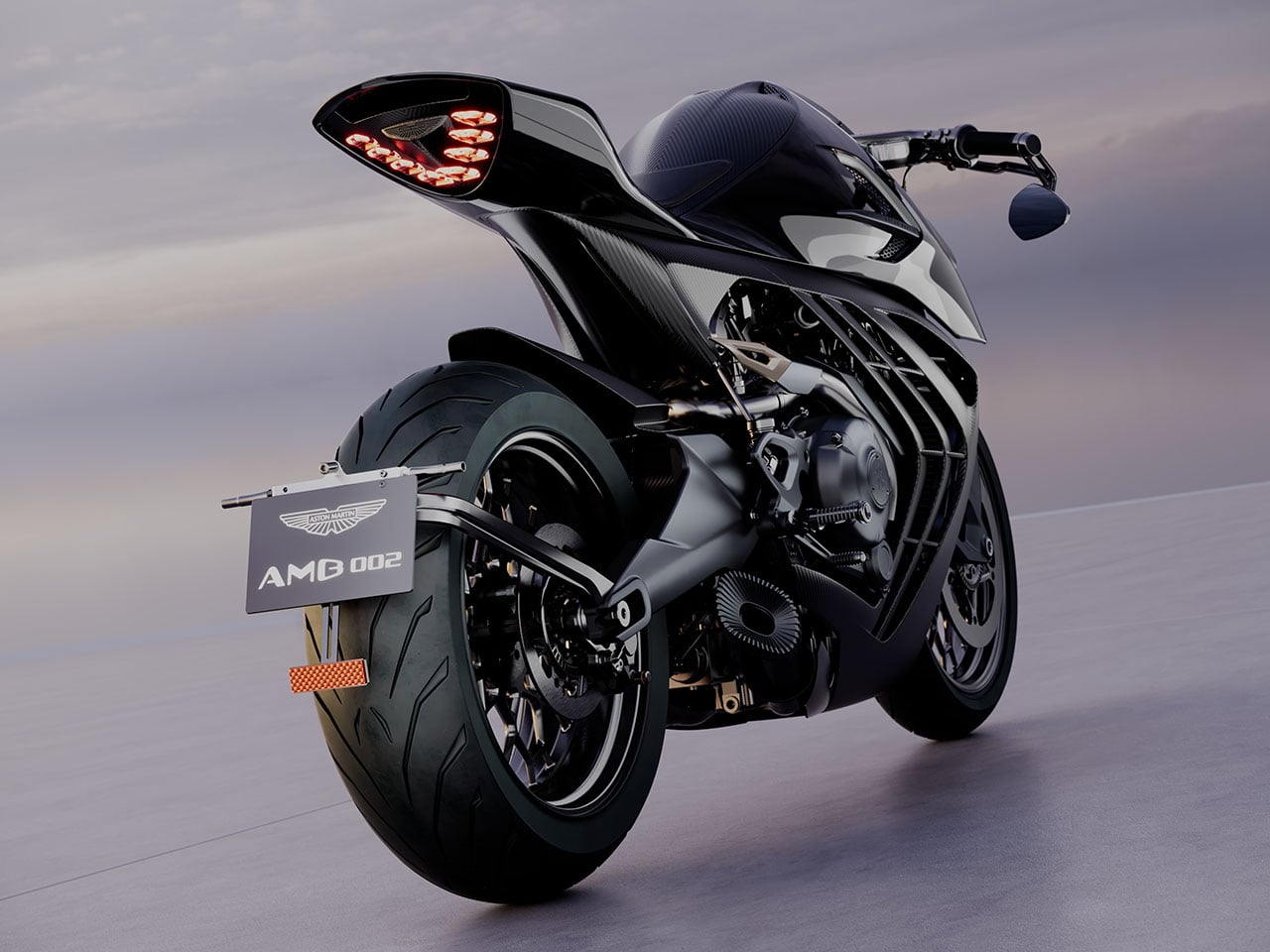
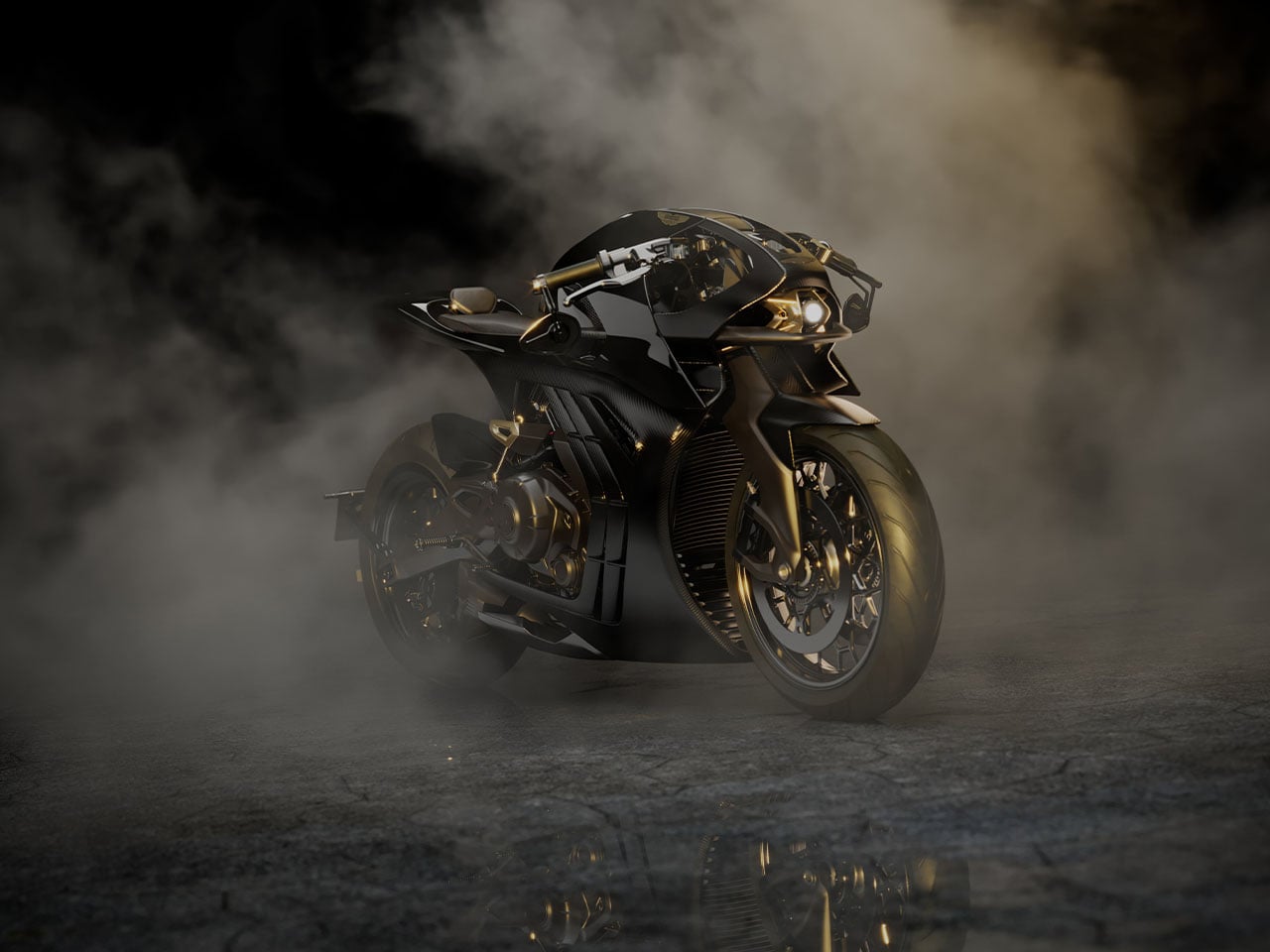
Aston Martin has finally put its name on a road-ready motorcycle. Developed with Brough Superior, the AMB 002 Roadster is the first street-legal bike from the partnership, fusing Aston Martin’s sculptural design language and Brough Superior’s highly specialized approach into motorcycle engineering. Limited to just 300 individually built examples, it is intended for collectors and street riders alike.

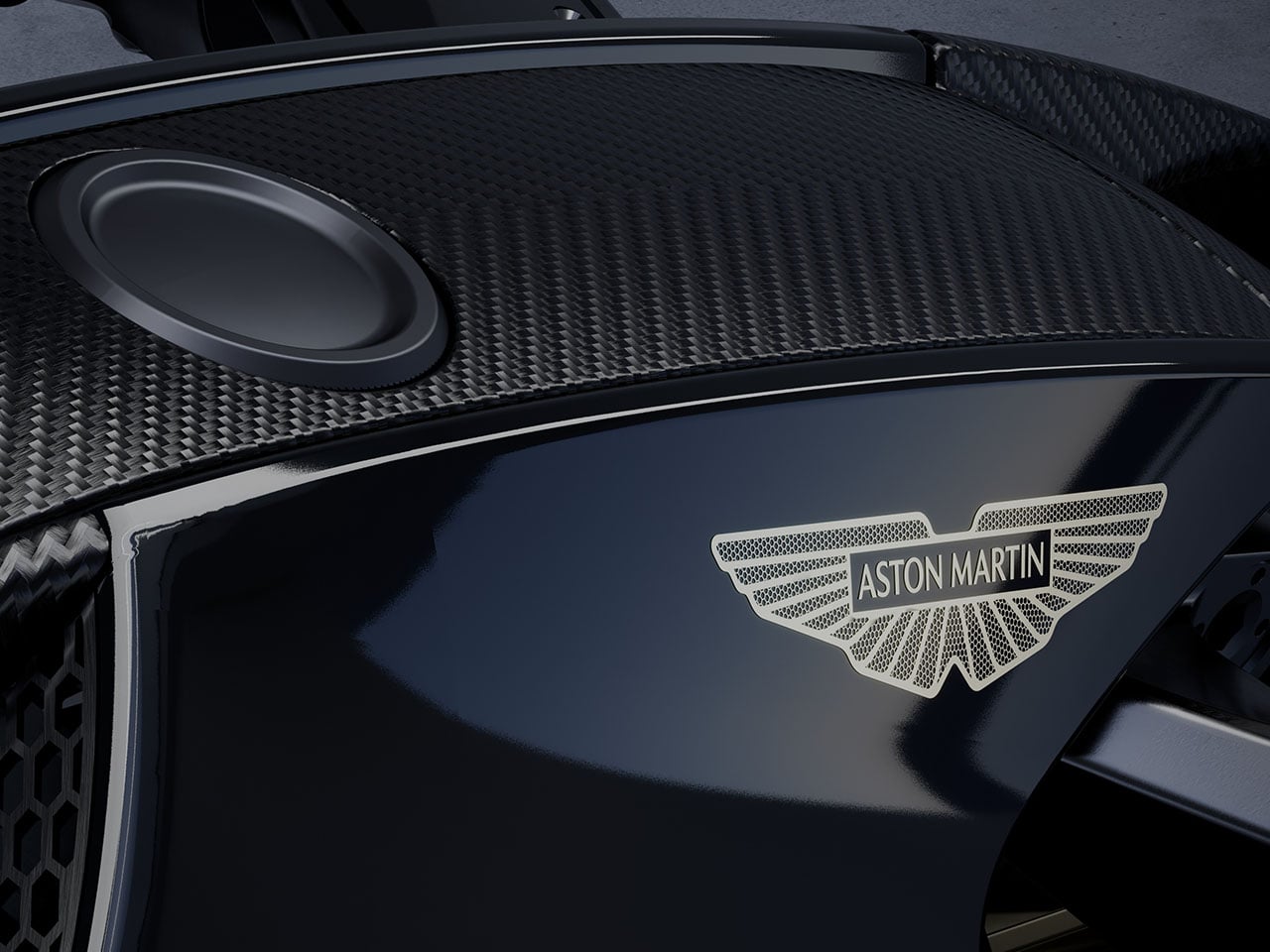
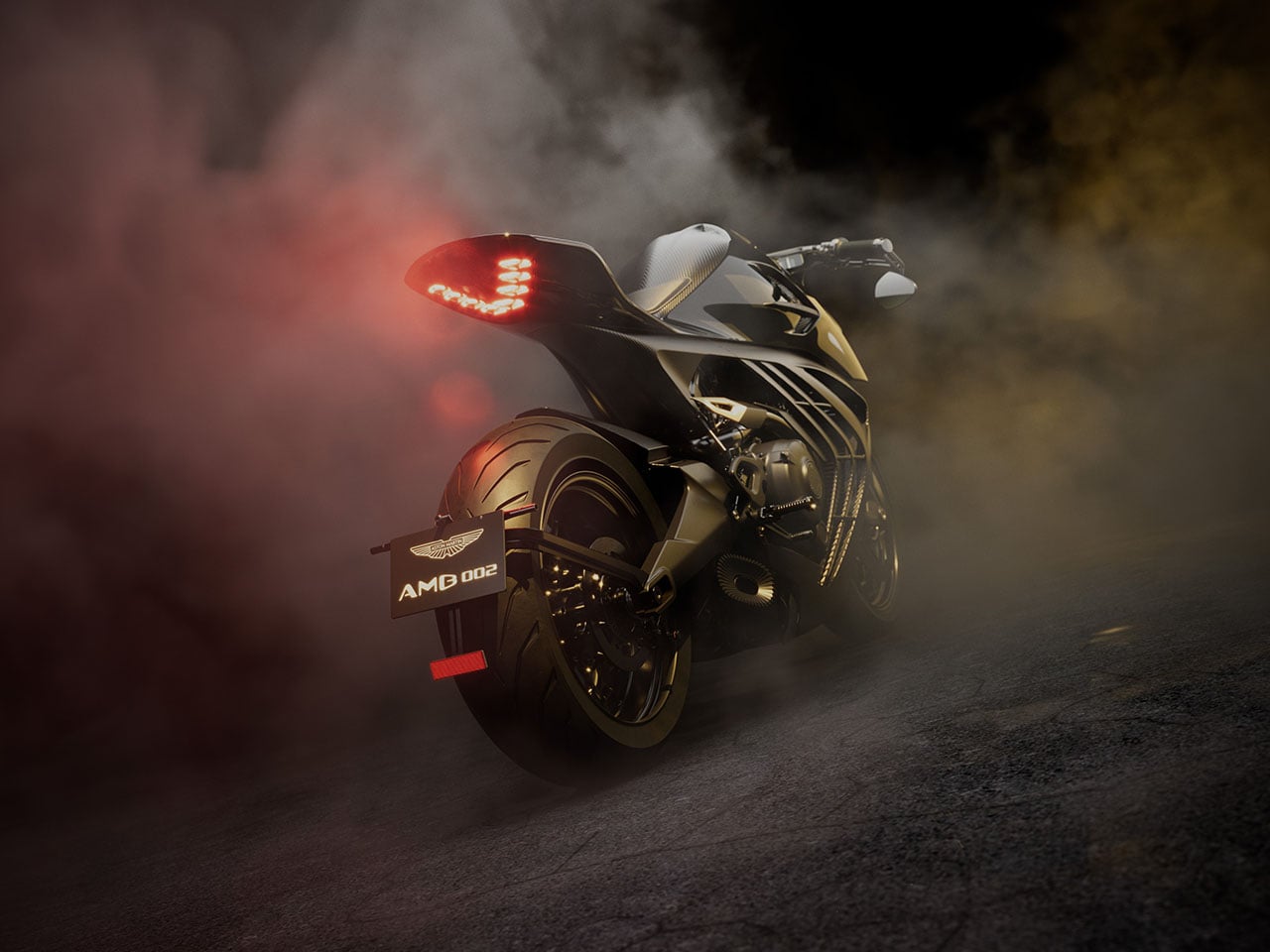
Unlike the earlier AMB 001 and AMB 001 Pro bikes, which were created exclusively for track use, the AMB 002 has been developed from the ground up for road riding. Aston Martin’s design studio has given it a compact, forward-biased silhouette, with smooth carbon-fiber surfaces broken up by crescent-shaped cooling vents along the sides. The bodywork rises around the rider, while slim, stalk-like mirrors and an exposed mechanical structure keep the motorcycle visually light.

Designer: Aston Martin
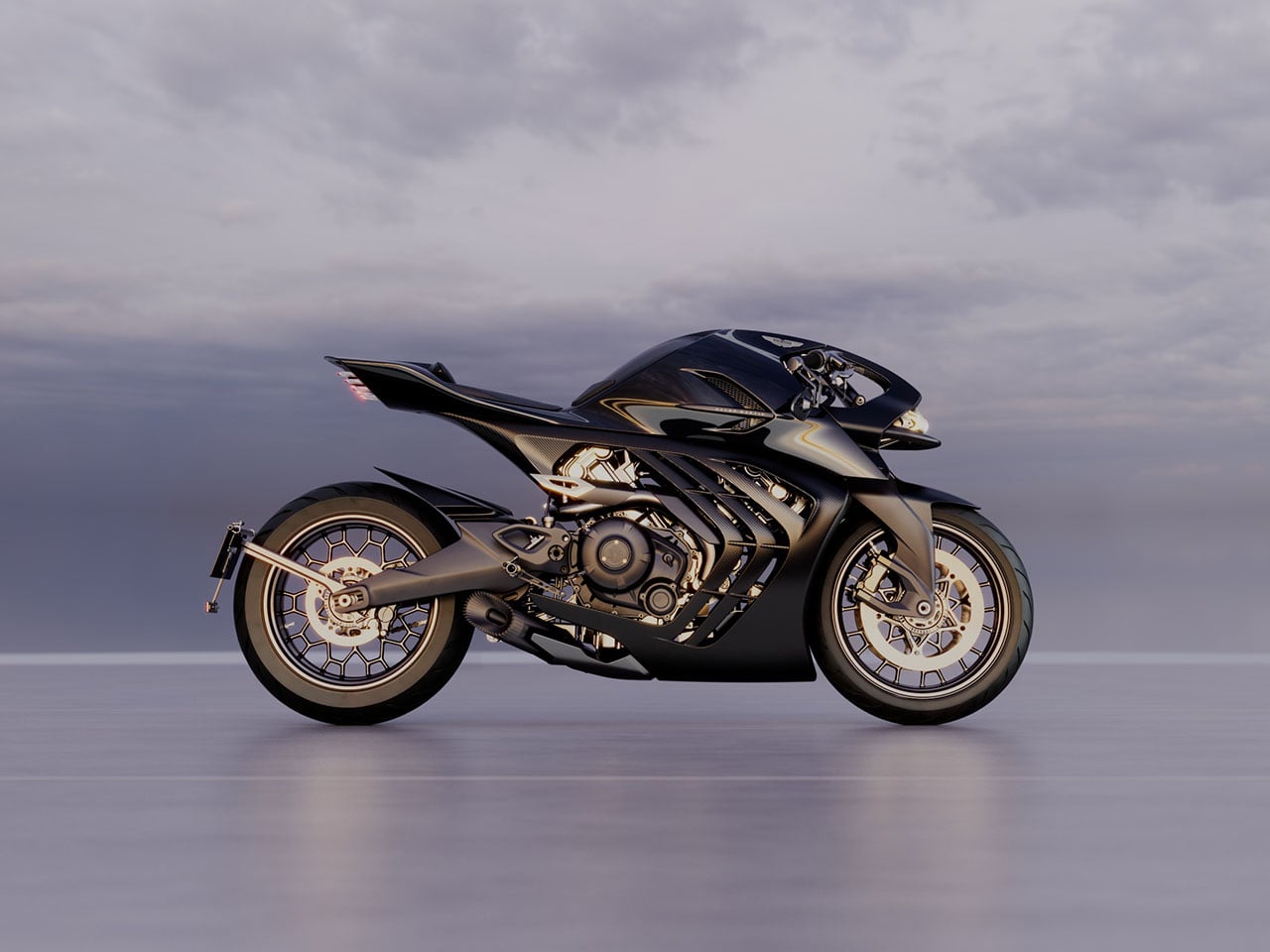
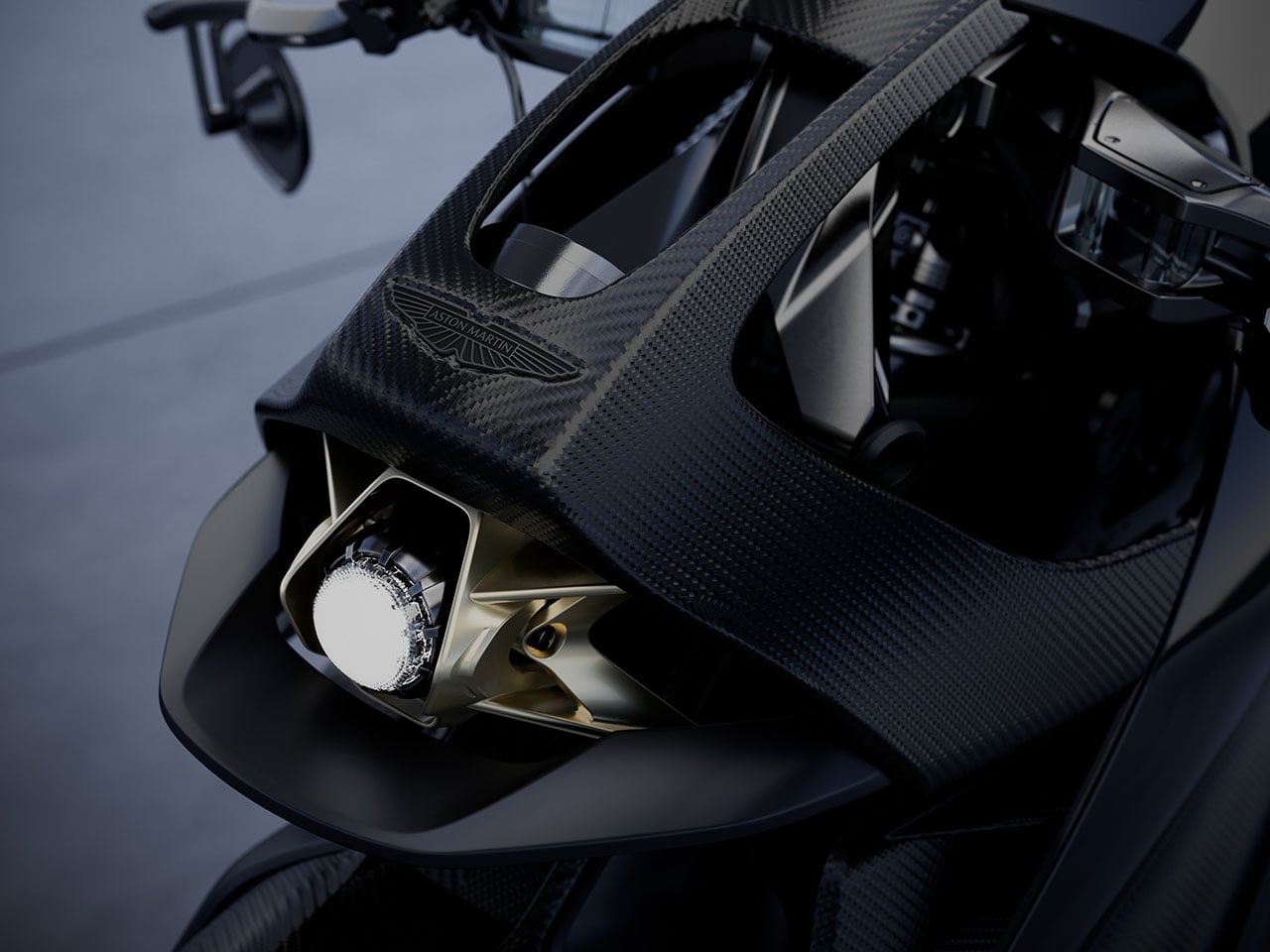
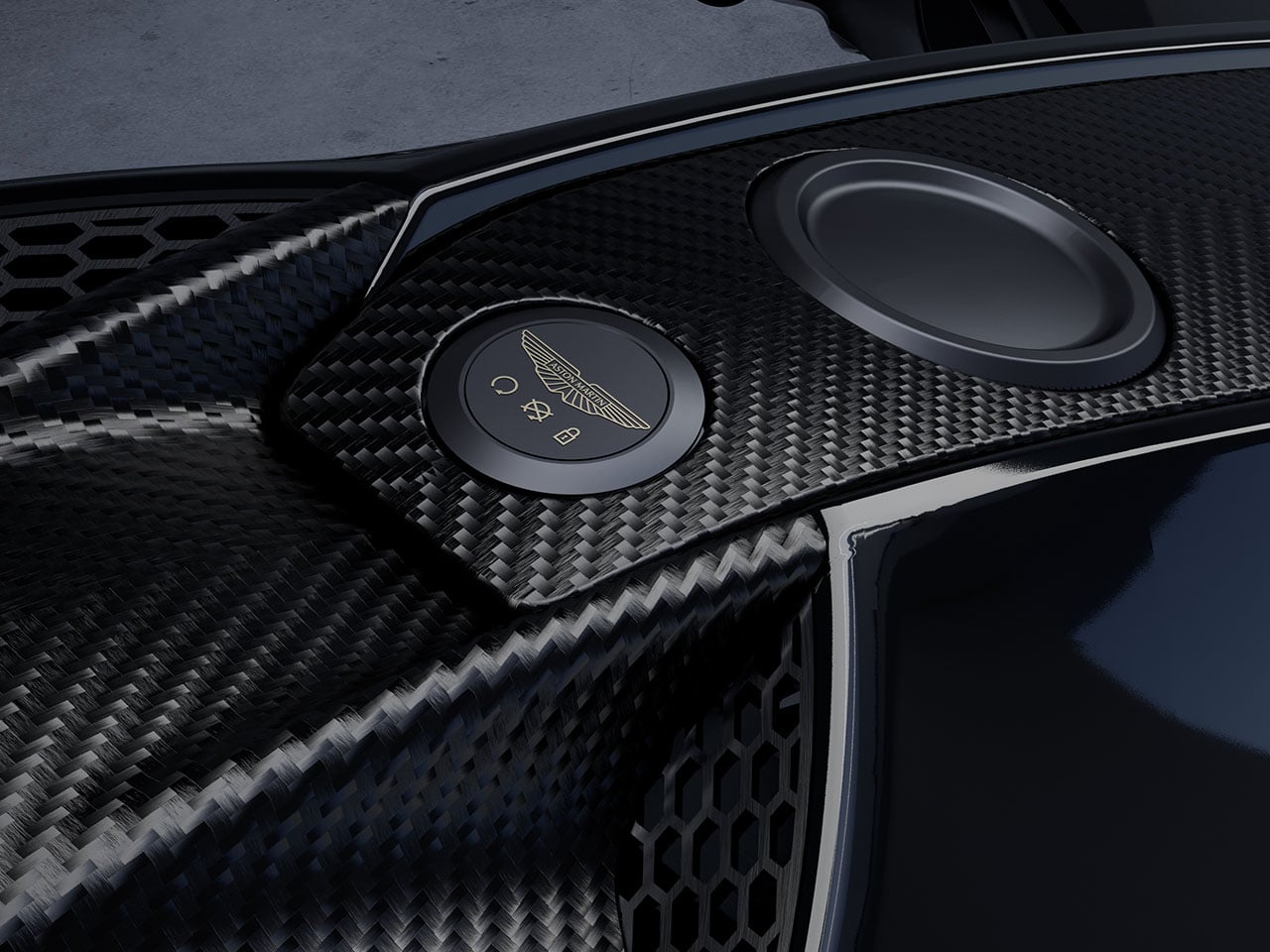
There are also deliberate references to Aston Martin’s cars. The brand’s signature side-strake has been reinterpreted around the headlamp, while the twin oval exhausts feature ribbed heat sinks inspired by the exhaust finishers used on models including the Vanquish, DB12 S and DBX S. At the rear, thin light blades borrow their visual character from the Aston Martin Vulcan, Valkyrie and Valhalla. Even smaller details, including the backlit ignition button, keyless operation and hand-crafted saddle leather seat pads, reinforce the connection between the motorcycle and Aston Martin’s road cars.
Underneath that carefully shaped bodywork is an all-new 1,083cc water-cooled V-twin producing 130 hp and 110 Nm of torque. Rather than chasing an extreme peak-power figure, the engine has been tuned around strong low- and mid-range torque, giving the roadster a more usable character for winding roads. The engine is CNC-machined from billet and built in-house at Brough Superior’s Toulouse facility, where the motorcycle is also machined and assembled.
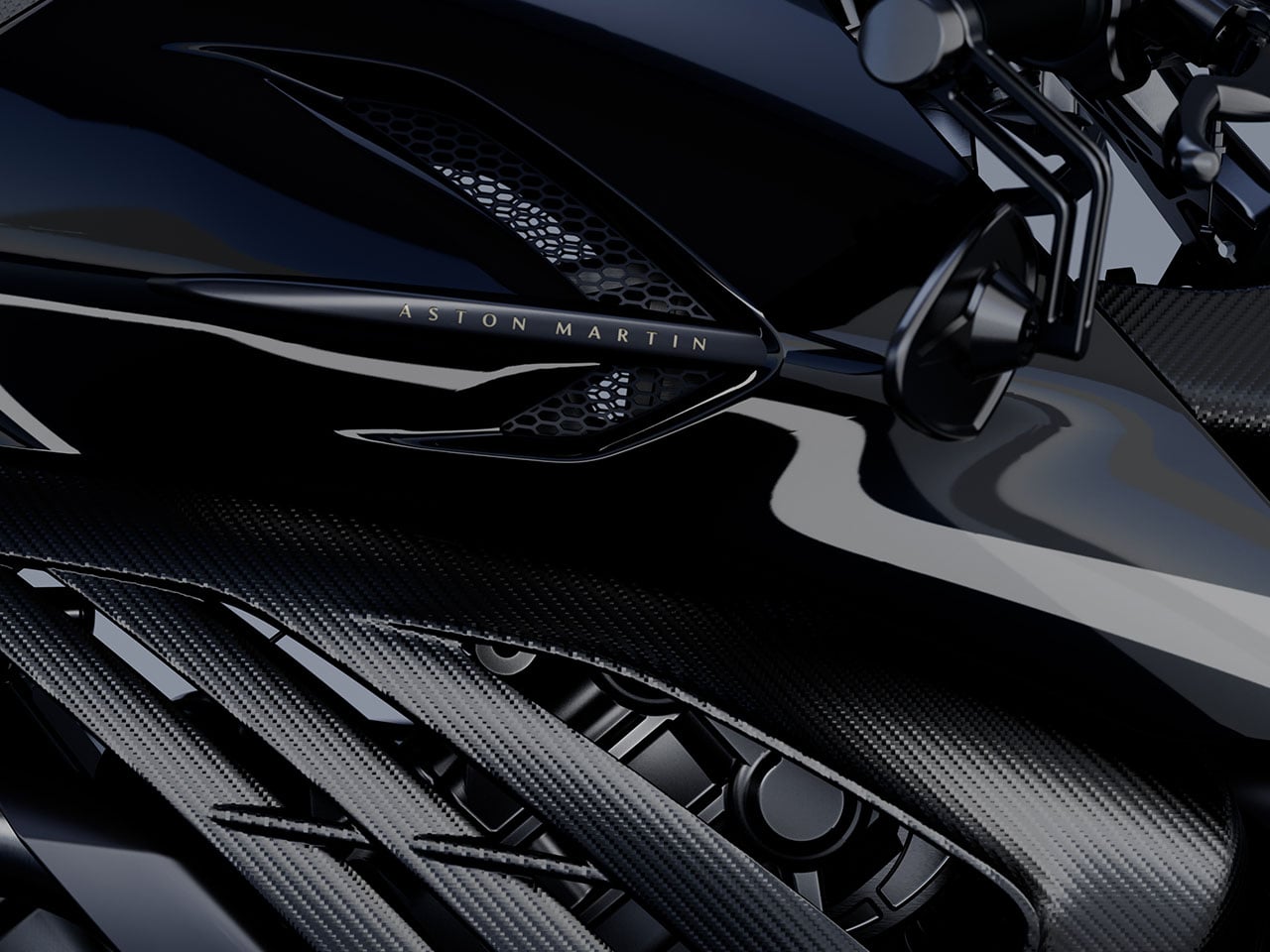
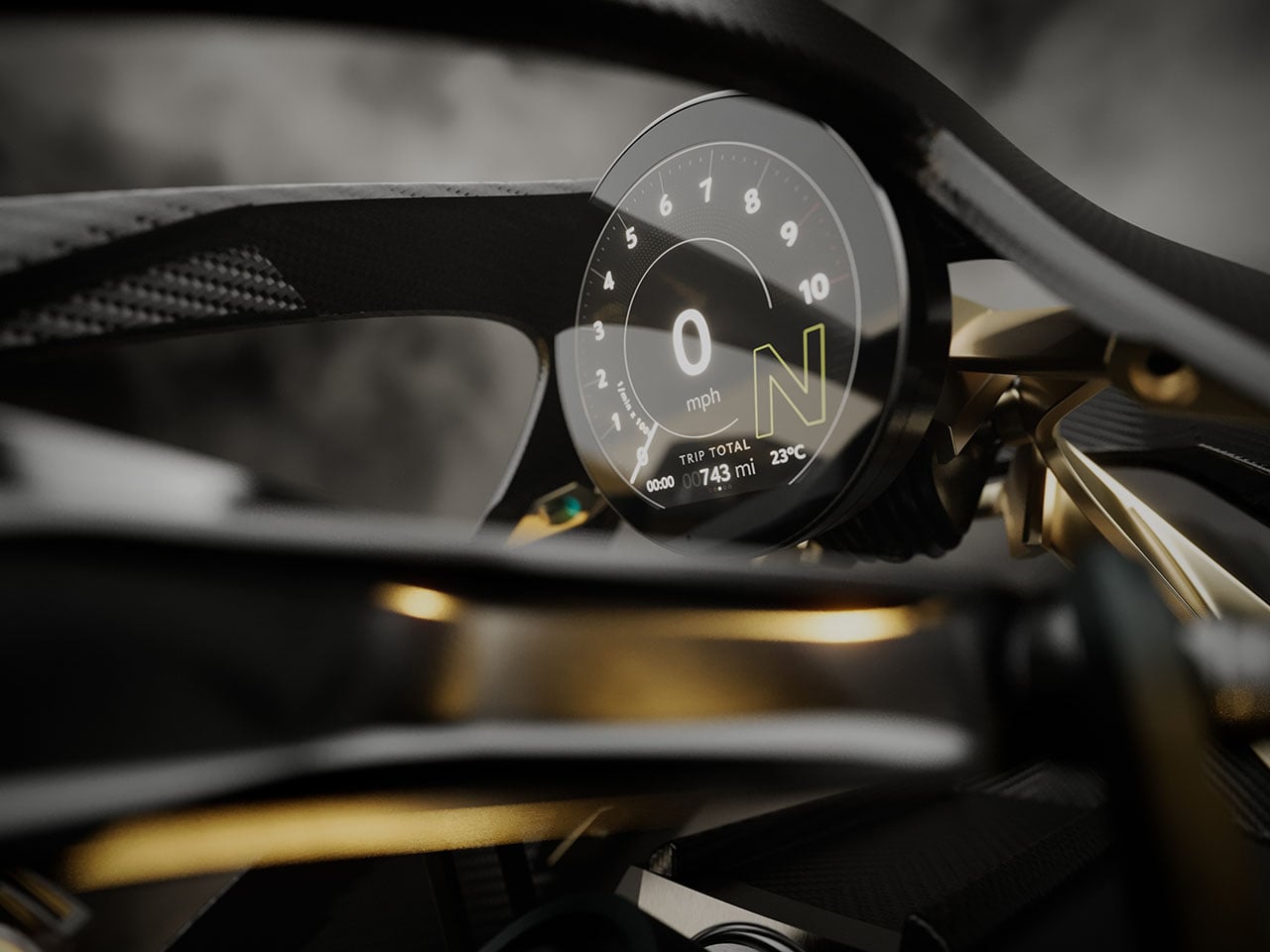
The engineering gets particularly interesting around the chassis. A titanium structural frame is milled from a solid billet and weighs only 5 kg. It forms the backbone of the motorcycle while helping achieve a 50:50 weight distribution. Carbon-fiber body panels and the fuel tank help keep the center of gravity low, contributing to a total weight of 190 kg. Up front, the AMB 002 uses Brough Superior’s Fior fork, a double-wishbone system evolved from the setup used on the AMB 001 Pro. By separating steering and braking forces, the arrangement is designed to maintain front-end geometry under hard braking while improving steering precision. Its anti-dive characteristics are particularly useful when braking while leaned into a corner.
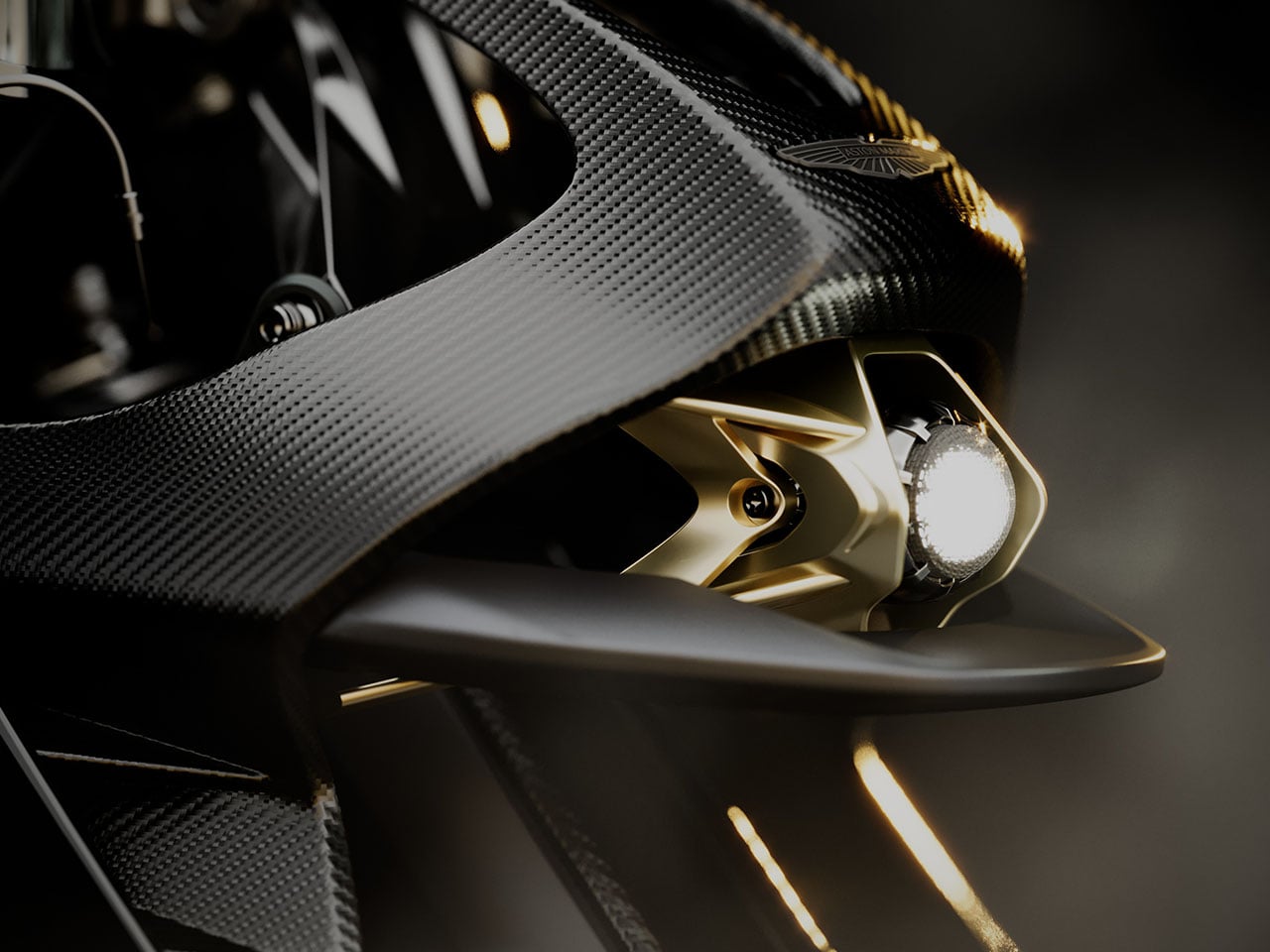
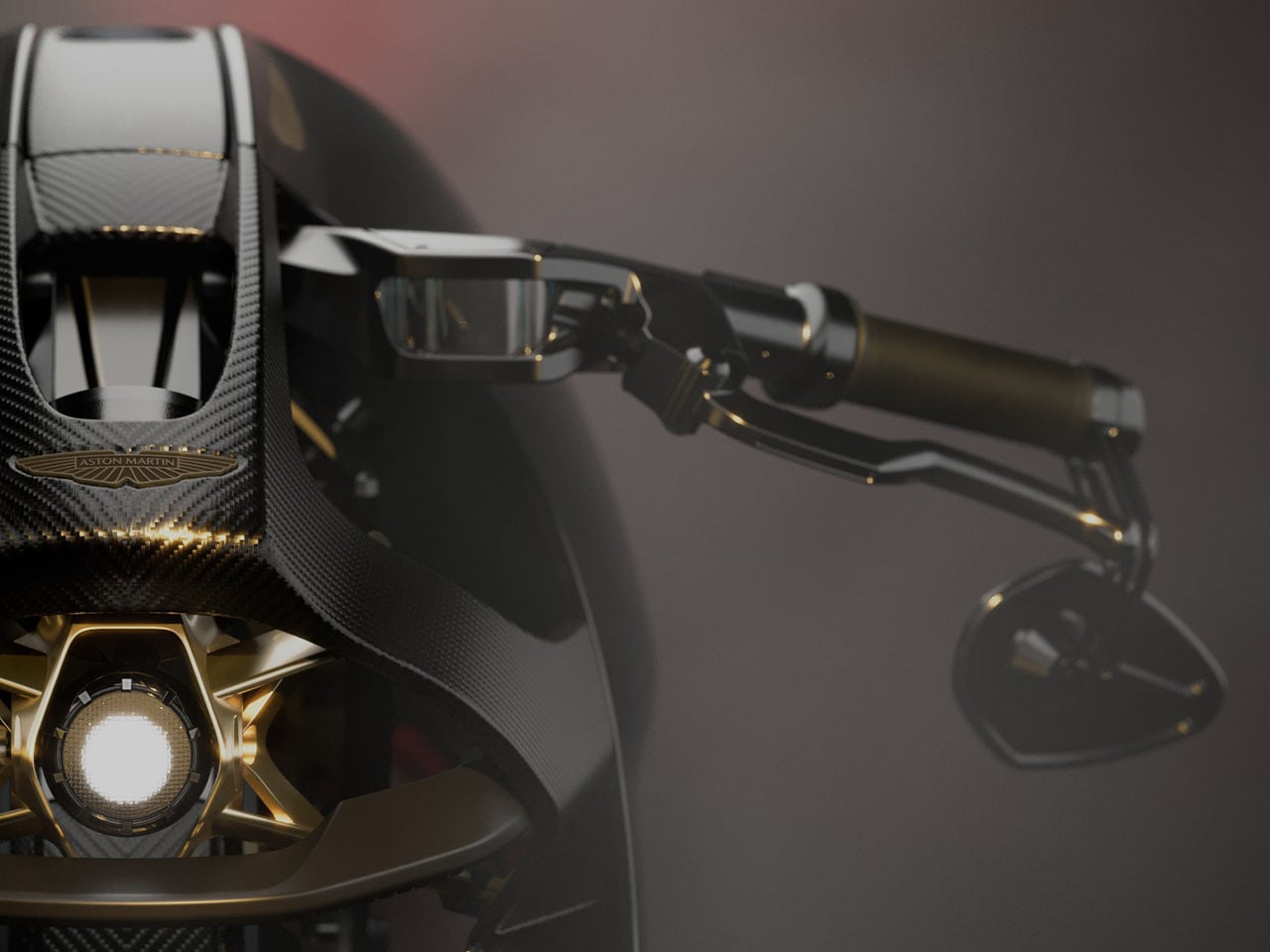
The result is an unusually focused road motorcycle where materials and mechanical architecture are as important to the experience as outright performance. Brough Superior will build each AMB 002 by hand in Toulouse, with first deliveries scheduled for the third quarter of 2027. Orders are already being accepted, making this less a conventional new motorcycle launch and more a limited production exercise in Aston Martin’s design language beyond four wheels.
The post Aston Martin’s 130-HP road-legal bike brings its luxury design language to two wheels first appeared on Yanko Design.
  •  

LUV1 modular bike replaces your car for daily errands with 120L storage and swappable batteries

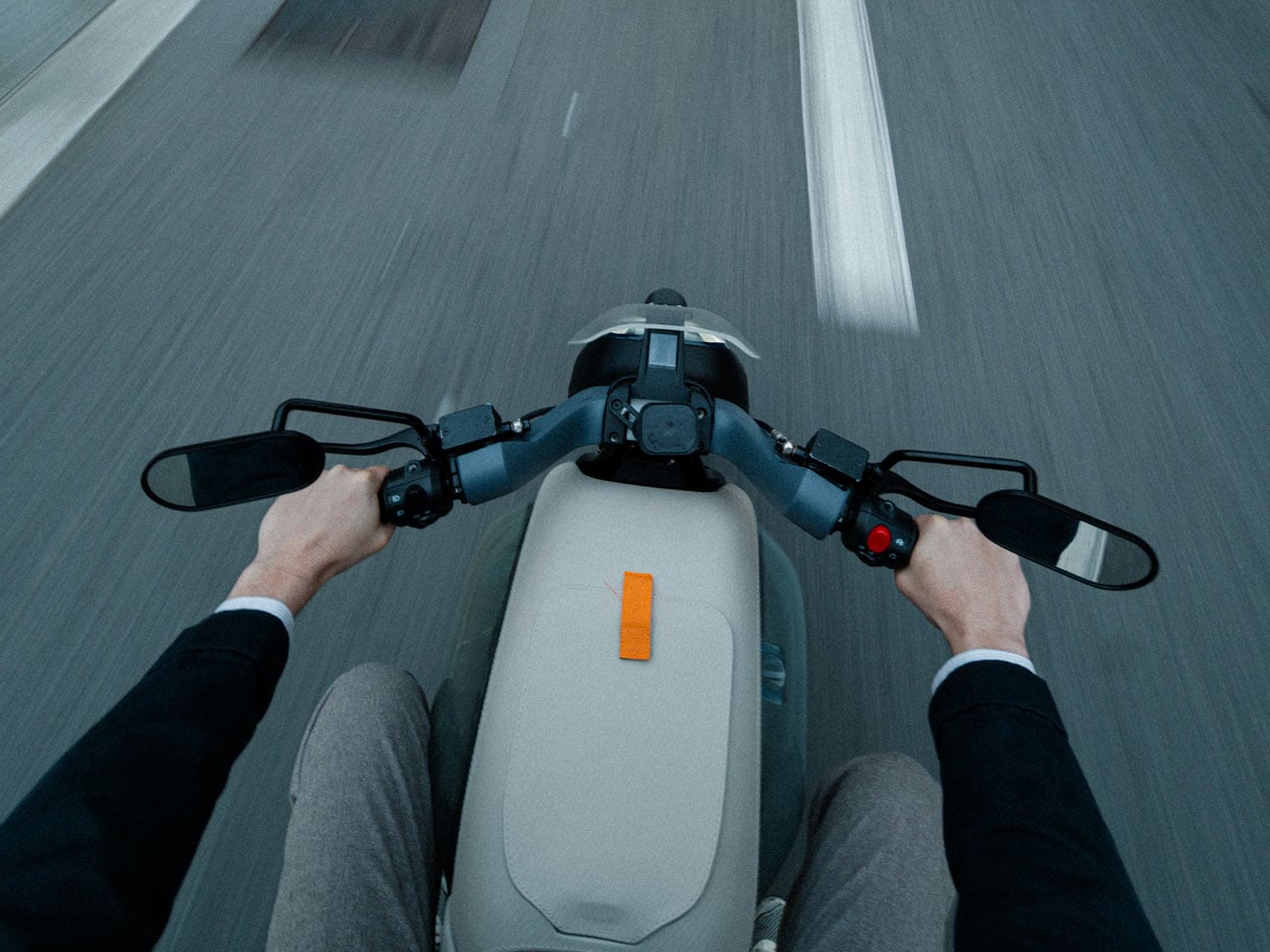
Most electric motorcycles still behave like motorcycles first and utility machines second. They chase performance numbers, oversized displays, or aggressive styling while ignoring a simple reality: most urban riders just want something practical enough to replace short car trips. The ANY LUV1 approaches the problem differently. Instead of behaving like a sportbike with batteries attached, it feels more like a compact urban tool designed around everyday life.

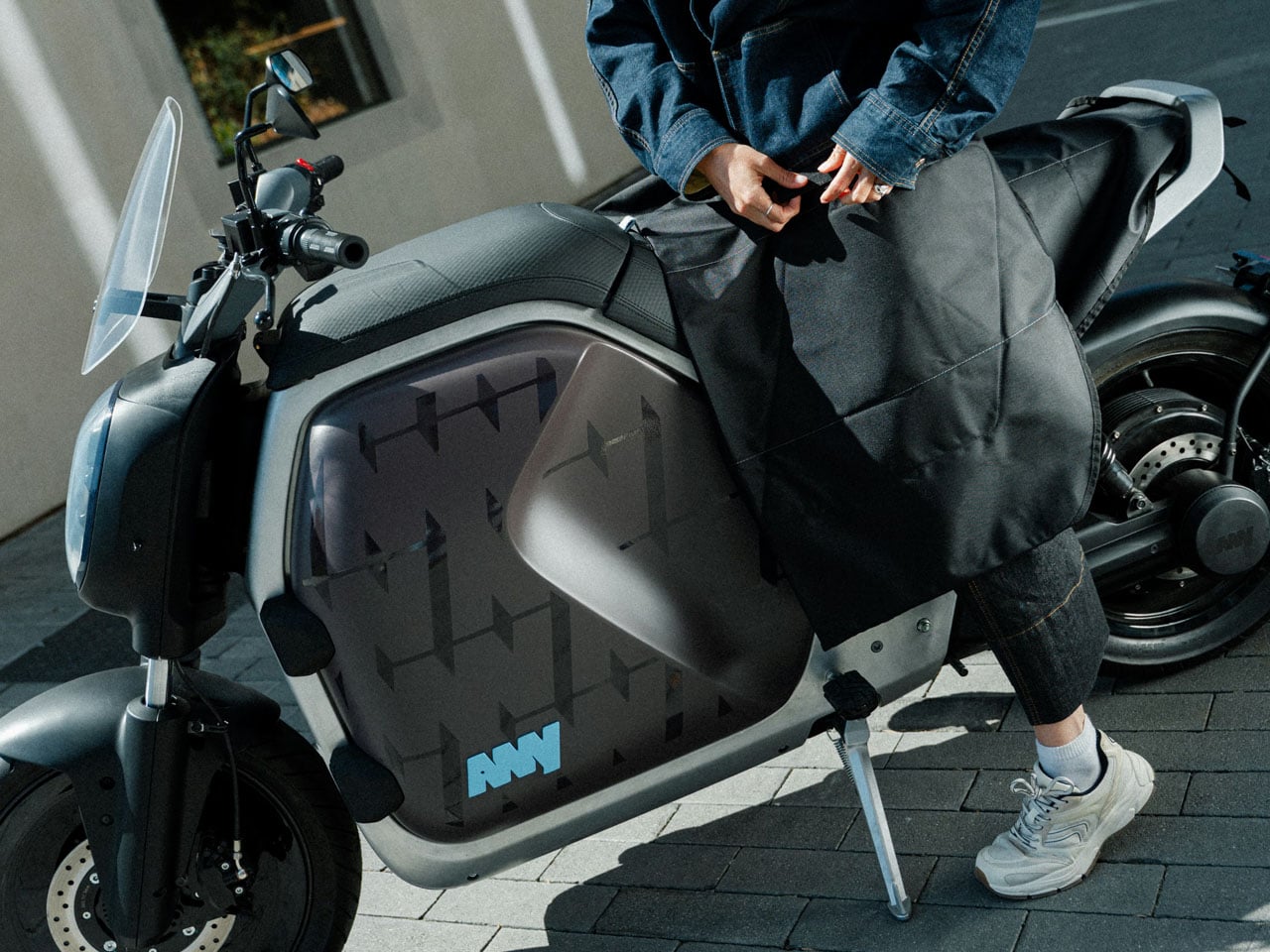
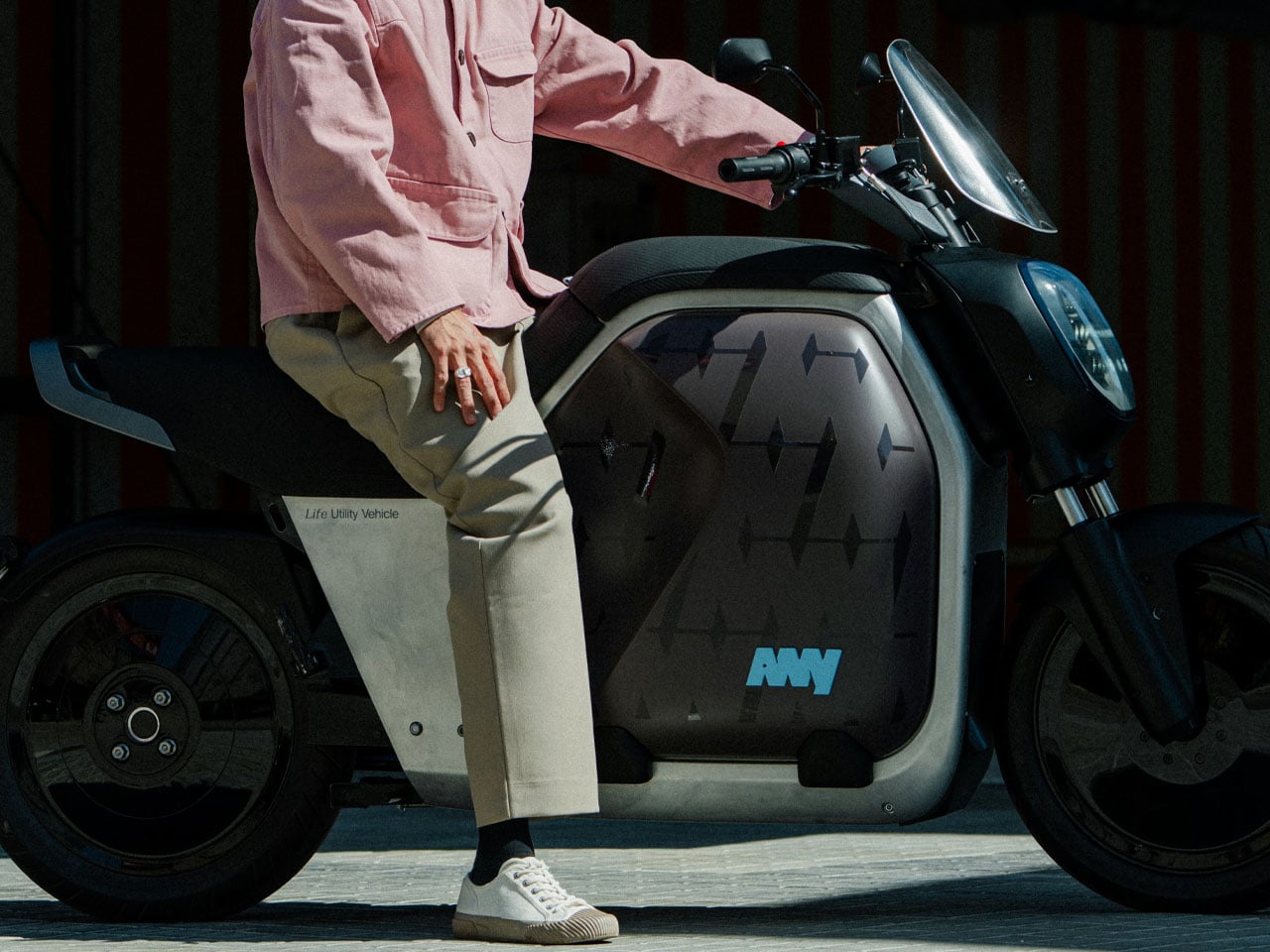
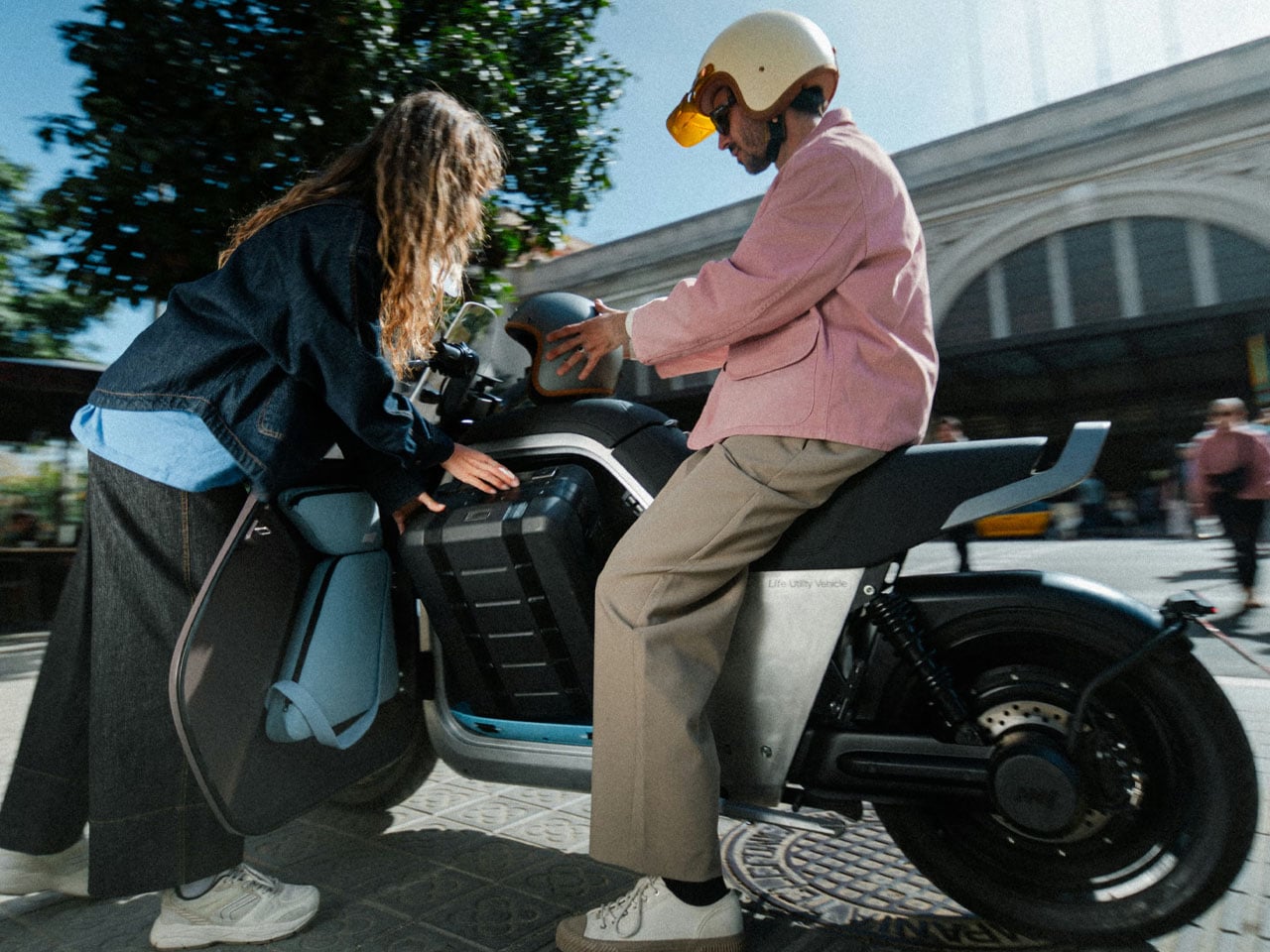
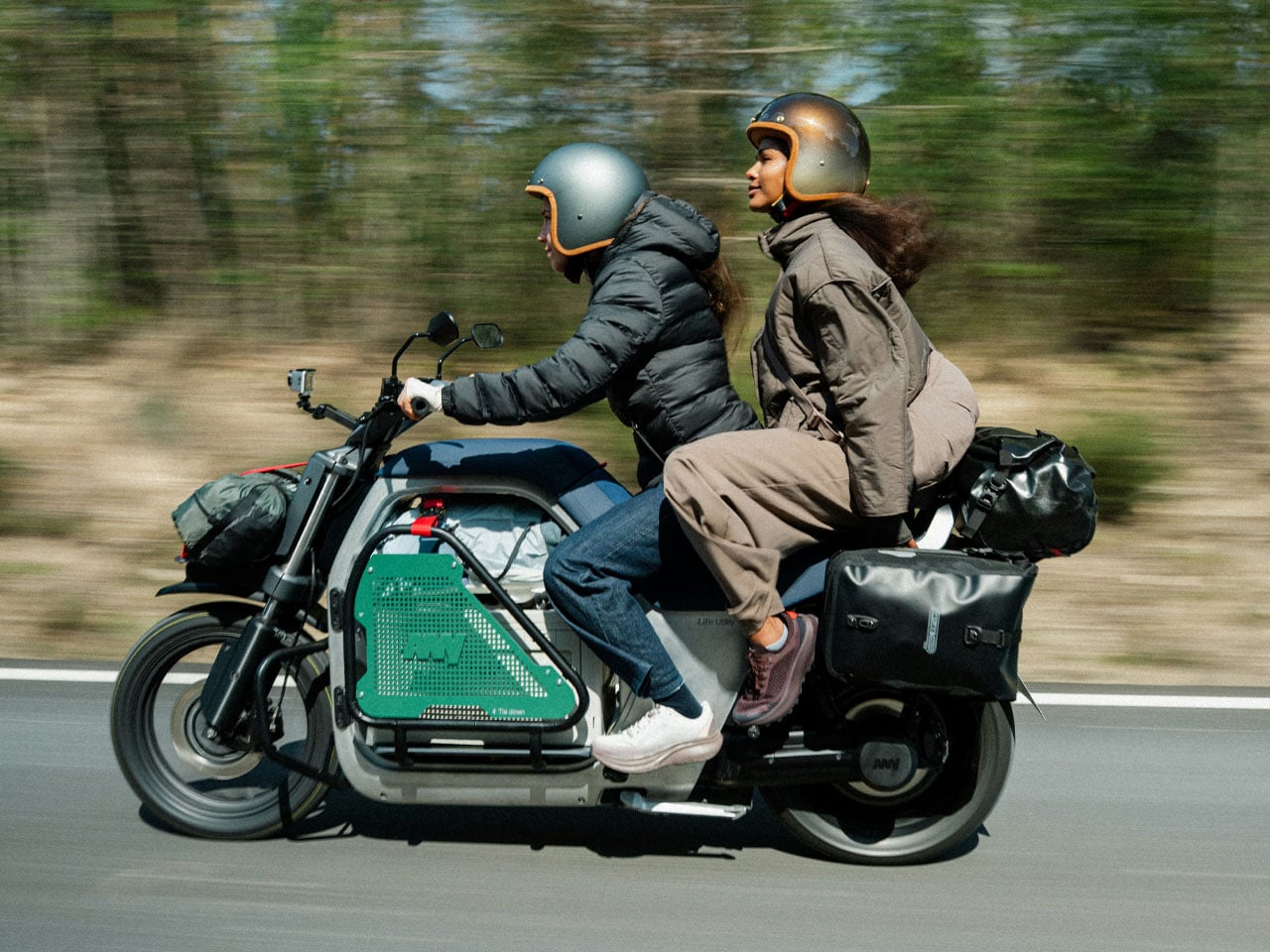
Created by Belgian startup ANY Mobility, LUV1 is sandwiched somewhere between an electric scooter, cargo bike, and lightweight motorcycle. The company calls it a “Life Utility Vehicle,” and the name makes sense once you look beyond the styling. Nearly every part of the vehicle revolves around usability, whether that means carrying groceries, office gear, camera equipment, or handling the kind of short-distance errands people usually default to using a car for.

Designer: ANY Mobility

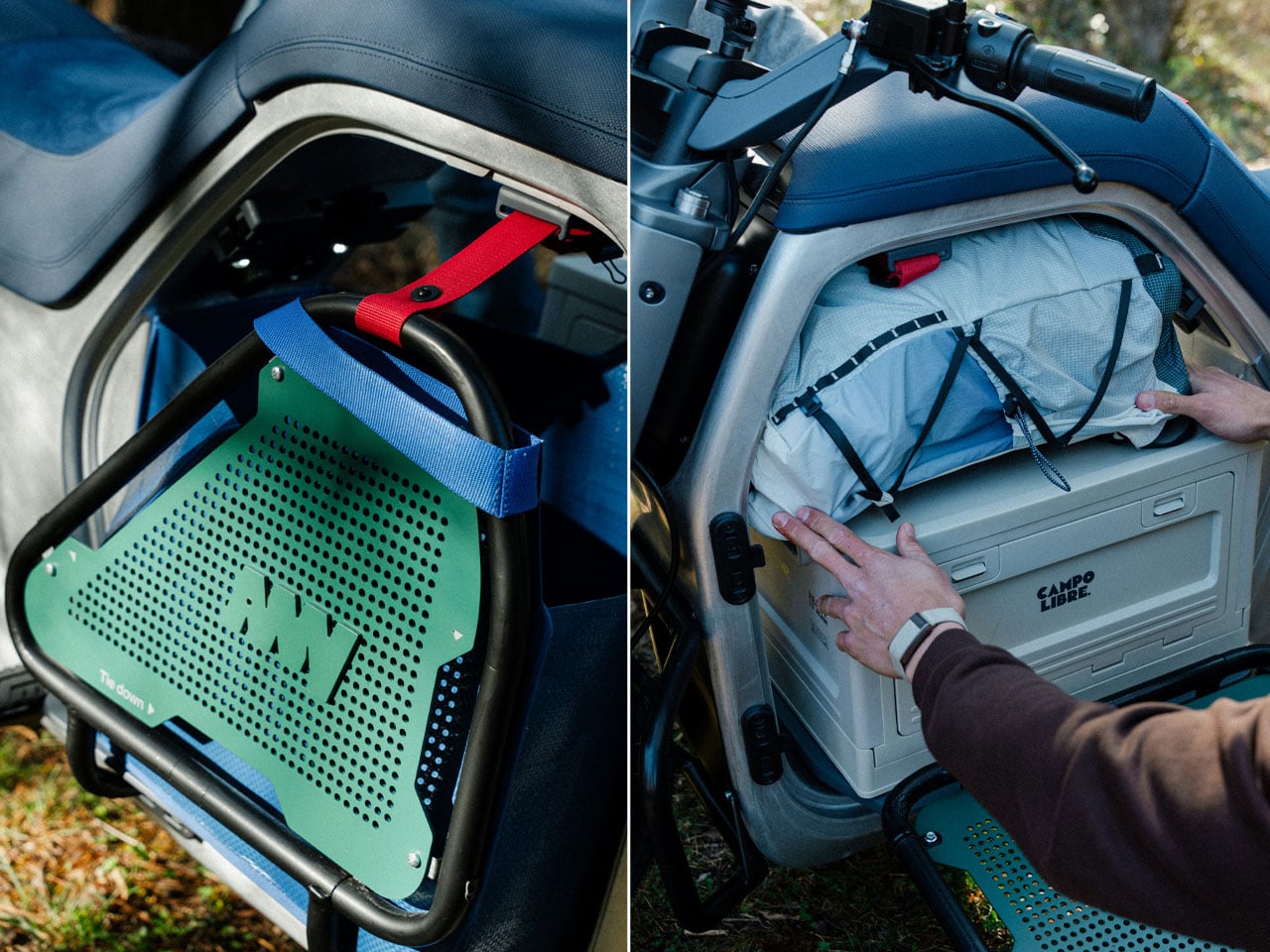
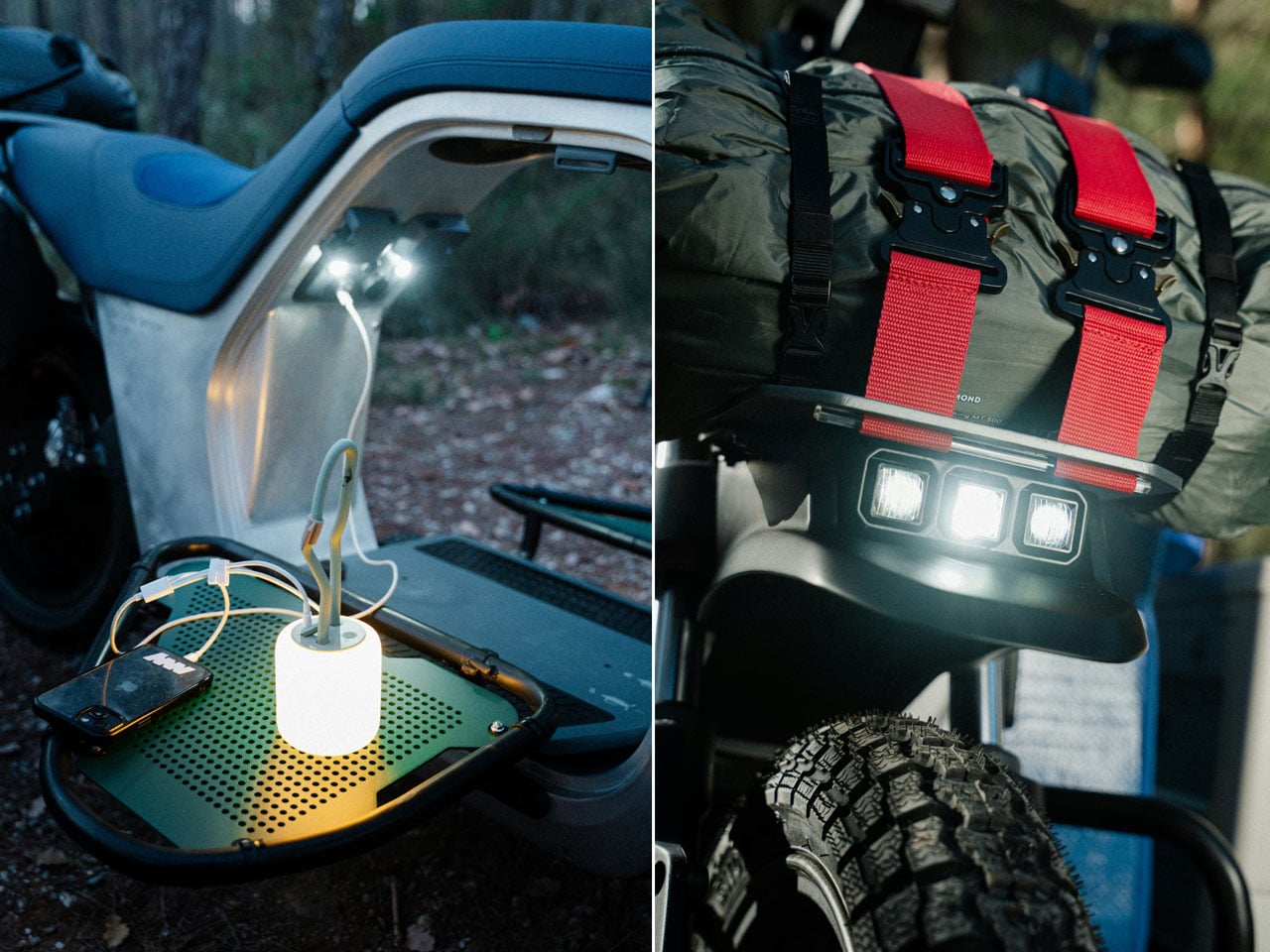
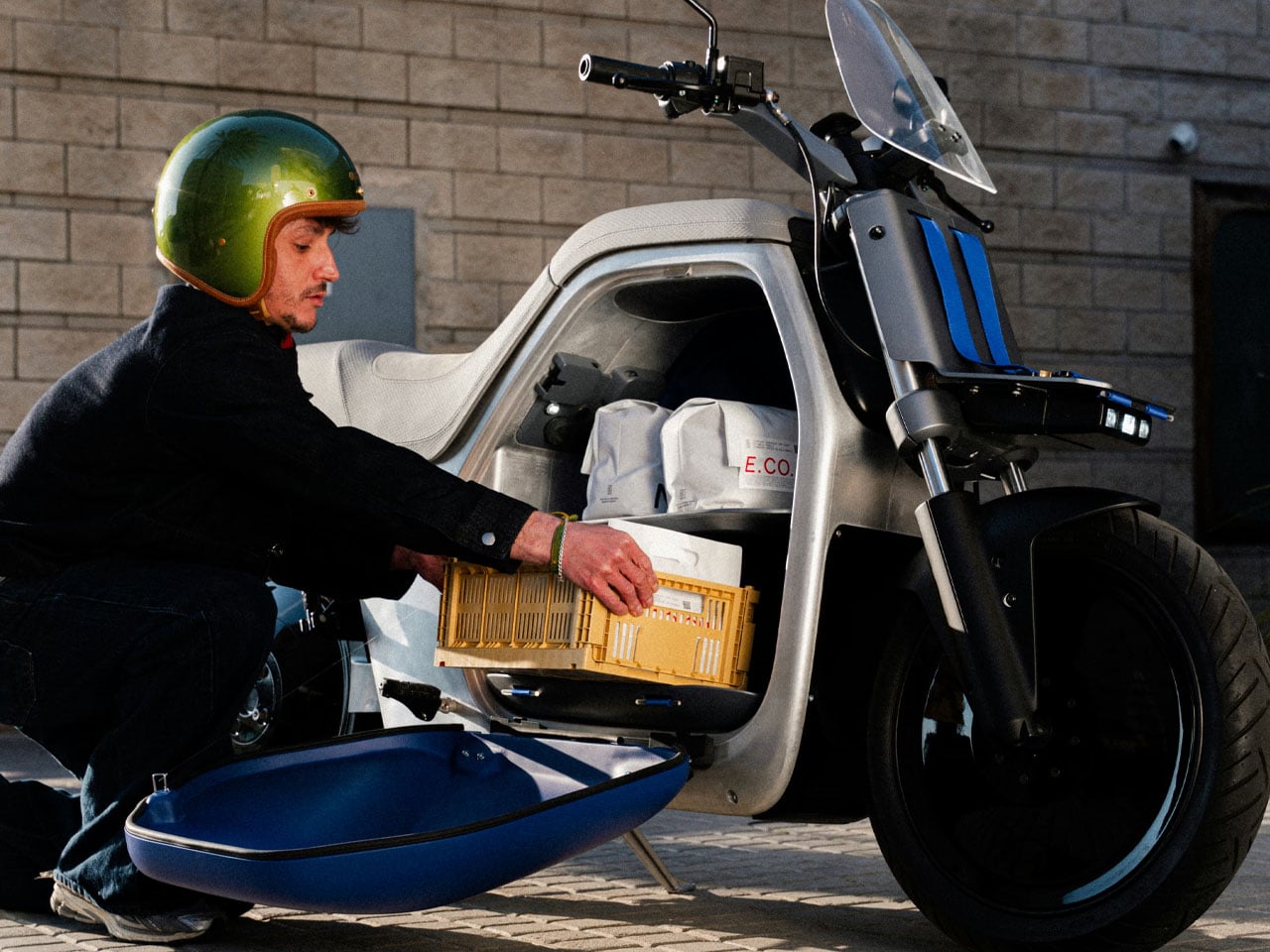
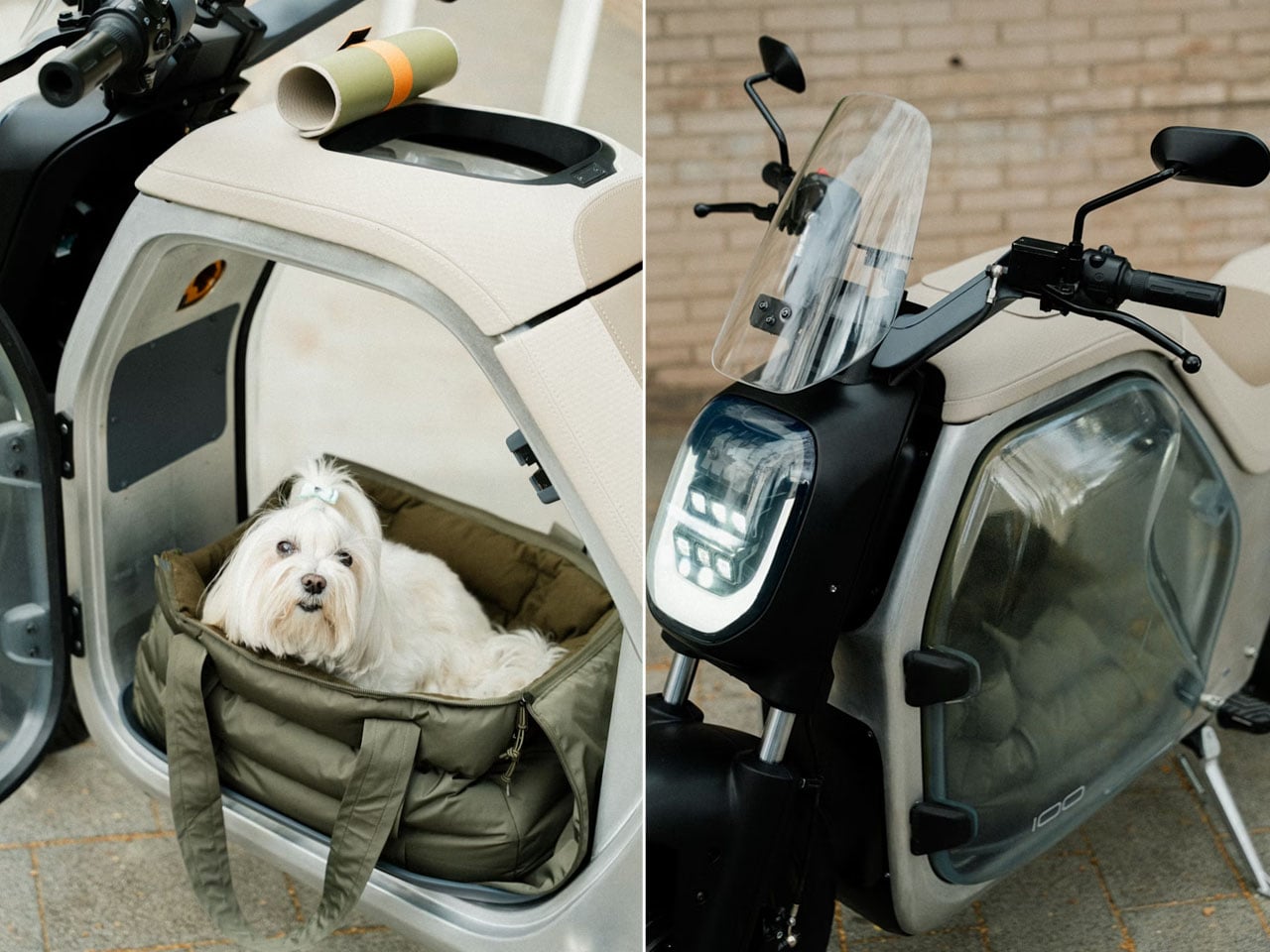
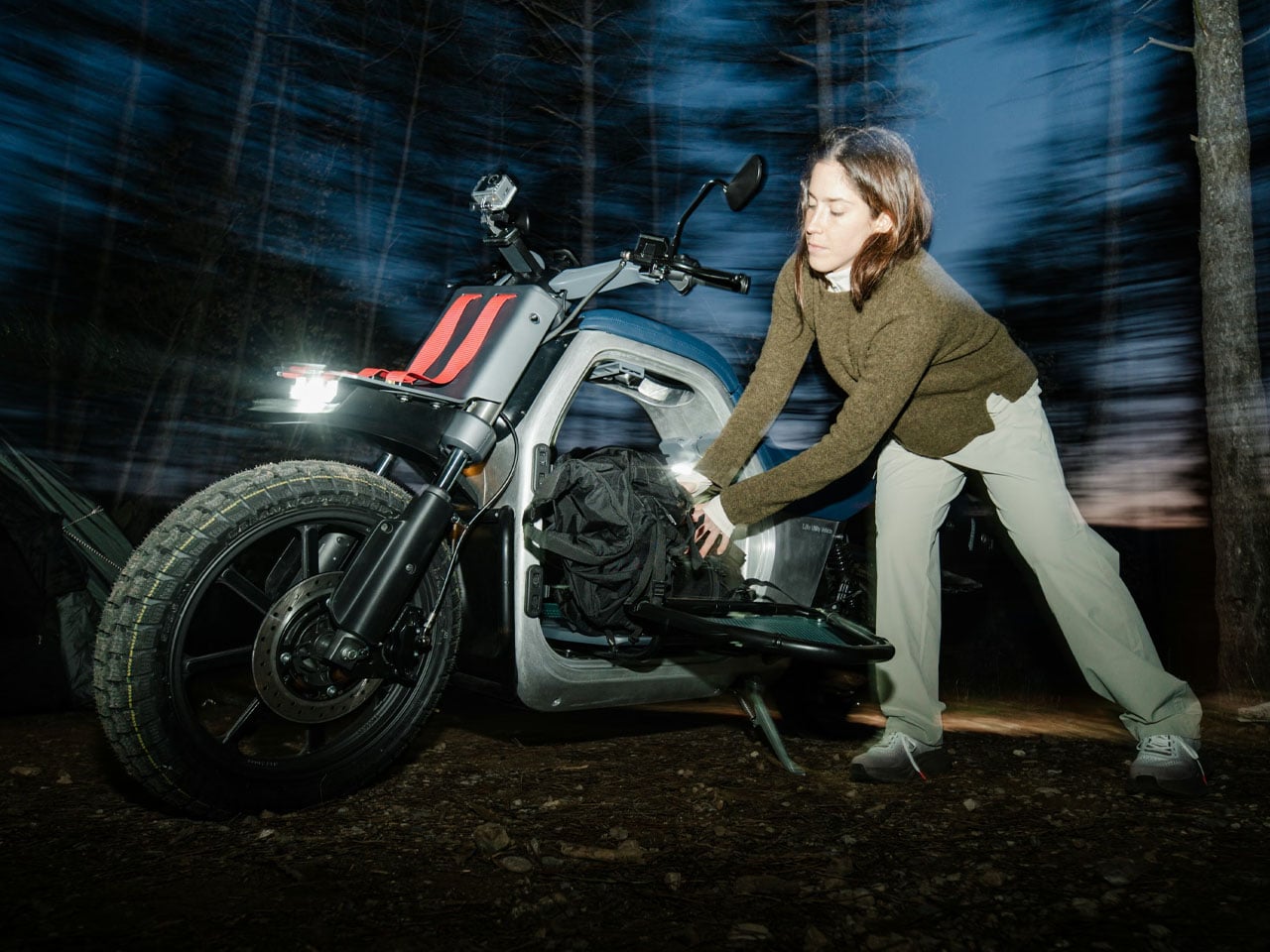
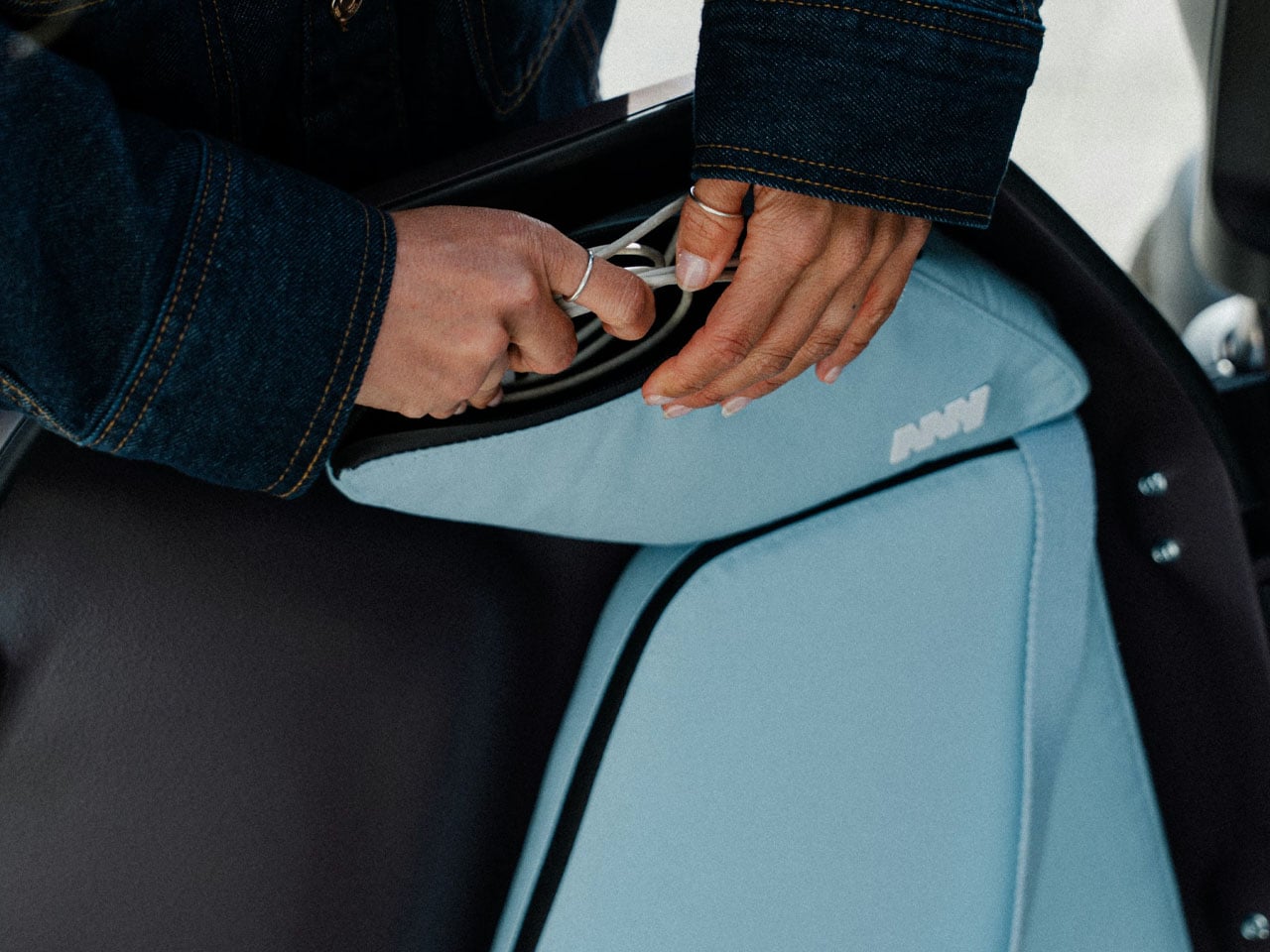
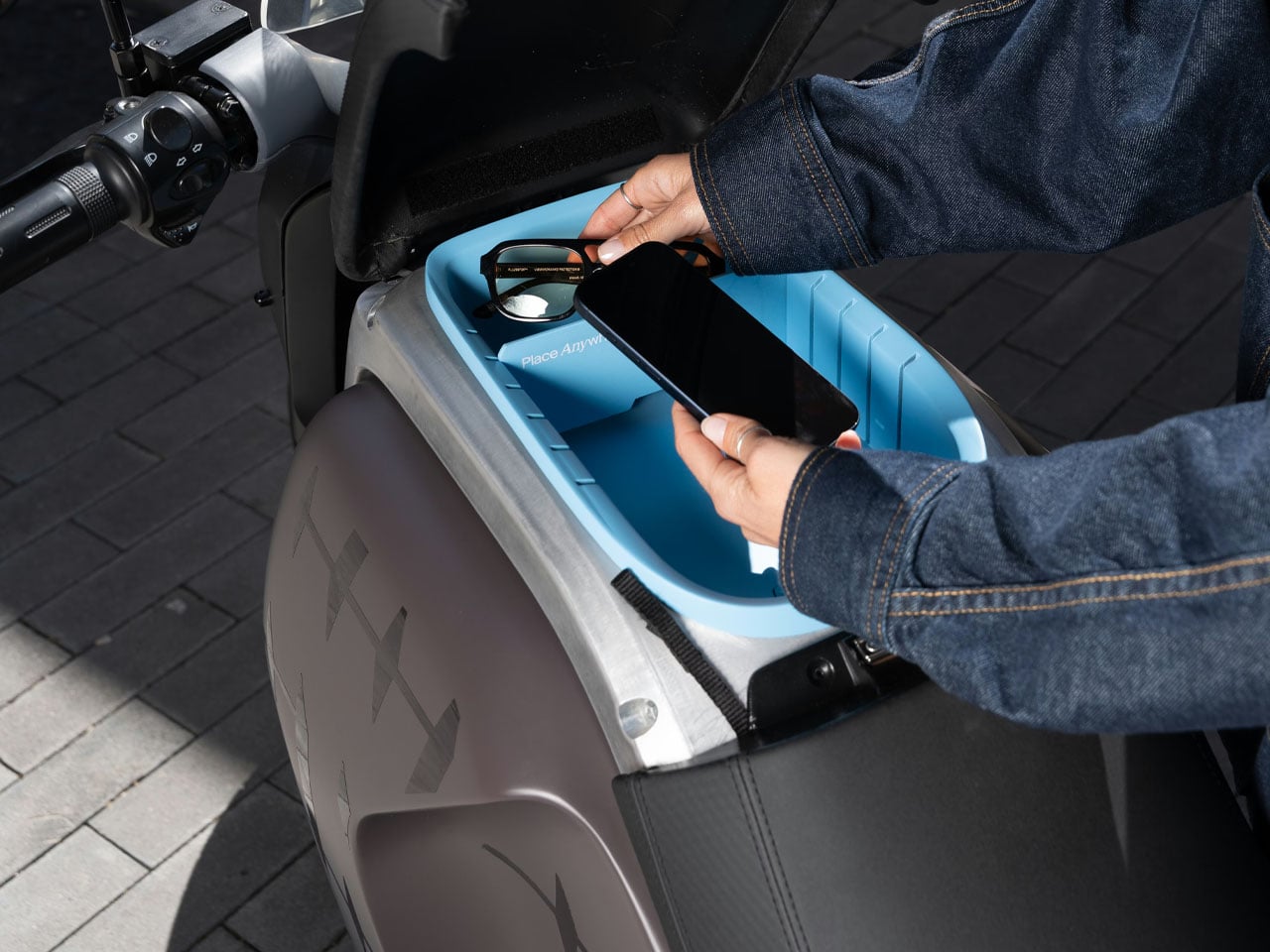
That practicality starts with its packaging. The integrated cargo compartment offers 120 liters of storage, which is significantly more useful than the tiny under-seat compartments found on most scooters. It is large enough to carry shopping bags, delivery equipment, or a backpack and helmet without forcing riders to strap everything externally. Front and rear cargo racks expand that flexibility further, while configurable dividers allow owners to organize storage depending on the task at hand.

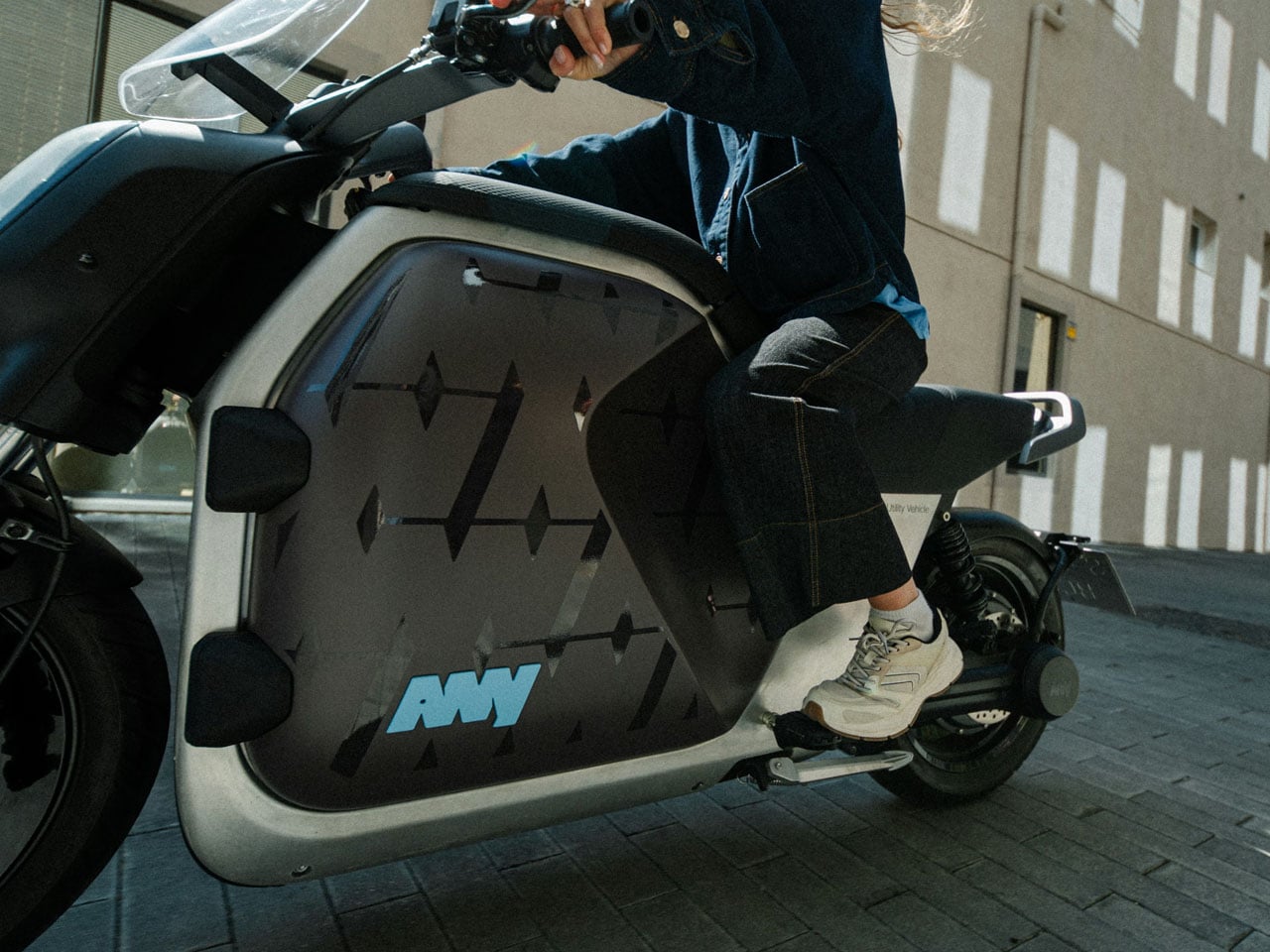
The modular approach is where the concept becomes genuinely interesting. Instead of locking owners into one fixed setup, the LUV1 can be customized with interchangeable body panels, seating layouts, storage accessories, and optional weather protection. One configuration can prioritize cargo hauling during the week while another leans toward casual commuting on weekends. It follows the same logic that made modular furniture and adaptable workspaces appealing: people increasingly want products that evolve with their routines rather than forcing routines around the product.

Visually, the bike avoids the exaggerated “future mobility” look many startups lean on. The clean bodywork and restrained surfacing come from Granstudio, the Italian design firm led by former Pininfarina design director Lowie Vermeersch. That design pedigree shows in the proportions and detailing. Even functional components like the storage compartments and structural frame feel integrated into the design rather than added as an afterthought.

Underneath the bodywork sits a modular aluminum chassis produced using high-pressure die-casting, a manufacturing method more commonly associated with larger automotive companies. The setup helps reduce complexity while providing the platform with enough flexibility to support various accessories and future configurations. Power comes from an 11 kW rear hub motor paired with dual swappable lithium-ion battery packs totaling 6.5 kWh. ANY Mobility claims a range of 68 to 87 miles, depending on use, while the top speed is rated at 62 mph, making the bike suitable for both dense city streets and suburban commuting. Charging the batteries through a standard 220V outlet reportedly takes under four hours.

The LUV1 also keeps accessibility in mind. It weighs around 352 pounds and features a relatively approachable 30.9-inch seat height, making low-speed maneuvering less intimidating for newer riders and shorter commuters alike. According to reports, the company expects pricing to fall between €7,000 and €10,000 (approximately $8,150 – $11,600) depending on configuration, and reservations have already opened ahead of production plans.

What makes the ANY LUV1 stand out is not raw performance or futuristic gimmicks, but how realistically it understands modern urban mobility. Most people are not looking for an electric motorcycle to replace weekend entertainment. They are looking for something convenient enough to replace unnecessary car usage, and the LUV1 feels designed precisely around that idea.

The post LUV1 modular bike replaces your car for daily errands with 120L storage and swappable batteries first appeared on Yanko Design.
  •  
❌