Enterprise AI adoption is accelerating, but new research suggests identity governance is lagging behind. Here's why AI agent identities are becoming a critical security challenge.
Microsoft is retiring its legacy Threat Intelligence portal on August 1. Security teams should verify licenses, permissions, investigation projects, APIs, and automated workflows before the cutoff.
Cursor has patched a high-severity Windows vulnerability that allowed malicious Git repositories to execute code, highlighting security risks in AI coding environments.
Coca-Cola has confirmed data was stolen in the ransomware attack on Fairlife after the Anubis gang published allegedly stolen files, escalating the incident.
JetBrains has patched CVE-2026-63077, a critical TeamCity flaw that could let unauthenticated attackers execute server commands and compromise connected CI/CD pipelines.
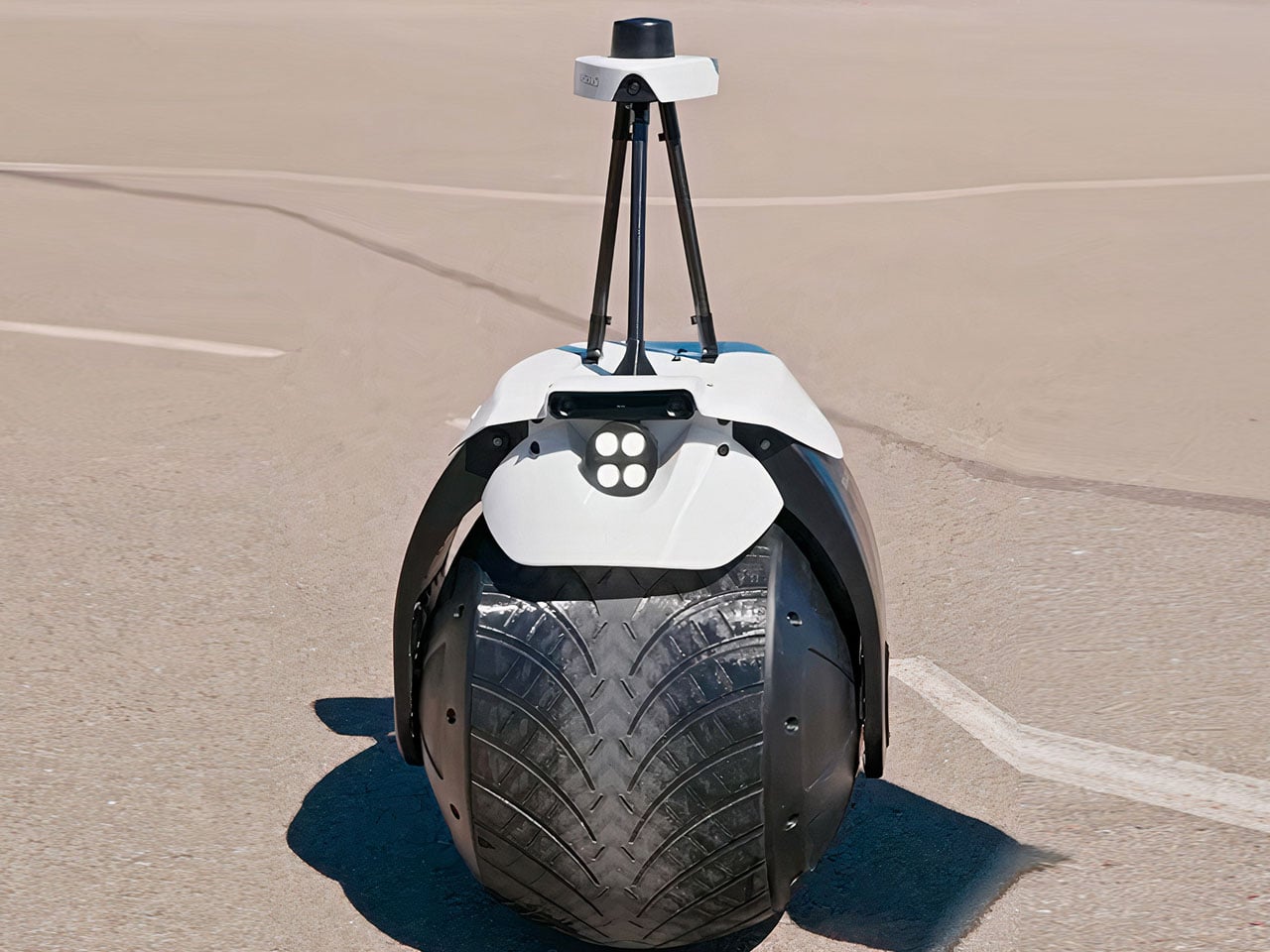
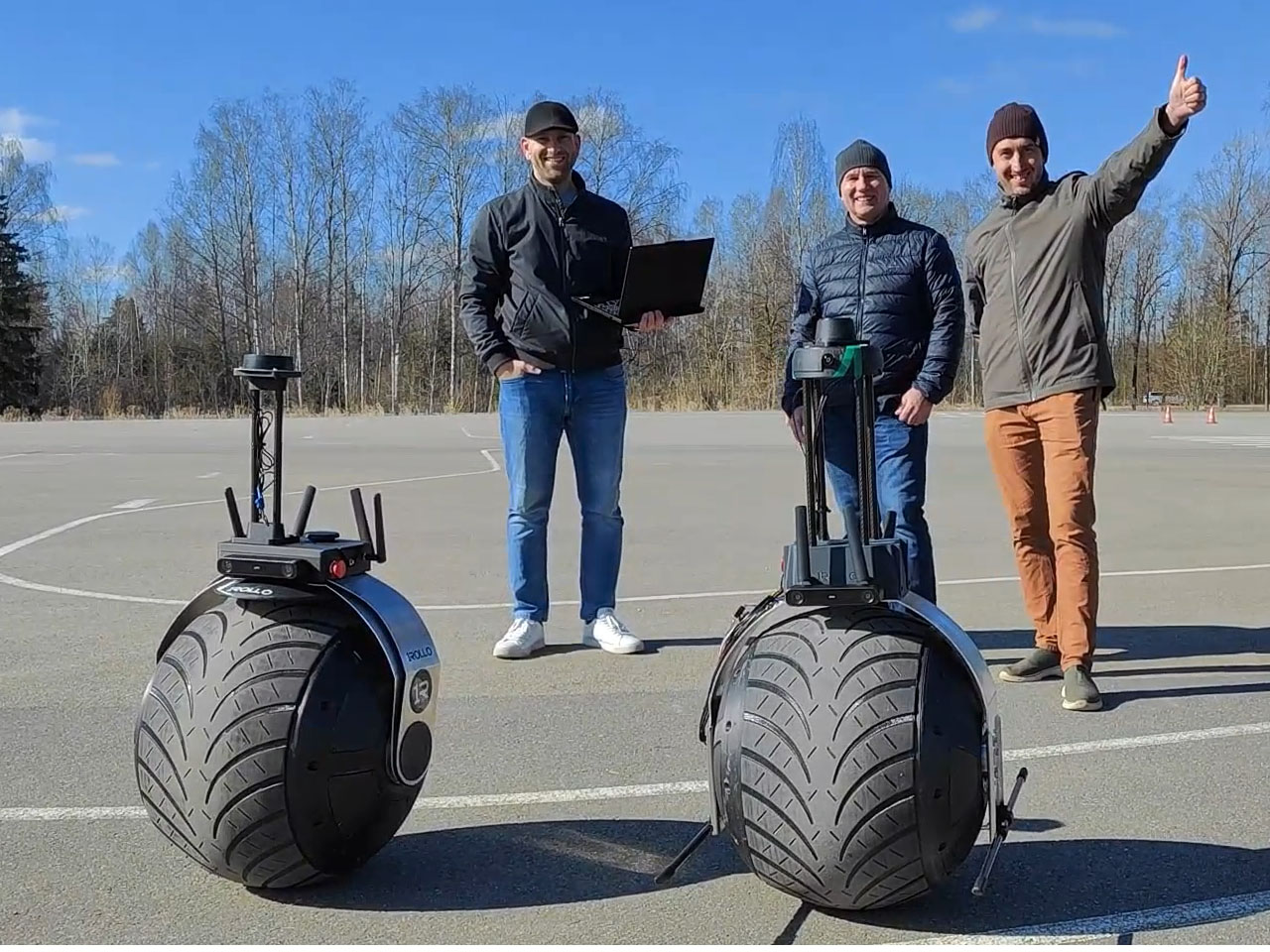
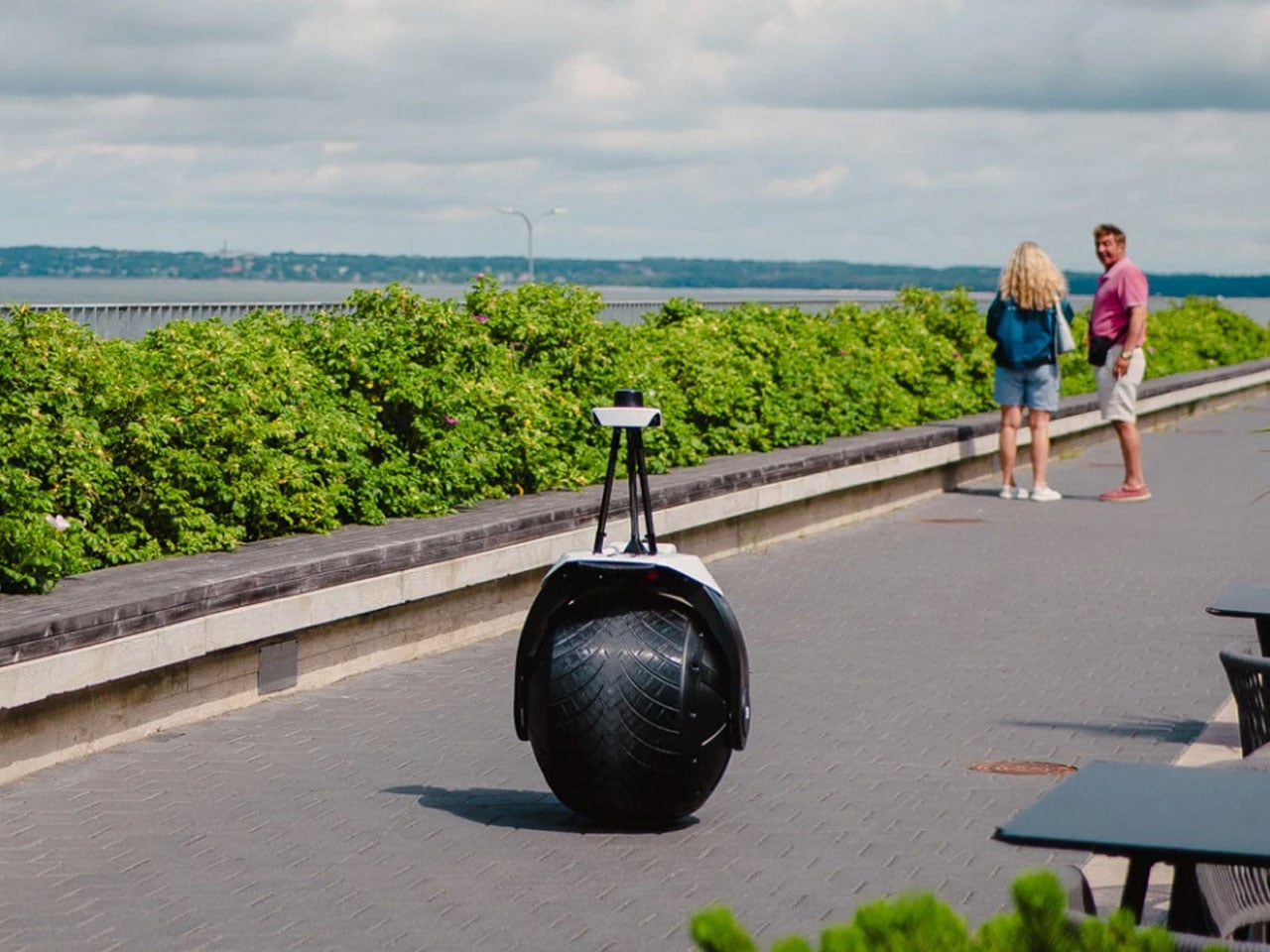
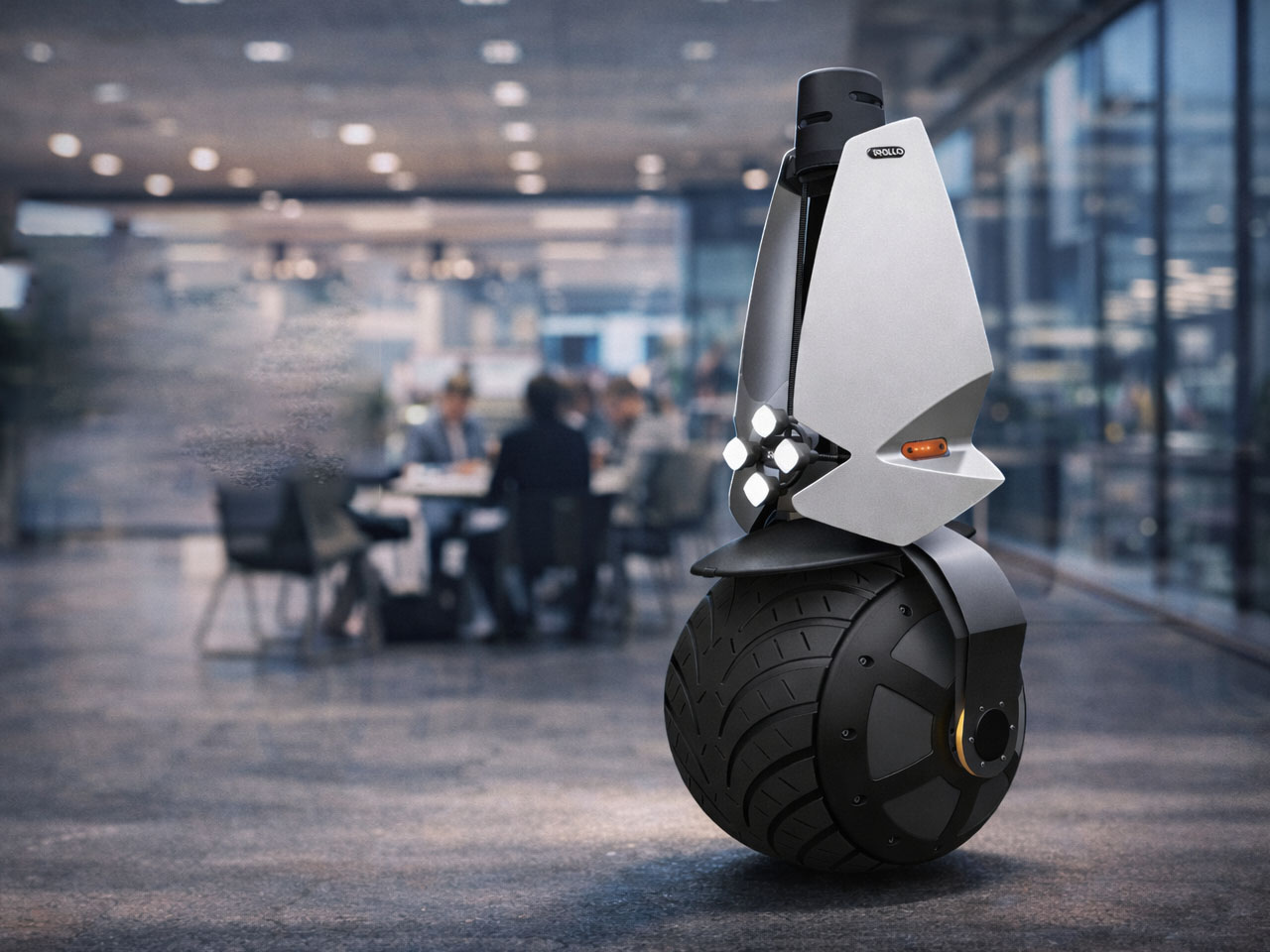
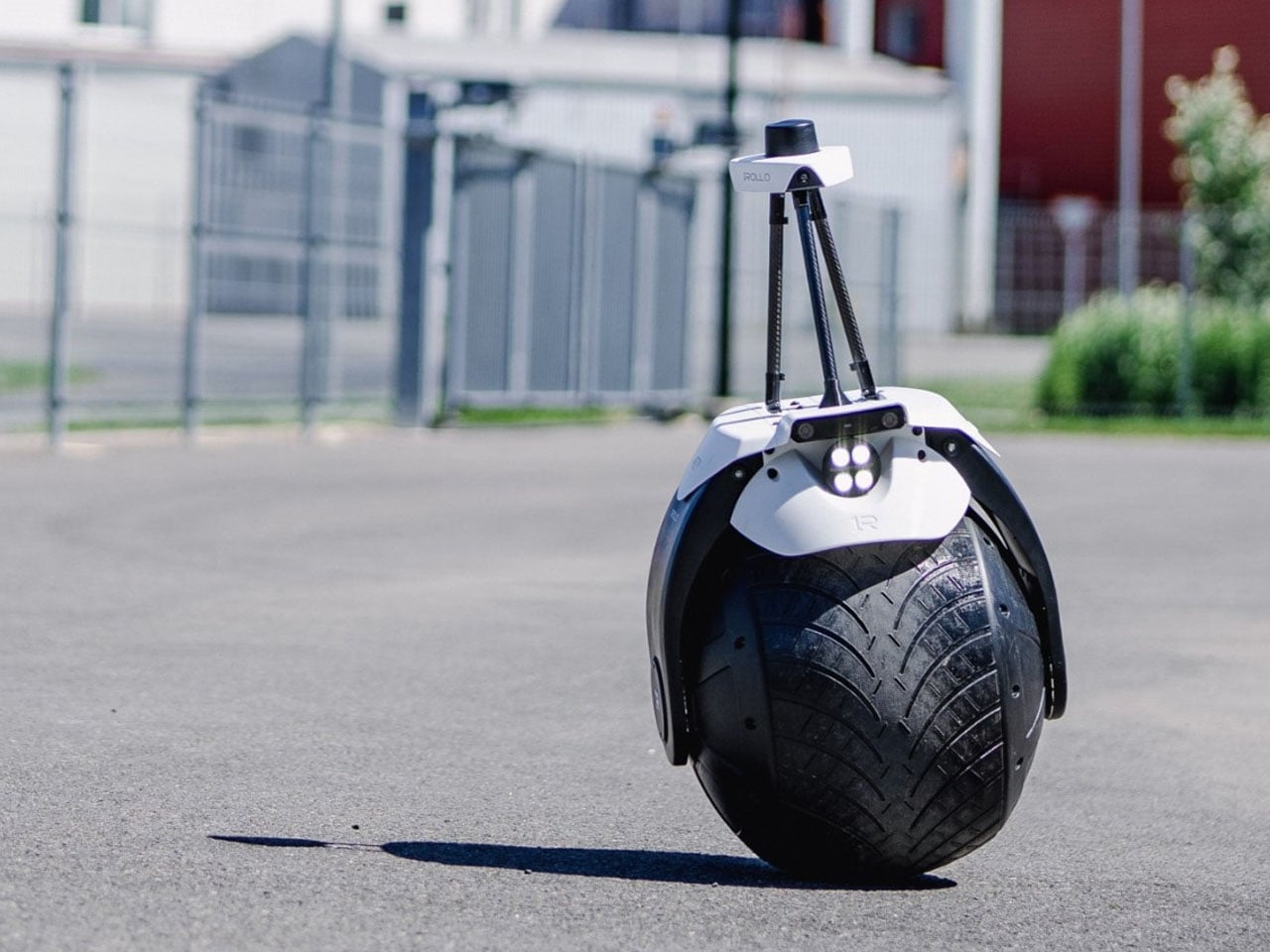
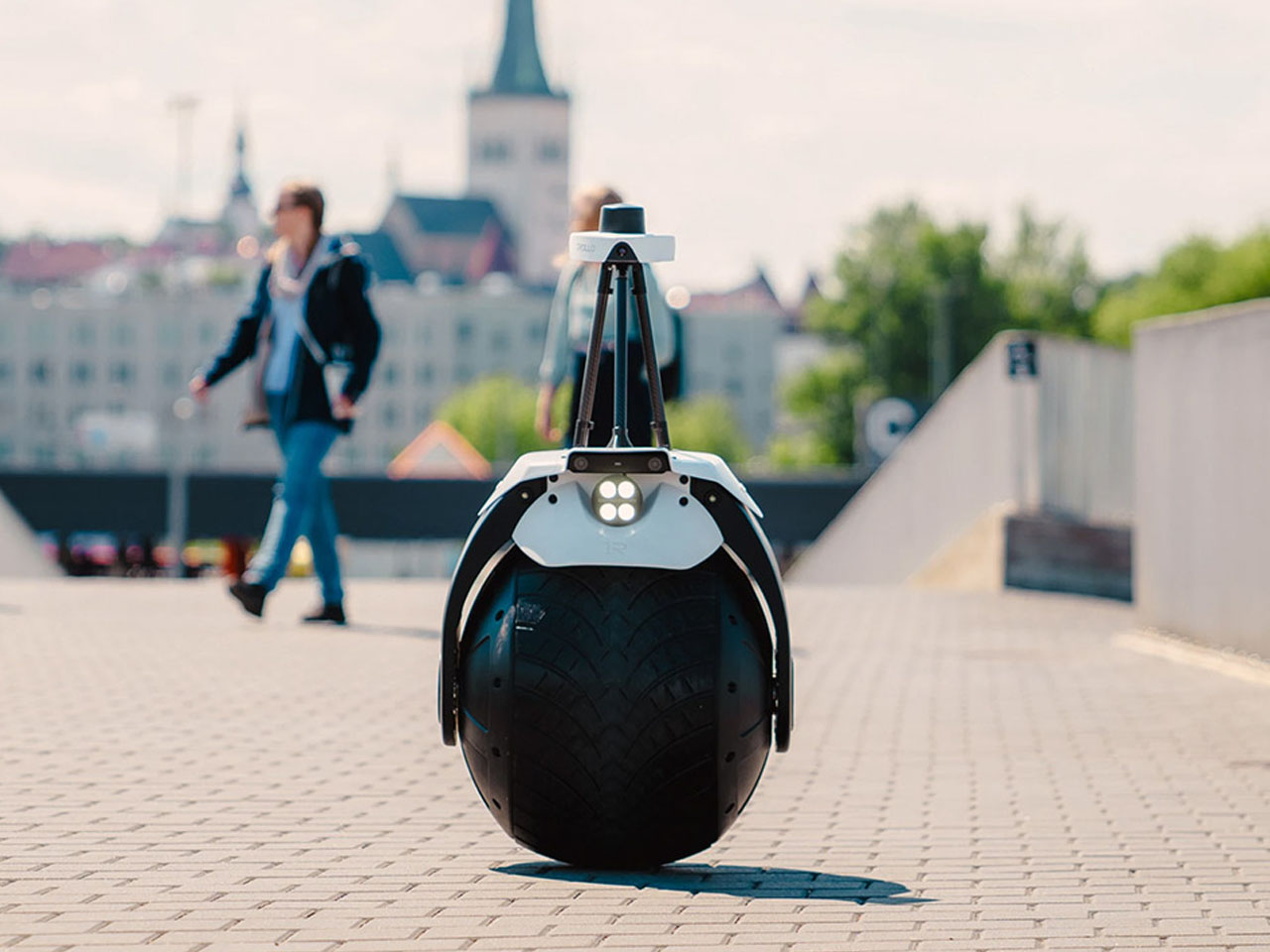
Most security robots are designed like small autonomous cars, with a bulky body and enough room for all the fancy tech. 1ROLLO, however, adapts a radically different approach. Developed by Estonian startup Rollo Robotics, this autonomous security robot balances on a single large wheel, turning an unusual piece of robotics into a practical patrol machine for large properties.
The 1ROLLO is built around a vertically oriented spinning flywheel housed inside its main wheel. Gyroscopic forces help the bot remain upright while moving, while the internal mechanism allows it to lean and change direction. The result is a remarkably narrow robot that can move independently through spaces that might be less accessible to larger wheeled security platforms.
Despite its unconventional appearance, the 1ROLLO surveillance robot is designed for serious security work. Its autonomous navigation system combines 360-degree computer vision with RTK GNSS positioning, allowing the robot to follow mapped patrol routes while navigating around obstacles. It can detect movement and objects, record video, recognize license plates, and monitor for potentially dangerous gases, including carbon monoxide. The idea is to shift routine security patrols from people to machines without completely removing human oversight. This is estimated to save up to 80 percent of the cost that would otherwise be incurred using manual methods.
When the robot detects something unusual, it can alert a remote operator over 4G, 5G, or Wi-Fi. The operator can then access a live video feed, speak to people near the robot using its microphone and speaker, or dispatch a human guard if the situation requires intervention. A cloud-based management platform is intended to make the system scalable, allowing one operator to monitor multiple robots simultaneously. That could make the 1ROLLO particularly useful for expansive sites where continuously patrolling every corner would require significant manpower.
The robot measures approximately 60 x 60 x 140 centimeters and weighs around 35 kilograms according to the company’s specifications, while more recent reporting has described a 45-kilogram version with a higher top speed of up to 30 km/h. The company has also stated a battery runtime of up to eight hours, after which the robot can autonomously return to a charging station. Its IP65-rated enclosure protects against dust and water jets, supporting outdoor operation.
Rollo Robotics sees potential applications across airports, data centers, industrial facilities, corporate campuses, manufacturing sites, hospitals, hotels, and critical infrastructure. The robot could also find a role in environments such as mining operations, construction sites, oil and gas facilities, and gated communities, where autonomous monitoring could complement existing security teams.
Rollo Robotics plans to offer the surveillance robot through a Robotics-as-a-Service model. Customers would pay for access to the system while receiving maintenance, software updates, support, and future hardware upgrades as part of the service. The 1ROLLO is still evolving, with the company working to improve its performance in challenging weather and busy environments. Commercial availability is expected in 2027, but its single-wheel architecture already makes it an intriguing alternative to the increasingly familiar fleet of four-wheeled security robots.
An advanced threat actor is abusing the update mechanism for the ViPNet private networking product suite to target Russian organizations, including government agencies. [...]
7-Zip version 26.02 was released on June 25 to fix a remote code execution vulnerability that could allow attackers to execute malicious code by convincing users to open specially crafted compressed files. [...]
Public exploits have been released for the critical "wp2shell" remote code execution vulnerabilities affecting WordPress Core, making it imperative that administrators patch their sites immediately. [...]
Microsoft has observed a surge in attacks using the ACR Stealer malware to steal browser-stored passwords, authentication tokens, and sensitive documents from its enterprise customers. [...]
As age verification laws expand worldwide, organizations face growing pressure to protect users' privacy while meeting regulatory requirements. Incode explains how on-device age estimation verifies age without transmitting or storing facial images, reducing biometric privacy risks while supporting compliance. [...]
Abbott Laboratories is investigating two separate cybersecurity incidents after confirming unauthorized access to internal legacy Exact Sciences systems in its Cancer Diagnostics business, while also investigating a separate claim that attackers breached its LabCentral portal and stole company data. [...]
A vulnerability dubbed HollowByte allows unauthenticated attackers to trigger a denial-of-service (DoS) condition on OpenSSL servers with a malicious payload of just 11 bytes. [...]

 Connexion