Apple Watch Series 12 adds a new health sensing system, Audio Intelligence, faster charging, longer workout battery life, and ceramic case options too.
Australia plans to let social media users choose algorithmic or follow-only feeds under new digital safety rules targeting platform design and control.
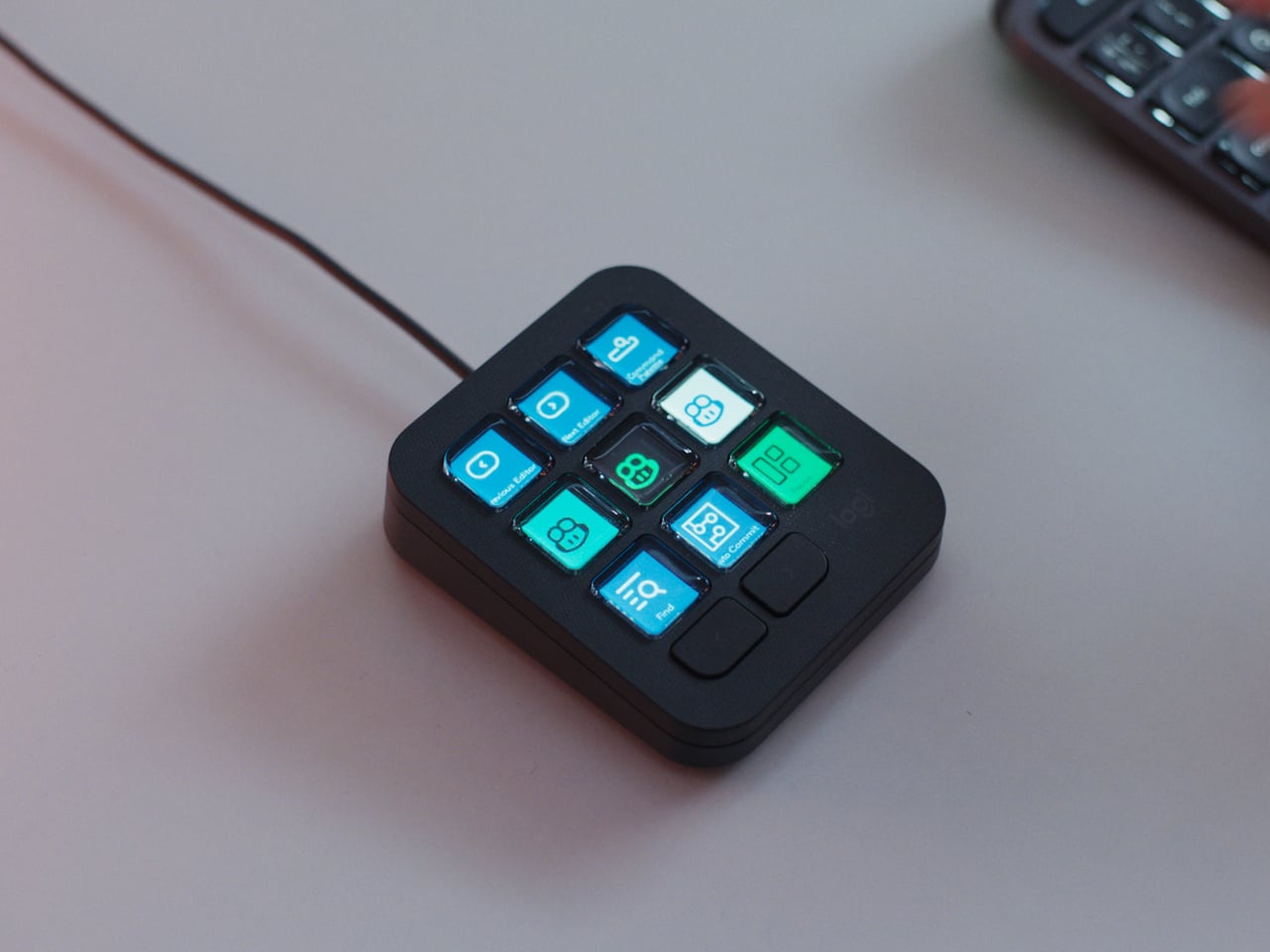
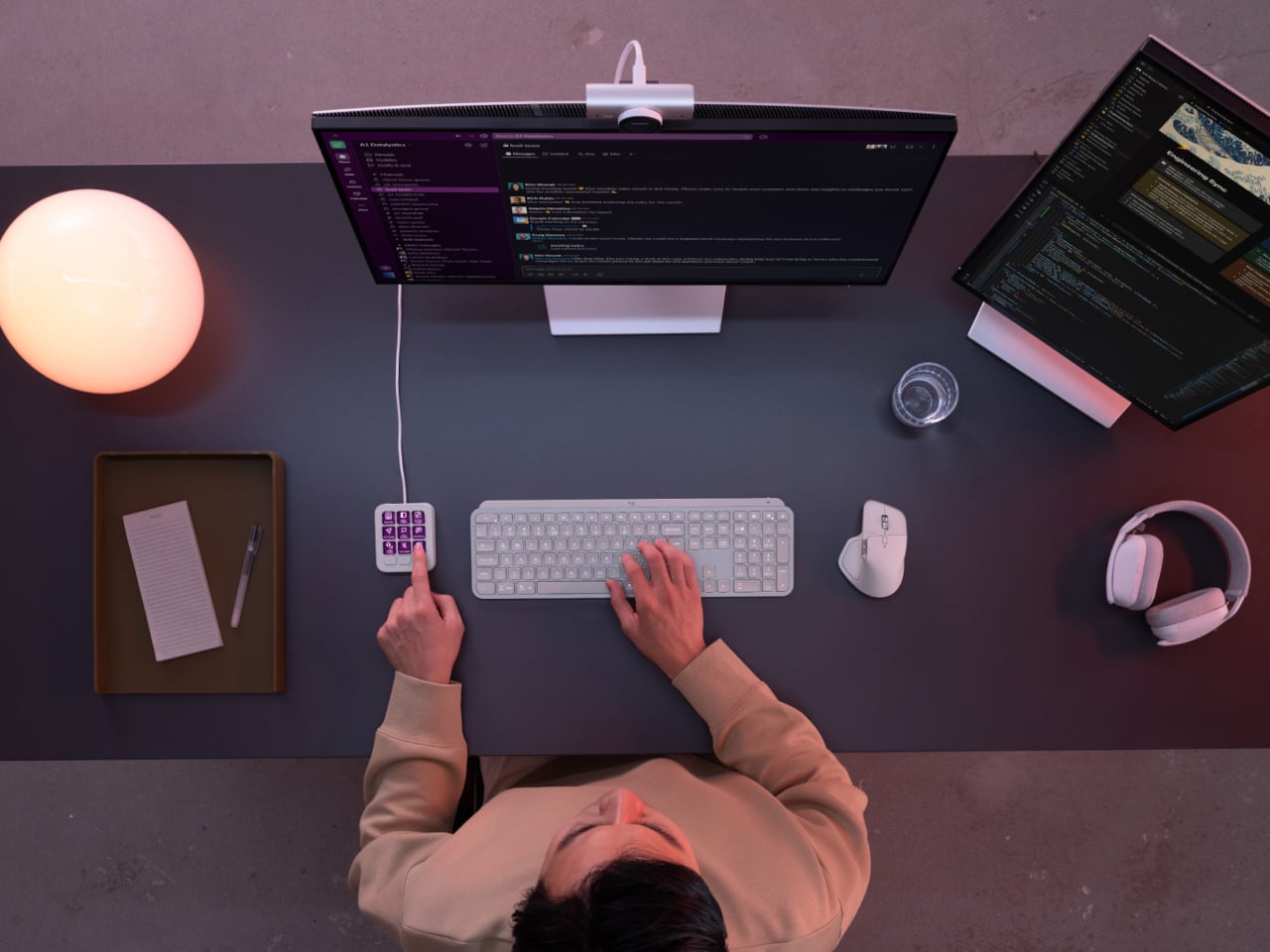
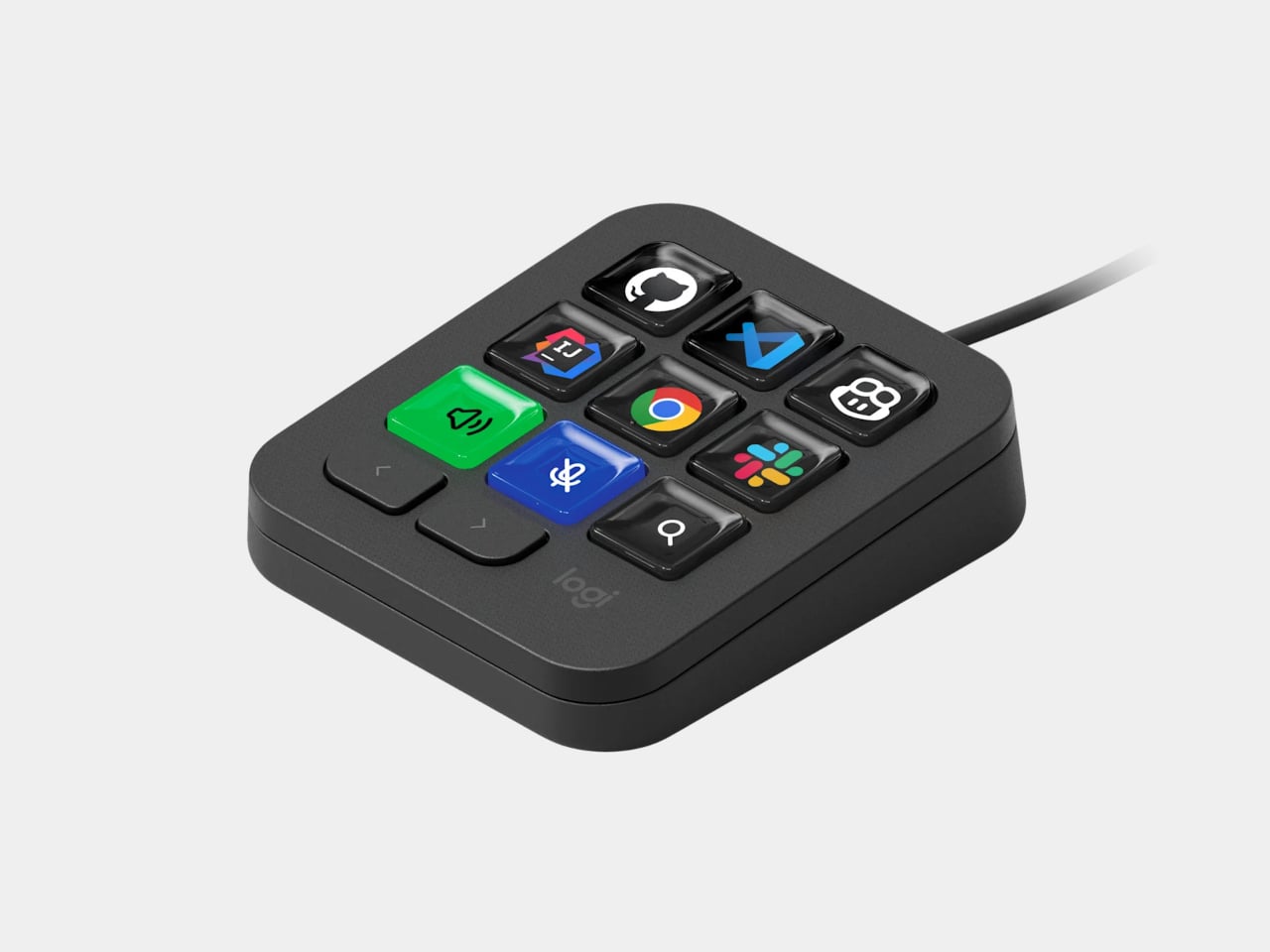
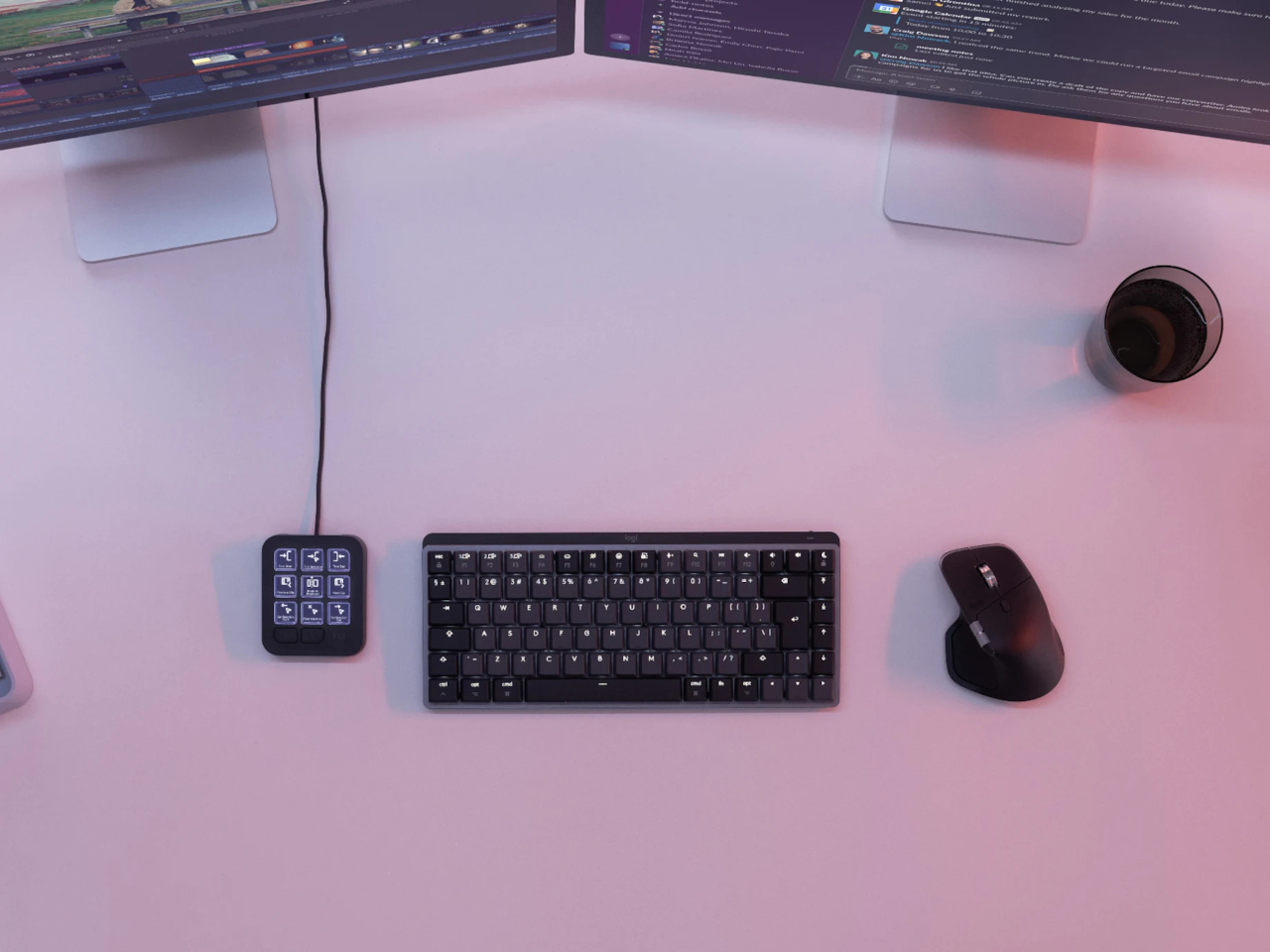
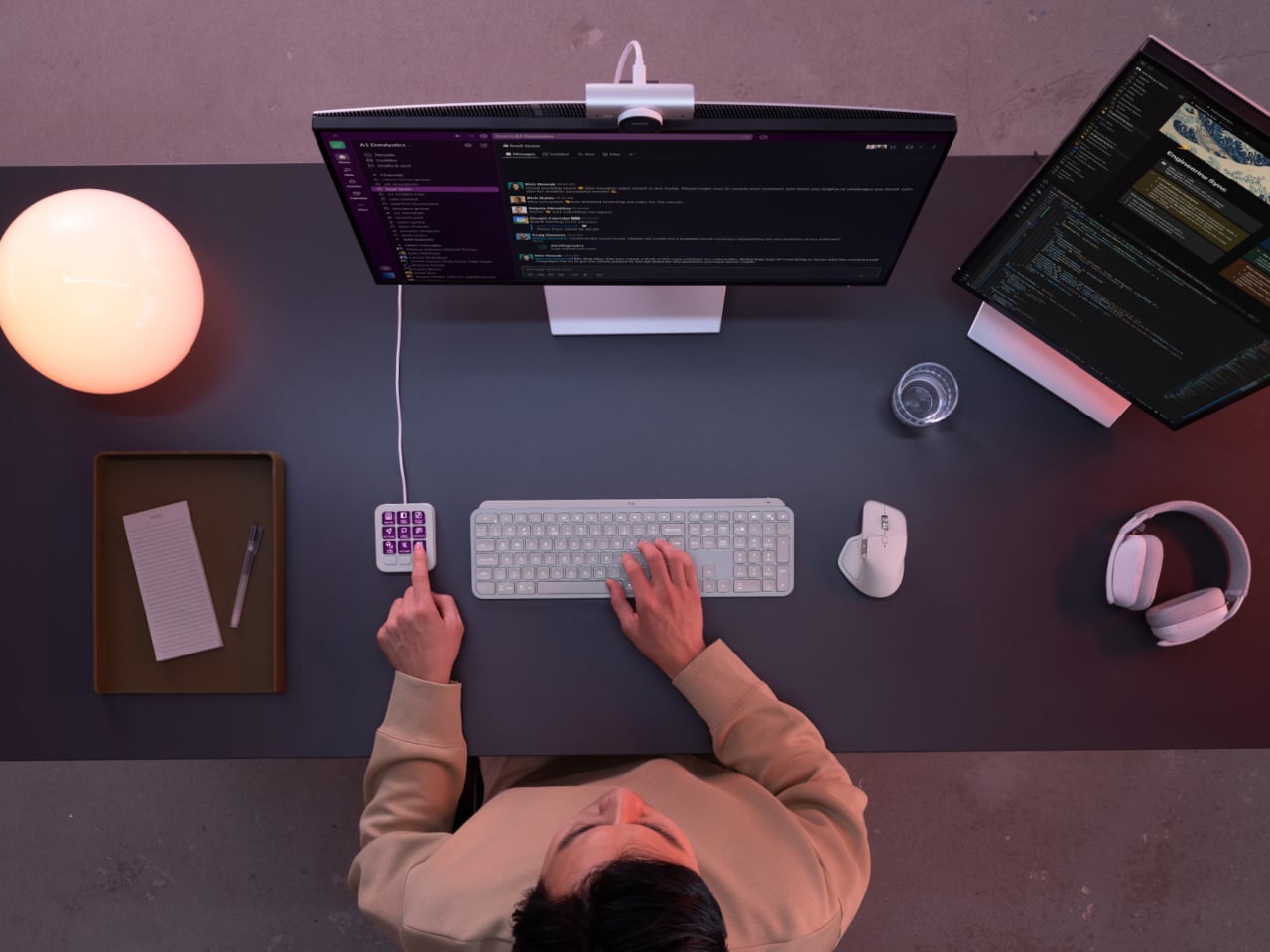
Every developer juggling AI agents right now knows the feeling of context switching until the whole workflow blurs together. Copilot suggests something in one window, Claude Code runs a task in another, and a dozen prompts live scattered across notes and muscle memory. The Logitech MX Keypad exists to collapse all of that into nine small screens sitting next to the keyboard, each one a physical shortcut into a specific piece of that chaos.
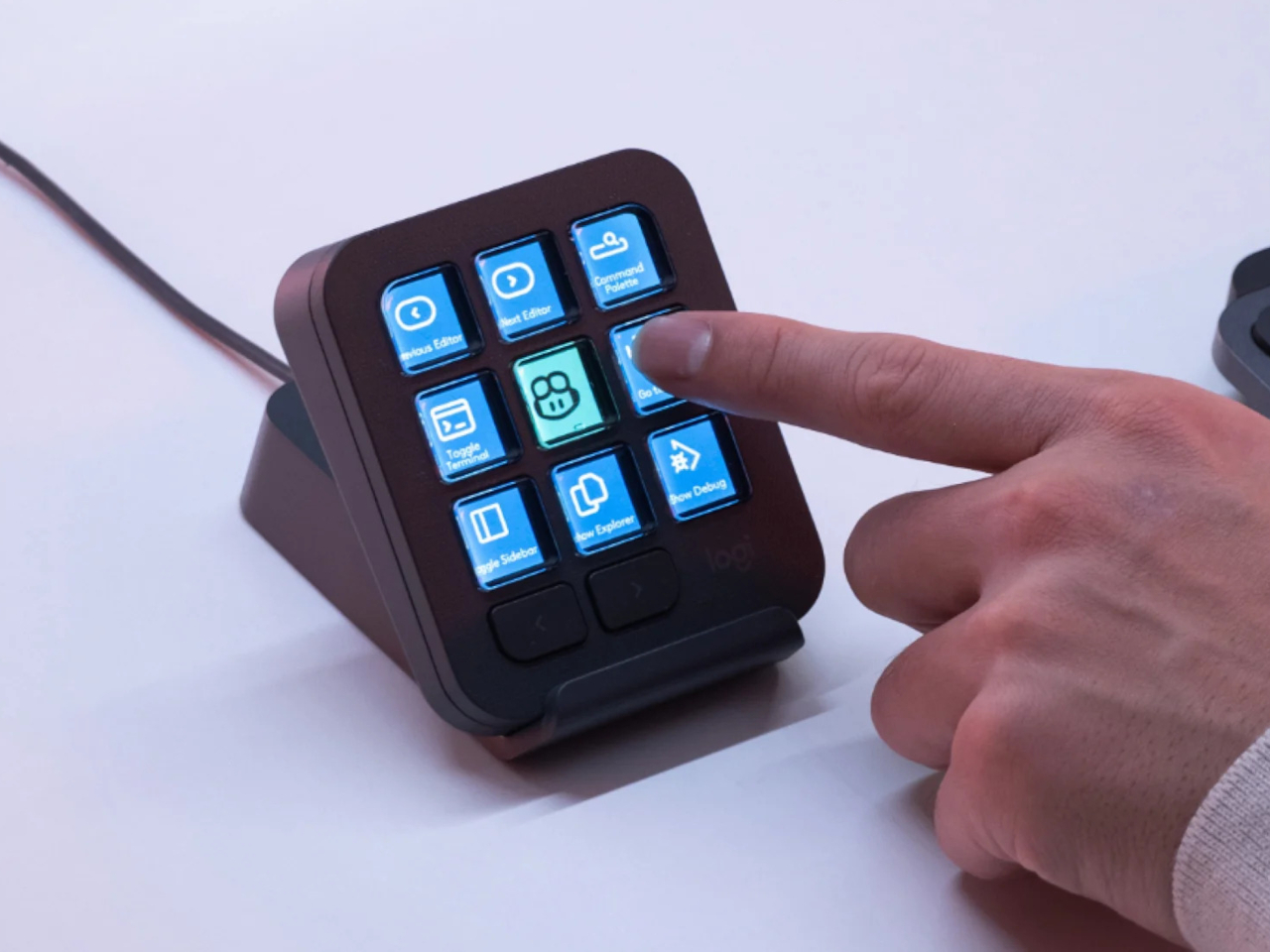
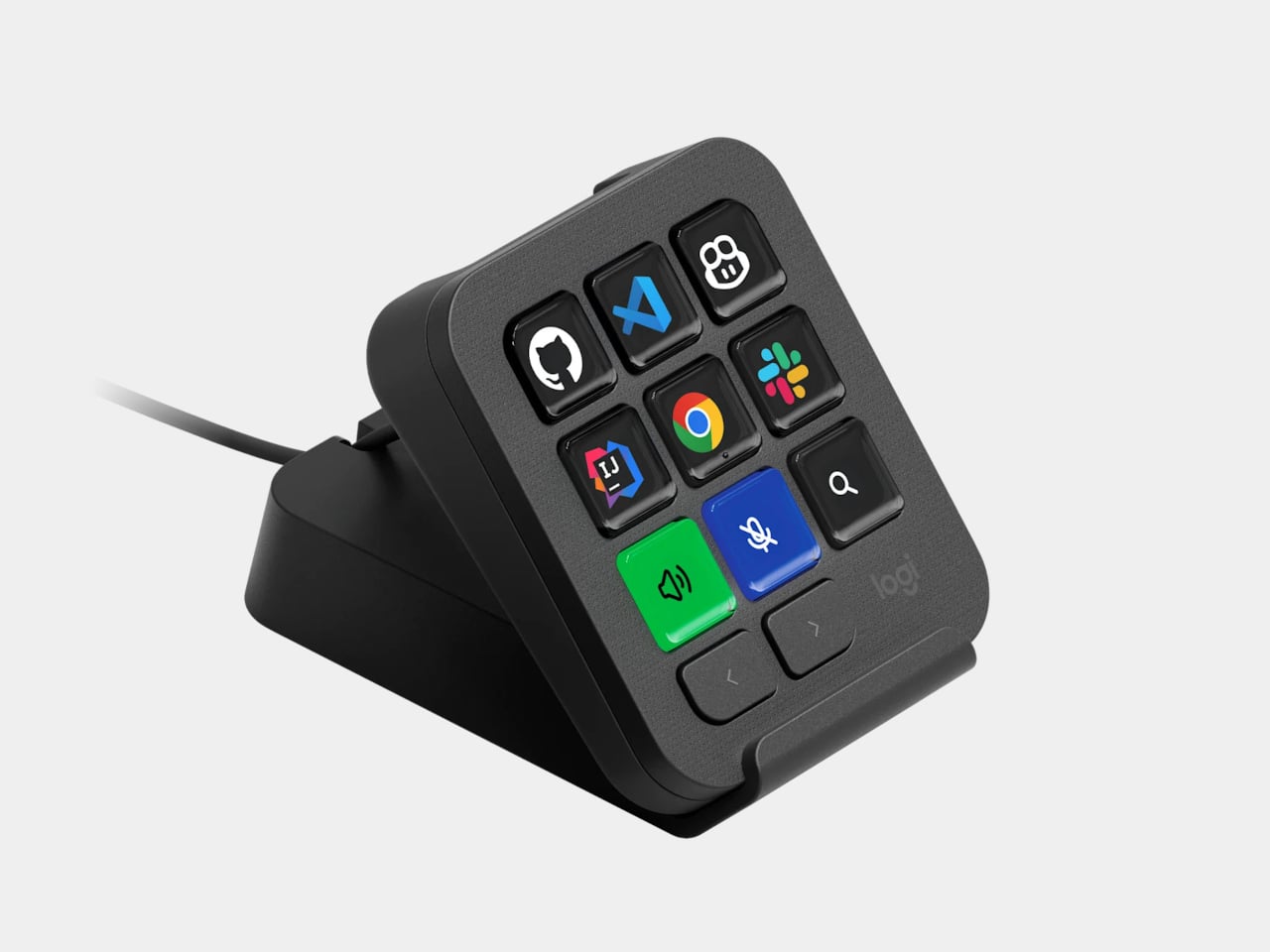
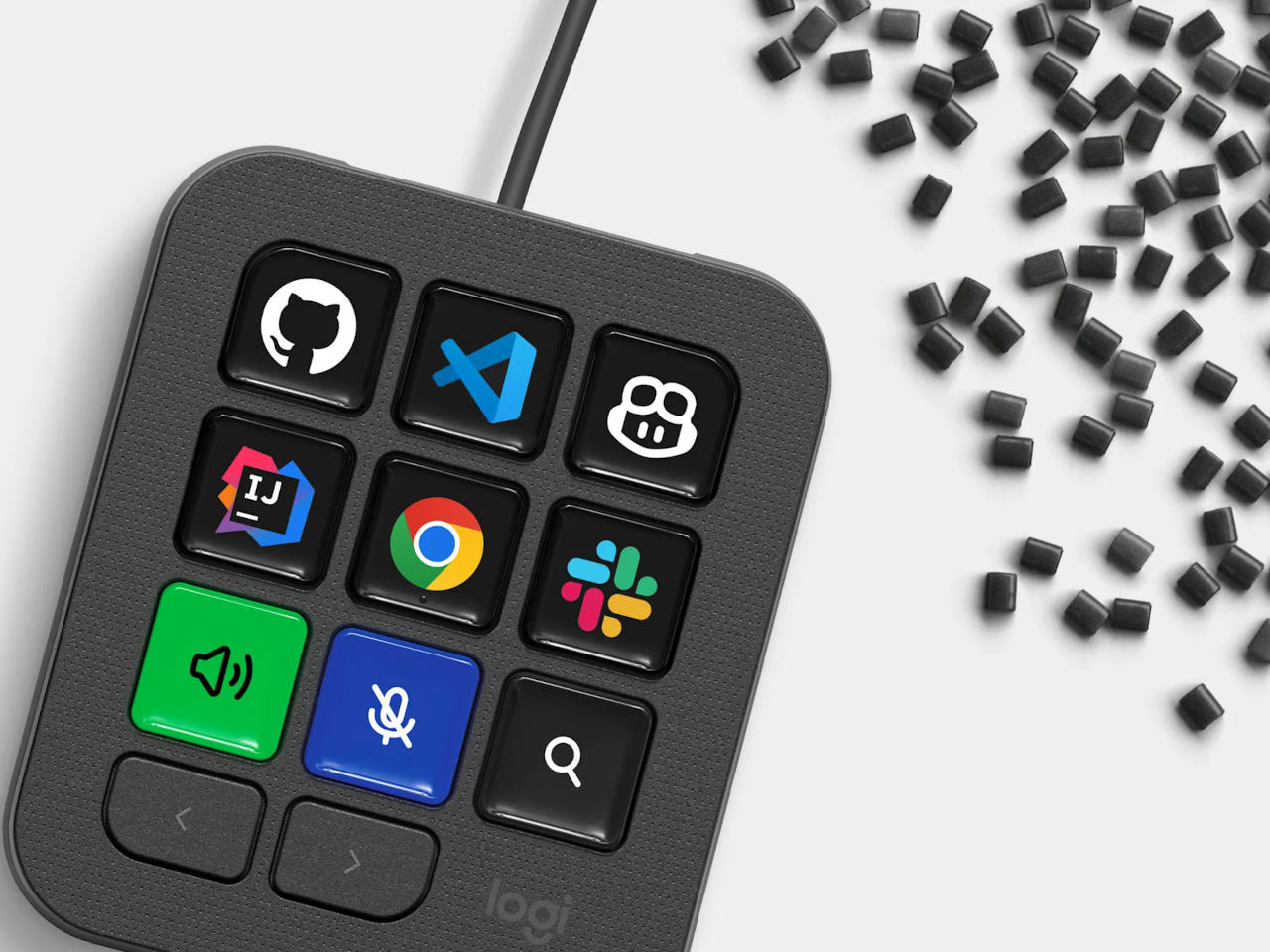
Every key on the keypad carries its own full-color LCD display, so instead of memorizing which function key does what, you glance down and see an icon that actually represents the command underneath it. Press one, and it can refactor a function, trigger a prompt macro, or hand off a task to an AI agent entirely. That small visual feedback loop turns an abstract keyboard shortcut into something closer to a labeled button on a control panel.
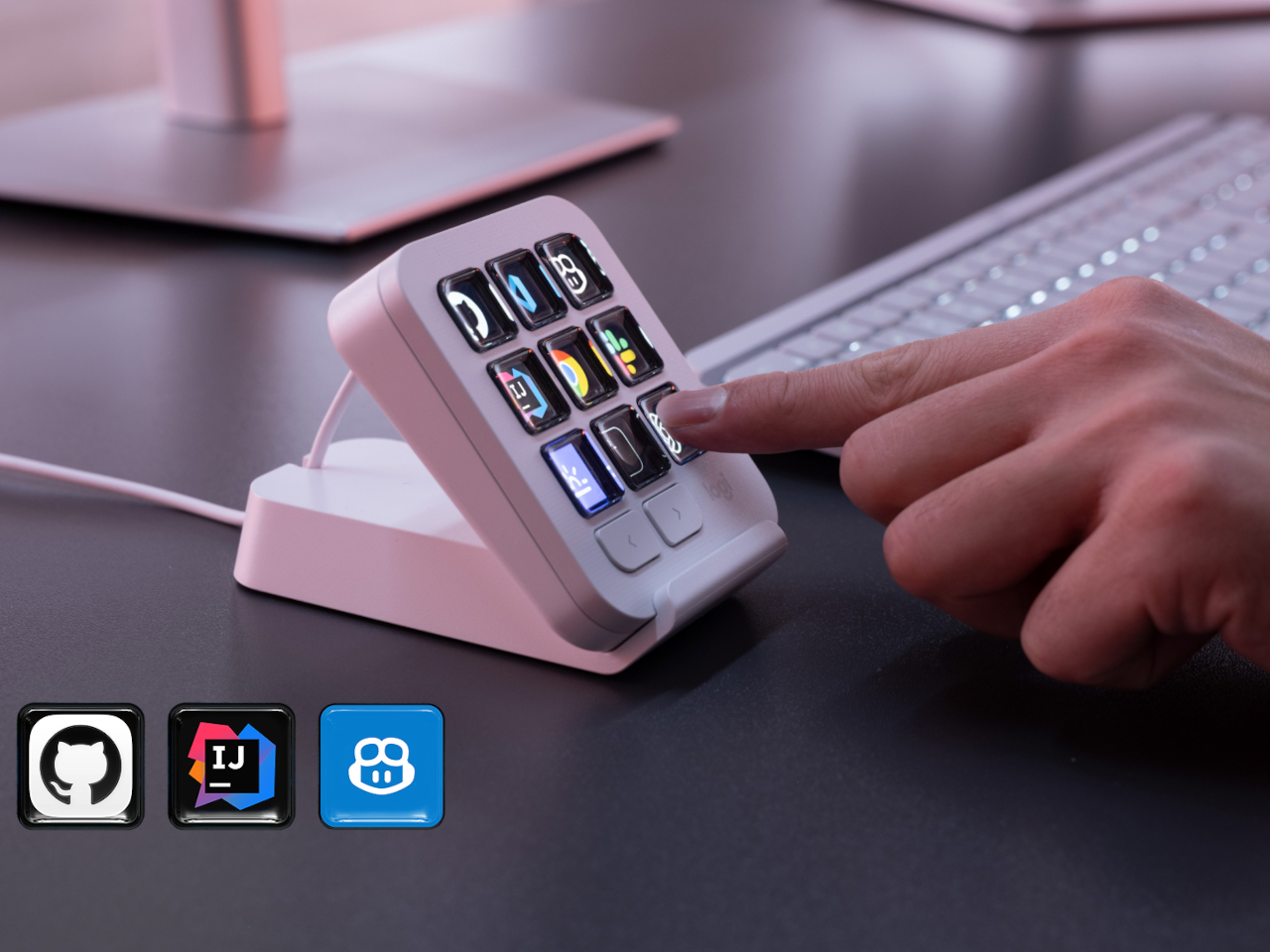
What makes the hardware worth paying attention to is where Logitech chose to draw the compatibility line. Instead of building this around one coding environment, the MX Keypad works across GitHub Copilot, Claude Code, VS Code, and IntelliJ IDEA at once. A developer bouncing between an IDE and a terminal-based AI agent doesn’t need separate tools for each, just a different page of keys pulled up on the same nine buttons.
That pattern of paging matters more than it sounds. The keypad can hold multiple profiles, so switching from a Python project running through Copilot to a JavaScript refactor handled by Claude Code becomes a single tap rather than a mental reset. Anyone who has lost a train of thought hunting through browser tabs for the right prompt will recognize the value in never breaking eye contact with the code itself.
Underneath the surface, the MX Keypad ships with prebuilt plugins that Logitech had developers test directly against real coding platforms, rather than shipping generic templates and hoping they fit. An SDK opens the door further, letting teams build their own tools around internal workflows, while a community marketplace means the plugin library keeps growing without waiting on Logitech’s own release schedule.
None of that ambition comes wrapped in bulky, wasteful materials either. The body is made with recycled plastics, keeping the hardware in line with the sustainability commitments Logitech has built into its broader MX ecosystem. It is a small detail, but for a device meant to live permanently on a desk, it matters that the object itself doesn’t feel disposable.
At $99.99, the MX Keypad occupies a strange but clarifying position in a developer’s setup. It doesn’t replace a keyboard, and it doesn’t try to be an AI tool in its own right. Instead, it works like a translator between fast-moving human intent and the growing swarm of coding agents developers now manage daily, one labeled key at a time.
UK fintech investment dropped 64% to £1.8bn in the first half of 2026, marking a decade low. Discover how economic instability and AI affect the sector.
Compare 12 Ray-Ban Meta alternatives for AI, privacy, sports and displays, including their key features, prices and trade-offs, to find the right pair.
Circular Ring 3 Slim and Pro add non-invasive glucose insights, contactless payments, haptic alerts, and up to 12 days of claimed battery life per charge.
Meta launched Muse Spark 1.3 with stronger coding performance and efficiency claims, but independent tests show higher task costs and mixed benchmark results.
Singapore and Thailand are deepening AI, digital trade, and payments cooperation as both countries prepare to shape ASEAN’s next phase of digital integration.
Voilà le genre de rumeur qui fait tousser tout un secteur. D'après plusieurs médias américains bien branchés, Nvidia serait sur le point de poser 12,9 milliards de dollars sur la table pour avaler Hugging Face. Aucun des deux ne confirme, l'accord peut encore capoter, mais l'annonce serait proche.
Un mot pour ceux qui ne connaissent pas. Hugging Face, c'est un peu le GitHub de l'IA, un immense dépôt en ligne où les développeurs du monde entier rangent, échangent et récupèrent des modèles d'intelligence artificielle libres, avec les paquets de données qui vont avec.
Toute une communauté y a planté sa tente, celle qui triture l'IA loin des grosses forteresses fermées d'OpenAI ou de Google, et qui en a fait son point de ralliement.
En rachetant Hugging Face pour un tel montant, Nvidia n'empocherait pas uniquement la bibliothèque ultime des modèles IA, mais elle poserait aussi ses grosses fesses en plein milieu du carrefour où tout l'IA mondiale ouverte transite. C'est loin d'être négligeable.
Rappelons que la boîte tient déjà les puces qui font tourner à peu près toute l'intelligence artificielle de la planète. Ajoutez le dépôt où les développeurs vont piocher leurs modèles, et vous obtenez les deux bouts de la ficelle dans la même main, ce qui fait tout de même beaucoup pour un seul acteur.
En plus de ça, il y a la question du Cloud, un sujet qui intéresse très fort Nvidia depuis bien longtemps. Racheter Hugging Face permettrait à l'entreprise de refourguer sa puissance de calcul à tous les clients de la plateforme, qui ont tous de vrais besoins en cloud.
Ce flirt ne date d'ailleurs pas d'hier. Nvidia y avait déjà glissé quelques billets en 2023, quand Hugging Face valait 4,5 milliards, puis tenté d'y remettre 500 millions fin de l'année dernière, sauf que la réponse a été non. On est donc passé du pied dans la porte à l'envie de tout emporter.

 Connexion