❌

Vue lecture

Japanese artist Takashi Murakami ventures into high-end watchmaking with Skull Flowers Jumping-Hour Tourbillon
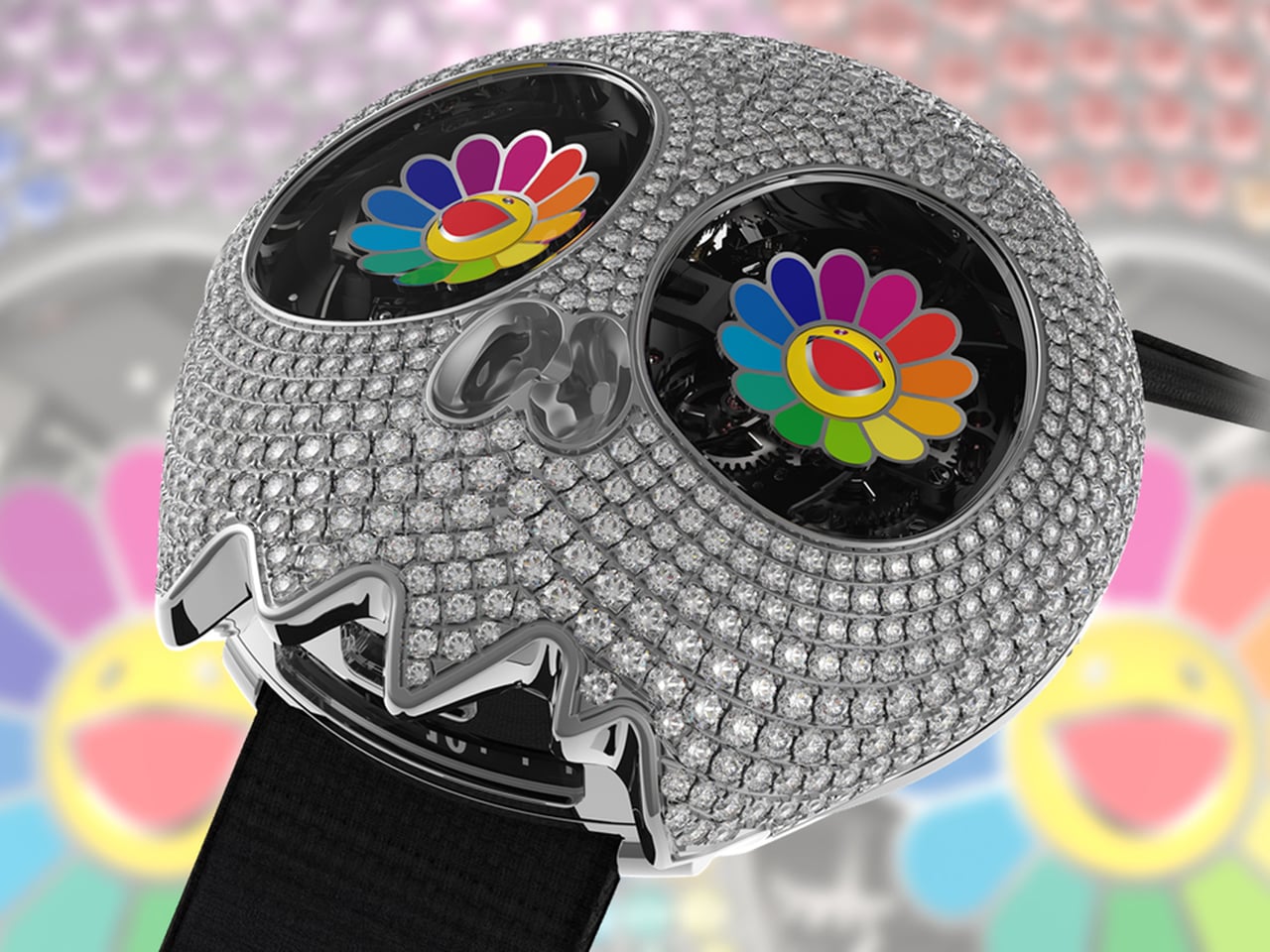
The famous Japanese artist, Takashi Murakami, we have known for some of his artistic collaborations with Hublot, has now taken a leaf out of the Swiss watchmaker to launch his own watch brand. Called the Takashi Murakami Time Objects, the brand unveils the Skull Flowers Cylindrical Jumping-Hour Tourbillon watch, which is a sublime combination of contemporary art and haute horlogerie.

Takashi’s first solo outing with watches could get many thinking, if it’s even the right idea. But the way the artist has been able to turn a titanium skull into a case and fit its eyes with spinning flowers, we presume it to go straight into the collector’s category. Murakami has already established his presence among watch collectors through the collaborations with Hublot, and this collection is raising expectations in his favor.

Designer: Takashi Murakami
At Yanko Design, we have regularly featured Murakami’s product collaborations in luxury timepieces, especially the artist’s partnership with Hublot. We have talked at length about how these collaborative, limited-edition watches integrate his signature sapphire flower motif into mechanical tourbillon watches. And now we are talking about Murakami’s own interesting crossover between art and watchmaking.

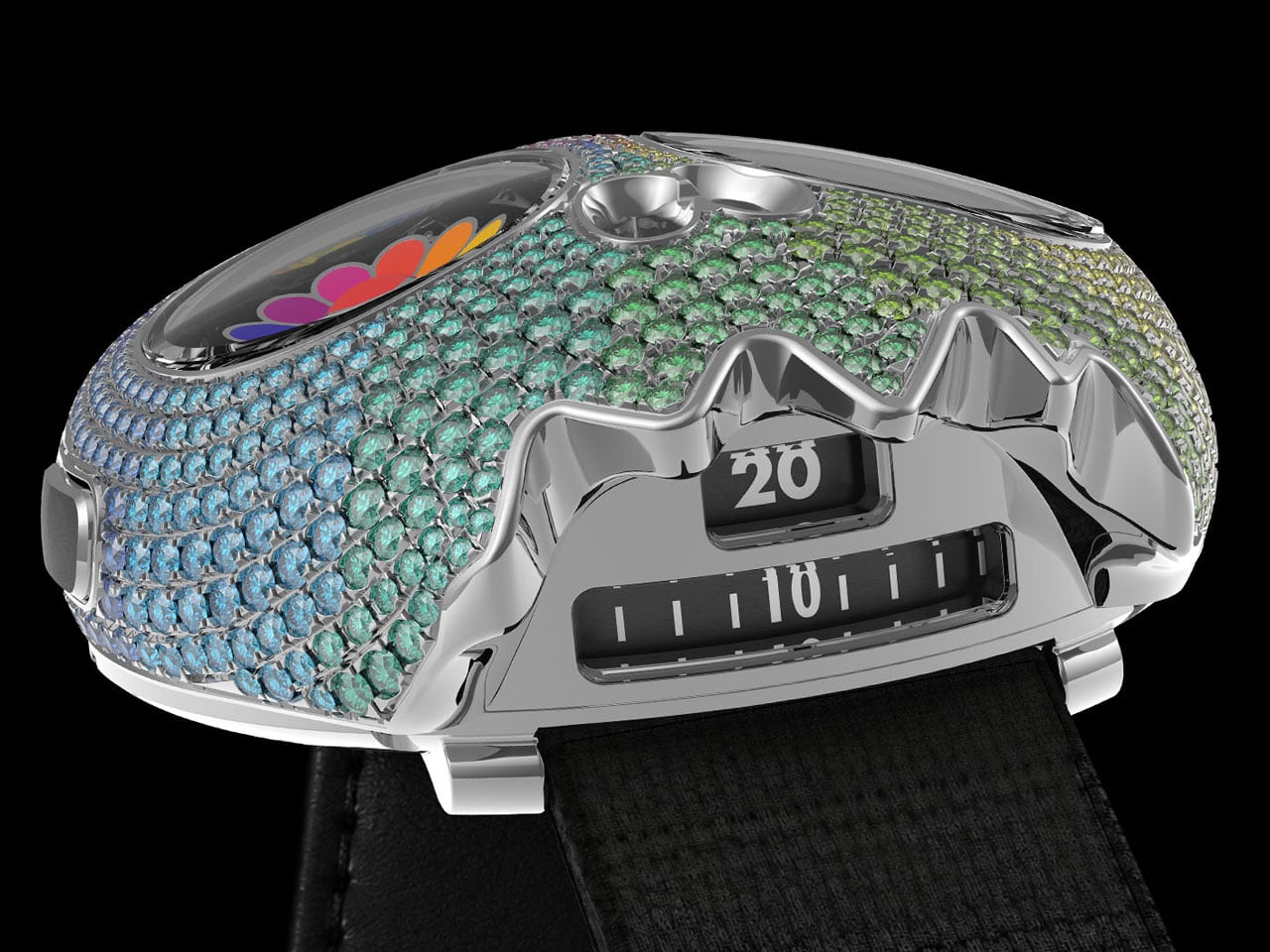
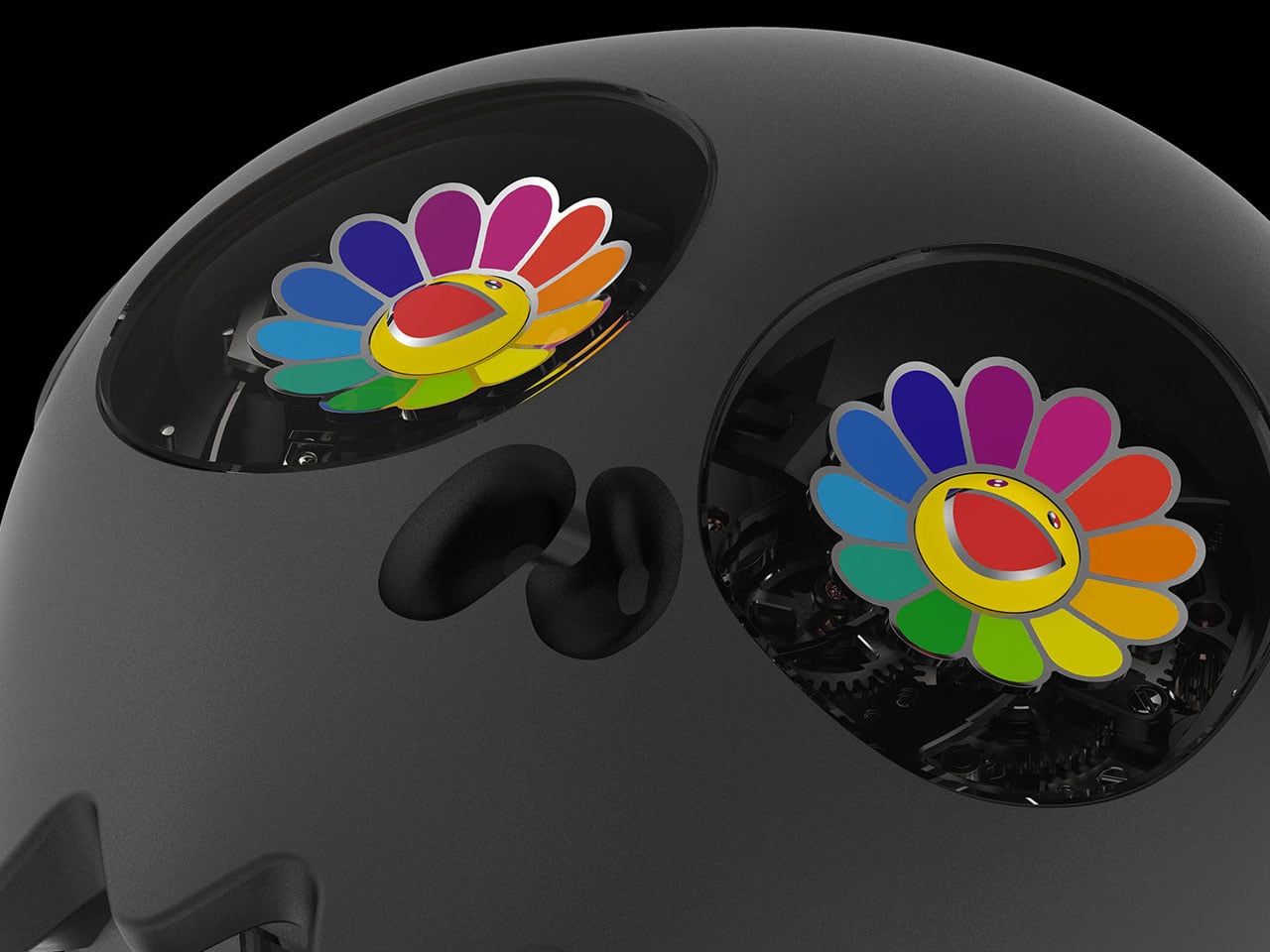
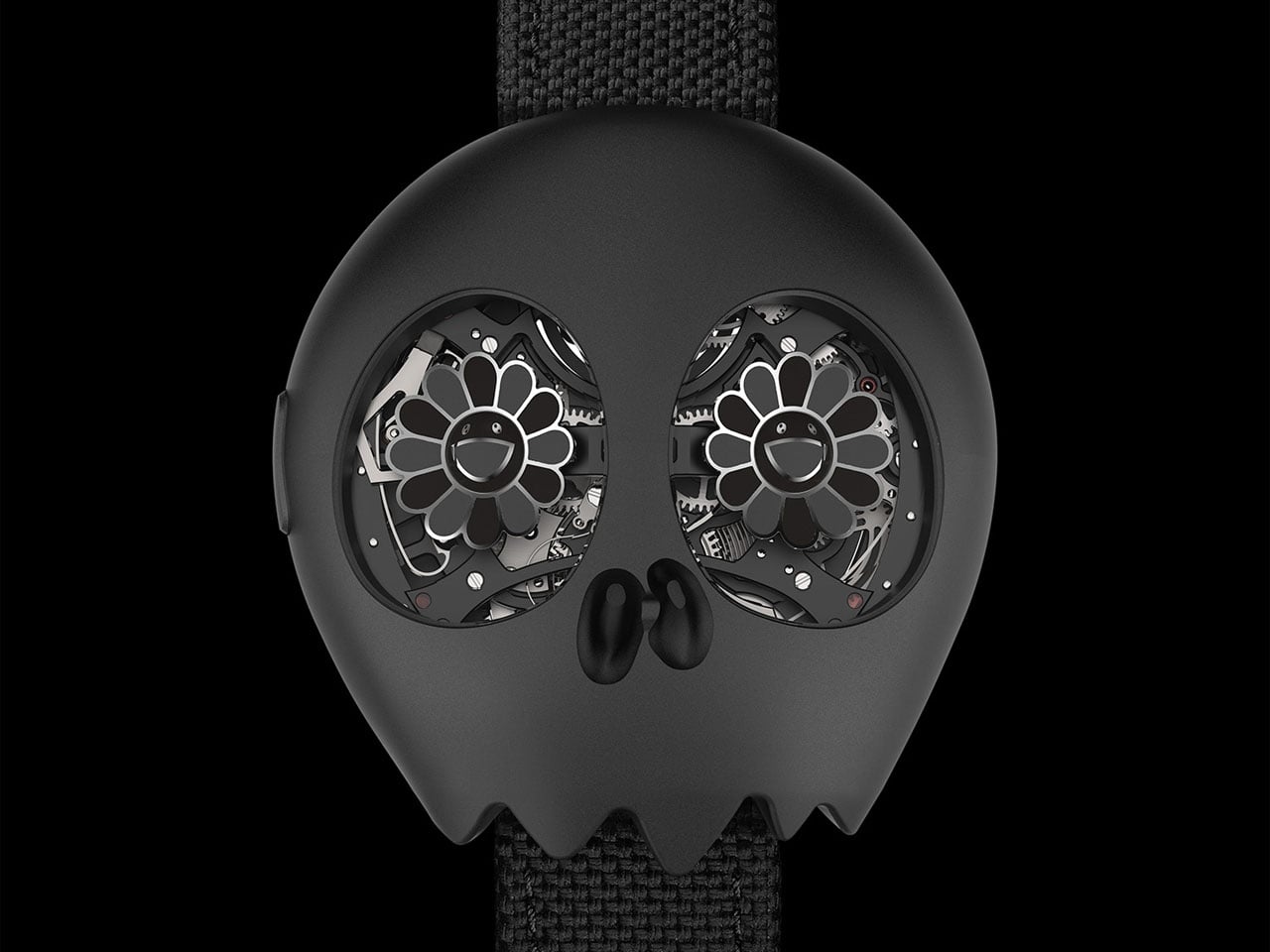
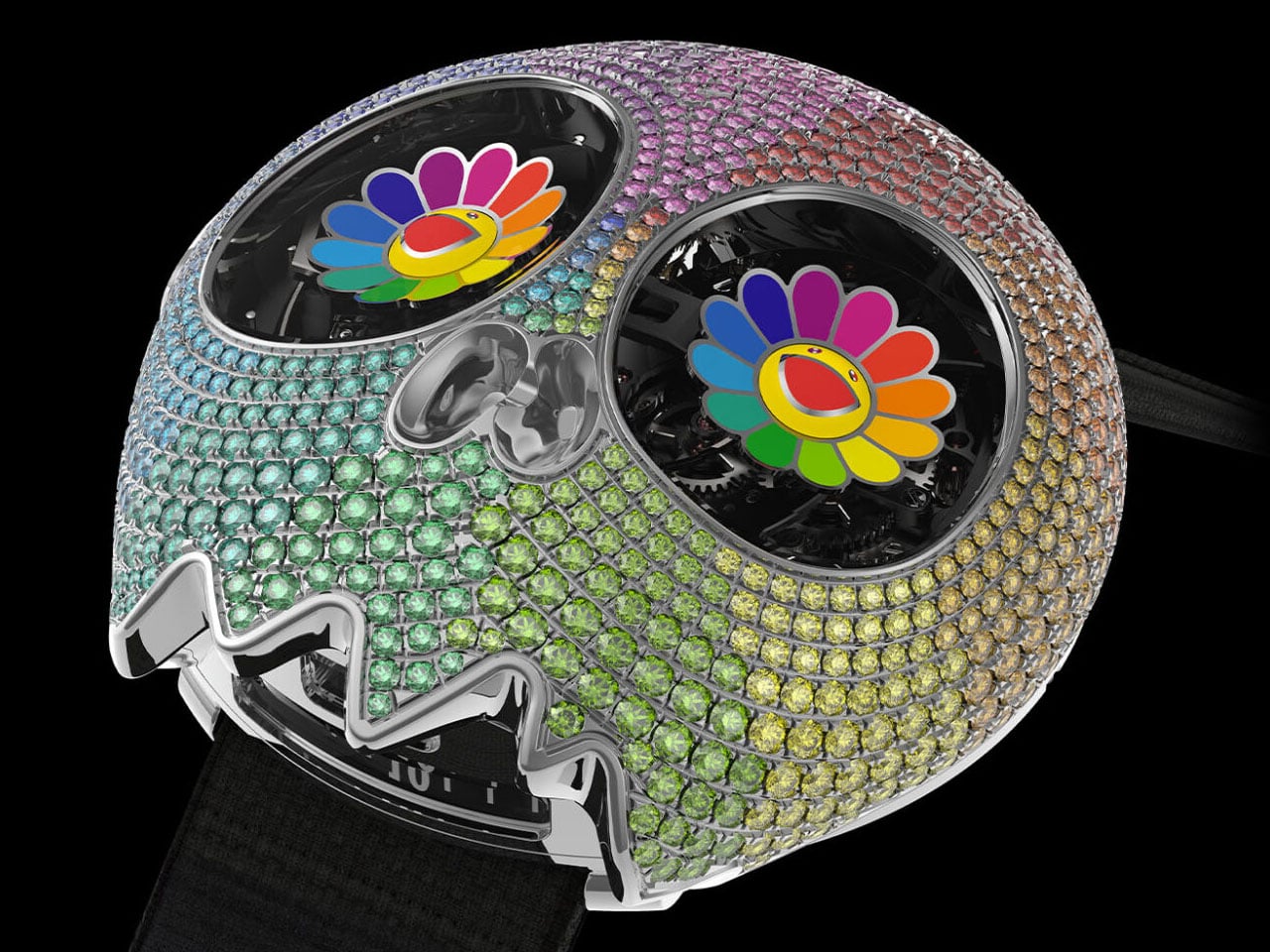
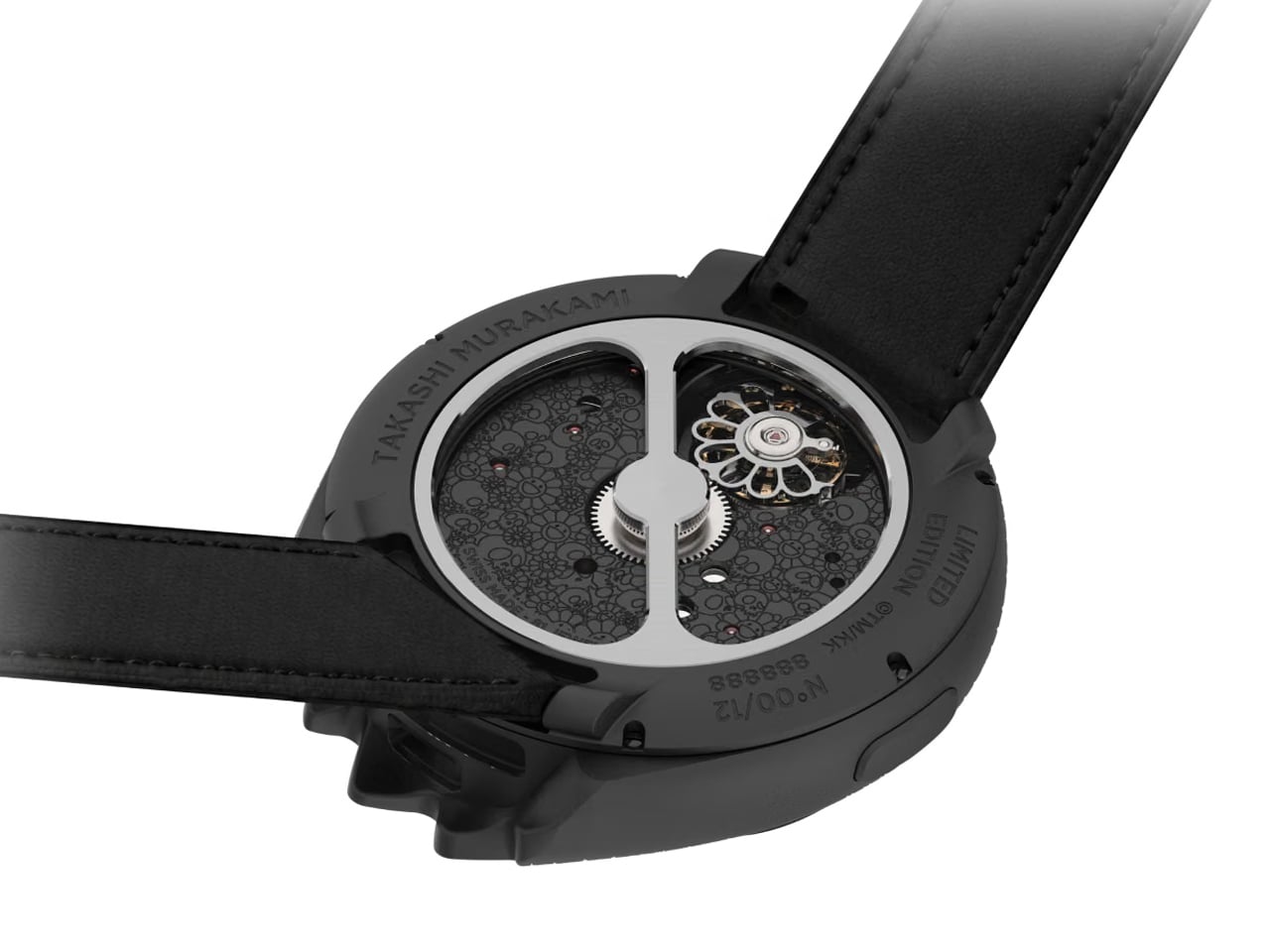
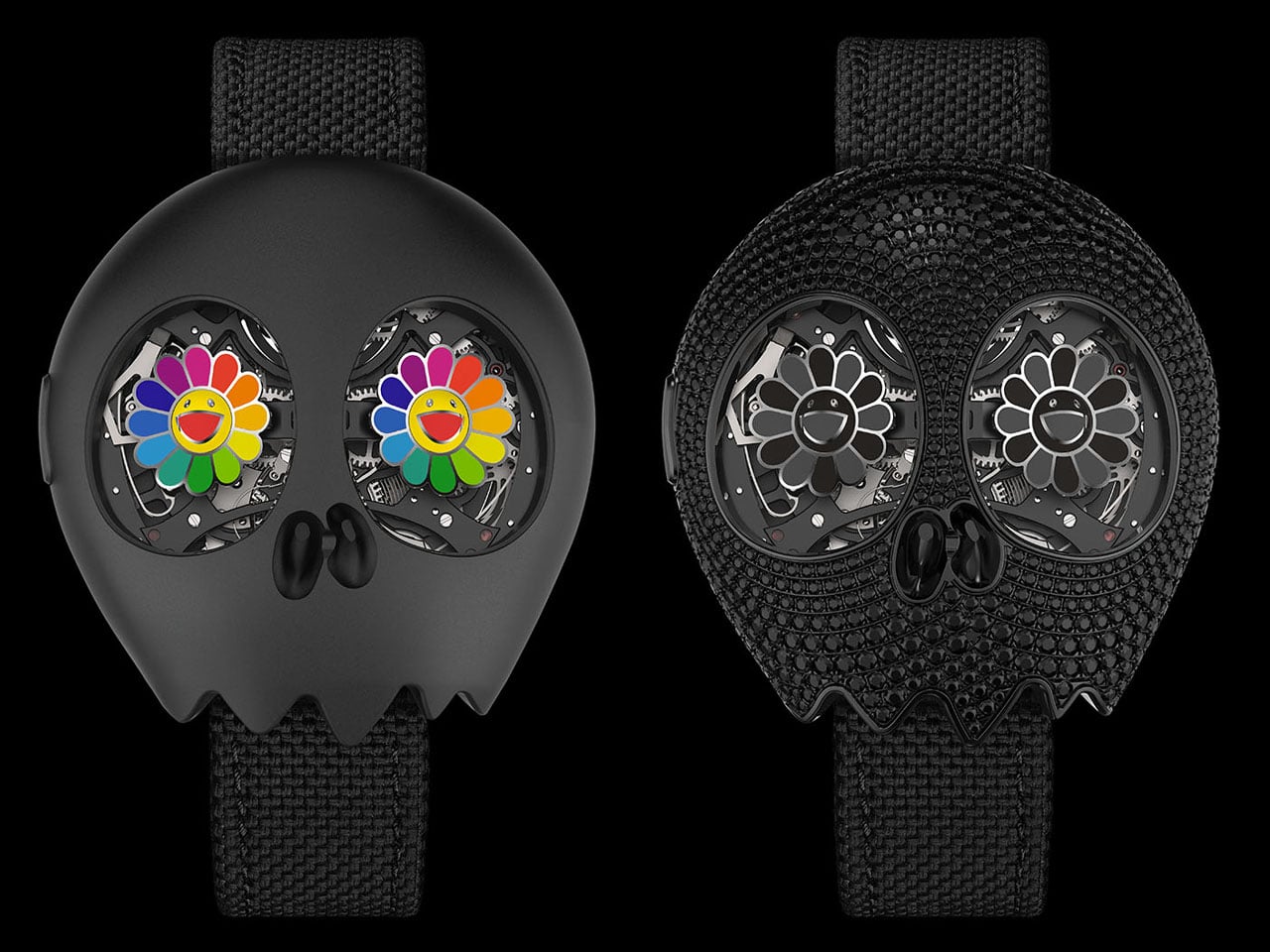
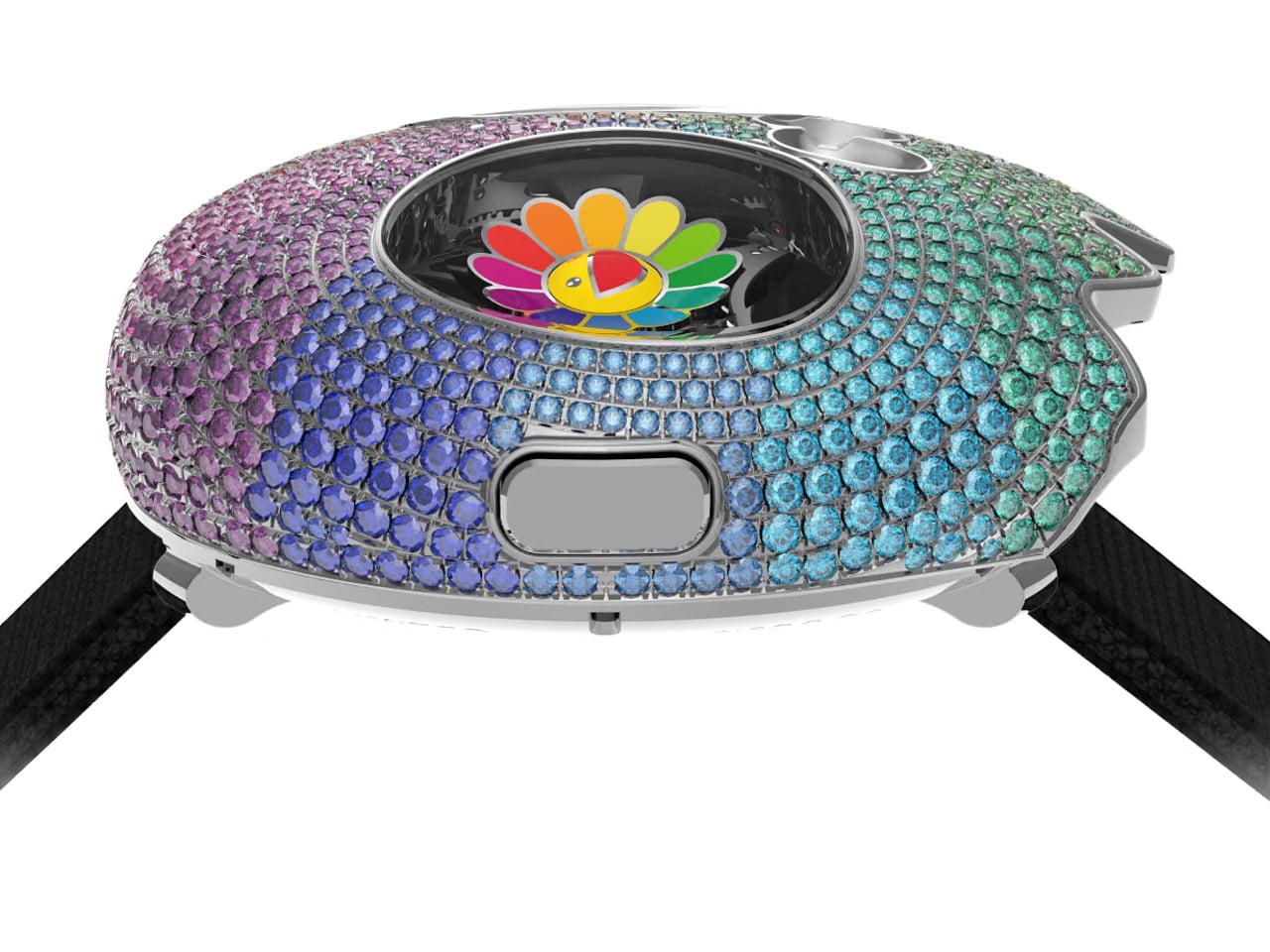
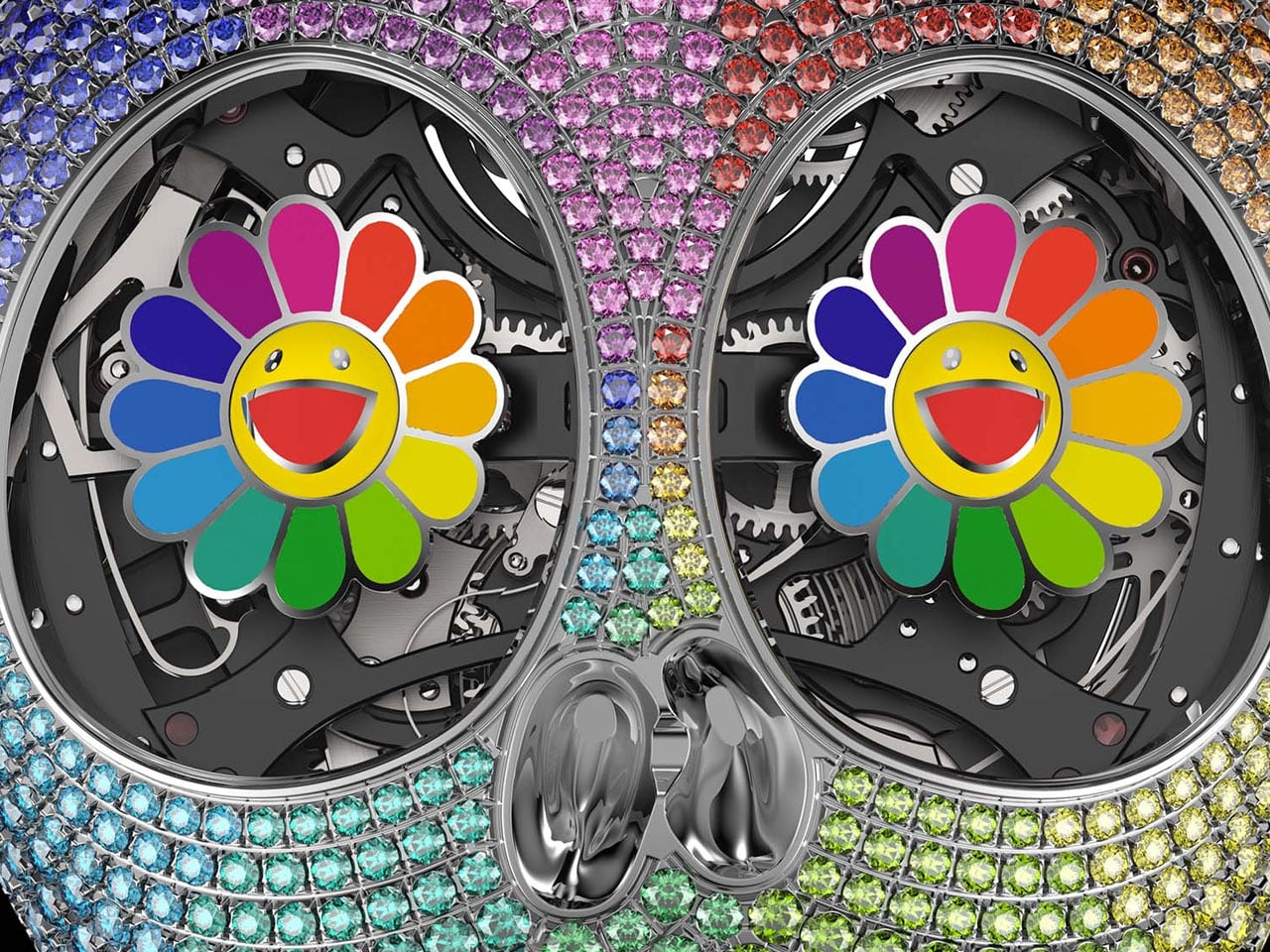
The resulting Skull Flowers collection comprises five watches, which have skull-shaped titanium cases with a microblasted finish and black DLC coating, and rotating flowers in the eye sockets. These are the first things you notice at a glance. A closer look actually reveals the side-mounted cylindrical jumping-hour display and a flying tourbillon visible through the sapphire caseback.
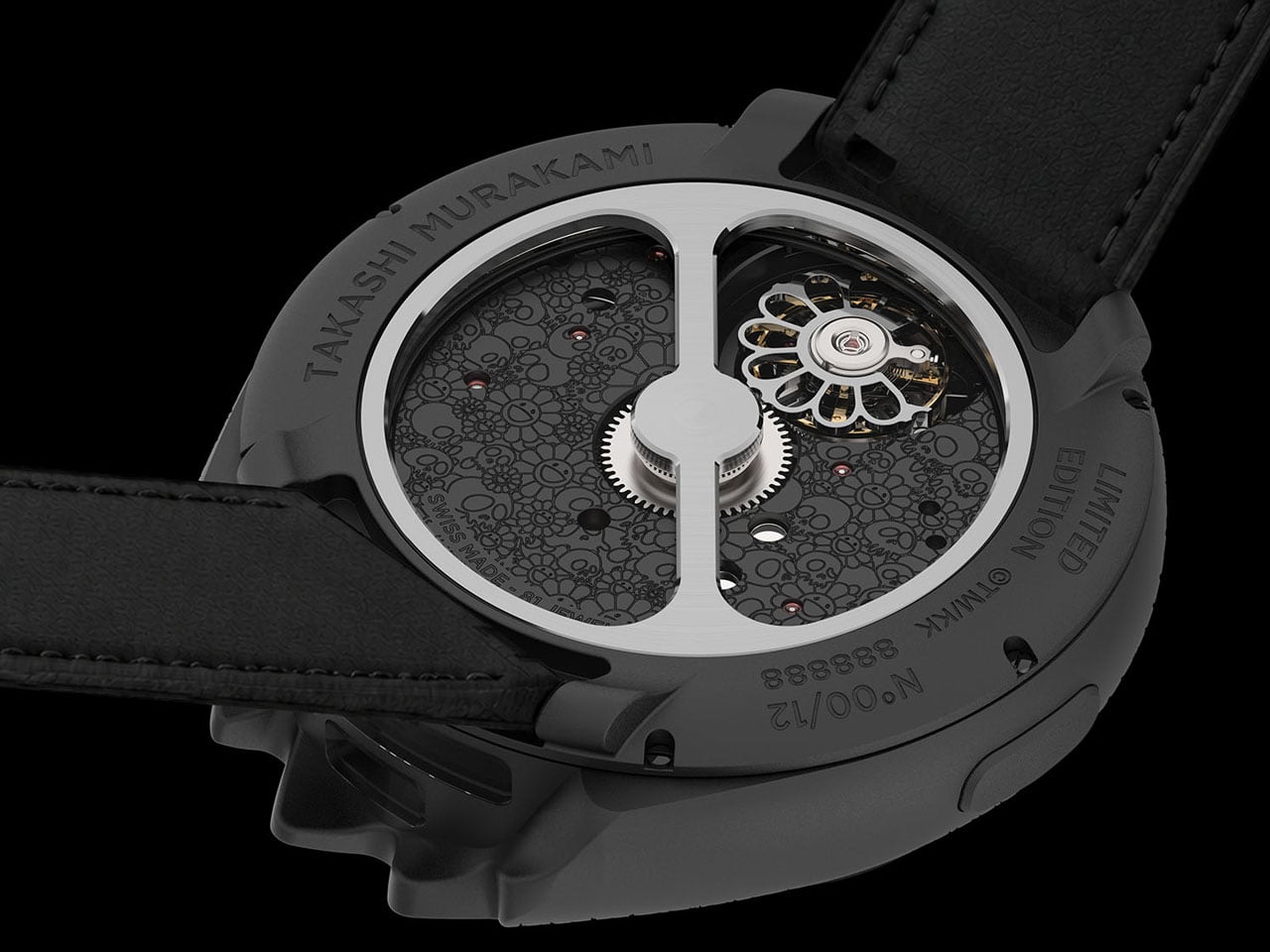
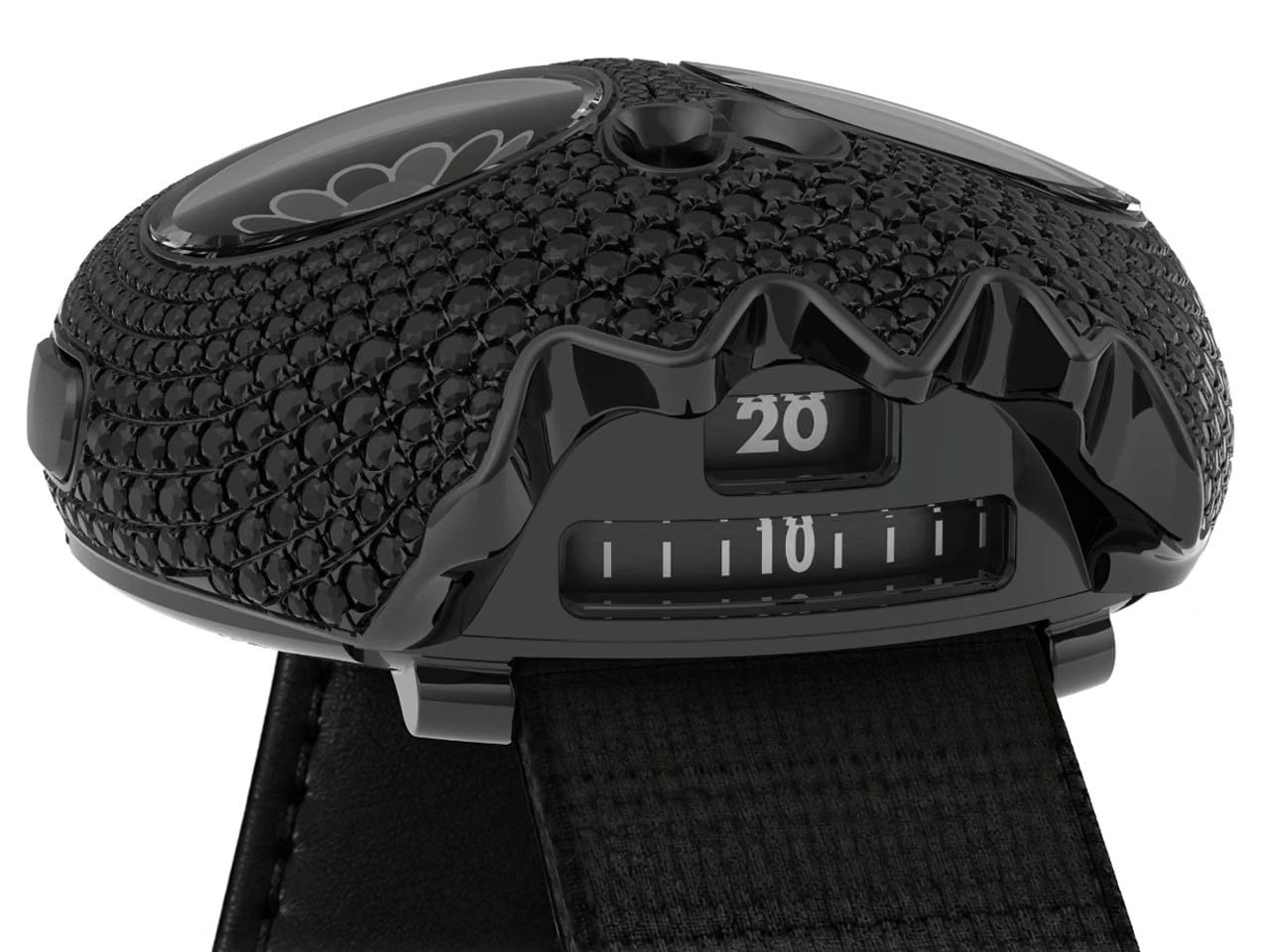
Pairing of the skull and flowers can come up as odd to someone who doesn’t know Murakami. But if you look closely, these are part of a theme in Murakami’s work, which indicates life and death coexisting side by side. For instance, the flowers depict life, and the skull reminds us of the eternal truth.

The flowers are, however, more than a celebration of life. They provide a decorative aesthetic to the lifeless skull forming the watch dial. According to reports, ‘the flower petals rotate on ball bearings with the movement of the wrist.’ The skull is the more prominent aspect of the watch. It measures nearly 44 mm in size and is 18.4 mm at the thickest point. The time display on the watch is located at six o’clock, where the hour cylinder jumps at the start of each hour and the minutes rotate on a disc.

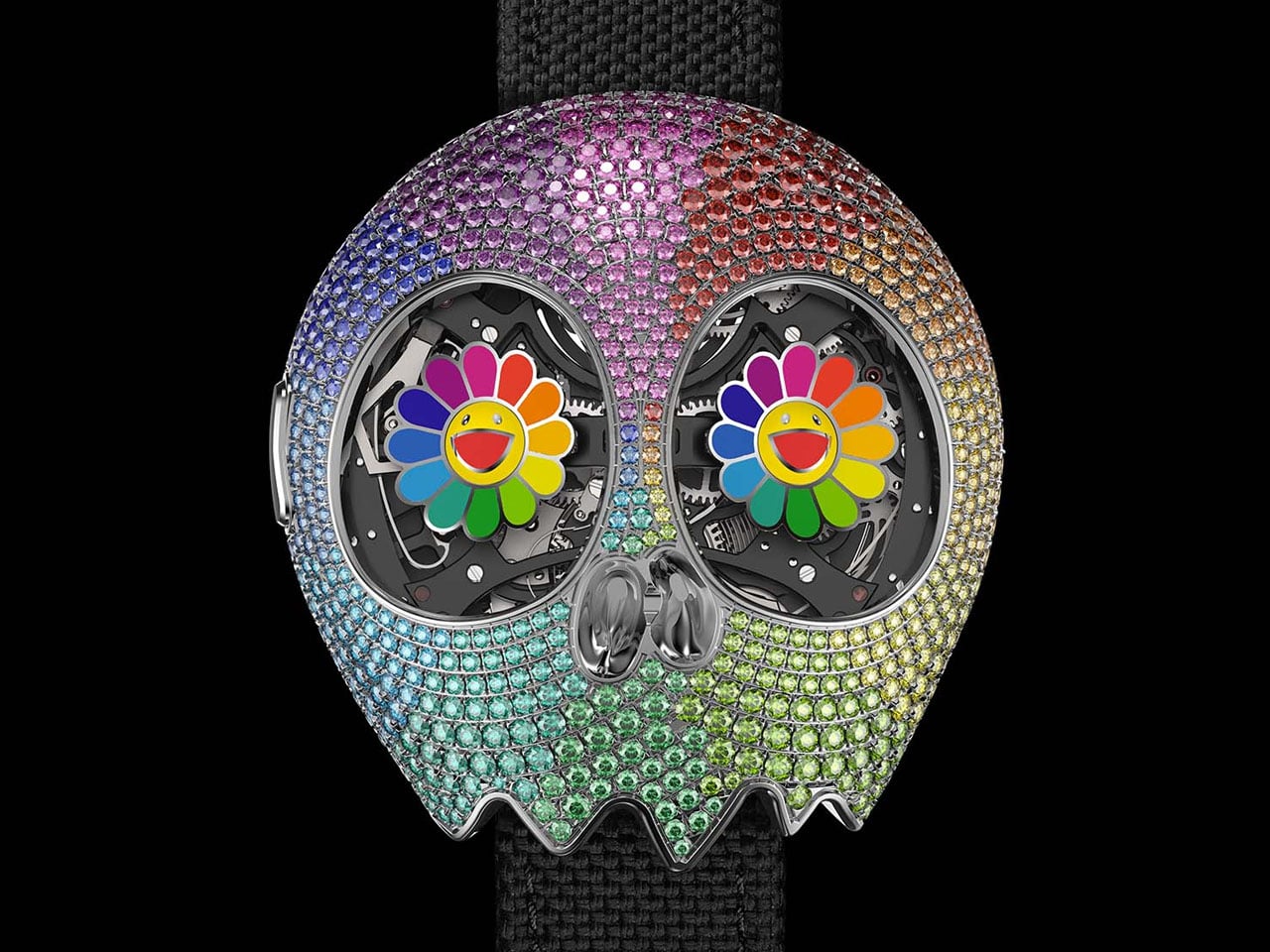
All five models of the Skull Flowers Cylindrical Jumping-Hour Tourbillon watch are limited edition and range between CHF85,000 (approx. $100,000) and CHF148,000 (approx. $180,000), depending on the configuration you choose. Each watch type is reportedly limited to 12 pieces and could be powered by a Kross Manufacture hand-wound movement that offers a five-day power reserve. Instead of a traditional crown, the watches have a discreet pusher on the left side to toggle mode and time.
The post Japanese artist Takashi Murakami ventures into high-end watchmaking with Skull Flowers Jumping-Hour Tourbillon first appeared on Yanko Design.
  •  

Tesla Cybertruck RC Racer shines with replaceable body, independent suspension system

Head to the Tesla shop and you will discover products that are hard to resist. Take, for instance, the Pickleball Paddle, Levitating Cybertruck, or the Balance Bike for Kids. Anything coming into the Tesla shop is bound to pique interest, and the Cybertruck RC Racer is definitely one of them.

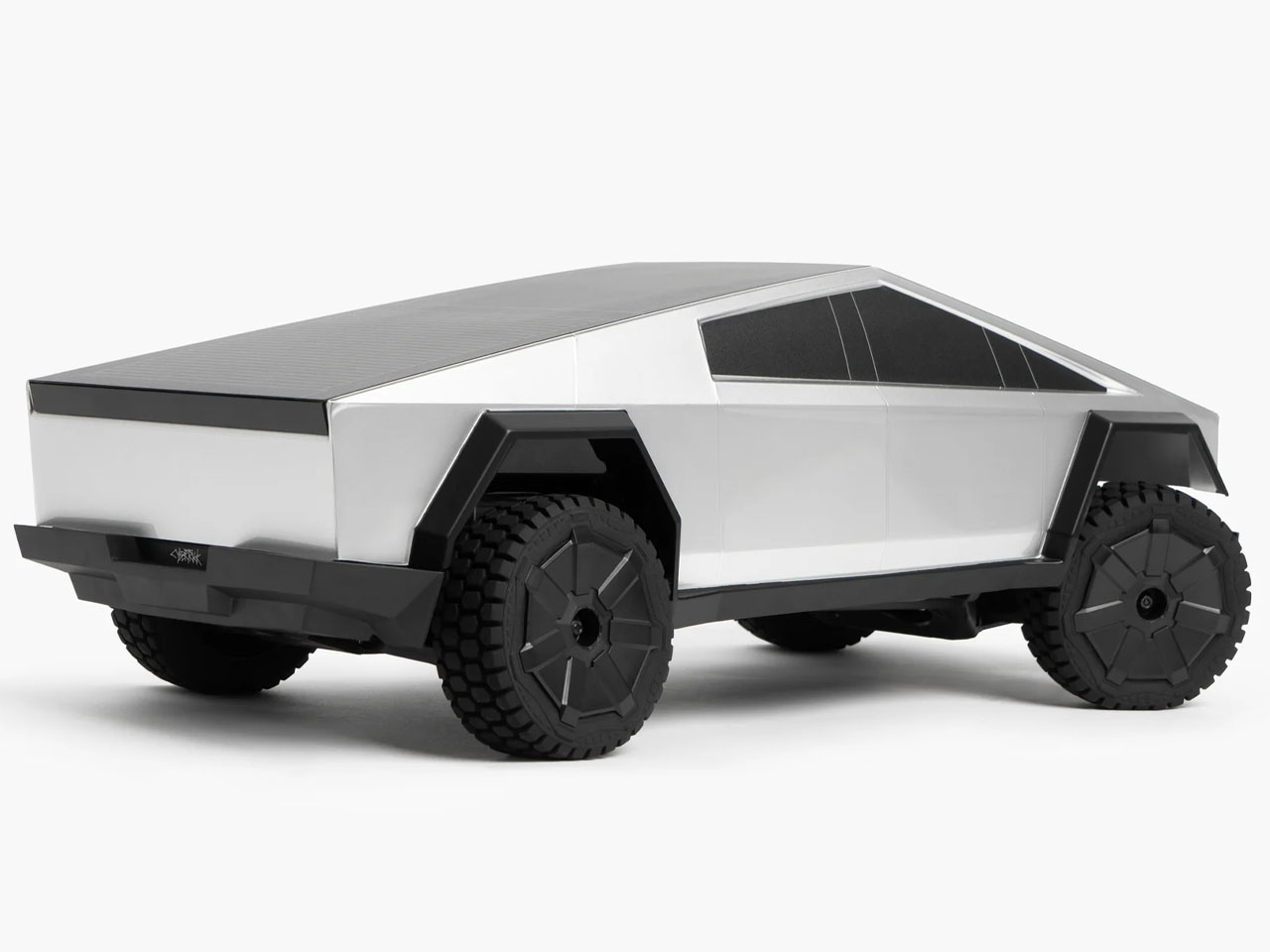
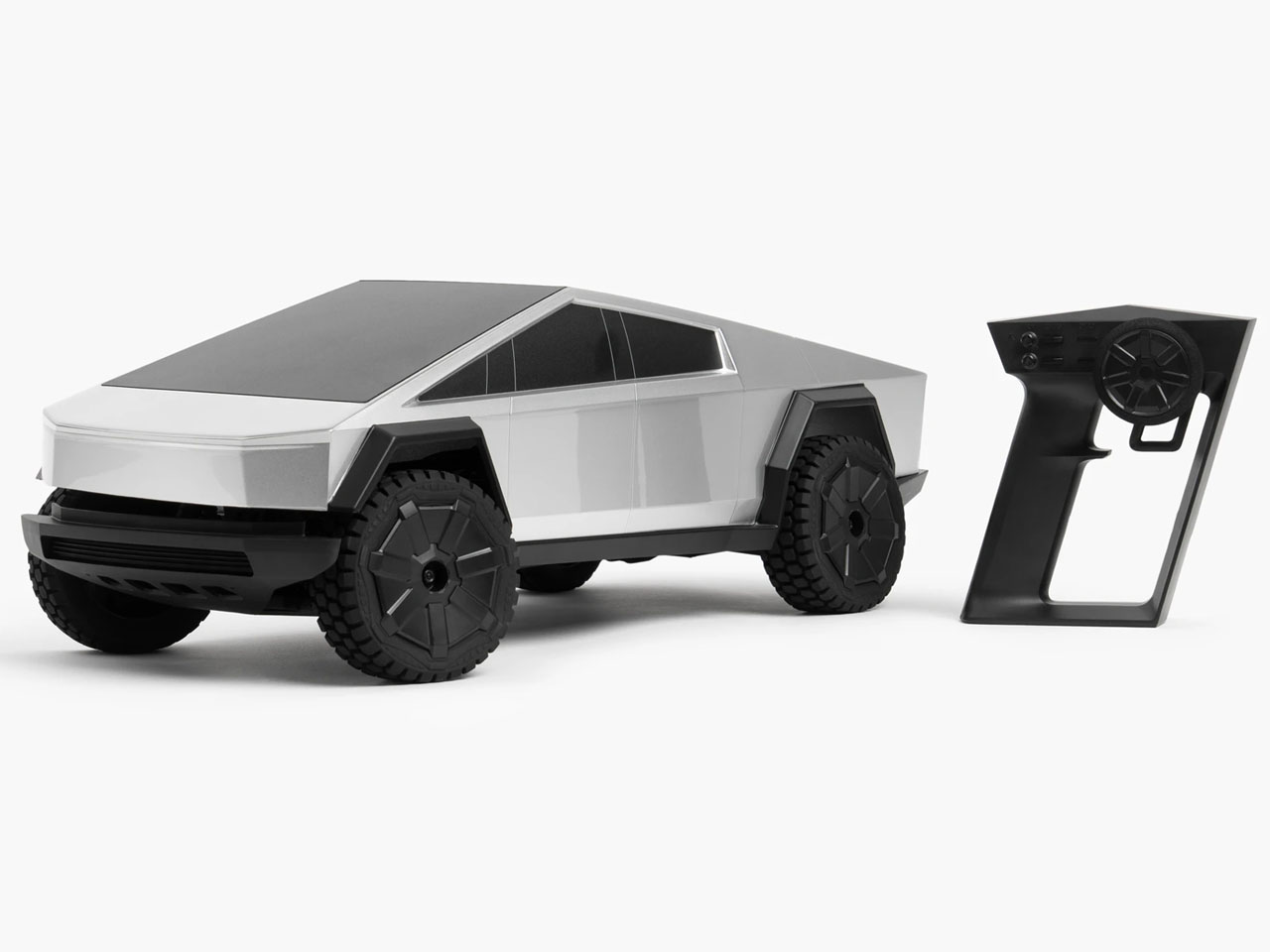
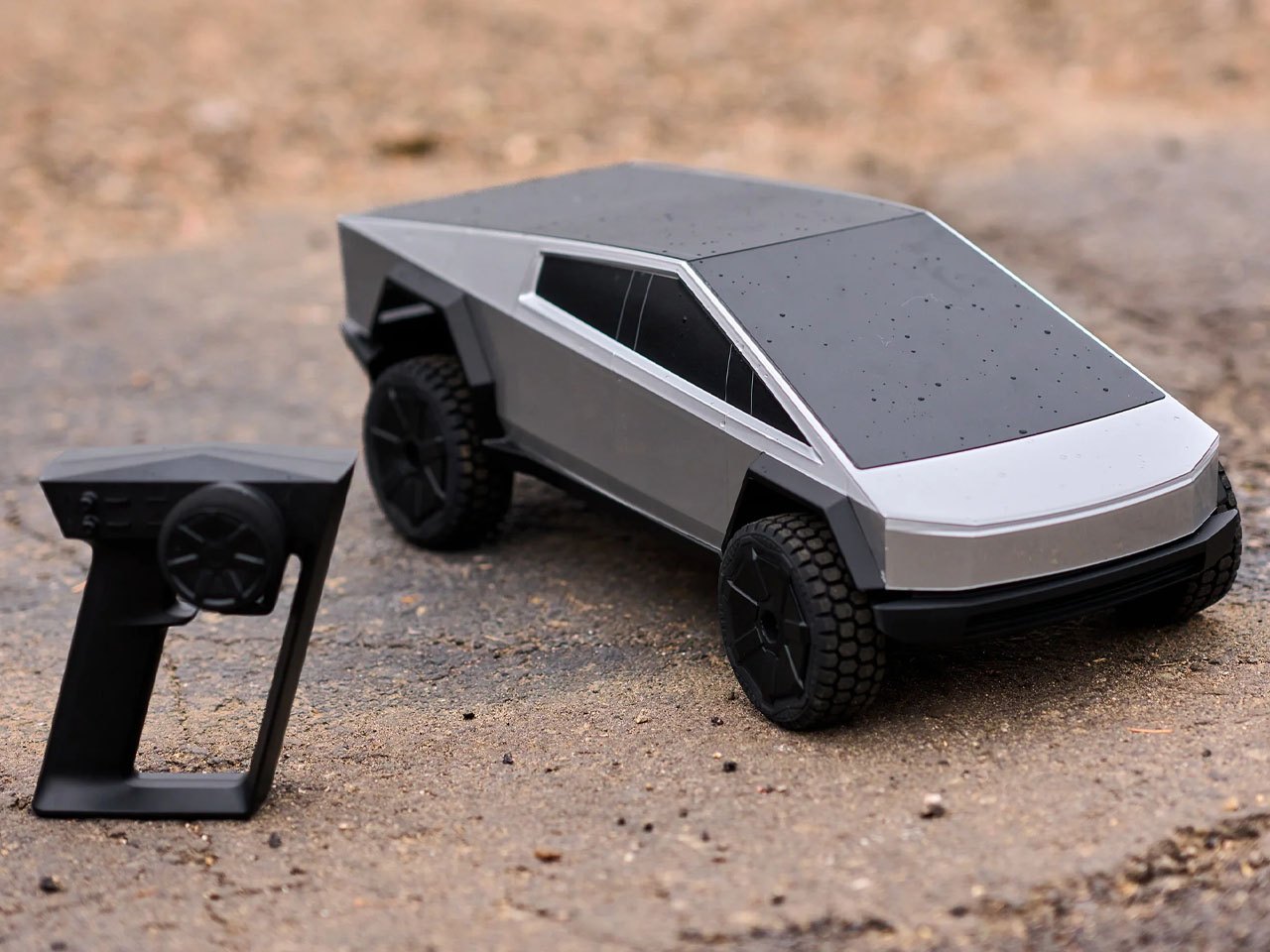
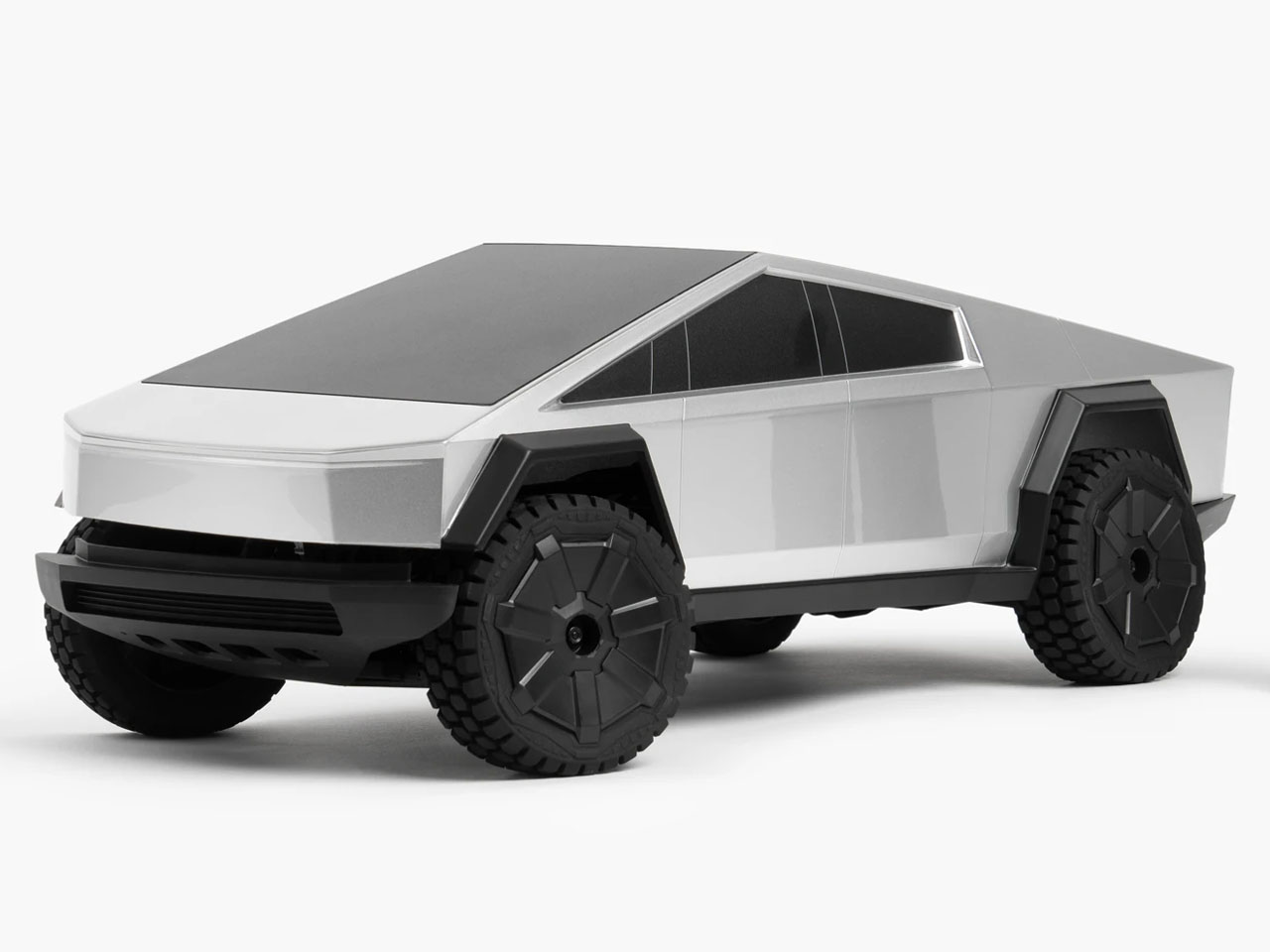
The miniature version of the real thing that costs starting at $83,000 is something made for a geek’s desk. This 1:10 scale model of the edgy Cybertruck is the real deal if you always wanted to have one from the Tesla house, and not any other knock-off Chinese RC version. The toy makes even more sense now that the Cybertruck is going out of production by the end of next year, to give way for the Cybercab robotaxis’ production at the Texas factory.

Designer: Tesla

Cybertruck RC Racer priced at $350 is the perfect alibi for fans who swear by the Cybertruck’s USP. The toy racer is an accurate scaled-down version of the angular pickup truck that has had a controversial run ever since it rolled out of the production lines. Measuring around 22 inches x 9.9 inches x 8 inches (length x height x width), the car is crafted from polycarbonate to be as impact-resistant as the big brother. Tesla has kept rugged usage in mind, so there are swappable and repairable panels for enthusiasts who’ll push the RC car to the limits.

The racer comes with a brushless motor that delivers power to all four wheels for consistent performance on rough terrain and uneven surfaces like rocks or small pebbles. It can go up to a top speed of 37 mph without getting unstable or tipping over. That stability comes courtesy of a gyroscope and electronic stability control, which keeps the RC car stable. Tesla has also thrown in the counter steering and independent suspension system into the mix. That means you can take the little vehicle for a spin on racetracks or dirt surfaces with peak confidence.

Content creators will be eyeing this feature to make the Cybertruck RC Racer go drifting to create those cinematic shots and rack up millions of views. You’ll be able to steer this using a 2.4 gigahertz pistol-grip remote control from a distance of 326 feet. There’s an 11.1-volt, 3400 mAh lithium polymer battery, which makes the RC car go frantic for 20 minutes before needing another recharge. That’s not impressive, but we have to consider the tricks this one can do compared to a normal RC vehicle.

Apart from this, Tesla has also added a $35 Cybercab pullback racer and a $45 Tesla Action figure among 22 new items to the shop just in time for the holiday season fever. I personally would be interested in driving around the Cybertruck RC Racer when the snowflakes are falling down this winter.

The post Tesla Cybertruck RC Racer shines with replaceable body, independent suspension system first appeared on Yanko Design.

  •  

This Japanese hoodie gives your cat a cozy pocket so you can game or work hands-free

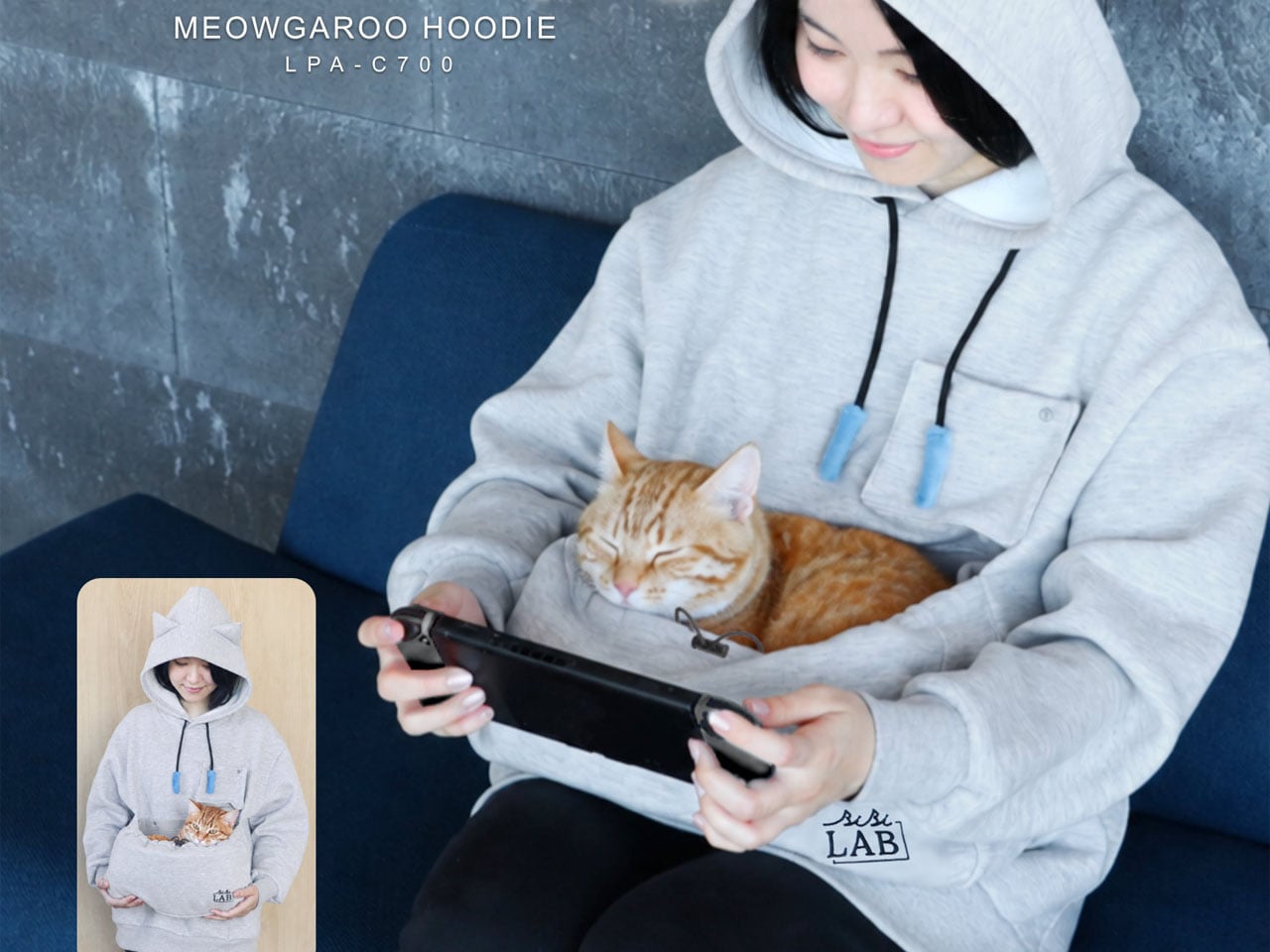
Anyone who owns a cat knows that a laptop, gaming chair, or even an empty lap can quickly become their pet’s favourite place to settle. And when a cat decides it’s time for cuddles, getting back to work or finishing a game can be easier said than done. Japanese brand BIBILAB has found a rather ingenious way to accommodate this feline habit with the Meowgaroo Hoodie 3, a wearable cat bed that lets owners keep their furry companions close without sacrificing the use of their hands.

The standout feature of the unique clothing is a large, box-shaped pouch integrated into the front of the hoodie. Resembling a kangaroo’s pouch, it is designed to accommodate even larger cats comfortably. Unlike an ordinary sweatshirt pocket, the compartment has a structured construction that helps prevent the garment from sagging under the cat’s weight. The thick, brushed interior fabric also provides additional warmth and support, making it a convenient place for a feline companion to settle while the owner works at a computer or plays games.

Designer: BIBILAB

BIBILAB has introduced two additions to make the experience more interactive. The first is a cat teaser attached to the ends of the hood’s drawstrings. Designed to attract a cat’s attention, the playful attachments let owners engage with their pets during gaming breaks or between work tasks without having to leave their seats.

The second addition is a dedicated smartphone pocket on the chest. It can be adjusted using snap buttons to accommodate different phone sizes and keeps the device readily accessible for capturing spontaneous moments. Owners can also position their phones in the pocket with the camera activated to record their cats lounging in the front pouch.

The cat compartment features a removable, fluffy boa-fabric inner lining that can be taken out for cleaning and washing, helping manage accumulated fur. An integrated cushion supports the pouch’s shape, while an adjustable drawstring stopper allows owners to regulate its opening according to their cat’s size. The hood also features decorative cat ears, adding to the garment’s playful character.

Meowgaroo Hoodie 3 is the latest version of a concept BIBILAB first introduced in 2015. According to the company, the series has sold more than 40,000 units, with this new iteration arriving after a five-year gap. This one is part of the brand’s BIBI-NYAO collection, which explores furniture and apparel designed around living with cats.

Available in grey in medium and large sizes, the hoodie weighs approximately 800 grams. Its main body combines 70 percent polyester and 30 percent cotton, while the ribbed sections use a polyester, cotton, and polyurethane blend. Meowgaroo Hoodie 3 is listed at ¥8,900 (approximately $56) on Amazon Japan, although pricing may vary depending on the region.

The post This Japanese hoodie gives your cat a cozy pocket so you can game or work hands-free first appeared on Yanko Design.

  •  

This wearable heat patch is designed to bring relief to menstrual cramps and muscle pain

I

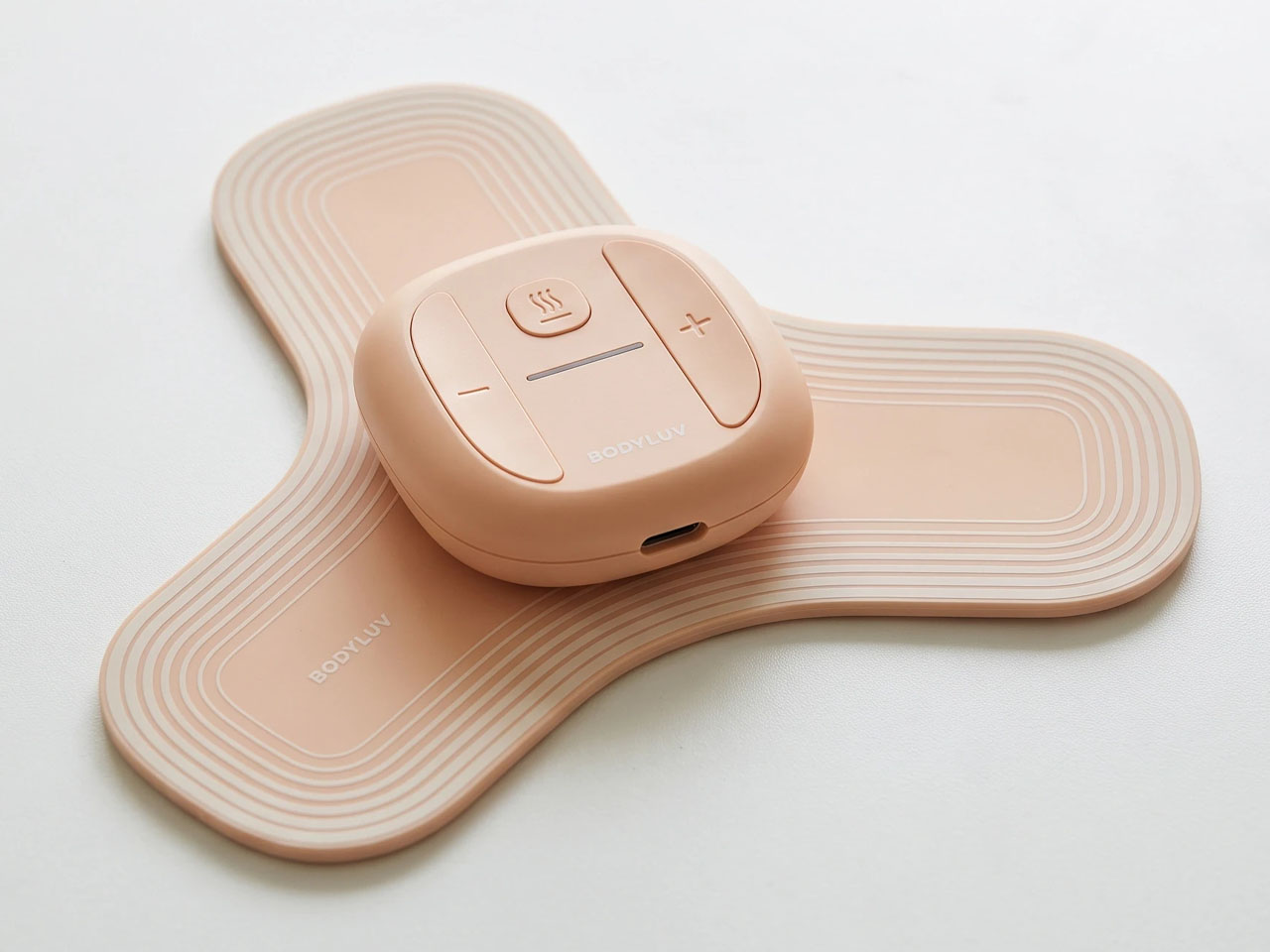
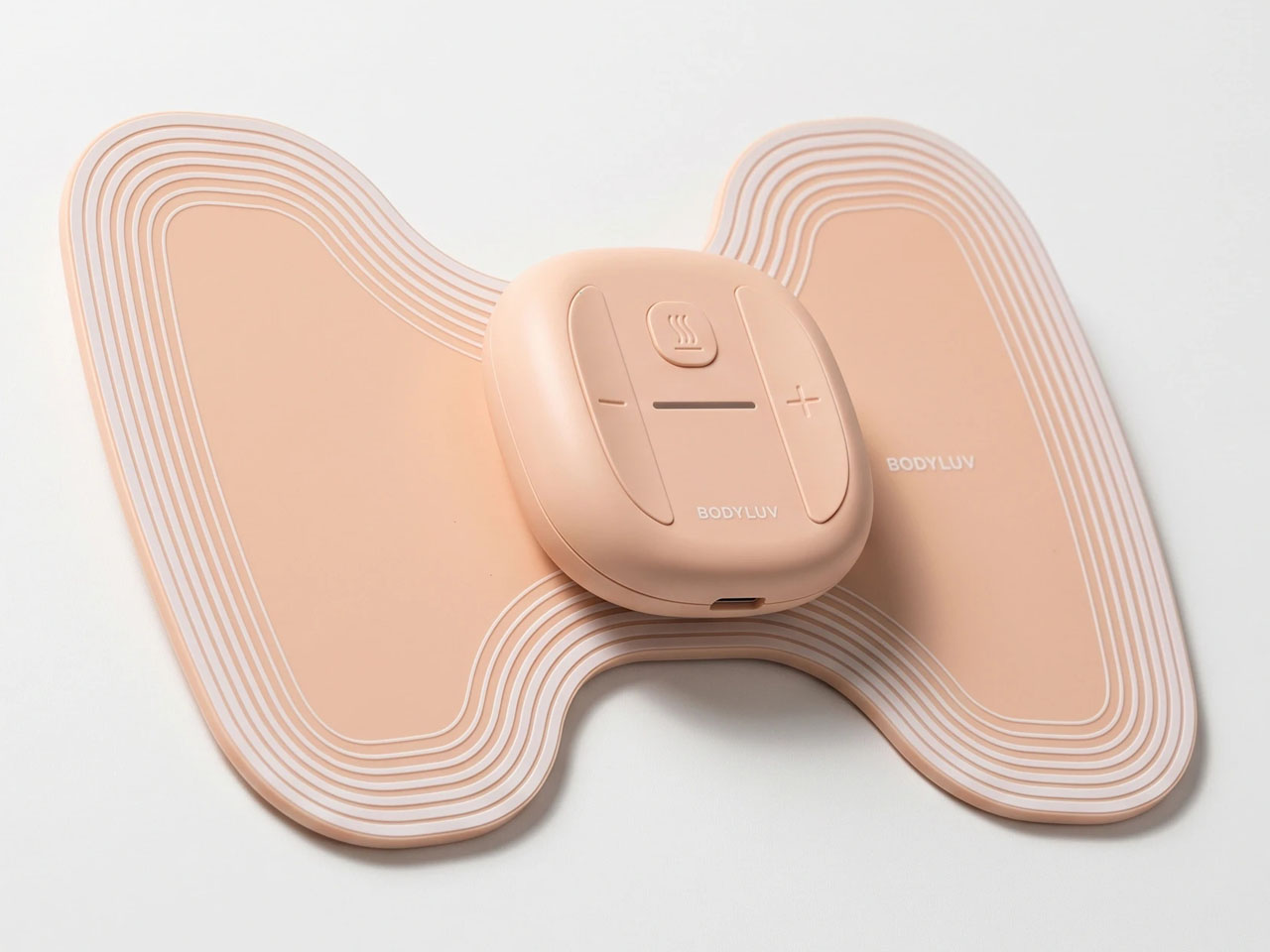
personally love technological advancements when they’re directed toward a product designed for medical or social awareness. BODYLUV’s idea of a smart heat patch, as shown in its concept design, is probably one such idea. It is also the primary reason I’m exploring the design and understanding the thought process behind the idea in this article.

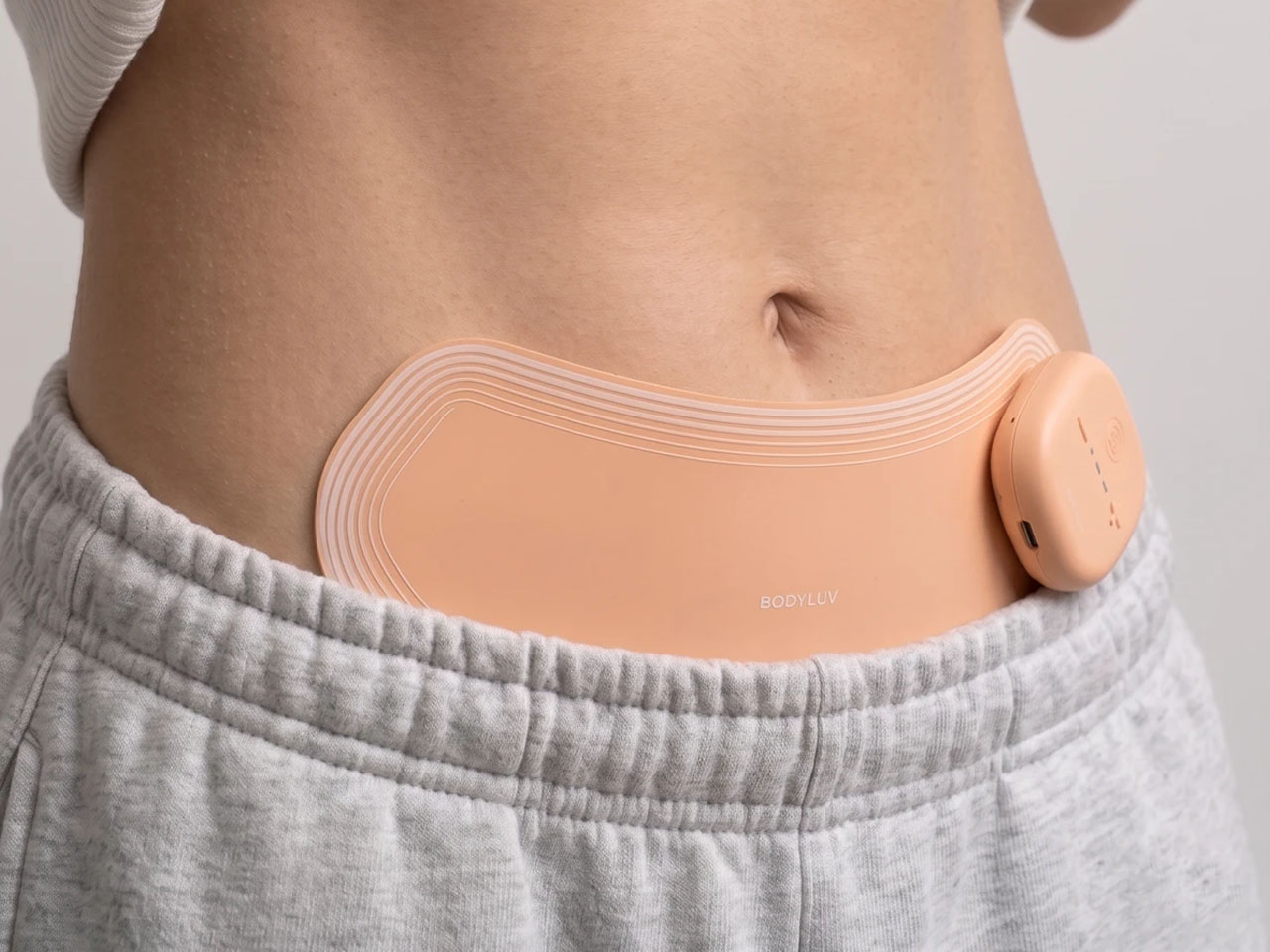
The wearable heat patch is designed to be “attached directly to areas of pain” or where the muscle is feeling strain. The device delivers a combination of heat and subtle vibrations simultaneously to ease pain and discomfort. If you are a woman, you can instantly relate to this project as a help during menstrual cramps.

Designers: Keetae Kim, Wonjae Lee, & superkomma

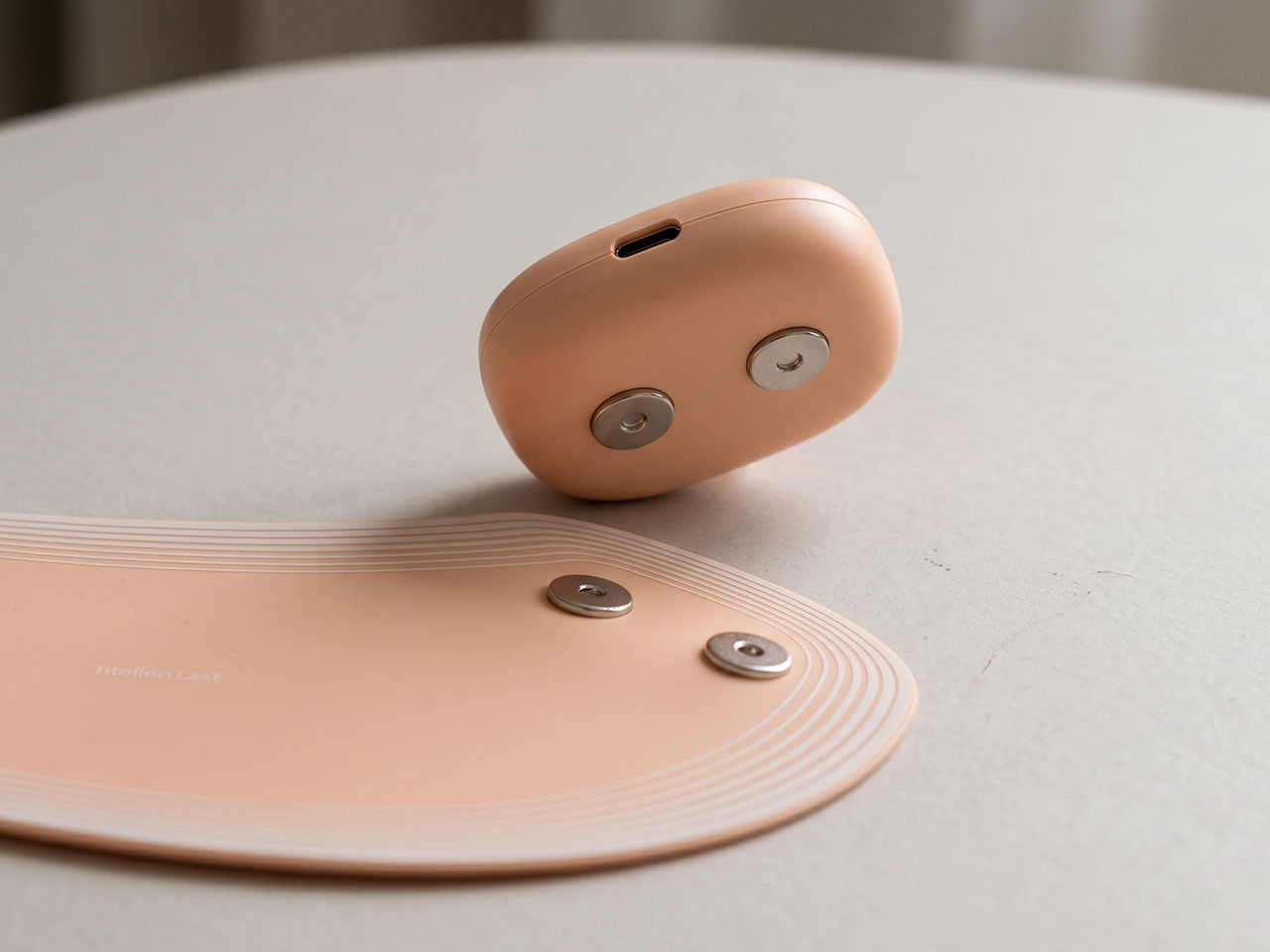
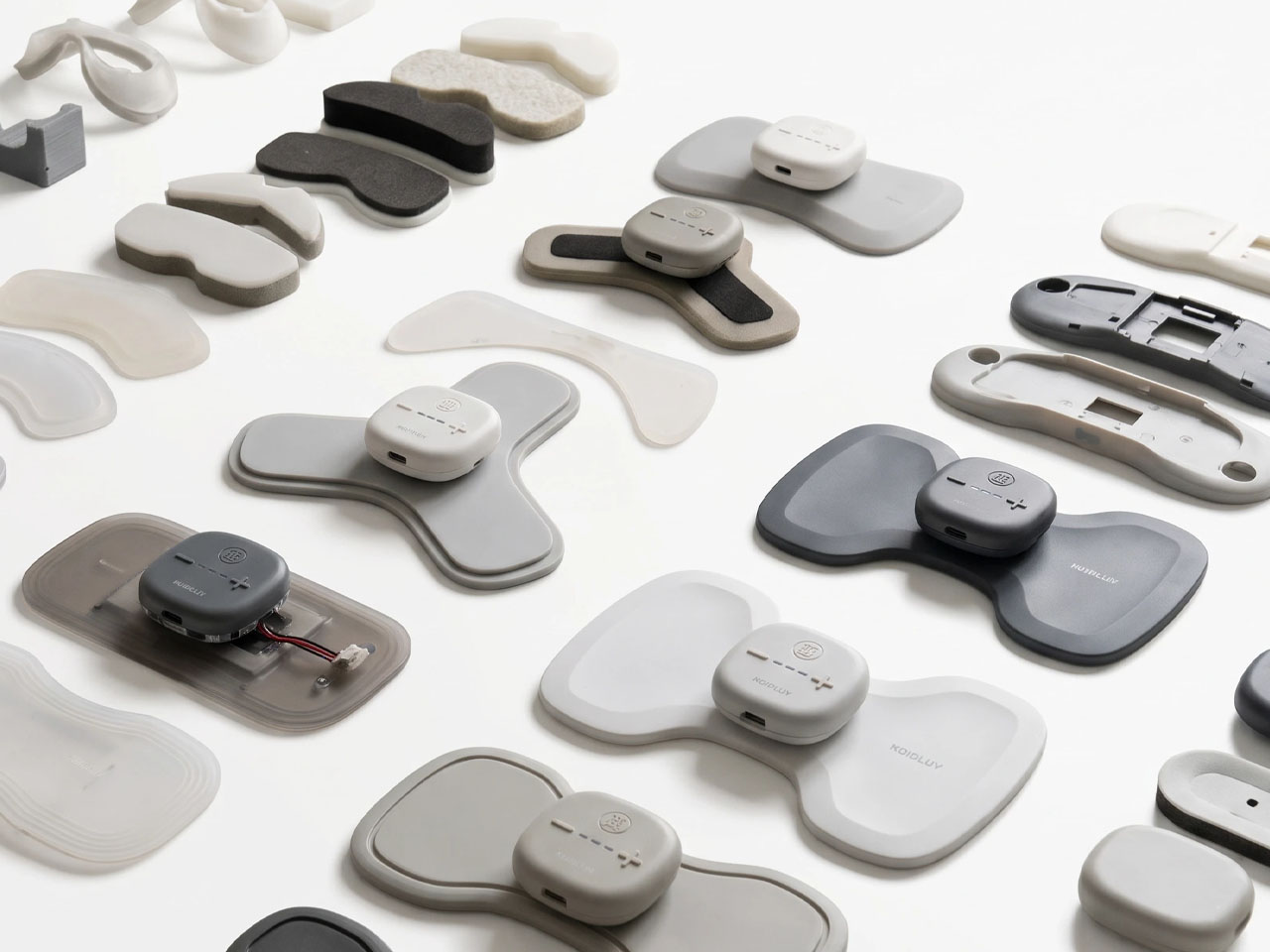
According to the Korean designers behind the concept, the heat patch is “optimized for women suffering from severe menstrual cramps.” The device comes paired with three types of interchangeable pads. These pads allow the main device to be magnetically clipped to them, and, being ergonomically designed, they fit cleanly to various body contours and areas. The areas that the device has been tailored to include are the neck, shoulder, lower back, and the abdomen.

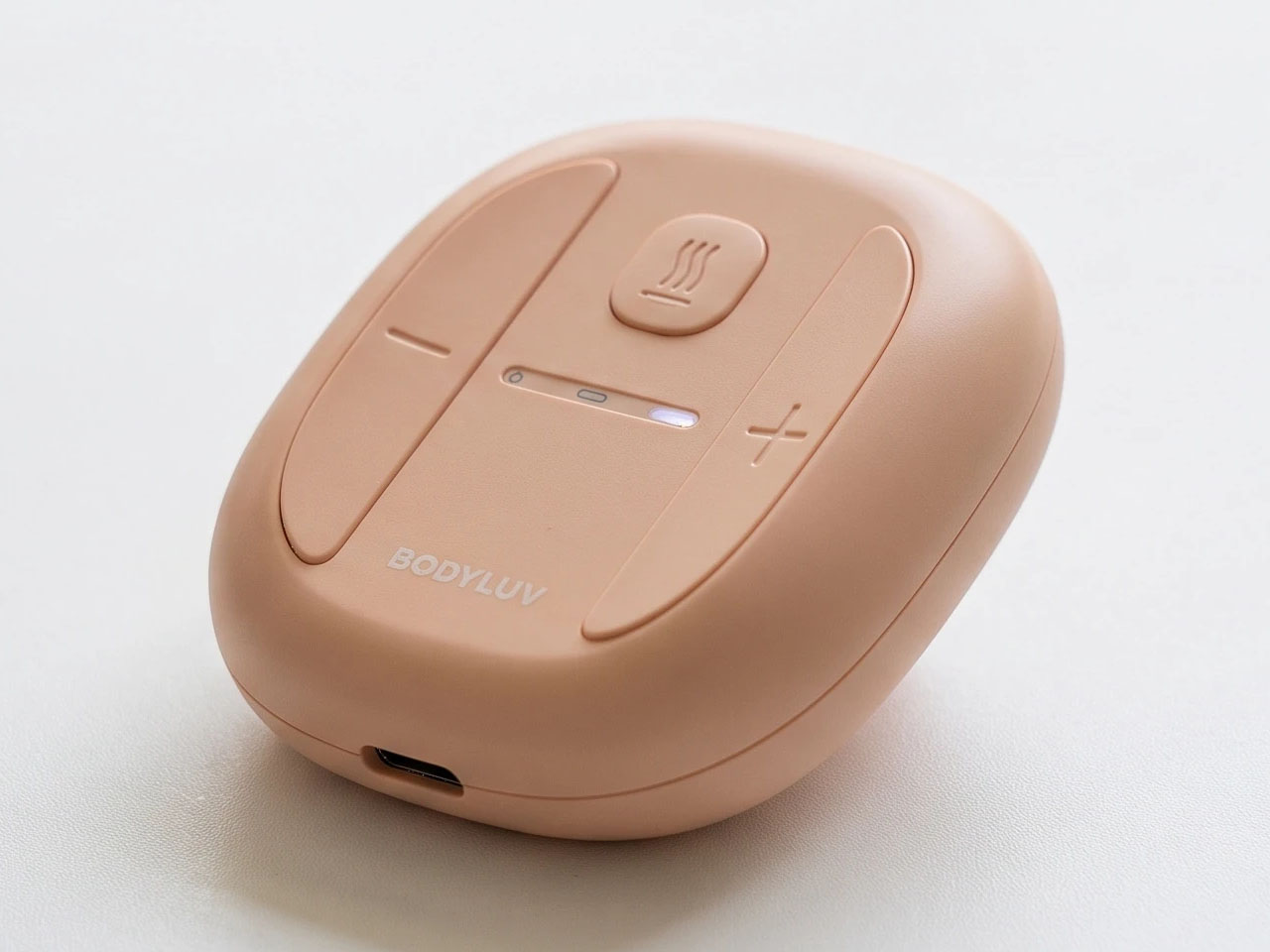
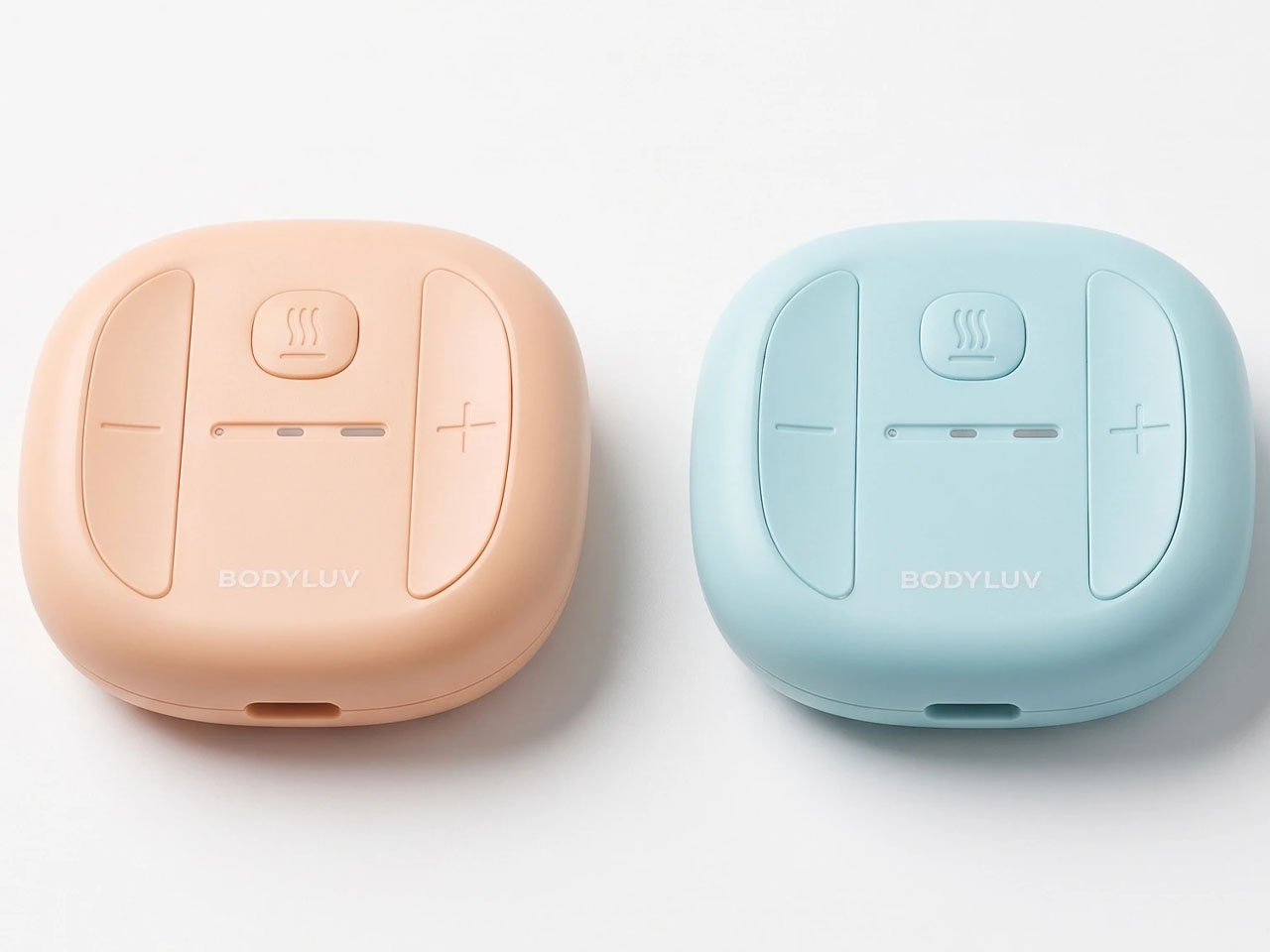
Coming to the abdomen, women experiencing severe pain during periods can attach the BODYLUV smart heat patch to the lower abdomen or the lower back. The heat intensity and the vibration can be controlled from the onboard buttons on the main unit, and it can help relax muscles and improve blood circulation to reduce pain and discomfort significantly.

As a healthcare device, the wearable has potential applications in athlete fitness and recovery as well. The players can apply the device to their fatigued muscles, and it can, with a combination of heat and micro-vibrations, offer relief. Athletes and women can use the smart heat patch to effectively reduce body tension and experience rapid relief with a targeted approach from the device.

Since you wear it where you need it, the wearable features a soft, skin-toned design, so it blends naturally with the skin and doesn’t feel visually obstructive like some other options we’ve seen. In addition to being visually aesthetic, the BODYLUV wearable patch doesn’t create a bulge when you’re wearing it. The designers note that the standout feature of the device is that you can go about your normal routine wearing it.

Athletes can wear it during recovery, while ladies can go about their chores at home or in the office, wearing it under their clothes. To ensure this, the thin and lightweight device boasts a wireless design. There is no word on the battery capacity or how long it can run on a single charge, but we are assuming more information will flow in when the concept is anywhere closer to production.

The post This wearable heat patch is designed to bring relief to menstrual cramps and muscle pain first appeared on Yanko Design.

  •  

Volkswagen’s new 2027 California Campervan models with smarter features and prices starting at $72,000

Just in time for the summer season next year, when you’re going to begin weighing your adventure choices, you will have an excellent option in the new Volkswagen California campervan. The company has unveiled in the UK its new models of the people’s favourite campervan, which is expected to start deliveries in early 2027.

The adventurers in the UK should be able to order the new generation California campervans now, for a starting price of £54,065 (approx. $72,000). Based on its basic DNA of adventure, the campervan models are designed with all types of travelers – solo, family, or romantic couples in mind.

Designer: VolkswagenVolkswagen

The new design of the California campervan starts with the front below the bonnet. Here, the LED headlights are the new defining feature. The cabin has been uplifted with driver comfort and safety in mind. State-of-the-art technologies now find their way into the campervan setup, which complements the on-road lifestyle. Thus, new safety and comfort features have been added through software-level integration and interesting driver assistance systems.

The cosmetic changes to the shape of the California render it a sharper appearance and feature power-latching sliding doors and tailgates. Before you lose the plot, Volkswagen has narrowed the campervan range to three new specifications titled the Beach, Coast, and Ocean. The Beach is the basic and the cheapest of them all, with 17-inch alloy wheels and heated front seats. The model features a manually operated pop-up roof, awning, and a sliding door on the passenger side with a mini-kitchen to prep food on the go.

Coast model packs all the basic features and builds on it with the addition of a larger kitchen, some cabinetry, a fridge, and large battery power. The top-of-the-line California Ocean comes with 18-inch alloy wheels, an electric pop-out roof, climate control, and ambient lighting. The new models come in 19 new colors across solid, metallic and two-tone paint options. These campervan models feature a 12.9-inch infotainment system that also works as the control center for everything from media and navigation to camping monitoring.

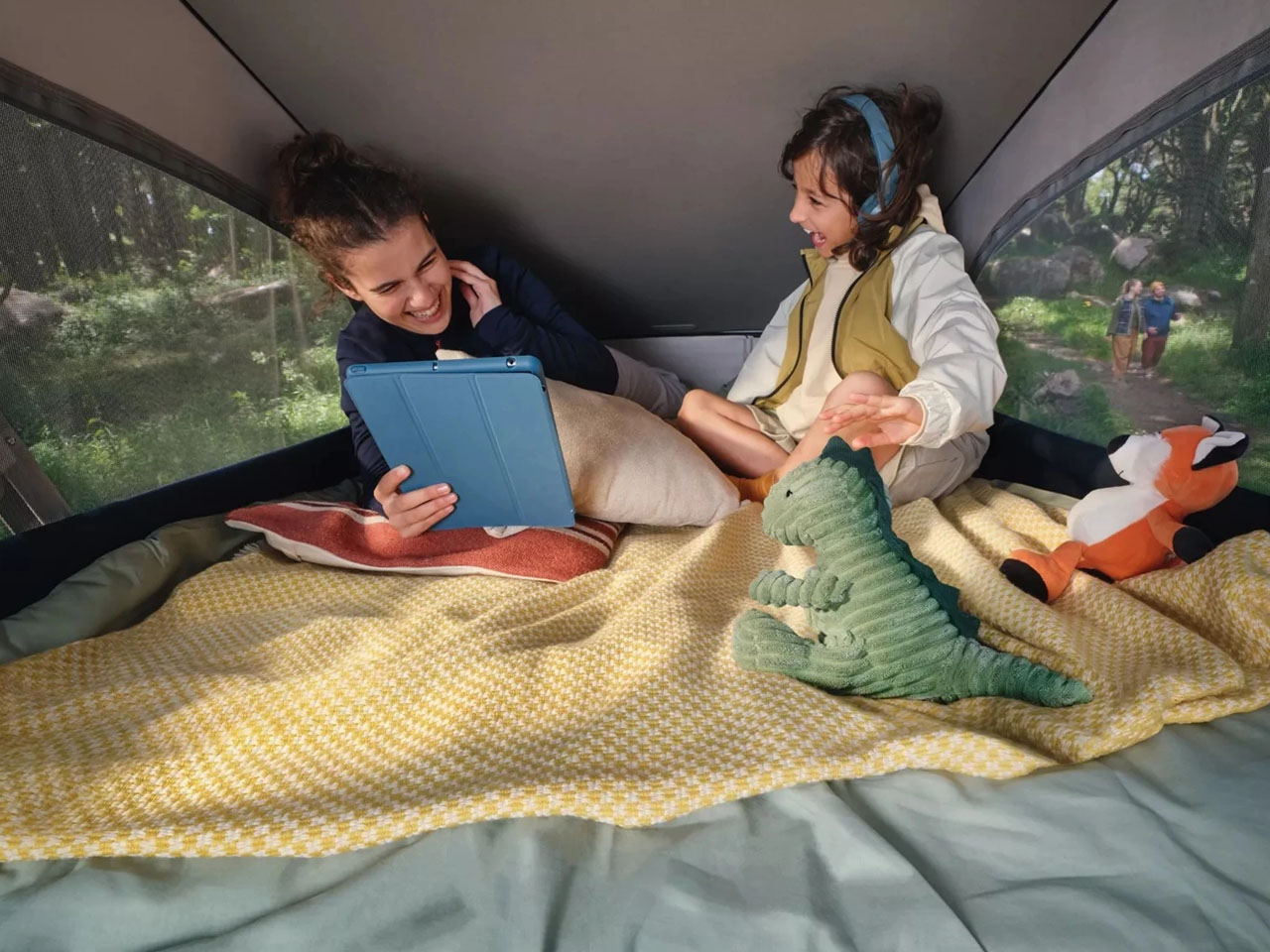
Specific to the new Volkswagen California, eHybrid 4MOTION is an electric stationary air conditioning system that can keep the campervan heated or electrically cooled for eight hours. The two latest California Coast and Ocean modes come with two rear seats that fold into a 78 x 43-in (198 x 108-cm) lower bed. They also feature new driver assistants: the Travel Assist system for assisted lane change and an integrated Emergency Assist, which, according to the company, “guides the vehicle to the hard shoulder or outermost lane in the case of the driver suffering a medical emergency.” All the interesting comfort and safety features onboard make this new California campervan the go-to choice for summer campers.


The post Volkswagen’s new 2027 California Campervan models with smarter features and prices starting at $72,000 first appeared on Yanko Design.

  •  

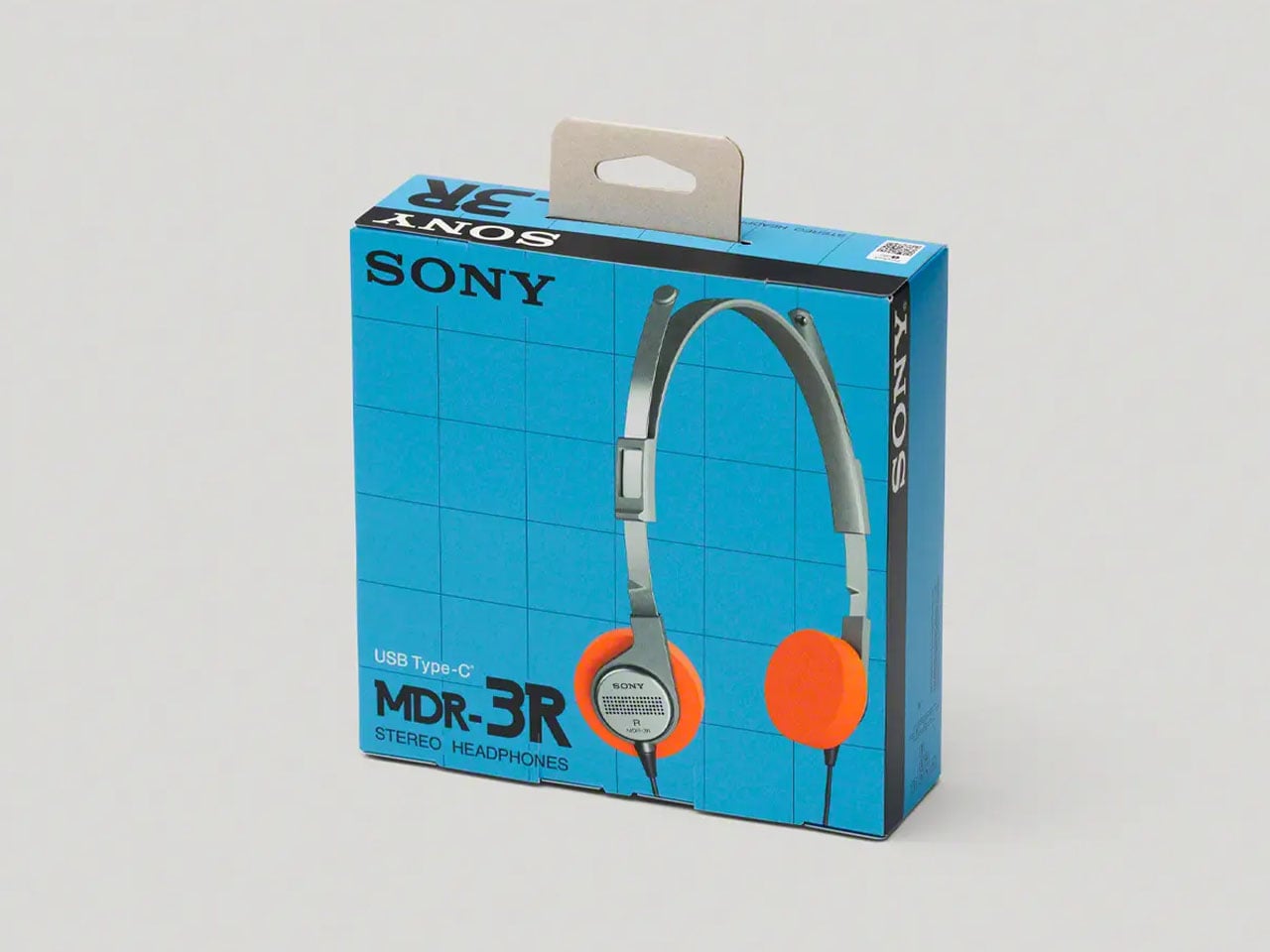
Sony MDR-3R over-ear headphones revive nostalgia of the Walkman era

Remember the Walkman headphones from more than four decades ago? Well, the nostalgia is revived as Sony has brought back over-ear headphones for a generation obsessed with wired audio gear. The new pair of earphones draws inspiration from the originals that debuted in 1981, with the original design drawings referenced in crafting this pair.

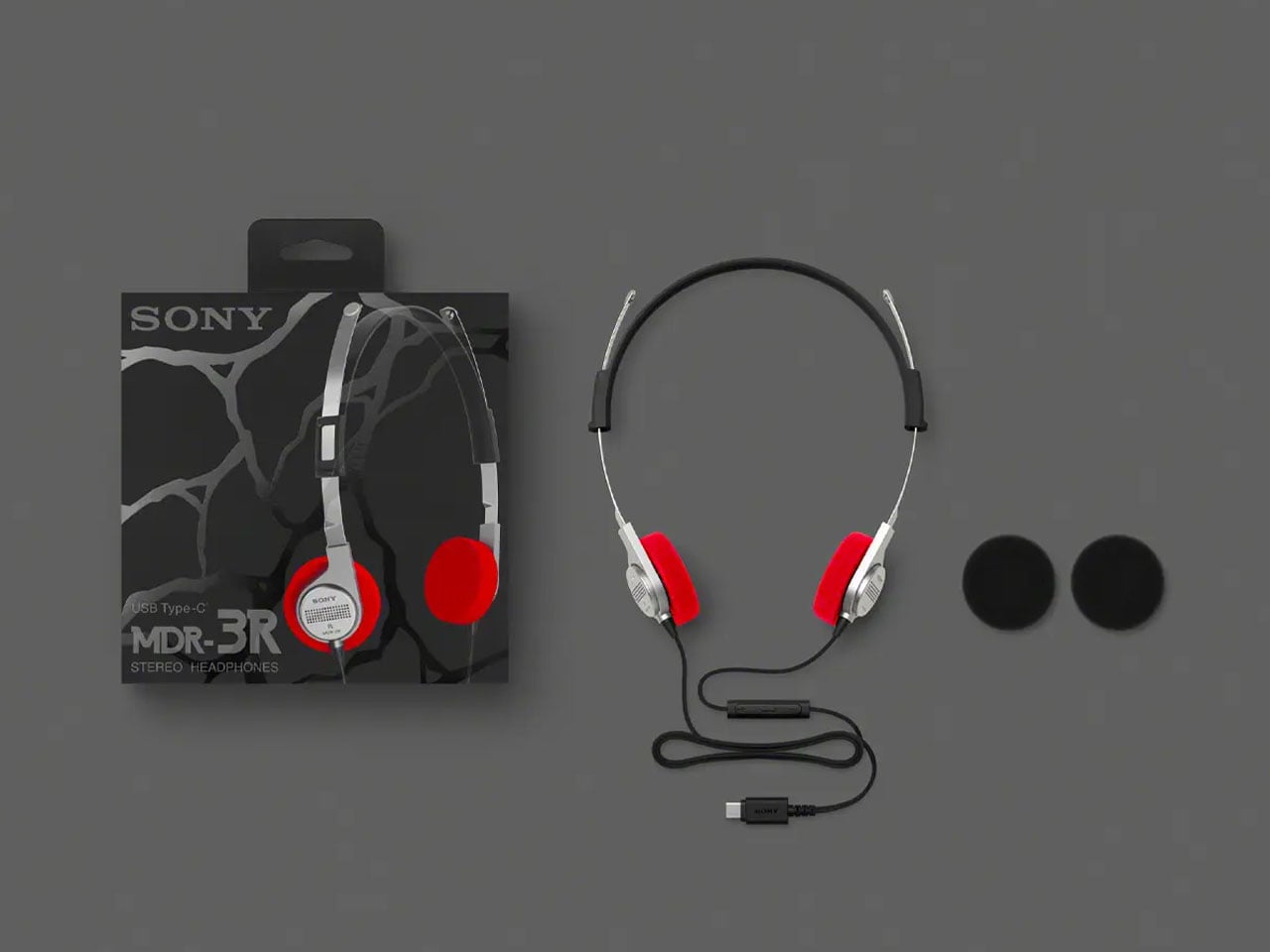
The inspiration doesn’t stop at the looks alone, as the earphones come with the same 23mm dynamic driver, so that the same sound signature can be replicated in these. All the modern conveniences are included, though, like a microphone for taking calls and the in-line remote control to toggle calls, music, and podcast streaming. This falls straight in line with the trend that brands like Final with AirWire and StillFrame are following.

Designer: Sony

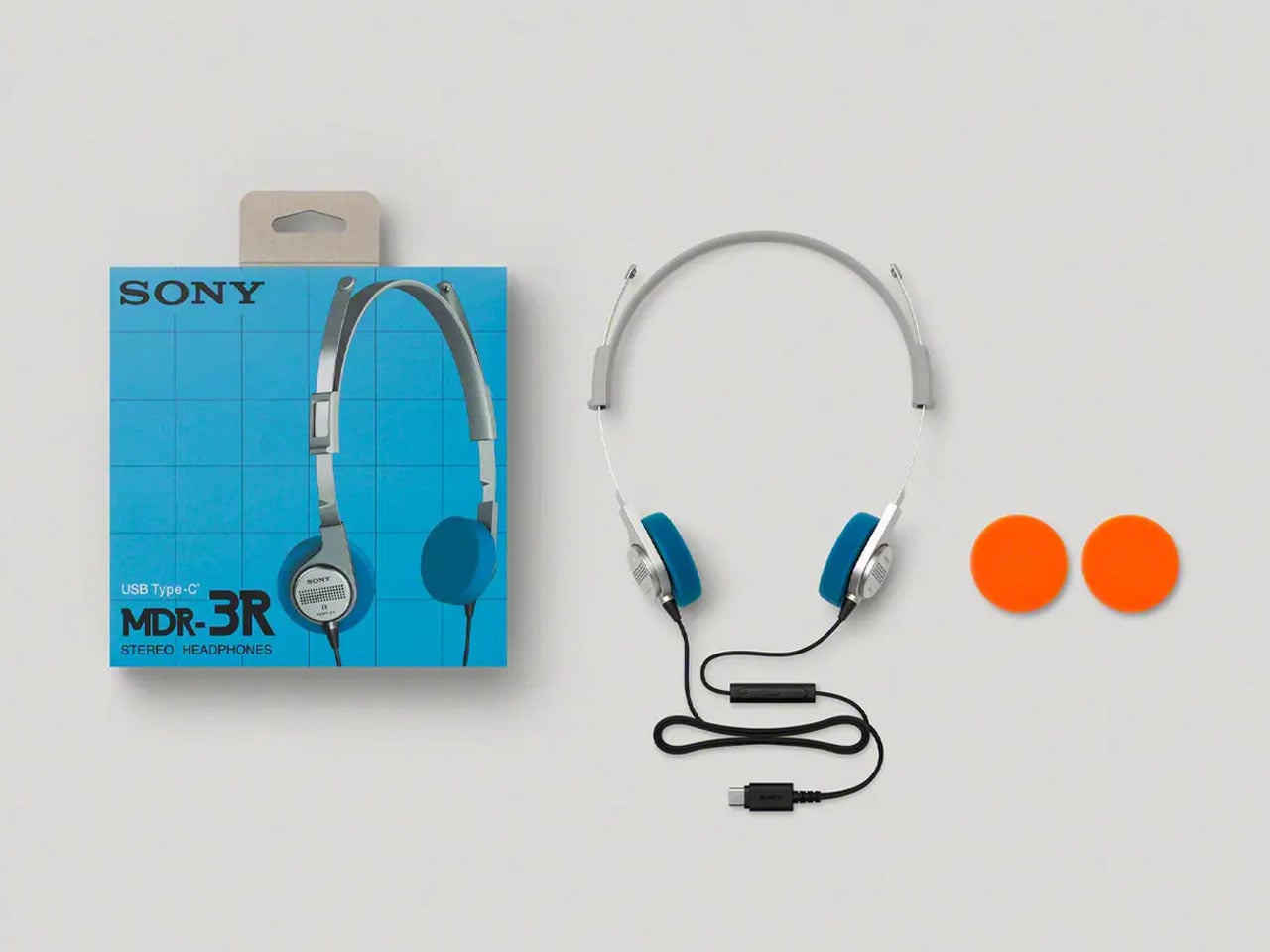
For audiophiles who are constantly juggling their expensive gear, chasing that perfect sound, this is a subtle reminder of how it all started back then. The nostalgia of a balanced, warm sound signature that emphasized natural vocals and emotional richness. The earphones come with the iconic blue and orange earpads to customize the look. Hitting the rewind button, the OG earphones shipped with the Walkman TPS-L2 in 1979 and played cassettes.

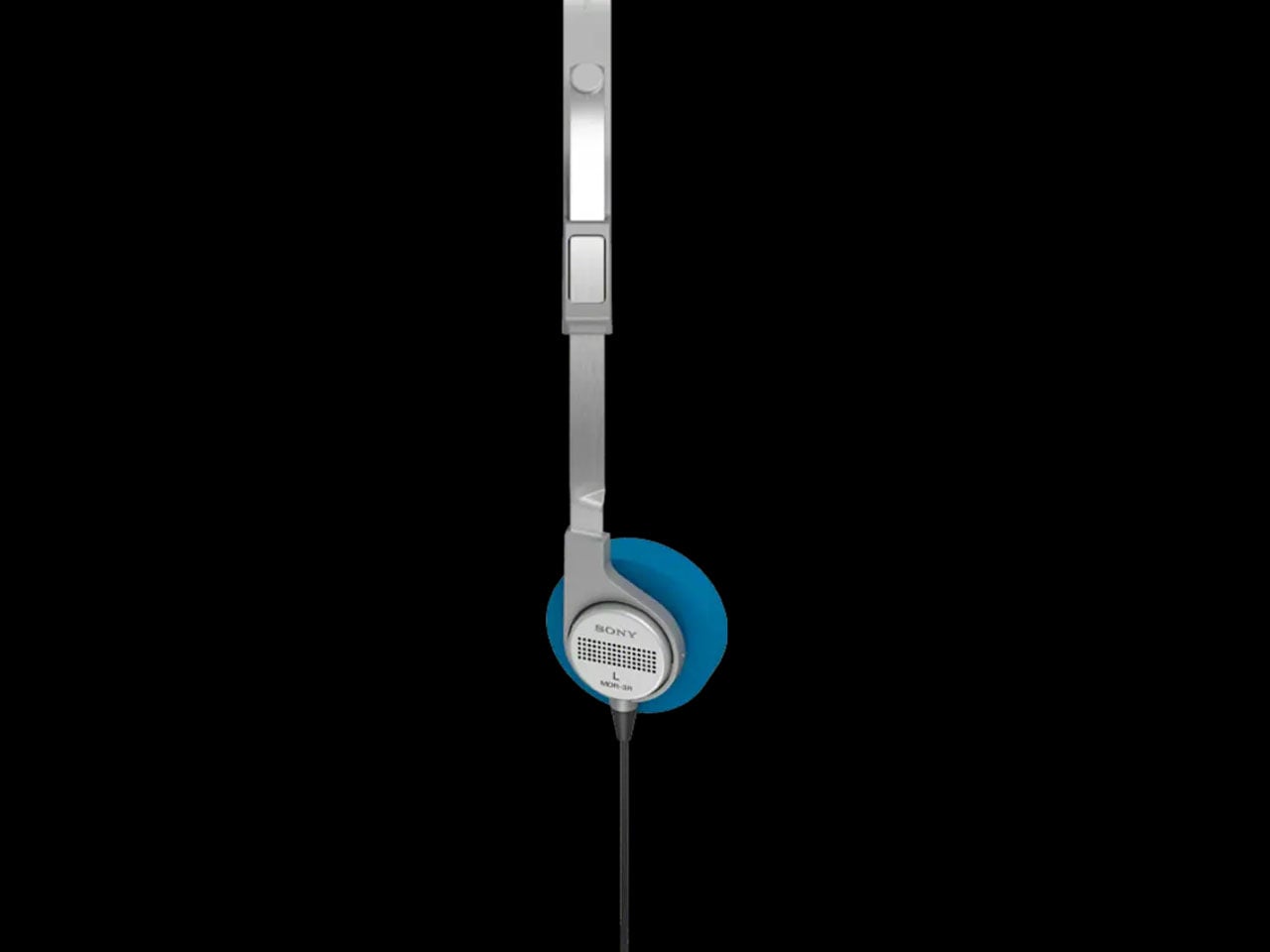
You can barely distinguish the MDR-3R from the original one, and millennials will instantly feel the nostalgia. The small design details, like the metal headband and the holes on the outer casing of the drivers. Sony doesn’t stop there, as the packaging and the instruction manual also take you back to the golden era. Practicality of use is also taken care of, as the earphones weigh just 38 grams, bettering the original ones by 2 grams.

Since modern phones are rarely seen with a 3.5mm headphone jack, the pair comes with a USB-C connector to plug in easily with modern devices. I would have liked the headphones to come with a swappable option to plug in a 3.5mm or 4.4mm jack for high-quality playback with services like Tidal or Apple Music. That said, you’ll have to buy a USB-C to 3.5mm or 4.4mm jack so that you can plug it into DAPs like the HiBy W4 HiFi Amplifier.

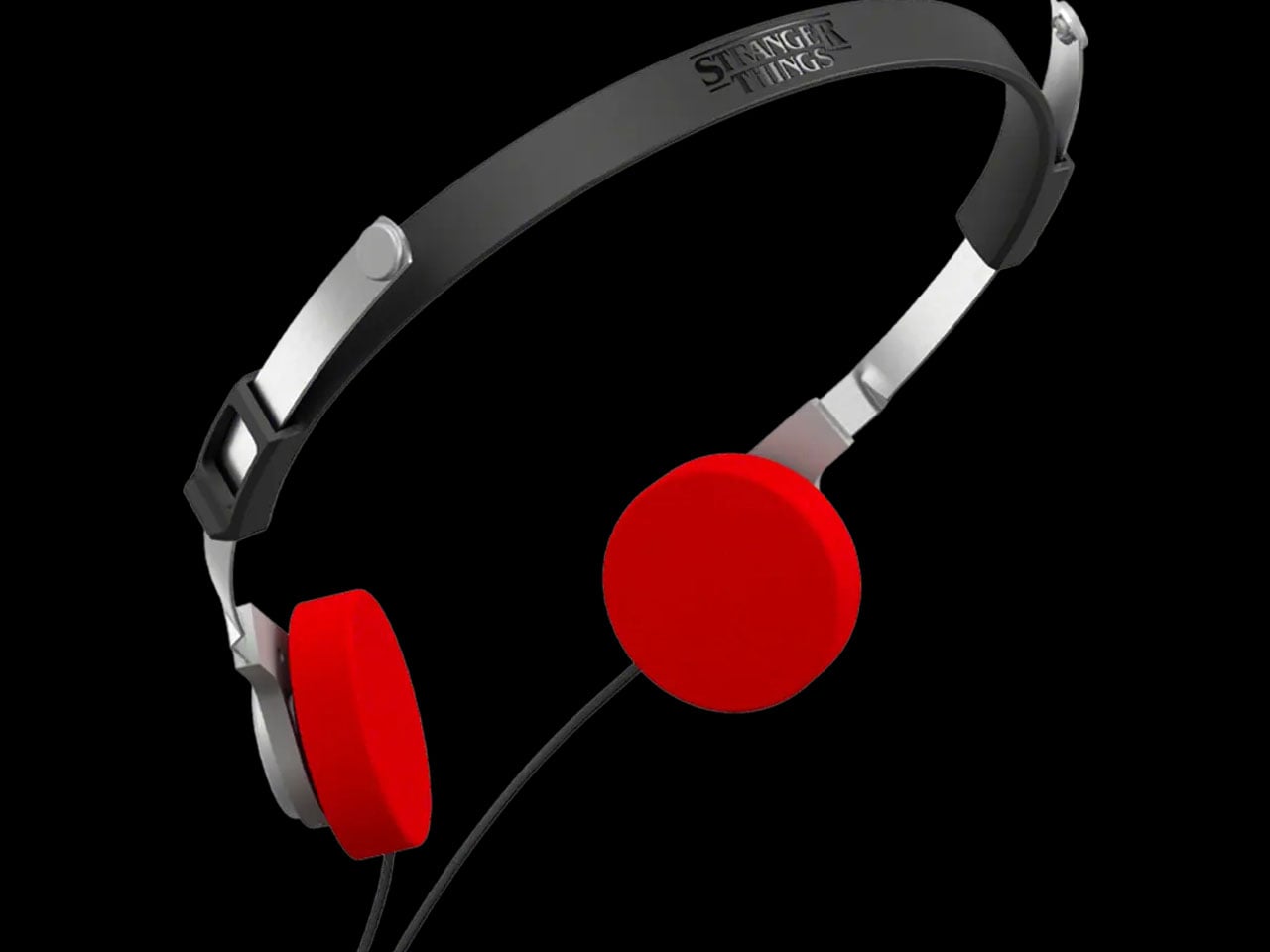
Along with the OG classic version, the earphones also come in a Stranger Things Edition that has a black headband and the themed red and black foam pads to match the ones worn by Max. The standard MDR-3R over-ear earphones are priced at $59.99, while the Stranger Things Edition comes for $79.99.

The post Sony MDR-3R over-ear headphones revive nostalgia of the Walkman era first appeared on Yanko Design.

  •  

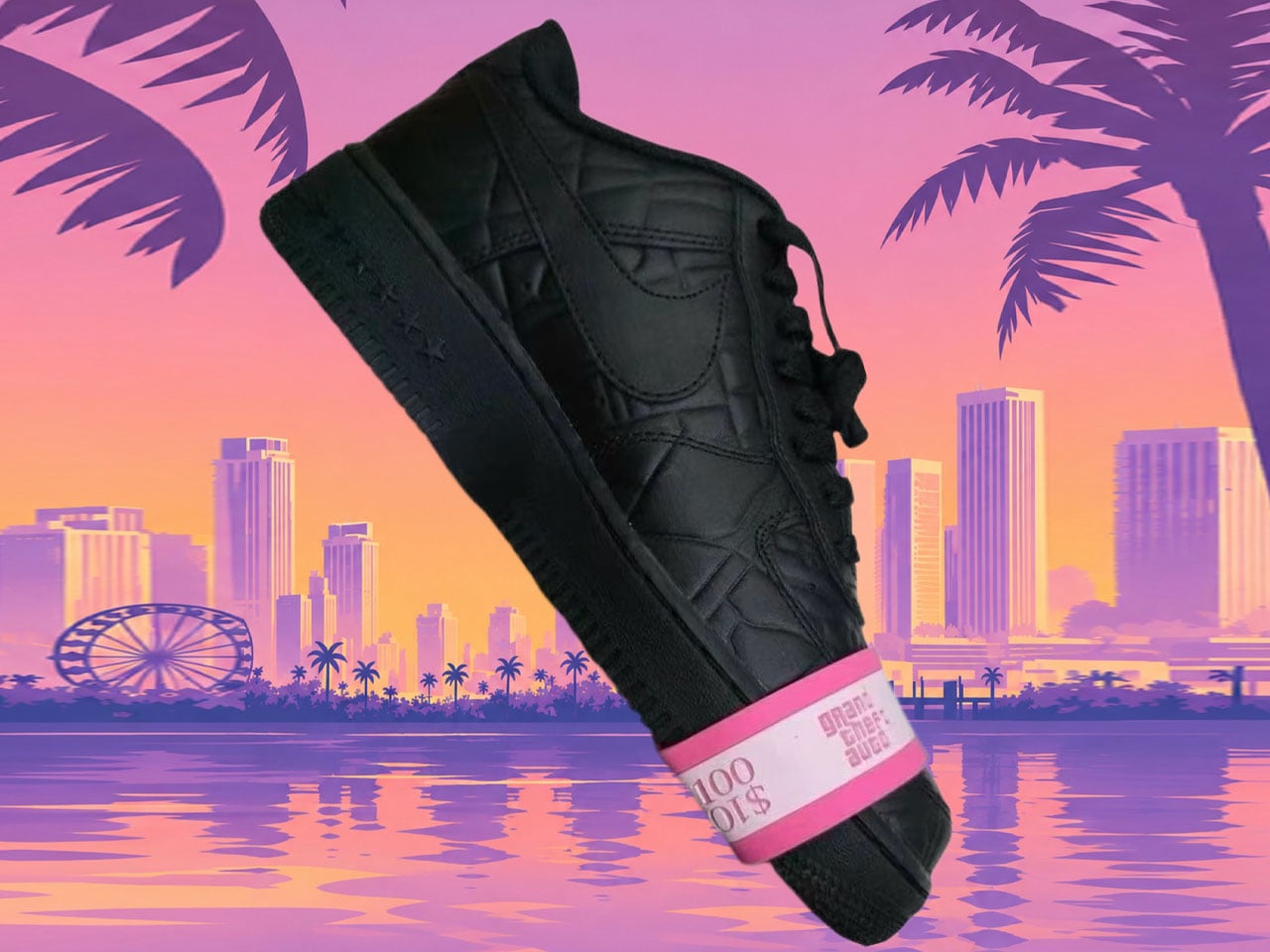
First look of Rockstar Games x Travis Scott x Nike Air Force 1 Low “Grand Theft Auto” in Black dropped

The most anticipated video game of all time is launching within a few weeks. It’s 19 November, to be precise, when Rockstar Games will release Grand Theft Auto VI, and everyone, including Nike, wants to tap into the fanfare building up to the launch. No wonder then, the footwear giant has teamed up with rapper Travis Scott and Rockstar Games for a pair of Nike Air Force 1 Low themed after the upcoming game.

We have seen some Nike and Travis Scott collaborations in the past. The usual obvious with their releases has been their limited availability. Considering this one is based on a game whose fanfare is already blowing out of the roof, these won’t be an easy buy either.

Designer: Nike

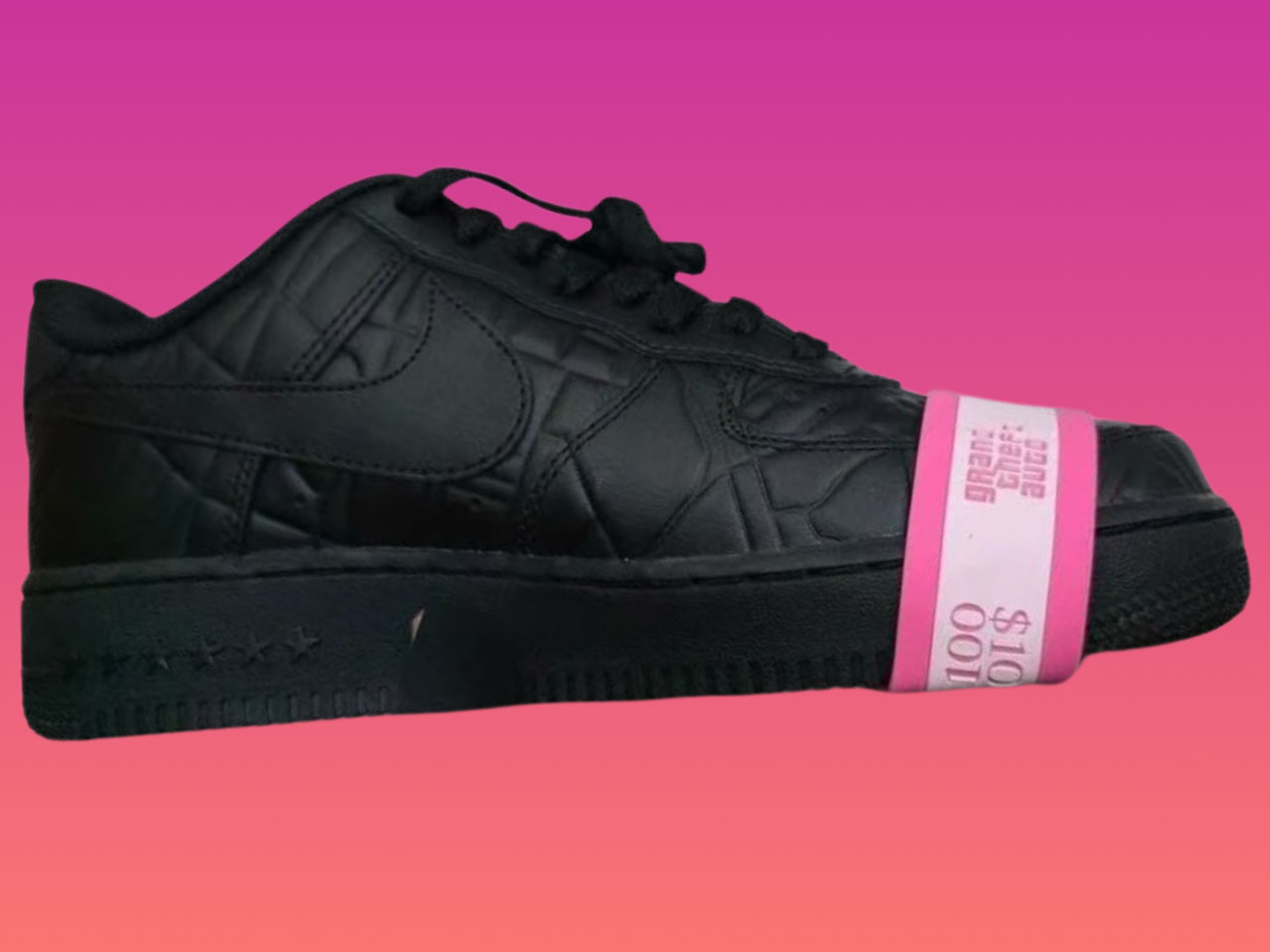
If the leaked Travis Scott’s Cactus Jack x Rockstar Games x Nike Air Force 1 Low “Grand Theft Auto” is released in limited quantity, there is going to be a fight to get them. Anyway, we do not have that information at the moment, what we know from leaked images is that the shoes will have the reverse swoosh logo on their lateral side, which is a signature of Travis Scott x Nike sneakers. The surfaced images show the GTA sneaker in Black avatar with Grand Theft Auto-inspired accents such as a pink toe-box money band and a pink six-star wanted level graphic.

The Nike Air Force 1 Low “Grand Theft Auto” features a leather upper and will reportedly be available in three colorways: White and Pink, Black and Pink, and a Multicolored option. It is rumored that the sneaker will retail for $130 and will be available for purchase starting 19 November, the same day as the game’s release.

As a nod to Grand Theft Auto VI, the Travis Scott x Rockstar Games x Nike Air Force 1 Low features the six-star wanted level iconography in the outsole. In addition to the star motif, the black sneaker in the pictures is highlighted with the pink rubber money band wrapped around the toe box. It features branding for all involved parties in the collaborative Air Force 1 Low, and comes with an extra set of laces in pink color to contrast with the black all-over look of the sneaker.

For a more intriguing change, it’s reported that the collaborative Air Force 1 replaces the “AIR” lettering on the midsole with GTA, which is an evident reference to the upcoming game. Since there are very limited images that have leaked, we don’t have a picture of what’s on the inside of these sneakers, so we’ll reserve our comment for now, until more information comes in.

The post First look of Rockstar Games x Travis Scott x Nike Air Force 1 Low “Grand Theft Auto” in Black dropped first appeared on Yanko Design.

  •  

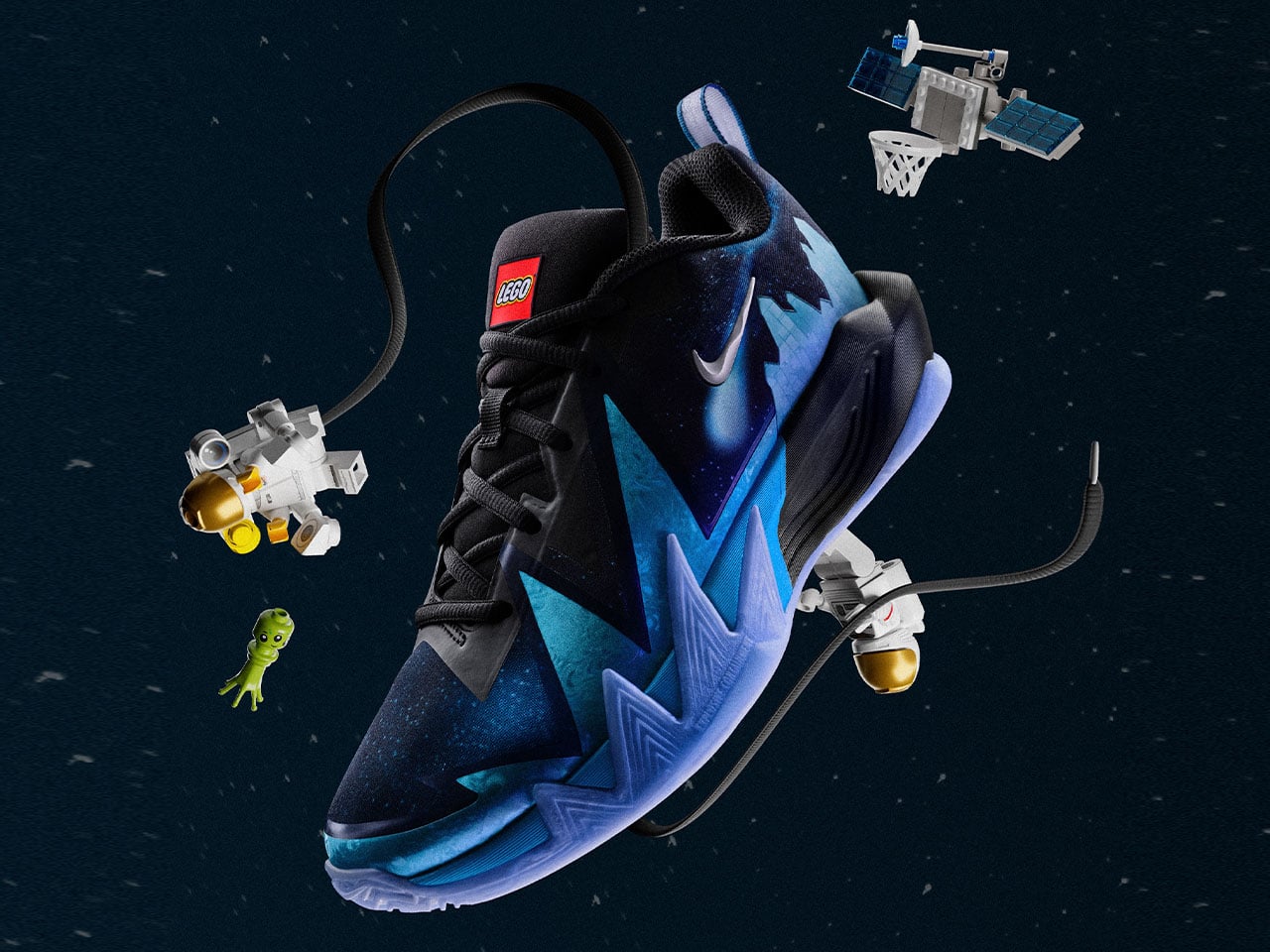
Nike and LEGO’s new space-themed sneakers let kids take their basketball style beyond Earth

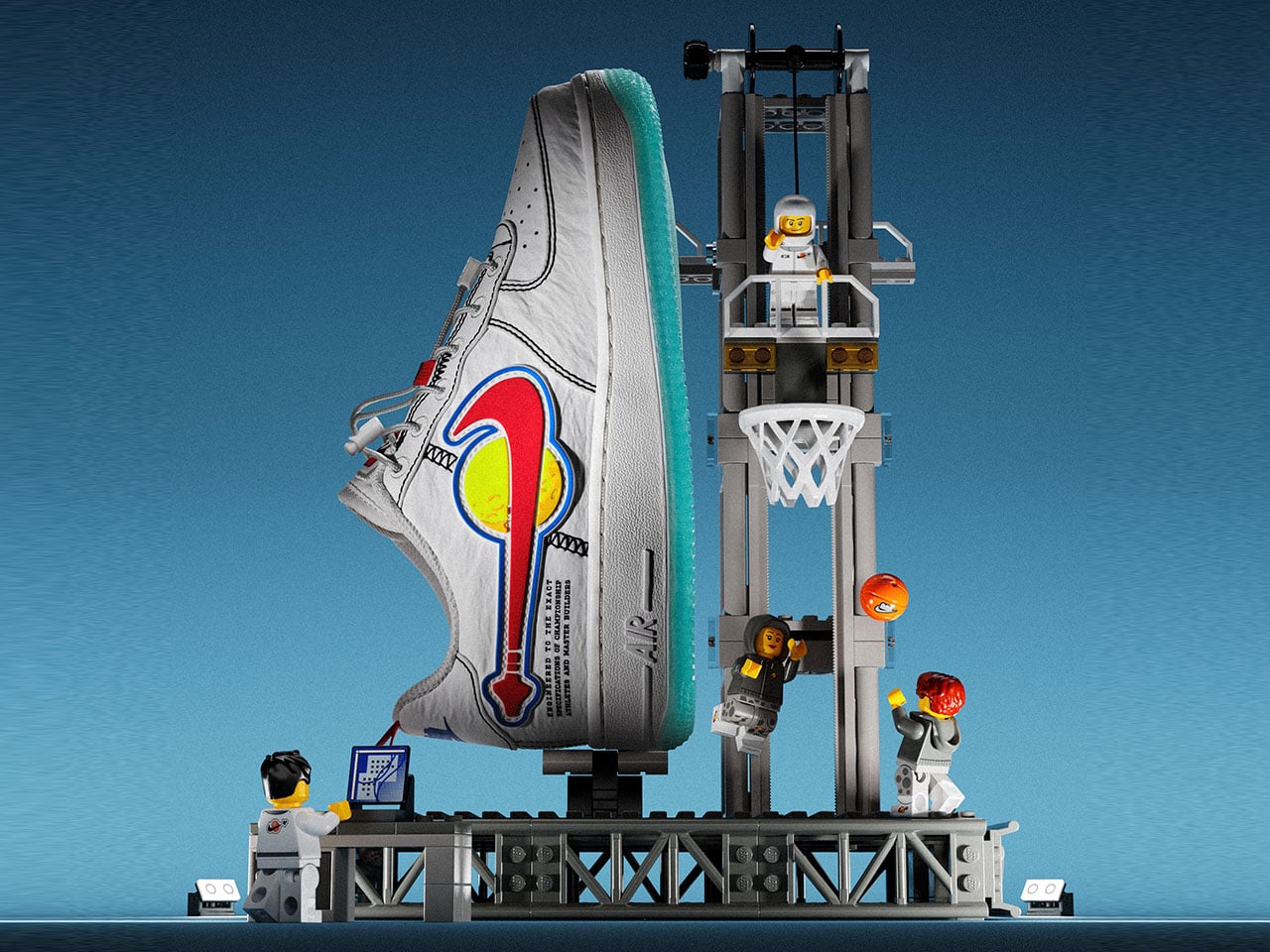
Nike and LEGO kicked off their in-line product collaboration with the LEGO x Nike Air Max Dn bright yellow sneaker in August 2025. Now the duo is targeting kids this holiday season with new additions to their multi-year partnership. Within a month from the the release of the Jordan’s 30th-anniversary Space Jam collection, Nike has teamed up with LEGO to unveil the space-inspired kids’ basketball collection that comprises Air Force 1 Low LV8 and S.T. Dynamite sneakers.

The two new space-inspired basketball sneakers are from the same collection, but are starkly different from each other, right from their DNA to the aesthetics. The Nike x LEGO collaboration, which has been limited to the courts on Earth until, is now inviting kids to imagine basketball beyond the court, in outer space, if you may.

Designer: Nike

As mentioned, the Nike x LEGO basketball collection is radically different, but shares the space theme. It has been, according to Nike, “created for basketball-loving kids.” The company says, “the collection gives young athletes new ways to connect with the sport,” without compromising personal style or their seriousness toward the sport.

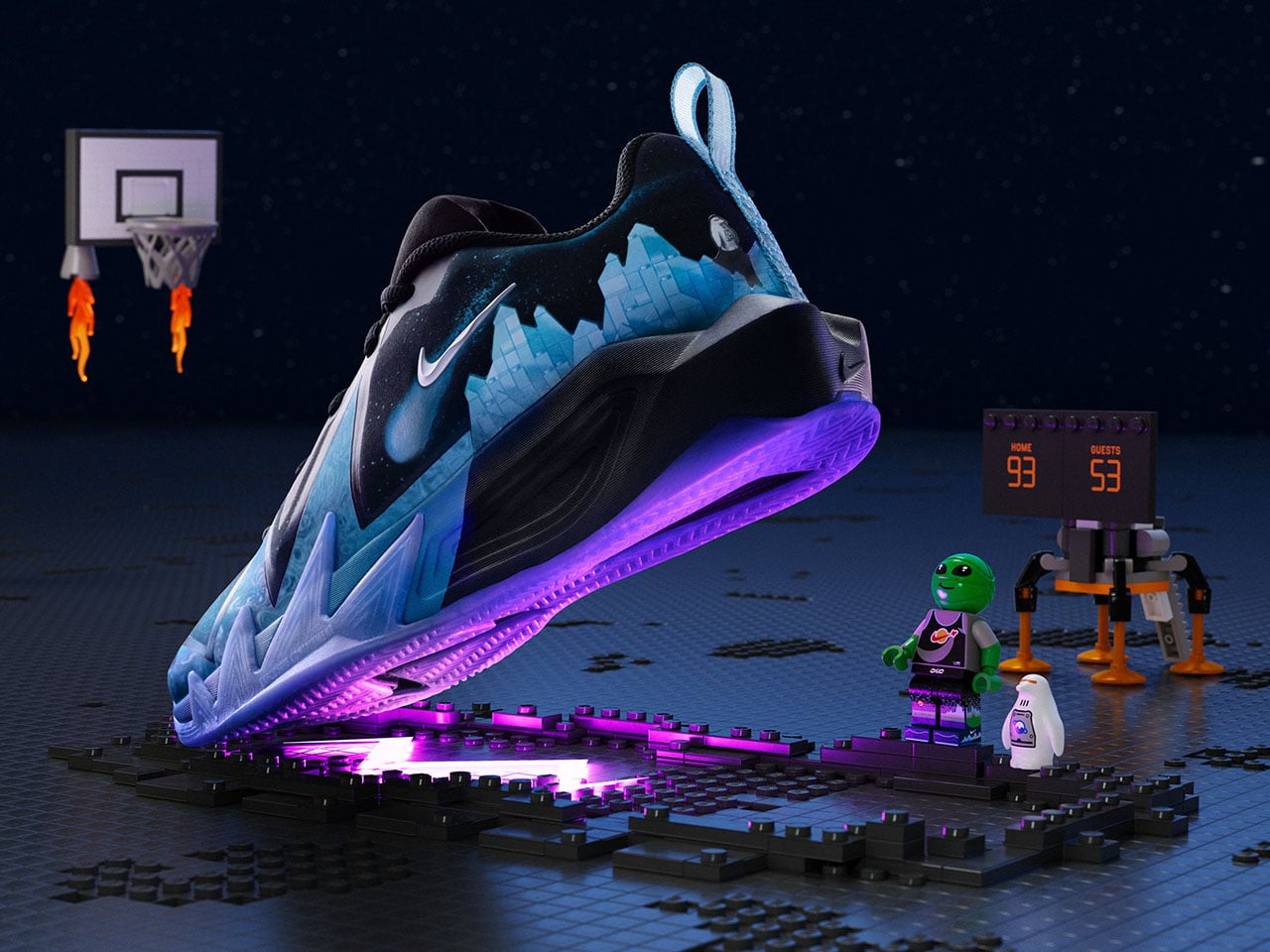
If you’re interested, the Air Force 1 Low LV8 borrows its appearance from an actual astronaut spacesuit, while the S.T. Dynamite seems prepared for a game in an icy blizzard. The shoes are available in sizes ranging from 10.5C to 7Y.

The Nike Air Force 1 Low LV8 is reimagined with an upper that looks like an astronaut’s spacesuit. The sketched stitch detailing adds a constructed feel and playfulness, while the LEGO space-themed Swoosh and minifigs give the Air Force 1 a new feel that kids are definitely going to appreciate. It wouldn’t be surprising if basketball fans line up outside Nike stores to get a pair for their kids, not because they can’t get it in their size but for their little one to feel the fanfare.

The Nike x LEGO collaboration gets a deeper meaning with the Nike S.T.Dynamite that takes basketball – the kids’ collection – to an “ice planet.” The sneaker wears a color-shifting finish and a glittering outsole to generate that outer space icy look. Alongside the space-inspired aesthetics, these new collaborative sneakers have multidirectional treads in the sole, bouncy foam cushioning, and a lightweight upper.

The Nike x LEGO kids basketball collection is not limited to footwear alone. The sneaker duo, which will be available in North America from November 24 (but is in stores elsewhere starting November 2), comes with printed ripstop trousers, a graphic T-shirt, and Dri-FIT basketball shorts with a lunar landscape print. Also, part of the collection is a full-zip fleece hoodie equipped with a basketball minifigure patch that changes as you move.

The post Nike and LEGO’s new space-themed sneakers let kids take their basketball style beyond Earth first appeared on Yanko Design.

  •  

Assouline turns classic board games into luxury interior objects with The Game Room Collection

Best known for its luxury coffee table books, Assouline is extending its design-led approach to everyday objects with the launch of The Library Collection: Game Room. This new collection reinterprets five familiar tabletop pastimes as carefully crafted lifestyle accessories, combining traditional games with premium materials and decorative detailing. Chess, backgammon, tic-tac-toe, dominoes, and playing cards receive a refined makeover, portraying them as objects designed for both entertainment and display.

The board game collection brings together rich walnut, pebbled and inlaid leather, brushed brass, heavyweight aluminium, and soft polysuede. A restrained colour palette of red, camel, brown, and stone gives the five pieces a consistent visual identity, allowing them to complement contemporary interiors, libraries, studies, and living spaces. Rather than changing how these games are played, Assouline focuses on their physical presentation, turning familiar objects into collectible pieces that can remain on display between games.

Designer: Assouline

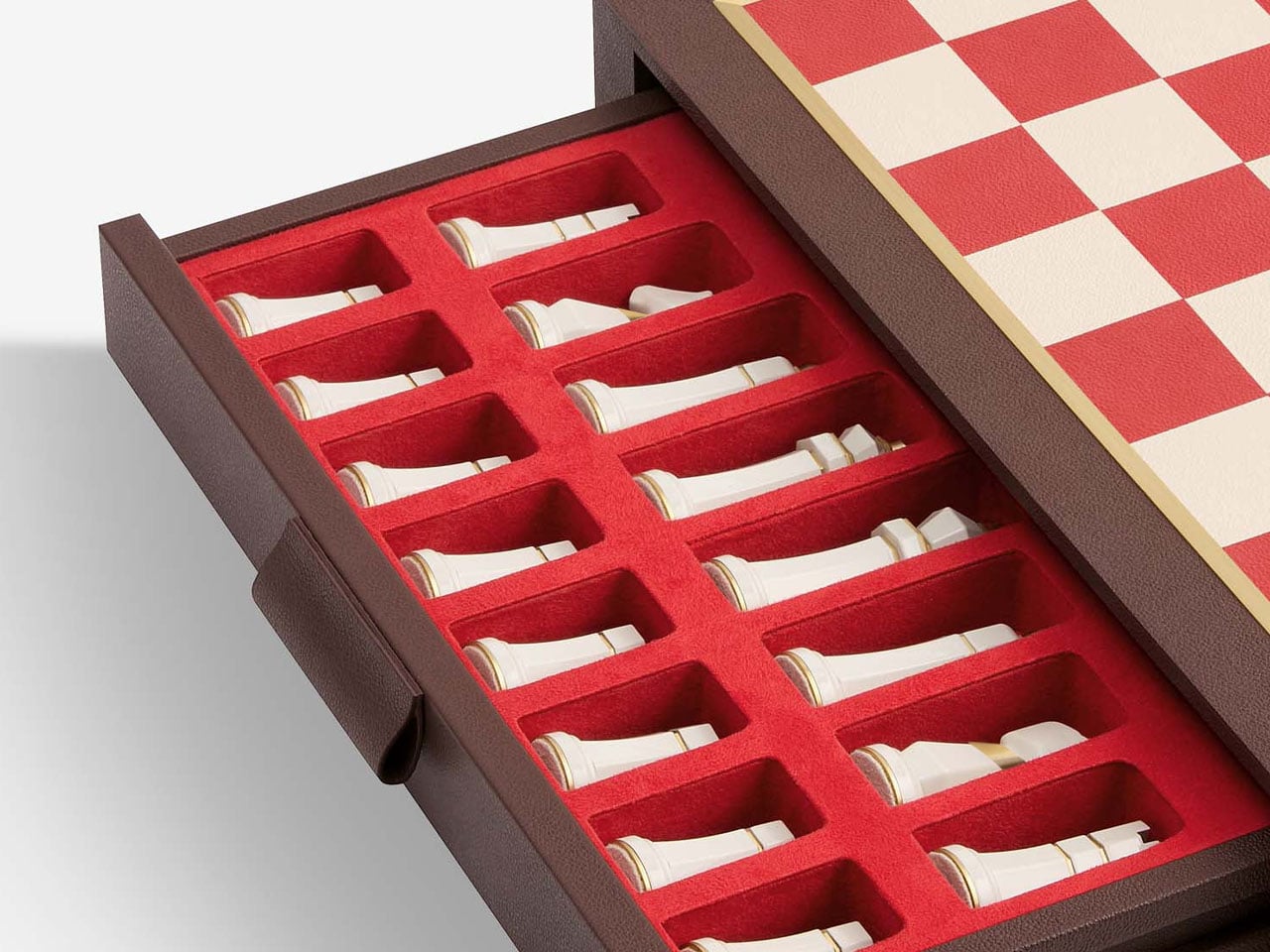
Leading the board game collection is the Empire Chess Set, priced at $2,500. The chessboard combines a walnut structure with a brushed brass border and an inlaid pebbled leather playing surface. Integrated removable drawers provide storage for the pieces, while soft polysuede underlays add another layer of finish. Its heavyweight aluminium chess pieces feature brass accents and sculptural forms. One notable detail is the queen, whose crown draws inspiration from the distinctive visual motifs of artist Jean-Michel Basquiat.

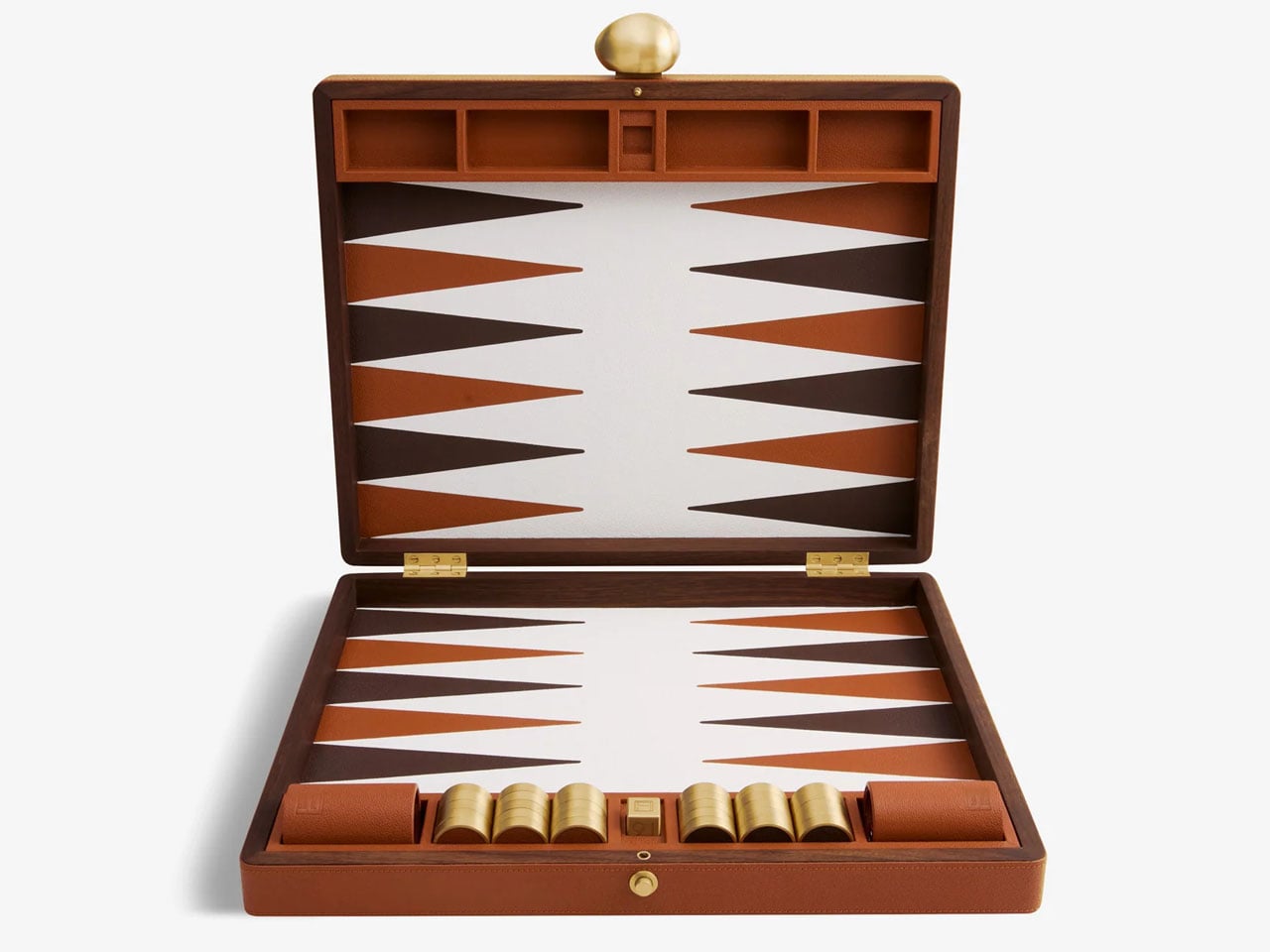
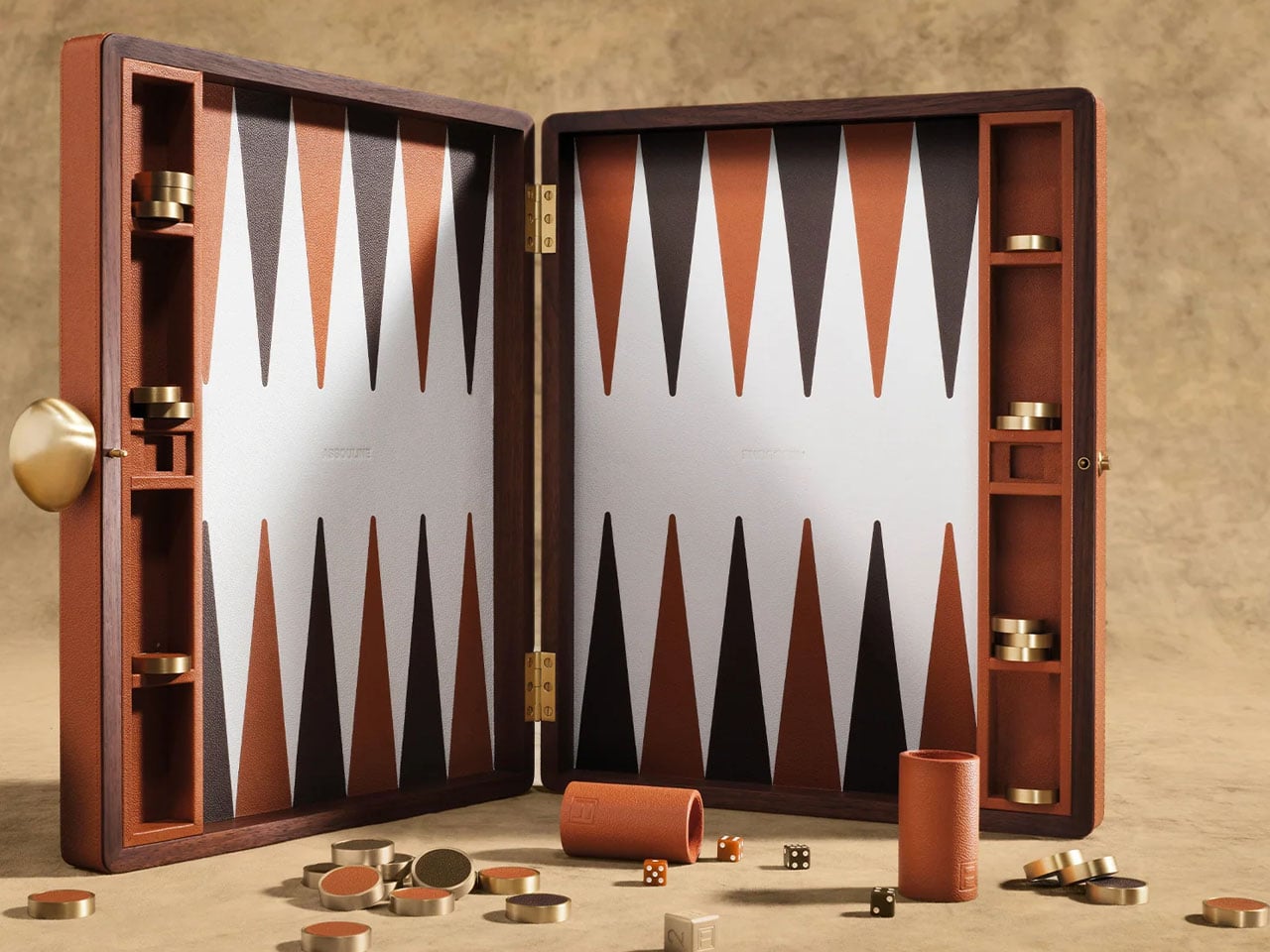
The Pebble Backgammon Set follows at $2,250, housed in a solid walnut case with an inlaid leather playing surface. Its checkers are wrapped in leather and finished with brass detailing, while the dice are hand-painted in Assouline’s signature colour palette. The combination of tactile materials and traditional craftsmanship gives the set a more considered presence than conventional board-game accessories.

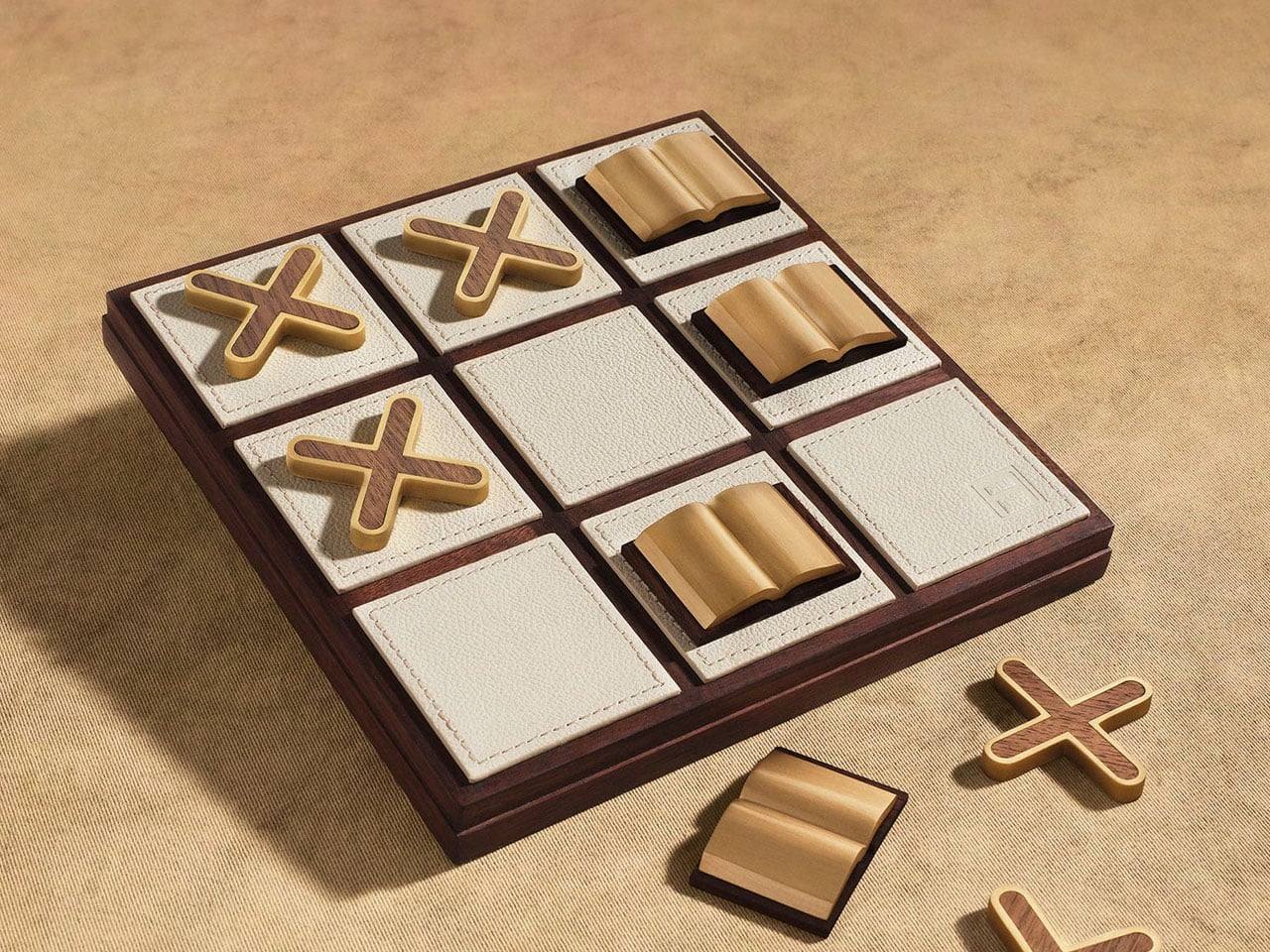
For a more compact alternative, the Library Tic-Tac-Toe Set costs $750 and combines walnut with pebbled leather. Its playing pieces introduce an unusual design detail: alongside wood and brass markers, the O-shaped pieces take the form of miniature books, referencing Assouline’s publishing heritage.

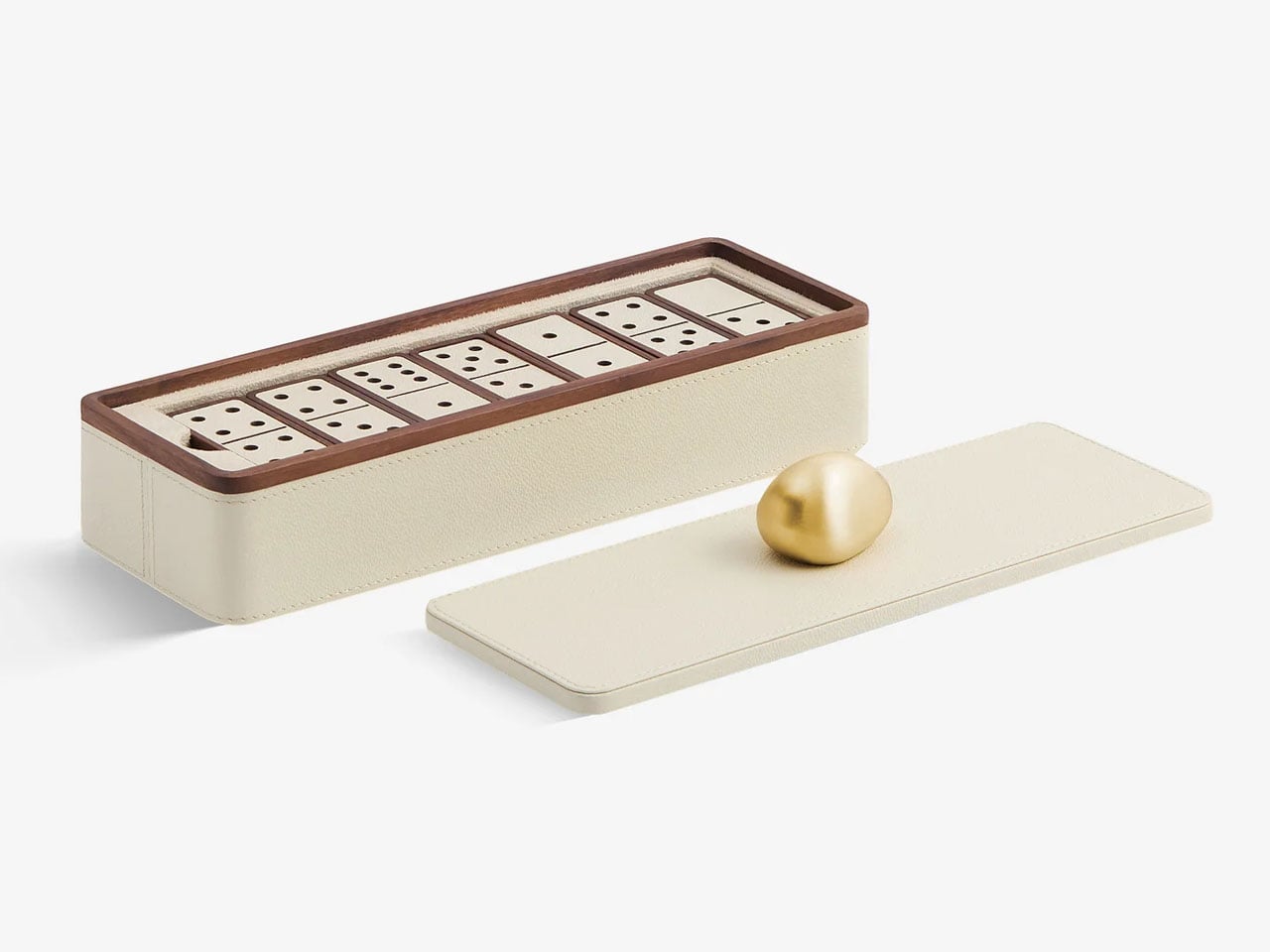
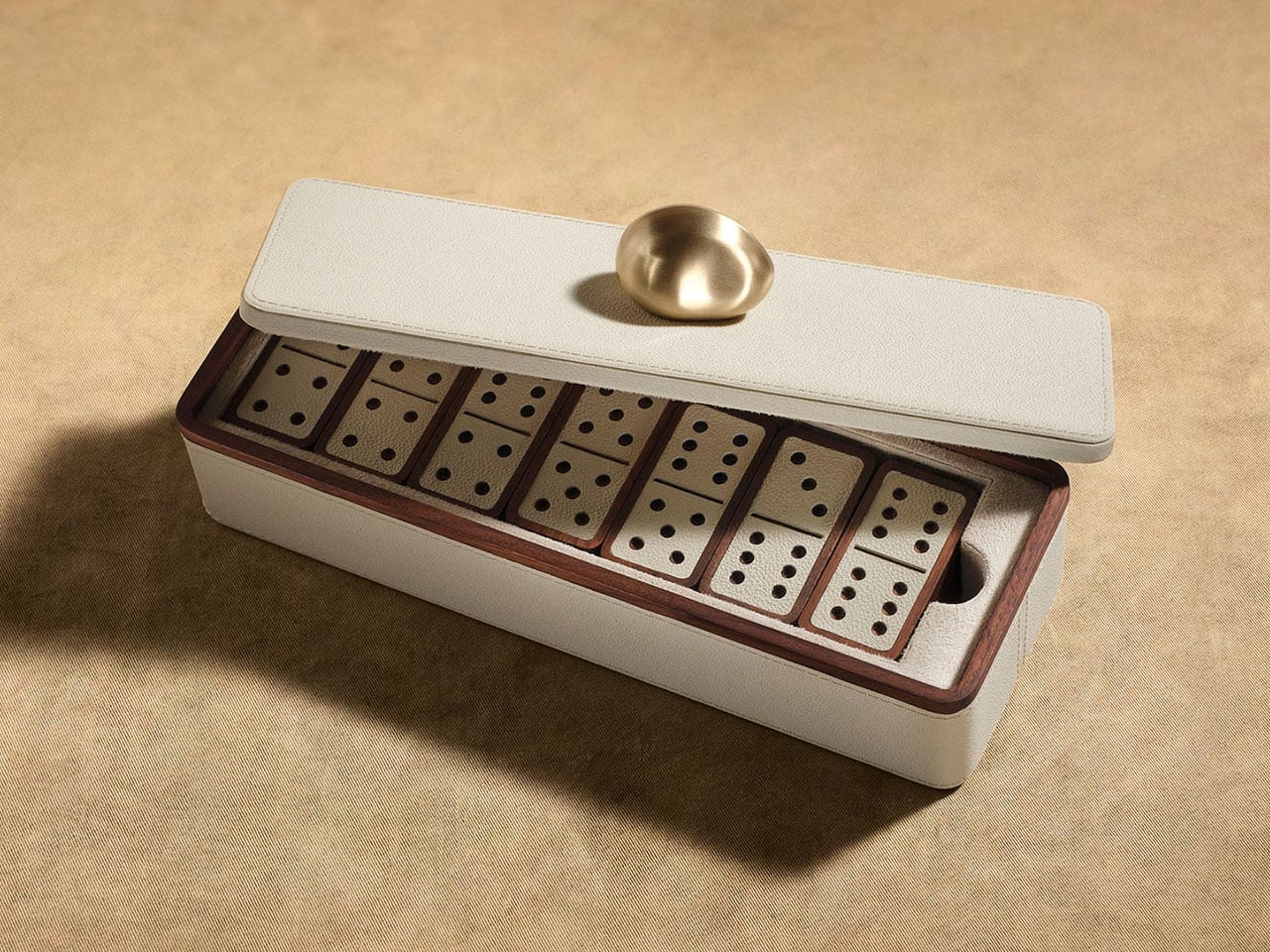
Completing the lineup are the Pebble Domino Set and Pebble Playing Card Set, priced at $650 and $450, respectively. The dominoes feature oversized leather-inlaid tiles framed in walnut, with recessed walnut pips and a distinctive pebble-shaped brass handle on the storage box. Meanwhile, the playing card set includes two gold-gilded decks featuring Didot typography and illustrated jokers depicting characters juggling books. Both decks are housed in a sliding leather case.

With prices ranging from $450 to $2,500, The Library Collection: Game Room extends Assouline’s approach to design beyond printed publications. Each piece brings a familiar social activity into the language of luxury interiors, where material quality, craftsmanship, and thoughtful detailing are as important as everyday functionality. The collection is available through Assouline’s online store.

The post Assouline turns classic board games into luxury interior objects with The Game Room Collection first appeared on Yanko Design.

  •  

$229 Galaxy Buds On arrive with hands-free AI operation and smooth gestures

The clip-on buds form factor is here to stay and not merely a fad. Samsung has joined the bandwagon with its first-ever clip-ons that compete in the flagship segment. The South Korean giant’s Buds4 Pro earbuds have already impressed us with their excellent call quality, ANC, and comfort. So we expect the same from the new Galaxy Buds On.

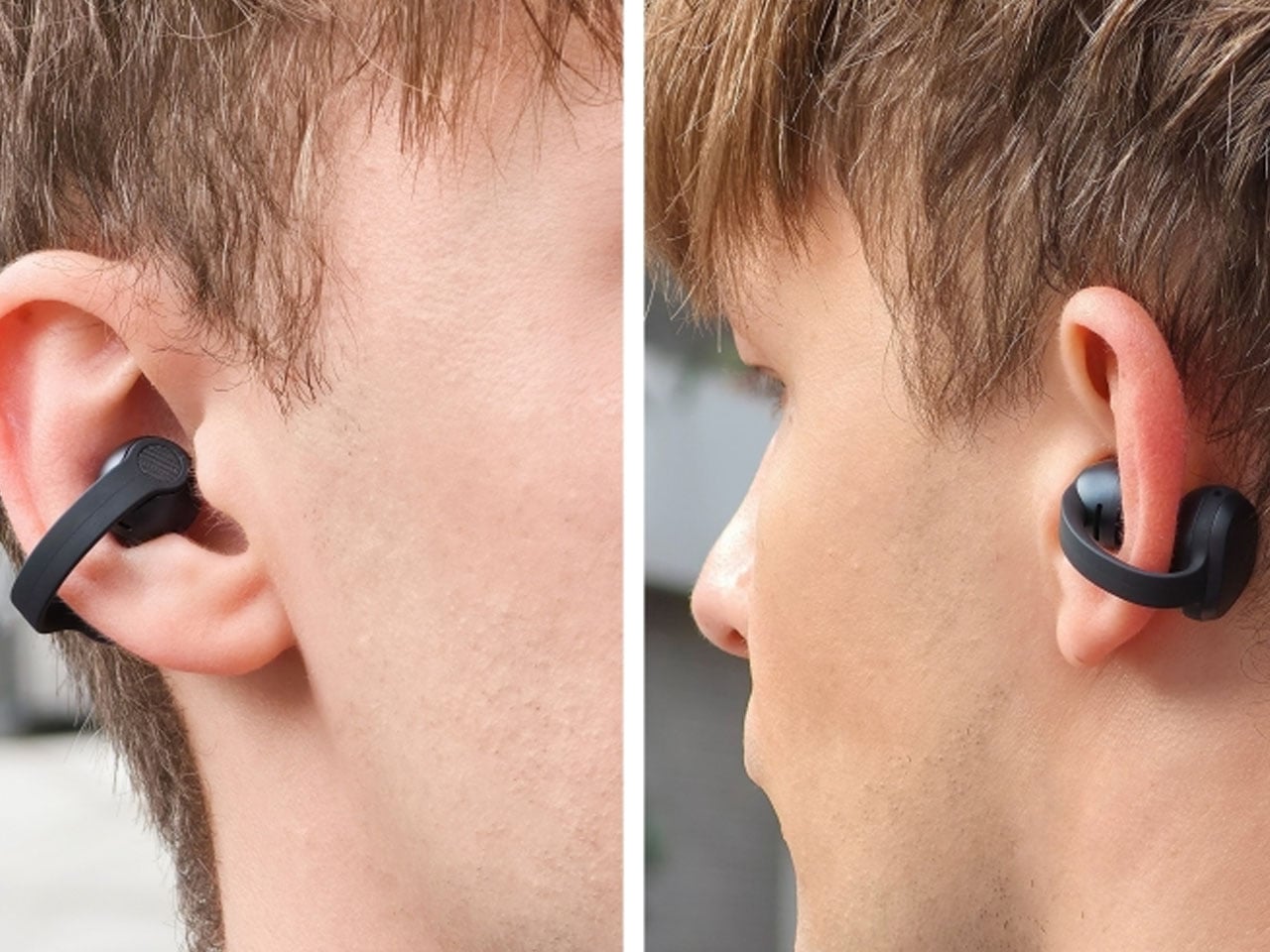
With Bose Ultra Open, Sony LinkBuds, Huawei FreeBuds 6, Nothing Ear (open), and CMF Clip Pro giving outdoor audio lovers plenty of options, the Samsung clip-ons have a strong case with the features on offer. Their first-ever clip-on wireless buds sit inside the ear, while the ergonomic shape comfortably hugs the ear for a snug fit even while working out. According to Samsung, the buds were developed after analyzing different ear shapes to optimize speaker placement and the built-in battery.

Designer: Samsung

Galaxy Buds On are focused on spatial awareness without losing out on the music quality, thanks to the TwinBoost speakers that deliver low-frequency performance. The automatic volume control toggles the audio level depending on the outside ambient noise, so that you don’t miss out on any of the important audio streams or call conversations. The introductory video clearly highlights the fact that the buds seamlessly integrate into daily life and personal listening space. Unlike some buds that have left and right distinction, these don’t have one, which is both a downside and an advantage when it comes to freedom of use.

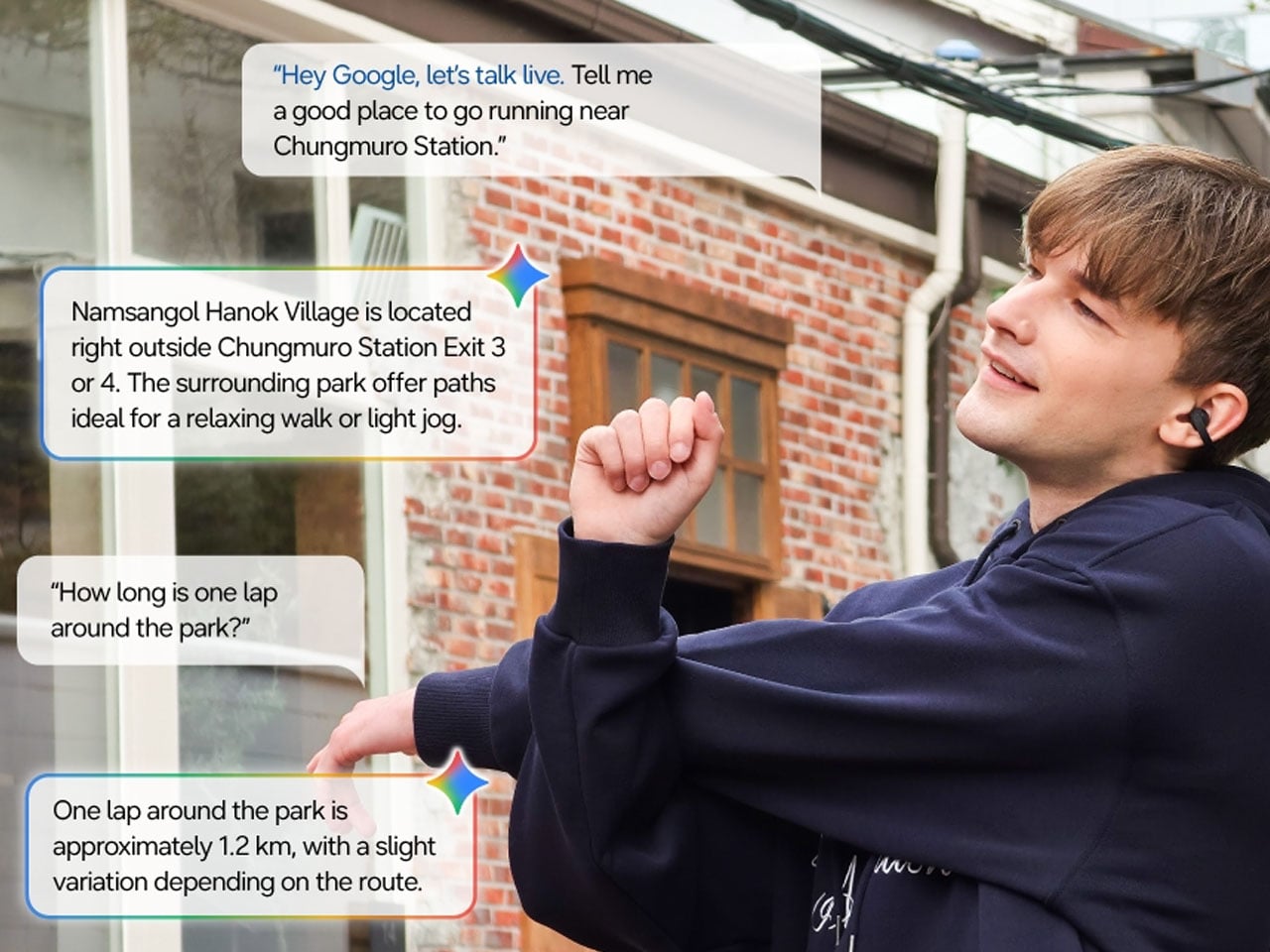
The IP54 buds are powered by the Snapdragon S7 Gen 1 Sound platform paired with the high-efficiency Class-D amplifier, which optimizes things at the hardware level for final performance. This ensures a nonstop 9.5 hours of continuous music playback after a single charge. The buds come with a bone conduction vibration sensor that helps detect if the wearer is speaking to someone, so that the transparency mode can be enhanced and background noise reduced. As seen in the launch video, the buds can be triggered hands-free with the “Hey Google, let’s talk live” command for natural AI conversations.

Head gestures are also a part of the mix and more reliable given the bone conduction tech is at the helm. You can take or reject calls, read message notifications, dismiss alarms, or even adjust volume or equalizer on Galaxy devices. Samsung has also addressed the audio leakage issue, which is common to most clip-ons, with the Audio Leakage Reduction tech. The accompanying case brings the total battery life to an impressive 38 hours. With each of the buds weighing 6.65g and the case at 41g, the Buds On have a strong case for people in the Galaxy ecosystem. For a price of $229, they are flush in the flagship dominance race, and it will ultimately boil down to the real-world performance of the buds.


The post $229 Galaxy Buds On arrive with hands-free AI operation and smooth gestures first appeared on Yanko Design.

  •  

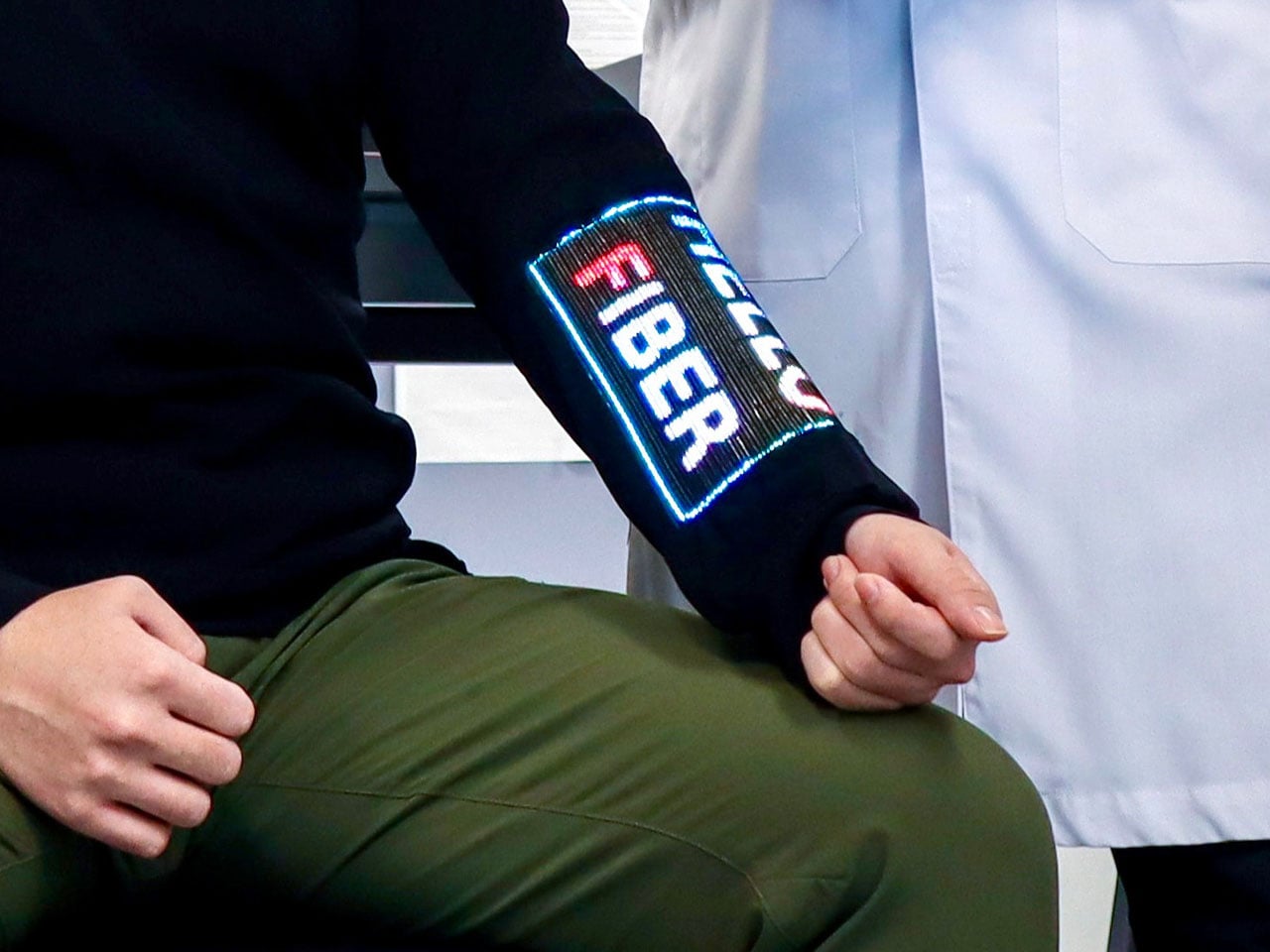
Your next touchscreen device will not be made from plastic, it will be woven into the sleeves

We are already wearing clothing with heaters and Bluetooth speakers built in. But tech-infused clothing to do more than that still feels ugly and nerd chic. Changing that perspective for good and giving us a reason to believe that the next touchscreen interactive device will not be made from plastic- it will be woven into the sleeves- researchers at the National University of Singapore (NUS) have developed a touchscreen sewn into clothing.

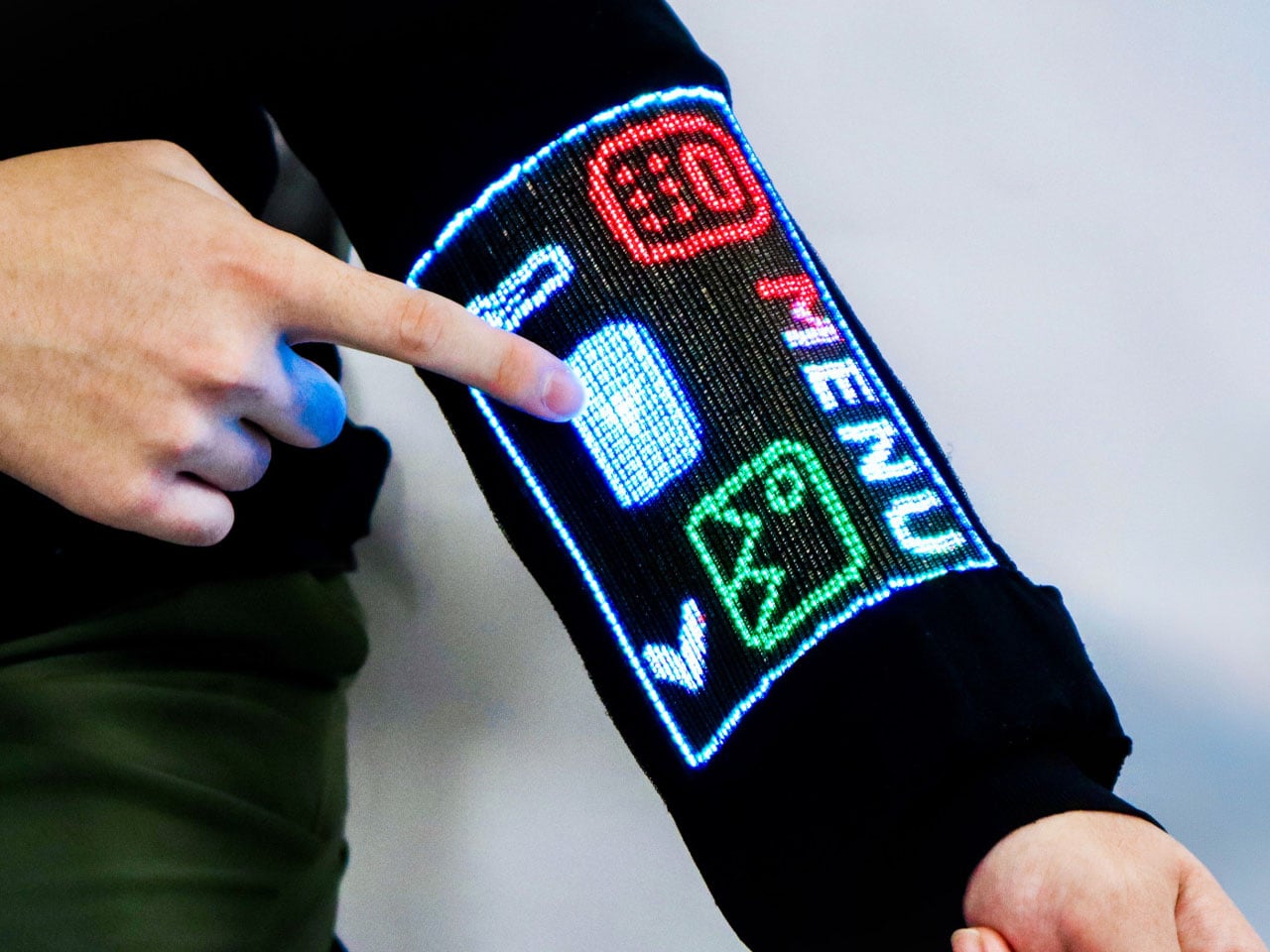
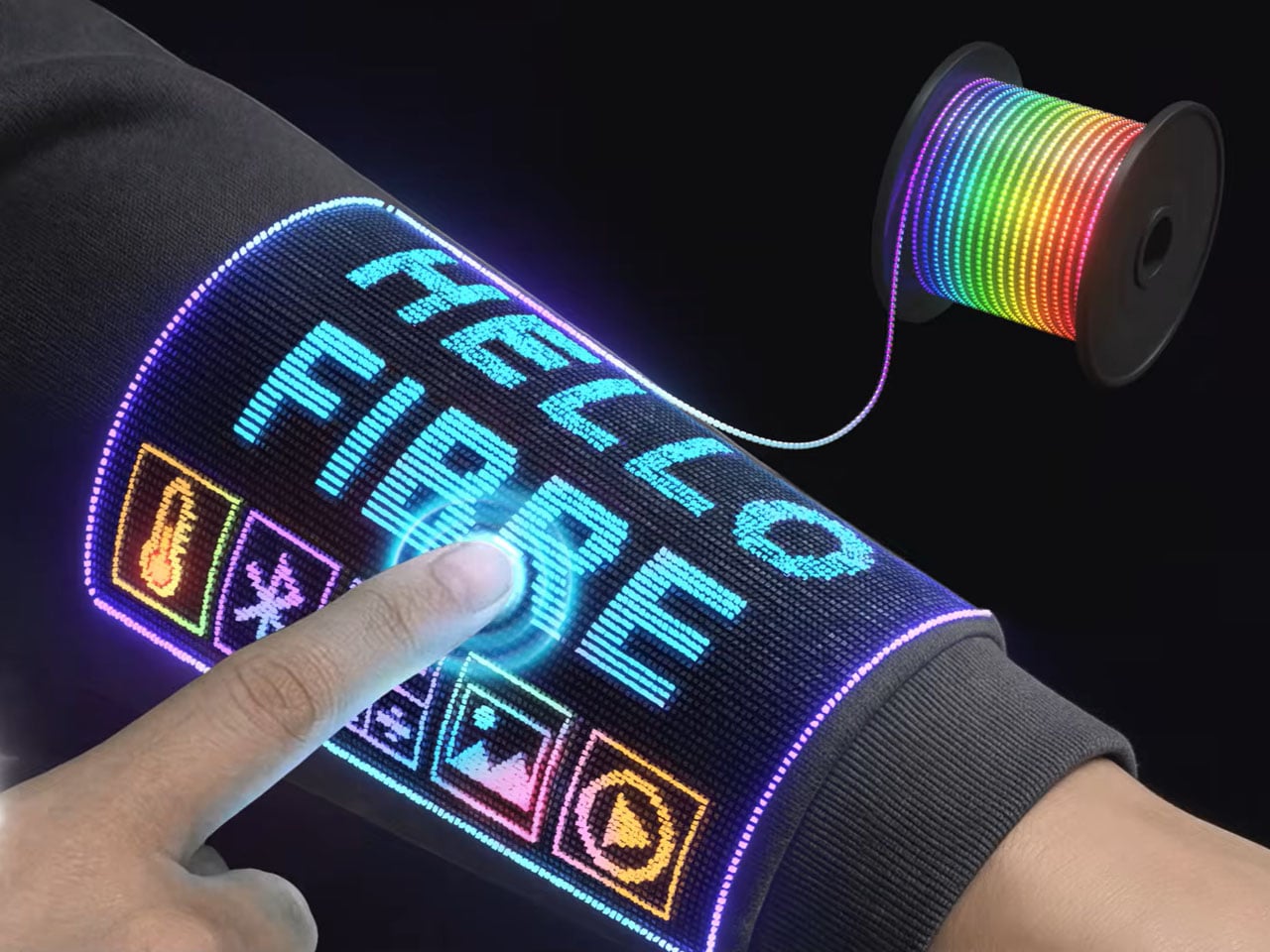
The team of scientists led by Assistant Professor Tural Khudiyev from the Department of Materials Science and Engineering at CDE, has created fiber that functions as pixels and senses touch at the same time. They have integrated 54 specialized fibers into a sleeve, which they described as the world’s first touchscreen built into a garment. The findings of their research were published in Nature on 21 October 2026.

Designers: NUS

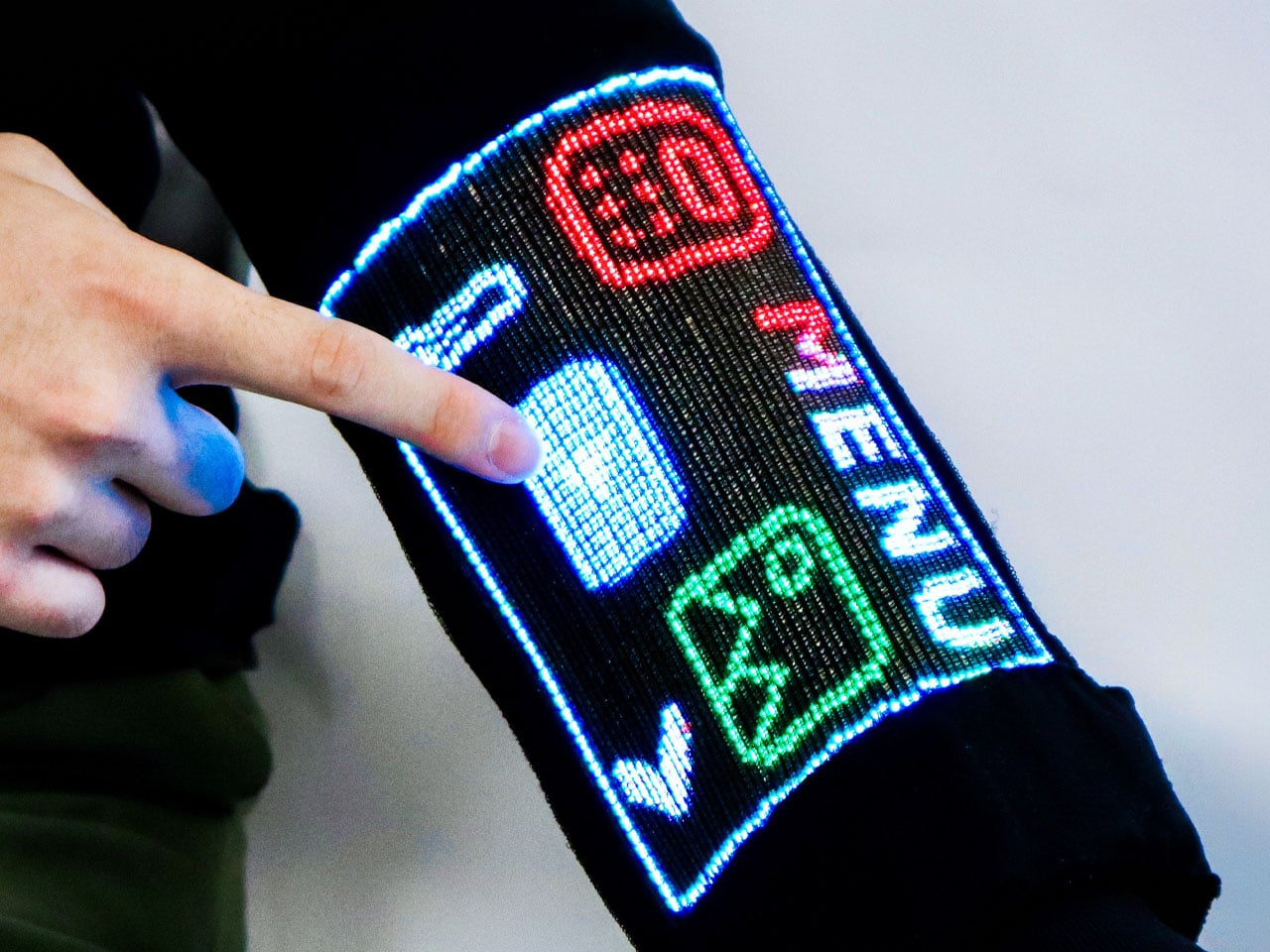
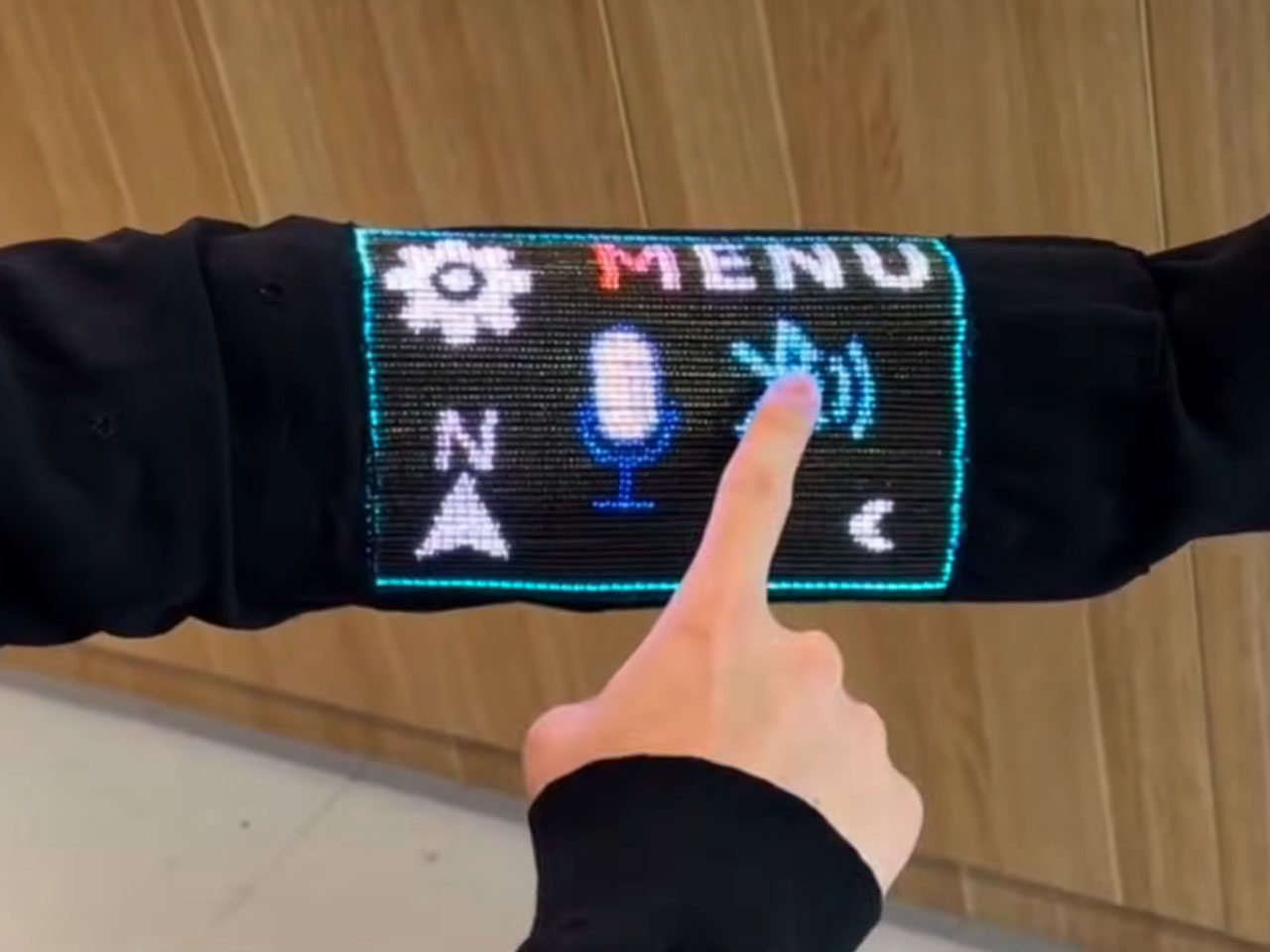
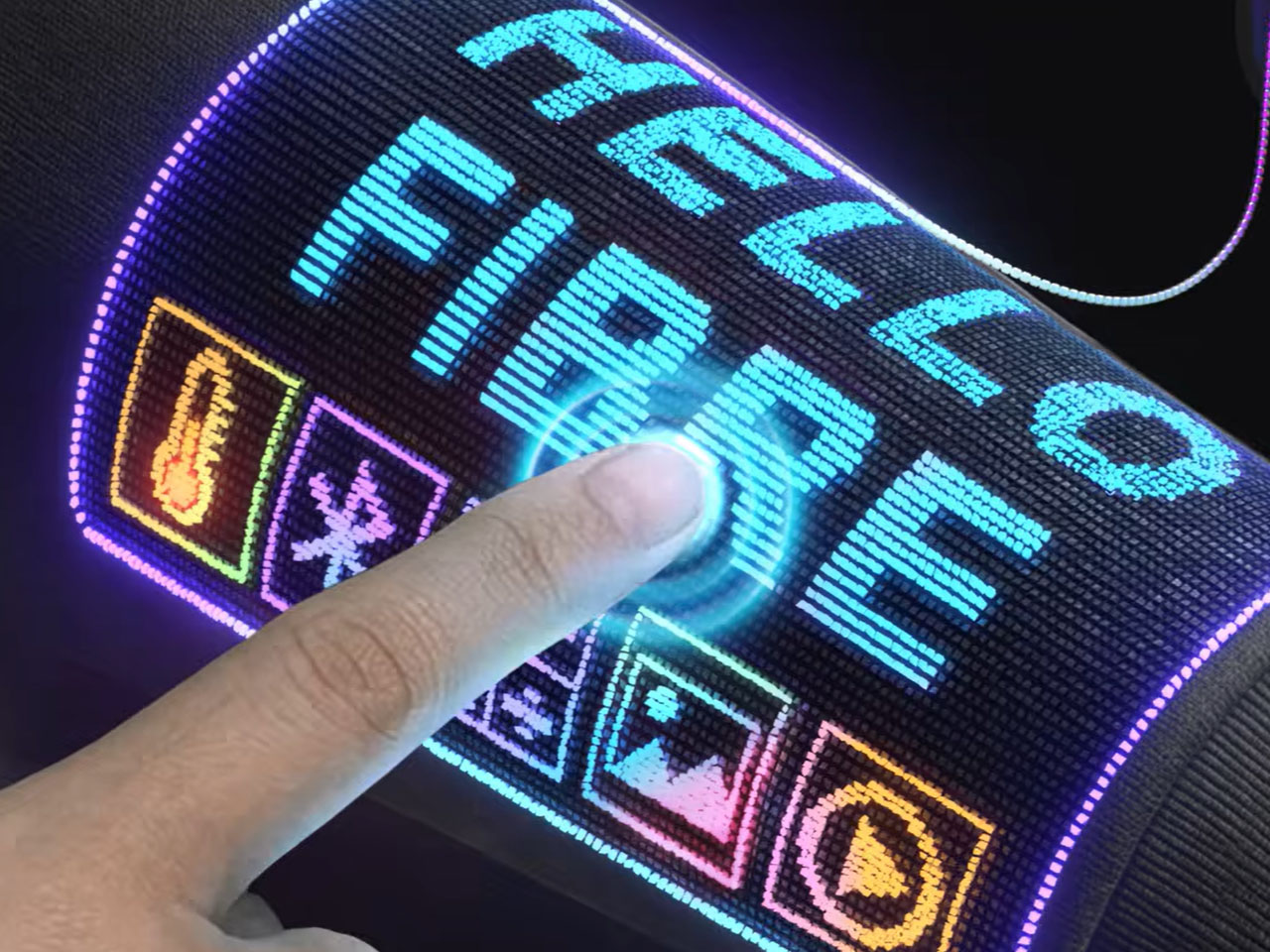
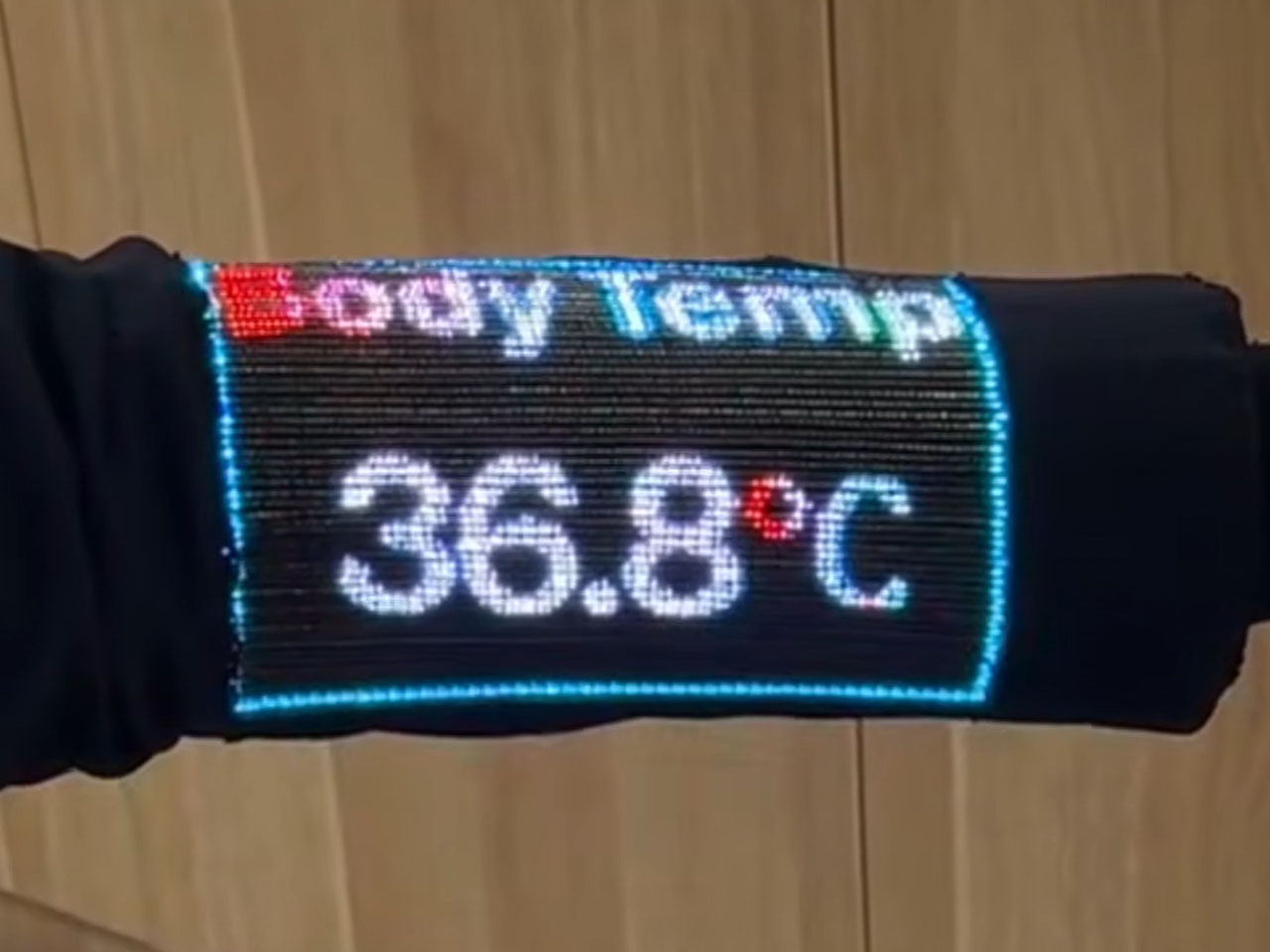
Opening doors for tech-integrated clothing that does more than the usual heating and playing music features, it has a 96 x 54-pixel display on the sleeve, which can show images, play videos, and respond to touch. For the real-world mathematicians, it can also do some calculations.  While the techier have the option of pairing the touch-sensitive layer on their sleeve with another Bluetooth device, or interact with it over voice commands.

The scientists inform that this is not a screen integrated into the fabric, instead, it features electronics that are built right into the fibers themselves, ensuring that in addition to carrying out some of the functions on the mobile device in your pocket, it can also display body temperature readings when required. The fiber comprises a display and sensing capability, while an integrated touch-sensitive layer helps detect finger inputs and helps activate the corresponding pixels.

Talking about their creation, Asst Prof Khudiyev said, “What made this possible was our ability to construct the GUI system from electronic building blocks in fibre form — similar to traditional yarn, but with the sophisticated electronic functionality built directly into the fibres.” The display that has been created is for now a pretty low-resolution interface, so you cannot expect to play high-res videos on it just yet, but from what we are seeing, it can have a range of applications, such as health monitoring. Imagine a display on your garments that displays your physiological readings?

One concern that instantly comes to mind is how safe a garment GUI system like this one. According to the scientist behind the innovation have found that the display and touch sensitivity of the fabric remains almost unchanged after “50 machine-washing cycles and 1,000 bending cycles.” Also, the garment embedded with the electronics and the touch display remains flexible and breathable, making it usable for everyday wear. The team has not yet announced any possible release date for such a technology, but we already sense that the possibility of its release in the very near future is immense.

The post Your next touchscreen device will not be made from plastic, it will be woven into the sleeves first appeared on Yanko Design.

  •  

Bandit9 (RED)800 Motorcycle Fades From Racing Red to Brushed Aluminum

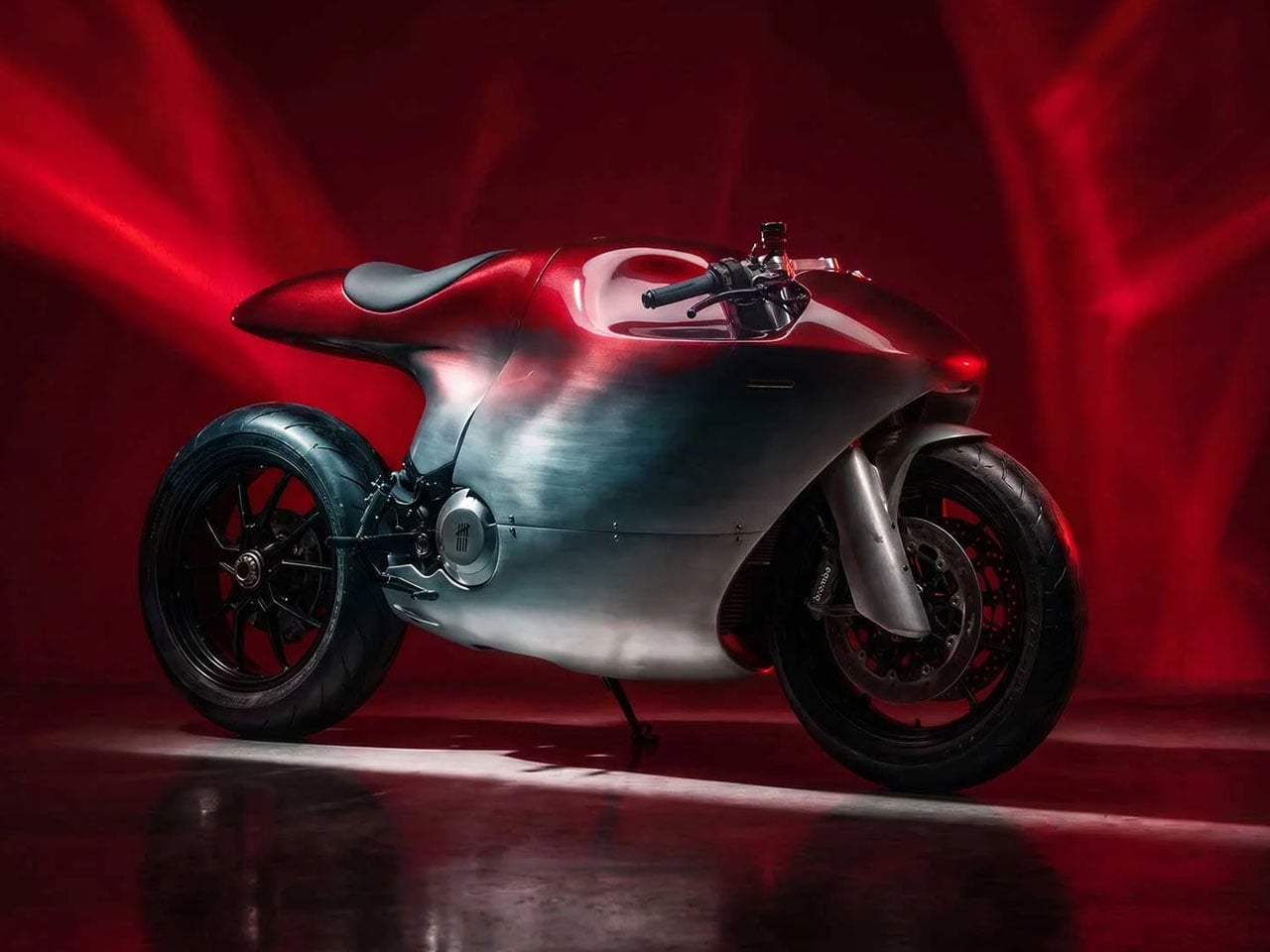
Only a few come close to Bandit9 when it comes to avant-garde custom motorcycle creations. We’ve seen some eye-popping designs from the Vietnam-based studio that lean into a sci-fi theme, with alien-inspired forms that stay within the desirable two-wheeler limits. This time around, the custom builder is back with a hand-built motorcycle crafted in collaboration with RED, an organization helping fight AIDS and other preventable diseases.

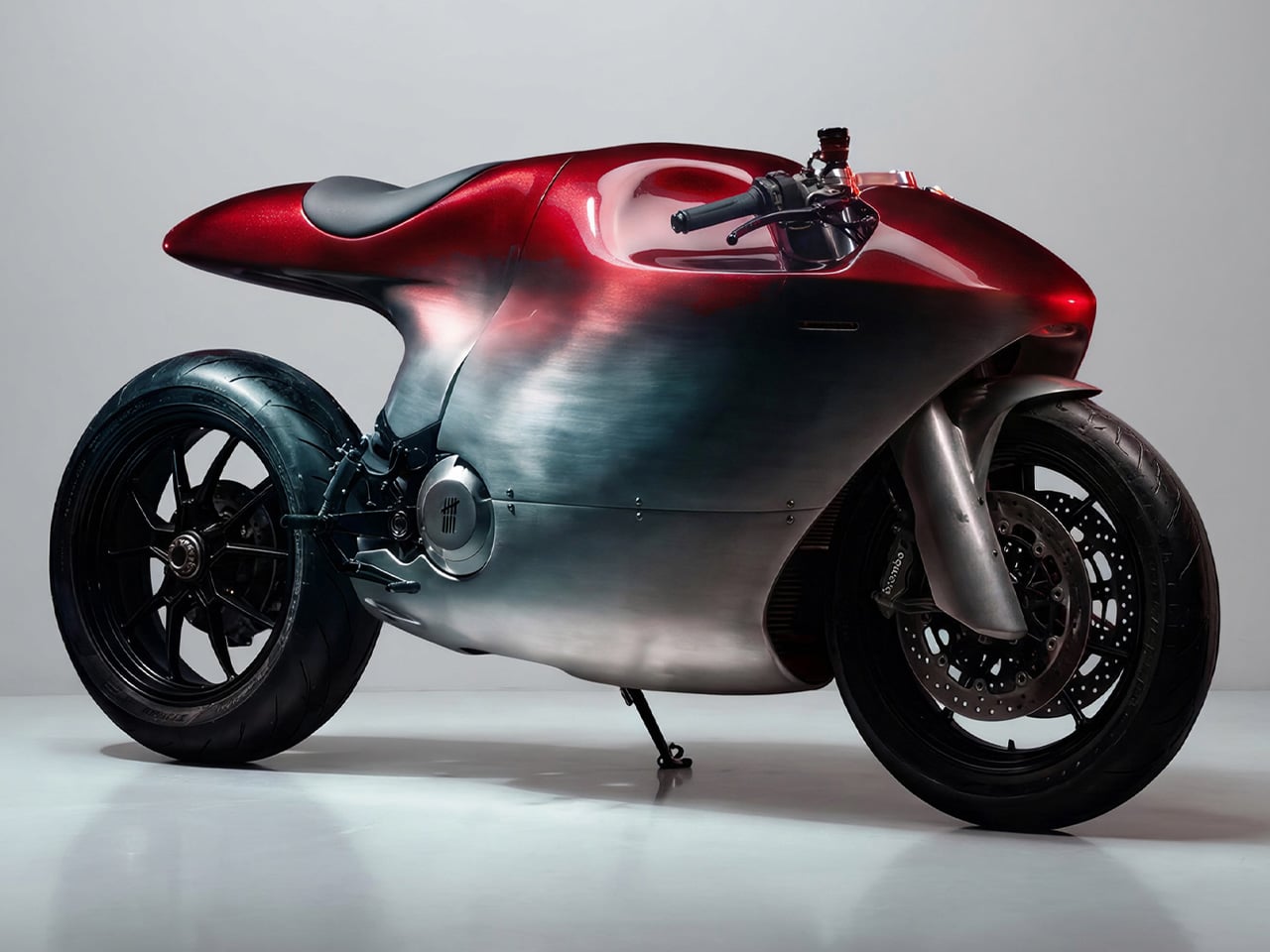
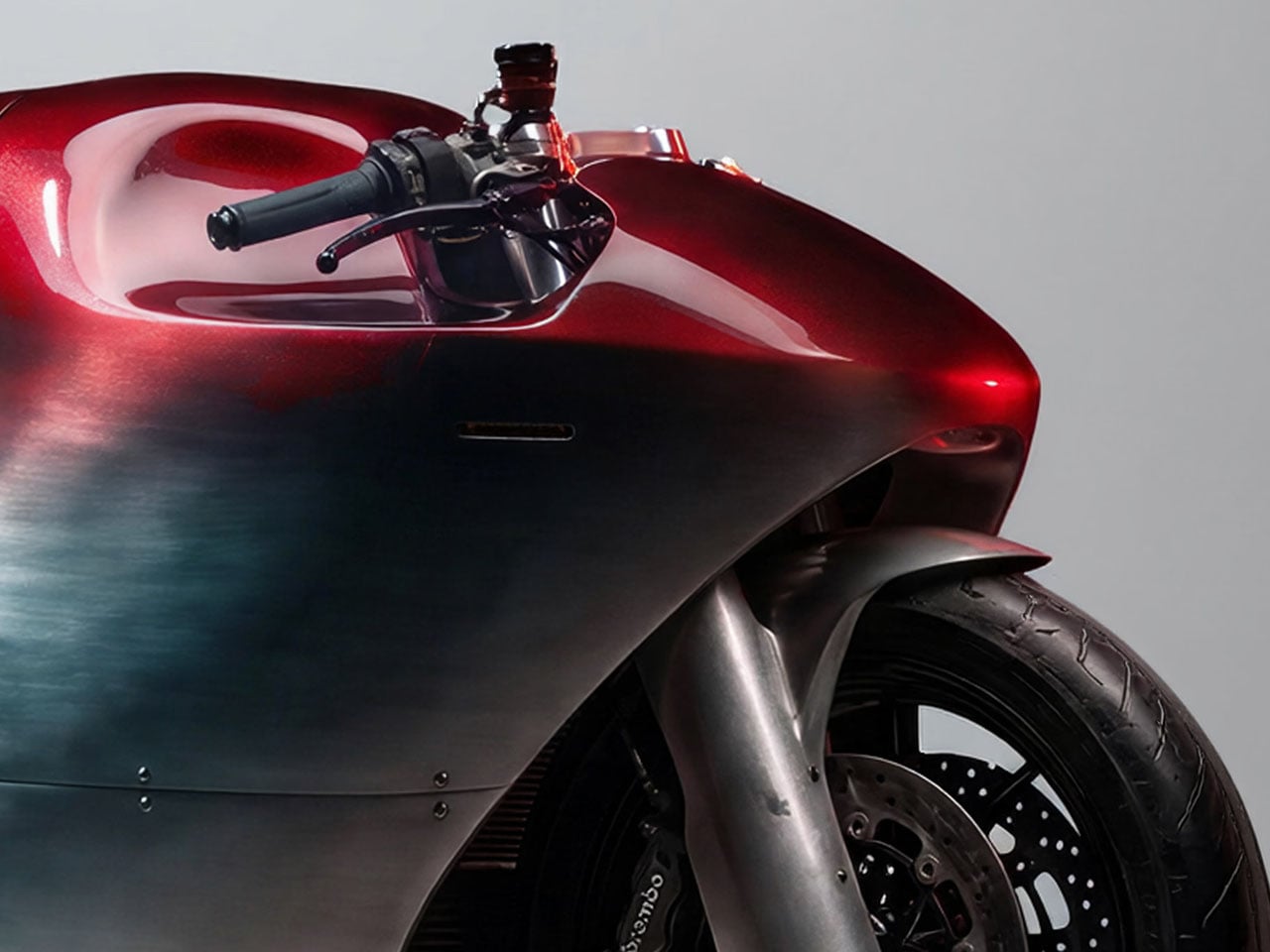
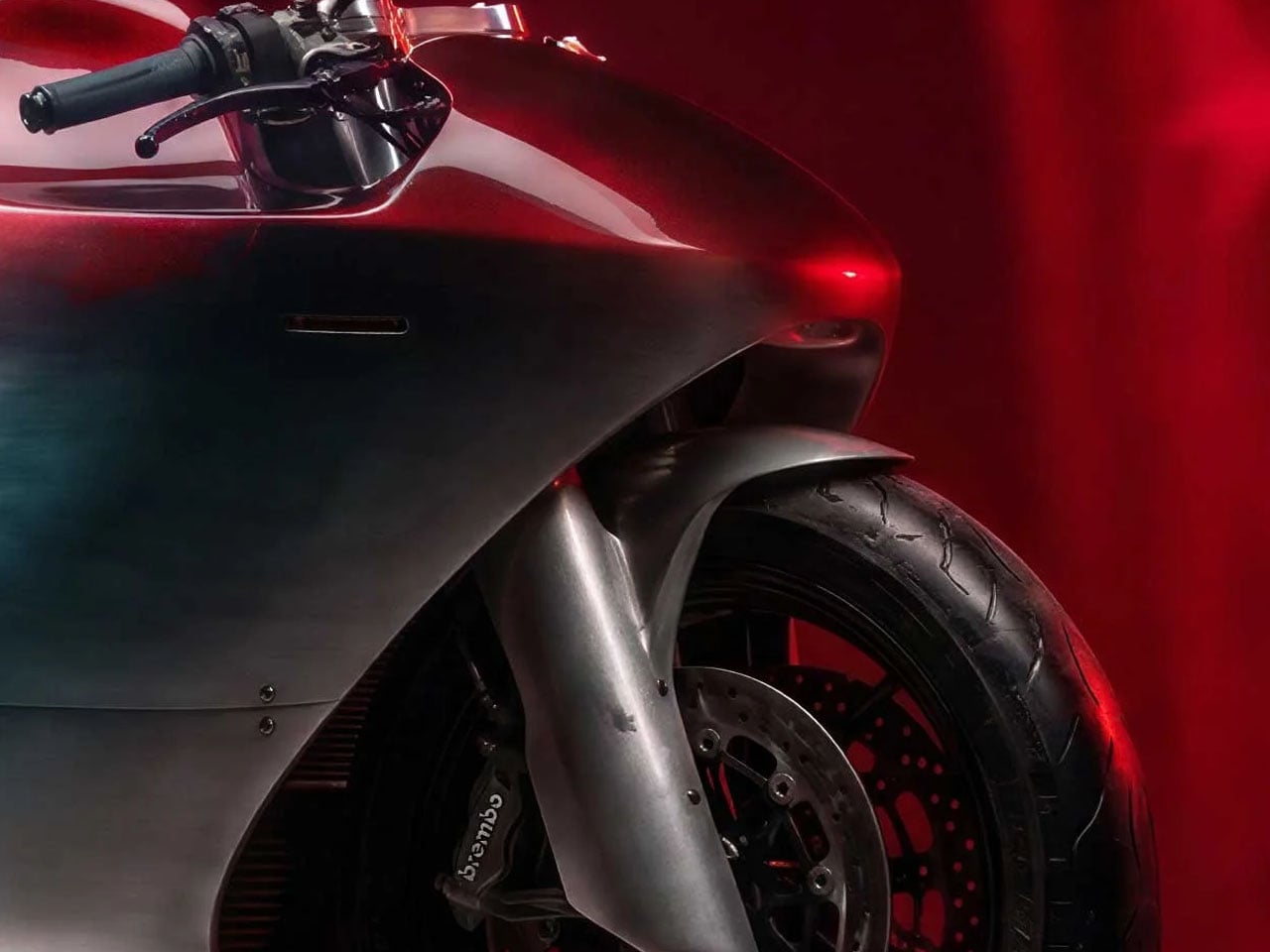
Dubbed the (RED)800, this bike is a sight to behold with its raw form fused into a modern aesthetic, as the hand-brushed aluminum fades gradually into the sparkly red form. Only 9 units of this bike will ever be made, so that puts it firmly in the ultra-limited-edition category. More importantly, every single penny earned from the sales will go to RED’s mission for life-saving healthcare programs to communities most in need.

Designer: Bandit9 and RED

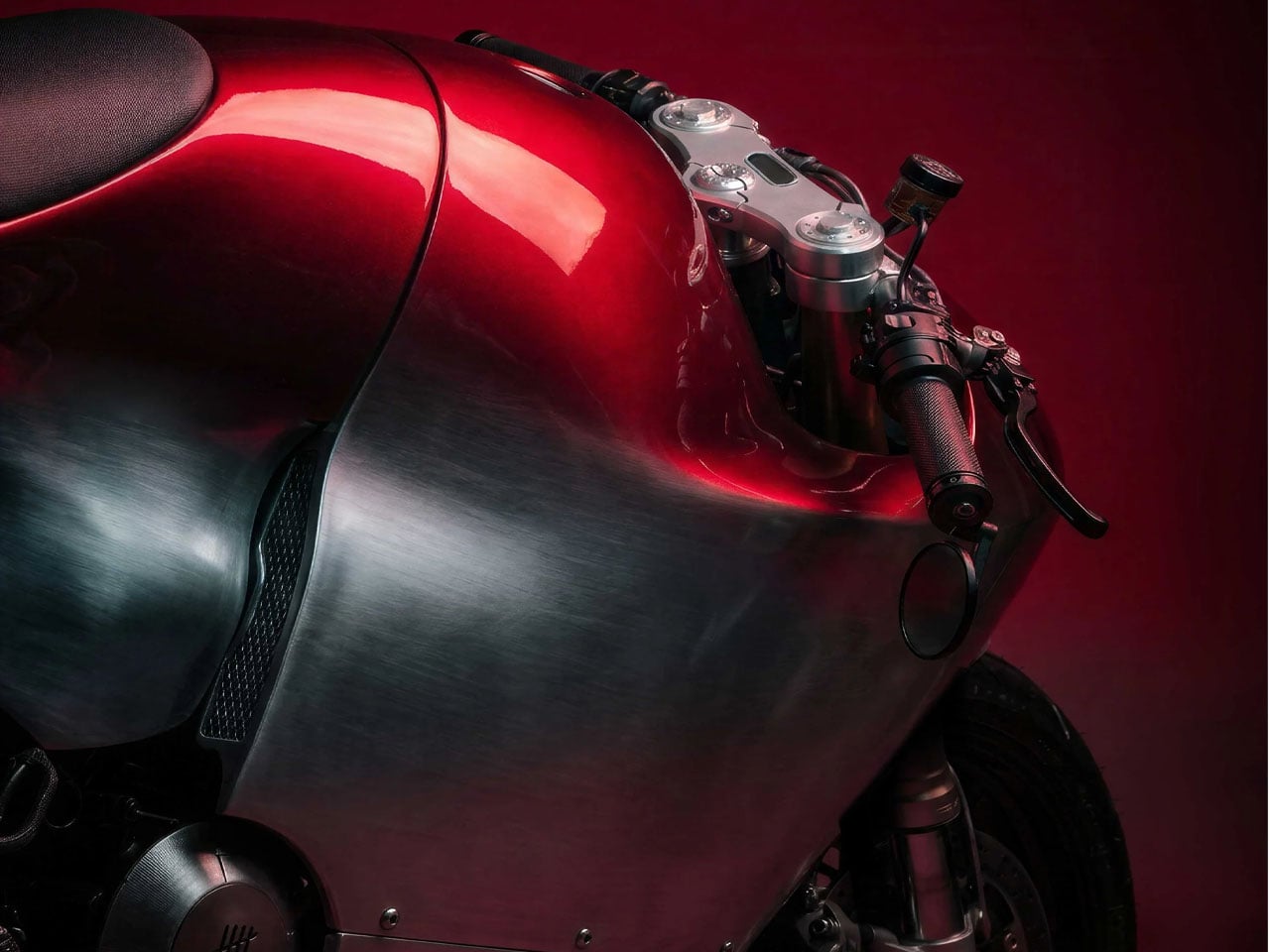
According to the makers, the bike’s bodywork is sculpted from scratch, with the attention to detail that’s worthy of a sculpture. As RED puts it, the bike is “an unexpected meeting of color and raw metal, executed by hand. It’s this kind of unconventional thinking and meticulous execution that defines a Bandit9 motorcycle.” Underneath that drool-worthy bodywork is the Ducati 821cc Testastretta V-twin producing 110 bhp. That takes the handsome machine from 0–60 mph in 3.3 seconds, and capable of hitting top speed of 201 km/h.

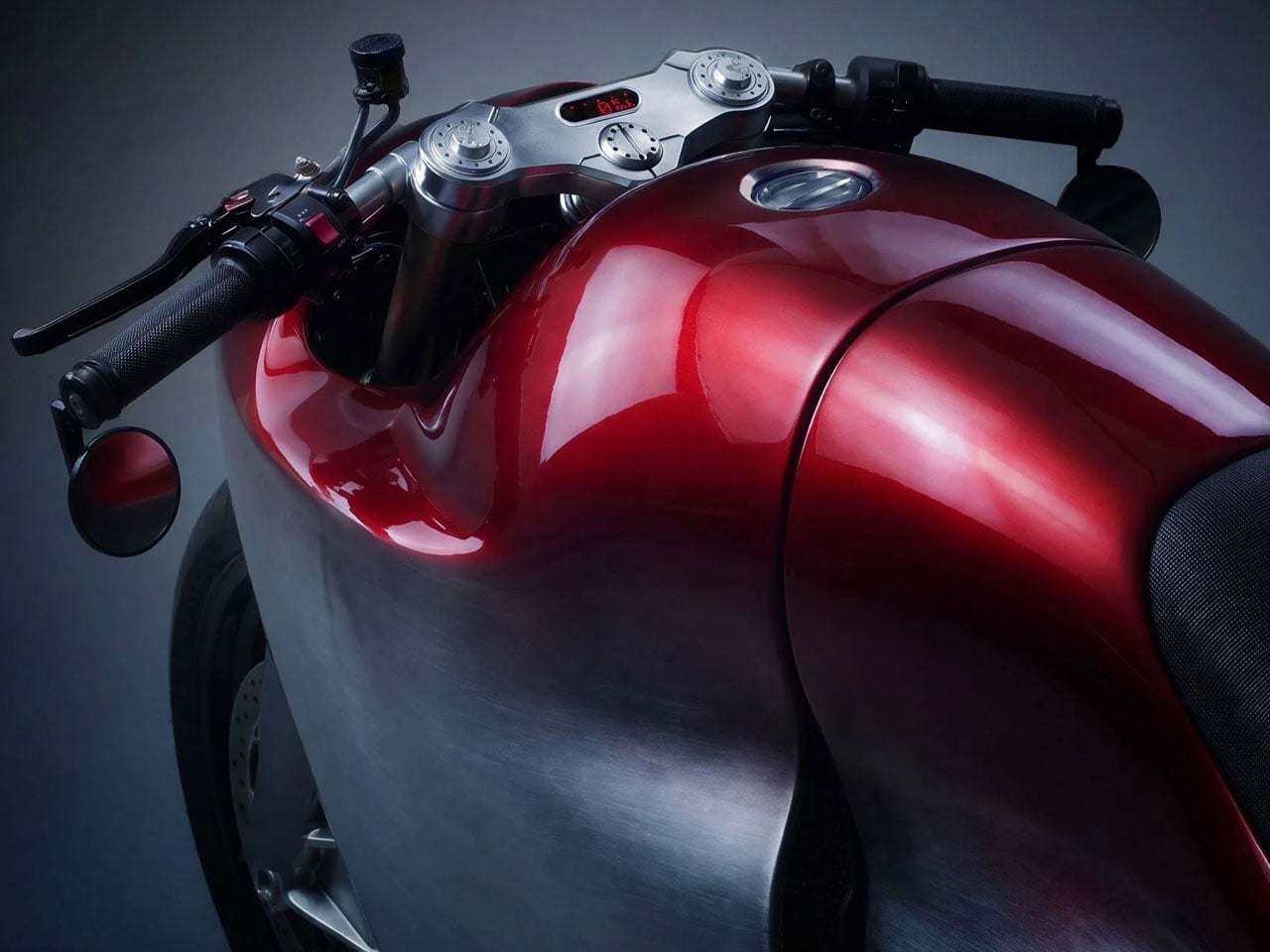
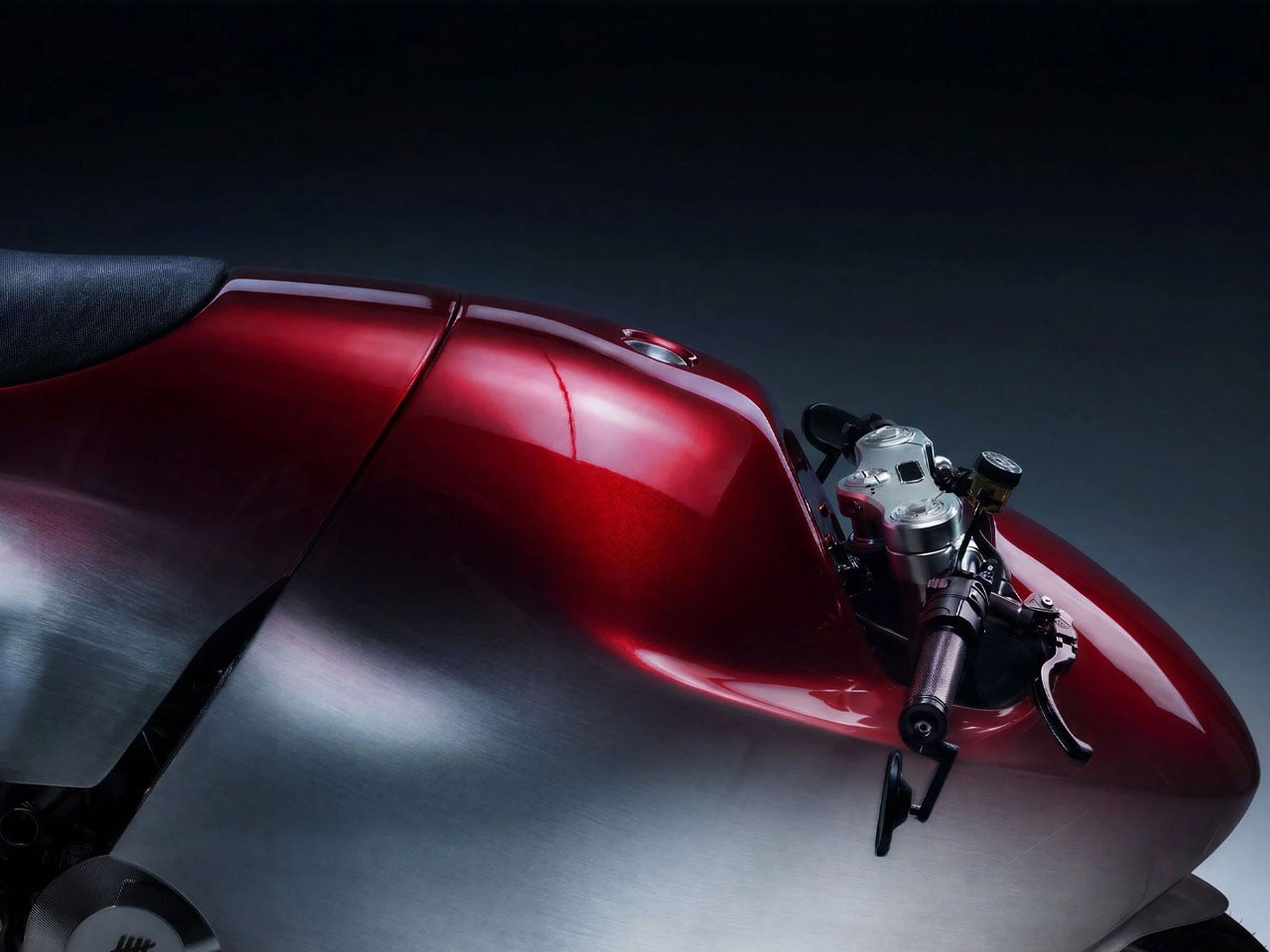
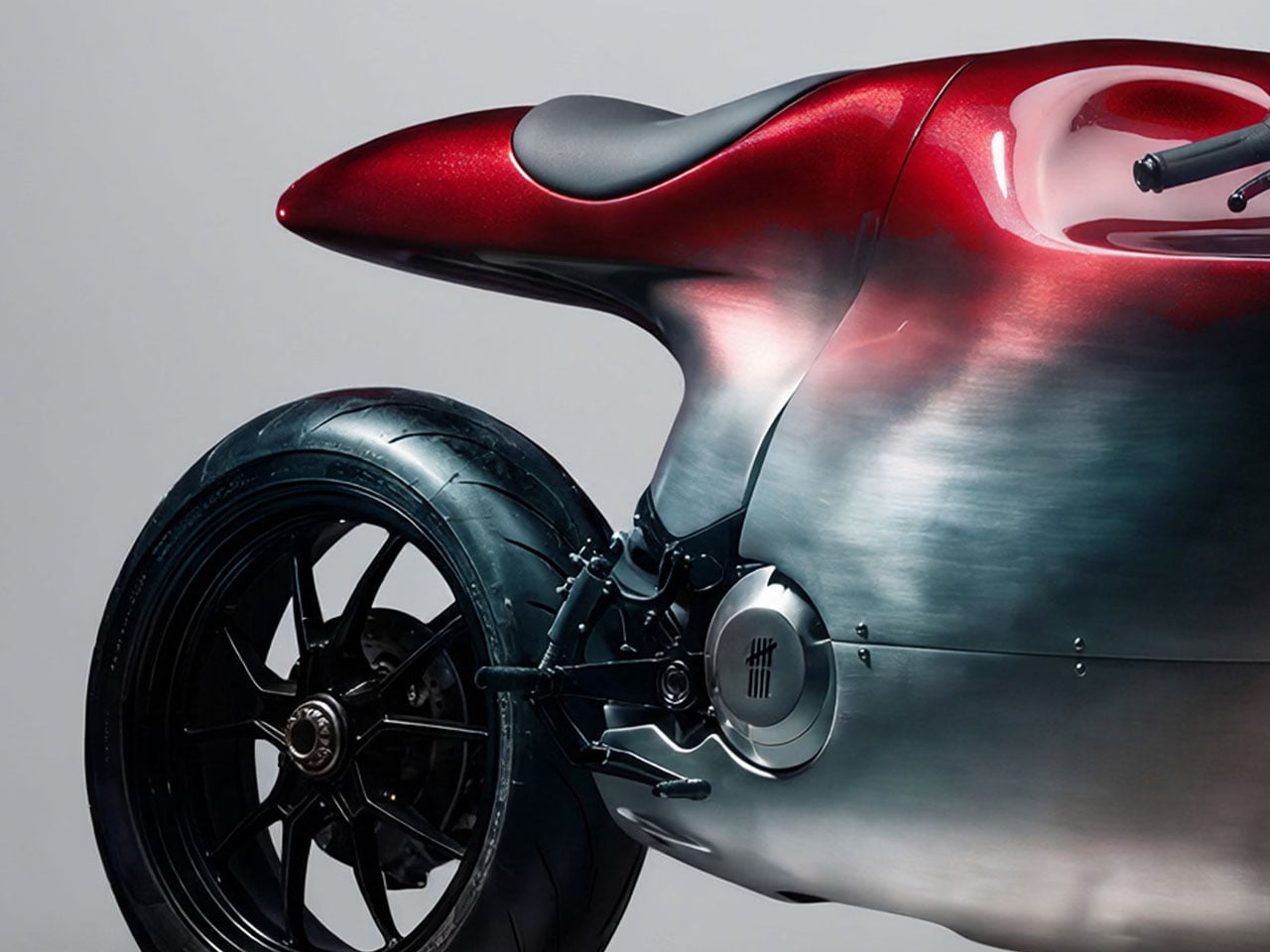
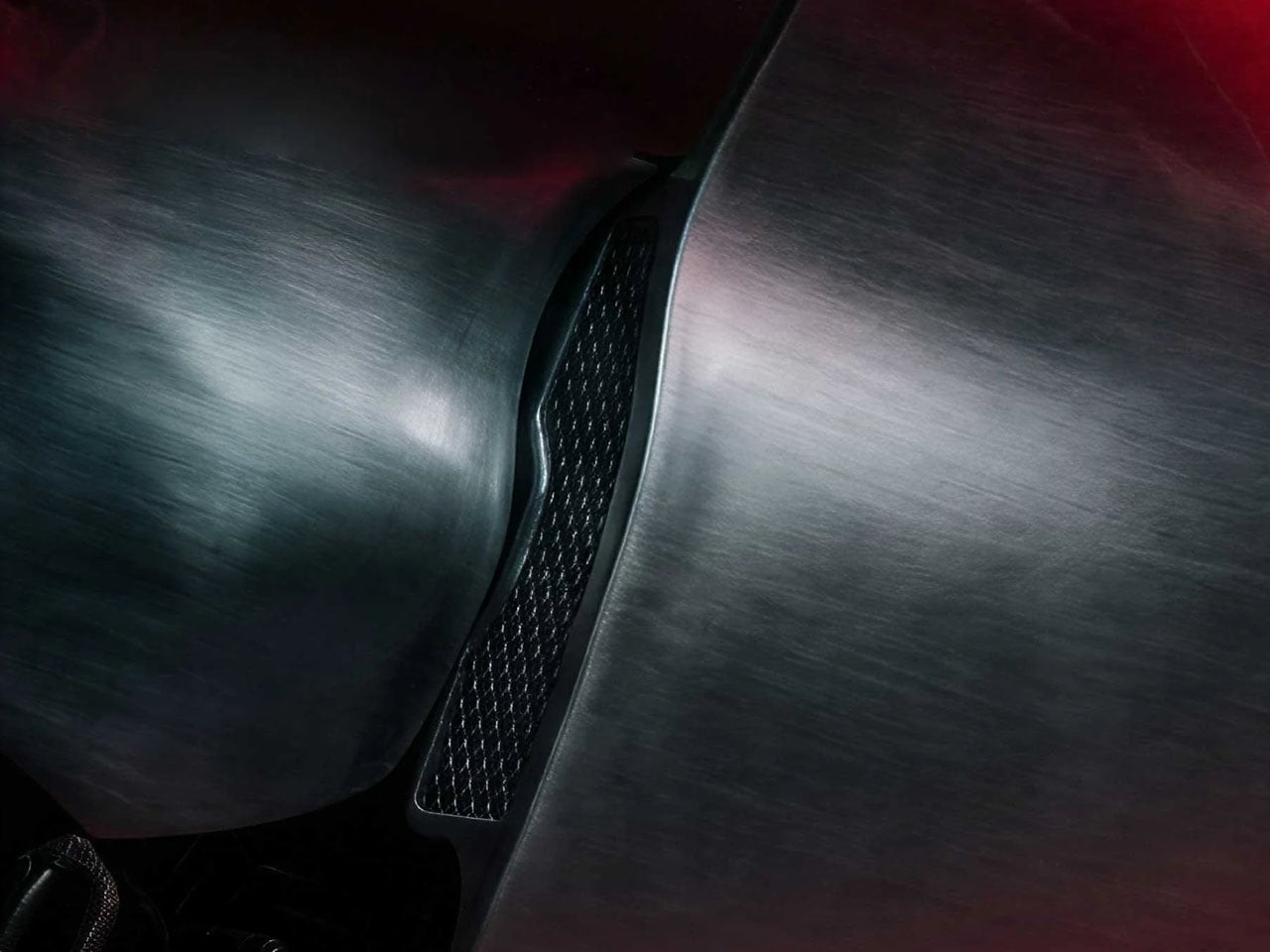
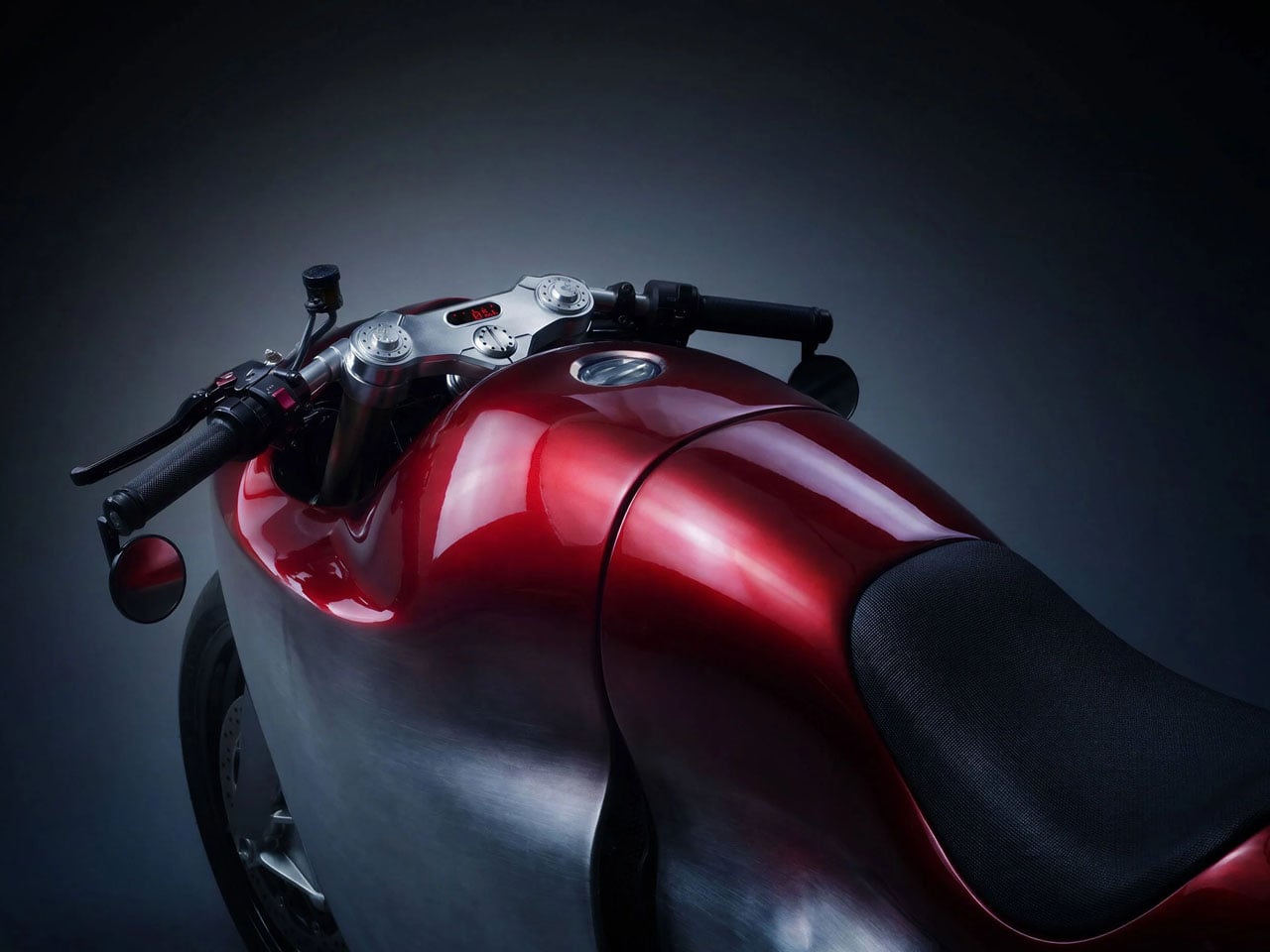
Coming back to that magnetic bodywork shaped in one continuous form, the hand-painted gradient transitions from the Racing Red to the raw hand-brushed aluminum with no apparent separating lines. Each one of the bikes will be hand-painted, so they’ll have a unique personality of their own. The finish of the bodywork is the talking point here, as the raw metal is turned into something organic while still feeling modern.

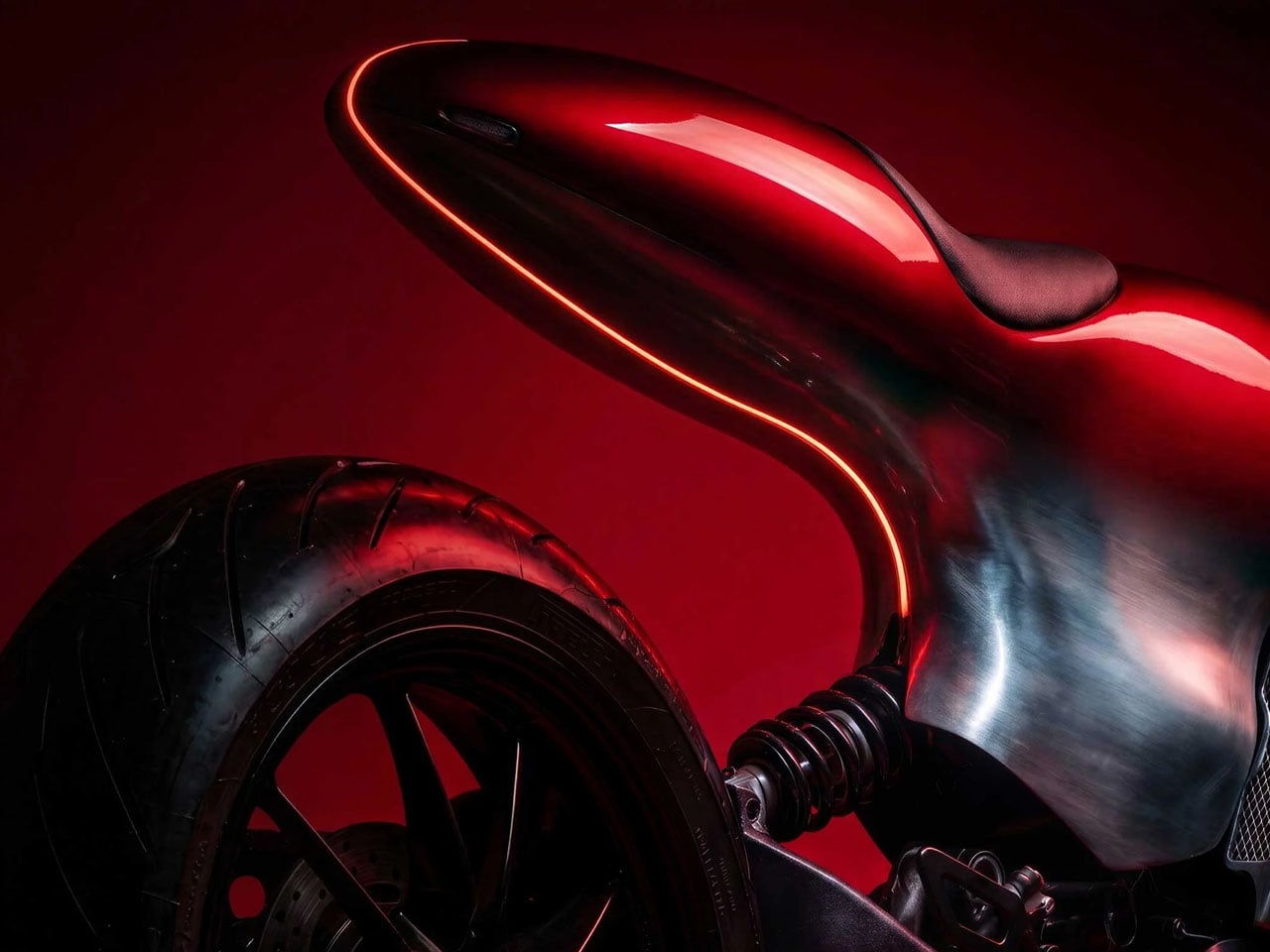
The mechanical components of the bike are left exposed underneath the aluminum shell for that muscular feel. Especially on the rear of the monocoque body, the metal surfaces are left exposed – showing off the steel trellis frame. The red strip light running from the saddle, all the way down to the suspension joint, gives the bike a sci-fi character. To complement the unibody design, the (RED)800 rides on spoked wheels and low-profile tires. For an aerodynamic riding posture, the bike gets rear-set foot controls and low-slung handlebars.

Bandit9 (RED)800 carries a price tag of $49,000 (plus shipping), and each one is made to order, with shipping taking anywhere from eight months to a year. So, you’ll have to be ultra-patient to get hands on one, even if you are lucky enough to order one of the only nine units.


The post Bandit9 (RED)800 Motorcycle Fades From Racing Red to Brushed Aluminum first appeared on Yanko Design.

  •  

YouTuber built a bike camper from scratch and took it to Burning Man

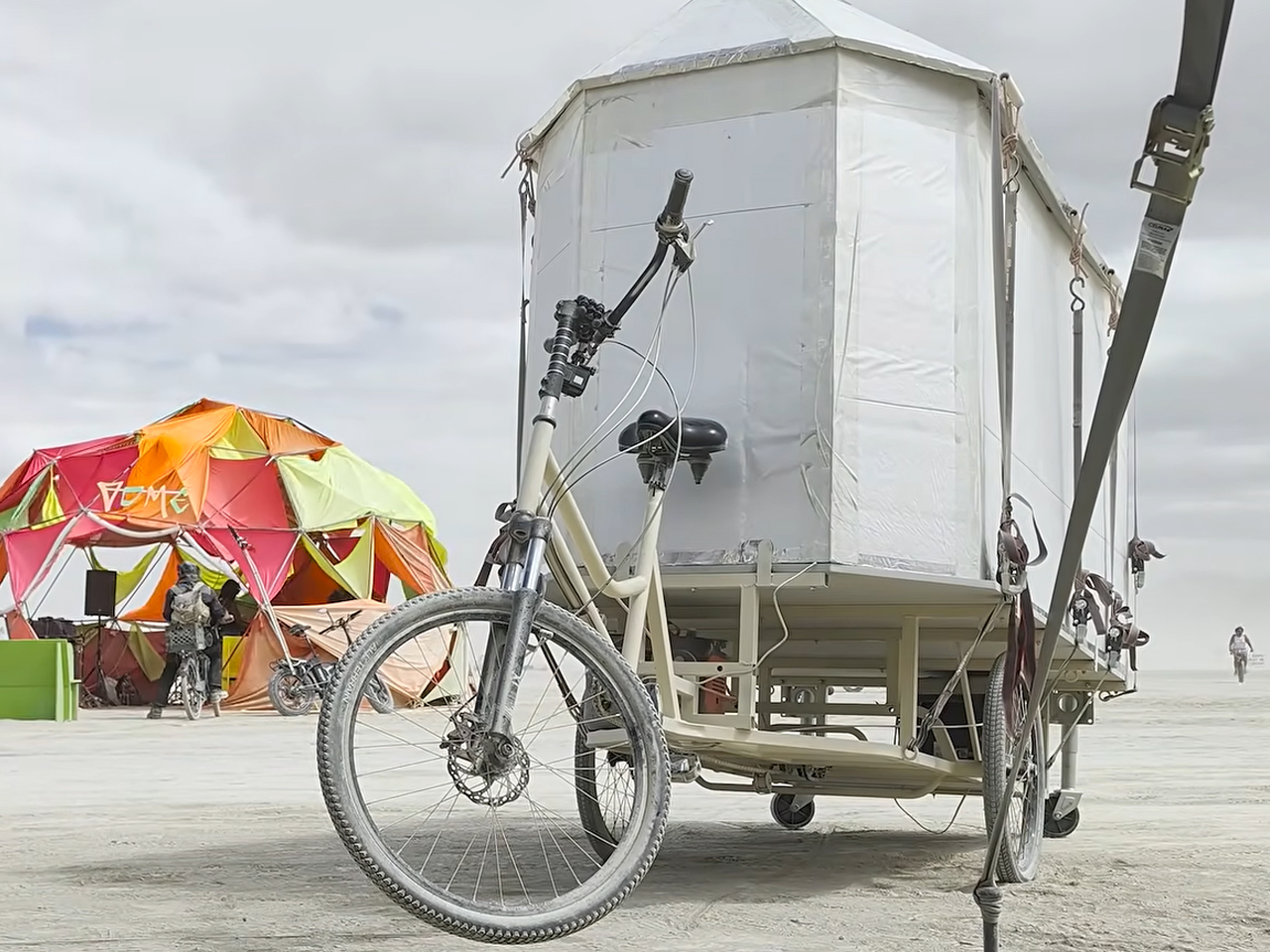
A solo traveler needs a compact camping solution on his bike. To satiate this adventure group, a new league of bike RVs/campers is coming of age. After having already seen the likes of a wooden camper behind a bike to this hard-walled bike camper with a slide-out component to increase the compact living space for two people, it’s time now to spare some thought for this new bike RV built from scratch (quite literally) by Attoparsec YouTube channel.

The YouTuber has put out a detailed video illustrating and talking us through the entire build. You can see the complete video embedded above. If you want an idea of what’s been done and how he has created a pedal-powered bicycle RV or camper, as you may, read on.

Designer: Attoparsec

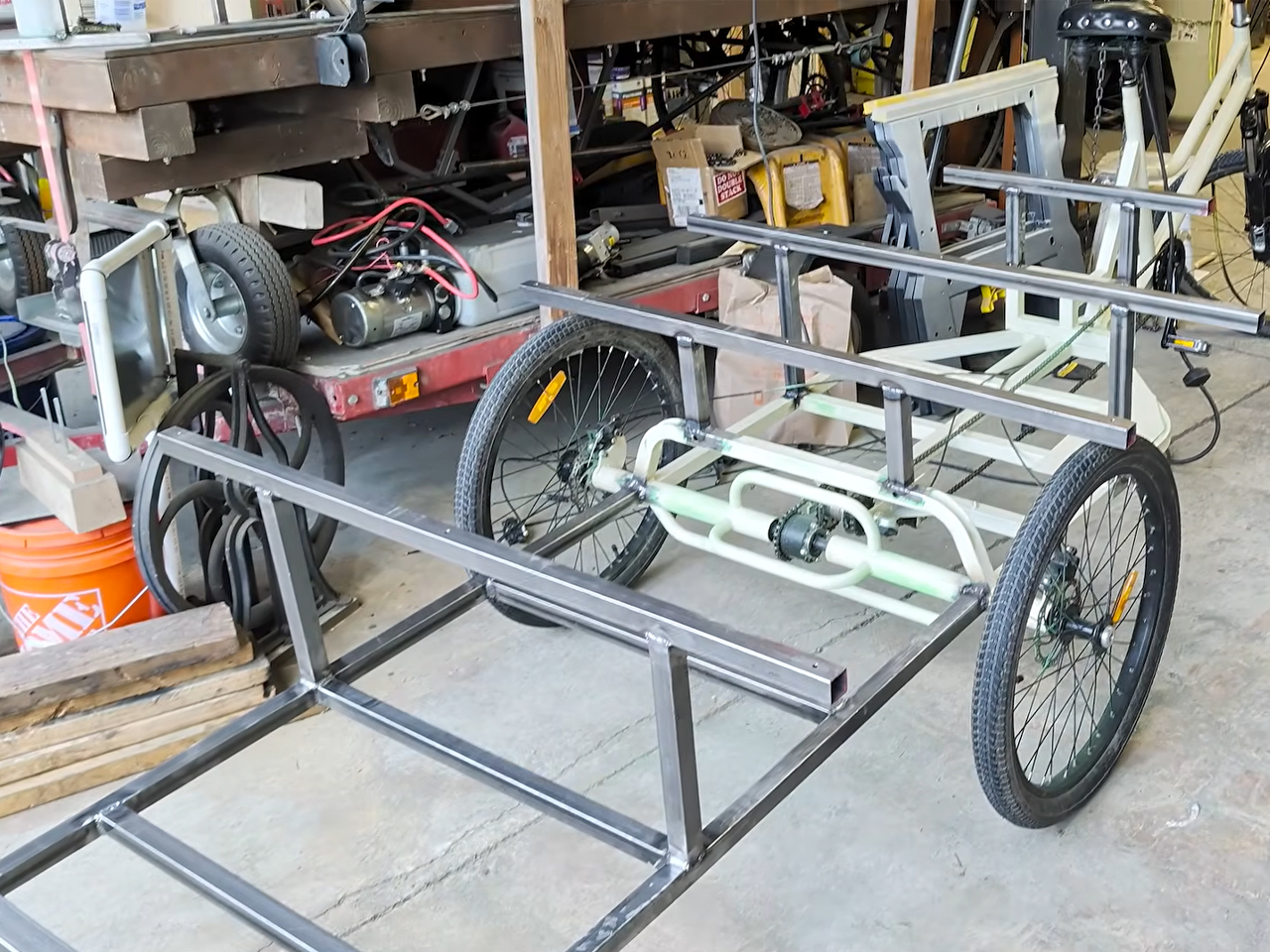
Attoparsec starts off with getting a home and industrial cargo trike, which he wasn’t able to use right away for the base. After addressing significant design and mechanical flaws (we’ll try and detail a few of them below), the custom bike was readied, and then the living solution was installed atop.

Constructed to be taken to Burning Man, Attoparsec restructured the donor trike’s mechanical flaw of a single brake cable splitting into a Y to trigger the two rear brakes. Since this caused uneven pulling, which could have been dangerous with the eventual load onboard, the YouTuber created a dual-cable brake lever that worked as a linkage mechanism to create an ideal balance at the rear wheels to brake together. custom mechanical solution also included retrofitting a new differential in addition to the brake system.

This wasn’t the only thing that required tweaking. The cargo bed on this standard trike also needed some expansion. The bed was custom extended toward the rear using round aluminum tubing for structural rigidity and to make it spacious enough to fit one sleeping adult. The compact 8-foot-long, 4-foot-wide living compartment to go on it would ensure comfort for a solo traveler. But extending the frame without moving the rear axle caused problems. The DIYer had to fine-tune it with the use of two heavy-duty trailer jacks with wheels to safeguard the camping structure from tipping over in a wheelie.

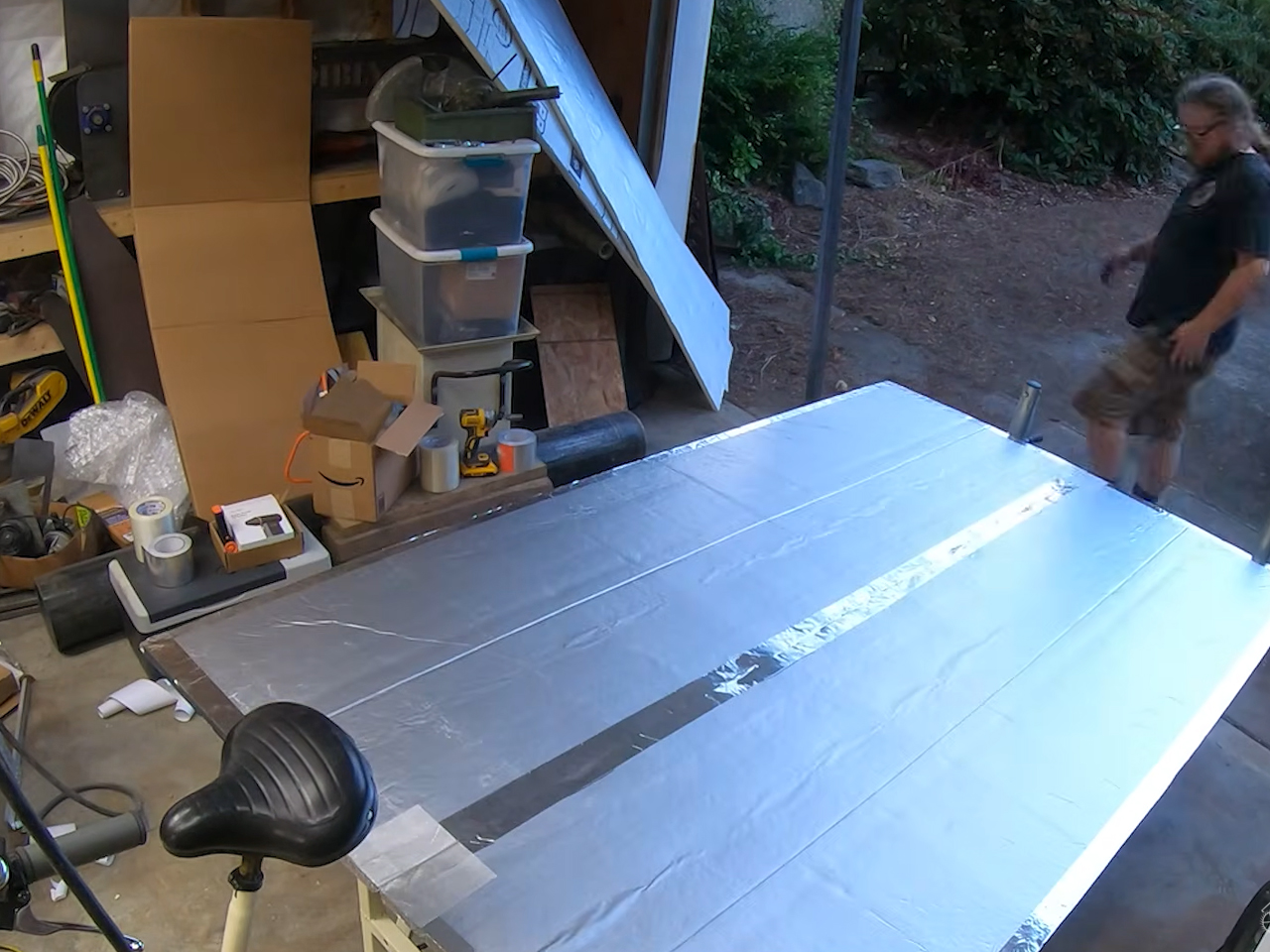
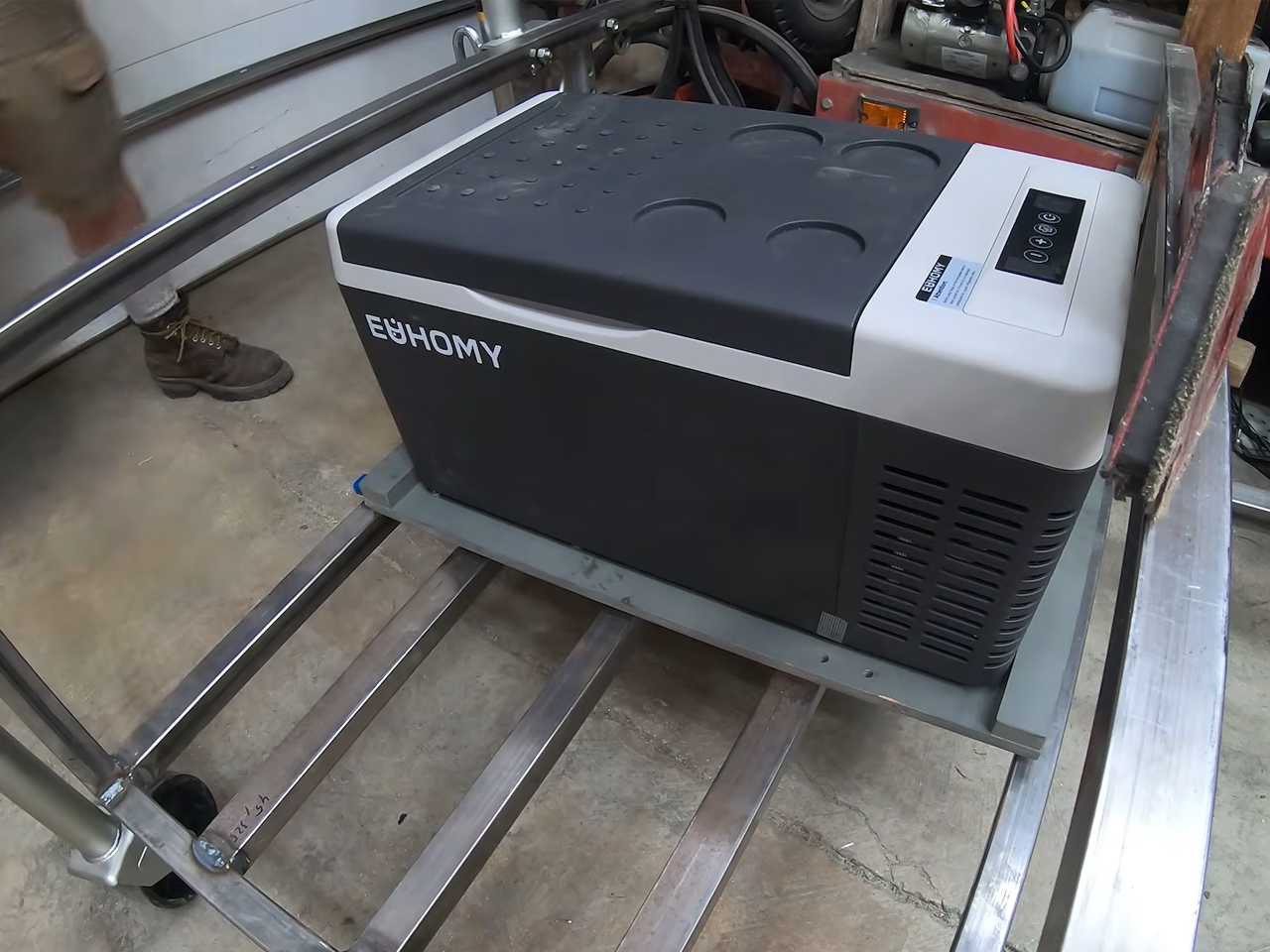
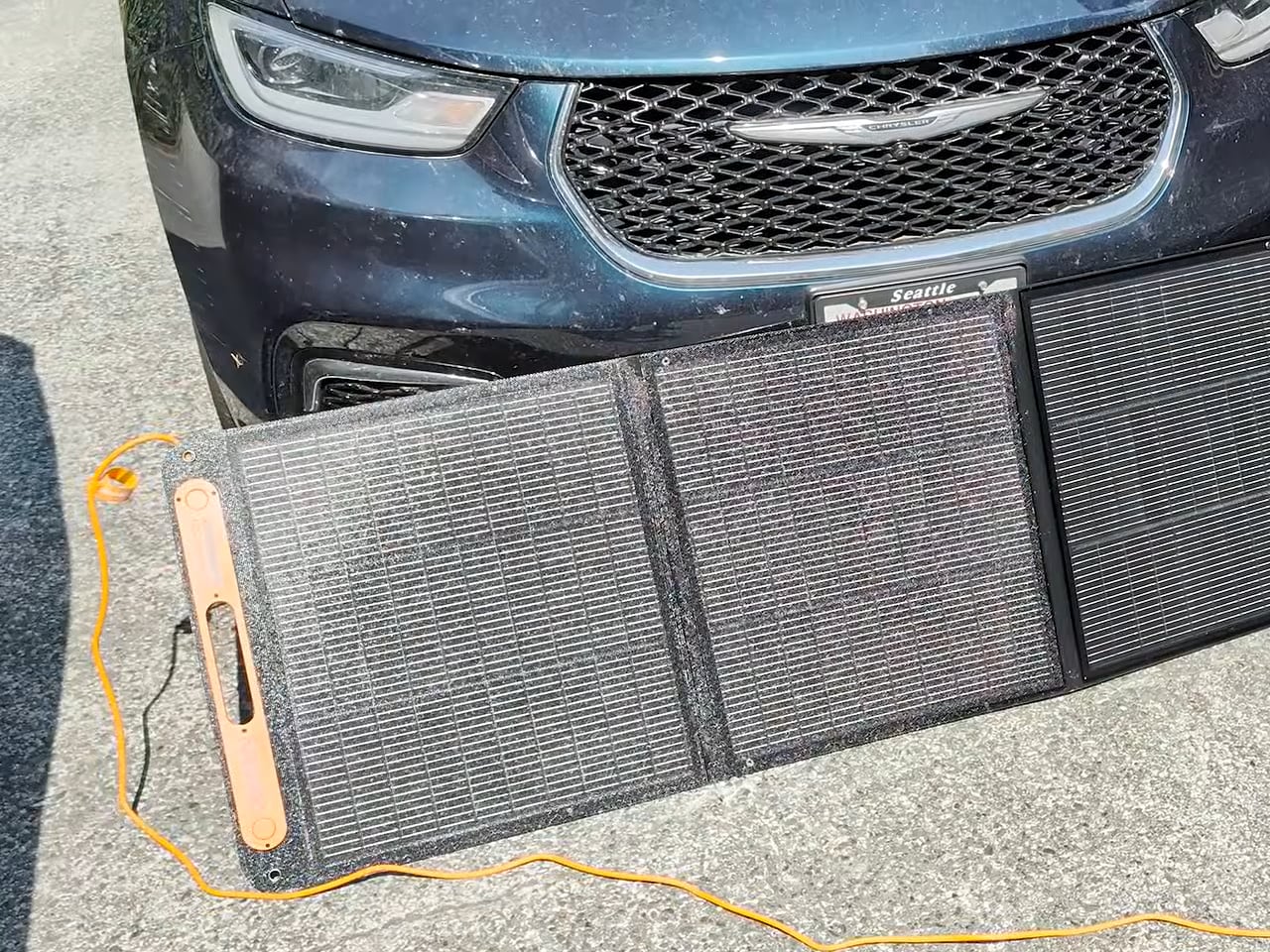
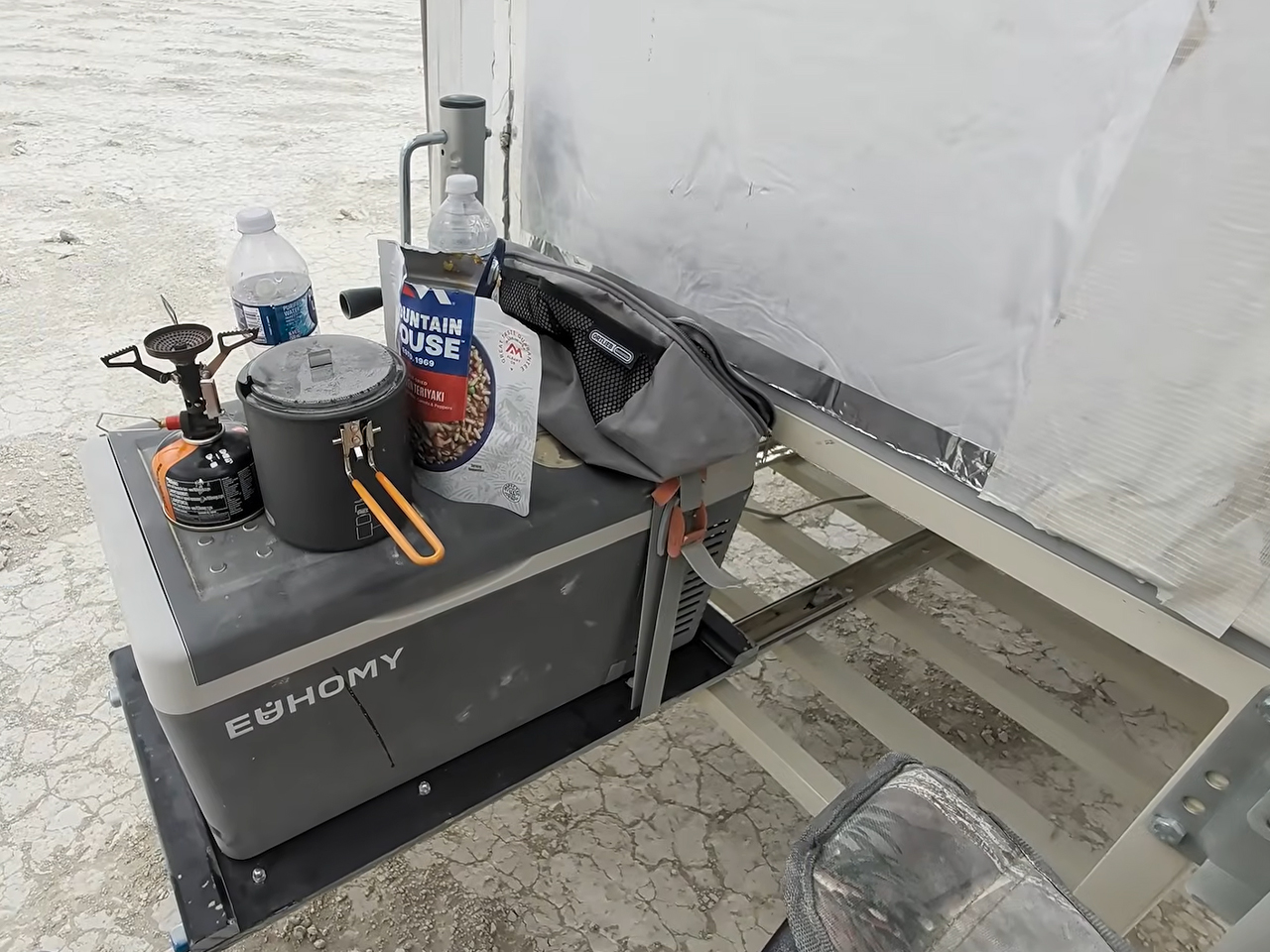
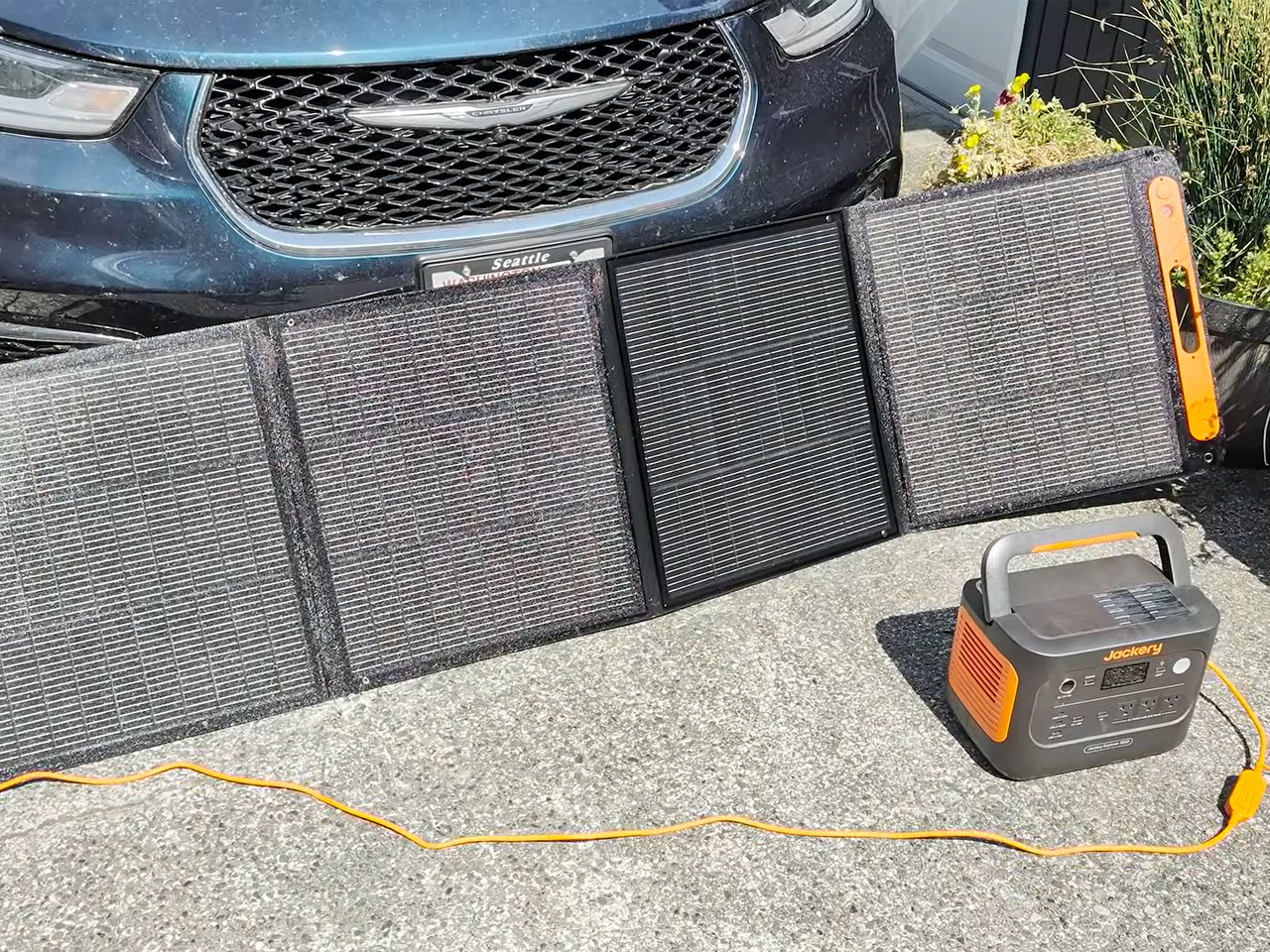
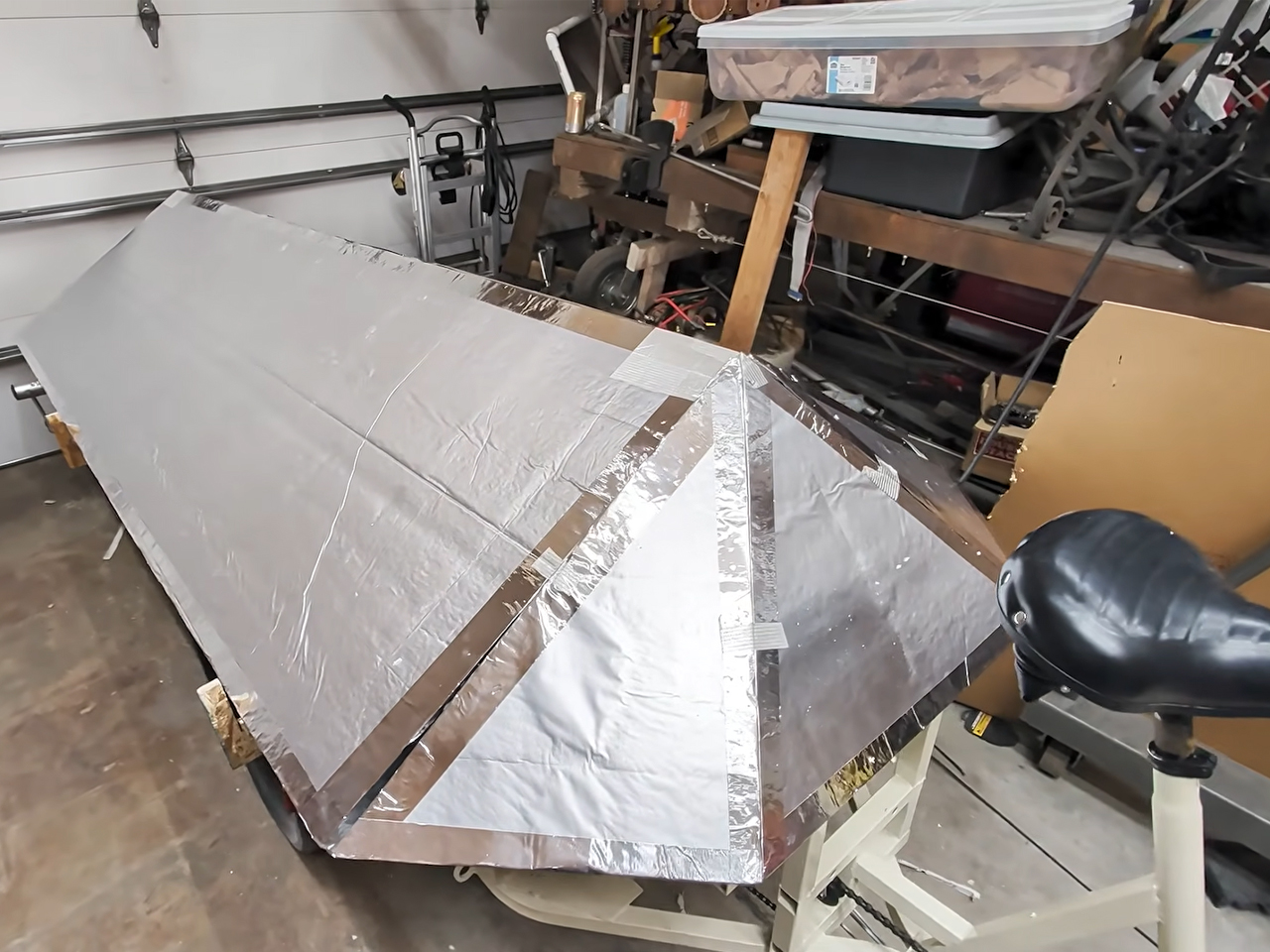
The sleeping enclosure sits on raised, reinforced frame risers and is built with rigid foam insulation. The structure is taped together to ensure the sun and the playa dust remain outside when the bike RV is stationed at the Burning Man. The bicycle camper is provided with a solar-powered refrigerator and draws its energy from a Jackery backup battery bank. According to the DIYer, the mobile home on a bike features a transformable interior that adjusts between lounging and sleeping easily. It fared well weathering storms and rain on the dry lake bed of the Black Rock Desert in Nevada.


The post YouTuber built a bike camper from scratch and took it to Burning Man first appeared on Yanko Design.

  •  

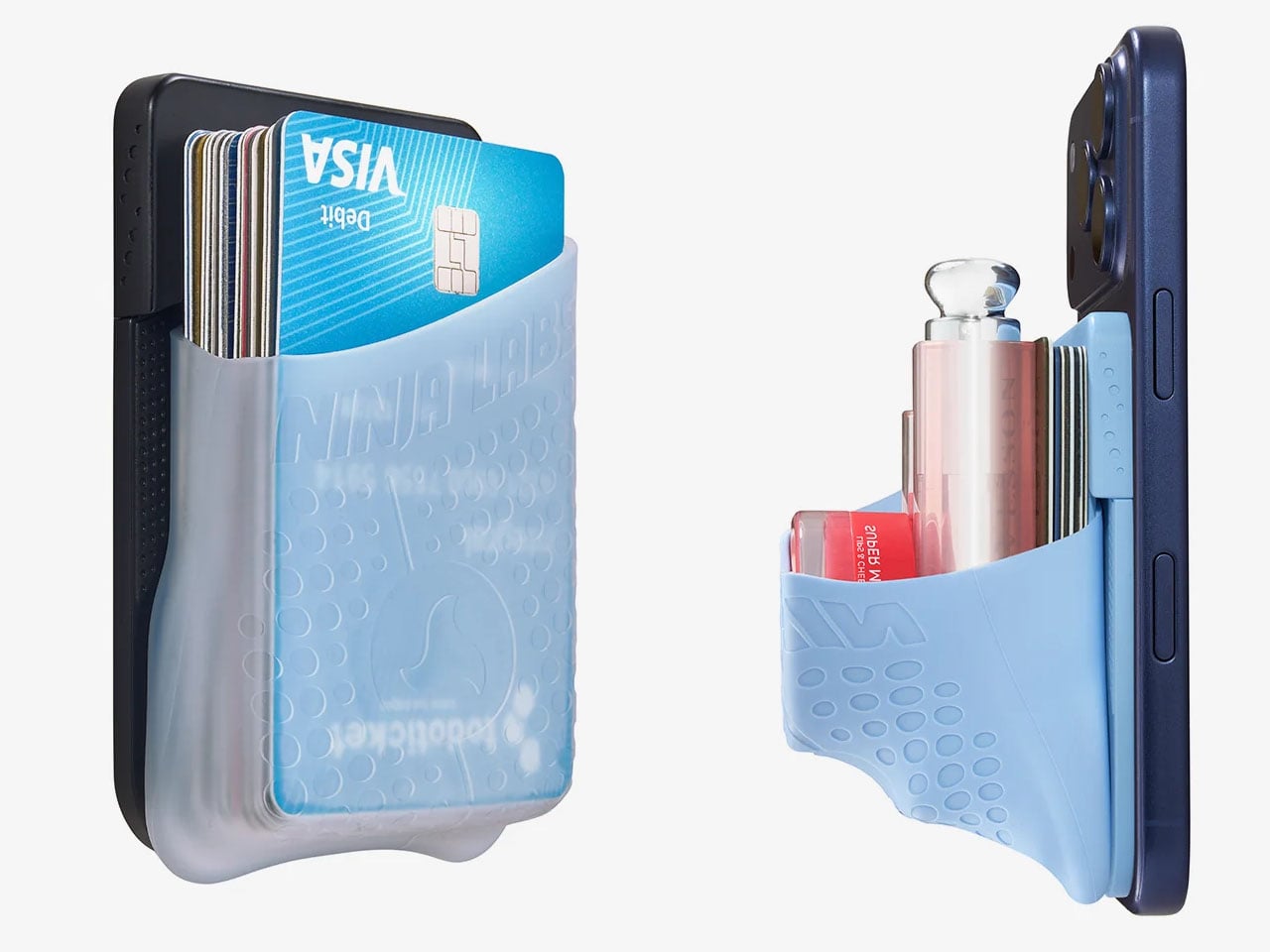
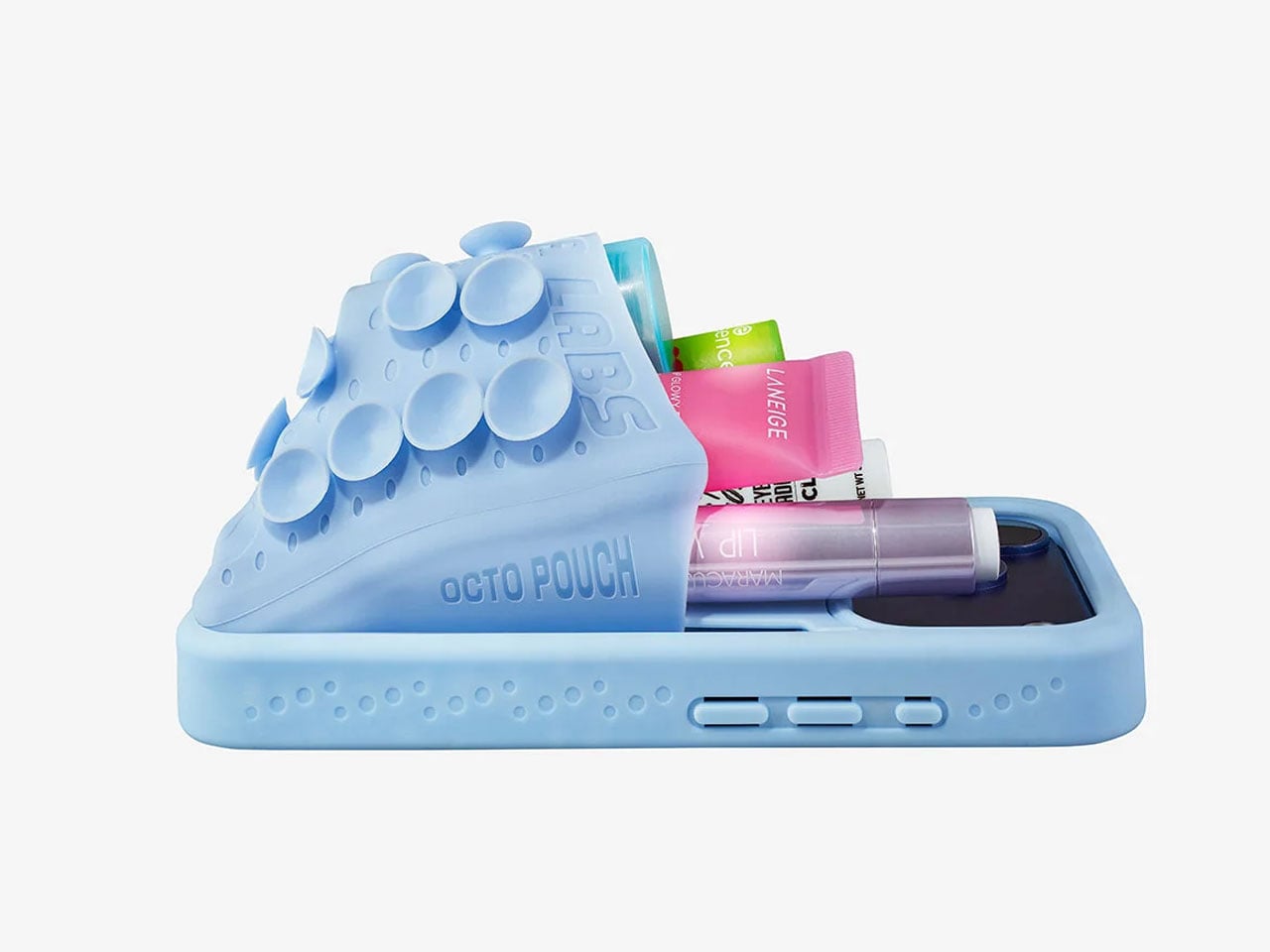
Ninja Labs MagSafe Flex Pouch turns your phone into a stretchy everyday carry pocket

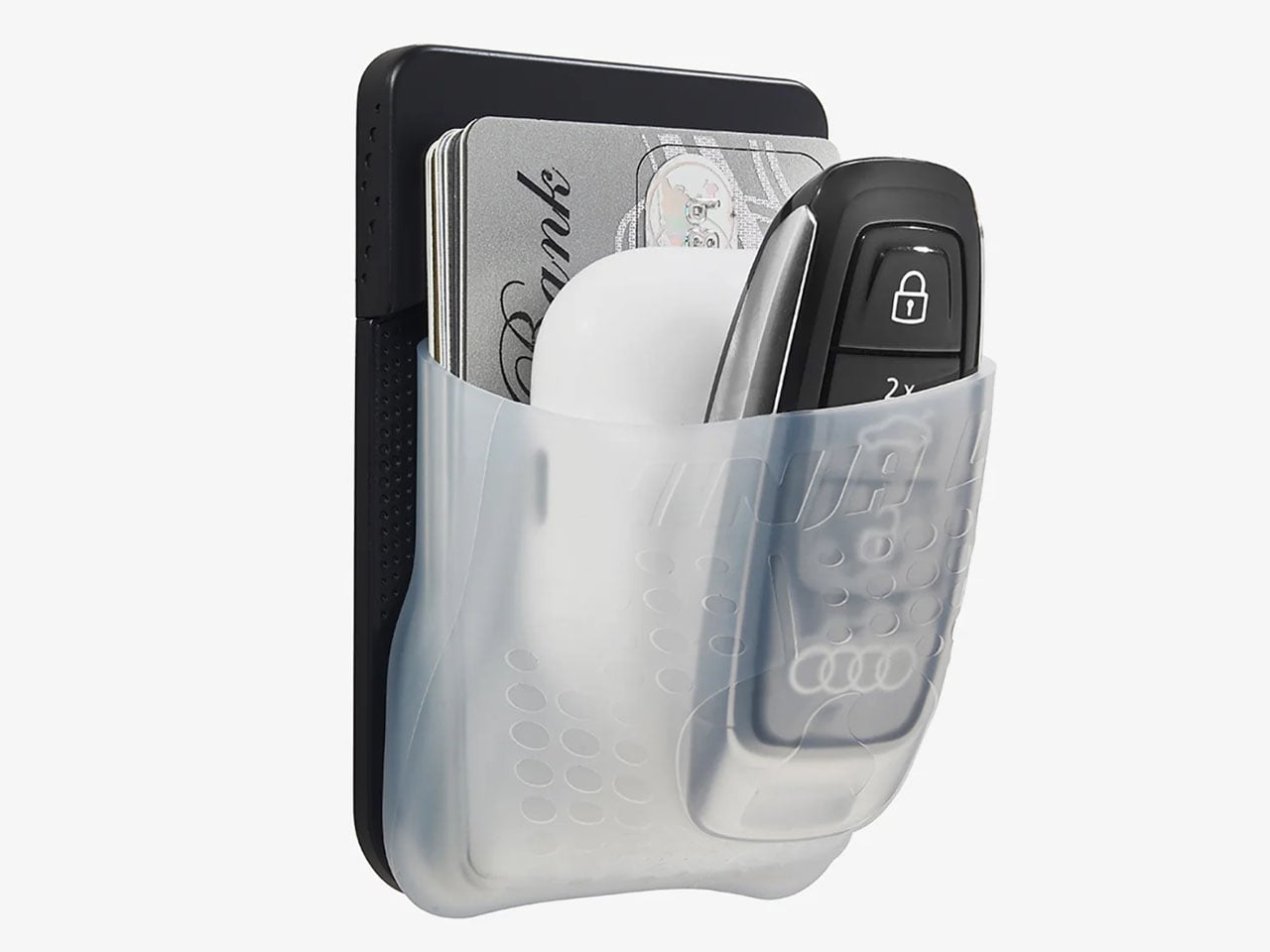
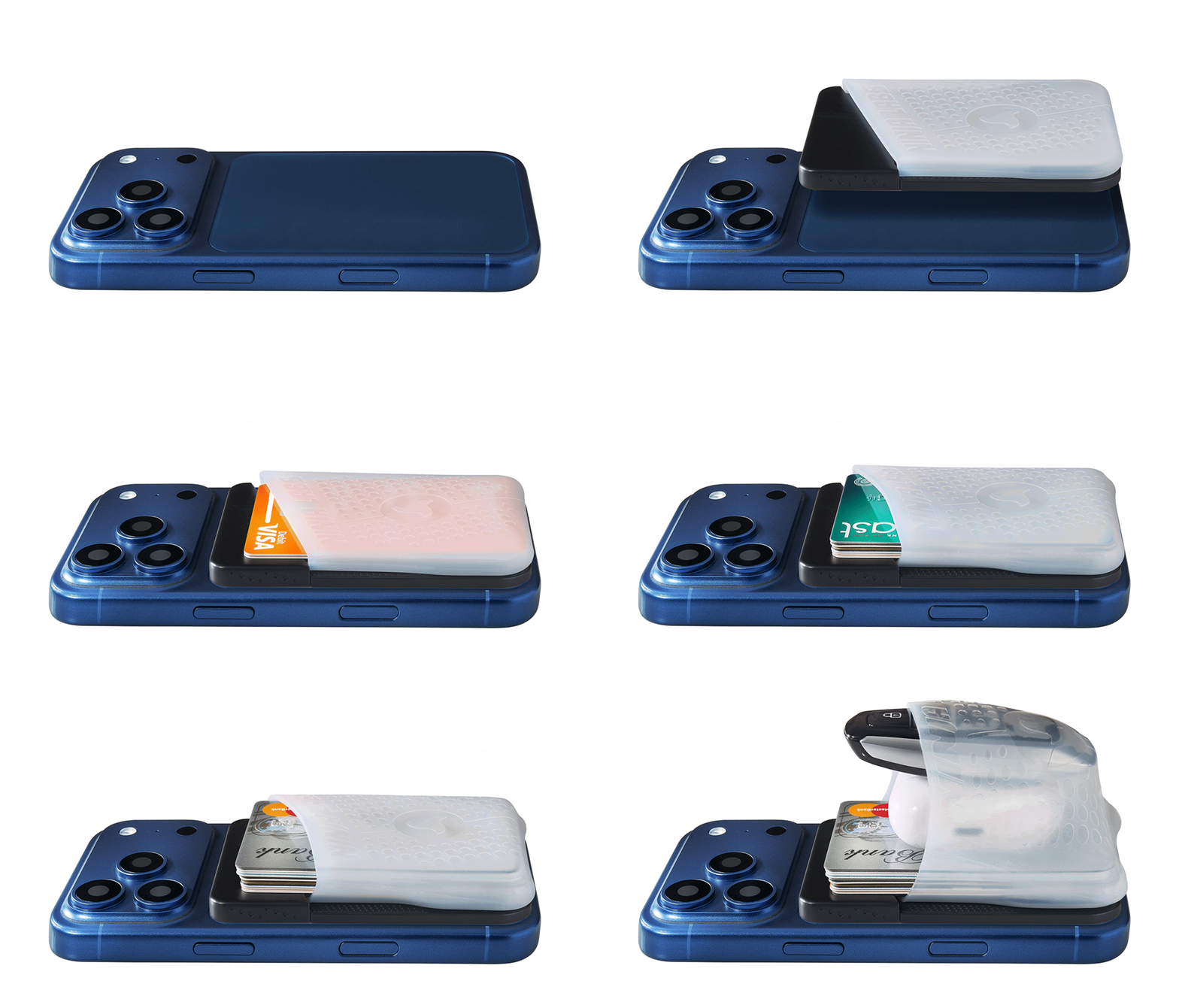
Smartphones have become the focal point of everyday carry, but their slim profiles leave little room for the small essentials people take everywhere. Ninja Labs, a Los Angeles-based company, offers a simple alternative with the MagSafe Flex Pouch. The accessory is a detachable silicone pocket that turns the back of a MagSafe-compatible smartphone into expandable storage for everyday items.

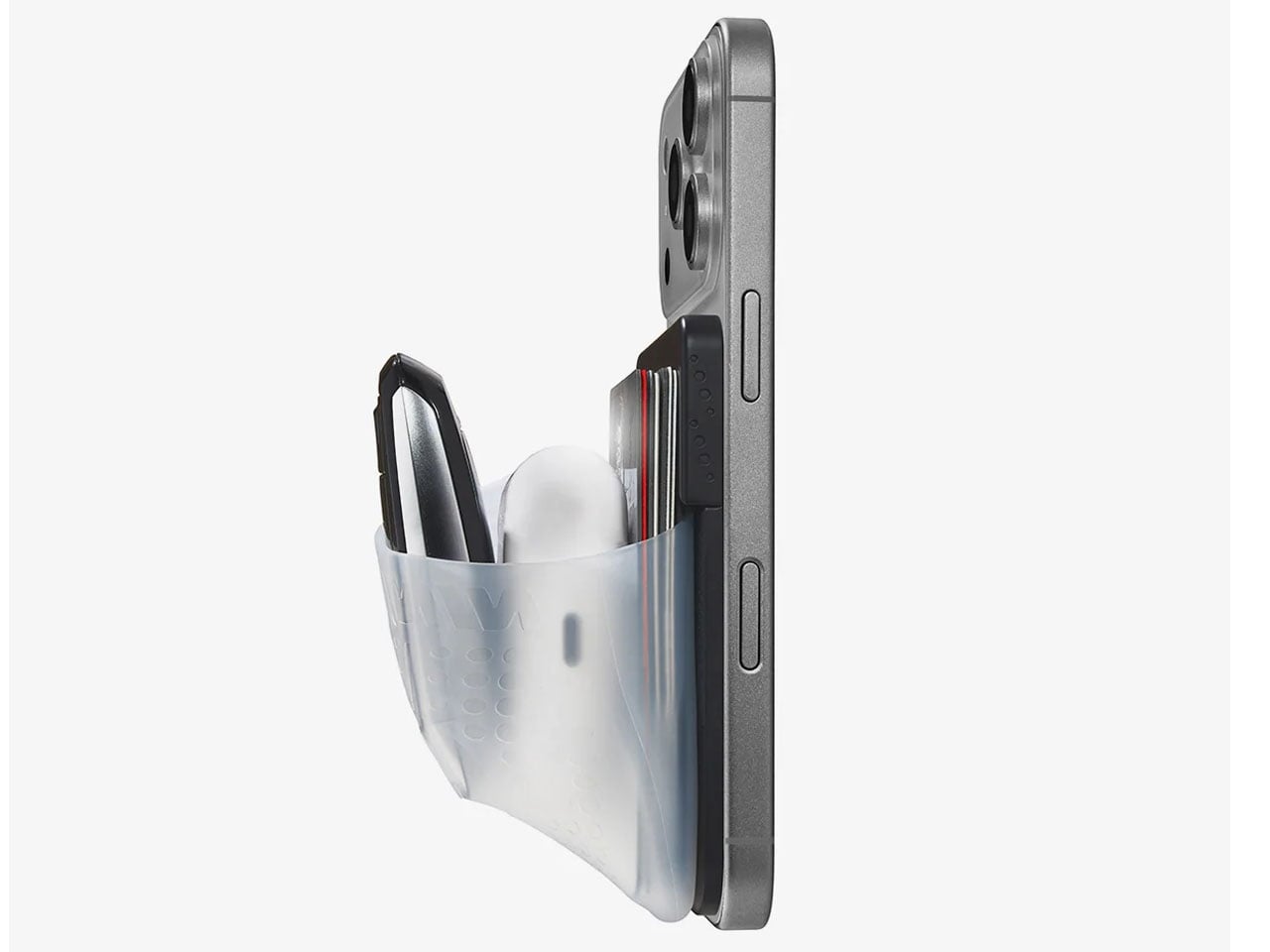
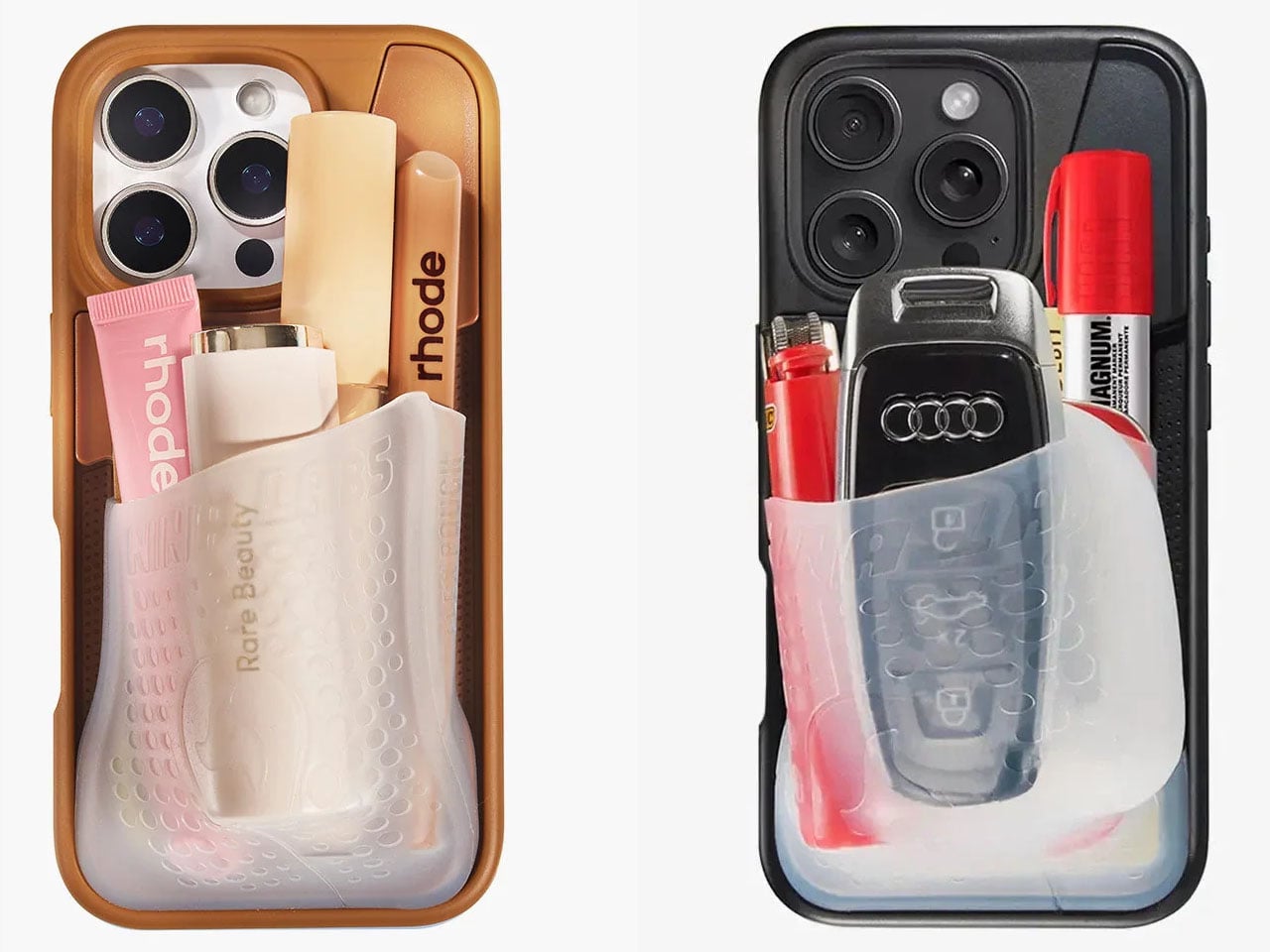
Unlike conventional magnetic wallets designed primarily for cards, the Flex Pouch uses a flexible, stretchy compartment to accommodate objects of different shapes and sizes. It can hold credit cards, IDs, cash, coins, wireless earbuds, and even a car key fob. According to Ninja Labs, the pocket can accommodate anything from a single card to a stack of 20, making it a versatile option for people who want to carry fewer accessories.

Designer: Ninja Labs

The design is centered on a proprietary memory silicone blend that expands to roughly twice its original size before contracting again. Rather than relying on zippers, buttons, or rigid compartments, the material stretches around its contents. Its naturally grippy surface helps keep items in place, while the open-top construction allows quick access. When emptied, the pouch returns to its original compact form.

Ninja Labs says the material retained more than 90 percent of its original stretch after 10,000 stretching cycles, offering an indication of its intended durability. However, the company advises against carrying regular house keys or other sharp-edged objects that could puncture the silicone.

The MagSafe version introduces a refreshing change to the original Flex Pouch concept. Earlier versions integrated the pocket directly into an iPhone case, making it a permanent part of the phone’s exterior. The new accessory is a standalone unit that attaches magnetically to a MagSafe-compatible iPhone or case and can be removed whenever it is no longer needed. Android users can also use it with a suitable magnetic case, although the pouch does not provide phone protection of its own.

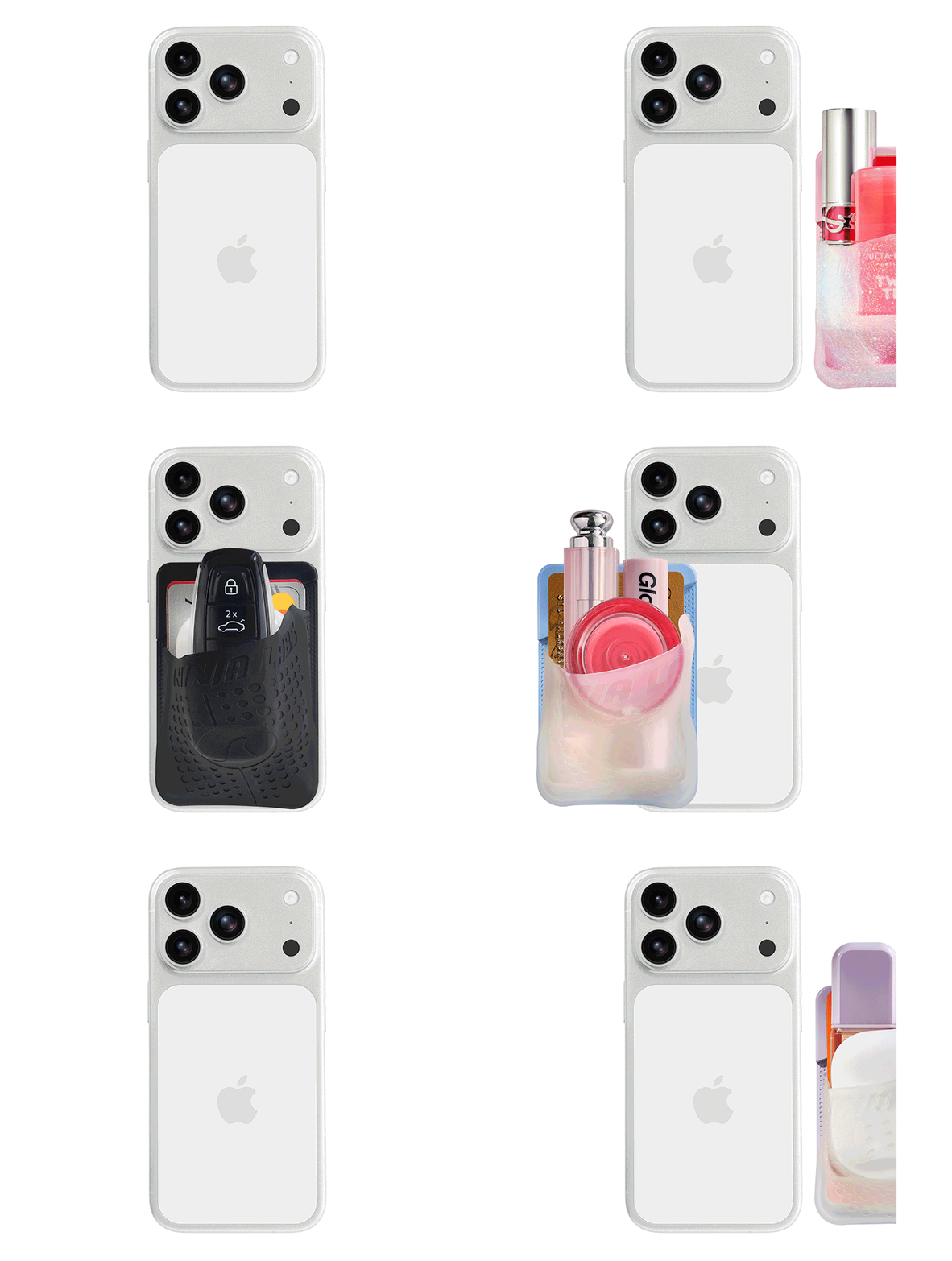
This detachable format makes the accessory adaptable to different situations. It can carry cards and cash for a quick errand, earbuds and a car fob while travelling, or small personal-care items during a night out. The flexible construction also allows it to accommodate bulkier objects than a traditional flat wallet, although adding more contents inevitably creates a pronounced bulge at the back of the phone.

The MagSafe Flex Pouch is priced at $59 and is available in pink, baby blue, lavender, and black, with transparent silicone and a sparkling pink finish among the options. Ninja Labs offers worldwide shipping, with international delivery listed at $10, so you can try it out right away. You can also go for their case cover version if MagSafe is not your thing.

The post Ninja Labs MagSafe Flex Pouch turns your phone into a stretchy everyday carry pocket first appeared on Yanko Design.
  •  

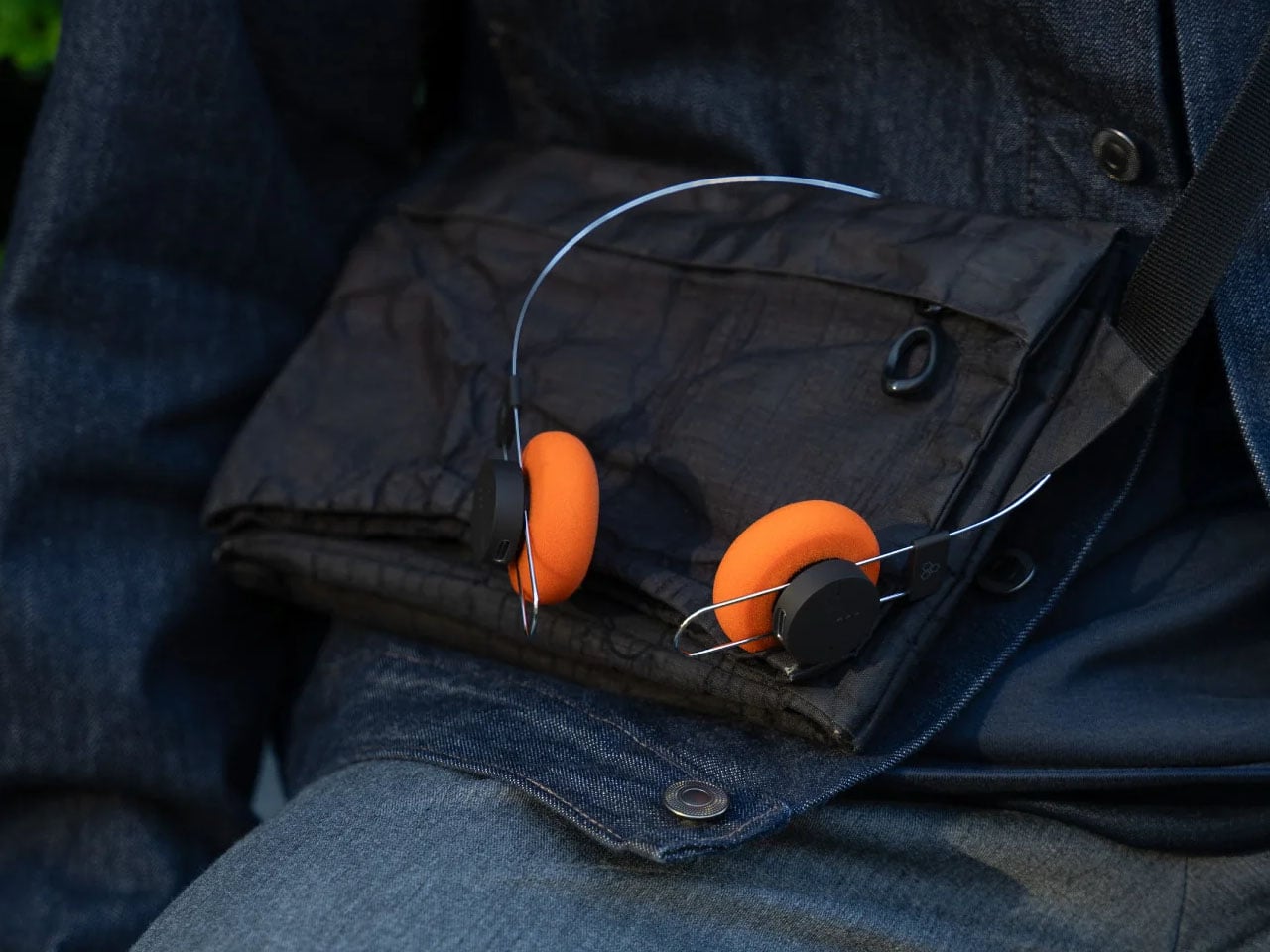
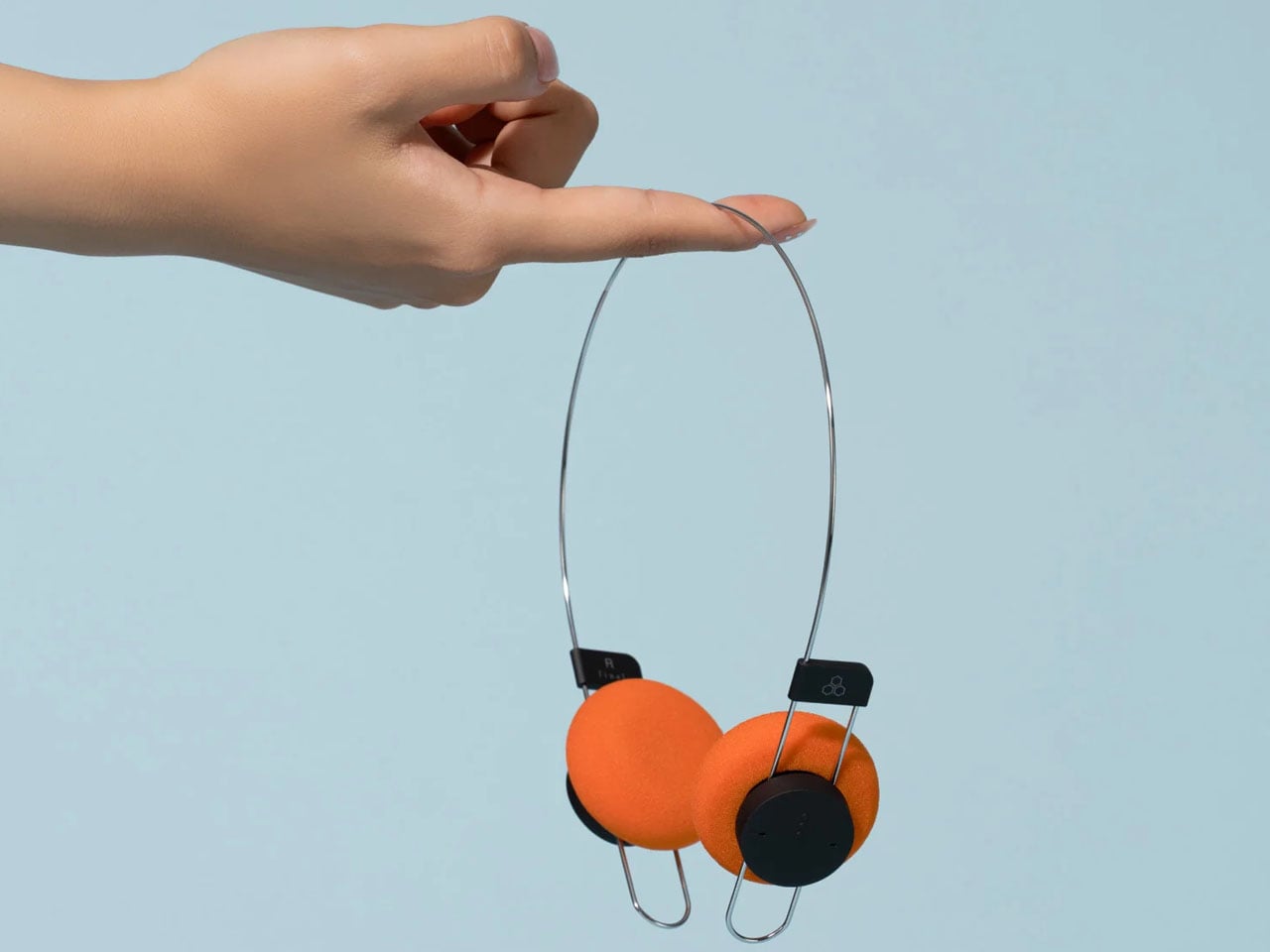
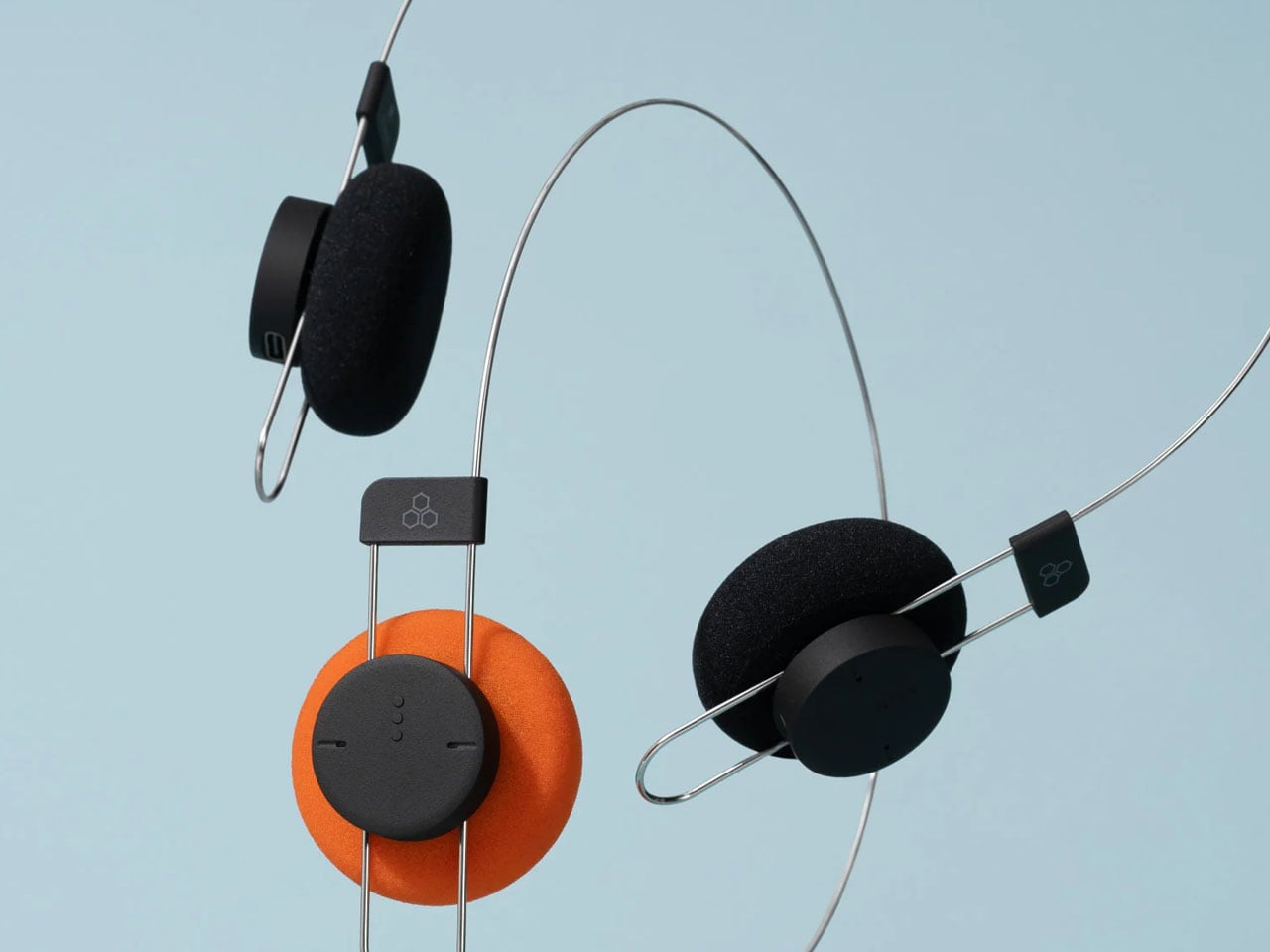
Final’s Porta wireless on-ear headphones strip back the headband to just 40 grams

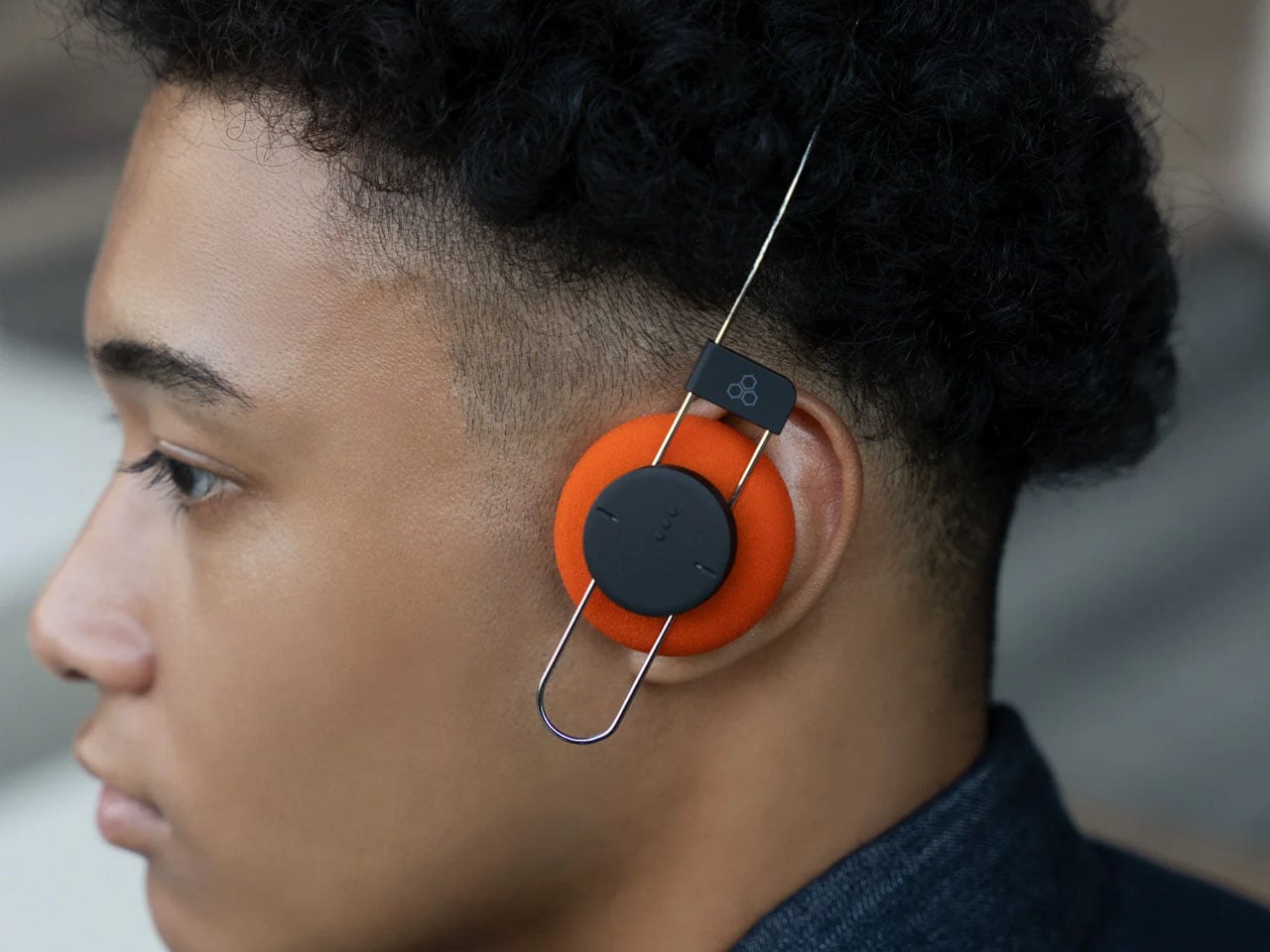
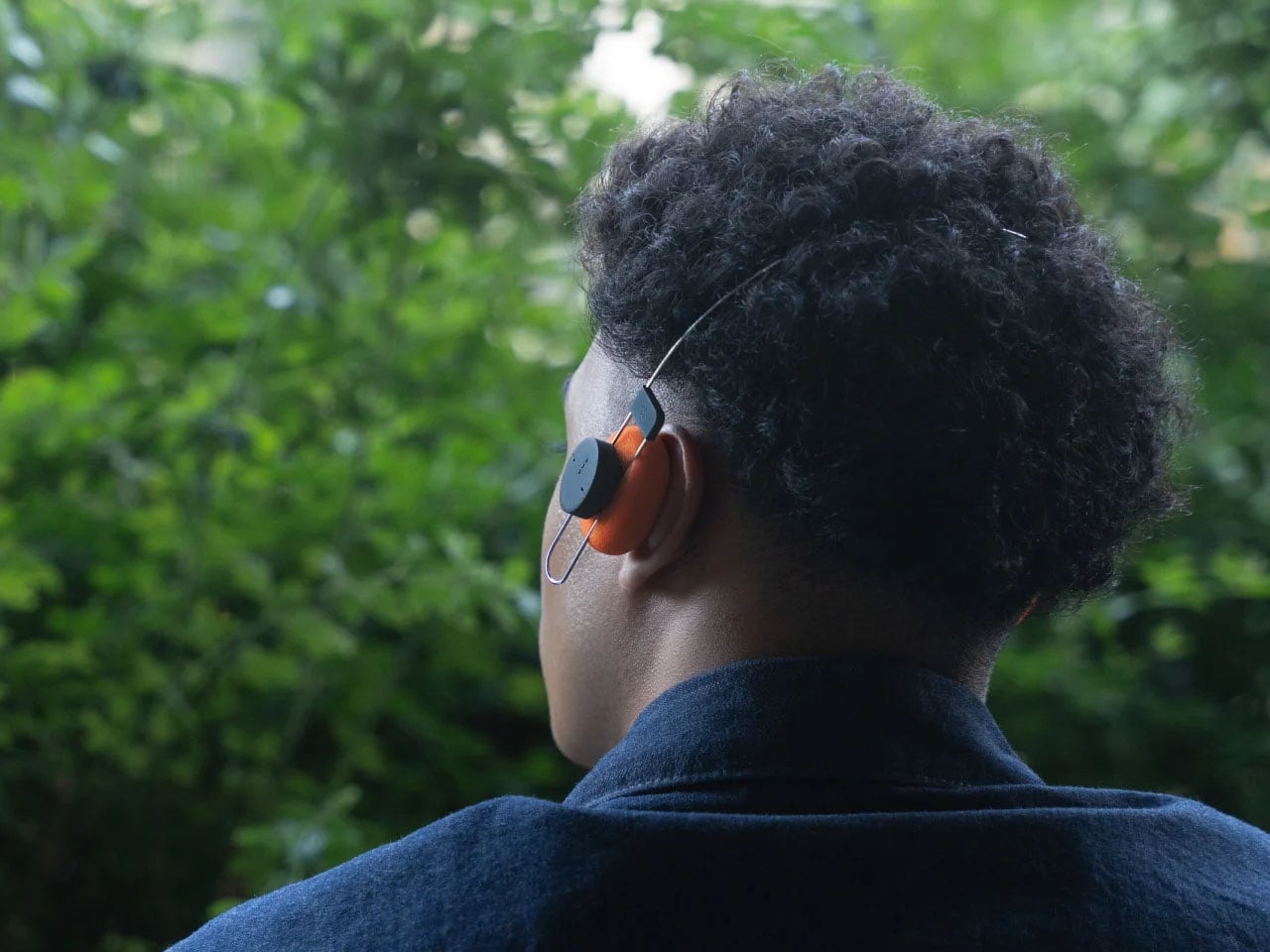
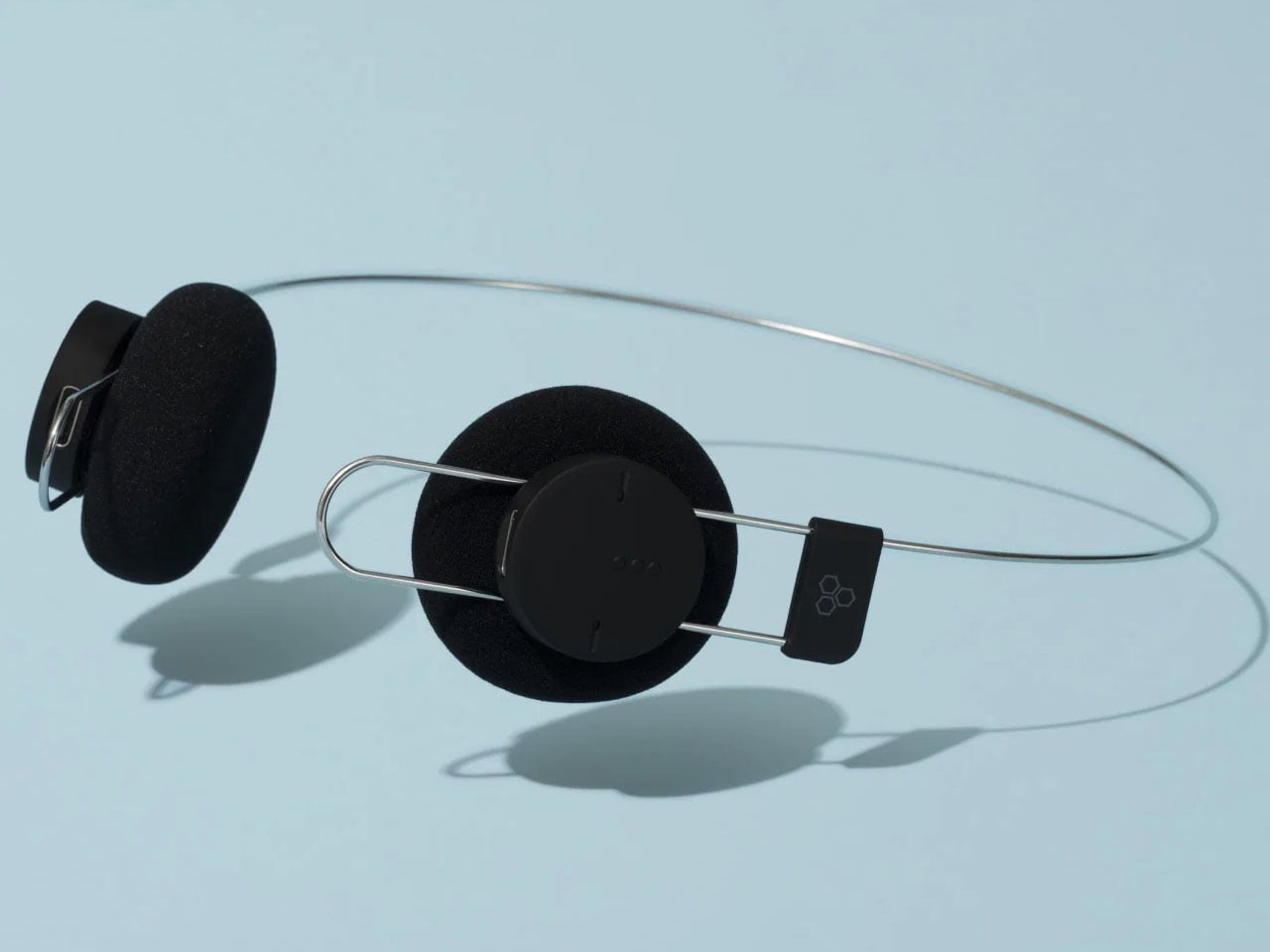
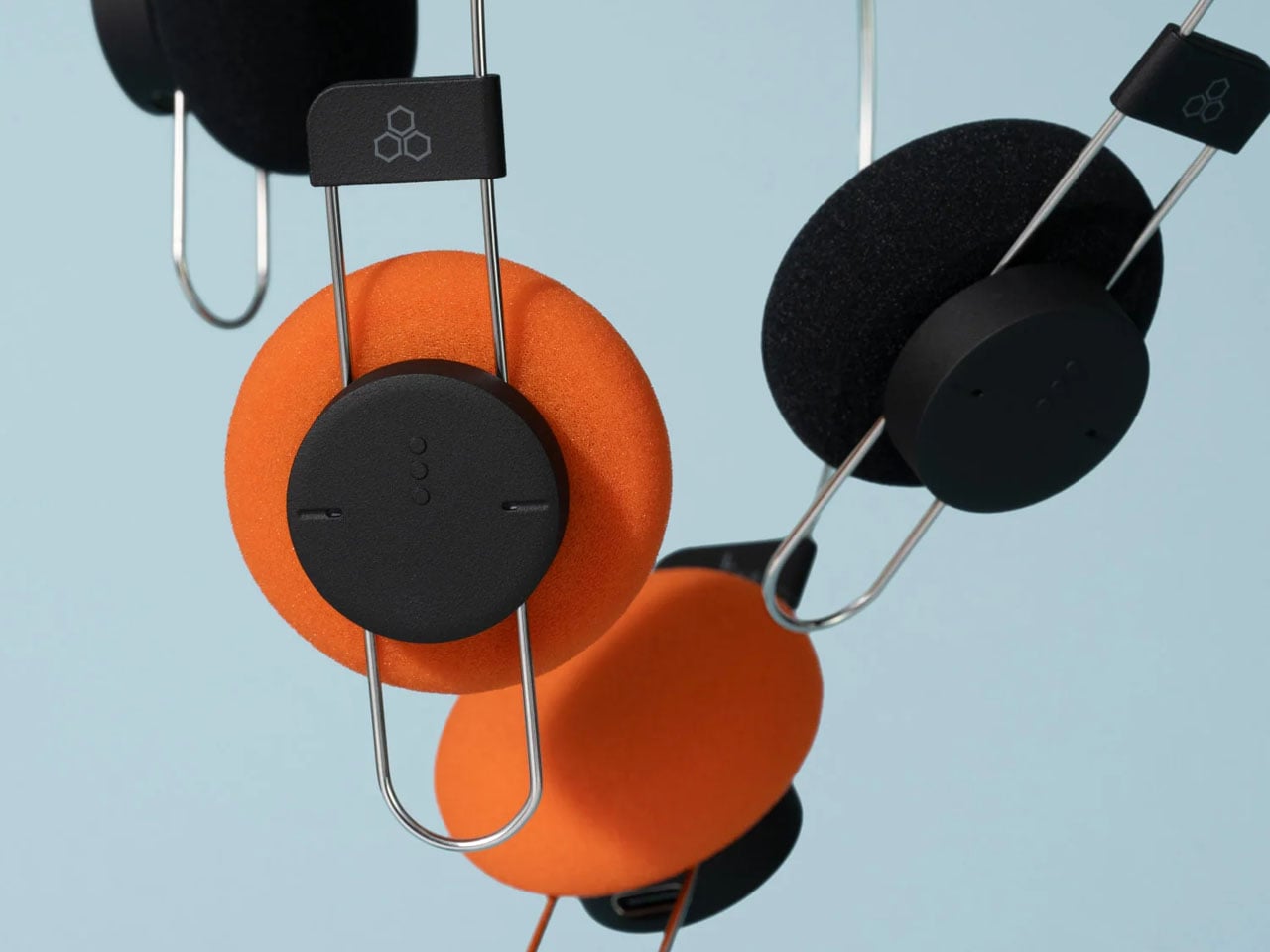
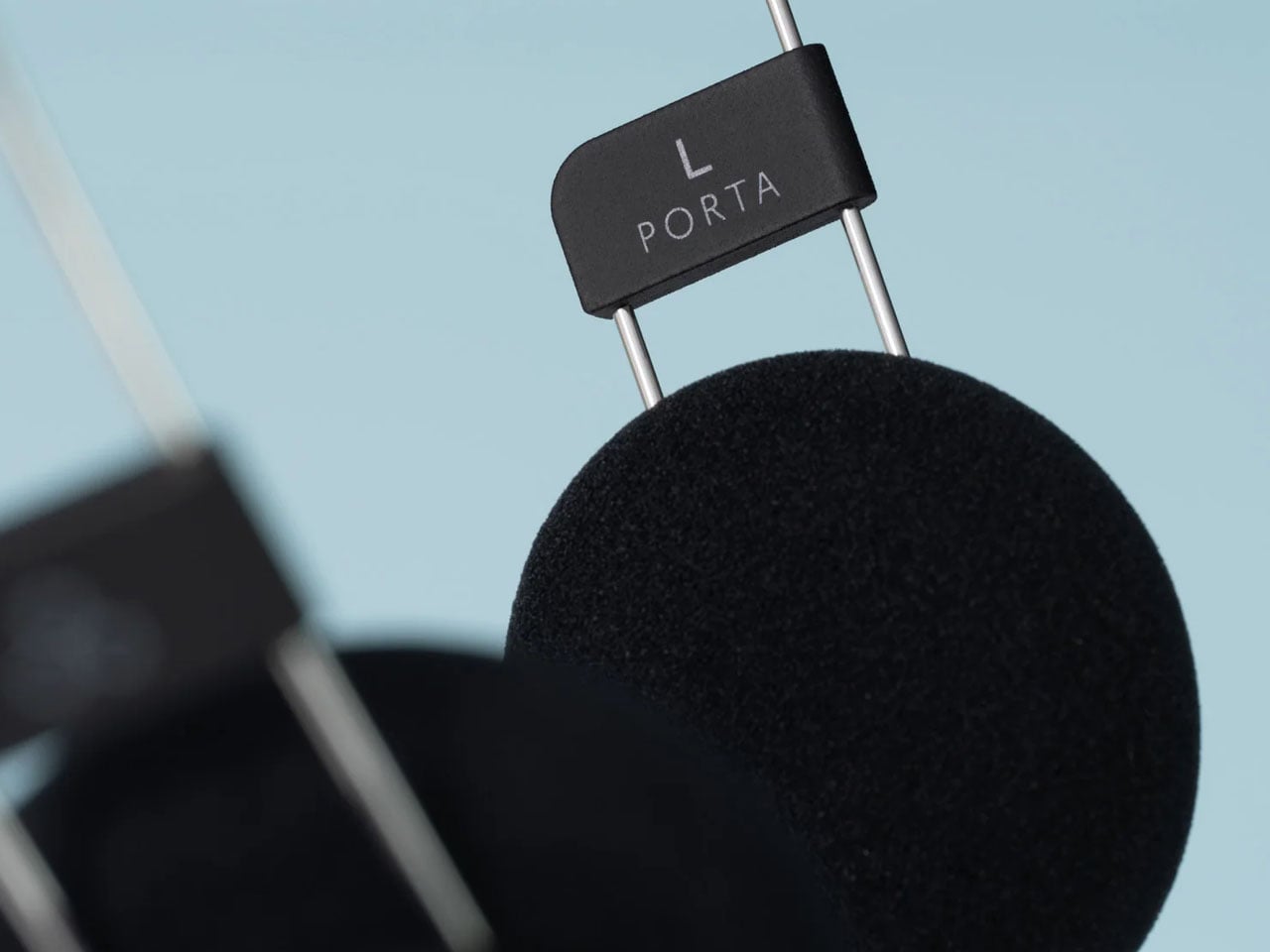
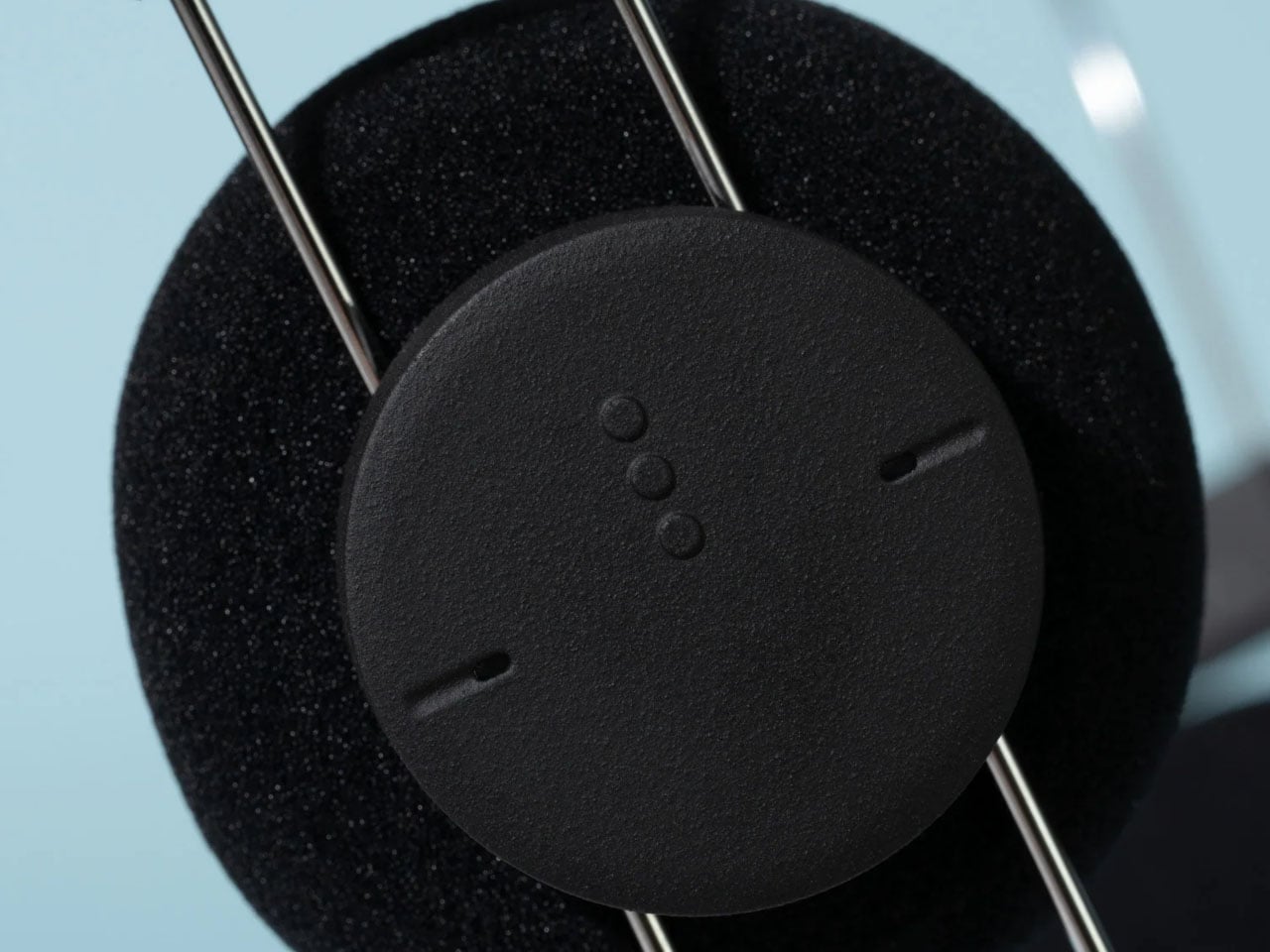
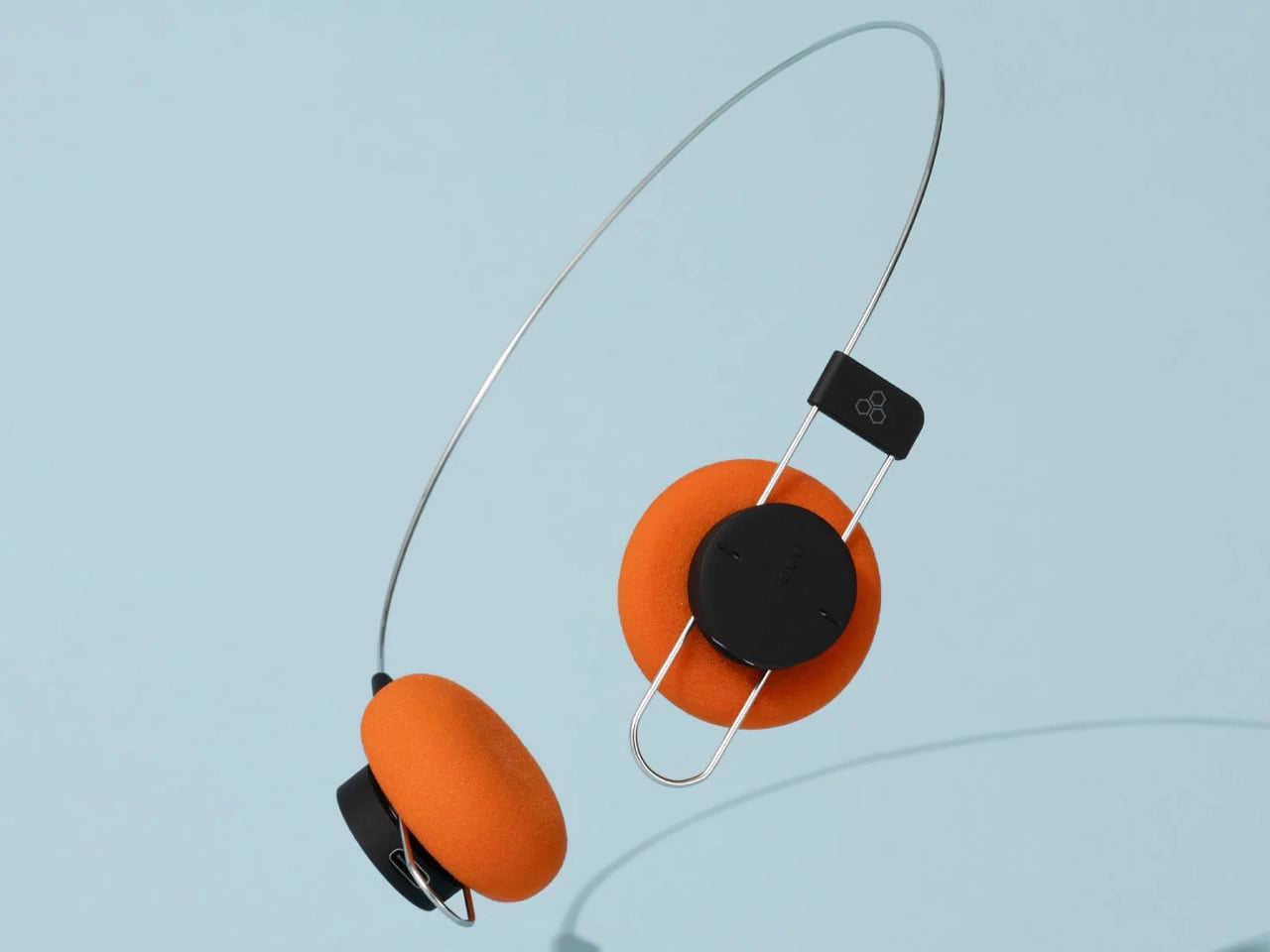
Japanese audio brand Final has introduced Porta, a pair of wireless on-ear headphones that rethink one of the most familiar elements of headphone design – the headband. Unlike most headphones with a conventional padded arch, the Porta uses a minimal, single-wire structure called AirWire, reducing the headphones’ weight to approximately 40 grams while aiming to make extended listening more comfortable.

The AirWire design minimises the area of contact between the headphones and the wearer’s head. According to Final, this approach reduces pressure on the top of the head, a common source of discomfort with traditional headphones. The lightweight construction also gives the Porta an unusually stripped-back appearance, with a thin metal-like frame connecting two compact earcups. The pair of cans is a minimalist accessory that goes well with your other no-nonsense gadgets.

Designer: Final

Porta’s aesthetic draws on the visual language of older portable audio equipment. Its orange ear pads recall the bright accents associated with classic Sony Walkman headphones, while a black version offers a more understated alternative. Both variants share the same main body, with the ear-pad colour providing the visual distinction. Final also plans to sell replacement ear pads separately in 2027, giving owners the option to refresh the look without replacing the entire product.

Despite its lightweight construction and retro appearance, the pair of cans incorporates modern wireless connectivity. Bluetooth 5.4 enables connection to compatible devices, while support for the SBC and AAC audio codecs provides compatibility with a broad range of smartphones and other Bluetooth audio sources. The headphones have a stated frequency response of 20Hz to 20kHz.

Final says the Porta has been tuned to deliver a lively presentation, with a sense of depth and substance in the midrange and lower frequencies. The company highlights vocal weight as a particular consideration in its sound design, addressing the challenge of maintaining a full listening experience in a lightweight headphone enclosure. These are manufacturer claims rather than independently verified performance results.

A 57mAh lithium-ion battery provides up to eight hours of music playback on a charge. Recharging takes approximately 90 minutes through USB-C, keeping the charging process straightforward. The headphones also carry an IPX4 rating, indicating resistance to water splashes, which offers some protection during everyday use and light exercise.

The design does involve trade-offs. The Porta does not offer active noise cancellation, a feature found in many contemporary wireless headphones. Its modest battery capacity and eight-hour rated playback time also place the emphasis on everyday convenience and low weight rather than extended listening between charges.

Final has priced the Porta at ¥12,800 (approximately $80), with availability in Japan scheduled for October 23, 2026. International availability has not been confirmed, although the brand sells products through its Amazon storefront.

The post Final’s Porta wireless on-ear headphones strip back the headband to just 40 grams first appeared on Yanko Design.

  •  

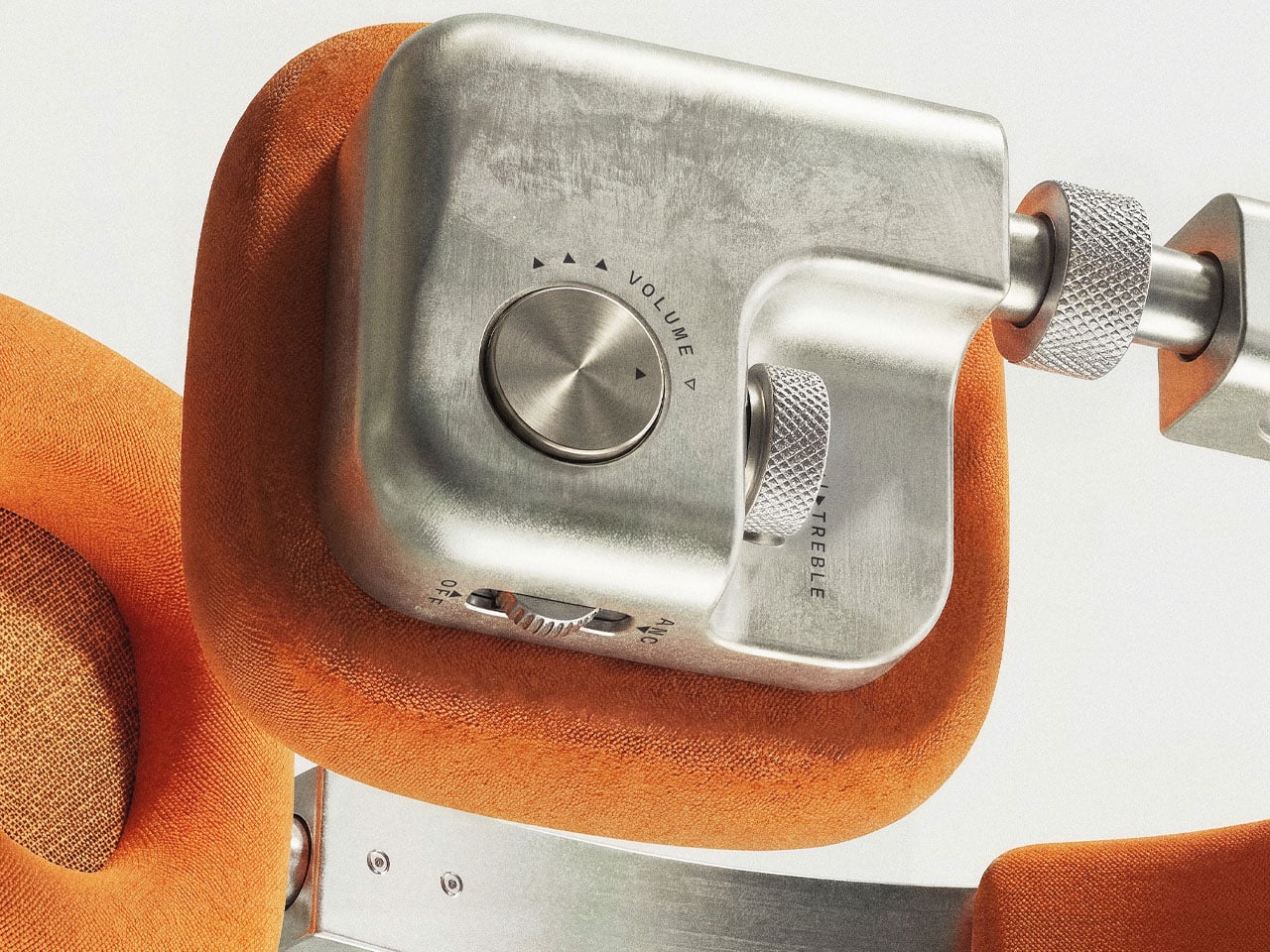
These retro-modern Headphones put audio adjustments on physical dials and tactile switches

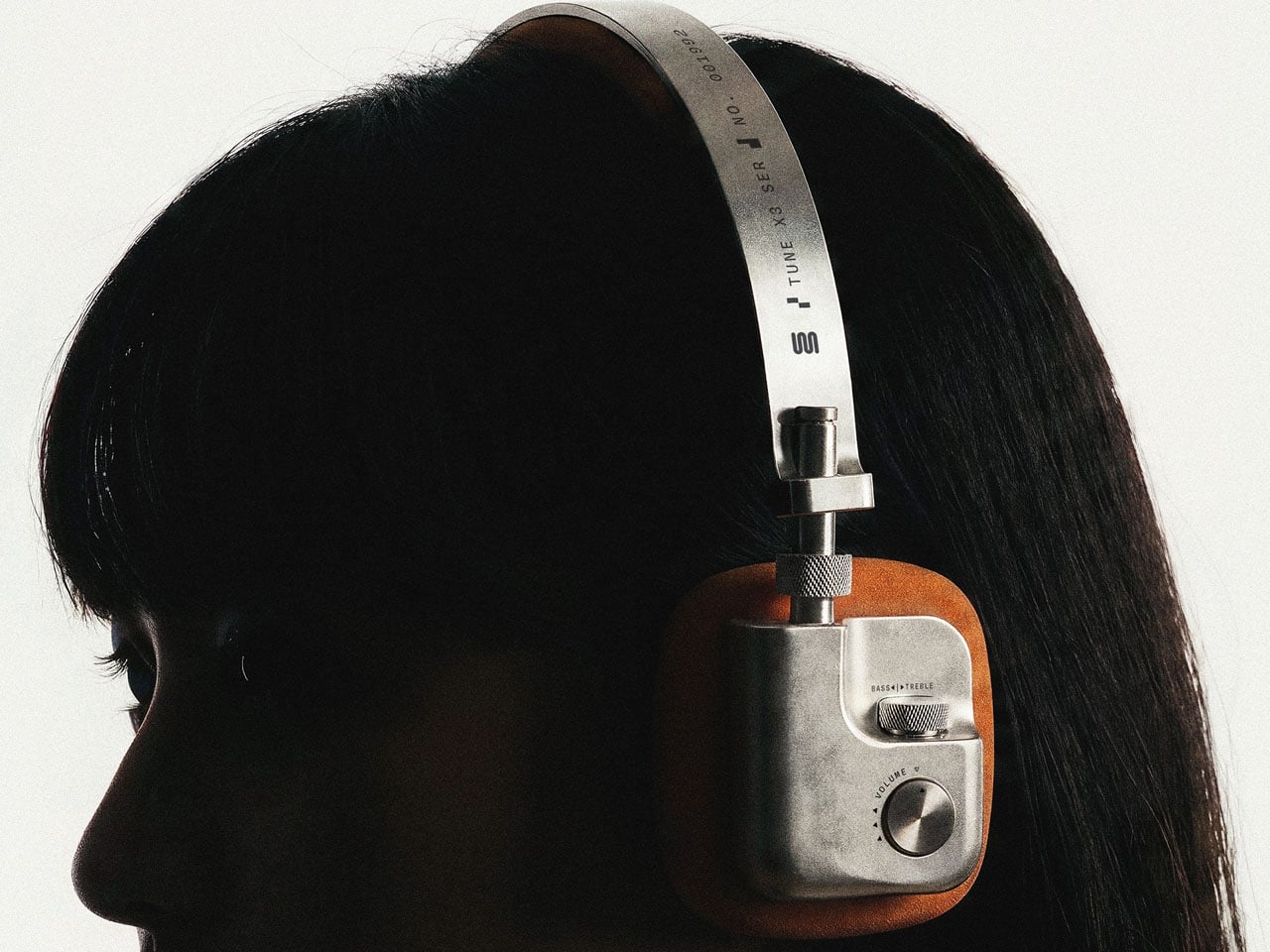
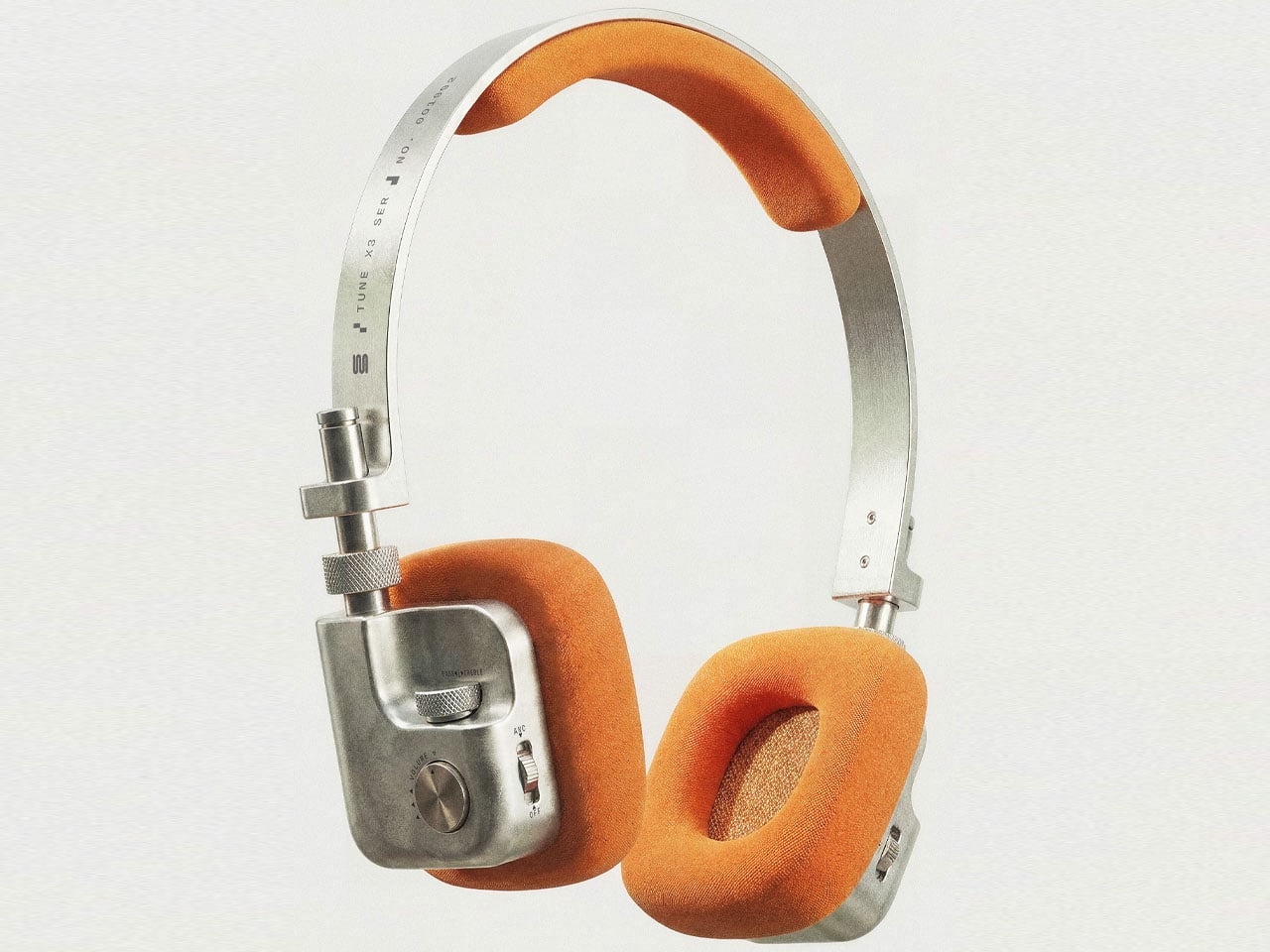
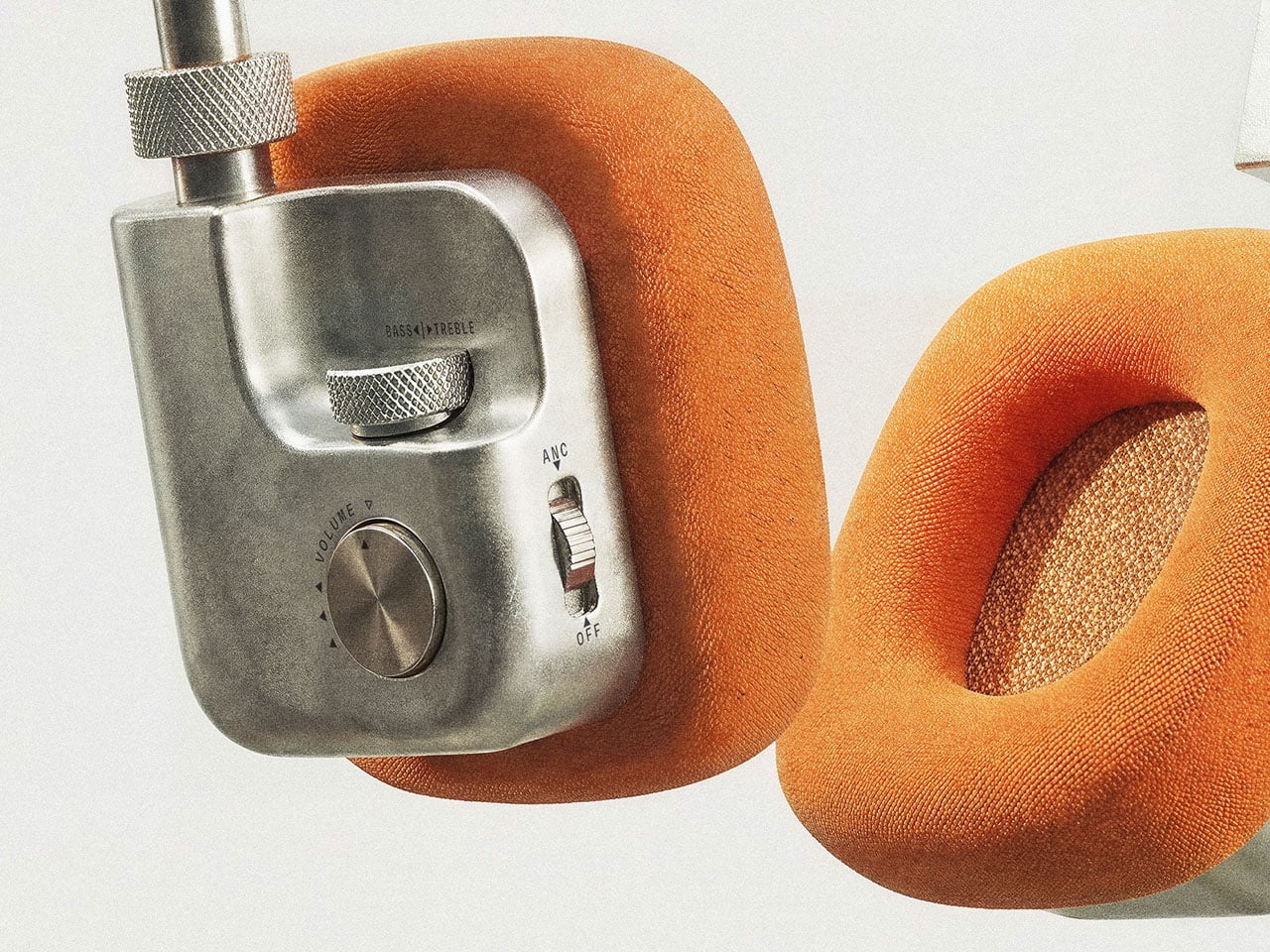
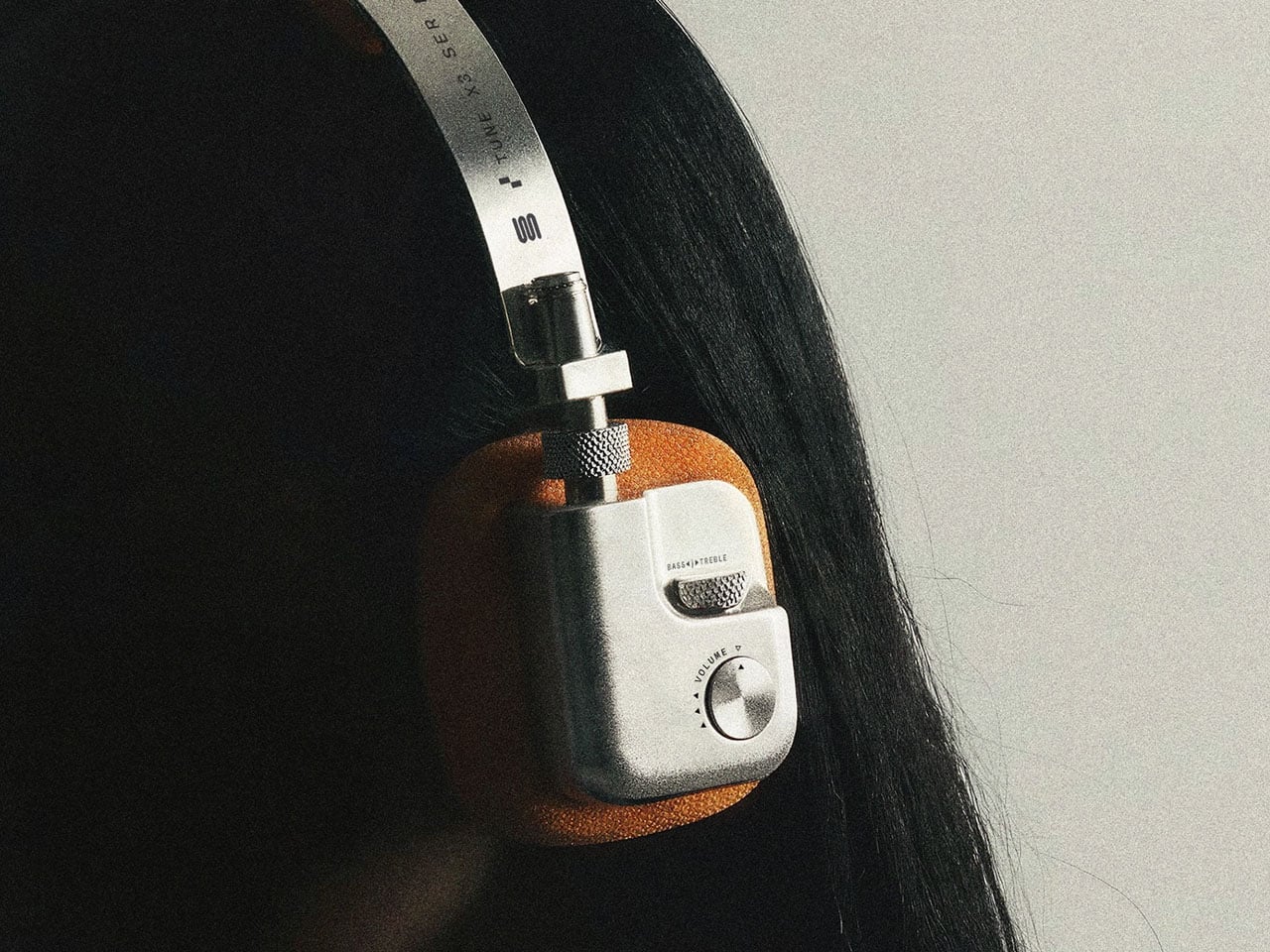
Adjusting your headphones shouldn’t mean searching for a tiny button or guessing where to tap a touch-sensitive surface. TUNE X3 explores a more hands-on approach, using knurled dials and physical switches that let users feel their way through everyday audio adjustments. Designed by Pressec Design as part of a fictional product family, these concept headphones make tactile interaction a defining feature of their industrial design.

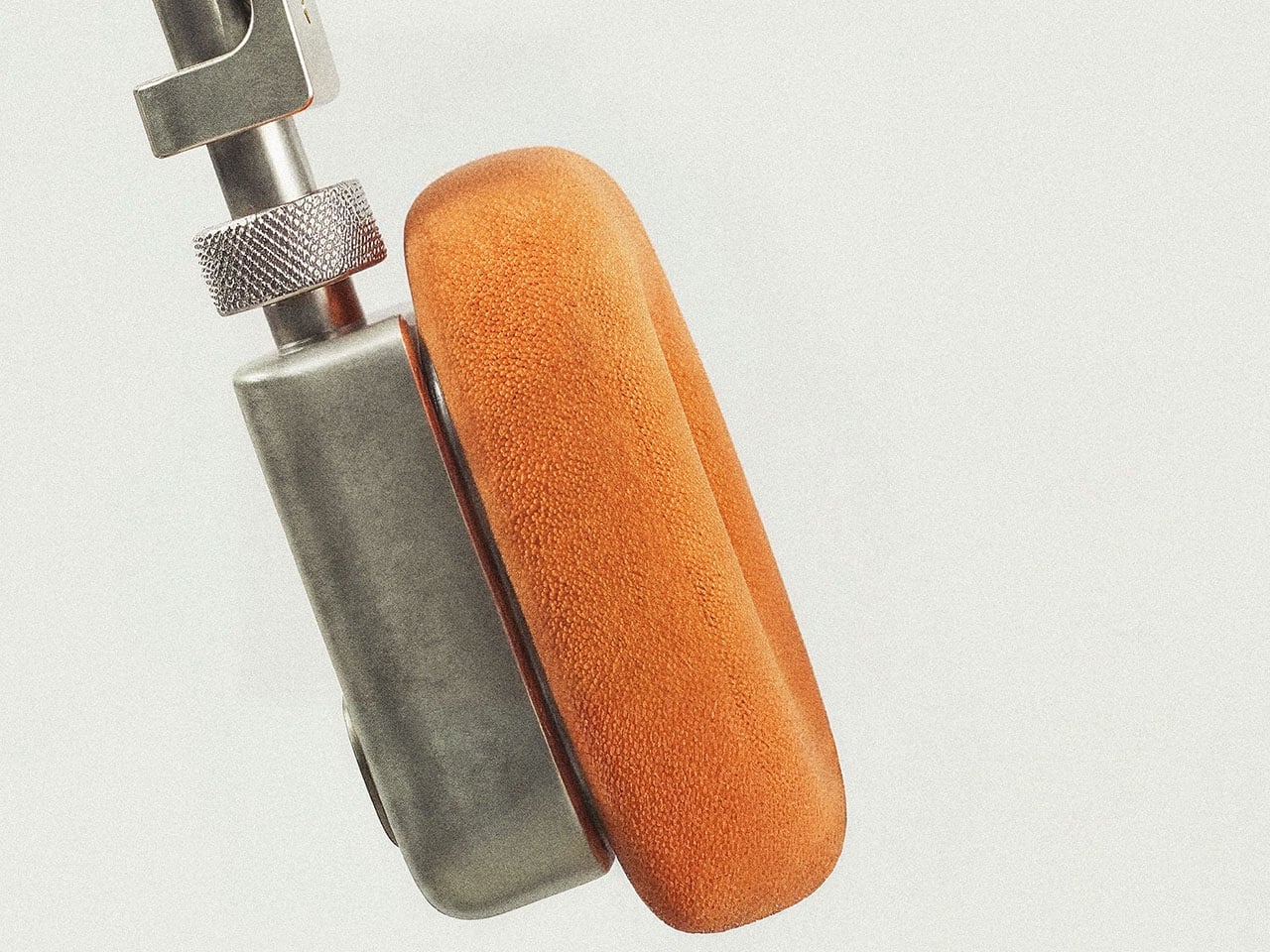
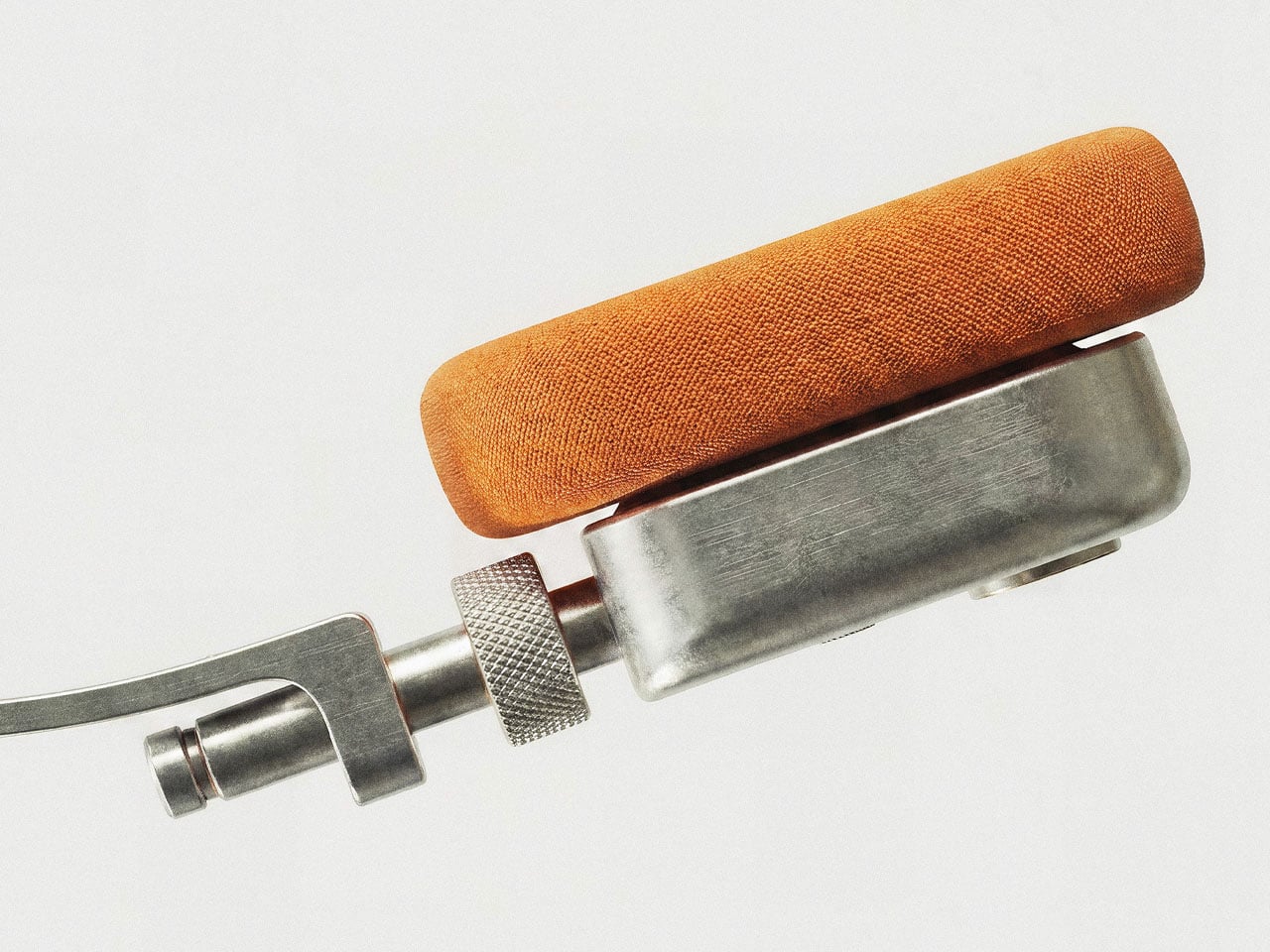
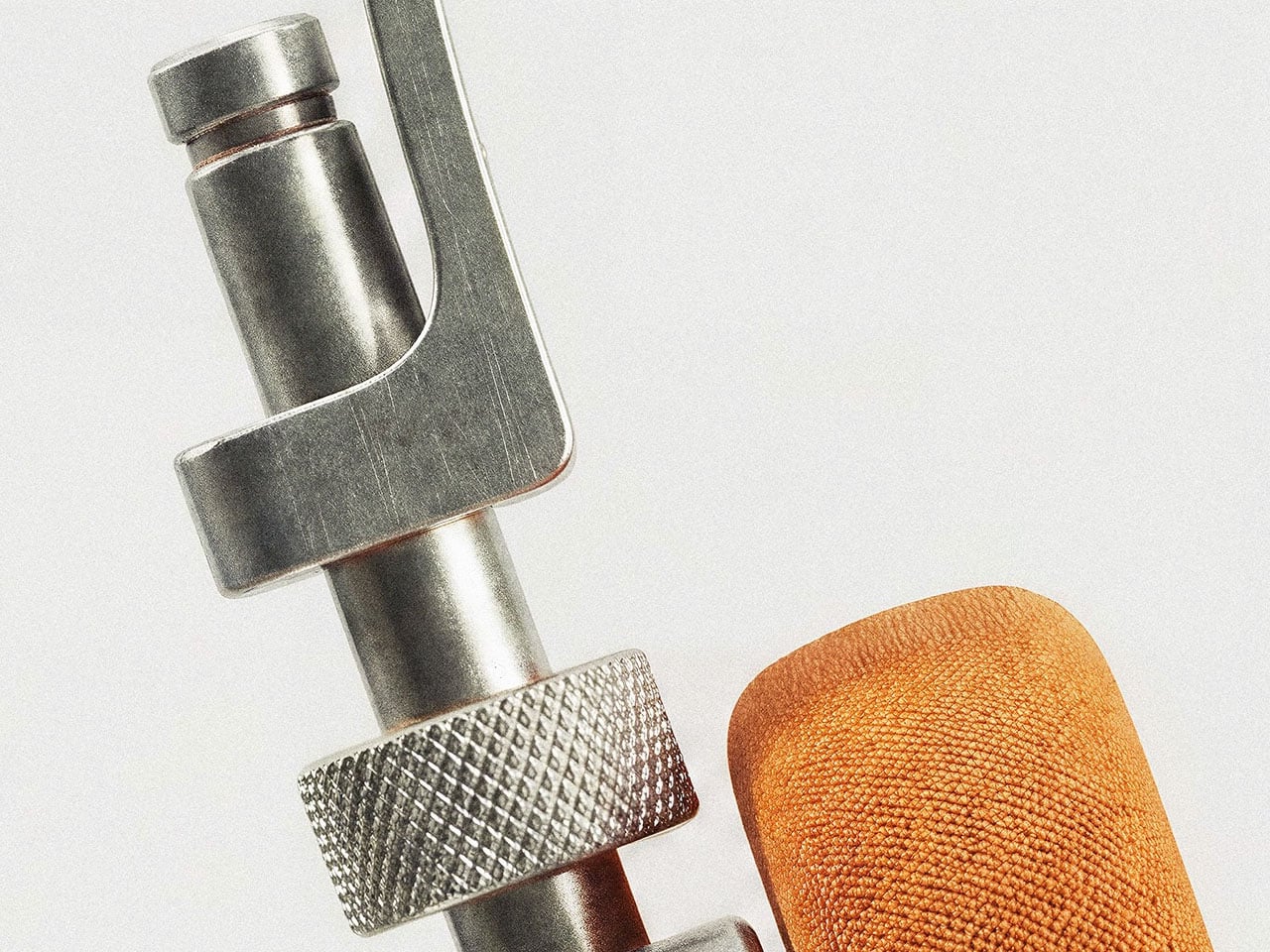
The headphones pair a brushed aluminium chassis with high-contrast orange textile padding across the ear cushions and headband. The raw metallic finish recalls mid-century studio equipment, while the saturated fabric creates a bold visual contrast. Exposed fasteners and a wide-profile headband reinforce the utilitarian character, giving TUNE X3 the appearance of precision equipment. This is a detour from the currently trending minimalist consumer gadgets. It’s like bringing in a muscle car in the era of Tesla EVs.

Designer: Pressec Design

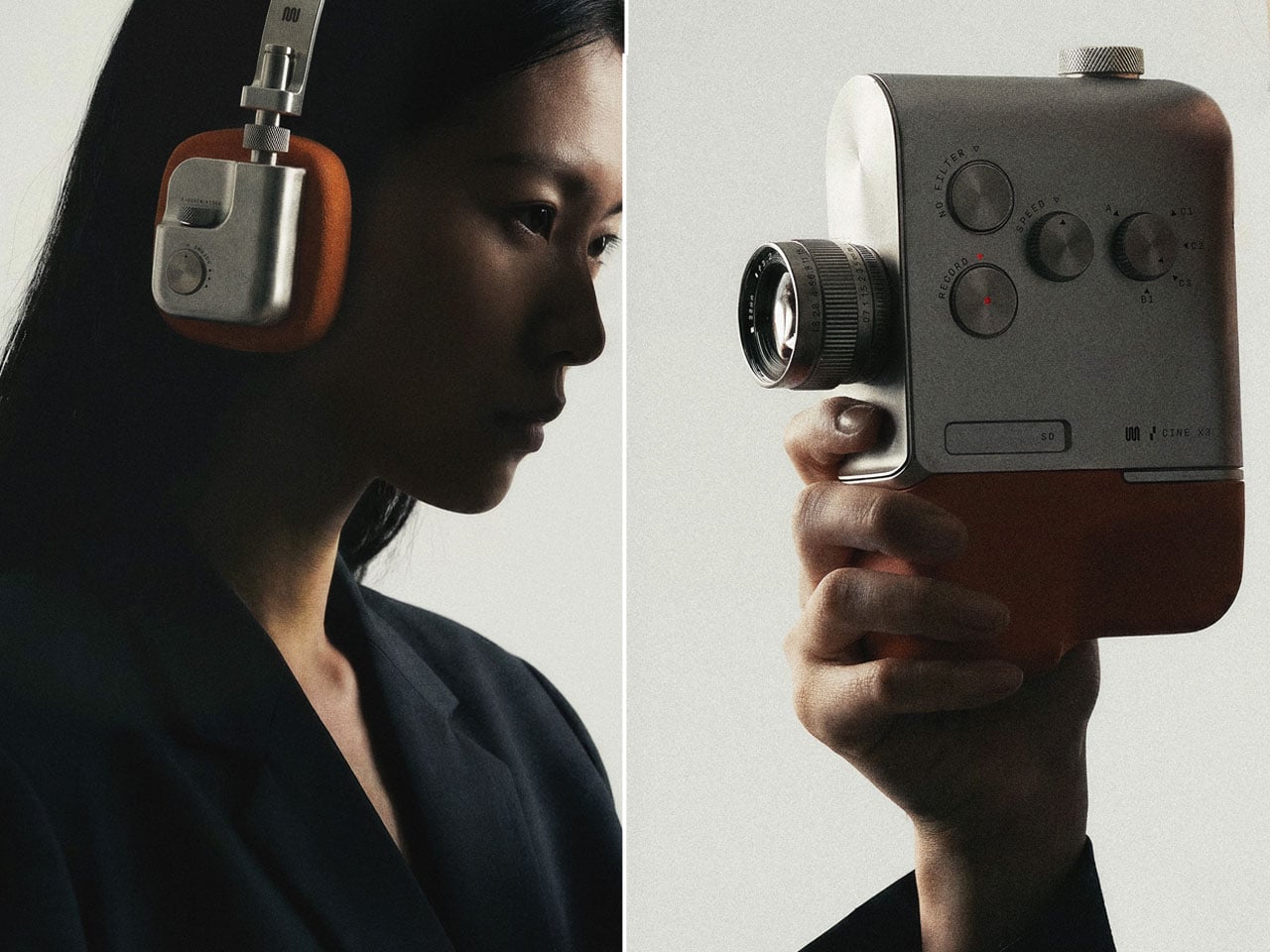
The physical controls are the core of the niche concept. Dedicated dials and tactile switches handle volume, treble, and active noise cancellation (ANC), giving users distinct controls for common listening toggles. Their knurled surfaces provide texture under the fingers, making the interface feel more deliberate than a smooth touch panel. The design suggests a listening experience in which users can reach for a control, recognize it by touch, and make adjustments without navigating an onscreen menu. While the concept does not establish how the controls perform in practice, it places physical interaction at the heart of the headphone experience.

TUNE X3 is part of the same fictional product family as the CINE X3. The designer developed both concepts around a consistent visual language, carrying shared characteristics across the collection without simply repeating the same shapes. Materials, proportions, finishes, and hardware details establish continuity while allowing each product to retain its own identity.

The project also explores how Vizcom can support product-family development by using previous designs as references. This approach helps designers preserve a recognizable character across multiple concepts while continuing to explore distinct forms and functions.

TUNE X3 remains a conceptual design, with no confirmed release date, price, or technical specifications. Its core idea is straightforward – physical controls can make headphone interaction feel more immediate and intentional, while giving the product a distinctive identity shaped by the way users handle it.

The post These retro-modern Headphones put audio adjustments on physical dials and tactile switches first appeared on Yanko Design.
  •  

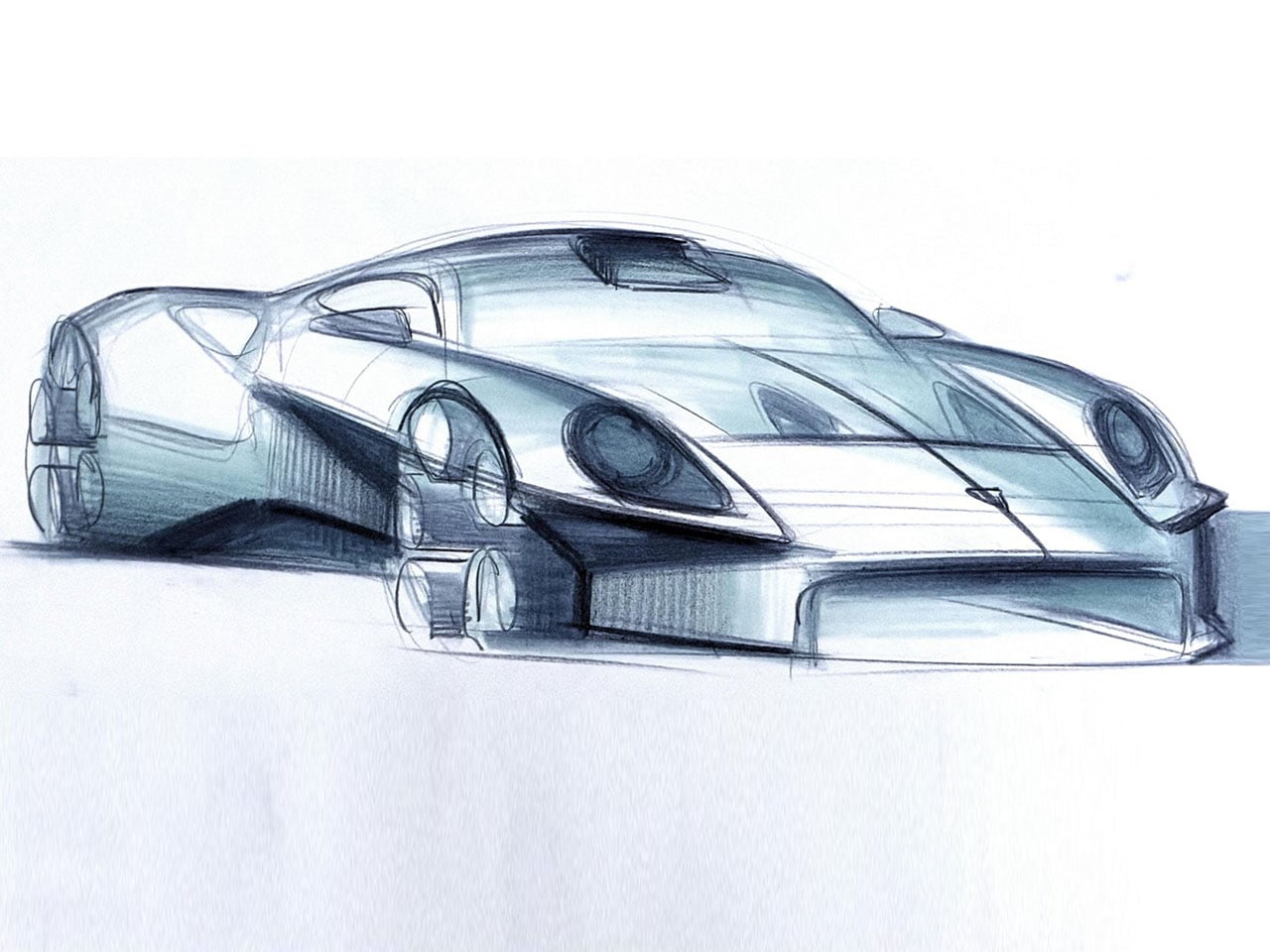
Porsche Mission S ditches the center screen for a driver-focused supercar cockpit

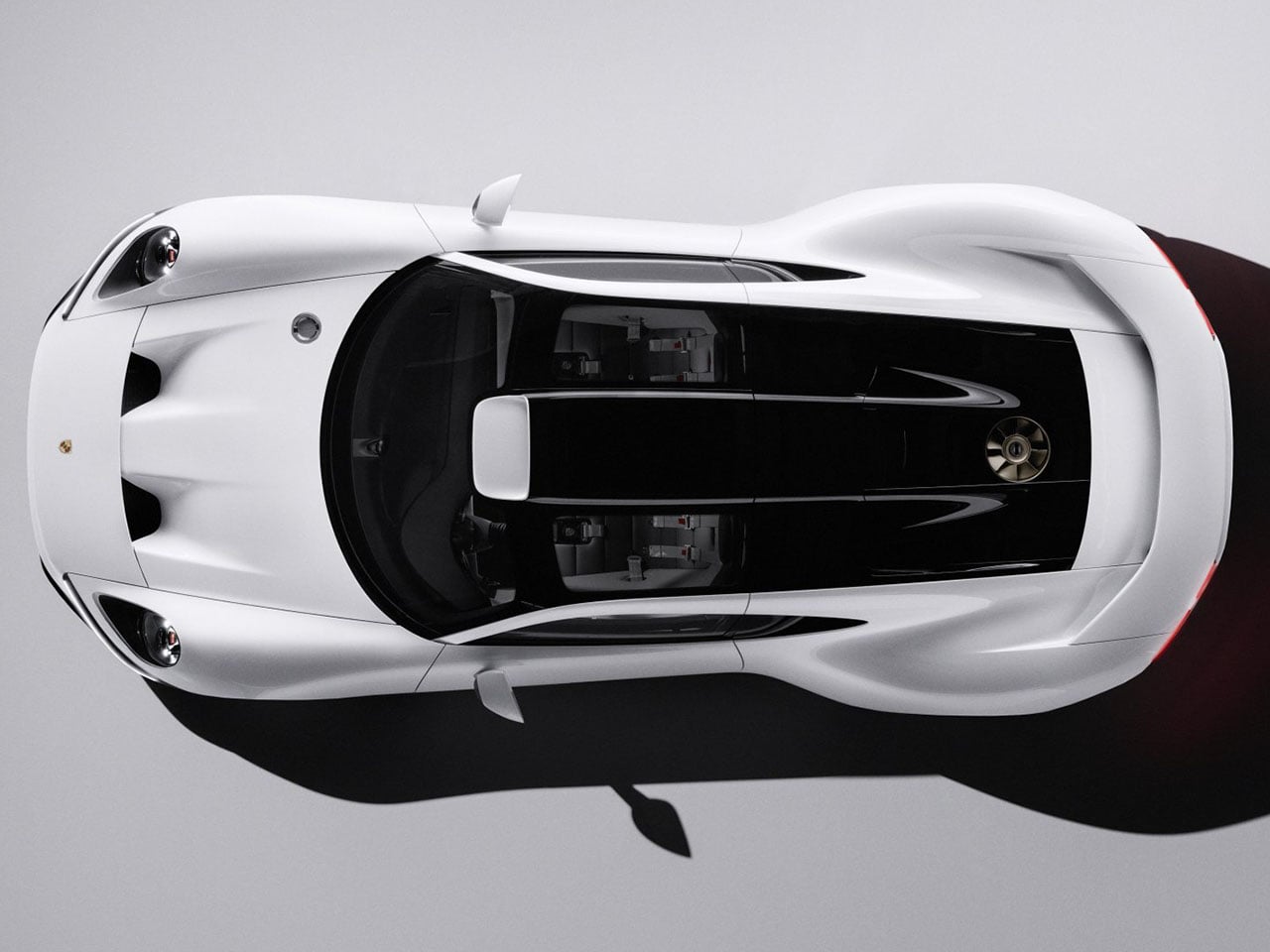
Porsche has unveiled the Mission S, a vision model that previews its evolving design language and introduces plans for a new mid-engine super sports car positioned above the 911. The German automaker describes the performance machine as the foundation for a permanent addition to its lineup, combining motorsport influences with a more focused approach to driving.

Revealed in Queens, New York, the Mission S also draws attention to Porsche’s history. The location recalls the 1953 appearance of the 550 Spyder on the same pier, a car that helped establish the company’s reputation in the United States. The new concept carries that legacy forward through proportions and details inspired by several of the marque’s historic sports cars.

Designer: Porsche

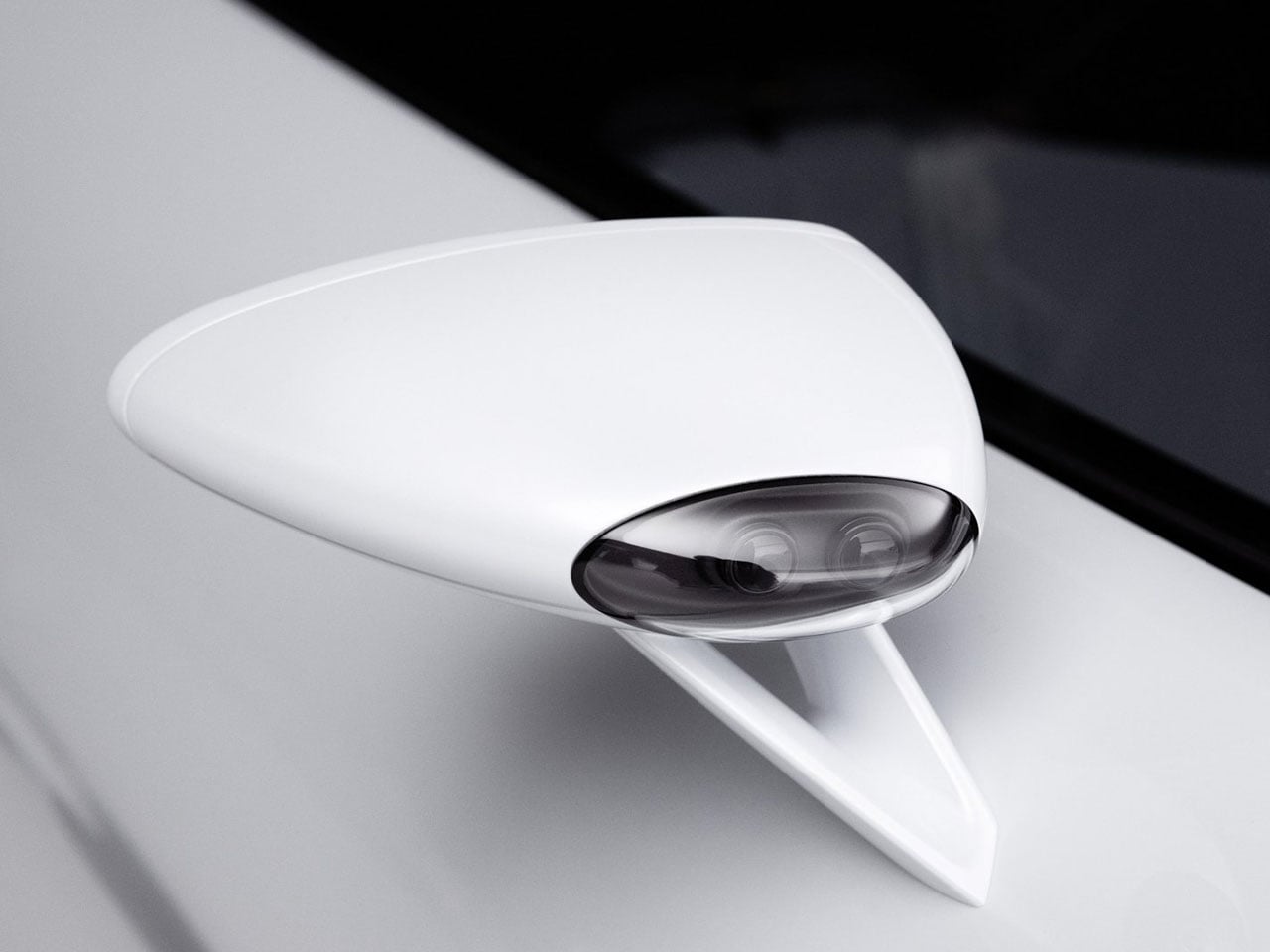
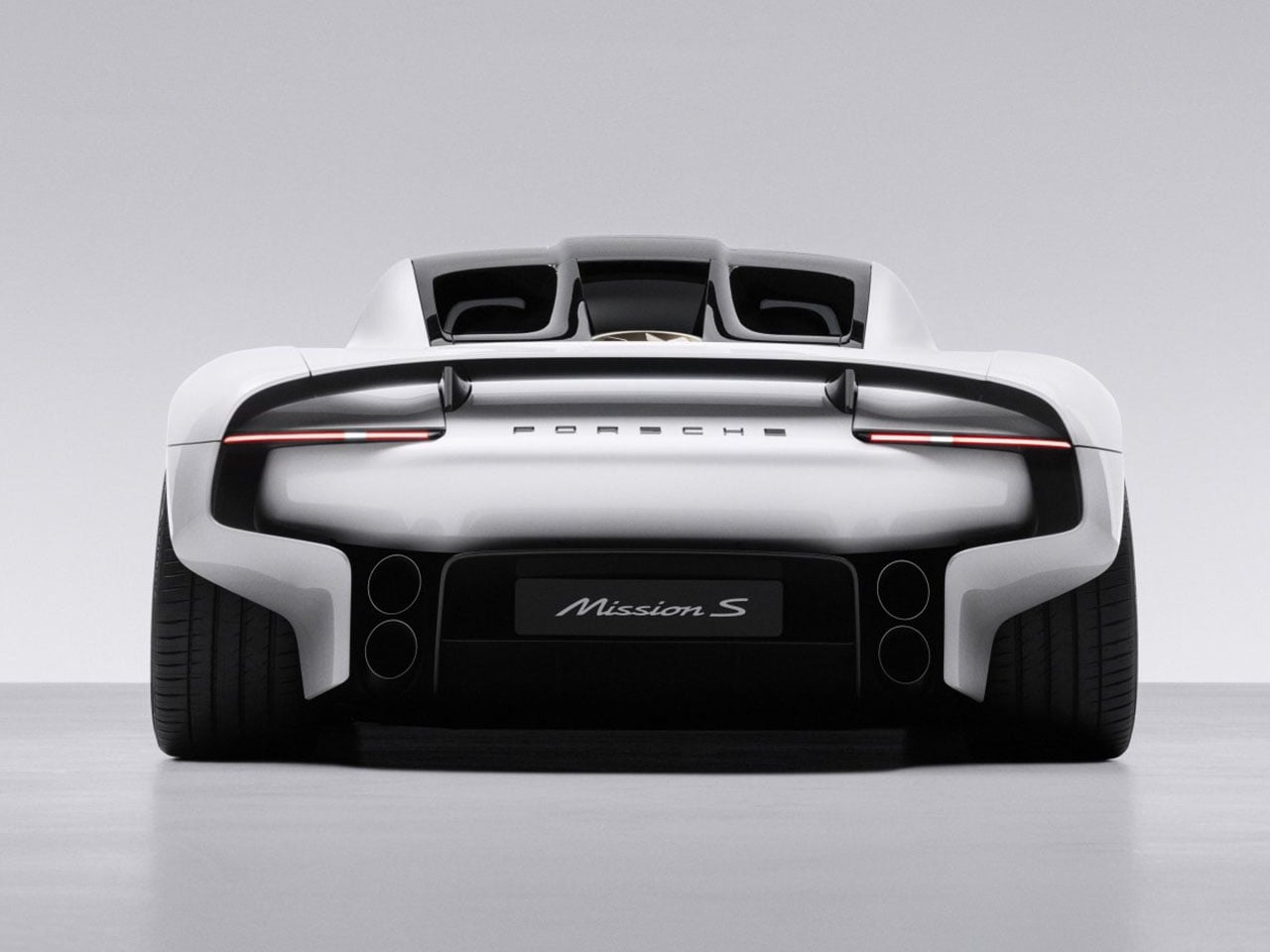
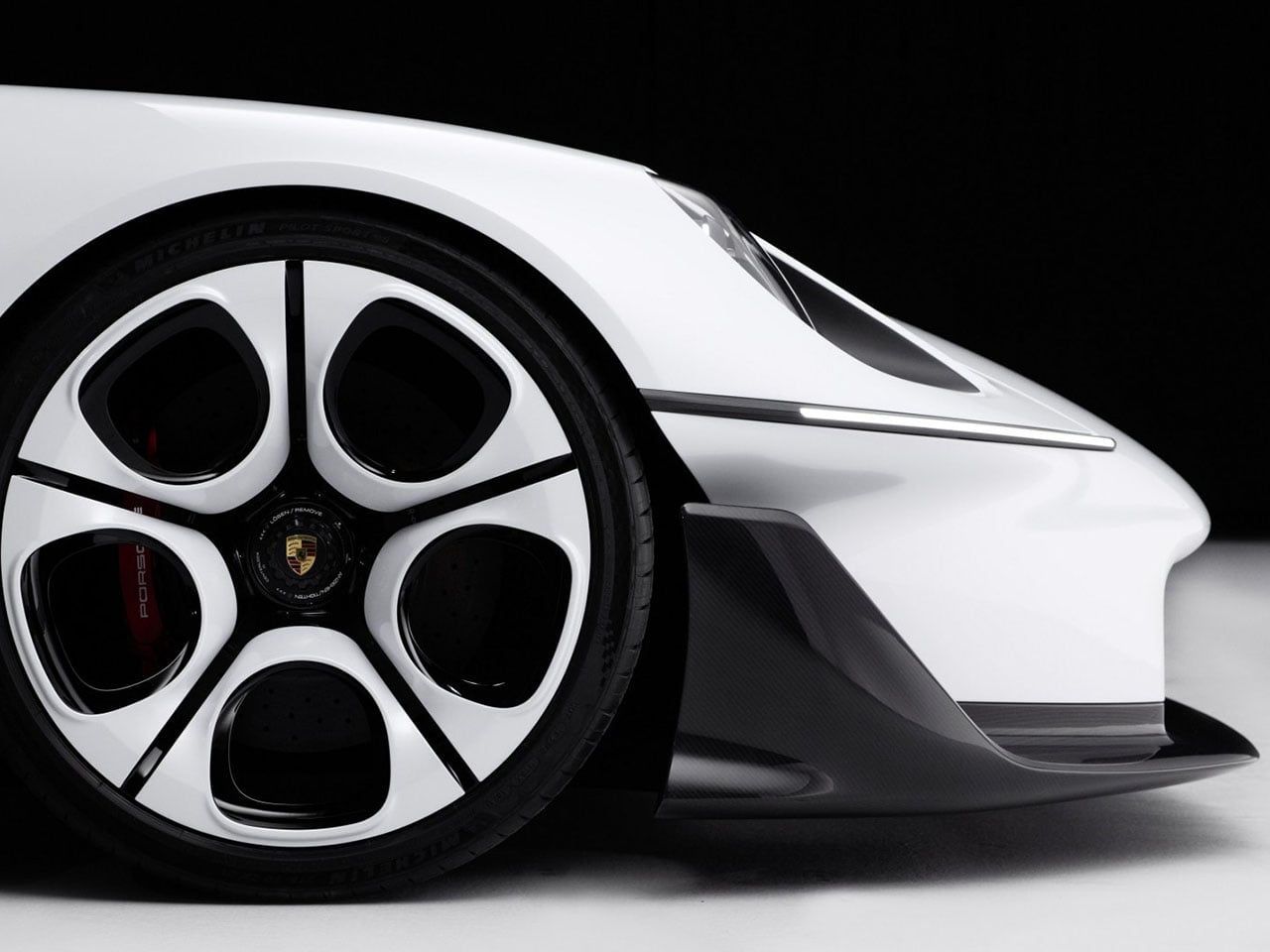
Its exterior centres on a low nose, rounded headlights and pronounced front fenders that recall the 911. The flat front end takes inspiration from the 911 GT1, while the roofline extending beneath the rear wing references the 959. At the back, a design treatment derived from the GT1 creates a layered, car-within-a-car effect. These references are integrated into a contemporary form rather than reproduced as retro styling.

A continuous line connects the front and rear light signatures, visually tying the body together. Above it, the sculpted surfaces emphasise the car’s muscular proportions; below, exposed technical elements reinforce its functional character. The centrally positioned engine makes the familiar Porsche roofline possible, while a cooling arrangement inspired by the 917’s radiator fan and an integrated active rear wing bring engineering details into the visual design. The wheels reinterpret the distinctive dial-like pattern of the 928, with an emphasis on lightweight construction.

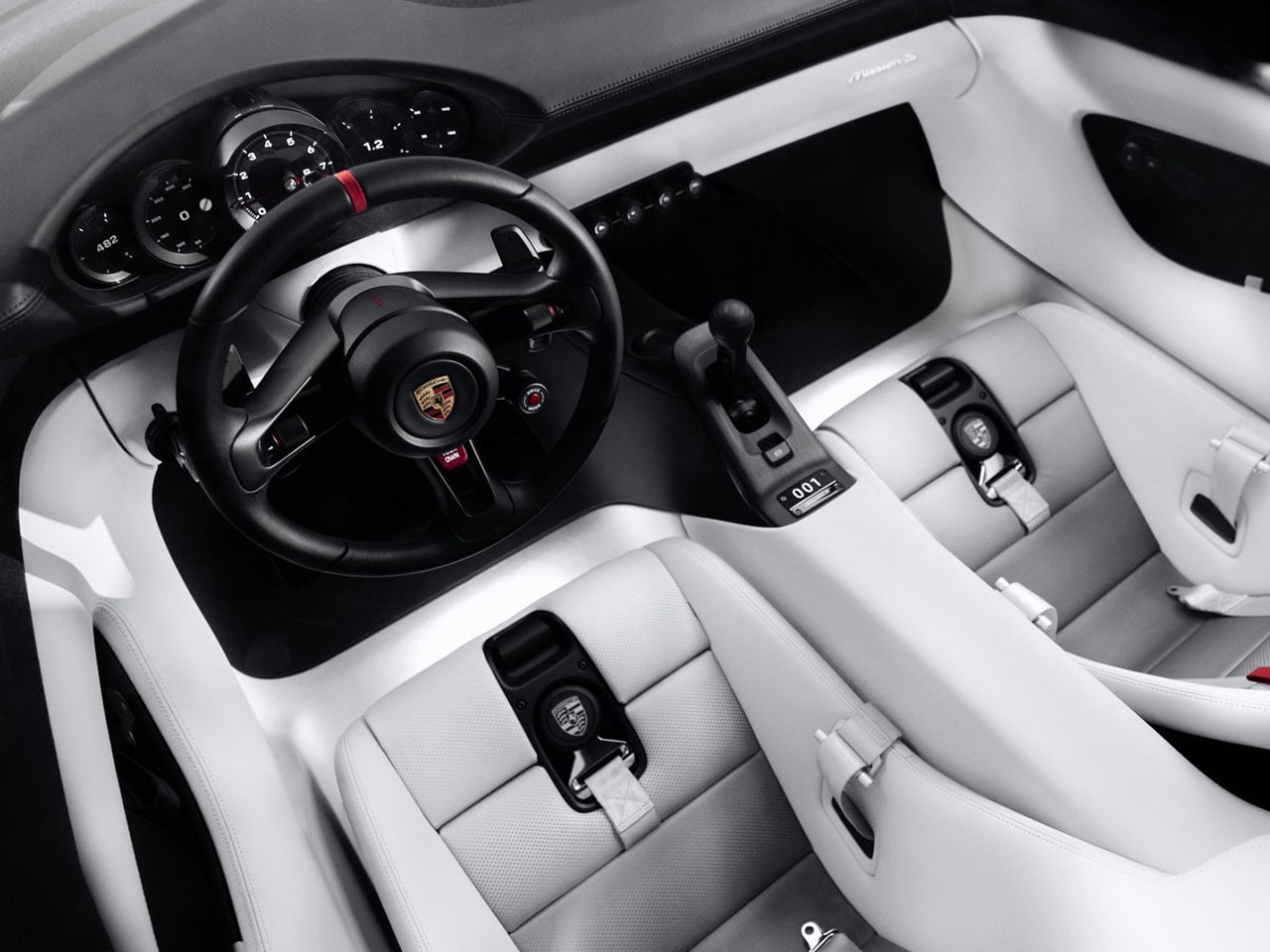
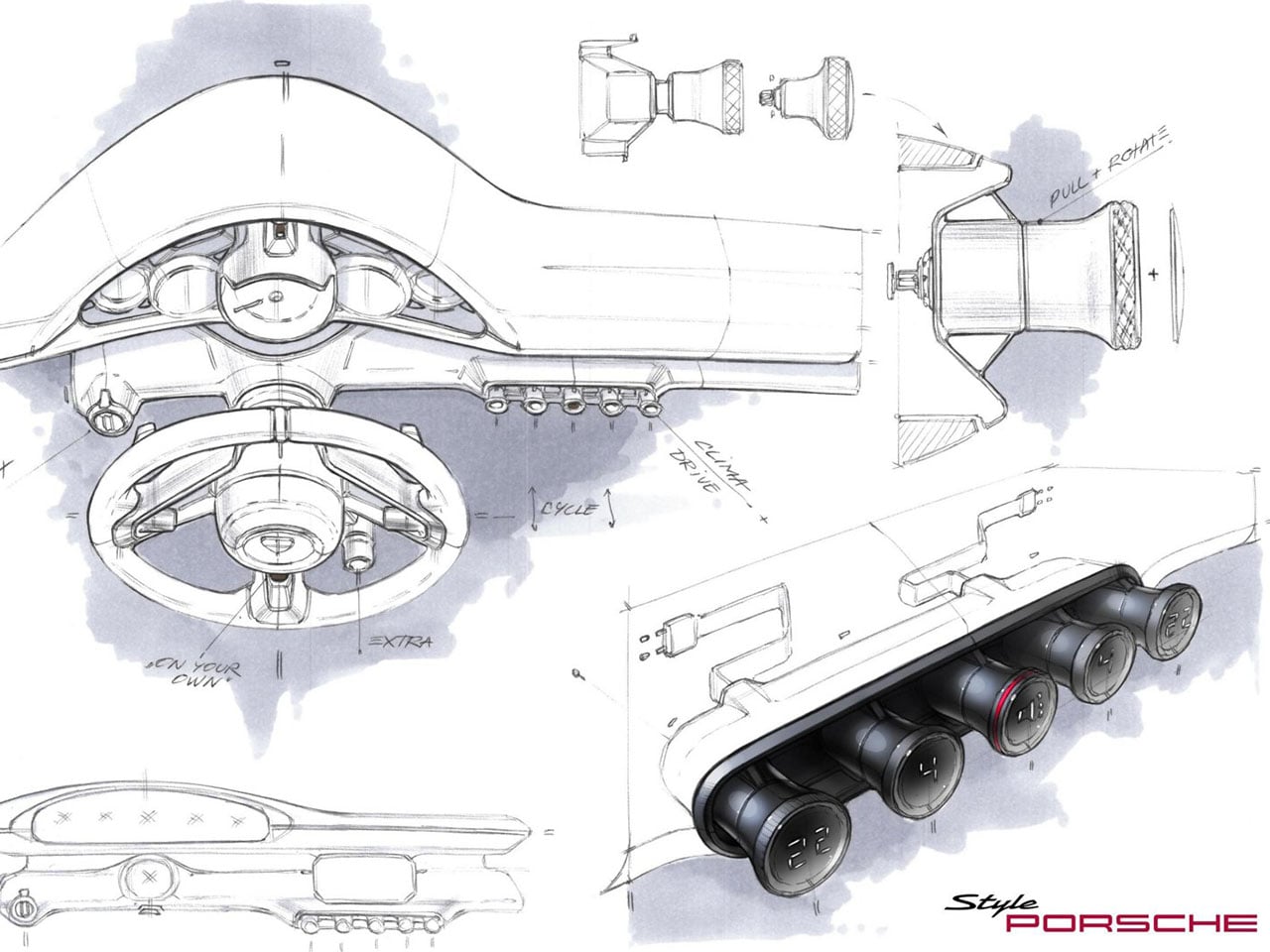
On the inside, Porsche takes a less screen-dependent approach to the driving experience. The cabin draws on the 550 Spyder and 356, using flowing lines across the dashboard and doors to create a low, enclosed cockpit. Traditional switches and physical controls sit alongside digital displays, with the layout arranged around the driver. White, grey and red accents reference the brand’s racing colours.

The instrument cluster is a central feature. Five round instruments sit behind the steering wheel, with an analogue rev counter at the centre and a digital display behind it. Their arrangement can change with the selected driving mode, adapting the presentation to the driver’s needs. A redesigned Sport Chrono element combines analogue styling with digital functions, while push-pull controls provide direct access to selected vehicle settings.

Porsche has also left out a permanently installed central touchscreen and passenger display. Instead, a retractable smartphone holder compatible with MagSafe allows a personal device to serve as a navigation or information screen when needed. The My Porsche app provides access to vehicle functions and offers historically inspired designs for the digital instrument displays.

For now, Mission S remains a vision model, not a production car with confirmed performance figures or a launch date. Porsche has, however, announced development of a new mid-engine super sports car platform. Its eventual production models will show how much of this concept’s design and driver-focused philosophy makes it to the road.

The post Porsche Mission S ditches the center screen for a driver-focused supercar cockpit first appeared on Yanko Design.

  •  

Extra wide street-legal Ford hatchback takes on-lookers by surprise

The world’s narrowest Fiat Panda caught me off guard the first time I saw it. I had to double-check if this was a vision anomaly, but it was not, and out of pure instinct had to cover it. Now we are going polar opposites with the widest street-legal car, which is the work of Tyler Fever (from the YouTube channel Prop Department), who loves his unique automotive DIY projects. After surprising everyone with the world’s thinnest car, for this one he collaborated with Bamboo Lab to bring the project to life.

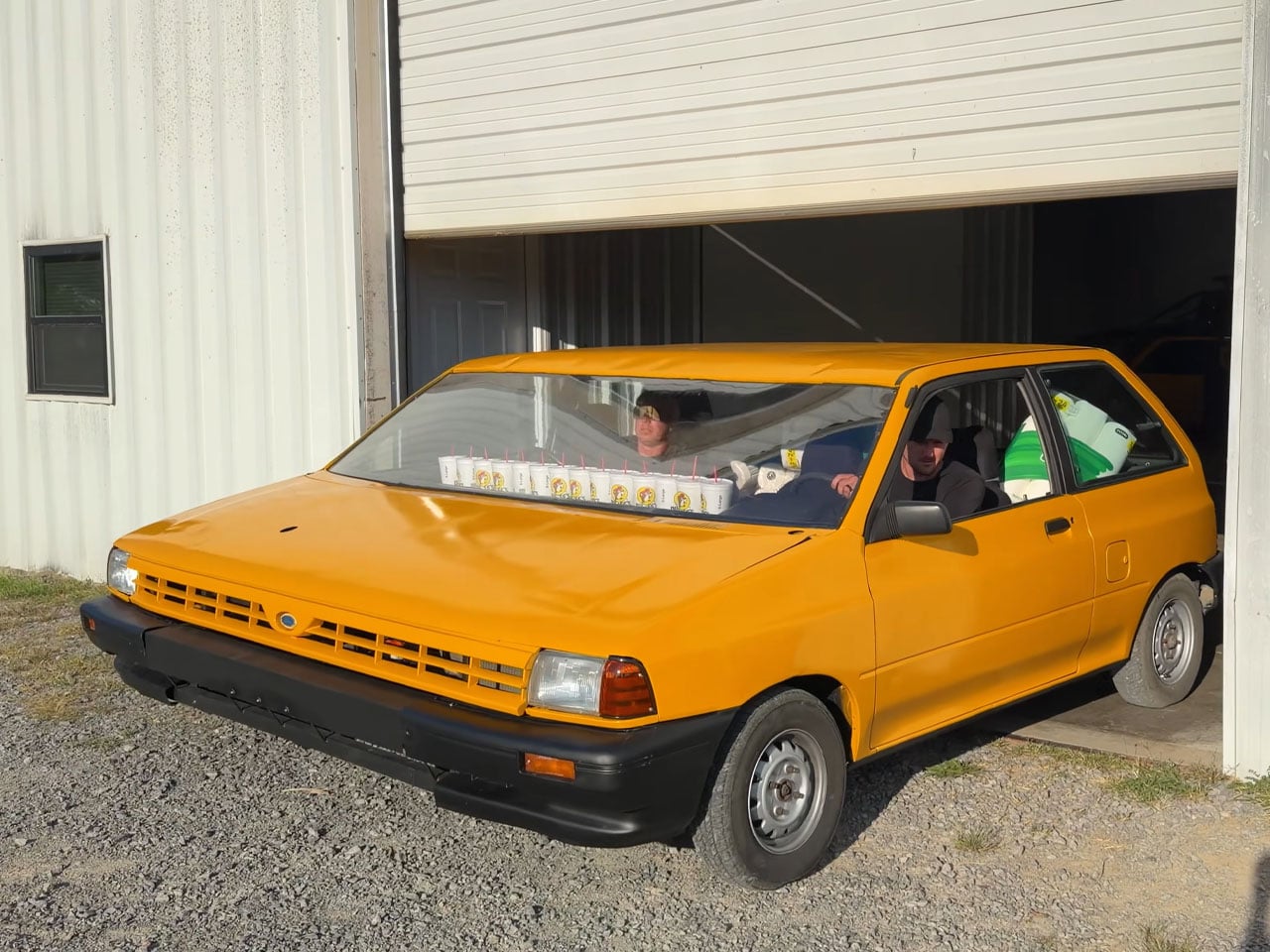
This DIY project kicks off with the acquisition of three old Ford Festiva sub-compact hatchbacks for $200 each. After stripping one of the cars from the dead center with a portable fiber laser, the next step is taking both halves apart. Then the idea is to stretch the vehicle to the width of a truck, but keeping it within street-legal limits. After a bit of figuring out, Tyler went with a 10 feet width to have the best balance of structural integrity and ability to drive it on roads with some special permits.

Designer: Prop Department

To fill in the space between the two halves, he added structural bars to the floor and the roof. On top go the sheet metals – 10 gauge on the floor and 18 gauge on the roof. This makes the structure form into a single solid structure welded together while preserving the original body panels on the sides. One of the challenges was to expand the suspension and drivetrain to cope with the new form factor. For the front-wheel drive side, the CV axle is stretched five feet with precise welding and controlled cooling. He decided to add steering shafts from the other donor Festivas, so that both front seaters can steer the vehicle. Freakin awesome, don’t you think?

Next came the crafting of the car’s parts like the front grille and the stretched-up dashboard parts using the Bambu Lab H2C 3D printer. Now that the car has plenty of space inside, the modifications came in the shape of a big center console with 14 cup holders. Under the hood, there is enough space to put the engine to one side, an air conditioner with a generator (now that’s wild), and all the other mechanical components to make the machine go. The last step involved painting the sunshine yellow paint and installing the plastic windows.

The front angle of this stretched-out Ford is crazy, and so are the ignition buttons on the inside. Driving it out of the garage for the first time makes Tyler go bonkers as he tests the brakes and the limits of the wide body, grazing it against the road limits. The last surprise came in the form of an officially licensed number plate that’s equally wide. The fun part begins when the car rolls on the highway and then on dirt roads for more than two hours of driving. To check the car’s boot space, he loads it with wooden sleepers and whatnot!


The post Extra wide street-legal Ford hatchback takes on-lookers by surprise first appeared on Yanko Design.

  •  

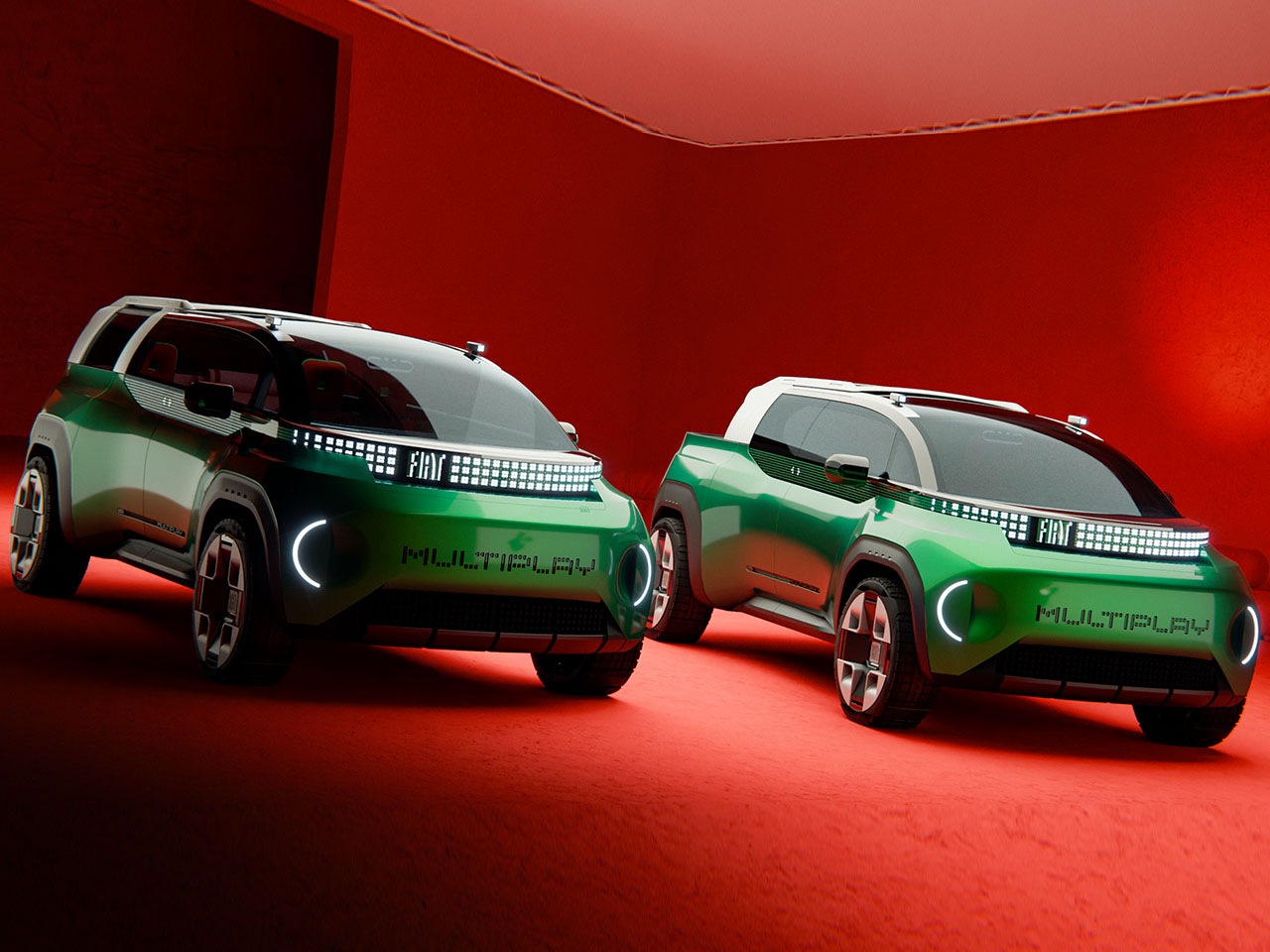
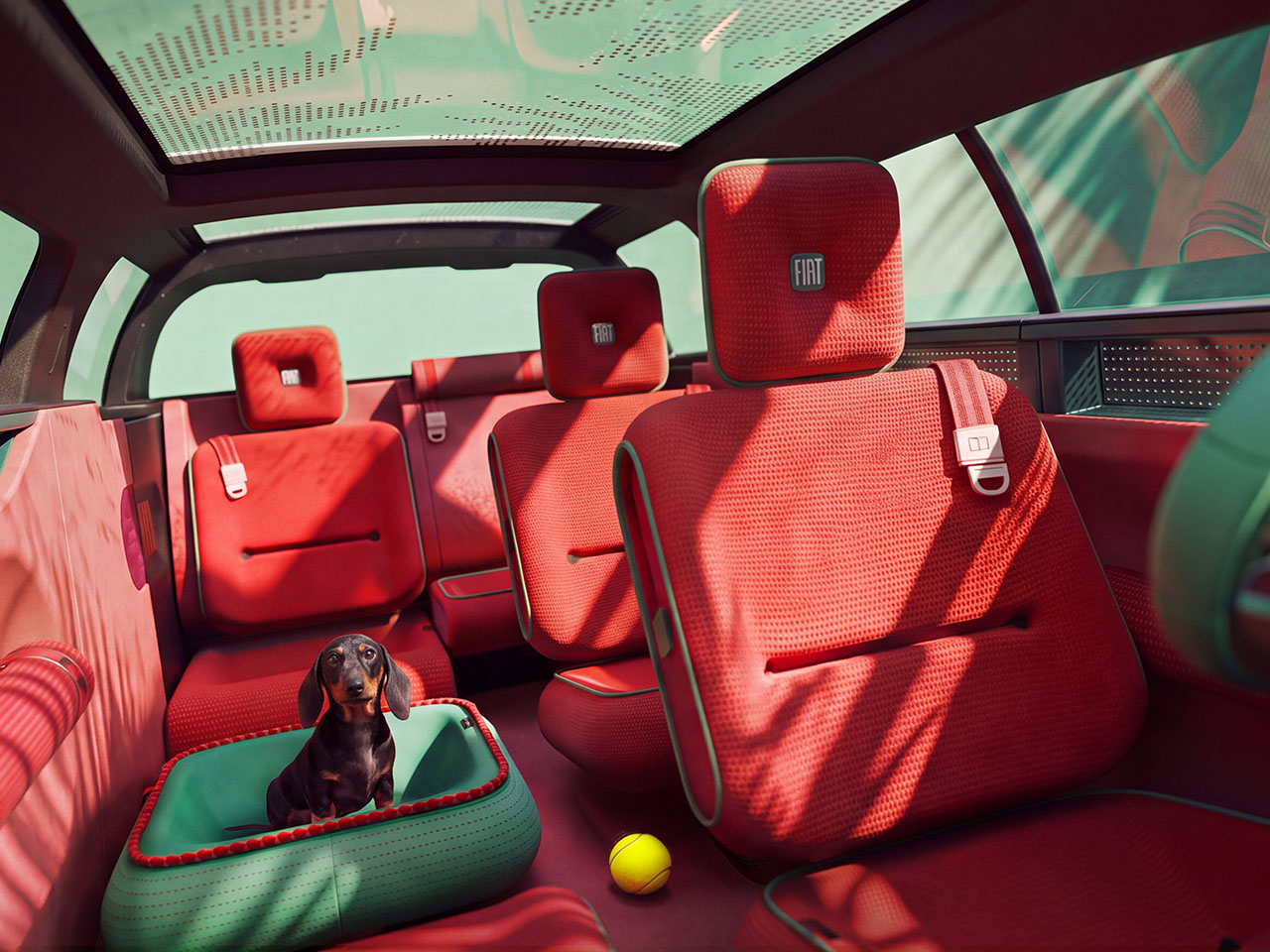
Fiat Multiplay Concept is a family car that turns into a pickup when more space is needed

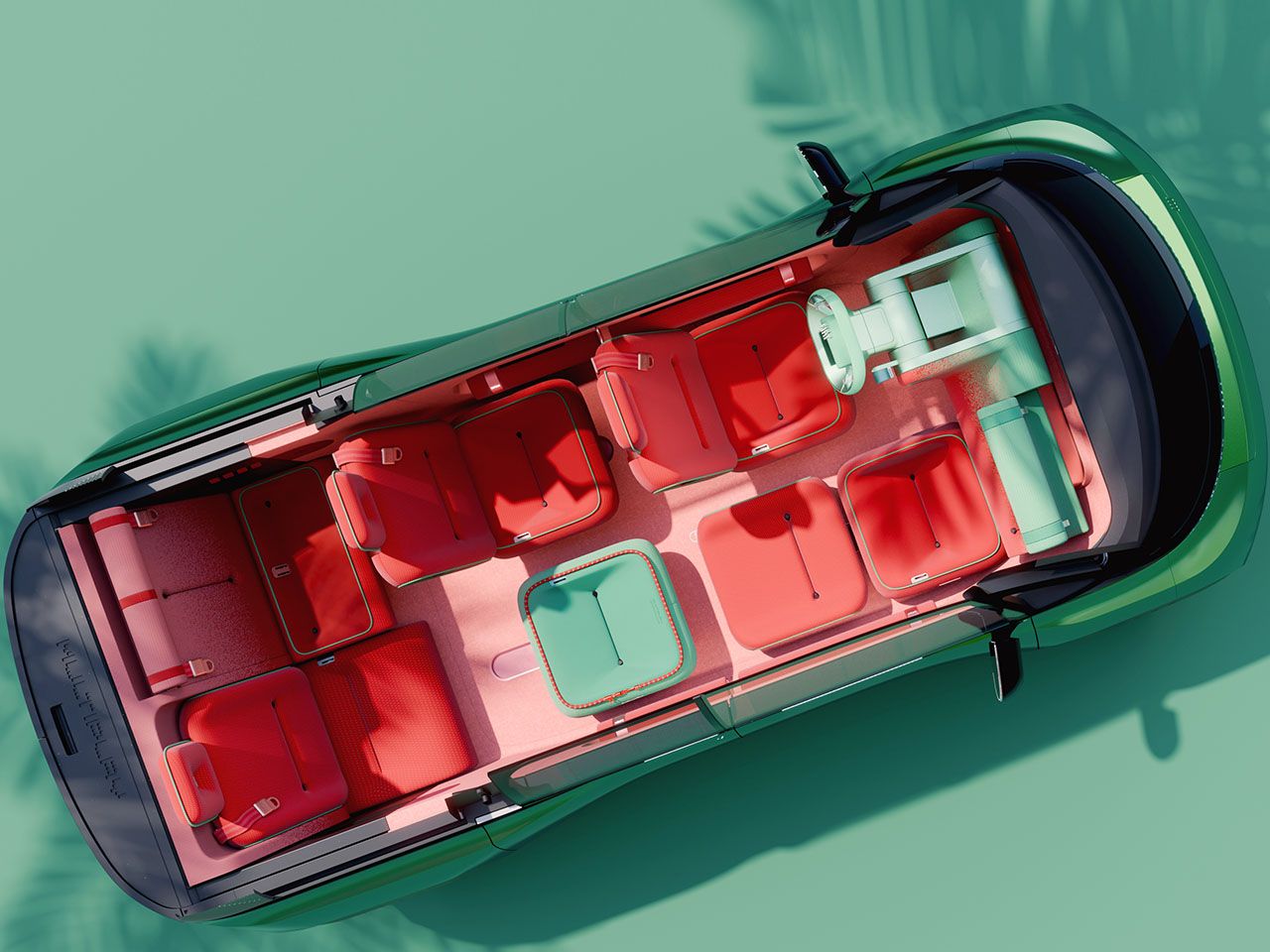
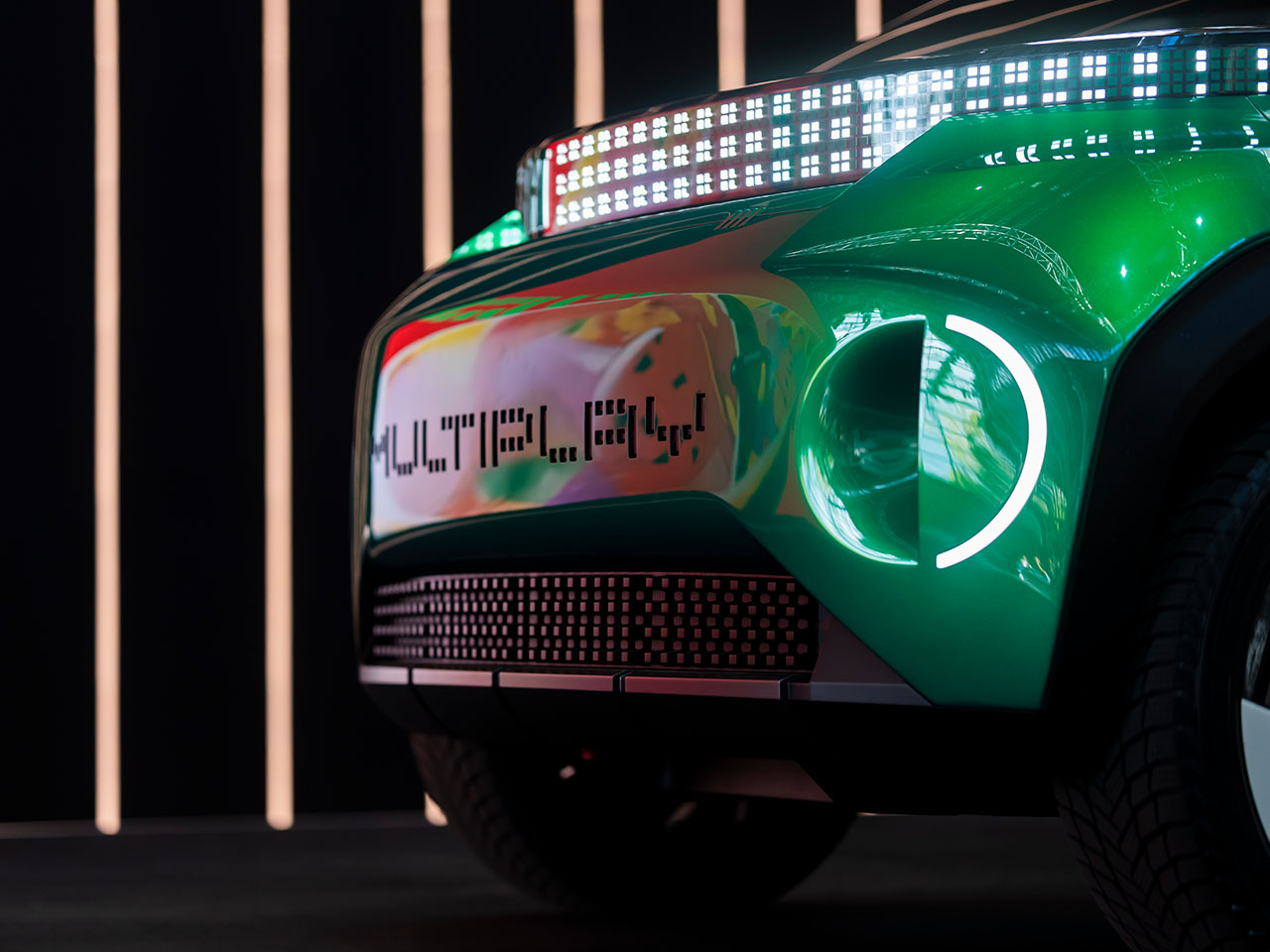
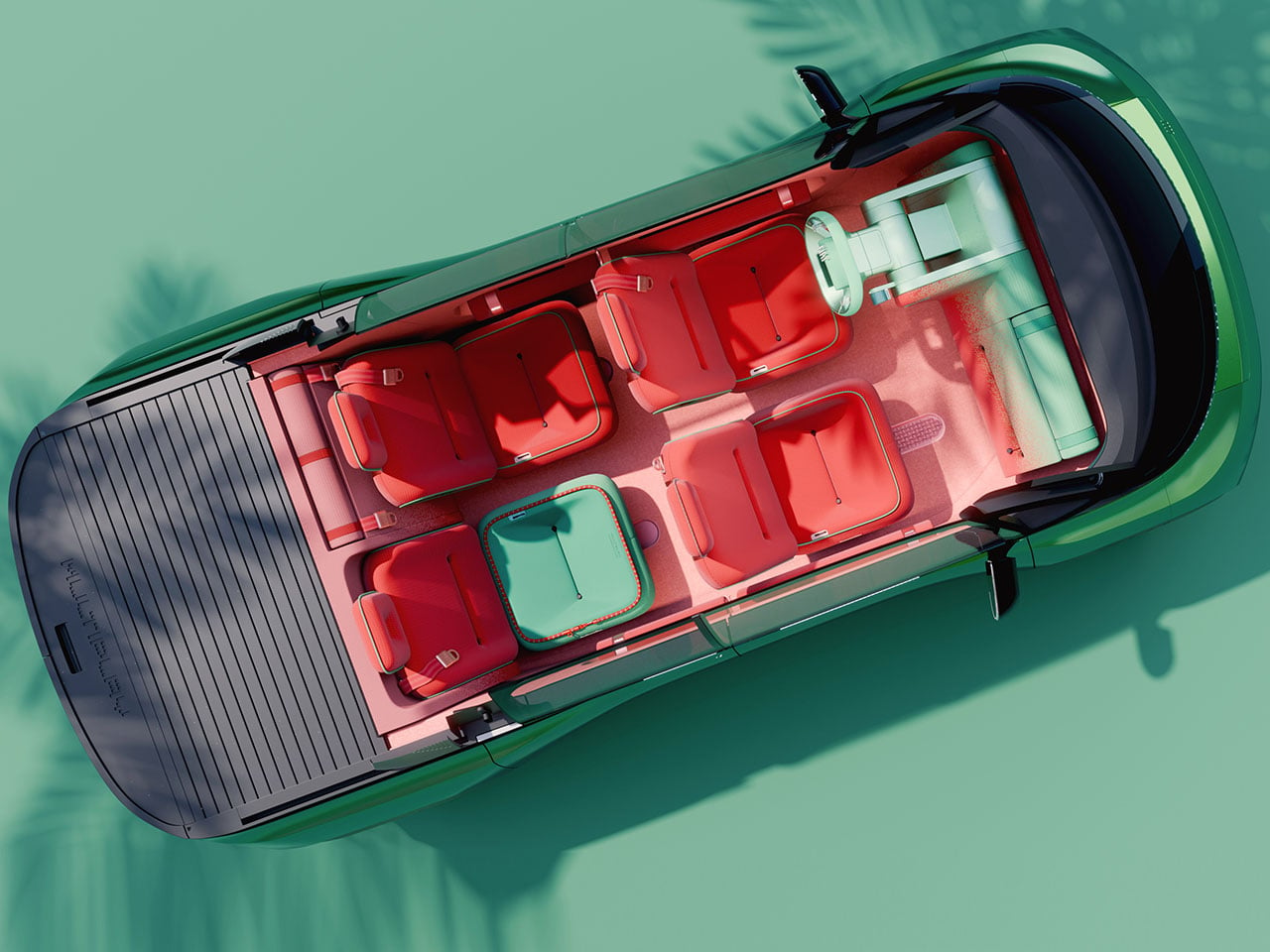
Fiat’s Multiplay concept explores a practical alternative to owning separate vehicles for family travel and outdoor activities. Unveiled ahead of the 2026 Paris Motor Show, the 4.45-meter-long concept combines the space of a multi-purpose vehicle (MPV), the styling of an SUV, and the cargo-carrying ability of a pickup. Its USP is a movable rear body section that changes the vehicle’s layout depending on what the day demands.

Called C-Pillar Metamorfosi, the transformation system allows the Multiplay to switch from a six-seat family configuration with an additional flexible seating module to a four-seat pickup with an open cargo bed. The rear section slides along dedicated guides, creating space for bicycles, sports equipment, and bulky items without eliminating the front and rear passenger seating. A rotating rear spoiler also doubles as an integrated bicycle rack capable of carrying two bikes.

Designer: Fiat

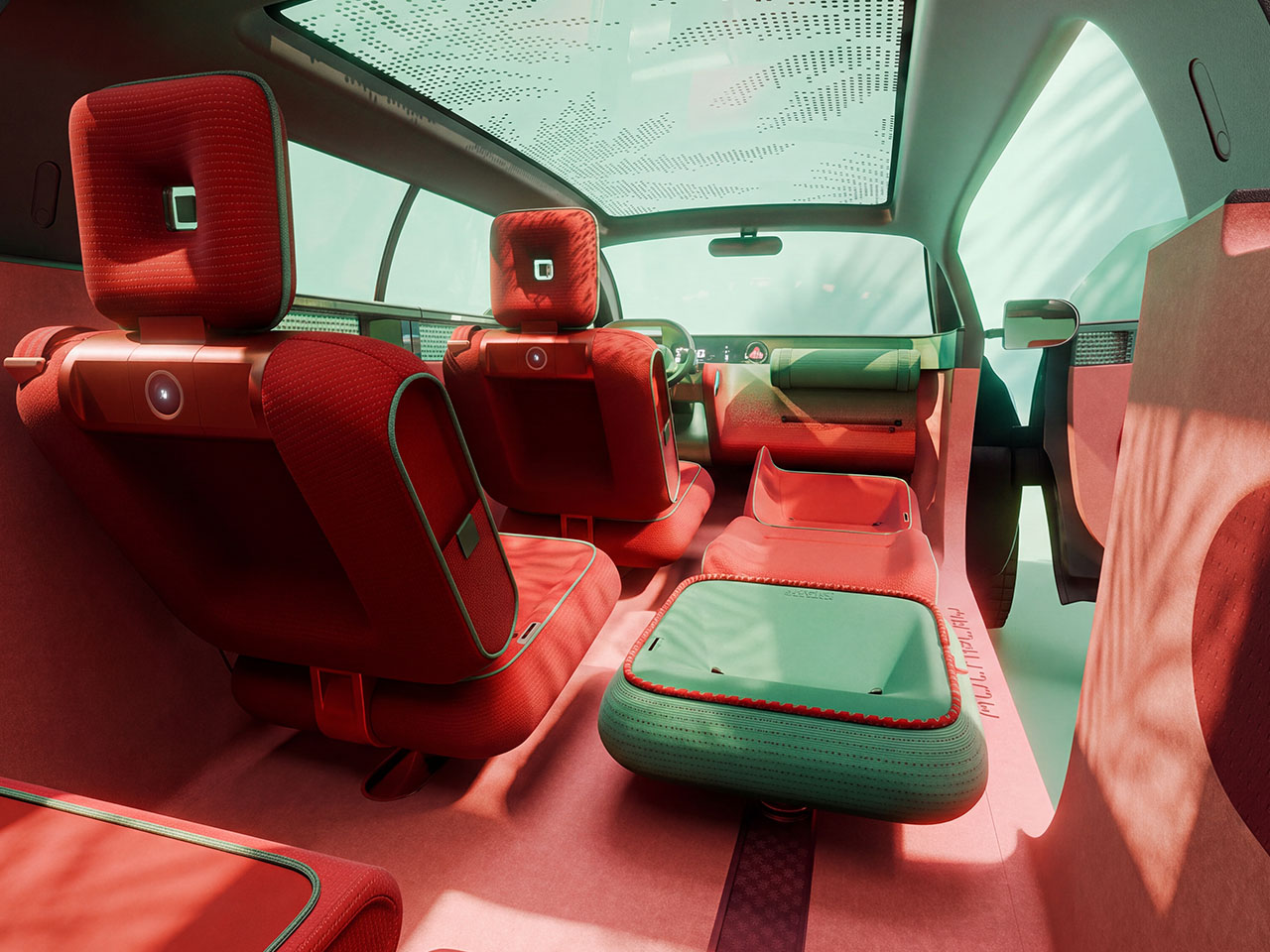
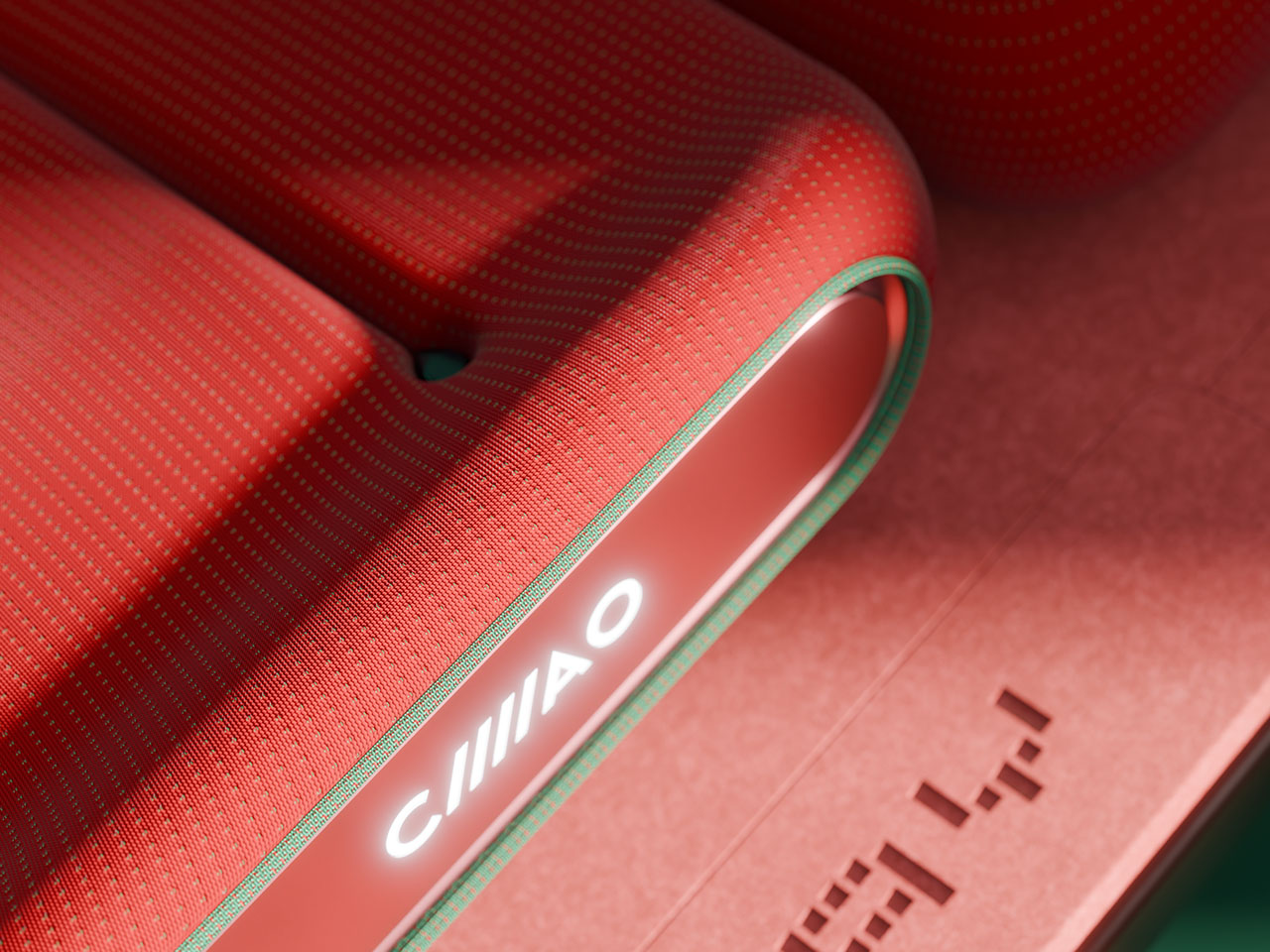
Inside, Fiat has designed the cabin around the changing needs of families. The additional unit, called the Petsenger seat, can accommodate a child seat, provide a dedicated place for a pet, or function as a small table or storage compartment. Part of its cushion can be detached and used as a leash, while a folding bowl is stored in a door compartment. Pockets, elastic straps, and other storage solutions help keep everyday essentials organized.

The concept also rethinks the conventional third row, which often offers limited comfort and space. Fiat says the Multiplay’s rear compartment can accommodate two children or an adult when necessary, while keeping younger passengers within view and reach of their parents. This arrangement wants to make the cabin more useful for family trips without requiring a larger vehicle.

Another multifunctional feature is the Sunseat. When the car is parked, the front passenger seat can turn toward the rear and use the dashboard as a backrest, creating a chaise longue beneath the panoramic roof. Large windows and generous glass surfaces bring more natural light into the cabin, reinforcing its connection to outdoor activities and leisure.

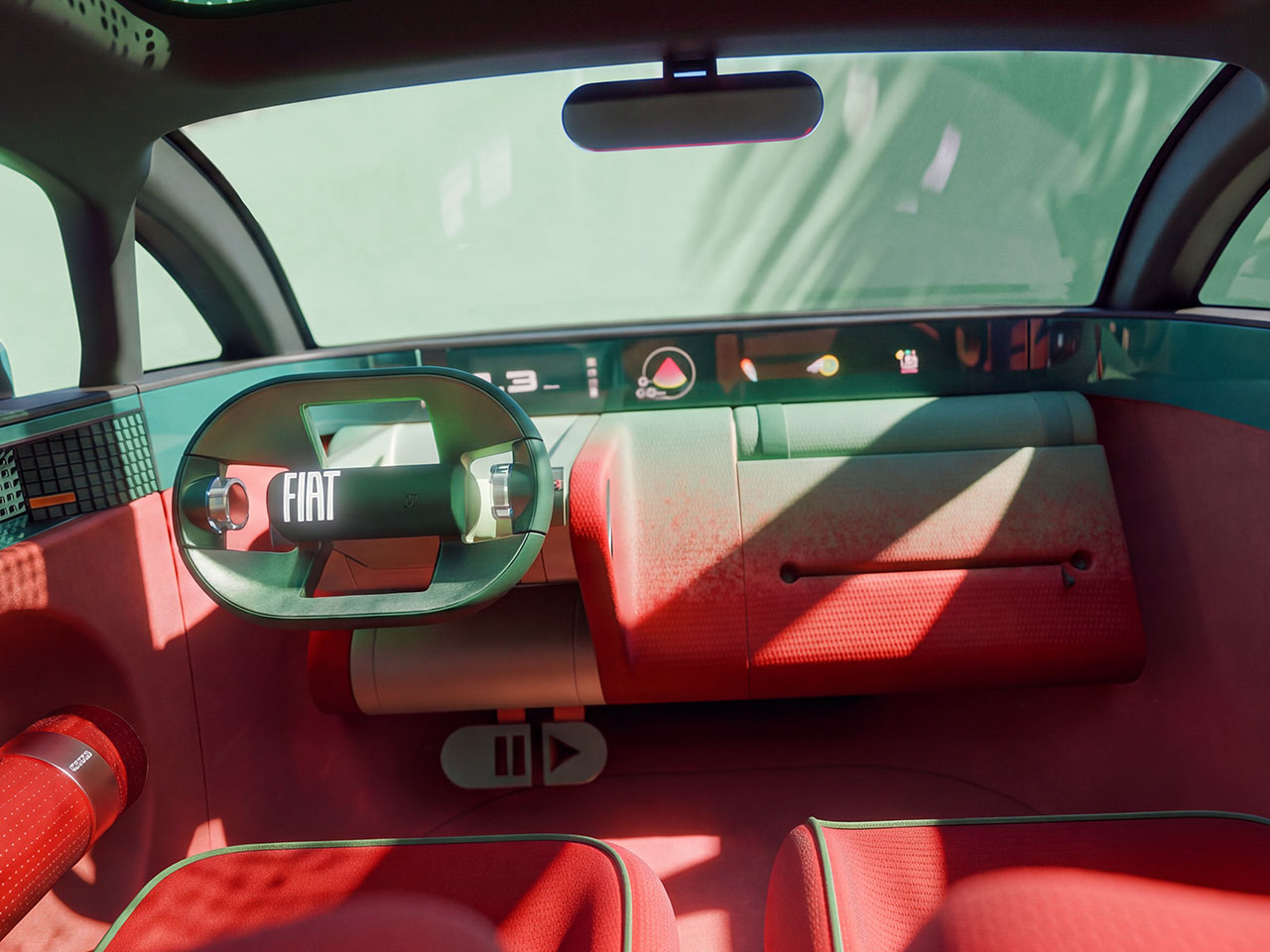
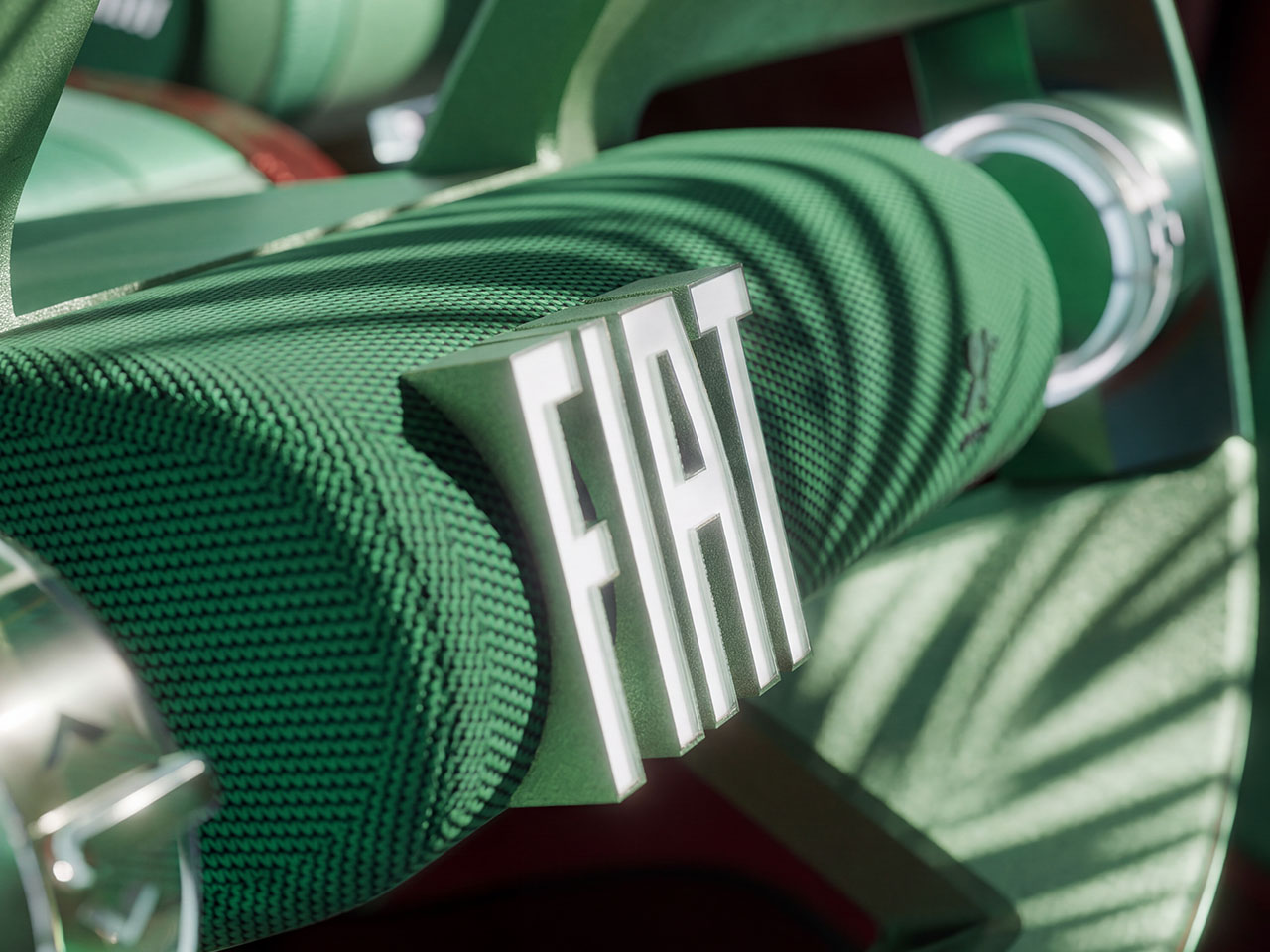
The exterior and interior follow a playful design theme inspired by watermelon. The green bodywork represents the rind, while red and pink cabin accents reference the fruit’s flesh. Inside, Fiat explores monomaterial textiles produced through a stitch-free 3D knitting process, which is intended to reduce material waste. Waterproof finishes in the children’s and pet areas address the practical demands of everyday family use.

Technology is integrated into the cabin without dominating its design. A hidden dashboard display disappears when the vehicle is switched off, leaving a cleaner surface. The dashboard’s horizontal form draws inspiration from the Mediterranean horizon, while its colors connect the exterior design with the interior.

The Multiplay continues Fiat’s longstanding interest in maximizing interior space within compact dimensions, recalling the six-seat Fiat 600 Multipla of 1956 and the original Multipla introduced in 1998. The Italian car maker describes the concept as a laboratory for future ideas, not a preview of a specific production vehicle. They’ve not announced a powertrain, performance figures, pricing, or a production timeline. So, we’ll keep our lens zoomed in on more details as they arrive.

The post Fiat Multiplay Concept is a family car that turns into a pickup when more space is needed first appeared on Yanko Design.

  •  

Edifier’s $52 gaming soundbar lets you ditch your headset without losing voice chat

Gaming soundbars became popular in the 2017s, but the trend faded; in the last couple of years, this category of audio accessories has seen renewed interest. Razer kicked off the new wave, with several mainstream brands and some offbeat makers releasing their own versions. Creative recently launched their B3 soundbar for gamers at a very affordable price, and now Edifier is upping the ante with an even sweeter deal.

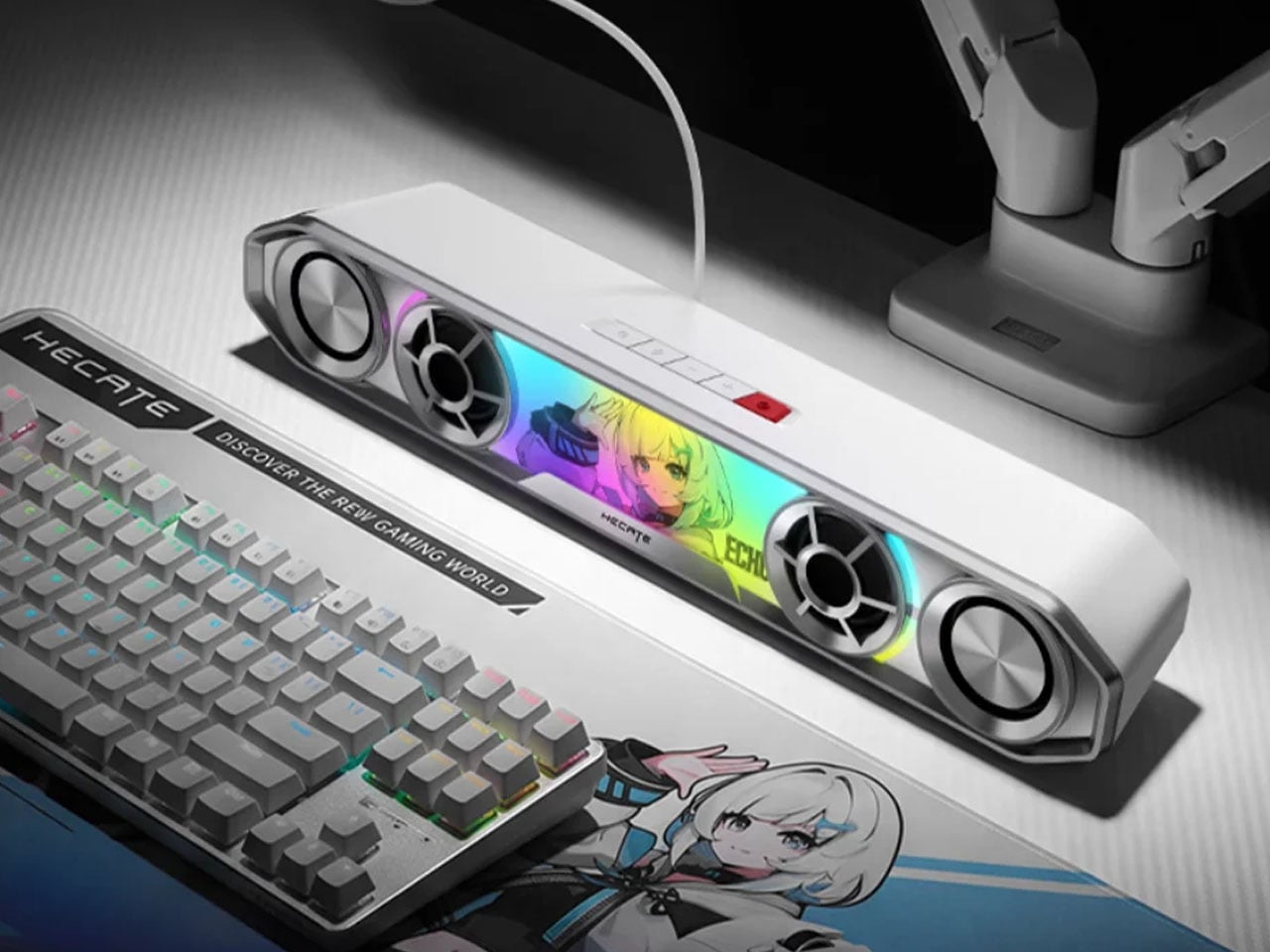
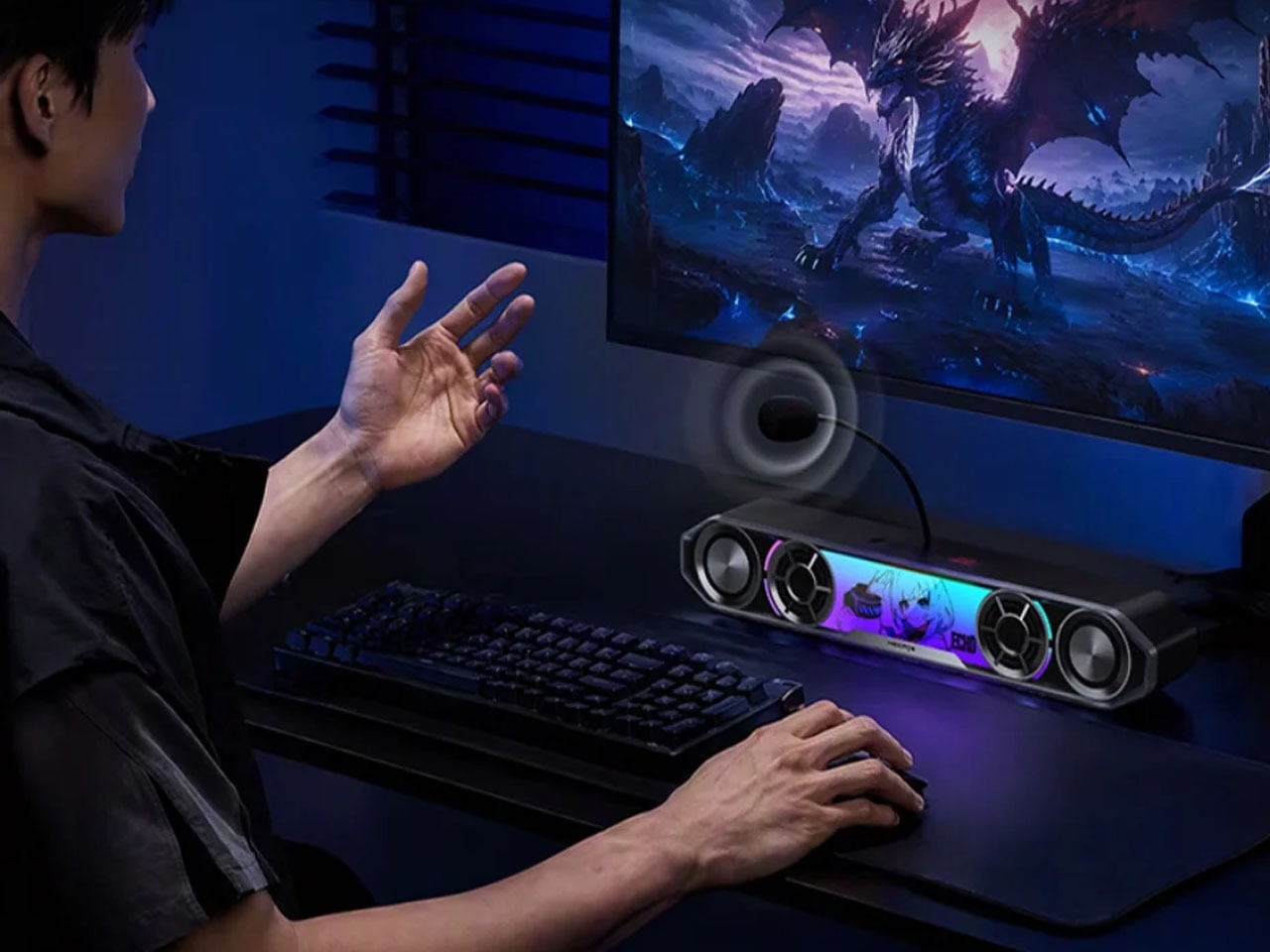
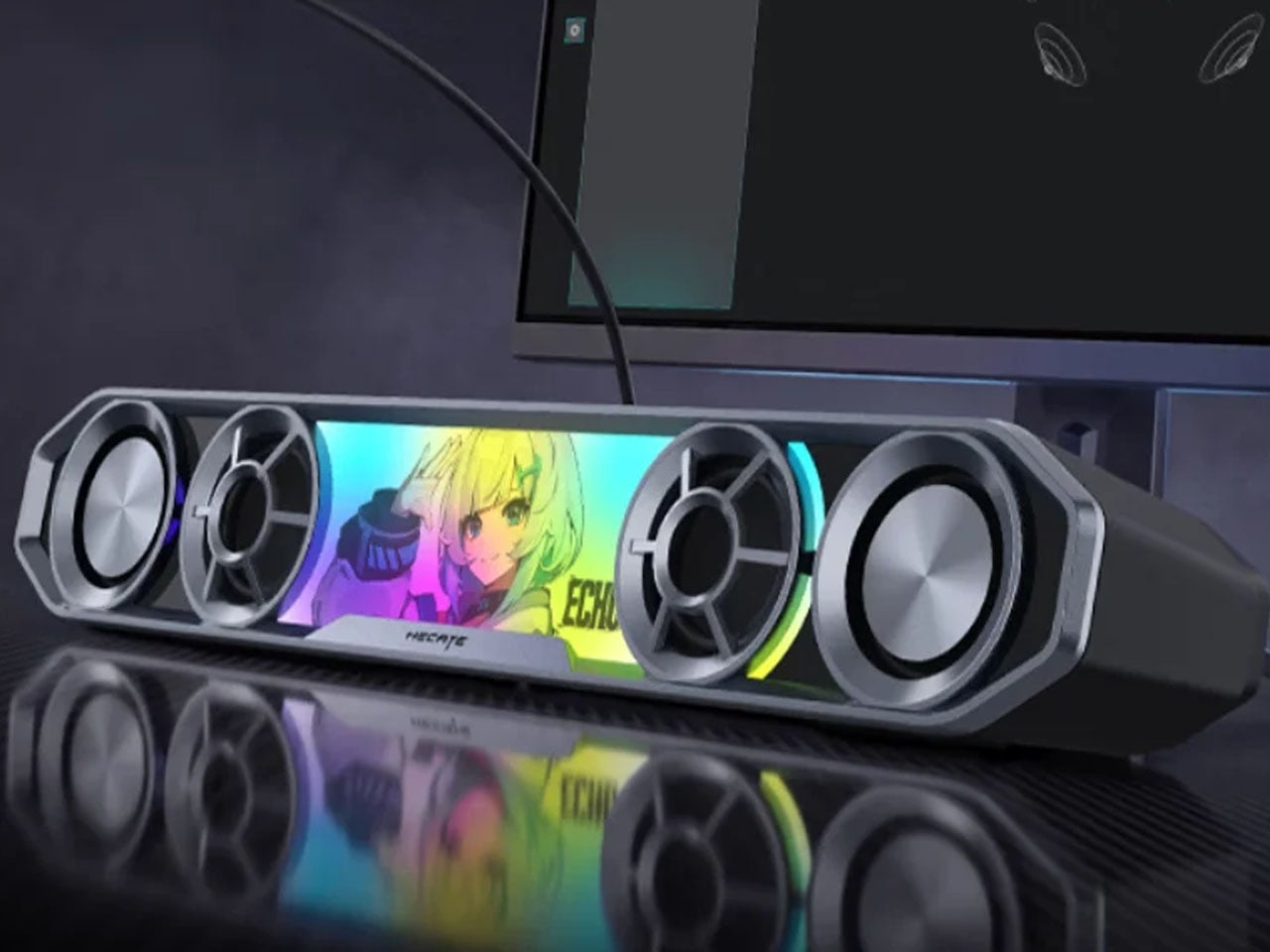
The China-based audio accessories maker, known for high-end bookshelf speakers, has come up with a very cool-looking soundbar for gamers. Dubbed the Hecate G2000 Bar, the desktop audio boomer is all set to be available from 16 October onwards for a price tag of 349 yuan ($52), which is an introductory price slashed from the normal price of 387 yuan ($58).

Designer: Edifier

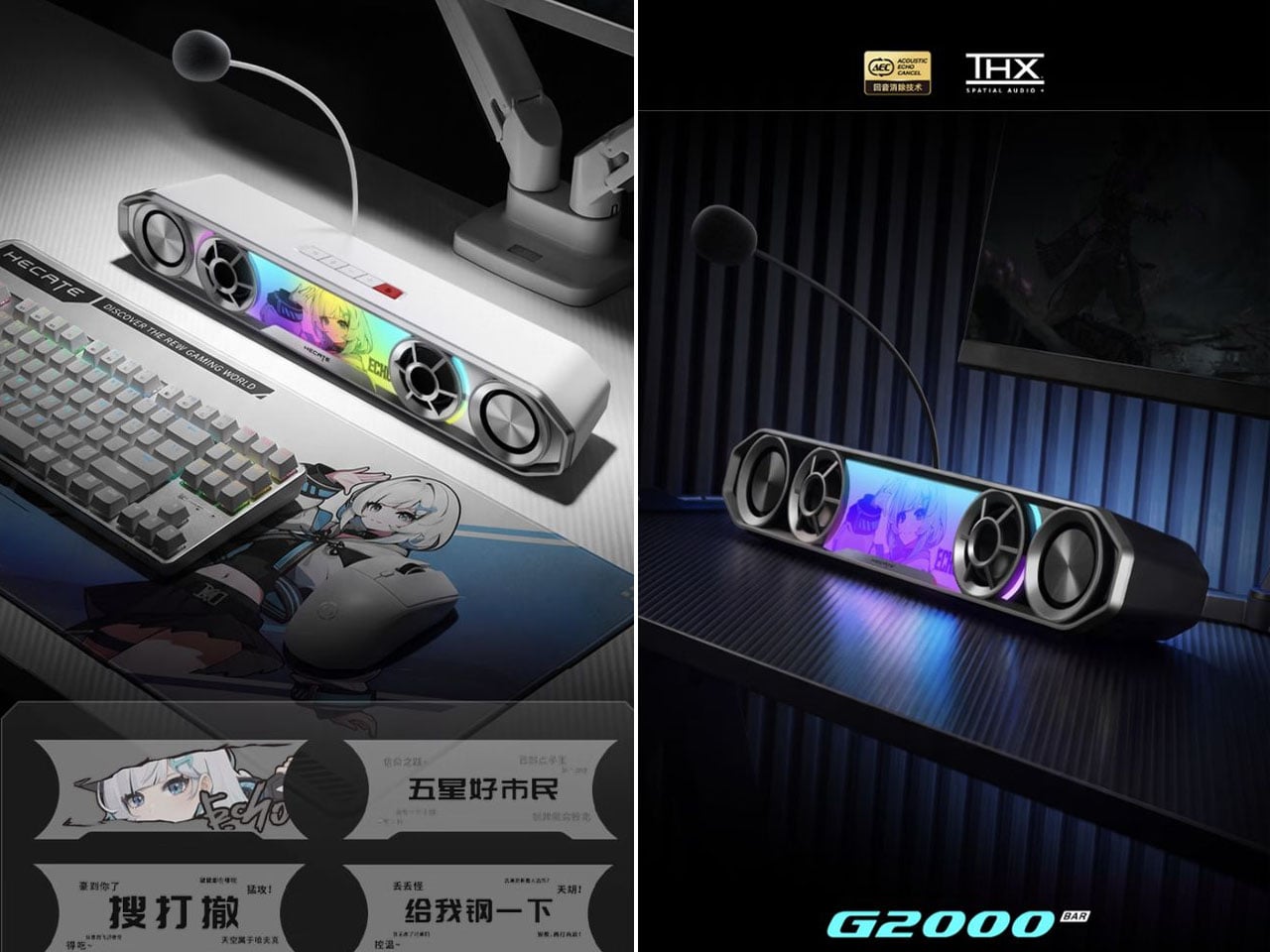
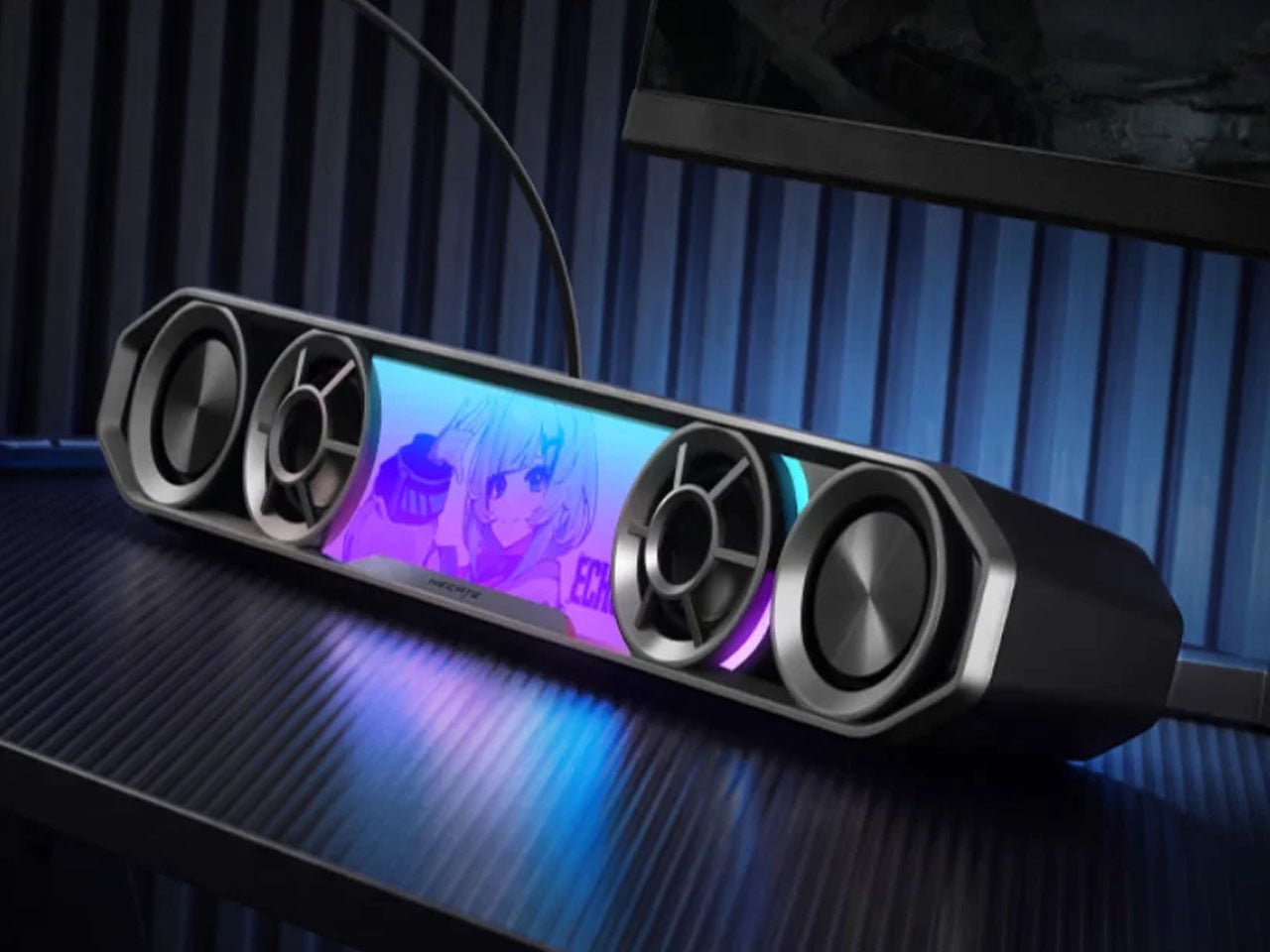
The G2000 Bar combines a compact footprint with an angular, mecha-inspired design intended to fit into a gaming setup without taking up much desk space. It will be available in black and white, with a built-in five-degree upward tilt that directs sound toward the listener rather than across the desktop. Five interchangeable themed stickers let users customize the front panel, while 12 RGB lighting effects, including rainbow and flowing-light patterns, add some visual flair. Lighting can be adjusted via the Edifier Connect mobile app or Hecate PC software.

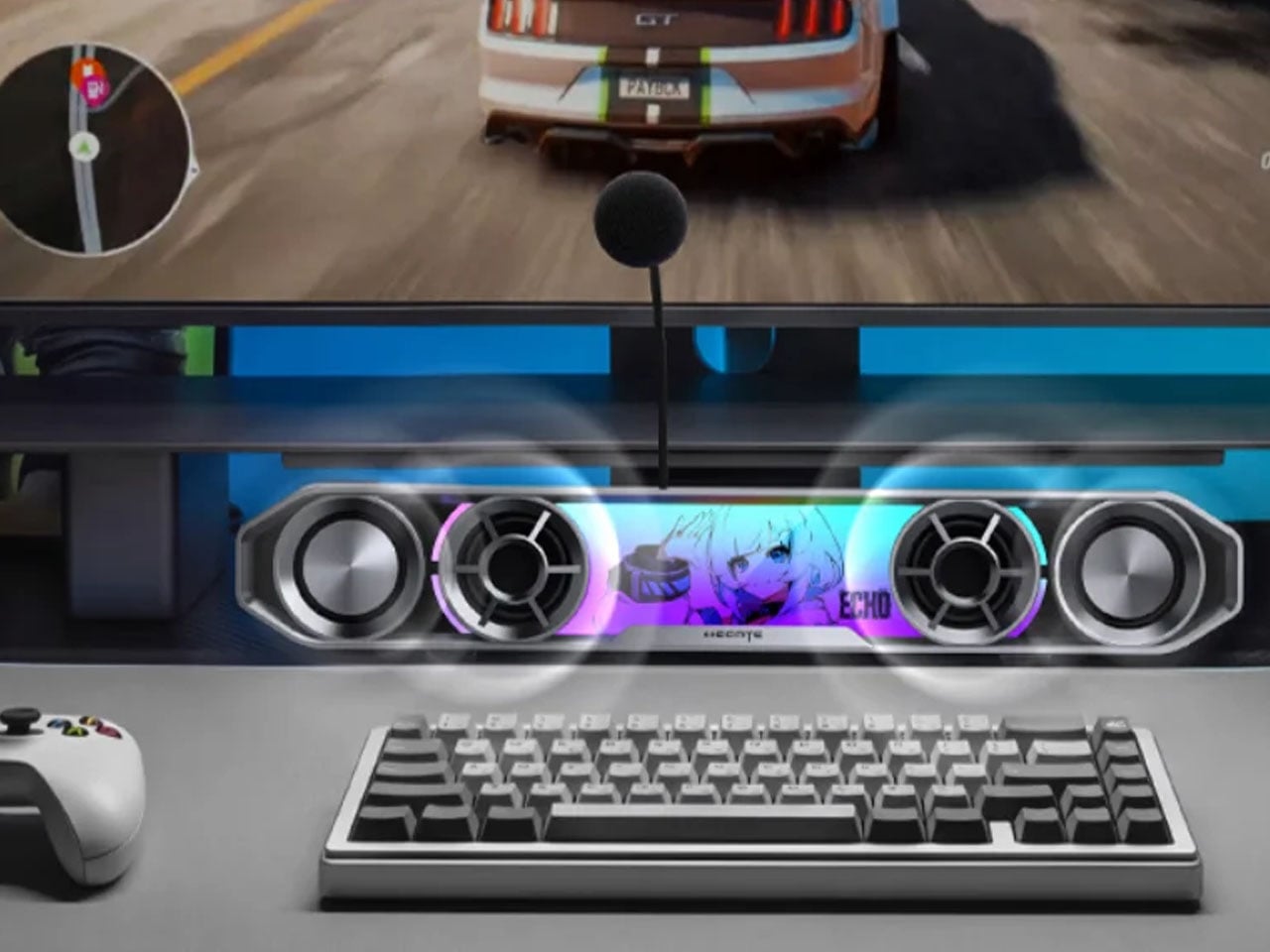
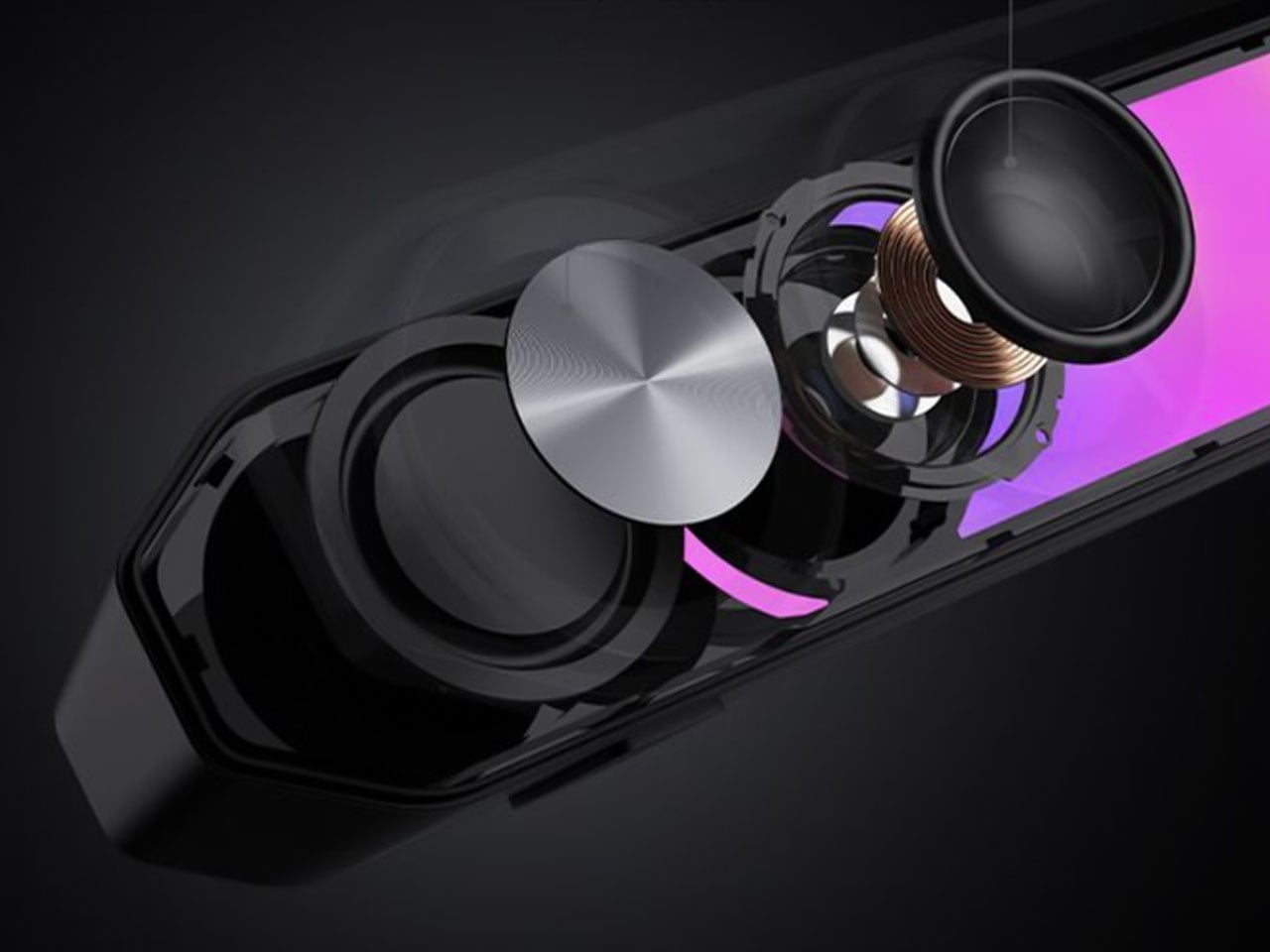
Under the hood, the soundbar uses two 56mm full-range drivers with copper-clad aluminum wire voice coils, paired with two 60mm passive radiators. The arrangement is designed to deliver fuller audio and reinforce low frequencies without requiring a separate subwoofer. Output is rated at 3W per channel, or 6W in total, with peak power reaching 12W. The stated frequency response spans 67Hz to 20kHz.

For gaming, the G2000 Bar supports THX 7.1.4 spatial audio processing, which aims to create a more immersive, surround-like listening experience from a desktop soundbar. Six dedicated audio presets cater to different gaming genres, including first-person shooters, role-playing games, and racing titles. These modes give players a way to tailor the sound to different types of gameplay without manually adjusting equalizer settings.

The other notable addition is a detachable microphone mounted on top. It uses AEC 2.0 acoustic echo cancellation, a dedicated digital signal processor, and AI-assisted noise reduction to limit background sounds and reduce audio feedback from the speakers. This could make voice chat more convenient for players who prefer open speakers to a gaming headset, although performance will depend on the surrounding environment.

Connectivity includes Bluetooth 6.0 and USB sound-card input, allowing the soundbar to work with compatible PCs, laptops, mobile devices, and consoles. An independent 9V DC power adapter supplies power, while physical controls on the top metallic panel provide access to volume adjustment, microphone muting, and audio-mode switching.

With its compact design, customizable lighting, spatial audio processing, and integrated voice-chat features, the Hecate G2000 Bar brings several gaming-focused conveniences to an affordable desktop soundbar. Its initial pricing makes it an interesting option for players looking to simplify their setup without committing to a separate speaker system and microphone.

The post Edifier’s $52 gaming soundbar lets you ditch your headset without losing voice chat first appeared on Yanko Design.
  •  
❌