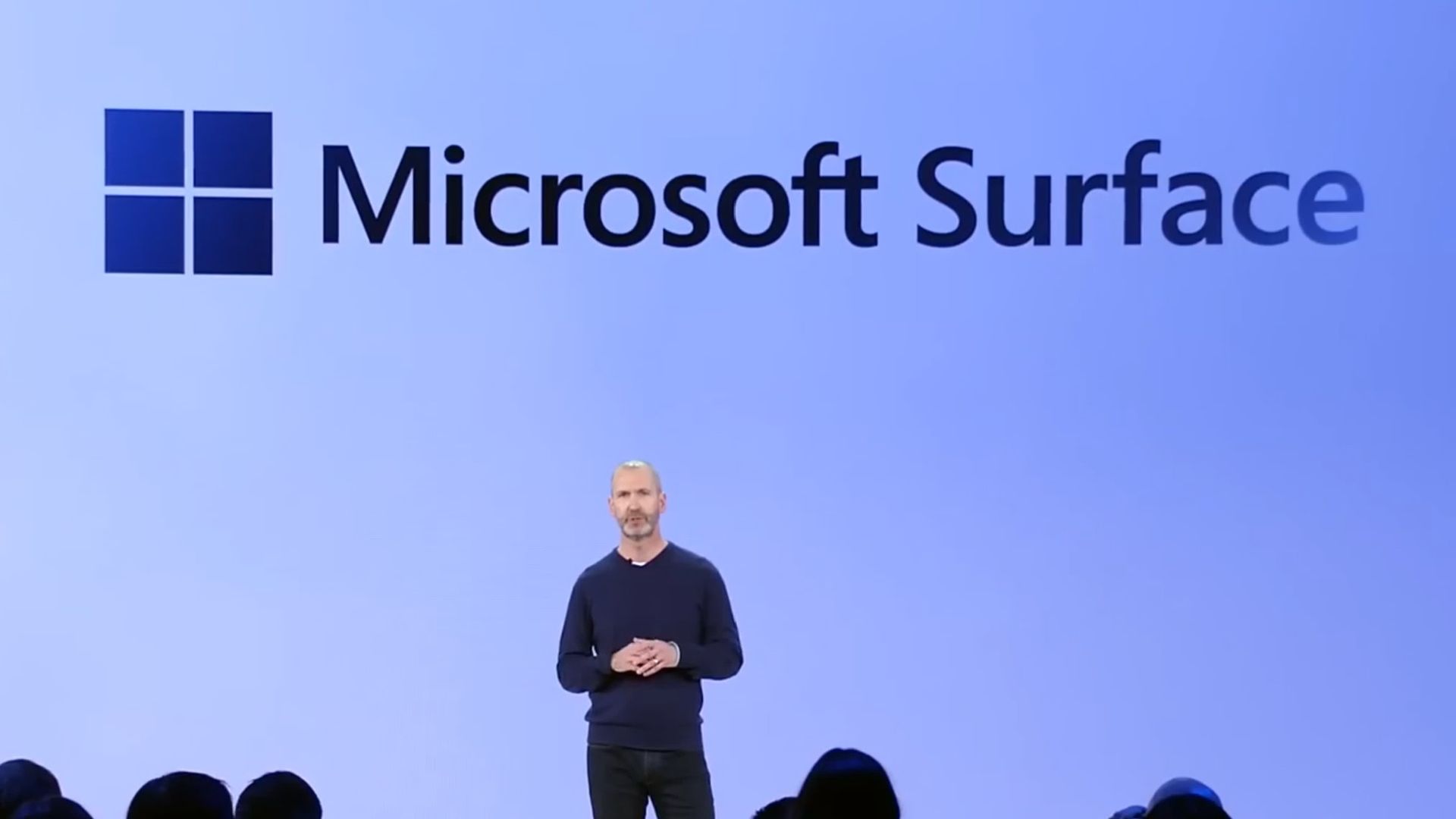
Microsoft will hold a Windows and Surface event on October 7, 2026. We've known about the event for weeks, but Microsoft has now shared details about how to watch it live.
Microsoft CEO Satya Nadella, Surface Chief Pavan Davuluri, and NVIDIA CEO Jensen Huang will all be in attendance.
Microsoft has been tight-lipped about the event. We weren't even sure if it would be live-streamed until recently. The description of the live stream is similarly scarce on details:
"Join us live October 7th at 10:00 am PT for a look at what's next from Windows, Surface, and NVIDIA. See the latest, including RTX Spark and new experiences designed to unlock more possibilities for developers and builders."
Microsoft already announced the Surface Laptop Ultra and discussed RTX Spark, so seeing those on stage would hardly be shocking. Windows 11 just received an update, so there are few surprises about what's shipping to PCs this year. But Microsoft's description talks about "what's next," so the tech giant could tease future updates or discuss changes to how it makes its flagship software or hardware.
Based on our recent poll, Windows Central readers are excited about the Surface Laptop Ultra. So even if the device has already been announced, many people will appreciate details about the laptop.
Join us on Reddit at r/WindowsCentral to share your insights and discuss our latest news, reviews, and more.
Microsoft is yet to confirm plans for Windows 11 version 27H2, but that doesn't mean we don't yet know anything about it. Thanks to information supplied by Microsoft about Windows 11 version 26H1 and 26H2, we can read the tea leaves and begin to decipher what Microsoft's plans are for its OS in 2027.
First up, we must set the stage for Windows 11 currently. For the first time ever, Microsoft has split the Windows userbase in two. Most Windows 11 users will continue to receive OS updates that are based on the Germanium platform release, which powers version 24H2, version 25H2, and the new version 26H2.
Germanium has been in the market since 2024, and is what the majority of Windows 11 users are running today. That will no longer be the case with version 26H1, which is the first version of Windows 11 since 2024 to ship on a new version of the Windows platform. This new version is codenamed Bromine, and exists exclusively for Snapdragon X2 and RTX Spark devices.
That means version 26H1 and the newer Bromine platform release will not be made available to the existing Windows 11 userbase this year. Microsoft doesn't say why, but my sources tell me this is because Bromine only really exists because of timing convenience. These new Arm chips required extra kernel level work, and it was easier for Microsoft to build those into a new platform release than it was to retroactively fit the Germanium platform release with these additions.
Because of this, Microsoft hasn't made any optimizations to the Bromine platform release for existing PCs. While you can run Bromine on existing hardware if you want, there is no benefit in doing so. As a result, Microsoft chose to keep the majority of Windows users in the platform release that has been shipping since 2024, and split off the new Snapdragon X2 and RTX Spark PCs with their own platform release.
That does mean there's going to be some awkward fragmentation between version 26H1 and version 26H2 throughout 2026 and into 2027, however. Microsoft has confirmed that because version 26H1 is based on a newer platform release than version 26H2, those running 26H1 are not eligible for the version 26H2 release.
The company does say that this won't be the case forever, and that Windows 11 users running version 26H1 will be updated to something newer in the future. According to my sources, that will be version 27H2 in 2027, which will be the first platform release since 25H2 to be offered to the entire Windows 11 userbase.
Release date
As is almost always the case, Microsoft tends to ship new versions of Windows in the second half of the year. I anticipate this will remain the case for version 27H2, which will likely target a September or October release window.
Because version 27H2 is likely to introduce a new platform release, Microsoft will use a measured and phased rollout approach to its general availability. That means not all users will see the update right away once it's made available, as Microsoft will choose to roll it out in waves to ensure the update is installing as intended.
It will also be a full blown OS upgrade release, and not just an enablement package. That means it will replace the entire OS with a new version, while maintaining all your apps, files and settings. This takes a little longer than an enablement package release, which only updates a few OS files to enable the new version.
Windows 11 version 22H2 was a fill blown OS upgrade release over 21H2, as was version 24H2 over 23H2. So this wouldn't be the first time this has happened.
Platform changes
We know that the version 27H2 release will need to be based on a newer platform release than Germanium to support upgrading both 26H2 and 26H1 users. What we don't yet know is what platform release this will be. It's possible that Microsoft could use the Bromine platform release for 27H2, though I think this is unlikely.
I think Microsoft will issue a platform release that's newer than Bromine. Given the timing, I suspect it may be the Windows Strontium platform release, which is expected to be finalized sometime in the first half of 2027. This would align with Microsoft's previous development schedules.
For example, Germanium was finalized in the first half of 2024, and ended up shipping as version 24H2 in the second half of that year. With Strontium expected to be finalized in the first half of 2027, I would wager the same will happen then for version 27H2.
Microsoft has announced that the next version of Windows will drop support for the Snapdragon 850 SoC. While not confirmation on its own, it's a strong hint that version 27H2 will be powered by a newer platform release than Bromine, given the Snapdragon 850 can still run Bromine-based builds.
New features?
(Image credit: Microsoft)
Because of Microsoft's "Continuous Innovation" effort, the company no longer ties new features to version updates. These days, Windows 11 receives new features whenever the company deems them ready to ship, meaning there's no features in active development that are expected to be exclusive to version 27H2 currently, though that could change in the future.
In fact, most mainline feature development still takes places on the Germanium codebase, then is forward integrated into newer codebases when ready. This is why new features often arrive on version 25H2 and 26H2 first, and then come to 26H1 later, as 26H1 is built on a newer Windows platform.
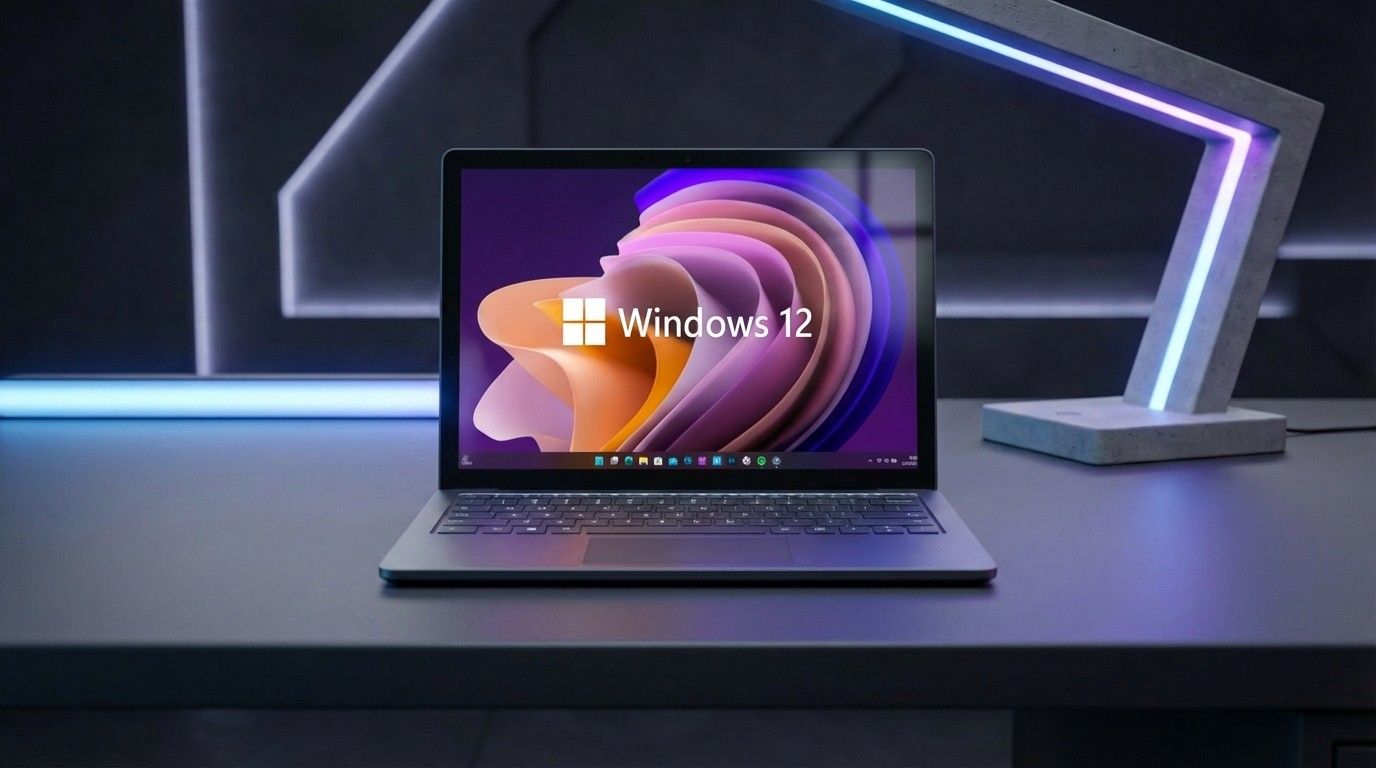
Windows 12?
(Image credit: Screenshot: Windows Central / Device: Edited with Gemini)
Of course, the age old question is whether or not the next version of Windows will be dubbed Windows 12. The answer is we don't know, and likely won't know until much closer to the time.
Even if Microsoft does debut Windows 12 next year, that doesn't mean Windows 11 version 27H2 wouldn't also exist. When Windows 11 version 21H2 debuted, Windows 10 still received its own 21H2 version that same year.
With all that in mind, I don't think we're going to see Windows 12 in 2026. Given the current versions of Windows 11 are split between two platform releases, it would be irresponsible and complex from a support perspective to leave the userbase in that state.
It would make the upgrade path from Windows 11 to Windows 12 more complex, and Microsoft would need to account for multiple in-market platform releases and versions. I would think it's better to get everyone back onto the same platform version under Windows 11 first, before trying to push forward with Windows 12.
Join us on Reddit at r/WindowsCentral to share your insights and discuss our latest news, reviews, and more.
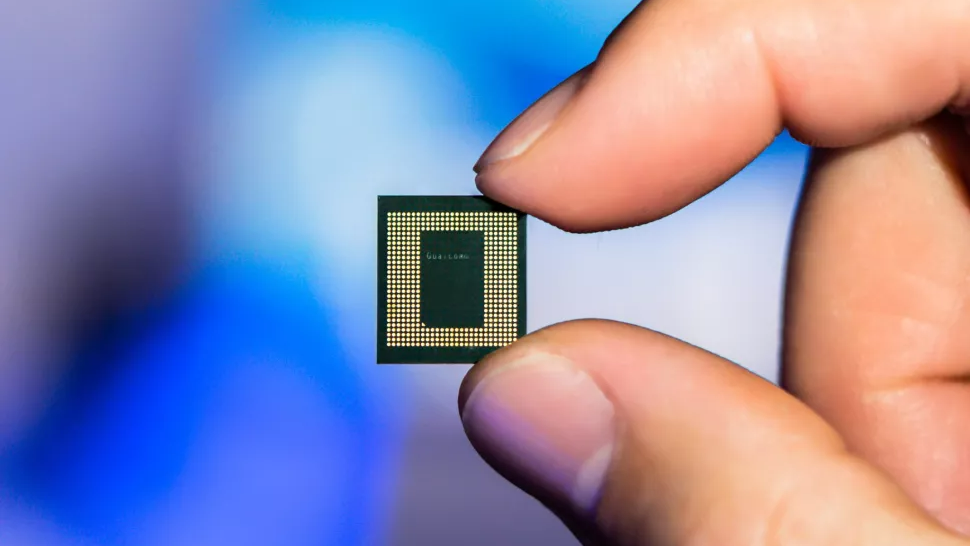
Microsoft has announced that the just released Windows 11 version 26H2 will be the last version to support Qualcomm's second-generation Windows 10 on Arm SoC, the Snapdragon 850 from 2018.
The news was published on the Windows 11 Lifecycle Policy page, where a notice now says "Windows 11, version 26H2 is the last version that will support devices with Snapdragon 850 processors."
The Snapdragon 850 is notable as being the first "built-for-Windows" chip from Qualcomm. The Snapdragon 835 that powered Windows PCs first was a recycled smartphone chip.
Windows 11 had already dropped support for the Snapdragon 835 a while ago, and now it seems the Snapdragon 850 is next on the chopping block. Windows PCs with the Snapdragon 850 under the hood are eligible to install the latest version update, but will not get version 27H2 next year.
Windows 11 version 26H2 will be supported for 24 months, meaning devices with the Snapdragon 850 inside have two years of security updates remaining before they'll be left behind in an insecure state.
It's unclear why Microsoft is dropping support for this SoC. This likely implies that the 27H2 release next fall will be based on a new version of the Windows platform, and not an enablement-package like 26H2 is.
It's also unclear whether or not this limitation will be artificial in nature. Just because an SoC is no longer supported doesn't mean it can't run newer versions by bypassing system requirements. Many people have enjoyed running Windows 11 on unsupported chips for many years.
Either way, we know that officially, the Snapdragon 850 will no longer be supported on future versions of Windows. Windows 11 version 26H2 is the last version that is officially supported.
Join us on Reddit at r/WindowsCentral to share your insights and discuss our latest news, reviews, and more.
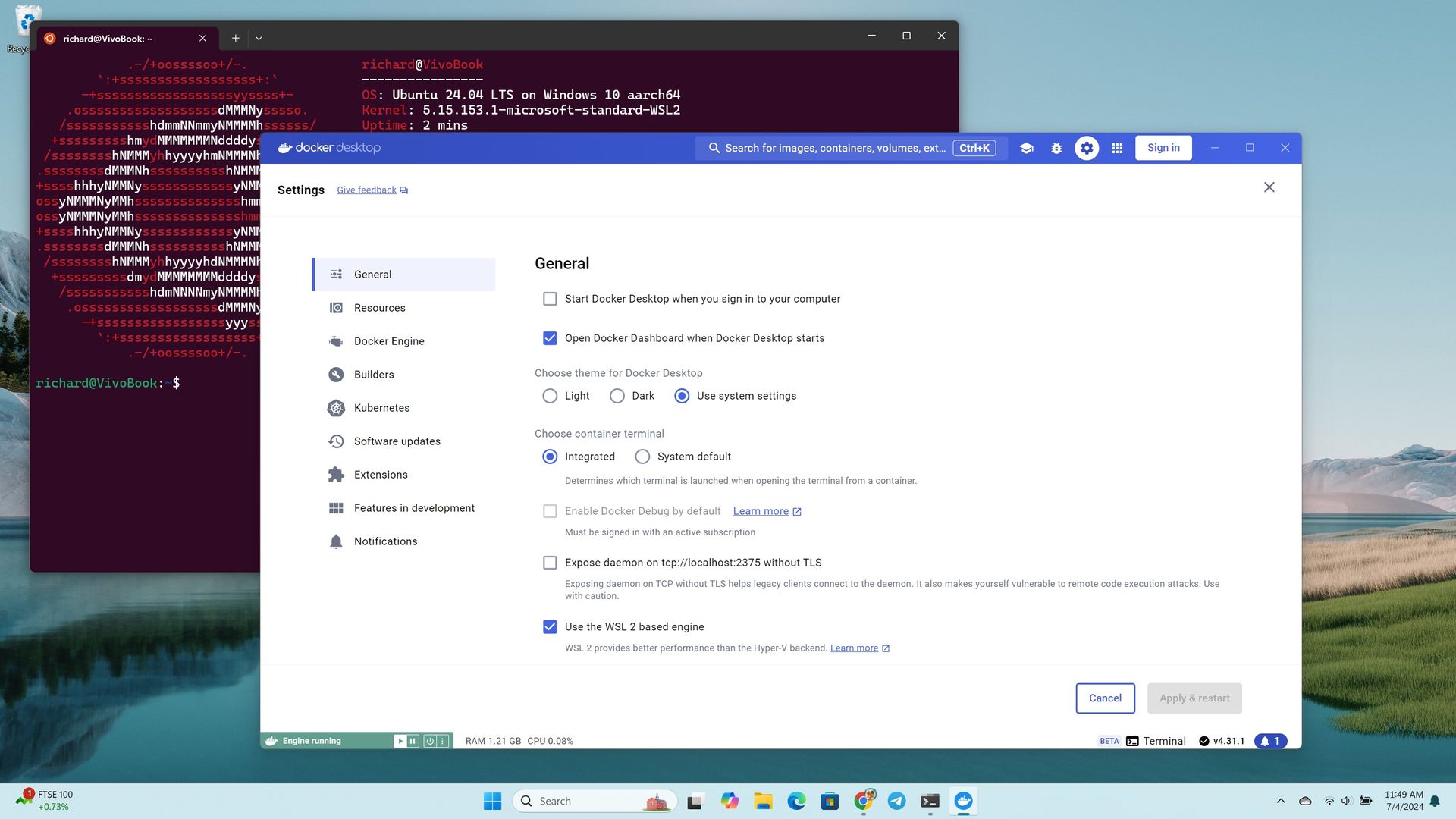
Developers can now jump into their workflows faster on Windows 11. Microsoft has made WSL Containers generally available, reducing the setup and management required to run Linux containers through the Windows Subsystem for Linux (WSL).
Containers are packages that include an application and the dependencies required to run it. Developers use them to ensure software behaves consistently across different systems.
WSL Containers brings built-in Linux container support to Windows through WSL. Until now, developers typically relied on third-party tools such as Docker Desktop to run Linux containers on Windows. With WSL Containers, Microsoft is providing a built-in alternative through WSL.
Microsoft announced WSL Containers at Build 2026 and has tested the feature since then. The platform is now generally available.
Microsoft has also added new features to WSL containers since testing began, including support for container health checks, real-time event streaming, expanded networking controls, configurable storage locations, and several new container management commands.
Microsoft is also adding more enterprise controls to WSL Containers, including Intune policies and Microsoft Defender for Endpoint support.
Tools such as Docker Desktop continue to be an option for developers, but WSL Containers requires less software to install and manage.
Microsoft's new wslc command-line tool uses commands that will feel familiar to developers who already work with containers, making the transition relatively seamless.
WSL Containers won't replace tools such as Docker Desktop for everyone, but they do give developers one less app to install. For many Windows 11 users, running Linux containers just became a built-in feature rather than something that requires extra software.
Most Windows 11 users will never run a container, so this update won't change their day-to-day experience. But making container support a built-in part of Windows removes a barrier for developers, which can speed up app development and testing.
Join us on Reddit at r/WindowsCentral to share your insights and discuss our latest news, reviews, and more.
The Windows 11 version 26H2 release builds upon the same platform release that powers Windows 11 version 25H2 and version 24H2. This means the update includes no new features on the surface that aren't also rolling out to those older releases, but it does act as a checkpoint that enables all the new features rolled out over the last 12 months.
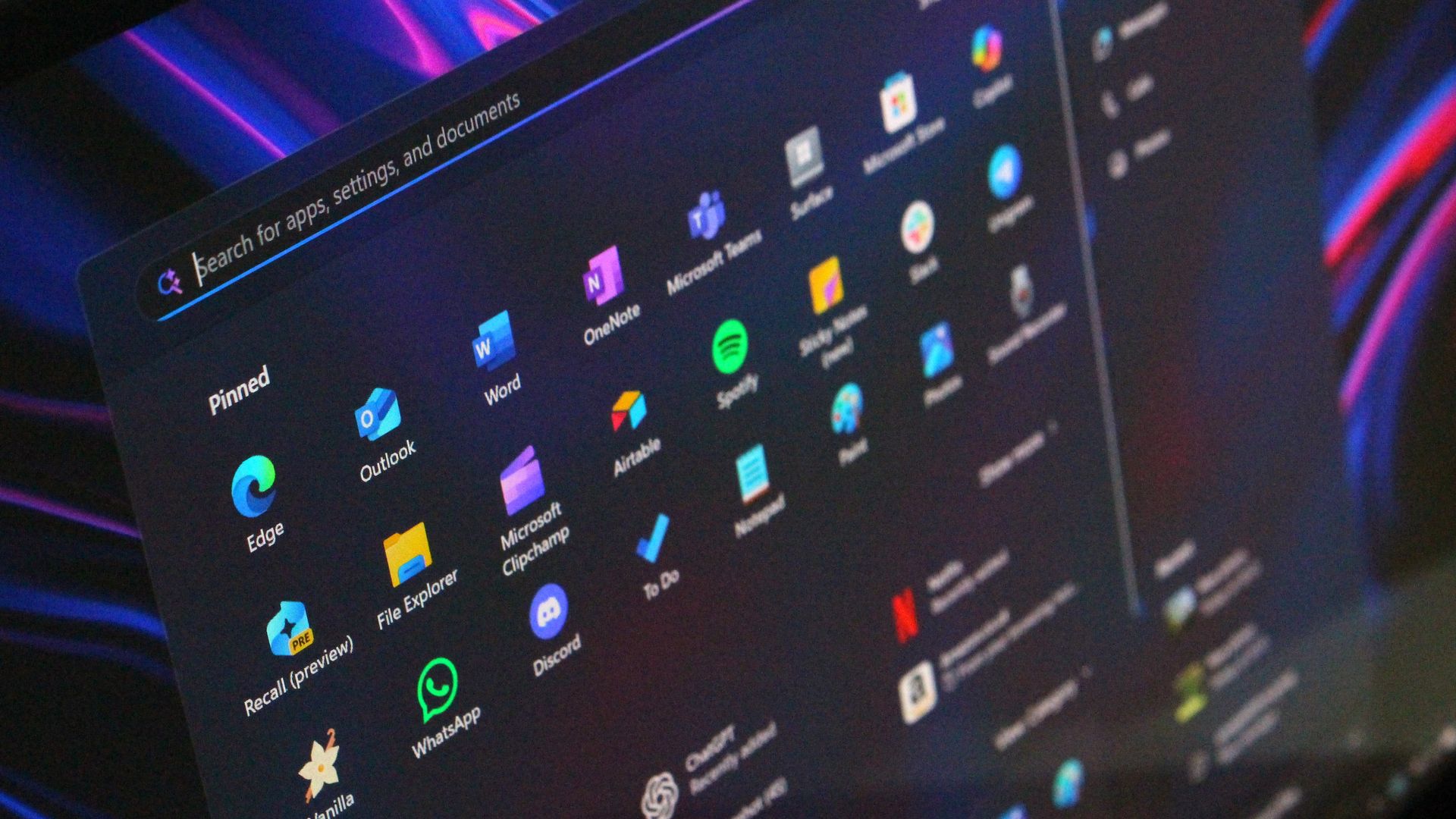
So if you are still missing new features like the new Start menu or File Explorer improvements, updating to version 26H2 should enable them. "Windows 11, version 26H2 brings together all the Windows innovations, security improvements, and enhancements delivered over the past year to version 25H2," Microsoft says.
Additionally, Microsoft explains that version 26H2 is an enablement package update, which "is a lightweight update that activates new features already included in the operating system through previous monthly servicing updates. Because versions 26H2, 25H2, and 24H2 share a common servicing branch and underlying codebase, many of the components required for version 26H2 are already present on devices before the feature update becomes available."
That means the update will only take a few minutes to download and install, and is low-disruption and safe with no compatibility concerns or bugs to be aware of.
The 26H2 update also resets the support lifecycle clock, meaning users that install it will enjoy 24 months of security and feature updates on Home and Pro edition from today. Commercial editions will receive 36 months of support.
Microsoft is rolling Windows 11 version 26H2 out in waves, but users can get it sooner by ensuring the "Get the latest Windows updates when they're available" option is toggled in Windows Settings.
If you're running Windows 11 version 26H1, you will not be eligible to install Windows 11 version 26H2. Version 26H1 is based on a newer version of the Windows platform compared to version 26H2, and so there's no direct upgrade path currently.
Join us on Reddit at r/WindowsCentral to share your insights and discuss our latest news, reviews, and more.
Microsoft has officially launched Windows 11, version 26H2, marking the next annual feature release for commercial environments. For sysadmins and enterprise infrastructure teams, feature updates used to mean bandwidth spikes, long maintenance windows, and application compatibility stress tests. Fortunately, version 26H2 follows Microsoft’s low-disruption deployment model. If your fleet is running Windows 11, version 24H2 […]
ASUS, Apple, Samsung, and Lenovo offer five credible Surface Pro alternatives with different strengths in performance, portability, software, and price.
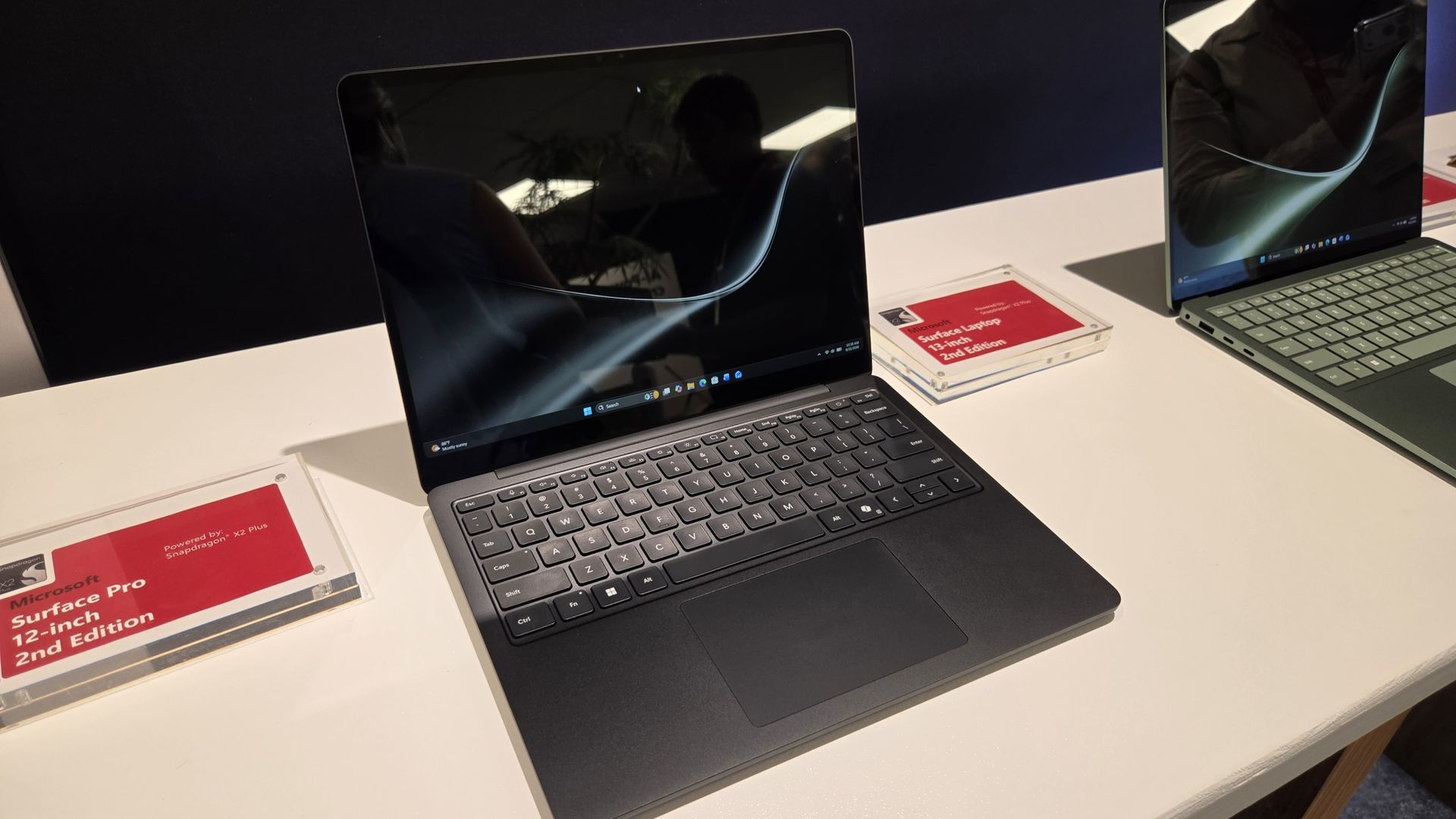
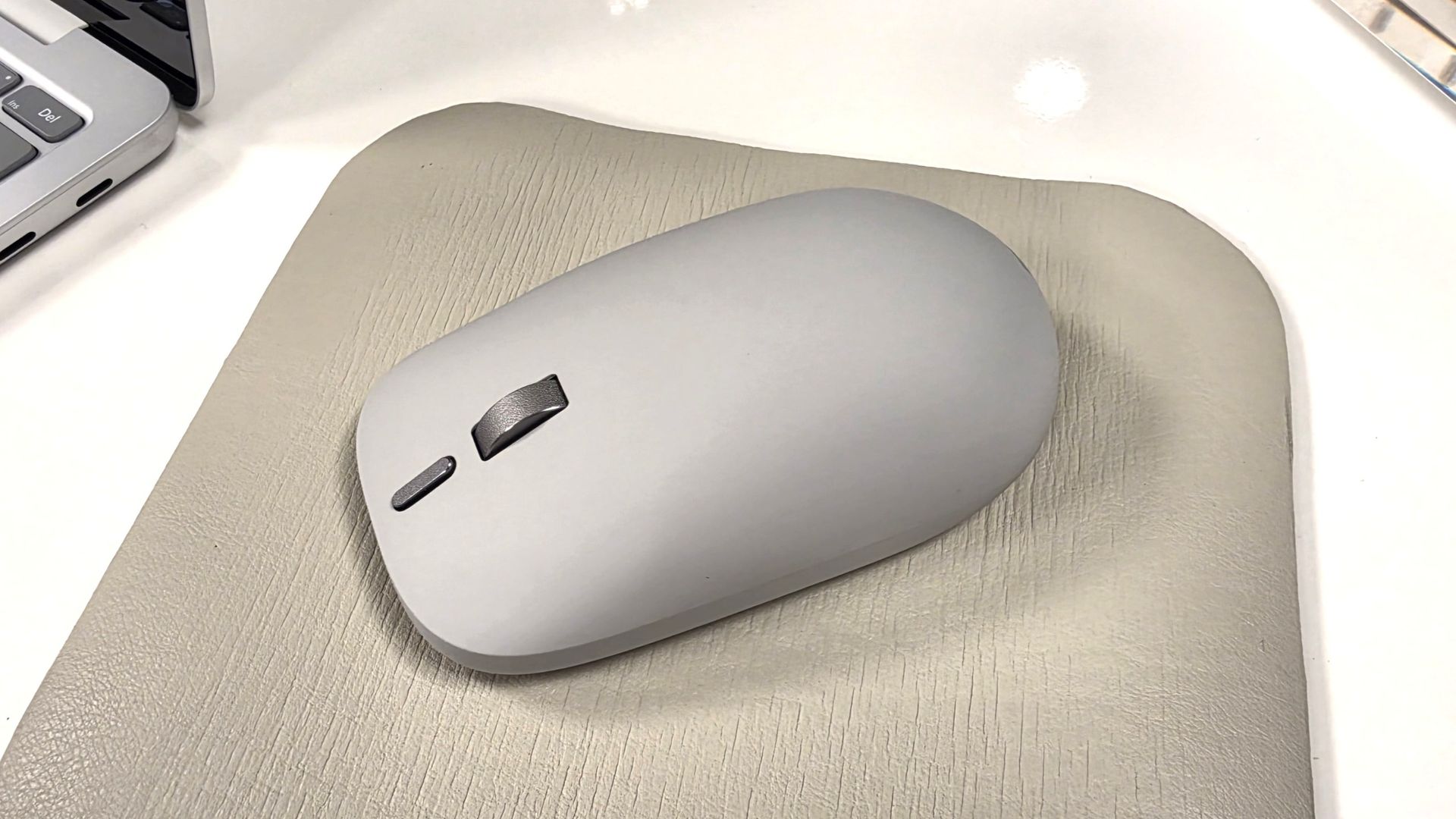
It's been a busy week for Microsoft. Despite having a Windows and Surface event scheduled two weeks from now, the company announced two new Surface PCs and revived the Surface Mouse. Microsoft also effectively cut the legs out from under the Copilot+ PC brand by confirming the new Surface Pro 12-inch and Surface Laptop 13-inch are not Copilot+ PCs.
Biggest News of the Week
Microsoft confirmed that its new Surface Pro 12-inch and Surface Laptop 13-inch will not be called Copilot+ PCs. Not because they fail to meet the requirements — both PCs have the specs to otherwise qualify — but because Microsoft is going in a different direction.
I think we may hear more about Microsoft’s plans and rebranding at the Windows and Surface event next month, but for now we just have confirmation the new Surface devices are not called Copilot+ PCs.
The Copilot+ PC brand was doomed to fail. Microsoft failed to make it clear to customers what made Copilot+ PCs special, and the flagship Recall was a disaster.
Many people were confused about the difference between a Copilot+ PC and an AI PC. And several major manufacturers made it clear that labeling a device as a Copilot+ PC was not a priority.
Too many Copilots
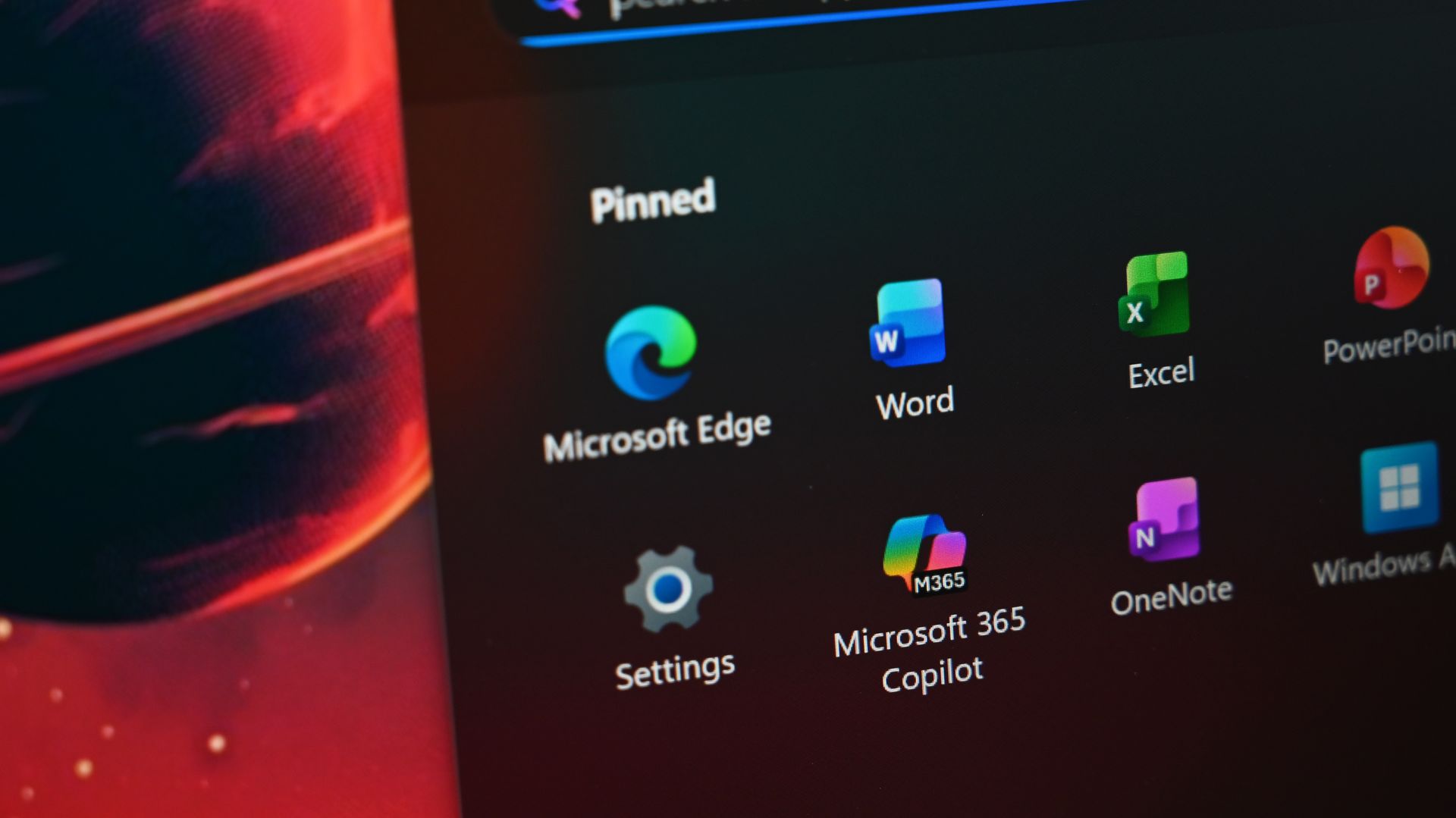
Microsoft put too many eggs in the same basket with Copilot. The company has dozens of products with Copilot in their names. Even the Microsoft 365 app had Copilot forced into its name.
By bundling so many different products and services under the Copilot name, Microsoft tied the success (or failure) of a large part of its portfolio together.
Look online for reactions to the Copilot+ PC brand being phased out and you’ll see people discussing the Copilot app, the Copilot key, Microsoft 365 Copilot, and other Copilot-branded products. And who can blame them? It’s natural to assume the end of Copilot+ PCs means the end of at least some parts of Copilot.
But the opposite is true. In the same week it confirmed its Surface PCs are not Copilot+ PCs, Microsoft announced a massive overhaul of the Copilot platform. Microsoft CEO Satya Nadella called it a new OS, though I’m not sure what that really means in this case.
Ultimately, Microsoft fell in love with the term Copilot and tried to attach it to too many products and services. We’ve seen similar mistakes, such as Facebook going all in on the Metaverse.
Copilot+ PCs are gone or being phased out, but Copilot as an “OS” is just beginning. Microsoft will need to do some damage control and get a marketing message out to make it clear those facts aren’t in opposition.
Join us on Reddit at r/WindowsCentral to share your insights and discuss our latest news, reviews, and more.
Microsoft has released two new Windows 11 Insider preview updates for the 26H1 branch, targeting users in the Experimental and Beta channels. Released on September 25, 2026, the updates are relatively small, but one of them includes an important fix for users running Linux virtual machines through Hyper-V. The other focuses on general improvements without […]
Microsoft is rolling out another Windows 11 Insider update with a handful of useful improvements aimed at making the operating system more convenient and energy-conscious. The latest Experimental preview, released on September 25, introduces changes to the Start menu, Quick Settings, and Storage settings. While this is a relatively small update, some of the changes […]
In 2024, Microsoft and Qualcomm kicked off a new category of Windows hardware it called "Copilot+ PCs" that set the baseline for a new wave of AI-first computers, and launched with exclusive features that would not be made available on PCs that didn't meet a new set of system requirements.
This pretty much tarnished the Copilot+ PC brand, and over the last two years more and more OEMs have dropped the moniker from marketing materials and product names. In fact, even Microsoft has seemingly stopped mentioning it.
I've noticed that none of the Surface PCs launched in 2026 include the Copilot+ PC moniker in their product names, unlike the Surface PCs that launched in 2025 and before. Now, you have to go digging to find any mention of Copilot+ compatibility in specification sheets.
Surface CVP Brett Ostrum announcing Surface PCs in 2024 at Copilot+ event. (Image credit: Microsoft)
At this year's Snapdragon Summit, I had the chance to ask Surface CVP Brett Ostrum about the lack of Copilot+ PC branding on its recent Surface PCs, and he confirmed that "these are not called Copilot+ PCs. They do meet all the requirements of our previous bar for what Copilot+ devices are. We still lean into the narrative around AI on the edge and being able to have a hybrid solution out there."
I've also asked Qualcomm's SVP of compute, Kedar Kondap, about his thoughts on the usage of the Copilot+ PC branding. He told me that "the purpose for Copilot+ PCs was to be able to deliver [NPU] experiences. So it was to define a certain category of devices with a certain bar and metric, like for example, a 45 TOPS NPU ... So from that perspective, it's more offering the same experiences, probably without just using [Copilot+ PC] terminology now."
It's also worth mentioning that NVIDIA hasn't gone anywhere near the Copilot+ PC brand for its upcoming RTX Spark platform, even though all RTX Spark PCs meet the Copilot+ PC specification bar. I suspect that's a deliberate decision.
It seems pretty obvious that the Copilot+ PC brand hasn't resonated with the market, and OEMs and Microsoft itself are now quietly pulling back on that branding. The specification baseline for Copilot+ PC experiences still exists, it just no longer has a pretty marketing name tied to it.
The rough launch of Copilot+ PCs, paired with the fact that Microsoft Copilot itself doesn't have a very strong reputation these days, likely contributed to the decision to slowly retire the Copilot+ PC branding. The brand never made sense to me anyway... these PCs have nothing to do with Copilot.
Join us on Reddit at r/WindowsCentral to share your insights and discuss our latest news, reviews, and more.
Microsoft has refreshed its compact Surface lineup with two new lightweight Windows PCs: the Surface Pro 12-inch (2nd Edition) and Surface Laptop 13-inch (2nd Edition). Both devices now feature Qualcomm’s Snapdragon X2 Plus processor, bringing faster graphics, improved local AI performance and better power efficiency while keeping the portable designs largely intact. Announced at Snapdragon […]
Microsoft vient de prévenir le monde entier que File History,
sa sauvegarde intégrée à Windows depuis Windows 8
, peut ne plus créer ni mettre à jour la moindre sauvegarde sur certaines machines et cela depuis l'installation des mises à jour de sécurité de septembre 2026 !!
Mise à jour du 25 septembre 2026 : bonne nouvelle, Microsoft a corrigé le bug ! Sur Windows 11, le correctif est dans les mises à jour optionnelles du 22 septembre,
KB5124010
pour les versions 24H2 et 25H2 et KB5124006 pour la 26H1. Et si vous ne voulez pas des mises à jour optionnelles, il arrivera avec le Patch Tuesday du 13 octobre. Par contre, pour Windows 10 et les éditions LTSC, Microsoft n'a encore rien annoncé...
Et par défaut, c'est le profil utilisateur au complet qui y passe avec le Bureau, les Documents, les Images, la Musique et les Vidéos, recopiés sur un disque branché en USB ou sur un partage réseau. Autant dire l'essentiel !
Microsoft l'a pourtant remplacée depuis par Windows Backup (qui sauvegarde vos données sur OneDrive, quelle surprise...), mais File History était quand même toujours là, accessible via le Panneau de configuration.
Le symptôme ressemble à une panne de matériel puisque Windows vous réclame de reconnecter votre disque alors qu'il est branché et qu'il fonctionne parfaitement. De son côté, la date de dernière sauvegarde reste figée, et les fichiers déjà archivés répondent qu'aucune version précédente n'est disponible quand vous en cherchez une...
Et quand on y regarde de plus près dans l'Observateur d'événements, ce sont des plantages de FileHistory.exe et de KERNELBASE.dll. Surtout que
le périmètre est large
avec en versions impactées, Windows 11 depuis la 23H2, Windows 10 depuis la 21H2 + les éditions Enterprise LTSC 2016 et 2019.
Maintenant comment est-ce qu'on remédie à ça ? Hé bien ce n'est pas marrant parce que la seule solution que j'ai pu voir sur
le fil de support Microsoft consacré au problème
, c'est un utilisateur qui raconte que la seule chose qui a marché chez lui, c'est de désinstaller la mise à jour et de couper Windows Update en attendant. Sauf que KB5124008 corrige quand même un grand nombre de vulnérabilités, dont des zero-days activement exploités, et la retirer réduira sérieusement votre niveau de sécurité.... Je ne vous conseille donc pas de faire ça.
Gardez vos correctifs Windows et sauvegardez avec autre chose. Par exemple
FreeFileSync
qui est très bien. En tout cas, le temps que Microsoft trouve une solution.
Côté libre, y'a aussi
Kopia
qui fait le boulot proprement. Ça crée des snapshots chiffrés de vos fichiers et dossiers vers un disque local, un stockage réseau ou du cloud, avec compression et déduplication au passage. Et surtout c'est dispo en ligne de commande comme en GUI (interface graphique).
Et si la console ne vous fait pas peur,
restic
fera la même chose sans souci. Par contre avec ces solutions alternatives, je ne vais pas vous vendre du rêve hein... Le clic droit et l'onglet des versions précédentes dans l'explorateur, c'était le gros confort de File History, et aucun de ces outils ne vous le permet. Vous devrez restaurer depuis un snapshot, c'est un peu plus lourd quoi...
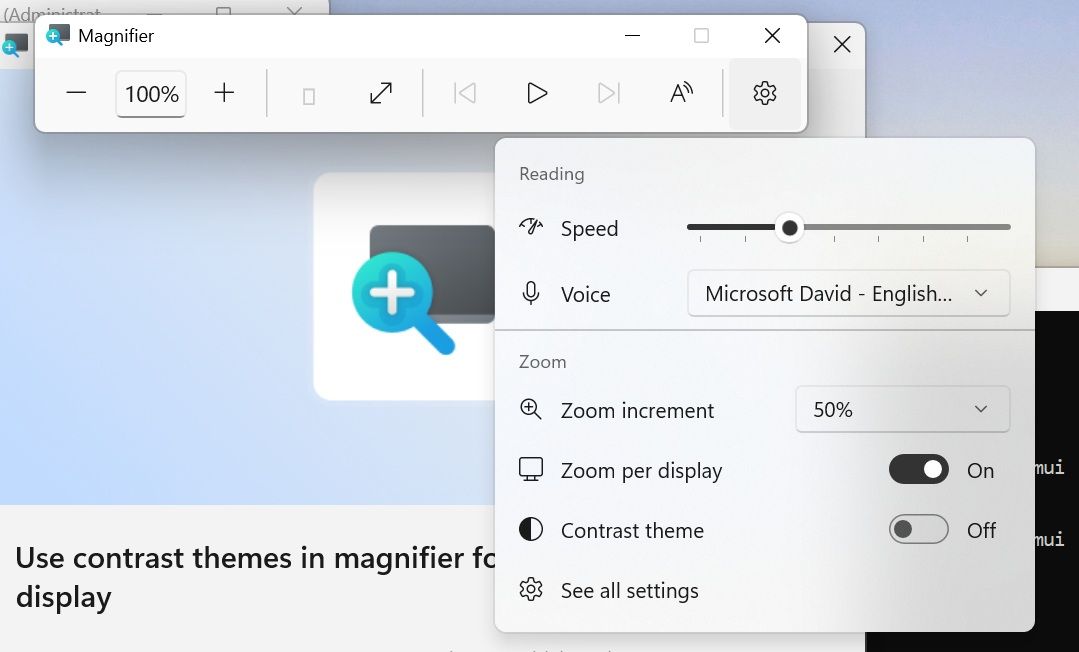
Windows 11 has some big changes on the way to one of its best accessibility features. Magnifier will soon have a contrast theme that improves visibility by reducing glare. At first glance, the feature appears similar to color inversion, but it works differently in several key ways.
Color inversion changes everything on your screen, including photos, videos, and other forms of media. In contrast (pun intended), contrast themes change the colors of an interface without adjusting media.
Four different contrast themes are in testing currently: Aquatic, Desert, Dusk, and Night sky. I think Microsoft could make these themes more accessible by picking more straightforward names. My prediction is that many will be surprised to see "Aquatic" is quite similar to dark mode and is not blue.
The new contrast themes are available for testing to Windows Insiders in the Experimental Channel. Build 26340.9502 is the first to include the themes.
The contrast themes are entirely separate from color inversion. You can still invert all the colors on your PC if you'd prefer.
That same update also brings improvements to Live Captions, Cloud Rebuild, and Mouse indicator. Here's everything that's rolling out, as shared by Microsoft.
Build 26340.9502: Changes and improvements
Accessibility - Mouse indicator
We're introducing a sleeker new animation for the Mouse indicator. You can enable this animation under Accessibility settings. We've also added the option to keep the indicator activated until you press the Esc key.
Magnifier
A new contrast theme toggle for a lower-glare screen. If bright screens are uncomfortable, many people use color inversion to reduce glare. However, inversion changes everything on screen, including photos, charts, and videos. With this update, we're introducing a new contrast theme toggle in Magnifier.
Reduce glare with a single toggle. Turn on a contrast theme directly from the Magnifier toolbar for a more comfortable viewing experience.
Choose the contrast theme that works best for you. The dark theme is applied by default, and you can choose which contrast theme the toggle uses under Settings > Accessibility > Magnifier.
Photos, videos, and charts keep their original colors. Unlike color inversion, the contrast theme recolors the interface without touching your photos, charts, or videos, so they keep their real colors.
Color inversion is still here. This isn't a replacement. If you use inversion today, it works exactly as it always has. The contrast theme is a separate, purpose-built option to reduce glare when you want a darker interface without inverting colors.
Cloud rebuild
We're updating Cloud rebuild, the recovery option that restores a Windows 11 PC to a clean, known-good state by performing a full OS reinstall, with two additions.
Cloud rebuild can now sanitize the device's drives as part of the rebuild. When you start a rebuild in WinRE, choose Remove files if you're keeping the PC, or Remove & sanitize files before recycling, returning, or reassigning it. The sanitize option uses the storage hardware's erase capability to securely erase data before Windows is reinstalled and is irreversible.
IT administrators can now configure and start a Cloud rebuild remotely through the Recovery CSP, using either the currently installed build or a target build you specify.
Live Captions
We're improving Live Captions with a new Include Screen Reader audio setting, which is off by default. With the setting off, Live Captions won't transcribe audio from screen readers such as Narrator, JAWS, and NVDA, keeping captions focused on microphone and system audio.
Hyper-V
Fixed an issue where some applications that used HCS-managed virtual machines experienced issues when sharing host folders with Linux VMs using Plan9. Folders shared from the Windows host using Plan9 didn't appear or couldn't be accessed in the guest environment.
Other
Fixed an issue where backing up using File History unexpectedly failed with an error saying, "No usable drives found."
Microsoft revamped how its Insider channels work earlier this year, so we often have several builds roll out at once. We'll highlight the biggest changes here at Windows Central. You can always browse through the full documentation on Microsoft's website to see complete change logs for every single build.
Join us on Reddit at r/WindowsCentral to share your insights and discuss our latest news, reviews, and more.
Microsoft just announced a Windows and Surface event that will be held on October 7, 2026. Based on the invite, the event will focus on "how local AI will shape the next chapter of the PC." That's not exactly a topic that will move the needle for general users.
Microsoft is all-in on AI, billions of dollars down the drain be damned. The tech giant created what may be the "best laptop ever made"to run AI locally. Considering the focus of Microsoft's event, it's safe to assume the Surface Laptop Ultra will be center stage.
Maybe I'm just part of the old guard yearning for the days of unique form factors and hardware innovation, but I just don't think a Surface running NVIDIA's new RTX Spark superchip is enough to lead an event.
The biggest news of the week was the announcement of the event, but I'm not sure that's a good thing. Our readers' reception to the announcement has been largely negative.
Biggest News of the Week
"Nothing about this matters. The Laptop has always been my least-favorite computer in the Surface family. The RTX version is just AI-focused internals at a comical price," said Lil Frier. "There's nothing about Surface to be interested in anymore, and Windows 11 is still nothing more than a reason I have stuck with Windows 10."
Another user, aruntopez10, said, "Honestly, I have zero faith in this event. Their events have become so boring and unwatchable ever since Panos left (including even his last event). It's sad how they went from having the BEST and interesting fall tech events to the worst."
Microsoft hasn't given our readers — or anyone else — good reason to expect much from this event. Earlier this year I outlined how Microsoft can save the Surface brand. The company has done very little of what I suggested. And it's not like I have wild ideas that are mine alone. People want Surface to be exciting and to push boundaries, not be iterative updates and boxes for AI.
Disappointment is nothing new to Surface fans. Our Senior Editor Zac Bowden called the 2023 Surface and AI event "a massive blunder and missed opportunity."
Microsoft has genuinely changed course when it comes to Windows 11. The company's Windows K2 initiative is changing some of the most complained about parts of Windows 11. As we saw this week, that process is having some hiccups, but it is a major step in the right direction.
Surface? Not so much. I'd argue things are getting worse, not better. Microsoft just doesn't understand what made Surface special and isn't willing to embrace the family's roots.
Join us on Reddit at r/WindowsCentral to share your insights and discuss our latest news, reviews, and more.
Windows 11 comes with a surprisingly capable video editor that many users can start using without paying for expensive editing software. But there is a catch. Microsoft’s Clipchamp video editor can be considerably more demanding on PC hardware than its simple interface might suggest. The app is designed to make video editing accessible to everyone, […]
Après avoir lu cet article de
XDA
, j'ai voulu savoir ce que pesait vraiment l'index de recherche sur mon Windows 11 tout neuf. En vrai pas grand chose... A peine quelques Mo. Puis j'ai déposé un dossier de travail assez gros dedans, et l'index a grossi comme prévu... mais ensuite quand j'ai supprimé ce dossier, l'index lui n'a jamais remaigri.
Cette base de données, c'est elle qui répond quand vous tapez trois lettres dans le menu Démarrer pour avoir des suggestions d'app et de fichiers. Tout est contenu dans le fichier Windows.db sous Windows 11 et Windows.edb sous Windows 10, et malheureusement, ce fichier peut grossir jusqu'à devenir problématique.
Ce que Windows indexe par défaut, et ce qu'il en lit
Windows 11 propose 2 périmètres. Le mode Classique, celui qui est actif si vous n'avez rien touché, et qui s'occupe de vos dossiers Documents, Images et Musique, plus le Bureau. Et le mode "Amélioré", qui lui, parcourt l'ensemble du PC.
Ça peut se régler dans les paramètres :
Le mode Classique est celui d'origine : Documents, Images, Musique et le Bureau.
Mais ce qui est mal expliqué dans la doc de Microsoft, c'est que Windows n'indexe pas QUE les noms de fichiers. Et oui, quand les fichiers contiennent du texte, leur contenu est également indexé, ce qui vous permet de rechercher par mots-clés présents dans le contenu du fichier.
Et comme le périmètre est défini par un emplacement et jamais par un volume, tout ce qui atterrit dans Documents entre dans l'index. Que ce soit vos 3 lettres de motivation ou un dossier projet contenant 40 000 fichiers... Windows ne fait pas la différence.
3 profils sont donc aux premières loges : ceux qui ont basculé sur le mode Amélioré, ceux dont le dossier Documents pointe en réalité vers leur OneDrive ou un autre dossier synchronisé, et ceux qui rangent leurs projets ou leurs machines virtuelles dans Documents.
Si vous n'êtes dans aucun des trois, la suite vous dira en trente secondes que tout va bien, vous verrez ^^
Mesurer votre index en deux gestes
Le nombre d'éléments dans cet index se lit sans aucun droit particulier. Suffit d'aller dans Paramètres, puis Confidentialité et sécurité, puis Rechercher. Le compteur "Indexé" est en haut de la page, et c'est aussi là que se trouve le choix du périmètre.
Vous obtiendrez alors un nombre en mégaoctets. Mais pour savoir s'il est réellement gros, c'est le compteur d'éléments qui fait la différence, plus que le poids. Je m'explique...
Microsoft donne des repères dans sa doc. Moins de 30 000 éléments c'est OK chez un utilisateur ordinaire. Pour un gros utilisateur, rien de choquant de monter jusqu'à 300 000 éléments. Par contre, au-delà de 400 000, des problèmes de performances peuvent commencer à apparaître. Et si vous vous demandez jusqu'où vous pouvez aller, sachez que le plafond technique est à un million d'éléments, après quoi l'indexeur se plantera comme une merde ou fera grimper le processeur, la mémoire et le disque dans les nuages.
La même commande sans les droits administrateur répond "Accès refusé".
L'essai : 3 000 fichiers qui partent, un index qui reste
J'ai monté une petite expérience pour l'occasion dans une machine virtuelle Windows 11 Pro 25H2, avec quatre cœurs et 8 Go. Départ à 462 éléments et 6,71 Mo. J'y ai déposé ensuite 3 000 fichiers texte, soit 15,94 Mo de contenu, et j'ai regardé l'index monter à 3 466 éléments pour 18,66 Mo. La base pèse donc presque aussi lourd que les fichiers qu'elle vient d'avaler !! C'est du texte brut partout, ce qui est le pire cas possible pour elle puisqu'il faut en indexer le contenu.
Ensuite j'ai supprimé les 3 000 fichiers et le compteur d'éléments est bien redescendu à 465, celui du départ, mais Windows.db lui, était toujours à 16,81 Mo. Alors que mes 465 éléments tenaient dans 6,71 Mo une heure plus tôt.... Bref, l'index a libéré ses entrées, mais pas son espace, la place étant réservée pour la prochaine fois...
Reprendre la main sans casser la recherche
Alors pour reprendre la main sur son espace disque, le bon geste, c'est l'exclusion ciblée. Allez dans Paramètres, Confidentialité et sécurité, Rechercher, puis "Ajouter un dossier exclu".
Les cibles qui valent le coup sont celles qui changent sans arrêt ou qui ne pèsent rien dans une recherche. Je pense aux dossiers de dépendances d'un projet, aux dossiers de compilation, aux caches, aux disques de machines virtuelles, au .git, aux bibliothèques de jeux et j'en passe...
Vous saurez ainsi tout de suite si ça a marché. Remontez en haut de la même page de réglages et regardez le compteur "Indexé". Il devrait diminuer du nombre de fichiers que contenait le dossier, sans que vous ayez rien d'autre à faire.
En revanche, n'excluez pas Documents ou le Bureau d'un seul bloc, et ne coupez surtout pas le service. En effet, ce bon vieux menu Démarrer ne cherche que dans l'index et Outlook classique s'appuie aussi dessus pour retrouver vos mails. Un dossier exclu devient invisible à la recherche et, ce serait dommage de ne plus pouvoir retrouver un mail, par exemple.
Le second truc à faire, c'est la reconstruction, car c'est elle qui récupère l'espace. Ouvrez les Options d'indexation avancées depuis la même page de réglages, cliquez sur Avancé, puis sur Reconstruire dans la section Dépannage. Windows prévient alors que les résultats seront incomplets pendant l'opération, mais on s'en fout, et c'est normal puisqu'il repart de zéro !! Microsoft conseille d'ailleurs de laisser l'indexeur travailler jusqu'à 24 heures, alors ne lancez pas ça cinq minutes avant d'avoir besoin de retrouver un fichier.
Le bouton Reconstruire est planqué sous Dépannage, dans les Options avancées.
Sur ma machine, l'index gonflé à 16,81 Mo est ainsi redescendu à 1 Mo, pour exactement les mêmes 465 éléments. Quatre minutes de reconstruction plus tard, et le fichier ne pesait plus que six pour cent de sa taille d'avant. Une fois que c'est fait, vous pouvez relancer la commande PowerShell. Si le chiffre n'a pas bougé d'un poil, c'est que votre index était déjà à sa taille utile, et dans ce cas, bon courage, ça veut dire que votre problème d'espace disque est ailleurs.
Microsoft just announced a Windows and Surface event for October 7, 2026. The event will be held in San Francisco and will focus on "how local AI will shape the next chapter of the PC." It will start at 10 AM PT / 1 PM ET.
Microsoft CEO Satya Nadella will be at the event, as will Surface chief Pavan Davuluri. NVIDIA CEO Jensen Huang will also be there, so we can expect to see RTX Spark discussed on stage.
RTX Spark is NVIDIA's new superchip. It powers the Surface Laptop Ultra and Surface RTX Spark Dev Box. Microsoft already announced those devices but has not shared key details yet, including pricing and availability. The event in October could be a chance to share more about the devices and the RTX Spark in general.
Microsoft is also expected to highlight improvements to Windows 11. The tech giant is deep into its Windows K2 initiative that aims to reduce pain points in the operating system and smooth the overall experience. We've seen some early wins from that initiative, such as the option to resize and move the Taskbar on Windows 11.
But Microsoft still has a long way to go before Windows 11 is redeemed in the eyes of many. Windows updates often ship with bugs and the operating system still has mismatching UI elements. Fixing Windows 11 is a large project that will take time, and Microsoft would be wise to show what it's already done to improve the OS and point to what's on the way.
While Microsoft could always surprise us with more hardware announcements, its quote about "how local AI will shape the next chapter of the PC" aligns well with devices we already know are on the way. The Surface Laptop Ultra and Surface RTX Spark Dev Box are designed to run AI locally.
Based solely on that quote, we could see Microsoft discuss Project Zenith at the event. That's the codename of a new class of devices aimed at developers that want to build apps and local AI experiences.
Join us on Reddit at r/WindowsCentral to share your insights and discuss our latest news, reviews, and more.
Microsoft is having a bit of a rough September when it comes to bugs. Another issue has been discovered in Windows 11. This time, it's Excel's copy and paste feature that's been broken by an OS update.
That bug was discovered shortly after Microsoft confirmed issues with Hyper-V Linux folder shares, Remote Desktop, and USB audio. Those have since been fixed through an out-of-band update, but the Excel bug has not been fixed yet.
"In Microsoft Excel 2024, 2021, 2019, and 2016, the paste operation might fail silently. Although users try to paste content, the source remains selected and the destination is unmodified. When this issue occurs, users receive no indication of the failure, such as a beep or error message. Microsoft is researching the issue and will post more information in this article when the information becomes available."
The September Patch Tuesday update has almost 1,000 security fixes, so it is important to install it on PCs. But it may be worth holding off a bit if your workflow would be hindered by lingering bugs.
I don't want to come across as a doomsayer. The sky is not falling because copy and paste in Excel is broken. But it's frustrating to see bugs creep into Windows 11 updates.
Microsoft is aware of negative feelings many users have toward Windows 11. The company has a Windows K2 initiative that aims to reduce pain points and improve the overall Windows 11 experience. Part of that initiative centers around improving Windows updates.
On paper, Microsoft is trying to reduce how many updates people need to install each month. But I've had to install several Windows 11 updates just in September, including the out-of-band update that fixed the audio issue.
Join us on Reddit at r/WindowsCentral to share your insights and discuss our latest news, reviews, and more.

 Connexion