❌

Vue lecture

A Pen Holder That Actually Looks Like Desk Art
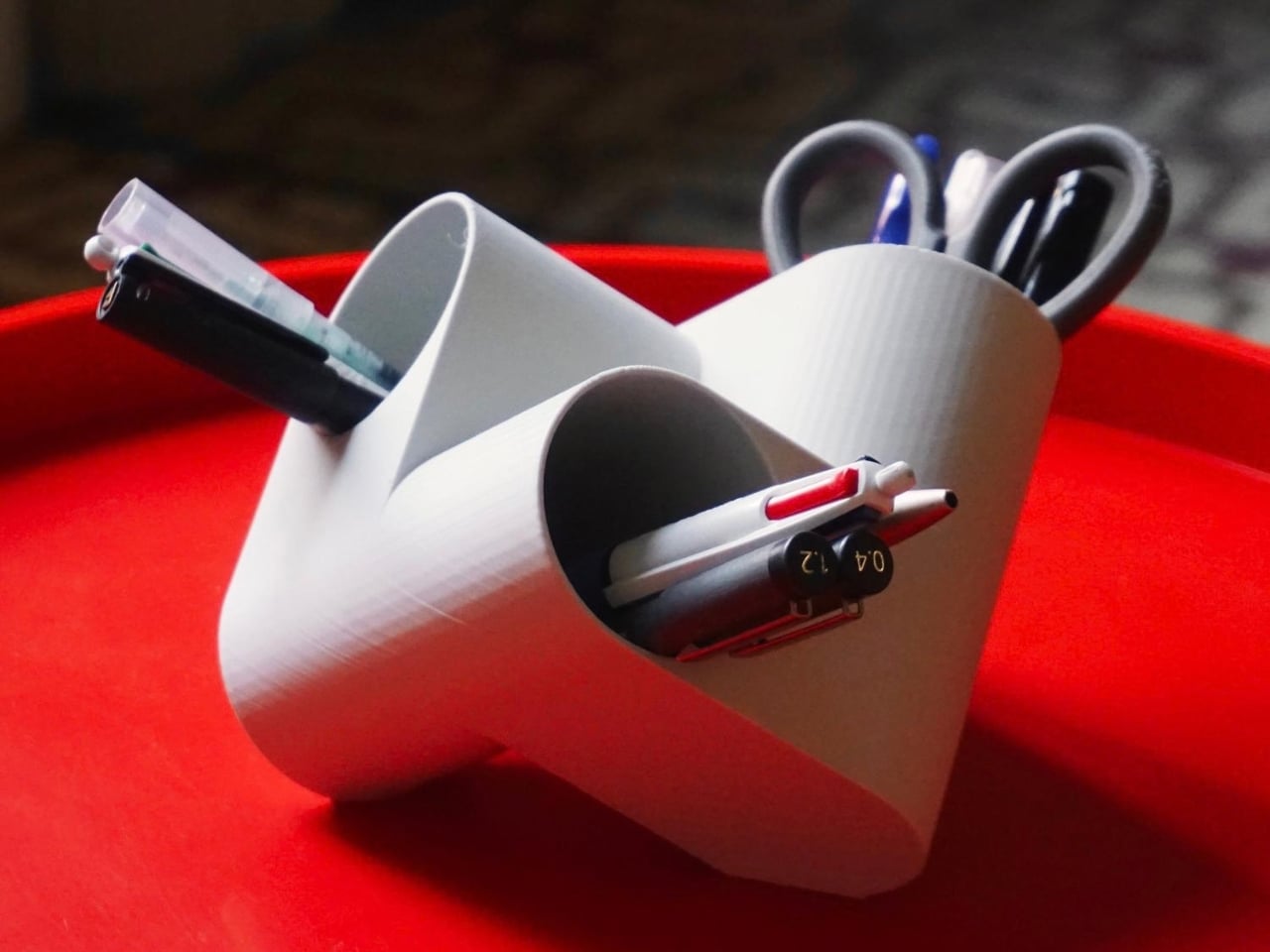
When it comes to stationery and my work and leisure desk, I consider my aesthetic to be messycore and maximalist. Having a lot of pens and other supplies on hand whether for work or for my journaling sessions is normal for me. I tried to use some desk organizers, but it seems that there is order in my chaos and I can still find what I need when I need it, although it doesn’t really look all that Instagrammable. That hasn’t stopped me from looking at and exploring desk organizers and pen holders, especially ones that look different from the usual.

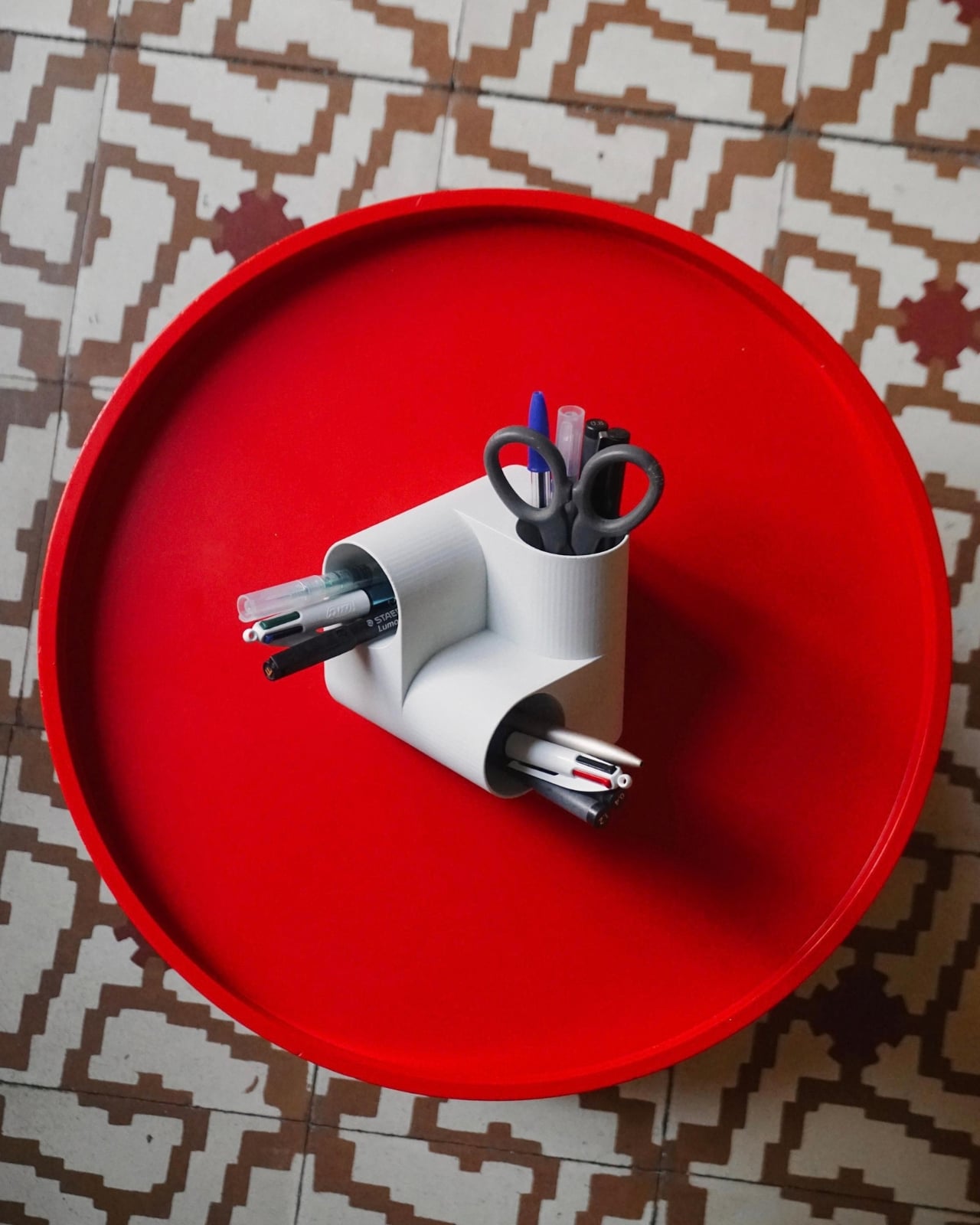
Ciclo is one such pen holder from Spanish industrial designer Eduardo Blanco. The way it’s designed is for you to have more space for your various stationery items and also to give your desk a kind of sculptural-looking organizer that looks good in person and also when you decide to do a post of how your desk looks at the moment. The inspiration for the design actually comes from mathematics and the name itself has ties to it.

Designer: Eduardo Blanco
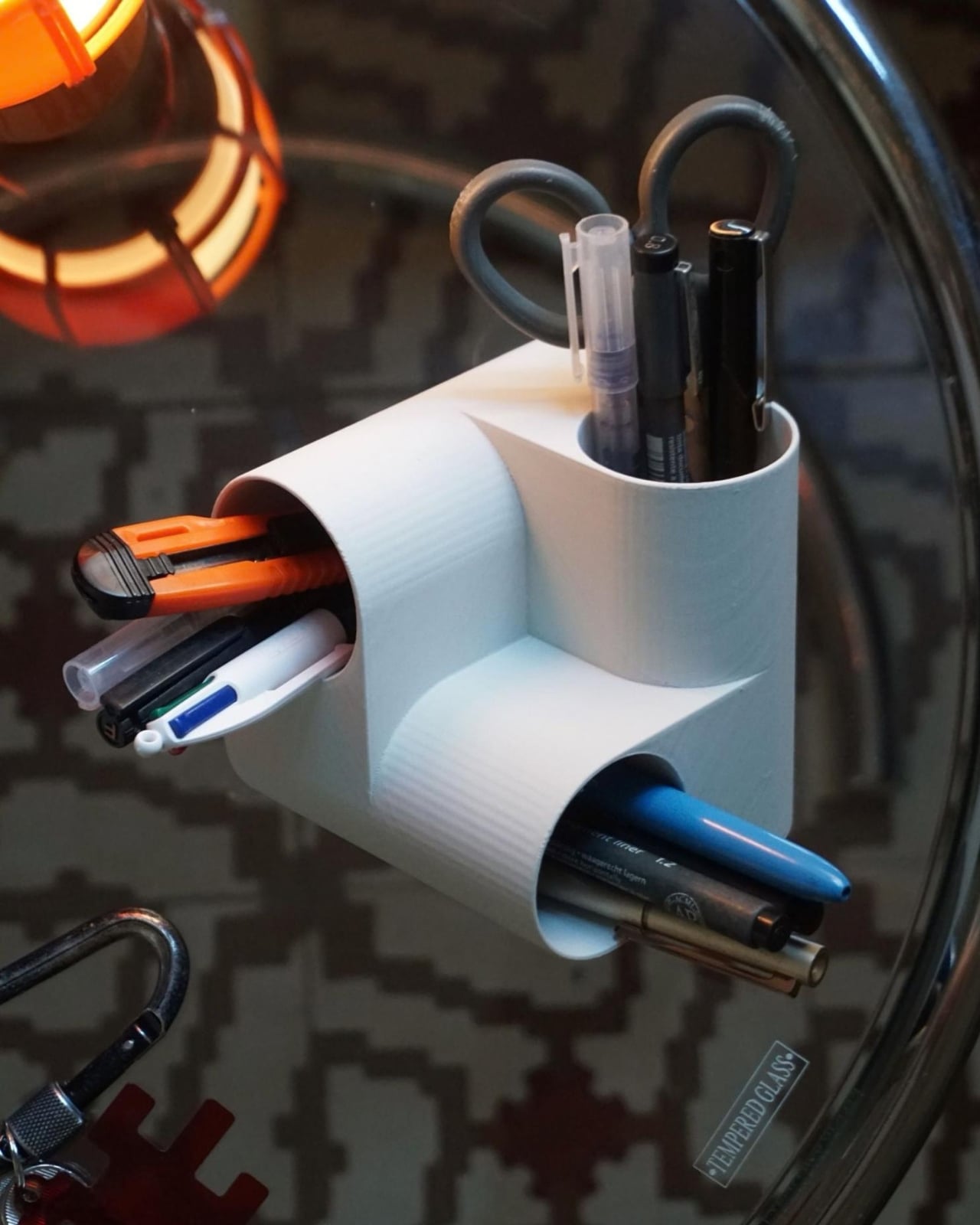
Blanco said he wanted something that didn’t look banal on his desk. The inspiration comes from the Cartesian coordinate system, using three cylinders repeated around the same axis that are stacked and joined one on top of the other. Think about the X, Y, Z axes discussed during math classes (which I would rather forget) but brought to life as a sculptural stationery object. What would normally be a mundane or ordinary object is transformed into a well-designed piece that would look at home at an office desk, a creative workspace, or your side table. Aside from looking beautiful just sitting there, it also means you have three spaces to put your pencils, pens, markers, scissors, cutter, and other supplies you need to organize on your desk.

And honestly, that’s where Ciclo wins me over. Even for someone like me, whose desk looks like a stationery store had a very good time, there’s something undeniably appealing about having one piece that anchors the whole thing visually. You don’t have to be a minimalist to appreciate a beautiful object. If anything, if you’re already going the maximalist route, you might as well make sure some of those items on your desk are actually worth looking at, and Ciclo definitely qualifies. There’s also something kind of fun about having a mathematically inspired piece sitting among your journaling supplies and highlighter collection.
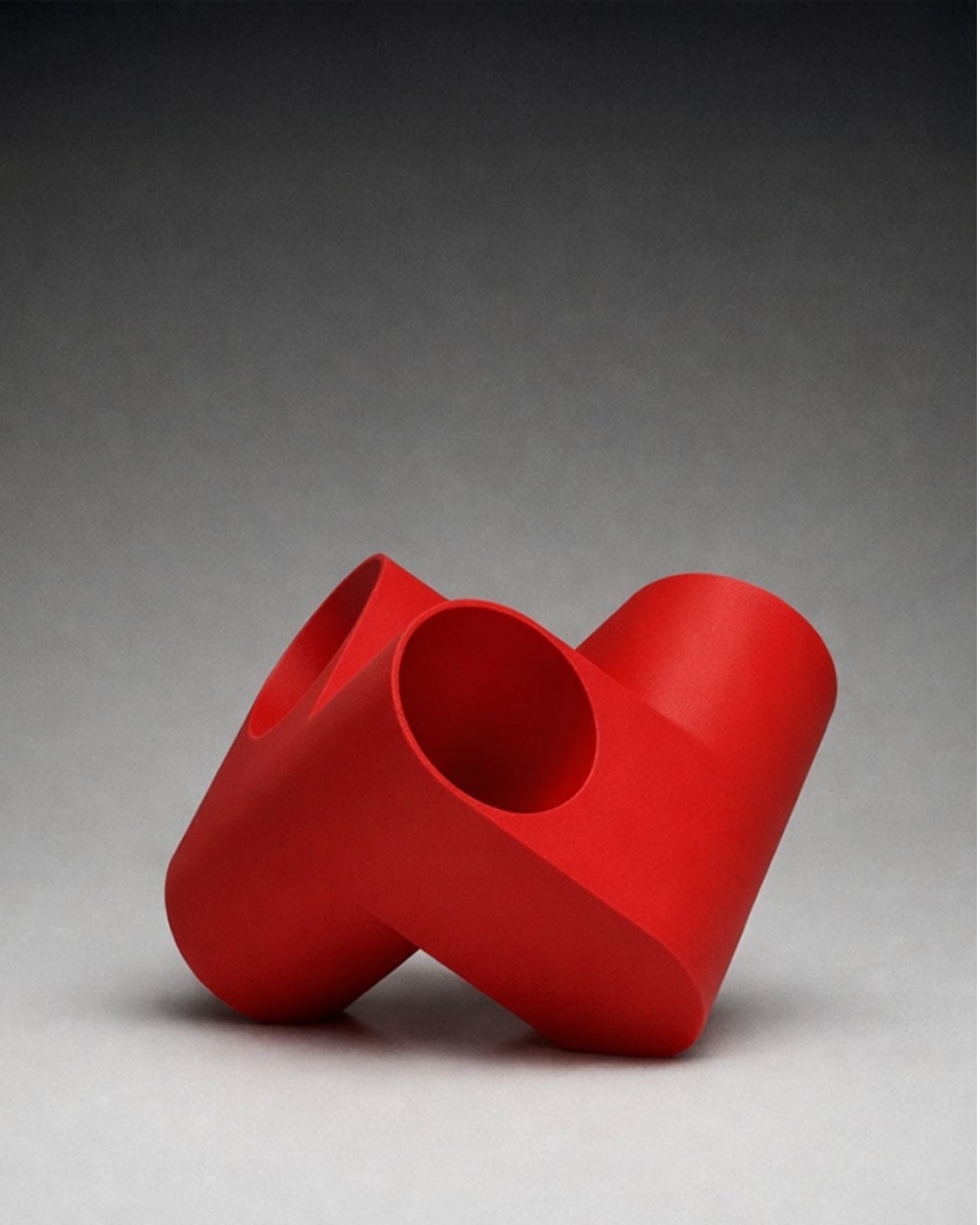
What I also find interesting about Ciclo is the way it challenges how seriously we take the objects we use every day. Most of us grab whatever cheap plastic pen cup is on sale at the office supply store, and that’s perfectly fine. It works. But Blanco’s approach asks a simple but quietly radical question: why settle for something that just works when you could have something that also makes you pause for a second and go, “huh, that’s actually really cool”? That shift in thinking is kind of what separates good design from great design, and it’s exactly what makes Ciclo stand out in a product category that designers have largely ignored.

It’s also worth noting that Ciclo was selected as part of Lagranja Design’s Open Design Editions 2026, a program that spotlights emerging and thoughtful design work, and was presented during Barcelona Design Week. That’s not a small nod. It means the design community sees real value in what Blanco created here, and that Ciclo is more than just a pretty object to put on display.
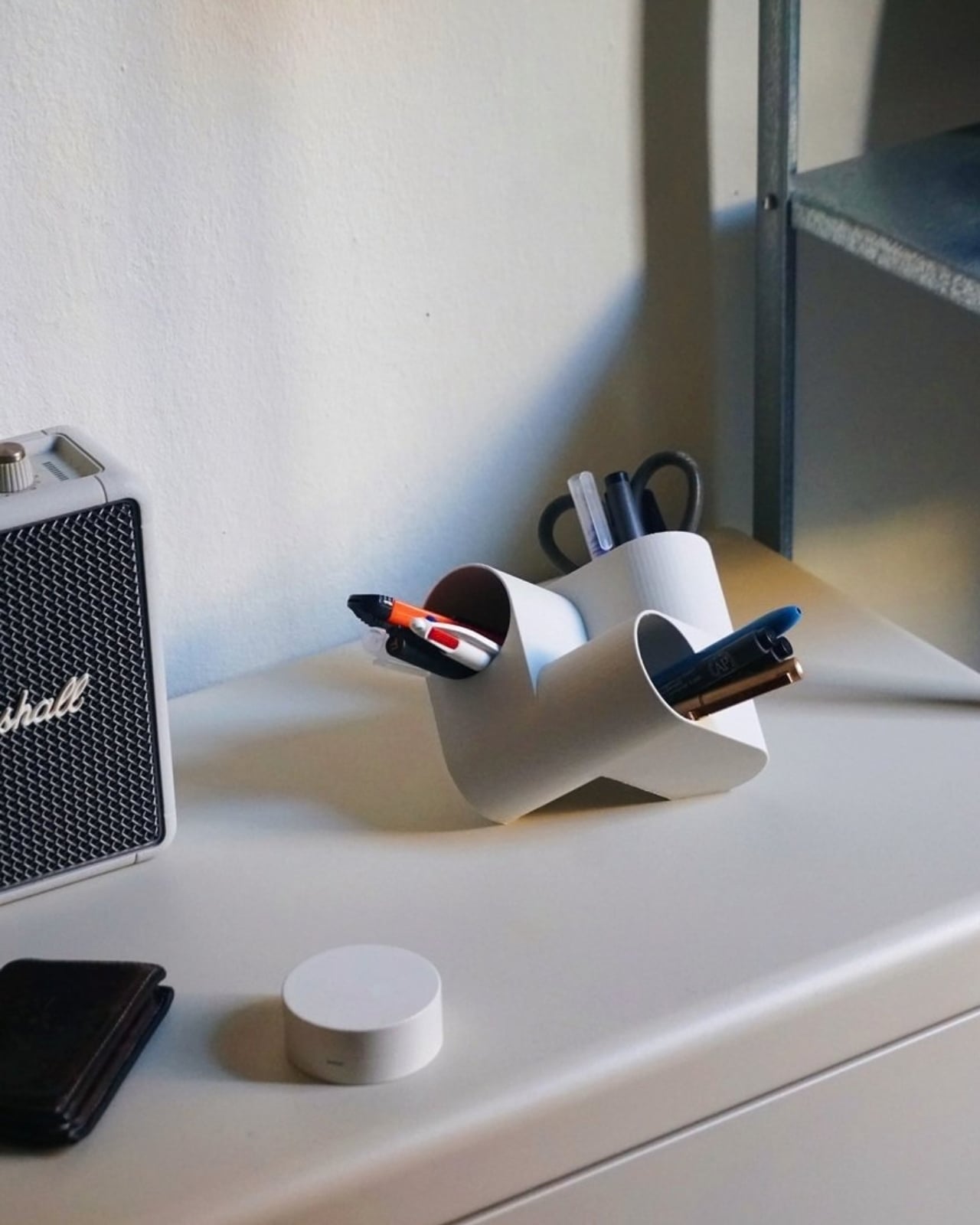
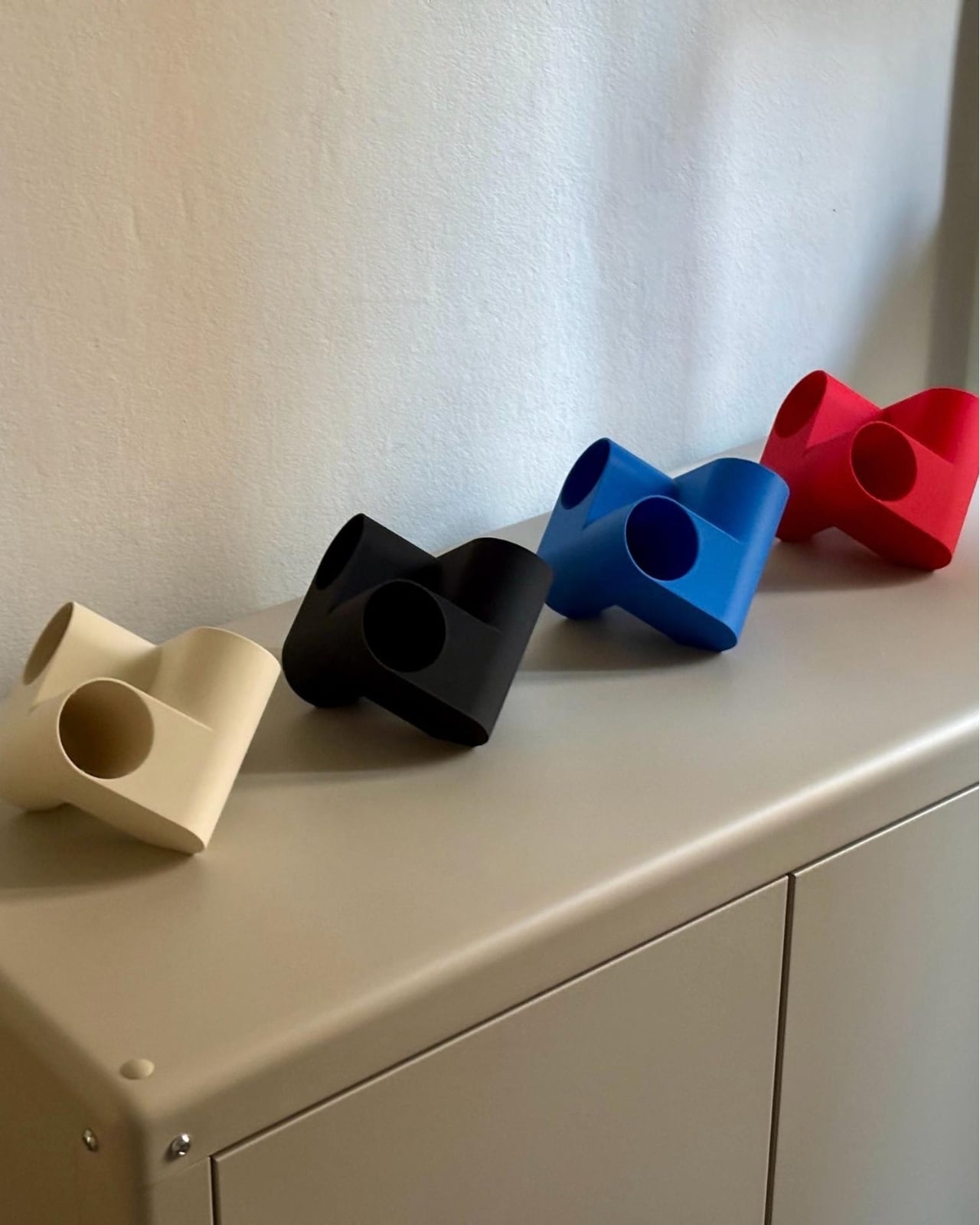
Whether you keep a very tidy, carefully curated desk or your workspace is a glorious organized mess like mine, Ciclo is the kind of object that earns its spot. It’s a pen holder, sure, but it’s also a small, quiet statement that the things you keep close while you work or create don’t have to be boring. And in a world where so many of us spend a huge chunk of our day at our desks, that feels like it actually matters.

The post A Pen Holder That Actually Looks Like Desk Art first appeared on Yanko Design.
  •  

7 Reasons Non-Artists Need a Drawing Pad on Their Desk

I’ve established in my previous articles that I’m not an artist and can only draw stick figures, or maybe follow paint-by-numbers-style sketches. That hasn’t stopped me from buying and collecting drawing pads and notebooks of all kinds, though. Of course, I’m not hoping I’ll eventually learn to draw or become the next Andy Warhol or anything like that. I like having these writing surfaces because I have a lot of things to write down, whether it’s for productivity, as part of my numerous journaling tools, or just somewhere to randomly write or sketch things out.

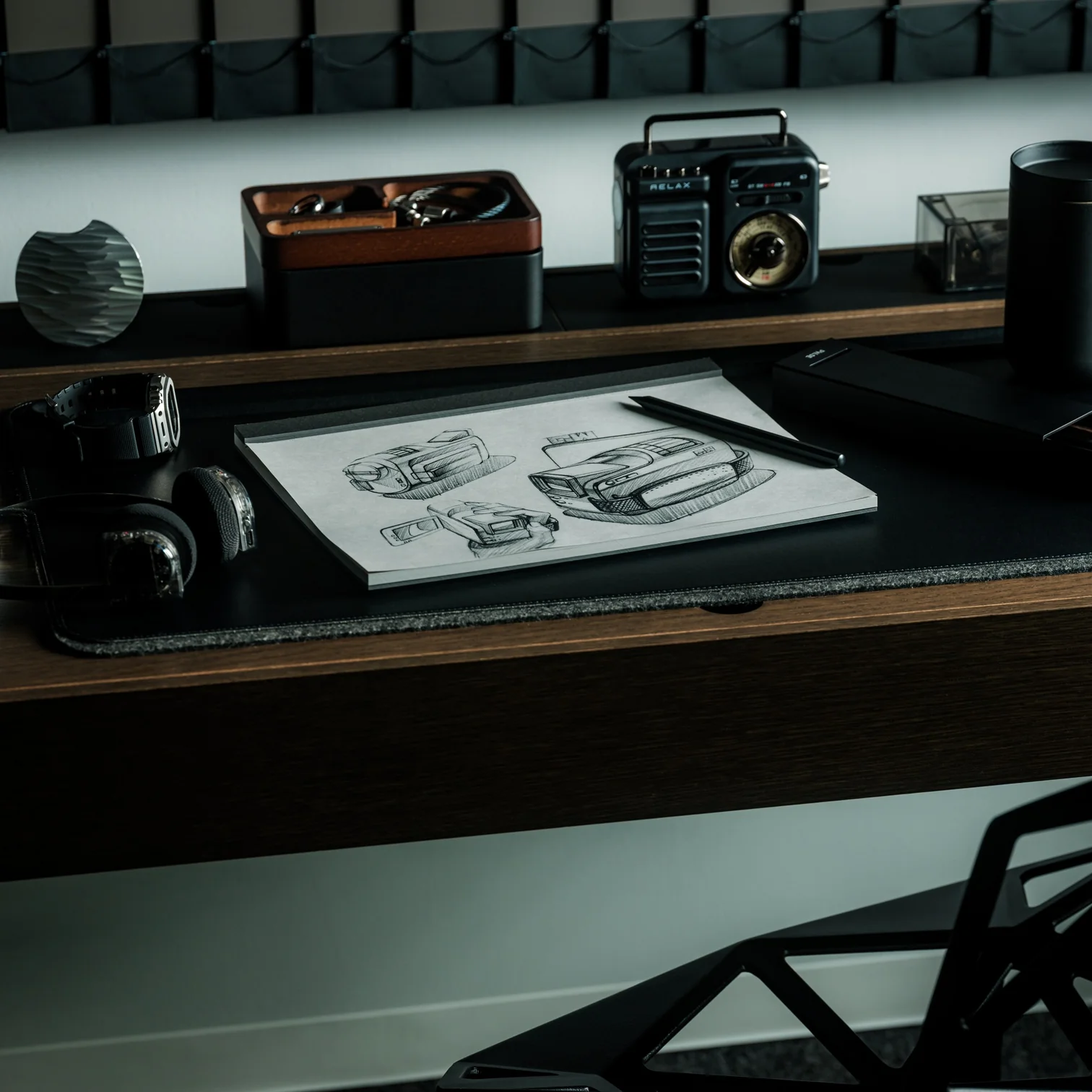
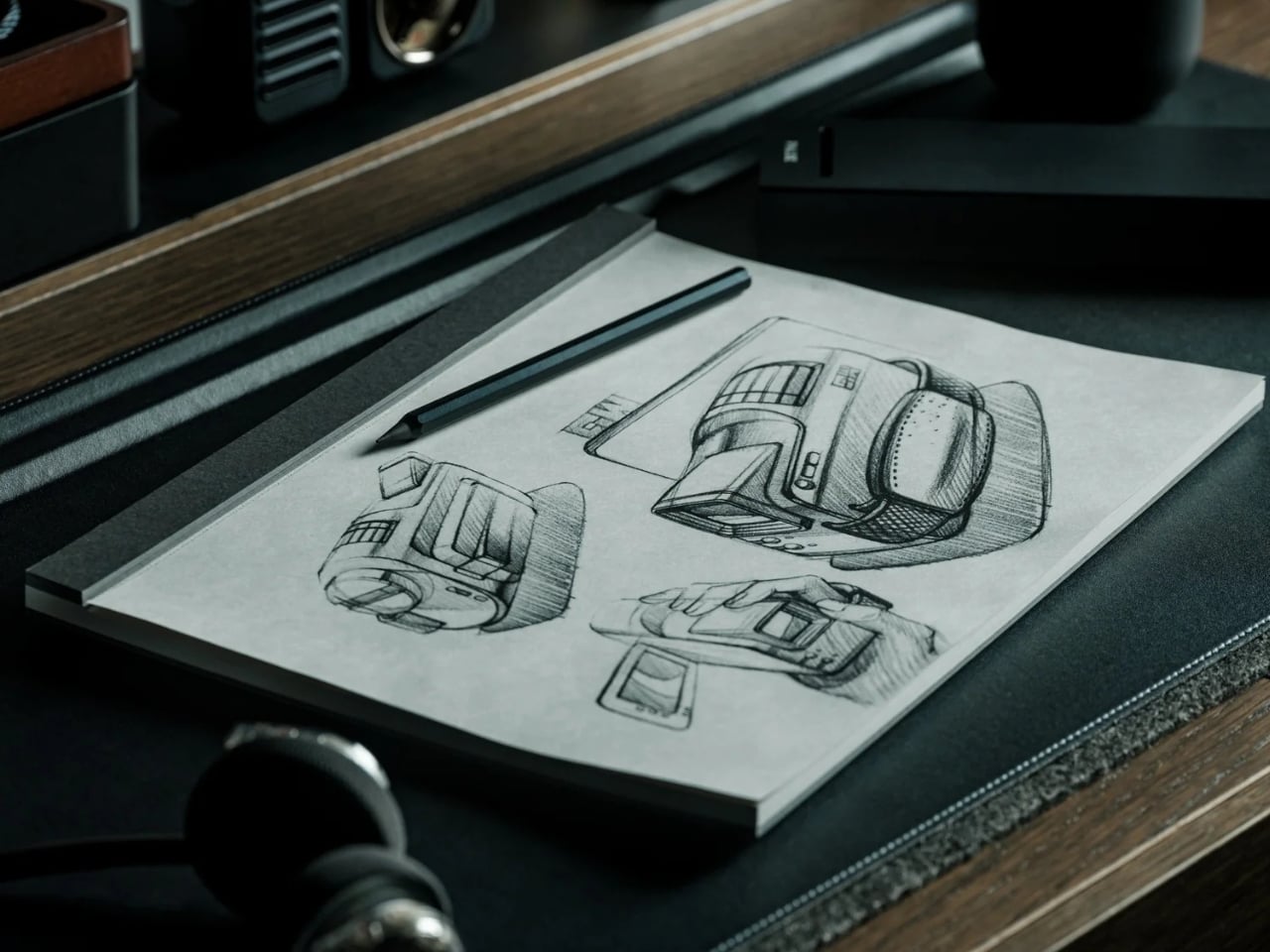
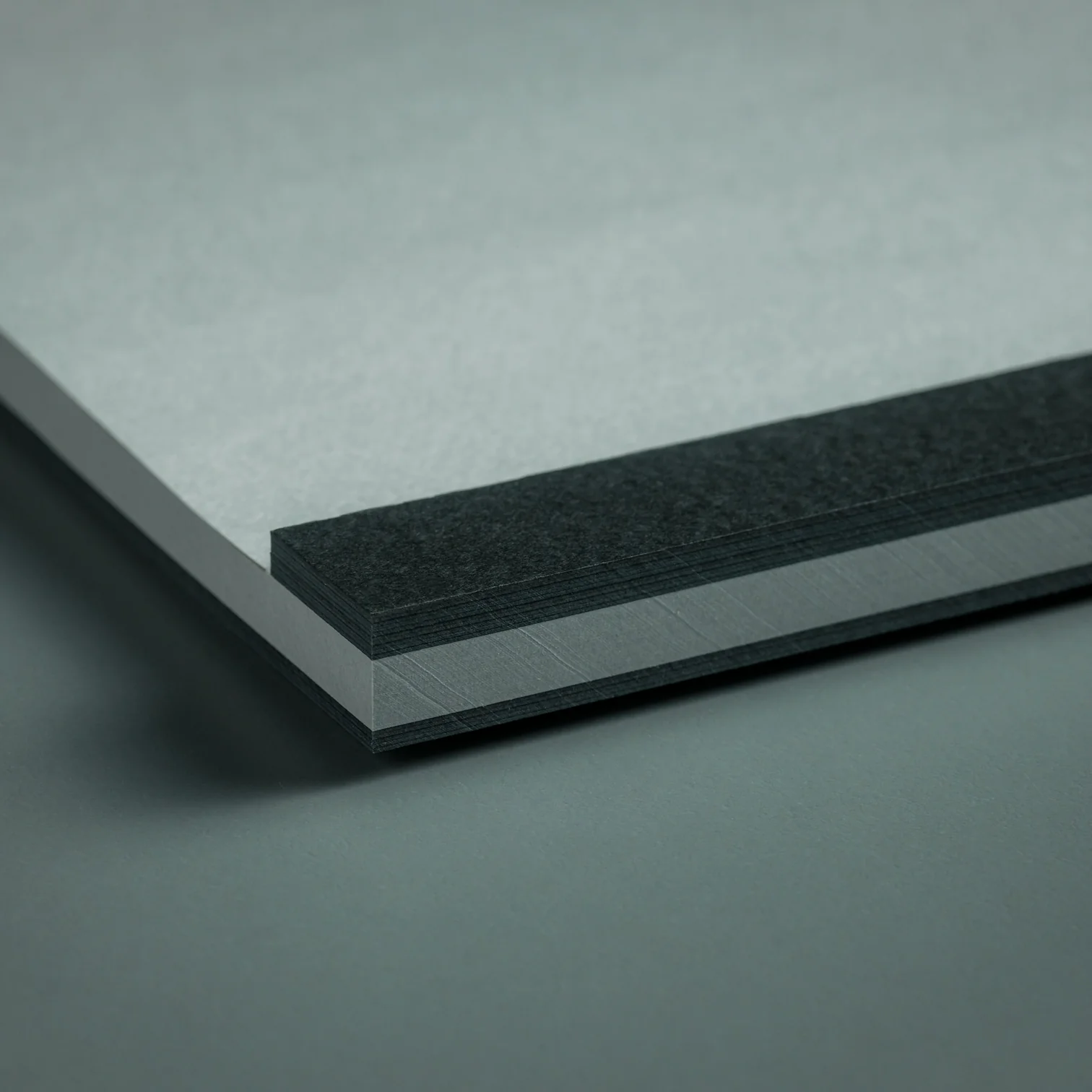
The Japanese Drawing Pad, despite having “drawing” in its name, isn’t just an art tool for artists, architects, and other visual creatives. It’s a blank, tactile surface that can be useful for anyone who likes to write, think, plan, or organize. And in a world that’s becoming an increasingly digital-analog hybrid, having a tool like this by your side whenever you need it is always a plus. It’s not just a regular drawing pad, though. It’s simply designed, but expertly crafted by masters in the bookbinding and papermaking industries, giving you paper that helps you create your own masterpiece, whether visual or written.

Click Here to Buy Now: Starting at $40. Get Everlasting All-metal Pencil Free ($19.95 Value). Hurry, this is a limited-time launch gift.

So if you’re like me and don’t need it for actual drawing, here are a few ways to get your money’s worth out of the Japanese Drawing Pad. No drawing skills needed.

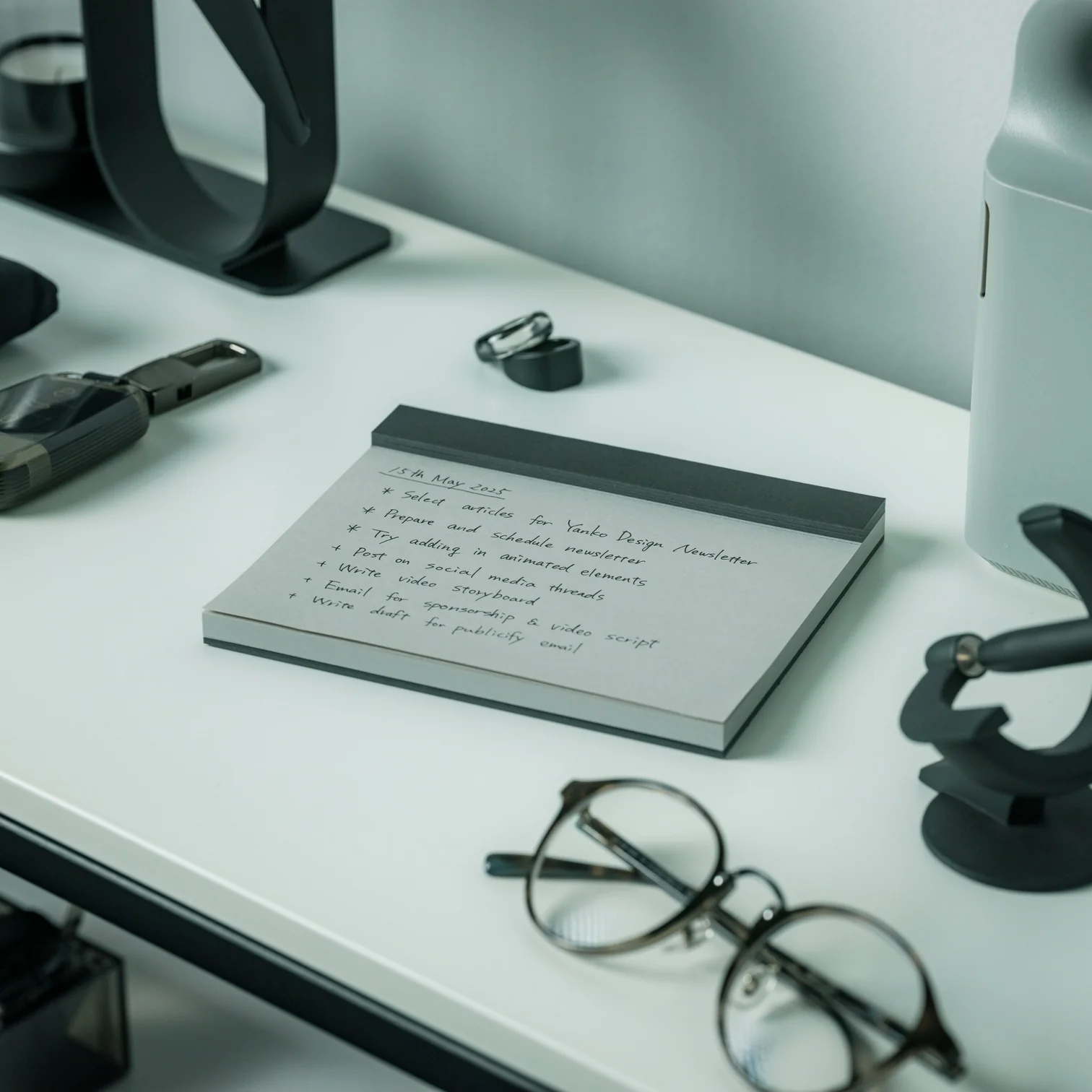
Brain-dump Your To-Do List

For those times when you just need to mindlessly dump out all your tasks, lists, and thoughts, this is the perfect place to do it. It doesn’t have a cover, so you get straight to the blank page you need. The tear-away pages make it easy to toss the list once you’re done, or stick it somewhere you’ll actually see it.

Create a Mood Board

The drawing pad can also serve as your analog Pinterest board. Use it to brainstorm a trip itinerary, visualize an outfit for an upcoming event, or build a vision board for your next few months. The microperforated pages tear easily and cleanly, so you can arrange them side by side on a wall or corkboard.

Take Notes in a Meeting (Without a Boring Notebook)

Meetings can drag on forever, but having a unique tool to take notes with can make them feel a little less like a slog. The Drawing Pad’s gray paper and black base give it a sleeker, more distinctive look than your average notepad, so pulling it out mid-meeting feels less like a chore and more like an upgrade.

Mind-mapping and Brainstorming

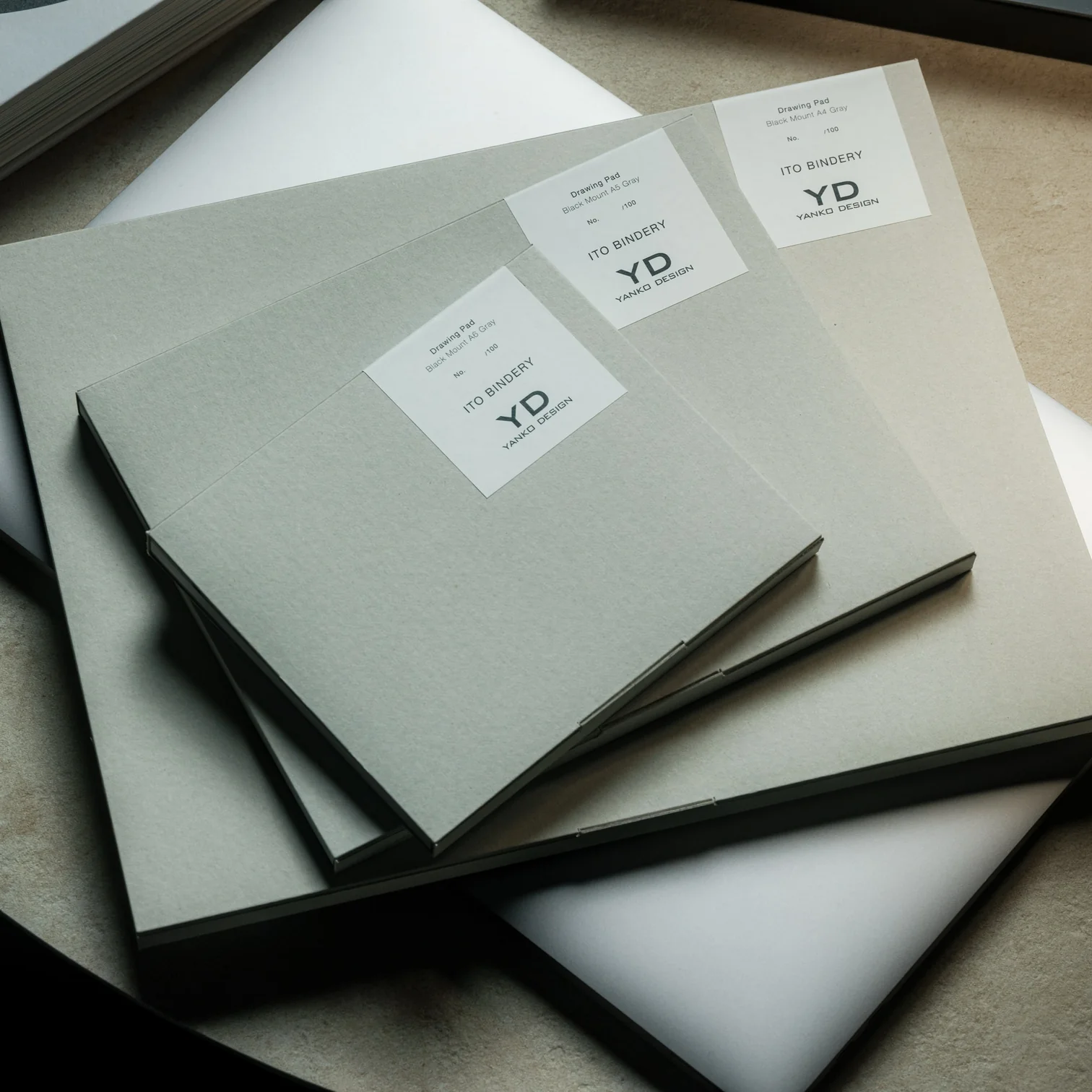
Having a freeform space without any lines is ideal for when you need to jot down branching ideas, bubbles, and connections. It also comes in different sizes (A6, A5, and A4), so you can choose how much space you need for these brainstorming sessions, even if the meeting is just with yourself.

Journaling

Whether you need a space for habit tracking, junk journaling, or creative writing prompts, the premium feel of the paper will make your journaling ritual more satisfying. If you tear off the pages, you can attach them to your other journals or use the loose-leaf sheets to build a journal of your own.

Teaching Kids (or Yourself) Letters, Numbers, and Shapes

The pad can also double as a lesson space for kids who are still learning to write their letters, numbers, or shapes, offering a low-pressure surface with no stakes attached. And if you’re learning a new language that uses characters different from what you’re used to, it can be your practice space, too.

Doodling to De-stress

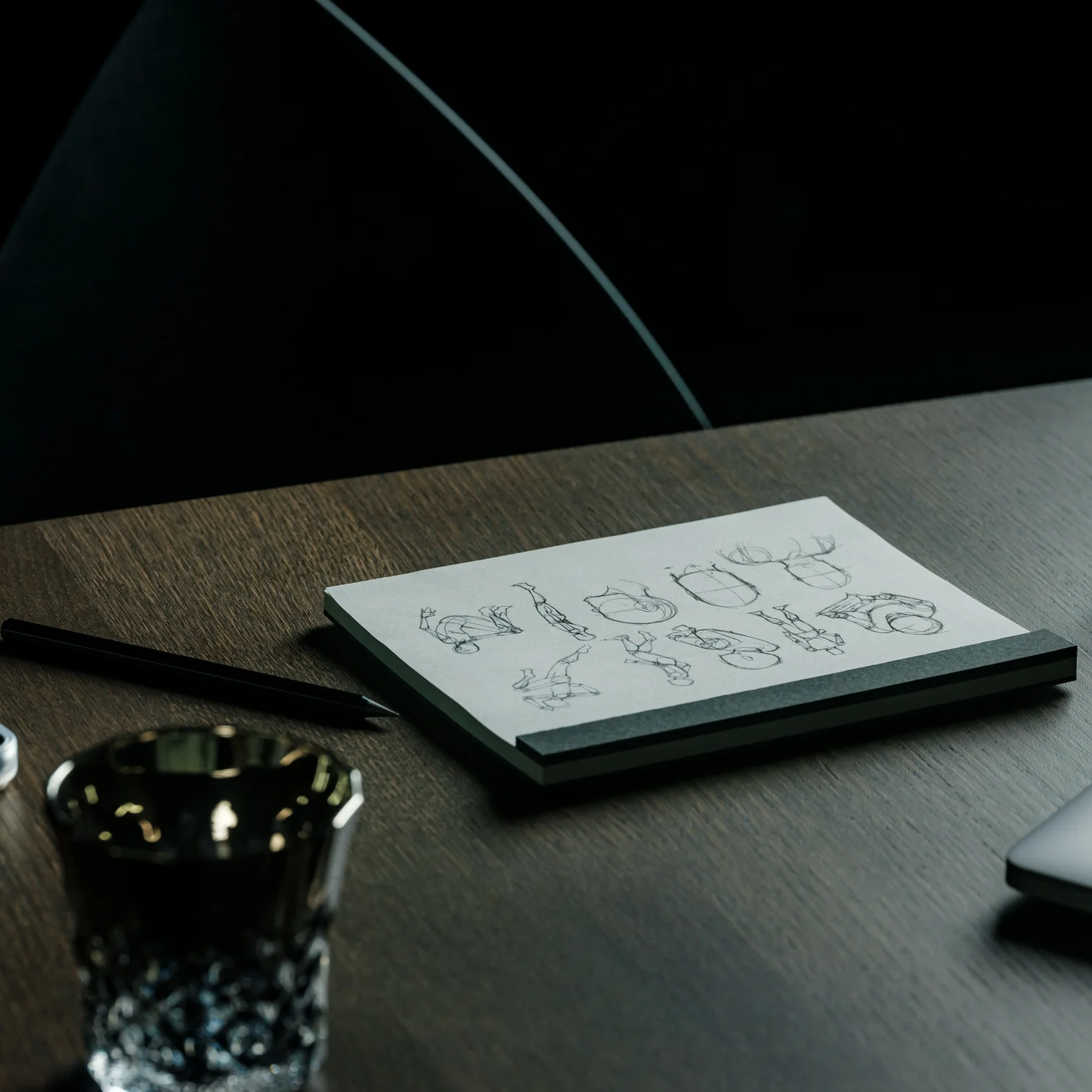
Even if you’re not an artist who can draw well, there may be times when you just want to doodle your stress away. Whether you’re sketching the meal you just ate, dreaming up an imaginary creature to fight off boredom, or scribbling whatever abstract shapes come to mind, the pad puts no pressure on you to be “good.” It’s simply a tactile stress outlet.

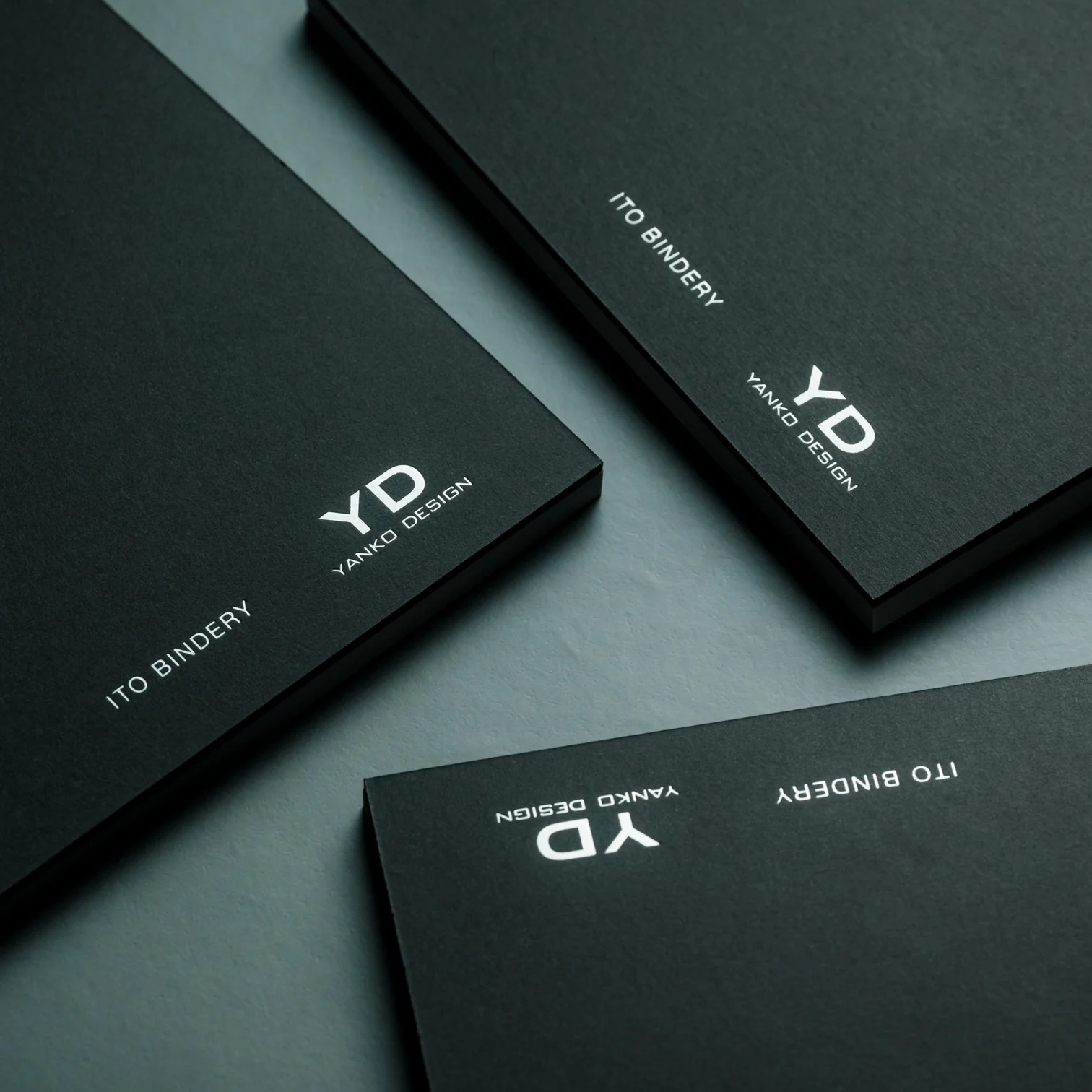
Beyond what’s already been covered, the Japanese Drawing Pad has a few more details worth knowing. Every pad is handmade by ITO Bindery, a Japanese bookbindery that’s been at it since 1938. The binding glue is still brushed on by hand, and each microperforation is checked for consistency by trained craftspeople rather than left entirely to machines. The pages themselves are premium paper (81.4 g/m²) mounted on a sturdy, recycled cardboard base, and each sheet tears away cleanly without leaving any strays behind on the page. This particular edition is also limited to just 100 individually numbered pads per size, which makes the pad feel less like a disposable notepad and more like a small, functional collectible.

At the end of the day, you don’t need to be able to draw to justify owning something this well made. A design like the ITO BINDERY × YANKO DESIGN Drawing Pad earns its keep simply by being there, ready on your desk for the next to-do list, doodle, or half-formed idea you don’t want to lose. And that’s really the beauty of building an analog habit into an otherwise digital life: it doesn’t ask much of you, just a pen, a blank page, and a few free minutes. Whether it ends up full of to-do lists, mind maps, or terrible stick-figure doodles, this drawing pad might just become one of those small, everyday objects you didn’t know you needed until it’s part of your routine.

The post 7 Reasons Non-Artists Need a Drawing Pad on Their Desk first appeared on Yanko Design.

  •  

Finally Focus Without Your Phone: The $54 Wooden To-Do Kit

As someone who enjoys making lists, whether it’s productivity lists, pop culture rankings, journaling spreads, or actual listicles for work, I have accumulated more notebooks and apps than I probably need. Sometimes, though, what you really need isn’t another app or another notebook. What you need is something that forces you to focus on the one task that actually matters instead of getting distracted by pop-up windows, social media notifications, or the colorful pens and stickers calling your name from the journaling aisle.

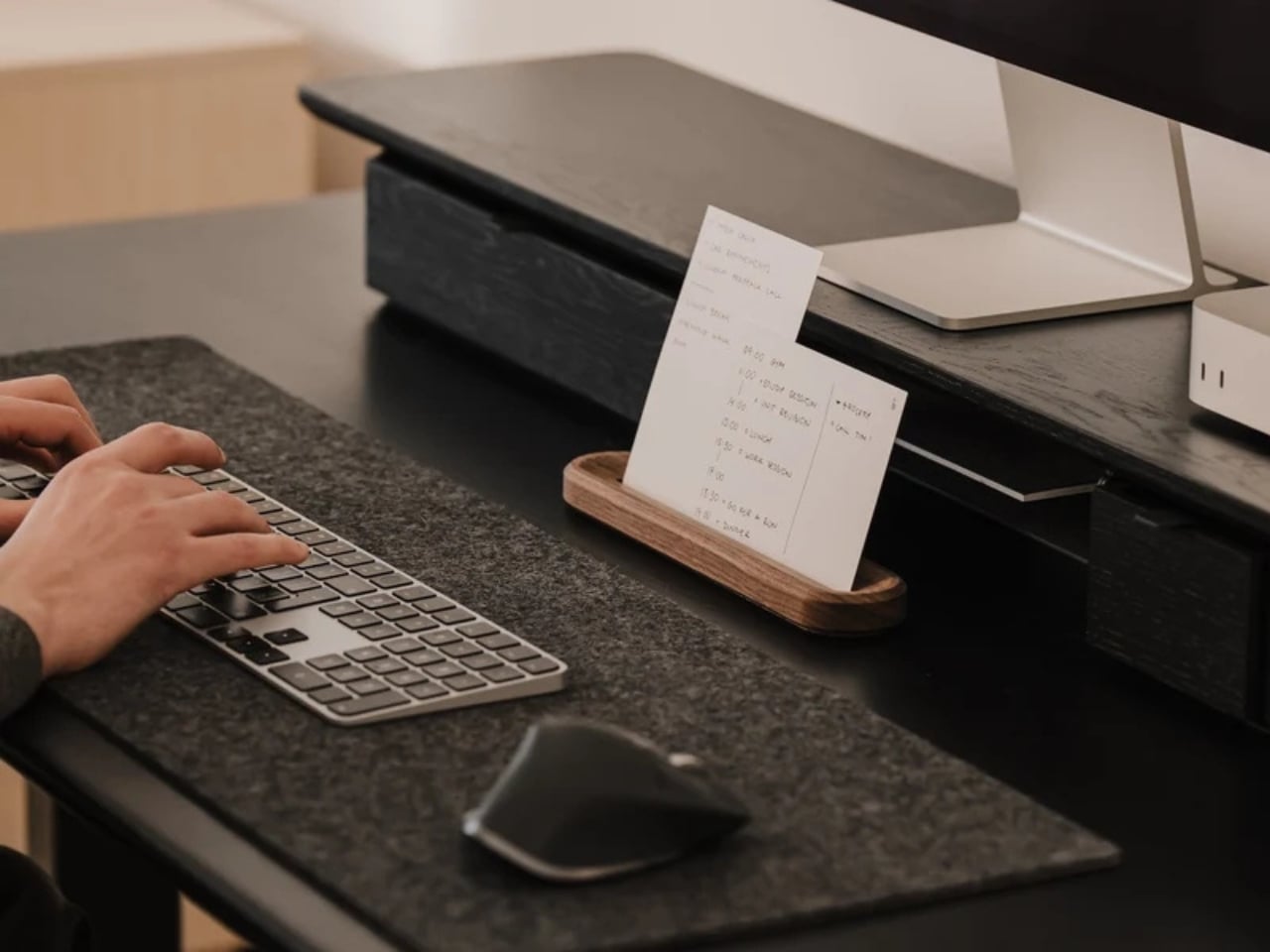
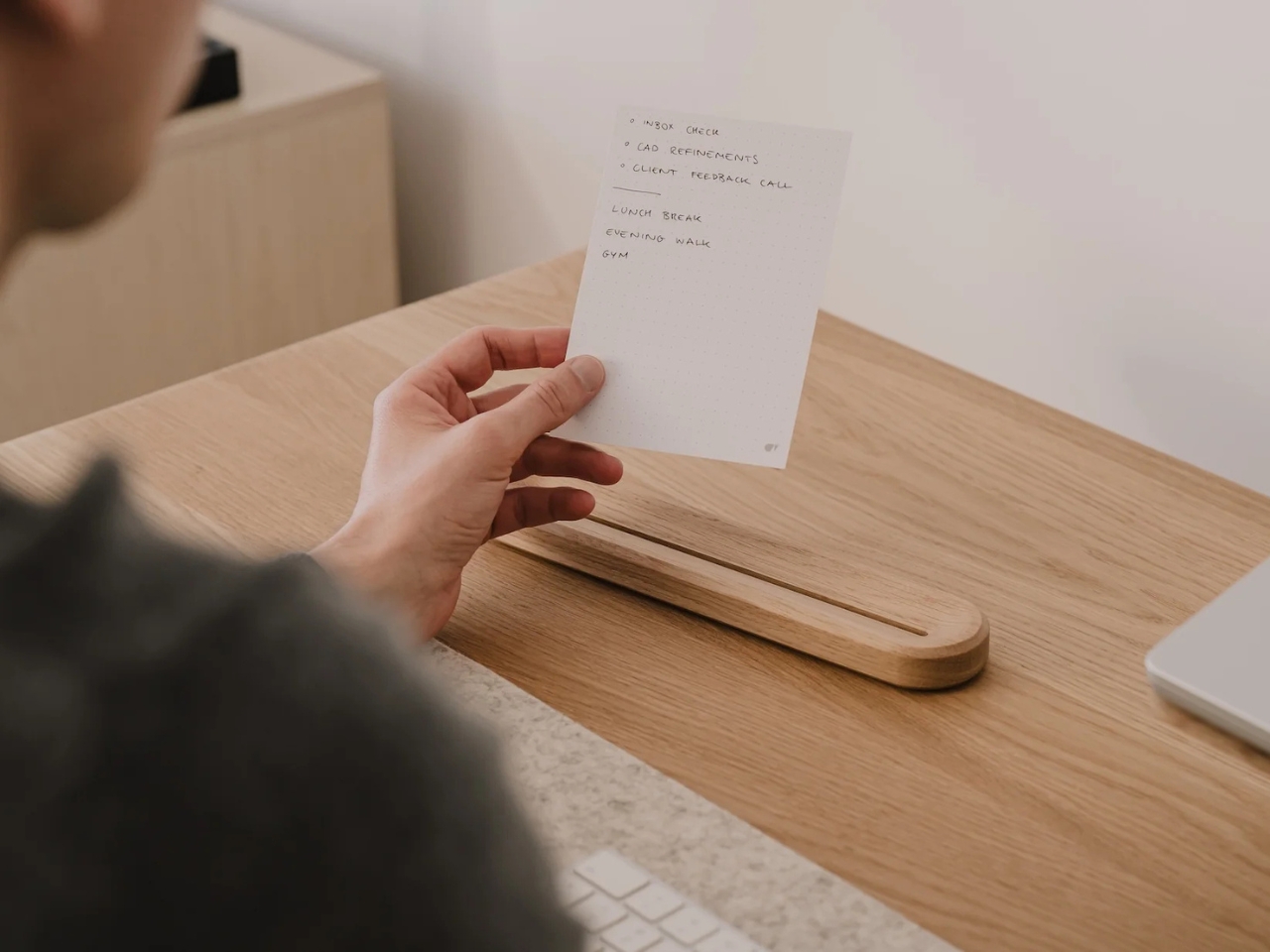
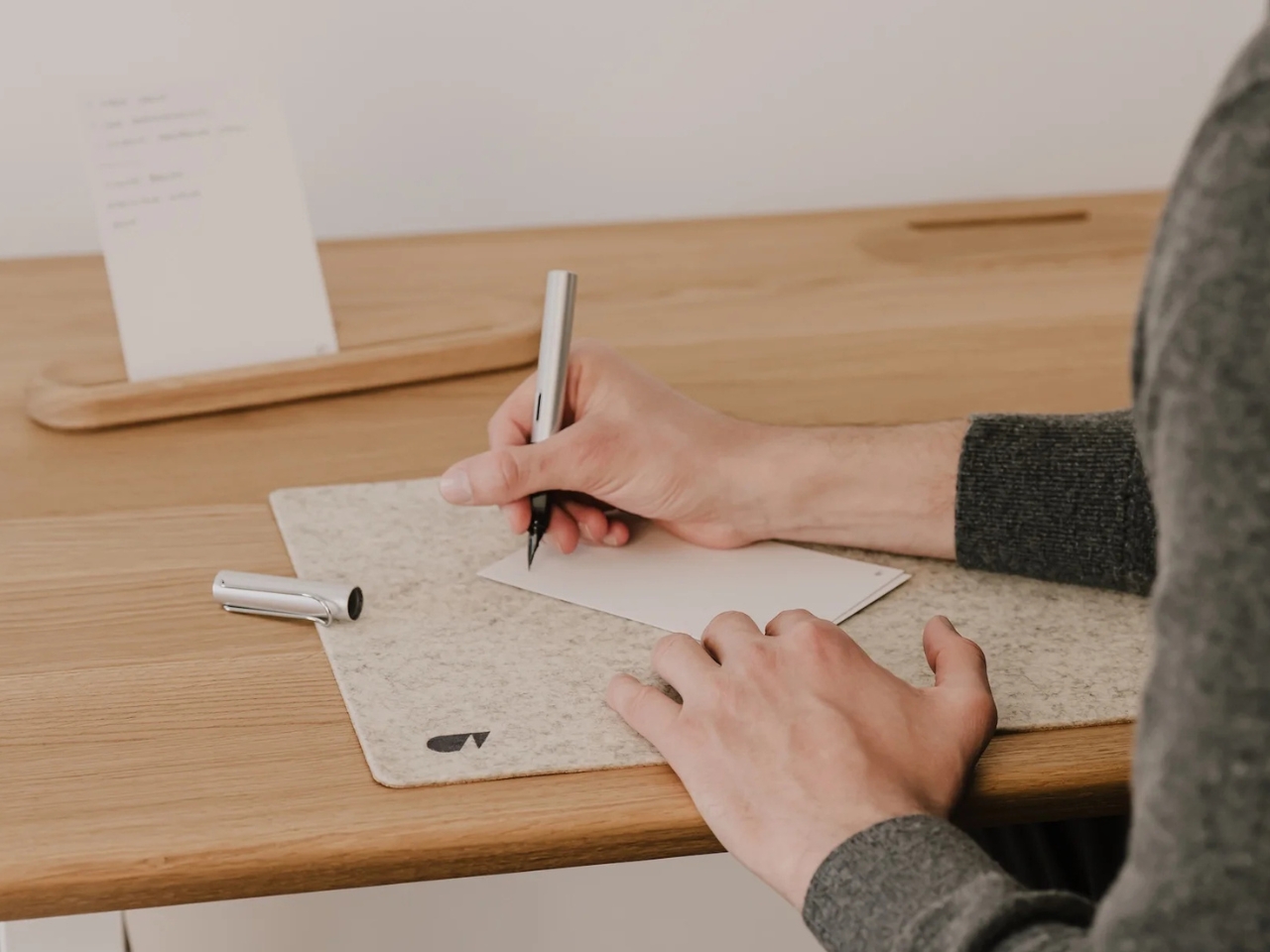
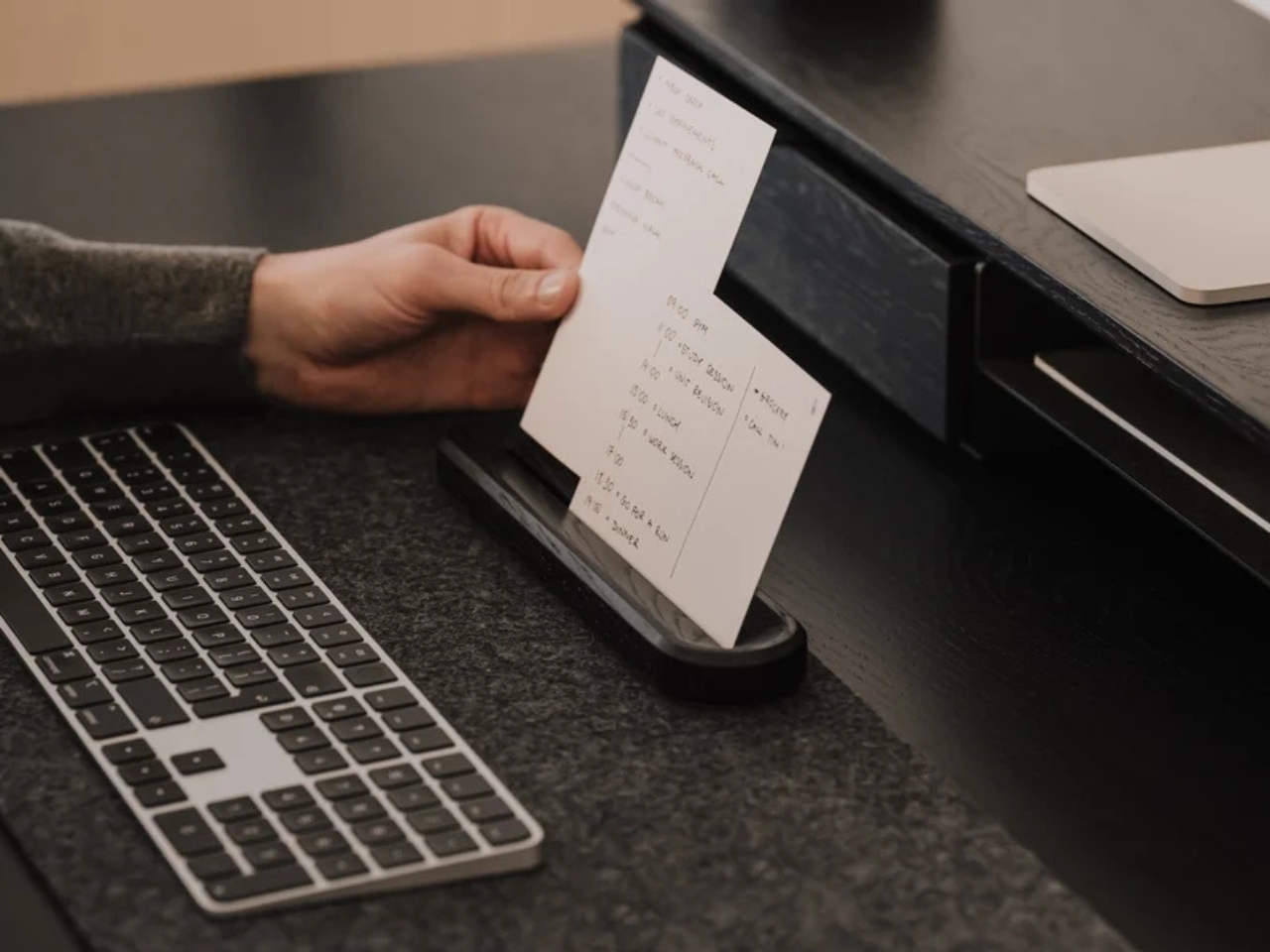
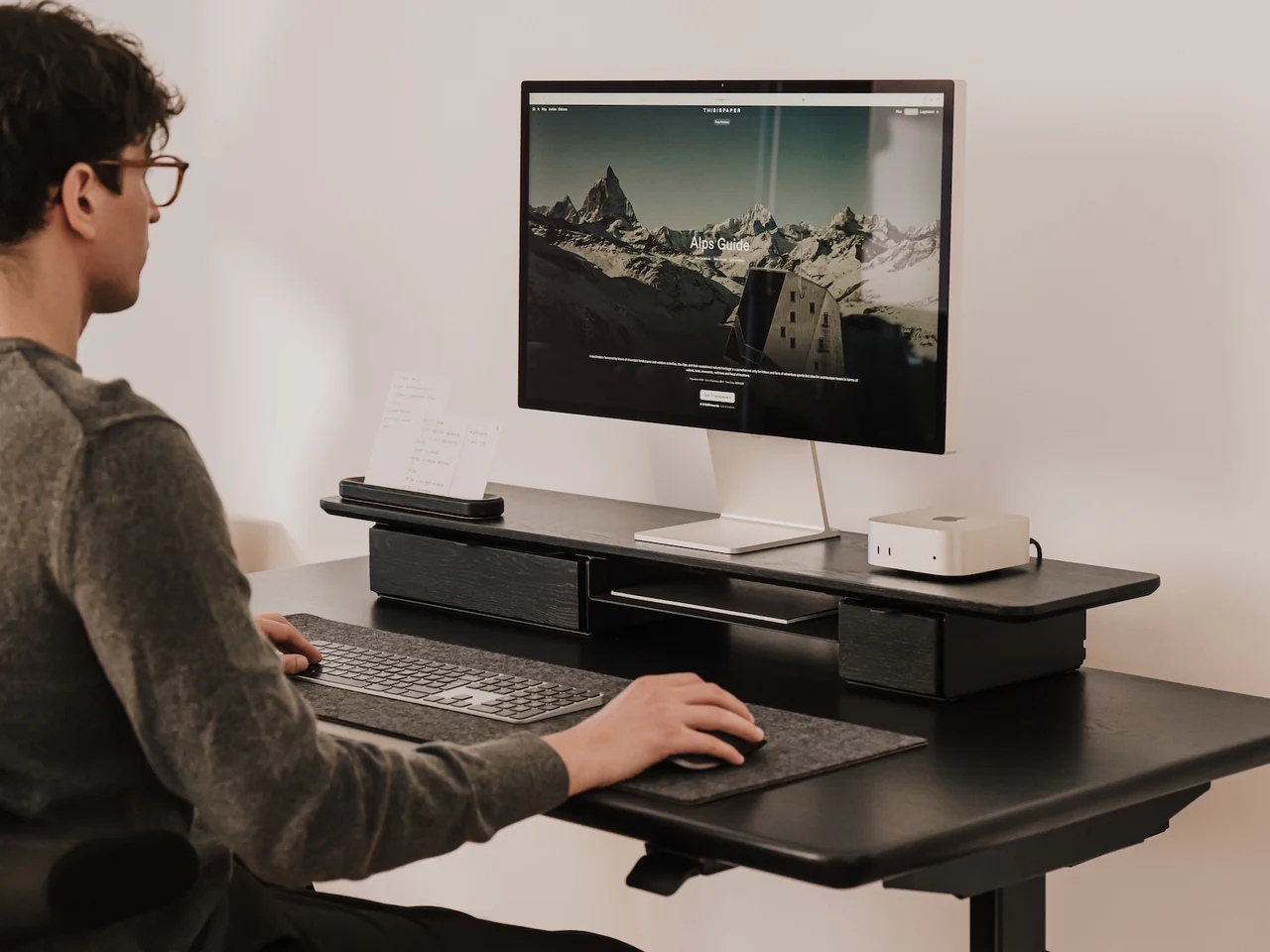
The To-Do Desk Kit from Oakywood wants to solve exactly that problem by narrowing your focus down to a single piece of paper, placed on a small wooden card holder, sitting right at eye level on your desk. It’s a simple, minimalist tool, but it’s designed with a clear purpose: to bring a bit of analog calm back to what is probably a screen-cluttered and object-cluttered workspace. Sure, you could just grab a notepad or scribble on a whiteboard, but this is a far more aesthetic and intentional way to work on your productivity, and it looks good doing it.

Design: Oakywood

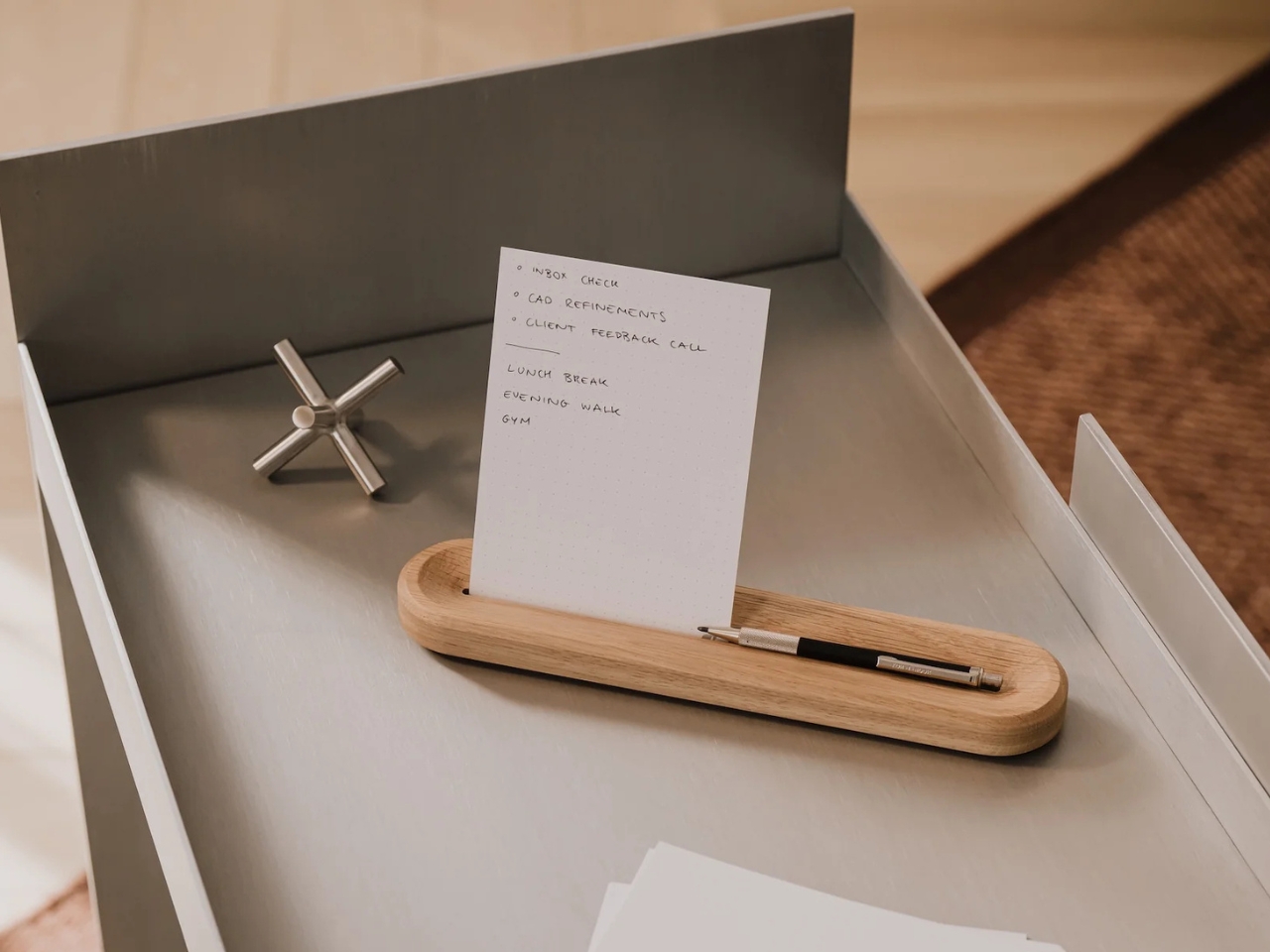
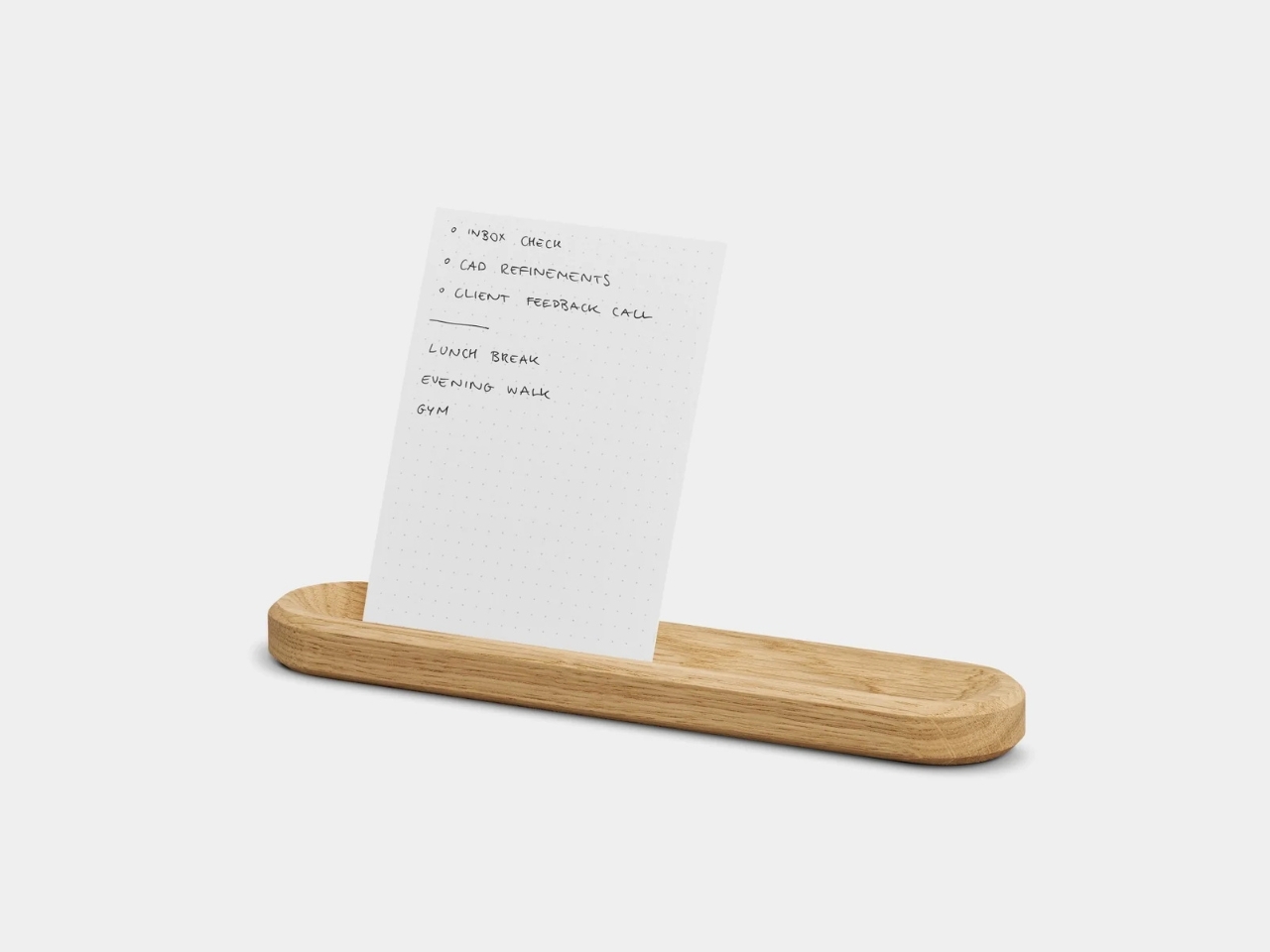
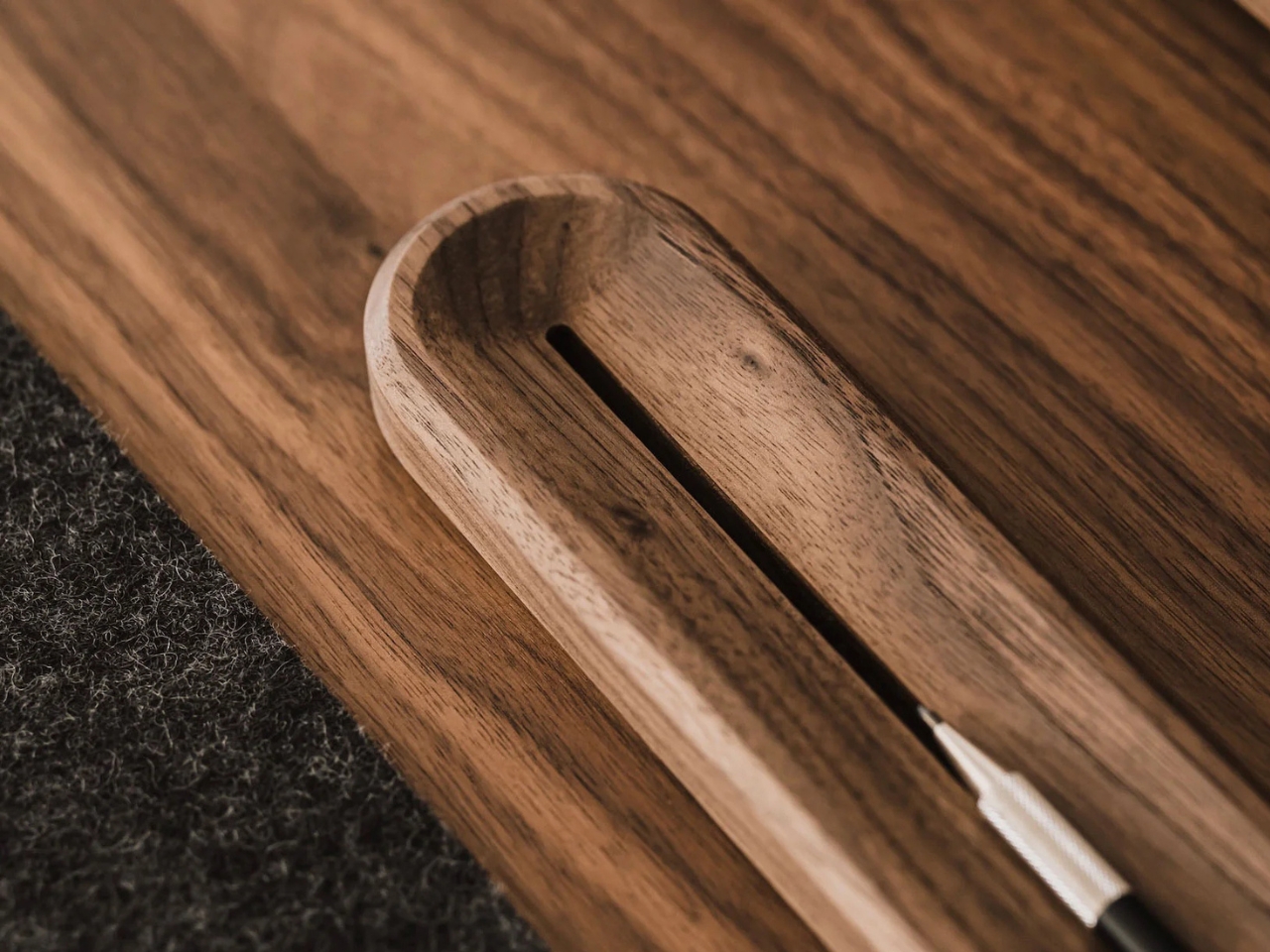
Oakywood, the brand behind the kit, is known for handcrafted wooden desk accessories, and this piece fits right into that world. The holder itself is made from solid oak or solid walnut, with a black finish also available if you prefer a more subdued look. There’s a slot to hold one or two cards vertically at eye level, so you can glance over whenever you need a reminder of what you’re supposed to be accomplishing, whether you’re deep in work on your computer or handling something entirely analog. Behind that visible card, the holder can actually stack up to eight more, so you’re never digging through a pile of loose paper to find your list.

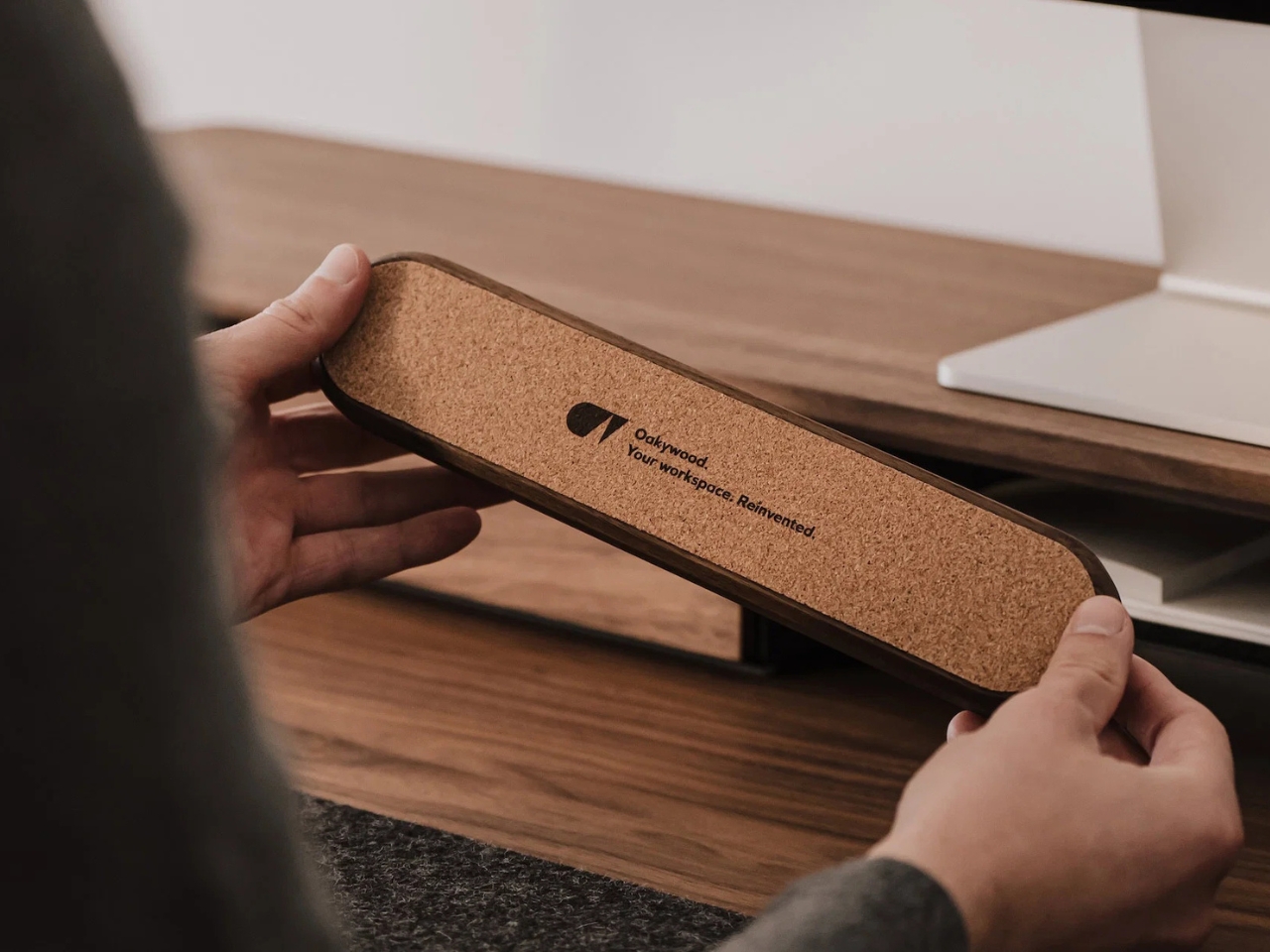
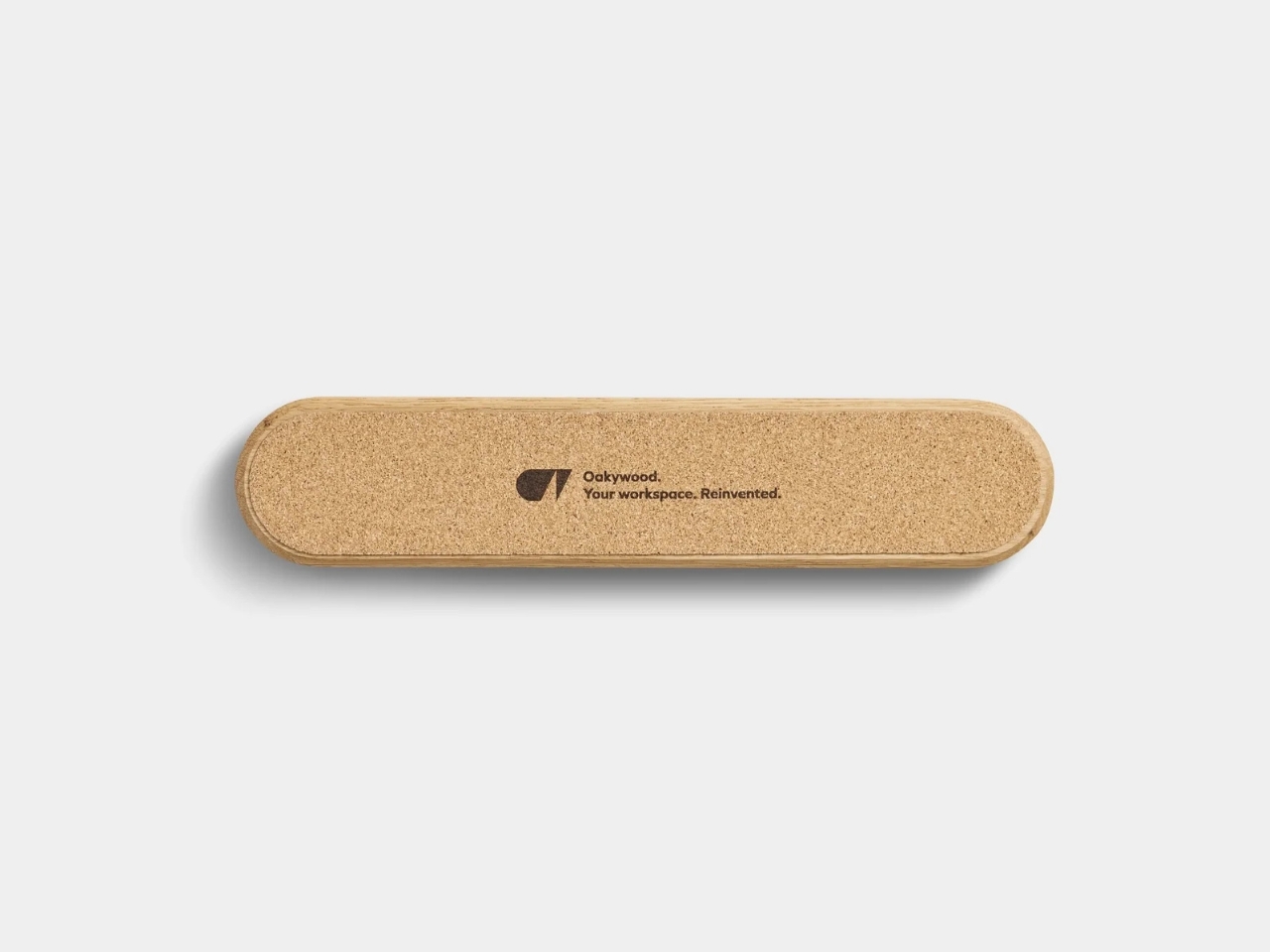
One of my favorite small details is the contoured groove carved into the block, which doubles as a pen dock. Instead of hunting around your desk for a pen every time you want to add a task or cross one off, it’s already sitting right there, built into the design. The base is lined with natural cork, too, which means it stays put on your desk and won’t leave scratches behind, no matter what material your desk is made of. It’s a small touch, but it shows the kind of thoughtful design that Oakywood puts into all of its pieces.

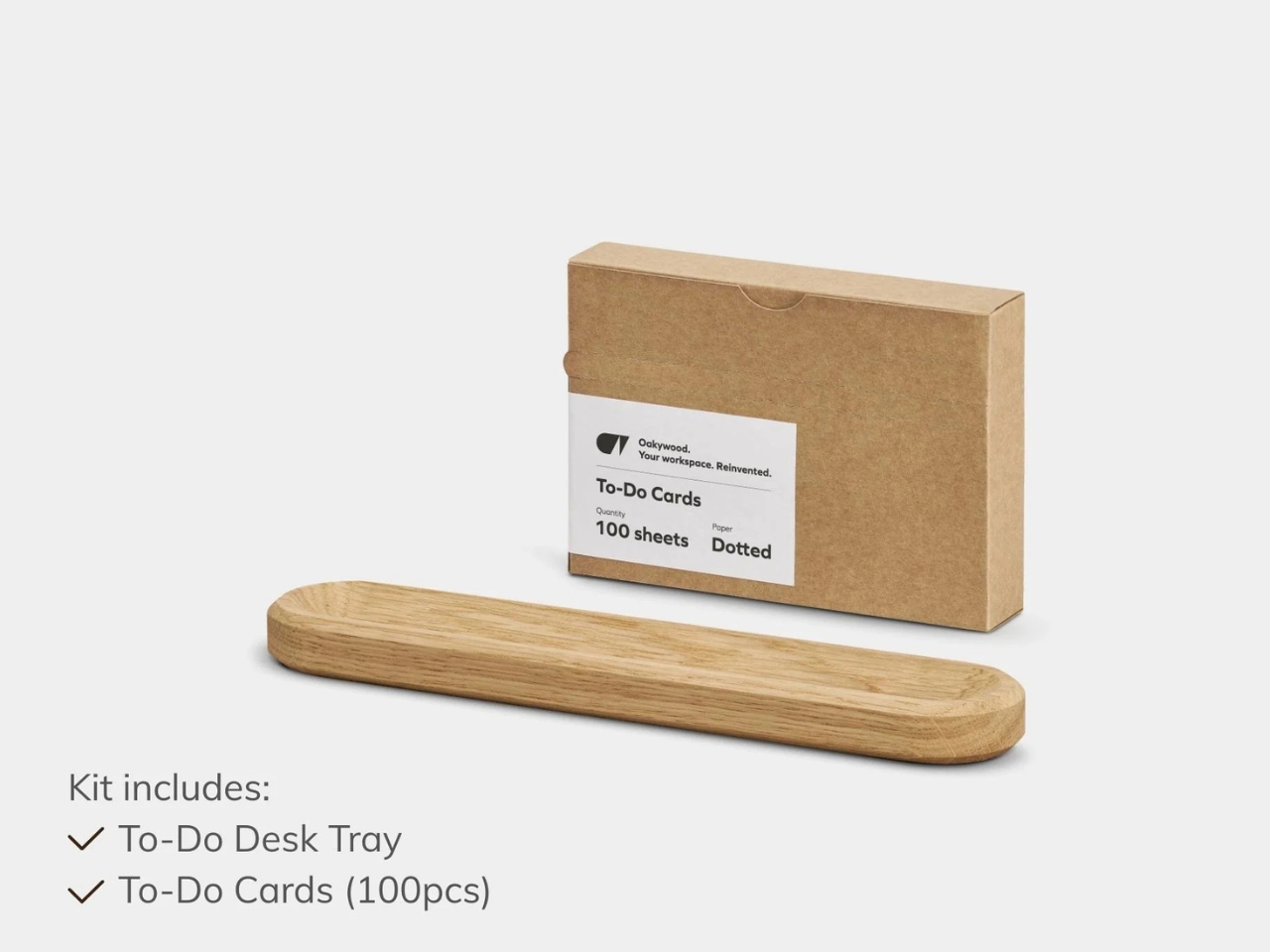
The kit also comes with a starter pack of 100 To-Do Cards, printed with a soft dotted grid on the front, similar to what you’d find in a bullet journal, and a completely blank back if you want more freedom. That blank side is a nice bonus for anyone who occasionally needs to sketch out an idea, map out a plan, or jot down something that does not fit neatly into a to-do list format. The cards are printed on premium 250-gram uncoated, FSC-certified offset paper, so pens, pencils, and even fountain pens will not smudge or bleed through. Refill packs are sold separately once you run through the starter set, though you could just as easily swap in your own card stock if you want to write your own affirmations, motivational quotes, or reminders instead.

It’s also worth mentioning that Oakywood plants a tree for every product sold, and the cards themselves are made from FSC-certified paper. If you already own an Oakywood laptop stand, pen tray, or wireless charger, the To-Do Desk Kit fits right into that same warm, wood-toned ecosystem, making your desk feel like one cohesive space instead of a pile of mismatched gadgets.

Priced at around fifty dollars, give or take a discount depending on when you catch it on sale, the To-Do Desk Kit isn’t just a productivity gadget. It’s a small, tactile object that makes sitting down to work feel a little more intentional. For anyone who loves collecting beautifully made desk pieces as much as they love checking things off a list, this feels like an easy addition to a growing collection, and an even easier way to talk yourself into finally starting that task you have been putting off. Sometimes all it takes is one card, one pen, and one clear line of sight to get moving again.

The post Finally Focus Without Your Phone: The $54 Wooden To-Do Kit first appeared on Yanko Design.
  •  
❌