❌

Vue lecture

25-foot motorhome with flexible interior has private shower, murphy bed, and home office on the road

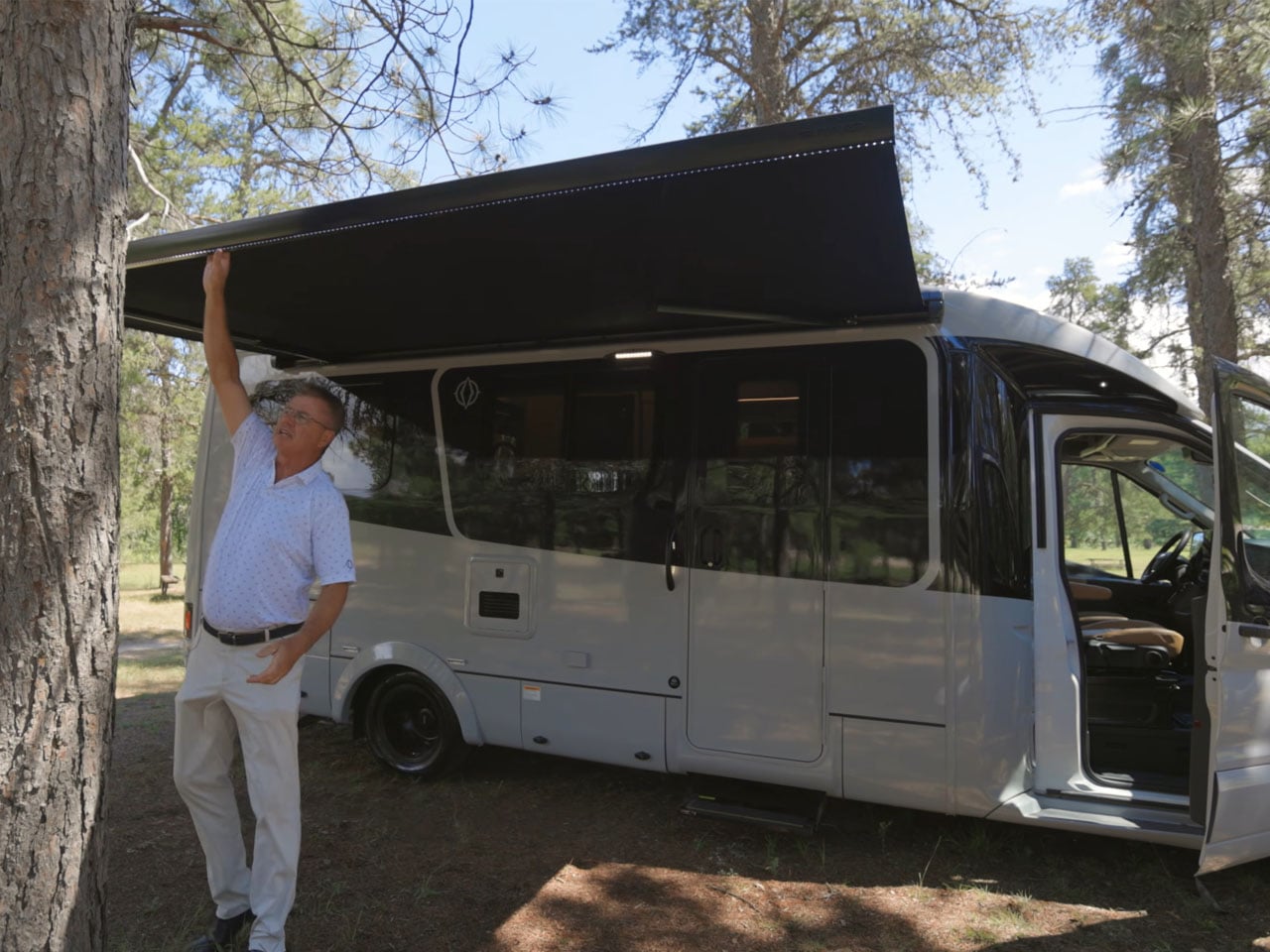
Looking for a motorhome that has two living areas, a private bathroom with a stand-up shower, a big bed to sleep in after a long day, and still has room to fit in a desk to work on the move? Welcome the new Wonder Series Motorhome for 2027 from Canadian builder Leisure Travel Vans.

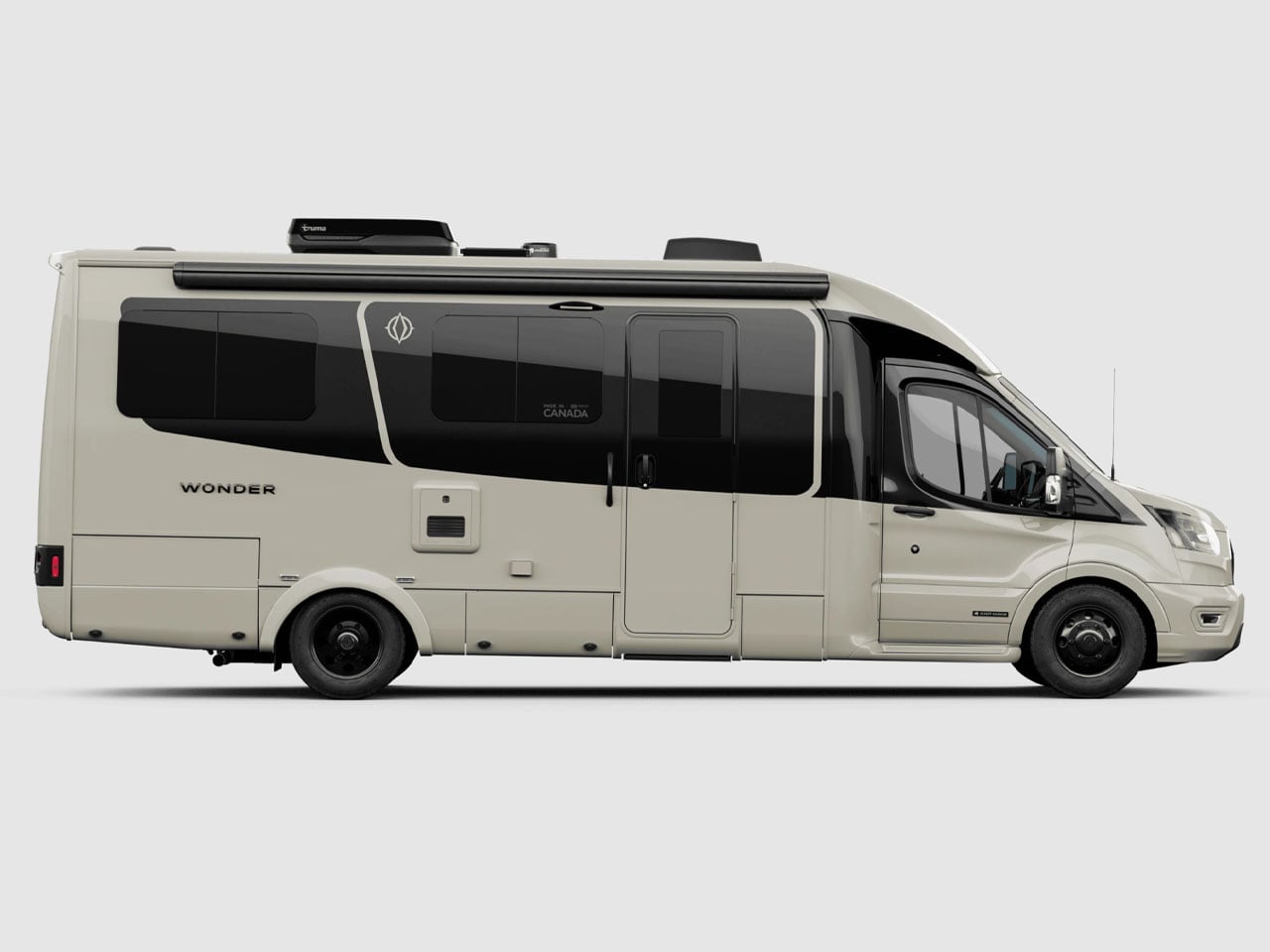
Leisure Travel Vans is famous for packing in a lot of usable space in a Class C motorhome, which other manufacturers wouldn’t dare. Check, for instance, this new 2027 Wonder FX, which is a flexible mobile home measuring under 25 feet (24.9 ft) in length and 10 feet high. Arriving with a brand-new floor plan, the motorhome is designed to be a place where you will never miss your home. How? Let’s figure out together in detail below.

Designer: Leisure Travel Vans

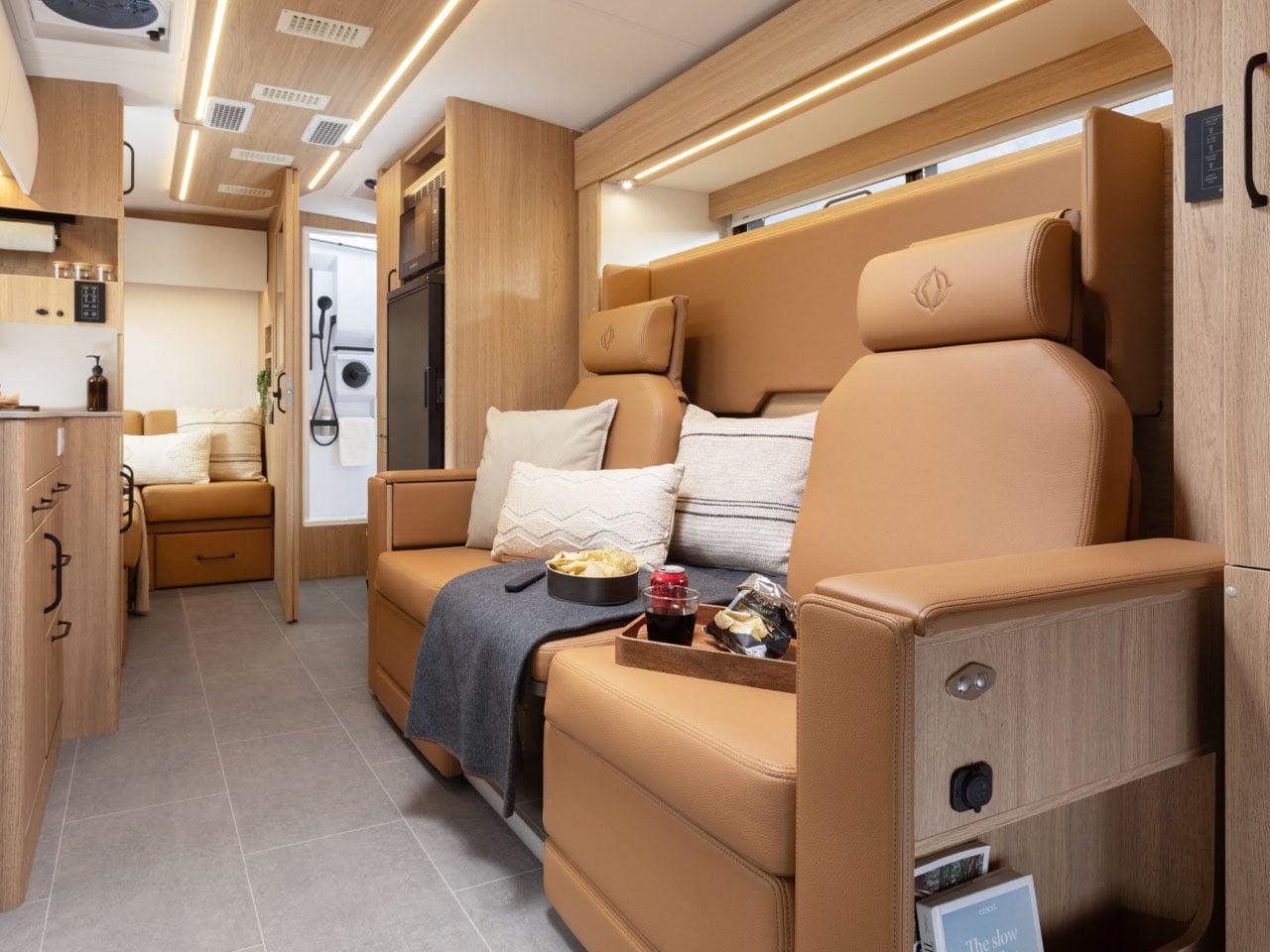
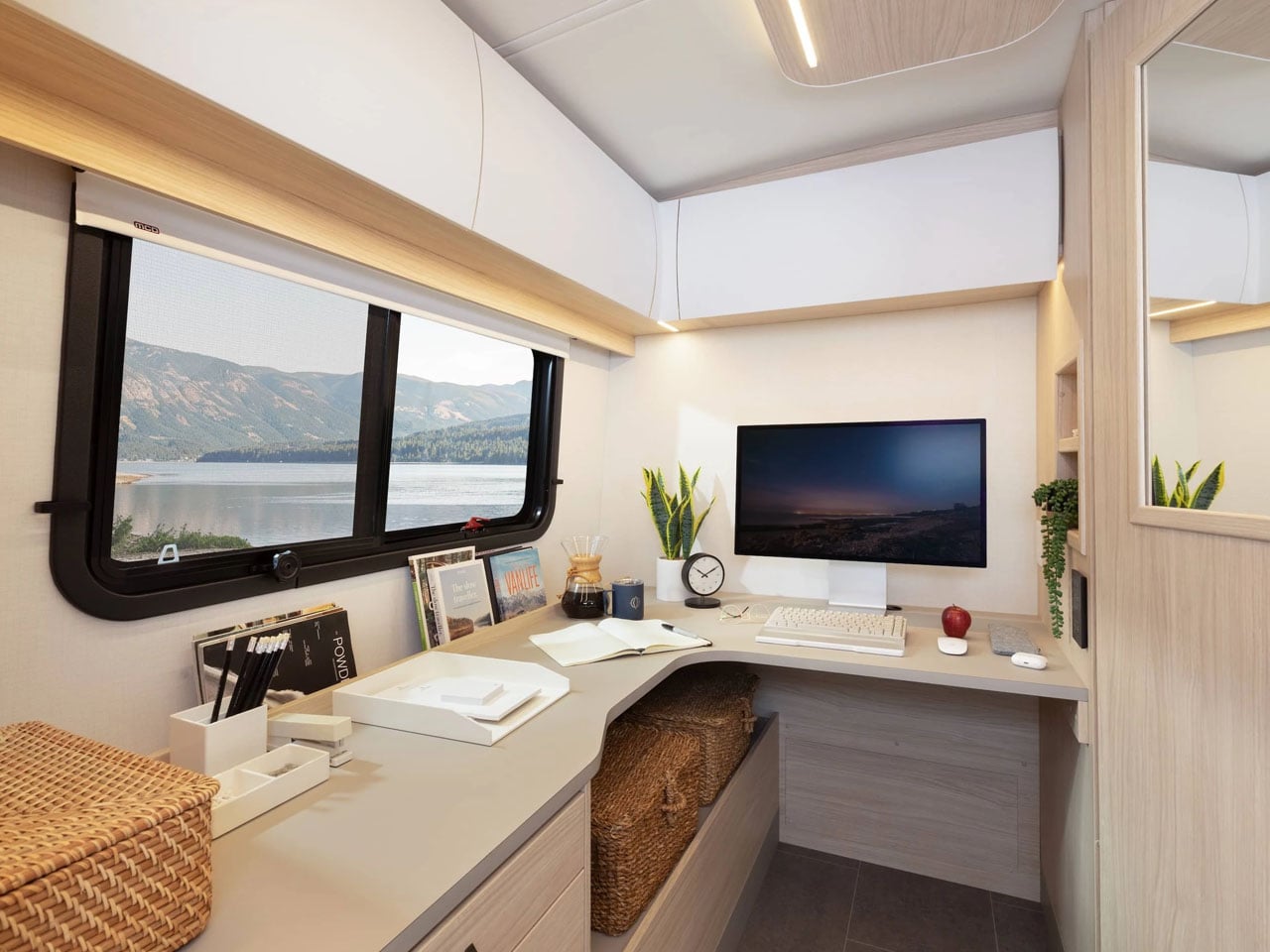
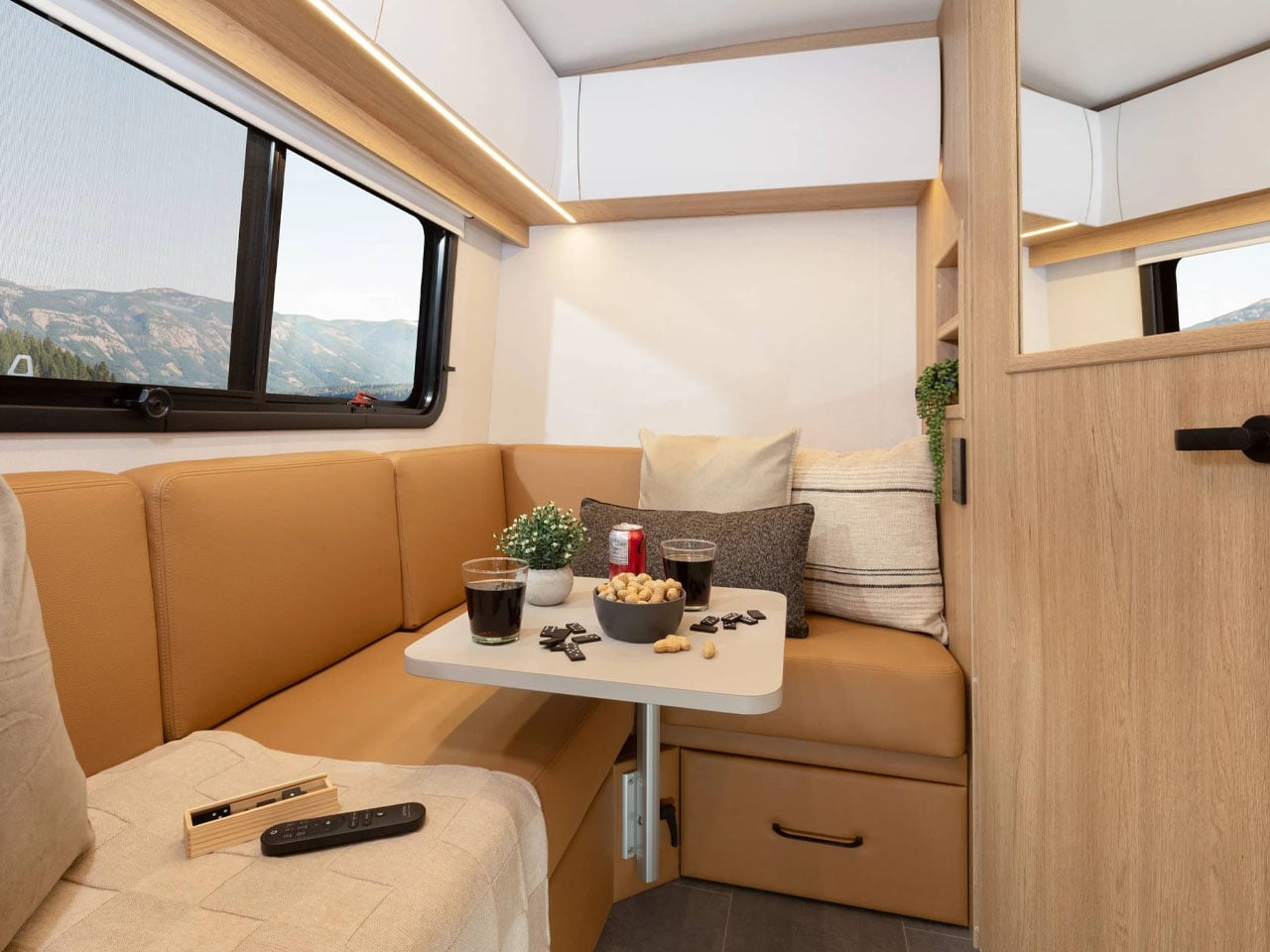
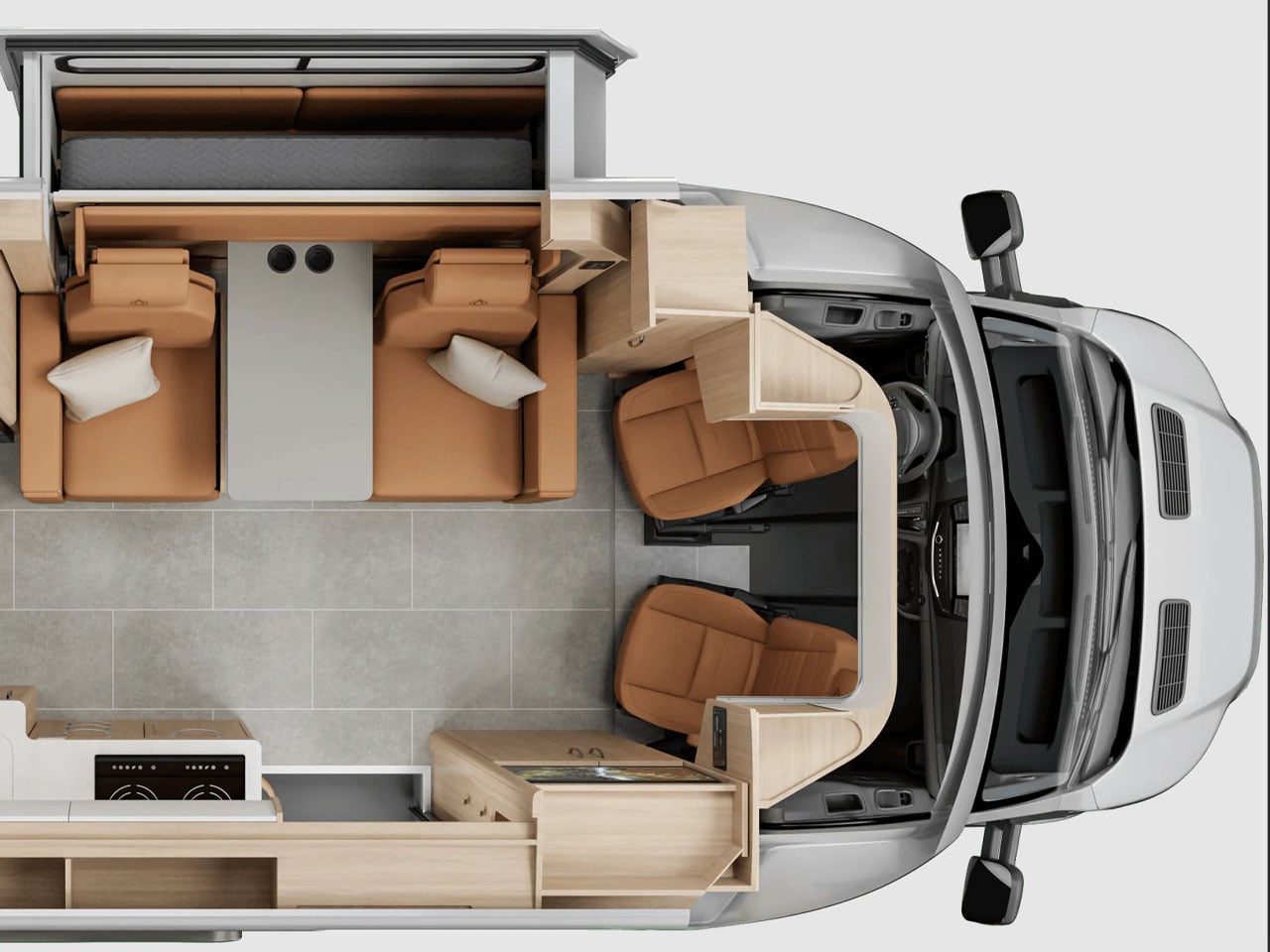
An interesting display of transforming furniture, a dry bathroom, and a living room-like home theater setup, the Wonder FX comprises a floor plan that adapts to your needs. At the back of the motorhome is the nice L-shaped leather couch with a big awning-style window. A sizable TV can be mounted right in front of the sofa. Available for customization for clients, the Wonder FX comes with some premium color and material options that can be picked to personalize the interior. The option to transform the living area into a home office is my personal favorite choice on this motorhome. Desk or living area – the choice is yours!

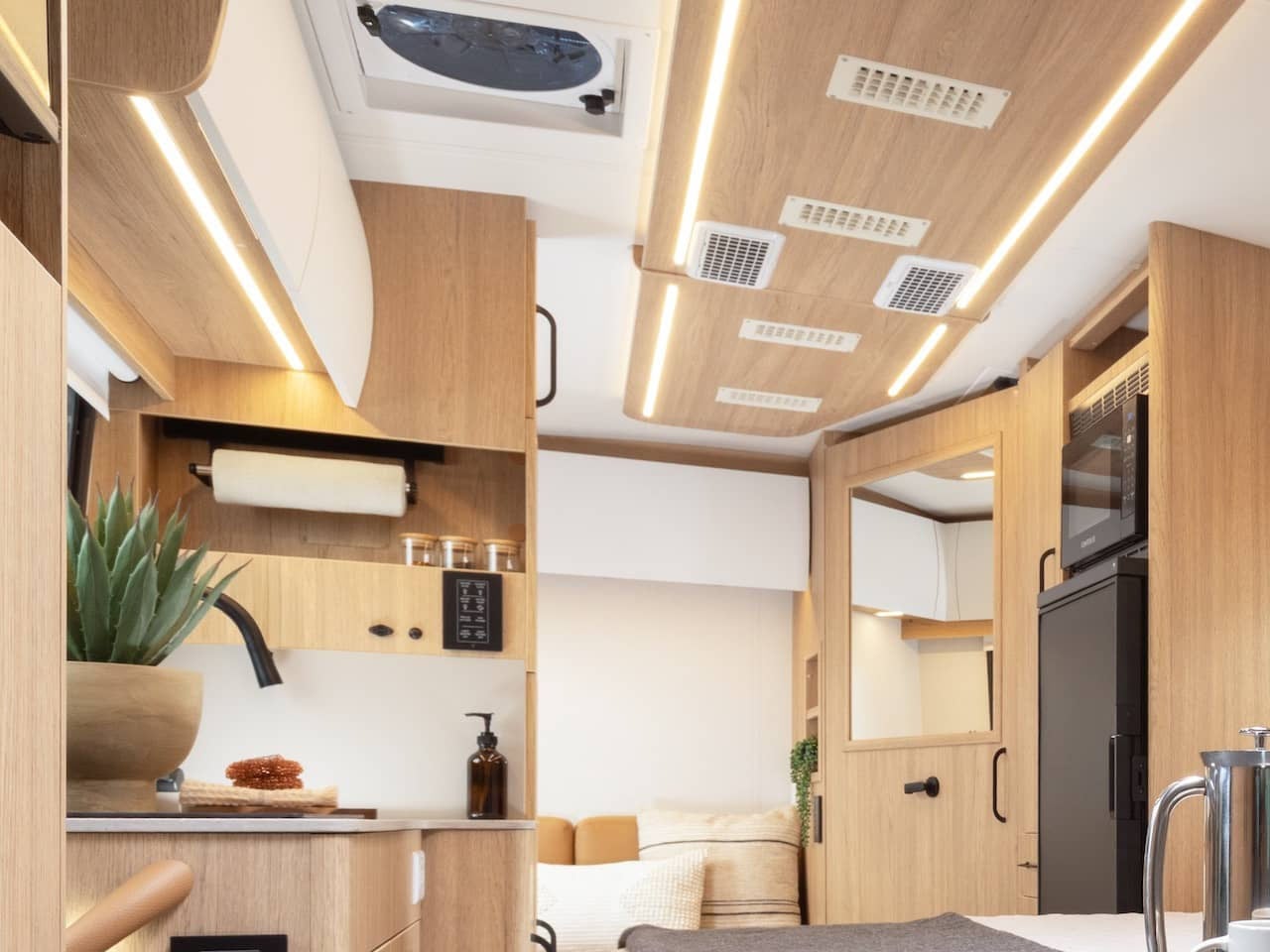
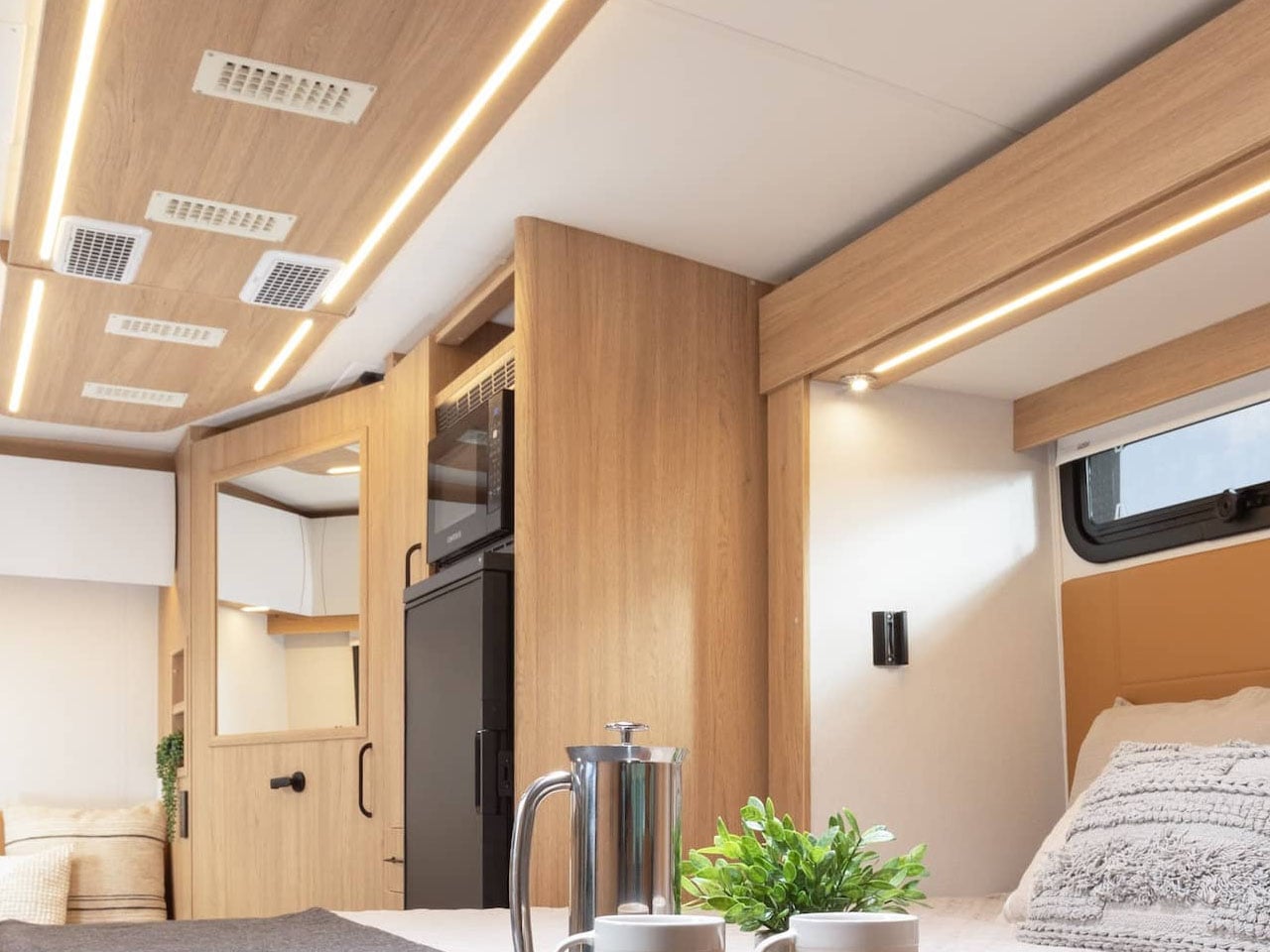
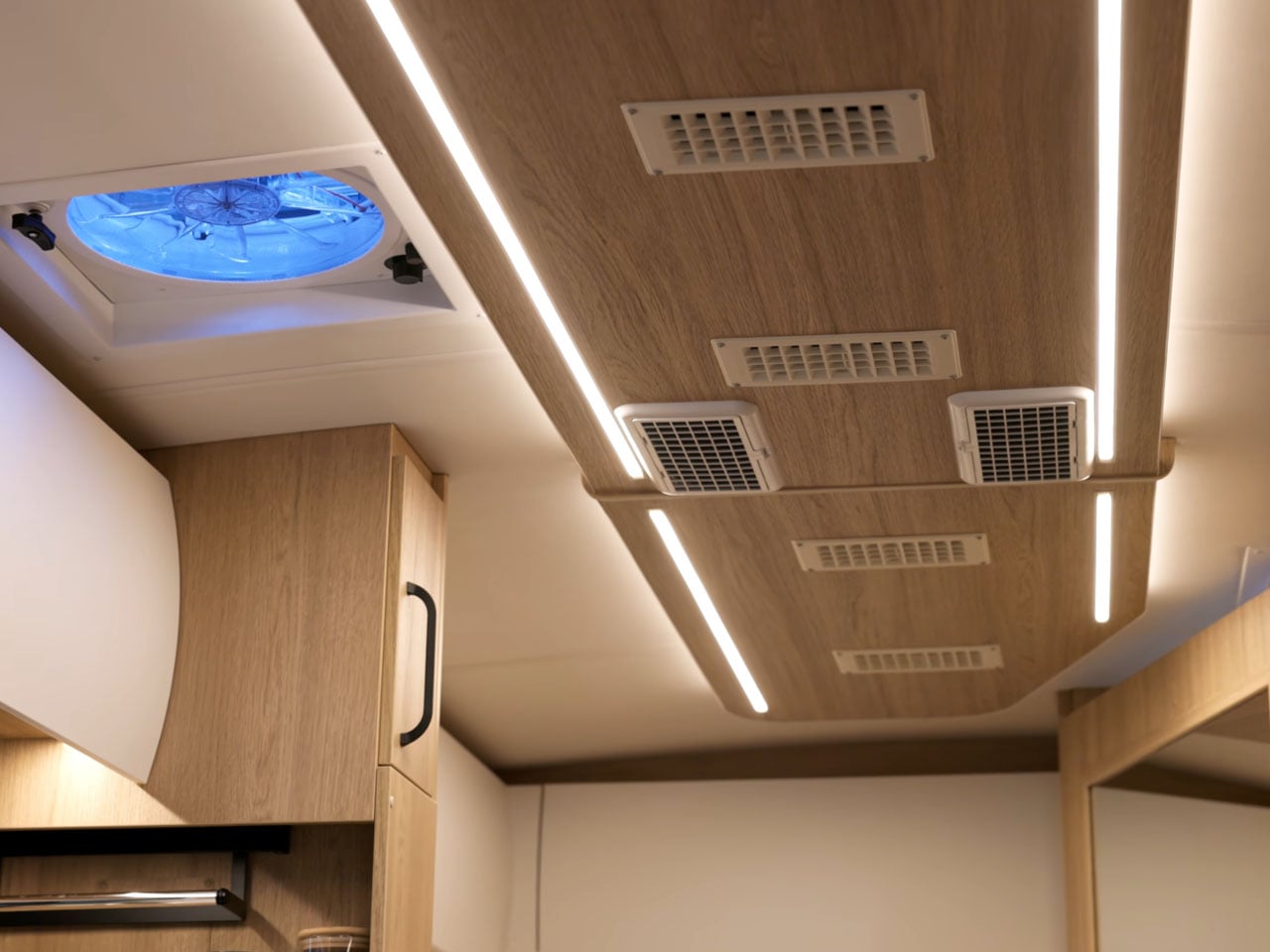
The entire length of the motor home alley is well lit by light strips, while the ducted air conditioning and heat furnace installed maintain the temperature inside the premium finished interior. The AC and the power: USB and USB-C outlets in the living room are powered by the battery and the onboard inverter (details later). The living room is finished with pull-out drawers in the sofa, overhead curved storage space, also running in an L-shape, and a lagoon table which you can use for casual work, if you’re not going to work excessively when on the road.

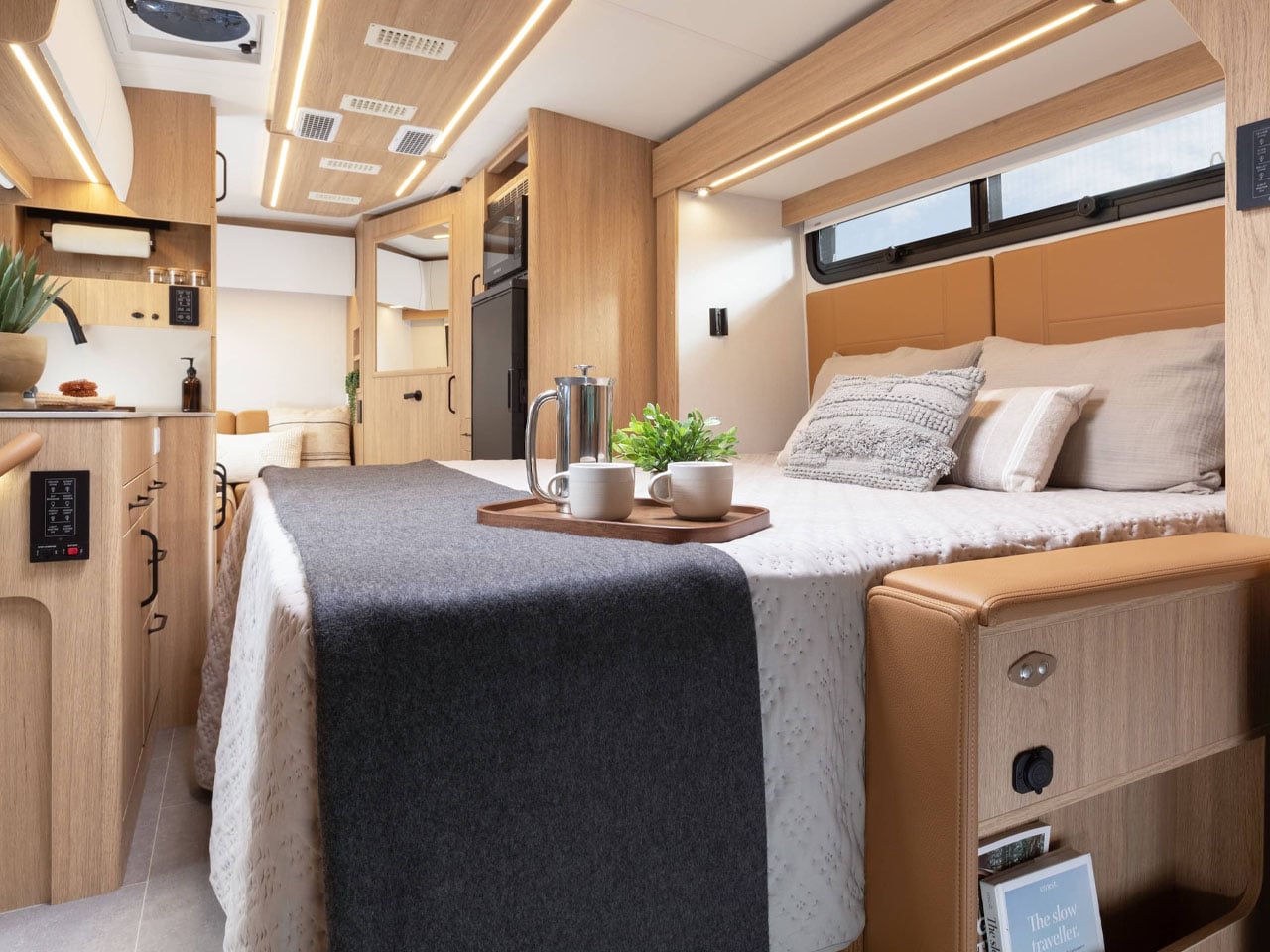
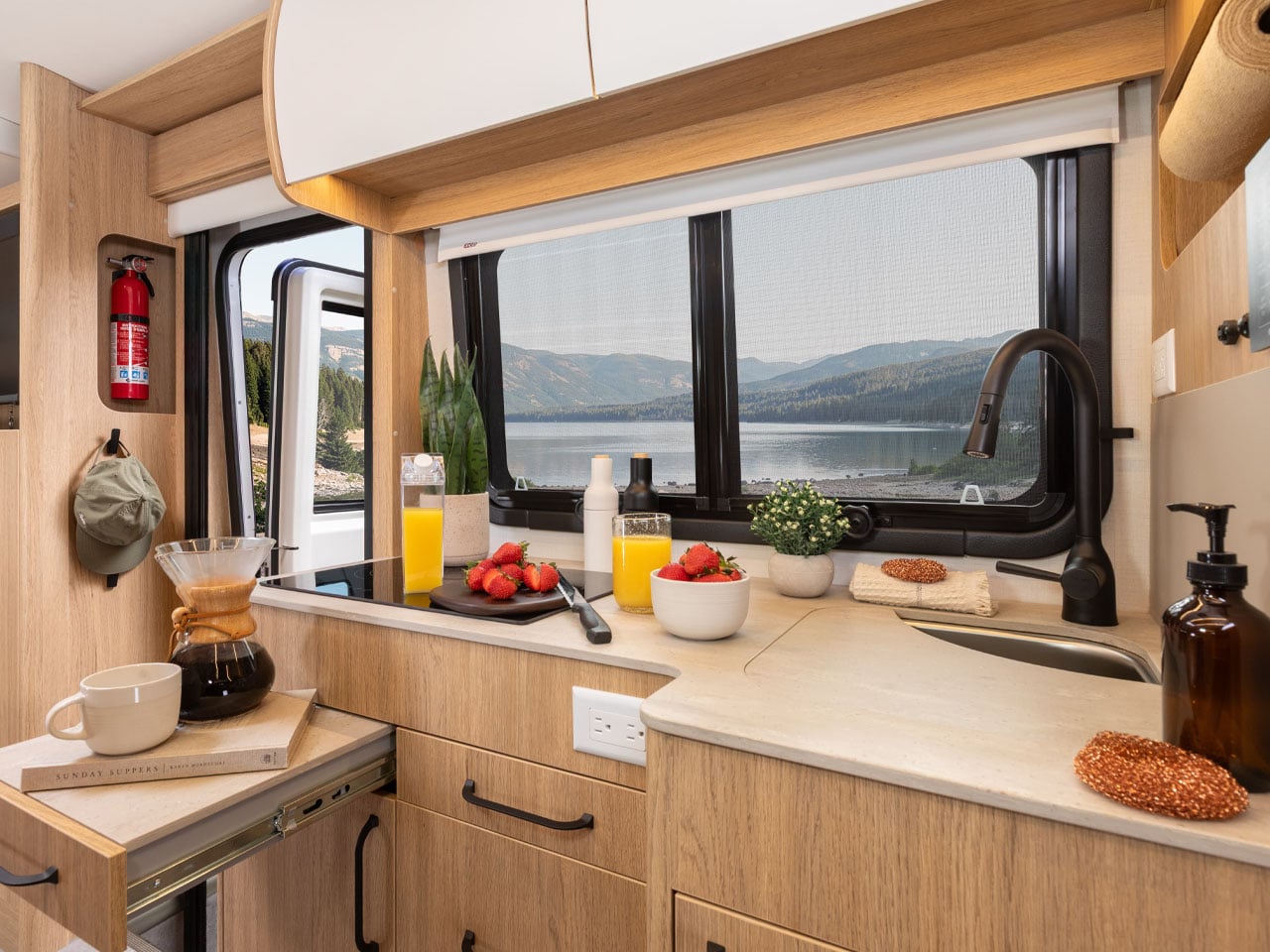
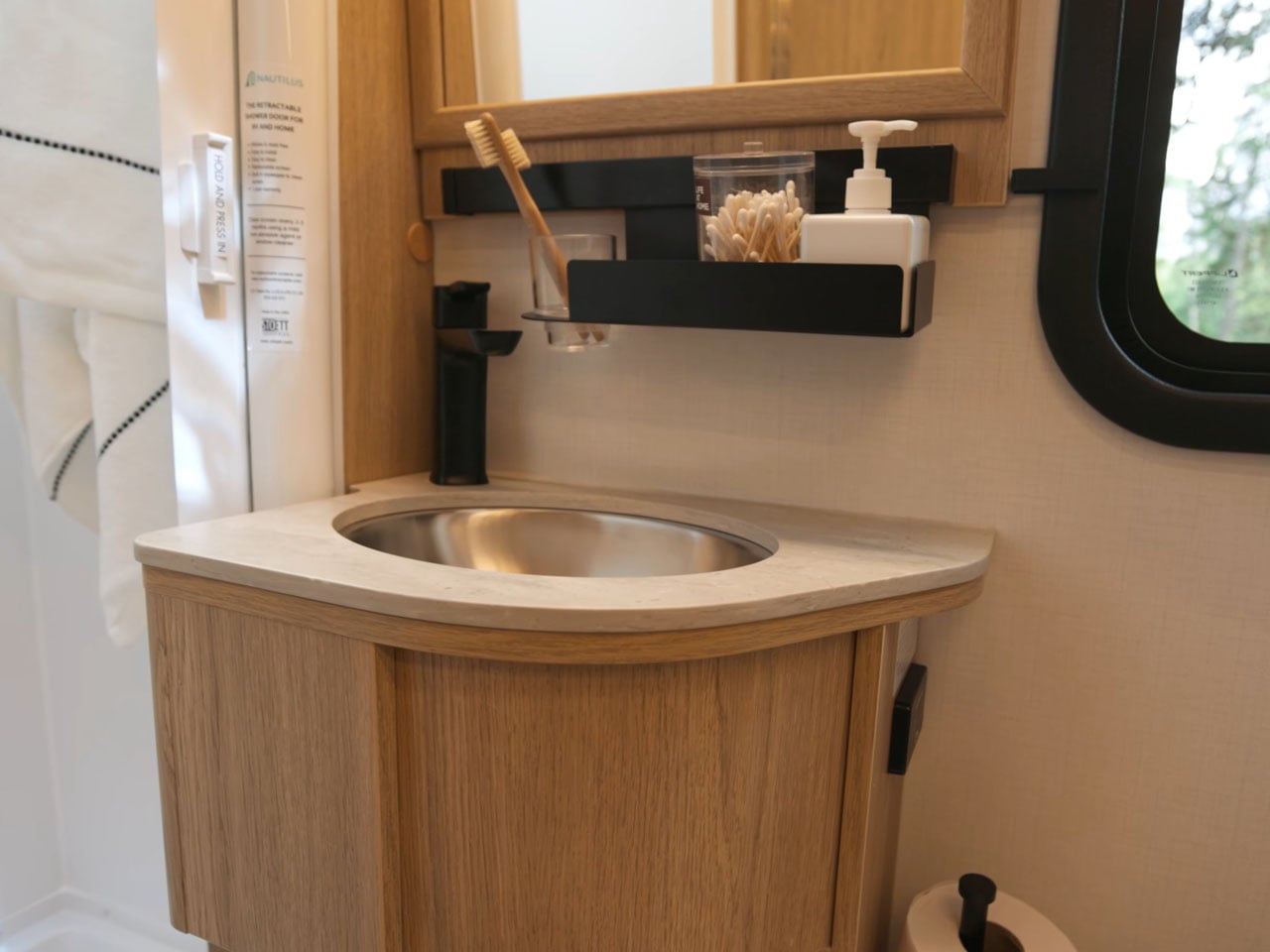
The bathroom adjacent to the living room has a unique bendable door, opening up the space inside for a standing shower, sink, and a toilet. Upfront, just behind the entry door, is the galley area complete with nice deep drawers and cabinetry for storage, a two-burner induction cooktop, concrete countertop, stainless steel sink, and an exciting pull-out pantry. The fridge and microwave go on the opposite side of the kitchen prep area. When you have a group of people over, you get two additional lounge seats on the front alongside the fridge side of the galley, behind the driver. The two separate seats can also be used together as a chaise lounge or as a little dining space with a table in between.

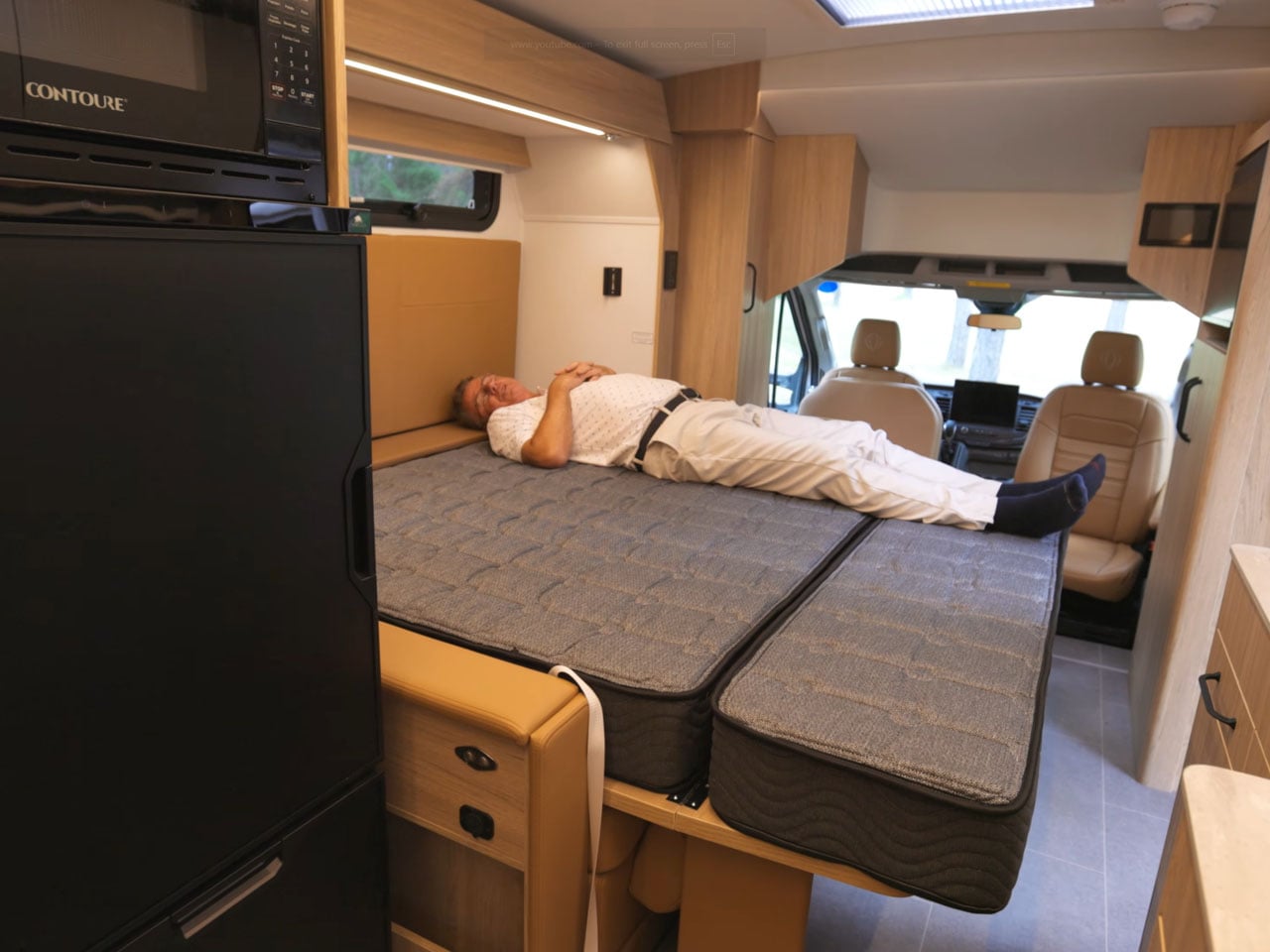
The best part is reserved for last. At night, you can flat-fold these lounge seats and pull down the Murphy bed from the wall, and your walk-around bedroom with a 65-inch-wide bed is ready. Wonder FX is based on a Ford Transit Cutaway Chassis. It features an on-demand water heater and runs on a 270-Ah lithium battery. You also have a 3,000-W inverter and a 4-kW generator to keep the remotely controlled lighting powered up at all times. Options for Starlink and a solar array are not included in the starting price of approximately $200,000.

The post 25-foot motorhome with flexible interior has private shower, murphy bed, and home office on the road first appeared on Yanko Design.


  •  

YouTuber builds 8-wheel electric wooden camper that spins 360-degrees and rides like a tank

Have you been wanting to live out of an all-wooden camper? Driving solo to the pastures you visited with your father as a child but never had the opportunity to spend a night under the stars there, then brace up. You can follow the new 90-odd-minute detailed video from ambitious YouTuber Quiet Nerd, and build yourself an 8-wheel-drive electric tank-style steering wooden camper from scratch.

All you will need is tools and supplies. The brain is already applied. So even blindly following the instructions can confidently give you a near replica. That’s how elaborately detailed this entire DIY video is. When you’re ready with your cabin on eight wheels, you can, like the modder, steer it into the jungle for a fun-filled night in the wild. He had a night that belonged to him. A night with home-cooked sushi and some flat tires, and a subsequent morning with freshly-made pancakes and a broken front axle rod.

Designer: Quiet Nerd

Hopefully, your experience will be much better, coz you know when too many donuts in this guy are too many. The DIYer didn’t. Anyway! That’s for the fluff; let’s now get the real creation. “This is the most ambitious, complicated, and technically challenging build I have ever attempted,” the creator reveals at the beginning of the video. If you think that’s just said for the sake of it, you can spend some time reading about his previous DIY electric camper created around a wooden bed with tank treads for wheels.

Yes, Quiet Nerd is a genius when it comes to building these electric camping rigs from scratch. He has done it in the past, this time though, this fully electric, 8-wheel-drive micro camper that steers exactly like a tank is way different and above board than what he has created. In fact, I wouldn’t be kidding if I said this camper is definitely one of the most interesting DIY projects in the recent past. If not the camper itself, the video definitely deserves appreciation for its depth.

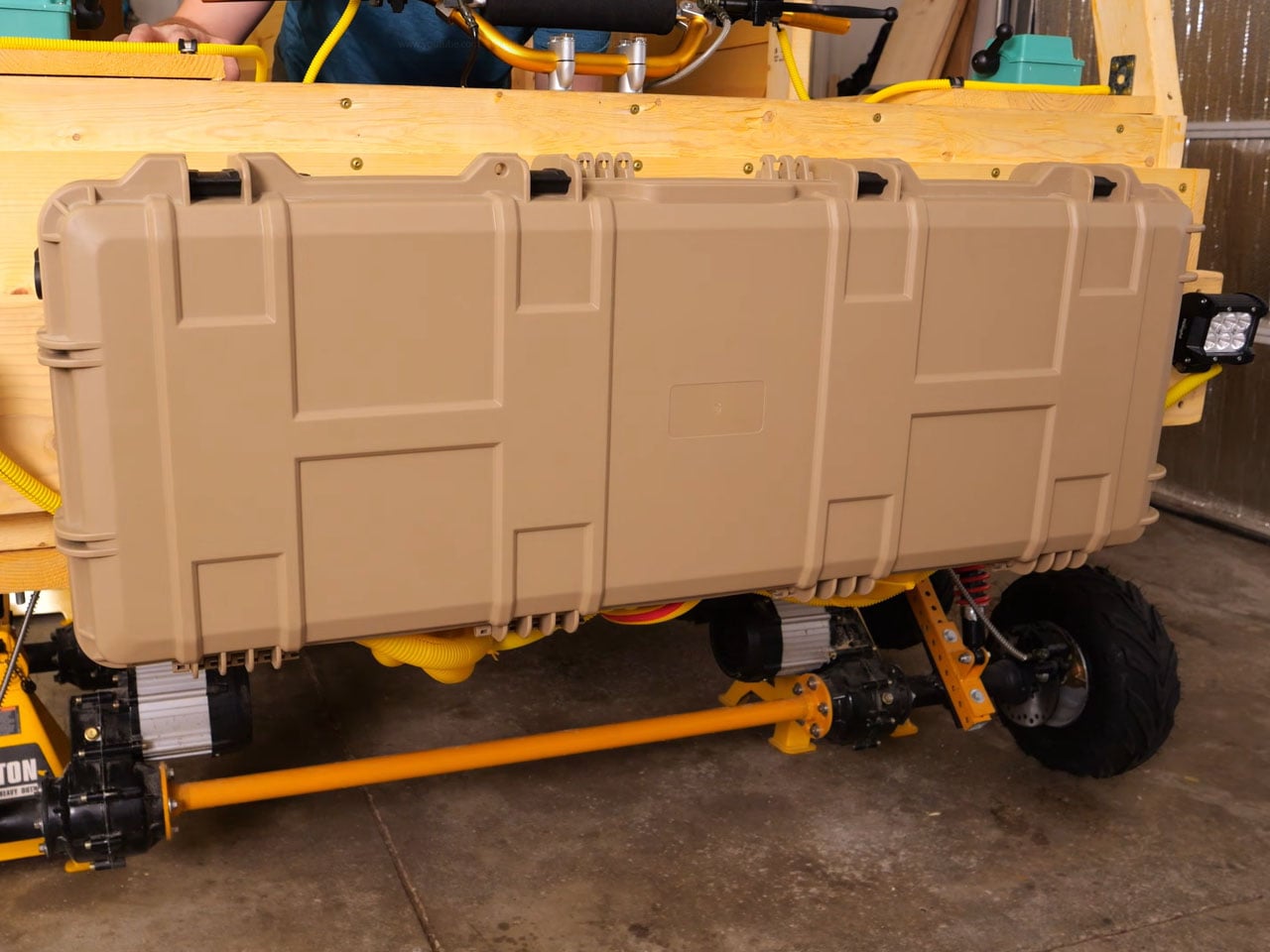
The build starts with a frame made of square punch tubing, which rests on eight separate 48-volt, 1000-watt brushless differential motors. To ensure a tank-steering mechanism for the cabin, the modder welded the differential gears in all eight gearboxes separately so they didn’t move. This meant the drivetrain on the left and right of the cabin could then work independently, which, when throttled in opposite directions, would allow the camper to perform perfect 360-degree donuts at one place.

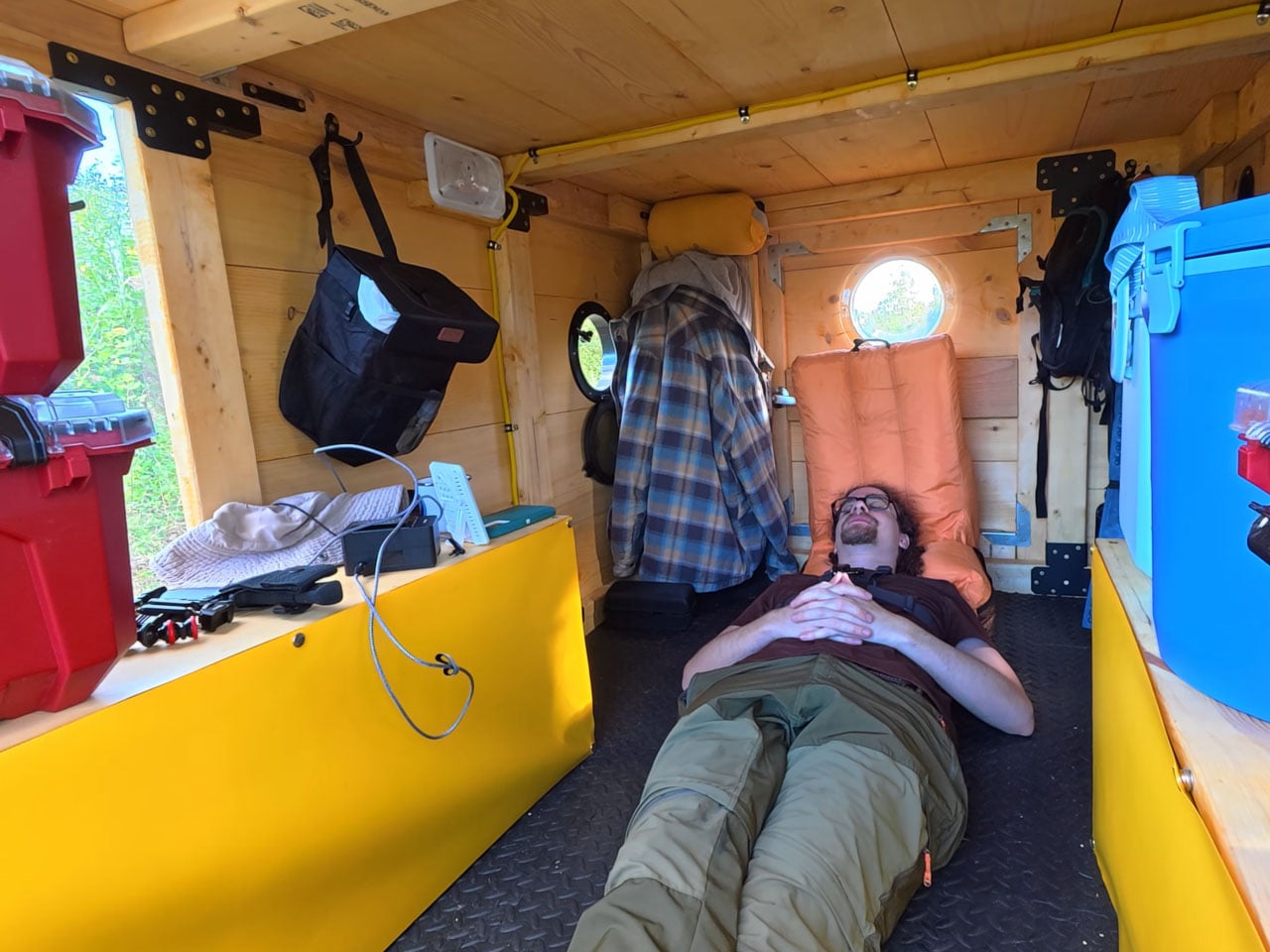
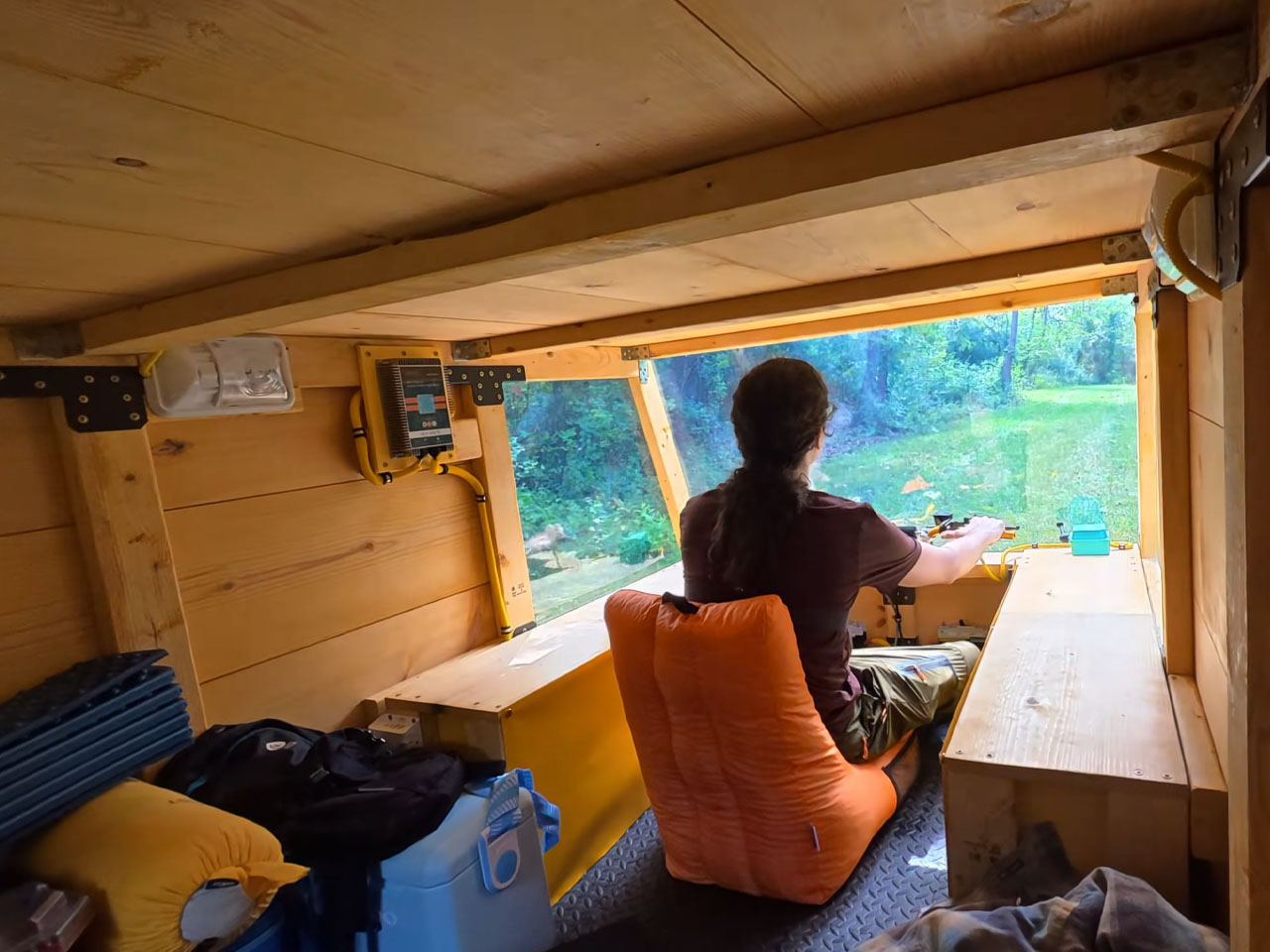
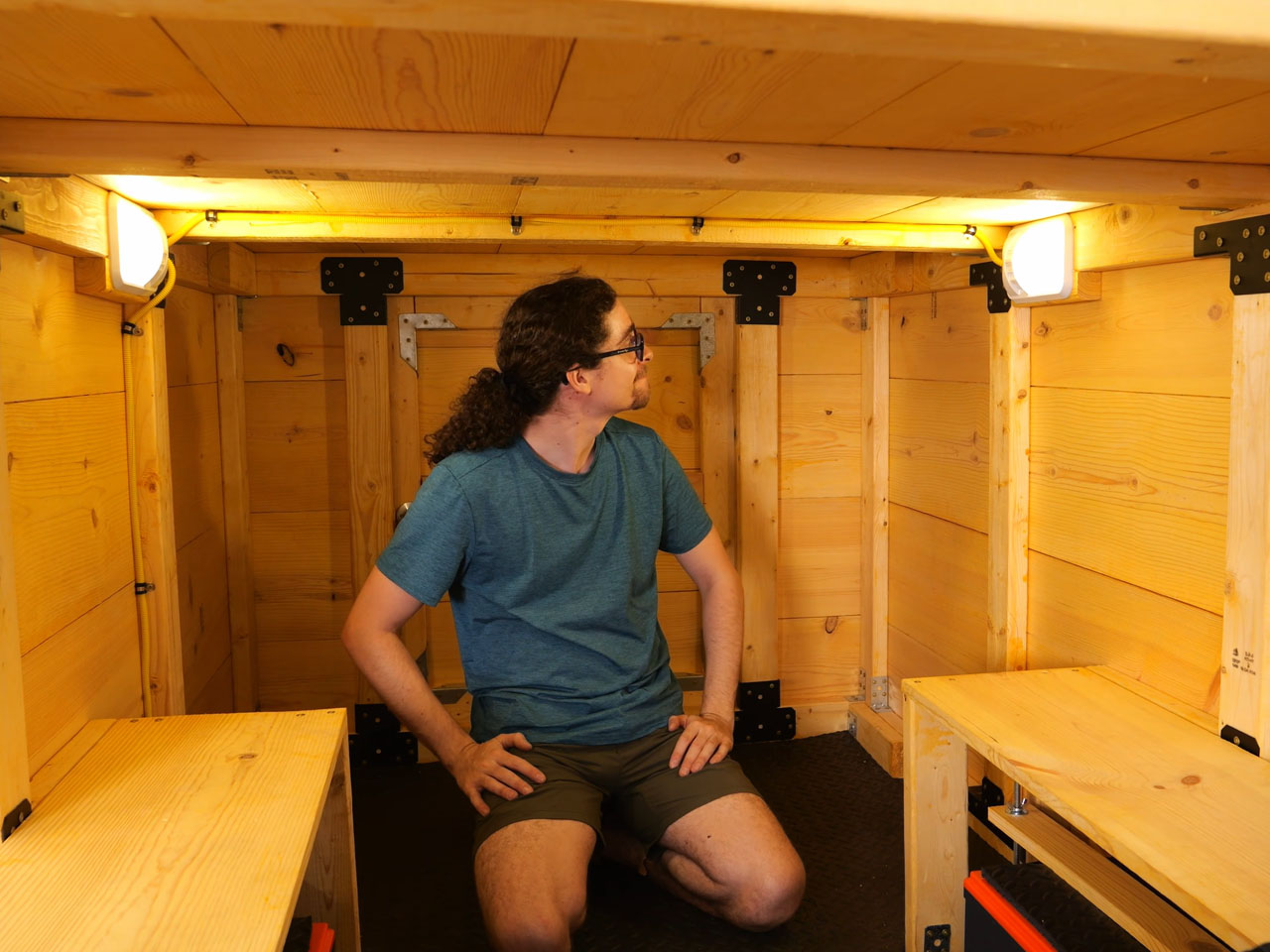
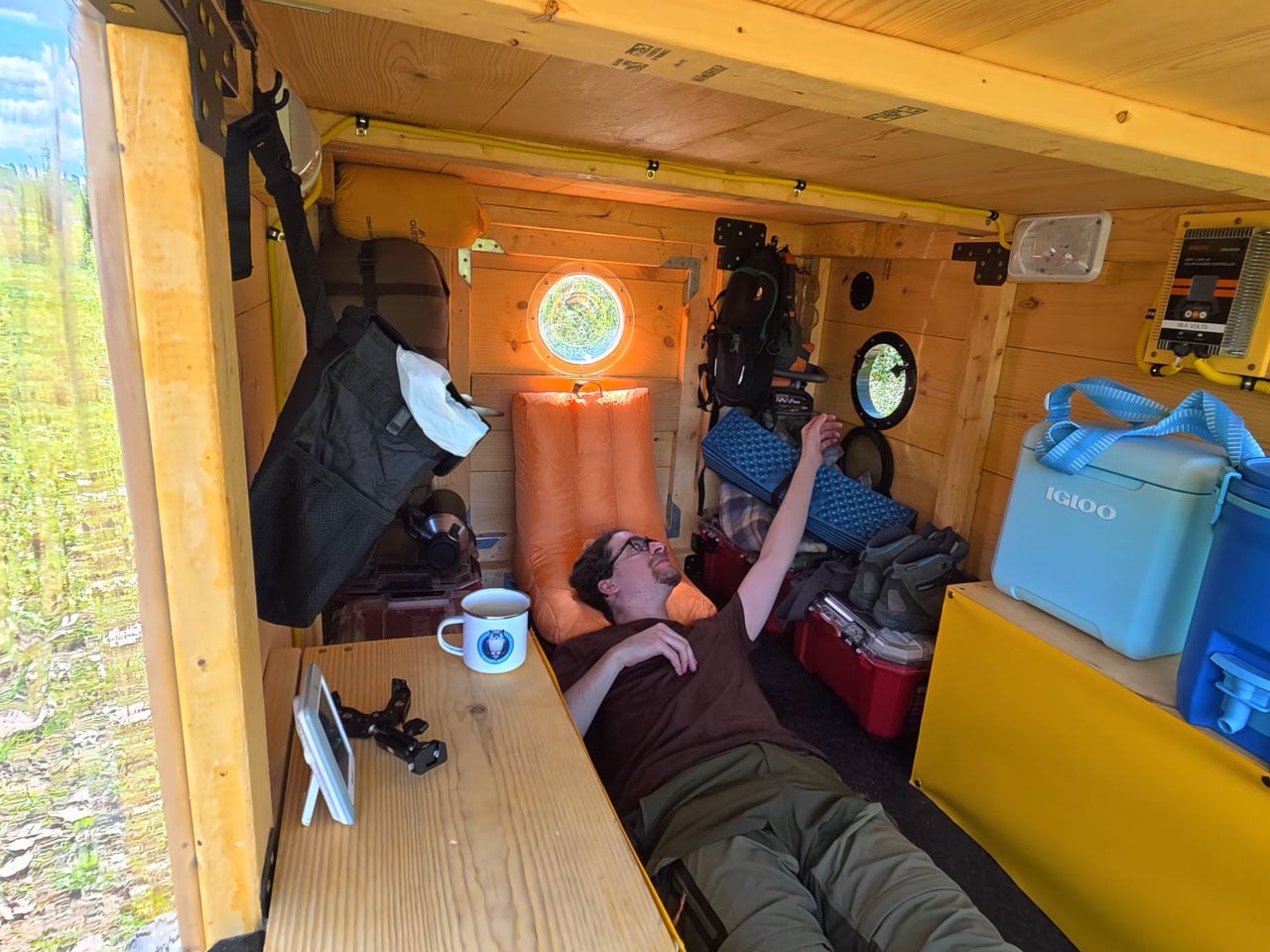
Once the frame and the drivetrain were ready, suspensions were added to each of the eight wheels, and the modder then constructed the frame of the camper’s cabin using marine-grade wood. Interlocking pine wood panels were specially created for the siding, and the door was placed at the back. The floor was laid out with interlocking gym foam puzzle mats for comfort, and for ventilation, porthole windows are mounted on each side. On the front, vinyl sheets are used for the windscreen.

The batteries onboard are hooked up to a pair of 200-watt flexible solar panels mounted on the roof, which power the camper when its running or when stationary at the camp. When everything was checked and created, Quiet Nerd took the camper for a ride in the green pastures. Besides a few flat tires and a broken axle rod, most of the time in the woods was awesome, the modder notes in the video. Nighttime donuts are my favorite, but I still believe maybe he can get welded some cutters in the square punch tubing frame and this guy can be an awesome lawn mower. Or get a few ploughs in there and while doing donuts, it can help with ploughing the area.

The post YouTuber builds 8-wheel electric wooden camper that spins 360-degrees and rides like a tank first appeared on Yanko Design.

  •  

A Designer turned Xiaomi’s Logo into a Multi-Utility Vehicle Concept

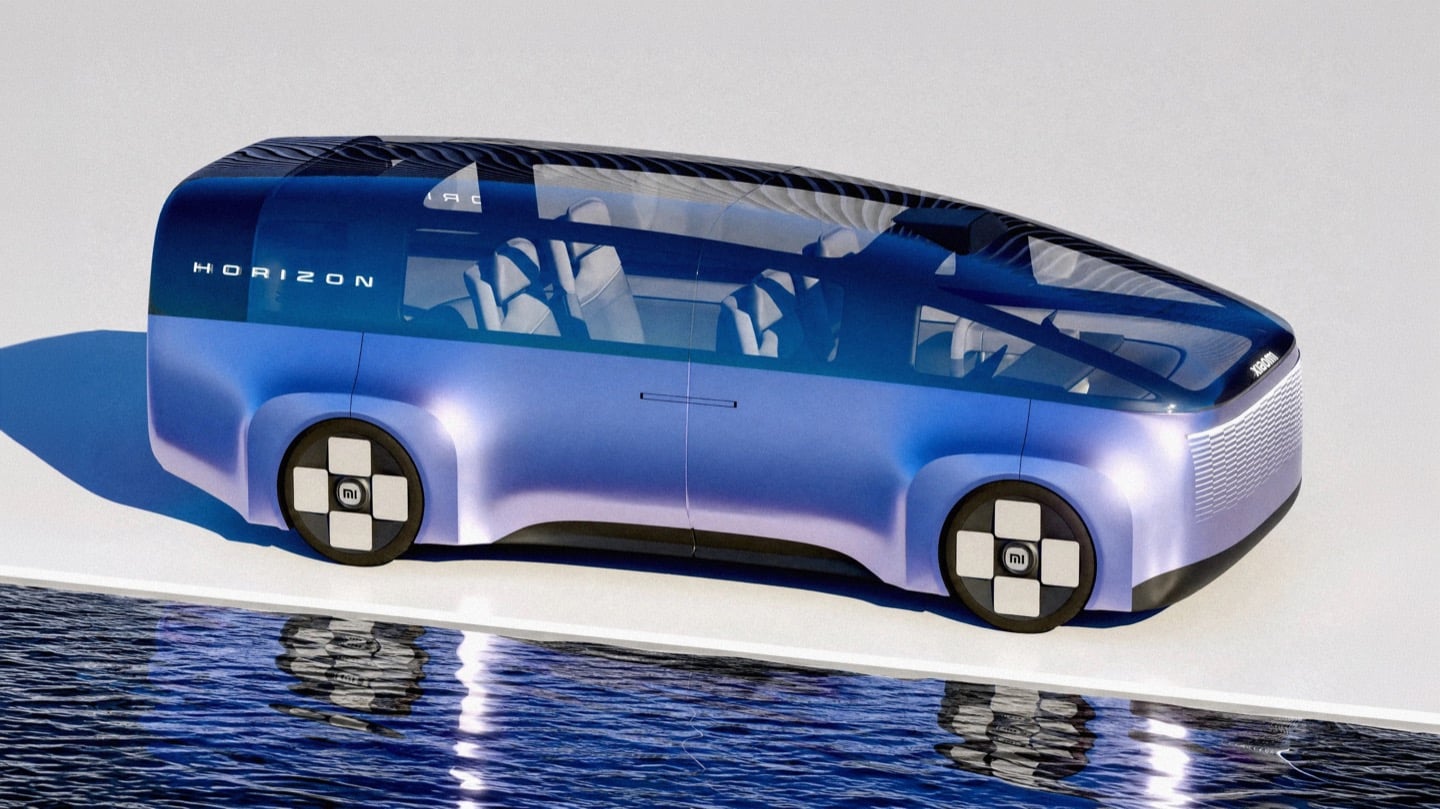
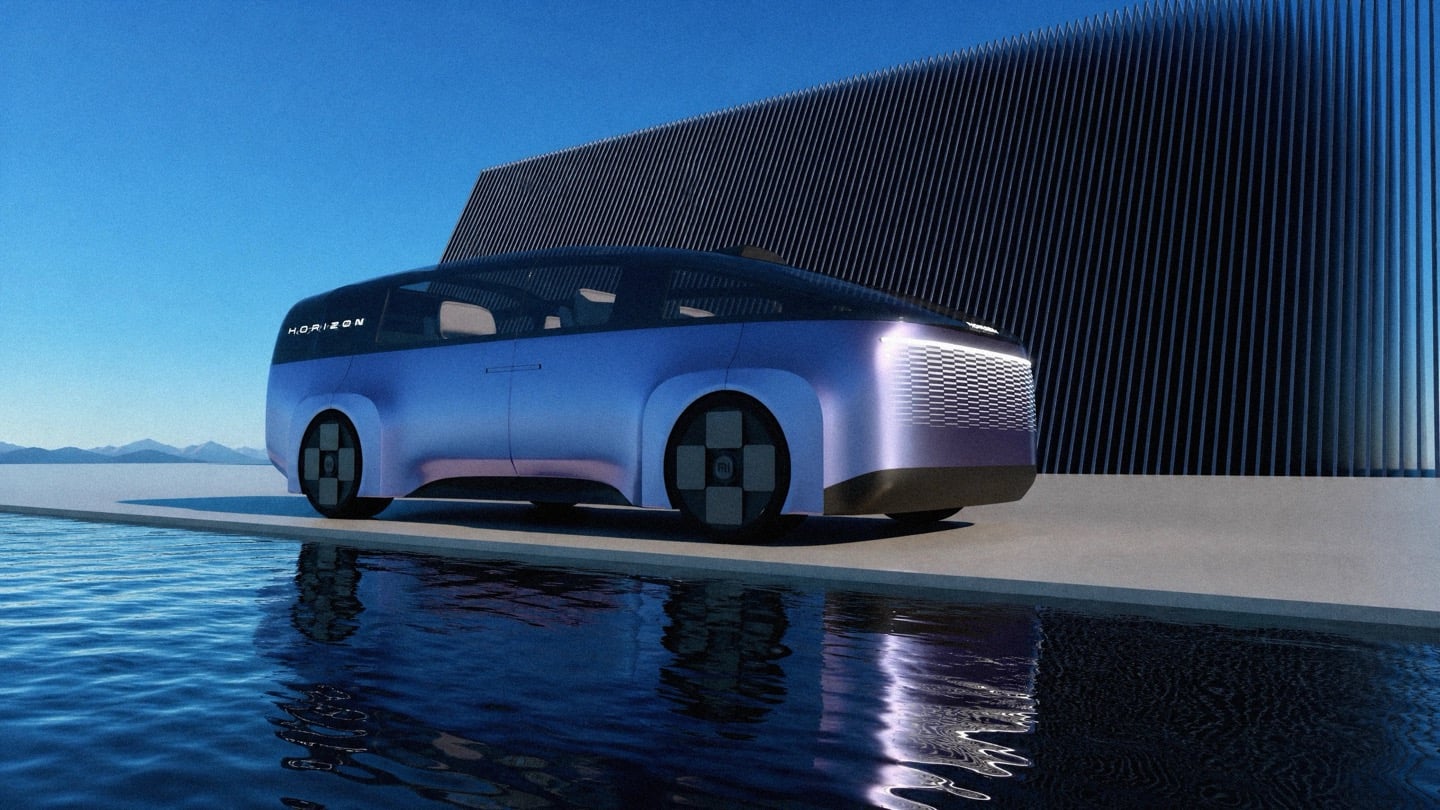
Side profile of the Xiaomi Horizon concept MPV in blue-to-lavender paint, parked on a white platform above still water.

You know that little rounded square Xiaomi uses as its logo? The one a Japanese design legend spent actual months tuning with a math equation just to get the curve right? Lucas Angelo looked at that shape and thought, sure, why not build a car out of it. The result is the Xiaomi Horizon, and I mean that almost literally. The tailgate is one giant glowing squircle. The wheels are squircles. The whole rear end reads like someone blew up an app icon to the size of a minivan.

It sounds like a gimmick until you remember Xiaomi’s entire EV strategy is basically “make our products feel like they all came from the same brain,” and a car shaped logo is honestly not the dumbest way to pull that off. Whether it should be a Multi Purpose Vehicle or something else entirely is a separate question, and we will get to it. But credit where it is due, this thing has more brand DNA baked into its sheet metal than most concepts manage with an entire mood board of heritage references.

Designer: Lucas Angelo

Front three-quarter view of the Horizon against a tall black louvered wall, with mountains visible in the background.

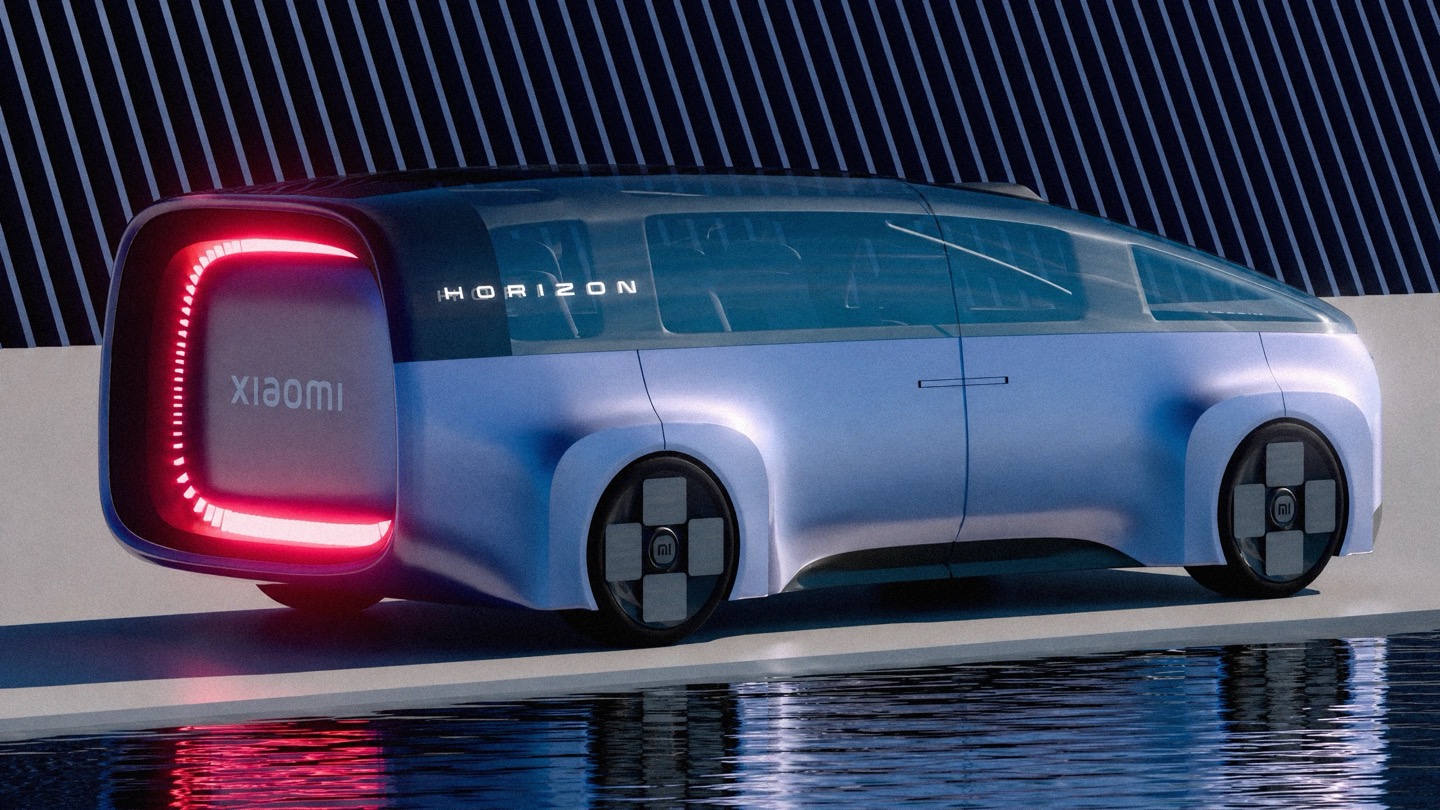
Rear three-quarter view of the Horizon at dusk, showing its illuminated red squircle taillight and the Xiaomi wordmark.

That squircle obsession is not Angelo inventing a bit for fun. Back in 2021, Xiaomi hired Kenya Hara, the design legend behind MUJI’s whole visual identity, to redraw its logo. He landed on a superellipse formula, dialed to a value called n equals 3, which is the mathematically precise sweet spot between a perfect square and a perfect circle. People online mocked it as three hundred grand for rounded corners. Angelo apparently took it a lot more seriously than the internet did, because Horizon’s entire rear fascia is basically that formula rendered at automotive scale, ringed in individually lit LEDs so it glows like a screensaver whenever the car is parked.

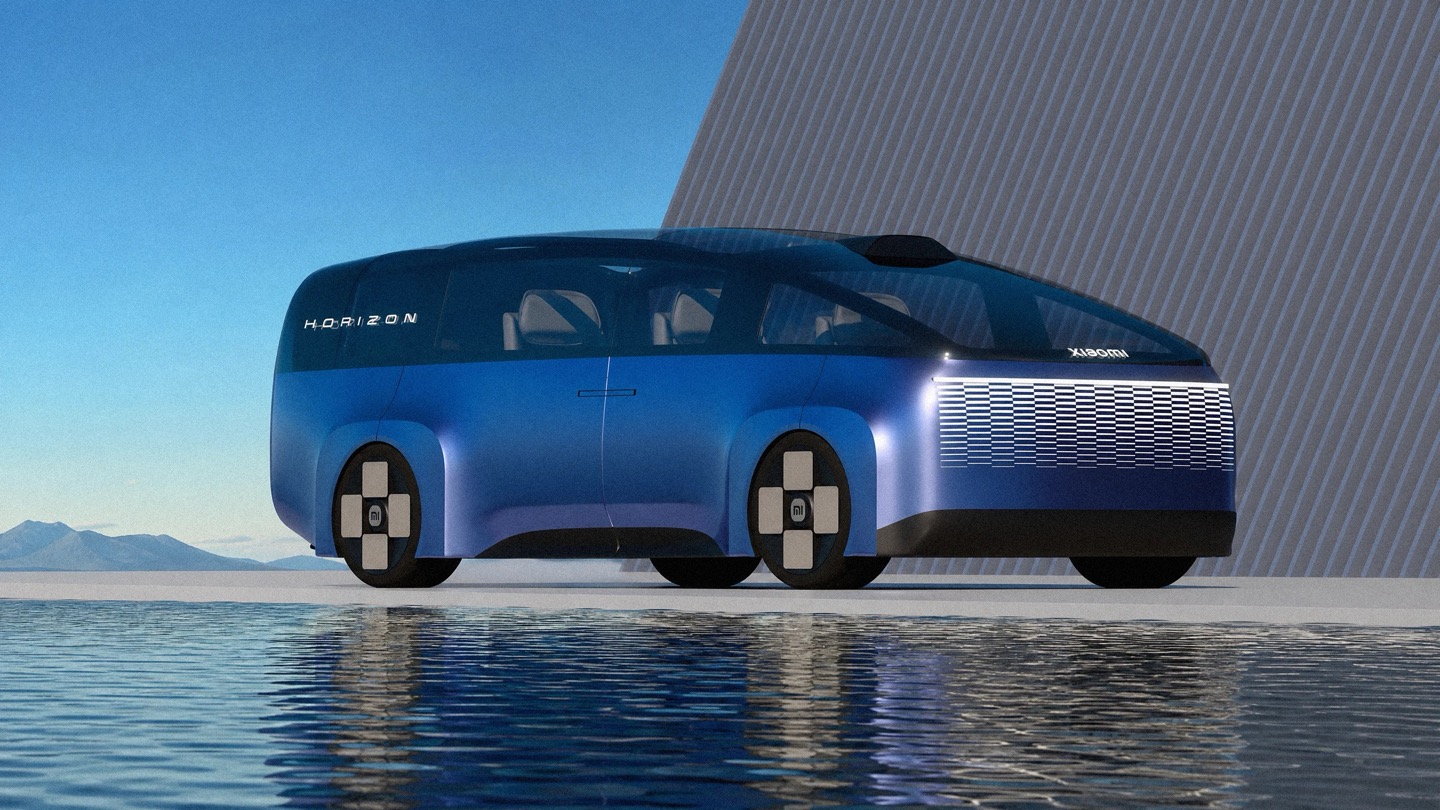
Front three-quarter view of the Horizon showing its illuminated Cascade Grille and squircle wheel hubs.

Straight-on rear view of the Horizon on a salt-flat-like surface, with its glowing red squircle taillight centered.

The front end plays a similar game with something Xiaomi calls the Cascade Grille, a full width lattice of tiny illuminated squares that fade in a stepped pattern across the nose. It is not a functional intake so much as a light show, which tracks for a brand that made its name on phones and smart speakers before it ever touched a chassis. Xiaomi’s actual head of automotive design, Li Tianyuan, cut his teeth on the BMW iX and the i Vision Circular, a concept that turned BMW’s kidney grille into a digital display. Angelo landing in almost the same conceptual neighborhood, independently, says his instincts are pointed in a direction the real design team already validated once.

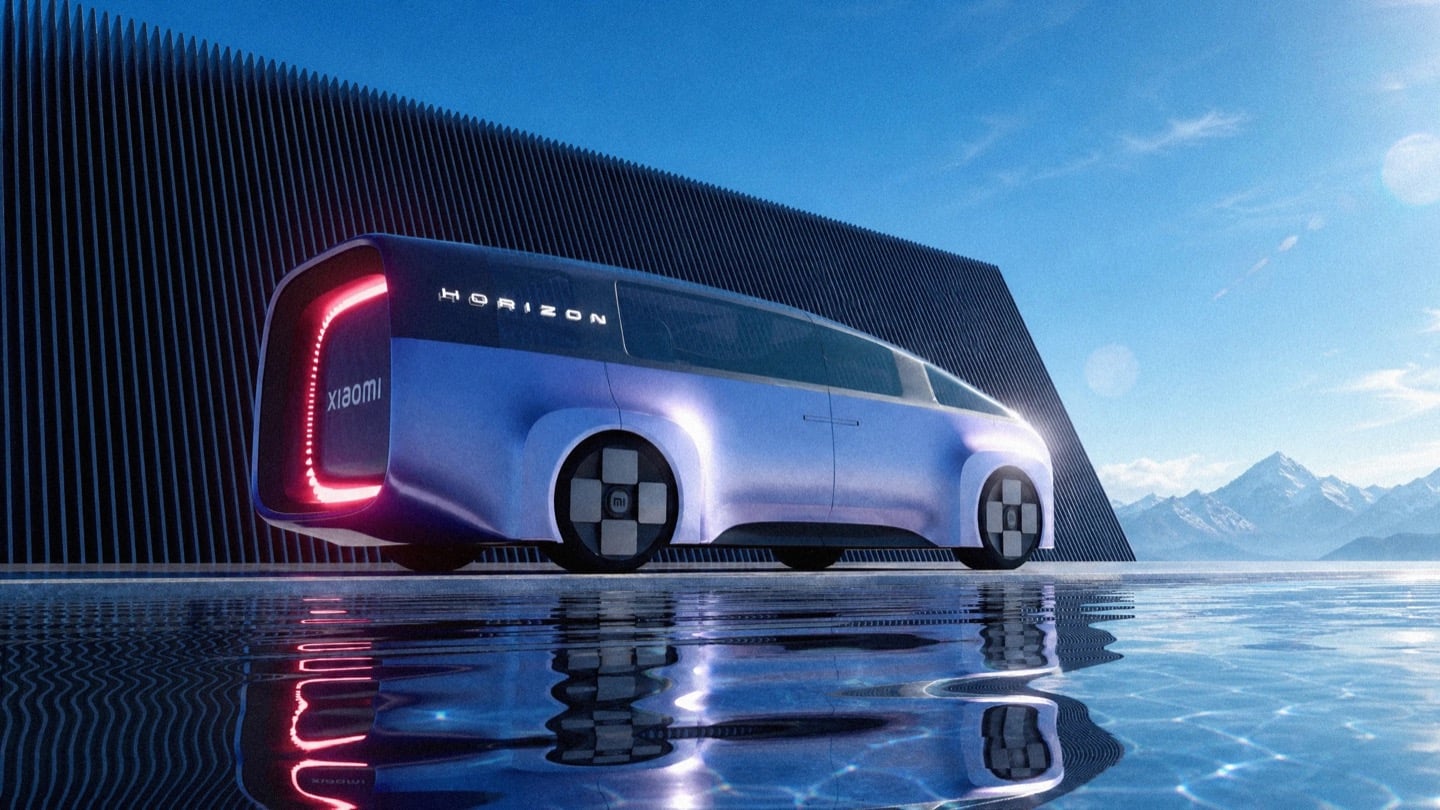
Side view of the Horizon parked in front of a spiked black wall, taillight lit, with snowy peaks behind it.

Here is where things get spicy. China’s premium electric MPV segment has a body count, and the most famous casualty is the Li Auto Mega, a smooth, curvy one box people mover that the internet immediately nicknamed the hearse. One owner slapped high speed train decals on his because the jokes wrote themselves, and Li Auto’s own design chief was still publicly defending the car more than two years later. A big blank slab of a rear end on an MPV is basically an invitation for the internet to decide what it looks like for you, and it is never flattering.

The Horizon driving down a city street past a billboard

This is exactly the trap Horizon’s illuminated tailgate sidesteps. Instead of a flat dark void back there, you get a glowing signature the size of a barn door, something to actually look at instead of squint at. Whether Xiaomi ever builds anything like this is unlikely, especially now that the real Xiaomi has already picked its answer to the family hauler question with the SkyNomad, an EREV SUV with a fridge and a bed mode rather than a sliding door MPV. But Horizon is a fun reminder that sometimes the best way to honor a brand is to take its smallest, most mocked design decision and blow it up until everyone has to take it seriously.

The post A Designer turned Xiaomi’s Logo into a Multi-Utility Vehicle Concept first appeared on Yanko Design.

  •  

This Supercharged Grand Tourer Was Built Using a 90-Year-Old Metal-Shaping Tool

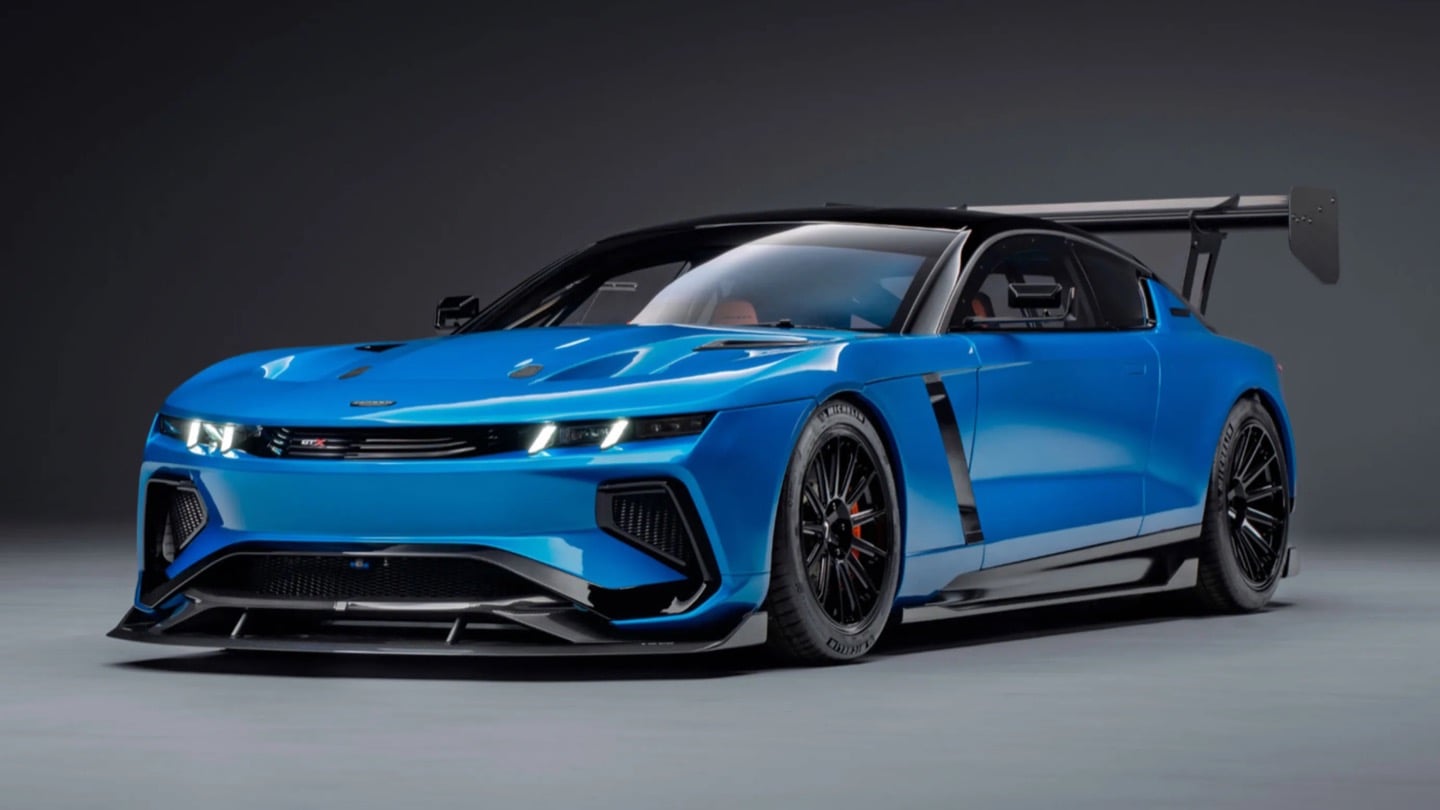
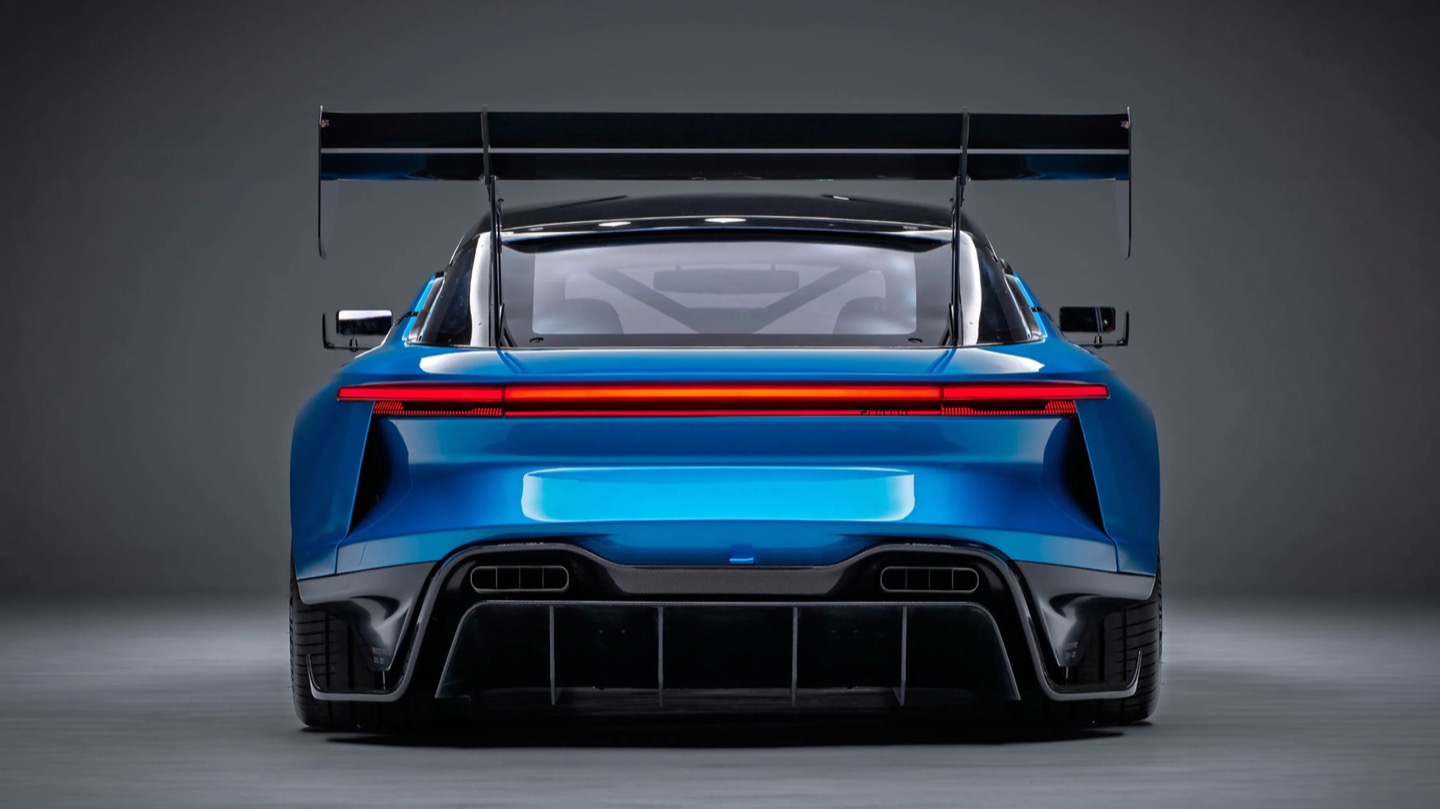
The GTX in Riviera blue, all splitter, vents, and a rear wing that towers over the roofline.

There is a tool called an English wheel that has been shaping aluminum car panels since roughly the 1930s. It is a big metal hoop with a roller in the middle, and you push sheet metal through it by hand until it curves the way you want. It sounds like something you would find in a blacksmith’s shed, not in the workshop of a car aiming for 1,200 horsepower. Yet that is exactly the tool Coventry Metalcraft used to hand-form the body of the new Jensen Interceptor GTX, alongside laptops running computational fluid dynamics software. Old-world muscle meets new-world math, and somehow both sides showed up to the same car without arguing.

Jensen International Automotive unveiled the GTX in early September, and it is a strange beast by design. It is Jensen’s first ever clean-sheet car, built to preview a whole new Interceptor lineup, and it gets there using ten English wheels worked by more than 30 artisans, alongside digital design data from studio Avant Design and mixed-reality checks nobody in 1966 could have dreamed of. The result is a 960 bhp supercharged V8 grand tourer wearing hand-beaten aluminum panels shaped partly by algorithms. Britain’s oldest car-forming trick just got a very modern wingman.

Designer: Avant Design

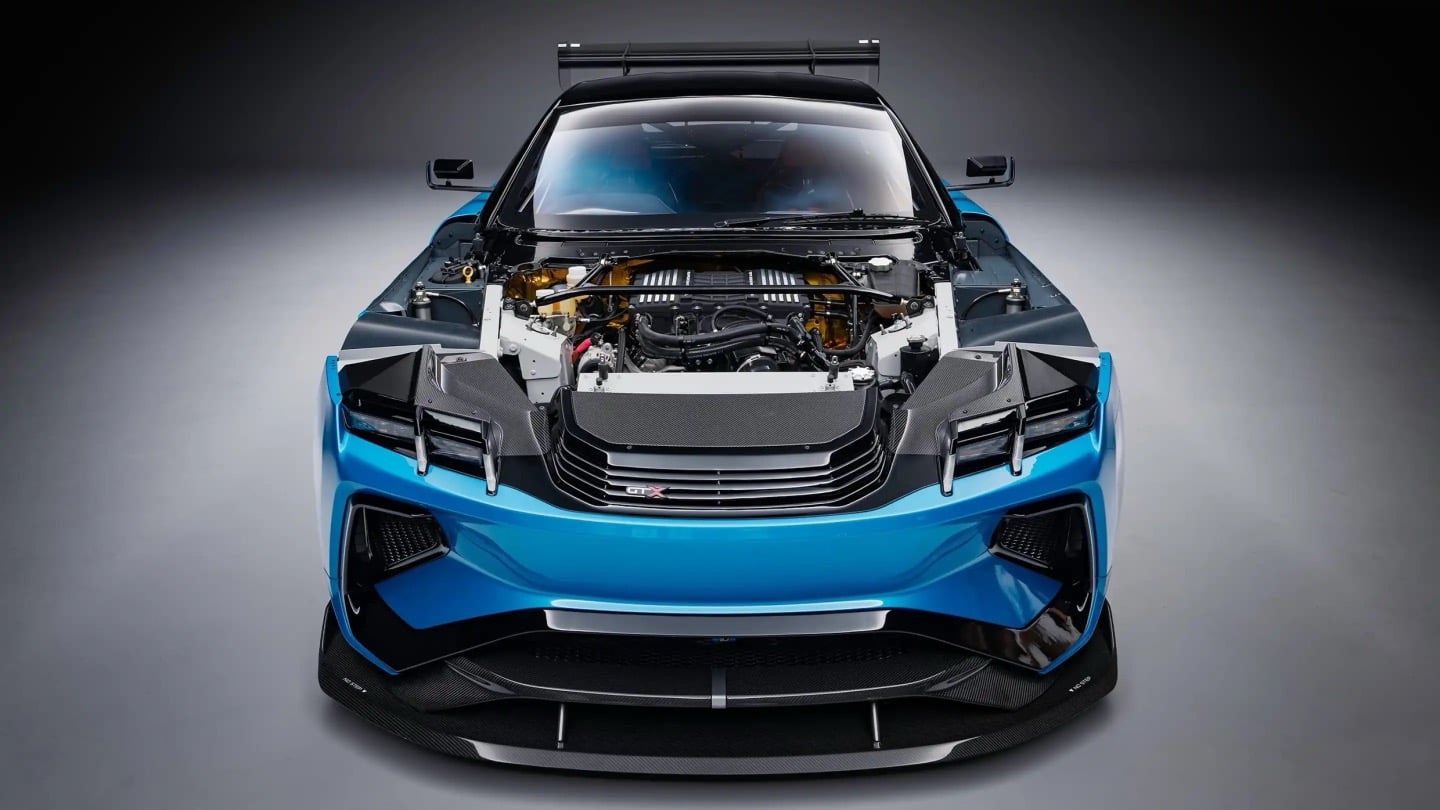
Under the hood: a 6.8-liter supercharged V8 from Late Model Engines, wrapped in carbon and gold foil.

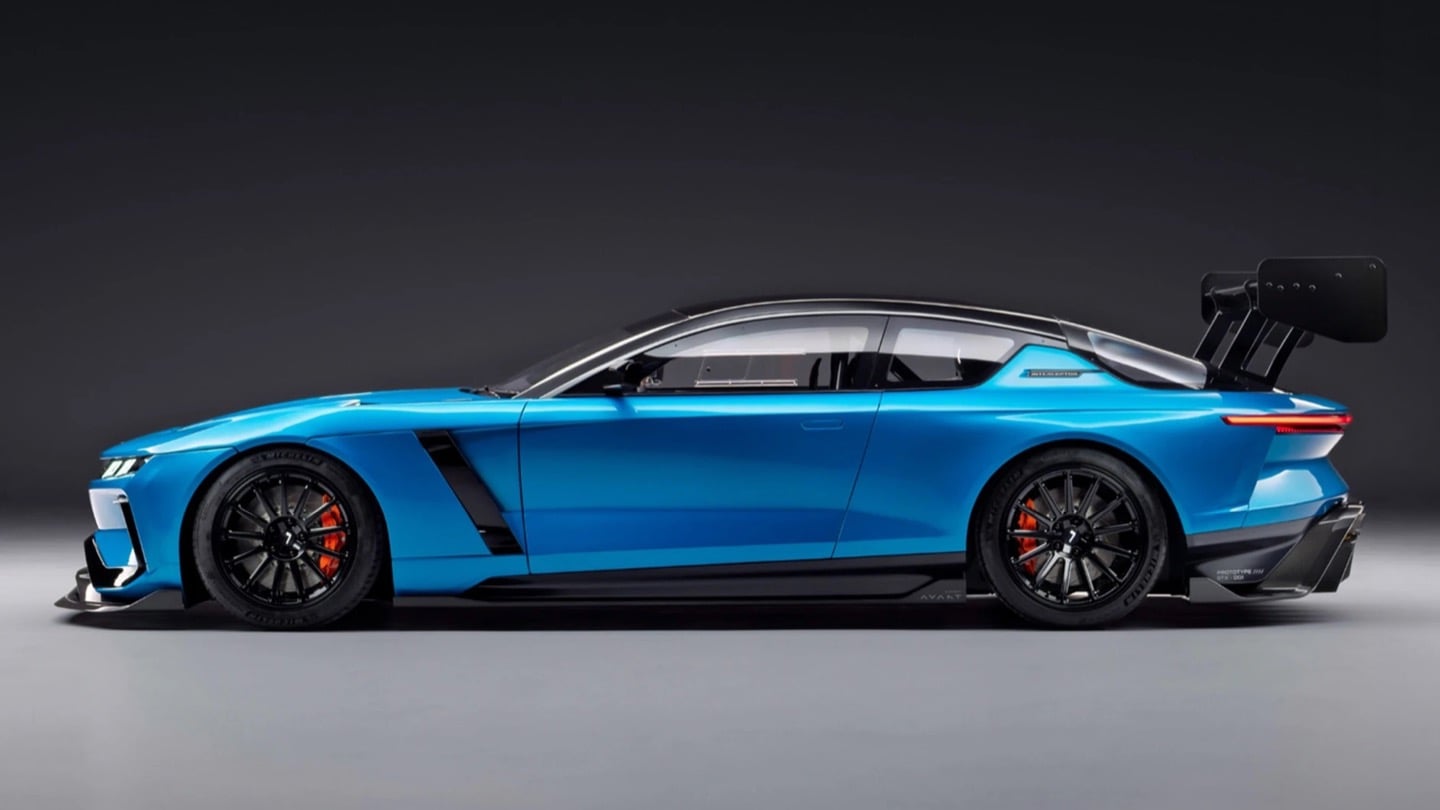
Long bonnet, fastback roofline, and a wing that ruins the original Interceptor's silhouette on purpose.

Avant Design, based out of Royal Leamington Spa, is the studio responsible for translating the original 1966 Interceptor’s proportions into something that reads as contemporary rather than costume. The long bonnet survives, the tightly drawn greenhouse survives, and the wraparound rear glass that made the original such a distinctive shape is still there, even if a towering rear wing now partially blocks the view of it. What is new is the front end, with slim horizontal LED lighting and enormous carbon intakes replacing the old car’s chrome-heavy face. Interestingly, this is not Avant’s first crack at reimagining this exact silhouette. Back in 2023, the studio quietly published a concept called the E-Ceptor, an electric take on the Interceptor with reworked rear glazing and a fresh grille graphic. The GTX effectively took that speculative sketch and gave it a supercharged V8 instead of a battery pack.

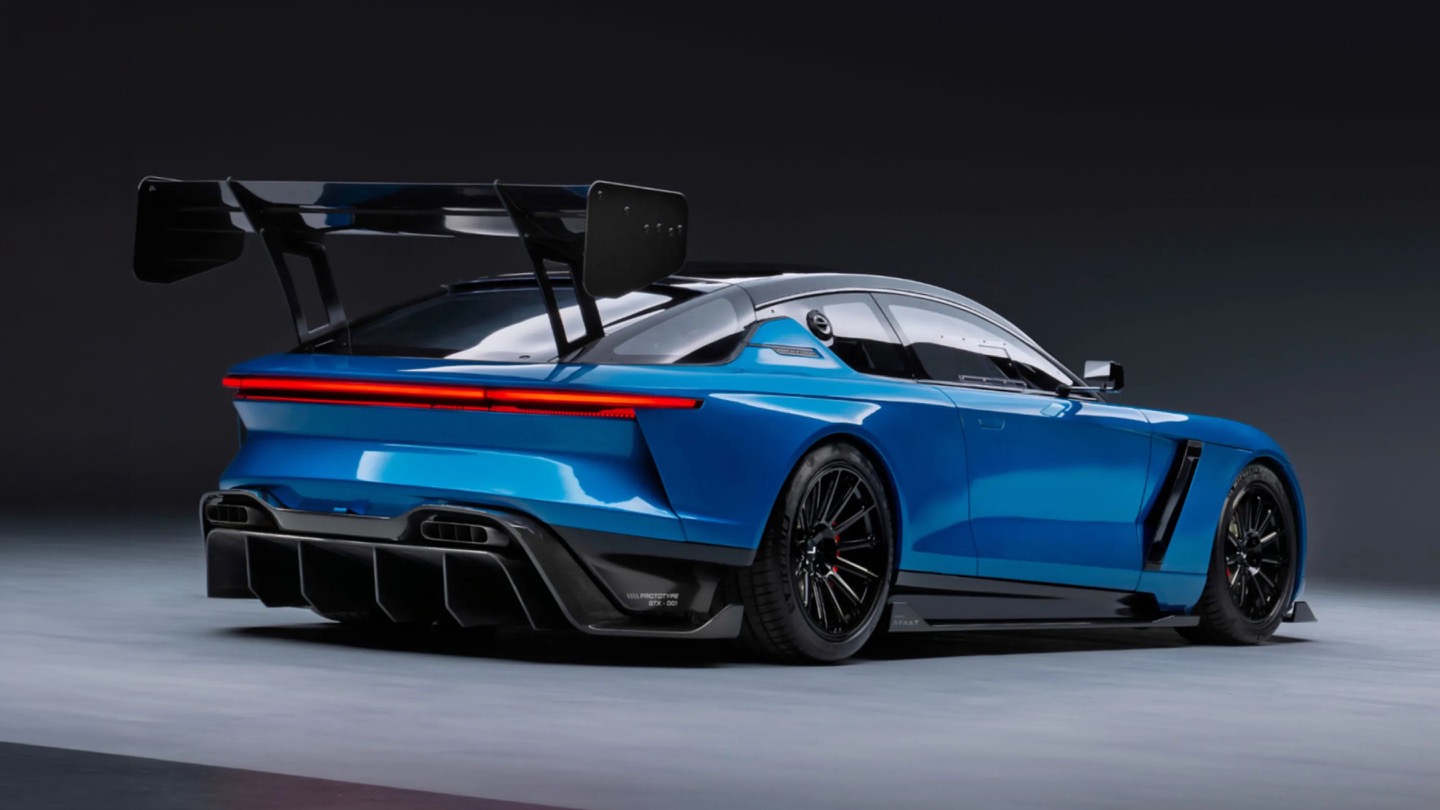
Diffuser, quad exhausts, and a wing built for lap times.

A full-width taillight and a wing pulled straight from GT3 territory.

The aluminum decision, both for the chassis and the body, was not driven by sentiment. David Duerden, Jensen International’s managing director, put it plainly when explaining why the GTX skipped carbon fiber entirely. He does not want the car riding like “a skateboard,” which is a fair concern given how punishing a stiff carbon tub can feel on a road built for a Sixties grand tourer, not a modern track special. Aluminum chassis structures are also considerably cheaper to produce in small batches, since they avoid the expensive tooling that carbon fiber demands before a single panel gets made. For a car expected to sell in the dozens rather than the thousands, that economic math matters more than bragging rights about carbon weave.

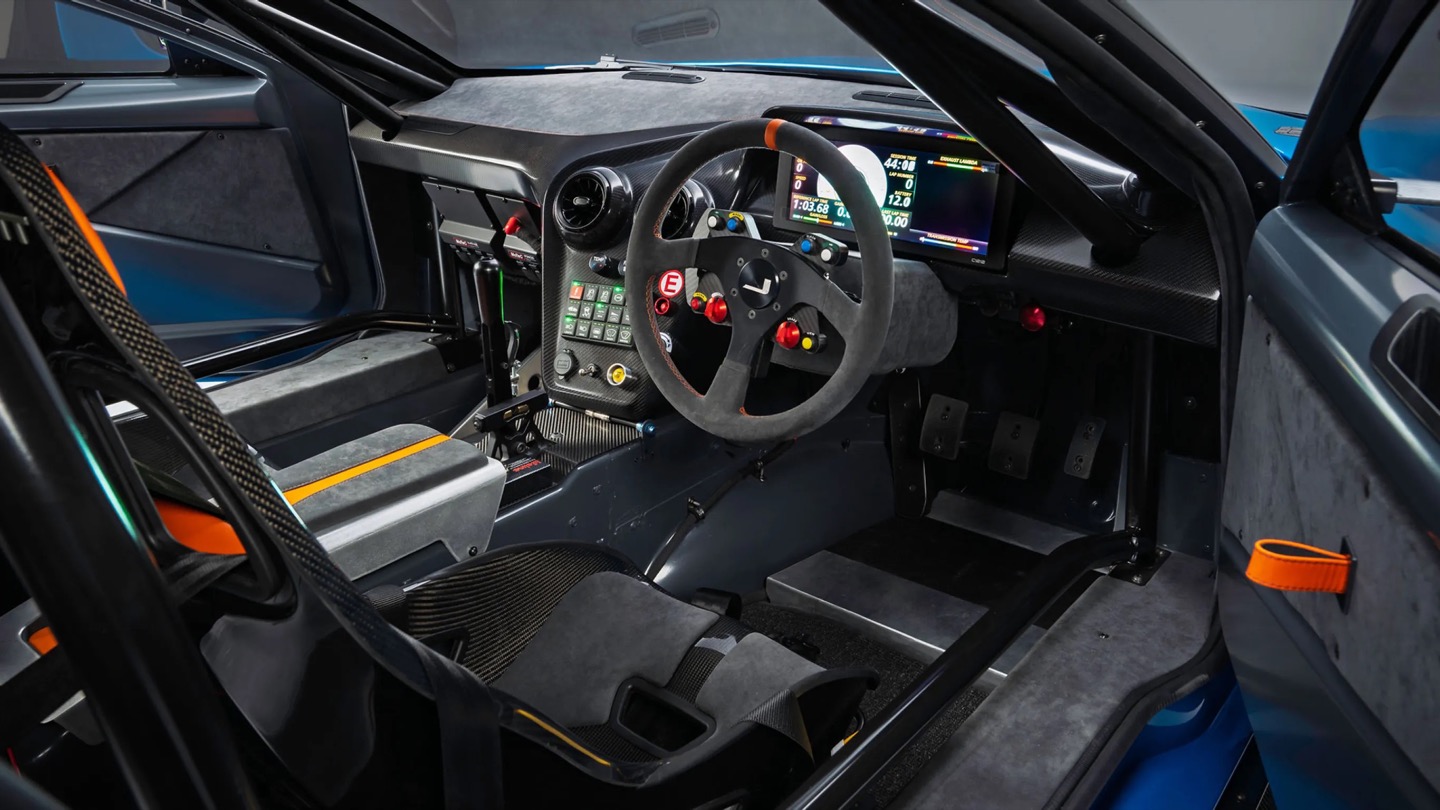
No screen, just a MoTeC dash, roll cage, and switchgear built for business.

That economic logic is exactly why the English wheel earns its keep here. Hand-forming panels sidesteps the tooling costs that would sink a low-volume carbon fiber program before it ever reached a customer. Coventry Metalcraft’s artisans still shape every piece the old-fashioned way, but they are working from digital surfaces that Avant Design refined using CFD modeling, chasing the 350 kilograms of downforce the GTX needs to behave itself at speed. It is a genuinely odd combination of a seventy-year-old forming technique and simulation software that did not exist when the original Interceptor left the Kelvin Way factory. Jensen is betting its entire comeback on that combination holding together, and so far, from what we have seen, it seems to be working rather beautifully.

The post This Supercharged Grand Tourer Was Built Using a 90-Year-Old Metal-Shaping Tool first appeared on Yanko Design.

  •  

Aston Martin’s 130-HP road-legal bike brings its luxury design language to two wheels

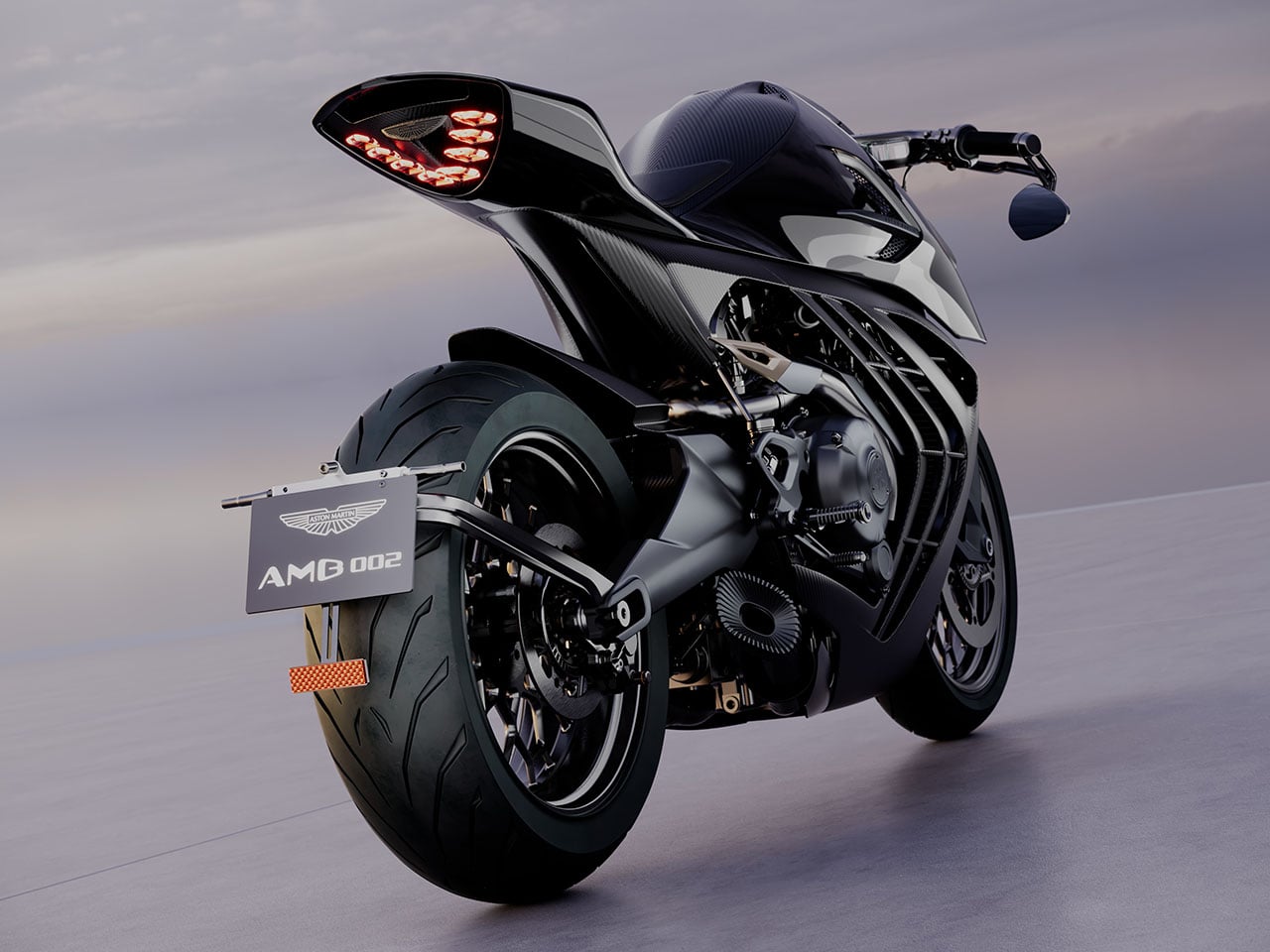
Aston Martin has finally put its name on a road-ready motorcycle. Developed with Brough Superior, the AMB 002 Roadster is the first street-legal bike from the partnership, fusing Aston Martin’s sculptural design language and Brough Superior’s highly specialized approach into motorcycle engineering. Limited to just 300 individually built examples, it is intended for collectors and street riders alike.

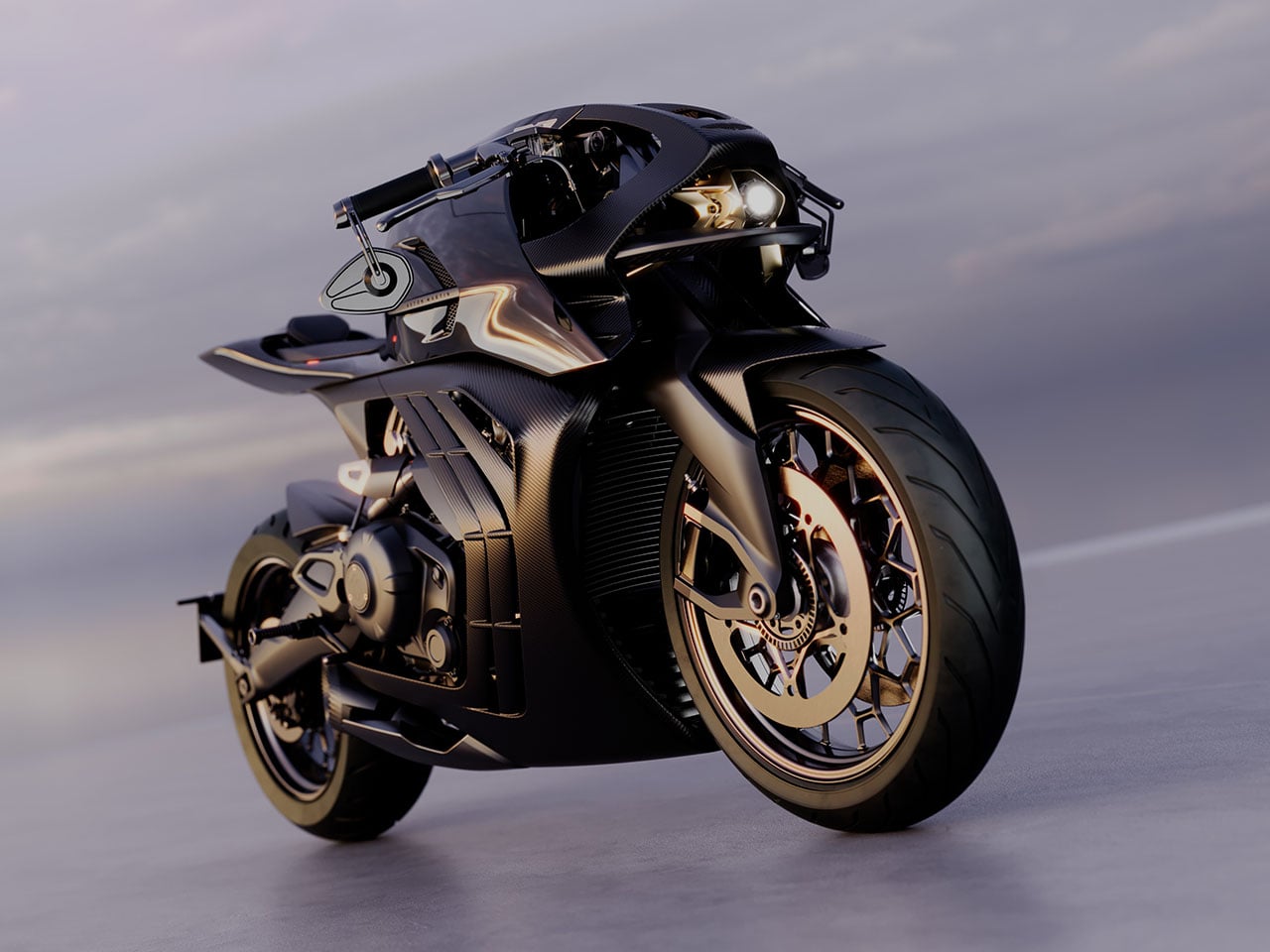
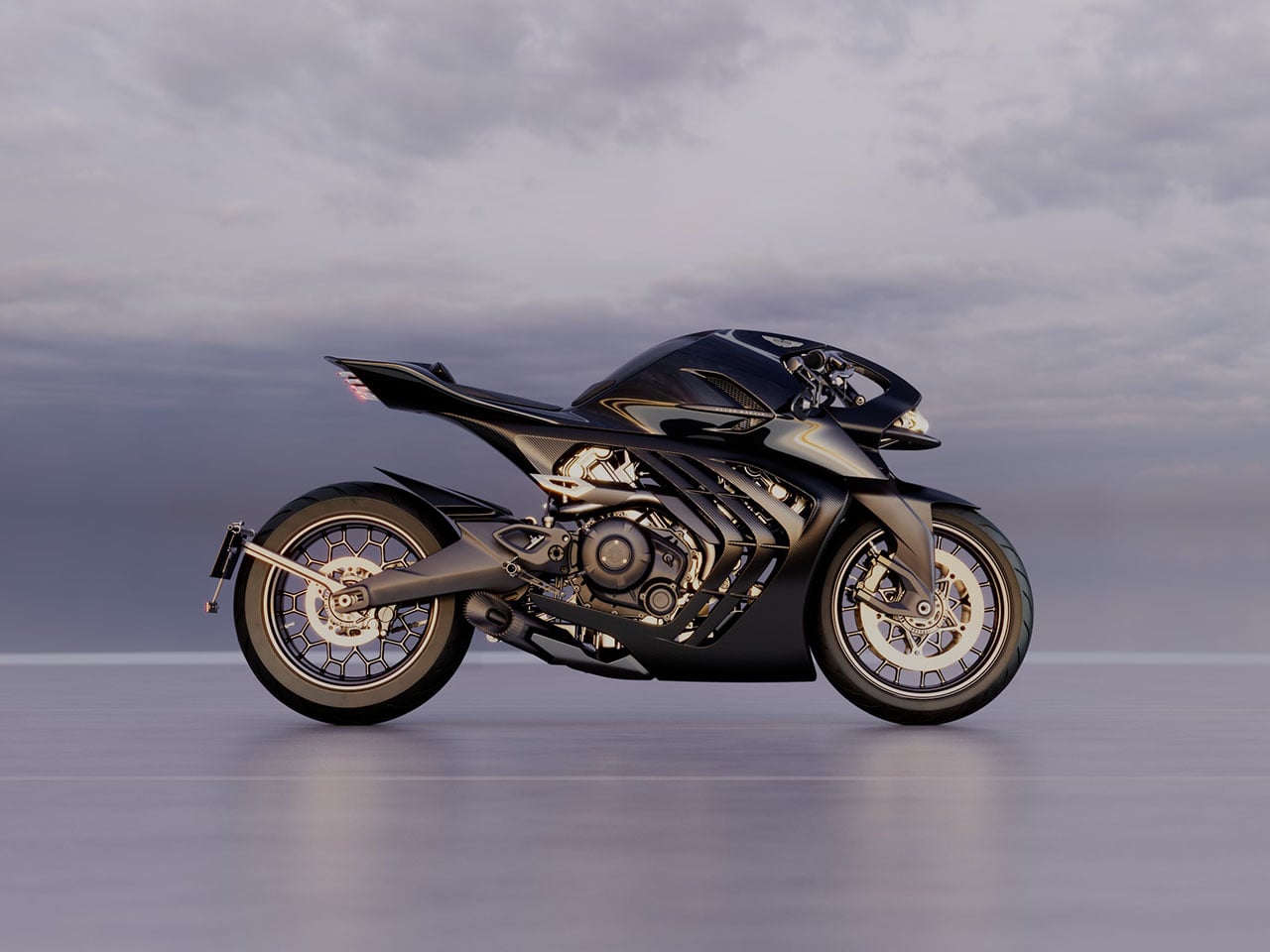
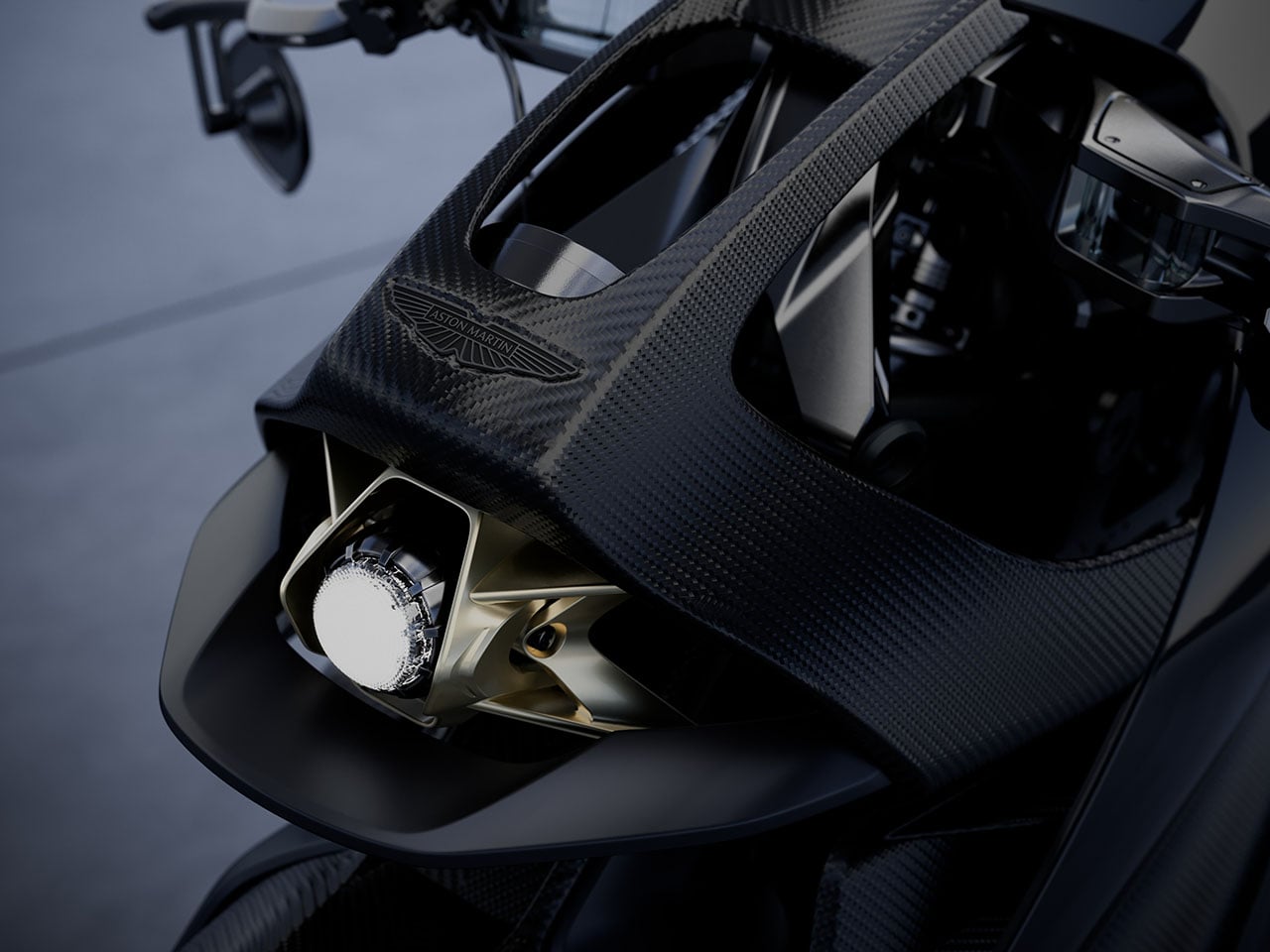
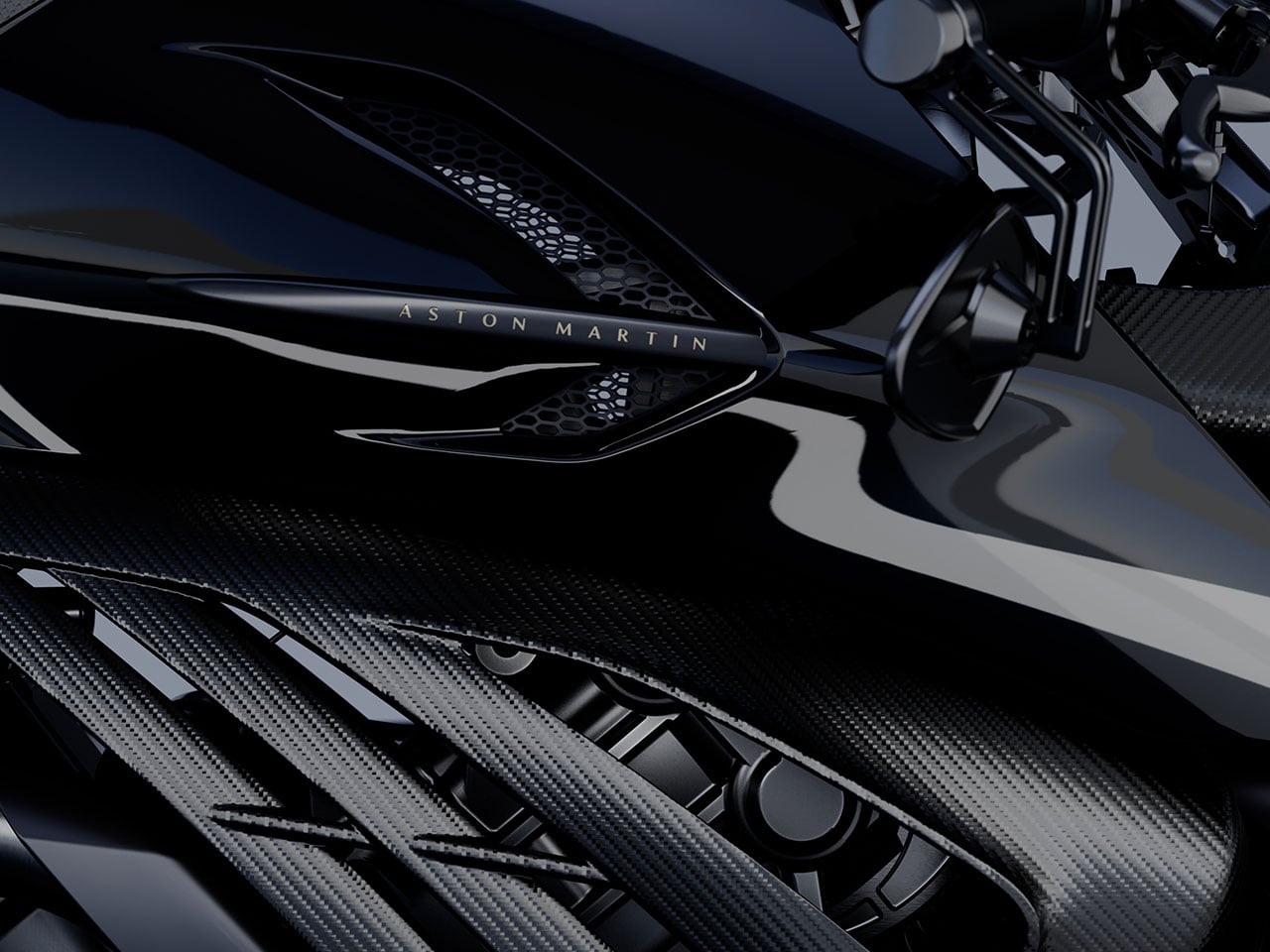
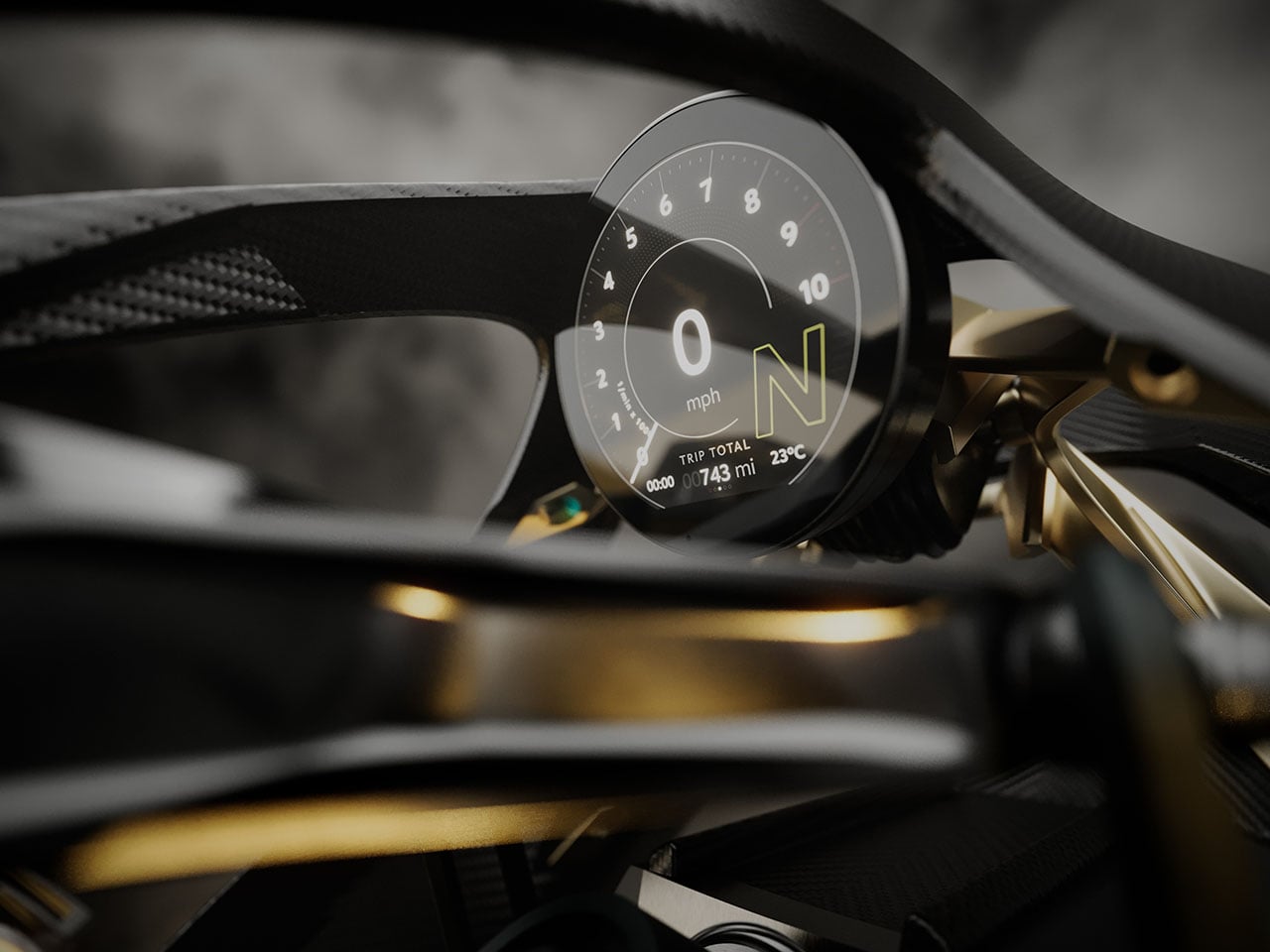
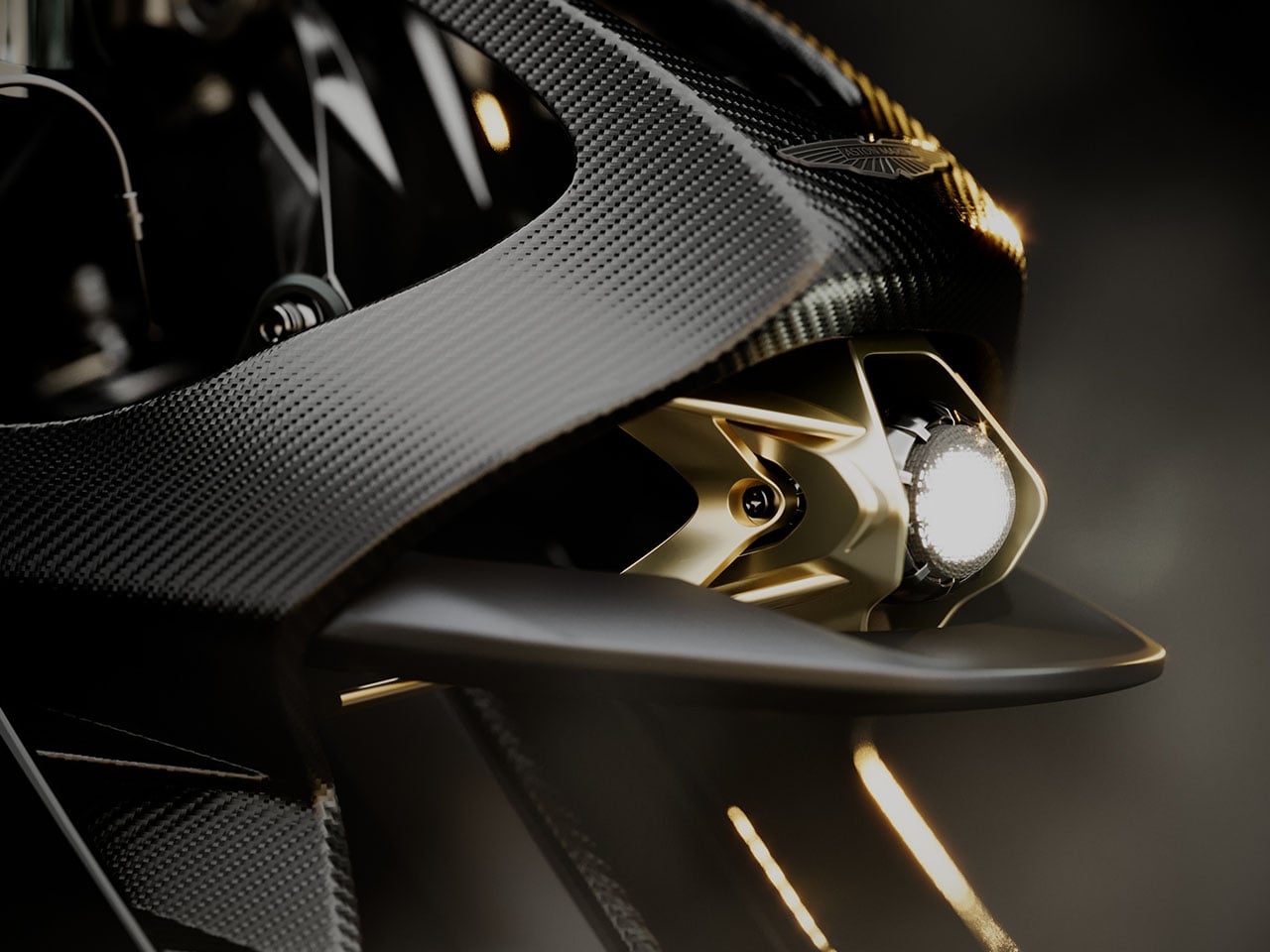
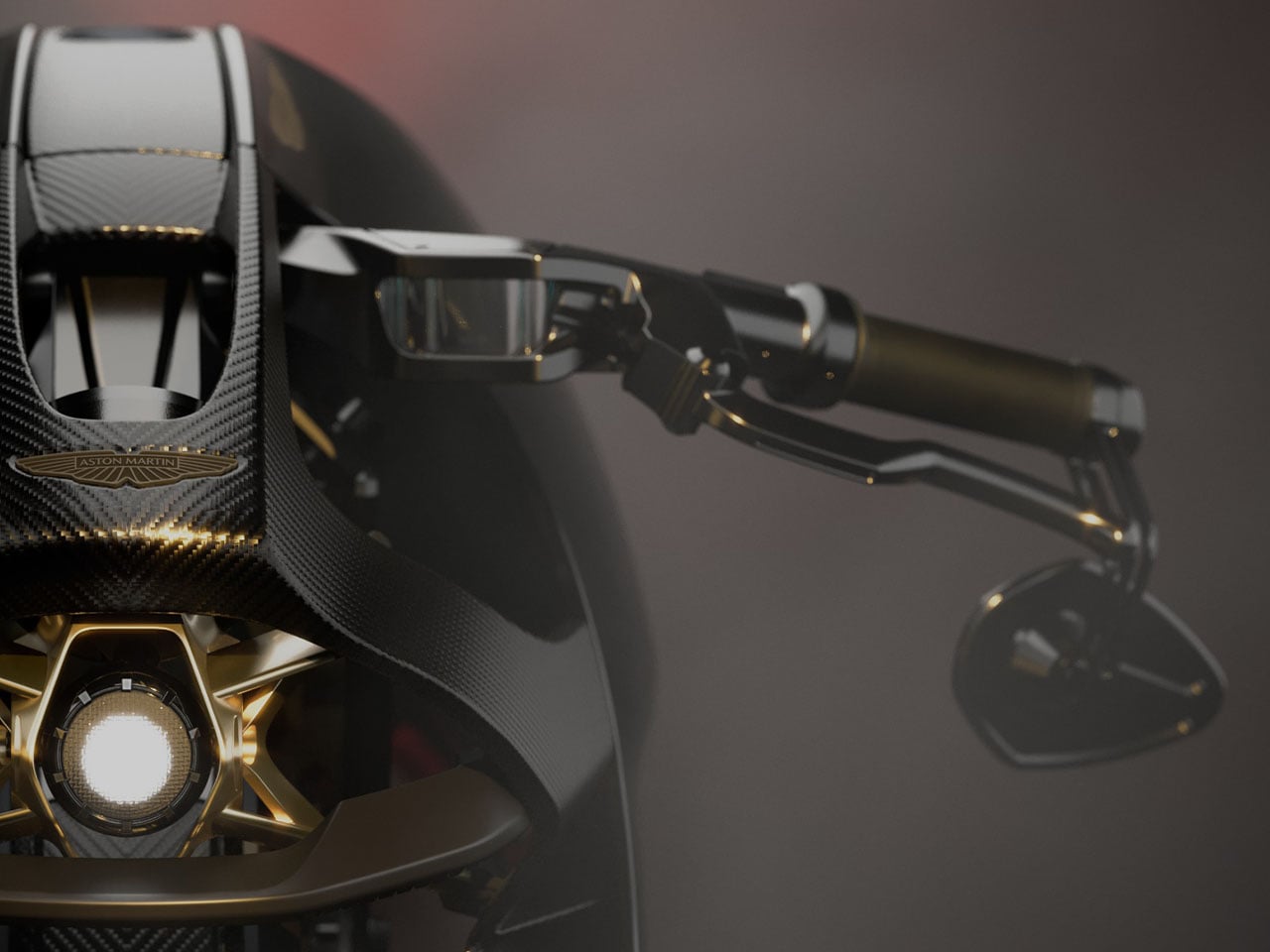
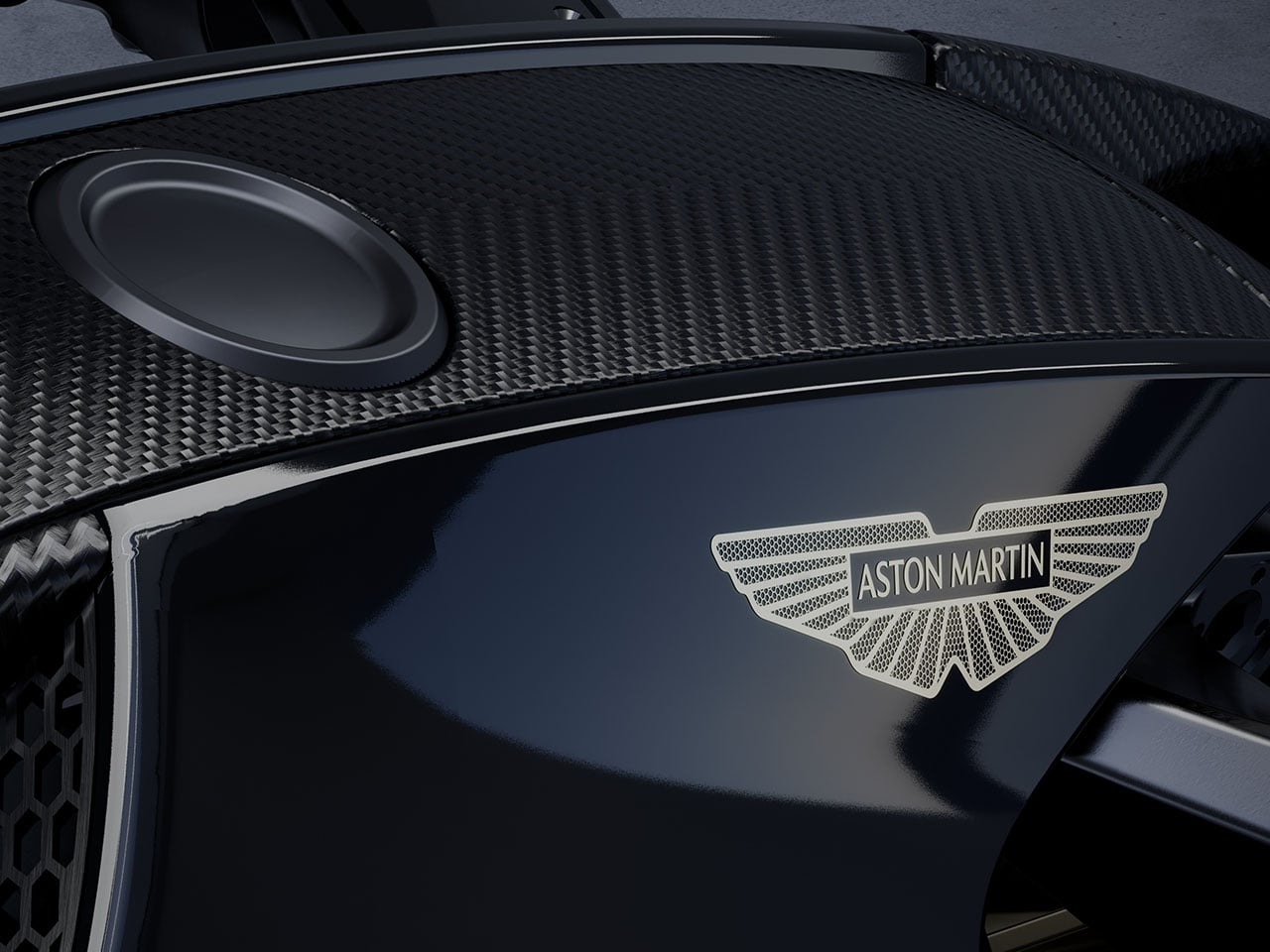
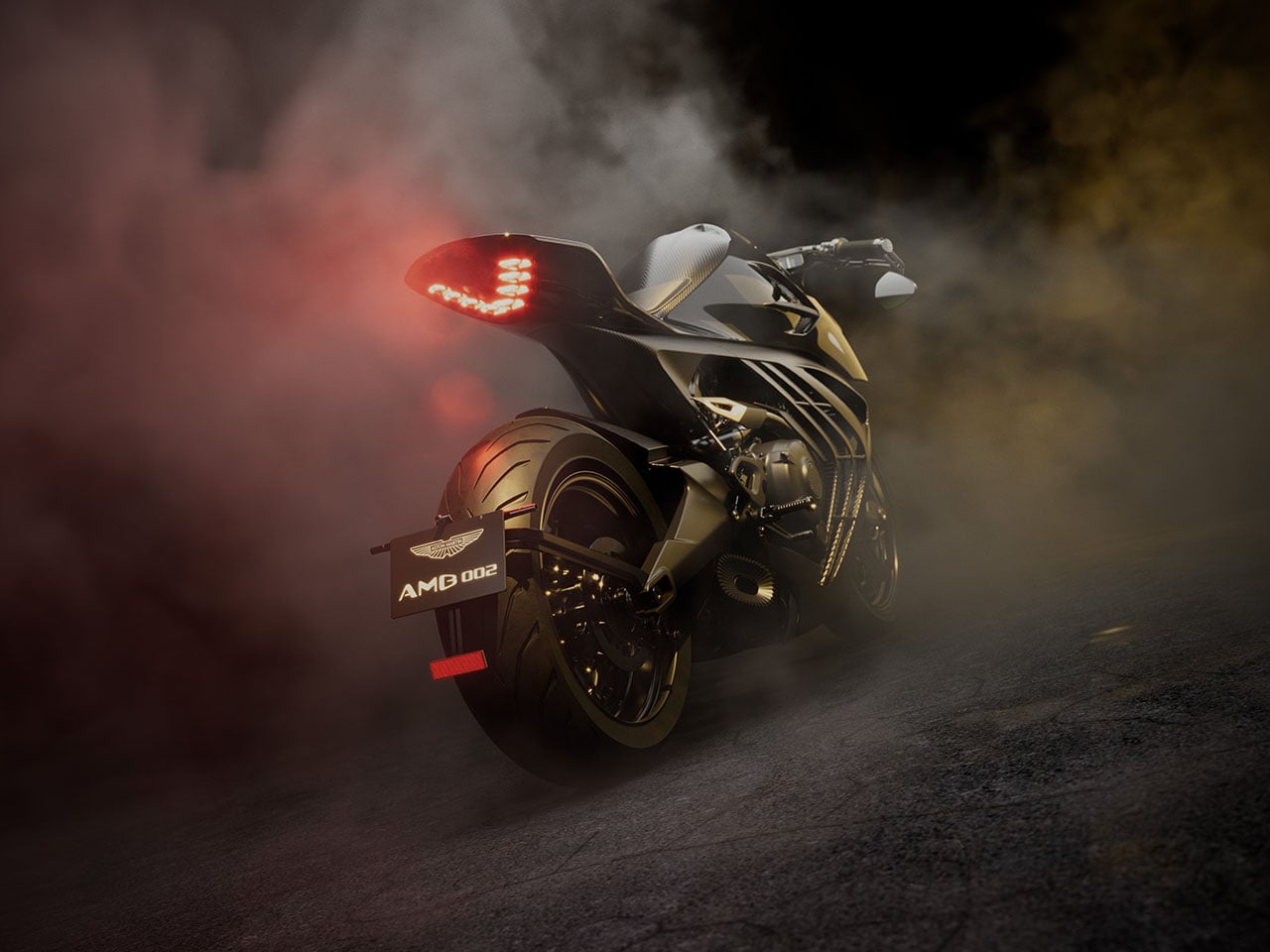
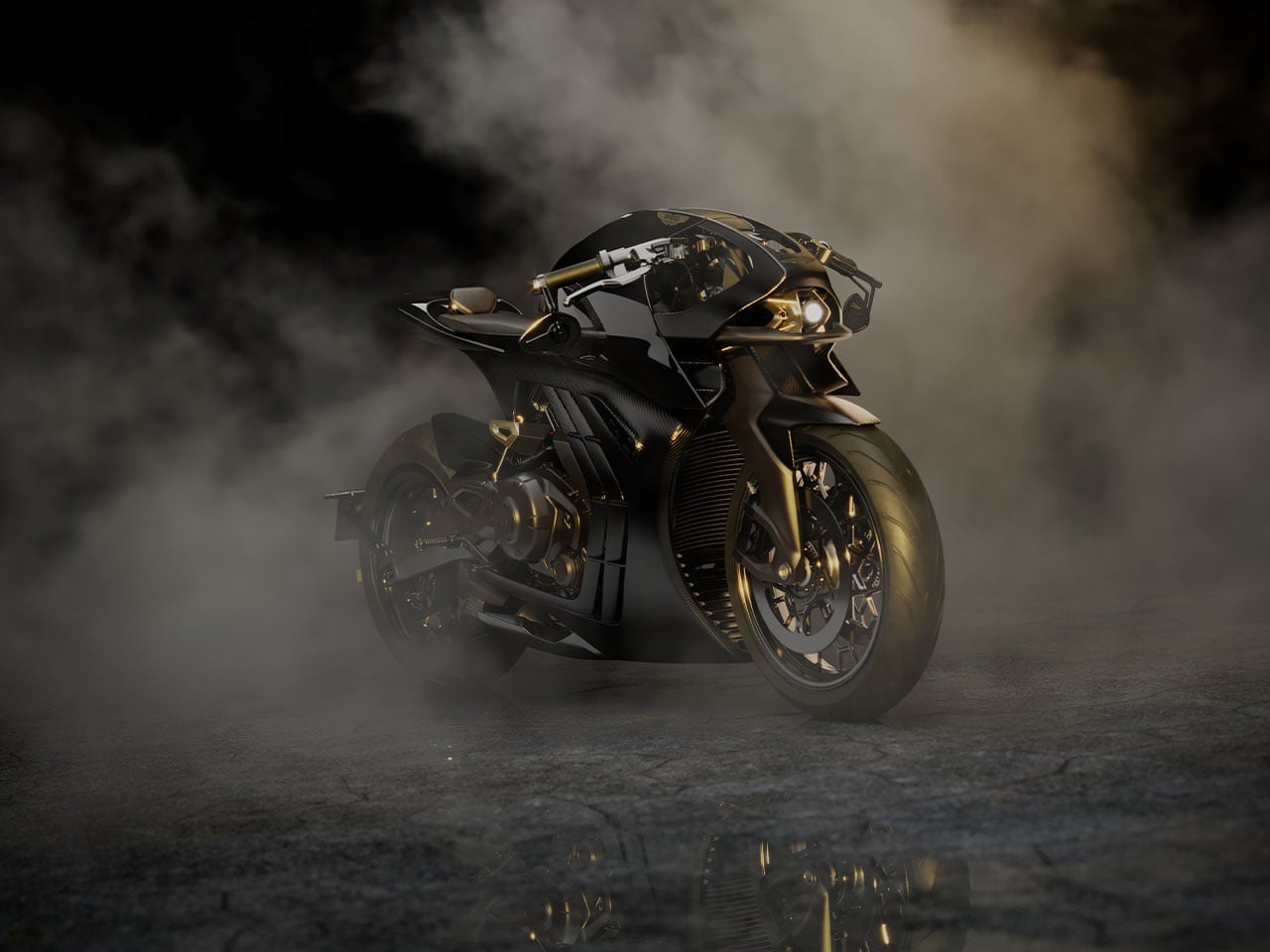
Unlike the earlier AMB 001 and AMB 001 Pro bikes, which were created exclusively for track use, the AMB 002 has been developed from the ground up for road riding. Aston Martin’s design studio has given it a compact, forward-biased silhouette, with smooth carbon-fiber surfaces broken up by crescent-shaped cooling vents along the sides. The bodywork rises around the rider, while slim, stalk-like mirrors and an exposed mechanical structure keep the motorcycle visually light.

Designer: Aston Martin

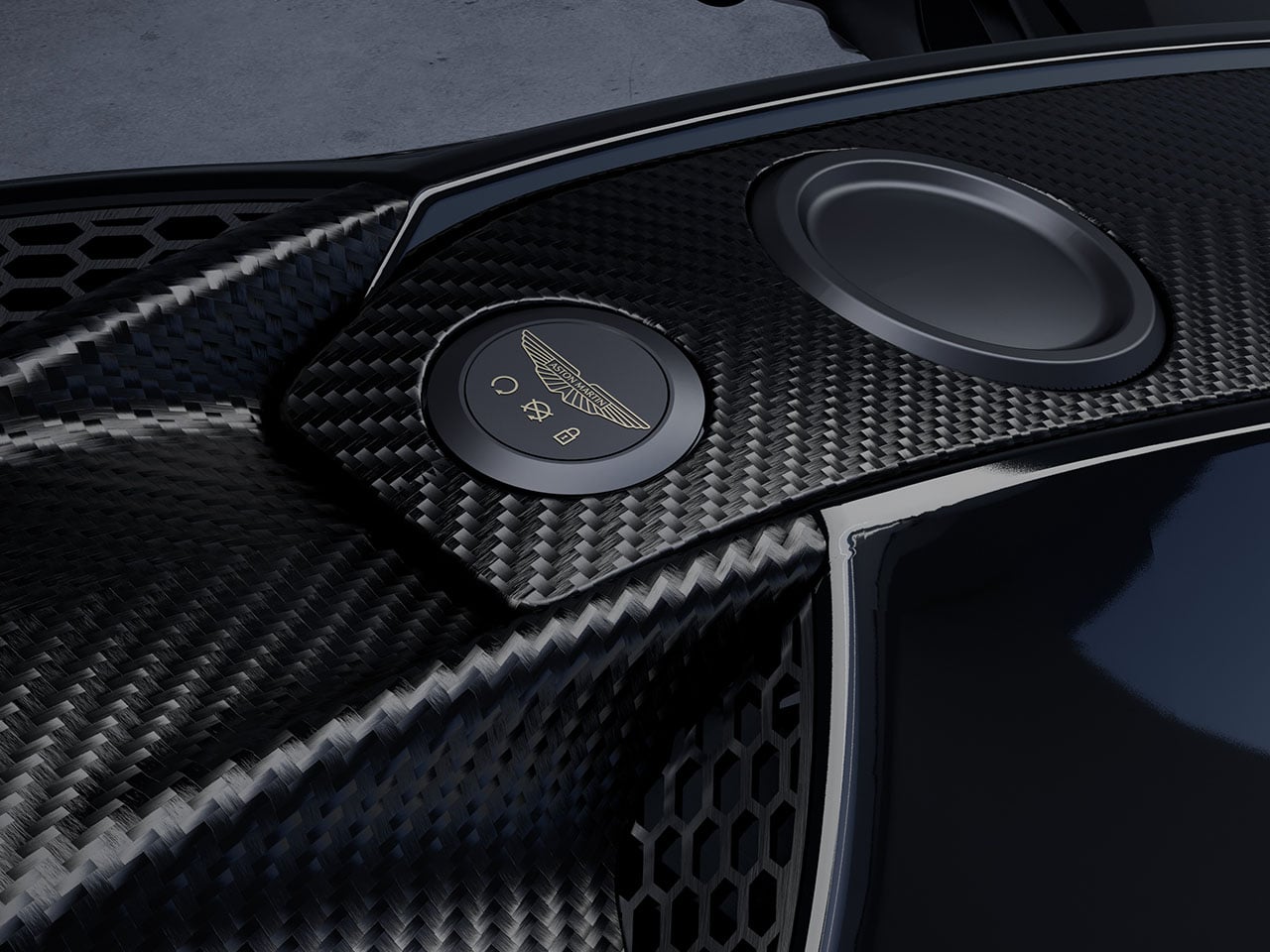
There are also deliberate references to Aston Martin’s cars. The brand’s signature side-strake has been reinterpreted around the headlamp, while the twin oval exhausts feature ribbed heat sinks inspired by the exhaust finishers used on models including the Vanquish, DB12 S and DBX S. At the rear, thin light blades borrow their visual character from the Aston Martin Vulcan, Valkyrie and Valhalla. Even smaller details, including the backlit ignition button, keyless operation and hand-crafted saddle leather seat pads, reinforce the connection between the motorcycle and Aston Martin’s road cars.

Underneath that carefully shaped bodywork is an all-new 1,083cc water-cooled V-twin producing 130 hp and 110 Nm of torque. Rather than chasing an extreme peak-power figure, the engine has been tuned around strong low- and mid-range torque, giving the roadster a more usable character for winding roads. The engine is CNC-machined from billet and built in-house at Brough Superior’s Toulouse facility, where the motorcycle is also machined and assembled.

The engineering gets particularly interesting around the chassis. A titanium structural frame is milled from a solid billet and weighs only 5 kg. It forms the backbone of the motorcycle while helping achieve a 50:50 weight distribution. Carbon-fiber body panels and the fuel tank help keep the center of gravity low, contributing to a total weight of 190 kg. Up front, the AMB 002 uses Brough Superior’s Fior fork, a double-wishbone system evolved from the setup used on the AMB 001 Pro. By separating steering and braking forces, the arrangement is designed to maintain front-end geometry under hard braking while improving steering precision. Its anti-dive characteristics are particularly useful when braking while leaned into a corner.

The result is an unusually focused road motorcycle where materials and mechanical architecture are as important to the experience as outright performance. Brough Superior will build each AMB 002 by hand in Toulouse, with first deliveries scheduled for the third quarter of 2027. Orders are already being accepted, making this less a conventional new motorcycle launch and more a limited production exercise in Aston Martin’s design language beyond four wheels.

The post Aston Martin’s 130-HP road-legal bike brings its luxury design language to two wheels first appeared on Yanko Design.

  •  

This Porsche 911 was lifted and rebuilt into a Chicago-ready urban safari car

What happens when a Porsche 911 stops worrying about staying low to the ground? Tangent Design Group has an answer. Lift it three inches, widen its stance, add chunky off-road tires, and turn one of Stuttgart’s most recognizable sports cars into something that looks ready to escape the city rather than attack a racetrack. Built in Chicago, the Urban Safari 911 is an unusual exercise in rethinking what a modern Porsche can be.

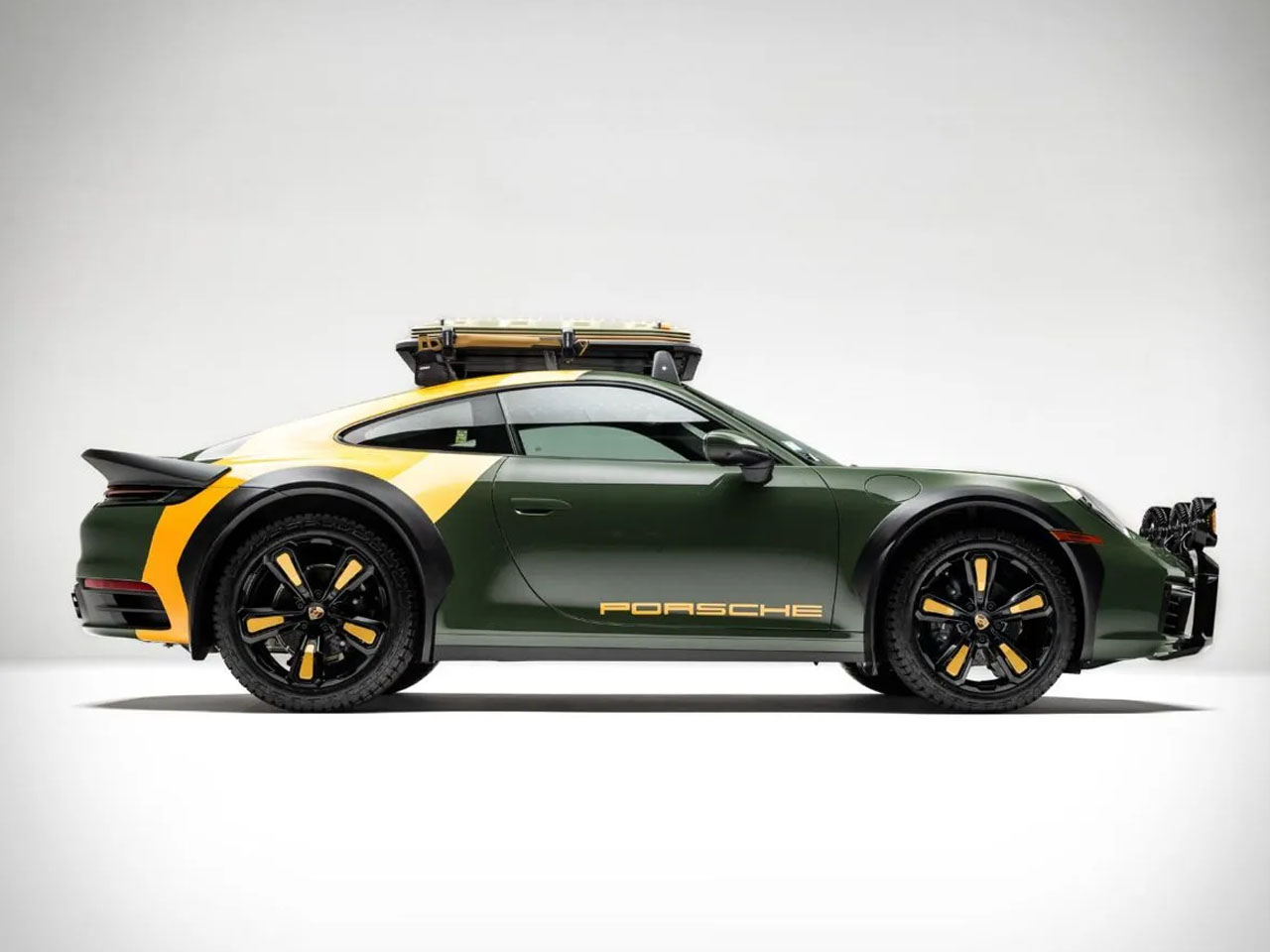
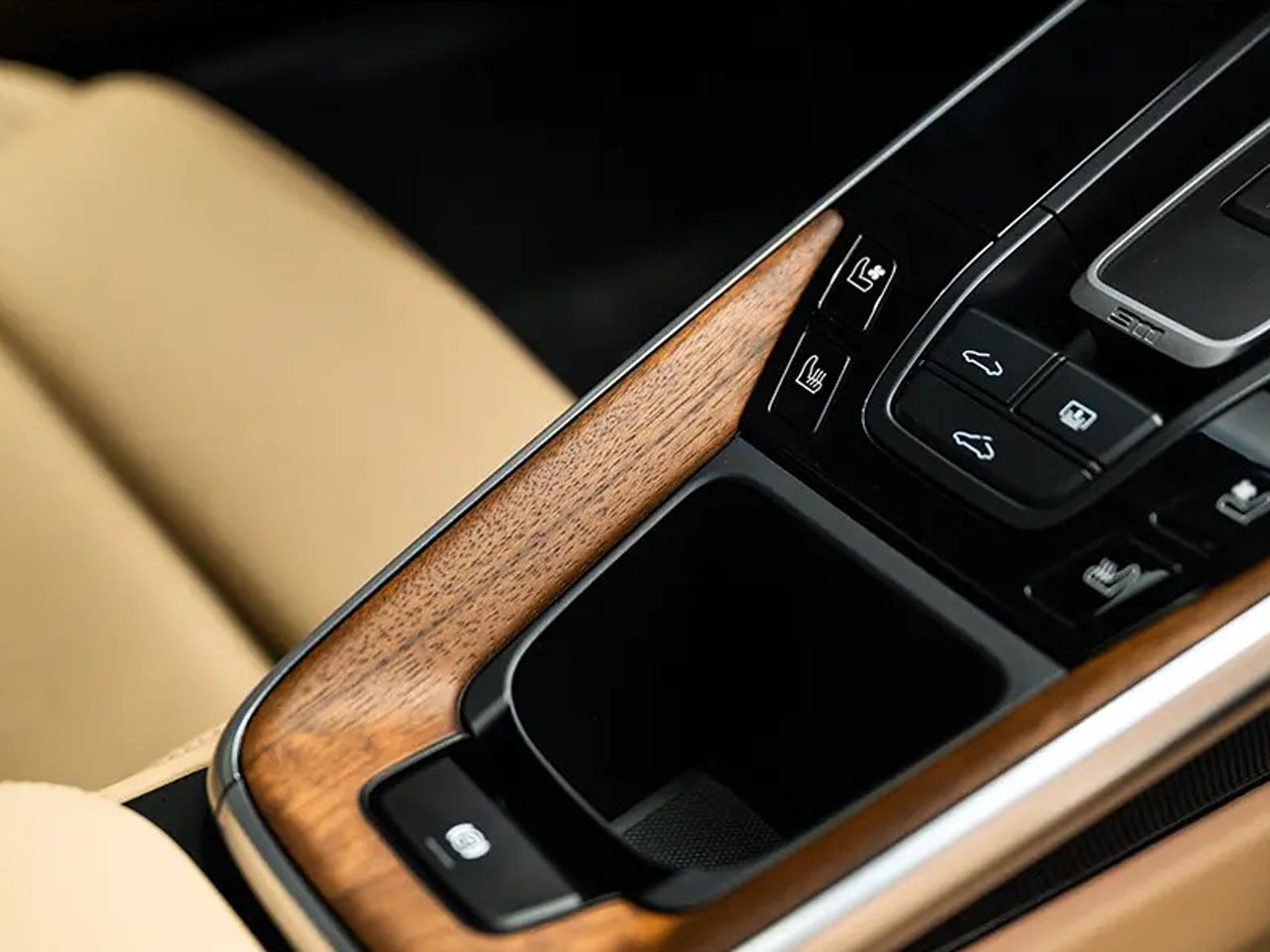
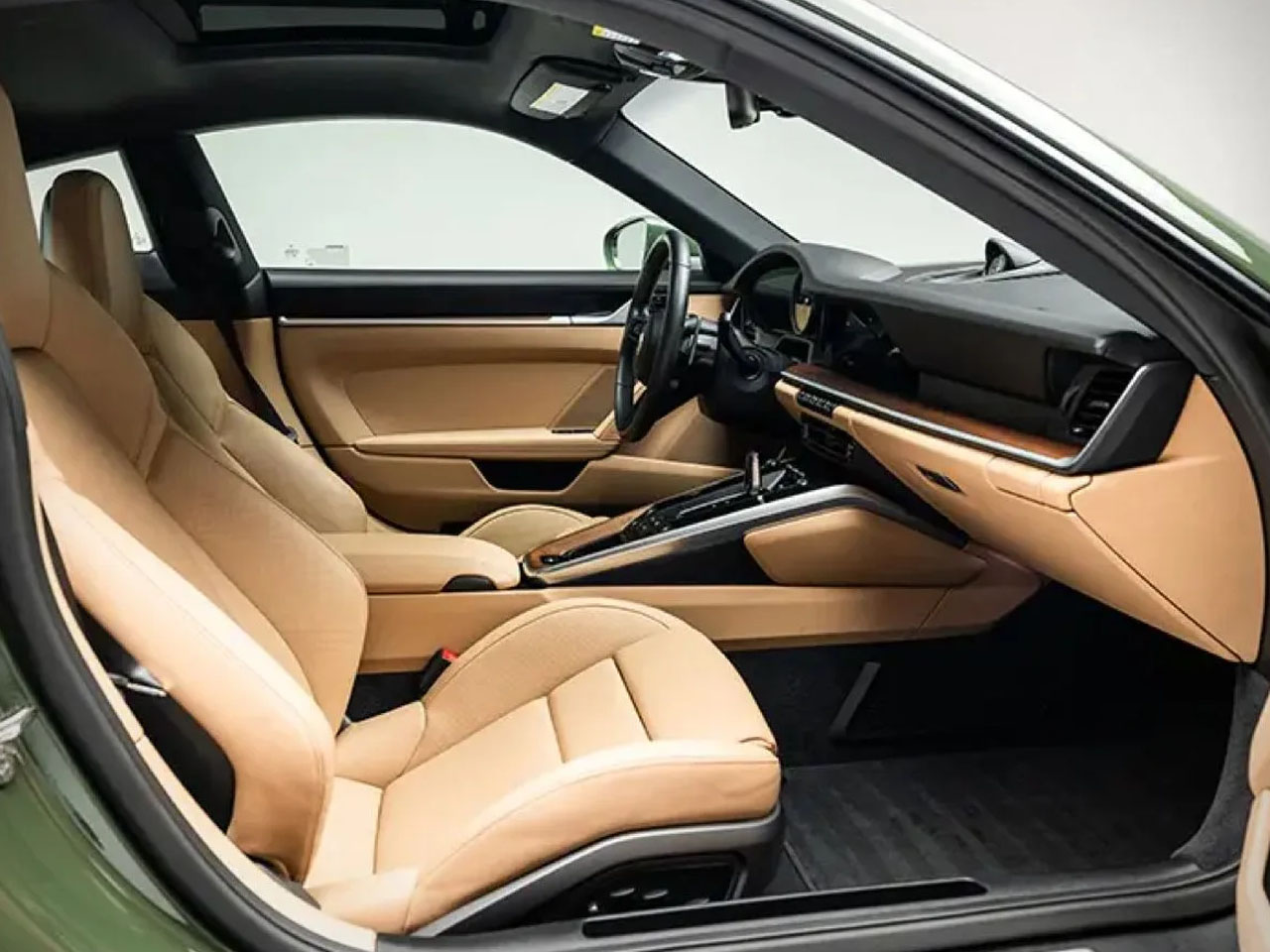
The project began in 2019, when the Chicago-based industrial design studio decided to build a Porsche without the constraints of a conventional client brief. Tangent eventually started with a 2021 Porsche 911 Carrera 4, chosen for its all-wheel-drive platform. Finished in Porsche’s Paint-to-Sample Black Olive with a tan interior, the car already had a distinctive character before the transformation began.

Designer: Tangent Design Group

Tangent approached it like a product-development exercise. The original 992 was digitally scanned, including its bumpers, fenders, wheel wells, rocker panels, and rear engine cover. That data became the foundation for developing new components that could properly integrate with the factory body and its increasingly complex electronics. Full-scale parts were then 3D-printed and physically fitted to the car to refine proportions and attachment points before final production.

The most significant change sits underneath the body. Tangent developed a bespoke three-inch lift system while retaining the Porsche’s stock suspension architecture and avoiding software errors. The additional clearance makes room for larger off-road tires and fundamentally changes the stance of the 911. On a truck, three inches might be unremarkable; on a low-slung sports car, it transforms the proportions completely. Something similar to what Vagabund Moto did in collaboration with NINE ELEVEN OUTLAW and DakarGarage to transform a Porsche 924 S into an off-road-worthy ride.

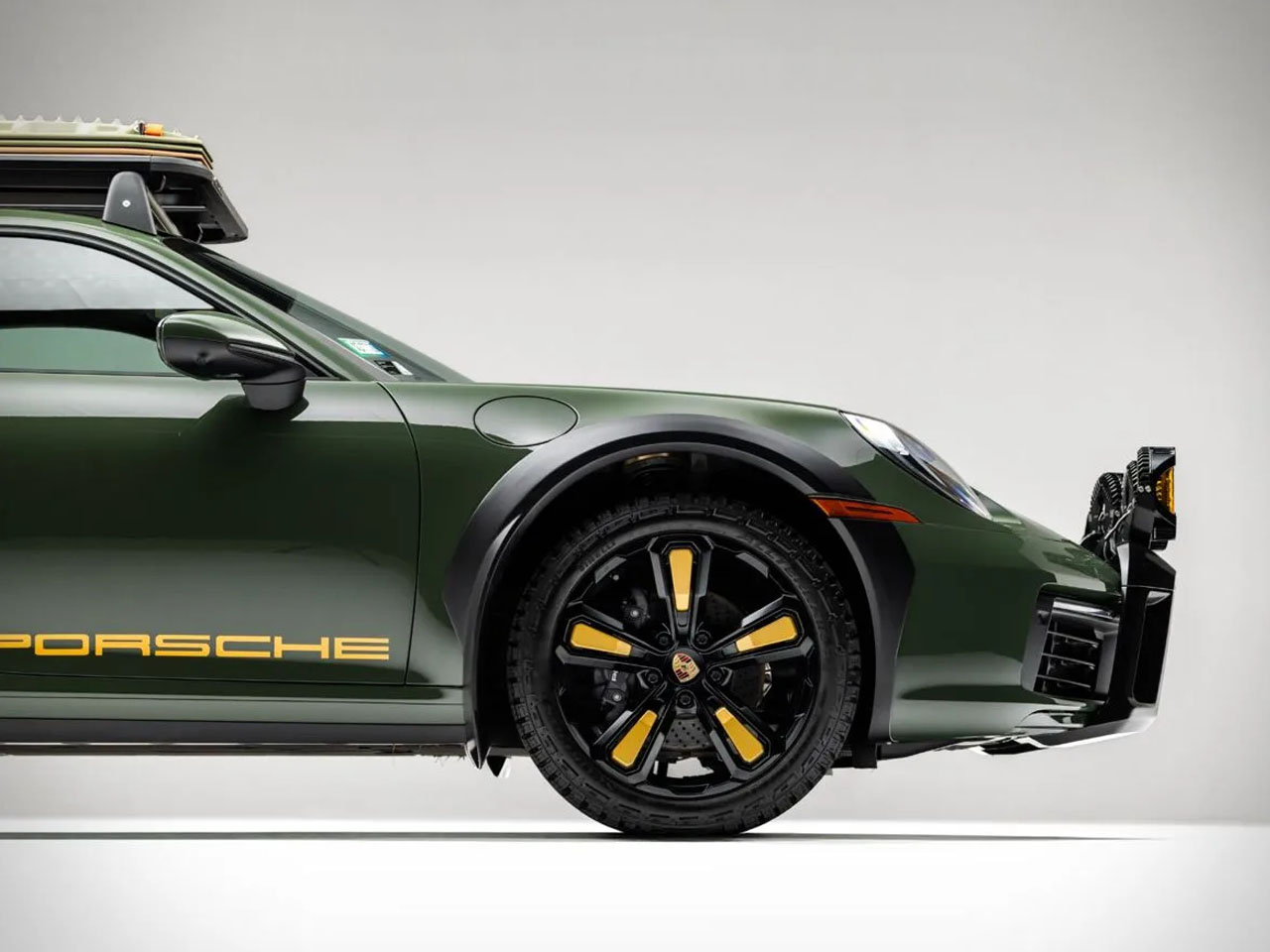
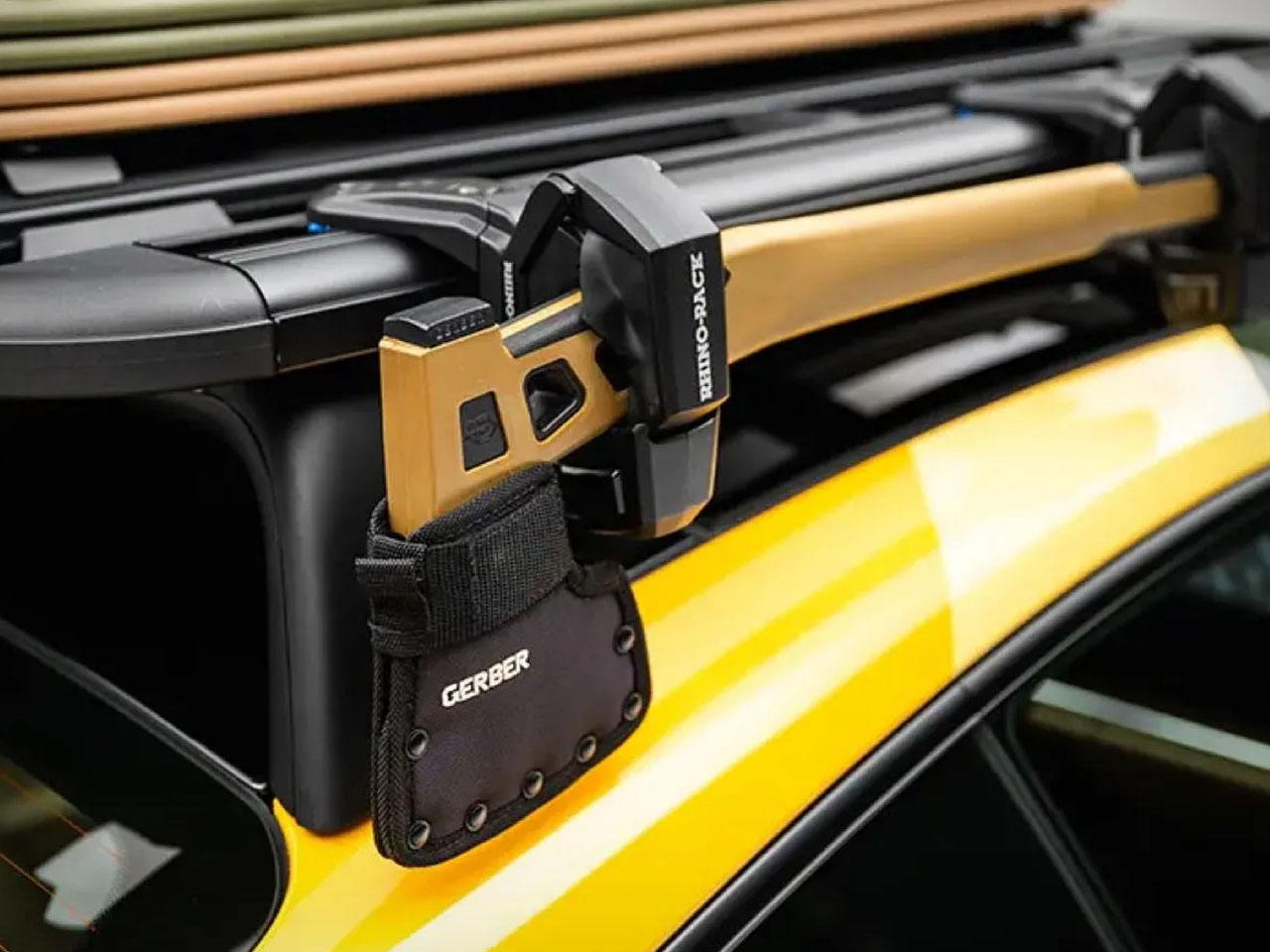
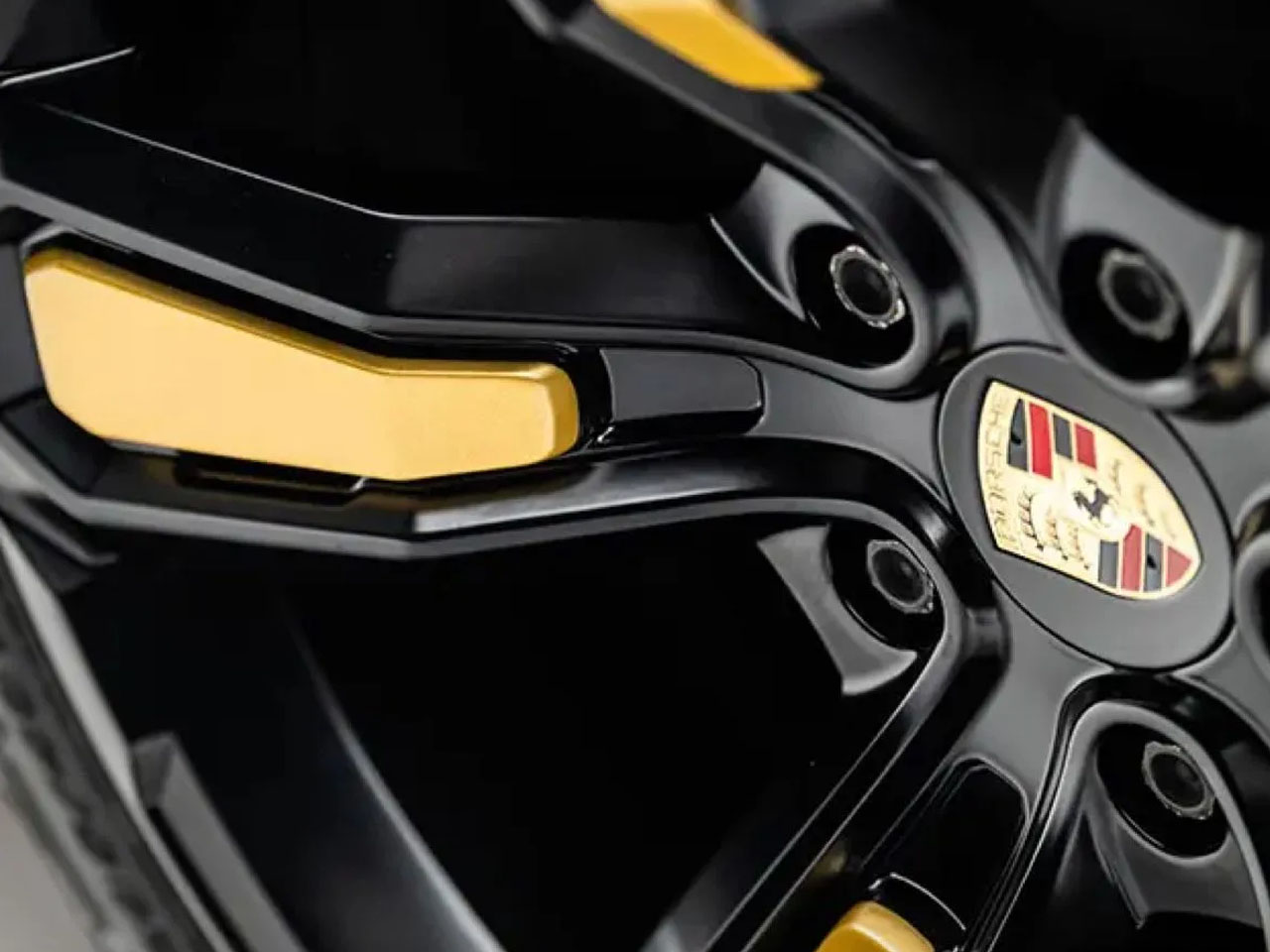
The wheels received the same level of attention. Tangent designed them in-house and worked with Brixton Forged to produce bespoke forged aluminum wheels. Full-scale printed versions were used during development to judge how the design sat against the widened body before the final wheels were manufactured. Visually, the Urban Safari combines wide fender extensions, revised rocker panels, a custom front bull bar and a pronounced ducktail-style rear wing. Auxiliary lighting and roof-mounted adventure equipment reinforce its rally-inspired character, while the graphics package borrows from historic Porsche rally liveries without simply recreating one.

That distinction is important. Tangent’s project predates Porsche’s factory 911 Dakar, having been conceived in 2019, but it draws from the same broader history of Porsche competition cars built for surfaces far removed from a racetrack. Instead of copying a classic rally car or dressing the 992 in retro cues, Tangent has created something that feels contemporary and purpose-built.

The result is currently a one-off, but Tangent is accepting inquiries about the Urban Safari kit, leaving open the possibility that its design language could eventually find its way onto other 992-generation cars.


The post This Porsche 911 was lifted and rebuilt into a Chicago-ready urban safari car first appeared on Yanko Design.

  •  

Unofficial Audi A8 Concept Keeps Classic Sedan Proportions and a Traditional Grille

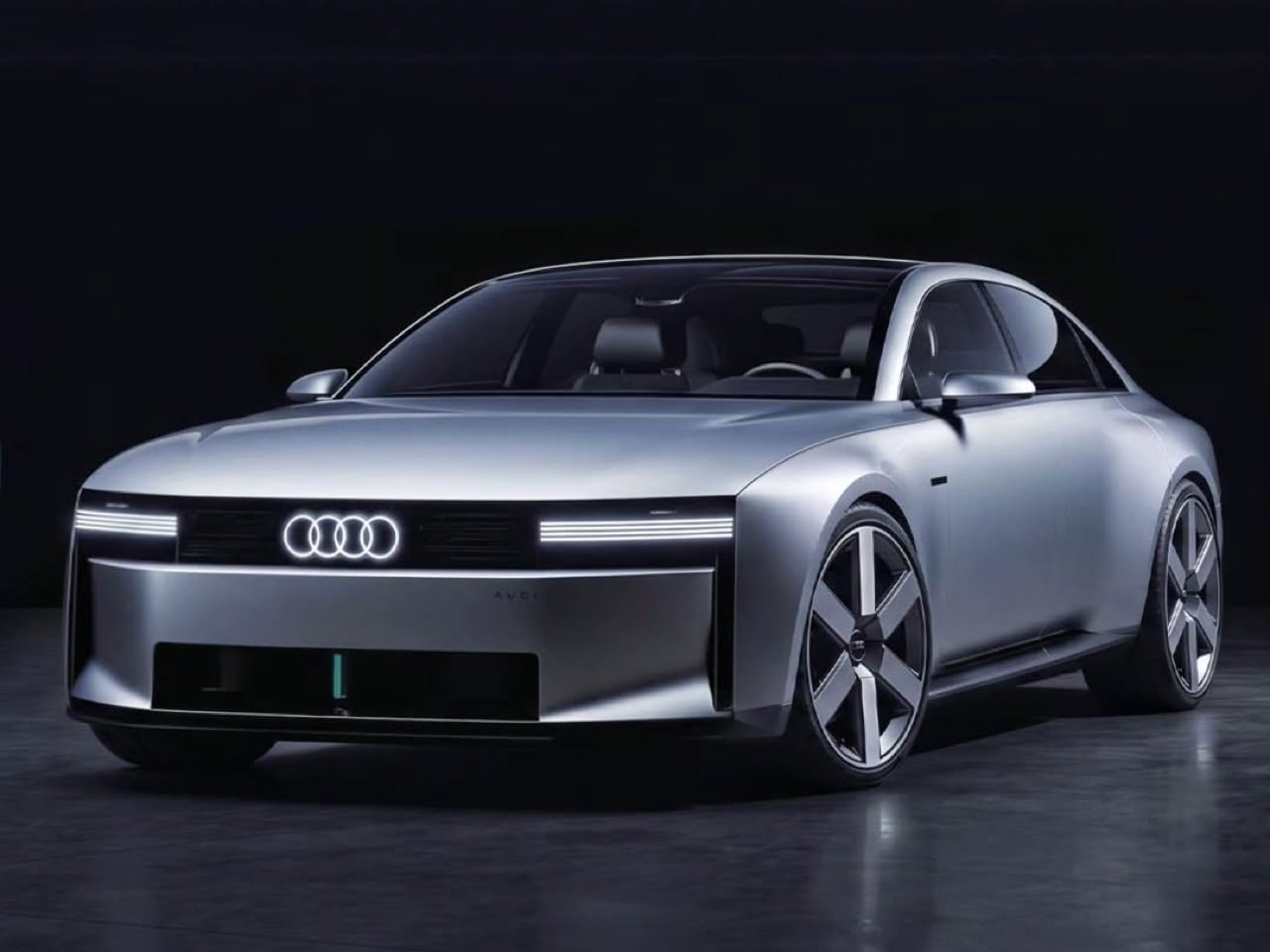
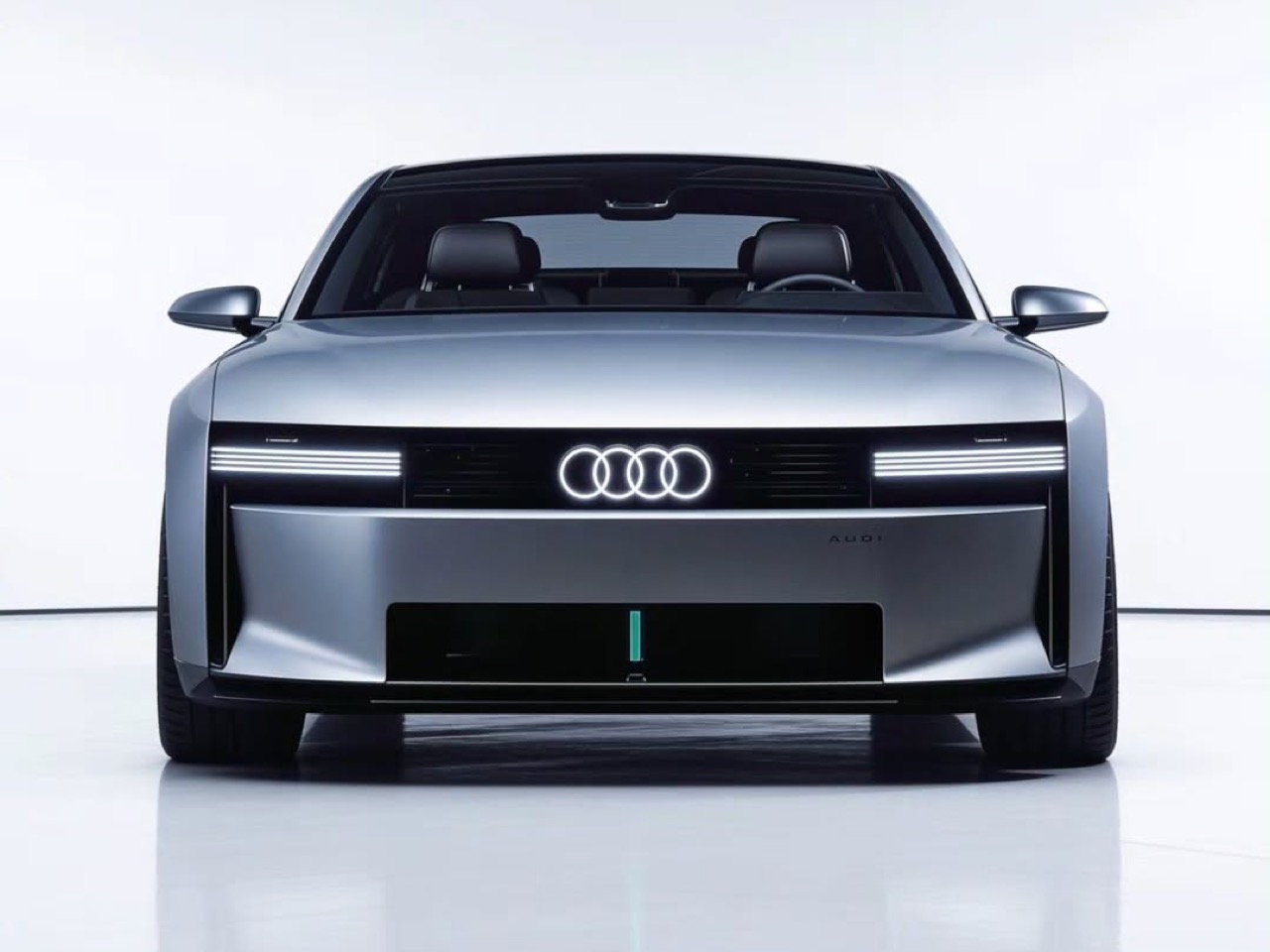
The Audi A8 died in early 2026, quietly, the way flagships die now. Order books shut in Germany, production wound down, and the Q9 SUV inherited the crown after the A8 managed 1,406 US sales in a year the Q8 did 10,881. Audi swears a fifth generation arrives around 2030. Luca Serafini apparently decided four years is a long time to sit around, so he built one himself. His version borrows the Concept C’s monolithic surfacing and four-element light signature, then quietly refuses the vertical Singleframe, running a full-width horizontal bar with the four rings lit at center instead, plus twin exhausts in the diffuser.

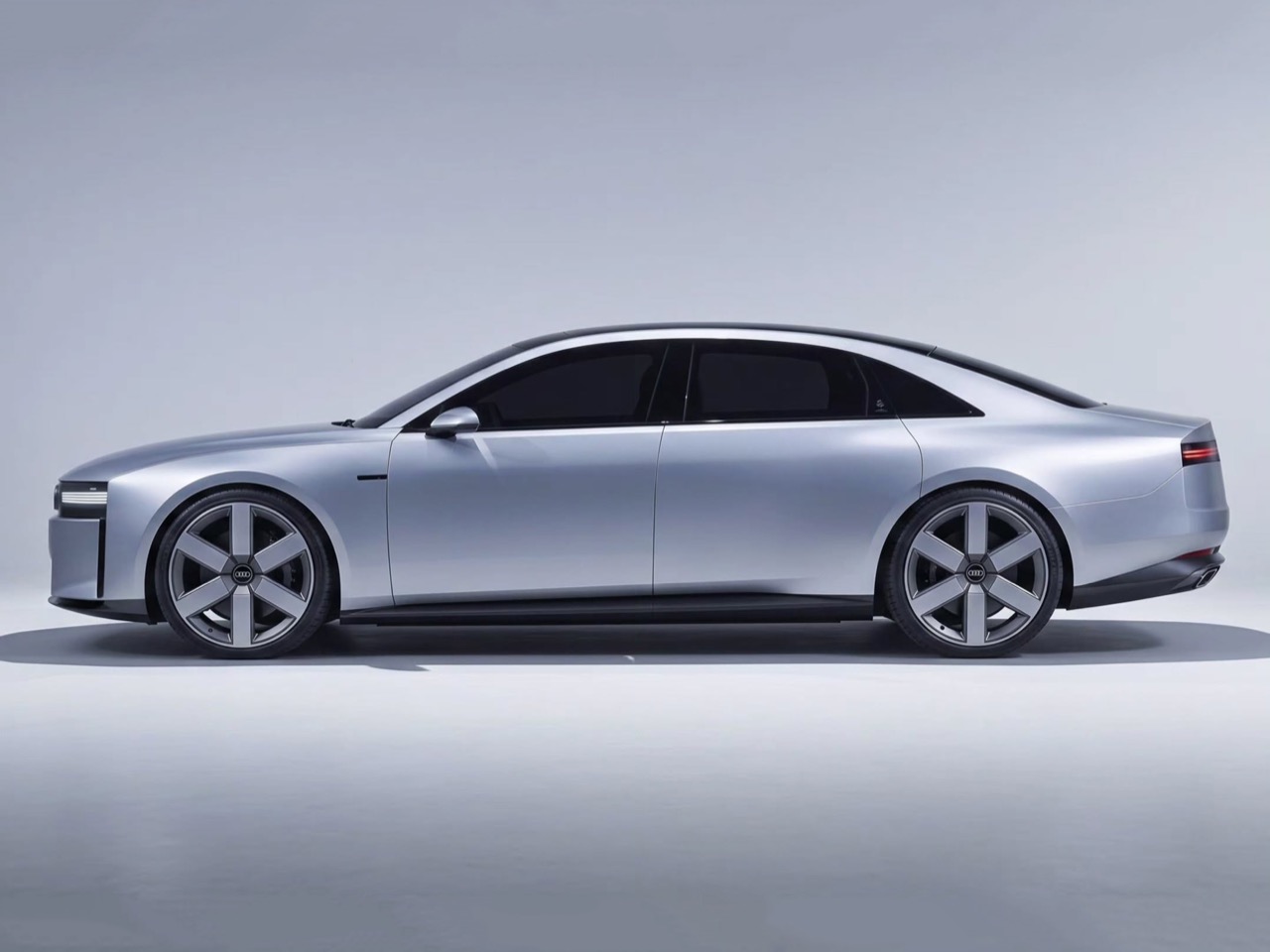
Everything else on the car is doing less on purpose. Six-spoke wheels with cross-drilled discs behind them, blacked-out pillars, flush glass, a shoulder line so soft you have to hunt for it, and a titanium-silver finish borrowed straight from Concept C’s anodized aluminum look. Those illuminated rings front and rear go dark the second any regulator sees them, and the front overhang is shorter than crash structure would ever allow. Neither problem makes the renders less convincing. They just mark exactly where a designer stopped negotiating with reality.

Designer: Luca Serafini, LS Design

The vertical Singleframe remains the most argued-about thing Audi has done in a decade, and Serafini declines it outright. Massimo Frascella built that upright slab for the Concept C by reaching back to the 1936 Auto Union Type C and the 2004 A6, and when we spent forty minutes with the car in Munich it absolutely worked at roadster scale. Stretch the same face across five-plus meters of limousine, though, and authority starts sliding toward novelty toothpaste tube. What replaces it is a wide horizontal aperture with the rings glowing dead center, flanked by the four-element light graphic Audi now uses front and rear. Autoevolution called the result tame. I’d call it a designer knowing what a big car’s face has to do.

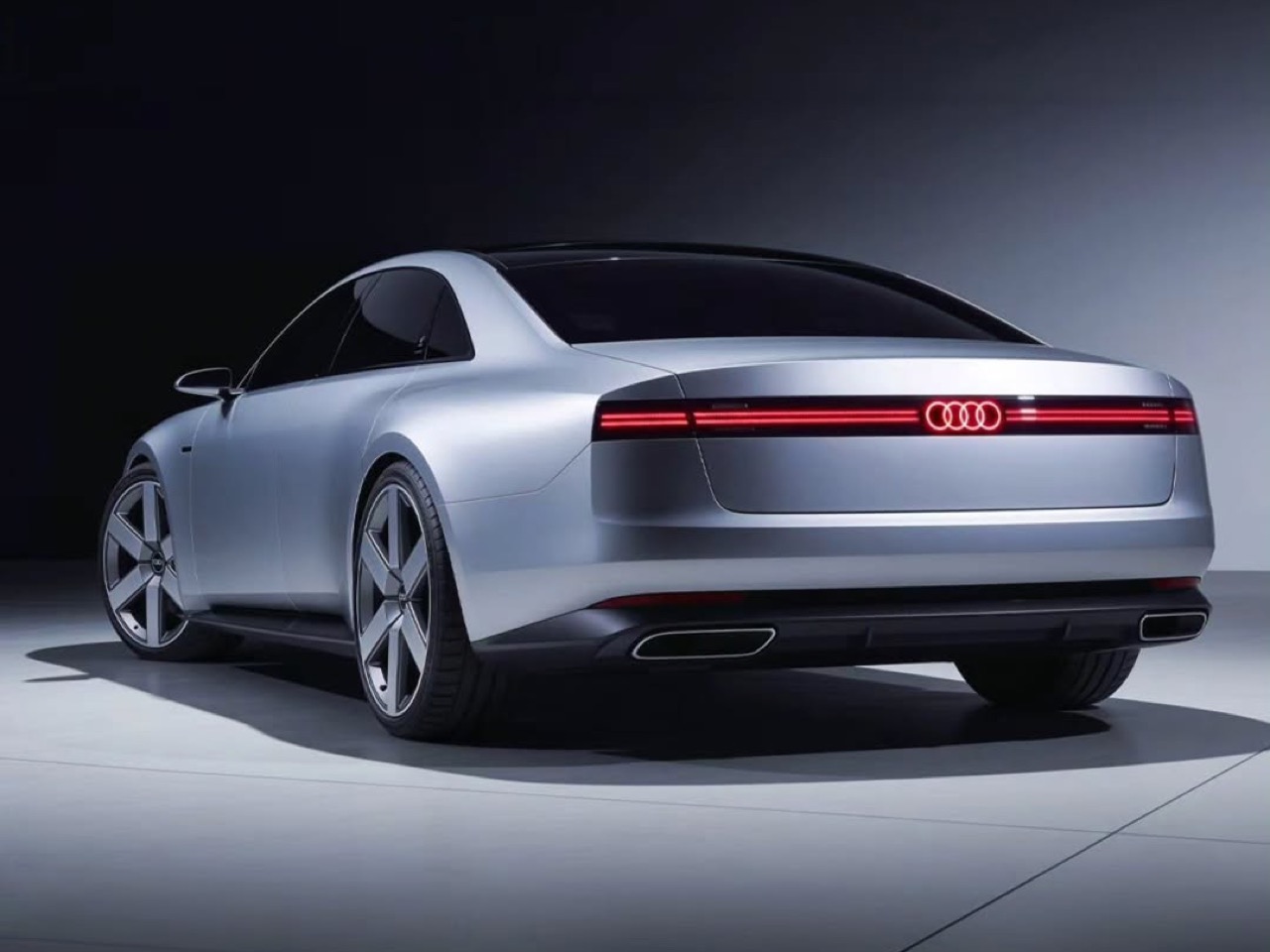
Audi built the slipperiest sedan on the planet in 1982 by bonding the side glass flush with the bodywork, hitting a drag coefficient of 0.30 and calling itself the aerodynamics world champion. Forty-four years later the same instinct gets rebranded as radical simplicity. Serafini’s A8 runs the C3 playbook almost literally, with flush glazing, no visible door handles, blacked-out pillars, and a body carrying zero character lines. The whole surface works on volume and reflection alone, which is the hardest thing to pull off in car design and the easiest to botch. Broad rear haunches and a near-vertical Kamm tail keep it from reading as a bar of soap.

Twin oval outlets sit in the black rear diffuser, which rules out any A8 e-tron reading immediately. That looks prophetic rather than backward-facing, given Audi scrapped its 2033 combustion cutoff and then dropped the 987-hp Nuvolari, a 4.0-liter twin-turbo V8 with three axial-flux motors and a 10,000 rpm redline, in the exact year it once promised to go electric-only. A green vertical accent in the lower intake muddles the story slightly, since it reads like a charge-status indicator on a car with tailpipes. Serafini has been running Concept C surfacing across an imaginary Audi lineup since last September, covering an SUV, a hot hatch, an A2 revival and an R8 Spyder. This flagship is his second run at the A8.

Frascella’s rule now is that Audi shows nothing it cannot build, which makes independent work like this the only place ambition still runs unsupervised. Serafini works in Blender, 3DS Max and Unreal with AI in the pipeline, so the images are staged rather than surfaced from production CAD, and a few details fall apart under close reading. His Ferrari single seater from yesterday had the same quality, gorgeous and structurally impossible in roughly equal measure. What this A8 proves is that the segment’s problem was never the shape. Audi walked away from the sedan because buyers did, and a car this composed makes that math feel like a shame.

The post Unofficial Audi A8 Concept Keeps Classic Sedan Proportions and a Traditional Grille first appeared on Yanko Design.

  •  

Lando Norris’ New LEGO Helmet Is Weirdly Emotional to Build

McLaren just hit 1,000 Grands Prix, which in Formula 1 years is basically ancient royalty status. Only Ferrari has been around longer in this sport, and Ferrari acts like it too. So when a team crosses a milestone like that, you throw a party, you paint a special livery on the car, and apparently, you also get LEGO to build you a commemorative brick helmet with your driver’s face on the box.

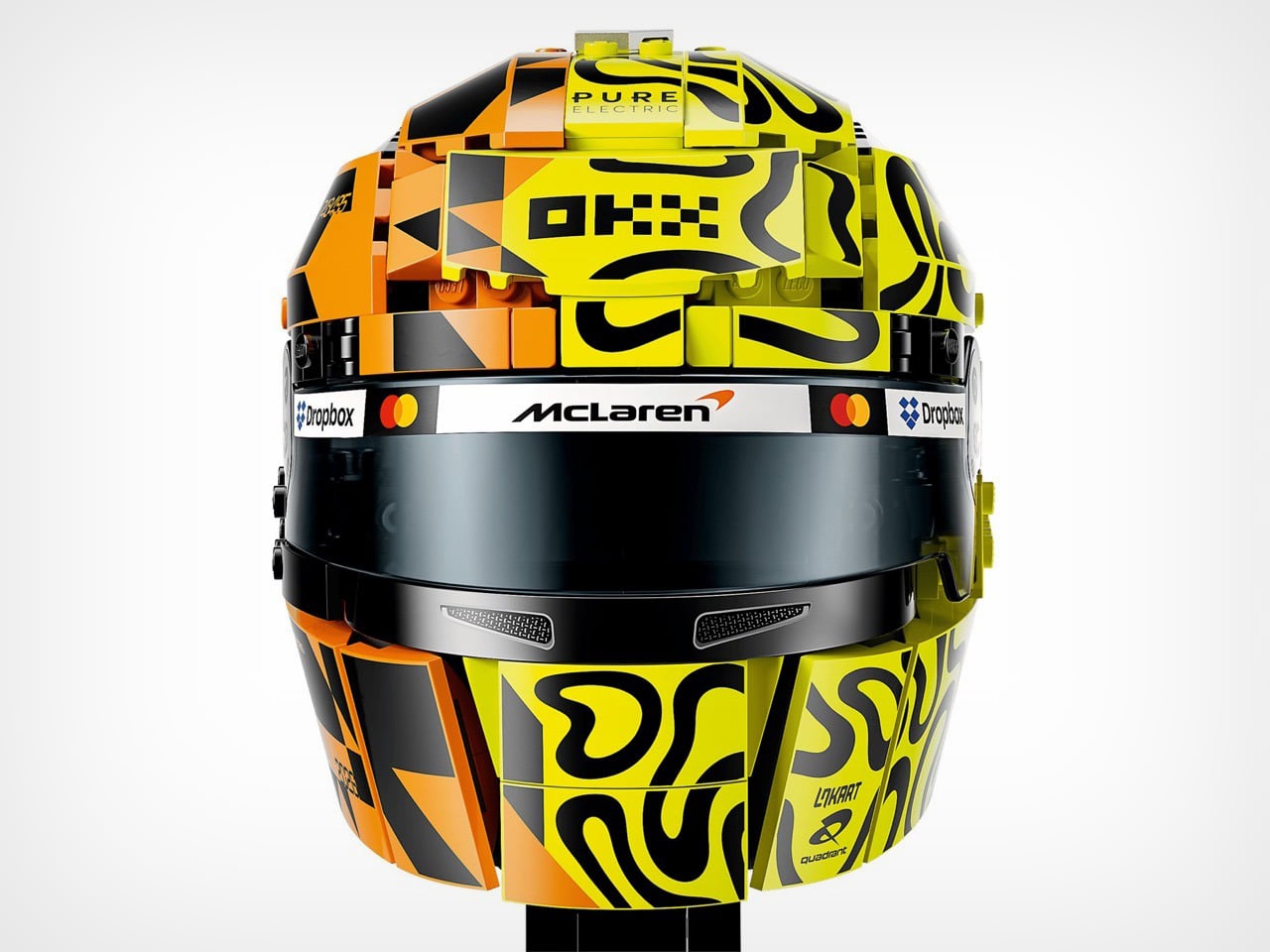
That is exactly what happened with Lando Norris’s set, a 793 piece build that packs his signature yellow and black “blob” design (his words, not mine) onto one side of a papaya orange helmet shell. It is McLaren history and Norris’s personal branding smashed together into a display piece, and somehow LEGO made that combination look genuinely good instead of like a marketing fever dream.

Designer: LEGO Design Team, co-created with Lando Norris

What makes this one different from your average licensed tie in set is that Norris was actually in the room for it. This was not LEGO grabbing some reference photos and calling it a day. The drivers worked directly with LEGO’s design team to shape both the Norris helmet and its companion piece for teammate Oscar Piastri, and the real helmets both drivers wore trackside at Monaco were based on the LEGO designs, not the other way around. That is a genuinely rare flex for a toy company. Daniel Meehan, LEGO’s Creative Lead for F1, put it well when he said building organic helmet curves at this scale “presents exciting opportunities for exploring new building techniques and creative parts usage,” which is design speak for “yeah, this was hard and we are proud we pulled it off.”

And they did pull it off. The papaya orange half and the neon yellow squiggle half meet along a seam that somehow still reads as one continuous helmet, not two mismatched shells taped together. Printed tiles handle every sponsor logo along the brow, McLaren, Mastercard, Dropbox, OKX, all sitting exactly where they would on the real thing. The back of the helmet is where the emotional weight lives though. LEGO printed “1.000 GP” and “1963” across the rear in bold anniversary numerals, with a small nod to “Bruce / Mal Est. 1963,” a reference to Bruce McLaren founding the team over sixty years ago. “NEVER STOP RACING” runs along the base of the visor. It is a lot of history packed into a helmet the size of a grapefruit.

My favorite detail, though, is buried in the yellow side paneling where LEGO snuck in a tiny printed minifig head, smiling face and all, hidden right inside Norris’s own design pattern. It is such a small thing, but it is basically LEGO signing its own work, and it tells you the people building this actually cared about more than just slapping a logo on a shelf piece.

The set comes mounted on a black display stand with Norris’s number 1 and a printed signature plaque, plus a minifigure of Norris himself in off track team gear, reportedly the first time he has been rendered as a LEGO minifig. It also plugs into the LEGO Builder app so you can rotate and zoom your progress mid build, which is a nice touch if you like tracking your pit stops digitally.

This helmet drops right after LEGO built ten full size, actually driveable F1 cars for a stunt at last year’s Miami Grand Prix, so the brand’s relationship with the sport is clearly only ramping up. The Lando Norris McLaren Mastercard F1 Team Helmet (set 43023) is available now for $89.99 on LEGO.com and through McLaren’s official store, alongside the matching Oscar Piastri edition if you want the full garage set.

The post Lando Norris’ New LEGO Helmet Is Weirdly Emotional to Build first appeared on Yanko Design.

  •  

Heart Aerospace X1 takes flight as the world’s largest battery-electric aircraft

Electric aviation has reached a milestone that once seemed reserved for much smaller aircraft. Heart Aerospace’s X1 demonstrator has completed its first flight, becoming the largest battery-electric aircraft ever to take to the skies. The aircraft flew from Plattsburgh International Airport in upstate New York on August 12, marking a significant step toward bringing electric propulsion to the scale of regional air travel.

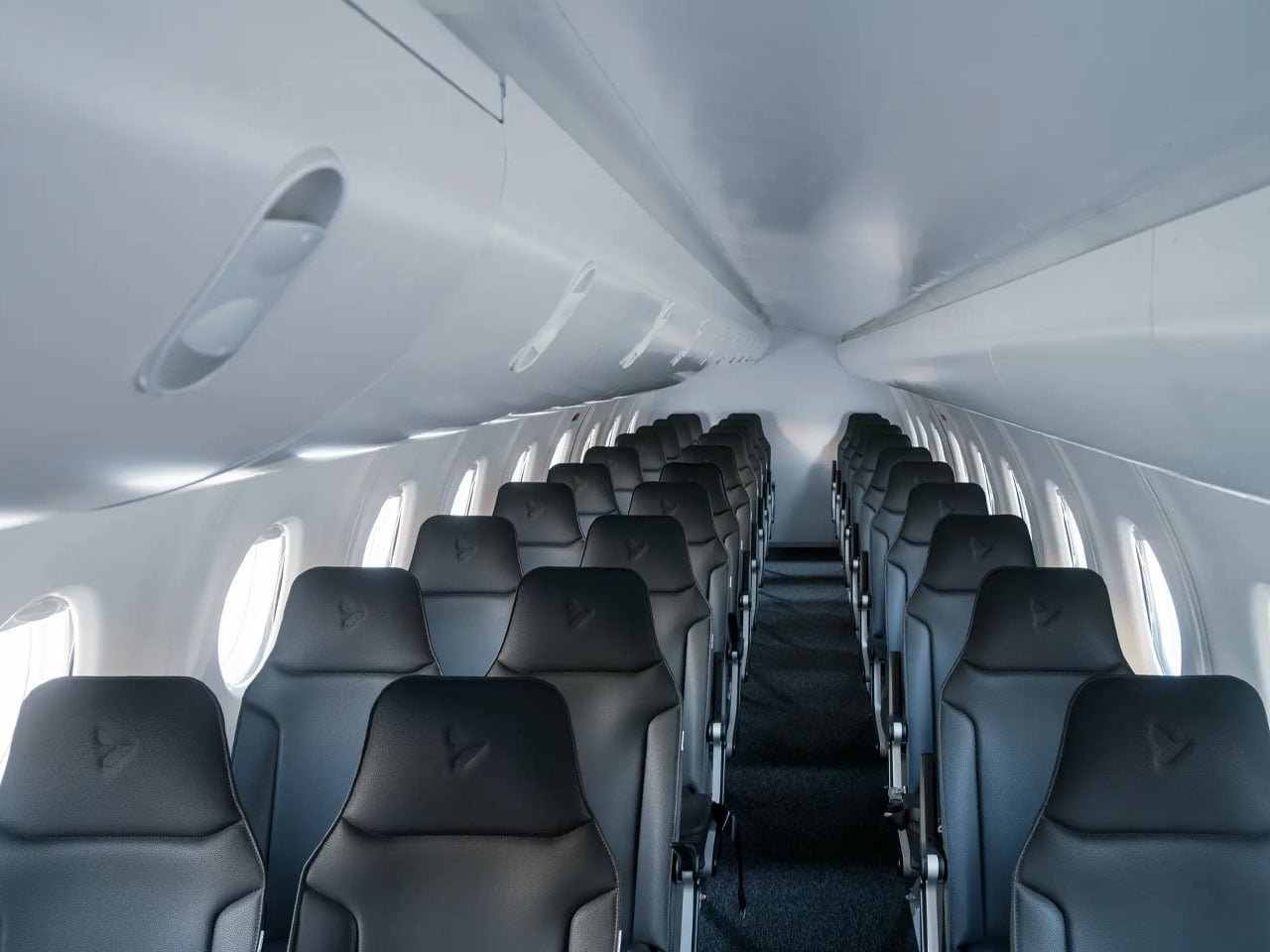
The X1 is not intended to become a passenger aircraft itself. Instead, it is a full-scale technology demonstrator for Heart Aerospace’s ES-30, a 30-seat hybrid-electric regional aircraft currently under development. Its purpose is to validate the propulsion system, aerodynamics, flight performance, and other technologies that will eventually be carried into the production aircraft.

Designer: Heart Aerospace

For a prototype, the X1 is quite substantial. It has a 106-foot wingspan, measures 76 feet from nose to tail, and weighs more than 25,000 pounds at takeoff. Four electric motors provide propulsion, drawing their energy entirely from onboard batteries during the test flight. The maiden flight lasted 27 minutes and included taxiing, takeoff, climb, maneuvering, and landing. The aircraft reached 1,100 feet above ground while its electric propulsion system delivered more than one megawatt of power. The test was conducted under an FAA Special Airworthiness Certificate in the Experimental Category, with the flight kept within a controlled test envelope.

Perhaps the most striking detail is the reported energy cost. Heart Aerospace says the flight used approximately $5 worth of electricity. That figure covers the battery-powered flight operation, while some reporting notes that electricity consumed during ground taxiing would need to be considered separately. Even with that distinction, the demonstration offers a tangible illustration of the potential operating-cost advantage of electric propulsion over conventional aircraft fuel.

The limitations, though, have still to be kept in mind, as batteries still cannot provide the energy density required for longer regional flights. That is why the production ES-30 will use a hybrid-electric architecture rather than relying entirely on batteries. Heart Aerospace is targeting an all-electric range of about 124–125 miles, while hybrid operation is expected to extend the range to roughly 497–500 miles. The aircraft is designed to carry 30 passengers and has a battery recharge time of around 30 minutes.

Heart expects the ES-30 to reduce operating costs by more than 40 percent compared with legacy regional aircraft, combining lower energy costs with simpler electric propulsion, reduced maintenance requirements, and potentially greater reliability and aircraft availability. Airlines including United Airlines and Air Canada have committed to the program, with total customer commitments reported at $9.4 billion.

The first pre-production ES-30 is already being developed at Heart Aerospace’s Los Angeles pilot manufacturing plant, with flight testing scheduled for 2028 and entry into service targeted for 2031. The X1’s 27-minute flight does not make electric commercial aviation a finished proposition, but it unearths something more fundamental. Battery-powered propulsion can now lift an aircraft approaching regional-airliner scale off a runway and enable a controlled flight. That is a feat in itself!


The post Heart Aerospace X1 takes flight as the world’s largest battery-electric aircraft first appeared on Yanko Design.

  •  

JCB Hydromax sets a new hydrogen land speed record at 406.320 mph

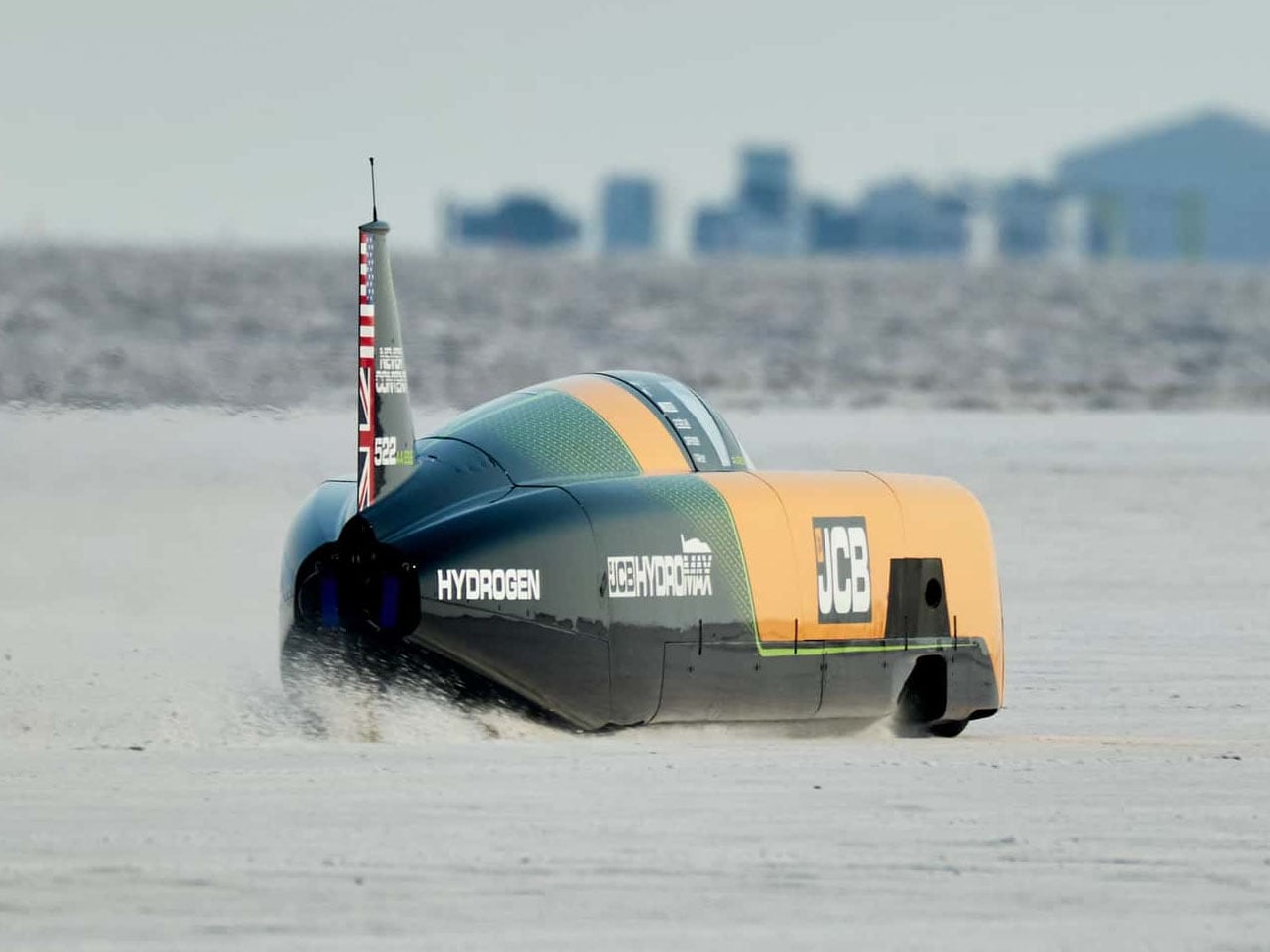
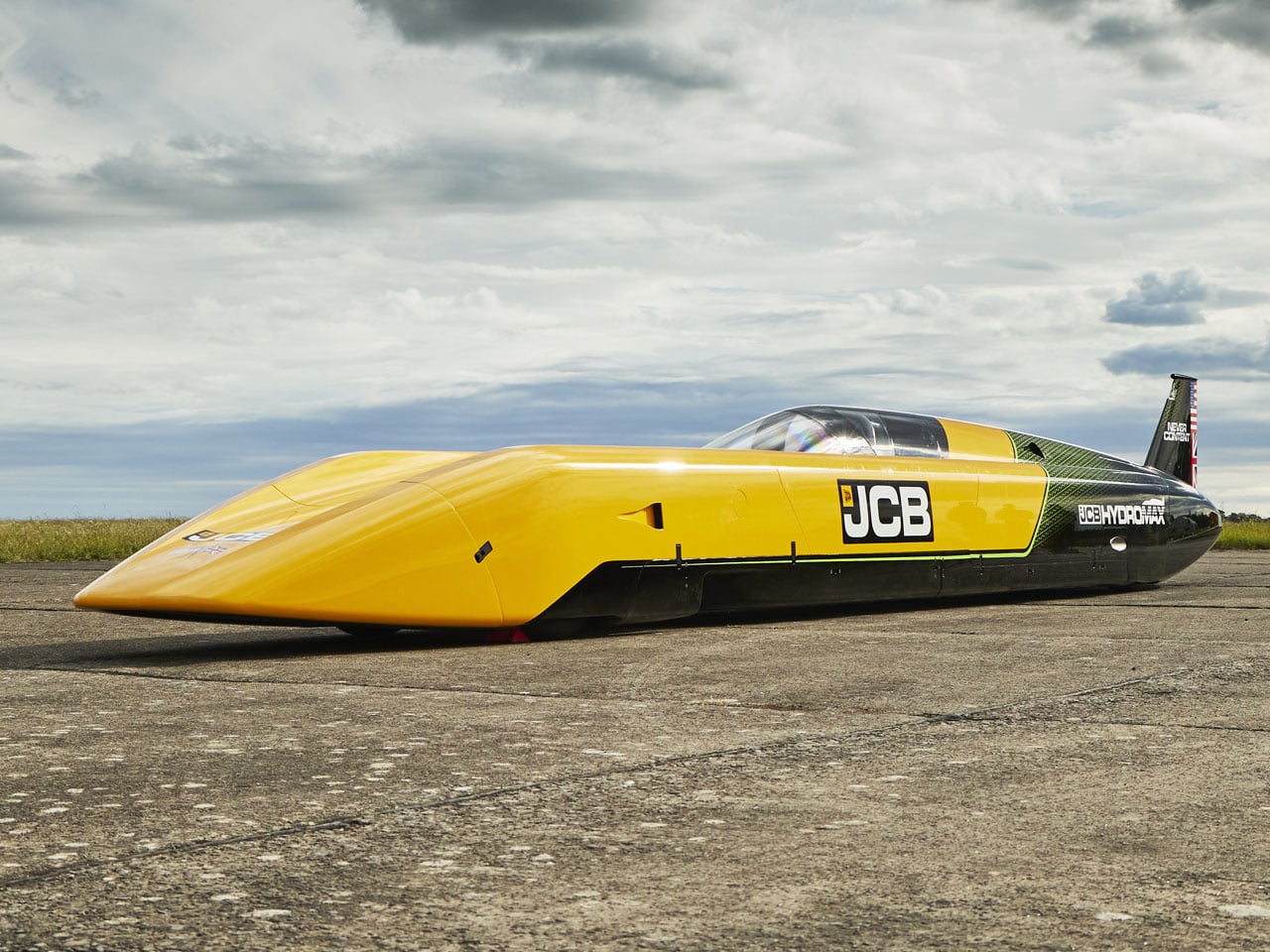
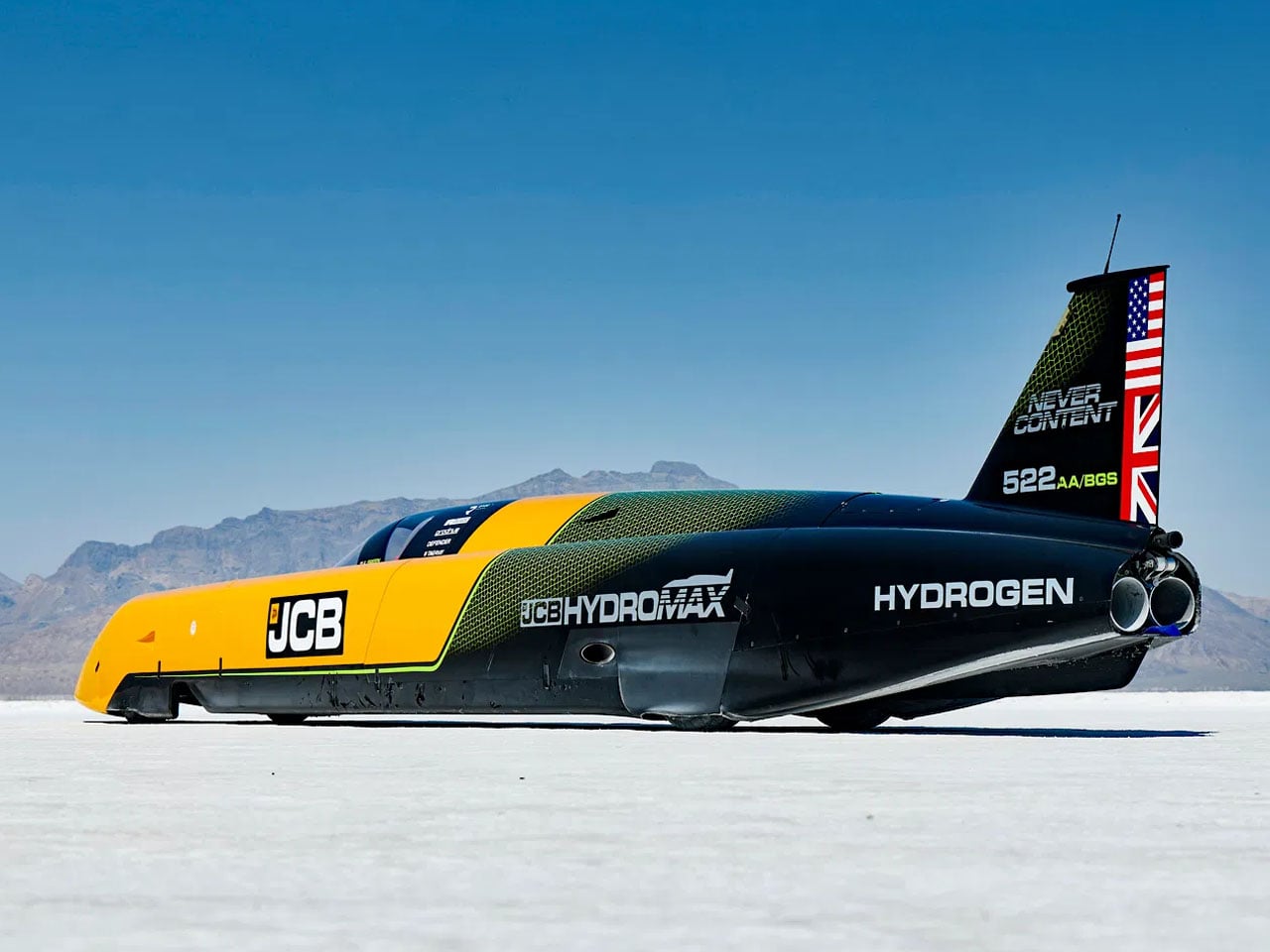
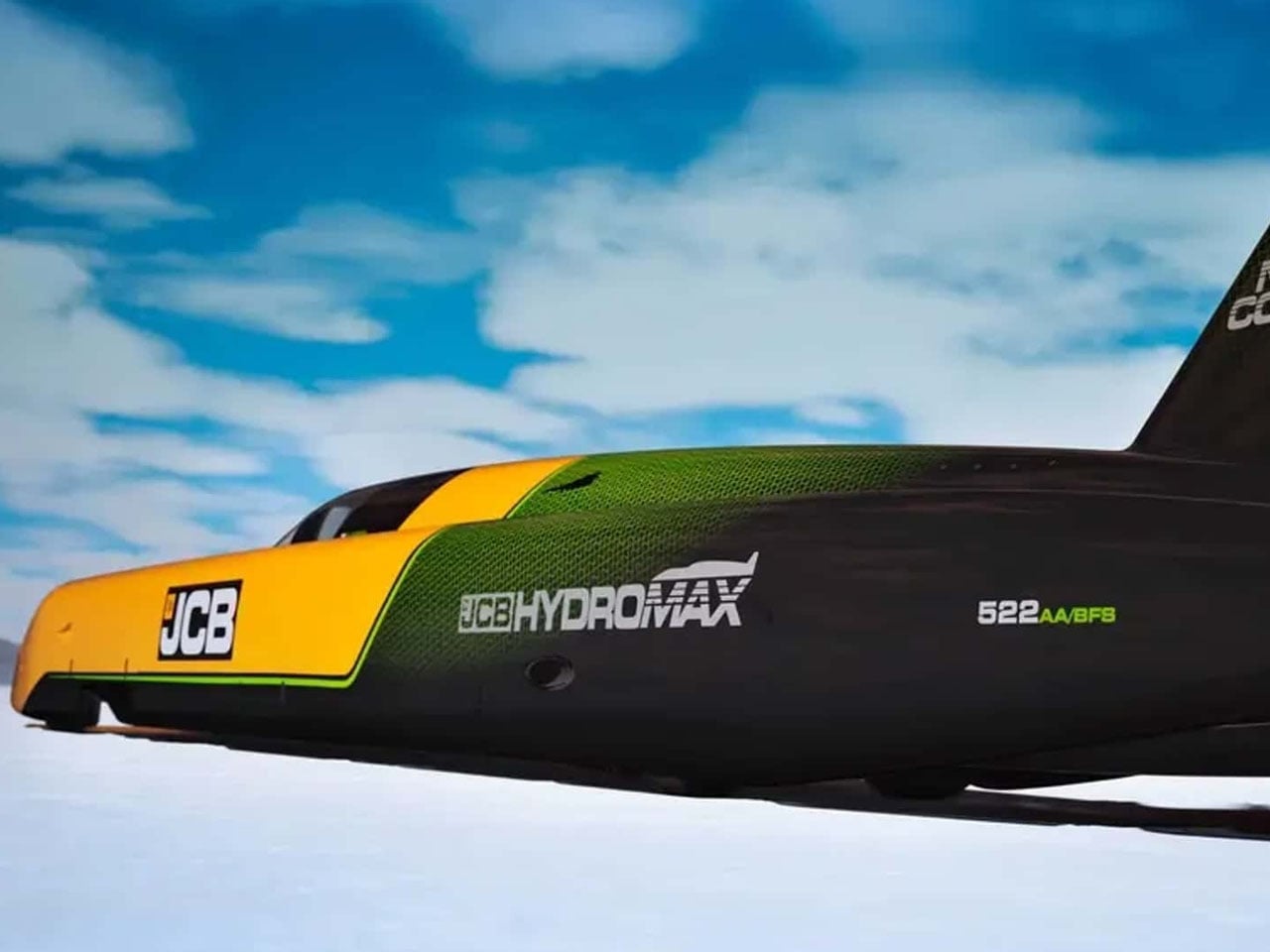
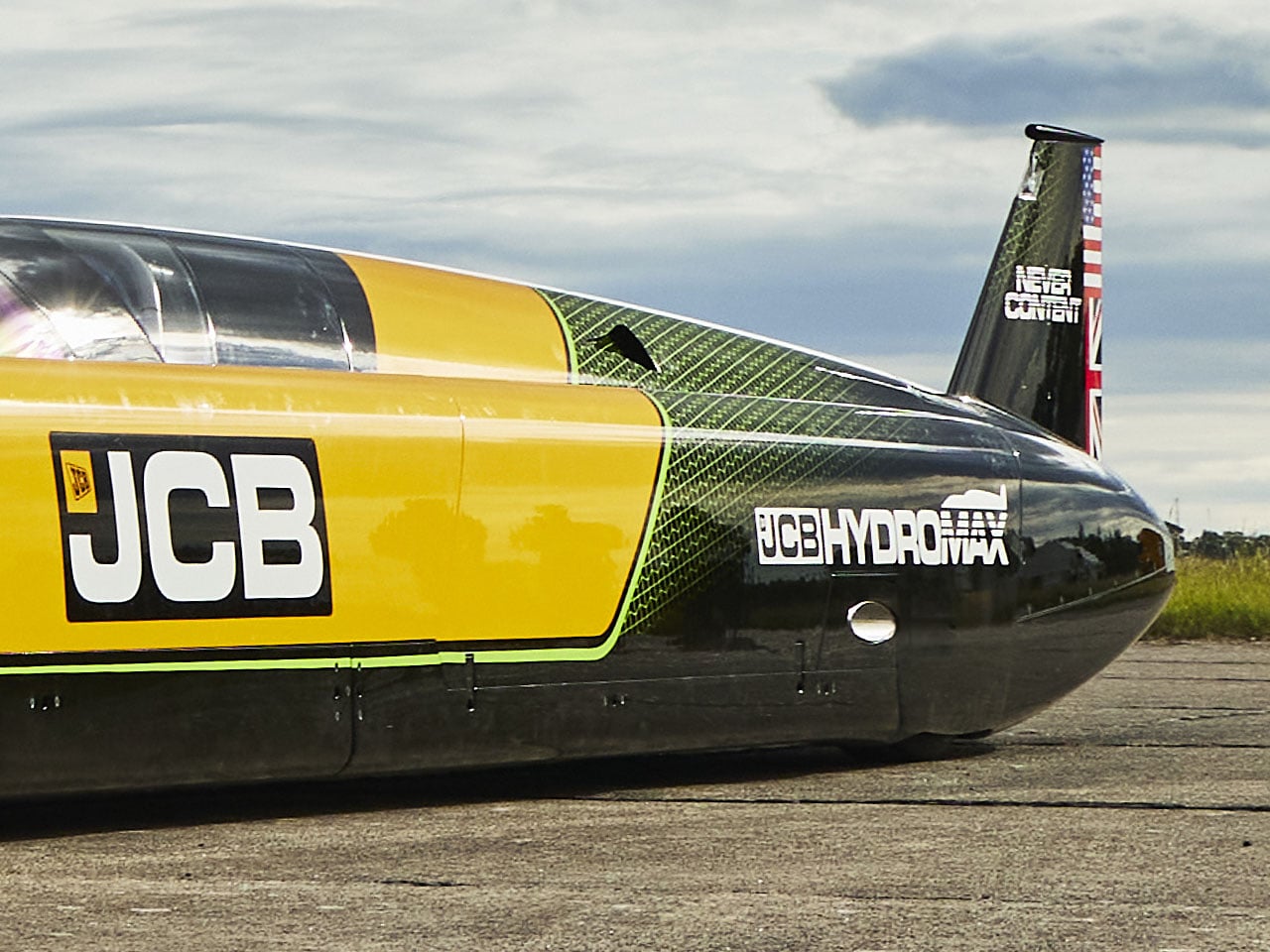
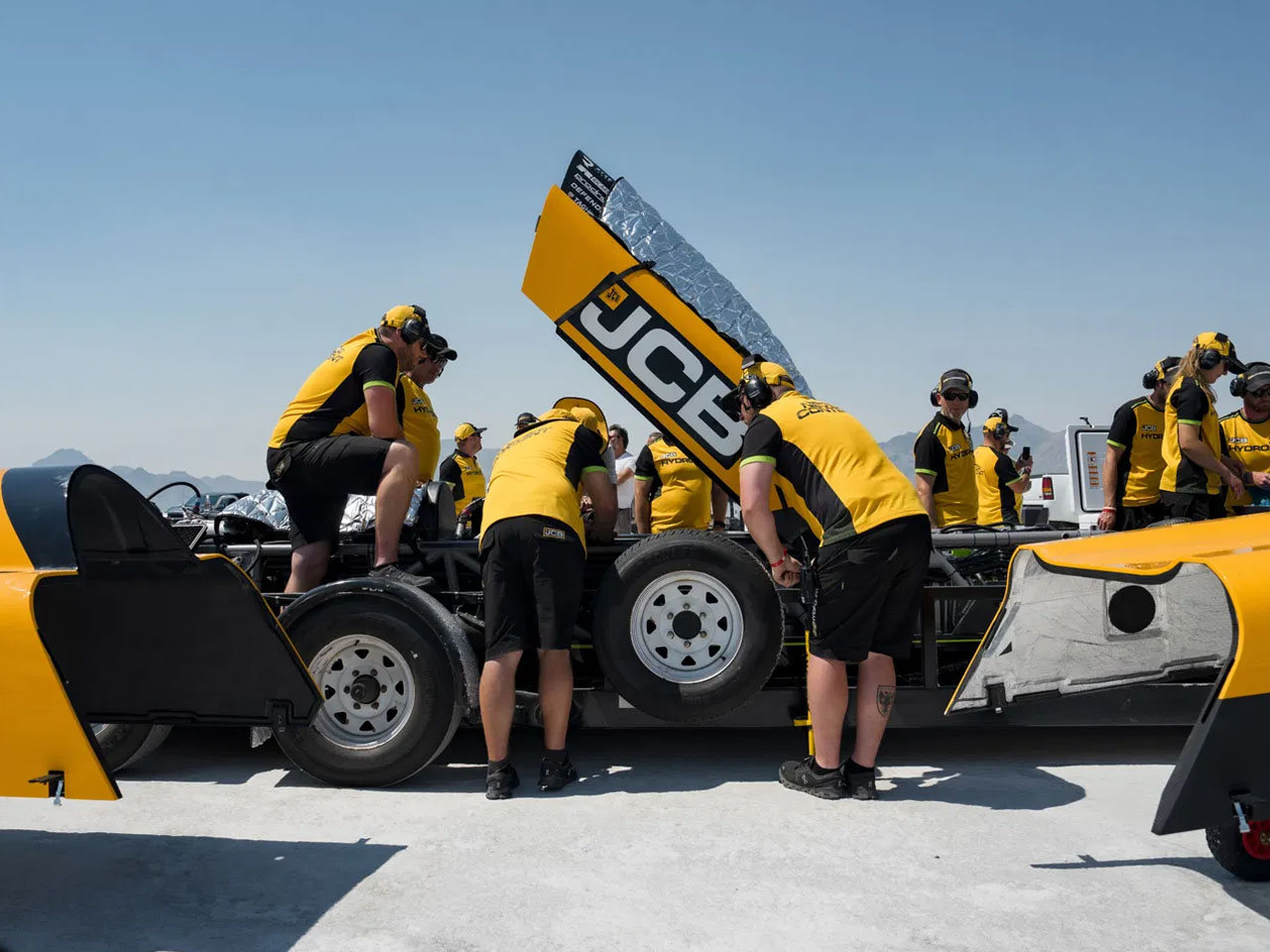
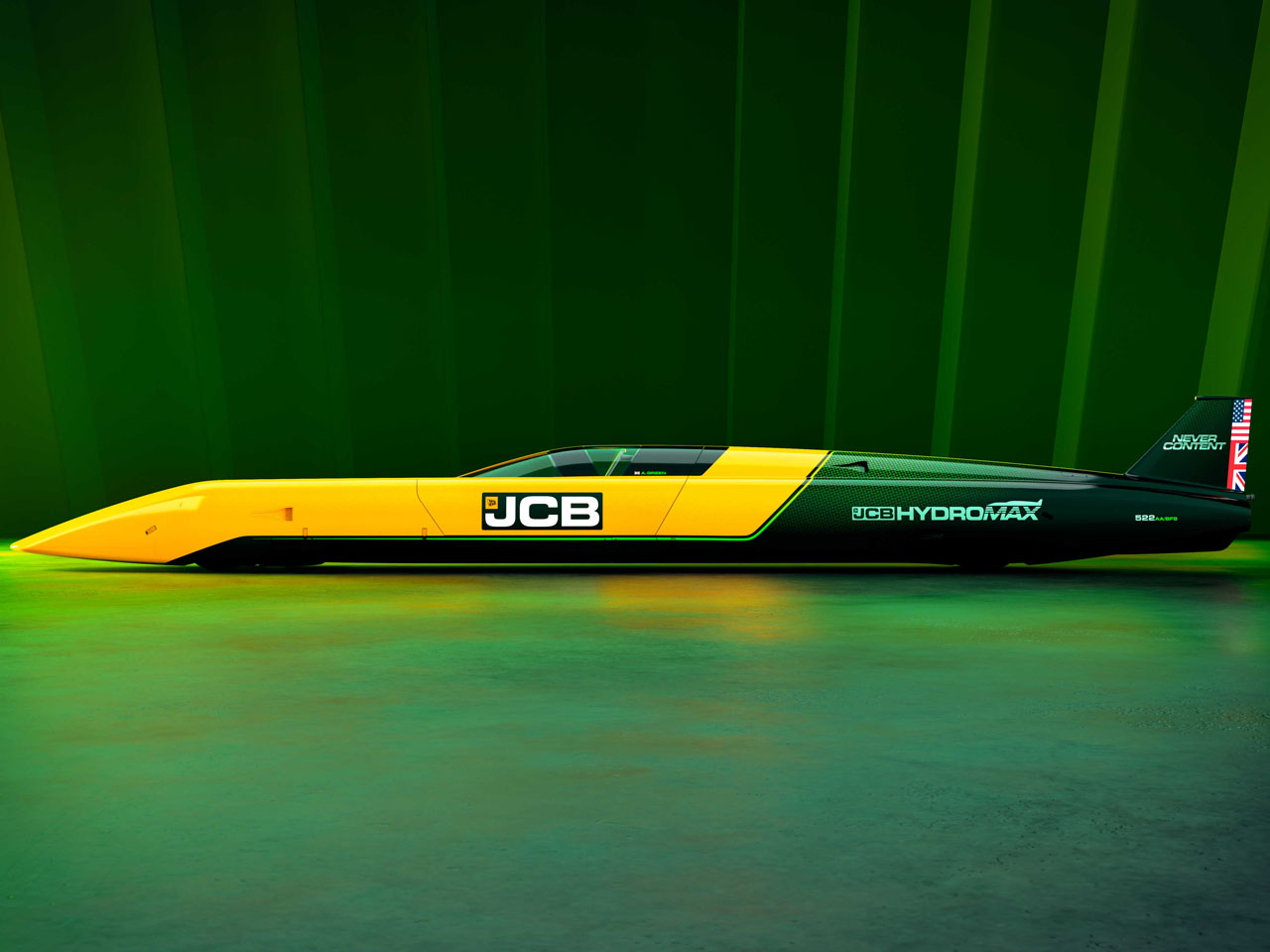
A pair of hydrogen-powered engines developed for construction machinery has just been pushed into territory normally reserved for purpose-built speed machines. JCB’s Hydromax has reached an astonishing 406.320 mph (653.6 km/h) at Utah’s Bonneville Salt Flats, becoming the fastest hydrogen-powered vehicle of any kind and setting a new world land speed record for a hydrogen internal-combustion car.

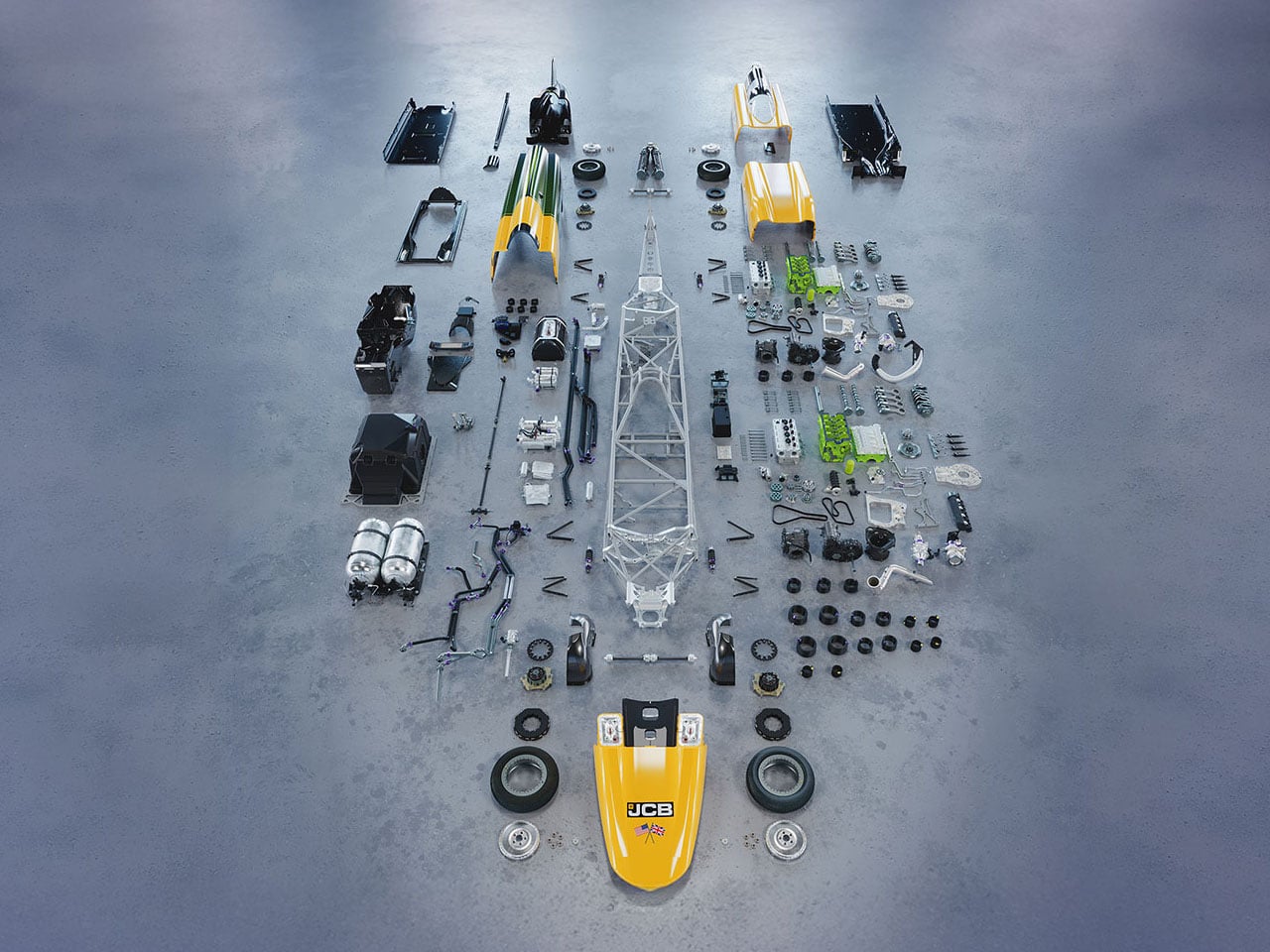
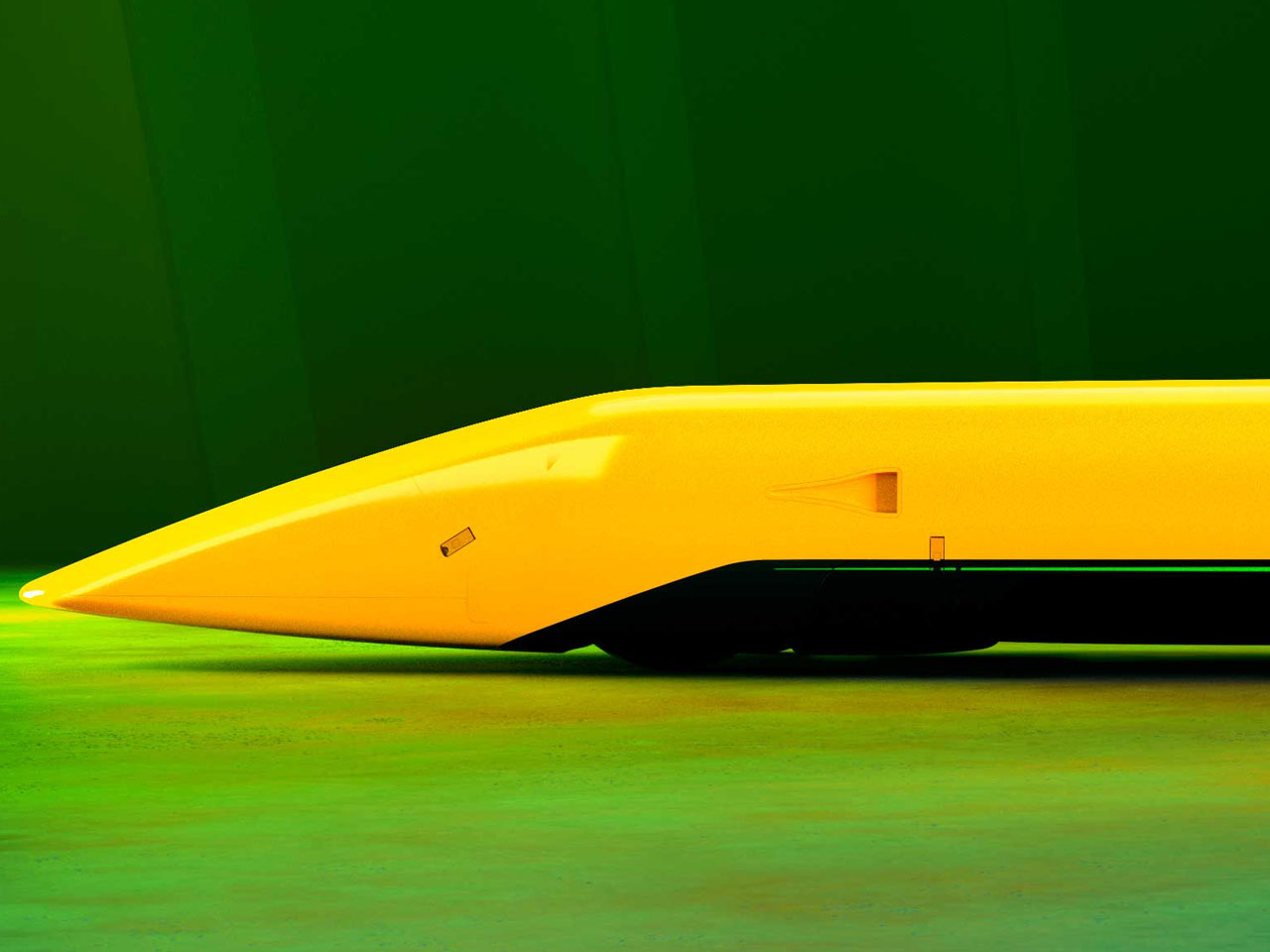
The 32-foot-long streamliner is powered by two production-based JCB hydrogen combustion engines, each tuned to produce 800 horsepower for a combined 1,600 bhp. Rather than using hydrogen in a fuel cell to generate electricity, Hydromax burns hydrogen directly in its internal-combustion engines. The engines are manufactured at JCB’s factory in Foston, Derbyshire, and are based on the same production engines powering JCB machines in the UK.

Designer: JCB

Its record-setting run was completed under FIA rules, requiring two passes in opposite directions within an hour. Driven by Wing Commander Andy Green OBE, Hydromax recorded 400.623 mph on its first run and 412.135 mph on the return, producing the official average of 406.320 mph. The result comfortably surpassed the previous FIA-officiated hydrogen internal-combustion record of 185.5 mph, set by the BMW H2R in 2004. It also moved beyond the 303 mph hydrogen fuel-cell record, making Hydromax the fastest hydrogen-powered vehicle in history. The record remains subject to formal FIA ratification.

According to project lead, JCB Engineering Director Ryan Ballard, “This record belongs to the engineering team which took a hydrogen digger engine and made it the fastest of its kind on earth. This has been an amazing challenge from the outset, with it being set in February last year. We came here fully prepared, and the car delivered.”

The achievement follows an earlier milestone at the 2026 Bonneville Speed Week, where Hydromax averaged 368.347 mph over two runs to establish an SCTA record in the Blown Gas Streamliner class. Its first run reached 367.141 mph, followed by 369.554 mph on the return. That result surpassed the previous 348.342 mph class benchmark, while giving JCB an important test of the car before its FIA attempt.

Much of the car’s engineering focuses on making extreme speed controllable. Hydromax drives all four wheels through twin transmissions and clutches, while its body was shaped around aerodynamic efficiency and stability. JCB says the suspension, traction control, aerodynamics and camera placement were all stress- and simulation-tested before the attempt. Prodrive handled the car build, Ricardo worked on engine tuning and Xtrac supplied the transmission expertise.

The record also carries a strong sense of continuity for JCB. Exactly 20 years after Andy Green drove the JCB Dieselmax to a 350.092 mph diesel land speed record at Bonneville, he has returned to the same salt flats to establish an even faster mark using hydrogen. The Hydromax project was conceived in 2025 as a demonstration of JCB’s hydrogen combustion technology, turning engines developed for working machines into a record-breaking powertrain.


The post JCB Hydromax sets a new hydrogen land speed record at 406.320 mph first appeared on Yanko Design.
  •  
❌