Hackers obtained unauthorized HTTPS certificates for several Google domains and hijacked domains in the country-code top-level domains (ccTLDs) for Ghana, American Samoa, and Sierra Leone after compromising third-party operators and modifying authoritative DNS records. [...]
Claude now works inside Google Docs, Sheets, and Slides. See how it compares with Gemini for editing, spreadsheets, presentations, and Workspace context.
J'sais pas si vous avez vu, mais Google vient de mettre en ligne une
page d'aide
qui explique comment déverrouiller le bootloader d'un Googlebook ! Je pensais pas écrire ça un jour. Les Googlebook, ce sont des portables mi-Android mi-ChromeOS qui sont commercialisé en France depuis hier, pour la modique somme de 1 099 euros.
Perso, je ne vois toujours pas l'intérêt d'acheter ce truc...
Je vois vraiment ça comme un PC bridé, ou un Android avec un gros clavier et je pense que c'est bien se compliquer la vie que d'acheter ce truc plutôt que de prendre un vrai PC ou un petit Macbook. Sauf, évidemment, si on est une personne qui n'a pas envie de s'emmerder la vie à apprendre quoique ce soit de nouveau, et qu'on veut juste aller sur le site de La Poste consulter le prix des timbres, ou faire un Mappy pour savoir comment se rendre au bureau de vote le plus proche.
Mais grâce à cette "possibilité" de déverrouillage, John Wu, le créateur de
Magisk
, a annoncé travailler sur une version de Magisk pour ces machines.
Pour déverrouiller le Googlebook, vous devez donc activer le déverrouillage OEM dans les options pour développeurs, vous passez ensuite en mode récupération avec Échap + F2 puis le bouton d'alimentation, et l'option "Unlock bootloader" se trouvera dans les options avancées. Google précise également que ça efface toutes les données, que ça désactive la sécurité de l'appareil, que les modifications ne sont pas supportées et que la garantie peut y passer.
Et côté root,
Wu
a posté dans la nuit du 4 au 5 octobre "Magisk on Googlebook", en promettant du code et des instructions dans les jours suivants.
Son profil indique d'ailleurs qu'il bosse sur Android chez Google, et il voit dans le Googlebook la plateforme idéale pour bidouiller ! En effet, sur un téléphone rooté, les applis bancaires et de paiement cassent, alors qu'ici vous pouvez y accédez depuis le navigateur, comme sur n'importe quel portable.
Le blocage, selon lui, vient du mode utilisateur du système. Googlebook OS fait tourner Android en Headless System User Mode, c'est-à-dire que l'utilisateur 0 reste en arrière-plan et que vous travaillez sur un compte secondaire, alors que Magisk part du principe qu'il n'y a qu'un utilisateur principal. Le support de ce mode a été fusionné dans la branche principale du dépôt dans la nuit du 5 au 6 octobre, par contre, aucun commit ne cite pour le moment le Googlebook.
Reste que rien n'est livré officiellement encore... La dernière version stable de Magisk, la 30.7, date de février et donc aucune version stable ne contient ce code. Sans oublier que pour flasher la machine, Wu explique que le fastboot par USB ne marche pas sans câbles spécialisés. Cependant, il dit avoir trouvé une solution, sans la détailler.
Donc voilà... aujourd'hui, le root d'un Googlebook n'a aucune méthode publique, et le déverrouiller maintenant en suivant la technique de Google, revient à couper la sécurité de la machine sans rien pouvoir en faire de plus côté root. Donc autant attendre les instructions de Wu pour Magisk qui devraient arriver dans les jours qui viennent.
Google has now suspended submissions to its Open Source Software Vulnerability Rewards Program (OSS VRP) after being flooded by AI-generated reports. [...]
Google's Gemini could soon access any file on your macOS device, open apps, browse the web, and perform actions without asking for permission every time. [...]
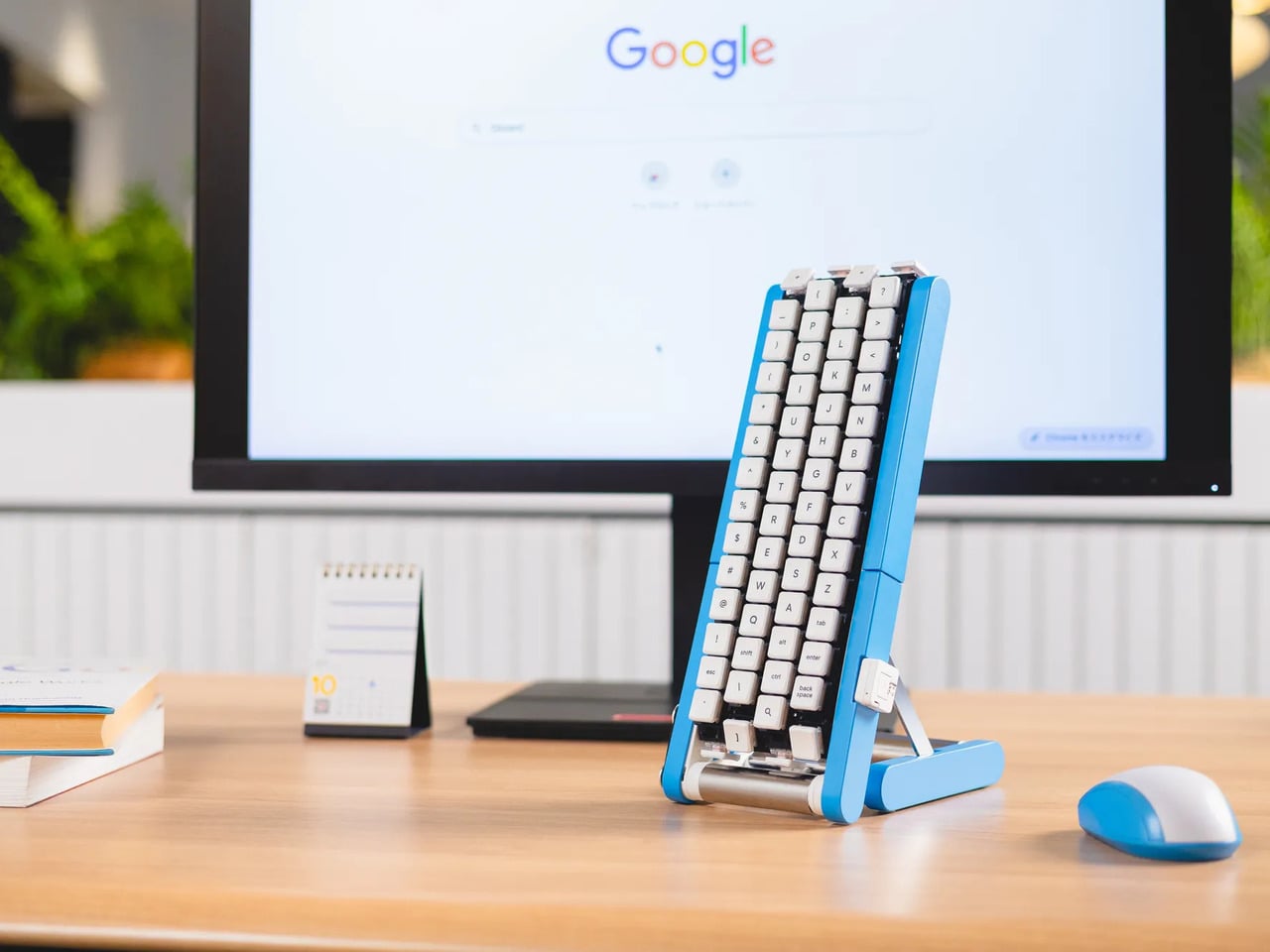
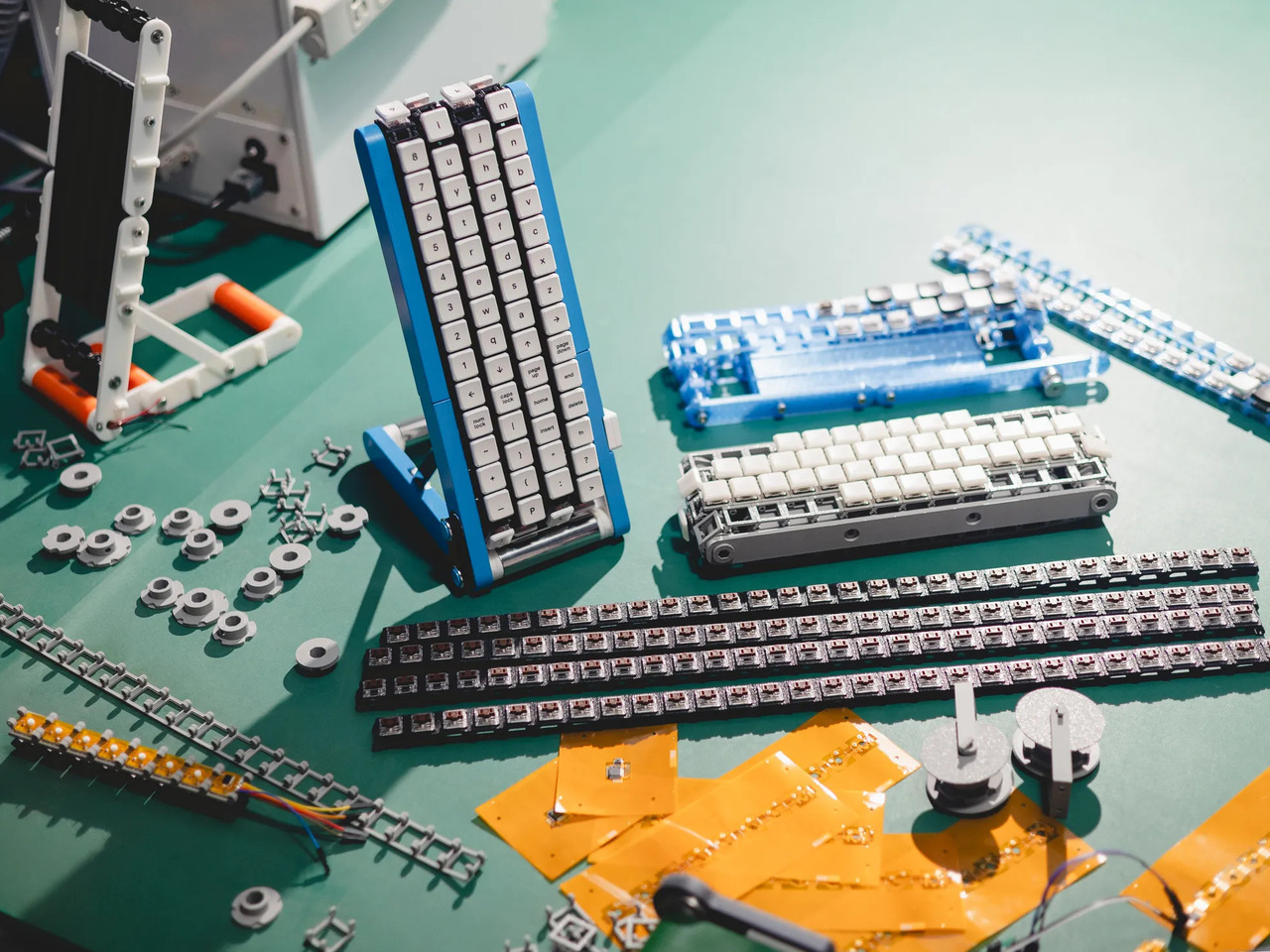
Typing with one hand usually means stretching a finger across a keyboard while the other hand holds a drink or works a mouse. Google’s Gboard team has a wonderfully impractical fix: put the keys on a conveyor belt and let them come to you. Its Rotating Keyboard stands upright on a desk, asking your finger to stay put while the letters keep moving.
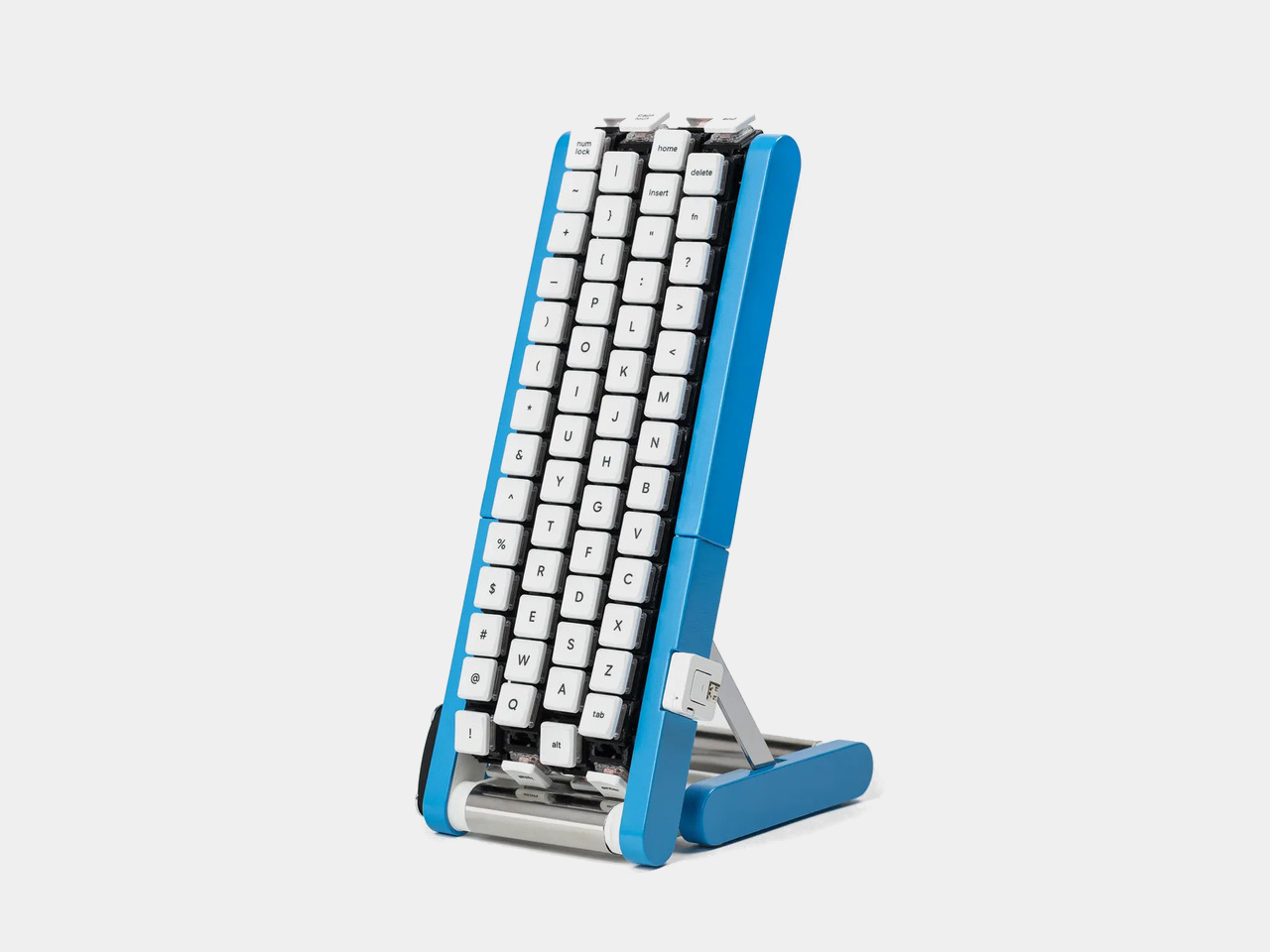
Regular keyboards assume your hands will travel between stationary keys, a reasonable arrangement that has survived decades of typing. Google reverses that relationship by mounting rows of keycaps on loops that travel around rollers. The tall blue frame and angled stand make the moving assembly feel closer to a miniature factory machine than a computer peripheral, which is probably part of the joke.
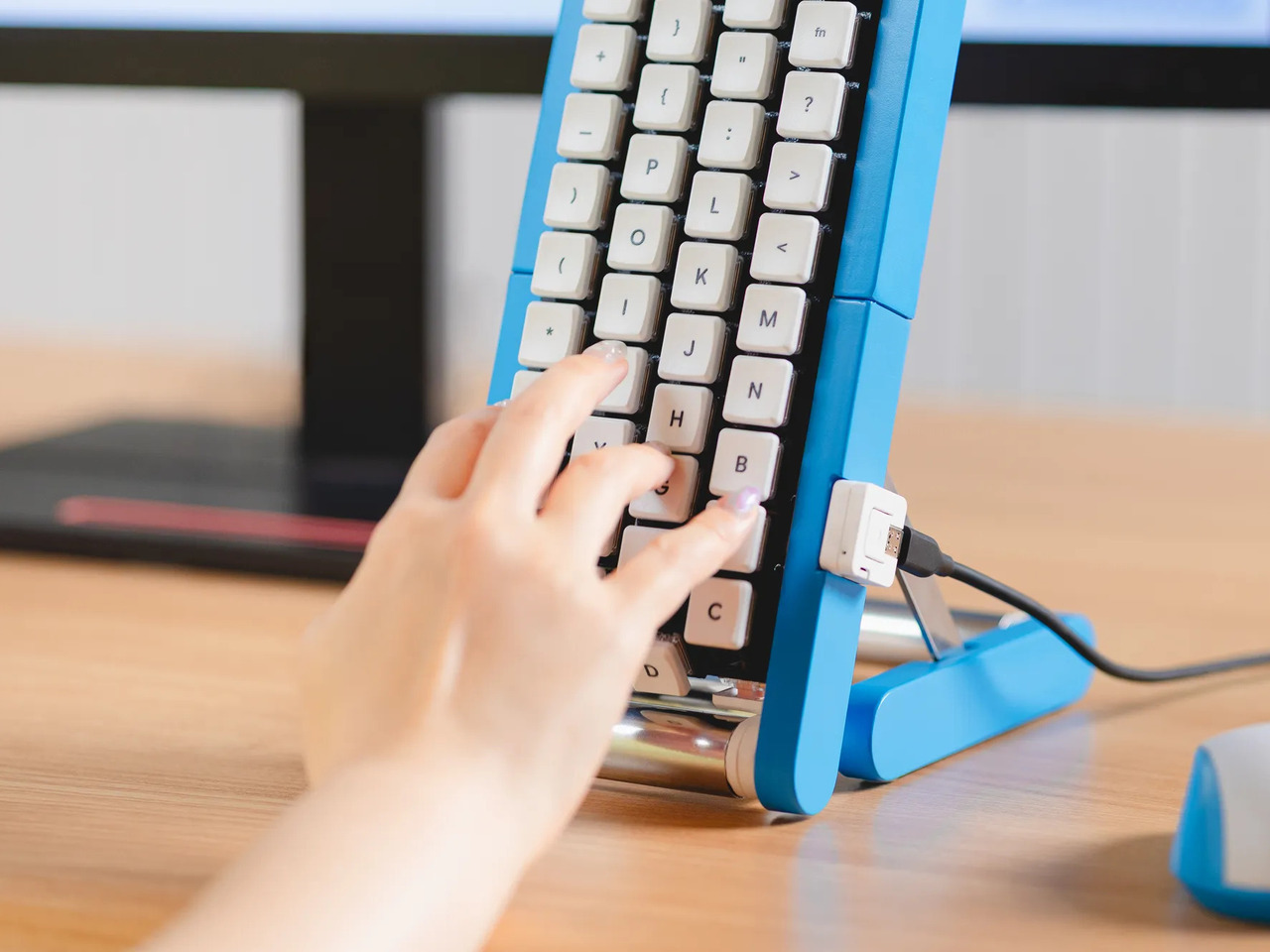
Instead of looking down for a letter, you watch for the right key to arrive and press it as it passes. Google says each belt carries 29 keys and can input both uppercase and lowercase letters. That might let one hand stay near the same spot, though it also turns typing into a timing exercise, especially when the next letter takes its time coming around.
Imagine answering an email with a cup of tea in your free hand. On a conventional keyboard, you’d either put the cup down or hunt for letters one finger at a time. Here, the moving keys do the traveling while you wait at the front of the machine. Google also suggests using your free hand on a mouse, which sounds suspiciously like extra work.
There’s an oddly earnest design lesson underneath the silliness. Questions about ergonomics often begin with who a familiar object was made for, and Google has taken that thought to a ridiculous extreme. The upright arrangement might use less horizontal desk space than a full keyboard, but it trades that footprint for height, moving parts, and the need to watch every passing key.
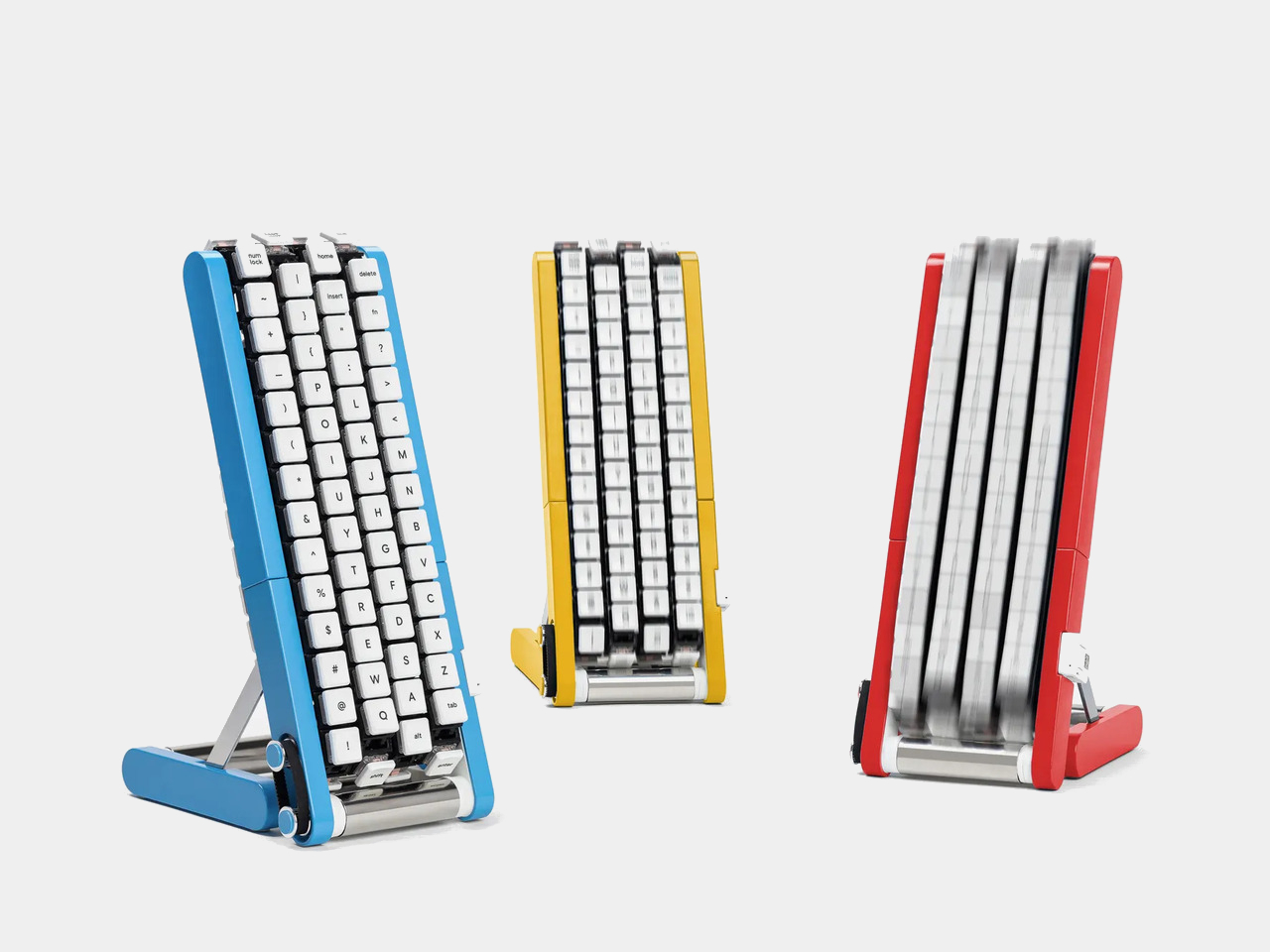
Google plays along with its own premise, floating ideas for faster movement, longer belts with more characters, shorter versions for phones, and different colors. None of those variations is a promised product. Even the keyboard itself isn’t headed for stores; the team has released open-source plans for a similar device instead. That keeps the joke open to anyone curious enough to build one.
The date is part of the gag, too. Google chose October 1 as a nod to the familiar 101-key keyboard, rather than waiting for April Fools’ Day. It’s the team’s 15th keyboard proposal, continuing a habit of treating ordinary typing as a problem that needs an absurdly elaborate solution. A conveyor belt is hardly the first thing most people would try.
You’re unlikely to write a novel by chasing letters around this contraption, and that isn’t really the point. Google has built a physical answer to a question no keyboard maker was asking: what if the keys did all the moving? It’s a ridiculous way to type an email, but an effective way to notice how much we expect our fingers to do.
Google, OpenAI and Anthropic reportedly plan an AI safety standards body. See what the proposed testing and audits could mean for enterprise IT buyers.
Google appears to be preparing to retire Android’s Heads Up feature, a Digital Wellbeing tool that warns users when they walk while using their phones.

 Connexion