❌

Vue lecture

Warhammer 40,000: Boltgun 2 review — More cathartic carnage despite dumb enemies

Three years ago, we were graced with the release of Warhammer 40,000: Boltgun, a first-person shooter inspired by classics like DOOM, Quake, and Wolfenstein 3D, set in the grimdark universe of Warhammer 40,000.

It was a simple yet immensely cathartic boomer-shooter with fast-paced gunplay, satisfying weapons, and charming yet grim retro-style graphics that I gave 4/5 stars.

Fast-forward to today, and Warhammer 40,000: Boltgun's sequel is here with more heretics to slay and a new, second playable character with more weapons to purge them with.

Is it as fun as, or more fun than, the first game? Let's find out as we ready our Bolter rifles and review Warhammer 40,000: Boltgun 2.

Warhammer 40,000: Boltgun 2 launches on October 14, 2026, for Xbox Series X|S, PlayStation 5, Nintendo Switch, and PC via Windows and Steam. This review was made possible thanks to an Xbox Series X code provided by Devolver Digital. The company had no input nor saw the contents of this review before publication.

Warhammer 40,000: Boltgun 2 — Story, setting, art
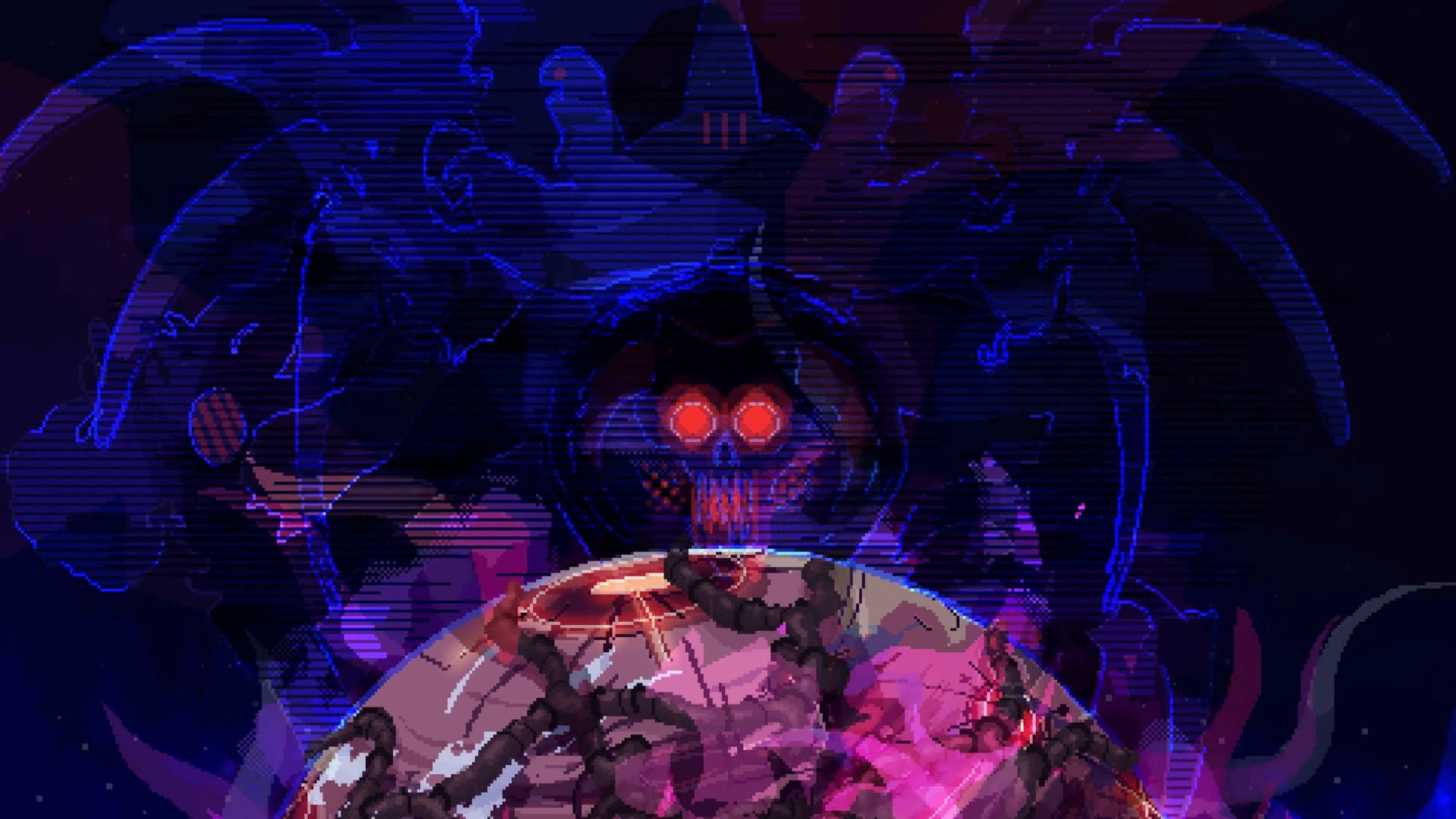
A glitchy neon-blue demon with glowing red eyes looms over a pink-purple planet dotted with shadowy figures, creating an ominous sci-fi mood.

Vashtorr the Arkifane daemon has come for your souls. (Image credit: Windows Central (Alex Cope) | Devolver Digital)

The story goes that the forces of Chaos, led by the towering Greater Daemon, Vashtorr, are wreaking havoc across worlds controlled by the Imperium of Man.

In response, the righteous Space Marine, Malum Caedo, has returned from the first Boltgun game to purge the heretical daemons out of existence. Except this time, Malum Caedo is joined by the equally zealous Sister of Battle, Nyra Veyrath, who hopes to torch the daemons to cinders in the name of the God Emperor.

Just like the first Boltgun game, the story serves as a simple excuse to go blasting Chaos cultists, Chaos Space Marines, and daemons into red mist. That's cool by me, as I was in the mood for an action game without being bogged down by endless cutscenes.

However, if you're looking for an FPS with a complex narrative and character development, you're better off looking elsewhere.
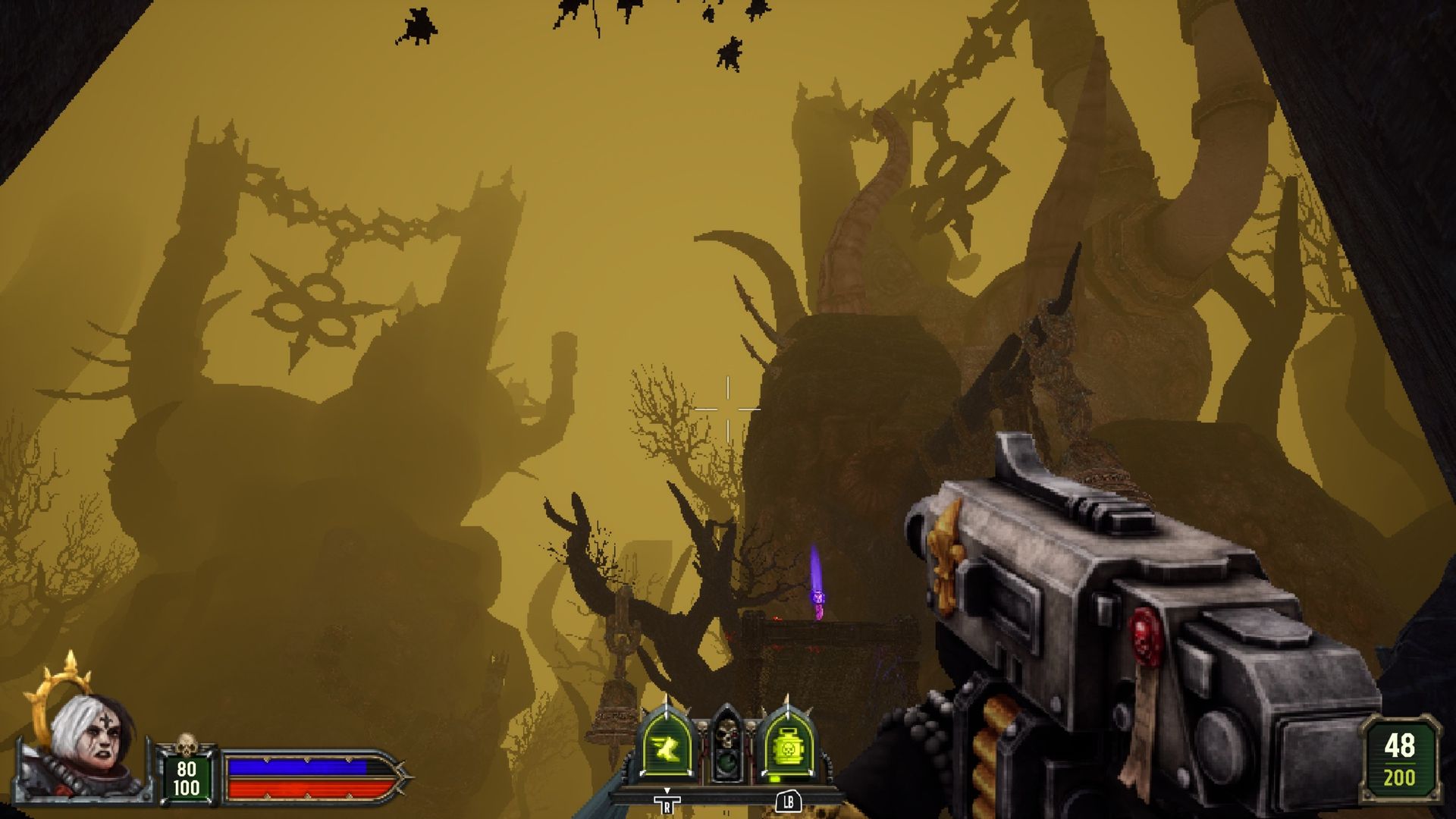
First-person shooter view of a futuristic gun aimed at towering, twisted silhouettes in yellow fog; health and ammo HUD add a tense, ominous mood.

Warhammer 40,000: Boltgun 2 may be the first videogame I've played that has swamp levels that actually look cool. (Image credit: Windows Central (Alex Cope) | Devolver Digital)

Warhammer 40,000: Boltgun 2 continues to embody the series ' retro throwback art style of being a long-lost 1990s PlayStation 1 game (with 2D sprites set against 3D backgrounds and models), and it's beautifully well done.

The jagged, grotesque, and gothic scenery of Warhammer 40,000's war-torn fortresses, temples devoted to the Chaos gods, and environments slowly being corrupted into daemonic blemishes are a sight to behold at times in this game.

The 2D sprites (and sometimes 3D models) of enemies are crisp, detailed, and faithful to their Warhammer 40,000 tabletop counterparts, which makes them all the more satisfying to chop up as they explode in showers of gratifying pixelated blood and guts when you kill them.

On top of that, the performance is rock solid. The game ran at a consistent 60fps at 1080p resolution with absolutely no framerate drops, even when all kinds of chaotic explosions, gunfire, and combusting bodies were happening on-screen.

Warhammer 40,000: Boltgun 2 — Gameplay
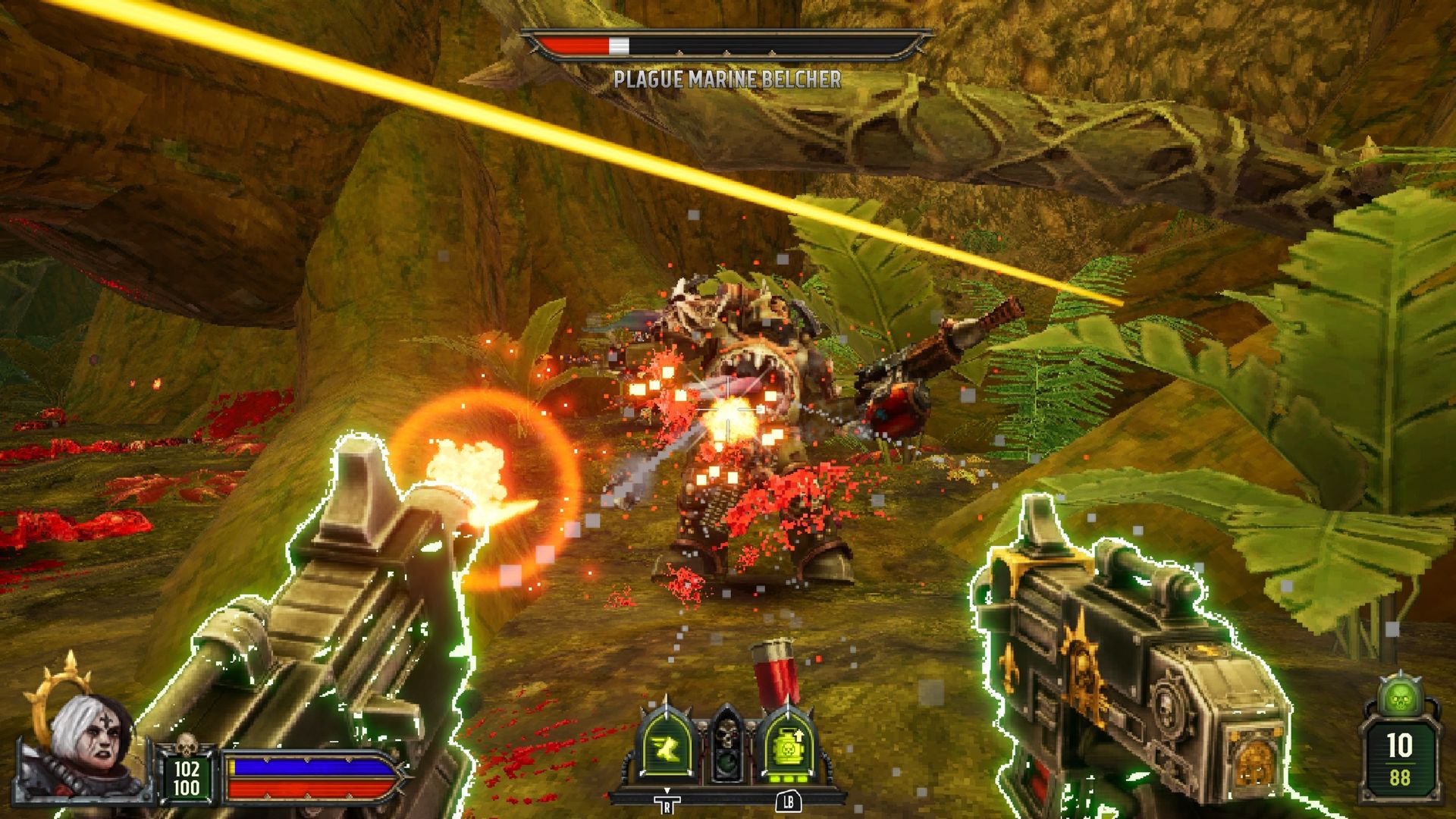
First-person shooter battle in a lush jungle: dual guns fire at a hulking armored enemy amid sparks and blood, with health and ammo HUD visible.

We're gonna need a bigger bolter for this heresy. (Image credit: Windows Central (Alex Cope) | Devolver Digital)

Warhammer 40,000: Boltgun 2's gameplay structure has you running across multiple planets via chapter-based missions where you must reach the end of massive levels while eradicating any heretic and daemon standing in your way.

Along the way, you will come across a wide variety of weapons, hidden collectibles, and secret power-ups to give you an edge when taking on some of the game's tougher enemies.

Combat is just as chaotic, gory, and satisfying as its predecessor, while offering more variety with two playable characters with their own unique weapon loadouts and gameplay styles

Alex Cope, Windows Central

The first thing I like about Warhammer 40,000: Boltgun 2 is that its level design is more varied than its predecessor.

Some of this game's levels will have you clearing out space ships and Imperium facilities of daemons; exploring dank swamplands mutated by the Chaos god Nurgle; storming daemonic fortresses dedicated to the Chaos God Khorne; and escaping collapsing, burning buildings before being melted by rising magma, just to name a few.

It helped keep the gameplay fresh, so it didn't feel like I was constantly running and gunning through linear hallways. Plus, Warhammer 40,000: Boltgun 2 has alternating chapters you can only select once per playthrough, which sometimes unlocks secret optional chapters where you can find more hidden collectibles, increasing its replay value.

On a side note, Boltgun 2 manages to fix my biggest problems with the first Boltgun game (at last on the Xbox version): remappable controls. You can now keybind all your actions to any button you want to fit your playstyle instead of its default layout, making its controls feel more natural and enjoyable.
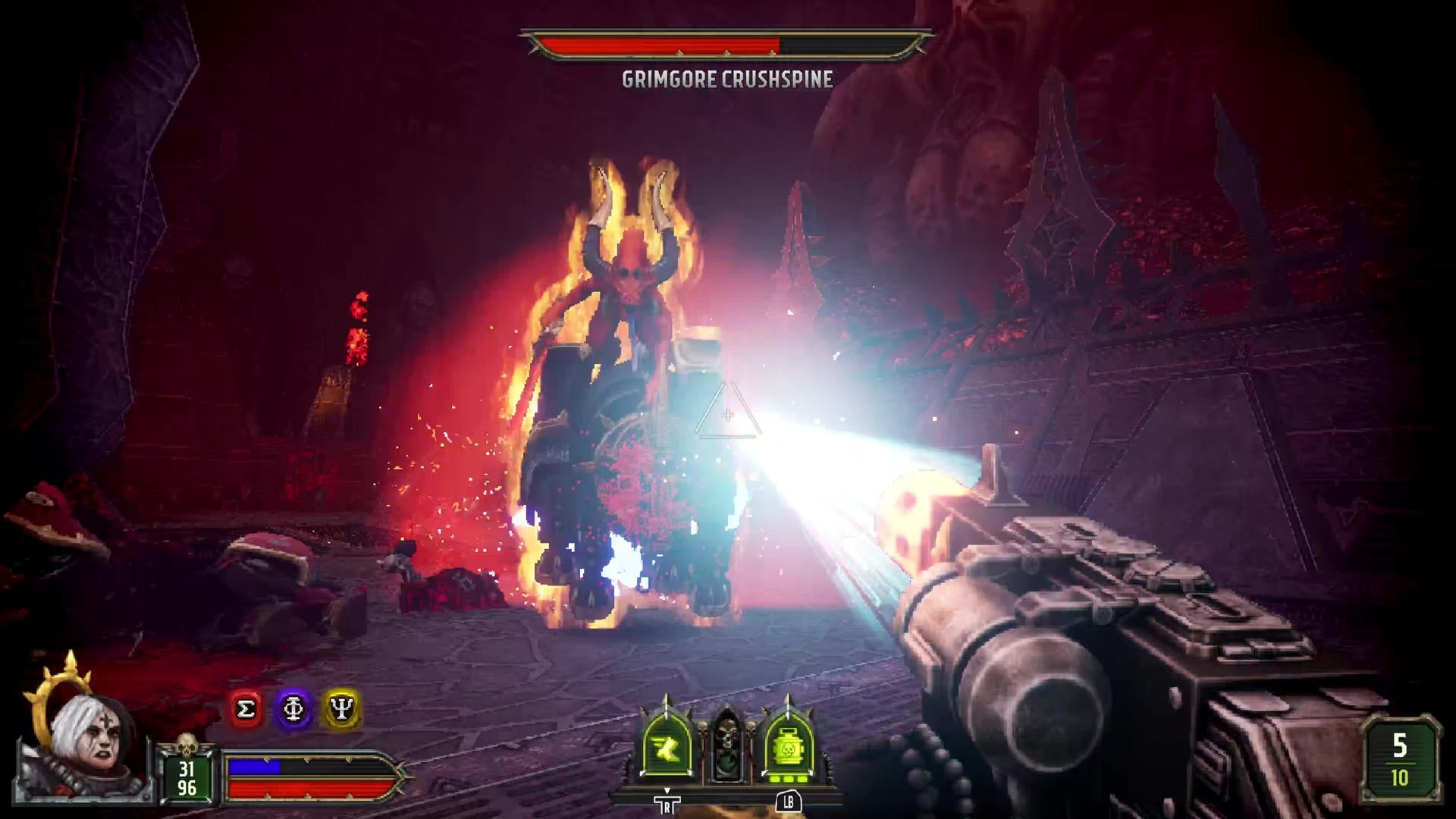
A first-person shooter battle: a horned demon boss looms in a crimson dungeon as the player fires a blinding weapon blast; tense game HUD visible.

Be cleansed by the Melta gun, daemon! (Image credit: Windows Central (Alex Cope) | Devolver Digital)

Anyway, it's time to talk about the meat and bones of Warhammer 40,000: Boltgun 2: its combat. Combat is just as chaotic, gory, and satisfying as its predecessor while offering more variety with two playable characters with their own unique weapon loadouts and gameplay styles.

Malum Caedo is a slow-but-durable walking tank who can endure tons of gunfire while retaliating twice as hard with Bolters, Shotguns, and heavy ordnance. Malum can smash enemies to paste with a shoulder-tackle charge, lunge at enemies with homing Chainsword attacks, and throw grenades that will blow weaker enemies in an instant.

Meanwhile, Nyra Veyrath is a squishy but extremely mobile warrior who cuts down enemies with a sword while annihilating them with Bolters, Flamers, and Meltas. Nyra can also perform slide moves to dodge certain attacks while piercing enemies with her sword, and chuck slow-detonating but devastating Melta Bombs that even the heaviest armored daemon won't be able to survive,

While they're both fun to use, I ended up enjoying Nyra the most. Her fast, hit-and-run playstyle is so fitting for the boomer-shooter sub-genre; her chargeable melee attack is useful for knocking back aggressive melee fighters, and I love seeing heretics screaming in agony as I burn them to pixelated ashes with Nyra's flamethrowers and Meltas (which shoot scorching laser beams the size of cars).
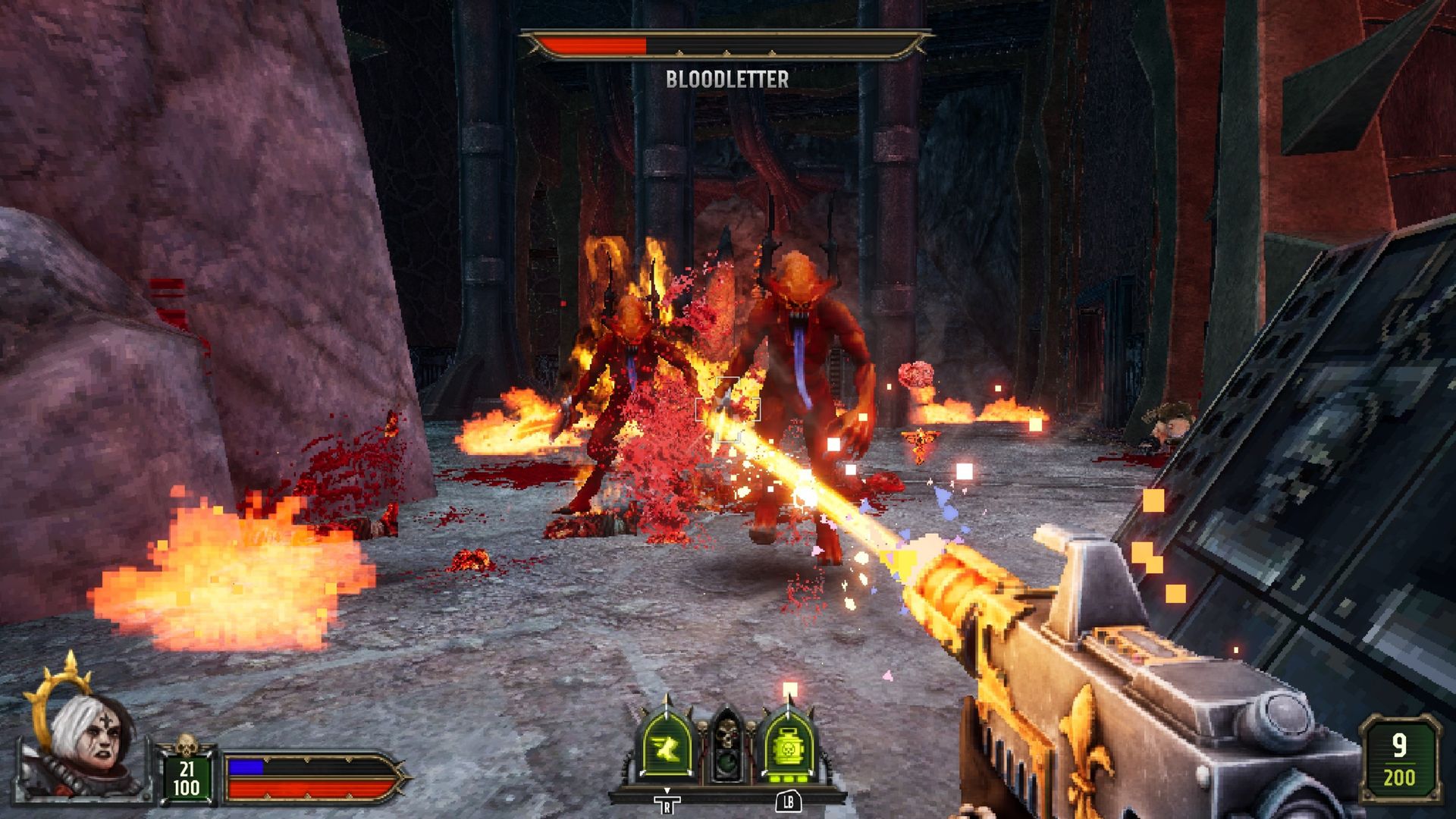
First-person shooter gameplay shows a flaming gun firing at a towering Bloodletter demon in a dark stone arena, amid blood, sparks, and fire.

Burn in holy fire! (Image credit: Windows Central (Alex Cope) | Devolver Digital)

Nyra's abilities and weapons proved very helpful for the enemies ahead because Warhammer 40,000: Boltgun 2 has a greater rogues' gallery of enemies to fight this time. You will be fighting heretical cultists, iconic Chaos Space Marines devoted to every Chaos God (Khorne, Nurgle, Tzeentch, and Slaanesh), daemon hordes, massive Greater Daemons, and other hidden surprises.

They're all fun to fight, and especially challenging on harder difficulty modes where you must keep on running to survive getting shredded in a few hits. However, I did notice some enemies and bosses had some really dumb AI where they would get stuck in the terrain, leaving them helpless for me to gun them in an unsatisfying manner.

It didn't happen too often, but often enough for it to be noticeable, and it's probably the only major gripe I have with this game. The only other issue I have is the lack of Xbox Play Anywhere support, as this game would've been a killer app to play on the go with an Xbox Ally.

Warhammer 40,000: Boltgun 2 — Conclusion
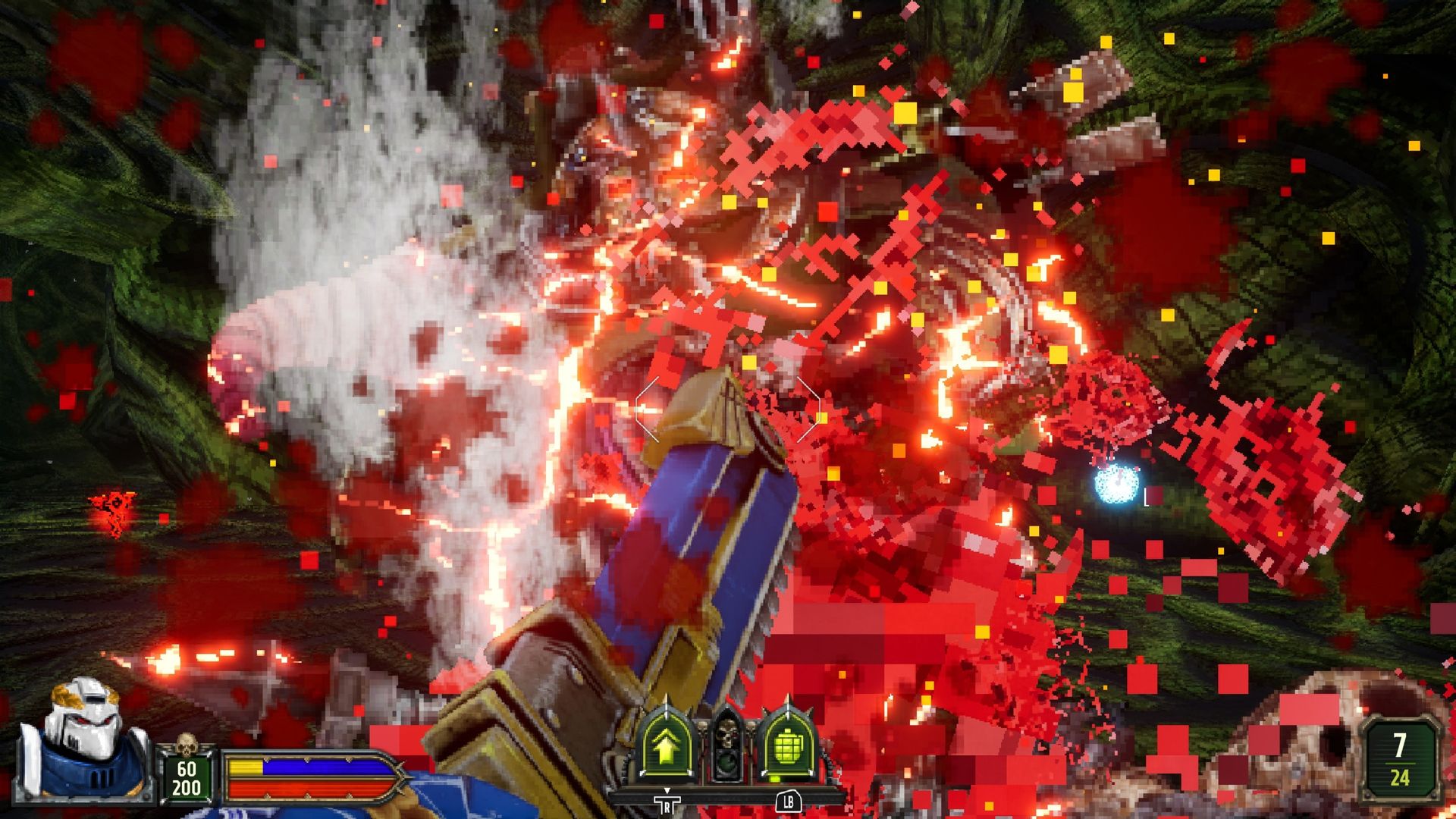
A first-person fantasy shooter erupts in a red, pixelated explosion amid dense foliage; a blue-and-gold weapon and game HUD fill the foreground.

There's nothing that can withstand the might of the iconic Chainsword. (Image credit: Windows Central (Alex Cope) | Devolver Digital)

Once again, the Warhammer 40,000: Boltgun series provides sweet catharsis to players yearning for arcade shooters light on story and heavy on pure video game violence. Compared to the first game, Boltgun 2's gameplay was more fun and varied thanks to its multiple playable characters and weapons, improved level design, and a wider bestiary of enemies and bosses.

Not to mention, it has plenty of easter eggs and cheeky references to the vast lore of the Warhammer 40,000 universe for hardcore fans like me to geek out over.

An average playthrough on Normal difficulty will take you around 6-10 hours depending on if you're looking for collectibles, and possibly more if you try to beat it on harder difficulty modes.

So, if you have some spare time to kill over the weekend as we await the next DOOM game, then I recommend giving Warhammer 40,000: Boltgun 2 a go for all your boomer-shooter FPS lovers out there.
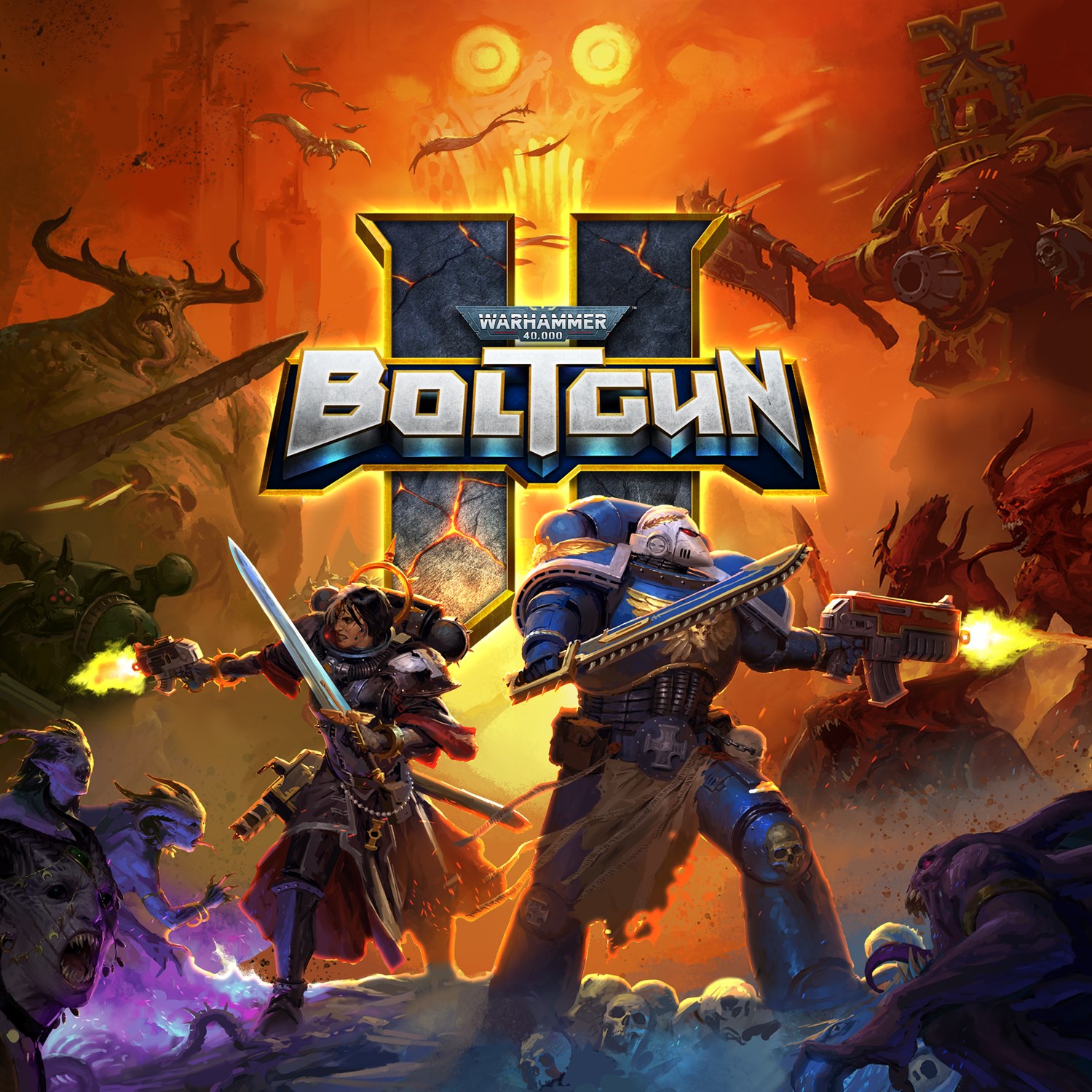
Warhammer 40,000: Boltgun artwork shows armored Space Marines battling monstrous aliens amid fire and smoke, in a dramatic, fiery orange sci-fi scene.

Xbox version
Warhammer 40,000: Boltgun 2

Warhammer 40,000: Boltgun 2 irons out some of the issues from the first game while refining its satisfying gunplay with multiple playable characters, more varied level design, weapons, and enemies, and gorgeous 2.5D graphics that perfectly capture the over-the-top and grimdark aesthetic of WH40K.

Click to join us on r/WindowsCentral

Join us on Reddit at r/WindowsCentral to share your insights and discuss our latest news, reviews, and more.
  •  

Elgato releases new Wave Go wireless microphone — here's how it works

Elgato, the tech company that prides itself on high-quality accessories for streaming, content creation, and gaming, has launched its first wireless microphone called the Elgato Wave Go.

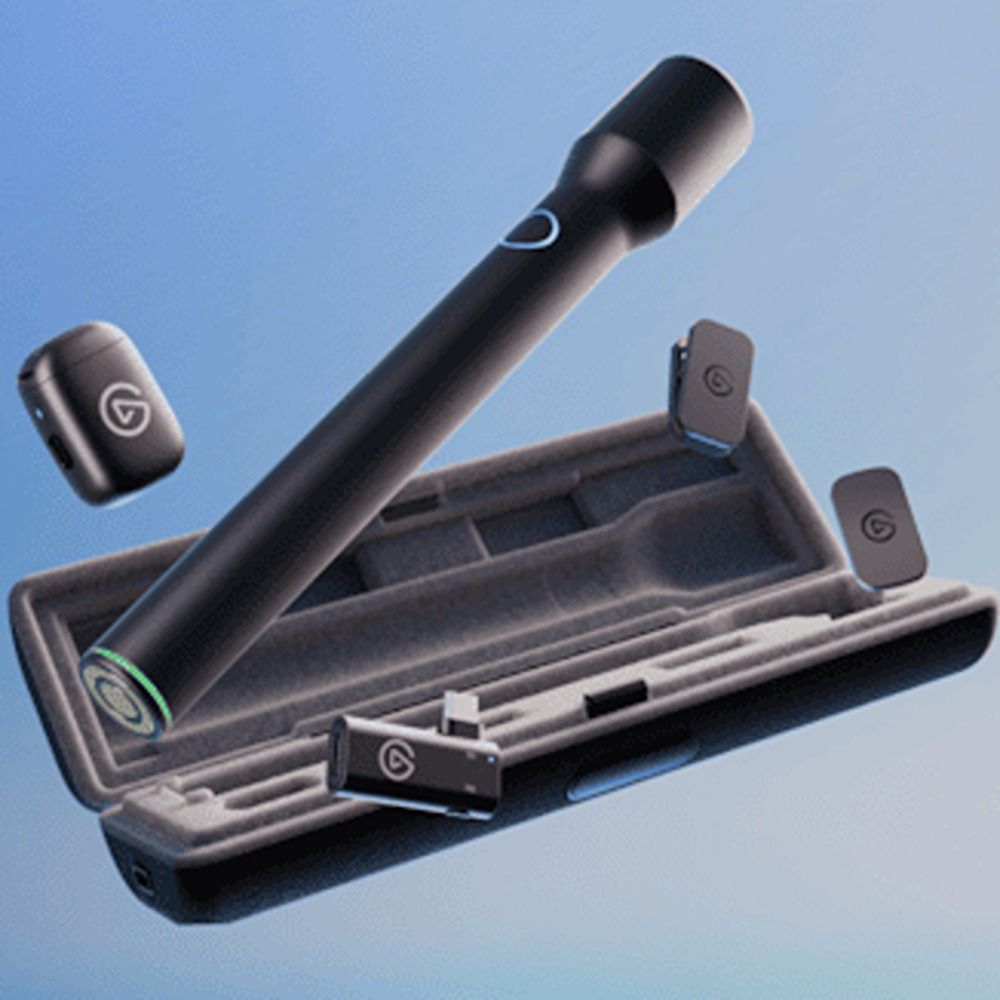
This extension of Elgato's 'Wave ecosystem' is a combined clip-on and handheld microphone system that allows its users to record audio any time, anywhere, on their terms, with studio-level quality, processing, and routing.

Here's everything you need to know about how the Elgato Wave Go works, which you can buy right now on Elgato's official store for $99.99.

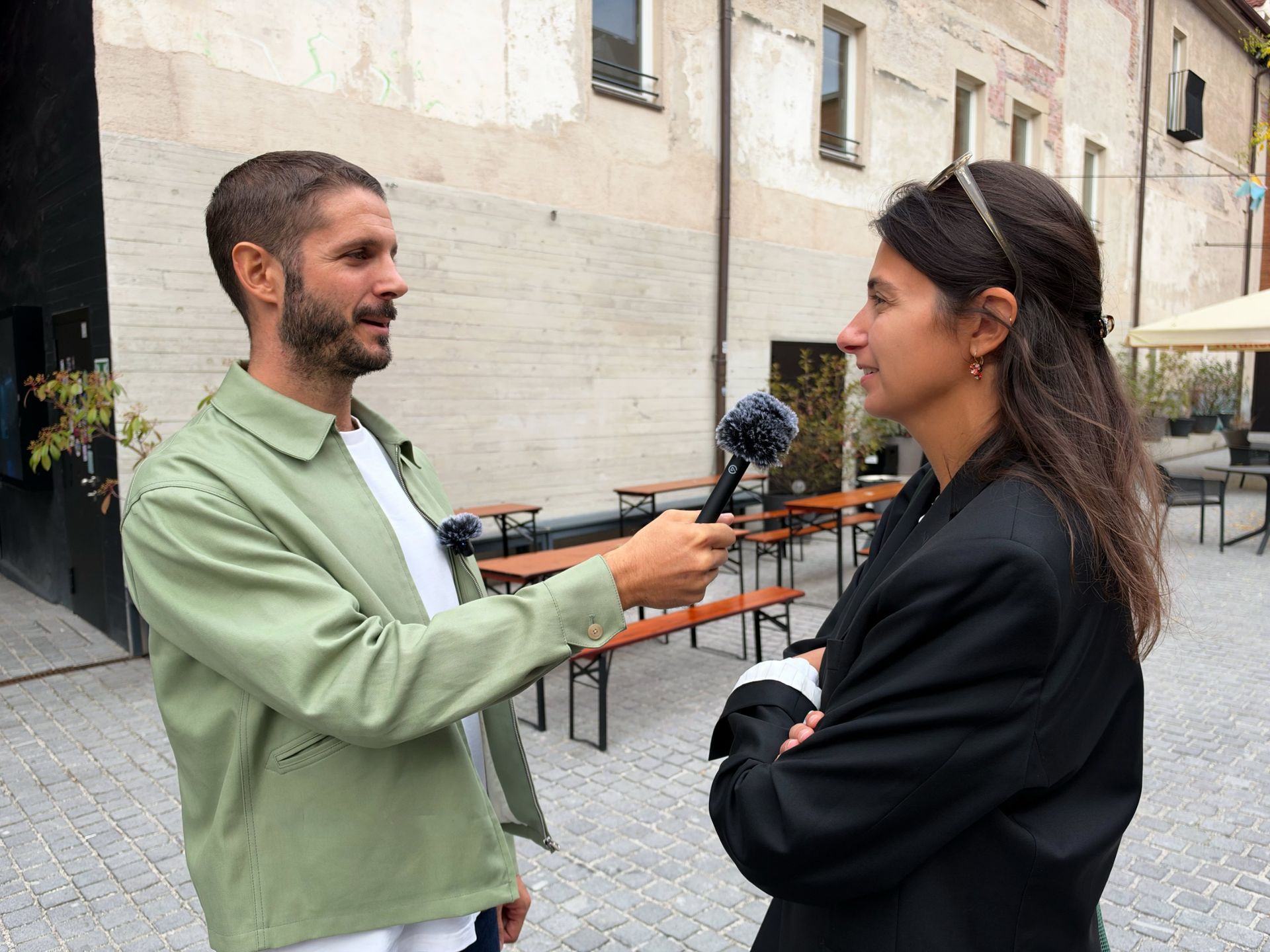
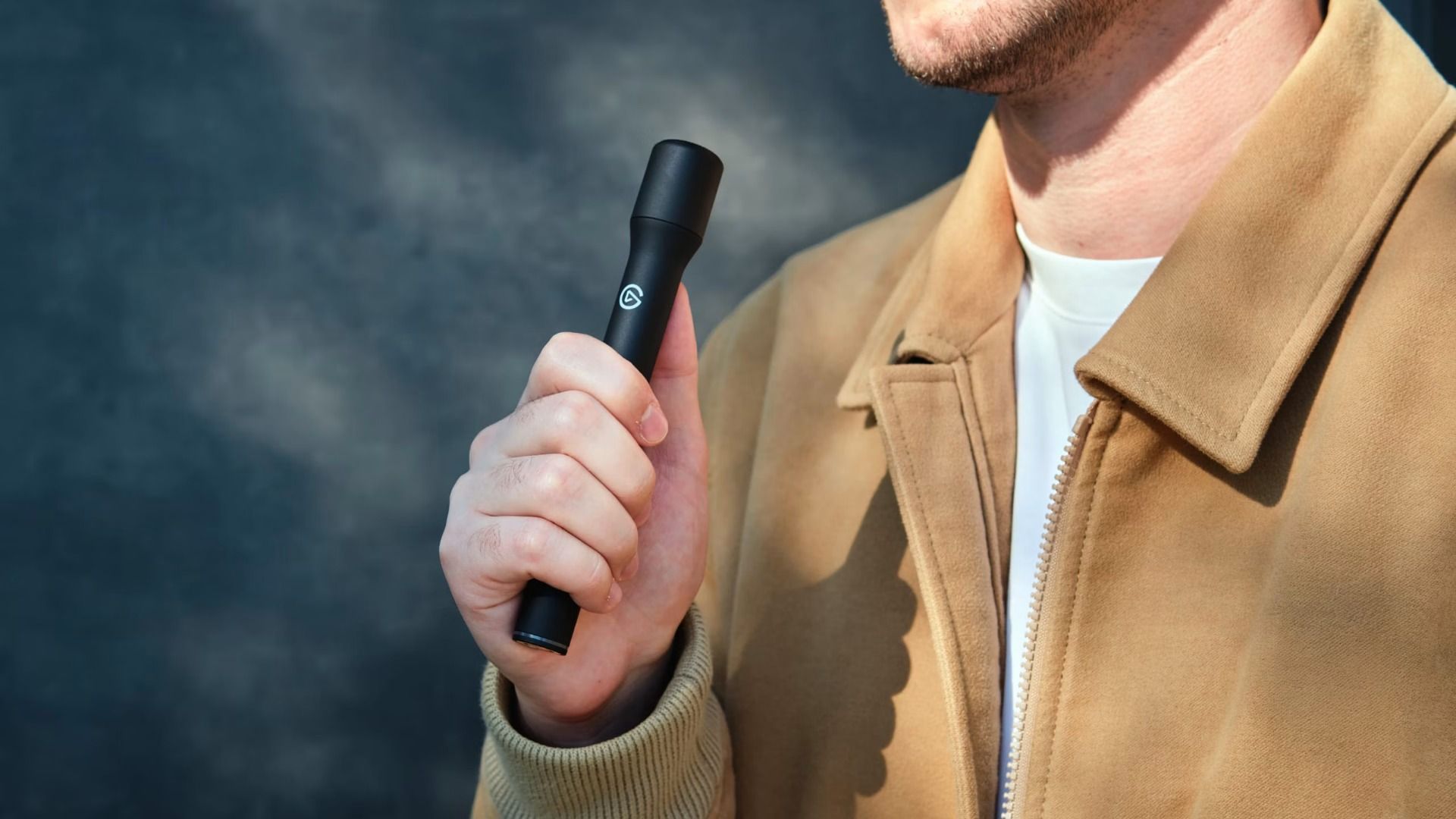
The Elgato Wave Go has a convertible design that allows users to record audio in two ways while being connected to a phone via a USB-C receiver.

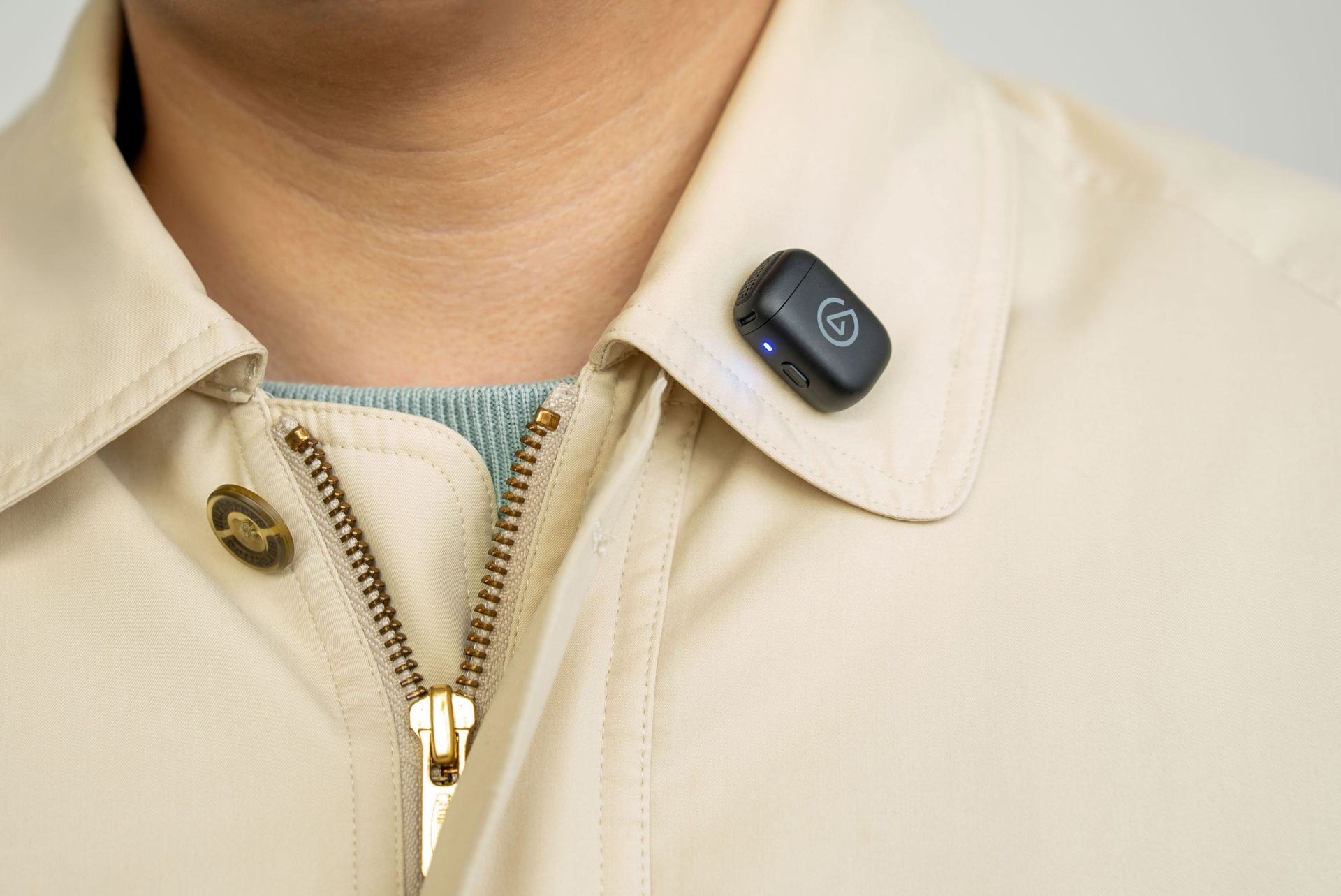
While in Clip-on Mode (which is a 7g transmitter the size of a coin), it can mount magnetically onto clothing with custom tuning that restores clarity and audio presence quality at chest distance.

In Handheld mode, Elgato Wave Go's transmitter fits inside a Smart Handle to become a full-sized interview mic with integrated controls, charging, and a sound profile that's been tuned for warmth and presence audio levels when used close up.

This microphone also features toggleable noise cancellation to block out annoying background noise, automatic EQ Shift and Auto Gain systems to apply different sound profiles and audio gain levels depending on its position and mode (without needing to mess around with its settings), and compatibility with the free Wave Go app on iOS and Android for users to customize these aforementioned features to their preference.

A man interviews a woman outdoors, holding a microphone as she speaks in a stone courtyard with café benches; the scene feels relaxed and conversational.

The Elgato Wave Go in Handheld mode. (Image credit: Elgato)

On top of that, the Elgato Wave Go will last you for a good long session, as its transmitter can run for up to 8 hours on a single charge or a full day while recording audio.

Its Smart Handle can be recharged alongside the transmitters when it's docked inside (even while recording), and it can store up to 5 full recharges so it can operate for at most 48 hours. The Elgato Wave Go can have all its components recharged while inside its carrying case, which can connect to USB-C chargers.

Its USB-C receiver also has pass-through charging, so you can recharge the Elgato Wave Go while connected to your phone.

Close-up of a person wearing a cream jacket over a teal shirt, with a small black wireless microphone clipped to the collar; the scene feels polished and professional.

The Elgato Wave Go in Clip-On mode. (Image credit: Elgato)

Lastly, the Elgato Wave Go can integrate with Elgato's free mixing software called Wave Link. When this mic is used in tandem with the app, users can route audio, apply effects, control its settings via Stream Deck, and unlock Voice Focus, which cleans up reverb and background noise while recording audio indoors.

If this lightweight, convertible microphone with expert sound quality, portability, and customization sounds appealing for your content creation needs, you can buy the Elgato Wave Go on Elgato.com for the MSRP of $99.99 (other retailers will sell it shortly after). The Elgato Wave Go will be available in 40 countries and regions.

Elgato is also offering a Sky Blue variant of the Elgato Wave Go for a limited time on its website. Plus, the microphone will have a second transmitter sold separately for an MSRP of $29.99 (or $14.99 when bought together with the Elgato Wave Go).

Wave Go Convertible wireless mic: $99.99

Let your voice be heard in your content with the Wave Go wireless microphone. It can be used in hand or clipped onto your shirt collar, convey and record your voice with pro-level quality, and last you over 48 hours before needing to recharge.View Deal

Click to join us on r/WindowsCentral

Join us on Reddit at r/WindowsCentral to share your insights and discuss our latest news, reviews, and more.
  •  

Bust out your Zune HD — It's time to play Super Mario 64

It's been a busy week in the world of mods and ports. While most gamers, including me, have been focusing on the PS5's jailbreak and the ability to emulate PS5 games on Xbox hardware, there's another project capturing the attention of die-hard Microsoft fans.

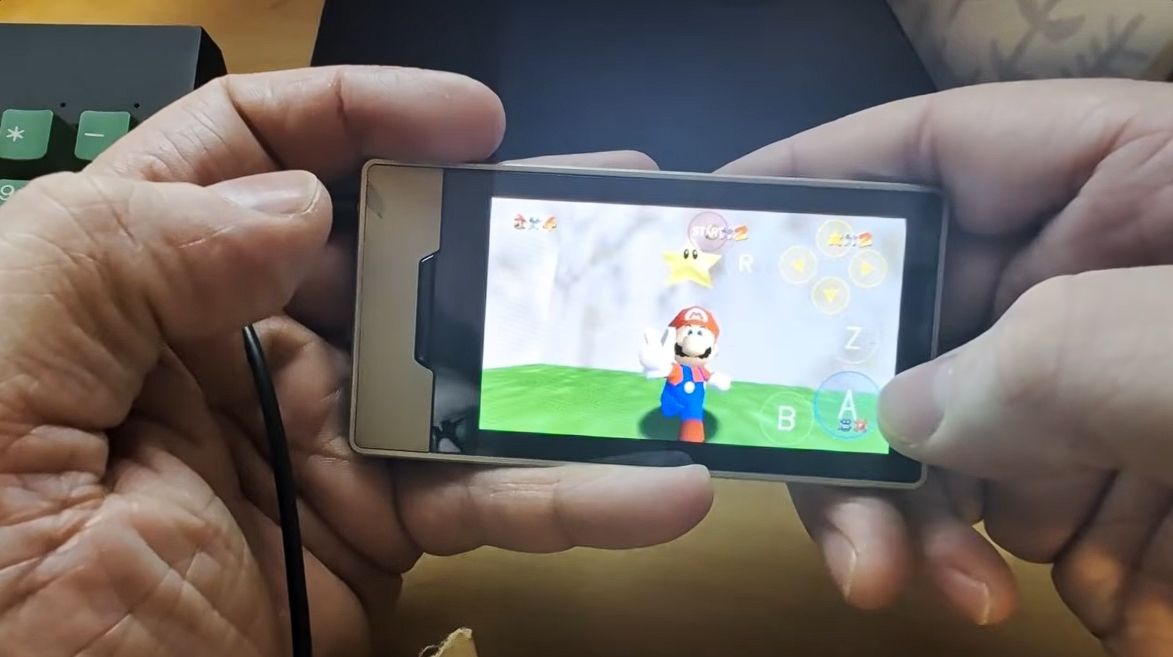
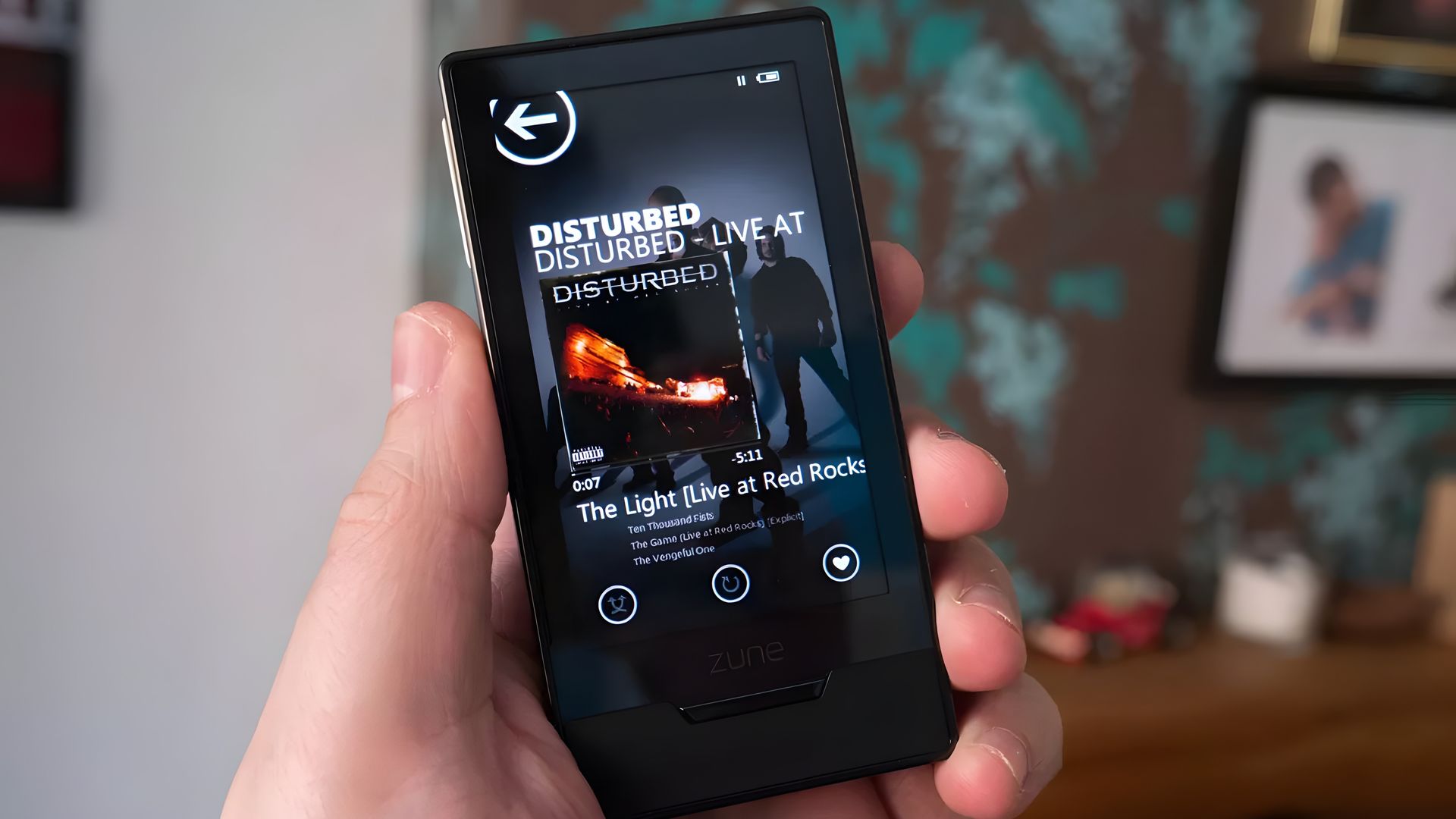
As reported by Hackaday, a savvy modder has figured out how to get Super Mario 64 running on a Microsoft Zune HD. Yes, the ill-fated music player that once put up a valiant fight against Apple's iPod has been repurposed as a micro-portable gaming handheld.

This project comes from GitHub user rsheldiii, who effectively ported the sm64ex version (containing a full decompilation of Super Mario 64 running on Linux and Windows) to the portable media player that launched in 2009.

Creator rsheldiii explains that the mod "plays (mostly) at full speed with sound, touch controls and saves." You're asked to provide the ROM for the game yourself in order to circumvent any legal issues, but otherwise, it appears that all you'll need to test it out yourself is a Zune HD in working order and an x86-64 Linux PC with Docker and Git.

It's explained that the first run of the game takes "five to ten minutes" to complete as it builds a container image and downloads compilers. The game is controlled entirely with touch, and the Nintendo 64's native buttons are clearly displayed on the screen.

The video provided by the creator on the GitHub page (I'm not sure if the YouTube version I used here is hosted by the same person) shows just how easy it is to start playing Super Mario 64 once everything is installed.

Within seconds, the game is launched, and Mario is running towards the castle to choose a mission. Once in a mission, the game appears to run smoothly, with the player not having any evident issues with controls.

I, unfortunately, do not have any spare Zune HDs lying around my office, or I'd be all over this little hack. Is it something you'd consider trying out? Let me know in the comments section below!

A brief history of Microsoft's failed iPod competitor

The Microsoft Zune HD

The Zune HD was (is?) an admittedly nice little piece of hardware. (Image credit: Windows Central)

Microsoft launched the original Zune media player on November 4, 2006, roughly five years after Apple's first iPod hit markets. Yes, the Zune was created to compete in the shifting world of MP3 players, eventually arriving at the Zune HD model in 2009.

It was a significant upgrade thanks to a 3.3-inch OLED touch display, an NVIDIA Tegra processor (which undoubtedly helps this little Mario 64 hack get legs), an accelerometer, and up to 64GB of flash storage.

Zune hardware was discontinued in 2011, not because the iPod killed it, but because it failed to kill the iPod. It was ultimately late to the party, kept quiet once it arrived, and slipped out before it all ended. At that same party was the newfound smartphone, and it seemed to be getting most of the attention anyway.

Microsoft completely retired the Zune branding in 2017.

Click to join us on r/WindowsCentral

Join us on Reddit at r/WindowsCentral to share your insights and discuss our latest news, reviews, and more.
  •  

AI or bugs? The Total War: SHOGUN 2 remake has gamers irate.

I've said many times that AI influence in gaming, whether it be wielded for upscaling or development purposes, isn't going anywhere. As SEGA just discovered, although my assumption might be true, the gaming world isn't quite ready for the level of AI sloppiness found in the new Total War: SHOGUN 2 "Enhanced" version.

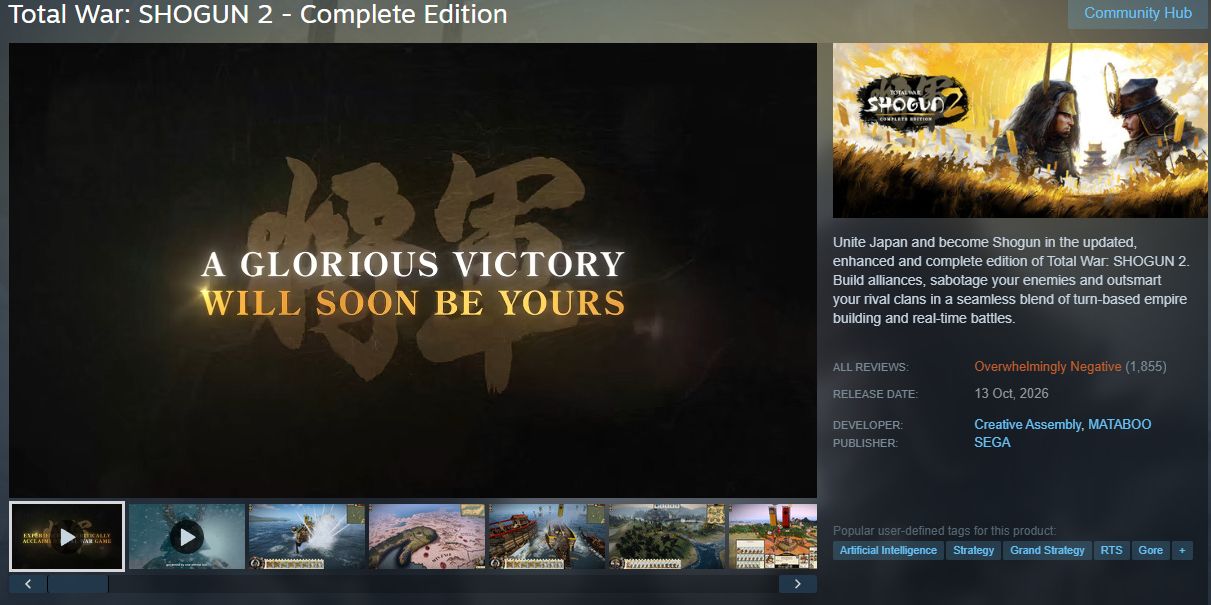
The original game launched in 2011, and after some 15 years of availability, it sits at a Very Positive rating on Steam with more than 22,000 user reviews. The game's new "Complete Edition," which launched on October 13, 2026, has already received more than 1,850 user reviews.

The problem? The enhanced version has fallen to an Overwhelmingly Negative rating on Steam, which is often a death blow from which a game never recovers.

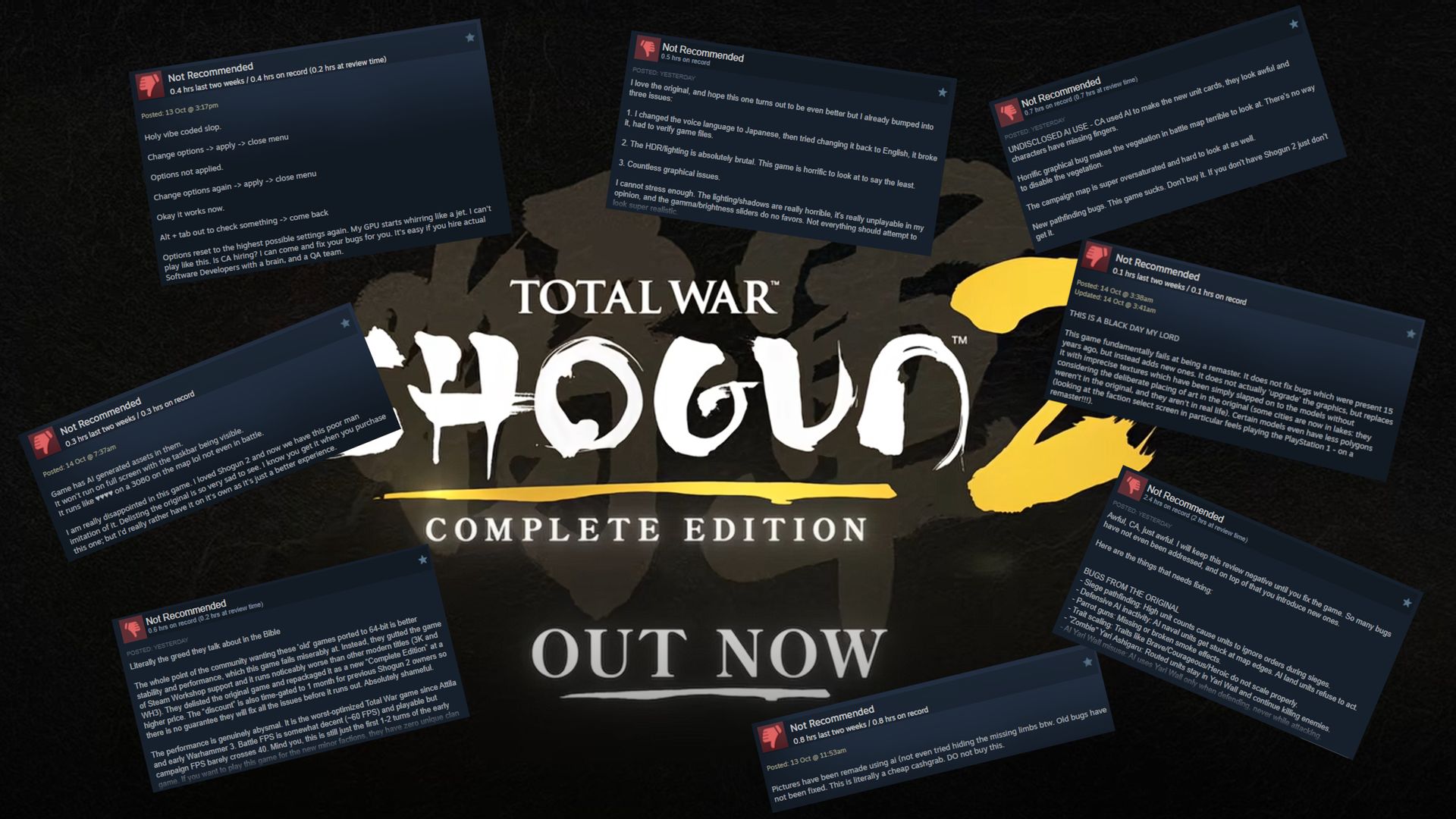
Digging into the sea of red reviews, it appears that plenty of gamers were already disappointed in the remake's quality before anyone looked closely enough at player cards to notice some undisclosed use of AI.

AI used to upscale S2CE unit cards is awful. These need to be redone by hand, as the originals were
 from r/totalwar

Plenty of reviewers have called out the game-breaking bugs, the poor performance, and the "countless graphical issues," including dreadful lighting and HDR. I could go on.

What's really causing waves, though, is the alleged undisclosed use of AI. Steam requires each game's studio/publisher to admit whether or not AI was used during development, and there's no such disclaimer on the Total War: SHOGUN 2 remake page.

You be the judge — does the Complete Edition screenshot look like it was upscaled using AI? Why does it suddenly look like the front of a Mercedes rather than a mustachioed soldier? Let me know what you think in the comments section below.

Gamers are used to slop ... just not AI slop

Steam page for Total War: SHOGUN 2 – Complete Edition, featuring gold Japanese calligraphy and the slogan “A glorious victory will soon be yours,” with samurai artwork and game details.

Total War: SHOGUN 2 Complete Edition sits at an Overwhelmingly Negative rating on Steam. (Image credit: Valve)

What's really sticking with me is how gamers have approached the relaunch of SHOGUN 2. At this point, I think many of us have been around long enough to not be surprised when a remake gets botched.

I was there for Warcraft 3: Reforged tragedy. I remember when the Grand Theft Auto: The Trilogy remake launched to backlash. AI had nothing to do with these games.

This time, though, the Total War and Shogun 2 subreddits are flooded with posts focusing on the poor quality of AI upscaling. It extends well beyond the one Mercedes-face soldier, with gamers posting images of six-fingered characters, wonky hands, odd faces, and more.

More instances of hokey upscaling in Shogun 2: CE
 from r/totalwar

I don't think saying there's more focus on the AI aspect than the actual bugs and glitches is too far out there. And I'm definitely not saying that fans of the series have their gripes in the wrong place; I'd be upset too if one of my favorite games was given this treatment. It's just interesting to see how the outcry falls into place.

Remasters don't have to be low-quality cash grabs

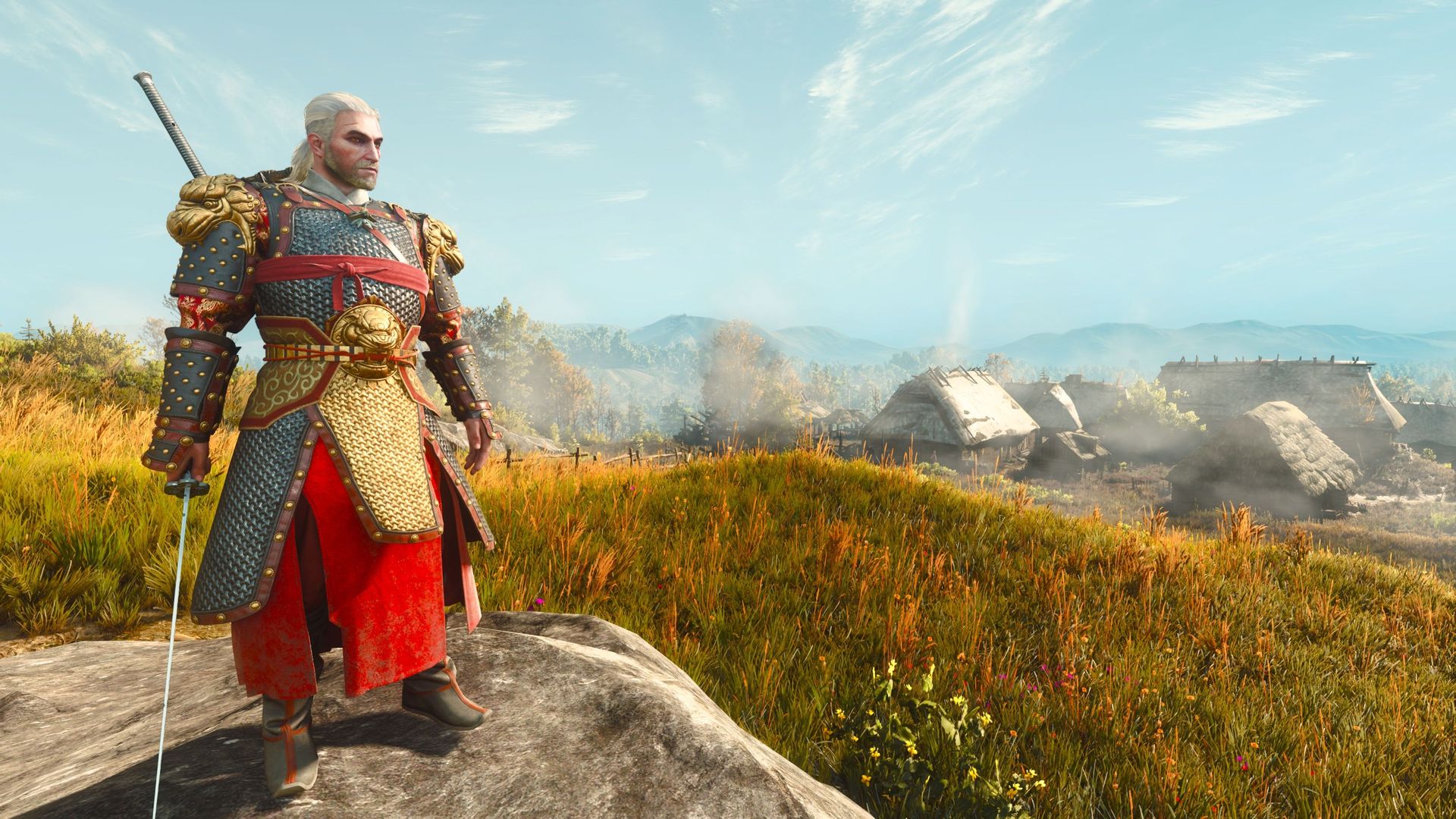
Witcher 3 remaster screenshot

The Witcher 3 remastered is a glorious upgrade, free for any owners of the original game. (Image credit: Jennifer Young - Windows Central)

Our own Jennifer Young recently reviewed The Witcher 3: Wild Hunt Remastered, where she awarded it a perfect five stars. The game sits at a 92% rating on Metacritic.

What makes it so great? Well, it's completely free for anyone who already owns The Witcher 3. It doesn't overwrite the original game (great news for people like me who still game on a Steam Deck). And it comes with a host of quality-of-life fixes, upgraded graphics, and more.

It's about as good a remake as you'll find, and a far cry from the $40 Total War: SHOGUN 2 entry from this week.

For those who have played the game, is it really as bad as the reviews are making it out to be? Would it not have such an aggressively bad rating if not for the alleged undisclosed AI upscaling? Let me know in the comments section below!

Click to join us on r/WindowsCentral

Join us on Reddit at r/WindowsCentral to share your insights and discuss our latest news, reviews, and more.
  •  

CHEKT’s Chessboard Refuses to Hide Its Layered Design

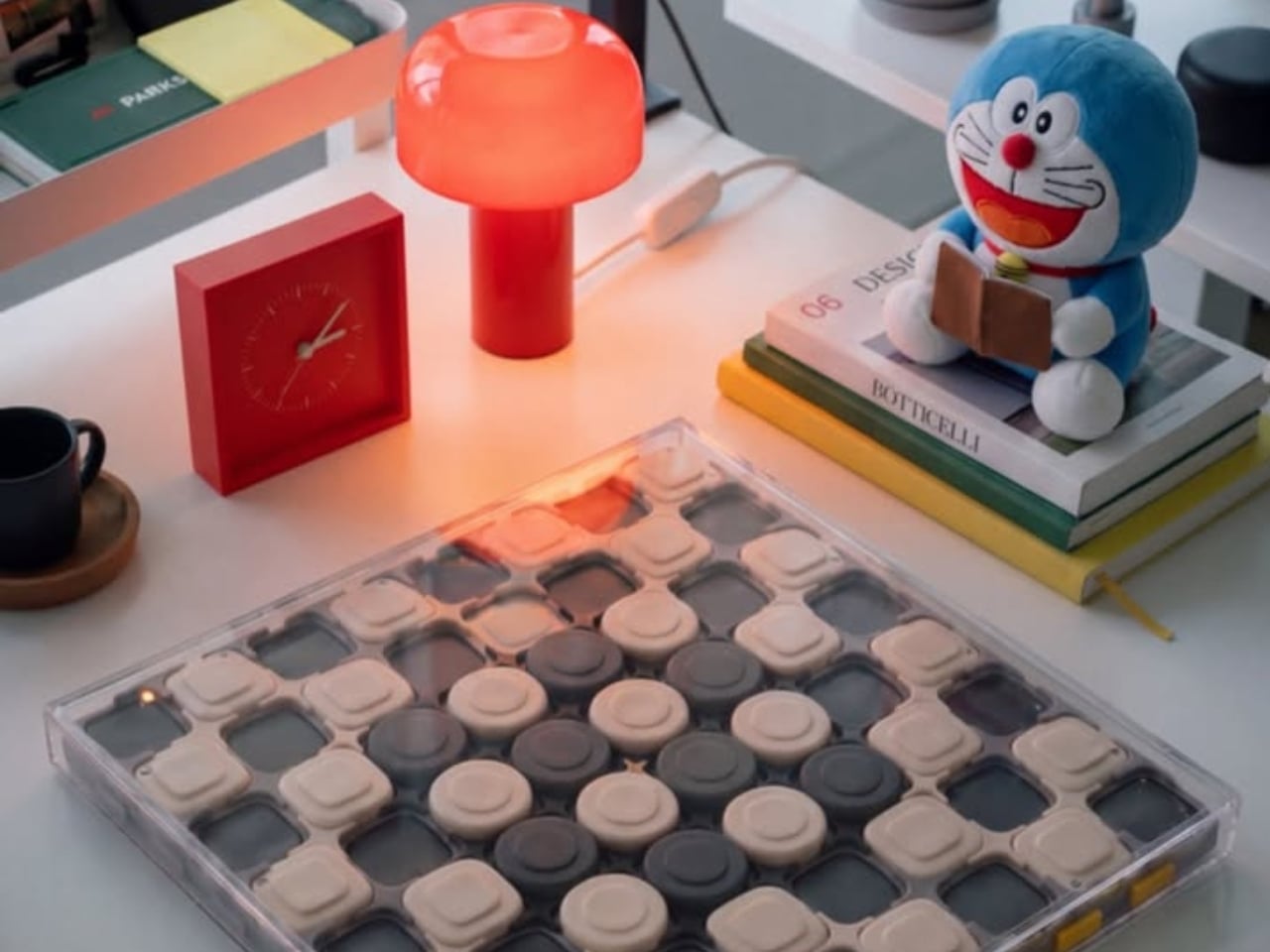
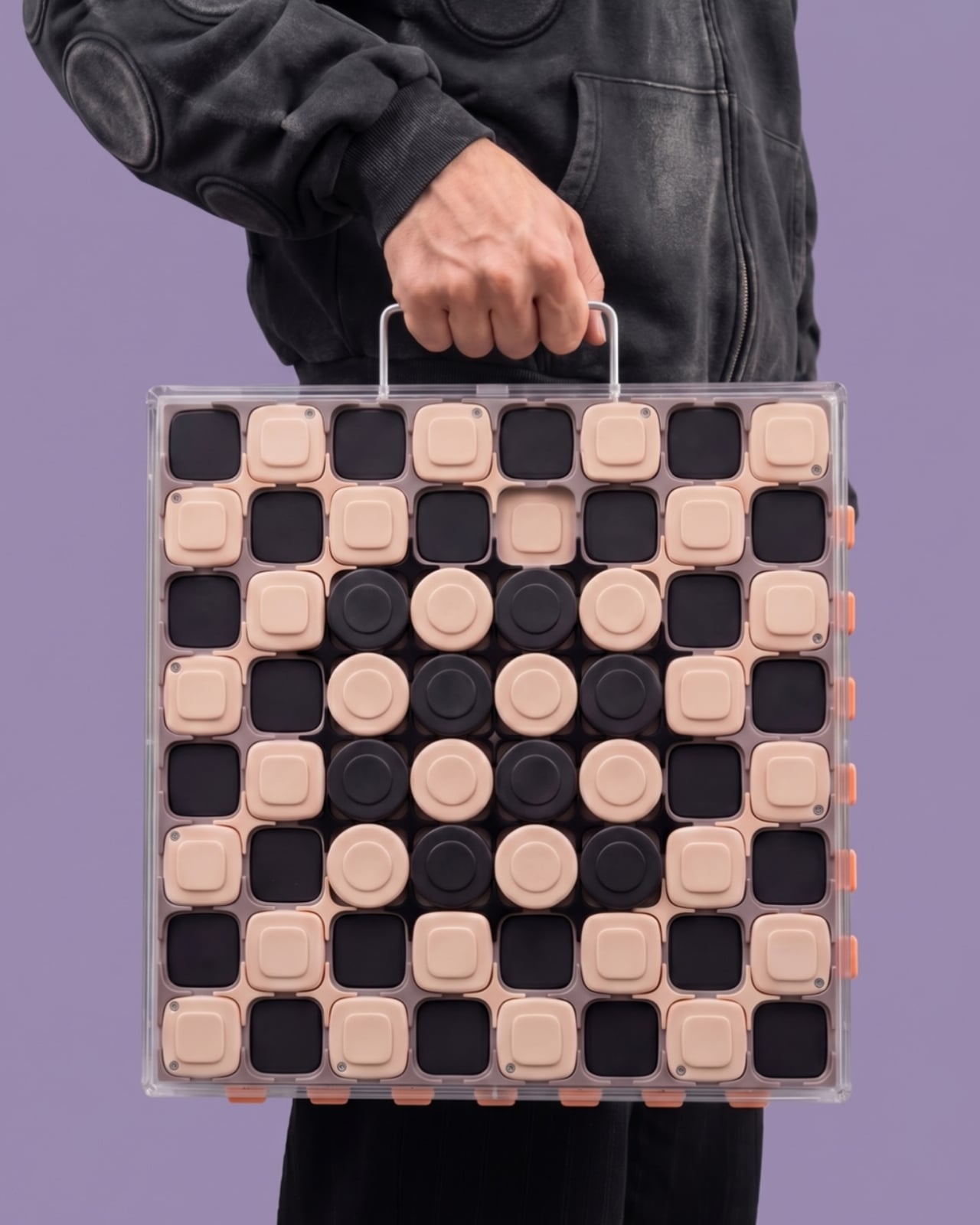
The carrying handle on Jess Wiseman’s CHEKT board is the detail that makes the design click for me. Chessboards have an awkward domestic life: leave one out and it claims a chunk of your table; put it away and playing becomes another thing to unpack. CHEKT’s board design considers that friction through a clear enclosure with a handle, while giving the familiar checkerboard a visual personality closer to a desk accessory than a formal game set.

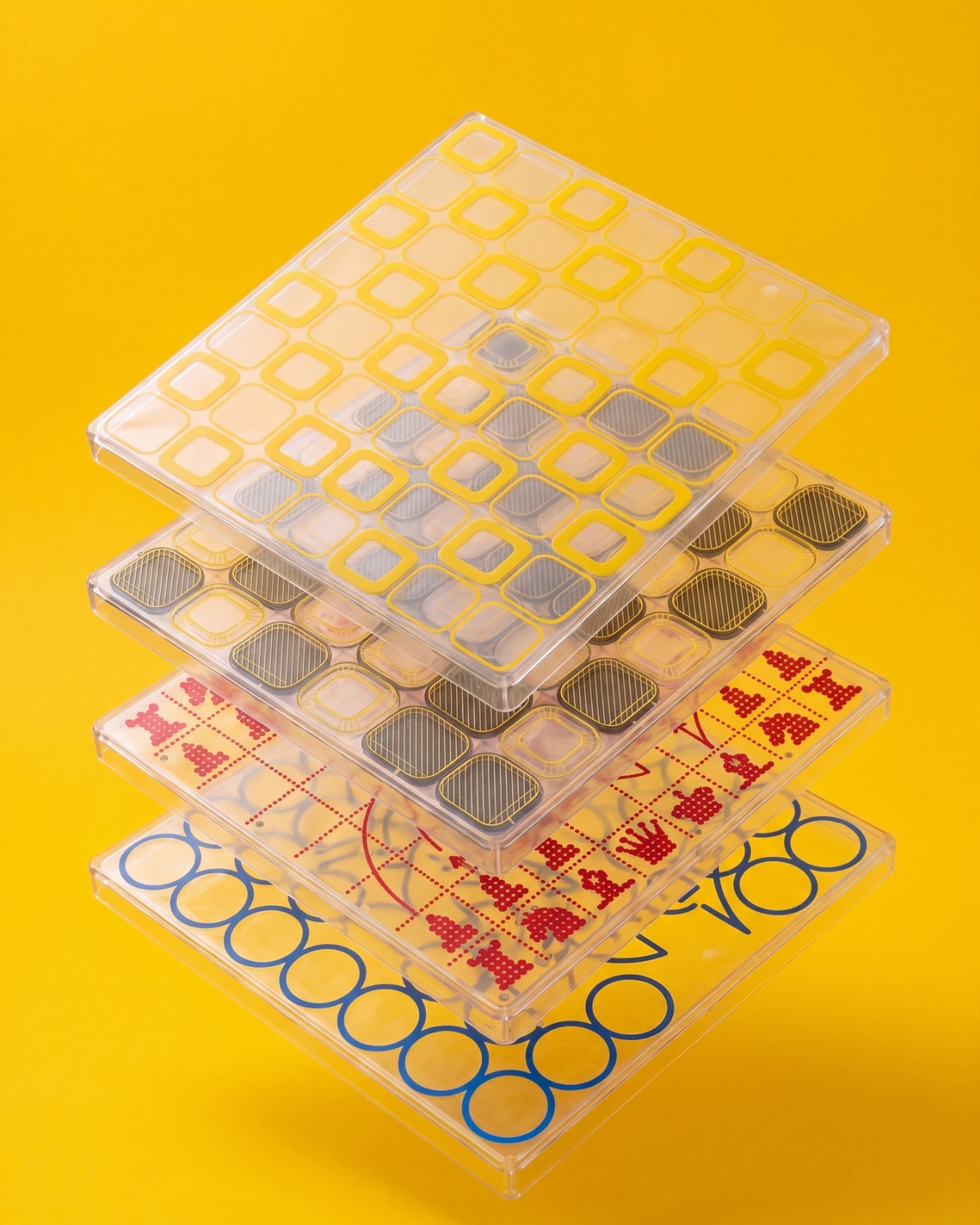
It also addresses a smaller, relatable problem: choosing a board usually means committing to one look. The supplied images show four transparent shells with different graphic treatments, suggesting a way to change the board’s appearance without replacing the underlying object. That’s a more interesting proposition than another beautifully finished slab. I like objects that leave room for your taste to change, especially when they’re likely to spend as much time sitting around as being used.

Designer: Jess Wiseman

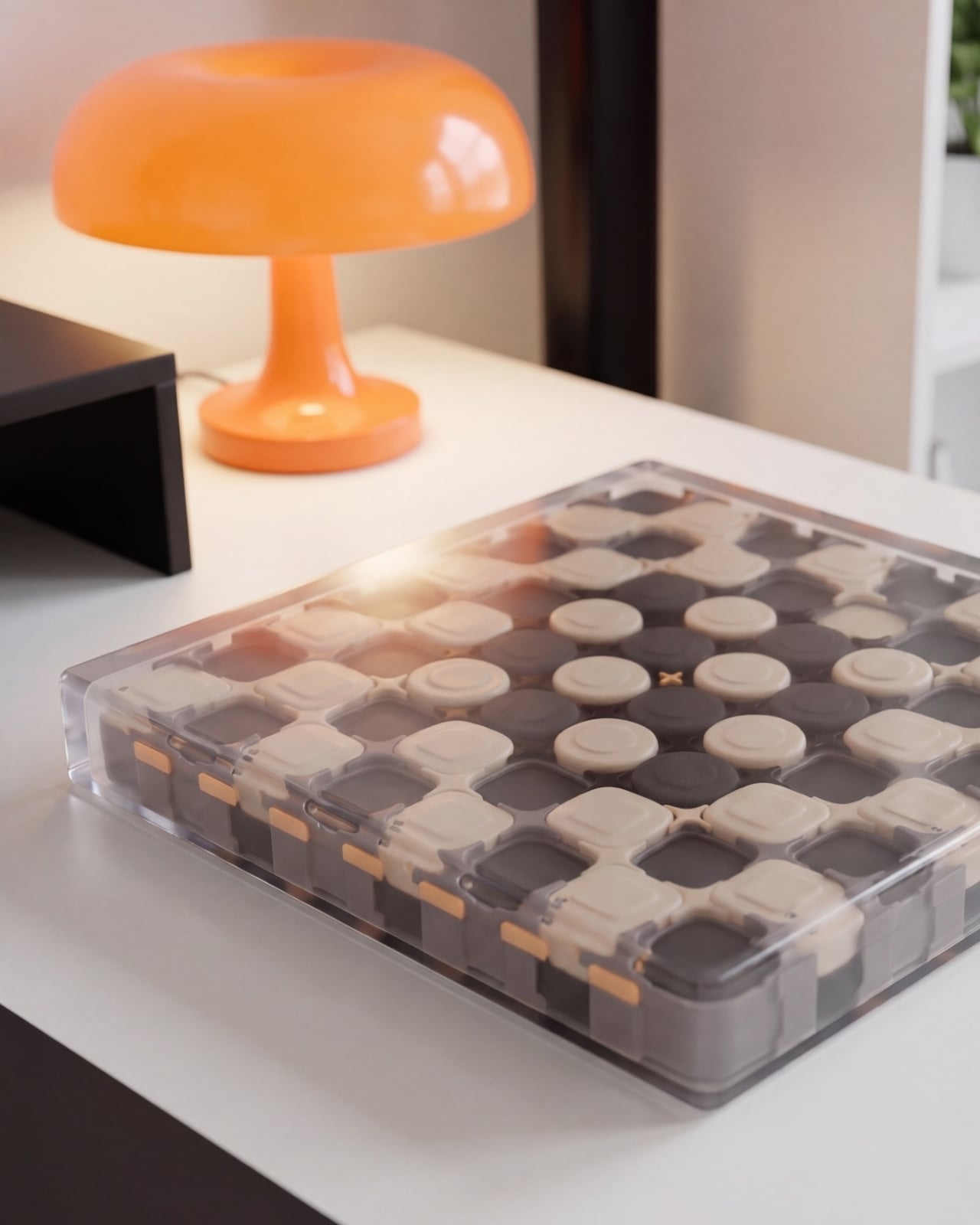
Underneath those shells, CHEKT has an eight-by-eight grid of black and pale peach forms. Rounded corners soften the geometry, and the raised surfaces make it look almost like an oversized keyboard. Circular details occupy the middle area, while square forms dominate elsewhere. The images don’t establish what those individual components do mechanically, so I wouldn’t call them buttons or switches. Visually, though, they give the board depth and rhythm that a printed checkerboard doesn’t have.

The clear outer enclosure makes those layers visible rather than hiding them behind a finished exterior. Small orange details along the edges interrupt the black-and-peach palette, and the slim, silver-colored handle gives the whole thing a faint briefcase quality. It’s playful without relying on a novelty shape. Sitting on a desk beside an orange mushroom lamp in one image, the board looks quite comfortable sharing space with objects chosen for their appearance.

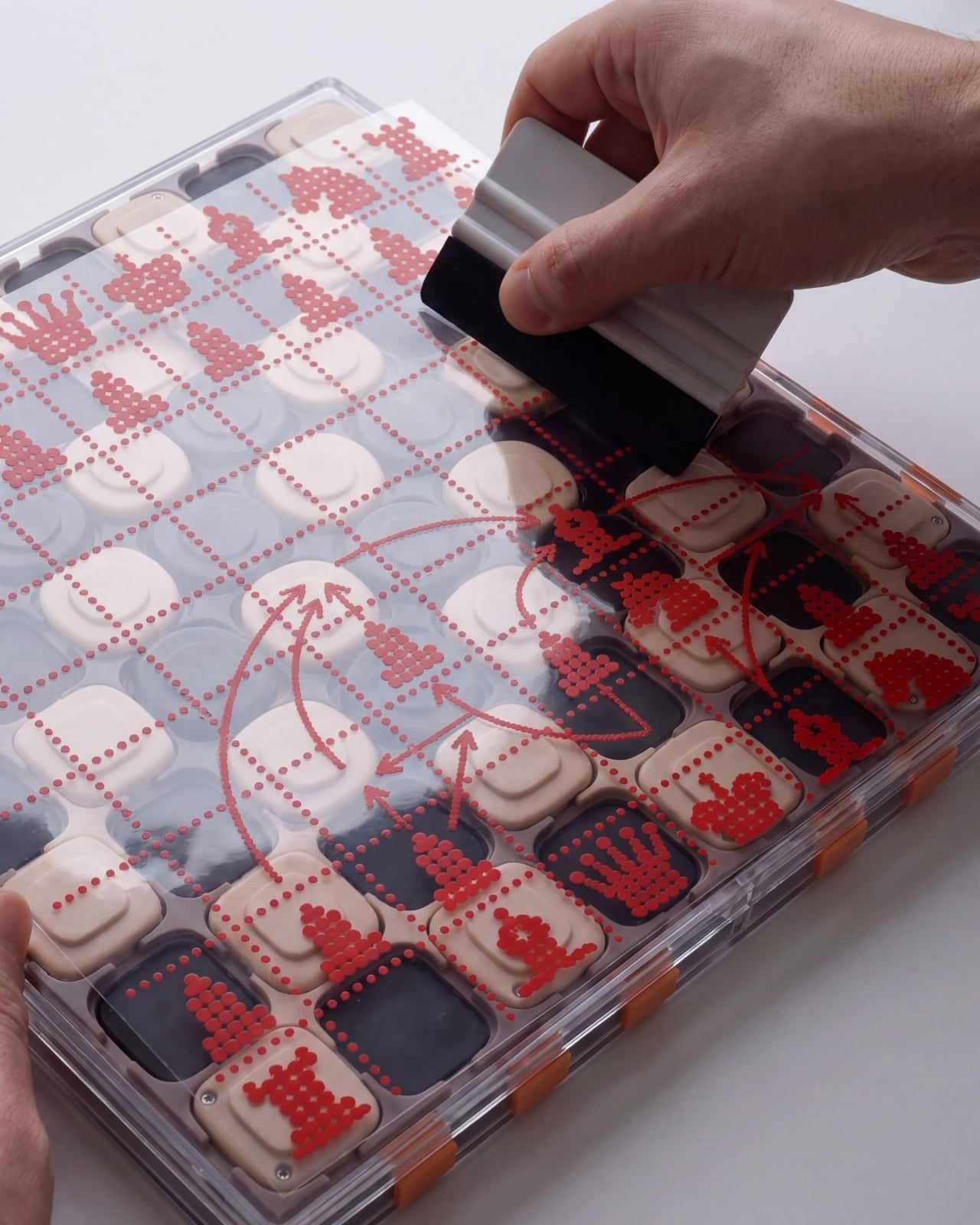
The shell graphics are where the design becomes especially expressive. One uses yellow outlines around the squares, another introduces dark diagonal hatching, and a third has red, dot-built chess-piece illustrations. The fourth features large blue circles and angular linework. They offer different degrees of visual busyness, which matters. A graphic you enjoy looking at across the room might be less welcome when you’re trying to read a complicated position. I’d probably start with the quieter option.

One image shows a hand wiping drawn red arrows from the illustrated shell. That suggests a useful secondary role as a surface for working through moves, explaining a position, or marking an idea before clearing it away. It’s an appealing detail for casual learning because the discussion can happen directly over the board. The specific writing tools and surface compatibility aren’t established here, but the pictured interaction gives the transparent layer a purpose beyond changing the color scheme.

That ability to annotate is arguably more compelling than making a chessboard resemble a collectible gadget. You can imagine two people tracing a possible move rather than trying to explain everything through gestures. It wouldn’t replace learning the rules or recognizing positions, but it could make that conversation easier to follow. For me, this is where the graphic design starts earning its place: the surface becomes something you can use, not merely something to admire.

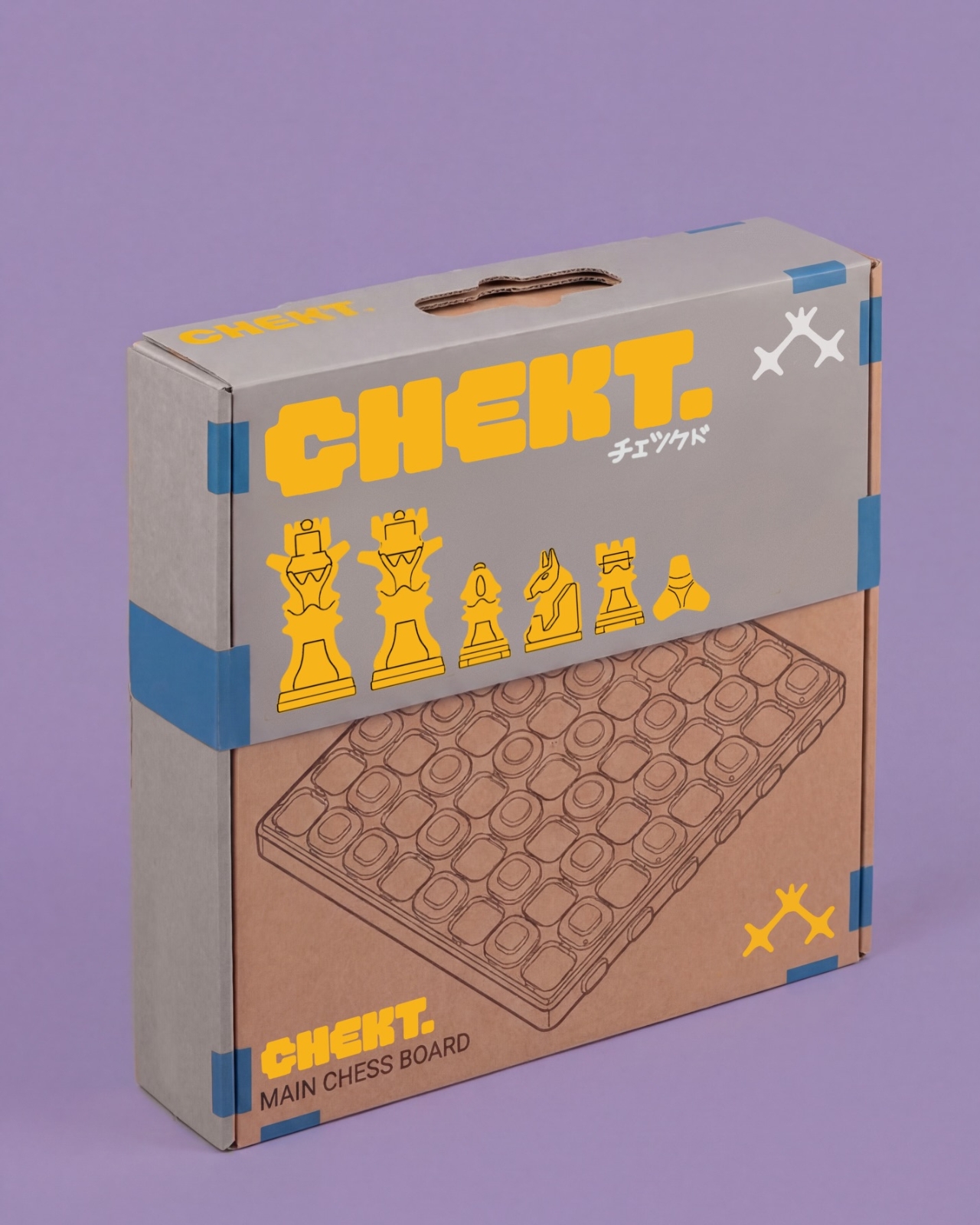
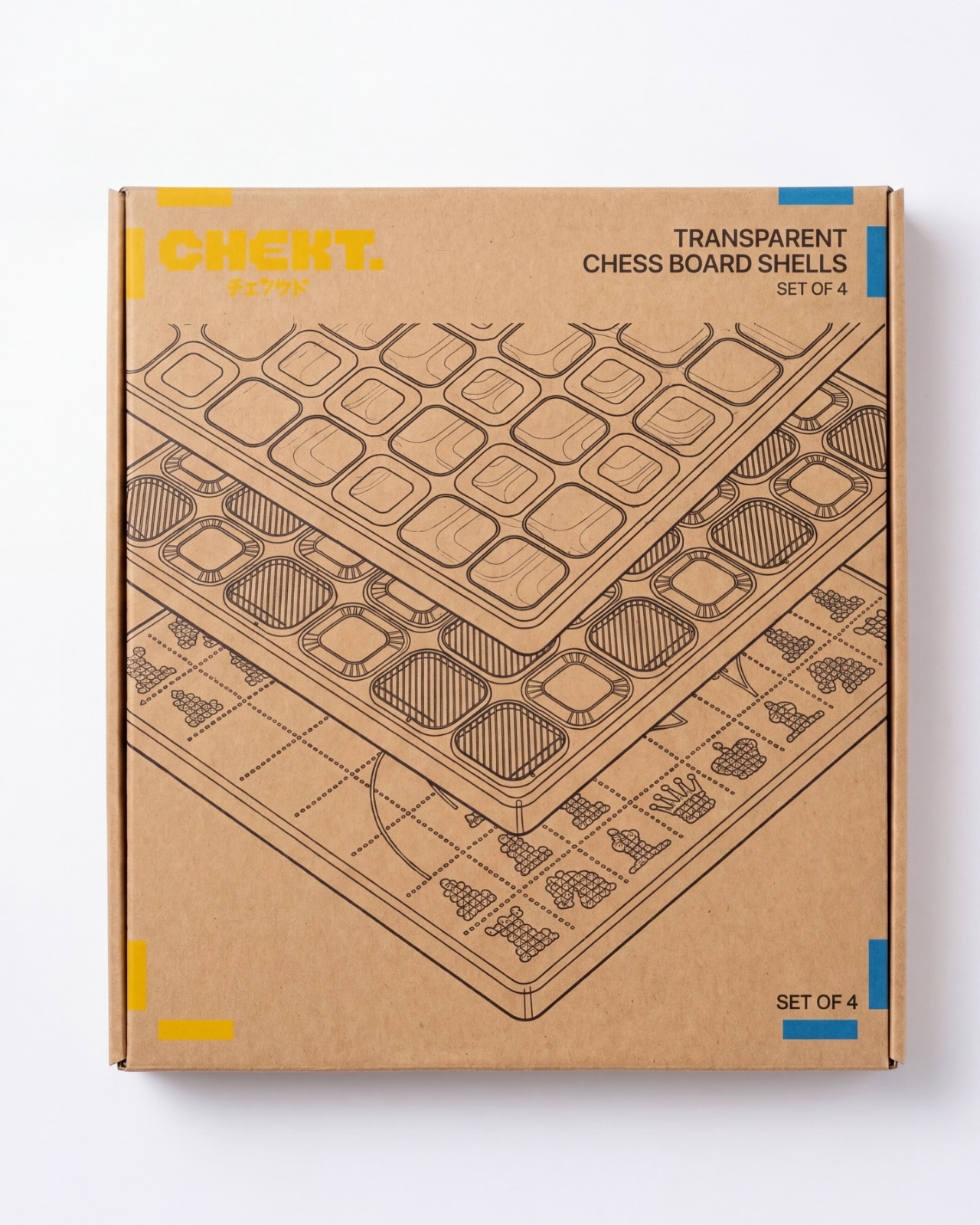
The packaging carries the same attitude. Oversized yellow CHEKT lettering, blue corner accents, chess-piece drawings, and diagrams of the layered board give the boxes a lively, almost hobby-kit character. The shell package explicitly labels its contents as a set of four, making the customization idea legible before anything is opened. I appreciate that clarity. Attractive packaging is more persuasive when it helps explain what the object is, rather than asking the branding to do all the work.

I’d still want to know how the shells attach, how easily their surfaces scratch, and whether the added graphics complicate play. Those answers would determine whether CHEKT feels practical rather than merely photogenic. But the design’s appeal is already clear: it gives a familiar game a place in a less formal room, with an appearance that doesn’t have to be permanent. A chessboard you can carry, customize, and potentially draw on offers several reasons to take it off the shelf.

The post CHEKT’s Chessboard Refuses to Hide Its Layered Design first appeared on Yanko Design.

  •  

I asked for this Teams feature years ago, and Microsoft finally delivered

Microsoft Teams will soon have a new feature that will deliver high-quality video to event attendees. An upcoming update to Teams will add the option to share videos directly from OneDrive.

At the moment, sharing video during Teams events often requires screen sharing or embedding videos in PowerPoint. The first solution lowers quality and the second requires extra work. Being able to share a video directly from OneDrive will provide a smoother experience while also improving quality.

Microsoft detailed through the Microsoft 365 Message Center (archived here):

"Microsoft Teams will soon support sharing video directly from OneDrive during Teams events. Organizers and producers using Manage what attendees see can load videos from OneDrive and present them on stage without screen sharing a local media player or embedding videos in PowerPoint. This improvement provides smoother, higher-quality video playback for attendees and simplifies event production through built-in video playback controls."

The feature is expected to start rolling out in early November and should be available to all users by the end of December.

I run an American football team and we study film from games and practices. But because we are not attached to a specific school or building, our players and coaches are spread across the area. That makes film study events easier to schedule, but there are limits to presenting remotely. One of the biggest drawbacks is video quality.

In the past I've had to share my screen and play videos on my desktop, which is both awkward for me and a poor viewing experience for attendees. Videos shared this way can appear laggy and have lower resolution than videos played natively on a device.

I switched away from Microsoft Teams for film study a few years ago due to other changes made to Teams, but support for sharing videos directly from OneDrive will make me try Teams again.

Click to join us on r/WindowsCentral

Join us on Reddit at r/WindowsCentral to share your insights and discuss our latest news, reviews, and more.
  •  

Preview The Legend of Zelda : Ocarina of Time sur Switch 2

On pensait connaître Hyrule par cœur, mais la Switch 2 nous réserve une claque d'un tout autre genre. 28 ans après avoir posé les fondations du jeu d'action-aventure en 3D sur Nintendo 64, The Legend of Zelda: Ocarina of Time s'offre une relecture audacieuse. La promesse n'est pas simplement de ravaler...

  •  
❌