The PHP security team is warning administrators to prepare for emergency security updates tomorrow to address two critical vulnerabilities, as information about the flaws has reportedly leaked ahead of their scheduled disclosure. [...]
Before the DMZ Beta went live in 2022 as a bonus mode for Call of Duty: Modern Warfare 2, it was widely considered one of gaming's worst-kept secrets. Pretty much everything about it had leaked in the months leading up to its launch.
When players did get their hands on it, the fledgling extraction mode was notably undercooked. The smarter AI for the time was impressive, but there was just not enough substance to keep a large player base active and excited.
Don't get me wrong, there were definitely DMZ die-hards in the Call of Duty community, but I was not among them. I liked the premise, and it certainly wanted to fill a void that had been left empty since I completed The Division's "Survival" DLC. But ultimately, I was convinced that I just wasn't meant to be an extraction shooter girly, and I made my way back to multiplayer and Warzone, where I belonged.
Earlier this year, I had the opportunity to visit Infinity Ward's studio and be among the first to see the reveal for Call of Duty: Modern Warfare 4. This included the upcoming third mode — DMZ.
I'm not going to act like I wasn't surprised. Signs were pointing to DMZ's potential return, especially with the rise in the success of extraction shooters like Arc Raiders, for example, but I just wasn't sold on the idea that the previous DMZ Beta had warranted enough fanfare to justify spending 4 years of resources on this extraction mode over some other third mode like classic Spec Ops.
Players have barely got a taste of what Call of Duty: Modern Warfare 4 has to offer, and the game is already breaking records. Preorder now to experience a brand-new, thrilling campaign, reworked multiplayer, and a new DMZ experience this October. Digital preorders unlock early access to the MW4 Campaign starting on October 16.View Deal
I grew even more nervous about the state of DMZ after the reveal, as launch inched closer and closer with absolutely zero marketing or reveals for the returning mode. No mention of DMZ during the MW4 Open Beta.
Finally, we had "DMZ Week", with a rush of information about the new mode flooding Call of Duty's marketing. When I returned to the studio to go hands-on with Call of Duty: Modern Warfare 4 this month, it was DMZ that I was most looking forward to playing, surprisingly. I was starting to warm to the idea of the mode in general, at least.
Operators in the DMZ FOB. (Image credit: Activision)
For me, these hybrid PvEvP modes can be a hard sell. In the original DMZ Beta of yesteryear, I often felt like the AI combatants were more of an annoyance than an actual threat — just an obstacle in the way of finding the next squad to take down because I was thoroughly Warzone-brained. While there were tasks to complete on the inside, they felt menial and didn't really add much to the overall experience. Looting was an option, but it just didn't mean much at the end of the day.
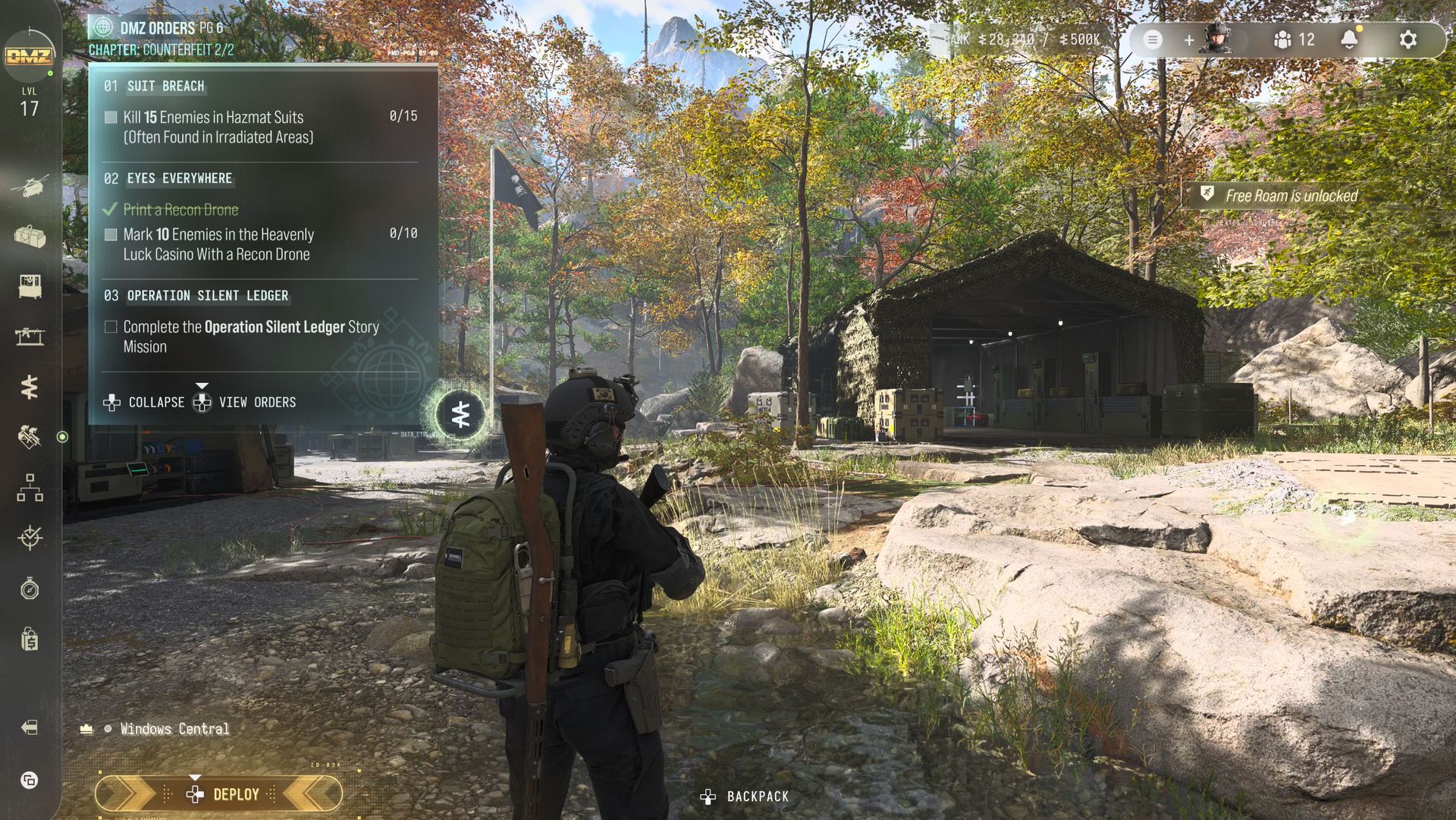
We started our hands-on time in the Forward Operating Base, the opening hub world for all things DMZ. It's nicely designed, but I do find that overall the HUB itself is a bit disjointed. There's a laptop for every feature. Walk over to this side of the HUB to check your dog tag collection; go back to that side to buy intel on Lieutenants you can hunt. Certain features are locked until you reach the minimum level requirement. Once we were familiar with the layout, we were placed into teams and turned loose to explore Hajin.
Welcome to Hajin
Hajin is stunning: a sprawling map with large cities, beautiful foliage, and plenty of threats. (Image credit: Activision)
Before I get too deep into overall gameplay, I want to talk about the design of Hajin. The map for DMZ is absolutely massive, especially when compared to the previous map used for the DMZ Beta, Al Mazrah. Al Mazrah felt spacious, but barren. Hajin, however, is a massive map that feels dense and alive. The large buildings tower against the DMZ's skybox, teeming with enemy AI that pose legitimate threats to your safety in the zone. Lush open outdoor areas offer plenty of trees with beautiful foliage and tall grass as cover, making it possible to take a stealthy approach when hunting targets.
The world of Hajin feels real. If you're looking for bandages, check a hospital. Need ammo? Head to a police station. This isn't a new concept, not even for Call of Duty. The original DMZ and the first attempt at Warzone 2.0 both relied on this mechanic of lootable items being found in areas that made sense instead of just stuffed in a box against the wall. For DMZ, it serves an added benefit of forcing players to explore areas outside of popular hot zones.
It's easy for communities to lock into certain areas of maps, especially ones this big, and only want to fight for control of a certain building or lootable box. But the most basic mechanics of Hajin are designed around that. If you're going to level up your operator, you're going to have to eventually go into dangerous areas to collect valuable gear and crafting materials.
Gameplay with meaning and depth
Targeted LT hunt in Call of Duty: Modern Warfare 4 DMZ. (Image credit: Cole Martin for Windows Central, Activision)
My biggest complaint with the original DMZ Beta was that completing tasks felt like they had little to no purpose. I'm happy to report that Modern Warfare 4's DMZ is overflowing with opportunity. From the story missions that continue the events of the campaign, to the dynamic ops that piece together new challenges with every deployment, to lieutenant hunts, and PvP encounters, this year's DMZ has plenty to offer players of all skill levels.
In my first attempt at DMZ during the hands-on period, I was paired up with a Sherpa from the development team and another player. We were pretty amenable to just exploring Hajin, taking in whatever came our way. Our Sherpa set us up with some dynamic ops that would let us get a little extra XP, and we dove in with the intent to free roam. We didn't start empty-handed; we had beginner-level vests and basic free loadouts to get us started.
Before long, we were collecting the necessary gear to take on bigger challenges, exploring areas with increased threat levels. Collecting gear and returning to the FOB gave us the opportunity to upgrade our operators' skill trees, making our progress feel even more meaningful than just "go in, grab things, get out." We became attached to our operators and their kits.
That is, until another team saw us heading for an exfil and opted to run us over with their trucks.
Back to the FOB between missions. (Image credit: Cole Martin for Windows Central, Activision)
With my operator now MIA in the exclusion zone, I was left with a choice: Pay the ransom to get her back, or take the loss and go in as a fresh little newbie again.
I paid the ransom.
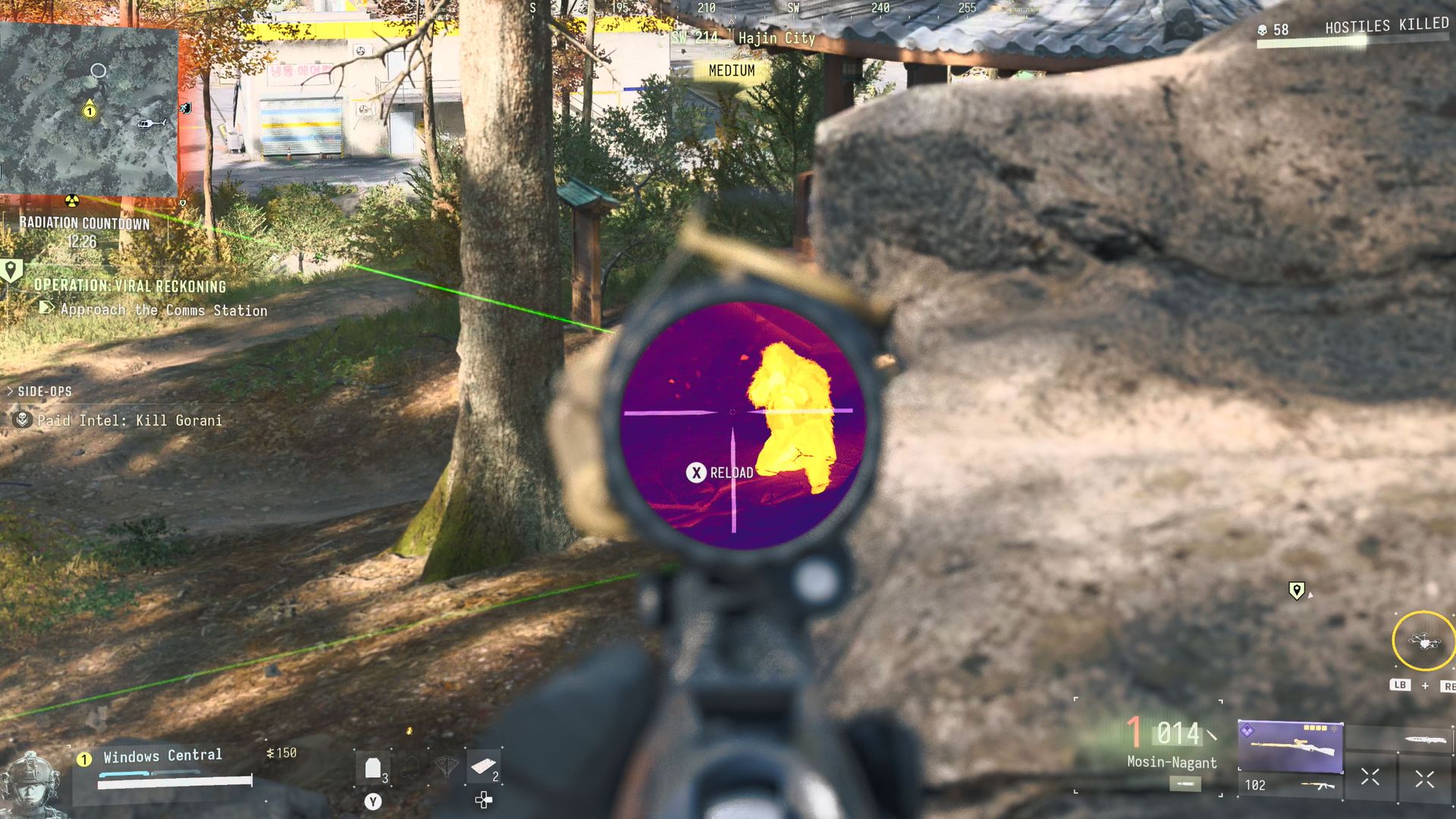
But then I decided to return to the DMZ for another run, this time solo. I'm too agreeable for my own good, and playing with a squad had left me following along with what they wanted to do. I wanted to see what happened if I went in and followed my own whims. I headed to a laptop in the base and ponied up $10,000 for intel on the location of a Lieutenant, a sniper with a ghillie suit and deer skull mask.
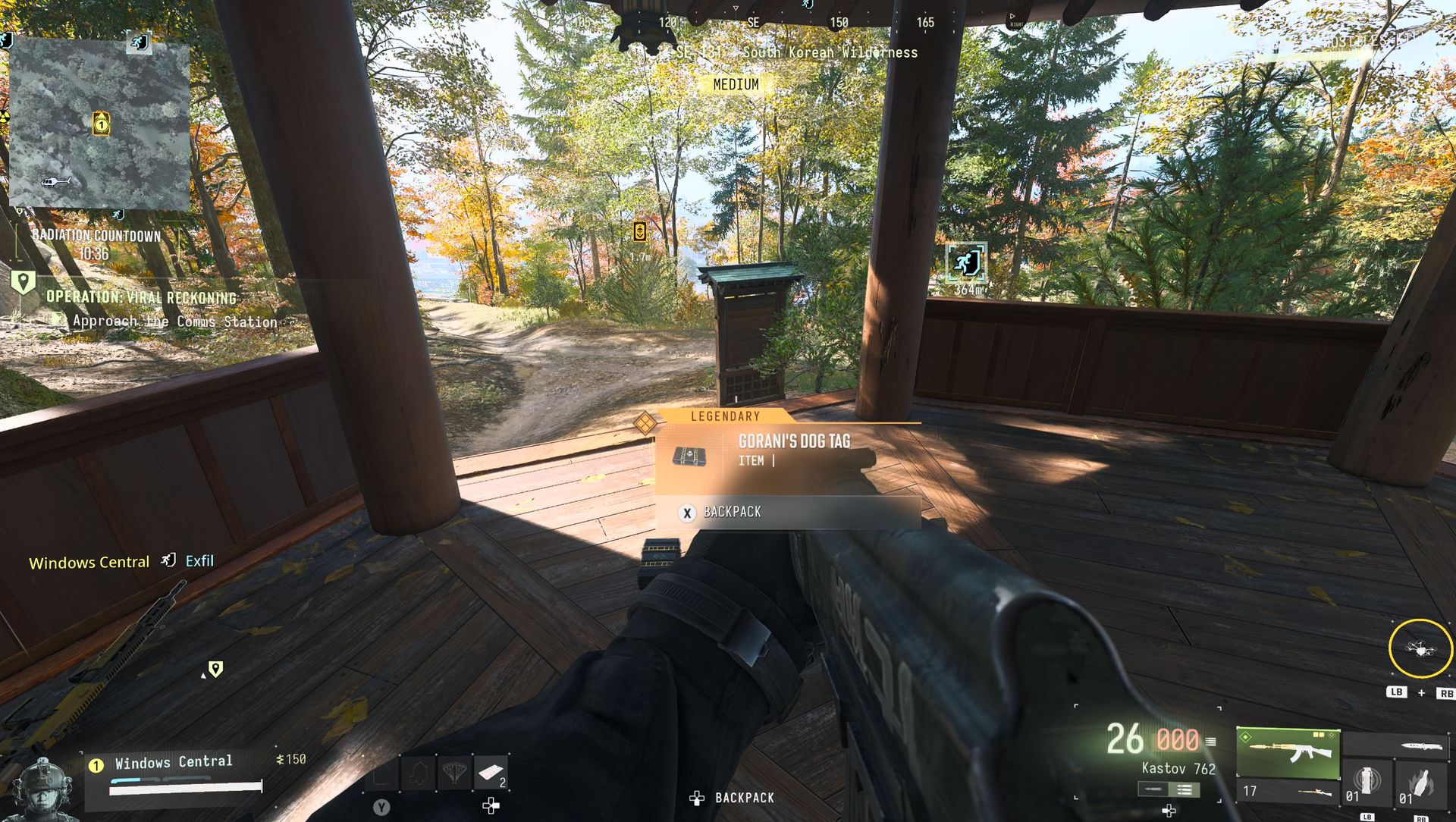
I didn't head straight for the marked lieutenant; I gave myself some time to look for important gear in case I ran into trouble. A med kit, some bandages, extra ammo. When I felt confident I could handle the fight, I headed that way. The lieutenant I had picked wasn't a particularly challenging one, but for a solo player with lower-tier weapons and armor, it certainly proved to be a challenge. I grabbed the dog tags when all was said and done and made my way to exfil, where I threw up a truce flag from the menu wheel and hoped for the best.
Collecting dog tags is an increased risk, as you become marked for all players in Hajin. (Image credit: Cole Martin for Windows Central, Activision)
My next deployment into DMZ was once again with two additional players. This time our group took a more adventurous approach, diving into some of the more extreme areas of Hajin. We were grossly underleveled, but that didn't stop us from tackling the enemies that were coming at us. By playing it smart and working together, we were able to slowly fight our way through the mission and take down its in-world boss. We hadn't yet finished the mission in its entirety, and there was one other problem: the gas was coming.
We had a choice to hit the only exfil left, which was 900+m away, or we could attempt to finish the mission and hope that an in-place exfil would drop as a reward. Right as our helicopter took the air, the gas overtook the zone. We made it out, but only barely.
DMZ is an exhilarating addition to Call of Duty: Modern Warfare 4
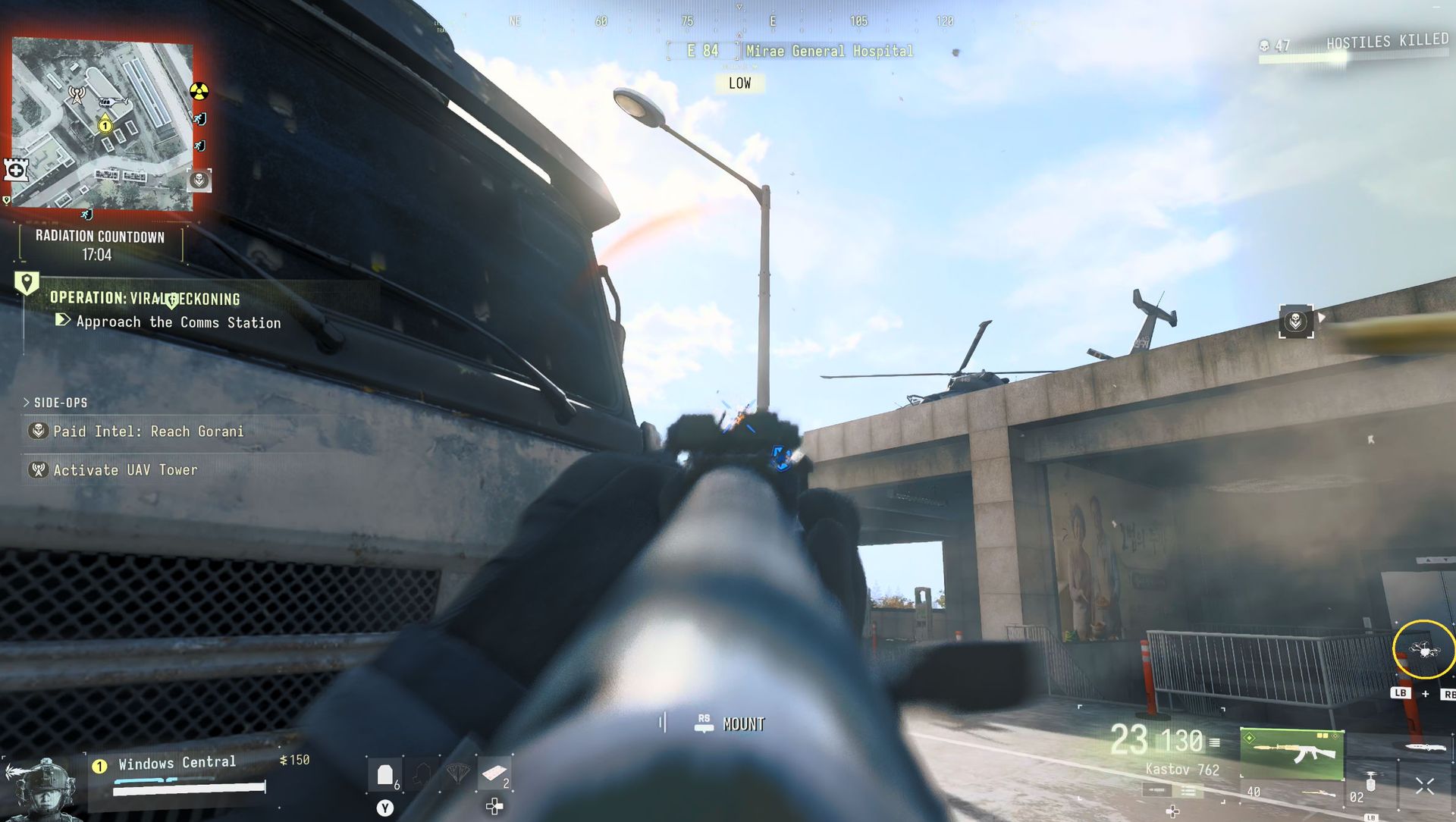
Clearing the path to a safe exfil site in DMZ. (Image credit: Cole Martin for Windows Central, Activision)
Call of Duty's third modes have always been a bit of an enigma. Treyarch's Zombies mode is an actual gold mine, building up a completely separate world that still ties in with the mainline title it's attached to and creating an intense alternative to multiplayer and Warzone that you can easily get lost in for hours, both solo and as a squad. It's genuinely impressive, but Infinity Ward's third mode, namely Spec Ops, never quite hit the community the same way that Zombies did.
The DMZ Beta was a dice roll for Modern Warfare 2, and whether it genuinely paid off at the time is dependent entirely on who you ask. But if we scope out and look at how the DMZ Beta has evolved into the DMZ that is part of Call of Duty: Modern Warfare 4, I think it is safe to say that Infinity Ward has finally struck third-mode gold.
And I've finally found something to fill the void left behind by The Division.
Join us on Reddit at r/WindowsCentral to share your insights and discuss our latest news, reviews, and more.
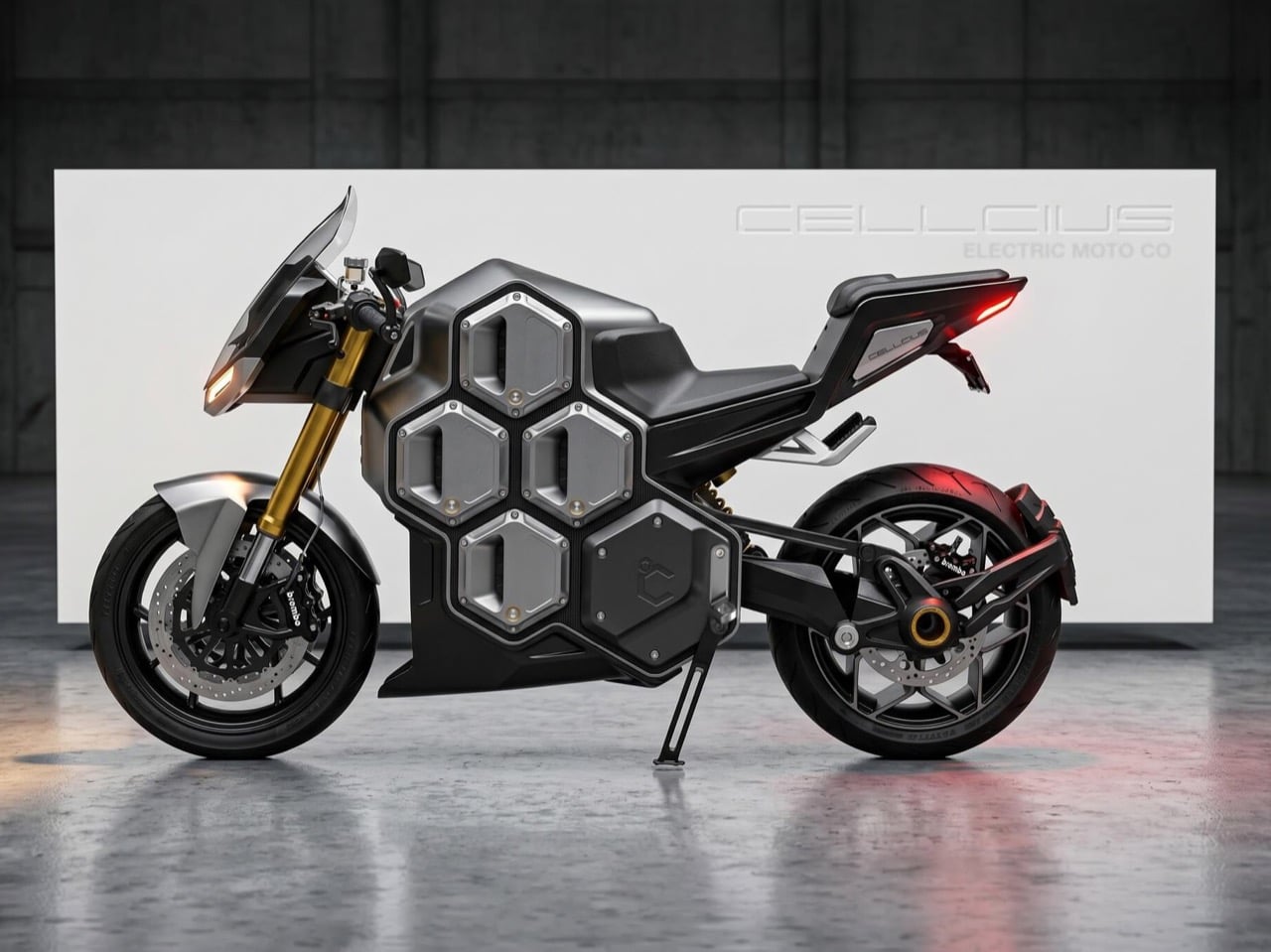
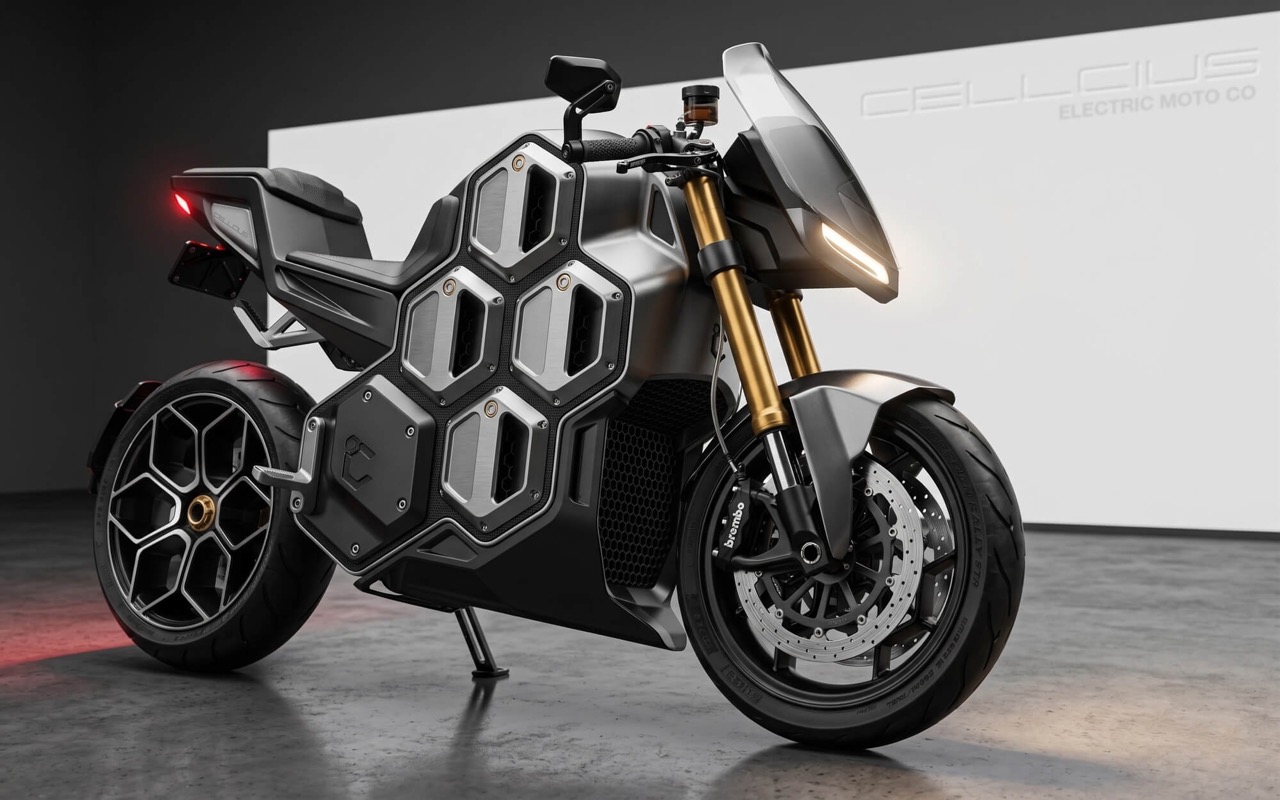
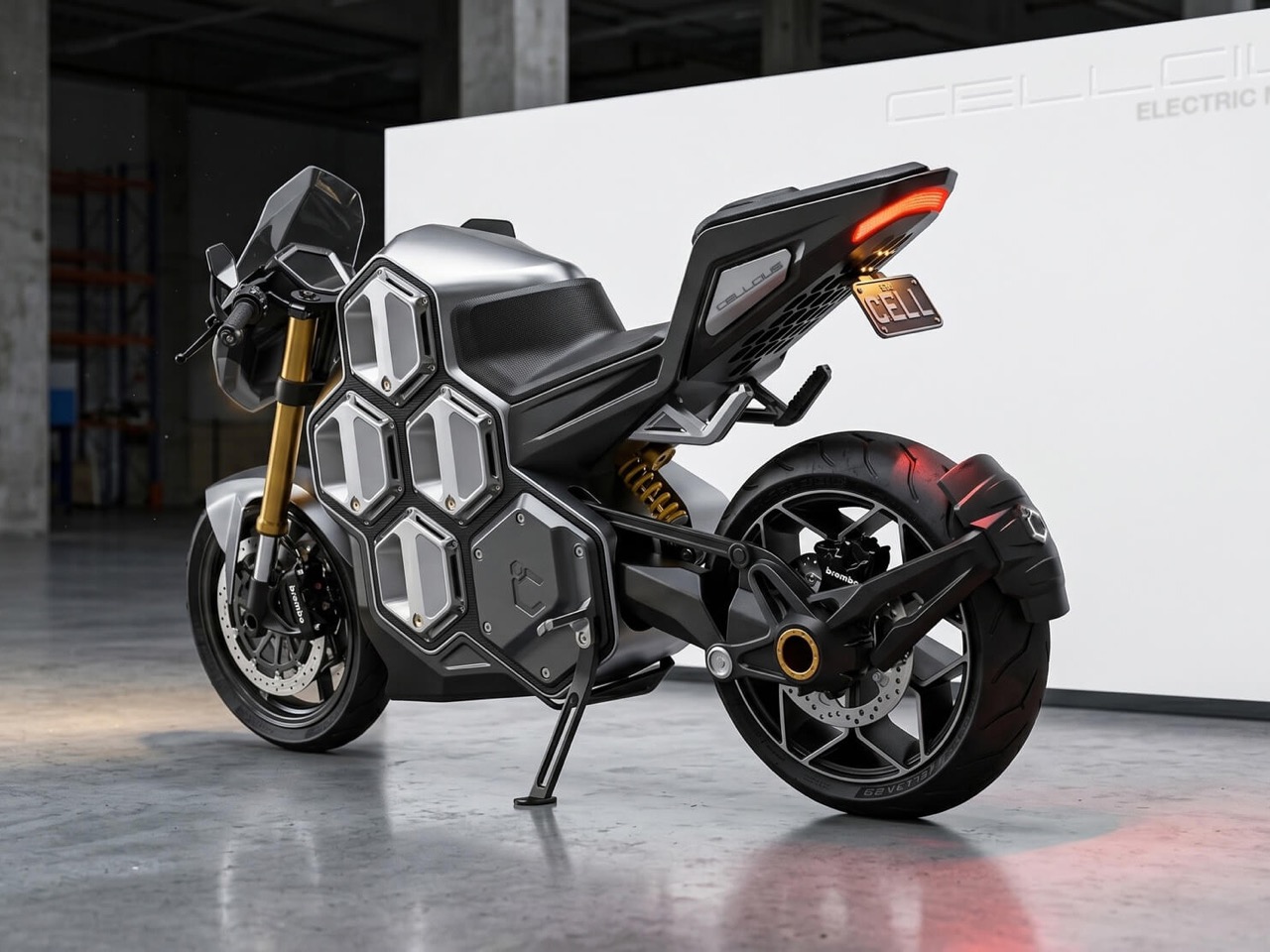
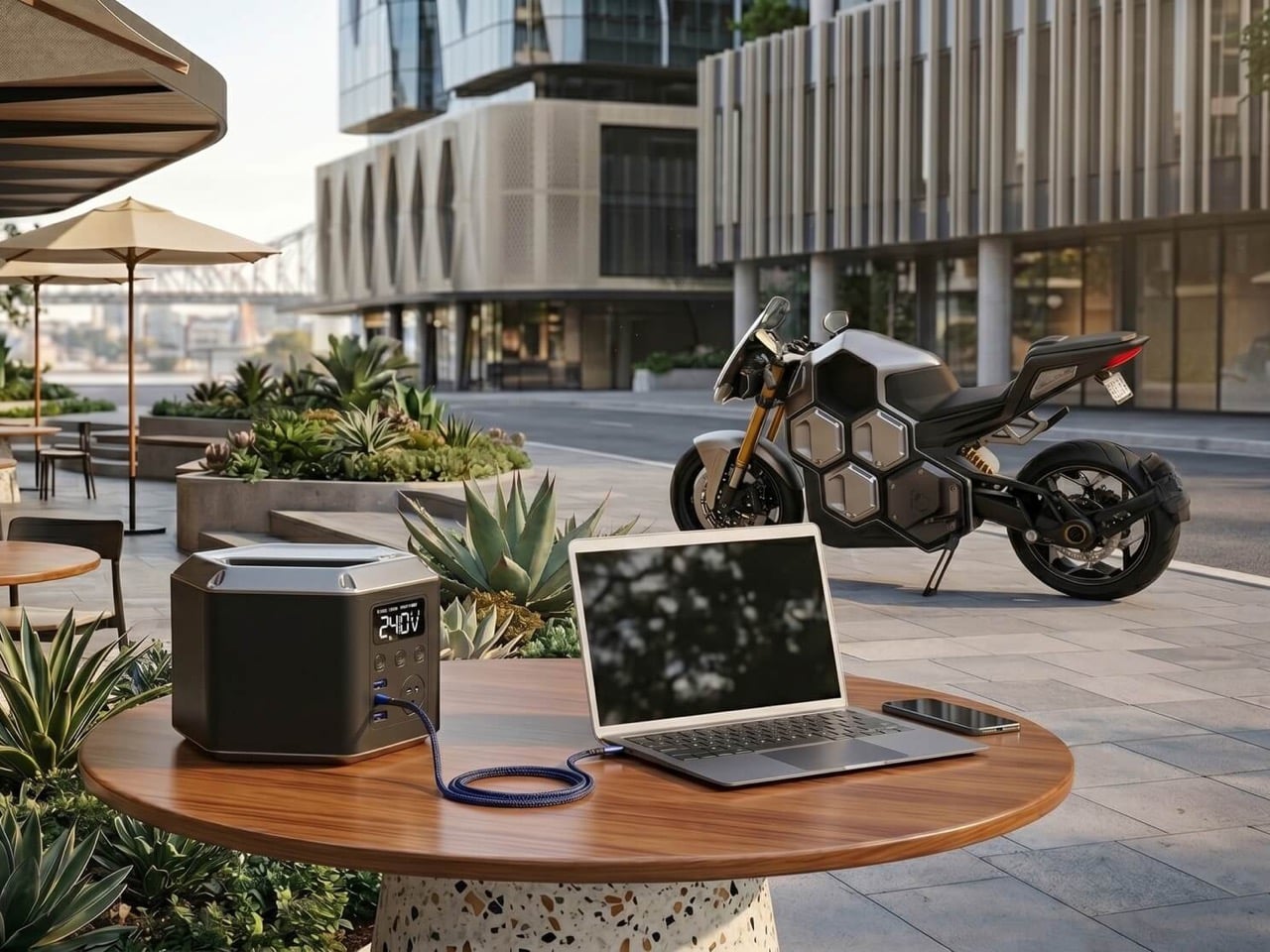
Bees settled on the hexagon ages ago, and nobody has topped it since. The shape packs the most storage into the least material, which is why it turns up in honeycomb aircraft panels and in the way round battery cells get stacked together. Brisbane’s Clandestine Design Group took the hint and built an entire electric superbike around it. The Cellcius C-01 is a hypersport concept whose battery is split into eight hexagonal cells that you can pull out and swap. Those cells line the bike’s flanks like honeycomb, and the result is one of the more striking EV silhouettes I’ve seen in a while.
Neil Davidson, who founded Clandestine in 2014 after 14 years as Creative Director at CMD, has loved motorcycles since he was a three-year-old farm kid on a dirt bike. That obsession shows. The C-01 won a 2026 Australian Good Design Award in the Concept Design category. It is still a concept, so there is no price tag or showroom date yet. The studio’s pitch is that electric bikes force a choice between heavy track machines and short-range commuters, and the Hex-Core battery system lets one bike be both. Load two cells for the commute or all eight for the track, and the same machine changes its personality to match.
Each Hex-Core cell holds 3 kWh, so the bike carries anywhere from 6 kWh to 24 kWh depending on how many you load. By the studio’s numbers, the weight swings from 353 lb (160 kg) as a commuter to 485 lb (220 kg) as a track bike. Do the math and each cell works out to roughly 22 lb (10 kg), a weight you could carry up a flight of stairs. Two cells also fit Australia’s Learner Approved Motorcycle Scheme (LAMS), a rulebook that keeps new riders on tamer bikes, according to the studio. I can’t think of another superbike that can shrink for a learner permit and then bulk up for a lap day.
Kawasaki’s Ninja e-1 launched in the US at $7,599, weighs 309 lb (140 kg), and carries two removable 1.5 kWh packs that Kawasaki rates at 41 miles in Road mode. Zero’s 2026 SR/F, the usual benchmark for a serious electric streetfighter, packs 17.3 kWh into a body listed at about 500 lb (227 kg). Fully loaded, the C-01 claims 24 kWh at 485 lb, beating the Zero on both counts. That makes the Ninja and the SR/F look like the two ends of a spectrum the C-01 wants to cover with one chassis. Kawasaki’s two-pack setup proves removable batteries work for city riders, and the C-01 keeps adding packs until it hits superbike territory.
A Honeycomb You Can Carry Home
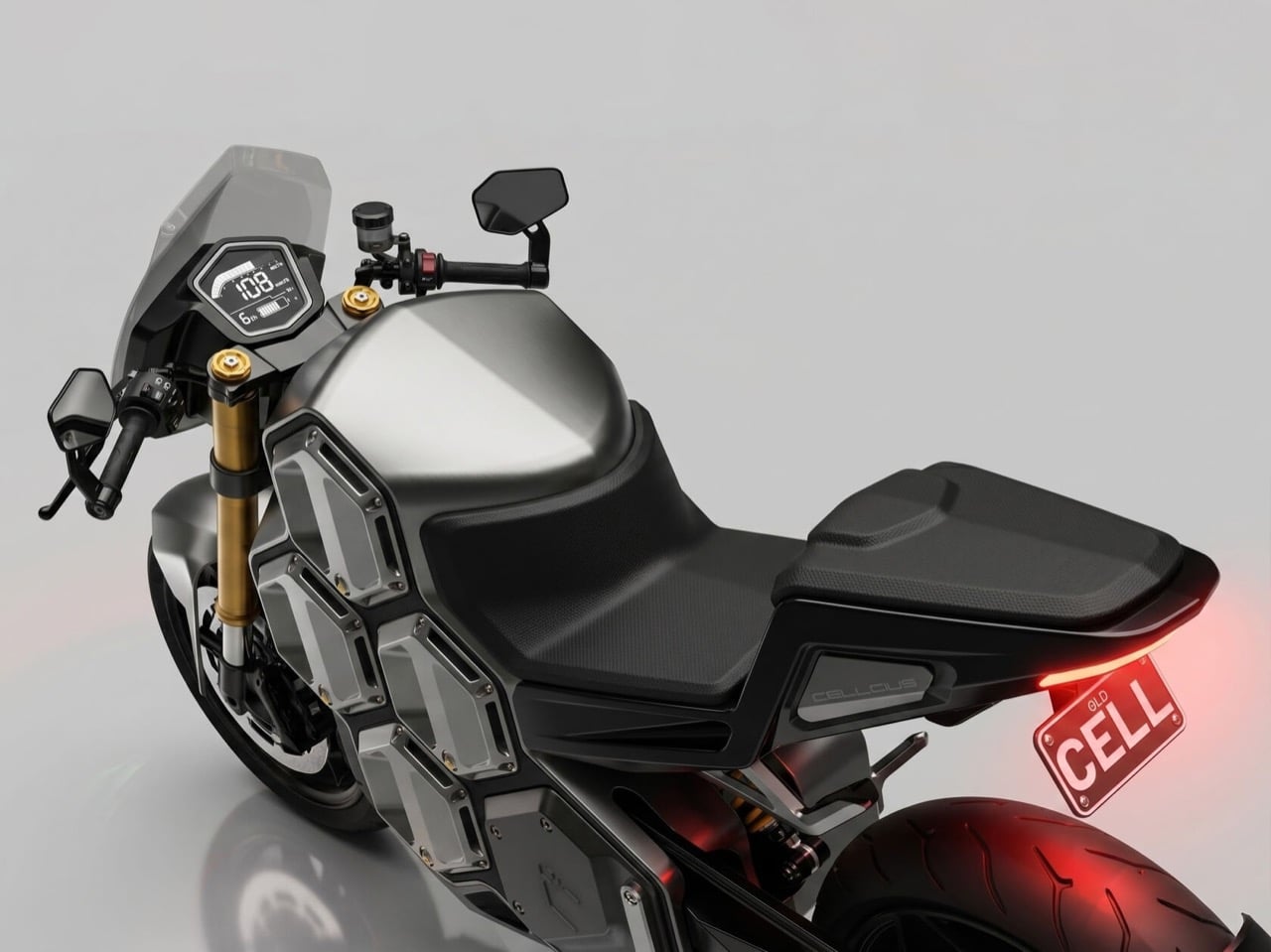
A wall-mounted smart dock charges several cells at once, so a fresh set is always waiting for a swap, a trick the studio calls “zero-minute” hot-swapping. Apartment dwellers get an ergonomic backpack that carries cells indoors for charging at a regular wall outlet. Riders who would rather skip the hauling can plug into a flush CCS port on top of the tank, which hooks into standard street-side fast chargers. Empty bays double as mounts for hex-shaped duffel bags, which keeps luggage inside the silhouette instead of hanging panniers off it. That setup goes straight at the studio’s stated target, urban apartment dwellers who have nowhere to plug in.
Pulled out of the bike, a cell turns into a portable power station with AC and USB outlets, according to the studio. That is the power tool battery logic every contractor already lives with, where one pack format runs a drill, a saw, and a work light. DeWalt and Milwaukee built huge product families on that idea, and the C-01 wants a superbike in the club. The studio also sees room for an aftermarket of Hex-Core accessories, from luggage to those power stations. A 5G app handles keyless RFID or PIN entry, over-the-air updates, and firmware tuning based on payload.
Shaft Drive, a Venturi Tail, and the Case for Swappable Superbikes
High-pressure ram intakes feed air in at speed while a low-pressure exhaust in the tail pulls it back out, a Venturi effect the studio says passively extracts motor heat without heavy fans. Power reaches the rear wheel through a fully enclosed carbon shaft drive, which the studio calls silent and maintenance-free. BMW has been putting shafts on motorcycles since the R32 in 1923, so the idea has real pedigree. Brembo brakes and fully adjustable Öhlins suspension round out a spec sheet that reads like a track-day wish list. My one wish is for the angular flyscreen to echo the hexagons a little more, since right now it reads like it came from a different bike.
Australia’s Good Design Awards date to 1958, and the Concept Design category, new since 2025, judges early-stage ideas on form, function, feasibility, and safety. A win there rewards the thinking, and the thinking here is easy to admire. My favorite part is that the battery, usually the thing EV designers hide under a tank cover, becomes the main visual feature. Electric bikes have spent years arguing over range versus weight, and the C-01 answers by letting the rider settle it each morning. Bees figured out the hexagon without a design degree, and a Brisbane studio just reminded the motorcycle world how well it stacks.
Il y a 43 ans, un titre de film a trompé des millions de spectateurs. Tous pensaient savoir de quoi il parlait, mais sa véritable signification se cachait jusqu’au dénouement ! Ce que révélera l’histoire de ce long-métrage va totalement transformer la lecture de l’intrigue et redéfinir le rôle de certains...
En affirmant que l'intelligence artificielle est déjà omniprésente dans l'ensemble des studios, un responsable stratégique de Microsoft a déclenché une vive polémique. Après avoir révélé qu'il créait lui-même des jeux avec l'IA à l’insu des consommateurs, le cadre a mystérieusement disparu des réseaux...
The private keys of eight eMudhra intermediate certificate authority (CA) certificates are compromised, Mozilla and Google's Chrome Root Program confirms on October 20.
An intermediate CA signs the certificates that websites present, so anyone holding one of these keys could issue a certificate for any website that a browser would accept.
A researcher reported the
Development platform Zeabur has disclosed details of a cybersecurity incident in which an attacker used leaked internal credentials stored in plaintext to compromise its infrastructure and steal over 3.2 million environment variable records and information for 321,810 accounts. [...]
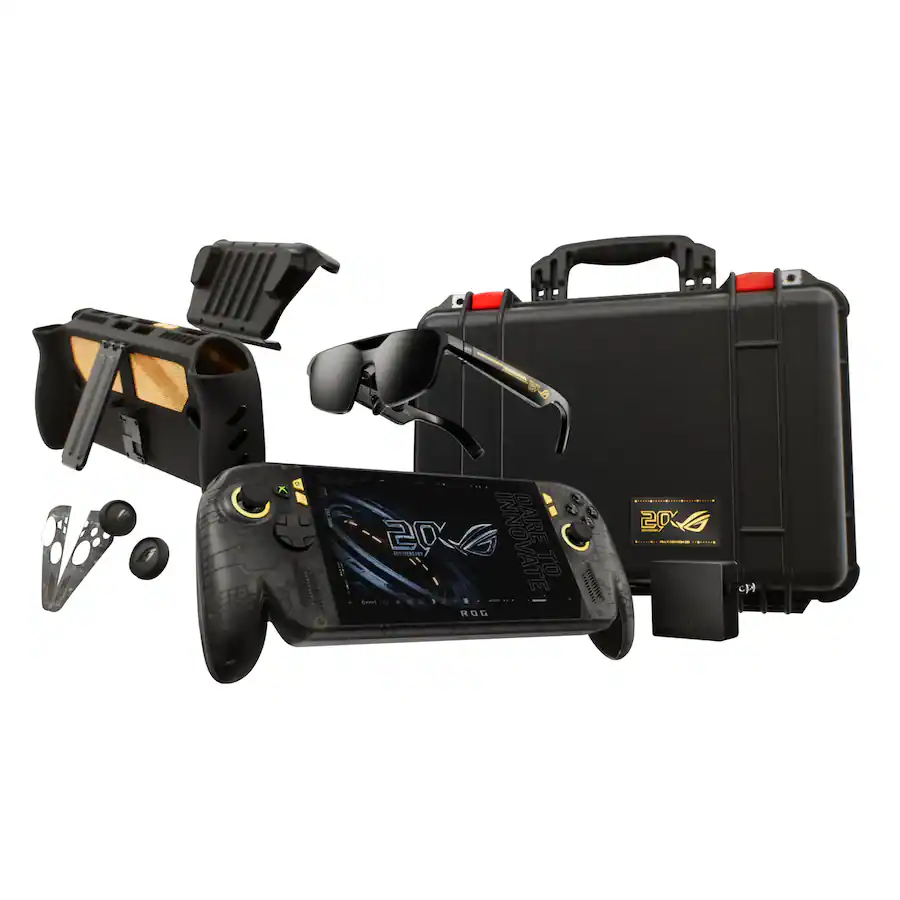
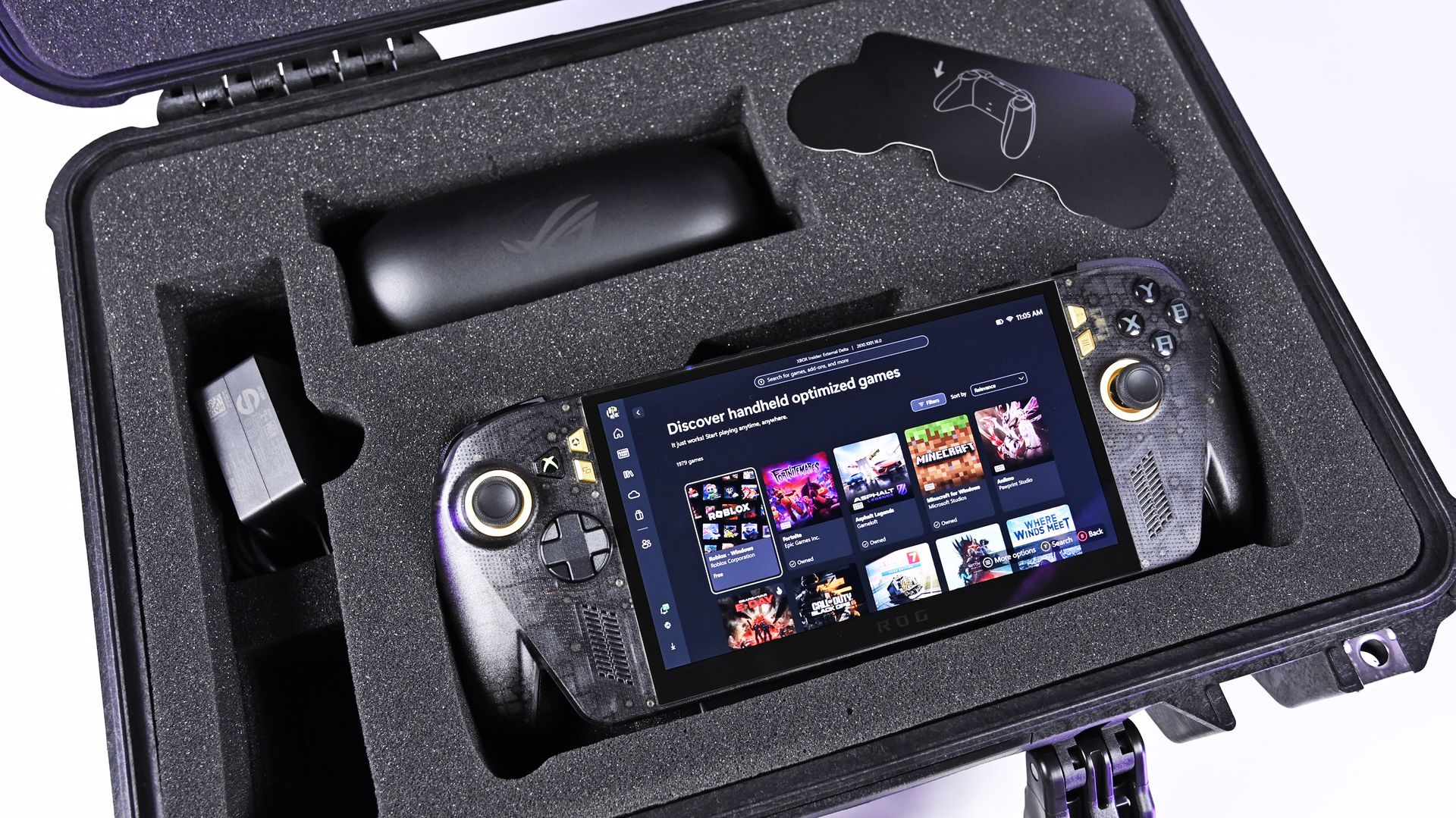
It was just a few days ago that I was unboxing the new ASUS ROG XBOX Ally X20, which went on sale just five days ago on October 15th, and now both the handheld ($1,299) and the $2,499 bundle (handheld + XREAL glasses, dBrand skin) are sold out at both Best Buy and ASUS.com.
Indeed, I'm not even saying they sold out today, but rather that today was the first day I checked to see if there was any inventory left. Going by a Reddit thread, it appears it sold out sometime yesterday or Sunday.
That's a very impressive metric, when you consider the pricing here. The current ROG XBOX Ally X is available for $999, while this refreshed model (which is better in every way) is $300 more. And the $2,500 bundle is also no joke, especially for what many would consider a secondary gaming PC.
Sure, we can attribute this to limited production and a finite inventory on hand, but it’s worth noting that preorders began almost two months ago on August 25th, giving ASUS ample time to prepare for demand.
And we know there was demand. Looking at our internal numbers for click-throughs, we saw back in August an unusually high amount of interest in the ROG XBOX Ally X20, more than you might expect from the most expensive ROG Ally to date.
A lot of this goes back to what I've been saying for years: Gaming is one of the few price-proof areas in tech, practically insulated from the harsh economic realities that many people are facing, on top of the overall higher prices attributed to AI-driven demand for RAM and NAND (storage).
ASUS
ROG Xbox Ally X20
A refined celebration of ASUS’s gaming legacy, the Ally X20 Anniversary Edition pairs its upgraded Ryzen AI Z2 Extreme chip with a vibrant 7.4‑inch OLED HDR display and a boosted 80 Wh battery. It’s a sleeker, more efficient Windows gaming handheld built to mark the milestone with sharper visuals, quieter thermals, and longer play sessions.
Whether a recession, a pandemic, a RAM shortage, or a crypto mining craze (remember that?), gamers are almost always willing to fork over big bucks to have the latest gear. It's one reason that, despite some of the doom-and-gloom over PC sales in the last decade, gaming PCs grew year-over-year consistently.
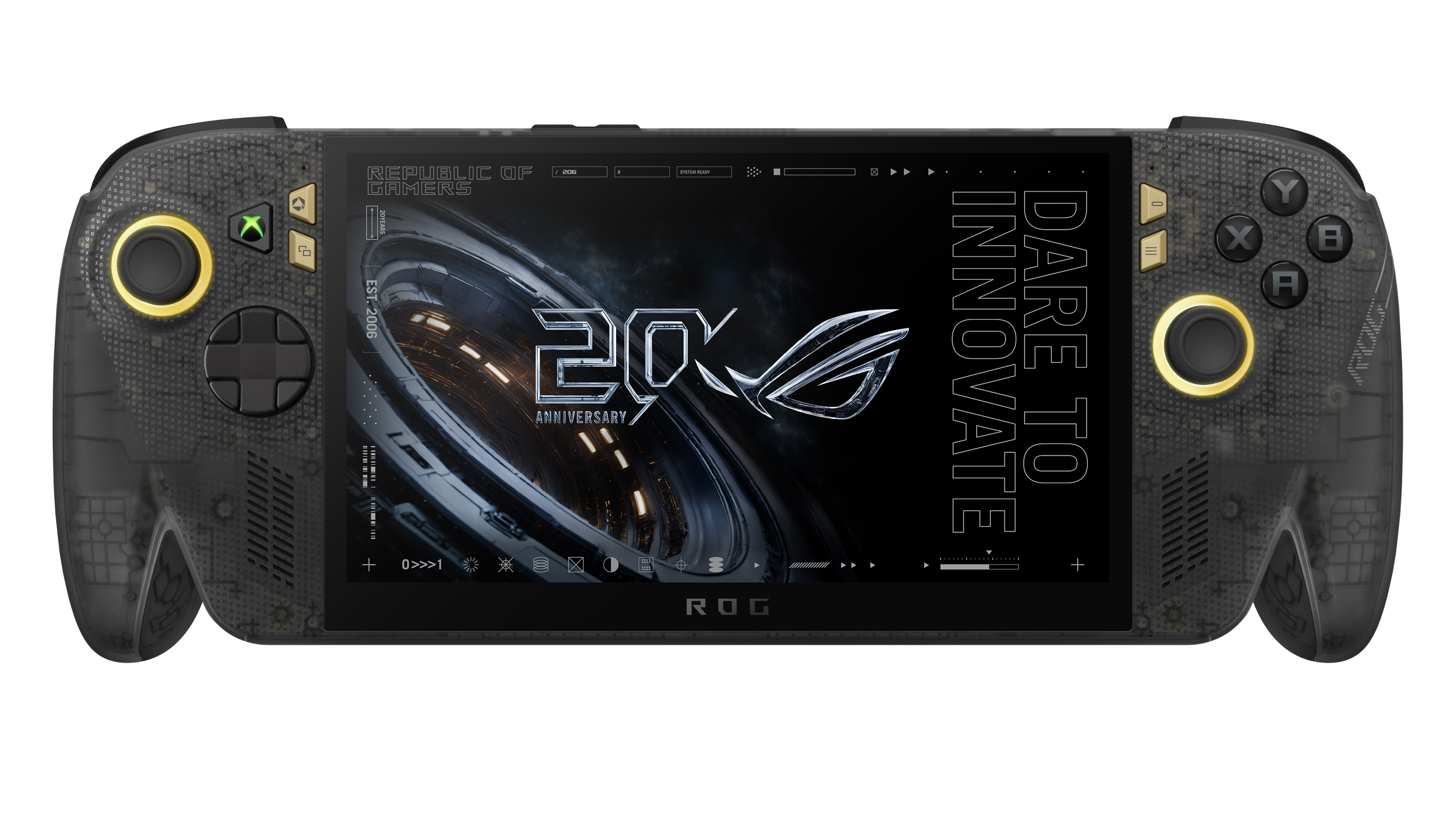
Front view of the ROG Ally X20 handheld, which is in very high demand. (Image credit: Daniel Rubino)
If you haven't followed this story closely, you'd be forgiven for thinking this is just a simple refresh of last year's XBOX Ally X, albeit with an OLED panel replacing the IPS.
That ... would be way oversimplifying it.
Yes, the same AMD Z2 Extreme and 24GB of RAM are here (albeit slightly faster memory), so overall performance is very much the same, but ASUS basically completely rebuilt this entire device with all new components. In fact, I've been documenting all the changes that I've noticed and collected from talking to ASUS and from past press events.
So, here's what's actually new:
Larger 7.4-inch OLED panel (up from 7.0 IPS)
1,400 nits peak HDR (no HDR before)
600 nits peak SDR (was 500 before)
Dolby Vision support
Corning Victus + DXC anti-reflection coating
Smaller bezels
Redesigned airflow channel specifically for cooling the OLED panel
Completely redesigned PCB USB4 ports
Upgraded fan and heatsink fins for better cooling
Hybrid metal dome switches for a more tactile D-pad
Transforming D-pad
TMR joysticks (Hall-effect style)
LEDs increased from 2 to 4 per stick
Quieter, more tactile ABXY buttons
Realigned shoulder buttons
Smoked black translucent housing
Rubberized ergonomic grips
Upgraded microSD Express slot (up to ~1 GB/s)
And this translates into a major real-world difference in terms of fit and finish, as well as overall enjoyment of the device, which is why so many people are praising the build quality.
While Intel's G3 Extreme trounces AMD in performance, the overall gaming experience on the ROG XBOX Ally X20 is very likely the best of any handheld. Plus, a faster AMD or newer Intel chip would have driven the price up even further (see MSI's $1,800 Claw).
Of course, the one pain point is still ... Windows 11. At least for the out-of-the-box experience (OOBE), but we'll talk about that another time. Once you're set up, the Ally X20 is top-tier.
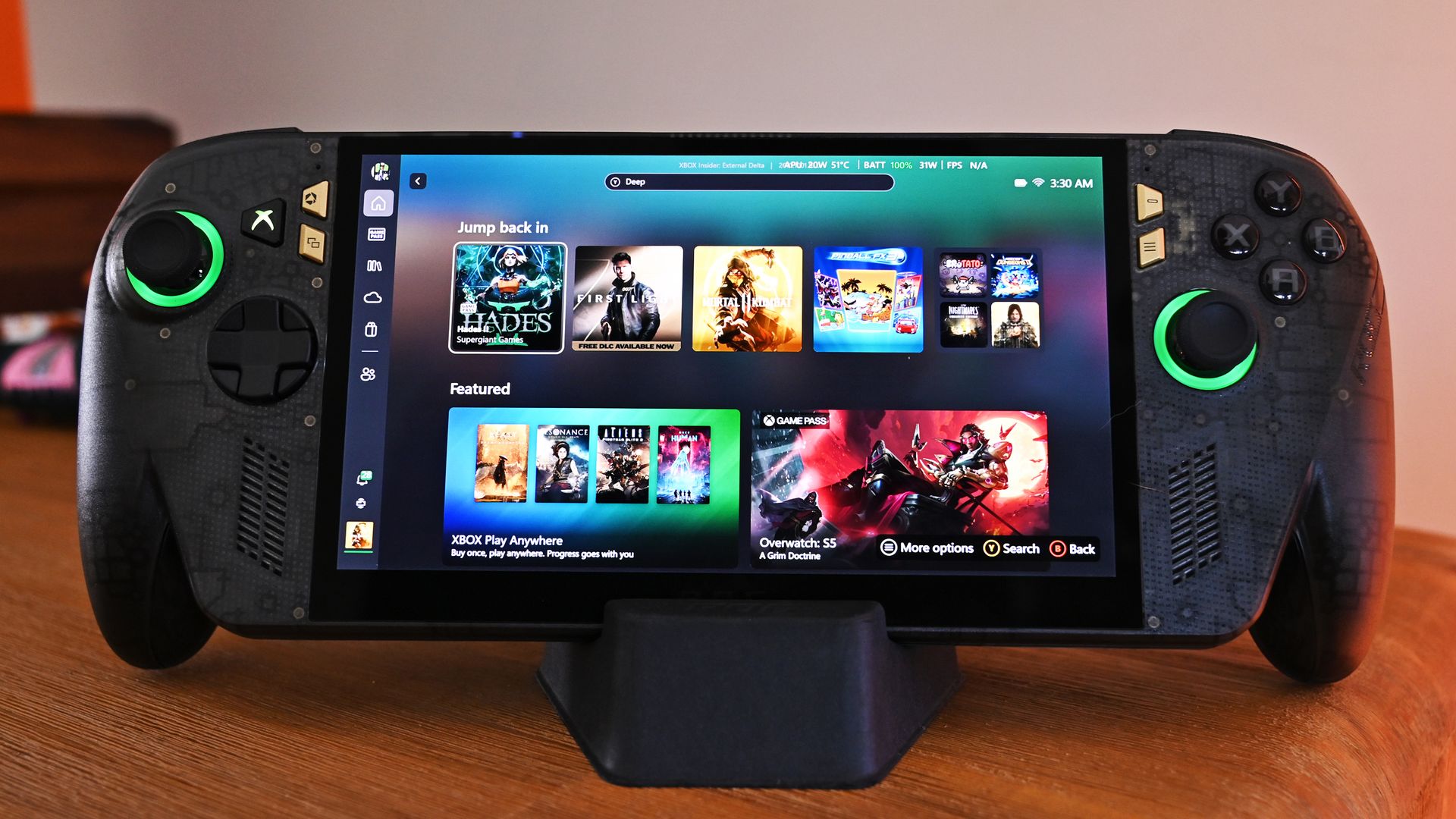
ROG XBOX Ally X20 is getting great reviews
(Image credit: ASUS)
It's worth noting that reviews, both professional and from consumers, have been near-universal in their acclaim for the ROG XBOX Ally X20.
Yeah, Best Buy only has 10 reviews posted, but it's a solid 5.0 across the board, with some noting, "This is the single most refined PC handheld ... I’ve tried." and "it might be the best quality handheld device in the market," and "ASUS Definitely hit it out of the park with this one."
Going by more professional reviews, IGN says the OLED takes the machine "to a completely new level" and argues that the extra $300 is"absolutely worth it" if you have the cash. Notebookcheck is similarly effusive, calling the OLED a "game changer" and describing the image quality as "simply stunning."
And one of my favorite YouTube channels, 128KB, dedicated to handheld gaming, also gave high praise (you can see the podcast embed above).
That kind of word of mouth goes a long way, and ASUS seems to have quite a hit on its hands despite the current market circumstances.
Of course, my review is coming out shortly, but spoiler alert: I don't differ much from most of the other conclusions. Sure, "The X20 should have been the original Ally X last year" is a common theme, but OLED displays this small with variable refresh were hard to come by in 2025, so ASUS went with what it could mass-produce at the time.
The Ally X20 selling out across every configuration shows just how aggressively ASUS has captured the handheld gaming PC conversation. This launch isn’t a blip or a lucky surge; it’s a clear sign that ASUS understands what Windows handheld buyers want and is willing to push the category forward faster than anyone else.
When a premium bundle disappears instantly, it tells you the audience is hungry, confident, and ready to invest in hardware that feels genuinely next‑gen. ASUS, in my opinion (and others'), set a new bar, and the rest of the industry now has to decide whether it can keep up with the pace ASUS just established.
Anyway, let me know in the comments what you think about the state of handheld gaming in 2026, and whether the ROG XBOX Ally X20 is on your radar (if it comes back in stock).
ASUS
ROG Xbox Ally X20 Bundle
Twenty years of ROG innovation, marked by the limited ROG Edition 20 lineup in an exclusive colorway. The ROG XBOX Ally X20 Bundle carries that celebration forward, pairing the handheld with the ROG XREAL R1 Edition 20 Gaming AR glasses to create a complete gaming setup that travels with you.
Join us on Reddit at r/WindowsCentral to share your insights and discuss our latest news, reviews, and more.
Wind usually needs an accomplice to become visible: a bending tree, a billowing curtain, a plastic bag having a much more cinematic afternoon than it deserves. Air itself gives us very little to look at. Aeolus, a new installation by Amsterdam-based studio DRIFT, takes on that perceptual problem with hundreds of suspended glass rods and light. It gives an invisible force a form you can actually follow.
The studio’s founders, Lonneke Gordijn and Ralph Nauta, have made Aeolus an interactive artwork rather than a conventional light fixture. Presented with Carpenters at London’s Ladbroke Hall from October 13 through 25, 2026, the installation takes its name from the Greek god of the winds. Its shape, though, comes from a specific earthly source: the architecture of the room containing it.
Designer: DRIFT
DRIFT begins with a digital reading of the surrounding architecture, then translates that space into a virtual environment where air can flow. The studio selects one moment from that simulated movement and gives it physical form in glass. That distinction matters. Aeolus isn’t showing a live reading of whatever breeze happens to be passing through the gallery. Its structure holds a chosen instant, while the lighting introduces a separate layer of change.
I like that the room has a say in the result. A sculpture built from its setting feels more considered than an impressive object dropped into an available corner. DRIFT says each installation is generated by its host architecture, so the curves carry information about a particular place. The building becomes part of the design process, even if visitors never see the digital model behind it.
In Benjamin Baccarani’s photographs, the rods gather into a long, sweeping formation, dipping at one end and stretching outward at the other. Fine suspension lines lead up to a broad overhead panel. The material list is more technical than the airy appearance suggests: borosilicate glass rods, stainless steel nodes, custom LEDs, and microcoax cables. I appreciate that contrast. Making an object look almost weightless still requires hardware, connections, and a deliberate relationship with gravity.
The glass itself stays still. According to Carpenters, small lights inside the rods change their rhythm and intensity in response to visitors moving through the space. Waves of illumination create the impression of motion without the sculpture physically shifting. That’s the cleverest choice here. The designers don’t need to swing a roomful of glass around to suggest wind; they let your eyes follow light across a fixed structure, doing much of the perceptual work.
The interaction also gives visitors a meaningful role without turning them into operators. Walking changes the work’s lighting, a relationship that seems appropriately direct for an installation about air and movement. I’m drawn to technology that makes its presence felt through an understandable response. Here, the interesting question is how your movement alters what you see, rather than how many technical features the system contains.
DRIFT frames Aeolus as an invitation to reconsider our relationship with nature. I’d treat that as a starting point for looking, not a transformation any artwork can promise. The more convincing achievement is smaller and more specific: making airflow legible through material and light. You don’t need to leave with a new environmental philosophy to appreciate the way a simulated path has become a collection of precise, luminous curves.
For me, the appeal sits in that modest shift in attention. The room stops being an empty container for an artwork and starts to look like a place shaped by movement. Aeolus makes that movement imaginable while keeping the glass suspended in a single instant. A visitor supplies motion, the lights answer, and the fixed structure takes on another rhythm. The glass gives you time to study a shape that moving air would never hold still for inspection.
DMZ, c’est dispo dès maintenant pour celles et ceux qui ont préco Modern Warfare 4 en démat. C’est quoi ? Qu’est-ce que ça vaut jusque-là ? Je vous dis ça.
En dévoilant le mode Free Roam d'Assetto Corsa EVO, le studio Kunos Simulazioni frappe un grand coup dans le monde du sim racing. Marier l'exigence d'une simulation pure à la liberté absolue d'un monde ouvert n'est plus un rêve d'ingénieur, mais une réalité.
L'édition d'octobre 2026 du Steam Néo Fest fait face à un raz-de-marée sans précédent avec plus de 8 000 démos jouables. Derrière cette explosion statistique se cache une crise majeure : la prolifération de l'IA générative qui sature la boutique et menace la visibilité des créateurs indépendants.
Bienvenue sur Saiadha, une planète magnifique qui voit débarquer tout un tas de factions issues d’un univers fantastique pour s’installer. Comme dans un Civilization, elles vont découvrir le monde, fonder des villes, bâtir une économie et lever des armées. Pour se battre entre elles, bien sûr, mais aussi...
The ongoing evolution of console and PC gaming hardware has reached another major turning point. AMD has officially confirmed that its groundbreaking FidelityFX Super Resolution (FSR) 4.1 technology is expanding across a wide spectrum of devices. For the first time, FSR 4.1 introduces dedicated support for integrated processors alongside the Xbox Series family, alongside massive […]
Microsoft will no longer be part of a multibillion-dollar data center in Loughton, Essex, England, according to a report by The Telegraph. The planned data center is set to have thousands of NVIDIA processors and was originally planned to start operating next year. Now, major questions surround the project's future.
The data center, which is being planned by Nscale, will be part of a wave of data centers opening in the UK, assuming plans come to fruition.
Microsoft's recent decision could affect the future of the data center, but the power grid is another pressing concern. Nscale has been told by grid operators that the required power supply for the data center will not be available until 2030.
The problems could be connected. The Guardian reports that Microsoft withdrew from the project because of the power grid concerns.
Microsoft was the only company that had publicly committed to plans to use the data center. It's unclear if other tech giants will step in to fill the void.
Despite Microsoft's reported cancellation of plans to be involved with the Essex data center, Microsoft and Nscale continue to have a professional relationship. The Telegraph reports that over 40 percent of Nscale's $103 billion in contracted revenue comes from Microsoft. The Essex data center was only believed to be a small part of that even before Microsoft changed its plans.
"We remain committed to both the Loughton project and the UK and we are exploring alternative power sources for the site, in addition to other expansion sites in the UK," said Nscale. The company added, "Our relationship with Microsoft remains strong and long-term."
Microsoft is at the center of data centers
As demand for processing power increases, Microsoft finds itself increasingly at the center of data center headlines. Just in the UK, there are three ongoing stories about Microsoft and data centers.
Now, Microsoft has withdrawn its planned involvement in what could become the UK's largest data center.
Windows Central take
It seems inevitable that data centers will pop up around the world. There's a good chance that a site only a few miles from my house will have a data center in the near future. I live in Nottingham, England. A former coal plant that has been shut down is expected to house a data center.
Despite several tech giants calling for AI development to be slowed down or paused, demand for data processing is accelerating. I suppose the data centers have to be built somewhere, but I confess I'm not thrilled at the prospect of one being so close to my house.
Data centers can pollute the local environment and emit noise pollution into the surrounding area. They can also raise energy prices nearby and put stress on the local grid.
Join us on Reddit at r/WindowsCentral to share your insights and discuss our latest news, reviews, and more.
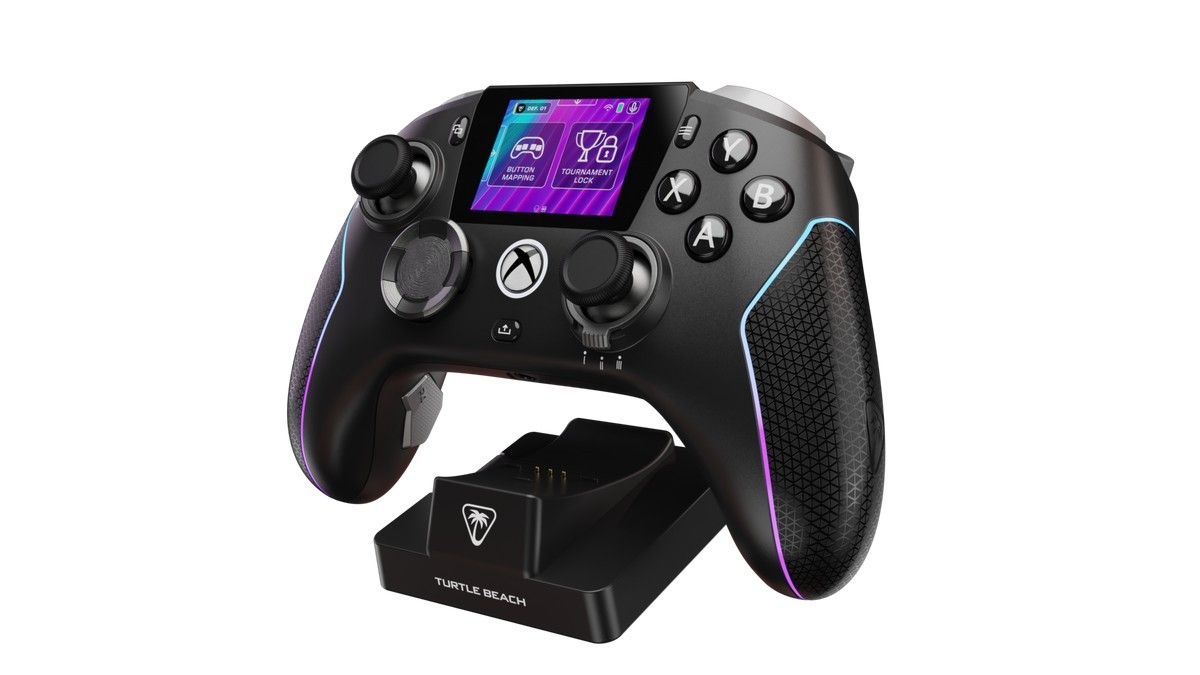
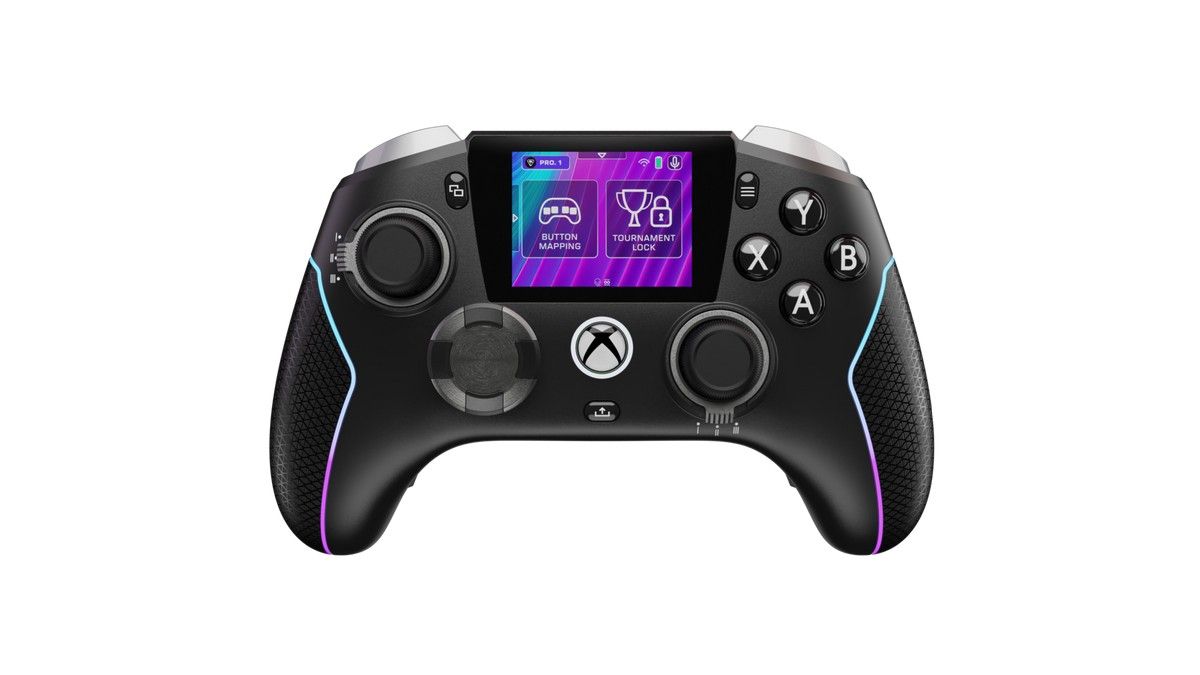
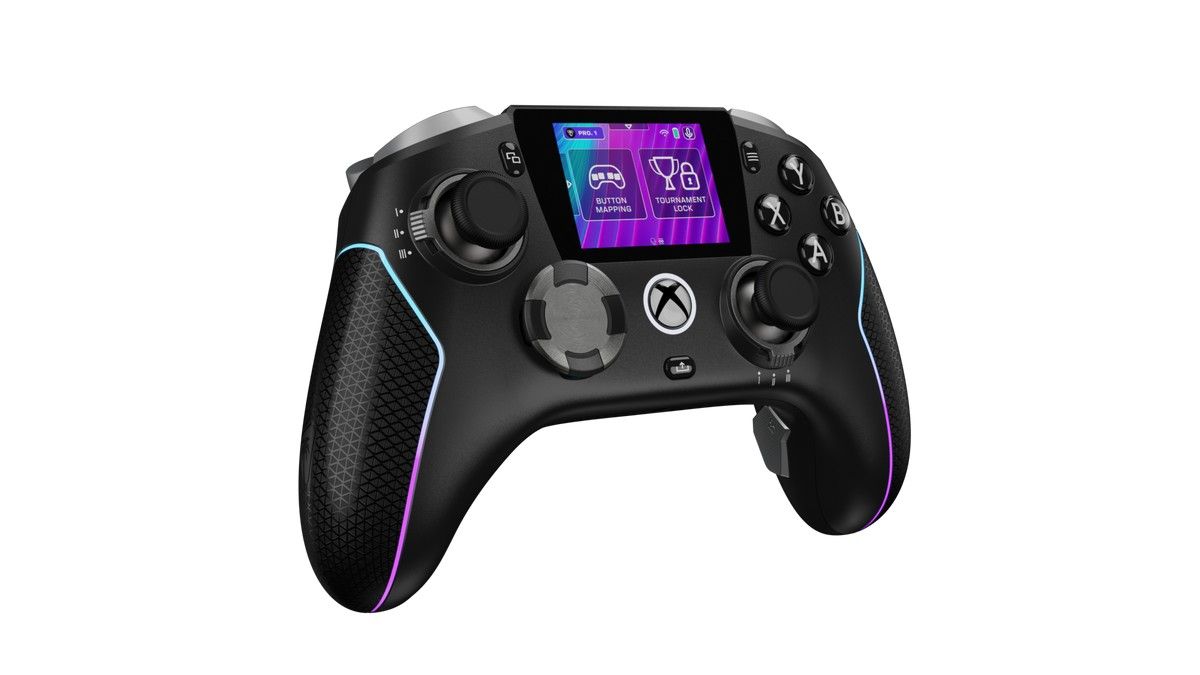
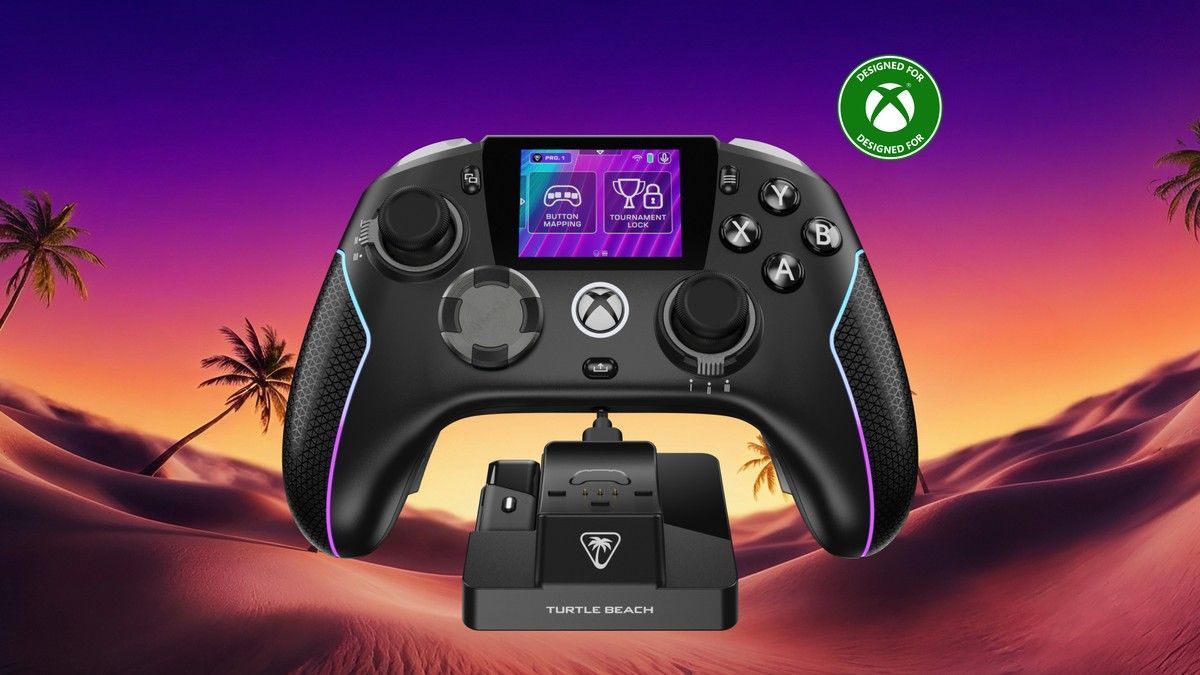
I've reviewed loads of controllers in my time, but one particularly memorable one was the Turtle Beach Stealth Ultra as it was the first I'd seen with an in-built screen. Today Turtle Beach have announced a sequel in the Turtle Beach Stealth Ultra 2 and I'm intrigued on how they can improve on the previous model.
I originally walked away thoroughly impressed by how premium the OG version felt with its clicky micro-switch buttons. Still, the companion software was buggy at launch and the social notification capabilities felt a bit gimmicky and worse, kind of useless. Ironically, while the promo art looks like it was yanked straight out of a GTA 6 trailer, Turtle Beach seems to have dropped the social gimmicks entirely. So instead of replying to your real-life girlfriend on your gamepad, you can just focus on Lucia in peace.
The Turtle Beach Stealth Ultra II High-Performance Wireless Controller is available for pre-order today at $199.99 / £179.99 / €199.99 ahead of its November 12, 2026 launch, and Turtle Beach seems to have focused on some serious, meaningful hardware upgrades this time around.
The biggest change that stands out to me is the addition of TMR thumbsticks. The original had Hall Effect, which is perfectly fine, but TMR (tunnel magnetoresistance) sensors will be more precise and have improved power efficiency and I'm always glad to see manufacturers moving ahead with this tech (while Xbox still haven't adopted Hall Effect...) Competitive players also get an upgrade with the pad now supporting up to an 8 kHz wired polling rate and up to a 1 kHz wireless polling rate for ultra-responsive input tracking.
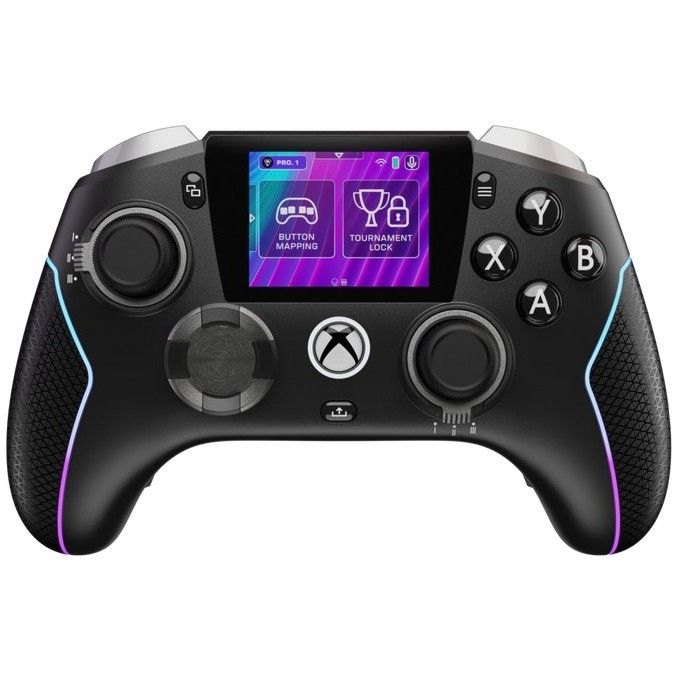
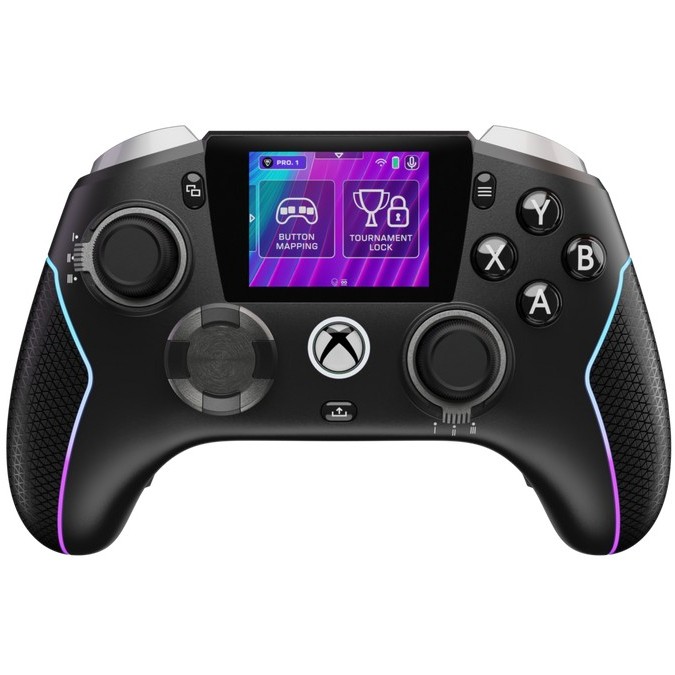
As for the Connected Command Display on the controller, it's making a comeback, but with some far more practical on-the-fly adjustments (meaning less fiddling with that software). From the screen, you will now be able to tune audio profiles, trigger modes, Pro-Aim focus sensitivity, button remapping, and RGB lighting. The list goes on. Turtle Beach seems to have pivoted away from phone notification gimmicks altogether and toward pure, functional controller customization.
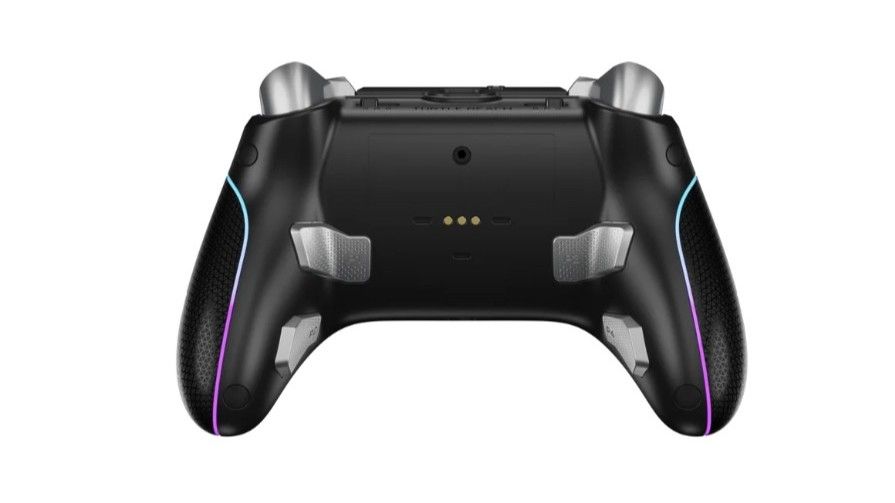
Rounding out the package, you get tactile microswitch face buttons, adjustable trigger stops, four mappable back buttons, Bluetooth support for Android and Smart TVs, and up to 12 hours of battery life out of the box (extending to 34 hours in Eco mode).
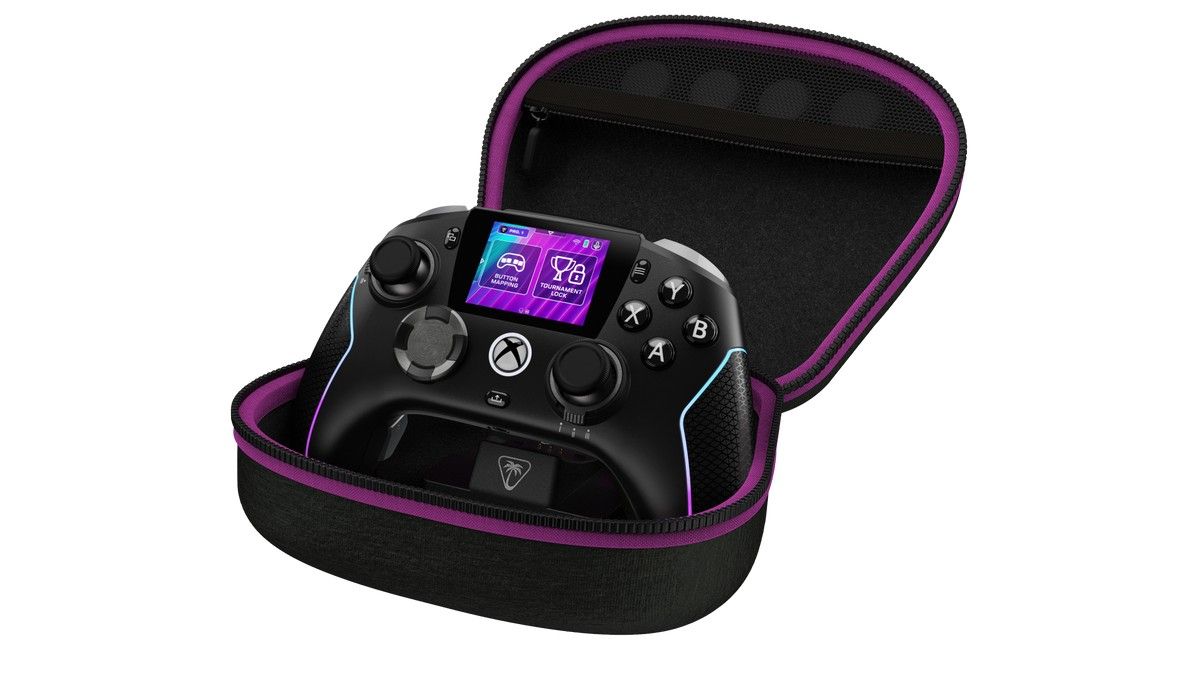
Pre-orders are live today ahead of its November 12, 2026 launch. At $199.99 / £179.99 / €199.99, it remains an investment strictly for the hardcore crowd, but just like the first model, it comes bundled with a Rapid Charge Dock and a hard-shell charge-through travel case, which helps make the premium price tag that much easier to swallow.
Turtle Beach
Stealth Ultra 2 Wireless Controller
The Turtle Beach Stealth Ultra II is a premium, high-performance wireless gaming controller equipped with an on-board Connected Command Display, precision Anti-Drift TMR thumbsticks, and tactile microswitch buttons. Officially licensed for Xbox, it offers low-latency connectivity across Xbox Series X|S, Xbox One, and Windows PC, alongside Bluetooth support for Android mobile devices and Smart TVs.
Join us on Reddit at r/WindowsCentral to share your insights and discuss our latest news, reviews, and more.
Cybersecurity researchers have released a proof-of-concept (PoC) exploit for a recently patched critical security flaw impacting Fortinet FortiSIEM that could result in arbitrary code execution.
The vulnerability, tracked as CVE-2026-106173 (CVSS score: 9.4), is a critical path traversal flaw that could allow an unauthenticated attacker to execute unauthorized code or commands via specially
Palo Alto Networks has disclosed that it's continuing to observe exploitation of a now-patched security flaw impacting PAN-OS and Prisma Access by ransomware actors.
The activity relates to CVE-2026-0257 (CVSS score: 7.8), an authentication bypass flaw that could be exploited by bad actors to set up unauthorized VPN connections. It was patched by Palo Alto Networks in May 2026 and was

 Connexion