❌

Vue lecture

Finally, One Tower Replaces Your Speaker, Lamp, and Wine Fridge
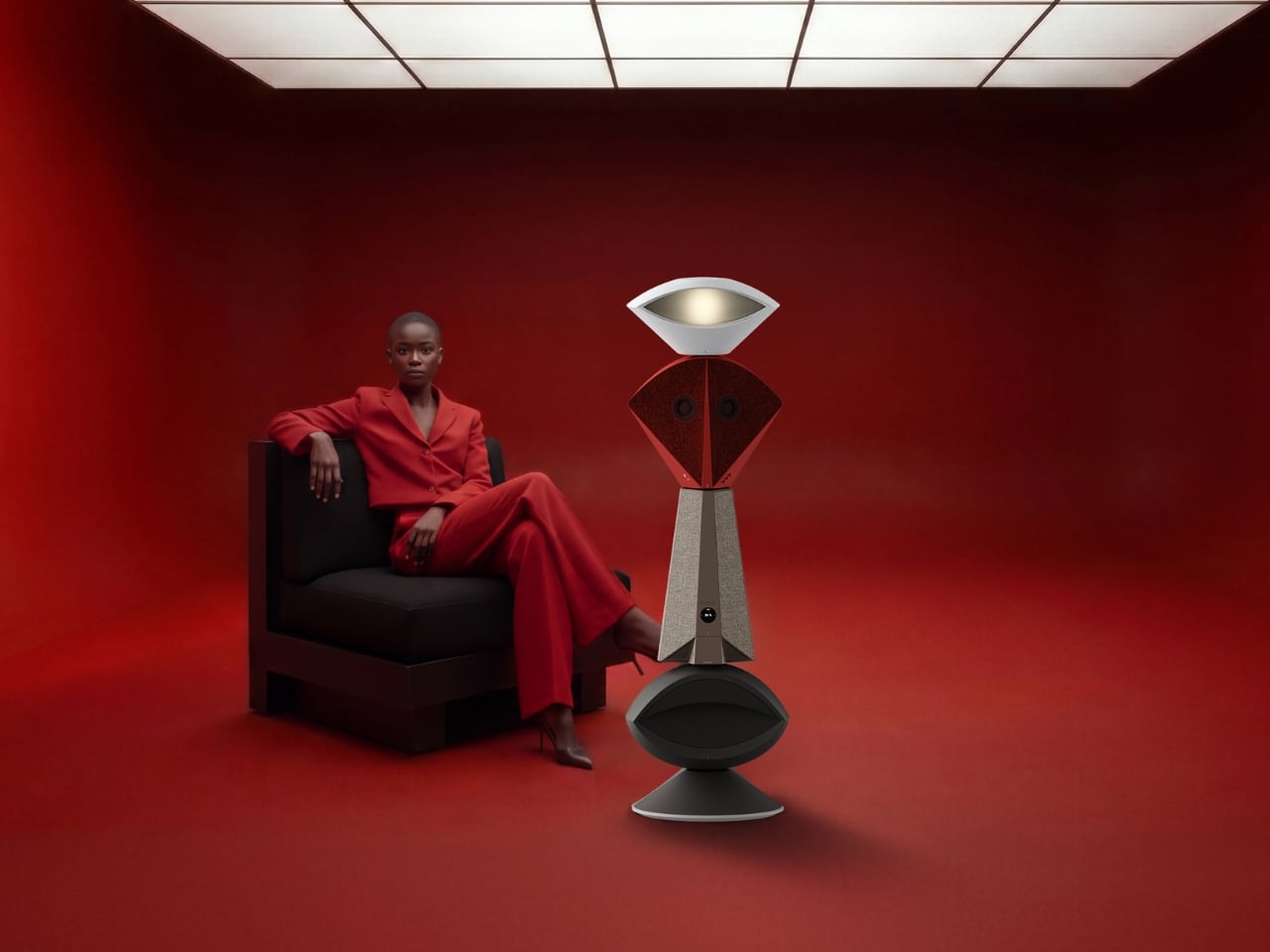
Anyone who has tried to furnish a studio apartment knows the specific defeat of running out of surfaces before you run out of gadgets. The speaker needs an outlet and a shelf. The lamp needs its own corner. The mini fridge for wine wants counter space that doesn’t exist. Each object is fine on its own, but stacked together on a single console table, they start to look like a garage sale that lost an argument with a design magazine. That is the exact problem South Korean designer Jung Hyun Kim set out to solve with Babel, a concept he built for people who live in small rooms but refuse to shrink their idea of what home should feel like.

Kim designed Babel for a very specific and very real slice of the population, twenty somethings through mid thirties starting their independent lives in modest apartments, often around 500 to 550 square feet, the kind of footprint that is common from Seoul to Brooklyn to any first apartment in a city with real rent. His answer wasn’t to make each device smaller. It was to stop thinking about furniture and electronics as separate categories entirely, and instead build a single vertical column where every function gets its own segment, stacked like a totem instead of scattered like clutter.

Designer: Jung Hyun Kim
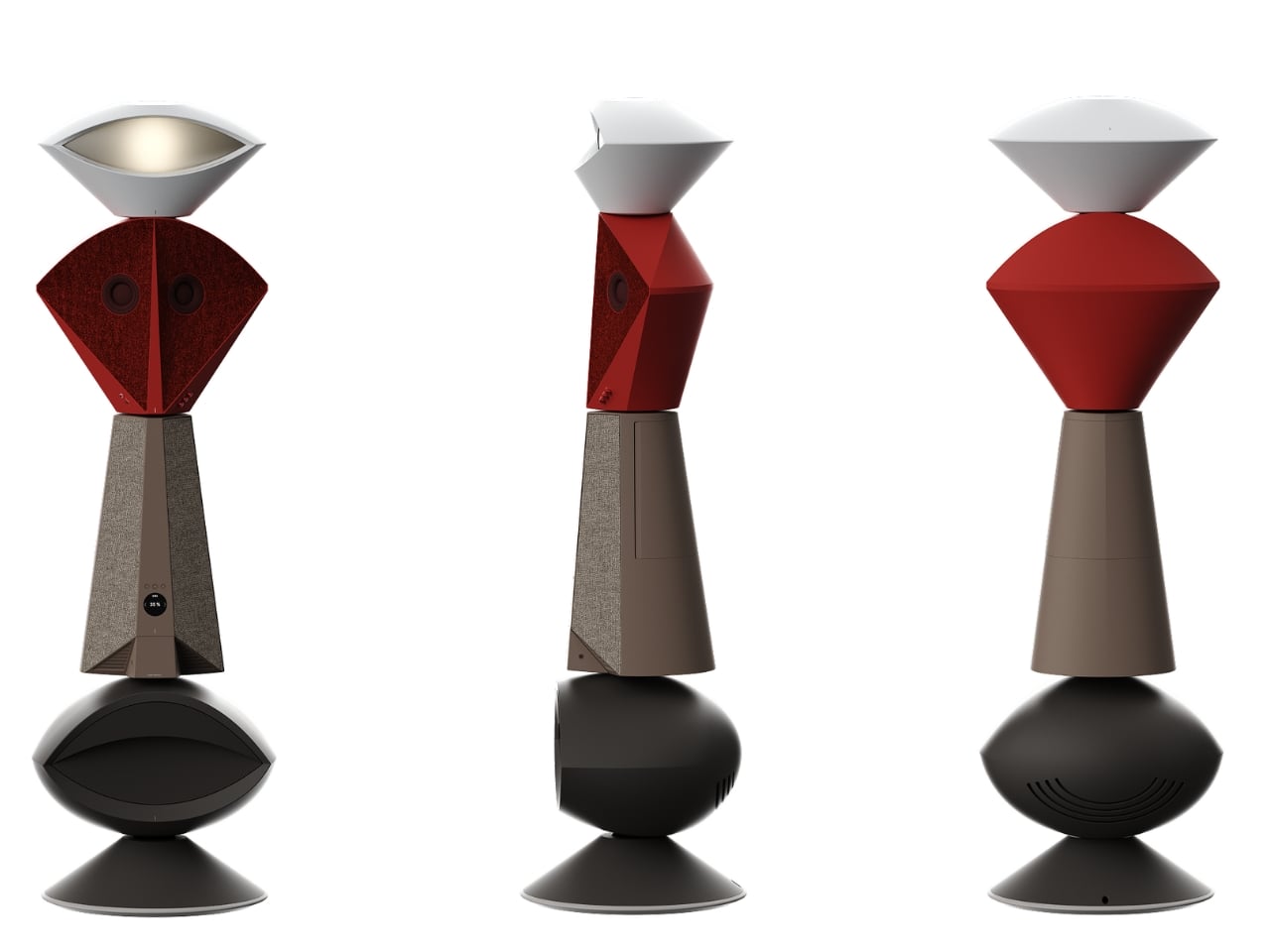
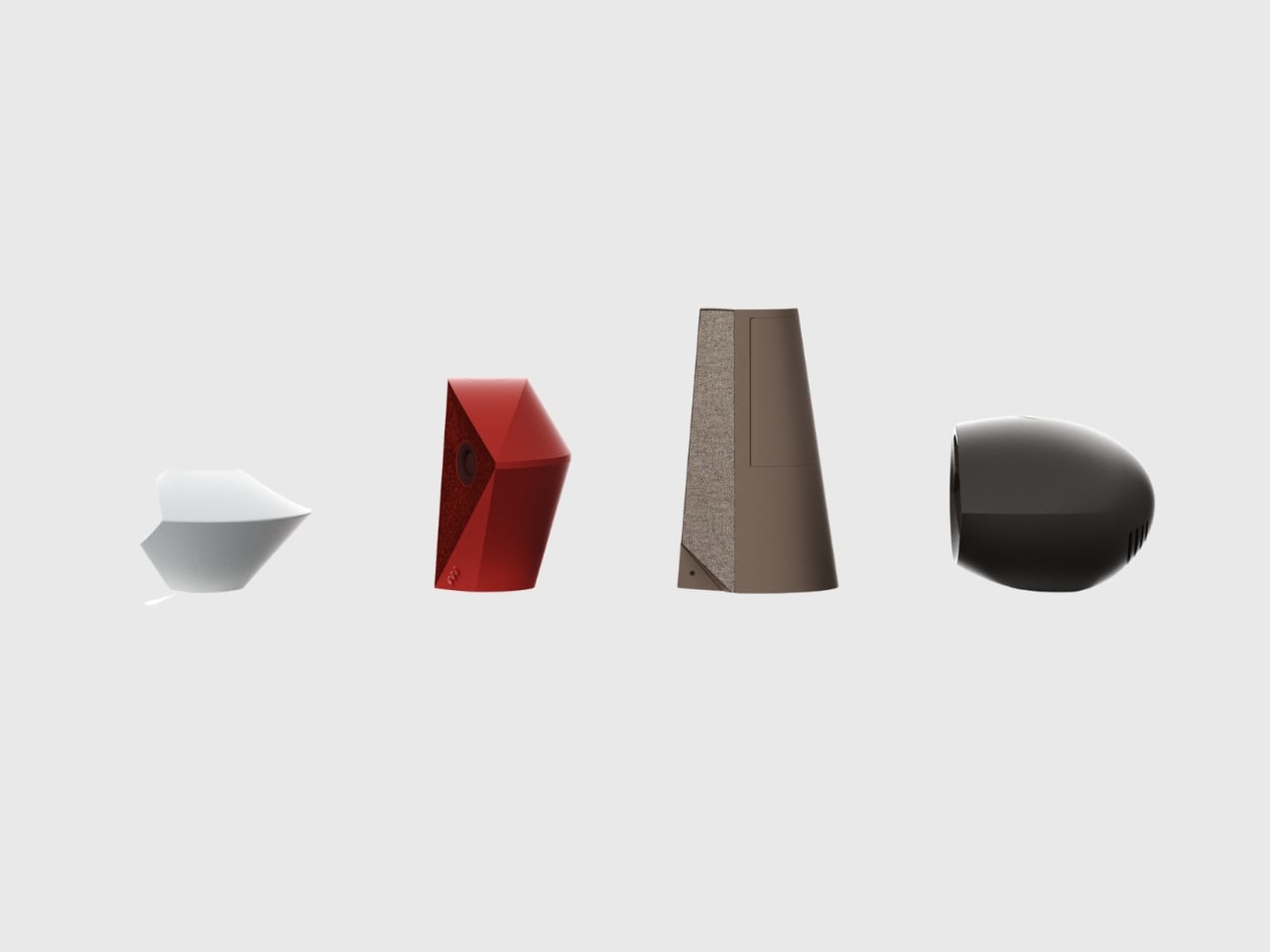
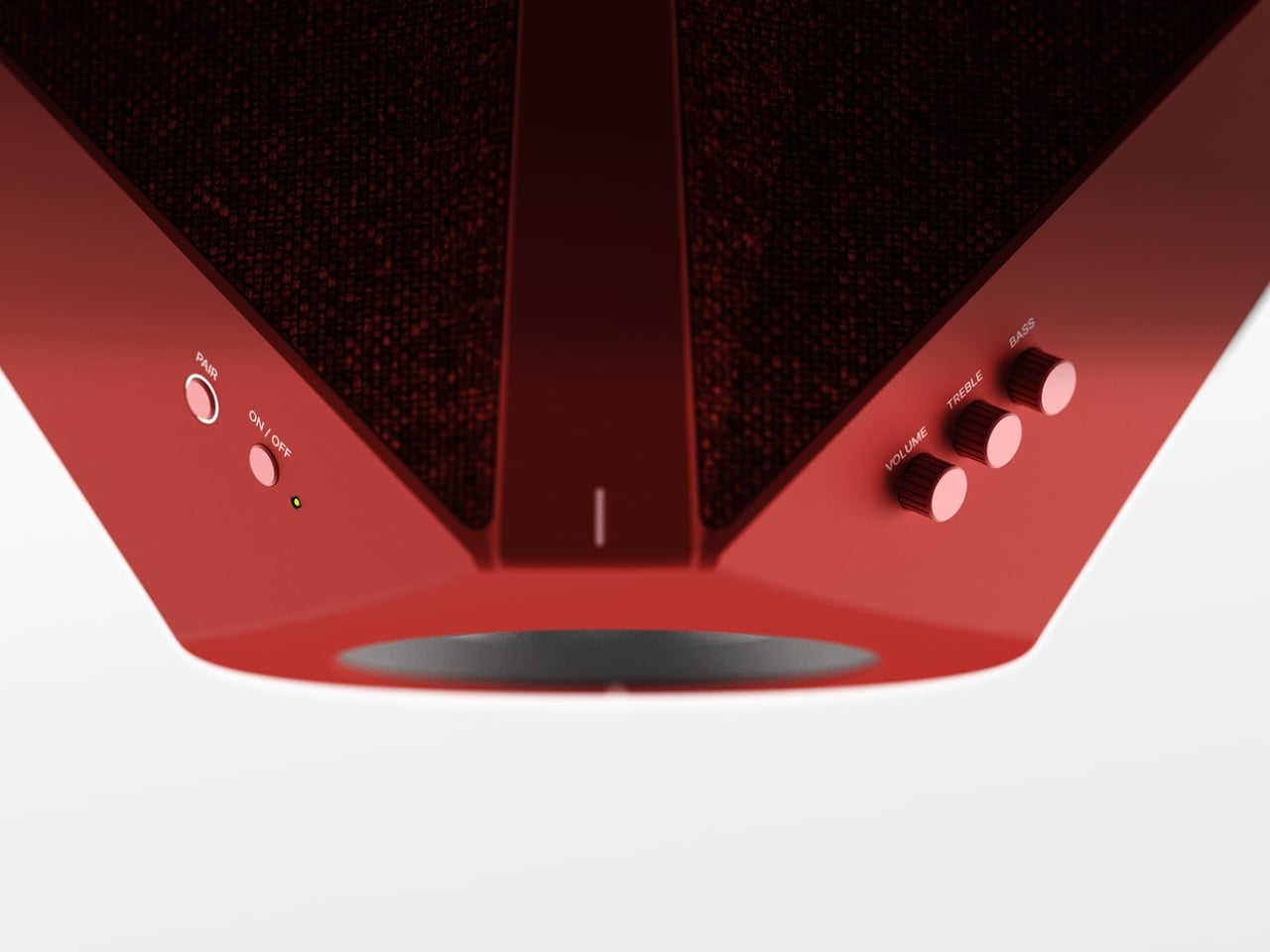
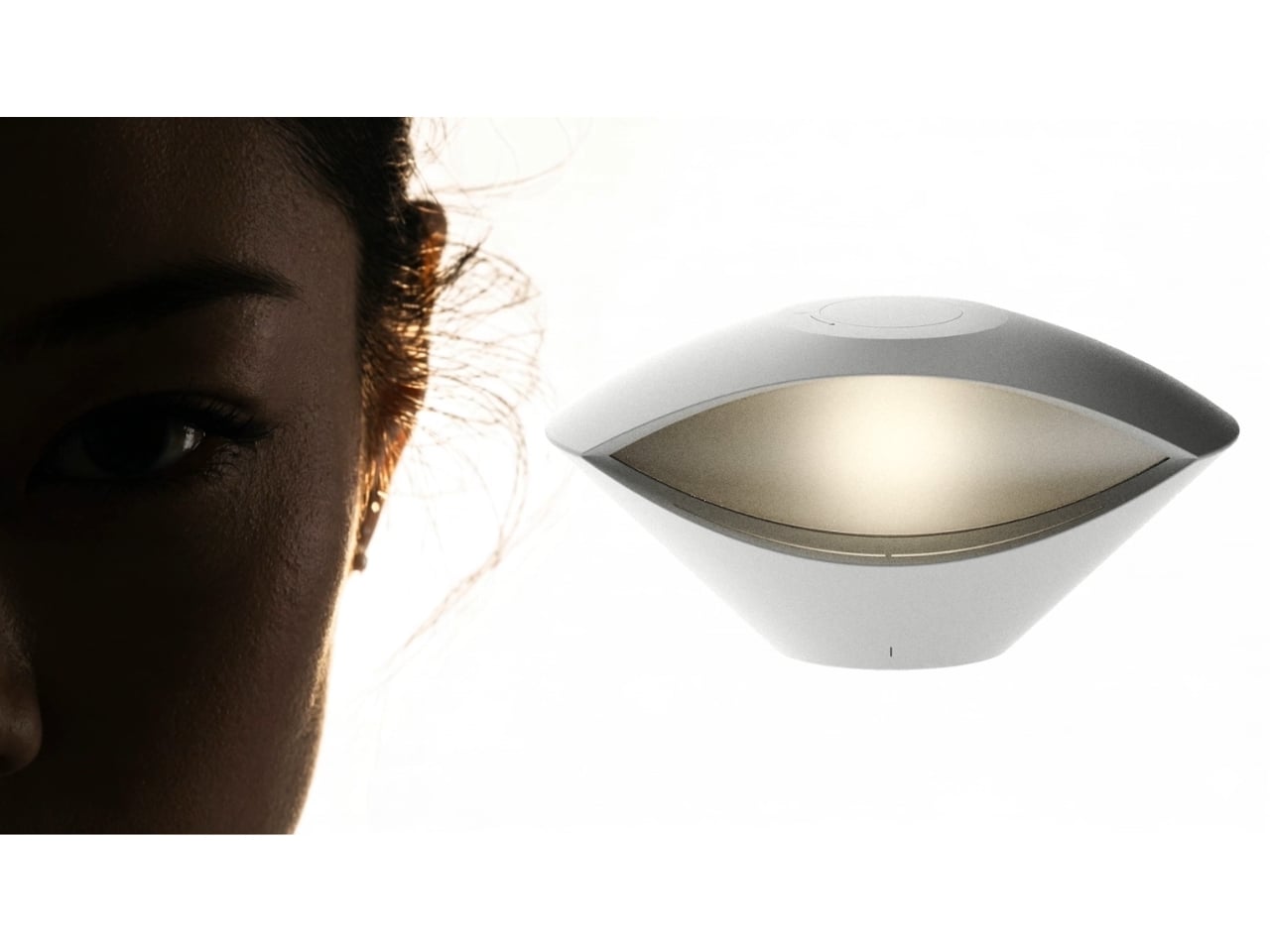
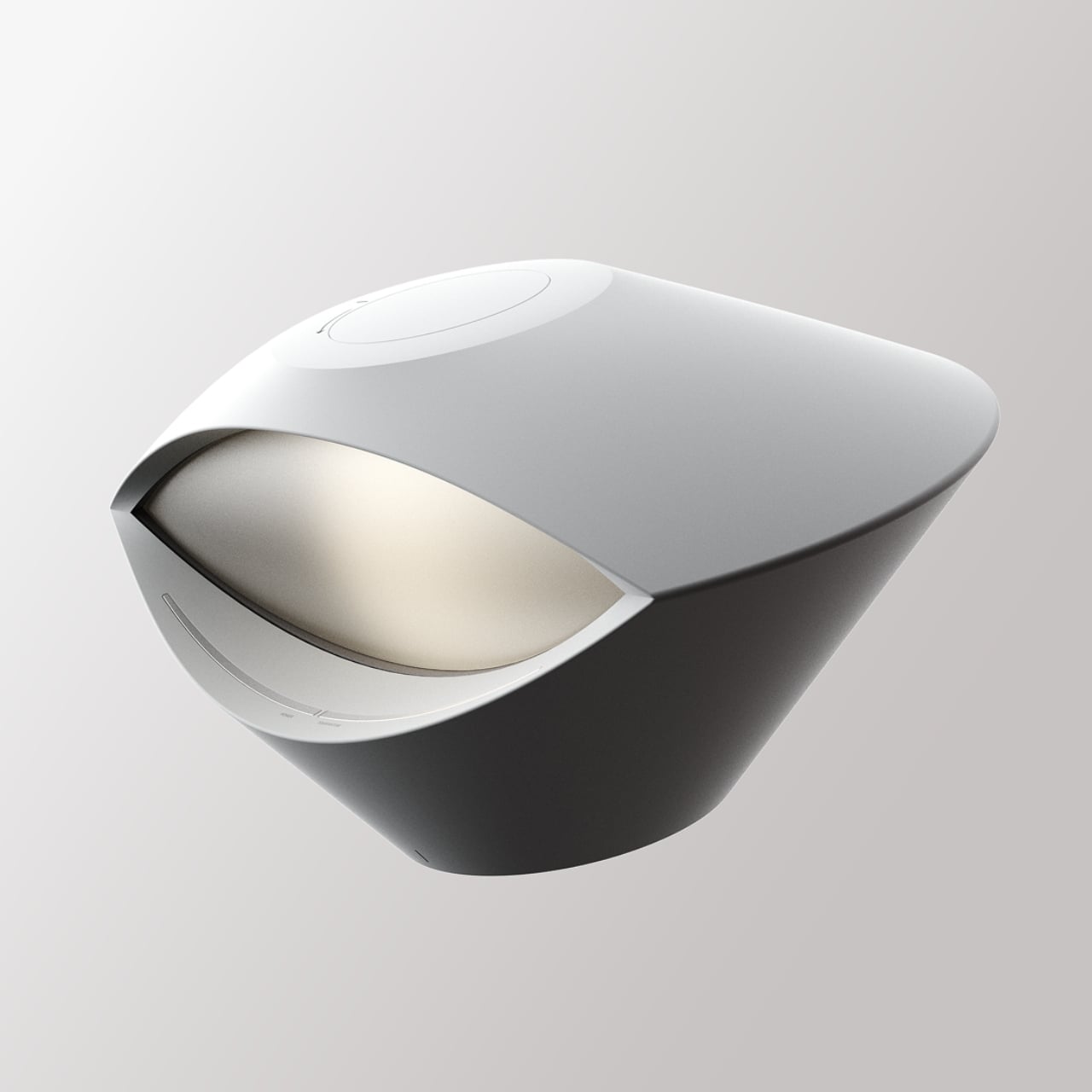
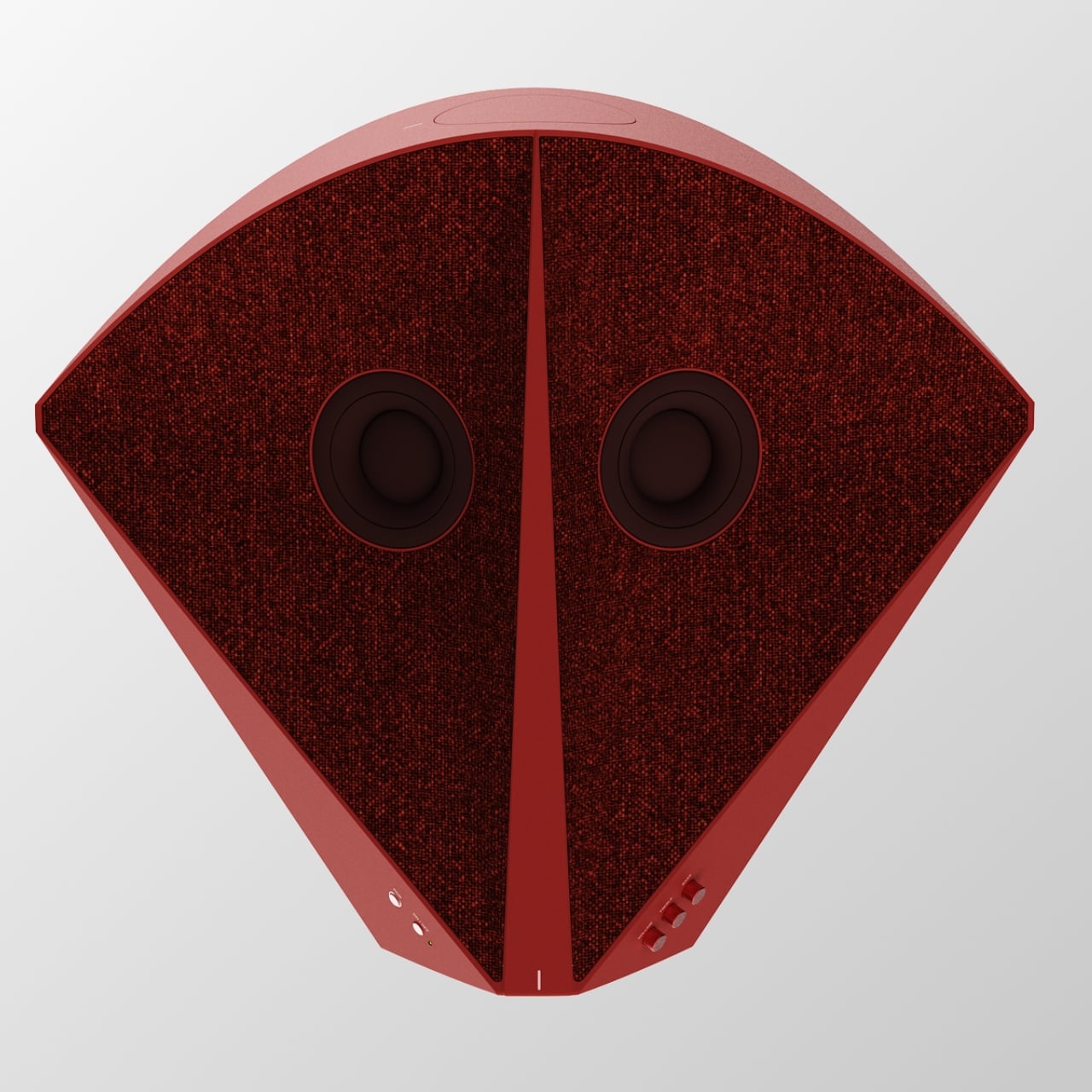
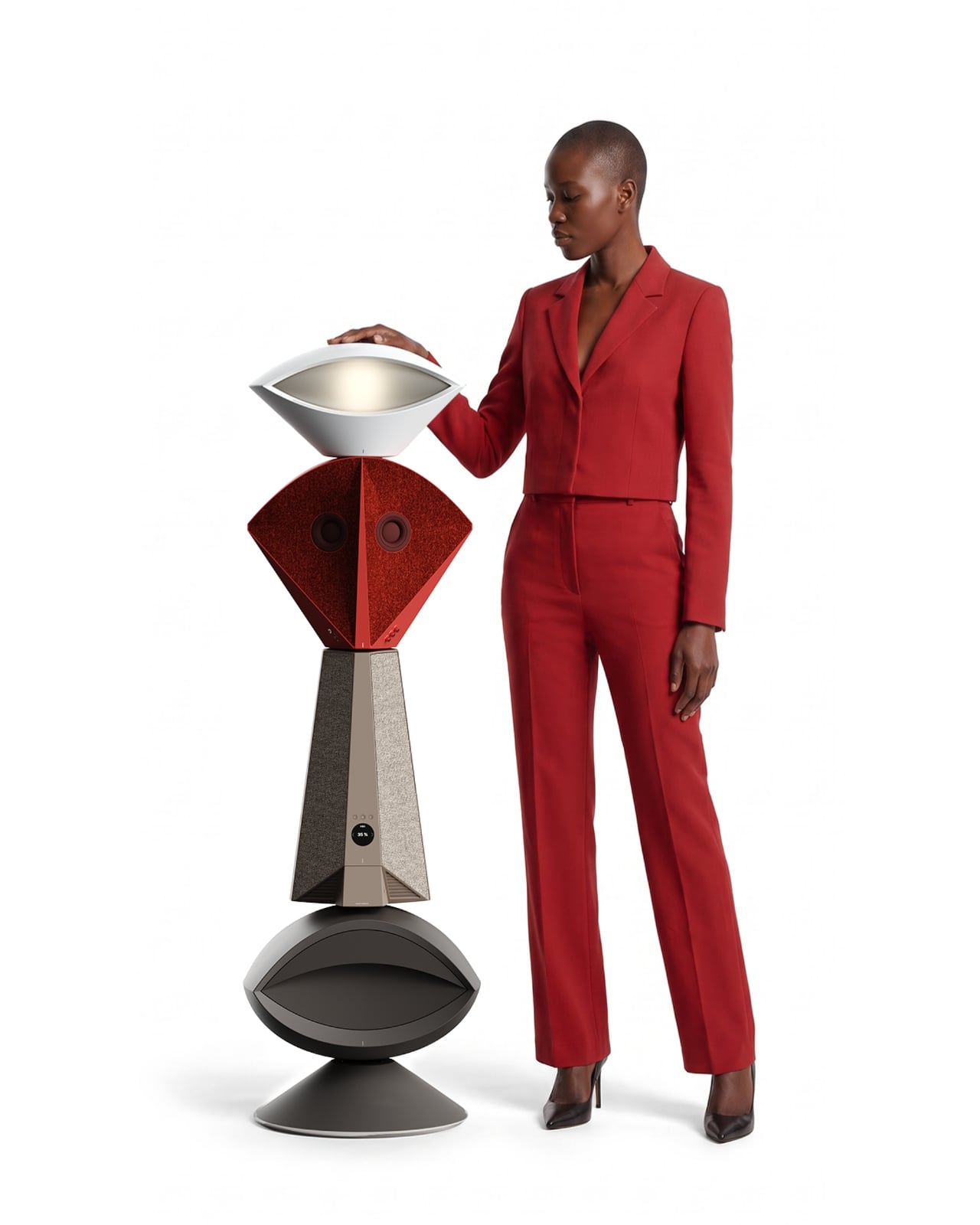
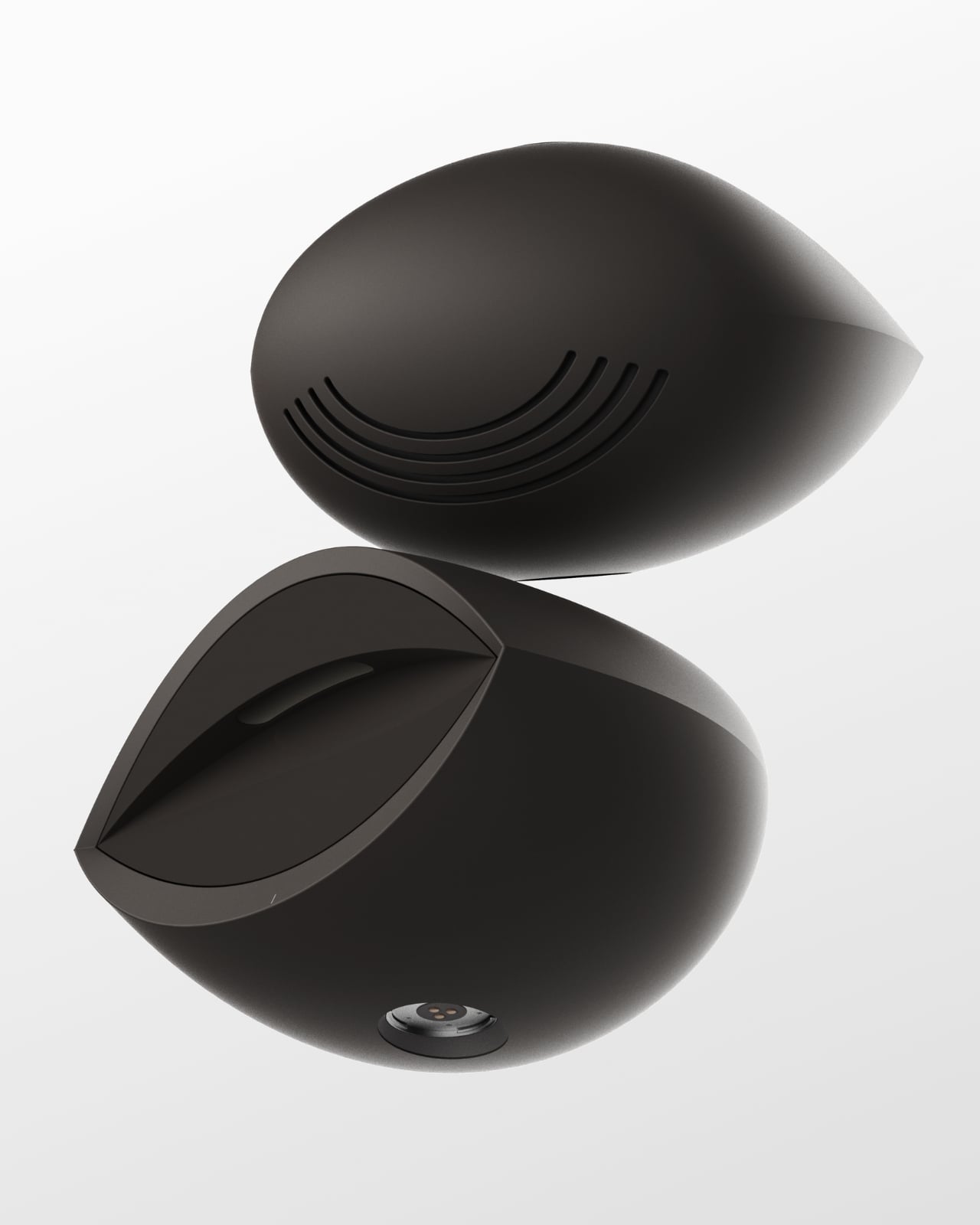
The tower reads almost like a figure standing in the room. At the top sits an eye shaped ambient lamp, its lens glowing warm and soft, the kind of light you’d want next to a couch at eleven at night. Below that, a red, fabric wrapped module houses the main speaker drivers, angled like a face with two eyes looking back at you, which is a genuinely clever piece of anthropomorphism for an object meant to live in your peripheral vision all day. The tapered midsection functions as the control hub, complete with a discreet volume display, and the whole thing terminates in a rounded black base that turns out to be a hidden drawer, a small cooling compartment for a couple of wine bottles. Four completely different jobs, one silhouette.
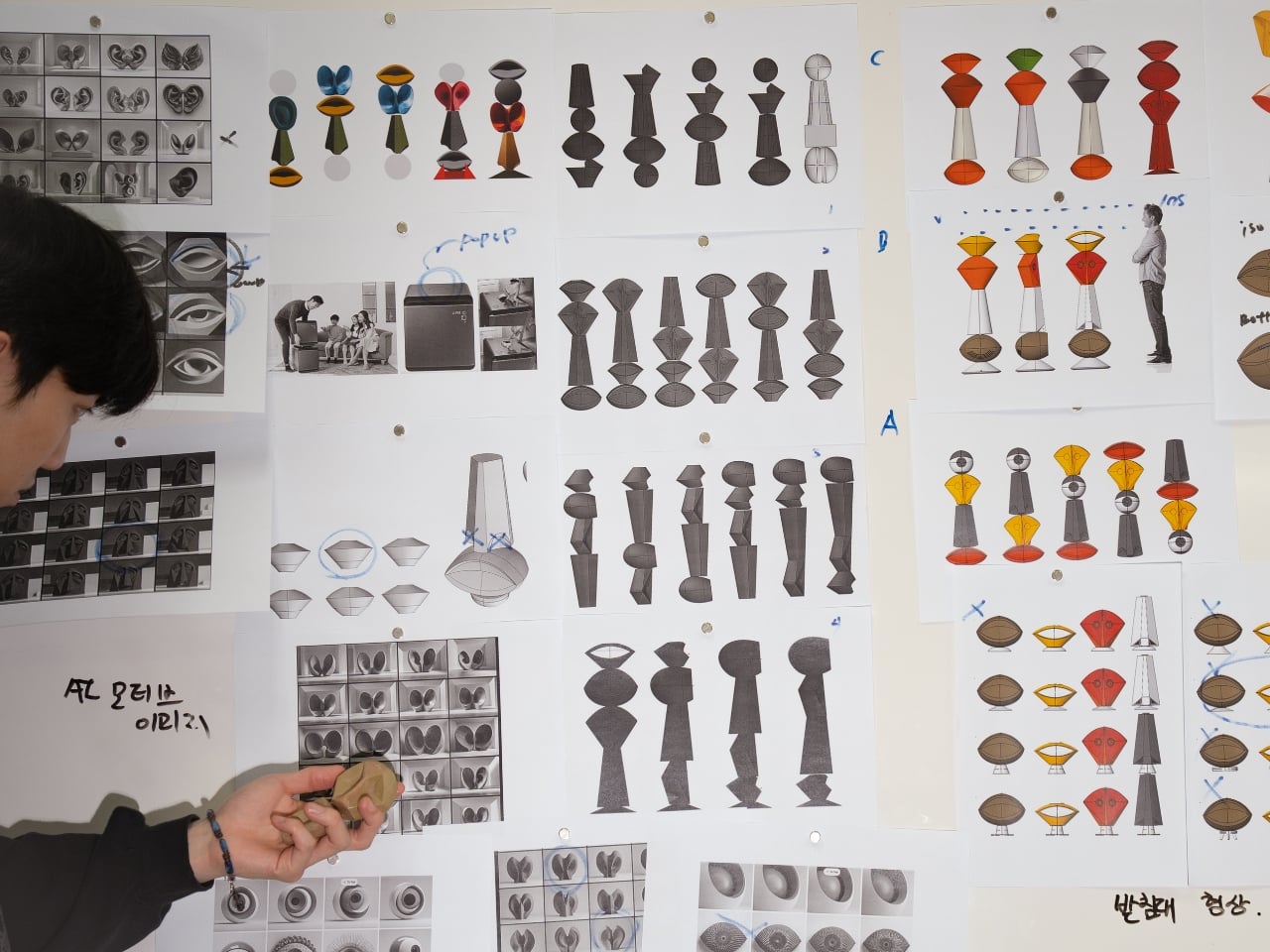
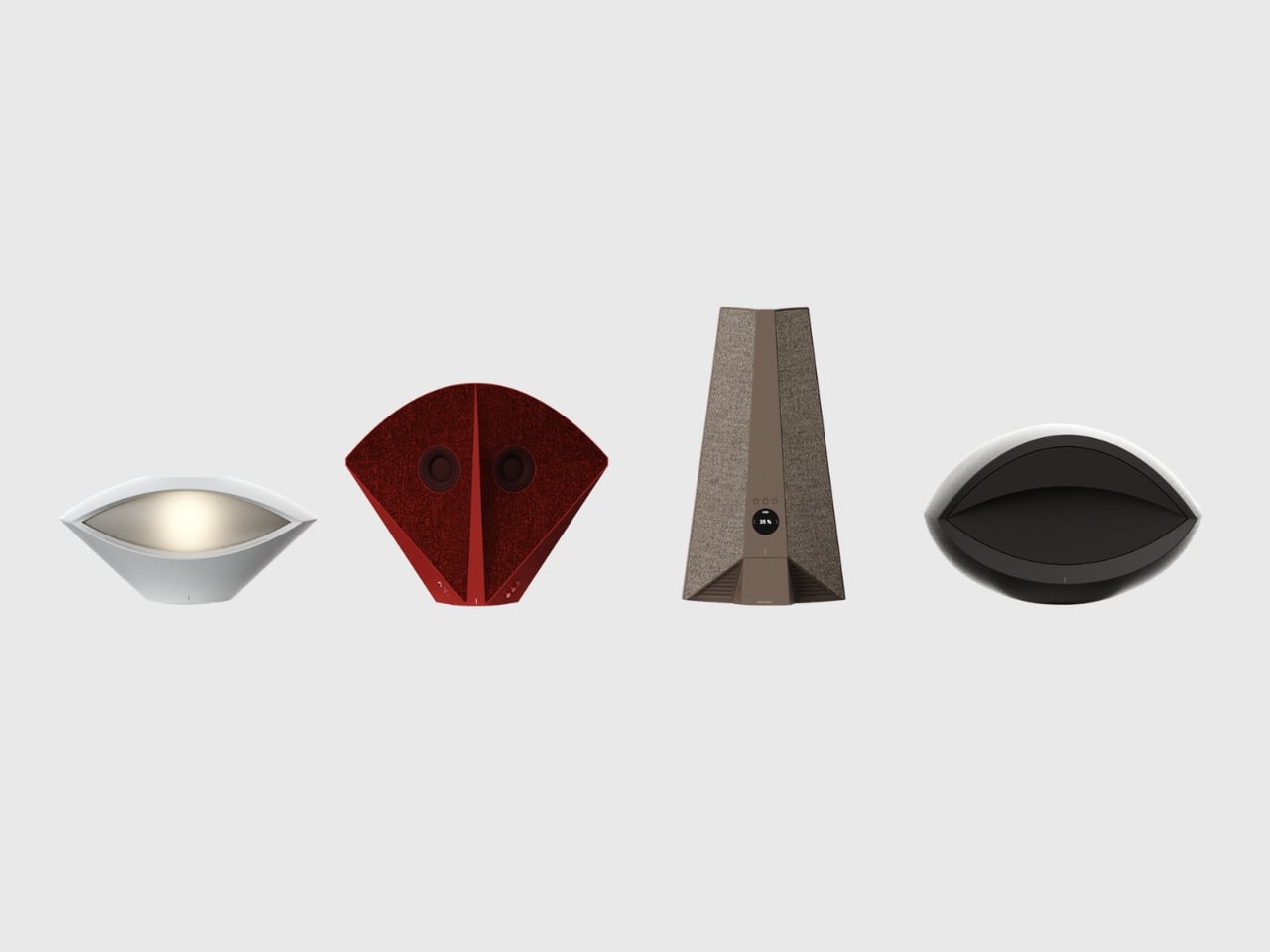
What makes this more than a novelty is the modularity built into the stacking logic. Nothing about Babel demands you use all four segments in one order. You can pull pieces apart, rearrange them, or run just the parts you need that week. A studio dweller might want the lamp and speaker without the bar module. Someone hosting more often might stack the drawer higher for easier reach. The design treats a small home the way a good capsule wardrobe treats a small closet, fewer pieces, each one doing more, none of them wasted.
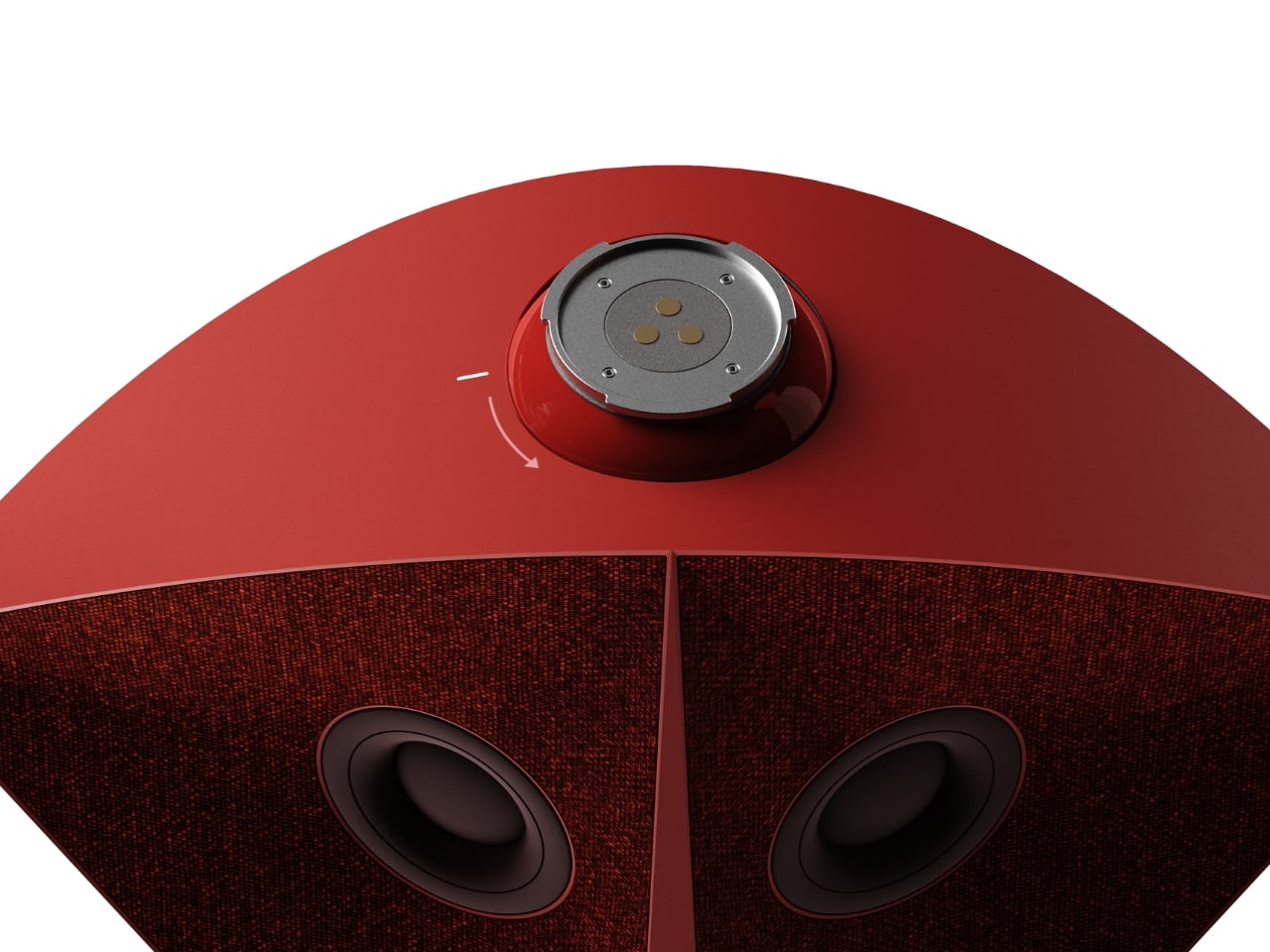
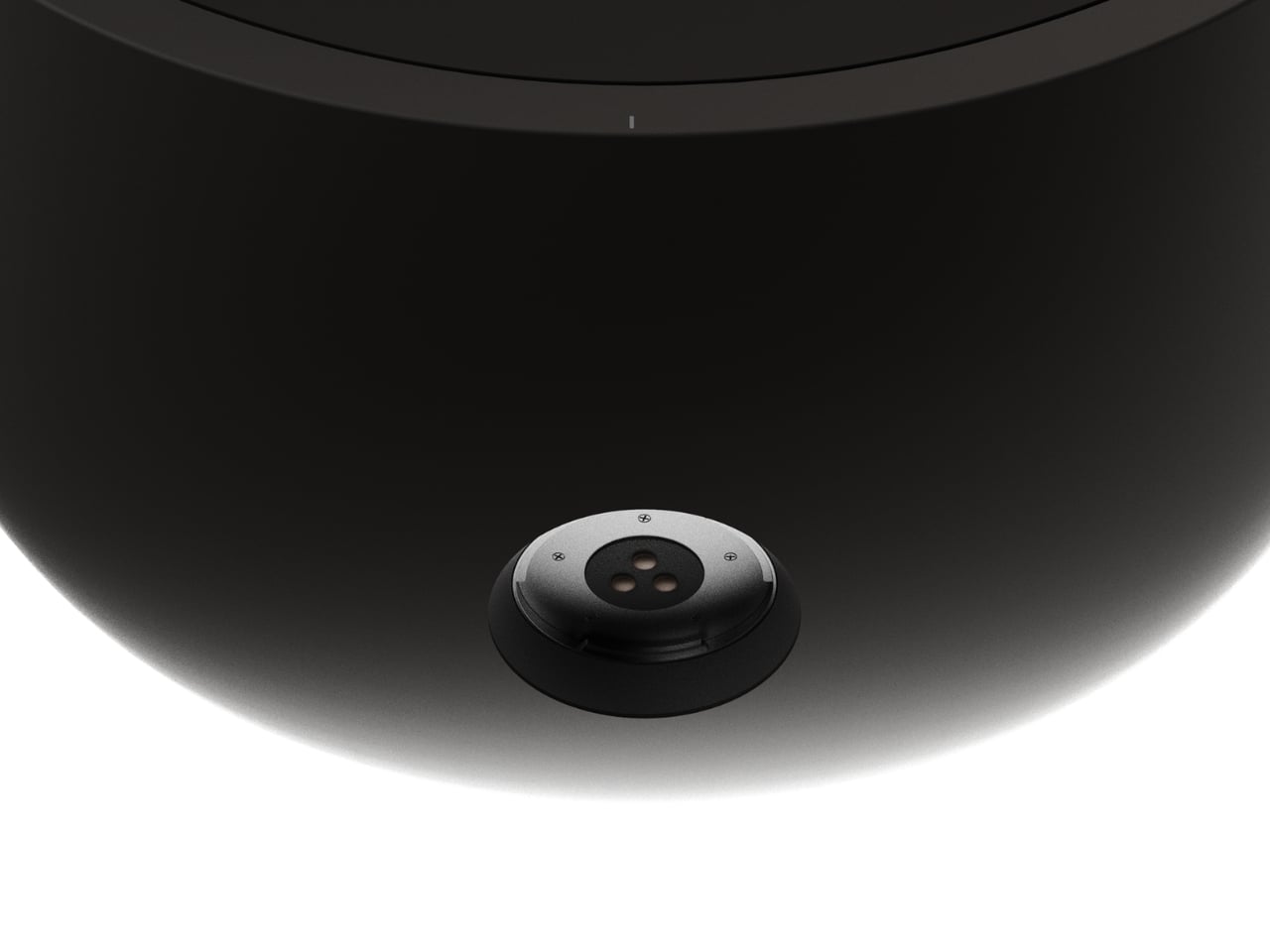
I like that Babel doesn’t pretend the solution to small space living is owning less. It assumes you still want a good lamp, a good speaker, and a cold bottle of wine within reach, and it simply refuses to let those wants cost you three separate footprints. That feels more honest than most minimalist design advice, which tends to ask people to want less rather than design better. The name is a nice touch too, a nod to the biblical tower where many languages tried to reach the same point, which tracks neatly onto a product where lighting, sound, cooling, and control all speak different technical languages but rise from the same base.
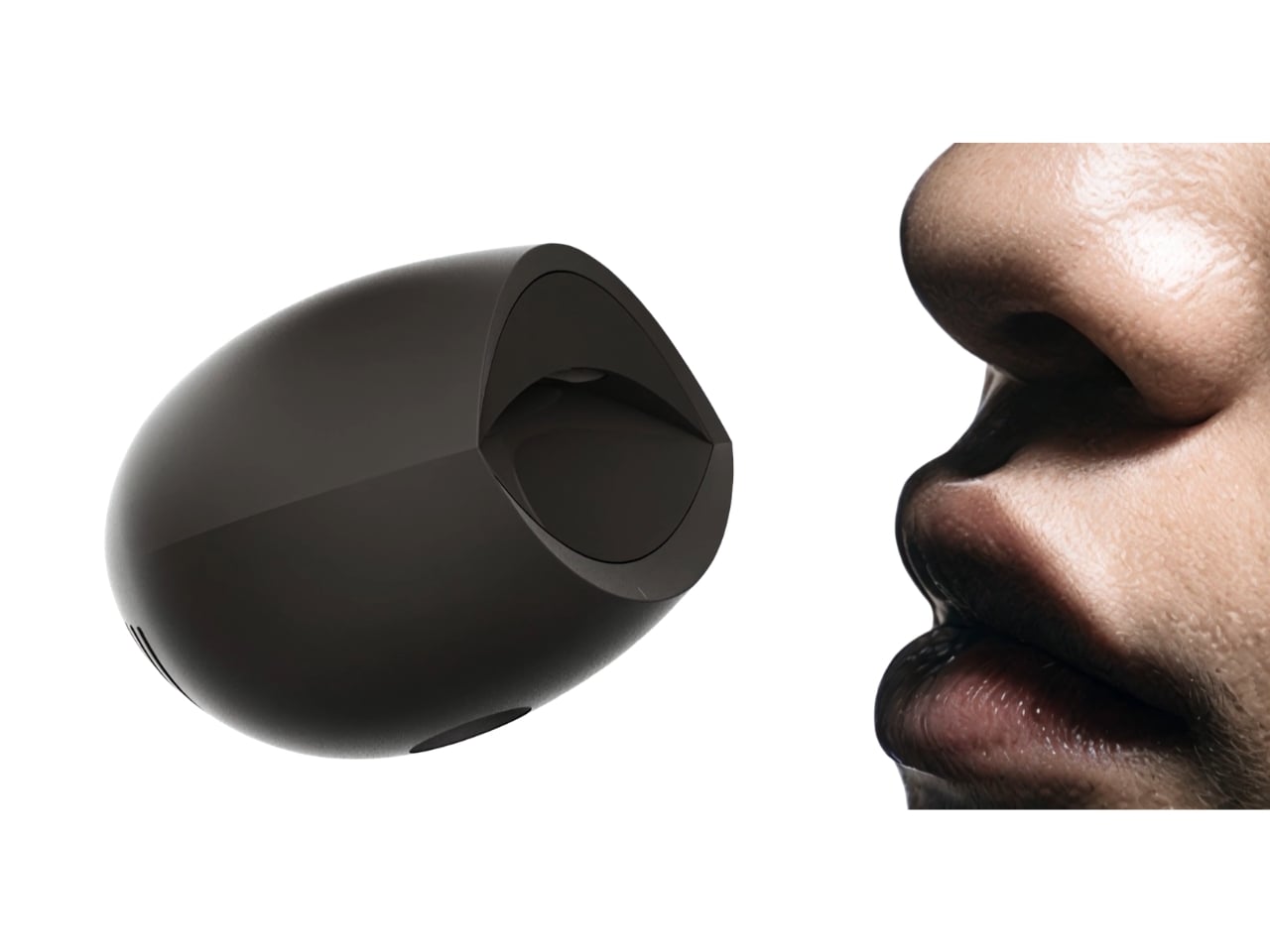
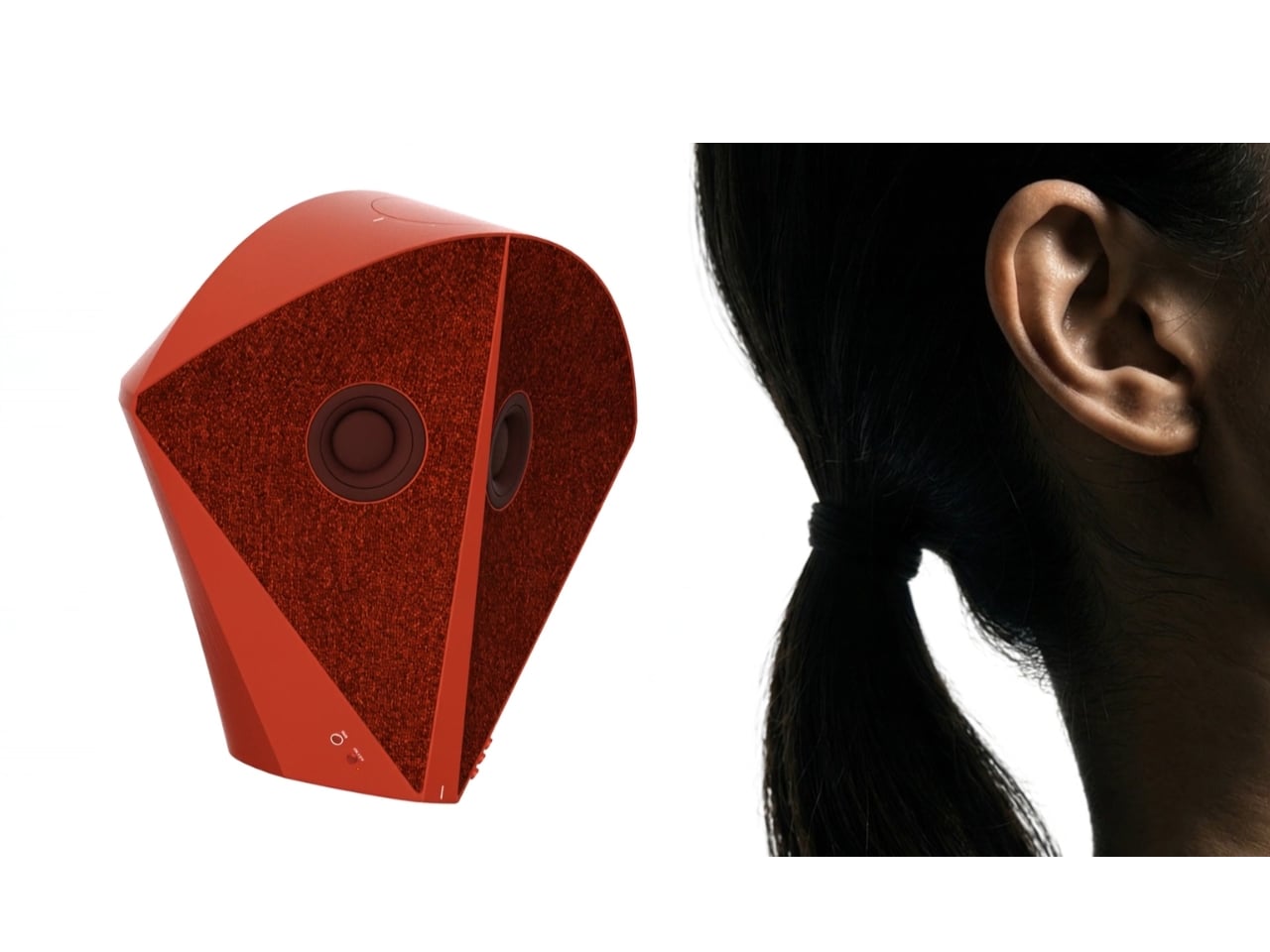
Whether Babel ever becomes a shippable product is beside the point right now. It exists as a Behance concept, a portfolio piece from a designer who clearly thinks in systems rather than single objects, and that thinking is worth paying attention to regardless of manufacturing timelines. Apartment living isn’t getting more spacious anywhere, and the appetite for objects that look intentional rather than accumulated is only growing, especially among people who grew up curating every shelf for how it photographs. A stacked, sculptural answer to gadget clutter fits that mood perfectly.
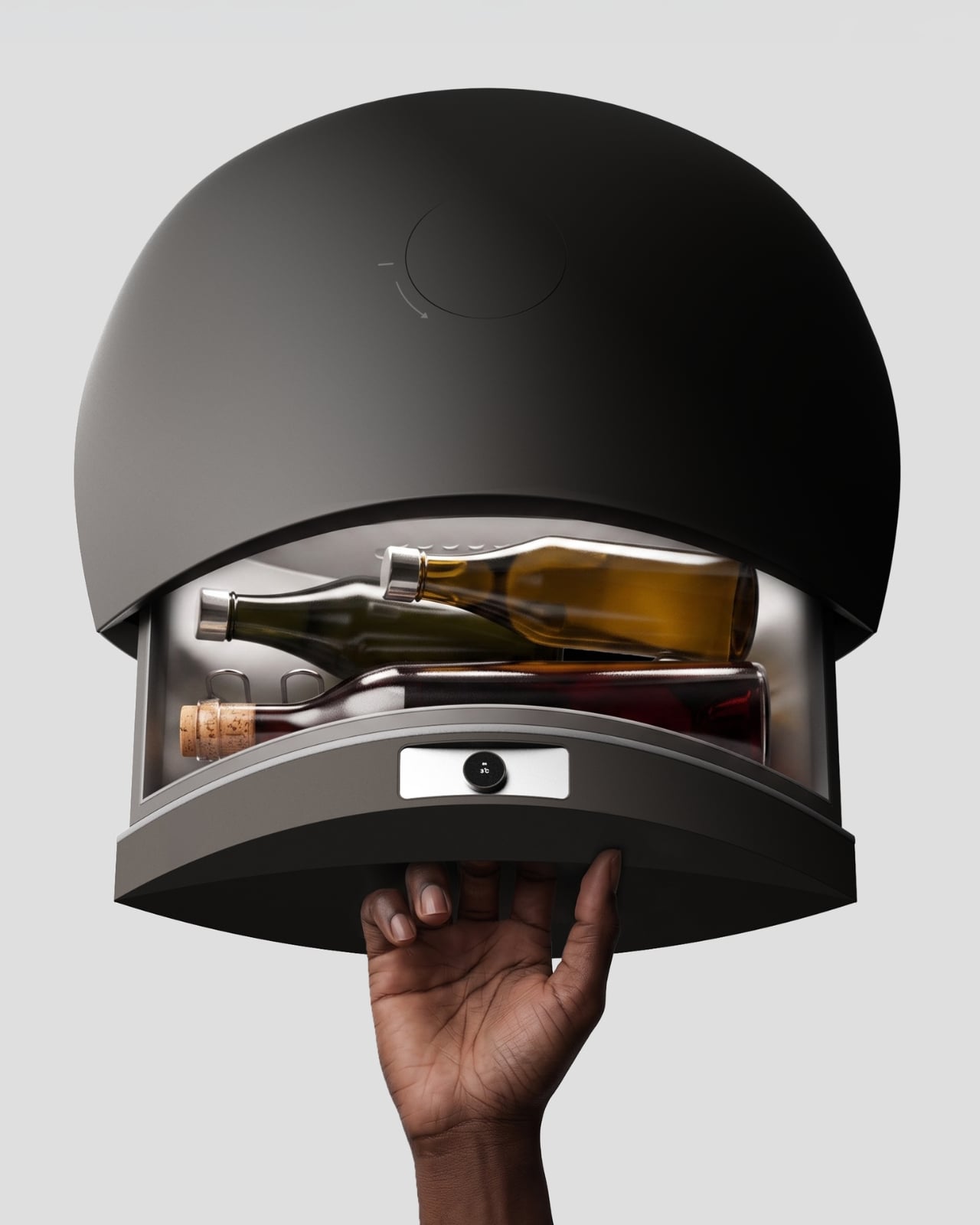
Babel won’t fit every home, and a four function tower is a commitment, not an impulse buy. But as a piece of thinking about how to live well in less square footage, it’s one of the more clear headed ideas I’ve seen come out of a design program in a while. Sometimes the fix for too many objects isn’t fewer objects. It’s better posture.
The post Finally, One Tower Replaces Your Speaker, Lamp, and Wine Fridge first appeared on Yanko Design.
  •  

Miele’s G8 Dishwasher Photographs Your Dirty Dishes Before Auto-Selecting The Cycle: Hands-on at IFA 2026

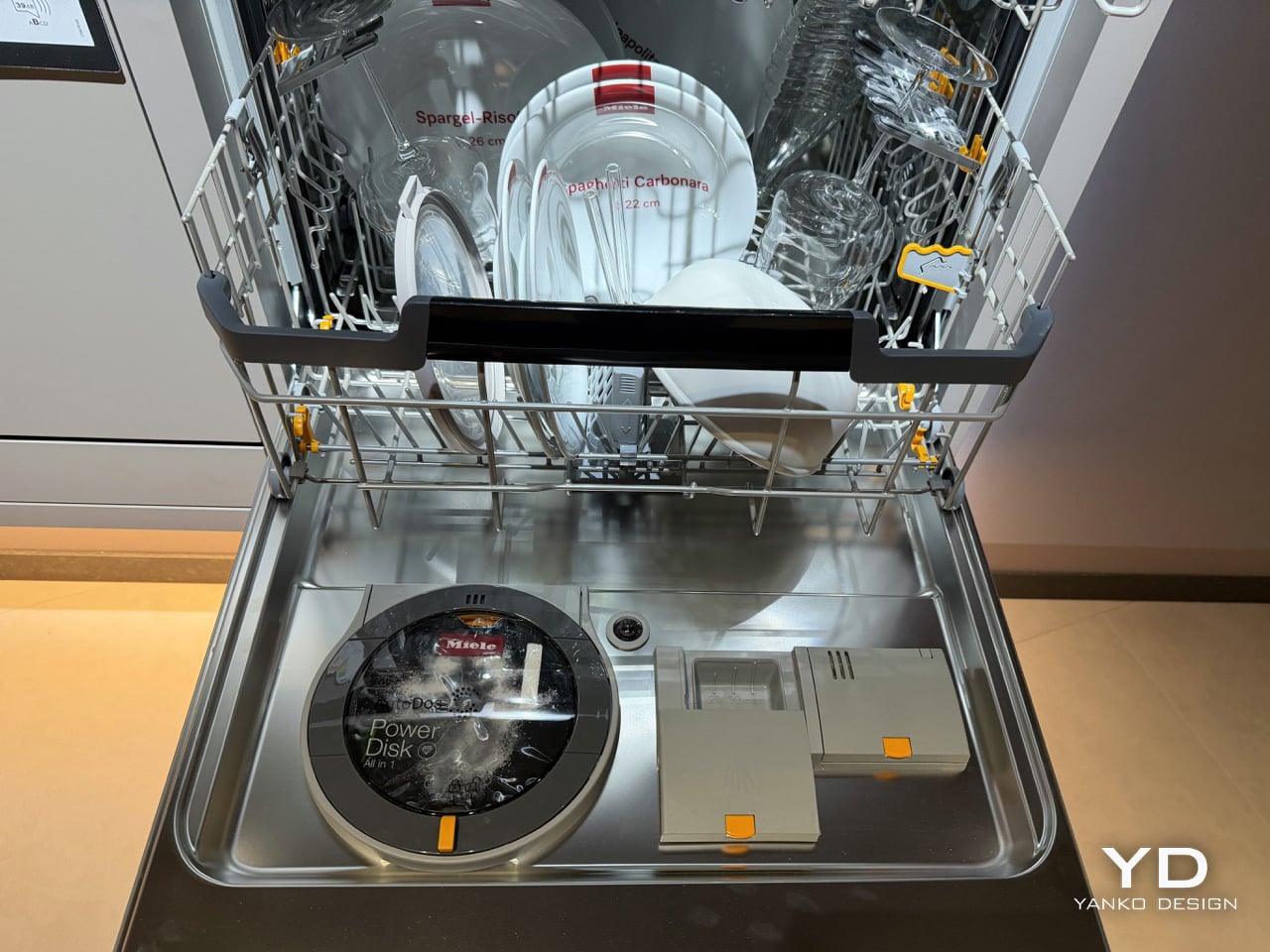
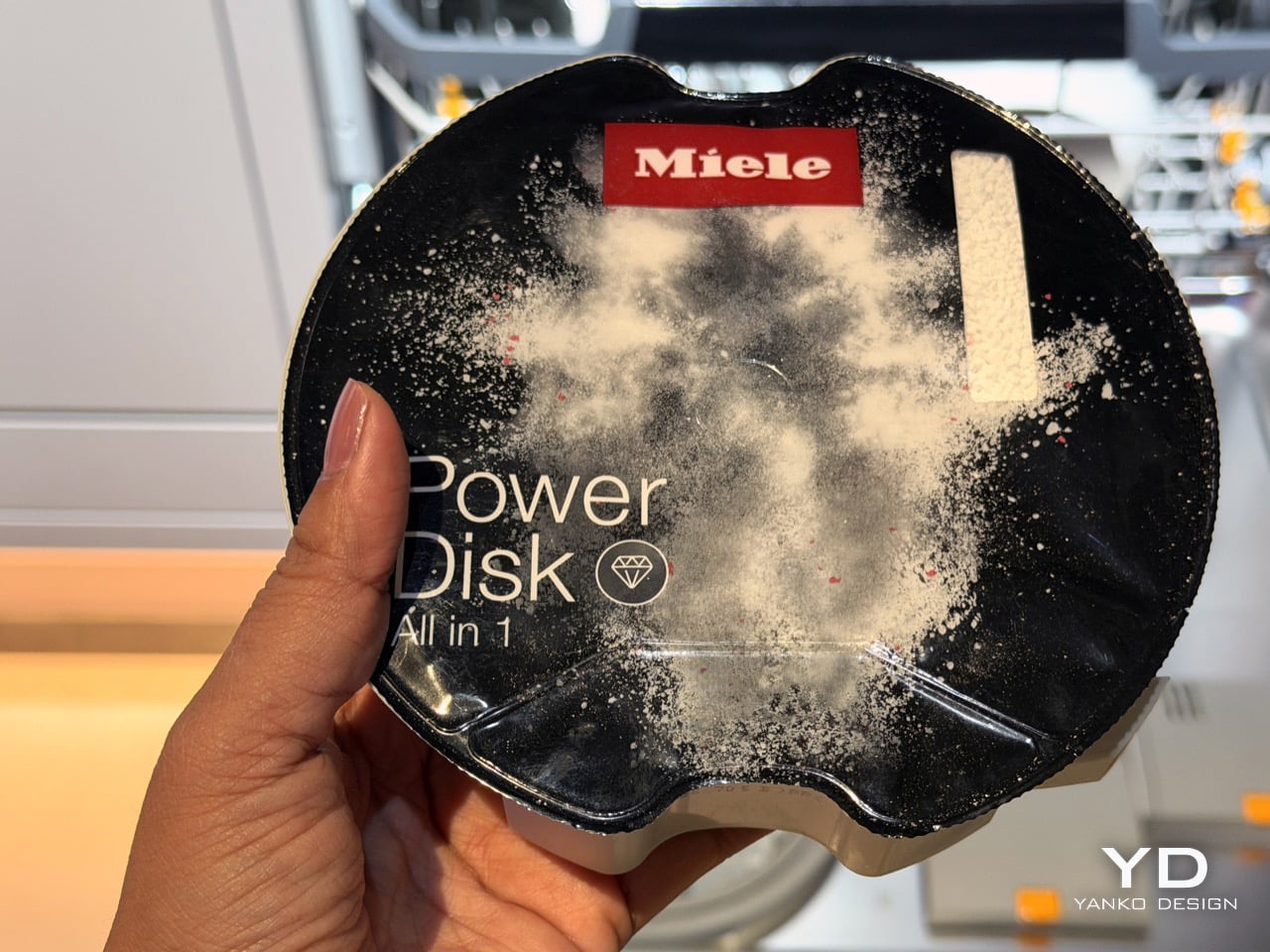
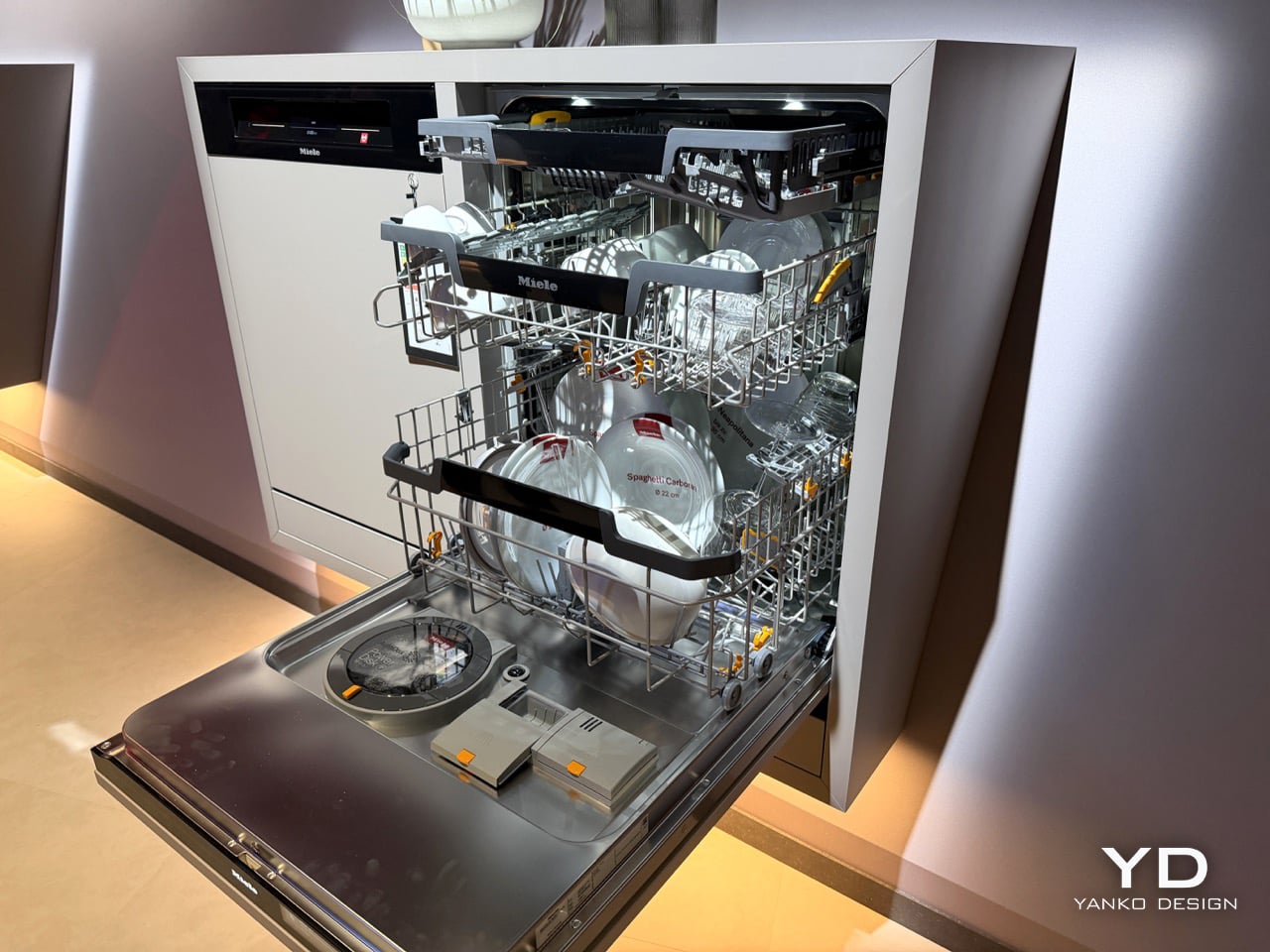
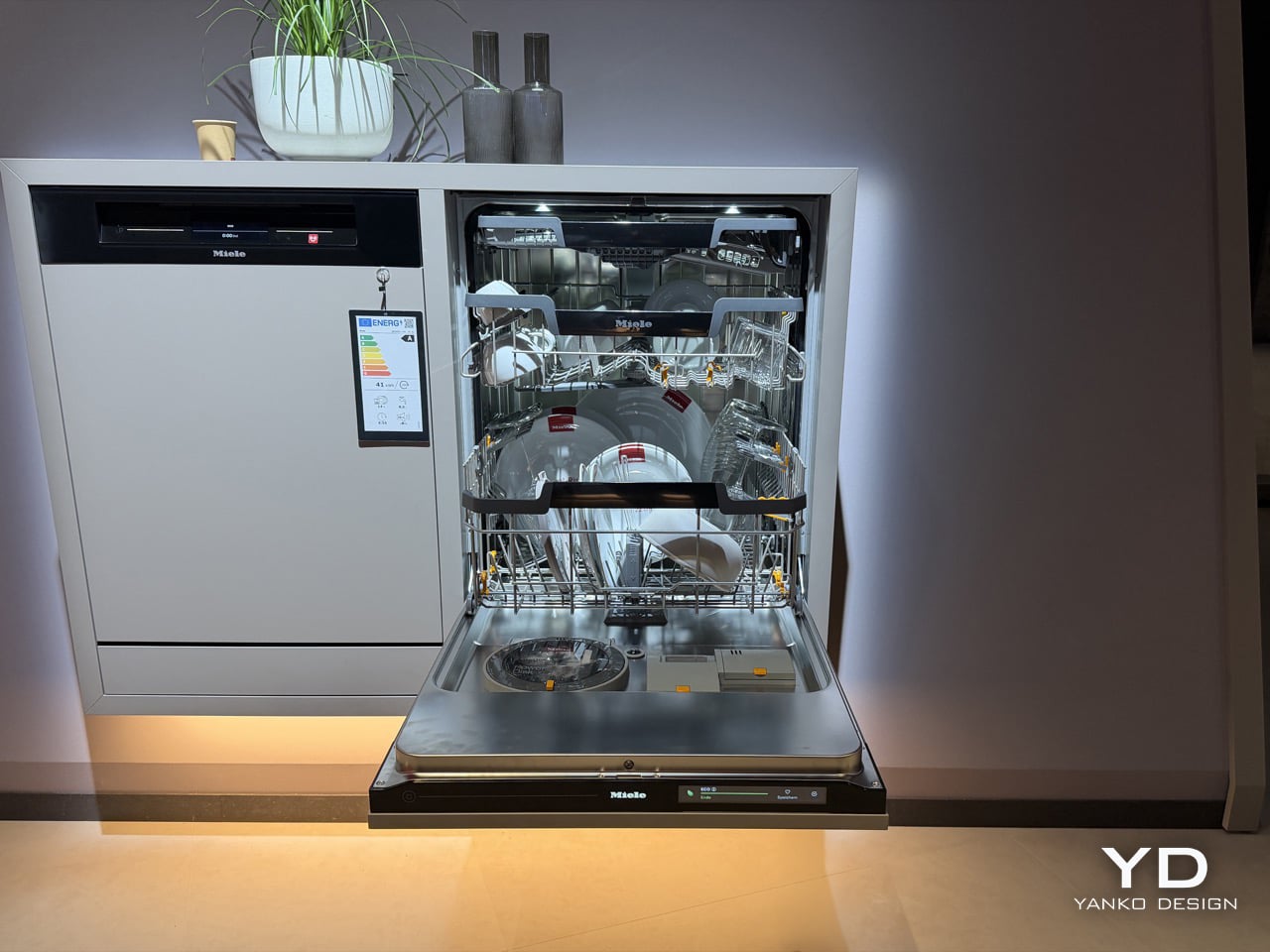
Miele’s new G8 Diamond snaps a photo of your dirty dishes before it washes them. The moment the door swings toward shut, a light inside blinks on, a camera grabs one frame, the light dies, and the AutoVision system studies what it caught. If it sees a bottle, it calls up BottleClean and drives the spray harder. If it sees a pot, the cleaning intensity climbs. If it sees plastics, it runs the new hot air drying harder, because plastic containers are famously terrible at drying themselves. Miele showed it for the first time at IFA 2026 in Berlin, and it lands in Germany, Austria and Switzerland in April 2027.

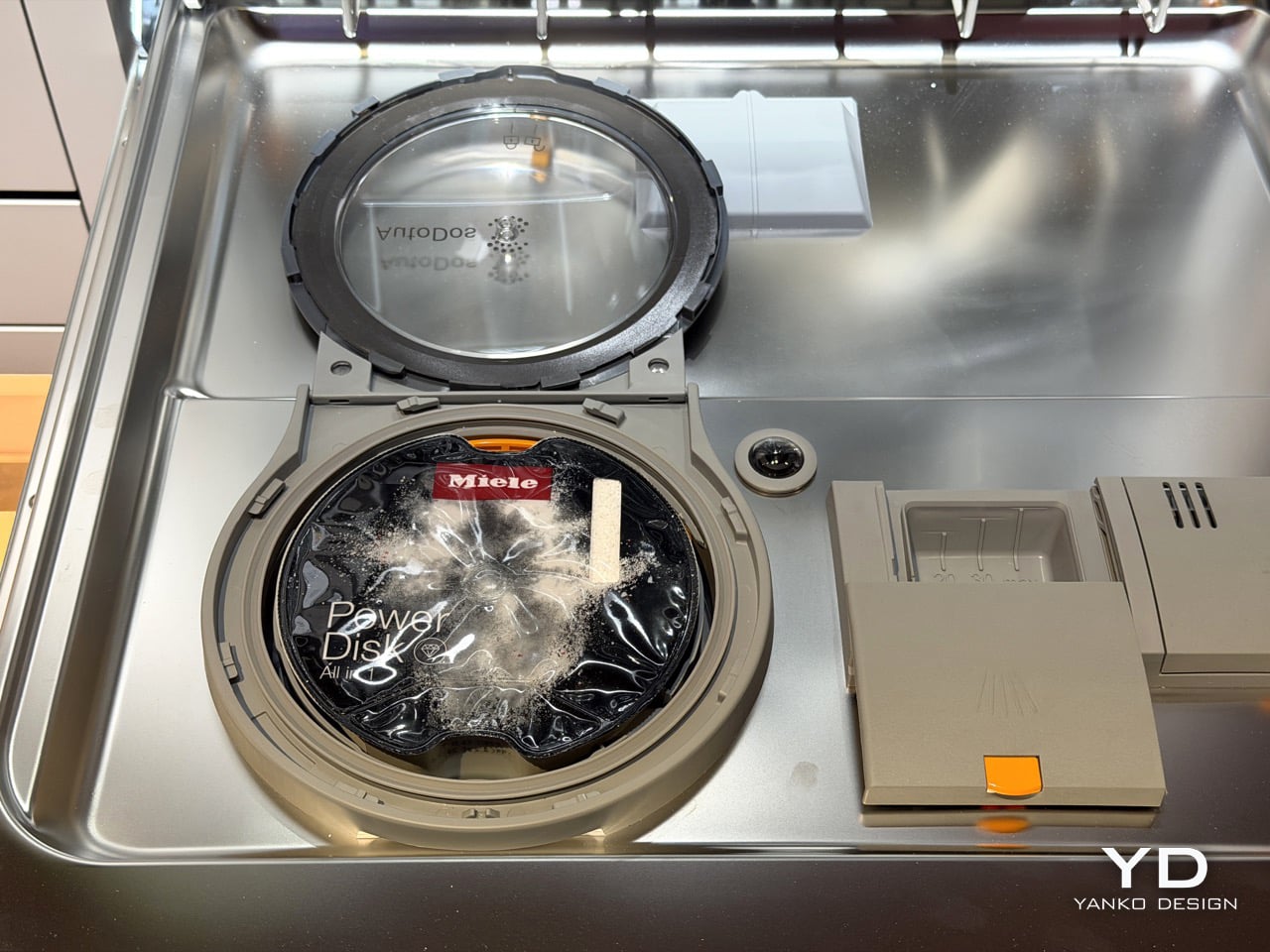
A camera in a dishwasher makes the headline, but the memory is what makes the design. The G8 holds onto that bottle it clocked at breakfast, so stacking dinner plates on top of it by eight in the evening changes nothing. Layer in AutoDos and its PowerDisk granulate, measuring out its own detergent since 2018, then set an app rule that says wait until 80 percent full and never before 10pm, and the machine stops consulting you altogether. Miele has spent decades selling dishwashers on the promise that they scrub so you do not have to. This one wants to think so you do not have to.

Designer: Miele

Here’s the part that actually impressed me. AutoVision doesn’t run a video feed you can scrub through in the app. It fires once, right as the door clicks shut, and the machine works from that single image for the entire cycle. Load a wine bottle at breakfast, stack it under a mountain of lunch plates by evening, and the G8 still treats it as a bottle, because it saw it once and that was enough. The only real caveat came from Miele’s own team at IFA: keep bottles roughly central and pots in the lower basket, since the spray arm still struggles to reach the far corners. Vision only helps if the water can follow it there.

What makes this genuinely new isn’t the word AI, which every appliance brand at IFA 2026 was throwing around like confetti. Most of those claims are turbidity sensors, the kind that read how murky the wash water has become and adjust accordingly. LG’s SenseClean works that way, and Samsung has filed similarly around soil detection. A turbidity sensor knows the water is dirty. It has no idea why. Miele’s camera identifies the actual object sitting in the rack, a considerably harder computer vision problem, and one that both LG and Bosch have patented around for years without shipping a consumer dishwasher built on it. Miele is putting an object-recognition camera inside a box you can buy next spring, not just inside a patent filing.

Around that camera sits a decade of quieter automation finally clicking into place. AutoDos, with its PowerDisk granulate, has been dosing detergent on its own since 2018, and Miele still claims nobody else in the category offers true automatic dispensing. ExcellentDry adds a hot air system with three fixed levels, chosen once and then applied forever, aimed squarely at the plastic containers that usually come out of a cycle still damp at the base. The cutlery drawer becomes a genuine third tier, one side droppable for coffee cups, and a new touch display replaces the old dial logic. Set the app to run only past 10pm and only above 80 percent full, or tie it to your solar output, and the dishwasher stops asking permission for anything.

None of this works if you don’t trust the camera’s judgment, and Miele knows it. “Intelligence can be programmed. Trust has to be earned,” said Dr. Axel Kniehl, the company’s Executive Director of Marketing and Sales, at the IFA press conference, and it’s the one line from the whole reveal that actually admits the stakes. AutoVision only functions if enabled by the user, according to Miele’s own release, which suggests it ships switched off by default. Fair enough. Handing a machine the authority to decide how hard to scrub your grandmother’s pans is a bigger ask than letting it dose its own detergent, and Miele seems to know it needs to earn that permission slowly rather than assume it.

The G8 Diamond won’t reach a single kitchen before April 2027, and even then only in Germany, Austria and Switzerland, so everything here is still a promise rather than a lived-in product. But the promise is the interesting part. For a century, appliance makers competed on how much physical labor they could remove. Miele is the first one at this scale betting the next fight is over who you trust to make the fifty tiny decisions labor never touched in the first place.

The post Miele’s G8 Dishwasher Photographs Your Dirty Dishes Before Auto-Selecting The Cycle: Hands-on at IFA 2026 first appeared on Yanko Design.
  •  

CUKTECH’s 300W Desktop Charger Wants to Replace Your Entire Drawer of Power Bricks

If you have ever charged a Xiaomi phone with the bundled brick, there is a decent chance CUKTECH’s engineers had a hand in it, even though the name never made it onto the packaging. The company started in 2016 as a straight up OEM, building chargers behind the scenes for Xiaomi and other big players, before merging with ZMI in 2022 and finally launching products under its own name. It is the classic story of a supplier deciding it was tired of being invisible.

That decision has paid off. The CUKTECH 30 Charging Station Ultra just picked up two wins at the European Product Design Award, one for computer accessories and one for office appliances, thanks to a 300W GaN powered design from Chong Wang and Ziyao Wang. We have followed the brand’s climb as its power banks and chargers kept getting screens, better materials, and sharper industrial design with every release. This latest charging station, with its five ports and a live readout of exactly what your gear is pulling, is the moment the sleeper brand stops sleeping.

Designers: Chong Wang & Ziyao Wang

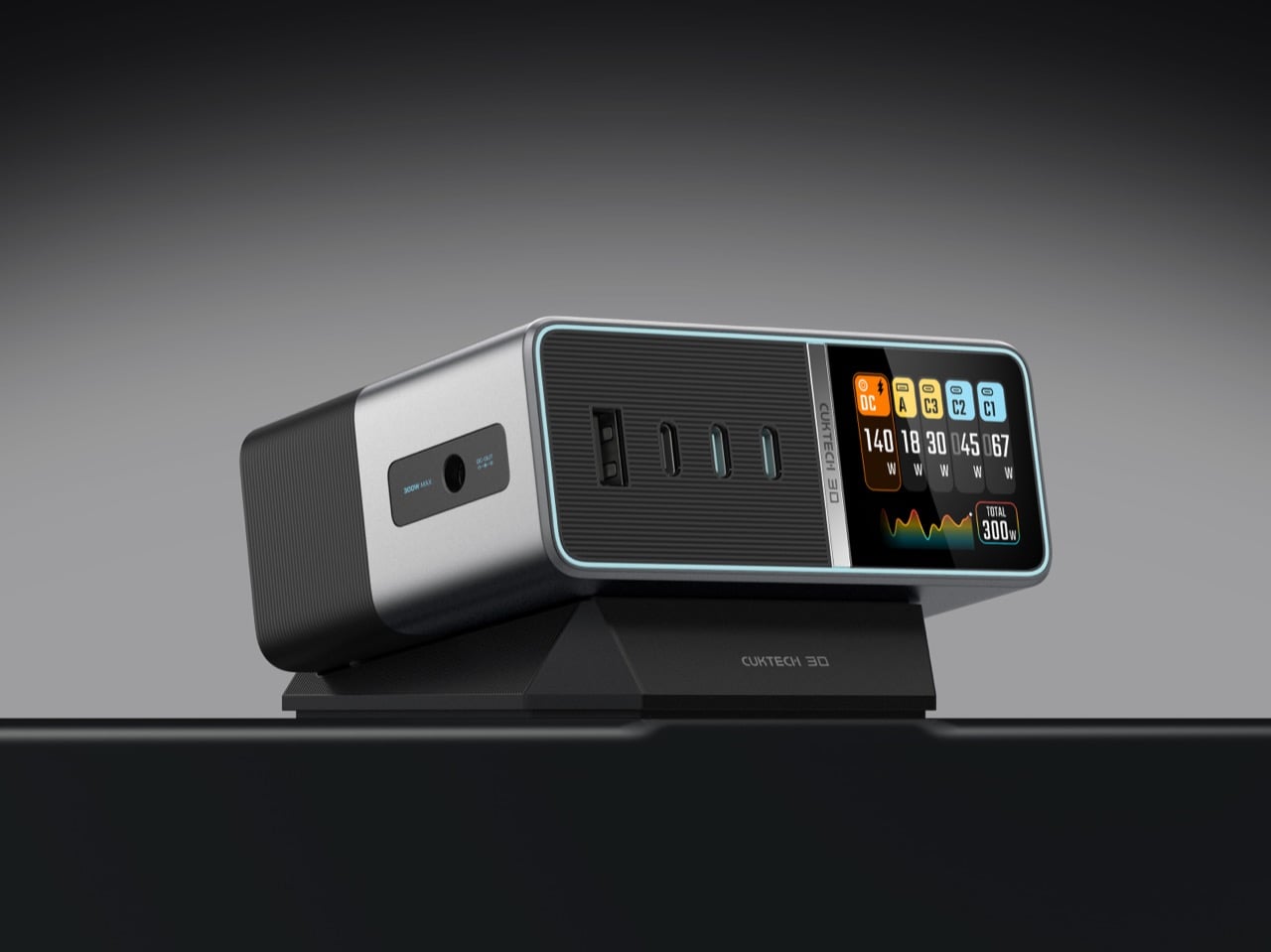
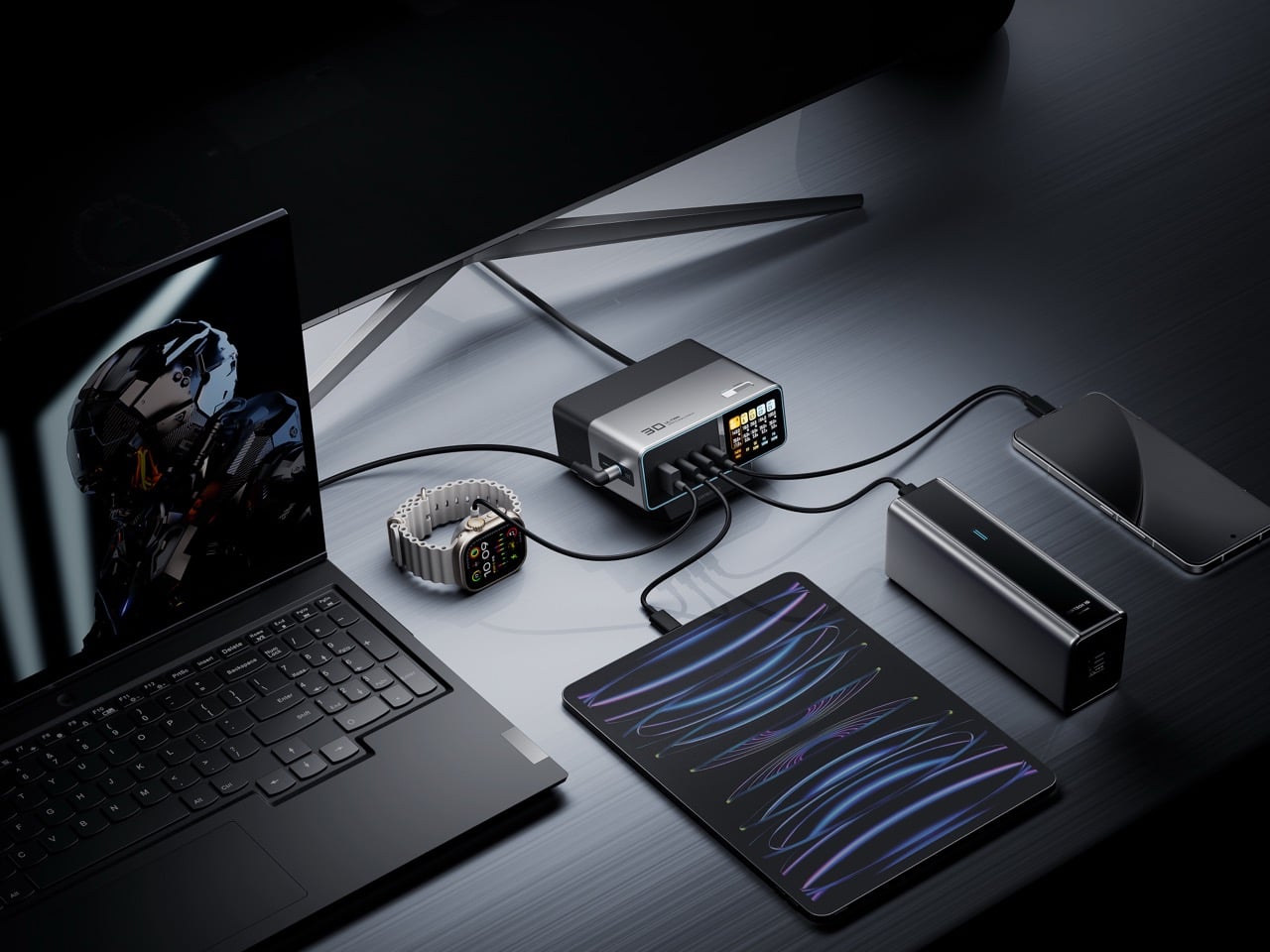
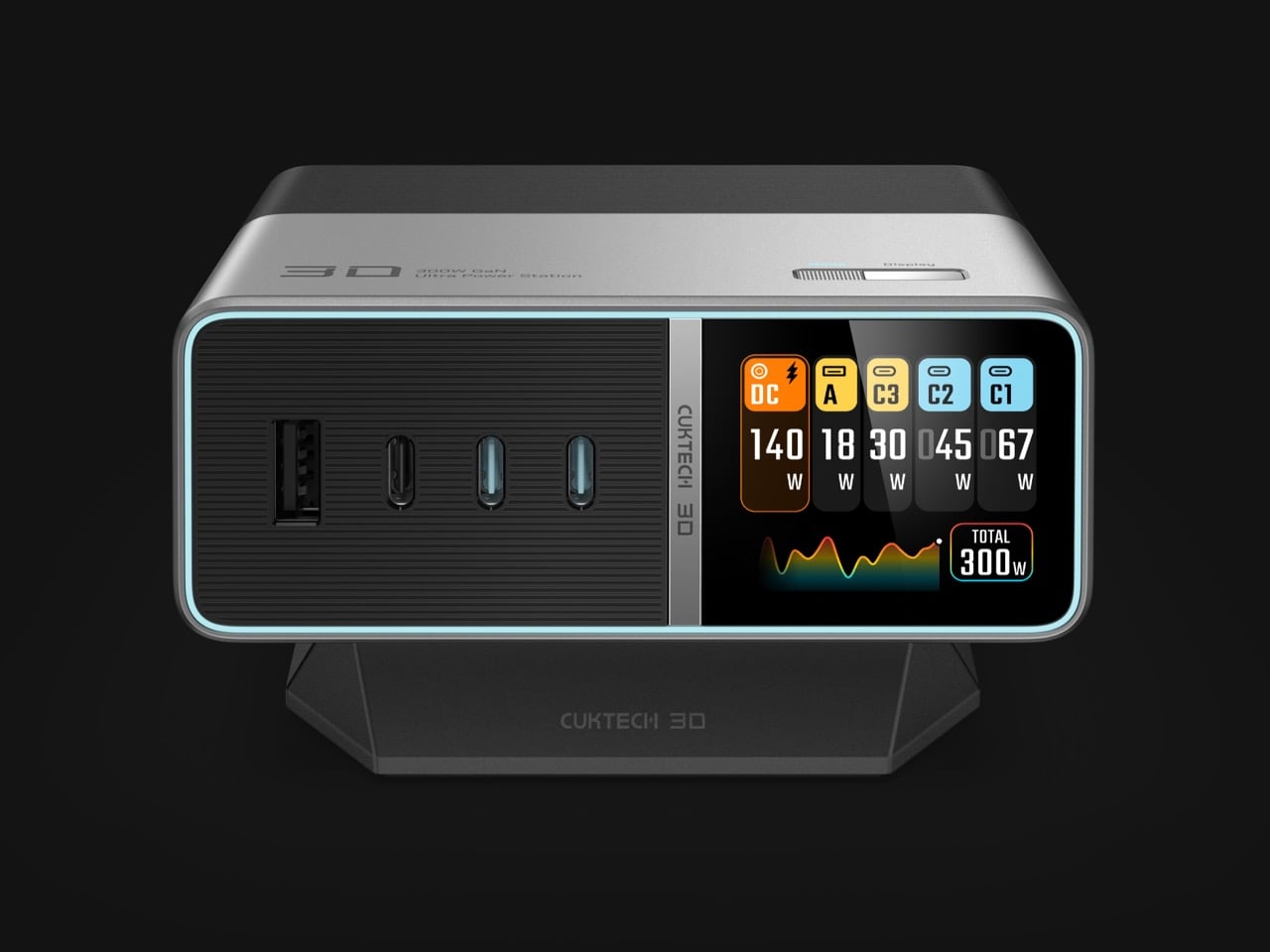
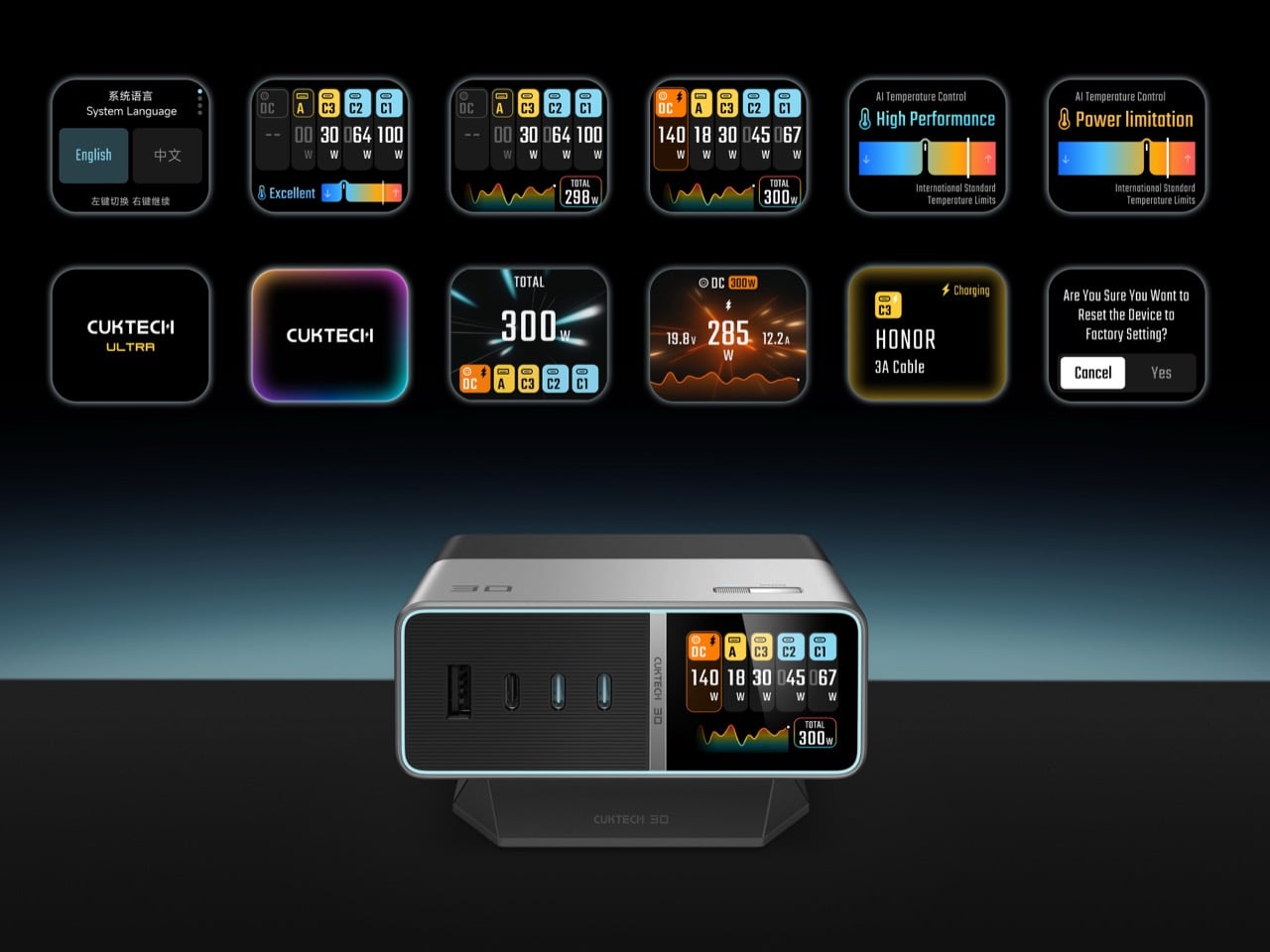
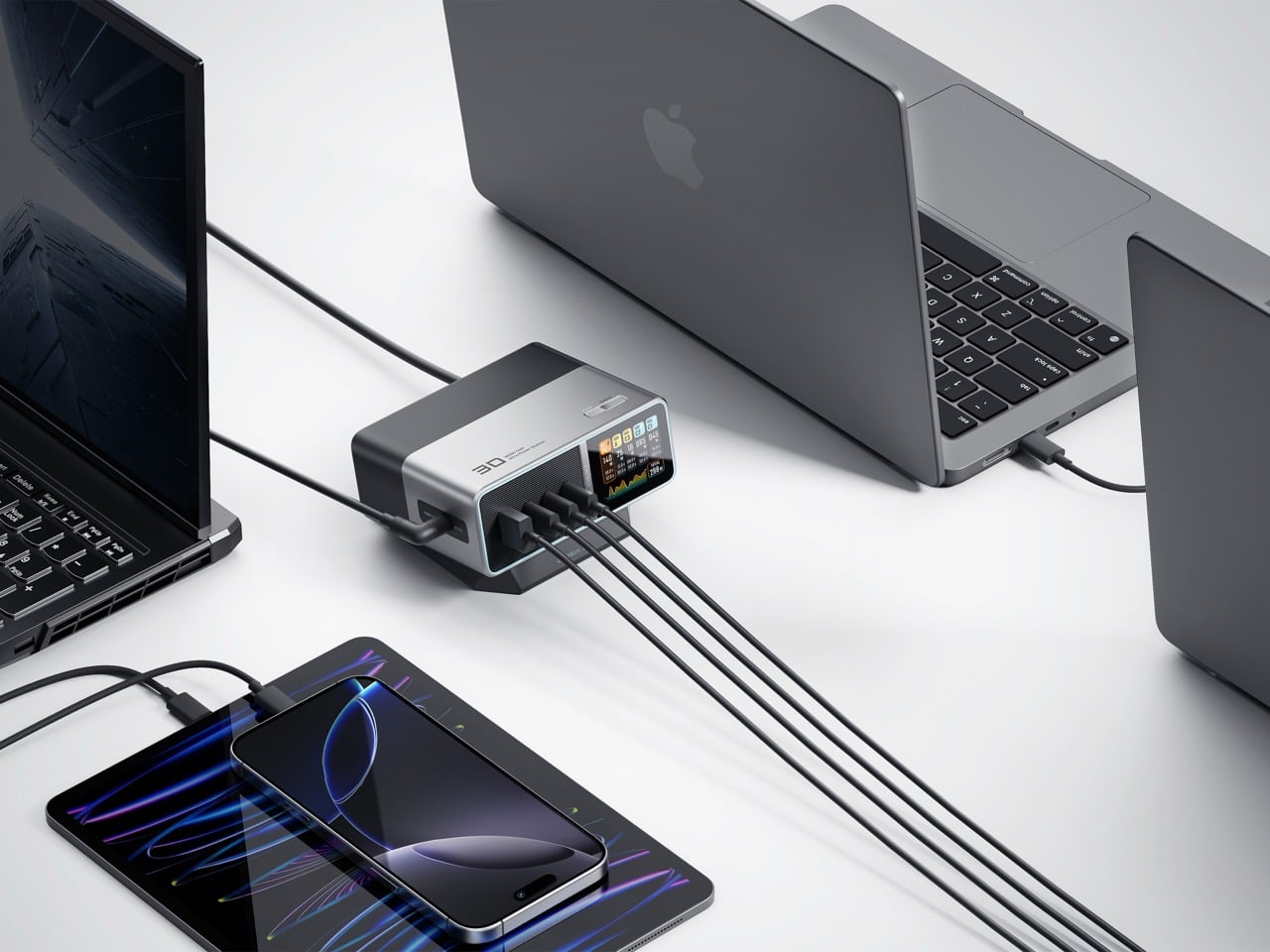
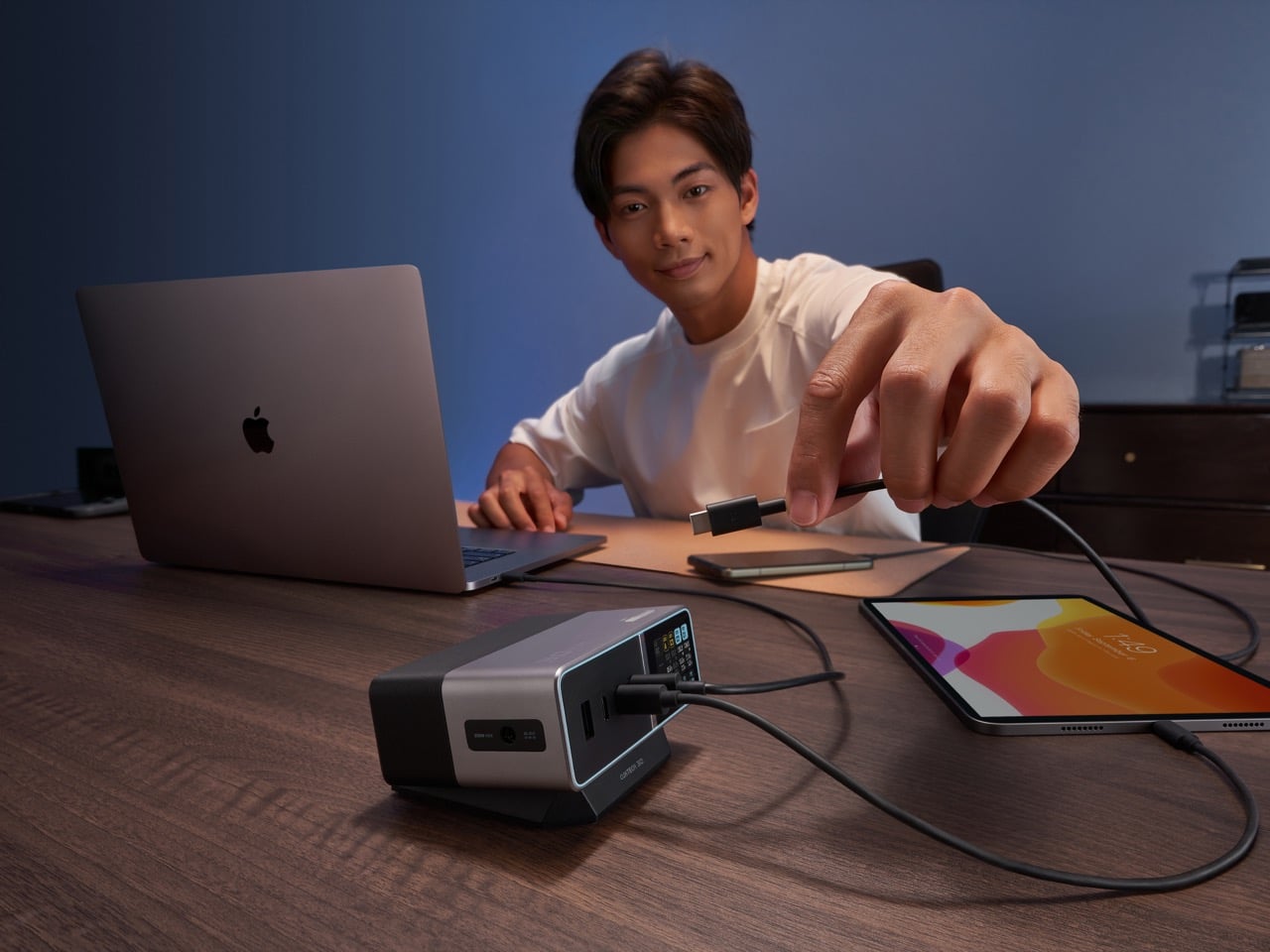
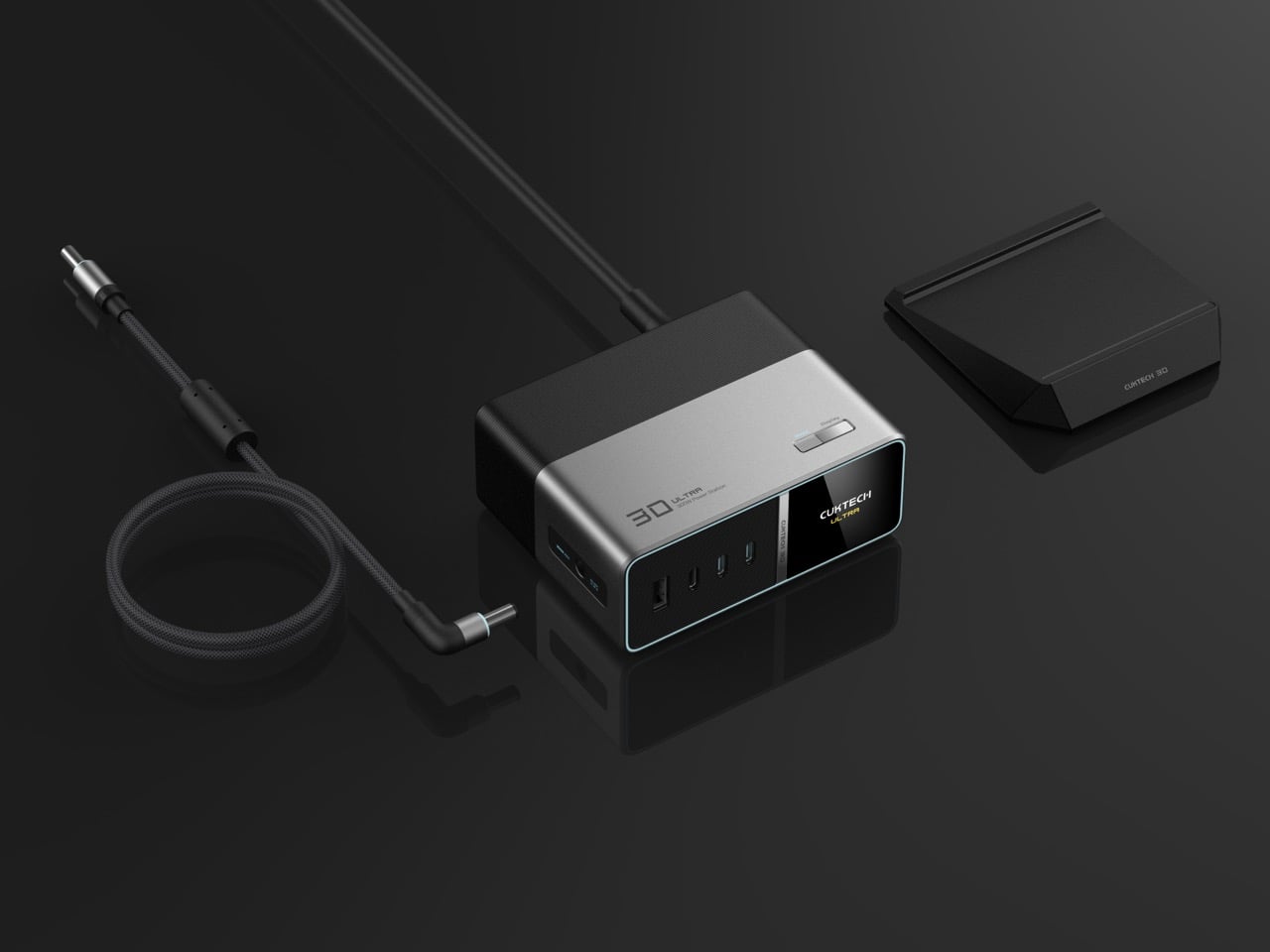
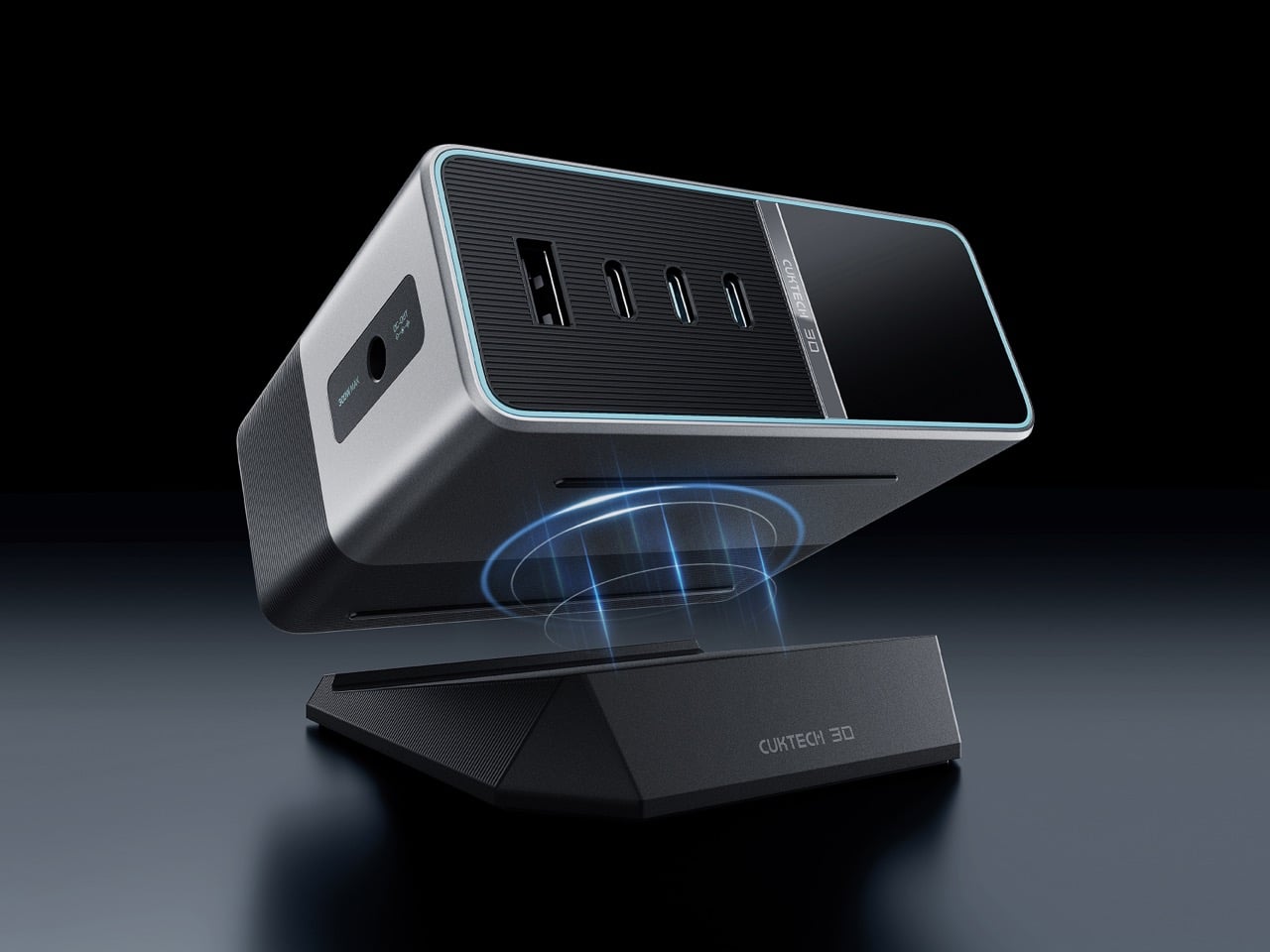
Three USB-C ports, one USB-A port, and a dedicated DC output share the front face, and together they can push out up to 300W total. The two primary USB-C ports handle up to 140W each under PD 3.1, which covers most modern laptops without breaking a sweat, but the real number only shows up when you route power through the DC port. That single line is built to talk directly to compatible laptops and can hit the full 300W ceiling on its own, essentially replacing the oversized proprietary brick that usually ships in the box. I have three of those bricks sitting in a drawer right now doing absolutely nothing, and a single box that can outmuscle all of them at once is exactly the kind of consolidation I did not know I needed.

Third generation GaN sits at the core of the whole system, paired with what CUKTECH calls a PFC plus LLC dual architecture, a combination chosen specifically to keep five simultaneous charging sessions stable without the unit turning into a space heater. Gallium nitride has become the default material for anyone chasing high wattage in a small footprint, since it switches more efficiently than older silicon designs and sheds heat faster under sustained load. Thirteen fast charging protocols are baked in, including PD 3.1, PPS, Xiaomi’s own 120W standard, UFCS, Huawei SCP, and both QC and AFC, which is a genuinely broad net for a single charger to cast. Intelligent power allocation reads what is plugged in and redistributes wattage on the fly, with specific tuning for handhelds like the Steam Deck and ROG Ally that tend to confuse less sophisticated multi port chargers.

A 1.83 inch IPS display sits front and center, color coded per port, tracking wattage, voltage, and current across all five connections in real time, with a small running graph of total load underneath. Most chargers ask you to trust a single LED and hope for the best. This one just tells you, continuously, which is a small shift that changes how the object feels to live with on a desk. Nine layers of protection cover temperature, over-voltage, and over-current scenarios, which matters more than usual given how much power is moving through a chassis this size.

The form itself leans minimal, angled slightly on a magnetic tilting base so the screen stays readable without craning your neck, and finished in a two tone silver and black that reads more like studio monitor than power strip. A right angle DC cable keeps the desk tidier than the usual straight jack, and the grounded three pin AC cable is a small nod to safety that a lot of competitors skip to save a few cents.

None of this would matter much if the pricing did not make sense, and at $159.99 it lands right where a serious desk upgrade should, undercutting rivals capped at 140W or 200W while offering meaningfully more headroom. CUKTECH spent a decade building other companies’ chargers before it ever put its own name on a box. Two design award wins later, it is clear that decade taught them exactly which details actually matter.

The post CUKTECH’s 300W Desktop Charger Wants to Replace Your Entire Drawer of Power Bricks first appeared on Yanko Design.
  •  
❌