Vue lecture

Scosche’s GloBright Is the Lava Lamp That Also Charges Your Phone
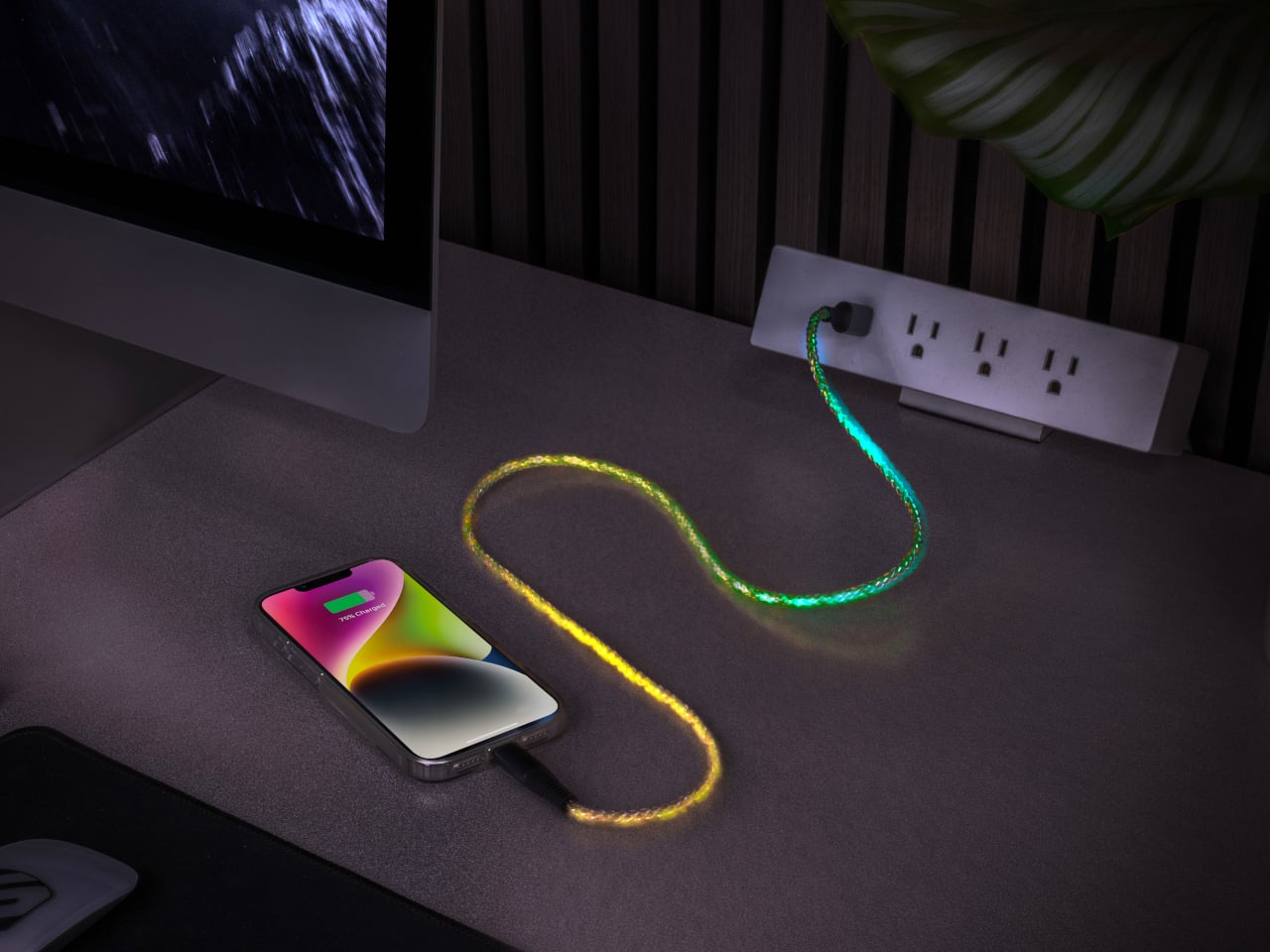
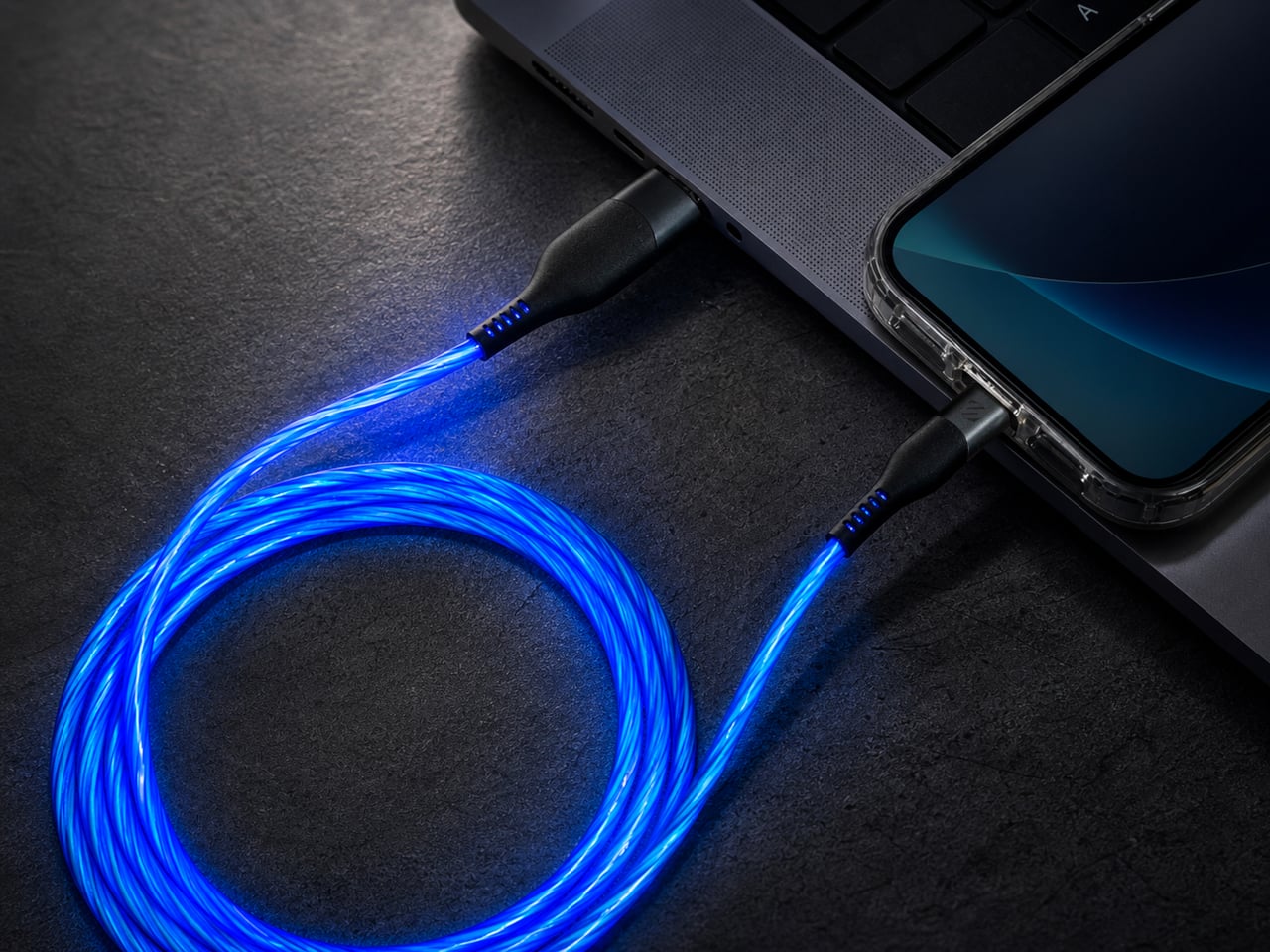
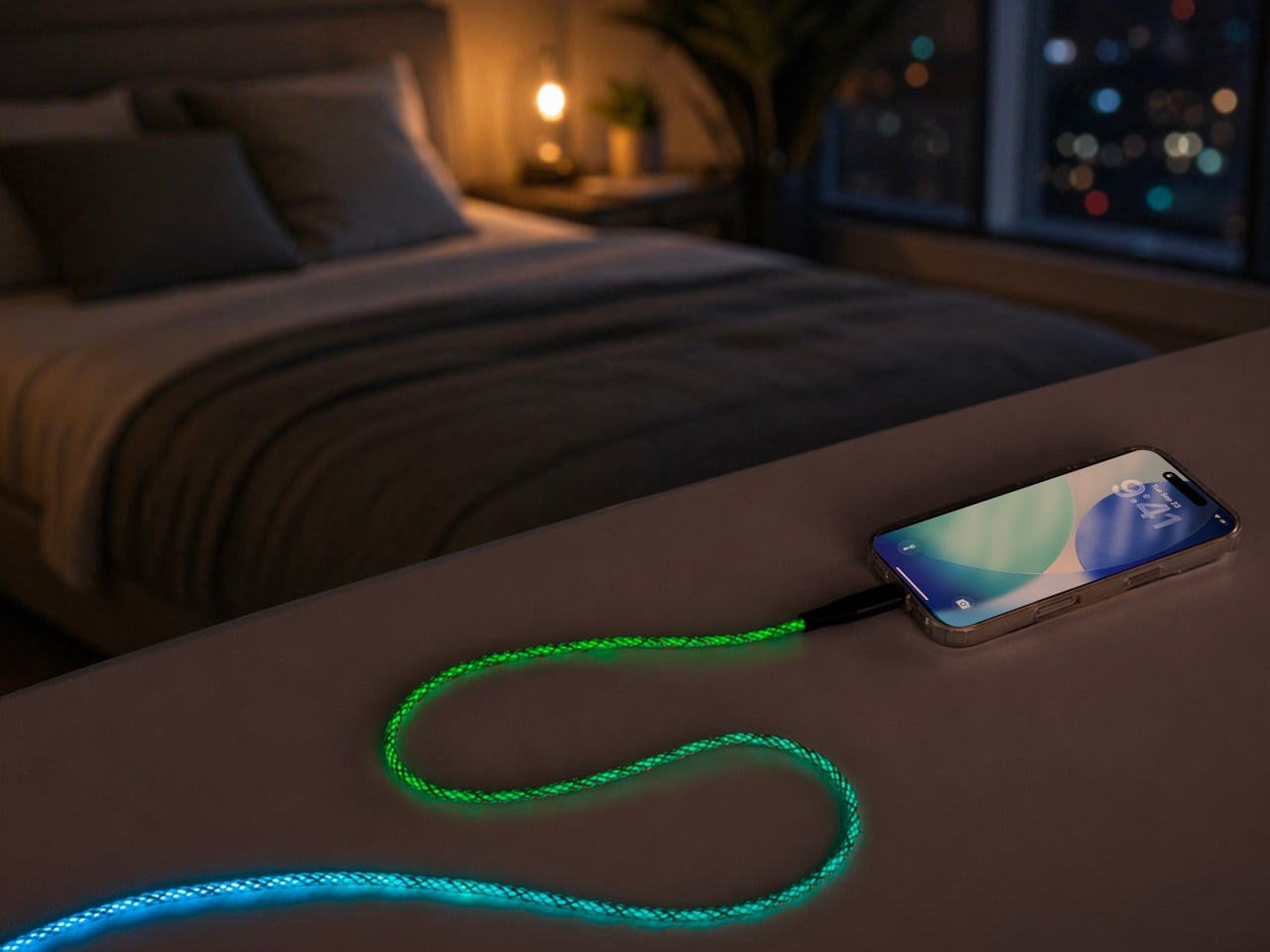
Scosche built a charging cable that refuses to hide once the lights go out. The GloBright MultiColor Glowing LED Charging Cable, developed with Statik and introduced at IFA 2026, takes the most overlooked object on any desk and turns it into something that actually draws the eye. Instead of a black cord disappearing into shadow behind a laptop, this one glows its way across the room.

That glow runs through the cable’s full length rather than sitting confined to the connector tips, so a coiled loop on a nightstand reads more like a lit sculpture than a charging accessory. Colors shift gradually along that length too, pink bleeding into purple, blue fading toward teal, giving the cable a slow-motion animation instead of a static single hue that gets boring after the first week of ownership.

Designer: Scosche
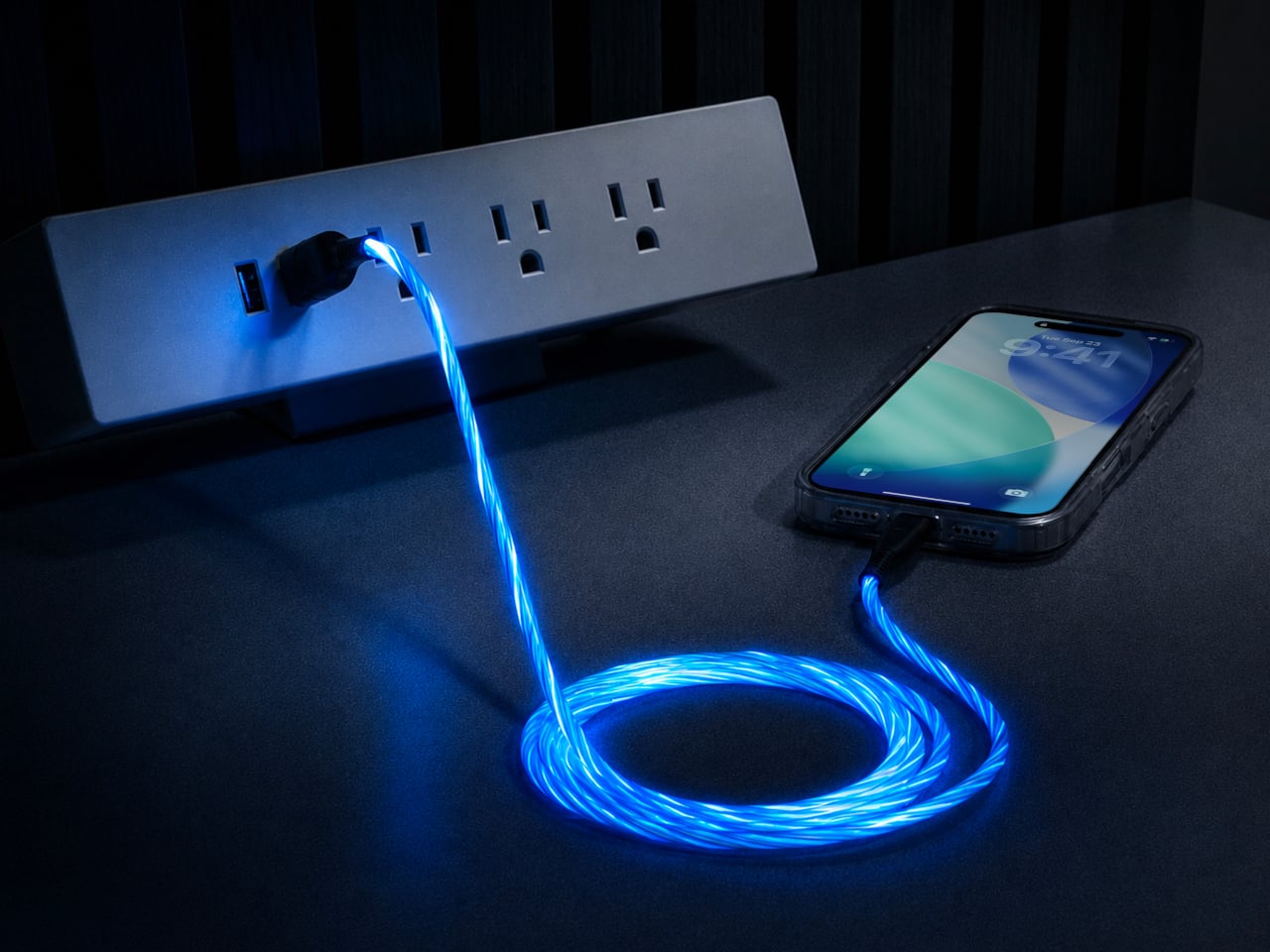
None of that visual flair comes at the cost of actual charging performance. Scosche built the GloBright cable to support up to 60W of fast charging for USB-C devices, alongside reliable data transfer, so a phone plugged in overnight wakes up fully charged just like it would with any premium braided cable. The lighting effect runs as a bonus layer on top of specs that already hold up on their own.

Durability gets equal attention. The 3-foot cable relies on premium materials throughout its construction, aiming for a build that survives the daily abuse of getting yanked out of a bag, wound around a charger, or stepped on near a bed frame. Scosche also sells a companion Blue Glowing LED cable in a longer 4-foot option, giving anyone who prefers a single steady color an alternative to the multicolor version’s shifting palette.
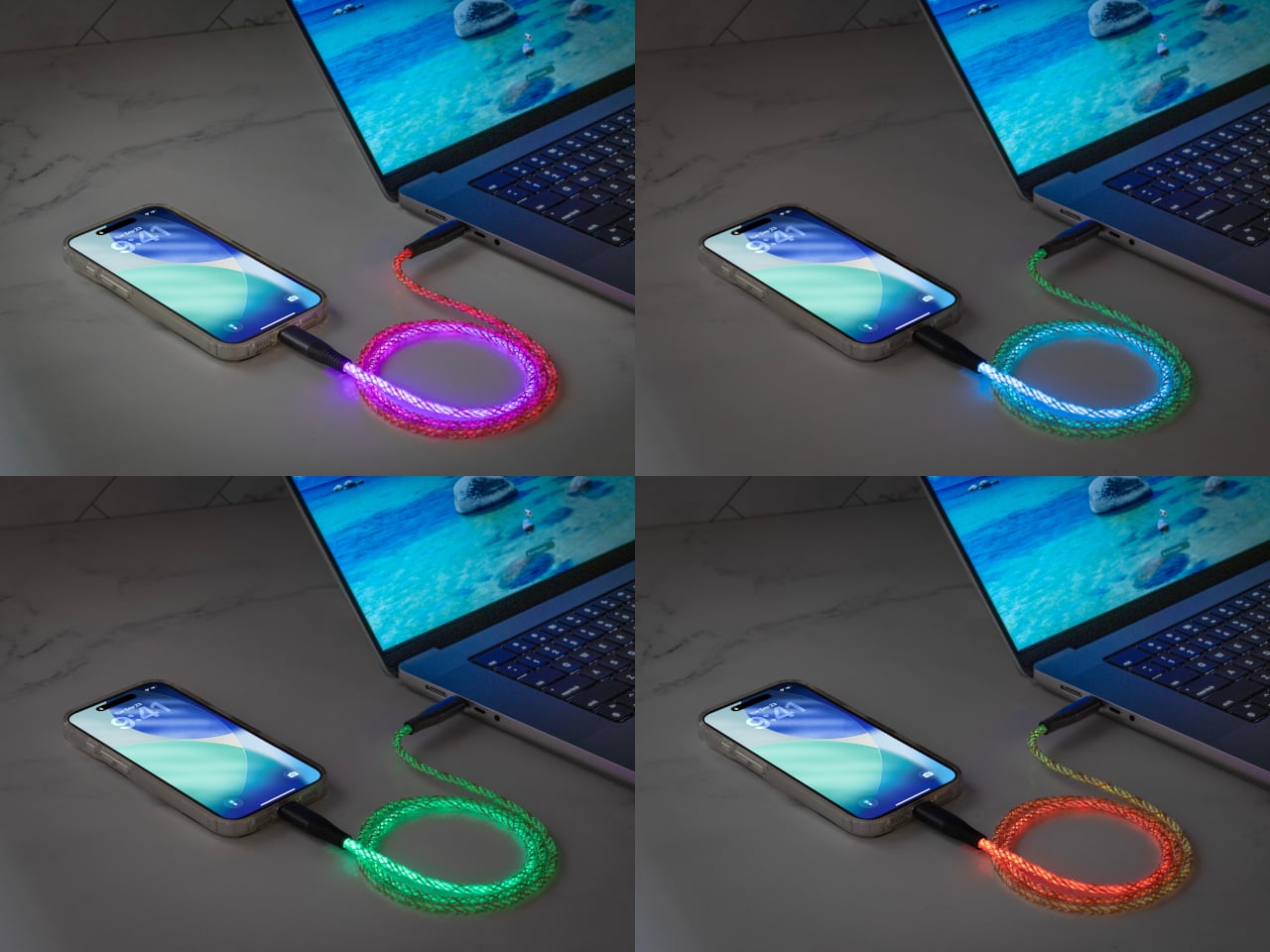
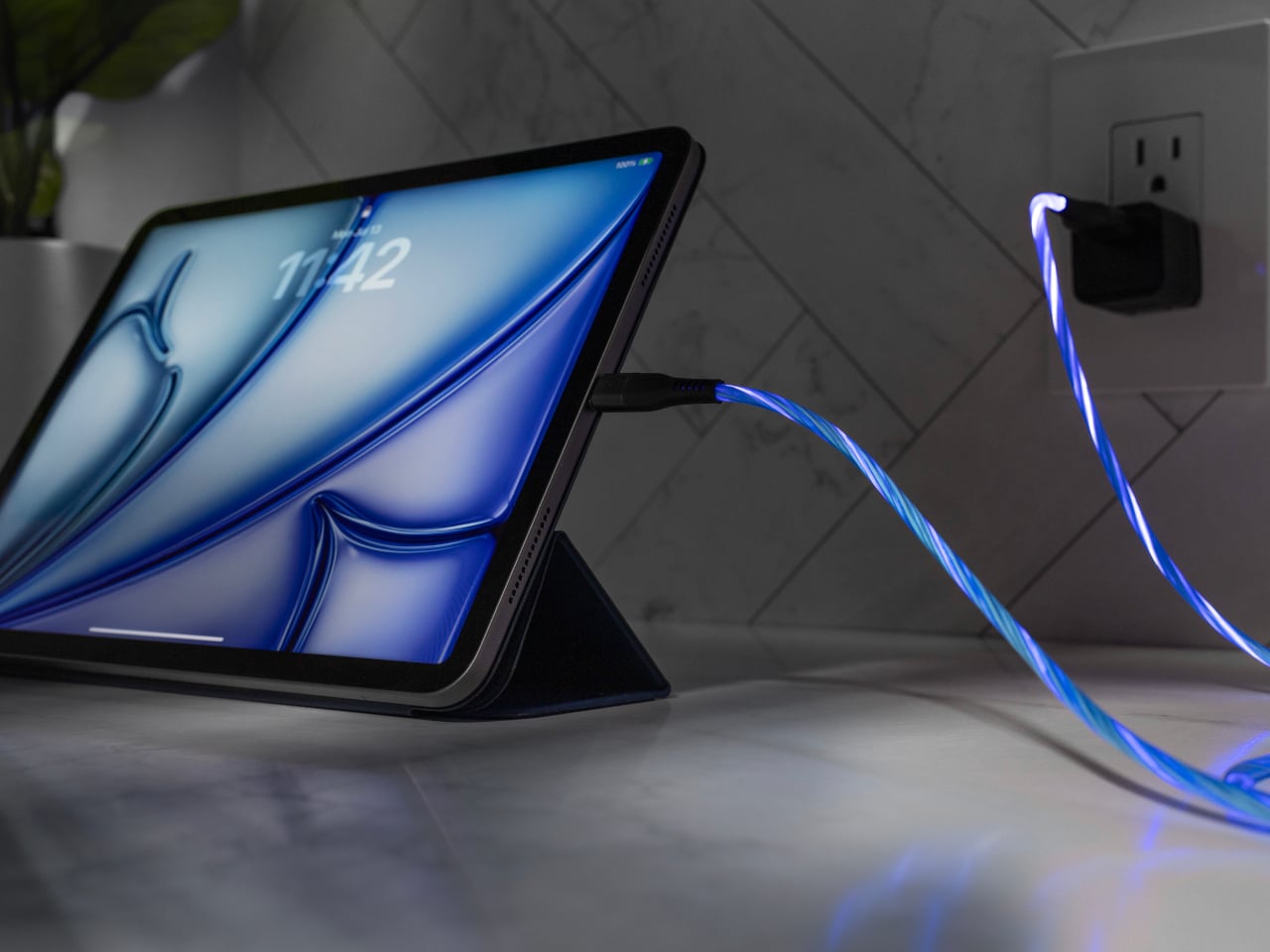
Where this cable earns its keep is in the spaces most charging accessories try to disappear from. A gaming setup gets an extra strip of ambient light without needing a separate RGB kit. A bedside table gets a soft, shifting glow that also happens to be topping off a phone overnight. Even a cluttered desk benefits, since a glowing cable is far easier to locate in a tangle of cords than a plain black one ever was.

Scosche prices the GloBright MultiColor cable at $17.99, positioning it well within impulse-purchase territory for anyone shopping for a charging cable anyway. At that price, the lighting effect functions less like a premium upsell and more like a free upgrade bundled into a cable people needed regardless. Buying a charging cable rarely feels like a decision worth thinking about, and Scosche seems to be betting that a little glow is enough to change that.
The post Scosche’s GloBright Is the Lava Lamp That Also Charges Your Phone first appeared on Yanko Design.
  •  

A Ceramic Lamp That Refuses to Stay the Same

Most lamps ask you to commit. You pick a shade, a finish, a mood, and that’s what you’re stuck with until the bulb burns out or you get sick of it and drag the whole thing to a donation bin. For anyone who likes to rearrange a room the way some people rearrange their playlists, that’s a real limitation, and it’s one nobody really talks about because we’ve just accepted lighting as a fixed decision rather than a flexible one.

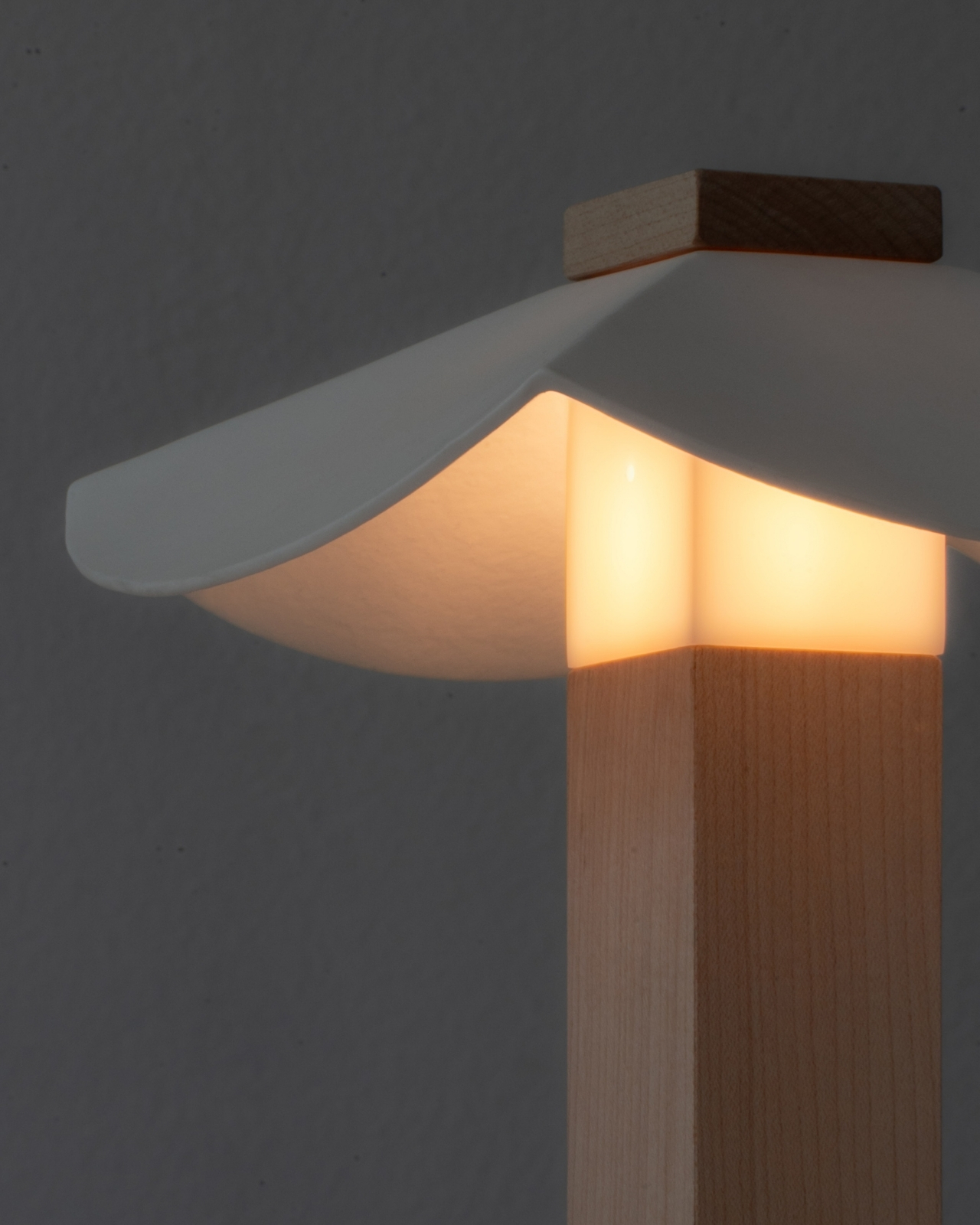
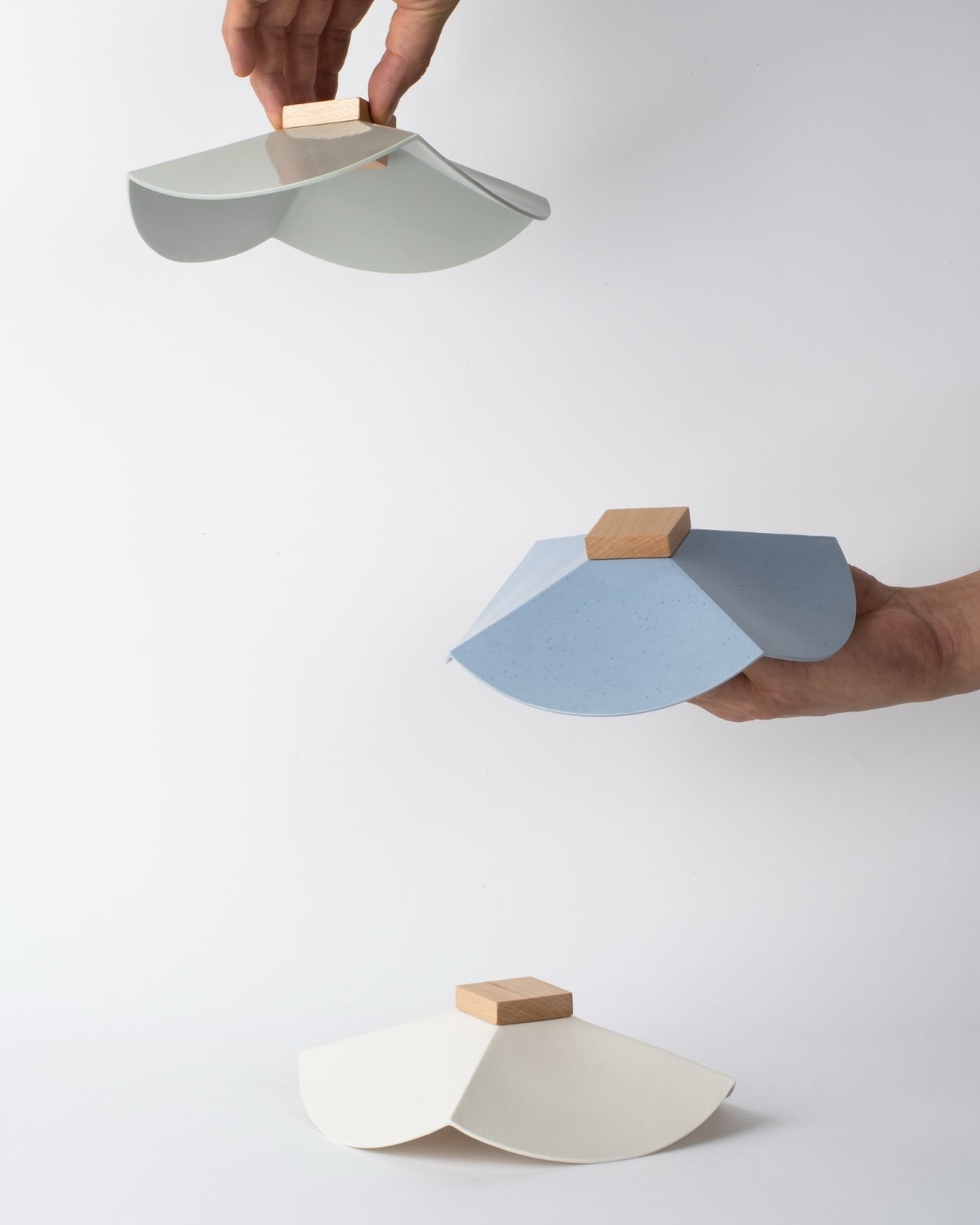
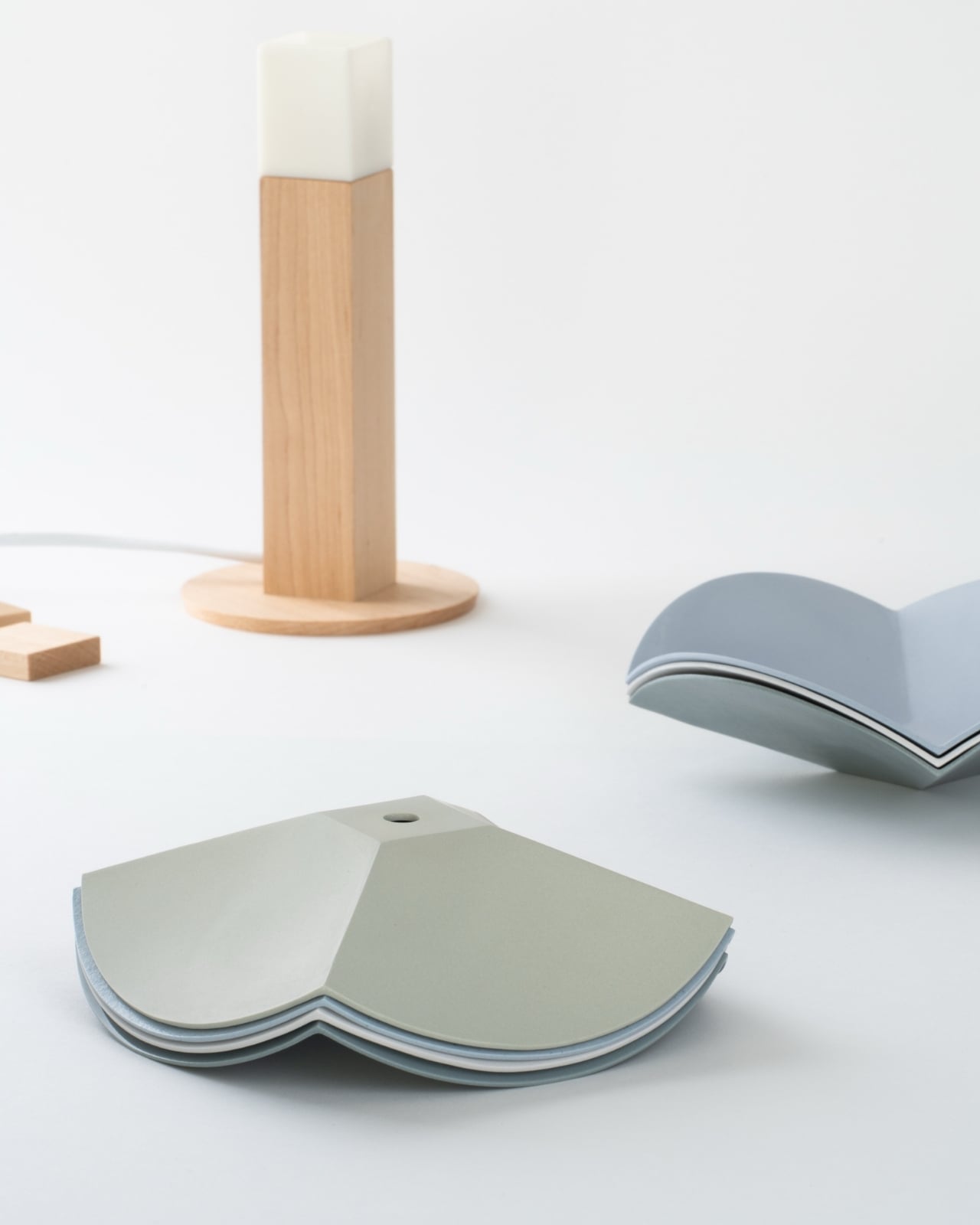
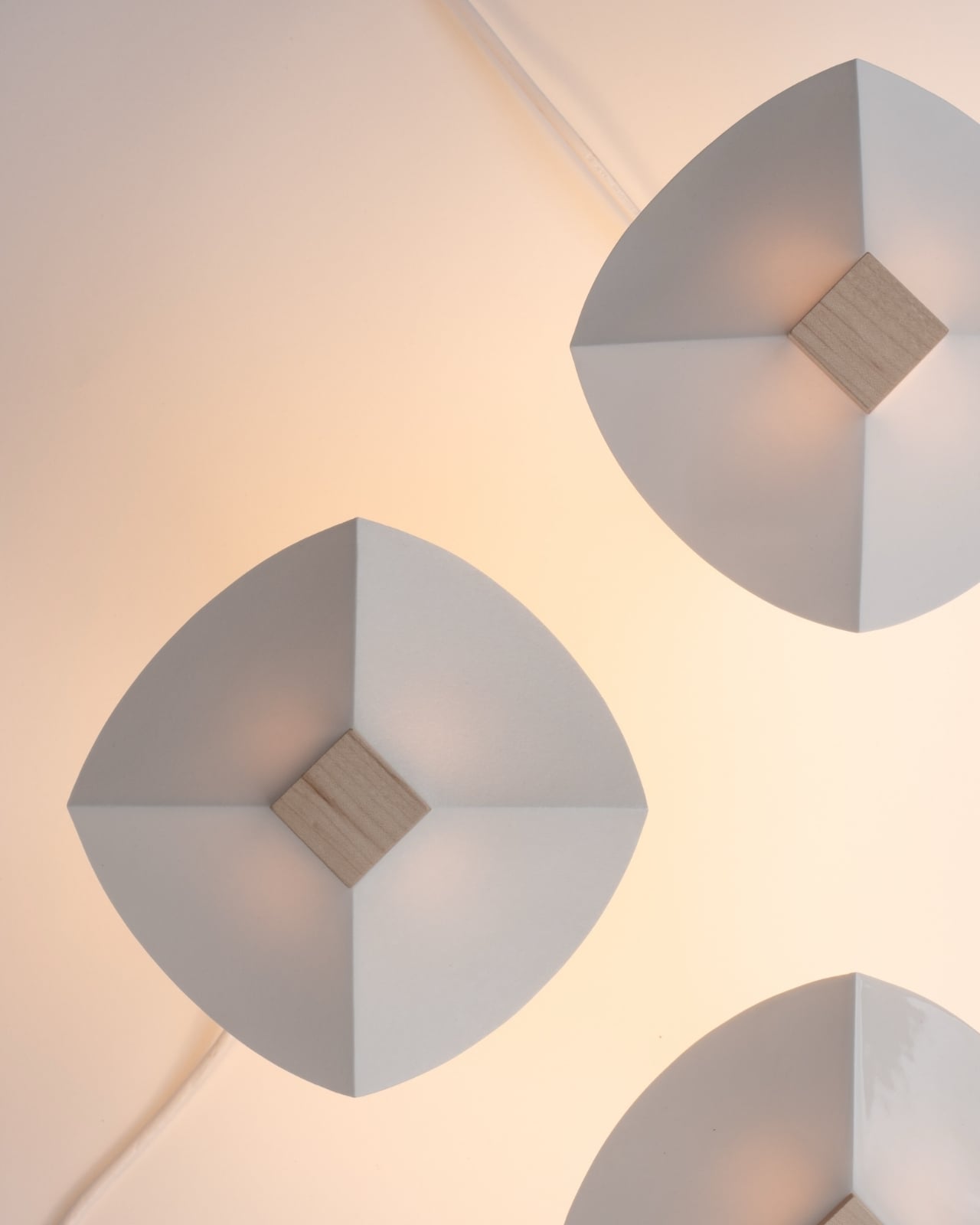
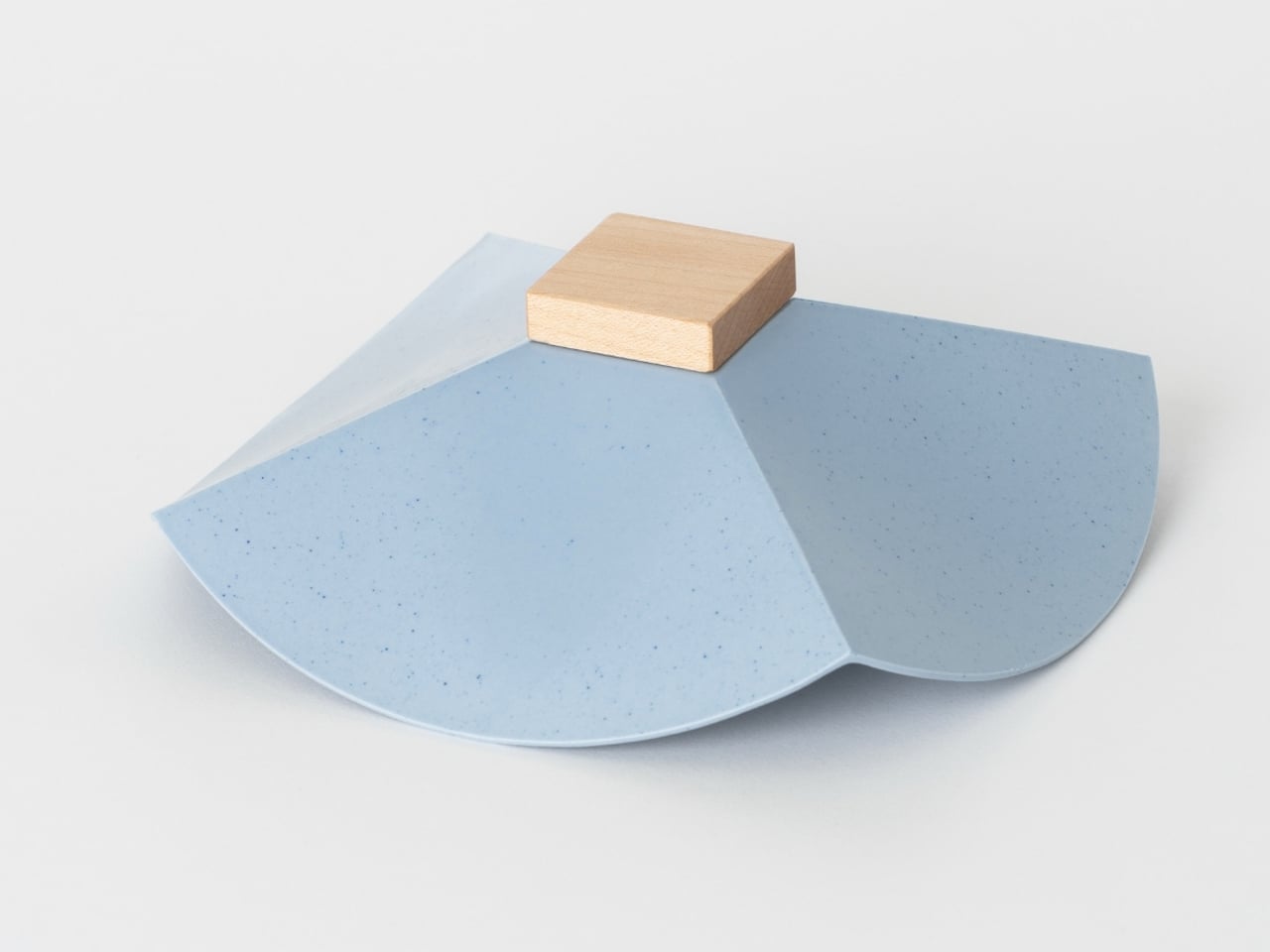
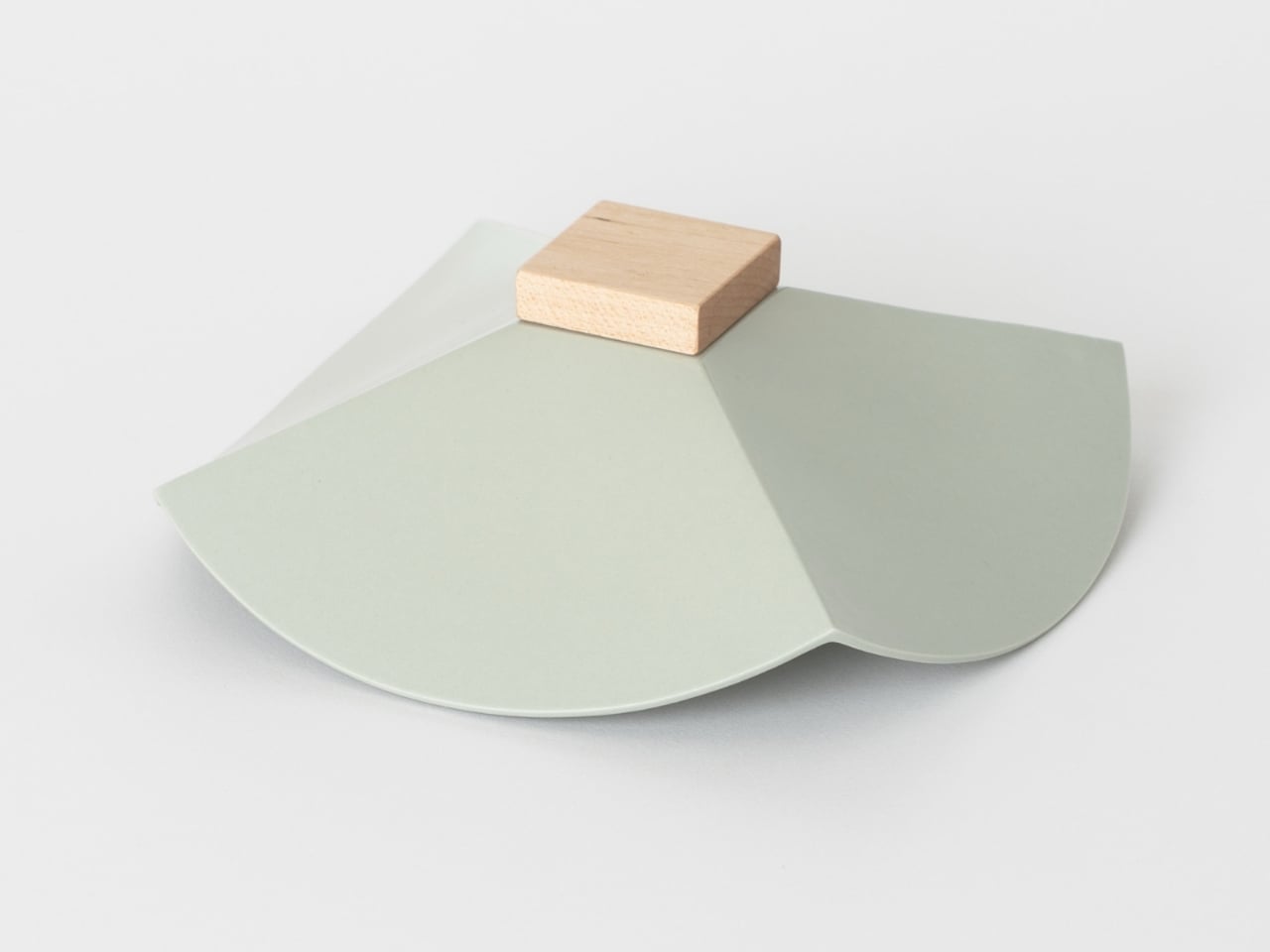
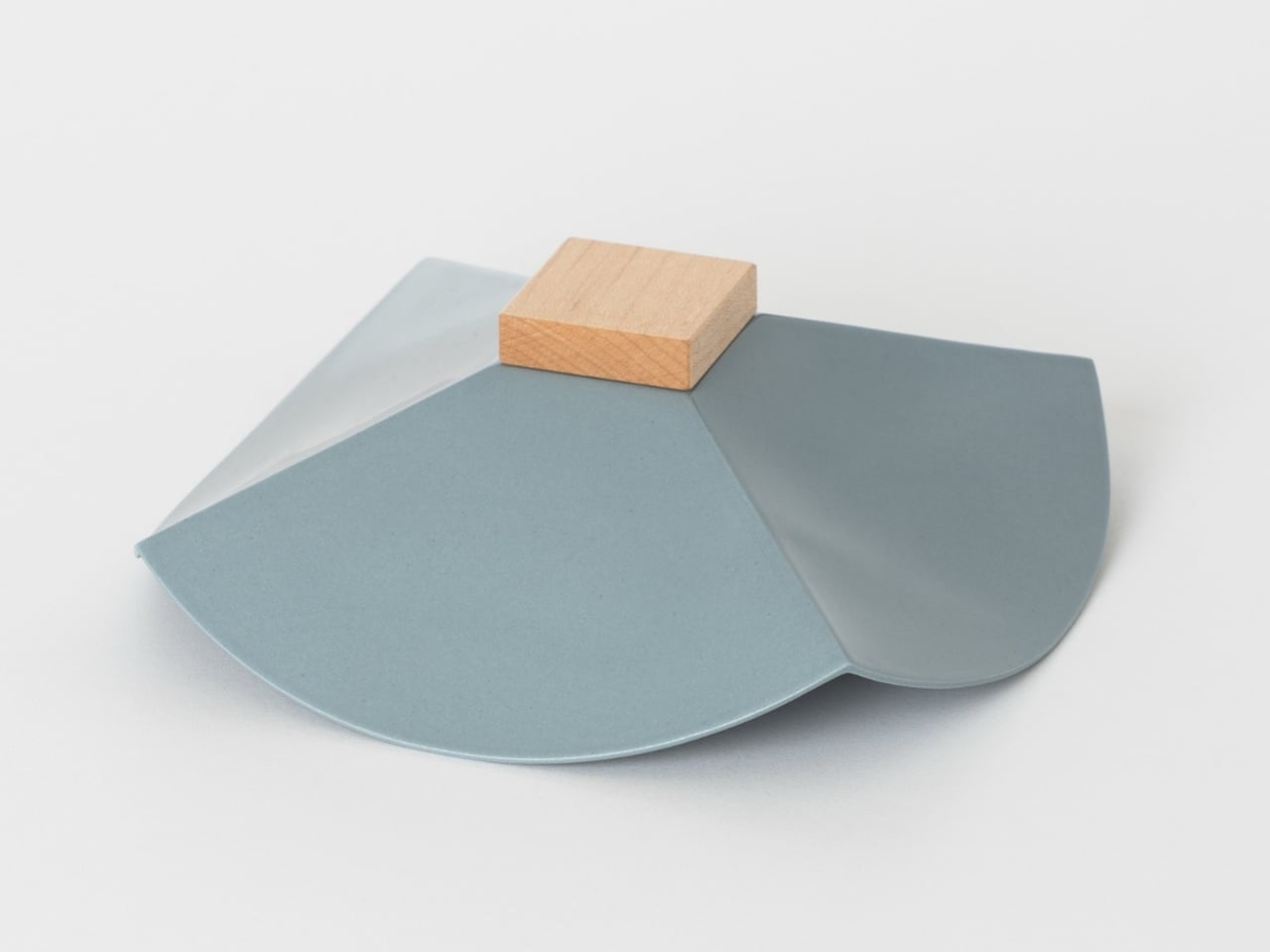
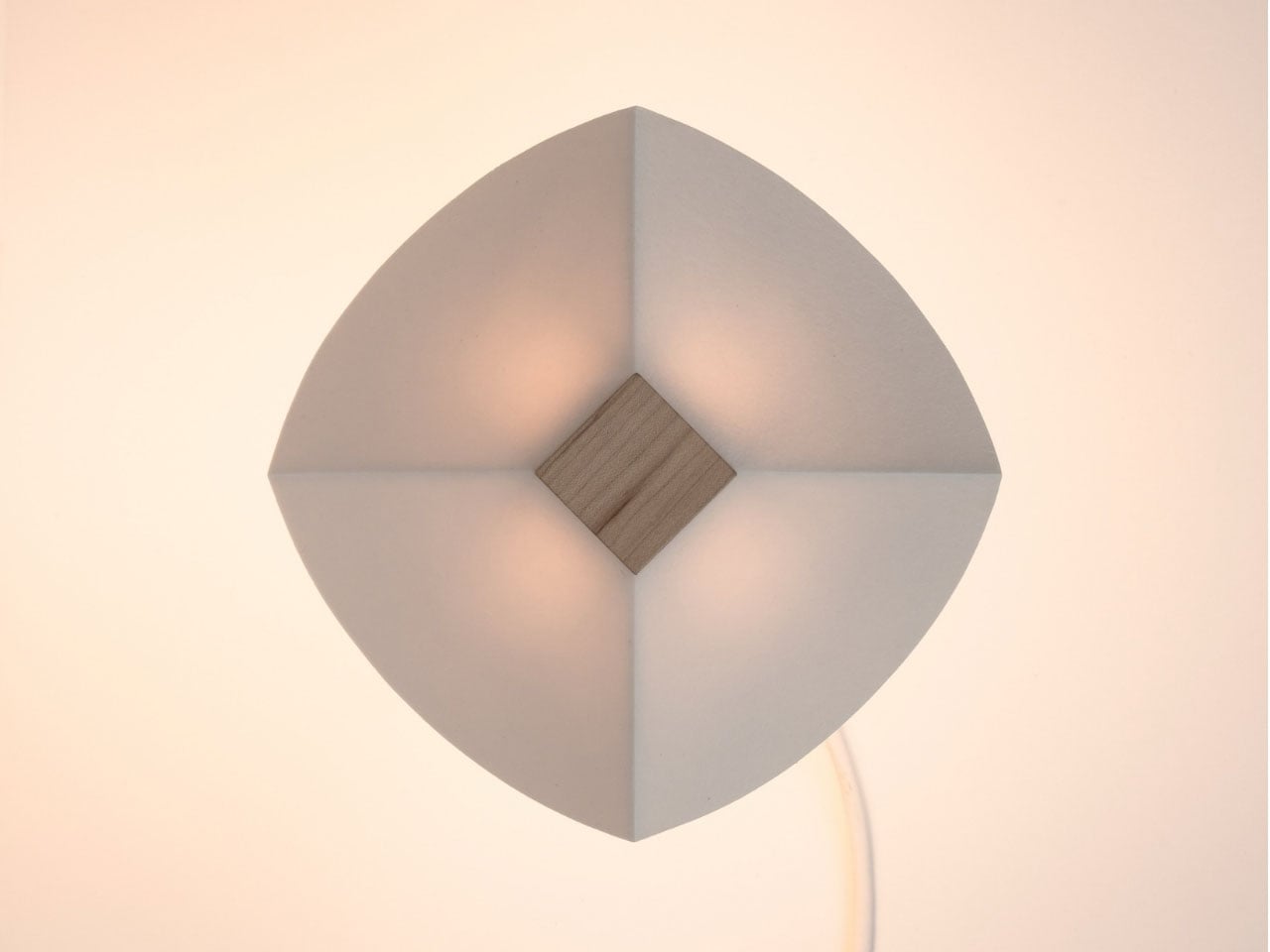
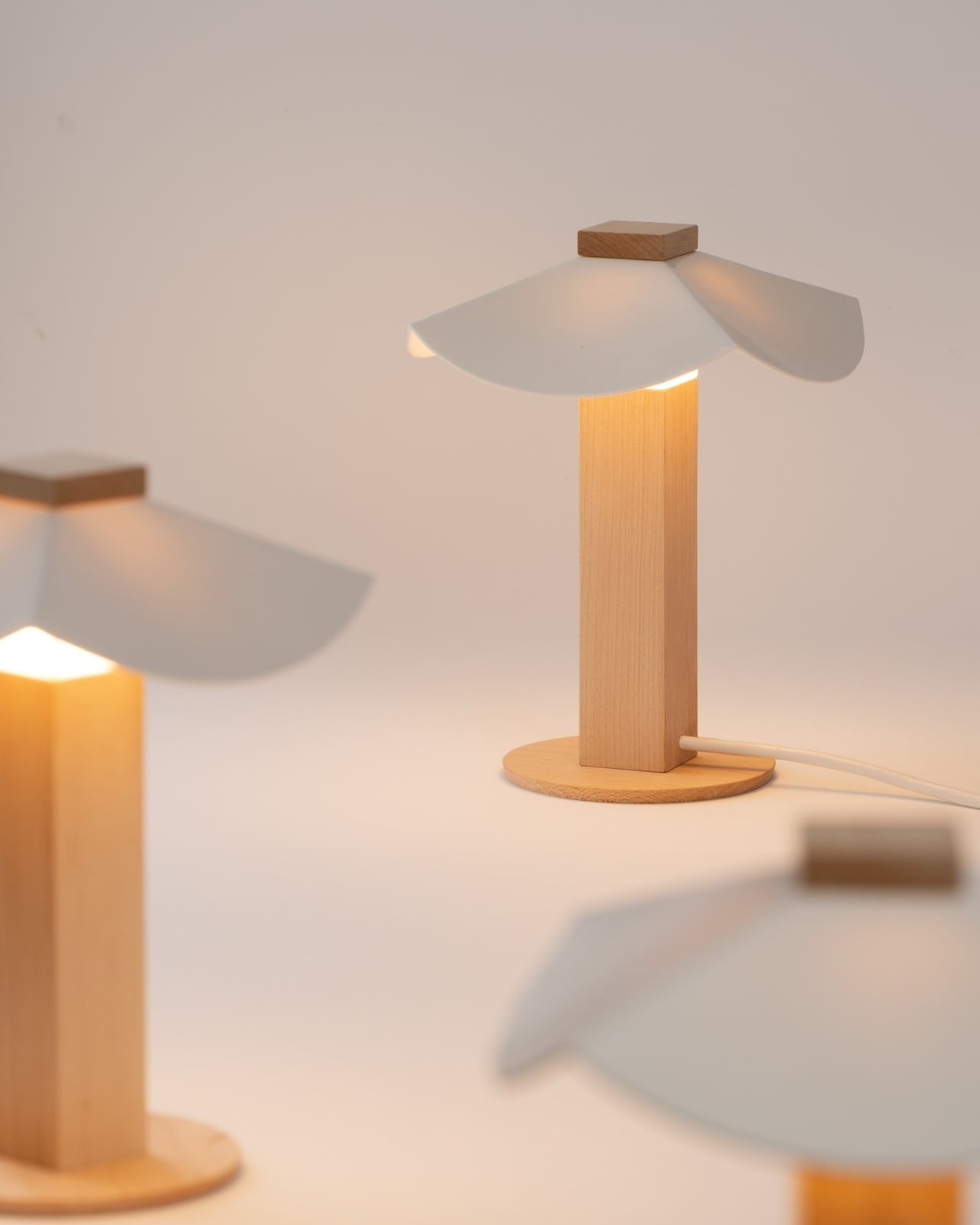
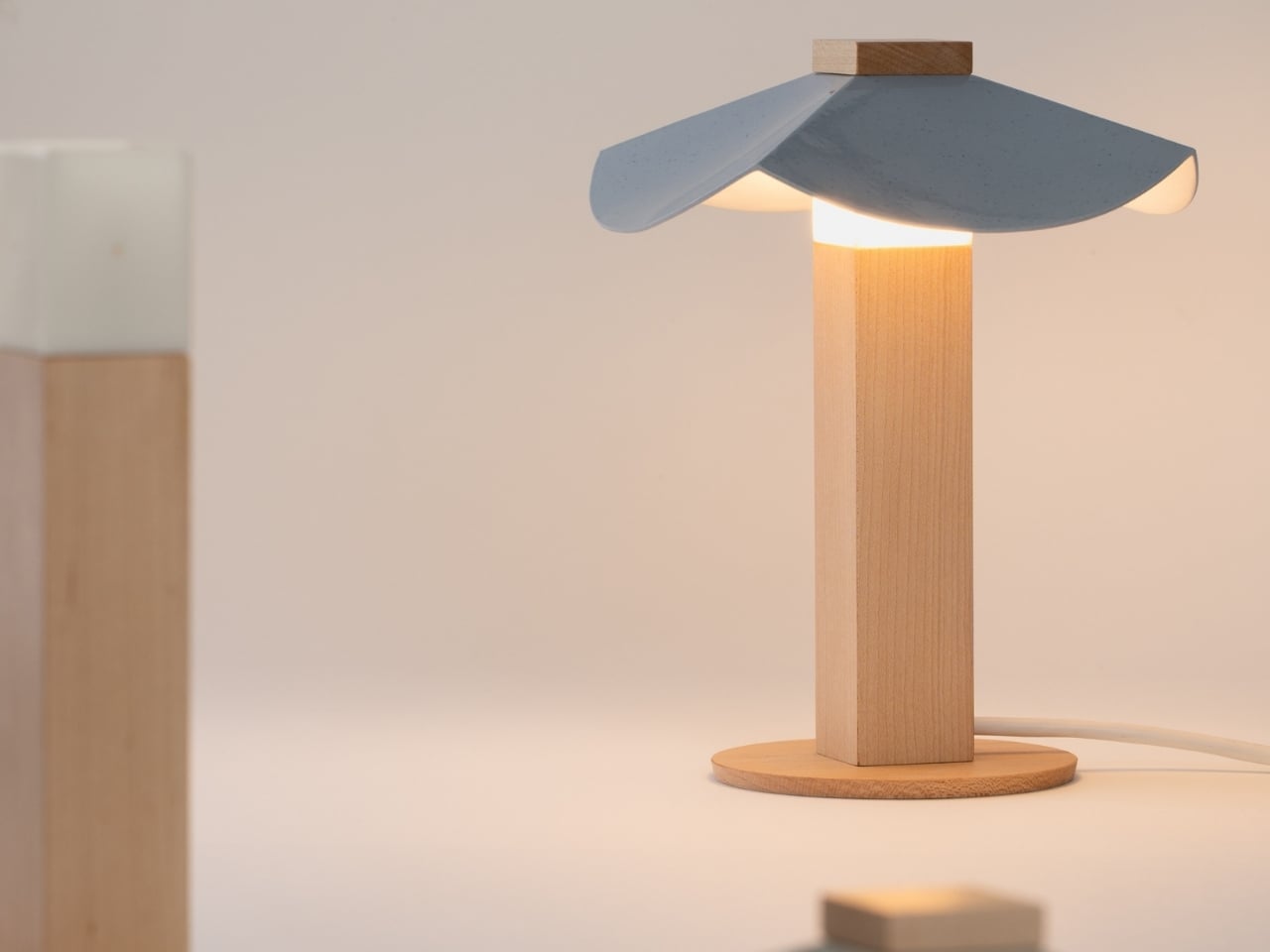
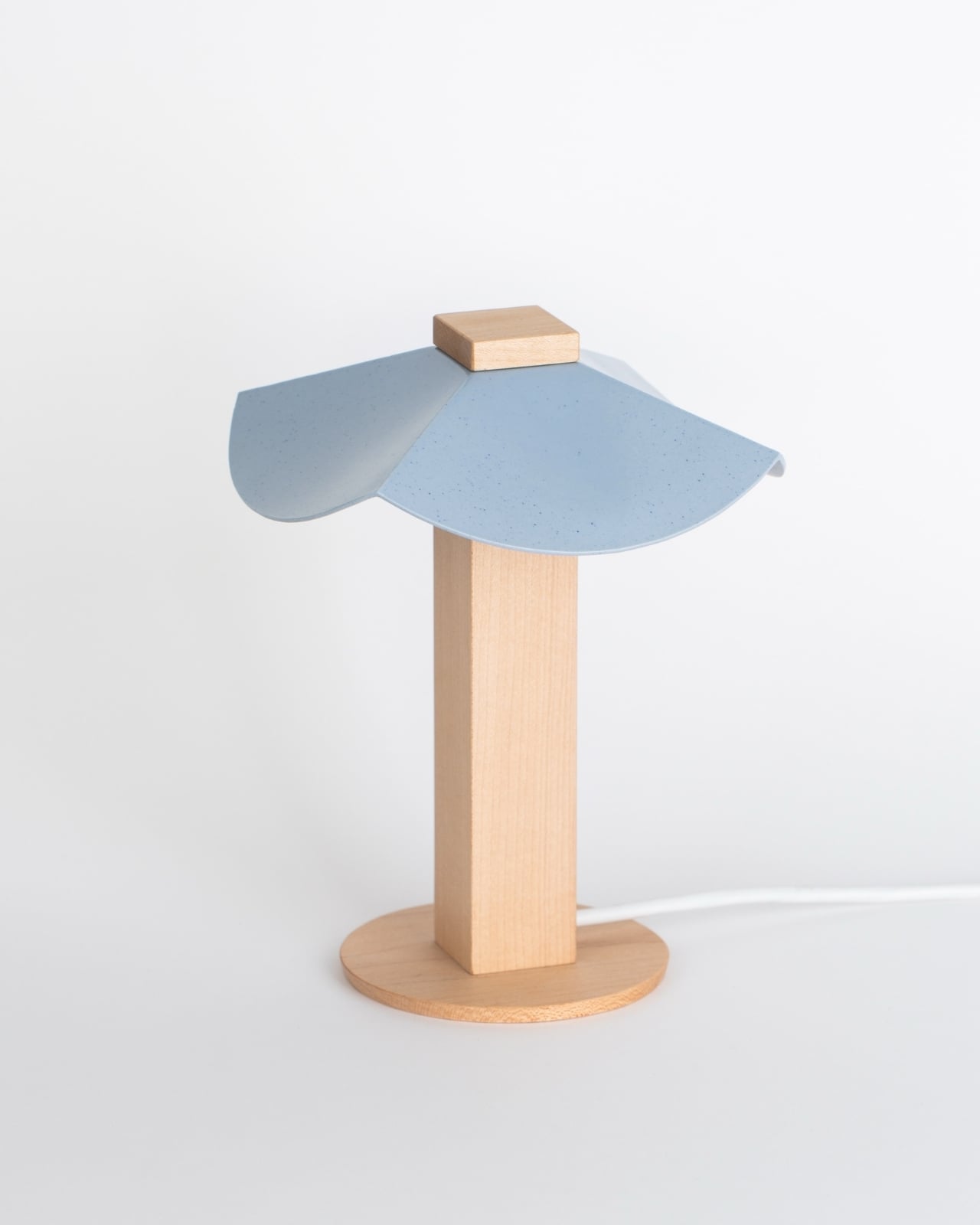
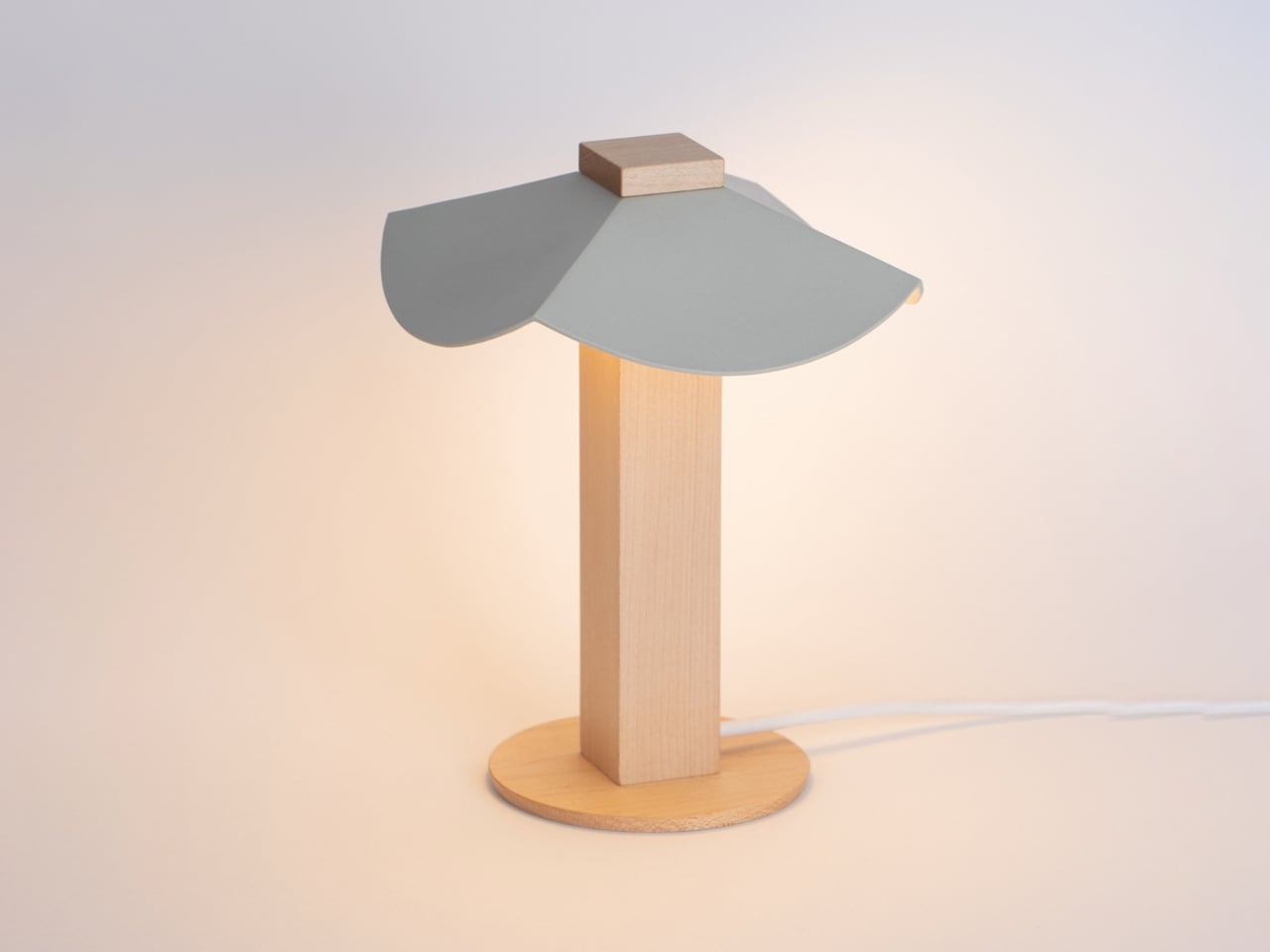
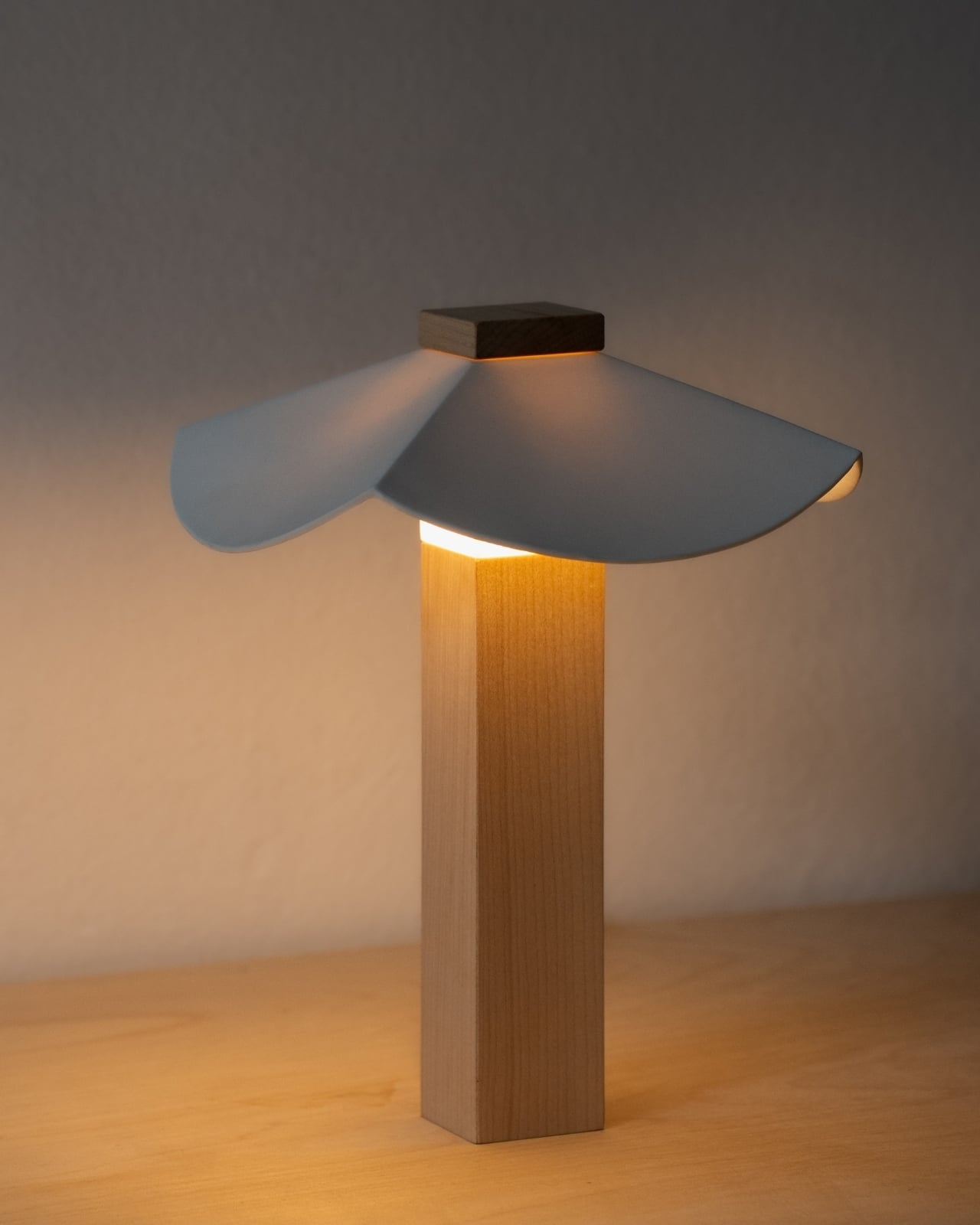
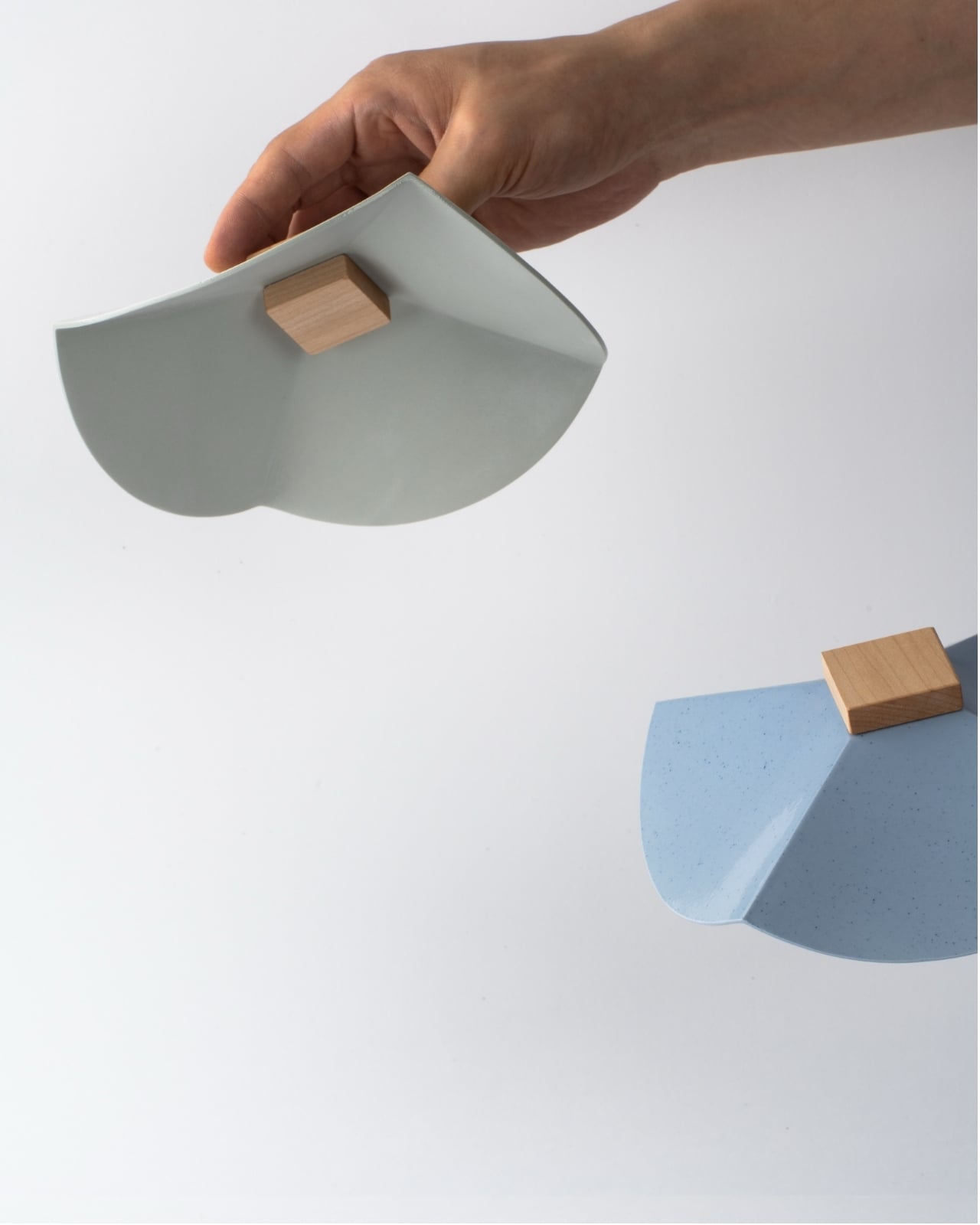
Seoul-based designer Byunggwon Na looked at that problem and did something refreshingly simple about it. His new piece, ALIT, is a lamp built from two honest materials, slip-cast ceramic and solid wood, and it’s designed so the ceramic shade can be lifted off and swapped for another one entirely. The wooden column stays put. The ceramic changes. One base, endless personalities.

Designer: Byunggwon Na

I’ll admit I’m a sucker for objects that do more with less, and ALIT is a good example of that instinct done right. It isn’t trying to be smart, connected, or app-controlled, which honestly feels like the correct move in a market saturated with lighting products chasing the “smart home” label. Instead, Na leaned into contrast: the coolness of ceramic against the warmth of wood, the matte against the grain, the handmade against the geometric. The square wooden column reads almost architectural, a quiet, upright form that could disappear into a Scandinavian-leaning living room or a mid-century one just as easily. The ceramic shade sitting on top is where the personality lives, and because it’s removable, that personality isn’t permanent.

This piece treats color and light together, not separately. A pale, unglazed ceramic shade lets light spill out soft and even, almost like paper. A darker or glazed version holds the light closer, letting it glow through in patches instead of flooding the room. So the same base lamp can go from a reading-corner glow to something moodier for a dinner table, just by switching the top. That’s not a gimmick. That’s actual utility dressed up as good design, and those two things don’t always travel together.

American interiors have leaned hard into modularity over the past few years, from sectional sofas you can rearrange endlessly to shelving systems that grow with you. Lighting has lagged behind that trend, still mostly sold as one fixed object per mood. ALIT fits into where the category is quietly heading: fewer disposable purchases, more pieces designed to be lived with and adjusted rather than replaced. For a design market that talks a lot about sustainability but rarely builds it into something this tactile, that matters.

There’s also something to be said for the fact that Na didn’t overcomplicate the engineering. No magnets, no proprietary mounts, no fragile clip system to break after six months. The shade simply rests on the column, held by gravity and good proportions. It’s the kind of restraint that separates designers who understand materials from those who just decorate around them.

I don’t think ALIT is going to reinvent the lighting industry, and I don’t think it’s trying to. What it does is solve a small, specific annoyance, the fact that changing a lamp’s mood usually means buying a whole new lamp, and it solves it with a design vocabulary that feels considered rather than trend-chasing. In a category full of objects competing for attention, ALIT seems more interested in earning a long-term place in a room. That’s a rarer ambition than it should be, whether this one ends up in a Seoul studio or an apartment in Brooklyn.

The post A Ceramic Lamp That Refuses to Stay the Same first appeared on Yanko Design.
  •  
❌