❌

Vue lecture

Razer's new Tartarus V2 Pro is the weirdest gaming keyboard I've ever wanted, loaded with fancy switches and ergonomic relief

Today, Razer announced the Tartarus V2 Pro, an ergonomic gaming "keypad" with 31 total programmable inputs, priced at $199.99 (and £199.99 in the United Kingdom) at its online store, physical stores, and partner retailers. It follows the first Tartarus Pro, itself a successor to the original — and its own V2 variant — all built for personalization with a particular audience in mind.

To provide a more personalized fit, the Tartarus V2 Pro features an adjustable wrist rest that can be tailored to different hand sizes and desk setups.

Razer

Fans of MMORPGs such as World of Warcraft (and its many variants, like the anticipated WoW Forever) may recognize the Tartarus and possibly its origins in the Nostromo and Orbweaver. Now, the Tartarus V2 Pro features Razer's analog optical key switches with support for accurate, rapid input and adjustable actuation (multiple inputs on a single key), plus a drift-proof TMR thumbstick.

Offering the same Snap Tap and Rapid Trigger tech we saw in its excellent Huntsman V3 Pro keyboard, the Tartarus V2 Pro also appeals as an ergonomic option for competitive FPS players with its 8,000Hz 'HyperPolling' rate and adjustable wrist rest. Either way, gamers can store up to 24 configurable keymaps in the Razer Synapse companion app to match most genres.
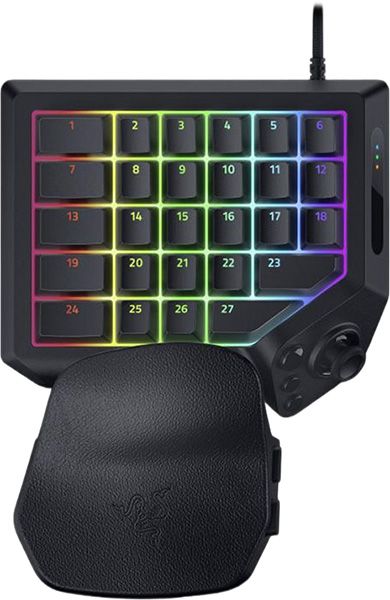

"Grasp the true meaning of command with the Razer Tartarus V2 Pro — our most advanced analog optical gaming keypad."View Deal

Bizarre, niche, and totally fascinating
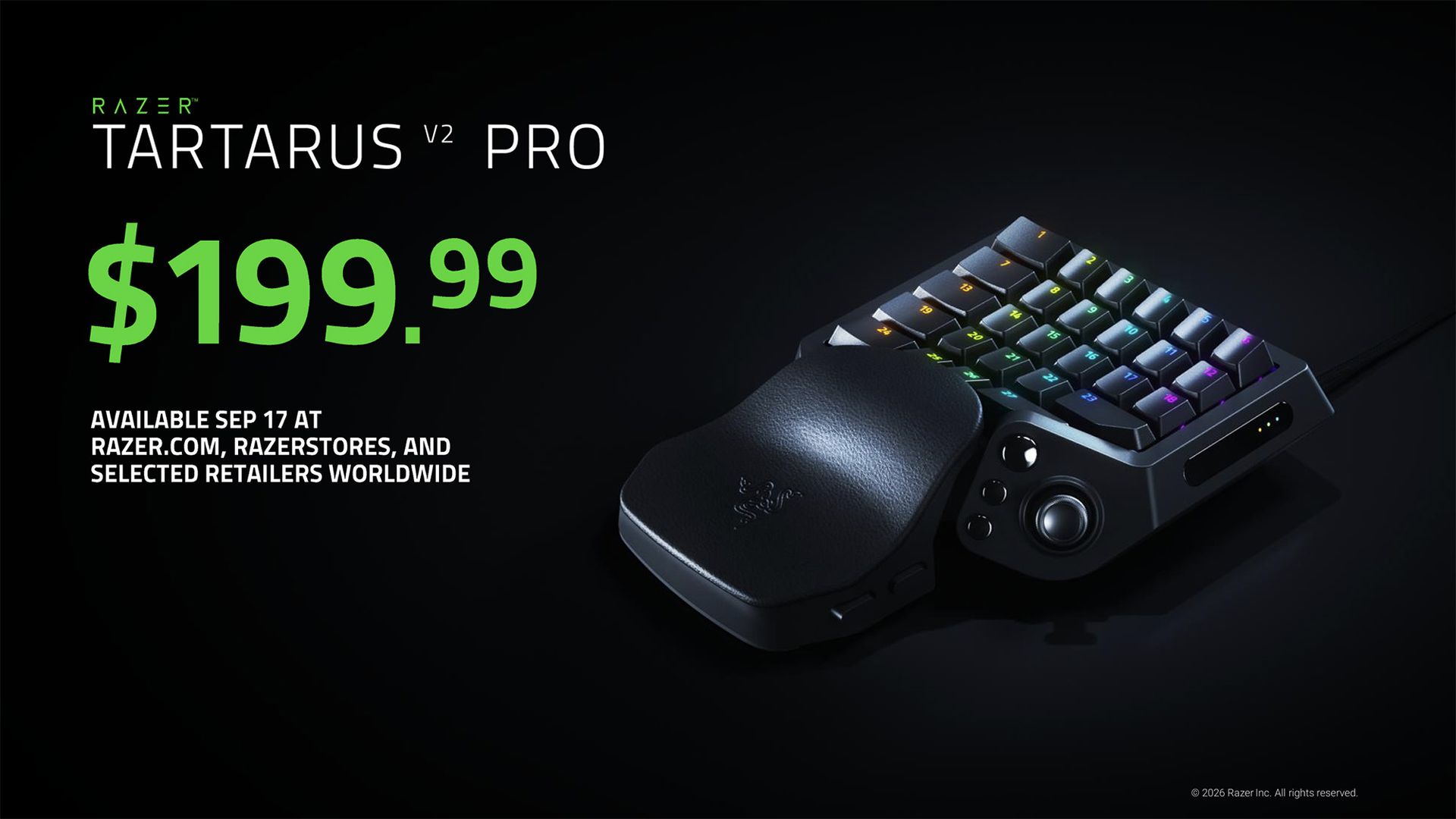
Razer Tartarus V2 Pro promotional image with $199.99 pricing

(Image credit: Razer)

I've glanced at the Tartarus a few times over the years, intrigued by its weirdness. Then again, most ergonomic hardware looks a little strange at first, but you'll probably only understand what it's trying to do once you use it. Sure enough, Razer offered a sample, and I couldn't resist, so keep your eyes peeled for my Tartarus V2 Pro review coming soon.

Frankly, I also have an ulterior motive for wanting to go hands-on with this unusual keypad. My wife is an avid World of Warcraft enjoyer, but she also suffers from chronic joint pain that led her to use the Xbox Adaptive Joystick for over a year. It certainly impressed, and I share the same praise for that joystick today as I did in my initial Adaptive Joystick review.
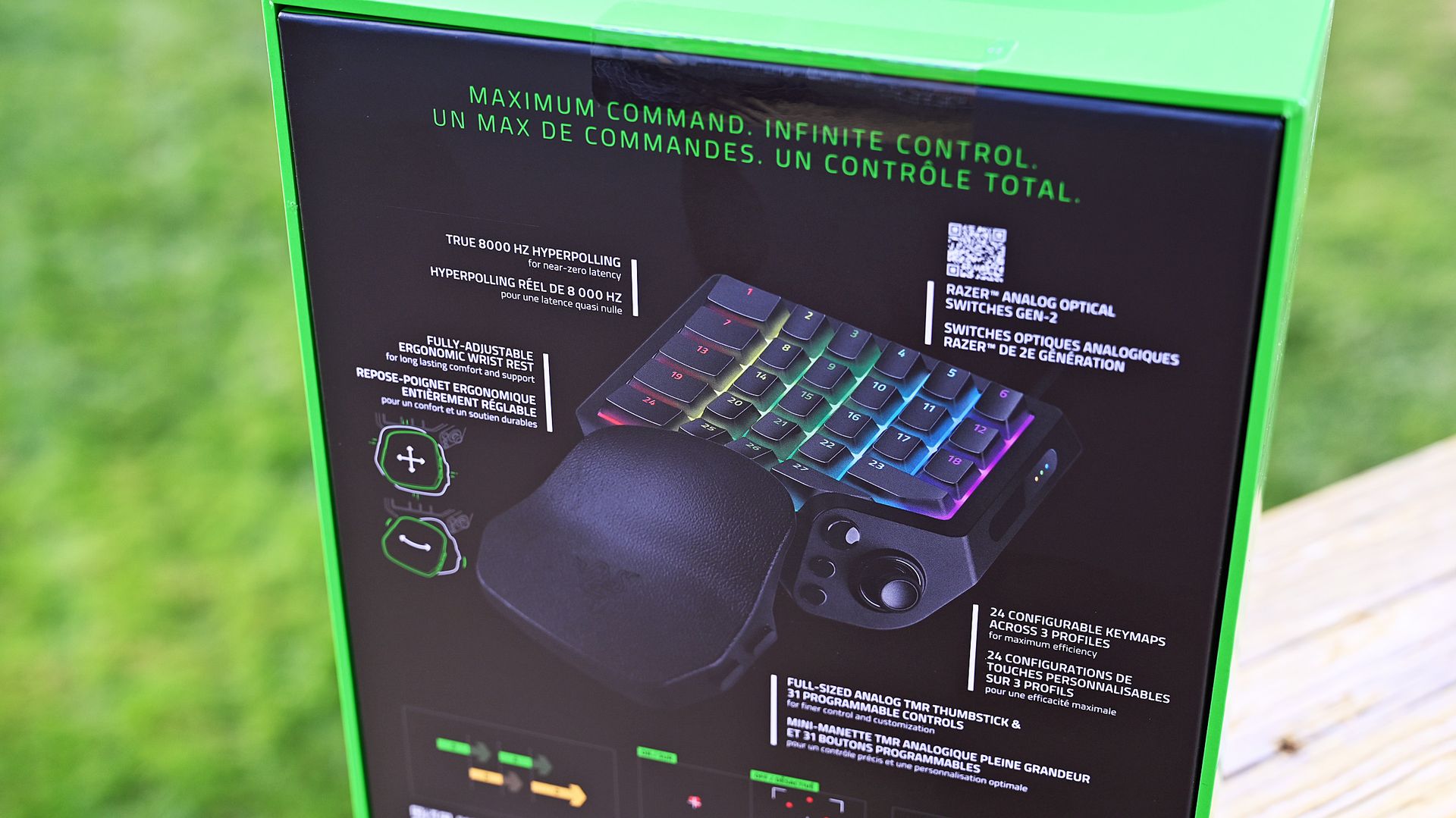
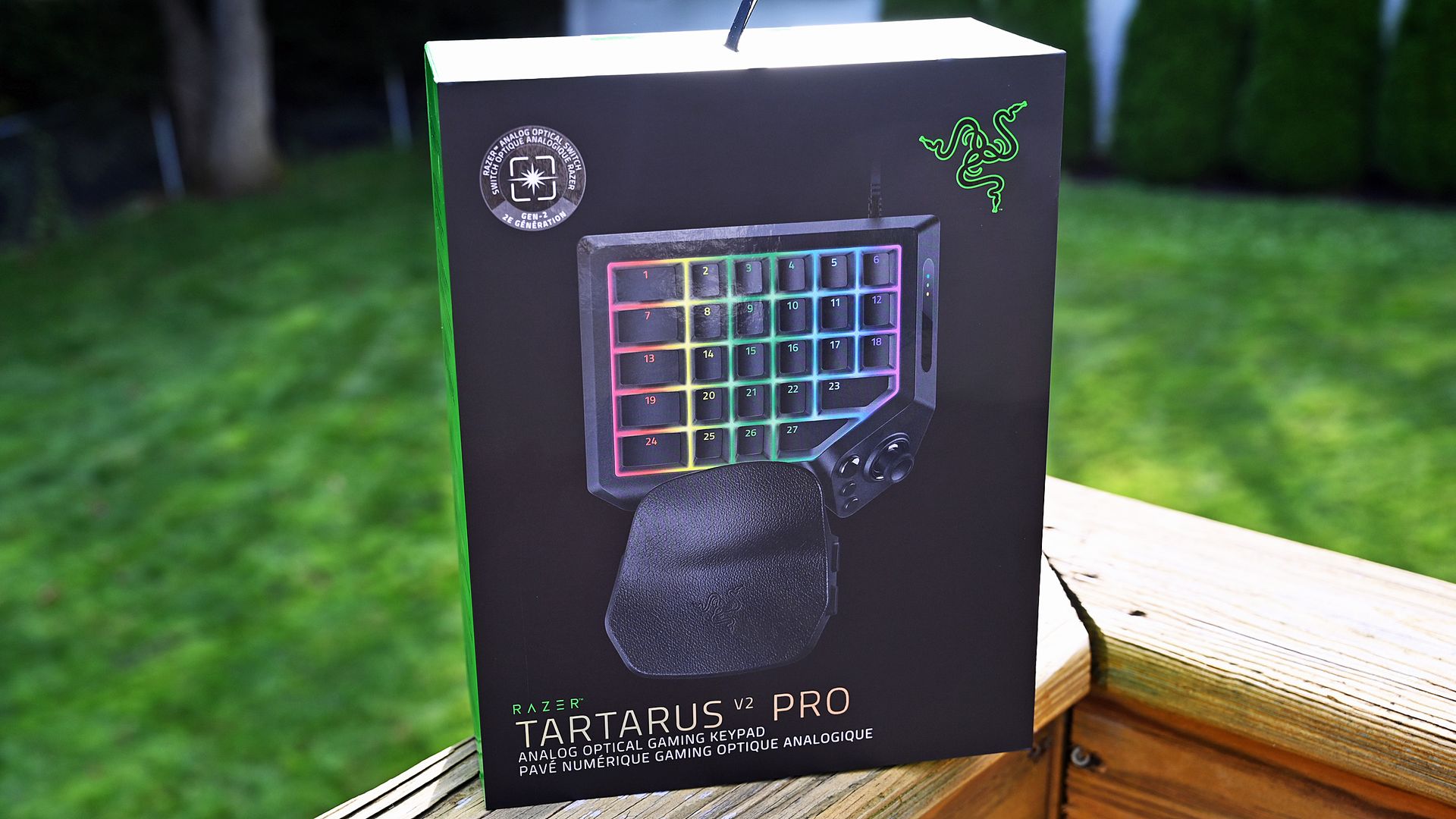
Photo showing the product box for the Razer Tartarus V2 Pro gamepad controller.

(Image credit: Daniel Rubino)

However, you'll notice the glaring difference between Microsoft's and Razer's offerings in button count alone. The Tartarus V2 Pro is borderline hilarious in that regard, wrapping 27 keys around your fingertips in a comfortable fashion, with a TMR joystick to boot. In theory, this could be the next step in accessible gaming for her, since she'll barely need to move her hand.

I want it for Counter-Strike 2, but she wants it for WoW. No prizes for guessing which one of us will get more use out of it. Ultimately, I'm craving something more gaming-centric after switching to a low-profile office keyboard and realizing how much that nerfed my experience. The Tartarus V2 Pro might be overkill, or it might be absolutely perfect. I'm excited to find out which.

Click to join us on r/WindowsCentral

Join us on Reddit at r/WindowsCentral to share your insights and discuss our latest news, reviews, and more.
  •  

Thrustmaster's new flight stick is a heavy and authentic A-10C HOTAS replica for PC simulator fans who crave digital dogfights

Already synonymous with flight simulation hardware, Thrustmaster is expanding its sim gaming range again with the HOTAS Warthog Mk. II, an "enhanced" variant of its popular, military-themed stick and throttle bundle for PC. Previously announced at Flight Sim Expo, it's releasing today, September 16, 2026, at an MSRP of $599.99, it's available from the official eStore and Amazon.

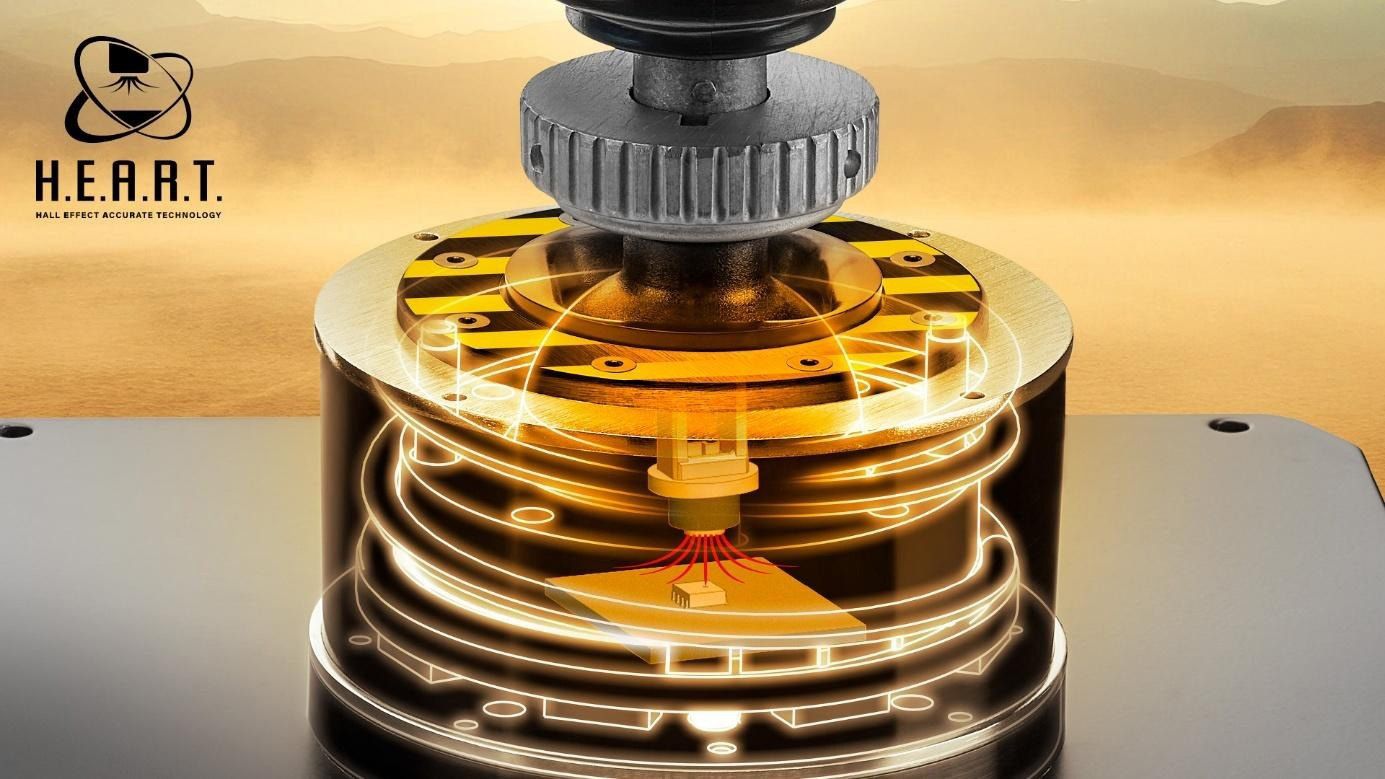
Indeed, the Warthog Mk. II features the same official U.S. Air Force licensing as its predecessor, with a design that seems almost indistinguishable from the Mk. I at a glance. In reality, Thrustmaster has focused mostly on the internals, redesigning its "H.E.A.R.T." Hall-Effect sensor mechanism "to offer enhanced smoothness and durability".

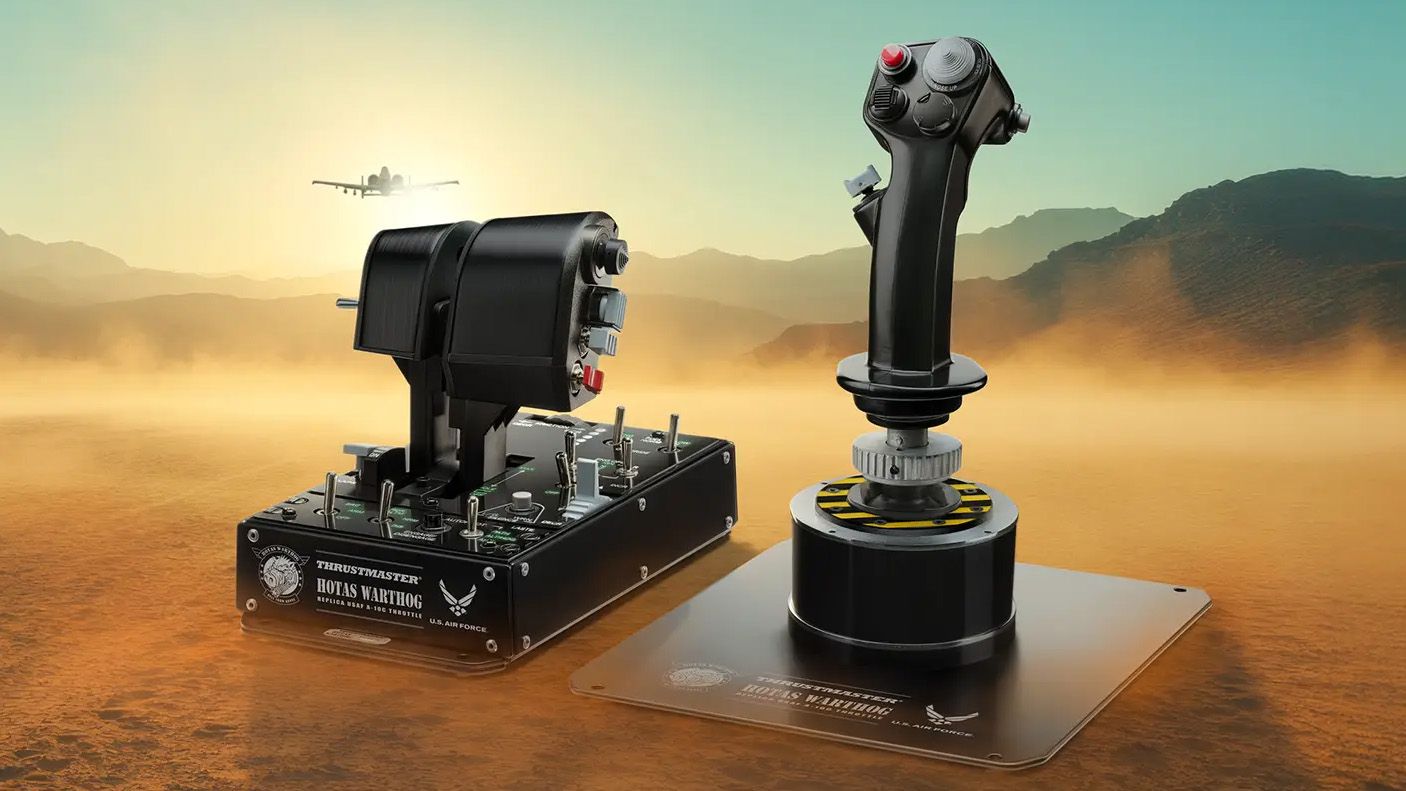
On the outside, it's still a 1:1-scale recreation of a Viper stick grip and the Warthog A-10C throttle with separate controls for both simulated engines (plus a locking system). Despite a few visual tweaks, the Mk. II supports full compatibility "with all Thrustmaster grips", which is great news for any sim enthusiasts who already adopted the brand's ecosystem on Windows PCs.

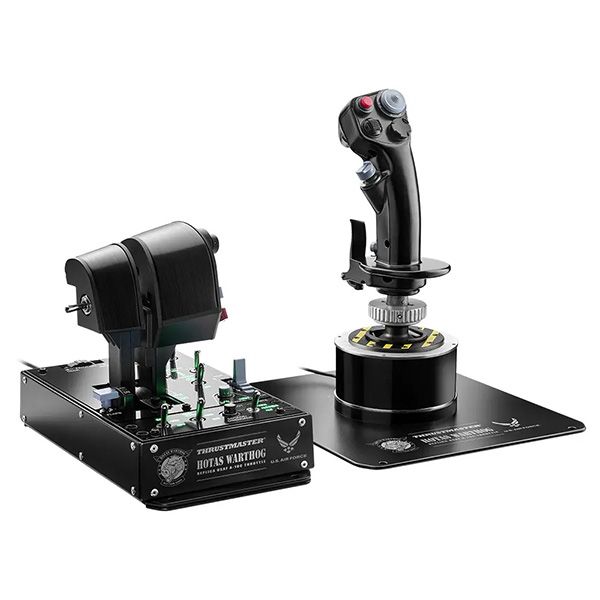
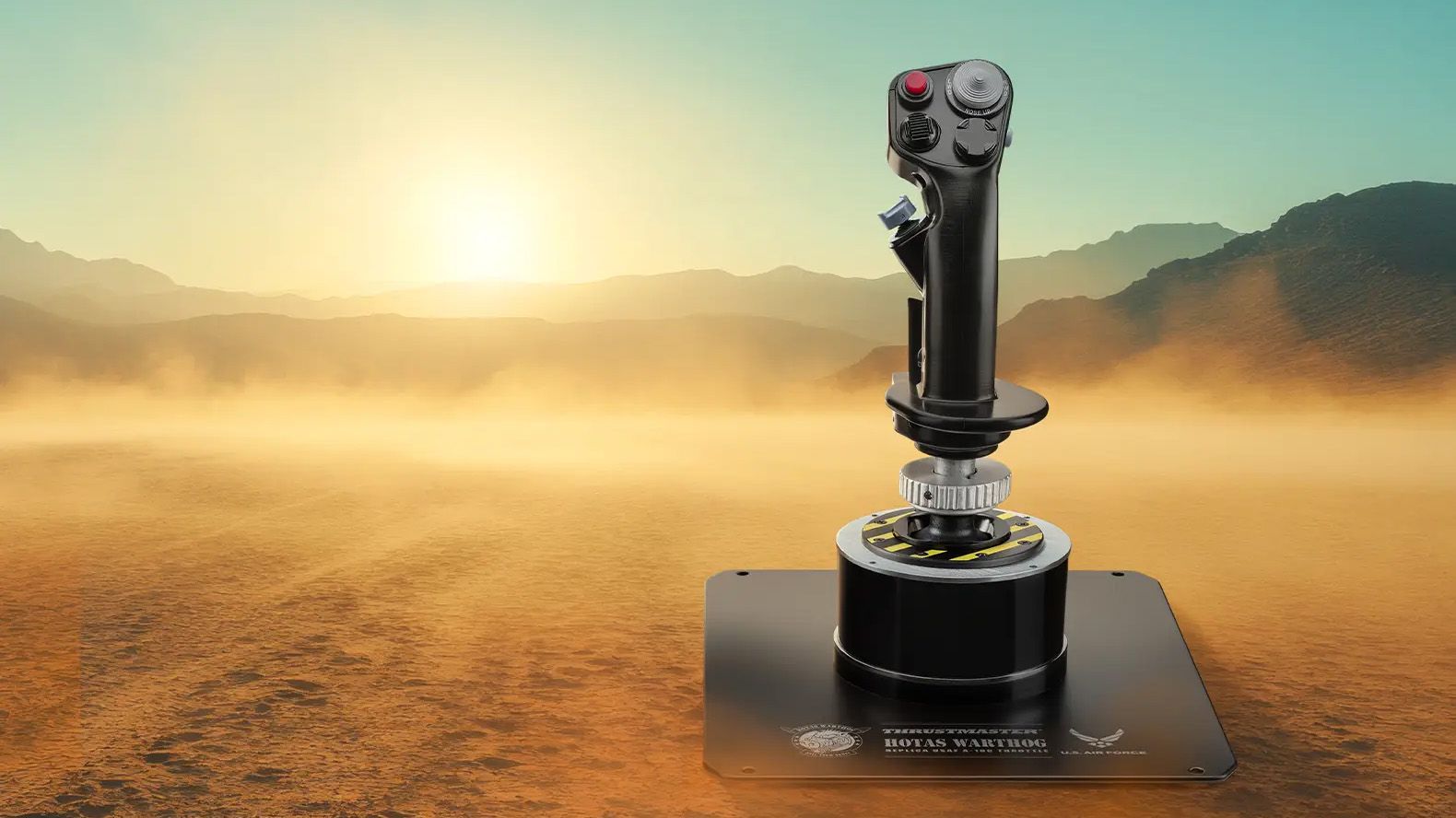
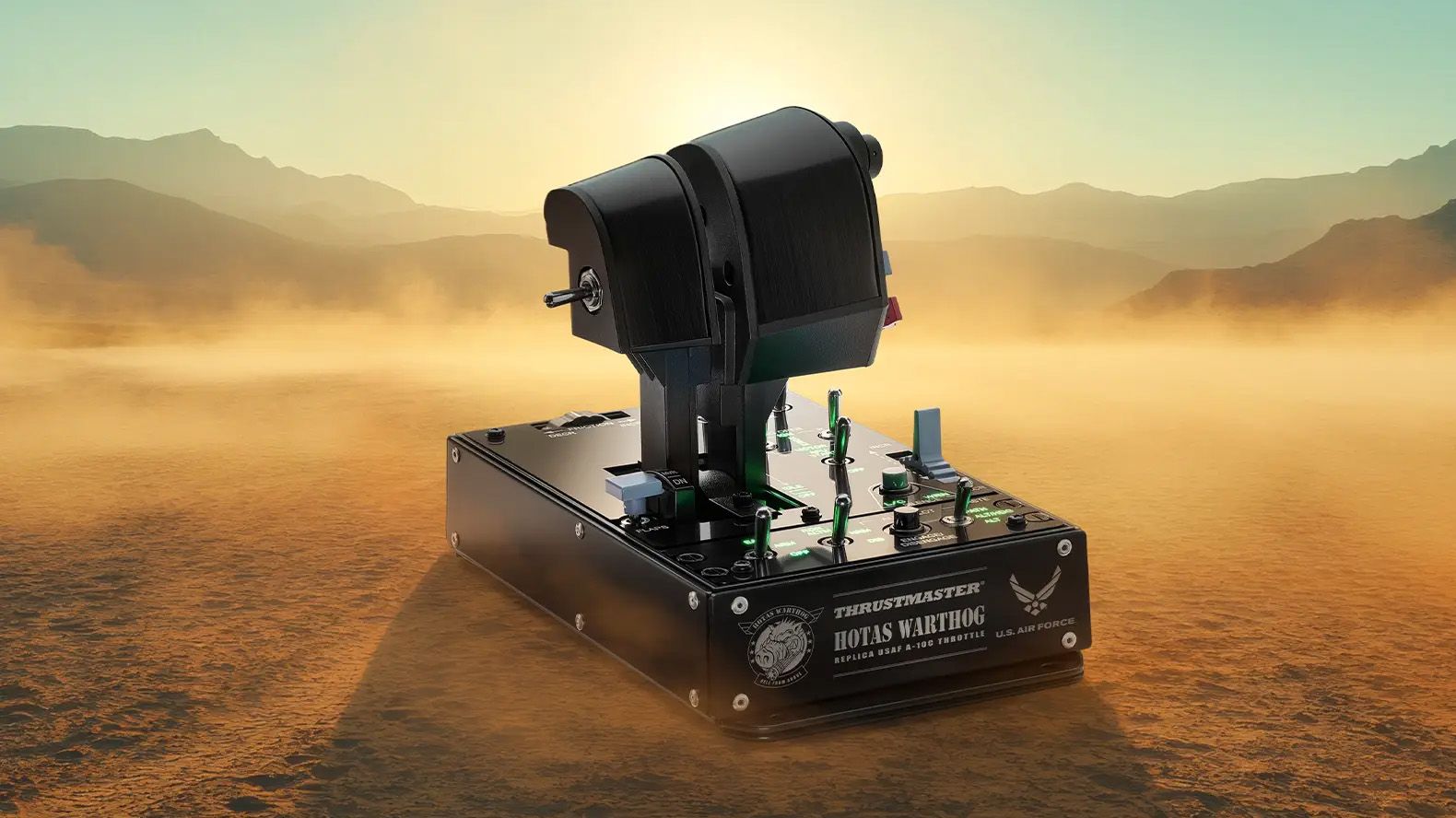
Thrustmaster HOTAS WARTHOG MK II flight stick promotional renders with a dusty desert background scene
Thrustmaster's VIPER flight stick.Thrustmaster
Thrustmaster HOTAS WARTHOG MK II flight stick promotional renders with a dusty desert background scene
And its companion, the WARTHOG throttle unit.Thrustmaster
Thrustmaster HOTAS WARTHOG MK II flight stick promotional renders with a dusty desert background scene
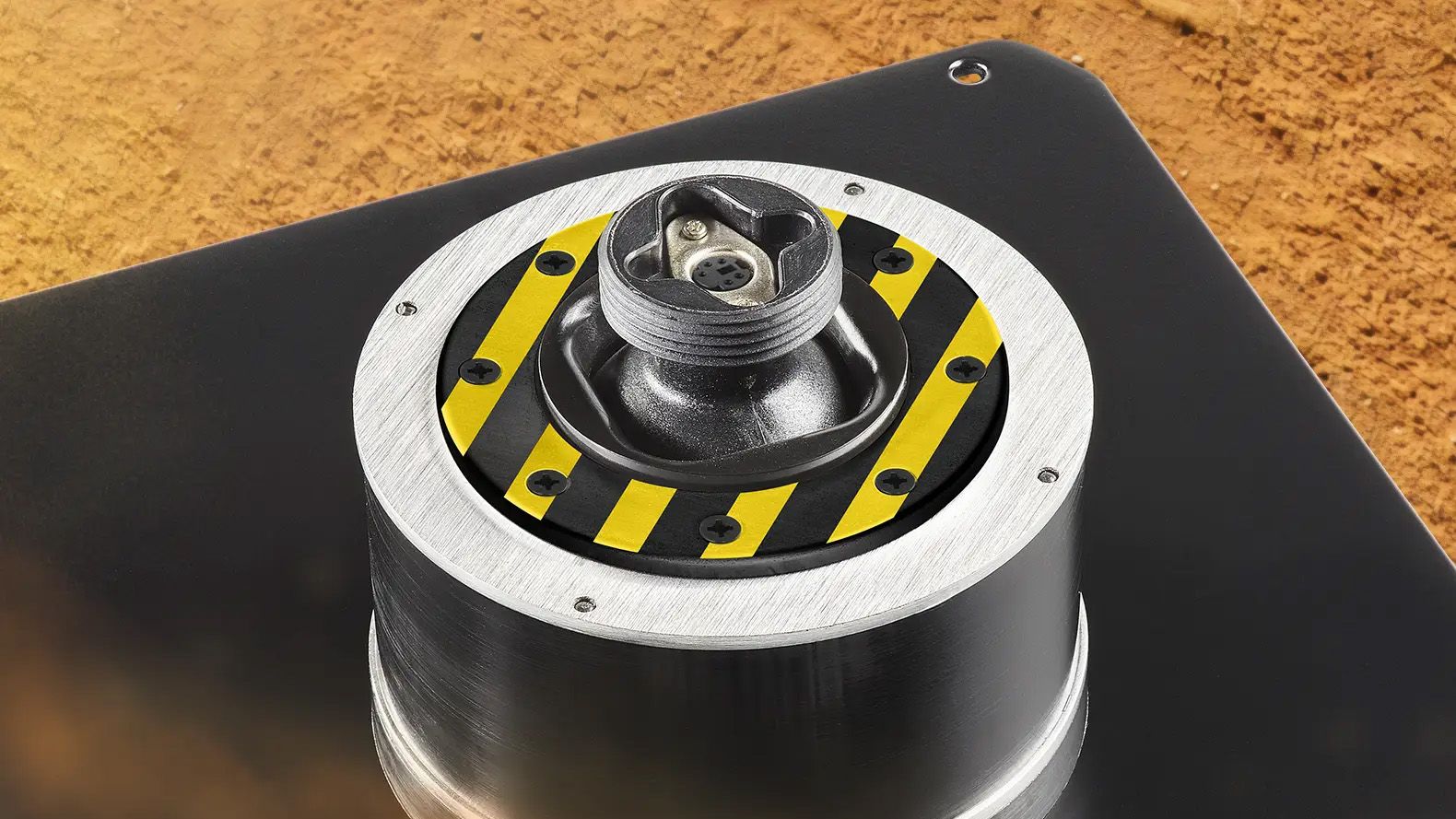
The refined MK II flight stick base.Thrustmaster
Thrustmaster HOTAS WARTHOG MK II flight stick promotional renders with a dusty desert background scene
And Thrustmaster's Hall-Effect sensors visualized.Thrustmaster

I've tested a huge number of flight sticks for games like Microsoft Flight Simulator, but I haven't strayed too far into military sims, or even further out to space-faring dogfights in titles like Elite Dangerous. However, I've always seen the Thrustmaster Warthog Mk. I appearing among some of the top-rated HOTAS sets in my adventures, so I definitely knew about it.

This release came with a chance to test the Warthog Mk. II for myself, so of course I said yes to a sample. Imagine my surprise when Thrustmaster's shipping confirmation included the 6.56 kg heft of this dense, 100% metal monster listed in its specs, with some extra weight on top for packaging. My word, what am I getting myself into?

The Viper flight stick grip provides a flight experience that's as close as possible to a real fighter pilot's.

Thrustmaster

Don't get me wrong, it's not like I've never, ever tried a flight stick in a combat game, but a HOTAS set of this intensity needs to be paired with something that fits better than a Cessna in Microsoft Flight Simulator. I'm looking forward to seeing how the first Warthog version built such a reputation, and whether its accolades carry over to the "sturdier" Mk. II.

That, and I need to figure out bindings for the stick's 19 buttons and the 8-way hat switch, even if the latter is usually quite obvious, before moving on to the Warthog control panel and its wealth of chunky levers, switches, and dials. That's up to 128 total buttons — should be fun! Stay tuned for my HOTAS Warthog Mk. II review going live before the end of the month.

Click to join us on r/WindowsCentral

Join us on Reddit at r/WindowsCentral to share your insights and discuss our latest news, reviews, and more.
  •  

Steam Deck 2 handheld plans haven't been affected by the RAM crisis, even if Valve's Steam Machine PC and Steam Frame VR were more expensive than planned.

Valve's popular Steam Deck handheld pushed handheld gaming PCs into the mainstream with its affordable, Linux-based console, and its potential successor seemingly aims to make the same impact. Speaking to IGN's Jacqueline Thomas, Valve software developer Pierre-Loup Griffais touched on the fabled 'Steam Deck 2' and whether the ongoing RAM crisis could affect its development.

We want to make sure there's a very delineated performance improvement for something like a future Steam Deck.

Pierre-Loup Griffais, Valve

When asked whether ongoing hardware shortages — which have already affected pricing for its Steam Machine PC and Steam Frame VR headset — have changed how Valve thinks about a Steam Deck successor, Griffais answered, "Not really." For now, it sounds like any potential 'Steam Deck 2' will target the same balance of performance and affordability as before, but is that realistic?

Steam Deck performance was crushed years ago

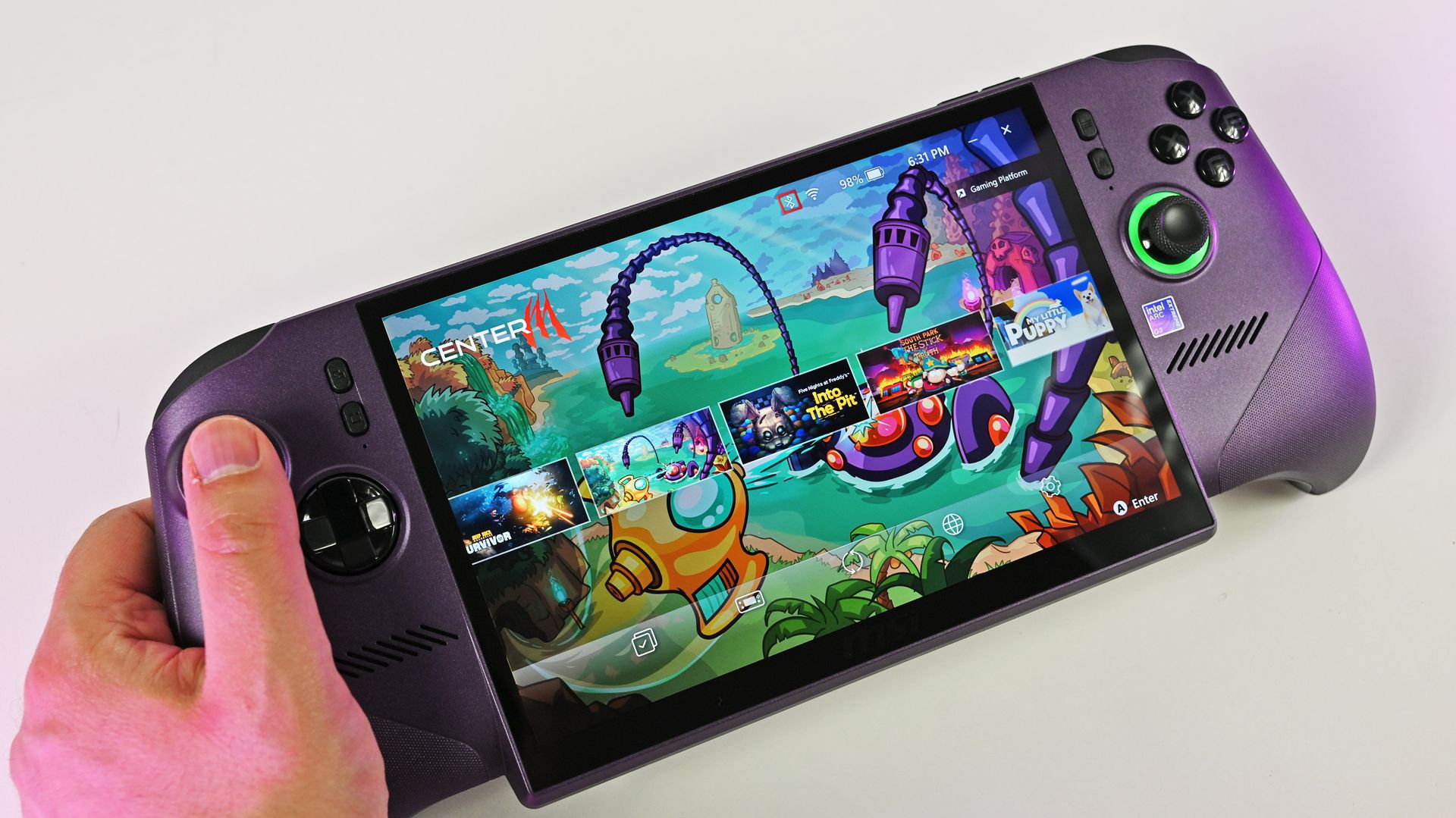
A person holds the metallic purple MSI Claw 8 EX AI+ handheld gaming PC, showcasing its large screen running the MSI Center M game launcher.

MSI Claw 8 EX AI+ stands as one of the best Windows-based handhelds today. (Image credit: Daniel Rubino)

For clarity, I use my Steam Deck almost every day, and it still powers through my library of built-for-Windows PC games with relative success. However, there's no denying its age, and the custom-made Zen 2/RDNA 2 APU doesn't stand a chance in many of the AAA games released in the past few years. For those demanding titles, plenty of Windows-based handhelds are far better suited.

Of course, higher-end options like ASUS ROG's "next-gen" Xbox Ally X and the all-out powerhouse MSI Claw 8 EX AI+ don't offer higher performance without asking for more cash. On the contrary, the Ally X starts at $999.99, while the Claw 8 EX AI+ moves closer to $1,800, which is a far cry from the $399 to $649 window that the Steam Deck originally targeted.

Unfortunately, much like the Claw [8 EX AI+], the Steam Machine is a premium engineering marvel suffering from historically terrible macroeconomic timing.

Daniel Rubino, Windows Central

In that, I'm trying to stay grounded when I hear that Valve's plans haven't changed for the Steam Deck 2 (or whatever it might be called), because that never necessarily meant it would target the same price point as its first handheld. After all, the company just launched its new Steam Frame VR headset for $1,059, which is higher than it originally planned (via PC Gamer).

So, Valve is stuck between a rock and a hard place: sourcing a follow-up (presumably also custom-made) processor and the corresponding components for a mass-produced handheld without pricing it so high that it loses mainstream appeal. It won't be easy, and I wouldn't be surprised if we don't hear anything concrete about the Steam Deck 2 for a few years.

Click to join us on r/WindowsCentral

Join us on Reddit at r/WindowsCentral to share your insights and discuss our latest news, reviews, and more.
  •  
❌