❌

Vue lecture

Googlebooks are built almost entirely on Gemini AI hype. Can they disrupt Windows?

Google recently announced 'Googlebooks' as new laptops built with Intel Core Ultra Series 3 (Panther Lake) and Qualcomm Snapdragon X Elite processors, expanding its range beyond budget-centric Chromebooks at a more premium price point. Starting at $899 with an Acer model, more devices from ASUS, Dell, HP, and Lenovo are also due to launch on October 4, 2026.

The best of Gemini meets a whole new kind of laptop.

Google

Among its five 'flagship' launch models, Google advertises features such as high-resolution touchscreen displays, haptic touchpads, and built-in NPUs for local AI tasks, primarily focusing on Gemini. Of the 13.4-inch to 15.3-inch laptops, only the $999 Dell XPS Googlebook uses an LCD screen, while the remaining brands opt for OLED panels. So, is 'Googlebook OS' any threat to Windows?

Familiar hardware, fledgling OS
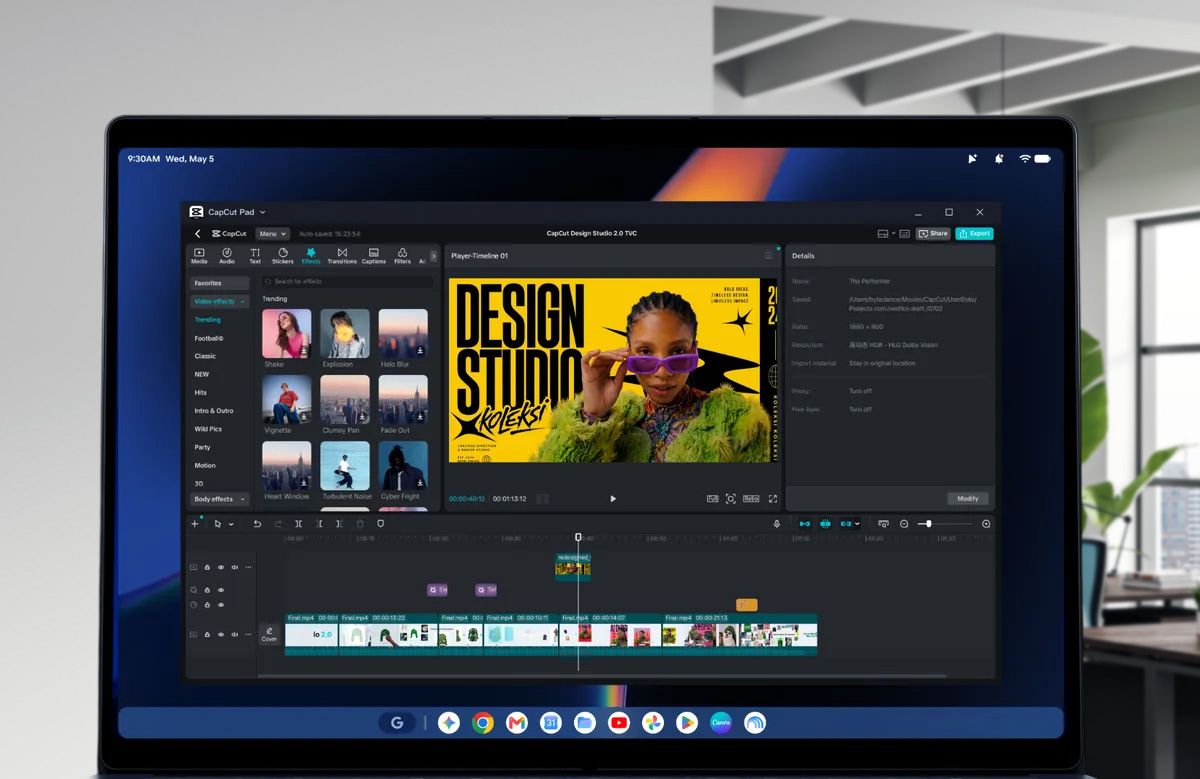
Googlebook laptop screen displaying the CapCut app in an office environment

It looks familiar, but will enough people buy into Googlebook OS? (Image credit: Google | Getty Images)

My gut reaction — as someone outside the target audience for these Android-on-steroids laptops — was one of unsurprising skepticism. Before looking at prices, I immediately thought of the ongoing, oft-misrepresented software compatibility controversy surrounding Windows on ARM laptops that arrived with Qualcomm's first Snapdragon X chips.

If Microsoft already faced pushback at the slightest hint of incompatibility, I'm not sure a Google-first laptop stands a chance against Windows ultrabooks in the same price range, especially when the first Googlebook wave resembles existing laptops from the same brands anyway. Plus, they have to compete with Apple's similarly priced MacBook Air and cheaper MacBook Neo.

I know, I hear you saying, "Oh, the Windows Central guy isn't excited about the Googlebook? Quelle surprise!" I get it, but hear me out; I'm still a regular consumer like anyone else, and I'm always a fan of genuine rivalry if it drives the kind of competitive pricing that led Dell to answer the MacBook Neo with the new XPS 13.

However, I can't deny my hunch that 'Googlebook' is a boring name (which already confuses Google's own search engine by taking you to Google Books), and that the hardware itself isn't particularly innovative, potentially even confusing your average laptop buyer who doesn't base their entire life around Gemini AI. Is it an even less exciting attempt at a Copilot+ PC for Android fans?

Who are the Googlebooks made for?
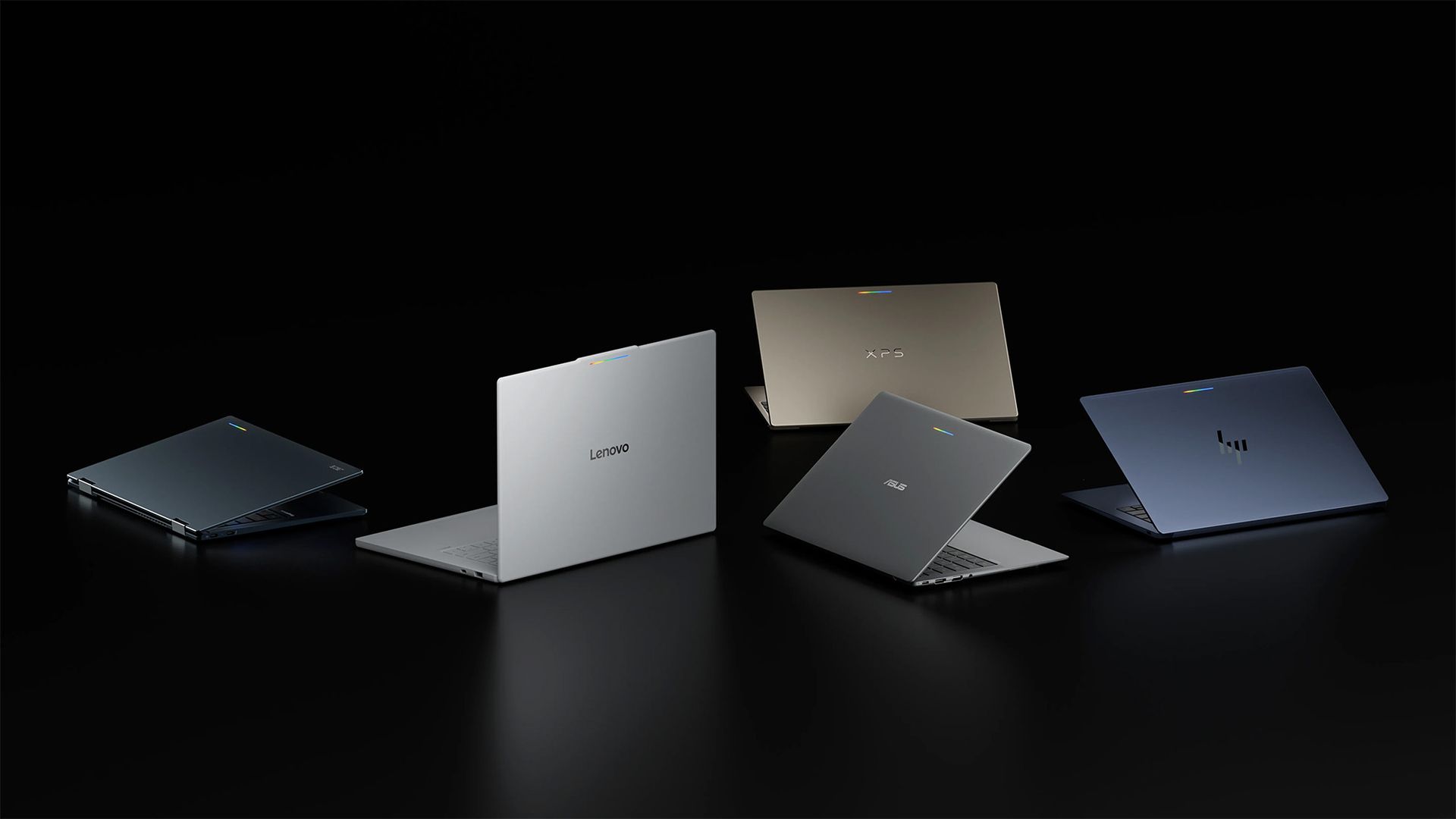
Googlebook laptops including models from Acer, Lenovo, Dell, ASUS, and HP, on a glossy black background.

Glowbar aside, this is all pretty standard hardware. (Image credit: Google)

Despite my apprehension, I'm still fascinated, and I wonder what someone would do if they had a chance to go hands-on with a Googlebook. What would you test? Would you try to install a certain app, run a particular component benchmark, or focus more on the premium chassis? As it happens, I might have the opportunity to take the $1,299 ASUS Googlebook 14 for a spin.

I'm particularly interested in hearing what real, regular folk think because, besides the vague claims of being "designed for Gemini Intelligence" alongside an RGB 'Glowbar' that shows little beyond your battery life or charging status, there doesn't seem to be anything to suggest that these Googlebooks aren't much more than glorified Chromebooks or overengineered smartphones.

With Continue On, you can start a task on your Android phone and finish it on Googlebook. Keep your momentum and pick up exactly where you left off.

Google

I can already control Android apps on my Windows PC with Phone Link, though, of course, Google is pushing for a more native feel with its 'Continue On' app handoff feature — my word, it even sounds like Continuum — that allows you to move from your Android device to a Googlebook with your half-completed tasks intact. Sounds smoother than using something like Samsung DeX.

Google's apparent attempt to revive its premium Pixelbook feels like it'll sit in a strange limbo, as the behemoth brand bets it all on Gemini and hopes the general public actually cares enough to ditch Windows, macOS, or Linux to buy into this new generation of AI PC hype. Will it end up in the Google Graveyard, or is the Googlebook different? At least they're trying.

Click to join us on r/WindowsCentral

Join us on Reddit at r/WindowsCentral to share your insights and discuss our latest news, reviews, and more.
  •  

As the Steam Deck loses its affordable appeal, the XBOX Ally could be an unexpected handheld gaming champion

I've been a PC gamer for as long as I can remember, pushing my earliest family desktop computers to their limits by installing a single copy of Command and Conquer to their tiny hard drives, before eventually building my own rigs with a meager part-time job wage and a bright-eyed idea of what good value components looked like.

These days, I do most of my gaming on my still-loved Steam Deck, the Linux-based handheld from the same company behind the massive PC game storefront, Steam. It runs practically every game originally designed for Windows, and for the ones that it struggles with, I fall back on cloud gaming on services like GeForce NOW and Xbox Cloud.

Until now, I've pushed as many curious gamers as possible toward handheld gaming PCs, easing them in with budget-friendly options before watching them grow an appetite for high-end examples of excess that squeeze the capabilities of traditional gaming laptops into a compact form factor. However, one seems to have stuck closer to its MSRP, while many others become pipe dreams.

XBOX Ally: $599.99

"Power of XBOX. Freedom of Windows. Craftmanship of ROG."View Deal

Somehow, the XBOX Ally is holding strong

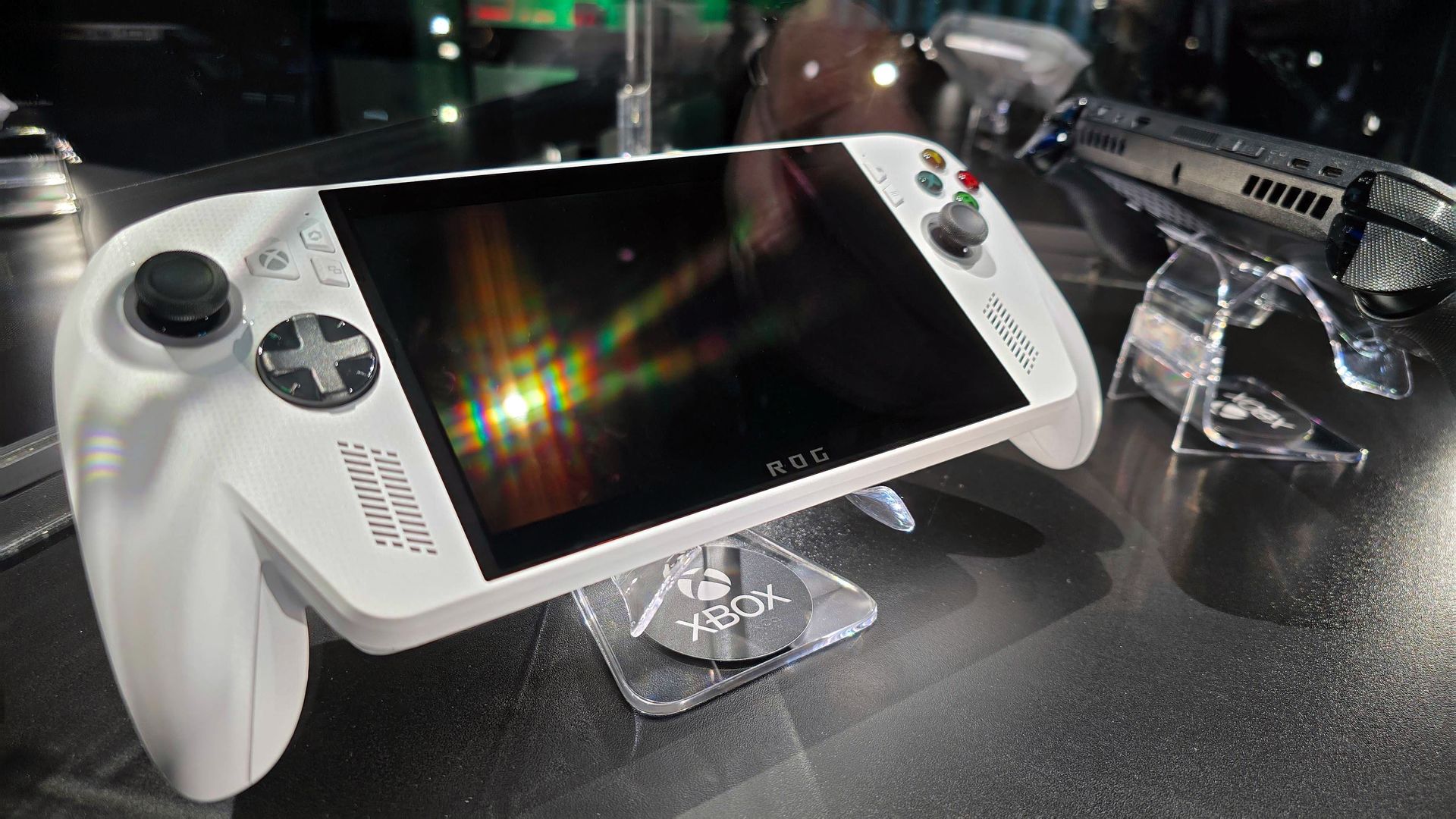
ASUS ROG Xbox Ally (white) and ROG Xbox Ally X (black) in a glass display case at Gamescom in August, 2025.

It's a modest machine inside, but the ergonomics make the ROG Xbox Ally worth your attention. (Image credit: Jez Corden | Windows Central)

As it stands, the ROG XBOX Ally sells for $599.99 at Best Buy, which is the same price it launched at when we tested it for our XBOX Ally review. Right now, it holds an average 4.4/5 rating among at least 930 customer reviews from that listing alone, and they seem quite happy with its price-per-performance ratio.

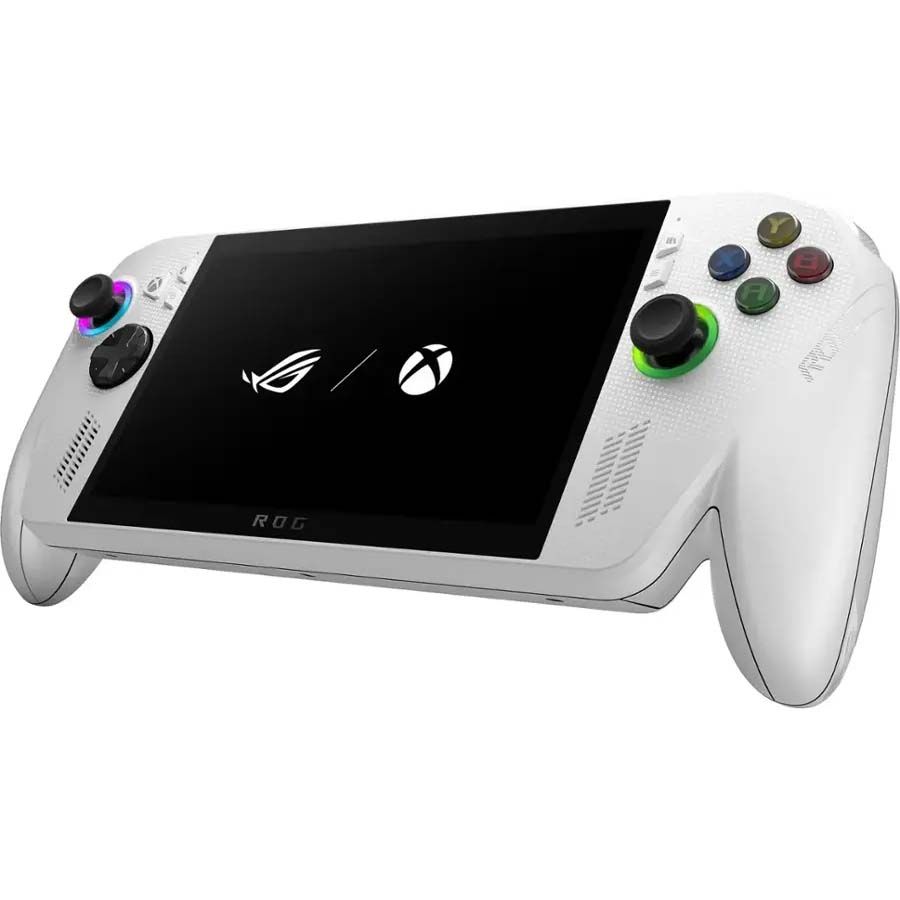
The white ROG XBOX Ally relies on AMD's Ryzen Z2 A processor, a relatively older Zen 2 chip with performance more comparable to Valve's long-standing Steam Deck than its high-end black ROG XBOX Ally X sibling or its predecessors like the (discontinued) original ASUS ROG Ally, built as a modern entry-level pick.

So, in what feels like an unexpected turn of events, Microsoft and ASUS offer the best price in handheld PC gaming with the ROG XBOX Ally, since the cheapest Steam Deck starts at $789 for a 512GB model, though Valve has an edge with an OLED screen that offers stronger contrast. If nothing else, it's certainly a different vibe than the price hikes on the Xbox Series X|S consoles.

Then again, the ROG XBOX Ally can reach a higher 120Hz refresh rate than the Steam Deck OLED's 90Hz, though you'll have to find a lightweight PC game that runs well enough to show those theoretical benefits of smoother visuals, with support for the Ally's variable refresh rate (VRR) that helps to reduce screen tearing and frame pacing inconsistencies.

"But, it runs Windows!"

The Lenovo Legion Go S held in a hand with the Xbox app opened.

Lenovo's Legion Go S arrived without too much fanfare. (Image credit: Windows Central | Zachary Boddy)

Usually snared by the inevitable cost of a Windows license for each corresponding handheld, the appeal of Valve's in-house 'SteamOS' operating system became obvious in the category's formative years. However, alternatives initially designed around that prospect, such as Lenovo's Ryzen Z2 Go-based Legion Go S, now cost around $989.99.

That's a disappointing increase from the $599.99 MSRP we saw during our Lenovo Legion Go S review, with another rise to $1,579.99 for the Ryzen Z1 Extreme Legion Go S model that we tested (dropping to $999.99 in occasional sales). Suddenly, a Windows-based handheld that comes, in part, from XBOX itself doesn't sound so bad.

Of course, the repeated blame for these price hikes lands squarely on the memory crisis driven by massive-scale AI hardware infrastructure, which shows no signs of slowing down in the near future. Gamers are essentially stuck between a rock and a hard place as most components become unaffordable, which somewhat softens the OS argument on the PC side.

Because ultimately, there's nothing stopping anyone from installing SteamOS on a ROG XBOX Ally (or any other Windows-based handheld, for that matter). The experience will vary between devices, but to date, none of the major players have arbitrarily locked their products to Windows 11. If, despite all the awful odds, the Ally can maintain its price, it could become the mainstream choice.

Availability also seems fine for the white XBOX Ally, unlike ultra-high-end variants like the "mind-blowing" MSI Claw 8 EX AI+ and its $1,799 price tag, which apparently convinced flush gamers to spend, but its stock couldn't keep up. For handhelds targeting far below $1,000 — the realm of sensible spending — XBOX is surprisingly beating Valve. Will it last? I'd love to believe it.

Click to join us on r/WindowsCentral

Join us on Reddit at r/WindowsCentral to share your insights and discuss our latest news, reviews, and more.
  •  
❌