❌

Vue lecture

DIY Steam Deck Rebuild Pairs a Game Boy-Style Body With a Physical Keyboard

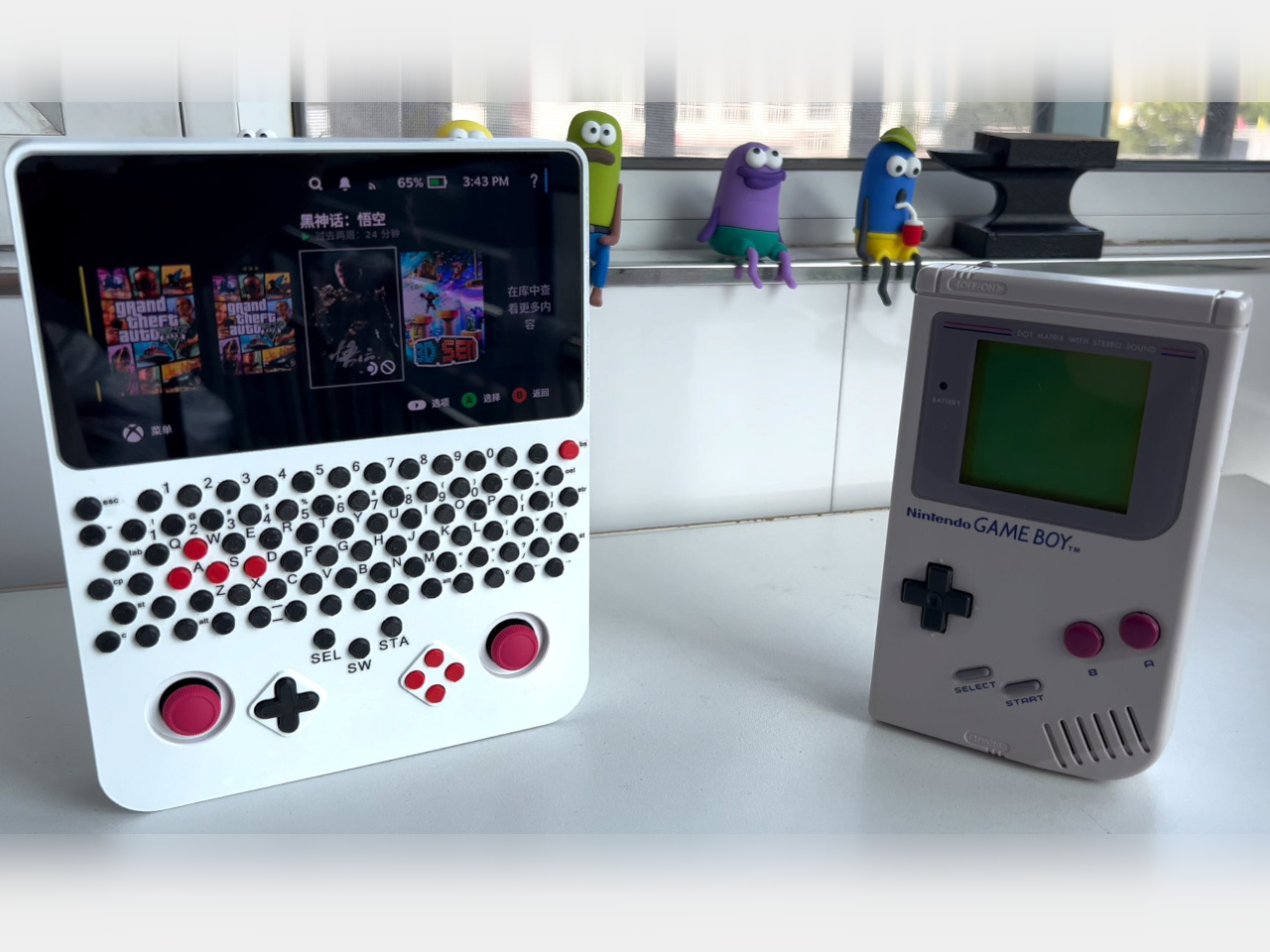
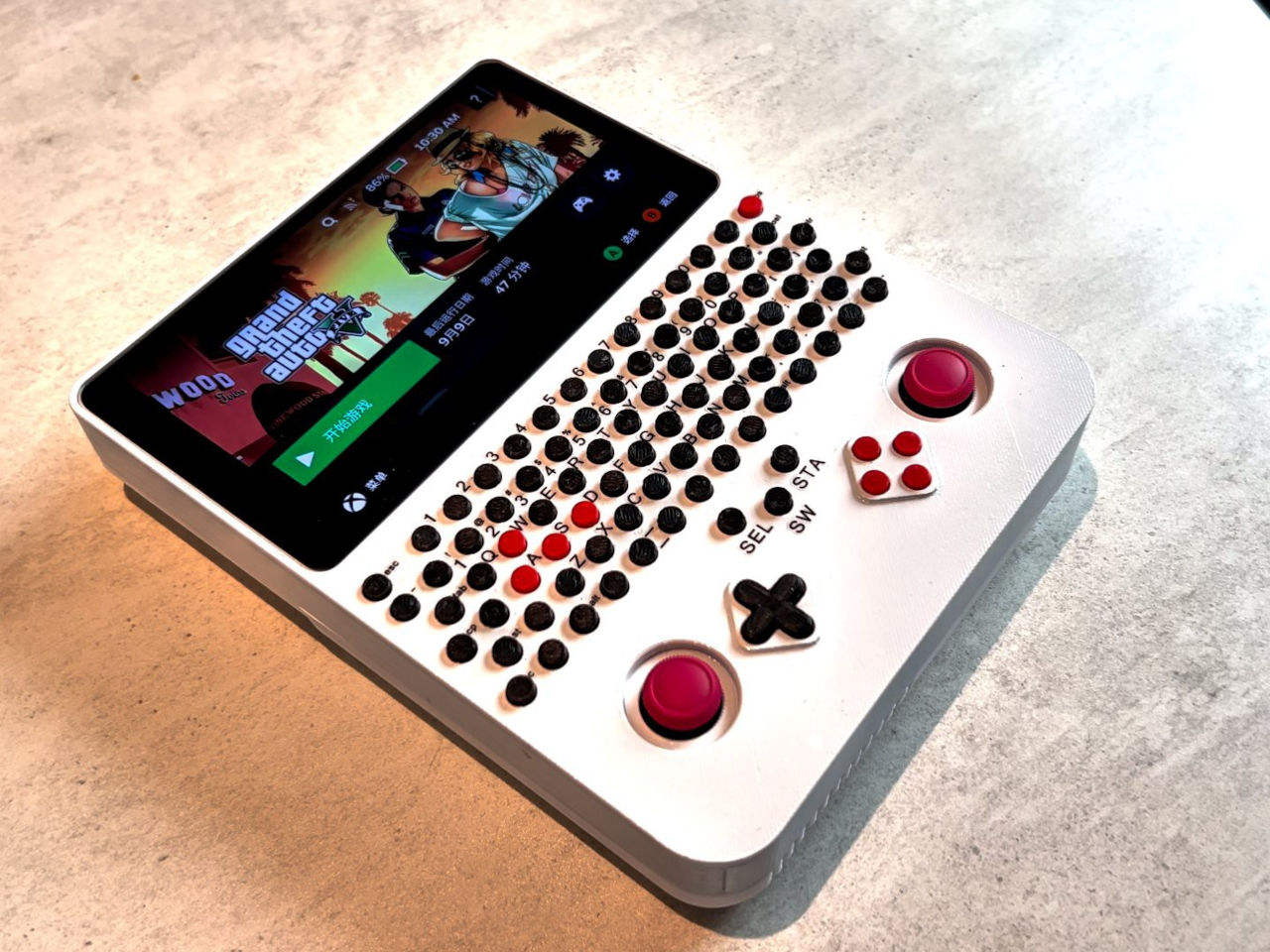
Handheld gaming PCs tend to put their controls on either side of a wide screen, leaving the Game Boy layout to retro machines. This DIY Steam Deck rebuild brings that upright silhouette into PC gaming, with a 5.5-inch display, two thumbsticks, and a physical keyboard squeezed into a 3D-printed body. It’s a different answer to what a portable gaming PC should look like.

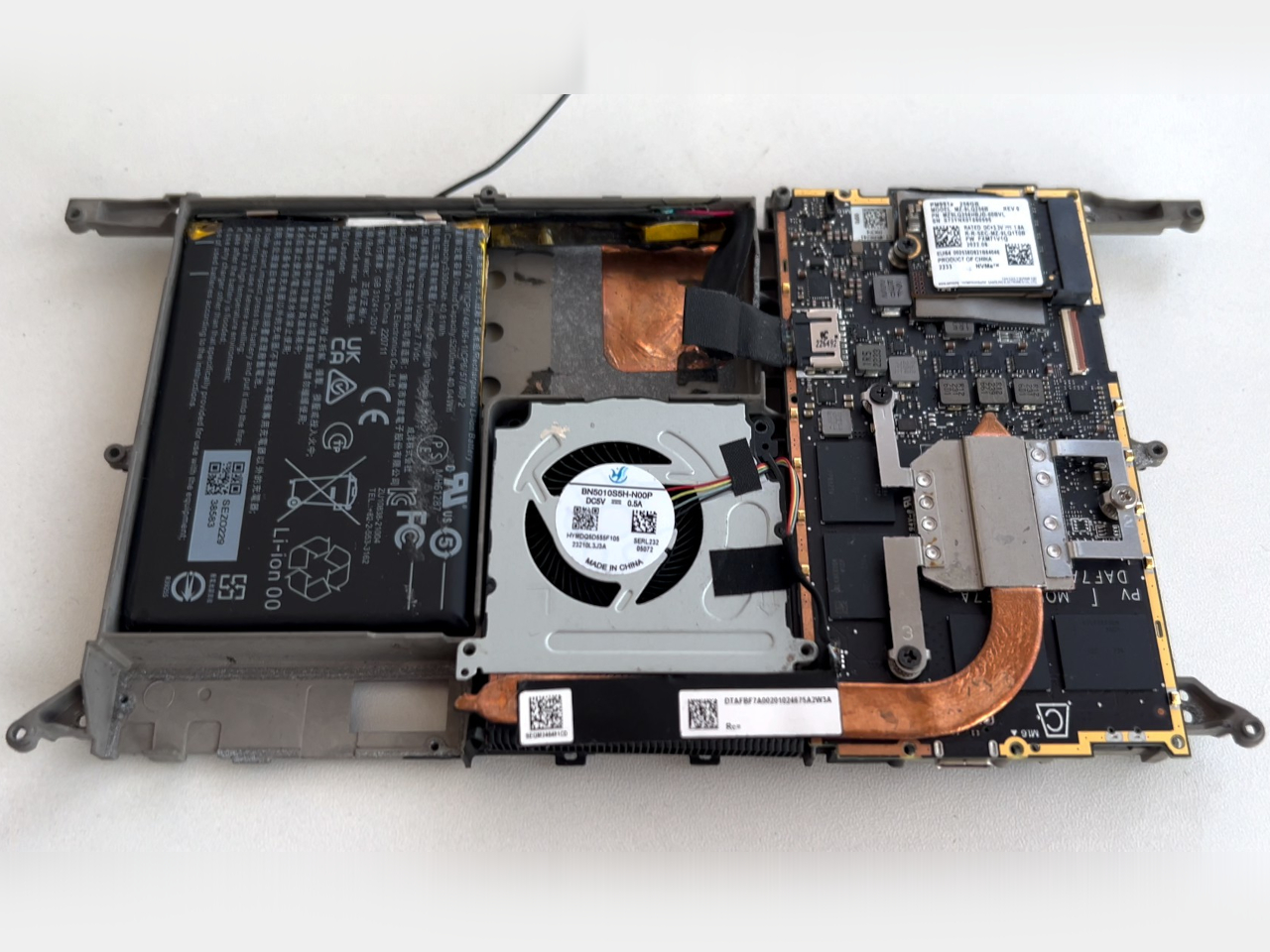
The trick starts with a Steam Deck motherboard, which is paired with a smaller LCD and parts sourced from a broken Deck. Rather than copying Valve’s enclosure, the new shell stacks the screen, keyboard, and gaming controls vertically. The screen itself remains horizontal, of course. It’s the arrangement around it that changes, putting the display above your hands instead of between them.

Designer: LCLDIY
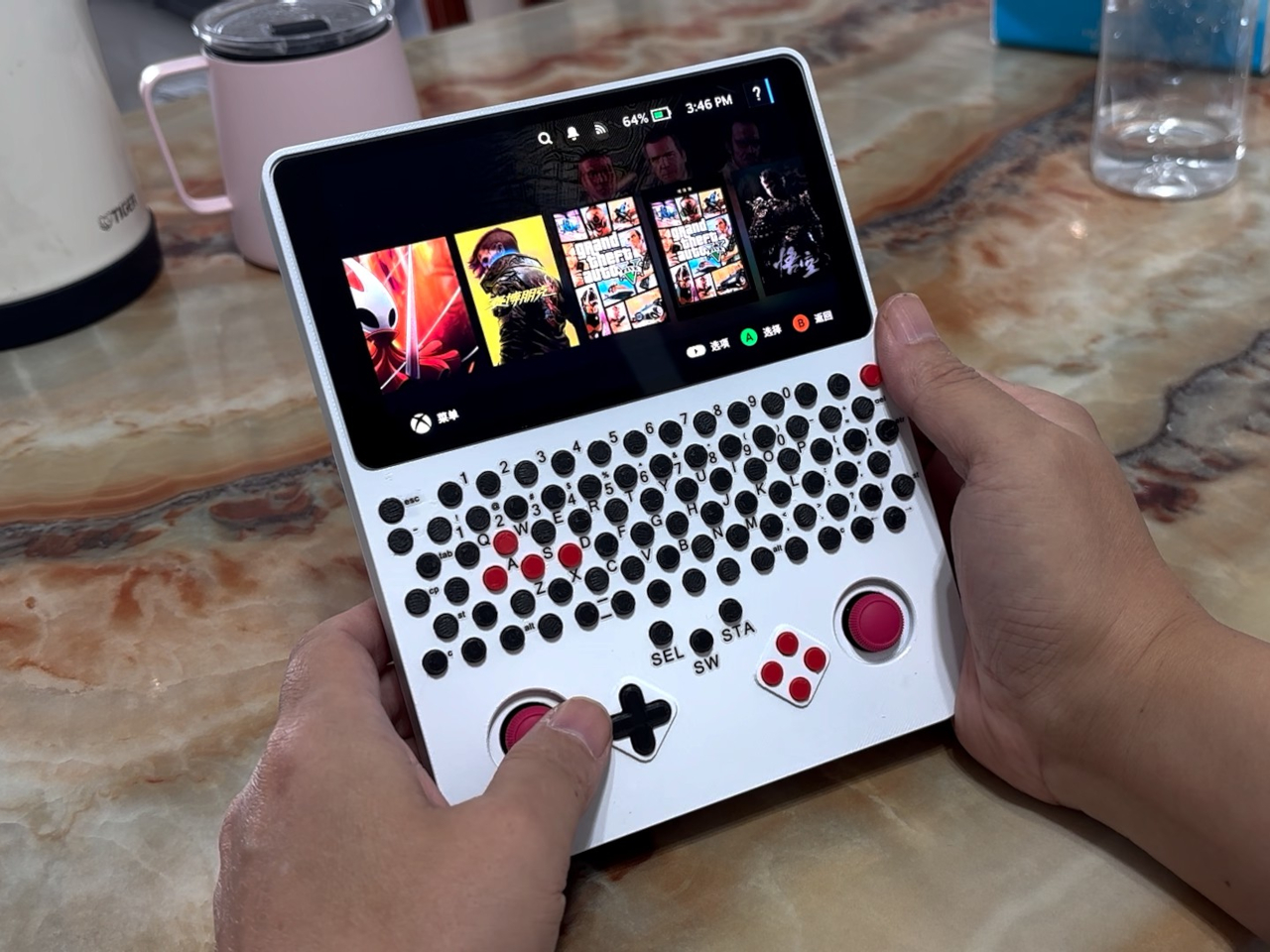
That keyboard is where the project wanders away from a simple nostalgia exercise. Rows of tiny circular keys occupy the space between the display and controller buttons, complete with a number row and letter keys. Red WASD keys stand out among the black ones, making the PC connection hard to miss. This Game Boy relative has considerably more to say for itself.

Having physical keys could make entering a search term, naming a save, or typing a message less dependent on an on-screen keyboard. You wouldn’t have to surrender part of the display just to bring up the letters. Those small, tightly packed buttons don’t promise laptop-like typing, however. They’re better understood as a compact input option than an invitation to write your novel.
Below the keyboard, two red thumbsticks flank a black directional pad and four red face buttons. The white enclosure keeps those clusters visually distinct, despite the unusually busy front. Your thumbs work beneath the screen rather than alongside it, while typing means reaching farther up the body. The layout separates playing and text entry spatially, even though both happen on the same surface.

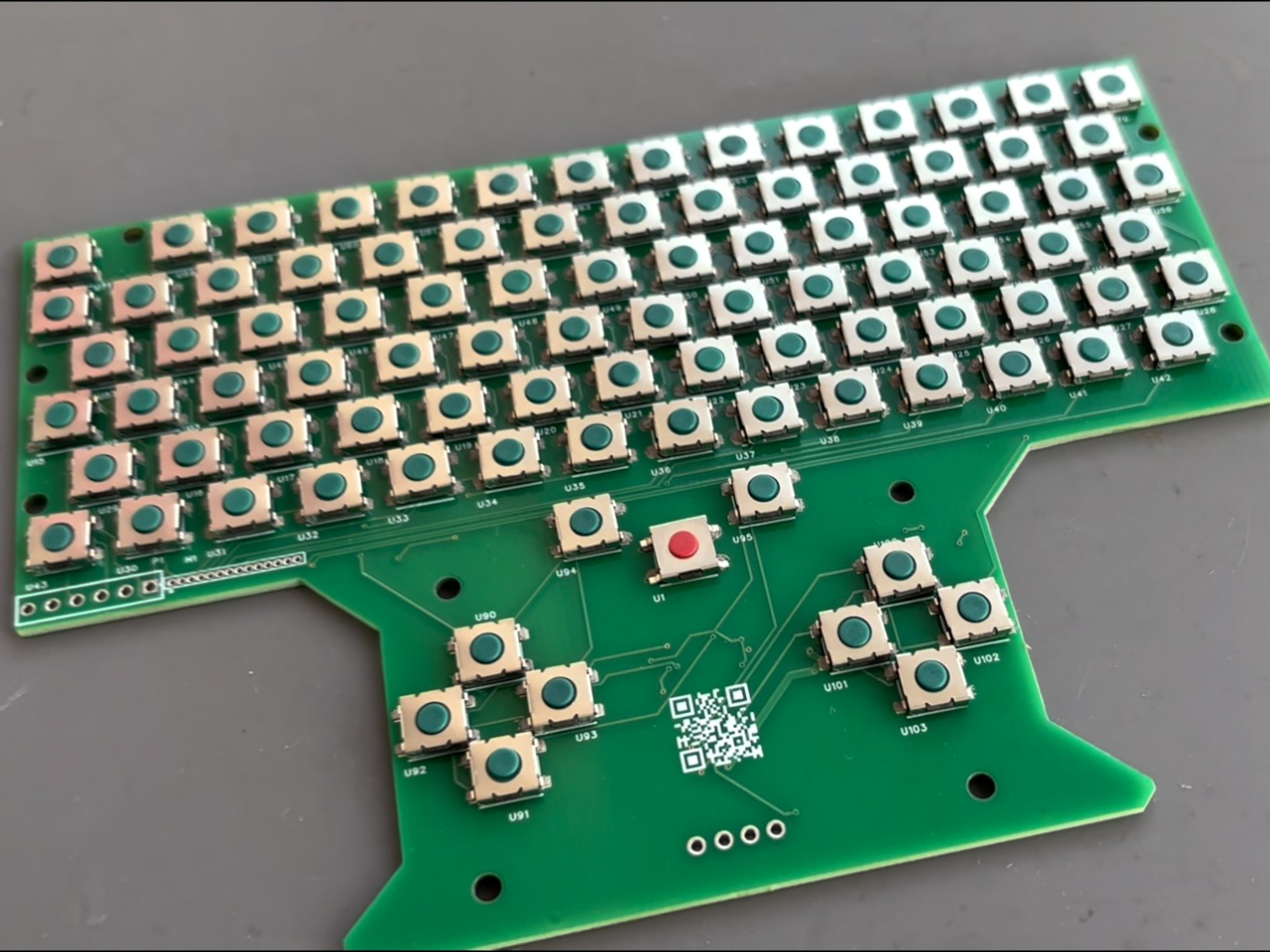
Building that arrangement takes more than finding an empty shell. The project includes a custom circuit board populated with small switches, along with firmware and a case modeled around the replacement display, using water-soluble printing material for finer detail. Soldering and programming are part of the work, so this isn’t a housing you snap around an otherwise untouched handheld.
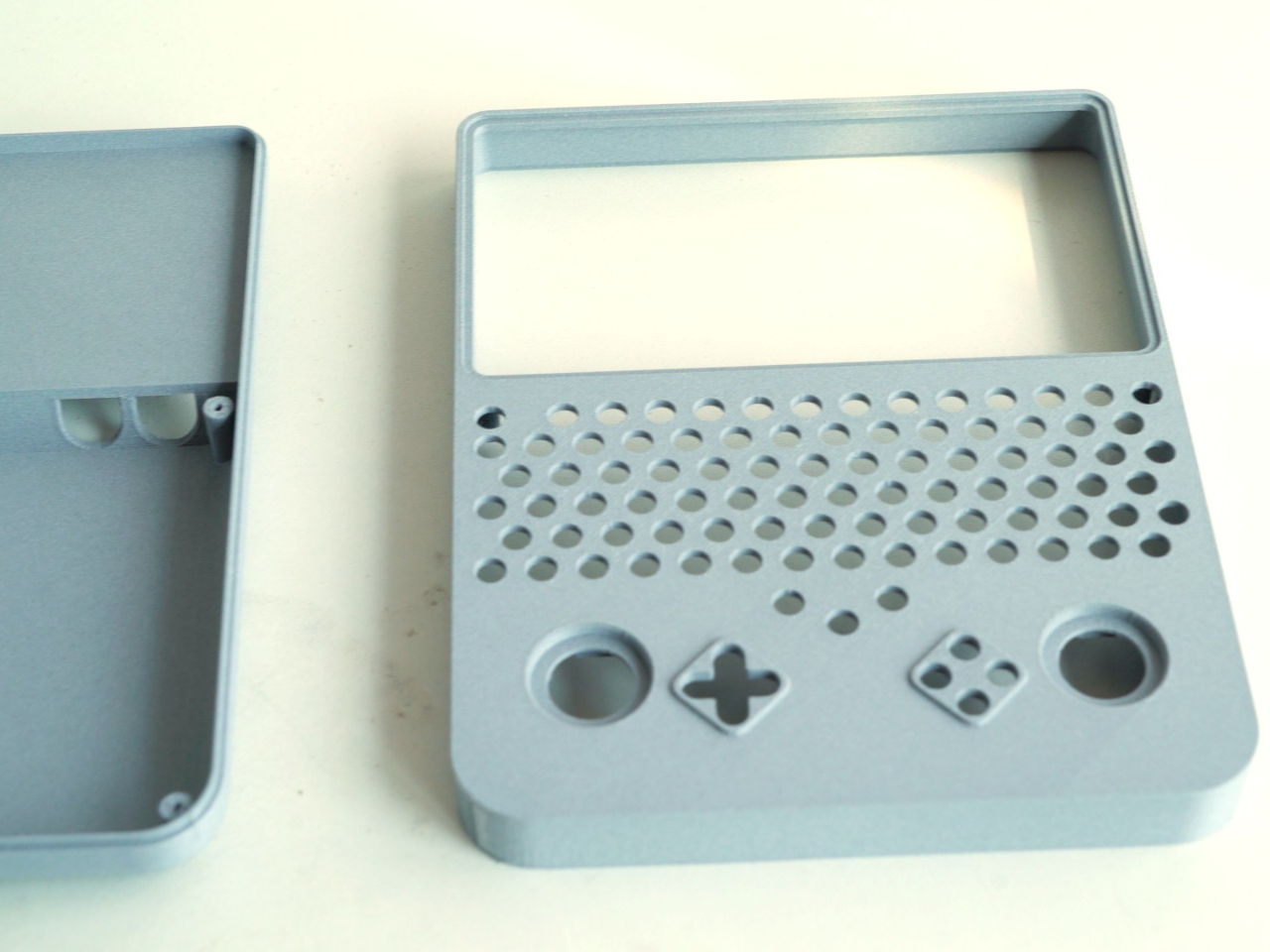
The project carries a Windows-oriented title, but the handheld retains SteamOS. That’s an important distinction, since Valve’s Proton compatibility layer lets supported Windows games run on Linux without installing Windows. The build therefore shouldn’t be mistaken for a confirmed Windows conversion. Its familiar Steam interface also says little about frame rates or how individual games handle the revised hardware.

Weight, battery life, and cooling performance aren’t documented, so the upright shape shouldn’t be mistaken for a proven comfort upgrade. There’s more to reach around than on an original Game Boy, especially with that keyboard separating screen and sticks. The nostalgic outline survives, but its simple controls have given way to something your childhood handheld never needed: a place for the Ctrl key.
The post DIY Steam Deck Rebuild Pairs a Game Boy-Style Body With a Physical Keyboard first appeared on Yanko Design.
  •  

New PlayStation Portal Adds Storage but Still Can’t Download PS5 Games

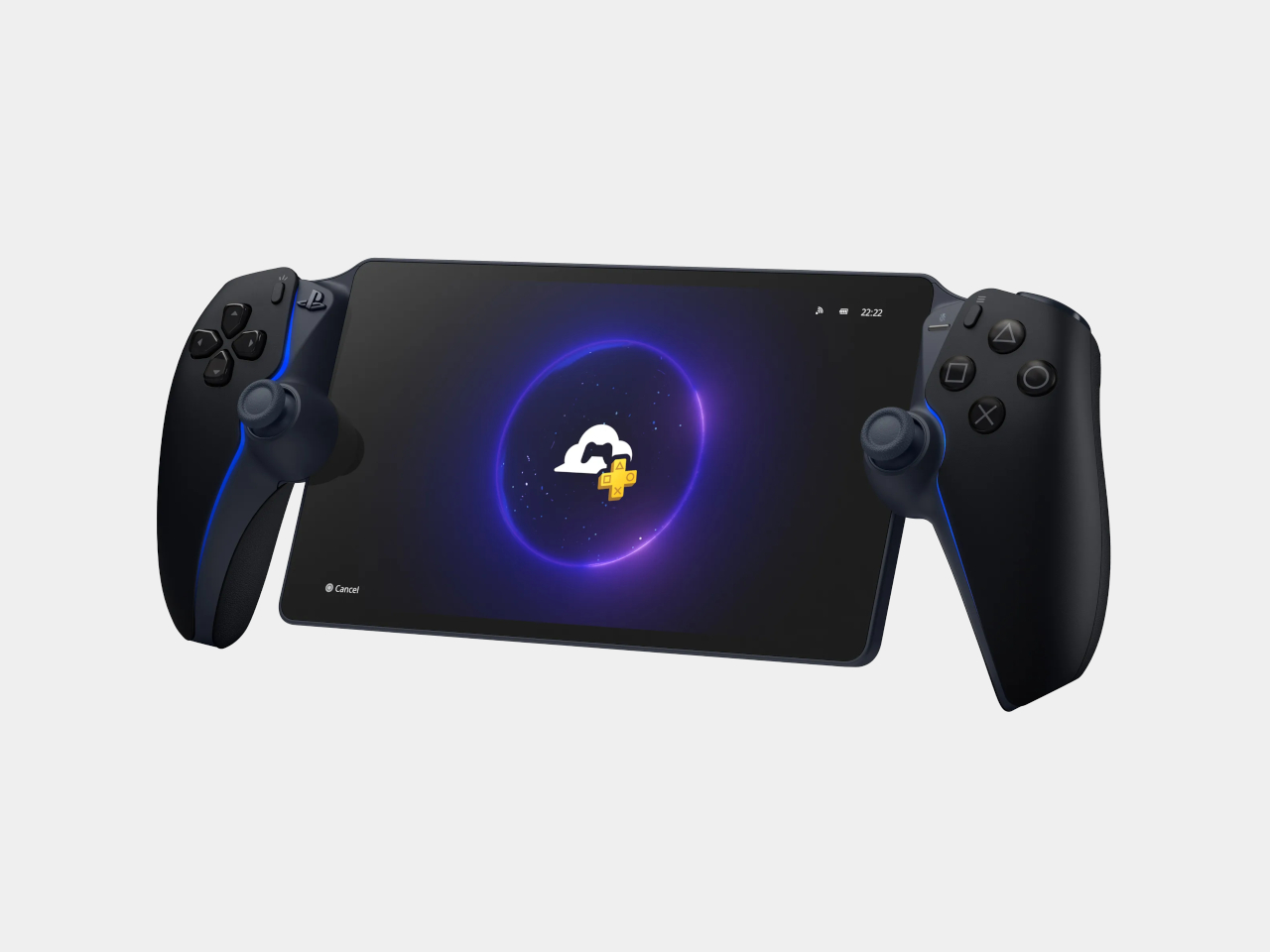
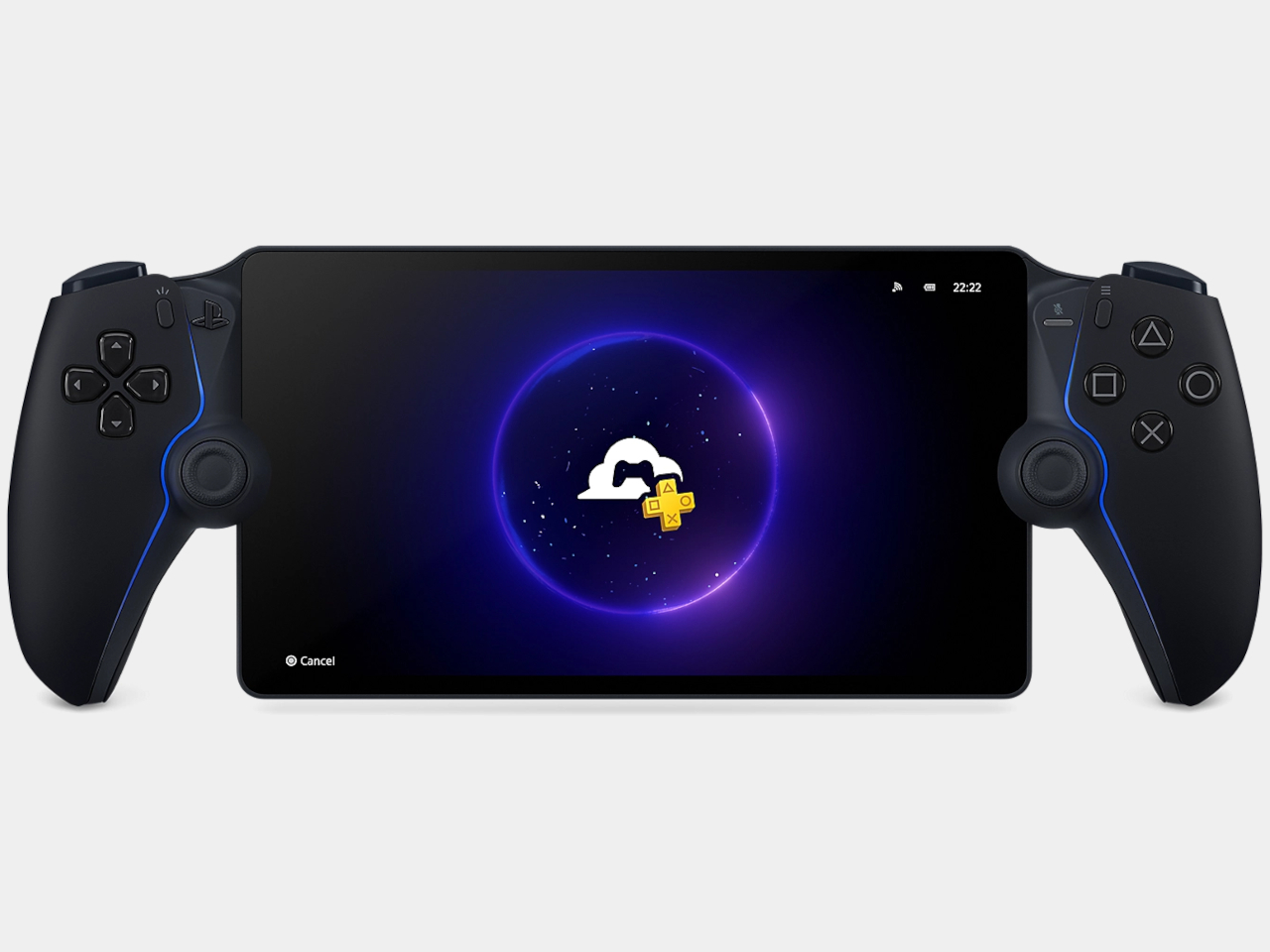
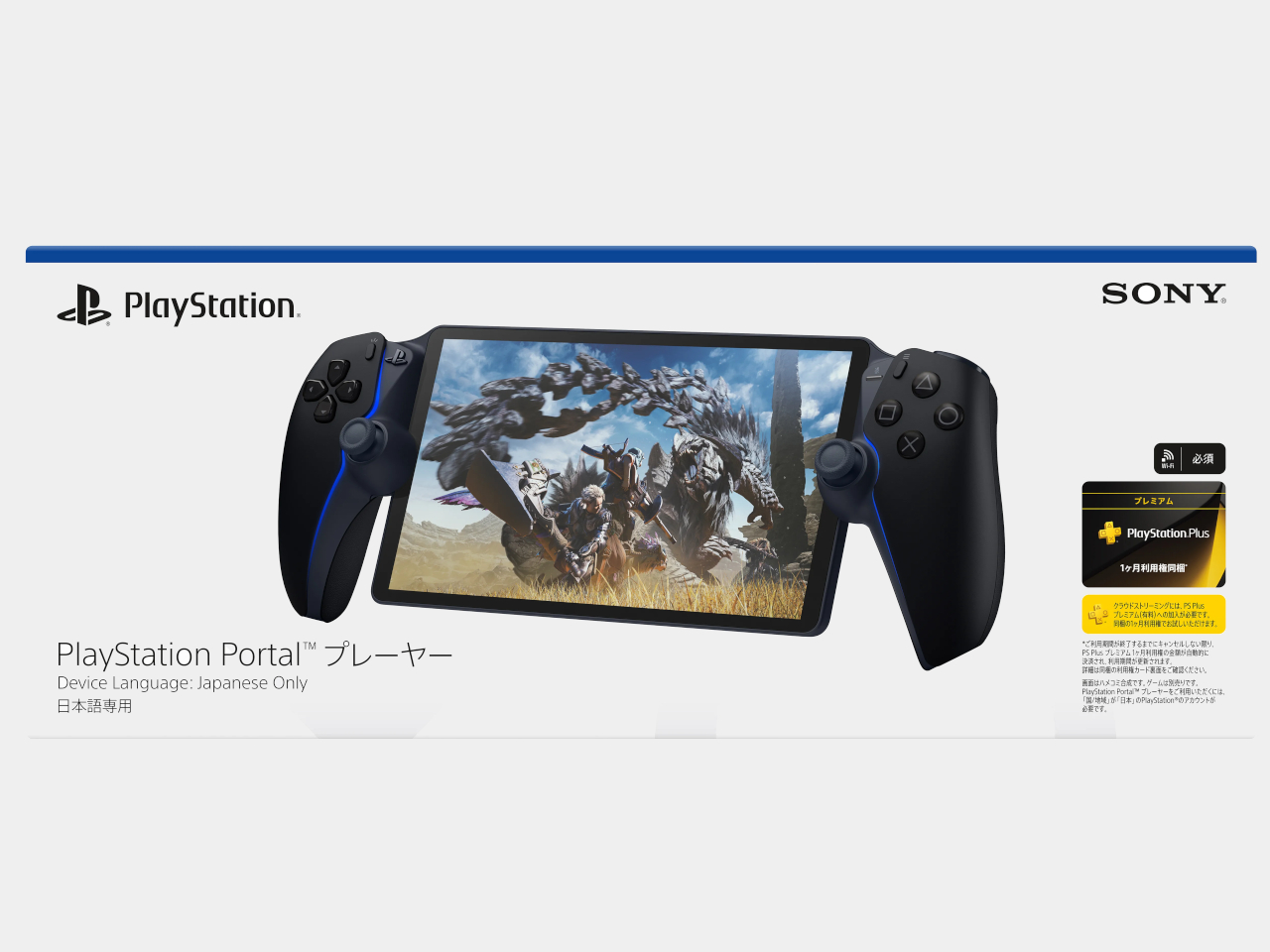
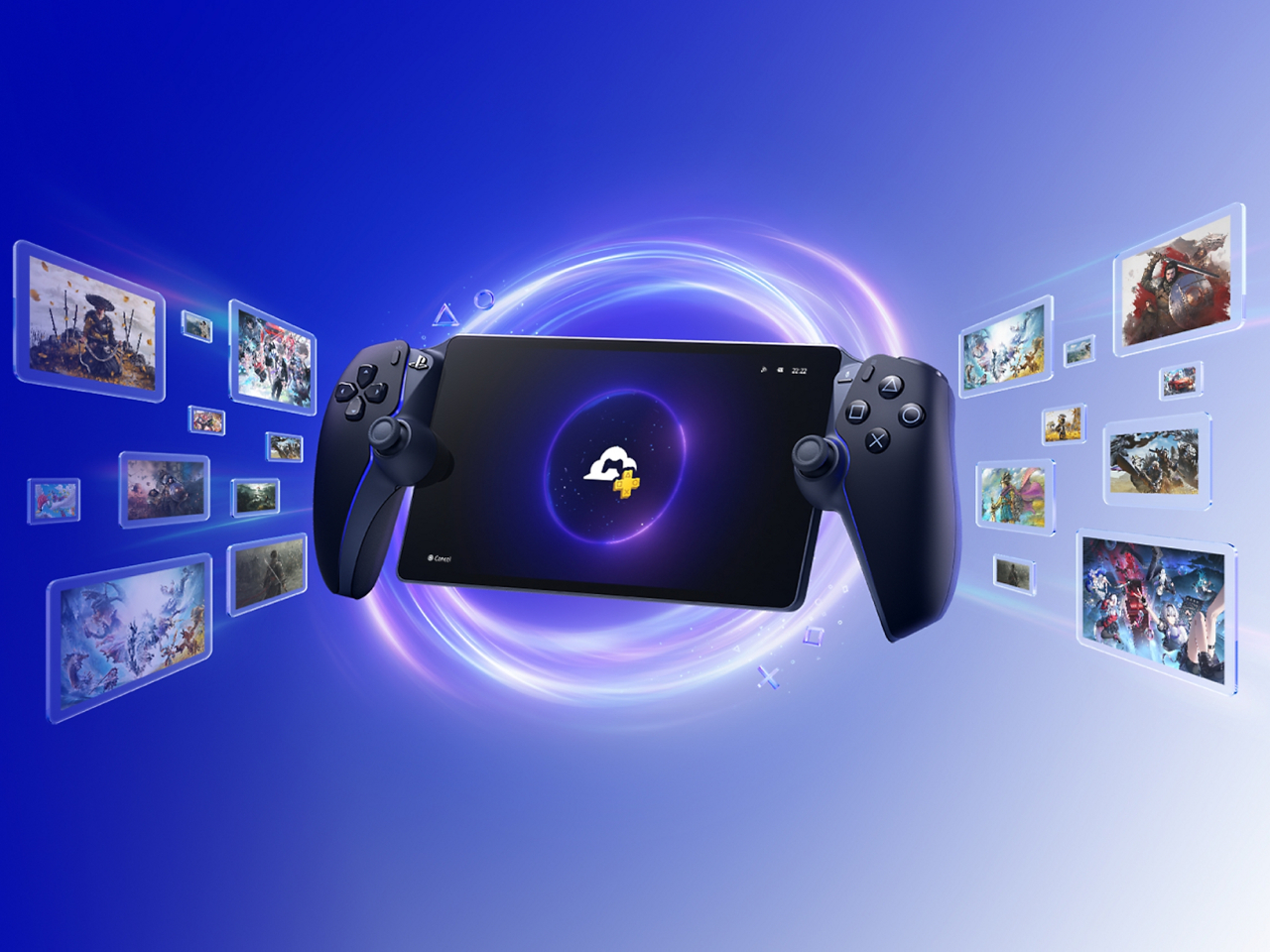
The PlayStation Portal still looks like someone stretched a DualSense controller around a tablet, and Sony’s latest revision doesn’t change that rather peculiar silhouette. Announced on November 9, 2026, for Japan and South Korea, the upcoming PlayStation Portal Player adds internal storage while keeping its familiar screen. What that extra space will actually do, however, is something Sony isn’t ready to explain.

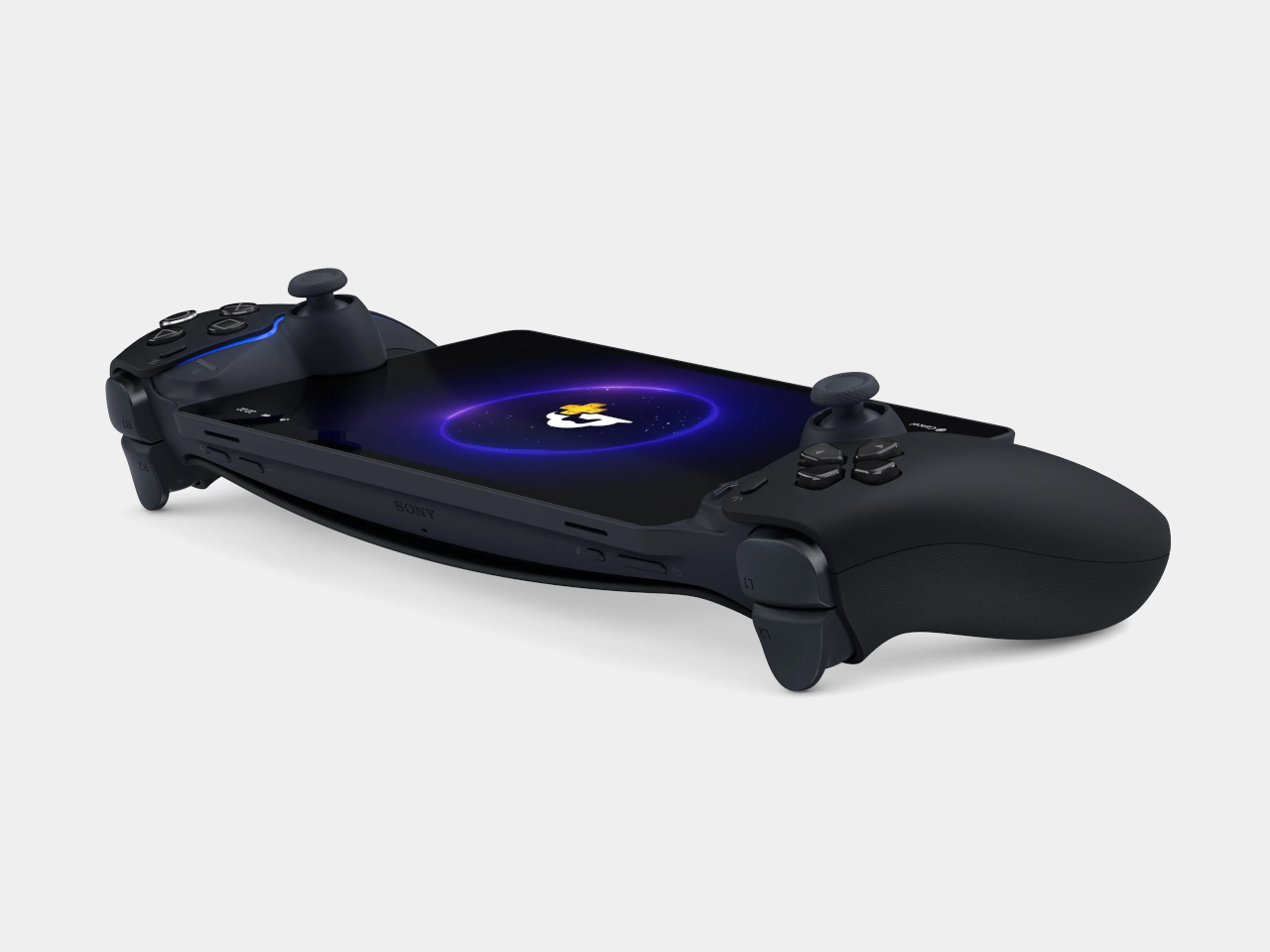
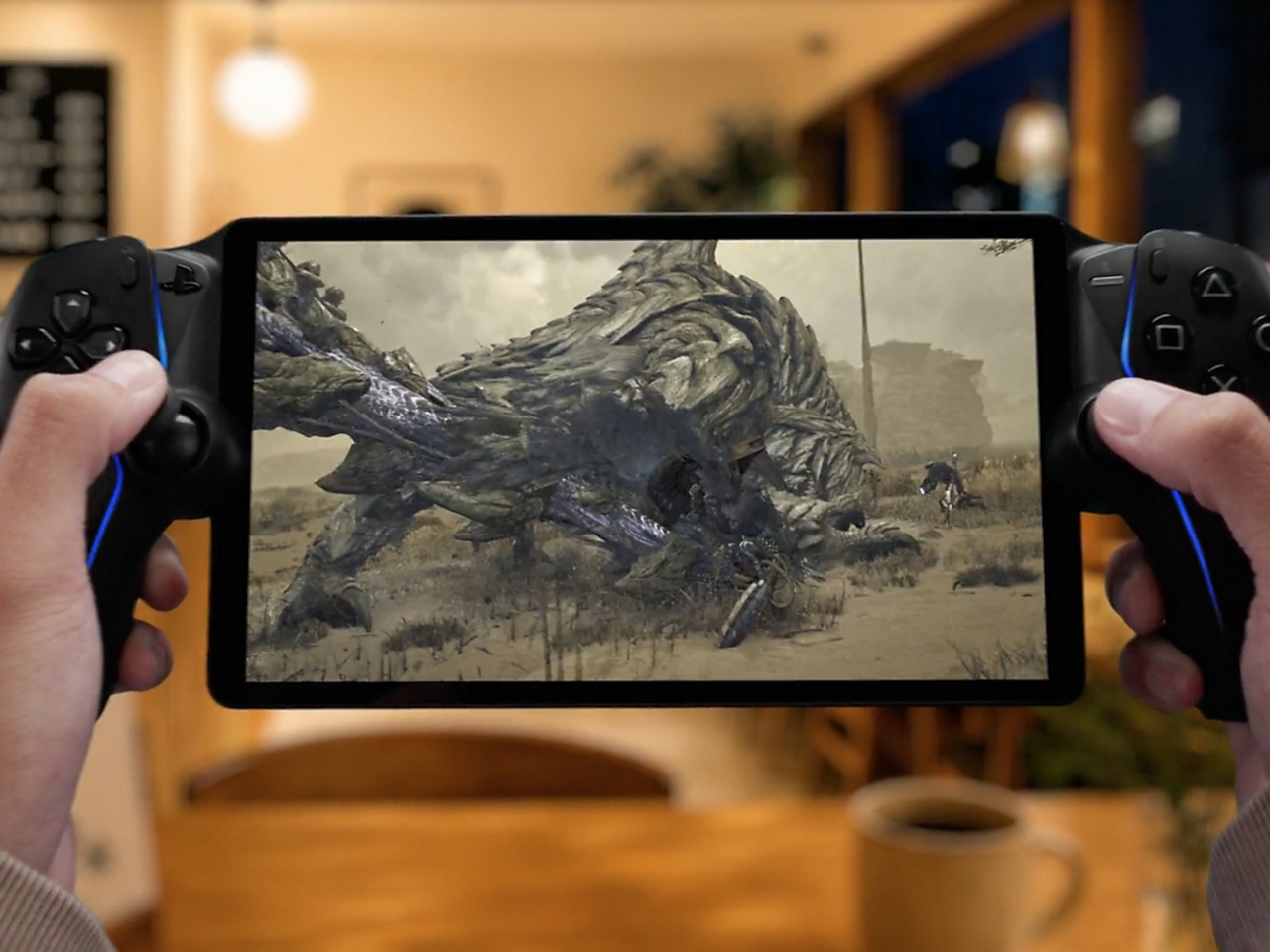
The Midnight Black finish brings the curved grips and display bezel together visually, leaving the screen as the obvious centerpiece. It isn’t a new color, having appeared on the Portal in February 2025. The important physical choice remains those substantial controller grips, with familiar button layouts and thumbsticks that give your fingers somewhere to settle rather than crowding everything onto a flat slab.

Designer: Sony

That screen is still an 8-inch LCD supporting 1080p imagery at up to 60 frames per second, so anyone hoping for OLED won’t find an upgrade here. Adaptive triggers and haptic feedback remain available in compatible games, adding game-specific vibrations and changes in trigger resistance. That keeps things familiar for playing from the sofa while someone else claims the living room television.

Remote Play still connects the handheld to your PS5, while cloud streaming lets eligible PS5 games run on Sony’s servers instead. The latter requires PlayStation Plus Premium, but doesn’t require owning a console. That’s why Sony has dropped “Remote” from this model’s name, acknowledging that the device can serve as someone’s window into PlayStation games rather than an accessory to their television.

That independence isn’t new, though. Cloud streaming entered beta in November 2024 and officially launched in supported markets in November 2025, so this revision isn’t introducing console-free play. The actual hardware change is expanded internal storage, with neither its capacity nor its future purpose disclosed. More space inside the housing doesn’t automatically mean there’s a full library of downloadable PS5 games waiting to move into it.

Sony explicitly says PS5 games can’t be downloaded to the Portal. That leaves the familiar dependency on Wi-Fi, regardless of how much storage this version contains. Moving from the bedroom to a café can work with a suitable connection, but losing that connection means you can’t keep playing. Your hands carry the controls and screen, while the actual game runs somewhere else.

There’s another restriction that has nothing to do with signal strength. Sony specifies the Japanese model for domestic use, with Japanese as its only system language and support limited to Japan-region PlayStation accounts. South Korea gets its own equivalent, restricted to Korean and Korean-region accounts. Importing either version isn’t a straightforward upgrade for an American player, even if the hardware looks reassuringly familiar.

Both versions arrive December 10, 2026, with preorders opening November 13 at 10 a.m. locally. Japan’s price is ¥39,980 (about $252), including tax, with one month of Premium included. Afterward, cloud access needs an ongoing subscription. The storage offers no confirmed benefit yet, making account eligibility and reliable Wi-Fi more useful purchase considerations than whatever Sony might eventually put there.

The post New PlayStation Portal Adds Storage but Still Can’t Download PS5 Games first appeared on Yanko Design.

  •  
❌