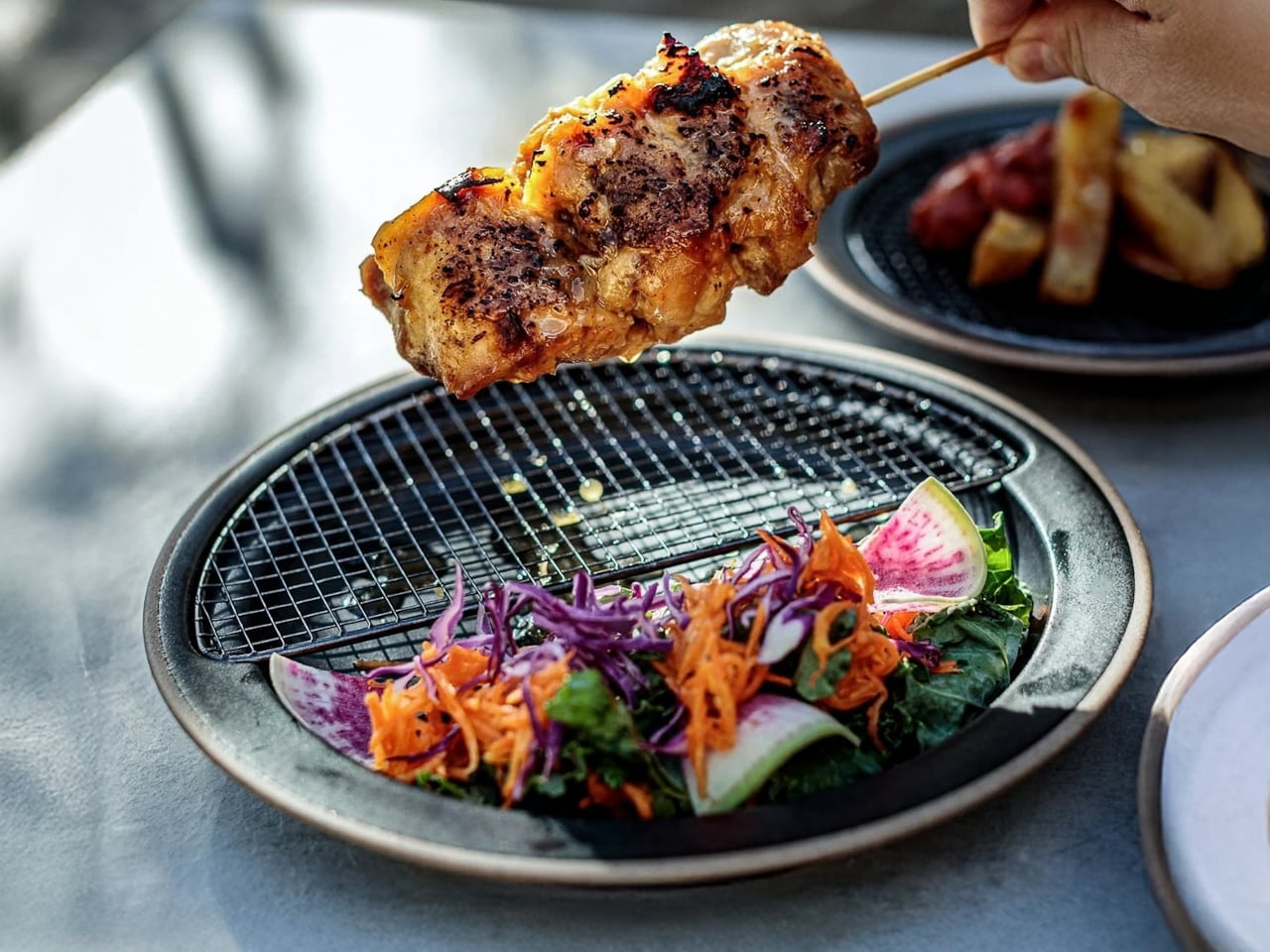
Freshly fried food shouldn’t have to sit in its own drippings while you finish dinner. A plate with a removable rack is one answer. A measuring cup that pushes sticky ingredients out is another small fix worth noticing. This month’s kitchen picks start with those ordinary frustrations, then look at the objects behind them: what takes up space, what gets used, and what makes the next meal easier to manage.
Our November 2026 selection covers preparing, cooking, serving, and storing food. These are editorial design picks, not comparative test winners or eight launches from this month. We chose each for a specific mechanism or useful overlap, with cleaning requirements and storage demands considered alongside appearance.
1. Half-Moon Plate
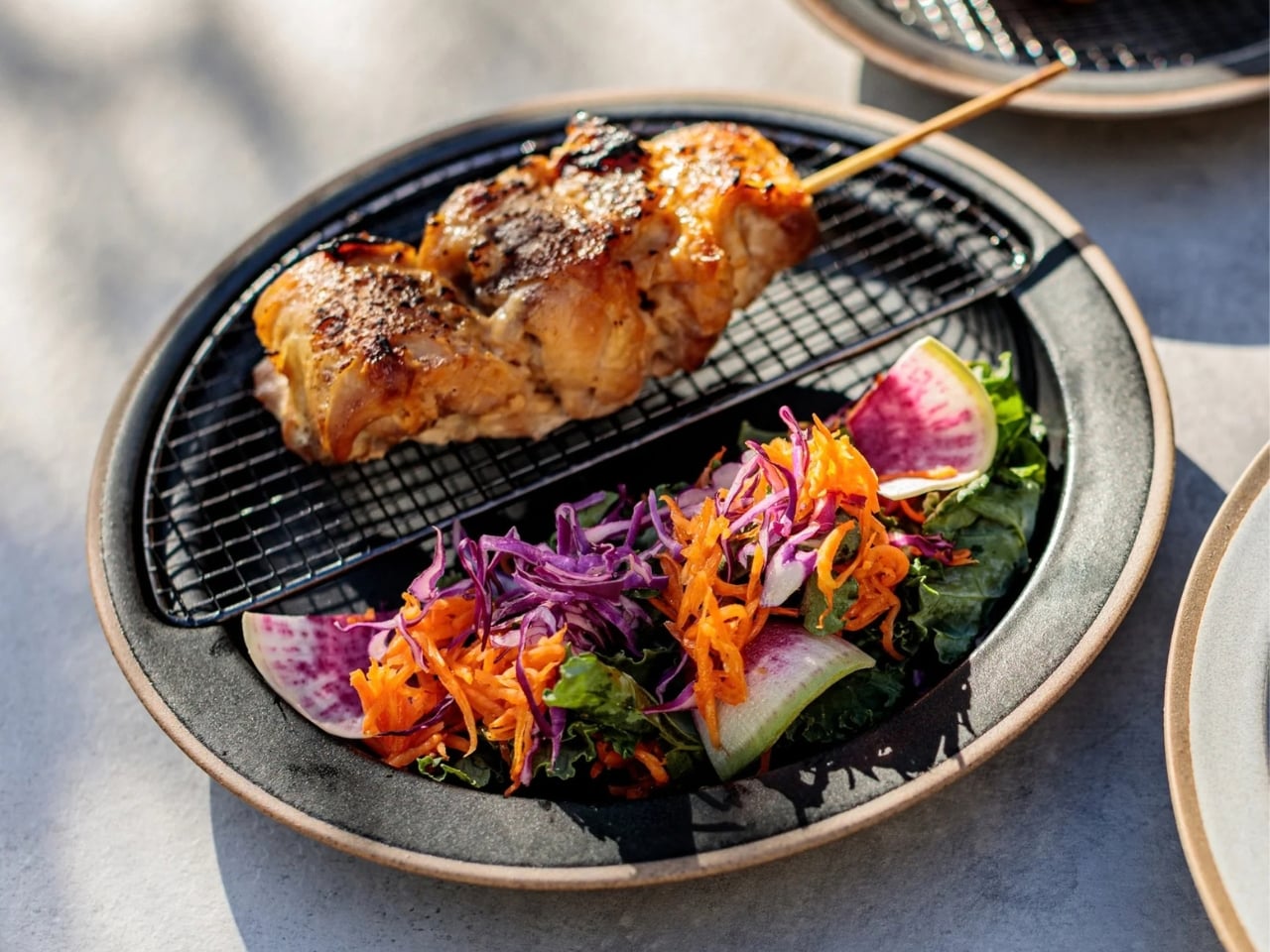

The Half-Moon Plate gives fried food somewhere to drain without sending it to a separate tray. A removable stainless steel rack covers roughly half the ceramic plate, lifting chicken, tempura, or potatoes above the oil and moisture collecting underneath. The uncovered portion remains available for rice, vegetables, or salad. That division makes the design useful before anyone takes a bite: the draining surface and serving dish become one object, removing a transfer from the trip between the pan and table.
The material pairing deserves attention, too. Mino ware ceramic from Toki, Gifu, meets a blackened 18-8 stainless steel rack made in Tsubame, Niigata. At 8.9 inches across, the plate stays close to an everyday dinner setting rather than becoming a serving platter. Remove the rack when dinner doesn’t need it, and the ceramic works alone. That’s the feature that earns it our lead position: a specialized tool that doesn’t sit unused between the meals it was designed for.
Click Here to Buy Now: $70.00
What we like
- The removable rack combines draining and serving.
- The ceramic plate remains useful without the rack.
What we dislike
- The rack adds a second piece to wash.
- It isn’t oven-safe, and you must remove the rack before microwaving.
2. Dreamfarm Upcup Adjustable Measuring Cup
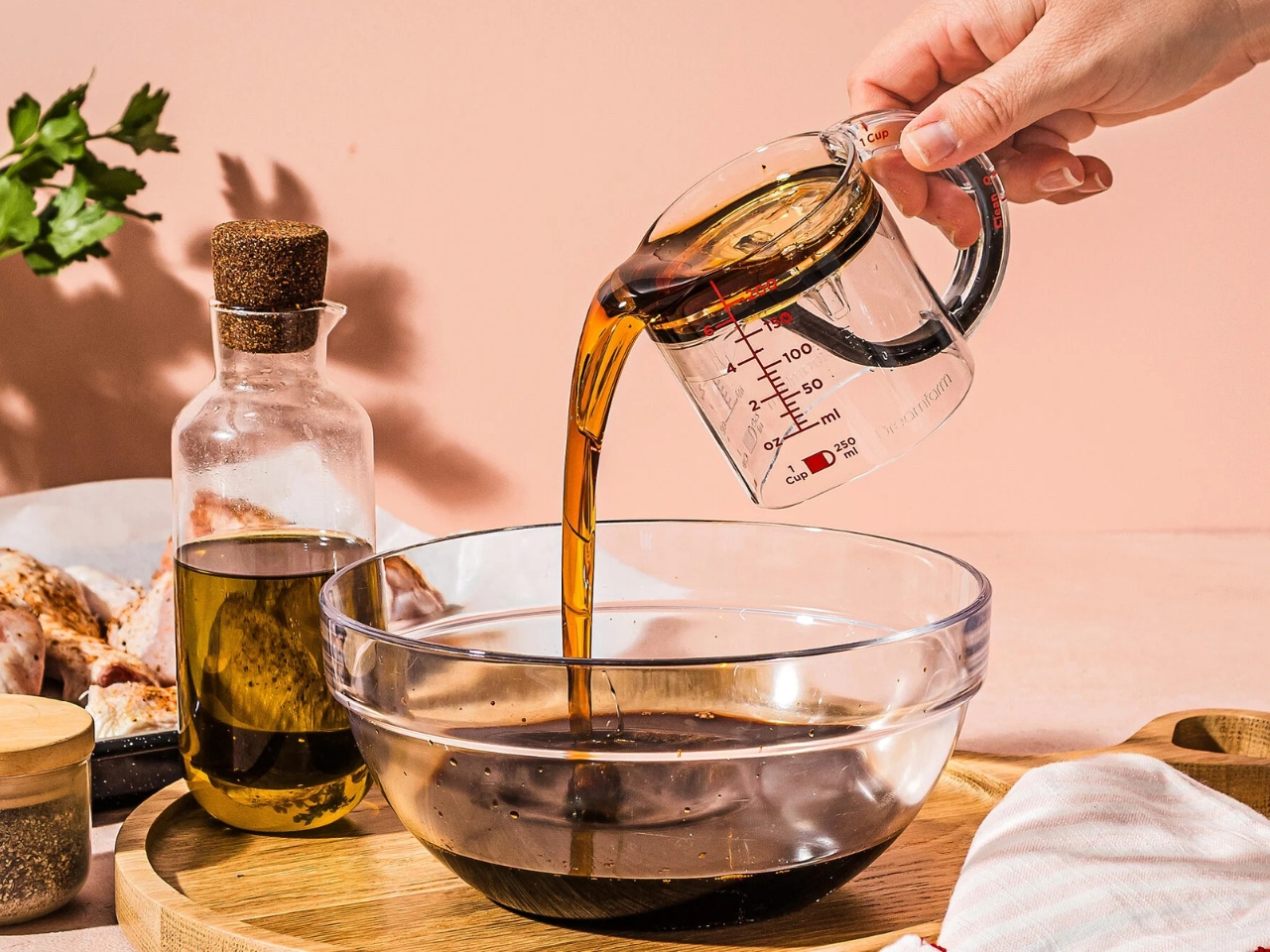
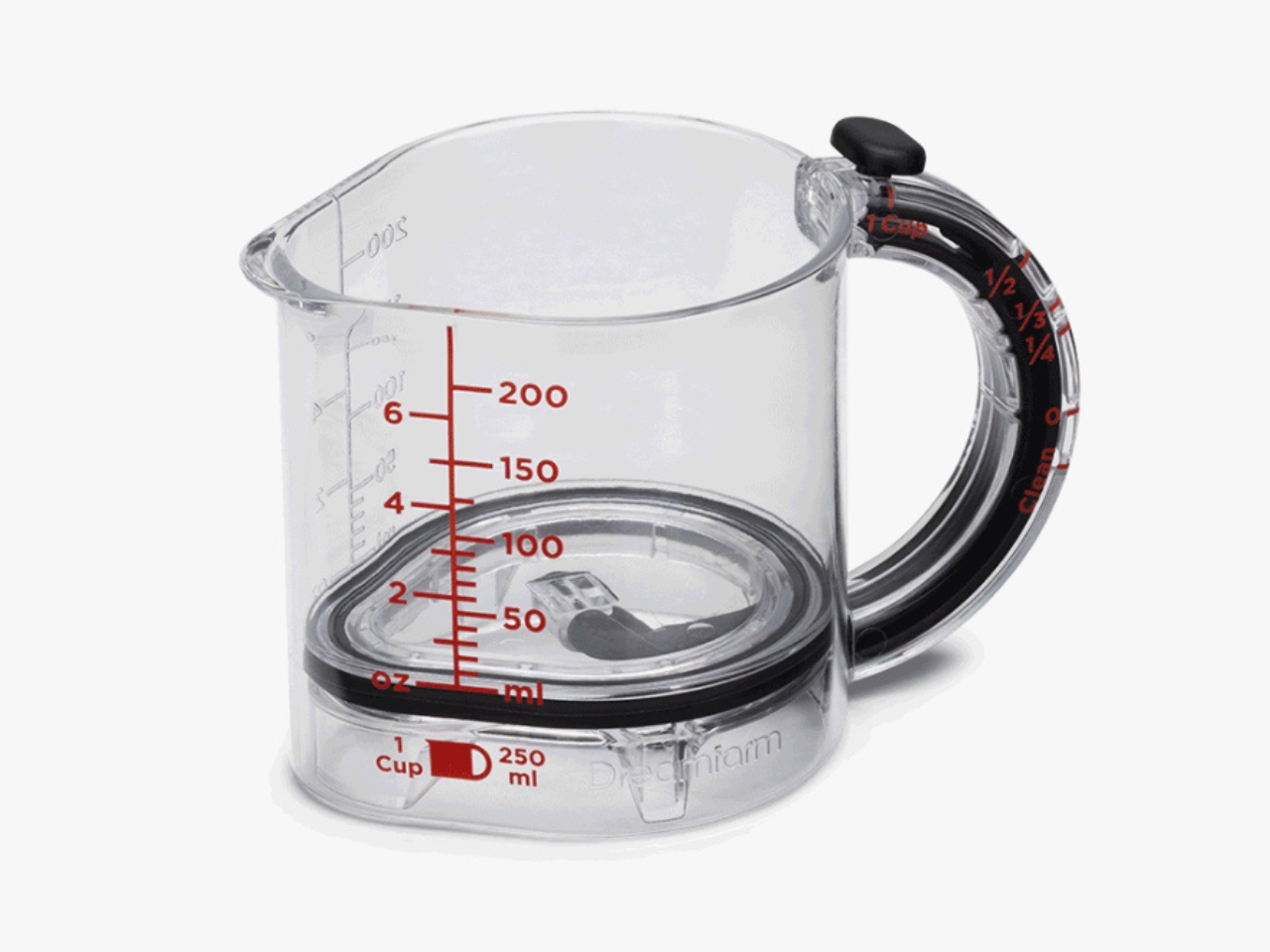
Sticky ingredients expose the weakness of an ordinary measuring cup: filling it is easy, emptying it is another job. Dreamfarm’s Upcup uses a movable base with a watertight seal that scrapes the walls as it rises. Set it for ¼, ⅓, ½, or 1 cup, fill the space, then push the base upward to release the contents. For peanut butter, honey, or mayonnaise, that gives the ingredient a direct route into the mixing bowl without a second scraping tool.
The storage argument is straightforward: four cup measurements share one body instead of four separate handles. Dreamfarm makes the cup from Tritan with a silicone seal, and the base can pop out for washing in the dishwasher. The important distinction is that scraping out residue doesn’t replace washing; it simply addresses the awkward part of emptying a measure. This is a useful consolidation for bakers, especially when the alternative is a drawer full of cups and spatulas performing overlapping jobs.
What we like
- Four common cup measures share one body.
- The removable base allows thorough dishwasher cleaning.
What we dislike
- The standard Upcup stops at 1 cup.
- The sliding base and seal add parts to clean.
3. OTOTO Elizabat Kitchen Scissors
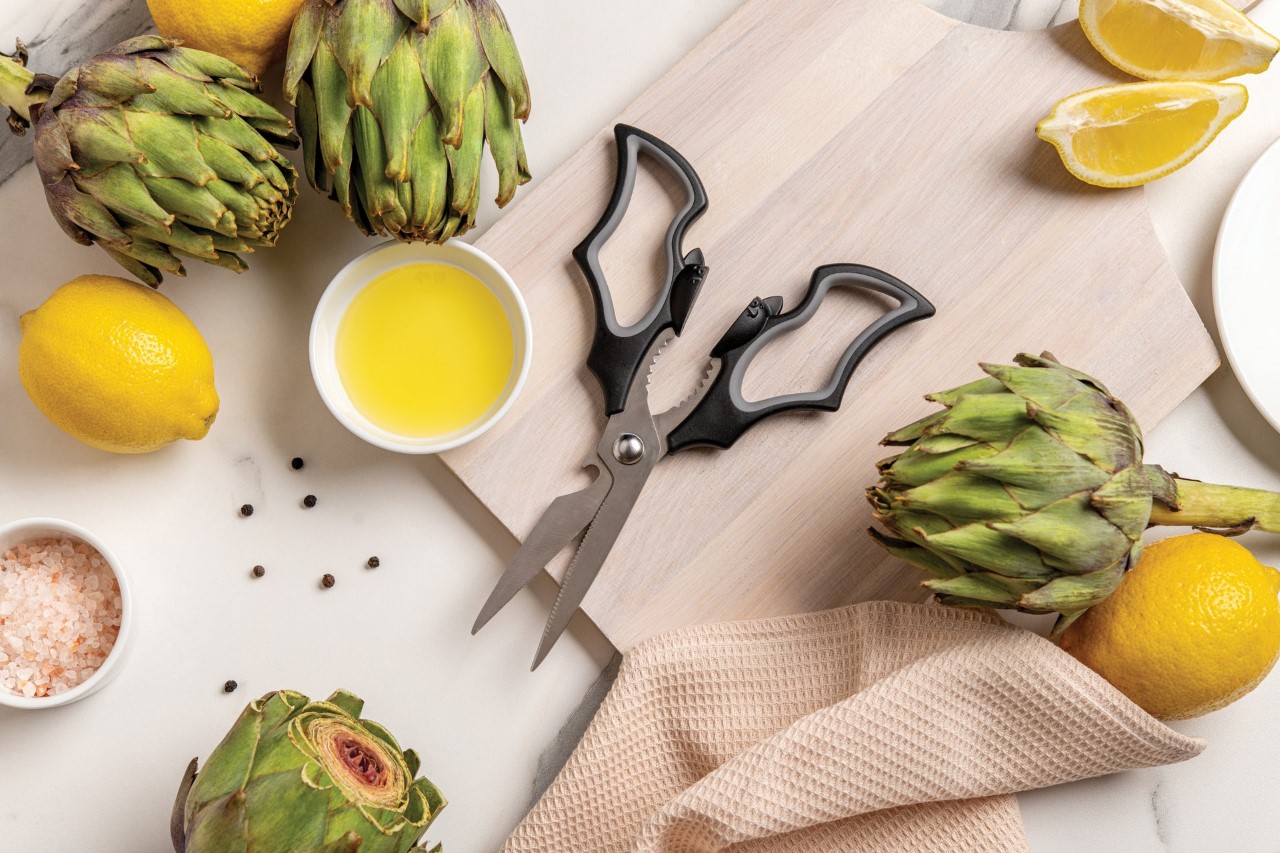
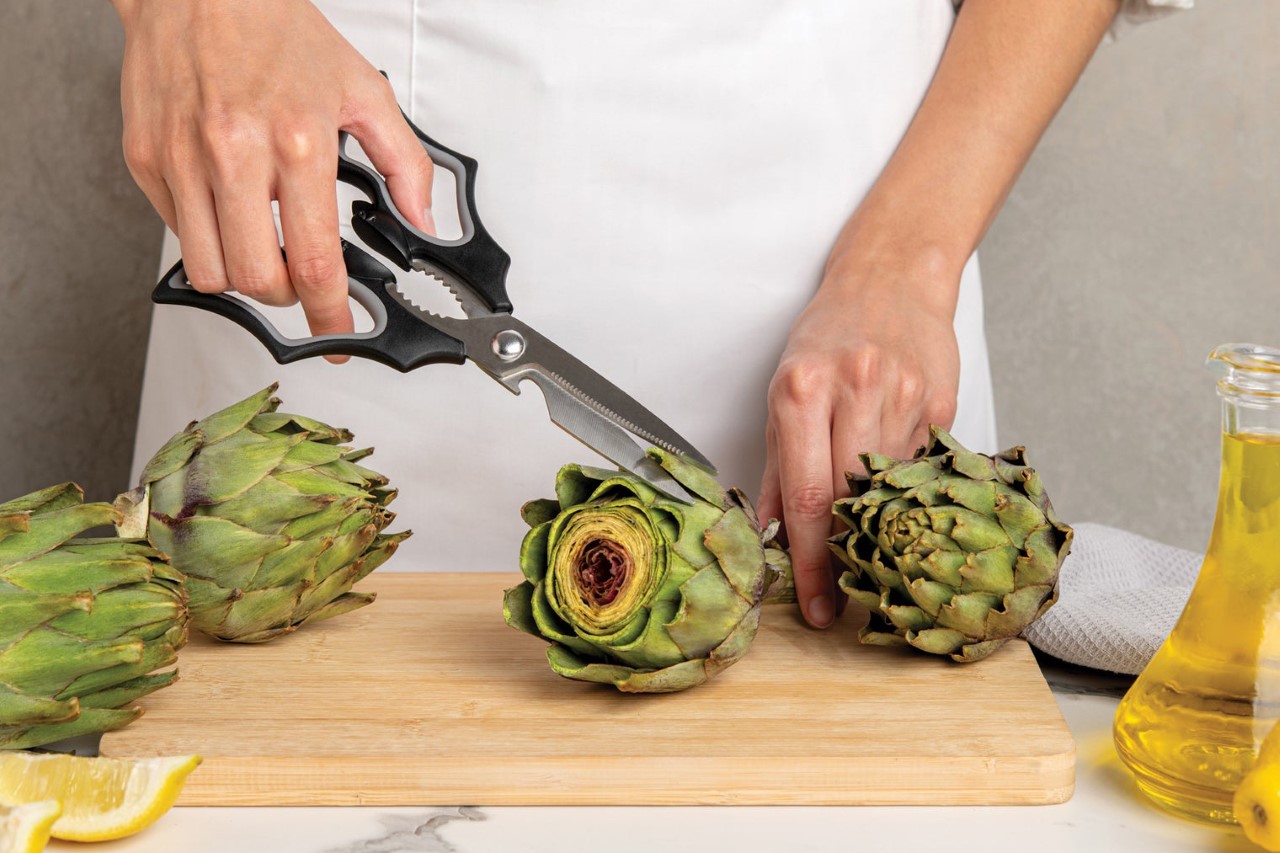
OTOTO’s Elizabat puts its extra functions where your hand already expects leverage. The stainless steel blades include a bottle opener, while ridged metal between the handles provides a nutcracker. The handles become a bat’s wings, turning a familiar pair of kitchen scissors into a character without disguising the working parts. For a drawer already holding separate scissors and a bottle opener, the appeal is easy to understand: several ordinary tasks share the same tool, with nothing to attach or unfold.
The humor doesn’t excuse the footprint. OTOTO lists Elizabat at 8.3 inches long and 4.6 inches wide, so those wings need a generous utensil compartment. Plastic and rubber form the handles around the steel blades, and the scissors are dishwasher-safe. They make the most sense as everyday prep shears for trimming herbs and opening packages. Grip comfort remains personal, particularly with such an unusual outline, so the silhouette shouldn’t be mistaken for proof that every hand will find it comfortable.
What we like
- Scissors, bottle opener, and nutcracker share one tool.
- There are no loose attachments to store.
What we dislike
- The 4.6-inch width needs a roomy compartment.
- The unconventional grip makes checking the fit worthwhile.
4. Playful Palm Grater
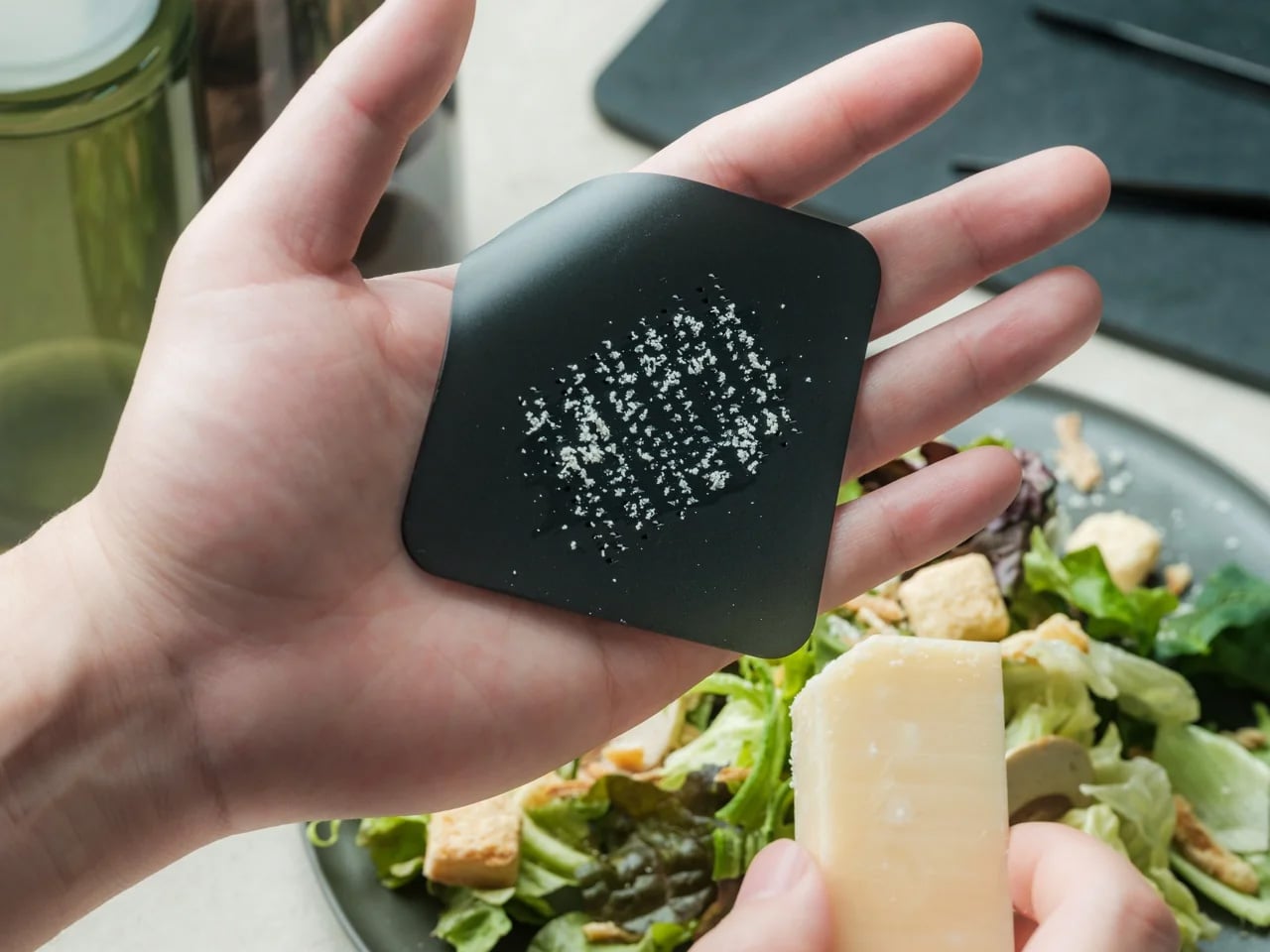
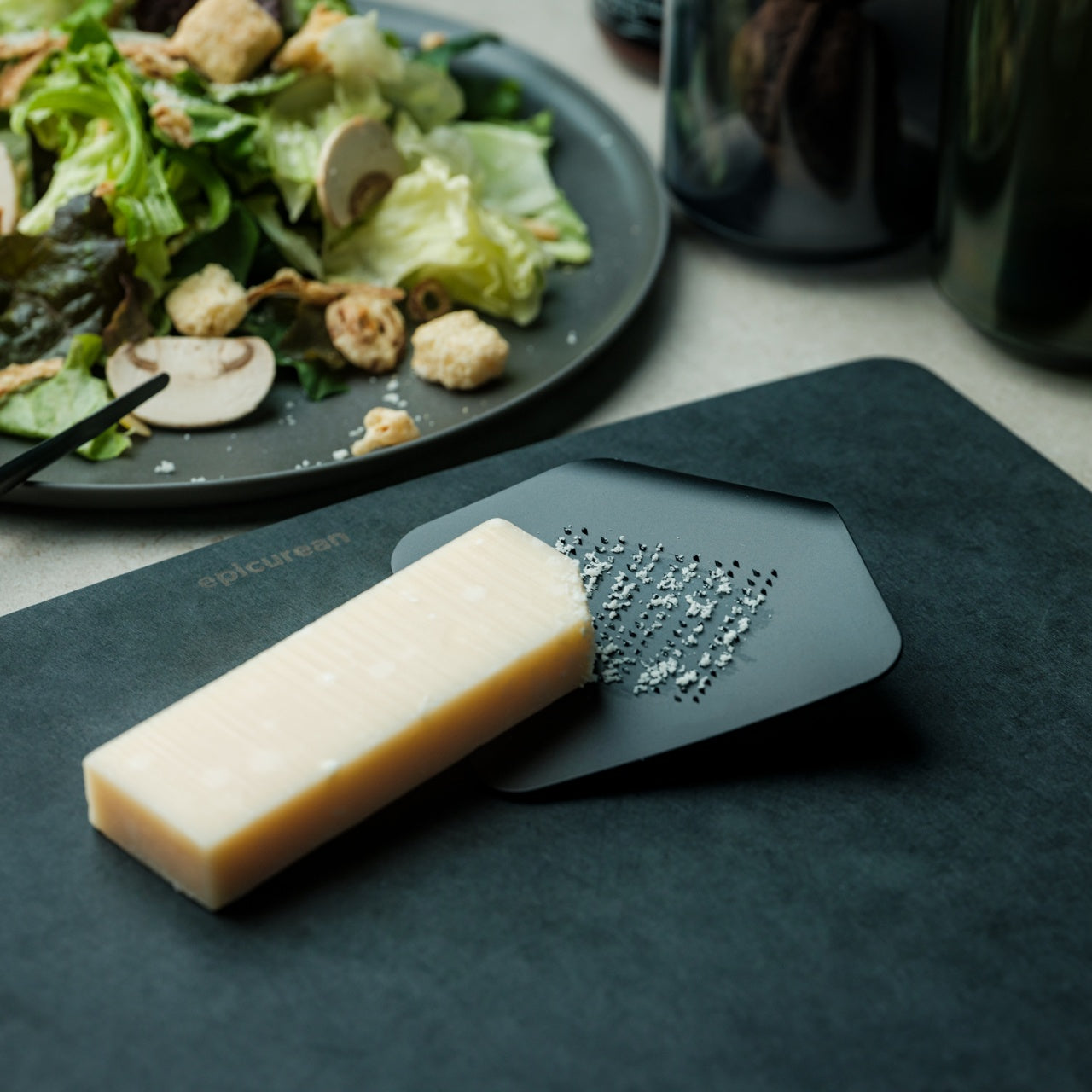
Gensuke Kishi’s Playful Palm Grater looks like a small sheet with one corner curling upward. That bend gives your fingers a place to hold a tool otherwise made from a single aluminum alloy plate. Measuring 4.1 by 3.6 inches, it takes a different approach from a tall box grater: a compact surface for adding a little cheese or grated vegetables to a meal. The shape is the grip, rather than a decorative body wrapped around another handle and cutting assembly.
Made in Japan and offered in several colors, it has enough personality to leave out at the table without reading as another appliance. Its limited scale suits the finishing stage of cooking, when you want a garnish rather than a bowlful. That’s also its boundary. A palm-sized grating surface isn’t the obvious choice for processing vegetables for family dinners. Think of it as a specific utensil that can live alongside your cutlery, not a replacement for every grater you own.
Click Here to Buy Now: $25.00
What we like
- The single-piece aluminum body keeps construction simple.
- Its small footprint suits garnishing and compact storage.
What we dislike
- The limited surface area favors small quantities.
- It doesn’t replace a box grater’s range of cutting faces.
5. Iron Frying Plate
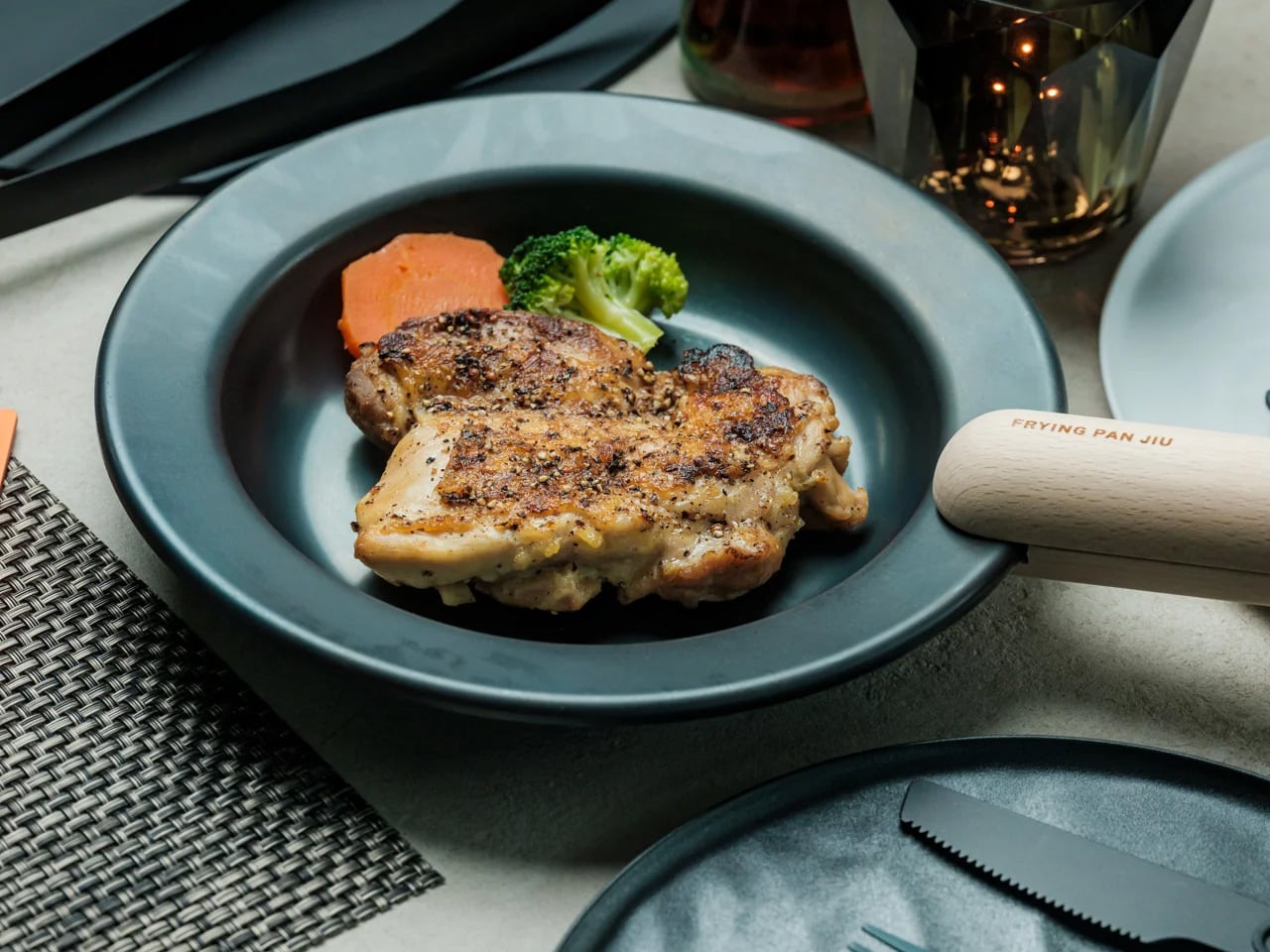
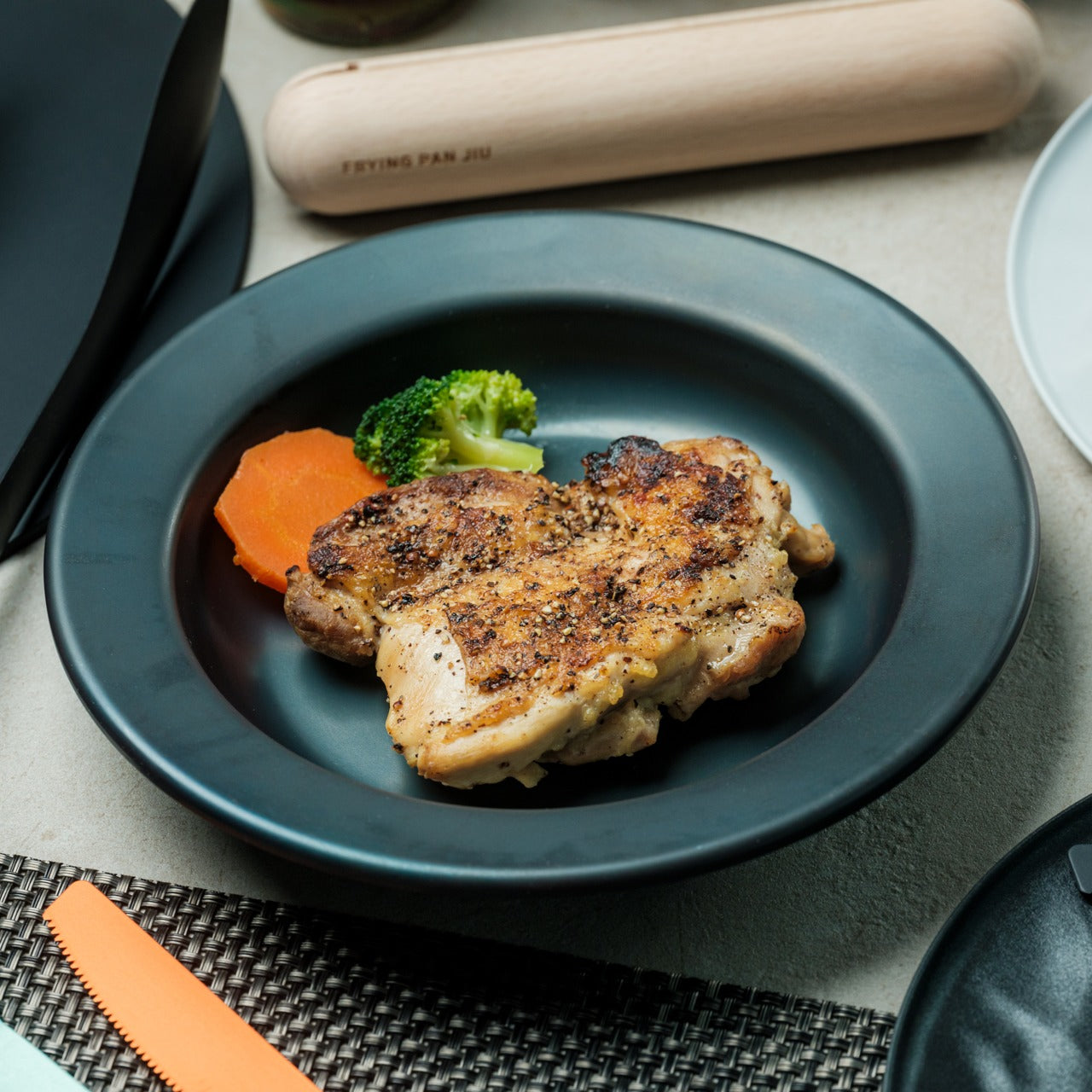
The Iron Frying Plate, also known as JIU, removes the usual distinction between cookware and the dish you eat from. Developed by Osaka manufacturer Fujita Metal with Tokyo design studio TENT, it uses 1.6mm mill scale steel and a detachable wooden handle. A sliding mechanism lets you attach or remove the handle with one hand. Cook, carry, then detach it at the table, leaving the rim clear instead of a handle projecting across the place setting while you eat dinner.
The removable handle matters in the cupboard, too, where fixed handles often dictate how pans can be arranged. JIU pans can stack without that obstruction, making the system interesting for smaller kitchens. This remains iron cookware, though, rather than a plate you can forget in the sink. Fujita recommends drying the pan with heat after washing and applying a light coat of oil for long storage. Serving directly from it means keeping a hot metal surface away from the tabletop.
Click Here to Buy Now: $69.00
What we like
- Cooking and serving share the same vessel.
- The detachable handle allows storage without protruding grips.
What we dislike
- Iron needs drying and oiling for extended storage.
- The hot base needs protection underneath at the table.
6. Caraway Stainless Steel Vegetable Peeler
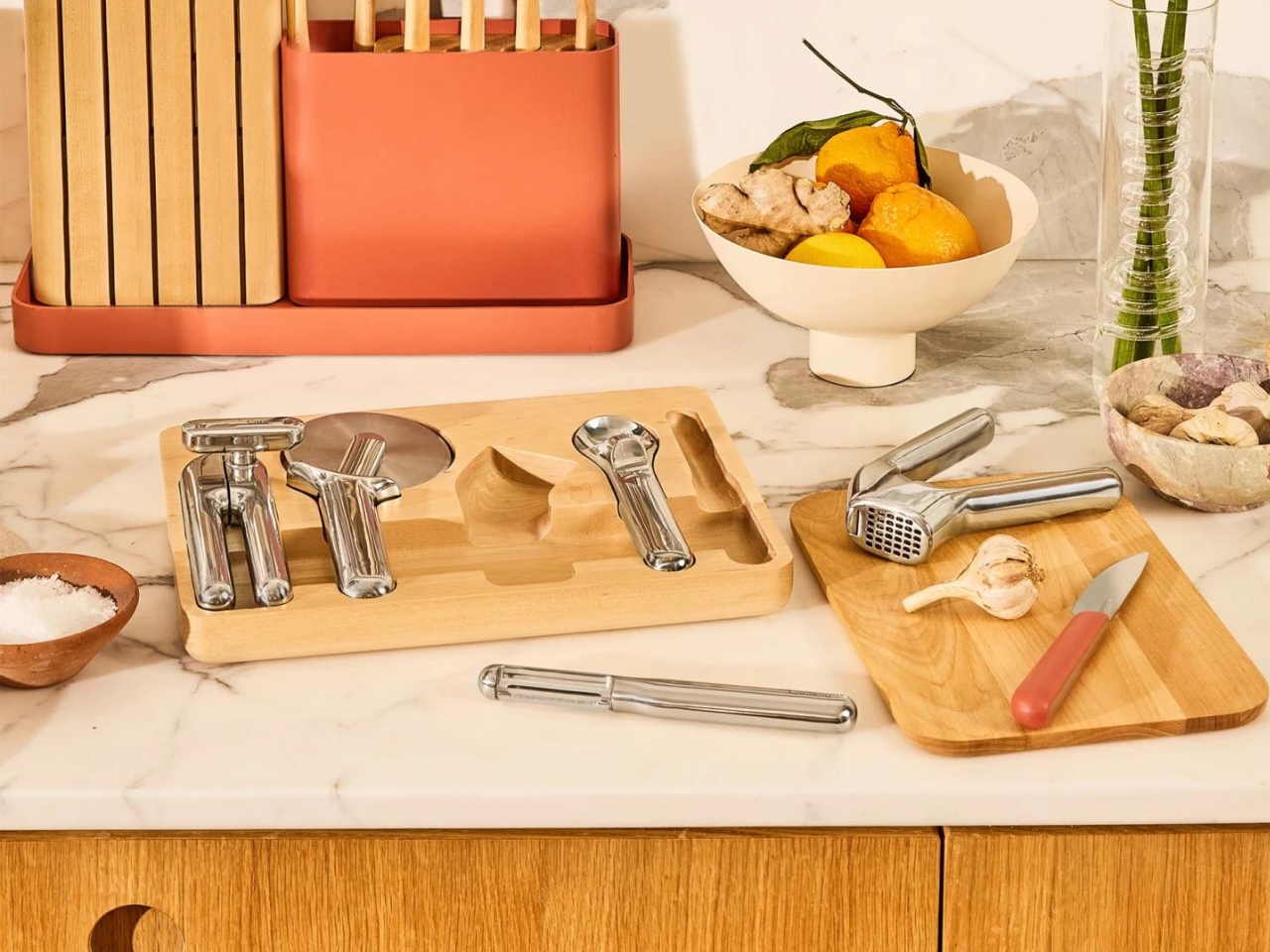
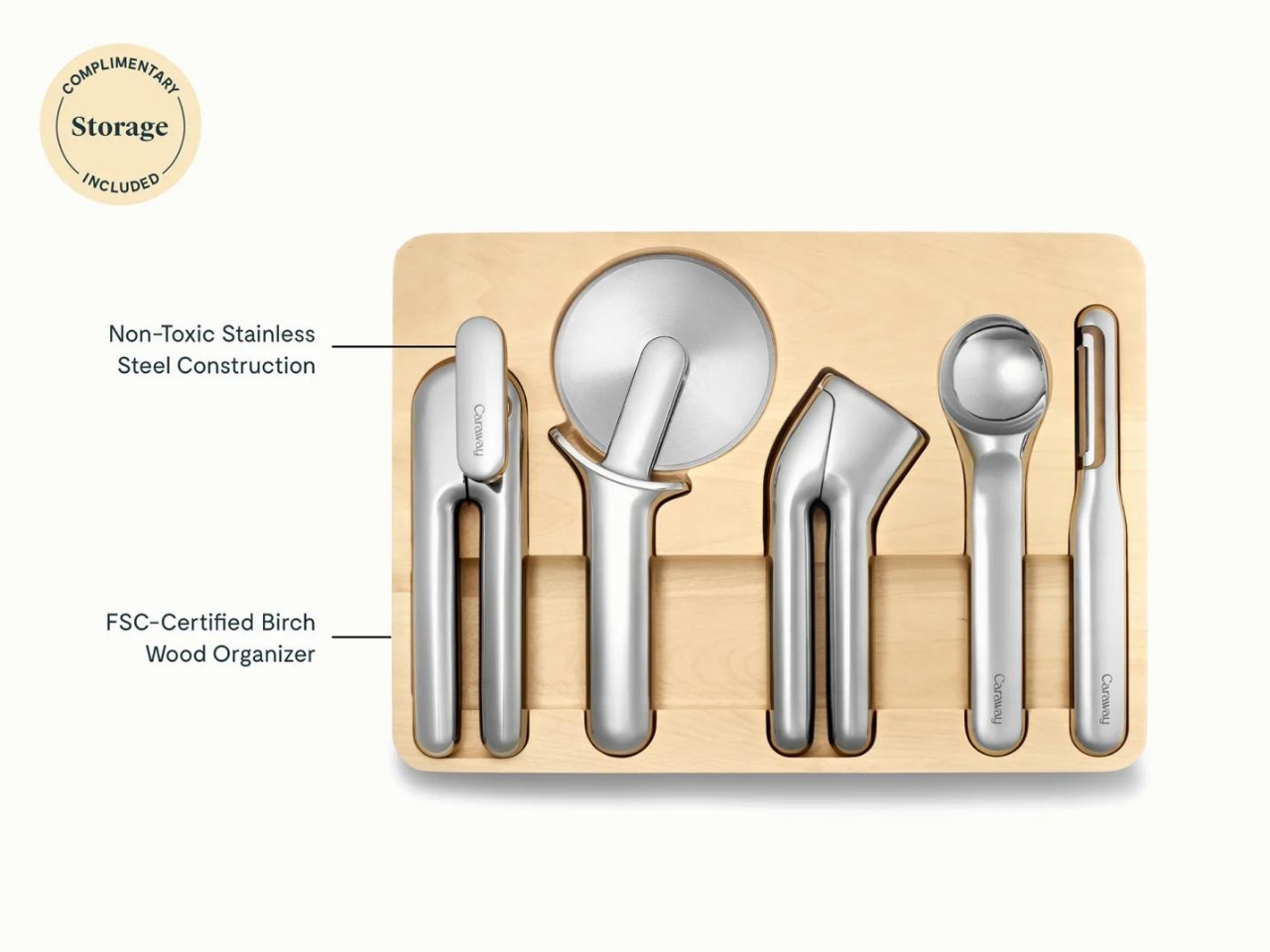
Not every useful kitchen tool needs an extra function. Caraway’s stainless steel Vegetable Peeler, part of the Kitchen Gadget Set designed by Box Clever, earns consideration through its compact proportions and swivel blade. The blade pivots to follow the contours of the ingredient rather than holding one fixed angle against every surface. At 7.5 inches long and about an inch wide, it occupies a narrow strip of drawer space, leaving the visual flourishes to the reflective metal and rounded handle.
This is the quietest design in the collection, which is part of its appeal. Peeling vegetables and making strips of citrus zest don’t call for a motor, interchangeable heads, or a storage case. Buying the peeler individually avoids bringing home the rest of a matching set you may not need. The reservation is value: Caraway lists it at $50. That makes the material and form the reasons to choose it, not an established claim of better results than cheaper peelers.
What we like
- The narrow profile takes little room in a utensil tray.
- It’s available individually, without the full gadget set.
What we dislike
- The $50 list price is difficult to justify on function alone.
- Its straight-handle layout won’t appeal to every Y-peeler user.
7. Dreamfarm Ortwo Pepper Grinder
Pepper is often needed while your other hand is holding a pan or stirring a sauce. Dreamfarm’s Ortwo replaces the familiar twisting motion with two handles that squeeze together, allowing one-handed grinding. Open them farther apart, and you can use both hands instead. A ceramic grinding mechanism offers six settings, from fine to coarse, while the transparent glass jar shows how much remains. The useful detail is the choice of grip, not another battery to charge or button to hold.
Beechwood handles give Ortwo the character of a utensil rather than an appliance, and the jar unscrews for refilling through a wide opening. Dreamfarm includes a lip intended to catch grounds when the grinder rests on a counter. There are limits to that versatile design: the manufacturer advises against salt and salt-infused spices, and the handles are wipe-clean only. The glass jar can go in the dishwasher, so cleaning the assembly requires separating the parts rather than washing everything together.
What we like
- It works with one hand or two.
- Six grind settings give control over texture.
What we dislike
- It isn’t recommended for salt or salt-infused spices.
- The wooden handles can’t go in the dishwasher.
8. B!POD DRO!D Vacuum Food Sealer
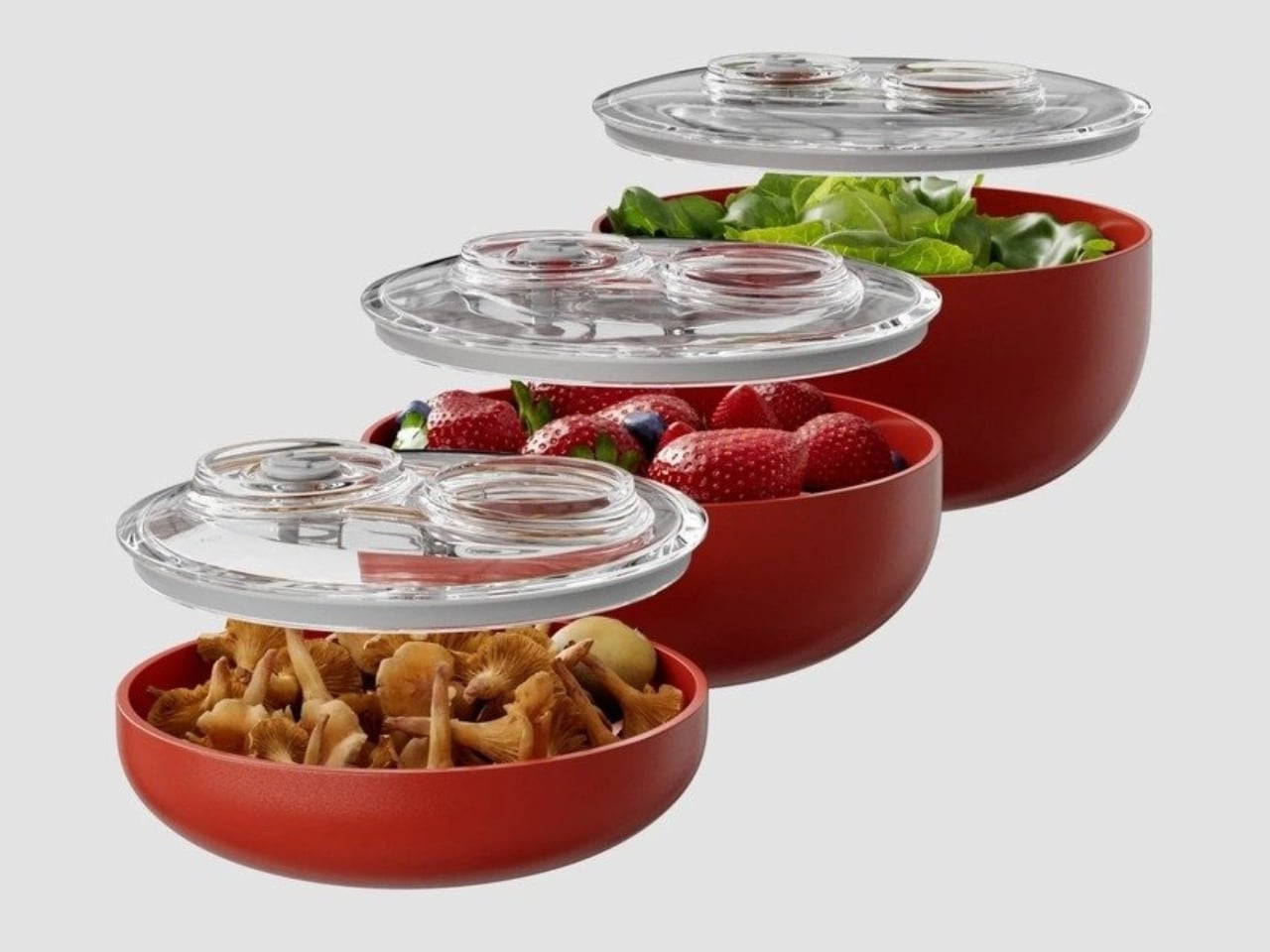
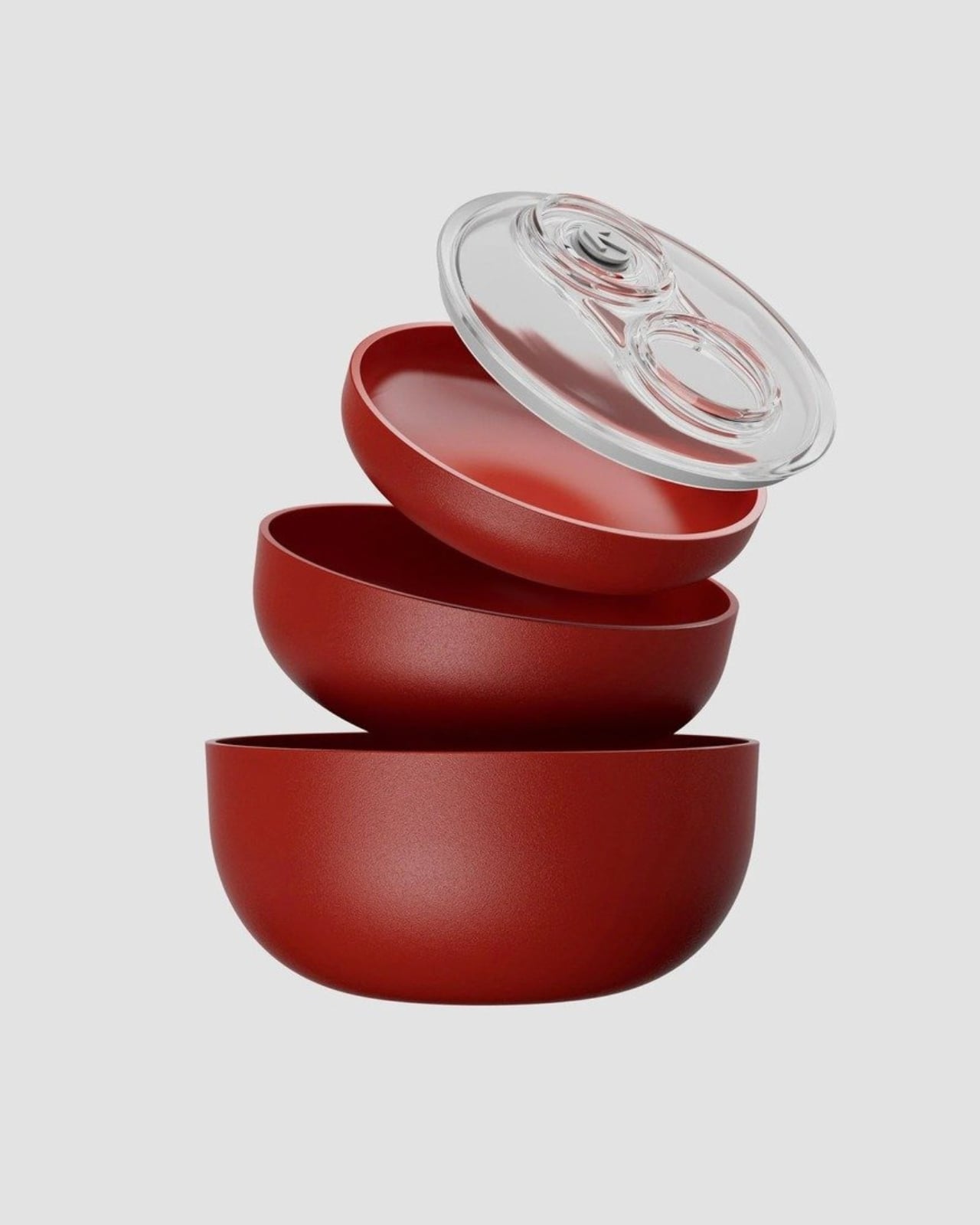
B!POD’s DRO!D takes the storage job beyond rearranging utensils. The rechargeable vacuum device connects to a valve on a compatible container lid, with one button controlling two pressure modes. B!POD specifies 50 mbar for stronger vacuuming and 150 mbar for the gentler setting. The device measures 11 by 6 by 14 centimeters, small enough to make its container system, rather than a broad countertop machine, the main storage consideration. It’s a different proposition from feeding plastic bags through a sealer.
The containers nest and stack, which matters because the system needs more room than the handheld unit suggests. Its appeal is strongest when reusable containers are already part of your meal routine, rather than an extra collection bought for occasional use. B!POD claims longer food preservation, but the gains depend on the food and aren’t independently established here. There’s a regional catch: its published shipping destinations cover European markets, so US readers shouldn’t assume they can order directly from the brand.
What we like
- The handheld device avoids a large sealing platform.
- Compatible containers nest and stack for storage.
What we dislike
- It requires compatible containers and a charging kit.
- Direct US shipping isn’t listed by the brand.
Choose Around the Meals You Cook
Before adding anything to a crowded kitchen, decide what will leave, or which repeated annoyance the new object will address. A tool that replaces three things can still be awkward to store; a specialized plate can justify its cupboard space if it suits dinner several nights a week. The useful measure is frequency, not the number of functions printed on the packaging or the novelty of the mechanism in photographs.
Start with the task you keep putting off, then check the less photogenic details: the drawer opening, the parts that need washing, the containers a device requires. That exercise may point toward one of these designs, or it may confirm that what you already own is enough. A well-chosen kitchen tool should make itself useful at the next meal, not create a new storage problem for you to solve afterward.
The post The 8 Best Kitchen Tools of November 2026 That Earn Their Drawer Space first appeared on Yanko Design.

 Connexion