❌

Vue lecture

NOVITEC gives the Ferrari 12Cilindri a dramatic N-Largo widebody makeover

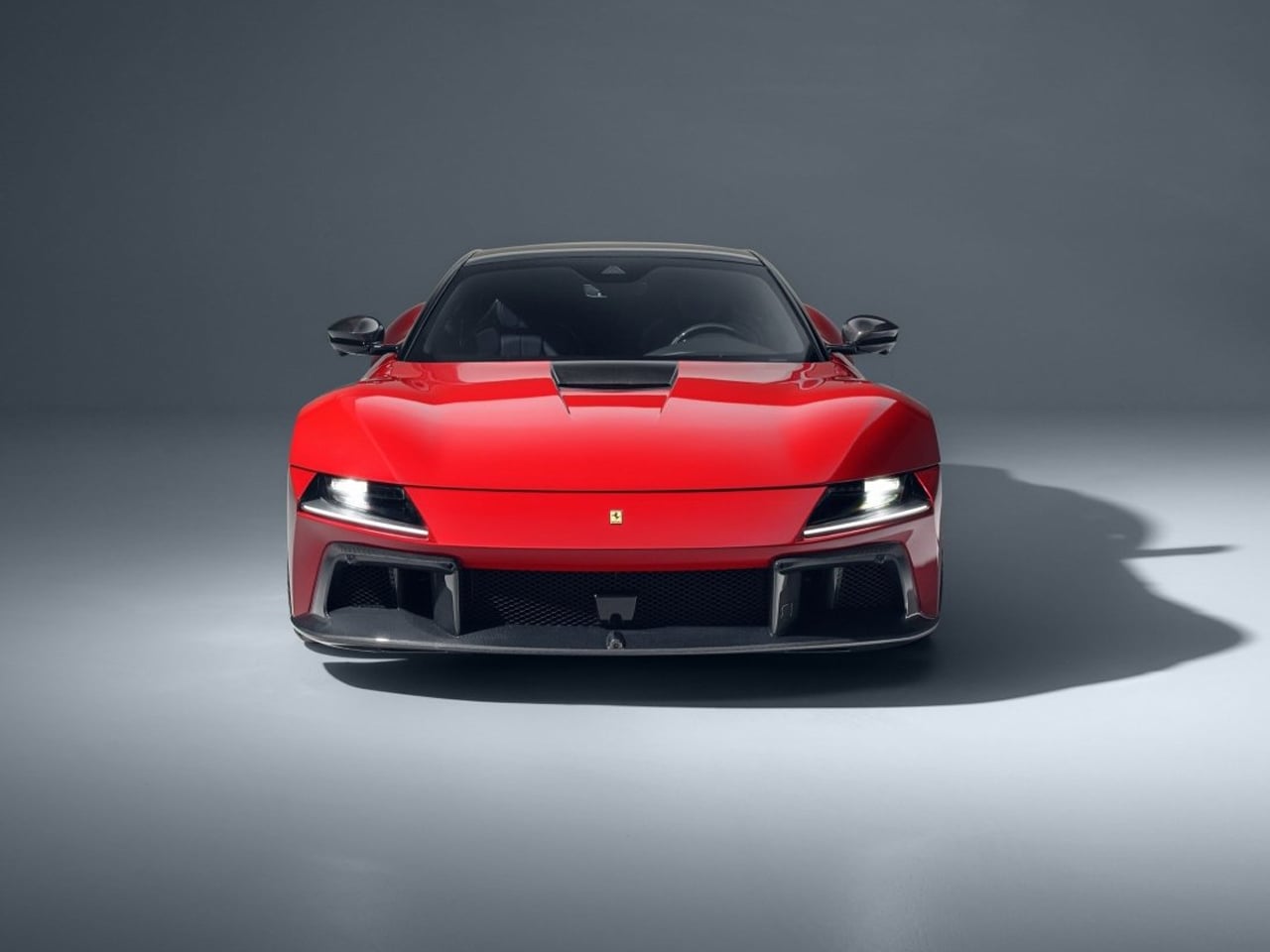
German tuning specialist NOVITEC has spent more than two decades transforming some of the world’s most striking supercars with its distinctive widebody carbon-fiber conversions. Known as the N-Largo series, these projects aim to give already dramatic performance cars a more imposing appearance without compromising their original design character.

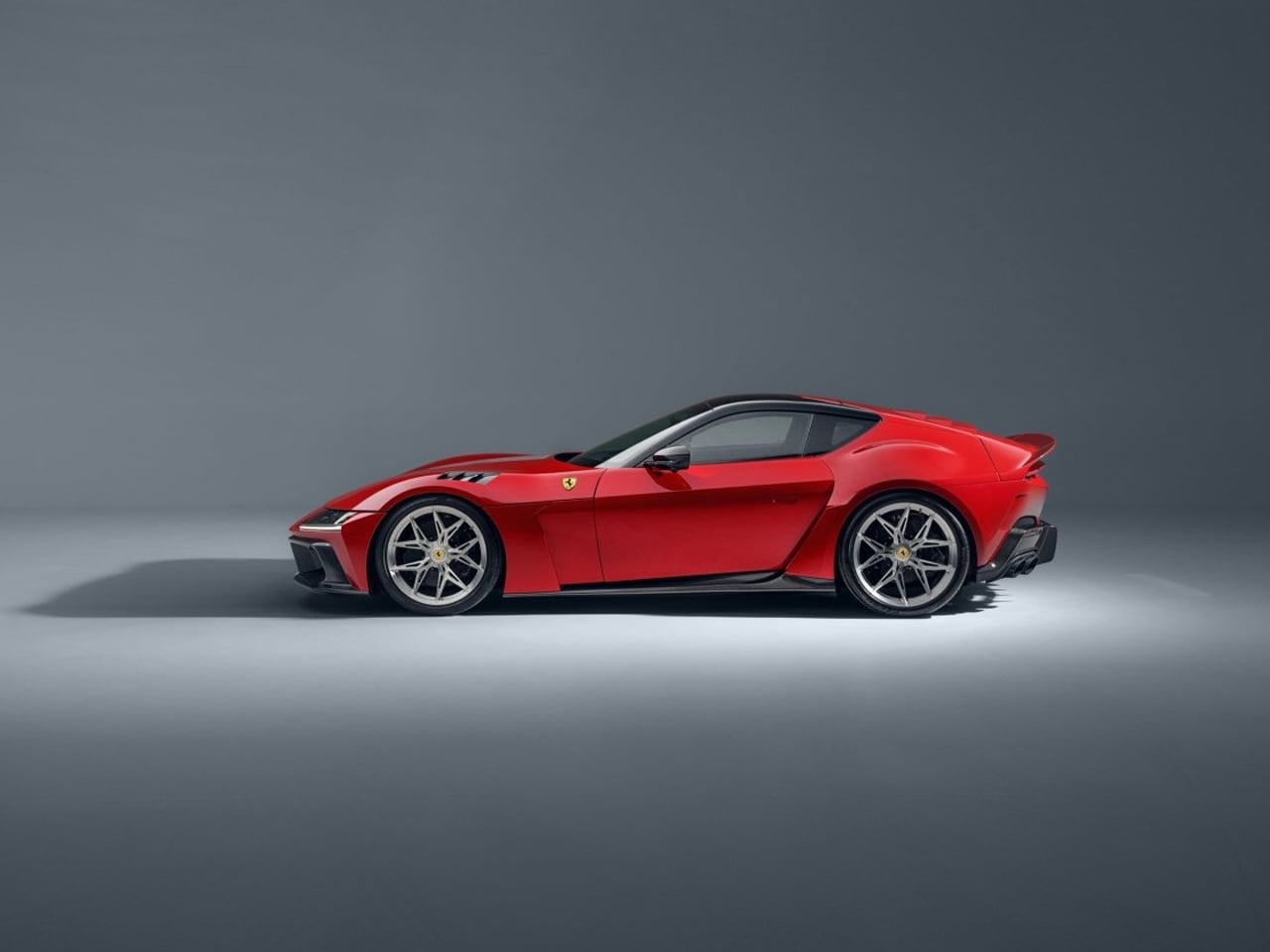
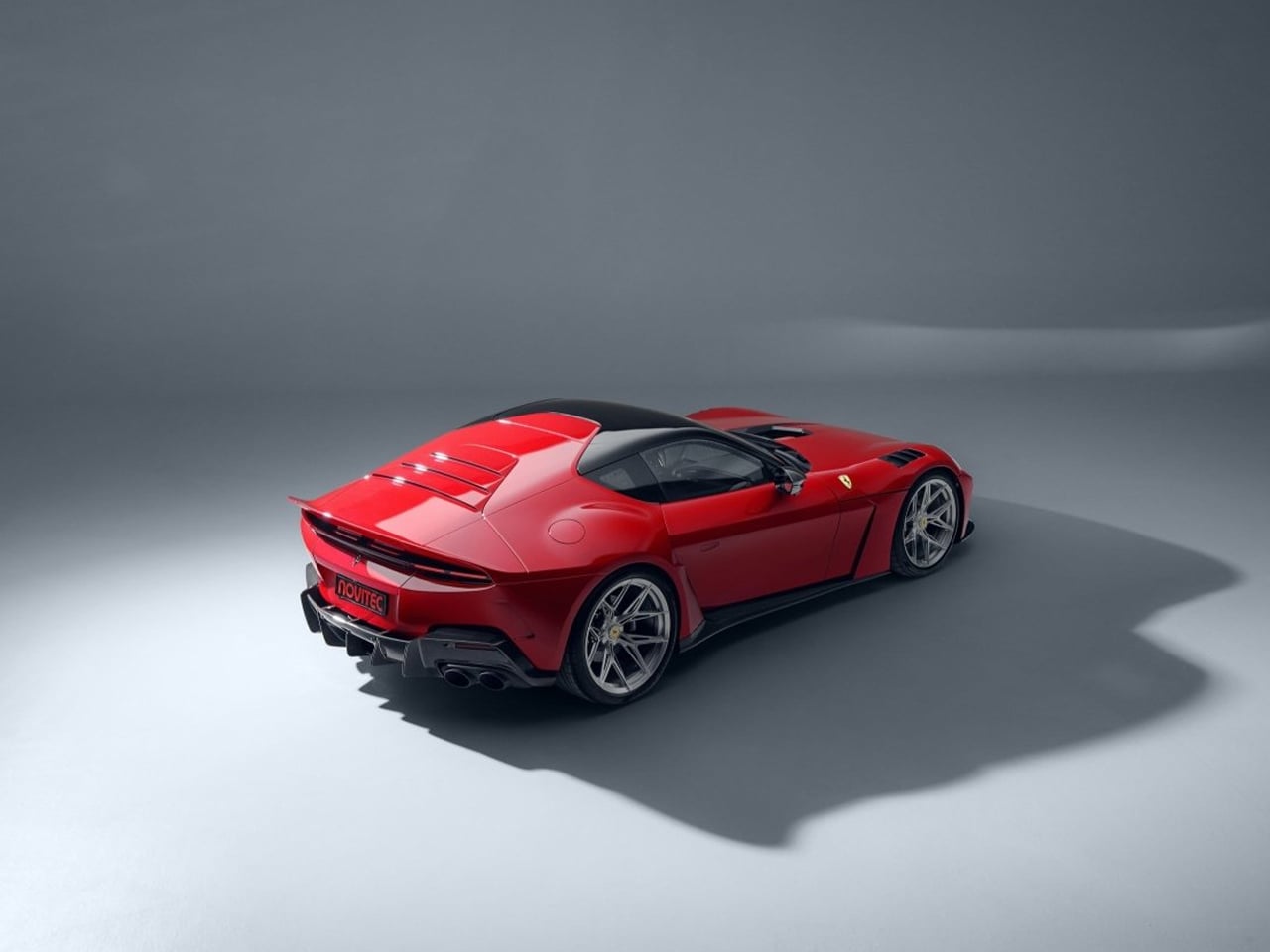
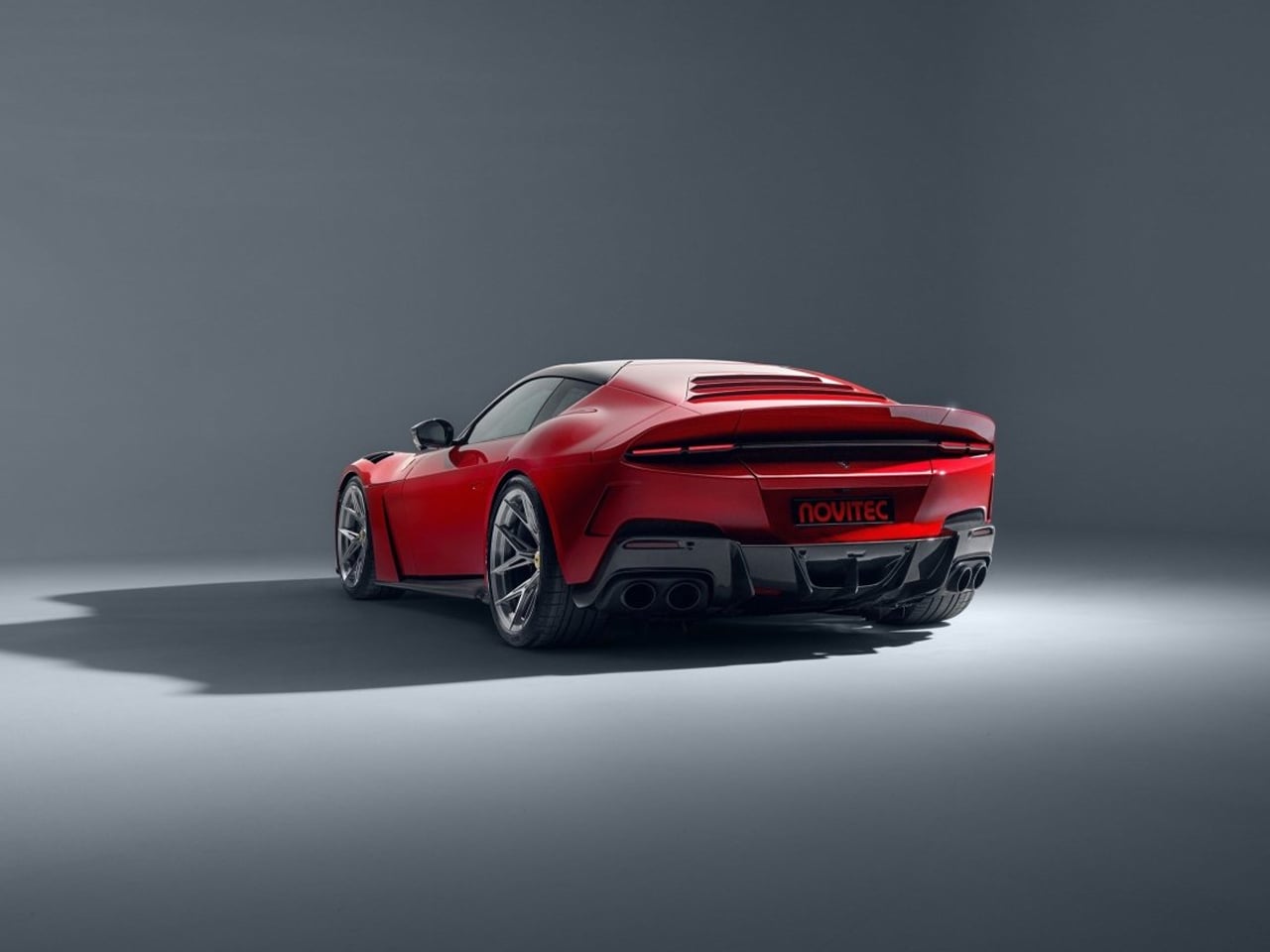
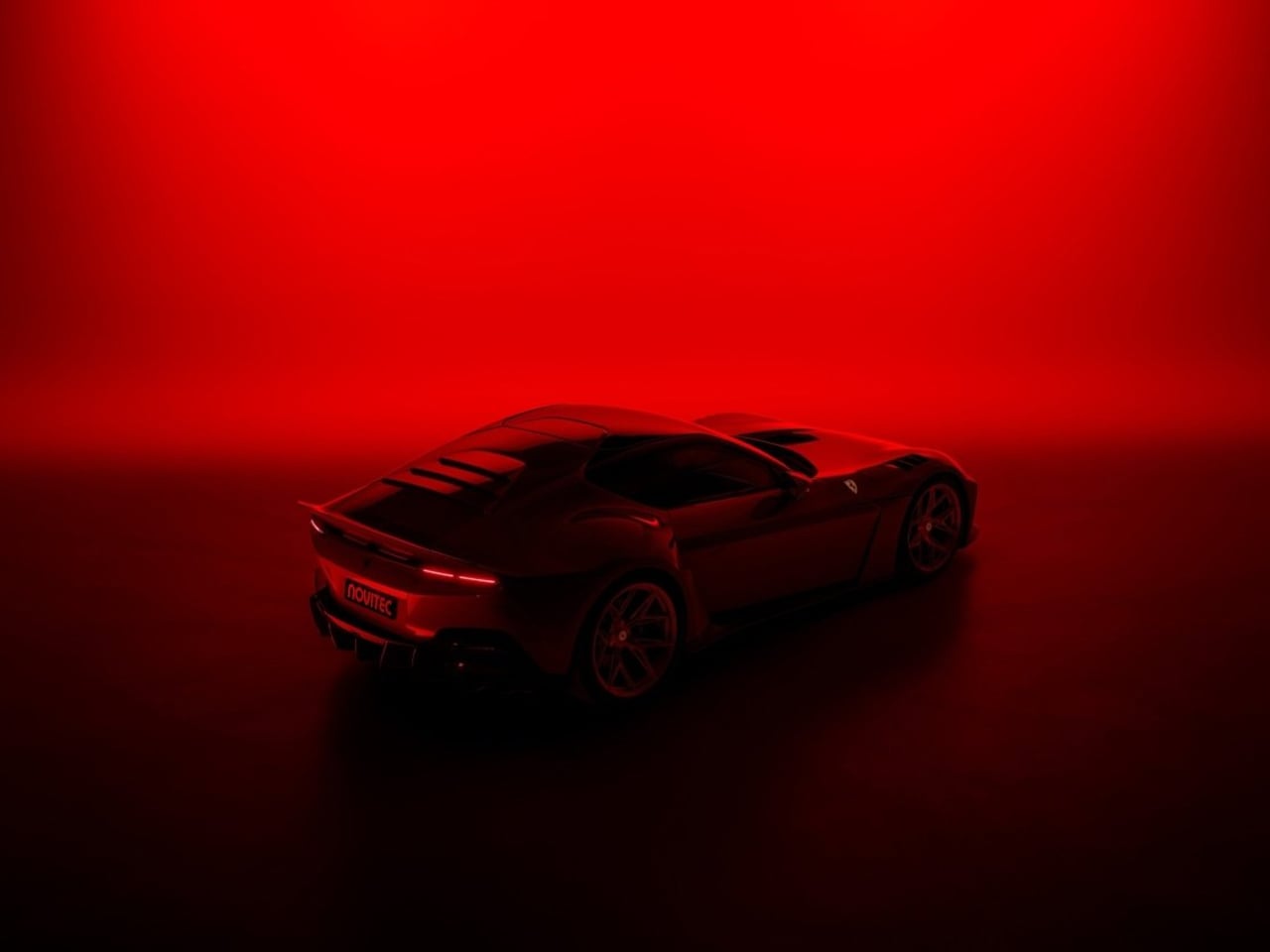
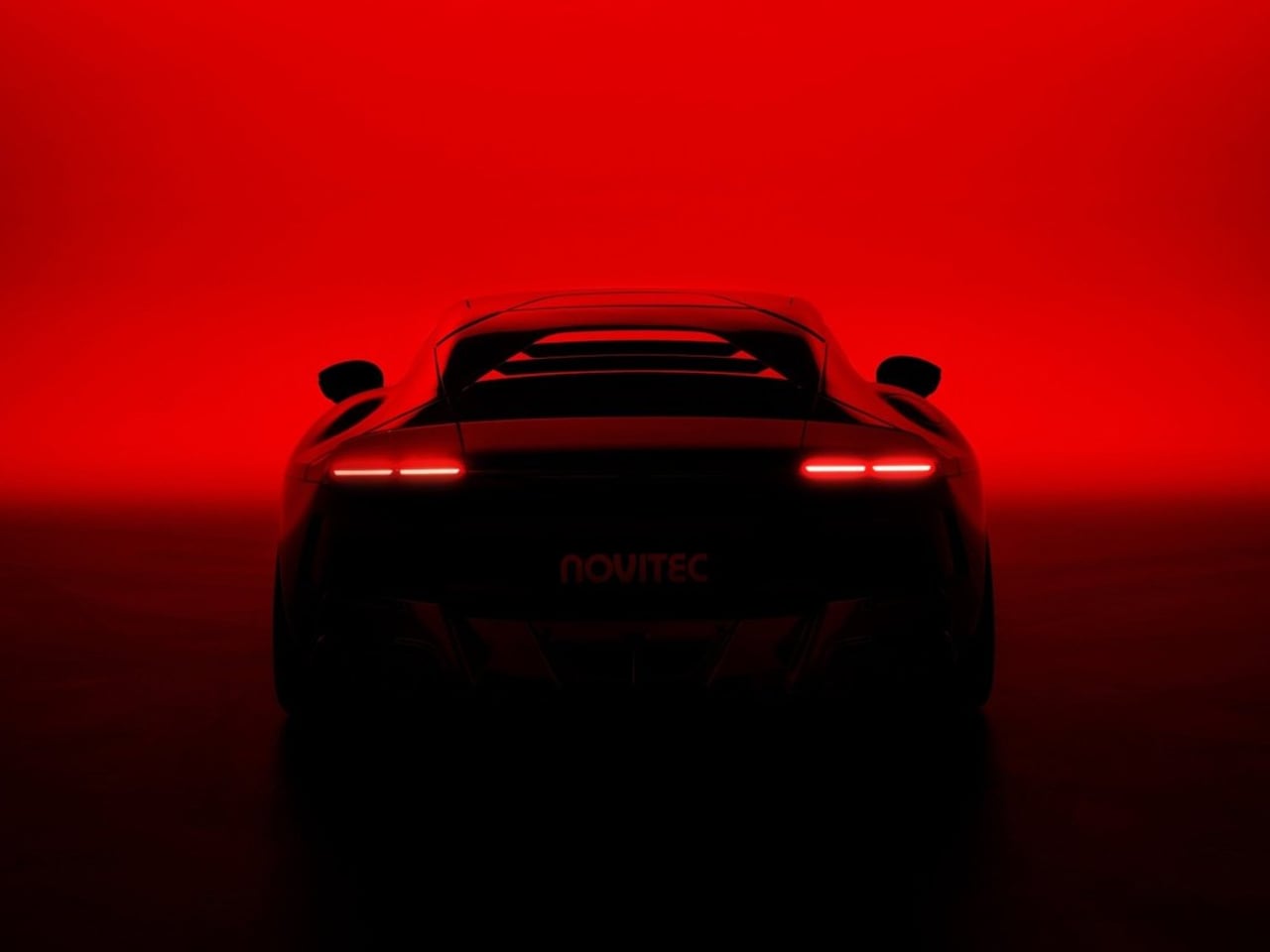
The transformations go beyond visual enhancements, with aerodynamic efficiency, weight, and other functional elements considered throughout the development process. Now, the German tuner has turned its attention to Ferrari’s naturally aspirated V12 grand tourer, introducing the 12Cilindri N-Largo. Developed in collaboration with German designer Vittorio Strosek, the conversion brings a wider carbon-fiber body, bespoke aerodynamic components, larger wheels and an upgraded exhaust system. Production is limited to just 20 examples worldwide, making it an object of desire.

Designer: NOVITEC
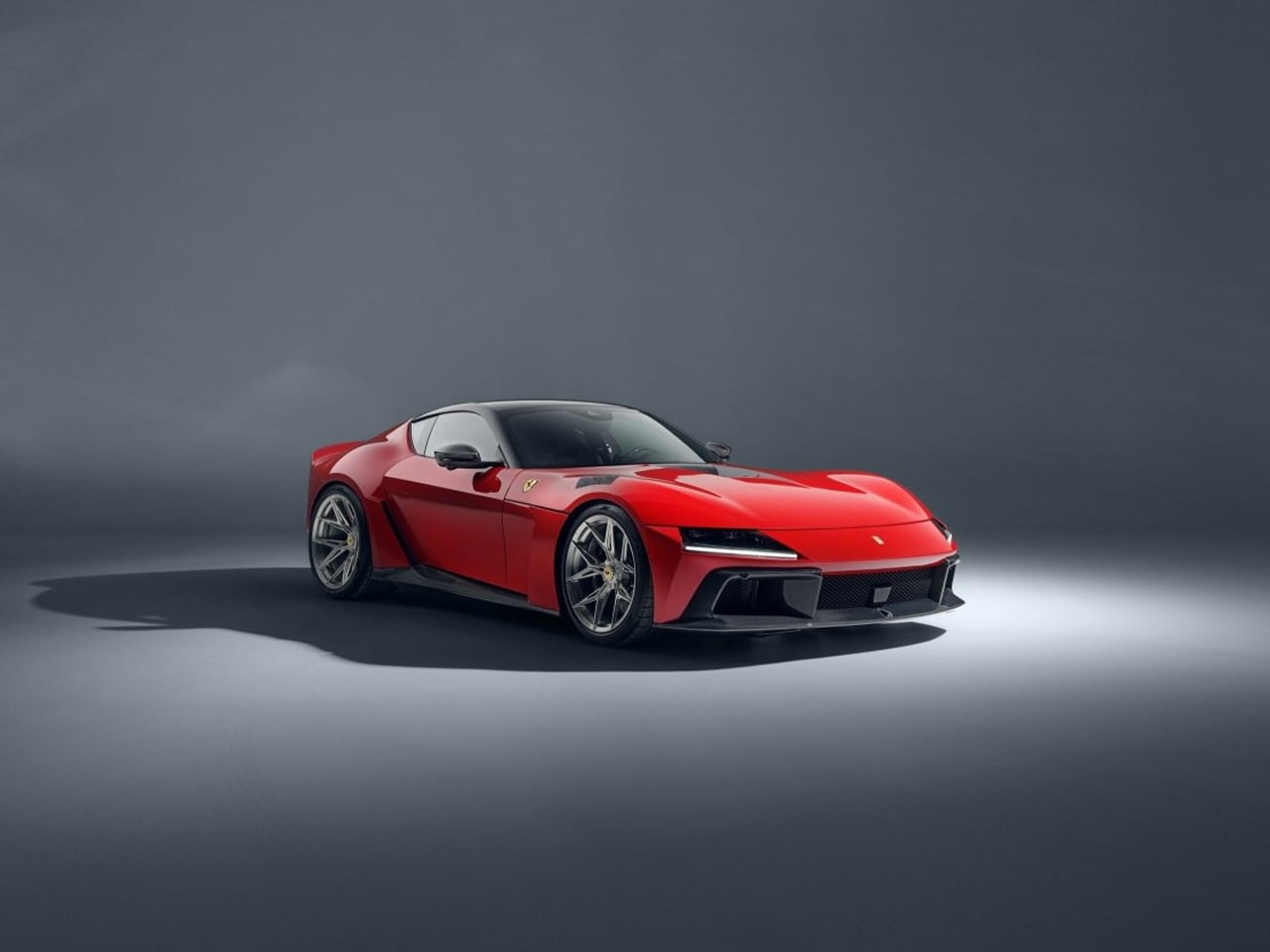
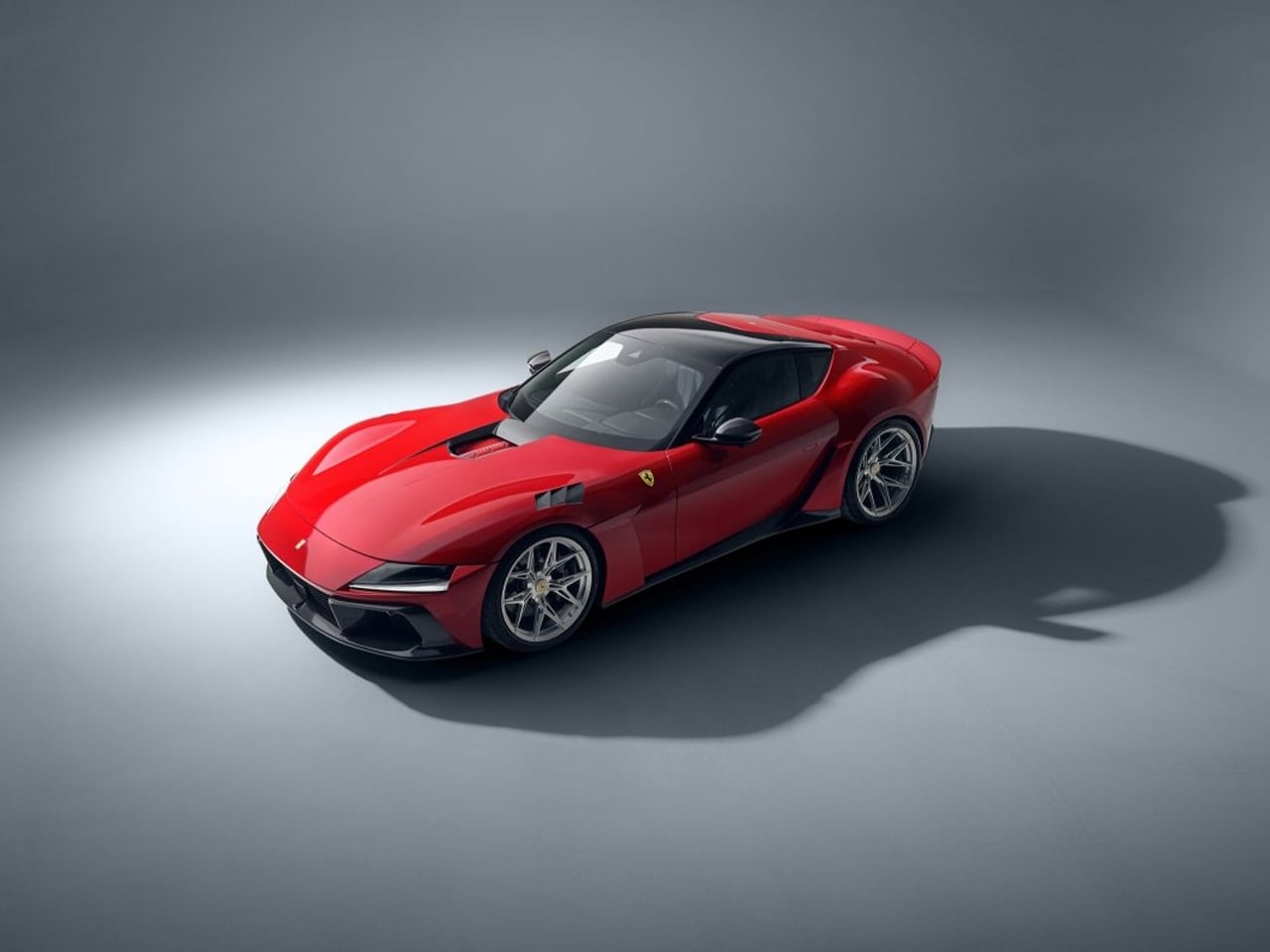
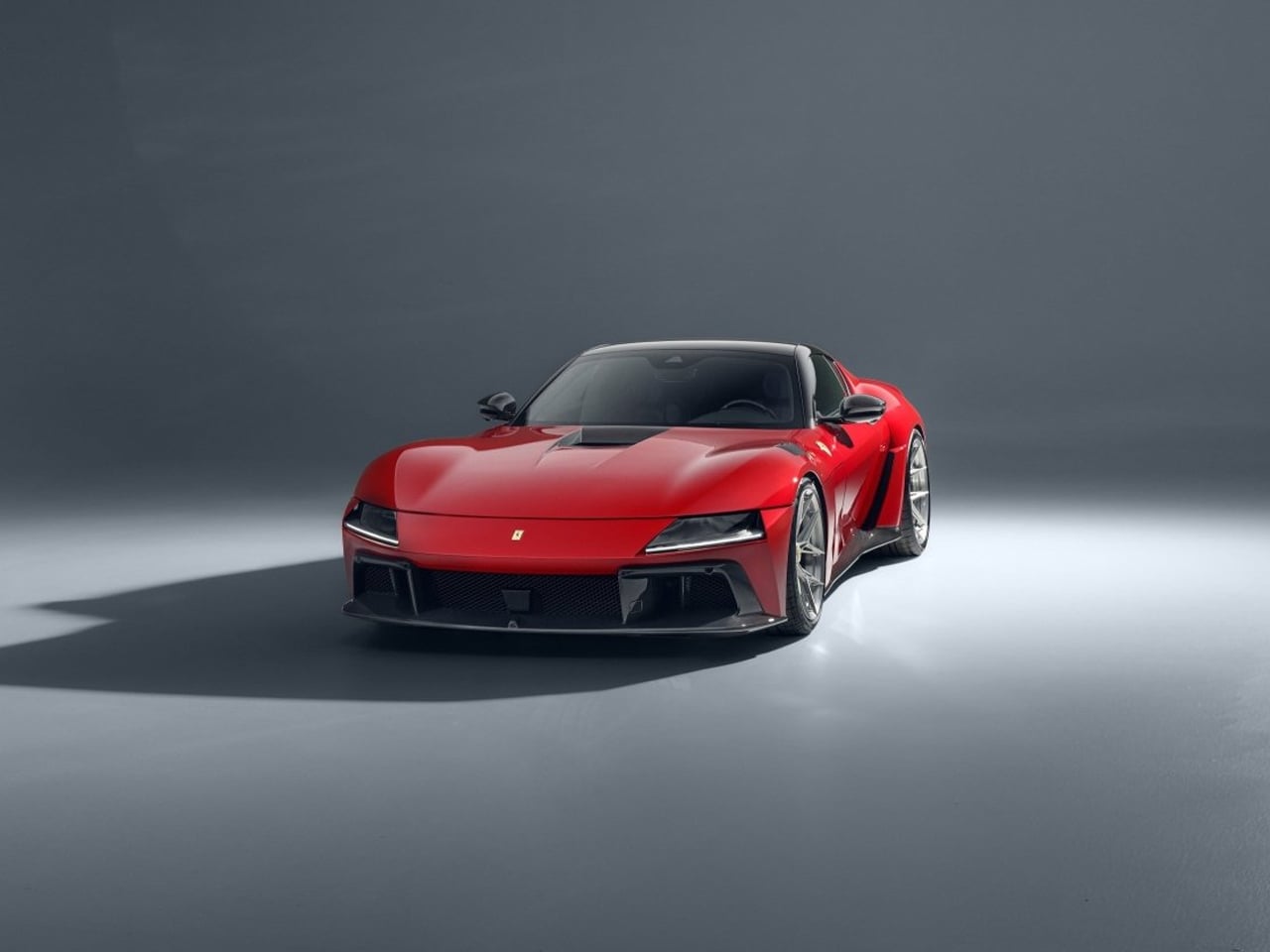
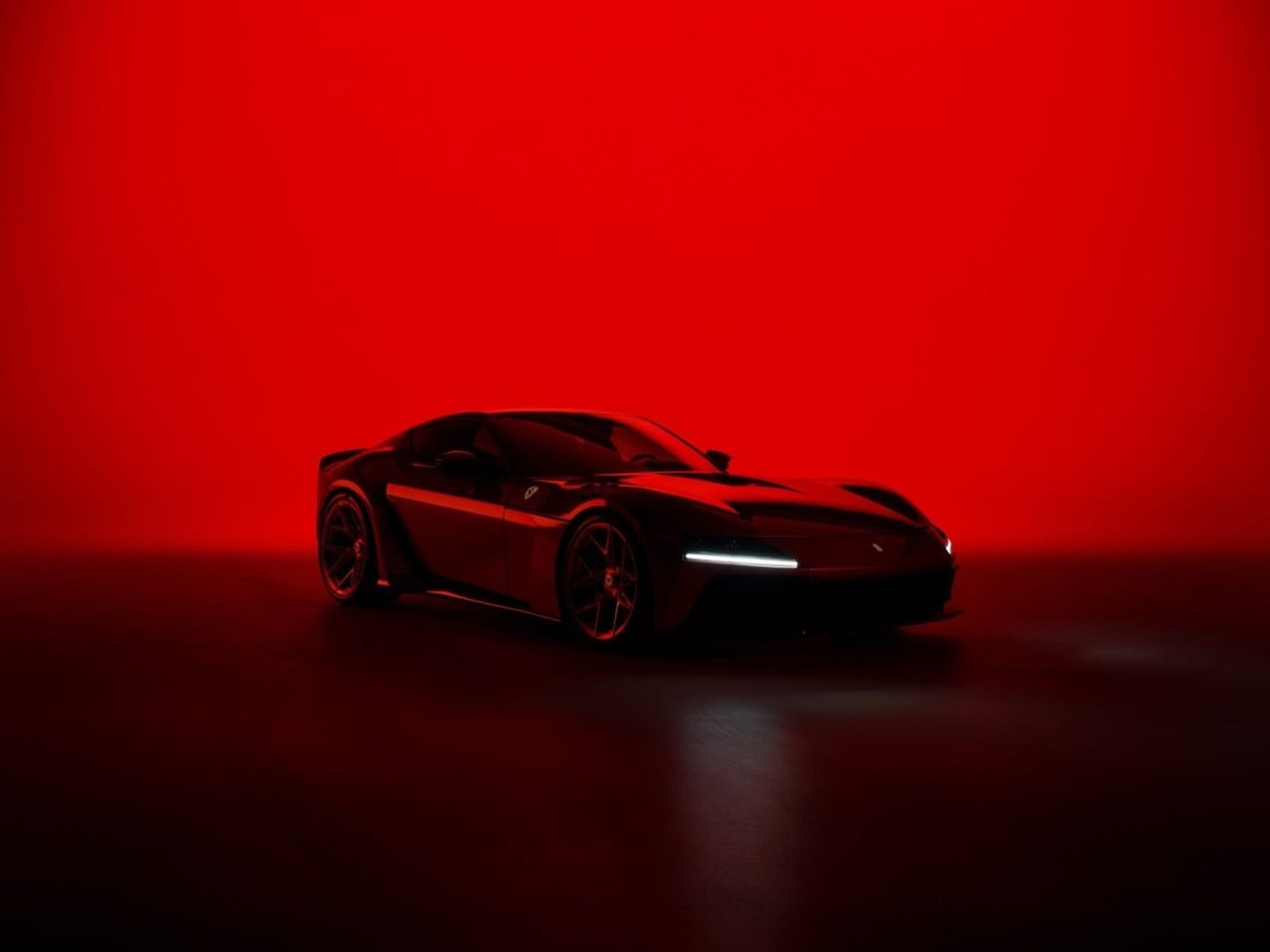
The redesigned bodywork increases the Ferrari’s width by 7 cm at the front and 13 cm at the rear, bringing its overall width to 2,110 mm, excluding the mirrors. Rather than simply adding oversized wheel arches, the conversion incorporates extensively redesigned body panels made from lightweight, high-strength carbon fiber.

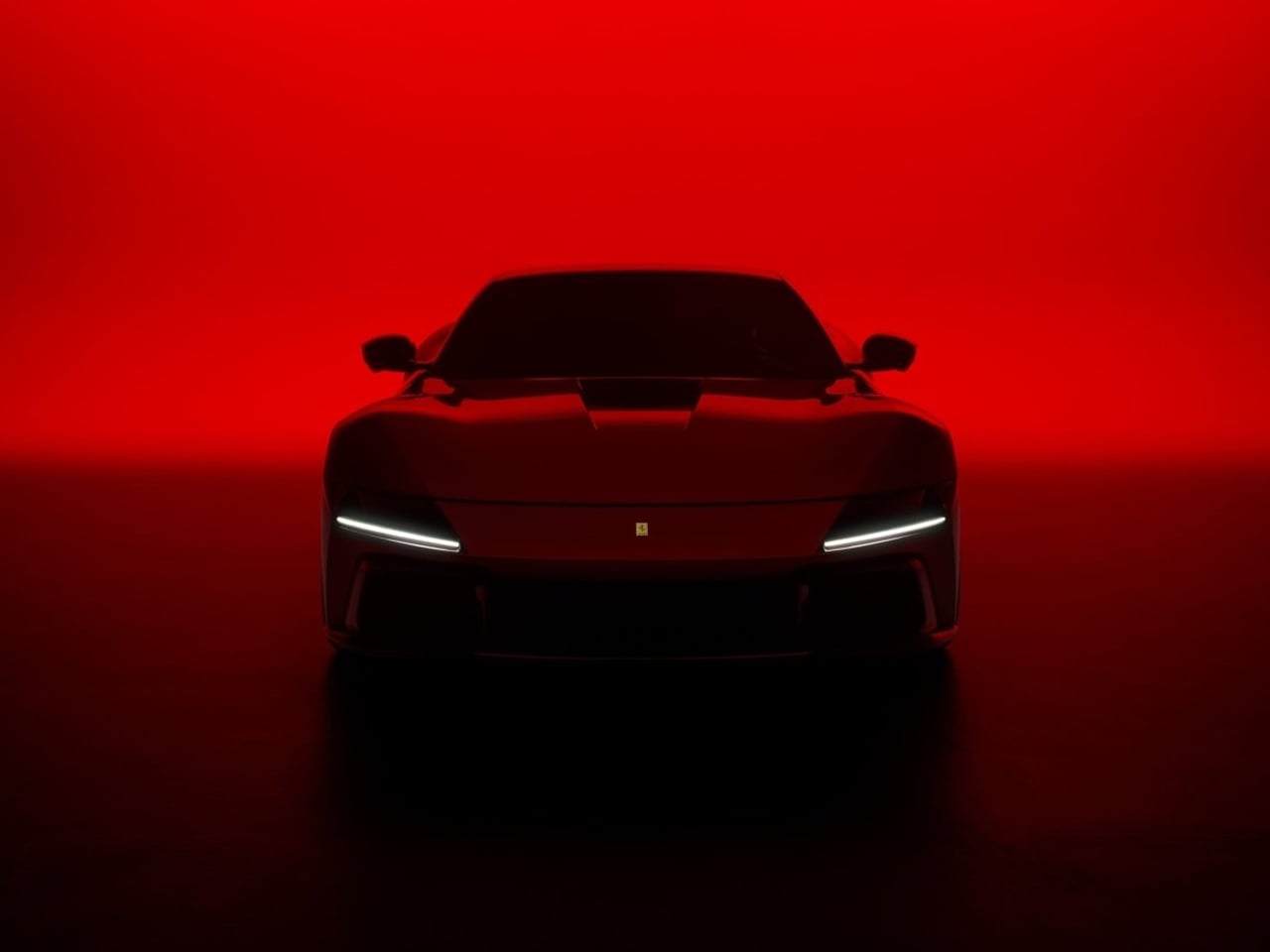
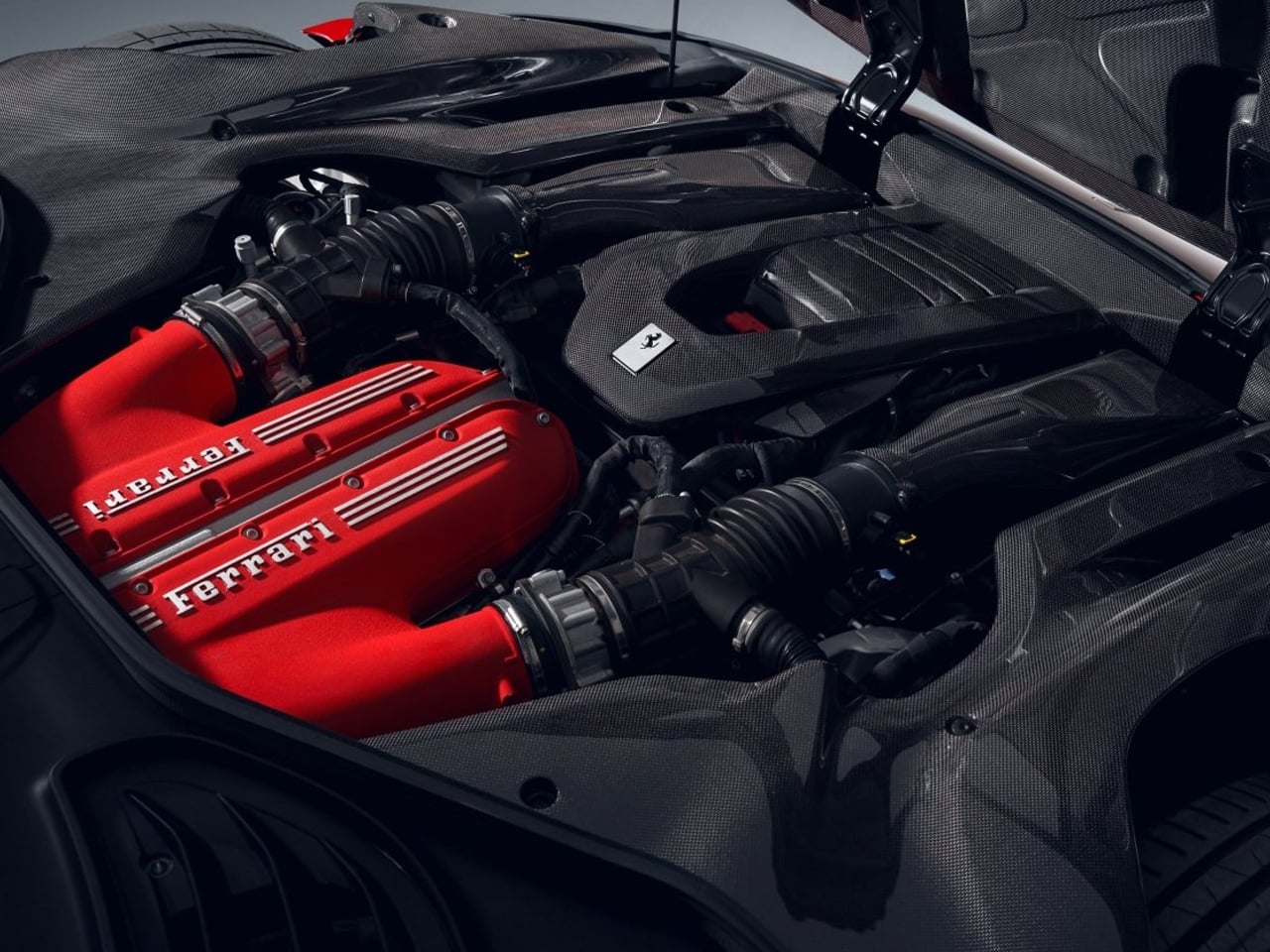
Front fascia also receives a new bumper with larger air intakes and an integrated spoiler designed to reduce front-axle lift at higher speeds. NOVITEC also removes the original Daytona-inspired black strip between the headlights, giving the front end a cleaner appearance. A redesigned carbon-fiber hood features a prominent central air outlet that exposes the V12 engine’s red intake manifolds. Additional gill-shaped openings above the front wheels help extract hot air from the wheel wells.
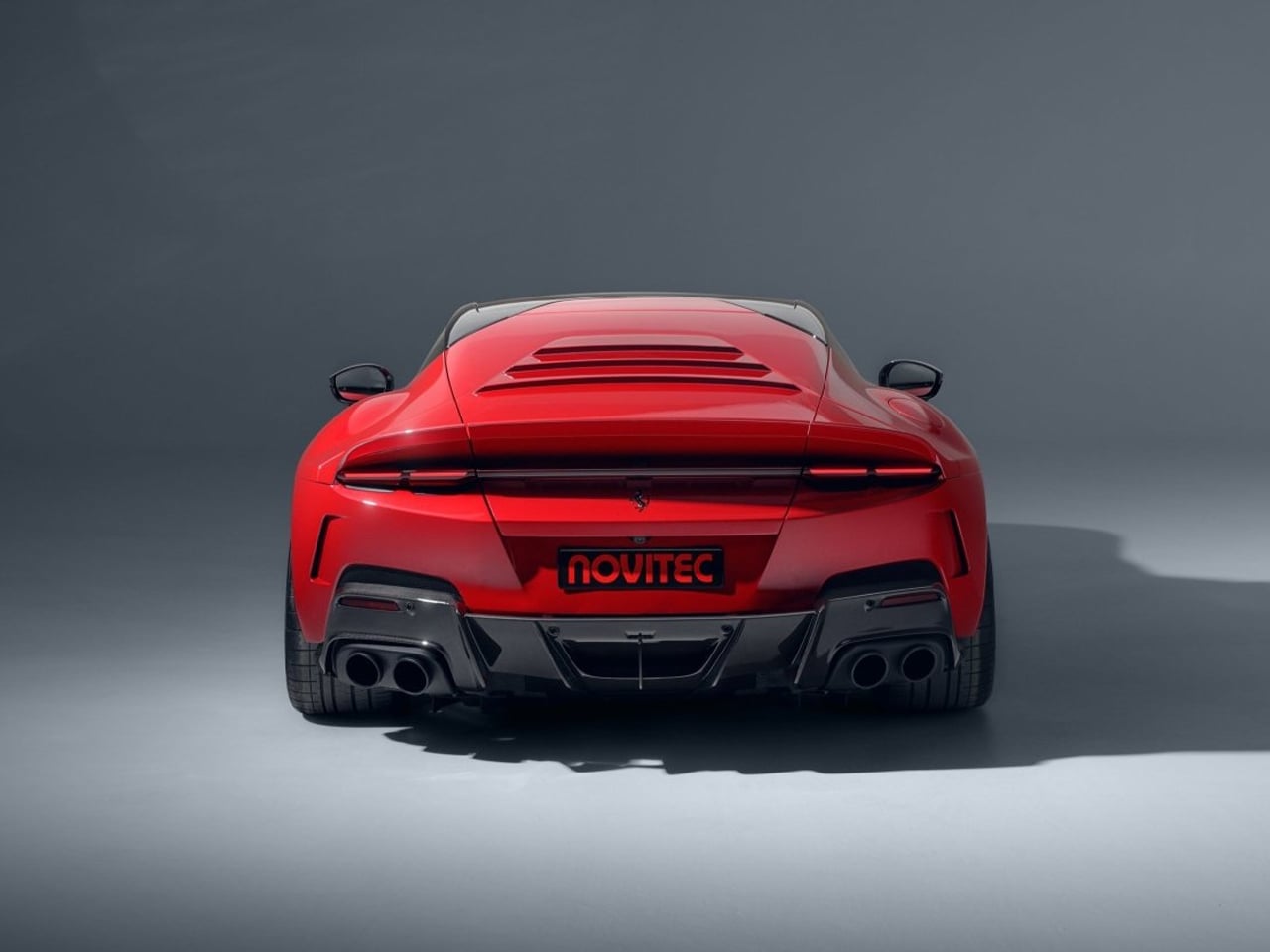
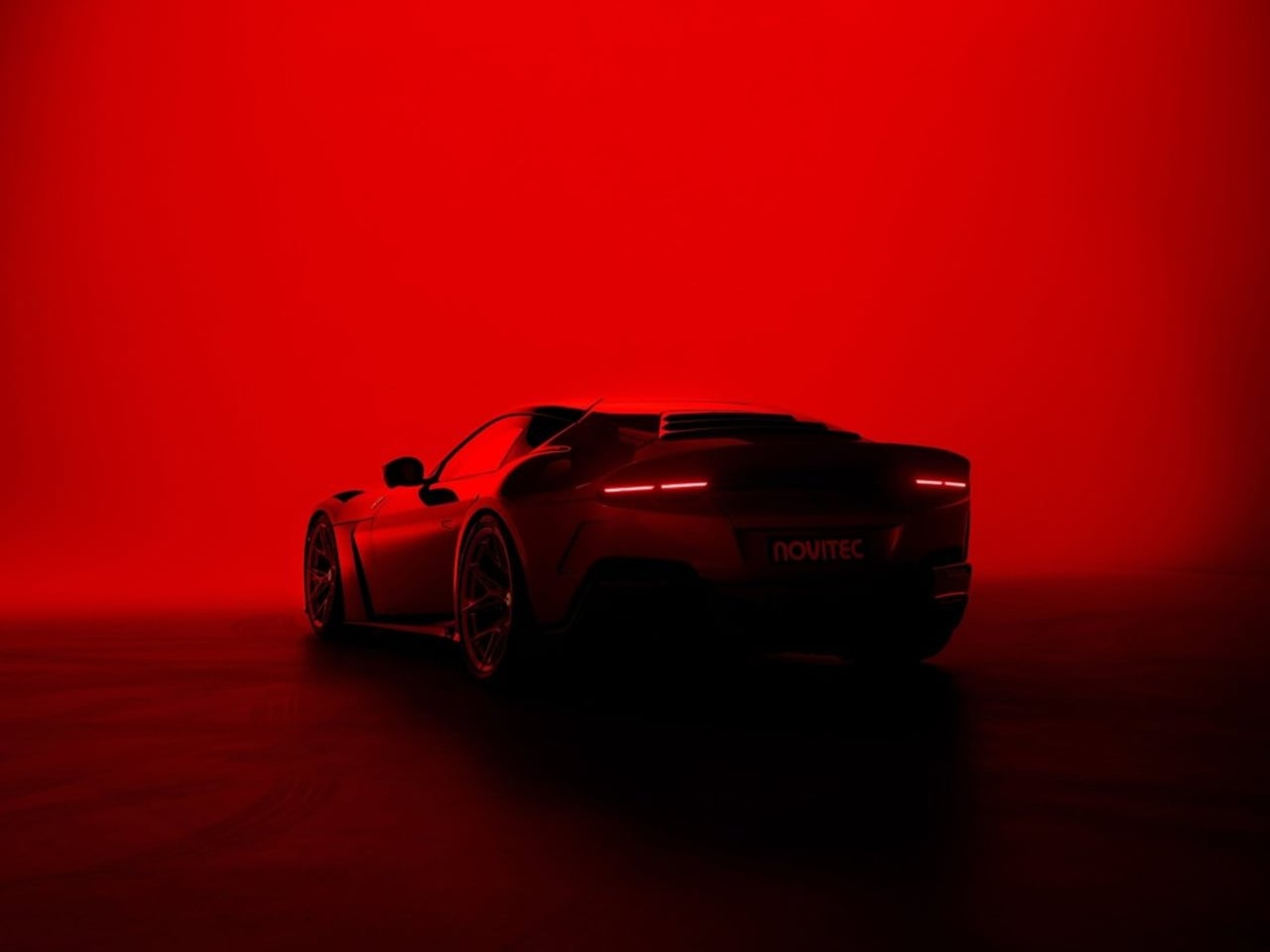
The changes are equally substantial at the rear. The original rear window is replaced by a body-coloured panel featuring narrow viewing slits, while a three-piece ducktail spoiler stretches across the widened rear section. The redesigned rear fascia incorporates a prominent carbon-fiber diffuser and quad exhaust outlets. NOVITEC has also reworked the aerodynamic package, replacing Ferrari’s active rear aero flaps with a fixed spoiler intended to generate additional downforce. Further openings are incorporated to improve rear brake cooling.

Filling the expanded wheel arches are bespoke NF12 N-Largo forged wheels, developed with American wheel specialist Vossen. The five-spoke Y-shaped design features a deeply concave profile, particularly at the rear. The front wheels measure 21 inches and are paired with 275/35 ZR21 tyres, while the rear gets 22-inch wheels wrapped in wider 325/30 ZR22 rubber. NOVITEC sports springs lower the ride height by approximately 30 mm, giving the car a noticeably lower stance.
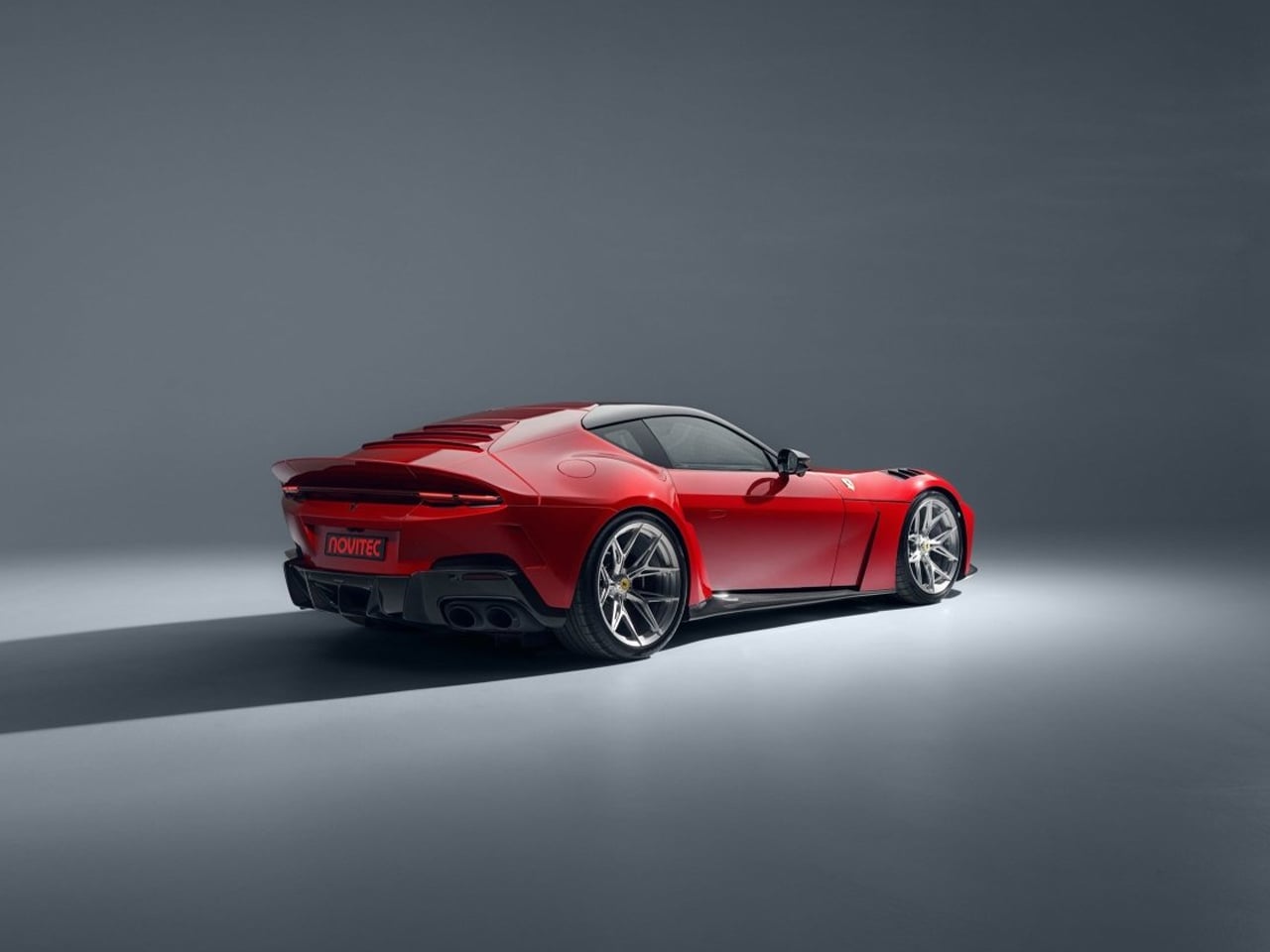
The naturally aspirated 6.5-litre V12 also receives attention through an upgraded stainless-steel sports exhaust with electronically controlled butterfly valves. Drivers can adjust the exhaust character between a more restrained note and a louder soundtrack. For buyers seeking a more distinctive finish, NOVITEC offers an optional 999 fine-gold-plated exhaust system. Optional sports catalysts are also available, although the tuner has not announced a confirmed power increase for the modified engine.

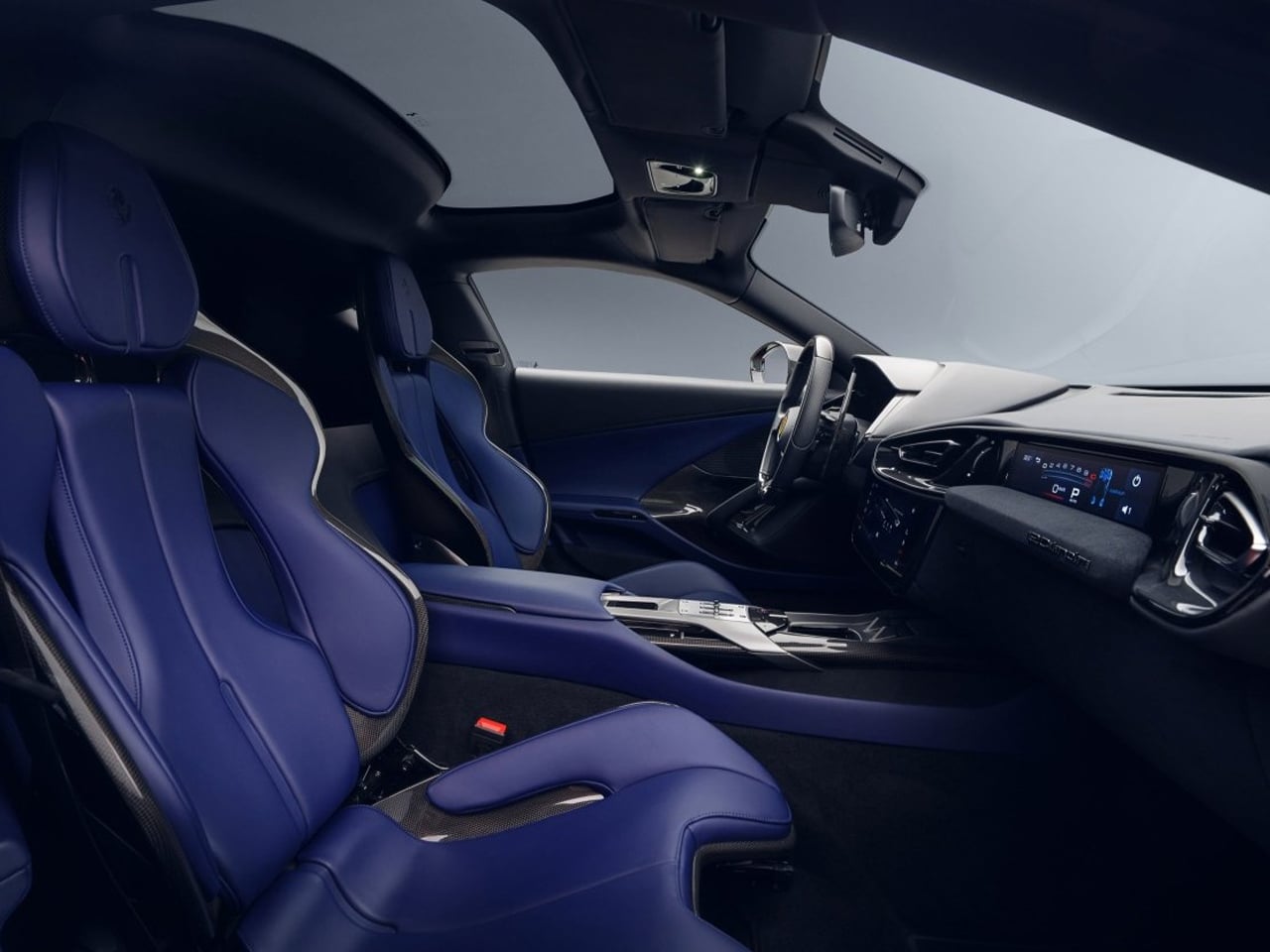
12Cilindri N-Largo is available as a complete vehicle commissioned directly through NOVITEC or as a conversion for existing Ferrari owners. Interior customisation is also offered according to individual preferences. With only 20 examples planned, the project is all about bespoke detailing in a considerably more imposing interpretation of Ferrari’s V12 grand tourer.
The post NOVITEC gives the Ferrari 12Cilindri a dramatic N-Largo widebody makeover first appeared on Yanko Design.
  •  

This camper bike pod unfolds like an accordion into a spacious cabin

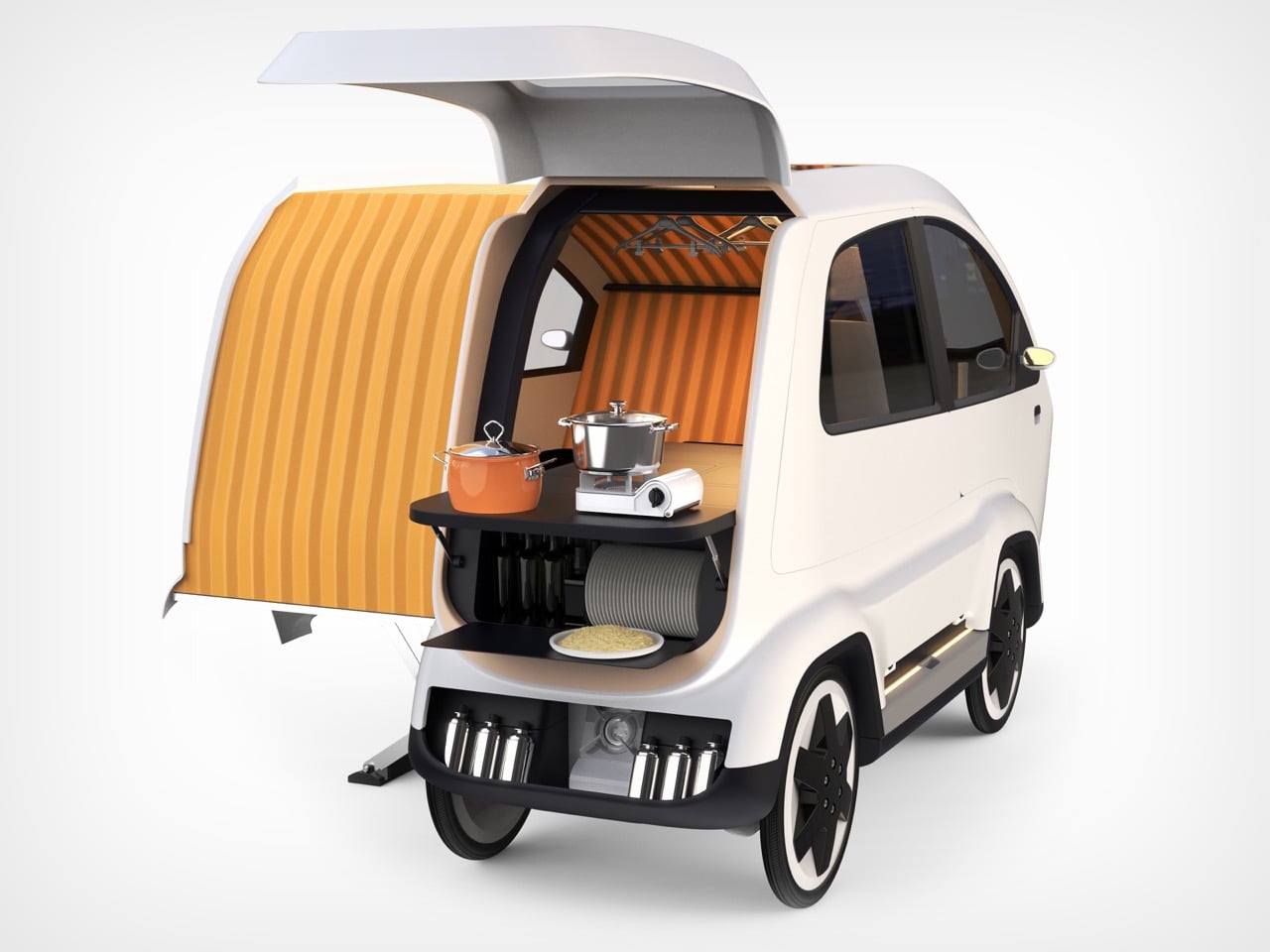
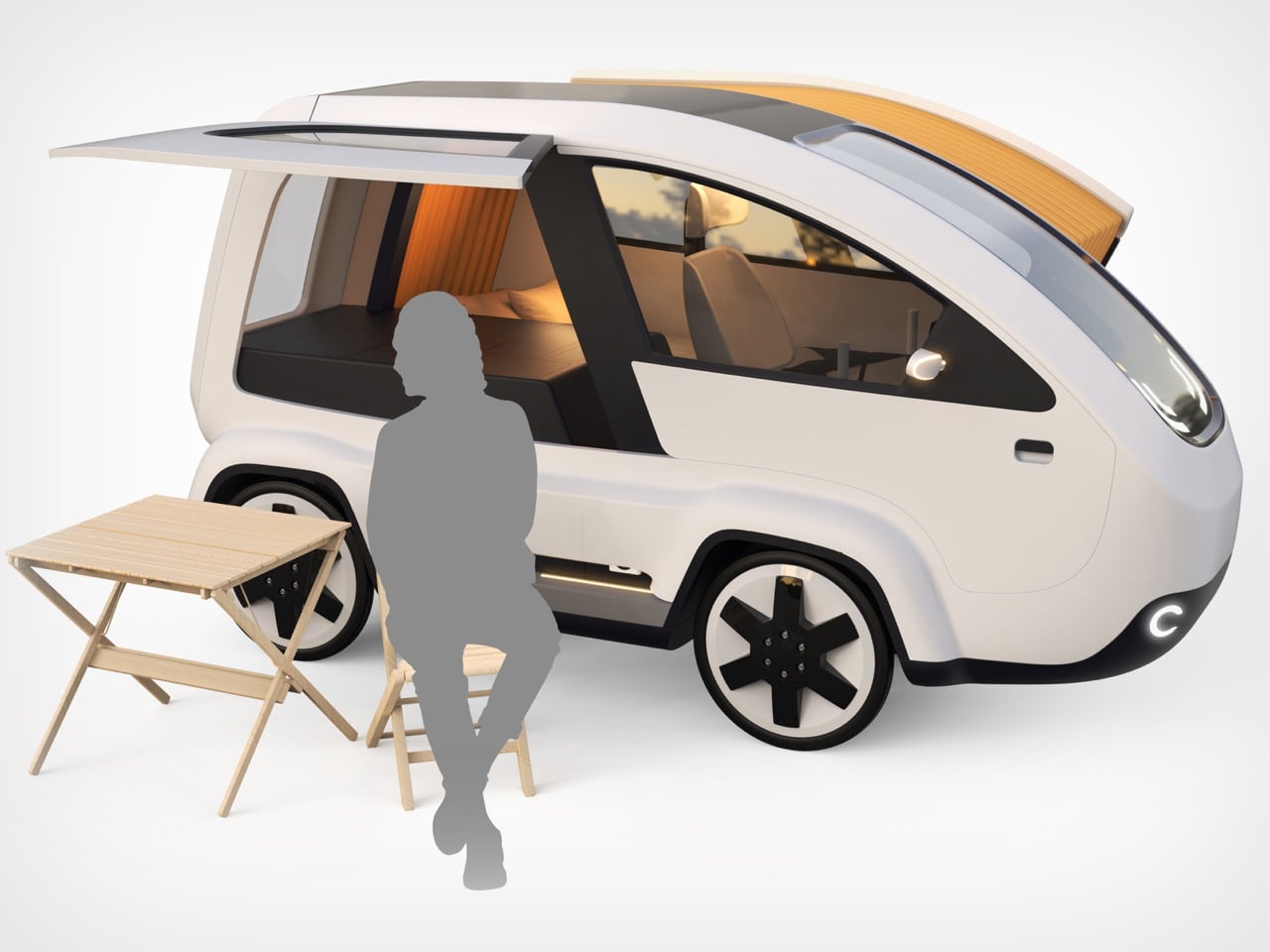
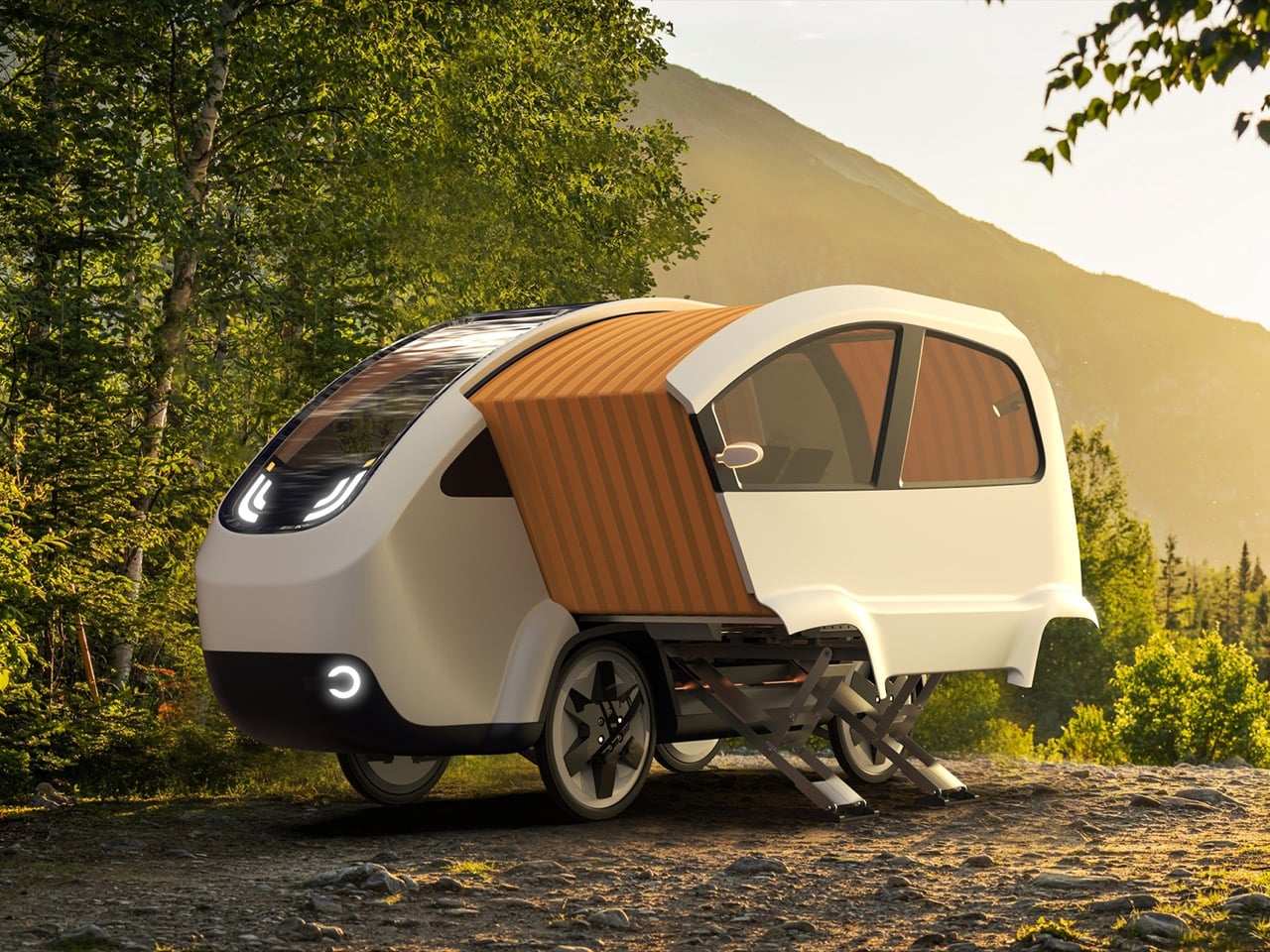
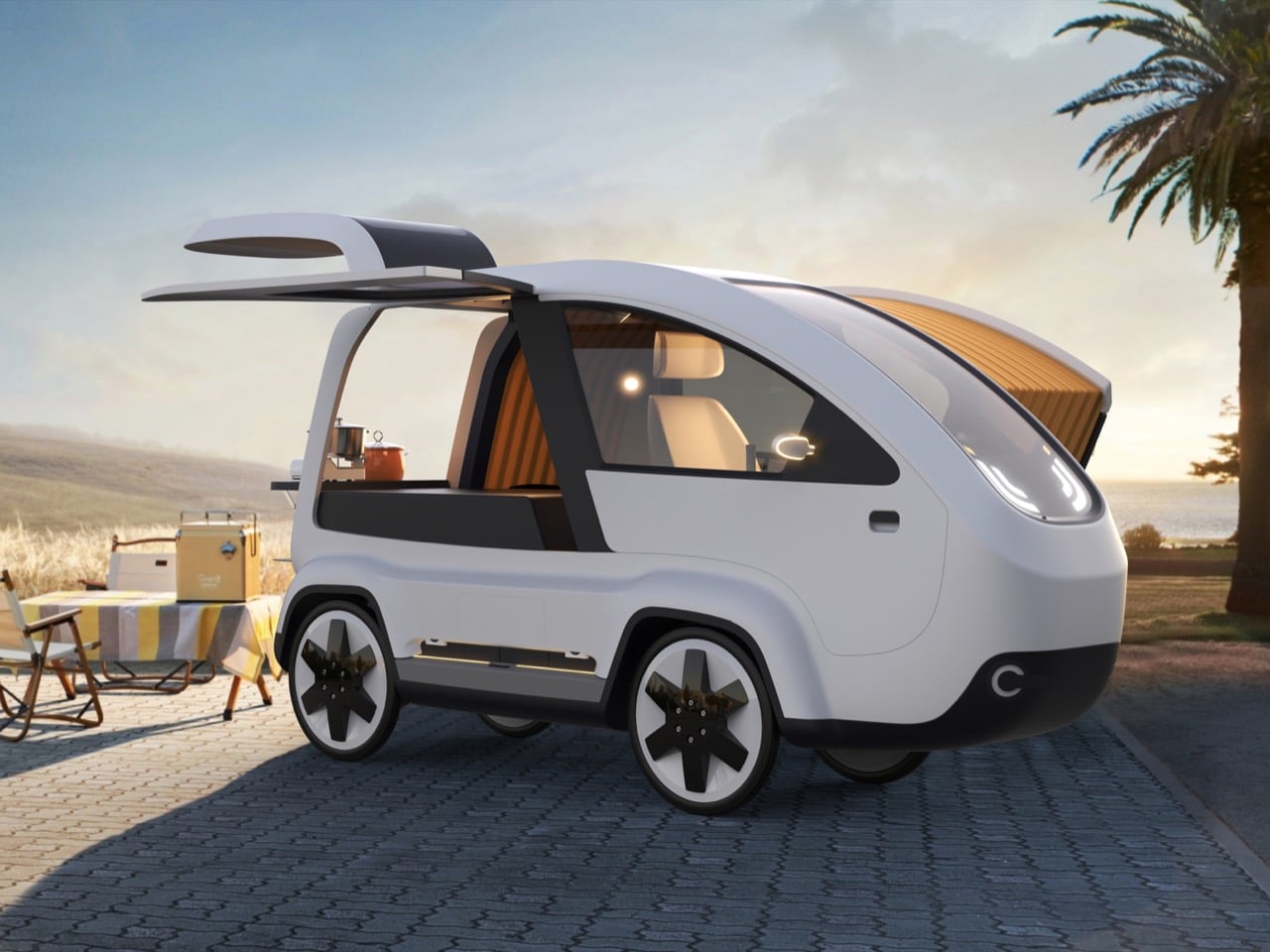
Picture pedaling into a campsite, parking your ride, and watching the back unfold like a pop-up book into a kitchen, a dining nook, and a place to sleep. That is the pitch behind Huuselox, a three-wheeled pedal camper recognized by the European Product Design Award. I will be honest, another box towed behind an e-bike rarely makes me stop scrolling. Huuselox goes with something closer to origami, a pleated orange and white panel that expands the cabin’s rear end into sheltered living space. It is a strange-looking thing, and I mean that as a compliment.

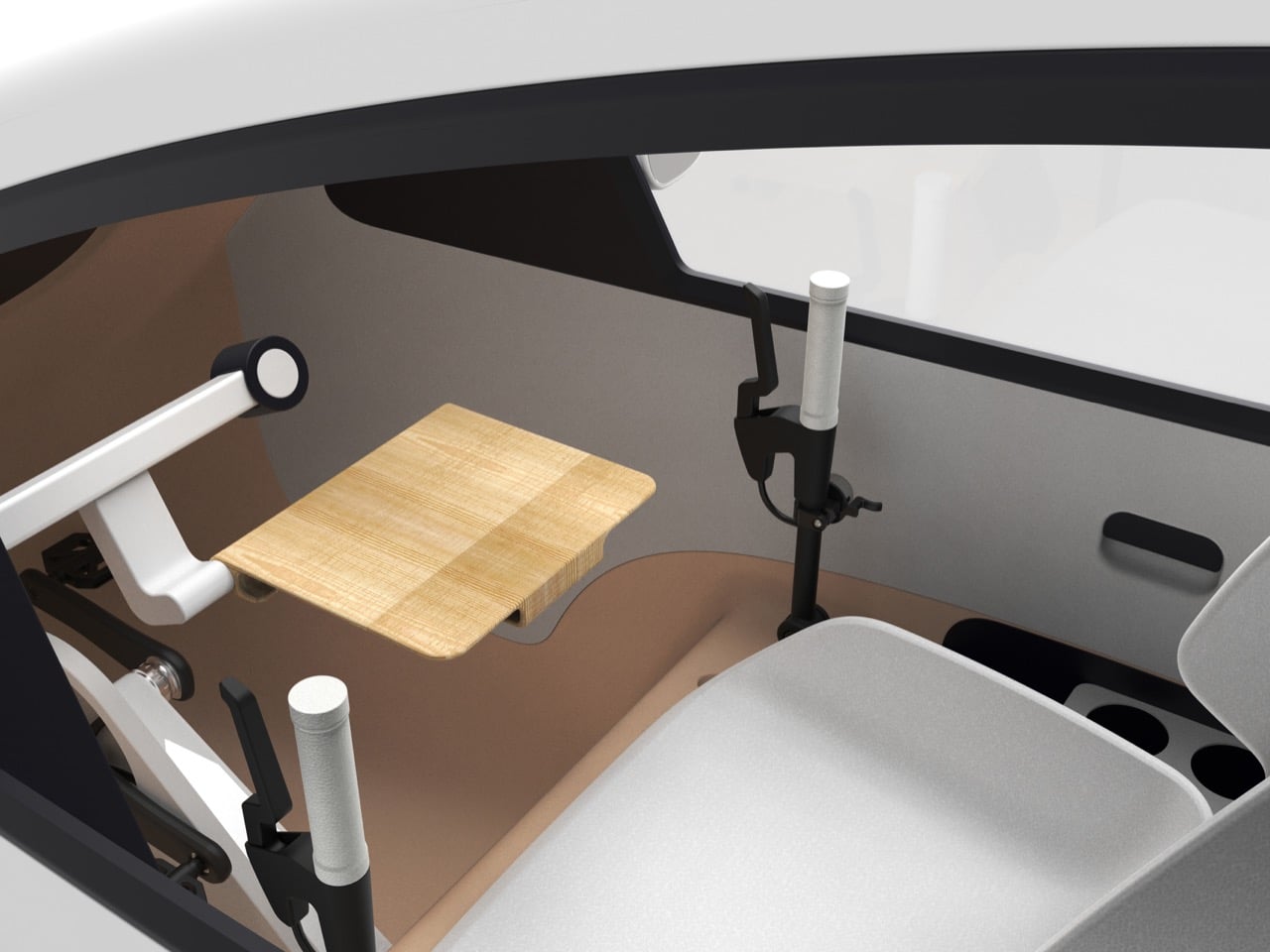
Designer Yu-Chang Wu dreamed this up as his bachelor’s thesis at Hochschule Hannover back in 2022, years before its EPDA recognition. The brief was simple on paper and harder in practice: let someone cycle from one campsite to the next with their shelter built into the ride. Inside, a reclined seat, a flip-out wooden table, and a sleeping berth share the compact cabin. Outside, the rear awning shelters a cooking station, stove included, beneath that same folding skin. If that sheltered cooking setup has you thinking about your own campsite, our shop’s For the Outdoorsy gift guides includes grills, camp lighting, and outdoor accessories. Four years between thesis defense and award podium is a long gap, but apparently good ideas know how to wait.

Designer: Yu-Chang Wu

An Accordion Fold Opens Up the Campsite Kitchen

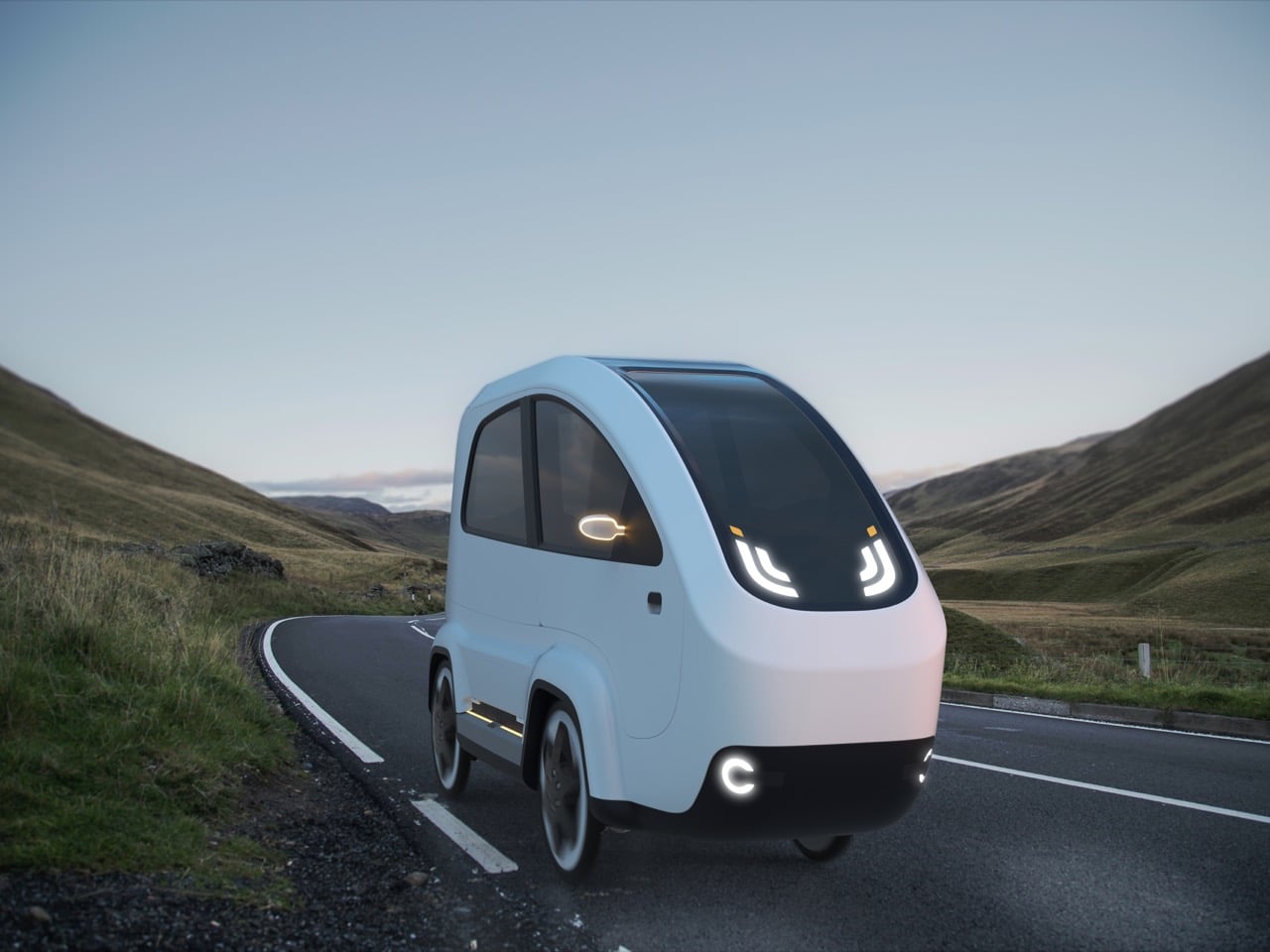
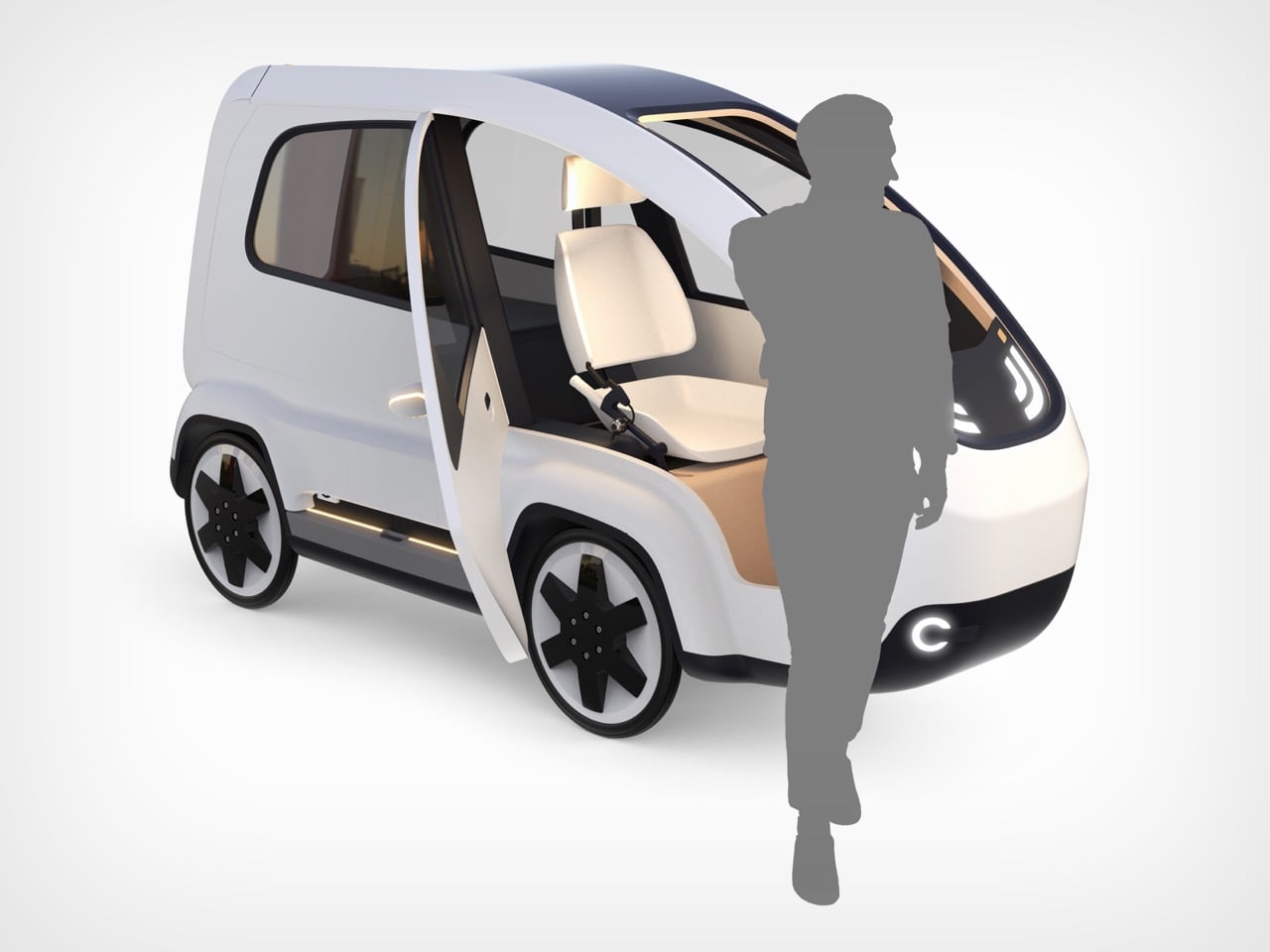
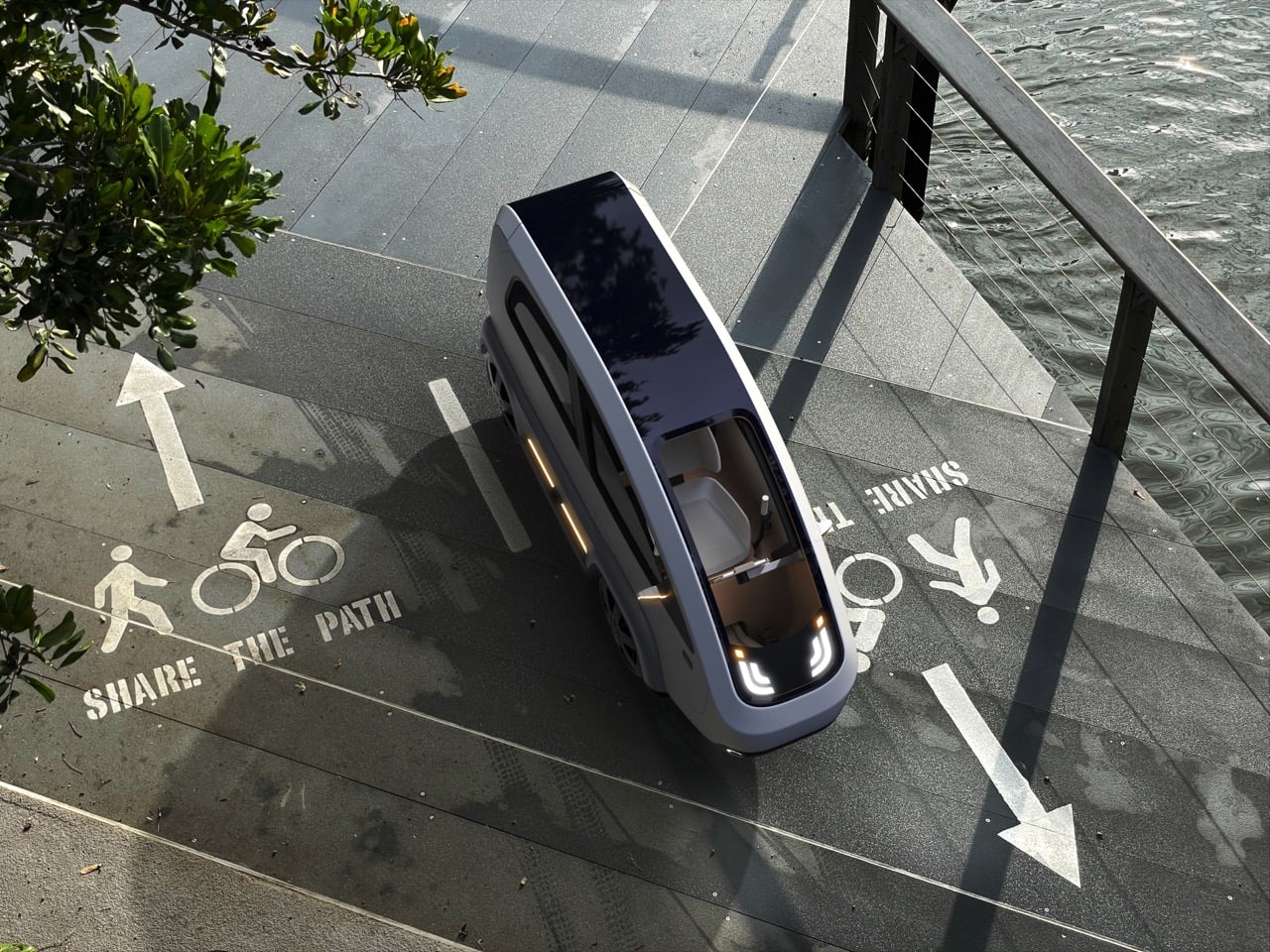
That rear panel carries almost the entire design story. Folded shut, Huuselox reads as a teardrop-shaped pod with a wraparound windshield and running lights that would look at home on a concept microcar. In the renders, the orange and white skin fans open in pleats, using the folding logic of a bellows camera or an accordion to shelter a stove, a fold-down counter, and stashed cookware. The idea is to turn the rear end into a sheltered galley without pitching a separate kitchen canopy. The cabin doors lift up and out too, rising like a beetle cracking open its wing cases.

Hard-sided bike campers offer another way to solve the space problem, borrowing the sliding panels of full-size RVs. The Alpencamper Eco Slide Out uses that approach to expand its tiny interior enough for a double bed. Huuselox folds a flexible skin instead, closer to a canvas awning than anything on drawer rails. That choice makes sense for a vehicle someone still has to pedal, although the renders cannot tell us what the assembly weighs. It also gives Wu room to shape the expanding section around the campsite setup, which helps explain why the rear looks like a lantern rather than a drawer.

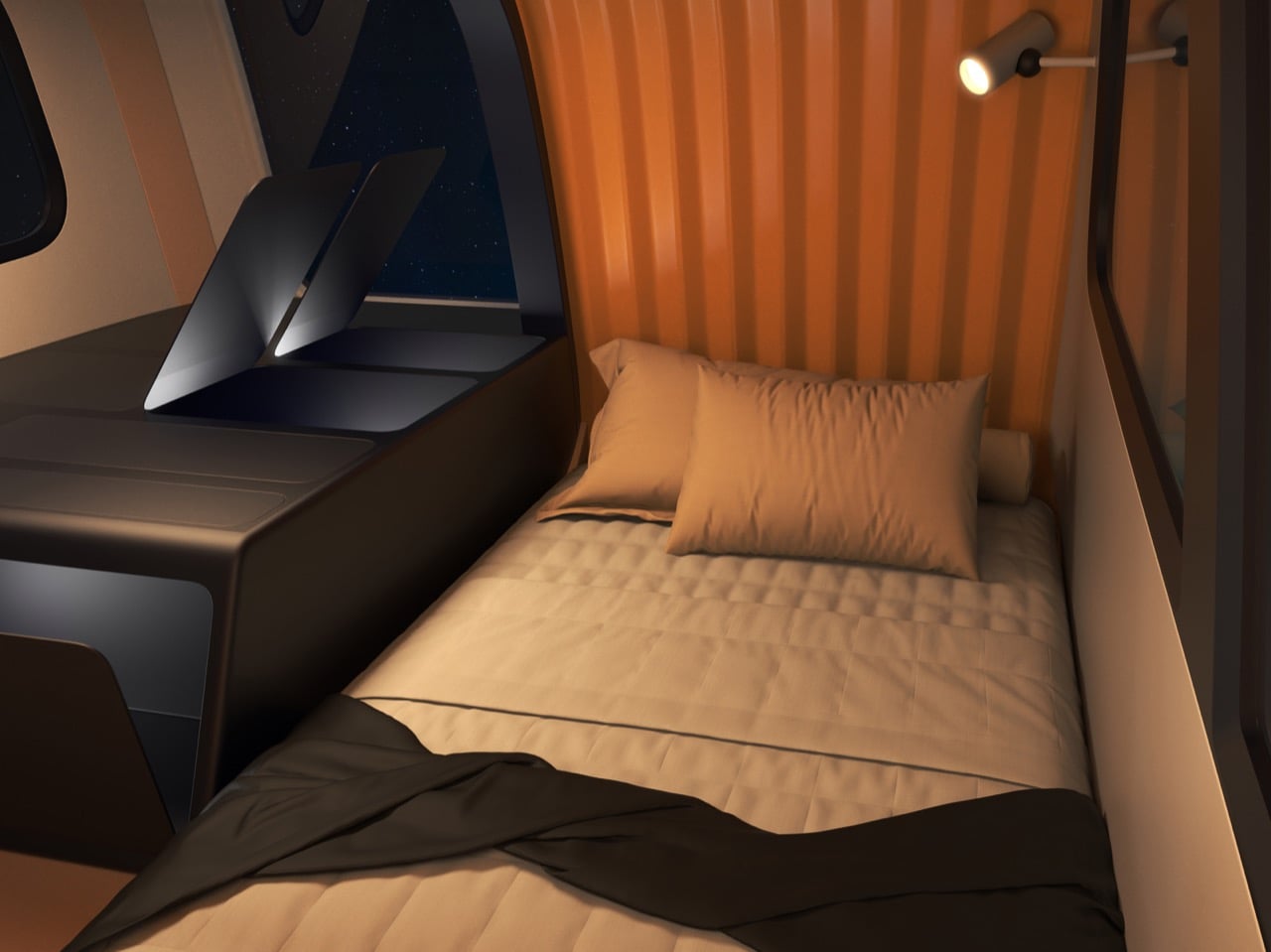
A Sleeping Berth Behind the Cockpit

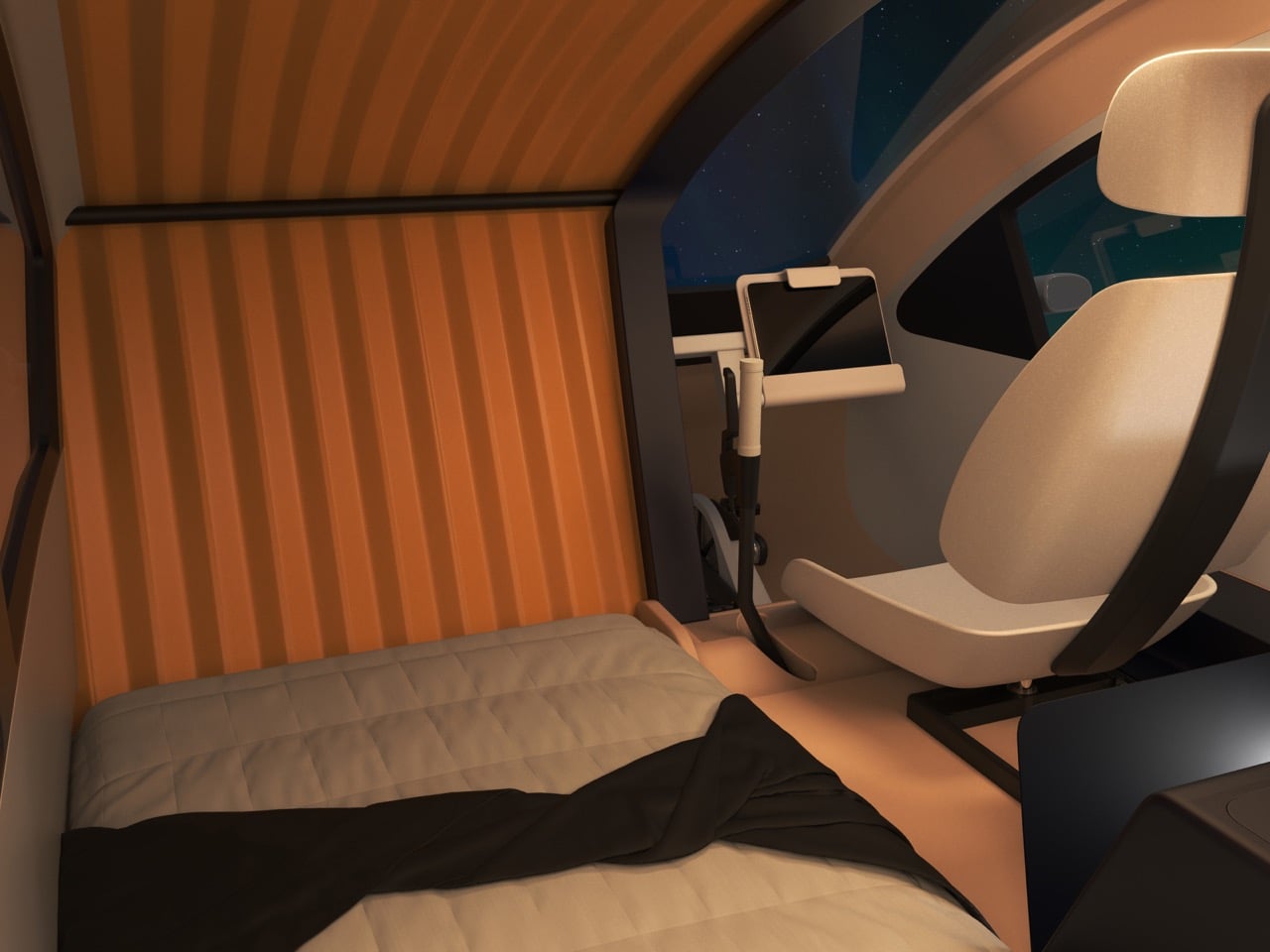
Inside, the renders show a reclined seat with a tall headrest, with a sleeping berth tucked behind the cockpit. Ribbed orange lining carries the exterior’s color and texture into the sleeping area. A flip-up tray and a mounted screen suggest a spot for anyone determined to answer emails before falling asleep under a very stylish tent. A second table, wood-topped and mounted on an articulated arm, folds out near the front seat for eating or working while parked. The visible pedal unit brings the cycling part of the equation back into view, a gym membership with considerably better scenery.

All of this single-occupant intimacy feels deliberate. The Hupi trailer takes a similarly compact approach, giving a solo cyclist a fixed roof and a small dinette. Huuselox packages its shelter and riding position within one vehicle, keeping the campsite setup attached to the thing that gets you there. The award description emphasizes the sheltered cabin, organized storage, and short trips with less setup, which fits what the renders show. This feels pitched at the pleasure of a campsite-to-campsite hop, with somewhere to cook dinner and stretch out at the end.

A Thesis Project With a Second Life

Huuselox began as Wu’s 2022 bachelor’s thesis, titled Space on the Move. Its 2026 EPDA recognition places it in Automotive and Transport Product Design, within the Conceptual, Design Only or Prototype category. That last part matters: the award recognizes the concept, rather than establishing that a finished vehicle is on sale or road legal. The broader competition draws entries from more than 80 countries and has previously honored names including Maserati and Pininfarina. That is quite a change of company for something that began with a university deadline.

The project it resembles most in spirit is the SpaceCamperBike, an electric cargo bike arranged for riding, working, sleeping, and camping without a trailer. Both put shelter on the cycle itself, keeping the riding and camping equipment together. What sticks with me about Huuselox is how much of its identity comes from one folding detail. The pleated shell gives the compact pod a distinctive silhouette and a convincing reason to open up once parked. I would rather see ten more concepts this weird than another slide-out box with a fresh coat of paint.

The post This camper bike pod unfolds like an accordion into a spacious cabin first appeared on Yanko Design.
  •  

2027 Suzuki Spacia Base debuts with two seats and floorplan reconfigurable in seven different ways

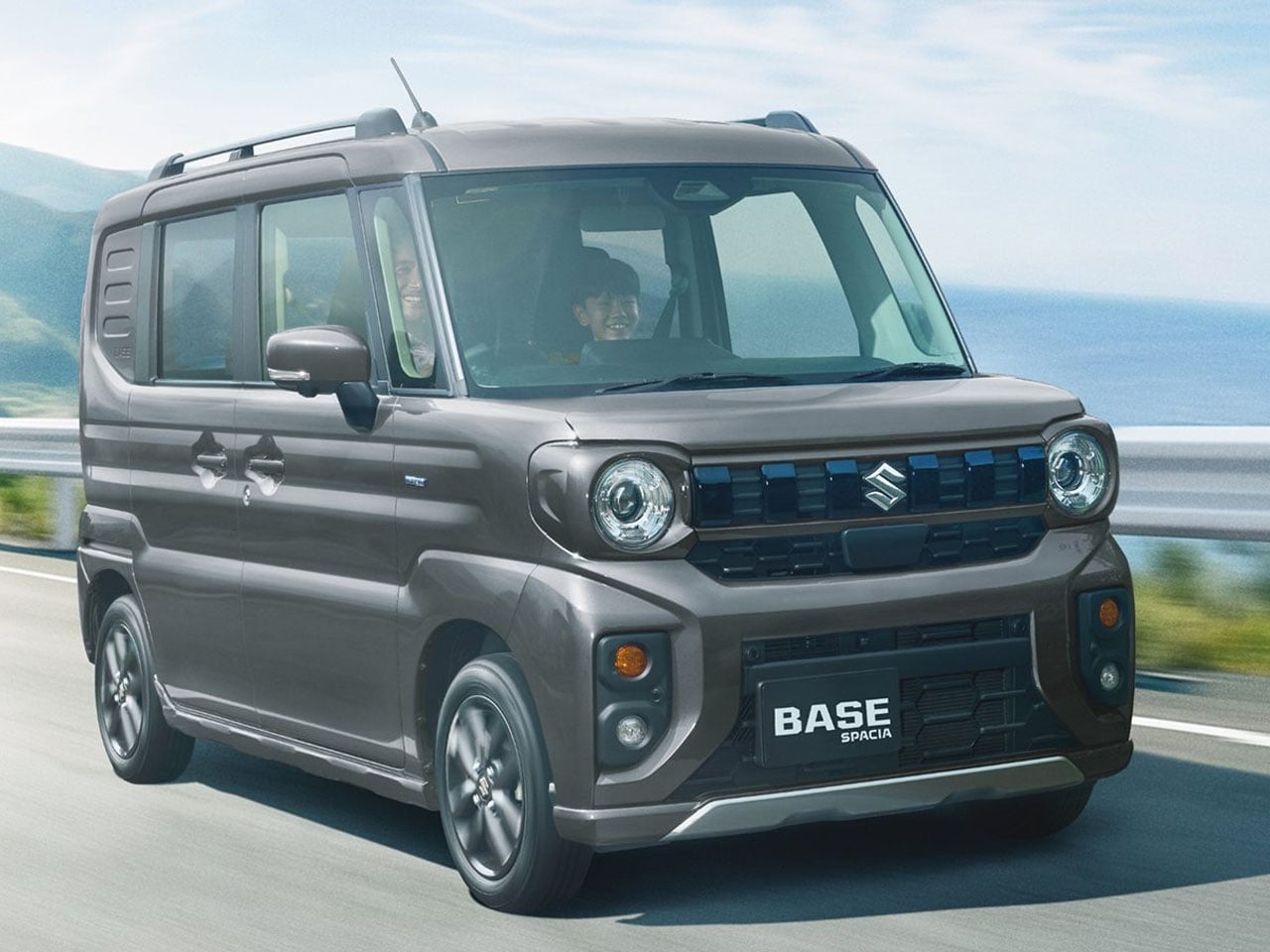
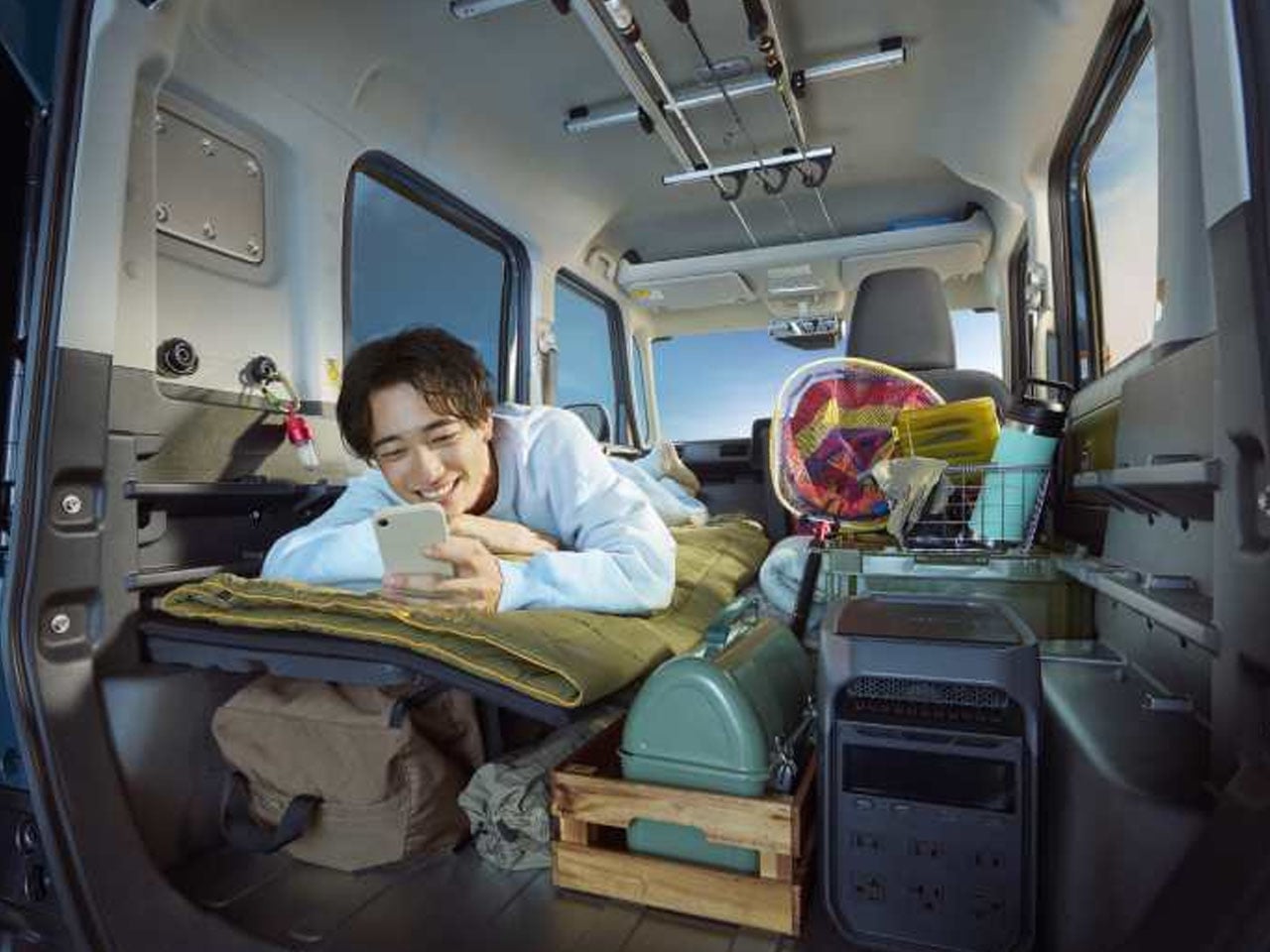
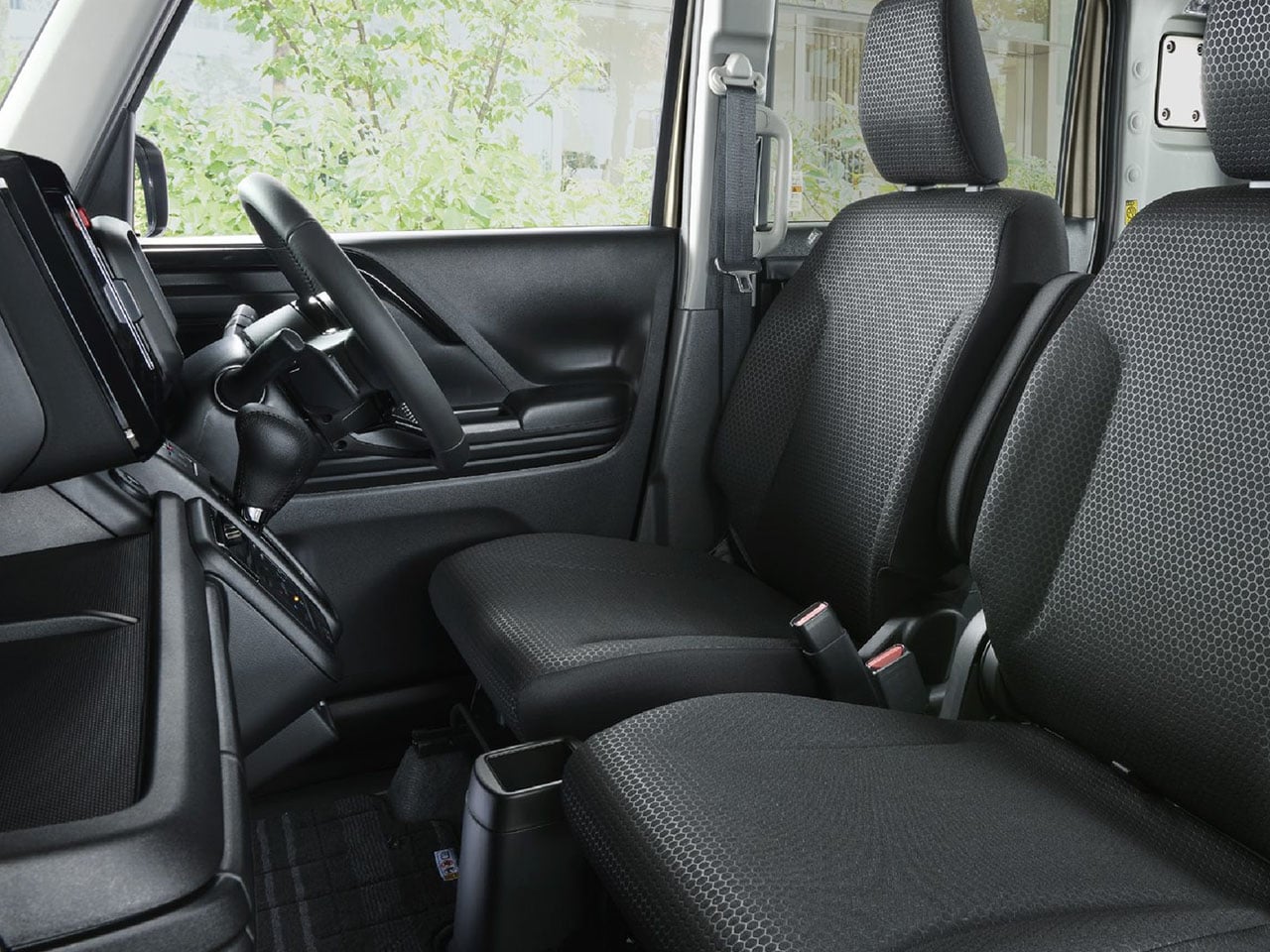
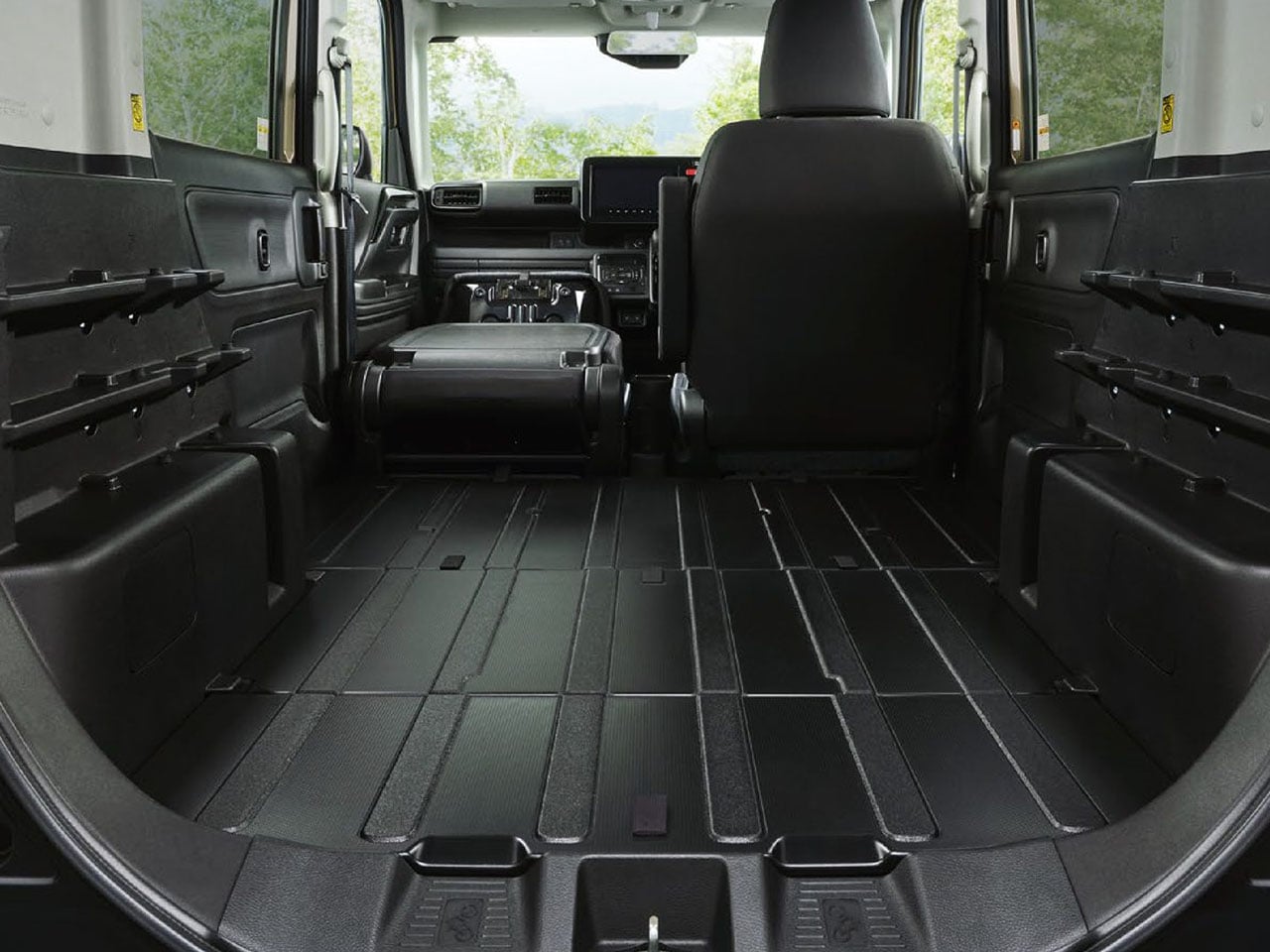
Camping and cargo hauling generally require a different set of vehicles. But Suzuki has been toiling with a kei van for these two objectives, and you can find this personified in the new Base Spacia from the Japanese automaker. The 2027 Suzuki Spacia Base arrives with two seats and a completely hollow rear, which can be reconfigured into seven different layouts using a multi-board platform.

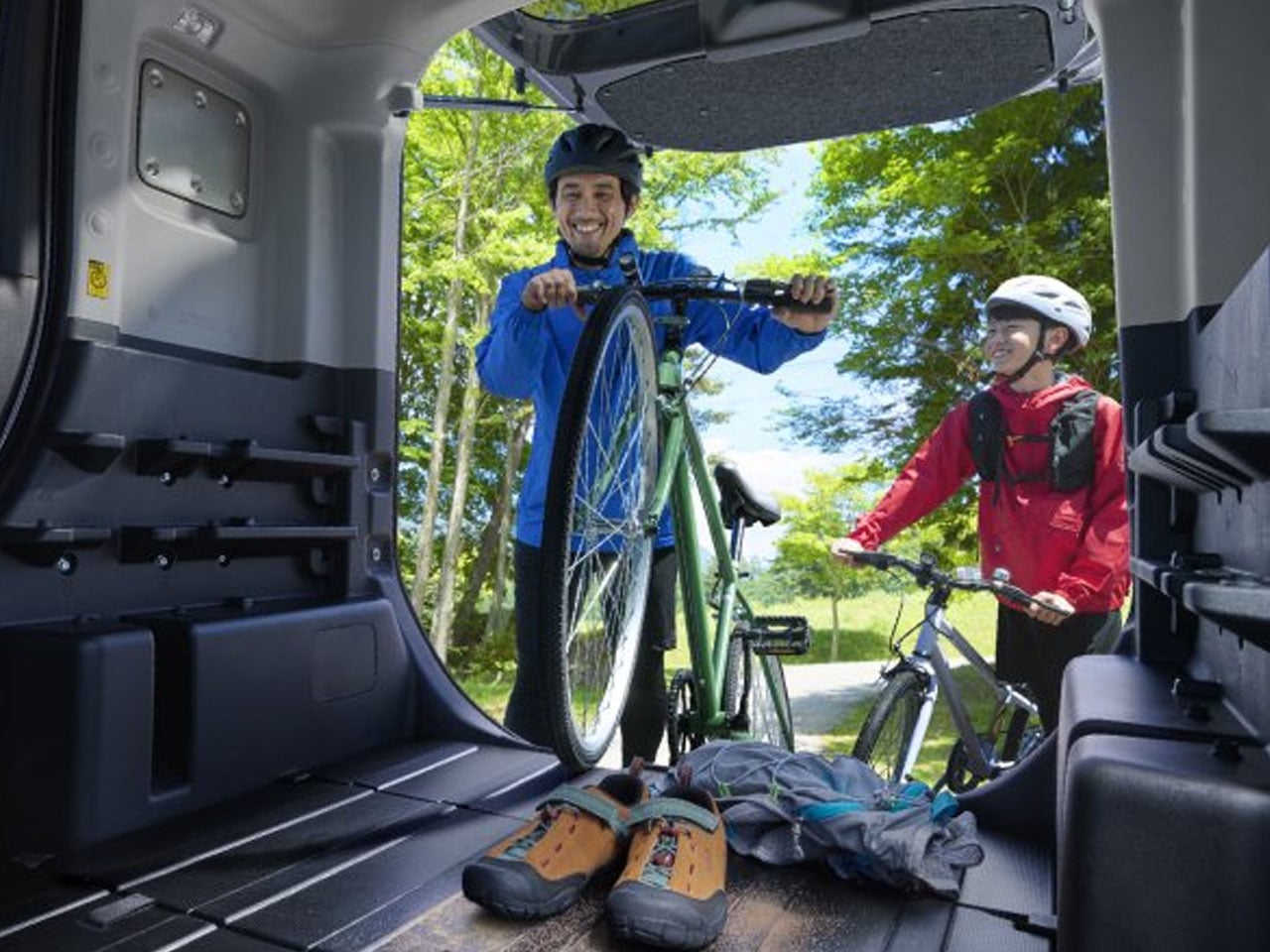
The gear-hauling cargo van can transform into a micro camper, or function as a reliable combo, as and how the user wants to use it. It can transform in a matter of seconds, and this is possible with the multi-board setup that allows the cargo area in the vacant floor space in the cabin to be used in a multitude of ways.

Designer: Suzuki

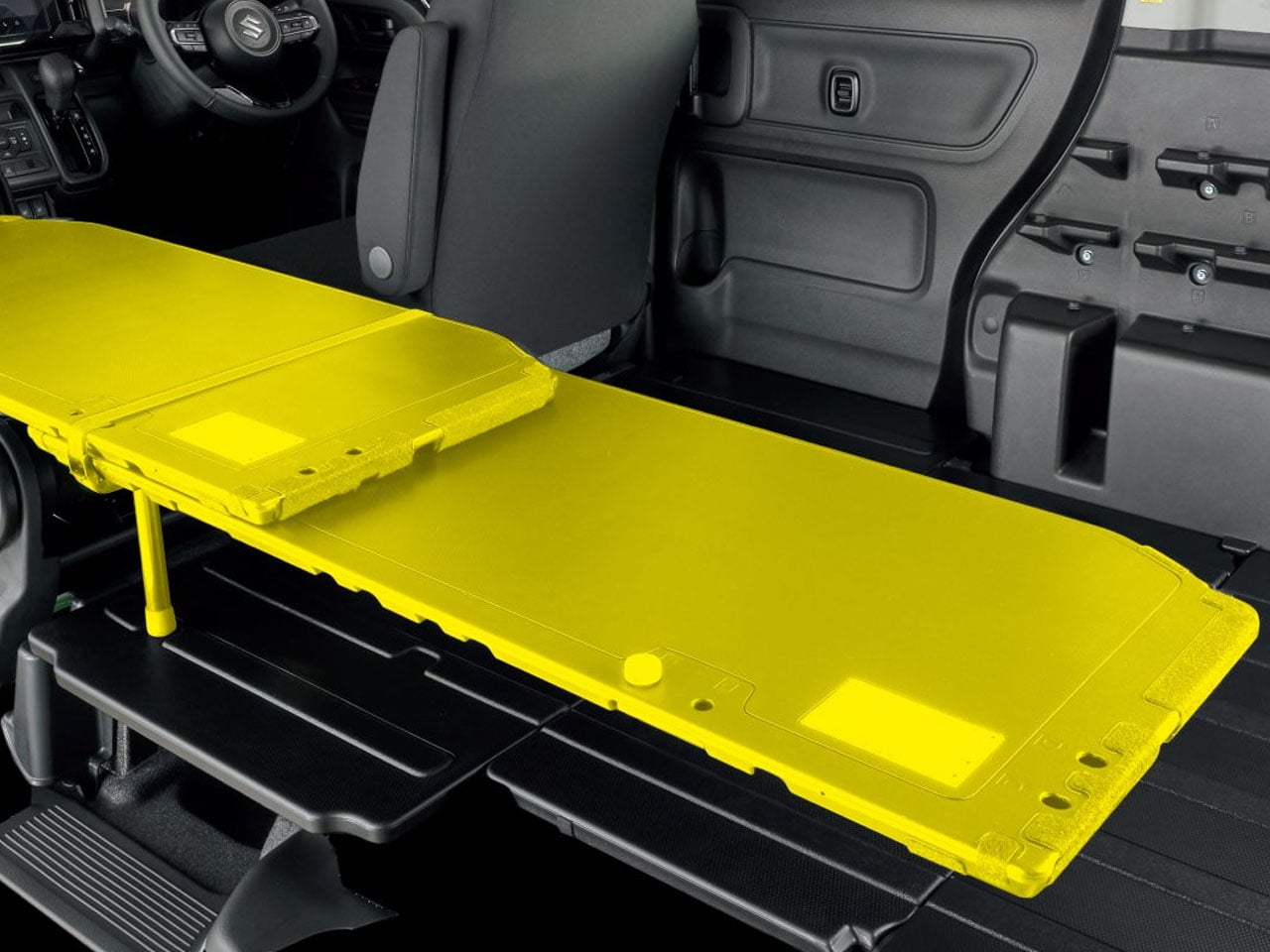
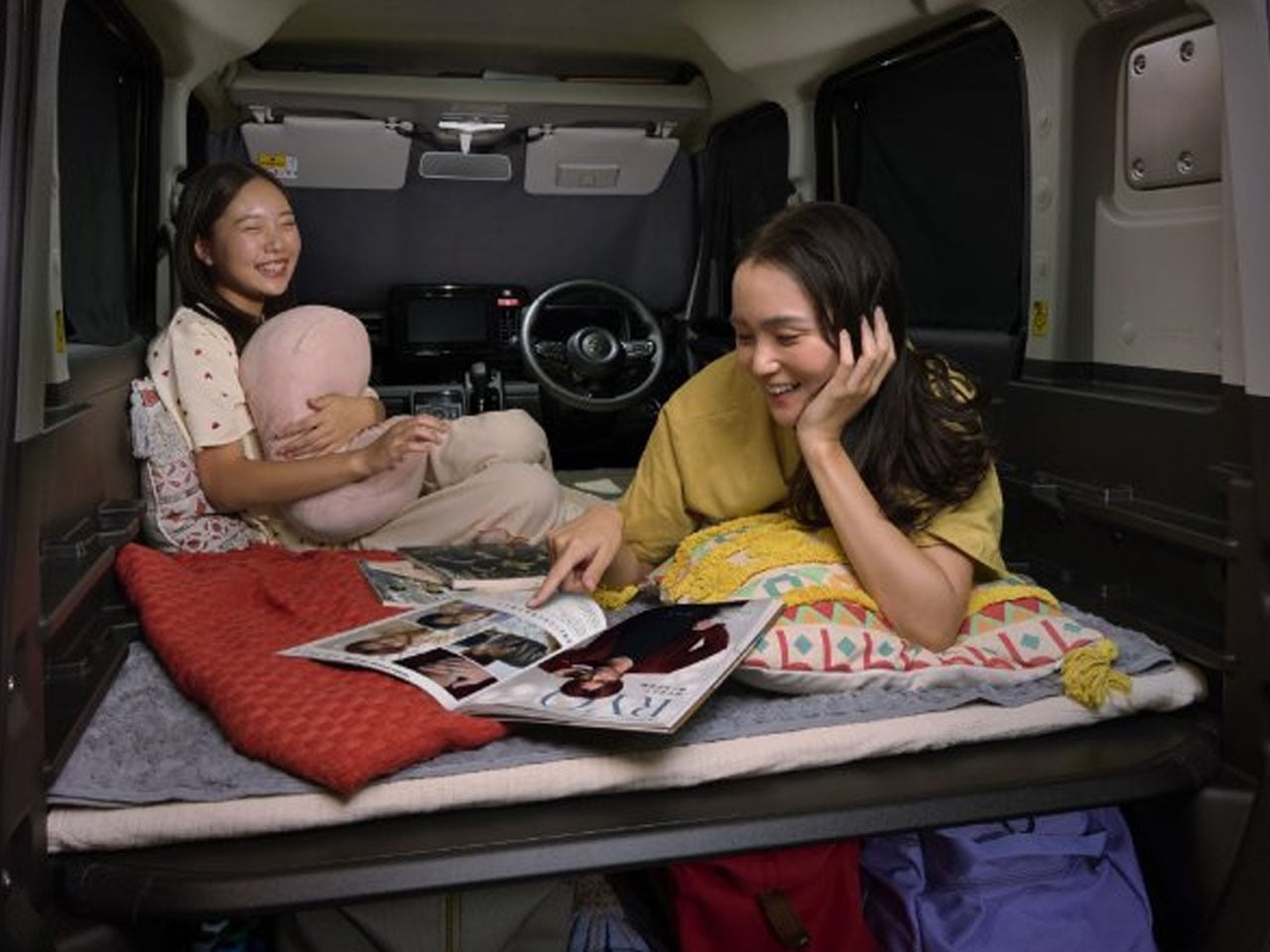
What Suzuki is calling multi-board is actually a platform that is designed to be used to support the integrated interior structure of the rear cabin. It helps create clean and fast transforming sections that can be switched between sleeping and cargo hauling, or doing both at the same time. A set of two boards, each of which can slide into the side supports and slot into the sidewalls, can allow the reconfiguration. You can set up the boards in seven different modes to create a bed, shelves, a table, or a vertical divider in case you have a different set of cargo to transport.

The different modes in which the boards can be used allow the flat surface of the van to function as a sleeping unit for a solo rider with his adventure gear by the side, or as a camper van for a couple with a conventional double bed. The vehicle is a fully compliant kei car. This means the Base Spacia is built strictly within the road-legal Japanese limits in size, engine configuration, and output.

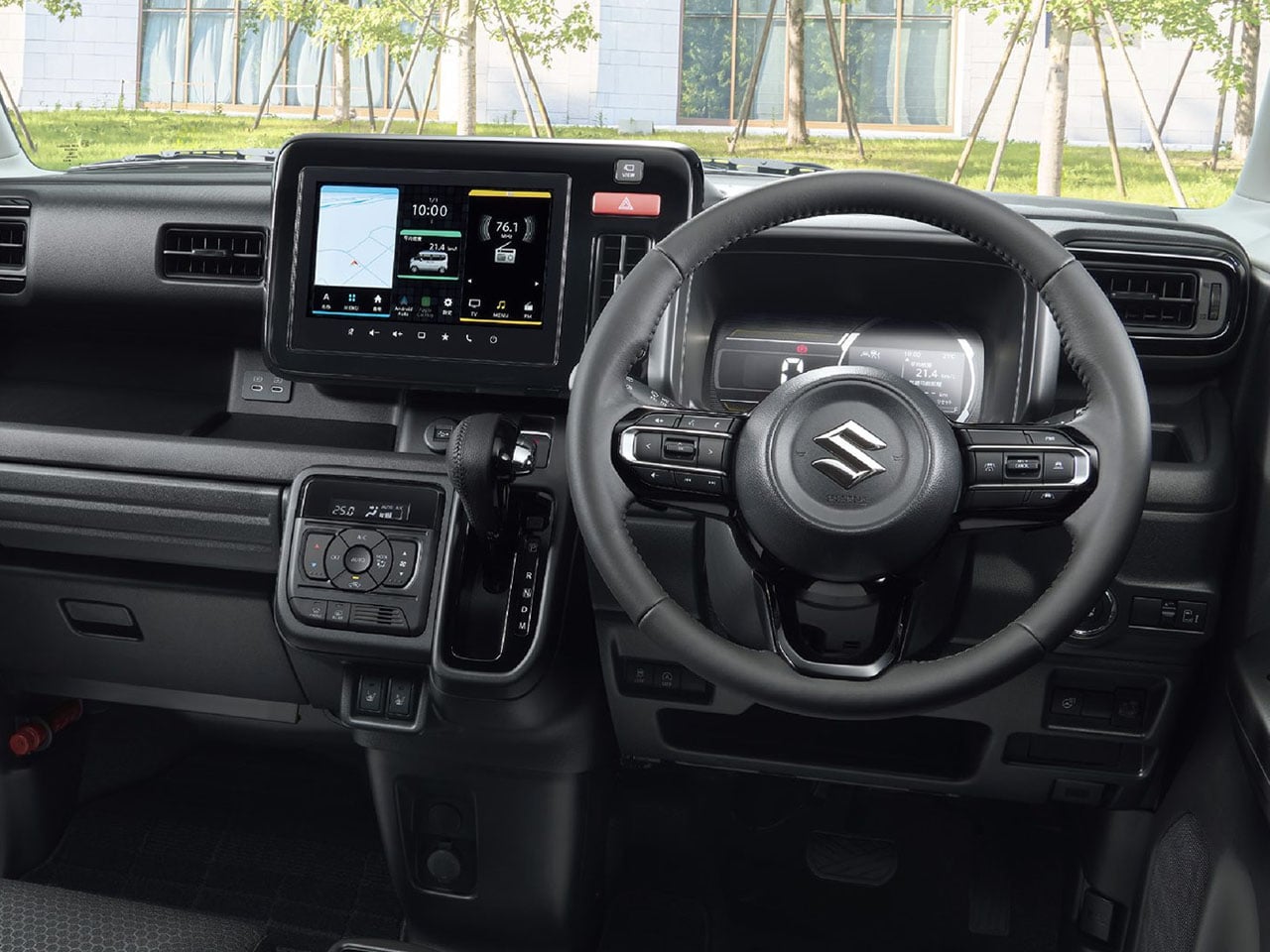
Thus, you get a very interesting living space within one of the smallest campervan layouts out there. For reference, it measures only 134 inches long, is powered by a turbocharged 660-cc engine-based mild hybrid system, and features Adaptive cruise control for ease of driving. The size implies that the Base Spacia is so small that, to create a double bed using the multi-boards, the owners will have to fold the front seats and then create a complete sleeping surface for two people.

Since the supports for the multi-boards are integrated into the inside of the sidewalls of the campervan from the factory, the configuration using the boards is simple and quick. When the boards are not being used for a purpose, they can be stacked on one side to allow the other section of the cabin to be used for storing camping equipment and other supplies.

Suzuki debuted the new Spacia Base earlier this month, but has not given out information about the pricing yet. The vehicle is expected to launch officially this winter in Japan. If the pricing structure of the previous Spacia Base model is considered, the new 2027 model should cost around ¥1,530,100 (roughly $9,500).

The post 2027 Suzuki Spacia Base debuts with two seats and floorplan reconfigurable in seven different ways first appeared on Yanko Design.
  •  
❌