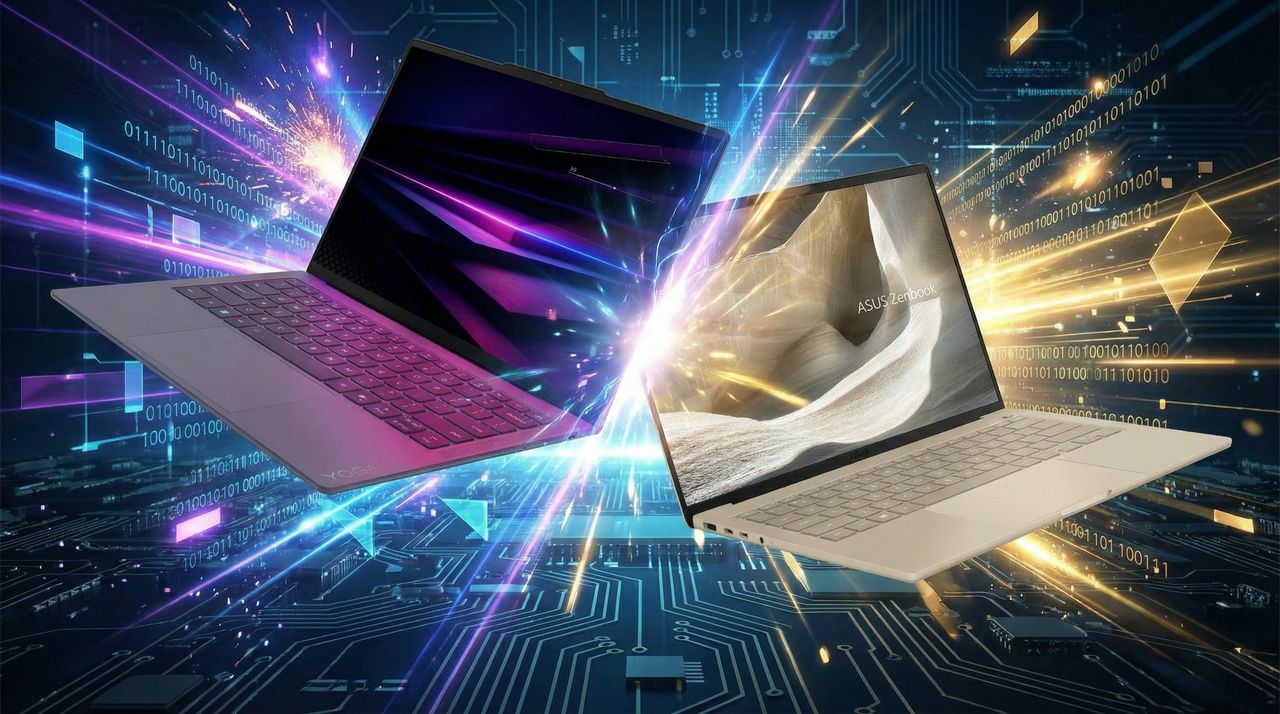
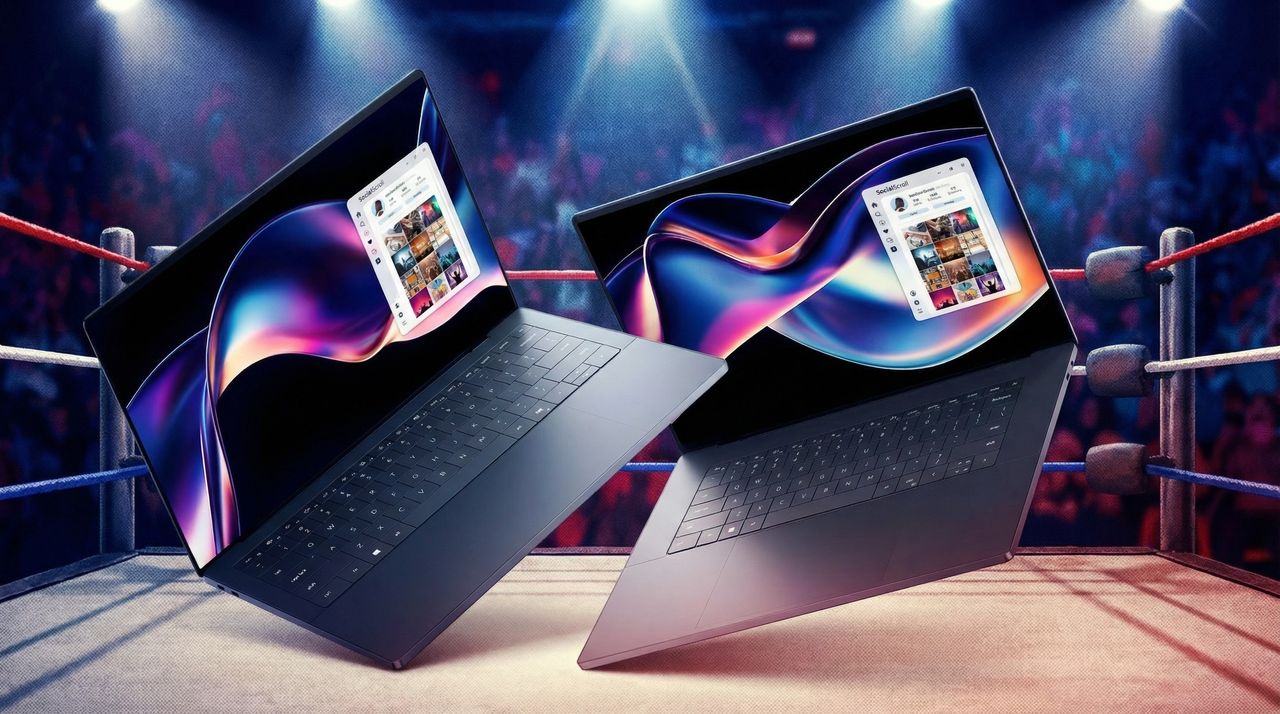
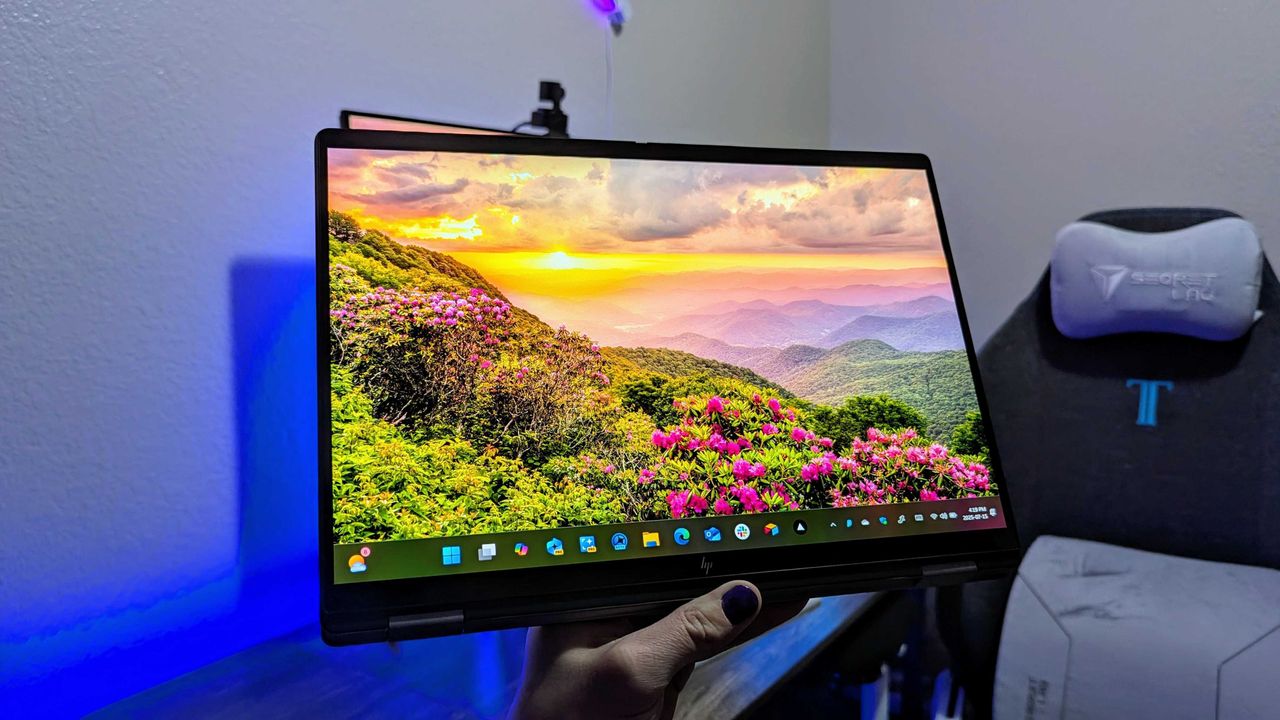
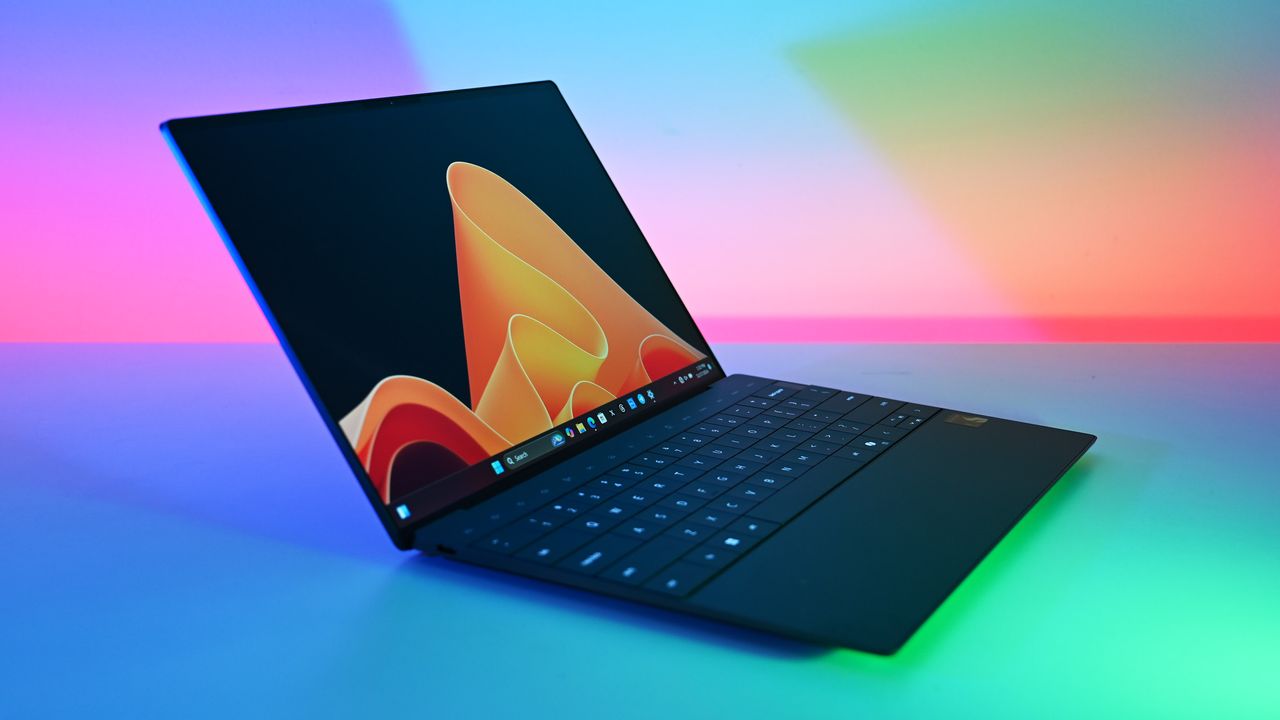
Two of the lightest-ever Windows laptops launch soon — here's how Lenovo and ASUS with Snapdragon and Intel CPUs compare
Yoga Slim 7i Ultra Aura Edition vs. Zenbook A14 (2026)
![]()
Yoga Slim 7i Ultra Aura Edition vs. Zenbook A14 (2026)

Yoga Slim 7i Ultra Aura Edition vs. Zenbook A14 (2026)
![]()
Yoga Slim 7i Ultra Aura Edition vs. Zenbook A14 (2026)

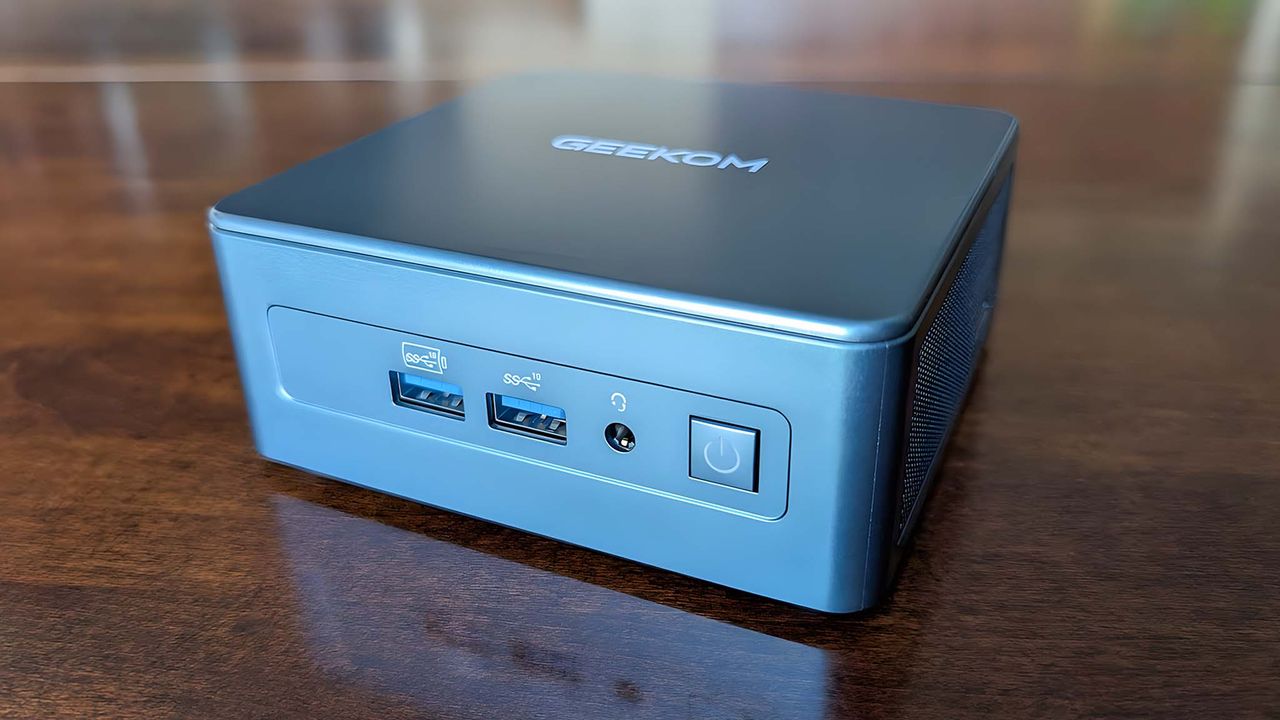
A closeup of the front side of the Geekom Mini IT13.
![]()
Save desk space while working or casually browsing the net with the Geekom IT13 Mini-PC.

CHINA - 2021/04/24: In this photo illustration the American computer hard disk drive and data storage manufacturer Western Digital (WD) logo is seen on an Android mobile device with the word cancelled on a computer screen. (Photo Illustration by Budrul Chukrut/SOPA Images/LightRocket via Getty Images)
![]()
CHINA - 2021/04/24: In this photo illustration the American computer hard disk drive and data storage manufacturer Western Digital (WD) logo is seen on an Android mobile device with the word cancelled on a computer screen. (Photo Illustration by Budrul Chukrut/SOPA Images/LightRocket via Getty Images)

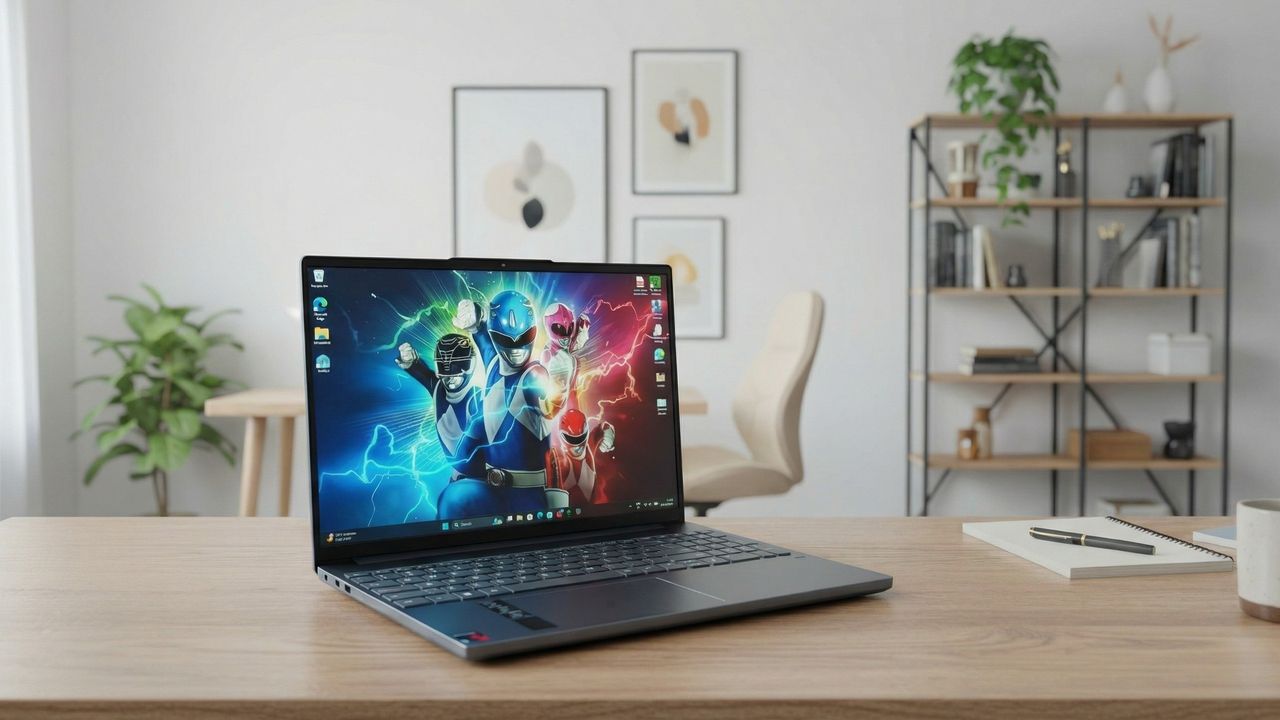
The Lenovo IdeaPad Slim 3X in a home office environment.
![]()
The Snapdragon X-powered Lenovo IdeaPad Slim 3X is a lot of laptop for not a lot of money.

Ai-generated image of various Microsoft, HP and Samsung laptops visualized.
![]()
Celebrate the American Way with these discounted laptops.
Screens are on all day, and hands tend to find something to do when focus slips. Pen clicking, phone picking, knuckle cracking, the nervous tics of modern desk work. Most “mindfulness” solutions are still apps, which is a bit ironic when the problem is too much screen time. There’s something to be said for a small mechanical object that gives your brain a reset without asking for any attention in return.
Amsterdam Dynamics’ ST-01 is a modular spinning top and tactile focus object built for desks, hands, and minds that rarely get a break. It’s intentionally simple but not single-purpose, offering multiple mechanical interactions with no correct sequence. You use one when you need it or work through all of them. No app, no setup, no instructions, just the object and whatever your hands feel like doing with it.
Designer: Antonio Lo Presti (Amsterdam Dynamics)
![]()
![]()
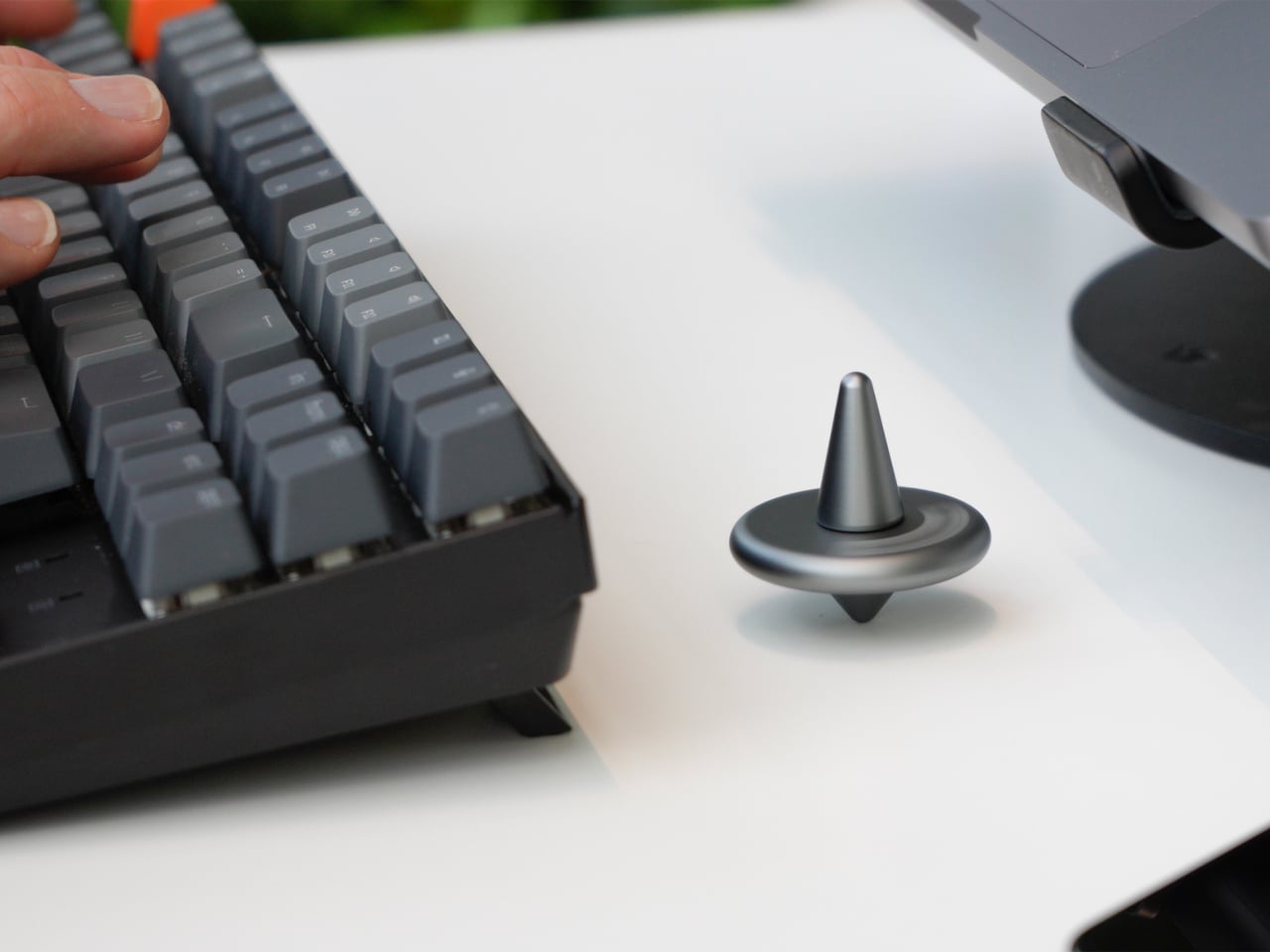
A gentle twist sets ST-01 rotating smoothly, and it’s engineered to keep going for over two minutes. That’s long enough to watch while thinking through a problem, waiting for a file to render, or cooling down after a difficult meeting. It functions as a visual anchor, something calm and physical in a field of notifications and browser tabs that all want something from you.
![]()
![]()
Pressing the top triggers a satisfying mechanical click with clear tactile feedback, the kind of repeatable, purposeful sensation that replaces the nervous habit of clicking pens or tapping a keyboard. Amsterdam Dynamics calls it “reset focus,” which is accurate if not exactly humble. The middle disc can also be flipped like a coin, adding a small decision-making tool and another texture to the interaction when you need a nudge in either direction.
![]()
![]()
Of course, there’s a modular construction underneath all of that. ST-01 is built from three parts that can be taken apart and snapped back together, held in alignment by two precisely positioned magnets. That magnetic core keeps the structure stable during spinning while making it easy to disassemble by hand. There’s also a built-in magnet that lets it stick to metal surfaces, which is either a neat trick or a genuinely useful parking spot depending on your desk.
![]()
![]()
CNC-machined, anodized aerospace-grade aluminum means it’s solid in the hand, balanced, and finished in a way you notice the first time you pick it up. Cheap fidget toys flex, squeak, and wear out quickly. ST-01 is designed to stay on the desk for a long time, with Amsterdam Dynamics framing it as “a beautiful object, made to last a lifetime” and something that can eventually be passed on.
![]()
![]()
That’s an unusual positioning for what is essentially a desk toy, but it fits the overall idea. ST-01 doesn’t ask for a lifestyle change, a daily streak, or a subscription. It just gives your hands a few repeatable interactions and a place to return when the work gets loud, which turns out to be the kind of quiet, mechanical company a desk actually needs.
![]()
![]()
The post Forget Mindfulness Apps, This Desk Top Spins for 2 Minutes Instead first appeared on Yanko Design.

Apple is reportedly planning its biggest MacBook Pro redesign in years, adding touchscreen support, OLED displays, new M6 chips, and more.
The post Touchscreens, OLED, and M6 Chips: Apple’s Bold MacBook Pro Overhaul Takes Shape appeared first on TechRepublic.

Dell XPS 14 (2026) vs. XPS 16 (2026)
![]()
Dell XPS 14 (2026) vs. XPS 16 (2026)

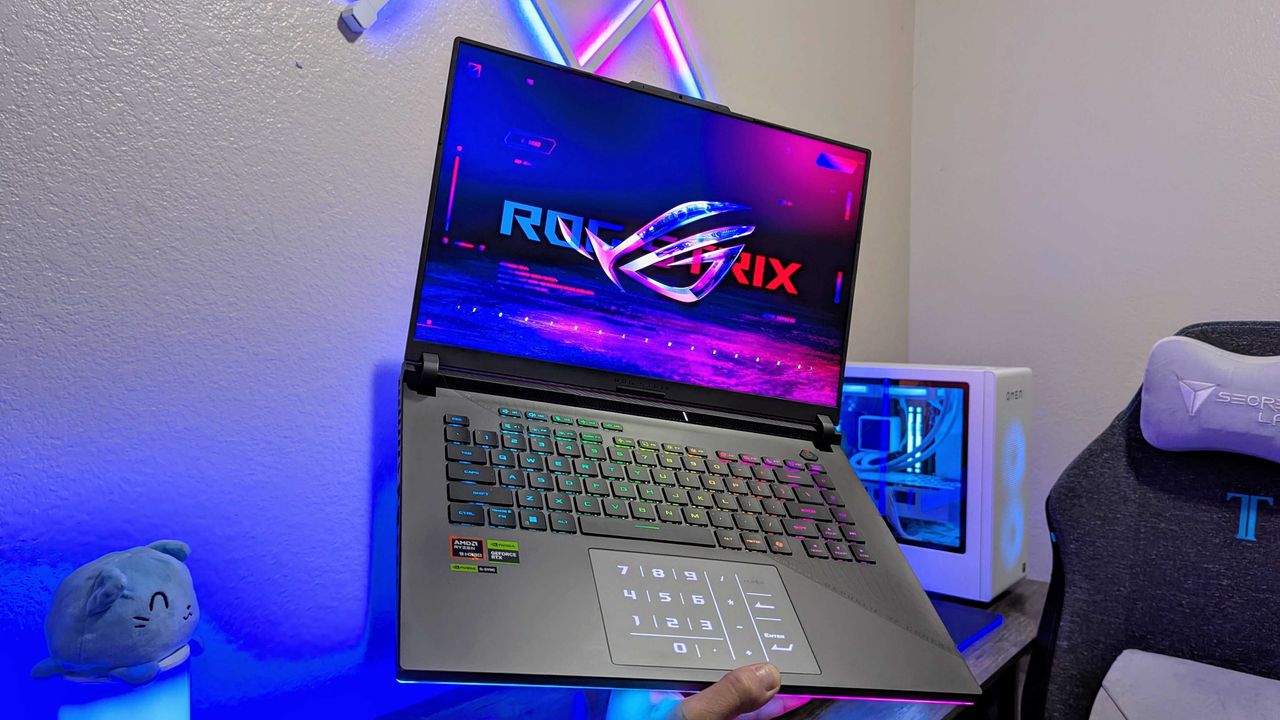
Image of the ASUS ROG Strix G16 (2025, AMD) gaming laptop.
![]()
Full view of the ASUS ROG Strix G16 in hand.

AI generated image of the ASUS Vivobook 14, visualized
![]()
ASUS Vivobook 14.

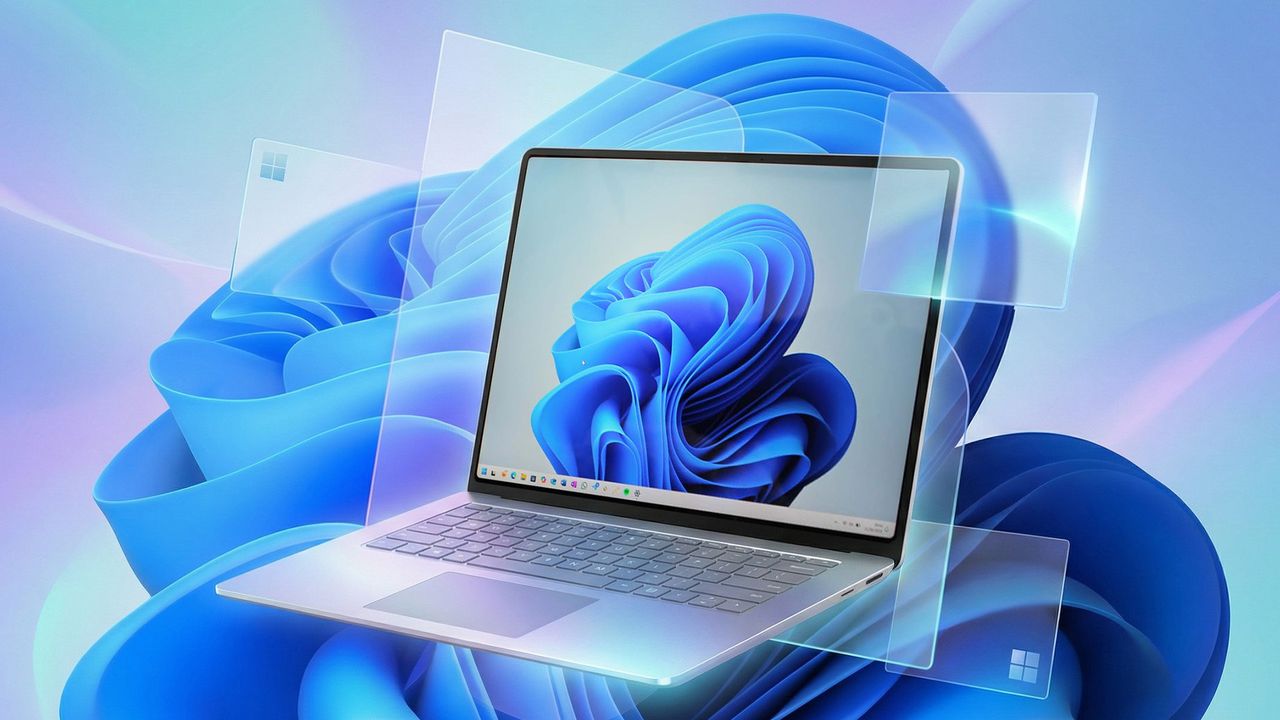
AI-generated image of the Microsoft Surface Laptop 7
![]()

AI-Generated image of several Acer and MSI gaming laptops visualized.
![]()
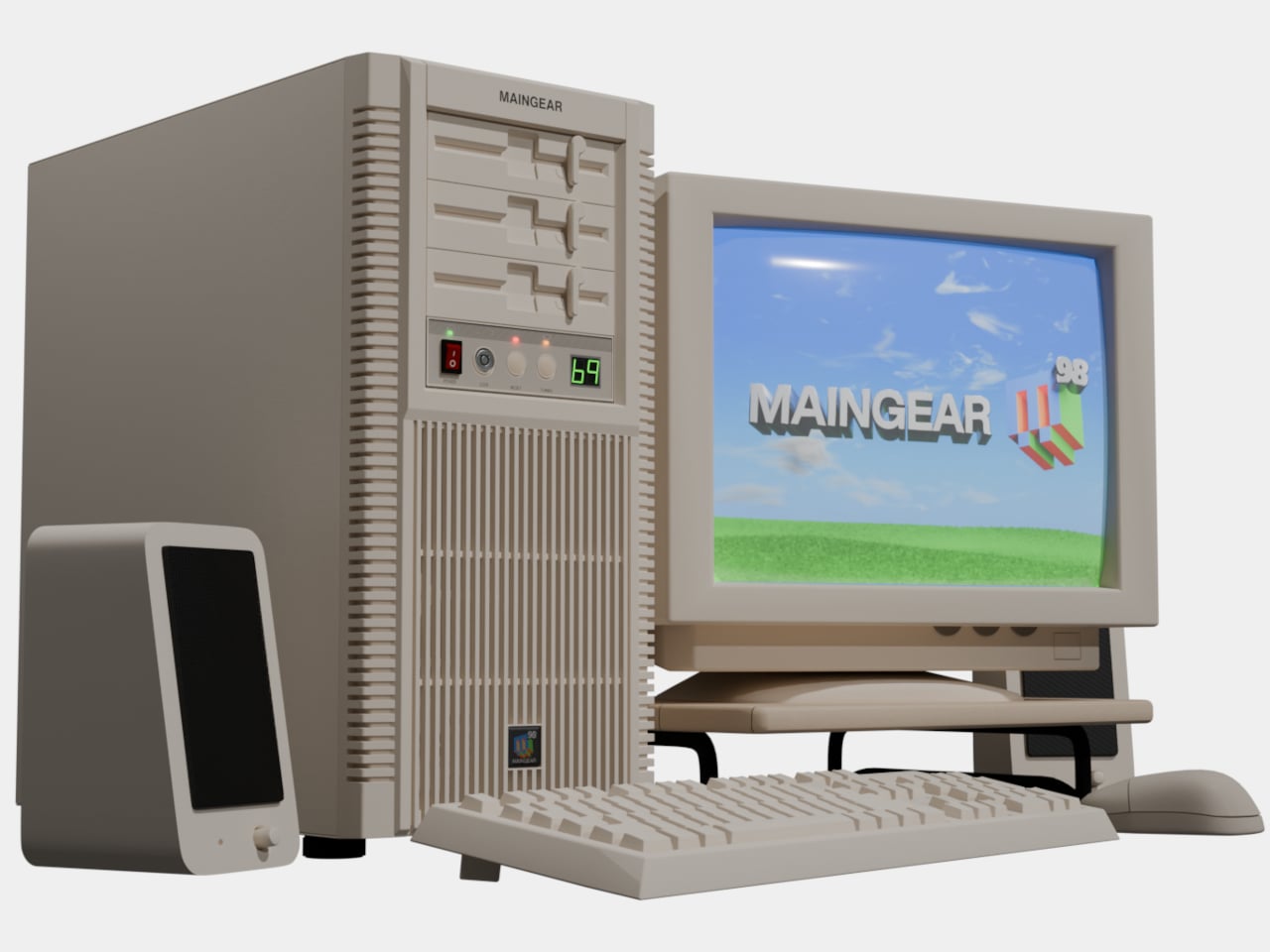
Late-’90s desktops hummed under desks in beige towers that always felt heavier than they should. CRTs flickered, CD drives whirred, and somewhere in every PC gamer’s mind lived a fantasy build they only saw in shop windows or magazine ads. The gap between the family PC that struggled with Quake and the dream rig you sketched in notebooks, complete with turbo buttons and drive bays, felt impossibly wide.
Maingear’s Retro98 is that fantasy finally built. The limited-run sleeper PC uses a retro beige SilverStone tower with a working turbo button and keyed power lockout, but hides 2026 hardware inside. The pitch is simple: 1998 on the outside, 2026 inside. It is the machine your younger self would have lost their mind over if they could see past the beige and understood what an RTX 5070 even meant.
Designer: Maingear
![]()
Water-cooled Retro98α
Retro98 feels more like a drop than a product line. Maingear limited it to 38 units: 32 standard builds and six water-cooled Retro98α rigs with braided ketchup-and-mustard cables. The brand positions it as something you will not find at a big-box store, and points out that you will not even find a Radio Shack next week. Each system is hand-built by a single technician, making it feel closer to a limited sneaker release than a typical prebuilt.
Even the lowest spec overshoots anything you could have imagined in 1998. The Retro98 5070 pairs an NVIDIA GeForce RTX 5070 with an Intel Core Ultra 7 265K, 32 GB of DDR5 at 6000 MT/s, and a 2 TB NVMe SSD. This is the kind of machine that runs Cyberpunk smoothly while looking like it should be loading StarCraft from a stack of jewel cases on the desk.
![]()
![]()
Of course, the front-panel rituals matter as much as the internals. The keyed power lock feels like something your parents would have used to keep you off the PC, and the fully functional turbo button now toggles performance profiles instead of pretending to overclock a 486. These physical interactions turn booting up into a tiny ceremony, a reminder of when pressing power felt like entering a different world rather than unlocking another screen.
![]()
Behind the retro faceplate, you still get modern conveniences. USB-C on the front, Wi-Fi 7, Bluetooth 5.4, and a clean Windows 11 install without bloatware. The machine is not trying to recreate the pain of driver floppies or IRQ conflicts. It is just borrowing the shell and the attitude. You get the look and the jokes, but you also get quiet fans, instant game launches, and none of the frustration.
Retro98 is not about value per frame but about finally owning the mythical beige tower you stared at in catalogs. It is for people who remember sharing a/s/l in chat rooms and slapping CRTs after another buffer underrun, and who now have the budget to indulge that memory. A beige box with a turbo button probably should not feel fresh in 2026, but somehow it does, which says more about how boring glass-and-RGB towers have gotten than it does about nostalgia.
![]()
The post Maingear Retro98 Is the 90s Dream PC Finally Built with 2026 Hardware first appeared on Yanko Design.

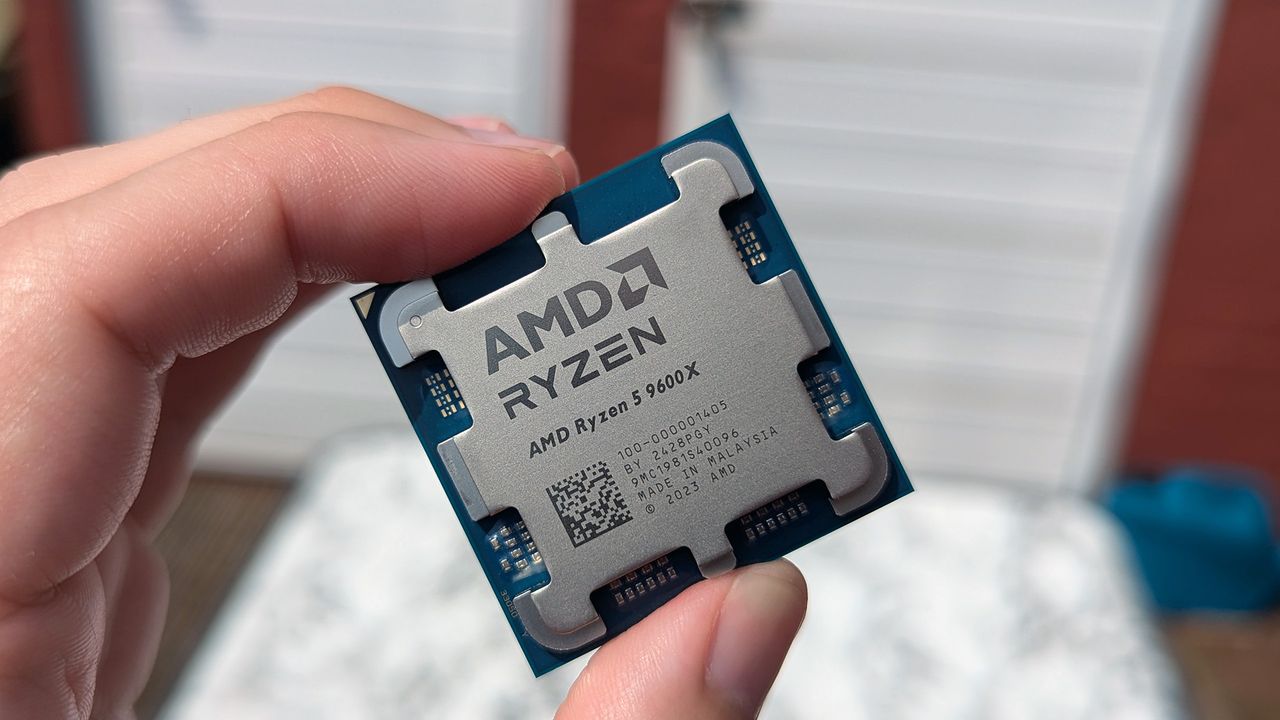
AMD Ryzen 5 9600X processor held in hand
![]()

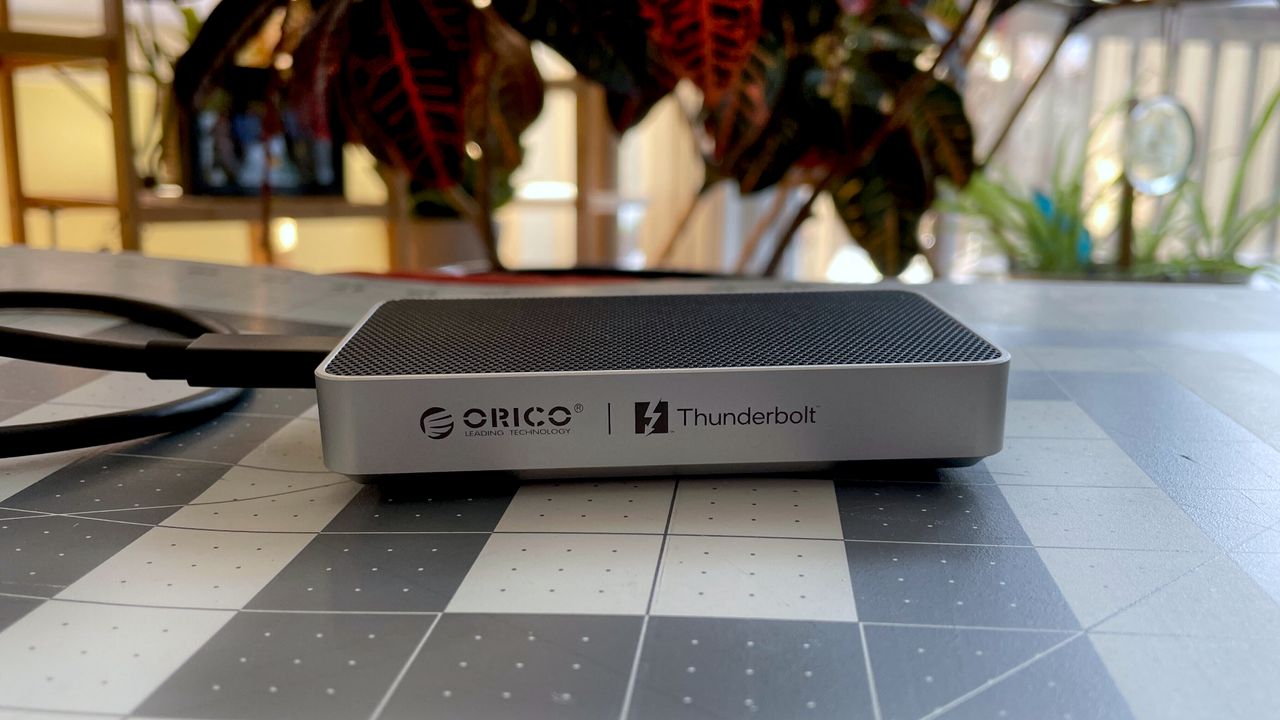
Orico X50
![]()

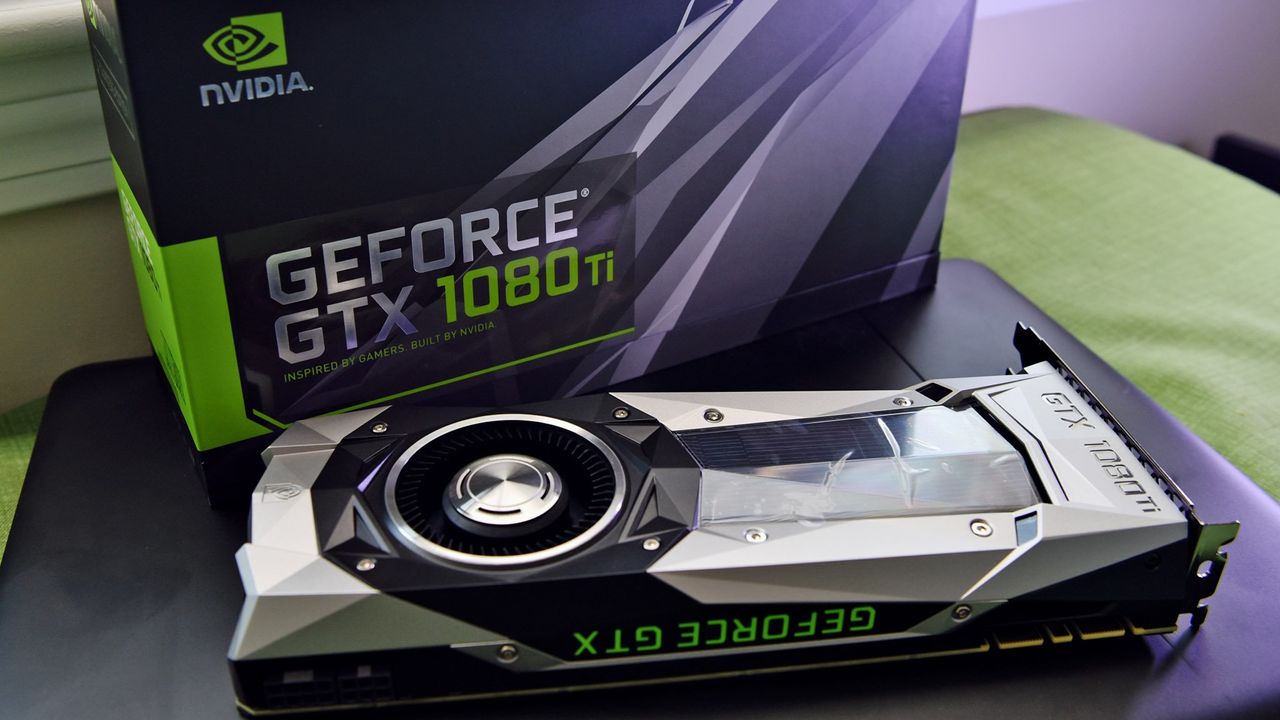
NVIDIA GTX 1080 Ti
![]()

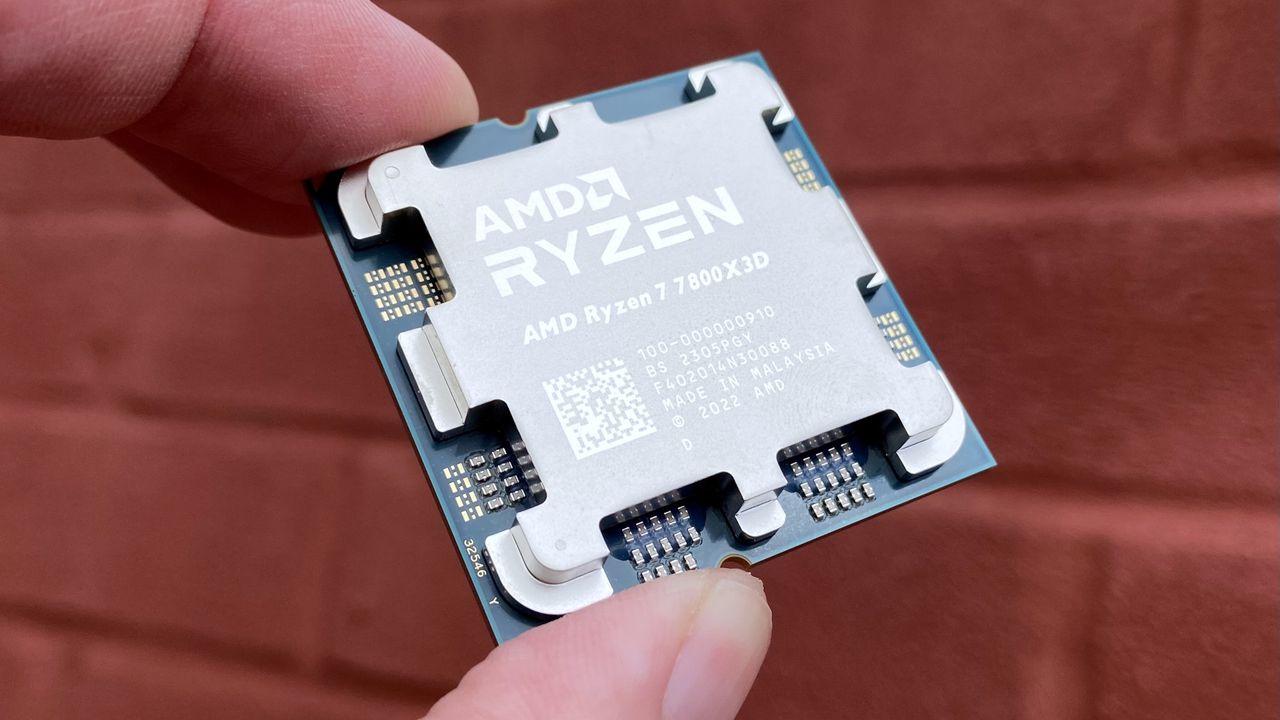
AMD Ryzen 7 7800X3D close up
![]()

Image of the HP OmniBook X Flip 14 (2025) laptop.
![]()

Dell XPS 13 with Snapdragon
![]()