
❌

Vue normale

  • ✇Yanko Design
  • Aston Martin’s V12-powered SUV is all ready for the Dakar Rally
    Whenever a vehicle drops for real from the gaming world, it unites the best of both worlds, and enthusiasts have another reason to look forward to. Aston Martin has just done that with the Dreadnaught, which was just a concept in works a few months ago, is now a striking reality. Created in collaboration with Infinity Ward and Activision, the two giants of the video game world, the SUV comes fitted with things that you would not otherwise find in the production versions. The chunky four-wheeler
     

Aston Martin’s V12-powered SUV is all ready for the Dakar Rally

20 novembre 2026 à 11:20

Whenever a vehicle drops for real from the gaming world, it unites the best of both worlds, and enthusiasts have another reason to look forward to. Aston Martin has just done that with the Dreadnaught, which was just a concept in works a few months ago, is now a striking reality.

Created in collaboration with Infinity Ward and Activision, the two giants of the video game world, the SUV comes fitted with things that you would not otherwise find in the production versions. The chunky four-wheeler has an integrated weapons storage reserve fuel tank, adaptive combat intelligence system, and tactical toggles in the form of bulletproof shields to avert any bullets or airstrikes.

Designer: Aston Martin

From the renderings that we see, the SUV has a very sharp and edgy form and a high ride height for obvious reasons. Dreadnaught is outright designed for off-roading, and the interiors might miss a bit of the luxury element, but Aston Martin has still managed to give the cabin a very contemporary feel. Things like roll-cage bars and other mechanical components are well integrated given the available space. The dashboard, seats, and the octagonal steering wheel are all done in military green leather, and the brand badge is deliberately placed. The dashboard screens fit in neatly as a rectangular bezel stretching all the way across.

The bodywork is made out of carbon fiber for optimized weight distribution. To the front, there are three LED array headlights in a vertical arrangement, and the grille also has a pair of square headlights for better vision in murky conditions. On the bottom, there is another grille that has a pair of tow hooks and a silver skid plate. Move to the rear, and you have a wild ducktail spoiler and slatted louvers replacing the windshield.

While you might imagine the V12-powered vehicle is some sort of Doomsday roller, it is being prepped for the 2027 Dakar Rally. In fact, three of them will be commissioned for the event, and behind the wheel will be Fernando Alonso, Aston Martin Aramco Formula 1 Team driver, nine-time World Rally Champion Sébastien Loeb, and the reigning World Rally Raid champion Lucas Moraes. The British automaker is working in close quarters with British engineering crew Prodrive to engineer and build the vehicle for the grueling rally that is going to have an entirely new route.

The 49th edition of the event will start off in Loule, Portugal, on January 9, and the legs will start the next day with a special stage. For now, there are only the renderings of the vehicle that we have access to, but given the event’s closing timeline, it should be as good as road-legal in a couple of weeks. When Aton Martin might reveal it to the general public is completely at their discretion. For those who have already gotten excited, the rally racer will not have a buyable production version for now.

The post Aston Martin’s V12-powered SUV is all ready for the Dakar Rally first appeared on Yanko Design.
  • ✇Yanko Design
  • This Removable Tiny Home Turns a Utility Trailer Into a Camper Without Giving Up Its Day Job
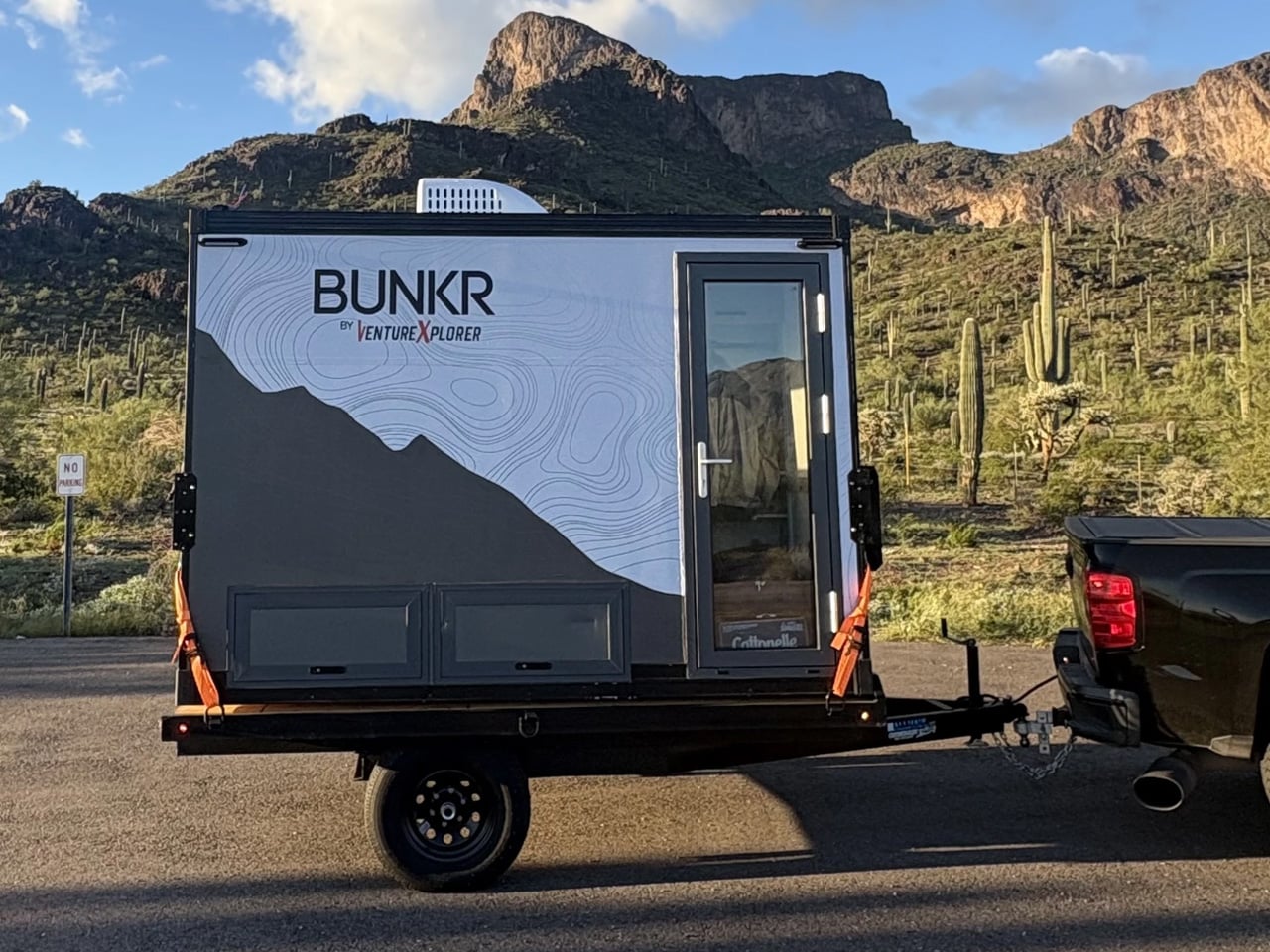
    Most campers ask you to buy a trailer that spends its entire life being a camper. VentureXplorer’s Bunkr separates the living space from the thing carrying it. The compact pod can mount onto a compatible utility trailer or stand independently, offering a different proposition from the usual tiny house on wheels. Its appeal is less about squeezing in luxury and more about making shelter adaptable. The manufacturer lists three starting footprints: 5 by 10 feet, 6 by 12 feet, and 7 by 14 feet. Tha
     

This Removable Tiny Home Turns a Utility Trailer Into a Camper Without Giving Up Its Day Job

19 novembre 2026 à 17:30

Most campers ask you to buy a trailer that spends its entire life being a camper. VentureXplorer’s Bunkr separates the living space from the thing carrying it. The compact pod can mount onto a compatible utility trailer or stand independently, offering a different proposition from the usual tiny house on wheels. Its appeal is less about squeezing in luxury and more about making shelter adaptable.

The manufacturer lists three starting footprints: 5 by 10 feet, 6 by 12 feet, and 7 by 14 feet. That translates to just 50 to 98 square feet before accounting for walls and fittings. Each pod is built to order, with dimensions and layouts tailored to the intended setup. Crucially, those are different configurations, not one standard model with an identical equipment list.

Designer: VentureXplorer

A demonstration unit measures 7 feet wide and 10 feet long. Inside, a sofa converts into a bed, while an upper bunk folds against the wall when not needed. The reported sleeping capacity is two to four people, depending on the arrangement. This is the Bunkr’s most useful spatial trick: keeping sleeping furniture from permanently occupying an already limited living area.

The kitchen takes a surprisingly ambitious approach for such tight quarters. The demonstration build includes a four-burner stove, oven, microwave, refrigerator, and sink. That appliance count comes with a visible compromise: there is little dedicated preparation space. Covers over the stove and sink reclaim work surfaces when those fixtures are idle, but cooking here still means negotiating which function gets priority at any given moment.

A corner wet bathroom combines a toilet, sink, and shower within one waterproof space. Elsewhere, VentureXplorer specifies galvanized steel or aluminum framing, composite panels, and XPS insulation. Cabinetry can use laminated plywood or aluminum. These material choices give buyers alternatives to consider around weight and moisture exposure, although the company’s claims about thermal performance should not be mistaken for independently verified comfort in every climate.

Reported base prices range from $30,000 to $40,000, depending on size, with equipment affecting the final bill. The manufacturer currently quotes a typical production turnaround of two to three months. Buyers should confirm trailer compatibility, finished weight, utilities, and local siting rules before treating the pod as a ready answer to housing, particularly when planning to use it beyond occasional camping trips.

What makes the Bunkr interesting is the separation of cabin and chassis. A trailer can return to hauling duties after the living pod is removed, while the interior can be configured around a particular owner rather than a fixed showroom package. It is a modest, practical kind of flexibility, provided the final layout leaves enough room for everyday life between its many different functions.

The post This Removable Tiny Home Turns a Utility Trailer Into a Camper Without Giving Up Its Day Job first appeared on Yanko Design.

❌