Vue normale

Il y a de nouveaux articles disponibles, cliquez pour rafraîchir la page.
À partir d’avant-hierFlux principal

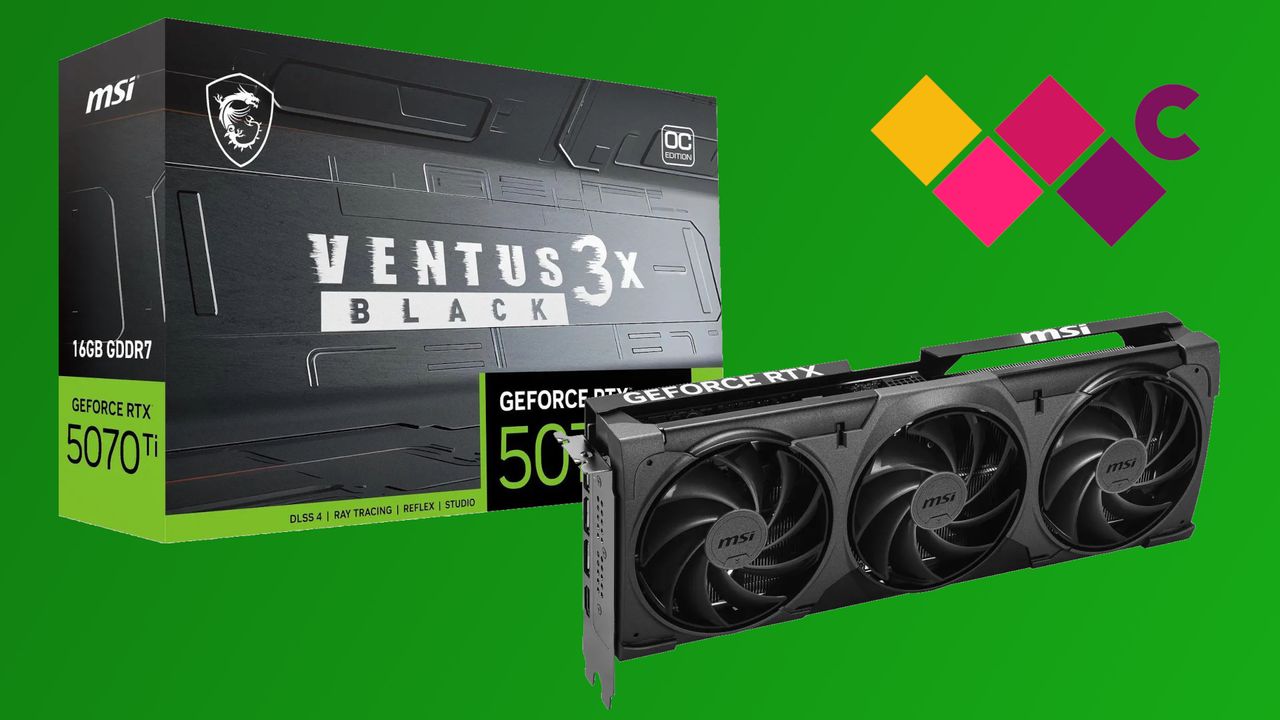
Storage might join RAM on your PC shortage wish list — NVIDIA's new AI supercomputers will suck up millions of TB of SSDs to operate

NVIDIA's new Rubin AI supercomputers have arrived, and they're likely going to need millions of TB of NAND to scale out. Priced into the market or not, SSDs are likely about to become the next big short in 2026.

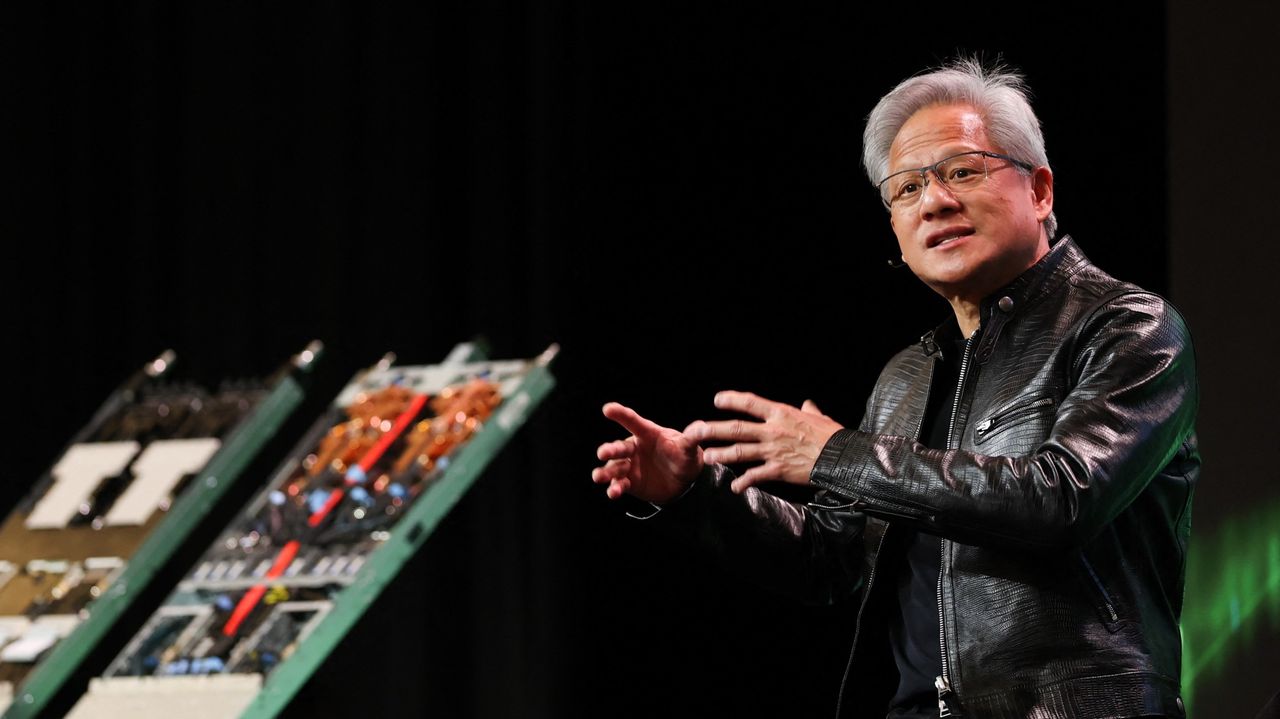
Nvidia founder and CEO Jensen Huang speaks about the Vera Rubin AI platform during a question and answer session with reporters at the annual Consumer Electronics Show (CES) in Las Vegas, Nevada, on January 6, 2026.

This $2,899 Desktop AI Computer With RTX 5090M Lets You Cancel Every AI Subscription Forever

Par : Sarang Sheth
22 décembre 2025 à 02:45

Look across the history of consumer tech and a pattern appears. Ownership gives way to services, and services become subscriptions. We went from stacks of DVDs to streaming movies online, from external drives for storing data and backups to cloud drives, from MP3s on a player to Spotify subscriptions, from one time software licenses to recurring plans. But when AI arrived, it skipped the ownership phase entirely. Intelligence came as a service, priced per month or per million tokens. No ownership, no privacy. Just a $20 a month fee.

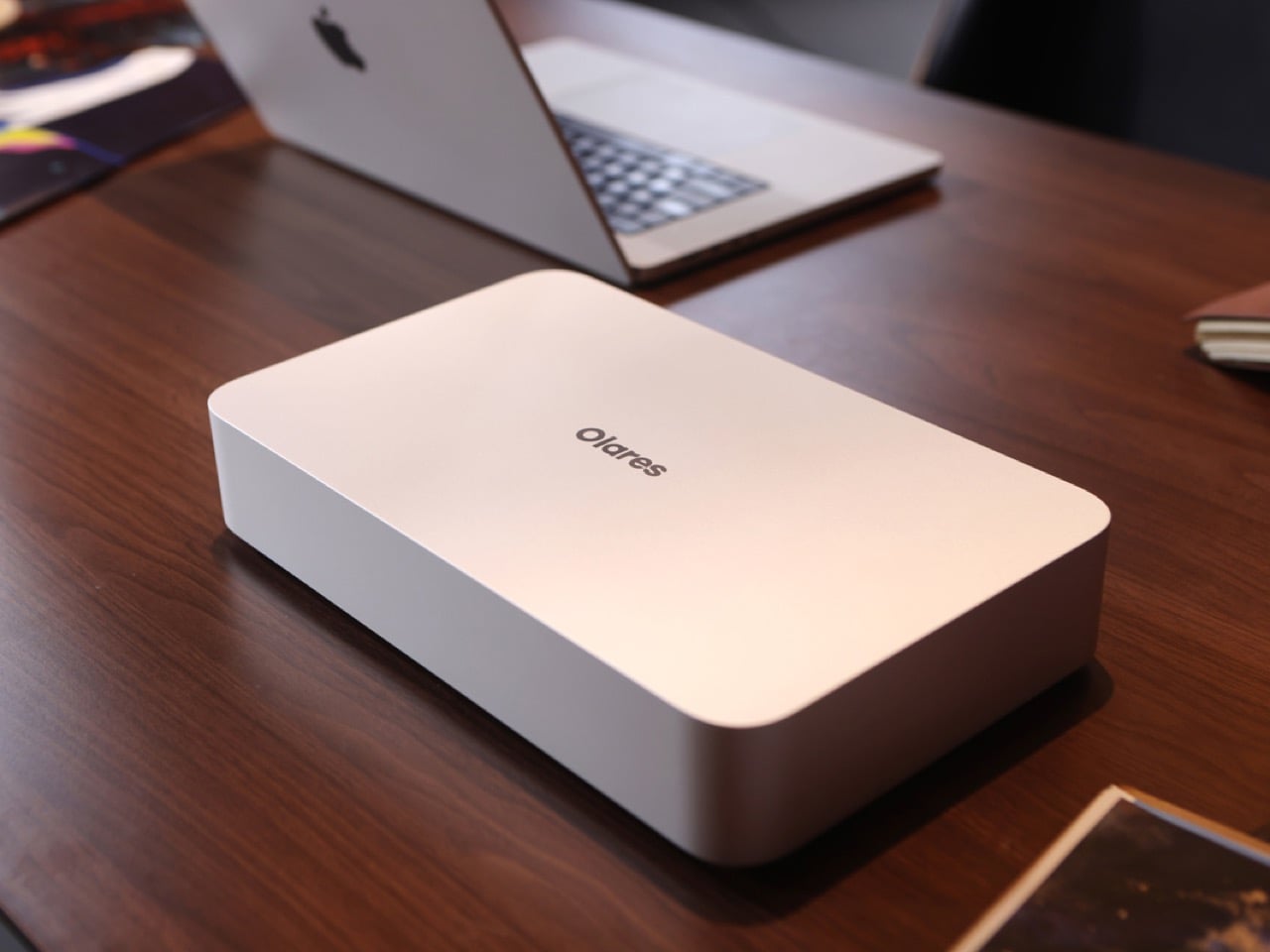
A device like Olares One rearranges that relationship. It compresses a full AI stack into a desktop sized box that behaves less like a website and more like a personal studio. You install models the way you once installed apps. You shape its behavior over time, training it on your documents, your archives, your creative habits. The result is an assistant that feels less rented and more grown, with privacy, latency, and long term cost all tilting back toward the owner.

Designer: Olares

Click Here to Buy Now: $2,899 $3,999 (28% off) Hurry! Only 15/320 units left!

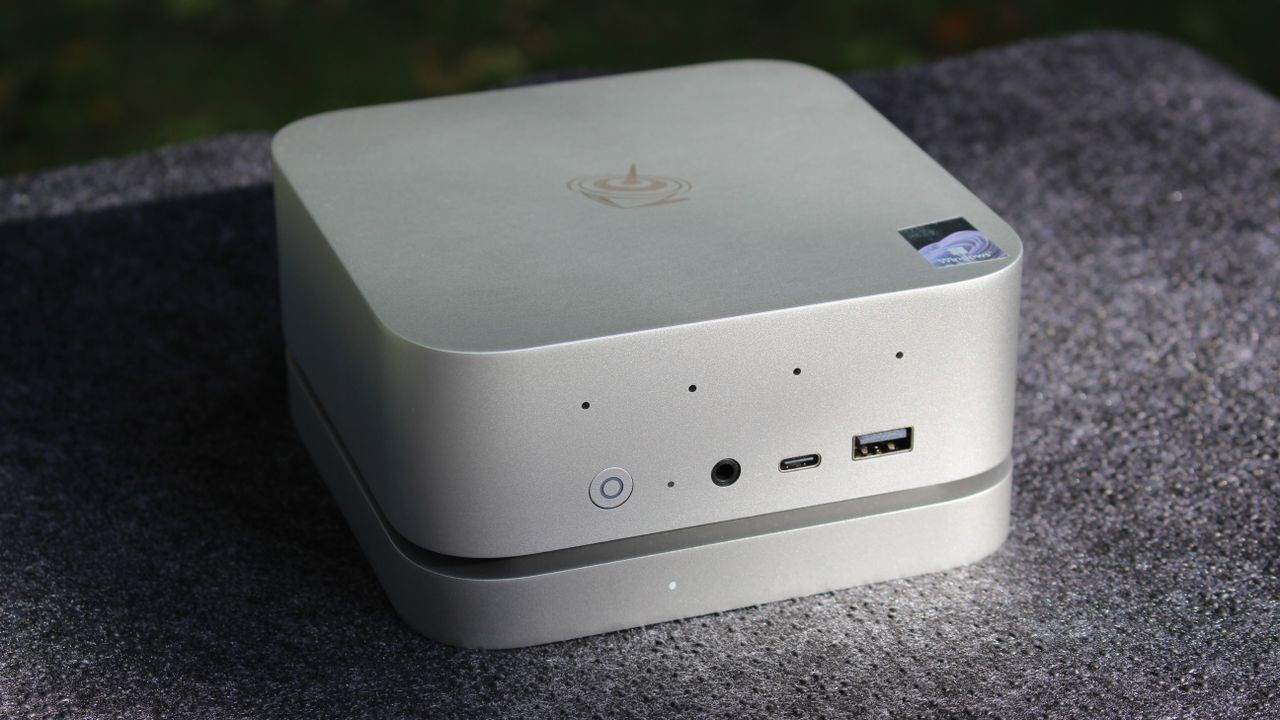
The pitch is straightforward. Take the guts of a $4,000 gaming laptop, strip out the screen and keyboard, put everything in a minimalist chassis that looks like Apple designed a chonky Mac mini, and tune it for sustained performance instead of portability. Dimensions are 320 x 197 x 55mm, weighs 2.15 kg without the PSU, and the whole package pulls 330 watts under full load. Inside sits an Intel Core Ultra 9 275HX with 24 cores running up to 5.4 GHz and 36 MB of cache, the same chip you would find in flagship creator laptops this year. The GPU is an NVIDIA GeForce RTX 5090 Mobile with 24 GB of GDDR7 VRAM, 1824 AI TOPS of tensor performance, and a 175W max TGP. Pair that with 96 GB of DDR5 RAM at 5600 MHz and a PCIe 4.0 NVMe SSD, and you have workstation level compute in a box smaller than most soundbars.

Olares OS runs on top of all that hardware, and it is open source, which means you can audit the code, fork it, or wipe it entirely if you want. Out of the box it behaves like a personal cloud with an app store containing over 200 applications ready to deploy with one click. Think Docker and Kubernetes, but without needing to touch a terminal unless you want to. The interface looks clean, almost suspiciously clean, like someone finally asked what would happen if you gave a NAS the polish of an iPhone. You get a unified account system so all your apps share a single login, configurable multi factor authentication, enterprise grade sandboxing for third party apps, and Tailscale integration that lets you access your Olares box securely from anywhere in the world. Your data stays on your hardware, full stop.

I have been tinkering with local LLMs for the past year, and the setup has always been the worst part. You spend hours wrestling with CUDA drivers, Python environments, and obscure GitHub repos just to get a model running, and then you realize you need a different frontend for image generation and another tool for managing multiple models and suddenly you have seven terminal windows open and nothing talks to each other. Olares solves that friction by bundling everything into a coherent ecosystem. Chat agents like Open WebUI and Lobe Chat, general agents like Suna and OWL, AI search with Perplexica and SearXNG, coding assistants like Void, design agents like Denpot, deep research tools like DeerFlow, task automation with n8n and Dify. Local LLMs include Ollama, vLLM, and SGIL. You also get observability tools like Grafana, Prometheus, and Langfuse so you can actually monitor what your models are doing. The philosophy is simple. String together workflows that feel as fluid as using a cloud service, except everything runs on metal you control.

Gaming on this thing is a legitimate use case, which feels almost incidental given the AI focus but makes total sense once you look at the hardware. That RTX 5090 Mobile with 24 GB of VRAM and 175 watts of power can handle AAA titles at high settings, and because the machine is designed as a desktop box, you can hook it up to any monitor or TV you want. Olares positions this as a way to turn your Steam library into a personal cloud gaming service. You install your games on the Olares One, then stream them to your phone, tablet, or laptop from anywhere. It is like running your own GeForce Now or Xbox Cloud Gaming, except you own the server and there are no monthly fees eating into your budget. The 2 TB of NVMe storage gives you room for a decent library, and if you need more, the system uses standard M.2 drives, so upgrades are straightforward.

Cooling is borrowed from high end laptops, with a 2.8mm vapor chamber and a 176 layer copper fin array handling heat dissipation across a massive 310,000 square millimeter surface. Two custom 54 blade fans keep everything moving, and the acoustic tuning is genuinely impressive. At idle, the system sits at 19 dB, which is whisper quiet. Under full GPU and CPU load, it climbs to 38.8 dB, quieter than most gaming desktops and even some laptops. Thermal control keeps things stable at 43.8 degrees Celsius under sustained loads, which means you can run inference on a 70B model or render a Blender scene without the fans turning into jet engines. I have used plenty of small form factor PCs that sound like they are preparing for liftoff the moment you ask them to do anything demanding, so this is a welcome change.

RAGFlow and AnythingLLM handle retrieval augmented generation, which lets you feed your own documents, notes, and files into your AI models so they can answer questions about your specific data. Wise and Files manage your media and documents, all searchable and indexed locally. There is a digital secret garden feature that keeps an AI powered local first reader for articles and research, with third party integration so you can pull in content from RSS feeds or save articles for later. The configuration hub lets you manage storage, backups, network settings, and app deployments without touching config files, and there is a full Kubernetes console if you want to go deep. The no CLI Kubernetes interface is a big deal for people who want the power of container orchestration but do not want to memorize kubectl commands. You get centralized control, performance monitoring at a glance, and the ability to spin up or tear down services in seconds.

Olares makes a blunt economic argument. If you are using Midjourney, Runway, ChatGPT Pro, and Manus for creative work, you are probably spending around $6,456 per year per user. For a five person team, that balloons to $32,280 annually. Olares One costs $2,899 for the hardware (early-bird pricing), which breaks down to about $22.20 per month per user over three years if you split it across a five person team. Your data stays private, stored locally on your own hardware instead of floating through someone else’s data center. You get a unified hub of over 200 apps with one click installs, so there are no fragmented tools or inconsistent experiences. Performance is fast and reliable, even when you are offline, because everything runs on device. You own the infrastructure, which means unconditional and sovereign control over your tools and data. The rented AI stack leaves you as a tenant with conditional and revocable access.

Ports include Thunderbolt 5, RJ45 Ethernet at 2.5 Gbps, USB A, and HDMI 2.1, plus Wi-Fi 7 and Bluetooth 5.4 for wireless connectivity. The industrial design leans heavily into the golden ratio aesthetic, with smooth curves and a matte aluminum finish that would not look out of place next to a high end monitor or a piece of studio equipment. It feels like someone took the guts of a $4,000 gaming laptop, stripped out the compromises of portability, and optimized everything for sustained performance and quietness. The result is a machine that can handle creative work, AI experimentation, gaming, and personal cloud duties without breaking a sweat or your eardrums.

Olares One is available now on Kickstarter, with units expected to ship early next year. The base configuration with the RTX 5090 Mobile, Intel Core Ultra 9 275HX, 96 GB RAM, and 2 TB SSD is priced at a discounted $2,899 for early-bird backers (MSRP $3,999). That still is a substantial upfront cost, but when you compare it to the ongoing expense of cloud AI subscriptions and the privacy compromises that come with them, the math starts to make sense. You pay once, and the machine is yours. No throttling, no price hikes, no terms of service updates that quietly change what the company can do with your data. If you have been looking for a way to bring AI home without sacrificing capability or convenience, this is probably the most polished attempt at that idea so far.

Click Here to Buy Now: $2,899 $3,999 (28% off) Hurry! Only 15/320 units left!

The post This $2,899 Desktop AI Computer With RTX 5090M Lets You Cancel Every AI Subscription Forever first appeared on Yanko Design.

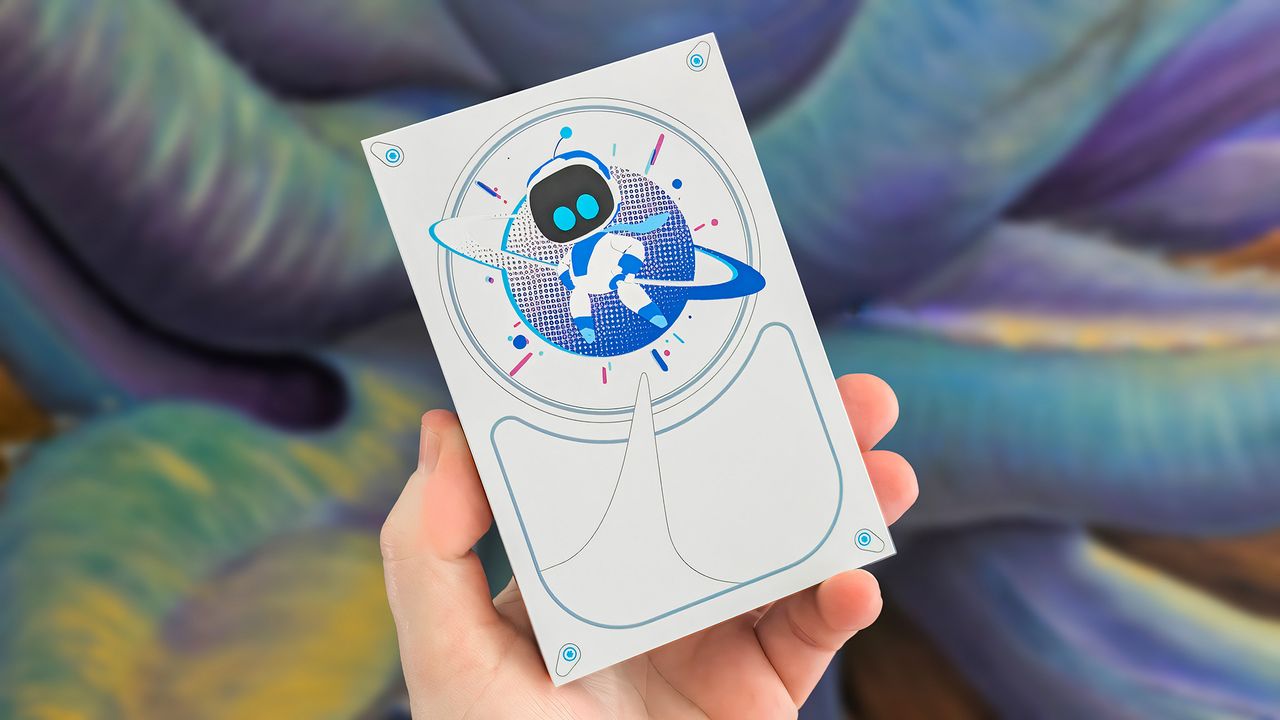
Seagate’s Astro Bot Limited Edition HDD combines reliable storage with playful design — here’s how it stacks up in our review

Seagate's Astro Bot-themed game drive is a limited edition HDD that works for PC, PlayStation 5, and PlayStation 4. But is it worth buying for PC? Our review.

A hand holding the Seagate Astro Bot Limited Edition Game Drive in ftong of a colorful background.

Build a Private AI Workflow on Your PC for Just $79

28 novembre 2025 à 14:00

Bring AI in-house—keep data on-device for chat, document analysis, and coding help without cloud reliance.

The post Build a Private AI Workflow on Your PC for Just $79 appeared first on TechRepublic.

Vault - L'app open source qui collecte vos liens, notes et images

Par : Korben
17 octobre 2025 à 16:16

Fin de journée, c’est presque le week end et en plus les vacances scolaires sont là ! Mais je ne pouvais pas finir ma journée sans vous parler de Vault. Vault c’est une application Electron pour Mac, Windows et Linux qui vous permet de sauvegarder vos liens, vos notes et vos images à 100% en local sur votre machine.

Vous installez l’app, vous créez un ou plusieurs “coffres” (des dossiers qui organisent votre contenu), et vous commencez à sauvegarder tout ce qui vous intéresse. L’app extrait automatiquement les métadonnées des liens que vous lui donnez, le temps de lecture estimé, les infos produit si c’est une page e-commerce, et comme ça, tout reste bien organisé dans votre interface.

Vault propose aussi une extension navigateur pour Chrome, Firefox et dérivés. Comme ça, si vous tombez sur un article intéressant, hop, un clic et c’est sauvegardé directement dans votre coffre local. Et pas besoin d’ouvrir l’app, car l’extension communique directement avec elle en arrière-plan.

Ce qui me plaît dans cette approche, c’est qu’on revient aux bases. Rien n’est stocké en ligne, et si vous gérez bien vos sauvegardes, tout restera chez vous ad vitam eternam ! Après comme y’a pas de synchro native entre vos appareils, si vous bossez sur deux ou trois machines différentes, faudra gérer ça à la main avec un Dropbox ou iCloud Drive en plaçant vos coffres dans un dossier synchronisé. Mais bon, on peut pas tout avori dans la vie.

L’app supporte le Markdown pour vos notes, ce qui est sympa si vous aimez écrire en texte formaté et vous pouvez importer vos bookmarks depuis Chrome en deux clics, et exporter vos coffres pour les partager ou les archiver.

Le projet est open source sous licence MIT et est dispo ici .

Vault ne va pas changer votre vie mais c’est une app qui fait ce qu’on lui demande, sans chichi, sans tracking, sans casser les pieds et ça, moi j’adore !

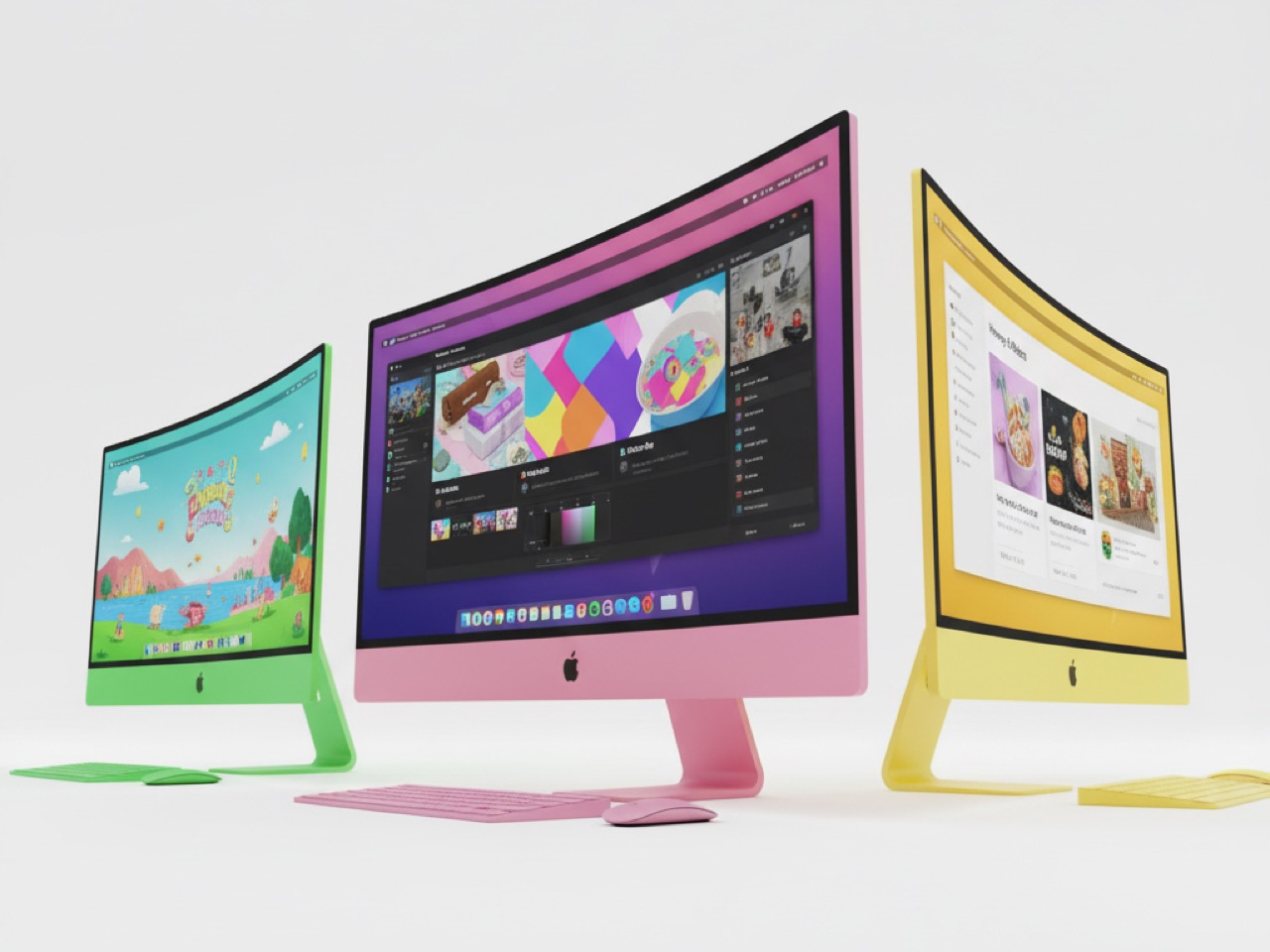
Apple Refused to Make Curved Monitors For Decades. Here’s Why…

Par : Sarang Sheth
23 octobre 2025 à 19:15

Apple will gladly sell you a $3,500 headset that wraps curved virtual displays around your entire field of view, but the company has never once shipped a physical curved display. Not on the iMac. Not on the Studio Display. Not even a subtle waterfall edge on the iPhone. This isn’t an oversight or technical limitation, it’s ideology made manifest in aluminum and glass.

While competitors like Samsung have built entire marketing campaigns around dramatic curved edges and Dell has carved out profitable niches with wraparound gaming monitors, Apple has spent decades systematically avoiding curves with the dedication of a geometry teacher. The result reveals something fascinating about how the world’s most valuable technology company thinks about design, professional workflows, and the fundamental nature of what a display should be.

Image Credits: Sarang Sheth

The Philosophy Behind the Flat

Jony Ive’s design philosophy wasn’t just about minimalism, it was about what he called “truth to materials.” Every curve had to justify its existence through function rather than form. In his worldview, inherited from design mentor Dieter Rams, displays served a singular purpose: presenting information with maximum clarity and minimum distraction. Curves introduced visual complexity that violated this core principle.

This wasn’t mere aesthetic preference but philosophical conviction. When Ive described transforming the iPad Pro from curved to flat edges, he emphasized how engineering advances allowed them to achieve “a very simple straightforward edge detail.” The language reveals everything: simplicity and straightforwardness were virtues, while curves represented unnecessary complexity. For Ive, flat displays weren’t just better designed, they were more honest about their purpose.

When Curves Meant Compromise

Physical curved displays present real-world problems that Apple’s engineering obsessives couldn’t stomach. Curved monitors suffer from geometric distortion near the edges, making straight lines appear bent, a nightmare for professionals working on architectural drawings or precise graphic design. Color accuracy varies across the curved surface as viewing angles change, violating Apple’s commitment to professional-grade color reproduction.

Manufacturing curved panels also means lower yields and higher costs, factors that conflict with Apple’s desire for predictable production economics. More importantly, curved displays complicate internal component layout, thermal management, and the kind of seamless integration that Apple prizes above flashy visual effects. Every curved panel represents engineering compromises that Apple’s teams historically refused to accept.

The Professional Workflow Justification

Apple positioned their displays squarely in professional creative markets where accuracy trumped immersion. Video editors, photographers, and graphic designers need displays that present images exactly as they’ll appear in final output. Even subtle curvature can introduce distortion that makes precision work difficult, particularly when multiple team members need to view the same screen from different angles.

This professional focus also explained Apple’s resistance to gaming-oriented features like high refresh rates until recently. Curved displays were marketed primarily for gaming and entertainment, markets where immersion mattered more than geometric precision. Apple’s customer base of creative professionals had different priorities, and the company built its display strategy around serving those specific needs rather than chasing broader consumer trends.

Virtual Reality Changes Everything

The Vision Pro’s enthusiastic embrace of curved virtual displays exposes the fundamental contradiction in Apple’s anti-curve stance. The latest visionOS update explicitly promotes wraparound displays that “curve around your periphery,” creating immersive experiences that physical displays simply cannot match. Apple actively markets these curved virtual screens as superior to traditional flat displays.

Virtual curvature solves every problem Apple cited with physical curved displays. Software can eliminate geometric distortion through pixel-perfect rendering. Color accuracy remains consistent because the underlying pixels are physically flat. Manufacturing yields become irrelevant because curves exist only in code. Most importantly, users can switch between curved and flat presentations depending on their task, providing the flexibility that rigid physical displays cannot offer.

Ive’s Geometric Obsession

Understanding Apple’s curved display aversion requires understanding Ive’s broader design philosophy, which extended far beyond hardware into software. His push for flat design in iOS 7 represented the same geometric principles applied to digital interfaces. He described the aesthetic as “profound and enduring beauty in simplicity,” explicitly rejecting decorative elements that didn’t serve essential functions.

This geometric obsession influenced every Apple product during Ive’s tenure. The iPhone’s evolution toward increasingly flat surfaces, the MacBook’s elimination of curves wherever possible, and even architectural elements in Apple Stores all reflected this commitment to geometric purity. Curves were acceptable only when they served clear functional purposes, never as decorative flourishes or visual drama.

The Industry’s Curved Rebellion

While Apple maintained its flat display orthodoxy, competitors found success with curved screens across multiple product categories. Samsung’s Galaxy Edge phones created differentiation through dramatic curved edges. Gaming monitor manufacturers like ASUS and MSI built enthusiastic followings with ultrawide curved displays. Even premium TV makers embraced subtle curves to enhance viewing experiences.

The curved display market grew substantially without Apple’s participation, suggesting that consumer demand existed for these products. Professional users began adopting curved ultrawide monitors for tasks like video editing and financial trading, undermining Apple’s argument that curves were incompatible with serious work. The company watched potential revenue streams flow to competitors while maintaining its geometric principles.

What Apple’s Missing (and Why They Don’t Care)

Apple’s curved display absence has cost the company market opportunities in gaming, entertainment, and even some professional segments where immersive displays provide clear benefits. Curved ultrawide monitors have become popular among content creators for timeline-based work, offering advantages that Apple’s flat Studio Display simply cannot match. The company has effectively ceded these markets to maintain design consistency.

Yet Apple seems remarkably unconcerned about these missed opportunities, and their Vision Pro strategy suggests why. The company appears to view curved physical displays as a transitional technology, something to skip entirely in favor of the ultimate curved display: virtual reality. Why compromise with curved glass when you can eventually sell customers infinitely configurable virtual curves instead? It’s a typically Apple approach, waiting to leapfrog an entire product category rather than participate in its incremental evolution.

The contradiction between Apple’s curved virtual displays and flat physical ones isn’t really a contradiction at all. It’s the logical endpoint of a design philosophy that values function over form, professional utility over consumer spectacle, and long-term vision over short-term market participation. Apple didn’t avoid curved displays because they couldn’t make them work. They avoided them because curved glass was never the destination, just a waypoint on the road to curved light.

The post Apple Refused to Make Curved Monitors For Decades. Here’s Why… first appeared on Yanko Design.

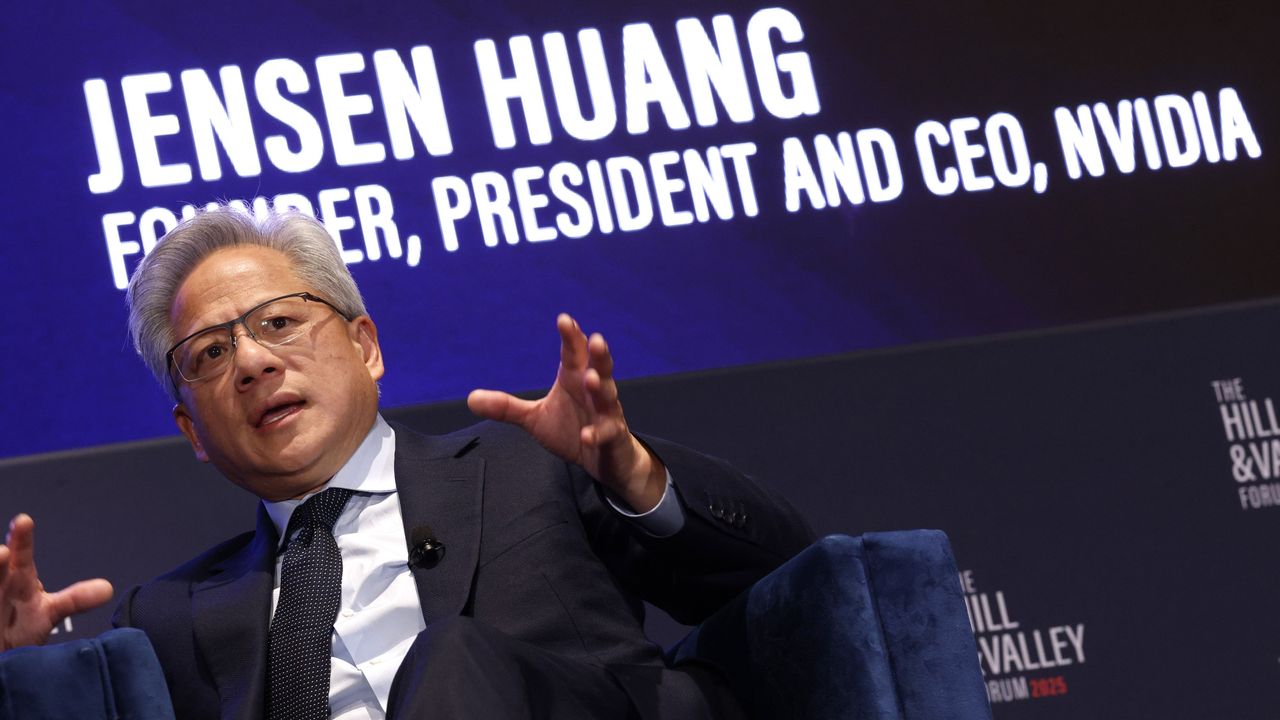
“This isn’t Pets.com” — NVIDIA CEO says the AI boom is built on real demand

It's easy to draw comparisons between the dotcom bubble and crash and the current AI boom that's sucking up billions of dollars of investments. Is there a chance it could pop? Sure, but NVIDIA's CEO doesn't think so.

President and CEO of Nvidia Jensen Huang speaks on AI at the return of American manufacturing at the Hill and Valley Forum at the U.S. Capitol on April 30, 2025 in Washington, DC.

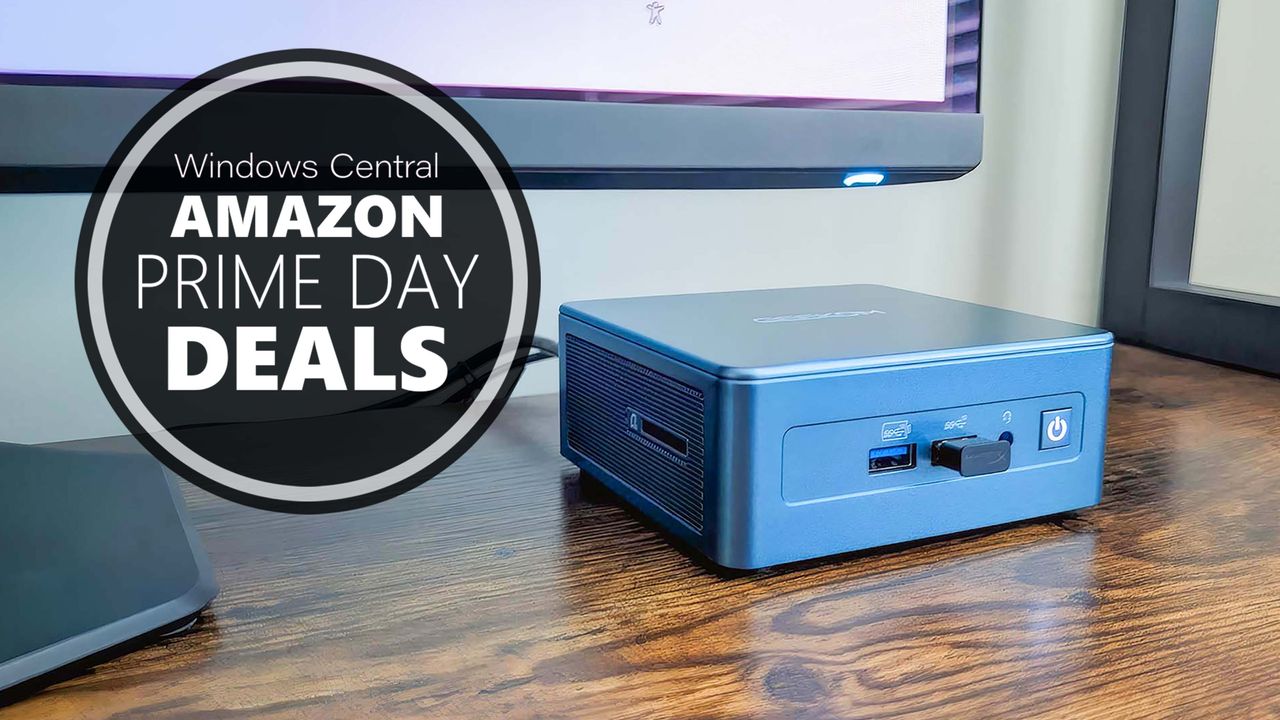
Geekom’s mini PC deal just got even smaller, thanks to our secret code — extra discount drops price to $475

I've tested several Geekom mini PCs and have found these devices to be reliable and convenient. Right now, you can use our special code to get a great deal on an already discounted mini PC.

Geekom IT13 mini PC on a desk below a monitor. A graphic reads "Windows Central Amazon Prime Day Deals."

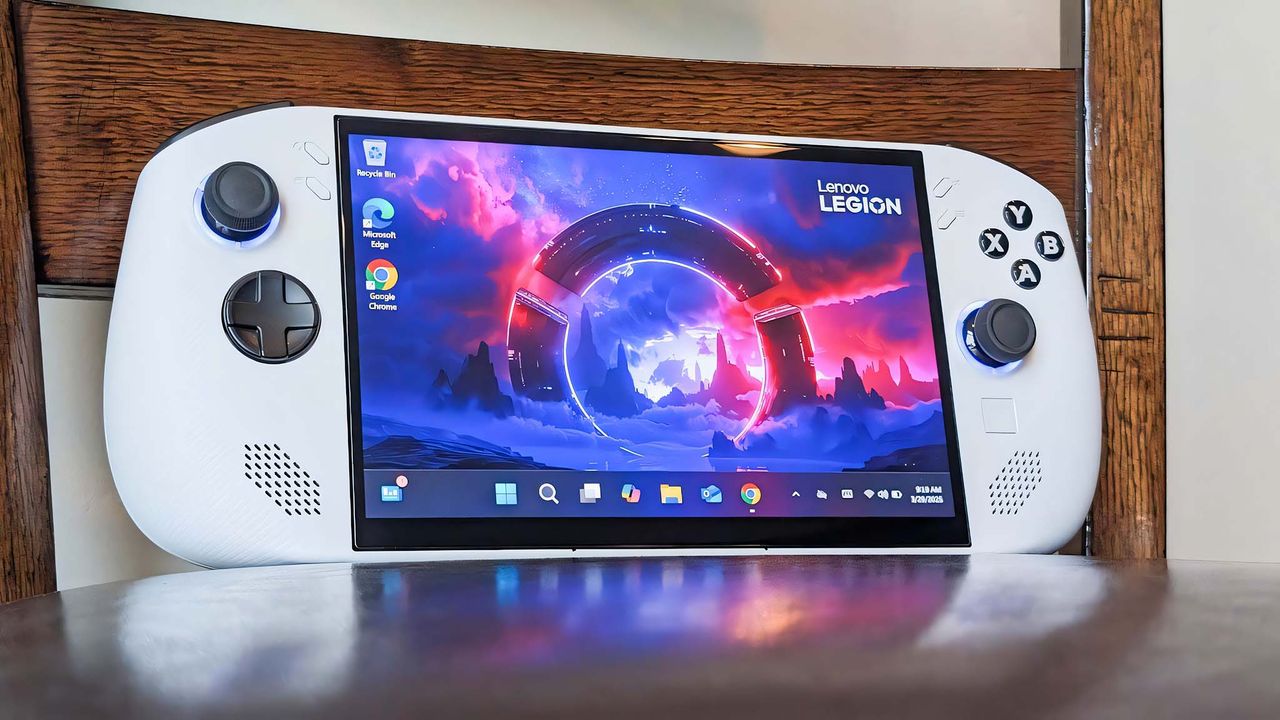
Lenovo’s Legion Go S handheld brings console‑style gaming and PC power into a sleek, portable design

Lenovo's entry-level gaming handheld is currently $50 off for Prime Day, making it more affordable than some other current-gen handhelds.

The Legion Go S resting on a chair with a dBrand screen protector installed on it.

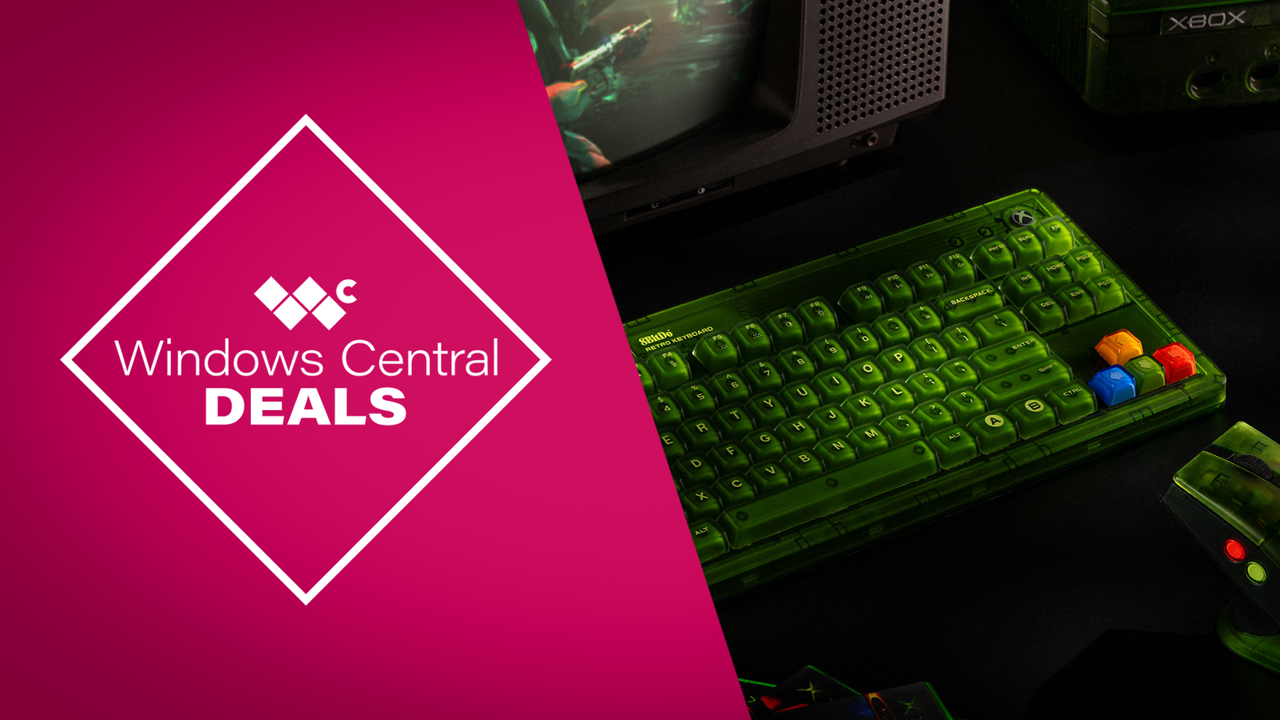
From gaming marathons to daily typing, this Xbox‑inspired keyboard delivers pure throwback joy

8BitDo’s Retro 87 Xbox mechanical keyboard is down to $84 on Amazon, offering nostalgic design, wireless flexibility, and matching accessories for fans of the classic 2001 Xbox era.

Windows Central deals 8bitdo xbox keyboard

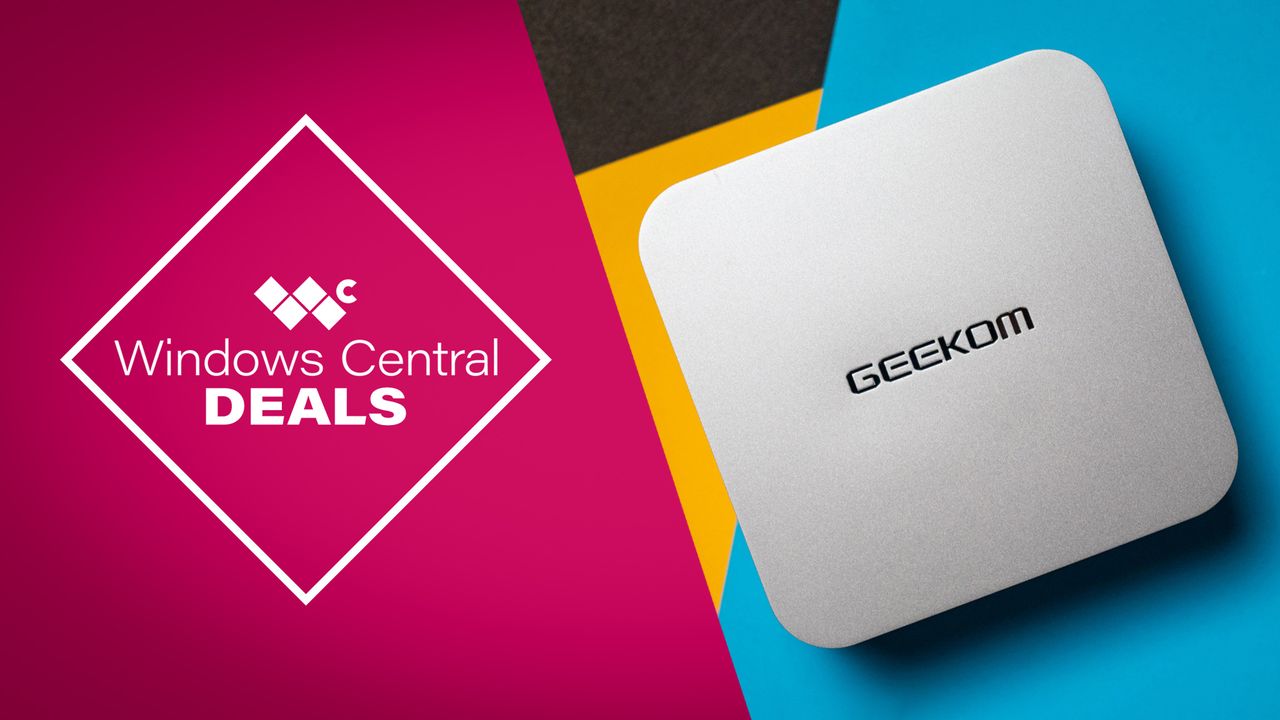
Don't waste your money on an expensive computer — a discounted Geekom mini PC can do the same job for less

I've tested dozens of Geekom mini PCs and have found that they are reliable and powerful little computers. Right now, you can get one at a discount thanks to these Amazon Prime Day deals.

A graphic that reads "Windows Central Deals on the left of the screen with a Geekom mini PC on the right of the screen.

Can Jensen Huang maintain Nvidia’s grip on AI as competitors rise amid geopolitical tensions?

Nvidia dominates AI with 94% of the GPU market and record revenue, but mounting pressure from Amazon, Google, China’s chip ban, and rising rivals is starting to test its grip.

Google, Amazon, Nvidia LOGOS

"They're nanoseconds behind us" — NVIDIA's CEO sounds alarm on China's AI rise and questions US chip strategy

Huawei recently announced a three-year plan to overtake NVIDIA's AI dominance in China, and that's bad news for the US firm struggling with restrictions.

Jensen Huang, co-founder and chief executive officer of Nvidia Corp.

"NVIDIA violated the anti-monopoly law" — China's ongoing investigation digs up antitrust violations as trade tensions mount

China's State Administration for Market Regulation has released a statement that finds NVIDIA guilty of anti-trust practices.

SUQIAN, CHINA - JULY 31, 2025 - A illustration photo shows NVIDIA logo in a smartphone in Suqian, Jiangsu Province, China on July 31, 2025 (Photo credit should read CFOTO/Future Publishing via Getty Images)

❌
❌